Article

Superheating Control of ORC Systems via Minimum (h,φ)-Entropy Control

1
State Key Laboratory of Alternate Electrical Power System with Renewable Energy Sources, North China Electric Power University, Beijing 102206, China
2
School of Control and Computer Engineering, North China Electric Power University, Beijing 102206, China
3
School of Automation and Electronic Engineering, Qingdao University of Science and Technology, Qingdao 266061, China
*
Author to whom correspondence should be addressed.
Entropy 2022, 24(4), 513; https://doi.org/10.3390/e24040513
Submission received: 21 February 2022 / Revised: 25 March 2022 / Accepted: 29 March 2022 / Published: 6 April 2022

Abstract

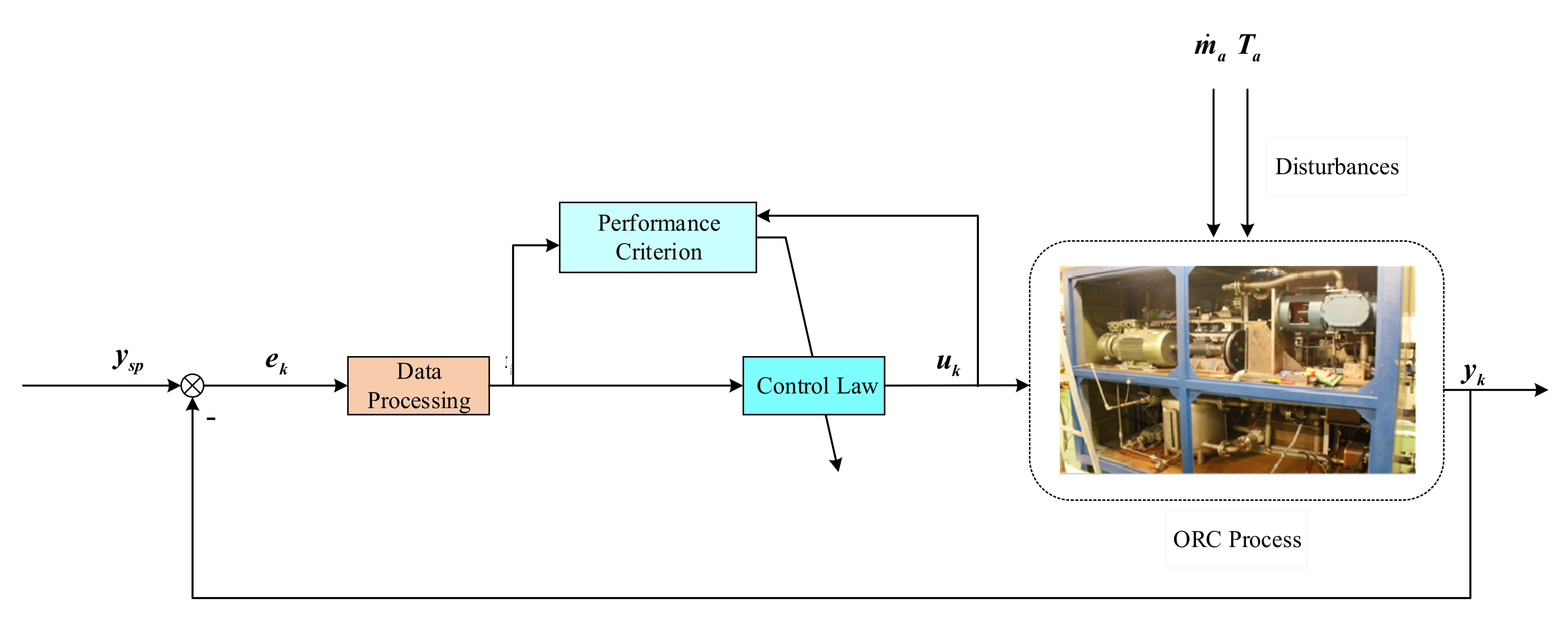
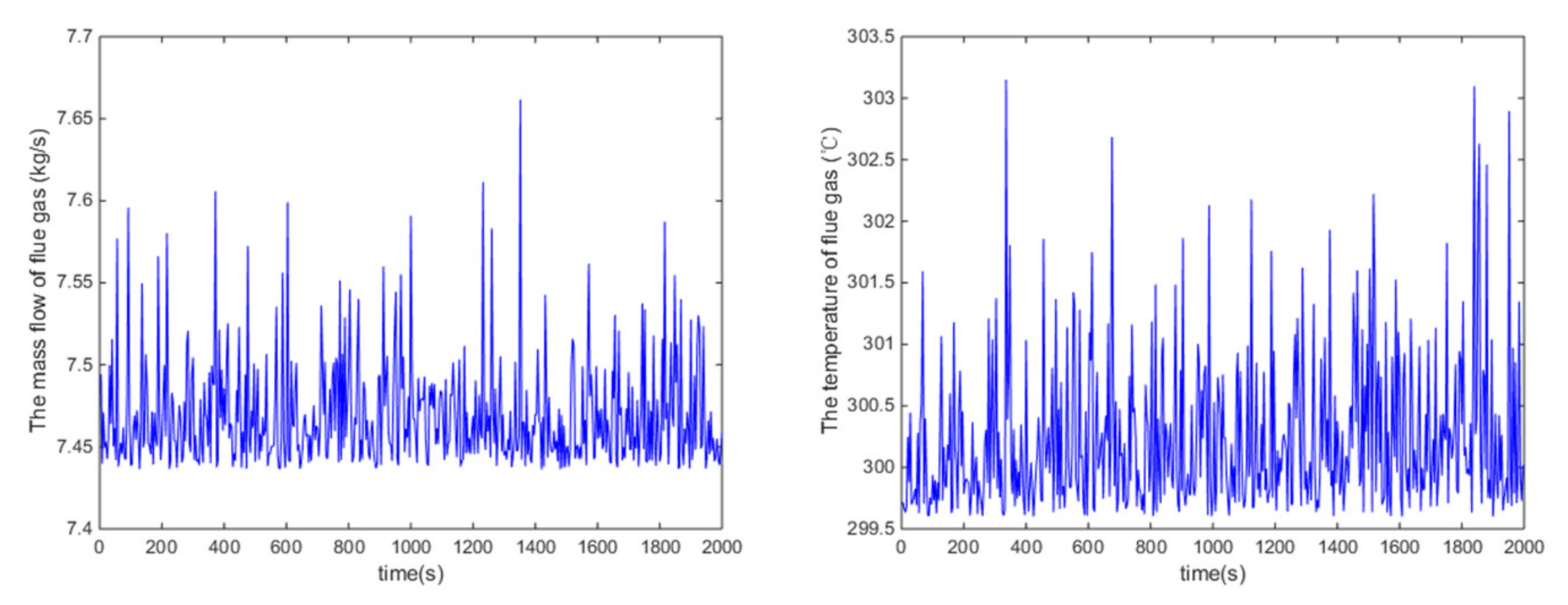
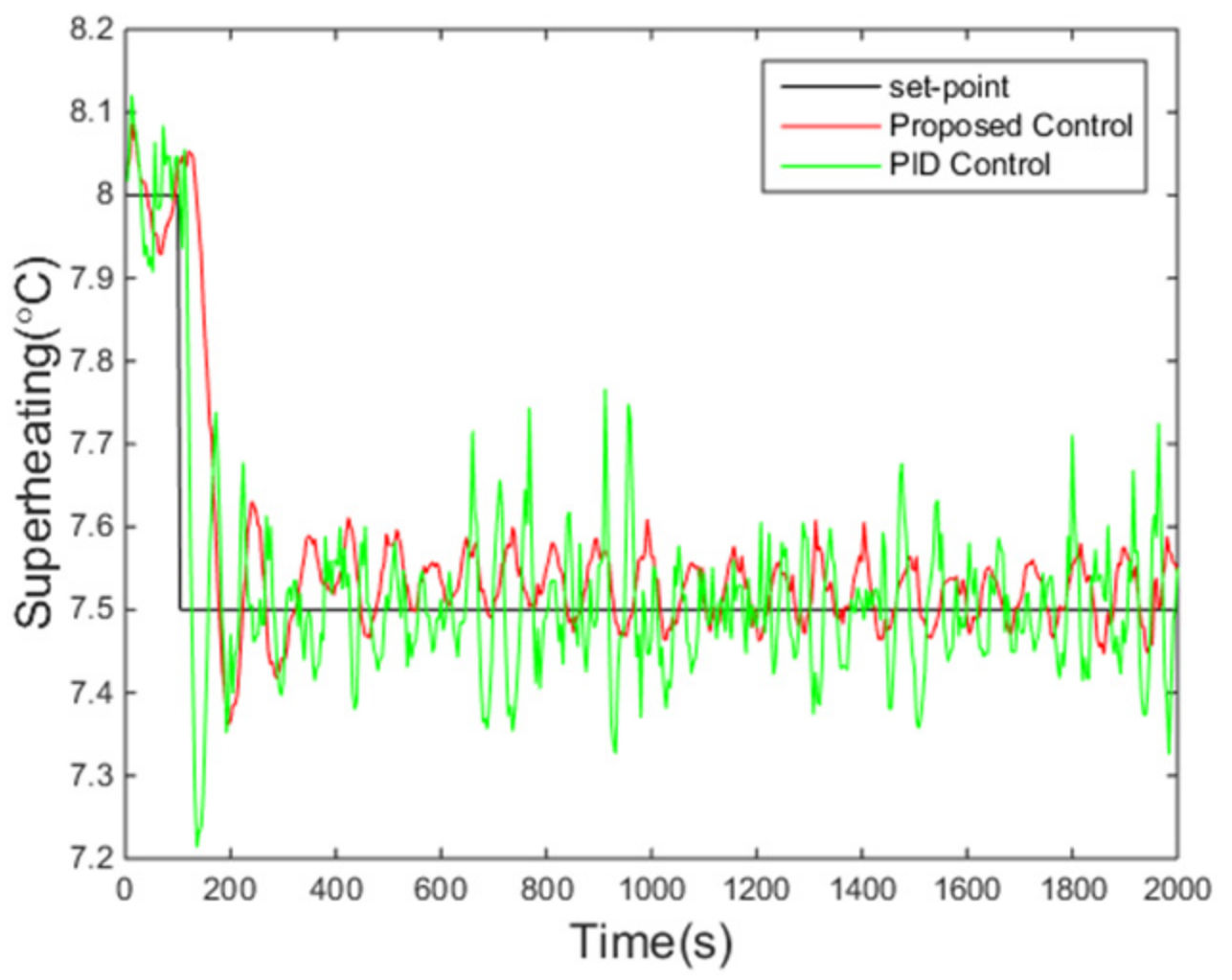
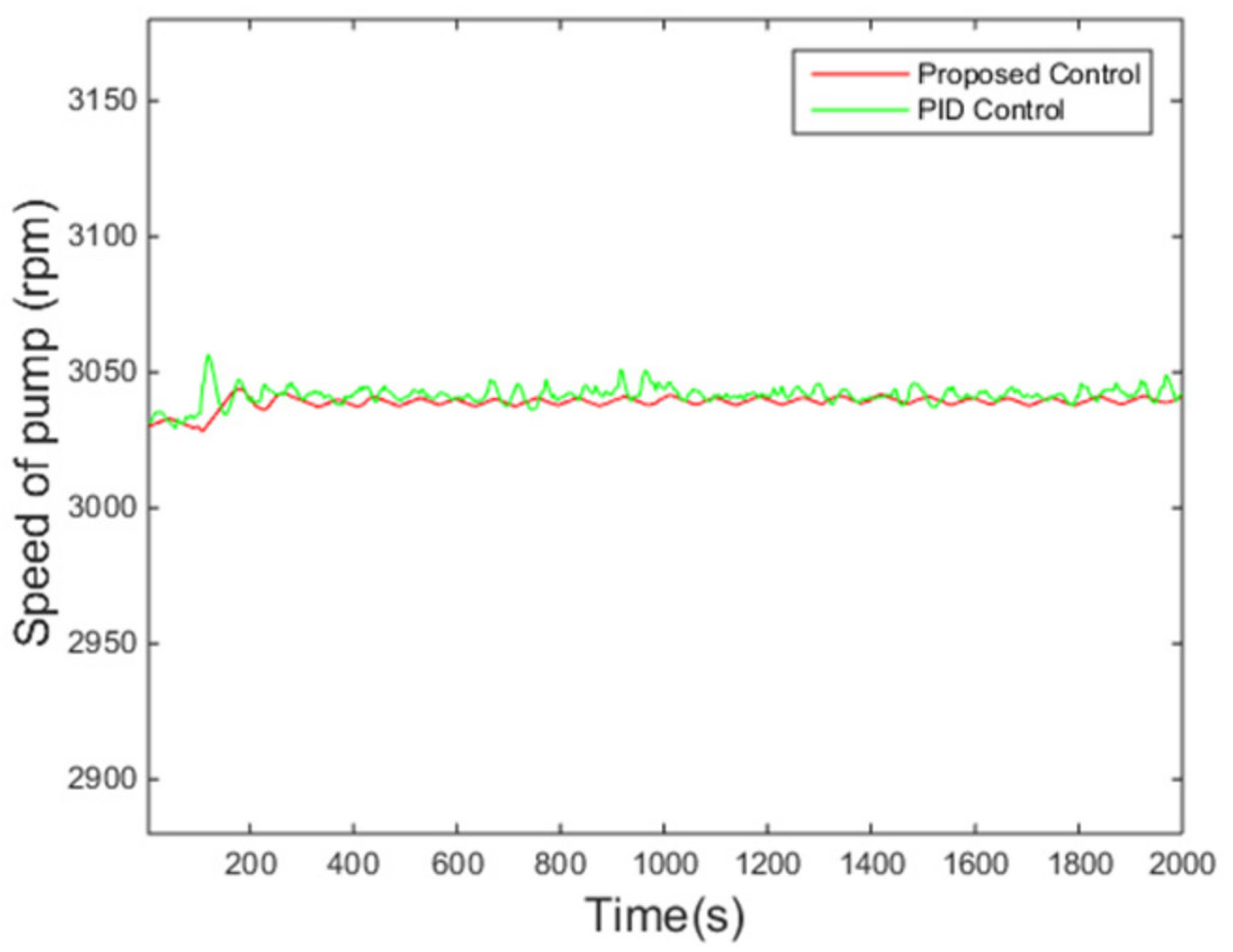
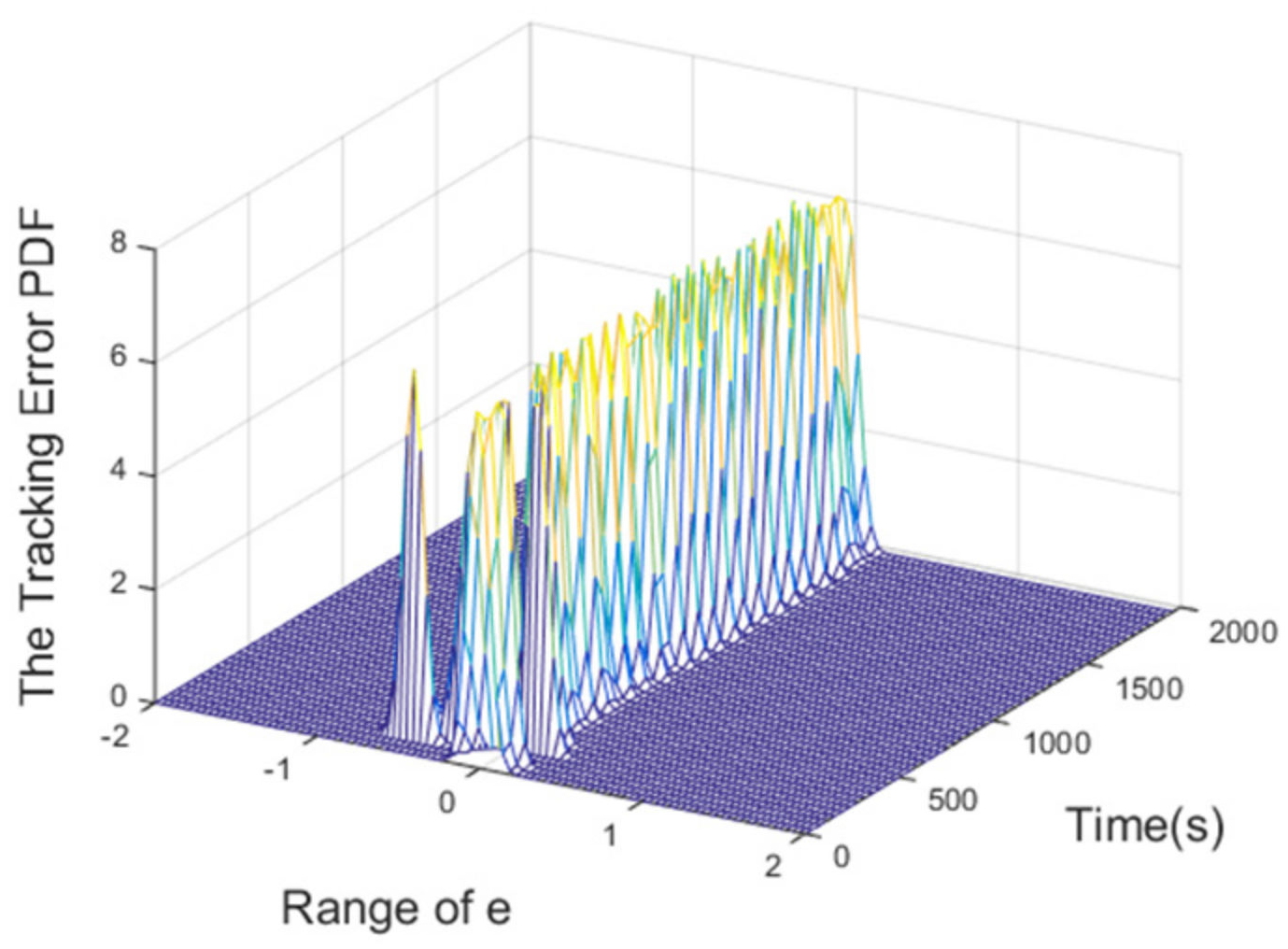
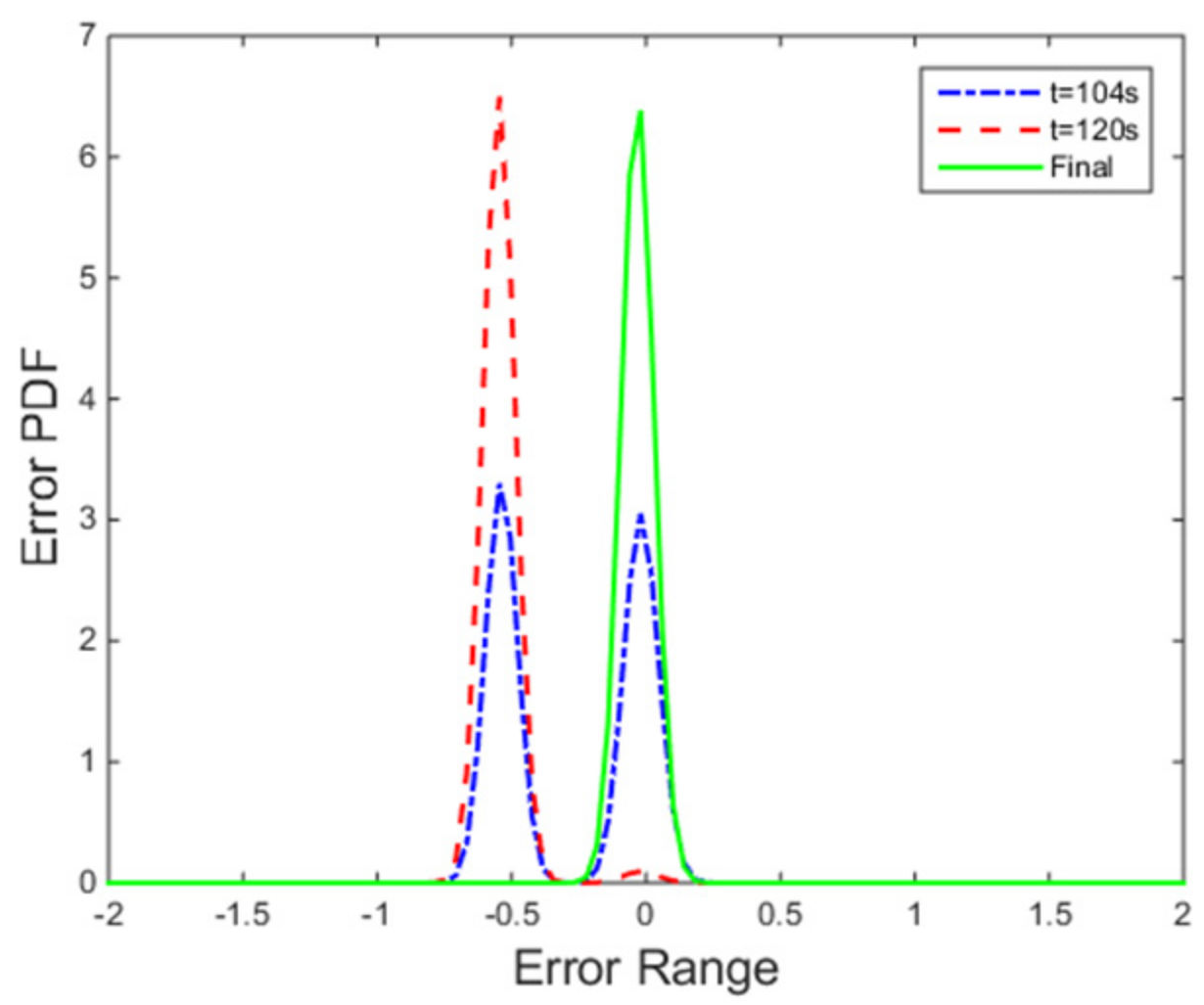
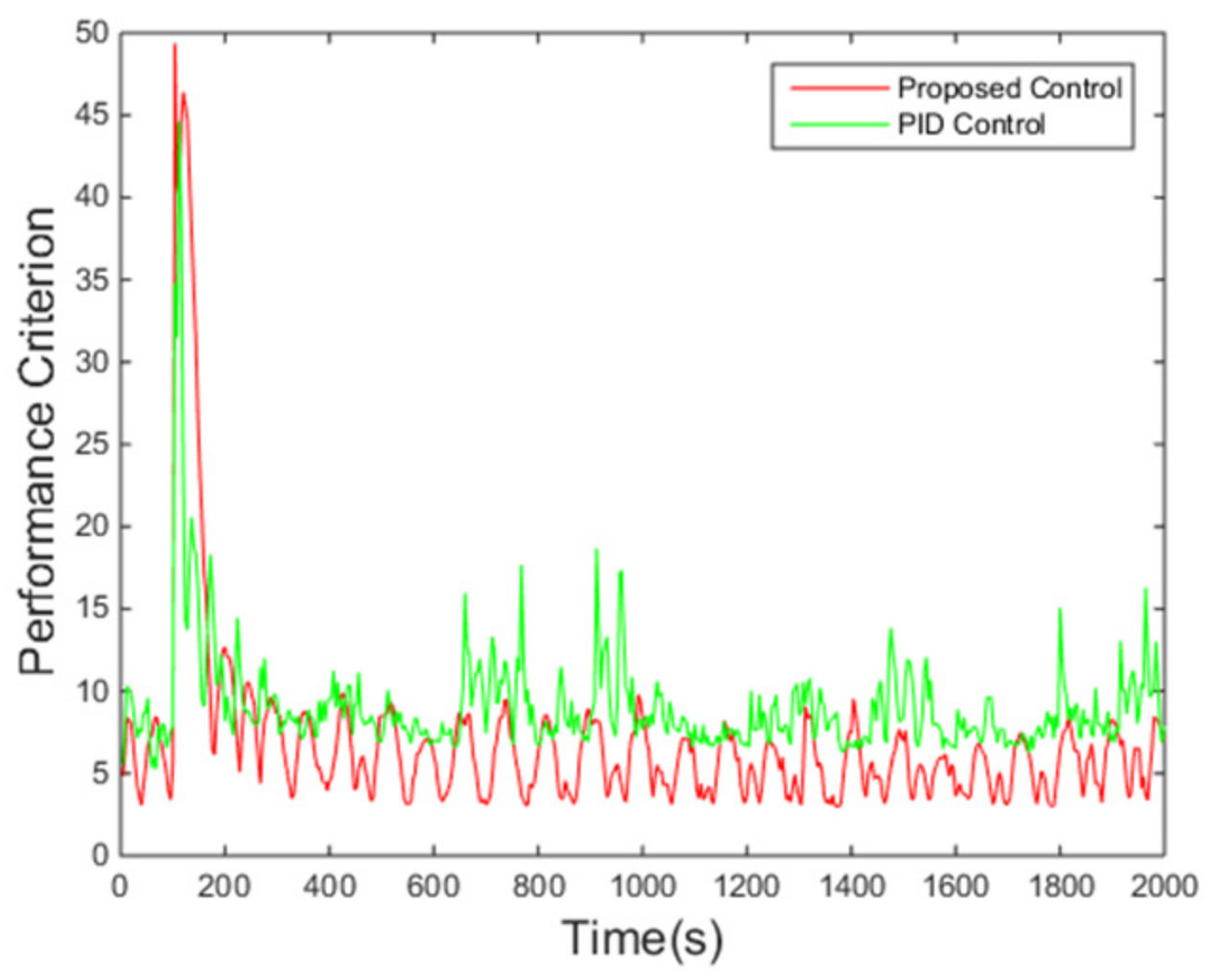
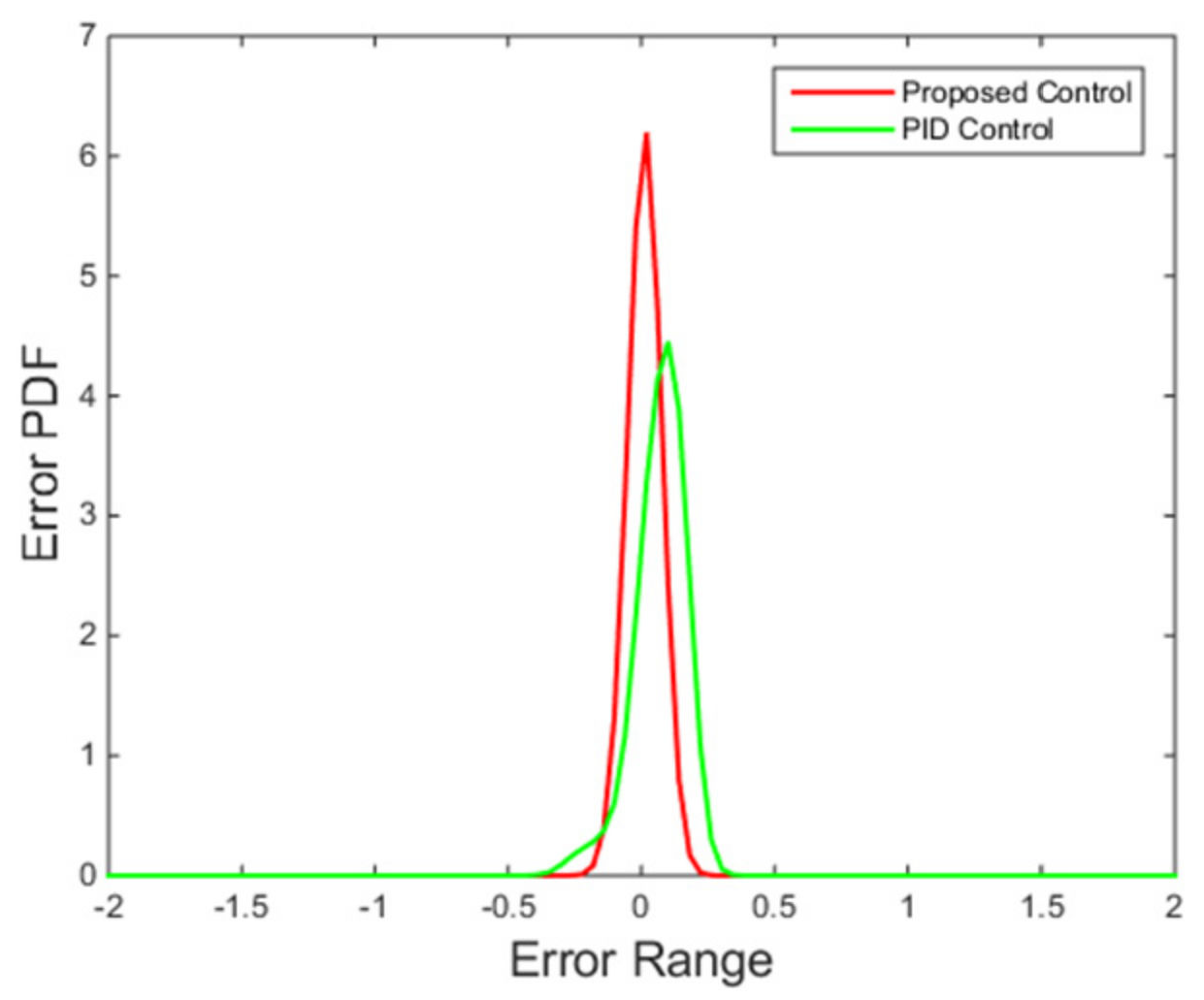
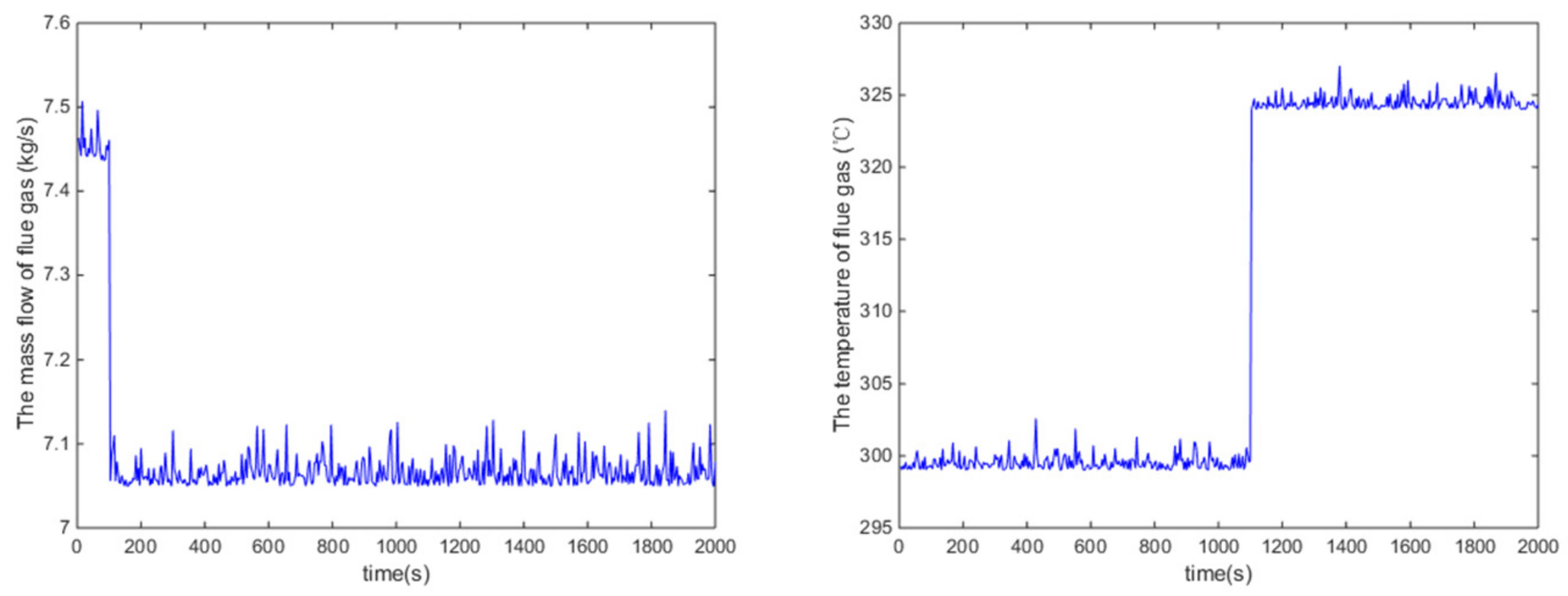
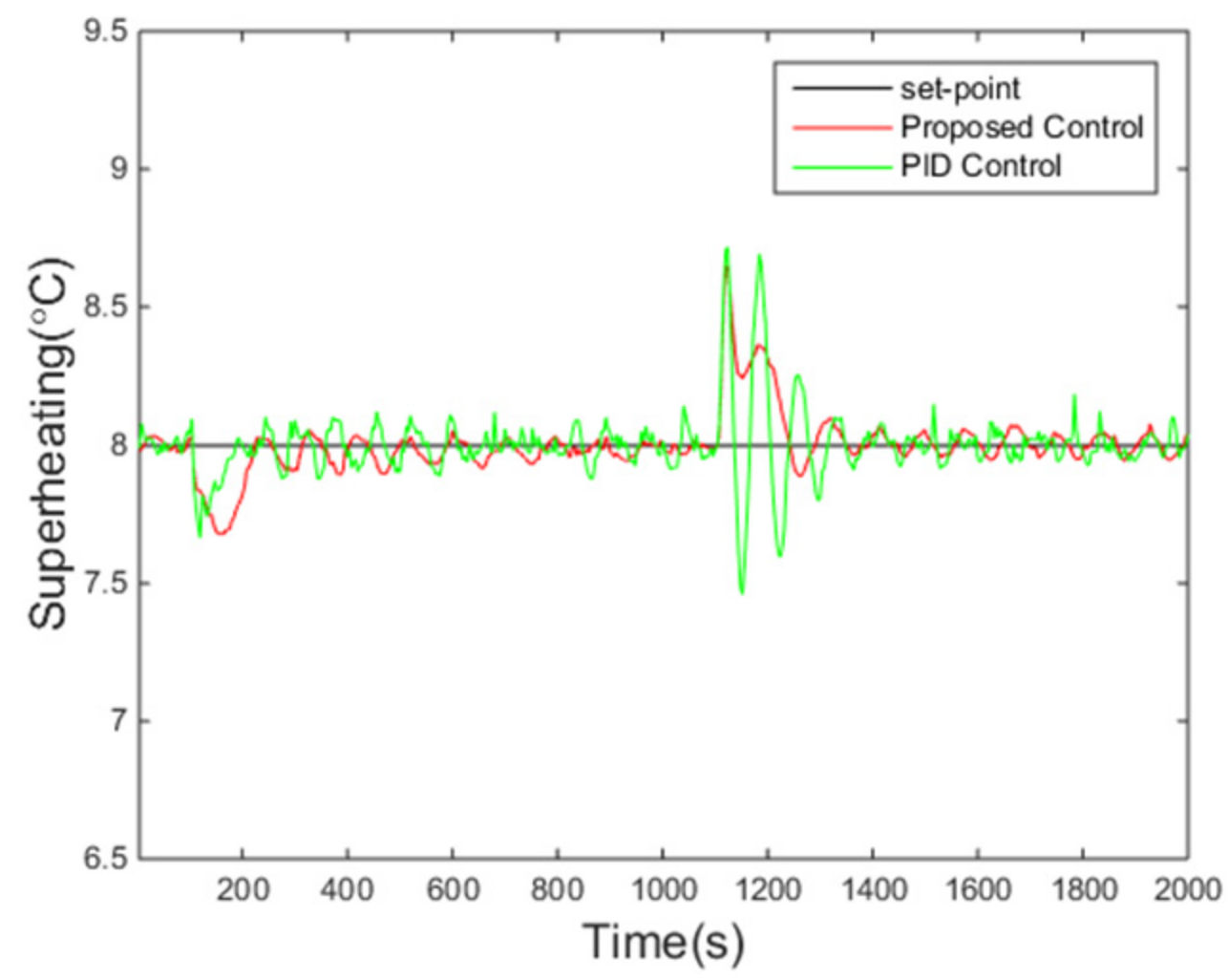
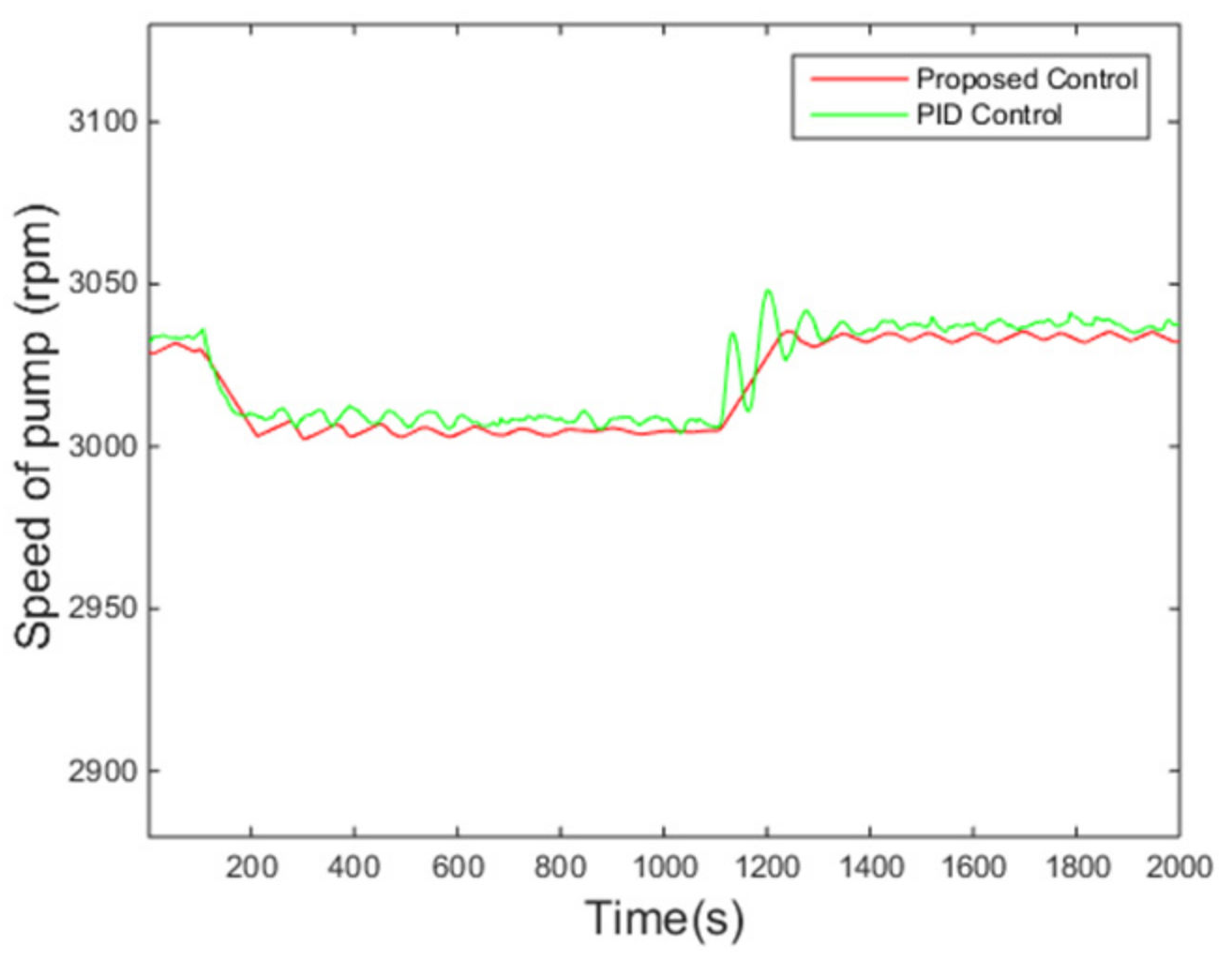
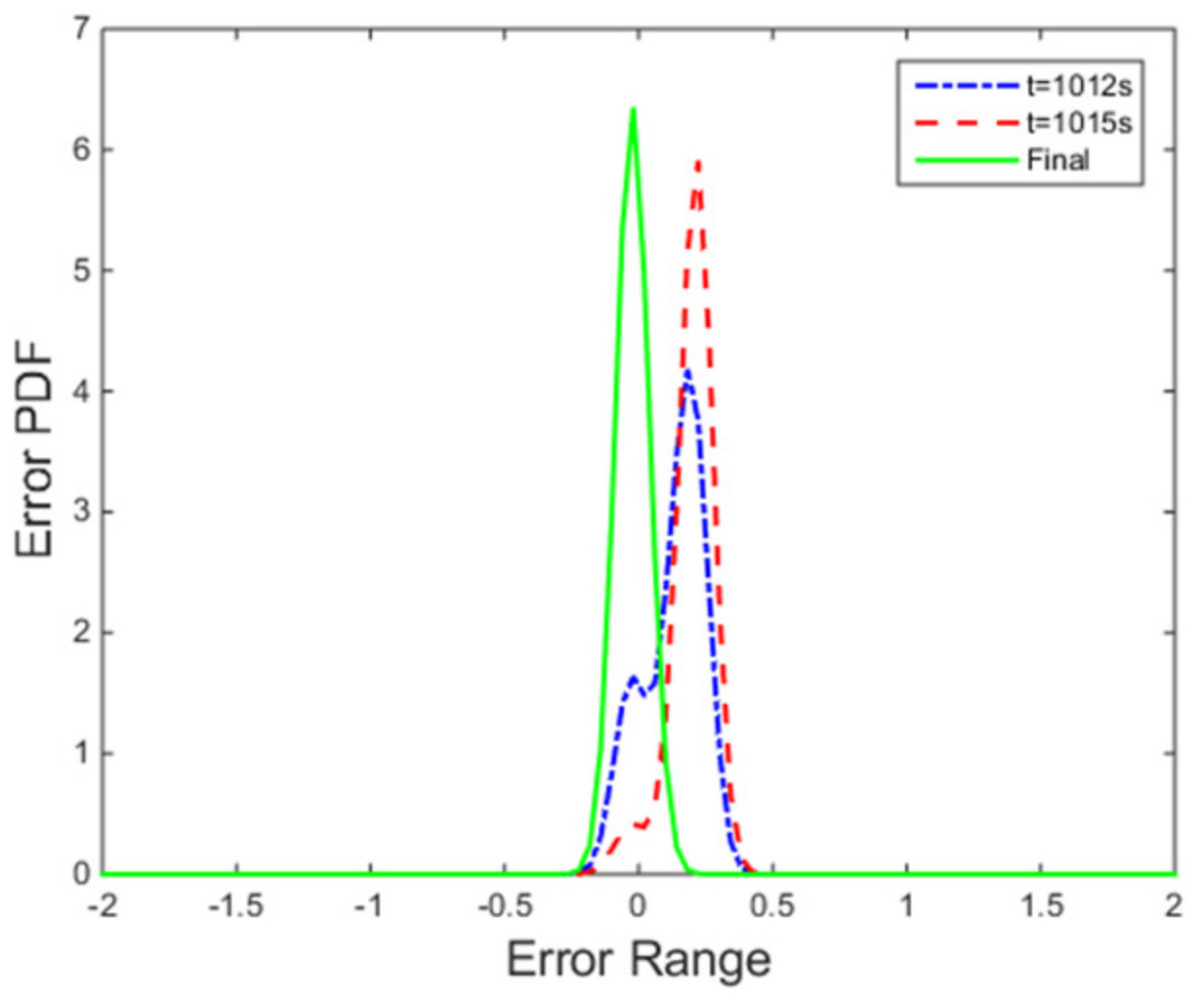
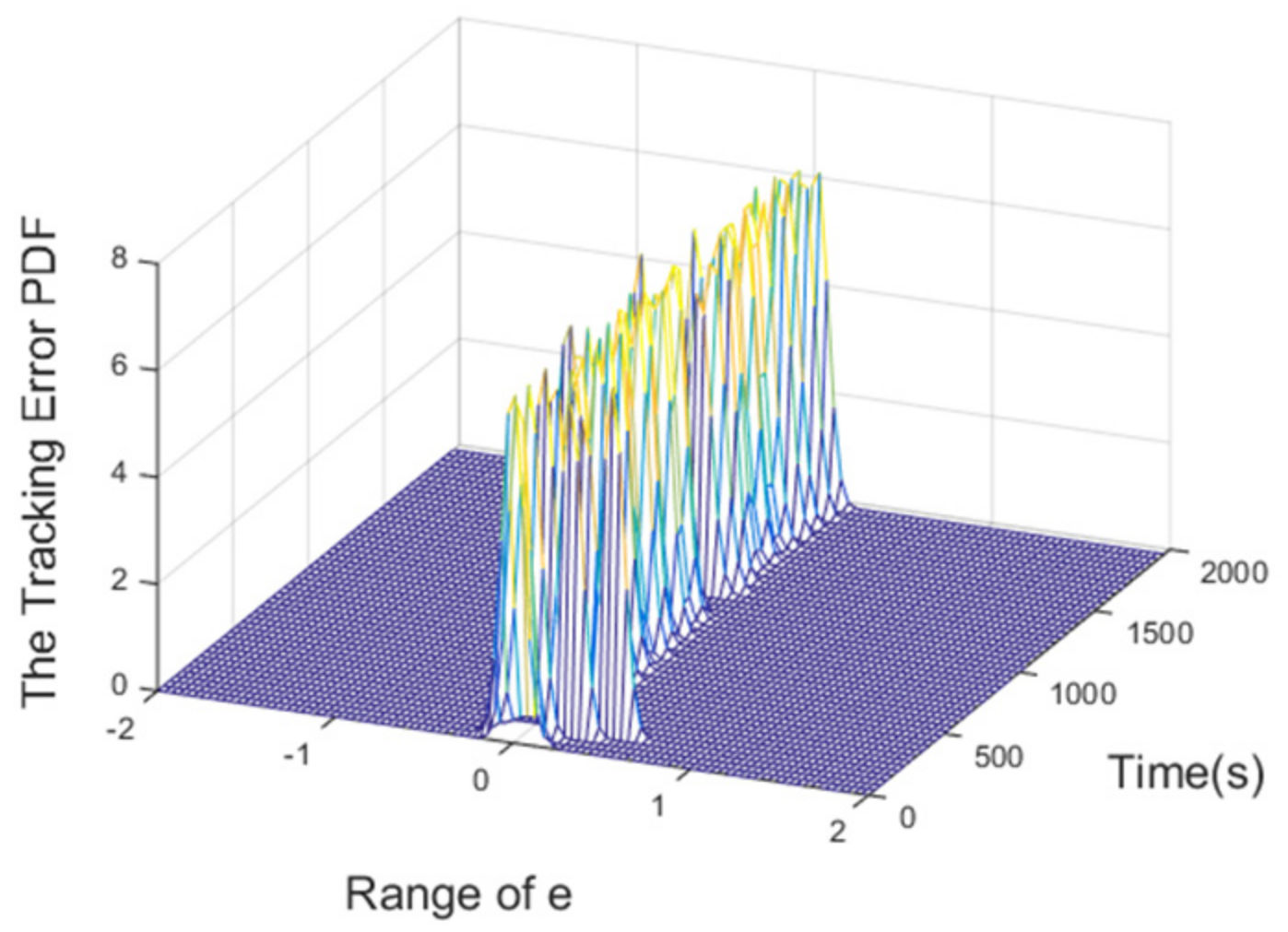
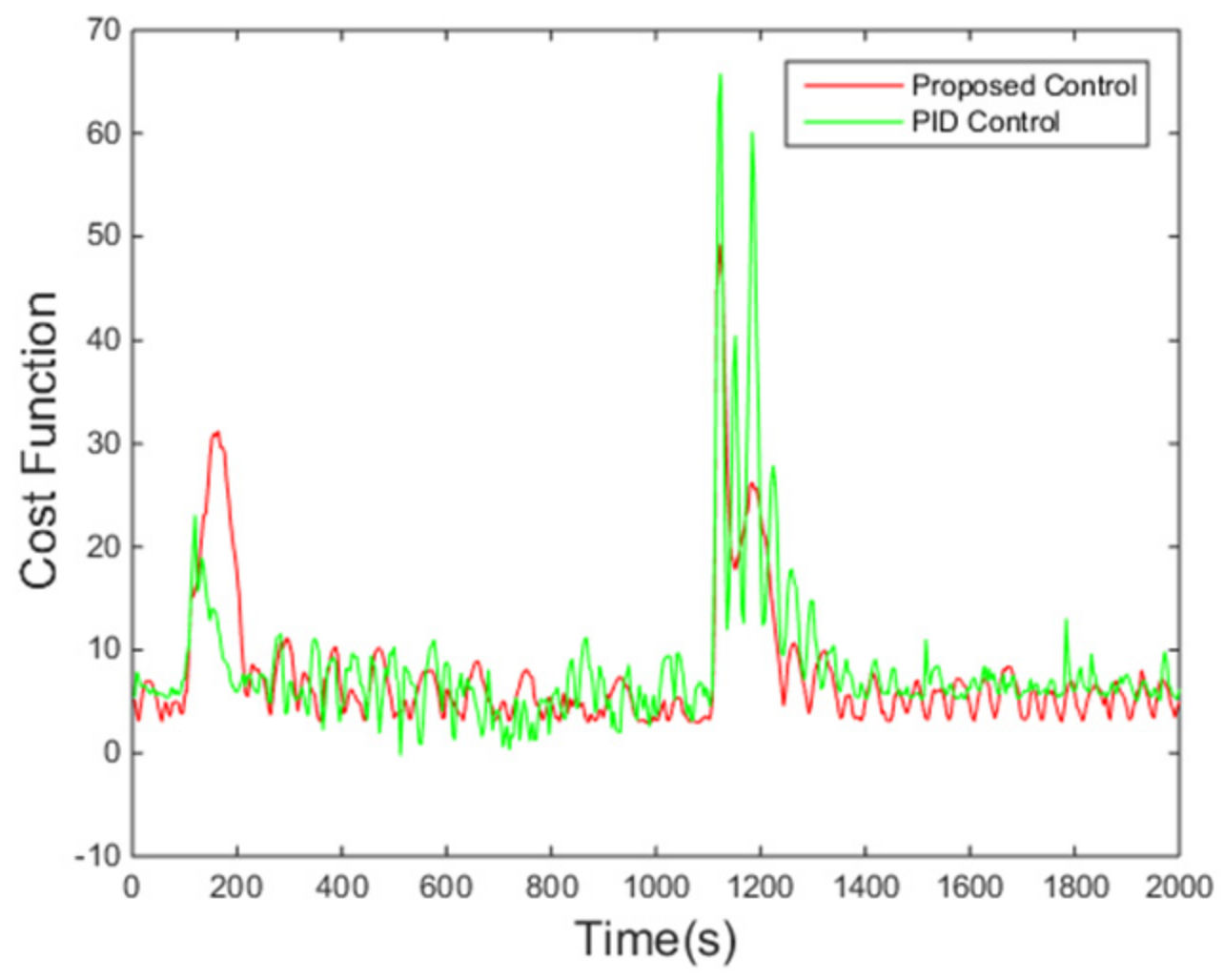
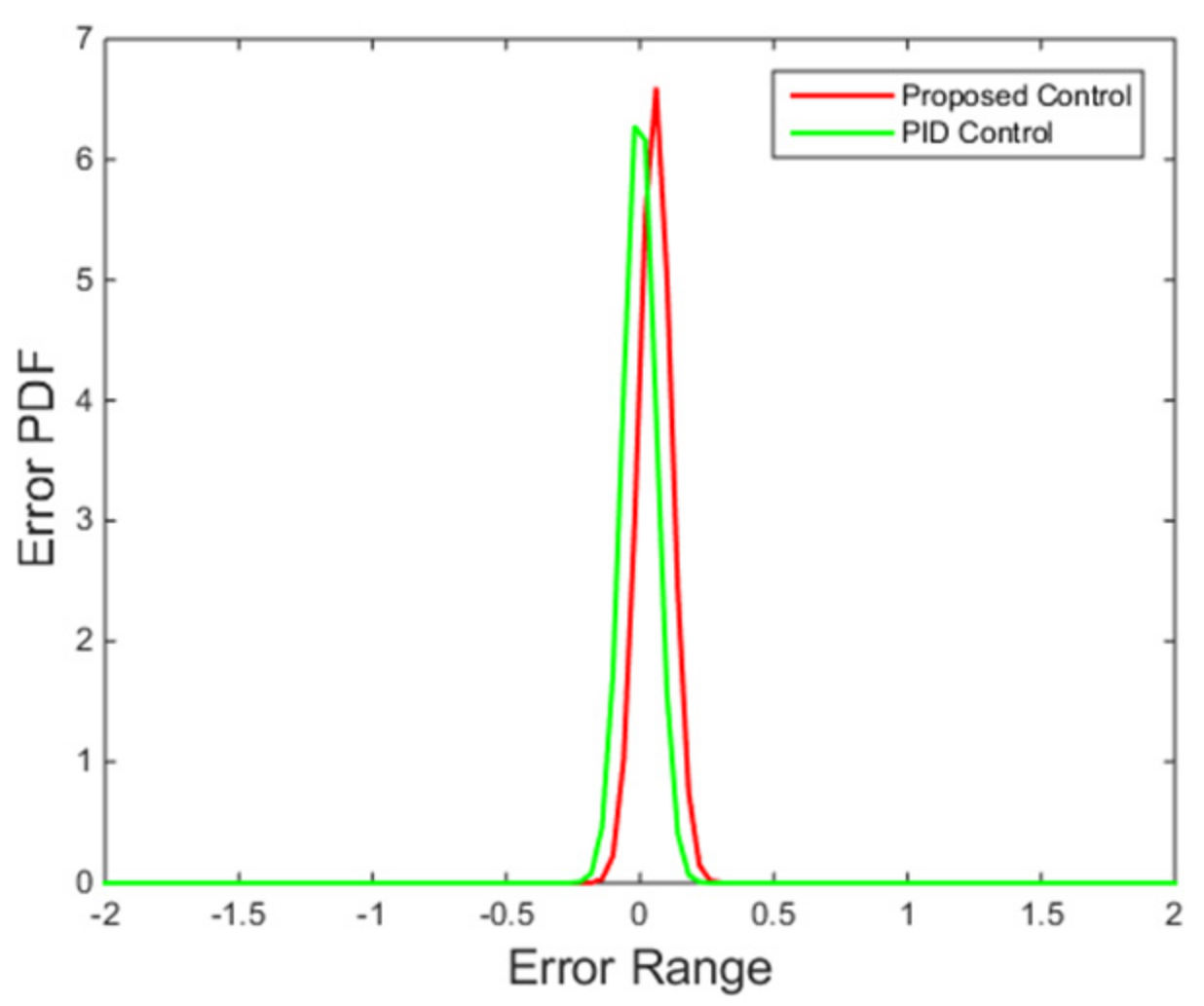
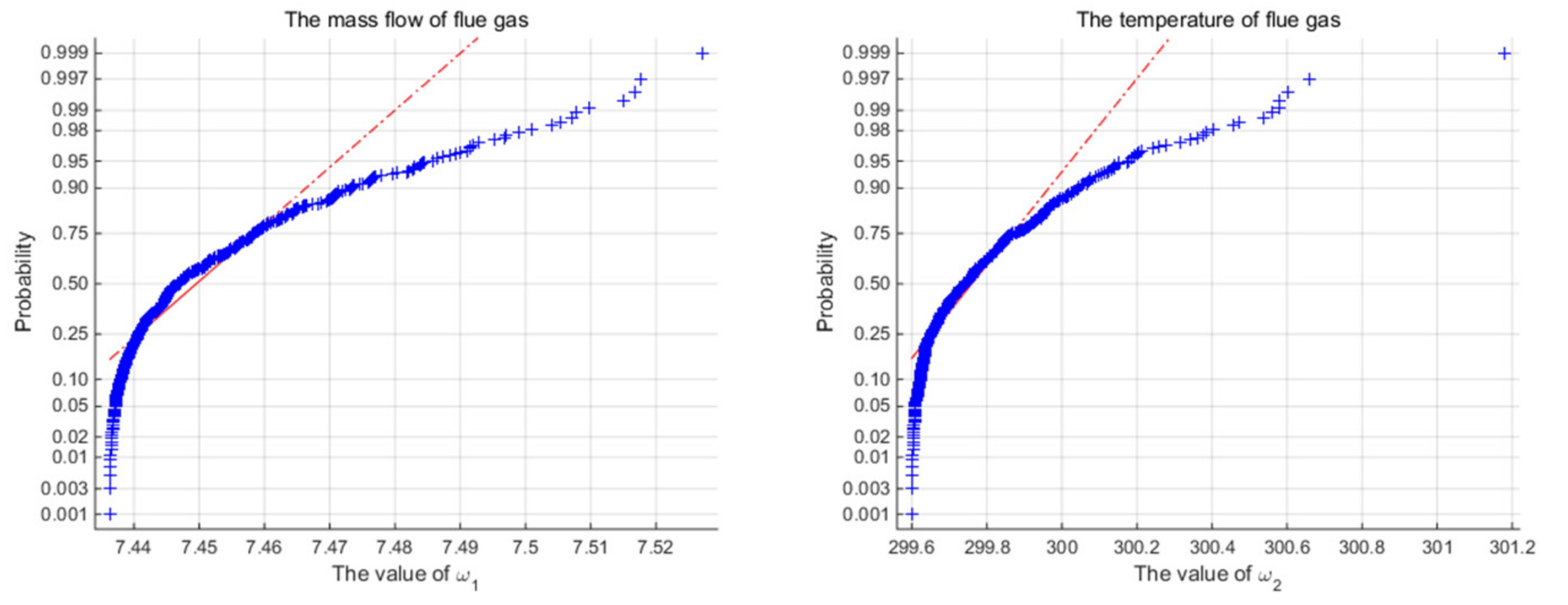
The Organic Rankine Cycle (ORC) is one kind of appropriate energy recovery techniques for low grade heat sources. Since the mass flow rate and the inlet temperature of heat sources usually experience non-Gaussian fluctuations, a conventional linear quadratic performance criterion cannot characterize the system uncertainties adequately. This paper proposes a new model free control strategy which applies the (h,φ)-entropy criterion to decrease the randomness of controlled ORC systems. In order to calculate the (h,φ)-entropy, the kernel density estimation (KDE) algorithm is used to estimate the probability density function (PDF) of the tracking error. By minimizing the performance criterion mainly consisting of (h,φ)-entropy, a new control algorithm for ORC systems is obtained. The stability of the proposed control system is analyzed. The simulation results show that the ORC system under the proposed control method has smaller standard deviation (STD) and mean squared error (MSE), and reveals less randomness than those of the traditional PID control algorithm.
Keywords: Organic Rankine Cycle; superheating; minimum (h,φ)-entropy control; non-Gaussian Organic Rankine Cycle; superheating; minimum (h,φ)-entropy control; non-Gaussian