Article

Single-Particle Tracking Reveals Anti-Persistent Subdiffusion in Cell Extracts
by
Konstantin Speckner
and
Matthias Weiss
*
Experimental Physics I, University of Bayreuth, Universitätsstr. 30, D-95447 Bayreuth, Germany
*
Author to whom correspondence should be addressed.
Entropy 2021, 23(7), 892; https://doi.org/10.3390/e23070892
Submission received: 15 June 2021 / Revised: 6 July 2021 / Accepted: 9 July 2021 / Published: 13 July 2021
(This article belongs to the Special Issue Recent Advances in Single-Particle Tracking: Experiment and Analysis)

Abstract

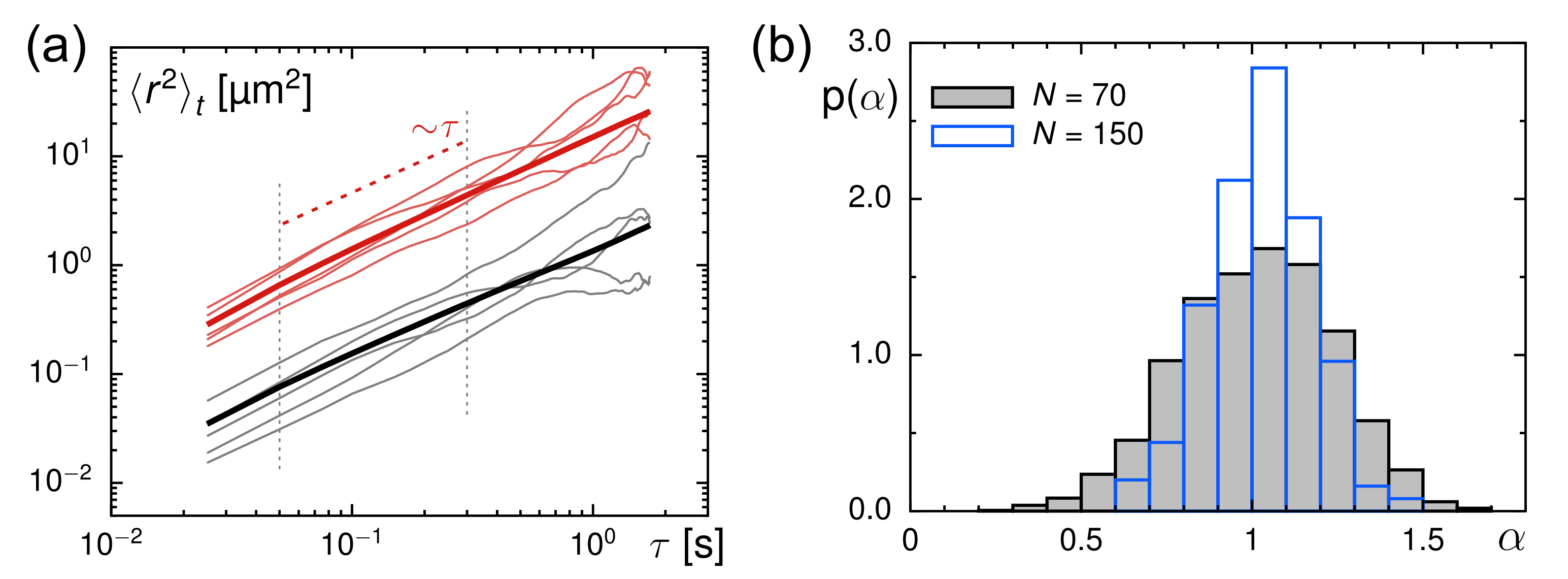
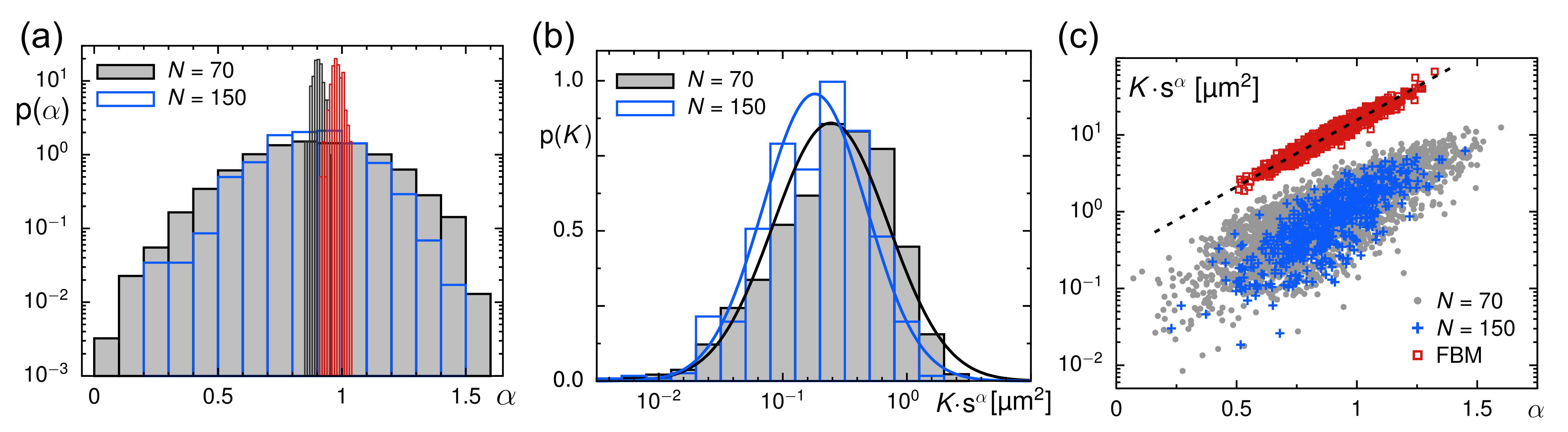
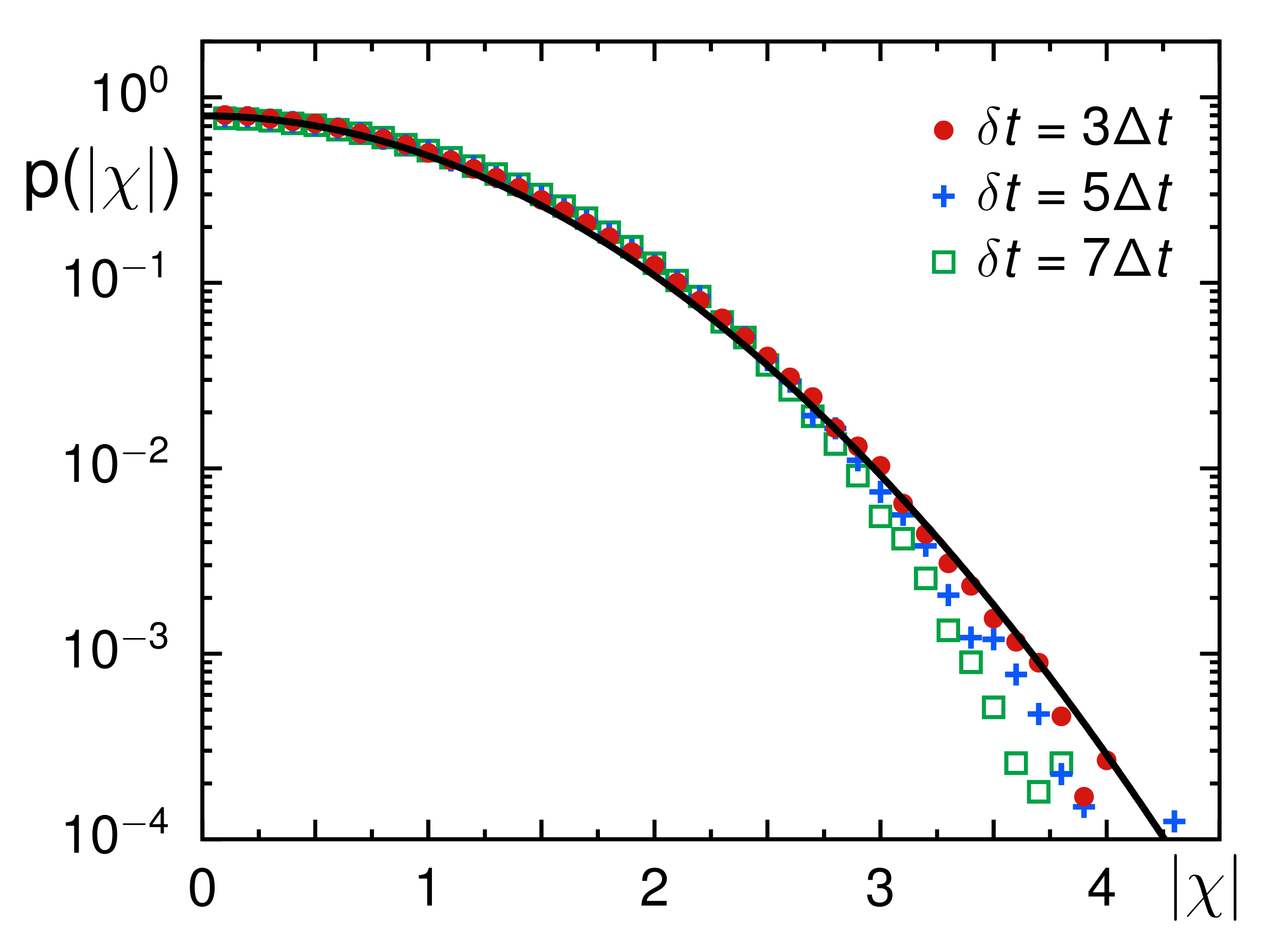
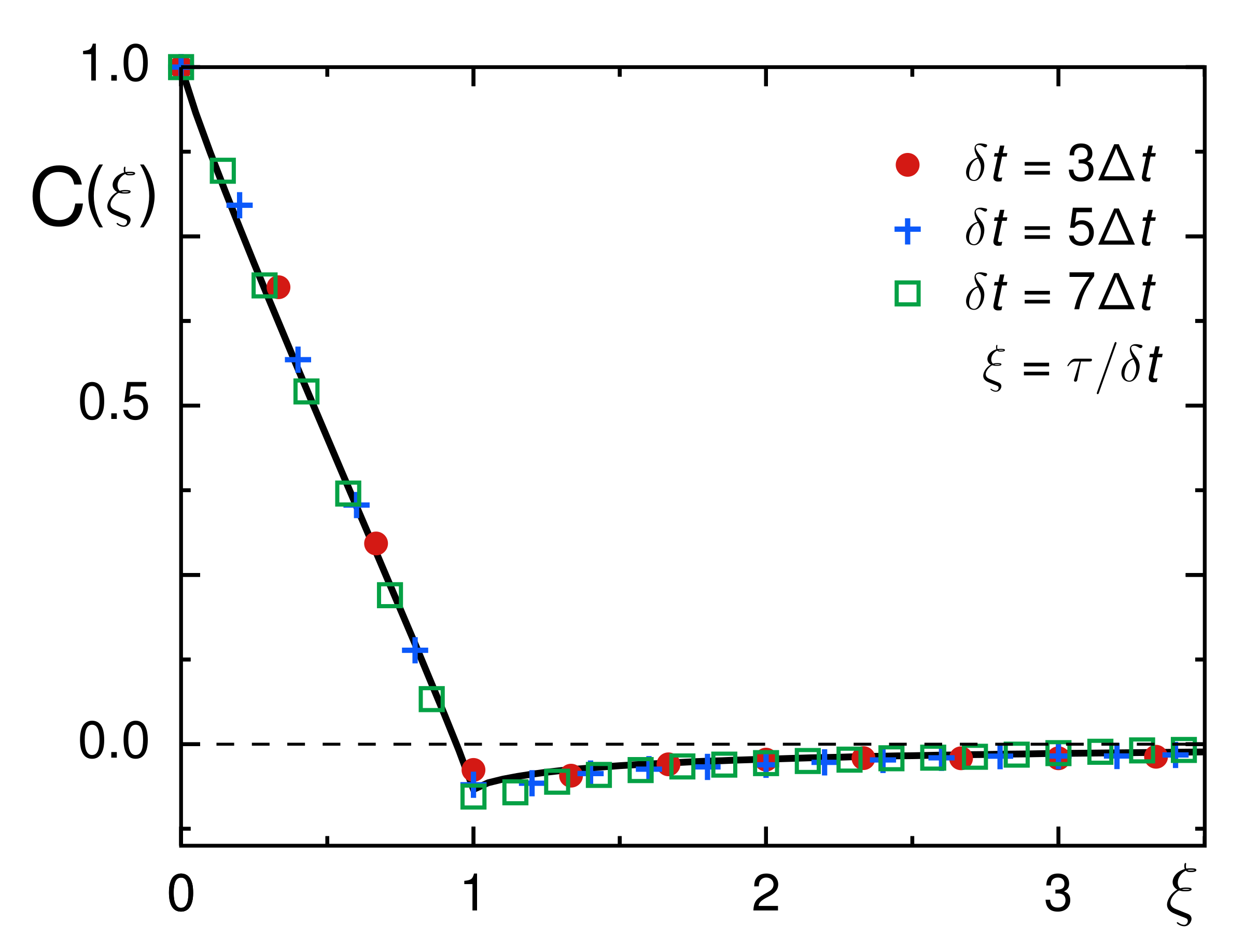
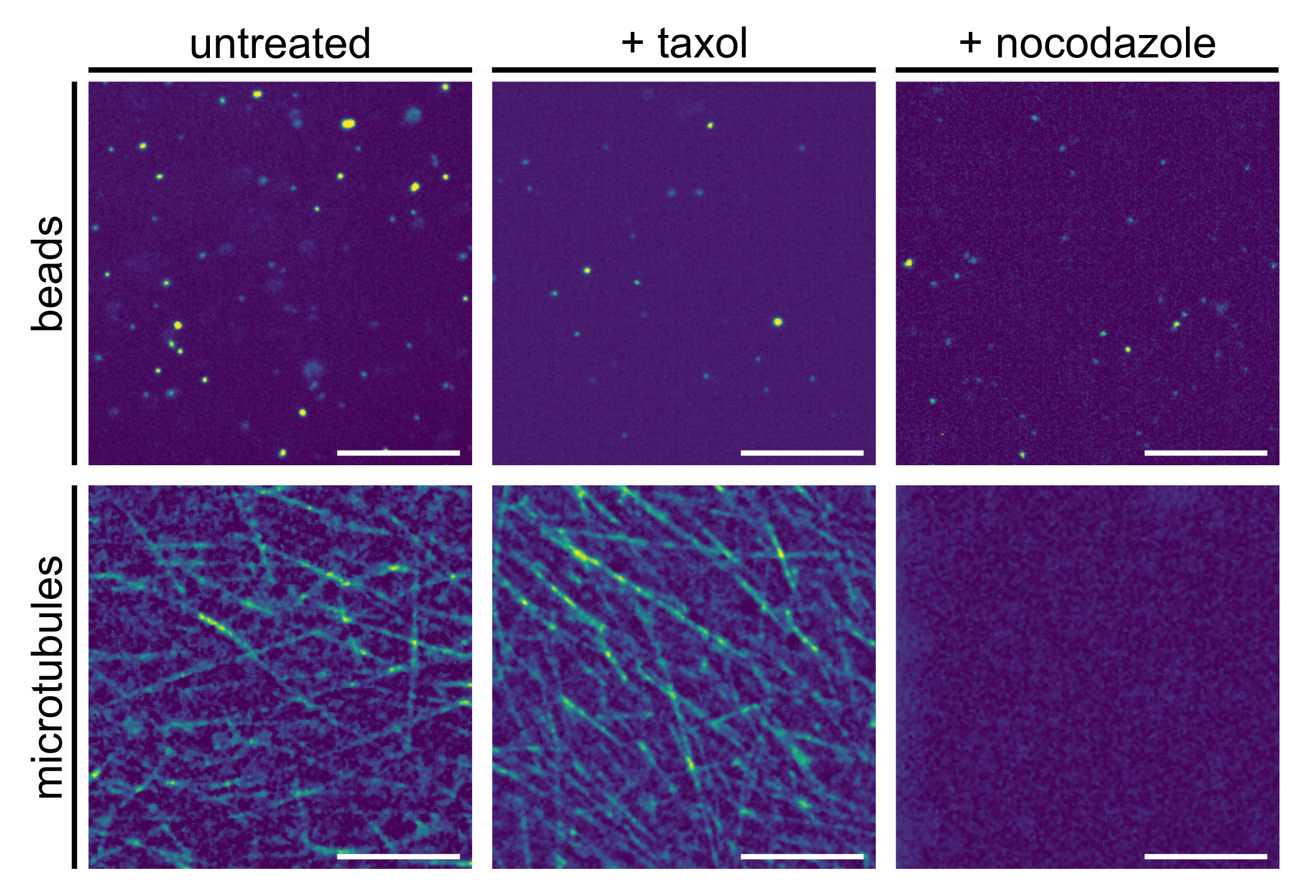
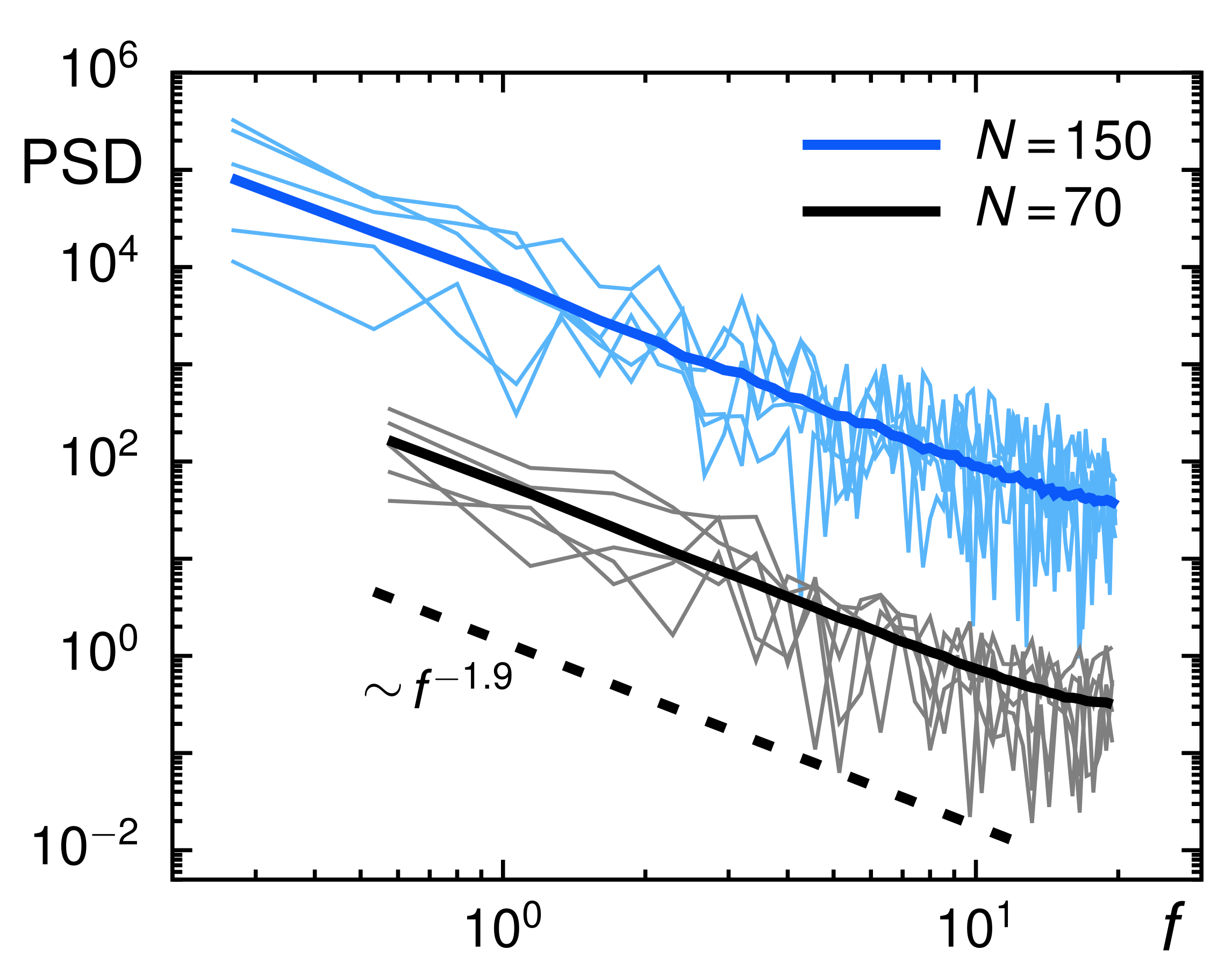
Single-particle tracking (SPT) has become a powerful tool to quantify transport phenomena in complex media with unprecedented detail. Based on the reconstruction of individual trajectories, a wealth of informative measures become available for each particle, allowing for a detailed comparison with theoretical predictions. While SPT has been used frequently to explore diffusive transport in artificial fluids and inside living cells, intermediate systems, i.e., biochemically active cell extracts, have been studied only sparsely. Extracts derived from the eggs of the clawfrog Xenopus laevis, for example, are known for their ability to support and mimic vital processes of cells, emphasizing the need to explore also the transport phenomena of nano-sized particles in such extracts. Here, we have performed extensive SPT on beads with 20 nm radius in native and chemically treated Xenopus extracts. By analyzing a variety of distinct measures, we show that these beads feature an anti-persistent subdiffusion that is consistent with fractional Brownian motion. Chemical treatments did not grossly alter this finding, suggesting that the high degree of macromolecular crowding in Xenopus extracts equips the fluid with a viscoelastic modulus, hence enforcing particles to perform random walks with a significant anti-persistent memory kernel.
Keywords: anomalous diffusion; random walk; single-particle tracking anomalous diffusion; random walk; single-particle tracking