Opinion

The Interstitial Pathways as the Substrate of Consciousness: A New Synthesis
by
Christopher W. Tyler
1,2
1
Smith-Kettlewell Eye Research Institute, San Francisco, CA 94115, USA
2
Division of Optometry and Vision Sciences, School of Health Sciences, City University of London, London EC1V 0HB, UK
Entropy 2021, 23(11), 1443; https://doi.org/10.3390/e23111443
Submission received: 16 April 2021 / Revised: 22 July 2021 / Accepted: 15 October 2021 / Published: 31 October 2021
(This article belongs to the Special Issue Integrated Information Theory and Consciousness)

Abstract

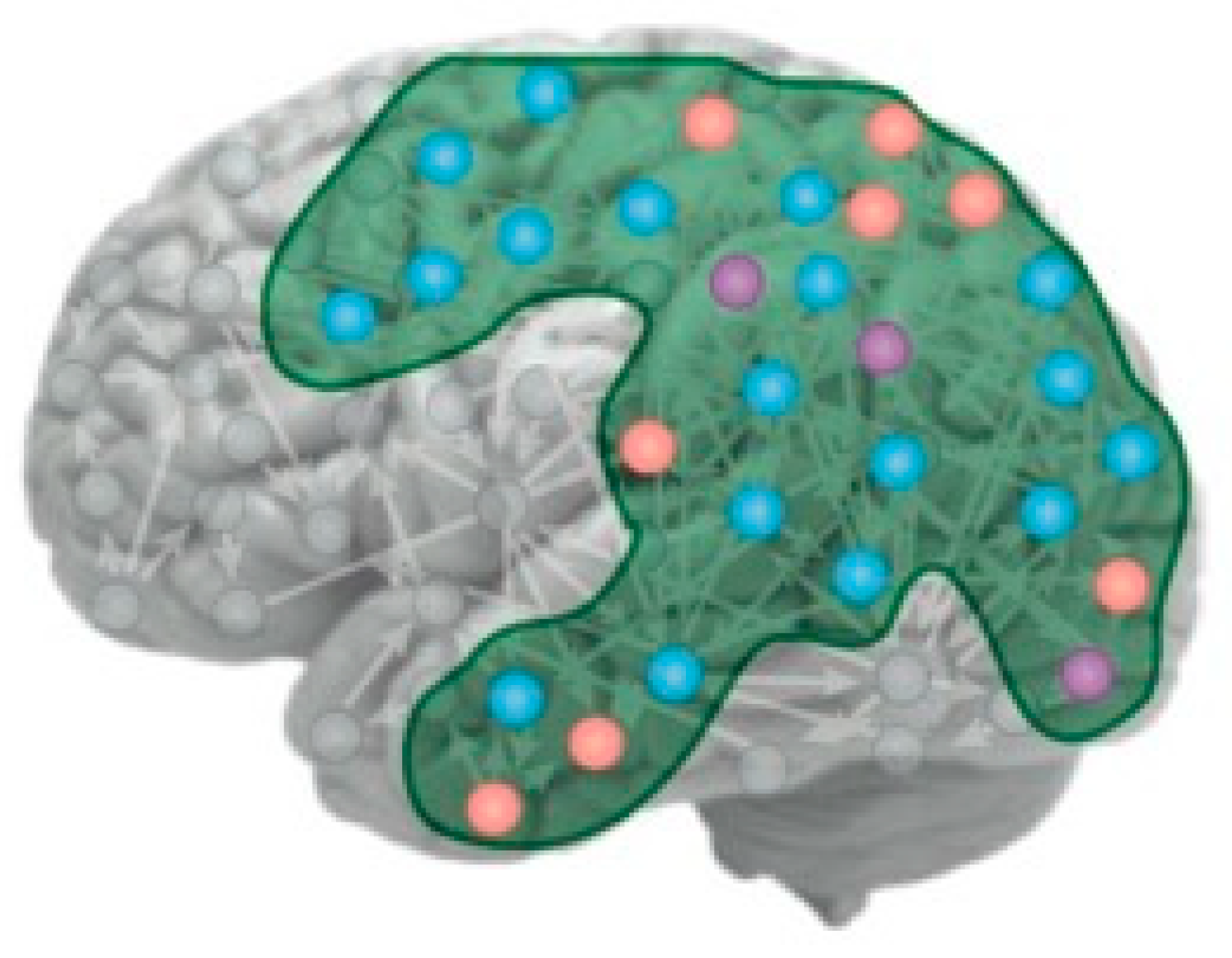
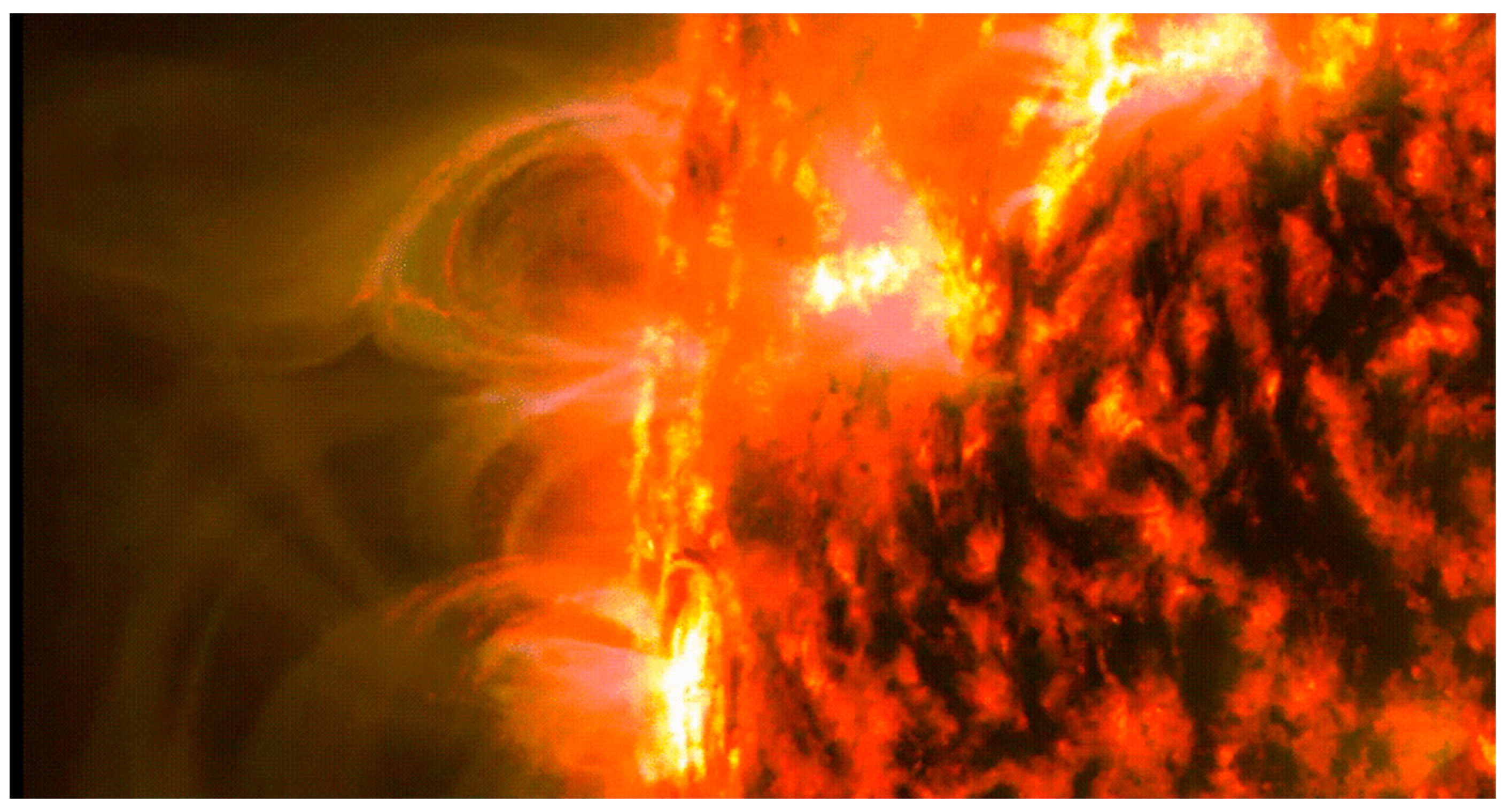
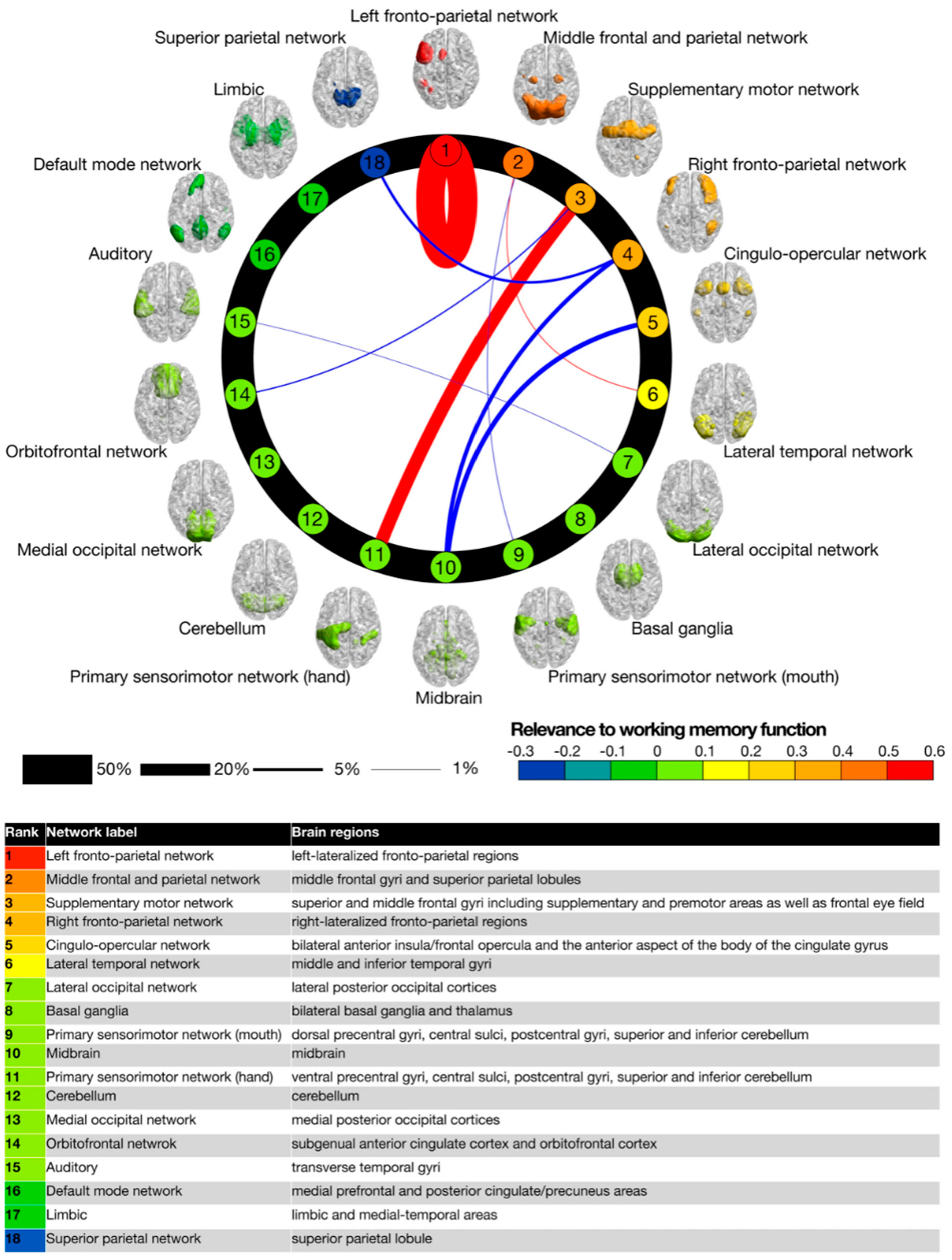
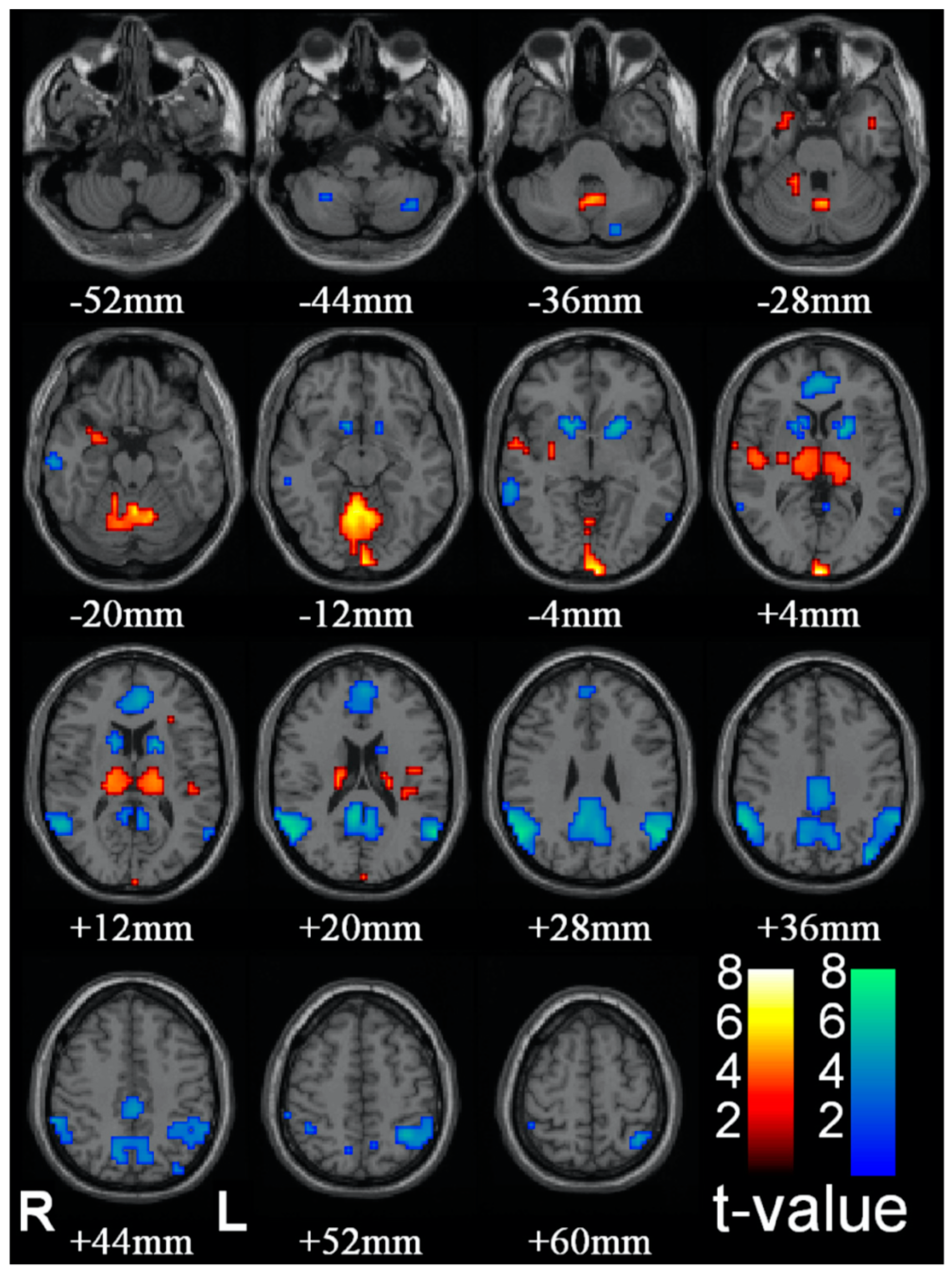
This paper considers three classes of analyses of the nature of consciousness: abstract theories of the functional organization of consciousness, and concrete proposals as to the neural substrate of consciousness, while providing a rationale for contesting non-neural and transcendental conceptualizations of consciousness. It indicates that abstract theories of the dynamic core of consciousness have no force unless they are grounded in the physiology of the brain, since the organization of dynamic systems, such as the Sun, could equally well qualify as conscious under such theories. In reviewing the wealth of studies of human consciousness since the mid-20th century, it concludes that many proposals for the particular neural substrate of consciousness are insufficient in various respects, but that the results can be integrated into a novel scheme that consciousness extends through a subcortical network of interlaminar structures from the brainstem to the claustrum. This interstitial structure has both the specificity and the extended connectivity to account for the array of reportable conscious experiences.
Keywords: consciousness; substrate; brainstem; thalamus; intralaminar nuclei; claustrum; subcortical; working memory networks; Integrative Information Theory (IIT); seizures consciousness; substrate; brainstem; thalamus; intralaminar nuclei; claustrum; subcortical; working memory networks; Integrative Information Theory (IIT); seizures