Systematic Review

From Avatars to Algorithms: Virtual Streamers and AI-Enabled Consumer Behavior in Live Streaming Commerce—A Systematic Review


School of Management, Universiti Sains Malaysia, USM, Penang 11800, Malaysia
*
Author to whom correspondence should be addressed.
J. Theor. Appl. Electron. Commer. Res. 2026, 21(2), 57; https://doi.org/10.3390/jtaer21020057
Submission received: 22 December 2025 / Revised: 20 January 2026 / Accepted: 30 January 2026 / Published: 3 February 2026
(This article belongs to the Topic Livestreaming and Influencer Marketing)

Abstract

This review examines existing research on virtual streamers in live streaming commerce and digital marketing, identifying key factors that shape consumer responses. Based on 41 peer-reviewed studies and following PRISMA 2020 guidelines, the analysis applies the CIMCO to synthesize findings through a systematic review. Results highlight three primary mechanisms—trait-based trust, perceived social presence, and message framing—which collectively constitute an integrative model explaining how virtual streamers influence AI-enabled consumer behavior. These elements shape how consumers engage with virtual streamers across platforms and product types. However, current research is limited by geographic concentration, reliance on self-reports, and a lack of longitudinal or behavioral data, which constrains broader applicability. For retailers and platform operators, aligning avatar traits and communication styles with product categories and consumer expectations is crucial for effective digital service delivery. Transparency about whether a streamer is AI or human-operated is also important for maintaining user trust. This review proposes a triadic integration model and offers a foundation for future research on AI-driven marketing influence.

1. Introduction

Virtual streamers, which encompass Virtual YouTubers (VTubers), avatar-based streamers, and Artificial Intelligence (AI) streamers, have introduced a new format of digital communication and consumer interaction [1]. Once associated with niche platforms like Bilibili, they are now widely embedded in commercial live-streaming ecosystems such as Taobao and JD.com [2,3]. In this review, we define virtual streamers as real-time, interactive agents represented by animated or AI-generated avatars in marketing, entertainment, or commerce. This term includes both AI-generated and human-operated avatars used in consumer-facing livestreaming [3,4,5].
Beyond their growing academic relevance, virtual streamers have been increasingly adopted across digital retail, live streaming commerce (LSC), and online entertainment industries. iiMedia [6] suggest that firms have made substantial investments in virtual streamer technologies, deploying avatar-based or virtual streamers for product promotion, brand communication, and real-time consumer interaction across major live streaming platforms. From the consumer perspective, these virtual streamers have attracted large and highly engaged audiences, with millions of viewers regularly interacting with them in live streams [7]. Compared with human streamers, virtual streamers enable firms to maintain consistent personas, extend operational hours, and scale interactions at lower marginal costs [8,9]. The rapid expansion of both firm adoption and consumer engagement underscores the growing importance of virtual streamers as an AI-enabled interface in contemporary digital markets and highlights the need for a systematic synthesis of existing empirical evidence on their effects on consumer behavior.
Although virtual streamers have gained rapid industry traction, academic research remains scattered and lacks theoretical cohesion [10,11]. Existing studies tend to isolate individual constructs, such as framing effects, trust, or platform engagement, without a unified framework for understanding their psychological impact [11,12]. This review responds to this fragmentation by synthesizing empirical findings and offering an integrated model of synthetic agent persuasion. In the current literature, virtual streamers are often portrayed as avatars designed to engage users through simulated emotional expression, interpersonal cues, and communicative strategies [13,14]. Their applications span entertainment platforms (e.g., YouTube, Twitch), commerce platforms (e.g., Taobao Live, JD.com), and social platforms (e.g., Douyin, Xiaohongshu) [13,15,16].
We systematically review empirical studies related to virtual streamers. Three main research streams emerge. First, studies explore how emotional versus rational language affects persuasion [17,18]; however, this stream largely treats message effects in isolation, often overlooking how such framing interacts with streamer identity or perceived artificiality. Second, research on social presence and interactivity assumes these mechanisms operate uniformly across agents [10,19]; yet empirical findings later reviewed in this paper suggest that social presence may not function as a universal mediator in fully AI-enabled contexts. Third, others investigate how perceived traits, such as competence, attractiveness, or authenticity, influence trust and purchase intention [19,20,21] but often implicitly transfer assumptions from human streamers to virtual agents without empirically testing their validity under conditions of known artificiality. Still, critical gaps remain. Demographic moderators, such as gender and personality, are underexplored. While some studies suggest group differences in responses to virtual streamers [22], comparative validation is limited. Similarly, cultural variation is rarely addressed, even though regional differences likely shape engagement and persuasion [19,23]. Platform-specific affordances, such as those on Bilibili versus Twitch, also require further analysis, as platform context may moderate the effectiveness of these virtual agents [10,19].
Theoretical integration remains limited. Constructs like narrative transportation [24], dual processing [25], or mental imagery [26] have seen little application in this context. Ethical concerns, including transparency, emotional manipulation, and synthetic influence, are similarly overlooked in most empirical work on virtuality [27,28], an issue we return to in the discussion when considering the broader implications of these mechanisms. Nonetheless, several studies contribute important insights. Gong and Sun [17] apply mind perception theory to show that emotional language affects user perception of agency and experience [17]. Yu, Teoh [29] use the Stimulus–Organism–Response (SOR) model and flow theory to demonstrate how interactivity and vividness shape trust [30]. Lots of comments and experimental data from recent studies show that motivational inference, not content description, drives consumer response. For instance, the anthropomorphic characteristics of virtual streamers (e.g., emotional expressiveness, behavioral traits) significantly increase cognitive trust and purchase intention [20]; this relationship is also mediated by social presence [31]. Wu and Huang [32] compare communication styles, finding that product-focused messaging suits utilitarian contexts, while social messaging enhances hedonic appeal. These studies illustrate an increasing emphasis on systematic theory-building in the recent scholarly literature.
Given the rapid growth and conceptual dispersion of this field, a systematic review is both timely and warranted. This review synthesizes empirical findings from marketing, consumer psychology, and AI communication to provide a more coherent understanding of how virtual streamers shape consumer cognition and behavior. It identifies recurring patterns, including the role of trust [2,15,20,29,33,34,35], social presence [13,36,37], and parasocial interaction [23,38], while highlighting theoretical and methodological gaps. This model moves beyond summary to offer explanatory structure. In addition, this review offers guidance for practitioners in marketing, platform strategy, and AI communication. It informs design choices in avatar traits, message styles, and audience segmentation. More broadly, it outlines a research agenda that supports the formal development of virtual streamer studies within consumer behavior scholarship. Therefore, this review aims to systematically integrate existing empirical research on virtual streamers in consumer contexts. Specifically, it seeks to answer the following research questions:
  • How have theoretical models and consumer psychology constructs been applied to understand consumer responses to virtual streamers?
  • What knowledge gaps exist across platforms, cultural contexts, and user demographics?
  • How can existing evidence inform an integrative framework for AI-enabled marketing communication?
By addressing these questions, this study contributes to the development of a cohesive theoretical foundation for understanding synthetic persuasion in digital consumer environments [20]. This contribution is particularly relevant, as virtual streamers are rapidly transforming digital retailing practices and redefining how consumers build trust in synthetic media [34]. A clearer understanding of these mechanisms provides strategic value for retailers and platform designers seeking to integrate AI-driven agents into customer experience management [23].

2. Methods

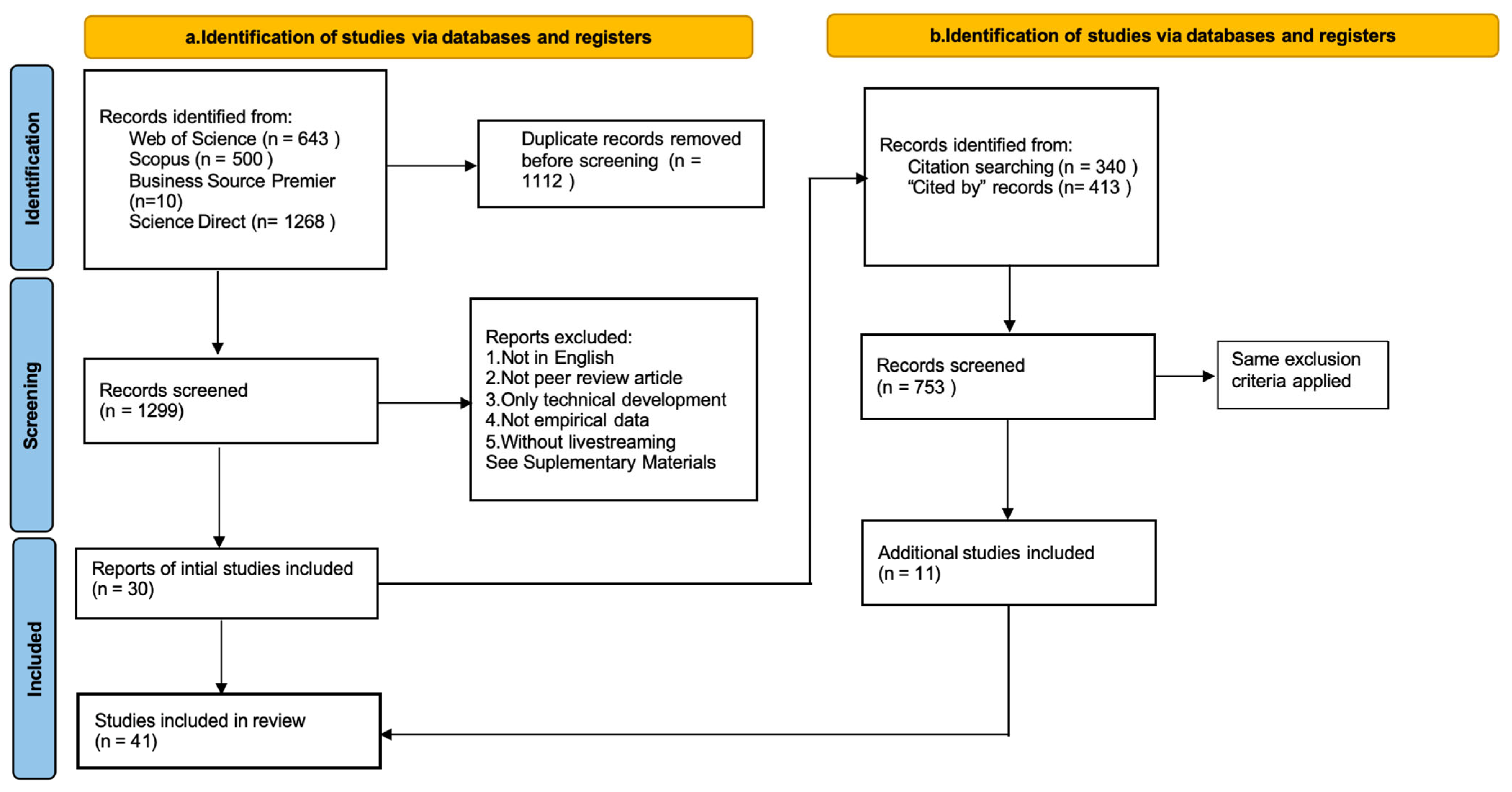
To ensure the methodological rigor and transparency expected of systematic literature reviews in marketing and consumer research, this study followed the PRISMA 2020 guidelines [39]. The review protocol was not registered (no PROSPERO/OSF registration). The completed PRISMA 2020 checklist is provided in the Supplementary Materials, and the PRISMA 2020 flow diagram is presented in Figure 1. Furthermore, this review incorporated advanced literature synthesis protocols such as those proposed by Gusenbauer and Haddaway [40]. While a recent systematic review by Huang and Wang [41] has examined viewers’ attitudes toward virtual streamers, the present study extends this perspective by focusing on consumer behavior outcomes across platforms and marketing contexts. Unlike prior works, this review develops a theoretical model of AI-enabled persuasion and emphasizes cross-platform mechanisms such as trait-based trust, social presence, and message framing. The number of articles identified, screened, and included is shown in Figure 1. We used a two-stage search process, including database searches and citation searches. Furthermore, to better reflect the complexity of virtual streamer research, this review adopts the CIMO logic—Context, Intervention, Mechanism, Outcome—as proposed by Denyer, Tranfield and Van Aken [42] for evidence-based management. However, to better accommodate the complexity of AI-mediated persuasion in virtual streamer research, we introduce an expanded version: CIMCO, where C stands for Context, I for Intervention, M for Mechanism, C for Comparative factors, and O for Outcomes. The CIMCO approach enhances cross-study comparability and supports the identification of moderating patterns, offering greater explanatory power for consumer responses to AI-enabled persuasion.

2.1. Search Strategy

2.1.1. Literature Search and Study Selection

First, the literature search was conducted using five databases to ensure both disciplinary depth and cross-field comprehensiveness. Specifically, Scopus and Web of Science served as the foundational databases due to their extensive indexing in social science and communication research. ScienceDirect was included to capture interdisciplinary perspectives; however, non–peer-reviewed grey literature was excluded to maintain methodological rigor. Google Scholar was used for cross-validation and forward/backward citation tracing. This multi-source design aligns with best practices in review coverage advocated by Gusenbauer [43]. A Boolean search strategy was employed to ensure comprehensive coverage while maintaining topical relevance. Studies related to virtual streamers and closely associated constructs were identified using the following query: (“virtual streamer*” OR “VTuber*” OR “virtual YouTuber*” OR “avatar-based streamer*” OR “virtual anchor*”). This search was intentionally broad to capture the full scope of research on virtual streamers. This syntax was adapted as needed for each database. The initial search was completed on 4 January 2025, and updated on 6 May 2025. Given the recent emergence of this topic, no publication date limits were imposed, which allowed the inclusion of foundational literature while prioritizing empirical studies published in the past five years. Second, authors independently screened all article titles, abstracts, and, when necessary, full texts for eligibility. Discrepancies were discussed and resolved by consensus.

2.1.2. Eligibility and Filtering Criteria

To ensure relevance and methodological rigor, the following filters were applied: (a) language: published in English; (b) publication type: only peer-reviewed journal articles were retained; (c) topical relevance: studies had to explicitly focus on virtual streamers engaged in livestreaming with interactive features; (d) empirical scope: only studies reporting original consumer-related data (qualitative, quantitative, or mixed methods) were included. Studies were excluded if they examined virtual streamers without interactivity, focused solely on technological development, or lacked empirical data. This filtering process aligns with PRISMA 2020 guidelines and ensures consistency with the consumer behavior research scope.
This eligibility framework ensured the focus remained aligned with the scope of consumer behavior research. Thirty articles were included from the database search. Third, we identified further records that met the inclusion criteria by reviewing the reference lists of included articles and conducting citation searches using the “cited by” search option in Google Scholar. For studies with more than 340 citing articles on Google Scholar, we searched for “virtual streamer” in the citing articles and reviewed the first 340 results (sorted by relevance). This recursive strategy ensured the inclusion of relevant yet potentially under-indexed research, in accordance with citation chaining protocols suggested by Gusenbauer and Haddaway [40]. In this step, an additional 11 articles were included. Of these, 41 articles met the inclusion criteria and were retained for analysis, corresponding to a Number Needed to Read (NNR) of 8.6, which is consistent with efficiency benchmarks reported in systematic review methodology [40].

2.2. Data Extraction

This review applies the CIMO framework [42] and extends it by incorporating comparative and additional dimensions (CIMCO) to fit consumer behavior studies. Extracted variables included publication year; geographic context; platform, such as Taobao Live, Twitch, and Bilibili; avatar attributes; psychological constructs, such as trust; social presence; and consumer responses, such as purchase intent. Where data were incomplete or ambiguous, cross-referencing with other databases and, when feasible, direct author contact were used to verify details. Analytically, a thematic synthesis approach was employed, integrating both inductive coding (to identify emergent patterns) and deductive alignment with pre-existing consumer behavior constructs. Descriptive outcome indicators reported in prior studies were compared narratively when available, particularly for behavioral intention measures, without conducting any pooled statistical synthesis. To account for potential reporting bias, studies lacking null findings or providing minimal methodological details were flagged and discussed in the analysis phase. Consistent with PRISMA recommendations for qualitative systematic reviews, potential risks of bias across studies were assessed narratively, focusing on selection procedures, reporting transparency, and methodological heterogeneity. The reliability of the synthesis was further ensured through iterative coding checks and reviewer consensus rounds. Overall, this method was designed not only to aggregate knowledge but also to surface thematic gaps and methodological tensions within this emerging research domain. As this study is a qualitative systematic review rather than a meta-analysis, statistical sensitivity analyses, subgroup analyses, or meta-regression were not applicable.

3. Results

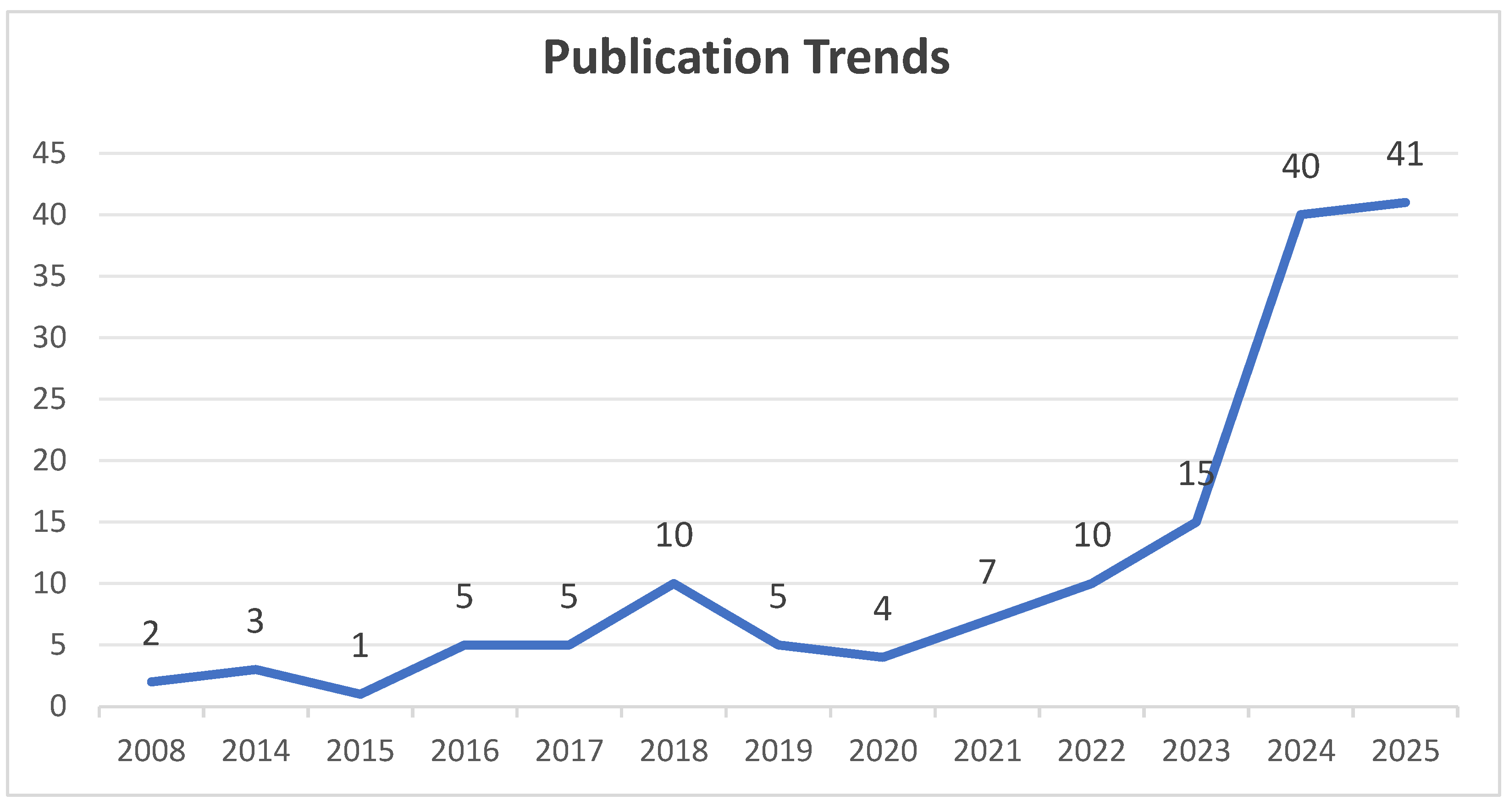
The systematic search and screening process resulted in a final sample of 41 peer-reviewed empirical studies, which formed the basis for the subsequent analyses. The detailed screening process and reasons for exclusion at each stage are documented in the PRISMA flow diagram (Figure 1). Figure 2 shows that the majority of research on virtual streamers was published between 2023 and 2024, indicating a clear upward trend. This concentration suggests that virtual streamers have recently gained traction as a focal topic in consumer behavior and human–computer interaction research. The year 2024 accounts for the highest number of publications, highlighting a period of accelerated scholarly attention.

3.1. Risk of Bias in Studies

Several methodological risks were identified across the reviewed studies. Risk of bias was assessed using a self-developed checklist and each included study was independently evaluated by two reviewers. Disagreements were resolved through discussion and, when necessary, adjudication by a third reviewer. No automation tools were used. Most critically, none of the 41 included articles provided evidence of pre-registration, nor did they publish datasets or codebooks, raising concerns about transparency and reproducibility. Only nine studies, such as Chen and Li [34] and Zhou, Wen [44], reported manipulation checks, while less than a third, such as Liu, Wang and Wang [4] and Chen and Li [34], included effect size metrics, limiting the interpretability of effect magnitude. Sampling strategies were largely convenience-based, with many relying on student samples or platform-specific user groups [45], which may limit external validity. Moreover, there was notable inconsistency in construct operationalization, particularly for psychological constructs like “social presence” and “authenticity” [46,47], where several studies used unvalidated or ad hoc measures. These design limitations introduce potential bias in internal and external validity and underscore the need for methodological standardization in this emerging field. These trends are consistent with broader concerns about replicability in emerging digital consumer research [48].

3.2. Results of Studies

3.2.1. Platform and Geographic Trends

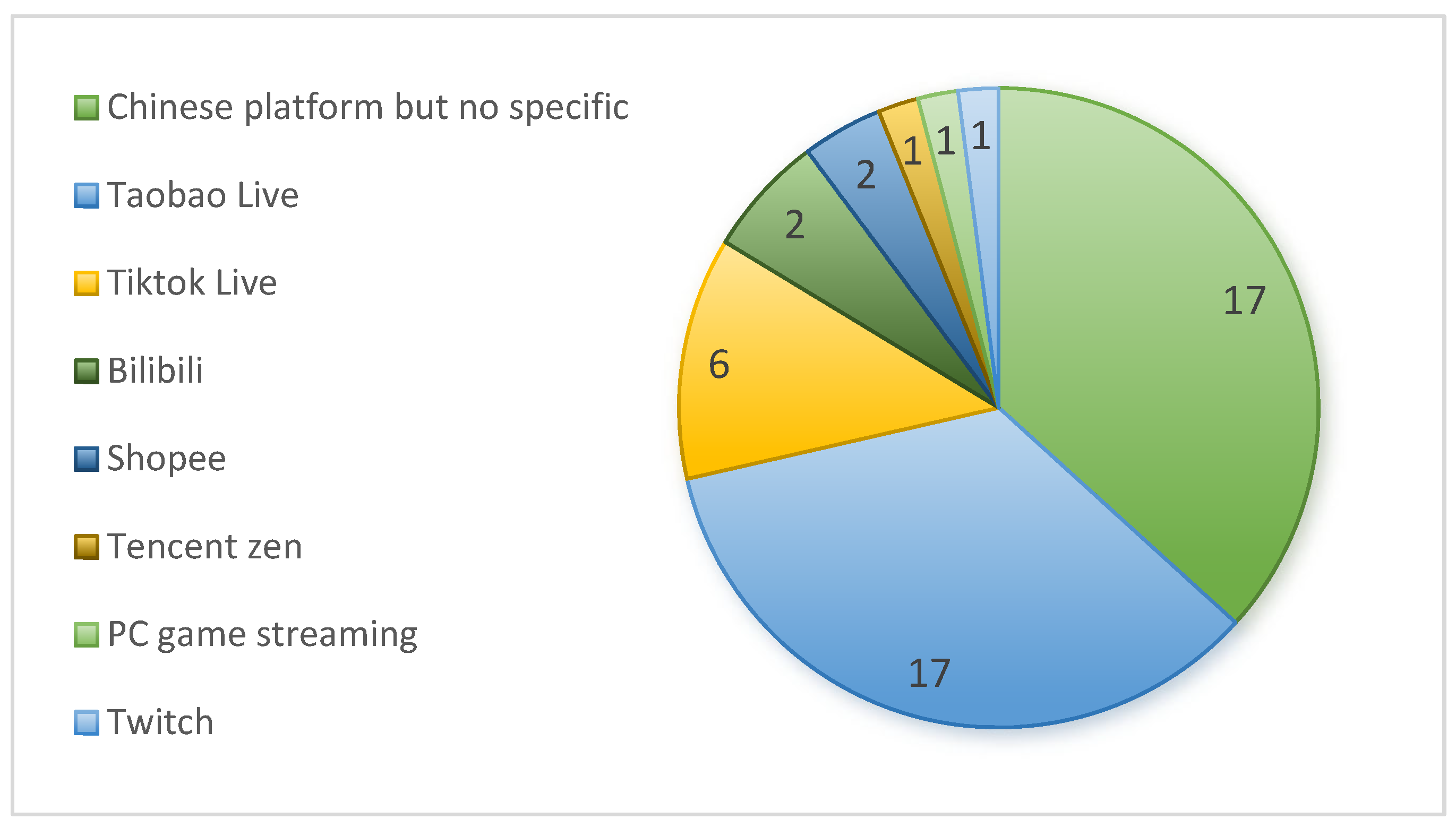
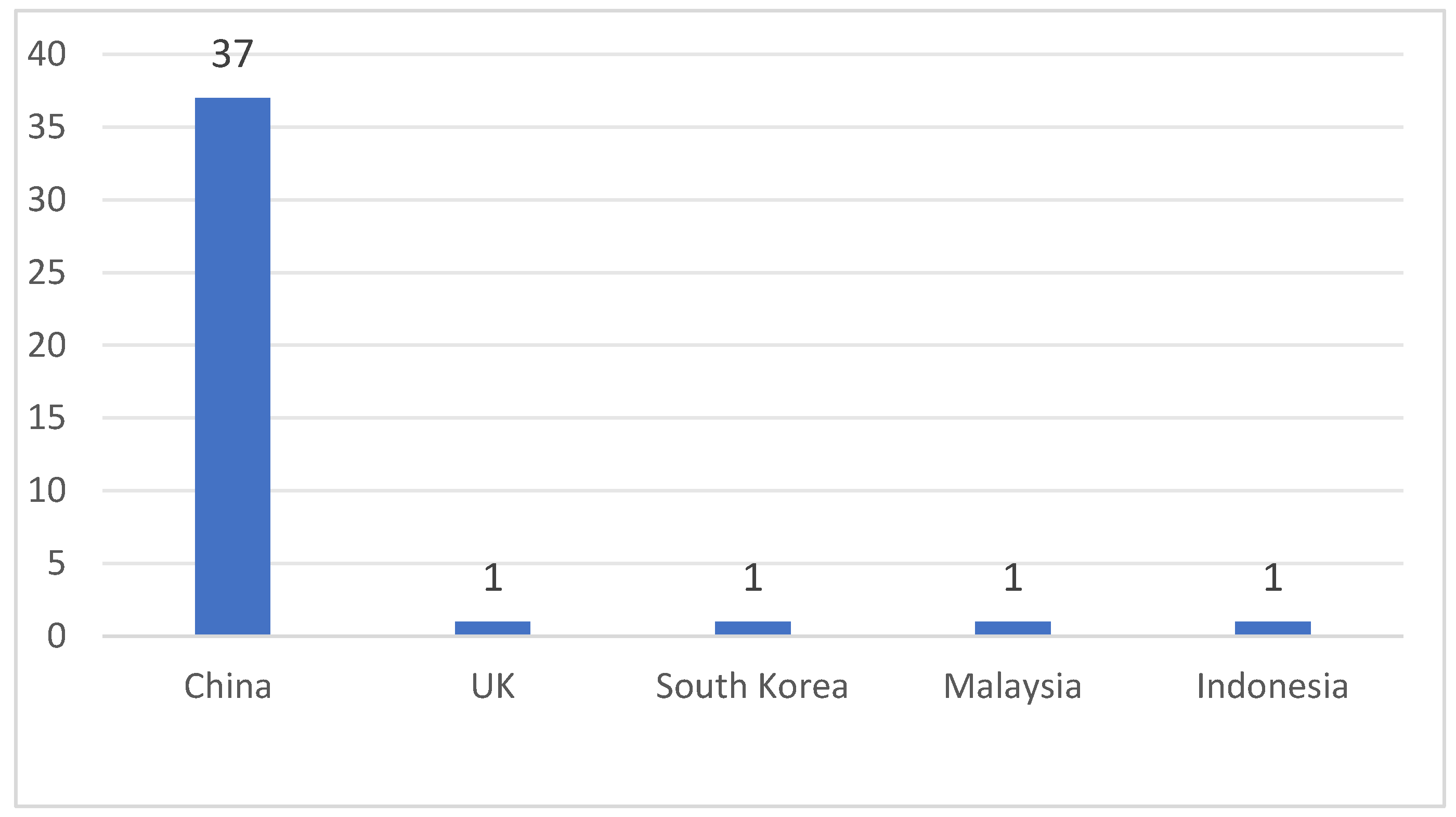
As shown in Figure 3, the majority of studies (n = 37, 90.2%) were conducted in China, particularly analyzing Chinese live streaming platforms but not a specific platform (n = 17, 46.3%), Taobao Live (n = 16, 39%), Douyin (n = 5, 12.2%), and Bilibili (n = 2, 4.9%), indicating the dominance of Chinese platforms in the commercial virtual streamer market [45,49]. Only four studies (9.7%) examined platforms outside China, primarily Twitch and YouTube. A few studies also explore broader social platforms, such as Bilibili [50] and Xiaohongshu [51], indicating the cross-platform diffusion of virtual streaming technologies.
Most studies are based in China, with platforms such as Taobao Live, Bilibili, and various livestreaming services being frequently studied. This reflects China’s leading role in the commercial adoption of virtual streamers. While the surge of research activity in 2023–2024 reflects increasing academic interest, this temporal concentration may also signal a bandwagon effect rather than mature theory-building. As noted by Huang and Wang [41], much of the existing literature limits theoretical depth and relies heavily on exploratory studies with limited replicability. Furthermore, the geographic clustering of studies in China raises concerns about the generalizability of findings in Figure 4. Platforms like Taobao Live and Bilibili are embedded within distinct socio-technical infrastructures and cultural expectations, which may not translate to Western or global consumer contexts [49,52]. This poses a risk of overfitting theory to a narrow context. Moreover, few studies conduct comparative analysis across platforms or regions. For example, while Yu, Teoh [29] touch on both traditional and social livestreaming platforms, their study still treats cultural variation as a control rather than a meaningful moderator. To move beyond descriptive mapping, future research must address whether psychological mechanisms such as trust formation or social presence operate differently across cultural or technological settings.

3.2.2. Theoretical Trends

Table 1 reveals that the most frequently applied theories were the SOR model [13,29,33,53] (n = 6, 14.6%), followed by Stereotype Content Model [54,55] (n = 3, 7.3%), Social Response Theory [5] (n = 3, 7.3%), and Trust Theory [33] (n = 2, 4.9%). Other theoretical models like Avatar Theory [23] and CASA Theory [54] explain how humans interact with virtual streamers through AI technology. Mind Perception Theory [17] and Social Identity Theory [15] appeared in fewer studies, suggesting that established psychological theories dominate the field of virtual streamer research. Some studies combine multiple perspectives, for instance, integrating Construal Level Theory with Social Identity Theory to enhance explanatory depth [15]. Conceptually, these dominant lenses map onto the core psychological questions in virtual streamer research. The SOR model is primarily used to structure how external cues (e.g., interactivity, vividness) translate into internal states (e.g., trust or social presence) and downstream consumer outcomes (e.g., purchase intention) [29,50]. Trait-based frameworks such as Trust Theory and the Stereotype Content Model capture warmth–competence inferences that underlie credibility judgments of synthetic agents [16,54], whereas Social Response/CASA Theory views explain why consumers apply social rules to responsive avatars during live interaction [3,13,37,56]. Together, these theories provide a parsimonious organizing scaffold for this emerging domain, while also indicating where existing human-centered theories require adaptation to virtual streamers.

3.2.3. Methodological Trends

Methodologically, most studies employ experimental designs [16,17,36,57], including online experiments, scenario-based simulations, and 2 × 2 between-subjects designs, often supplemented by surveys or mixed methods. Regarding variable classification, independent variables (IVs) typically include streamer types [57,58] and level of anthropomorphism [15,20]. Dependent variables (DVs) commonly focus on consumer outcomes such as purchase intention [13,18,33,54]. In addition, several studies incorporate moderating variables (MoVs)—such as product type [16,37,59] and streamer type [13,18]. Several studies incorporated mediating variables such as social presence [13,36,37] and empathy [60], indicating growing model sophistication.
In summary, although the field demonstrates increasing theoretical diversity, it remains fragmented and overly reliant on repurposed models from interpersonal communication. For example, the widespread use of the SOR model across studies [29,30] often limits theoretical innovation, serving as a generic template rather than a mechanism-building framework. Similarly, constructs from Trust Theory or Social Presence Theory are frequently adopted without adaptation to synthetic contexts [13,33]. This tendency to treat virtual agents as analogous to human influencers glosses over the unique algorithmic attributes of AI-enabled persuasion, including automation transparency, behavioral realism, and algorithmic credibility [21,27]. As for methodology, while experiments are prevalent, most studies rely on scenario-based designs or convenience samples, rarely employing model comparison, behavioral data, or longitudinal methods. For instance, few studies report multi-condition comparisons with pre-registered hypotheses [17], and only a minority incorporate behavioral indicators such as clickthrough or dwell time [59].
Table 1. Summary of empirical studies on virtual streamers in consumer contexts.
Author/
Year
Theoretical FoundationMethodSample SizeKey VariablesKey FindingsJournal
[15]Social Identity Theory, Construal Levels TheoryOnline scenario experiment, 2 × 2 between-subjects designN = 214Anthropomorphism, Psychological Distance, Trust, Product Type, Willingness to AcceptAnthropomorphism significantly increases consumers’ willingness to accept virtual live streamers through the mediating roles of psychological distance and trust. This chain mediation is significant for utilitarian products but not for hedonic ones.Computers in Human Behavior
[58]Meaning Transfer TheoryMixed-methods approach (secondary data analysis and situational experiments)50,867 online comments; Study 2–4: N = 582Streamer Type (RHS vs. HPVS), Consumer Empathy, Brand Reputation, Streamer Influence, Brand ForgivenessConsumer brand forgiveness is higher when inappropriate remarks come from human-powered virtual streamers (HPVSs) than from real human streamers (RHSs). Consumer empathy mediates this effect; brand reputation and streamer influence moderate it—HPVSs enhance forgiveness, particularly when reputation or influence is high.Journal of Retailing and Consumer Services
[32]Social Response TheoryEmpirical study with four laboratory experimentsStudy 1a: N = 116; Study 1b: N = 122; Study 2: N = 240; Study 3: N = 220Socialness (high vs. low), Social Presence, Communication Style, Situation, Experiential ValueHigh-social streamers enhance utilitarian and hedonic value via social presence; effects vary by communication style and context.Journal of Research in Interactive Marketing
[54]Social Response TheoryFive-stage scale development process with exploratory and confirmatory factor analysis10 interviews; 216 (presurvey); 610 (EFA); 618 (CFA); 604 (nomological test)Persona, Anthropomorphism, InteractivityDeveloped a reliable 3-dimension, 10-item scale measuring AI virtual streamer traits (persona, anthropomorphism, interactivity).International Journal of Human–Computer Interaction
[33]Trust Theory, SOR ModelStudy 1: Survey (PLS-SEM); Study 2: Mixed-design experiment (ANOVA)Study 1: N = 411; Study 2: N = 160Integrity, Ability, Benevolence, Predictability, Social Presence, Perceived Enjoyment, Perceived Similarity, Trust, Purchase IntentionIntegrity and social presence significantly predict trust; integrity drives trust in human streamers, while social presence drives trust and purchase intention for virtual streamers.International Journal of Human–Computer Interaction
[54]CASA Theory, The Stereotype Content ModelPLS-SEMStudy 1: N = 277; Study 2: N = 244; Study 3: N = 232Virtual Anchor Type (all-human-like vs. animal-human-like), Perceived Warmth, Perceived Competence, Product Type, Certainty of Consumer NeedsAnimal-human-like anchors enhance purchase intention via warmth for hedonic products/low-need certainty; all-human-like anchors via competence for utilitarian products/high-need certainty.Journal of Product & Brand Management
[11]Source Credibility TheoryQuantitative study using multiple regression analysis on data from 300 streaming rooms300 virtual live streaming roomsTrustworthiness, Expertise, Attractiveness, Interactivity, Online Sales PerformanceTrustworthiness, expertise, and attractiveness positively affect sales, while interactivity negatively affects it.SAGE Open
[44]Image Transfer TheoryPLS-SEMN = 400Emotional Richness, Physical Attractiveness, Social Attractiveness, Parasocial Relationship (PSR), Destination Attractiveness, Visit Intention, Streamer Type, Gender IncongruityVirtual streamers’ emotional richness enhances perceived attractiveness and PSR, which increases destination attractiveness and visit intention; effects stronger for non-AI and opposite-gender streamers.Journal of Destination Marketing & Management
[16]Stereotype Content ModelMixed-methods research combining experiments and focus group studiesStudy 1: N = 321; Study 2: N = 292; Study 3: N = 120; Focus group: N = 9Linguistic Style (social- vs. task-oriented), Product Type (experience vs. search), Perceived Warmth, Perceived Competence, Streamer Type (human-like vs. animated)Social-oriented language enhances purchase intention via perceived warmth and competence for experience products, especially with human-like virtual streamers.Journal of Retailing and Consumer Services
[13]Stimulus–Organism–Response (SOR) FrameworkPLS-SEMN = 378Likeability, Animacy, Responsiveness, Social Presence, Telepresence, Purchase IntentionLikeability and responsiveness directly boost purchase intention; animacy acts indirectly via social and telepresence; effects differ by streamer type.Journal of Retailing and Consumer Services
[18]Language Expectancy TheoryThree scenario-based experiments and one focus group studyStudy 1: N = 208; Study 2: N = 171; Study 3: N = 254; Focus group: N = 8Sensory vs. Non-sensory Language, Language Expectancy Violation, Streamer Type (AI-backed vs. human-backed), Purchase IntentionSensory language decreases purchase intention for AI-backed streamers but increases it when the streamer is perceived as human-backed.Journal of Retailing and Consumer Services
[17]Mind Perception TheoryFive experimental studiesStudy 1: N = 155; Study 2: N = 149; Study 3: N = 161; Study 4: N = 234; Study 5: N = 216Language Style (emotional vs. rational), Perceived Agency, Perceived Experience, Imagery Difficulty, Purchase MotivationEmotional language boosts consumers’ intention to follow advice via higher perceived mind (agency & experience); effects weaken with high imagery difficulty or utilitarian motivation.Journal of Retailing and Consumer Services
[38]Social Identity Theory (SIT), Experiential Value TheoryPLS-SEMN = 354Personalization, Human-like Personality, System Quality, Content Quality, Parasocial Interaction, Experiential Value, Brand ImagePersonalization, human-like traits, and system/content quality enhance parasocial interaction and experiential value, which improve brand image.Asia Pacific Journal of Marketing and Logistics
[61]Cognition–Affect–Behavior Model, Psychological Contract TheoryPLS-SEMN = 414Perceived Competence, Perceived Interaction Quality, Perceived Warmth, Transactional Psychological Contract (TPC), Relational Psychological Contract (RPC), Purchase IntentionPerceived competence, interaction quality, and warmth enhance both TPC and RPC, which in turn increase consumers’ purchase intention toward virtual streamers.Asia Pacific Journal of Marketing and Logistics
[8]Innovation Resistance Theory, Shopping Motivation Theory, Personality TheoryMixed methods (NCA, ANN, fsQCA) with online surveyN = 634Innovation Barriers (usage, value, risk, image, tradition), Shopping Motivations (hedonic, utilitarian), Personality TraitsLow barriers and strong motivation/affinity drive switching to virtual streamers; no single path but multiple optimal configurations exist.Journal of Research in Interactive Marketing
[50]Flow Theory, Stimulus–Organism–Response (S-O-R) ModelPLS-SEMN = 274Vividness, Interactivity, Aesthetic Appeal, Novelty, Streamer Image–Scene Fit, Perceived Enjoyment, Concentration, Watching IntentionInteractivity, novelty, and image–scene fit enhance enjoyment and concentration, which boost watching intention.Kybernetes
[23]Avatar TheoryThree lab experimentsN = 604Form Realism, Behavioral Realism, Parasocial Interaction, Relationship Norm Orientation, Purchase IntentionBehavioral realism boosts purchase intention only when form realism is low; effect is mediated by parasocial interaction and moderated by relationship norm orientation.Journal of Consumer Behaviour
[57]Mental Imagery Quality TheoryFour experimentsStudy 1: N = 188; Study 2: N = 217; Study 3: N = 242; Study 4: N = 421Streamer Type (virtual vs. human), Product Type (hedonic vs. utilitarian); Mental Imagery Quality; Implicit Personality; Purchase IntentionVirtual and human streamers are equally effective for utilitarian products, whereas human streamers generate higher purchase intention for hedonic products via enhanced mental imagery quality; this advantage disappears among incremental theorists but remains for entity theorists.Marketing Intelligence & Planning
[34]Expectancy Violations Theory (EVT)Online survey; PLS-SEMN = 307Professionalism Expectation Violation (PEV), Empathy Expectation Violation (EEV), Responsiveness Expectation Violation (REV); Distrust, Dissatisfaction; Discontinuance BehaviorExpectation violations in professionalism, empathy, and responsiveness increase consumers’ distrust and dissatisfaction, which in turn lead to discontinuance behavior toward virtual streamers.Behavioral Sciences
[2]Emotion Theory, Trust Theory, Personal Values TheorySurvey; PLS-SEMStudy 1: N = 663; Study 2: N ≈ 300Positive Emotions, Negative Emotions, Hedonic Value, Utilitarian Value; Consumer Engagement, Trust; Purchase IntentionHuman internet celebrities elicit stronger positive emotions, trust, and purchase intention than AI virtual anchors; AI virtual anchors are generally less favored, except among consumers with extremely high hedonic values.Journal of Retailing and Consumer Services
[53]SOR Framework, Temporal Scale PerspectiveLinear Mixed Model (LMM), Time-Varying Effect Model (TVEM)924,036 products from 21,190 livestreaming shows across 123 live roomsStreamer Type (AI vs. human); Consumption Type (utilitarian vs. hedonic), Time; Monetary Engagement (sales, actual sales, pit output), Non-monetary Engagement (likes, danmaku, followers)AI streamers can substitute for human streamers in monetary engagement under utilitarian consumption, but not in hedonic consumption; this substitution effect is short-lived, while AI’s effectiveness in hedonic contexts increases over time, though human streamers consistently outperform AI in non-monetary engagement.Journal of Business Research
[55]Stereotype Content Model (SCM)Model (SCM); Coolness Theory
Online survey; PLS-SEM; Multi-group analysis
N = 511Coolness Factors (attractiveness, subculture, utility, originality); Warmth, Competence; Purchase IntentionVirtual streamer coolness enhances purchase intention primarily through increased warmth and competence; however, subculture does not enhance warmth, and the effects of coolness factors differ depending on whether virtual streamers perform alone or with human streamers.Journal of Retailing and Consumer Services
[45]Social Cognitive TheoryOnline survey; ANOVA; PROCESS mediation and moderated mediationN = 387Streamer Type (AI vs. human); Perceived Intimacy, Perceived Responsiveness; Novelty Seeking; Purchase IntentionConsumers show higher purchase intention toward human streamers than AI streamers; perceived intimacy and perceived responsiveness mediate this effect, and novelty seeking moderates both the direct effect and the mediation paths.International Journal of Human–Computer Interaction
[20]Avatar TheoryOnline survey; SEM (AMOS)N = 503Appearance, Behavioral, Cognitive, Emotional Anthropomorphism; Cognitive Trust; Purchase IntentionBehavioral, cognitive, and emotional anthropomorphism significantly enhance purchase intention through cognitive trust, whereas appearance anthropomorphism affects purchase intention directly but does not build cognitive trust.Behavioral Sciences
[62]SOR ModelSurvey; SEM (AMOS)N = 343Personification; Utilitarian Shopping Value; Hedonic Shopping Value; Consumer Citizenship BehaviorPersonification of e-commerce virtual anchors positively influences consumer citizenship behavior both directly and indirectly through utilitarian and hedonic shopping value.IEEE Access
[63]Expectancy Disconfirmation TheorySurvey; PLS-SEM; Multi-group analysisN = 588Information Failure; Functional Failure; System Failure; Interaction Failure; Aesthetic Failure; Disappointment; Emotional Exhaustion; Discontinuance BehaviorMultiple dimensions of AI-oriented live-streaming service failure increase consumer disappointment and emotional exhaustion, which in turn lead to discontinuance behavior; the effects vary by platform type, with functional/system failures more salient on commercial platforms.Journal of Theoretical and Applied Electronic Commerce Research
[46]Signaling Theory, Technology Acceptance Model (TAM)Analytical modeling; Signaling gameNot applicableProduct quality; Price; Consumer acceptance level of AI streamers; Information asymmetry (λ); Consumer belief; Firm profit; Signaling costIn markets with moderate information asymmetry, high-quality firms achieve more profitable separation by jointly signaling through price and AI-streamer acceptance level, whereas under high asymmetry, separation becomes costly regardless of signaling strategy.Journal of Theoretical and Applied Electronic Commerce Research
[64]Computer-Mediated Communication (CMC) Theory, Sense of Community TheoryMixed methods (survey and interviews)Survey: N = 1795; Interviews: N = 10 Platform Type; Perceived role of VTuber (idol vs. streamer); Spatial Presence; Social Presence; Immersion; Enjoyment Factors; Interaction Types; Fanwork ExperienceViewing platforms and perceived VTuber roles significantly shape audience presence and immersion, while fanwork experience and voluntary creation motivation strongly influence fandom engagement and content creation in VTuber concerts.IEEE Access
[65]Uses and Gratifications TheoryTwo scenario-based experiments; ANCOVA;Study 1: N = 402; Study 2: N = 428AI–Human Collaboration Type (assisted vs. supervised); Perceived Playfulness; Customer Engagement; Humorous Response; Product Attractiveness;Virtual anchors driven by assisted AI–human collaboration generate higher customer engagement than those driven by supervised collaboration through increased perceived playfulness; humorous responses attenuate the difference in perceived playfulness between the two collaboration types.Electronic Commerce Research
[66]Appraisal–Emotion–Action Scheme, Persuasion TheoryScenario-based online survey; SEM (ML) with Bayesian SEM cross-validationN = 559Coolness; Congruence; Mind Perception; Arousal; Parasocial Interaction Intention; Urge to Buy ImpulsivelyCoolness, congruence, and mind perception of virtual AI streamers increase viewers’ parasocial interaction intention and impulsive buying urge primarily through arousal; these effects are stronger among viewers with higher impulsiveness and a more fixed mindset.Information Systems Frontiers
[3]1. Self-Construal Theory
2. Antecedent–Belief–Consequence (ABC) framework
3.CASA Theory
Survey; PLS-SEM; Multi-group analysisN = 402Anthropomorphism; Technophobia; Perceived Unwarm; Perceived Incompetent; Consumer Resonance; Disfluency; AI Virtual Streamers AversionAnthropomorphism and technophobia jointly shape consumer aversion to AI virtual streamers through a dual-stage belief process involving negative stereotypes and cognitive–emotional evaluations; these pathways differ between independent and interdependent consumers.Technological Forecasting & Social Change
[59]Attribution Theory, Expectation–Confirmation TheoryMulti-method research design: three experimental studies and one semi-structured interview studyBig data: 1,960,444 live comments from 30 brands; Experiments: Study 2 N = 416, Study 3 N = 613, Study 4 N = 600; Interviews: N = 20Streamer Type; Promotional and Product Information Seeking; Motivation Inference (cost reduction vs. service improvement); Product Category (promotional vs. new product); Purchase IntentionConsumers interacting with virtual streamers are more inclined to seek promotional information due to inferred cost-reduction motives, whereas human streamers trigger greater attention to product information; aligning virtual streamers with promotional products and human streamers with new products significantly enhances sales outcomes.Journal of Retailing and Consumer Services
[56]Social Presence Theory, Perceived Value TheoryTwo scenario-based experiments and a laboratory experimentStudy 1: N = 500; Study 2: N = 431; Study 3: N = 188Anchor Type; Message Assertiveness; Excitement; Relaxation; Purchase Intention; Willingness to Pay; Perceived PricePurchase intention is highest when message assertiveness matches anchor type: assertive messages are more effective for virtual anchors via excitement, whereas non-assertive messages are more effective for human anchors via relaxation.Journal of Retailing and Consumer Services
[37]Social Presence Theory, Perceived Value Theory, Service-Dominant LogicScenario-based experiments; ANOVA; PROCESS mediation and moderated mediationStudy 1 (Case 1): N = 100; Study 2 (Case 2): N = 201 Interaction type (product vs. social); Social Presence; Perceived Value; Product Type (hedonic vs. utilitarian); Purchase IntentionProduct interactions enhance purchase intention mainly through perceived value for utilitarian products, whereas social interactions increase purchase intention through social presence for hedonic products.Journal of Retailing and Consumer Services
[59]Consistency Theory and Dramaturgical TheoryMixed methods: semi-structured interviews + questionnaire survey; PLS-SEMInterviews: N = 21; Survey: N = 210Streamer’s Persona and Viewer’s Interest–Content Congruence; Viewer’s and Streamer’s Value Congruence; Immersion; Attitude; Role-playing Ability; Continuous Watching Intention; Gift-giving Intention Interest and value congruence increase users’ behavioral intentions through a chain effect of immersion and attitude, while role-playing ability strengthens the impact of interest congruence but weakens the effect of persona–content congruence on immersion.Electronic Commerce Research and Applications
[60]Empathy Theory, Emotional Labor TheorySurvey; SEM; regression-based moderation analysisN = 457Personalization of Emotional Expression; Interactivity of Emotional Expression; Authenticity of Emotional Expression; Empathy; Emotional Labor; Willingness to Make In-game PurchasesPersonalization, interactivity, and authenticity of virtual streamers’ emotional expressions enhance players’ empathy and directly increase in-game purchase willingness; empathy mediates these effects, while emotional labor further strengthens the impact of empathy on purchase willingness.Asia Pacific Journal of Marketing and Logistics
[67]Justice TheorySurvey; PLS-SEM and ANNN = 303Perceived Justice (distributive, procedural, interactional); Intrusiveness Risk; Privacy Disclosure Risk; Resistance IntentionPerceived justice significantly reduces intrusiveness and privacy disclosure risks, while both risks increase consumers’ resistance intention toward virtual streamers; privacy disclosure risk emerges as the dominant predictor of resistance.Asia Pacific Journal of Marketing and Logistics
[47]Game TheoryBuilding a game model + numerical simulation (based on MATLAB (R2024a))Not applicableLive Streaming Channel Price; Cross-Price Elasticity; Market Share of Live Streaming Channel; Consumer sensitivity to LSC; Influencer Anchor; Virtual Anchor; Manufacturer ProfitInfluencer-led modes dominate at low elasticity or low channel share, while virtual-anchor-combined modes become optimal when elasticity, channel share, or consumer sensitivity is high due to lower costs and continuous streaming advantages.PLoS ONE
[68]1. Perceived Value Theory, 2. Brand Image TheoryQuestionnaire survey; PLS-SEM; SEM–ANN two-stage analysisN = 336Accuracy; Interactivity; Problem-solving Ability; Perceived Usefulness; Perceived Enjoyment; Novelty; Perceived Privacy Risk; Brand Image; Brand LoyaltyPerceived usefulness, perceived enjoyment, and novelty positively influence brand image, which in turn strongly enhances brand loyalty, while AI service accuracy, interactivity, problem-solving ability, and privacy risk show no significant direct effects on brand image.Systems
[35]1. SOR Model
2. Trust Transfer Theory
3. Social Exchange Theory
Mixed methods (questionnaire + semi-structured interview)Survey: N = 548; Interviews: N = 16Personalization; Visibility; Susceptibility to Informational Influence; Co-creation Behavior; Trust in Products; Trust in Streamers; Perceived Value; Continuance IntentionExternal stimuli influence continuance intention mainly through trust in products and perceived value, while personalization, visibility, informational influence, co-creation behavior, and trust in streamers exert indirect effects.Cogent Business & Management
[29]1. SOR Model 2. Flow TheoryOnline questionnaire survey; SEM; Multi-group analysisN = 512Interactivity; Entertainment; Social Presence; Telepresence; Animacy; Vividness; Attractiveness; Intelligence; Flow Experience; Trust; Continuous Watching Intention; Purchase IntentionLive scene characteristics and virtual streamer attributes jointly enhance flow experience and trust, which in turn increase continuous watching and purchase intentions; gender differences emerge in the strength of several stimulus–organism relationships.International Journal of Human–Computer Interaction
Note: All studies included in the review explicitly draw on at least one theoretical framework; the listed theories indicate the primary theoretical foundations adopted by each article.

3.3. Results of Syntheses

The following synthesis summarizes consumer response mechanisms identified in empirical studies conducted within virtual streamer contexts, rather than treating AI as a mediating variable in empirical models. The synthesis of the findings revealed three recurring causal mechanisms through which virtual streamers influence consumer behavior. First, trait-based perceptions (e.g., warmth, competence) significantly shaped trust and behavioral intention across multiple controlled experimental and survey-based studies [33,54], especially in contexts where avatars exhibited higher levels of anthropomorphism [17,27]. Second, social presence was consistently identified as a psychological mediating mechanism, particularly in studies employing experimental designs and validated presence measures, linking interactivity and engagement within AI-enabled virtual streaming contexts, aligning with parasocial interaction theory [37,54]. Third, the effectiveness of virtual streamer communication was moderated by message framing (emotional vs. rational), with evidence primarily drawn from scenario-based and context-specific experimental studies, contingent on product type and consumer motivation [69,70].
However, there is some heterogeneity and unresolved issues across these mechanisms. While most studies support social presence as a mediator [13,36,37], Yu, Teoh [29] found that in virtual streamer scenarios “trust” was a more significant mediator than social presence. Their research demonstrated that the path “AI streamer competence → trust → purchase intention” was significantly stronger than the social presence → purchase intention path, suggesting that virtual streamer type may moderate the mediation mechanism selection.
Additionally, while the trait-based mechanism and social presence mechanism align with established psychological theories, the message framing mechanism provides a more complex and nuanced view. Emotional and rational framing strategies interact with influencer type (virtual versus human) in shaping consumer engagement, especially in LSC’s virtual streamers [71,72]. These findings align with the SOR model, which posits that external cues (e.g., message style, platform environment) affect internal affective or cognitive responses, ultimately shaping behavior [73]. Therefore, these three mechanisms complement each other, covering different stages of the consumer decision-making process—trust establishment (trait-based), emotional involvement (social presence), and situational adaptation (framing).
These mechanisms are not mutually exclusive but interdependent, creating a comprehensive model of consumer decision-making driven by virtual streamers. The trait-based mechanism is anchored in Trust Theory, explaining how virtual streamers build initial trust. The social presence mechanism is based on Social Response Theory, which highlights emotional engagement during interactions. Finally, the message framing mechanism extends the SOR model, emphasizing the role of external contextual cues (platform, product) in influencing consumer behavior.

3.4. Reporting Biases

Patterns suggest possible selective reporting within the corpus. None of the articles explicitly highlighted non-significant main effects in their abstracts or conclusions, despite several reporting them in the full text [36,45,54]. This may reflect a publication bias favoring significant outcomes. Additionally, only a minority of studies considered alternative hypotheses or conducted robustness checks [15,30], and notably absent are cross-validated or longitudinal designs that could test the temporal durability of virtual streamer effects. Research published in Chinese journals (accounting for over 80% of the sample) showed less transparency regarding statistical power, manipulation fidelity, or item-scale reliability [15,61], further complicating replicability and evidence synthesis comparability. These reporting practices may distort the perceived robustness of virtual streamer effects.

3.5. Certainty of Evidence

The overall certainty of evidence is moderate. For core effects, including the influence of avatar competence and social presence on trust and purchase intention, findings were consistent across studies employing controlled experiments and validated measures [33,36,54]. In contrast, complex effects—such as platform type as a moderator or user-avatar demographic fit—were supported by fewer studies and often exploratory in nature, with smaller samples and limited generalizability [11,15]. Methodological concerns further reduce certainty: only a minority of studies reported null results transparently [36], and few incorporated pre-registration or robustness checks.
Moreover, key constructs such as authenticity, presence, or empathy were operationalized inconsistently across studies [15,54], complicating comparisons. No studies conducted multi-platform replications, and none used behavioral trace data such as purchase logs, click-through rates, or dwell time. Even studies with robust statistical models [33] often lacked transparent reporting of statistical power or manipulation checks by using PLS-SEM. This lack of triangulation weakens confidence in second-order effects. To provide a structured summary of evidence quality, Table 2 presents the GRADE-based classification of the reviewed findings.
To facilitate interpretation, the GRADE ratings reported below explicitly reflect differences between conclusions supported by robust experimental evidence such as multi-study experiments, behavioral data, and those primarily based on exploratory or context-specific designs.
To increase the certainty of evidence, future research should pursue the following strategies. First, pre-registration of studies: Clearly define hypotheses, measures, and analysis plans in advance to avoid selective reporting [74]. Second, cross-platform and cross-product designs: Validate findings across livestreaming platforms, for example, Xiaohongshu and YouTube, and product categories to test contextual stability [75]; Third, incorporation of behavioral data: Use real-world behavior metrics such as click rates, watch time, or purchase records, in addition to self-reports, to reduce measurement bias and improve robustness [11,29,60,76,77]. Such improvements will not only strengthen the scientific validity of virtual streamer research but also enhance its applicability in consumer behavior and marketing practice [75].

4. Discussion

4.1. Conceptual Framework and Mechanisms

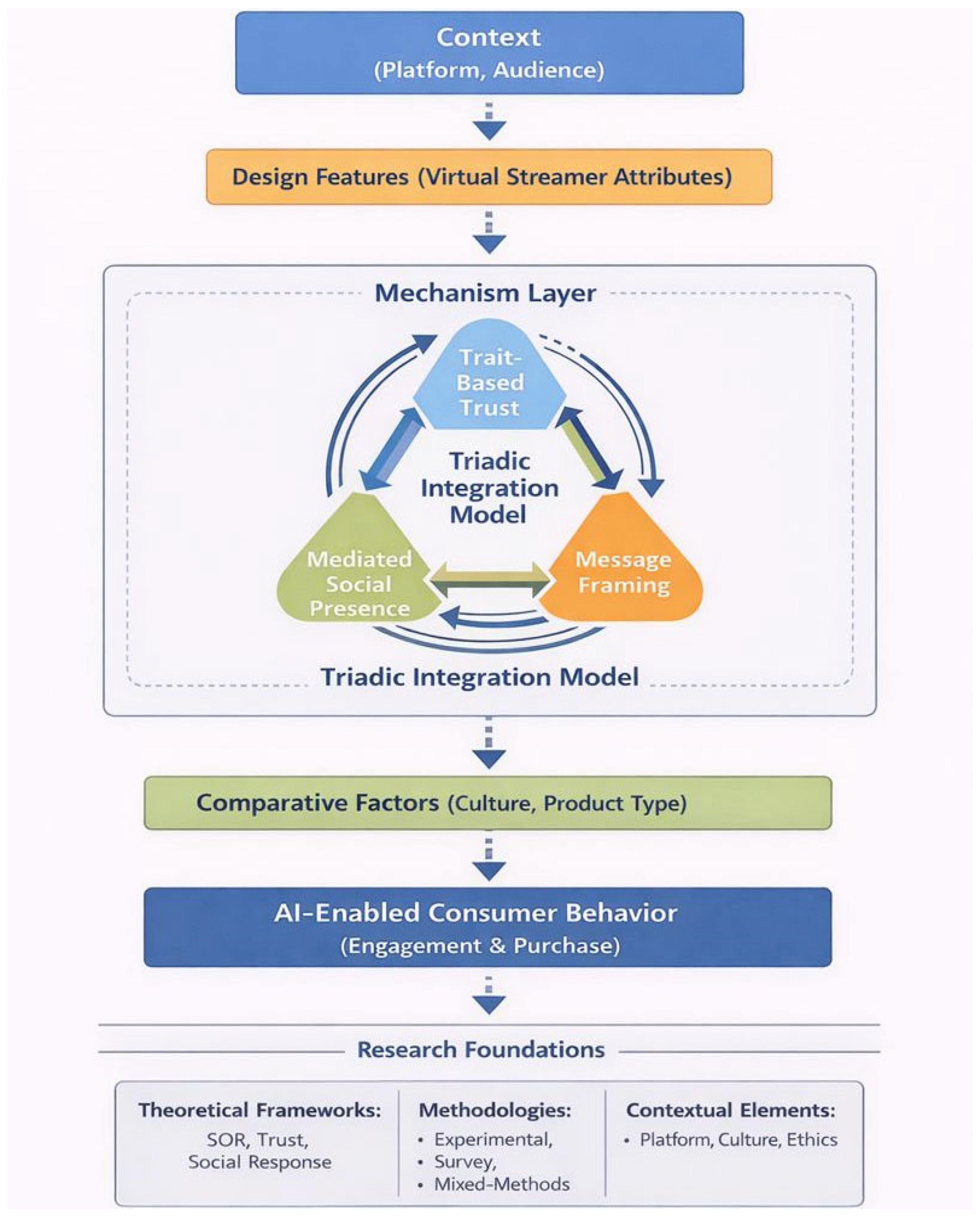
This review moves beyond summarizing prior studies by offering a conceptual framework to explain how virtual streamers influence consumer behavior, as shown in Figure 4. The proposed model integrates three mechanisms: trust, presence, and framing under the CIMCO [17,29,42,45].
The first mechanism, trait-based trust, is widely discussed across the literature. Many studies agree that perceptions of warmth, competence, and authenticity influence consumer trust and behavioral intention [2,17,54]. Yet in contexts where users are aware that avatars are artificial, these assumptions may not hold. Few studies test whether trait inferences function similarly for virtual and human agents [45,47], suggesting a need to clarify how authenticity is experienced in mediated environments. Moreover, this pattern suggests that trait-based trust theories developed for human streamers may have limited direct applicability in virtual contexts, where perceived authenticity is shaped by users’ awareness of artificiality rather than stable personal attributes.
The second mechanism, presence, is often used to explain emotional engagement and interaction quality. It is typically treated as a mediator linking interactivity to trust, drawing on frameworks like parasocial interaction and Social Response Theory [13,29]. However, definitions and measurements of social presence vary widely, raising concerns about the assumed universality of its mediating role. Factors such as user expectations, cultural background, and platform familiarity likely moderate this pathway. For example, Qixuan, Ning and Xiaoyi [2] find that in fully AI-driven settings, technological credibility outweighs social presence. This raises the question of whether presence, as originally conceived in human-to-human communication, applies in the same way to synthetic agents. The findings indicate that social presence may operate as a context-dependent mechanism rather than a universal mediator in interactions with LSC’s virtual streamers.
The third mechanism, message framing, addresses how virtual streamers use language strategically. Studies suggest emotional appeals work better for hedonic products, while rational messages are more effective for utilitarian ones [16]. While theoretical engagement is often descriptive rather than generative, with limited development of mechanisms that are specific to virtual streamer framing and synthetic communicators. Additionally, it remains unclear how consumers interpret emotional expression from non-human agents. While emotional language from human influencers is often seen as sincere, similar expressions from virtual streamers may prompt doubt or skepticism [78,79]. More work is needed to understand how perceived emotionality functions when the source is algorithmic. This suggests that established dual-process and persuasion theories may require recalibration when emotional and rational appeals are delivered by non-human, algorithmic sources.
Across the reviewed studies, several theoretical lenses recur as dominant explanatory frameworks, most notably the SOR model, Trust Theory, and social response perspectives. The SOR model is primarily used to structure how external of virtual streamers, such as interactivity, vividness, responsiveness, etc., translate into internal psychological states such as trust, social presence, and behavioral outcomes [29,35,50], thereby offering a parsimonious causal logic for empirical testing. Trust Theory and the Stereotype Content Model help explain how warmth and competence inferences underpin credibility judgments of synthetic agents, while Social Response Theory and CASA Theory account for why users apply human social rules to responsive avatars [16,54,61]. So, these widely used theories provide a shared conceptual foundation that enhances comparability and internal coherence across studies, contributing to cumulative knowledge development in this emerging field. Meanwhile, the reviewed evidence suggests that these human-centered frameworks are often applied as organizing templates rather than being theoretically extended, highlighting opportunities to improve theoretical proficiency by adapting existing theories to virtual streamers.
This review therefore goes beyond summarizing these legacy models by critically examining their applicability to virtual streamers. Traditional human-centered theories such as the SOR model [16,61] or Trust Theory [2,3,20,33] assume reciprocal intentionality and emotional authenticity—conditions that do not necessarily hold for algorithmic communicators. To address this limitation, we proposed the Triadic Integration Model (Figure 5) based on CIMCO.
The model builds upon but also extends established frameworks such as the SOR model, Trust Theory, and Social Presence Theory by explicitly situating these mechanisms within virtual streamers. Unlike traditional models that assume human-to-human reciprocity and emotional authenticity [80], the triadic structure conceptualizes persuasion as a synthetic process emerging from the interaction between algorithmic traits, perceived presence, and message framing [81,82]. In doing so, the model clarifies how these mechanisms jointly operate when communicators are non-human, thus advancing theoretical understanding of virtual streamer influence beyond existing interpersonal approaches.

4.2. Implications

4.2.1. Theoretical Implications

This review advances theory in consumer behavior and virtual streamer communication by questioning how human–computer interaction is currently understood in marketing. Based on the synthesized findings, consumer responses to virtual streamers are not fully captured by the traditional SOR model, as mediation patterns, framing effects, and internal state formation vary systematically with perceived agency and awareness of artificiality [29,30]. Instead, behavior results from a mix of cognitive, emotional, and contextual factors.
We propose a triadic model of synthetic persuasion that includes trait-based trust, mediated presence, and contextual framing. This model is directly grounded in the review findings, which consistently cluster effects around these three mechanisms across different study contexts. These findings also highlight the limits of applying human-centered theories like Trust Theory or Source Credibility Theory to digital agents [13,21,27,33]. Many studies treat virtual and human sources as interchangeable, but this assumption lacks empirical support. Concepts such as authenticity and empathy, therefore, appear to function as attribution-dependent judgments in AI-enabled settings rather than as stable interpersonal cues [2,17,54]. Future research should consider developing new constructs such as synthetic empathy or algorithmic reliability. These concepts should reflect the unique nature of virtual agents, rather than attempting to replicate human models without modification [5].

4.2.2. Development of Conceptual Framework

Building on the theoretical implications derived from the synthesized findings, this review formalizes a conceptual framework to organize how virtual streamers influence consumer responses. The framework integrates three recurrent mechanisms identified across the reviewed studies—trust [33], mediated social presence [13,37], and contextual message framing—as complementary pathways shaping consumer cognition and behavior. The conceptual framework is illustrated in Figure 5, which summarizes the relationships discussed in this review.

4.2.3. Practical and Social Implications

From a business and product management perspective, virtual streamers should be treated not only as communication tools but also as AI-enabled service products that require strategic design and governance [23,83,84]. First, avatar design should go beyond visual appeal and focus on psychological impact. Traits such as warmth, competence, and authenticity affect trust and engagement and should be matched with product type, audience, and platform environment [2,17,54]. This implies that firms should calibrate virtual streamer features as part of product strategy, rather than adopting a one-size-fits-all design across campaigns. Second, the use of human-operated versus AI-generated streamers introduces concerns about transparency. As virtual streamers become more lifelike, disclosing their nature becomes increasingly important. Users may feel misled if they are unaware of whether they are interacting with a human or a machine, especially in emotionally expressive contexts [85,86]. Finally, emotionally responsive virtual streamers raise broader ethical and regulatory issues. For instance, anthropomorphic design cues, while enhancing perceived warmth and trust, can also intensify consumer aversion and misaligned expectations toward AI virtual streamers, underscoring the double-edged nature of human-like traits [3]. In addition, emotionally immersive and socially responsive interactions may reduce consumers’ critical distance [15], complicating transparency [87], privacy disclosure [67], and informed consent in LSC. Therefore, ethical concerns in virtual streamers are not peripheral but emerge directly from core design and interaction mechanisms [88], highlighting the importance of clearer disclosure practices and platform-level responsibility as scale in commercial settings. While this review focuses on marketing, persuasive AI poses questions around manipulation, informed consent, and the authenticity of digital interaction [78]. As generative AI becomes more common in commerce, researchers and policymakers must address the risks it presents. Future work should engage with topics such as ethical design, platform responsibility, and user protection, particularly in cases where digital persuasion influences substantial emotional or financial decisions.

5. Conclusions

This review systematically synthesized 41 empirical studies on virtual streamers in consumer contexts, offering conceptual clarity and critical reflection on a rapidly evolving domain [40,42]. To our knowledge, this is the first systematic literature review specifically examining the effects of virtual streamers on consumer behavior outcomes across platforms, and the first to propose an integrative model of persuasion as enacted through AI-enabled virtual streamer interfaces in this context [41]. By identifying three core mechanisms—trait-based trust, mediated social presence, and contextual message framing—the review moves beyond descriptive summary to propose a coherent explanatory framework for how virtual streamers influence consumer attitudes and behavior. Across the reviewed evidence, these mechanisms also show systematic variation by context such as platform and product setting, user awareness of artificiality/perceived agency, and study design features, while the overall evidence base remains constrained by geographic concentration and methodological homogeneity. The findings challenge the uncritical application of human-centric theories to AI-generated agents, revealing a need for conceptual innovation tailored to synthetic persuasion. At the same time, practical insights emerge for marketers and platform designers, particularly regarding avatar design, message strategy, and trust management. Several limitations, including geographic concentration and methodological homogeneity, highlight the importance of cross-cultural, behavioral, and longitudinal research in future work. This work contributes to the emerging sub-field of synthetic consumer influence by offering an integrative framework and identifying critical avenues for interdisciplinary research [42].

6. Limitations and Suggestions

While this review offers a comprehensive synthesis of current knowledge on virtual streamers, it also exposes several limitations that constrain both the robustness and generalizability of existing findings—limitations that simultaneously suggest critical directions for future inquiry. Foremost among these is the pronounced geographic concentration of studies in Chinese digital ecosystems. With over 90% of the reviewed literature situated within Chinese platforms such as Taobao Live and Douyin (See Figure 3), the external validity of key mechanisms, particularly those related to trust formation and social presence remains untested across diverse cultural, regulatory, and technological contexts [89,90]. Future research should therefore prioritize cross-cultural comparative studies that examine how media ideologies, consumer expectations, and cultural norms influence responses to virtual streamers [89]. Also, authors should propose future research directions involving Western or global platforms such as YouTube and Twitch. A second limitation lies in the methodological homogeneity that characterizes much of the current work. Most studies rely on self-reported survey data or scenario-based experiments conducted with convenience samples, often students or frequent users of e-commerce platforms [11,15]. While such designs offer internal control, they do so at the expense of ecological validity. To move beyond speculative inference, scholars must begin to integrate behavioral trace data—for instance, clickstreams, purchase logs, or viewing duration—from real-world platforms [91]. A third concern is the lack of theoretical pluralism and construct precision. Constructs such as “authenticity”, “social presence”, or “empathy” are often employed inconsistently across studies, frequently without scale validation or theoretical grounding. This conceptual ambiguity undermines cross-study comparability and impedes cumulative theory building [42]. Future work that engages in the development and validation of constructs tailored specifically to synthetic communicators and theoretical innovation is urgently needed. Finally, ethical considerations remain largely absent from the current discourse. While technical efficacy and persuasive effectiveness dominate empirical agendas, there is a growing need to interrogate the societal and psychological implications of AI-enabled influence [86]. Future research must explore questions of synthetic persuasion, emotional manipulation, and the long-term effects of affective computing on consumer agency and consent [78].

Supplementary Materials

The following supporting information can be downloaded at: https://www.mdpi.com/article/10.3390/jtaer21020057/s1. Ref. [39] is listed in Supplementary file.

Author Contributions

Conceptualization, L.W.; methodology, J.L.; validation, L.W. and Z.L.; resources, J.L.; data curation, J.L.; writing—original draft preparation, L.W.; writing—review and editing, L.W. and J.A.L.Y.; visualization, Z.L.; supervision, J.A.L.Y. All authors have read and agreed to the published version of the manuscript.

Funding

This research received no external funding.

Institutional Review Board Statement

Not applicable.

Informed Consent Statement

Not applicable.

Data Availability Statement

This study is based on a systematic review of published literature and does not involve the collection or analysis of primary data.

Conflicts of Interest

The authors declare no conflicts of interest.

References

  1. Yin, M.; Shen, C.; Xiao, R. Entertainers Between Real and Virtual-Investigating Viewer Interaction, Engagement, and Relationships with Avatarized Virtual Livestreamers. In Proceedings of the 2025 ACM International Conference on Interactive Media Experiences, Niterói Brazil, 3–6 June 2025; ACM: New York, NY, USA, 2025; pp. 243–257. [Google Scholar]
  2. Qixuan, L.; Ning, M.; Xiaoyi, Z. Can AI-virtual anchors replace human internet celebrities for live streaming sales of products? An emotion theory perspective. J. Retail. Consum. Serv. 2025, 82, 104107. [Google Scholar] [CrossRef]
  3. Xiao, Q.; Li, X.; Huang, W.; Zhang, X. Gimmick or genuineness? Exploring the antecedents of AI virtual streamers aversion in live-streaming commerce. Technol. Forecast. Soc. Change 2025, 212, 123981. [Google Scholar] [CrossRef]
  4. Liu, Y.; Wang, L.; Yang, S.; Wang, Y. AI-Powered Digital Streamers in Online Retail: Empirical Insights and Design Strategies from Experiments. Inf. Syst. Res. 2025. Available online: https://pubsonline.informs.org/doi/10.1287/isre.2023.0024 (accessed on 29 January 2026).
  5. Zhang, L.; Zhang, J.; Wang, D.; Mu, J. Development and Validation of an AI Virtual Streamer Scale for Live-Streaming E-Commerce. Int. J. Hum.–Comput. Interact. 2024, 41, 8525–8538. [Google Scholar] [CrossRef]
  6. iiMedia. Research Report on the Virtual Streamer Industry in China in 2023. 2023. Available online: https://www.iimedia.cn/c400/92519.html (accessed on 30 March 2023).
  7. Streamscharts. VTubers Q3 2024 Report—Audience Reach Declined for the First Time in 1.5 Years. 2024. Available online: https://streamscharts.com/news/vtubers-q3-2024-report (accessed on 25 October 2024).
  8. Shao, Z. Understanding the switching intention to virtual streamers in live streaming commerce: Innovation resistances, shopping motivations and personalities. J. Res. Interact. Mark. 2024, 19, 333–357. [Google Scholar] [CrossRef]
  9. Zhao, Z. The Live Commerce of VTuber. In Proceedings of the 2022 5th International Conference on Humanities Education and Social Sciences, Chongqing, China, 14–16 October 2022; Springer: Berlin/Heidelberg, Germany, 2022. [Google Scholar] [CrossRef]
  10. Jiang, L.; Li, M. Research on the impact path of virtual streamers characteristics on agricultural product consumers’ purchase intention. PLoS ONE 2025, 20, e0330021. [Google Scholar] [CrossRef]
  11. Ji, X. Influence of Virtual Live Streamers’ Credibility on Online Sales Performance. SAGE Open 2024, 14, 21582440241271171. [Google Scholar] [CrossRef]
  12. Diwanji, V.S. Should your brand hire virtual influencers? How realism and gender presentation shape trust and purchase intentions. J. Retail. Consum. Serv. 2026, 88, 104491. [Google Scholar] [CrossRef]
  13. Gao, W.; Jiang, N.; Guo, Q. How do virtual streamers affect purchase intention in the live streaming context? A presence perspective. J. Retail. Consum. Serv. 2023, 73, 103356. [Google Scholar] [CrossRef]
  14. Yu, J.; Dickinger, A.; So, K.K.F.; Egger, R. Artificial intelligence-generated virtual influencer: Examining the effects of emotional display on user engagement. J. Retail. Consum. Serv. 2024, 76, 103560. [Google Scholar] [CrossRef]
  15. Chen, H.; Shao, B.; Yang, X.; Kang, W.; Fan, W. Avatars in live streaming commerce: The influence of anthropomorphism on consumers’ willingness to accept virtual live streamers. Comput. Hum. Behav. 2024, 156, 108216. [Google Scholar] [CrossRef]
  16. Yao, R.; Qi, G.; Wu, Z.; Sun, H.; Sheng, D. Digital human calls you dear: How do customers respond to virtual streamers’ social-oriented language in e-commerce livestreaming? A stereotyping perspective. J. Retail. Consum. Serv. 2024, 79, 103872. [Google Scholar] [CrossRef]
  17. Gong, X.; Sun, P. Can virtual streamers express emotions? Understanding the language style of virtual streamers in livestreaming e-commerce. J. Retail. Consum. Serv. 2025, 82, 104148. [Google Scholar] [CrossRef]
  18. Hu, H.-h.; Ma, F. Human-like bots are not humans: The weakness of sensory language for virtual streamers in livestream commerce. J. Retail. Consum. Serv. 2023, 75, 103541. [Google Scholar] [CrossRef]
  19. Davlembayeva, D.; Chari, S.; Papagiannidis, S. Virtual Influencers in Consumer Behaviour: A Social Influence Theory Perspective. Br. J. Manag. 2024, 36, 202–222. [Google Scholar] [CrossRef]
  20. Li, C.; Huang, F. The Impact of Virtual Streamer Anthropomorphism on Consumer Purchase Intention: Cognitive Trust as a Mediator. Behav. Sci. 2024, 14, 1228. [Google Scholar] [CrossRef] [PubMed]
  21. Kim, D.; Wang, Z. Social media influencer vs. virtual influencer: The mediating role of source credibility and authenticity in advertising effectiveness within AI influencer marketing. Comput. Hum. Behav. Artif. Hum. 2024, 2, 100100. [Google Scholar] [CrossRef]
  22. Zhang, W. Differences in the influence of virtual influencers on different consumer groups. J. Infrastruct. Policy Dev. 2025, 9, 10831. [Google Scholar] [CrossRef]
  23. Sun, L.; Tang, Y. Avatar effect of AI-enabled virtual streamers on consumer purchase intention in e-commerce livestreaming. J. Consum. Behav. 2024, 23, 2999–3010. [Google Scholar] [CrossRef]
  24. Van Laer, T.; De Ruyter, K.; Visconti, L.M.; Wetzels, M. The extended transportation-imagery model: A meta-analysis of the antecedents and consequences of consumers’ narrative transportation. J. Consum. Res. 2014, 40, 797–817. [Google Scholar] [CrossRef]
  25. Smith, E.R.; DeCoster, J. Dual-Process Models in Social and Cognitive Psychology: Conceptual Integration and Links to Underlying Memory Systems. Personal. Soc. Psychol. Rev. 2000, 4, 108–131. [Google Scholar] [CrossRef]
  26. Pylyshyn, Z.W. Mental imagery: In search of a theory. Behav. Brain Sci. 2002, 25, 157–182. [Google Scholar] [CrossRef]
  27. Liu, F.; Lee, Y.-H. Virtually responsible? Attribution of responsibility toward human vs. virtual influencers and the mediating role of mind perception. J. Retail. Consum. Serv. 2024, 77, 103685. [Google Scholar] [CrossRef]
  28. Kim, D.; Wang, Z. The ethics of virtuality: Navigating the complexities of human-like virtual influencers in the social media marketing realm. Front. Commun. 2023, 8, 1205610. [Google Scholar] [CrossRef]
  29. Yu, T.; Teoh, A.P.; Bian, Q.; Liao, J.; Wang, C. What Drives Purchase Intention in Live Streaming E-Commerce? The Perspectives of Virtual Streamers. Int. J. Hum.–Comput. Interact. 2025, 41, 14689–14708. [Google Scholar] [CrossRef]
  30. Zhou, T.; Li, S. Examining Consumer Impulsive Purchase Intention in Virtual AI Streaming: A S-O-R Perspective. J. Theor. Appl. Electron. Commer. Res. 2025, 20, 204. [Google Scholar] [CrossRef]
  31. Liu, X.; Zhang, L. Virtual streamer anthropomorphism affects consumers’ purchase intention: The mediating role of social presence. Soc. Behav. Personal. Int. J. 2025, 53, 1–7. [Google Scholar] [CrossRef]
  32. Wu, Y.; Huang, H. Influence of Perceived Value on Consumers’ Continuous Purchase Intention in Live-Streaming E-Commerce—Mediated by Consumer Trust. Sustainability 2023, 15, 4432. [Google Scholar] [CrossRef]
  33. Wang, K.; Wu, J.; Sun, Y.; Chen, J.; Pu, Y.; Qi, Y. Trust in Human and Virtual Live Streamers: The Role of Integrity and Social Presence. Int. J. Hum.–Comput. Interact. 2023, 40, 8274–8294. [Google Scholar] [CrossRef]
  34. Chen, Y.; Li, X. Expectancy Violations and Discontinuance Behavior in Live-Streaming Commerce: Exploring Human Interactions with Virtual Streamers. Behav. Sci. 2024, 14, 920. [Google Scholar] [CrossRef]
  35. Imanuddin, K.A.; Handayani, P.W. User continuance intention to use social commerce livestreaming shopping based on stimulus-organism-response theory. Cogent Bus. Manag. 2025, 12, 2479178. [Google Scholar] [CrossRef]
  36. Wu, R.; Liu, J.; Chen, S.; Tong, X. The effect of E-commerce virtual live streamer socialness on consumers’ experiential value: An empirical study based on Chinese E-commerce live streaming studios. J. Res. Interact. Mark. 2023, 17, 714–733. [Google Scholar] [CrossRef]
  37. Liu, H.; Zhang, P.; Cheng, H.; Hasan, N.; Chiong, R. Impact of AI-generated virtual streamer interaction on consumer purchase intention: A focus on social presence and perceived value. J. Retail. Consum. Serv. 2025, 85, 104290. [Google Scholar] [CrossRef]
  38. Xu, B.; Dastane, O.; Aw, E.C.-X.; Jha, S. The future of live-streaming commerce: Understanding the role of AI-powered virtual streamers. Asia Pac. J. Mark. Logist. 2024, 37, 1175–1196. [Google Scholar] [CrossRef]
  39. Page, M.J.; McKenzie, J.E.; Bossuyt, P.M.; Boutron, I.; Hoffmann, T.C.; Mulrow, C.D.; Shamseer, L.; Tetzlaff, J.M.; Akl, E.A.; Brennan, S.E.; et al. The PRISMA 2020 statement: An updated guideline for reporting systematic reviews. BMJ 2021, 372, n71. [Google Scholar] [CrossRef] [PubMed]
  40. Gusenbauer, M.; Haddaway, N.R. Which academic search systems are suitable for systematic reviews or meta-analyses? Evaluating retrieval qualities of Google Scholar, PubMed, and 26 other resources. Res. Synth. Methods 2020, 11, 181–217. [Google Scholar] [CrossRef] [PubMed]
  41. Huang, Y.; Wang, T. Understanding Viewers’ Attitudes Toward Virtual Streamers: A Systematic Review. IEEE Access 2025, 13, 163949–163965. [Google Scholar] [CrossRef]
  42. Denyer, D.; Tranfield, D.; Van Aken, J.E. Developing design propositions through research synthesis. Organ. Stud. 2008, 29, 393–413. [Google Scholar] [CrossRef]
  43. Gusenbauer, M. Searchsmart.org: Guiding researchers to the best databases and search systems for systematic reviews and beyond. Res. Synth. Methods 2024, 15, 1200–1213. [Google Scholar] [CrossRef]
  44. Zhou, Z.; Wen, S.; Li, T.; Zhang, X.; Chi, M. Virtual streamer and destination visitation: An attractiveness transfer perspective. J. Destin. Mark. Manag. 2024, 33, 100922. [Google Scholar] [CrossRef]
  45. Gao, J.; Zhao, X.; Zhai, M.; Zhang, D.; Li, G. AI or Human? The Effect of Streamer Types on Consumer Purchase Intention in Live Streaming. Int. J. Hum.–Comput. Interact. 2024, 41, 305–317. [Google Scholar] [CrossRef]
  46. Yu, Y.; Yang, Y. Signaling Effects in AI Streamers: Optimal Separation Strategy Under Different Market Conditions. J. Theor. Appl. Electron. Commer. Res. 2024, 19, 2997–3016. [Google Scholar] [CrossRef]
  47. Bai, S.; Gu, X.; Xu, N.; Zheng, J.; Wu, W.; Jiang, M.; Xue, N. Live streaming mode selection strategy under the background of virtual anchor supplementation. PLoS ONE 2025, 20, e0321557. [Google Scholar] [CrossRef] [PubMed]
  48. Open Science, C. PSYCHOLOGY. Estimating the reproducibility of psychological science. Science 2015, 349, aac4716. [Google Scholar] [CrossRef]
  49. Li, J.; Chen, J.; Shi, Y.; Cui, Y. Exploring the impact of differences between AI streamers and human streamers on consumer purchase intention in live e-commerce: A grounded theory approach. PLoS ONE 2025, 20, e0334530. [Google Scholar] [CrossRef]
  50. Li, L.; Zhou, W.; Chen, Y. Factors influencing users’ watching intention in virtual streaming: The perspective of flow experience. Kybernetes 2024, 55, 895–921. [Google Scholar] [CrossRef]
  51. Tang, Q.; Liu, L.; Liu, Z. Understanding how the Chinese youth engages with virtual streamers in digital era: An approach of affordance. Int. Commun. Chin. Cult. 2025, 12, 17–35. [Google Scholar] [CrossRef]
  52. Khalfallah, D.; Keller, V. Authenticity, ethics, and transparency in virtual influencer marketing: A cross-cultural analysis of consumer trust and engagement: A systematic literature review. Acta Psychol. 2025, 260, 105573. [Google Scholar] [CrossRef]
  53. Yuan, H.; Lü, K.; Fang, W. Machines vs. humans: The evolving role of artificial intelligence in livestreaming e-commerce. J. Bus. Res. 2025, 188, 115077. [Google Scholar] [CrossRef]
  54. Zhang, Y.; Wang, X. The effect of virtual anchor appearance on purchase intention: A perceived warmth and competence perspective. J. Prod. Brand Manag. 2024, 34, 84–103. [Google Scholar] [CrossRef]
  55. Gao, W.; Jiang, N.; Guo, Q. How cool virtual streamer influences customer in live-streaming commerce? An explanation of stereotype content model. J. Retail. Consum. Serv. 2025, 82, 104139. [Google Scholar] [CrossRef]
  56. Gong, Y.; Huang, R.; Chen, Z.; Liu, Y.; Tan, Y. Are assertive messages more effective in live marketing? Matching effects of anchor type and message assertiveness on purchase intention. J. Retail. Consum. Serv. 2025, 85, 104286. [Google Scholar] [CrossRef]
  57. Yan, R.; Tang, Z.; Liu, D. Can virtual streamers replace human streamers? The interactive effect of streamer type and product type on purchase intention. Mark. Intell. Plan. 2024, 43, 297–322. [Google Scholar] [CrossRef]
  58. Xie, J.; Wu, H.; Liu, K.; Cui, Y.; Zhang, X. Is virtual streamer useful? Effect of streamer type on consumer brand forgiveness when streamers make inappropriate remarks. J. Retail. Consum. Serv. 2024, 79, 103899. [Google Scholar] [CrossRef]
  59. Chang, Y.; Wang, H.; Guo, Z. Artificial intelligence in live streaming: How can virtual streamers bring more sales? J. Retail. Consum. Serv. 2025, 84, 104247. [Google Scholar] [CrossRef]
  60. Li, Q.; He, W. Empathy and emotional labor: The role of virtual streamers in driving PC game players’ in-game purchases. Asia Pac. J. Mark. Logist. 2025, 37, 3984–4002. [Google Scholar] [CrossRef]
  61. Qin, M.; Liu, M. How consumer perceptions of virtual streamers affect purchase intention in live streaming commerce: Based on cognition-affect-behavior model. Asia Pac. J. Mark. Logist. 2024, 37, 1679–1695. [Google Scholar] [CrossRef]
  62. Zhong, L.; Yang, Y.; Mei, Z.; Xie, Y.; Yu, A. Exploring Consumer Citizenship Behavior by Personification of E-Commerce Virtual Anchors Based on Shopping Value. IEEE Access 2024, 12, 76469–76477. [Google Scholar] [CrossRef]
  63. Peng, Y.; Wang, Y.; Li, J.; Yang, Q. Impact of AI-Oriented Live-Streaming E-Commerce Service Failures on Consumer Disengagement—Empirical Evidence from China. J. Theor. Appl. Electron. Commer. Res. 2024, 19, 1580–1598. [Google Scholar] [CrossRef]
  64. Lee, S.; Lee, J.; Ju. T’aime My Idol, My Streamer: A Case Study on Fandom Experience as Audiences and Creators of VTuber Concert. IEEE Access 2023, 11, 31125–31142. [Google Scholar] [CrossRef]
  65. Zhang, Y.; Wang, X.; Zhao, X. Supervising or assisting? The influence of virtual anchor driven by AI–human collaboration on customer engagement in live streaming e-commerce. Electron. Commer. Res. 2025, 25, 3047–3070. [Google Scholar] [CrossRef]
  66. Zhang, X.; Shi, Y.; Li, T.; Guan, Y. How Do Virtual AI Streamers Influence Viewers’ Livestream Shopping Behavior? The Effects of Persuasive Factors and the Mediating Role of Arousal. Inf. Syst. Front. 2023, 26, 1803–1834. [Google Scholar] [CrossRef]
  67. Shao, Z.; Ho, J.S.Y. Revealing the resistance of virtual streamers: Intrusiveness, privacy disclosure and perceived justice. Asia Pac. J. Mark. Logist. 2025, 37, 3758–3781. [Google Scholar] [CrossRef]
  68. Zhu, Y.-P.; Xin, L.; Wang, H.; Park, H.-W. Effects of AI Virtual Anchors on Brand Image and Loyalty: Insights from Perceived Value Theory and SEM-ANN Analysis. Systems 2025, 13, 79. [Google Scholar] [CrossRef]
  69. Wang, X.; Zhang, Y. The influence of virtual streamer on purchase intention: The moderated mediating effect of message strategy and live-streaming environment. Electron. Commer. Res. Appl. 2025, 73, 101520. [Google Scholar] [CrossRef]
  70. Long, R.; Yuan, X.; Wu, M. Consumers’ green product purchase intention considering para-social interaction: An experimental study based on live-streaming e-commerce. J. Clean. Prod. 2024, 481, 144169. [Google Scholar] [CrossRef]
  71. Nazir, M.; Wani, T.A. Human vs. virtual influencers and message framing: Enhancing environmental awareness, activism and sustainable purchase intentions through effective messaging. Manag. Res. Rev. 2025, 48, 685–708. [Google Scholar] [CrossRef]
  72. Zheng, X.; Cui, C.; Zhang, C.; Li, D. Who says what? How message appeals shape virtual- versus human-influencers’ impact on consumer engagement. J. Res. Interact. Mark. 2025; ahead of print. [Google Scholar] [CrossRef]
  73. Erensoy, A.; Mathrani, A.; Schnack, A.; Elms, J.; Baghaei, N. Consumer behavior in immersive virtual reality retail environments: A systematic literature review using the stimuli-organisms-responses (S-O-r) model. J. Consum. Behav. 2024, 23, 2781–2811. [Google Scholar] [CrossRef]
  74. Nosek, B.A.; Ebersole, C.R.; DeHaven, A.C.; Mellor, D.T. The preregistration revolution. Proc. Natl. Acad. Sci. USA 2018, 115, 2600–2606. [Google Scholar] [CrossRef]
  75. Munafo, M.R.; Nosek, B.A.; Bishop, D.V.M.; Button, K.S.; Chambers, C.D.; du Sert, N.P.; Simonsohn, U.; Wagenmakers, E.J.; Ware, J.J.; Ioannidis, J.P.A. A manifesto for reproducible science. Nat. Hum. Behav. 2017, 1, 0021. [Google Scholar] [CrossRef]
  76. Kazdin, A.E. Unobtrusive measures in behavioral assessment. J. Appl. Behav. Anal. 1979, 12, 713–724. [Google Scholar] [CrossRef]
  77. Chen, Y.; Li, L.; Zhou, W. Impact of viewer-streamer-content congruence on users’ behavioral intention in virtual streaming: The moderating effect of role-playing. Electron. Commer. Res. Appl. 2025, 70, 101492. [Google Scholar] [CrossRef]
  78. Castelo, N.; Bos, M.W.; Lehmann, D.R. Task-dependent algorithm aversion. J. Mark. Res. 2019, 56, 809–825. [Google Scholar] [CrossRef]
  79. Waytz, A.; Gray, K.; Epley, N.; Wegner, D.M. Causes and consequences of mind perception. Trends Cogn. Sci. 2010, 14, 383–388. [Google Scholar] [CrossRef]
  80. Salmela, M. What is emotional authenticity? J. Theory Soc. Behav. 2005, 35, 209. [Google Scholar] [CrossRef]
  81. Terenzi, M. Modeling persuasion in social media: A theoretical approach to algorithmic content distribution and manipulation. J. Sociocybernetics 2024, 19. [Google Scholar] [CrossRef]
  82. Dehnert, M.; Mongeau, P.A. Persuasion in the age of artificial intelligence (AI): Theories and complications of AI-based persuasion. Hum. Commun. Res. 2022, 48, 386–403. [Google Scholar] [CrossRef]
  83. Huang, M.-H.; Rust, R.T. Artificial intelligence in service. J. Serv. Res. 2018, 21, 155–172. [Google Scholar] [CrossRef]
  84. Mariani, M.M.; Borghi, M. Artificial intelligence in service industries: Customers’ assessment of service production and resilient service operations. Int. J. Prod. Res. 2024, 62, 5400–5416. [Google Scholar] [CrossRef]
  85. Longoni, C.; Bonezzi, A.; Morewedge, C.K. Resistance to Medical Artificial Intelligence. J. Consum. Res. 2019, 46, 629–650. [Google Scholar] [CrossRef]
  86. Nass, C.; Moon, Y. Machines and Mindlessness: Social Responses to Computers. J. Soc. Issues 2002, 56, 81–103. [Google Scholar] [CrossRef]
  87. Schmidt, P.; Biessmann, F.; Teubner, T. Transparency and trust in artificial intelligence systems. J. Decis. Syst. 2020, 29, 260–278. [Google Scholar] [CrossRef]
  88. Chi, L. Research on the impact and application strategies of AI in virtual streamer based on the media industry. Highlights Bus. Econ. Manag. 2024, 41, 144–149. [Google Scholar] [CrossRef]
  89. De Mooij, M. Consumer Behavior and Culture: Consequences for Global Marketing and Advertising; Sage Publications: Thousand Oaks, CA, USA, 2019. [Google Scholar]
  90. Hofstede, G. Culture’s Consequences: Comparing Values, Behaviors, Institutions and Organizations Across Nations; Sage Publications: Thousand Oaks, CA, USA, 2001. [Google Scholar]
  91. Ohme, J.; Araujo, T.; de Vreese, C.H.; Piotrowski, J.T. Mobile data donations: Assessing self-report accuracy and sample biases with the iOS Screen Time function. Mob. Media Commun. 2021, 9, 293–313. [Google Scholar] [CrossRef]
Figure 1. PRISMA flow diagram of the systematic review search procedure.
Jtaer 21 00057 g001
Figure 2. The trend of annual publication articles on virtual streamers (Source: Data from Web of Science).
Jtaer 21 00057 g002
Figure 3. Distribution of virtual streamer research by platform. Note: The number of supporting studies is non-exclusive; some articles support multiple conclusions.
Jtaer 21 00057 g003
Figure 4. Country distribution of studies on virtual streamers in LSC.
Jtaer 21 00057 g004
Figure 5. CIMCO-based Triadic Integration Model for virtual streamer research. Note: This figure presents a qualitative synthesis based on the CIMCO framework, summarizing how theory, method, and context jointly shape virtual streamer research. It represents a conceptual synthesis of research dimensions rather than a tested causal process model.
Jtaer 21 00057 g005
Table 2. GRADE summary of evidence certainty across key mechanisms.
Effect TypeDescriptionEvidence Source CountStudy DesignsGRADE Rating
Core EffectsAvatar competence/social presence → Trust/purchase intention18Mostly experiments (RCT, 2 × 2)★★★★☆
Framing EffectsEmotional vs. rational message framing → Engagement/intention10Mixed (surveys + experiments)★★★☆☆
Moderation EffectsPlatform type/cultural congruence → Path strength variation6Exploratory or small sample★★☆☆☆
Mediating ProcessesWarmth, empathy and social presence as mediators11Model-based/path analysis★★★☆☆
Note: The number of supporting studies is non-exclusive; some articles support multiple conclusions and the star symbols indicate GRADE certainty of evidence (visual coding): ★★★★☆ = High, ★★★☆☆ = Moderate, ★★☆☆☆ = Low.
Disclaimer/Publisher’s Note: The statements, opinions and data contained in all publications are solely those of the individual author(s) and contributor(s) and not of MDPI and/or the editor(s). MDPI and/or the editor(s) disclaim responsibility for any injury to people or property resulting from any ideas, methods, instructions or products referred to in the content.