1. Introduction
The circular economy (CE) is recognized as an essential strategy for continuously minimizing the environmental harm caused by inefficient production and consumption, while helping organizations achieve more resilient ESG (Environmental, Social, and Governance) indicators [
1,
2]. Closed-loop supply chains (CLSC), which exemplify the CE in action, have become acknowledged as a sustainable and low-carbon approach to production [
3]. Companies such as Apple, Procter & Gamble, HP, Dell, and Xerox have successfully adopted this approach, reaping significant economic benefits from its implementation [
4]. In recent years, the rapid development of e-commerce has attracted a growing number of consumers to shop online and participate in online recycling programs [
5]. Thus, E-business has become a crucial component of CE practices worldwide, with some companies transitioning their sales and recycling operations to online platforms, thereby establishing e-commerce closed-loop supply chains (ECLSC). By 2021, around 42,000 e-commerce enterprises in China focused on second-hand products [
6].
With price transparency on internet platforms, consumer attention has turned to services such as logistics, home delivery, and quality inspection, making it essential for the platform to consider service levels comprehensively to stay competitive [
7,
8]. Moreover, platforms often secure higher profits due to their rule-setting authority and leverage economies of scale, which can lead to fairness concerns (FCs) among other members, as seen when the online recycling platform Re-Life shut down due to unfair profit distribution [
9]. In this study, we extend our model by incorporating FCs to further explore its impact.
In practice, remanufacturing profitability and decision-making are significantly influenced by the quality of used products. Severely damaged products make remanufacturing very challenging or impossible. For instance, Caterpillar Group uses advanced technology to restore unusable core components to like-new conditions, maintaining market competitiveness. However, not all manufacturers have such capabilities, leading to a significant uncertainty due to the varying quality of recycled products [
10]. Additionally, companies that succeed in the remanufacturing sector often invest heavily in process innovation to enhance their capabilities and reduce costs. For instance, Apple’s Daisy robot optimizes the disassembly of old products, saving labor and time and lowering remanufacturing costs. Bosch developed a chip to assess the quality of components from its used products. Therefore, how remanufacturing and ECLSC performance are affected by uncertainty in used product quality and how remanufacturing enterprises decide on process innovation investment are the concerns of this study. Furthermore, these factors are often underexplored in other related ECLSC studies [
6], highlighting the potential contribution of this research.
Capital constraints are a common challenge for SMEs, driven by pressures such as the need for process innovation and adapting to the evolving regulatory landscape, which increasingly mandates ESG compliance and reporting obligations [
11]. Financial institutions provide various solutions to address these funding issues. For example, remanufacturing leader Caterpillar Group secured a USD 3 billion 9-month revolving credit line from banks [
12]. Furthermore, with the development of digital technologies, some FinTech platforms provide financing solutions to capital-constrained supply chain participants to support their green and sustainable activities. Platforms like Carbon Chain (
https://carbonchain.com) in the UK help SMEs in industries such as metals, oil and gas, mining, and agriculture to reduce carbon emissions and secure green financial support. Overall, FinTech platforms offer several advantages over traditional financing methods. They connect SMEs directly with investors through regulated digital platforms, thus reducing the need for intermediaries and lowering costs. Moreover, these platforms provide diverse financing options, such as debt and equity financing, which help reduce the risks for both SMEs and investors. The choice of financing scheme by a capital-constrained manufacturer as a downstream SME in the ECLSC, based on profit performance and environmental impact, is key to balancing economic and sustainability goals, as ESG performance reflected in carbon emissions and energy use is increasingly viewed as a measure of corporate responsibility [
13].
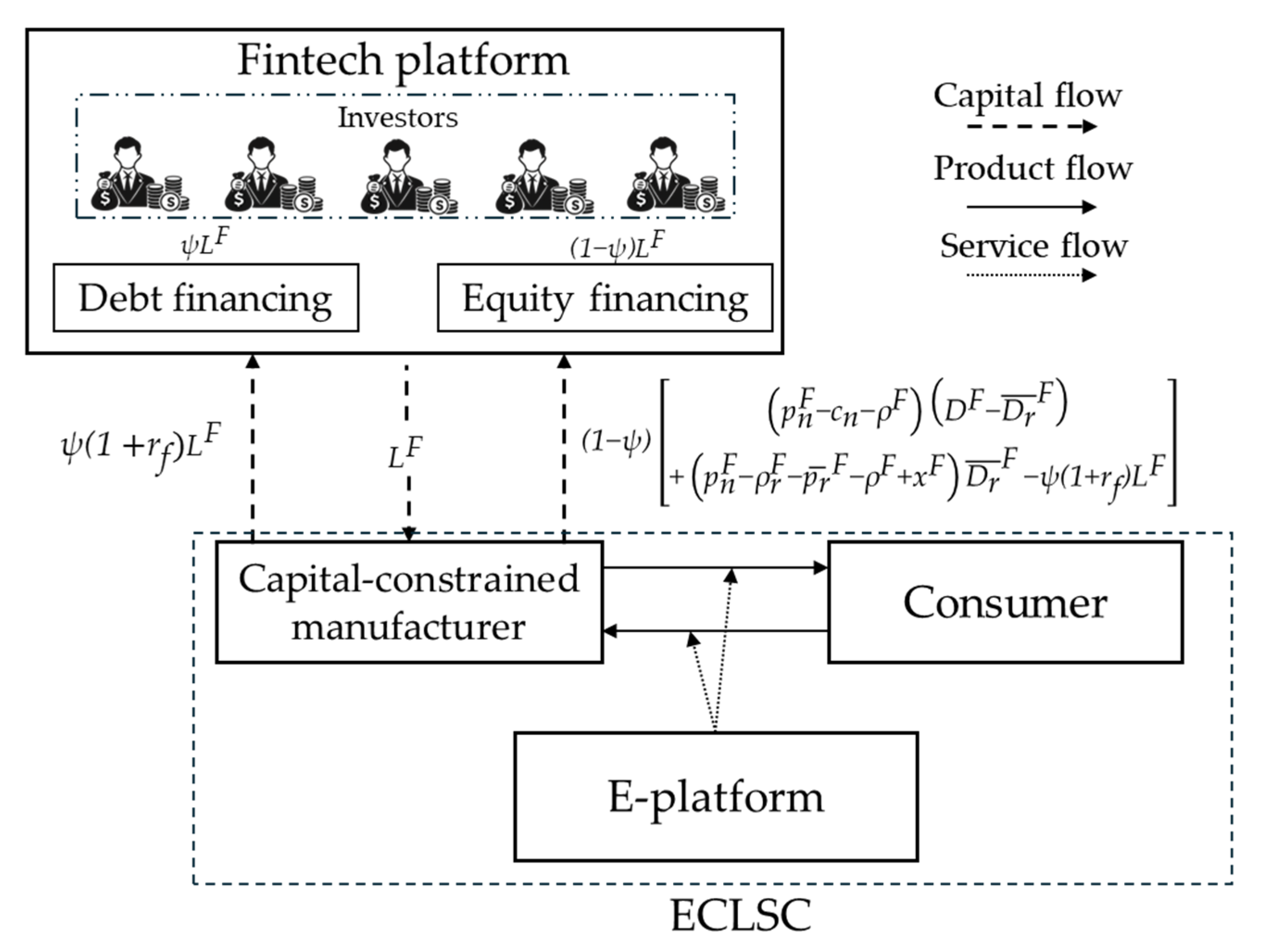
Based on the above descriptions and to fill the gap in the existing research, this study constructs an ECLSC consisting of an e-commerce platform (E-platform) and a capital-constrained manufacturer under the uncertainty of used product quality. The manufacturer can choose between traditional bank financing (BF) and innovative FinTech platform financing (FPF), which offers a combination of debt financing (DF) and equity financing (EF) to address the challenge of insufficient funding for process innovation. We aim to explore the following research questions:
What are the optimal operational decisions and remanufacturing strategies for an ECLSC under scenarios with no financial constraints and different financing schemes, considering the uncertainty in the quality of used products?
How do the remanufacturing quality threshold and recycling service sensitivity coefficient impact the optimal decisions and profits?
For the manufacturer facing capital constraints, how should ECLSCs choose the appropriate financing scheme? Which financing scheme has a smaller environmental impact?
If the manufacturer exhibits FC behavior, what impact do FCs have on capital-constrained ECLSCs?
By addressing the questions outlined above, this study yields several major findings and contributions.
We consider the effects of various parameters on the profit of the ECLSC. Our comparative and numerical analyses reveal that the FPF is more favorable when the unit remanufacturing cost exceeds a certain threshold or PI costs are low. Additionally, the FPF performs better when the FPF scheme’s interest rate is low and the DF ratio is high. Furthermore, when consumer sensitivity to recycling prices or service is low, the BF is the preferred choice. More importantly, the FPF enables the ECLSC to maximize economic benefits and minimize environmental damage within a certain range. By identifying the optimal financing schemes under different conditions, this research provides valuable insights that empower companies to effectively navigate financial constraints and strategically enhance profitability across diverse market environments, and place greater emphasis on minimizing environmental impact.
Unlike Qin, Chen, Zhang, and Ding [
10], this study finds that higher remanufacturing quality thresholds reduce recycled product quantities and profits, emphasizing the need for better product design, fostering collaboration, and implementing policy incentives.
An increased consumer sensitivity to recycling services positively impacts the ECLSC and enables consumers to benefit from higher valuations of used products and improved services under certain conditions. This contrasts with Wang, et al. [
14], who found it challenging to balance high recycling prices and service levels.
Manufacturers’ FC behavior negatively affects both the recycling efficiency of the ECLSC and the profit of the E-platform. Although FCs are often considered harmful to efficiency and profitability [
6,
15], our findings reveal that, within certain ranges, an increase in the FC coefficient can actually lead to higher manufacturer profit. In such cases, the optimal financing scheme selection remains largely consistent with scenarios without FCs, with the influencing factor being the unit manufacturing cost, further validating the robustness of our previous results.
The remainder of this paper is organized as follows:
Section 2 reviews the relevant literature. In
Section 3 and
Section 4, we develop the ECLSC model framework and derive the optimal solutions under different financing schemes.
Section 5 analyzes the impact of key parameters and compares the solutions, profits, and environmental impact under the BF and FPF schemes. In
Section 6, we conduct numerical analyses to further explore the financing preferences of the overall ECLSC and the manufacturer. In
Section 7, we extend the models by considering the FCs. Finally,
Section 8 makes conclusions and provides corresponding managerial implications. All proofs are included in the
Appendix A.
3. Problem Description
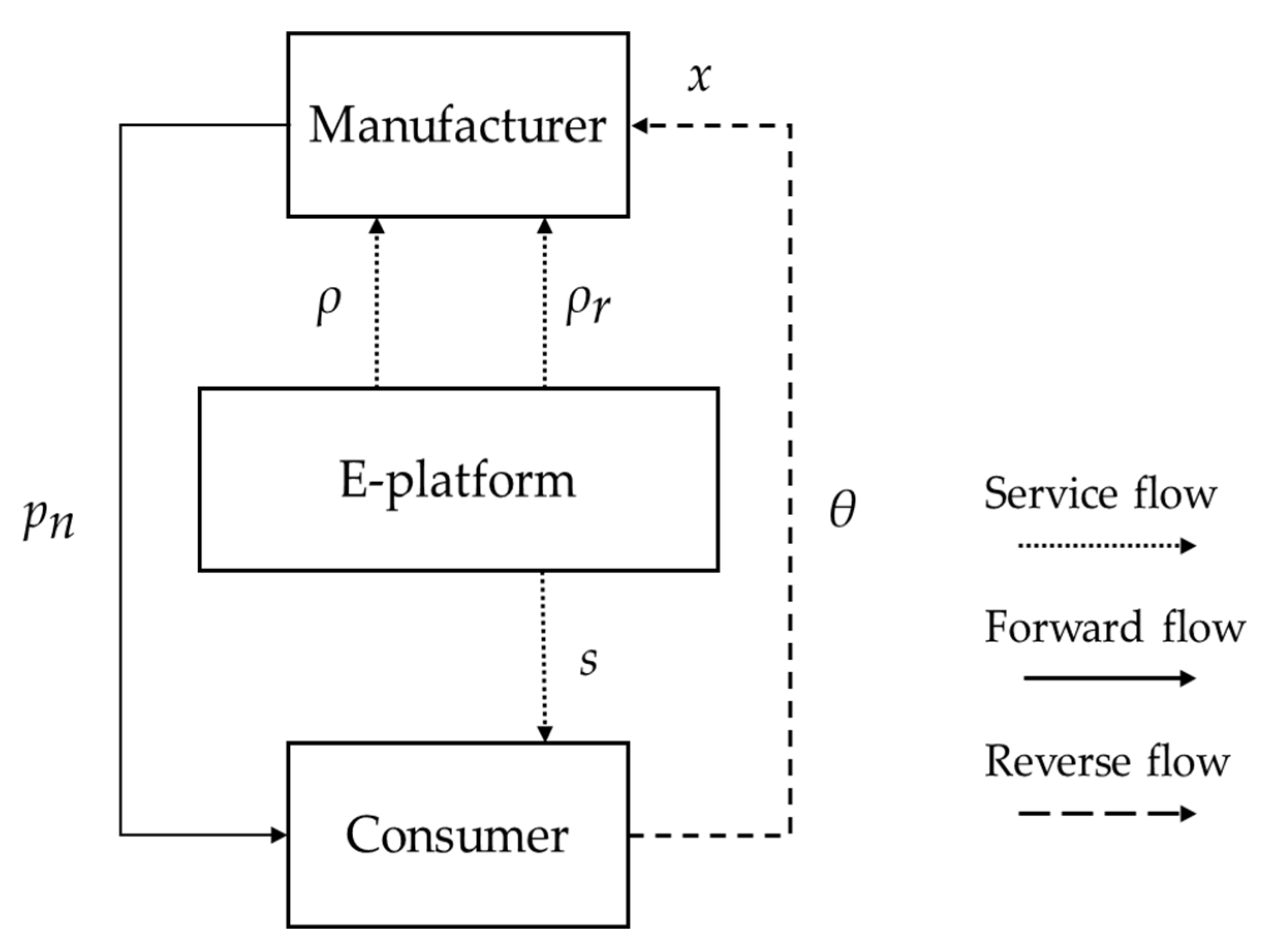
Motivated by downstream manufacturers’ frequent financial constraints in ECLSCs, this study considers an ECLSC system composed of an E-platform and a risk-neutral, capital-constrained manufacturer (
Figure 1), with both parties aiming to maximize profits. The E-platform provides product sales and recycling services, charging commissions for these. The manufacturer sells products and collects used ones via the E-platform, remanufacturing those meeting quality standards. To improve efficiency, the manufacturer also invests in PI to reduce remanufacturing costs.
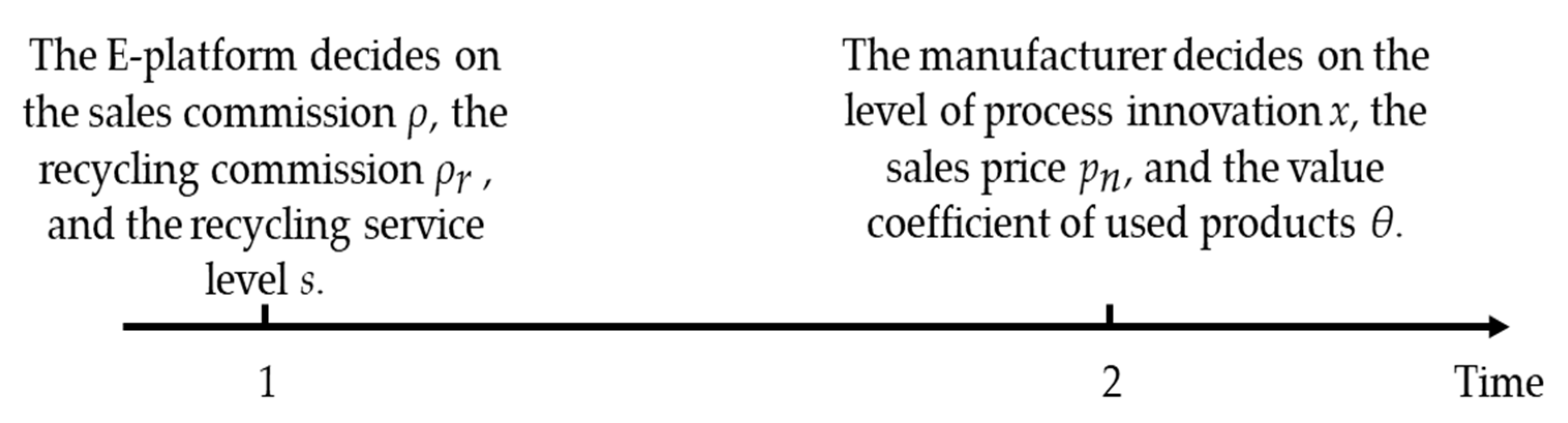
The specific decision sequence is shown in
Figure 2. The E-platform, benefiting from economies of scale and rule-making advantages [
7], acts as the leader and first decides on the sales commission
, the commission for recycling used products
, and the platform recycling service level
. Subsequently, the follower manufacturer determines the PI level
, the sales price of new products
, and the quality-based value coefficient of used products
, which in turn determines the recycling price of used products.
Table 2 presents the relevant parameters and their definitions used in this study. To facilitate a deeper analysis of the model, we make the following assumptions:
Assumption 1. The manufacturer sells products via the E-platform, which charges a per-unit commission on sales (this type of fee structure is common in practice, as seen with Amazon) and on recycled products. The E-platform enhances consumer participation in recycling through services like appraisals, inspections, and at-home pickup. These services incur a cost of , where is the service level and the cost coefficient is normalized to 1 [6,14,50]. Assumption 2. Although companies like Apple, Samsung, Huawei, and Amazon actively promote recycling and resale globally, CLSC integration rarely influences consumer behavior or sales [51]. Following related studies, this research assumes products consist of a single component, with new and recycled parts being identical in function and appearance [48,52]. The manufacturer can use new parts at a cost of or remanufacture using recycled parts from used products that exceed the quality threshold , which is more cost-effective (). For simplicity, we set to 0 [53]. Assumption 3. According to Wang, Yu, Shen, and Jin [14] and Zhang, Meng, and Xie [48], the recycling quantity of used products is , where is the recycling price sensitivity coefficient and is the service level sensitivity coefficient. The recycling price , paid by the manufacturer, is expressed as , where is the value coefficient of the used product and is the quality level. A higher product quality results in a higher recycling price. To simplify, the stochastic variable is assumed to follow a standard uniform distribution based on historical data [10]. The manufacturer remanufactures used products whose quality exceeds the threshold , and, for generality, let fixed payment .
Assumption 4. The demand function for the product is , where represents the market size of the product and represents the sales price sensitivity coefficient [48]. To ensure non-negative results, it is assumed that .
Assumption 5. The manufacturer endeavors to carry out PI activities during the remanufacturing phase, such as improving production processes, implementing technological innovations, and upgrading equipment, which do not involve product design. The PI level is represented by . Through PI, the cost of remanufacturing can be reduced by , while the investment cost is , where is the PI cost coefficient [34,54]. Assumption 6. As SMEs often rely on financing to support the implementation of innovative ideas, it is assumed that the manufacturer has no restrictions on daily operating capital. In contrast, the capital for process innovation is limited. This assumption is widely adopted in the existing literature [44,55,56,57]. Specifically, the manufacturer’s internal funds available for process innovation are denoted by , and the required loan amount is . For analytical tractability and without loss of generality, we set . The manufacturer can address the funding issue through two schemes: BF and FPF. 6. Numerical Analysis
This section utilizes numerical examples to further analyze the profit comparison of the profits of ECLSCs. The numerical examples are sourced from Wang, Yu, Shen, and Jin [
14], with certain values adjusted to align with the conditions of this study’s model. We set the bank interest rate
, in line with the benchmark annual interest rate for short-term loans in China. The remaining settings are as follows: the market size
and the sales price sensitivity coefficient
.
6.1. The Combined Impact of Unit Cost of Manufacturing and Quality Threshold
Building on and refining the parameter settings in Yang, Tang, and Zhang [
35], Reza-Gharehbagh, Arisian, Hafezalkotob, and Makui [
47], and Sun, and Chen [
64], we assume that
,
,
, and
. By setting
and
, we use three sets of parameters to plot the changes in the profit of the ECLSC with the unit cost of manufacturing
and the quality threshold
in
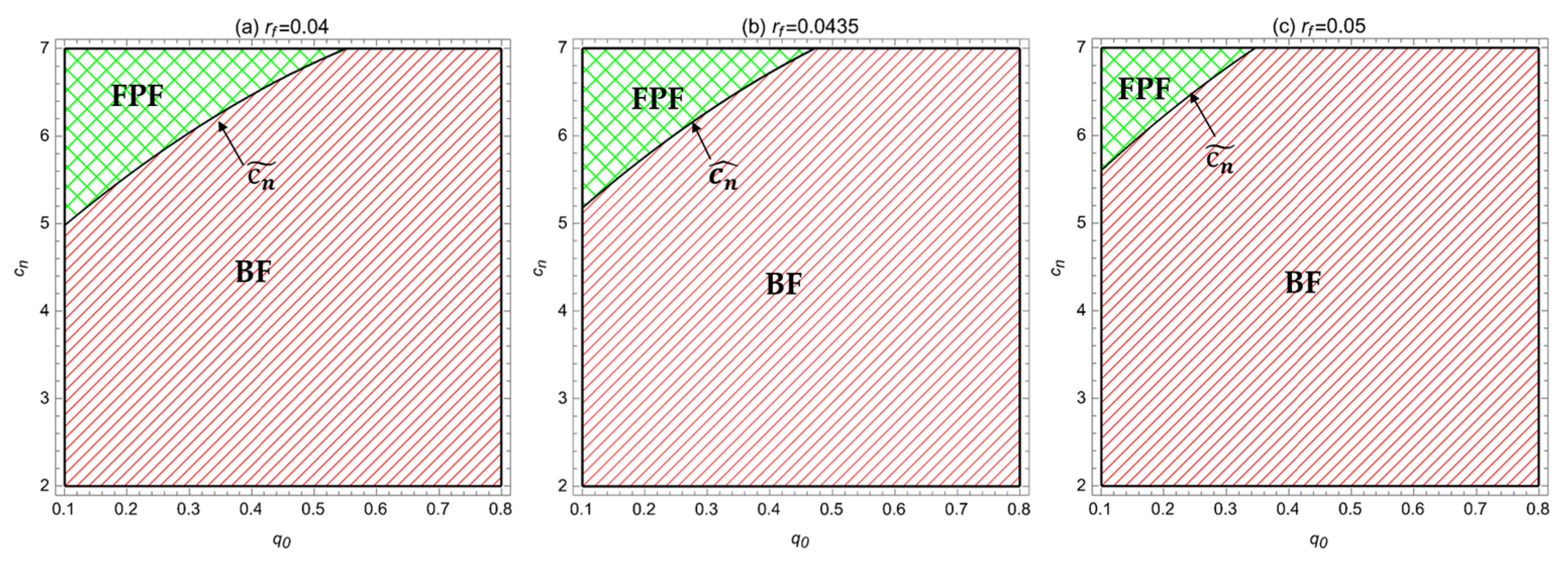
Figure 4.
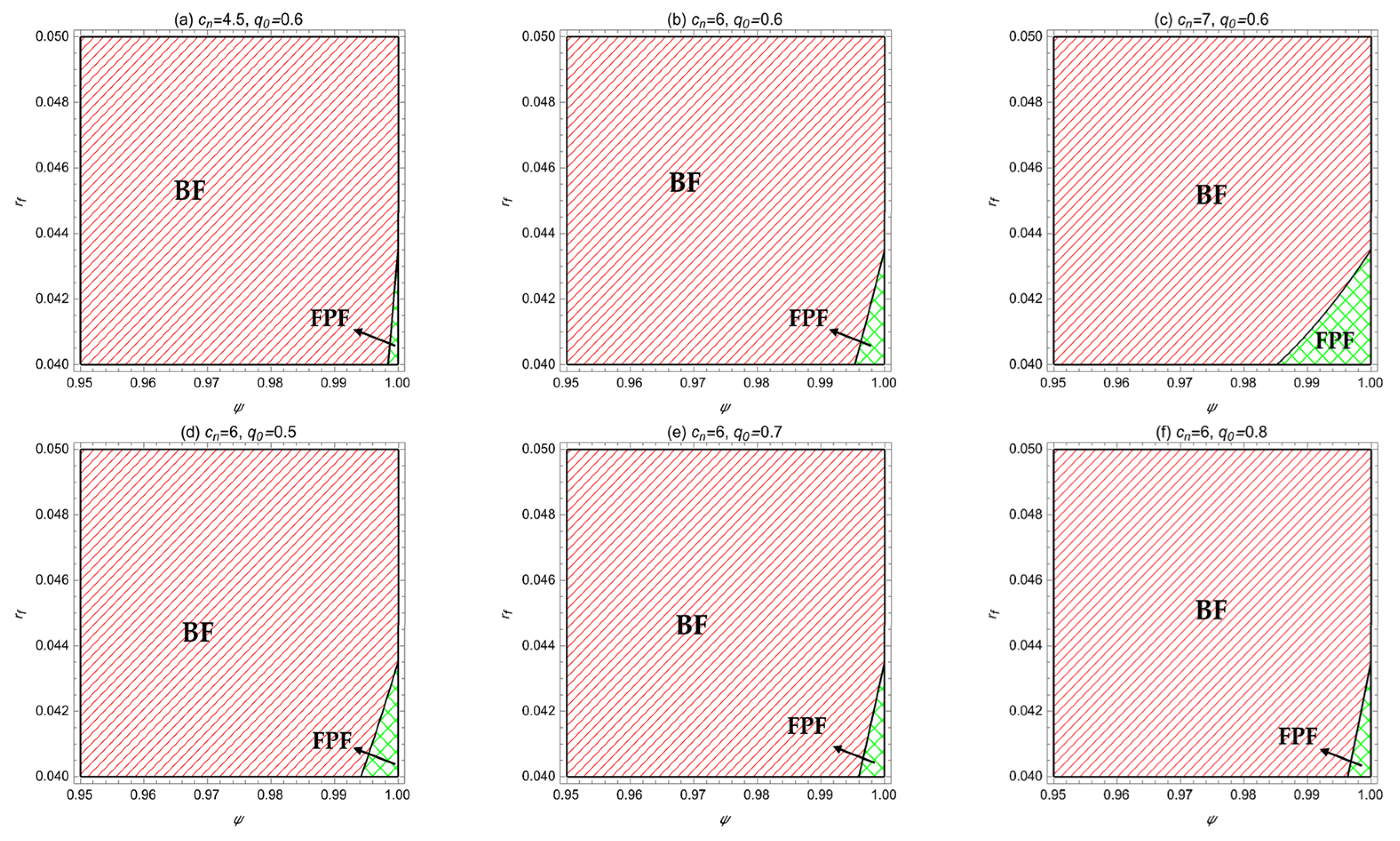
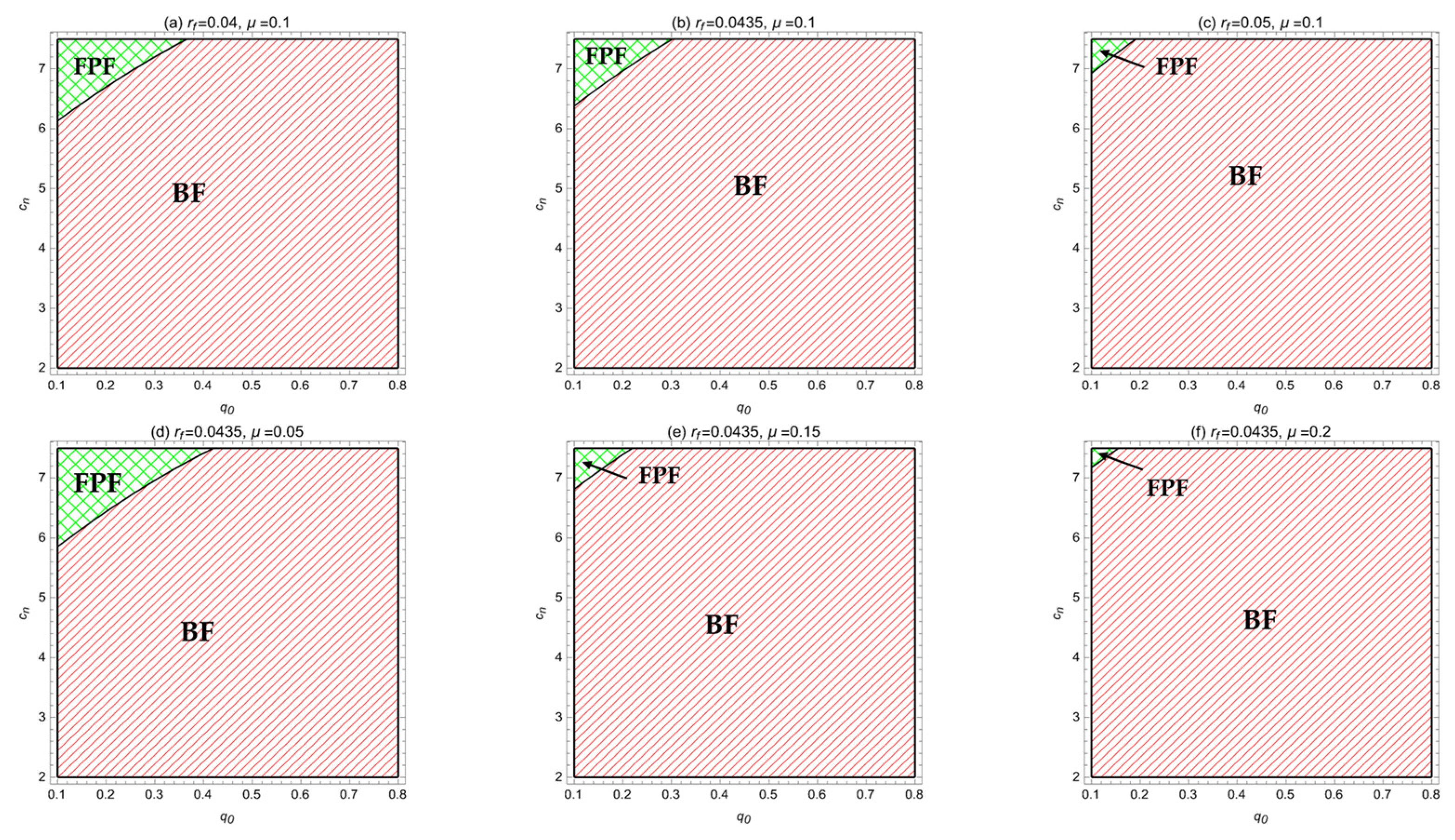
Figure 4 illustrates that, when
is relatively high and
is relatively low, which are conditions favorable for remanufacturing, choosing the FPF results in a higher overall profit for the ECLSC. As
increases, the threshold also increases, which is consistent with the result in Corollary 5. Moreover, it is noteworthy that the relationship between the interest rates of the two financing schemes does not affect the choice of the optimal financing scheme currently. Furthermore, as shown in
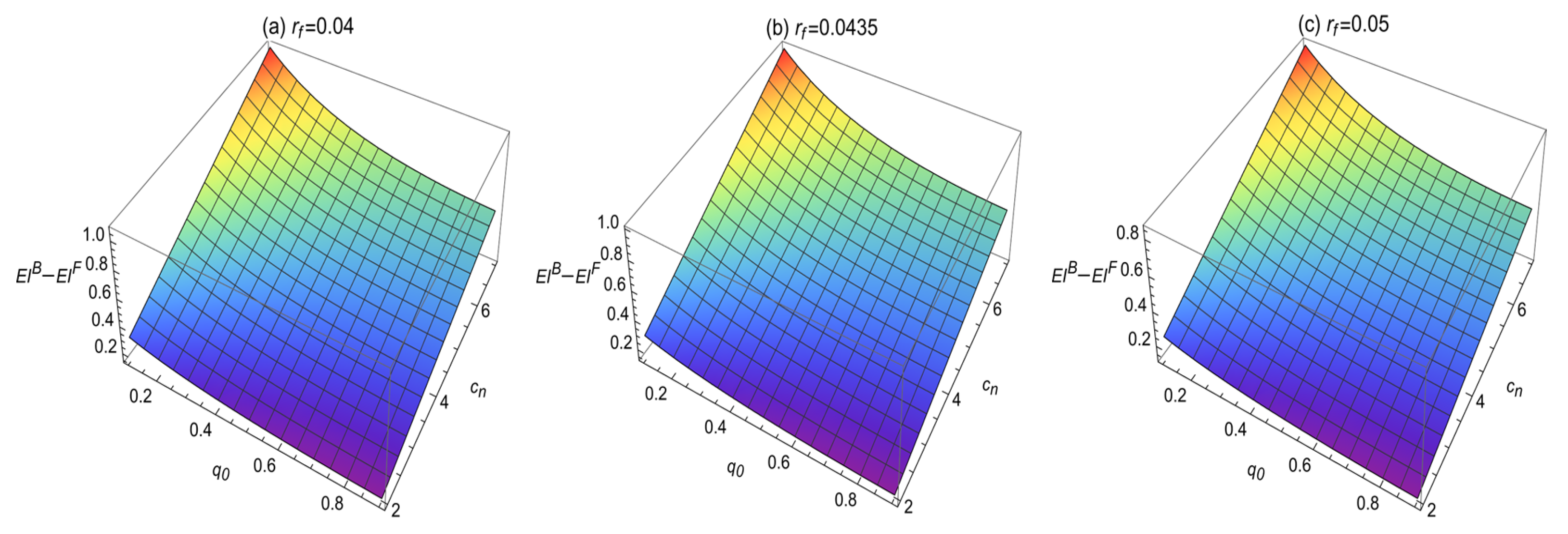
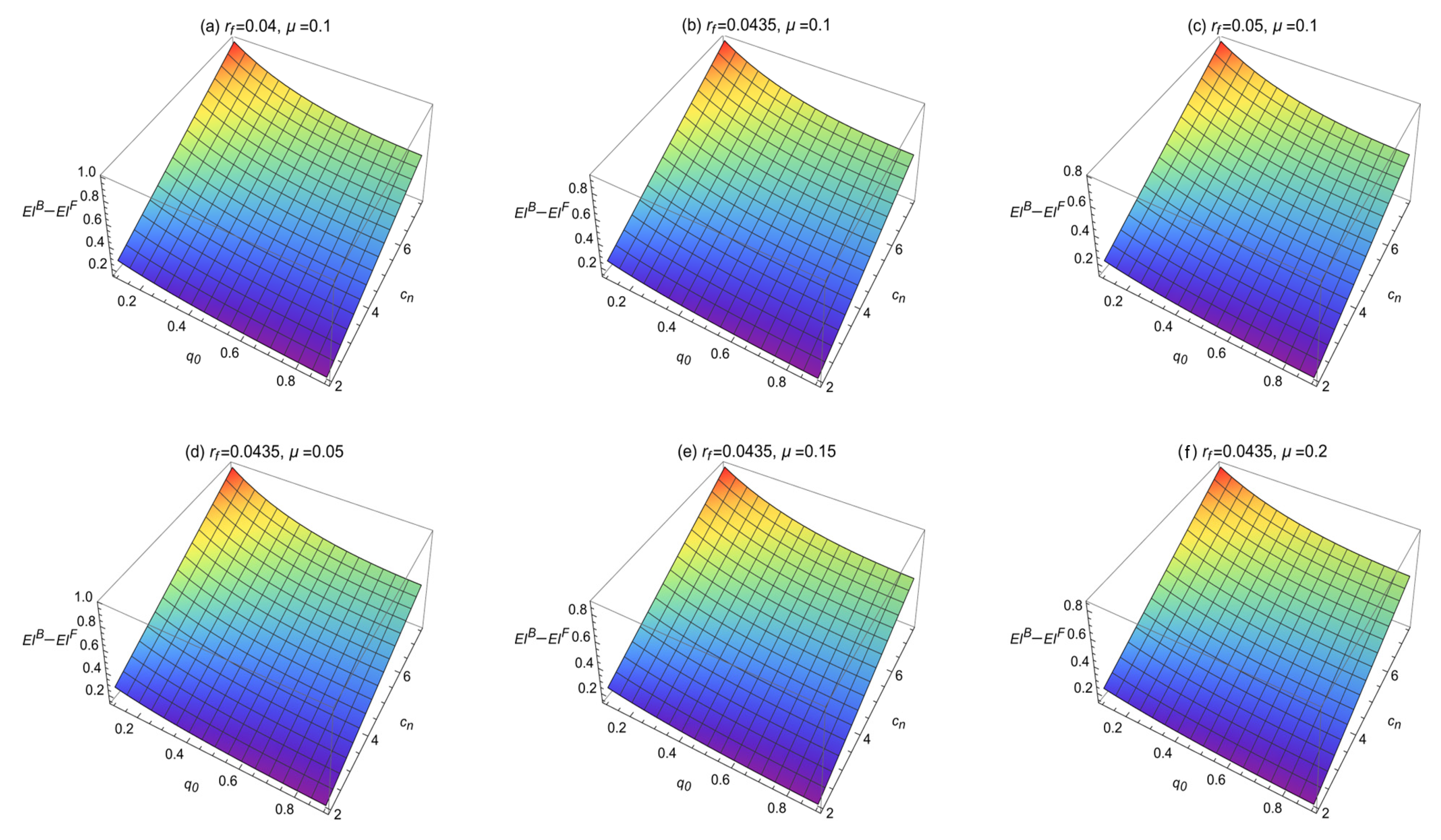
Figure 5, FPF consistently exhibits a lower EI within this range. When combined with the results in
Figure 4, this suggests that choosing FPF may represent a viable option for balancing EI and economic performance.
6.2. The Combined Impact of FinTech Platform Interest Rate and Debt Financing Ratio
Assuming that
,
, and
[
35], and after we set
and
, the combined impact of
and
is illustrated in
Figure 6.
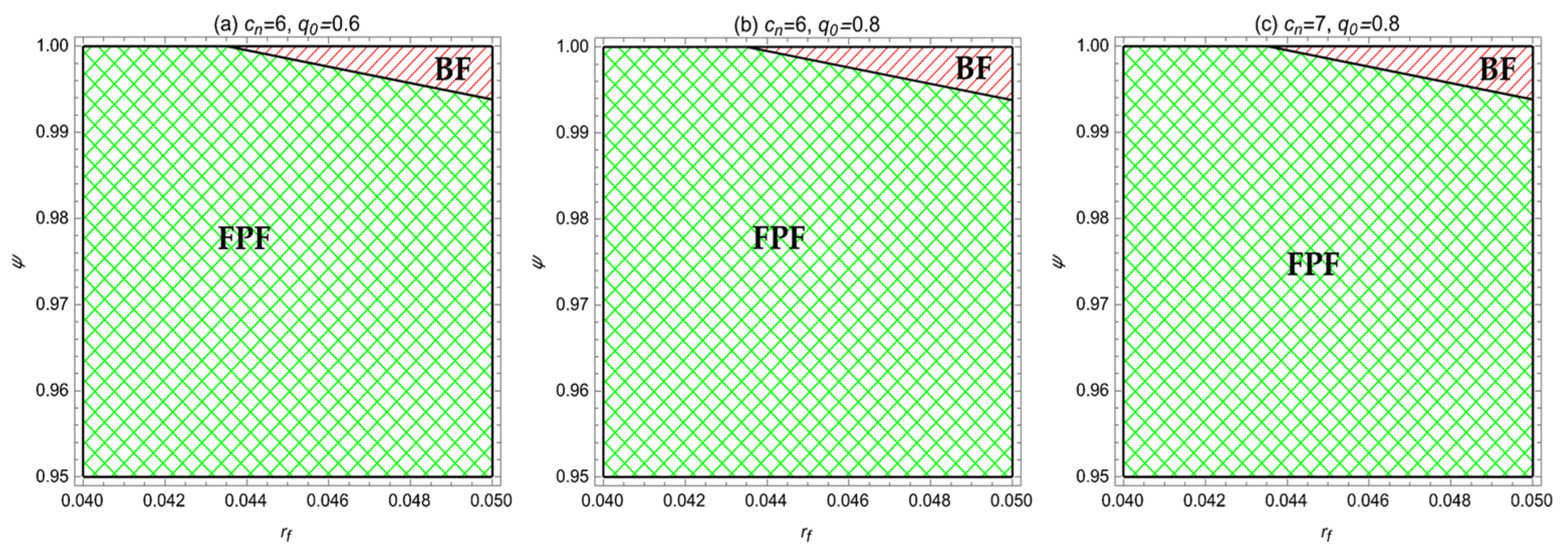
Figure 6 shows that, when
is relatively low and
is relatively high, the ECLSC profit is greater under the FPF. Combined with Corollary 3, this indicates that the FPF achieves higher recycling efficiency and PI levels in this situation. Otherwise, the BF becomes the preferable choice.
Figure 7 shows that, when both
and
are relatively high, BF results in a lower EI, which is consistent with Corollary 6.
6.3. The Impact of Relevant Parameters
This section explores how key parameters such as the PI cost coefficient
, the recycling price sensitivity coefficient
, and the recycling service sensitivity coefficient
influence the ECLSC profit. Referring to and extending the parameter settings in Yang, Tang, and Zhang [
35] and Wang, Yu, Shen, and Jin [
14], the specific parameter settings are detailed in
Table 4.
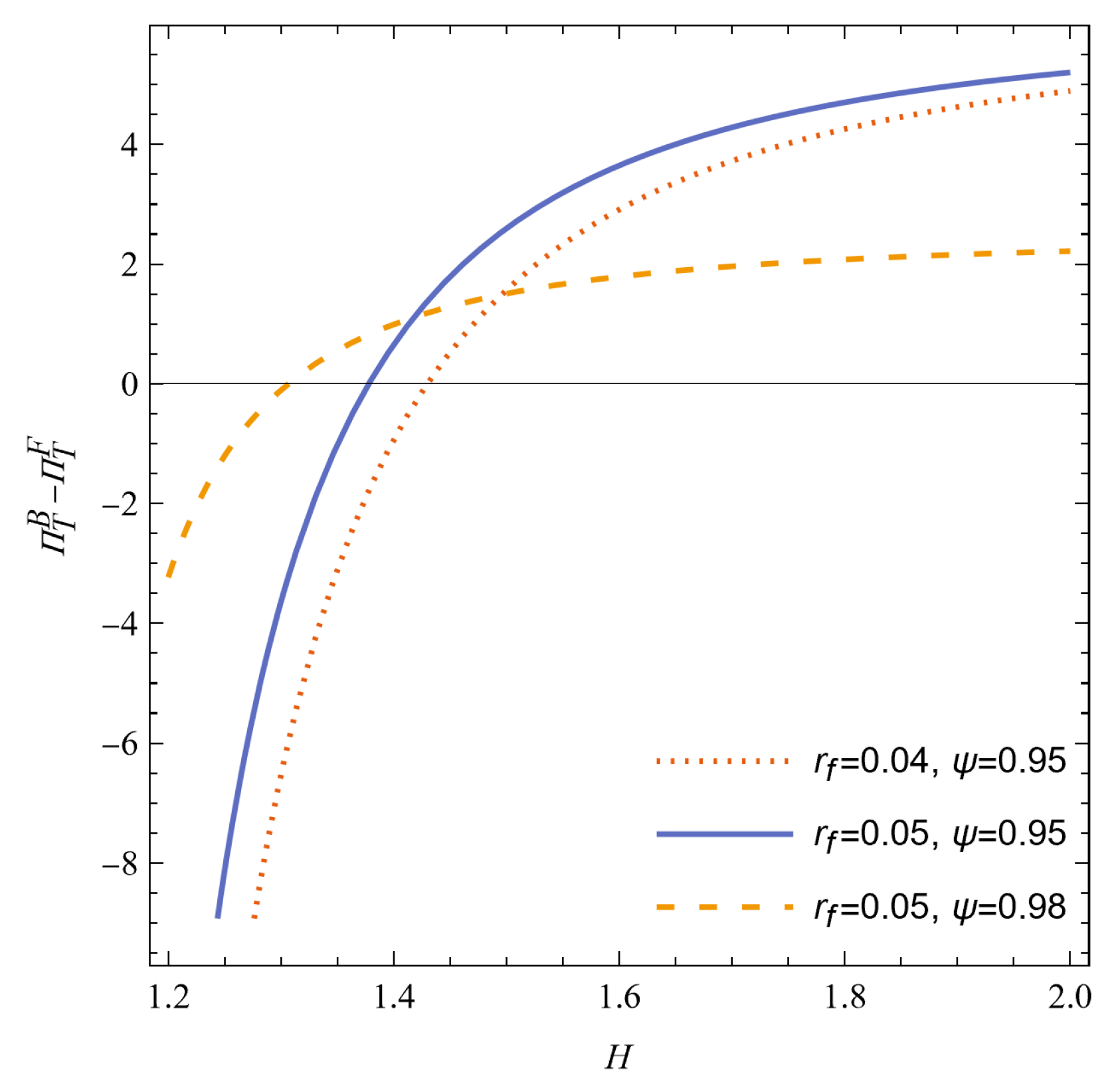
Figure 8 illustrates the impact of
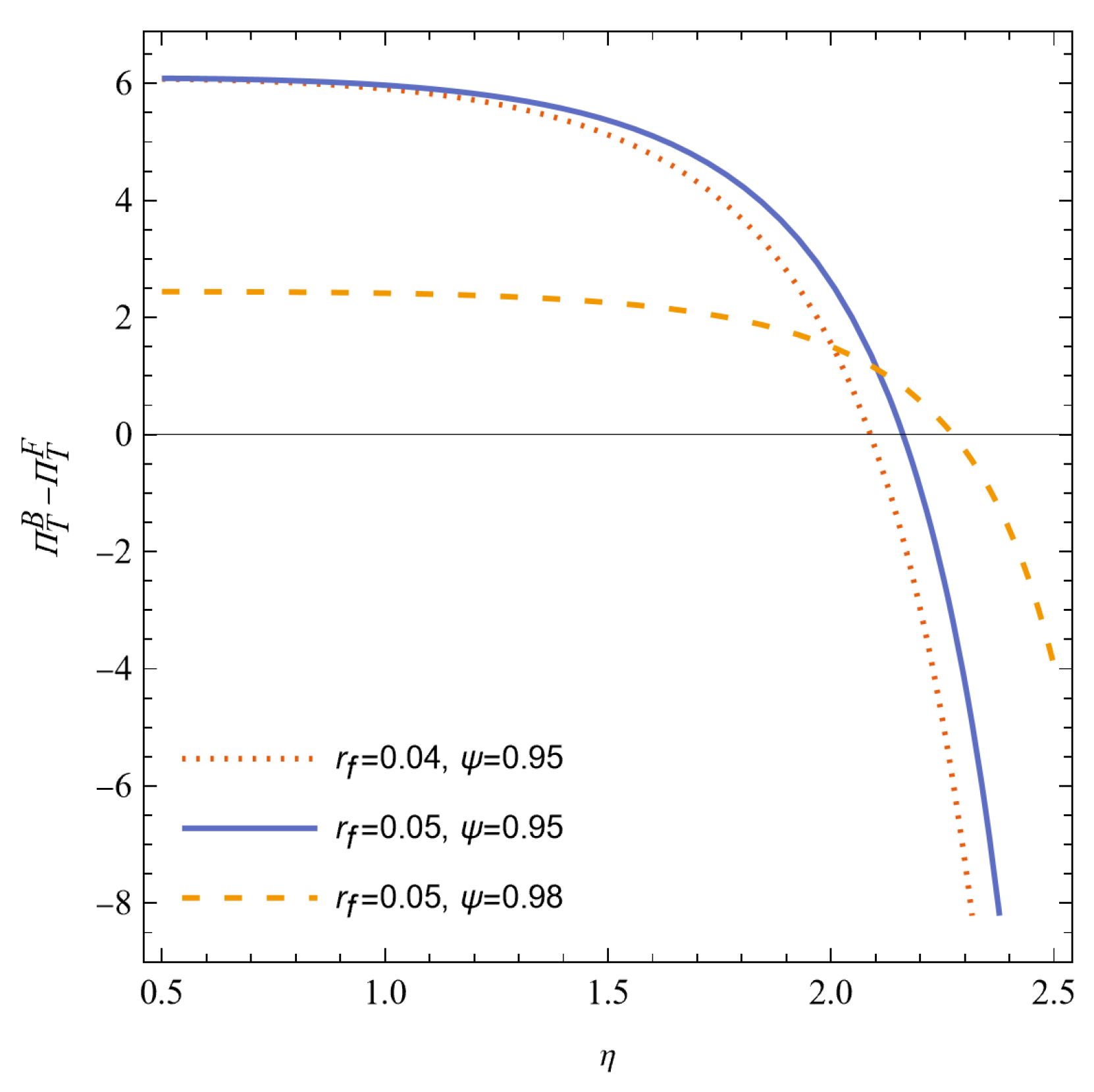
on the difference in profits of ECLSCs between the two financing schemes. As shown in
Figure 8, when
is low, the profit under the BF scheme is lower than under the FPF. However, as
increases, the profit under BF surpasses that of the FPF. Combining these findings with those from
Section 6.1, we conclude that, in scenarios favorable to remanufacturing, the ECLSC can achieve higher profits under the FPF. These results suggest that the ECLSC company needs to carefully evaluate its PI costs and ensure a strategic alignment with industry conditions before selecting a financing option.
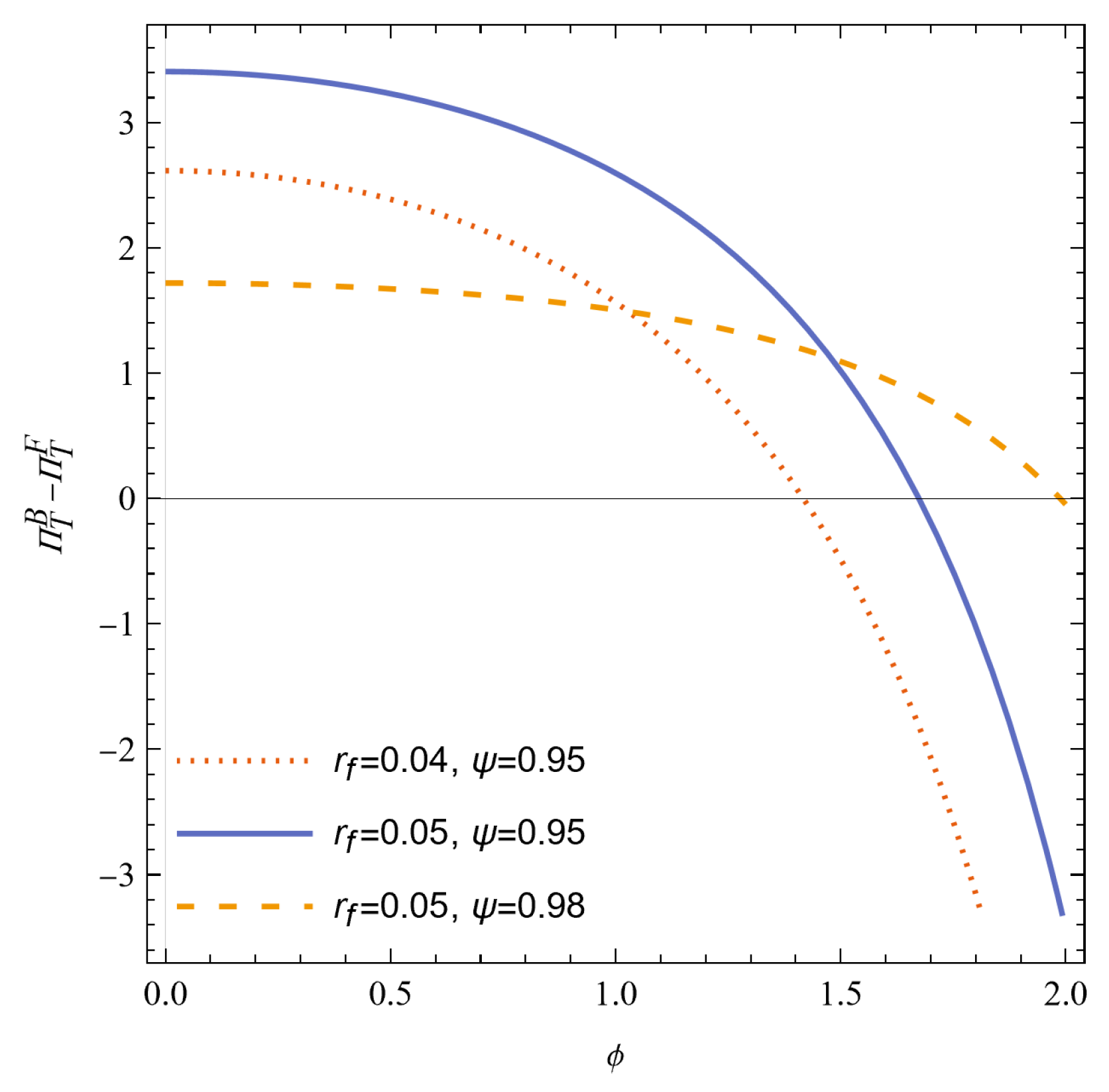
Figure 9 and
Figure 10 show that, when
or
is low, the ECLSC profit is greater under BF. When
or
is high, the FPF results in a higher profit.
Overall, understanding and anticipating market condition changes related to recycling price and service sensitivity can lead to more informed and effective financing decisions, ultimately enhancing the sustainability and profitability of the ECLSC.
6.4. Sensitivity Analysis
In this subsection, we conduct sensitivity analyses to examine the robustness of our analytical results. The corresponding results are summarized in
Table 5 and
Table 6.
As shown in these tables, the quality threshold has a negative impact on the recycling service level, recycling commission, PI level, and profits, whereas the recycling service level sensitivity exerts a positive effect on these variables. In contrast, neither the sales price nor the sales commission is affected. Moreover, their impacts on the value coefficient of used products depend on the PI cost coefficient and the recycling price sensitivity coefficient. These analytical results are consistent with Corollaries 1 and 2.
7. Model Extension: Decision Making with Fairness Concern
In practice, stakeholders may act against their own interests to address perceived unfairness and seek more equitable outcomes [
70]. Manufacturers often face profit gaps due to the economies of scale of E-platforms, raising concerns about fair profit distribution [
6]. Therefore, this section incorporates the fairness concern (FC) behavior of the manufacturer into decision-making. According to Wang, Wang, Cheng, Zhou, and Gao [
6], the utility function of the manufacturer with FCs is defined as follows.
We focus on a single manufacturer to clearly capture the core interaction with the E-platform, even though most platforms engage with multiple manufacturers in practice. Therefore, directly comparing the income gap between the two parties in this section is inappropriate. It is necessary to introduce a relative fairness reference point, represented by . In Equation (9), denotes the manufacturer’s FC coefficient, reflecting the decrease in the manufacturer’s utility when its profit is less than .
In this scenario, the manufacturer makes decisions based on utility maximization, while the E-platform continues to focus on profit maximization. The optimal outcomes and the conditions that need to be satisfied are summarized in
Table 7.
From
Table 7, it is evident that, when
, the optimal solutions of the models with FC are consistent with those of the models without FC. Regardless of the financing scheme, the FC coefficient consistently affects the optimal solutions and profits in the same direction.
Corollary 7. The impact of the FC coefficient on optimal decisions is as follows: , , , ; if , then , otherwise ; if and , then , otherwise ; if and , then , otherwise . , , .
Corollary 7 reveals that, when manufacturers are concerned about fairness, an increase in the FC coefficient leads the E-platform to reduce the recycling service level, recycling commission, and sales commission in an attempt to mitigate the impact of the manufacturer’s FC. Simultaneously, the manufacturer’s focus on fairness weakens its incentive to invest in PI. It is worth noting that the impact of the FC coefficient on the valuation of used products depends on specific conditions involving the recycling price sensitivity coefficient and the PI cost coefficient. Under certain conditions, an increase in fairness concerns might unexpectedly lead to higher product valuations, reflecting the manufacturer’s flexible pricing strategy aimed at reducing the profit gap. It is also observed that this range differs between the capital-unconstrained and financing models. These changes consequently have a negative impact on the recycling efficiency of the ECLSC.
Corollary 8. The impact of the FC coefficient on profits is as follows: ; the impact of on is not linear, e.g., if and , then ; if and , then ; if and , then .
Corollary 8 shows that the manufacturer’s focus on the profit gap results in a decrease in the E-platform’s profit, but the effect on the manufacturer’s profit is complex and non-linear. While FCs are generally perceived as detrimental to efficiency and economic profit [
6,
15], within a certain range, they can encourage the manufacturer to adjust its decisions, potentially increasing the manufacturer’s profit. Rather than passively accepting platform-defined arrangements, Haier collaborated with Alibaba to make use of the platform’s data and information capabilities, which supported coordination in service and logistics operations (
https://www.haier.com/global/press-events/news/20131209_142730.shtml) (accessed on 23 December 2025).
Due to the complicated profit results, we compare the ECLSC profit by applying the numerical values from Corollary 5 that also satisfy the optimal solution conditions under models with FCs and referencing Wang, Wang, Cheng, Zhou, and Gao [
6] and Qin, et al. [
71], assuming
,
, and
.
Corollary 9. If the unit manufacturing cost satisfies , then , otherwise . Among them, can be found in Appendix A.4. According to Corollary 9, when the manufacturer exhibits FC behavior, the ECLSC profit under different financing schemes, similar to the results of Corollary 5, is influenced by the unit manufacturing cost. When the unit manufacturing cost falls within a certain range, the ECLSC profit under the BF is higher than that under the FPF, as illustrated in
Figure 11 (the parameters follow those used in
Section 6). Combining
Figure 12, FPF is more likely to serve as an option for balancing environmental performance and economic profit, suggesting a conclusion consistent with the scenario in which FC is not considered.
8. Conclusions and Management Implications
This study constructs an ECLSC with an E-platform and a capital-constrained manufacturer, considering uncertainties in used product quality, PI, and FC. It examines optimal decisions under different financing schemes, analyzes the effects of remanufacturing quality thresholds and recycling service sensitivity on decisions and profits, and identifies the best financing scheme through comparative and numerical analyses. Additionally, it compares EI as a CE performance metric and explores the impact of the manufacturer’s FC on decisions and financing strategies. Based on both analytical and numerical studies, we derived the following major findings and their respective implications.
First, for capital-constrained ECLSCs, the financing scheme selection depends on various factors, which extends the findings of [
47].
The FPF scheme is ideal when the unit remanufacturing cost exceeds the threshold, which correlates positively with the remanufacturing quality threshold. Therefore, it is recommended that enterprises establish cooperative mechanisms with FinTech platforms and integrate them with their ERP and inventory management systems to provide real-time insights into various operational data, facilitate accurate cost tracking, and jointly develop appropriate financing strategies. FPF is also preferable when PI cost is low, making it suitable for industries like fast-moving consumer goods and the luxury industry, where manufacturing is mature and profitable.
Attention should be given to the financing interest rate and DF ratio. When the FPF interest rate is relatively low and the DF ratio is relatively high, the FPF becomes the preferred option due to its ability to achieve higher recycling efficiency and improved PI levels within the ECLSC. Thus, FinTech platforms might consider setting more competitive interest rates and balancing the proportions of DF and EF. This approach could help ensure that their financing offerings continue to appeal to companies seeking to optimize their ECLSC operations.
A low consumer sensitivity to recycling prices or service favors BF. The growing importance of consumers in the e-commerce economy is undeniable. JD.com, a leading Chinese e-commerce company, utilizes cloud computing and big data to analyze consumer behavior and preferences, enriching user profiles and supporting its financial services. In addition, E-platforms can consider leveraging blockchain technology to build a reliable transaction record system, enhance the transparency of supply chain information, and help manufacturers have a greater chance of obtaining financing at a low cost, reducing their reliance on single-channel financing.
Second, BF increases environmental impact, especially when its interest rate is comparable to or higher than the FPF rate or when the FPF rate is higher but the DF ratio is low. This is due to the lower recycling efficiency, requiring more new components. In contrast, the FPF scheme consistently reduces environmental impact within a specific range, balancing economic gains with environmental benefits. Manufacturers using the BF scheme should focus on carbon reduction, green innovation, and sustainable practices to minimize their environmental footprint.
Third, a higher remanufacturing quality threshold reduces recycled product volume in the ECLSC, diminishing remanufacturing profitability and overall ECLSC profits. Notably, this threshold only lowers the manufacturer’s valuation of used products when the recycling price sensitivity is high and PI cost is low; otherwise, the manufacturer increases the valuation to optimize recycling. To address these challenges, manufacturers can enhance product design and collaborate with advanced remanufacturers. Policymakers can also offer incentives, such as China’s subsidies for recycling WEEE and EV batteries, to promote recycling and technological upgrades [
72,
73].
Moreover, a higher consumer sensitivity to E-platform recycling services positively impacts the ECLSC, benefiting consumers through better services, encouraging manufacturers to recycle and invest in PI, and boosting ECLSC profits. Unlike Wang, Yu, Shen, and Jin [
14], who found that improved services could lower recycling prices, this study shows that a high consumer sensitivity to recycling prices combined with a low cost of PI allows consumers to benefit from higher valuations of used products. This highlights the need for E-platforms to enhance consumer sensitivity through marketing, surveys, and promotions.
Finally, manufacturers’ FC behavior reduces ECLSC recycling efficiency and E-platform profits, highlighting the need for fair profit-sharing rules and regulatory oversight. Interestingly, within certain ranges of recycling price sensitivity and PI cost, manufacturers’ profits may increase with higher FC coefficients. In such cases, the optimal financing scheme remains largely determined by unit manufacturing costs, similar to scenarios without FC.
However, this study has several limitations that future research could address. First, it assumes a linear product demand function, and future work could explore the effects of demand uncertainty on ECLSCs. Second, this study assumes that the E-platform and the manufacturer are all risk-neutral when examining different financing strategies. Therefore, future research could further explore how financing decisions by supply chain members are influenced by different risk preferences. Additionally, scenarios where the financing interest rate is an endogenous variable could be considered, exploring interest rate decisions under different financing strategies. Finally, the model could be extended to more complex scenarios, such as multi-enterprise competition, government intervention, or cases in which the E-platform directly provides financing.