


Abstract
In the era of Artificial Intelligence-Generated Content (AIGC) transforming advertising production, existing research lacks comprehensive exploration of how AIGC advertisements shape consumer responses. This study integrates attention allocation theory and the Elaboration Likelihood Model (ELM) to investigate dual cognitive processing mechanisms of relevant and divergent AI advertisements via eye-tracking experiments and questionnaires. Findings reveal that relevant AI advertisements enhance perceived usefulness (PU) through product area attention allocation, improving purchase intention; Divergent AI advertisements boost perceived entertainment (PE) via non-product creative cues, positively influencing ad attitudes; and product involvement (PI) moderates these paths as high PI strengthens PU’s role in central processing, while low PI amplifies PE’s effect in peripheral processing. By constructing a dual-path cognitive model, this research bridges gaps in understanding AI advertising’s implicit attention mechanisms and explicit perceptual outcomes. The findings provide theoretical guidance for advertisers to optimize AIGC strategies, balancing technological utility and creative appeal to achieve precise attention guidance and enhance smart marketing effectiveness.
1. Introduction
The advent of Artificial Intelligence-Generated Content (AIGC) is profoundly reshaping the strategic and creative landscape of the advertising industry. Leveraging technologies such as natural language processing and deep learning, AIGC enables the automated production of highly customized and novel advertising content at an unprecedented scale and efficiency [1]. This technological shift promises to enhance marketing effectiveness but also introduces a critical challenge for both theorists and practitioners: understanding the nuanced cognitive mechanisms through which AIGC advertisements influence consumer responses.
Existing research reveals a paradoxical consumer response to AIGC ads. On one hand, divergent and highly creative AI ads can enhance perceptions of intelligence and acceptance [2]. On the other hand, AI’s involvement in social and emotional advertisements may hinder the formation of emotional connections, thereby reducing their effectiveness [3,4]. This contradiction is further compounded by broader concerns regarding AIGC, including ethical issues like privacy and algorithmic bias [3], and consumer experiences such as a loss of control over AI decisions that can negatively impact brand evaluation [5]. This collective evidence underscores a significant theoretical gap: the current literature lacks a clear understanding of the dynamic balance between the technological characteristics of AIGC and its creative appeal in guiding consumer cognition.
Two primary theoretical pain points persist. First, the applicability of established creative advertising frameworks to the unique context of AIGC remains unclear. There is a notable lack of a systematic typology for AI-generated ads and an exploration of their distinct perceptual pathways. Second, the investigation of cognitive processing mechanisms for AI ads has predominantly relied on subjective self-report measures, lacking robust empirical support from objective, physiological data that can reveal underlying processes such as attention allocation—a critical precursor to perceived value formation.
To address these gaps, this study proposes a dual-path cognitive framework grounded in attention allocation theory and the Elaboration Likelihood Model (ELM). We classify AIGC advertisements into two fundamental types based on established creative dimensions [6,7]: divergent (novelty-focused) and relevant (utility-focused). Our core proposition is that these ad types engage distinct cognitive routes: relevant AIGC ads guide attention towards product areas, activating the central processing route and enhancing perceived usefulness (PU), which in turn drives purchase intention. Conversely, divergent AIGC ads direct attention to non-product creative elements, triggering the peripheral route and elevating perceived entertainment (PE), thereby shaping positive advertising attitudes.
Furthermore, we identify product involvement (PI) as a key boundary condition that moderates these pathways. Drawing on the ELM, we posit that high PI strengthens the central route, amplifying the role of PU, while low PI enhances the peripheral route, increasing the impact of PE.
To empirically test this framework, we employ a multi-method approach combining eye-tracking technology with questionnaire surveys. Eye-tracking allows us to move beyond subjective claims by quantifying visual attention distributions (via fixation time, count, and ratio) between product and non-product Areas of Interest (AOIs). This objective data is then integrated with psychometric measures to test the proposed mediating roles of PU and PE and the moderating role of PI.
In summary, this research makes several key contributions. It bridges a critical theoretical gap by unraveling the implicit attention mechanisms and explicit perceptual outcomes of AIGC advertising. It provides a validated dual-path cognitive model that clarifies how different AI ad types shape consumer responses through distinct routes. Finally, it offers actionable insights for advertisers to optimize AIGC strategies by strategically balancing technological utility with creative appeal, enabling precise attention guidance and enhanced smart marketing effectiveness.
2. Literature Review
2.1. AIGC Advertising and Creative Advertising
Creative advertising, characterized by novelty, applicability, and visual impact [6], is structured around two core dimensions: divergence and relevance. This classification aligns with the Elaboration Likelihood Model (ELM) [8], where relevant advertisements correspond to the central route—primarily focused on utility-based processing—and divergent advertisements align with the peripheral route, which emphasizes emotion-focused processing. The application of Artificial Intelligence-Generated Content (AIGC) in advertising has further expanded the conceptual scope of these two dimensions. Jiang (2024) [9] observed that generative AI, including tools such as ChatGPT 4.0, enhances advertising interactivity through personalized content generation, real-time responsiveness to consumer demands, and innovative interactive formats, thereby strengthening the linkage between divergence/relevance and consumer perception [10].
Divergence, a foundational attribute of creative advertising [7], emphasizes novel and unexpected elements that transcend conventional boundaries [11]. It leverages hedonic appeal and creative surprise to shape consumer attitudes, as divergent content captures attention through imagination and originality rather than through product-centric information.
In contrast, relevance centers on establishing meaningful connections with consumers [7] and resonates with Ducoffe’s [12] concept of “advertising value”—defined as a consumer’s subjective assessment of an advertisement’s utility. It fosters contextual and brand-related linkages, underscores product practicality, and prioritizes functional utility to drive behavioral outcomes, thereby reflecting the core logic of the central route in the ELM.
Although divergence and relevance are well-established in creative advertising research [7,11], few empirical studies have applied this framework to AIGC advertising [13]. Nevertheless, recent research has begun to systematically examine how the technological attributes of AIGC shape consumer cognition. For instance, Campbell et al. (2022) [14] proposed a framework for understanding consumer responses to AI-generated and AI-manipulated advertisements, highlighting how the disclosure of AI authorship influences perceived authenticity and persuasion [2]. Similarly, Chen et al. (2024) [4] demonstrated that the type of appeal (utilitarian vs. emotional) and the perceived social role of AI interact to shape consumer attitudes, underscoring the nuanced influence of AI-specific characteristics on advertising effectiveness.
AIGC technology distinctively facilitates both dimensions: it generates divergent content by algorithmically combining novel visual or textual elements, and it produces relevant content by extracting a product’s core selling points through big data analysis [13]. This capability is further corroborated by Kirk & Givi (2025) [15], who identified an “AI-authorship effect” wherein consumer awareness of AI generation can trigger authenticity concerns and moral disgust, thereby negatively affecting advertisement evaluations—unless mitigated by high content quality or strong brand trust.
2.2. Attention Allocation and Consumer Response
Understanding consumers’ visual attention to advertisements is essential for predicting behavioral outcomes [16]. Kahneman’s limited-capacity attention theory [17]—which posits that human cognitive resources are finite and are selectively allocated according to internal goals—provides a theoretical foundation for distinguishing between “product attention” and “non-product attention”, two constructs that correspond closely to the dual processing routes of the ELM [18].
2.2.1. Product Attention
Product attention refers to the allocation of cognitive resources toward advertising elements such as product appearance, functions, and brand logos [19]. Driven by goal-oriented motives, this attentional allocation adheres to the “resource prioritization principle” of limited-capacity theory and serves as a physiological indicator of central route activation within the ELM [18,20], reflecting a systematic evaluation of product attributes.
Empirical evidence supports this view: Armel et al. [13] confirmed that prolonged fixation on product-related areas enhances the processing of core information and increases the likelihood of purchase, thereby positioning product attention as a “cognitive bridge” between advertising exposure and purchase intention. Furthermore, Yin et al. [21] demonstrated that AI-powered personalized recommendations guide consumers to allocate limited attentional resources to product areas through precise matching of consumer needs with content, thereby enhancing both the intensity and stability of product attention. This aligns with the central route of the ELM, wherein high-involvement processing depends on the analysis of product attributes facilitated by product attention [20].
2.2.2. Non-Product Attention
Non-product attention involves the allocation of cognitive resources to elements such as compositional layout, background, and creative designs in an advertisement [19]. Grounded in hedonic processing theory [22], non-product attention elicits emotional arousal by focusing on non-product cues—such as vibrant colors or novel layouts—shifting focus from utilitarian product evaluation to hedonic experience, consistent with the peripheral route of the ELM [18].
This form of attention interacts with the mere exposure effect [23]: repeated exposure to non-product elements, facilitated by sustained non-product attention, reduces cognitive uncertainty, increases familiarity, and reinforces emotional preferences. Moreover, non-product attention typically involves a lower cognitive load; in the absence of in-depth product analysis, emotional responses to non-product cues are amplified, thereby enhancing positive advertising attitudes [22]. Recent eye-tracking studies on AIGC advertisements confirm that divergent content is particularly effective in activating this mechanism. Gu et al. (2024) [24] found that the novel aesthetic elements in AI-generated divergent ads effectively capture and sustain non-product attention, leading to higher perceived entertainment and more favorable ad attitudes through peripheral processing. In the context of AIGC advertisements, divergent content thus more readily engages this mechanism, as its non-product creative elements drive peripheral processing [18], shaping advertising attitudes primarily through hedonic appeal rather than through detailed product evaluation.
However, it is important to note that the persuasive advantages of personalized AIGC advertising may also entail potential risks. A simulation study by El and Zou (2025) [25] found that when large language models (LLMs) are optimized for competitive success—such as maximizing advertising engagement—they may learn deceptive behaviors, sacrificing truthfulness for persuasiveness, a phenomenon termed “Moloch’s Bargain”. This poses a significant challenge to the authenticity of non-product cues in divergent AIGC advertisements.
In summary, classical research links fixation on product-related areas to purchase intention [13] and non-product attention to peripheral processing [18], reflecting a dynamic consumer choice between utility-focused (central) and emotion-driven (peripheral) processing. For AIGC advertisements, this framework elucidates how divergent or relevant designs differentially guide attention allocation, thereby shaping purchase intention via the central route and advertising attitudes through the peripheral route.
2.3. Consumer Response
Consumer response is a core indicator for measuring advertising effectiveness, and this study mainly focuses on consumers’ purchase intention and advertising attitude.
Purchase intention refers to the subjective likelihood of consumers purchasing a specific product [26], with its theoretical foundations in the Theory of Planned Behavior (TPB) [27]. The TPB posits that factors such as attitude and subjective norms influence behavioral intention through cognitive evaluation. In the context of AIGC advertisements, this logic is specifically manifested as follows: relevant AIGC advertisements, by focusing more on product selling points, can guide consumers to allocate more product attention, deepen product information processing, thereby enhancing perceived usefulness, and ultimately positively influencing purchase intention. Empirical research presented in [28] also shows that there is a significant positive correlation between visual attention investment in product areas and choice probability. Extending this to the AIGC context, Shi et al. (2025) [29] identified that the perceived intelligence and creativity of AI-generated products are key drivers of purchase intention, operating through a central route of cognitive evaluation. Additionally, studies on technology-driven advertisements affecting purchase intention, such as live-stream shopping visibility and perceived presence of VR advertisements [30,31], also provide collateral evidence for this logic.
Advertising attitude refers to consumers’ positive or negative feelings and evaluations toward an advertisement [32], with its core theoretical anchor in the Elaboration Likelihood Model (ELM) [18]. This model indicates that in low-involvement situations, consumers rely on the peripheral route, where non-product attention captures creative cues (e.g., novel designs of divergent advertisements) and forms temporary advertising attitudes based on perceived entertainment. However, recent findings complicate this relationship for AIGC ads. Kim et al. (2024) [33] demonstrated that anthropomorphic AI agents in personalized ads can trigger the “uncanny valley effect,” negatively impacting ad attitudes, especially when the AI’s human-likeness is perceived as incongruent or excessive. Furthermore, the “human-likeness” feature of AIGC advertisements [34] also affects advertising attitude—moderate anthropomorphism can improve consumers’ acceptance, while excessive anthropomorphism may trigger the “uncanny valley effect” [33]. Therefore, this study fully considers the impact of this factor on advertising attitudes in the subsequent design of experimental materials.
Transparency about the use of AI has also become a significant factor influencing consumer response. Salih et al. (2025) [35] found that the effect of AI disclosure on consumers’ advertising avoidance intention is not singular but depends on the matching effect between the type of disclosure and the advertising appeal. Meanwhile, Qiu et al. (2025) [36] discovered that while AIGC ad disclosure does not directly lead to ambivalent attitudes, consumers who do experience such ambivalence perceive lower credibility in both the ad message and its source, ultimately negatively affecting brand attitude. This underscores the importance of carefully implementing transparency in AIGC ads.
2.4. Mediating Effects of Perceived Usefulness and Perceived Entertainment
Perceived value—a multidimensional construct capturing the consumer’s assessment of the benefits received relative to the costs incurred—demonstrates superior predictive power for consumer behavior compared to unidimensional models [17,37]. Within the context of AIGC advertisements, which are inherently characterized by dual attributes of practicality and creativity [28,38], this study focuses on two core dimensions: perceived usefulness (PU) and perceived entertainment (PE). Both dimensions function as critical mediators linking attention allocation to subsequent consumer responses, with their roles explicitly mapped onto the dual processing routes of the Elaboration Likelihood Model (ELM).
Perceived usefulness refers to the degree to which consumers believe an advertisement provides valuable, desired information [39]. Rooted in the Technology Acceptance Model (TAM), it serves as the primary mediator for the central route in the ELM framework. AIGC advertisements that effectively guide product attention enhance the efficiency of acquiring core product information (e.g., functionalities, pricing), thereby elevating PU [40]. As delineated by the ELM [18], heightened PU reduces perceived decision-making costs and directly fosters purchase intention, establishing the theoretical pathway: AIGC Advertisements → Product Attention → Perceived Usefulness → Purchase Intention. This pathway is reinforced in the AIGC context by Zhang et al. (2024) [41], who demonstrated that the informational utility and decision-making aid provided by AI chatbots significantly enhance PU, which in turn acts as a primary driver of consumer acceptance and behavioral intention.
Perceived entertainment describes the extent to which consumers find an advertisement intrinsically interesting, enjoyable, or pleasurable [42]. Derived from motivation theory (focusing on intrinsic motivation) and hedonic processing theory [22], it functions as the key mediator for the ELM’s peripheral route. Divergent AIGC advertisements leverage non-product creative cues to trigger emotional arousal; sustained non-product attention subsequently amplifies this hedonic experience, thereby boosting PE [43]. Xu [43] empirically confirmed that PE directly enhances advertising attitudes and promotes the secondary sharing of advertisements, forming the causal sequence: AIGC Advertisements → Non-product Attention → Perceived Entertainment → Advertising Attitude. The critical importance of PE for AIGC advertisements is further emphasized by Luo et al. (2023) [44], whose research on AI-generated voiceovers in short videos identified perceived entertainment as a decisive factor for consumer engagement in digital content, often surpassing the influence of pure utility in low-involvement contexts.
Recent research provides converging evidence for the roles of these mediators within AIGC advertising. Matz et al. (2024) demonstrated that advertisements personalized by generative AI based on psychological profiles were significantly more persuasive than generic ads, partly because the personalized content simultaneously enhanced the advertisement’s perceived relevance (aligning with PU) and its intrinsic appeal (aligning with PE) [45].
It is noteworthy that AIGC advertisements inherently possess dual-value properties, concurrently offering utility and fostering creativity [46,47]. However, this duality does not blur the theoretical boundaries of the ELM’s two routes. Instead, a clear functional dominance is observed: PU primarily governs the central route’s effect on purchase intention, whereas PE predominantly drives the peripheral route’s effect on advertising attitude. This distinction maintains the model’s theoretical clarity while accounting for the multifaceted nature of AIGC advertising stimuli.
2.5. Moderating Effects of Product Involvement
Product involvement (PI) refers to the extent to which consumers perceive a product to be relevant to their needs, values, and interests [48]. It systematically moderates the effects of AIGC advertisements by regulating the processing routes outlined in the Elaboration Likelihood Model (ELM) [18,49]. The assessment of PI is increasingly enhanced by IoT devices, which integrate real-time physiological and behavioral data [50], thereby overcoming limitations inherent in traditional self-report measures while affirming PI’s fundamental role in processing route selection.
According to the ELM [18], high PI heightens motivation for central route processing: consumers perceive greater decision-making risks, invest more time and effort in product evaluation, and prioritize the analysis of product-related attributes. Behe et al. [20] employed controlled eye-tracking experiments to confirm that consumers exhibit longer total fixation durations when viewing high-involvement products, underscoring the role of PI in guiding attentional resources. Zhou and Jin [51] further demonstrated that as PI increases, participants acquire significantly more advertising information and engage in more elaborate processing of product information. In the context of AIGC advertisements, high PI strengthens the mediating role of perceived usefulness (PU)—representing the central route—by intensifying utility-focused evaluation.
In contrast, low PI promotes peripheral route processing: consumers face lower perceived decision-making risks, demonstrate reduced willingness to engage in detailed product evaluation, and rely more heavily on peripheral cues such as creative and aesthetic elements [52]. This shift diminishes focus on product utility and heightens sensitivity to hedonic features, thereby amplifying the mediating role of perceived entertainment (PE) along the peripheral route. Zhao et al. [53] further illustrated that for low-involvement products, the processing of advertisements prioritizes peripheral cues over product-related information, aligning with the predictions of the ELM.
The moderating role of PI in the AIGC era is further nuanced by emerging consumer concerns. Park (2024) [54] characterized generative AI as a “double-edged sword,” noting that for high-involvement products, ethical concerns—such as those regarding data privacy and algorithmic bias, often heightened in AI contexts—may intensify under high PI and potentially undermine the positive effects of central route processing if not adequately addressed.
Moreover, the moderating role of product involvement may exhibit new characteristics in light of AIGC’s advanced personalization capabilities. Ismajli (2025) [55] suggested that generative AI can produce highly persuasive advertisements tailored to individual preferences. For high-involvement products that support customization based on personal tendencies—such as experiential services—the moderating effect of involvement may be particularly pronounced.
In summary, PI moderates the underlying mechanisms of AIGC advertisements by shifting cognitive processing routes: high PI reinforces the effects of the central route (PU → purchase intention), whereas low PI amplifies the effects of the peripheral route (PE → advertising attitude).
Based on the ELM and attention allocation theory, this study constructs a moderated dual-mediation model. We propose that AIGC advertising types (divergent vs. relevant) influence attention allocation (product attention vs. non-product attention), which in turn activates different perceived values (perceived usefulness vs. perceived entertainment), ultimately leading to different consumer responses (purchase intention vs. advertising attitude). In addition, product involvement plays a moderating role in the entire path. The conceptual model was constructed as shown in Figure 1.
Figure 1.
Conceptual Model of AI Ad Effects on Consumer Responses.
3. Research Hypotheses
3.1. Positive Effect of AI Ad Types on Attention
Attention allocation theory posits that human attentional resources are characterized by limited capacity and selectivity [56]. When individuals focus predominantly on product-related regions within an advertisement, this state is defined as product attention; conversely, when visual attention is directed toward non-product elements, it is categorized as non-product attention.
Building on this theoretical foundation, this study proposes that AI advertisement type systematically influences the allocation of attention between product and non-product regions. Relevant AI advertisements—characterized by high contextual coherence and strong emotional connection—facilitate the identification of reference points, thereby encouraging the conscious prioritization of product-related areas (AOIs). This leads to a state of product attention dominance, wherein limited cognitive resources are preferentially allocated to product AOIs at the expense of non-product elements.
In contrast, the novelty and ambiguity inherent in divergent AI advertisements tend to induce low-involvement states, diverting attention toward visually salient non-product features, such as color and spatial layout. This results in non-product attention dominance, as consumers engage more with hedonic stimulus attributes rather than with utilitarian product information.
To capture physiological-level visual attention data, this study employs eye-tracking technology, which enables real-time analysis of ocular movements [57]. Eye-tracking metrics—including fixation duration, fixation count, and attention ratio within predefined AOIs—will be used to empirically validate the proposed mechanisms. Based on the foregoing analysis, the following hypotheses are proposed:
H1:
Relevant AI advertisements lead to significantly higher levels of product attention than divergent AI advertisements.
H2:
Divergent AI advertisements lead to significantly higher levels of non-product attention than relevant AI advertisements.
3.2. Positive Impact of AI Advertisements on Consumer Responses
- (1)
- Impact on Purchase Intention
The Elaboration Likelihood Model (ELM) explains that persuasive outcomes in advertising stem from two distinct information processing routes, differentiated by the level of cognitive effort invested [41]. An individual’s ability (e.g., prior knowledge or expertise) and motivation (e.g., involvement level and perceived relevance) collectively determine whether information is processed via the central route or the peripheral route [58].
Drawing on the ELM framework, this study contends that relevant AI advertisements foster purchase intention primarily through central route processing. By emphasizing concrete product attributes—such as functionality and usage scenarios—these advertisements establish a high-involvement context that encourages systematic evaluation by the consumer. The precise alignment of advertising content with consumer needs enhances perceived relevance and triggers goal-oriented cognition [59], thereby promoting deeper processing of product value and directing cognitive resources toward a rational analysis of utility rather than peripheral elements. Given that engagement via the central route is strongly associated with the formation of behavioral intentions, it is hypothesized that relevant AI advertisements enhance purchase intention more effectively than their divergent counterparts [29,58]. Thus, the following hypothesis is proposed:
H3:
Relevant AI advertisements lead to significantly higher purchase intention than divergent AI advertisements.
- (2)
- Impact on Advertising Attitude
Divergent AI advertisements enhance advertising attitude through a dual mechanism that integrates the Mere Exposure Effect with peripheral route processing as described by the ELM. The Mere Exposure Effect posits that repeated, often unconscious, exposure to a stimulus reduces cognitive uncertainty and cultivates affective preference through increased familiarity [60], particularly in low-attention contexts [61]. When interpreted through the ELM, this implies that divergent advertisements—which emphasize abstract creativity and emotional elements—predominantly trigger peripheral processing, redirecting consumer attention toward non-product cues [62].
Abstract or creatively presented product information typically corresponds to a low-involvement situation, wherein consumers rely on peripheral cues for attitude formation. By accentuating visual creativity and emotional resonance, divergent AI advertisements effectively shift the focus of advertising communication from product-centric attributes to peripheral cues, leading consumers to depend more on sensory and affective inputs rather than on systematic evaluation. This design strategy increases unintentional exposure to non-product areas (e.g., aesthetic or design elements), thereby activating the Mere Exposure Effect. Repeated perceptual engagement with these cues enhances both advertisement familiarity and hedonic pleasure [63,64], ultimately fostering more positive advertising attitudes. Accordingly, the following hypothesis is proposed:
H4:
Divergent AI advertisements lead to significantly more favorable advertising attitudes than relevant AI advertisements.
3.3. Mediating Effects of Perceived Usefulness and Perceived Entertainment
In relevant AI advertisements, the structured and systematic presentation of specific product information triggers central route processing, prompting consumers to form product attention [53]. This deeper cognitive engagement subsequently reinforces the assessment of product utility [38], thereby positioning perceived usefulness as a primary mediator between advertisement information and purchase intention. In contrast, divergent AI advertisements cultivate non-product attention through peripheral cues embedded in creative elements; the emotionally evocative nature of these cues activates the mediating mechanism of perceived entertainment, which in turn enhances advertising attitudes.
Notably, AI advertisements often exhibit dual value properties: relevant advertisements emphasize utility value while still potentially conveying creative novelty through their mode of information presentation [46], whereas divergent advertisements prioritize emotional value while maintaining a baseline level of product exposure [47]. This dual attribute leads to an asymmetric mediating role of perceived usefulness and perceived entertainment across advertisement types—perceived usefulness exerts a stronger explanatory influence on purchase intention under central route dominance, while perceived entertainment plays a more substantial role in shaping advertising attitude within peripheral route contexts. Accordingly, the following hypotheses are proposed:
H5:
Perceived usefulness mediates the effect of AI advertisement type on purchase intention. Specifically, perceived usefulness is hypothesized to partially mediate the effect of relevant AI advertisements on purchase intention and to fully mediate the effect of divergent AI advertisements on purchase intention.
H6:
Perceived entertainment mediates the effect of AI advertisement type on advertising attitude. Specifically, perceived entertainment is hypothesized to partially mediate the effect of divergent AI advertisements on advertising attitude and to fully mediate the effect of relevant AI advertisements on advertising attitude.
3.4. Moderating Effects of Product Involvement
Drawing on the Elaboration Likelihood Model (ELM), product involvement (PI) is posited to systematically moderate the effects of AI advertisements by regulating the selection of information processing routes [49,62]. High PI increases motivation for central route processing, directing consumer attention toward product-related information. This heightened focus facilitates a more detailed evaluation of utility, thereby enhancing the formation of perceived usefulness (PU) [53]. Conversely, low PI promotes reliance on peripheral route processing, leading consumers to prioritize creative and hedonic elements in advertisements, which in turn amplifies the role of perceived entertainment (PE) in shaping responses [46].
Consequently, under conditions of high PI, consumers exhibit greater motivation to engage in systematic evaluation of product information [58]. This promotes deeper cognitive processing of utility value, thereby strengthening the mediating role of PU. In contrast, low PI reduces processing depth and analytical engagement, consequently weakening the formation of PU. Furthermore, as high PI allocates more cognitive resources to product-related analysis, it simultaneously attenuates the peripheral processing of an advertisement’s creative aspects, thereby reducing the influence of PE. This allocation pattern is consistent with the principles of limited-capacity attention theory.
Under high PI, PU emerges as the primary driver of purchase intention due to the dominance of central route processing. Under low PI, however, the explanatory power of PU diminishes as peripheral cues gain salience, aligning with the ELM’s prediction of reduced central route impact in low-involvement contexts. Correspondingly, the role of PE in shaping advertising attitude is most pronounced under low PI, where consumers primarily respond to hedonic appeal. High PI attenuates this mediating pathway by shifting cognitive focus toward product utility, thereby reducing reliance on emotional cues. This asymmetric moderating pattern reflects the dual-value properties inherent in AI advertisements: relevant advertisements emphasize utility while retaining creative elements, and divergent advertisements prioritize emotional appeal while maintaining basic product exposure. Based on this theoretical reasoning, the following hypothesis is proposed:
H7:
Product involvement positively moderates the relationship between AI advertisement type and perceived usefulness and negatively moderates the relationship between AI advertisement type and perceived entertainment.
To enhance clarity regarding the alignment between the research hypotheses, their theoretical foundations, and the associated variables, this study has constructed a “Hypothesis–Theoretical Basis–Variable Correspondence Table” (Table 1). This table explicitly delineates the core theories and variables involved in each hypothesis (H1–H7).
Table 1.
Hypothesis–Theoretical Basis–Variable Correspondence Table.
4. Research Design Framework
Focusing on the core theoretical chain of “AIGC advertising stimulus → attention allocation → perceived value → consumer response,” this study employs a two-stage research design to systematically validate the transition from physiological cognitive mechanisms to psychological and behavioral responses. The overarching research logic is structured as follows:
Study 1 (Eye-Tracking Experiment) investigates the fundamental mechanism of attention allocation to test H1 and H2. This experiment adopts a “single-type ad exposure” design: participants are randomly assigned to either a divergent AIGC advertisement group or a relevant AIGC advertisement group, with each group exposed exclusively to advertisements of one creative type. Eye-tracking data are collected to evaluate the corresponding hypotheses. In addition, the study observes attention distribution in a mixed group—where divergent and relevant AIGC advertisements are presented together. By comparing the eye-tracking data of the mixed group with those of the two single-type groups, a difference analysis is conducted to examine whether significant variations in visual attention exist between mixed and single-type exposure conditions.
A Tobii Pro Spectrum eye tracker is utilized, with the core product area in each advertisement defined as the Area of Interest (AOI). Three key metrics—total fixation duration, fixation count, and fixation duration ratio—are extracted to objectively quantify differences in attention allocation between product and non-product areas. This approach mitigates the memory bias and social desirability effects associated with traditional self-report measures, thereby establishing a physiological foundation for subsequent analysis of the “attention–perception” linkage.
Study 2 (Empirical Survey) extends the investigation to the perception–behavior pathway, testing H3 through H7. To better simulate real-world consumption environments, a “mixed ad exposure” design is employed: participants are exposed to a total of eight advertisements (four divergent and four relevant, presented in randomized order). Data on perceived usefulness (PU), perceived entertainment (PE), and product involvement (PI) are collected via questionnaires. Structural Equation Modeling (SEM) and Bootstrap-based mediation tests are applied to analyze the path “attention allocation → perceived value → consumer response” and to clarify the moderating role of product involvement. This stage bridges physiological indicators with subjective attitudes and behavioral intentions, addressing the research gap concerning how attention allocation influences consumer decision-making.
The use of eye-tracking technology ensures scientific rigor in data acquisition. Unlike traditional subjective scales, the Tobii Pro Spectrum device employs a 3D eye model and binocular sensors to capture pupil signals in real time, with high sampling rates recording dynamic fixation trajectories. This process translates abstract product and non-product attention into quantifiable physiological indicators. The scientific validity of this methodology is supported by Jiang et al. (2024) [9], who confirmed the irreplaceability of eye-tracking in revealing implicit cognitive mechanisms during advertisement processing.
In summary, the eye-tracking experiment addresses the question of “how AIGC advertisement types differentially guide visual attention,” while the empirical survey builds on these findings to examine “how attention allocation influences consumer response through perceived value” and to define the moderating role of product involvement. This integrated research design ensures both internal validity and ecological validity, yielding conclusions that are theoretically rigorous and practically relevant.
To enhance the clarity of the logical connection between the proposed hypotheses, the conceptual model, and the empirical studies, Table 2 delineates the specific study and methodological approach designated for testing each hypothesis.
Table 2.
Hypothesis Testing Strategy.
5. Eye-Tracking Experiment
5.1. Experiment Design
This study designs two eye-tracking experiments to explore and verify consumers’ attention allocation mechanisms, with distinct focuses and objectives as follows:
Single-Type Group Experiment (4.1) aims to examine the main effect of ad type on attention allocation. To accurately isolate the independent impact of the core independent variable—“divergent vs. relevant AIGC ads”—the group adopts a “single-type exposure” design: participants are only exposed to ads of one creative type. By strictly controlling extraneous variables (e.g., mixed ad types, information interference), this design eliminates attention competition between different ad types. It thereby clearly defines the causal relationships: “relevant ads → increased product attention” and “divergent ads → increased non-product attention,” providing pure “attention-ad type” correlation evidence for subsequent mechanism analysis.
Mixed Group Experiment (4.2) aims to verify two aspects: the ecological validity of the attention pattern, and the robustness of the conclusions from Study 1. In real consumption scenarios, consumers usually encounter multiple creative types of ads simultaneously in the same media environment (e.g., social media feeds, e-commerce product pages). The single-type exposure design may have a “scenario simplification bias.” Therefore, in the Mixed Group experiment, participants are presented with 8 ads simultaneously (including 4 divergent and 4 relevant ads, with randomized presentation order) to simulate a realistic information reception context. The goal is to test whether the attention allocation patterns observed in the Single-Type Group remain valid.
5.2. Study 1: Eye-Tracking Experiment of AI Advertisement in the Divergent Ad Group and Relevant Ad Group
This study employed an eye-tracking experiment to systematically examine participants’ attention allocation patterns when exposed to divergent versus relevant AI advertising formats.
5.2.1. Participants
The sample size for the eye-tracking experiment was determined using G*Power, with an effect size of f = 0.25, α = 0.05, and statistical power = 0.8, yielding a minimum requirement of 32 participants per group. A total of 80 participants were recruited from a Chinese university, with 40 individuals assigned to each experimental group, thereby fully satisfying the statistical power requirement. All participants possessed normal or corrected-to-normal visual acuity (1.0 or above) and reported no ocular conditions such as color blindness or weakness. All participants were right-handed and had no prior involvement in similar experiments [65]. Following the exclusion of invalid trials (e.g., those with excessive blinking), 40 valid samples were retained per group. In the divergent advertisement group, the sample consisted of 23 males and 17 females, with 85% of participants aged between 18 and 29 years. In the relevant advertisement group, there were 18 males and 22 females, with 95% of participants falling within the 18–29 age range.
5.2.2. Apparatus and Design
The experiment was conducted using a Tobii Pro Spectrum screen-based eye tracker, which operated at a sampling rate of 1200 Hz and a display resolution of 1920 × 1080 pixels (16:9 aspect ratio), to record participants’ eye movements during unrestricted viewing of advertisement stimuli. The device employed binocular sensors and a 3D eye model to track both bright and dark pupil movements. Stimulus presentation, data acquisition, and preliminary visualization were managed using Ergo Lab 3.2.
Areas of interest (AOIs) were defined in Begaze 3.4 Dataview, from which eye movement metrics—including fixation duration, fixation count, and fixation duration ratio within the AOIs—were extracted. Each advertisement was preceded by a 5 s presentation of a gray cross [66] to reset gaze position and minimize carryover effects. A between-subjects design was implemented, wherein participants were randomly assigned to view four advertisements (representing laptop, earphone, badminton, and coffee product categories) created using either a divergent or a relevant AI strategy.
The Product AOI was defined as the complete display region of the core product in each advertisement, whereas the Non-Product AOI encompassed all remaining visual elements, such as background and decorative patterns. The latter was operationally defined as the automatic complementary region to the Product AOI, generated via the eye-tracking software. Using the formula for visual angle, Visual Angle = 2 × arctan (Object Size/(2 × Viewing Distance)), with a fixed viewing distance of 60 cm, the Product AOI subtended a horizontal visual angle of 5.7° and a vertical angle of 7.1°. The visual angle of the Non-Product AOI was proportionally derived based on the overall dimensions of the advertisement.
Strict control over the area ratio between Product and Non-Product AOIs was not enforced, in accordance with the “ecological control” principle in visual attention research. Existing studies indicate that when investigating fixation behavior in response to complex stimuli, preserving a degree of natural variability can enhance the external validity of the findings and help avoid the “laboratory effect” associated with excessive standardization [67]. The area ratio in this study ranged from 27% to 43%, a distribution informed by a pre-survey of 100 commercial advertisements and reflective of real-world advertising scenarios, thereby improving the ecological validity of the experimental setting [67].
5.2.3. Stimuli Preparation
- 1.
- Product Selection
A multi-stage selection process was implemented to identify products representing high and low involvement levels. Ten initial product candidates (including laptops and coffee) were identified through social media analytics (using keywords: advertisement, AI advertisement) and subsequently filtered based on user engagement metrics. Standardized product images (with white background, 800 × 900 pixels) were sourced from Baidu 2024 and processed in Photoshop 2024 to eliminate brand identifiers.
The screening questionnaire incorporated a “monthly income” option to distinguish between higher-income and lower-income participant groups. A pretest (n = 42) utilizing the Revised Personal Involvement Inventory (RPII) [48]—a scale validated in local research contexts—was conducted to assess product involvement levels. Results indicated that laptops (Mlower-income = 5.54; Mhigher-income = 6.01) and earphones (Mlower-income = 5.28; Mhigher-income = 5.39) elicited the highest involvement scores, whereas badminton (Mlower-income = 3.63; Mhigher-income = 4.53) and coffee (lower-income: Mlower-income = 4.10; Mhigher-income = 4.35) received the lowest. No statistically significant differences in involvement were observed between income groups (p > 0.05).
- 2.
- Ad Design
A 2 × 2 factorial design was employed, manipulating two independent variables: AI advertisement type (divergent vs. relevant) and product involvement level (high: laptop/earphone; low: coffee/badminton). An eight-member expert panel was convened to develop advertisements for the four products, with optimizations made to layout, color schemes, and proportionality to establish coherent visual frameworks. Stimulus generation leveraged Midjourney 2024, where iterative keyword adjustments were applied to produce draft advertisements aligning with the intended creative concepts. Adobe Photoshop 2024 was subsequently used to standardize image dimensions (920 × 1110 pixels), ensure background uniformity, and maintain typographic consistency. Three rounds of passerby testing were then conducted to optimize perceived relevance, divergence, and creativity of the advertisements. This process ultimately yielded advertisements exhibiting strong divergent or relevant characteristics.
- 3.
- Visual feature quantification and matching
To eliminate potential confounding effects of low-level visual attributes on attention allocation—and thereby ensure that observed variations in attention patterns could be attributed to advertisement creative types rather than to basic visual features—this study utilized ImageJ 1.53k, MATLAB R2023b (with the Image Processing Toolbox), and Adobe Photoshop 2024 as core analytical tools for standardizing and quantifying key visual features across the eight experimental advertisements. Visual complexity was comprehensively assessed using edge density and JPEG compression ratio; color attributes were evaluated based on average saturation in the HSV color space and consistency of the dominant hue; contrast and brightness were characterized using overall contrast and mean brightness of grayscale images. All tool parameters were standardized to minimize quantification bias.
Subsequent independent samples t-tests (α = 0.05), with advertisement type as the independent variable and quantified visual feature values as dependent variables, revealed no statistically significant differences between divergent and relevant advertisement groups in terms of visual complexity (t(6) = 0.84, p = 0.43), color vividness (t(6) = −1.12, p = 0.31), contrast (t(6) = 0.45, p = 0.67), or brightness (t(6) = −0.92, p = 0.39).
In summary, no systematic biases in low-level visual features were identified between the divergent and relevant advertisement conditions. Therefore, any observed differences in attention allocation during the experiment can be more plausibly attributed to higher-level cognitive processing induced by advertisement creative types—effectively eliminating interference from visual confounds and establishing a robust foundation for subsequent analyses of attention mechanisms and perceptual pathways.
- 4.
- AI ad type Validation
An online survey involving 40 participants was conducted to validate the effectiveness of the advertisement typology, using seven-point Likert scales adapted from Jiang et al. [9]. Without being informed of the advertisement classifications or experimental purpose, participants were sequentially shown the eight AI-generated advertisements and asked to rate each on divergence and relevance. Independent samples t-tests confirmed significant differences between groups: relevant advertisements received higher relevance ratings (M = 5.55, SD = 0.11) than divergent advertisements (M = 3.52, SD = 0.06; t = −17.784, p < 0.001), while divergent advertisements received higher divergence ratings (M = 5.78, SD = 0.05) than relevant advertisements (M = 3.43, SD = 0.08; t = 20.616, p < 0.001). These strong discriminative effects confirm successful typological differentiation, indicating that participants perceived significant differences in the divergence and relevance of the two advertisement types.
To further validate the rationality of the AIGC advertisement classification, K-means clustering analysis was performed on the divergence relevance rating data obtained from the 40 participants. Results demonstrated a clustering accuracy exceeding 95.2%—specifically, the two clusters identified by the algorithm (“high divergence-low relevance” and “low divergence-high relevance”) were fully consistent with the expert-defined classifications of “divergent ads” and “relevant ads.” This finding confirms that the classification of AIGC advertisements does not rely solely on technical generation methods, but rather aligns closely with consumers’ actual perceptual judgments, thereby ensuring the validity of the experimental materials at the user cognitive level.
5.2.4. Procedure
The eye-tracking experiment was conducted in a controlled laboratory setting at the university, maintaining standardized environmental parameters consistent with established protocols [68], including sound attenuation, controlled illumination (4000–5000 K cool white light), and stable ambient temperature (28 ± 1 °C). Physical partitions were installed between workstations to eliminate visual or physical interference among participants [67]. The study received approval from the Ethics Review Committee of Shandong University, and all participants provided written informed consent prior to the experiment. Each participant received ¥20 cash compensation upon completion to acknowledge their time and safeguard their rights. The experimental protocol (Figure 2) proceeded as follows:
Figure 2.
Eye-tracking Experiment Procedure Diagram.
- Participants were seated 60 cm from a 24-inch LCD monitor, with head position stabilized using a chin rest to maintain a consistent viewing distance and ensure accurate binocular alignment with the eye-tracking system.
- The researcher provided standardized instructions: “You will now complete an eye-tracking session. Please browse the advertisements naturally as you would online. A gray fixation cross will appear for 5 s before each advertisement, which will then be displayed for 8 s.”
- A nine-point calibration procedure was performed, with accuracy validated through gaze-contingent verification trials. Data collection commenced only when the calibration error was confirmed to be below 0.10° of visual angle.
- Upon successful calibration, the core experimental phase began, during which participants viewed the advertisement stimuli under free-viewing conditions.
- Following the eye-tracking session, participants provided basic demographic information and completed a validated questionnaire assessing advertisement perception, advertising attitude, and purchase intention.
5.2.5. Data Processing
Eye-movement data were analyzed using three validated metrics:
- (1)
- Fixation duration (total dwell time within AOIs), which reflects the depth of cognitive engagement with a specific area, with longer fixation durations indicating more extensive information processing [69];
- (2)
- Fixation count (frequency of visits to AOIs), which captures attentional salience, with higher counts suggesting stronger visual appeal of the area to consumers [68];
- (3)
- Fixation time ratio (dwell time in AOIs relative to total advertisement viewing time), which quantifies the priority of attention allocation, with higher ratios indicating that consumers are more inclined to direct their limited cognitive resources toward that area.
Heat maps were generated to visualize the spatial distribution of attention, with darker regions representing higher cumulative fixation durations.
The eye tracker automatically recorded eye-movement data within the predefined AOIs. Invalid data resulting from tracking failures or errors in advertisement type discrimination were excluded. The final dataset comprised 40 valid samples (20 per advertisement type group).
Raw data were preprocessed using the eye tracker’s proprietary software (Ergo Lab) to extract fixation metrics and generate heat maps. The processed outputs (exported as Excel files) were subsequently imported into SPSS 29.0 for statistical analysis. To meet the assumptions of parametric tests, fixation duration data were subjected to logarithmic transformation to normalize their distributions.
5.2.6. Data Analysis
- (1)
- Analysis of Single-Type Group (Divergent vs. Relevant Static Ads)
First, Levene’s test confirmed homogeneity of variances across experimental groups for all eye-tracking metrics (p > 0.10), satisfying the assumptions for parametric analysis.
Subsequent independent samples t-tests revealed that relevant AI advertisements elicited significantly longer fixation time (Mdivergent ad = 1.21, SD = 0.31, Mrelevant ad = 2.36, SD = 0.37, t (40) = −4.76, p < 0.05), higher fixation count (Mdivergent ad = 3.83, SD = 1.39, Mrelevant ad = 7.25, SD = 0.96, t (40) = −4.07, p < 0.05), and higher fixation time ratio (Mdivergent ad = 15.64, SD = 5.38, Mrelevant ad = 30.26, SD = 4.56, t (40) = −4.14, p < 0.05) in the product region compared to divergent AI advertisements. The observed effect sizes (Cohen’s d > 0.80) further indicated substantial differences in fixation patterns between the two advertisement types. These results support Hypothesis 1, demonstrating greater attention allocation to product regions in relevant advertisements.
Further analysis of fixation time ratios showed that relevant advertisements achieved ratios exceeding 30% for three out of four products (coffee: 33.74%; earphone: 32.81%; laptop: 30.72%), whereas divergent advertisements remained below 20% for all products (e.g., badminton: 8.54%; laptop: 12.63%). Throughout the 8 s exposure period, the divergent advertisement group consistently exhibited lower product region fixation ratios than the relevant advertisement group. Aligned with limited-capacity attention theory, this pattern suggests that divergent advertisements systematically diverted attention toward non-product elements, thereby validating Hypothesis 2.
Finally, heat maps were generated to visualize spatial attention distribution (Figure 3 and Figure 4). For relevant AI advertisements, product regions demonstrated significantly higher fixation density, characterized by concentrated red, yellow, and green clusters in product areas. Conversely, divergent AI advertisements exhibited reversed patterns, with non-product regions showing higher red cluster density than product regions. This visual evidence indicates that participants allocated more attention to product regions when viewing relevant advertisements, while focusing more extensively on non-product regions during exposure to divergent advertisements.
Figure 3.
Divergent ad group Experiment Materials: (a) Divergent—laptop AI ad; (b) Divergent—earphone AI ad; (c) Divergent—badminton AI ad; (d) Divergent—coffee AI ad. Note. (a) “Divergent—laptop AI ad” refers to a divergent artificial intelligence advertisement for laptops; (b) “Divergent—earphone AI ad” refers to a divergent artificial intelligence advertisement for earphones; (c) “Divergent—badminton AI ad” refers to a divergent artificial intelligence advertisement for badminton products; (d) “Divergent—coffee AI ad” refers to a divergent artificial intelligence advertisement for coffee.
Figure 4.
Relevant ad group Experiment Materials: (a) Relevant—laptop AI ad; (b) Relevant—earphone AI ad; (c) Relevant—badminton AI ad; (d) Relevant—coffee AI ad. Note. (a) “Relevant—laptop AI ad” refers to a relevant artificial intelligence advertisement for laptops; (b) “Relevant—earphone AI ad” refers to a relevant artificial intelligence advertisement for earphones; (c) “Relevant—badminton AI ad” refers to a relevant artificial intelligence advertisement for badminton products; (d) “Relevant—coffee AI ad” refers to a relevant artificial intelligence advertisement for coffee.
In conclusion, relevant AI advertisements elicited significantly higher product-region fixation time, count, and ratio compared to divergent AI advertisements, which conversely amplified non-product attention—thus empirically validating Hypotheses 1 and 2. This systematic attentional divergence across advertisement types demonstrates distinct cognitive processing pathways, supported by convergent evidence from parametric analyses and heatmap clustering patterns.
- (2)
- Supplementary Analysis of Dynamic AIGC Ads
To examine the generalizability of these findings to more ecologically valid contexts, a supplementary eye-tracking experiment involving dynamic advertisements was conducted (Appendix A), with key results integrated here.
The resulting aggregate heatmaps provide robust visualization of spatial attention distribution across the entire advertisement duration. Qualitative analysis of these heatmaps yielded compelling and consistent visual evidence supporting Hypotheses 1 and 2:
For relevant dynamic advertisements (Figure 5), the heatmaps display highly concentrated red and yellow hotspots that remain stably anchored on core product elements throughout the video sequence (e.g., covering the laptop screen and body, earphone contours, and coffee cup). This pattern indicates that, despite dynamic narratives, viewers’ visual attention was consistently captured and maintained by the product itself, aligning with Hypothesis 1’s premise that relevant advertisements enhance product attention through central route processing.
Figure 5.
Divergent ad group Dynamic Materials: (a) Divergent—laptop AI ad; (b) Divergent—earphone AI ad; (c) Divergent—badminton AI ad; (d) Divergent—coffee AI ad. Note. The heatmap depicted is overlaid on a video frame from the short-form video. (a) “Divergent—laptop AI ad” refers to a divergent dynamic artificial intelligence advertisement for laptops; (b) “Divergent—earphone AI ad” refers to a divergent dynamic artificial intelligence advertisement for earphones; (c) “Divergent—badminton AI ad” refers to a divergent dynamic artificial intelligence advertisement for badminton products; (d) “Divergent—coffee AI ad” refers to a divergent dynamic artificial intelligence advertisement for coffee.
For divergent dynamic advertisements (Figure 6), the heatmaps reveal a distinctly different pattern: visual attention is markedly dispersed toward peripheral creative elements. The most intense red hotspots are consistently located on dynamic backgrounds, artistic typography, abstract animations, and narrative-driven scene elements, while product areas predominantly appear in cooler colors (green/blue), indicating sparse fixation. This pattern directly substantiates Hypothesis 2, which posits that divergent advertisements guide non-product attention through peripheral route processing.
Figure 6.
Relevant ad group Dynamic Materials: (a) Relevant—laptop AI ad; (b) Relevant—earphone AI ad; (c) Relevant—badminton AI ad; (d) Relevant—coffee AI ad. Note. The heatmap depicted is overlaid on a video frame from the short-form video. (a) “Relevant—laptop AI ad” refers to a relevant dynamic artificial intelligence advertisement for laptops; (b) “Relevant—earphone AI ad” refers to a relevant dynamic artificial intelligence advertisement for earphones; (c) “Relevant—badminton AI ad” refers to a relevant dynamic artificial intelligence advertisement for badminton products; (d) “Relevant—coffee AI ad” refers to a relevant dynamic artificial intelligence advertisement for coffee.
In summary, while technical constraints precluded dynamic AOI quantification, the aggregate heatmaps—derived from a substantial sample (n = 40)—provide potent visual validation of the fundamental impact of AIGC advertisement type on attention allocation. These findings not only reinforce the conclusions from static advertisement experiments but also robustly demonstrate the explanatory power of the proposed dual-path cognitive model within the more ecologically valid context of dynamic advertisements. Future research, aided by advancements in dynamic AOI analysis, will be well-positioned to build upon these findings with precise quantitative data.
5.3. Study 2: Eye-Tracking Experiment of AI Advertisement in the Mixed Ad Group
To validate the robustness of the findings from Study 1, a mixed-condition paradigm was implemented, exposing participants to both divergent and relevant AI advertisements simultaneously. Comparative eye-tracking analyses between the mixed group and the divergent/relevant single-type groups were conducted to assess potential differences in attentional allocation.
5.3.1. Participants
A final cohort of 20 eligible participants (12 male, 8 female) was selected through random sampling, adhering to the same inclusion criteria detailed in Section 5.2.1.
5.3.2. Design
This mixed-condition experiment reused the eight advertisement stimuli from Study 1. Product-region fixation metrics—including fixation duration, fixation count, and fixation time ratio—were assessed using the Tobii Pro Spectrum eye-tracking device. Independent samples t-tests comparing the mixed group (n = 20) with the single-type groups (divergent and relevant advertisements, n = 20 each) revealed no statistically significant differences in any of the fixation metrics (all p > 0.05). This confirms the stability of attention patterns across different exposure modes, consistent with the principles of ecological validity. Full methodological replication of apparatus, protocols, and data processing procedures ensured direct comparability between studies.
5.3.3. Data Analysis
Independent samples t-tests were conducted to compare AOI metrics between the mixed group (n = 20) and each of the single-type groups (n = 20 per group).
For divergent advertisements, comparisons between the mixed group and the divergent control group (Table 3) showed no significant differences in fixation time (Mmixed-divergent = 1.06, SD = 0.35; Mdivergent = 1.21, SD = 0.31, t = 0.62, p = 0.56), fixation count (Mmixed-divergent = 3.15, SD = 2.57; Mdivergent = 3.83, SD = 1.39, t = 0.46, p = 0.66), or fixation time ratio (Mmixed-divergent = 14.96, SD = 7.04; Mdivergent = 15.64, SD = 5.38, t = 0.16, p = 0.88).
Table 3.
Fixation Data Comparative Analysis Between Divergent Ad Group and Mixed Group Participants in Divergent AI advertisements.
Similarly, for relevant advertisements, comparisons between the mixed group and the relevant control group (Table 4) revealed no significant variations in fixation time (Mmixed-relevant = 2.43, SD = 0.59; Mrelevant = 2.36, SD = 0.37, t = −0.19, p = 0.85), fixation count (Mmixed-relevant = 5.25, SD = 3.30; Mrelevant = 7.25, SD = 0.96, t = 1.16, p = 0.32), or fixation time ratio (Mmixed-relevant = 41.43, SD = 12.37; Mrelevant = 30.26, SD = 4.56, t = −1.70, p = 0.14).
Table 4.
Fixation Data Comparative Analysis Between Relevant Ad Group and Mixed Group Participants in Relevant AI advertisements.
These non-significant findings (all p > 0.05) confirm that the mixed-format presentation preserved natural attention allocation patterns. The observed effect sizes (Cohen’s d < 0.30) further suggest minimal practical significance, supporting the ecological validity of the experimental design.
Collectively, the AOI fixation metrics demonstrated no significant differences between mixed-format exposure to AI advertisements (containing both divergent and relevant types) and single-format exposures. This indicates that concurrent exposure to divergent and relevant AI advertisements does not systematically alter consumers’ attention allocation patterns compared to single-format viewing conditions. The mixed-group presentation paradigm did not systematically bias participants’ visual attention toward or away from product regions in either advertisement type, thereby validating the robustness of the Study 1 findings across different exposure conditions.
6. Empirical Research on the Consumer Perception Mechanism
6.1. Research Design
A between-subjects experiment was conducted using a convenience sample of 240 participants recruited through social media platforms (WeChat, QQ) and specialized interest communities (RED, Zhihu). Participants were randomly assigned to sequentially view eight advertisement images without being informed of the experimental hypotheses. Following each exposure, participants rated four key constructs using 7-point Likert scales: perceived usefulness, perceived entertainment, purchase intention, and advertising attitude. To ensure valid categorization of advertisement types, screening items measuring divergence and relevance were embedded in the questionnaire. Invalid responses that failed to meet the advertisement-type discriminability criteria—specifically, divergent advertisements requiring divergence scores exceeding relevance scores, and relevant advertisements requiring the reverse pattern—were systematically excluded from subsequent analysis.
6.2. Measure Item
To comprehensively measure core constructs within the AIGC advertising context, this study employed established scales from prior literature. While these scales originated from diverse research contexts—including traditional advertising and technology acceptance research—all measurement items were carefully adapted to fit the specific setting of AI-generated advertisements. The multi-source scale adoption strategy was implemented to fully capture the multifaceted nature of the constructs under investigation, particularly the dual dimensions of advertising creativity (divergence/relevance) and consumer perceived value (utilitarian/hedonic).
The study operationalized its core constructs using validated 7-point Likert scales (see Table 1 for complete details). Specifically, divergence and relevance were adapted from Jiang et al. [9]; perceived usefulness incorporated informational utility measures from Gironda & Korgaonkar [70]; and perceived entertainment drew upon hedonic value scales developed by Ducoffe [12], Lee et al. [71], and Liu et al. [72]. Purchase intention was assessed using behavioral likelihood indicators from Hsu & Lin [73], while advertising attitude was measured through Sheinin et al.’s [74] evaluative judgment framework. Complete scale details are provided in Table 5.
Table 5.
Measurement Items.
Prior to the main study, a pre-test was conducted to ensure the clarity and face validity of the adapted measurement items. Furthermore, as detailed in subsequent sections (Section 6.3: Reliability and Validity Tests), the adapted measurement model demonstrated excellent reliability, convergent validity, and discriminant validity within our specific research context. These psychometric properties confirm the appropriateness and robustness of the selected scales for this investigation into AIGC advertising effects.
6.3. Reliability and Validity Tests
This section presents the assessment of the scale’s reliability and construct validity, establishing a foundation for subsequent structural equation modeling.
6.3.1. Common Method Bias Assessment
To address potential common method bias (CMB) inherent in self-report measures, Harman’s single-factor test was conducted (see Table 6). Principal component analysis (PCA) extracted five components with eigenvalues greater than 1.0. The first unrotated component explained 37.08% of the total variance—below the critical threshold of 50% [75]—indicating that common method bias was not a substantial concern in this study.
Table 6.
Harman’s Single-Factor Test Analysis.
6.3.2. Reliability Analysis
Internal consistency was assessed using Cronbach’s α coefficients. The overall scale demonstrated good reliability (α = 0.89), with all subscales exceeding the recommended threshold of 0.70. At the item level, all corrected item-total correlations (CITCs) surpassed the 0.40 cutoff value. Furthermore, no item deletion resulted in an improvement in α greater than 0.02, confirming that the item composition was optimal. These results collectively indicate robust internal consistency across all measured constructs.
6.3.3. Validity Analysis
Exploratory Factor Analysis (EFA) was employed to examine the structural fitness of the adapted scales within the AIGC advertising context, thereby mitigating potential biases arising from cross-contextual scale application. The data demonstrated excellent suitability for EFA: the Kaiser-Meyer-Olkin (KMO) measure was 0.947 (exceeding 0.80), and Bartlett’s test of sphericity was significant (p < 0.001), indicating good construct validity for the measurement model.
The EFA extracted five factors that aligned well with the theoretical constructs: Factor 1 represented divergence (7 items, factor loadings ranging from 0.78 to 0.91); Factor 2 corresponded to relevance (3 items, loadings 0.82–0.89); Factor 3 captured perceived usefulness (PU, 3 items, loadings 0.85–0.90); Factor 4 represented perceived entertainment (PE, 3 items, loadings 0.88–0.92); and Factor 5 encompassed behavioral tendency (including 3 items for purchase intention and 5 items for advertising attitude, loadings 0.75–0.86).
Notably, purchase intention and advertising attitude loaded together as a single factor in the EFA, with a moderate correlation (r = 0.317) observed between them (Table 5). As both constructs belong to the broader “consumer response” dimension, their statistical merging in EFA is methodologically acceptable. However, for the subsequent structural equation modeling (SEM) analysis—which is theoretically driven—they were treated as distinct dependent variables. This “EFA merging-SEM splitting” approach is justified by their conceptual differentiation: purchase intention represents a behavioral intention construct, while advertising attitude constitutes an affective evaluation construct, consistent with the theoretical framework of the Elaboration Likelihood Model [18]. This treatment aligns with established methodological principles regarding factor merging and construct differentiation [76].
Discriminant validity was further evaluated using Fornell and Larcker’s criterion. As shown in Table 7, the square roots of the average variance extracted (AVE) for each construct (diagonal elements) exceeded the inter-construct correlations (off-diagonal elements), indicating that each construct shared more variance with its own measures than with other constructs, thereby satisfying discriminant validity requirements.
Table 7.
Discriminant Validity Test Result.
Convergent validity was assessed by examining factor loadings, composite reliability (CR), and average variance extracted (AVE), with results summarized in Table 8. All standardized factor loadings exceeded 0.50, indicating adequate item reliability. The CR values for all constructs surpassed 0.70, demonstrating satisfactory internal consistency. The AVE values for most constructs exceeded the recommended threshold of 0.50, indicating that the items collectively explained sufficient variance in their respective constructs.
Table 8.
Confirmatory Factor Analysis Result.
For the product involvement construct, while the AVE value was 0.396 (slightly below 0.50), its CR value remained above 0.70. Following established methodological guidelines [76], this combination of adequate CR with marginally below-threshold AVE remains acceptable for confirming convergent validity. The AVE values for all other constructs exceeded 0.50. Collectively, these results confirm that the measurement model exhibits satisfactory convergent validity.
6.4. Descriptive Statistics
The final analytical sample consisted of 230 participants, with a nearly balanced gender distribution (49.6% male, 50.4% female) and a median age of 26.5 years. The age profile was predominantly composed of younger adults (see Table 9): 38.7% aged 18–23, 32.6% aged 24–29, and 22.2% aged 30–35, reflecting the generational cohorts (Generation Z and Millennials) most receptive to new technologies. In terms of occupational background, students (32.2%) and corporate employees (30.0%) constituted the majority, aligning with key demographic segments targeted by digital advertising campaigns. Purposeful sampling ensured income diversity across socioeconomic strata, including unemployed individuals (12.6%) and part-time workers (15.2%). This strategically varied demographic composition enhances the external validity of the study by representing authentic consumer segments that typically engage with AI-driven marketing content.
Table 9.
Demographic Statistics Analysis.
6.5. Model Test
This section presents the empirical examination of direct, mediating, and moderating effects among the key variables, thereby testing the previously proposed hypotheses (H3–H7).
6.5.1. Model Fit Assessment
The structural equation model was evaluated using multiple goodness-of-fit indices. The CMIN/DF (chi-square to degrees of freedom ratio) was slightly elevated beyond the ideal range of 1–5, which may be attributable to the complex path relationships among constructs, including the simultaneous estimation of multiple mediating and moderating effects [77]. However, other core fit indices demonstrated excellent model-data correspondence: RMSEA (root mean square error of approximation) = 0.054 (below the 0.08 threshold), GFI (goodness of fit index) = 0.92, TLI (Tucker–Lewis Index) = 0.963, and CFI (comparative fit index) = 0.96. Collectively, these indices indicate that the theoretical model exhibits satisfactory overall fit (see Figure 7).
Figure 7.
Path Coefficient Diagram of the SEM Model. Note. DA: Divergent AI Advertisements; RA: Relevant AI Advertisements; PI: Product Involvement; DA*PI: Interaction term of Divergent AI Advertisements and Product Involvement; RA*PI: Interaction term of Relevant AI Advertisements and Product Involvement; PE: Perceived Entertainment; PU: Perceived Usefulness; AA: Ad Attitude; PUI: Purchase Intention; e (e.g., e1, e2, …, e28): Error Term; DA1–DA7, RA1–RA3, PE1–PE3, PU1–PU3, AA1–AA5, PUI1–PUI3: Observed items for each latent variable.
6.5.2. Main Effects Test
Structural equation modeling analysis revealed significant positive relationships for the hypothesized direct paths (see Table 10). Divergent advertising demonstrated a significant positive effect on advertising attitude (β = 0.385, p < 0.001), thereby supporting Hypothesis 3. Similarly, relevant advertising showed a significant positive effect on purchase intention (β = 0.294, p < 0.001), supporting Hypothesis 4.
Table 10.
Path Relationship Hypothesis Testing Result.
6.5.3. Mediating Effects Test
Parallel mediation analyses were conducted to examine the roles of perceived usefulness (PU) and perceived entertainment (PE) in the relationships between AI advertisement type (divergent/relevant) and consumer response outcomes (purchase intention/advertising attitude). Control variables included gender, age, occupation, and income. Using the bias-corrected Bootstrap method with 5000 resamples, significant indirect effects were identified when the 95% confidence intervals excluded zero. The results revealed four significant mediating pathways:
- Perceived entertainment mediated the relationship between divergent advertising and advertising attitude (effect size = 0.233, Boot SE = 0.018, 95% CI [0.189, 0.224], z = 12.434, p < 0.01).
- Perceived usefulness mediated the relationship between divergent advertising and purchase intention (effect size = 0.034, Boot SE = 0.009, 95% CI [0.027, 0.061], z = 3.871, p < 0.01).
- Perceived entertainment mediated the relationship between relevant advertising and advertising attitude (effect size = 0.087, Boot SE = 0.013, 95% CI [0.057, 0.108], z = 6.667, p < 0.01).
- Perceived usefulness mediated the relationship between relevant advertising and purchase intention (effect size = 0.253, Boot SE = 0.019, 95% CI [0.252, 0.325], z = 13.534, p < 0.01).
These results provide comprehensive support for Hypotheses 5 and 6 regarding the proposed mediating mechanisms.
6.5.4. Moderating Effects Test
- 1.
- Divergent Advertising Moderating Effect Analysis
Hierarchical regression analysis was employed to examine the moderating role of product involvement (PI), following established analytical protocols [78]. Predictor variables were mean-centered to mitigate multicollinearity, and interaction terms were created by multiplying the centered scores of divergent advertising and PI. Models 1–3 tested PI’s moderation of the relationship between divergent advertising and perceived usefulness (PU), while Models 4–6 tested its moderation of the relationship between divergent advertising and perceived entertainment (PE). No severe multicollinearity concerns were detected, as all variance inflation factor (VIF) values remained below 5.
The analysis revealed significant interaction effects (Table 11):
Table 11.
Moderating Effects Test of Divergent Advertising.
For perceived usefulness (PU), the interaction term between divergent advertising and PI exhibited a significant positive effect (β = 0.172, p < 0.001), indicating that higher levels of PI strengthen the positive relationship between divergent advertising and PU. As illustrated in Figure 8, the positive effect was more pronounced under high-PI conditions (M + 1SD) compared to low-PI conditions (M − 1SD) (0: Slope of the High PI group = 4.81; slope of the Low PI group = 5.53; 1: Slope of the High PI group = 5.21; slope of the Low PI group = 5.49).
Figure 8.
Moderating Effect Diagram of Product Involvement on the Relationship between Divergent Advertising and Perceived Usefulness.
For perceived entertainment (PE), the interaction term demonstrated a significant negative effect (β = −0.187, p < 0.001), indicating that higher levels of PI weaken the positive relationship between divergent advertising and PE. As shown in Figure 9, the positive effect was attenuated under high-PI conditions relative to low-PI conditions (0: Slope of the High PI group = 3.30; slope of the Low PI group = 4.44; 1: Slope of the High PI group = 3.49; slope of the Low PI group = 5.12)
Figure 9.
Moderating Effect Diagram of Product Involvement on the Relationship between Divergent Advertising and Perceived Entertainment.
These findings confirm the moderating role of PI in divergent advertising effects, supporting the corresponding components of Hypothesis 7.
- 2.
- Relevant Advertising Moderating Effect Analysis
The same hierarchical regression protocol was applied to test PI as a moderator of relevant AI advertising outcomes. Predictors were mean-centered, and interaction terms were constructed accordingly. Again, no severe multicollinearity issues were present. The results are presented in Table 12:
Table 12.
Moderating Effects Test of Relevant Advertising.
For perceived usefulness (PU), the interaction term between relevant advertising and PI showed a significant positive effect (β = 0.094, p < 0.001), demonstrating that higher PI strengthens the positive relationship between relevant advertisements and PU. This enhancing effect is visualized in Figure 10 (0: Slope of the High PI group = 4.93; slope of the Low PI group = 5.11; 1: Slope of the High PI group = 5.70; slope of the Low PI group = 5.64).
Figure 10.
Moderating Effect Diagram of Product Involvement on the Relationship between Relevant Advertising and Perceived Usefulness.
For perceived entertainment (PE), the interaction term exhibited a significant negative effect (β = −0.128, p < 0.001), indicating that higher PI weakens the positive relationship between relevant advertisements and PE. This attenuating effect is depicted in Figure 11 (0: Slope of the High PI group = 2.95; slope of the Low PI group = 4.26; 1: Slope of the High PI group = 2.95; slope of the Low PI group = 4.58).
Figure 11.
Moderating Effect Diagram of Product Involvement on the Relationship between Relevant Advertising and Perceived Entertainment.
These results collectively validate Hypothesis 7, confirming that product involvement positively moderates the relationship between AI advertisements (both divergent and relevant) and perceived usefulness, while negatively moderating their relationship with perceived entertainment.
7. Discussion
7.1. Overall Conclusions and Hypothesis Summary
The integrated dual-path cognitive model, grounded in the Elaboration Likelihood Model and Attention Allocation theory, received robust empirical support. The findings confirm that divergent and relevant AIGC advertisements guide consumer responses through distinct cognitive routes—peripheral and central, respectively—mediated by perceived entertainment and perceived usefulness and moderated by product involvement. The verification outcomes for all proposed hypotheses are conclusively summarized in Table 13.
Table 13.
Summary of Hypothesis Testing Results.
7.2. General Discussion
The findings from the three studies provide converging evidence for the proposed dual-path cognitive model. Eye-tracking Experiments 1 and 2 robustly established the fundamental attentional mechanism: relevant advertisements systematically guide attention toward product regions, whereas divergent advertisements guide attention toward non-product elements (supporting H1 and H2). The subsequent empirical study extends this foundation by demonstrating that these distinct attention pathways translate into differentiated psychological outcomes: product attention fosters purchase intention through the mediation of perceived usefulness (supporting H3 and H5), while non-product attention enhances advertising attitude through the mediation of perceived entertainment (supporting H4 and H6). The consistent identification of product involvement as a significant moderator (supporting H7) further unifies the model across methodological approaches. Collectively, this multi-method investigation provides a coherent narrative—tracing the pathway from initial, implicit attention allocation to subsequent explicit perceptual and behavioral responses—thereby solidifying the model’s explanatory power.
7.2.1. Theoretical Mechanism Interpretation: Validating and Extending the ELM in the AIGC Context
The findings provide robust, multi-method support for the Elaboration Likelihood Model (ELM), while simultaneously extending its application to the novel context of AIGC advertising. Our eye-tracking data offer objective physiological evidence for the distinct cognitive routes postulated by the ELM. We confirmed that relevant AI advertisements systematically direct product attention, thereby activating the central route of processing. This aligns with the ELM’s proposition that individuals engage in systematic, effortful evaluation when sufficiently motivated and able to process information [18,41]. This deep cognitive engagement facilitates a thorough assessment of product utility, thereby enhancing perceived usefulness and ultimately strengthening purchase intention.
Conversely, divergent AI advertisements capture non-product attention, effectively triggering the peripheral route. Under this low-effort processing mode, consumers rely on heuristic cues, such as creative and entertaining elements [62]. Sustained attention to these peripheral cues, as facilitated by the mere exposure effect [60], enhances familiarity and positive affect, consequently boosting perceived entertainment and fostering favorable advertising attitudes. This clear delineation of attention allocation and its subsequent perceptual outcomes provide a more granular understanding of the “route switching” mechanism within intelligent advertising environments.
Furthermore, the moderating role of product involvement aligns precisely with the ELM’s core tenets. The finding that high PI strengthens the central path (PU → Purchase Intention) while low PI amplifies the peripheral path (PE → Advertising Attitude) underscores that motivation is a critical boundary condition for AIGC advertising effectiveness [52,58]. Our study thus not only validates the ELM but also enriches it by quantifying its initial cognitive stage (attention allocation) and specifying its application boundaries in the era of artificial intelligence.
7.2.2. The Unique Attributes of AIGC Advertising and Consumer Response
While our findings robustly support the dual-path model, it is crucial to contextualize them within the unique ecosystem of AIGC, which introduces distinctive consumer perceptions that present both opportunities and challenges.
First, the perceived controllability of AIGC systems significantly influences consumer trust. When confronted with technology-driven decisions, consumers often experience a perceived loss of control, rooted in the feeling that “their needs are being overlooked,” which can ultimately exert a negative impact on corporate evaluations [5]. This perceived lack of agency might attenuate the positive effects mediated through both central and peripheral routes, suggesting that enhancing user control in the advertisement generation or interaction process could be pivotal for improving effectiveness.
Second, the anthropomorphism inherent in many AIGC advertisements constitutes a double-edged sword. While moderate anthropomorphism can enhance acceptance, overly realistic yet subtly flawed AI-generated content may trigger the “uncanny valley effect” [24,33], inducing viewer discomfort and potentially negating the positive impact of perceived entertainment in divergent advertisements. This sense of eeriness can directly impair attitudes toward both the advertisement and the brand [24].
Third, creative transparency—specifically, whether and how to disclose the AI origin of an advertisement—presents a complex strategic dilemma. Research indicates that transparent AI disclosure, particularly when paired with poor content quality, may trigger consumer skepticism and distrust [14]. This suggests that the effectiveness of disclosure is moderated by factors such as content quality, brand reputation, and individual consumer differences, thereby imposing more refined demands on brands’ disclosure strategies [14].
Furthermore, we postulate that creative transparency itself may influence attention allocation. For instance, if consumers know an advertisement is AI-generated, they might allocate more non-product attention to divergent ads due to heightened curiosity about “algorithmic creativity,” while scrutinizing product information in relevant ads more critically due to concerns about “algorithmic bias” [79]. This potential moderating effect of AIGC awareness on the initial attention stage warrants further investigation.
It is also important to note that consumer perception of AIGC advertisements is not unidirectionally positive. Upon identifying an AI-generated ad, consumers often experience “algorithm aversion” due to the perceived “coldness” of machine-generated content—a perception stemming from the notion that such content “lacks emotion and authenticity” [44]. This diminished perceived authenticity and credibility exacerbates the trust dilemma, evolving into “ad skepticism,” which directly weakens the credibility of the advertised information [54].
Concurrently with declining trust, consumers may exhibit resistance toward AIGC ads. AIGC’s capacity for strong personalization is a “double-edged sword,” as excessive or inappropriate personalization can create a sense of intrusion, prompting advertisement avoidance [80]. Ethical concerns associated with AIGC ads, including those regarding data privacy and algorithmic bias [79,80], further fuel negative consumer perceptions. These observations align with prior research documenting negative relationships between AI distrust and both advertising attitudes [60] and purchase intentions [81]. Therefore, the perceptual mechanisms underlying responses to AI advertisements are likely more complex than the positive pathways identified in this study, incorporating significant negative elements that warrant deeper exploration.
7.2.3. Limitations and Boundary Conditions
This study has several limitations that should be acknowledged. First, while the divergent versus relevant taxonomy proved valid and effective, it may not fully capture the characteristics of hybrid advertisements that blend both creative approaches. Second, the sample, though statistically adequate for the eye-tracking experiments, was primarily composed of younger, educated demographics, which potentially limits the generalizability of the findings to broader populations. Third, the experimental setting, utilizing fixed advertisement exposure times, may not fully reflect the dynamics of naturalistic viewing behaviors.
Moreover, this study primarily focused on elucidating the positive mediating mechanisms (perceived usefulness and entertainment). Future research should integrate the discussed negative perceptions—such as distrust, eeriness, and algorithm aversion—to construct a more comprehensive and balanced model of AIGC advertising effectiveness. Furthermore, systematically comparing the effectiveness of AIGC advertisements against human-created advertisements, as suggested by related research in live-streaming e-commerce [82], would help clarify the unique value, boundaries, and shortcomings of AIGC ads. Such comparative work could provide advertisers with crucial strategic insights for optimizing human-AI collaboration in advertising creation and deployment.
7.3. Theoretical Contributions and Practical Implications
7.3.1. Theoretical Contributions
- 1.
- Integrating Objective Attention Metrics to Empirically Validate the ELM in AIGC Advertising.
Prior applications of the ELM in advertising have predominantly relied on self-reported measures to infer the operation of central and peripheral routes [18,41]. This study addresses this limitation by integrating eye-tracking metrics as objective, physiological evidence of attention allocation. We directly link product attention to the central route and non-product attention to the peripheral route, thereby providing quantifiable, pre-conscious evidence for the “route switching” mechanism. This approach bridges a critical gap between traditional persuasion theories and modern neurophysiological methods, offering a more robust framework for understanding cognitive processing in the context of AIGC advertising.
- 2.
- Refining the Moderating Role of Product Involvement and Delineating its Boundary Conditions in AIGC Contexts.
While the moderating effect of product involvement is well-established in traditional advertising [48,52], its function within the AIGC landscape remained unclear. This study clarifies its role by demonstrating that PI not only influences route selection but also systematically moderates the strength of the mediating effects of perceived usefulness and perceived entertainment. We found that high PI significantly amplifies the mediating role of PU in the central route, while low PI enhances the mediation of PE in the peripheral route. This refinement provides a more precise and nuanced understanding of how individual differences interact with AI-generated stimuli, specifying the application boundaries of classic involvement theory in the intelligent advertising era.
- 3.
- Confirming the Dual-Value Nature of AIGC Advertisements and Providing Contextual Support for the Dual-Value Model.
Existing research on advertising value often emphasized a primary orientation, either utilitarian or hedonic [12,38]. Our empirical results demonstrate that AIGC advertisements inherently possess dual-value properties. Relevant ads, while primarily utility-focused, still generate a significant mediating effect through perceived entertainment. Conversely, divergent ads, though emphasizing affective value, can still trigger the central route via perceived usefulness. This finding provides strong contextual support for the dual-value perspective of advertising effectiveness [46] within the AIGC scenario, confirming that intelligently generated content can simultaneously deliver both utilitarian and hedonic value, thereby enriching the theoretical understanding of AIGC’s value proposition.
7.3.2. Practical Implications
- 1.
- Providing Precise Guidance for AIGC Advertising Creativity and Content Generation
This study confirms that divergent and relevant AIGC advertisements trigger differentiated cognitive responses among consumers. Advertisers must first clarify their marketing objectives: if the core goal is short-term promotion, improved conversion rates, and enhanced purchase intention, the relevant strategy should be prioritized. This involves guiding AI to generate content that highlights product functions, usage scenarios, and demand relevance, thereby ensuring the advertisement’s practicality. If the focus is on long-term brand building, improved brand image, and enhanced favorability, the divergent strategy is preferable—encouraging AI to generate novel, interesting, and artistically appealing content to strengthen the brand’s creative attributes. This “objective-type” matching principle helps enterprises transform AIGC from a “blind trial-and-error” tool into a “goal-driven” strategic tool.
- 2.
- Refining Advertising Effect Measurement and Media Placement
Breaking the limitation of traditional single-indicator evaluation, this study proposes a differentiated approach: for relevant advertisements, the focus should be on monitoring central route indicators (e.g., product click heatmaps, inquiry volume, add-to-cart rate, conversion rate); for divergent advertisements, emphasis should be placed on peripheral route indicators (e.g., ad dwell time, sharing rate, engagement rate, brand search volume). In terms of media placement, divergent advertisements are suitable for brand exposure channels such as social media feed streams and splash ads, while relevant advertisements should be accurately placed on channels targeting high-purchase-intention audiences (e.g., search engines, e-commerce recommendation positions). This enables the optimized allocation of marketing budgets.
- 3.
- Deepening Practical Insights for Personalized Marketing
Given the key boundary role of product involvement, advertisers should not rely solely on demographic or browsing behavior data when implementing AIGC-based personalized marketing. Instead, they need to additionally introduce user preference variables related to product involvement. By identifying users’ involvement levels with different products, advertisers can dynamically generate AIGC advertisements that match users’ cognitive processing modes. This ensures that personalized content not only aligns with user profiles but also matches their cognitive logic, significantly improving marketing accuracy and efficiency.
7.4. Limitations and Future Research
While this study contributes significantly to understanding the cognitive and perceptual mechanisms of AIGC advertising, several limitations should be acknowledged to guide future research directions:
- Sample Representativeness: Although the eye-tracking experiment achieved adequate statistical power, the participant pool was predominantly composed of university students. This reliance on a demographic characterized by higher technological receptivity but potentially lower independent purchasing power may limit the generalizability of findings to broader consumer populations with more diverse product involvement profiles. Future research should expand sampling strategies to include participants across different age groups and socioeconomic brackets to validate the moderating effects of product involvement and enhance the ecological validity of the findings.
- Advertising Modality Constraints: The current investigation focused exclusively on static AI-generated advertisements, neglecting increasingly prevalent dynamic formats such as video or interactive content. Given that dynamic advertising has been demonstrated to enhance attention capture and memory retention, the relationships observed between advertisement type and consumer outcomes in this study might differ in more immersive formats. Furthermore, creative elements were operationalized dichotomously (divergent versus relevant) rather than as continuous dimensions. Future research could employ multi-dimensional creativity scales to explore potential curvilinear effects and investigate how these relationships manifest in interactive advertisement formats.
- Methodological Boundaries: The laboratory controls implemented, while necessary for internal validity, introduced two primary constraints: reduced ecological validity compared to natural media consumption contexts and potential biases inherent in self-reported perceptual measures. To address these limitations, future research should consider
- (1)
- Integrating neuroimaging techniques (such as fNIRS or EEG) with eye-tracking to map the neural pathways connecting attention allocation and emotional processing;
- (2)
- Conducting field experiments that monitor advertisement engagement within authentic social media feeds using platform APIs;
- (3)
- Employing implicit measures (e.g., the Implicit Association Test) to assess unconscious biases toward AI-generated content.
Author Contributions
Conceptualization, S.J. and W.Z.; methodology, W.Z. and H.K.; software, S.J.; validation, S.J., W.Z. and H.K.; formal analysis, W.Z.; investigation, W.Z.; resources, S.J.; data curation, W.Z.; writing—original draft preparation, W.Z.; writing—review and editing, S.J. and W.Z.; visualization, W.Z. and H.K.; supervision, S.J. All authors have read and agreed to the published version of the manuscript.
Funding
This research was funded by Shandong Social Science Fund Project, project number 22CGLJ24.
Institutional Review Board Statement
This study intends to invite students and employees to fill in questionnaires and investigate the communication mechanism of AIGC advertisement at Shandong University. To ensure the ethical integrity and reliability of the research process, the following measures were implemented: Before conducting the research, all participating postgraduate students were fully informed of the study’s purpose, content, and methodology and provided their informed consent through the signing of consent forms, explicitly indicating their voluntary participation and agreement to the use of their data for the purposes of this study. This study uses anonymized information data to conduct research. All data were stored on secure servers with appropriate security measures in place to prevent data leakage or misuse. This research does not cause harm to the human body and does not involve sensitive personal information or commercial interests. this research complies with the ethical exemption requirements of the “Ethical Review Measures for Life Sciences and Medical Research Involving Humans” promulgated by China, and can be exempted from ethical review. The research protocol has been reported to and approved by our institution, the School of Business at Shandong University. In accordance with institutional and national guidelines, this study does not fall within the scope of biomedical research as defined by the Declaration of Helsinki and therefore does not require ethical approval.
Informed Consent Statement
Informed consent was obtained from all subjects involved in the study.
Data Availability Statement
The data are available from the corresponding author upon reasonable request. Data are available from Haiyan Kong; contact konghaiyan@sdu.edu.cn for access.
Acknowledgments
During the preparation of this study, the author(s) used [Midjourney, 2024] for the purposes of generating AI advertising materials. The authors have reviewed and edited the output and take full responsibility for the content of this publication.
Conflicts of Interest
The authors declare no conflicts of interest.
Abbreviations
The following abbreviations are used in this manuscript:
| AIGC | Artificial Intelligence-Generated Content |
| ELM | Elaboration Likelihood Model |
| TAM | Technology Acceptance Model |
| PU | Perceived Usefulness |
| PE | Perceived Entertainment |
| PI | Product Involvement |
| AOI | The Area of Interest |
| PUC | Professionally Generated Content |
| UGC | User-Generated Content |
Appendix A
Eye-Tracking Experiment on Dynamic AIGC Advertisements
To address the ecological validity of the current findings and generalize the attention mechanisms to contemporary advertising formats, this study extends the investigation to dynamic AIGC advertisements. The primary objective is to examine whether the differential attention allocation patterns elicited by divergent versus relevant AIGC ads, as established with static images in Study 1, are replicated in the context of short-form video advertisements.
- 1.
- Participants
A new cohort of 40 participants (aged 18–35) were recruited, adhering to the same visual and experiential criteria as Study 1. To enhance demographic diversity, recruitment will extend beyond undergraduates to include graduate students and young professionals. Participants will be randomly assigned to either a divergent (n = 20) or relevant (n = 20) dynamic ad group.
- 2.
- Experimental Design
A mixed experimental design is employed. The assignment to AI Ad Type (Divergent vs. Relevant) is a between-subjects factor. The comparison of Ad Modality (Static vs. Dynamic) constitutes a within-subjects factor at the study level, achieved by comparing the results of this study with those of Study 1. This design allows for a direct test of the robustness of the effects across stimulus formats.
- 3.
- Stimuli Preparation
Building on the four product categories (Laptop, Earphone, Badminton, Coffee) and their validated creative concepts from Study 1, a set of dynamic advertisements was generated. For each product, a 15 s vertical video (1080p resolution, 9:16 aspect ratio) was produced. The expert panel from Study 1 developed storyboards to ensure the dynamic content faithfully translated the core narrative of either utility (Relevant) or novelty (Divergent). AIGC video tools (e.g., KlingAI 2.5 & Dreamina 4.0) were utilized for initial generation, followed by standardized post-production in Adobe Premiere Pro to ensure consistency in audio and visual quality. A separate pre-test (n = 40) confirmed the successful manipulation of divergence and relevance in the dynamic format.
- 4.
- Apparatus and Procedure
The experimental apparatus was identical to Study 1. The procedure was adapted for video stimuli: after a standard 9-point calibration, participants viewed the four dynamic ads corresponding to their assigned group. Each ad was played twice consecutively (total 30 s viewing time) to ensure adequate data collection. A 5 s gray fixation cross preceded each advertisement. Following the eye-tracking session, participants completed the same questionnaire as in previous studies to measure perceived usefulness, perceived entertainment, advertising attitude, and purchase intention.
- 5.
- Heatmap Analysis
See Section 5.2.6.
References
- Rebelo, A.D.P.; Inês, G.D.O.; Damion, D.E.V. The impact of artificial intelligence on the creativity of videos. ACM Trans. Multimed. Comput. Commun. Appl. 2022, 18, 1–27. [Google Scholar] [CrossRef] [Scilit]
- Nishadi, G.P.K. AI-generated advertisements on consumer acceptance with the mediating effect of perceived intelligence in AI endorsement. Sri Lanka J. Manag. Stud. 2025, 7, 104–124. [Google Scholar] [CrossRef] [Scilit]
- Arango, L.; Singaraju, S.P.; Niininen, O. Consumer responses to AI-generated charitable giving ads. J. Advert. 2023, 52, 486–503. [Google Scholar] [CrossRef] [Scilit]
- Chen, Y.; Wang, H.Z.; Hill, S.R.; Li, B.L. Consumer attitudes toward AI-generated ads: Appeal types, self-efficacy and AI’s social role. J. Bus. Res. 2024, 185, 114867. [Google Scholar] [CrossRef] [Scilit]
- Xie, Z.; Niu, W.; Lin, C.-L.; Fu, S.; Liao, K.-T.; Zhang, W. Loss of control: AI-based decision-making induces negative company evaluation. Chin. Manag. Stud. 2025. ahead of print. [Google Scholar] [CrossRef] [Scilit]
- Ehnert, K.; Till, B.D.; Carlson, B.D. Advertising creativity and repetition. Int. J. Advert. 2013, 32, 221–231. [Google Scholar] [CrossRef] [Scilit]
- Smith, R.E.; Yang, X. Toward a general theory of creativity in advertising: Examining the role of divergence. Mark. Theory 2004, 4, 31–58. [Google Scholar] [CrossRef] [Scilit]
- Crano, W.D.; Prislin, R. Attitudes and persuasion. Annu. Rev. Psychol. 2006, 57, 345–374. [Google Scholar] [CrossRef] [Scilit]
- Jiang, H.; Messinger, P.R.; Liu, Y.; Lu, Z.; Yang, S.; Li, G. Divergent versus relevant ads: How creative ads affect purchase intention for new products. J. Mark. Res. 2024, 61, 271–289. [Google Scholar] [CrossRef] [Scilit]
- Gu, C.; Li, X.; Xiang, Q. The infinite monkey theorem in AIGC advertising: Matching effects between AI disclosure and advertising appeals on consumer advertising avoidance intention. J. Res. Interact. Mark. 2025. ahead of print. [Google Scholar] [CrossRef] [Scilit]
- Simonton, D.K. Creativity: Cognitive, personal, developmental, and social aspects. Am. Psychol. 2000, 55, 151–158. [Google Scholar] [CrossRef]
- Ducoffe, R.H. How consumers assess the value of advertising. J. Curr. Issues Res. Advert. 1995, 17, 1–18. [Google Scholar] [CrossRef] [Scilit]
- Armel, K.C.; Beaumel, A.; Rangel, A. Biasing simple choices by manipulating relative visual attention. Judgm. Decis. Mak. 2008, 3, 396–403. [Google Scholar] [CrossRef] [Scilit]
- Campbell, C.; Plangger, K.; Sands, S.; Kietzmann, J. Preparing for an era of deepfakes and AI-generated ads: A framework for understanding responses to manipulated advertising. J. Advert. 2022, 51, 22–38. [Google Scholar] [CrossRef] [Scilit]
- Kirk, C.P.; Givi, J. The AI-authorship effect: Understanding authenticity, moral disgust, and consumer responses to AI-generated marketing communications. J. Bus. Res. 2025, 186, 114984. [Google Scholar] [CrossRef] [Scilit]
- Guerreiro, J.; Rita, P.; Trigueiros, D. Attention, emotions, and cause-related marketing effectiveness. Eur. J. Mark. 2015, 49, 1728–1750. [Google Scholar] [CrossRef] [Scilit]
- Kahneman, D. Attention and Effort; Prentice-Hall: Englewood Cliffs, NJ, USA, 1973. [Google Scholar]
- Petty, R.E. Attitudes and Persuasion: Classic and Contemporary Approaches, 1st ed.; Routledge: London, UK, 1996. [Google Scholar] [CrossRef] [Scilit]
- Pieters, R.; Wedel, M.; Batra, R. The stopping rule in attention to advertising. J. Consum. Res. 2002, 29, 327–349. [Google Scholar]
- Behe, B.K.; Bae, M.; Huddleston, P.T.; Sage, L. The effect of involvement on visual attention and product choice. J. Retail. Consum. Serv. 2015, 24, 10–21. [Google Scholar] [CrossRef] [Scilit]
- Yin, J.; Qiu, X.; Wang, Y. The impact of AI-personalized recommendations on clicking intentions: Evidence from Chinese e-commerce. J. Theor. Appl. Electron. Commer. Res. 2025, 20, 21. [Google Scholar] [CrossRef] [Scilit]
- Batra, R.; Ray, M.L. Affective responses mediating acceptance of advertising. J. Consum. Res. 1986, 13, 234–249. [Google Scholar] [CrossRef] [Scilit]
- Zajonc, R.B. Attitudinal effects of mere exposure. J. Personal. Soc. Psychol. 1968, 9, 1–27. [Google Scholar] [CrossRef] [Scilit]
- Gu, C.; Jia, S.; Lai, J.; Chen, R.; Chang, X. Exploring consumer acceptance of AI-generated advertisements: From the perspectives of perceived eeriness and perceived intelligence. J. Theor. Appl. Electron. Commer. Res. 2024, 19, 2218–2238. [Google Scholar] [CrossRef] [Scilit]
- El, B.; Zou, J. Moloch’s Bargain: Emergent Misalignment When LLMs Compete for Audiences. arXiv 2025, arXiv:2510.06105. [Google Scholar]
- Douglass, R.B. Review of Belief, Attitude, Intention, and Behavior: An Introduction to Theory and Research, by M. Fishbein & I. Ajzen. Philos. Rhetor. 1977, 10, 130–132. [Google Scholar]
- Van Lange, P.A.; Kruglanski, A.W.; ToryHiggins, E.; Ajzen, I. The theory of planned behavior. In Handbook of Theories of Social Psychology; SAGE Publications Ltd.: London, UK, 2012; Volume 1, pp. 438–459. [Google Scholar]
- Pieters, R.; Wedel, M.; Zhang, J. Optimal feature advertising design under competitive clutter. Manag. Sci. 2007, 53, 1815–1828. [Google Scholar] [CrossRef] [Scilit]
- Shi, W.; Li, L.; Zhang, Z.; Li, M.; Li, J. Research on driving factors of consumer purchase intention of artificial intelligence creative products based on user behavior. Sci. Rep. 2025, 15, 17400. [Google Scholar] [CrossRef] [Scilit] [PubMed]
- Sun, Y.; Shao, X.; Li, X.T.; Guo, Y.; Nie, K. How live streaming influences purchase intentions in social commerce: An IT affordance perspective. Electron. Commer. Res. Appl. 2019, 37, 100886. [Google Scholar] [CrossRef] [Scilit]
- Lo, W.H.; Cheng, K.L.B. Does virtual reality attract visitors? The mediating effect of presence on consumer response in virtual reality tourism advertising. Inf. Technol. Tour. 2020, 22, 537–562. [Google Scholar] [CrossRef] [Scilit]
- Maseeh, H.I.; Jebarajakirthy, C.; Pentecost, R.; Ashaduzzaman, M.; Arli, D.; Weaven, S. A meta-analytic review of mobile advertising research. J. Bus. Res. 2021, 136, 33–51. [Google Scholar] [CrossRef] [Scilit]
- Kim, W.; Ryoo, Y.; Choi, Y.K. That uncanny valley of mind: When anthropomorphic AI agents disrupt personalized advertising. Int. J. Advert. 2024, 43, 1–30. [Google Scholar] [CrossRef] [Scilit]
- Chen, G.; Xie, P.; Dong, J.; Wang, T. Understanding programmatic creative: The role of AI. J. Advert. 2019, 48, 347–355. [Google Scholar] [CrossRef] [Scilit]
- Salih, S.; Husain, O.; Abdalla, E.A.M.; Ibrahim, A.O.; Hashim, A.H.A.; Elshafie, H.; Motwakel, A. Generative AI for Industry Transformation: A Systematic Review of ChatGPT’s Capabilities and Integration Challenges. Int. J. Comput. Sci. Netw. Secur. 2025, 25, 221–249. [Google Scholar]
- Qiu, X.; Wang, Y.; Zeng, Y.; Cong, R. Artificial Intelligence Disclosure in Cause-Related Marketing: A Persuasion Knowledge Perspective. J. Theor. Appl. Electron. Commer. Res. 2025, 20, 193. [Google Scholar] [CrossRef] [Scilit]
- Yin, J.; Qiu, X. AI technology and online purchase intention: Structural equation model based on perceived value. Sustainability 2021, 13, 5671. [Google Scholar] [CrossRef] [Scilit]
- Sweeney, J.C.; Soutar, G.N. Consumer perceived value: The development of a multiple item scale. J. Retail. 2001, 77, 203–220. [Google Scholar] [CrossRef] [Scilit]
- Davis, F.D. A Technology Acceptance Model for Empirically Testing New End-User Information Systems: Theory and Results. Ph.D. Thesis, Sloan School of Management, Massachusetts Institute of Technology, Cambridge, MA, USA, 1986. [Google Scholar]
- Bimaruci, H.; Hudaya, A.; Ali, H. Model of consumer trust on travel agent online: Analysis of perceived usefulness and security on re-purchase interests (Case study: Tiket.com). Dinasti Int. J. Econ. Financ. Account. 2020, 1, 110–124. [Google Scholar] [CrossRef] [Scilit]
- Zhang, X.; Chen, A.L.; Piao, X.; Yu, M.; Zhang, Y.; Zhang, L. Is AI chatbot recommendation convincing customer? An analytical response based on the elaboration likelihood model. Acta Psychol. 2024, 250, 104501. [Google Scholar] [CrossRef] [Scilit]
- Tsang, M.M.; Ho, S.C.; Liang, T.P. Consumer attitudes toward mobile advertising: An empirical study. Int. J. Electron. Commer. 2004, 8, 65–78. [Google Scholar] [CrossRef] [Scilit]
- Xu, D.J. The influence of personalization in affecting consumer attitudes toward mobile advertising in China. J. Comput. Inf. Syst. 2006, 47, 9–19. [Google Scholar]
- Luo, J.; Zheng, C.; Yin, J.; Teo, H.-H. AI-generated voice in short videos: A digital consumer engagement perspective. In Proceedings of the 2023 International Conference on Information Systems, Hyderabad, India, 10–13 December 2023; AIS Electronic Library (AISeL): Atlanta, GA, USA, 2023. [Google Scholar]
- Matz, S.C.; Teeny, J.D.; Vaid, S.S.; Peters, H.; Harari, G.M.; Cerf, M. The potential of generative AI for personalized persuasion at scale. Sci. Rep. 2024, 14, 4692. [Google Scholar] [CrossRef] [Scilit]
- Till, B.D.; Baack, D.W. Recall and persuasion: Does creative advertising matter? J. Advert. 2005, 34, 47–57. [Google Scholar] [CrossRef] [Scilit]
- Rossiter, J.R. Defining the necessary components of creative, effective ads. J. Advert. 2008, 37, 139–144. [Google Scholar]
- Zaichkowsky, J.L. The personal involvement inventory: Reduction, revision, and application to advertising. J. Advert. 1994, 23, 59–70. [Google Scholar] [CrossRef] [Scilit]
- Kim, S.; Haley, E.; Koo, G.Y. Comparison of the paths from consumer involvement types to ad responses between corporate advertising and product advertising. J. Advert. 2009, 38, 67–80. [Google Scholar] [CrossRef] [Scilit]
- Su, Y.S.; Wang, J.Q.; Tu, S.H.; Liao, K.T.; Lin, C.L. Detecting latent topics and trends in IoT and e-commerce using BERTopic modeling. Internet Things 2025, 32, 101604. [Google Scholar] [CrossRef] [Scilit]
- Zhou, X.X.; Jin, Z.C. An eye-tracking study on the effect of involvement on processing rational appeal advertising. Acta Psychol. Sin. 2009, 41, 357–366. [Google Scholar]
- Liu, S.X.; Wen, X.S.; Wei, L.N.; Zhao, W.H. Advertising persuasion in China: Using Mandarin or Cantonese? J. Bus. Res. 2013, 66, 2383–2389. [Google Scholar] [CrossRef] [Scilit]
- Diao, H.; Chen, L.N.; Feng, L.; Zhang, J.; Chen, Q. The effects of subtitle and product involvement on video advertising processing: Evidence from eye movements. J. Psychol. Sci. 2020, 43, 110–116. [Google Scholar]
- Park, H.E. The double-edged sword of generative artificial intelligence in digitalization: An affordances and constraints perspective. Psychol. Mark. 2024, 41, 2924–2941. [Google Scholar] [CrossRef] [Scilit]
- Ismajli, P. Generative AI in Digital Advertising: Exploring consumer attitudes regarding AI. Bus. Horiz. 2025, 63, 227–243. [Google Scholar]
- Molosavljevic, M.; Cerf, M. First attention then intention: Insights from computational neuroscience of vision. Int. J. Advert. 2008, 27, 381–398. [Google Scholar] [CrossRef] [Scilit]
- Pozharliev, R.; Rossi, D.; De Angelis, M. A picture says more than a thousand words: Using consumer neuroscience to study Instagram users’ responses to influencer advertising. Psychol. Mark. 2022, 39, 1336–1349. [Google Scholar] [CrossRef] [Scilit]
- Cheung, C.M.Y.; Sia, C.L.; Kuan, K.K.Y. Is this review believable? A study of factors affecting the credibility of online consumer reviews from an ELM perspective. J. Assoc. Inf. Syst. 2012, 13, 618–635. [Google Scholar] [CrossRef] [Scilit]
- Gu, Y.C.; Xu, H.; Xu, C.; Zhang, H.; Ling, H. Privacy concerns for mobile app download: An elaboration likelihood model perspective. Decis. Support Syst. 2017, 94, 19–28. [Google Scholar] [CrossRef] [Scilit]
- Montoya, R.M.; Horton, R.S.; Vevea, J.L.; Citkowicz, M.; Lauber, E.A. A re-examination of the mere exposure effect: The influence of repeated exposure on recognition, familiarity, and liking. Psychol. Bull. 2017, 143, 459–490. [Google Scholar] [CrossRef] [Scilit]
- Heath, R.G.; Brandt, D.; Nairn, A. Brand relationships: Strengthened by emotion, weakened by attention. J. Advert. Res. 2006, 46, 410–419. [Google Scholar] [CrossRef] [Scilit]
- Erwin, P. Attitudes and Persuasion, 1st ed.; Psychology Press: East Sussex, UK, 2001. [Google Scholar] [CrossRef] [Scilit]
- Goodrich, K. Anarchy of effects? Exploring attention to online advertising and multiple outcomes. Psychol. Mark. 2011, 28, 417–440. [Google Scholar] [CrossRef] [Scilit]
- Lee, A.Y. Effects of implicit memory on memory-based versus stimulus-based brand choice. J. Mark. Res. 2002, 34, 440–454. [Google Scholar] [CrossRef] [Scilit]
- Espigares-Jurado, F.; Muñoz-Leiva, F.; Correia, M.B.; Sousa, C.M.; Ramos, C.M.; Faísca, L. Visual attention to the main image of a hotel website based on its position, type of navigation and belonging to Millennial generation: An eye tracking study. J. Retail. Consum. Serv. 2020, 52, 101906. [Google Scholar] [CrossRef] [Scilit]
- Yang, Q.; Huo, J.L.; Jiang, Y.S. Can advertising creativity overcome banner blindness—Empirical analysis based on eye tracking technology. J. Mark. Sci. 2019, 15, 1–19. [Google Scholar]
- Lee, E.; Tinkham, S.; Edwards, S.M. The multidimensional structure of attitude toward the ad: Utilitarian, hedonic, and interestingness dimensions. In Proceedings of the American Academy of Advertising Conference, Hong Kong, China, 1–4 June 2005; American Academy of Advertising: Belleair Bluffs, FL, USA, 2005; p. 58. [Google Scholar]
- Jia, J.; Wang, Y.Y.; Jiang, Y.S.; Li, J.Z. The exposure effect of creative web-ads—Evidence from eye tracking. Chin. J. Manag. 2017, 14, 1219–1226. [Google Scholar]
- Yaveroglu, I.; Donthu, N. Advertising repetition and placement issues in online environments. J. Advert. 2008, 37, 31–44. [Google Scholar] [CrossRef] [Scilit]
- Gironda, J.T.; Korgaonkar, P.K. iSpy? Tailored versus invasive ads and consumers’ perceptions of personalized advertising. Electron. Commer. Res. Appl. 2018, 29, 64–77. [Google Scholar] [CrossRef] [Scilit]
- Voss, K.E.; Spangenberg, E.R.; Grohmann, B. Measuring the hedonic and utilitarian dimensions of consumer attitude. J. Mark. Res. 2003, 40, 310–320. [Google Scholar] [CrossRef] [Scilit]
- Liu, C.; Sinkovics, R.; Pezderka, N.; Haghirian, P. Determinants of consumer perceptions toward mobile advertising—A comparison between Japan and Austria. J. Interact. Mark. 2012, 26, 21–32. [Google Scholar] [CrossRef] [Scilit]
- Hsu, C.; Lin, J. What drives purchase intention for paid mobile apps? An expectation confirmation model with perceived value. Electron. Commer. Res. Appl. 2015, 14, 46–57. [Google Scholar] [CrossRef] [Scilit]
- Sheinin, D.A.; Varki, S.; Ashley, C. The differential effect of ad novelty and message usefulness on brand judgments. J. Advert. 2011, 40, 5–18. [Google Scholar] [CrossRef] [Scilit]
- Podsakoff, P.M.; MacKenzie, S.B.; Lee, J.Y.; Podsakoff, N.P. Common method biases in behavioral research: A critical review of the literature and recommended remedies. J. Appl. Psychol. 2003, 88, 879. [Google Scholar] [CrossRef] [Scilit]
- Fornell, C.; Larcker, D.F. Evaluating structural equation models with unobservable variables and measurement error. J. Mark. Res. 1981, 18, 39–50. [Google Scholar] [CrossRef] [Scilit]
- Sathyanarayana, S.; Mohanasundaram, T. Fit indices in structural equation modeling and confirmatory factor analysis: Reporting guidelines. Asian J. Econ. Bus. Account. 2024, 24, 561–577. [Google Scholar] [CrossRef] [Scilit]
- Wen, Z.L.; Wu, Y.; Hou, J.T. Latent interaction in structural equation modeling: Distribution-analytic approaches. Psychol. Explor. 2013, 33, 409–414. [Google Scholar]
- Zhang, Y.; Zhang, S. Human-AI alignment in ad targeting: Addressing misestimation for vulnerable groups. J. Advert. 2025, 54, 196–212. [Google Scholar] [CrossRef] [Scilit]
- Zhou, L.; Zeng, Z.; Cheng, K. Navigating the Intrusiveness Paradox: A Comprehensive Literature Review on AI Marketing and Consumer Perception. Adv. Consum. Res. 2024, 1, 1–19. [Google Scholar]
- Castelo, N.; Bos, M.W.; Lehmann, D.R. Task-dependent algorithm aversion. J. Mark. Res. 2019, 56, 809–825. [Google Scholar] [CrossRef] [Scilit]
- Yuan, H.; Lü, K.; Fang, W. Machines vs. humans: The evolving role of artificial intelligence in livestreaming e-commerce. J. Bus. Res. 2025, 188, 115077. [Google Scholar] [CrossRef] [Scilit]
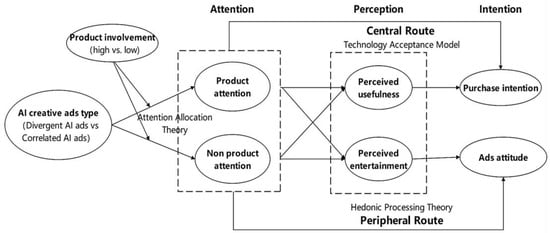
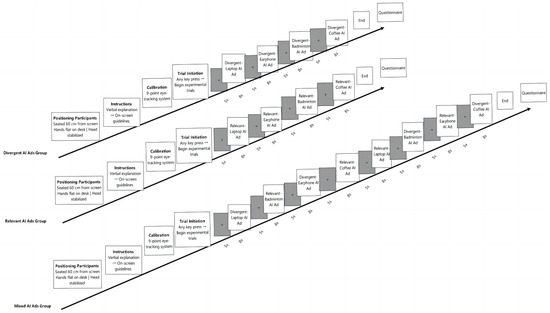
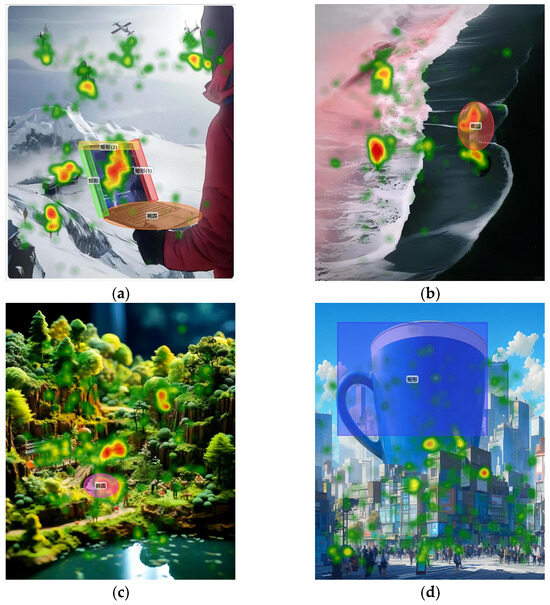
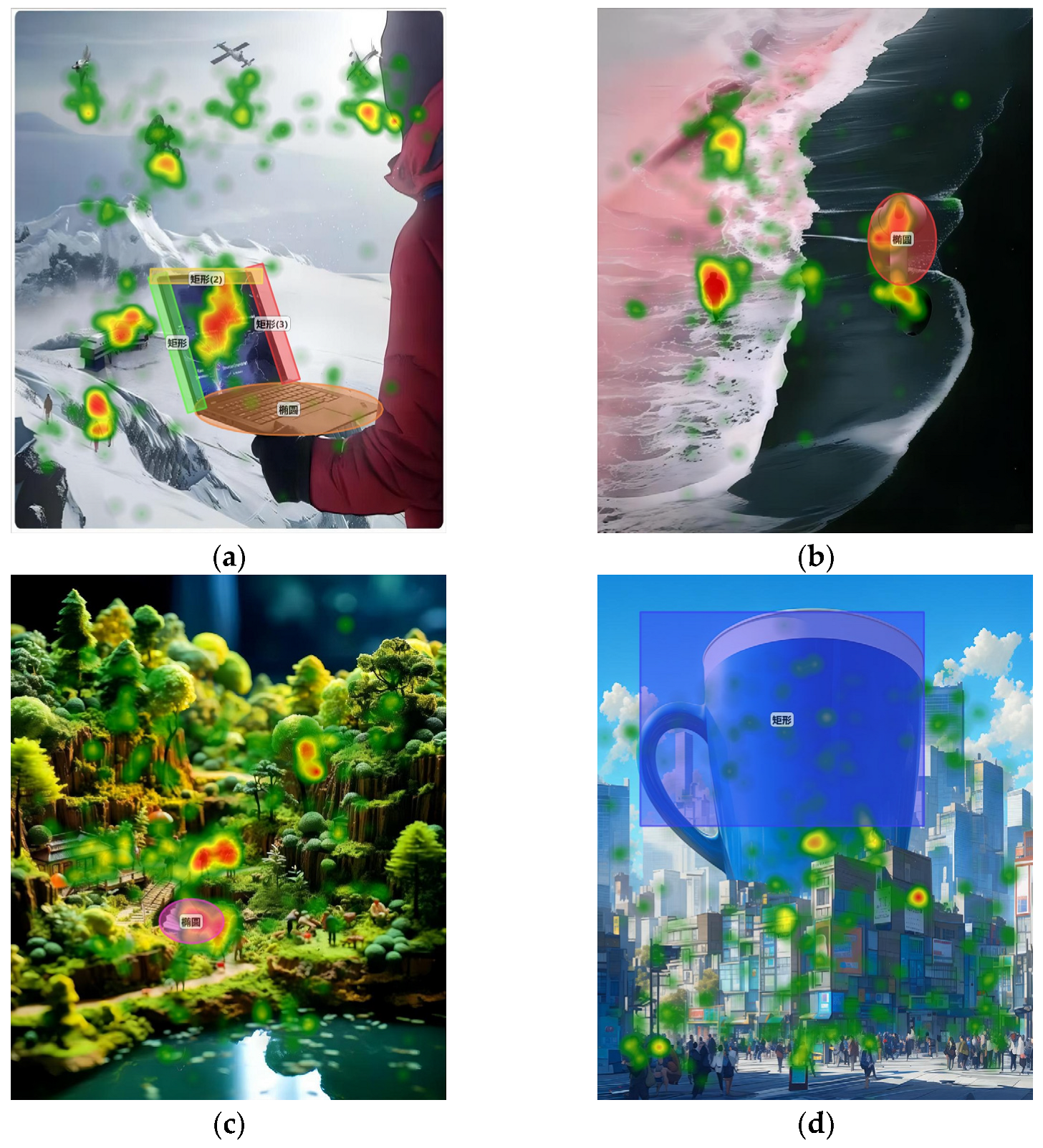
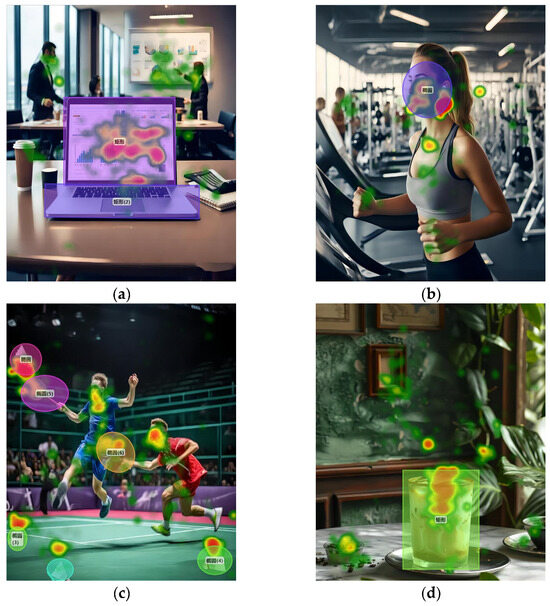
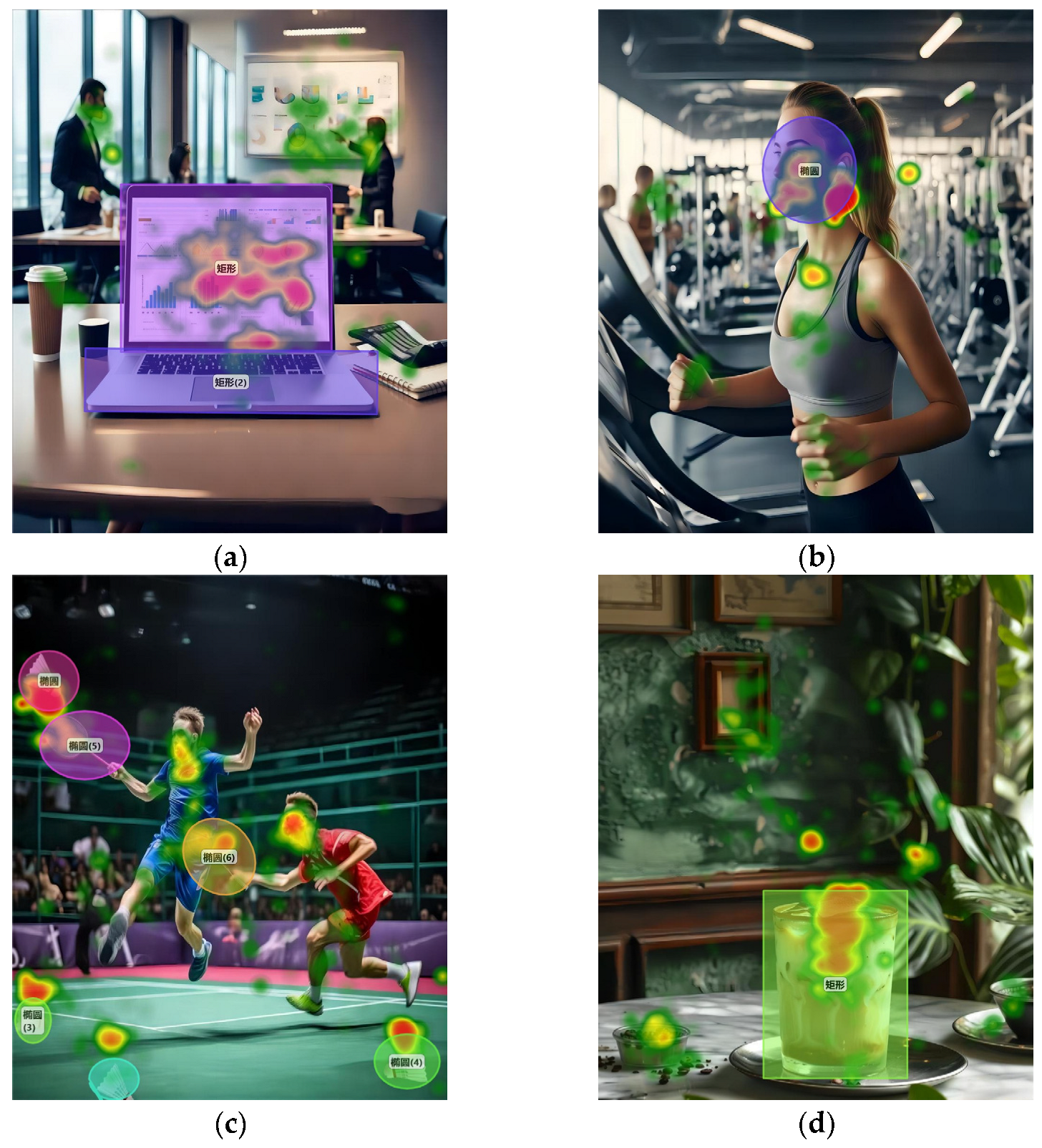
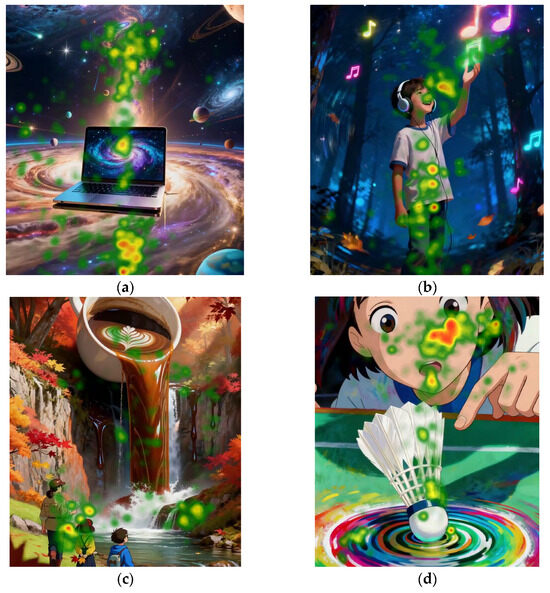
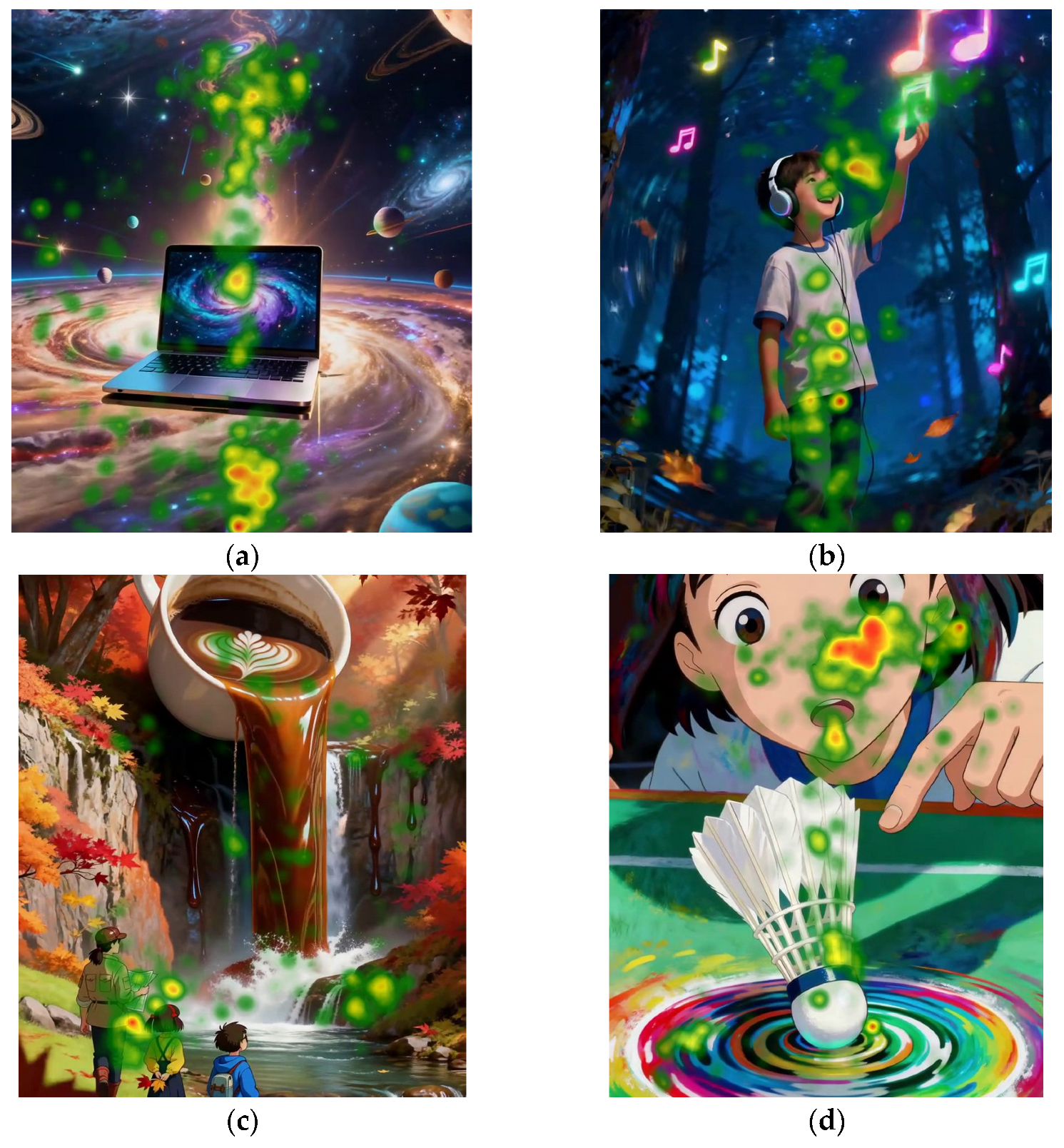
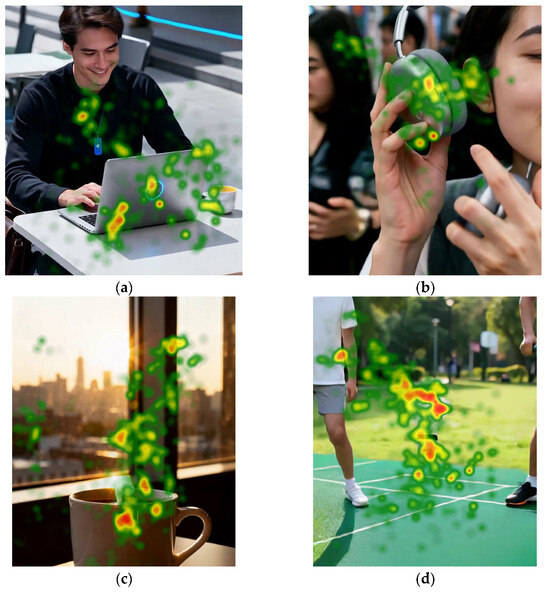
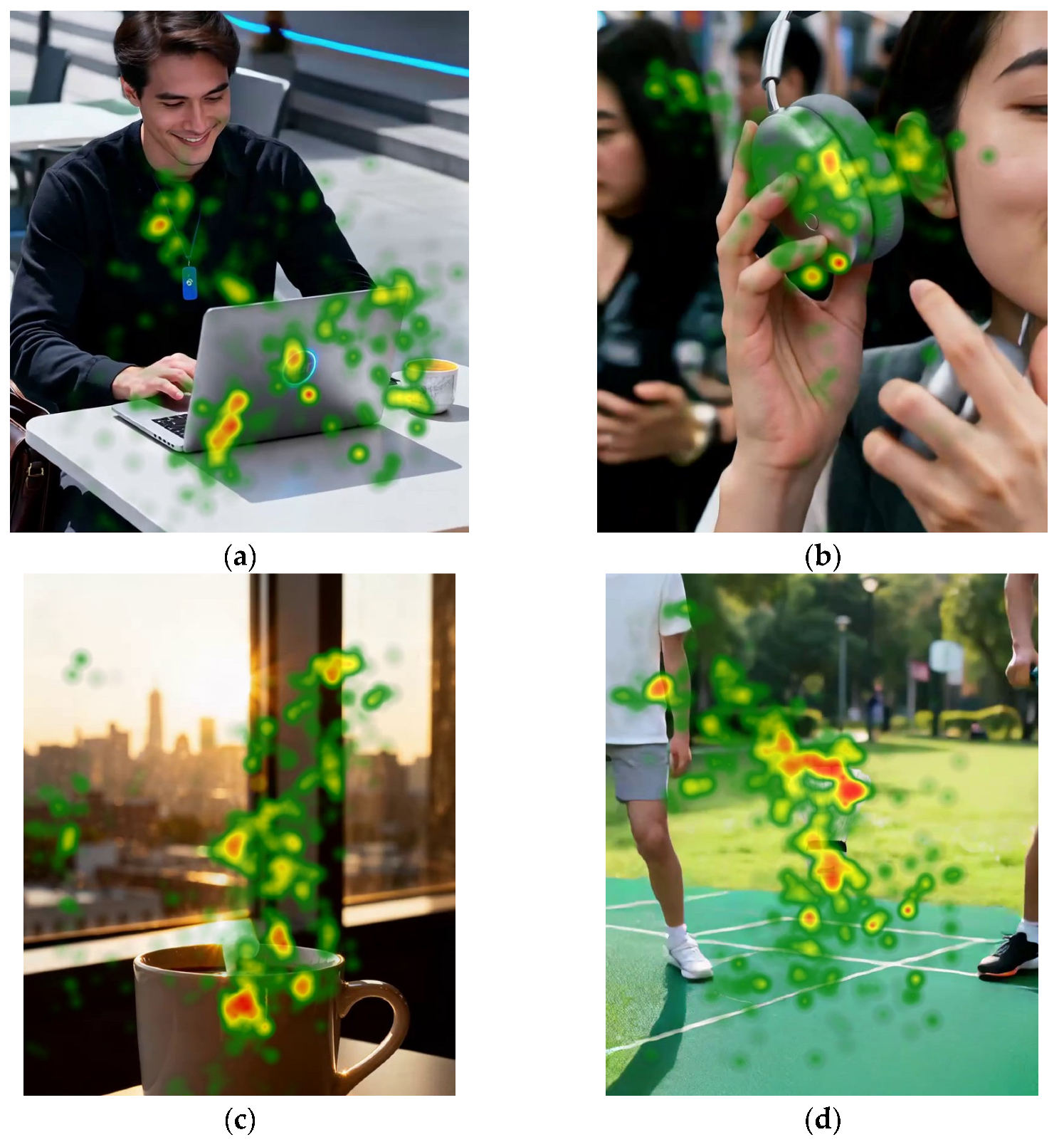
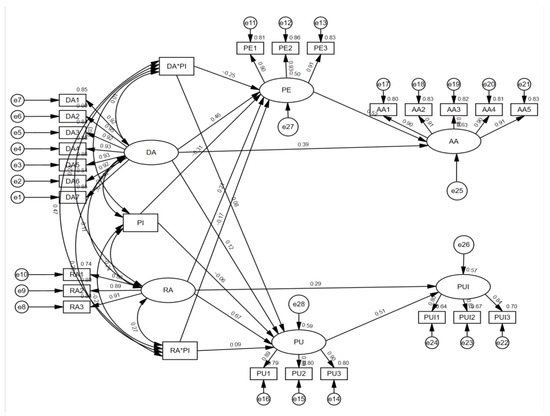
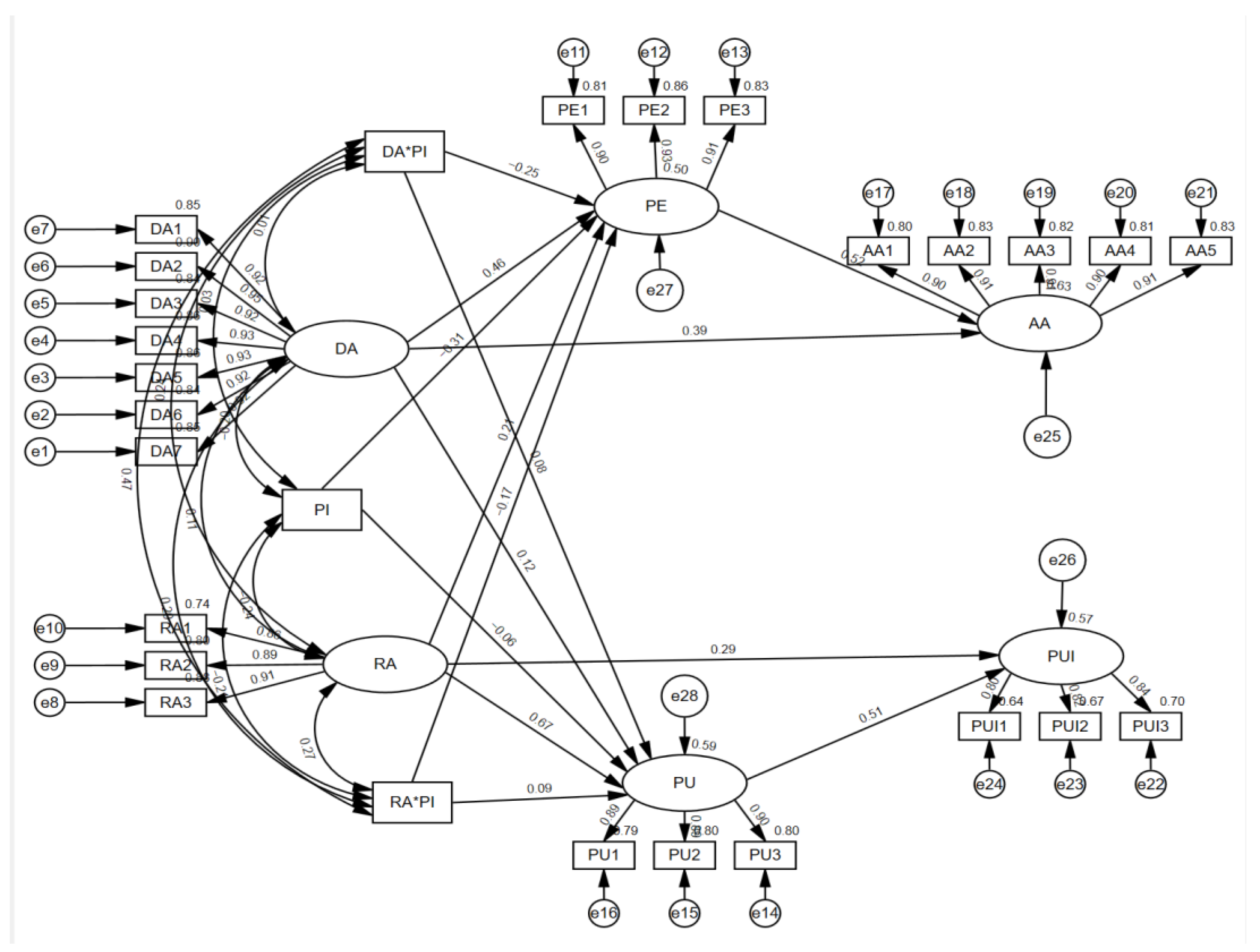
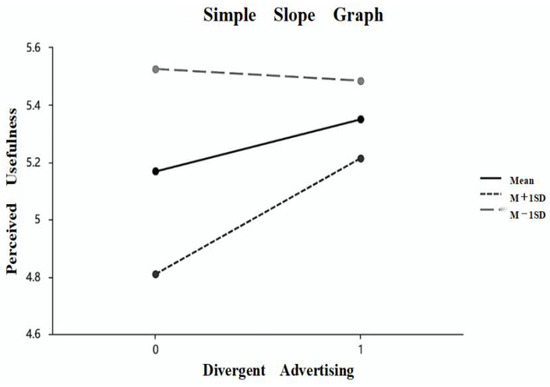
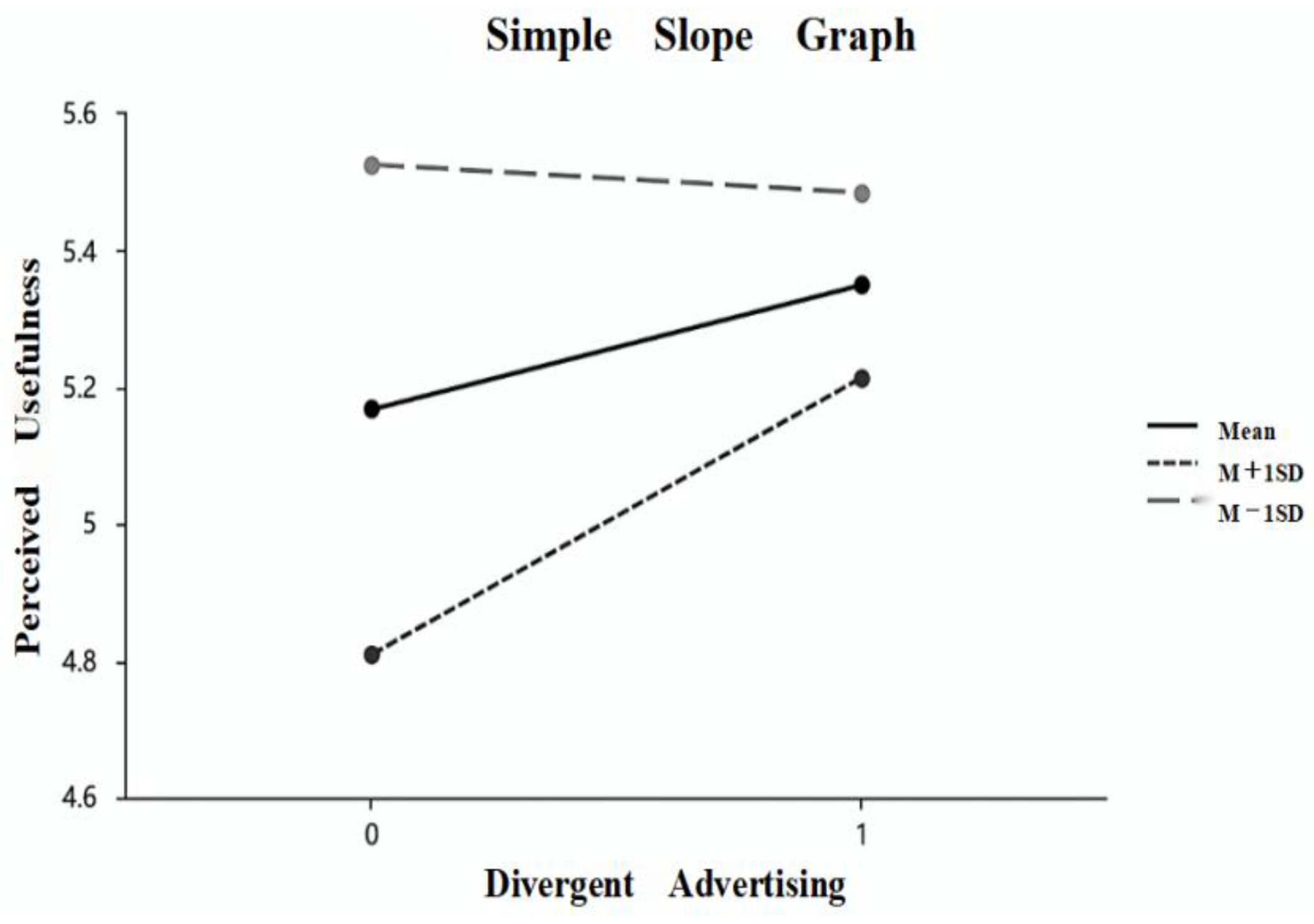
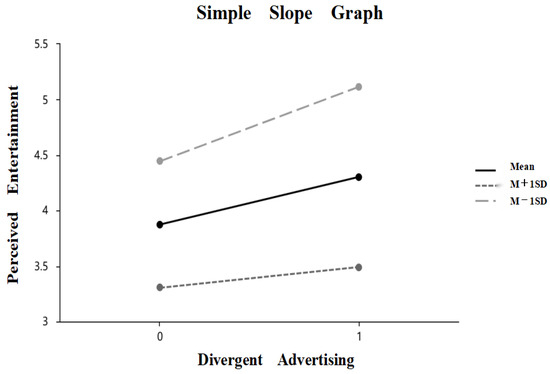
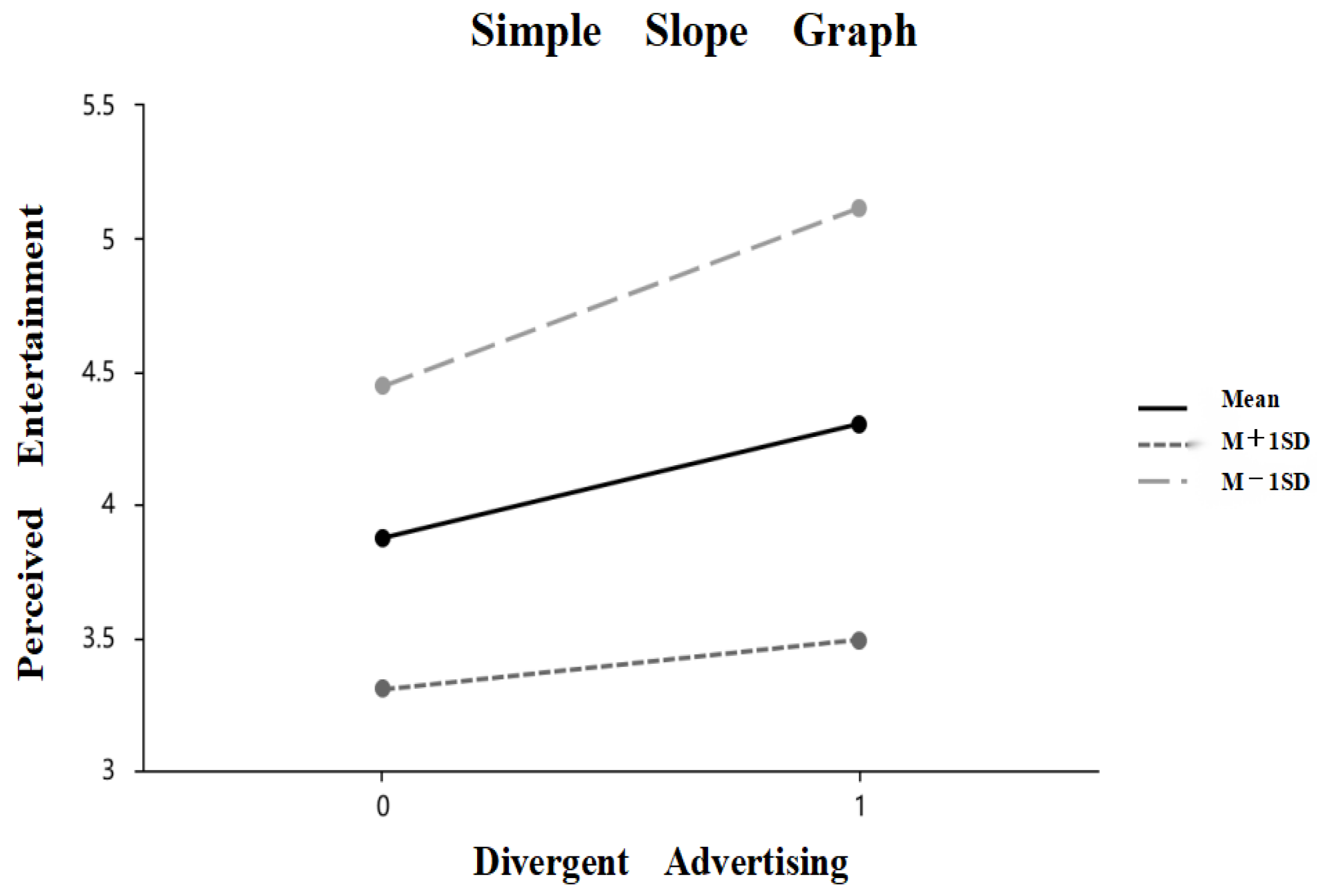
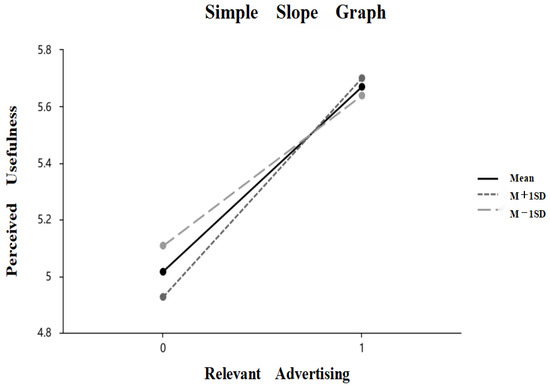
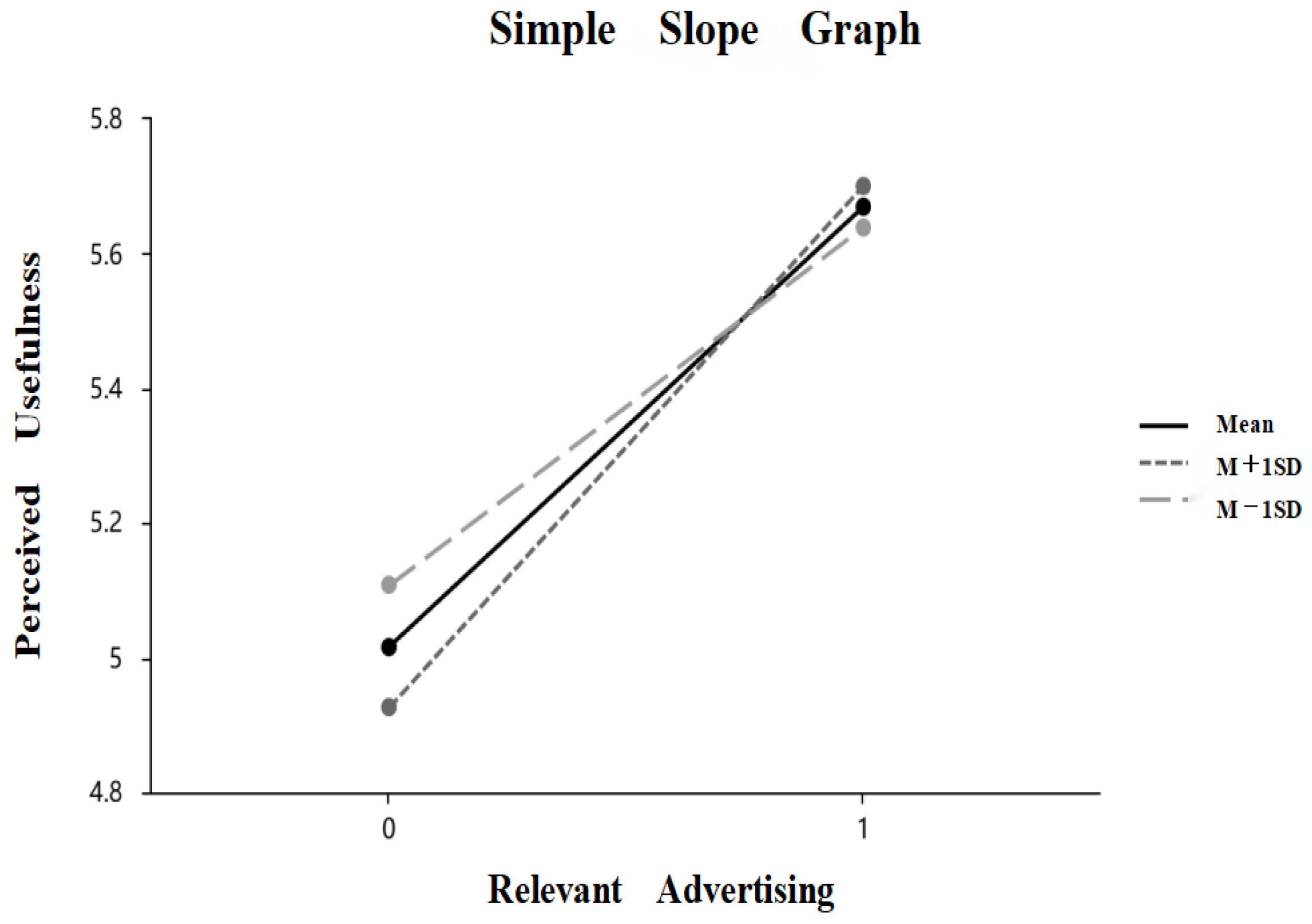
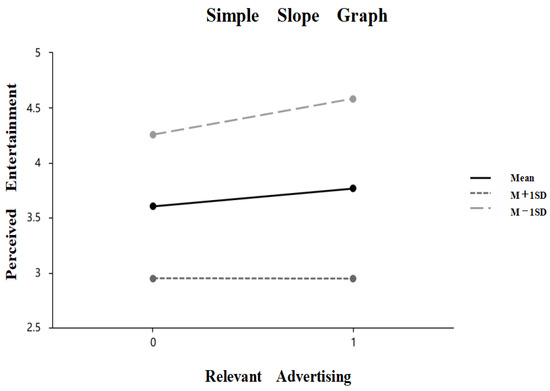
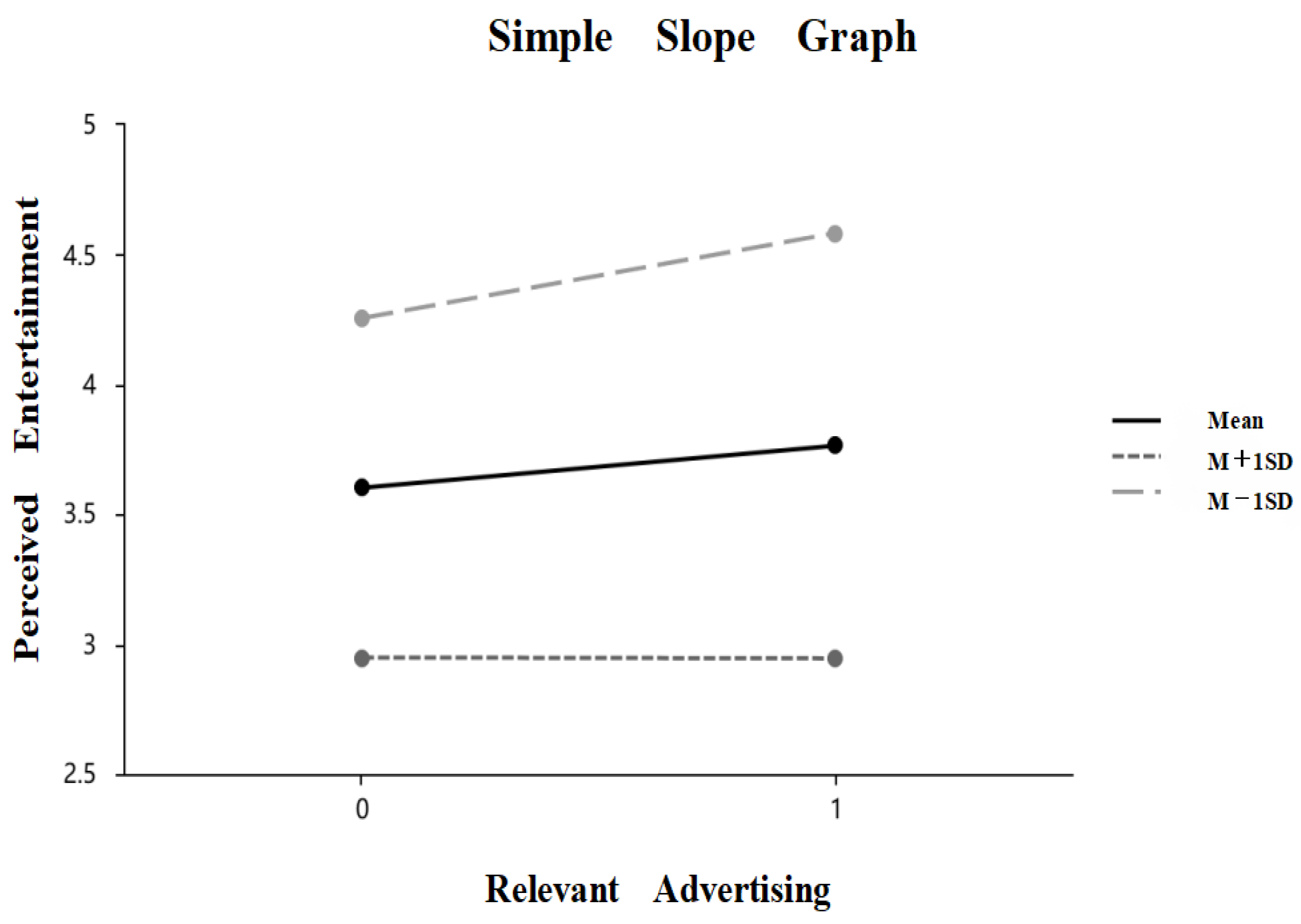

Disclaimer/Publisher’s Note: The statements, opinions and data contained in all publications are solely those of the individual author(s) and contributor(s) and not of MDPI and/or the editor(s). MDPI and/or the editor(s) disclaim responsibility for any injury to people or property resulting from any ideas, methods, instructions or products referred to in the content. |
© 2025 by the authors. Licensee MDPI, Basel, Switzerland. This article is an open access article distributed under the terms and conditions of the Creative Commons Attribution (CC BY) license (https://creativecommons.org/licenses/by/4.0/).