
Receptors: Exceptional Scientists and Their Expert Opinions

A topical collection in Receptors (ISSN 2813-2564).

Viewed by 5555

Editor


E-Mail Website
Collection Editor
Department of Veterinary Physiology & Pharmacology, Texas A&M University, College Station, TX 77843, USA
Interests: toxicology and molecular biology of estrogenic and antiestrogenic compounds; molecular mechanisms of estrogen receptor and Ah receptor action and their crosstalk in breast cancer; NR4A1 and Sp proteins as drug targets; long non-coding RNAs
Special Issues, Collections and Topics in MDPI journals

Topical Collection Information

Dear Colleagues,

Receptors are chemical structures, composed of proteins, that receive and transduce signals that may be integrated into biological systems. The major focus of Receptors encompasses broad areas of receptor structure and function, molecular biology and genetics, signaling and interactions, and their physicochemical/biophysical properties.

This Topical Collection of Receptors is designed to invite articles from outstanding scientists in this field, providing them with the venue to present their personal perspectives on their accomplishments and seminal contributions to the receptor field.

We hope that such a Topical Collection will make the scientific community aware of the tremendous contribution of these outstanding scientists, trigger fruitful discussions, and motivate young researchers to enter the receptors field and tackle the open questions.

Prof. Dr. Stephen H. Safe
Collection Editor

Manuscript Submission Information

Manuscripts should be submitted online at www.mdpi.com by registering and logging in to this website. Once you are registered, click here to go to the submission form. All submissions that pass pre-check are peer-reviewed. Accepted papers will be published continuously in the journal (as soon as accepted) and will be listed together on the collection website. Research articles, review articles as well as short communications are invited. For planned papers, a title and short abstract (about 250 words) can be sent to the Editorial Office for assessment.

Submitted manuscripts should not have been published previously, nor be under consideration for publication elsewhere (except conference proceedings papers). All manuscripts are thoroughly refereed through a single-blind peer-review process. A guide for authors and other relevant information for submission of manuscripts is available on the Instructions for Authors page. Receptors is an international peer-reviewed open access quarterly journal published by MDPI.

Please visit the Instructions for Authors page before submitting a manuscript. The Article Processing Charge (APC) for publication in this open access journal is 1000 CHF (Swiss Francs). Submitted papers should be well formatted and use good English. Authors may use MDPI's English editing service prior to publication or during author revisions.

Published Papers (3 papers)

2026

Jump to: 2025

16 pages, 17580 KB  
Article
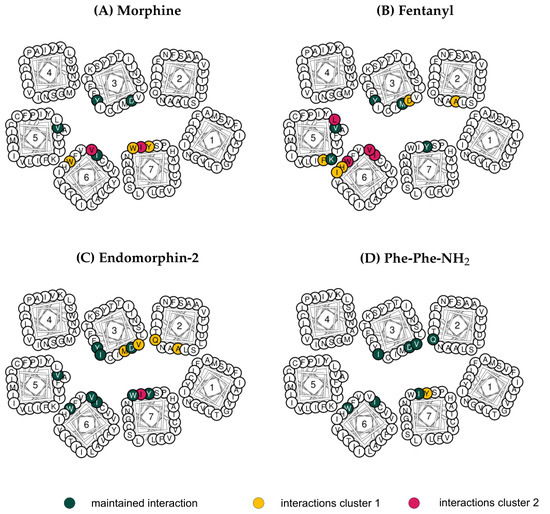
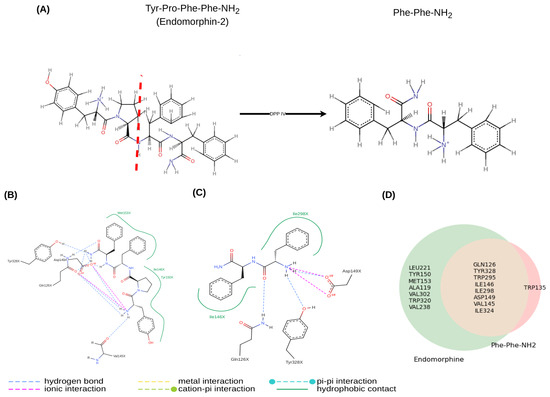
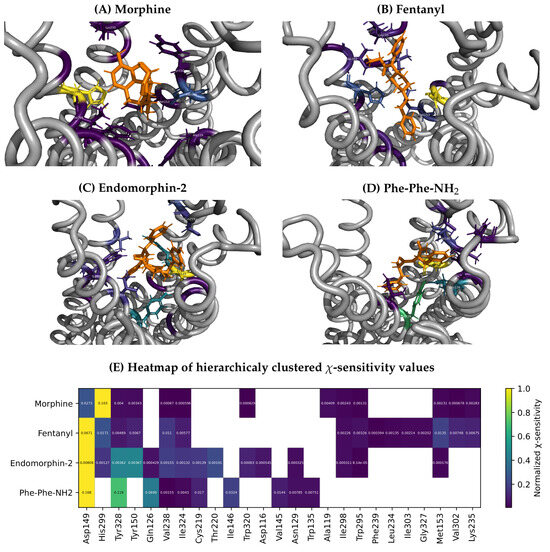
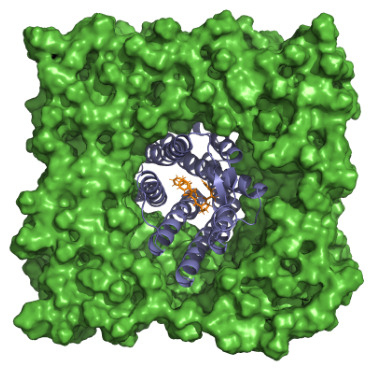
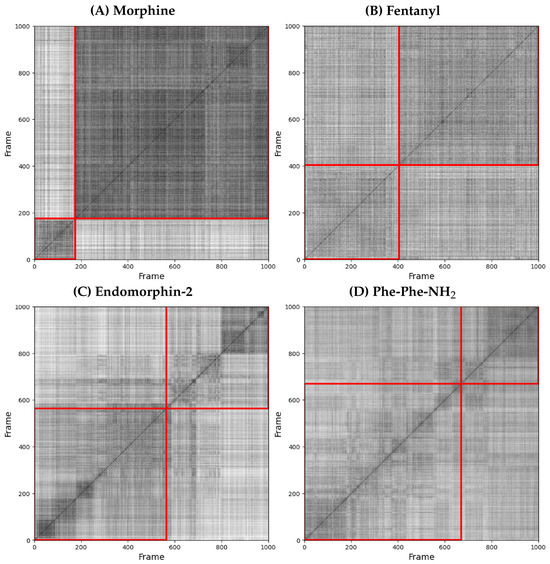
Analyzing the Molecular Effects of Endomorphin-2 Degradation on Stabilizing Interactions at the μ-Opioid Receptor
by Celvic Coomber, Jakob J. Kresse, Surahit Chewle, Marcus Weber, Christof Schütte and Vikram Sunkara
Receptors 2026, 5(2), 15; https://doi.org/10.3390/receptors5020015 - 28 Apr 2026
Viewed by 279
Abstract
Background: Endogenous opioids, such as endomorphin-2, are key regulators of the body’s pain pathways and mediate analgesia by engaging the μ-opioid receptor. This class of opioids are distinguished by their transient activation of the μ-opioid receptor, which is attributed to [...] Read more.
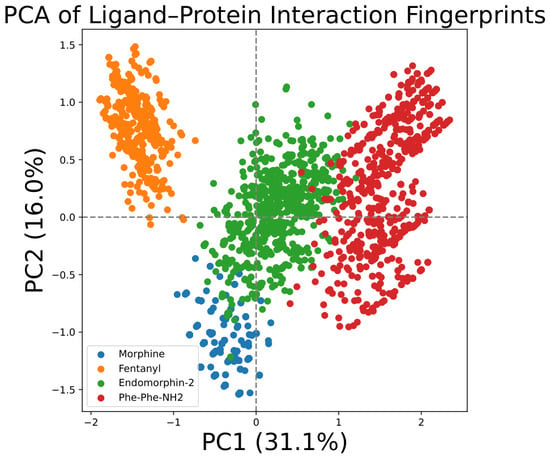
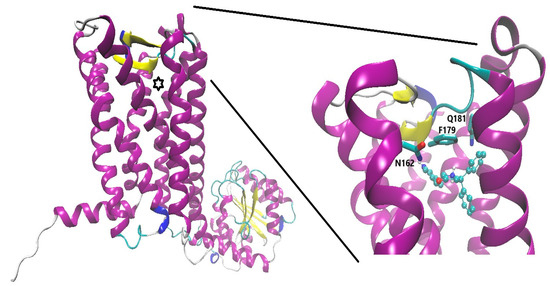
Background: Endogenous opioids, such as endomorphin-2, are key regulators of the body’s pain pathways and mediate analgesia by engaging the μ-opioid receptor. This class of opioids are distinguished by their transient activation of the μ-opioid receptor, which is attributed to rapid enzymatic degradation. Methods: To understand how degradation of endomorphin-2 by the enzyme DPP IV affects its interaction with the μ-opioid receptor, we analyzed the ligand–receptor conformational dynamics and interaction patterns of molecular dynamics simulations data of morphine, fentanyl and endomorphin-2 and one degradation product Phe-Phe-NH2, using molecular fingerprints and the mathematical framework ISOKANN. Results: Our analyses revealed that both the clinically relevant opioids, morphine and fentanyl, as well as the endogenous opioid endomorphin-2, adopt a set of recurring binding conformations within the μ-opioid receptor binding pocket, maintaining overlapping interaction motifs throughout the simulations. In contrast, Phe-Phe-NH2 failed to maintain a persistent binding mode over the simulated timescale. This instability arises from the dipeptidyl peptidase IV mediated cleavage of endomorphin-2, which generates Phe-Phe-NH2 and removes critical proline and tyrosine residues, thereby leading to the loss of stabilizing hydrophobic contacts with receptor residues Tyr1503,33, Val2385,43 and Val3026,55. Conclusion: By mapping structural interaction motifs essential for stable μ-opioid receptor binding, this study provides mechanistic insights into how endogenous degradation reshapes ligand–receptor interactions. Full article
Show Figures

Figure 1

2025

Jump to: 2026

12 pages, 1242 KB  
Brief Report
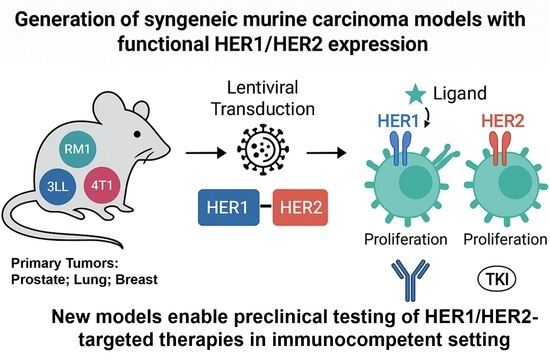
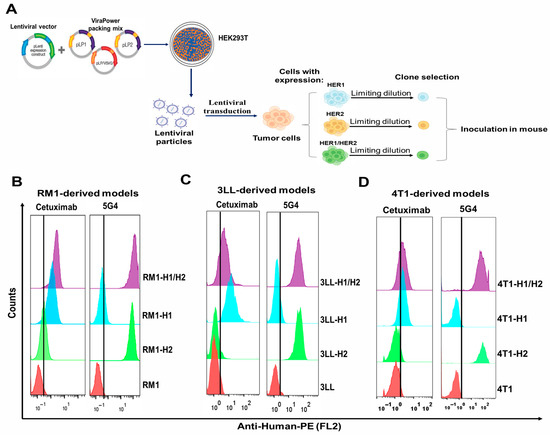
Functional HER1/HER2-Expressing Murine Tumor Models for Preclinical Evaluation of Targeted Therapies
by Talia Fundora-Barrios, Amanda R. Hechavarría-Bajuelo, Lisset Chao García, Miguel Angel Gonzalez-Cruz, Najara Gonzalez-Suarez, Gretchen Bergado-Baez and Belinda Sánchez-Ramírez
Receptors 2025, 4(4), 18; https://doi.org/10.3390/receptors4040018 - 24 Sep 2025
Cited by 1 | Viewed by 1484
Abstract
Background: HER1 and HER2 are critical receptors involved in tumorigenesis and the development of targeted therapies for various carcinomas. However, most antibodies and drugs currently in development do not recognize murine orthologs, which restricts their evaluation in immunocompetent models. Methods: We generated nine [...] Read more.
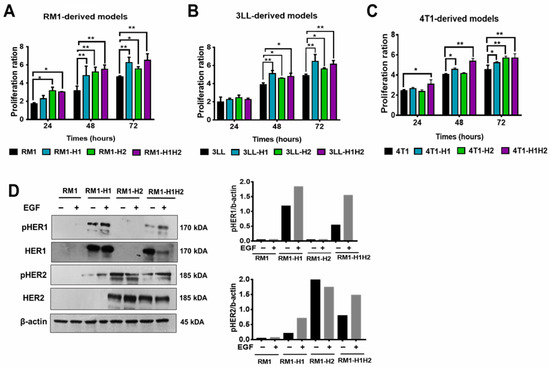
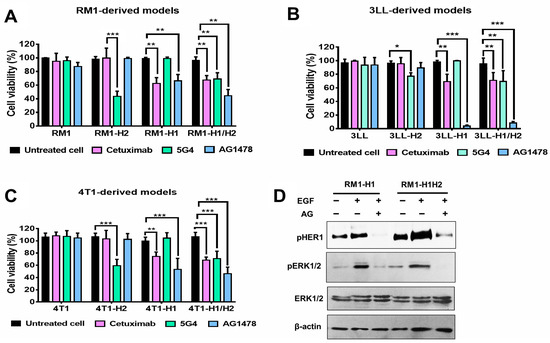
Background: HER1 and HER2 are critical receptors involved in tumorigenesis and the development of targeted therapies for various carcinomas. However, most antibodies and drugs currently in development do not recognize murine orthologs, which restricts their evaluation in immunocompetent models. Methods: We generated nine tumor models through the lentiviral transduction of murine prostate (RM1), lung (3LL-D122), and breast (4T1) carcinoma cell lines, subsequently validating them in immunocompetent BALB/c and C57BL/6 hosts. Receptor expression and functionality were characterized using flow cytometry, immunoblotting, proliferation assays, and therapeutic sensitivity testing. Results: Transduced cells exhibited stable membrane expression of HER1/HER2 and ligand-induced phosphorylation, confirming receptor functionality. In all three tumor models generated, the expression of HER1 and/or HER2 significantly enhanced cell proliferation compared to parental lines. Furthermore, treatment with specific monoclonal antibodies and the tyrosine kinase inhibitor markedly reduced the viability of cells expressing HER1 and/or HER2, without affecting negative controls. Conclusions: These models provide a robust and reproducible platform for the preclinical evaluation of HER1/HER2-targeted therapies in immunocompetent hosts. Although the current model relies on subcutaneous implantation and does not fully replicate the native tumor microenvironment, it represents a crucial first step toward the development of orthotopic and immunologically relevant models for translational cancer research. Full article
Show Figures

Graphical abstract

20 pages, 1772 KB  
Review
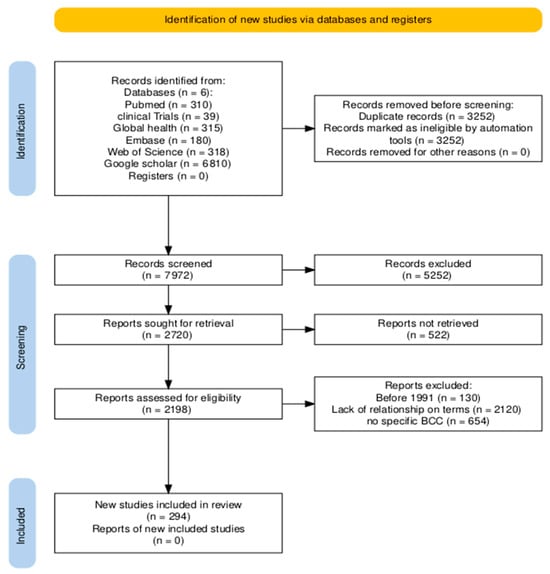
The Binding and Effects of Boron-Containing Compounds on G Protein-Coupled Receptors: A Scoping Review
by José M. Santiago-Quintana, Alina Barquet-Nieto, Bhaskar C. Das, Rafael Barrientos-López, Melvin N. Rosalez, Ruth M. Lopez-Mayorga and Marvin A. Soriano-Ursúa
Receptors 2025, 4(3), 15; https://doi.org/10.3390/receptors4030015 - 5 Aug 2025
Cited by 1 | Viewed by 2830
Abstract
Boron-containing compounds (BCCs) have emerged as potential drugs. Their drug-like effects are mainly explained by their mechanisms of action in enzymes. Nowadays, some experimental data support the effects of specific BCCs on GPCRs, provided there are crystal structures that show them bound to [...] Read more.
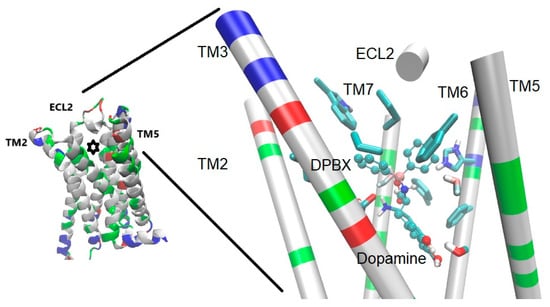
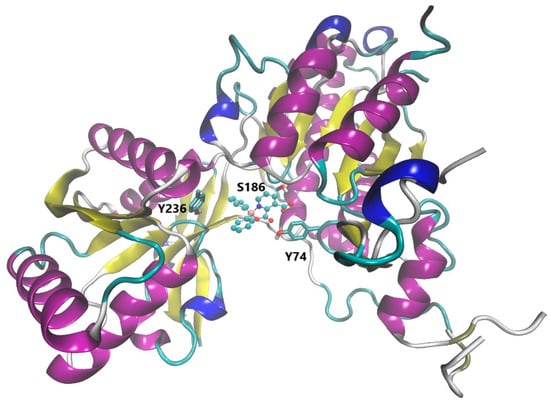
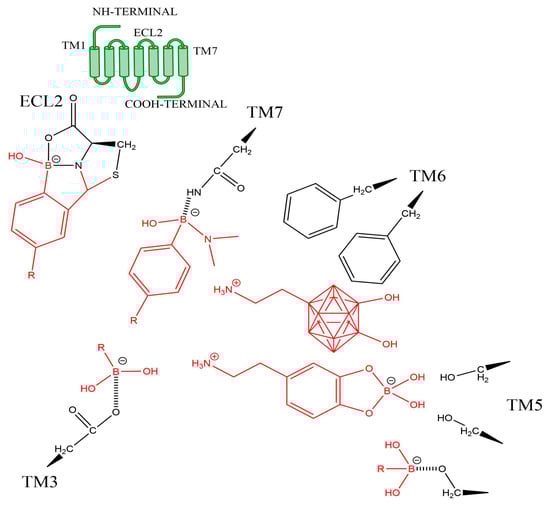
Boron-containing compounds (BCCs) have emerged as potential drugs. Their drug-like effects are mainly explained by their mechanisms of action in enzymes. Nowadays, some experimental data support the effects of specific BCCs on GPCRs, provided there are crystal structures that show them bound to G protein-coupled receptors (GPCRs). Some BCCs are recognized as potential ligands of GPCRs—the drug targets of many diseases. Objective: The aim of this study was to collecte up-to-date data on the interactions of BCCs with GPCRs. Methods: Data were collected from the National Center of Biotechnology Information, PubMed, Global Health, Embase, the Web of Science, and Google Scholar databases and reviewed. Results: Some experimental reports support the interactions of BCCs with several GPCRs, acting as their labels, agonists, or antagonists. These interactions can be inferred based on in silico and in vitro results if there are no available crystal structures for validating them. Conclusions: The actions of BCCs on GPCRs are no longer hypothetical, as the existing evidence supports BCCs’ interactions with and actions on GPCRs. Full article
Show Figures

Figure 1

Back to TopTop