1. Introduction
The rapidly growing global population, climate change, excessive exploitation of natural resources, geopolitical factors, and health crises have recently driven countries and companies away from the linear economic system towards the circular economy (CE) [
1,
2]. The CE is a sustainability-oriented production model that seeks to redesign current production and consumption models as well as material flows. Its primary objectives are to minimise waste, ensure the efficient use of resources, and keep materials circulating within the economy for extended periods [
3,
4].
The agri-food sector stands out as one of the most critical areas, as it ensures the continuity of food supply while simultaneously contributing to unsustainable resource use and waste generation [
5,
6]. The current agri-food system generates approximately one-third of global greenhouse gas emissions and causes 80% of deforestation [
2,
5]. Furthermore, unsustainable agricultural practices deplete freshwater resources and are a primary driver of biodiversity loss. Current data indicate that over 24,000 species are at risk of extinction as a result of these processes [
7], with the global population expected to reach 10 billion by 2050. Food production must therefore increase by 70% to meet demand [
8]. However, without technological innovation, this increase is projected to amplify environmental impacts by 50–90%, thus exceeding planetary boundaries [
8,
9,
10].
In light of this urgency, the United Nations’ 2030 Agenda prioritises the transformation of systems in line with the Sustainable Development Goals (SDGs), particularly ‘Industry, Innovation and Infrastructure’ (SDG 9) and ‘Responsible Consumption and Production’ (SDG 12) [
9,
11,
12]. As agriculture is the largest user of water worldwide—with irrigation claiming close to 70% of all freshwater—achieving SDG 12 requires an urgent reduction in the ecological footprint by changing production patterns [
13]. Within this framework, the CE transition serves as a strategic mandate to halve global food waste and create resource-efficient supply chains [
13,
14,
15].
In this transformation process, digitalisation is emerging as a crucial enabler of the transition to the CE. Artificial intelligence (AI), robotics, the Internet of Things (IoT), blockchain, and cyber-physical systems support circular applications by making production processes more flexible, traceable, and optimizable [
12,
16,
17,
18]. Digitalisation allows for the precise management of critical inputs such as water, energy, and fertilisers, and enables early detection of food losses, which can then be integrated into reuse and recycling processes [
19,
20,
21,
22]. Recent research indicates that AI-driven open innovation acts as a transformative force in advancing circular supply chains within the food sector [
23] while blockchain technology ensures transparency and traceability across product life cycles [
24]. Recent studies also highlight that platform-based digital ecosystems, including live-streaming e-commerce, are increasingly reshaping agri-food supply chains by enhancing cross-border coordination, market access, and sustainability-oriented value creation mechanisms [
25].
The Turkish agricultural sector is under significant structural pressure due to climate change, water scarcity, and rising input costs. In response, Türkiye has strategically prioritised alignment with the Paris Agreement and the European Green Deal, as well as the United Nations 2030 Agenda, particularly Sustainable Development Goal 12 on Responsible Consumption and Production. The European Green Deal, developed in line with the European Union’s objective of becoming the first climate-neutral continent by 2050, provides a comprehensive framework encompassing emissions reduction, promotion of the circular economy, zero pollution, transformation of agriculture and rural areas, sustainable transport, energy transition, a just transition, and financing mechanisms for this transformation. This framework applies not only to firms operating within the European Union but also to companies exporting to the EU market. Indeed, approximately 40% of Türkiye’s exports are directed to EU countries [
26]. In this context, Turkish firms exporting to the EU are increasingly required to ensure compliance with the Green Deal, together with their supply chain partners. As a significant agri-food exporter in the Europe and Central Asia region, Türkiye remains at an early stage of digital transformation in the agricultural sector, indicating that its digitalisation capacity lags behind the EU average [
27,
28].
Despite growing interest in the academic literature, the supportive role of digital technologies in CE applications within the agri-food sector has generally been examined in the context of developed countries, specifically focusing on large-scale enterprises and markets with high digital maturity [
29,
30,
31,
32,
33]. Small and medium-sized enterprises (SMEs) are among the key drivers of economic growth and social progress. However, the question of which digitalisation success factors play a critical role in the transition of SMEs—which constitute a significant portion of the agri-food sector—to a CE has been examined only to a limited extent in the literature [
34,
35,
36,
37]. This limitation is particularly important because SMEs constitute the backbone of agri-food systems in many emerging economies, yet often face institutional, technological, and financial barriers that differ substantially from those observed in advanced economies.
Accordingly, this study is guided by the following overarching research question:
RQ: Which critical success factors are most important for the digitalisation of agri-food SMEs during the transition to a CE in developing-country contexts?
To answer this question, the study pursues three objectives:
To identify the critical success factors influencing digitalisation in the CE transition of agri-food SMEs;
To determine the importance weights and priority structure of these factors using the SF-AHP method;
To develop a strategic roadmap for managers and policymakers to accelerate digital circular transformation.
Türkiye provides a particularly relevant empirical context for addressing this gap. As an upper-middle-income country with a population of approximately 84 million, Türkiye continues to assign strategic importance to agriculture within its national economy. Although agriculture’s share of gross national product has declined to approximately 4.8–5.6%, the sector still accounts for nearly 14.8% of total employment and generates agricultural exports exceeding USD 36 billion annually, confirming Türkiye’s strong position within global food supply chains [
38]. Nevertheless, this production potential is constrained by a highly fragmented farm structure, with average farm sizes ranging between 6.1 and 7.7 hectares [
39]. This fragmented structure limits economies of scale and creates substantial barriers to technological modernisation. Furthermore, the proportion of sustainable agricultural production remains below 2.5%, suggesting that Türkiye faces a widening digital and sustainability gap compared with European agricultural systems [
28].
At the same time, Türkiye’s agri-food sector faces increasing pressure from climate change, water scarcity, and rising input costs. In response, the country has begun aligning its agricultural policies with the Paris Agreement, the European Green Deal, and the United Nations Sustainable Development Agenda. For agri-food SMEs with limited financial capacity, digital technologies are therefore becoming more than a modernisation tool; they increasingly represent a strategic mechanism for reducing food waste, conserving energy, and improving resource circularity in line with SDG 12. Yet the digital transformation of the Turkish agri-food sector remains at an early stage. Existing evidence indicates that digital adoption across the sector remains fragmented, poorly coordinated, and difficult to scale beyond pilot projects, particularly in relation to precision agriculture, AI applications, and data-driven decision systems [
27,
28].
These structural conditions suggest that the transition towards a digitally enabled CE in developing-country agri-food SMEs is shaped by multiple interacting determinants rather than by technology adoption alone. Financial support mechanisms, investment costs, managerial learning orientation, analytical capability, food waste prevention capacity, environmental performance, regenerative infrastructure, and regulatory frameworks may jointly determine whether digitalisation can effectively support circular transformation. Nevertheless, previous studies have rarely examined these determinants as an integrated decision problem in emerging-economy contexts.
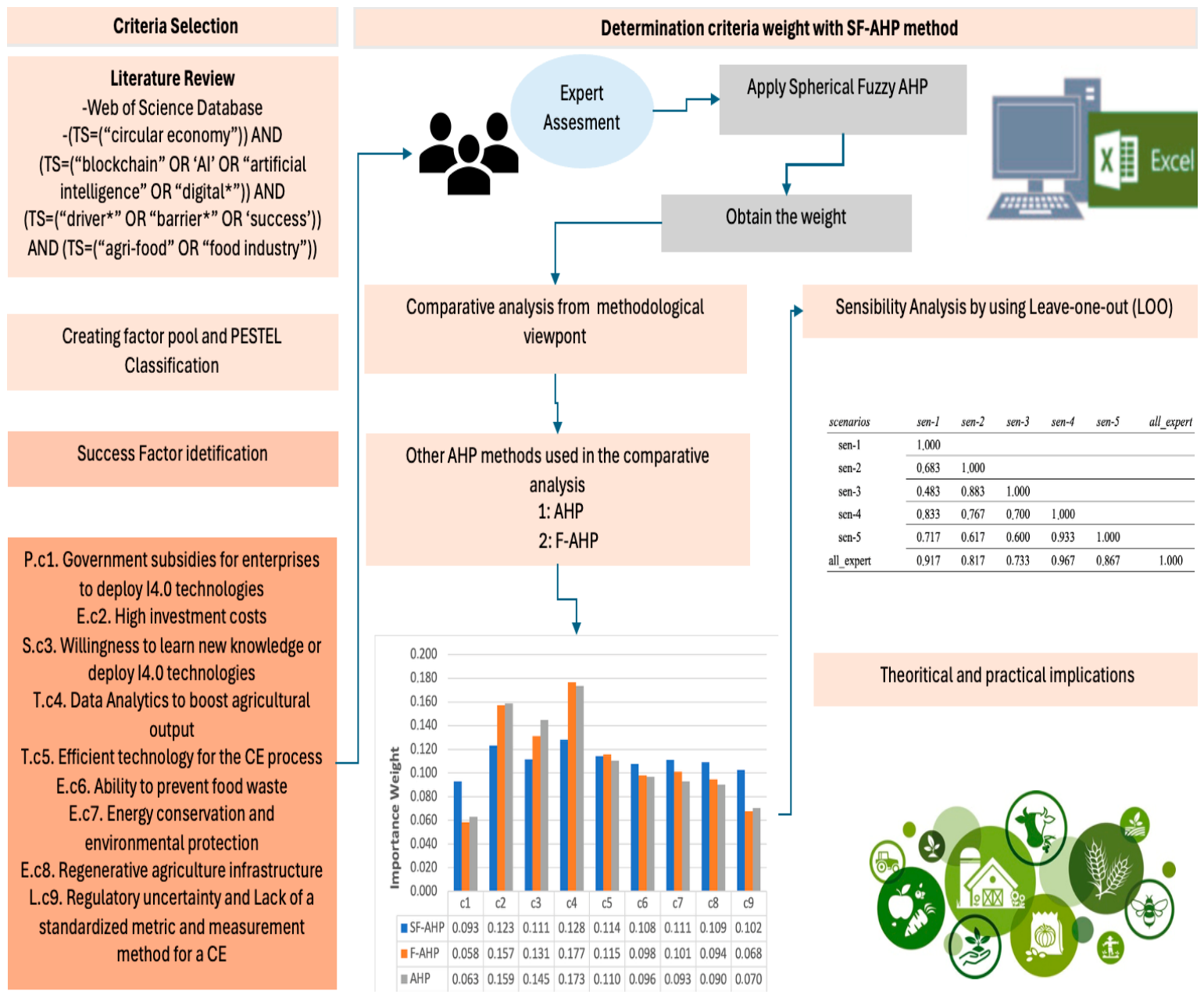
To address this gap, this study adopts the Technology–Organisation–Environment (TOE) framework [
40] as the primary theoretical lens and combines it with the PESTEL perspective to identify the critical contextual dimensions influencing digitalisation in the CE transition. To prioritise these factors under uncertainty, the study employs the Spherical Fuzzy Analytic Hierarchy Process (SF-AHP). The SF-AHP is an advanced multi-criteria decision-making method that models the uncertainty in expert judgements across three independent dimensions: membership, non-membership, and hesitation. Unlike traditional fuzzy approaches, this method incorporates the level of hesitation and ambiguity directly into the mathematical process, providing a more realistic and robust prioritisation. The SF-AHP allows experts to express hesitation, uncertainty, and ambiguity simultaneously, thereby providing a more realistic evaluation framework for complex sustainability decisions involving multiple qualitative criteria. Consequently, it produces more precise and reliable results for problems characterised by ‘grey areas’, such as the strategic prioritisation of CE factors [
41].
This study contributes to the literature in three important ways. First, it extends the digitalisation–CE literature by focusing on SMEs in a developing-country context, where institutional and structural conditions differ substantially from those in advanced economies. Second, it integrates the TOE framework with PESTEL analysis to provide a more context-sensitive understanding of digital transformation in circular agri-food systems. Third, by prioritising the identified success factors through SF-AHP, the study offers a practical decision-support framework that can assist policymakers and managers in designing more targeted interventions to advance sustainable production and consumption in line with SDG 12.
The remainder of the study is organised as follows.
Section 2 reviews the relevant literature and identifies the critical success factors.
Section 3 explains the research methodology.
Section 4 presents the empirical findings.
Section 5 discusses the results in relation to prior literature.
Section 6 outlines the theoretical and practical implications. Finally,
Section 7 presents the conclusions, limitations, and directions for future research.
4. Results
The importance weights of the nine criteria were calculated using the SF-AHP method, based on survey responses from five experts. In the initial stage of the procedure, Expert 1 was asked to compare the criteria, resulting in a comparison matrix comprising real numbers. To avoid excessive table complexity, the analysis proceeded using only Expert 1’s results; the remaining opinion data are provided in
Supplementary Materials.
Subsequently, the matrix was fuzzified by assigning fuzzy numbers corresponding to linguistic terms on the SF-AHP scale [
41]. Local weights were calculated using the SWAM formulae described in the methods section. These local weights were then defuzzified, and the resulting values were normalised to determine the final criteria weights.
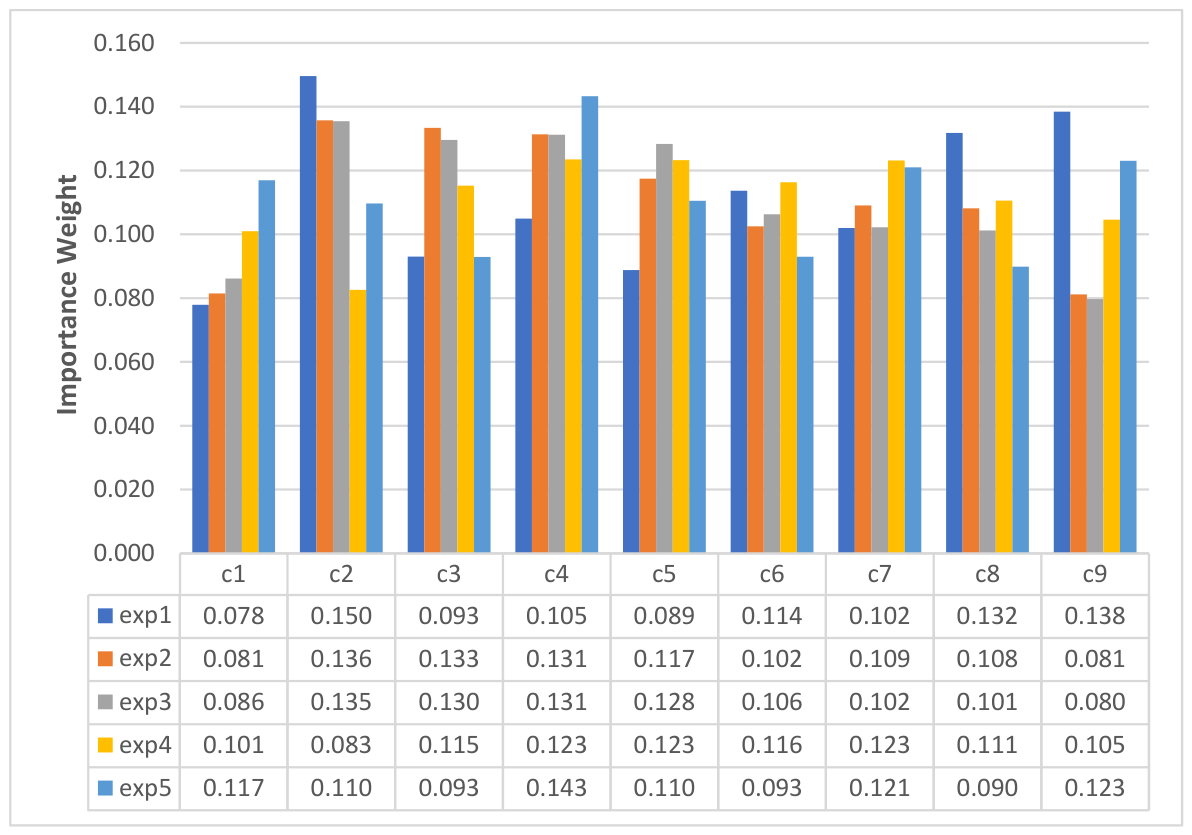
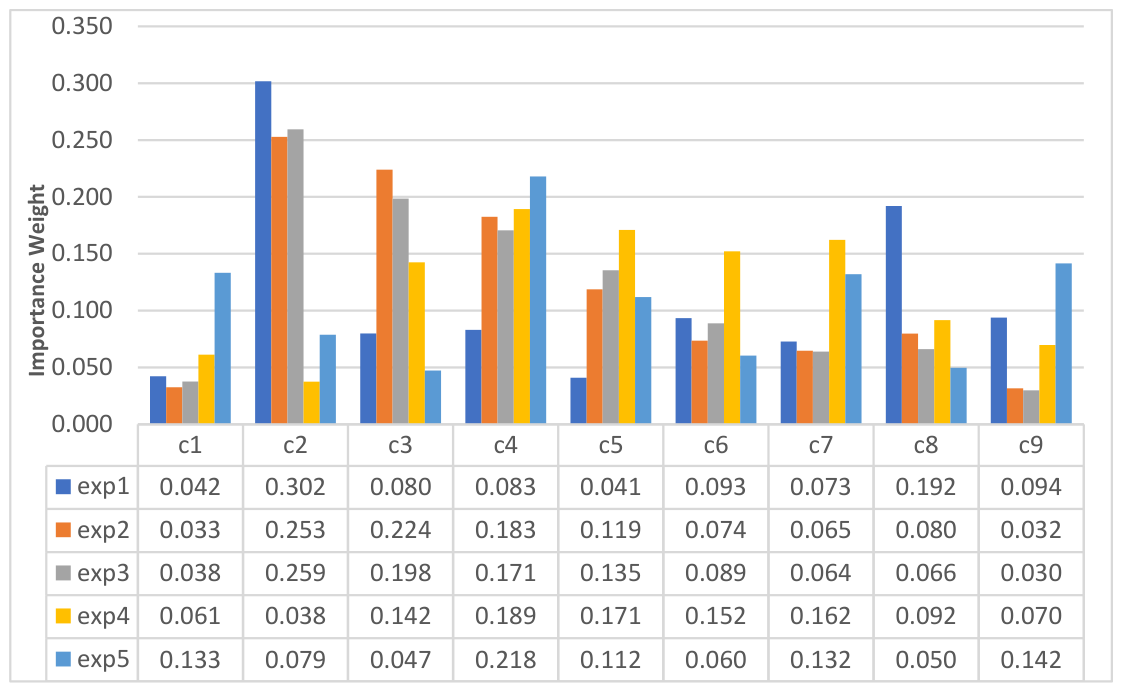
Figure 2, which illustrates the criteria weights obtained for each expert, is presented below.
When the results derived from the experts’ data are examined, it is evident that the importance levels of the criteria differ to some extent (
Figure 2). Nevertheless, the overall trends are broadly consistent. Notably, criterion C4 received the highest weight from all four experts, indicating that C4 (data analytics to boost agricultural output) is the most important critical success factor. In the expert evaluations, the subsequent criteria in terms of importance are C2, C3, C5, C6, and C7. Although some degree of heterogeneity in decision-making is observed among the experts, these criteria remain significant determinants, as the weight scale does not display a particularly wide distribution. Furthermore, these criteria can be considered as supporting factors for the primary success criterion. In contrast, criteria C1, C8, and C9 have received relatively low weights in the figure. However, these criteria should not be entirely disregarded; rather, they should be evaluated as supportive elements within a holistic framework. The combined results are presented in
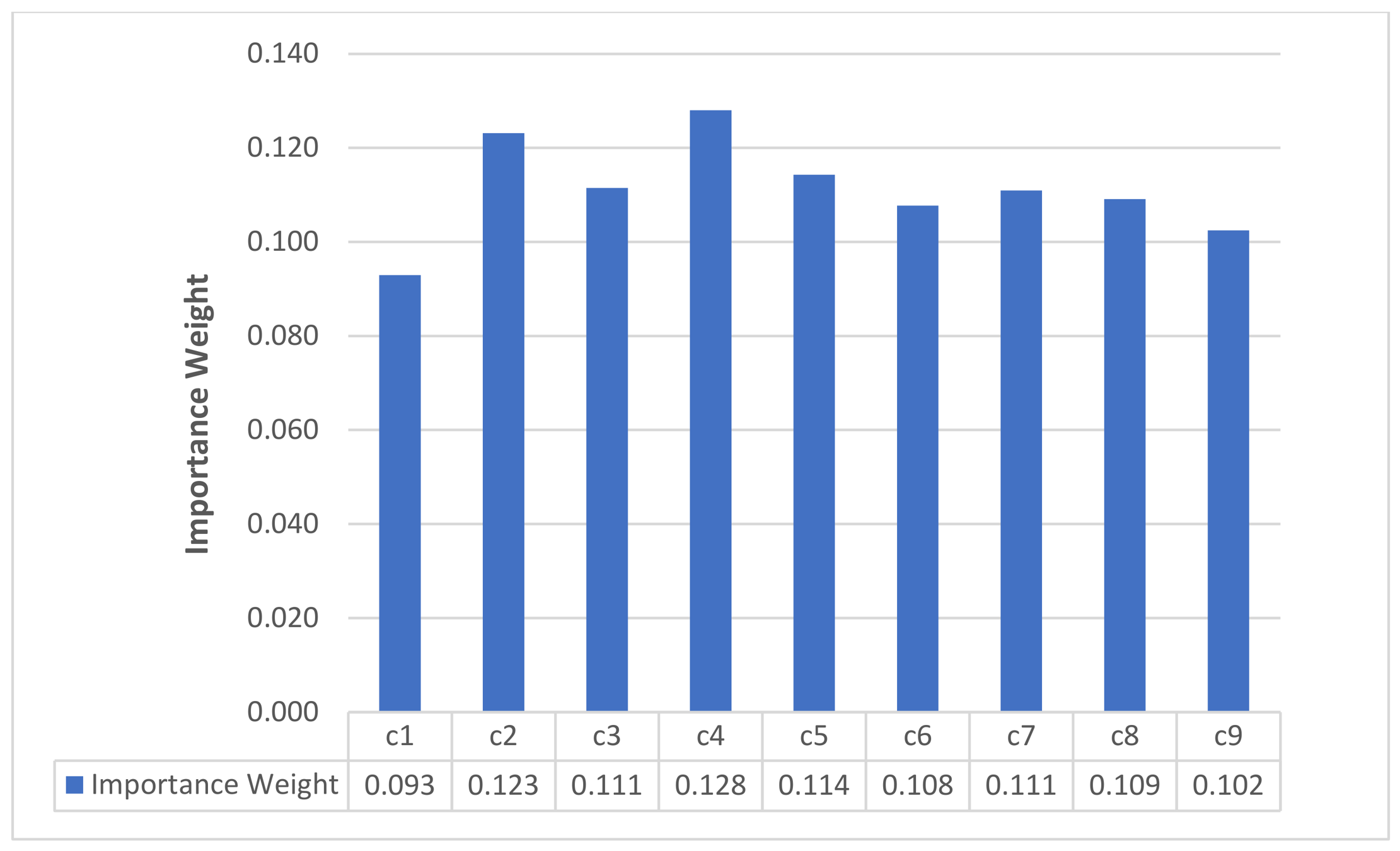
Figure 3 below.
When examining the criterion weights derived from the combined expert opinions, it is evident that the weights are distributed across a very narrow range, similar to the previous table. This distribution suggests that the criteria are not mutually exclusive but instead form a cohesive and supportive structure. Consequently, it highlights the need for policymakers and firm managers to adopt a holistic perspective in their evaluations. Notably, criterion C4 (data analytics to boost agricultural output) emerges as the most important criterion in the results. The subsequent criteria—C2, C5, and C3—play a decisive role in supporting C4. The complex and interdependent nature of key success factors in the transition to a CE facilitates the interpretation of these findings. In particular, the close weighting of criteria C7, C8, and C6 indicates that these are complementary factors and should be evaluated collectively. Finally, although criteria C9 (regulatory uncertainty and lack of a standardised metric and measurement method for a CE) and C1 (government subsidies for enterprises to deploy Industry 4.0 technologies) received lower weights, the overall narrow distribution of weights suggests that they should not be disregarded. This demonstrates that each criterion in the decision model holds complementary importance. Although the model derived from the integration of expert opinions presents a balanced and methodologically consistent priority structure, the results indicate that particular attention should be given to criteria C4 (data analytics to boost agricultural output) and C2 (high investment costs) by decision-makers.
4.1. Comparative Analysis
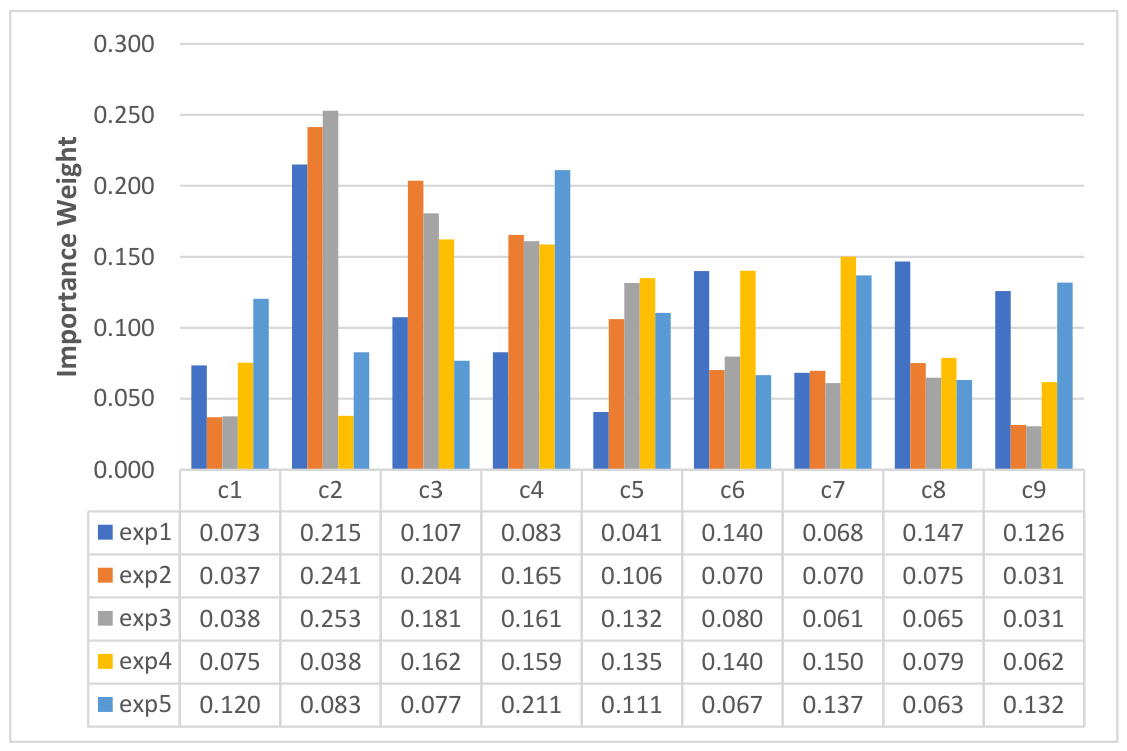
The problem addressed in this study is to determine the importance weights of the success factors for digitalisation in the transition process of SMEs in the agri-food sector towards a CE. Accordingly, the criteria identified from the literature were analysed using the global fuzzy AHP method, enabling firms and policymakers to take appropriate actions and make informed strategic decisions regarding these issues. Given that generalising results obtained from a single method lacks a robust foundation, the importance of solving the same problem using different AHP approaches and conducting a detailed comparison of the results becomes clear. Consequently, it was concluded that applying multiple AHP methods would be advantageous. In this context, this section aims to address the problem using two different versions of AHP (AHP and Fuzzy AHP). The results of AHP and F-AHP are presented in
Figure 4 and
Figure 5, respectively.
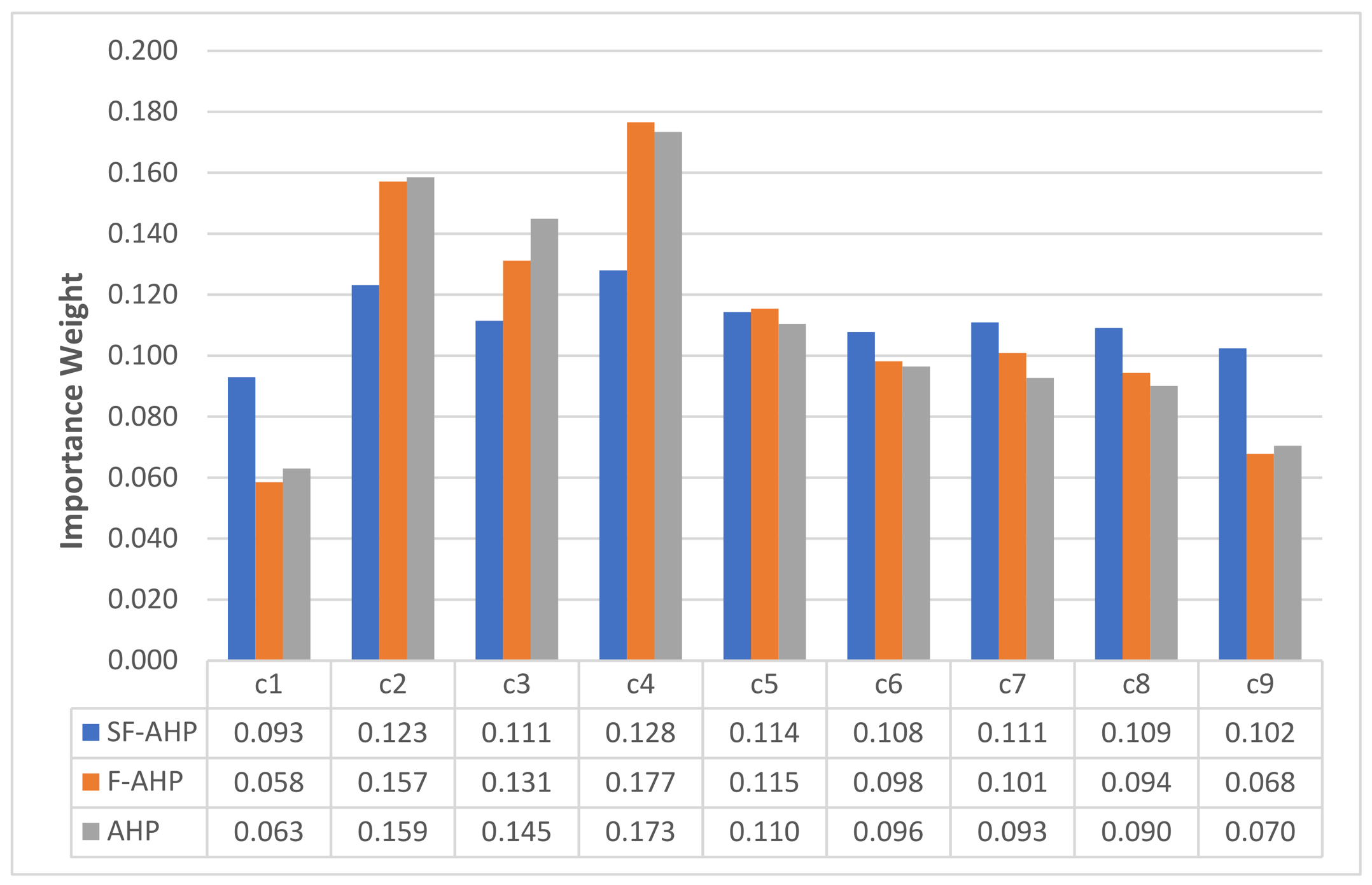
Figure 6 presents the comparative importance weights obtained from the SF-AHP, F-AHP, and AHP methodologies.
Upon examining the total weights, it is evident that the three methods produced consistent results. Furthermore, as shown in
Table 4, the correlation coefficients derived from the analysis indicate a high degree of correlation between each method. This demonstrates that the comparisons are based on a strong consensus.
Upon examining the results obtained from all methods, it is evident that criterion C4 (data analytics to boost agricultural output) has the highest importance score. The consistent identification of C4 as the most significant criterion across all methods demonstrates that it is the most critical success factor in the context of this decision problem, thereby supporting the robustness of the results obtained from different approaches. The next most influential criteria are C2, C3, and C5, indicating that these are fundamental determinants within the decision problem and play a supportive role for the key success factor. It is also apparent that criteria C6, C7, and C8 do not exhibit significant differences across the methods; thus, these can be considered as supporting criteria within the decision model. Finally, the criteria with the lowest importance weights are C1 (government subsidies for enterprises to deploy Industry 4.0 technologies) and C9 (regulatory uncertainty and lack of a standardised metric and measurement method for a CE). Although these criteria have relatively low importance weights, the mutually supportive and interconnected nature of each success factor in the transition to a CE means that all factors should be evaluated holistically. Therefore, even if assigned the lowest weights, they must not be overlooked during evaluation. The final ranking results are presented in
Table 5.
Following the comparative analysis, it is evident that the results obtained from the F-AHP and AHP methods are closely aligned. This similarity does not present a contradiction with the SF-AHP method; rather, it reinforces its outcomes. The theoretical underpinning of the SF-AHP approach, which incorporates uncertainty, is substantiated by the concordant results from the other analyses, demonstrating its capacity to yield more balanced outcomes and facilitate flexible modelling. Notably, the overall evaluation reveals that all three methods generate analogous rankings, thereby confirming the model’s methodological consistency. Such consistency indicates that the criterion weights derived from the analyses may serve as a robust and reliable reference point. Within the findings, criterion C4 (data analytics to boost agricultural output) emerges as the most significant. Nevertheless, criteria C2, C3, and C5 are also identified as critical determinants for the success of digitalisation in the transition of agri-food SMEs towards a CE. It is therefore imperative that policymakers and practitioners prioritise these criteria. Furthermore, the analysis underscores that these criteria should not be considered in isolation, but rather within a holistic framework, in order to ensure successful outcomes.
4.2. Sensitivity Analysis
To assess the robustness of the criterion weights derived from the SF-AHP method, a leave-one-out (LOO) sensitivity analysis was performed. The central premise of LOO analysis is to determine whether the results of a model change significantly when a key unit or condition is systematically excluded. If no substantial variation is observed across scenarios, the findings of the proposed research method may be considered robust [
82,
83]. In line with this approach, the SF-AHP calculations were repeated five times, each time excluding the judgement of one expert and using the evaluations of the remaining four experts. This process generated five alternative scenarios in total. The criterion rankings from each scenario were subsequently compared with the original ranking, which included all experts, by employing Spearman’s rank correlation coefficient.
The results of the LOO analysis are presented in
Table 6. In four out of five scenarios, the Spearman rank correlation coefficient exceeded 0.80, indicating that the criterion rankings remain largely unchanged even when any single expert is excluded from the analysis. These findings demonstrate that the criterion weights derived from the SF-AHP method are robust across the five different scenario compositions in which one expert is omitted.
5. Discussion
In this study, the critical success factors associated with the digitalisation of SMEs operating in the agri-food sector during their transition to a CE were identified within the PESTEL framework. Subsequently, these factors were analysed using the SF-AHP method, and their importance weights were determined. The findings indicate that the digitalisation of SMEs in the agri-food sector, in the context of the transition to a CE, constitutes not merely a technological transformation but a multi-layered process encompassing economic, organisational, and environmental dimensions. While the PESTEL framework facilitated the classification of these factors, the TOE perspective elucidates whether their influence primarily arises from technological capability, organisational readiness, or environmental pressure.
In particular, data analytics to boost agricultural output (C4) emerged as the most critical success factor across all methods. This result is consistent with studies demonstrating that digital technologies such as big data analytics, AI, and IoT enhance efficiency, resource effectiveness, and decision-making accuracy in agri-food systems [
37,
49,
53]. Varbanova et al. (2025) emphasise that data analytics and management information systems (MIS) play a pivotal role in enhancing productivity and sustainability in modern agri-food enterprises [
37]. Big data analytics and AI applications enable real-time decision-making processes that optimise resource use and improve the overall efficiency of the agri-food supply chain. Moreover, the literature indicates that automation and real-time analytics strengthen supply chain resilience, reduce waste, and improve resource efficiency in alignment with CE principles [
12,
37]. These technologies support both economic and environmental sustainability by improving production forecasts, optimising resource use, and strengthening supply chain coordination. However, Khan et al. (2023) identify twelve key barriers limiting the adoption of IoT applications in food supply chains and emphasise that overcoming these barriers is essential for a sustainable transformation [
84]. These barriers include complex system architecture, high investment and operational costs, insufficient IT infrastructure, lack of regulatory standards, low awareness, shortage of skilled personnel, trust and data-sharing issues, lack of information management systems, data heterogeneity, supplier limitations, as well as cybersecurity and privacy risks. In developing countries, infrastructure deficiencies and financial constraints further impede the diffusion of IoT technologies. Consequently, the effective implementation of IoT is widely emphasised in the literature as requiring public support, infrastructure investment, education and awareness-raising initiatives, as well as robust collaboration among stakeholders. A study conducted in the Turkish context demonstrates that IoT/IoE-based smart agriculture technologies yield significant benefits, including increased productivity, optimisation of resource use, cost reduction, product traceability, disease detection, and support for sustainable production. However, multidimensional barriers continue to restrict their widespread adoption. In particular, low digital literacy, a lack of technical skills, and insufficient training opportunities hinder users’ ability to operate these systems effectively, while low awareness and uncertainty regarding perceived benefits negatively influence technology acceptance. Furthermore, system complexity and poor user-friendliness deter adoption, whereas high costs and inadequate infrastructure (internet and IT systems) constrain implementation. Data security and privacy risks, alongside threats of cyberattacks and data manipulation, engender a lack of trust among stakeholders and reluctance to share information [
30]. Taken together, these findings suggest that the successful implementation of IoE in the agri-food sector requires not only technological advancements but also the concurrent development of socio-technical dimensions, such as human factors, education, trust, and infrastructure. From an applied perspective, this indicates that managers should regard investments in data infrastructure and analytical capabilities not merely as operational tools, but as strategic levers for circular transformation. Policymakers, meanwhile, should develop digital infrastructure support and incentive mechanisms for data-driven technologies, particularly to facilitate SME access.
High investment costs (C2), which rank second, constitute a fundamental barrier frequently emphasised in the literature. Financial constraints, infrastructure deficiencies, and substantial start-up costs are noted as significant obstacles to the adoption of Industry 4.0 and CE applications among SMEs in the agri-food sector [
12,
58,
60,
85]. This situation underscores that the circular transition represents not only a technological process, but also an economic and structural transformation [
60]. Accordingly, the development of financial support mechanisms—such as grants, tax incentives, and public–private partnerships—is critical. Without such measures, even technologies with substantial potential benefits are unlikely to achieve widespread adoption, particularly in developing countries.
According to the results of our study, efficient technology for the CE process (C5) ranks third among all success factors and is identified as a critical priority. This finding is directly aligned with the literature, which emphasises that digitalisation in agri-food supply chains is not merely a supporting function but constitutes a foundational infrastructure enabling circularity [
12]. Yontar demonstrates that efficient technologies such as blockchain enhance trust and collaboration among stakeholders by providing a “single version of truth” regarding resource utilisation and waste management. According to the author, this technological efficiency improves traceability throughout the product life cycle and enables the digital optimisation of waste management and recycling processes [
24]. Conversely, Chen et al. conceptualise this process from the perspective of “strategic data governance,” highlighting that AI-driven open innovation breaks down data isolation between supply chain partners [
23]. The authors argue that such technological integration enables organisations to collaborate with external partners and to address complex sustainability challenges by optimising circular product portfolios. Consequently, the high importance of factor C5 confirms the need for both a transparent traceability infrastructure and a partnership-based data management model for agri-food SMEs in Türkiye as they transition towards a circular economy.
The high ranking of “willingness to learn new knowledge or deploy Industry 4.0 technologies” (C3) is consistent with the literature, which emphasises that the success of CE practices depends not only on access to technological capabilities and data utilisation, but also on organisational learning, employee skills, and openness to innovation [
10,
51,
61,
63]. This factor reflects the motivation and openness of managers and employees in agri-food enterprises to acquire the new knowledge and skills necessary to modernise traditional business models and integrate Industry 4.0 solutions into operations. Technological transformation is not merely a matter of technical infrastructure, but also a process of individual motivation and learning. At the individual level, this willingness constitutes a key driving force enabling employees to adapt to the digital transformation process and to use next-generation technological tools effectively [
10]. Integrating collaborative work into a strategic data management model can significantly accelerate technological development by fostering an environment in which knowledge sharing and open innovation are prioritised [
23]. In particular, within digital transformation processes, an adaptive organisational culture plays a critical role alongside data-driven capabilities and collaborative innovation practices. Existing studies indicate that digital skills and openness to learning are important determinants of CE and digital transformation processes [
62]. In this context, agri-food SMEs should establish organisational structures that focus on continuous training, skill development, and learning. Nevertheless, field realities indicate that there are significant barriers to this theoretical willingness. The literature highlights that farmers’ limited knowledge base, age-related factors, and attachment to traditional practices impede knowledge sharing and adaptation to new technologies [
68].
The literature emphasises that contextual factors such as organisational structure, infrastructure, and the regulatory environment significantly influence digital transformation and CE practices. Culture also plays a determining role in this process. Although culture does not operate directly through technology, it influences the transition to a CE via factors such as decision-making, trust, risk perception, and business practices. It has been shown that cultural factors—particularly at the SME level—shape technology acceptance, risk perception, and collaboration tendencies, thereby affecting the diffusion of CE practices [
86]. Findings from the World Values Survey for Türkiye indicate that interpersonal trust is primarily based on personal relationships rather than institutional structures, collectivist tendencies are relatively strong, and levels of uncertainty avoidance are high [
87]. These socio-cultural characteristics reinforce a cautious approach towards digital technologies, thereby influencing digitalisation processes in agri-food SMEs. Specifically, in rural regions of Türkiye, the high average age of farmers, limited levels of digital skills, restricted digital competence among agricultural advisory personnel, and the cultural distance between AgTech providers and users make it more difficult for farmers to adopt new technologies and diminish their willingness to learn [
28]. Moreover, the prevalence of family-owned business structures, hierarchical management approaches, cautious attitudes towards change, and traditional decision-making tendencies may also affect the rate of adoption of digital technologies in agri-food SMEs in Türkiye. These cultural conditions suggest that not only financial or technological resources, but also managerial mindsets and organisational behaviour patterns, are decisive for the success of digital transformation. In this respect, the results should be interpreted within Türkiye’s specific socio-cultural and institutional context, bearing in mind that the digitalisation process cannot be considered independently of these local dynamics.
The “Energy conservation and environmental protection” (C7) factor represents one of the core operational and environmental objectives of Industry 4.0 technologies within agri-food supply chains. As highlighted by Zhao et al., this factor entails transforming operational processes into a sustainable structure that reduces work intensity and resource consumption through energy efficiency, waste management, and resource recycling [
68]. A key motivation for the adoption of Industry 4.0 technologies is the direct objective of reducing energy consumption; this acts as a strategic enabler that simultaneously delivers cost reductions for enterprises and enhances environmental protection [
10]. The emphasis on “reducing work intensity” is particularly significant, as it reflects the elimination of unnecessary processes and energy-intensive repetitive tasks through technological automation, thereby improving overall system efficiency. These findings are strongly aligned with results presented specifically for the Turkish agri-food sector. Yontar (2023) [
24] identifies that the main contributions of digitalisation to the CE are the enhancement of resource efficiency and carbon footprint tracking. In Yontar’s model, the optimisation of energy and raw material use in agri-food networks through digital tools plays a fundamental role in reducing operational costs. The study also demonstrates that carbon footprint tracking constitutes a necessary technological infrastructure for measuring emissions arising from energy use and for preventing waste. However, field realities in Türkiye make it difficult to fully realise the potential of energy efficiency and environmental protection. As identified by Höllinger and Sener (2025), the limited diffusion of digital solutions in rural regions of Türkiye constrains the capacity for precision management in the use of water, fertiliser, and energy [
28]. These technological limitations and digital skill gaps hinder the optimisation of resource use, thereby preventing the full realisation of energy-saving and environmental protection potential. An analysis of agricultural cooperatives in Türkiye further reveals that structural issues, such as deficiencies in energy and waste management and inadequate environmental management systems, restrict circularity [
60]. The study emphasises that, owing to the high implementation costs of green practices and ineffective recycling policies, waste cannot be recovered as an energy source. This indicates that, in order to achieve the C7 factor in agri-food SMEs in Türkiye, not only technological transformation but also managerial deficiencies and high-cost perceptions must be addressed. Consequently, the C7 factor should be regarded as an essential strategic priority for agri-food SMEs in Türkiye, both to control energy costs and to achieve competitive advantage through alignment with global sustainability standards.
Recent trends in the literature indicate that the success of regenerative agriculture is increasingly dependent on the integration of digital technologies into agricultural production systems. In particular, technologies such as IoT, artificial intelligence, blockchain, and nanosensors are reported to enhance environmental monitoring capacity, making regenerative agriculture practices more resilient and sustainable, while also facilitating the adaptation of small-scale producers to these practices [
61,
72]. From a TOE perspective, successful digitalisation in circular agri-food SMEs depends on the alignment between technological capabilities and environmental sustainability requirements. In this context, the “regenerative agriculture infrastructure” (C8) factor represents the infrastructural foundation through which digital technologies can support resource recovery, ecosystem restoration, and resilient production systems [
56]. However, the relatively low ranking of this factor suggests that experts perceive regenerative agriculture infrastructure not as a short-term driver of digitalisation, but rather as a long-term transformation condition. Similarly, although it is emphasised that the integration of digital agriculture with regenerative production systems can enhance soil health, resource efficiency, and climate resilience, these benefits are largely realised only when sufficient organisational readiness and technological capacity are in place [
71]. In the Turkish context, regenerative agriculture is regarded as an important approach capable of strengthening agricultural sustainability in the face of increasing soil degradation and ecological pressures [
73]. Accordingly, the present finding suggests that agri-food SMEs in Türkiye recognise the strategic importance of regenerative infrastructure; however, due to limited resources, they tend to prioritise more immediate digitalisation concerns such as investment costs and operational efficiency in the short term.
In our analysis, the “ability to prevent food waste” (C6), which ranks seventh among nine factors, confirms that preventing food waste is not an isolated endeavour; rather, it constitutes an operational capability that can only be realised with the maturation of foundational competencies such as data analytics (C4) and technological infrastructure (C5), both of which rank higher. Yontar (2023) [
24] argues that the integration of smart contracts and modernised logistics processes reduces logistics delays and processing times, which are among the principal structural challenges in the agri-food chain. According to the author, blockchain-based automated inventory control and real-time order processing mechanisms ensure that food products reach consumers without spoilage, thereby directly preventing waste resulting from waiting times. Furthermore, the study highlights that establishing systematic recycling tracking extends the resource lifecycle and technically enables waste minimisation, a core principle of the circular economy. In the Turkish context, given the chronic deficiencies in post-harvest logistics infrastructure [
70], the position of C6 in seventh place suggests that SMEs primarily seek to achieve maturity in digital infrastructure and data management, with food waste prevention capability anticipated as an operational outcome of this technological transformation. This indicates that the integration of smart systems into operational processes to systematically reduce food loss is perceived as a more advanced stage in the transition towards a circular economy.
Although regulatory uncertainty and the lack of standardised metrics and measurement methods for a CE (C9), as well as government subsidies for enterprises to deploy Industry 4.0 technologies (C1), rank lower, they nonetheless retain structural importance. The literature indicates that uncertain regulations, lack of standards, and inadequate policy frameworks significantly hinder the implementation of CE practices [
12,
59,
60]. While Ada et al. [
60] point out that the absence of a robust legal framework to support these initiatives constitutes a major challenge, Stanescu et al. [
12] emphasise that the lack of standardised approaches to performance measurement and progress evaluation is a significant barrier to the effective monitoring of circular initiatives. However, government incentives can play a facilitating role, particularly in overcoming financial and infrastructure barriers [
10]. Within this framework, policymakers must establish clear and consistent regulatory frameworks, develop standardised measurement systems, and ensure long-term policy stability. Although incentive mechanisms are not sufficient on their own, when implemented alongside appropriate institutional structures [
10,
60], they can serve as important tools to accelerate transformation.
Finally, when these findings are evaluated, it becomes evident that the success factors for digitalisation in the transition process of agri-food SMEs towards a CE require a phased roadmap, particularly in the context of developing countries. The process begins with a technology- and data-driven approach, is subsequently supported by economic and organisational factors, and is ultimately complemented by environmental and institutional dimensions. Strategically, the initial phase necessitates prioritised investment in data analytics to boost agricultural output (C4), serving as the foundational driver for this digital transformation. Such investment enhances the accuracy of production forecasts, optimises resource use, and strengthens supply chain coordination. The second phase should address the challenge of high investment costs (C2), where grants, tax incentives, and public–private partnership mechanisms become critical. The third phase concerns data-driven collaboration, strategic data governance, and organisational learning (C5, C3). The effectiveness of these processes depends on firms’ capacity to engage in knowledge sharing and collaborative innovation across the supply chain, supported by employees’ motivation to acquire new knowledge and skills. In the fourth phase, environmental sustainability factors (C6, C7, C8) must be integrated into strategic planning, as they emerge as outputs of digital and organisational capacity and directly contribute to resource optimisation and waste reduction. As complementary dimensions of the roadmap, regulatory uncertainty and the lack of standardised metrics and measurement methods for a CE (C9), along with government subsidies for enterprises to deploy Industry 4.0 technologies (C1), retain their strategic significance. Clear regulations and coherent policy mechanisms facilitate the successful and sustainable adoption of digitalisation in the transition to a CE. This approach enables SMEs in the agri-food sector of developing countries to plan their digitalisation in the transition to a CE not merely as a technological investment, but as an integrated strategic process encompassing economic, organisational, and environmental dimensions.
The results of our study are consistent with the current agricultural transformation literature in emphasising the importance of technological tools (C4, C5) and organisational learning willingness (C3) [
44]. However, in contrast to large-scale firms—typically resource-rich and beneficiaries of substantial government incentives—the motivational effect of government subsidies (C1) is relatively weak for agri-food SMEs in developing countries. Instead, high investment costs (C2) emerge as a significant operational bottleneck. This finding suggests that digital transformation strategies cannot adopt a “one-size-fits-all” approach and must be tailored to firm size (SMEs) and CE objectives.
6. Implications
6.1. Theoretical Implications
This study makes several theoretical contributions to the literature on digitalisation in the transition to a CE within agri-food SMEs. The findings support the applicability of the TOE framework in explaining digitalisation processes in the agri-food sector. Consistent with the TOE perspective, the results demonstrate that digital transformation in SMEs does not depend solely on technological conditions but arises from the combined effects of technological capability, organisational readiness, and environmental context. This aligns with previous research, which argues that SME digitalisation should not be regarded merely as a technological adoption decision, but rather as a multidimensional organisational process. This study extends the application of the TOE framework. The findings indicate that the relative importance of TOE dimensions may vary according to sectoral and contextual conditions. In comparison with the existing literature, the results demonstrate that the explanatory weight of the TOE dimensions is not fixed, but may change depending on sectoral structure, resource constraints, and sustainability pressures. Thus, the study strengthens the contextual interpretation of the TOE framework for agri-food SMEs under the pressure of circular transformation in developing countries.
The study also shows that the combined use of the PESTEL and TOE frameworks enables a more systematic explanation of digital transformation under CE conditions. In this research, PESTEL was utilised to identify and classify success factors, while TOE was employed to explain how these factors operate at the organisational level. This dual-framework approach provides a more integrated conceptual perspective for the agri-food sector. By contributing to the digital transformation literature concerning the transition to a CE among agri-food SMEs in developing countries, the study demonstrates that institutional and cultural contexts can influence how the TOE dimensions are shaped in practice. The Turkish context reveals that financial constraints, traditional management structures, and a cautious approach to technology can alter the relationship between technological opportunity and organisational adoption. This suggests that digital transformation models developed in advanced economies must be contextually reinterpreted when applied to SMEs in developing countries.
Finally, from a methodological perspective, the study contributes to the prioritisation of critical success factors under uncertainty by employing a fuzzy multi-criteria decision-making approach (SF-AHP). The integration of a theory-based classification structure with a fuzzy decision-making method enables more systematic and reliable analysis of complex digitalisation decisions in SMEs.
6.2. Practical Implications
The findings of this study also provide several practical implications for managers and policymakers seeking to accelerate digitalisation in agri-food SMEs during the transition to a CE. First, managers should view digitalisation not as an isolated technology investment, but as a holistic transformation process. The findings indicate that “Data Analytics to boost agricultural output” is the most critical success factor. This implies that firms need to prioritise systems that enable real-time data collection, predictive analytics, and resource optimisation. Accordingly, managers should not only invest in digital tools but also develop organisational capabilities that transform operational data into strategic decision-making inputs.
The prominence of high investment costs highlights the necessity for robust financial planning at the firm level, alongside targeted support mechanisms at the policy level. For many agri-food SMEs, the adoption of advanced technologies is constrained by limited capital, uncertain returns, and high implementation costs. Consequently, policymakers should introduce investment incentives, low-interest financing schemes, tax reductions, and public–private partnership models specifically tailored to the needs of small agricultural enterprises. Unless the financial burden is alleviated, a significant proportion of digital transformation initiatives may remain inaccessible to small-scale firms.
The importance of willingness to learn and technological competence emphasises the central role of human capital in digital transformation. Firms must establish continuous training systems to enhance digital literacy, sustainability awareness, and employee adaptability. This is particularly critical for agri-food SMEs, where decision-making processes are often centralised, and technology adoption largely depends on the attitudes of business owners. Therefore, the implementation process requires not only technological readiness, but also organisational readiness.
On the other hand, although IoT, AI, and blockchain technologies enhance traceability and efficiency, they may also introduce risks such as cybersecurity vulnerabilities, data privacy concerns, maintenance costs, and operational disruptions. Consequently, managers must integrate risk governance, digital security protocols, and infrastructure resilience into their implementation strategies. Successful digitalisation can only be achieved through the effective management of such systemic vulnerabilities.
Although regulatory factors appear to have a relatively lower level of statistical importance, the critical role of regulatory clarity should not be underestimated. SMEs are likely to postpone digital investments when legal requirements, performance metrics, and reporting standards remain uncertain. Therefore, governments should develop CE guidelines, sector-specific digital standards, and measurable sustainability indicators. A stable regulatory environment strengthens long-term planning and enhances managerial confidence.
Ultimately, the Turkish context of this study underscores the importance of acknowledging cultural barriers to digital adoption. In numerous agri-food SMEs, entrenched traditional business practices, risk-averse mindsets, and management styles centred on interpersonal relationships can impede the uptake of new technologies. Accordingly, practical support should extend beyond financial incentives to encompass advisory services, mechanisms for building trust, and sector-specific extension services aimed at mitigating resistance to organisational change. Digital transformation in agriculture is not solely a technical matter; it also constitutes a managerial and cultural transformation that necessitates coordinated institutional support.