

Hidden Ethnomedicinal Diversity in a Fine-Scale Study from Konak, Eastern Anatolia


Abstract
1. Introduction
2. Results
2.1. Demographic Characteristics of Study Participants
2.2. Plant Parts, Routes of Administration and Therapeutic Use Distribution
2.3. Mixtures
2.4. Plants Used as Folk Medicine in Konak Region
3. Discussion
4. Materials and Methods
4.1. Study Area
4.2. Interviews with Local People
4.3. Plant Materials
4.4. Calculations
5. Conclusions
Author Contributions
Funding
Data Availability Statement
Acknowledgments
Conflicts of Interest
Abbreviations
| BCE | Before Common Era |
| FIC | Informant Consensus Factor |
| GPS | Global Positioning System |
| ICF | Informant Consensus Factor |
| N | Number of informants |
| Nt | Number of taxa |
| Nur | Number of use-reports |
| spp. | Species |
| UV | Use value |
Appendix A
Literature Review

| Plant Name (Family)—Voucher No. | Literature Review | Used Part | References |
|---|---|---|---|
| Ajuga chamaepitys subsp. chia (Lamiaceae)- TK 1008 | Anti-allergic, Antipyretic, Cough, Cystitis, Diabetes, Diuretic, Emenagog, Gynecological diseases, Hemorrhoid, Internal diseases, Stomachache, Strengthening agent, Urinary diseases | Aerial part | [19,42,43,44] |
| Cough, Diabetes, Hemorrhoid, Healing wound, Wound healing | Flower | [21,44,45] | |
| Anti-allergic, Antipyretic, Cough, Cystitis, Diabetes, Diuretic, Emenagog, Gynecological diseases, Hemorrhoid, Strengthening agent, Urinary diseases | Leaves | [44] | |
| A. chamaepitys subsp. laevigata (Lamiaceae)- TK 1007 | Cough, Hemorrhoid, Stomachache, Wound healing | Aerial part | [43,44,46] |
| Alcea apterocarpa (Malvaceae)- TK 1223 | Bronchitis, Cancer, Cough, Dyspnea, Gastrointestinal diseases, Inflammation, Infertility, Wound healing | Aerial part | [14,44] |
| Bronchitis, Cough, Dyspnea, | Flower | [44,47], | |
| Bronchitis, Cough, Dyspnea, | Leaves | [44] | |
| Gastrointestinal diseases, Hemorrhoid, Inflammation, Wound healing | Root | [44] | |
| Allium ampeloprasum (Amaryllidaceae)- TK 1115 | Abscess, Blurred vision, Diabetes, Skin diseases, Strengthening, Wound healing | Bulb | [44,48] |
| Abscess, Skin diseases, Wound healing, | Root | [44] | |
| Blurred vision, Diabetes, | Scape | [48] | |
| Abscess, Anticancer, Skin diseases, Wound healing, | Whole plant | [44,46] | |
| A. cepa (Amaryllidaceae)- TK 1228 | Abscess, Crushed, Inflammation, Scabies, Wound healing, | Bud | [44] |
| Abdominal pain, Abortive, Abscess, Accelerate the menses, Analgesic, Antipyretic, Anuria, Arteriosclerosis, Bee bites, Bee sting, Bronchitis, Bruise, Carminative, Cicatrizing, Cough, Crushed, Diabetes, Digestive, Diuretic, Dysmenorrhea, Edema, Emanagog, Expectorant, Flu, Foot sprain, Fractured bones, Fracture, Gastric pain and ulcer, Gastric ulcers, Headache, Hemorrhoid, Hypercholesterolemia, Hypertension, Inflamed wound, Inflamed wounds, Inflammation, Kidney stone, Laxative, Maturation of abscess, Menstrual pain, Menstrual regulator, Muscular or rheumatic pain, Otitis, Paralysis, Prostatic diseases, Rheumatism, Scabies, Scorpion bites, Sprain, Stomachache, Swelling, Treat paralysis, Uterine inflammation, Uterus inflammation, Urinary inflammation, Whitlow, Wound healing, Wounds | Bulb | [14,15,18,42,43,44,46,49,50,51,52,53,54,55,56,57,58] | |
| Abortifacient, Dysuria, | İnner skin | [50] | |
| Abdominal pain, Arteriosclerosis, Carminative, Diabetes, Digestive, Gastric pain, Hemorrhoid, Hypercholesterolemia, Hypertension, Laxative, Ulcer, | Whole plant | [44] | |
| Abortive, Cough, Diuretic, Emanagog, Expectorant, Flu, Kidney stone, Menstrual pain, Menstrual regulator, Prostatic diseases, Uterine inflammation, Urinary inflammation | Leaves | [15,44] | |
| Appetizing, Diuretic, | Seed | [22] | |
| A. sativum (Amaryllidaceae)- TK 1214 | Abscess, Acne, Alopecia, Alopecia areata, Anthelmintic, Antihypertensive, Antiseptic, Appetizer, Arteriosclerosis, Bee bite, Cancer, Cardiac diseases, Carminative (for animal), Cardiovascular diseases, Cholesterol lowering, Cold, Diabetes, Diarrhea, Earache, Eczema, Erection, Erectile dysfunction, Expel worms, Flu, Food intoxication, Gastrointestinal diseases, Hair loss, Halitosis, Headache, Hemorrhoids, Hordeolum, Hypertension, Hypercholesterolemia, Hypotensive, Insect-bite, Lumbago, Malaria, Ovary diseases, Poisoning, Poisoning cattle, Rheumatic pain, Rheumatism, Ringworm, Scorpion bites, Scorpion poison, Skin Inflammation, Snake bite, Stye, Sunstroke, Tinea barbae, Tinea pedis, Whitlow, Wound healing, Worms | Bulbus | [18,37,42,44,46,48,49,50,51,52,53,54,55,57,58,59,60,61] |
| Cold, Diabetes, Flu, | Flower | [48] | |
| Arteriosclerosis, Cancer, Cardiac diseases, Cardiovascular diseases, Cold, Diabetes, Diarrhea, Diuretic, Epilepsy, Flu, Gastrointestinal diseases, Hemorrhoid, Hypertension, Hypercholesterolemia, Kidney stone, Poisoning, Worms | Leaves | [44,48] | |
| Antihypertensive, Antiseptic, Appetizing, Heart regulation | Seed | [22] | |
| Arteriosclerosis, Cancer, Cardiac diseases, Cardiovascular diseases, Diarrhea, Diabetes, Gastrointestinal diseases, Hemorrhoid, Hypercholesterolemia, Hypertension, Poisoning, Worms | Whole plant | [44], | |
| Anchusa azurea var. azurea (Boraginaceae)- TK 1088 | Acne, Allergy, Antihypertensive, Burn, Carminative, Diabetes, Diaphoretic, Digestive, Diuretic, Eczema, Gastric pain, Gastric ulcer, Headache, Kidney diseases, Lip care, Rheumatism, Wound healing | Aerial part | [44,53,62] |
| Burn, Diaphoretic, Eczema, Lip care, Stomachache, Stress, Tranquilizer, Wound healing | Flower | [20,26,36,44] | |
| Burn, Cold, Desiccant, Diaphoretic, Diuretic, Eczema, Flu, Gastric pain, Gastric ulcer, Hemostatic, Kidney diseases, Lip care, Rheumatism, Stomachache, Wound healing | Leaves | [15,18,19,20,26,42,44,46,54,63] | |
| Antihypertensive, Burn, Carminative, Diabetes disease, Diaphoretic, Digestive, Eczema, Lip care, Rheumatism, Wound healing | Root | [43,44,53] | |
| Anethum graveolens (Apiaceae)- TK 1014 | Aperitif, Antihypertensive, Carminative, Cholesterol, Digestive, Enteritis, Female diseases, Gastric diseases, Hiccough, Goiter, Hemorrhoids, Hypercholesterolemia, Kidney inflammation, Lactation, Strengthening | Aerial part | [44,64] |
| Diuretic, Headache, Hemorrhoids, Hiccup, Appetizing, Galaktagog, Tranquilizer, Digestive, Carminative, Gastric diseases, Aperitif, Digestive, Enteritis, Strengthening, Halitosis, Hair loss, Female diseases, Lactation, Goiter, Hiccough | Leaves | [44,48,65] | |
| Cholesterol | Root | [64] | |
| Diuretic, Headache, Hemorrhoids, Hiccup | Seed | [48] | |
| Cholesterol | Whole plants | [64] | |
| Anthemis candidissima (Asteraceae)- TK 1125 | Diarrhea | Capitulum | [44], |
| A. haussknechtii (Asteraceae)- TK 1015 | None | None | None |
| Anthyllis vulneraria subsp. boissieri (Fabaceae)- TK 1198 | None | None | None |
| Arnebia decumbens (Boraginaceae)- TK 1004 | None | None | None |
| Astragalus gummifer (Fabaceae)- TK 1035 | Hemostatic, | Aerial part | [44] |
| Throat diseases, Throat inflammation, | Latex | [20,26,44] | |
| Diabetes disease, Hemostatic, Throat diseases, | Root | [44,63] | |
| Bellis perennis (Asteraceae)- TK 1123 | Abscess, Acne, Bronchitis, Cold, Cough, Flu, Hair loss, Respiratory diseases, Shortness of breath, Throat pain, Tonsillitis | Aerial part | [44] |
| Abscess, Acne, Abdominal pain, Antispasmodic, Antitussive, Bronchitis, Carminative, Carminative (baby), Cold, Colds, Cough, Diarrhea, Diuretic, Dyspnea, Eye diseases, Flu, Gastric pain, Gastric ulcer, Headache, Hemorrhoid, Hair loss, Kidney stone, Respiratory diseases, Shortness of breath, Stomachache, Stomachache (for children), Throat pain, Tonsillitis, Tranquilizer, Urinary diseases, Urinary inflammations | Capitulum | [15,18,20,21,26,44,54,65,66,67,68,69] | |
| Headache | Whole plants | [51] | |
| Brassica oleracea (Brassicaceae)- TK 1213 | Abdominal pain, Abscess, Cardiac diseases, Cough, Digestive, Earache, Enteric diseases, Fever, Gastric pain, Gastric ulcer, Headache, Hoarseness, Inflammatory eyelid, Kidney stone, Pain in stomach, Pneumonia, Rheumatism, Rheumatism inflammation, Ulcer, Urinary inflammation, Wound healing | Leaves | [26,43,44,50,51,55,56,57] |
| Capsicum annuum (Solanaceae)- TK 1235 | Aperitif, Gastric pain, Gastric ulcer, Gastritis, Laxative, Stomachache | Fruit | [44,50] |
| Cicer arietinum (Fabaceae)- TK 1232 | Kidney stones, Nephralgia, Ringworm treatment, Wart treatment | Fruit | [48] |
| Diarrhea, Expel worms, Wound healing, Worms | Seed | [44,50] | |
| Citrus limon (Rutaceae)- TK 1242 | Acne, Antiemetic, Antihypertensive, Diuretic, Dandruff, Flu, Gastric pain, Headache, High fever, Kidney stone, Pneumonia, | Fruit | [44,50,51,60] |
| Headache, | Leaves | [44,70] | |
| Headache, | Pericarp | [70] | |
| Cornus mas (Cornaceae)- TK 1217 | Antifungal, Antipyretic, Aphtha, Diarrhea, Itching, Rush, Tine pedis, Toothache, Wart | Barks | [44,52,65,71] |
| Antihypertensive, Antipyretic, Aphrodisiac, Asthma, Bronchitis, Cardiac diseases, Cold, Cough, Diabetes, Diarrhea, Enteric pain, Flu, Gastric pain, Intestinal pain, Itching, Nephritis, Rush, Shortness of breath, Strengthening, Sun stroke, Sunstroke, Tinea pedis, Urinary inflammation, Wart | Fruits | [18,21,36,44,52,53,54,55,56,57,65,67,69,72,73] | |
| Abdominal pain, Antihypertensive, Bronchitis, Cardiac diseases, Cold, Cough, Diabetes, Diarrhea, Enteric pain, Flu, Gastric pain, Hypoglycemia, Shortness of breath, Urinary inflammation | Leaves | [44,53,55] | |
| Abdominal pain, Diabetes, Diarrhea, Enteric pain, Gastric pain, Intestinal pain, Sunstroke | Seed | [44,57,69] | |
| Crataegus monogyna (Rosaceae)- TK 1093 | Abdominal pain, Analgesic, Antihypertensive, Asthma, Bronchitis, Cardiac diseases, Cardiac disorder, Carminative, Cough, Diarrhea, Digestive, Gastric diseases, Gastric pain, Gastric ulcer, Headache, Heart diseases, Heart regulation, Hemorrhoid, Hypertensive, Laxative, Sedative, Stomachache, Stomach ailments, Tranquilizer, Urinary diseases, Vasodilator, Worm | Flowers | [15,18,22,23,26,44,52,69,72,74] |
| Abdominal pain, Anti-spasmodic, Antihypertensive, Arteriosclerosis, Arythmia, Cardiac diseases, Cardiac disorder, Cardiovascular diseases, Cardiotonic, Carminative, Diabetes, Diarrhea, Digestive, Gastric diseases, Gastric pain, Gastric ulcer, Headache, Hemorrhoid, Hypotensive, Hypertensive, Kidney stone, Kidney stones, Laxative, Palpitation, Sedative, Spondylosis, Strengthening, Stomach ailments, Urinary diseases, Vasodilator, Worm | Fruits | [18,23,26,36,44,46,48,60,68,69,72] | |
| Abdominal pain, Analgesic, Antihypertensive, Arteriosclerosis, Arrythmia, Cardiac diseases, Cardiotonic, Carminative, Diabetes, Diarrhea, Digestive, Gastric diseases, Gastric pain, Gastric ulcer, Headache, Heart regulation, Hypertensive, Hypotensive, Laxative, Palpitation, Sedative, Tranquilizer, Vasodilator, Worm | Leaves | [22,23,44,46,48,69] | |
| Abdominal pain, Diarrhea, Digestive, Gastric diseases, Gastric pain, Gastric ulcer, Headache, Hemorrhoid, Laxative, Stomach ailments, Toothache, Urinary diseases, Worm, | Stipes | [44,72] | |
| Snake bite, | Thorns | [26,44,71] | |
| Bullet, Circulation problems, Heart disease, Nail, Sedative, Spasm, Heel spur, Wound | Root | [45] | |
| C. orientalis subsp. orientalis (Rosaceae)- TK 1076 | Rheumatism, | Cortex | [44] |
| Antihypertensive, Bronchitis, Cardiac disorder, Heart diseases, Hemorrhoids, Kidney stone, Panacea, Stomachache, Stomach disorders, Vasodilator | Flower | [20,44,50,53,59,74] | |
| Cardiac disorder, Cardiotonic, Diabetes, Hemorrhoids, Kidney stone, Nephralgia, Panacea, Stomachache, Stomach disorders, Vasodilator | Fruit | [20,44,48,50,53] | |
| Cardiotonic, Diabetes, Kidney stones, Nephralgia, Vasodilator | Leaves | [48] | |
| Antihypertensive, Rheumatism, | Root | [14,44] | |
| Crocus damascenus (Iridaceae)- TK 1158 | None | None | None |
| Cucumis sativus (Cucurbitaceae)- TK 1231 | Hypercholesterolemia, Jaundice, Kidney stone, Laxative, Nephrolithiasis prevention, Sunburn, Diuretic | Fruits | [44,51] |
| Cyclotrichium niveum (Lamiaceae)- TK 1054 | Asthma, Tinea pedis, | Aerial part | [15,44] |
| Asthma, Tinea pedis, | Leaves | [15,44] | |
| Cydonia oblonga (Rosaceae)- TK 1219 | Abdominal pain, Aperitif, Bronchitis, Cold, Cough, Diarrhea, Digestive, Enteric diseases, Expectorant, Flu, Gastric diseases, Gastric pain, Respiratory diseases, Shortness of breath, Throat diseases, Tonsillitis, Tuberculosis | Cortex | [44] |
| Antihypertensive, Breast edema, Breast swelling, Cardiac diseases, Cardiotonic, Diabetes, Hemorrhoid, Hypercholesterolemia, Immunostimulant, Labor pain, Lactation, Stopping abortion, Uterine cancer, | Flower | [44] | |
| Abdominal pain, Aperitif, Asthma, Bronchial calmative, Bronchitis, Breast edema, Breast swelling, Cardiac diseases, Cardiotonic, Cold, Cough, Cystitis, Diabetes, Diarrhea, Digestive, Diuretic, Enteric diseases, Expectorant, Flu, Gastrointestinal diseases, Gastric diseases, Gastric pain, Hemorrhoid, Hypercholesterolemia, Immunostimulant, Lactation, Labor pain, Respiratory diseases, Shortness of breath, Stopping abortion, Throat diseases, Tonsillitis, Tuberculosis, Uterine cancer, | Fruits | [37,44,48,50,52] | |
| Abdominal ache, Abdominal pain, Aperitif, Antihypertensive, Antipyretic, Antitussive, Appetizer, Asthma, Breast edema, Breast swelling, Bronchitis, Cardiac diseases, Cardiotonic, Colds, Cold, Cough, Diabetes, Diabetes disease, Diarrhea, Diarrhea-animal, Diuretic, Digestive, Dysuria, Ease cough, Enteric diseases, Expectorant, Flu, Gastric diseases, Gastric pain, Gastrointestinal diseases, Headache, Hemorrhoid, Hemorrhoids, Hypercholesterolemia, Hypoglycemic, Immunostimulant, Influenza, Labor pain, Lactation, Respiratory diseases, Respiratory tract problem, Shortness of breath, Sore throat, Stomachache, Stomachache, Stopping abortion, Throat diseases, Tonsillitis, Tuberculosis, Uterine cancer, Urinary disorders, Wound healing, | Leaves | [15,37,43,44,48,50,51,52,53,55,56,57,59,60,61,67,69,71,72,73,74] | |
| Abdominal ache, Abdominal pain, Aperitif, Antihypertensive, Antipyretic, Antitussive, Appetizer, Asthma, Breast edema, Breast swelling, Bronchitis, Cardiac diseases, Cardiotonic, Colds, Cold, Cough, Diabetes, Diabetes disease, Diarrhea, Diarrhea-animal, Diuretic, Digestive, Dysuria, Ease cough, Enteric diseases, Expectorant, Flu, Gastric diseases, Gastric pain, Gastrointestinal diseases, Headache, Hemorrhoid, Hemorrhoids, Hypercholesterolemia, Hypoglycemic, Immunostimulant, Influenza, Labor pain, Lactation, Respiratory diseases, Respiratory tract problem, Shortness of breath, Sore throat, Stomachache, Stomachache, Stopping abortion, Throat diseases, Tonsillitis, Tuberculosis, Uterine cancer, Urinary disorders, Wound healing, | Seed | [44,52,69] | |
| Echinops pungens (Asteraceae)- TK 1206 | None | None | None |
| Elaeagnus angustifolia (Elaeagnaceae)- TK 1016 | Abdominal pain, Choleric diseases, Diuretic, Dysurea, Enteric diseases, Gall bladder ailments, Gastric diseases, Gastric pain, Gastric ulcer, Hepatic diseases, Incontinence, Kidney diseases, Kidney stone, Kidney Stones, Laxative, Urinary diseases, Wart, | Cortex | [44,52,57] |
| Abdominal pain, Amulet, Antipyretic, Aphrodisiac, As a vitamin, Blood purifying, Bronchitis, Choleric diseases, Cold, Diuretic, Enteric diseases, Fever, Flu, Gastric diseases, Gastric pain, Gastric ulcer, Hepatic diseases, Incontinence, Infertility, Kidney diseases, Kidney stone, Laxative, Nocturnal enuresis, Prostate disorders, Shortness of breath, Tonsillitis, Urinary diseases, Urinary incontinence | Flower | [15,24,44,45,46,65] | |
| Aphrodisiac, Abdominal pain, Antipyretic, As a vitamin, Asthma, Bronchitis, Carminative, Choleric diseases, Cold, Diabetes, Diuretic, Enteric diseases, Fever, Gall bladder ailment, Gastric diseases, Gastric pain, Gastric ulcer, Genital infections, Hepatic diseases, High cholesterol, Hypercholesterolemia, Incontinence, Infertility, Kidney ailment, Kidney diseases, Kidney stone, Kidney Stones, Laxative, Liver diseases, Nocturnal enuresis, pass kidney stone, Prostate disorders, Shortness of breath, Strengthening, Strengthening-Child, Sun stroke, Tonsillitis, Ulcer, Urinary tract infection, Urinary diseases, Urinary incontinence, Vision weakness, Wart | Fruit | [18,22,43,44,45,46,48,49,50,54,66,67,69] | |
| Abdominal pain, Antipyretic, Aphrodisiac, As a vitamin, Bronchitis, Choleric diseases, Cold, Diarrhea, Diuretic, Enteric diseases, Eye diseases, Fever, Gastric diseases, Gastric pain, Gastric ulcer, Hepatic diseases, Incontinence, Kidney diseases, Kidney stone, Laxative, Shortness of breath, To promote maturation of abscess, Tonsillitis, Urinary diseases, | Leaves | [36,42,44,45,59,60,69] | |
| Amulet, Blood purifying, | Root | [24] | |
| Abdominal pain, Choleric diseases, Enteric diseases, Gastric diseases, Gastric pain, Gastric ulcer, Hepatic diseases, Laxative | Seed | [44] | |
| Eminium intortum (Araceae)- TK 1071 | None | None | None |
| Euphorbia grisophylla (Euphorbiaceae)- TK 1005 | Constipation, | Latex | [63] |
| E. macrocarpa (Euphorbiaceae)- TK 1138 | Wound healing, | Latex | [44,64] |
| Ficus carica subsp. rupestris (Moraceae)- TK 1222 | Abscess, Abdominal pain, Cancer, Callus treatment, Constipation, Diarrhea, Eczema, Flu, Gastric ulcer, Hemorrhoids, Hypercholesterolemia, Infertility, Inflamed breast, Laxative, Respiratory regulation, Skin inflammation, Skin tag, Stomach ulcer, Wart, Wound healing, Wounds | Fruits | [18,22,42,44,48,54,55,56,64,70,72,75] |
| Abscess, Abdominal pain, Acne, Bee bites, Earache, Eczema, Hemorrhoids, Rhinorrhea, Scorpion bite, Skin inflammation, Skin tag, Stomach ulcer, Toothache, Wart, Wounds, | Latex | [14,42,43,44,49,57,59,61,66,71,72,73,75] | |
| Abscess, Abdominal pain, Asthma, Callus treatment, Cancer, Constipation, Eczema, Flu, Hemorrhoids, Infertility, Laxative, Skin inflammation, Skin tag, Stomachache, Wart, | Leaves | [44,48,54,55,60,61,71] | |
| Galium spurium subsp. ibicinum (Rubiaceae)- TK 1140 | None | None | None |
| Geranium tuberosum (Geraniaceae)- TK 1079 | None | None | None |
| Glycyrrhiza glabra (Fabaceae)- TK 1237 | Cancer, Wound healing, | Aerial part | [44] |
| Analgesic, Bronchitis, Flu, Gastrointestinal diseases, Hemorrhoids, Infertility, Respiratory tract diseases, Smoking addiction, Sunstroke | Leaves | [43,44,48] | |
| Abdominal pain, Analgesic, Antihypertensive, Asthma, Bronchitis, Cardiac disorders, Cold, Cough, Diabetes mellitus, Diarrhea, Digestive disorders, Diuretic, Ease of cough, Enteric diseases, Epilepsy, Expectorant, Flu, Gastric diseases, Gastric pain, Gastric ulcer, Gastrointestinal diseases, Hemorrhoids, Hypercholesterolemia, Immunostimulant, Internal pain, Kidney diseases, Kidney stone, Oral disinfectant, Respiratory regulator, Respiratory tract diseases, Smoking addiction, Stomachache, Stomachic, Tranquilizer, Worm infestation | Root | [15,18,22,23,24,43,44,48,50,56,57,64,68] | |
| Gundelia tournefortii (Asteraceae)- TK 1026 | Appetizing, Cardiac diseases, Diabetes, Eczema, Kidney ache, Kidney stone, Kidney stones, Strengthening | Aerial part | [44,45] |
| Aperitif, Aphrodisiac, Appetizing, Diabetes disease, Diarrhea, Dehydration, Digestive, Earache, Gastric diseases, Gingival strengthener, Kidney stones, Polydipsia, Strengthening gum, Tranquilizer | Latex | [15,18,20,26,44,45,50,53] | |
| Aphrodisiac, Cardiac diseases, Dermal allergic, Diabetes, Diabetes disease, Diarrhea, Digestive, Impotence, Jaundice, Kidney ache, Kidney stone, Prolonged menstrual bleeding, Vaginal discharges | Root | [18,44,46,53] | |
| Cold, Vitiligo, | Seed | [44,68] | |
| Helichrysum arenarium (Asteraceae)- TK 1038 | Cancer, Diabetes disease, Diuretic, Gastrointestinal diseases, Gynecological diseases, Hepatitis, Hypercholesterolemia, Itching, Kidney stones, Nephralgia, Stomach ulcer, Wound healing | Aerial part | [21,24,44,48,63] |
| Abdominal pain, Asthma, Carminative, Cough, Diarrhea, Diuretic, Earache, Gastric ulcer, Gynecologic diseases, Inflammation, Itching, Kidney diseases, Kidney gravel, Kidney stones, Nephralgia, Spontaneous kidney stone and sand passage, Stomach diseases, Stomachache, Ulcer, Wound healing | Capitulum | [23,44,45,47,65,66,74] | |
| Carminative, Diarrhea, Gynecologic diseases, Inflammation, Kidney diseases | Leaves | [23] | |
| H. plicatum subsp. plicatum (Asteraceae)- TK 1043 | Abdominal pain, Accelerate blood circulation, Cholagogue, Cold, Cough, Depreciatory, Diabetes, Diuretic, Earache, Earache (for baby), Flu, Gastric pain, Gastric ulcer, Hemostatic, Hypercholesterolemia, Jaundice, Kidney and stomach ailments, Kidney stone, Kidney stones, Larynx cancer, Prostatic diseases, Rheumatism, Sedative, Shortness of breath, Snake repellent, Stomachache, Stomach ulcer, Vascular diseases | Aerial part | [14,19,21,24,44,45,54,64] |
| Abdominal pain, Accelerate blood circulation, Anti-fungal, Cholagogue, Cold, Cough, Diabetes, Diabetes disease, Diuretic, Gastric pain, Gastric ulcer, Hepatitis, Hypercholesterolemia, Jaundice, Kidney Stones, Larynx Cancer, Piles on hand and foot, Shortness of breath, Urinary dysfunction, Vascular diseases, Wound healing | Capitulum | [15,20,22,44,50,53,57,63,68] | |
| Hordeum vulgare (Poaceae)- TK 1233 | Anorexia, Appetizing, Diarrhea, Intestinal regulation | Aerial part | [48] |
| Abscess, Bruising, Itching, Tinea pedis, Wart, Wound healing, | Flour | [44] | |
| Abdominal pain, Anorexia, Appetizing, Antipyretic, Bruising, Cough, Cough in pneumonia, Cold, Common cold, Diabetes, Diuretic, Dermatophytes, Edema (animal), Facial paralysis, Gonorrhea, Headache, Hypercholesterolemia, Immunostimulant, Intestinal regulation, Itching, Kidney inflammation, Kidney stone, Kidney stones, Nephritis, Rheumatic pain, Rheumatism, Skin inflammation, Strengthening, Tinea pedis, Tuberculosis, Urinary inflammation, Uterine inflammation, Wound healing | Seed | [18,20,26,44,48,50,52,55,56,57] | |
| Juglans regia (Juglandaceae)- TK 1221 | Abscess, Acne, Aperitif, Arteriosclerosis, Barber’s itch, Bleeding, Bronchitis, Cancer, Cardiac diseases, Cold, Cough, Dandruff, Diabetes, Diaphoretic, Digestive disorders, Eczema, Enteric laxative, Erysipeloid, Expectorant, Flu, Foot odor, Foot sweat, Freckle, Fungal diseases, Galactagogue, Gastric pain, Gonorrhea, Hair care, Hair loss, Hand care, Hemorrhoid, Hemostatic, Herpes, Hypercholesterolemia, Hypertensive, Hypoglycemic, Infertility, Malaria, Menstrual pain, Psoriasis, Promoter of abscess maturation, Respiratory diseases, Rheumatism, Scabies, Shortness of breath, Skin diseases, Skin inflammation, Strengthening agent, Syphilis, Throat diseases, Throat pain, Tinea pedis, Tonsillitis, Vaginal inflammation, Wart, Whopping cough, Wound antiseptic, Wound healing, Worm infestation | Cortex | [44,60,65,68] |
| Abscess, Acne, Analgesic, Antidiaphoretic, Antifungal, Antipyretic, Antiseptic, Antidiabetic, Aperitif, Aphtha, Arteriosclerosis, Arthralgia, Barber’s itch, Bee bites, Bleeding, Bronchitis, Cancer, Cardiac diseases, Cardiac disorder, Cardio tonic, Cholesterol lowering agent, Cold, Consciousness-expanding, Cough, Cystitis, Dandruff, Diaphoretic, Diarrhea, Diabetes, Digestive disorders, Edema, Enteric laxative, Eczema, Expectorant, Eye pain, Erysipelas, Erysipeloid, Fever, Flu, Foot odor, Foot sweat, Fracture, Freckle, Fungal diseases, Fungal infection, Gastric pain, Gingival diseases, Goiter, Gonorrhea, Hair care, Hair loss, Hair restorer, Headache, Hemorrhoid, Hemostatic, Herpes, High cholesterol, Hypercholesterolemia, Hypertensive, Hypoglycemic, Injury, Infertility, Kidney diseases, Kidney stone, Malaria, Memory improvement, Menstrual pain, Mouth ulcer, Nosebleed, Osteoporosis, Pain, Pimples, Promoter of maturation of abscess, Psoriasis, Respiratory diseases, Respiratory tract problem, Rheumatic pain, Rheumatism, Sore throat, Scabies, Skin diseases, Skin inflammation, Slimming agent, Sprain, Stomachache, Strengthening agent, Sunstroke, Syphilis, Tension regulator, Throat diseases, Throat pain, Tinea pedis, Tonic, Tonsillitis, Toothache, Tranquilizer, Urinary diseases, Vaginal inflammation, Vaginitis, Vasodilator, Wart, Whopping cough, Women’s sterility, Worm infestation, Wound, Wound antiseptic, Wound healing | Fruit | [14,15,18,19,26,42,44,45,46,48,50,51,52,53,54,55,57,61,63,64,66,67,68,69,71,72,73,74], | |
| Abscess, Acne, Analgesic, Antidiaphoretic, Antifungal, Antipyretic, Antiseptic, Antidiabetic, Aperitif, Aphtha, Arteriosclerosis, Arthralgia, Bee bites, Bleeding, Bronchitis, Cancer, Cardiac diseases, Cardio tonic, Cough, Cystitis, Dandruff, Diarrhea, Diaphoretic, Diabetes, Digestive, Edema, Enteric laxative, Epistaxis, Eczema, Expectorant, Eye pain, Female infertility, Fever, Flu, Foot odor, Foot sweat, Freckle, Fracture, Fungal diseases, Fungal infection, Gastric pain, Gingival diseases, Goiter, Gonorrhea, Hair care, Hair loss, Hair restorer, Headache, Hemorrhoid, Hemostatic, Herpes, Hypercholesterolemia, Hyper cholesterol, Hypertensive, Hypoglycemic, Injury, Infertility, Kidney diseases, Kidney stone, Malaria, Memory improvement, Menstrual pain, Mouth and nostril wounds, Pain, Pimples, Psoriasis, Promoter of maturation of abscess, Respiratory diseases, Rheumatic pain, Rheumatism, Scabies, Skin diseases, Skin inflammation, Slimming agent, Sprain, Stomachache, Strengthening agent, Sunstroke, Syphilis, Tension regulator, Throat diseases, Throat pain, Tinea pedis, Tonsillitis, Toothache, Galaktagog,, Urinary diseases, Vaginal inflammation, Vaginitis, Vasodilator, Wart, Whopping cough, Wound, Wound antiseptic, Wound healing, Worms, | Leaves | [15,22,23,36,42,43,44,46,47,48,50,52,55,56,57,58,59,61,65,67,68,69,70,71,72,74,75] | |
| Arteriosclerosis, Arthralgia, Cancer, Cardiac diseases, Diabetes, Edema, Fracture, Hemorrhoid, Hemostatic, Hypercholesterolemia, Hypertensive, Injury, Rheumatism, Slimming agent, Sprain | Roots | [43,44,52] | |
| Malus domestica (Rosaceae)- TK 1229 | Antipyretic, Dyspepsia, | Fruit | [44,57] |
| Scorpion bite, | Leaves | [42] | |
| Malva neglecta (Malvaceae)- TK 1059 | Abdominal pain, Abortion, Abscess, Acne, Amenorrhea, Anemia, Anti-inflammatory, Anti-hypertension, Antipyretic, Antitussive, Aphonia, Aphtha, Arthralgia, Asthma, Boil, Bronchitis, Cancer, Cardiac diseases, Chest laxative, Cold, Constipation, Cough, Debilitating, Diabetes, Diuretic, Digestive, Eczema, Edema, Expectorant, Female diseases, Flu, Gastrointestinal diseases, Gastrointestinal inflammation, Gingivitis, Goiter, Headache, Hemophilia, Hemorrhoid, Hemorrhoids, Hepatic diseases, Hoarseness, Hypercholesterolemia, Immunostimulant, Infertility, Injury, Kidney ache, Kidney diseases, Kidney inflammation, Kidney stone, Kidney stones, Laxative, Liver diseases, Lumbago, Menstrual diseases, Menstrual pain, Mumps, Myalgia, Nausea, Pain, Parotitis, Prostatic diseases, Respiratory diseases, Rheumatism, Shortness of breath, Skin inflammation, Sore throat, Stomachache, Stomach diseases, Stomach ulcer, Throat diseases, Throat pain, Tonsillitis, Toothache, Tranquilizer, Ulcer, Urinary diseases, Urinary inflammation, Urticaria, Uterine diseases, Vaginal discharge, Wart, Wound healing, Wound pain, Wounds, | Aerial part | [14,15,18,20,21,26,42,44,50,53,54,56,62,63,64,76] |
| Abscess, Acne, Antipyretic, Bronchitis, Bruising, Cancer, Cardiac diseases, Chest laxative, Cold, Cough, Diabetes, Diuretic, Eczema, Expectorant, Female diseases, Gastrointestinal diseases, Hoarseness, Hypercholesterolemia, Immunostimulant, Infertility, Menstrual pain, Psoriasis, Prostatic diseases, Respiratory diseases, Respiratory inflammation, Shortness of breath, Skin diseases, Skin inflammation, Stomachache, Stuffiness, Throat diseases, Throat pain, Tonsillitis, Tuberculosis, Urinary inflammation, Urinary diseases, Vaginal inflammation, Wound, Wound healing, | Flower | [44,48,72] | |
| Abdominal pain, Abortifacient, Abortive, Abscess, Acne, Aphtha, Anti-hypertension, Antipyretic, Arteriolosclerosis, Arthralgia, Asthma, Boil, Bronchitis, Bruise, Bruising, Cancer, Carminative, Cardiac diseases, Chest laxative, Choleretic, Cold, Constipation, Cough, Diabetes, Diuretic, Digestive disorders, Edema, Eczema, Emanagog, Enteritis, Expectorant, Female diseases, Fracture, Gastrointestinal diseases, Gastric diseases, Gastric pain, Gastric ulcer, Gingivitis, Headache, Hemorrhoid, Hemostatic, Hepatic diseases, Hoarseness, Hypercholesterolemia, Immunostimulant, Infertility, Injury, Intestinal diseases, Kidney ache, Kidney diseases, Kidney inflammation, Kidney stone, Laxative, Maturation of abscess, Menstrual pain, Oral pain, Promoter of abscess maturation, Prostatic diseases, Psoriasis, Respiratory diseases, Respiratory inflammation, Rheumatism, Shortness of breath, Skin diseases, Skin inflammation, Sterility, Stomachache, Stuffiness, Throat diseases, Throat pain, Tonsillitis, Tuberculosis, Urinary diseases, Urinary inflammation, Vaginal inflammation, Wound, Wound healing | Leaves | [19,24,43,44,45,47,48,50,54,57,59,63,64,66,68,72,74] | |
| Abortifacient, Abortive, Abscess, Acne, Antipyretic, Bronchitis, Bruising, Cancer, Chest laxative, Cold, Cough, Diuretic, Eczema, Emanagog, Expectorant, Female diseases, Hoarseness, Infertility, Kidney ache, Kidney diseases, Kidney inflammation, Kidney stone, Menstrual pain, Psoriasis, Prostatic diseases, Respiratory diseases, Respiratory inflammation, Shortness of breath, Skin diseases, Skin inflammation, Stuffiness, Throat diseases, Throat pain, Tonsillitis, Tuberculosis, Urinary diseases, Urinary inflammation, Vaginal inflammation, Wound, Wound healing, | Root | [44,45,50] | |
| M. sylvestris (Malvaceae)- TK 1191 | Abdominal pain, Abortion, Abscess, Acne, Amenorrhea, Anemia, Anti-inflammatory, Anti-hypertension, Antipyretic, Antitussive, Aphonia, Aphtha, Arthralgia, Asthma, Boil, Bronchitis, Cancer, Cardiac diseases, Chest laxative, Cold, Constipation, Cough, Debilitating, Diabetes, Diuretic, Digestive, Eczema, Edema, Expectorant, Female diseases, Flu, Gastrointestinal diseases, Gastrointestinal inflammation, Gingivitis, Goiter, Headache, Hemophilia, Hemorrhoid, Hemorrhoids, Hepatic diseases, Hoarseness, Hypercholesterolemia, Immunostimulant, Infertility, Injury, Kidney ache, Kidney diseases, Kidney inflammation, Kidney stone, Kidney stones, Laxative, Liver diseases, Lumbago, Menstrual diseases, Menstrual pain, Mumps, Myalgia, Nausea, Pain, Parotitis, Prostatic diseases, Respiratory diseases, Rheumatism, Shortness of breath, Skin inflammation, Sore throat, Stomachache, Stomach diseases, Stomach ulcer, Throat diseases, Throat pain, Tonsillitis, Toothache, Tranquilizer, Ulcer, Urinary diseases, Urinary inflammation, Urticaria, Uterine diseases, Vaginal discharge, Wart, Wound healing, Wound pain, Wounds, | Aerial part | [23,37,44,48,52,53,62,67,69,70,71,72,74,76] |
| Abdominal pain, Abortive, Acne, Antihypertensive, Antipyretic, Antitussive, Bronchitis, Cancer, Cardiac diseases, Chest laxative, Cold, Cough, Diarrhea, Digestive, Diabetes, Diuretic, Eczema, Edema, Expectorant, Female diseases, Flu, Furuncle, Galaktagog, Gastrointestinal diseases, Gastrointestinal inflammation, Gastric diseases, Gastric pain, Goiter, Headache, Hemophilia, Hemorrhoid, Hemorrhoids, Hepatic diseases, Hoarseness, Hypercholesterolemia, Immunostimulant, Infertility, Injury, Intestinal disease, Kidney ache, Kidney diseases, Kidney inflammation, Kidney sand, Kidney stone, Laxative, Liver diseases, Lumbago, Menstrual diseases, Menstrual pain, Mumps, Myalgia, Nausea, Pain, Parotitis, Prostatic diseases, Respiratory diseases, Rheumatism, Scorpion bite, Skin inflammation, Stomachache, Stomach diseases, Stomach ulcer, Throat diseases, Throat pain, Tonsillitis, Toothache, Tranquilizer, Urinary diseases, Urinary inflammation, Urticaria, Uterine diseases, Vaginal discharge, Wart, Wound, Wound healing, Wound pain | Flowers | [44,49,52,61,67,70,71,72,73] | |
| Abdominal pain, Abortive, Acne, Antihypertensive, Antipyretic, Anti-inflammatory, Boil, Bronchitis, Cancer, Cardiac diseases, Cold, Constipation, Cough, Debilitating, Diabetes, Diuretic, Digestive, Eczema, Edema, Expectorant, Female diseases, Flu, Gastrointestinal diseases, Gastrointestinal inflammation, Gastric diseases, Gastric pain, Goiter, Headache, Hemophilia, Hemorrhoid, Hepatic diseases, Hoarseness, Hypercholesterolemia, Inflammation, Infertility, Injury, Kidney ache, Kidney diseases, Kidney inflammation, Kidney stone, Laxative, Liver diseases, Menstrual diseases, Menstrual pain, Myalgia, Nausea, Pain, Parotitis, Prostatic diseases, Respiratory diseases, Rheumatism, Skin inflammation, Sore throat, Stomachache, Stomach ulcer, Throat diseases, Throat pain, Tonsillitis, Toothache, Uterine diseases, Vaginal discharge, Wound healing, Wound pain, | Leaves | [37,44,46,49,52,58,61,66,67,69,70,72,73] | |
| Abdominal pain, Abortive, Acne, Antihypertensive, Antipyretic, Cancer, Cardiac diseases, Cold, Constipation, Diabetes, Digestive, Diuretic, Eczema, Edema, Female diseases, Gastrointestinal diseases, Gastrointestinal inflammation, Gastric diseases, Gastric pain, Headache, Hemorrhoid, Hypercholesterolemia, Infertility, Kidney ache, Kidney diseases, Kidney inflammation, Kidney stone, Liver diseases, Menstrual diseases, Menstrual pain, Pain, Prostatic diseases, Rheumatism, Skin inflammation, Stomachache, Tonsillitis, Toothache, Uterine diseases, Vaginal discharge, Wound healing, Wound pain, | Roots | [44,48,49,52,62,72] | |
| Cold, | Seeds | [70] | |
| Mentha longifolia subsp. longifolia (Lamiaceae)- TK 1003 | Abdominal pain, Antiseptic, Bronchitis, Carminative, Cold, Colds, Cough, Diarrhea, Digestive disorders, Flu, Gastric diseases, Gastric pain, Headache, Hemorrhoid, High fever, Internal diseases, Lung diseases, Menstrual pain, Nausea, Shortness of breath, Stomach, Stomachache, Sunstroke, Tachycardia, Worm infestation | Aerial part | [22,36,42,44,50,56,57,59,63,64] |
| Abdominal pain, Aphtha, Anti-allergic, Bronchitis, Cardiac arrhythmia, Cold, Cough, Diarrhea, Diuretic, Digestive disorders, Gastric diseases, Gastric pain, Hair loss, Heart palpitation, Hemorrhoid, Kidney stone, Lung diseases, Nausea, Rheumatism, Shortness of breath, Stomachache, Styptic, Tachycardia, Worm infestation, | Leaves | [44,45,52,55,62,63,68,74] | |
| Headache | Root | [44] | |
| M. pulegium (Lamiaceae)- TK 1052 | Abdominal pain, Anti-allergic, Anti-asthmatic, Aperitif, Appetizer, Bronchitis, Cardiac diseases, Carminative, Choleretic diseases, Cold, Colds, Cough, Diabetes, Diuretic, Digestive, Flu, Gall bladder disorders, Gastric diseases, Gastric pain, Heatstroke, Herpes, Intestinal diseases, Itching, Kidney diseases, Laxative, Malaria, Nausea, Poisoning, Respiratory antiseptic, Rheumatism, Shortness of breath, Snakebite envenomation, Stimulant, Stomachache, Stomach diseases, Stomachic, Sunburn, Throat pain, Tranquilizer | Aerial part | [36,44,57,59,67,68,70,76] |
| Abdominal pain, Analgesic, Aperitif, Bronchitis, Carminative, Choleretic diseases, Cold, Cough, Digestive, Flu, Gall bladder disorders, Gastric diseases, Gastric pain, Headache, Malaria, Migraine, Nausea, Poisoning, Respiratory antiseptic, Shortness of breath, Throat pain, Intestinal diseases | Flower | [44,68] | |
| Abdominal pain, Analgesic, Anti-Allergic, Antiemetic, Aperitif, Bronchitis, Cardiac diseases, Carminative, Carminative (for babies), Choleretic diseases, Cold, Cough, Diabetes, Digestive, Diuretic, Emanagog, Flu, Gastric diseases, Gastric pain, Headache, Herpes, Influenza, Intestinal diseases, Itching, Kidney diseases, Menstruation, Migraine, Malaria, Nasal congestion, Nausea, Poisoning, Respiratory antiseptic, Rheumatism, Rhinocleisis, Shortness of breath, Stomachache, Stomachic, Sunburn, Throat pain | Leaves | [44,54,60,67,69] | |
| M. spicata subsp. spicata (Lamiaceae)- TK 1039 | Antispasmodic, Aperitif, Aphthae (baby), Arthralgia, Bronchitis, Carminative, Cold, Cough, Diarrhea, Digestive, Diuretic, Flu, Gastric diseases, Gastric pain, Halitosis, Headache, Intestinal pain, Lactation stimulant, Malaria, Myalgia, Nausea, Prostatic diseases, Respiratory diseases, Shortness of breath, Stomach-ache, Sunstroke, Throat diseases, Tonic, Urinary diseases, Vomit, | Aerial part | [19,20,26,36,44,57,71] |
| Aperitif, Aphthae (for babies), Appetite, Antispasmodic, Bronchitis, Carminative, Cold, Colds and flu, Cough, Diabetes, Diarrhea, Digestive, Flu, Gastric diseases, Gastric pain, Hair loss, Halitosis, Hemorrhoid, Intestinal pain, Jaundice, Lactation stimulant, Malaria, Nausea, Prostatic diseases, Respiratory diseases, Respiratory problem, Rheumatism, Shortness of breath, Sickness, Stomachache, Strengthening, Throat diseases, Toothache, Tranquilizer, Vomit, | Leaves | [15,18,26,44,53,59,60,66,70] | |
| Morus alba (Moraceae)- TK 1224 | Abdominal pain, Abscess, Anemia, Aphtha, Aperitif, Cancer, Cardiac diseases, Chest laxative, Cold, Cough, Diabetes, Diuretic, Eczema, Gastric diseases, Gastric pain, Gastric ulcer, Hepatic diseases, Hypercholesterolemia, Hypoglycemia, Intestinal diseases, Laxative, Maturation of abscess, Oral candidiasis (babies), Reddening of the eyes, Shortness of breath, Stomach disorders, Strengthening, Thrush, Toothache, Urinary diseases, Urinary inflammation, | Fruits | [18,19,26,42,44,54,55,56,59,69,73,74,76] |
| Abdominal pain, Abscess, Anemia, Anthelmintic, Antipyretic, Aphtha, Aperitif, Bronchitis, Cancer, Cardiac diseases, Chest laxative, Cold, Cough, Diabetes, Diuretic, Epistaxis, Eczema, Gastric diseases, Gastric pain, Gastric ulcer, Hepatic diseases, Hypercholesterolemia, Hypoglycemia, Intestinal diseases, Nosebleed, Panaris, Shortness of breath, Toothache, Urinary diseases, Urinary inflammation, Whitlow, | Leaves | [15,19,22,44,46,67,71,74] | |
| M. nigra (Moraceae)- TK 1212 | Amenorrhea, Anemia, Cancer, Cure baldness, Diabetes, Dysmenorrhea, Eczema, Emanagog, Hair loss, Hemorrhoid, Hemorrhoids, Herpes infection, Hypercholesterolemia, Kidney diseases, Kidney stone, Skin diseases, Stomachache, Trush, Urinary diseases, Wound healing | Bark | [44,55,57,69,76] |
| Aphtha, Aphtha (baby), Aphtha (repeated), Anemia, Asthma, Blood forming, Cancer, Cholesterol, Cure baldness, Diabetes, Eczema, Fever, Gastric pain, Gout, Hair loss, Handicrafts, Headache, Hepatic diseases, Herpes infection, Hypercholesterolemia, Hypoglycemic, Jaundice, Mouth diseases, Respiratory regulation, Skin diseases, Stomachache, Strengthening, Trush, Wound healing, Worms | Fruits | [22,36,42,44,50,52,53,54,57,58,59,72,74,76] | |
| Anemia, Antipyretic, Aphtha, Cancer, Diabetes, Eczema, Gastric pain, Hair loss, Hepatic diseases, Hemorrhoid, Hypercholesterolemia, Jaundice, Kidney diseases, Kidney stone, Shortness of breath, Skin diseases, Throat diseases, Throat pain, Tonsillitis, Urinary diseases, Worms, Wound healing, | Leaves | [24,44,50,52,70,74] | |
| Abortifacient, Abortive, Diabetes, Emanagog, Fever, Gastric pain, Hepatic diseases, Jaundice, Respiratory regulation, Worms, | Root | [22,44,50] | |
| Olea europaea (Oleaceae)- TK 1240 | Arthralgia, Diabetes, Earache, Nausea, Stomachache, Toothache | Cortex | [36] |
| Abscess, Analgesic, Antipyretic, Arthralgia, Bronchitis, Burn, Cancer, Cardiotonic, Carminative, Cold, Constipation, Cough, Cuts, Diabetes, Earache, Eczema, Eye diseases, Gastric pain, Gingival diseases, Hair loss, Hemorrhoid, Hypercholesterolemia, Hypertension, Kidney ache, Kidney stone, Myalgia, Nausea, Rash, Rheumatism, Scorpion bite, Shortness of breath, Skin care, Sore throat, Sprain, Stomachache, Swelling, Tachycardia, Throat diseases, Tonsillitis, Toothache, Vasodilator, Wen, Whooping cough, Wound, Wound healing | Fruit | [36,43,44,48,50,52,55,56,57,72] | |
| Abscess, Alopecia, Antihypertensive, Antipyretic, Appetizing, Aphtha, Arthralgia, Bronchitis, Bruising, Burn, Cancer, Cardiotonic, Cold, Constipation, Cuts, Depressor, Diabetes, Earache, Eczema, Eye diseases, Gingival diseases, Hair loss, Hemorrhoid, Hypercholesterolemia, Hypertension, Kidney ache, Kidney stone, Myalgia, Nausea, Nodules, Rash, Rheumatism, Shortness of breath, Skin care, Sore throat, Sprain, Stomachache, Swelling, Tachycardia, Throat diseases, Toothache, Tonsillitis, Vasodilator, Wen, Whooping cough, Wound, Wound healing, | Leaves | [22,23,36,44,48,51,56,60,61,70,72] | |
| Abscess, Antipyretic, Arthralgia, Asthma, Bee bites, Bronchitis, Bruising, Burn, Cancer (gastrointestinal), Cardiotonic, Carminative, Cold, Development of bones, Earache, Eczema, Eye diseases, Hair loss, Hemorrhoid, Hypercholesterolemia, Hypertension, Kidney ache, Kidney stone, Myalgia, Rash, Rheumatism, Snake bites, Shortness of breath, Sore throat, Sprain, Swelling, Throat diseases, Tonsillitis, Vasodilator, Whooping cough, Wound, Wound healing, | Oil | [44,51,59] | |
| Abscess, Analgesic, Antipyretic, Arthralgia, Bronchitis, Bruising, Cancer, Cardiotonic, Cold, Cuts, Diabetes, Earache, Eczema, Hair loss, Hemorrhoid, Hypercholesterolemia, Hypertension, Kidney ache, Kidney stone, Myalgia, Rash, Rheumatism, Scorpion bite, Shortness of breath, Sore throat, Sprain, Swelling, Tachycardia, Throat diseases, Tonsillitis, Toothache, Vasodilator, Wen, Whooping cough, Wound, Wound healing | Seed | [44,48,50,52] | |
| Origanum vulgare subsp. gracile (Lamiaceae)- TK 1053 | Cold, Diabetes, Diuretic, Epilepsy, Flu, Gastric diseases, Gastric pain, Gingivitis, Headache, Jaundice, Nausea, Stomachache, Stomach ailments, Stomach diseases, Strengthening the bones, Toothache, Urinary inflammation, Wound, Wound healing | Aerial part | [36,42,44,45,52,59,68,69,71,75] |
| Antihypertensive, Cold, Colds and flu, Diabetes, Diuretic, Digestive, Epilepsy, Flu, Gastric diseases, Gastric pain, Headache, Hemorrhoids, Hepatitis, Hypercholesterolemia, Hypertension, Jaundice, Nausea, Sedative, Shortness of breath, Stomachache, Toothache, Tranquilizer, Urinary inflammation | Leaves | [18,26,36,44,53,54,60,75] | |
| Cold, Diabetes, Flu, Gastric diseases, Gastric pain, Headache, Hypertension, Jaundice, Nausea, Shortness of breath, Toothache | [44] | ||
| Pelargonium endlicherianum (Geraniaceae)- TK 1124 | Anthelminthic, | Aerial part | [44], |
| Anthelminthic, | Flower | [15,22,44] | |
| Anthelminthic, | Leaves | [15,22,44] | |
| Anthelminthic, | Root | [50], | |
| Petroselinum crispum (Apiaceae)- TK 1216 | Abdominal ache, Abdominal pain, Anemia, Anti aggregate, Anti hypertension, Common cold, Diabetes, Diuretic, Digestive, Eczema, Gastric diseases, Halitosis, Hemorrhoid, Hepatic diseases, Hypercholesterolemia, Kidney ache, Shortness of breath, Stomach disorders | Aerial part | [37,44,51,55] |
| Abdominal pain, Acne, Anemia, Anti aggregate, Anti-hypertension, Antidiabetic, Aphrodisiac, Common cold, Cystitis, Diabetes, Diuretic, Digestive, Edema, Emanagog, Eczema, Eye diseases, Female inflammation, Galaktagog, Gastric diseases, Gastritis, Halitosis, Hemorrhoid, Hepatic diseases, Hypercholesterolemia, Injury, Kidney ache, Kidney diseases, Kidney stone, Kidney stones, Laxative, Lumbago, Mouth sores, Shortness of breath, Slimming down, Sprain, Stomach pains, Syphilis, Ulcer, Urinary diseases, Urinary inflammation, Vaginal discharge | Leaves | [18,22,44,46,54] | |
| Anemia, Anti aggregate, Anti hypertension, Diabetes, Diuretic, Hemorrhoid, Hypercholesterolemia, Kidney diseases, Kidney stone, Mouth sores, Urinary diseases, | Roots | [18,44,51,54] | |
| Heart diseases, Kidney stone, | Seed | [23] | |
| Pistacia terebinthus (Anacardiaceae)- TK 1236 | Antiseptic, Diarrhea, Expectorant, Foot sweating, Gastric diseases, Gastric pain, Gastric ulcer, Gastritis, Kidney Stones, Stomachache, Stomach pains, Ulcer | Branches | [15,44,46,52,53] |
| Aphrodisiac, Appetizer, Antiseptic, Asthma, Cancer, Consciousness-expanding, Diarrhea, Diabetes, Diuretic, Expectorant, Foot sweating, Gastric diseases, Gastric pain, Gastric ulcer, Gastritis, Gingivitis, heart disease, heat stroke, Hemorrhoid, Kidney Stones, Stimulant, Stomach-ache, Stomachache, Stomach pains, Stomach ulcers, Ulcer, Urinary inflammations | Fruits | [18,20,26,43,44,46,48,50,53,60,72] | |
| Antiseptic, Asthma, Gingivitis, Stomachache, Wound healing | Gum | [22,48,60] | |
| Wound healing –animal | Latex | [44] | |
| Antifungal, Antiseptic, Cancer, Diabetes, Diarrhea, Gastric diseases, Gastric pain, Gastric ulcer, Hemorrhoids, Mycosis, Peptic ulcer, Psoriasis, Shortness of breath, Sterility, Stomachache, Stomachache, Sunstroke | Leaves | [15,42,44,49,58,67,68] | |
| Plantago lanceolata (Plantaginaceae)- TK 1001 | Arteriolosclerosis, Bronchitis, Cardiovascular diseases, Cough, Diabetes, Diarrhea (children), Digestive, Embolism, Expectoration, Gastric diseases, Gastric pain, Gastric ulcer, Gastritis, Hemorrhoid, Hemostatic, Hepatic diseases, Laxative | Aerial part | [44,52,60,71] |
| Abscess, Acne, Antipyretic, Astringent, Bee bites, Blood purification, Boil, Burn, Cardiovascular diseases, Cough, Cystitis, Cuts, Diabetes, Diuretic, Digestive, Eczema, Embolism, Expectorant, Furuncle, Gastric diseases, Gastric pain, Gastric ulcer, Gastritis, Headache, Hemorrhoid, Hemostatic, Hepatic diseases, Hoarseness, Incontinence, Inflammatory diseases, Itching, Kidney diseases, Kidney stones, Lung disease, Mouth sores, Pilonidal sinus, Prickly heat, Prostatic cancer, Rheumatism, Sedative, Shortness of breath, Skin inflammation, Stomachache, Throat diseases, Toothache, Tranquilizer, Tuberculosis, Urinary diseases, Urinary inflammation, Vaginal discharge, Wound, Wound healing | Leaves | [15,18,19,23,36,42,44,45,46,47,50,52,53,54,57,58,60,61,63,64,68,69,72,73] | |
| Antipyretic, Arteriolosclerosis, Bronchitis, Cardiovascular diseases, Cough, Diabetes, Digestive, Expectorant, Gastric diseases, Gastric pain, Gastric ulcer, Gastritis, Hemorrhoid, Hemostatic, Hepatic diseases, Laxative, Respiratory diseases, Sedative, Shortness of breath, Stomachache, Throat pain, Throat diseases, Tonsillitis, Tuberculosis | Seeds | [44,69] | |
| Polygonum patulum (Polygonaceae)- TK 1027 | None | None | None |
| Portulaca oleracea (Portulacaceae)- TK 1048 | Anemia, Anaphrodisiac, Anorexia, Anti hypertension, Anthelmintic, Appetite stimulation, Cancer, Cholesterol lowering, Common cold, Costiveness, Diabetes, Digestive, Diuretic, Fracture healing, Gastric pain, Heat rash, Heatstroke, Hemorrhoid, High fever, Hypercholesterolemia, Infertility, Inflamed wound, Intestinal diseases, Intestinal inflammation, Kidney inflammation, Kidney stone, Kidney stones, Laxative, Memory improvement, Skin inflammation, Slimming down, Sunstroke, Tranquilizer, Urinary diseases, Urinary inflammation, Uterine diseases, Wart, Wound healing, Worms, | Aerial part | [15,18,22,42,44,46,48,51,54,75] |
| Anemia, Anti hypertension, Cardiac disorder, Constipation, Diabetes, Hemorrhoid, Hypercholesterolemia, | Leaves | [20,44,53] | |
| Digestive, Gastric pain, Infertility, Intestinal diseases, Intestinal inflammation, Laxative, Slimming down, Uterine diseases, Worms, | Seed | [44] | |
| Prunus armeniaca (Rosaceae)- TK 1227 | Rheumatism, | Gum | [44] |
| Aperitif, Cancer, Carminative, Costiveness, Diuretic, Digestive, Intestinal spasm, Jaundice, Laxative, Worms | Fruit | [14,15,44,46,48] | |
| Prostatic diseases, | Leaves | [44] | |
| Aperitif, Bruises, Cancer, Dark circles under eye, Diabetes, Digestive, Headache, Jaundice, Laxative, Malaria, Worms | Seed | [15,44] | |
| Antiedemic, Bruising, Carminative, Dark circles under eye, Diuretic, Laxative, | Seed oil | [44,46,50] | |
| P. domestica (Rosaceae)- TK 1218 | Cold, Diabetes, Gastric pain, Headache, Hypercholesterolemia, Kidney stone, Laxative | Fruit | [15,44,55,63,76] |
| P. dulcis (Rosaceae)- TK 1065 | Abdominal pain, Arteriolosclerosis, Cardiac diseases, Cough, Cuts, Diabetes, Expectoration, Expectorant, Hair care, Hair loss, High cholesterol, Hoarseness, Hypercholesterolemia, Jaundice, Kidney diseases, Kidney stone, Laxative, Rheumatism, Skin diseases, Soft care, Stress, Tonsillitis, Urinary diseases, Urinary inflammation, Wound, Wound healing, Worms | Seed | [18,19,20,26,36,44,48,49,52,54,66,67,70] |
| Cough, Expectorant, Hair care, Hair loss, Headache, Hoarseness, Laxative, Rheumatism, Skin diseases, Soft care, Tonsillitis, Wound healing | Seed oil | [22,44,46] | |
| P. hippophaeoides (Rosaceae)- TK 1094 | Diarrhea, | Fruit | [44] |
| P. microcarpa (Rosaceae)- TK 1095 | Diuretic, Kidney stone, | Cortex | [44] |
| Cough, Diabetes, Diuretic, Kidney stone, Menstrual pain, Prostate, Prostatic diseases, Strengthening | Fruit | [44,64] | |
| P. persica (Rosaceae)- TK 1066 | Abdominal pain, Analgesic, Anthelmintic, Cough, Diabetes, Diarrhea, Earache, Eczema, Hemorrhoid, Hemostatic, Itching, Parotitis, Scorpion bite, Worms | Leaves | [42,44,46,50,52,55,60] |
| Diabetes, Hemostatic, Hemorrhoid, | Seed | [44] | |
| Pulicaria dysenterica subsp. dysenterica (Asteraceae)- TK 1055 | Skin inflammation, | Capitulum | [44] |
| Skin inflammation, | Leaves | [44] | |
| Quercus infectoria subsp. infectoria (Fagaceae)- TK 1243 | Stomach, Toothache, | Oak gall | [15,22], |
| Rosa canina (Rosaceae)- TK 1017 | Accelerate blood circulation, Anemia, Anti hypertension, Anthelmintic, Antitussive, Angina, Arteriolosclerosis, Asthma, Bronchitis, Cancer, Cardiac diseases, Cold, Colds-Flu, Cough, Cystitis, Diabetes, Diabetes disease, Diuretic, Eczema, Embolism, Expectorant, Flu, Heart diseases, Hemorrhoid, Hemorrhoids, Hypercholesterolemia, Kidney diseases, Kidney inflammation, Kidney stone, Kidney stones, Kidney trouble, Lung pain, Malaria, Nephritis, Peptic ulcer, Pneumonia, Rash, Respiratory diseases, Shortness of breath, Thalassemia, Throat pain, Tension regulation, Tonsillitis, Tuberculosis, Urinary diseases, Urinary inflammation, Swelling, | Flowers | [15,18,23,42,44,46,52,54,56,69,71] |
| Abscess, Accelerate blood circulation, Abdominal pain, Abdominal ptosis, Anemia, Anti-Allergic, Anthelmintic, Antihypertensive, Antiseptic, Antitussive, Aphrodisiac, Appetizer, Arteriolosclerosis, Asthma, Bronchitis, Cancer, Cardiac diseases, Cardiotonic and vasodilator, Carminative, Chest pain, Choler diseases, Cold, Colds and flu, Colon bleeding, Cough, Cystitis, Diabetes, Diabetes mellitus, Diarrhea, Diuretic, Digestive, Embolism, Eczema, Expectorant, Eyestrain, Flu, Gallbladder diseases, Gallstones, Gastric diseases, Gastric pain, Gastric ulcer, Gastritis, Heart diseases, Hemorrhoid, Hemorrhoids, Hepatitis, Hepatolith, Hypercholesterolemia, Hypoglycemic, Immunostimulant, Immunotonic, Infertility, Internal diseases, Intestinal carminative, Intestinal pain, Jaundice, Kidney diseases, Kidney inflammation, Kidney problems, Kidney stone, Kidney stones, Laxative, Lose weight, Lung pain, Malaria, Mycosis, Nephritis, Pass kidney stone, Peptic ulcer, Pneumonia, Psoriasis, Rash, Respiratory diseases, Respiratory tract diseases, Rheumatism, Shortness of breath, Skin diseases, Slimming down, Stomachache, Stomachache, Stomach disorders and ulcers, Stomach ulcer, Strengthening, Thalassemia, Throat pain, Tinea pedis, Tonsillitis, Tuberculosis, Tension regulation, Urinary diseases, Urinary inflammation, Wart, Wound healing, Woman sterility, Wound | Fruits | [14,18,19,20,21,22,23,26,36,42,43,44,45,46,47,48,49,50,52,53,54,55,56,57,60,61,62,63,64,67,68,69,71,72,73,75] | |
| Abscess, Accelerate blood circulation, Abdominal pain, Anemia, Anti-Allergic, Anti hypertension, Aperitif, Angina, Asthma, Bronchitis, Burn, Cancer, Cardiac diseases, Cardiotonic and vasodilator, Choler diseases, Colon bleeding, Cold, Cough, Cystitis, Diabetes, Diarrhea, Diuretic, Digestive, Eczema, Expectorant, Flu, Gallbladder diseases, Gallstones, Gastric diseases, Gastric pain, Gastric ulcer, Gastritis, Headache, Hemorrhoid, Hemorrhoids, Hepatolith, Hypercholesterolemia, Itching, Intestinal carminative, Intestinal pain, Jaundice, Kidney diseases, Kidney inflammation, Kidney stone, Laxative, Lung pain, Malaria, Nephritis, Pneumonia, Psoriasis, Respiratory diseases, Respiratory tract diseases, Shortness of breath, Skin diseases, Thalassemia, Throat pain, Tinea pedis, Tonsillitis, Tuberculosis, Urinary diseases, Urinary inflammation, Wart, Wound healing | Leaves | [42,44,48,52,56] | |
| Abscess, Anti-Allergic, Asthma, Bronchitis, Cancer, Cardiac diseases, Cardiotonic and vasodilator, Cough, Diabetes, Eczema, Expectorant, Hemorrhoid, Hemorrhoids, Itching, Peptic ulcer, Psoriasis, Rash, Respiratory tract diseases, Rheumatism, Skin diseases, Tinea pedis, Wart, Wound healing | Stipes | [42,44,48,50,57,69] | |
| Accelerate blood circulation, Abdominal pain, Acne, Animal treatment, Anemia, Angina, Anti hypertension, Aphrodisiac, Aperitif, Arteriolosclerosis, Bronchitis, Cancer, Cardiac diseases, Choler diseases, Cold, Colds, Colon bleeding, Cough, Diabetes, Diarrhea, Diuretic, Digestive, Expectorant, Flu, Gallstones, Gastric diseases, Gastric pain, Gastric ulcer, Gastritis, Headache, Hemorrhoid, Hemorrhoids, Hepatolith, Hypercholesterolemia, Infertility, Intestinal carminative, Intestinal pain, Jaundice, Laxative, Lung pain, Lung diseases, Malaria, Pneumonia, Rheumatism, Respiratory diseases, Shortness of breath, Swelling, Thalassemia, Throat pain, Tonsillitis, Tuberculosis, Tension regulation, | Roots | [14,23,44,50,56,57,66] | |
| Salvia euphratica var. euphratica (Lamiaceae)- TK 1012 | None | None | None |
| S. multicaulis (Lamiaceae)- TK 1161 | Abdominal pain, Aperitif, Carminative, Cold, Diabetes, Digestive, Expectorant, Flu, Gastric pain, Respiratory diseases, Scorpion and snake bites, Sedative, Tonsillitis, Urinary diseases, | Aerial part | [18,20,44,45] |
| Abdominal pain, Aperitif, Carminative, Cold, Digestive, Expectorant, Flu, Gastric pain, Respiratory diseases, Tonsillitis | Flower | [15,44] | |
| Abdominal pain, Aperitif, Burn, Carminative, Cold, Digestive, Expectorant, Flu, Gastric pain, Respiratory diseases, Swelling, Tonsillitis, Wound healing | Leaves | [15,22,44,74] | |
| S. palaestina (Lamiaceae)- TK 1050 | Cold, Cough, Diabetes, Expectorant, Hemostatic | Aerial part | [44] |
| Wound healing, | Leaves | [44] | |
| Sambucus nigra (Adoxaceae)- TK 1019 | Diabetes, Diuretic, Infertility, Prostatic diseases, Prostatic Hypertrophy, Rheumatism, Swelling, Wounds (For Animals) | Areal part | [44,69] |
| Wounds, | Barks | [52] | |
| Abscess, Antipyretic, Diaphoretic, Diabetes, Diuretic, Eczema, Emesis, Flu, Gastric pain, Laxative, Lose weight, Nausea, Rash, Skin inflammation, Sunburn, Wound healing, Wound healing –animal, Worms | Cortex | [23,44] | |
| Abdominal pain, Abscess, Anthelmintic, Antipyretic, Antitussive, Asthma, Bronchitis, Cold, Common cold, Cough, Diabetes, Diaphoretic, Dizziness, Diuretic, Eczema, Emesis, Expectorant, Flu, Gastric pain, Hemorrhoid, Infertility, Laxative, Lose weight, Myalgia, Nausea, Paralysis, Pinkeye, Prostatic diseases, Prostatic hypertrophy, Rash, Rheumatism, Shortness of breath, Skin inflammation, Stomachache, Sunburn, Swelling, Throat diseases, Tranquilizer, Vertigo, Whooping cough, Wound healing, Wounds (For Animals), Worms | Flowers | [23,26,36,44,46,52,59,65,69,71,73,75] | |
| Antipyretic, Abscess, Diabetes, Diaphoretic, Diuretic, Eczema, Flu, Hemorrhoid, Infertility, Laxative, Lose weight, Nephralgia, Prostatic diseases, Prostatitis, Rash, Skin inflammation, Sunburn, Urinary tract infection, Wound healing, | Fruits | [23,44,48,52] | |
| Rheumatic Pain | Herbs | [42], | |
| Abscess, Antipyretic, Diabetic, Diaphoretic, Diuretic, Eczema, Emesis, Flu, Gastric pain, Infertility, Laxative, Lose weight, Maturation of abscess, Myalgia, Nappy rash-baby, Nausea, Paralysis, Prostatic diseases, Prostatic hypertrophy, Prostatitis, Rash, Rheumatism, Skin inflammation, Sunburn, Swelling, Tranquilizer, Vertigo, Wound healing, Wound healing –animal, Worms | Leaves | [23,36,44,56,57,69] | |
| Hemorrhoids, | Seeds | [52] | |
| Diabetes, Diuretic, Myalgia, Paralysis, Prostatic Hypertrophy, Rheumatism, Swelling, Wounds (For Animals) | Roots | [44,69] | |
| Satureja hortensis (Lamiaceae)- TK 1021 | Antihypertensive, Aperitif, Cardiac diseases, Cold, Colds, Flu, Gastric pain, Headache, Immunostimulant, Stomachache | Aerial part | [44,53,71,75] |
| Aperitif, Gastric pain, | Flower | [44] | |
| Antihypertensive, Anti hypertension, Antispasmodic, Aperitif, Cardiac diseases, Cardiac disorder, Colds, Cold, Flu, Gastric pain, Urinary inflammation | Leaves | [18,26,44,54] | |
| Solanum tuberosum (Solanaceae)- TK 1225 | Abscess, Analgesic, Antipyretic, Bloodshot eyes, Bruising, Burn, Conjunctivitis, Diarrhea, Edema, Eczema, Eye pain, Gastric diseases, Gastric ulcer, Headache, Pain in eyes, Pinkeye, Shortness of breath, Stomach cancer | Tubers | [44,50,52] |
| Syzygium aromaticum (Myrtaceae)- TK 1239 | Mouth odor, Mouth sores, Toothache | Buds | [46] |
| Teucrium polium subsp. polium (Lamiaceae)- TK 1045 | Abdominal ailments, Abdominal pain, Abdominal pain-baby, Ablactation, Analgesic, Aperitif, Arthralgia, Birth pains, Boil (on hand), Bronchitis, Cancer, Carminative, Carminative-baby, Cholagogic, Cold, Common cold, Cootie, Cough, Diabetes, Diabetes diseases, Diarrhea, Diuretic, Eczema, Emanagog, Epilepsy, Female diseases, Fever lowering, Flu, Headache, Hemorrhoid, Hemorrhoids, High fever, Indigestion, Infertility, Internal diseases, Kidney stone, Labor pain, Lung diseases, Lung inflammation, Malaria, Menstrual pain, Paralysis, Pneumonia, Respiratory diseases, Rheumatic pain, Rheumatism, Sedative, Shortness of breath, Skin care, Skin care-baby, Skin inflammation, Slimming down, Stimulant, Stomach diseases, Stomach ulcer, Stomachache, Strengthening, Sun stroke, Sunstroke, Sunstroke (on child), Swelling, Throat diseases, Tonic, Toothache, Tranquilizer, Tuberculosis, Urinary inflammation | Aerial part | [14,19,21,23,24,36,42,43,44,45,50,52,55,56,57,59,63,64,66,68,71,72,73,75,76] |
| Abdominal pain-baby, Ablactation, Antipyretic, Antipyretic-baby, Appetizing, Bronchitis, Carminative-baby, Cholagogic, Cold, Common cold, Cough, Diabetes disease, Diuretic, Epilepsy, Flu, Hemorrhoid, Lung diseases, Malaria, Respiratory diseases, Shortness of breath, Skin care-baby, Stomachache, Throat diseases, Tuberculosis, Vertigo | Flower | [20,22,23,26,44] | |
| Antihypertensive, Diabetes, Diarrhea, Stomachache, Wound healing –animal, | Latex | [15,44] | |
| Analgesic, Antihypertensive, Antipyretic, Aperitif, Bronchitis, Carminative, Cholagogic, Cold, Common cold, Coronary failure, Cough, Diabetes, Diarrhea, Diuretic, Epilepsy, Flu, Headache, Hemorrhoid, Kidney stone, Lung diseases, Malaria, Respiratory diseases, Shortness of breath, Stomachache, Strengthening, Swelling, Throat diseases, Toothache, Tuberculosis, Urinary inflammation, Vertigo | Leaves | [18,20,23,26,44,53,66] | |
| Thymus kotschyanus (Lamiaceae)- TK 1022 | Abdominal ailments, Abdominal pain, Antiseptic, Aperitif, Cancer, Chest laxative, Cold, Diabetes, Diuretic, Flu, Gastritis, Hypercholesterolemia, Intestinal carminative, Sedative, Shortness of breath, Tranquilizer, Worms | [14,22,44,53,64] | |
| Cancer, Chest laxative, Cold, Cough, Diabetes, Hypercholesterolemia, Influenza, Shortness of breath | Leaves | [26,44] | |
| T. migricus (Lamiaceae)- TK 1208 | Cold, Female diseases, Menstrual pain, Shortness of breath, Throat pain | [44] | |
| Cold, Kidney stone, | Leaves | [75] | |
| Tragopogon buphthalmoides (Asteraceae)- TK 1176 | Stomachic, Wart, Wound healing, | Latex | [44,56] |
| Kidney stone, Rheumatism, Stomachic, Wart, | Leaf | [44,56] | |
| T. dubius subsp. dubius (Asteraceae)- TK 1010 | Gastrointestinal disorders, Gastric pain, Intestinal diseases, | Aerial part | [21,44] |
| Tribulus terrestris var. terrestris (Zygophyllaceae)- TK 1230 | Aphrodisiac, Arteriosclerosis, Asthma, Athlete’s foot, Cholesterosis, Diarrhea, Digestive, Diuretic, Eczema, Embolism, Gall Stones, Gastric diseases, Gastric pain, Heart regulation, Hemorrhoids, Hepatolith, High cholesterol, Jaundice, Kidney and gall Stones, Kidney ailment, Kidney diseases, Kidney inflammation, Kidney Stones, Prostate disorders, Shortness of breath, Stomachache, Urinary inflammation, Urinary tract diseases, Wart treatment | Aerial part | [18,19,21,22,23,36,44,46,48,49,52,56,64,67,72,76] |
| Arteriosclerosis, Asthma, Diuretic, Expectorant, High cholesterol, Kidney ailment, Shortness of breath, Stomachache | Flower | [44,67], | |
| Aphrodisiac, Arteriosclerosis, Asthma, Cardiac disorder, Chest laxative, Diarrhea, Digestive, Diuretic, Gastric diseases, Gastric pain, Hepatolith, High cholesterol, Jaundice, Kidney ailment, Kidney diseases, Kidney inflammation, Kidney stone, Kidney Stones, Shortness of breath, Stomachache, Urinary inflammation, Urinary tract diseases | Fruit | [15,26,44,49,53,67,76] | |
| Asthma, Cardiac disorder, Chest laxative, Diarrhea, Digestive, Diuretic, Gastric diseases, Gastric pain, Hepatolith, Jaundice, Kidney diseases, Kidney inflammation, Kidney stones, Shortness of breath, Urinary inflammation | Leaves | [15,44,53] | |
| Kidney stone | Seed | [42] | |
| Atherosclerosis, Diarrhea, Digestive, Gastric diseases, Gastric pain, Hepatolith, Jaundice | Root | [44,62] | |
| Tripleurospermum oreades (Asteraceae)- TK 1121 | Eczema, Hair loss, Rheumatism, Wound healing, | Aerial part | [24,44] |
| Eczema, Gastric pain, Hair loss, Shortness of breath, Tranquilizer, Urinary diseases, Wound healing | Capitulum | [24,44] | |
| Triticum aestivum (Poaceae)- TK 1234 | Analgesic, | Bran | [52] |
| Anemia, Bruising, Eczema, Infertility (female), Injuries, Sprains, Sore throat, Throat pain, Wart | Seed | [44,47,50,55] | |
| Urtica dioica subsp. dioica (Urticaceae)- TK 1131 | Abdominal pain, Abscess, Acne, Anaemia, Analgesic, Anti-Allergic, Anti-dermatitis, Antihelmintic, Antifungal, Antihypertensive, Aperitif, Aphrodisiac, Arteriosclerosis, Arthritis, Arthralgia, Asthma, Baldness, Bowel, Breast cancer, Bronchitis, Cancer, Cardiac diseases, Carminative, Colds and flu, Cough, Cystitis, Depression, Dermatitis, Diabetes, Digestive, Diuretic, Emmenagogue, Enteritis, Eczema, Expectorant, Female diseases, Flu, Fracture, Gall bladder stones and sands, Gastric diseases, Gastric pain, Gastric ulcer, Gastrointestinal cancer, Gastrointestinal diseases, Genital disorders, Goiter, Hair care, Hair loss, Headache, Hemorrhage, Hemorrhoid, Hemorrhoids, Hemostatic, Hepatic diseases, Hepatitis, Hernial disk, Hormone balancer, Hypertension, Hypercholesterolemia, Hypoglycemic, Incontinence, Inflammation, Inflammatory female diseases, Infertility, Inflamed wound, Intestinal ailments, Intestinal cancer, Intestinal diseases, Intestinal inflammation, Itching, Jaundice, Joint pain, Kidney ache, Kidney diseases, Kidney inflammation, Kidney stone, Kidney stones, Larynx cancer, Laxative, Leukemia, Lipsotrichia, Liver insufficiency, Lumbago, Lung cancer, Lungs diseases, Menstrual pain, Menstrual regulator, My relaxation, Nausea, Nephritis, Nocturia, Pain, Paralysis, Prostatic cancer, Prostatic diseases, Prostatic hyperplasia, Prostatitis, Psoriasis, Pruritus, Respiratory diseases, Rheumatism, Sciatica, Shortness of breath, Skin diseases, Skin inflammation, Slimming down, Snake bite, Sterility, Stomach cancer, Stomach disorders, Stomachache, Stop bleeding, Strengthening, Throat diseases, Tinea pedis, Tonic, Toothache, Tonsillitis, Urinary diseases, Urinary disorders, Urinary inflammation, Upper respiratory tract diseases, Varicosity, Waist pain, Weight loss, Women’s diseases, Worms, Wound healing | Aerial part | [14,15,19,21,23,24,36,43,44,48,50,51,52,53,54,55,56,57,59,61,62,63,64,66,67,68,71,73,75,76] |
| Abdominal pain, Abscess, Acne, Analgesic, Anti-Allergic, Anticoagulant, Antiemetic, Antifungal, Aperitif, Aphrodisiac, Arteriosclerosis, Arthralgia, Asthma, Baldness, Breast cancer, Bronchitis, Cancer, Cardiac diseases, Carminative, Cystitis, Cold and flu, Constipation, Cough, Depression, Diabetes, Diuretic, Digestive, Eczema, Edema, Emmenagogue, Expectorant, Female diseases, Flu, Fracture, Gall bladder stones and sands, Gastric diseases, Gastric pain, Gastric ulcer, Gastrointestinal cancer, Goiter, Gynecological diseases, Gynecological inflammation, Hair care, Hair loss, Headache, Hemorrhage, Hemorrhoid, Hemorrhoids, Hemostatic, Hepatic diseases, Hepatitis, Incontinence, Inflammation, Inflamed wound, Infertility, Inflammatory female diseases, Intestinal cancer, Intestinal diseases, Intestinal inflammation, Itching, Jaundice, Joint pain, Kidney ache, Kidney diseases, Kidney inflammation, Kidney stone, Larynx cancer, Laxative, Leukemia, Lumbago, Lung cancer, Lung diseases, Lungs diseases, Menstrual pain, Menstrual regulator, Menopausal symptoms, My relaxation, Nausea, Obesity, Pain, Paralysis, Prophylactic, Prostatic cancer, Prostatic diseases, Prostatic hyperplasia, Psoriasis, Relaxation, Respiratory diseases, Rheumatism, Sciatica, Shortness of breath, Skin diseases, Skin inflammation, Sterility, Stomach cancer, Stomachache, Strengthening, Throat diseases, Tinea pedis, Tonic, Toothache, Ulcer, Upper respiratory tract diseases, Urinary diseases, Urinary inflammation, Urinary system, Urinary system diseases, Weight loss, Women’s diseases, Worms, Wound healing, | Leaves | [18,20,22,26,36,44,45,47,49,51,52,54,55,58,60,63,64,66,67,69,72,73,74,75] | |
| Abdominal pain, Abscess, Acne, Analgesic, Anti-Allergic, Antifungal, Aperitif, Aphrodisiac, Arteriosclerosis, Arthralgia, Asthma, Baldness, Breast cancer, Bronchitis, Cancer, Carminative, Choler diseases, Cold, Cough, Cystitis, Depression, Diabetes, Diuretic, Digestive, Eczema, Emmenagogue, Expectorant, Flu, Fracture, Gastrointestinal cancer, Gastric diseases, Gastric pain, Gastric ulcer, Genital disorders, Goiter, Gynecological diseases, Gynecological inflammation, Hair care, Hair loss, Headache, Hemorrhage, Hemorrhoids, Hepatic diseases, Hepatitis, Hernial disk, Hormone balancer, Hypercholesterolemia, Incontinence, Inflammation, Infertility, Intestinal cancer, Intestinal diseases, Intestinal inflammation, Itching, Jaundice, Joint pain, Kidney ache, Kidney diseases, Kidney inflammation, Kidney stone, Larynx cancer, Laxative, Leukemia, Lumbago, Lung cancer, Lung diseases, Menstrual pain, Menstrual regulator, Menopausal symptoms, Nausea, Obesity, Paralysis, Prostatic cancer, Prostatic diseases, Prostatic hyperplasia, Psoriasis, Relaxation, Respiratory diseases, Rheumatic pain, Rheumatism, Sciatica, Shortness of breath, Skin diseases, Skin inflammation, Stomach cancer, Stomachache, Strengthening, Throat diseases, Tinea pedis, Tonic, Toothache, Upper respiratory tract diseases, Urinary diseases, Urinary inflammation, Urethral diseases, Weight loss, Wound healing, Worms | Roots | [36,44,48,50,51,52,55,60,66,67,72] | |
| Abdominal pain, Abortifacient, Abscess, Acne, Analgesic, Antifungal, Antihypertensive, Aperitif, Aphrodisiac, Arteriosclerosis, Arthralgia, Asthma, Breast cancer, Bronchitis, Cancer, Carminative, Choler diseases, Cold and flu, Cough, Cystitis, Depression, Diabetes, Diuretic, Digestive, Eczema, Emmenagogue, Enlarged prostate and childlessness, Expectorant, Female diseases, Flu, Fracture, Gastrointestinal cancer, Gastric diseases, Gastric pain, Gastric ulcer, Genital disorders, Goiter, Gynecological diseases, Gynecological inflammation, Hair care, Hair loss, Headache, Hemorrhage, Hemorrhoids, Hepatic diseases, Hepatitis, Hernial disk, Hormone balancer, Hypercholesterolemia, Incontinence, Inflammation, Infertility, Intestinal cancer, Intestinal diseases, Intestinal inflammation, Itching, Jaundice, Joint pain, Kidney ache, Kidney diseases, Kidney inflammation, Kidney stone, Larynx cancer, Laxative, Leukemia, Lumbago, Lung cancer, Lung diseases, Lungs diseases, Menstrual pain, Menstrual regulator, Menopausal symptoms, Nausea, Paralysis, Prostatic cancer, Prostatic diseases, Prostatic hyperplasia, Psoriasis, Relaxation, Respiratory diseases, Rheumatic pain, Rheumatism, Sciatica, Shortness of breath, Skin diseases, Skin inflammation, Stomach cancer, Stomachache, Strengthening, Throat diseases, Tinea pedis, Tonic, Toothache, Upper respiratory tract diseases, Urinary diseases, Urinary inflammation, Urinary system, Urethral diseases, Weight loss, Wound healing, Worms | Seed | [19,20,21,26,44,45,48,51,52,53,60,62,63,64,67,74] | |
| U. urens (Urticaceae)- TK 1135 | Abdominal pain, Abscess, Acne, Anemia, Analgesic, Antihypertensive, Arteriolosclerosis, Bronchitis, Cancer, Carminative, Cystitis, Diabetes, Diuretic, Eczema, Expectorant, Gastric diseases, Gastric pain, Gastric ulcer, Gynecological diseases, Hair loss, Headache, Hemorrhoids, Hypercholesterolemia, Hypoglycemic, Immunostimulant, Improves blood circulation, Incontinence, Infertility, Kidney diseases, Kidney inflammation, Kidney stone, Lung diseases, Menopausal symptoms, Menstrual regulator, Prostatic cancer, Prostatic diseases, Respiratory inflammation, Rheumatic pain, Rheumatism, Sciatica, Shortness of breath, Skin inflammation, Stomachache, Urethral diseases, Urinary diseases, Waist pain, Wound healing | Aerial part | [42,44,56,57,59,60,66,71,73] |
| Abdominal pain, Abscess, Acne, Anemia, Analgesic, Antifungal, Antihypertensive, Asthma, Bronchitis, Cancer, Carminative, Cystitis, Diabetes, Diarrhea, Diuretic, Eczema, Expectorant, Gastric diseases, Gastric ulcer, Gynecological diseases, Hair loss, Headache, Hemorrhoids, Hypercholesterolemia, Hypoglycemic, Improves blood circulation, Incontinence, Infertility, Kidney diseases, Kidney inflammation, Kidney stone, Lung diseases, Menopausal symptoms, Menstrual regulator, Prostatic cancer, Prostatic diseases, Respiratory inflammation, Rheumatism, Shortness of breath, Skin inflammation, Stomachache, Urinary diseases, Wound healing | Leaves | [43,44,60,66,68,73,74] | |
| Abdominal pain, Abscess, Acne, Accelerate blood circulation, Analgesic, Anemia, Anti hypertension, Arteriolosclerosis, Bronchitis, Cancer, Diabetes, Eczema, Expectorant, Gastric pain, Hair loss, Headache, Hemorrhoids, Hypercholesterolemia, Lung’s diseases, Respiratory inflammation, Rheumatism, Shortness of breath, Skin inflammation, Wound healing | Roots | [43,44,60,66,72] | |
| Abdominal pain, Accelerate blood circulation, Anemia, Antifungal, Anti hypertension, Arteriolosclerosis, Asthma, Bronchitis, Cancer, Carminative, Cystitis, Diabetes, Diuretic, Expectorant, Female diseases, Gastric diseases, Gastric pain, Gastric ulcer, Hair loss, Hemorrhoids, Hypercholesterolemia, Incontinence, Infertility, Kidney diseases, Kidney inflammation, Kidney pain, Kidney stone, Lungs diseases, Menopausal diseases, Menstrual regulator, Prostatic cancer, Prostatic diseases, Respiratory inflammation, Rheumatism, Shortness of breath, Urinary diseases | Seed | [44,74] | |
| Verbascum georgicum (Scrophullariaceae)- TK 1006 | None | None | None |
| V. sphenandroides (Scrophullariaceae)- TK 1102 | None | None | None |
| Vicia hybrida (Fabaceae)- TK 1018 | None | None | None |
| Viola odorata (Violaceae)- TK 1058 | Antitussive, Bronchitis, Gastric pain, Kidney pain | Aerial part | [44,46] |
| Prostatic diseases, | Flower | [15,44] | |
| Gastric pain, Gastritis, Kidney pain, Prostatic diseases | Leaves | [15,44,64] | |
| Diuretic, | Root | [22] | |
| Vitis vinifera (Vitaceae)- TK 1023 | Abscess, Acne, Anal fistulas, Anemia, Anti-inflammatory, Antipyretic, Antipyretic in sunstroke, Bronchitis, Bruises, Burn wound care, Calcification, Cancer, Cardiovascular diseases, Cold, Common cold, Constipation, Cough, Digestive, Diuretic, Emmenagogue, Flu, Gastric diseases, Gastrointestinal diseases, Hair care, Hair loss, Hair restorer, Hemorrhoids, Hemostatic, Hypercholesterolemia, Intestinal spasm, Kidney stone, Laxative, Pain and aches, Psoriasis, Respiratory tract diseases, Rheumatic pain, Rheumatism, Skin care, Spondylitis, Strengthening, Sun stroke, Tonsillitis, Tranquilizer, Wound healing | Fruit | [15,18,36,42,44,48,50,51,53,54,66,72] |
| Eye diseases, | Latex | [44] | |
| Abscess, Acne, Anemia, Anti-inflammatory, Antipyretic, Bronchitis, Burn wound care, Cancer, Cardiovascular diseases, Cold, Common cold, Constipation and intestinal spasm, Cough, Diaphoretic, Diuretic, Emmenagogue, Flu, Gastrointestinal diseases, Hair care, Hair loss, Hemorrhoids, Hemostatic, Hypercholesterolemia, Kidney stone, Pain and aches, Psoriasis, Respiratory tract diseases, Skin care, Tonsillitis, Wound healing | Leaves | [22,44,46,47,48] | |
| Anemia, Anti-inflammatory, Antipyretic, Bronchitis, Burn wound care, Cancer, Cardiovascular diseases, Constipation and intestinal spasm, Diaphoretic, Flu, Gastrointestinal diseases, Hemorrhoids, Hemostatic, Hypercholesterolemia, Respiratory tract diseases | Seed | [44,48,50] | |
| Abscess, Acne, Anemia, Anti-inflammatory, Antipyretic, Bronchitis, Burn wound care, Constipation and intestinal spasm, Diaphoretic, Emmenagogue, Flu, Gastrointestinal diseases, Gingivitis, Hair care, Hair loss, Inflamed gum, Psoriasis, Respiratory tract diseases, Skin care, Wound healing | Stipes | [44,46,48,57] |
References
- Baytop, T. Türkiye’de Bitkiler Ile Tedavi: Geçmişte Ve Bugün; Nobel Tıp Kitabevleri: Istanbul, Türkiye, 1999. [Google Scholar]
- Pouyan, N. Mesopotamia, the cradle of civilization and medicine. World J. Pharm. Res. 2016, 5, 192–225. [Google Scholar]
- Emre, G. Ezine (Çanakkale) Yöresinin Geleneksel Halk Ilacı Olarak Kullanılan Bitkileri. Master’s Thesis, Marmara Universitesi, Istanbul, Türkiye, 2003. [Google Scholar]
- Bayat, A.H. İslam öncesi orta Asya Türk dünyasında tababet. Türkler Ansiklopedisi 2002, 3, 449–459. [Google Scholar]
- Sevinç, N. İslam Öncesi Türk Tababeti. Türk Dünyası Araştırmaları Derg. 1979, 1, 45. [Google Scholar]
- Yeğenoğlu, S.; Şahne, B.S.; Ulutaş, E. Hitit uygarlığında bitkilerin yeri. Mersin Üniversitesi Tıp Fakültesi Lokman Hekim Tıp Tarihi Ve Folk. Tıp Derg. 2016, 6, 117–120. [Google Scholar]
- Özkan, O.; Deniz, T. An assessment of consumer demand for medicinal plants: A case of Istanbul. Eurasian J. For. Sci. 2023, 11, 1–13. [Google Scholar] [CrossRef]
- Adıgüzel, F.; Kızılaslan, N. İstanbul ilinde tıbbi, aromatik ve baharat bitkileri satışı yapan aktarların yapısal özellikleri ve mevzuat hakkındaki görüşleri. Anadolu Tarım Bilim. Derg. 2016, 31, 40–59. [Google Scholar] [CrossRef]
- Ekim, T.; Koyuncu, M.; Vural, M.; Duman, H.; Aytaç, Z.; Adigüzel, N. Türkiye Bitkileri Kırmızı Kitabı; Turkish Association for the Conservation of Nature, and Van Centennial University: Ankara, Türkiye, 2000. [Google Scholar]
- Aydın, S. Anadolu Diyagonali: Ekolojik kesinti tarihsel-kültürel bir farklılığa işaret edebilir mi. Kebikeç İnsan Bilim. Için Kaynak Araştırmaları Derg. 2004, 17, 117–137. [Google Scholar]
- Atanasov, A.G.; Waltenberger, B.; Pferschy-Wenzig, E.-M.; Linder, T.; Wawrosch, C.; Uhrin, P.; Temml, V.; Wang, L.; Schwaiger, S.; Heiss, E.H. Discovery and resupply of pharmacologically active plant-derived natural products: A review. Biotechnol. Adv. 2015, 33, 1582–1614. [Google Scholar] [CrossRef]
- Güner, A.; Aslan, S.; Ekim, T.; Vural, M.; Babaç, M.T. (Eds.) Türkiye Bitkileri Listesi: (Damarlı Bitkiler); Nezahat Gökyiǧit Botanik Bahçesi Yayınları: Istanbul, Türkiye, 2012. [Google Scholar]
- Ekim, T.; Güner, A. The Anatolian Diagonal: Fact or fiction? Proc. R. Soc. Edinb. Sect. B Biol. Sci. 1986, 89, 69–77. [Google Scholar] [CrossRef]
- Yeşil, Y.; Akalın, E. Folk medicinal plants in Kürecik area (Akçadağ/Malatya Turkey). Turk. J. Pharm. Sci. 2009, 6, 207–220. [Google Scholar]
- Tetik, F.; Civelek, S.; Cakilcioglu, U. Traditional uses of some medicinal plants in Malatya (Turkey). J. Ethnopharmacol. 2013, 146, 331–346. [Google Scholar] [CrossRef] [PubMed]
- Kolaç, T.; İçen, M.S. Wild and cultivated plants used as food in Konak (Malatya) region. Biol. Divers. Conserv. 2025, 18, 183–193. [Google Scholar] [CrossRef]
- Yildiz, B.; Bahçecioğlu, Z.; Arabaci, T. Floristic characteristics of Beydağı (Malatya). Turk. J. Bot. 2004, 28, 391–419. [Google Scholar]
- Hayta, S.; Polat, R.; Selvi, S. Traditional uses of medicinal plants in Elazığ (Turkey). J. Ethnopharmacol. 2014, 154, 613–623. [Google Scholar] [CrossRef]
- Doğan, G.; Bağci, E. Elazığ’ın Bazı Yerleşim Alanlarında Halkın Geleneksel Ekolojik Bilgisine Dayanarak Kullandığı Bitkiler ve Etnobotanik Özellikleri. Firat Univ. J. Sci. 2011, 23, 77. [Google Scholar]
- Cakilcioglu, U.; Turkoglu, I. An ethnobotanical survey of medicinal plants in Sivrice (Elazığ-Turkey). J. Ethnopharmacol. 2010, 132, 165–175. [Google Scholar] [CrossRef]
- Demirci, S.; Özhatay, N. An ethnobotanical study in Kahramanmaraş (Turkey); wild plants used for medicinal purpose in Andirin, Kahramanmaraş. Turk. J. Pharm. Sci. 2012, 9, 75–92. [Google Scholar]
- Karaman, S.; Kocabas, Y.Z. Traditional medicinal plants of K. Maras (Turkey). J. Med. Sci. 2001, 1, 125–128. [Google Scholar]
- Akan, H.; Sade, Y.B. Kahta (Adıyaman) merkezi ve Narince köyünün etnobotanik açıdan araştırılması. Bitlis Eren Üniversitesi Fen Bilim. Derg. 2015, 4, 219–248. [Google Scholar] [CrossRef]
- Özüdoğru, B.; Akaydın, G.; Erik, S.; Yesilada, E. Inferences from an ethnobotanical field expedition in the selected locations of Sivas and Yozgat provinces (Turkey). J. Ethnopharmacol. 2011, 137, 85–98. [Google Scholar] [CrossRef]
- Boskabady, M.H.; Rakhshandah, H.; Afiat, M.; Aelami, Z.; Boskabady, M. Antitussive Effect of Astragalus Gummifer in Guinea Pigs. Pharmacologyonline 2006, 3, 80–89. [Google Scholar]
- Cakilcioglu, U.; Khatun, S.; Turkoglu, I.; Hayta, S. Ethnopharmacological survey of medicinal plants in Maden (Elazig-Turkey). J. Ethnopharmacol. 2011, 137, 469–486. [Google Scholar] [CrossRef]
- Governorate, T.C.M. T. C. Malatya Governorate. Available online: http://www.malatya.gov.tr/ (accessed on 2 March 2025).
- Iyigun, C.; Türkeş, M.; Batmaz, İ.; Yozgatligil, C.; Purutçuoğlu, V.; Koç, E.K.; Öztürk, M.Z. Clustering current climate regions of Turkey by using a multivariate statistical method. Theor. Appl. Climatol. 2013, 114, 95–106. [Google Scholar] [CrossRef]
- Bryce, T. The Routledge Handbook of the Peoples and Places of Ancient Western Asia: The Near East from the Early Bronze Age to the Fall of the Persian Empire; Routledge: London, UK, 2009. [Google Scholar]
- Redford, S. Medieval Turkey. In The Oxford Handbook of Islamic Archaeology; Oxford University Press: Cary, NC, USA, 2020; p. 149. [Google Scholar]
- Municipality, M.M. The Historical and Cultural Heritage of Malatya. Available online: www.malatya.bel.tr (accessed on 2 March 2025).
- T.C. Kültür ve Turizm Bakanlığı. Malatya Provincial Directorate of Culture and Tourism. Available online: https://malatya.ktb.gov.tr/ (accessed on 2 March 2025).
- Bernard, H.R. Research Methods in Anthropology: Qualitative and Quantitative Approaches; Bloomsbury Publishing PLC: London, UK, 2017. [Google Scholar]
- Kaya, A. Tıbbi bitkiler ve etnobotanik çalışmalar. In Proceedings of the Bitkilerle Tedavi Sempozyumu (Plant-Based Medicine Symposium), Istanbul, Türkiye, 5–9 June 2010; pp. 5–6. [Google Scholar]
- Davis, P.H. Flora of Turkey and the East Aegean Islands; Edinburgh University Press: Edinburgh, UK, 1965–1985; Volume 1–9. [Google Scholar]
- Polat, R.; Satıl, F. An ethnobotanical survey of medicinal plants in Edremit Gulf (Balıkesir–Turkey). J. Ethnopharmacol. 2012, 139, 626–641. [Google Scholar] [CrossRef] [PubMed]
- Alsarhan, A.; Sultana, N.; Kadir, M.; Aburjai, T. Ethnopharmacological survey of medicinal plants in Malaysia, the Kangkar Pulai region. Int. J. Pharmacol. 2012, 8, 679–686. [Google Scholar] [CrossRef]
- Trotter, R.T.; Logan, M.H. Informant consensus: A new approach for identifying potentially effective medicinal plants. In Plants in Indigenous Medicine & Diet; Bedford Hills: New York, NY, USA, 1986; pp. 91–112. [Google Scholar]
- Rajesh Kumar, R.K.; Bharati, K. Ethnomedicines of Tharu tribes of Dudhwa National Park, India. Ethnobot. Res. Appl. 2014, 12, 1–13. [Google Scholar]
- Collins, S.; Martins, X.; Mitchell, A.; Teshome, A.; Arnason, J.T. Quantitative ethnobotany of two East Timorese cultures. Econ. Bot. 2006, 60, 347–361. [Google Scholar] [CrossRef]
- Heinrich, M.; Edwards, S.; Moerman, D.E.; Leonti, M. Ethnopharmacological field studies: A critical assessment of their conceptual basis and methods. J. Ethnopharmacol. 2009, 124, 1–17. [Google Scholar] [CrossRef]
- Yeşilada, E.; Honda, G.; Sezik, E.; Tabata, M.; Fujita, T.; Tanaka, T.; Takeda, Y.; Takaishi, Y. Traditional medicine in Turkey. V. Folk medicine in the inner Taurus Mountains. J. Ethnopharmacol. 1995, 46, 133–152. [Google Scholar] [CrossRef]
- Honda, G.; Yeşilada, E.; Tabata, M.; Sezik, E.; Fujita, T.; Takeda, Y.; Takaishi, Y.; Tanaka, T. Traditional medicine in Turkey VI. Folk medicine in West Anatolia: Afyon, Kütahya, Denizli, Muğla, Aydin provinces. J. Ethnopharmacol. 1996, 53, 75–87. [Google Scholar] [CrossRef]
- Tuzlacı, E. Türkiye Bitkileri Geleneksel Ilaç Rehberi: Tür̈kiye’de Bitkilerle Geleneksel Tedavi; Iṡtanbul Medikal Sagl̆ık ve Yayıncılık: Istanbul, Türkiye, 2016. [Google Scholar]
- Özdemir, E.; Alpınar, K. An ethnobotanical survey of medicinal plants in western part of central Taurus Mountains: Aladaglar (Nigde–Turkey). J. Ethnopharmacol. 2015, 166, 53–65. [Google Scholar] [CrossRef] [PubMed]
- Güzel, Y.; Güzelşemme, M.; Miski, M. Ethnobotany of medicinal plants used in Antakya: A multicultural district in Hatay Province of Turkey. J. Ethnopharmacol. 2015, 174, 118–152. [Google Scholar] [CrossRef] [PubMed]
- Ertuğ, F. An ethnobotanical study in central Anatolia (Turkey). Econ. Bot. 2000, 54, 155–182. [Google Scholar] [CrossRef]
- Sargın, S.A.; Akçicek, E.; Selvi, S. An ethnobotanical study of medicinal plants used by the local people of Alaşehir (Manisa) in Turkey. J. Ethnopharmacol. 2013, 150, 860–874. [Google Scholar] [CrossRef]
- Ugurlu, E.; Secmen, O. Medicinal plants popularly used in the villages of Yunt Mountain (Manisa-Turkey). Fitoterapia 2008, 79, 126–131. [Google Scholar] [CrossRef]
- Sezik, E.; Yeşilada, E.; Honda, G.; Takaishi, Y.; Takeda, Y.; Tanaka, T. Traditional medicine in Turkey X. Folk medicine in central Anatolia. J. Ethnopharmacol. 2001, 75, 95–115. [Google Scholar] [CrossRef]
- Uzun, E.; Sariyar, G.; Adsersen, A.; Karakoc, B.; Ötük, G.; Oktayoglu, E.; Pirildar, S. Traditional medicine in Sakarya province (Turkey) and antimicrobial activities of selected species. J. Ethnopharmacol. 2004, 95, 287–296. [Google Scholar] [CrossRef]
- Kültür, Ş. Medicinal plants used in Kırklareli province (Turkey). J. Ethnopharmacol. 2007, 111, 341–364. [Google Scholar] [CrossRef]
- Polat, R.; Cakilcioglu, U.; Satıl, F. Traditional uses of medicinal plants in Solhan (Bingöl—Turkey). J. Ethnopharmacol. 2013, 148, 951–963. [Google Scholar] [CrossRef]
- Polat, R.; Cakilcioglu, U.; Kaltalioğlu, K.; Ulusan, M.D.; Türkmen, Z. An ethnobotanical study on medicinal plants in Espiye and its surrounding (Giresun-Turkey). J. Ethnopharmacol. 2015, 163, 1–11. [Google Scholar] [CrossRef]
- Yeşilada, E.; Sezik, E.; Honda, G.; Takaishi, Y.; Takeda, Y.; Tanaka, T. Traditional medicine in Turkey IX:: Folk medicine in north-west Anatolia. J. Ethnopharmacol. 1999, 64, 195–210. [Google Scholar] [CrossRef]
- Sezik, E.; Yeşİlada, E.; Tabata, M.; Honda, G.; Takaishi, Y.; Fujita, T.; Tanaka, T.; Takeda, Y. Traditional medicine in Turkey viii. folk medicine in east Anatolia; Erzurum, Erzíncan, Ağri, Kars, Iğdir provinces. Econ. Bot. 1997, 51, 195–211. [Google Scholar] [CrossRef]
- Fujita, T.; Sezik, E.; Tabata, M.; Yesilada, E.; Honda, G.; Takeda, Y.; Tanaka, T.; Takaishi, Y. Traditional medicine in Turkey VII. Folk medicine in middle and west Black Sea regions. Econ. Bot. 1995, 49, 406–422. [Google Scholar] [CrossRef]
- Ugulu, I. Traditional ethnobotanical knowledge about medicinal plants used for external therapies in Alasehir, Turkey. Int. J. Med. Arom. Plants 2011, 1, 101–106. [Google Scholar]
- Bulut, G.; Tuzlacı, E. Folk medicinal plants of bayramiç (Çanakkale-Turkey). J. Fac. Pharm. Istanb. Univ. 2009, 40, 87–99. [Google Scholar]
- Tuzlacı, E.; Aymaz, P.E. Turkish folk medicinal plants, part IV: Gönen (Balıkesir). Fitoterapia 2001, 72, 323–343. [Google Scholar] [CrossRef]
- Tuzlacı, E.; Tolon, E. Turkish folk medicinal plants, part III: Şile (İstanbul). Fitoterapia 2000, 71, 673–685. [Google Scholar] [CrossRef]
- Simsek, I.; Aytekin, F.; Yesilada, E.; Yildirimli, Ş. An Ethnobotanical survey of the beypazari, ayas, and Güdül district towns of Ankara Province (Turkey). Econ. Bot. 2004, 58, 705–720. [Google Scholar] [CrossRef]
- Mükemre, M.; Behçet, L.; Çakılcıoğlu, U. Ethnobotanical study on medicinal plants in villages of Çatak (Van-Turkey). J. Ethnopharmacol. 2015, 166, 361–374. [Google Scholar] [CrossRef]
- Kaval, I.; Behçet, L.; Cakilcioglu, U. Ethnobotanical study on medicinal plants in Geçitli and its surrounding (Hakkari-Turkey). J. Ethnopharmacol. 2014, 155, 171–184. [Google Scholar] [CrossRef]
- Fakir, H.; Korkmaz, M.; Güller, B. Medicinal plant diversity of western Mediterrenean region in Turkey. J. Appl. Biol. Sci. 2009, 3, 33–43. [Google Scholar]
- Tuzlacı, E.; Erol, M. Turkish folk medicinal plants. Part II: Eğirdir (Isparta). Fitoterapia 1999, 70, 593–610. [Google Scholar] [CrossRef]
- Tuzlaci, E.; Alparslan, D. Turkish folk medicinal plants, part V: Babaeski (Kirklareli). J. Fac. Pharm. Istanb. Univ. 2007, 39, 11–23. [Google Scholar]
- Özgökçe, F.; Özçelik, H. Ethnobotanical aspects of some taxa in East Anatolia, Turkey. Econ. Bot. 2004, 58, 697–704. [Google Scholar] [CrossRef]
- Genç, G.E.; Özhatay, N. An ethnobotanical study in Çatalca (European part of Istanbul) II. Turk. J. Pharm. Sci. 2006, 3, 73–89. [Google Scholar]
- Gürdal, B.; Kültür, Ş. An ethnobotanical study of medicinal plants in Marmaris (Muğla, Turkey). J. Ethnopharmacol. 2013, 146, 113–126. [Google Scholar] [CrossRef]
- Tuzlacı, E.; İşbilen, D.A.; Bulut, G. Turkish folk medicinal plants, VIII: Lalapaşa (Edirne). Marmara Pharm. J. 2010, 14, 47–52. [Google Scholar] [CrossRef]
- Bulut, G.; Tuzlaci, E. An ethnobotanical study of medicinal plants in Turgutlu (Manisa—Turkey). J. Ethnopharmacol. 2013, 149, 633–647. [Google Scholar] [CrossRef]
- Bulut, G. Folk medicinal plants of Silivri (ústanbul, Turkey). Marmara Pharm. J. 2011, 15, 25–29. [Google Scholar] [CrossRef]
- Korkmaz, M.; Alpaslan, Z. Ergan Dağı Erzincan-Türkiye’nın etnobotanik özellikleri. Bağbahçe Bilim Derg. 2014, 1, 1–31. [Google Scholar]
- Tuzlacı, E.; Doğan, A. Turkish folk medicinal plants, IX: Ovac. Marmara Pharm. J. 2010, 14, 136–143. [Google Scholar] [CrossRef]
- Kargıoğlu, M.; Cenkci, S.; Serteser, A.; Konuk, M.; Vural, G. Traditional uses of wild plants in the middle Aegean region of Turkey. Hum. Ecol. 2010, 38, 429–450. [Google Scholar] [CrossRef]
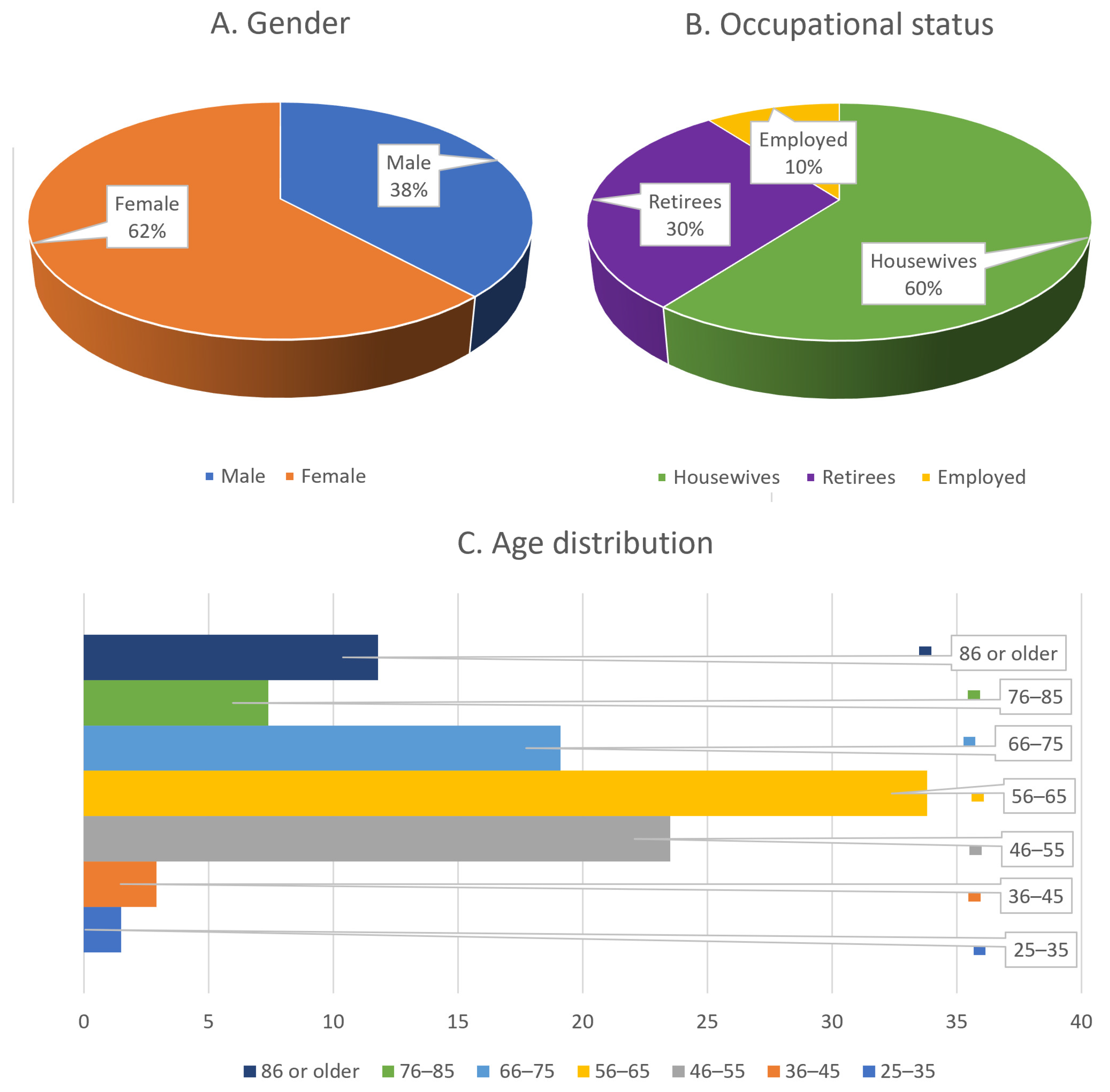
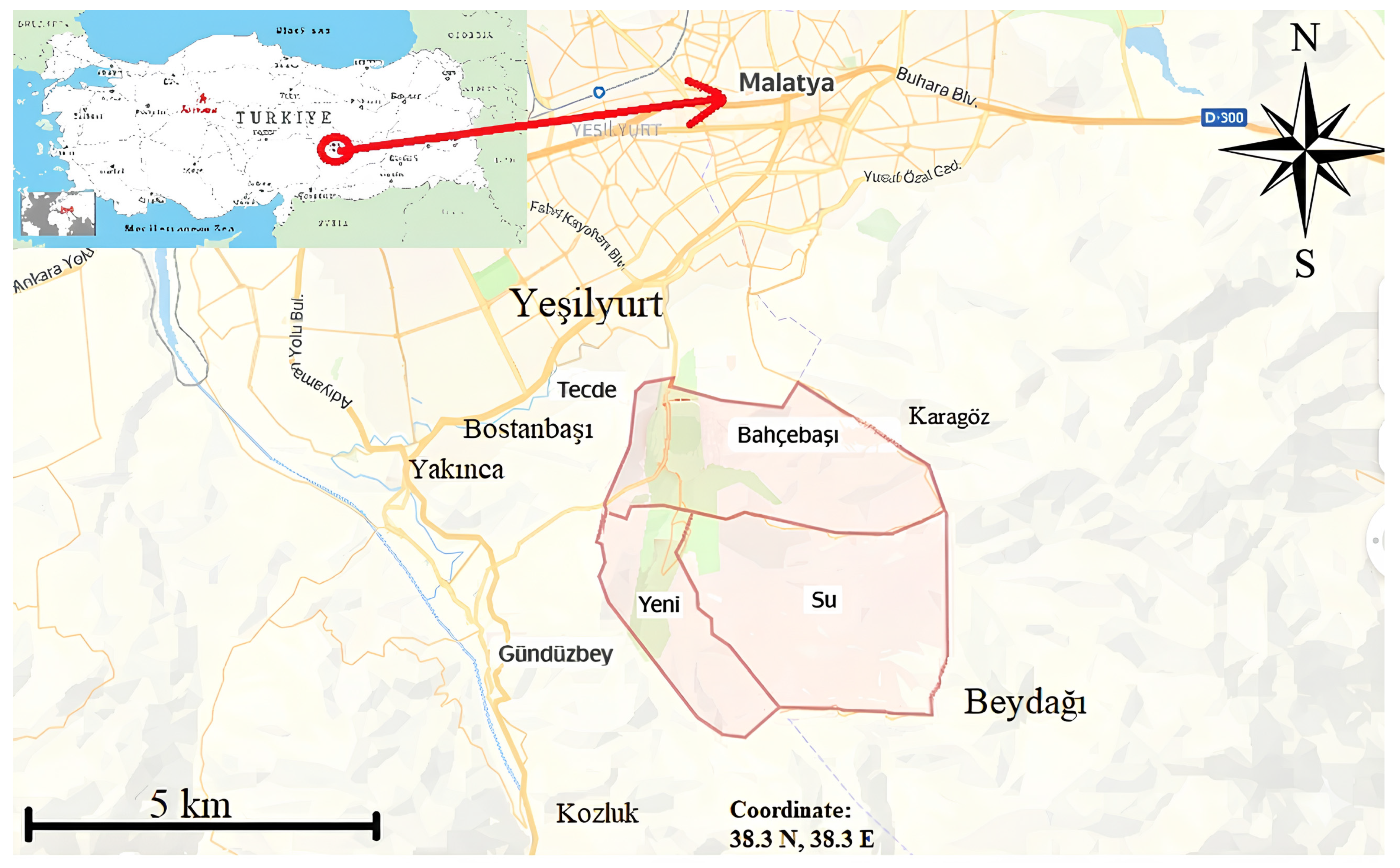
| Parts Used | Percentage |
|---|---|
| Aerial part | 19.9 |
| Fruit and part (fruit stalk, fruit peel, etc.) | 16.5 |
| Leaf | 15.1 |
| Flower, bud and capitulum | 13.2 |
| Root, tuber, bulb, tuber, etc. below ground | 12.3 |
| Seed | 9.9 |
| Whole plant | 5.6 |
| Stem, branch and bark | 3.3 |
| Other (Receptacle, spathe, latex, etc.) | 4.2 |
| Route of Administration | Percentage |
|---|---|
| External uses | 37.6 |
| Directly | 14.1 |
| Grind and poultice or juice | 9.2 |
| Processed via various methods | 4 |
| Infusion | 4.1 |
| Decoction | 2.5 |
| Ointment | 2.1 |
| Others | 1.6 |
| Internal uses | 62.4 |
| Directly | 17 |
| Processed via various methods | 15.5 |
| Infusion | 15.5 |
| Decoction | 12 |
| Grind and poultice or juice | 2 |
| Others | 0.4 |
| Therapeutic Effects | nt | nur | FIC |
|---|---|---|---|
| Mouth sores and aphthae | 1 | 4 | 1 |
| Pain relief | 10 | 47 | 0.8 |
| Allergy and allergic skin reactions | 2 | 10 | 0.89 |
| Scorpion and bee stings | 7 | 121 | 0.95 |
| Asthma and dyspnea | 13 | 57 | 0.79 |
| Foot fungus and odor | 2 | 6 | 0.8 |
| Against intestinal parasites | 5 | 51 | 0.92 |
| Nosebleeds | 6 | 17 | 0.69 |
| Boils | 2 | 11 | 0.9 |
| Diabetes | 1 | 2 | 1 |
| Toothache and inflammation | 5 | 16 | 0.73 |
| Eczema | 3 | 5 | 0.5 |
| Joint and rheumatism pain | 3 | 66 | 0.97 |
| Hand and foot cracks and care | 6 | 29 | 0.82 |
| Eye diseases | 7 | 22 | 0.71 |
| Goiter and other thyroid diseases | 1 | 2 | 1 |
| Animal diseases | 4 | 9 | 0.63 |
| External and internal infections | 12 | 106 | 0.9 |
| Indigestion | 2 | 8 | 0.86 |
| Hemorrhoids | 6 | 16 | 0.67 |
| Urinary tract diseases | 5 | 10 | 0.56 |
| Diarrhea stopper | 6 | 23 | 0.77 |
| Unwanted pregnancy | 3 | 7 | 0.67 |
| Constipation | 1 | 2 | 1 |
| Gynecology and infertility treatment | 5 | 17 | 0.75 |
| Cardiovascular diseases | 4 | 10 | 0.67 |
| Fractures, dislocations and contusions | 5 | 47 | 0.91 |
| Cosmetics | 7 | 35 | 0.82 |
| Stomach pain and ulcers | 21 | 254 | 0.92 |
| Nausea | 9 | 169 | 0.95 |
| Calluses, warts | 1 | 3 | 1 |
| Cough and phlegm | 5 | 26 | 0.84 |
| Scalp diseases and scabies | 2 | 7 | 0.83 |
| Jaundice | 3 | 6 | 0.6 |
| Smoking and alcohol addiction | 1 | 3 | 1 |
| Colds | 21 | 361 | 0.94 |
| Heel spurs | 1 | 3 | 1 |
| Strengthening the immune system | 10 | 51 | 0.82 |
| Wounds and burns | 13 | 47 | 0.74 |
| High blood pressure | 2 | 7 | 0.83 |
| Other purposes | 7 | 22 | 0.71 |
| Total | 230 | 1715 | 33.9 |
| Botanical Name (Family) | Local Name/N ** | Part Used | Method of Preparation | Usage Categories | UV * |
|---|---|---|---|---|---|
| Ajuga chamaepitys subsp. chia (Schreb.) Arcang. (Lamiaceae) | -/N | Whole plant | Powder eaten raw | Stomachaches and inflammations | 0.03 |
| Infusion used orally | |||||
| Powder eaten raw | Asthma and dyspnea | ||||
| Infusion used orally | |||||
| By sprinkling powder | Wounds and burns | ||||
| Ajuga chamaepitys subsp. laevigata (Boiss.) P.H.Davis (Lamiaceae) | -/N | Whole plant | Powder eaten raw | Stomachaches and inflammations | 0.03 |
| Infusion used orally | |||||
| Powder eaten raw | Asthma and dyspnea | ||||
| Infusion used orally | |||||
| By sprinkling powder | Wounds and burns | ||||
| Alcea apterocarpa (Fenzl) Boiss. (Malvaceae) | Horoz gülü, ibibik gülü/N | Flower | Infusion used orally | Antitussive | 0.09 |
| Root | By sprinkling powder | Hair care | |||
| Allium ampeloprasum L. (Amaryllidaceae) | Dağ soğanı/N | Bulb, Leaf | Roasted and fixed externally | Topical anti-inflammatory | 0.02 |
| Embedded foreign bodies | |||||
| Fresh juice is dripped externally | Venomous stings | ||||
| Eaten raw | Systemic inflammation | ||||
| Allium cepa L. (Amaryllidaceae) | Soğan | Bulb, Leaf | Roasted and fixed externally | Topical anti-inflammatory | 0.19 |
| Embedded foreign bodies | |||||
| Fresh juice is dripped externally | Venomous stings | ||||
| Fresh juice is mixed with honey and used orally | Tuberculosis and pulmonary diseases | ||||
| Mixture-8 | Traumatic injuries | ||||
| Onion peel | Decoction used orally | Abortive | |||
| Allium sativum L. (Amaryllidaceae) | Sarımsak | Bulblet | Swallowed | Antihypertensive | 0.06 |
| Anchusa azurea Mill. var. azurea (Boraginaceae) | Sığır emeceği/N | Root | Mixture-3 | Wounds and burns | 0.04 |
| Anethum graveolens L. (Apiaceae) | Dereotu, samıt, tere out/N | Aerial part | Boiled and eaten | Topical anti-inflammatory | 0.06 |
| Eaten raw | Weight loss | ||||
| Anthemis candidissima Willd. ex Spreng. (Asteraceae) | Papatya/N | Capitulum | Dry powder applied externally | Antiseptic | 0.19 |
| Dry powder administered nasally | Epistaxis | ||||
| Rhinorrhea | |||||
| Ocular diseases | |||||
| Infusion used orally | Common cold | ||||
| Stomachache | |||||
| Drink boiled with milk | Common cold | ||||
| Stomachache | |||||
| Anthemis haussknechtii Boiss. & Reut. (Asteraceae) | Papatya/N | Capitulum | Dry powder applied externally | Antiseptic | 0.19 |
| Dry powder administered nasally | Epistaxis | ||||
| Rhinorrhea | |||||
| Ocular diseases | |||||
| Infusion used orally | Common cold | ||||
| Stomachache | |||||
| Drink boiled with milk | Common cold | ||||
| Stomachache | |||||
| Anthyllis vulneraria L. subsp. boissieri (Sagorski) Bornm. (Fabaceae) | Emecek otu/N | Root | Mixture-3 | Wounds and burns | 0.05 |
| Arnebia decumbens (Vent.) Coss. & Kralik (Boraginaceae) | Kızıl enik kökü/N | Root | Mixture-1 | Skin conditions | 0.10 |
| Mixture-2 | Stomachache and ulcer | ||||
| External decoction | Antiseptic for wounds | ||||
| Mixture-1 | Insect bites | ||||
| Mixture-1 | For veterinary use | ||||
| External decoction | Insect bites | ||||
| Astragalus gummifer Labill. (Fabaceae) | Geven, keven/N | Aerial part | Gel from inside the woody structure-Infusion used orally | Asthma and dyspnea | 0.07 |
| Analgesic | |||||
| Root | Decoction used orally | For veterinary use | |||
| Aphrodisiac | |||||
| Bellis perennis L. (Asteraceae) | Papatya/N | Capitulum | Dry powder applied externally | Antiseptic | 0.19 |
| Dry powder administered nasally | Epistaxis | ||||
| Rhinorrhea | |||||
| Ocular diseases | |||||
| Infusion used orally | Common cold | ||||
| Stomachache | |||||
| Drink boiled with milk | Common cold | ||||
| Stomachache | |||||
| Brassica oleracea L. (Brassicaceae) | Lahana | Leaf | Infusion used orally | Urological disorders and nephrolithiasis | 0.03 |
| Capsicum annuum L. (Solanaceae) | Acı biber | Fruit | Eaten raw | Anthelmintic | 0.05 |
| Externally with honey | Heel spur | ||||
| Cicer arietinum L. (Fabaceae) | Nohut | Seed | Powder externally | Toothache | 0.02 |
| Poultice externally | Toothache | ||||
| Citrus limon (L.) Osbeck (Rutaceae) | Limon | Fruit juice | Mixed with yogurt | Hypertension | 0.05 |
| Cornus mas L. (Cornaceae) | Kızılcık | Fruits | Drinking as a sherbet | Anti-aging | 0.05 |
| Crataegus monogyna Jacq. (Rosaceae) | Yemişen/N | Fruits | Eaten raw | Immunostimulant | 0.07 |
| Crataegus orientalis Pall. ex M.Bieb. subsp. orientalis (Rosaceae) | Alıç/N | Flowers | Infusion used orally | Immunostimulant | 0.09 |
| Expectorant | |||||
| Fruits | Eaten raw | Immunostimulant | |||
| Roots | Decoction used orally | Infertility | |||
| Cardiovascular health | |||||
| Crocus damascenus Herb. (Iridaceae) | Çiğdem/N | Bulb | by boiling with milk | Common cold | 0.09 |
| Cucumis sativus L. (Cucurbitaceae) | Salatalık, hıyar | Fruit, Cortex | Topical application of slices | Allergic skin diseases | 0.05 |
| Burns | |||||
| Cyclotrichium niveum (Boiss.) Manden & Scheng (Lamiaceae) | Erzurum nanesi/N | Aerial part | Infusion used orally | Stomachaches and inflammations | 0.02 |
| Nausea | |||||
| Common cold | |||||
| Eaten raw | Stomachaches and inflammations | ||||
| Nausea | |||||
| Common cold | |||||
| Cydonia oblonga Mill. (Rosaceae) | Ayva | Leaf | Infusion used orally | Analgesic | 0.07 |
| Common cold | |||||
| Seed | Decoction used orally | Analgesic | |||
| Common cold | |||||
| Fruit | Drinking as a Compote | Stomachaches and inflammations | |||
| Analgesic | |||||
| Echinops pungens Trautv. (Asteraceae) | Deve dikeni, topuz dikeni/N | Receptacle | Decoction used orally | Anti-aging | 0.03 |
| Decoction is applied externally | Skin tonic | ||||
| Analgesic | |||||
| Elaeagnus angustifolia L. (Elaeagnaceae) | İğde/N | Fruit | Eaten raw | Common cold | 0.05 |
| Eminium intortum (Banks & Sol.) Kuntze (Araceae) | Susam out/N | Spathe | Drink the water in spathe | Antidipsic | 0.02 |
| Euphorbia grisophylla M.L.S.Khan. (Euphorbiaceae) | Sütleğen/N | Latex | Dermal drops | Pain management for venomous injuries | 0.69 |
| Euphorbia macrocarpa Bioss. & Buhse. (Euphorbiaceae) | Sütleğen/N | Latex | Dermal drops | Pain management for venomous injuries | 0.69 |
| Ficus carica L. subsp. rupestris (Hausskn.) Browicz (Moraceae) | İncir/N | Latex | Dermal drops | Antiseptic for wounds | 0.05 |
| Venomous stings | |||||
| Corn-wart treatment | |||||
| Galium spurium L. subsp. ibicinum (Boiss. & Hausskn.) Ehrend. (Rubiaceae) | Kardaş kınası/N | Aerial part | Topical henna | Skin conditions | 0.07 |
| Geranium tuberosum L. (Geraniaceae) | Tömlük, kömlük/N | Tuber | Soup preparation | Systemic inflammation | 0.05 |
| Glycyrrhiza glabra L. (Fabaceae) | Biyam, meyan | Root | Decoction used orally | Asthma and dyspnea | 0.02 |
| Common cold | |||||
| Tonic | |||||
| Gundelia tournefortii L. (Asteraceae) | Kenger/N | Seed | Decoction used orally | Common cold | 0.10 |
| Asthma and dyspnea | |||||
| Root | Gum placed in the nose | Epistaxis | |||
| Mixture-1 | Skin conditions | ||||
| Venomous stings | |||||
| Helichrysum arenarium (L.) Moench (Asteraceae) | Altın otu, ölmez otu/N | Capitulum | Dry powder administered nasally | Rhinorrhea | 0.05 |
| Helichrysum plicatum DC. subsp. plicatum (Asteraceae) | Altın otu, Ölmez otu/N | Capitulum | Dry powder administered nasally | Rhinorrhea | 0.05 |
| Hordeum vulgare L. (Poaceae) | Arpa | Seed | Dough applied topically | Traumatic injuries | 0.06 |
| Topical anti-inflammatory | |||||
| Poultice applied topically | Wounds and burns | ||||
| Flour is used | Nausea | ||||
| Juglans regia L. (Juglandaceae) | Ceviz | Seed pericarp | Juice and poultice applied topically | Venomous stings | 0.12 |
| Tinea pedis | |||||
| Scalp dermatoses | |||||
| Seed | Swallowed unripe | Ocular diseases | |||
| Stomachaches and inflammations | |||||
| Infusion from the fibrous structure used orally | Analgesic | ||||
| Vertigo | |||||
| Systemic inflammation | |||||
| Eaten raw | Anthelmintic | ||||
| Mixture-4 | Ocular diseases | ||||
| Leaf | Juice and poultice applied topically | Venomous stings | |||
| Tinea pedis | |||||
| Scalp dermatoses | |||||
| Mixture-9 | Tinea pedis | ||||
| Flower | Poultice applied topically | Analgesic | |||
| Malus domestica (Suckow) Borkh. (Rosaceae) | Elma | Fruit | Topical henna from peel | Skin conditions | 0.07 |
| Eaten raw | Analgesic | ||||
| Decoction used orally | Antitussive | ||||
| Leaf | Topical henna | Skin conditions | |||
| Infusion or eaten raw | Analgesic | ||||
| Malva neglecta Wallr. (Malvaceae) | Ebegümeci, ebemgümeci/N | Aerial part | Infusion used orally | Systemic inflammation | 0.09 |
| Cooked with food and eaten | Systemic inflammation | ||||
| Sitz bath with infusion | Hemorrhoids | ||||
| Infusion used orally | Abortive | ||||
| By sprinkling powder | Wounds and burns | ||||
| Juice used externally | Wounds and burns | ||||
| Malva sylvestris L. (Malvaceae) | Ebegümeci, ebemgümeci/N | Aerial part | Infusion used orally | Systemic inflammation | 0.09 |
| Cooked with food and eaten | Systemic inflammation | ||||
| Sitz bath with infusion | Hemorrhoids | ||||
| Infusion used orally | Abortive | ||||
| By sprinkling powder | Wounds and burns | ||||
| Juice used externally | Wounds and burns | ||||
| Mentha longifolia (L.) L. subsp. longifolia (Lamiaceae) | Nane, nerpiz, yarpuz, dağ nanesi/N | Aerial part | Infusion used orally | Stomachaches and inflammations | 0.67 |
| Nausea | |||||
| Common cold | |||||
| Eaten raw | Stomachaches and inflammations | ||||
| Nausea | |||||
| Common cold | |||||
| Drink boiled with milk | Gastritis | ||||
| Mentha pulegium L. (Lamiaceae) | Nane, nerpiz, yarpuz, dağ nanesi/N | Aerial part | Infusion used orally | Stomachaches and inflammations | 0.67 |
| Nausea | |||||
| Common cold | |||||
| Eaten raw | Stomachaches and inflammations | ||||
| Nausea | |||||
| Common cold | |||||
| Drink boiled with milk | Gastritis | ||||
| Mentha spicata L. subsp. spicata (Lamiaceae) | Nane, nerpiz, yarpuz, dağ nanesi/N | Aerial part | Infusion used orally | Stomachaches and inflammations | 0.67 |
| Nausea | |||||
| Common cold | |||||
| Eaten raw | Stomachaches and inflammations | ||||
| Nausea | |||||
| Common cold | |||||
| Drink boiled with milk | Gastritis | ||||
| Morus alba L. (Moraceae) | Dut | Fruit | Its molasses is mixed with butter and consumed orally | Common cold | 0.34 |
| Asthma and dyspnea | |||||
| Stomachaches and inflammations | |||||
| Stomachaches and inflammations | |||||
| Its molasses is consumed orally | Anemia and avitaminose | ||||
| Its molasses is applied to the eye | Ocular diseases | ||||
| Fruit leather is applied topically | Abscesses | ||||
| Sore throat | |||||
| Dry fruits is applied topically | Abscesses | ||||
| Leaf | Eaten raw | Analgesic | |||
| Infusion is applied topically | Skin tonic | ||||
| Cortex | Decoction is applied topically | Venomous stings | |||
| Morus nigra L. (Moraceae) | Karadut | Fruit | Juice dermal drops | Antiseptic for wounds | 0.06 |
| Eaten raw | Aphthae | ||||
| Juice dermal drops | Aphthae | ||||
| Gargling with molasses | Aphthae | ||||
| Eaten raw | Anti-aging | ||||
| Olea europaea L. (Oleaceae) | Zeytin | Fruit | Mixture-7 | Traumatic injuries | 0.03 |
| Mixture-11 | Asthma and dyspnea | ||||
| Jaundice | |||||
| Origanum vulgare L. subsp. gracile (K.Koch) Ietsw. (Lamiaceae) | Anıh/N | Aerial part | Drink boiled with milk | Stomachaches and inflammations | 0.69 |
| Nausea | |||||
| Common cold | |||||
| Infusion used orally | Common cold | ||||
| Pelargonium endlicherianum Fenzl (Geraniaceae) | Solucan out/N | Aerial part | Infusion used orally | Anthelmintic | 0.68 |
| Petroselinum crispum (Mill.) Fuss (Apiaceae) | Maydanoz | Aerial part | Boiled and eaten | Topical anti-inflammatory | 0.02 |
| Pistacia terebinthus L. (Anacardiaceae) | Menengiç | Latex | Mixture-1 | Skin conditions | 0.05 |
| Insect bites | |||||
| Placed in the nose | Epistaxis | ||||
| Mixture-11 | Asthma and dyspnea | ||||
| Jaundice | |||||
| Plantago lanceolata L. (Plantaginaceae) | Damarlı yaprak, hava yaprağı, Damarlı ot/N | Seed | Eaten raw | Headache | 0.41 |
| Decoction used orally | Antidiarrheal | ||||
| Leaf | Chews | Toothache | |||
| Eaten as a salad | Thyroid disorders | ||||
| Topical application of slices or whole | Analgesic and anti-inflammatory | ||||
| Cooked with food, raw, infusion or eaten as a salad | Analgesic and anti-inflammatory | ||||
| Poultice applied topically | Abscesses, acne | ||||
| Poultice applied topically or infusion used orally | Rheumatism and arthralgia | ||||
| Root | Rheumatism and arthralgia | ||||
| Aerial part | Drink infusion with a daily break | Renal and urological disorders | |||
| Polygonum patulum M.Bieb. (Polygonaceae) | Dermeği otu, kaşıntı otu/N | Aerial part | Juice used externally | Eczema and pruritic | 0.05 |
| Portulaca oleracea L. (Portulacaceae) | Pipirim/N | Aerial part | Boiled and eaten | Stomachaches and inflammations | 0.03 |
| Asthma and dyspnea | |||||
| Steam inhalation | Asthma and dyspnea | ||||
| Boiled and eaten | Anticancer/prophylactic | ||||
| Eaten as a salad | |||||
| Infusion used orally | |||||
| Prunus armeniaca L. (Rosaceae) | Kayısı | Fruit | Eaten raw | Laxative | 0.03 |
| Seed | Stomachaches and inflammations | ||||
| Anthelmintic | |||||
| Antidiarrheal | |||||
| Prunus domestica L. (Rosaceae) | Erik | Fruit | Mixture-5 | Antidiarrheal | 0.09 |
| Drinking as a Compote | Urological | ||||
| Prostate | |||||
| Prunus dulcis (Mill.) D.A.Webb (Rosaceae) | Acıbadem, pisik payamı | Seed | Eaten raw | Analgesic | 0.03 |
| Anthelmintic | |||||
| Fruit, Flower | Antidiarrheal | ||||
| Prunus hippophaeoides (Bornm.) Bornm. (Rosaceae) | Kırmızı Dağ kirazı/N | Fruit | Eaten raw | Immunostimulant | 0.09 |
| Prunus microcarpa C.A.Mey. (Rosaceae) | Sarı dağ kirazı/N | Fruit | Eaten raw | Immunostimulant | 0.09 |
| Prunus persica (L.) Batsch (Rosaceae) | Şeftali | Fruit | Eaten raw | Antidiarrheal | 0.02 |
| Flower | Infusion used orally | Antidiarrheal | |||
| Pulicaria dysenterica Gaertn. subsp. dysenterica (Asteraceae) | -/N | Aerial part | Infusion used orally | Systemic inflammation | 0.02 |
| Eaten raw | Systemic inflammation | ||||
| Poultice applied topically | Topical anti-inflammatory | ||||
| Quercus infectoria Oliv. subsp. infectoria (Fagaceae) | Mazı meşesi/N | Seed | Dry powder applied to tooth | Toothache | 0.05 |
| Rosa canina L. (Rosaceae) | Gül burnu, Gül burcu, kuşburnu/N | Fruit | Decoction used orally | Common cold | 0.68 |
| Analgesic | |||||
| Immunostimulant | |||||
| Jam used orally | Common cold | ||||
| Analgesic | |||||
| Immunostimulant | |||||
| Salvia euphratica Montbret & Aucher ex Benth. var. euphratica (Lamiaceae) | -/N | Leaf | Paste used externally | Eczema and pruritic | 0.02 |
| Infusion used external | Eczema and pruritic | ||||
| Salvia multicaulis Vahl (Lamiaceae) | -/N | Leaf | Paste used externally | Eczema and pruritic | 0.02 |
| Infusion used external | Eczema and pruritic | ||||
| Salvia palaestina Benth. (Lamiaceae) | Sığırdili/N | Leaf | Infusion used orally | Cardiovascular health | 0.03 |
| Immunostimulant | |||||
| Sambucus nigra L. (Adoxaceae) | Paklanguç, Paklangıç/N | Flower | Infusion used orally | Asthma and dyspnea | 0.19 |
| Common cold | |||||
| Antitussive | |||||
| Jam used orally | Asthma and dyspnea | ||||
| Common cold | |||||
| Antitussive | |||||
| Dry powder applied externally | Wounds and burns | ||||
| Satureja hortensis L. (Lamiaceae) | Kekik/N | Aerial part | Eaten raw or dry | Nausea | 0.06 |
| Stomachaches and inflammations | |||||
| Solanum tuberosum L. (Solanaceae) | Patates | Tuber | Topical application of slices | Headache and ocular pain | 0.10 |
| Boiled and eaten | Antidiarrheal | ||||
| Stomachaches and inflammations | |||||
| Syzygium aromaticum (L.) Merr. & L.M.Perry (Myrtaceae) | Karanfil | Bud | By sprinkling powder | Toothache | 0.05 |
| Teucrium polium L. subsp. polium (Lamiaceae) | -/N | Aerial part | Infusion used orally | Cardiovascular health | 0.03 |
| Thymus kotschyanus Boiss. & Hohen. (Lamiaceae) | Kekik/N | Aerial part | Eaten raw or dry | Stomachaches and inflammations | 0.06 |
| Nausea | |||||
| Thymus migricus Klokov & Des.-Shost. (Lamiaceae) | Kekik/N | Aerial part | Eaten raw or dry | Nausea | 0.06 |
| Stomachaches and inflammations | |||||
| Tragopogon buphthalmoides (DC.) Boiss. (Asteraceae) | Köse sakalı/N | Aerial part, Leaf | Eaten raw | Digestive | 0.06 |
| Tragopogon dubius Scop. subsp. dubius (Asteraceae) | Yemlik, Kargacık yemliği/N | Aerial part, Leaf | Eaten raw | Digestive | 0.07 |
| Diabetes | |||||
| Fungus-affected plants eaten raw | Anticancer/prophylactic | ||||
| Tribulus terrestris L. var. terrestris (Zygophyllaceae) | Çoban çökerten, çoban yastığı/N | Root | Decoction used orally | Asthma and dyspnea | 0.02 |
| Tripleurospermum oreades (Boiss.) Rech.f. (Asteraceae) | Dağ papatyası/N | Capitulum | Dry powder applied externally | Antiseptic | 0.19 |
| Dry powder administered nasally | Epistaxis | ||||
| Rhinorrhea | |||||
| Ocular diseases | |||||
| Infusion used orally | Common cold | ||||
| Stomachache | |||||
| Drink boiled with milk | Common cold | ||||
| Stomachache | |||||
| Triticum aestivum L. (Poaceae) | Buğday | Seed | Dough applied topically | Traumatic injuries | 0.18 |
| Topical anti-inflammatory | |||||
| Mixture-8 | Traumatic injuries | ||||
| Straw | Mixture-10 | Gynecological | |||
| Urtica dioica L. subsp. dioica (Urticaceae) | Isırgan/N | Leaf | Externally | Rheumatism and arthralgia | 0.34 |
| Infusion used orally | Urological | ||||
| Prostate | |||||
| Sitz bath with infusion | Hemorrhoids | ||||
| Gynecological | |||||
| Seed | Used orally with honey | Antitussive | |||
| Anticancer/prophylactic | |||||
| Urtica urens L. (Urticaceae) | Isırgan/N | Leaf | Externally | Rheumatism and arthralgia | 0.34 |
| Infusion used orally | Urological | ||||
| Prostate | |||||
| Sitz bath with infusion | Hemorrhoids | ||||
| Gynecological | |||||
| Seed | Used orally with honey | Antitussive | |||
| Anticancer/prophylactic | |||||
| Verbascum georgicum Benth. (Scrophulariaceae) | Sığır kuyruğu sığır süpürgesi/N | Whole plant | Mixture-10 | Gynecological | 0.07 |
| Infusion used orally | For veterinary use | ||||
| Flower | Decoction into a poultice and applied anally | Hemorrhoids | |||
| Leaf | Infusion used orally | Stomachaches and inflammations | |||
| Verbascum sphenandroides K. Koch (Scrophulariaceae) | Sığır kuyruğu, sığır süpürgesi/N | Whole plant | Mixture-10 | Gynecological | 0.07 |
| Infusion used orally | For veterinary use | ||||
| Flower | Decoction into a poultice and applied anally | Hemorrhoids | |||
| Leaf | Infusion used orally | Stomachaches and inflammations | |||
| Vicia hybrida L. (Fabaceae) | Bacıt/N | Seed | Eaten raw | Immunostimulant | 0.05 |
| Viola odorata L. (Violaceae) | Menekşe/N | Flower | Infusion used orally | Common cold | 0.03 |
| Vitis vinifera L. (Vitaceae) | Üzüm, Asma | Fruit | Eaten raw | Immunostimulant | 0.25 |
| Molasses, fruit leather, etc., used orally | Common cold | ||||
| Infections | |||||
| Molasses, fruit leather, etc., used topically | Infections | ||||
| Mixture-8 | Traumatic injuries | ||||
| Mixture-11 | Asthma and dyspnea | ||||
| Jaundice | |||||
| Stipes | Sap extract used orally | Smoking and alcohol cessation |
Disclaimer/Publisher’s Note: The statements, opinions and data contained in all publications are solely those of the individual author(s) and contributor(s) and not of MDPI and/or the editor(s). MDPI and/or the editor(s) disclaim responsibility for any injury to people or property resulting from any ideas, methods, instructions or products referred to in the content. |
© 2026 by the authors. Licensee MDPI, Basel, Switzerland. This article is an open access article distributed under the terms and conditions of the Creative Commons Attribution (CC BY) license.
Share and Cite
Kolaç, T.; Sadikoğlu, N.; İçen, M.S. Hidden Ethnomedicinal Diversity in a Fine-Scale Study from Konak, Eastern Anatolia. Plants 2026, 15, 383. https://doi.org/10.3390/plants15030383
Kolaç T, Sadikoğlu N, İçen MS. Hidden Ethnomedicinal Diversity in a Fine-Scale Study from Konak, Eastern Anatolia. Plants. 2026; 15(3):383. https://doi.org/10.3390/plants15030383
Chicago/Turabian StyleKolaç, Turgay, Narin Sadikoğlu, and Mehmet Sina İçen. 2026. "Hidden Ethnomedicinal Diversity in a Fine-Scale Study from Konak, Eastern Anatolia" Plants 15, no. 3: 383. https://doi.org/10.3390/plants15030383
APA StyleKolaç, T., Sadikoğlu, N., & İçen, M. S. (2026). Hidden Ethnomedicinal Diversity in a Fine-Scale Study from Konak, Eastern Anatolia. Plants, 15(3), 383. https://doi.org/10.3390/plants15030383

