Article

Cytotoxic ROS-Consuming Mn(III) Synzymes: Structural Influence on Their Mechanism of Action

by
Lorenzo Verderi
1,
Niccolò Nova
1,
Valentina Borghesani
1,
Matteo Tegoni
1,
Marco Giannetto
1,
Simone Fortunati
1,
Luca Ronda
2,
Silvana Pinelli
2,
Paola Mozzoni
2,3,
Maria Nicastro
2,
Benedetta Ghezzi
2,
Giorgio Pelosi
1,3,* and
Franco Bisceglie
1,3,*
1
Department of Chemistry, Life Sciences and Environmental Sustainability, University of Parma, 43124 Parma, Italy
2
Department of Medicine and Surgery, University of Parma, Via Volturno, 39, 43125 Parma, Italy
3
Centre of Excellence for Toxicological Research (CERT), University of Parma, 43124 Parma, Italy
*
Authors to whom correspondence should be addressed.
Int. J. Mol. Sci. 2025, 26(1), 150; https://doi.org/10.3390/ijms26010150
Submission received: 11 December 2024 / Revised: 24 December 2024 / Accepted: 24 December 2024 / Published: 27 December 2024
(This article belongs to the Section Molecular Toxicology)

Abstract

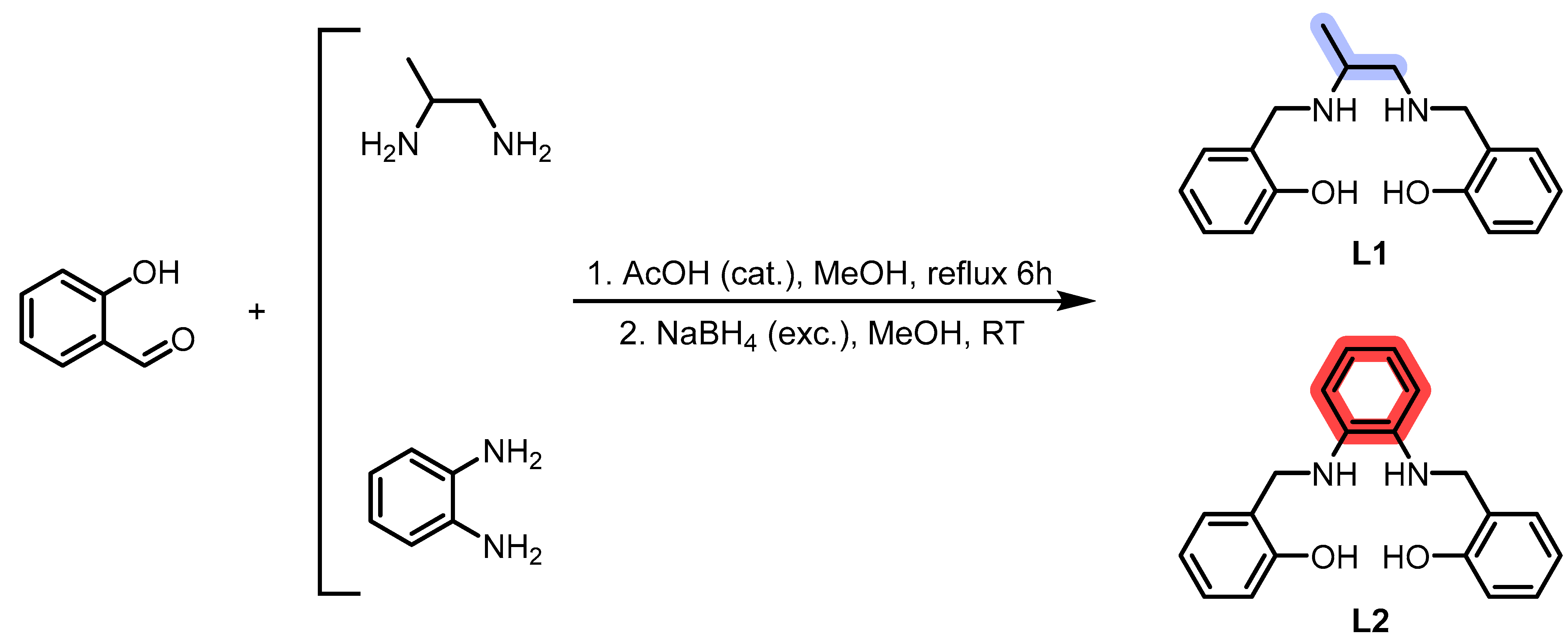
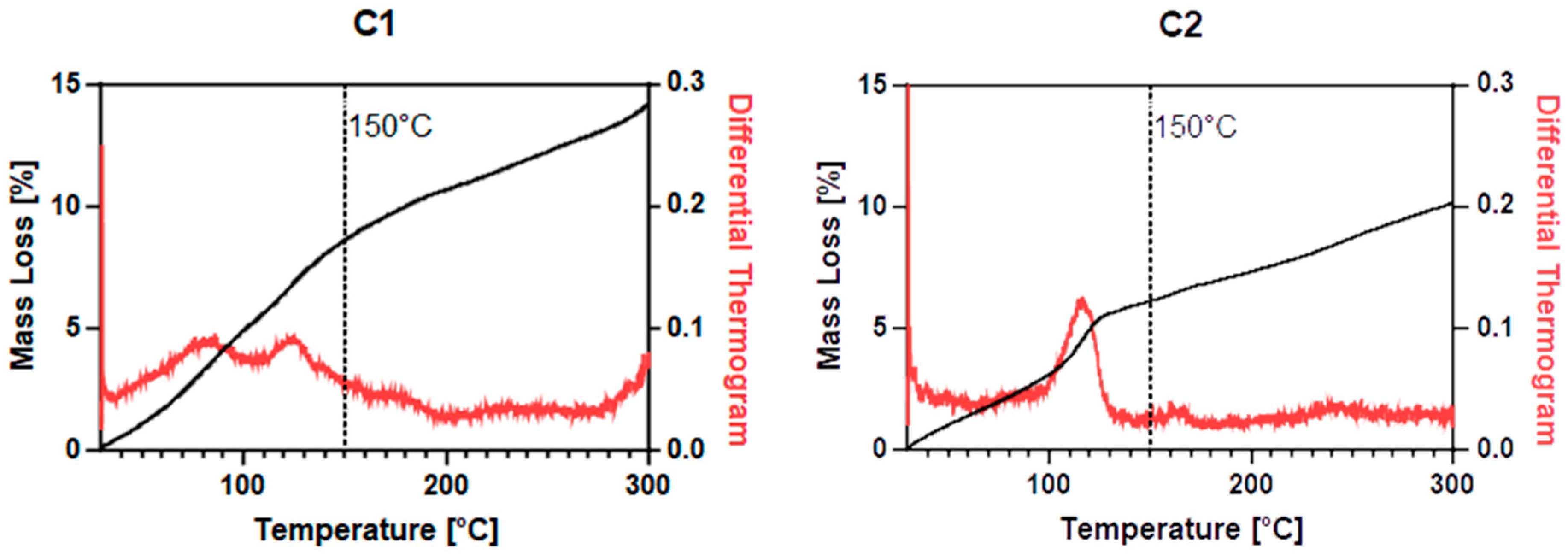
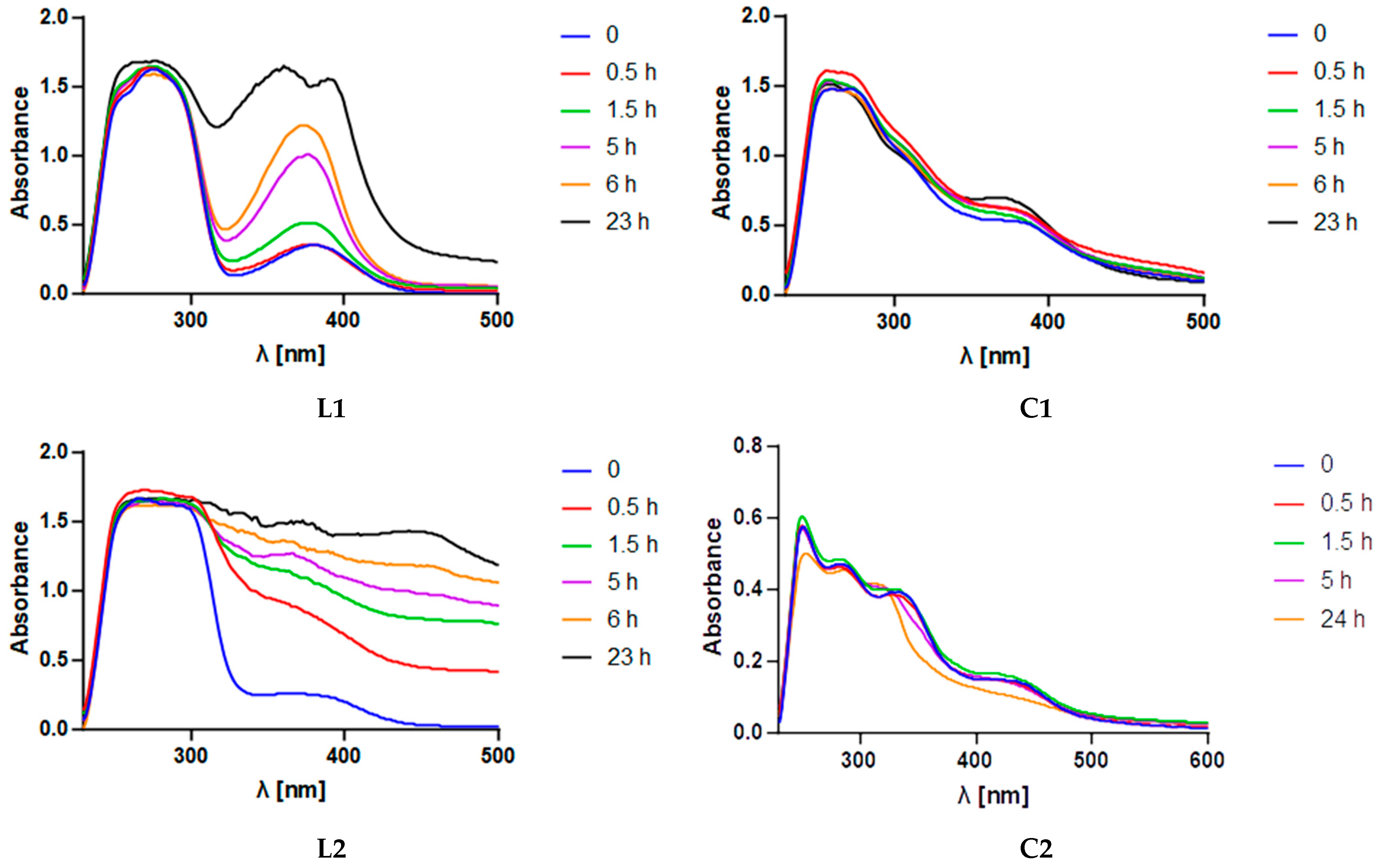
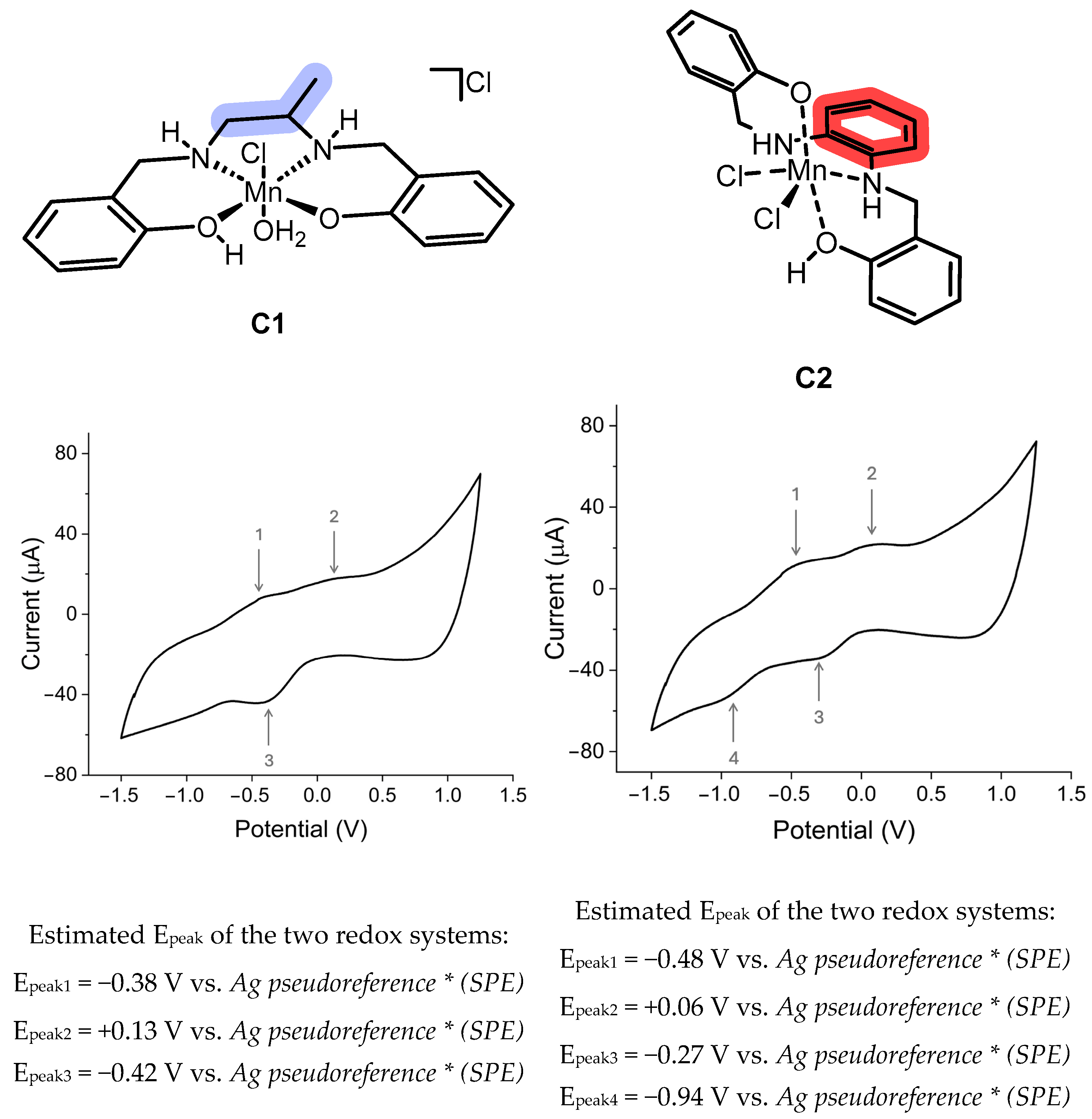
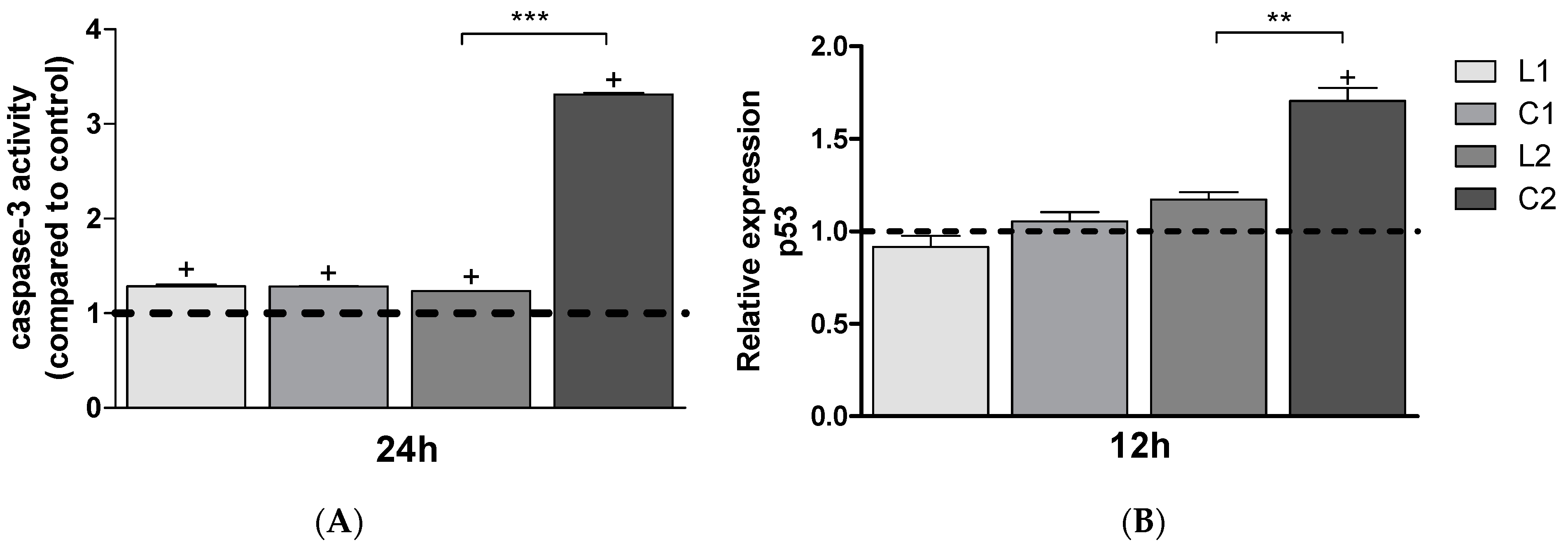
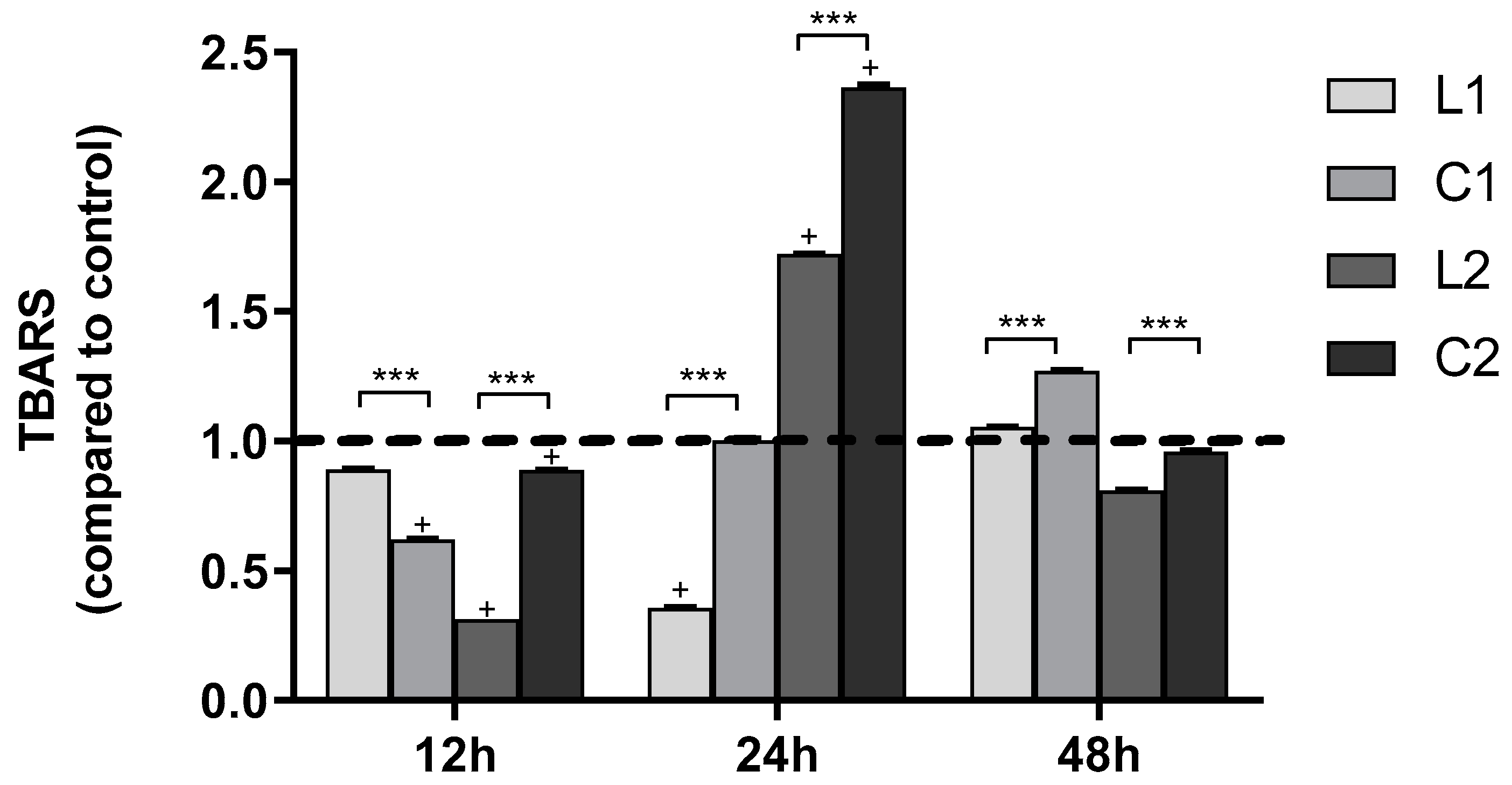
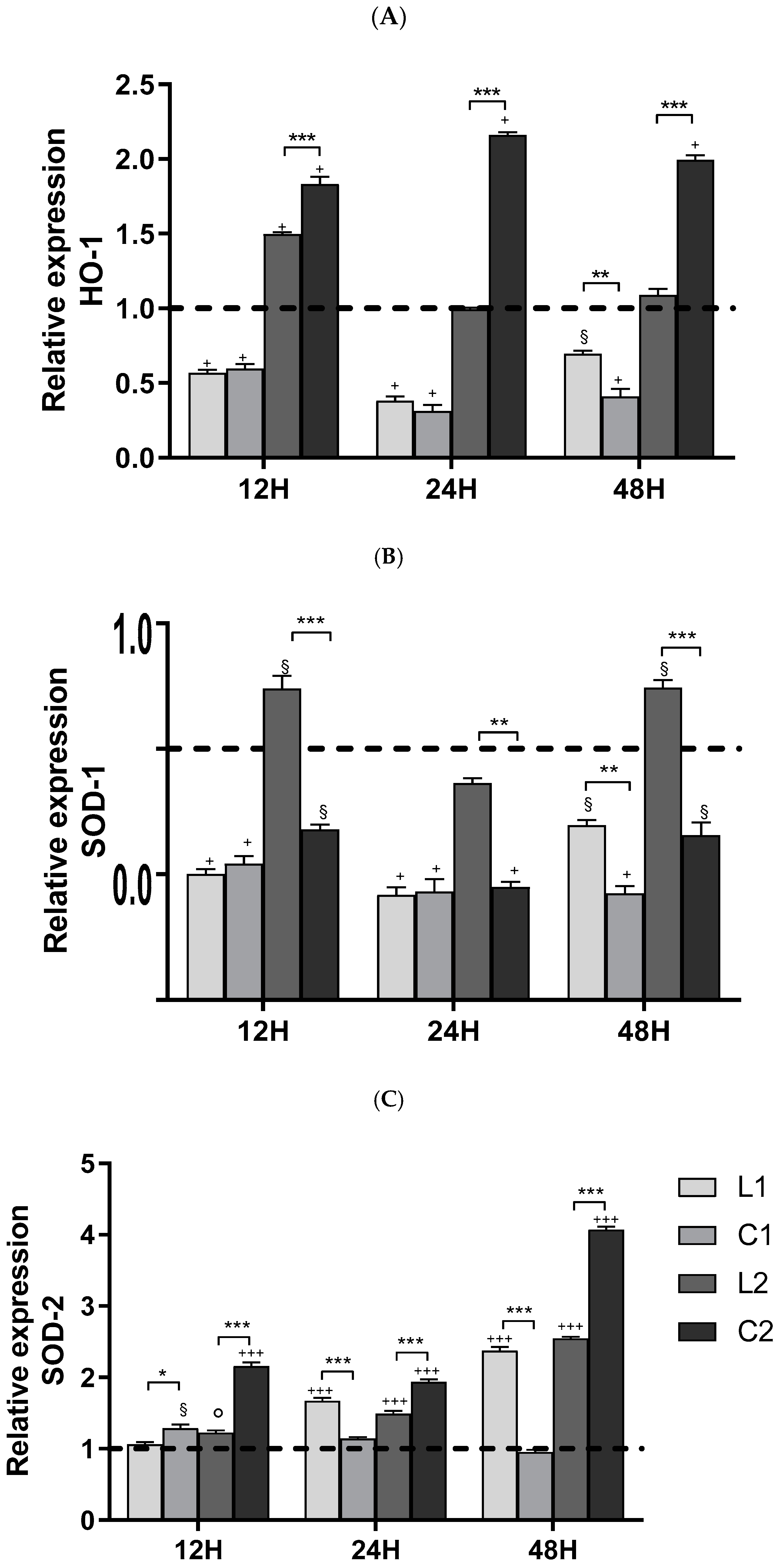
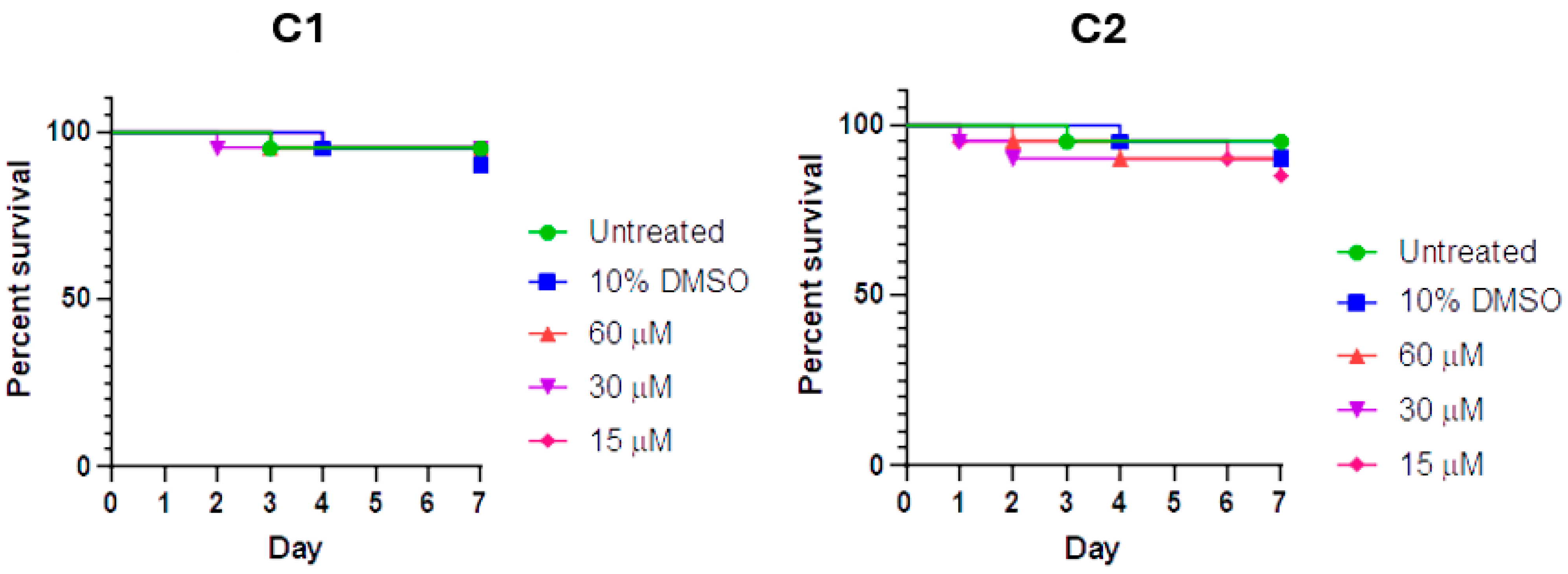
ROS (i.e., reactive oxygen species) scavenging is a key function of various Mn-based enzymes, including superoxide dismutases (SODs) and catalases, which are actively linked to oxidative stress-related diseases. In this study, we synthesized and characterized two novel Mn(III)-based synzymes (i.e., synthetic enzymes), designated C1 ([MnL1Cl(H2O)]Cl·3H2O) and C2 ([MnL2Cl2]·2H2O), which differ in the presence of a bridging aliphatic or aromatic group in the chelator. Using a range of analytical techniques, we found that the aromatic C2 bridge significantly influences the Mn(III) center’s cis-β configuration, unlike C1, which adopts a trans configuration. We then thoroughly evaluated the oxidation-reduction properties of C1 and C2, including their redox potentials (by cyclic voltammetry) and capacity to consume various ROS species (using DPPH, hydroxyl radical, hydrogen peroxide, and superoxide UV–visible spectrophotometric assays). The specific kinetics of the H2O2 dismutation process, as measured by a Clark-type electrode and time-resolved ESI-MS, revealed that both synzymes possess catalytic activity. Toxicological experiments using the Galleria mellonella larval model demonstrated the compounds’ innocuous nature towards higher eukaryotic organisms, while cytotoxicity assays confirmed their selective efficacy against lung cancer cells. Additional cytological assays, such as the thiobarbituric acid reactive substances assay and caspase-3 activity and p53 expression analysis, reported that C1 and C2 induce cytotoxicity against cancer cells via apoptosis rather than necrosis and behave very differently towards redox substances and ROS-regulating enzymes in vivo. These findings suggest that the structural differences between C1 and C2 lead to distinct redox properties and biological activities, highlighting the potential of these novel Mn(III)-based synzymes as therapeutic agents for the treatment of oxidative stress-related diseases, particularly lung cancer. Further studies are warranted to elucidate the underlying mechanisms of action and explore their clinical applications.
Keywords: Mn(III) complexes; synzymes; ROS; cytotoxicity Mn(III) complexes; synzymes; ROS; cytotoxicity