
Review

Topical Management of Cellulite (Edematous-Fibro-Sclerotic Panniculopathy, EFSP): Current Insights and Emerging Approaches


by
Antonio Di Guardo
1,2,*,
Federica Trovato
1,2,
Carmen Cantisani
2,
Alessandra Rallo
1,2,
Ilaria Proietti
3,
Maria Elisabetta Greco
2,
Giovanni Pellacani
2,
Annunziata Dattola
2 and
Steven Paul Nisticò
2
1
IDI-IRCCS, Dermatological Research Hospital, 00167 Rome, Italy
2
UOC of Dermatology, Department of Medical and Cardiovascular Sciences, “Sapienza” University of Rome, 00161 Rome, Italy
3
Dermatology Unit “Daniele Innocenzi”, “A. Fiorini” Hospital, Via Firenze, 1, 04019 Terracina, Italy
*
Author to whom correspondence should be addressed.
J. Aesthetic Med. 2025, 1(2), 10; https://doi.org/10.3390/jaestheticmed1020010
Submission received: 25 September 2025 / Revised: 6 November 2025 / Accepted: 21 November 2025 / Published: 1 December 2025

Abstract

Cellulite, or edematous-fibro-sclerotic panniculopathy (EFSP), is a multifactorial condition affecting most postpubertal women, characterized by surface irregularities with significant psychosocial impact. Its pathogenesis involves adipocyte metabolism, fibrous septa, microvascular dysfunction, extracellular matrix (ECM) remodeling, oxidative stress, and low-grade inflammation. Topical therapies remain among the most accessible approaches, acting on specific biological pathways. Osmotic and vSSasomodulatory formulations reduce edema and improve microcirculation, while methylxanthines such as caffeine and aminophylline promote lipolysis and enhance cutaneous blood flow. Retinoids mainly target the ECM, stimulating neocollagenesis and dermal thickening, with greater efficacy in early EFSP. Botanicals, including Centella asiatica, Rosmarinus officinalis, and Ginkgo biloba, provide antioxidant, anti-inflammatory, and venotonic effects. Randomized controlled trials consistently report modest but reproducible benefits: localized circumference reductions and improved elasticity, echogenicity, and orange-peel scores, all with excellent tolerability. Recent innovations, such as lipid nanoparticles, ultradeformable vesicles, and microneedle-assisted delivery, aim to enhance penetration, stability, and sustained bioactivity of established actives. Nonetheless, most studies are small, short-term, and heterogeneous, with limited ability to isolate the role of individual components or control for massage-related effects. Artificial intelligence offers opportunities to standardize outcome measures, optimize formulations, and personalize protocols. Overall, topical therapies are best positioned as safe, biologically active adjuncts within multimodal cellulite management.

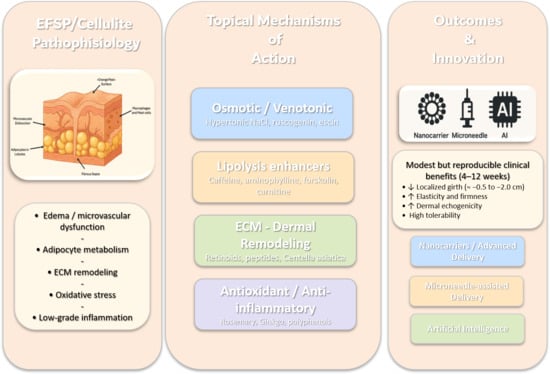
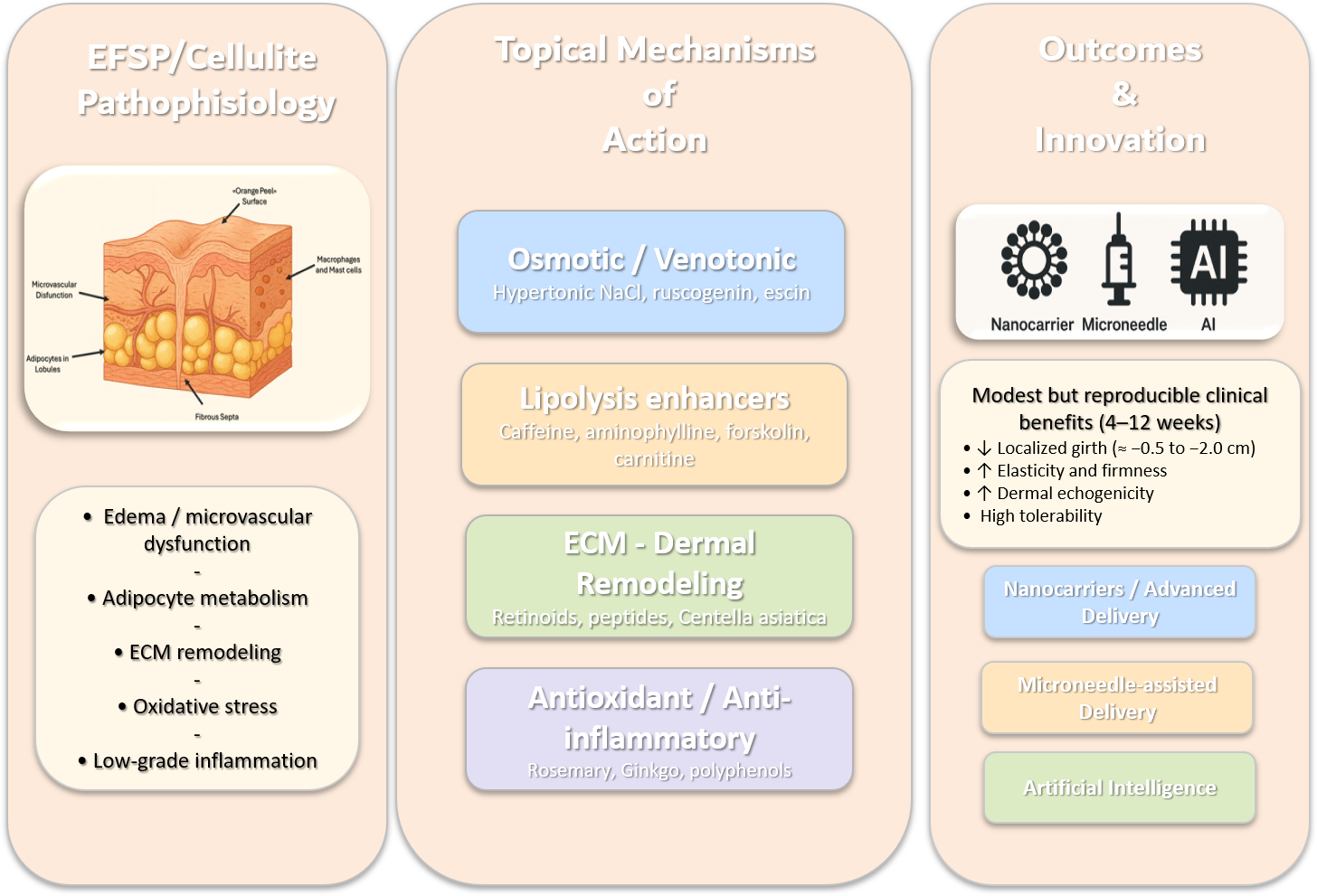
Graphical Abstract

1. Introduction

Cellulite, also known as edematous-fibro-sclerotic panniculopathy (EFSP), is an extremely common condition, affecting between 85% and 98% of postpubertal women. It is clinically recognized by its characteristic dimpling and “orange peel” surface irregularities, most often localized to the thighs, buttocks, and hips [1,2]. Although it is not a disease in the strict sense, its visibility can generate considerable psychological distress, diminished self-esteem, and a strong demand for aesthetic treatments [3]. Importantly, cellulite/EFSP does not exclusively affect overweight individuals; it is also frequently observed in lean women, suggesting that its pathogenesis extends far beyond simple fat accumulation [2]. Over the decades, many terms have been proposed, including gynoid lipodystrophy, liposclerosis, dermopanniculosis deformans, and adiposis edematosa, all reflecting different attempts to capture the complexity of its origin. Despite these varied definitions, most authors agree that EFSP arises from a multifactorial interplay involving structural, hormonal, vascular, inflammatory, and metabolic factors, influenced by genetic background and lifestyle [4,5]. Epidemiological data confirm that female sex, Caucasian ethnicity, pregnancy, aging, and sedentariness are among the most relevant risk factors. Obesity may aggravate the condition, but it is neither necessary nor sufficient for its appearance [6].
From an anatomical standpoint, EFSP can be conceptualized through three structural elements that interact dynamically: clusters of adipocytes organized in lobules, fibrous septa that tether the dermis to deeper structures at a fixed length, and the overlying skin. In women, fibrous septa are arranged more perpendicularly, allowing fat lobules to herniate upward into the dermis [2]. This creates alternating depressions, where septa pull down the skin, and elevations, where adipose tissue bulges against a thinned dermis. In men, by contrast, septa are typically oriented obliquely, forming smaller polygonal compartments that resist herniation, which helps explain the striking sexual dimorphism in cellulite prevalence [7]. Hormones, particularly estrogens, exert a profound influence on this architecture. They stimulate lipogenesis, affect connective tissue remodeling, and increase vascular permeability, all of which favor edema and structural changes [4]. This explains why EFSP often worsens at puberty, during pregnancy, or under estrogen-based therapies. A relative deficiency of progesterone may further impair adipocyte metabolism and collagen balance, accelerating fibrotic changes. The vascular hypothesis provides another crucial piece of the puzzle. Alterations in dermal and subdermal microcirculation lead to plasma leakage, interstitial fluid retention, tissue hypoxia, and ultimately fibrosis [8]. Chronic hypoxia triggers hypoxia-inducible factor (HIF-1α), which drives angiogenesis, extracellular matrix deposition, and fibrogenesis [9]. These processes create a vicious cycle where edema, inflammation, and septal thickening reinforce each other over time. Low-grade inflammation and oxidative stress are increasingly recognized as co-factors. The convergence of persistent oxidative stress and chronic low-grade inflammation is termed “oxinflammation” and drives the fibrosclerotic changes characteristic of EFSP [6]. Histologic studies have demonstrated macrophage and mast cell infiltration, with upregulation of pro-inflammatory cytokines such as TNF-α and IL-6 [10]. Proteomic analyses further suggest that adipose tissue in cellulite-prone areas is subject to oxidative stress and metabolic remodeling [11]. Such findings strengthen the concept that cellulite is not a static cosmetic defect but a biologically active process involving the dermis, hypodermis, and microvasculature. Another perspective comes from the recognition of adipose tissue as an endocrine organ. Adipocytes release adipokines, including leptin and adiponectin, that influence vascular homeostasis, glucose metabolism, and inflammation [12]. In EFSP, reduced local expression of adiponectin may impair vasoprotection and microcirculation, whereas elevated leptin levels are associated with endothelial dysfunction and abnormal angiogenesis. This endocrine imbalance adds a systemic dimension to what has long been considered a purely local process. Finally, lifestyle and aging act as modulators. Diets rich in carbohydrates, salt, and preservatives can promote hyperinsulinemia and lipogenesis; smoking contributes to vasoconstriction and free radical burden; alcohol enhances lipogenesis while dehydrating tissues; and physical inactivity weakens the vascular and lymphatic systems [13,14]. With aging, dermal atrophy, loss of elasticity, and reduced lymphatic efficiency exacerbate the condition. The pathophysiological mechanisms involved in cellulite are summarized in Figure 1.
This multifactorial pathogenesis helps to explain why EFSP remains so difficult to treat and why multimodal strategies are frequently considered necessary to achieve consistent results. Within this therapeutic landscape, topical agents continue to hold a place in the routine management of cellulite, despite the growing availability of numerous other interventions. By selectively addressing the biological mechanisms that sustain EFSP, such as improving microcirculation and interstitial fluid drainage, stimulating lipolysis, promoting dermal remodeling, and mitigating oxidative stress and inflammation, topical formulations may contribute to clinically meaningful improvements. The purpose of this review is to critically examine the available topical approaches for cellulite/EFSP management, organizing the discussion according to the main pathogenetic pathways involved, and highlight both the strengths and the limitations of current evidence in order to identify priorities for future research.

2. Materials and Methods

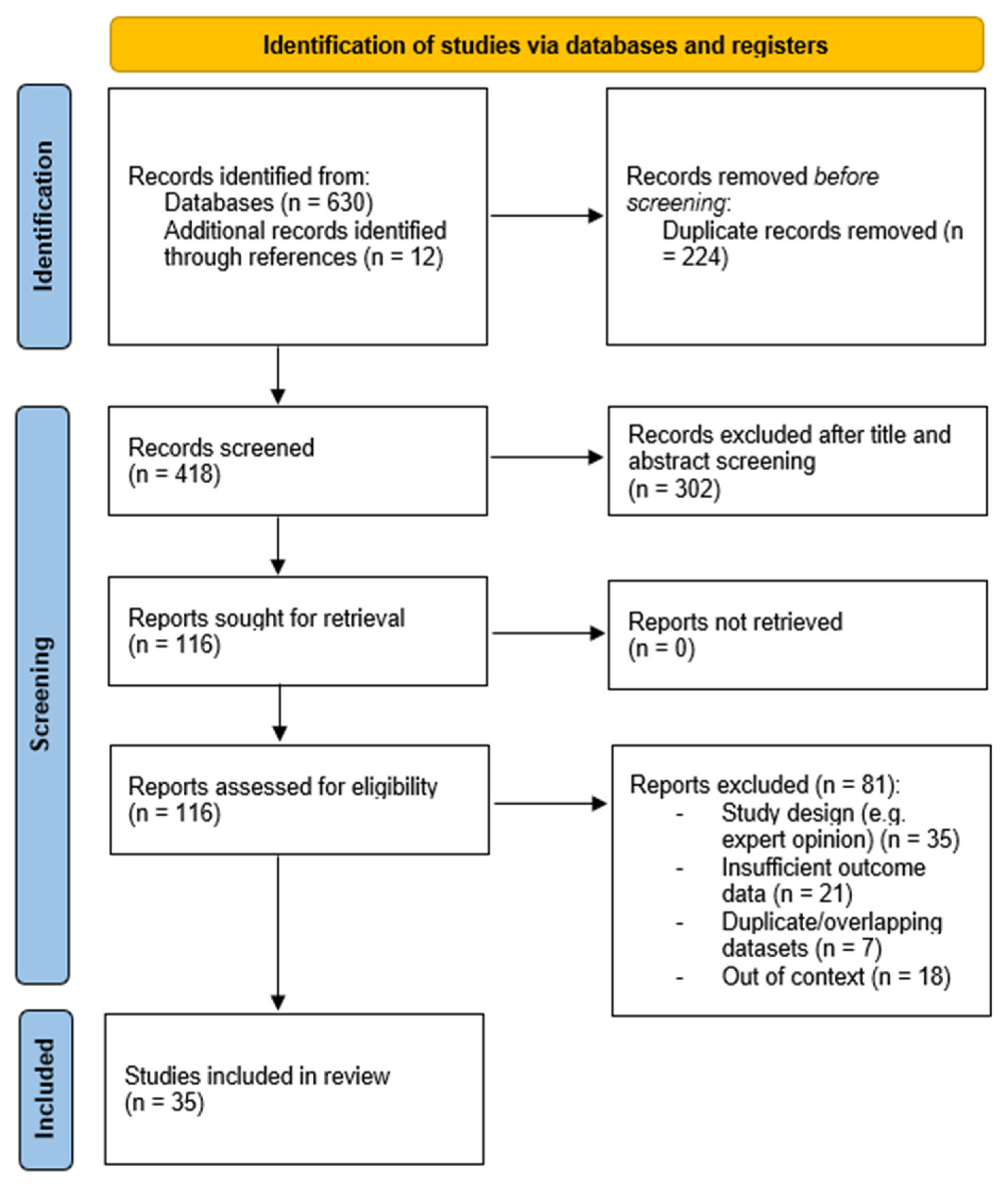
A comprehensive search of the PubMed and Scopus databases was conducted to identify relevant publications concerning the pathogenesis of EFSP and the use of topical treatments. The search strategy included the following key terms in various combinations: “cellulite” OR “gynoid lipodystrophy” OR “edematous-fibro-sclerotic panniculopathy” OR “EFSP” AND “pathogenesis” OR “etiology” OR “mechanism” OR “microcirculation” OR “adipocyte” OR “fibrous septa” OR “hypoxia” OR “oxidative stress” OR “inflammation” AND “topical therapy” OR “topical treatment” OR “cream” OR “gel” OR “ointment” OR “cosmetic formulation”. No language or publication date restrictions were applied. The database search was performed from inception to September 2025. Additional relevant articles were identified by manual cross-referencing of the bibliographies of retrieved papers. Preference was given to peer-reviewed original articles, randomized controlled trials, systematic reviews, and meta-analyses, while mechanistic and preclinical studies were also considered when they provided insight into molecular and histopathological pathways relevant to cellulite. Narrative reviews and expert opinions were used to complement the discussion when appropriate. The flow of identification, screening, eligibility, and inclusion is presented in Figure 2. Given the narrative nature of the present review, no predefined inclusion or exclusion criteria were established prior to the literature search. The following PICO (Population, Intervention, Comparison, Outcome) framework guided the selection process: Population: adult women affected by cellulite/EFSP, regardless of body mass index or severity grade; Intervention/exposure: topical formulations aimed at improving cellulite, including single-ingredient and multi-active preparations targeting microcirculation, lipolysis, extracellular matrix remodeling, inflammation, or oxidative stress; Comparator: placebo, vehicle-only, or alternative non-topical interventions when available; Outcome: improvement in cellulite severity, skin surface topography, and dermal or subcutaneous structure assessed by imaging (e.g., ultrasound, optical devices) and patient-reported outcomes regarding efficacy and tolerability.

3. Results

For clarity and to align mechanistic hypotheses with clinical outcomes, the topical interventions identified by our research are presented according to their primary mechanisms of action. We organized the evidence into four categories: (i) Microcirculation and interstitial edema, encompassing osmotic formulations and vasomodulatory phytoderivatives; (ii) Adipocyte metabolism and lipolysis, including methylxanthines and related lipolytic enhancers; (iii) Extracellular matrix (ECM) remodeling, dermal thickening, and skin laxity, covering retinoids, peptides, and other botanical derivatives; and (iv) Inflammation, oxidative stress, and glycation, focusing on antioxidant/anti-inflammatory botanicals and antiglycation strategies. This framework allows a mechanism-first interpretation of outcomes across heterogeneous study designs and facilitates comparison between formulations targeting distinct but complementary pathophysiological nodes of EFSP.

3.1. Microcirculation and Interstitial Edema

Several randomized controlled trials have investigated the role of topical agents aimed at reducing interstitial fluid and improving microcirculation in women affected by cellulite. Although heterogeneous in design and outcome measures, these studies collectively highlight the potential of hypertonic formulations, vasomodulatory phytoderivatives, and retinoid-based approaches.
A Johnson & Johnson-sponsored program by Roure et al. investigated a multi-active topical formulation (THPE, caffeine, carnitine, forskolin, and retinol) designed to act through complementary lipolytic and vasomodulatory pathways [15]. Forskolin significantly enhanced lipolysis, while caffeine promoted glycerol release from adipocytes. The combination of retinol and carnitine synergistically stimulated keratinocyte proliferation and counteracted vascular dysfunctions. In a 12-week, randomized, placebo-controlled trial on 78 women, the product significantly improved skin hydration and reduced thigh and abdominal circumference compared with placebo [15]. By week 12, abdominal and waist girth decreased by about 1 cm, with earlier and more consistent reductions at multiple sites versus placebo. Blinded assessments documented improvements in orange-peel appearance and tonicity, with overall clinical benefit observed in 79% of treated women compared with 56% on placebo.
A study specifically designed to investigate the osmotic approach was conducted by Di Guardo et al., who evaluated a hypertonic cream containing 13% sodium chloride in 30 women with grade II–III cellulite over a 12-week period [16]. Patients randomized to the active treatment showed a significant reduction in thigh circumference compared to placebo, with mean decreases of −1.08 cm at day 42 (p = 0.027) and −2.12 cm at day 84 (p = 0.0037). In contrast, placebo induced only a minimal change (−0.02 cm at day 84; p = 0.43). Ultrasound confirmed structural modifications, with subcutaneous thickness decreasing by 2 mm and 3 mm at the two time points in the active group, whereas dermal and epidermal layers remained unchanged. Subgroup analyses indicated amplified effects among women with BMI ≥ 25.
A complementary formulation containing retinol, caffeine, and ruscogenin was studied by Bertin et al. in 46 women [17]. Using multimodal non-invasive methods, including skin surface profilometry, ultrasound, biomechanical testing, and laser flowmetry, the investigators demonstrated superiority of the active cream over placebo. Improvements were documented in skin macro-relief, reduction of the “orange-peel” effect, and increased cutaneous microcirculation, together with favorable changes in dermal and hypodermal structure and mechanical properties.
Further evidence for the efficacy of multi-active gels was provided by Dupont, who evaluated a complex topical formulation in 44 women with mild-to-moderate cellulite/EFSP [18]. After 12 weeks of twice-daily application, the active gel achieved consistent and clinically meaningful results across several domains. Circumference reductions included −1.1 cm at the abdomen and −0.8 cm at the thighs compared to placebo (p < 0.05 for both). Clinical assessments showed significant increases in skin tonicity (+41% buttocks, +35% hips, +31% thighs) and reductions in orange-peel appearance (−25% buttocks, −22% hips/thighs) and stubborn cellulite (−19% buttocks, −24% hips, −22% thighs). Overall, 81% of women improved with the active product, compared to 32% on placebo. The gel was well tolerated, and participants consistently rated its performance as superior.
Plant-derived formulations were also evaluated in a smaller but rigorous trial that studied a herbal “emgel” based on Thai compress oils in 20 women (18 completers) with severe cellulite [19]. The herbal emgel contained 5% mixed essential oils (ginger, black pepper, long pepper, turmeric, plai, citronella, kaffir lime), 5% camphor, 0.05% aqueous tea extract, and 0.05% coffee extract, with the placebo using the same base without these oils or extracts. After 12 weeks, blinded evaluators reported a significant decrease in cellulite severity scores, from 13.4 ± 0.8 to 9.9 ± 0.6, while placebo showed only minimal change. Image analysis corroborated this reduction, though with greater variability. Circumference measurements declined modestly in both groups (approximately 0.8–1.0 cm) with no significant between-group difference, although a transient additional 0.5 cm reduction on active treatment was observed by week 4. Both active and placebo enhanced skin firmness and cutaneous blood flow, highlighting a contribution of the vehicle and massage.
Finally, an earlier but conceptually important trial specifically investigated topical 0.3% retinol in a split-body, left–right randomized design to control for massage effects (Piérard-Franchimont et al., n = 15, six months) [20]. In this cohort of women aged 26–44 years with mild-to-moderate cellulite, retinol-treated sites exhibited a 10.7% increase in skin elasticity and a 15.8% decrease in viscosity compared to placebo-treated sites. The benefit was most evident in cases where the “mattress phenomenon” was the only sign, whereas more pronounced “lumpy-bumpy” cellulite/EFSP showed little response. Histological analysis revealed a 2–5-fold increase in factor XIIIa+ dendrocytes in the dermis and hypodermal fibrous septa.
Taken together, these studies indicate that both osmotic and biologically active topical formulations can lead to clinically relevant improvements in EFSP [15,16,17,18,19,20]. While anthropometric reductions are generally modest (often 0.8–2.1 cm over 8–12 weeks), changes in skin hydration, elasticity, perfusion, and tissue structure provide good evidence of biological activity (Table 1).

3.2. Adipocyte Metabolism and Lipolysis

Topical agents aiming to stimulate lipolysis and modulate adipocyte metabolism have primarily included caffeine, theophylline/aminophylline, carnitine, and forskolin. In this setting, caffeine and forskolin have been shown ex vivo to promote glycerol release from adipocytes, while carnitine and retinol exert synergistic effects on keratinocyte proliferation and epidermal remodeling. Clinical evaluation of multi-active products combining these agents, such as the formulation investigated by Roure et al. [15], or retinol–caffeine–ruscogenin creams tested by Bertin et al. [17], demonstrated modest but reproducible reductions in waist and abdominal circumference (≈1 cm over 12 weeks) and significant improvements in skin surface relief and microcirculation compared with placebo.
A more extensive investigation focused on aminophylline. Early evidence by Greenway and Bray (1987) in 23 obese women reported that creams containing colforsin, aminophylline (10% in ointment vs. 2% in cream vs. 0.5% in cream), or yohimbine, applied five times per week for four weeks in combination with diet, walking, and warm wraps, produced measurable reductions in thigh circumference compared with baseline [21]. Similarly, Artz and Dinner observed decreased thigh and buttock girth after 12 weeks of twice-daily application of 2% aminophylline gel in 12 women aged 35–48 years [22]. The efficacy of aminophylline on abdominal fat was subsequently examined by Caruso et al. in a randomized trial of 50 overweight men and women (BMI > 27 kg/m2, waist-to-hip ratio ≥ average) [23]. Participants applied 0.5% aminophylline cream to the waist twice daily for 12 weeks alongside a 1200 kcal diet and walking program. At endpoint, the aminophylline group achieved a mean waist reduction of 11 ± 1.0 cm compared with 5.0 ± 0.6 cm in controls (p < 0.001). Reductions were significant in both sexes, with greater effects in women. No aminophylline was detected systemically, and no adverse events occurred. Further evidence was provided by Escalante et al. (2018) in a double-blind, placebo-controlled, within-subject trial using a topical blend containing 1% aminophylline, 5% caffeine, 2% yohimbe plus L-carnitine, and Centella asiatica [24]. Seven sedentary women adhered to a hypocaloric diet and walking regimen while applying placebo to one leg and the active lotion to the contralateral leg for 28 days. Active treatment resulted in significantly greater reductions in thigh circumference (−1.2 vs. −0.8 cm, F = 18.2, p = 0.005), skinfold thickness (−3.7 vs. −2.0 mm, F = 14.6, p = 0.009), and fat mass by DXA (−100.0 g vs. −57.3 g, F = 37.1, p = 0.001) compared with placebo.
Additional work has confirmed the role of caffeine in lipolytic modulation. For example, Vogelgesang et al. assessed sulfo-carrabiose, a sugar-based cosmetic active designed to trap polyamines and reduce adipocyte fat storage [25]. In vitro, 3% sulfo-carrabiose inhibited lipogenesis (−79% acetate incorporation) and stimulated lipolysis (+87% fatty acid release). In a 2-month clinical study, thigh circumference decreased by 0.6–0.7 cm, significantly outperforming placebo and caffeine alone. When combined with 3% caffeine, sulfo-carrabiose further enhanced efficacy, producing an average −0.7 cm reduction versus −0.3 cm with caffeine alone. Finally, a caffeine-based lotion was tested by Lupi et al. using orthogonal polarization spectral imaging in women with gynoid lipodystrophy [26]. After 1 month of treatment with a 7% caffeine solution, thigh circumference decreased in >80% of participants and hip circumference in 67.7%, although microcirculatory parameters such as functional capillary density and capillary diameters did not show significant modifications.

3.3. Extracellular Matrix Remodeling, Dermal Thickening, and Skin Laxity

Several topical strategies have been designed to counteract cellulite by targeting the ECM, promoting dermal thickening, and improving skin firmness. The most widely studied compounds include retinoids, multi-active peptide-based complexes, and Centella asiatica derivatives.
Retinoids have demonstrated the ability to stimulate dermal thickening, neocollagenesis, and angiogenesis. Clinical evidence from randomized controlled trials, such as those by Dupont and Piérard-Franchimont, already described above, showed that retinol-containing formulations can improve skin mechanical properties, reduce orange-peel appearance, and enhance skin tone, although effects are more consistent in early or mild cellulite [18,20]. Additional support for the role of retinoids in ECM remodeling comes from a pilot study combining intense pulsed light (IPL) with a retinyl-based cream [27]. Twenty women with cellulite on the buttocks and thighs underwent a 12-week course of IPL, with or without topical retinyl palmitate cream. Among completers, the majority reported visible improvements in surface smoothness, with self-rated improvement of ≥50% in 60% of participants, more pronounced in those receiving the combination therapy. Ultrasound confirmed increased dermal collagen deposition, and follow-up suggested durability of effect up to 8 months.
Multi-active complexes, often including retinoids and methylxanthines, have been incorporated in several topical gels described above (e.g., Roure et al. [15], Bertin et al. [17]). Both studies used retinol as one of the active ingredients.
Centella asiatica, whose main active constituents are pentacyclic triterpene derivatives, has been investigated particularly for the effects of asiaticosides and madecassosides on ECM remodeling and skin texture [28]. In an interventional study on 60 women with cellulite, the topical application of madecassoside cream four times daily for four months was associated with inhibition of cellulite progression and visible clinical improvement in 85% of participants, with good overall tolerability [29]. Moreover, evidence from related dermatologic indications supports the role of C. asiatica-based formulations in dermal reinforcement. In a randomized, double-blind, placebo-controlled trial in 100 pregnant women, daily application of a cream containing C. asiatica extract together with α-tocopherol, hydrolyzed collagen, and elastin significantly reduced the incidence and severity of striae distensae compared with placebo [30].

3.4. Inflammation, Oxidative Stress, and Glycation

Topical strategies targeting oxinflammation and glyco-oxidative stress in EFSP frequently employ antioxidant and anti-inflammatory botanicals (e.g., Rosmarinus officinalis, Vitis vinifera, Ginkgo biloba). These phytocomplexes often display additional venotonic and anti-edematous activity (e.g., escin) and are usually delivered in multi-active formulations. Despite heterogeneous formulations, these preparations consistently demonstrate reductions in edema, improvements in dermal echogenicity and surface texture, and modest but measurable circumferential decreases.
Rosmarinus officinalis has emerged as a potent antioxidant [31]. In a preclinical in vitro screening program (UP1307), it was identified as a lead antioxidant/anti-inflammatory agent, showing marked inhibition of platelet aggregation, nitric oxide production, and free-radical activity [32]. Although the work by Hoskin et al. did not specifically address cellulite, their ex vivo demonstration of spirulina–rosemary particles reducing oxinflammatory damage highlights a strong antioxidant and anti-inflammatory potential [33].
A right/left, diet-controlled clinical study by Escudier et al. [34] (n = 50) combined individualized diet advice with a topical slimming cream containing 5% caffeine and a flavonoid-rich Nelumbo nucifera, a botanical with specific draining, lipolytic, and anti-inflammatory activity. The treated side showed earlier and greater reductions in cellulite/EFSP scores: significant improvements without pinching by week 2 and with pinching by week 4 (both p < 0.01 vs. baseline; between-side p ≤ 0.006). In parallel, skin tonicity improved significantly, while 3D imaging confirmed measurable reductions in thigh, buttock, and hip volumes at week 4.
Similarly, another study evaluated the impact of plant extracts (containing Cucurbita pepo) and cranberry on edema, microcirculation, and inflammation using ultrasound imaging. In a 30-day comparative trial (n = 61), only the topical arm (vs. oral pills) demonstrated robust effects: subcutaneous thickness decreased by approximately 18%, dermis + subcutis thickness by 16%, and edema prevalence fell from 75.6% to 24.4%. Thigh circumference at the scan site also decreased significantly, while the placebo group showed no significant changes [35]. High-frequency ultrasound confirmed reductions in epidermal and dermal thickness, alongside shortening of subcutaneous fascicles penetrating the dermis.
In a 4-week randomized split-area trial by Sparavigna et al. (n = 23), a tri-botanical cream (ACTIVE) with antioxidant and vasotonic activity, containing visnadine, Ginkgo dimeric flavonoids, and escin, outperformed placebo across multiple clinical endpoints [36]. Visual appearance and orange-peel scores improved significantly, firmness increased, pain at pinching declined markedly, and circumferences decreased by around 1 cm in several thigh regions. These results are consistent with escin’s pharmacological profile as an anti-edematous, venotonic, and anti-inflammatory agent. Escin is also present in the multi-active gel evaluated by Dupont et al., which produced significant improvements in orange-peel, tonicity, and selective circumferences (see ECM-focused section) [18].
Multi-active complexes acting on inflammation and ECM remodeling have also been tested. In a 12-week double-blind trial, a formulation combining algae extracts (Fucus vesiculosus, Furcellaria lumbricalis), retinoid, CLA, and glaucine significantly reduced dermatologist-graded cellulite scores and decreased adipose thickness on ultrasound, with most subjects showing measurable improvements [37].
Two double-blind oral trials by Distante et al. (2006) assessed multifunctional plant complexes enriched with antioxidant extracts, notably Vitis vinifera procyanidins, combined with vaso-/lymphokinetic botanicals (Ginkgo, Melilotus, Centella, ± Fucus) [38]. The active arms consistently demonstrated reductions in oxidative stress markers, improved microcirculation (via capillaroscopy and laser-Doppler), decreased subcutis thickness and edema, improved thermography, and accelerated lymphatic transit. Anthropometric changes were modest but significant, and tolerability was excellent, reinforcing the mechanistic link between antioxidant load (particularly grape-seed procyanidins), microvascular normalization, and ECM-level improvements.
Ginkgo biloba is a flavonoid-rich botanical extensively studied for its antioxidant and vasomodulatory properties [39]. In practice, Ginkgo has mainly been evaluated in multi-component formulations. In fact, Ginkgo biloba has been investigated more extensively in oral preparations rather than topical formulations. For example, Bertuccioli et al. (2021) assessed an oral nutraceutical containing Vitis vinifera, Ginkgo biloba, and Melilotus officinalis, which showed only a non-significant trend toward improvement in EFSP scores and circumferential reductions [40]. Likewise, Lis-Balchin reported negative findings with Cellasene®, another oral mixture including rosemary oil (1.5%) and juniper oil (1.5%), where no significant differences versus placebo were observed after two months [41]. Topically, Ginkgo has also been tested in multifunctional gels, such as the ACTIVE cream described earlier, where it was combined with escin and visnadine [36].
Finally, Centella asiatica, already discussed above, remains one of the most valuable adjuncts in cellulite management due to its antifibrotic, dermo-restructuring, and antioxidant activity [28,29,30].
Collectively, antioxidant/anti-inflammatory and venotonic strategies consistently demonstrate the following: (i) measurable edema relief and echogenicity normalization on ultrasound within 2–4 weeks (e.g., subcutis reduction at 30 days); (ii) earlier clinical score improvements and localized volume decreases when combined with lifestyle support; and (iii) biomarker-level control of oxinflammation (e.g., reduced lipid peroxidation, preserved barrier proteins). Key clinical and preclinical evidence supporting anti-inflammatory, antioxidant, and ECM-modulating topical approaches is summarized in Table 2.

4. Discussion

The present review reinforces a mechanism-first view of cellulite/EFSP, in which interstitial edema and lymphatic stasis, adipocyte metabolism, fibrous septal architecture, dermal–ECM quality, and low-grade “oxinflammation” intertwine to produce surface topography changes. Within this framework, topical strategies can be understood as targeted modulators of specific nodes in the pathway. Hypertonic formulations operate primarily as anti-edema agents: by transiently increasing the interstitial osmotic gradient they promote fluid egress from the subcutis [16]. These early shifts are consistent with the clinical intuition that decongesting the extracellular space improves mattress-like contouring even before deeper architectural drivers are addressed. In parallel, caffeine and related methylxanthines (e.g., aminophylline) modulate adipocyte metabolism primarily by inhibiting phosphodiesterase, thereby elevating intracellular cAMP and facilitating hormone-sensitive lipase–mediated lipolysis. Additional effects include potent antioxidant activity, protection against UV-induced damage with consequent slowing of photoaging, stimulation of cutaneous microcirculation, and, through 5-α-reductase inhibition, ancillary stimulation of hair growth [42]. Franz diffusion cell experiments have consistently shown that caffeine, despite being hydrophilic, penetrates the skin barrier effectively, with most cosmetic formulations containing approximately 3% caffeine. Across controlled topical studies, either as single actives or embedded in multi-ingredient formulas with retinoids and vasotonics, these agents reproducibly improve macro-relief and “orange-peel” scoring within weeks [15,17,18,24,25,26]. Retinoids act less on fat lobules and more on the ECM–dermal compartment, increasing dermal thickness, microvasculature, and neocollagenesis; in split-body randomized designs, retinol increased elasticity and reduced viscosity, with histology revealing up-regulation of FXIIIa+ dendrocytes [18,20]. Benefits are most evident in early/mild cellulite/EFSP, where surface undulation is driven more by dermal mechanics than by rigid septal tethering. Centella asiatica provides a bridge between ECM remodeling and microvascular support. Its pentacyclic triterpenes (asiaticoside, madecassoside) promote collagen synthesis and exert anti-inflammatory/antioxidant actions; clinical experiences in cellulite and related dermal-laxity conditions (e.g., striae) suggest stabilization or improvement of clinical grading with excellent tolerability [28,29,30]. Botanical extracts such as Rosmarinus officinalis and Ginkgo biloba provide complementary antioxidants and vasoprotective activities relevant to cellulite management. Phenolic compounds from rosemary (e.g., carnosic, rosmarinic, ursolic acids) attenuate oxidative/nitrosative stress and NF-κB signaling, with preclinical and ex vivo models showing reduced oxinflammation and improved ECM homeostasis [32,33]. Similarly, standardized Ginkgo biloba extracts, rich in flavone glycosides and terpene lactones, scavenge free radicals, modulate nitric oxide pathways, and preserve endothelial integrity, thereby reducing edema and supporting microcirculation [36,39,40,41].
As a class, therefore, topicals targeting edema/microcirculation (osmotics, venotonics), adipocyte metabolism (caffeine/methylxanthines), ECM/dermal mechanics (retinoids, Centella), and oxinflammation (rosemary, ginkgo) deliver modest but consistent improvements in clinical scores, ultrasound echogenicity, and localized girth over 4–12 weeks, with excellent tolerability and high acceptability [15,16,17,18,19,20,24,25,26,27,28,29,30,31,32,33,34,35,36,37]. The aggregate effect sizes (≈0.5–2 cm at treated regions) are biologically plausible given the magnitude of microvascular and dermal-mechanical changes measurable in the same intervals, and these outcomes are clinically relevant for patients prioritizing non-invasiveness or for maintenance after procedural interventions. Comparatively, methylxanthine-based formulations show the most consistent yet modest short-term improvements, while retinoid-containing products act more slowly but may enhance durability through ECM remodeling, although this has been seen in studies with limited sample sizes and heterogeneous regimens [21,22,23,24]. Peptides/matrikines and polyphenol-rich venotonics yield heterogeneous results, with multi-ingredient creams generally outperforming single-actives, suggesting mechanistic complementarity [15,17]. Pragmatically, the most promising strategy is a multi-target regimen: a caffeine backbone for visible gains within 4–8 weeks, complemented by a retinoid to support dermal structure and a polyphenolic venotonic for edema/microvascular tone.
Concerning safety and tolerability, adverse-event reporting in the included cellulite/EFSP topical studies is sparse. Most trials either report no adverse events or describe products as well tolerated. That said, topical retinoids, when present in multi-active formulations, are well known to cause local irritant reactions, especially early in use: erythema, dryness/xerosis, peeling/desquamation, burning/stinging, pruritus, and occasional retinoid dermatitis; increased photosensitivity is also described [18,19,20]. These effects are usually mild–moderate and improve with gradual introduction, moisturizer “sandwiching,” and photoprotection. Among retinoids, adapalene tends to be less irritating than tretinoin at comparable use [43].
We recommend twice-daily applications where feasible (minimum 12 weeks), standardized photographs for response tracking, and barrier-support measures to optimize tolerability; retinoids should be avoided in pregnancy and introduced gradually in sensitive skin [23]. Head-to-head trials using uniform scales and imaging are warranted to confirm relative efficacy and refine optimal combinations.
Positioning these findings against other cellulite/EFSP therapies clarifies expectations and guides sequencing. When fibrous septa are the dominant driver of discrete dimples, mechanical release achieves the largest and most durable responses. Tissue-stabilized guided subcision has multicenter, long-term data demonstrating significant improvement sustained for at least 2–3 years with high satisfaction and favorable safety; retrospective evaluations corroborate benefit across grades 1–3 [44]. 1440-nm Nd:YAG laser with a side-firing fiber couples photothermal septal release with subdermal remodeling; prospective multicenter work reports blinded improvements persisting ≥6–12 months after a single session, with outcomes influenced by technique and baseline severity [45]. Injectable collagenase (CCH-aaes; Qwo®, Endo Aesthetics LLC, Malvern, Pennsylvania, USA) enzymatically lyses type I/III collagen in septa and met primary endpoints in Phase 2/3 randomized trials of moderate–severe buttock/thigh cellulite; efficacy is accompanied by predictable, usually transient bruising, and real-world availability has varied by market considerations [46]. Other injectable approaches, such as collagenase therapy and dermal fillers (e.g., calcium hydroxyapatite, poly-L-lactic acid), have also been explored as options for cellulite management [47,48]. These interventions primarily target collagen stimulation and dermal support, aiming to improve skin texture and laxity; however, evidence regarding their durability and long-term efficacy in cellulite remains limited. Among energy-based approaches, acoustic/shock-wave therapy (AWT/ESWT) shows a meta-analytic signal of moderate improvement in severity grades and girth with good safety, though device and protocol heterogeneity and the need for maintenance are recurrent themes [49,50]. Radiofrequency (RF) and microfocused ultrasound with visualization (MFU-V) primarily address skin laxity and dermal remodeling; prospective cohorts and controlled studies document surface smoothing and tightening, often leveraged in blended protocols (e.g., MFU-V combined with diluted calcium hydroxyapatite to potentiate neocollagenesis) [51,52]. Also, microwave therapy, operating in the 1–300 GHz frequency range, has demonstrated efficacy in reducing the severity of cellulite on the buttocks and posterior thighs [53]. Its mechanism involves controlled hyperthermia, which promotes solubilization of deeper collagen fibers, stimulates fibroblast activity, and induces collagen remodeling. Carboxytherapy has supportive cohort-level data but comparatively sparse high-level evidence; ongoing comparisons with lasers are being explored, and, in practice, carboxytherapy is frequently paired with massage for comfort rather than efficacy gain [54].
While direct head-to-head trials are uncommon, triangulation across study designs allows cautious comparative inferences. Topicals typically achieve ≈0.5–2 cm localized reductions and meaningful texture smoothing over 4–12 weeks, with safety/tolerability as major advantages [15,16,17,18,19,20,24,25,26,27,28,29,30,31,32,33,34,35,36,37]. AWT/ESWT generally requires 6–12 sessions to reach moderate improvements and often benefits from maintenance [50]. RF/MFU improves laxity-driven irregularities with durability of months to a year and common booster sessions [51,52]. Septa-directed modalities, including subcision and CCH-aaes, and to a degree 1440-nm laser, produce the largest and most durable changes for dimple-dominant patterns, at the cost of minimally invasive procedures and procedure-specific adverse events [44,45,46]. These observations also explain the growing emphasis on combination therapy. Because cellulite is multifactorial, combining a driver-level intervention with adjunctive topicals that improve edema control, microcirculation, oxinflammation, and ECM quality is rational and increasingly reported in practice and studies. For example, protocols pairing septal release (subcision or CCH) with ECM/antioxidant topicals (retinoids, caffeine, Centella, rosemary) during convalescence and maintenance seem to consolidate and smooth results beyond what procedure or topicals can accomplish alone [15,16,17,18,19,20,28,29,30,31,32,33,34,35,36,37]. Expert overviews and device studies similarly describe energy-based treatments (RF/MFU/1440-nm) followed by topical antioxidants/retinoids to support neocollagenesis and mitigate post-procedure oxinflammation, with improvements in laxity and texture that are easier to maintain when a simple home regimen is continued [55]. In clinical terms, therefore, expectation management and sequencing are pivotal. When discrete dimples from taut septa dominate, septa-targeting (subcision/CCH/1440-nm) should be considered first for durable remodeling, whereas diffuse mattressing and laxity respond better to edema/microcirculation and ECM-focused measures (topicals, RF/MFU), with shock/acoustic waves as a modulatory option. Across these pathways, topicals remain the most accessible and safest tools, well suited for non-invasive entry, interval maintenance after procedures, and combination plans that match an individual patient’s pattern of drivers. The cumulative evidence suggests that this mechanism-anchored, layered approach yields outcomes that are more than the sum of their parts: early anti-edema and antioxidant control, progressive ECM strengthening, and, where indicated, definitive septal release, together map onto cellulite’s biology and the results that patients can realistically perceive and sustain over time.
New types of molecules and advanced formulations are increasingly being developed to improve the efficacy of topical cellulite/EFSP therapy. A growing body of work is leveraging nanocarriers and device-assisted delivery to boost intradermal/SC deposition of actives and sustain pharmacodynamic effects where cellulite pathology resides [56]. For methylxanthines, solid-lipid and nanostructured-lipid carriers (SLN/NLCs) consistently increase skin retention and anti-lipogenic readouts versus conventional gels; recent caffeine–NLC/SLN gels have shown enhanced follicular/appendageal targeting and histologic improvement of subcutaneous fat architecture in vivo, supporting a nanocosmeceutical route for cellulite management [57]. Beyond classic lipids, ultradeformable vesicles (transfersomes/ethosomes/transethosomes), bilosomes, and cerosomes improve passage through the stratum corneum and deposition within dermis/hypodermis. Caffeinated bilosomes (optionally co-loaded with polyphenols like resveratrol) have demonstrated non-invasive adipocyte targeting [58], while transcutol-enriched cerosome gels have been further potentiated by sonophoresis, increasing dermal drug levels—an approach that aligns with the microcirculatory and ECM-centric mechanisms discussed earlier [59]. Hybrid strategies couple advanced carriers with physical permeation enhancers. Hydrogel microneedles (as a pre-treatment) significantly augment transdermal flux of caffeine, and nanoemulgels combining caffeine, aminophylline, and tretinoin show higher ex vivo skin deposition—effects amplified by microneedling at 0.5–2.0 mm [60,61]. Together, these data suggest that controlled microchanneling can “prime” the dermis for multi-mechanistic actives (lipolytic, venotonic, dermo-restructuring) delivered in optimized vehicles. Parallel innovation is occurring for ECM-directed agents: nano-lipid formulations of retinoids improve chemical stability and reduce irritation while maintaining (or enhancing) pro-collagen/angiogenic signaling, which are features that make them attractive partners in combination gels with methylxanthines or vasotonics [62]. Contemporary reviews detail polymeric and lipid strategies (e.g., NLCs) to tame retinoid instability/irritancy, supporting longer maintenance courses that are often required for durable changes in dermal mechanics [63]. Finally, broader therapeutic appraisals still caution that many studies remain small, short-term, or preclinical; nonetheless, placebo-controlled data already support benefits of topical caffeine/retinol combinations, and newer carrier/device pairings appear to address historical limitations in penetration and tolerability. As research in this field progresses, mechanism-driven formulations with standardized actives, defined particle metrics, and integration with permeation-enhancing techniques such as microneedling or sonophoresis may further optimize outcomes, although longer-term and larger-scale studies are still required to establish their true clinical value.
A key limitation of the current evidence base is that most topical regimens are formulated as combinations of multiple actives, making it difficult to distinguish which components contribute most to efficacy, in which patients, and to what extent the simple act of massage and product application influences outcomes. To address these limitations, future trials should include a rigorously standardized vehicle-plus-massage-only control arm to isolate mechanical and placebo effects and employ factorial or head-to-head designs that compare single-active formulations against combinations to identify true efficacy drivers. Heterogeneity in formulation quality, dosing, and application technique further complicates cross-study comparisons and reduces generalizability. In this context, artificial intelligence (AI) offers pragmatic avenues to reduce uncertainty at several levels of the evidence chain. AI-assisted infrared thermography, via computer-aided, automatic identification of cellulite severity, appears feasible for reliable diagnosis and can be used for early detection as well as objective monitoring of disease progression or therapeutic outcomes. Coupling IR thermography with AI also supports a more comprehensive assessment of EFSP pathogenesis and patient stratification, consistent with its proposed role within predictive, preventive, and personalized medicine frameworks [64]. Also, AI-assisted image analytics may reconstruct 3D skin macro-relief from standardized photographs to output objective dimple count, depth, and area, rather than subjective grades, and auto-segment high-frequency ultrasound images to compute dermal–hypodermal echogenicity ratios and septal thickness, thereby reducing inter-rater variability and improving sensitivity to change compared with human graders [65].
On the therapeutic planning side, algorithmic tools can scaffold personalized, mechanism-informed protocols, e.g., pairing lipolytic/venotonic topicals with permeation enhancers or device-assisted delivery, while adaptive/Bayesian designs and N-of-1 frameworks help identify responders early and limit unnecessary exposure in non-responders [66]. Finally, at the formulation level, AI/ML models can prioritize ingredients, excipients, and carrier systems based on predicted stability, tolerability, and dermal targeting, accelerating iteration cycles and supporting compliance-by-design with safety and regulatory constraints [67,68]. These approaches do not replace the need for well-controlled clinical studies, but they can make them more tractable: enriching for likely responders, harmonizing outcome measures, and shortening optimization loops for both formulations and protocols. Future research should integrate AI-standardized readouts with mechanism-driven trial designs, prespecify adherence and massage controls, and report transparent, interoperable datasets to enable external validation and meta-analytic synthesis.

5. Conclusions

Cellulite/EFSP is a multifactorial condition in which adipocyte metabolism, microvascular dysfunction, ECM remodeling, and low-grade oxinflammation converge. Within this setting, topical agents (osmotic/venotonic formulations, methylxanthines, retinoids, Centella derivatives, and antioxidant botanicals) consistently yield modest yet reproducible gains in circumference, texture, and echogenicity, with excellent tolerability. Their greatest value emerges within multimodal care and as maintenance after procedures. Recent innovations in nanocarriers and biotechnological delivery systems, including lipid nanoparticles, ultradeformable vesicles, and microneedle-assisted vehicles, show promise in overcoming traditional barriers of skin penetration. At the same time, significant gaps remain. Most available formulations combine multiple actives, making it difficult to identify which components drive efficacy, while placebo effects, massage, and application-related confounders are not consistently controlled. Addressing these challenges will require well-designed, mechanism-driven comparative studies, ideally supported by adaptive trial methodologies. In this regard, artificial intelligence is emerging as a valuable adjunct to both research and practice. AI-based image analytics can standardize outcome measurement, predictive models can optimize formulation design, and algorithm-driven personalization may guide patient-specific protocols. Collectively, the available evidence supports a role for topical treatments as safe, accessible, and biologically active options within a layered therapeutic strategy. Their true value may lie not in acting as stand-alone interventions, but in complementing device-based, injectable, or surgical approaches while offering patients sustainable, non-invasive means of long-term maintenance.

Author Contributions

Conceptualization, A.D.G., F.T. and S.P.N.; methodology, A.D.G. and F.T.; software, A.D.G.; validation, A.D.G., F.T. and C.C.; formal analysis, A.D.G., I.P. and A.D.; investigation, A.D.G., A.R. and F.T.; resources, C.C. and G.P.; data curation, A.D.G. and I.P.; writing—original draft preparation, A.D.G., F.T., A.R. and M.E.G.; writing—review and editing, C.C., I.P., A.D. and G.P.; visualization, A.D.G. and F.T.; supervision, S.P.N. All authors have read and agreed to the published version of the manuscript.

Funding

This research received no external funding.

Institutional Review Board Statement

Not applicable.

Informed Consent Statement

Not applicable.

Data Availability Statement

No new data were created or analyzed in this study. Data sharing is not applicable to this article.

Conflicts of Interest

The authors declare no conflicts of interest.

References

  1. Rossi, A.B.; Vergnanini, A.L. Cellulite: A review. J. Eur. Acad. Dermatol. Venereol. 2000, 14, 251–262. [Google Scholar] [CrossRef]
  2. Khalil, S.; Galadari, H.I. Cellulite: An Update on Pathogenesis and Management. Dermatol. Clin. 2024, 42, 129–137. [Google Scholar] [CrossRef]
  3. Bass, L.S.; Hibler, B.P.; Khalifian, S.; Shridharani, S.M.; Klibanov, O.M.; Moradi, A. Cellulite Pathophysiology and Psychosocial Implications. Dermatol. Surg. 2023, 49, S2–S7. [Google Scholar] [CrossRef]
  4. Bass, L.S.; Kaminer, M.S. Insights Into the Pathophysiology of Cellulite: A Review. Dermatol. Surg. 2020, 46, S77–S85. [Google Scholar] [CrossRef] [PubMed]
  5. Tokarska, K.; Tokarski, S.; Woźniacka, A.; Sysa-Jędrzejowska, A.; Bogaczewicz, J. Cellulite: A cosmetic or systemic issue? Contemporary views on the etiopathogenesis of cellulite. Postepy Dermatol. Alergol. 2018, 35, 442–446. [Google Scholar] [CrossRef] [PubMed]
  6. Gabriel, A.; Chan, V.; Caldarella, M.; Wayne, T.; O’Rorke, E. Cellulite: Current Understanding and Treatment. Aesthet. Surg. J. Open Forum. 2023, 5, ojad050. [Google Scholar] [CrossRef] [PubMed]
  7. Avram, M.M. Cellulite: A review of its physiology and treatment. J. Cosmet. Laser. Ther. 2004, 6, 181–185. [Google Scholar] [CrossRef]
  8. Currî, S.B. Cellulite and fatty tissue microcirculation. Cosmet. Toilet. 1993, 108, 51–58. [Google Scholar]
  9. Emanuele, E.; Bertona, M.; Geroldi, D. A multilocus candidate approach identifies ACE and HIF1A as susceptibility genes for cellulite. J. Eur. Acad. Dermatol. Venereol. 2010, 24, 930–935. [Google Scholar] [CrossRef]
  10. Arora, G.; Patil, A.; Hooshanginezhad, Z.; Fritz, K.; Salavastru, C.; Kassir, M.; Goldman, M.P.; Gold, M.H.; Adatto, M.; Grabbe, S.; et al. Cellulite: Presentation and management. J. Cosmet. Dermatol. 2022, 21, 1393–1401. [Google Scholar] [CrossRef]
  11. Conti, G.; Zingaretti, N.; Amuso, D.; Dai Prè, E.; Brandi, J.; Cecconi, D.; Manfredi, M.; Marengo, E.; Boschi, F.; Riccio, M.; et al. Proteomic and Ultrastructural Analysis of Cellulite-New Findings on an Old Topic. Int. J. Mol. Sci. 2020, 21, 2077. [Google Scholar] [CrossRef]
  12. Terranova, F.; Berardesca, E.; Maibach, H. Cellulite: Nature and aetiopathogenesis. Int. J. Cosmet. Sci. 2006, 28, 157–167. [Google Scholar] [CrossRef] [PubMed]
  13. Larsen, B.A.; Klinedinst, B.S.; Le, S.T.; Pappas, C.; Wolf, T.; Meier, N.F.; Lim, Y.L.; Willette, A.A. Beer, wine, and spirits differentially influence body composition in older white adults-a United Kingdom Biobank study. Obes. Sci. Pract. 2022, 8, 641–656. [Google Scholar] [CrossRef] [PubMed]
  14. Adamidis, N.; Papalexis, P.; Adamidis, S. Exploring the Link Between Metabolic Syndrome and Cellulite. Cureus 2024, 16, e63464. [Google Scholar] [CrossRef]
  15. Roure, R.; Oddos, T.; Rossi, A.; Vial, F.; Bertin, C. Evaluation of the efficacy of a topical cosmetic slimming product combining tetrahydroxypropyl ethylenediamine, caffeine, carnitine, forskolin and retinol, In vitro, ex vivo and in vivo studies. Int. J. Cosmet. Sci. 2011, 33, 519–526. [Google Scholar] [CrossRef] [PubMed]
  16. Di Guardo, A.; Solito, C.; Cantisani, V.; Rega, F.; Gargano, L.; Rossi, G.; Musolff, N.; Azzella, G.; Paolino, G.; Losco, L.; et al. Clinical and Ultrasound Efficacy of Topical Hypertonic Cream (Jovita Osmocell®) in the Treatment of Cellulite: A Prospective, Monocentric, Double-Blind, Placebo-Controlled Study. Medicina 2024, 60, 781. [Google Scholar] [CrossRef]
  17. Bertin, C.; Zunino, H.; Pittet, J.C.; Beau, P.; Pineau, P.; Massonneau, M.; Robert, C.; Hopkins, J. A double-blind evaluation of the activity of an anti-cellulite product containing retinol, caffeine, and ruscogenine by a combination of several non-invasive methods. J. Cosmet. Sci. 2001, 52, 199–210. [Google Scholar]
  18. Dupont, E.; Journet, M.; Oula, M.L.; Gomez, J.; Léveillé, C.; Loing, E.; Bilodeau, D. An integral topical gel for cellulite reduction: Results from a double-blind, randomized, placebo-controlled evaluation of efficacy. Clin. Cosmet. Investig. Dermatol. 2014, 7, 73–88. [Google Scholar]
  19. Ngamdokmai, N.; Waranuch, N.; Chootip, K.; Jampachaisri, K.; Scholfield, C.N.; Ingkaninan, K. Efficacy of an Anti-Cellulite Herbal Emgel: A Randomized Clinical Trial. Pharmaceuticals 2021, 14, 683. [Google Scholar] [CrossRef]
  20. Piérard-Franchimont, C.; Piérard, G.E.; Henry, F.; Vroome, V.; Cauwenbergh, G. A randomized, placebo-controlled trial of topical retinol in the treatment of cellulite. Am. J. Clin. Dermatol. 2000, 1, 369–374. [Google Scholar] [CrossRef]
  21. Greenway, F.L.; Bray, G.A.; Heber, D. Topical fat reduction. Obes. Res. 1995, 3 (Suppl. S4), 561S–568S. [Google Scholar] [CrossRef] [PubMed]
  22. Artz, J.S.; Dinner, M.I. Treatment of cellulite deformities of the thighs with topical aminophylline gel. Plast. Surg. 1995, 3, 45–50. [Google Scholar] [CrossRef]
  23. Caruso, M.K.; Pekarovic, S.; Raum, W.J.; Greenway, F. Topical fat reduction from the waist. Diabetes. Obes. Metab. 2007, 9, 300–303. [Google Scholar] [CrossRef] [PubMed]
  24. Escalante, G.; Bryan, P.; Rodriguez, J. Effects of a topical lotion containing aminophylline, caffeine, yohimbe, l-carnitine, and gotu kola on thigh circumference, skinfold thickness, and fat mass in sedentary females. J. Cosmet. Dermatol. 2019, 18, 1037–1043. [Google Scholar] [CrossRef]
  25. Vogelgesang, B.; Bonnet, I.; Godard, N.; Sohm, B.; Perrier, E. In vitro and in vivo efficacy of sulfo-carrabiose, a sugar-based cosmetic ingredient with anti-cellulite properties. Int. J. Cosmet. Sci. 2011, 33, 120–125. [Google Scholar] [CrossRef]
  26. Lupi, O.; Semenovitch, I.J.; Treu, C.; Bottino, D.; Bouskela, E. Evaluation of the effects of caffeine in the microcirculation and edema on thighs and buttocks using the orthogonal polarization spectral imaging and clinical parameters. J. Cosmet. Dermatol. 2007, 6, 102–107. [Google Scholar] [CrossRef]
  27. Fink, J.S.; Mermelstein, H.; Thomas, A.; Trow, R. Use of intense pulsed light and a retinyl-based cream as a potential treatment for cellulite: A pilot study. J. Cosmet. Dermatol. 2006, 5, 254–262. [Google Scholar] [CrossRef]
  28. Bylka, W.; Znajdek-Awiżeń, P.; Studzińska-Sroka, E.; Brzezińska, M. Centella asiatica in cosmetology. Postepy Dermatol. Alergol. 2013, 30, 46–49. [Google Scholar] [CrossRef]
  29. Brinkhaus, B.; Lindner, M.; Schuppan, D.; Hahn, E.G. Chemical, pharmacological and clinical profile of the East Asian medical plant Centella asiatica. Phytomedicine 2000, 7, 427–448. [Google Scholar] [CrossRef]
  30. Mallol, J.; Belda, M.A.; Costa, D.; Noval, A.; Sola, M. Prophylaxis of Striae gravidarum with a topical formulation. A double blind trial. Int. J. Cosmet. Sci. 1991, 13, 51–57. [Google Scholar] [CrossRef]
  31. Li Pomi, F.; Papa, V.; Borgia, F.; Vaccaro, M.; Allegra, A.; Cicero, N.; Gangemi, S. Rosmarinus officinalis and Skin: Antioxidant Activity and Possible Therapeutical Role in Cutaneous Diseases. Antioxidants 2023, 12, 680. [Google Scholar] [CrossRef] [PubMed]
  32. Yimam, M.; Lee, Y.C.; Jiao, P.; Hong, M.; Brownell, L.; Jia, Q. A Standardized Composition Comprised of Extracts from Rosmarinus officinalis, Annona squamosa and Zanthoxylum clava-herculis for Cellulite. Pharmacognosy Res. 2017, 9, 319–324. [Google Scholar] [CrossRef] [PubMed]
  33. Hoskin, R.; Pambianchi, E.; Pecorelli, A.; Grace, M.; Therrien, J.P.; Valacchi, G.; Lila, M.A. Novel Spray Dried Algae-Rosemary Particles Attenuate Pollution-Induced Skin Damage. Molecules 2021, 26, 3781. [Google Scholar] [CrossRef] [PubMed]
  34. Escudier, B.; Fanchon, C.; Labrousse, E.; Pellae, M. Benefit of a topical slimming cream in conjunction with dietary advice. Int. J. Cosmet. Sci. 2011, 33, 334–337. [Google Scholar] [CrossRef]
  35. Mlosek, R.K.; Dębowska, R.M.; Lewandowski, M.; Malinowska, S.; Nowicki, A.; Eris, I. Imaging of the skin and subcutaneous tissue using classical and high-frequency ultrasonographies in anti-cellulite therapy. Skin. Res. Technol. 2011, 17, 461–468. [Google Scholar] [CrossRef]
  36. Sparavigna, A.; Guglielmini, G.; Togni, S.; Cristoni, A.; Maramaldi, G. Evaluation of anti-cellulite efficacy: A topical cosmetic treatment for cellulite blemishes—A multifunctional formulation. J. Cosmet. Sci. 2011, 62, 305–316. [Google Scholar]
  37. Al-Bader, T.; Byrne, A.; Gillbro, J.; Mitarotonda, A.; Metois, A.; Vial, F.; Rawlings, A.V.; Laloeuf, A. Effect of cosmetic ingredients as anticellulite agents: Synergistic action of actives with in vitro and in vivo efficacy. J. Cosmet. Dermatol. 2012, 11, 17–26. [Google Scholar] [CrossRef]
  38. Distante, F.; Bacci, P.A.; Carrera, M. Efficacy of a multifunctional plant complex in the treatment of the so-called ’cellulite’: Clinical and instrumental evaluation. Int. J. Cosmet. Sci. 2006, 28, 191–206. [Google Scholar] [CrossRef]
  39. Achete de Souza, G.; de Marqui, S.V.; Matias, J.N.; Guiguer, E.L.; Barbalho, S.M. Effects of Ginkgo biloba on Diseases Related to Oxidative Stress. Planta Med. 2020, 86, 376–386. [Google Scholar] [CrossRef]
  40. Bertuccioli, A.; Bressan, A.; Biagi, A.; Neri, M.; Zonzini, B.G. Use of a highly standardized mixture of Vitis vinifera, Ginkgo biloba and Melilotus officinalis extracts in the treatment of cellulite: A biopharmaceutical approach. Nutrafoods 2021, 1, 220–226. [Google Scholar]
  41. Lis-Balchin, M. Parallel placebo-controlled clinical study of a mixture of herbs sold as a remedy for cellulite. Phytother. Res. 1999, 13, 627–629. [Google Scholar] [CrossRef]
  42. Herman, A.; Herman, A.P. Caffeine’s mechanisms of action and its cosmetic use. Skin Pharmacol. Physiol. 2013, 26, 8–14. [Google Scholar] [CrossRef] [PubMed]
  43. Otlewska, A.; Baran, W.; Batycka-Baran, A. Adverse events related to topical drug treatments for acne vulgaris. Expert Opin. Drug Saf. 2020, 19, 513–521. [Google Scholar] [CrossRef] [PubMed]
  44. Kaminer, M.S.; Coleman, W.P., 3rd; Weiss, R.A.; Robinson, D.M.; Grossman, J. A Multicenter Pivotal Study to Evaluate Tissue Stabilized-Guided Subcision Using the Cellfina Device for the Treatment of Cellulite With 3-Year Follow-Up. Dermatol. Surg. 2017, 43, 1240–1248. [Google Scholar] [CrossRef]
  45. DiBernardo, B.E.; Sasaki, G.H.; Katz, B.E.; Hunstad, J.P.; Petti, C.; Burns, A.J. A Multicenter Study for Cellulite Treatment Using a 1440-nm Nd:YAG Wavelength Laser with Side-Firing Fiber. Aesthet. Surg. J. 2016, 36, 335–343. [Google Scholar] [CrossRef]
  46. Kaufman-Janette, J.; Joseph, J.H.; Kaminer, M.S.; Clark, J.; Fabi, S.G.; Gold, M.H.; Goldman, M.P.; Katz, B.E.; Peddy, K.; Schlessinger, J.; et al. Collagenase Clostridium Histolyticum-aaes for the Treatment of Cellulite in Women: Results From Two Phase 3 Randomized, Placebo-Controlled Trials. Dermatol. Surg. 2021, 47, 649–656. [Google Scholar] [CrossRef]
  47. Lorenc, Z.P.; Black, J.M.; Cheung, J.S.; Chiu, A.; Del Campo, R.; Durkin, A.J.; Graivier, M.; Green, J.B.; Kwok, G.P.; Marcus, K.; et al. Skin Tightening With Hyperdilute CaHA: Dilution Practices and Practical Guidance for Clinical Practice. Aesthet. Surg. J. 2022, 42, NP29–NP37. [Google Scholar] [CrossRef]
  48. Swearingen, A.; Medrano, K.; Ferzli, G.; Sadick, N.; Arruda, S. Randomized, Double-Blind, Placebo-Controlled Study of Poly-L-Lactic acid for Treatment of Cellulite in the Lower Extremities. J. Drugs Dermatol. 2021, 20, 529–533. [Google Scholar]
  49. Russe-Wilflingseder, K.; Russe, E.; Vester, J.C.; Haller, G.; Novak, P.; Krotz, A. Placebo controlled, prospectively randomized, double-blinded study for the investigation of the effectiveness and safety of the acoustic wave therapy (AWT(®)) for cellulite treatment. J. Cosmet. Laser Ther. 2013, 15, 155–162. [Google Scholar] [CrossRef]
  50. Knobloch, K.; Kraemer, R. Extracorporeal shock wave therapy (ESWT) for the treatment of cellulite—A current metaanalysis. Int. J. Surg. 2015, 24 Pt B, 210–217. [Google Scholar] [CrossRef]
  51. Casabona, G.; Pereira, G. Microfocused Ultrasound with Visualization and Calcium Hydroxylapatite for Improving Skin Laxity and Cellulite Appearance. Plast. Reconstr. Surg. Glob. Open 2017, 5, e1388. [Google Scholar] [CrossRef] [PubMed]
  52. Busso, M.; Born, T. Combined Monopolar Radiofrequency and Targeted Pressure Energy for the Treatment and Improvement of Cellulite Appearance on Multiple Body Parts. J. Clin. Aesthet. Dermatol. 2023, 16, 35–39. [Google Scholar]
  53. Bennardo, L.; Fusco, I.; Cuciti, C.; Sicilia, C.; Salsi, B.; Cannarozzo, G.; Hoffmann, K.; Nisticò, S.P. Microwave Therapy for Cellulite: An Effective Non-Invasive Treatment. J. Clin. Med. 2022, 11, 515. [Google Scholar] [CrossRef]
  54. Pianez, L.R.; Custódio, F.S.; Guidi, R.M.; de Freitas, J.N.; Sant’Ana, E. Effectiveness of carboxytherapy in the treatment of cellulite in healthy women: A pilot study. Clin. Cosmet. Investig. Dermatol. 2016, 9, 183–190. [Google Scholar] [CrossRef]
  55. Davis, D.S.; Boen, M.; Fabi, S.G. Cellulite: Patient Selection and Combination Treatments for Optimal Results-A Review and Our Experience. Dermatol. Surg. 2019, 45, 1171–1184. [Google Scholar] [CrossRef]
  56. Kassem, A.A.; Asfour, M.H.; Abd El-Alim, S.H.; Khattab, M.A.; Salama, A. Topical caffeine-loaded nanostructured lipid carriers for enhanced treatment of cellulite: A 32 full factorial design optimization and in vivo evaluation in rats. Int. J. Pharm. 2023, 643, 123271. [Google Scholar] [CrossRef]
  57. Fouad, S.A.; Badr, T.A.; Abdelbary, A.; Fadel, M.; Abdelmonem, R.; Jasti, B.R.; El-Nabarawi, M. New Insight for Enhanced Topical Targeting of Caffeine for Effective Cellulite Treatment: In Vitro Characterization, Permeation Studies, and Histological Evaluation in Rats. AAPS PharmSciTech 2024, 25, 237. [Google Scholar] [CrossRef]
  58. Khalil, L.M.; El-Refaie, W.M.; Elnaggar, Y.S.R.; Abdelkader, H.; Al Fatease, A.; Abdallah, O.Y. Non-invasive caffeinated-nanovesicles as adipocytes-targeted therapy for cellulite and localized fats. Int. J. Pharm. X 2024, 7, 100236. [Google Scholar] [CrossRef]
  59. Albash, R.; Abdelbari, M.A.; Elbesh, R.M.; Khaleel, E.F.; Badi, R.M.; Eldehna, W.M.; Elkaeed, E.B.; El Hassab, M.A.; Ahmed, S.M.; Mosallam, S. Sonophoresis mediated diffusion of caffeine loaded Transcutol® enriched cerosomes for topical management of cellulite. Eur. J. Pharm. Sci. 2024, 201, 106875. [Google Scholar] [CrossRef] [PubMed]
  60. Chandran, R.; Mohd Tohit, E.R.; Stanslas, J.; Salim, N.; Tuan Mahmood, T.M. Investigation and Optimization of Hydrogel Microneedles for Transdermal Delivery of Caffeine. Tissue Eng. Part C Methods 2022, 28, 545–556. [Google Scholar] [CrossRef] [PubMed]
  61. Hameed, H.I.; Al-Mayahy, M.H. Combined approach of nanoemulgel and microneedle pre-treatment as a topical anticellulite therapy. ADMET DMPK 2024, 12, 903–923. [Google Scholar] [CrossRef] [PubMed]
  62. Pareek, A.; Kapoor, D.U.; Yadav, S.K.; Rashid, S.; Fareed, M.; Akhter, M.S.; Muteeb, G.; Gupta, M.M.; Prajapati, B.G. Advancing Lipid Nanoparticles: A Pioneering Technology in Cosmetic and Dermatological Treatments. Colloid Interface Sci. 2025, 64, 100814. [Google Scholar] [CrossRef]
  63. Zhong, J.; Zhao, N.; Song, Q.; Du, Z.; Shu, P. Topical retinoids: Novel derivatives, nano lipid-based carriers, and combinations to improve chemical instability and skin irritation. J. Cosmet. Dermatol. 2024, 23, 3102–3115. [Google Scholar] [CrossRef] [PubMed]
  64. Bauer, J.; Hoq, M.N.; Mulcahy, J.; Tofail, S.A.M.; Gulshan, F.; Silien, C.; Podbielska, H.; Akbar, M.M. Implementation of artificial intelligence and non-contact infrared thermography for prediction and personalized automatic identification of different stages of cellulite. EPMA J. 2020, 11, 17–29. [Google Scholar] [CrossRef]
  65. Li, Z.; Koban, K.C.; Schenck, T.L.; Giunta, R.E.; Li, Q.; Sun, Y. Artificial Intelligence in Dermatology Image Analysis: Current Developments and Future Trends. J. Clin. Med. 2022, 11, 6826. [Google Scholar] [CrossRef]
  66. Hoffmann, K.; Zappia, E.; Bonan, P.; Coli, F.; Bennardo, L.; Clementoni, M.T.; Pedrelli, V.; Piccolo, D.; Poleva, I.; Salsi, B.; et al. Microwave-Energy-Based Device for the Treatment of Cellulite and Localized Adiposity: Recommendations of the “Onda Coolwaves” International Advisory Board. Bioengineering 2024, 11, 1249. [Google Scholar] [CrossRef]
  67. Di Guardo, A.; Trovato, F.; Cantisani, C.; Dattola, A.; Nisticò, S.P.; Pellacani, G.; Paganelli, A. Artificial Intelligence in Cosmetic Formulation: Predictive Modeling for Safety, Tolerability, and Regulatory Perspectives. Cosmetics 2025, 12, 157. [Google Scholar] [CrossRef]
  68. Xin, H.; Virk, A.S.; Virk, S.S.; Akin-Ige, F.; Amin, S. Applications of artificial intelligence and machine learning on critical materials used in cosmetics and personal care formulation design. Curr. Opin. Colloid Interface Sci. 2024, 73, 101847. [Google Scholar] [CrossRef]
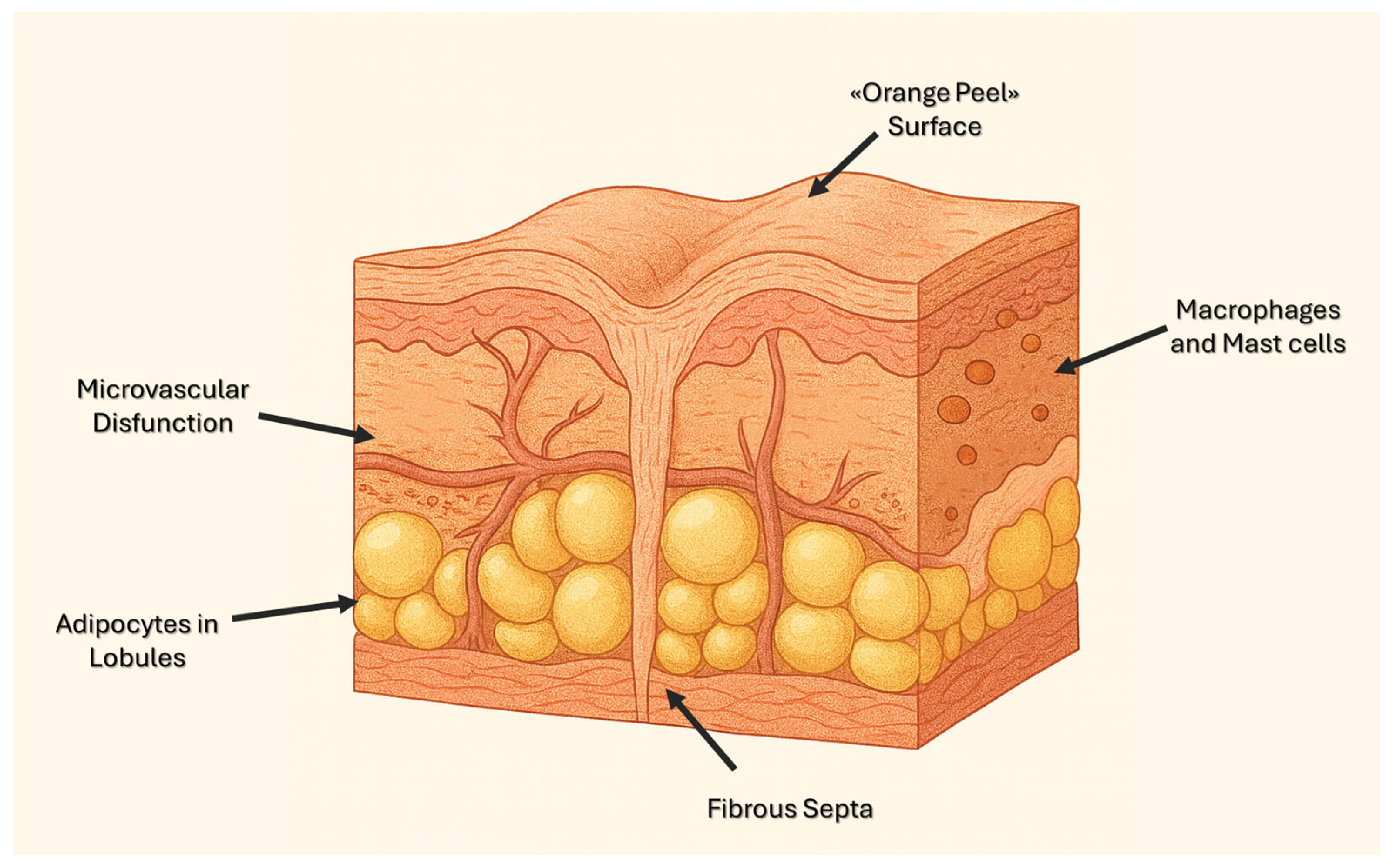
Figure 1. Schematic representation of the pathophysiological mechanisms underlying cellulite. Within the subcutaneous tissue, adipocytes are arranged in lobules separated by fibrous septa that generate the characteristic “orange peel” appearance. Microvascular alterations lead to interstitial fluid accumulation, local hypoxia, and oxidative stress. Low-grade inflammation, with infiltration of macrophages and mast cells that release cytokines and proteolytic enzymes, promotes extracellular matrix remodeling and further septal fibrosis.
Jaestheticmed 01 00010 g001
Figure 2. Study selection diagram. Flow of records identified, deduplicated, screened (title/abstract), assessed in full text, and included in the qualitative synthesis of this review on topical options for cellulite/EFSP.
Jaestheticmed 01 00010 g002
Table 1. Randomized controlled trials of topical treatments for cellulite targeting microcirculation, interstitial edema, or combined mechanisms.
Study (Design, Duration)NPopulation/RegimenMain OutcomesSafetyRef.
Di Guardo et al. (DB-RCT, 12 wk; hypertonic NaCl vs. placebo)30Grade II–III cellulite↓ Thigh circumference (up to −2.1 cm); US: ↓ hypodermal thickness, improved echogenicity; more pronounced effect in BMI ≥ 25No AEs[16]
Roure et al. (DB-RCT, 12 wk; THPE + caffeine + carnitine + forskolin + retinol)78Women, BID↓ Abdomen/waist (~−1 cm); improved hydration; clinical grading: orange-peel & stubborn cellulite improved; 79% vs. 56% respondersWell tolerated[15]
Bertin et al. (DB-RCT; retinol + caffeine + ruscogenin)46Healthy womenImproved macro-relief, dermo-hypodermal & biomechanical metrics; ↑ microcirculation; active > placebo for orange-peel reductionNo AEs[17]
Dupont (DB-RCT, 12 wk; multi-active gel)44Normal–overweight↓ Abdomen (−1.1 cm), thighs (−0.8 cm); tonicity ↑, orange-peel & stubborn cellulite ↓; 81% vs. 32% respondersWell tolerated[18]
Ngamdokmai et al. (DB-RCT, 12 wk; herbal emgel)18Severe cellulite↓ Cellulite severity scores; modest cm changes both arms; patient satisfaction higher with activeNo AEs[19]
Piérard-Franchimont et al. (Split-body DB-RCT, 6 mo; topical retinol)1526–44 y, mild–moderate↑ Elasticity (+10.7%), ↓ viscosity (−15.8%); histology: more FXIIIa+ dendrocytes; benefit mainly in mild celluliteNo AEs[20]
Abbreviations: DB-RCT, double-blind randomized controlled trial; BID, twice daily; US, ultrasound; cm, centimeter; AEs, adverse events; FXIIIa, factor XIIIa; ↑, increase; ↓, decrease.
Table 2. Clinical and preclinical studies on anti-inflammatory, antioxidant, and ECM-modulating topical strategies for cellulite.
ReferenceDesign/n/DurationActive(s) & ClassAnti-inflammatory/Antioxidant EvidenceClinical/Imaging EndpointsSafety
UP1307 screening (preclinical)
[32]
In vitro (3T3-L1), in vivo Croton oil rat modelRosmarinus officinalis, Annona squamosa, Zanthoxylum clava-herculisRosemary: −82% platelet aggregation, −71.8% NO inhibition, −91.8% radical scavenging; A. squamosa −68.8% lipid accumulation; Zanthoxylum improved microcirculation
Hoskin 2021 (ex vivo)
[33]
Ex vivo human biopsies + diesel exhaustSpirulina–rosemary spray-dried particles↓ 4-HNE adducts, ↓ MMP-9, preserved filaggrinPrevention of pollution-induced oxinflammationWell tolerated
Escudier 2011
[34]
Split-body RCT, n = 50, 4 wkMulti-active slimming cream + dietRationale: antioxidant/vascularEarly cellulite score reduction (p < 0.001), tonicity ↑ (Ur, p = 0.006), thigh/hip/buttock volume ↓ (3D, all p ≤ 0.012), upper thigh −0.33 cm vs. −0.18 cm (p = 0.037)Good tolerability
Mlosek 2011
[35]
RCT, cream n = 45 vs. placebo n = 16, 30 dCucurbita pepo, cranberry, herbal blend↑ Dermal echogenicity (p < 0.0001), edema prevalence ↓ (75.6%→24.4%, p < 0.0001)Subcutaneous thickness −18.2%, dermis + subcutis −15.6%, epidermis −17%, dermis −18%, fascicle shortening −41%, thigh circumference −2.16 cmNo adverse events
Sparavigna 2011 [36]Split-body, n = 23, 4 wkVisnadine 0.25%, Ginkgo 0.5%, Escin 1%Escin: anti-edema, anti-inflammatory; Ginkgo flavonoids antioxidantOrange-peel ↓ (−14% upper, −23% mid-thigh, both p < 0.05), pain at pinch −82–100%, cellulite thermography −17%, circumferences −0.9/1.2/0.6 cmWell tolerated
Al-Bader 2012 [37]Split-body, 12 wkFucus, Furcellaria, retinoid, CLA, glaucineIn vitro: synergistic glycerol release; pro-collagen I ↑ 211–228%Clinical cellulite grading −1.7 vs. −0.9 (vehicle) at 12 wk (p < 0.0001); ultrasound: adipose thickness ↓Safe
Brinkhaus 2000 [29]Oral RCT, n = 35, 90 dC. asiatica extractAnti-inflammatory, antifibroticAdipocyte diameter ↓, interadipocyte fibrosis ↓ vs. placeboWell tolerated
Piérard-Franchimont 2000 [20]Split-body RCT, n = 15, 6 moRetinol cream (0.5 μM equivalent)Increased FXIIIa+ dendrocytes (×2–5) in dermis/hypodermisElasticity ↑ 10.7%, viscosity ↓ 15.8%; effects greater in mild celluliteNo safety issues
Fink 2006 [27]Pilot, n = 20, 12 wkIPL ± retinyl creamECM remodeling via collagen deposition60% of patients reported ≥50% self-improvement; ultrasound: ↑ collagen depositionWell tolerated
Abbreviations: 4-HNE = 4-hydroxy-2-nonenal; AEs = Adverse events; CLA = Conjugated linoleic acid; ECM = Extracellular matrix; FXIIIa = Coagulation factor XIIIa; IPL = Intense pulsed light; MMP-9 = Matrix metalloproteinase-9; NO = Nitric oxide; ns = Not significant; RCT = Randomized controlled trial; Ur = Skin retraction parameter (cutometry). ↑, increase; ↓, decrease.
Disclaimer/Publisher’s Note: The statements, opinions and data contained in all publications are solely those of the individual author(s) and contributor(s) and not of MDPI and/or the editor(s). MDPI and/or the editor(s) disclaim responsibility for any injury to people or property resulting from any ideas, methods, instructions or products referred to in the content.