


Abstract
Acute myeloid leukemia (AML) presents significant challenges for CAR T-cell therapy due to its pronounced heterogeneity and the lack of leukemia-specific surface antigens. Frequently targeted antigens, such as CD33, CD123, and CLL-1, are also present on normal hematopoietic progenitors, resulting in on-target, off-tumor toxicity and restricting clinical translation. To address these challenges, logic-gated CAR T-cell strategies have been developed to enable combinatorial antigen recognition. These approaches incorporate engineered circuits, including AND, OR, and NOT gates, as well as synNotch receptors, split-CAR configurations, and inhibitory platforms (iCARs and Tmod), to improve discrimination between leukemic and normal cells. In AML, CAR T-cell efficacy and persistence are further affected by the immunosuppressive bone marrow and lymphoid microenvironment, which involves immune cell trafficking, cytokine signaling, and lymphatic immune regulation. Preclinical studies employing dual-target strategies, such as CD33/CD123 and CLL-1/CD123, have shown improved antileukemic efficacy with reduced hematopoietic toxicity. This review summarizes the molecular principles underlying logic-gated CAR-T systems and examines their translational application in AML. Additionally, it highlights emerging evidence connecting the regulation of lymphatic and immune microenvironments to CAR T-cell persistence, trafficking, and toxicity and discusses future strategies, such as single-cell antigen mapping, computational circuit engineering, and synthetic immune programming, to enhance the precision and clinical feasibility of next-generation AML immunotherapies.
1. Introduction
Acute myeloid leukemia (AML) is driven by a small population of leukemia-initiating stem cells that sustain clonal expansion and underlie relapse and disease progression [1]. The persistence of therapy-resistant LSCs and the intrinsic resistance of AML cells limit the durability of conventional treatments and contribute to poor long-term outcomes. In 2024, an estimated 20,800 new AML cases and 11,200 deaths were reported in the United States alone [2]. Intensive induction chemotherapy consisting of cytarabine and an anthracycline (“7 + 3” regimen) remains the standard frontline treatment and achieves durable remissions in only a subset of younger patients [3]. Agents targeting specific molecules are becoming more crucial in AML treatment; e.g., ivosidenib (IDH1 inhibitor) [4], enasidenib (IDH2 inhibitor) [5], gilteritinib, quizartinib, and midostaurin (FLT3 inhibitor) [6,7,8], and venetoclax (BCL-2 inhibitor) [9] have improved outcomes of selected patient populations. Nevertheless, treatment resistance, disease relapse, and therapy-associated toxicities continue to represent major clinical challenges, underscoring the need for more effective therapeutic strategies.
T-cell-based immunotherapy has emerged as a promising approach for AML, particularly through the development of chimeric antigen receptor (CAR) T-cell therapies [10]. CAR T cells are genetically engineered to express synthetic receptors that recognize tumor-associated antigens and mediate major histocompatibility complex (MHC)-independent tumor cell killing [11,12,13]. The remarkable clinical success of CAR-T therapy in B-cell malignancies has established engineered T cells as a powerful therapeutic platform and stimulated efforts to extend this approach to AML [14,15].
However, translating CAR T-cell therapy to AML presents unique biological and clinical challenges. AML exhibits substantial genetic, phenotypic, and functional heterogeneity, including diverse blast populations and LSCs that contribute to relapse and therapeutic resistance [16]. This heterogeneity complicates the identification of ideal target antigens that are uniformly expressed on leukemic cells while absent from normal tissues. Common AML targets, including CD33, CD123, and CLEC12A, are expressed on both AML cells and healthy hematopoietic stem and progenitor cells (HSPCs), raising the risk of severe on-target, off-tumor toxicity and prolonged myeloablation [17]. In addition, antigen loss or downregulation can promote immune escape and disease recurrence following targeted therapy. In this review, we discuss the current landscape of immunotherapeutic strategies for AML, with a focus on recent advances in CAR T-cell development, logic-gated CAR-T therapies, and their mechanistic insights into antitumor activity, as well as the major challenges that constrain their clinical translation. We further highlight emerging approaches designed to enhance antigen specificity, mitigate toxicity, and optimize the persistence and functionality of engineered T cells, collectively pointing toward the next generation of T-cell-based therapies for AML.
2. Current Landscape of Immunotherapies for AML
Immunotherapy for acute myeloid leukemia (AML) encompasses a broad spectrum of approaches, including targeted antibodies, cellular therapies, immune checkpoint inhibitors (ICIs), hematopoietic stem-cell transplantation (HSCT), and vaccine-based strategies, all aimed at enhancing antitumor immune responses. Among these, allogeneic HSCT remains the only widely established curative immunotherapy with proven long-term clinical efficacy, primarily mediated through graft-versus-leukemia effects. In parallel, advances in molecular profiling and antigen discovery continue to expand therapeutic targets and support the development of novel immunotherapeutic strategies [18,19].
Clinically validated targeted therapies and immunotherapy-adjacent approaches: Over the past decade, improved understanding of the genetic and phenotypic heterogeneity of AML has enabled the identification of actionable targets and the development of multiple targeted therapies. Small-molecule inhibitors directed against specific mutations have emerged as an important therapeutic class, used either as monotherapy or in combination regimens. For example, midostaurin, a multikinase inhibitor, is approved for FLT3-mutated AML in combination with chemotherapy [20].
Clinical-stage vaccine strategies: In parallel, cancer vaccines have emerged as a promising strategy to induce durable immune responses and reduce relapse risk. One such approach is the ECNV-αGC vaccine, derived from autologous AML extracellular nanovesicles conjugated with alpha-galactosylceramide. This platform activates invariant natural killer T (iNKT) cells, which subsequently enhance leukemia-specific CD8+ T-cell responses, promoting antitumor immunity and immune memory without requiring patient-specific neoantigen identification [20,21].
Preclinical vaccine and immune activation strategies: Preclinical studies have demonstrated reduced tumor burden and improved leukemia-free survival, supporting the translational potential. Importantly, iNKT-cell activation has shown favorable tolerability in both healthy individuals and AML patients, further supporting its feasibility as an individualized immunotherapy approach [21].
Other vaccine efforts include peptide-based vaccines targeting leukemia stem-cell antigens, such as AML-VAC-XS15, which is being evaluated in clinical trials [22]. This multi-peptide vaccine made from mutated and non-mutated AML-associated peptides, together with a toll-like receptor agonist adjuvant, is designed to induce vigorous CD4+ and CD8+ T-cell responses in AML patients who are in remission from AML with minimal residual disease-related relapse [23]. Despite these advances, immunotherapies in AML continue to face significant challenges, including tumor heterogeneity, immune evasion, and the limited durability of responses. These limitations highlight the need for more advanced approaches, such as multi-antigen CAR-T constructs, logic-gated targeting systems, and strategies that enhance T-cell persistence and functional immune memory. Emerging CAR-T engineering and combinatorial immunomodulatory approaches may help overcome these barriers and improve therapeutic durability. Current CAR-T therapies in clinical trials are summarized in Table 1, and schematic representations of preclinical-stage logic-gated CAR-T designs are shown in Figure 1.
Table 1.
Current CAR-T trials for AML.
Figure 1.
A schematic overview of logic-gated CAR T-cell designs in AML: A clear, concise diagram illustrating the major Boolean logic-gating strategies (AND, OR, NOT) used in CAR T-cell designs targeting AML antigens. CAR T cells interact with AML blasts and normal myeloid progenitor cells. AND gate: CAR T cells require dual-antigen recognition (e.g., CD33 + CLL-1 or CD13 + TIM-3). Only upon encountering both antigens do the CAR T cells activate to kill the AML blast while being non-toxic to cells expressing only one antigen. OR gate: CAR T cells activate upon recognition of any one of multiple antigens (e.g., CD33 or CD123), improving response breadth but with a risk of on-target/off-tumor toxicity. NOT gate: inhibitory CAR (iCAR) that suppresses killing when a “safe” antigen is detected (expressed on normal cells but absent on AML blasts), protecting normal tissue. Arrows indicate signal activation pathways and inhibitory signals. AML blasts (red), normal progenitors (green), and CAR T cells (blue).
2.1. Limitations of Conventional CAR T-Cell Therapy in AML
Despite being associated with favorable preclinical and early clinical results in CAR T-cell therapy, this treatment has some problems. Constraints of CAR T-cell treatment in AML include limited antitumor activity, severe and potentially life-threatening toxicities, relapse, and therapeutic resistance in AML [46]. Other limitations include the immunosuppressive tumor microenvironment, the long manufacturing time, the requirement of optimized CAR designs, the discovery of the most effective intracellular costimulatory domains, and establishing the optimal timing for CAR T-cell infusion. Logic-gated CAR T cells are a remedy. And by requiring the recognition of multiple antigens simultaneously or by combining activation and inhibitory signals, logic-gated CAR T cells can increase tumor specificity, mitigate off-tumor toxicity, and possibly provide improved antileukemic efficacy. This approach may address several of the safety and efficacy limitations of conventional CAR-T therapies in AML.
2.2. Preclinical CAR-T and Logic-Gated Engineering Strategies
To address the limitations of conventional CAR-T therapies, several next-generation CAR-T engineering strategies remain largely preclinical, including logic-gated receptor systems designed to improve tumor specificity.
Logic-gated CAR T-cell engineering applies Boolean and sequential control principles to T-cell recognition and activation to increase tumor selectivity and reduce collateral damage. Instead of relying on a single-antigen decision, logic-gated designs require combinations or sequences of cues (AND gates), broaden recognition via alternative antigens (OR gates), or actively suppress killing in the presence of defined “safe” antigens (NOT gates). Logic-gated CAR T cells represent a highly promising approach to improving both the efficacy and safety of CAR-T therapy in AML. AND-gated CARs, which require the simultaneous recognition of two antigens for activation, have demonstrated notable specificity. For instance, CAR T cells dual-targeting CD13 and TIM3 effectively eliminated both CD13+ and TIM3+ AML cells while exhibiting minimal toxicity toward healthy cells expressing only CD13 [32]. Building on this concept, a recent study engineered AND-gate CAR T cells by integrating cytosolic signaling molecules, combining LAT with SLP-76, which enhanced both functionality and tumor-specific targeting [47]. Additionally, the AbTCR-CSR platform exemplifies an innovative AND-gate strategy by fusing an antibody-TCR CAR with a costimulatory signaling receptor, further mitigating off-tumor toxicity in AML [48].
2.3. AND Gate for Enhanced Cancer Selectivity
The simplest implementation of a dual-input AND gate to enhance cancer selectivity involves targeting two tumor-associated antigens (TAAs) that are co-expressed on cancer cells but not on normal tissues. AND-gate strategies require the co-expression of two antigens for activation, increasing selectivity and reducing on-target/off-tumor toxicity. The cytotoxic response is triggered only when both TAAs (TAA1 and TAA2) are simultaneously engaged, ensuring that CAR T cells remain inactive toward normal cells expressing only one of the antigens. This combinatorial recognition strategy effectively reduces on-target, off-tumor toxicity while preserving potent antitumor activity.
Examples include dual CAR-T constructs optimized for AML, where CD123 and CD33 are co-targeted only when both are highly expressed on AML-cell split-CAR platforms, helping to achieve cleaner AND gating, as demonstrated for MM using CD38/CD138 [49,50]. Split-CAR technologies separate activation and costimulatory signals, activating T cells only when both targets are present, as demonstrated with CD38/CD138 CARs [50].
2.4. OR Gate for Enhanced Cytotoxicity
In hematological malignancies, “OR-gate” strategies have been developed to improve clinical efficacy. In the simplest form, “OR-gate” CAR-T therapy targets two tumor-associated antigens (TAAs) to overcome intra- and interpatient TAA heterogeneity, a significant challenge in AML [51,52], or to prevent resistance caused by TAA loss, commonly observed in B-ALL [53], NHL [54], and MM [55] after single-TAA therapy. One straightforward approach is to combine two CAR-Ts targeting complementary TAAs. This strategy is currently under evaluation in an early clinical trial combining teclistamab (BCMA TCE) with talquetamab (GPRC5D TCE) in MM [56]. However, such combinations face substantial clinical, safety, and commercial challenges that may limit broad implementation. For instance, individual CARs require careful dose escalation protocols to establish a safe starting dose, typically guided by the minimally anticipated biological effect level (MABEL) [57]. Combining two CARs would necessitate a new Phase 1 dose escalation study for the combination, a step few companies, especially those not owning both molecules, are likely to pursue. Next-generation trispecific therapies are designed to engage either of two complementary tumor-associated antigens (TAAs) alongside CD3, enhancing efficacy and reducing resistance, since tumors must lose both TAAs to evade therapy. In multiple myeloma, a BCMA × GPRC5D × CD3 OR-gate T-cell engager (TCE) is in clinical development (NCT05652335) [58]. In B-ALL and NHL, CD19 × CD22 × CD3, CD19 × CD20 × CD3 (NCT05348889), and CD20 × CD79b × CD3 (NCT05424822) TCEs are actively being investigated [59,60,61]. Despite promising activity, multi-specific constructs such as MP0533 pose significant challenges: each additional binding domain complicates manufacturing, stability, and immunogenicity, while safety becomes less predictable, as on-target/off-tumor toxicity risks can compound particularly in solid tumors [62]. OR-gate CARs combine two or more binders within a single CAR or vector, enabling recognition of cells expressing any combination of target antigens. Bicistronic designs allow for the independent optimization of each CAR and the use of distinct costimulatory domains, enhancing T-cell activation and persistence. Dual- or triple-targeting strategies have been widely applied in B-cell malignancies to prevent relapses due to antigen loss, with targets such as CD19, CD20, and CD22 [63,64]. In neuroblastoma, bicistronic CARs targeting GPC2 and B7H3 efficiently eliminated single- and dual-positive cells while reducing T-cell exhaustion and improving in vivo persistence compared with mono-specific CARs [65].
2.5. NOT-Gating Strategy for AML
The NOT-gate concept leverages differential antigen expression, targeting molecules present on normal cells but absent in tumors. This mimics natural immune inhibition, such as NK cells’ avoidance of attacking “self” via inhibitory KIR receptors [66]. Early implementations used inhibitory CARs (iCARs) containing ITIM domains, like PD-1 or CTLA-4 intracellular domains, which suppress T-cell activation when bound to their antigen and release inhibition upon disengagement [67]. This reversible, contact-dependent inhibition provides a kinetic advantage over irreversible “kill switch” systems, which require external effectors and slower response times after toxicity symptoms appear [68]. Thus, NOT gating offers a precise and timely approach to control CAR T-cell activity, enhancing safety without compromising efficacy.
2.6. synNotch Circuits for AML
Synthetic Notch (synNotch) receptors enable programmable, antigen-driven transcriptional circuits in T cells that implement Boolean logic (e.g., IF-A-THEN express CAR(B)), permitting spatiotemporal control of cytotoxic programs and local payload delivery. The synNotch paradigm was first formalized in seminal studies that engineered customized sensing-response programs in primary human T cells, providing a modular platform to restrict CAR expression, reduce tonic signaling and exhaustion, and deliver auxiliary effectors only where appropriate [69]. The AML problem is uniquely amenable to such logic circuits because most candidate AML antigens (CD33, CD123, CLL-1, CD70, CLEC12A) are shared between leukemic blasts and healthy myeloid/hematopoietic progenitors. Single-antigen CARs, therefore, suffer from on-target/myelotoxicity and a limited therapeutic index. Logic gating with synNotch receptors offers a path to improve specificity without sacrificing breadth: a priming antigen (A) that is relatively AML-restricted or -enriched in the tumor microenvironment can trigger expression of a CAR directed to a second, highly expressed but less-specific antigen (B), thereby reducing collateral HSC toxicity [70]. Preclinical AML data are now encouraging. A recent synNotch IF-THEN circuit that senses CD33 and then induces a CD123 CAR demonstrated the selective killing of AML cells while sparing hematopoietic stem and progenitor cells, reduced markers of exhaustion, expanded more robustly, and attenuated cytokine release compared with constitutive CAR-T controls, directly addressing two of the field’s major barriers: myelosuppression and poor persistence. These data provide proof of concept that synNotch logic can markedly improve the therapeutic window for AML-directed cellular therapies [71].
Despite the promise, several translational challenges remain. First, the selection of antigen pairs that are truly non-overlapping on HSCs but co-expressed on AML is difficult and patient-dependent, so careful antigen expression mapping in primary samples is essential. Second, circuit leakiness, unintended basal activation, and manufacturing complexity (additional transgenes, vector size, reproducibility) raise regulatory and practical hurdles. Third, gated systems may be vulnerable to antigen loss or downregulation, while synNotch can reduce off-tumor toxicity; it does not eliminate escape risk unless paired with strategies that broaden antigen coverage or combine with non-antigenic payloads (e.g., local cytokine release, checkpoint modulation). Finally, the immunosuppressive bone marrow niche may blunt circuit function and must be considered in preclinical models [72]. Looking forward, synNotch circuits afford several translational opportunities for AML: (i) rationally chosen priming–effector antigen pairs (for example, CD33-CD123 or alternative pairings); (ii) multi-layered circuits that couple AND/NOT logic to further exclude HSCs; (iii) the synNotch-mediated local delivery of immunomodulatory payloads (IL-12, dominant-negative checkpoints, bispecifics) to remodel the marrow niche; and (iv) integration with gene-editing (e.g., HSC antigen deletion) or allogeneic “off-the-shelf” T-cell platforms to scale manufacture. If antigen selection and safety can be robustly demonstrated in orthogonal models, synNotch circuits could transform the clinical feasibility of precise, myeloid-selective cellular therapies. The current SynNotch gated systems proposed for AML are listed in Table 2.
Table 2.
SynNotch-gated systems proposed for AML and related hematologic malignancies.
2.7. Tmod Gating for AML
Tmod gating is an innovative NOT-gated cell therapy platform developed to enhance the specificity and safety of CAR-T therapies for AML, as it remains a challenging hematological malignancy because of the overlap in antigen expression between malignant and normal hematopoietic cells, often resulting in on-target, off-tumor toxicity (OTOT) with conventional CAR-T treatments. The Tmod system addresses this problem by incorporating a dual-receptor strategy: activating receptors target AML-associated antigens, such as CD33 [77] and CD43 [78], while inhibitory receptors (“blockers”) target antigens expressed primarily on normal cells, such as CD16b (FCGR3B) and CLEC9A [79]. This logic-gated design allows T cells to selectively activate cytotoxicity against leukemia cells while sparing healthy hematopoietic lineages expressing the inhibitory antigens. Moreover, Tmod therapeutics have shown the ability to accommodate bispecific activators and blockers, enhancing their modularity and potential to finely tune responses to complex antigen profiles on target cells [80]. Such a NOT-gate mechanism demonstrates robust preclinical activity, reducing the risk of relapse and toxicity in AML therapy by integrating multiple antigen signals to regulate T-cell activation and inhibition, thereby overcoming the key limitations of the existing CAR-T approaches [79]. This system is being further developed to target tumors that have lost HLA alleles and may have broader applications beyond AML and solid tumors.
2.8. Split CAR-T Therapies for AML
Split CAR-T therapies in AML represent an advanced approach to enhance tumor specificity and mitigate off-tumor toxicity. By requiring dual-antigen recognition through AND gating or incorporating inhibitory receptors in NOT-gated formats, split CAR T cells selectively target leukemic stem cells expressing combinatorial antigen profiles, such as CD312 and TIM-3 [81]. Recent studies demonstrate that such dual-targeting CAR T cells exhibit superior cytotoxicity against AML blasts and LSCs while sparing normal hematopoietic cells, thereby reducing antigen escape and treatment-related toxicity [82]. Early preclinical and clinical data show promising antileukemic efficacy, with integrated safety switches enabling controlled CAR-T eradication if needed [83]. These developments position split CAR-T platforms as a pivotal advancement in precision immunotherapy for AML, addressing the disease’s heterogeneity and intrinsic resistance. The most basic split-CAR system separates the activation (signal 1) and costimulatory (signal 2) domains onto two different CAR constructs [81,83]. This architectural division requires both independent CARs to engage their respective targets on the same cell, thereby enhancing specificity and limiting off-tumor effects and tonic signaling. Selecting optimal binding affinities for each component is crucial; typically, the activation domain (signal 1) employs a lower-affinity binder for an abundant antigen, while the costimulatory CAR incorporates a high-affinity binder for a tumor-restricted marker [84]. This strategy reduces the risk of unwanted activation by ensuring that robust T-cell function occurs only upon dual engagement. For instance, van der Schans et al. demonstrated this principle with a dual split CD38/CD138 CAR, using a low-affinity CD138 activation CAR and a high-affinity CD38 costimulatory CAR, successfully distinguishing malignant from normal tissues and maintaining efficacy even in patient samples with reduced CD38 after antibody therapy [50]. Such logic-gated approaches exemplify how modular split-CAR platforms can be rationally engineered to address context-specific tumor antigen expression and overcome resistance mechanisms.
2.9. Tandem CARs, Bispecific scFVs, and OR-Gate Architectures: A Simultaneous Recognition Strategy for AML
A major limitation in the treatment of acute myeloid leukemia (AML) with CAR T-cell therapy lies in the disease’s profound antigenic heterogeneity and dynamic antigen loss, which contribute to immune evasion and relapse [85]. To counter these challenges, simultaneous recognition strategies, including tandem CARs (TanCARs), bispecific single-chain variable fragment (bi-scFv) CARs, and OR-gate architectures, have emerged as powerful next-generation approaches designed to broaden antigen coverage and enhance tumor eradication while minimizing escape.
In tandem CARs, two distinct scFVs are arranged in a single CAR molecule, enabling the receptor to recognize either of two target antigens [86]. This dual engagement can function as an OR gate, activating cytotoxic signaling when any of the targeted antigens are encountered [87]. Importantly, depending on the spatial configuration and linker design, the concurrent engagement of both antigens can also produce synergistic signaling, amplifying T-cell activation. In AML, tandem CARs co-target CD33 and CD123 [24] or CLL-1 and FLT3 [35,88]. They have shown superior elimination of leukemic cells and mitigated antigen escape in preclinical xenograft models compared to their monospecific counterparts.
Bicistronic and bispecific CARs, which express two independent CAR receptors within the same T cell, achieve a similar outcome through parallel antigen recognition [89]. These constructs have demonstrated robust activity against heterogeneous AML populations, including leukemic stem-cell-enriched compartments that typically evade single-antigen targeting. By integrating signals from either receptor, OR-gate CAR T cells maintain cytotoxicity even if one antigen is downregulated, thereby addressing the adaptive plasticity of AML clones under therapeutic pressure.
While OR-gate strategies markedly expand the therapeutic window by improving coverage of antigen-diverse leukemic populations, they also raise safety considerations. Most AML-associated targets, including CD33, CD123, FLT3, and CLL-1, are partially expressed on normal hematopoietic progenitors [90]. Thus, OR logic can amplify the risk of myelotoxicity if either antigen is expressed on healthy cells. Rational antigen pair selection, precise affinity tuning, and integration of safety modules such as inducible suicide switches or pharmacologic control domains are essential for clinical translation [91].
Collectively, tandem and OR-gated CAR architectures exemplify an evolution toward multi-antigen precision immunotherapy, designed to overcome the biological complexity and phenotypic diversity that underlie AML persistence. These designs represent a pivotal step toward engineering CAR T cells capable of maintaining efficacy in the face of clonal heterogeneity while minimizing collateral damage to normal hematopoiesis—a critical balance that will define the next generation of cell-based therapies for myeloid malignancies.
2.10. Utilizing Genetic Engineering for CAR T Cells or Healthy-Tissue Cells
Gene editing can effectively prevent T-cell exhaustion and enhance the activity of CAR T cells. This strategy involves deleting checkpoints like PD1, LAG3, CTLA4, or overexpressing transcription factors like c-Jun and FOXO1 to improve effector function [92,93,94]. These approaches have been validated in various cancer models, including AML. A phase 1 trial showed that PD1 knockout CAR T cells were clinically feasible and well tolerated, while dual deletion of PD1 and LAG3 showed synergistic reversal of T cell exhaustion. Gene editing is a promising strategy to mitigate on-target/off-tumor toxicity. Beyond the foundational approach of deleting CD33 from normal HSCs to generate a hematopoietic system resistant to CAR T cell attack, epitope editing, in which missense mutations were introduced to alter the CAR recognition site of the target protein while preserving its physiological function, has now been applied to CD45, CD123, FLT3, and CD117 in HSPCs, substantially improving its protective strategy [95,96]. However, the clinical production of CAR T cells remains challenging, encompassing safety risks from off-target modifications causing genomic instability or oncogenic mutations, manufacturing concerns regarding cell numbers and potency. Emerging tools like base editing and epigenetic editing may offer a safer alternative by avoiding double-stranded DNA breaks inherent to conventional CRISPR-Cas9 approaches.
Given the antigenic overlap between leukemic blasts and normal myeloid progenitors, acute myeloid leukemia (AML) presents one of the most stringent test cases for the implementation of logic-gated immunotherapies. In particular, the AND-gate design—requiring dual-antigen recognition for full T-cell activation—offers a promising strategy to achieve the selective targeting of malignant cells while sparing normal hematopoiesis.
Several studies have demonstrated that dual-input AND gates can enhance tumor selectivity and T-cell fitness by ensuring that activation only occurs when both tumor-associated antigens (TAAs) are co-expressed. This design mitigates the risk of myelotoxicity typically associated with single-antigen targeting, such as CD33 or CD123. Early proof-of-concept work in AML used CAR T cells co-targeting CD33 and CLL-1, or CD13 and TIM3, both of which are frequently co-expressed on leukemic blasts but not on hematopoietic stem and progenitor cells (HSPCs). Dual targeting strategies have been developed to reduce off-tumor toxicity to normal myeloid compartments and to address antigen escape [37,97]. Similar designs use tandem CARs (TanCARs) or bicistronic constructs. Logical AND behavior can be achieved by co-expressing two full CARs or fusing two scFvs into a single receptor. This design requires bivalency for signaling [98,99].
2.11. Contextual AND Gating in AML
Beyond combinatorial antigen recognition, contextual AND-gate designs are now being applied to augment the function and persistence of AML-directed T cells, particularly within the immunosuppressive bone marrow microenvironment. Preclinical models show that inclusion of costimulatory inputs, whether through 4-1BB, CD28, or CD2/CD58 signaling, can restore T-cell proliferation and prevent exhaustion induced by chronic antigen exposure. Trispecific T-cell engagers (TCEs) incorporating a costimulatory domain, such as CD33 × CD3 × CD28 or CD123 × CD3 × 4-1BB constructs, have been shown to generate context-dependent activation only in the presence of AML antigens, thereby acting as functional AND gates at the signaling level [62,100]. Such formats recapitulate the physiological requirement for dual signaling (“signal 1” and “signal 2”) in T-cell activation while minimizing cytokine-driven toxicity.
Similarly, Evolve Immune’s CD2/CD58-based costimulatory platforms could be adapted to AML targets such as CD70, FLT3, or CLL-1, given that CD58 is broadly expressed on AML blasts but variably lost on normal hematopoietic cells [101,102]. Pairing a CD70 × CD3 × CD2 trispecific engager or CAR-T with optimized CD3 affinity could enhance long-term proliferation while restraining cytokine release. Such affinity and kinetic tuning, already demonstrated in solid tumor TCEs, would be critical to balance potency with safety in AML, where target antigen densities can vary markedly across disease subclones.
In parallel, armored CAR T cells represent a cell-intrinsic AND-gate approach for improving T-cell function in the suppressive AML niche. Strategies include the constitutive or inducible expression of cytokines such as membrane-tethered IL-15 [103] to enhance persistence, or dominant-negative receptors that block inhibitory cues, like TGF-β [104] or PD-L1 [105]. Notably, SynNotch circuits have been leveraged to achieve tumor-restricted cytokine release, thereby confining immune activation to AML sites. For example, SynNotch CAR T cells engineered to secrete IL-12 or IL-2 only upon engagement of AML antigens (e.g., CD70 or CD33) could overcome the inhibitory bone marrow milieu while minimizing systemic cytokine toxicity [106].
Recent innovations employing synthetic epigenetic control further extend this concept. By integrating catalytically dead Cas9 (dCas9) fused to transcriptional activators downstream of CAR engagement, endogenous genes such as IL12A, IL12B, or CXCL9/10 can be transiently upregulated upon tumor recognition [107,108,109]. Applied to AML, this modular platform could activate genes that promote T-cell persistence or modulate myeloid-derived suppressor cell (MDSC) activity, thereby coupling CAR signaling to adaptive transcriptional reprogramming within the leukemic niche [110].
Collectively, AND-gate and contextual AND-gate strategies in AML—spanning combinatorial antigen recognition, trispecific costimulatory TCEs, and inducible cytokine or gene activation circuits—illustrate how rationally engineered logic circuits can overcome the dual challenge of selectivity and durability in this disease. By integrating activation only upon the co-occurrence of defined antigenic or contextual cues, these designs promise to expand the therapeutic window for CAR-T and TCE modalities in AML, enabling potent antileukemic activity while preserving healthy hematopoietic function.
3. Challenges with Current Logic CAR-T Methods
Logic-gated CAR T-cell therapies [111] serve as a new, sophisticated next-gen technique to facilitate the precision and safety of adoptive cellular immunotherapy. With the inclusion of Boolean logic operations to gating, e.g., AND, OR, and NOT, these engineered circuits attempt to overcome one of the most important limitations of conventional CAR T cells: the inability of a cell to distinguish between normal and malignant cells that are expressing the target antigen [112]. Platforms such as dual CARs, tandem CARs, synNotch receptors, inhibitory CARs (iCARs), and modular adaptor systems have held great potential in pretests during the last 10 years [112]. However, there are still various biological and translational challenges that hinder their extended use in clinics. A key challenge, however, is the significant antigenic heterogeneity of human tumors. Therefore, the search for optimal combinations of antigens in such a manner that could give the best tumor-selective combination while preventing subsets from being lost can be considered a major unmet challenge in the field [113].
A further limitation is the challenge of exact signaling threshold control. To successfully function in complex tumor environments, logic-gated circuits must have highly specific receptor affinity, costimulatory strengths, and activation kinetics [114]. In fact, in practice, numerous engineered systems exhibit basal or “leaky” signaling at different levels of expression, even when the antigen is not fully activated [115]. This ineffectual activation may facilitate tonic signaling, chronic cytokine secretion, and early T-cell malfunction. Concurrently, too-stringent activation thresholds might limit the ability to perceive tumor cells expressing low antigen contents, causing incomplete clearance of tumor tissue. Maintaining a balance of sensitivity with specificity, therefore, is a key engineering challenge confronting synthetic immune circuits [116].
Beyond antigen selection and signaling architecture, the clinical translation of CAR-T therapy in AML is constrained by several non-biological bottlenecks. Manufacturing remains particularly challenging, as current autologous workflows require patient-specific leukapheresis, genetic modification, ex vivo expansion, and rigorous release testing, all of which are time- and resource-intensive and may be difficult to complete within the narrow therapeutic window of rapidly progressive AML. Toxicity management also poses a major hurdle, as on-target, off-tumor recognition of normal hematopoietic cells can drive prolonged cytopenias and infectious complications, while systemic immune activation may trigger cytokine release syndrome and immune effector cell-associated neurotoxicity syndrome. Finally, limited in vivo persistence driven by T-cell exhaustion, chronic antigen stimulation, and the highly suppressive bone marrow niche often results in waning antileukemic activity and relapse, underscoring the need for strategies that simultaneously optimize the durability, safety, and feasibility of CAR-T deployment in AML.
Additionally, logic-gated CAR platforms have great difficulty in therapeutic preservation due to T-cell exhaustion. Increasing circuit complexity often necessitates the concurrent expression of multiple synthetic receptors, transcriptional regulators, or signaling modules, leading to significant metabolic and transcriptional loading on engineered T cells [117]. Ongoing antigen exposure and low-level tonic activation can fast-track the development of maladaptive states that lead to inefficient proliferation, impaired effector function, and the prolonged expression of inhibitory receptors, including PD-1, TIM-3, and LAG-3 [118]. Although logic-gated systems were conceived with the initial goal in mind of preventing unauthorized activation, the synthetic burden of more complex systems may ironically increase and lead to tiredness and loss of persistence [119].
In addition, the introduction of context-sensitive gating strategies adapted for hypoxia, protease activity, or inflammatory signals has led to new approaches to mitigate this problem [120]. However, the practical application of these strategies remains in the experimental phase of the early stage, and they have yet to show substantial clinical efficacy.
The translational complexity of logic-gated CAR-T therapies also poses major manufacturing and regulatory challenges. Several platforms need large multi-component genetic architectures with either inducible promoters, synthetic transcription factors, or modular receptor architectures [111]. Such enhanced designs can lead to decreased efficiency of viral packaging, reduced stability of the transgene, and complicated manufacturing of GMP on a large scale [121]. Furthermore, the reproducibility and quality management of very complex cell products are still challenging to standardize in clinical scenarios [120]. From a regulatory standpoint, safety concerns are raised with every new synthetic module from a long-term genomic stability perspective and from a side-effect immune activation standpoint. Temporal dynamics represent another underrated challenge. In circuits involving inducible systems like synNotch, CAR expression follows an initial stimulus, so there is a time lag between the antigen sensing and cytotoxic activation [122]. This stepwise activation increases specificity while possibly limiting our response against rapidly growing tumors. In addition, transient or heterogeneous CAR induction can confound antitumor activity in different tumor regions [74]. Primarily, logic gating did not achieve the full eradication of treatment-related toxicities. Cytokine release syndrome (CRS) is another possible pathophysiological effect, and immune effector cell-associated neurotoxicity syndrome (ICANS) may occur after vigorous CAR-T activation in the tumor [111]. Furthermore, incomplete identification of the antigen expression in normal tissues opens the door for unexpected off-tumor recognition despite the power of advanced gating measures. With more programmable CAR circuits, safety concerns, insertional mutagenesis, and unexpected circuit behavior over the long term will need to be addressed [34].
Together, these limitations underscore the continued disparity between elegant synthetic biology algorithms and successful outcomes in patients. Although logic-gated CAR-T therapies represent important conceptual progress toward programmable and context-aware cellular immunotherapy, the successful translation of such approaches will likely hinge on superior antigen selection, the additional modulation of signal dynamics, greater resistance to T-cell attrition, and measures in place to overcome the constraint-inducing architecture of solid tumors. Future generations of logic circuits may be inspired by such advances in systems immunology, epigenetic engineering, metabolic reprogramming, and artificial intelligence-driven antigen detection to generate safer and sustained T-cell responses. Limitations and future research directions for logic-gated CAR-T therapy for AML are shown in Figure 2.
Figure 2.
Challenges and future innovations in logic-gated CAR-T therapy for AML. A schematic roadmap illustrating key barriers to effective logic-gated CAR-T therapy in AML and corresponding technological solutions. Major challenges include antigenic heterogeneity and immune escape, T-cell exhaustion and tonic signaling, the immunosuppressive bone marrow microenvironment, manufacturing and regulatory complexity, and safety concerns such as CRS and ICANS. These are mapped to emerging strategies, including multi-antigen targeting using AND/OR gates and split CARs, contextual AND gating via costimulatory or SynNotch circuits, armored CARs expressing cytokines or checkpoint inhibitors, gene-editing approaches to enhance T-cell fitness, and synthetic biology tools such as inducible switches and computational design. Directional arrows illustrate progression from challenges to solutions, emphasizing anticipated improvements in efficacy, durability, safety, and scalability of next-generation logic-gated CAR T-cell therapies.
Clinical Experience and Safety of CAR-Based Therapies in AML
Despite the transformative success of CD19-directed CAR T cells in B-ALL, clinical experience in AML has so far been more restrained, with early-phase studies reporting heterogeneous remission rates and frequent relapse in heavily pretreated, high-risk populations [123]. In most trials targeting CD33, CD123, CLL-1, and related myeloid antigens, on-target hematopoietic toxicity remains a central obstacle, as shared antigen expression on normal progenitors results in profound myeloablation, protracted cytopenias, and a substantial burden of infection, often necessitating planned allogeneic stem-cell rescue [71]. Inflammatory toxicities such as cytokine release syndrome and, less consistently, immune effector cell-associated neurotoxicity syndrome are also observed, typically with a lower incidence and grade than in CD19-directed settings but still requiring close monitoring and protocolized supportive care [124]. Notably, early reports of CLL-1-directed CAR T cells suggest a more favorable therapeutic window, with encouraging response rates and predominantly low-grade cytokine-mediated toxicities, consistent with the more restricted expression of CLL-1 on normal hematopoietic stem-cell compartments [88]. Together, these clinical data highlight that the principal challenge in AML is not simply achieving cytoreduction but uncoupling potent antileukemic activity from irreversible myeloablation and systemic inflammation, thereby providing a strong rationale for logic-gated, switchable, and “off-tumor-protective” CAR designs that more precisely delimit where and when effector functions are engaged. Current CAR-T therapies in AML with target antigens, design strategies at the current stage, and key considerations are listed in Table 3.
Table 3.
CAR T-cell therapy constructs in acute myeloid leukemia (AML).
4. Discussion and Future Perspectives
Logic-gated CAR T-cell therapies offer a new avenue for exact immunotherapy in acute myeloid leukemia (AML), a disease characterized by antigenic heterogeneity, clonal evolution, and dynamic antigen remodeling that enable immune escape and limit the availability of leukemia-specific surface targets [123]. These platforms incorporate Boolean logic circuits that integrate AND, OR, and NOT gates to improve antigen discrimination while minimizing hematopoietic tissue damage. Many preclinical studies have shown that combinations targeting CLL-1, FLT3, CD33, CD123, and TIM-3 enhance antileukemic activity, reduce antigen escape, and improve functional specificity, supporting the potential of combinatorial therapies in AML [125]. CD33 and CD123 are widely expressed on AML blasts but are also present on normal myeloid progenitors and mature myeloid cells, which explains the high risk of on-target myeloablation observed in early CD33/CD123-directed CAR trials. In contrast, CLL-1 is highly expressed on AML blasts and leukemic stem cells but shows minimal or absent expression on long-term hematopoietic stem cells, making it a more selective target for sparing normal hematopoiesis. Accordingly, logic-gated CAR designs that incorporate CLL-1 in combination with broader myeloid antigens (e.g., CD33, CD123) aim to exploit this differential expression to enhance leukemic specificity while mitigating prolonged cytopenias. Accordingly, logic-gated CAR designs that incorporate CLL-1 in combination with broader myeloid antigens (e.g., CD33, CD123) aim to exploit this differential expression to enhance leukemic specificity while mitigating prolonged cytopenias. Nevertheless, clinical utility remains limited by various biological and translational bottlenecks. Increased circuit complexity can also cause tonic signaling, metabolic stress, T-cell exhaustion, and complications in long-term persistence and safety [126]. Moreover, CAR-T potency in AML is strongly constrained by the immunosuppressive bone marrow and lymphoid microenvironment, where stromal interactions, myeloid-derived suppressor cells, cytokine networks, and altered immune trafficking collectively hinder T-cell function. Elevated levels of cytokines such as TGF-β and IL-10 suppress T-cell activation and effector function, while pro-inflammatory cytokines, including IL-6, contribute to systemic immune dysregulation during CAR-T activation. In addition, cellular components such as regulatory T cells (Tregs), myeloid-derived suppressor cells (MDSCs), and dysfunctional stromal elements collectively inhibit CAR-T proliferation, trafficking, and cytotoxic activity within the leukemic microenvironment [127,128,129]. Lymphatic-associated regulatory mechanisms further shape these effects, as lymphatic endothelial cells (LECs) actively modulate immune tolerance through antigen presentation, PD-L1 expression, and secretion of immunoregulatory factors, such as TGF-β [130]. In AML, these lymphatic–immune interactions can contribute to peripheral T-cell dysfunction and impaired CAR-T priming, thereby limiting effective antileukemic responses [127]. Emerging evidence indicates that lymphoid and lymphatic immune regulation are central to modulating CAR T-cell activation, recirculation, persistence, and systemic inflammation. LECs regulate immune-cell trafficking through chemokine gradients such as CCL19 and CCL21 and influence T-cell egress and homing via CCR7-dependent pathways [131]. In addition, LECs contribute to peripheral tolerance by cross-presenting antigens and expressing inhibitory ligands, which may attenuate CAR-T activation or promote exhaustion in chronic disease settings, such as AML. [132]. Disruption of these lymphatic signaling networks, particularly within bone marrow-draining lymphoid structures, may further impair CAR-T expansion and long-term persistence. These processes highlight the importance of lymphatic–immune crosstalk as a previously underappreciated determinant of CAR-T efficacy in AML [85]. At the same time, inflammatory toxicities, such as cytokine release syndrome (CRS) and immune effector cell-associated neurotoxicity syndrome (ICANS), are mediated by the widespread activation of vascular and lymphoid immune networks, where lymphatic endothelial activation and cytokine drainage pathways contribute to the amplification and systemic dissemination of inflammatory signals [133].
In the future, logic-gated CAR-T systems will likely use integrated synthetic biology platforms alongside advanced immune profiling technologies [134]. Emerging technologies in single-cell multi-omics, spatial transcriptomics, CRISPR-based engineering, and AI-based antigen discovery are identifying more precise combinatorial antigen signatures and context-specific immune states in AML [135]. Importantly, integrating lymphatic-specific features, including chemokine-guided trafficking circuits, lymph node priming dynamics, and LEC-mediated immune modulation, into CAR design frameworks may enable more precise control of T-cell localization, activation thresholds, and persistence [136]. Innovative programmable next-generation circuits, designed with synNotch systems, inducible cytokine modules, epigenetic regulators, and context-dependent activation strategies, could further increase therapeutic precision while reducing whole-body toxicity [112]. Concurrently, methods to improve immune trafficking, bone marrow homing, and resistance to suppressive cytokine signaling or metabolic stress will likely help prolong and enhance CAR-T persistence in the leukemic niche [137]. A combination of checkpoint blockade, armored CAR designs, gene-edited hematopoietic stem cells, and off-the-shelf allogeneic platforms can optimize both safety and durability, enabling faster, more scalable development [138]. A deeper integration of lymphatic immunobiology into CAR-T engineering paradigms may be particularly critical for AML, where disrupted immune trafficking and tolerance mechanisms within lymphoid and bone marrow-associated lymphatic niches substantially influence therapeutic outcomes [85]. Together, logic-gated CAR-T therapies offer an extremely versatile platform for conquering the primary barriers that have historically suppressed cellular immunotherapy within AML. Ongoing advances in synthetic immunology, immune microenvironment biology, and lymphatic immune regulation will enable the design of increasingly safe, durable, and clinically effective next-generation therapies targeting myeloid malignancies.
Author Contributions
P.N. conceptualized the content and wrote the manuscript. L.S.K., D.C. and P.A.M.A.M. helped with the discussion and editing of the manuscript. All authors have read and agreed to the published version of the manuscript.
Funding
This research received no external funding.
Institutional Review Board Statement
Not applicable.
Informed Consent Statement
Not applicable.
Data Availability Statement
No new data were created or analyzed in this study. Data sharing does not apply to this article.
Conflicts of Interest
The authors declare no conflicts of interest.
References
- Chai, X.; Zhang, X.; Zhao, M.; Zhang, R. Split CAR-T Cells Targeting CD312 and TIM-3 for AML to Reduce the Risk of Antigen Escape. Blood 2024, 144, 4795. [Google Scholar] [CrossRef] [Scilit]
- Siegel, R.L.; Giaquinto, A.N.; Jemal, A. Cancer statistics, 2024. CA A Cancer J. Clin. 2024, 74, 12–49, Erratum in CA A Cancer J. Clin. 2024, 74, 203. https://doi.org/10.3322/caac.21830. [Google Scholar] [CrossRef] [Scilit]
- Short, N.J.; Rytting, M.E.; Cortes, J.E. Acute myeloid leukaemia. Lancet 2018, 392, 593–606. [Google Scholar] [CrossRef] [Scilit]
- Roboz, G.J.; DiNardo, C.D.; Stein, E.M.; de Botton, S.; Mims, A.S.; Prince, G.T.; Altman, J.K.; Arellano, M.L.; Donnellan, W.; Erba, H.P.; et al. Ivosidenib induces deep durable remissions in patients with newly diagnosed IDH1-mutant acute myeloid leukemia. Blood 2020, 135, 463–471. [Google Scholar] [CrossRef] [Scilit]
- de Botton, S.; Montesinos, P.; Schuh, A.C.; Papayannidis, C.; Vyas, P.; Wei, A.H.; Ommen, H.; Semochkin, S.; Kim, H.-J.; Larson, R.A. Enasidenib vs. conventional care in older patients with late-stage mutant-IDH2 relapsed/refractory AML: A randomized phase 3 trial. Blood 2023, 141, 156–167. [Google Scholar] [CrossRef] [Scilit]
- Perl, A.E.; Martinelli, G.; Cortes, J.E.; Neubauer, A.; Berman, E.; Paolini, S.; Montesinos, P.; Baer, M.R.; Larson, R.A.; Ustun, C. Gilteritinib or chemotherapy for relapsed or refractory FLT3-mutated AML. N. Engl. J. Med. 2019, 381, 1728–1740, Correction in N. Engl. J. Med. 2022, 386, 1868. https://doi.org/10.1056/NEJMx220003. [Google Scholar] [CrossRef] [Scilit] [PubMed]
- Stone, R.M.; Mandrekar, S.J.; Sanford, B.L.; Laumann, K.; Geyer, S.; Bloomfield, C.D.; Thiede, C.; Prior, T.W.; Döhner, K.; Marcucci, G.; et al. Midostaurin plus Chemotherapy for Acute Myeloid Leukemia with a FLT3 Mutation. N. Engl. J. Med. 2017, 377, 454–464. [Google Scholar] [CrossRef] [Scilit]
- Erba, H.P.; Montesinos, P.; Kim, H.-J.; Patkowska, E.; Vrhovac, R.; Žák, P.; Wang, P.-N.; Mitov, T.; Hanyok, J.; Kamel, Y.M.; et al. Quizartinib plus chemotherapy in newly diagnosed patients with FLT3-internal-tandem-duplication-positive acute myeloid leukaemia (QuANTUM-First): A randomised, double-blind, placebo-controlled, phase 3 trial. Lancet 2023, 401, 1571–1583, Correction in Lancet 2023, 402, 1328. https://doi.org/10.1016/S0140-6736(23)02235-3. [Google Scholar] [CrossRef] [Scilit] [PubMed]
- DiNardo, C.D.; Jonas, B.A.; Pullarkat, V.; Thirman, M.J.; Garcia, J.S.; Wei, A.H.; Konopleva, M.; Döhner, H.; Letai, A.; Fenaux, P. Azacitidine and venetoclax in previously untreated acute myeloid leukemia. N. Engl. J. Med. 2020, 383, 617–629. [Google Scholar] [CrossRef] [Scilit]
- Daver, N.; Alotaibi, A.S.; Bücklein, V.; Subklewe, M. T-cell-based immunotherapy of acute myeloid leukemia: Current concepts and future developments. Leukemia 2021, 35, 1843–1863. [Google Scholar] [CrossRef] [Scilit] [PubMed]
- Lu, J.; Jiang, G. The journey of CAR-T therapy in hematological malignancies. Mol. Cancer 2022, 21, 194. [Google Scholar] [CrossRef] [Scilit]
- Wang, X.; Yu, X.; Li, W.; Neeli, P.; Liu, M.; Li, L.; Zhang, M.; Fang, X.; Young, K.H.; Li, Y. Expanding anti-CD38 immunotherapy for lymphoid malignancies. J. Exp. Clin. Cancer Res. 2022, 41, 210. [Google Scholar] [CrossRef] [Scilit] [PubMed]
- Newell, L.F.; Cook, R.J. Advances in acute myeloid leukemia. BMJ 2021, 375, n2026. [Google Scholar] [CrossRef] [Scilit]
- Landoni, E.; Savoldo, B. Treating hematological malignancies with cell therapy: Where are we now? Expert Opin. Biol. Ther. 2018, 18, 65–75. [Google Scholar] [CrossRef] [Scilit]
- Shahzad, M.; Nguyen, A.; Hussain, A.; Ammad-Ud-Din, M.; Faisal, M.S.; Tariq, E.; Ali, F.; Butt, A.; Anwar, I.; Chaudhary, S.G.; et al. Outcomes with chimeric antigen receptor t-cell therapy in relapsed or refractory acute myeloid leukemia: A systematic review and meta-analysis. Front. Immunol. 2023, 14, 1152457. [Google Scholar] [CrossRef] [Scilit]
- Biernacki, M.A.; Bleakley, M. Neoantigens in hematologic malignancies. Front. Immunol. 2020, 11, 121. [Google Scholar] [CrossRef] [Scilit]
- Baroni, M.L.; Martinez, D.S.; Aguera, F.G.; Ho, H.R.; Castella, M.; Zanetti, S.R.; Hernandez, T.V.; de la Guardia, R.D.; Castaño, J.; Anguita, E. 41BB-based and CD28-based CD123-redirected T-cells ablate human normal hematopoiesis in vivo. J. Immunother. Cancer 2020, 8, e000845, Correction in J. Immunother. Cancer 2020, 8, e000845corr1. https://doi.org/10.1136/jitc-2019-000845corr1. [Google Scholar] [CrossRef] [Scilit]
- Vago, L.; Gojo, I. Immune escape and immunotherapy of acute myeloid leukemia. J. Clin. Investig. 2020, 130, 1552–1564. [Google Scholar] [CrossRef] [Scilit] [PubMed]
- Im, A.; Pavletic, S.Z. Immunotherapy in hematologic malignancies: Past, present, and future. J. Hematol. Oncol. 2017, 10, 94. [Google Scholar] [CrossRef] [Scilit] [PubMed]
- Damiani, D.; Tiribelli, M. Checkpoint inhibitors in acute myeloid leukemia. Biomedicines 2023, 11, 1724. [Google Scholar] [CrossRef] [Scilit] [PubMed]
- Kuen, D.S.; Hong, J.; Lee, S.; Koh, C.H.; Kwak, M.; Kim, B.S.; Jung, M.; Kim, Y.J.; Cho, B.S.; Kim, B.S.; et al. A Personalized Cancer Vaccine that Induces Synergistic Innate and Adaptive Immune Responses. Adv. Mater. 2023, 35, e2303080. [Google Scholar] [CrossRef] [Scilit]
- Jung, S.; Nelde, A.; Maringer, Y.; Denk, M.; Zieschang, L.; Kammer, C.; Özbek, M.; Martus, P.; Hackenbruch, C.; Englisch, A.; et al. AML-VAC-XS15-01: Protocol of a first-in-human clinical trial to evaluate the safety, tolerability and preliminary efficacy of a multi-peptide vaccine based on leukemia stem cell antigens in acute myeloid leukemia patients. Front. Oncol. 2024, 14, 1458449. [Google Scholar] [CrossRef] [Scilit]
- Jung, S.; Nelde, A.; Maringer, Y.; Denk, M.; Zieschang, L.; Kammer, C.; Özbek, M.; Hackenbruch, C.; Heitmann, J.S.; Salih, H.R.; et al. Trial in Progress: Phase I Trial Evaluating an Immunopeptidome-Defined Multi-Peptide Vaccine Against Acute Myeloid Leukemia Stem and Progenitor Cells. Blood 2024, 144, 1504.1. [Google Scholar] [CrossRef] [Scilit]
- Boucher, J.C.; Shrestha, B.; Vishwasrao, P.; Leick, M.; Cervantes, E.V.; Ghafoor, T.; Reid, K.; Spitler, K.; Yu, B.; Betts, B.C.; et al. Bispecific CD33/CD123 targeted chimeric antigen receptor T cells for the treatment of acute myeloid leukemia. Mol. Ther. Oncolytics 2023, 31, 100751. [Google Scholar] [CrossRef] [Scilit]
- Cooper, T.M.; Wu, V.; Wilson, A.; Appelbaum, J.; Jarjour, J.; Gustafson, J.; Mgebroff, S.; Lindgren, C.; Brown, C.; Jensen, M.C.; et al. Pediatric and young adult leukemia adoptive therapy (PLAT)-08: A phase 1 study of SC-DARIC33 in pediatric and young adults with relapsed or refractory CD33+ AML. J. Clin. Oncol. 2022, 40, TPS7078. [Google Scholar] [CrossRef] [Scilit]
- Farooki, S.; Fisher, H.R.; Bhagwat, A.S.; Glisovic-Aplenc, T.; Cao, L.; Myers, R.M.; Newman, H.; Diorio, C.; Gill, S.; Aplenc, R. Serum-Based Proteomic Analysis of Cytokine Release Syndrome in Pediatric AML Patients Receiving CART123. Blood 2024, 144, 2946. [Google Scholar] [CrossRef] [Scilit]
- Jin, X.; Xie, D.; Sun, R.; Lu, W.; Xiao, X.; Yu, Y.; Meng, J.; Zhao, M. CAR-T cells dual-target CD123 and NKG2DLs to eradicate AML cells and selectively target immunosuppressive cells. Oncoimmunology 2023, 12, 2248826. [Google Scholar] [CrossRef] [Scilit]
- Liu, J.; Zhang, Y.; Guo, R.; Zhao, Y.; Sun, R.; Guo, S.; Lu, W.; Zhao, M. Targeted CD7 CAR T-cells for treatment of T-Lymphocyte leukemia and lymphoma and acute myeloid leukemia: Recent advances. Front. Immunol. 2023, 14, 1170968. [Google Scholar] [CrossRef] [Scilit]
- Gomes-Silva, D.; Srinivasan, M.; Sharma, S.; Lee, C.M.; Wagner, D.L.; Davis, T.H.; Rouce, R.H.; Bao, G.; Brenner, M.K.; Mamonkin, M. CD7-edited T cells expressing a CD7-specific CAR for the therapy of T-cell malignancies. Blood 2017, 130, 285–296. [Google Scholar] [CrossRef] [Scilit]
- Cao, X.; Dai, H.; Cui, Q.; Li, Z.; Shen, W.; Pan, J.; Shen, H.; Ma, Q.; Li, M.; Chen, S.; et al. CD7-directed CAR T-cell therapy: A potential immunotherapy strategy for relapsed/refractory acute myeloid leukemia. Exp. Hematol. Oncol. 2022, 11, 67. [Google Scholar] [CrossRef] [Scilit] [PubMed]
- Myburgh, R.; Kiefer, J.D.; Russkamp, N.F.; Magnani, C.F.; Nuñez, N.; Simonis, A.; Pfister, S.; Wilk, C.M.; McHugh, D.; Friemel, J. Anti-human CD117 CAR T-cells efficiently eliminate healthy and malignant CD117-expressing hematopoietic cells. Leukemia 2020, 34, 2688–2703. [Google Scholar] [CrossRef] [Scilit] [PubMed]
- Sauer, T.; Parikh, K.; Sharma, S.; Omer, B.; Sedloev, D.; Chen, Q.; Angenendt, L.; Schliemann, C.; Schmitt, M.; Müller-Tidow, C.; et al. CD70-specific CAR T cells have potent activity against acute myeloid leukemia without HSC toxicity. Blood 2021, 138, 318–330. [Google Scholar] [CrossRef] [Scilit]
- Wu, G.; Guo, S.; Luo, Q.; Wang, X.; Deng, W.; Ouyang, G.; Pu, J.J.; Lei, W.; Qian, W. Preclinical evaluation of CD70-specific CAR T cells targeting acute myeloid leukemia. Front. Immunol. 2023, 14, 1093750. [Google Scholar] [CrossRef] [Scilit]
- Richards, R.M.; Zhao, F.; Freitas, K.A.; Parker, K.R.; Xu, P.; Fan, A.; Sotillo, E.; Daugaard, M.; Oo, H.Z.; Liu, J.; et al. NOT-Gated CD93 CAR T Cells Effectively Target AML with Minimized Endothelial Cross-Reactivity. Blood Cancer Discov. 2021, 2, 648–665. [Google Scholar] [CrossRef] [Scilit]
- Pedersen, M.G.; Møller, B.K.; Bak, R.O. Recent Advances in the Development of Anti-FLT3 CAR T-Cell Therapies for Treatment of AML. Biomedicines 2022, 10, 2441. [Google Scholar] [CrossRef] [Scilit]
- Liu, Y.; Wang, W.; Wang, C.; Deng, J.; Hu, Y.; Mei, H.; Luo, S. Recent advances of chimeric antigen receptor T-cell therapy for acute myeloid leukemia. Front. Immunol. 2025, 16, 1572407. [Google Scholar] [CrossRef] [Scilit]
- Haubner, S.; Mansilla-Soto, J.; Nataraj, S.; Kogel, F.; Chang, Q.; de Stanchina, E.; Lopez, M.; Ng, M.R.; Fraser, K.; Subklewe, M.; et al. Cooperative CAR targeting to selectively eliminate AML and minimize escape. Cancer Cell 2023, 41, 1871–1891.e6. [Google Scholar] [CrossRef] [Scilit]
- Lynn, R.C.; Feng, Y.; Schutsky, K.; Poussin, M.; Kalota, A.; Dimitrov, D.S.; Powell, D.J., Jr. High-affinity FRβ-specific CAR T cells eradicate AML and normal myeloid lineage without HSC toxicity. Leukemia 2016, 30, 1355–1364. [Google Scholar] [CrossRef] [Scilit] [PubMed]
- Ghamari, A.; Pakzad, P.; Majd, A.; Ebrahimi, M.; Hamidieh, A.A. Design and Production An Effective Bispecific Tandem Chimeric Antigen Receptor on T Cells against CD123 and Folate Receptor ß towards B-Acute Myeloid Leukaemia Blasts. Cell J. 2021, 23, 650–657. [Google Scholar] [CrossRef] [Scilit]
- Ibanez, J.; Hebbar, N.; Thanekar, U.; Yi, Z.; Houke, H.; Ward, M.; Nevitt, C.; Tian, L.; Mack, S.C.; Sheppard, H.; et al. GRP78-CAR T cell effector function against solid and brain tumors is controlled by GRP78 expression on T cells. Cell Rep. Med. 2023, 4, 101297. [Google Scholar] [CrossRef] [Scilit] [PubMed]
- Sallman, D.A.; Brayer, J.; Sagatys, E.M.; Lonez, C.; Breman, E.; Agaugué, S.; Verma, B.; Gilham, D.E.; Lehmann, F.F.; Davila, M.L. NKG2D-based chimeric antigen receptor therapy induced remission in a relapsed/refractory acute myeloid leukemia patient. Haematologica 2018, 103, e424–e426. [Google Scholar] [CrossRef] [Scilit]
- Skeate, J.G.; Pomeroy, E.J.; Slipek, N.J.; Jones, B.J.; Wick, B.J.; Chang, J.W.; Lahr, W.S.; Stelljes, E.M.; Patrinostro, X.; Barnes, B.; et al. Evolution of the clinical-stage hyperactive TcBuster transposase as a platform for robust non-viral production of adoptive cellular therapies. Mol. Ther. 2024, 32, 1817–1834. [Google Scholar] [CrossRef] [Scilit] [PubMed]
- Zhao, J.; Song, Y.; Liu, D. Clinical trials of dual-target CAR T cells, donor-derived CAR T cells, and universal CAR T cells for acute lymphoid leukemia. J. Hematol. Oncol. 2019, 12, 17. [Google Scholar] [CrossRef] [Scilit]
- Kirkey, D.C.; Loeb, A.M.; Castro, S.; McKay, C.N.; Perkins, L.; Pardo, L.; Leonti, A.R.; Tang, T.T.; Loken, M.R.; Brodersen, L.E.; et al. Therapeutic targeting of PRAME with mTCRCAR T cells in acute myeloid leukemia. Blood Adv. 2023, 7, 1178–1189. [Google Scholar] [CrossRef] [Scilit]
- Trad, R.; Warda, W.; Alcazer, V.; Neto da Rocha, M.; Berceanu, A.; Nicod, C.; Haderbache, R.; Roussel, X.; Desbrosses, Y.; Daguindau, E.; et al. Chimeric antigen receptor T-cells targeting IL-1RAP: A promising new cellular immunotherapy to treat acute myeloid leukemia. J. Immunother. Cancer 2022, 10, e004222. [Google Scholar] [CrossRef] [Scilit] [PubMed]
- Ritchie, D.S.; Neeson, P.J.; Khot, A.; Peinert, S.; Tai, T.; Tainton, K.; Chen, K.; Shin, M.; Wall, D.M.; Hönemann, D. Persistence and efficacy of second generation CAR T cell against the LeY antigen in acute myeloid leukemia. Mol. Ther. 2013, 21, 2122–2129. [Google Scholar] [CrossRef] [Scilit]
- Tousley, A.M.; Rotiroti, M.C.; Labanieh, L.; Rysavy, L.W.; Kim, W.-J.; Lareau, C.; Sotillo, E.; Weber, E.W.; Rietberg, S.P.; Dalton, G.N. Co-opting signalling molecules enables logic-gated control of CAR T cells. Nature 2023, 615, 507–516. [Google Scholar] [CrossRef] [Scilit] [PubMed]
- Dao, T.; Xiong, G.; Mun, S.S.; Meyerberg, J.; Korontsvit, T.; Xiang, J.; Cui, Z.; Chang, A.Y.; Jarvis, C.; Cai, W. A dual-receptor T-cell platform with Ab-TCR and costimulatory receptor achieves specificity and potency against AML. Blood 2024, 143, 507–521. [Google Scholar] [CrossRef] [Scilit]
- Wang, Z.; Lu, Y.; Liu, Y.; Mou, J.; Liu, X.; Chen, M.; Wang, Y.; Xu, Y.; Rao, Q.; Xing, H. Novel CD123× CD33 bicistronic chimeric antigen receptor (CAR)-T therapy has potential to reduce escape from single-target CAR-T with no more hematotoxicity. Cancer Commun. 2023, 43, 1178–1182. [Google Scholar] [CrossRef] [Scilit]
- van der Schans, J.J.; Wang, Z.; van Arkel, J.; van Schaik, T.; Katsarou, A.; Ruiter, R.; Baardemans, T.; Yuan, H.; de Bruijn, J.; Zweegman, S. Specific targeting of multiple myeloma by dual split-signaling chimeric antigen receptor T cells directed against CD38 and CD138. Clin. Cancer Res. 2023, 29, 4219–4229. [Google Scholar] [CrossRef] [Scilit]
- Haubner, S.; Perna, F.; Köhnke, T.; Schmidt, C.; Berman, S.; Augsberger, C.; Schnorfeil, F.; Krupka, C.; Lichtenegger, F.; Liu, X. Coexpression profile of leukemic stem cell markers for combinatorial targeted therapy in AML. Leukemia 2019, 33, 64–74. [Google Scholar] [CrossRef] [Scilit]
- Perna, F.; Berman, S.H.; Soni, R.K.; Mansilla-Soto, J.; Eyquem, J.; Hamieh, M.; Hendrickson, R.C.; Brennan, C.W.; Sadelain, M. Integrating proteomics and transcriptomics for systematic combinatorial chimeric antigen receptor therapy of AML. Cancer Cell 2017, 32, 506–519.e5. [Google Scholar] [CrossRef] [Scilit]
- Majzner, R.G.; Mackall, C.L. Tumor antigen escape from CAR T-cell therapy. Cancer Discov. 2018, 8, 1219–1226. [Google Scholar] [CrossRef] [Scilit]
- Furqan, F.; Shah, N.N. Multispecific CAR T cells deprive lymphomas of escape via antigen loss. Annu. Rev. Med. 2023, 74, 279–291. [Google Scholar] [CrossRef] [Scilit]
- Samur, M.K.; Fulciniti, M.; Aktas Samur, A.; Bazarbachi, A.H.; Tai, Y.-T.; Prabhala, R.; Alonso, A.; Sperling, A.S.; Campbell, T.; Petrocca, F. Biallelic loss of BCMA as a resistance mechanism to CAR T cell therapy in a patient with multiple myeloma. Nat. Commun. 2021, 12, 868. [Google Scholar] [CrossRef] [Scilit]
- Cohen, Y.C.; Morillo, D.; Gatt, M.E.; Sebag, M.; Kim, K.; Min, C.-K.; Oriol, A.; Ocio, E.M.; Yoon, S.-S.; Mateos, M.-V. First results from the RedirecTT-1 study with teclistamab (tec)+ talquetamab (tal) simultaneously targeting BCMA and GPRC5D in patients (pts) with relapsed/refractory multiple myeloma (RRMM). J. Clin. Oncol. 2023, 41, 8002. [Google Scholar] [CrossRef] [Scilit]
- Saber, H.; Del Valle, P.; Ricks, T.K.; Leighton, J.K. An FDA oncology analysis of CD3 bispecific constructs and first-in-human dose selection. Regul. Toxicol. Pharmacol. 2017, 90, 144–152. [Google Scholar] [CrossRef] [Scilit] [PubMed]
- Pillarisetti, R.; Yang, D.; Yao, J.; Smith, M.; Luistro, L.; Vulfson, P.; Testa, J., Jr.; Packman, K.; Brodeur, S.; Attar, R.M. Characterization of JNJ-79635322, a novel BCMAxGPRC5DxCD3 T-cell redirecting trispecific antibody, for the treatment of multiple myeloma. Blood 2023, 142, 456. [Google Scholar] [CrossRef] [Scilit]
- Zhao, L.; Li, S.; Wei, X.; Qi, X.; Liu, D.; Liu, L.; Wen, F.; Zhang, J.-S.; Wang, F.; Liu, Z.-L. A novel CD19/CD22/CD3 trispecific antibody enhances therapeutic efficacy and overcomes immune escape against B-ALL. Blood J. Am. Soc. Hematol. 2022, 140, 1790–1802. [Google Scholar] [CrossRef] [Scilit] [PubMed]
- Zhang, J.; Zhou, Z. Preclinical study of a novel tri-specific anti-CD3/CD19/CD20 T cell-engaging antibody as a potentially better treatment for NHL. Blood 2020, 136, 22. [Google Scholar] [CrossRef] [Scilit]
- Kuchnio, A.; Yang, D.; Vloemans, N.; Lowenstein, C.; Cornelissen, I.; Amorim, R.; Han, C.; Sukumaran, S.; Janssen, L.; Suls, T. Characterization of JNJ-80948543, a novel CD79bxCD20xCD3 trispecific T-cell redirecting antibody for the treatment of b-cell non-Hodgkin lymphoma. Blood 2022, 140, 3105–3106. [Google Scholar] [CrossRef] [Scilit]
- Pabst, T.; Jongen-Lavrencic, M.; Boettcher, S.; Huls, G.A.; de Leeuw, D.C.; Legenne, P.; Dymkowska, M.; Andrieu, C.; Schönborn-Kellenberger, O.; Baverel, P.G.; et al. MP0533, a CD3-Engaging Darpin Targeting CD33, CD123, and CD70 in Patients with Relapsed/Refractory AML or MDS/AML: Preliminary Results of a Phase 1/2a Study. Blood 2023, 142, 2921. [Google Scholar] [CrossRef] [Scilit]
- Schneider, D.; Xiong, Y.; Wu, D.; Hu, P.; Alabanza, L.; Steimle, B.; Mahmud, H.; Anthony-Gonda, K.; Krueger, W.; Zhu, Z. Trispecific CD19-CD20-CD22–targeting duoCAR-T cells eliminate antigen-heterogeneous B cell tumors in preclinical models. Sci. Transl. Med. 2021, 13, eabc6401. [Google Scholar] [CrossRef] [Scilit]
- Tong, C.; Zhang, Y.; Liu, Y.; Ji, X.; Zhang, W.; Guo, Y.; Han, X.; Ti, D.; Dai, H.; Wang, C. Optimized tandem CD19/CD20 CAR-engineered T cells in refractory/relapsed B-cell lymphoma. Blood J. Am. Soc. Hematol. 2020, 136, 1632–1644, Correction in Blood J. Am. Soc. Hematol. 2023, 141, 1896. https://doi.org/10.1182/blood.2022017502. [Google Scholar] [CrossRef] [Scilit] [PubMed]
- Tian, M.; Cheuk, A.T.; Wei, J.S.; Abdelmaksoud, A.; Chou, H.-C.; Milewski, D.; Kelly, M.C.; Song, Y.K.; Dower, C.M.; Li, N. An optimized bicistronic chimeric antigen receptor against GPC2 or CD276 overcomes heterogeneous expression in neuroblastoma. J. Clin. Investig. 2022, 132, e155621. [Google Scholar] [CrossRef] [Scilit]
- Anderson, S.K. Molecular evolution of elements controlling HLA-C expression: Adaptation to a role as a killer-cell immunoglobulin-like receptor ligand regulating natural killer cell function. Hla 2018, 92, 271–278. [Google Scholar] [CrossRef] [Scilit]
- Fedorov, V.D.; Themeli, M.; Sadelain, M. PD-1–and CTLA-4–based inhibitory chimeric antigen receptors (iCARs) divert off-target immunotherapy responses. Sci. Transl. Med. 2013, 5, 215ra172. [Google Scholar] [CrossRef] [Scilit]
- Shabaneh, T.B.; Moffett, H.F.; Stull, S.M.; Derezes, T.; Tait, L.J.; Park, S.; Riddell, S.R.; Lajoie, M.J. Safety switch optimization enhances antibody-mediated elimination of CAR T cells. Front. Mol. Med. 2022, 2, 1026474. [Google Scholar] [CrossRef] [Scilit]
- Roybal, K.T.; Williams, J.Z.; Morsut, L.; Rupp, L.J.; Kolinko, I.; Choe, J.H.; Walker, W.J.; McNally, K.A.; Lim, W.A. Engineering T Cells with Customized Therapeutic Response Programs Using Synthetic Notch Receptors. Cell 2016, 167, 419–432.e16. [Google Scholar] [CrossRef] [Scilit]
- Haubner, S.; Subklewe, M.; Sadelain, M. Honing CAR T cells to tackle acute myeloid leukemia. Blood 2025, 145, 1113–1125. [Google Scholar] [CrossRef] [Scilit] [PubMed]
- Jambon, S.; Sun, J.; Barman, S.; Muthugounder, S.; Bito, X.R.; Shadfar, A.; Kovach, A.E.; Wood, B.L.; Thoppey Manoharan, V.; Morrissy, A.S.; et al. CD33-CD123 IF-THEN Gating Reduces Toxicity while Enhancing the Specificity and Memory Phenotype of AML-Targeting CAR-T Cells. Blood Cancer Discov. 2025, 6, 55–72. [Google Scholar] [CrossRef] [Scilit]
- Yang, Z.-J.; Yu, Z.-Y.; Cai, Y.-M.; Du, R.-R.; Cai, L. Engineering of an enhanced synthetic Notch receptor by reducing ligand-independent activation. Commun. Biol. 2020, 3, 116. [Google Scholar] [CrossRef] [Scilit] [PubMed]
- Zhu, I.; Liu, R.; Garcia, J.M.; Hyrenius-Wittsten, A.; Piraner, D.I.; Alavi, J.; Israni, D.V.; Liu, B.; Khalil, A.S.; Roybal, K.T. Modular design of synthetic receptors for programmed gene regulation in cell therapies. Cell 2022, 185, 1431–1443.e16. [Google Scholar] [CrossRef] [Scilit]
- Hyrenius-Wittsten, A.; Su, Y.; Park, M.; Garcia, J.M.; Alavi, J.; Perry, N.; Montgomery, G.; Liu, B.; Roybal, K.T. SynNotch CAR circuits enhance solid tumor recognition and promote persistent antitumor activity in mouse models. Sci. Transl. Med. 2021, 13, eabd8836. [Google Scholar] [CrossRef] [Scilit]
- Zha, C.; Song, J.; Wan, M.; Lin, X.; He, X.; Wu, M.; Huang, R. Recent advances in CAR-T therapy for the treatment of acute myeloid leukemia. Ther. Adv. Hematol. 2024, 15, 20406207241263489. [Google Scholar] [CrossRef] [Scilit]
- Ma, H.; Yan, Z.; Gu, R.; Xu, Y.; Qiu, S.; Xing, H.; Tang, K.; Tian, Z.; Rao, Q.; Wang, M.; et al. Loop33 × 123 CAR-T targeting CD33 and CD123 against immune escape in acute myeloid leukemia. Cancer Immunol. Immunother. 2024, 74, 20. [Google Scholar] [CrossRef] [Scilit]
- Krupka, C.; Kufer, P.; Kischel, R.; Zugmaier, G.; Bögeholz, J.; Köhnke, T.; Lichtenegger, F.S.; Schneider, S.; Metzeler, K.H.; Fiegl, M.; et al. CD33 target validation and sustained depletion of AML blasts in long-term cultures by the bispecific T-cell–engaging antibody AMG 330. Blood 2014, 123, 356–365. [Google Scholar] [CrossRef] [Scilit]
- Remold-O’Donnell, E.; Zimmerman, C.; Kenney, D.; Rosen, F.S. Expression on blood cells of sialophorin, the surface glycoprotein that is defective in Wiskott-Aldrich syndrome. Blood 1987, 70, 104–109. [Google Scholar] [CrossRef] [Scilit]
- DiAndreth, B.; Nesterenko, P.A.; Winters, A.G.; Flynn, A.D.; Jette, C.A.; Suryawanshi, V.; Shafaattalab, S.; Martire, S.; Daris, M.; Moore, E.; et al. Multi-targeted, NOT gated CAR-T cells as a strategy to protect normal lineages for blood cancer therapy. Front. Immunol. 2025, 16, 1493329. [Google Scholar] [CrossRef] [Scilit] [PubMed]
- Manry, D.; Bolanos, K.; DiAndreth, B.; Mock, J.Y.; Kamb, A. Robust In Vitro Pharmacology of Tmod, a Synthetic Dual-Signal Integrator for Cancer Cell Therapy. Front. Immunol. 2022, 13, 826747. [Google Scholar] [CrossRef] [Scilit] [PubMed]
- He, X.; Feng, Z.; Ma, J.; Ling, S.; Cao, Y.; Gurung, B.; Wu, Y.; Katona, B.W.; O’Dwyer, K.P.; Siegel, D.L. Bispecific and split CAR T cells targeting CD13 and TIM3 eradicate acute myeloid leukemia. Blood J. Am. Soc. Hematol. 2020, 135, 713–723. [Google Scholar] [CrossRef] [Scilit]
- Wu, H.; Shafiei, F.S.; Taghinejad, Z.; Maleknia, M.; Noormohamadi, H.; Raoufi, A.; Nouri, S.; Servatian, N.; Soleimani Samarkhazan, H. CAR-T and CAR-NK cell therapies in AML: Breaking barriers and charting the future. J. Transl. Med. 2025, 23, 1163. [Google Scholar] [CrossRef] [Scilit]
- Magnani, C.F.; Myburgh, R.; Brunn, S.; Chambovey, M.; Ponzo, M.; Volta, L.; Manfredi, F.; Pellegrino, C.; Pascolo, S.; Miskey, C.; et al. Anti-CD117 CAR T cells incorporating a safety switch eradicate human acute myeloid leukemia and hematopoietic stem cells. Mol. Ther. Oncolytics 2023, 30, 56–71, Correction in Mol. Ther. Oncolytics 2023, 30, 150. https://doi.org/10.1016/j.omto.2023.08.002. [Google Scholar] [CrossRef] [Scilit]
- Banaszek, A.; Bumm, T.G.; Nowotny, B.; Geis, M.; Jacob, K.; Wölfl, M.; Trebing, J.; Kucka, K.; Kouhestani, D.; Gogishvili, T. On-target restoration of a split T cell-engaging antibody for precision immunotherapy. Nat. Commun. 2019, 10, 5387. [Google Scholar] [CrossRef] [Scilit]
- Michelozzi, I.M.; Kirtsios, E.; Giustacchini, A. Driving CAR T Stem Cell Targeting in Acute Myeloid Leukemia: The Roads to Success. Cancers 2021, 13, 2816. [Google Scholar] [CrossRef] [Scilit] [PubMed]
- Mazinani, M.; Rahbarizadeh, F. CAR-T cell potency: From structural elements to vector backbone components. Biomark. Res. 2022, 10, 70. [Google Scholar] [CrossRef] [Scilit] [PubMed]
- Siddiqui, M.Y.; Chen, J.; Loffredo, M.; Lee, S.; Deng, H.; Li, Y.; Leemans, N.; Lu, T.; Garrison, B.S.; Ayala, M.G.; et al. Tunable Universal OR-gated CAR T cells for AML. bioRxiv 2024. [Google Scholar] [CrossRef] [Scilit]
- Wang, J.; Chen, S.; Xiao, W.; Li, W.; Wang, L.; Yang, S.; Wang, W.; Xu, L.; Liao, S.; Liu, W.; et al. CAR-T cells targeting CLL-1 as an approach to treat acute myeloid leukemia. J. Hematol. Oncol. 2018, 11, 7. [Google Scholar] [CrossRef] [Scilit]
- Simon, S.; Riddell, S.R. Dual Targeting with CAR T Cells to Limit Antigen Escape in Multiple Myeloma. Blood Cancer Discov. 2020, 1, 130–133. [Google Scholar] [CrossRef] [Scilit]
- Shao, R.; Li, Z.; Xin, H.; Jiang, S.; Zhu, Y.; Liu, J.; Huang, R.; Xu, K.; Shi, X. Biomarkers as targets for CAR-T/NK cell therapy in AML. Biomark. Res. 2023, 11, 65. [Google Scholar] [CrossRef] [Scilit]
- Gurney, M.; O’Dwyer, M. Realizing Innate Potential: CAR-NK Cell Therapies for Acute Myeloid Leukemia. Cancers 2021, 13, 1568. [Google Scholar] [CrossRef] [Scilit] [PubMed]
- Rupp, L.J.; Schumann, K.; Roybal, K.T.; Gate, R.E.; Ye, C.J.; Lim, W.A.; Marson, A. CRISPR/Cas9-mediated PD-1 disruption enhances anti-tumor efficacy of human chimeric antigen receptor T cells. Sci. Rep. 2017, 7, 737. [Google Scholar] [CrossRef] [Scilit] [PubMed]
- Ruffo, E.; Wu, R.C.; Bruno, T.C.; Workman, C.J.; Vignali, D.A.A. Lymphocyte-activation gene 3 (LAG3): The next immune checkpoint receptor. Semin. Immunol. 2019, 42, 101305. [Google Scholar] [CrossRef] [Scilit]
- Ji, R.J.; Wang, M.Y.; Zhang, Y. Precision epitope editing: A path to advanced immunotherapies. Cell Insight 2025, 4, 100226. [Google Scholar] [CrossRef] [Scilit]
- Petty, N.E.; Thomas, J.; Radtke, S.; Kiem, H.P. Now you see me, now you don’t: New approaches to sparing nonmalignant cells from CAR T cell therapies. Med 2023, 4, 749–751. [Google Scholar] [CrossRef] [Scilit]
- Volta, L.; Manz, M.G. Twisted: Escape of epitope-edited healthy cells from immune attack. J. Exp. Med. 2023, 220, e20231635. [Google Scholar] [CrossRef] [Scilit]
- Peter, J.; Toppeta, F.; Trubert, A.; Danhof, S.; Hudecek, M.; Däullary, T. Multi-Targeting CAR-T Cell Strategies to Overcome Immune Evasion in Lymphoid and Myeloid Malignancies. Oncol. Res. Treat. 2025, 48, 265–279. [Google Scholar] [CrossRef] [Scilit]
- Shalabi, H.; Qin, H.; Su, A.; Yates, B.; Wolters, P.L.; Steinberg, S.M.; Ligon, J.A.; Silbert, S.; DéDé, K.; Benzaoui, M.; et al. CD19/22 CAR T cells in children and young adults with B-ALL: Phase 1 results and development of a novel bicistronic CAR. Blood 2022, 140, 451–463. [Google Scholar] [CrossRef] [Scilit]
- Wang, Y.; Zhong, K.; Ke, J.; Chen, X.; Chen, Y.; Shu, W.; Chen, C.; Hu, S.; Sun, X.; Huang, H.; et al. Combined 4-1BB and ICOS co-stimulation improves anti-tumor efficacy and persistence of dual anti-CD19/CD20 chimeric antigen receptor T cells. Cytotherapy 2021, 23, 715–723. [Google Scholar] [CrossRef] [Scilit]
- Bianchi, M.; Reichen, C.; Croset, A.; Fischer, S.; Eggenschwiler, A.; Grübler, Y.; Marpakwar, R.; Looser, T.; Spitzli, P.; Herzog, C. The CD33xCD123xCD70 multispecific CD3-engaging DARPin MP0533 induces selective T cell–mediated killing of AML leukemic stem cells. Cancer Immunol. Res. 2024, 12, 921–943. [Google Scholar] [CrossRef] [Scilit] [PubMed]
- Quastel, M.; Dustin, M. The CD58–CD2 axis in cancer immune evasion. Nat. Rev. Immunol. 2022, 22, 409. [Google Scholar] [CrossRef] [Scilit]
- Leong, S.R.; Sukumaran, S.; Hristopoulos, M.; Totpal, K.; Stainton, S.; Lu, E.; Wong, A.; Tam, L.; Newman, R.; Vuillemenot, B.R. An anti-CD3/anti–CLL-1 bispecific antibody for the treatment of acute myeloid leukemia. Blood J. Am. Soc. Hematol. 2017, 129, 609–618. [Google Scholar] [CrossRef] [Scilit] [PubMed]
- Sánchez-Moreno, I.; Lasarte-Cia, A.; Martín-Otal, C.; Casares, N.; Navarro, F.; Gorraiz, M.; Sarrión, P.; Hervas-Stubbs, S.; Jordana, L.; Rodriguez-Madoz, J.R. Tethered IL15-IL15Rα augments antitumor activity of CD19 CAR-T cells but displays long-term toxicity in an immunocompetent lymphoma mouse model. J. Immunother. Cancer 2024, 12, e008572. [Google Scholar] [CrossRef] [Scilit]
- Narayan, V.; Barber-Rotenberg, J.S.; Jung, I.-Y.; Lacey, S.F.; Rech, A.J.; Davis, M.M.; Hwang, W.-T.; Lal, P.; Carpenter, E.L.; Maude, S.L. PSMA-targeting TGFβ-insensitive armored CAR T cells in metastatic castration-resistant prostate cancer: A phase 1 trial. Nat. Med. 2022, 28, 724–734. [Google Scholar] [CrossRef] [Scilit]
- Cherkassky, L.; Morello, A.; Villena-Vargas, J.; Feng, Y.; Dimitrov, D.S.; Jones, D.R.; Sadelain, M.; Adusumilli, P.S. Human CAR T cells with cell-intrinsic PD-1 checkpoint blockade resist tumor-mediated inhibition. J. Clin. Investig. 2016, 126, 3130–3144. [Google Scholar] [CrossRef] [Scilit]
- Ahmadnia, A.; Mohammadi, S.; Yamchi, A.; Kalani, M.R.; Farazmandfar, T.; Khosravi, A.; Memarian, A. Augmenting the antitumor efficacy of natural killer cells via synNotch receptor engineering for targeted IL-12 secretion. Curr. Issues Mol. Biol. 2024, 46, 2931–2945. [Google Scholar] [CrossRef] [Scilit]
- Allen, G.M.; Frankel, N.W.; Reddy, N.R.; Bhargava, H.K.; Yoshida, M.A.; Stark, S.R.; Purl, M.; Lee, J.; Yee, J.L.; Yu, W. Synthetic cytokine circuits that drive T cells into immune-excluded tumors. Science 2022, 378, eaba1624. [Google Scholar] [CrossRef] [Scilit] [PubMed]
- Xu, X.; Qi, L.S. A CRISPR–dCas toolbox for genetic engineering and synthetic biology. J. Mol. Biol. 2019, 431, 34–47. [Google Scholar] [CrossRef] [Scilit] [PubMed]
- Xu, X.; Chemparathy, A.; Zeng, L.; Kempton, H.R.; Shang, S.; Nakamura, M.; Qi, L.S. Engineered miniature CRISPR-Cas system for mammalian genome regulation and editing. Mol. Cell 2021, 81, 4333–4345.e4. [Google Scholar] [CrossRef] [Scilit]
- Abdalsalam, N.M.F.; Ibrahim, A.; Saliu, M.A.; Liu, T.M.; Wan, X.; Yan, D. MDSC: A new potential breakthrough in CAR-T therapy for solid tumors. Cell Commun. Signal 2024, 22, 612. [Google Scholar] [CrossRef] [Scilit]
- Rehorst, P.; Kros, A. A general logic-gating framework for CAR-T and nanocarrier cancer therapies: A cross-platform comparative analysis of logic architectures and their molecular implementation strategies. J. Control. Release 2026, 391, 114583. [Google Scholar] [CrossRef] [Scilit]
- Garcia-Robledo, J.E.; Cabrera-Salcedo, S.; Brandauer, A.M.; Romano, F.; Rengifo-Martinez, J.; Toro-Pedroza, A.; Victoria, J.S.; Rios-Serna, L.J.; Loukanov, A.; Cardona, A.F.; et al. Engineering the next generation of CAR T- cells: Precision modifications, logic gates and universal strategies to overcome exhaustion and tumor resistance. Front. Oncol. 2025, 15, 1698442. [Google Scholar] [CrossRef] [Scilit]
- Huang, M.; Deng, J.; Gao, L.; Zhou, J. Innovative strategies to advance CAR T cell therapy for solid tumors. Am. J. Cancer Res. 2020, 10, 1979–1992. [Google Scholar]
- Alsaieedi, A.A.; Zaher, K.A. Tracing the development of CAR-T cell design: From concept to next-generation platforms. Front. Immunol. 2025, 16, 1615212. [Google Scholar] [CrossRef] [Scilit]
- Fleischer, L.C.; Becker, S.A.; Ryan, R.E.; Fedanov, A.; Doering, C.B.; Spencer, H.T. Non-signaling Chimeric Antigen Receptors Enhance Antigen-Directed Killing by γδ T Cells in Contrast to αβ T Cells. Mol. Ther. Oncolytics 2020, 18, 149–160. [Google Scholar] [CrossRef] [Scilit] [PubMed]
- Ajina, A.; Maher, J. Strategies to Address Chimeric Antigen Receptor Tonic Signaling. Mol. Cancer Ther. 2018, 17, 1795–1815. [Google Scholar] [CrossRef] [Scilit]
- Nolan-Stevaux, O.; Smith, R. Logic-gated and contextual control of immunotherapy for solid tumors: Contrasting multi-specific T cell engagers and CAR-T cell therapies. Front. Immunol. 2024, 15, 1490911. [Google Scholar] [CrossRef] [Scilit]
- Anderson, A.C.; Joller, N.; Kuchroo, V.K. Lag-3, Tim-3, and TIGIT: Co-inhibitory Receptors with Specialized Functions in Immune Regulation. Immunity 2016, 44, 989–1004. [Google Scholar] [CrossRef] [Scilit]
- Ahn, T.; Bae, E.A.; Seo, H. Decoding and overcoming T cell exhaustion: Epigenetic and transcriptional dynamics in CAR-T cells against solid tumors. Mol. Ther. 2024, 32, 1617–1627. [Google Scholar] [CrossRef] [Scilit] [PubMed]
- Kim, G.B.; Riley, J.L.; Levine, B.L. Engineering T cells to survive and thrive in the hostile tumor microenvironment. Curr. Opin. Biomed. Eng. 2022, 21, 100360. [Google Scholar] [CrossRef] [Scilit]
- Yin, J.; Ma, X.; Hu, L.; Ye, H. Translating synthetic gene circuits into the clinic: Challenges, opportunities, and future directions. Cell Syst. 2025, 16, 101425. [Google Scholar] [CrossRef] [Scilit]
- Shirzadian, M.; Moori, S.; Rabbani, R.; Rahbarizadeh, F. SynNotch CAR-T cell, when synthetic biology and immunology meet again. Front. Immunol. 2025, 16, 1545270. [Google Scholar] [CrossRef] [Scilit]
- Zhao, X.; Ming, X.; Wu, J.; Zhu, X.; Xiao, Y. Next-generation CAR-T therapy for acute myeloid leukemia: Bridging innovation with clinical translation. Ann. Hematol. 2026, 105, 20. [Google Scholar] [CrossRef] [Scilit] [PubMed]
- Morris, E.C.; Neelapu, S.S.; Giavridis, T.; Sadelain, M. Cytokine release syndrome and associated neurotoxicity in cancer immunotherapy. Nat. Rev. Immunol. 2022, 22, 85–96. [Google Scholar] [CrossRef] [Scilit]
- Sheikh, M.; Madia, D.; Telrandhe, U.B.; Bagga, H.; Deshmukh, A. Advancing breast cancer treatment through dual targeting CAR T cell therapy. Discov. Oncol. 2025, 17, 58. [Google Scholar] [CrossRef] [Scilit]
- Segura Tudela, A.; Geller, R.; Paiva, B.; Torres Sánchez, S.C.; González Romero, E.; Lloret Madrid, P.; Chorão, P.; de la Rubia, J.; Montesinos, P.; Guerreiro, M. The Rise of Fine-Tuned CAR-Based Therapies Against Acute Myeloid Leukemia. Cancers 2025, 17, 3892. [Google Scholar] [CrossRef] [Scilit] [PubMed]
- Epperly, R.; Gottschalk, S.; Velasquez, M.P. A Bump in the Road: How the Hostile AML Microenvironment Affects CAR T Cell Therapy. Front. Oncol. 2020, 10, 262. [Google Scholar] [CrossRef] [Scilit] [PubMed]
- Zhu, Y.; Liu, J.; Qiu, F.; You, Z.; Liu, Z.; Zeng, J.; Zhong, J.; Song, Z.; Zhang, S.; Lu, J.; et al. The tumor microenvironment in leukemia: Molecular pathways of immune evasion. Front. Immunol. 2026, 17, 1743920. [Google Scholar] [CrossRef] [Scilit]
- Liao, S.; von der Weid, P.Y. Lymphatic system: An active pathway for immune protection. Semin. Cell Dev. Biol. 2015, 38, 83–89. [Google Scholar] [CrossRef] [Scilit]
- Li, S.-W.; Fu, X.-Y.; Li, H.-T.; Liu, H.; Fujino, M.; Li, X.-K. From immunosuppression to active tolerance induction: An evolving paradigm of regulatory T cell-based therapy in organ transplantation. Immun. Inflamm. 2026, 2, 23. [Google Scholar] [CrossRef] [Scilit]
- Piao, W.; Kasinath, V.; Saxena, V.; Lakhan, R.; Iyyathurai, J.; Bromberg, J.S. LTβR Signaling Controls Lymphatic Migration of Immune Cells. Cells 2021, 10, 747. [Google Scholar] [CrossRef] [Scilit]
- Deng, H.; Zhang, J.; Wu, F.; Wei, F.; Han, W.; Xu, X.; Zhang, Y. Current Status of Lymphangiogenesis: Molecular Mechanism, Immune Tolerance, and Application Prospect. Cancers 2023, 15, 1169. [Google Scholar] [CrossRef] [Scilit] [PubMed]
- Arvanitis, P.; Tziotis, A.; Papadimatos, S.; Farmakiotis, D. Pathogenesis, Diagnosis, and Management of Cytokine Release Syndrome in Patients with Cancer: Focus on Infectious Disease Considerations. Curr. Oncol. 2025, 32, 198. [Google Scholar] [CrossRef] [Scilit]
- Yang, Y.M.; Bao, B.; Cao, Y.H.; Yao, J.; Ding, Y.F.; Hu, Y.Y.; Fan, F.; Zhao, J.L. In vivo CAR-cell therapy: Current challenges and emerging therapeutic advances. Mol. Biomed. 2026, 7, 54. [Google Scholar] [CrossRef] [Scilit] [PubMed]
- Soleimani Samarkhazan, H. Integrating multi-omics approaches in acute myeloid leukemia (AML): Advancements and clinical implications. Clin. Exp. Med. 2025, 25, 311. [Google Scholar] [CrossRef] [Scilit]
- Kim, K.W.; Song, J.H. Emerging Roles of Lymphatic Vasculature in Immunity. Immune Netw. 2017, 17, 68–76. [Google Scholar] [CrossRef] [Scilit]
- Glover, M.; Avraamides, S.; Maher, J. How Can We Engineer CAR T Cells to Overcome Resistance? Biologics 2021, 15, 175–198. [Google Scholar] [CrossRef] [Scilit] [PubMed]
- Yeku, O.O.; Purdon, T.J.; Koneru, M.; Spriggs, D.; Brentjens, R.J. Armored CAR T cells enhance antitumor efficacy and overcome the tumor microenvironment. Sci. Rep. 2017, 7, 10541. [Google Scholar] [CrossRef] [Scilit]
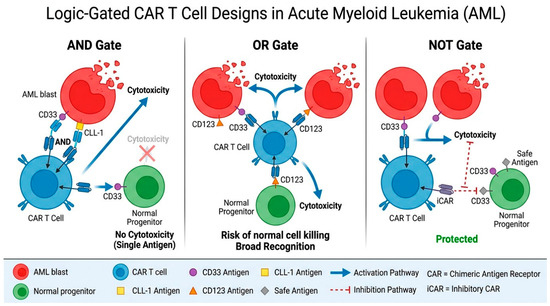
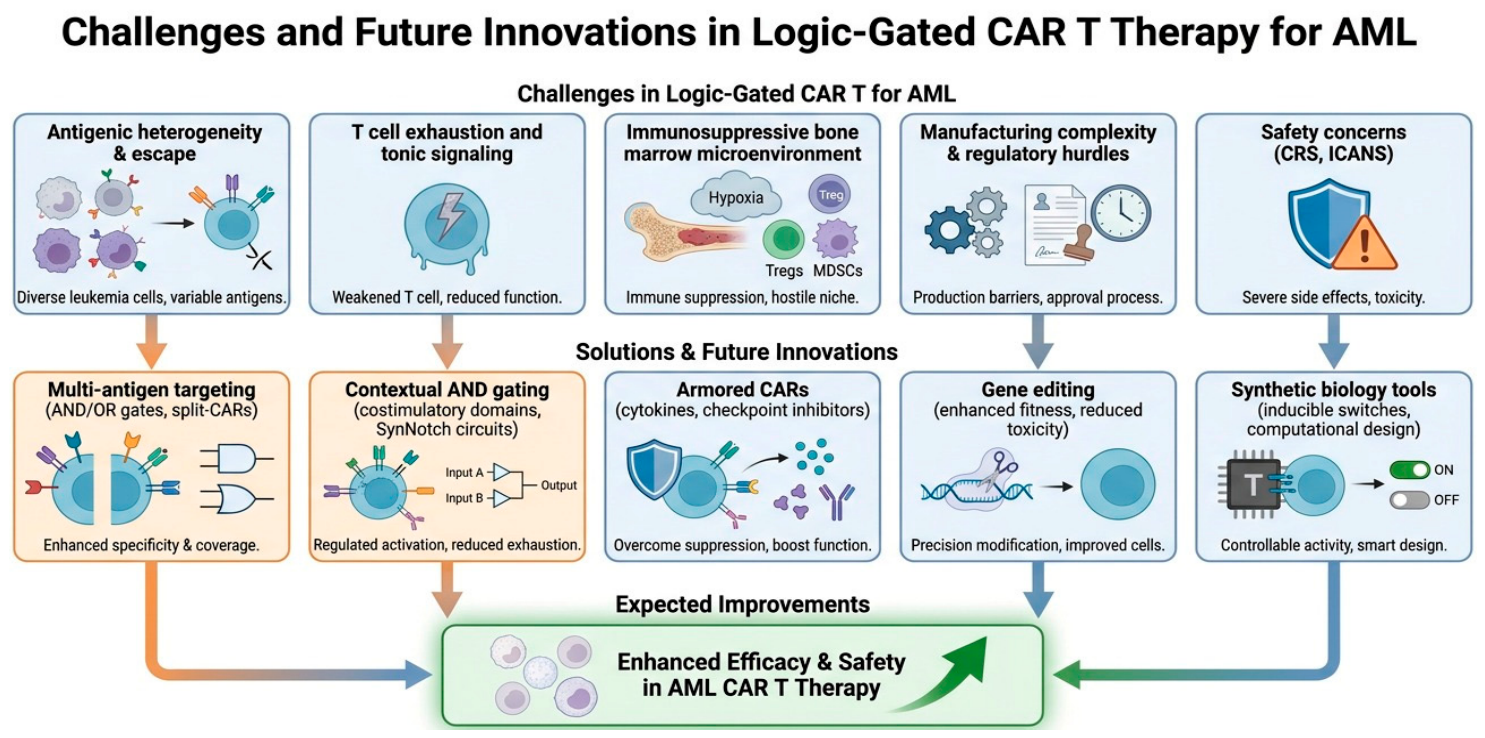

Disclaimer/Publisher’s Note: The statements, opinions and data contained in all publications are solely those of the individual author(s) and contributor(s) and not of MDPI and/or the editor(s). MDPI and/or the editor(s) disclaim responsibility for any injury to people or property resulting from any ideas, methods, instructions or products referred to in the content. |
© 2026 by the authors. Licensee MDPI, Basel, Switzerland. This article is an open access article distributed under the terms and conditions of the Creative Commons Attribution (CC BY) license.