Review

Alzheimer’s Disease and Contemporary Therapeutic Approaches: Recent Advances in Natural Products


by
Ertugrul Gunday
and
Fatma Sezer Senol Deniz
*
Department of Pharmacognosy, Faculty of Pharmacy, Gazi University, 06330 Ankara, Türkiye
*
Author to whom correspondence should be addressed.
Drugs Drug Candidates 2026, 5(1), 21; https://doi.org/10.3390/ddc5010021
Submission received: 6 February 2026 / Revised: 28 February 2026 / Accepted: 2 March 2026 / Published: 4 March 2026
(This article belongs to the Section Drug Candidates from Natural Sources)

Abstract

Alzheimer’s disease is a progressive neurodegenerative disorder marked by cognitive decline, and its global prevalence is expected to increase substantially in the coming decades. This review examines current therapeutic approaches and explores the potential role of medicinal plants and natural products in the treatment and prevention of Alzheimer’s disease. This review examines the pathophysiology of Alzheimer’s disease, with particular emphasis on the cholinergic, amyloid, and tau hypotheses. It evaluates currently approved therapeutic approaches, including cholinesterase inhibitors and NMDA receptor antagonists, as well as emerging immunotherapies. In addition, this review provides a comprehensive analysis of the pharmacological properties of various medicinal plants and explores innovative drug delivery systems. Research reveals that while conventional drugs like donepezil and memantine provide symptomatic relief, they do not halt disease progression. Recent immunotherapies, including lecanemab and donanemab, show potential to reduce amyloid-beta accumulation and slow cognitive decline; however, they face safety concerns, such as amyloid-related imaging abnormalities, and high costs. By comparison, several natural products—including huperzine A, curcumin, resveratrol, and epigallocatechin-3-gallate—demonstrate multi-target therapeutic potential through anti-inflammatory, antioxidant, and cholinergic-modulating mechanisms. This review offers a comprehensive contrast between natural products and traditional drugs as well as the safety and economic limitations of immunotherapies. Given the multifactorial nature of AD, therapeutic strategies that address multiple pathological pathways appear necessary. In this regard, plant-derived compounds, due to their broad pharmacological activity and generally favorable safety profiles, emerge as promising candidates for long-term management and may contribute meaningfully to the development of future therapeutic approaches for AD.

1. Introduction

Alzheimer’s disease (AD) is a progressive neurodegenerative disorder characterized by cognitive decline, affecting functions such as memory, adaptability, decision-making and reasoning. The condition takes its name from Alois Alzheimer, a neuropathologist and psychiatrist who, in 1906, presented his observations on a patient named Auguste D., marking an inflexion point in the understanding of mental disorders [1].
Alzheimer’s disease is typically categorized into two forms: the early-onset “Familial Alzheimer’s disease” and the more common late-onset “Sporadic Alzheimer’s disease”. While the Apolipoprotein E gene (ApoE gene) has been identified as a primary genetic risk factor in sporadic cases, other comorbid factors such as APP (Amyloid Precursor Protein), PSEN1 (Presenilin 1), PSEN2 (Presenilin 2)—as well as lipid metabolism-related genes such as ABCA1, ABCA7 and TREM2- are predominantly linked to the familial form of the disease [2].
Alongside aging and genetic factors, environmental factors also represent a potential threat to dementia and AD. These factors are categorized as external physical, chemical, biological, and occupational factors [3]. It has been suggested that these factors may influence AD through mechanisms such as oxidative stress, microglial activation, and inflammation [4].
In 2020, the global number of diagnoses of dementia was estimated at over 55 million individuals. This number will nearly double every two decades, reaching approximately 78 million by 2030 and 139 million by 2050 [5]. Considering that AD accounts for 60% to 80% of all dementia cases, the importance of research focused on its treatment is clearly obvious [6].

2. Fundamental Hypotheses of Alzheimer’s Disease

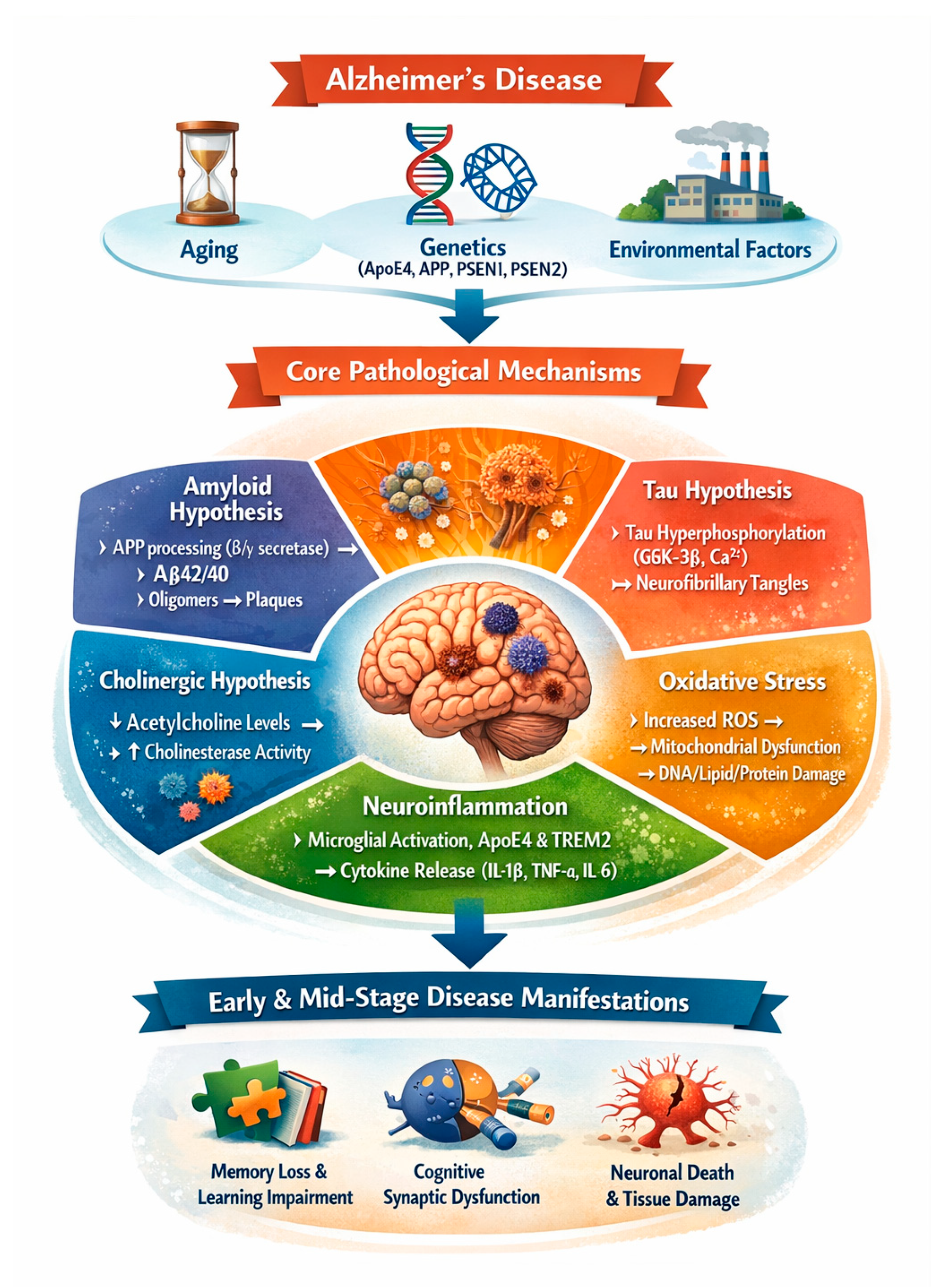
The pathology of AD is mainly characterized by two definitive key processes: the extracellular accumulation of amyloid-beta peptide plaques and the intracellular development of neurofibrillary tangles, which result from the hyperphosphorylation of tau protein [7]. Long-term investigations into AD etiology have shown that its complex and multifactorial nature cannot be explained by any single causative factor [8]. Consequently, current research emphasizes the various risk factors that contribute to pathological mechanisms such as neuroinflammation and oxidative stress, as well as the underlying processes and their complex interactions, as illustrated in Figure 1 [8,9].
Due to the lack of a definitive cure for AD and the increasing number of Alzheimer’s patients in aging populations, systematic investigations of the brains of individuals with AD were initiated in the late 1960s and early 1970s. The economic burden of this disease, along with the burden on patients, their relatives, and other service providers, has increased the importance of effective treatments that can be used for a long time. The aim of this process is to identify the neurochemical abnormality underlying the disease and to investigate potential treatments. In the mid-1970s, researchers observed notable neocortical deficiencies in acetylcholine (ACh) and in choline acetyltransferase (ChAT), the enzyme responsible for its synthesis. These findings, along with the emerging evidence of ACh’s role in learning and memory, led to the formulation of the “cholinergic hypothesis” for the treatment of AD. The enzyme acetylcholinesterase (AChE), which regulates the decline in ACh levels and, consequently, cognitive functions, has become a primary target of research aimed at developing therapeutic strategies within the framework of this hypothesis [10,11].
Amyloid beta peptide (Aβ), responsible for the characteristic plaques in the brains of AD patients, was first identified in the meningeal blood vessels of individuals with AD and Down syndrome in the early 1980s. A year later, this peptide was identified as the main component of senile plaques in the brain tissues of patients with AD. In most individuals with Down syndrome, by the age of 40, the development of these plaques, as well as neurofibrillary tangles (NFTs), has been observed. Studies have demonstrated that AD is characterized by amyloid plaques surrounded by neurons containing NFT, vascular damage resulting from excessive plaque accumulation, and neuronal cell loss [12,13,14].
It is well established that tau phosphorylation can be regulated by intracellular calcium levels. Hardy and colleagues proposed the “amyloid cascade hypothesis” based on the observation that trisomy of the region on chromosome 21 containing the APP gene leads to Down syndrome, and that Aβ accumulation increases free radical levels and intracellular calcium. They suggested that Aβ deposition represents the earliest event in the disease, and that neuronal dysfunction and cell death occur as a consequence of Aβ accumulation [2,13].
One of the core processes of AD, a multifactorial disorder, is the formation of neurofibrillary tangles, which consist of paired helical filaments resulting from the hyperphosphorylation of the microtubule-associated protein tau. Neurobiological and clinical studies on AD and tau protein have shown that the severity of this type of dementia is directly correlated with the accumulation of NFTs in the brain. They also demonstrate that hyperphosphorylated tau species in the cerebrospinal fluid are strongly associated with cognitive impairments in Alzheimer’s patients, and that reductions in tau filaments achieved through targeted therapies can alleviate these cognitive deficits, thereby supporting the “tau hypothesis” [15].
Although a close relationship between NFTs composed of hyperphosphorylated tau proteins and amyloid plaques has previously been discussed in the context of neurotoxicity, changes in Aβ and tau concentrations do not appear to progress in parallel. Recent studies have shown that in patients who experience cardiac arrest, phosphorylated tau (p-tau) concentrations rise within 24 h, indicating that p-tau is rapidly synthesized in the interstitial fluid during hypoxic–ischemic brain injury. On the contrary, the concentrations of Aβ42 and Aβ40 gradually increased over time [16]. Based on these findings, it has been suggested that tau phosphorylation is triggered by Aβ accumulation and plaque formation, in line with the amyloid hypothesis.
This hypothesis is further supported by studies showing that individuals with a translocation on chromosome 21, located at a distance from the APP gene, exhibit symptoms of Down syndrome but do not develop AD. Conversely, individuals carrying a microduplication of the APP gene but lacking mutations in the remaining regions of the chromosome have been reported not to exhibit symptoms of Down syndrome; however, they developed AD in their fifties [17]. In the Icelandic population, the APP A673T mutation occurs about 5 times more frequently in healthy elderly individuals than in patients with AD. This mutation, which reduces β-secretase cleavage of APP across the lifespan, is considered protective and provides further evidence for the central role of Aβ in Alzheimer’s pathology [17,18].
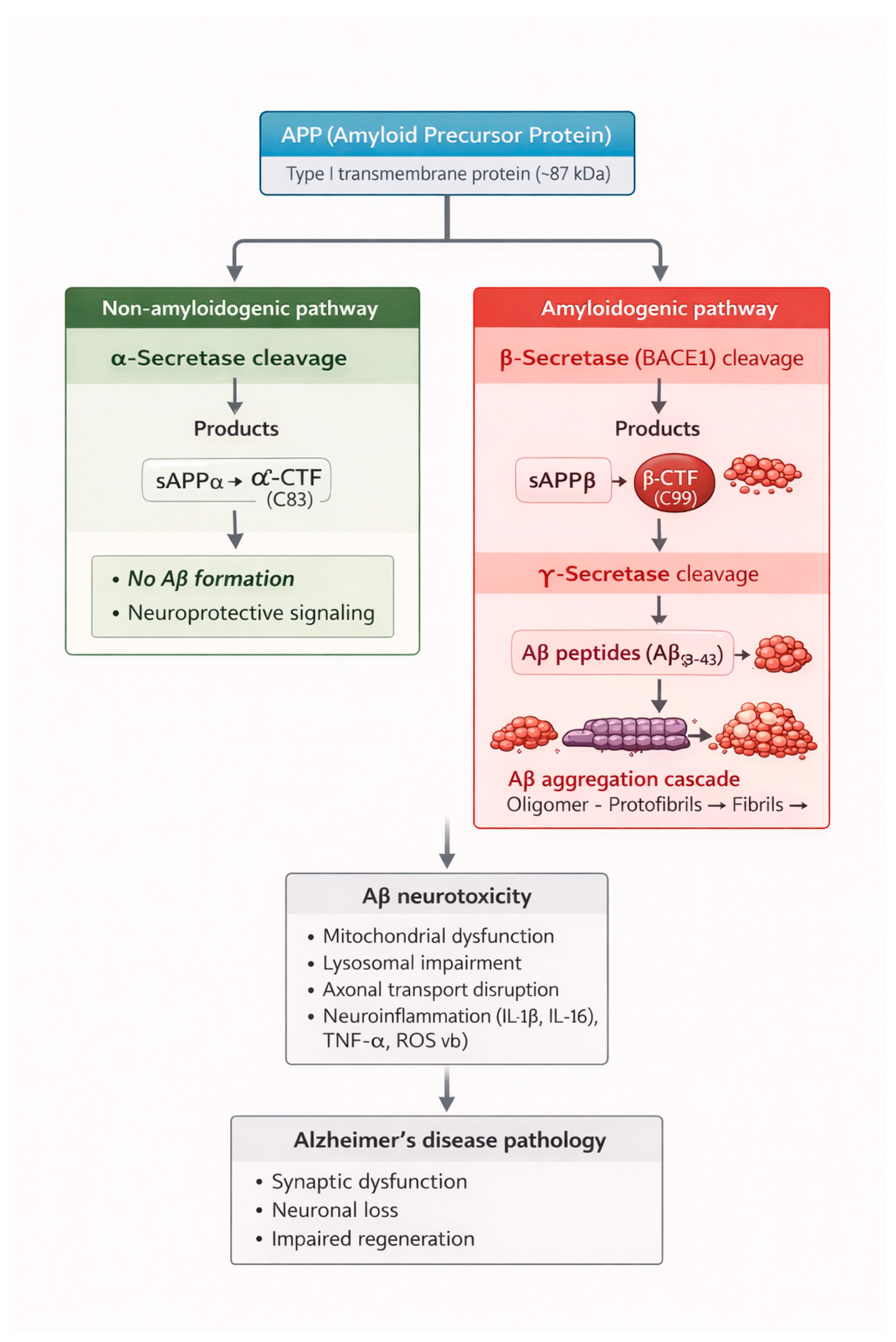
The “Amyloid Precursor Protein” (APP) is an 87 kDa transmembrane protein and a central element of the amyloid cascade hypothesis. It is a multi-isoform integral membrane protein composed of a large extracellular domain, a membrane-spanning region, and a short intracellular C-terminal segment. Two pathways have been identified in which APP is processed in different steps by peptidases known as α-, β-, and γ-secretases. In the non-amyloidogenic pathway, α-secretase cleaves APP at the amino-terminal (N) end, producing soluble APPα (sAPP-α) and an 83-amino-acid carboxy-terminal fragment (α-CTF). sAPP-α exerts a neuroprotective effect by preventing Aβ formation and regulating synaptic transmission. In the amyloidogenic pathway, cleavage by β-secretase generates sAPP-β at the N-terminus and β-CTF (C99) at the C-terminus. The subsequent cleavage of β-CTF by γ-secretase produces γ-CTF (AICD: APP intracellular domain) and a small peptide, Aβ, consisting of 39–43 amino acids. The extracellular aggregation of Aβ progresses sequentially from oligomers to protofibrils, then to fibrils, and ultimately to insoluble plaques. These structures exhibit both direct and indirect toxicity. The toxicity directly induced by Aβ accumulation on mitochondria, the endosome-lysosome system, and cellular transport mechanisms is evaluated. Indirectly, Aβ exerts its toxicity by enhancing the release of factors such as interleukin-1β (IL-1β), IL-6, IL-18, tumor necrosis factor (TNF), chemokines, prostaglandins, nitric oxide, and reactive oxygen species (ROS). This cascade contributes to impaired synaptic function, neuronal cell death, and the inhibition of neuronal regeneration as shown in Figure 2 [2,16,19,20,21].

Other Processes in the Pathophysiology of Alzheimer’s Disease

Although the association between AD and ApoE4, first demonstrated in 1993, has been recognized as a major risk factor, exome and genome sequencing studies on late-onset AD have suggested additional risk factors. Among these, processes such as the microglial response to plaque formation, which link the brain’s immune system and inflammation, have contributed to a better understanding of the biological mechanisms underlying AD pathogenesis [16,17]. Neuroinflammation, triggered by immune responses to various factors within the central nervous system, represents one of the key processes underlying the pathogenesis of AD. In AD, inflammation causes neuronal dysfunction by accumulating Aβ and forming neurofibrillary tangles [22]. The relationship between inflammation and AD can be inferred from the observation that in populations with widespread chronic use of non-steroidal anti-inflammatory drugs (NSAIDs), the incidence of AD is significantly lower [23]. Anti-inflammatory therapy aims to regulate the inflammatory response by reducing the levels of inflammatory mediators such as interleukins, thereby mitigating inflammatory damage in the brain. In addition to this effect, studies have also reported that ibuprofen reduces Aβ42 levels not through cyclooxygenase (COX) enzyme activity, but by modulating γ-secretase activity [16].
Microglia, the resident macrophages of the central nervous system, maintain brain homeostasis by phagocytosing misfolded proteins, cellular debris, and dying cells. To understand microglial mechanisms in AD and develop potential therapeutic approaches targeting them, it is important to study the genes associated with the disease. Detailed studies have demonstrated that the genes most directly or indirectly associated with microglia are ApoE, TREM2, Complement Receptor 1 (CR1), and CD33 [17,24,25].
ApoE is an apolipoprotein that transports lipids and cholesterol to target cells via receptor-mediated endocytosis. Among the major subtypes (ApoE2, ApoE3, ApoE4), ApoE4 plays a significant role in the pathogenesis of sporadic AD, not only through direct effects on amyloid pathology but also by affecting microglial activity, lipid transport, synaptic structure and plasticity, glucose metabolism, and cerebrovascular structure and plasticity. ApoE4 carriers exhibit earlier and more severe Aβ accumulation and experience more rapid disease progression once symptoms emerge. Individuals carrying the ApoE4 allele have been found to have a 3–4-fold increased risk of developing AD, whereas those carrying two alleles exhibit a 10–15-fold higher risk [16,24]. The observation of reduced microglial proliferation and neurodegeneration around certain fibrous plaques in ApoE4 (−/−) mouse brains highlights the importance of ApoE4 in microglial activation and the impairment of neuronal functions. It is noteworthy that ApoE4 also affects Aβ accumulation by reducing Aβ clearance, as it competitively binds to lipoprotein-related protein 1 (LRP1) and low-density lipoprotein receptor 1 (LDLR) on astrocytes, microglia, and endothelial cells [16].
TREM2 is a transmembrane receptor expressed not only in microglial cells but also in tissue macrophages. In AD, microglial activation plays a crucial role in its regulation. It has been demonstrated that increased TREM2 expression enhances microglial activity, thereby reducing Aβ accumulation. An Aβ-like effect may prevent the exacerbation and propagation of tau pathology by activating the DAM phenotype via TREM2, a microglial phenotype located around Aβ deposits that has been shown to exert neuroprotective effects [25,26].
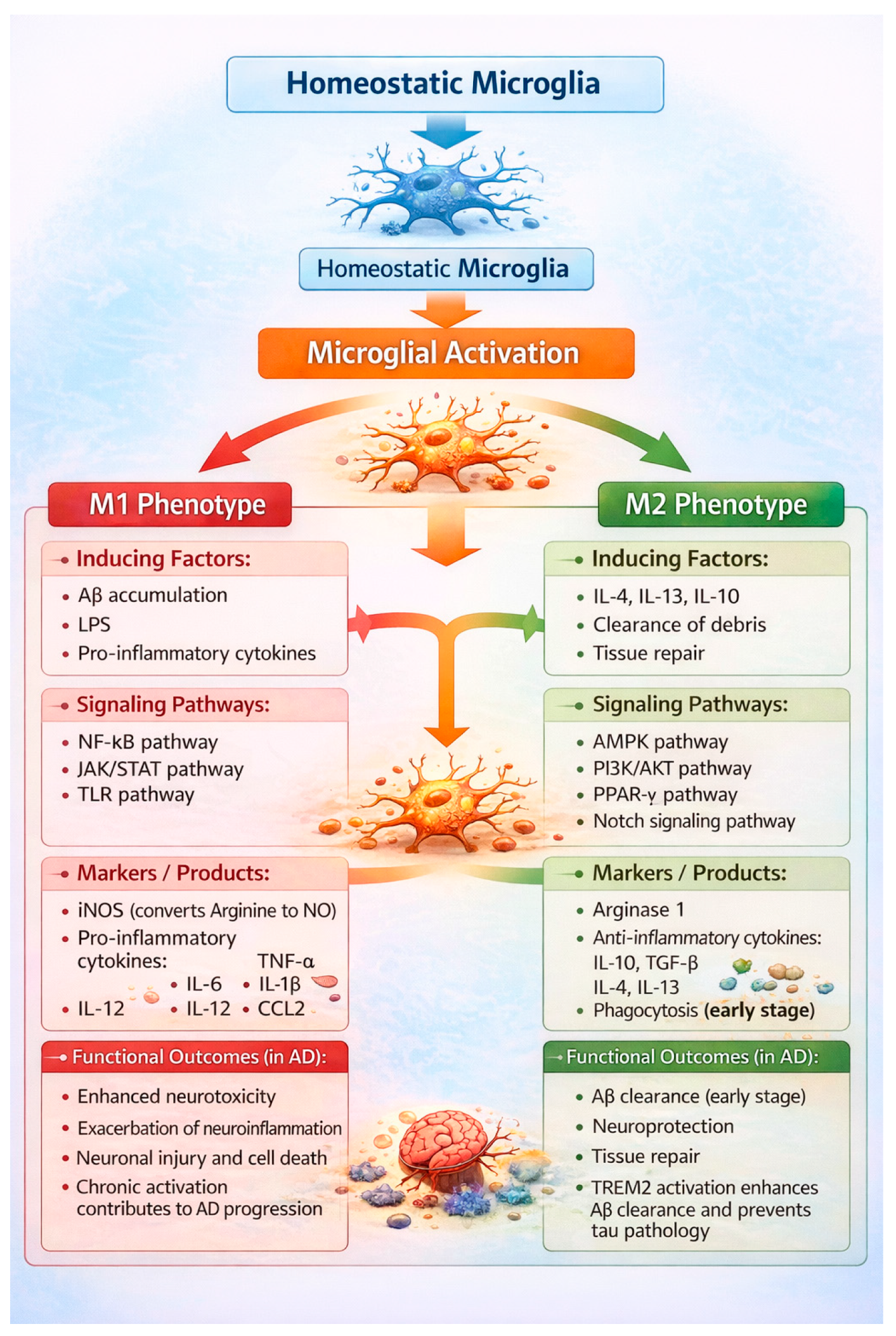
Early activation of microglial cells is beneficial for the clearance of amyloid deposits and tissue repair. In the early stages, microglia have been shown to reduce Aβ accumulation through phagocytosis. However, prolonged and excessive microglial activation is a key factor contributing to neuroinflammation in AD by releasing proinflammatory cytokines. Progressive neuroinflammation contributes to neuronal injury and cell death. In a normally functioning brain, microglia are maintained within a homeostatic balance of their distinct phenotypes (Figure 3). Although the classification of phenotypes has evolved with the identification of different subtypes, the M1 and M2 phenotypes have been useful for understanding microglial activation. In response to exogenous or endogenous factors that may disrupt this balance, microglia exhibit a dynamic equilibrium by polarizing between the M1 and M2 phenotypes. The M1 phenotype enhances the neurotoxic effects of glutamate by expressing iNOS, which converts arginine into NO, and by producing pro-inflammatory cytokines and chemokines such as TNF-α, IL-6, IL-1β, IL-12, and CCL2. In cases of excessive microglial activation, this balance shifts toward the M1 phenotype. The M2 phenotype is characterized by cytokines such as IL-4, IL-10, IL-13, and TGF-β, and exerts an anti-inflammatory effect. In M1 polarization, the NF-κB, JAK/STAT, and TLR pathways play the primary roles. For M2 polarization, the AMPK, PI3K/AKT, PPAR-γ, and Notch signaling pathways have been identified as the primary factors [24,25,27]. AMPK is a serine/threonine kinase that regulates energy metabolism by facilitating energy production while suppressing energy expenditure. Impairment of AMPK activity leads to cognitive dysfunction by disrupting synaptic plasticity [22].
Postmortem studies in humans and mice have identified reactive microglia in association with Aβ plaques. With recent advances in technology, scRNA-seq and snRNA-seq studies have enabled a more detailed investigation of microglial states and their responses to pathological changes in AD. These results suggest that microglia may exert a neuroprotective role in the early stages of AD, and that microglia migrate towards tau and Aβ accumulations, clearing these aggregates via phagocytosis. However, chronic stimulation associated with pathological accumulations can lead to excessive activation of microglia, thereby exacerbating the progression of AD [25,28,29].
Oxidative stress arises from the disruption of the balance between the physiological antioxidant defence system and free radicals. Free radicals, generated and accumulated by cellular metabolism in the brain, disrupt the cell’s redox mechanisms, leading to damage to proteins, lipids, and DNA. This process leads to increased cellular apoptosis by altering intracellular signalling pathways. Oxidative stress has been associated with most chronic diseases and is strongly linked to neurodegenerative disorders and aging. The impact of oxidative stress, identified as a significant factor in the pathogenesis of AD, has been demonstrated in previous studies. The toxic effects of Aβ on neuronal cell cultures, mediated by free radical mechanisms [30,31], as well as its irreversible damage to biomolecules during the AD process [22], have been demonstrated. At the same time, oxidative stress aggravates neuronal degeneration by causing protein oxidation through iron and lipid peroxidation [22].
The Wnt signaling pathway has been implicated in AD, cancer, and various metabolic disorders. Conserved since the earliest animals in evolutionary history, this pathway plays a crucial role in processes such as embryogenesis, tissue formation and maintenance of homeostasis, as well as the regulation of cellular functions. Wnt signaling is classified into three pathways: canonical (β-catenin-dependent), non-canonical planar cell polarity (PCP), and non-canonical Wnt/Ca2+. In the β-catenin-dependent pathway, extracellular Wnt signals are transmitted to the nucleus via β-catenin, which plays a critical role in intracellular signalling and ultimately influences transcription. Upon activation of Wnt signaling, glycogen synthase kinase 3-beta (GSK-3β) becomes inactivated, allowing β-catenin to associate with transcription factors. Conversely, in the absence of a Wnt ligand, GSK-3β activation leads to β-catenin phosphorylation and degradation. A controlled study of AD brains demonstrated an age-related decline in β-catenin levels, alongside elevated GSK-3β phosphorylation and a concomitant reduction in Wnt signaling [32,33].

3. Current Approved Treatments for Alzheimer’s Disease

3.1. Conventional Treatment Approaches

As is well known, AD is characterized by reduced presynaptic cholinergic marker levels in the cerebral cortex, which are associated with cognitive functions such as learning and memory [2]. The decline in cognitive function associated with reduced acetylcholine levels has led to the primary therapeutic approach of restoring cholinergic neurotransmission with cholinesterase inhibitors. In this context, AChE inhibitors (rivastigmine, donepezil, and galantamine), an NMDA (N-methyl-D-aspartate) receptor antagonist (memantine), and their combinations—although they do not halt disease progression—remain in use for alleviating symptoms [34,35].
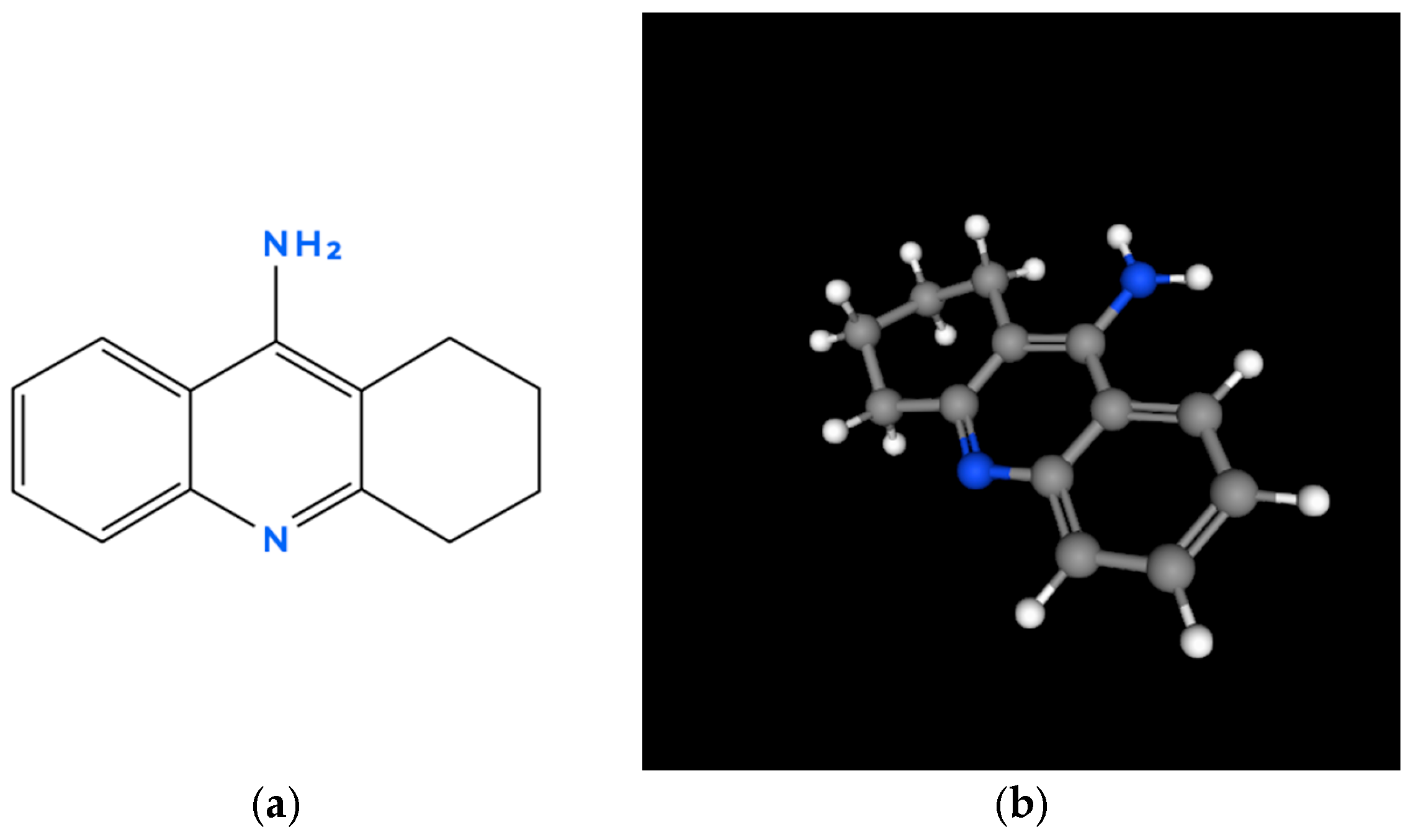
According to the cholinergic hypothesis, tacrine was initially approved in 1993, followed by donepezil in 1996, rivastigmine in 1997, and galantamine in 2001, with the aim of restoring cholinergic activity, and these drugs have subsequently been employed for the symptomatic treatment of the disease. The other therapeutic agent, memantine, was approved for the treatment of AD in Europe in 2002 and subsequently in the United States a year later. The first molecule to enter treatment, tacrine (Figure 4), is a reversible cholinesterase inhibitor that demonstrated improvements in cognitive functions at doses of 80–160 mg/day. However, due to its side effects, including elevations in transaminase levels and hepatotoxicity, it is no longer in clinical use [18,35,36].
Although the pharmacological differences among AChE inhibitors—considered under the conventional approach to treating AD symptoms—are minimal, all act by blocking the AChE enzyme responsible for the breakdown of acetylcholine. Comparative studies have shown no statistically significant differences among these three ChE inhibitors over a three-month treatment period. All three currently used cholinesterase inhibitors have a low incidence of serious adverse effects and generally present with cholinergic side effects [11,35,37,38].

3.1.1. Donepezil

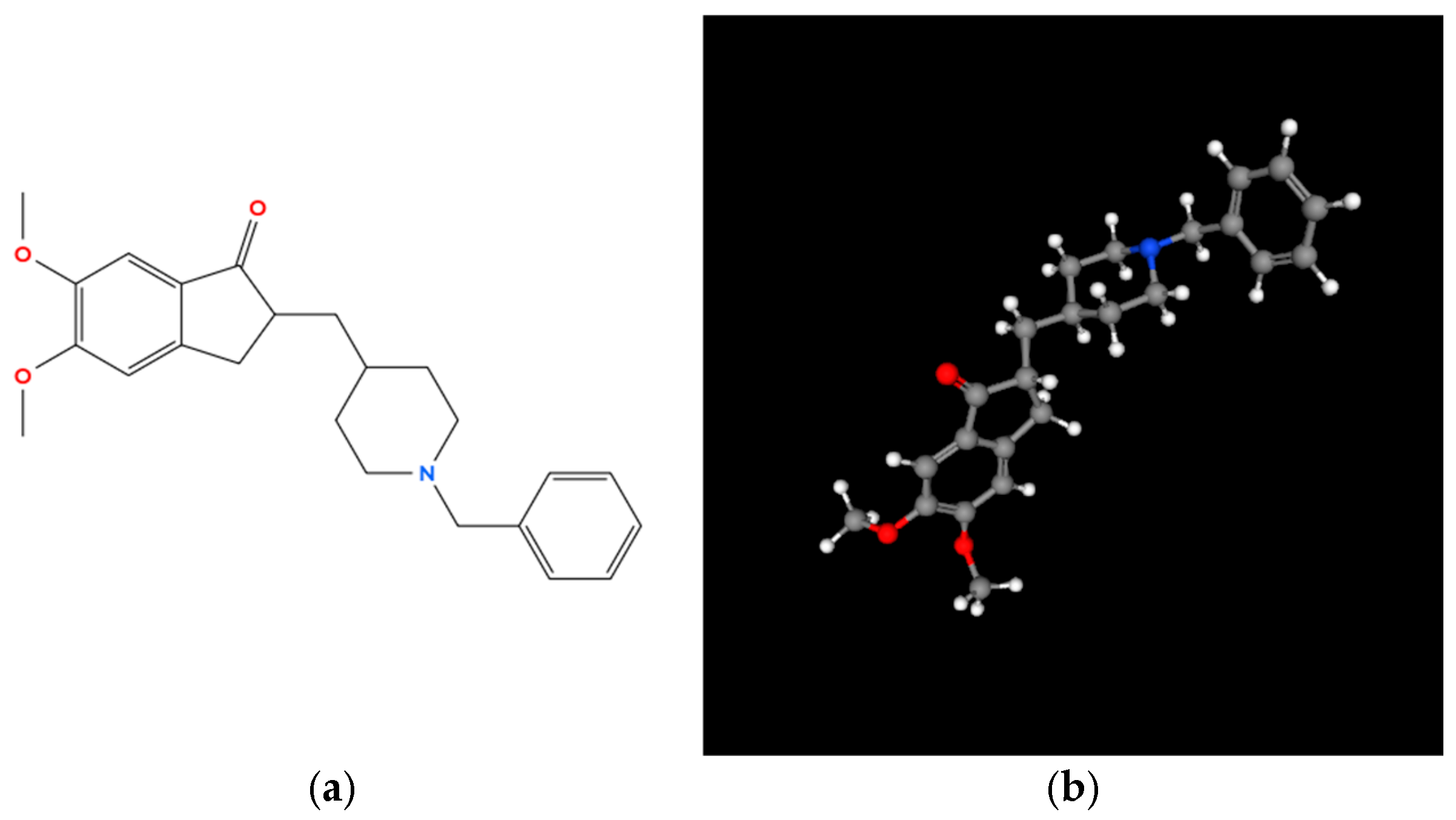
Donepezil, as shown in Figure 5, is a piperidine-based, reversible AChE inhibitor developed to overcome the aforementioned limitations of tacrine. It exhibits high selectivity for AChE while showing low affinity for butyrylcholinesterase (BChE). In light of these clinical studies, it has been indicated that a daily dose of 5–10 mg improves cognitive functions [36].
Donepezil is primarily metabolized by hepatic enzymes, and its 6-oxo derivative, a major active metabolite, exhibits comparable AChE inhibitory activity. Owing to its high lipophilicity, it can cross the blood–brain barrier [39].
Donepezil is generally well tolerated, with side effects such as nausea, vomiting, diarrhea, constipation, and, in some cases, headache, dizziness, and sleep disturbances. Other than these temporary effects, its lack of clinically meaningful impact on laboratory measures, including hepatic function, has been deemed significant. [36]

3.1.2. Rivastigmine

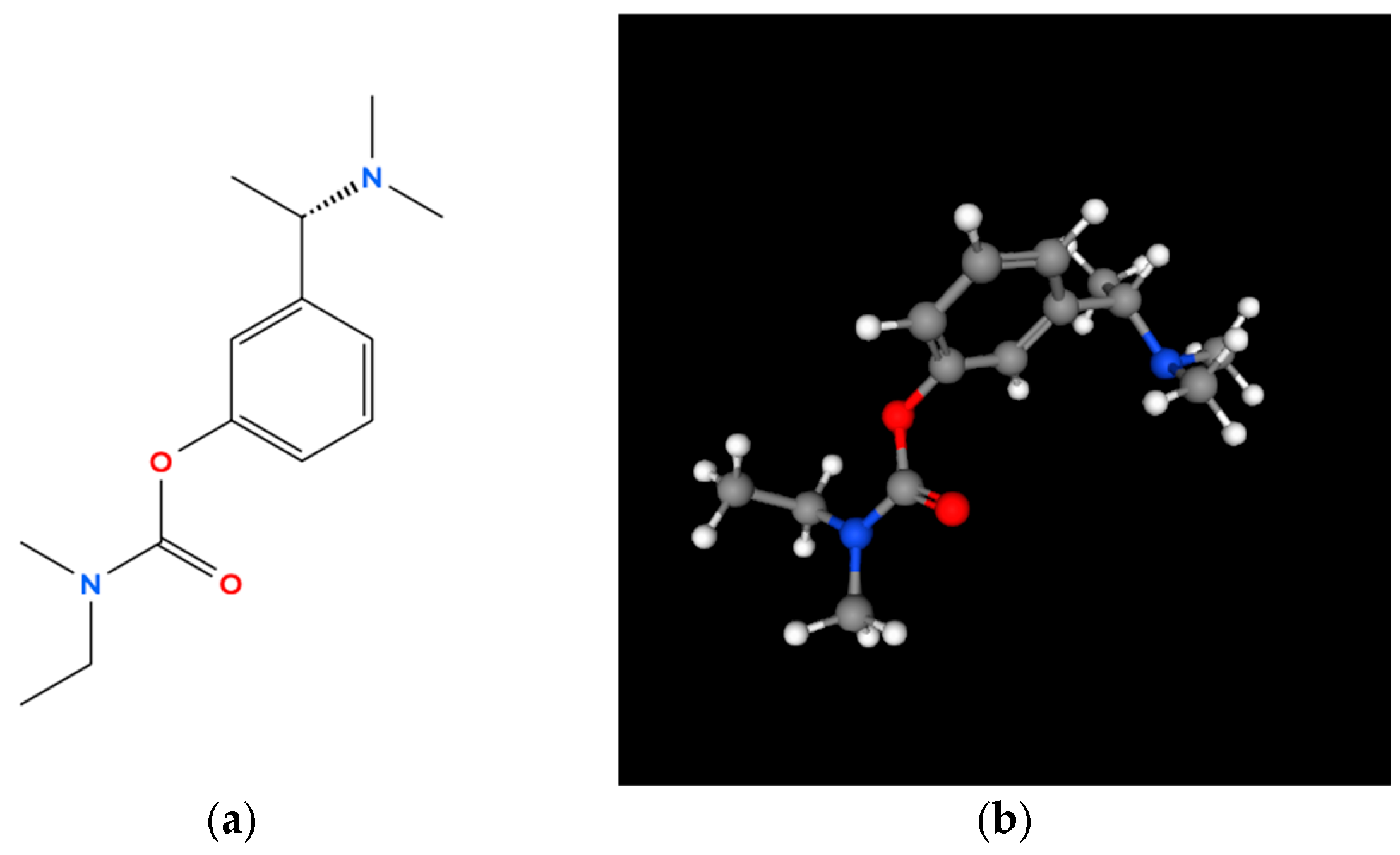
Rivastigmine (Figure 6) is a carbamylation agent that irreversibly inhibits AChE. It has been reported in phase 3 trials involving more than 1500 patients that rivastigmine at a daily dose of 612 mg effectively improved cognitive functions and was associated with enhancements in patients’ daily activities and behavioral outcomes. In a comparative study conducted on transgenic Drosophila, rivastigmine was found to be more effective than galantamine in reducing oxidative stress [36,40,41].
During the progression of AD, a decline in AChE levels has been accompanied by an increase in BChE activity. A study on AChE-deficient mice demonstrated that, at later stages of treatment, BChE compensates for the absence of AChE, leading to a reduction in synaptic ACh levels. Unlike other AChE inhibitors, rivastigmine blocks the function of these enzymes by forming covalent bonds with the active sites of both AChE and BChE. Thus, the activity of BChE is also inhibited in the process described above [37,40].
Rivastigmine can cross the blood–brain barrier to a substantial extent. Unlike other pharmacological agents used in AD, it can also be administered via transdermal patches. Moreover, studies have demonstrated that, beyond AChE inhibition, rivastigmine promotes non-amyloidogenic APP cleavage in a dose-dependent manner by shifting APP processing from β-secretase to α-secretase. Accordingly, it is considered to influence not only symptomatic relief but also the progression of the disease [39].
The most common side effects observed in clinical trials are nausea, vomiting, anorexia, dyspepsia, fatigue, irritability, and weight loss. These side effects are more common at the start of treatment and decrease over time and with dose [36,37]. A recent study found that rivastigmine was associated with an increased risk of cardiac events [38].

3.1.3. Galantamine

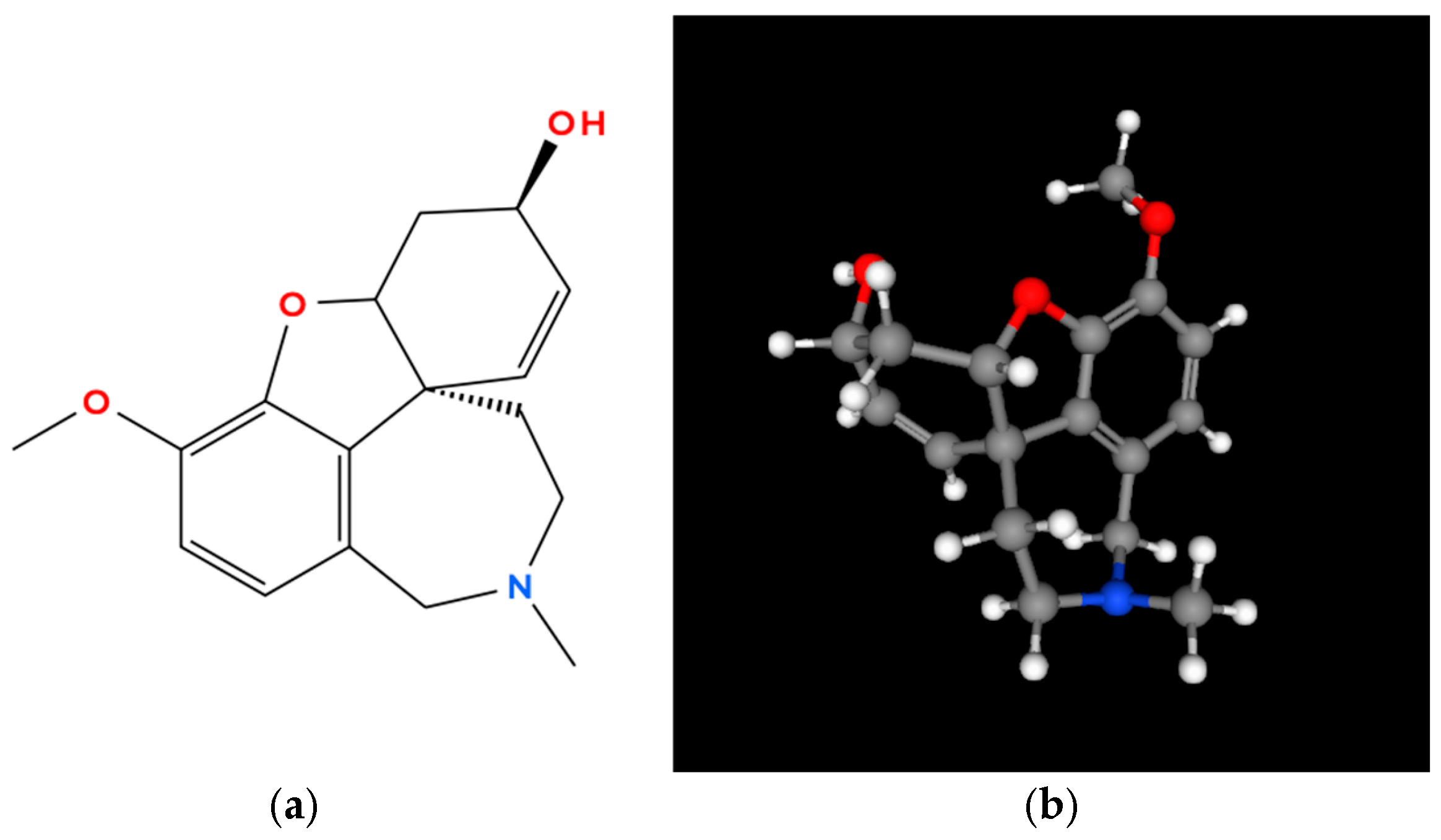
Galantamine (Figure 7), derived from Galanthus nivalis L. (Amaryllidaceae), is the latest approved tertiary alkaloid as an AChE inhibitor. Unlike non-selective agents such as tacrine, galantamine shows 10 times greater selectivity for AChE than for BChE. In Phase 3 clinical trials, a statistically significant improvement in cognitive function was observed at a dose of 16–24 mg/day compared to placebo [11,36].
The second effect of galantamine in AD is to enhance cholinergic functions through the activation of nicotinic acetylcholine receptors (nAChRs). In addition to its AChE inhibitory effect, galantamine has been shown to be a positive allosteric modulator of nAChRs, thereby potentially increasing receptor sensitivity to ACh [11,35,36,41]. A recent comparative study has shown that galantamine is a more potent cholinesterase inhibitor than rivastigmine [41]. It has been suggested that galantamine prevents Aβ-induced oxidative damage by inhibiting Aβ aggregation and cytotoxicity [39].
Galantamine is rapidly absorbed after oral intake, providing up to 90% bioavailability. Metabolized in the liver, galantamine is converted to desmethyl galantamine, which is one-third as effective as galantamine in its AChE inhibitory activity. [39] The most common side effects are nausea, vomiting, anorexia, and diarrhea, which, as seen with other AChE inhibitors, are related to cholinergic stimulation and can be easily controlled by gradually increasing the dosage regimen [11,36]. Findings have indicated that galantamine, like rivastigmine, may be associated with an increased risk of cardiac events [38].

3.1.4. Memantine

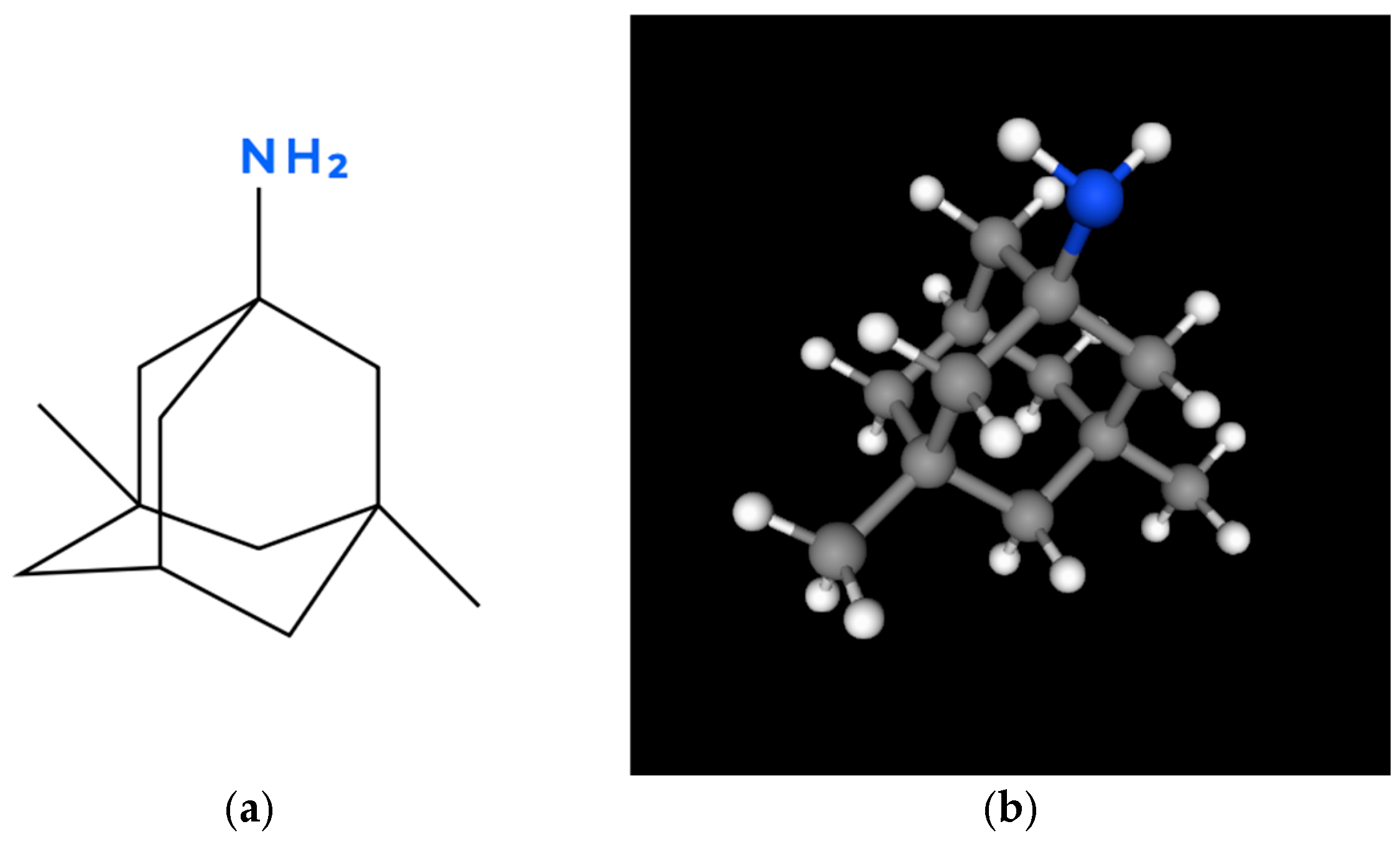
Under normal physiological conditions, glutamate, the principal excitatory neurotransmitter responsible for activating approximately 70% of excitatory synapses in the central nervous system, mediates long-term potentiation through NMDA receptor activation, a process that plays a central role in learning and memory. In this process, dysfunction mediated by NMDA receptors leads to the degeneration and death of cortical and subcortical neurons. In the pathogenesis of both sporadic and familial AD, elevated extracellular glutamate levels lead to excessive NMDA receptor activation, impairing signalling pathways. There is evidence that impaired glutamatergic neurotransmission at NMDA receptors contributes to disease progression. Memantine (Figure 8) is a voltage-dependent, moderate-affinity, non-competitive NMDA antagonist. It reduces cellular glutamate toxicity by decreasing the excitability levels of nerve cells that transmit signals with excitatory amino acids while preserving the physiological activation of NMDA receptors. [2,18,35,39].
In Phase 3 clinical trials, memantine has demonstrated significant statistical benefit in cognitive, functional, global, and behavioral endpoints. Based on these results, it was first approved in Europe in 2002 and began use in the United States a year later for moderate-to-severe AD indications. When the study results were examined to evaluate side effects, the incidence of dizziness (6.3% for memantine and 5.6% for placebo), headache (5.2% and 3.9%), constipation (4.6% and 2.6%), and drowsiness (3.4% and 2.2%) was observed in the memantine group compared to the placebo group. The incidence of serious adverse effects was lower in the memantine group (12.7% and 13.8%) and was not considered related to the study [42].

3.2. Immunotherapy

In the majority of Alzheimer’s patients, complete neurological recovery is not a realistic expectation. Rather, patients with Alzheimer’s typically hope for the stabilization of their condition, without further progression. Since the pathological processes of the disease begin years, or even decades, prior to the onset of the first symptoms, reversing the accumulated neuropathology with current therapeutic strategies does not appear feasible. While symptomatic benefits can be achieved with AChE inhibitors, disease progression has not been slowed.
The amyloid hypothesis is the most widely accepted model of AD pathogenesis and has played a pioneering role in the development of potential therapies. Immunotherapy began to attract attention following the study by Schenk and colleagues in 1999, which was the first immunization study to report a reduction in amyloid pathology after intramuscular injection of fibrillar Aβ42 in an APP transgenic mouse model. In this study, Aβ plaque accumulation, neurodegeneration, and gliosis were observed in vaccinated young and old animals; however, no mechanism-based damage was observed in the brains of the experimental animals. Animal models have shown that Aβ42 immunization elicits a highly specific response that promotes Aβ degradation [19,43].
This study, based on active immunization, has prompted academic research and pharmaceutical companies to focus on this concept for the treatment of AD. In a clinical trial conducted by a pharmaceutical company, an approach similar to the above-mentioned mouse model was designed. The first immunotherapy, active vaccination with AN-1792, a synthetic Aβ1–42, was halted after T cell-mediated meningoencephalitis occurred in more than 5% of Alzheimer’s patients enrolled in the trial. Nevertheless, a subgroup that received two doses showed less decline on cognitive tests than the placebo group [17,18,43]. To reduce the risk of such side effects, studies have focused on passive immunization based on anti-Aβ monoclonal antibodies (mAbs).

3.2.1. Aducanumab

Biogen was the first company to conduct a clinical trial in passive immunotherapy. It has been reported that human-derived immunoglobulin G1 (IgG1) selectively targets soluble Aβ aggregates and insoluble fibrils, leading to a time- and dose-dependent reduction in Aβ levels. Aducanumab affects different stages of Aβ42 pathology, including monomer, oligomer, plaque forms, and extracellular deposits. By binding to Aβ structures, it facilitates their clearance through the immune system. In two large phase 3 trials (EMERGE and ENGAGE), both were terminated following futility analyses, despite continued evidence of aducanumab’s effect on plaque accumulation. However, post hoc analyses have demonstrated that the EMERGE study achieved its objective [16,17,18,39]. Yet, it is known that among patients receiving 10mg/kg of aducanumab treatment, 35.2% developed perivascular edema (ARIA-E) and 19.1% developed microbleeds (ARIA-H) [18].
In 2021, the European Medicines Agency (EMA) rejected the company’s application for aducanumab, and the company subsequently requested a re-evaluation. Although the ENGAGE study did not demonstrate clinical benefit, the FDA (Food and Drug Administration) granted accelerated approval for aducanumab in 2021. The condition for this approval was that the molecule would prove successful in another study (phase 4). However, Biogen recently announced that the development and commercialization of aducanumab will not continue, as resources will be redirected to other studies, prior to the EMA’s assessment outcome [44].

3.2.2. Lecanemab

The rodent monoclonal antibody mAb158 was developed to selectively bind the Aβ protofibril conformation. Subsequent research on this molecule led to the development of Lecanemab, the humanized IgG1 version of mAb158, which selectively binds to soluble forms of Aβ and facilitates their clearance [45].
Lecanemab was approved by the FDA in 2023 following the successful Phase 3 CLARITY trial for AD and is now available for patient use. Lecanemab delayed disease progression by 6 months, reducing cognitive decline by 27% compared with the placebo group on the CDR-SB (Clinical Dementia Rating Sum of Boxes) scale. These findings suggest that lecanemab is a promising treatment option that may slow the progression of AD and preserve cognitive function [16,18,46,47].
Data presented at the 2024 International Alzheimer’s Association Conference demonstrated that 36 months of lecanemab treatment reduced the risk of disease progression (from mild cognitive impairment to dementia, or from mild AD to moderate AD) by 30%. Additionally, lecanemab also slows down tau pathology, as demonstrated by tau PET scans [18,46]. However, potential side effects associated with lecanemab should be considered. Similar to aducanumab, adverse events such as ARIA, which can cause brain edema and microbleeds, have been reported in anti-amyloid treatment studies. ARIA-E was detected in 17.3% of patients receiving treatment, and ARIA-H in 12.6% (compared to 9% and 1.7% in the placebo group, respectively) [18].

3.2.3. Donanemab

Donanemab is an immunoglobulin G1 antibody that specifically targets the N3pG epitope, which is found only in mature amyloid plaques. Based on the positive results from the phase 3 TRAILBLAZER-ALZ2 trials, the drug has received full FDA approval. According to the iADRS (Integrated Alzheimer’s Disease Rating Scale) criterion, cognitive decline was reduced by 35%, delaying disease progression by approximately 4.5 months. In line with findings from other anti-Aβ mAb therapies, ARIA was also observed after donanemab administration (ARIA-E: 24% vs. 1.9% with placebo; ARIA-H: 19.7% vs. 7.4% with placebo) [18,46,47,48].

3.2.4. Use and Adverse Effects of Immunotherapeutic Agents

The question of which biomarkers should guide the administration of immunotherapy agents has also been a subject of debate. According to the approach used in the phase 3 trial of Donanemab, anti-Aβ therapy should be continued until plaque burden is sufficiently reduced, and treatment should be restarted based on Aβ levels on PET scans [18,46].
Lecanemab, however, was administered according to a predetermined timeline, without consideration of biomarkers [46]. Post hoc analyses of data from Lecanemab phase 3 trials have shown that anti-Aβ immunotherapy is more effective in patients with lower levels of tau pathology than in those with higher levels. Therefore, it has been proposed that patients who will receive treatment may be eligible for combination therapy including anti-tau immunotherapy. The selected treatment strategy must be determined through joint evaluation of the patient’s amyloid and tau PET scans [18].
Post-immunotherapy imaging has likewise raised concerns about alterations in structural volumes. For lecanemab and donanemab, lateral ventricular enlargement has been demonstrated to be strongly associated with ARIA. Both mAbs and other monoclonal antibody agents have been shown to reduce the overall brain volume, including the white matter. It remains a matter of debate whether this reduction truly reflects atrophy (i.e., neuronal death and synaptic loss). Moreover, it has not yet been determined whether these structural alterations represent a stable side effect of the treatment or may lead to significant long-term consequences [46].
Patients receiving anti-Aβ monoclonal antibody therapy may experience infusion reactions and as previously stated, may also develop ARIA. The most consistent risk factor for ARIA is APOE ε4 homozygosity. The risk of ARIA-related side effects is approximately twice as high in individuals with the APOE ε4 allele compared to those without it [46]. Before starting mAb treatment, it must be ensured that the patient can comply with the method to be applied.

4. Medicinal Plants and Natural Products in the Treatment of Alzheimer’s Disease

At present, three FDA-approved AchE inhibitors and one NMDA antagonist have been shown to enhance cognitive function; however, they provide only a limited contribution to slowing the progression of the disease. Despite extensive research, the difficulty of developing effective treatments for the disease has become apparent, and many clinical trials have likewise failed to demonstrate satisfactory efficacy [27,49,50]. Studies in this field have demonstrated that monoclonal antibody therapy mitigates Aβ accumulation, a fundamental hallmark of AD. However, concerns have arisen about the safety profiles of all monoclonal antibody molecules approved for AD, primarily due to infusion-related reactions and, most importantly, ARIA-related adverse effects. At the same time, the high cost of these molecules negatively influences the accessibility and widespread application of the treatment. Therefore, investigating safer and more effective pharmacological strategies indicates substantial potential [51].
Recent studies have focused on identifying the bioactive components of supplements derived from foods and plants used to treat neurological disorders, as well as elucidating their potential mechanisms of action in the prevention and treatment of these conditions. Epidemiological evidence suggests that, given the multifactorial nature of AD, therapeutic success is more likely to be achieved through approaches that simultaneously target multiple pathogenic mechanisms involved in AD. It has been suggested that natural inflammation inhibitors and antioxidant agents—such as polyphenols, fatty acids, or vitamins—that can act through multiple mechanisms may help prevent neurodegenerative diseases [23,27,52].
Characterized by high levels of calories, fat, and salt, along with low dietary fiber, the ‘Western diet’ has been associated with the rising prevalence of obesity and type 2 diabetes. It has also been reported that the Western diet contributes to pathological brain aging and exacerbates cognitive decline in AD. In contrast, the “Mediterranean diet” is highlighted for its positive effects on overall brain health, enhanced memory function, and reduced AD risk [53]. These beneficial outcomes of the Mediterranean diet are attributed to its rich omega-3 fatty acid content—particularly docosahexaenoic acid (DHA), which is abundantly present in the brain, cerebral cortex, skin, and retina. Furthermore, meta-analyses and systematic reviews of studies on AD indicate that DHA levels are decreased in AD and that DHA intake is associated with a reduced risk of AD. As shown in animal and cell culture studies, the effectiveness of DHA in preventing AD is reported to result from its anti-Aβ activity, its reduction in tau phosphorylation, and its anti-inflammatory and antioxidant effects. In two rodent-based AD models, intranasally administered nanoformulated DHA has been reported to reduce tau phosphorylation and improve cognitive function. It has been suggested that DHA promotes the non-amyloidogenic pathway by simultaneously inhibiting β-secretase and increasing α-secretase stability. However, studies have shown that serum Aβ levels in subjects receiving DHA did not decrease, suggesting that the observed improvement in cognitive function may have arisen from an alternative mechanism of action. This mechanism is thought to arise from the elevated levels of antioxidants such as superoxide dismutase (SOD), catalase, γ-glutamylcysteine ligase, and glutathione reductase (GR), along with their cytoprotective and antioxidant activities [53,54].

4.1. Huperzine A

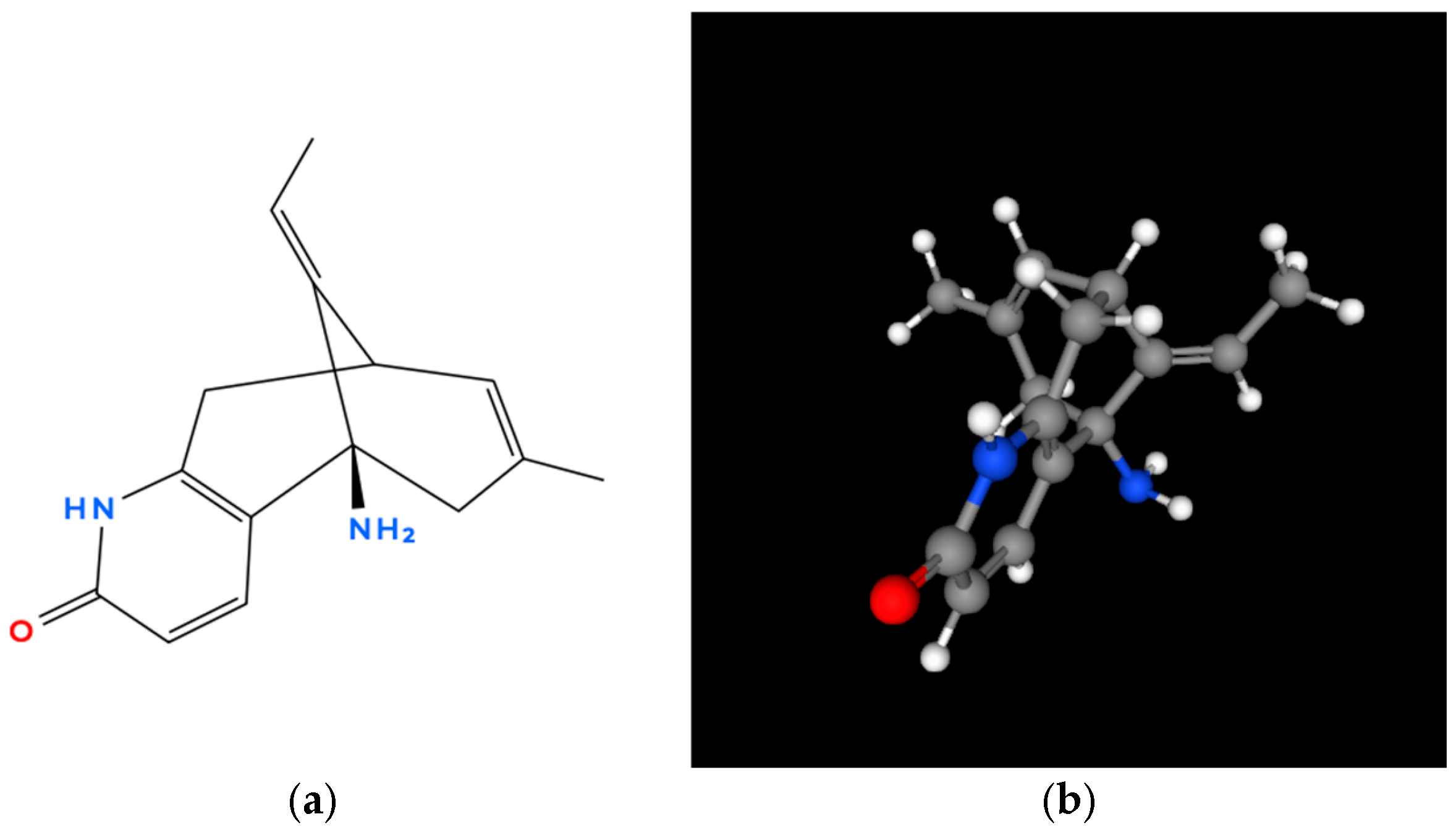
Huperzia serrata (Thunb.) Trevis. (Lycopodiaceae), known in Traditional Chinese Medicine for centuries as “Qian Ceng Ta,” has been employed in the treatment of schizophrenia, inflammation, poisoning, pain, fever, and memory disorders. Research conducted on H. serrata has identified huperzine A (HupA) as the principal bioactive compound responsible for most of its pharmacological effects (Figure 9). HupA, a sesquiterpene alkaloid, has been demonstrated to cross the blood–brain barrier and act as a reversible, selective inhibitor of AchE, with studies further confirming its favorable tolerability profile. It has been demonstrated that the in vivo and in vitro AchE inhibitory activities are higher than those of the AchE inhibitors prescribed in AD, namely galantamine, donepezil, tacrine, and rivastigmine. In addition to its cholinergic activity, HupA has also been shown in studies to reduce hyperphosphorylated tau protein levels in the cortex and hippocampus [33,39,55,56].
It is well established that the etiology of AD involves multiple mechanisms. Research has demonstrated that, in addition to its inhibitory effect on AChE, HupA also influences other pathways. Specifically, HupA modulates BACE1 activity in a dose-dependent manner and promotes the non-amyloidogenic pathway by enhancing the α-secretase cleavage of APP. It has been demonstrated that the expression of sAPPα and the C83 fragment, both of which are known for their neuroprotective effects, is upregulated. Furthermore, it has been reported that BACE1 membrane translocation is downregulated, thereby preventing its interaction with APP [33,55].
It is well established that Aβ accumulation induces neurotoxicity by generating ROS and disrupting mitochondrial function. Moreover, HupA has been shown to restore adenosine triphosphate (ATP) levels and reduce elevated ROS levels induced by Aβ42. It has been reported that incubating cell culture medium with HupA, followed by exposure to Aβ, increases glutathione peroxidase (GPx), SOD, and catalase levels while reducing malondialdehyde (MDA) levels. In this way, HupA may help prevent oxidative stress [33,55,56].
Inflammatory mechanisms play a crucial role in the pathogenesis of AD. Cytokines such as IL-1β, IL-6, and TNF-α have been observed around amyloid plaques, and excessive production of these cytokines may lead to cytotoxic effects. In a culture medium derived from neural stem cells exposed to Aβ1–42, HupA partially reduced the secretion of inflammatory factors, including IL-6, TNF-α, and macrophage inflammatory protein-1α (MIP-1α). HupA suppresses inflammatory cytokine expression and systemic inflammatory responses through the activation of nicotinic cholinergic receptors. It has been observed that while the activation of macrophages, microglia, and astrocytes is downregulated, leading to the inhibition of pro-inflammatory cytokines, the expression of anti-inflammatory cytokines remains unaffected. Thus, it has been reported that HupA reduces neuroinflammation through its cholinergic anti-inflammatory effects by downregulating the secretion of IL-1β, IL-6, and TNF-α, as well as the NF-κB signaling pathway [33,55].
The Wnt signaling pathway is known to play a critical role in the development and regulation of the central nervous system, as well as in vascular stabilization, the integrity of the blood–brain barrier, and inflammation. Inhibition of this pathway has been associated with cognitive impairments, tau hyperphosphorylation, and increased Aβ1–42 levels. It has been demonstrated that HupA ameliorates Aβ accumulation and cognitive deficits by activating the Wnt signaling pathway [33].
HupA, which was approved in China by the National Medical Products Administration (NMPA) in 1996 for the treatment of AD, is recommended in the United States as a nutraceutical for AD therapy. Compared with other AChE inhibitors, it has been reported to cross the blood–brain barrier more effectively and to provide a longer duration of action. Clinical studies have indicated that adverse effects such as tachycardia, bradycardia, headache, muscle cramps, and, at higher doses, arthralgia are associated with its cholinergic activity. Since these side effects are rare, HupA is considered well-tolerated and has even been administered to patients who are intolerant of other AChE inhibitors [33,39,56].
The chemical synthesis of natural compounds for large-scale use is essential to preserving plants’ natural habitats. It is well established that the enantiomers of chemically synthesized substances may exhibit different levels of biological activity. Therefore, it is essential that chemically synthesized compounds possess the same structure and comparable biological activity as natural molecules. The chemically synthesized enantiomer (-)-HupA of H. serrata’s active compound HupA showed comparable AChE activity to the natural molecule, whereas (+)-HupA exhibited an AChE activity approximately 50 times lower than that of the natural form [33].

4.2. Vitamin E

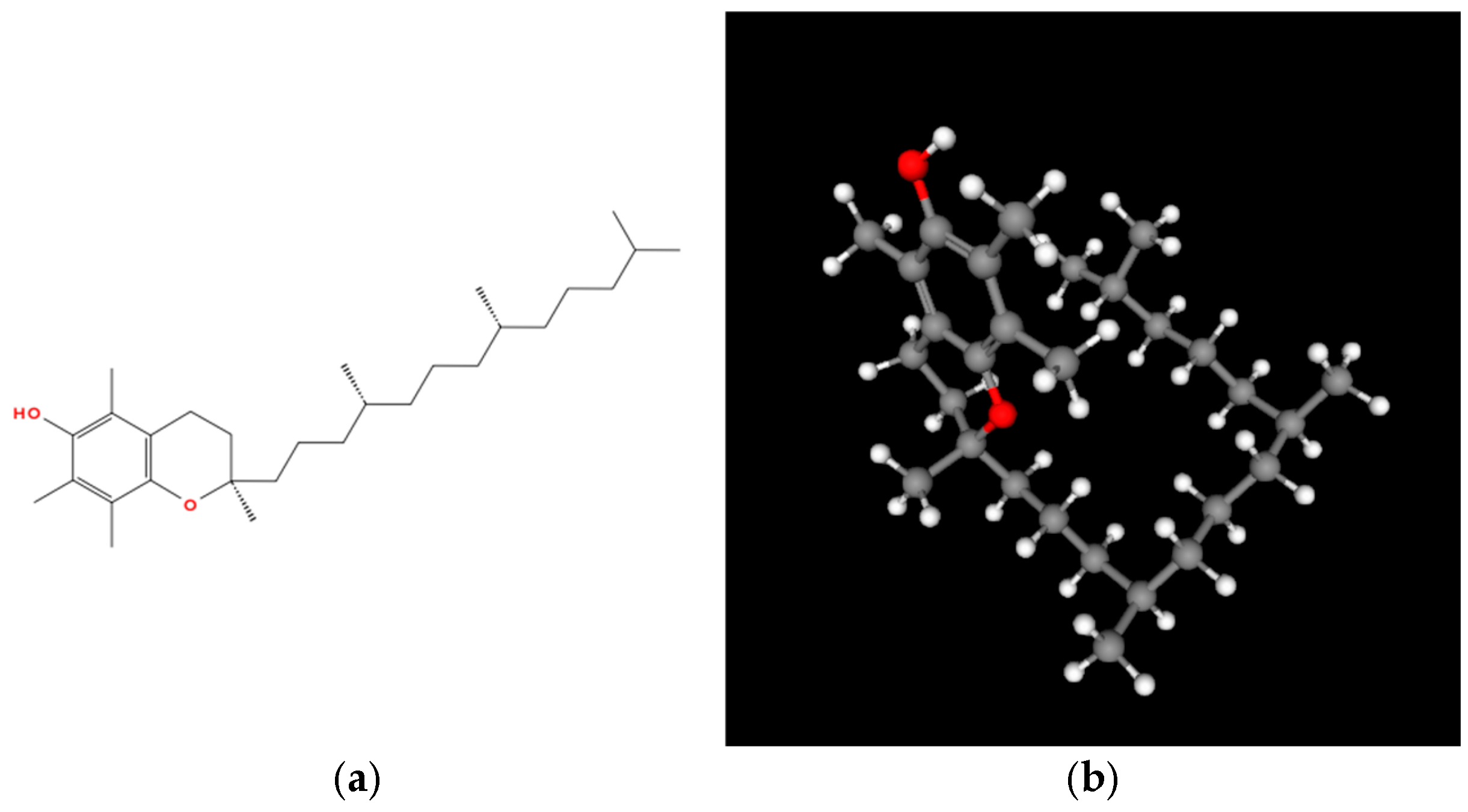
The neuroprotective effects of vitamin E (Figure 10), known for its free radical-scavenging properties, have long been investigated in neurodegenerative and cerebrovascular diseases [57]. Exogenous antioxidants are classified into polyphenols, vitamins, and carotenoids. Carotenoids are further subdivided into carotenes and xanthophylls. While α-carotene, β-carotene, and lycopene are classified within the carotene group, lutein, zeaxanthin, and β-cryptoxanthin are categorized under xanthophylls. In a study comparing the serum concentrations of antioxidant vitamins—retinol, α-tocopherol, γ-tocopherol—and six major carotenoids, namely lutein, zeaxanthin, β-cryptoxanthin, α-carotene, β-carotene, and lycopene, between patients with AD and a cognitively unimpaired control group, it was found that the serum levels of retinol, α-tocopherol, lutein, zeaxanthin, β-cryptoxanthin, α-carotene, β-carotene, and lycopene were significantly reduced in Alzheimer’s patients, whereas the γ-tocopherol level was elevated. In light of these findings and the evidence in the literature regarding the antioxidant potential of vitamins and carotenoids in AD, it has been suggested that the weakening of the defense system against oxidative stress may be associated with the etiology of AD [58].
However, in a study examining circulating vitamin E levels in Alzheimer’s patients—including the principal vitamin E molecule, α-tocopherol—no significant association with AD risk was found. Considering similar findings in the literature, the use of vitamin E as a preventive or delaying measure against dementia has not been recommended [30,57].

4.3. Resveratrol and Stilbene Derivatives

Vitis vinifera L. (Vitaceae, grape) and grape-derived products are commonly defined as grape seed extract, grape juice, and wine. The activities have been associated with the stilbenes, flavonoids, and phenolic acids present in the samples. Preclinical studies have demonstrated that grape polyphenols attenuate Aβ-mediated neuropathology by directly inhibiting Aβ production, enhancing Aβ degradation, and disrupting Aβ oligomerization. For example, polyphenol metabolites that can cross the blood–brain barrier exert their effects through different mechanisms: quercetin-3-O-glucoside influences Aβ-related neuropathogenic pathways, while 3′-O-methyl-epicatechin-5-O-β-glucuronide regulates synaptic plasticity. It has also been reported that tau-mediated neuropathology is alleviated by regulating tau hyperphosphorylation and inhibiting excessive tau aggregation. Accordingly, grape polyphenols are thought to promote neuronal protection and enhance resilience against dementia through their strong antioxidant and anti-inflammatory activities. In a 12-year cohort study in France involving 1329 adults, the effects of 26 polyphenols were examined. The findings demonstrated that polyphenol intake was associated with a reduced risk of both hypertension and dementia [27,54,59].
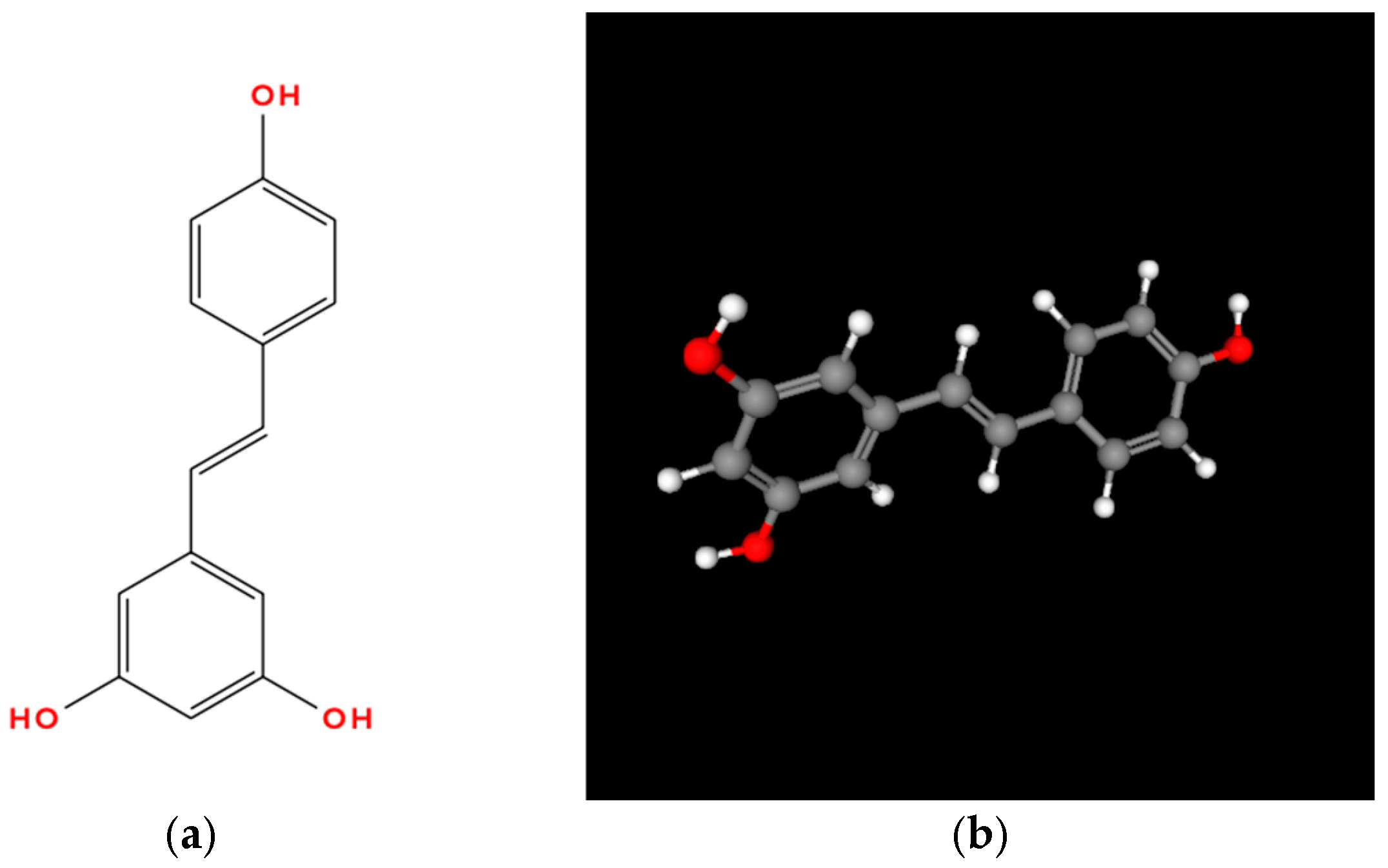
Resveratrol (3,5,4-trihydroxystilbene) (Figure 11), which is primarily found in grapes, red wine, and peanuts, has also been included in studies on AD. In a study in which resveratrol was administered at 500 mg daily for 13 weeks, followed by 1000 mg daily, a reduction in Aβ42 and Aβ40 levels was observed. However, no changes were detected in tau or hyperphosphorylated tau levels. It has been reported that, among the cognitive function assessments applied to the participants—namely ADCS-ADL (Alzheimer’s Disease Cooperative Study Activities of Daily Living), CDR-SB, ADAS-cog (Alzheimer’s Disease Assessment Scale—cognitive subscale), MMSE (Mini-Mental State Examination), and NPI (Neuropsychiatric Inventory)—only the ADCS-ADL test demonstrated a difference between the placebo group and the treatment group. No significant differences were observed in the other measures. According to the ADCS-ADL results, resveratrol was twice as effective as a placebo in preserving cognitive function. In the same study, plasma concentrations of the interleukin biomarkers IL-1R4, IL-12P40, IL-12P70, and IL-8 were reduced in the resveratrol-treated group. Based on these findings, it has been suggested that resveratrol may be used both to treat AD and to prevent its development [54,59].
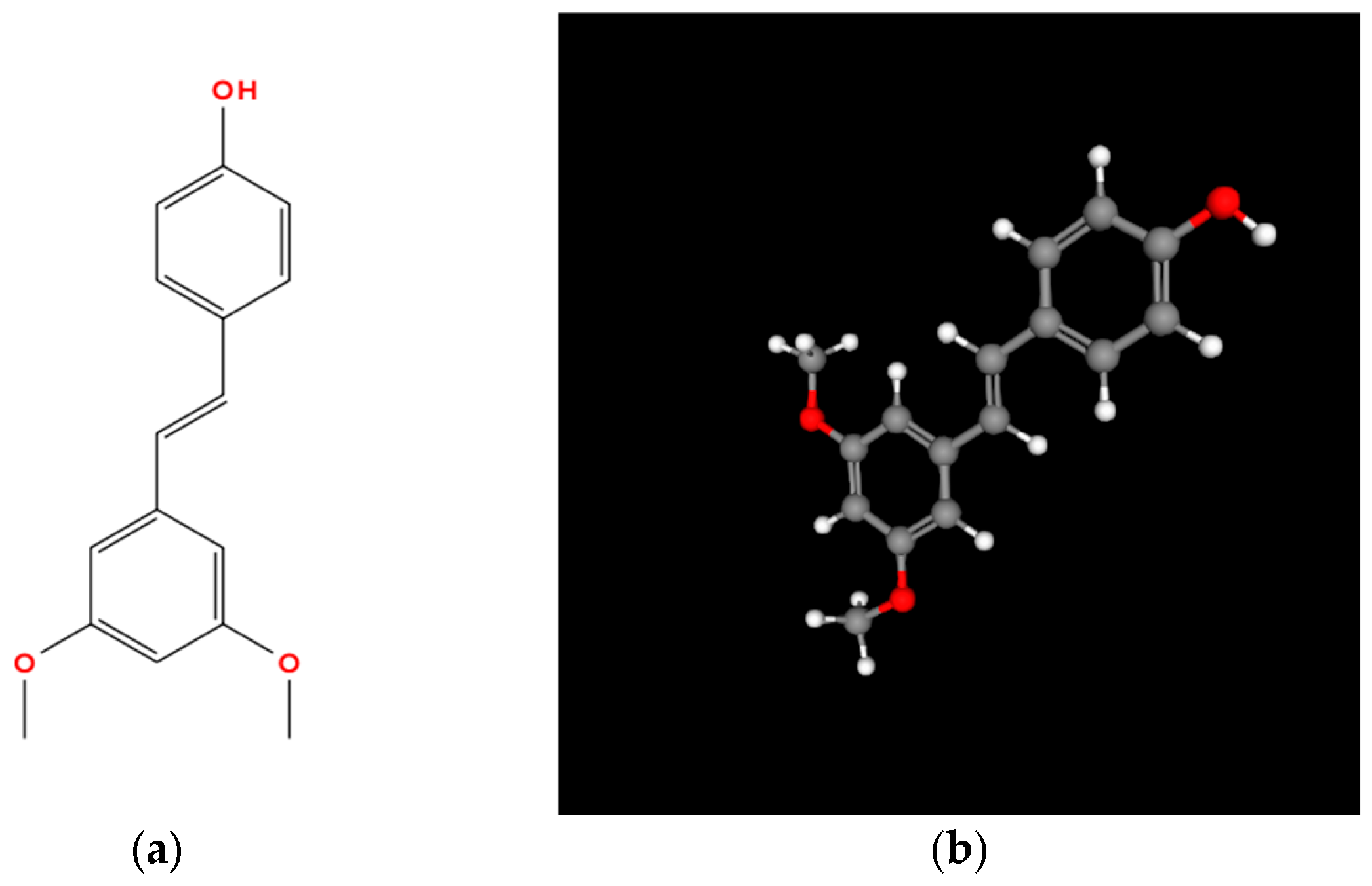
Pterostilbene, which was first identified as an active compound derived from Pterocarpus santalinus L.f. (Fabaceae, red sandalwood), has also been reported in Dracaena cochinchinensis (Lour.) S.C.Chen (Asparagaceae), blueberries (Vaccinium spp.), grape wine, and propolis. Belonging to the phenylpropyl class and structurally similar to resveratrol, it is also referred to as a resveratrol analogue (Figure 12). Pterostilbene in AD reduces oxidative stress and apoptosis, inhibits AChE activity, and suppresses both Aβ accumulation and tau hyperphosphorylation. By regulating pathological processes such as neuroinflammation, it offers a multi-targeted therapeutic strategy for AD [52].

4.4. Curcumin

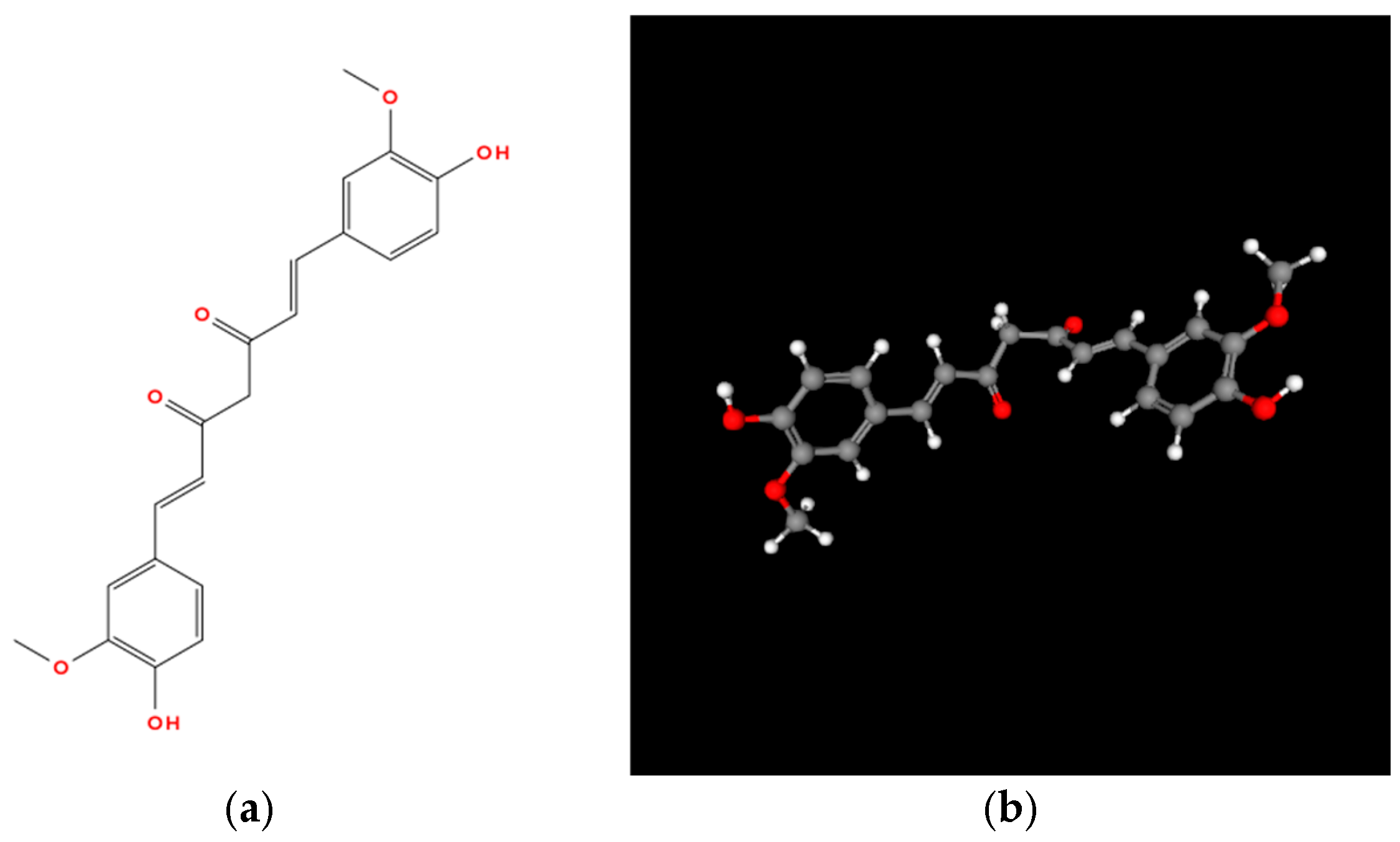
Curcumin, a natural polyphenol (Figure 13) derived from the rhizomes of Curcuma longa L. (Zingiberaceae, turmeric), has traditionally been used in Asian societies—particularly in China and India—for the treatment of various diseases associated with inflammation and oxidative stress. Studies have demonstrated that it possesses anti-inflammatory, antioxidant, chemoprotective, and neuroprotective functions. Its anti-inflammatory effect has been attributed to the inhibition of inflammatory pathways, such as NF-κB, and the suppression of inflammatory cytokine production. As a potent antioxidant, it counteracts oxidative stress by neutralising free radicals, including reactive oxygen and nitrogen species, while also supporting endogenous antioxidant enzymes, including SOD, catalase, and GPx [22,51].
In addition to oxidative stress and inflammation, which are identified in the literature as the main pathogenic factors in AD, curcumin may also help regulate Aβ accumulation. It has been reported to interact with Aβ, thereby inhibiting oligomerization and fibril formation, while also promoting the clearance of existing amyloid plaques. In an AD mouse model induced by Aβ1–42 peptides, curcumin was reported to improve learning and memory, repair brain tissue damage, reduce the number of injured neurons, suppress neuronal apoptosis, and decrease Aβ accumulation. It exerted neuroprotective effects through activation of the AMPK signaling pathway, while also inhibiting inflammatory responses and oxidative stress. Curcumin, by modulating the AMPK signaling pathway, exerts neuroprotective effects and promotes neuronal development, resilience, and adaptation through the support of neurotrophic factors such as brain-derived neurotrophic factor (BDNF) [22,51].

4.5. Epigallocatechin-3-Gallate (EGCG)

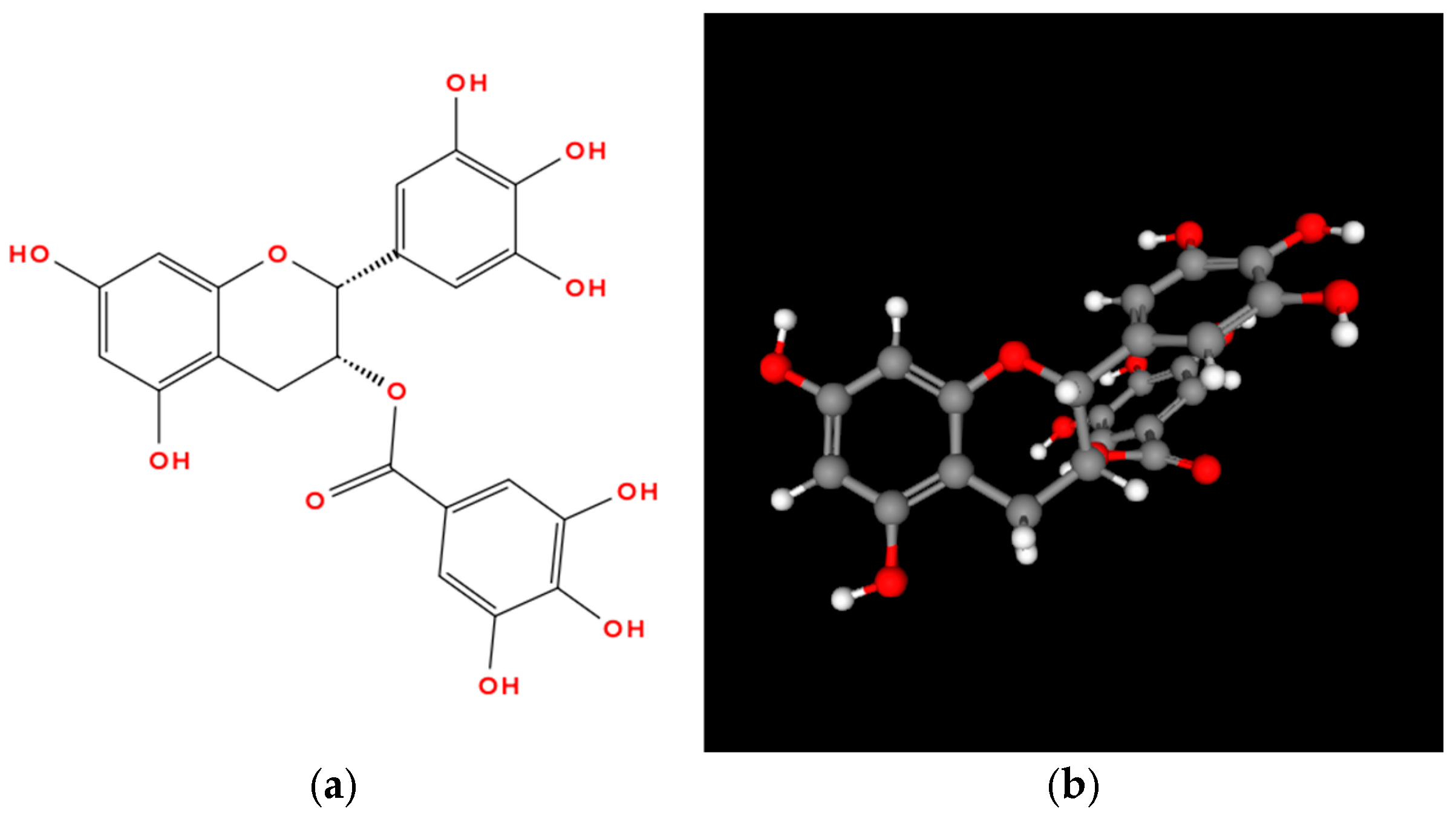
Camellia sinensis (L.) Kuntze (Theaceae, green tea) has long been used to manage diseases such as diabetes, obesity, AD, Parkinson’s disease, and cardiovascular disorders. Among the potent antioxidant polyphenols associated with a broad spectrum of pharmacological activity, the most effective and well-known are Epigallocatechin (EGC), Epicatechin-3-gallate (ECG), and Epigallocatechin-3-gallate (EGCG) (Figure 14). Previous studies have demonstrated that EGCG may serve as a potential therapeutic agent in models of neurodegenerative diseases. Consequently, investigations of EGCG in AD models, including phase studies, are still ongoing [60,61,62].
A review of the literature indicates that the study conducted by Edward and colleagues demonstrated the inhibitory effects of green tea extract on both AChE and BChE [63]. More recently, another study reported that EGCG, administered at a dose of 25 mg/kg, produced significant effects in mice with an induced Alzheimer’s model [60]. When the broader literature is reviewed, it becomes clear that the neuroprotective mechanism of EGCG is shaped by its anti-inflammatory, antioxidant, and anti-apoptotic properties, as well as its inhibition of AChE and its effects on tau hyperphosphorylation, secretase activity, and Aβ levels [62]. EGCG has been reported, in a study using transgenic APP mice, to act as an α-secretase agonist. Through this mechanism, it upregulates the non-amyloidogenic APP pathway, thereby reducing Aβ aggregation [64]. In the pathophysiology of AD, the inhibition of BACE-1, an important enzyme, is also recognized as a potential target. A recent study reported that EGCG is a more potent BACE-1 inhibitor (1.62 ± 0.12 mM) than the reference molecule, quercetin [65]. In a study by Chih-Li Lin and colleagues, EGCG was reported to inhibit GSK-3β activation, one of the tau kinases that initiate double-helical filament formation in NFTs, in transgenic mice, thereby potentially reducing tau hyperphosphorylation [66]. In two previous studies, EGCG was reported to inhibit AChE activity and thereby prevent the loss of cholinergic neurons in the cortex and hippocampus [67,68].

4.6. Cucurbita pepo L.

Pumpkin is a plant belonging to the Cucurbitaceae family and is classified among oilseed crops. Although several species are cultivated worldwide, the most common one is Cucurbita pepo L. [69]. A study on pumpkin seed oil (PSO) examined its effects on Aβ42-induced SH-SY5Y cells. The results showed that cells pre-treated with PSO had higher survival rates after exposure to Aβ42 compared to untreated cells. Specifically, cell viability was 6.96 ± 0.5% at 0.001 μg/mL PSO and 90.27 ± 0.24% at 10 μg/mL PSO. In the same study, intracellular ROS generation was also investigated. In cells exposed to Aβ42, ROS production increased to 202.20 ± 1.74% compared to untreated cells. However, treatment with PSO at concentrations of 0.001 μg/mL and 10 μg/mL reduced ROS production to 108.80 ± 1.38% and 89.07 ± 3.28%, respectively. The fatty acid contents were also examined and listed as linoleic acid (39.11%), cis-9-oleic acid (28.10%), palmitic acid (19.30%), stearic acid (8.02%), arachidic acid (0.37%) and alpha-linoleic acid (0.27%). Although the antioxidant properties of fatty acids, flavonoids, and tocopherols in PSO have already been identified, the neuroprotective effects of PSO were examined for the first time in this study. Compared with previous studies on linoleic acid and oleic acid used as single components, this study demonstrates that PSO is more effective due to the synergistic effect of its composition [70].

4.7. Sodium Oligomannate

The relationship between the gut and the brain has also been studied in relation to AD pathology. It has been proposed that maintaining the balance of intestinal flora may help reduce neuroinflammation in the brain by preventing the activation of microglia and astrocytes. This could, in turn, inhibit the buildup of Aβ and the hyperphosphorylation of tau proteins. Approved in China in 2019, GV-971 (sodium oligomannate) is the first therapeutic agent for AD designed specifically to target the gut–brain axis. Dysbiosis of the gut microbiota has been shown to increase peripheral levels of phenylalanine and isoleucine, which subsequently promote the differentiation and proliferation of pro-inflammatory cells. The infiltration of these cells into the brain encourages M1 microglial activation and inflammation associated with AD. Sodium oligomannate—an oligosaccharide compound derived from brown algae extract—improves cognitive function by modulating the gut microbiota, thereby reducing phenylalanine and isoleucine levels and alleviating neuroinflammation [39].

4.8. Recent Advances in Improving Bioavailability of Natural Products for AD

The bioavailability of herbal products and other natural resources is a concern due to challenges such as low solubility in water, poor absorption, difficulties in stabilisation, limited permeation, and the first-pass effect. Additionally, the passage of neurotherapeutic drugs into the brain is generally limited because of the highly selective tight junctions of the blood–brain barrier. Polyphenols are molecules that typically exhibit lower bioavailability compared to other compounds. For example, resveratrol has a bioavailability of less than 1%, and its rapid metabolism may restrict its therapeutic potential. Therefore, to achieve the desired concentration of natural resources at the target site, various carrier systems such as liposomes, microemulsions, solid lipid nanoparticles, and other nanomedical systems can be considered [59,71,72]. When research related to different lipid-based formulations containing phytochemical compounds was examined, no formulation was found to be superior to the others, suggesting that the structure of the phytochemical compound plays a crucial role in increasing bioavailability [73].
In recent years, nanocarrier systems have introduced innovative strategies to address the challenges mentioned above. Furthermore, nanosystems can simultaneously deliver multiple phytochemicals, each targeting different biological pathways. Therefore, in diseases characterised by multiple pathological mechanisms, such as AD, these systems are regarded as offering advantages through synergistic effects or multi-targeted therapeutic action [74].
Curcumin has been recognised by JECFA (Joint FAO/WHO Expert Committee on Food Additives) as a molecule safe for daily use. However, its main limitation is poor bioavailability, caused by low solubility, limited absorption, rapid metabolism, and quick elimination. In a study exploring polymeric nanocarriers to improve bioavailability, curcumin was found to demonstrate enhanced anti-inflammatory, antioxidant, and anti-amyloid effects. Nonetheless, some clinical trials on healthy individuals reported no significant outcomes of curcumin. Conversely, preclinical studies showed that curcumin was effective in animal models with induced cognitive impairments. Therefore, it is important to conduct more comprehensive research on this natural molecule, which is widely available, considered safe for daily use, and unlikely to impose a significant economic burden [23,51,54]. For example, in a study on curcumin, lactoferrin-modified nanoparticles increased curcumin’s concentration in the brain by fourfold [75].
Hyphaene thebaica (L.). Mart. (Arecaceae) is widely distributed across North Africa, sub-Saharan Africa, and the Middle East. Its fruit, known as the doum fruit or Mecca nut, is rich in phenolic acids and flavonoids. However, its therapeutic use is limited. This limitation is primarily due to poor solubility, low gastrointestinal bioavailability, instability of active compounds under physiological conditions, and restricted permeability across the blood–brain barrier. A study investigating a nanoemulsion formulation of Hyphaene thebaica extract, prepared with Tween 80 as an emulsifying agent due to its established biosafety, biocompatibility, and biodegradability, evaluated its effects on Alzheimer’s disease. The extract demonstrated more favorable outcomes compared to donepezil. Significant improvements were observed in memory performance, behavioral parameters, oxidative stress, neuroinflammation, and histopathological findings. These results indicate that the formulation represents a promising therapeutic candidate [72].
Beta vulgaris L. (Amaranthaceae, beetroot) has recently attracted attention for its potential protective effects against neurodegenerative diseases, as studies have demonstrated its anti-inflammatory and antioxidant properties. One of its primary bioactive compounds, betanin, has been shown to enhance cognitive function in mice. However, despite these benefits, the use of betanin as a therapeutic agent is limited by its low bioavailability and poor stability under physiological conditions. In a recent study using an AD model induced by AlCl3 and D-galactose, both free betanin and a chitosan-based nanoformulation exhibited neuroprotective effects, with the nanoformulation appearing to offer more consistent improvements at the behavioural, biochemical, and molecular levels [76].
Chlorogenic acid is a polyphenolic compound recognised for its antioxidant, anti-inflammatory, and anticancer properties. It has also emerged as a promising candidate for treating Alzheimer’s disease. However, its low bioavailability and poor solubility limit its clinical application. To overcome these issues, chlorogenic acid was conjugated with an iron-based metal–organic nanomaterial to create a nanocomplex. This nanocomplex was shown to successfully cross the blood–brain barrier. Chlorogenic acid forms a chelate with Zn2+ in the Aβ/Zn2+ polymer, which tends to aggregate more than Aβ alone. Through this interaction, chlorogenic acid is reported to inhibit the conversion of Aβ oligomers into Aβ plaques. Additionally, the nanocomplex was covalently linked to BACE1-siRNA. This approach resulted in the downregulation of β-secretase expression. The combined antioxidant activity of the nanocomplex and chlorogenic acid was demonstrated in both in vivo and in vitro studies. These findings were supported by the high neuroprotective effects observed. Overall, the results suggest that this nanocarrier has promising potential for treating AD [77].
Although preclinical studies report that nanocarriers improve the brain permeability of therapeutic agents, several questions remain on the clinical side. The long-term safety of these systems requires further investigation. During treatment, it is crucial to define their cytotoxicity, genotoxicity, and immunotoxicity profiles. Additionally, the potential long-term effects of these systems on cells following degradation need thorough evaluation. At the same time, developing large-scale production methods for nanocarriers is essential to ensure the accessibility of these therapies [74].

5. Conclusions

As mentioned earlier, AD is a progressive disorder characterised by the decline of cognitive abilities such as memory and learning. The ageing population, the presence of multiple risk factors, and the high cost of care underscore the growing importance of its treatment.
Since the disease’s pathogenesis involves multiple processes, effective treatment should not rely solely on AChE inhibition but also include the exploration and development of molecules that can target various pathways. As the disease process begins long before symptoms appear, it might be addressed through preventive treatment for individuals at risk before symptoms develop. Therefore, we believe it is essential to investigate drugs, natural compounds, or their combinations that can be used long-term, offer a broad therapeutic index, and have a safe side-effect profile.
Given that plant-derived compounds such as HupA, curcumin, and polyphenols not only enhance cholinergic function but also confer neuroprotective effects through antioxidant and anti-inflammatory actions, they are considered potentially beneficial across different stages of AD and may serve as promising natural sources or precursors for effective therapeutic molecules.

Author Contributions

Conceptualization, E.G. and F.S.S.D.; writing—original draft preparation, E.G.; writing—review and editing, F.S.S.D. All authors have read and agreed to the published version of the manuscript.

Funding

This research received no external funding.

Institutional Review Board Statement

Not applicable.

Informed Consent Statement

Not applicable.

Data Availability Statement

No new data were created or analyzed in this study.

Acknowledgments

During the preparation of this review, ChatGPT 5 was utilised for creating graphical figures and MolView was employed for producing molecule drawings. The grammar check of the manuscript was performed with Grammarly Pro. We have reviewed and edited the output and take full responsibility for the content of this publication.

Conflicts of Interest

The authors declare no conflicts of interest.

Abbreviations

The following abbreviations are used in this manuscript:
ABCATP-binding cassette gene
AChAcetylcholine
AChEAcetylcholinesterase
ADAlzheimer’s disease
ADAS-cogAlzheimer’s Disease assessment scale—cognitive subscale
ADCS-ADLAlzheimer’s Disease cooperative study activities of daily living
AMPKAdenosine monophosphate-activated protein kinase
ApoEApolipoprotein
APPAmyloid precursor protein
ARIA-EAmyloid-related imaging abnormalities edema
ARIA-HAmyloid-related imaging abnormalities hemorrhage
Amyloid beta peptide
BACE1Beta-side APP-cleaving enzyme 1
BChEButyrylcholinesterase
BDNFBrain-derived neurotrophic factor
CCL2C-C motif ligand 2
CD33Cluster of differentiation 33
CDR-SBClinical dementia rating sum of boxes
ChATCholine acetyltransferase
ChECholinesterase
COXCyclooxygenase
CR1Complement receptor 1
CTFCarboxy-terminal fragment
DAMDisease-associated microglia
DHADocosahexaenoic acid
DNADeoxyribonucleic acid
ECGEpicatechin-3-gallate
EGCEpigallocatechin
EGCGEpigallocatechin-3-gallate
EMAEuropean Medicines Agency
GRGlutathione reductase
GSK-3βGlycogen synthase kinase 3-beta
HupAHuperzine A
FDAFood and Drug Administration
iADRSIntegrated Alzheimer’s disease rating scale
ILInterleukin
IgG1Immunoglobulin G 1
iNOSInducible nitric oxide synthase
JAK/STATJanus kinase/signal transducers and activators of transcription
JECFAJoint Nations and World Health Organization Expert Committee on Food Additives
LDLRLow-density lipoprotein receptor 1
LRP1Lipoprotein-related protein 1
mAbMonoclonal antibody
MIPMacrophage inflammatory protein
MMSEMini-mental state examination
nAChRNicotinic acetylcholine receptor
NFTNeurofibrillary tangle
NF-κBNuclear factor kappa B
NMDAN-methyl-D-aspartate
NMPANational Medical Products Administration
NONitric oxide
NPINeuropsychiatric inventory
NSAIDNon-steroidal anti-inflammatory drug
PETPositron emission tomography
PI3K/AktPhosphatidylinositol 3-kinase/protein kinase B
PLGAPoly lactic-co-glycolic acid
PPARPeroxisome proliferator-activated receptor
PSENPresenilin
PSOPumpkin seed oil
p-tauPhosphorylated tau
ROSreactive oxygen species
RNARibonucleic acid
scRNA-seqSingle-cell RNA sequencing
snRNA-seqSingle-nucleus RNA sequencing
SODSuperoxide dismutase
TGF-βTransforming growth factor beta
TLRToll-like receptor
TNFTumor necrosis factor
TREM2Triggering receptor expressed on myeloid cells 2
WntWingless-related integration site

References

  1. Tanzi, R.E.; Bertram, L. Twenty years of the Alzheimer’s disease amyloid hypothesis: A genetic perspective. Cell 2005, 120, 545–555. [Google Scholar] [CrossRef]
  2. Bjørklund, G.; Aaseth, J.; Dadar, M.; Chirumbolo, S. Molecular Targets in Alzheimer’s Disease. Mol. Neurobiol. 2019, 56, 7032–7044. [Google Scholar] [CrossRef] [PubMed]
  3. Jones, A.; Ali, M.U.; Mayhew, A.; Aryal, K.; Correia, R.H.; Dash, D.; Manis, D.R.; Rehman, A.; O’Connell, M.E.; Taler, V.; et al. Environmental risk factors for all-cause dementia, Alzheimer’s disease dementia, vascular dementia, and mild cognitive impairment: An umbrella review and meta-analysis. Environ. Res. 2025, 270, 121007. [Google Scholar] [CrossRef] [PubMed]
  4. Suresh, S.; Singh S, A.; Rushendran, R.; Vellapandian, C.; Prajapati, B. Alzheimer’s disease: The role of extrinsic factors in its development, an investigation of the environmental enigma. Front. Neurol. 2023, 14, 1303111. [Google Scholar] [CrossRef] [PubMed]
  5. World Health Organization. Global Status Report on the Public Health Response to Dementia; World Health Organization: Geneva, Switzerland, 2021. [Google Scholar]
  6. Alzheimer’s disease facts and figures. Alzheimers Dement. 2024, 20, 3708–3821. [CrossRef]
  7. Knopman, D.S.; Amieva, H.; Petersen, R.C.; Chételat, G.; Holtzman, D.M.; Hyman, B.T.; Nixon, R.A.; Jones, D.T. Alzheimer disease. Nat. Rev. Dis. Primers 2021, 7, 33. [Google Scholar] [CrossRef]
  8. Kumar, A.; Tiwari, A.; Sharma, A. Changing Paradigm from one Target one Ligand Towards Multi-target Directed Ligand Design for Key Drug Targets of Alzheimer Disease: An Important Role of In Silico Methods in Multi-target Directed Ligands Design. Curr. Neuropharmacol. 2018, 16, 726–739. [Google Scholar] [CrossRef]
  9. Hein, Z.M.; Karikalan, B.; Gopalakrishna, P.K.; Dhevi, K.; Alkatiri, A.; Hussan, F.; Mohd Moklas, M.A.; Jagadeesan, S.; Che Ramli, M.D.; Che Mohd Nassir, C.M.N.; et al. Toward a Unified Framework in Molecular Neurobiology of Alzheimer’s Disease: Revisiting the Pathophysiological Hypotheses. Mol. Neurobiol. 2025, 63, 282. [Google Scholar] [CrossRef]
  10. Francis, P.T.; Palmer, A.M.; Snape, M.; Wilcock, G.K. The cholinergic hypothesis of Alzheimer’s disease a review of progress. Neurol. Neurosurg. Psychiatry 1999, 66, 137–147. [Google Scholar] [CrossRef]
  11. Coyle, J.; Kershaw, P. Galantamine, a cholinesterase inhibitor that allosterically modulates nicotinic receptors: Effects on the course of Alzheimer’s disease. Biol. Psychiatry 2001, 49, 289–299. [Google Scholar] [CrossRef]
  12. Hardy, J.; Selkoe, D.J. The amyloid hypothesis of Alzheimer’s disease: Progress and problems on the road to therapeutics. Science 2002, 297, 353–356. [Google Scholar] [CrossRef] [PubMed]
  13. Hardy, J.A.; Higgins, G.A. Alzheimer’s Disease: The Amyloid Cascade Hypothesis. Science 1992, 256, 184–185. [Google Scholar] [CrossRef]
  14. Lott, I.T.; Head, E. Dementia in Down syndrome: Unique insights for Alzheimer disease research. Nat. Rev. Neurol. 2019, 15, 135–147. [Google Scholar] [CrossRef]
  15. Maccioni, R.B.; Farías, G.; Morales, I.; Navarrete, L. The Revitalized Tau Hypothesis on Alzheimer’s Disease. Arch. Med. Res. 2010, 41, 226–231. [Google Scholar] [CrossRef]
  16. Yu, Y.; Yu, S.; Battaglia, G.; Tian, X. Amyloid-β in Alzheimer’s disease: Structure, toxicity, distribution, treatment, and prospects. Ibrain 2024, 10, 266–289. [Google Scholar] [CrossRef] [PubMed]
  17. Selkoe, D.J.; Hardy, J. The amyloid hypothesis of Alzheimer’s disease at 25 years. EMBO Mol. Med. 2016, 8, 595–608. [Google Scholar] [CrossRef] [PubMed]
  18. Tartaglia, M.C.; Ingelsson, M. Molecular Therapeutics in Development to Treat Alzheimer’s Disease. Mol. Diagn. Ther. 2025, 29, 9–24. [Google Scholar] [CrossRef]
  19. Citron, M. Alzheimer’s disease: Strategies for disease modification. Nat. Rev. Drug Discov. 2010, 9, 387–398. [Google Scholar] [CrossRef]
  20. Crouch, P.J.; Harding, S.-M.E.; White, A.R.; Camakaris, J.; Bush, A.I.; Masters, C.L. Mechanisms of Aβ mediated neurodegeneration in Alzheimer’s disease. Int. J. Biochem. Cell Biol. 2008, 40, 181–198. [Google Scholar] [CrossRef] [PubMed]
  21. Tippmann, F.; Hundt, J.; Schneider, A.; Endres, K.; Fahrenholz, F. Up-regulation of the α-secretase ADAM10 by retinoic acid receptors and acitretin. FASEB J. 2009, 23, 1643–1654. [Google Scholar] [CrossRef]
  22. Shao, S.; Ye, X.; Su, W.; Wang, Y. Curcumin alleviates Alzheimer’s disease by inhibiting inflammatory response, oxidative stress and activating the AMPK pathway. J. Chem. Neuroanat. 2023, 134, 102363. [Google Scholar] [CrossRef]
  23. Voulgaropoulou, S.D.; van Amelsvoort, T.; Prickaerts, J.; Vingerhoets, C. The effect of curcumin on cognition in Alzheimer’s disease and healthy aging: A systematic review of pre-clinical and clinical studies. Brain Res. 2019, 1725, 146476. [Google Scholar] [CrossRef]
  24. Miao, J.; Ma, H.; Yang, Y.; Liao, Y.; Lin, C.; Zheng, J.; Yu, M.; Lan, J. Microglia in Alzheimer’s disease: Pathogenesis, mechanisms, and therapeutic potentials. Front. Aging Neurosci. 2023, 15, 1201981. [Google Scholar] [CrossRef]
  25. Gao, C.; Jiang, J.; Tan, Y.; Chen, S. Microglia in neurodegenerative diseases: Mechanism and potential therapeutic targets. Signal Transduct. Target. Ther. 2023, 8, 359. [Google Scholar] [CrossRef] [PubMed]
  26. Lee, C.Y.D.; Daggett, A.; Gu, X.; Jiang, L.L.; Langfelder, P.; Li, X.; Wang, N.; Zhao, Y.; Park, C.S.; Cooper, Y.; et al. Elevated TREM2 Gene Dosage Reprograms Microglia Responsivity and Ameliorates Pathological Phenotypes in Alzheimer’s Disease Models. Neuron 2018, 97, 1032–1048.e1035. [Google Scholar] [CrossRef] [PubMed]
  27. El Gaamouch, F.; Liu, K.; Lin, H.Y.; Wu, C.; Wang, J. Development of grape polyphenols as multi-targeting strategies for Alzheimer’s disease. Neurochem. Int. 2021, 147, 105046. [Google Scholar] [CrossRef]
  28. Savage, J.C.; Carrier, M.; Tremblay, M. Morphology of Microglia Across Contexts of Health and Disease. Methods Mol. Biol. 2019, 2034, 13–26. [Google Scholar] [CrossRef]
  29. Bouvier, D.S.; Jones, E.V.; Quesseveur, G.; Davoli, M.A.; A. Ferreira, T.; Quirion, R.; Mechawar, N.; Murai, K.K. High Resolution Dissection of Reactive Glial Nets in Alzheimer’s Disease. Sci. Rep. 2016, 6, 24544. [Google Scholar] [CrossRef]
  30. Liu, G.; Zhao, Y.; Jin, S.; Hu, Y.; Wang, T.; Tian, R.; Han, Z.; Xu, D.; Jiang, Q. Circulating vitamin E levels and Alzheimer’s disease: A Mendelian randomization study. Neurobiol. Aging 2018, 72, 189.e181–189.e189. [Google Scholar] [CrossRef] [PubMed]
  31. Grundman, M. Vitamin E and Alzheimer disease: The basis for additional clinical trials. Am. J. Clin. Nutr. 2000, 71, 630S–636S. [Google Scholar] [CrossRef]
  32. De Ferrari, G.V.; Inestrosa, N.C. Wnt signaling function in Alzheimer’s disease. Brain Res. Rev. 2000, 33, 1–12. [Google Scholar] [CrossRef]
  33. Friedli, M.J.; Inestrosa, N.C. Huperzine A and Its Neuroprotective Molecular Signaling in Alzheimer’s Disease. Molecules 2021, 26, 6531. [Google Scholar] [CrossRef]
  34. Godyń, J.; Jończyk, J.; Panek, D.; Malawska, B. Therapeutic strategies for Alzheimer’s disease in clinical trials. Pharmacol. Rep. 2016, 68, 127–138. [Google Scholar] [CrossRef]
  35. Johnson, C.N.; Roland, A.; Upton, N. New symptomatic strategies in Alzheimer’s disease. Drug Discov. Today Ther. Strateg. 2004, 1, 13–19. [Google Scholar] [CrossRef]
  36. Racchi, M.; Mazzucchelli, M.; Porrello, E.; Lanni, C.; Govoni, S. Acetylcholinesterase inhibitors: Novel activities of old molecules. Pharmacol. Res. 2004, 50, 441–451. [Google Scholar] [CrossRef]
  37. Müller, T. Rivastigmine in the treatment of patients with Alzheimer’s disease. Neuropsychiatr. Dis. Treat. 2007, 3, 211–218. [Google Scholar] [CrossRef]
  38. Kröger, E.; Van Marum, R.; Souverein, P.; Carmichael, P.H.; Egberts, T. Treatment with rivastigmine or galantamine and risk of urinary incontinence: Results from a Dutch database study. Pharmacoepidemiol. Drug Saf. 2015, 24, 276–285. [Google Scholar] [CrossRef]
  39. Ma, Y.; Liu, S.; Zhou, Q.; Li, Z.; Zhang, Z.; Yu, B. Approved drugs and natural products at clinical stages for treating Alzheimer’s disease. Chin. J. Nat. Med. 2024, 22, 699–710. [Google Scholar] [CrossRef] [PubMed]
  40. Polinsky, R.J. Clinical pharmacology of rivastigmine: A new-generation acetylcholinesterase inhibitor for the treatment of Alzheimer’s disease. Clin. Ther. 1998, 20, 634–647. [Google Scholar] [CrossRef] [PubMed]
  41. Siddique, Y.H.; Naz, F.; Rahul; Varshney, H. Comparative study of rivastigmine and galantamine on the transgenic Drosophila model of Alzheimer’s disease. Curr. Res. Pharmacol. Drug Discov. 2022, 3, 100120. [Google Scholar] [CrossRef] [PubMed]
  42. Winblad, B.; Jones, R.W.; Wirth, Y.; Stöffler, A.; Möbius, H.J. Memantine in moderate to severe Alzheimer’s disease: A meta-analysis of randomised clinical trials. Dement. Geriatr. Cogn. Disord. 2007, 24, 20–27. [Google Scholar] [CrossRef] [PubMed]
  43. Schenk, D.; Barbour, R.; Dunn, W.; Gordon, G.; Grajeda, H.; Guido, T.; Hu, K.; Huang, J.; Johnson-Wood, K.; Khan, K.; et al. Immunization with amyloid-beta attenuates Alzheimer-disease-like pathology in the PDAPP mouse. Nature 1999, 400, 173–177. [Google Scholar] [CrossRef]
  44. Biogen to Realign Resources for Alzheimer’s Disease Franchise. 2024. Available online: https://investors.biogen.com/news-releases/news-release-details/biogen-realign-resources-alzheimers-disease-franchise (accessed on 20 January 2026).
  45. Johannesson, M.; Söderberg, L.; Zachrisson, O.; Fritz, N.; Kylefjord, H.; Gkanatsiou, E.; Button, E.; Svensson, A.-S.; Rachalski, A.; Nygren, P.; et al. Lecanemab demonstrates highly selective binding to Aβ protofibrils isolated from Alzheimer’s disease brains. Mol. Cell. Neurosci. 2024, 130, 103949. [Google Scholar] [CrossRef]
  46. Jin, M.; Noble, J.M. What’s in It for Me? Contextualizing the Potential Clinical Impacts of Lecanemab, Donanemab, and Other Anti-β-amyloid Monoclonal Antibodies in Early Alzheimer’s Disease. eNeuro 2024, 11, ENEURO.0088-24.2024. [Google Scholar] [CrossRef]
  47. Ono, K.; Noguchi-Shinohara, M.; Watanabe-Nakayama, T. The basis of anti-Aβ antibody therapy: The toxicity of Aβ aggregates and the mechanism of action of anti-Aβ antibodies. Intern. Med. 2024, 65, 41–45. [Google Scholar] [CrossRef]
  48. Shcherbinin, S.; Evans, C.D.; Lu, M.; Andersen, S.W.; Pontecorvo, M.J.; Willis, B.A.; Gueorguieva, I.; Hauck, P.M.; Brooks, D.A.; Mintun, M.A.; et al. Association of Amyloid Reduction After Donanemab Treatment with Tau Pathology and Clinical Outcomes: The TRAILBLAZER-ALZ Randomized Clinical Trial. JAMA Neurol. 2022, 79, 1015–1024. [Google Scholar] [CrossRef]
  49. Zhang, Q.; Song, Q.; Gu, X.; Zheng, M.; Wang, A.; Jiang, G.; Huang, M.; Chen, H.; Qiu, Y.; Bo, B.; et al. Multifunctional Nanostructure RAP-RL Rescues Alzheimer’s Cognitive Deficits through Remodeling the Neurovascular Unit. Adv. Sci. 2021, 8, 2001918. [Google Scholar] [CrossRef]
  50. Lozupone, M.; Solfrizzi, V.; D’Urso, F.; Di Gioia, I.; Sardone, R.; Dibello, V.; Stallone, R.; Liguori, A.; Ciritella, C.; Daniele, A.; et al. Anti-amyloid-β protein agents for the treatment of Alzheimer’s disease: An update on emerging drugs. Expert. Opin. Emerg. Drugs 2020, 25, 319–335. [Google Scholar] [CrossRef] [PubMed]
  51. Pei, J.; Palanisamy, C.P.; Natarajan, P.M.; Umapathy, V.R.; Roy, J.R.; Srinivasan, G.P.; Panagal, M.; Jayaraman, S. Curcumin-loaded polymeric nanomaterials as a novel therapeutic strategy for Alzheimer’s disease: A comprehensive review. Ageing Res. Rev. 2024, 99, 102393. [Google Scholar] [CrossRef] [PubMed]
  52. Gao, S.; Zhang, H.; Li, N.; Zhang, L.; Zhu, Z.; Xu, C. Pterostilbene: A natural neuroprotective stilbene with anti-Alzheimer’s disease properties. J. Pharm. Anal. 2024, 15, 101043. [Google Scholar] [CrossRef]
  53. Zhang, X.; Yuan, T.; Chen, X.; Liu, X.; Hu, J.; Liu, Z. Effects of DHA on cognitive dysfunction in aging and Alzheimer’s disease: The mediating roles of ApoE. Prog. Lipid Res. 2024, 93, 101256. [Google Scholar] [CrossRef] [PubMed]
  54. Mohamed Yusof, N.I.S.; Mohd Fauzi, F. Nature’s Toolbox for Alzheimer’s Disease: A Review on the Potential of Natural Products as Alzheimer’s Disease Drugs. Neurochem. Int. 2024, 176, 105738. [Google Scholar] [CrossRef]
  55. Zhang, H.Y.; Zheng, C.Y.; Yan, H.; Wang, Z.F.; Tang, L.L.; Gao, X.; Tang, X.C. Potential therapeutic targets of huperzine A for Alzheimer’s disease and vascular dementia. Chem. Biol. Interact. 2008, 175, 396–402. [Google Scholar] [CrossRef]
  56. Qian, Z.M.; Ke, Y. Huperzine A: Is it an Effective Disease-Modifying Drug for Alzheimer’s Disease? Front. Aging Neurosci. 2014, 6, 216. [Google Scholar] [CrossRef]
  57. Hermann, D.M. Insufficient evidence for vitamin E in Alzheimer’s disease. Alzheimers Dement. 2016, 2, 199–201. [Google Scholar] [CrossRef][Green Version]
  58. Mullan, K.; Williams, M.A.; Cardwell, C.R.; McGuinness, B.; Passmore, P.; Silvestri, G.; Woodside, J.V.; McKay, G.J. Serum concentrations of vitamin E and carotenoids are altered in Alzheimer’s disease: A case-control study. Alzheimers Dement. 2017, 3, 432–439. [Google Scholar] [CrossRef]
  59. Pasinetti, G.M.; Wang, J.; Ho, L.; Zhao, W.; Dubner, L. Roles of resveratrol and other grape-derived polyphenols in Alzheimer’s disease prevention and treatment. Biochim. Biophys. Acta 2015, 1852, 1202–1208. [Google Scholar] [CrossRef]
  60. Babaei, F.G.; Saburi, E.; Forouzanfar, F.; Asgari, M.; Keshavarzi, Z.; Hajali, V. Effect of epigallocatechin-3-gallate (EGCG) on cognitive functioning and the expression of APP and BDNF in the hippocampus of rats with streptozotocin -induced Alzheimer-like disease. Biochem. Biophys. Rep. 2025, 41, 101930. [Google Scholar] [CrossRef] [PubMed]
  61. Levites, Y.; Weinreb, O.; Maor, G.; Youdim, M.B.H.; Mandel, S. Green tea polyphenol (–)-epigallocatechin-3-gallate prevents N-methyl-4-phenyl-1,2,3,6-tetrahydropyridine-induced dopaminergic neurodegeneration. J. Neurochem. 2001, 78, 1073–1082. [Google Scholar] [CrossRef]
  62. Zhang, S.; Zhu, Q.; Chen, J.-Y.; OuYang, D.; Lu, J.-H. The pharmacological activity of epigallocatechin-3-gallate (EGCG) on Alzheimer’s disease animal model: A systematic review. Phytomedicine 2020, 79, 153316. [Google Scholar] [CrossRef] [PubMed]
  63. Okello, E.J.; Savelev, S.U.; Perry, E.K. In vitro anti-β-secretase and dual anti-cholinesterase activities of Camellia sinensis L. (tea) relevant to treatment of dementia. Phytother. Res. 2004, 18, 624–627. [Google Scholar] [CrossRef]
  64. Rezai-Zadeh, K.; Shytle, D.; Sun, N.; Mori, T.; Hou, H.; Jeanniton, D.; Ehrhart, J.; Townsend, K.; Zeng, J.; Morgan, D.; et al. Green tea epigallocatechin-3-gallate (EGCG) modulates amyloid precursor protein cleavage and reduces cerebral amyloidosis in Alzheimer transgenic mice. J. Neurosci. 2005, 25, 8807–8814. [Google Scholar] [CrossRef]
  65. Uçar Akyürek, T.; Orhan, I.E.; Şenol Deniz, F.S.; Eren, G.; Acar, B.; Sen, A. Evaluation of Selected Plant Phenolics via Beta-Secretase-1 Inhibition, Molecular Docking, and Gene Expression Related to Alzheimer’s Disease. Pharmaceuticals 2024, 17, 1441. [Google Scholar] [CrossRef] [PubMed]
  66. Lin, C.L.; Chen, T.F.; Chiu, M.J.; Way, T.D.; Lin, J.K. Epigallocatechin gallate (EGCG) suppresses beta-amyloid-induced neurotoxicity through inhibiting c-Abl/FE65 nuclear translocation and GSK3 beta activation. Neurobiol. Aging 2009, 30, 81–92. [Google Scholar] [CrossRef]
  67. Biasibetti, R.; Tramontina, A.C.; Costa, A.P.; Dutra, M.F.; Quincozes-Santos, A.; Nardin, P.; Bernardi, C.L.; Wartchow, K.M.; Lunardi, P.S.; Gonçalves, C.A. Green tea (-)epigallocatechin-3-gallate reverses oxidative stress and reduces acetylcholinesterase activity in a streptozotocin-induced model of dementia. Behav. Brain Res. 2013, 236, 186–193. [Google Scholar] [CrossRef] [PubMed]
  68. Singh, N.A.; Bhardwaj, V.; Ravi, C.; Ramesh, N.; Mandal, A.K.A.; Khan, Z.A. EGCG Nanoparticles Attenuate Aluminum Chloride Induced Neurobehavioral Deficits, Beta Amyloid and Tau Pathology in a Rat Model of Alzheimer’s Disease. Front. Aging Neurosci. 2018, 10, 244. [Google Scholar] [CrossRef]
  69. Dotto, J.M.; Chacha, J.S. The potential of pumpkin seeds as a functional food ingredient: A review. Sci. Afr. 2020, 10, e00575. [Google Scholar] [CrossRef]
  70. Areebambud, C.; Sareedenchai, V.; Jariyapongskul, A.; Tadtong, S. Pumpkin seed oil protects SH-SY5Y cells against amyloid-beta 42-induced oxidative stress and neuronal cell death. Sci. Eng. Health Stud. 2023, 17, 23050019. [Google Scholar] [CrossRef]
  71. Sachdeva, A.; Dhawan, D.; Jain, G.K.; Yerer, M.B.; Collignon, T.E.; Tewari, D.; Bishayee, A. Novel Strategies for the Bioavailability Augmentation and Efficacy Improvement of Natural Products in Oral Cancer. Cancers 2022, 15, 268. [Google Scholar] [CrossRef]
  72. Shaker, S.E.; Shawky, H.; Fayed, D.B.; Farrag, E.K. Tween 80 micelles enhance the gastrointestinal bioavailability and brain delivery of nanoencapsulated Anti-Alzheimer’s polyphenols in Hyphaene thebaica fruit extract. J. Drug Deliv. Sci. Technol. 2025, 109, 107013. [Google Scholar] [CrossRef]
  73. Tan, O.J.; Loo, H.L.; Thiagarajah, G.; Palanisamy, U.D.; Sundralingam, U. Improving oral bioavailability of medicinal herbal compounds through lipid-based formulations—A Scoping Review. Phytomedicine 2021, 90, 153651. [Google Scholar] [CrossRef] [PubMed]
  74. Chen, L.; Guan, Y.; Wang, S.; Han, X.; Guo, F.; Wang, Y. Engineered nanoplatforms for brain-targeted co-delivery of phytochemicals in Alzheimer’s disease: Rational design, blood-brain barrier penetration, and multi-target therapeutic synergy. Neurotherapeutics 2025, 22, e00722. [Google Scholar] [CrossRef] [PubMed]
  75. Li, L.; Tan, L.; Zhang, Q.; Cheng, Y.; Liu, Y.; Li, R.; Hou, S. Nose-to-brain delivery of self-assembled curcumin-lactoferrin nanoparticles: Characterization, neuroprotective effect and in vivo pharmacokinetic study. Front. Bioeng. Biotechnol. 2023, 11, 1168408. [Google Scholar] [CrossRef] [PubMed]
  76. Razzaq, R.; Ahmed, T.; Butt, A.M.; Jabeen, Z.; Khalid, A.; Shahid, I.; Alzahrani, A.R.; Rehman, S. Betanin-encapsulated nanoparticles mitigate neurotoxicity against AlCl3-induced Alzheimer’s disease via modulation of AChE/TNF-α/IL-1β expression. Biochem. Biophys. Res. Commun. 2026, 801, 153293. [Google Scholar] [CrossRef]
  77. Wang, C.; Song, X.; Zhang, X.; Li, P.; Wei, W.; Sun, S.; Chen, Y. Multifunctional natural chlorogenic acid based nanocarrier for Alzheimer’s disease treatment. Mater. Today Bio 2025, 32, 101841. [Google Scholar] [CrossRef]
Figure 1. A comprehensive overview of the complex pathological landscape of AD.
Ddc 05 00021 g001
Figure 2. Amyloid Precursor Protein processing pathways and AD pathogenesis.
Ddc 05 00021 g002
Figure 3. The complex role of microglial activation and polarization in the development of AD.
Ddc 05 00021 g003
Figure 4. 2-dimensional (a) and 3-dimensional (b) molecular drawing of tacrine.
Ddc 05 00021 g004
Figure 5. 2-dimensional (a) and 3-dimensional (b) molecular drawing of donepezil.
Ddc 05 00021 g005
Figure 6. 2-dimensional (a) and 3-dimensional (b) molecular drawing of rivastigmine.
Ddc 05 00021 g006
Figure 7. 2-dimensional (a) and 3-dimensional (b) molecular drawing of galantamine.
Ddc 05 00021 g007
Figure 8. 2-dimensional (a) and 3-dimensional (b) molecular drawing of memantine.
Ddc 05 00021 g008
Figure 9. 2-dimensional (a) and 3-dimensional (b) molecular drawing of huperzine A.
Ddc 05 00021 g009
Figure 10. 2-dimensional (a) and 3-dimensional (b) molecular drawing of vitamin E.
Ddc 05 00021 g010
Figure 11. 2-dimensional (a) and 3-dimensional (b) molecular drawing of resveratrol.
Ddc 05 00021 g011
Figure 12. 2-dimensional (a) and 3-dimensional (b) molecular drawing of pterostilbene.
Ddc 05 00021 g012
Figure 13. 2-dimensional (a) and 3-dimensional (b) molecular drawing of curcumin.
Ddc 05 00021 g013
Figure 14. 2-dimensional (a) and 3-dimensional (b) molecular drawing of EGCG.
Ddc 05 00021 g014
Disclaimer/Publisher’s Note: The statements, opinions and data contained in all publications are solely those of the individual author(s) and contributor(s) and not of MDPI and/or the editor(s). MDPI and/or the editor(s) disclaim responsibility for any injury to people or property resulting from any ideas, methods, instructions or products referred to in the content.