Review

The Impact of COVID-19 on Healthcare Students’ Academic Motivation: A Scoping Review

1
Medical English Communications Center, Institute of Medicine, University of Tsukuba, Tsukuba 305-8575, Japan
2
Department of Infection Biology, Institute of Medicine, University of Tsukuba, Tsukuba 305-8575, Japan
3
Faculty of Rehabilitation, R Professional University of Rehabilitation, 2-12-31 Kawaguchi, Tsuchiura 300-0032, Japan
4
Department of Primary Care and Medical Education, Institute of Medicine, University of Tsukuba, Tsukuba 305-8575, Japan
*
Author to whom correspondence should be addressed.
Int. Med. Educ. 2026, 5(1), 31; https://doi.org/10.3390/ime5010031
Submission received: 29 January 2026 / Revised: 19 February 2026 / Accepted: 28 February 2026 / Published: 4 March 2026

Abstract

The COVID-19 pandemic caused major disruption to healthcare education worldwide, forcing rapid transitions to online learning, interruptions to clinical placements, and heightened uncertainty that profoundly influenced student experiences. Given that academic motivation is a key determinant of learning quality, persistence, and professional identity, this review sought to consolidate global evidence on how the pandemic affected healthcare students’ motivation to study. A systematic search of peer-reviewed literature was conducted following PRISMA-ScR guidelines, identifying studies across medicine, nursing, and allied health programs that reported on changes in motivation and the factors shaping these trajectories. Extracted data were synthesized narratively, with attention to emerging themes such as stress, anxiety, burnout, resilience, gender differences, and the role of professional identity formation. Findings revealed substantial variability: while many students reported reduced motivation due to social isolation, technological barriers, and limited clinical exposure, others described increased drive linked to professional responsibility, adaptability, and resilience. Evidence also indicated gendered differences in motivational patterns, with female students more likely to report stress-related declines. Overall, the pandemic exposed both vulnerabilities and strengths in healthcare student motivation, pointing to the value of educational strategies that promote motivation, resilience, and professional identity development among future practitioners.

Graphical Abstract

1. Introduction

The COVID-19 pandemic brought unprecedented disruptions to health-professions education worldwide. Universities shuttered campuses, clinical placements were suspended or radically curtailed, and curricula migrated to emergency remote or hybrid formats [1]. These shifts reconfigured the social, pedagogical, and clinical contexts that typically sustain students’ engagement with demanding programs in medicine, nursing, and allied health. Because academic motivation is a key predictor of persistence, learning quality, and professional identity formation [2], understanding how the pandemic altered healthcare students’ motivation is essential for safeguarding the future workforce.
The first confirmed case of COVID-19 in Japan was reported on 16 January 2020 [3]. By 2 March, the country had recorded 239 infections and six deaths, and by April these figures had surged to 13,852 cases and 389 fatalities [3]. The effects of the COVID-19 pandemic on healthcare students’ academic motivation emerged as an important concern at the Institute of Medicine, University of Tsukuba. In August of 2020, shortly after Japan implemented strict border controls and public health measures, the University of Tsukuba transitioned rapidly to remote online teaching where feasible, and suspended in-person activities where this was not possible. These disruptions raised concerns regarding students’ educational experiences, academic motivation, and overall well-being. This context provided the impetus for further investigation into the impact of the pandemic on healthcare students’ motivation and professional development. The results of these studies were surprising, indicating that the pandemic influence might not be entirely negative; on the contrary, the students seemed more motivated and resilient than predicted [4,5]. However, the body of literature that emerged on the topic of healthcare student motivation during the pandemic paints a different picture, with most of the studies appearing to report a decline in motivation and emphasizing the negative impacts such as mental health challenges and social isolation.
This scoping review aimed to systematically map and characterize the global literature on the impact of the COVID-19 pandemic on healthcare students’ academic motivation. Specifically, the review sought to describe how academic motivation changed during the pandemic (i.e., increased, decreased, or fluctuated) and to identify key motivational and demotivational factors reported across studies, including stress, anxiety, burnout, resilience, professional identity formation, and gender differences, within medicine, nursing, and allied health education. By clarifying the extent, nature, and gaps in the existing evidence, this review aims to support educators and policymakers in informing curriculum design, strengthening student support systems, and fostering more adaptive educational environments for future disruptions.

2. Materials and Methods

2.1. Search Strategy

The conduct and reporting of this scoping review were guided by the Preferred Reporting Items for Systematic Reviews and Meta-Analyses extension for Scoping Reviews (PRISMA-ScR) [6]. No formal review protocol was registered for this scoping review. A comprehensive search across three electronic databases, MEDLINE (via EBSCO PubMed), CINAHL (via EBSCO), and Web of Science was carried out on 5 January 2025. The search was restricted to studies published between 1 January 2020, and 5 January 2025, to capture literature relevant to the COVID-19 pandemic period. The search aimed to identify studies assessing healthcare student motivation (including medicine, nursing, medical science, and allied health students) in the context of the COVID-19 pandemic. Specifically, studies examining changes in student motivation (e.g., increase, decrease, etc.) and exploring contributing factors to that motivation, such as online learning experiences, social isolation, and fear of infection, were targeted. Medical Subject Headings (MeSH) terms, CINAHL subject headings, and free-text keywords were carefully selected to create a suitable search strategy for each database. Boolean operators (AND, OR), truncation, and proximity operators were used to refine the search. Searches were limited to titles and abstracts to ensure relevance. The finalized search strategies for each database are presented in Table 1.

2.2. Eligibility Criteria

Studies were included if they (1) investigated motivation among healthcare students; (2) examined motivation in the COVID-19 pandemic context; (3) reported on changes in motivation or factors influencing these changes; (4) were empirical studies (quantitative, qualitative, or mixed-methods); and (5) were published in English from 2020 onward. Studies were excluded if they focused on non-healthcare students, veterinary medicine students, or healthcare professionals; (2) did not examine the COVID-19 context; (3) focused purely on online education, vaccine hesitancy, or PPE usage; (4) were intervention studies focusing on teaching methodology; or (5) were reviews, commentaries, editorials, or conference abstracts.

2.3. Study Selection

Search results were imported into Mendeley Reference Manager (version 2.130.2, Elsevier, Amsterdam, The Netherlands), and any duplicate publications were removed. The titles and abstracts were then carefully screened for relevance by two reviewers (T.M. and C.K.H.) with guidance from the other authors. Full-text articles were retrieved and assessed against the eligibility criteria by the same review team.

2.4. Data Extraction and Evaluation

A structured data extraction form was created to collect key study characteristics and pertinent findings, including: (1) study details (first author, year, country, study design); (2) participant characteristics (sample size, healthcare discipline); (3) main findings regarding motivation assessment (changes in motivation status, etc.) and motivational and demotivational factors; (4) findings regarding stress, anxiety, and burnout; (5) findings regarding resilience; (6) findings regarding professional identity; and (7) gender differences. Data extraction was performed by one reviewer (T.M.) with guidance and confirmation by the other review team members.
Critical appraisal was conducted to provide contextual information on the methodological characteristics of the included studies and to support interpretation of the evidence. Study quality was assessed using the Mixed Methods Appraisal Tool (MMAT), version 2018 [7]. The MMAT is designed for the appraisal of qualitative, quantitative, and mixed-methods studies within systematic reviews. It evaluates methodological quality across five criteria specific to each study design category, including qualitative research, randomized controlled trials, non-randomized studies, quantitative descriptive studies, and mixed-methods studies [7]. Each study was appraised according to the criteria appropriate for its design, with ratings reported descriptively for each criterion. The appraisal was conducted by one reviewer (T.M.), with findings reviewed and confirmed by the research team. Consistent with recommended MMAT guidance, appraisal results were not used to exclude studies or assign quantitative quality scores but were considered during interpretation of the findings and in assessing confidence in the overall evidence base.

2.5. Data Synthesis

Given the substantial heterogeneity in study designs, outcome measures, and reporting formats, findings were synthesized narratively. Data were extracted and reported as presented in the original studies, including proportions (%), mean scores with standard deviations (SD), odds ratios (ORs), correlation coefficients (r), regression coefficients (β), and qualitative descriptions. Changes in academic motivation were classified descriptively as increased, decreased, or fluctuating, based on authors’ reported outcomes. Studies were grouped for synthesis according to conceptual similarity, focusing on healthcare student populations (medicine, nursing, and allied health), relevance to academic motivation during the COVID-19 pandemic, and the availability of data describing motivational change and/or influencing factors. No statistical transformation or imputation was performed; quantitative and qualitative findings were interpreted narratively to preserve contextual meaning.
A narrative synthesis approach was used to organize and summarize evidence from quantitative, qualitative, and mixed-methods studies. Findings were presented using structured tables and narrative summaries to identify recurring patterns in motivation trajectories and associated factors, including stress, anxiety, burnout, resilience, professional identity, and gender differences. In addition, motivational and demotivational factors were mapped to the three core psychological needs defined in Self-Determination Theory (SDT): autonomy, competence, and relatedness [8]. Factors extracted from included studies were coded and categorized according to these domains using a deductive framework approach. The frequency of factors within each SDT domain was then quantified to help identify dominant motivational mechanisms and to support theory-informed interpretation of findings.

2.6. Literature Search and Screening Results

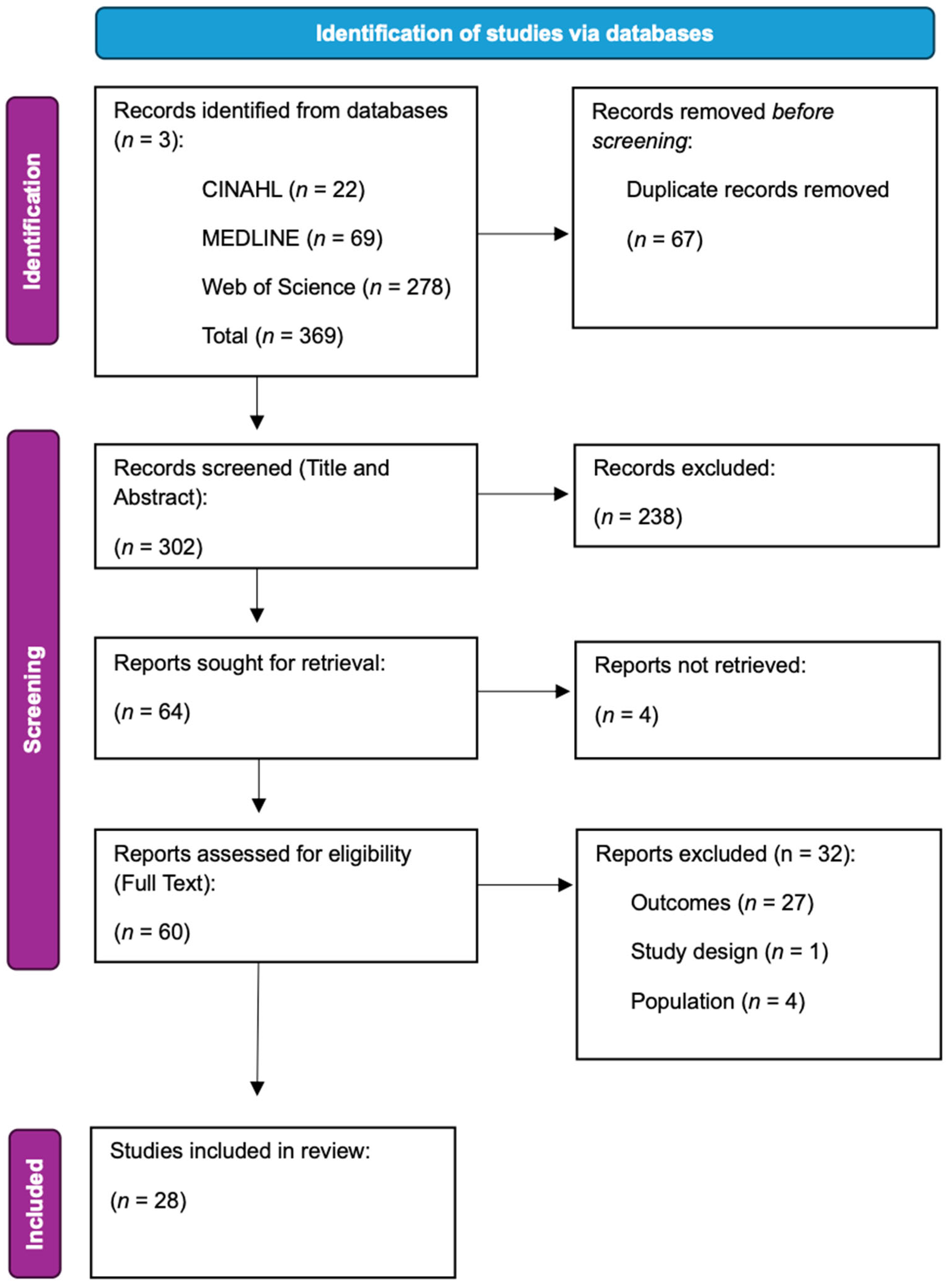
A search across the three databases identified 369 studies, from which 67 duplicates were removed. A total of 302 studies remained, of which 238 were removed after screening titles and abstracts. Of the remaining 64 studies sought for retrieval, 60 available studies underwent full-text review for eligibility, resulting in the exclusion of a further 32 studies. Following the screening and eligibility assessment, 28 studies were included in the final review. The process is depicted in the PRISMA flow diagram shown in Figure 1.

3. Results and Discussion

3.1. Study Characteristics

Table S1 gives all extracted data from the included studies. The characteristics of those studies are outlined in Table 2, including the year of publication, title, country, study design, population, sample size, and NOS score. The included studies came from 18 countries: Germany (n = 3), Norway (n = 3), the United States (n = 3), Japan (n = 2), Malaysia (n = 2), Turkey (n = 2), the United Kingdom (n = 2), Australia (n = 1), Brazil (n = 1), Canada (n = 1), China (n = 1), Cyprus (n = 1), India (n = 1), Poland (n = 1), Romania (n = 1), South Korea (n = 1), Spain (n = 1), and Switzerland (n = 1).
The studies were largely cross-sectional in design and involved cohorts of students studying medicine (n = 13), nursing (n = 7), medical science (n = 1), midwifery (n = 1), paramedics (n = 1), pharmacy (n = 1), physiotherapy (n = 1), and those studying various healthcare fields (n = 3). The sample size ranged from 11 to 244,040 with a median value of 250. After removing outliers, the mean size was 735.56.
Regarding methodological quality, appraisal using the MMAT indicated that most studies demonstrated moderate to high methodological quality. Common strengths among the studies included coherent reporting of methods and appropriate use of statistical analyses or qualitative analytic approaches. However, several methodological limitations were identified, including the frequent use of convenience sampling, inconsistent reporting of response rates and non-response bias, and reliance on self-reported measures of motivation. In addition, the use of validated motivation instruments varied across studies, with some employing locally developed questionnaires with limited reporting of psychometric properties. Overall, while methodological quality was generally acceptable, these limitations should be considered when interpreting the findings and assessing the generalizability of the evidence. Full details of the study appraisal are available in Table S2.

3.2. Motivation to Study

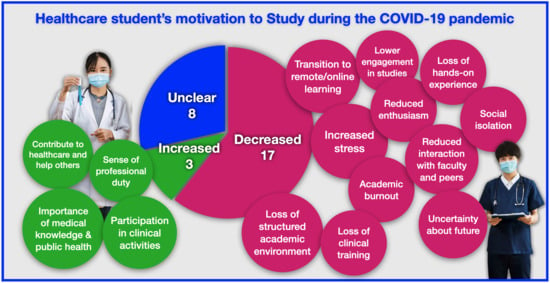
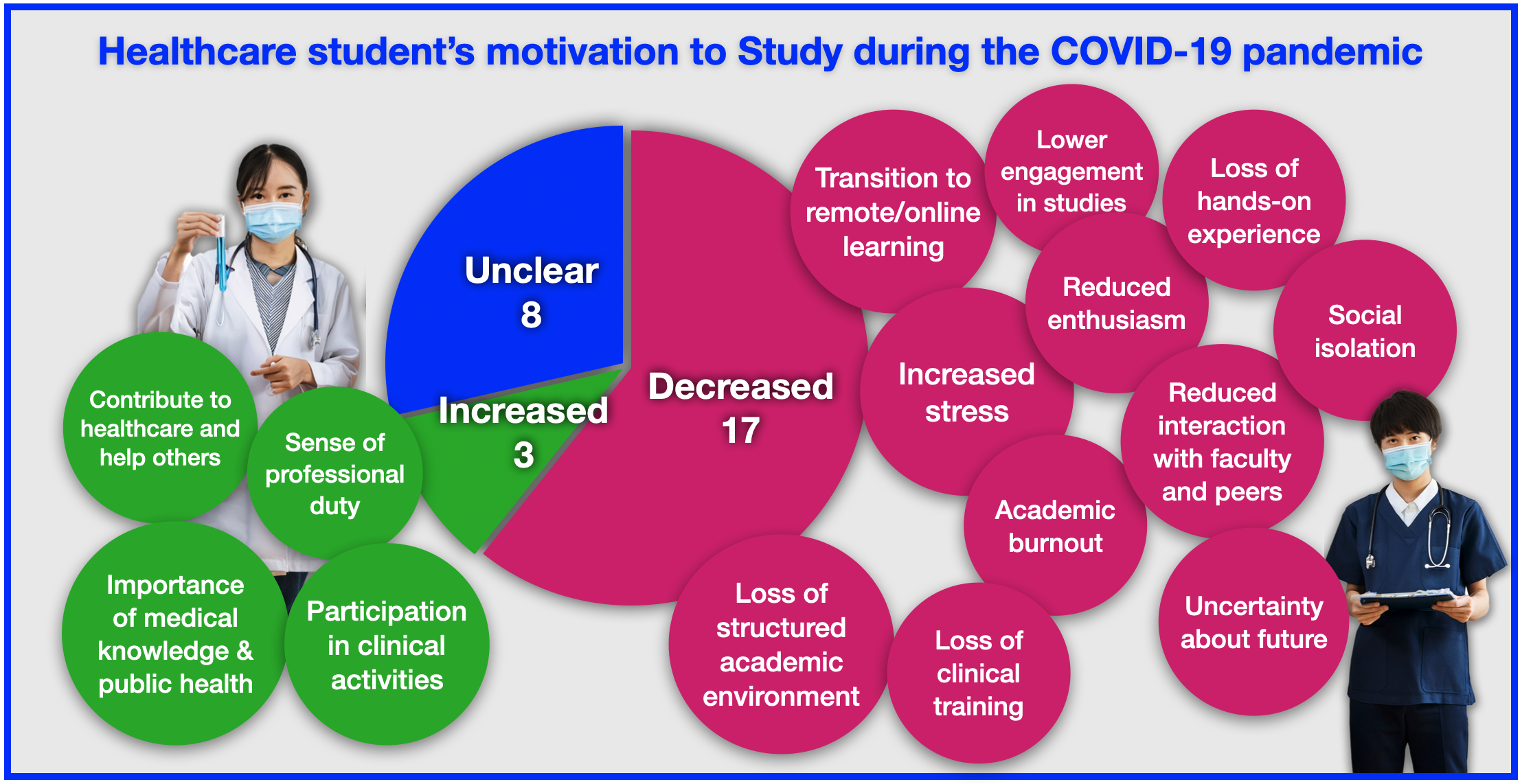
Table 3 presents the main findings of each study with regard to motivation and the associated factors. The vast majority (60.7%, n = 17) of included studies reported a decrease in motivation, while only three distinctly reported increased motivation [5,9,10]; the remaining eight studies were unclear [11,12,13,14,15,16,17,18]. A large proportion of healthcare students experienced a decline in motivation due to the abrupt transition to remote learning, increased levels of stress, and loss of structured academic environments [16,19,20,21,22,23,24,25,26,27,28,29,30,31]. One study showed that extrinsic motivation (pressure to study) increased, while intrinsic motivation decreased, suggesting that students felt obligated rather than intrinsically motivated to continue their studies [32]. The pandemic disrupted students’ usual study patterns, leading to lower engagement, reduced enthusiasm, and academic burnout [20,22,26]. Among those who reported a decline in motivation, key reasons included the loss of clinical training opportunities and hands-on experience [20,24,27,28], reduced interaction with teaching faculty and peers [16,21,30,32], social isolation and increased psychological distress [25,29,31], and uncertainty about future education and career prospects [27,31]. For some students, these challenges resulted in decreased confidence and engagement with their studies, making it harder to maintain motivation [28,30].
Despite the overall trend of declining motivation, some studies reported that there were students whose motivation and engagement had increased during the pandemic. These students were often driven by a desire to contribute to healthcare and help others [5,10,17], a strong sense of professional duty [9,12], increased awareness of the importance of medical knowledge and public health [5,17], and participation in clinical activities, which enriched their learning experience [16]. For example, students who actively participated in COVID-19 care or who had closely followed pandemic developments had higher professional identity scores, which correlated with increased motivation [17,18].
While motivation declined generally, there were important variations, depending on factors such as gender, study year, and prior face-to-face learning experience. For example, British nursing students in Years 2 and 3, who had previously studied in face-to-face settings, showed lower engagement in online learning compared to first-year students who had started their degrees online [33]. In a study from Cyprus, final-year medical students (Years 5 and 6) showed the lowest motivation levels among the sample due to concerns about competency and career preparation, while first- and fourth-year students demonstrated the highest motivation, possibly due to initial enthusiasm or the nearness to graduation [15].
Although motivation was affected by multiple factors, the impact of digital learning was significant across all the studies. While online learning provided some flexibility and self-paced learning opportunities, most students found it demotivating due to the lack of structure, peer interaction, and hands-on training [21,23,24,32]. The transition to digital education led inevitably to lower engagement in clinical training [24,32], difficulties with self-regulated learning [31], and increased procrastination and study-related worries [16]. However, some students adapted over time, with a subset reporting that digital learning helped to reinforce theoretical knowledge, especially when combined with structured formats, such as recorded and real-time video lectures [13].

3.3. Major Motivational Factors for Healthcare Students

3.3.1. Flexibility and Time Efficiency in Learning

Many students appreciated the flexibility of online learning as it allowed them to study at their own pace, replay recorded lectures, and save time by eliminating commuting [13,19,24,28,29]. These benefits were particularly noted by first-year students, who had no prior expectations of face-to-face learning [33]. Key factors that enhanced motivation through flexible learning included self-paced study with recorded lectures [13,19,24], time efficiency due to reduced commuting [19,24,28], comfort and convenience of studying from home [24,28,29], and a better balance of family, work, and study responsibilities [29]. Despite these advantages, some students still found online learning isolating and less engaging, especially when faculty support and structured academic schedules were lacking [26,33].

3.3.2. Structured Learning and Academic Support

Some studies discussed how structured academic environments and interactive learning methods helped sustain motivation among students. Many students found that clear learning schedules, engaging faculty, and interactive digital tools made online education more effective [13,14,32]. Key academic motivators included interactive teaching methods, such as quizzes and student discussions [13,33], structured study routines that improved self-regulation [13,15,27], support from faculty, which increased students’ confidence in their clinical skills [26], and opportunities for hands-on clinical placements, which reinforced commitment to healthcare [25]. Students with higher self-discipline and intrinsic motivation were found to be more likely to stay engaged and adapt successfully to remote learning [13,14].

3.3.3. Commitment to Professional Roles and Healthcare Careers

The pandemic reinforced students’ commitment to their chosen healthcare professions [10,12,19,22,25]. Many students felt that their studies became more meaningful in light of the global health crisis, increasing their motivation to help others and contribute to public health [5,9,17]. Key professional commitment motivators included a desire to help others and contribute to society [5,9,16,17], stronger professional identity and sense of duty to serve [12,22,34], exposure to frontline healthcare workers, which inspired students [9,10], and recognition of the importance of their profession in public health [5,14]. For example, in a study of Turkish nursing students, one-quarter developed a more positive attitude toward nursing after the pandemic [34].

3.3.4. Support Networks and Social Connections

Engagement with faculty, peers, family, and mentors played a crucial role in sustaining student motivation. Students who participated in peer study groups and maintained communication with faculty reported higher engagement and motivation [11,19,23,33,35]. Factors that enhanced motivation through social support included virtual study groups that helped maintain peer interactions [11,19,33], family and social support, which helped reduce stress and increase engagement [27,29,31], and positive faculty role models and structured learning environments [18,26]. A study of medical students from the United Kingdom described how those who felt psychologically safe in their academic environment were more likely to actively engage in their studies [35].

3.3.5. Inspiration from the Pandemic and Interest in Research

For some students, the pandemic helped them realize the significance of medical science, research, and healthcare innovations, which strengthened their motivation to study [5,9,21]. Key motivators from the experience of the pandemic included exposure to medical advancements, vaccines, and diagnostic testing [5,9], greater appreciation for the role of pharmacists and laboratory medicine [21], increased awareness of public health issues and the need for accurate information [9], and higher societal recognition of healthcare professions [34]. Students who were actively involved in pandemic-related activities, such as volunteering in healthcare settings, reported greater motivation and professional identity development [16,17].

3.4. Major Demotivational Factors for Healthcare Students

3.4.1. Technological Issues and Barriers to Online Learning

A large number of healthcare students experienced technological difficulties that negatively impacted their motivation and engagement during the pandemic. These challenges included technical issues such as lag, unstable internet connections, poor audio/video quality, and microphone failures [14,19,25,33,35]. Other factors identified were limited faculty technological skills and lack of technical support [19,35], while some students experienced camera anxiety and discomfort with video conferencing [33]. These issues disrupted students’ engagement in online learning, making it difficult for them to remain focused on their medical studies [35].

3.4.2. Loss of Clinical Exposure and Hands-On Training

One of the most significant demotivating factors reported was the loss of clinical placements and practical, hands-on training. Large proportions of students reported that they had missed in-hospital internships and bedside teaching [28,31]. Many felt that the reduced opportunities for the development of practical clinical skills led to concerns about professional competence [20,23,24]. For example, medical students at the University of Bergen expressed concern regarding the cancellation of the Objective Structured Clinical Examination (OSCE) during the pandemic [24]. As the OSCE is commonly regarded as both a key assessment and a motivator for students to engage in clinical skills practice, its cancellation raised fears that students would graduate with reduced confidence in their clinical competencies [24]. In addition, virtual simulations were not considered a sufficient substitute for real-world practice and clinical experience [13,31]. Many students felt unprepared for future clinical roles due to these gaps in their training [12,16,25].

3.4.3. Social Isolation and Lack of Interaction

The loss of peer interaction due to measures such as social distancing and online learning and was a recurring theme among healthcare students, leading to feelings of social isolation and detachment. Limited opportunities for collaborative learning reduced student motivation [20,25,35]. Decreased access to peer support and study groups negatively affected engagement [19,21] and the loss of face-to-face discussions and in-person group activities led to a sense of loneliness [9,29]. Similarly, many students felt disconnected from the faculty due to limited engagement and communication. Difficulty reaching the faculty, delayed feedback, and limited office hours were common complaints [18]. Students also commented that they missed direct faculty interaction, body language cues, and in-person discussions [33]. The lack of guidance and support from the faculty led some students to feel abandoned [16], and the perceived lack of institutional support exacerbated feelings of stress and demotivation [14,17]. Indeed, many students expressed that the pandemic “robbed” them of many of their important university experiences and social connections [5,9,32].

3.4.4. Increased Academic Pressure and Burnout

The pandemic led to increased academic pressure, self-directed learning burdens, and substantial burnout among healthcare students. Higher burnout levels were strongly linked to lower motivation [15]. Increased workload and assignments made it challenging to manage studies [10]. Loss of structured study routines led to difficulties with self-regulation and time management [13,23,31]. As mentioned earlier, students felt unprepared to meet the demands of their profession and academic studies due to gaps in learning [12,16,25,31], while many felt emotionally exhausted from the prolonged demands of remote learning [13,20].

3.4.5. Mental Health Decline and Psychological Stress

Research shows that the pandemic took a significant toll on students’ mental health, with many experiencing anxiety, depression, and stress. High levels of anxiety and depression were reported among many students [29,30]. Social isolation, fear of infection, and financial stress brought by the pandemic all contributed to emotional distress [11,20,29]. One study reported that students with impaired sleep and diet patterns had lower motivation [30]. Students also reported feeling helpless and emotionally overwhelmed due to ongoing pandemic challenges [9,20].

3.4.6. Uncertainty About the Future

The pandemic created significant uncertainty about students’ medical training, as well as their future careers and job prospects. In a study from India, for example, 41.8% of students expressed concern about their career prospects [27]. Some students felt uncertain about the long-term impact on their training quality and diploma value [16,31]. Concerns about professional readiness and job market opportunities were prevalent [10,12,20], while some even began to question their career choice [9].

3.5. SDT-Informed Synthesis of Motivational and Demotivational Factors

Following coding and categorization of motivational and demotivational factors, a theory-informed synthesis was conducted by mapping these factors to the three basic psychological needs defined in SDT: autonomy, competence, and relatedness [8]. This framework enabled identification of patterns of need satisfaction and need frustration underlying observed changes in student motivation. Table 4 shows the results of the categorization and mapping of the factors by SDT domain.
Competence needs frustration emerged as the most prominent demotivational mechanism, with loss of clinical exposure and practical training reported in 49 instances. These disruptions undermined students’ perceived skill development, professional readiness, and self-efficacy, which are central to competence, needs satisfaction, and sustained intrinsic motivation. Relatedness need frustration was also highly prevalent, with social isolation and reduced peer and faculty interaction reported in 35 instances, weakening students’ sense of belonging and engagement. In contrast, autonomy needs satisfaction was supported in some contexts, with flexible learning environments and increased opportunities for self-directed learning reported in 29 instances. These autonomy-supportive conditions enhanced motivation for some students by increasing perceived control over learning. However, these gains were insufficient to offset the widespread frustration of competence and related needs.
Overall, competence and relatedness needs frustration were more frequently reported and appeared to have a stronger negative impact on motivation than autonomy needs satisfaction had in promoting it. These findings suggest that pandemic-related educational disruptions fundamentally undermined key psychological needs essential for maintaining motivation, particularly those related to competence development and social connectedness, highlighting structural limitations of remote learning environments in supporting core motivational processes in healthcare education.

3.6. Gender Differences

Observations from the studies with regard to gender difference are presented in Table 5. Most studies (67.9%, n = 19) reported no major gender differences in motivation levels among students [10,11,12,13,14,15,16,18,19,21,25,27,28,30,32,33,35]. In several cases, however, while motivation itself did not significantly vary between genders, other psychological or behavioral factors, such as stress, self-confidence, or academic concerns, showed notable differences [13,16,22,32]. Across multiple studies, female students consistently reported higher levels of stress, anxiety, and concerns about academic performance compared to their male counterparts [15,16,17,20,22,24,26,27,29,30,31,32,34]. In some cases, female students also experienced greater emotional distress and a stronger perception of unpreparedness for their profession [15,20,26].
Although motivation levels were often similar, the factors driving motivation varied by gender. Male students were more likely to be motivated by the scientific aspects of the pandemic, such as virology and vaccine development, while female students expressed a stronger desire to “help others” and contribute to society [5,9]. One Brazilian study found that male students tended to be more confident in their ability to provide patient care, whereas female students expressed more hesitation [17]. According to a Norwegian study, female students generally had a more positive perception of the pedagogical quality of digital education but were also more anxious about missing key knowledge and clinical skills, while their male counterparts were less satisfied with online education [24]. Several studies noted a gender gap in burnout and mental health. Female students were significantly more likely to experience burnout than males [15], and they reported higher levels of depression and anxiety [16,26,31,34]. Additionally, female students were more likely to report worries related to coursework, finances, and health, whereas male students exhibited higher levels of depressive symptoms and serious study-related concerns [31].

3.7. Stress, Anxiety, Burnout, and Resilience

During the study selection and data extraction process, the topics of stress, anxiety, and burnout, as well as the related topic of resilience, emerged as important themes within the included studies. The insights gained from the studies are shown in Table 6.

3.7.1. Increased Stress and Mental Health Challenges

The COVID-19 pandemic significantly increased levels of stress and anxiety among healthcare students, driven by academic disruptions, social isolation, and uncertainty about future careers [11,12,19,20,21,29]. Many students struggled with feelings of helplessness, loneliness, and emotional exhaustion, with some experiencing frequent crying and difficulty sleeping due to stress [5,9,20]. With regard to academic and career-related aspects, key stressors included: academic and clinical disruptions, including cancelled placements and reduced hands-on training [5,9,19,24,33]; social isolation and loss of peer interaction, which contributed to psychological distress [20,21,29]; concerns about competency and future career readiness, especially among clinical students [12,13,19,24]; and uncertainty about examinations, workload, and clinical placements, which further increased distress levels [31]. Additionally, some studies mentioned that students from lower-income backgrounds faced greater financial stress, particularly regarding the impact of the pandemic on their studies [10,26].
As mentioned above, across multiple studies, female students consistently reported higher levels of stress, anxiety, and depressive symptoms compared to male students [9,16,23,27,30,34]. A study from Germany reported that female dental students experienced significantly higher anxiety than their male counterparts [23]. Female healthcare students expressed greater concerns about missed clinical training and preparedness for real-world medical practice [9,24]. A study of medical students in Malaysia reported that women experienced significantly worse mental health outcomes than men, including higher rates of anxiety and depression [26].

3.7.2. High Rates of Anxiety, Depression, and Burnout

Several studies quantified the pandemic’s impact on the mental health of students in various healthcare fields, revealing significant rates of anxiety, depression, and burnout. A study from Poland reported that 53.1% of nursing students in their cohort showed depressive symptoms, with 30% experiencing moderate depression [22]. In Malaysia, 45% of a medical student cohort met the criteria for major depressive disorder or generalized anxiety disorder [26]. A Turkish study involving students from various healthcare fields reported that 71.9% of students had severe anxiety (Beck Anxiety Inventory [BAI] score: 29.00 ± 7.8) [30]. Similarly, two German studies reported high distress levels above the cut-off value for their measure among cohorts of medical and dental students during the pandemic [23,31]. In one study, the Perceived Stress Scale scores averaged 17.1, indicating moderate stress levels [16]. In a study from Cyprus, burnout was particularly high among students in Year 2 and Year 4, with strong correlations between burnout and a perceived lack of faculty support [15]. Indeed, the overall well-being of students appears to have generally declined significantly throughout the pandemic. In a Norwegian study of paramedic students, health-related quality of life scores dropped from 0.92 to 0.76 (p < 0.001) between 2020 and 2021, and experience of pain, discomfort, anxiety, and depression worsened [25]. However, one study revealed that students who worked in clinical settings during COVID-19 reported lower stress levels, possibly due to greater exposure to real-world healthcare situations, which reinforced their sense of purpose [16].

3.7.3. Impact of Online Learning on Stress and Burnout

Remote learning posed additional psychological challenges for students, contributing to increased fatigue, anxiety, and disengagement. Students felt mentally exhausted from prolonged online learning [33], while those who struggled to adapt to online learning reported significantly higher stress levels [32]. Anxiety about using webcams was identified as a negative aspect of online learning [33]. In a Swiss study, the lack of structured academic environments in some cases led to procrastination and lower engagement among medical students [16]. Students with higher levels of stress were also less likely to support participation in pandemic-related healthcare activities, further demonstrating how psychological distress negatively impacted motivation and engagement [17].

3.7.4. Resilience in Healthcare Students

Many students demonstrated adaptability and resourcefulness in response to pandemic-related disruptions [11,19,21,33]. Those who coped well often developed structured study habits, engaged in peer-led discussions, and created new learning routines to compensate for the loss of traditional academic environments [11,13,32,35]. Common coping strategies included: structured study plans and time management skills [13,15,21,28], engaging in digital study groups and peer-led discussions to maintain motivation [11,32,33], physical activity and self-care routines, such as exercise, yoga, and maintaining social connections [16,27], and reframing challenges as learning opportunities, which contributed to a more positive outlook [16,19]. However, not all students adapted successfully, and many struggled with the absence of in-person learning, reporting a loss of engagement and motivation without social reinforcement [20,28,32].
Students with a strong sense of professional identity demonstrated greater resilience during the pandemic. Many felt that their role in healthcare was reinforced by the crisis, motivating them to persist despite challenges [12,18]. In a study from the United States, medical students felt that their role in the pandemic helped to reinforce their identity as future physicians. These students also remained committed to medicine and were less likely to consider leaving medical school [12]. Students in medical science and pharmacy reported feeling more engaged in their profession, recognizing the importance of their work in public health [5,14]. Those who supported participation in pandemic-related healthcare activities viewed the crisis as an opportunity for professional growth [17,18].
Students who engaged in structured routines, peer interactions, and psychological coping strategies managed stress better and maintained higher resilience levels [23,26,29]. A number of factors emerged from the literature that promoted resilience, including: engagement with support networks, faculty, and peers to reduce stress [23,26,29]; maintaining self-discipline through study schedules and learning goals [13,31,35]; and exercising and leading a healthy lifestyle, all of which were associated with lower stress and improved resilience [15,16,27]. However, prolonged pandemic fatigue gradually eroded resilience, making it harder for students to stay motivated, and burnout became a major issue over time, particularly for upper-year students and those lacking faculty support [15,25,31].
Resilience levels varied across different student demographics and career stages. In the United Kingdom, for example, first-year nursing students showed greater adaptability to digital learning compared to upper-year students, who struggled more with the transition [33], while Polish graduate nursing students demonstrated higher resilience than undergraduates, possibly due to greater academic maturity and coping skills [22]. Nursing students, who had voluntarily chosen their profession, exhibited greater resilience and lower anxiety, suggesting that career commitment played an important role in stress management [34].

3.8. Professional Identity

The COVID-19 pandemic appears to have had profound implications for professional identity formation among healthcare students. The pertinent findings regarding professional identity extracted from each study are presented in Table 7. Many students reported feeling disconnected from their professional identity due to the loss of hands-on learning and clinical placements [20,32,33,35]. The cancellation of the OSCEs and other practical assessments contributed to concerns about preparedness and competency [15,24]. Some students were concerned that the disruptions caused by the pandemic would lead to a generation of healthcare professionals with weaker clinical skills [24,27,31]. These concerns were particularly pronounced among clinical students and senior students preparing for practice [15,26].
Despite the disruptions, a significant number of students remained committed to their chosen profession and viewed their role as future healthcare professionals as having been reinforced by the pandemic experience [9,10,12,25,28,29,30,31]. In nursing and midwifery, many students reaffirmed their passion for their profession, even as they questioned their preparedness due to the lack of practical training [11,19,29]. Similarly, students in medicine and dentistry remained dedicated to their careers but expressed concerns about long-term competency development due to reduced clinical exposure [14,27].
Some variations in professional identity were observed by career stage. In one study, for example, senior students (years 5 and 6) were more likely to feel unprepared for medical practice due to the lack of in-person training, and some experienced lower motivation and higher burnout [15]. By contrast, another study found that pre-clinical students were more likely to express a moral obligation to contribute to healthcare during crises [12]. A Swiss study of medical students found that those who had actively participated in clinical activities felt a stronger sense of belonging to the profession, while others reconsidered their specialty choices due to exposure to different clinical environments during the pandemic [16]. For others, the pandemic reinforced the importance of adaptability in future healthcare crises [9]. Medical science and pharmacy students reported a greater appreciation for their roles in public health, with increased recognition of laboratory and research contributions [5,21]. However, these students also faced concerns about competency due to the limited real-world applicability of online learning [13]. The Swiss study also demonstrated that a large proportion of students (86.2%) reported no change in their vision of becoming a healthcare professional, and the pandemic experience appeared to have impressed upon the students the importance of teamwork, communication, and interprofessional collaboration [16]. A Brazilian study of medical students suggested that real-world exposure to health crises strengthens professional values and ethical decision-making, with 56.9% of students believing that the pandemic experience would make them better doctors [17].
Thus, while most healthcare students remained committed to their careers, the pandemic amplified concerns about clinical competency, preparedness, and quality of training [14,19,31,33]. The experience highlighted the need for curriculum reforms to integrate competency-based training and structured hybrid models that combine virtual learning with hands-on experiences [12,13,27]. At the same time, for many students, the pandemic reinforced the importance of their profession and deepened their professional identity [5,9,11,17,34].

3.9. Limitations

Several limitations of this review should be acknowledged. First, although a systematic search strategy was employed, the review was limited to peer-reviewed studies published in English, which may have excluded relevant evidence reported in other languages or in the gray literature. Second, the literature search was conducted using a limited number of databases, which may have resulted in the omission of some relevant studies, particularly given the multidisciplinary nature of motivation and professional identity. Although the selected databases provide broad coverage of health professions education research, it is possible that additional relevant studies were not captured. Future reviews may benefit from expanding database coverage to enhance comprehensiveness. Third, data extraction and appraisal were primarily conducted by a single reviewer, which may introduce a risk of subjective interpretation or extraction error. However, standardized extraction procedures were used, and uncertainties were resolved through discussion among the research team. Future systematic reviews may benefit from fully independent dual extraction to further enhance methodological rigor. Fourth, most included studies were cross-sectional and relied on self-reported measures of motivation, stress, and psychological well-being, which are subject to response bias and limit causal inference. The predominance of cross-sectional designs also restricts conclusions regarding changes in motivation over time. Finally, substantial heterogeneity in study populations, disciplinary contexts, measurement instruments, and analytical approaches precluded quantitative synthesis and necessitated narrative interpretation; thus, findings reflect patterns and trends rather than pooled quantitative estimates of effect.

4. Conclusions

The findings of this review confirm the profound impact of the COVID-19 pandemic on healthcare education, disrupting traditional learning experiences and affecting student motivation. The shift to online learning, loss of clinical exposure, and increased psychological distress created significant challenges, leading to decreased engagement and heightened stress levels. Interpreted through the lens of SDT, these disruptions primarily reflected frustration of competence and related needs. Loss of clinical training undermined students’ perceived competence and professional readiness, while social isolation and reduced peer and faculty interaction weakened relatedness and engagement. Although autonomy-supportive elements such as flexible and self-directed learning enhanced motivation for some students, these were often insufficient to offset broader competence and relatedness need frustration. Gender disparities were also evident, with female students reporting greater anxiety and preparedness concerns. Despite these challenges, some students maintained their motivation through renewed professional commitment, structured study routines, and strong faculty and peer support, reinforcing the importance of institutional preparedness for future crises. By addressing the lessons learned during the pandemic, educators and policymakers could create more adaptive and sustainable learning environments (including hybrid learning models that incorporate the best aspects of digital learning with experiential, hands-on learning) that support long-term learning motivation, engagement, professional identity development, and preparedness for the demands of healthcare careers.

Supplementary Materials

The following supporting information can be downloaded at: https://www.mdpi.com/article/10.3390/ime5010031/s1, Table S1. Complete data extracted from the included studies; Table S2. Evaluation of the included studies using the Mixed Methods Appraisal Tool (MMAT) version 2018.

Author Contributions

Conceptualization, T.M. (Thomas Mayers) and T.M. (Tetsuhiro Maeno); methodology, T.M. (Thomas Mayers), C.K.H., N.M. and T.M. (Tetsuhiro Maeno); formal analysis, T.M. (Thomas Mayers) C.K.H. and N.M.; investigation, T.M. (Thomas Mayers) and C.K.H.; data curation, T.M. (Thomas Mayers), C.K.H. and N.M.; visualization, T.M. (Thomas Mayers); supervision, T.M. (Tetsuhiro Maeno); writing—original draft preparation, T.M. (Thomas Mayers); writing—review and editing, C.K.H., N.M. and T.M. (Tetsuhiro Maeno); administration, T.M. (Thomas Mayers) and T.M. (Tetsuhiro Maeno). All authors have read and agreed to the published version of the manuscript.

Funding

This work was supported by the Japan Society for the Promotion of Science (JSPS) KAKENHI, Grant Number JP23K00670.

Institutional Review Board Statement

Not applicable.

Informed Consent Statement

Not applicable.

Data Availability Statement

Data is contained within the article or Supplementary Material.

Acknowledgments

The authors would like to thank Cosmin Florescu, Institute of Medicine, University of Tsukuba, and the Japan Society for the Promotion of Science for support for supporting this project. We sincerely thank our medical students for participating and inspiring this work. This review formed part of the doctoral thesis: From Crisis to Commitment: How the COVID-19 Pandemic Impacted Motivation, Resilience, and Professional Identity in Japanese Healthcare Students, by Thomas Mayers.

Conflicts of Interest

The authors declare no conflicts of interest.

Abbreviations

The following abbreviations are used in this manuscript:
COVID-19Coronavirus Disease 2019
PRISMA-ScRPreferred Reporting Items for Systematic Reviews and Meta-Analyses Extension for Scoping Reviews
NOSNewcastle–Ottawa Scale
SDStandard Deviation
OROdds Ratio
aORAdjusted Odds Ratio
rPearson Correlation Coefficient
rhoSpearman Rank Correlation Coefficient
βStandardized Regression Coefficient
bUnstandardized Regression Coefficient
CIConfidence Interval
OSCEObjective Structured Clinical Examination
HRQoLHealth-Related Quality of Life
EQ-5D-5LEuroQol Five-Dimension Five-Level Questionnaire
EQ-VASEuroQol Visual Analogue Scale
PSSPerceived Stress Scale
BAIBeck Anxiety Inventory
STAIState–Trait Anxiety Inventory
MeSHMedical Subject Headings

References

  1. Rose, S. Medical student education in the time of COVID-19. JAMA 2020, 323, 2131–2132. [Google Scholar] [CrossRef] [PubMed]
  2. Kusurkar, R.A.; Ten Cate, T.J.; van Asperen, M.; Croiset, G. Motivation as an independent and a dependent variable in medical education: A review of the literature. Med. Teach. 2011, 33, e242–e262. [Google Scholar] [CrossRef] [PubMed]
  3. Watanabe, M. The COVID-19 pandemic in Japan. Surg. Today 2020, 50, 787–793. [Google Scholar] [CrossRef]
  4. Mayers, T.; Mathis, B.J.; Maki, N.; Maeno, T. Japanese medical students’ English language learning motivation, willingness to communicate, and the impact of the COVID-19 pandemic. Int. Med. Educ. 2023, 2, 283–292. [Google Scholar] [CrossRef]
  5. Mayers, T.; Mathis, B.J.; Ho, C.K.; Morikawa, K.; Maki, N.; Hisatake, K. Factors affecting undergraduate medical science students’ motivation to study during the COVID-19 pandemic. Educ. Sci. 2022, 12, 628. [Google Scholar] [CrossRef]
  6. Tricco, A.C.; Lillie, E.; Zarin, W.; O’Brien, K.K.; Colquhoun, H.; Levac, D.; Moher, D.; Peters, M.D.J.; Horsley, T.; Weeks, L.; et al. PRISMA extension for scoping reviews (PRISMA-ScR): Checklist and explanation. Ann. Intern. Med. 2018, 169, 467–473. [Google Scholar] [CrossRef]
  7. Pluye, P.; Hong, Q.N. Combining the power of stories and the power of numbers: Mixed methods research and mixed studies reviews. Annu. Rev. Public Health 2014, 35, 29–45. [Google Scholar] [CrossRef]
  8. Deci, E.L.; Ryan, R.M. The “what” and “why” of goal pursuits: Human needs and the self-determination of behavior. Psychol. Inq. 2000, 11, 227–268. [Google Scholar] [CrossRef]
  9. Mayers, T.; Okamura, Y.; Kanaji, M.; Shimoda, T.; Maki, N.; Maeno, T. Medical student voices on the effect of the COVID-19 pandemic and motivation to study: A mixed-method qualitative study. COVID 2024, 4, 1485–1512. [Google Scholar] [CrossRef]
  10. Michel, A.; Ryan, N.; Mattheus, D.; Knopf, A.; Abuelezam, N.N.; Stamp, K.; Branson, S.; Hekel, B.; Fontenot, H.B. Undergraduate nursing students’ perceptions of nursing education during the 2020 COVID-19 pandemic: A national sample. Nurs. Outlook 2021, 69, 903–912. [Google Scholar] [CrossRef]
  11. Bjørge, H.; Gunnheim, N.; Bachke, A.; Anker-Rasch, C.; Sheikoleslami Oleslami, R.; Finstad, A.K.; Karterud, D.; Halvorsrud, L.; Lohne, V.; Sæterstrand, T.M. The solitary and uncertain learning process: A qualitative study of nursing students’ experiences in the initial phase of the COVID-19 pandemic. Teach. Learn. Nurs. 2023, 18, e161–e166. [Google Scholar] [CrossRef] [PubMed]
  12. Chinsky, R.; Morris, A.; Suh, A.; Hum, A.; Wolin, D.; Harper, B.; Blazey, W.; Yao, S.; Krishnamachari, B. Medical student perspectives on their role as emerging physicians during the COVID-19 pandemic. Med. Sci. Educ. 2021, 31, 1859–1867. [Google Scholar] [CrossRef]
  13. Park, J.; Seo, M. Influencing factors on nursing students’ learning flow during the COVID-19 pandemic: A mixed-method research. Asian Nurs. Res. 2022, 16, 35–44. [Google Scholar] [CrossRef]
  14. Lee, J.X.; Ahmad Azman, A.H.; Ng, J.Y.; Ismail, N.A.S. Open distance learning in medical education: Does it improve students’ motivation? SAGE Open 2023, 13, 21582440231157687. [Google Scholar] [CrossRef]
  15. Metakides, C.; Pielemeier, L.; Lytras, T.; Mytilinaios, D.G.; Themistocleous, S.C.; Pieridi, C.; Tsioutis, C.; Johnson, E.O.; Ntourakis, D.; Nikas, I.P. Burnout and motivation to study medicine among students during the COVID-19 pandemic. Front. Med. 2023, 10, 1214320. [Google Scholar] [CrossRef]
  16. Wurth, S.; Sader, J.; Cerutti, B.; Broers, B.; Bajwa, N.M.; Carballo, S.; Escher, M.; Galetto-Lacour, A.; Grosgurin, O.; Lavallard, V.; et al. Medical students’ perceptions and coping strategies during the first wave of the COVID-19 pandemic: Studies, clinical implication, and professional identity. BMC Med. Educ. 2021, 21, 620. [Google Scholar] [CrossRef]
  17. Tempski, P.; Arantes-Costa, F.M.; Kobayasi, R.; Siqueira, M.A.M.; Torsani, M.B.; Amaro, B.Q.R.C.; Nascimento, M.E.F.M.; Siqueira, S.L.; Santos, I.S.; Martins, M.A. Medical students’ perceptions and motivations during the COVID-19 pandemic. PLoS ONE 2021, 16, e0248627. [Google Scholar] [CrossRef]
  18. Yu, C.; Liu, Q.; Wang, W.; Xie, A.; Liu, J. Professional identity of 0.24 million medical students in China before and during the COVID-19 pandemic: Three waves of national cross-sectional studies. Front. Public Health 2022, 10, 868914. [Google Scholar] [CrossRef] [PubMed]
  19. Wallace, S.; Schuler, M.S.; Kaulback, M.; Hunt, K.; Baker, M. Nursing student experiences of remote learning during the COVID-19 pandemic. Nurs. Forum 2021, 56, 612–618. [Google Scholar] [CrossRef] [PubMed]
  20. Terrón-Pérez, M.; Cortes-Amador, S.; Portolés-Simeó, J.B. Analysis of losses in physiotherapy students during the COVID-19 pandemic: A phenomenological approach. BMC Psychol. 2024, 12, 349. [Google Scholar] [CrossRef]
  21. Nagy, D.K.; Hall, J.J.; Charrois, T.L. The impact of the COVID-19 pandemic on pharmacy students’ personal and professional learning. Curr. Pharm. Teach. Learn. 2021, 13, 1312–1318. [Google Scholar] [CrossRef]
  22. Dudziak, A.; Piątek, T. Mental resilience and intensification of depressive symptoms of nursing students at the Medical University of Warsaw during the SARS-CoV-2 pandemic. Nurs. 21st Century 2021, 20, 230–235. [Google Scholar] [CrossRef]
  23. Guse, J.; Weegen, A.S.; Heinen, I.; Bergelt, C. Mental burden and perception of the study situation among undergraduate students during the COVID-19 pandemic: A cross-sectional study and comparison of dental and medical students. BMJ Open 2021, 11, e054728. [Google Scholar] [CrossRef]
  24. Helland, H.K.; Tylleskär, T.; Kvernenes, M.; Reikvam, H. An abrupt transition to digital teaching—Norwegian medical students and their experiences of learning output during the initial phase of the COVID-19 lockdown. Healthcare 2022, 10, 170. [Google Scholar] [CrossRef] [PubMed]
  25. Häikiö, K.; Harring, A.K.; Kveen, R.; Rand, K.; Jørgensen, T.M. Reduced quality of life, more technical challenges, and less study motivation among paramedic students after one year of the COVID-19 pandemic—A survey study. BMC Med. Educ. 2023, 23, 136. [Google Scholar] [CrossRef] [PubMed]
  26. Cockburn, J.G.; Tan, C.Y.; Poh, D.C.S.C.; Tan, D.J.; Foong, C.C.; Hong, W.H. Mental health and self-determination profiles of the diverse population of medical students in Malaysia during the COVID-19 pandemic. BMC Psychol. 2022, 10, 49. [Google Scholar] [CrossRef]
  27. Menon, B.; Sannapareddy, S.; Menon, M. Assessment of severity of stress among medical and dental students during the COVID-19 pandemic. Ann. Indian Acad. Neurol. 2021, 24, 703–707. [Google Scholar] [CrossRef]
  28. Sutoi, D.; Bazavan, C.O.; Sutoi, M.; Petrica, A.; Marza, A.M.; Trebuian, C.I.; Librimir, C.; Neagoe, O.C.; Ionica, M.; Buleu, F.N.; et al. The learning experience of Romanian medical students during online teaching imposed by the COVID-19 pandemic. Adv. Med. Educ. Pract. 2023, 14, 1077–1086. [Google Scholar] [CrossRef]
  29. Rasmussen, B.; Hutchinson, A.; Lowe, G.; Wynter, K.; Redley, B.; Holton, S.; Manias, E.; Phillips, N.; McDonall, J.; McTier, L.; et al. The impact of COVID-19 on psychosocial well-being and learning for Australian nursing and midwifery undergraduate students: A cross-sectional survey. Nurse Educ. Pract. 2022, 58, 103275. [Google Scholar] [CrossRef]
  30. Şahin, C.U.; Aydın, M.; Kulakaç, N. Anxiety, motivation, stress levels and associated factors among university students in the COVID-19 pandemic. Cyprus J. Med. Sci. 2022, 7, 94–101. [Google Scholar] [CrossRef]
  31. Guse, J.; Heinen, I.; Mohr, S.; Bergelt, C. Understanding mental burden and factors associated with study worries among undergraduate medical students during the COVID-19 pandemic. Front. Psychol. 2021, 12, 734264. [Google Scholar] [CrossRef]
  32. Moll-Khosrawi, P.; Küllmei, J.; Chindris, V.; Ganzhorn, A.; Haus, J.M.; Zöllner, C.; Schulte-Uentrop, L. Medical students’ motivational changes during the COVID-19 university lockdown: A mixed-method study. BMC Med. Educ. 2024, 24, 226. [Google Scholar] [CrossRef]
  33. Pullan, S.J.; Rylance-Graham, R.; Crane, J.; Thornton, E. Undergraduate nursing students’ experiences of online education: A cross-sectional survey. Teach. Learn. Nurs. 2023, 18, 56–62. [Google Scholar] [CrossRef] [PubMed]
  34. Yüksel, A.; Bahadır Yılmaz, E. Nursing student attitudes toward the nursing profession and their state anxiety level during the COVID-19 outbreak. J. Psychiatr. Nurs. 2022, 13, 76–82. [Google Scholar] [CrossRef]
  35. McLeod, E.; Gupta, S. The role of psychological safety in enhancing medical students’ engagement in online synchronous learning. Med. Sci. Educ. 2023, 33, 423–430. [Google Scholar] [CrossRef] [PubMed]
Figure 1. PRISMA Flow Diagram.
Ime 05 00031 g001
Table 1. Complete search strategies for each database.
DatabaseSearch Strategy
CINAHL (EBSCOhost)(COVID-19 or coronavirus or pandemic) AND (healthcare students or nursing students or medical students or occupational therapy students or physiotherapy students or physical therapy students) AND motivation Linked Full Text; Abstract Available; Publication Date: 20200101-; English Language; Peer Reviewed; Research Article AND Apply related words; Apply equivalent subjects
MEDLINE with Full Tex (EBSCOhost)AB (COVID-19 or coronavirus or pandemic) AND AB (healthcare students or nursing students or medical students or occupational therapy students or physiotherapy students or physical therapy students) AND AB motivation Full Text; Publication Date: 20200101-; Abstract Available; English Language; Peer Reviewed AND Apply equivalent subjects
Web of ScienceTS = (“medical students” OR “nursing students” OR “healthcare students” OR “allied health students” OR “medical science students” OR “health professions students”) AND TS = (“motivation” OR “academic motivation” OR “study motivation “OR “learning motivation” OR “student engagement” OR “academic engagement”) AND TS = (“COVID-19” OR “coronavirus” OR “pandemic” OR “SARS-CoV-2”)
Table 2. Characteristics of the included studies.
Study ID *Article TitleCountryStudy DesignPopulationSample SizeMMAT Appraisal
Mayers 2022 [5]“Factors Affecting Undergraduate Medical Science Students’ Motivation to Study during the COVID-19 Pandemic”JapanQuantitative content analysis, retrospective cross-sectionalMedical science students73M
Mayers 2024 [9]“Medical Student Voices on the Effect of the COVID-19 Pandemic and Motivation to Study: A Mixed-Method Qualitative Study”JapanMixed-method qualitative, cross-sectional quantitative content analysis,
collaborative autoethnography
Medical students45M
Michel 2021 [10]“Undergraduate nursing students’ perceptions on nursing education during the 2020 COVID-19 pandemic: A national sample”United StatesCross-sectional mixed-methods surveyNursing students772M
Bjørge 2023 [11]“The solitary and uncertain learning process: A qualitative study of nursing students’ experiences in the initial phase of the COVID-19 pandemic”NorwayQualitative descriptive, phenomenological-hermeneutic content analysisNursing students48M
Chinsky, 2021 [12]“Medical Student Perspectives on Their Role as Emerging Physicians During the COVID-19 Pandemic”United StatesCross-sectional survey, quantitative approachMedical students232M
Park 2022 [13]Influencing Factors on Nursing Students’ Learning Flow during the COVID-19 Pandemic: A Mixed Method ResearchSouth KoreaMixed-method, cross-sectional quantitative phaseNursing students245M
Lee 2023 [14]“Open Distance Learning in Medical Education: Does It Improve Students’ Motivation?”MalaysiaCross-sectional survey, quantitative analysismedical students302M
Metakides 2023 [15]“Burnout and motivation to study medicine among students during the COVID-19 pandemic”CyprusCross-sectional survey, quantitative analysisMedical students333M
Wurth 2021 [16]“Medical students’ perceptions and coping strategies during the first wave of the COVID-19 pandemic: studies, clinical implication, and professional identity”SwitzerlandMixed-methods design, phenomenological approach, quantitative cross-sectional, qualitative thematic analysisMedical students467M
Tempski 2021 [17]“Medical students’ perceptions and motivations during the COVID-19 pandemic”BrazilCross-sectional survey, quantitative analysisMedical students10,433M
Yu 2022 [18]“Professional Identity of 0.24 Million Medical Students in China Before and During the COVID-19 Pandemic: Three Waves of National Cross-Sectional Studies”ChinaCross-sectional survey, large-scale, repeatedMedical students244,040M
Wallace 2021 [19]“Nursing student experiences of remote learning during the COVID-19 pandemic”United StatesQualitative descriptive, phenomenological approachnursing students11M
Terrón-Pérez 2024 [20]“Analysis of losses in physiotherapy students during the COVID-19 pandemic: a phenomenological approach”SpainQualitative phenomenologicalPhysiotherapy students34M
Nagy 2021 [21]“The impact of the COVID-19 pandemic on pharmacy students’ personal and professional learning”CanadaCross-sectional qualitative survey, thematic analysisPharmacy students53M
Dudziak 2021 [22]“Mental resilience and intensification of depressive symptoms of nursing students at the Medical University of Warsaw in connection with the prevailing SARS-CoV-2 pandemic”PolandCross-sectional survey, quantitative analysisNursing students130M
Guse 2021 [23]“Mental burden and perception of the study situation among undergraduate students during the COVID-19 pandemic: a cross-sectional study and comparison of dental and medical students”GermanyCross-sectional observational, repeatedMedical students, dental students182M
Helland 2022 [24]“An Abrupt Transition to Digital Teaching-Norwegian Medical Students and Their Experiences of Learning Output during the Initial Phase of the COVID-19 Lockdown”NorwayCross-sectional retrospective survey, quantitative and qualitative analysisMedical students230M
Häikiö 2023 [25]“Reduced quality of life, more technical challenges, and less study motivation among paramedic students after one year of the COVID-19 pandemic—a survey study”NorwayRetrospective repeated cross-sectional survey, quantitative analysisParamedic students233M
Cockburn 2022 [26]“Mental health and self-determination profiles of the diverse population of medical students in Malaysia during the COVID-19 pandemic”MalaysiaCross-sectional survey, quantitative analysisMedical students442M
Menon 2021 [27]“Assessment of Severity of Stress Among Medical and Dental Students During the COVID-19 Pandemic”IndiaCross-sectional survey, quantitative analysisMedical students, dental students601M
Sutoi 2023 [28]“The Learning Experience of Romanian Medical Students During the Online Teaching Imposed by the COVID-19 Pandemic”RomaniaCross-sectional multicentric survey, quantitative analysisMedical students611M
Rasmussen 2022 [29]“The impact of COVID-19 on psychosocial well-being and learning for Australian nursing and midwifery undergraduate students: a cross-sectional survey”AustraliaCross-sectional survey design, quantitative and qualitative analysisnursing and midwifery students637M
Şahin 2022 [30]“Anxiety, Motivation, Stress Levels and Associated Factors Among University Students in the COVID-19 Pandemic”TurkeyDescriptive cross-sectional survey, quantitative analysisHealth-related departments855M
Guse 2021 [31]“Understanding Mental Burden and Factors Associated With Study Worries Among Undergraduate Medical Students During the COVID-19 Pandemic”GermanyCross-sectional survey, quantitative and qualitative analysisMedical students914M
Moll-Khosrawi 2024 [32]“Medical students’ motivational changes during the COVID-19 university lockdown: a mixed-method study”GermanyMixed method inter-cohort study, comparative cross-sectional study, focus group interviewsMedical students255M
Pullan 2023 [33]“Undergraduate nursing students’ experiences of online education: A cross-sectional survey”United KingdomCross-sectional survey, quantitative and qualitative analysis.Nursing students54M
Yüksel 2022 [34]“Nursing student attitudes toward nursing profession and their state anxiety level during COVID-19 outbreak”TurkeyCross-sectional, descriptive survey, quantitative analysisNursing students1653M
McLeod 2023 [35]“The Role of Psychological Safety in Enhancing Medical Students’ Engagement in Online Synchronous Learning”United KingdomQualitative social constructivist, thematic analysisMedical students15H
Notes: * Study ID consists of the first author’s name and publication year. Abbreviations: MMAT, Mixed Methods Appraisal Tool; M, moderate; H, high.
Table 3. Main findings of the included studies related to motivation and associated factors.
Study IDMotivation PatternMotivational FactorsDemotivational Factors
Mayers 2022 [5]
  • Motivation ↑ in substantial proportion;
  • Mixed motivation trajectory;
  • Gender-related motivation variability
  • Altruistic motivation/desire to contribute to public health;
  • ↑ interest in medical science and research;
  • Motivation through exposure to medical innovation (diagnostics, vaccines);
  • Professional identity reinforcement/meaning of studies;
  • ↑ appreciation of medical education
  • Online learning dissatisfaction/↓ engagement;
  • Social isolation/loss of peer learning;
  • Loss of practical training (laboratory experience);
  • Loss of student experience;
  • Psychological stress and uncertainty
Mayers 2024 [9]
  • Motivation ↑ in substantial proportion;
  • Motivation ↓ in minority;
  • Motivation fluctuation;
  • Gender-related motivation variability
  • Career commitment motivation/professional identity reinforcement;
  • Sense of duty and moral responsibility;
  • Motivation through media and societal influence;
  • Altruistic motivation/global impact orientation;
  • Knowledge-seeking motivation (research, misinformation);
  • Learning environment motivation support (return to face-to-face);
  • Personal health awareness;
  • Peer/social connection as motivation
  • Loss of student experience/disruption of college life;
  • Psychological distress (stress, anxiety, loneliness);
  • Career uncertainty/doubts about profession;
  • Loss of practical training concerns (hands-on experience)
Michel 2021 [10]
  • Motivation ↑ in substantial proportion;
  • Mixed motivation trajectory;
  • Withdrawal intention in minority
  • Healthcare worker inspiration (frontline nurses);
  • Faculty/institutional support;
  • Learning during crisis conditions (emergency preparedness);
  • Confidence in competence via healthcare employment
  • Loss of clinical exposure/competence concerns;
  • Online learning dissatisfaction/↓ retention;
  • ↑ workload/academic pressure;
  • Social isolation;
  • Uncertainty about training progression;
  • Financial stress;
  • Role strain/family responsibilities
Bjørge 2023 [11]
  • Motivation fluctuation;
  • Adaptation-related motivation stabilization;
  • Mixed motivation trajectory
  • Professional role awareness;
  • Learning during crisis conditions;
  • Digital learning adaptation;
  • Peer/faculty support via virtual study groups
  • Physical and emotional exhaustion/role strain;
  • Social isolation;
  • Loss of practical training (theoretical pathways);
  • Fear of infection;
  • Environmental learning barriers (study space/distractions)
Chinsky 2021 [12]
  • Motivation stability in many students;
  • Motivation ↑ in some students;
  • Study year motivation variability
  • Sense of duty and moral responsibility;
  • Career commitment/non-regret of profession;
  • Desire to provide care (altruism)
  • ↓ learning quality perception;
  • Loss of clinical exposure (upper years);
  • Fear and uncertainty about readiness/job prospects
Park 2022 [13]
  • Motivation associated with learning flow/engagement;
  • Motivation supported by instructional design
  • Self-regulated learning motivation enhancement;
  • Self-efficacy/competence confidence;
  • Interactive teaching methods;
  • Flexible learning environment/access to recorded lectures;
  • Active engagement in virtual clinical training
  • Loss of practical training (simulation not equivalent);
  • Self-regulation difficulties;
  • Online learning fatigue/physical strain;
  • Social isolation;
  • Academic performance anxiety
Lee 2023 [14]
  • Motivation stability;
  • Digital learning ↑ with limited motivation change
  • Flexible learning environment;
  • Learning autonomy (intrinsic motivation stable);
  • ↑ digital learning usage (especially clinical students)
  • Technological barriers (poor internet);
  • ↓ faculty interaction/support;
  • Loss of clinical exposure/bedside teaching
Metakides 2023 [15]
  • Study year motivation variability;
  • Motivation ↓ associated with burnout and poor support
  • Faculty support motivation enhancement;
  • Engagement in face-to-face/blended learning;
  • Early-year student motivation advantage
  • Academic burnout demotivation effect;
  • Poor institutional support;
  • Online learning fatigue;
  • Technology barriers (linked to burnout)
Wurth 2021 [16]
  • Motivation ↓ predominant;
  • Mixed motivation trajectory (clinical involvement ↑ motivation);
  • Clinical participation motivation enhancement
  • Sense of purpose enhancement (volunteering/active participation);
  • Altruistic motivation/desire to feel useful;
  • Clinical exposure motivation enhancement;
  • Professional identity reinforcement;
  • Assessment flexibility motivation support (↓ exam pressure);
  • Learning autonomy/↑ self-directed learning
  • Loss of clinical exposure;
  • ↓ peer + faculty interaction;
  • Online learning dissatisfaction + home distractions/tech issues;
  • Loss of structured routine;
  • Competence/knowledge gap concerns;
  • Concerns about diploma value;
  • Perceived lack of institutional support
Tempski 2021 [17]
  • Professional duty/altruism drives participation intent;
  • Gender-related motivation variability (support for participation)
  • Sense of duty and moral responsibility;
  • Altruism/willingness to accept risk;
  • Professional identity development;
  • Self-efficacy/confidence in skills;
  • Social responsibility orientation
  • Fear of infection;
  • Psychological stress;
  • Perceived lack of institutional support/protective measures;
  • Preference for suspension over online shift;
  • Uncertainty about progression/training quality
Yu 2022 [18]
  • Professional identity ↑;
  • Motivation–identity association;
  • Contextual moderators (family frontline exposure)
  • Family medical background influence;
  • Intrinsic/extrinsic motivation associated with PI;
  • Positive faculty role models;
  • Pandemic attentiveness/engagement as motivator
  • Family frontline exposure stressor;
  • Negative teaching experiences;
  • Contextual disparity (urban vs. rural differences)
Wallace 2021 [19]
  • Motivation ↓ predominant;
  • Mixed motivation trajectory (some protective factors)
  • Flexible learning environment;
  • Time efficiency/↑ study time;
  • Peer study groups/collaboration as protective;
  • Professional identity reinforcement (commitment to nursing)
  • Technological barriers;
  • Loss of peer interaction;
  • Faculty communication issues/↓ access;
  • Role strain/competing responsibilities;
  • Exam anxiety/proctoring distrust
Terrón-Pérez 2024 [20]
  • Motivation ↓ predominant;
  • Academic burnout demotivation effect;
  • Clinical disruption demotivation effect
  • Career commitment/professional role motivation;
  • Some digital learning adaptation
  • Loss of clinical exposure;
  • Academic burnout;
  • Social isolation;
  • ↓ physical activity/lifestyle disruption;
  • Uncertainty about professional readiness
Nagy 2021 [21]
  • Motivation ↓ predominant;
  • Minority benefit from flexibility
  • Flexible learning environment;
  • Professional role awareness (pharmacists);
  • Independent study habit development;
  • Support networks (friends/family/faculty)
  • Social isolation;
  • Environmental learning barriers (home distractions);
  • ↓ knowledge retention;
  • Assessment change effects (pass/fail ↓ effort);
  • Stress and uncertainty about future
Dudziak 2021 [22]
  • Motivation ↓ predominant;
  • Psychological distress strongly linked to demotivation;
  • Resilience-based protection in some
  • Resilience and adaptability;
  • Career commitment (nursing);
  • Sense of purpose/growth framing
  • Mental health decline;
  • Social isolation;
  • Fear/anxiety about public spaces;
  • ↓ learning engagement
Guse 2021 [23]
  • Motivation ↓ in substantial proportion;
  • Minority motivation ↑;
  • Early-pandemic decline over time
  • Sense of purpose/reaffirmed career choice;
  • Peer and faculty connection protective;
  • Flexible learning environment;
  • Self-discipline/structured routine;
  • Balance through leisure/physical activity
  • Self-regulation difficulties;
  • Study-related worries and uncertainty;
  • Lack of feedback;
  • Loss of practical training
Helland 2022 [24]
  • Motivation ↓ predominant;
  • Loss of structure as key mechanism
  • Flexible learning environment;
  • Time efficiency;
  • Comfort/convenience of home learning;
  • Access to recorded lectures
  • Loss of clinical training;
  • ↓ faculty interaction;
  • ↑ self-directed learning burden;
  • ↓ socialization;
  • Anxiety about learning gaps
Häikiö 2023 [25]
  • Progressive motivation decline across waves;
  • Motivation ↓ predominant;
  • Minority motivation ↑
  • Clinical experience motivation protection;
  • Career commitment;
  • Resilience and adaptability
  • Social isolation;
  • Technological barriers;
  • Loss of clinical training;
  • Job satisfaction decline
Cockburn 2022 [26]
  • ↓ intrinsic motivation;
  • Self-determination needs disruption (relatedness /autonomy/competence)
  • Career commitment;
  • Perceived competence;
  • Structured routine;
  • Student-centered learning/interactive teaching
  • Mental health issues;
  • Loss of autonomy
  • Poor communication/disconnection;
  • Clinical training disruption;
  • Delayed graduation uncertainty
Menon 2021 [27]
  • High amotivation/lack of motivation common;
  • Motivation ↓ predominant via uncertainty
  • Physical activity protective;
  • Structured study routines;
  • Family/social support
  • Uncertainty about future;
  • Online learning dissatisfaction;
  • Frustration/irritability;
  • Loneliness/isolation
Sutoi 2023 [28]
  • Motivation ↓ predominant (significant score drop);
  • Clinical disruption, ↓ confidence pathway
  • Flexible learning environment;
  • Time efficiency/more free time;
  • Convenience and comfort;
  • Financial benefits
  • Loss of clinical exposure;
  • ↓ self-confidence/competence concerns;
  • ↓ faculty support;
  • Academic integrity concerns (dishonesty temptation ↑)
Rasmussen 2022 [29]
  • Motivation ↓ predominant;
  • Protective effect of structure/support
  • Flexible online learning;
  • Faculty + peer support;
  • Resilience/adaptation and new study strategies;
  • Access to recorded lectures
  • Social isolation;
  • Loss of clinical placements;
  • Financial stress;
  • Anxiety/depression
Şahin 2022 [30]
  • Motivation ↓ predominant;
  • Stress-related motivation decline
  • Structured study routine protective;
  • Financial stability protective (high family income);
  • Health-behavior correlate (non-smoking)
  • Stress and psychological distress;
  • Severe anxiety/depression;
  • Sleep/nutrition disruption;
  • Contextual disadvantage factors (urban, family COVID exposure)
Guse 2021 [31]
  • Motivation ↓ in substantial proportion;
  • Study year vulnerability (Year 1 high distress/drop out)
  • Learning autonomy/↑ autonomy in learning;
  • Resilience/adaptation via new study habits;
  • Family/social support
  • Loss of clinical exposure/practical learning;
  • Self-regulation difficulties;
  • Academic pressure/unpreparedness;
  • Mental health struggles/uncertainty
Moll-Khosrawi 2024 [32]
  • Extrinsic motivation and amotivation ↑ post-pandemic;
  • Autonomous motivation stability (no ↑);
  • Motivation decline driven by structural/relational loss
  • Lecturer interaction motivation enhancement;
  • Patient contact motivation enhancement;
  • Peer support motivation enhancement;
  • University structure motivation support
  • Online learning dissatisfaction/↓ confidence;
  • ↓ lecturer interaction/limited feedback;
  • Disruption of patient contact/professional identity weakening;
  • Social isolation;
  • Loss of university structure;
  • Devaluation of studying
Pullan 2023 [33]
  • Cohort adaptation differences (online starters > transitioners);
  • Online engagement decline in prior face-to-face cohorts
  • Familiarity with online learning protective;
  • Active learning strategies (quizzes, tutorials);
  • Camera use associated with engagement;
  • Faculty/peer support
  • Environmental learning barriers (home distractions);
  • Technological barriers
  • ↓ faculty interaction (loss of cues);
  • Camera anxiety;
  • Online learning fatigue
Yüksel 2022 [34]
  • Motivation ↓ predominant;
  • Attitude stable despite motivation drop;
  • Gender-related motivation variability
  • Societal recognition of nursing;
  • Professional identity reinforcement (nursing);
  • Voluntary career choice as protective
  • Psychological distress/anxiety;
  • Fear of infection/occupational risk;
  • Loss of practical training/clinical placements;
  • Loss of autonomy/powerlessness
McLeod 2023 [35]
  • Motivation ↓ predominant during online learning;
  • Psychological safety as engagement moderator
  • Learning with familiar peers protective;
  • Supportive tutors/reassurance;
  • Low-stakes participation tools support engagement (anonymous tools)
  • Fear of judgment;
  • Environmental learning barriers (home distractions);
  • Participation anxiety (direct questioning);
  • Technological barriers (lag/connectivity)
Notes: ↓ = decrease; ↑ = increase.
Table 4. Mapping of motivational and demotivational factors to SDT domains.
SDT DomainMotivational Factors
(Occurrences, n)
Demotivational Factors
(Occurrences, n)
Interpretation
AutonomyFlexible learning environment (10); Learning autonomy/self-directed learning (5); Time efficiency (4); Access to recorded lectures (4); Assessment flexibility (2); Digital learning adaptation (2); Structured study routines (2). Total: 29Self-regulation difficulties (6); Loss of structured routine (3); Increased independent learning burden (2); Loss of autonomy/powerlessness (2); Technological barriers limiting learning control (4). Total: 17Autonomy-supportive environments enhanced intrinsic motivation by increasing perceived control over learning. However, excessive autonomy without adequate structure reduced motivation and engagement.
CompetenceProfessional identity reinforcement (8); Career commitment motivation (7); Self-efficacy/competence confidence (4); Clinical exposure motivation (5); Interactive teaching methods (4); Faculty support enhancing competence (3); Knowledge-seeking motivation (3). Total: 34Loss of clinical exposure (18); Loss of practical training (12); Competence concerns/readiness anxiety (8); Reduced learning quality perception (5); Reduced knowledge retention (3); Academic performance anxiety (3). Total: 49Competence disruption was the most prominent demotivational mechanism. Loss of clinical training undermined self-efficacy and professional readiness, significantly reducing motivation.
RelatednessPeer support and collaboration (8); Faculty mentorship and support (7); Social support networks (5); Positive role models (2); Healthcare worker inspiration (3); Professional belonging/identity reinforcement (6). Total: 31Social isolation (16); Reduced peer interaction (6); Reduced faculty interaction/feedback (5); Communication barriers (2); Loss of student experience and community (6). Total: 35Relatedness disruption was a major demotivational factor. Loss of peer interaction and academic community significantly reduced engagement and motivation.
Psychological outcomes linked to SDT needsResilience and adaptation (4); Meaning and purpose reinforcement (6). Total: 10Psychological distress, anxiety, depression (36); Fear of infection (5); Emotional exhaustion (4). Total: 45Frustration of autonomy, competence, and relatedness contributed to psychological distress, which further reduced motivation.
Abbreviations: SDT, Self-Determination Theory.
Table 5. Key findings from the studies regarding gender differences *.
Study IDGender Differences in Motivation and Factors
Mayers 2022 [5]Motivation variability; F: ↑ risk of decreased motivation; F: ↑ altruistic motivation; ↑ prosocial orientation; M: ↑ scientific interest motivation; F: ↑ psychological distress vulnerability
Mayers 2024 [9]Motivation variability; M ↑ increased motivation; M: scientific engagement motivation; competence orientation; F: professional identity reinforcement; F: ↑ career uncertainty; practical training concerns
Park 2022 [13]Learning regulation variability; F: ↑ self-regulated learning motivation
Metakides 2023 [15]Burnout variability; F: ↑ burnout vulnerability
Wurth 2021 [16]Stress variability; F ↑ stress; F: ↑ stress vulnerability
Tempski 2021 [17]Professional engagement variability; M: ↑ professional duty motivation; clinical competence self-efficacy; F: ↑ prosocial motivation; F: ↑ stress vulnerability and competence concerns
Yu 2022 [18]Intrinsic motivation variability; F: ↑ intrinsic motivation
Terrón-Pérez 2024 [20]Emotional distress variability; F: ↑ emotional distress; social isolation
Dudziak 2021 [22]Mental health variability; F ↑ distress; F: ↑ stress and depressive symptoms
Guse 2021 [23]Anxiety variability; F ↑ anxiety; F: ↑ anxiety vulnerability
Helland 2022 [24]Learning perception variability; F: ↑ satisfaction with online learning; M: dissatisfaction with online learning; F: ↑ competence uncertainty;
Cockburn 2022 [26]Psychological variability; M: ↑ perceived engagement; F: ↑ depression and anxiety; lower competence confidence
Menon 2021 [27]Stress variability; F ↑ stress levels
Sutoi 2023 [28]Stress and confidence variability; F ↑ stress; ↑ competence confidence fluctuation
Rasmussen 2022 [29]Mental health variability; F: ↑ distress, stress, and mental health concerns
Şahin 2022 [30]Anxiety variability; F: ↑ anxiety levels
Guse 2021 [31]Psychological variability: F ↑ stress; M ↑ depressive symptoms; F: stress and worry vulnerability; M: depressive symptom vulnerability
Moll-Khosrawi 2024 [32]Academic stress variability; F: ↑ academic stress and performance anxiety
Yüksel 2022 [34]Motivation stability variability; M: more stable motivation levels; F: ↑ anxiety-related demotivation vulnerability
Notes: * Included studies without significant findings regarding gender differences can be found in the supplementary materials (Table S1). Abbreviations: M, Male; F, Female; ↑, increase.
Table 6. Findings from the included studies on stress, anxiety, burnout and resilience.
Study IDFindings on Stress, Anxiety, BurnoutFindings on Resilience
Mayers 2022 [5]
  • ↑ stress and negative emotions;
  • ↓ interaction with professors and peers;
  • Clinical training disruption;
  • Career readiness uncertainty
  • Strong professional identity;
  • Viewing role in public health as meaningful
Mayers 2024 [9]
  • Loneliness and isolation;
  • Anxiety, depression, helplessness;
  • ↑ emotional distress in F students
  • Strong career aspirations;
  • Peer support and face-to-face learning;
  • Viewing pandemic as learning opportunity
Michel 2021 [10]
  • Financial concerns and relocation;
  • Infection risk anxiety;
  • Remote learning fatigue;
  • Mental exhaustion
  • Peer collaboration;
  • Clinical work ↑ preparedness
Bjørge 2023 [11]
  • Anxiety and uncertainty;
  • Fear of infecting others;
  • Burnout during clinical practice
  • Structured study routines;
  • Peer learning groups;
  • Meaning-making and engagement
Chinsky 2021 [12]
  • Training disruption stress;
  • Role uncertainty;
  • ↑ stress
  • Strong commitment to medicine;
  • Reinforced professional identity
Park 2022 [13]
  • Skill acquisition concerns;
  • Career uncertainty;
  • Lack of instructor support
  • Effective time management;
  • Peer learning engagement
Lee 2023 [14]
  • Frustration with online learning
  • Autonomous motivation;
  • Adaptation using digital platforms
Metakides 2023 [15]
  • ↑ burnout;
  • Poor institutional support;
  • ↑ burnout in F and senior students
  • Exercise and healthy habits;
  • Structured study routines
Wurth 2021 [16]
  • Isolation-related stress;
  • ↑ stress in F students;
  • Career progression concerns
  • Exercise and structured routines;
  • Communication with peers and family;
  • Clinical engagement ↑ resilience
Tempski 2021 [17]
  • Psychological distress ↓ motivation;
  • ↑ stress among clinical interns
  • Professional growth mindset;
  • Clinical engagement and volunteering;
  • Confidence in medical competence
Yu 2022 [18]
  • ↑ stress despite strong identity
  • Strong professional identity;
  • Viewing pandemic as meaningful contribution
Wallace 2021 [19]
  • Isolation and emotional exhaustion;
  • Competency concerns;
  • Academic workload stress
  • Adaptability and creative coping;
  • Self-directed learning strategies
Terrón-Pérez 2024 [20]
  • Anxiety, sleep disturbance;
  • Loneliness and isolation
  • Independent study routines
Nagy 2021 [21]
  • Social isolation stress;
  • Competency concerns;
  • Mental health deterioration
  • Structured routines;
  • Improved time management
Dudziak 2021 [22]
  • Depression and psychological distress;
  • ↑ distress in infected students
  • ↑ resilience improved adaptation
Guse 2021 [23]
  • ↑ anxiety and distress;
  • ↑ anxiety in F students
  • Peer and faculty support;
  • Exercise and structured routines
Helland 2022 [24]
  • Training disruption stress;
  • Competence-related anxiety;
  • ↑ anxiety in F students
  • Structured learning;
  • Faculty and peer communication
Häikiö 2023 [25]
  • ↓ quality of life;
  • Pandemic fatigue
  • Clinical engagement supported resilience
Cockburn 2022 [26]
  • ↑ depression and anxiety;
  • Financial stress;
  • Worse mental health in F students
  • Peer and instructor engagement;
  • Structured learning environments
Menon 2021 [27]
  • Moderate–↑ stress levels;
  • ↑ stress in F students;
  • Loneliness-related stress
  • Exercise and healthy habits;
  • Structured routines and social support
Sutoi 2023 [28]
  • ↓ in psychological well-being;
  • Isolation stress;
  • Clinical training loss
  • Structured routines supported adaptation
Rasmussen 2022 [29]
  • Anxiety, depression, loneliness;
  • Financial stress
  • Support networks;
  • Structured study routines
Şahin 2022 [30]
  • Severe anxiety;
  • ↑ anxiety in F students
  • Healthy lifestyle behaviours
Guse 2021 [31]
  • Anxiety and depression;
  • Exam and training uncertainty
  • Structured study routines
Moll-Khosrawi 2024 [32]
  • Psychological stress and alienation;
  • Loss of purpose and motivation
  • Peer learning groups;
  • Structured self-study
Pullan 2023 [33]
  • Online learning fatigue;
  • Webcam anxiety
  • Structured study time;
  • Peer learning engagement
Yüksel 2022 [34]
  • Moderate anxiety;
  • ↑ anxiety in F students
  • Career commitment supported resilience
McLeod 2023 [35]
  • Psychological safety concerns
  • Structured study environment;
  • Peer engagement;
  • Active coping strategies
Abbreviations: ↓, decreased/reduced; ↑, increased/higher.
Table 7. Findings from the included studies on professional identity.
Study IDFindings on Professional Identity
Mayers 2022 [5]
  • Positive perception of future role in medical science;
  • ↑ recognition of laboratory science and research roles;
  • Concerns about academic and professional preparedness;
  • Online learning perceived to weaken professional preparation
Mayers 2024 [9]
  • ↑ sense of purpose in medicine;
  • Concerns about clinical competency and practical training;
  • Recognition of need for adaptability in future crises
Michel 2021 [10]
  • Continued commitment to nursing profession;
  • Concerns about competency due to ↓ clinical exposure
Bjørge 2023 [11]
  • Reaffirmation of commitment to nursing career;
  • ↑ confidence from emergency healthcare exposure
Chinsky 2021 [12]
  • Continued commitment to medical careers;
  • Concerns regarding clinical preparedness;
  • Moral obligation awareness
Park 2022 [13]
  • Concerns about clinical competency development;
  • Virtual training insufficient;
  • Desire for structured hybrid training
Lee 2023 [14]
  • Concerns about competency due to ↓ clinical exposure
Metakides 2023 [15]
  • Concerns about preparedness among senior students;
  • Concerns about transition into practice;
  • Clinical disruption weakened confidence
Wurth 2021 [16]
  • Majority reported unchanged identity;
  • ↑ belonging among clinically involved students;
  • Specialty reconsideration;
  • Recognition of teamwork importance
Tempski 2021 [17]
  • Pandemic experience enhanced professional capability;
  • Strengthening of ethical and professional values
Yu 2022 [18]
  • ↑ professional identity scores;
  • Strong professional behavior identity;
  • Weak professional cognition dimension
Wallace 2021 [19]
  • Reaffirmation of nursing career commitment;
  • Concerns about readiness due to lack of clinical experience
Terrón-Pérez 2024 [20]
  • ↓ identity due to lack of clinical exposure;
  • Concerns about workforce readiness;
  • Loss of clinical experience weakened skill development
Nagy 2021 [21]
  • ↑ pride in pharmacist role;
  • ↑ appreciation of pharmacist role;
  • Ongoing competency concerns
Dudziak 2021 [22]
  • Concerns about future competency;
  • Continued commitment to nursing profession
Guse 2021 [23]
  • Concerns about competency due to training disruption;
  • Pandemic reinforced identity
Helland 2022 [24]
  • Major concerns regarding competency loss;
  • Fear of ↓ clinical skill quality;
  • OSCE cancellation weakened preparation
Häikiö 2023 [25]
  • Continued professional commitment;
  • Concerns regarding preparedness
Cockburn 2022 [26]
  • Identity remained intact;
  • Clinical students felt unprepared;
  • Concerns about securing positions
Menon 2021 [27]
  • Concerns about professional adequacy;
  • Loss of clinical experience;
  • Need for competency-based training
Sutoi 2023 [28]
  • Concerns about competency development;
  • Continued commitment to medical careers
Rasmussen 2022 [29]
  • Continued commitment to profession;
  • Concerns about competency development
Şahin 2022 [30]
  • Concerns about clinical competency;
  • Continued professional commitment
Guse 2021 [31]
  • Concerns about long-term competency;
  • Continued commitment
Moll-Khosrawi 2024 [32]
  • ↓ identity due to lack of patient contact;
  • Decreased clinical confidence
Pullan 2023 [33]
  • ↓ identity due to clinical disruption;
  • Concerns about competency development
Yüksel 2022 [34]
  • ↑ recognition of nursing importance;
  • Concerns about preparedness
McLeod 2023 [35]
  • Clinical placement loss weakened identity;
  • Some reaffirmed careers, others disengaged
Notes: ↓, reduced; ↑, increased.
Disclaimer/Publisher’s Note: The statements, opinions and data contained in all publications are solely those of the individual author(s) and contributor(s) and not of MDPI and/or the editor(s). MDPI and/or the editor(s) disclaim responsibility for any injury to people or property resulting from any ideas, methods, instructions or products referred to in the content.