Review

A Review of the Impacts of Improper Solid Waste Disposal Practices on Public Health in Sub-Saharan Africa

by
Louiser Tenguh Angwah
1,* and
Kenichi Matsui
2
1
Graduate School of Science and Technology, University of Tsukuba, Tsukuba 305-8577, Japan
2
Faculty of Life and Environmental Sciences, University of Tsukuba, Tsukuba 305-8577, Japan
*
Author to whom correspondence should be addressed.
Waste 2026, 4(2), 13; https://doi.org/10.3390/waste4020013
Submission received: 1 February 2026 / Revised: 6 March 2026 / Accepted: 8 April 2026 / Published: 17 April 2026

Abstract

Several review studies have addressed the implications of improper waste management on urban livability conditions at large, but we still do not have an overall picture of the link between poor waste management in Sub-Saharan countries and short- and long-term health impacts. Considering that Sub-Saharan Africa is the location of 19 of the 50 biggest dumpsites in the world, it is important to better understand what we do and do not know so far about this public health–waste management link. This study, therefore, provides an overall understanding of health risks associated with improper waste disposal in Sub-Saharan Africa, with a focus on air, water and soil pollution. Employing a systematic review approach, this study utilized academic databases, including PubMed, ScienceDirect, and Google Scholar, to identify and analyze 27 relevant articles, covering eight Sub-Saharan countries. The review was undertaken by categorizing trends and characteristics under themes of solid waste disposal practices, pollution consequences, and reported health problems. The results showed that air pollution, which was the most widely studied in Sub-Saharan Africa, accounted for 155 deaths/100,000 people. Water pollution has led to outbreaks of cholera, typhoid, and diarrhea, especially in communities near waste sites, while contaminated soil poses long-term risks, including for cancer and developmental harm. The findings also revealed that children, waste workers, and communities living near dumpsites are the most vulnerable. Despite growing evidence of harm, gaps remain in our understanding of chronic and long-term effects due to a lack of longitudinal data and inconsistent methodologies to measure health effects. The study also identified inconsistency in distance-based exposure metrics, as studies used varying distances of residents from waste sites to measure health outcomes. Finally, it highlights the urgent need for improved waste infrastructure, clear landfill siting guidelines, and long-term epidemiological studies to inform health-focused waste policies in Sub-Saharan Africa.

1. Introduction

At the current rate of rapid urbanization and population growth, Sub-Saharan Africa may soon lead globally in terms of waste generation [1]. This means that communities across this thriving region will increasingly face exposure to waste pollution through air, water, and soil pathways, possibly with growing public health implications. So far, research on the risks to public health posed by poor waste management in Sub-Saharan Africa has been limited.
Past studies have shown some specific environmental conditions, such as air pollution from the presence of landfills, which often led to respiratory conditions [2,3,4]. Other than these limited studies, most studies we reviewed about Sub-Saharan countries largely focused on consequences of disposal methods that are typically characterized by widespread open dumping, uncontrolled landfilling, and indiscriminate open burning [5]. These improper waste disposal practices were attributed to municipal institutional challenges, such as limited financial resources, inadequate planning, ineffective enforcement of regulations, and a lack of technology and expertise [6,7,8,9,10].
While several review studies addressed the implications of improper waste management on urban livability conditions as a whole, what we do not yet have is an overall review of past academic studies that clarifies an interconnection between three major pollution sources from poor waste management (e.g., soil, air, water) and short- and long-term health impacts [11,12]. Existing reviews that attempted to connect solid waste and health either focused on specific health conditions or specific places [12,13], without a unifying analytical framework that connects environmental pollution with health outcomes in Sub-Saharan Africa. Examining which health impacts were studied and how they have been reported in various parts of the region can help us better understand the trends and characteristics of solid waste–health studies in Sub-Saharan Africa. In particular, understanding what we know so far can enhance our global knowledge of the solid waste–health dilemma.
This paper, therefore, aims to critically review relevant past studies that examined the impacts of improper solid waste disposal practices on public health in Sub-Saharan African countries. It seeks to examine trends and characteristics of past research on solid waste management and public health, with a focus on air, water, and soil pollution. This discussion allows us to identify key knowledge gaps. Finally, we discussed some ideas that may help improve target areas in solid waste management studies. In the following sections, we first cover methodology. This is followed by the Section 3, which is divided into sections covering air, water, and soil pollution. In the ensuing Section 4, we elaborate on the implications of these findings with a focus on better understanding the overall health impacts of poor solid waste management.

2. Methodology

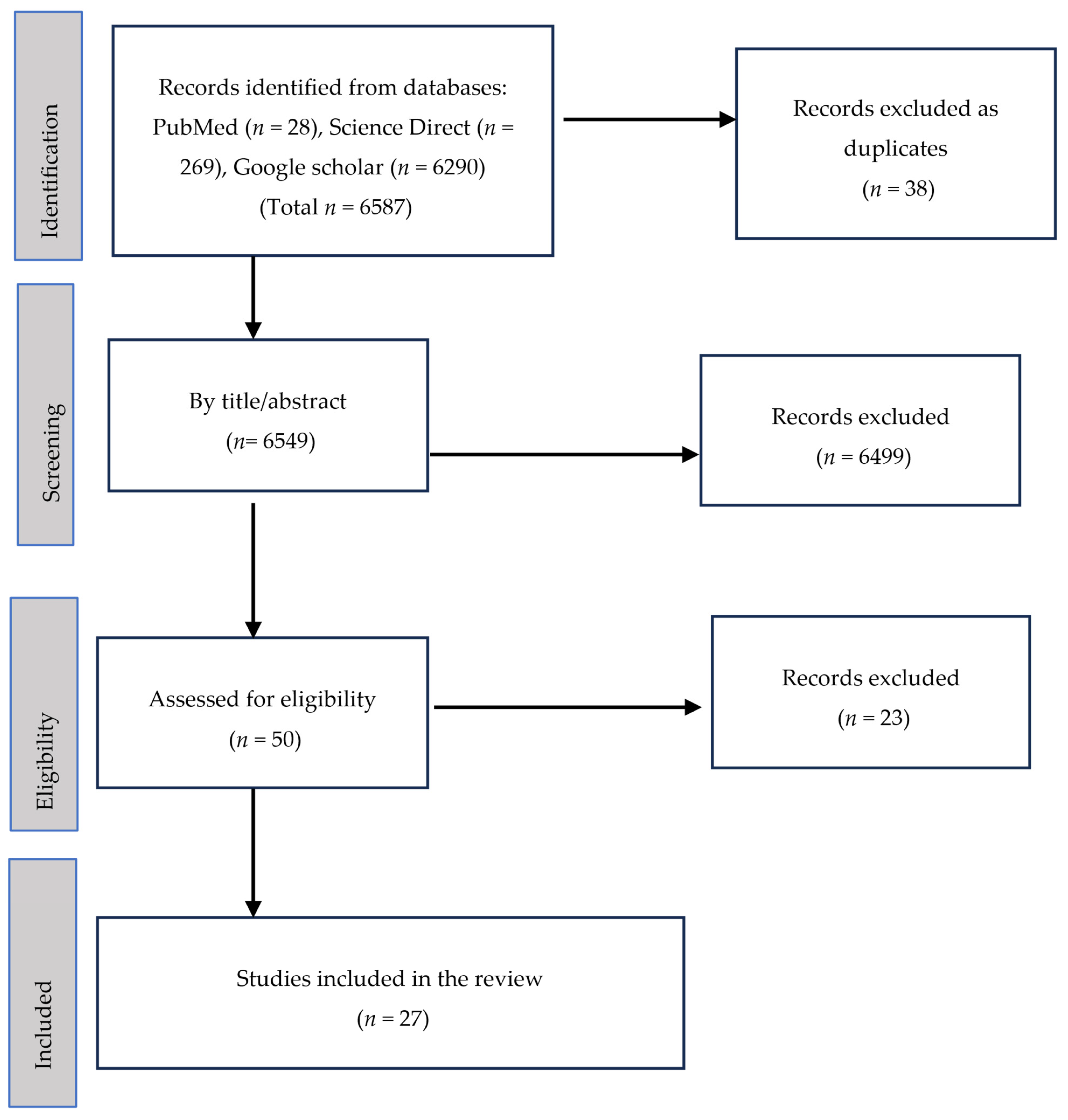
This paper employs the Preferred Reporting Items for Systematic Reviews and Meta-Analyses (PRISMA) framework (Figure 1) to ensure a systematic and rigorous review of the impacts of improper solid waste disposal practices on public health in Sub-Saharan Africa. An extensive search was conducted using academic databases such as PubMed, ScienceDirect, and Google Scholar. The search focused on identifying relevant English language articles published between 2010 and 2024. The 2010–2024 span is a critical period during which Sub-Saharan Africa witnessed a marked acceleration in urban population growth and solid waste generation. According to UN-Habitat [10] and the World Bank [9], urbanization in the region has intensified since 2010, with urban populations projected to triple between 2010 and 2050. This rapid demographic shift has placed increasing pressure on waste management systems, contributing to widespread informal and unsafe waste disposal practices such as open dumping, burning, and unmanaged landfilling.
Boolean operators such as “AND” and “OR” were used to combine keywords like “solid waste disposal and public health,” “impacts of waste management on health,” “health risks of open dumping,” “landfills and human health,” “air pollution from waste disposal,” and “waterborne diseases and waste disposal.” Our inclusion criteria included peer-reviewed articles in English about Sub-Saharan African countries that link improper waste disposal to health outcomes.
The initial search identified 6587 articles. Following the removal of 38 duplicates, 6549 articles remained. Titles and abstracts of these records were screened, leading to a total of 50 full-text articles that were reviewed for eligibility. A total of 27 most relevant articles were finally selected for review. The selected studies represented eight Sub-Saharan African countries: Nigeria, Ghana, Sierra Leone, Cameroon, Senegal, Uganda, South Africa, and Sudan. Nigeria accounted for the largest number of studies (11), reflecting its researchers’ strong commitment to public-health-related waste management issues.
From the selected articles, data were systematically extracted to ensure comprehensive coverage of relevant information. Data extraction was performed manually using a standardized template to record key details, including study locations, population demographics, types and sources of pollution, concentration levels of pollutants, health impacts, and study methodologies. A narrative synthesis was then conducted. Articles were categorized into pollution types (air, water, and soil) and corresponding health impacts. A comparative analysis was performed to highlight common and unique health risks in different countries, considering variations in waste management practices, infrastructure, and governance levels. To reduce bias, data were cross-validated by the authors.

3. Results

3.1. Health Impacts of Poor Waste Disposal Resulting from Air Pollution

According to the Health Effects Institute [15], a Boston-based independent research organization, past studies on air pollution and health in Africa have focused largely on respiratory impacts within a short-term framework. Whereas short-term impacts might be seen in symptoms such as asthma, long-term exposure may trigger more diverse health outcomes, such as ischemic heart disease, lung cancer, chronic obstructive pulmonary disease (COPD), pneumonia, stroke, type II diabetes, and adverse birth outcomes.
This understanding poses a great concern over the future of Sub-Saharan Africa, as the World Health Organization (WHO) [16] reported that people in Sub-Saharan Africa were exposed to high PM2.5 levels that significantly surpass its Air Quality Guideline of 5 µg/m3. The Health Effects Institute [17] has established a connection between air pollution, improper waste disposal practices, and public health problems in Sub-Saharan Africa. Air pollution contributes to 155 deaths/100,000 people annually, which is much higher than the global average of 85.6 deaths/100,000 [18]. Most Sub-Saharan countries were classified as unhealthy or hazardous in terms of air quality. In 2019, for example, Nigeria and Cameroon were among the world’s 10 worst countries in terms of PM2.5 exposure, with annual averages of 70.4 µg/m3 and 64.5 µg/m3, respectively [15]. Statistics South Africa reported 13,579 deaths in the country due to chronic lower respiratory diseases in 2018 [18]. Table 1 presents the Sub-Saharan African countries with the highest PM2.5-linked mortality and concentration levels in 2019.
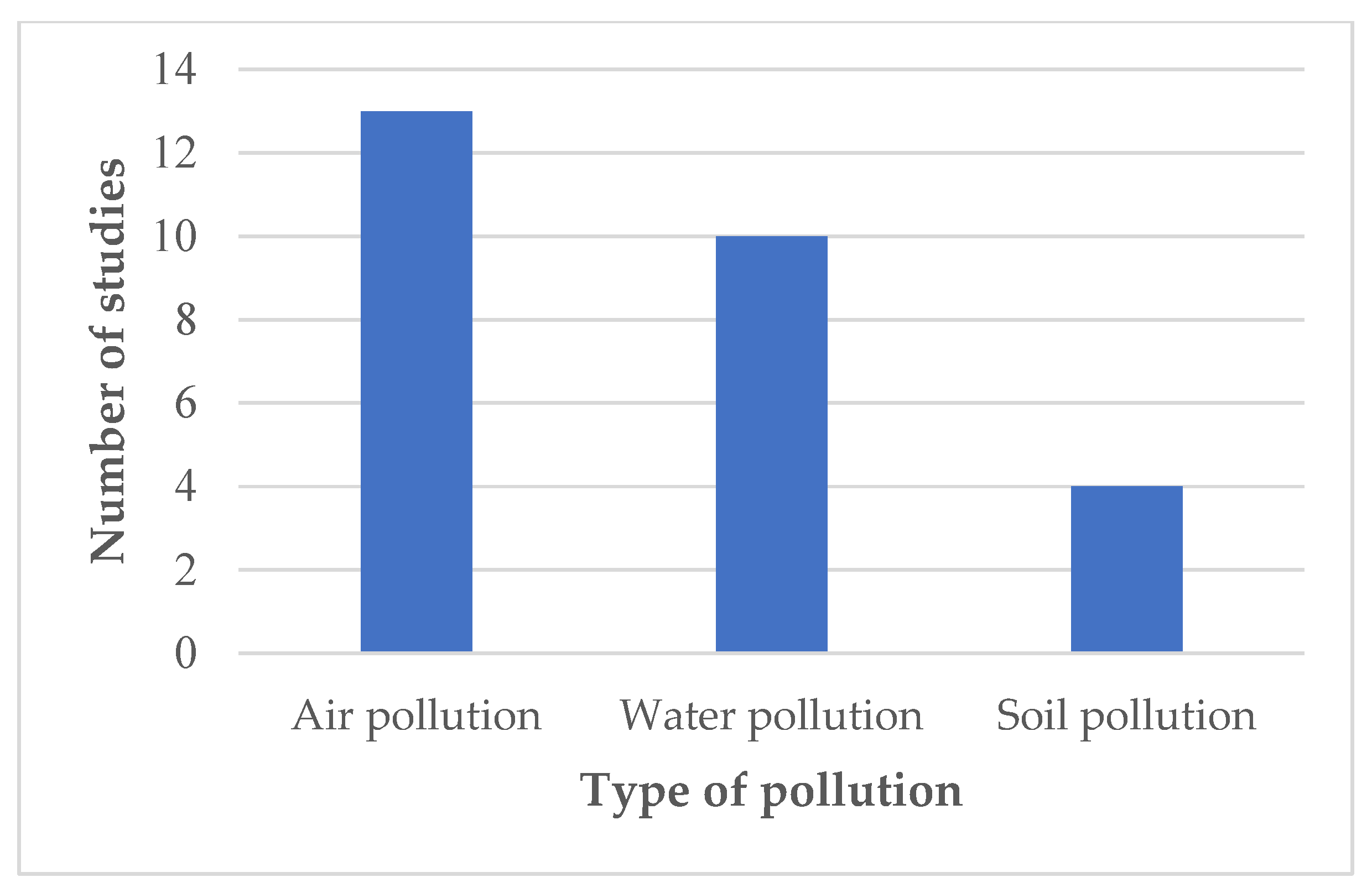
Considering this air pollution concern, we found that the 13 most relevant studies were published from 2010 to 2024. These studies focused on Nigeria, Ghana, Cameroon, Sudan, and South Africa (Table 2). These studies mainly linked air pollution to improper waste management in terms of distance from residence to landfills [19,20,21,22,23] or waste-burning sites [24,25,26]. Some studies examined the relationship between pollutant exposure and respiratory health outcomes and occupational risks, especially for waste management workers [27,28,29,30].
The methodologies used in these studies share some common approaches. Pollutant concentrations, including PM2.5, carbon dioxide, methane, and hazardous gases, were regularly measured near waste burning sites. For example, Waleed et al. [25] in Sudan and Igibah et al. [24] in Nigeria showed that increasing particulate matter levels were connected to a rise in respiratory diseases. On the other hand, Abiola et al. [20] in Nigeria, Njoku et al. [21] in South Africa, and Tijani et al. [22] in Ghana employed quantitative surveys and health record analyses to identify the incidences of respiratory and eye-related disorders among communities residing close to landfills. Gumede and Savage [19] in South Africa and Feuyit et al. [23] in Cameroon employed proximity and geospatial studies to show that people who lived near dumpsites had greater health risks as a result of intensified exposure to emissions from landfills. To analyze health risks to which waste workers are exposed, occupational health assessments were carried out by Mensah-Akoto and Matsui [27] in Ghana, Oyelola et al. [30] in Nigeria, and Dalasile and Reddy [28] in South Africa.
Several trends and characteristics emerge in discussing the link between poor waste management and public health issues. The primary pollution source was attributed to open burning, which significantly contributed to 29% of PM2.5 emissions into the air. Open burning was responsible for approximately 1.1 million premature deaths annually in Africa [31]. In Abuja, Nigeria, among those involved in the burning process, Igibah et al. [24] found a troubling association with cough, watery/itchy eyes and respiratory problems (e.g., breath shortness, asthma). The smoke contained carbon monoxide, carbon dioxide and methane. This pattern of morbidity is reinforced by findings from Khartoum State, Sudan, where the frequency of exposure to burning events was a key factor associated with a higher incidence of asthma and other chronic respiratory conditions among residents living near household waste burning sites [25].
Most studies consistently found significant correlations between the proximity of residences to landfills and public health problems. Those communities living closest to landfills experienced the greatest health risks. Studies from Nigeria, South Africa, and Ghana consistently showed that proximity to landfills significantly increased exposure to airborne pollutants like PM2.5 and the prevalence of respiratory and related health problems. For example, Abiola et al. [20] found that residents living within 200 m of landfills in Lagos, Nigeria, reported substantially higher rates of respiratory symptoms, including frequent coughing, sneezing, and sore throat, compared to those 5 km away from landfills. Similar trends were observed in South Africa, where Njoku et al. [21] reported that 78% of residents within 100–500 m of landfill sites experienced heightened levels of eye irritation, flu, and fatigue compared with those 1–2 km away. Further evidence from Durban, South Africa, showed that landfill proximity is associated with elevated PM2.5 concentrations and measurable physiological effects, including lung impairment among exposed children [19]. In Ghana, Tijani et al. [22] likewise documented the significantly higher prevalence of upper respiratory tract infections, eye infections, and nasal congestion among communities residing within 2 km of inadequately managed landfill sites.
Two studies made slightly different approaches to the public health impacts on residents living near landfills. One in Yaoundé, Cameroon, looked at a specific volatile carcinogen compound, formaldehyde (CH2O), and found it to be present at a higher rate than the daily maximum safe limit [23]. The other investigated long-term health risks from municipal solid waste combustion emission exposure in Lagos, Nigeria [26]. It found the adverse respiratory, neurological, and musculoskeletal health symptoms among residents with prolonged residence duration (≥11 years) to be cumulative.
Another type of study is related to occupational safety and health, highlighting waste workers as one of the most vulnerable groups affected by poor solid waste management systems in Sub-Saharan Africa. We found four studies that specifically explored health impacts on individuals with waste-related jobs. Mensah-Akoto and Matsui [27] examined waste management workers’ safety concerns during the COVID-19 pandemic in Ghana. Their study examined the extent to which increased health risks posed challenges to safety perceptions and daily practices of waste collectors. It showed that about 58% of the respondents were concerned about their safety during the COVID-19 pandemic. Oyelola et al. [30] showed that waste pickers in Lagos, Nigeria, experienced eye irritation, asthma and persistent coughing that was directly linked to exposure to smoke from dumpsite burning and dust. In Durban, South Africa, Dalasile and Reddy [28] found a relatively high prevalence of chronic cough and wheezing among informal waste pickers at a landfill site. Tlotleng et al. [29] also assessed the prevalence of acute respiratory symptoms among 361 waste recyclers at two landfill sites in Johannesburg, South Africa. A high prevalence of respiratory symptoms (e.g., persistent cough, breathlessness and rapid breathing) was reported among those exposed to chemicals (66.4%) and airborne dust (96.6%). These occupational studies demonstrate that exposure to dust, smoke, chemical residues, infectious materials, and particulate matter forms a critical pathway through which waste workers disproportionately experience adverse health effects, underscoring the need for improved occupational health protection and regulatory oversight.
Some studies examined the duration of air pollution exposure. Feuyit et al. [23] in Cameroon and Waleed et al. [25] in Sudan linked long-term exposure to landfill emissions with cancer risks and respiratory impairment. Feuyit et al. [23] assessed continuous exposure to emissions from the Nkolfoulou landfill and found that formaldehyde levels exceeded safe limits, with cancer risk estimates above acceptable thresholds, indicating serious long-term health risks. Similarly, Waleed et al. [25] examined the effects of frequent household waste burning and reported a high prevalence of asthma and other respiratory conditions among residents exposed weekly or more frequently. This study highlighted how the habitual nature of exposure, compared to one-time incidents, contributes to deteriorating respiratory health. These long-term studies offer a more in-depth understanding of the cumulative risks associated with chronic exposure to air pollutants. Igibah et al. [24] in Nigeria highlighted short-term health impacts, including cough, itchy eyes, and breathing difficulties, that were due to acute exposure to landfill emissions.

3.2. Health Impacts of Poor Waste Disposal Resulting from Water Pollution

Water pollution due to improper waste disposal practices is a critical issue in several Sub-Saharan African countries. Our review examined 10 studies on this topic in Nigeria, Sierra Leone, Cameroon, Ghana and Uganda (Table 3). Across all five countries, water pollution was found to be primarily driven by household solid waste, untreated sewage, open dumping, and open defecation. In Nigeria, the severe contamination of surface and groundwater sources was linked to widespread dumping of solid waste and open defecation, with about 60 million people lacking access to basic drinking water services [32] and 25% of the population practicing open defecation [33]. Similar patterns were observed in Sierra Leone, where water pollution is described as a major environmental challenge [34], and in Cameroon, where poor urban waste management compromised water quality [35].
According to the Nigeria Centre for Disease Control and Prevention [36], cholera outbreaks remain endemic, with 111,062 suspected cases and 3604 deaths between January and July 2021. Between 29 October 2021 and 30 April 2022, a total of 6652 suspected cholera cases were reported in Cameroon, including 134 deaths [37]. In Ghana, 76% of households were at risk of consuming water contaminated with fecal matter [38]. The Ghana Health Service recorded 1726 suspected cholera cases, 131 confirmed cases, and 16 deaths in 32 districts during the 2024 cholera outbreak in the country [39]. According to the National Environment Management Authority (NEMA), Uganda experienced a water pollution crisis primarily caused by industrial runoff, sewage, and chemical contaminants. Diarrhea is one of the leading causes of death among children in Uganda, claiming the lives of 33 children each day [40].
The water pollution–health studies we reviewed primarily focused on four thematic areas. First, some articles focused on distance to waste sites to examine impact levels of waterborne diseases, revealing that residents living near waste disposal areas faced a higher risk of diarrhea, cholera, and malaria. Second, some studies examined how poor waste management practices directly contributed to water contamination and the spread of waterborne illnesses. Third, a few studies showed how open dumping fueled the proliferation of vector-borne and waterborne diseases. Lastly, some research examined the impact of landfill leachate on groundwater quality, highlighting the long-term health risks posed by heavy metal contamination, leading to chronic health issues.
The methodologies these studies employed were diverse, ranging from field sampling and lab analysis to survey-based epidemiology and risk modeling. Some studies relied on environmental sampling and laboratory-based water quality testing to detect pollutants. Although the studies employed diverse approaches, their collective findings converge on similar public health risks.
Survey-based studies from Sierra Leone [41] and Ghana [42] used structured questionnaires and spatial proximity mapping to show a strong correlation between proximity to waste sites and the prevalence of waterborne diseases. Across these settings, residents located closest to dumpsites consistently reported higher incidences of diarrhea, cholera, typhoid, and malaria. In Freetown, households situated within 50 m of the Granville Brook dumpsite experienced substantially more diarrhea and cholera cases than those farther away. Similarly, in urban Ghana, respondents who lived less than five minutes from final disposal sites contracted markedly higher rates of malaria (75%) and cholera (67%), whereas no cholera cases were found among those residing 10–15 minutes away. These patterns suggest that proximity to waste sites is a strong predictor of exposure to contaminated water and disease vectors.
Another common trend was the link between water contamination and poor waste management. In Buea, Cameroon, Nkuh et al. [43] conducted a cross-sectional study among 250 residents and found an association between improper waste disposal and waterborne diseases (e.g., diarrhea, dysentery, cholera, typhoid fever). In Uganda, Kwesiga [44] conducted an epidemiological data analysis of hospital records and public health surveillance data to establish statistical correlations between contaminated water and a cholera outbreak. The study identified 61 confirmed cholera cases that affected 183 individuals during a five-month cholera outbreak period due to sewage contamination of the drinking water.
A few studies examined the link between specific diseases and dump sites. In the Bekwarra Local Government Area of Nigeria, Kwun et al. [45] showed that 51% of 158 recorded malaria cases were linked to open dumping, where stagnant water in open dump sites served as breeding grounds for mosquitoes. In Kassena-Nankana Municipality of Ghana, Issahaku [46] showed that malaria, diarrhea, and typhoid affected residents due to open defecation and improperly managed waste disposal practices.
Four studies looked at the health effect of leachate contamination of groundwater in Nigeria and Ghana. In Nigeria, Alao et al. [47] investigated the impact of dumpsite leachate plumes on groundwater quality and found elevated levels of heavy metals that exceeded World Health Organization (WHO) standards. The mean concentrations of lead (Pb) and cadmium (Cd) in sampled hand-dug wells were 1.049 mg/L and 0.381 mg/L, respectively, while chromium (Cr) reached 1.042 mg/L. These values surpass the WHO’s permissible limits for drinking water, which are 0.01 mg/L for lead, 0.003 mg/L for cadmium, and 0.05 mg/L for chromium. In the River State of Nigeria, Afolabi et al. [48] assessed the human health risks associated with the leachate contamination of groundwater and found the presence of chromium (0.006 mg/L), nickel (0.06 mg/L), and lead (0.008 mg/L) to exceed WHO standards. In Abuja, Nigeria, Enitan et al. [49] conducted health risk assessments using Hazard Quotient (HQ) and Lifetime Cancer Risk (LCR) models to evaluate potential long-term health effects from exposure to heavy metals in water and found that water samples taken at landfill sites had high cancer risks for communities relying on this water source for domestic purposes. The study highlighted that children might be more susceptible to this heavy metal contamination over time. Boateng et al. [50] similarly found significant health risks in their leachate samples from the Oti landfill site in Kumasi, Ghana, including lead, cadmium, mercury, chromium, and iron exceeding WHO standards for drinking. The heavy metal pollution index indicated that contamination with hazard index values at certain sites exceeded safe limits. Leachate-related groundwater contamination is more extensively documented in Nigeria and Ghana, due partly to data availability.
Despite methodological differences, the studies reviewed consistently highlight three interconnected issues: high levels of water contamination, multiple exposure pathways, and heightened vulnerability among children and populations living near waste sites.
Table 3. Health Impacts of Poor Waste Disposal in Relation to Water Pollution.
Study LocationStudy ParticipantsPollutionHealth ImpactsReferences
Diseases–water contamination link and distance factor
Asokore-Mampong Municipality (Ghana)150 residents in 5 and 10–15 min from dumpsitesWater channel banks pollutionHigh prevalence of malaria and typhoid in residents living less than 5 min from dumpsites[42]
Freetown
(Sierra Leone)
631 residents within 50 m and beyond from dumpsiteGroundwater pollution from waste disposal in open land and drainsWaterborne diseases including diarrhea and cholera[41]
Health impacts from water contamination and poor waste management
Kasese District
(Uganda)
183 residentsDrinking water contaminated by fecal matterCholera outbreak[44]
Buea
(Cameroon)
250 householdsContamination from wastewater disposalPrevalence of waterborne diseases such as diarrhea, dysentery, cholera and typhoid fever[43]
Specific diseases linked to dump sites
Bekwara Local Government Area
(Nigeria)
400 residents Clogged drains with stagnant water bred insects158 recorded malaria cases[45]
Kassena Nankana Municipality (Ghana)152 householdsPollution from open defecation and waste disposalPrevalence of malaria, diarrhea and typhoid[46]
Health impacts from leachate contamination of groundwater
Abuja (Nigeria)Residents near landfillHeavy metal (lead) contamination of surface waterElevated carcinogenic risks, especially among children[49]
Kumasi
(Ghana)
Residents relying on ground-water near landfillGroundwater with high levels of lead, cadmium, chromium and ironSuggesting potential health risks for the local population[50]
Kaduna
(Nigeria)
108 residents within a 200 m of six open dumpsitesLeachate polluted groundwater with heavy metalsRisks of heavy metal poisoning[47]
Rivers State (Nigeria)Residents around three abandoned landfillsPresence of chromium, nickel and lead in groundwater exceeding WHO limitsNo significant carcinogenic risk[48]

3.3. Health Impacts of Poor Waste Disposal Resulting from Soil Pollution

Soil pollution has posed growing environmental and public health concerns for countries where unregulated waste disposal is prevalent. In Sub-Saharan Africa, the problem is widespread, with heavy metals like lead, cadmium, mercury, and arsenic present at landfills with e-waste [51]. Many of these contaminants are classified as carcinogenic by the International Agency for Research on Cancer (IARC), doubling cancer burden between 2008 and 2030 in Sub-Saharan Africa [51]. The UNEP highlighted that more than 180 million people in Sub-Saharan Africa relied on degraded soils for agriculture, threatening food security and increasing vulnerability to health issues [52].
Our review found four studies (Table 4) that addressed both soil pollution and health, covering cases in Nigeria, South Africa and Senegal. These addressed both environmental impacts and potential health effects from exposure to lead, cadmium and zinc. In addition to quantifying the level of heavy metals in contaminated soils, a connection was made to vulnerable populations, especially children.
The reviewed studies employed a variety of methodologies to assess the health risks of soil pollution due to improper waste disposal. These include environmental sampling, laboratory testing, and risk assessment models. Soil samples were analyzed by laboratory testing to determine contamination levels. Kolawole et al. [53] in Nigeria and Osibote and Oputu [54] in South Africa used Atomic Absorption Spectrophotometry (AAS) to measure concentrations of harmful elements like cadmium, lead, zinc, and copper.
Applied ecological and human health risk assessments used the Hazard Quotient (HQ) and Hazard Index (HI) to estimate the potential for non-carcinogenic and carcinogenic risks, particularly in vulnerable groups like children. Cabral et al. [55] in Senegal conducted biomonitoring using children’s blood and urine samples to measure lead exposure and associated renal health effects. Essien et al. [56] examined potential cancer risks and estimated exposure levels for different age groups using exposure frequency, duration, and contaminant intake rate models.
Proximity to dumpsites emerged as a consistent determinant of health risks in soil pollution studies. Kolawole et al. [53] investigated ecological and health risks associated with potentially toxic elements in the soil around a municipal solid waste disposal facility in southwestern Nigeria. The study found significant levels of soil contamination, particularly with cadmium, lead, and zinc. The ecological and human health risk assessments found significant health risks to children, especially due to high levels of cadmium and lead. In a cross-sectional study that assessed health effects on children living near a landfill in Dakar, Senegal, Cabral et al. [55] found high levels of lead in their blood/urine samples and oxidative stress markers. Some showed signs of kidney injury. Elevated lead exposure from contaminated soil also meant that sampled landfill sites posed significant environmental health risks.
In Uyo, Nigeria, Essien et al. [56] evaluated ecotoxicological data and associated health risks of heavy metal contamination in soils affected by municipal solid waste, with a particular focus on individuals engaged in farming activities near dumpsites. The research revealed potential carcinogenic risks to preteens due to their high exposure to lead, iron, zinc, and chromium. In Cape Town, South Africa, Osibote and Oputu [54] found no cancer risk among individuals, including adults and children, who were exposed to heavy metals in soil, contrasting with other studies’ findings.
Overall, these studies indicate that soil contamination from improper waste disposal creates a regionally shared experience, including child vulnerability and proximity-based health outcomes, though the severity of impacts varies.
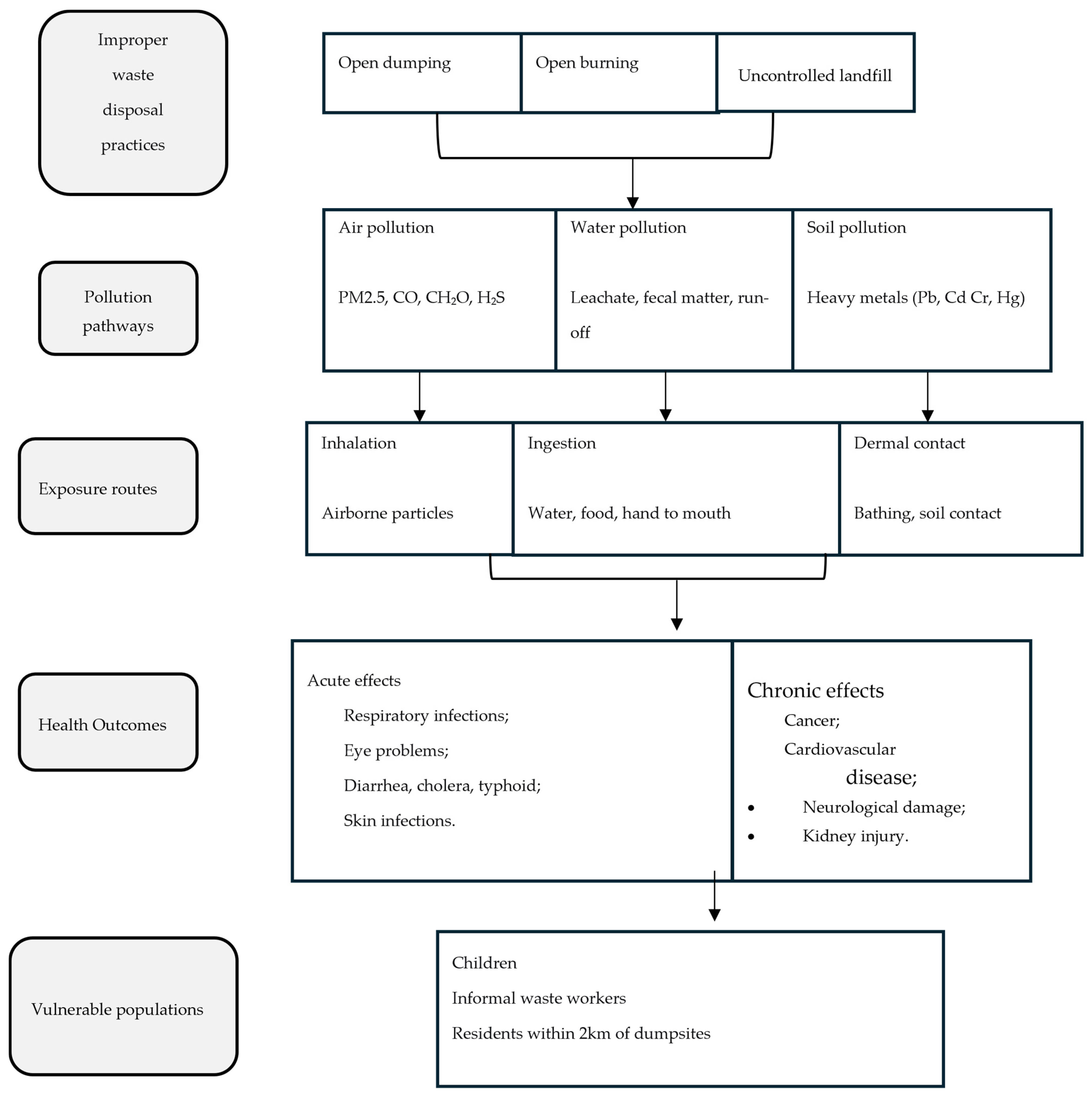
Figure 2 presents a conceptual framework integrating the pathways through which improper solid waste disposal practices affect public health in Sub-Saharan Africa. The distribution of reviewed studies by pollution type is shown in Figure 3, with air pollution receiving the most empirical attention.
Table 4. Health Impacts of Poor Waste Disposal in Relation to Soil Pollution.
Study LocationStudy ParticipantsPollutionHealth ImpactsReferences
Living close to dumpsites and exposure to contaminated soil and health impacts
Dakar (Senegal)Children living near Mbeubeuss landfillLead contaminationPotential kidney injury indicators among children[55]
Osogbo
(Nigeria)
Residents near municipal solid waste disposal facility Cadmium, lead, and zinc contaminationCarcinogenic risk to exposed children [53]
Occasional contact with waste-impacted soil and health impacts
Cape Town (South Africa)General population near Bellville Coastal Park and Vissershok landfillsCopper, lead, and cadmium contamination No cancer risk from exposure to heavy metals in soil[54]
Uyo (Nigeria)Residents within 50 m and beyond 50 m from dumpsiteHeavy metals like lead, iron, zinc and chromiumPotential carcinogenic risks to preteens[56]

4. Discussion

This paper examined the public health impacts of improper solid waste disposal in Sub-Saharan Africa, with a specific focus on air, water, and soil pollution. A total of 27 studies were found to be directly relevant to this focus. These studies are all case studies, covering 18 cities in eight countries. This study identified general pollution issues in Sub-Saharan Africa, research methodologies, and characteristics of health risks in research findings.
Air pollution from open waste burning and poorly managed landfills was the biggest concern in the studies we reviewed. This is partly because the WHO and the Health Effects Institute have consistently identified air pollution as one of the leading factors for premature mortality worldwide, especially in low- and middle-income countries. The measured contaminants included PM2.5, carbon monoxide, carbon dioxide, methane, hydrogen sulfide, and volatile organic compounds (VOCs) like formaldehyde. The predominant exposure route of these pollutants is through inhalation. The reviewed studies consistently found a high prevalence of respiratory irritation, coughing, and breathing difficulty among exposed populations.
Air pollution studies largely relied on cross-sectional surveys, self-reported symptoms, and proximity-based exposure assessments, which are relatively inexpensive and quicker to implement. In contrast, research on water and soil contamination typically requires laboratory analyses, specialized technical expertise, and long-term monitoring resources that are frequently limited in many Sub-Saharan African contexts. Consequently, this methodological constraint could have contributed to a knowledge hierarchy, in which acute and visible health effects, particularly respiratory symptoms, were well documented, whereas chronic and latent outcomes such as cancers and developmental disorders remain comparatively understudied despite their potentially greater long-term public health burden.
Studies relating to water received comparatively less empirical attention. Water pollution from improper solid waste disposal in Sub-Saharan Africa was primarily approached from leachate infiltration and surface runoff directions. Populations in informal settlements often rely on untreated groundwater for domestic purposes. Exposure can occur through dermal absorption during bathing and washing, or through irrigation with polluted water. So far, there has been no study that examined how the consumption of contaminated fish or crops led to a secondary dietary exposure, leading to bioaccumulation of toxic metals and microorganisms in the food chain.
Soil pollution received the least empirical attention, but the available evidence points to potentially significant long-term risks. The reviewed studies documented extensive contamination with heavy metals in Nigeria, Senegal, and South Africa. Heavy metals like lead, cadmium, zinc, copper, chromium, mercury, and arsenic were found in waste-contaminated soils. Exposure occurs mainly through ingestion, inhalation, and dermal contact. Agricultural workers and children were found to be particularly at risk. However, soil-health risk studies have not explored the impact of long-term exposure to contaminated soils on immunity, endocrine functions, and enzymatic activity.
In our results, we identified three key vulnerable groups. First, residents living in close proximity (<2 km) to dumpsites and landfills face a higher burden of respiratory and waterborne diseases. Second, occupational exposure to air pollution is a significant public health concern, particularly among waste workers. Chronic exposure significantly increases their risk of respiratory diseases, skin infections, injuries, and long-term health complications. This trend is not unique to Sub-Saharan Africa. Past studies in India and Saudi Arabia found that inadequate working conditions and lack of protective measures were prevalent in waste workers. In Sub-Saharan Africa, challenges such as limited access to healthcare, long work hours and insufficient personal protective equipment exacerbated occupational safety and health. Lastly, children faced multiple health threats [55]. The prevalence of waterborne diseases, such as diarrhea and cholera, was higher among children. This is because children ingest more pollutants through their hand-to-mouth behavior and may play near contaminated sites.
Among the studies we reviewed, long-term health risks like cancers are least understood. Some studies identified elevated cancer risks due to long-term exposure to waste pollutants [20,44], whereas others found no significant associations [53,54,56]. Porta et al. [3] concluded that evidence of increased cancer risk among communities living near landfills in Europe remained inconclusive. Some of these studies lacked longitudinal data to assess chronic exposure. We found methodological inconsistencies in risk assessment models that could have led to mixed results.
To accurately assess long-term health impacts, there is a need for standardized methodologies, harmonized exposure metrics, and more longitudinal research. Importantly, these health studies need to overcome limitations such as short follow-up periods. The predominance of cross-sectional study failed to capture cumulative exposure effects. Heavy reliance on self-reported symptoms increases susceptibility to recall. A limited number of studies obtained hospital and public health data to identify trends and patterns of disease incidences. Health risk assessment models, including hazard quotient and lifetime cancer risk calculations, projected long-term health burdens and can help identify high risk populations, but their accuracy depends on pollutant intake rates, exposure frequency, and duration, which may not always reflect the actual conditions in Sub-Saharan Africa.
Another salient point to be discussed in connection to our findings is the way past studies examined residents’ distance to waste sites in determining health outcomes. We found that reference distances varied widely from 50 m to 2 km without clear scientific standards. The WHO defines a 2 km conceptual exposure radius [57] and the World Bank recommends 300–500 m operational buffers [58]. If all these studies are correct about distance factors in one way or another, we suggest a minimum safe distance of 2 km.
We also found that the studies we reviewed did not share many insights about the extent to which health outcomes are determined by socio-economic factors, neglecting equity and poverty elements within a region or community. Communities situated near dumpsites are often politically/economically marginalized, with low income as well as minimal capacity to demand relocation, remediation, or regulatory enforcement. Similarly, waste workers endured weak occupational safety and health measures.
Taking these findings into account, we argue that future studies need to place more focus on the long-term health effects of pollution exposure from improper solid waste disposal. More studies are expected to examine health impacts from PFAS in Sub-Saharan Africa in the future. This requires researchers to overcome methodological challenges. One approach is to incorporate longitudinal study designs, although this may pose additional financial burden to researchers. Past studies may have overlooked chronic exposure risks among vulnerable groups like waste workers and low-income groups in informal settlements.

5. Conclusions

This paper examined the link between public health and poor solid waste management in Sub-Saharan Africa, with the focus on air, water, and soil pollution. Air pollution from waste disposal is the most documented topic, indicating its severe health threats in the region. Studies showed strong interconnections among exposure to particulate matter (PM2.5), landfill emissions, and waste burning. These resulted in an increased prevalence of respiratory symptoms, asthma, chronic cough, eye irritation, and lung impairment. A higher exposure to these health risks led to 155 deaths/100,000 people in Sub-Saharan Africa, which is higher than rates in other parts of the world. Water contamination studies revealed equally concerning health threats, such as cholera and malaria outbreaks, due partly to open dumping, open defecation, and leachate seepage into drinking water sources. Health risk assessments using Hazard Quotient and Lifetime Cancer Risk models indicated elevated carcinogenic risks for communities dependent on groundwater that contained higher concentrations of lead, cadmium, chromium, and nickel than the WHO’s permissible standards. Across all pollution pathways, three vulnerable groups were consistently found to have experienced higher risks than the rest. These included residents within 2 km from dumpsites and landfills, informal waste pickers with poor occupational safety and health conditions, and children without proper protection from health hazards.
A major cross-cutting finding is that past health–solid waste management studies in Sub-Saharan Africa showed significant limitations in terms of understanding long-term health effects from improper waste dumping practices. The methodological inconsistencies in study design also led to mixed results regarding the connection between health hazard exposure and cancers. The absence of standardized exposure metrics likely undermined cross-study comparability. Reference distances for “proximity” ranged from 50 m to 2 km without scientific justification. These findings underscore that improper waste disposal in Sub-Saharan Africa is not merely an environmental management failure but a public health crisis. We highlighted a tendency for a critical research imbalance in which acute respiratory effects are relatively well-documented, whereas chronic and intergenerational health impacts remained insufficiently investigated.

Policy Recommendations

As we briefly pointed out in the Section 4 concerning limited research funding to conduct long-term health impact studies, Sub-Saharan Africa needs much higher research output in terms of the long-term health impacts of poor solid waste management practices. Based on the synthesized evidence, we propose the following areas to be prioritized in enhancing research outcomes. First, as Sub-Saharan Africa has very limited infrastructural capacity to treat solid waste, low-cost waste treatment options can be explored so that municipalities can adopt them swiftly and reduce health risks to residents living near open dumping and burning sites. In connection to scientifically determined buffer zones of a 2 km radius, aligned with the WHO guidelines, in-depth research activities can more accurately identify specific health risk areas within a city or neighborhood, especially near landfills and other dumpsites. Furthermore, occupational safety and health should be studied more to better understand current conditions for vulnerable workers, including informal waste pickers. Community-level intervention potential must be identified so that government measures can place priorities on specific community mobilization for health protection and the containment of solid waste disposal within a manageable level. These measures should secure alternative and safer water sources, such as portable water treatment tools, among residents who depend on boreholes and wells. The health effects of poor solid waste management need to be regularly monitored with standardized measures. Vector control studies are also necessary to reduce water-borne diseases. Lastly, future research may enhance exposure metric standardization, risk assessment by distance, and inclusive risk assessment models that examine not only the heavy metals we discussed above but also forever chemicals like FPAS and VOCs.

Author Contributions

Both authors conceived and designed the study. L.T.A. conducted the literature review and drafted the manuscript. K.M. supervised the study, provided critical revisions, and approved the final version. Both authors are accountable for the content. All authors have read and agreed to the published version of the manuscript.

Funding

This study was supported by the Japan Science and Technology Agency (SPRING Program), which had no role in the research process or publication decision.

Institutional Review Board Statement

Not applicable.

Informed Consent Statement

Not applicable.

Data Availability Statement

No new data were created or analyzed in this study. Data sharing is not applicable to this article.

Acknowledgments

We sincerely thank the Japan Science and Technology Agency (SPRING Program, University of Tsukuba) for funding support.

Conflicts of Interest

The authors declare no conflicts of interest.

References

  1. Zhang, Z.; Chen, Z.; Zhang, J.; Liu, Y.; Chen, L.; Yang, M.; Osman, A.I. Municipal solid waste management challenges in developing regions: A comprehensive review and future perspectives for Asia and Africa. Sci. Total Environ. 2024, 930, 172794. [Google Scholar] [CrossRef] [Scilit]
  2. Vrijheid, M. Health effects of residence near hazardous waste landfill sites: A review of epidemiologic literature. Environ. Health Perspect. 2000, 108, 101–112. [Google Scholar] [PubMed]
  3. Porta, D.; Milani, S.; Lazzarino, A.I.; Perucci, C.A.; Forastiere, F. Systematic review of epidemiological studies on health effects associated with management of solid waste. Environ. Health 2009, 8, 60. [Google Scholar] [CrossRef] [Scilit] [PubMed]
  4. Mattiello, A.; Chiodini, P.; Bianco, E.; Forgione, N.; Flammia, I.; Gallo, C.; Pizzuti, R.; Panico, S. Health effects associated with the disposal of solid waste in landfills and incinerators in populations living in surrounding areas: A systematic review. Int. J. Public Health 2013, 58, 725–735. [Google Scholar] [CrossRef] [Scilit] [PubMed]
  5. Ruzaik, F. Air pollution caused devastating impacts on children’s health in urban area of Sri Lanka. Int. J. Sci. Res. Publ. 2020, 10, 409–421. [Google Scholar] [CrossRef] [Scilit]
  6. Kawai, K.; Tasaki, T. Revisiting estimates of municipal solid waste generation per capita and their reliability. J. Mater. Cycles Waste Manag. 2016, 18, 1–13. [Google Scholar] [CrossRef] [Scilit]
  7. Wilson, D.C.; Rodic, L.; Cowing, M.J.; Velis, C.A.; Whiteman, A.D.; Scheinberg, A.; Stretz, J. Wasteaware benchmark indicators for integrated sustainable waste management in cities. Waste Manag. 2015, 35, 329–342. [Google Scholar] [CrossRef] [Scilit]
  8. United Nations Environment Programme (UNEP). Africa Waste Management Outlook. 2018. Available online: https://www.unenvironment.org/ietc/resources/publication/africa-waste-management-outlook (accessed on 1 January 2025).
  9. World Bank. Urbanization in Africa: Trends, Promises and Challenges; The World Bank: Washington, DC, USA, 2015; Available online: https://www.worldbank.org/en/events/2015/06/01/urbanization-in-africa-trends-promises-and-challenges (accessed on 27 August 2024).
  10. United Nations Human Settlements Programme (UN-Habitat). The State of African Cities 2014: Re-Imagining Sustainable Urban Transitions; UN-Habitat: Nairobi, Kenya, 2014; Available online: https://www.uncclearn.org/resources/library/state-of-african-cities-2014-re-imagining-sustainable-urban-transitions/ (accessed on 22 October 2024).
  11. Siddiqua, A.; Hahladakis, J.N.; Al-Attiya, W.A.K. An overview of the environmental pollution and health effects associated with waste landfilling and open dumping. Environ. Sci. Pollut. Res. 2022, 29, 58514–58536. [Google Scholar] [CrossRef] [Scilit]
  12. Ogunniran, B.I. Harmful effects and management of indiscriminate solid waste disposal on human and its environment in Nigeria: A review. Int. J. Soc. Sci. Humanit. Res. 2018, 6, 1427–1431. [Google Scholar]
  13. Ziraba, A.K.; Haregu, T.N.; Mberu, B. A review and framework for understanding the potential impact of poor solid waste management on health in developing countries. Arch. Public Health 2016, 74, 55. [Google Scholar] [CrossRef] [Scilit]
  14. Page, M.J.; McKenzie, J.E.; Bossuyt, P.M.; Boutron, I.; Hoffmann, T.C.; Mulrow, C.D.; Shamseer, L.; Tetzlaff, J.M.; Akl, E.A.; Brennan, S.E.; et al. The PRISMA 2020 statement: An updated guideline for reporting systematic reviews. BMJ 2021, 372, 71. [Google Scholar] [CrossRef] [Scilit]
  15. Health Effects Institute. The State of Air Quality and Health Impacts in Africa: A Report from the State of Global Air Initiative; Health Effects Institute: Boston, MA, USA, 2022; Available online: https://www.stateofglobalair.org/resources/africa (accessed on 10 September 2024).
  16. WHO. WHO global Air Quality Guidelines: Particulate Matter (PM2.5 and PM10), Ozone, Nitrogen Dioxide, Sulfur Dioxide and Carbon Monoxide. 2021. Available online: https://iris.who.int/items/5b0ca7ab-830a-44b8-b99f-4ee743b4d7b2 (accessed on 10 September 2024).
  17. Health Effects Institute. State of Global Air 2019: A Special Report on Global Exposure to Air Pollution and Its Disease Burden; Health Effects Institute: Boston, MA, USA, 2019; Available online: https://www.stateofglobalair.org/report (accessed on 10 September 2024).
  18. Statistics South Africa. Non-Communicable Diseases in South Africa: Findings from Death Notifications, 2008–2018; (Report No. 03-08-01); Statistics South Africa: Pretoria, South Africa, 2023. Available online: https://www.statssa.gov.za/publications/Report-03-08-01/Report-03-08-012018.pdf (accessed on 23 February 2026).
  19. Gumede, P.R.; Savage, M.J. Respiratory health effects associated with indoor particulate matter (PM2.5) in children residing near a landfill site in Durban, South Africa. Air Qual. Atmos. Health 2017, 10, 853–860. [Google Scholar] [CrossRef] [Scilit]
  20. Abiola, A.H.O.; Fakolade, F.C.; Akodu, B.A.; Adejimi, A.A.; Oyeleye, O.A.; Sodamade, G.A.; Abdulkareem, A.T. Comparison of respiratory and skin disorders between residents living close to and far from Solous landfill site in Lagos State, Nigeria. Afr. J. Prim. Health Care Fam. Med. 2021, 13, 1–7. [Google Scholar] [CrossRef] [Scilit] [PubMed]
  21. Njoku, P.O.; Edokpayi, J.N.; Odiyo, J.O. Health and environmental risks of residents living close to a landfill: A case study of Thohoyandou Landfill, Limpopo Province, South Africa. Int. J. Environ. Res. Public Health 2019, 16, 2125. [Google Scholar] [CrossRef] [Scilit] [PubMed]
  22. Tijani, I.I.; Debrah, K.D. Consequences of Poor Landfill Management on the People of Gbalahi in the Sagnarigu Municipality of Northern Ghana. J. Geosci. Environ. Prot. 2021, 9, 211–224. [Google Scholar]
  23. Feuyit, G.; Nzali, S.; Lambi, J.N.; Laminsi, S. Air quality and human health risk assessment in the residential areas at the proximity of the Nkolfoulou landfill in Yaoundé Metropolis, Cameroon. J. Chem. 2019, 1, 3021894. [Google Scholar] [CrossRef] [Scilit]
  24. Igibah, E.C.; Agashua, L.O.; Sadiq, A.A. Household waste burning techniques and correlated respiratory indicators in Northern Nigeria: Case study of Gwagwalada Area Council, Abuja Nigeria. IOP Conf. Ser. Earth Environ. Sci. 2019, 331, 012010. [Google Scholar] [CrossRef] [Scilit]
  25. Waleed, M.H.; Mohamed, T.S.A.; Omer, H.A.E.G.; Bashir, A.M.A.Z.; Mustafa, E.M.; Homeida, M.; Noma, M. Health impact of household waste burning in Khartoum state, Sudan. Risk Manag. Heal. Policy 2023, 16, 1297–1307. [Google Scholar] [CrossRef] [Scilit]
  26. Adetona, O.; Ozoh, O.B.; Oluseyi, T.; Uzoegwu, Q.; Odei, J.; Lucas, M. An exploratory evaluation of the potential pulmonary, neurological and other health effects of chronic exposure to emissions from municipal solid waste fires at a large dumpsite in Olusosun, Lagos, Nigeria. Environ. Sci. Pollut. Res. 2020, 27, 30885–30892. [Google Scholar] [CrossRef] [Scilit]
  27. Mensah-Akoto, J.; Matsui, K. Waste Management Workers’ Safety Concerns during the COVID-19 Pandemic in Ghana. J. Environ. Prot. 2022, 13, 603–612. [Google Scholar] [CrossRef]
  28. Dalasile, M.; Reddy, P. Respiratory health risks and exposure to particulate matter (PM2.5) among informal waste pickers at a landfill site in Durban, South Africa. Afr. J. Public Health Public Saf. 2017, 23, 45–58. [Google Scholar]
  29. Tlotleng, N.; Kootbodien, T.; Wilson, K.; Made, F.; Mathee, A.; Ntlebi, V.; Kgalamono, S.; Mokone, M.; Du Preez, K.; Naicker, N. Prevalence of respiratory health symptoms among landfill waste recyclers in the city of Johannesburg, South Africa. Int. J. Environ. Res. Public Health 2019, 16, 4277. [Google Scholar] [CrossRef] [Scilit] [PubMed]
  30. Oyelola, O.T.; Babatunde, A.I.; Abiodun, A.A.; Popoola, E.O. Occupational Health Hazard Associated with Dumpsite Scavengers and Highway Workers in Lagos Metropolis. J. Environ. 2018, 11, 1–8. [Google Scholar]
  31. Fisher, S.; Bellinger, D.C.; Cropper, M.L.; Kumar, P.; Binagwaho, A.; Koudenoukpo, J.B.; Park, Y.; Taghian, G.; Landrigan, P.J. Air pollution and development in Africa: Impacts on health, the economy, and human capital. Lancet Planet. Health 2021, 5, 681–688. [Google Scholar] [CrossRef] [Scilit]
  32. World Bank. Improving Water Supply, Sanitation and Hygiene Services in Nigeria; World Bank: Washington, DC, USA, 2021; Available online: https://www.worldbank.org/en/news/press-release/2021/05/25/improving-water-supply-sanitation-and-hygiene-services-in-nigeria (accessed on 12 July 2024).
  33. WHO; UNICEF. Joint Monitoring Programme Report: Progress on Sanitation and Drinking Water 2015 Update and MDG Assessment. 2015. Available online: https://www.unwater.org/publications/who/unicef-joint-monitoring-program-water-supply-and-sanitation-jmp-2015-update (accessed on 12 July 2024).
  34. UNDP. Smart Solution to Water Management in Sierra Leone; United Nations Development Programme: New York, NY, USA, 2022; Available online: https://www.undp.org/sierra-leone/blog/smart-solution-water-management-sierra-leone?utm_ (accessed on 15 July 2024).
  35. United Nations Environment Programme. Cameroon: Towards a Pollution-Free Planet; United Nations Environment Programme: Nairobi, Kenya, 2017; Available online: https://wedocs.unep.org/bitstream/handle/20.500.11822/21238/Cameroon%20-%20ministerial%20outcome.pdf?sequence=3&isAllowed=y (accessed on 12 July 2024).
  36. Nigeria Centre for Disease Control. Cholera Situation Report: Epidemiological Week 52 (27 December 2021 to 2 January 2022); Nigeria Centre for Disease Control: Abuja, Nigeria, 2022.
  37. WHO. Cholera Cameroon. 2022. Available online: https://www.who.int/emergencies/disease-outbreak-news/item/2022-DON374 (accessed on 12 July 2024).
  38. UNICEF. Water, Sanitation and Hygiene: Ghana; United Nations Children’s Fund: New York, NY, USA, 2017; Available online: https://www.unicef.org/ghana/water-sanitation-and-hygiene (accessed on 5 October 2024).
  39. International Organization for Migration (IOM). Cholera Outbreak Situation Report, 14 November 2024 (as Cited in Population Mobility Mapping for Rapid Cholera Response, UN Ghana); International Organization for Migration (IOM): Geneva, Switzerland, 2024; Available online: https://dtm.iom.int/reports/ghana-population-mobility-mapping-rapid-cholera-response-february-2025?close=true (accessed on 23 February 2026).
  40. UNICEF. Water, Sanitation and Hygiene (WASH) Uganda; United Nations Children’s Fund: New York, NY, USA, 2022; Available online: https://www.unicef.org/uganda/what-we-do/wash (accessed on 5 October 2024).
  41. Sankoh, F.P.; Yan, X.; Tran, Q. Environmental and health impact of solid waste disposal in developing cities: A case study of Granville Brook dumpsite, Freetown, Sierra Leone. J. Environ. Prot. 2013, 4, 665–670. [Google Scholar] [CrossRef]
  42. Suleman, Y.; Darko, E.T.; Agyemang-Duah, W. Solid waste disposal and community health implications in Ghana: Evidence from Sawaba, Asokore Mampong Municipal Assembly. J. Civ. Environ. Eng. 2015, 5, 202. [Google Scholar] [CrossRef]
  43. Nkuh, Y.R.; Namondo, E.C.; Kah, T.B.; Nteimaah, L.N.; Ayuk, A.K. Community perceptions on health and environmental implications of poor management of solid waste materials around local dump sites in the Buea municipality, Cameroon. Am. J. Educ. Technol. 2023, 2, 136–146. [Google Scholar] [CrossRef] [Scilit]
  44. Kwesiga, B.; Pande, G.; Ario, A.R.; Tumwesigye, N.M.; Matovu, J.K.; Zhu, B.P. A prolonged, community-wide cholera outbreak associated with drinking water contaminated by sewage in Kasese District, western Uganda. BMC Public Health 2017, 18, 30. [Google Scholar] [CrossRef] [Scilit]
  45. Kwun-Omang, D.I.; John, G.E.; Inah, S.A.; Bisong, J.O. Public health implication of solid waste generated by households in Bekwarra Local Government area. Afr. Health Sci. 2021, 21, 1467–1473. [Google Scholar] [CrossRef] [Scilit]
  46. Issahaku, A.; Ampadu, B.; Braimah, M.M. The causes, effects, and disease burden attributable to water quality and sanitation conditions in the Kassena Nankana Municipality, Ghana. Environ. Qual. Manag. 2017, 26, 17–29. [Google Scholar] [CrossRef] [Scilit]
  47. Alao, J.O.; Fahad, A.; Abdo, H.G.; Ayejoto, D.A.; Almohamad, H.; Ahmad, M.S.; Nur, M.S.; Danjuma, T.T.; Yusuf, M.A.; Francis, O.T.; et al. Effects of dumpsite leachate plumes on surface and groundwater and the possible public health risks. Sci. Total Environ. 2023, 897, 165469. [Google Scholar] [CrossRef] [Scilit]
  48. Afolabi, O.O.; Wali, E.; Ihunda, E.C.; Orji, M.C.; Emelu, V.O.; Bosco-Abiahu, L.C.; Ogbuehi, N.C.; Asomaku, S.O.; Wali, O.A. Potential environmental pollution and human health risk assessment due to leachate contamination of groundwater from anthropogenic impacted site. Environ. Chall. 2022, 9, 100627. [Google Scholar] [CrossRef] [Scilit]
  49. Enitan, I.T.; Enitan, A.M.; Odiyo, J.O.; Alhassan, M.M. Human Health Risk Assessment of Trace Metals in Surface Water Due to Leachate from the Municipal Dumpsite by Pollution Index: A Case Study from Ndawuse River, Abuja, Nigeria. Open Chem. 2018, 16, 214–227. [Google Scholar] [CrossRef] [Scilit]
  50. Boateng, T.K.; Opoku, F.; Akoto, O. Heavy metal contamination assessment of groundwater quality: A case study of Oti landfill site, Kumasi. Appl. Water Sci. 2019, 9, 33. [Google Scholar] [CrossRef] [Scilit]
  51. Food and Agriculture Organization of the United Nations. Status of Soil Pollution in Sub-Saharan Africa; United Nations Environment Programme: Nairobi, Kenya, 2021; Available online: https://www.unep.org/resources/report/global-assessment-soil-pollution (accessed on 13 June 2024).
  52. Montpellier Panel. No Ordinary Matter: Conserving, Restoring and Enhancing Africa’s Soils; Agriculture for Impact: London, UK, 2014; Available online: https://library.unccd.int/Details/fullCatalogue/517 (accessed on 13 June 2024).
  53. Kolawole, T.O.; Oyelami, C.A.; Olajide-Kayode, J.O.; Jimoh, M.T.; Fomba, K.W.; Anifowose, A.J.; Akinde, S.B. Contamination and risk surveillance of potentially toxic elements in different land-use urban soils of Osogbo, Southwestern Nigeria. Environ. Geochem. Health 2023, 45, 4603–4629. [Google Scholar] [CrossRef] [Scilit] [PubMed]
  54. Osibote, A.; Oputu, O. Fate and partitioning of heavy metals in soils from landfill sites in Cape Town, South Africa: A health risk approach to data interpretation. Environ. Geochem. Health 2020, 42, 283–312. [Google Scholar] [CrossRef] [Scilit] [PubMed]
  55. Cabral, M.; Dieme, D.; Verdin, A.; Garçon, G.; Fall, M.; Bouhsina, S.; Dewaele, D.; Cazier, F.; Tall-Dia, A.; Diouf, A.; et al. Low-level environmental exposure to lead and renal adverse effects: A cross-sectional study in the population of children bordering the Mbeubeuss landfill near Dakar, Senegal. Hum. Exp. Toxicol. 2012, 31, 1280–1291. [Google Scholar] [CrossRef] [Scilit]
  56. Essien, J.P.; Inam, E.D.; Ikpe, D.I.; Udofia, G.E.; Benson, N.U. Ecotoxicological status and risk assessment of heavy metals in municipal solid waste dumpsite impacted soil in Nigeria. Environ. Nanotechnol. Monit. Manag. 2019, 11, 100215. [Google Scholar] [CrossRef] [Scilit]
  57. WHO. Waste and Human Health: Evidence and Needs: WHO Meeting Report 5–6 November 2015: Bonn, Germany. 2015. Available online: https://iris.who.int/items/90d64508-b186-4dcd-8f69-5f5991b750c1 (accessed on 20 February 2025).
  58. World Bank Group. Environmental, Health, and Safety Guidelines: Waste Management Facilities; International Finance Corporation: Washington, DC, USA, 2017; Available online: https://www.ifc.org/content/dam/ifc/doc/2000/2007-waste-management-facilities-ehs-guidelines-en.pdf (accessed on 20 February 2025).
Figure 1. PRISMA flow diagram summarizing the study selection [14].
Waste 04 00013 g001
Figure 2. Conceptual Framework Illustrating the Pathways through Which Improper Solid Waste Disposal Practices Affected Public Health in Sub-Saharan Africa.
Waste 04 00013 g002
Figure 3. Distribution of Reviewed Studies by Pollution Type.
Waste 04 00013 g003
Table 1. Top Sub-Saharan Africa Countries with the Highest PM2.5-Linked Deaths and PM2.5 Levels in 2019 (Compiled from the Health Effects Institute [15]).
CountryTotal Number of PM2.5-Linked DeathsAnnual Average PM2.5 (µg/m3)Lowest–Highest PM2.5 Range (µg/m3)
Nigeria68,50070.455.7–84.2
South Africa25,80023.019.9–27.5
Sudan16,60043.035.2–50.1
Ghana12,50033.229.8–38.5
Democratic Republic of the Congo11,00028.924.1–33.7
Cameroon10,20064.551.6–78.3
Ethiopia900022.718.5–26.9
Table 2. Health Impacts of Poor Waste Disposal in Relation to Air Pollution.
Study LocationStudy ParticipantsPollutionHealth ImpactsReferences
Health impacts from waste burning
AfricaGeneralPM2.5 from open burningLed to 1.1 million premature deaths annually from stroke, heart disease, lung cancer and chronic/acute respiratory disease[31]
Abuja (Nigeria)150 individuals involved in waste burningWaste burningLed to cough, itchy eyes and respiratory problems[24]
Khartoum State (Sudan)844 residents near open burning sitesToxic gases from waste burningLed to respiratory problems[25]
Lagos (Nigeria)170 residents with chronic exposure to solid waste burningCO and NO2 from solid waste burningLed to adverse respiratory, neurological and musculoskeletal health symptoms[26]
Health impacts resulting from living near landfill sites
Durban (South Africa)Children living near landfill sitesHigh PM2.5 levels23 children found with lung impairment[19]
Lagos (Nigeria)Residents living near landfill sites (within 200 m)Landfill proximityHigher incidence of respiratory disorders (frequent sneezing, cough, sore throat)[20]
Limpopo (South Africa)100 residents living near (100–500 m) and far (1–2 km) from uncontrolled landfillsOdor, bioaerosols and biological agents from landfill sitesLed to respiratory distress, eye irritation, flu, body weakness[21]
Sagnarigu municipality (Ghana)130 residents near Gbalahi landfillOdor, dust, and smoke from the siteHigh prevalence of URTI, eye infection, and nostril congestion [22]
Yaoundé (Cameroon)Residents near Nkolfoulou landfillCH2O and H2S, PM2.5 and PM10Increased cancer risks [23]
Occupational exposure to waste-related air pollution and health impacts
Accra
(Ghana)
60 waste management workersExposure to hazardous waste, dust and potential infectious materialsWorkers’ concerns about COVID-19 exposure. Increased risk of respiratory infection, injury and exposure to hazardous substance due to improper waste handling[27]
Durban (South Africa)102 informal waste pickers at landfill sitesAirborne particulate matterHigh prevalence of chronic cough and wheeze [28]
Johannesburg (South Africa)361 waste recyclers at two landfill sitesWaste chemical residue and dustLed to persistent cough, breathlessness and rapid breathing[29]
Lagos (Nigeria)200 waste pickersDust and smoke from waste burningEye irritation, breathing difficulty, asthma and persistent coughing[30]
Disclaimer/Publisher’s Note: The statements, opinions and data contained in all publications are solely those of the individual author(s) and contributor(s) and not of MDPI and/or the editor(s). MDPI and/or the editor(s) disclaim responsibility for any injury to people or property resulting from any ideas, methods, instructions or products referred to in the content.