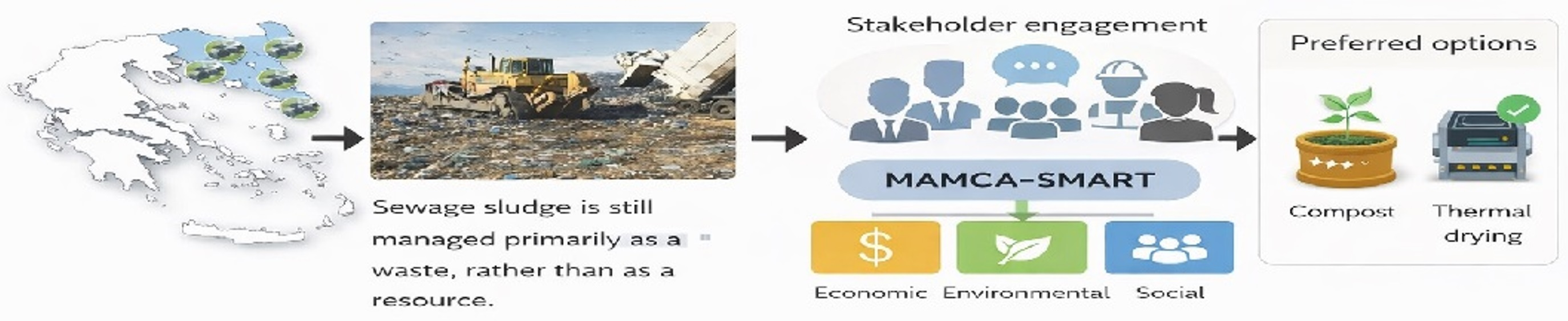
1. Introduction
Wastewater treatment has become a central pillar of environmental protection policy across Europe, driven by growing concerns over public health, ecosystem integrity, and resource efficiency. Over recent decades, these concerns have been translated into increasingly stringent regulatory frameworks governing both wastewater treatment and its by-products, following key milestones in global environmental governance such as the Club of Rome, the Stockholm Declaration, and Agenda 21 [
1].
One of the most persistent and complex challenges arising from wastewater treatment is the sustainable management of sewage sludge. As a residual stream rich in organic matter, nutrients, heavy metals, and pathogens, sewage sludge poses significant environmental and health risks if mismanaged, particularly given its high moisture content, which often exceeds 95% and necessitates stabilization, thickening, and dewatering prior to reuse or disposal [
2,
3,
4]. At the same time, its substantial nitrogen, phosphorus, and carbon content render it a potentially valuable secondary resource, aligning sludge management with circular economy objectives [
5,
6].
Within the European Union, sewage sludge handling is primarily regulated through Directives 86/278/EEC, 91/271/EEC, 1999/31/EC, 2008/98/EC, and 2010/75/EU, which aim to safeguard soils and water bodies while promoting recovery and valorization pathways [
7,
8,
9,
10,
11]. Despite this common regulatory framework, implementation practices differ markedly among Member States. Countries in northern Europe increasingly prioritize thermal treatment and energy recovery options [
12,
13,
14], whereas several southern Member States, including Greece, continue to rely predominantly on landfilling and partial composting [
15,
16,
17].
These challenges are particularly critical in the region of Eastern Macedonia and Thrace, where five major wastewater treatment plants—Drama, Kavala, Xanthi, Komotini, and Alexandroupoli—generate several thousand tons of sewage sludge (dry solids) annually, in the absence of a coordinated regional strategy for reuse or recovery, highlighting a significant environmental and management gap [
17,
18]. The environmental sensitivity of the area, which includes multiple NATURA 2000 sites and RAMSAR wetlands, further constrains feasible management options and amplifies the consequences of suboptimal decision-making.
In Greece more broadly, sewage sludge management is characterized by persistent data gaps, inconsistent reporting to European authorities, and predominantly top-down decision-making processes. National and regional assessments highlight the continued predominance of landfilling and partial composting over energy recovery or agricultural reuse [
19,
20]. Previous studies in Eastern Macedonia and Thrace have reported substantial variability in sludge composition and stabilization levels, with moisture contents ranging from 7% to 85% on a wet basis (wb) and organic matter contents from 48% to 80% on a dry basis (db), highlighting the lack of standardized post-treatment or reuse pathways [
18]. Despite this evidence, systematic multi-actor involvement and participatory evaluation frameworks remain largely absent from sludge management planning at both regional and national levels [
19].
The recent literature confirms that, despite rising sludge generation and the continuous evolution of European regulatory frameworks, methodological innovation and participatory governance in sewage sludge management remain limited [
5,
15,
18]. Most existing studies adopt a predominantly technological or process-oriented perspective, applying multi-criteria decision-making tools with expert-based weighting schemes and minimal stakeholder involvement [
2,
3,
4].
Representative examples include technical MCDA and PROMETHEE applications focusing primarily on environmental and economic performance indicators [
21,
22], as well as indicator-based decision-support systems designed to support sludge management planning [
23,
24]. While methodologically sound, these approaches rarely account for stakeholder heterogeneity or conflicting preferences. Even spatial MCDA studies addressing sludge reuse—such as the Brazilian case by Chamhum-Silva et al. [
25]—remain largely non-participatory, reinforcing evidence that structured, multi-actor frameworks are still uncommon in sludge management practice [
26,
27].
This gap is particularly critical in Mediterranean contexts, where climate sensitivity, governance fragmentation, and limited institutional capacity amplify the need for inclusive and transparent decision-making processes. Systematic reviews of participatory research in waste management indicate that genuinely participatory applications remain scarce, with very few documented cases addressing sewage sludge specifically [
28,
29,
30,
31]. Although participatory multi-criteria approaches have been applied in adjacent domains—such as watershed protection and decentralized wastewater planning [
26,
27]—their transfer to sludge management has been limited.
Against this background, the present study addresses methodological and governance gaps in Greek sewage sludge management by developing and empirically applying a participatory multi-actor, multi-criteria decision analysis framework. The framework integrates stakeholder preferences from wastewater utilities (i.e., water and sewerage service providers), local authorities, scientists and technical experts, end-users, and citizens, enabling systematic comparison of alternative management strategies under a unified analytical structure.
This study makes three key contributions. Methodologically, it operationalizes a participatory multi-criteria framework that combines stakeholder-based weighting with measurable performance indicators, moving beyond typical expert-driven evaluations, commonly reported in sludge management studies [
2,
3,
4]. From a governance perspective, it addresses institutional gaps identified in national and regional planning, including the limited use of participatory mechanisms in Regional Waste Management Plans [
16,
17]. Practically and policy-wise, it provides a transparent decision-support tool for regional authorities to evaluate biological, thermal, and land-based sludge management options under real-world constraints in environmentally sensitive Mediterranean regions.
While Multi-Actor Multi-Criteria Analysis (MAMCA) and the Simple Multi-Attribute Rating Technique (SMART) have been individually applied in environmental decision-making contexts, their combined application in sewage sludge management remains largely unexplored. By integrating participatory decision structures with transparent scoring and aggregation mechanisms, the proposed framework offers a robust pathway for addressing complex management problems in contexts characterized by data limitations and fragmented governance.
Building on this premise, the present study develops and empirically applies a participatory, multi-actor, multi-criteria decision analysis framework for sewage sludge management in Greece, integrating stakeholder preference with quantitative performance assessment across economic, environmental, and social dimensions to systematically compare alternative sludge management strategies.
In conclusion, this study frames sewage sludge management not merely as a technical optimization problem but as a multi-actor governance process, simultaneously addressing sustainability, transparency, and social legitimacy. The following sections describe the study area and methodological framework, encompassing the participatory design, alternative scenarios, stakeholder engagement process, evaluation criteria, analytical procedures, sensitivity analysis, results and discussion, and conclusions.
2. Materials and Methods
2.1. Case Study Area
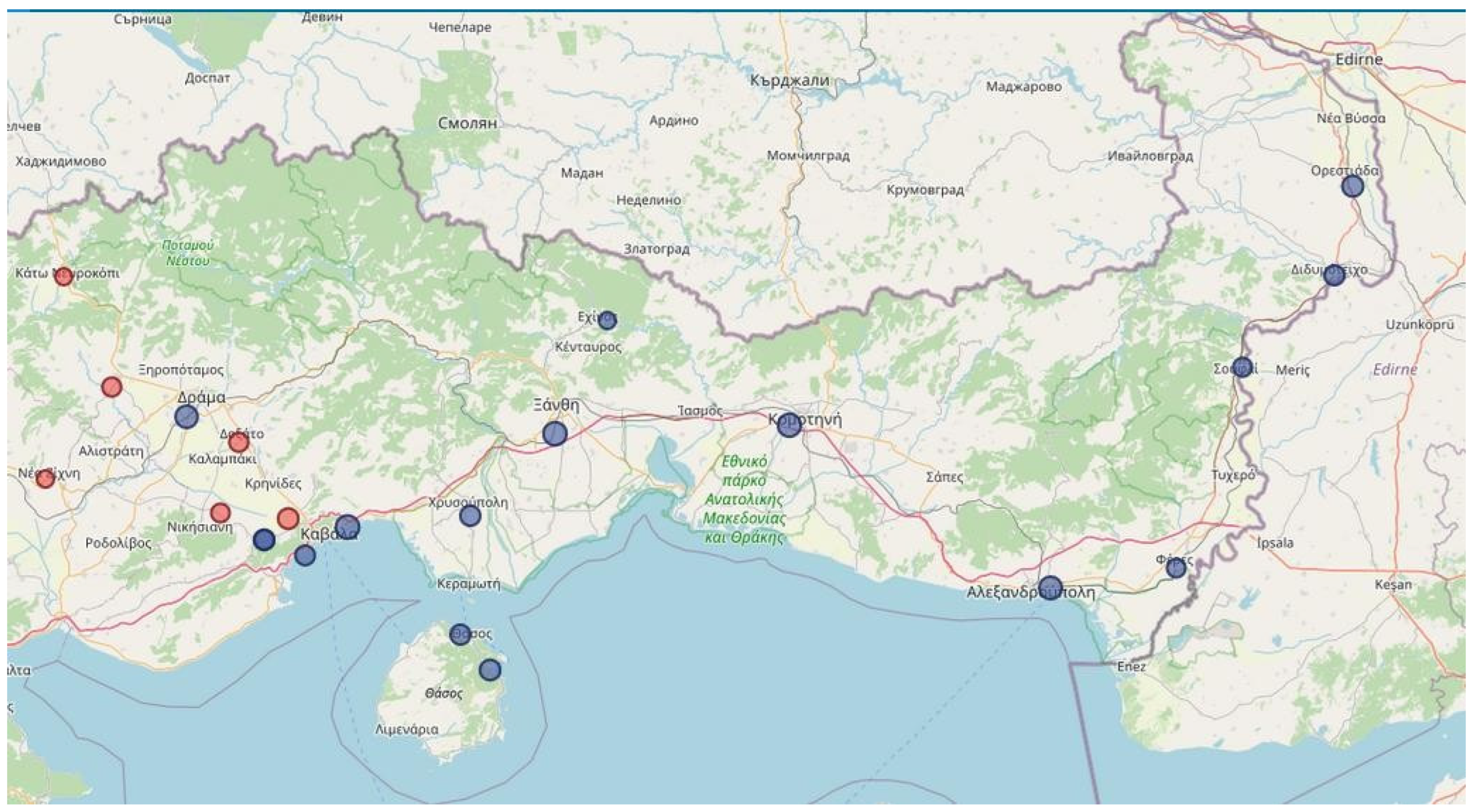
The region of Eastern Macedonia and Thrace (EMT) extends over 14,155 km2 in northeastern Greece, with a population of approximately 562,000 inhabitants. It comprises a mosaic of plains, mountainous terrain, wetlands, and coastal zones, including 35 NATURA 2000 sites that cover nearly 16% of its surface. This ecological heterogeneity makes environmental management particularly sensitive and spatially complex.
Five major wastewater treatment plants—Drama, Kavala, Xanthi, Komotini, and Alexandroupoli—collectively generate approximately 3090 t dry solids (DS) per year (2021). This amount is projected to increase toward 2030, consistent with national planning assumptions outlined in the National Waste Management Plan 2020–2030 [
15]. Despite partial modernization of treatment facilities, there is no unified strategy for sludge reuse or energy recovery. Previous investigations [
18] revealed substantial differences in sludge composition across the five WWTPs, with moisture contents ranging from 7% to 85% (wb) and organic matter between 48% and 80% (db). These disparities, together with variations in nitrogen and calorific values, highlight the lack of standardized stabilization and valorization schemes.
Moreover, national data on sludge generation and disposal remain fragmentary, as noted in Eleftheriadou et al. [
19], reflecting broader governance gaps in Greece and across the Mediterranean. These gaps are linked to fragmented responsibilities among administrative levels and the absence of an integrated regional sludge-management strategy, which in turn limits coordination between wastewater treatment plants, regional authorities, and national planning instruments. The EMT region, where landfilling and partial composting still dominate (>30–35%), exemplifies the pressing need for a coordinated, participatory decision framework capable of integrating environmental, technical, and social considerations for sustainable sludge management.
The spatial distribution of the wastewater treatment plants within the EMT region is illustrated in
Figure 1.
2.2. Overall Methodological Framework
The decision framework developed in this study integrates the Multi-Actor Multi-Criteria Analysis (MAMCA) with the Simple Multi-Attribute Rating Technique (SMART) to explicitly address the inherently multi-dimensional and stakeholder-sensitive nature of sewage sludge management. This includes the identification and characterization of relevant stakeholder groups, the formulation and operationalization of evaluation criteria, the elicitation and assignment of weights, the scoring of alternatives, normalization and aggregation procedures, and the implementation of sensitivity analyses to verify the robustness and internal consistency of the results. The selection of this hybrid multi-criteria decision analysis (MCDA) approach was not arbitrary but was guided by the specific characteristics of the problem under study, namely: (i) the presence of heterogeneous actor groups with potentially conflicting priorities, (ii) the need for transparent and traceable aggregation of preferences, and (iii) the requirement for methodological simplicity suitable for policy-oriented decision contexts.
MAMCA provides the participatory backbone of the framework by explicitly embedding stakeholder heterogeneity throughout all decision stages, including problem definition, criteria formulation, weighting, and final ranking [
12]. Unlike conventional expert-driven MCDA methods (e.g., AHP or PROMETHEE), MAMCA treats each stakeholder group as an independent decision-maker. This approach enables separate elicitation of preferences and trade-offs, which are only aggregated at the collective level. By preserving stakeholder heterogeneity and avoiding premature preference aggregation, MAMCA enhances transparency, accountability, and the interpretability of multi-stakeholder decision outcomes.
Within the MAMCA framework, SMART was employed as a linear additive value model to prioritize transparency and cognitive accessibility for heterogeneous stakeholder groups. Although refined variants such as SMARTER exist to address certain methodological limitations, they are primarily designed toward expert-based decision contexts. Given that the present study relies on questionnaire-based elicitation with non-expert participants, the original SMART formulation was deemed most suitable for maintaining interpretability and traceability of stakeholder preferences, with the robustness of results assessed via sensitivity analysis. SMART complements MAMCA by offering a transparent additive value model that supports the normalization, weighting, and aggregation of evaluation criteria across different units and scales [
13]. Its straightforward mathematical structure facilitates comprehension by non-expert stakeholders, while preserving traceability between weights, scores, and final rankings. Compared with more complex outranking MCDA methods such as PROMETHEE or ELECTRE, the MAMCA–SMART combination was selected due to its lower data requirements, its clear weight-to-score linkage, and its suitability for participatory workshops and reproducible auditing in public-sector applications.
The suitability of this MCDA framework for the present study is further reflected in its alignment with the selected evaluation criteria. Fifteen sub-criteria were defined under three sustainability pillars—economic, environmental, and social—covering both quantitative and qualitative dimensions of sludge-management performance. Criteria were operationalized through normalized scores on a common 0–1 scale, ensuring compatibility with the additive SMART structure and enabling consistent aggregation across heterogeneous indicators.
The methodological choice also responds to gaps identified in the existing literature. Previous MCDA-based decision-support applications in wastewater or waste management, such as those by Renfrew [
23] and Lombardi [
24], remain predominantly expert-driven and technologically focused, with limited structured stakeholder participation. Participatory MCDA approaches have been successfully applied in other environmental domains, including land-use planning and resource management [
26,
27], but remain largely unexplored in the context of sewage sludge management. The present study, therefore, operationalizes the first participatory, multi-actor MCDA application for sewage sludge management in Greece, extending existing frameworks toward an explicit governance-oriented decision-support tool.
Stakeholder-group weights were aggregated using an equal-group weighting scheme. This approach reflects a normative governance assumption that all stakeholder groups involved in sludge management—utilities, local authorities, scientific experts, potential end-users, and citizens—should be granted equal influence in the decision-making process, regardless of institutional power asymmetries. While this assumption introduces a degree of subjectivity, it was deliberately adopted to enhance inclusiveness and transparency. Its potential effects were explicitly examined through sensitivity analysis (±10%) to evaluate the robustness of the resulting rankings.
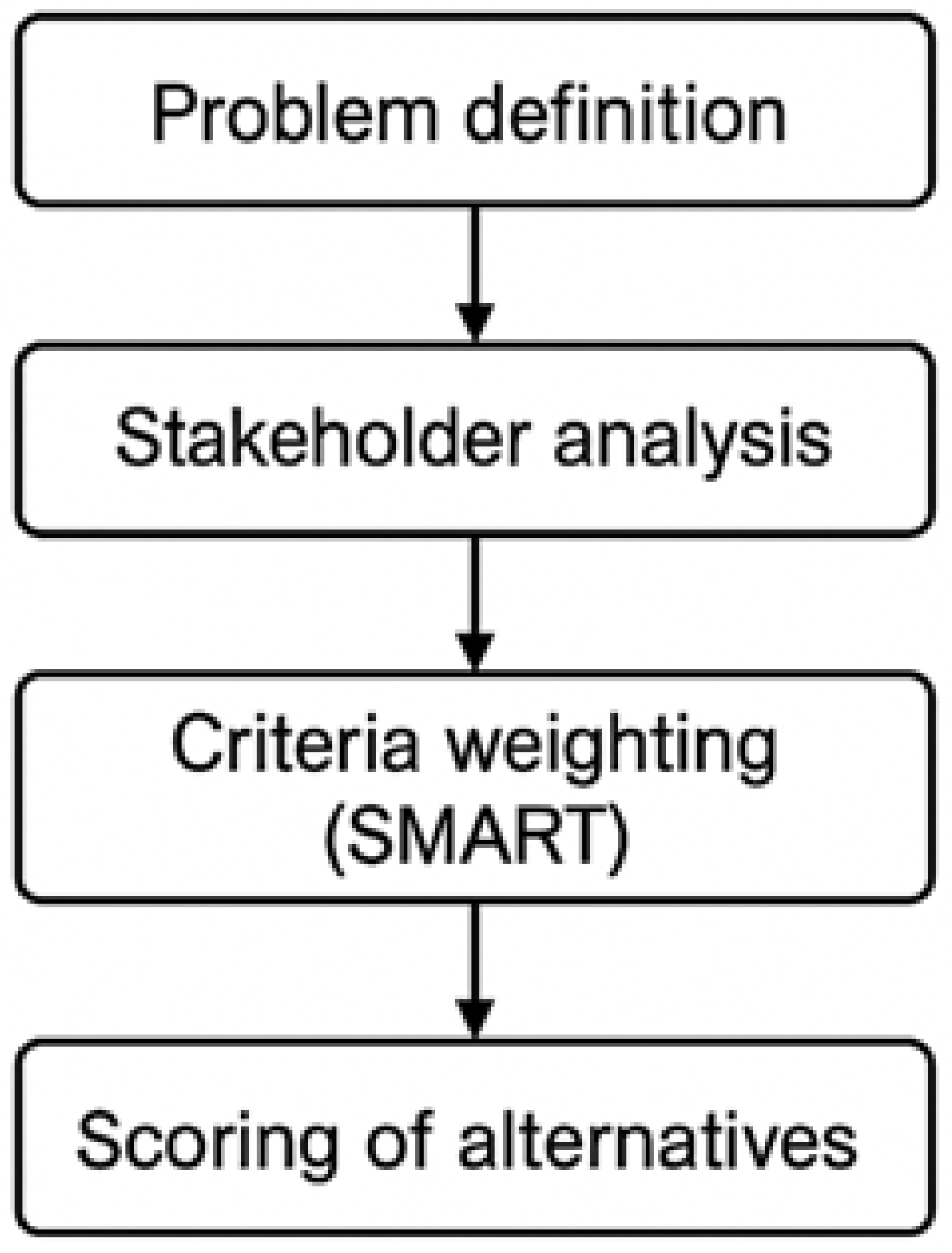
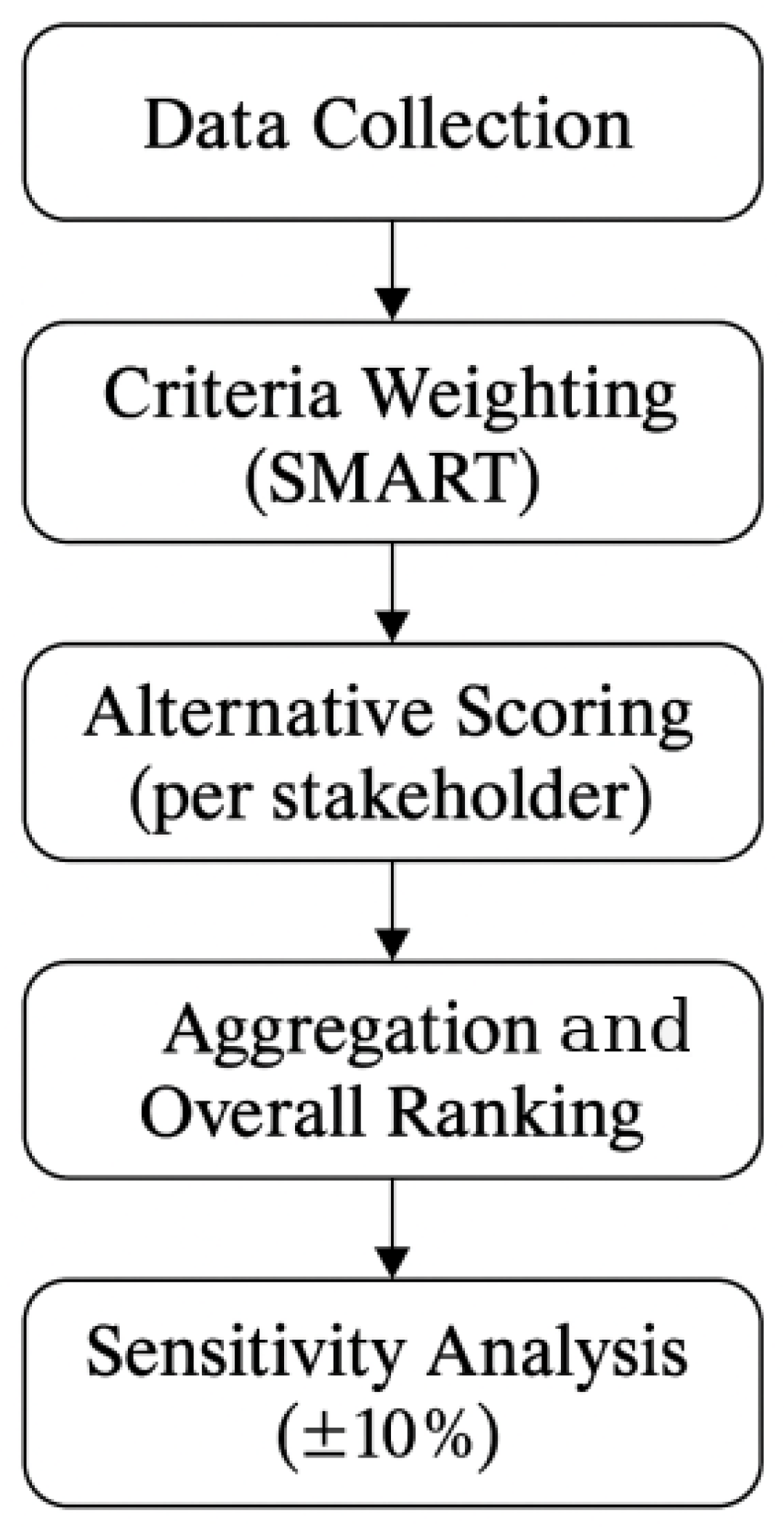
The overall conceptual workflow of the proposed MAMCA–SMART framework—encompassing problem definition, stakeholder identification, criteria formulation, weighting, scoring, and synthesis—is illustrated in
Figure 2, which provides a high-level overview of the decision-making process. The stakeholder groups involved in the participatory evaluation are illustrated in
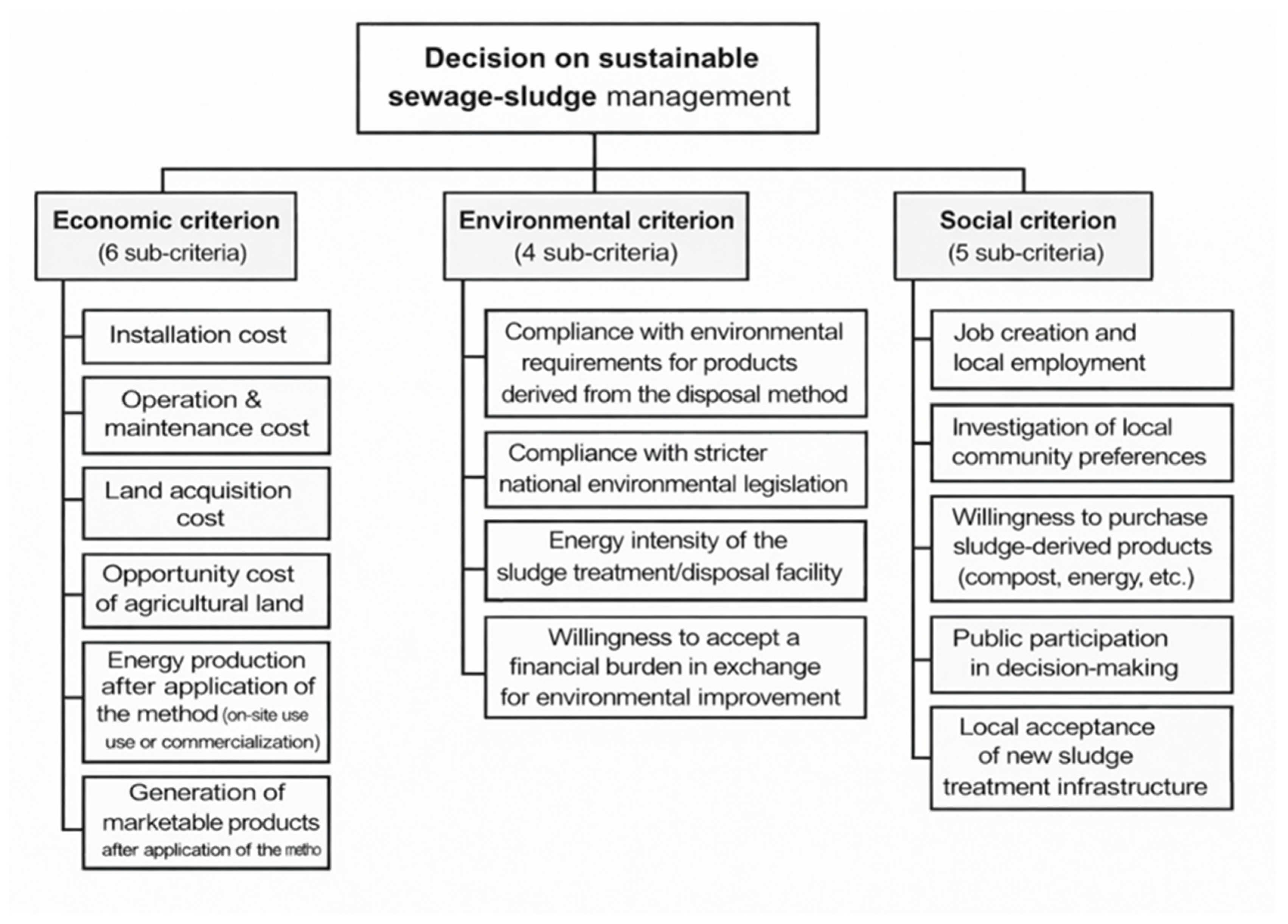
Figure 3. The hierarchical structure of evaluation criteria and sub-criteria is presented separately in
Figure 4, thereby clarifying the distinct roles of the two diagrams and avoiding conceptual overlap.
2.3. Alternative Scenarios
Four realistic sewage sludge management alternatives (A1–A4) were selected based on a structured literature review, prevailing European practice, and an initial feasibility screening for the regional context. The scenarios represent mature and widely discussed routes in European and Mediterranean settings and collectively span biological recycling, land-based recovery/restoration, and thermal valorization, in line with the EU waste hierarchy and circular economy policy objectives [
2,
19,
20,
24,
29]. Their inclusion is supported by recent international and national syntheses, which consistently identify composting, land application/restoration options, and thermal routes as dominant and technically viable pathways for sludge management under varying regulatory and territorial constraints [
19,
20,
24,
29].
Scenario A1: Composting for agricultural use. Stabilized sludge is co-composted with green waste to produce a nutrient-rich soil conditioner suitable for agricultural application. This pathway promotes nutrient recycling (N, P, C) and organic-matter recovery, consistent with circular economy objectives. Composting is among the most established sludge-recycling routes in southern Europe; however, its applicability depends on sludge quality and compliance with the land-application requirements of Directive 86/278/EEC [
20].
Scenario A2: Forestry use. Treated sludge is applied in afforestation or reforestation areas to enhance soil organic content and vegetation growth. This option is particularly relevant for Eastern Macedonia and Thrace, where post-fire or eroded areas may require rehabilitation. Evidence from Greece and other Mediterranean settings indicates that forestry application can function as a relatively low-exposure reuse pathway combining ecosystem restoration with nutrient return, provided that quality constraints are respected [
18].
Scenario A3: Land restoration. Stabilized sludge is utilized in quarry reclamation and landfill-cover projects. This pathway supports land rehabilitation and can provide cost-effective material substitution without direct agricultural exposure. It is frequently discussed in regional waste-management planning instruments, particularly in semi-arid contexts where topsoil depletion and land degradation are pronounced [
17,
19].
Scenario A4: Thermal drying and energy recovery. This option involves high-temperature drying to reduce moisture content and enable subsequent energy recovery (e.g., co-incineration or use as solid recovered fuel). Thermal valorization aligns with the increasing emphasis on energy-neutral wastewater treatment and decarbonization targets [
2,
20,
29]. Although capital-intensive, it offers significant volume reduction and pathogen destruction and can complement material-reuse options within integrated regional strategies.
Collectively, these scenarios reflect technically and institutionally plausible routes for sludge management in Eastern Macedonia and Thrace. By covering a spectrum from biological recycling and land restoration to energy recovery, they enable an integrated assessment of trade-offs across environmental, economic, and social objectives.
2.4. Stakeholder Identification and Participation
Within this stakeholder configuration, MAMCA serves as the core participatory structure by explicitly incorporating stakeholder heterogeneity throughout all decision stages.
A total of 44 stakeholders participated in the study, comprising 5 representatives from utilities (11.4%), 6 representatives from local authorities (13.6%), 2 scientists and technical experts (4.5%), 22 potential end-users of treated sludge and sludge-derived products (50.0%), and 9 citizens (20.5%).
Each stakeholder group contributed distinct perspectives to the evaluation process, reflecting their institutional roles and practical involvement in sewage sludge management. Utilities (WWTP operators) emphasized operational reliability, maintenance requirements, and cost efficiency; local authorities prioritized regulatory compliance and spatial-planning coherence; scientists and technical experts focused on methodological validation and environmental assessment; potential end-users (e.g., farmers and energy producers) evaluated practical feasibility and valorization potential; and citizens expressed preferences related to social acceptance, environmental awareness, and perceived risks.
This structured differentiation ensured that both technical and societal dimensions of sewage sludge management were explicitly represented prior to criteria weighting and aggregation.
Stakeholder identification corresponds to Step 2 of the MAMCA–SMART workflow (
Figure 2), ensuring that all relevant actor perspectives were established before the formulation and scoring of evaluation criteria.
MAMCA was selected as the core participatory structure, as it explicitly incorporates stakeholder heterogeneity throughout all decision stages, from problem definition and criteria formulation to weighting and final synthesis. Each stakeholder group defines its own priorities independently, allowing divergent values and trade-offs to be preserved before aggregation. This feature makes MAMCA particularly suitable for policy-relevant environmental decisions characterized by institutional fragmentation and social contestation. SMART complements this participatory structure by providing an additive and easily interpretable scoring model, well-suited to non-expert participants and decision-makers. Compared to more complex outranking methods (e.g., PROMETHEE or ELECTRE), the MAMCA–SMART combination offers lower data requirements, transparent aggregation logic, and direct traceability between stakeholder inputs and final rankings.
Evaluation criteria and sub-criteria were defined under three sustainability pillars (economic, environmental, and social). Stakeholders expressed the relative importance of criteria and sub-criteria using percentage-based weights (%), which were subsequently normalized to a 0–1 scale to ensure consistency and comparability across groups. Preferences regarding the performance of each management alternative were elicited using a six-point ordinal scale, where 1 corresponds to the worst and 6 to the best perceived option. This scale was adopted following pilot testing during the first phase of stakeholder engagement, which revealed that broader or inversely ordered scales were less intuitive and increased response uncertainty among non-expert participants.
All scores were transformed into dimensionless normalized values prior to aggregation, ensuring that heterogeneous criteria and preference judgments could be combined without unit inconsistency. Equal weighting was applied across stakeholder groups to avoid dominance by any single actor category and to reflect the normative objective of balanced representation in participatory regional planning. This assumption, while inherently value-based, enhances transparency and reproducibility and is explicitly acknowledged as a methodological choice.
The stakeholder groups involved in the participatory evaluation and their respective roles are illustrated in
Figure 3.
Figure 3.
Stakeholder groups involved in the MAMCA-based participatory evaluation of sewage sludge management alternatives in Eastern Macedonia and Thrace (Greece).
Figure 3.
Stakeholder groups involved in the MAMCA-based participatory evaluation of sewage sludge management alternatives in Eastern Macedonia and Thrace (Greece).
2.5. Criteria and Sub-Criteria
Criteria and sub-criteria were rigorously defined by the authors during the study-design phase, based on a structured literature review, applicable regulatory requirements, and expert input, and were fully established prior to stakeholder elicitation.
Subsequently, following stakeholder identification, the evaluation framework incorporated a structured and transparent set of criteria and sub-criteria reflecting the multidimensional nature of sustainable sewage sludge management. In total, fifteen sub-criteria were defined under three main sustainability pillars—economic, environmental, and social, consistent with established sustainability assessment frameworks and previous MCDA applications in waste and wastewater management (
Figure 4).
The selection of criteria and sub-criteria was informed by an extensive review of European and international literature on sludge management, circular economy strategies, and environmental decision-support systems, as well as by policy requirements stemming from EU and national regulatory frameworks. Rather than relying on aggregated or abstract indicators, the framework operationalizes sustainability through measurable and stakeholder-relevant sub-criteria, enhancing analytical transparency, comparability, and reproducibility across stakeholder groups.
Figure 4.
Decision hierarchy of criteria and sub-criteria used within the MAMCA–SMART analysis.
Figure 4.
Decision hierarchy of criteria and sub-criteria used within the MAMCA–SMART analysis.
2.5.1. Economic Pillar
The economic dimension comprises six sub-criteria, capturing both direct and indirect financial implications of sludge-management options:
Installation cost of the disposal method, including capital investment for infrastructure and equipment;
Operation and maintenance cost of the sludge management facility;
Land acquisition cost for the purchase of new terrain;
Opportunity cost associated with agricultural land rendered non-cultivable due to sludge application;
Energy production after application of the method and its on-site use or commercialization;
Generation of marketable products after application of the disposal method.
All economic sub-criteria were treated as cost-type attributes, except for energy production and the generation of marketable products, which are considered benefit-type attributes. Benefit-type sub-criteria correspond to attributes to be maximized, whereas cost-type sub-criteria are minimized during the MCDA aggregation. Evaluation was based on stakeholder perception of relative economic impact rather than absolute monetary units, allowing consistent comparison across alternatives.
2.5.2. Environmental Pillar
The environmental dimension includes four sub-criteria addressing regulatory compliance and process efficiency:
Compliance with environmental requirements for products derived from the disposal method;
Compliance with stricter national environmental legislation beyond EU minimum requirements;
Energy intensity of the sludge treatment or disposal facility;
Willingness to accept a financial burden in exchange for environmental improvement.
These sub-criteria capture both regulatory conformity and environmental performance, incorporating benefit-type and cost-type attributes as appropriate.
2.5.3. Social Pillar
The social dimension consists of five sub-criteria reflecting societal acceptance and governance aspects:
Job creation and local employment potential;
Investigation of local community preferences regarding the disposal method;
Willingness to purchase sludge-derived products (e.g., compost, energy);
Degree of public participation in decision-making processes;
Local acceptance of new sludge treatment infrastructure.
These sub-criteria translate qualitative social considerations into structured inputs suitable for participatory multi-criteria analysis.
Figure 4 illustrates the hierarchical decision structure and data flow of the MAMCA–SMART framework, showing how sustainability pillars, sub-criteria, stakeholder-specific weights, and normalized performance scores combine to produce the final aggregated alternative rankings.
For transparency and reproducibility, the final set of sub-criteria, their classification as benefit or cost attributes, and their mean normalized weights (aggregated across stakeholder groups prior to stakeholder-specific differentiation) are presented in
Table 1.
All data used in the analysis were derived from structured stakeholder preference elicitation conducted within the MAMCA framework. Stakeholder judgments were collected through guided questionnaires specifically designed to support multi-criteria evaluation, rather than open-ended surveys.
For criteria and sub-criteria weighting, respondents expressed the relative importance of each element as percentage shares (0–100%), which were subsequently normalized within each stakeholder group to ensure internal consistency. For the evaluation of sludge-management alternatives under each sub-criterion, stakeholders provided ordinal preference scores on a discrete scale from 1 (lowest performance) to 6 (highest performance). This scale orientation was adopted following pilot testing, which indicated improved respondent comprehension compared to inverse or broader rating scales.
The transformation from raw stakeholder inputs to normalized scores followed a transparent and traceable process: individual responses were first checked for completeness, converted to numerical scores, normalized where appropriate, and aggregated at stakeholder-group level prior to inter-group synthesis. This ensured that expert knowledge and societal preferences were systematically translated into quantitative inputs suitable for multi-criteria aggregation, while preserving the participatory logic of MAMCA.
2.6. Framework Development
All data collected from stakeholder questionnaires and scenario evaluations used a standardized four-stage analytical workflow: (i) normalization, (ii) weighting, (iii) aggregation, and (iv) sensitivity analysis (
Figure 5).
Scores for each sub-criterion were first normalized on a continuous 0–1 scale to ensure comparability among variables expressed in heterogeneous units (economic, environmental, and social). For beneficial criteria, normalization followed the linear max–min transformation:
whereas for non-beneficial (cost-type) criteria, the inverse form was applied:
These normalization functions are widely adopted in additive multi-criteria decision-making approaches, including SMART and related MCDA frameworks, and ensure monotonic consistency across attributes [
32,
33].
Weighting values were derived separately for each stakeholder group using the SMART linear-additive procedure, based on normalized importance ratings. To prevent any single group from dominating, equal-group weighting was applied during aggregation, in accordance with the core MAMCA principle of balanced stakeholder representation.
The aggregated performance score S
a for each alternative a was calculated as:
where w
i,g denotes the normalized weight of sub-criterion iii within stakeholder group g, and X
i,a′ the normalized performance score of alternative a.
A sensitivity analysis was performed by applying a ±10% variation to the normalized sub-criterion weights, while keeping the relative structure of stakeholder-group weights unchanged. For each variation, the aggregated scores of all alternatives were recalculated and compared against the baseline scenario to assess model robustness and identify potential ranking reversals. Detailed weighting matrices, normalized scores, recalculated rankings, and sensitivity results are provided in the
Supplementary Materials (File S1), with sheet-level explanations to ensure full reproducibility of the Excel-based analysis.
3. Results
This section presents the results of the participatory MAMCA–SMART analysis applied to sewage sludge management alternatives in Eastern Macedonia and Thrace. The results are organized into three parts: (i) the relative importance of criteria and sub-criteria across stakeholder groups, (ii) the aggregated ranking of sludge-management alternatives per stakeholder group and overall, and (iii) the robustness of rankings under sensitivity analysis.
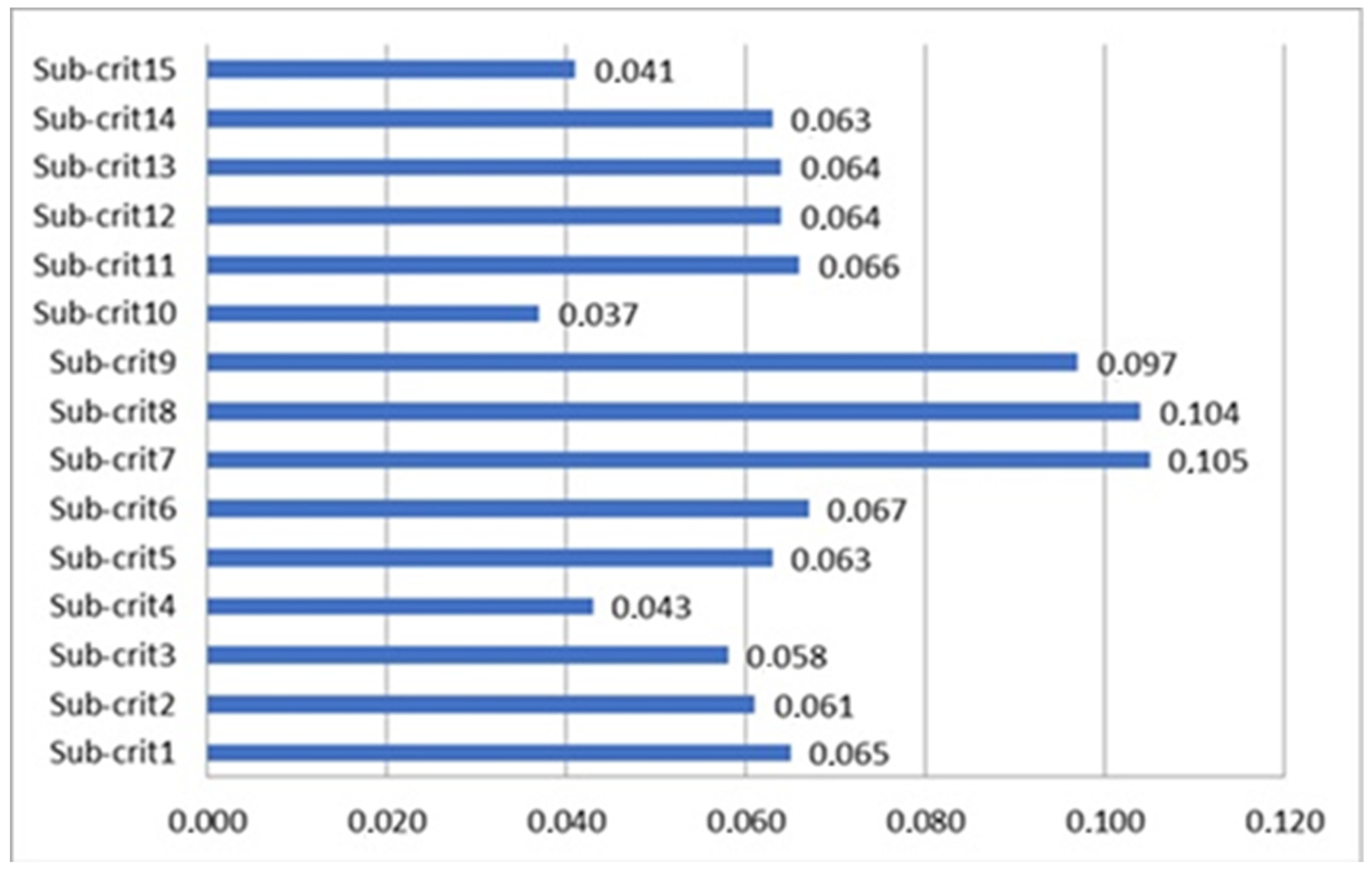
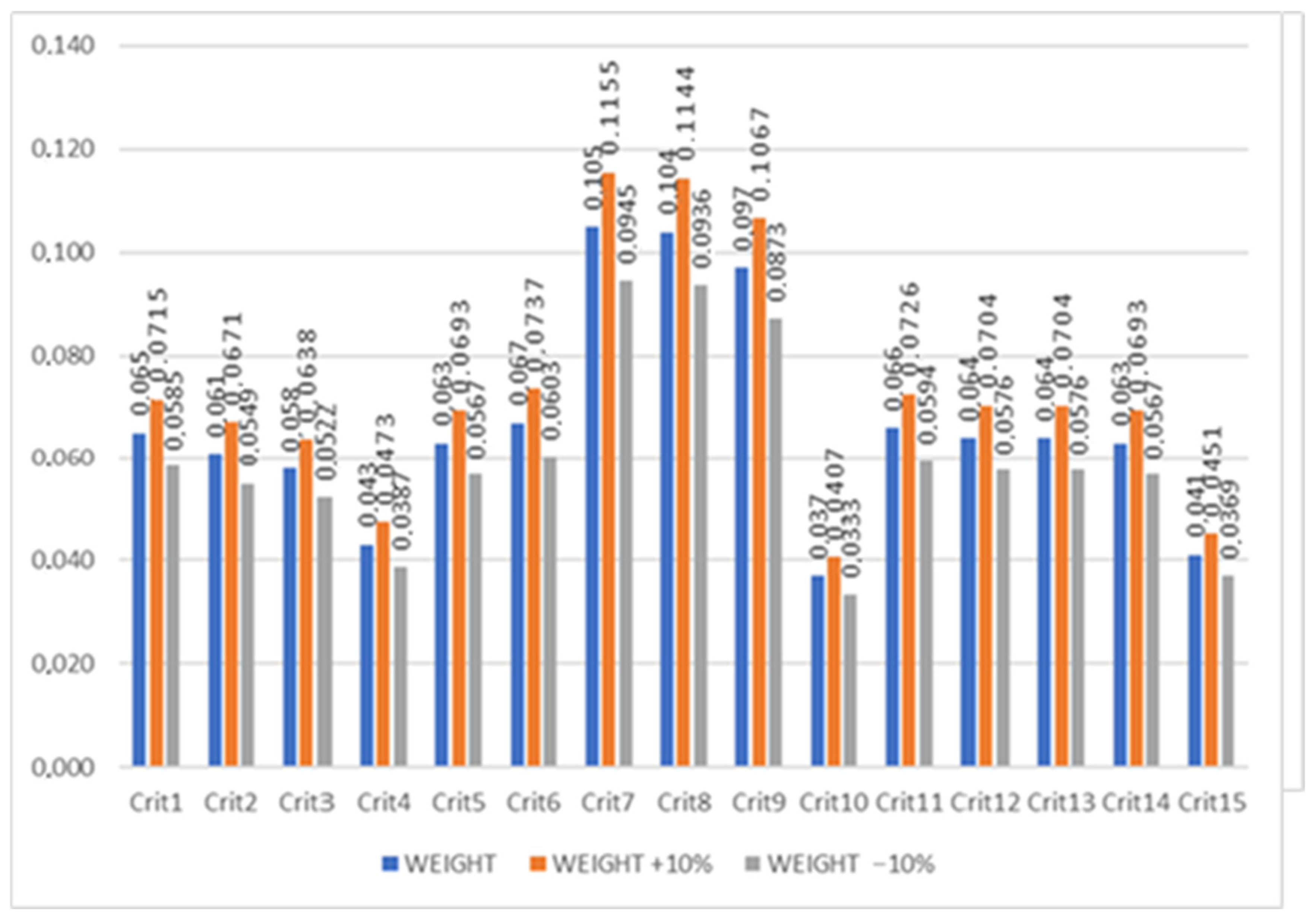
Figure 6 presents the normalized mean weights of the fifteen sub-criteria, aggregated across stakeholder groups. Environmental compliance-related sub-criteria (Crit 7 and Crit 8) and energy intensity (Crit 9) exhibit the highest weights, followed by economic cost-related sub-criteria (Crit 1–Crit 3). Social sub-criteria show more moderate but comparable weights, indicating a balanced consideration of social acceptance alongside economic and environmental aspects.
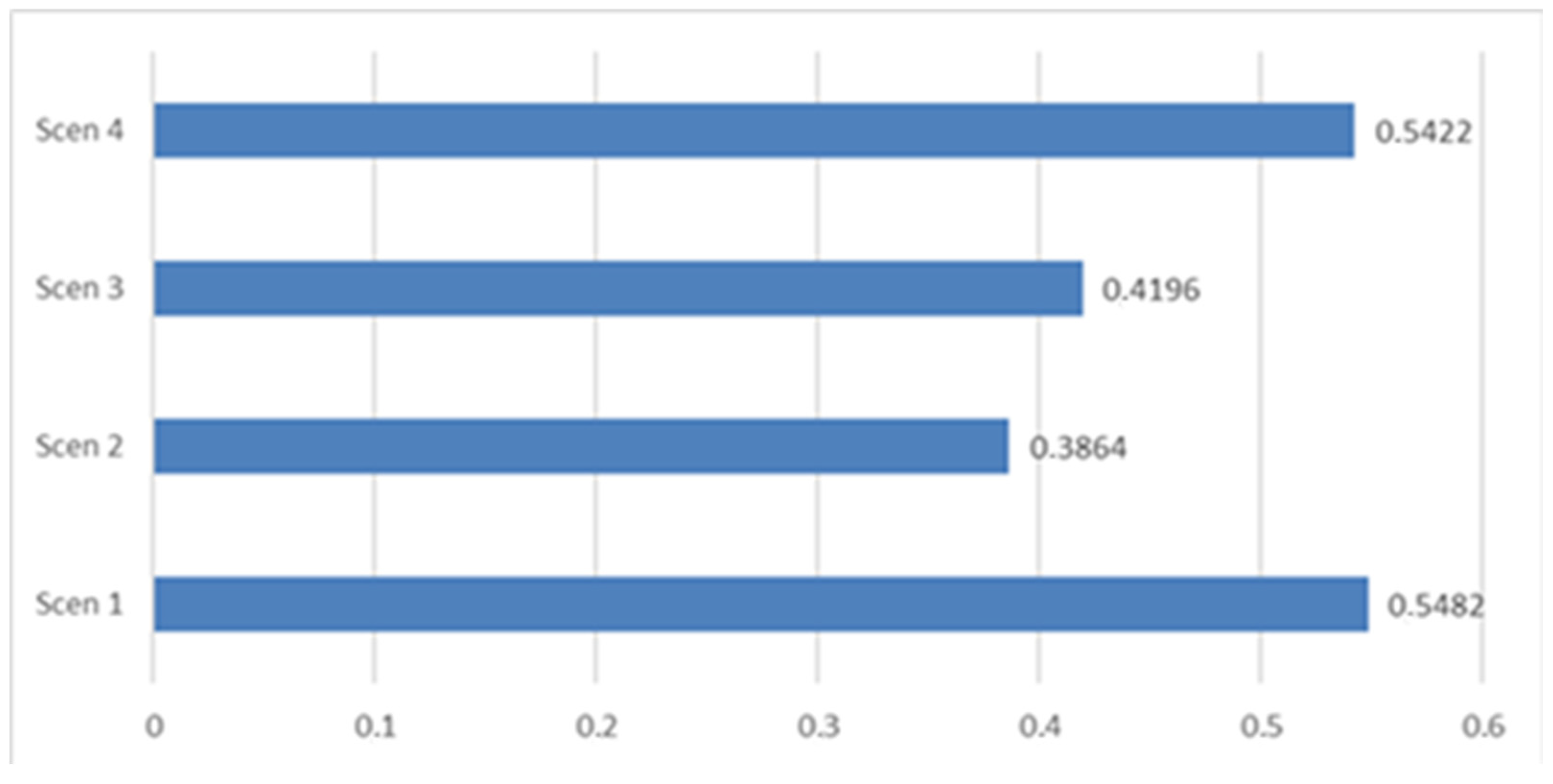
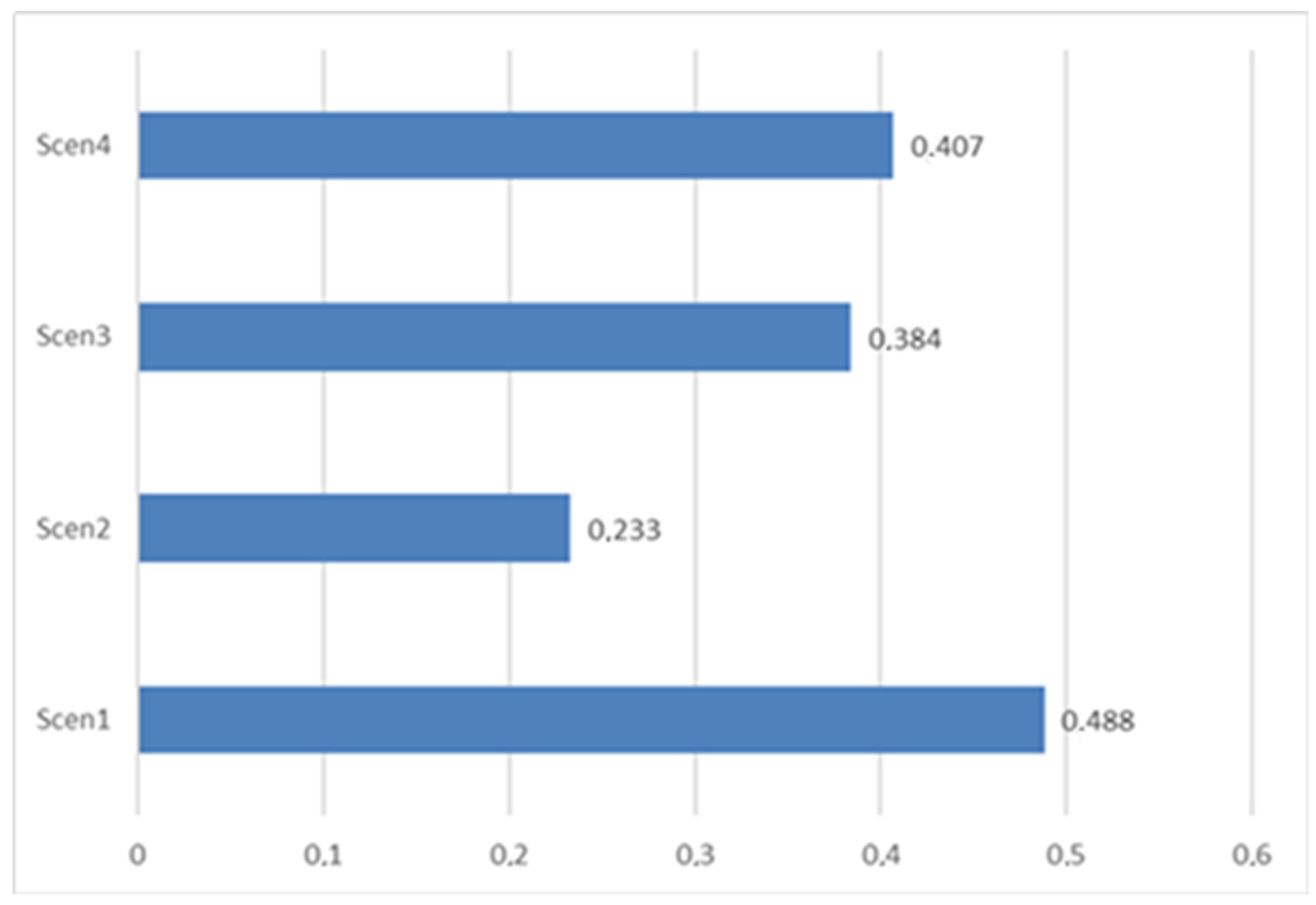
Figure 7 illustrates the aggregated performance scores and ranking of the four sludge-management alternatives for each stakeholder group (G1–G5), as well as the overall ranking. Thermal drying (Scen 4) and composting (Scen 1) consistently achieve the highest scores across most groups, whereas land restoration (Scen 3) and forestry use (Scen 2) receive lower aggregated scores.
3.1. Criteria Weighting Results
The evaluation framework incorporated fifteen measurable sub-criteria organized under three sustainability pillars—economic, environmental, and social—as defined in
Section 2.4 and summarized in
Table 1.
Figure 6 depicts the mean normalized weights of the fifteen sub-criteria, aggregated across stakeholder groups using equal-group weighting, which form the basis for the subsequent aggregation of sludge-management alternatives within the MAMCA–SMART framework. The results indicate that environmental and economic considerations dominate the weighting structure, while social sub-criteria, although relevant, receive comparatively lower weights.
Economic sub-criteria reflect financial feasibility and investment sustainability and include installation cost of the disposal method, operation and maintenance cost of sludge-management facilities, land-acquisition cost for new sites, cost of non-cultivable agricultural land, and generation of marketable products after application of the method.
Environmental sub-criteria address resource efficiency and regulatory compliance and comprise energy production potential and commercialization, compliance with environmental quality standards for sludge-derived products, compliance with national environmental legislation stricter than EU requirements, and energy intensity of the sludge disposal facility.
Social sub-criteria capture societal perception and participatory aspects, including willingness to bear additional financial costs for environmental improvement, job creation and local employment potential, alignment with community preferences, willingness to purchase sludge-derived products, public participation in decision-making, and local acceptance of new sludge-treatment infrastructure.
As shown in
Figure 6, the highest normalized mean weights were assigned to environmental sub-criteria—particularly compliance with environmental quality standards, compliance with stricter national legislation, and energy intensity—followed by economic sub-criteria related to installation cost and operation and maintenance cost. Social sub-criteria exhibit lower but non-negligible weights, indicating their secondary yet meaningful role in the overall evaluation framework.
Within this context, the analysis extends beyond the descriptive presentation of weighting results to the interpretation of the decision-making structure. The weighting patterns demonstrate structured stakeholder involvement in decision-making through the MAMCA process, thereby enhancing transparency in the articulation and aggregation of preferences. Participation involvement contributes to transparency and the perceived legitimacy within the decision-making process by ensuring that stakeholder preferences are explicitly documented and incorporated into the aggregation procedure. The following results pertain to the weighting of evaluation criteria across stakeholder groups (
Section 3.1) and the aggregated ranking of sludge-management alternatives obtained using the MAMCA–SMART framework (
Section 3.2).
3.2. Stakeholder Ranking of Alternatives
Stakeholders evaluated the performance of each sludge-management alternative under each sub-criterion using an ordinal scale from 1 (lowest performance) to 6 (highest performance). The resulting ordinal scores were subsequently normalized to a 0–1 scale and aggregated via the SMART linear-additive model to obtain comparable scenario scores.
Within the MAMCA–SMART framework, four sludge-management alternatives were assessed: composting for agriculture (Scenario 1), reuse in forestry (Scenario 2), land restoration (Scenario 3), and thermal drying with energy recovery (Scenario 4). Under equal weighting of stakeholder groups, the aggregated overall scenario scores indicate the following ranking: composting (Scenario 1 = 0.95), thermal drying with energy recovery (Scenario 4 = 0.92), land restoration (Scenario 3 = 0.74), and reuse in forestry (Scenario 2 = 0.68).
Figure 7 presents the aggregated ranking of sludge-management alternatives under equal stakeholder-group weighting within the MAMCA–SMART framework.
Table 2 reports both the overall aggregated scores and the corresponding group-specific performance scores and rankings for each stakeholder group, including utilities, local authorities, scientists and experts, potential end-users, and citizens, enabling direct comparison of preferences across stakeholder categories.
Group-specific rankings reveal differentiated preferences among stakeholder categories (
Table 2). Utilities (Group 1) and scientists and experts (Group 3) ranked thermal drying as the most preferred option, reflecting priorities related to operational reliability, pathogen reduction, and energy recovery. In contrast, local authorities (Group 2) and end-users (Group 4) favored composting, emphasizing circular resource reuse, local employment potential, and the production of marketable by-products. Citizens (Group 5) exhibited a more balanced evaluation between composting and thermal drying, indicating that environmental safety considerations and perceived social acceptance play a decisive role in shaping public preferences. Despite these differences across stakeholder groups, a clear convergence emerges toward composting (Scenario 1) and thermal drying (Scenario 4) as the two leading alternatives. This convergence demonstrates that the participatory MAMCA–SMART framework is capable of capturing heterogeneous stakeholder priorities while enabling their transparent synthesis into a coherent and policy-relevant decision outcome.
3.3. Group-Specific Results
The group-specific rankings of sludge-management alternatives are presented in
Figure 8,
Figure 9,
Figure 10,
Figure 11 and
Figure 12, illustrating how preferences vary across stakeholder categories within the MAMCA–SMART framework.
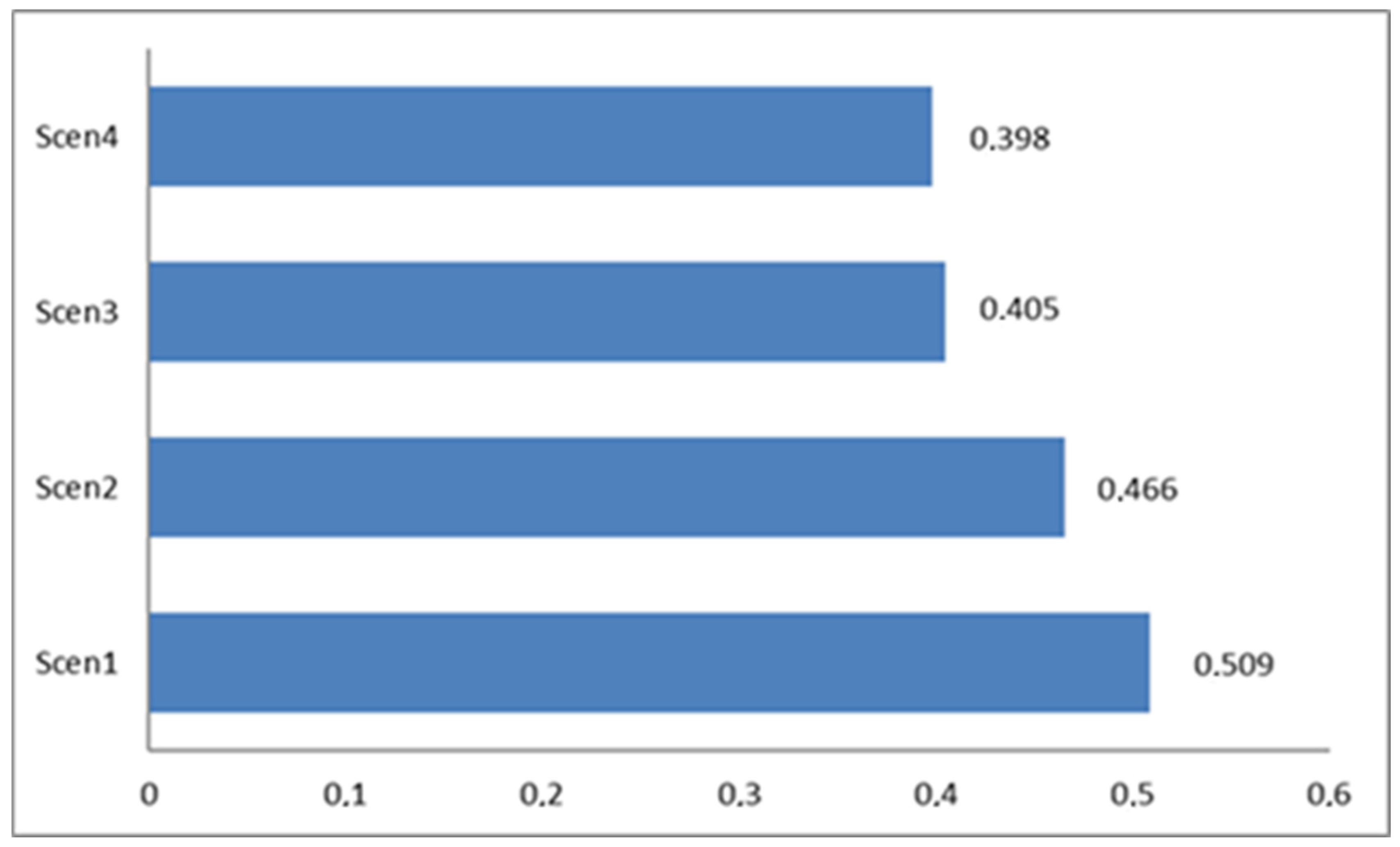
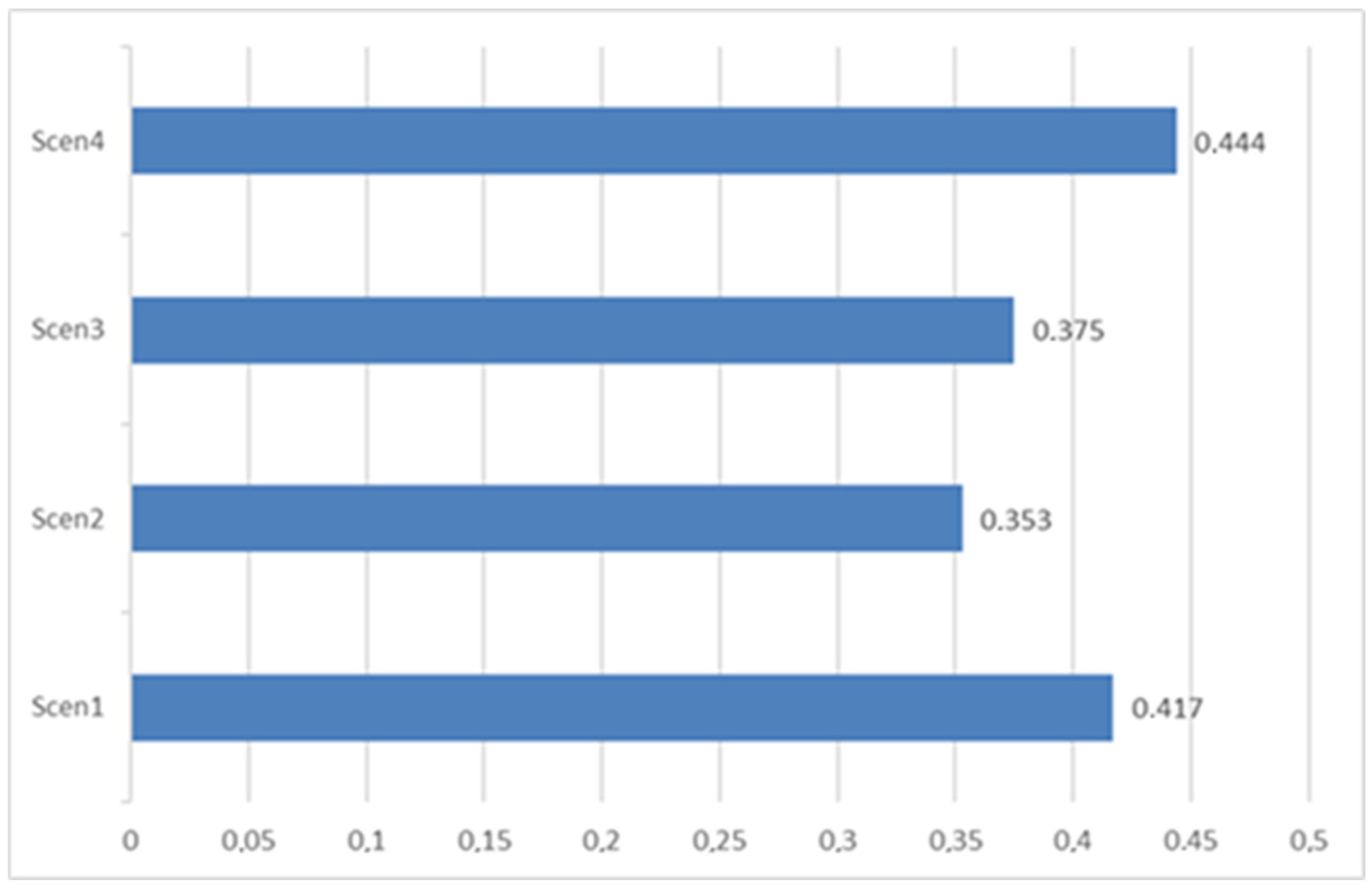
Utilities (G1) ranked thermal drying (Scen 4) as the most preferred option, followed by composting (Scen 1), while forestry reuse (Scen 2) and land restoration (Scen 3) received lower scores (
Figure 8). This ranking reflects the emphasis of utilities on operational reliability, energy efficiency, and controlled treatment processes.
Local authorities (G2) showed a clear preference for composting (Scen 1), which achieved the highest score among all alternatives, followed by thermal drying (Scen 4) and land restoration (Scen 3), whereas forestry reuse (Scen 2) ranked last (
Figure 9).
Scientists and experts (G3) also prioritized thermal drying (Scen 4), with composting (Scen 1) as the second-ranked option, while the remaining alternatives exhibited lower and closer scores (
Figure 10).
End-users (G4) expressed the strongest support for composting (Scen 1), followed by forestry reuse (Scen 2) and land restoration (Scen 3), whereas thermal drying (Scen 4) received the lowest score within this group (
Figure 11).
Citizens (G5) ranked thermal drying (Scen 4) marginally higher than composting (Scen 1), while forestry reuse (Scen 2) and land restoration (Scen 3) occupied intermediate positions (
Figure 12).
Overall, the group-specific results highlight consistent support for composting (Scen 1) and thermal drying (Scen 4) across stakeholder groups, although their relative ranking varies depending on stakeholder priorities.
3.4. Sensitivity Analysis
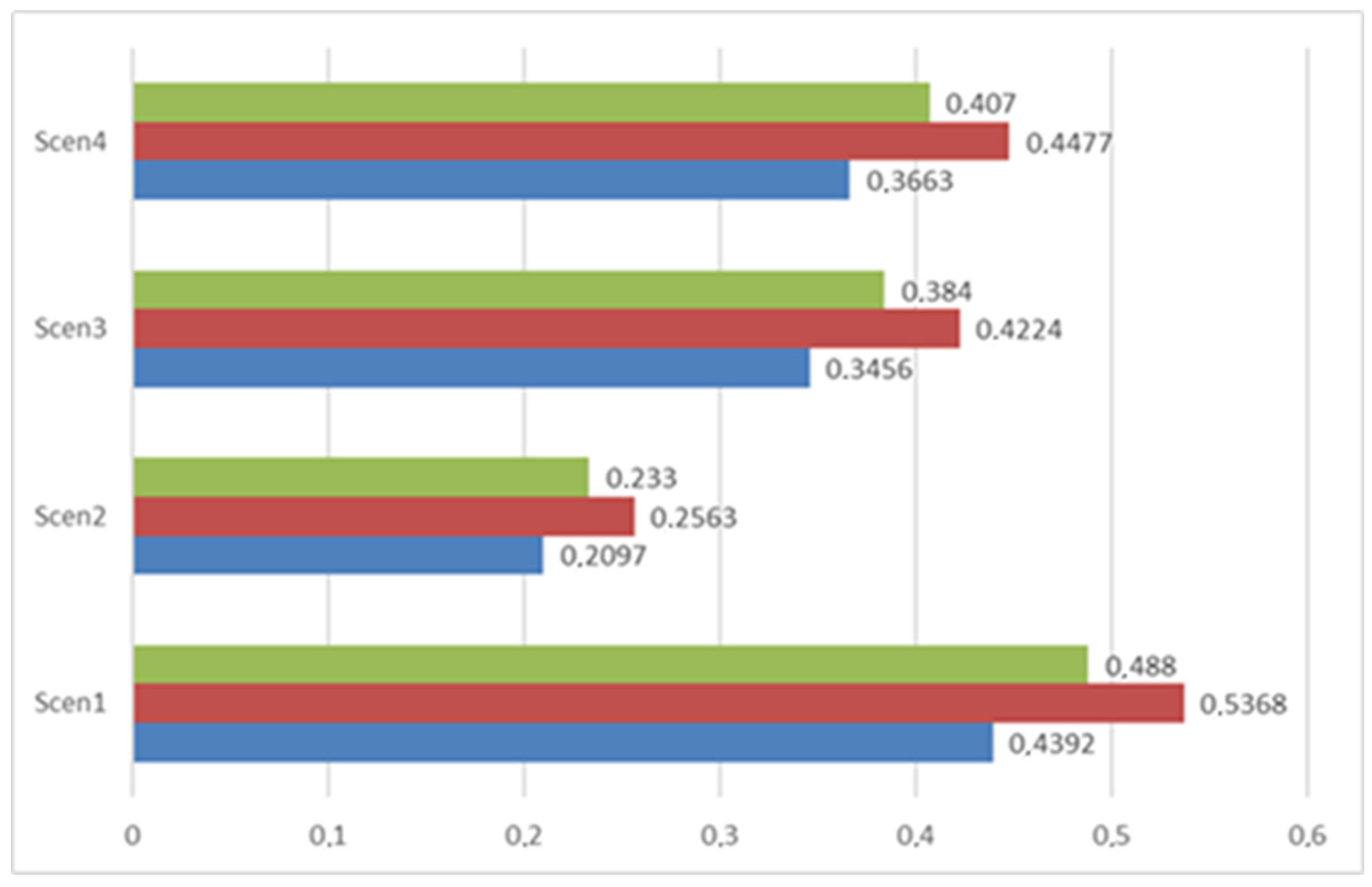
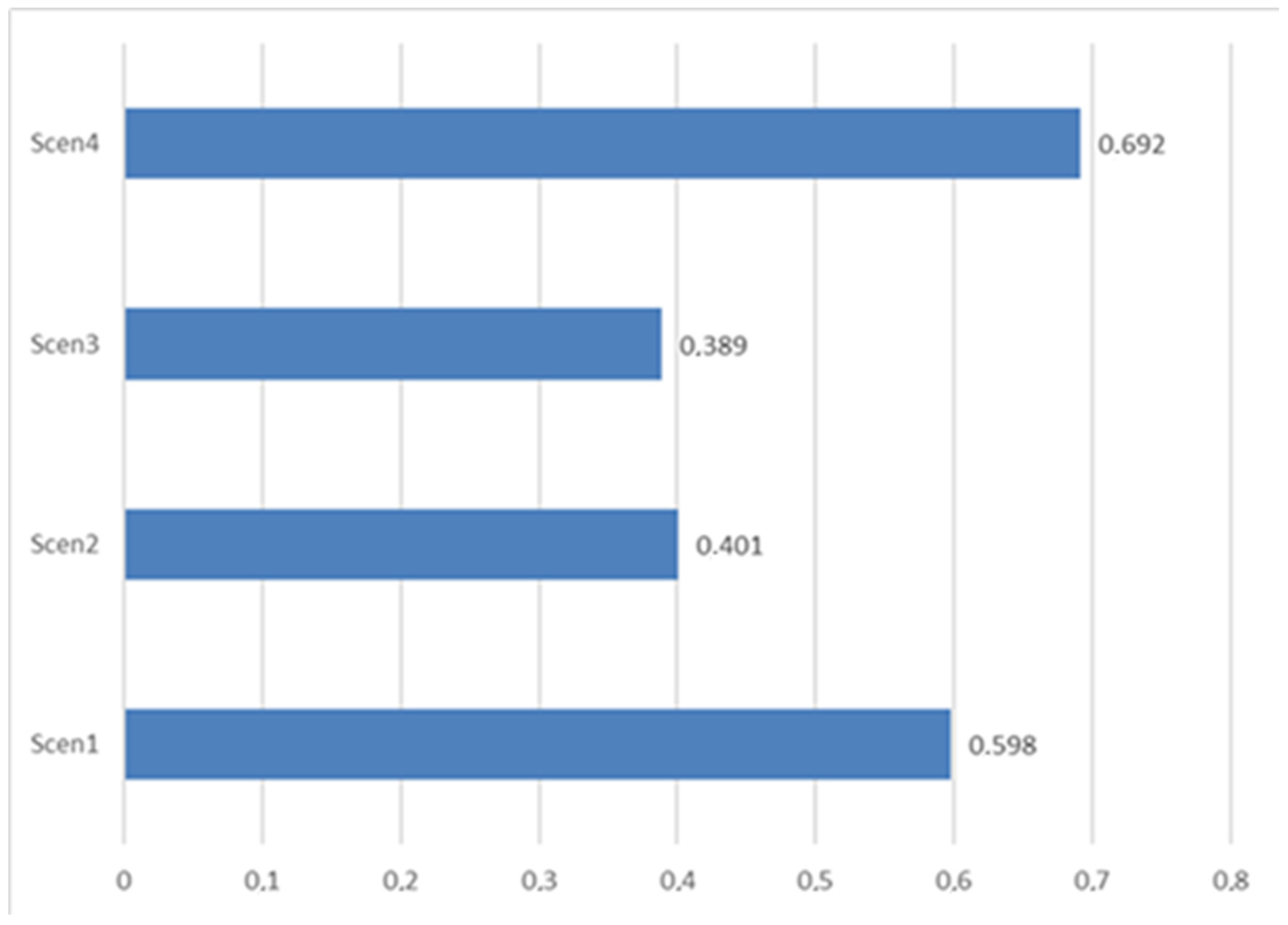
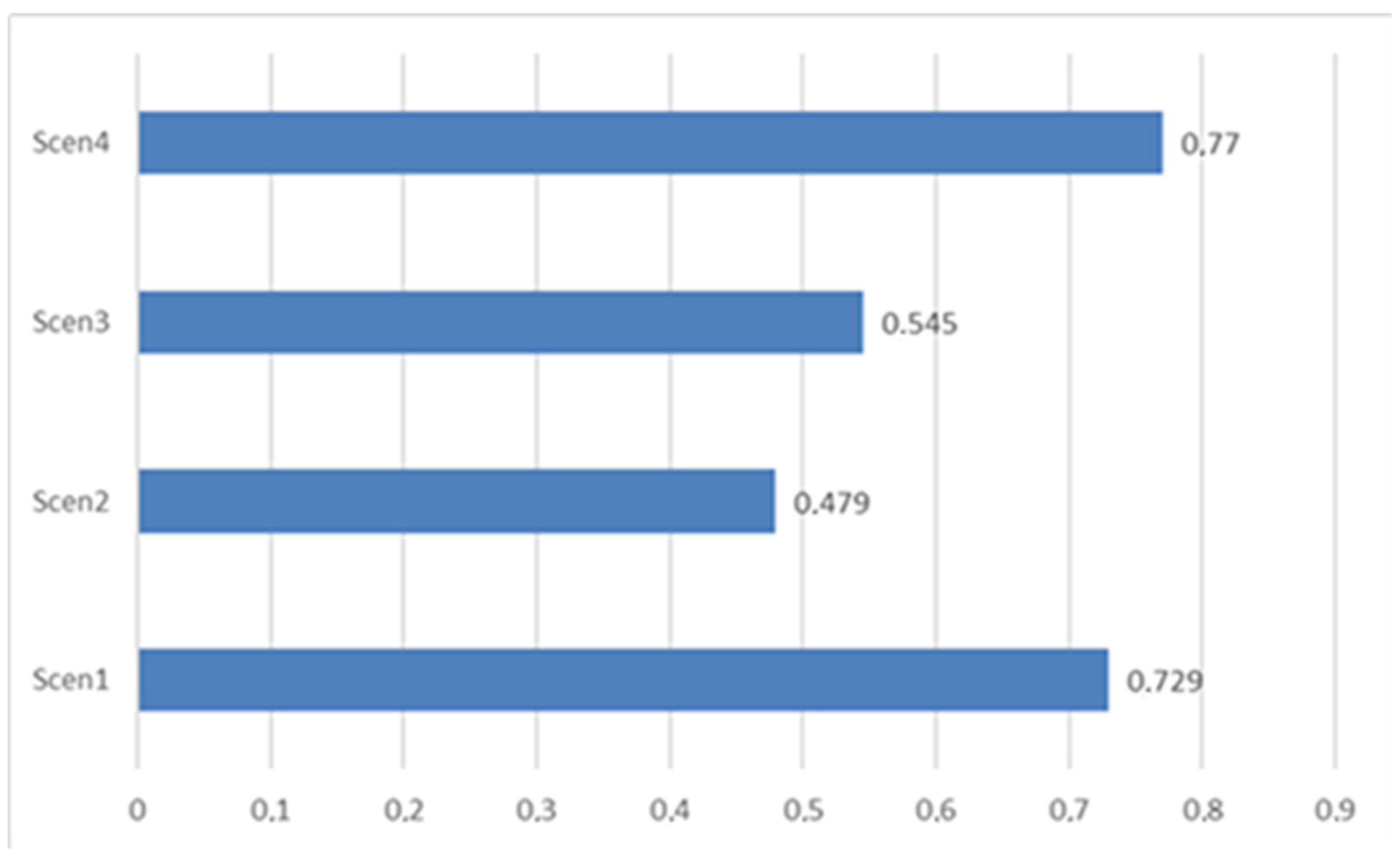
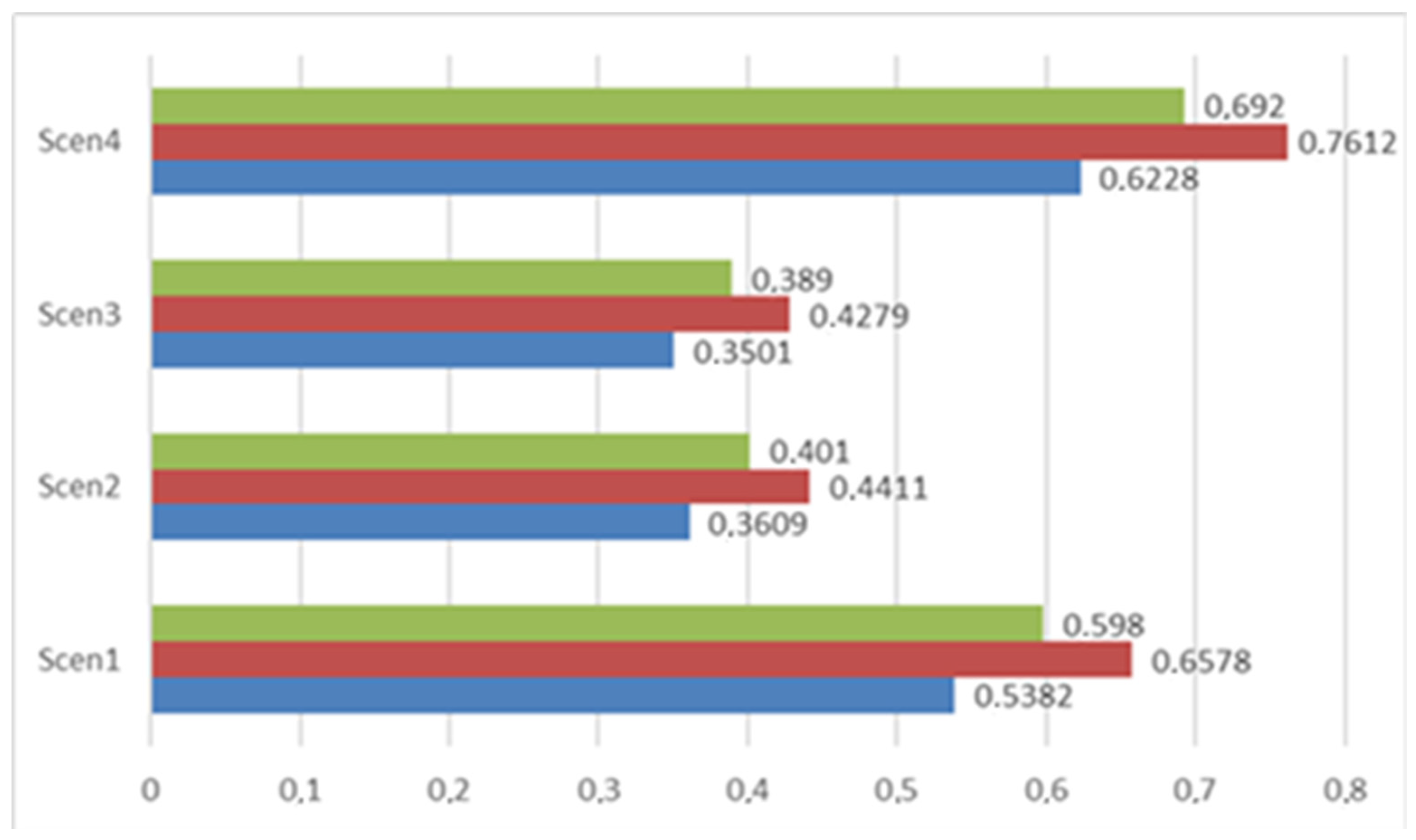
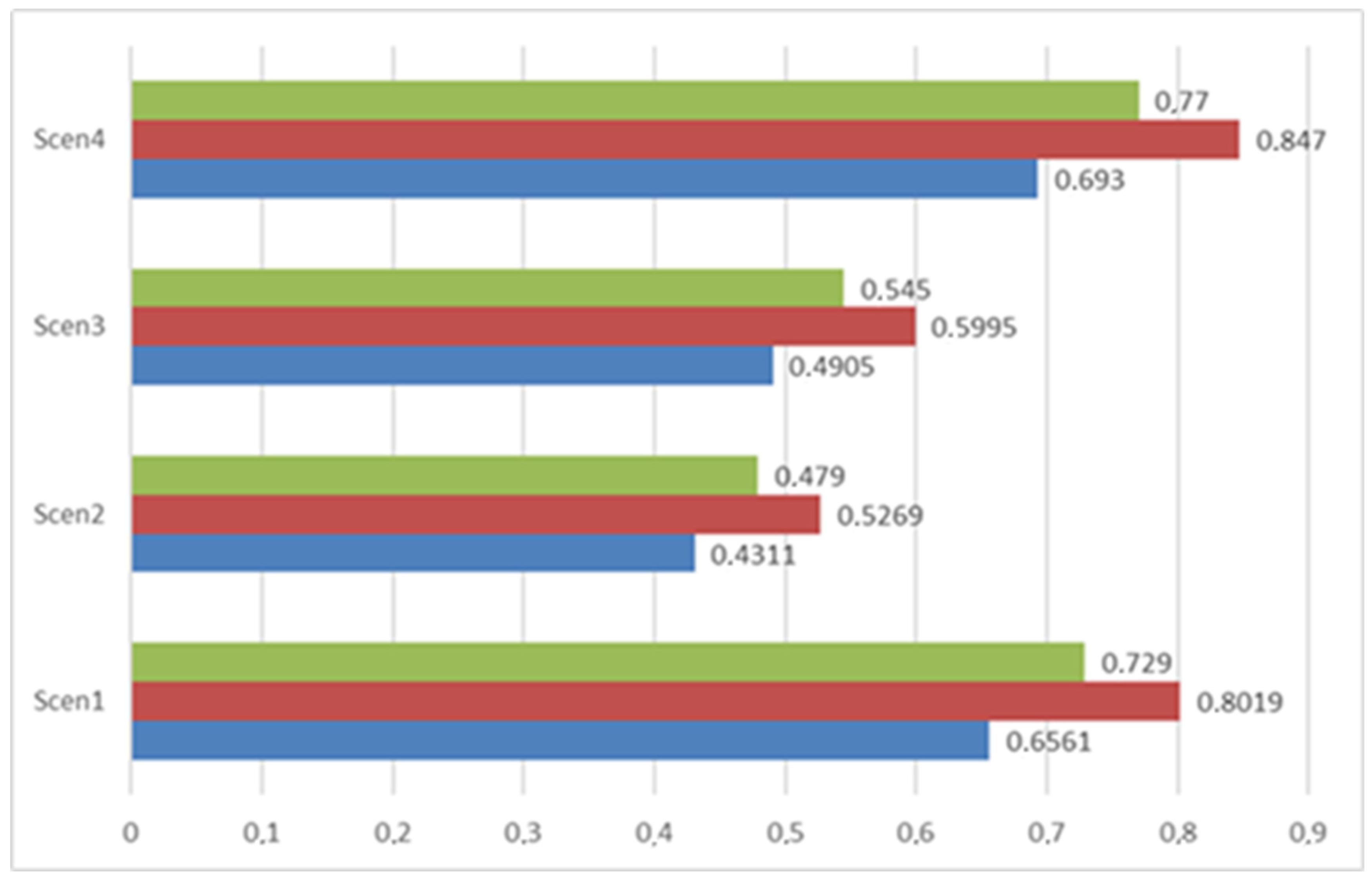
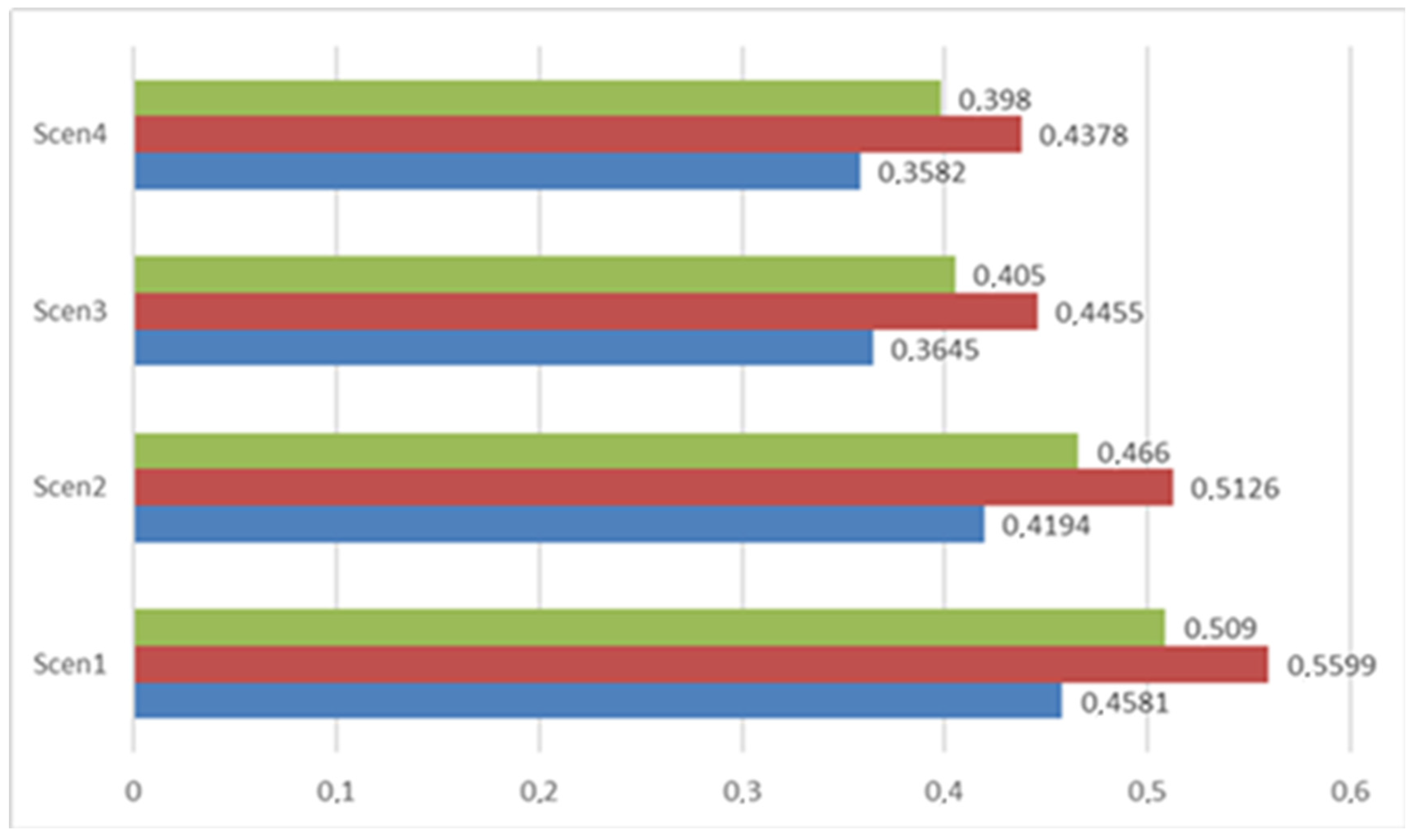
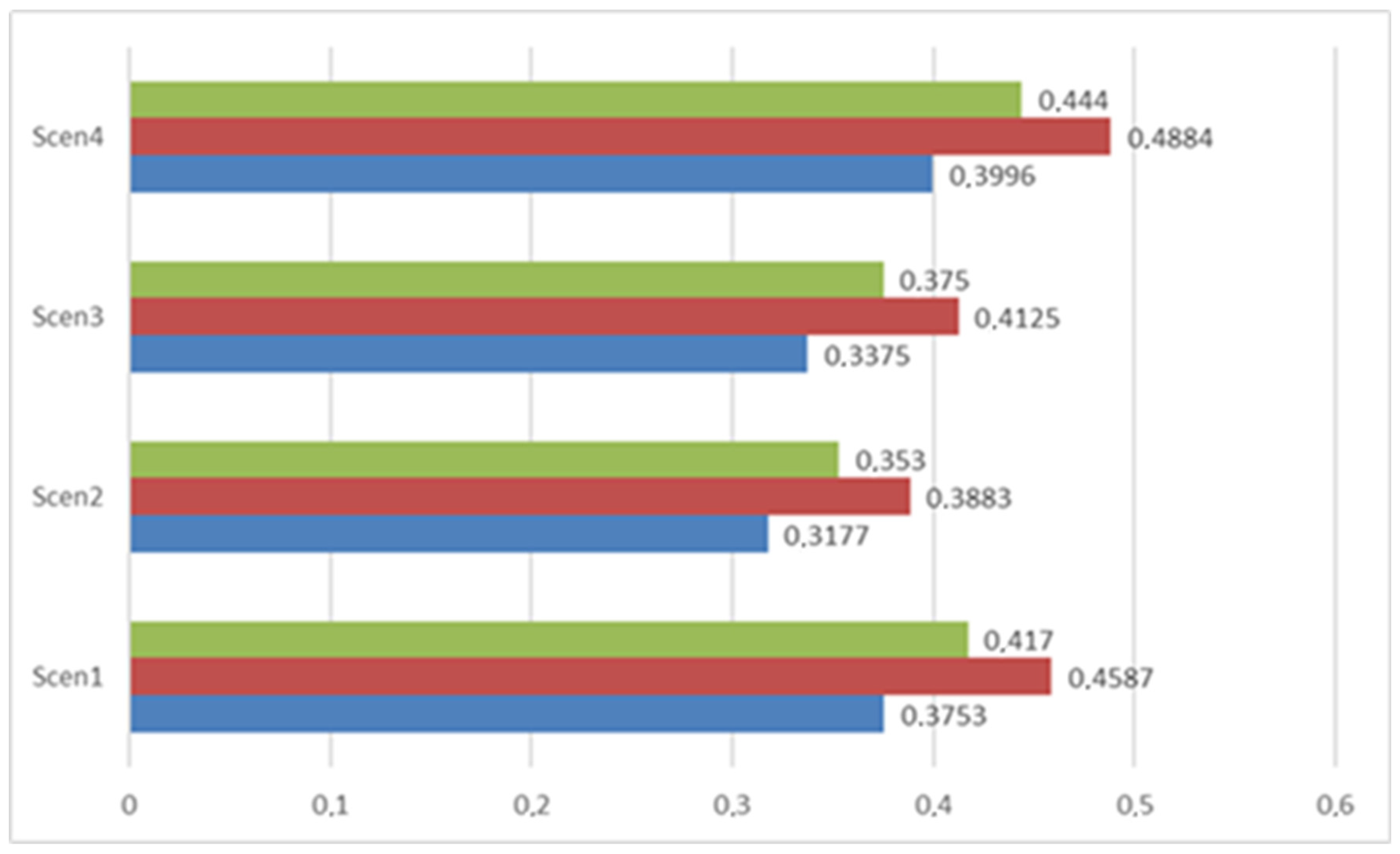
To assess the robustness of the MAMCA–SMART framework, a sensitivity analysis was conducted by applying a ±10% variation to the sub-criterion weights of the model. Initially, the variation was applied at the input level for a representative stakeholder group (Utilities, G1), and the corresponding aggregated scores were recalculated.
Due to the linear additive structure of the SMART model, proportional variations in the weights resulted in equivalent proportional variations in the aggregated scores, without altering the relative ranking of alternatives. No ranking reversals were observed at this input-level perturbation stage.
Based on this observation, and given the linearity of the aggregation function, the sensitivity analysis was subsequently applied to the aggregated performance scores for all stakeholder groups, ensuring methodological consistency and computational efficiency while preserving analytical validity.
Figure 13,
Figure 14,
Figure 15,
Figure 16,
Figure 17 and
Figure 18 present the results of the ±10% variation for each stakeholder group and for the overall aggregation. Across all cases, composting (Scenario 1) and thermal drying with energy recovery (Scenario 4) consistently remained the highest-ranked alternatives, followed by land restoration (Scenario 3) and forestry reuse (Scenario 2). Deviations between the baseline case and perturbed scenarios remained limited (<0.05 points), confirming the robustness of the results.
No ranking reversals were detected within the applied sensitivity range, indicating that the overall outcomes are not sensitive to moderate fluctuations in stakeholder weights. This stability reinforces the internal coherence and reliability of the participatory decision-support framework. Similar robustness has been reported in comparable SMART-based MCDA applications [
13,
23].
All calculations were performed using Microsoft Excel. Detailed weighting matrices, normalized scores, recalculated rankings, and sensitivity analysis results are provided in
Supplementary Data S1.
Figure 16,
Figure 17 and
Figure 18 present the results of the sensitivity analysis performed through ±10% variation of sub-criterion weights. The figures illustrate the response of aggregated scenario scores to moderate perturbations in stakeholder preferences, allowing a qualitative assessment of result stability rather than a redefinition of the ranking outcome. Across all stakeholder groups, score variations remained limited and did not lead to ranking reversals among the four sludge-management alternatives, confirming the robustness of the MAMCA–SMART results.
3.5. Discussion
The results of this study underscore the predominant influence of environmental and economic factors in sewage sludge management decision-making. In the region of Eastern Macedonia and Thrace, compliance with environmental legislation, energy intensity, and operational costs received the highest weights. These observations are grounded in the quantified weighting patterns and stakeholder group-specific rankings, reported in
Figure 6,
Figure 7,
Figure 8,
Figure 9,
Figure 10,
Figure 11 and
Figure 12, ensuring that the findings reflect the empirical data rather than general MCDA assumptions.
A key contribution of this study lies in the explicit exposure and structured comparison of divergent stakeholder preferences. Utilities and scientific experts consistently ranked thermal drying with energy recovery highest, emphasizing operational reliability, hygienic safety, and process scalability. In contrast, local authorities and end-users prioritized composting, focusing on nutrient recovery, local employment, and compatibility with existing land-use practices. Citizens exhibited a more balanced preference structure, supporting both composting and thermal drying, suggesting that perceived environmental safety and transparency can moderate resistance to technologically intensive options. These patterns indicate that the observed convergence on composting and thermal drying reflects the coexistence of distinct policy logics rather than the dominance of any single expert perspective.
These differentiated preferences carry direct implications for European and national sewage sludge governance frameworks while revealing critical gaps in policy implementation in Greece. Utilities’ and experts’ preference for thermal drying aligns with EU objectives, including the Waste Framework Directive (2008/98/EC), Industrial Emissions Directive (2010/75/EU), and decarbonization targets of the European Green Deal, emphasizing regulatory compliance, operational reliability, and hygienic safety. However, the transition of these objectives into Greek regional waste plans remains uneven, with limited investment, fragmented infrastructure, and inconsistent monitoring constraining the practical deployment of thermal technologies, despite their technical advantages.
Conversely, the prioritization of composting by local authorities and end-users underscores alignment with circular economy principles promoted under the EU Circular Economy Action Plan and national waste strategies, supporting nutrient recovery, local socio-economic benefits, and territorial embedding. Yet implementation gaps—such as insufficient inter-municipal coordination, lack of standardized operational protocols, and low compliance with quality standards—limit adoption, contributing to the underutilization of sewage sludge as a secondary resource.
Citizen preferences further highlight that public acceptance of technologically intensive solutions, such as thermal treatment, depends on transparency, environmental assurance, and trust in institutional oversight. This finding reflects EU policy emphasis on participatory governance (Aarhus Convention) but also reveals the low public trust and largely symbolic engagement observed in Greece. Social acceptance should therefore be treated as a policy variable, not an external constraint.
Considering governance implications, the convergence toward composting and thermal drying should be interpreted not as technical consensus, but as the outcome of coexisting policy logics—resource recovery, environmental protection, energy efficiency, and regional development—shaped by institutional, regulatory, and socio-economic constraints. The MAMCA–SMART framework preserves stakeholder differences analytically until the final aggregation stage and employs equal group weighting to ensure balanced participation, directly addressing deficits previously identified in Greek Regional Waste Management Plans [
16,
17,
20]. In doing so, the framework enables informed negotiation rather than prescriptive, technocratic decision-making.
Methodologically, the integration of fifteen explicitly defined sub-criteria across economic, environmental, and social pillars enhances analytical resolution, overcoming the limitations of aggregated or loosely defined indicators typical in sludge-management MCDA studies [
2,
3,
4,
24,
29]. The use of fifteen explicitly defined sub-criteria enables the identification of stakeholder-specific priorities and trade-offs that would remain obscured under aggregated or composite indicators commonly employed in previous MCDA-based sludge-management studies. Sensitivity analysis confirmed that the overall ranking is robust under ±10% weight variations, with minor variations confined to intermediate alternatives, indicating that the identified preference structure is stable and not driven by marginal weighting assumptions. Such robustness is critical in governance contexts characterized by fragmented responsibilities and limited institutional capacity, where decision credibility is essential for implementation.
Several limitations should be noted. The stakeholder sample was purposively chosen and specific to the region of Eastern Macedonia and Thrace, reflecting local institutional and socio-economic conditions. Although this limits the potential for statistical generalization, it aligns with the study’s goal of establishing a context-sensitive decision-support framework. Future studies could integrate Life-Cycle Assessment or Cost–Benefit Analysis and apply the methodology across diverse regions to broaden its applicability, while exploring how governance maturity, infrastructure readiness, and public risk perception influence participatory MCDA outcomes.
Overall, the findings indicate that sewage sludge management in the study region cannot be reduced to a single technological pathway. The combined preference for composting and thermal drying supports the design of hybrid regional strategies that integrate biological valorization with energy recovery, calibrated to local capacities and market conditions. The MAMCA–SMART framework thus demonstrates its value as a practical tool for structuring evidence-based, inclusive dialogue in regional waste-management planning, bridging the gap between EU policy objectives and national and local implementation realities.
4. Conclusions
This study demonstrates that sewage sludge management in Greece is not merely a technical optimization problem but a multi-actor governance challenge. The proposed MAMCA–SMART hybrid framework offers a structured, transparent, and adaptable tool for integrating heterogeneous stakeholder preferences into regional decision-making.
The empirical results for Eastern Macedonia and Thrace highlight the predominance of environmental and economic criteria over social ones, with energy efficiency, regulatory compliance, and cost emerging as the most influential factors. Thermal drying and composting consistently ranked as the most preferred alternatives, reflecting differing priorities across stakeholder groups: utilities and scientists prioritized operational reliability and hygienic safety, while local authorities and end-users emphasized nutrient recovery, local employment, and circular economy benefits. This divergence confirms the context-dependent nature of sludge-management decisions. Sensitivity analysis further confirmed the robustness of these rankings across plausible variations in weighting assumptions. Although the findings are inherently context-specific, the proposed framework offers a transferable decision-support approach that can support participatory regional waste-management planning beyond the case study examined.
The combined preference for composting and thermal drying reflects stakeholder priorities emerging from the participatory evaluation rather than a prescriptive technological configuration. This outcome supports the consideration of hybrid regional strategies at the planning level, while allowing flexibility in implementation in response to local conditions and institutional capacity.
From a policy perspective, the approach addresses long-standing deficits in stakeholder engagement, enhancing legitimacy, transparency, and comparability of outcomes, and offering a transferable tool for future Regional Waste Management Plans and related strategic processes.
While the findings are context-specific and not statistically generalizable, the framework can be extended through integration with life-cycle assessment, cost–benefit analysis, and application across multiple regions to assess transferability under diverse governance and infrastructural contexts.
Overall, the MAMCA–SMART framework provides a structured, transparent, and adaptable pathway for supporting evidence-based, participatory decision-making for sustainable sewage sludge management, while supporting circular economy transitions at the regional level.




 ,
,