


Abstract
Processes for generating clean hydrogen from waste plastics through thermochemical methods such as pyrolysis and gasification are a promising solution for both waste management and clean energy initiatives. Then, this derived hydrogen powers the fuel cell, which produces electricity that can be directly fed to charge electric vehicles (EVs). Although this complex process has many challenges related to energy efficiency during the conversion processes—starting from the generation of hydrogen from thermochemical processes and hydrogen storage and followed by fueling the fuel cells and charging EV infrastructure—the simplistic conceptual modeling developed for this research demonstrates how an ecosystem of such processes can be made feasible commercially. Clean hydrogen generated using known techniques reported in the literature is promising for commercialization, but harnessing hydrogen from plastics offers additional benefits, such as reducing greenhouse gas (GHG) emissions. Overall, the feasibility of clean hydrogen using this methodology is not limited by potential cost inefficiencies, especially when savings from GHG emissions reduction are taken into account. EVs have become commercially viable thanks to high-energy-density Li-ion batteries. And therefore, research continues to optimize charging performance through the integration of renewable energy and battery storage systems. This study examines another potential of clean hydrogen: its use as a power source in grids, especially V-2-G (vehicle-to-grid) systems. Additionally, direct current (DC) power from a fuel cell powers an EV charger at DC input voltages for e-ambulances. In particular, this designed system operates on DC voltages throughout the power system, combining high-voltage direct current (HVDC) lines, renewable energy sources, DC-DC converters, DC EV chargers, and other supporting components. The literature review identified gaps in plastics production, waste management, and processes for converting them into useful energy. The presented model is a stepping stone towards a novel, innovative process for clean hydrogen production to power electric vehicle charging infrastructure for emergency response systems in healthcare, thereby improving public safety. The limitations of the study would be governed by the effective establishment of locations where waste management services are performed (for example, landfills) and adoption by local government authorities with deregulated power systems.
1. Introduction
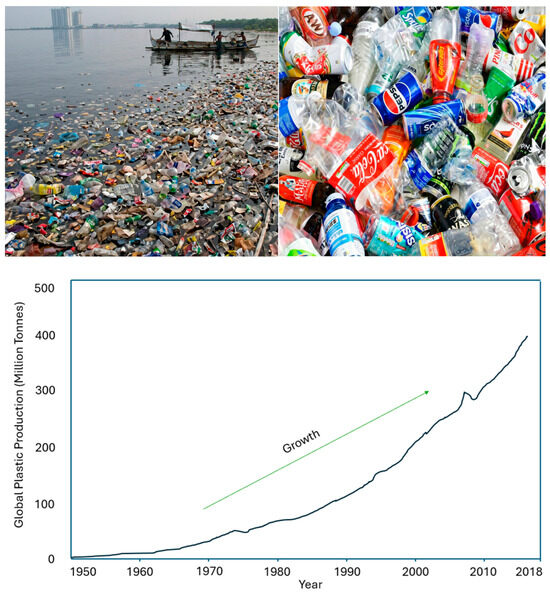
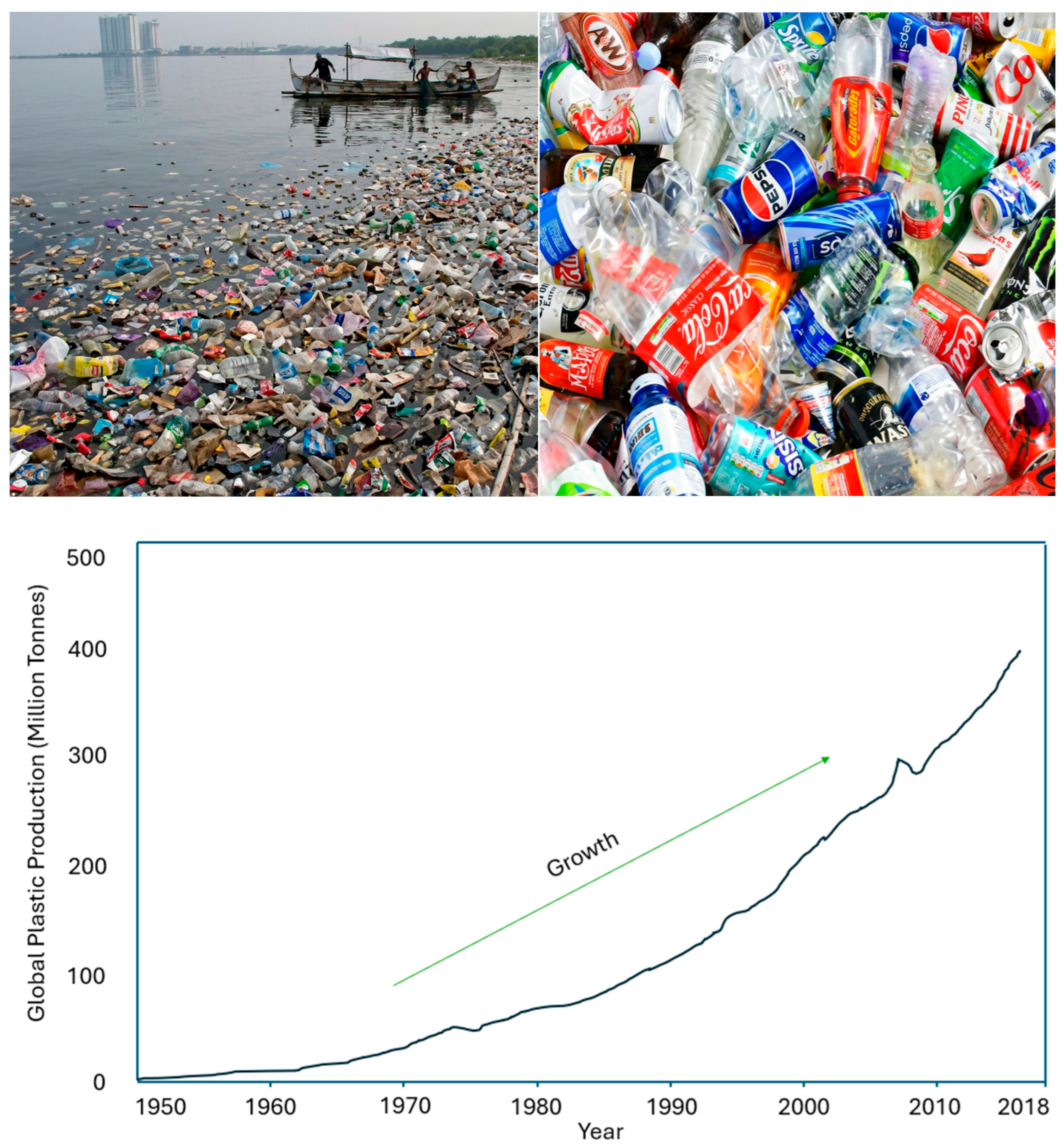
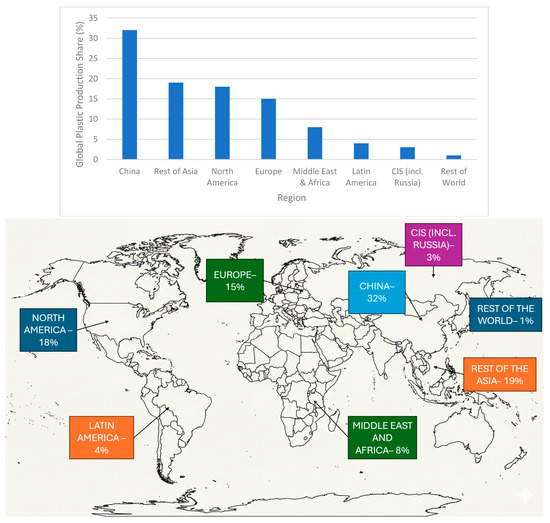
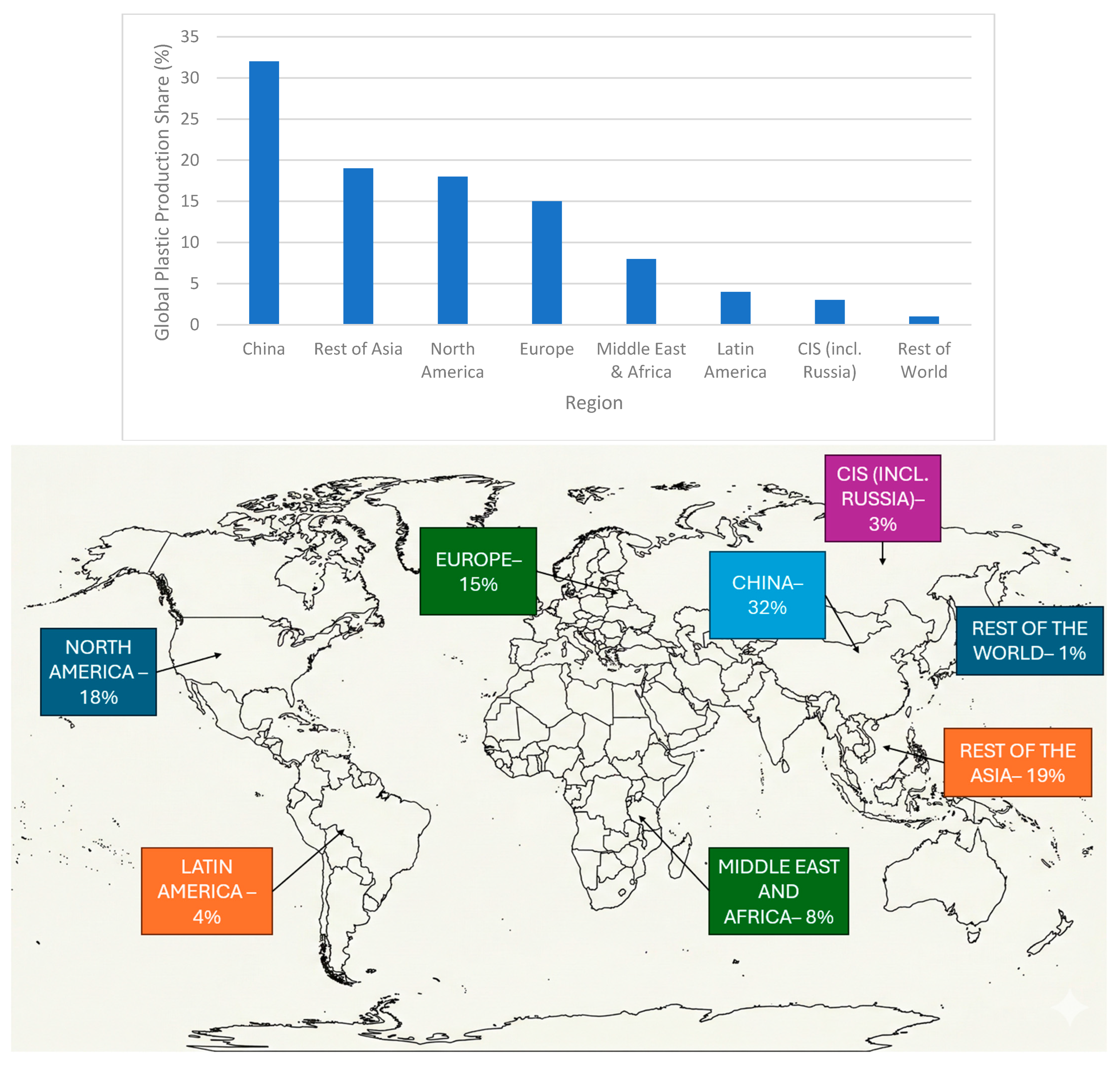
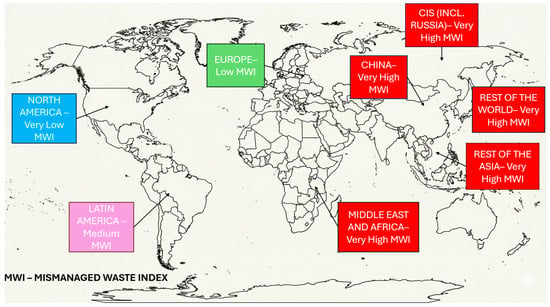
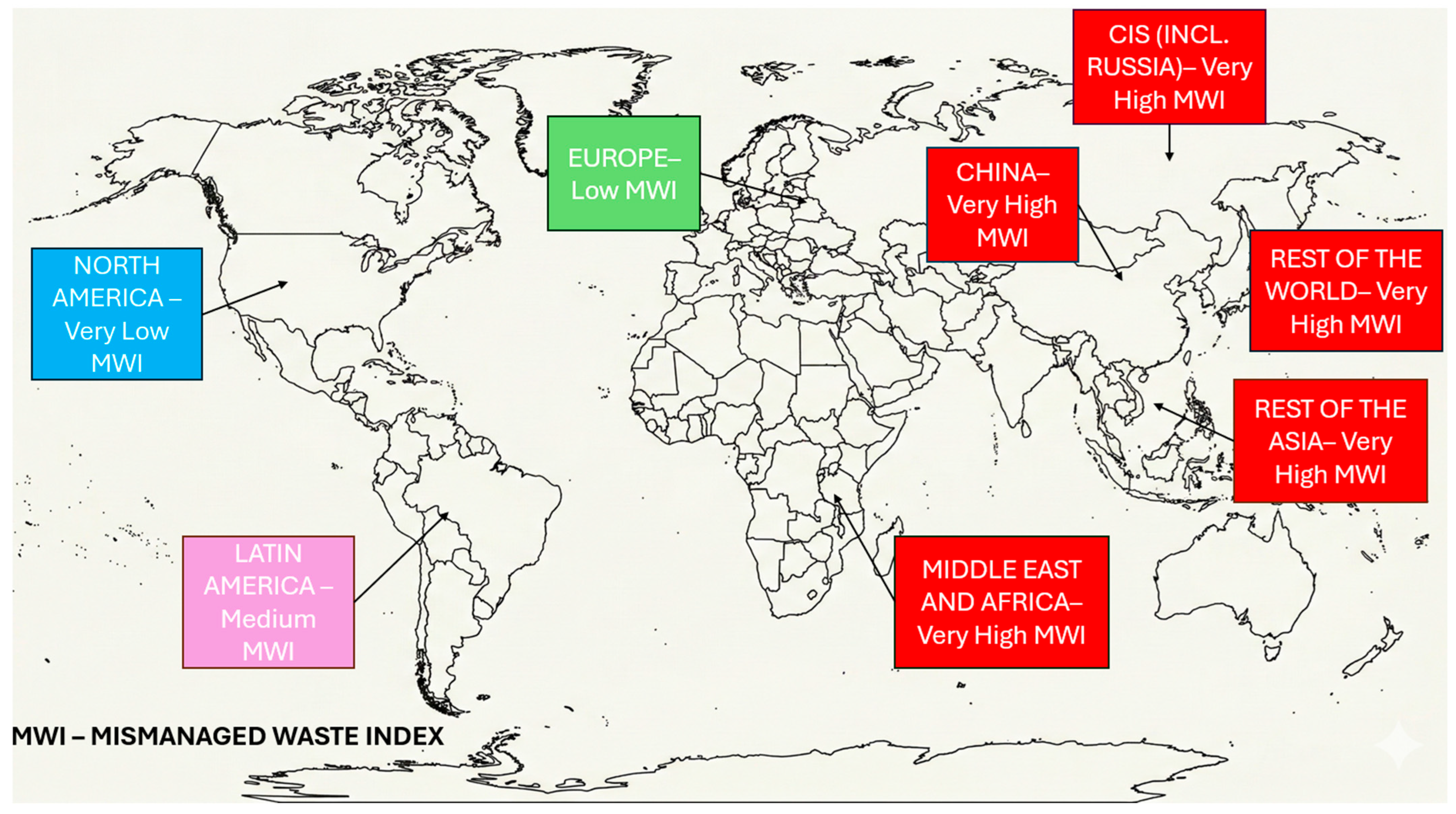
Around the world, the major cause of soil, water, and air pollution is plastic production. Annually, more than 500 metric tonnes of plastic are produced, posing a major environmental concern, especially from a waste management perspective. Since the 1950s, plastic production has risen significantly and will continue to do so, as shown in Figure 1 [1]. The motivation for this research is the need to eliminate plastic waste through innovative waste management practices. Especially if waste management practices can generate clean hydrogen to boost the energy generation profile. Clean hydrogen supports the adoption of cleaner means of transportation, such as battery-electric vehicles. Although the major producers of plastics across the globe are not among the major polluters, as shown in Figure 2 for plastics production and Figure 3 for plastics pollution, rising plastics production is encouraging clean hydrogen growth for both major producers and polluters.
Figure 1.
Plastics production trends.
Figure 2.
Plastics production share.
Figure 3.
Plastics pollution.
The production of hydrogen from waste plastics has been explored by previous researchers and industry experts for commercialization. From past research, 20,000 kg per hour of plastics can produce 99.99% pure hydrogen at a rate of 38,143.5 kg per hour. This means the plastics yield percentage is 1.9 times that of the equivalent raw plastics material. The whole process of hydrogen generation from waste plastics involves undergoing thermochemical processes (such as pyrolysis and gasification). Initially, plastic waste is collected and sorted before pre-treatment processes. Pyrolysis involves processing plastics at 400 to 700 °C, which allows decomposition into gaseous products such as pyrolysis oils and char. The resultant hydrocarbon gases are mixed with steam and catalysts so they can undergo steam reforming at temperatures of 700–1000 °C. The gaseous mixture of H2 and CO is termed syngas. The CO is converted to useful H2 by the water–gas shift reaction in the presence of an iron- or copper-based catalyst [2].
Finally, all the gases are separated to produce clean hydrogen via pressure swing adsorption. Byproducts such as CO2, pyrolysis oils, and char are used to meet the energy needs of other processes. The marketing of these byproducts for industrial processes addresses the cost inefficiency of heavy thermochemical processes driven by fossil fuels.
Fuel cells have been proven to convert hydrogen into electricity. However, before fueling a fuel cell, H2 must be purified and stored. Fuel cells may operate intermittently based on the charging cycles from electric vehicle loading. The whole system processes hydrogen and oxygen through an electrochemical reaction that generates DC (direct current) power and by-product water. Fuel cells have been proven to demonstrate high safety and increased efficiency during continuous operations. During the electrochemical process, H2 is fed into the anode, where a catalytic reaction yields protons and electrons. Electrons are forced to pass through the external electrical circuit, thereby generating DC power, whereas the protons pass through the electrolyte membrane towards the cathode. Since the cathode is supplied with O2, water is formed as a by-product [3].
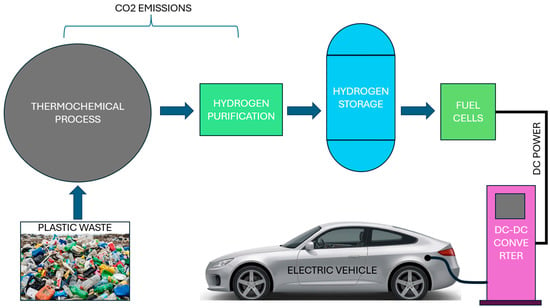
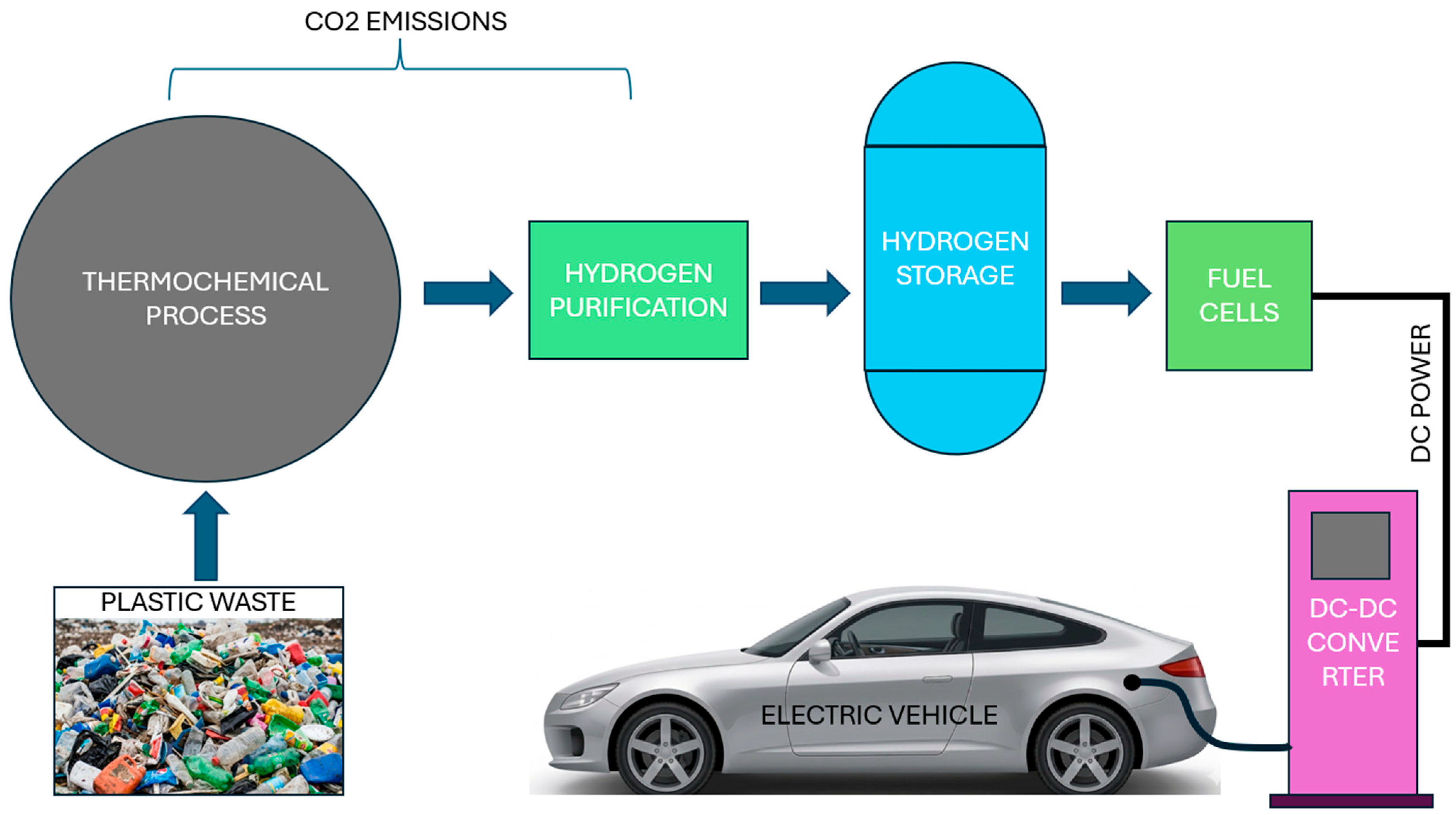
The direct transfer of DC power from the fuel cells to the EVs is implemented as described by Sankhwar (2025) [4] and shown in Figure 4. A charger using DC-DC conversion, along with voltage-stabilizing and overcurrent-protection devices, helps boost performance, especially by eliminating the typical DC-AC conversion cycles in existing charging systems. This allows for minimizing conversion losses in power transfer between the generation source and the load.
Figure 4.
Holistic system with dc power systems.
The commercial and environmental benefits include increased safety from hydrogen storage in off-electric vehicles, as evidenced by the safety hazards of fuel cell electric vehicles per [5,6] and hydrogen storage per [7,8]. Additionally, many inherent advantages that are proven from the existing literature with use of clean hydrogen for fuel cells are: Significant GHG emission reduction by replacement of fossil fuels and diversion of plastic from landfills for clean hydrogen production is possible; economic viability is offered by savings gained from GHG emissions reduction (e.g., carbon credits); power grid enhancement is added with a new and sustainable power source, contributing to long-term energy goals; and waste valorization results in optimizing the process to eliminate wasteful steps in plastic conversion.
The most feasible way to connect power lines and route them in a manner that reduces copper losses is another aspect that opens the door for further research into reducing system inefficiencies. This study, however, identifies and discusses the major limitations and recommends a new process for power systems to meet long-term goals for GHG emission reduction and to offer a cleaner, greener planet. The rest of the paper is organized into a literature review that identifies gaps in the literature for framing research questions, feasibility modeling, and a case study of a holistic system that operates with clean hydrogen for EV charging across multiple stages, including off-board DC charging systems from fuel cells. Emergency response systems for healthcare by e-ambulances were planned for Gujarat, India. Furthermore, a comparative analysis of emergency response vehicles in the United Kingdom and the United States delved into discussions on project development frameworks and the training of artificial intelligence models for power resilience. Finally, the conclusion section enumerated the key research findings.
2. Review of Literature
Clean hydrogen from waste plastics has been observed to face challenges due to increased carbon dioxide levels from the processes involved. However, per [9], Rice University research produces both high-yield hydrogen gas and high-value graphene. Although recovering the cost of clean hydrogen from by-product graphene increases the overall cost efficiency of the system, the majority of the current systems depend on gray hydrogen for cost efficiency, especially given the low cost and abundance of natural gas [10]. Additionally, the future of gray, blue, and clean hydrogen depends on technological advances in hydrogen storage [11], cost reductions, and legislative regulations [12]. Classification of hydrogen into gray, blue, turquoise, green, pink, and brown based on the technology and source in [13] and life cycle analysis resulted in concluding that clean hydrogen is a promising future meeting the RED II climate impact limits, but highlighted that upstream emissions alone can hamper the novelty of reduced environmental impacts from clean hydrogen production. Use of by-products for industrial processes directly links to cost efficiency, but equivalent carbon reductions from their use, namely pyrolysis oils and char, can bolster savings. Hydrogen generation is influenced by global supply chain networks [14], whereas cost efficiency for local systems is governed by environmental permits [15] and regulations [13]. This initiates the need to identify cost-effective global transportation of hydrogen storage tanks by container ships, which may be fueled by hydrogen [16]. Additionally, SDG 7 (Affordable and Clean Energy) lays the foundation for scaling green and clean hydrogen, motivated by the goal of achieving a shift from fossil fuels [17].
Traditional AC (alternating current) systems have limited the use of DC (direct current) equipment, but the growth of microgrids [18,19] has encouraged the integration of DC power sources from on-site renewables. In [20], an LVDC (low-voltage direct current) system used a 375 V DC bus to serve all electrical loads of a commercial building, which required retrofitting costs that were offset by increased transportation costs. These retrofits consisted of low-voltage DC buses, DC-AC, and DC-DC converters. Consistent with HVDC (high-voltage direct current) transmission and distribution benefits in loss reduction, LVDC [20] goes a step further at the building system level. However, [19] relied solely on off-grid DC systems to power low-voltage DC devices. Such topology necessitates replacing the AC-powered type I equipment in [20] with DC-powered type I loads. For example, HotSpot Energy [21] provides a DC-powered solution for HVAC (heating, ventilation, and air conditioning), powered by rooftop solar photovoltaic systems or optional AC power for 24 h operation. Therefore, to solve the problem of 24 h operation, a fuel cell-based DC power generation system offers a potential benefit, thereby eliminating the need to rely on grid AC power. Many commercial systems in railroad applications worldwide use a DC power bus to power equipment for electric traction, lighting, power, and plumbing, as well as heating, ventilation and air conditioning. For example, common third-rail DC buses are rated for 600 to 750 V DC, which is converted to 24 V, 36 V, 48 V, 72 V, or 110 V DC for auxiliary systems within individual cars [22]. Even the predominant overhead catenary systems require AC power from the source to be converted to DC to run all the local systems.
Fuel cells operate according to the Carnot Cycle, offering three times the efficiency of a regular heat engine, quiet operation, and no harmful emissions [23,24]. In contrast to this nature, hydrogen production emits harmful emissions, depending on the source, as per [13]. Driven by the simple physics of driving an external current through a connected load between anode and cathode, PEM (proton exchange membrane) fuel cells are widely used [23,24]. However, the high cost of membrane catalysts and limited membrane producers are areas for improvement to scale the adaptability of PEM fuel cells [25]. The scalability of the PEM electrolyser is bolstered by [26] for the 1–10 MW range.
The gaps in current research are mainly in integrating and scaling up hydrogen production from waste plastics with DC (direct current) charging systems, or in running building systems from an LVDC bus and subsequent DC-powered devices. There are significantly lesser-known practical solutions wherein safety from off-board fuel cells serve the needs of charging systems for battery electric vehicles. This research article addresses these gaps by providing a novel model that improves vehicular safety by off-boarding the fuel cells, leveraging the high efficiency of DC-only systems for charging, and enhancing critical healthcare infrastructure to enable e-ambulance scalability. The major research questions explored further include: How feasible are clean hydrogen systems driven by plastic waste for supporting DC power systems? And whether a practical solution can be developed for the critical infrastructure of e-ambulances to plan and design an AI (artificial intelligence) system?
3. Feasibility Modeling
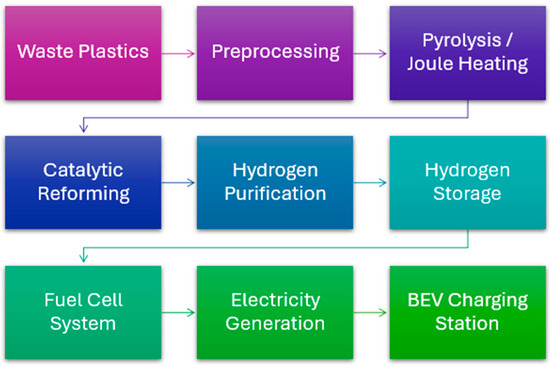
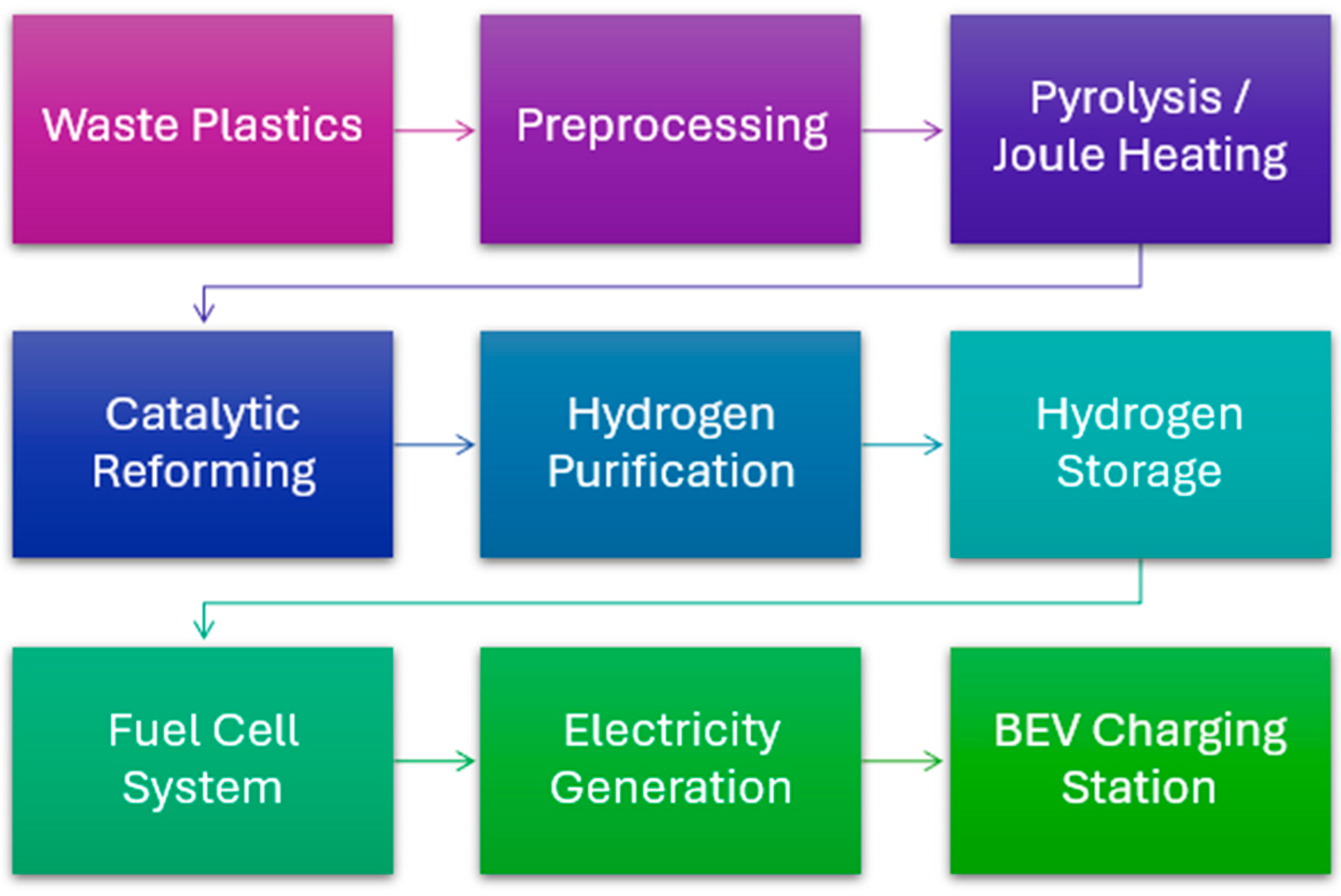
The feasibility of such a system is often governed by optimized energy efficiency during thermochemical conversion and hydrogen storage, as shown in Figure 5 [8]. The lower the energy conversion and system inefficiencies are, the higher the effectiveness of the clean hydrogen production. The fuel cell hydrogen storage system off the vehicle supports an EV charging infrastructure and is dedicated to operating at DC voltages, further enhancing overall usability in a distinct application for electric vehicle charging solutions. An ecosystem that ensures commercial viability is a determining factor in modeling this system.
Figure 5.
Process diagram for hydrogen generation and usage.
The EV charging solutions are governed by the science involved in categorization based on alternating or direct current (AC or DC). Slow charging often supplies AC current and voltage to the EV via SAE J1772 charging ports. Home charging is often provided by a 120 V single-phase AC outlet, whereas commercial fleet AC charging is provided by 240 V single-phase power. Commercial fleet charging is often faster than home charging, but is still much slower than DC fast charging. DC fast charging provides EV charging at DC and voltages, but still uses 480 V or 208 V three-phase AC power as input. This is usually suitable for public and commercial fleet charging solutions. Comparatively, it is much faster than an AC slow charging solution.
Power system optimization using DC systems is growing rapidly in modern power systems, especially when power from distributed energy resources is DC. Eliminating the DC-to-AC and AC-to-DC conversions for equipment designed to operate on DC and voltages optimizes power systems and reduces losses. The fuel cell provides an output DC voltage, which, using DC-DC converters, can be stepped up to a voltage that enables DC fast charging for electric vehicles. Additionally, HVDC systems are predominantly used for long-distance power transmission because of their inherent reduction in power losses.
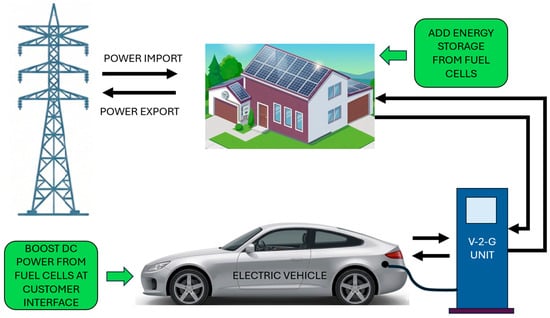
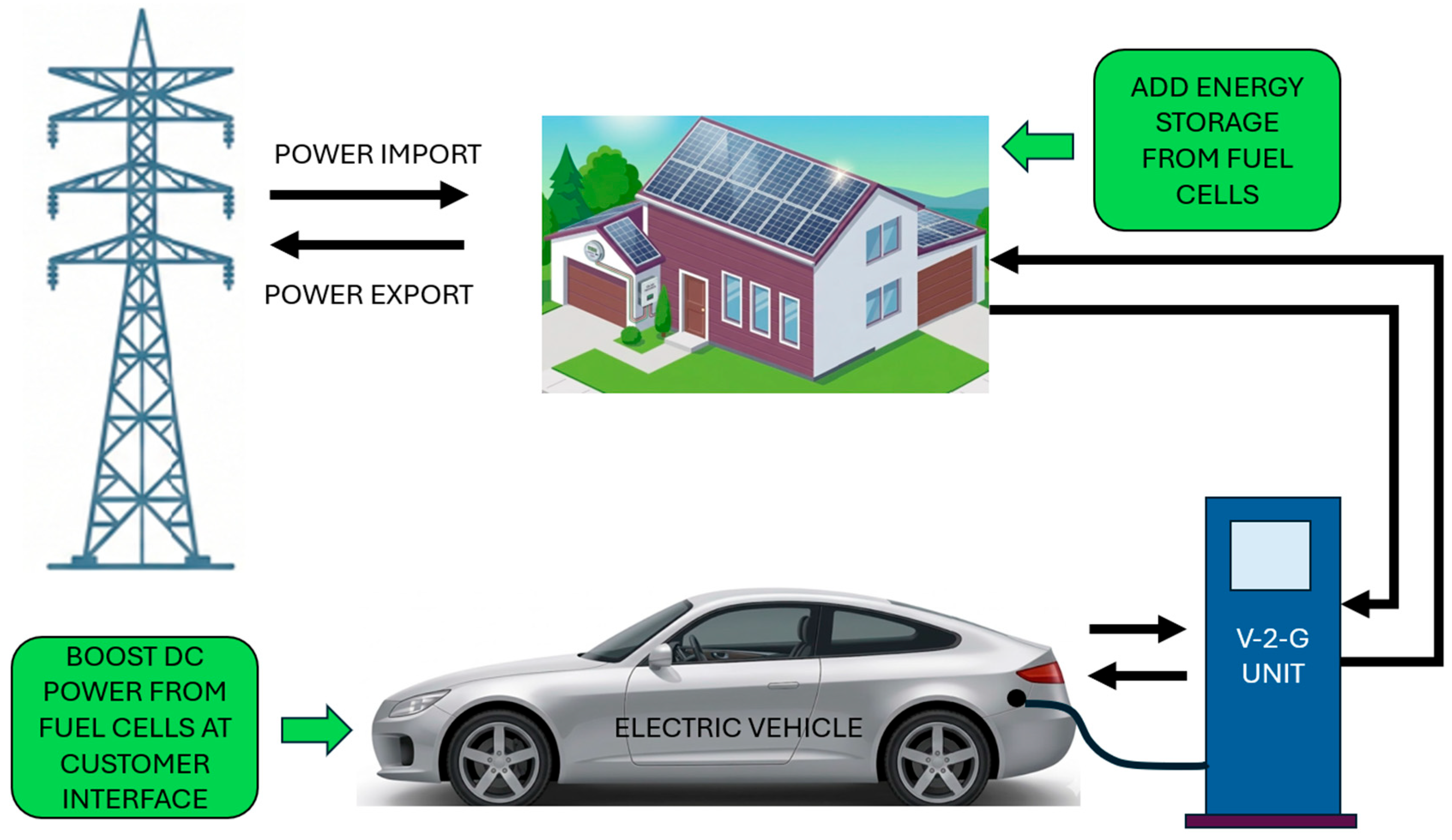
The bi-directional power flow from a V-2-G system (Figure 6) often poses challenges related to harmonics and power system stability. However, over time, utility companies worldwide have addressed power quality and system protection issues by deploying resilient systems for large distributed systems powered by renewable energy resources [27,28,29]. The more dispersed nature and large number of electric vehicles and V-2-G systems raise the need to deregulate the power grid, which involves detailed discussion and outreach to governing bodies. The nature of such systems’ operation is heavily governed by the adaptability of the utility companies. Power flow is governed by simple formulations based on Kirchhoff’s current law, which, in straightforward terms, states that the currents into a node equal the currents out of the node at any point in a power system. Thus, it is just a matter of how well the system is designed to accommodate the V-2-G systems to solve the power flow problems. Due to differences in voltage and current waveforms between AC and DC, DC-only systems require specialized converters, thereby adding cost to equipment and engineering design.
Figure 6.
V-2-G systems boosted by DC power.
The boosted power from customers’ local energy generation resources often improves the system’s performance. The nature of distributed generation adds grid complexity; therefore, smaller micro-grid systems are encouraged [30]. As is well known from the literature, many small, independent DC systems can operate in groups of homes to remain independent of the power grid during emergencies. For example, during a regular outage from the utility grid, a small DC power system operating from roof-top solar and EV battery storage systems can provide energy independence. Many geographies have reported customers having net-zero energy bills for electricity when installed with roof-top solar panels.
Therefore, the methodology for modeling a holistic system emphasizes the advantages of boosted energy sources, as shown in Figure 6. When applying for a practical case study on healthcare e-ambulances in India, the issue of waste plastic addresses life safety. This is not just scientifically consistent in improving the health and safety of individuals, but also consistent with ethical standards governing the recycling of hazardous plastics for human good. Furthermore, the feasibility of emergency response vehicles is validated by the successful commercialization of hydrogen production depicted in Figure 5. In the next section (Figure 7 and Figure 8), the practical layout of equipment for DC systems is presented, and the proposed waste recycling is quantified.
Figure 7.
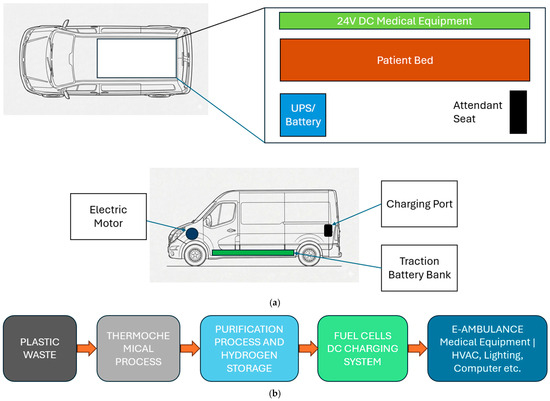
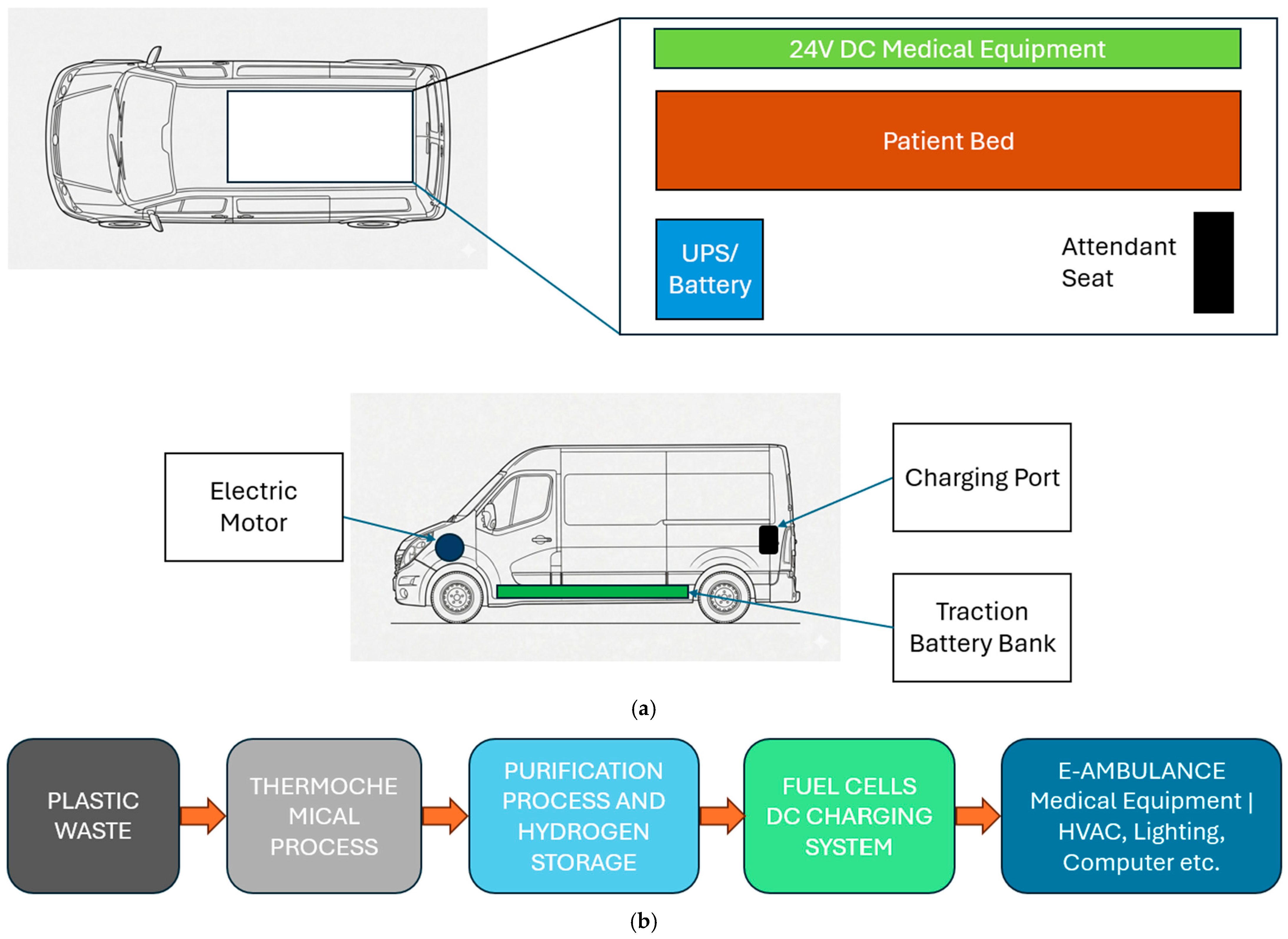
Fuel cell charging system for ambulances: (a) graphic view of interior (b) overall process of clean hydrogen for charging e-ambulance.
Figure 8.
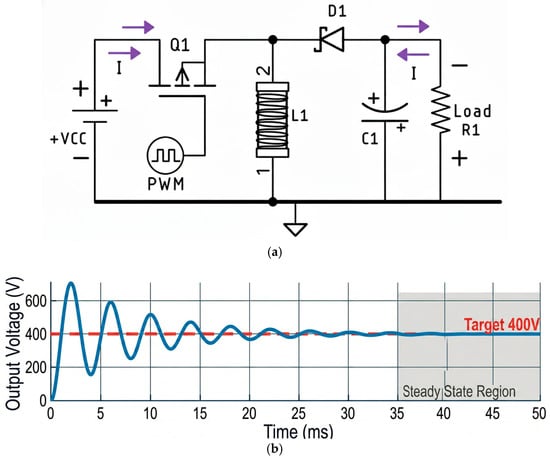
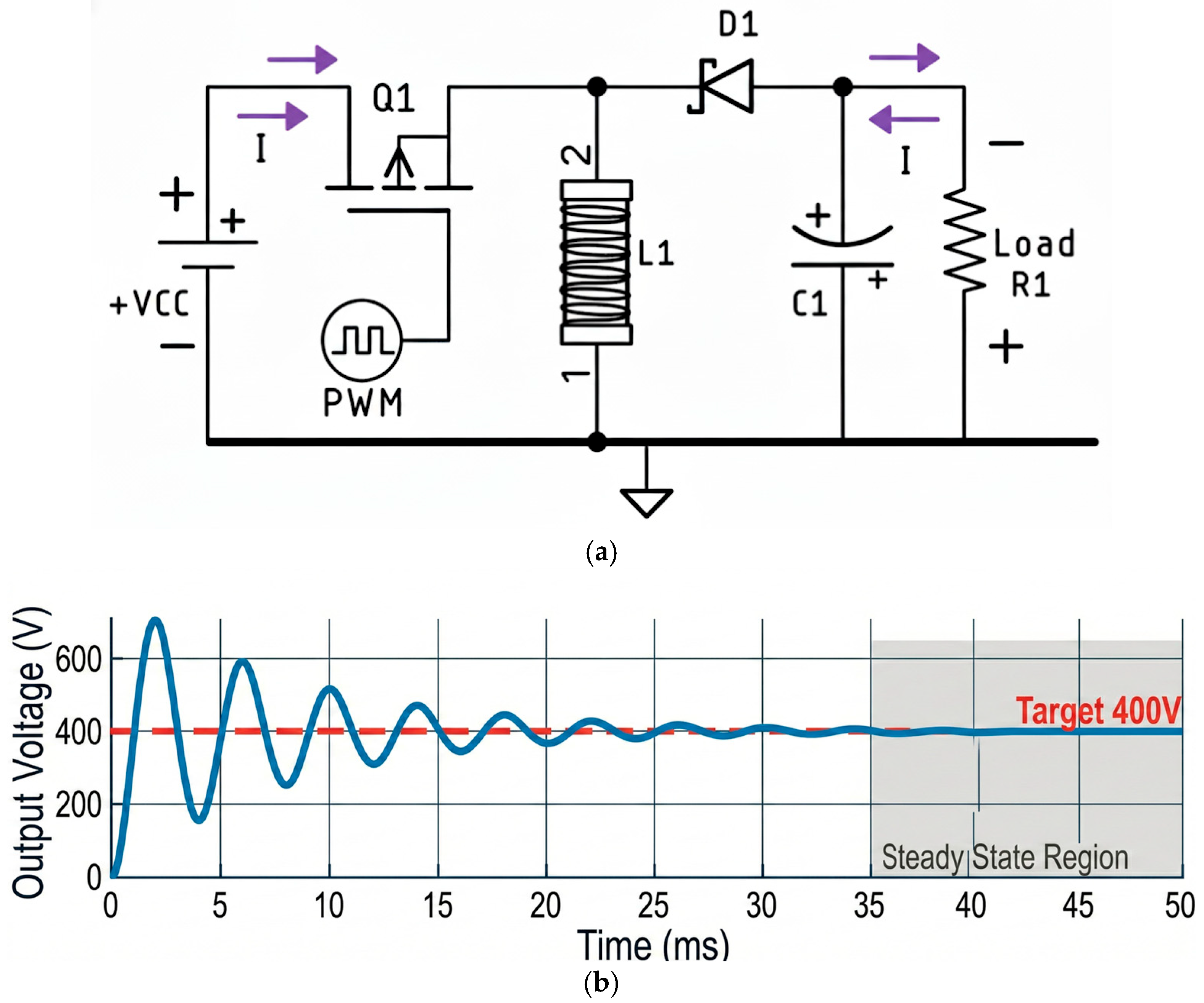
Buck-boost convertor circuit diagram: (a) circuit diagram (b) characteristic curve for output voltage.
4. Practical Case Study
4.1. Emergency Dispatch Centers/Emergency Response Vehicles
The emergency dispatch centers are responsible for deploying vehicles on time to respond to various types of emergencies. For example, certain helplines are associated with dispatching emergency services such as fire brigades, police, and paramedics. Although these services often involve medium- to heavy-duty vehicles, fuel cell-based charging systems are often a viable solution for reducing charging session times compared to DC systems. Extended-range electric vehicles (EREVs) comprise on-board generators fueled by gasoline or diesel that generate electricity, which in turn charges the on-board battery responsible for electric motor propulsion. For emergency response vehicles, hydrogen storage and fuel cells can serve as primary and backup energy sources during power outages. Table 1 gives an overview of the total number of ambulances attached to emergency response in Gujarat, India. The total number of such emergency response ambulances is expected to grow to 1499, according to the latest update from May 2025 [31].
Table 1.
Distribution of ambulances.
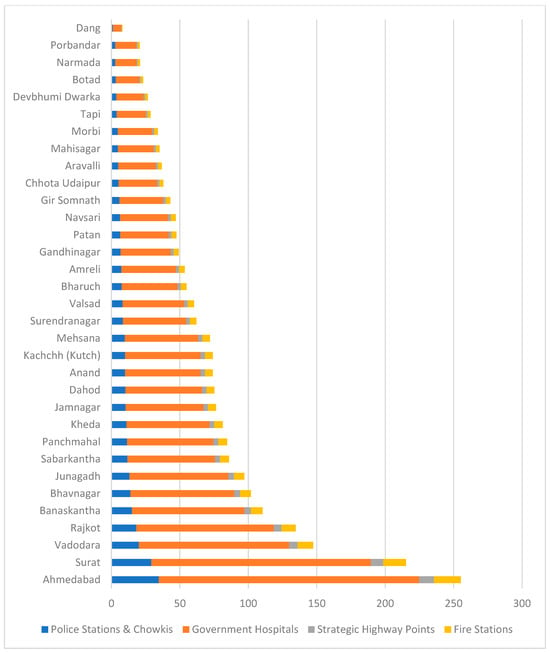
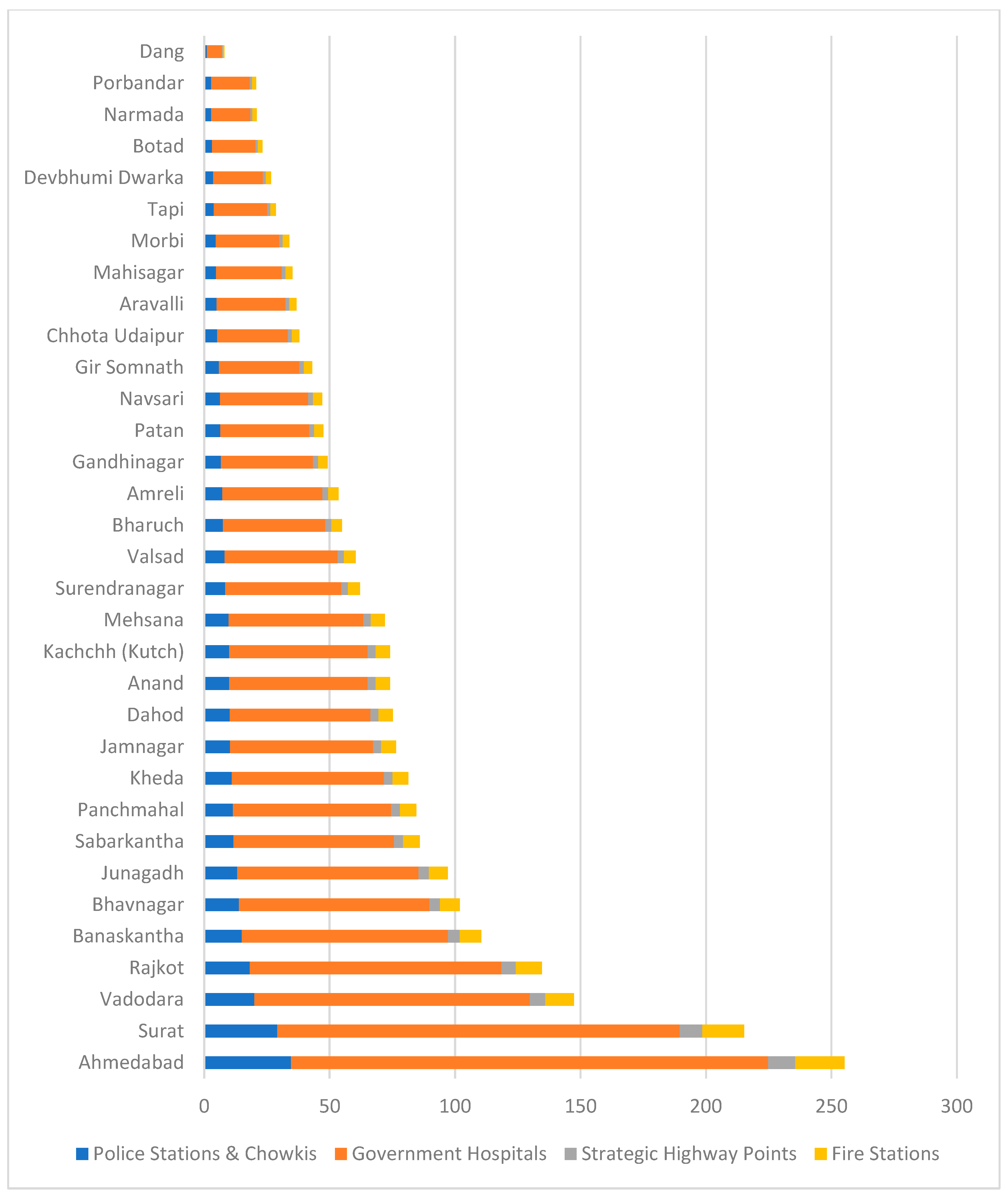
The emergency response services in Gujarat are managed by the Central Headquarters, which is responsible for controlling the movement of emergency response vehicles using a predefined strategy based on travel distance, emergency type, and other operational constraints. The Gujarat Emergency Response Center is located in Naroda, Ahmedabad (near Dastan Farm). Most ambulances are strategically stationed at “Base Stations” across all 33 districts at listed locations: Police Stations and Chowkis (e.g., Satellite, Paldi, or Naroda in Ahmedabad), Government Hospitals (CHCs and PHCs) in every Taluka, Strategic Highway Points (for rapid accident response), and Fire Stations (in major cities like Surat, Vadodara, and Rajkot).
Based on the existing total number of police stations, government hospitals, strategic highway points, and fire stations in Gujarat, Figure 9 shows the breakdown of the total of 1499 ambulances. Additionally, Figure 7 shows the fuel cell charging system to run ambulance propulsion and internal systems. A key observation to note here is that all the internal equipment within the ambulance, starting from medical equipment, HVAC system, vehicle lighting, and consoles, runs on DC power. When deploying electric ambulances, there is significant backup available from the battery bank powering propulsion, thereby increasing the overall battery backup for medical equipment. The power consumption by medical equipment is often limited to 24 V systems rated at about 375–500 W. So, only a fraction of power is drawn by such specialized medical equipment from the onboard lithium-ion battery for vehicle propulsion.
Figure 9.
Distribution of ambulances across all districts in Gujarat.
A typical system designed for emergency response comprises a total of twenty fuel cells (24 V DC) connected in series supplying DC power for charging at 400 V DC, the e-ambulance batteries. A DC-DC buck-boost converter stabilizes the voltages for a DC charging system as seen from Figure 7b. Governing Equation (1) yields output voltage in relation to the input from the buck-boost converter.
where , is output voltage in Volts (V); , is input voltage in Volts (V); and is the duty cycle (between 0 and 1).
A buck-boost converter (Figure 8) is primarily a DC-to-DC power converter that can generate output which is greater than or equal to the input voltage magnitude, however there is an inherent reversal of the polarity due to this transformation process. The component of this transformation relies on the energy storage properties of the inductor (L1) and the high-speed switching of a transistor (Q1), usually controlled by a pulse-width modulation (PWM) signal. Upon closure of the switch, the inductor stores energy from the input source while the diode (D1) is in a reverse-biased condition, thereby isolating the load. Upon opening of the switch, the inductor’s magnetic field collapses, causing its voltage to reverse; these forces current through the diode to charge the capacitor (C1) and power the load. Adjustment of the duty cycle—the ratio of the switch’s “on” time to the total switching period—means that the converter can precisely regulate the output voltage to meet the specific requirements of the connected electronics.
4.2. Mathematical Analysis
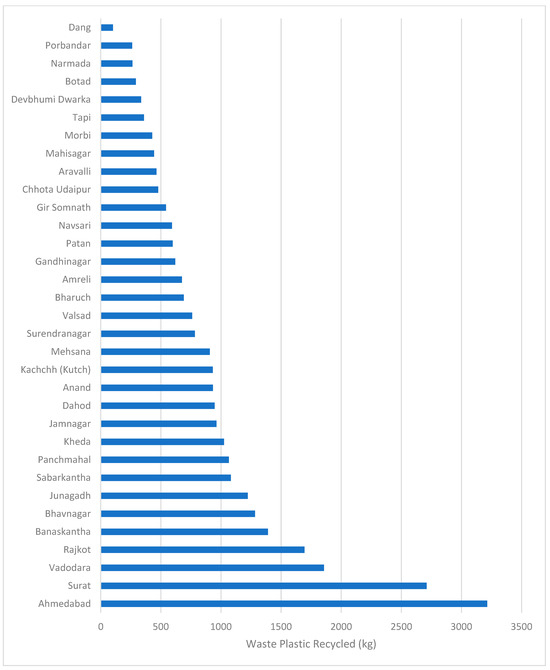
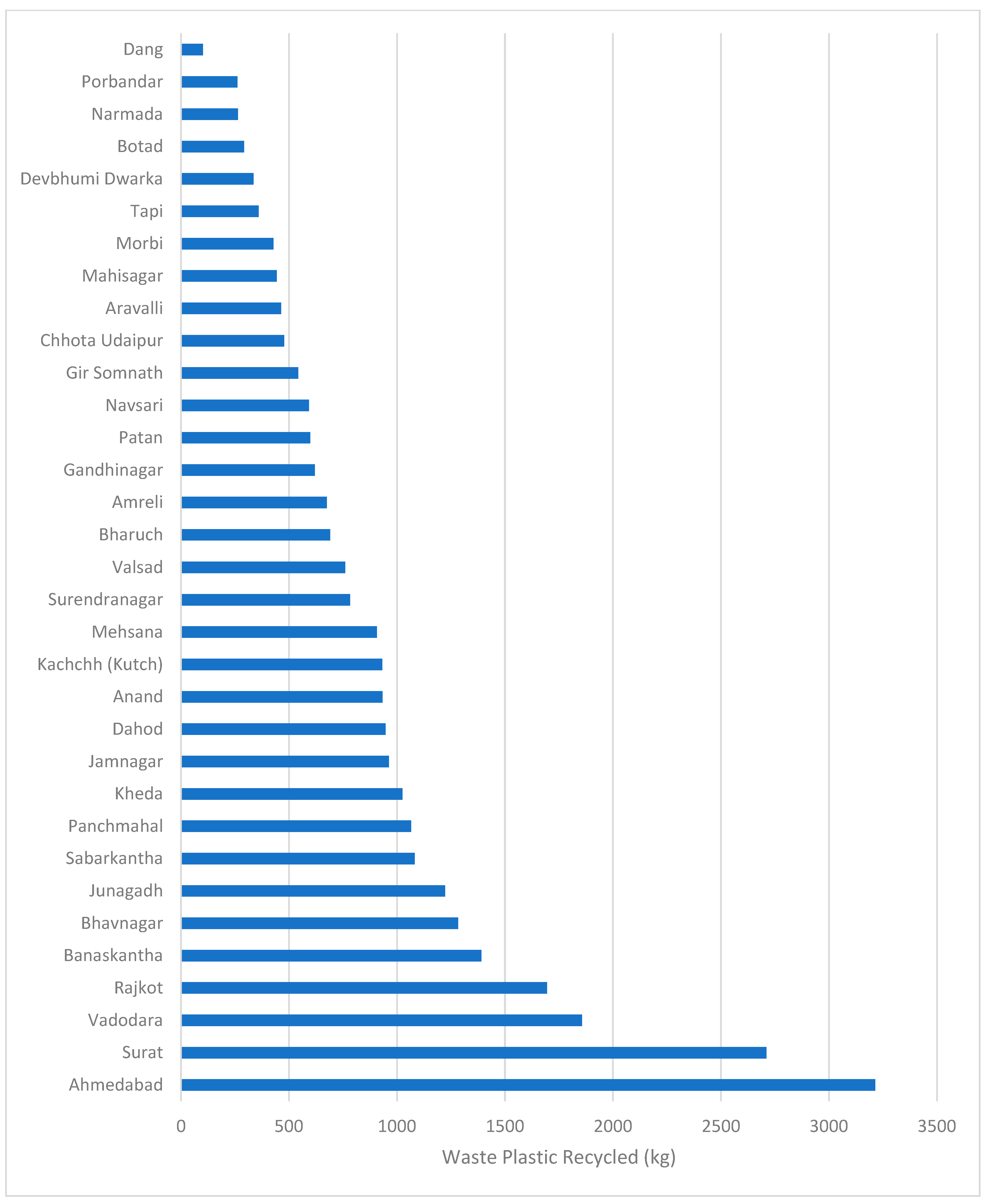
Consider “Tata Magic EV” with a rated battery capacity of 20 kWh used for the purposes of emergency response e-ambulances widely across all districts in Gujarat. With rated minimum 0.22 kWh/km and 30 km of average travel distances per day by each e-ambulance, the overall capacity of the charging infrastructure was calculated. Additionally, based on proven successful clean hydrogen conversion achieving 38,143.5 kg of hydrogen from 20,000 kg of plastic waste on hourly basis, the estimated hydrogen required to support these ambulances by each district can be obtained [32]. Figure 10 shows total weekly demand in KVA for charging loads and equivalent clean hydrogen required and therefore the waste plastics recycled to generate DC power. Equation (2) governs recycled plastic waste.
where is the weekly waste plastic recycled (kg) to generate clean hydrogen; is the demand load based on 30 km travel of each e-ambulance daily. The conversion factor for DC power required in kg of hydrogen per kWh is 0.07. Based on varying types of plastics, an average 1 kg of plastic produces 3 kg of CO2 equivalent [1,2]. So, 29,917 kg of plastic recycled from the clean hydrogen generation process from Figure 5 saves 89,721 CO2 equivalent (GHG emissions).
Figure 10.
Yearly waste plastic recycled (kg).
4.3. Comparative Analysis of Emergency Response Vehicles Across United Kingdom and United States of America
The emergency response vehicles in developed countries in Europe and the United States have more advanced life-safety systems than the small-sized ambulances presented for India in Section 4.1 and Section 4.2. According to the European Parliament, the total annual waste plastic in Europe was around 9.58 million tonnes in 2022 (after 40.7% of packaging plastic was recycled). According to the United States Environmental Protection Agency, 26.9 million tonnes of plastic are sent to landfills in the United States each year (after 3.09 million tonnes are recycled and 5.6 million tonnes are combusted with energy recovery). The emergency response vehicles for healthcare (ambulances) in European countries like the United Kingdom are Peugeot Boxer, Mercedes Sprinter, and Fiat Ducato. In the United States, ambulances are categorized into Type IV, and major manufacturers include American Emergency Vehicles, Braun Industries, Medix Specialty Vehicles, and many others. The UK currently has more than 1000 e-ambulances launched by DocGo. With a similar quantity in New York, DocGo utilized a Ford Transit Chassis housing an 86 kWh battery bank. Based on Equation (2) and a scenario of 10% to 90% SOC charging sessions per e-ambulance, it requires 2.53 kg of waste plastic for hydrogen production to support fuel-cells for charging solutions. Given a similar number (1000) of these e-ambulances in the US and UK, with an average daily travel distances of 30 km, they generate about 0.92 million tonnes of plastic waste annually. About 73,000 existing non-electric ambulances in the US, if converted to 45% fully electric, would require 26.40 million tonnes of plastic waste, potentially using up the entire plastic waste dumped in landfills.
5. Discussion on Project Management for Development of Systems
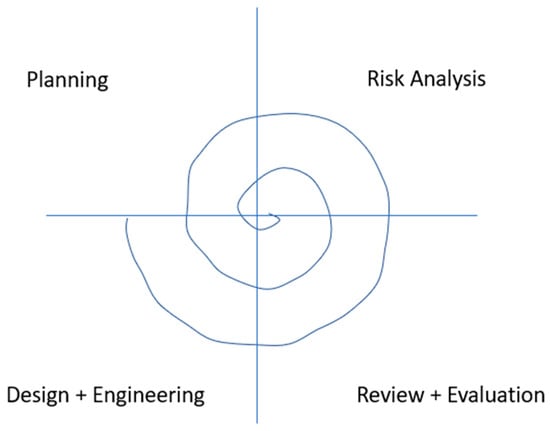
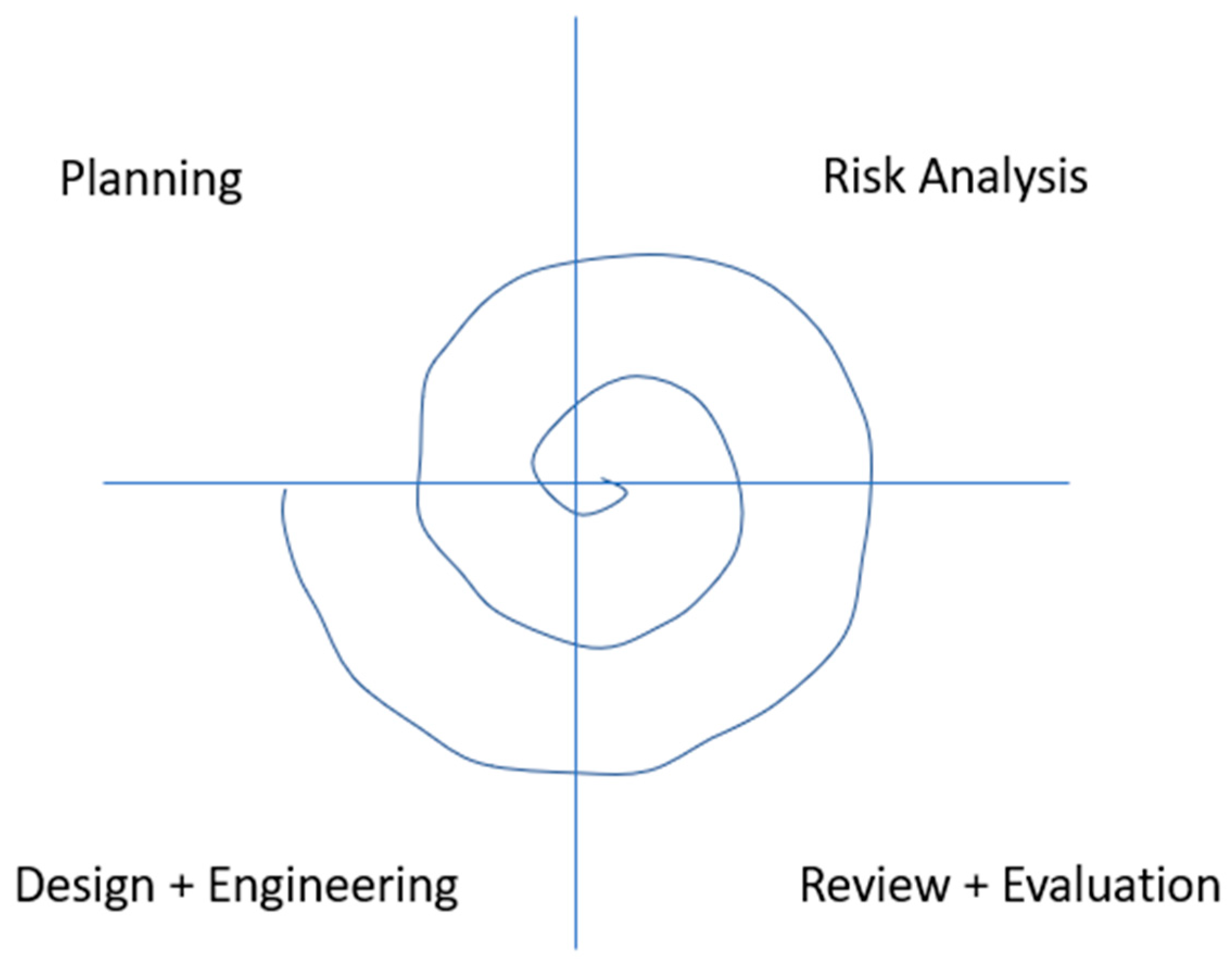
There is often a risk involved in hydrogen handling, especially given past experiences with its commercial use in aviation. Also, pressure-release valve failures may result in explosions in fuel-cell-based electric vehicles. Therefore, risk minimization is possible by locating the fuel cells completely away from the passenger vehicles. In project management, spiral models support risk analysis. The spiral model is one of the models that has a similar approach to the incremental model per PMI (Project Management Institute), but it also focuses on risk analysis. There are four phases in the overall Spiral project life cycle model: planning the project, designing the product, and constructing and evaluating it for compliance. This model is applicable to projects with more frequent deliverables, frequent changes, medium-to-high risks, and complex problems with unclear paths and associated risks. Figure 11 shows the spiral model schematically.
Figure 11.
Spiral model.
The planning phase involves gathering all the project requirements for business development. The systems are understood, and communication between the customer and the software analyst is determined with the intent to launch the product towards the end of the spiral. The design development of the spirals begins with the interactions between the architectural and logical understandings of modules and designs in successive spirals. The software is developed through a series of tests and programming, and is finally launched in the real world. The risks are identified, and the mitigation strategy is framed to determine how the project can avoid them. The evaluation is conducted by the client or customer to determine whether the software developed includes measures to curb risk, any increased costs, and overbudgeting. In the case of hydrogen production projects, the cost reflects the risks involved if the strategic location of the site is unsuccessful. For example, large volumes of waste are located near landfills, but the feasibility of locating a plant requires government permitting. The by-products of a process that generates clean hydrogen often include carbon dioxide and other flue gases, which can harm the environment and reduce air quality in the region. In major parts of urban cities like New Delhi, significant photochemical smog accumulates during the winter season every year. This smog is largely attributed to the surrounding industries.
As shown in Figure 11, researchers and design engineers often focus on planning, risk reduction, and evaluation using a spiral model. For hydrogen production, planning begins by setting objectives, such as the quantity of hydrogen to be produced, to make it commercially viable to run fuel cell systems. Additionally, if there is a deficit, then the use of some blue and gray hydrogen must be explored. After planning, the risk analysis of hazards and environmental impacts is conducted. Finally, after the design and implementation of the processes, a consistent review of the system is required by various stakeholders, such as customers, government agencies, and others.
The model is very flexible and makes software development or processes such as clean hydrogen production easier. The risk analysis is given prime importance, and the iterative approach followed helps identify and further mitigate risks. The customer satisfaction is high, as evidenced by client feedback on the delivered product. The cost associated is high, making it less feasible for small projects. The complex and more documentation could limit the performance. The project managers could also find it difficult to keep up with time, given that the outcomes at each phase are less known at the beginning and during project execution. In particular, the lesser-known variables are holistic process of energy efficiency, user uptake, and government permitting for non-conventional processes. For example, V-2-G, grid decentralization, fuel cells to drive DC systems [19,33] for EV charging, and small microgrid systems are often non-conventional. Currently, only a couple of practical systems for clean hydrogen generation have achieved commercial success, whereas the other non-conventional systems presented in this paper have yet to be explored for commercialization.
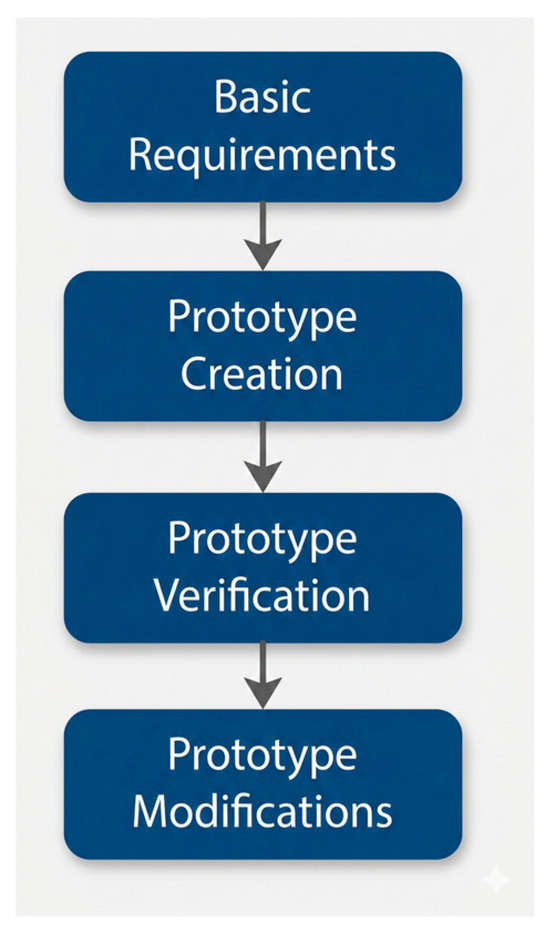
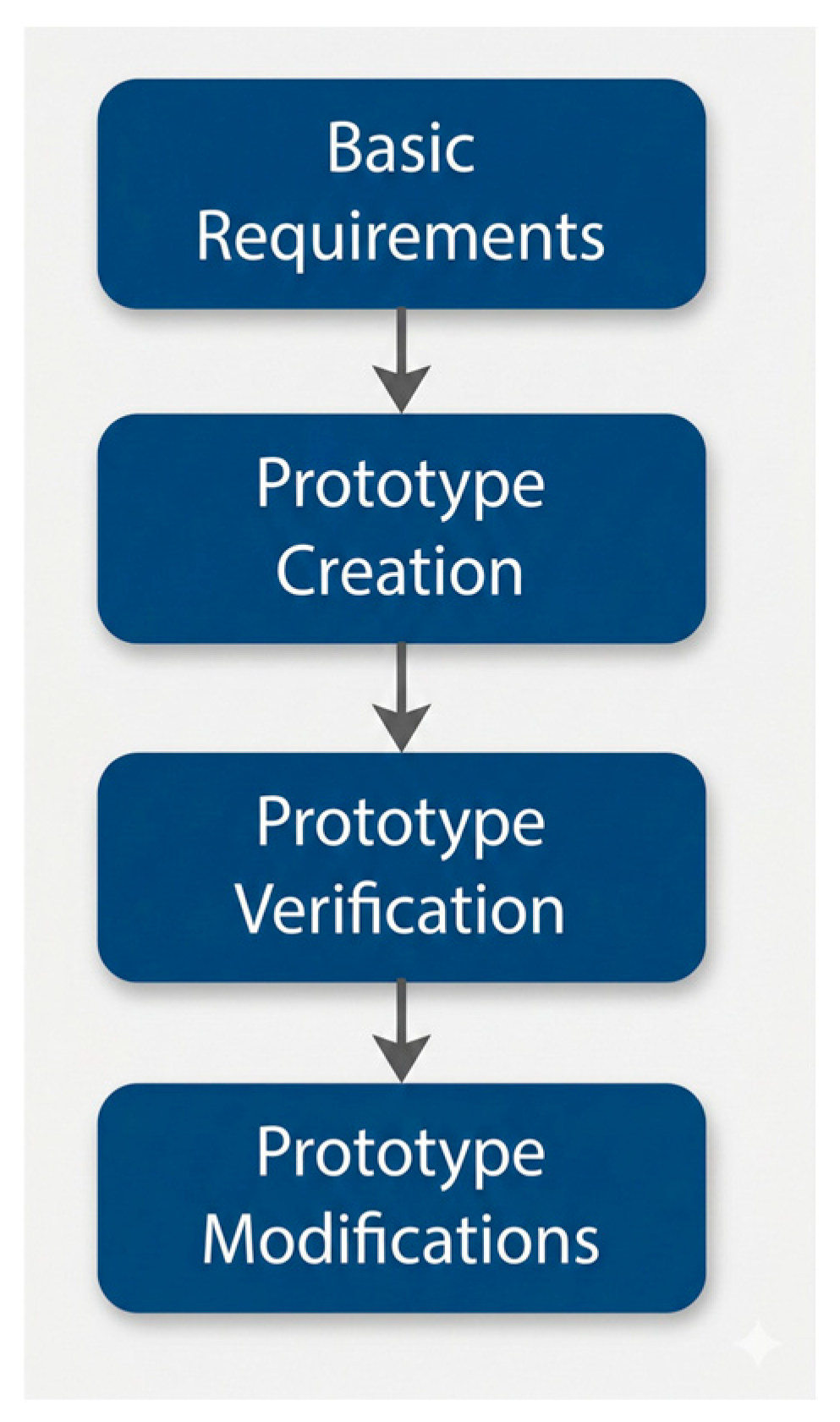
This model (Figure 12) is more focused on how flexible and reliable the project is. This model encourages customer feedback, like the spiral model [34,35], but the software or process must ensure the customer’s desired product and services. The programs’ calibration is done as the project approaches its end. The phases of the project life cycle with this method are described in a further section. The project’s basic requirements are established in this phase. There are more continuous processes to ascertain the project’s requirements, starting with how much time it needs, which product features are required, how it could be optimized, understanding customer needs, and so on. The project needs to develop several prototypes to test how it functions against the basic requirements set forth. With each prototype, success or failure determines the next steps to deliver the project or keep it on track to meet the customer’s expectations. There are some tools and techniques for verifying prototypes, including surveys and experimental testing. Customers have access to some features to provide feedback.
Figure 12.
Evolutionary prototyping model.
Customer feedback results in modifications to the project prototypes, and the team will proceed with more iterations to align the software prototypes with expectations. Here, the basic requirement is to meet the expectations of DC systems powered by clean hydrogen-fueled fuel cells. Prototype development is often guided by test models and research projects that analyze the detailed impacts on how modern power systems operate and are commercialized. For any successful major process, economic feasibility is crucial; otherwise, scalability becomes challenging. However, when the definition of sustainable development is applied to this case, it becomes clear that there is an overall socio-economic benefit from hydrogen use, which needs to be factored into the cost analysis. For example, a reduction in greenhouse gas emissions must be equated to direct economic benefit from this novel process. Some studies have already shown that clean energy initiatives, such as solar and wind projects, have extended the duration of return on investment when compared to direct cost measurement. However, when accounting for the returns from reduced greenhouse gas emissions, such investments yield significant returns during the investment period, thereby offering much higher returns than any other capital projects from non-renewable energy resources.
The greater number of iterations is based on the feedback on the prototypes, which entail the changes. Since the customer feedback is heard by the project teams, a positive image of the project team is shown to them. Many iterations to complete and correct errors and bugs in software prototypes may be deemed a cheaper solution upfront, as eradicating a bug later tends to be more expensive. There are several disadvantages, such as long timelines to arrive at a forecasted completion date, and multiple iterations make those timelines even less predictable. Since the associated cost is high, it is recommended only for high-risk projects, such as hydrogen production. Thus, it applies to specific projects due to major limitations, such as a lack of focus on team members and several complex experimental stages.
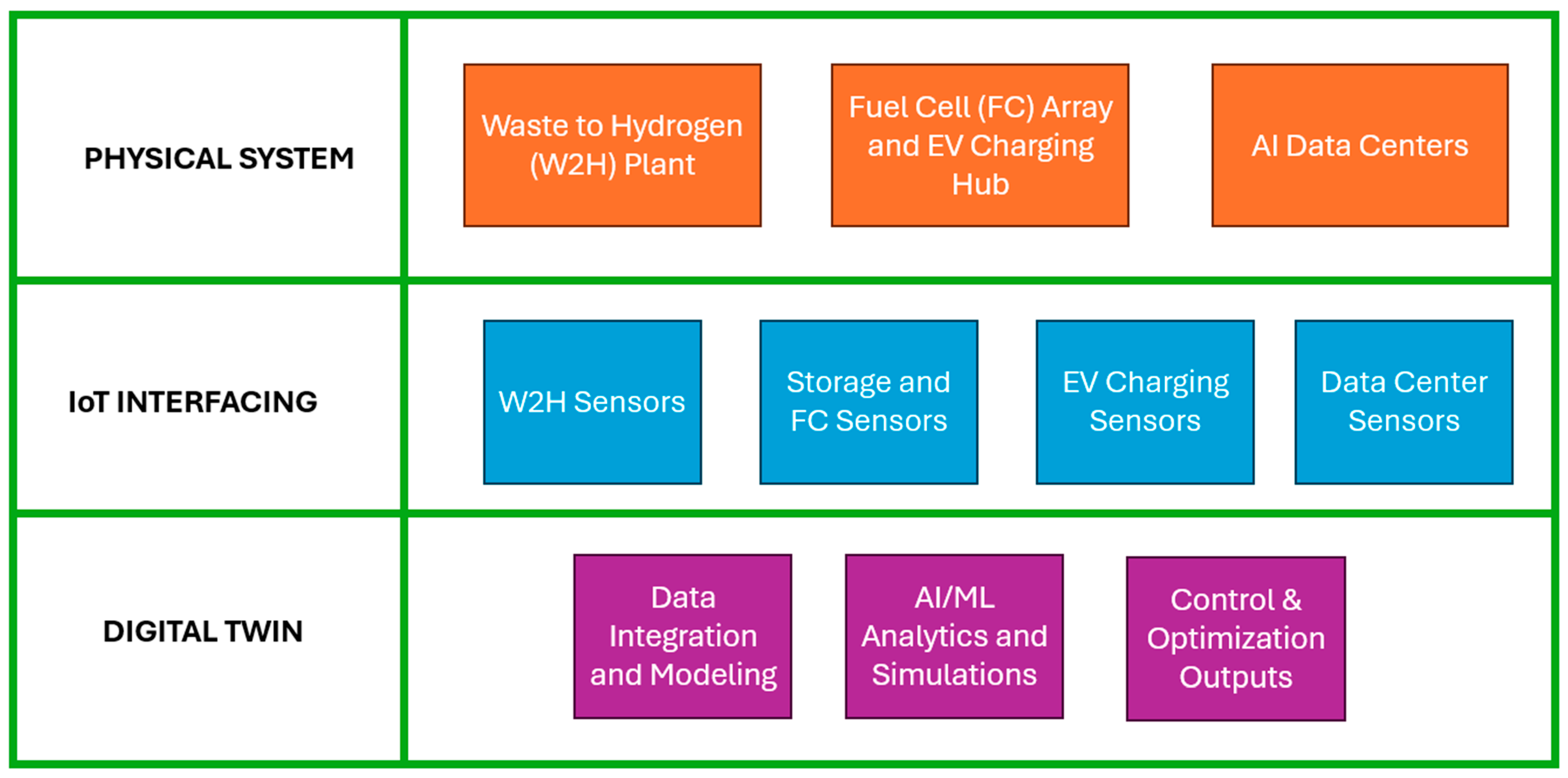
Additionally, artificial intelligence-trained models [36] with digital twins can improve the performance of the software simulations for the real-world implementations of novel hydrogen generation to run DC power systems. The Internet of Things (IoT) may bring forth field information [37] captured from sensors in systems such as temperature and pressure monitoring and control, as well as energy losses from copper losses and conversion processes, with and without DC-DC converters. Current technological developments in charging infrastructure, integrated with cellular communication, reporting the charger’s health and occupancy, and providing charger availability to customers are crucial. The extension of these data points reported to produce digital twins [38] for the entire DC infrastructure comes with an additional burden on data management systems and equivalent energy demands. A typical holistic picture of IoT and data centers, derived from [39,40], with resilient power generation systems, is presented in Figure 13.
Figure 13.
IoT and digital twin for hydrogen production and DC power systems.
6. Conclusions
The key concluding remarks after analyzing the existing gaps in the application of DC power systems for EV charging using clean hydrogen derived from waste plastic were: First, a novel, holistic process was established by incorporating the waste management process for plastic waste. The methodology was recommended for power system planning to meet long-term GHG emission reduction goals. Second, the overall study proposed integrating clean hydrogen into systems with zero tailpipe emissions by transferring the hazardous risks from hydrogen storage onboard to offboard. Third, the DC-DC buck-boost converter was identified as a critical element that bridges the power connection between fuel cells and EVs/e-ambulances. Finally, a case study of e-ambulance conversion in Gujarat, India, and a comparative analysis of the UK and US, both scientifically and ethically, demonstrated meeting the energy demand for e-ambulances from plastic waste. A discussion on best project management practices for developing hydrogen generation facilities, training AI models, and developing digital twins was an enlightening step in increasing power resilience.
For future scope of studies, an in-depth analysis of loss-reduction techniques in DC power systems is required. Optimization of the location and logistics for plastic feedstock is critical to analyze, as there is a significant relationship between landfill locations and clean hydrogen processing plants. An economic analysis of cost–benefit trade-offs, including GHG savings, was performed to ensure that such methodologies are commercially scalable, but more detailed results, accounting for the logistics of hydrogen storage and shipment, are required. Many challenges in the design and integration of this system were explored, but the commercial success of clean hydrogen generation is a promising starting point for this research, which then extends to fuel cells and DC systems for EV charging solutions in critical infrastructure such as emergency response systems. The limitations of this system are often governed by regulatory issues related to the decentralization of the grid when incorporating V-2-G systems, as well as by the commercial scalability of strategically located clean hydrogen production hubs.
As the clean energy initiative continues to prosper across the globe, the motivation for plastic waste as a resource for clean hydrogen production goes further into the need to commercialize the systems for the greater good of humanity. Future modeling may identify solutions to generate clean hydrogen from almost any type of industrial waste. Additionally, it may localize systems within industries to improve waste management logistics at landfills. Waste heat from large systems operating in major industries can be harnessed for clean hydrogen production and energy storage in fuel cells, thereby feeding the captive energy demand of industrial plants. Deforestation and urbanization are often attributed to increased plastic waste in the system. However, the restrictive usage of plastics and other waste can reduce the potential hazards associated with them. Thus, when factoring in many other variables that govern clean hydrogen production, this would significantly bolster the motivation for such systems. There is no reason for plastic production to increase when commercializing systems that generate clean hydrogen to meet the needs presented in this paper.
7. Patents
Patent is a work in progress regarding the process presented in this paper.
Author Contributions
Conceptualization, P.S.; methodology, P.S. & K.S.; validation, P.S.; formal analysis, P.S.; resources, P.S. & K.S.; writing—original draft preparation, P.S.; writing—review and editing, P.S.; visualization, P.S. & K.S.; supervision, P.S. All authors have read and agreed to the published version of the manuscript.
Funding
This research received no external funding.
Institutional Review Board Statement
Not applicable.
Informed Consent Statement
Not applicable.
Data Availability Statement
All data is contained within the research paper.
Conflicts of Interest
Author Pravin Sankhwar was employed by the company WSP USA. The remaining authors declare that the research was conducted in the absence of any commercial or financial relationships that could be construed as a potential conflict of interest.
References
- Anand, C.; Chandraja, B.; Nithiya, P.; Akshaya, M.; Tamizhdurai, P.; Shoba, G.; Subramani, A.; Kumaran, R.; Yadav, K.K.; Gacem, A.; et al. Clean hydrogen for a sustainable future: A review of production methods, innovations, and applications. Int. J. Hydrogen Energy 2025, 111, 200–215. [Google Scholar] [CrossRef] [Scilit]
- Chen, Z.; Wei, W.; Chen, X.; Liu, Y.; Shen, Y.; Ni, B.J. Upcycling of plastic wastes for hydrogen production: Advances and perspectives. Renew. Sustain. Energy Rev. 2024, 195, 114333. [Google Scholar] [CrossRef] [Scilit]
- Maka, A.O.M.; Mehmood, M. Clean hydrogen energy production: Current status and potential. Clean Energy 2024, 8, 1–7. [Google Scholar] [CrossRef] [Scilit]
- Sankhwar, P. Electric Vehicle DC Charging Stations Design, Floating Solar Photovoltaics, and HVDC Power Transmission and Distribution. SSRN 2025. [Google Scholar] [CrossRef] [Scilit]
- Bagaki, D.A.; Tsoutsos, T. Risk assessment of refuelling fuel cell electric vehicles. Process Saf. Environ. Prot. 2025, 199, 107092. [Google Scholar] [CrossRef] [Scilit]
- Munsi, M.S.; Joshi, R.P. Comprehensive Analysis of Fuel Cell Electric Vehicles: Challenges, Powertrain Configurations, and Energy Management Systems. IEEE Access 2024, 12, 145459–145482. [Google Scholar] [CrossRef] [Scilit]
- de la Flor, J.P.; Martínez-Hernando, M.P.; Paredes, R.; Garcia-Franco, E.; Cabello, J.P.; Ortega, M.F. Waste as a Source of Fuel and Developments in Hydrogen Storage: Applied Cases in Spain and Their Future Potential. Appl. Sci. 2025, 15, 7514. Available online: https://papers.ssrn.com/sol3/papers.cfm?abstract_id=5372176 (accessed on 27 February 2026). [CrossRef] [Scilit]
- Singh, D.; Sirini, P.; Lombardi, L. Clean hydrogen Production from Biogas or Landfill Gas by Steam Reforming or Dry Reforming: Specific Production and Energy Requirements. Energies 2025, 18, 2631. [Google Scholar] [CrossRef] [Scilit]
- National Science Foundation. Making Hydrogen from Waste Plastic Could Pay for Itself. NSF News. Available online: https://www.nsf.gov/news/making-hydrogen-waste-plastic-could-pay-itself (accessed on 27 February 2026).
- GRZ Technologies. Grey Hydrogen. GRZ Technologies Knowledge Center. Available online: https://www.grz-technologies.com/knowledge_center/grey-hydrogen/ (accessed on 27 February 2026).
- Guo, Y.; Wang, Q.; Tang, Y.; Peng, X. Numerical modeling and optimization of the operational variables for a coaxial dual-piston compressor applied in hydrogen storage. Int. J. Green Energy 2025, 22, 1932–1946. [Google Scholar] [CrossRef] [Scilit]
- Saha, P.; Akash, F.A.; Shovon, S.M.; Monir, M.U.; Ahmed, M.T.; Khan, M.F.; Sarkar, S.M.; Islam, M.K.; Hasan, M.M.; Vo, D.V.; et al. Grey, blue, and clean hydrogen: A comprehensive review of production methods and prospects for zero-emission energy. Int. J. Green Energy 2024, 21, 1383–1397. [Google Scholar] [CrossRef] [Scilit]
- Patel, G.H.; Havukainen, J.; Horttanainen, M.; Soukka, R.; Tuomaala, M. Climate change performance of hydrogen production based on life cycle assessment. Green Chem. 2024, 26, 992–1006. [Google Scholar] [CrossRef] [Scilit]
- Caiafa, C.; Romijn, H.; de Coninck, H. Identifying opportunities and risks from clean hydrogen: A framework and insights from a developing region in Brazil. Clim. Policy 2025, 25, 612–630. [Google Scholar] [CrossRef] [Scilit]
- Chelvam, K.; Hanafiah, M.M.; Woon, K.S.; Ali, K.A. A review on the environmental performance of various hydrogen production technologies: An approach towards hydrogen economy. Energy Rep. 2024, 11, 369–383. [Google Scholar] [CrossRef] [Scilit]
- Babaei, R.; Ting, D.S.-K.; Carriveau, R. Decarbonizing maritime logistics through hydrogen-powered container ships. Renew. Energy Focus 2026, 57, 100823. [Google Scholar] [CrossRef] [Scilit]
- Vengatesan, S.; Jayakumar, A.; Sadasivuni, K.K. FCEV vs. BEV—A short overview on identifying the key contributors to affordable & clean energy (SDG-7). Energy Strategy Rev. 2024, 53, 101380. [Google Scholar] [CrossRef] [Scilit]
- Elsayed, A.T.; Mohamed, A.A.; Mohammed, O.A. DC microgrids and distribution systems: An overview. Electr. Power Syst. Res. 2015, 119, 407–417. [Google Scholar] [CrossRef] [Scilit]
- Sankhwar, P.; Sankhwar, K.K. Direct Current (DC) Electrical Conductors for the Power Distribution System for a Group of Five Residential Houses. India Patent 567269, 14 November 2025. [Google Scholar]
- Jiang, K.; Li, H.; Ye, X.; Lei, Y.; Lao, K.-W.; Zhang, S.; Hu, X. Energy Efficiency Evaluation and Revenue Distribution of DC Power Distribution Systems in Nearly Zero Energy Buildings. Energies 2022, 15, 5726. [Google Scholar] [CrossRef] [Scilit]
- HotSpot Energy. Solar Air Conditioner-Hybrid & Off-Grid Solar AC Units. HotSpot Energy Inc. 2026. Available online: https://www.hotspotenergy.com/solar-air-conditioner/ (accessed on 27 February 2026).
- Alnuman, H. Modelling a DC Electric Railway System and Determining the Optimal Location of Wayside Energy Storage Systems for Enhancing Energy Efficiency and Energy Management. Energies 2024, 17, 2825. [Google Scholar] [CrossRef] [Scilit]
- Sanaka, S.P.; Ramanaiah, K.; Vanni, P. Performance analysis of Pem Electrolyser for clean hydrogen production. Sustain. Chem. Clim. Action 2025, 7, 100162. [Google Scholar] [CrossRef] [Scilit]
- Ali, A.B.M.; Nemah, A.K.; Al Bahadli, Y.A.; Kianfar, E. Principles and performance and types, advantages and disadvantages of fuel cells: A review. Case Stud. Chem. Environ. Eng. 2024, 10, 100920. [Google Scholar] [CrossRef] [Scilit]
- Wang, X.; Ji, J.; Li, J.; Zhao, Z.; Ni, H.; Zhu, Y. Review and outlook of fuel cell power systems for commercial vehicles, buses, and heavy trucks. Sustainability 2025, 17, 6170. [Google Scholar] [CrossRef] [Scilit]
- Reksten, A.H.; Thomassen, M.S.; Møller-Holst, S.; Sundseth, K. Projecting the future cost of PEM and alkaline water electrolysers; a CAPEX model including electrolyser plant size and technology development. Int. J. Hydrogen Energy 2022, 47, 38106–38113. [Google Scholar] [CrossRef] [Scilit]
- Azmi, N.H.S.S.; Mubarak, N.M.; Karri, R.R.; Khalid, M. A review on the sustainable production of hydrogen from plastic waste: Advances in catalyst development and process optimization. Int. J. Hydrogen Energy 2024, 58, 1162–1188. [Google Scholar] [CrossRef] [Scilit]
- Lozanović, K.; Kostić, M.Č.; Lozanović, D.L. A comprehensive review of vehicle-to-grid integration in electric vehicles: Powering the future. Energy Convers. Manag. X 2024, 25, 100864. [Google Scholar] [CrossRef] [Scilit]
- Kempton, W.; Udo, V.; Huber, K.; Komara, K.; Letendre, S.; Baker, S.; Brunner, D.; Pearre, N. A Test of Vehicle-to-Grid (V2G) for Energy Storage and Frequency Regulation in the PJM System. University of Delaware: Newark, DE, USA, 2009; Available online: https://www1.udel.edu/V2G/resources/test-v2g-in-pjm-jan09.pdf (accessed on 22 February 2026).
- Suwilo, S.; Efendi, S.; Zarlis, M. The impact of electric vehicle on power grid. IOP Conf. Ser. Mater. Sci. Eng. 2019, 561, 012103. [Google Scholar] [CrossRef] [Scilit]
- 108 Service Strengthened with 119 New Vehicles. The Times of India. 11 February 2026. Available online: https://timesofindia.indiatimes.com/city/ahmedabad/108-service-strengthened-with-119-new-vehicles/articleshow/121078684.cms (accessed on 15 February 2026).
- Yi, C.Q.; Bojeng, M.N.B.H.B.H.; Kamis, S.K.B.H.; Mubarak, N.M.; Karri, R.R.; Azri, H. Production of hydrogen using plastic waste via Aspen Hysys simulation. Sci. Rep. 2024, 14, 4934. [Google Scholar] [CrossRef] [Scilit]
- Saeedifard, M.; Graovac, M.; Dias, R.F.; Iravani, R. DC power systems: Challenges and opportunities. In Proceedings of the IEEE PES General Meeting, Minneapolis, MN, USA, 25–29 July 2010; pp. 1–7. [Google Scholar] [CrossRef] [Scilit]
- Tesma, S.; Grewal, G.S. Artificial Intelligence in Power Systems. Int. J. Eng. Appl. Sci. Technol. 2021, 5, 311–316. [Google Scholar]
- Boehm, B.W. A spiral model of software development and enhancement. Computer 1988, 21, 61–72. [Google Scholar] [CrossRef] [Scilit]
- Chataut, R.; Phoummalayvane, A.; Akl, R. Unleashing the Power of IoT: A Comprehensive Review of IoT Applications and Future Prospects in Healthcare, Agriculture, Smart Homes, Smart Cities, and Industry 4.0. Sensors 2023, 23, 7194. [Google Scholar] [CrossRef] [Scilit]
- Kreuzer, T.; Papapetrou, P.; Zdravkovic, J. Artificial intelligence in digital twins—A systematic literature review. Data Knowl. Eng. 2024, 151, 102304. [Google Scholar] [CrossRef] [Scilit]
- Dihan, M.S.; Akash, A.I.; Tasneem, Z.; Das, P.; Das, S.K.; Islam, M.R.; Islam, M.M.; Badal, F.R.; Ali, M.F.; Ahamed, M.H.; et al. Digital twin: Data exploration, architecture, implementation and future. Heliyon 2024, 10, e26503. [Google Scholar] [CrossRef] [Scilit]
- Athavale, J.; Bash, C.; Brewer, W.; Maiterth, M.; Milojicic, D.; Petty, H.; Sarkar, S. Digital Twins for Data Centers. Computer 2024, 57, 151–158. [Google Scholar] [CrossRef] [Scilit]
- Chinnici, M.; De Chiara, D.; Antonini, M.; Acampora, L.; Guarnieri, G.; Santomauro, G.; Genovese, F.; Ponti, G.; Telesca, L. Digital Twin to Modeling Data Center: An enabler for holistic approach. In Proceedings of the 11th International Conference on Software Development and Technologies for Enhancing Accessibility and Fighting Info-exclusion (DSAI ‘24); Association for Computing Machinery: New York, NY, USA, 2025; pp. 16–24. [Google Scholar] [CrossRef] [Scilit]

Disclaimer/Publisher’s Note: The statements, opinions and data contained in all publications are solely those of the individual author(s) and contributor(s) and not of MDPI and/or the editor(s). MDPI and/or the editor(s) disclaim responsibility for any injury to people or property resulting from any ideas, methods, instructions or products referred to in the content. |
© 2026 by the authors. Licensee MDPI, Basel, Switzerland. This article is an open access article distributed under the terms and conditions of the Creative Commons Attribution (CC BY) license.