

Article

In Vitro Trial to Assess the Impact of Different Water Quality Parameters on the Stability of a Live Bivalent Salmonella Vaccine (Salmonella Enteritidis and Salmonella Typhimurium)


1
Elanco Deutschland GmbH, Rathausplatz 12, 61348 Bad Homburg, Germany
2
Elanco Animal Health UK Ltd., Hook RG27 9XA, UK
3
RHConsultancy, Oswestry SY10 9DH, UK
4
Elanco Austria GmbH, Quartier Belvedere Central, Gertrude Froehlich Sandner Str. 3, 1100 Vienna, Austria
*
Author to whom correspondence should be addressed.
Poultry 2026, 5(2), 17; https://doi.org/10.3390/poultry5020017
Submission received: 30 December 2025 / Revised: 8 February 2026 / Accepted: 18 February 2026 / Published: 24 February 2026
(This article belongs to the Special Issue Biosecurity in Poultry)

Abstract

Zoonotic Salmonella strains are major pathogens causing foodborne illness, and poultry products are among the main sources of infection. Biosecurity on poultry farms is central to preventing the introduction of Salmonella; together with vaccination, it can reduce the risk of meat and eggs becoming contaminated. Live Salmonella vaccines are conveniently administered via drinking water, and good vaccination practices are essential to ensure flock protection. This requires drinking water to be compatible with live vaccines. Data about the impact of water quality on vaccine viability are limited; therefore, this study investigated the impact of different water parameters on the stability of a bivalent live Salmonella vaccine. In addition, the impact of the most common disinfectants used for drinking water sanitization was assessed. Fluoride, nitrate, sulphate levels, and hardness had little impact on vaccine survival, while aluminium, arsenic, iron, and manganese levels had a pronounced, dose-dependent effect. pH value, conductivity, and chloride levels impacted the vaccine stability only at high levels. Free chlorine, chlorine dioxide, and hydrogen peroxide strongly reduced the viability of the vaccine, even though a water stabilizer offered protection from chlorine and chlorine dioxide but not from hydrogen peroxide. These findings highlight the importance of drinking water quality for effective vaccination.

1. Introduction

Salmonellosis remains one of the most important foodborne pathogens globally, causing a significant number of human illness cases each year and placing a substantial economic burden on the entire poultry industry. In 2023, the European Union reported 77,486 culture-confirmed human cases of Salmonella infection, while the United States documented 46,623 confirmed infections in 2016 [1,2], although the actual case number will be much higher due to under-reporting.
As in previous years, the three most commonly reported Salmonella serovars acquired in the EU in 2023 were S. Enteritidis (70.8%), S. Typhimurium (8.9%), and monophasic S. Typhimurium (5.1% of all human isolates), together representing almost 85% of all confirmed human cases [2]. Alarmingly, the World Health Organization (WHO) has estimated that Salmonella may be associated with approximately 59,000 deaths worldwide each year and that it causes more deaths than any other zoonotic pathogen worldwide [3].
Among the various serovars of Salmonella, S. Enteritidis (SE) has consistently been the most prevalent, particularly in poultry and poultry products [2,4,5]. Specifically, eggs have been identified as a common source of infection for consumers. Starting in the 1980s, SE (in particular, phage type 4) emerged in European breeding and laying hen flocks, rapidly becoming the dominant serovar in poultry and the most common strain causing human infections. Similar situations occurred in the United States, albeit with different phage types [6,7,8]. In response, EU legislation now mandates that eggs from SE-positive hens cannot be sold as fresh table eggs and must undergo heat treatment. Consequently, an SE infection in a laying hen flock will result in substantial financial losses for the producer, often leading to early depopulation of the flock and the implementation of rigorous and costly cleaning and disinfection procedures [9]. Furthermore, recalls of affected poultry products contribute to significant economic losses and damage to the producer’s reputation.
The implementation of various biosecurity measures to control infection in breeding and laying hens, including enhanced cleaning and disinfection procedures and more efficient rodent control, as well as the use of vaccines, has led to a notable reduction in human cases throughout Europe. These measures were initially introduced in selected European Union member states in the 1990s [10] before EU-wide legislation on Salmonella control in chickens and turkeys was finally implemented in 2003 [11]. Salmonella vaccination has proven particularly important to reduce transmission of Salmonella from poultry to humans via contaminated eggs or meat, therefore ensuring the safety of chicken-derived food products and minimizing economic losses for the producers. Besides good biosecurity and effective pest control, vaccination remains the most effective method for controlling Salmonella contamination in chickens at farm level [12]. In almost all European member states, as well as in the UK, vaccination of breeding flocks and laying hens is commonly practiced, and in some countries, such as Germany, Austria, and Belgium, all laying hens are required by law to be vaccinated against SE. Vaccination has undeniably been an effective measure in reducing the risk of Salmonella infection, leading to a relevant decrease in SE prevalence both in chicken flocks and in the human population [7,8,13,14]. Oral administration of ST vaccines at day of hatching has also been shown to control Salmonella infections in broilers [15]. In other parts of the world, notably Asia and Africa, vaccination of laying hens is so far only rarely used, and vaccination focuses mostly on broiler breeder flocks. The reason for this difference in vaccination adoption is, in most cases, a lower level of food safety awareness in developing and/or lower-income countries, even though the burden of illness caused by poultry-related Salmonella is high in every region [3].
Both inactivated and live attenuated Salmonella vaccines are commercially available and used in modern poultry farming. While inactivated vaccines primarily stimulate humoral immunity through the production of IgM and IgY in the bloodstream, live attenuated Salmonella vaccines trigger cellular and humoral immune responses mostly in the gut, providing enhanced protection for poultry [16,17]. The practice of administering live poultry vaccines through drinking water has a well-established history and is a widely adopted vaccination approach [18]. This technique offers numerous benefits. As well as being a relatively uncomplicated and speedy method for providing the vaccine to a considerable number of birds, it also ensures minimal stress for the chickens and proves economically advantageous for the farmer because of low labour costs. However, despite its apparent simplicity, this method demands attention to detail and well-trained staff to achieve desired outcomes.
In fact, the most common cause of vaccine failure in poultry is poor administration practice [19]. If a live vaccine is not administered lege artis, the homogenous dispersal of the vaccine and, as a result, the consistency of the immune response of individual birds may be jeopardized. Therefore, adherence to best practices for vaccination, including diligent preparation and administration of the vaccine, is essential for effective immunization. However, it is also possible that vaccination failures are the result of the presence of noxious substances in the drinking water or the drinking water line, potentially threatening the vaccination success of a whole flock. Since the German Guideline on Oral Use of Veterinary Medicinal Products in the Livestock Sector via Feed or Water was implemented in May 2014, the need for practical management of drinking water has been increasing [20]. It is important that water pipes are dimensionally designed and installed to prevent biofilm formation by providing a sufficient flow rate and properly located pipes. Recommendations on drinking water quality have also been adopted at the European level. In August 2020, the European Medicines Agency (EMA) published a scientific problem analysis and some recommendations to ensure the safe and the efficient administration of oral veterinary medicinal products via routes other than medicated feed [21]. It states that the management of water quality and knowledge of its physio-chemical and microbiological properties are important for correct medication. Therefore, it is crucial to understand the key requirements for the quality of drinking water used to distribute vaccines, including the impact of physio-chemical parameters and the residues of chemicals or disinfectants.
A basic understanding of the importance of good water quality, both for the benefit of animal health and the successful application of substances, is already present among the farming community, but in some cases, detailed knowledge about the interaction between the most important parameters in drinking water and live vaccines is still lacking.
The aim of this study was therefore to investigate the influence of different water quality parameters and some selected disinfectants used for water sanitization on the viability of a live bivalent Salmonella vaccine (AviProTM SALMONELLA DUO) for poultry. Several potential drinking water contaminants, as well as disinfectants and their possible interference with the viability of the vaccine, were tested in vitro. The results will prove beneficial for anyone using live drinking water vaccination in poultry production.

2. Materials and Methods

A series of in vitro trials was conducted to assess the effect of physio-chemical and chemical (dissolved ions and metal) parameters, as well as common disinfectants, on the stability of a live Salmonella vaccine over a 24 h period. The data were generated from May 2024 to February 2025.

2.1. Vaccine

The live attenuated bivalent vaccine AviProTM SALMONELLA DUO (Elanco Deutschland GmbH, Bad Homburg, Germany; Batch number: F0799D; F1044E, F0991D) was used throughout the trial. The vaccine contains at least 1 × 10⁸ colony-forming units (CFUs) of a live attenuated Salmonella Enteritidis strain (SE, strain Sm24/Rif12/Ssq) and at least 1 × 10⁸ CFU of a live attenuated Salmonella Typhimurium strain (ST, strain Nal2/Rif9/Rtt) per dose. In addition, the vaccine contains additives such as soy peptone, sucrose, gelatine, and HEPES buffer.

2.2. Detection of Salmonella Vaccine Strains from the Water Samples

The two vaccine strains can be grown on selective and non-selective media, and they can be differentiated from other organisms and from Salmonella field strains by using a defined pattern of sensitivities/resistances to certain antibiotics. Granucult Plus Standard 1 Agar (S1A, Merck KGaA, Gillingham, UK, product code 1.03864.0500) was used as a nonselective medium, as only a negligible number of bacteria are expected to be present in tap water, and it was therefore not necessary to use selective plates (such as Brilliant Green Agar or BPLS agar). To differentiate between the two vaccine strains, one set of plates containing 100 µg/mL streptomycin (Sigma UK, Hampshire, UK, product code S9137) was used to support the growth of the SE vaccine strain and to exclude the ST vaccine strain, and another set of plates containing 5 µg/mL nalidixic acid (Sigma UK, Hampshire, UK, product code N8878-5G) was prepared to support the growth of the ST vaccine strain and to exclude the SE strain.

2.3. Water Quality Parameters

2.3.1. Physio-Chemical Parameters

The pH of the tap water used was checked using a Hanna HI 8314 pH meter (Hach UK, Manchester, UK), which had been calibrated at pH 4.01 and 7.01 before use. Using 0.1 Mol/L (0.1 N) HCL (Merck UK, Product code 1.09060.1000) and 0.1 Mol/L (0.1 N) NaOH (Merck, Product code 1.09141.1003), 6 × 1 L of tap water had their pH values adjusted to produce stock solutions of pH 4, 5, 6, 7, 8, and 9 (Table 1).
The Merck Supelco 3000 µS Conductivity Standard Solution was diluted with deionised lab-grade Type 2 water to produce the required conductivity concentrations of 30, 300, and 3000 µS/cm (Table 1). Concentration levels were confirmed using a Hanna Conductivity Meter Model HI 98129 and Hanna Conductivity Calibration buffer HI7031L 1413 uS/cm.
The Merck Supelco Standard Hardness solution 1000 mg/L was diluted with deionised lab-grade Type 2 water to produce the following solutions: 50 mg/L CaCO3, 100 mg/L CaCO3, 200 mg/L CaCO3, and 400 mg/L CaCO3 (Table 1). Each solution was checked using a Hanna HI-83300-02 Multiparameter photometer, using Hanna hardness testing kits HI-93720-01 and HI93735-00.

2.3.2. Chemical Parameters

The following chemicals standards were diluted in deionised lab-grade Type 2 water to produce the concentrations as described in Table 2: Aluminium Merck Supelco ALUMINIUM Standard Solution 1000 mg/L—Product Code 1.19770.0100 Lot HC32535870; Arsenic Merck Supelco ARSENIC Standard Solution 1000 mg/L—Product Code 1.19773.0500; Chloride Merck Supelco CHLORIDE Standard Solution 10,000 mg/L—Product Code 102747213; Fluoride Merck Supelco FLUORIDE Standard Solution 1000 mg/L—Product Code 77365-100ml; Iron Merck Supelco IRON Standard Solution 1000 mg/L—Product code 1.19781.0100; Manganese Merck Supelco MANGANESE Standard Solution 1000 mg/L—Product Code 1.19789.0100; Nitrate Merck Supelco NITRATE Standard Solution 1000 mg/L—Product Code 1.19811.0500; Sulphate Merck Supelco SULPHATE Standard Solution 1000 mg/L—Product Code 1.19813.0500.

2.3.3. Chemical Water Disinfectants

  • Free Chlorine
A sodium hypochlorite solution was diluted with deionised sterile lab-grade Type 2 water to produce 500 mL of each of the standard concentrations to be used. The free chlorine levels tested are shown in Table 3.
  • Chlorine Dioxide
For this trial, water samples were collected from a broiler farm where the mains-fed water supply had undergone chlorine dioxide treatment using a commercial chlorine dioxide generator (Integrated Water Services, Green Lane, Walsall, UK).
Water samples were collected and transported to the laboratory for testing without any delay and testing commenced within 30 min of chlorine dioxide production to ensure that no degradation of the chlorine dioxide produced occurred. Sampling containers were filled right to the top, with no airspace left, to inhibit any gaseous exchange.
The water stabilizer AviBlueTM was added to half of the samples, and all samples were duplicated to enable testing at 15 and 30 °C.
The addition of vaccine and the titration and analysis of each treatment over a four-hour time period were the same as the method carried out for the chemical parameters assayed.
  • Hydrogen peroxide
A commercially available hydrogen peroxide water treatment product (Watersan® Silver Stabilized Hydrogen Peroxide, RS Hygiene Ltd., Worlington, UK) was used at the manufacturer’s recommended rate for treating chicken drinking water lines with birds present in the house (1:20,000).
The addition of vaccine and the titration and analysis of each treatment over a four-hour time period were the same as the method carried out for the chemical treatments assayed, with the exception that the vaccine dosage rate used was modified to reflect the proposed dosage for 50-week-old laying chickens. All samples were duplicated to enable testing at 15 and 30 °C.

2.3.4. Stabilizer Used with All Parameters

The water stabilizer AviBlueTM (Elanco Deutschland GmbH, Bad Homburg, Germany, Batch No. 140719, 143544) was used according to the manufacturer’s recommendations (125 g AviBlueTM per 1000 L water).

2.3.5. Experimental Procedure

For all parameters tested, the test procedure was the same and is described in the following paragraph.
For each parameter to be tested, 4 × 250 mL beakers with lids were prepared by adding 100 mL of the parameter being tested.
AviBlueTM was added to two labelled beakers at the manufacturer’s in-use concentration. Then, one pot containing tap water and one pot containing tap water plus AviBlueTM were put in a 30 °C incubator to equilibrate their temperatures; the other two were kept at 15 °C in a cooled incubator, resulting in the following trial samples:
15 °C Tap Water;
15 °C Tap Water + AviBlueTM;
30 °C Tap Water;
30 °C Tap Water + AviBlueTM.
A vial of the vaccine was prepared by adding 9 mL of tap water to the 2000-dose vial, producing a suspension with a concentration of 200 doses per 1.0 mL. A total of 10 doses of this vaccine solution were added to each test beaker, producing a vaccine concentration of 1 dose per 10 mL, mimicking the recommended rate for day-old chicks.
A control was set up using normal tap water plus vaccine, as above, and kept at room temperature (18–22 °C) for the duration of the trial.
Each test beaker was then assayed using serial dilutions in Maximum Recovery Diluent (SGL), over the 10−1 to 10−6 range.
Each dilution was then plated out by taking 100 µL from each dilution and plating onto each agar plate to allow for the enumeration of both SE and ST separately, resulting in a test range of 10−1 to 10−7.
After incubation at 37 °C ± 1 °C for between 24 and 48 h, colonies were counted on the plates, which showed between 30 and 300 colonies.
Each recorded count was calculated as the average from duplicate plates to provide a final count of CFU/mL.
Each pot was kept at its designated temperature and then retested at 4, 8, 12, 16, and 24 h after preparation (for the stability trial) and at 2 and 4 h, respectively (for all other trials).

3. Results

3.1. Impact of Distilled Water and Tap Water on Bivalent Vaccine

Stability Throughout a 24 h Period
The aim of this investigation was to monitor levels of the AviProTM SALMONELLA DUO vaccine in water over a 24 h period, mimicking conditions in a drinking water line for day-old chicks, and to assess any potential deterioration. When comparing distilled water and tap water, no pronounced differences in vaccine stability were observed. Both the SE and ST fractions demonstrated stability throughout the 24 h trial period, and the addition of AviBlueTM did not provide any measurable benefit under these conditions. Vaccine counts were still within the acceptable range according to the Summary of Product Characteristics at both temperatures (15 and 30 °C) after 24 h, although a slight decline was seen at the 16 h and 24 h time points. The results at 15 °C are shown in Figure 1.

3.2. Impact of Physio-Chemical Parameters on Bivalent Vaccine

3.2.1. Impact of pH Value

The results demonstrate acceptable stability levels of AviProTM SALMONELLA DUO between pH 5 and pH 8. A decline in vaccine counts over time was observed at both ends of the pH range investigated, specifically at pH 4 and 9. While there is some evidence to suggest that AviBlueTM may be able to mitigate some of these reductions, the protective effect seems to be minimal.

3.2.2. Impact of Conductivity

The results show the stability of AviProTM SALMONELLA DUO at varying conductivity levels. A slight reduction in vaccine levels was observed after 24 h at a conductivity of 3000 μS/cm, with a slightly lower effect in samples containing AviBlueTM; differences, however, were small. Vaccine levels for both strains at all conductivity levels (30 μS/c, 300 μS/c, 3000 μS/c) were still within the manufacturer’s dose requirements.

3.2.3. Impact of Hardness

The stability of AviProTM SALMONELLA DUO in the presence of varying Standard Hardness solutions was observed. The hardness ranges chosen (50 mg/L CaCO3, 100 mg/L CaCO3, 200 mg/L CaCO3, 400 mg/L CaCO3) appear to have little or no effect on vaccine counts over a 24 h period. It can generally be assumed that the vaccine remains stable under in vitro conditions across variable water hardness values and that successful vaccination can be achieved within the water hardness range typically observed in drinking water.

3.3. Impact of Dissolved Ions on Bivalent Vaccine

3.3.1. Impact of Chloride

Neither the SE nor the ST fraction was impacted at chloride concentrations of 100 and 250 mg/L. At 500 mg/L, a minor reduction over time was observed for both fractions, with some protective effect from AviBlueTM in the standard solution. At the highest concentration tested (1000 mg/L), the impact of chloride was more pronounced towards the end of the trial period, and AviBlueTM provided correspondingly greater protection. However, these effects were minimal overall, and vaccine levels for both SE and ST fractions remained within the manufacturer-specified range throughout the study. These results indicate that the AviProTM SALMONELLA DUO vaccine is largely stable across a wide range of chloride concentrations, with AviBlueTM offering only minor additional protection at the highest levels.

3.3.2. Impact of Fluoride

Both vaccine strains were observed to be stable across all three fluoride levels tested (1 mg/L, 2 mg/L, 4 mg/L), with no pronounced differences between solutions with and without the addition of AviBlueTM.

3.3.3. Impact of Nitrate

Throughout the trial, the different nitrate concentrations (100 mg/L, 200 mg/L, 300 mg/L) appeared to have little to no effect on the vaccine, with both the SE and ST fractions remaining largely stable over the full 24 h period. These observations suggest that the AviProTM SALMONELLA DUO vaccine is highly resilient to the range of nitrate levels tested, with no pronounced deterioration observed under the conditions chosen in this study.

3.3.4. Impact of Sulphate

As to the different sulphate levels (100 mg/L, 500 mg/L, 1000 mg/L), very little effect on either the SE or the ST fraction of the vaccine was observed. A slight reduction at the 24 h test point was seen, but the levels for both SE and ST were still within the range of the manufacturer-specified vaccine criteria for AviProTM SALMONELLA DUO. Consequently, with little or no effect, the addition of AviBlueTM did not impact vaccine recovery.

3.4. Impact of Dissolved Metals on Bivalent Vaccine

The impacts of the dissolved metals tested on the vaccine are shown in Table 4. Light grey fields indicate a marked negative effect (a reduction of 50% or more) on the vaccine recovery of at least one of the two vaccine strains. Dark grey fields indicate that less than 10% of viable vaccine organisms (of at least one of the two strains) could be recovered. The asterisk indicates that the addition of the water stabilizer could mitigate the effect at the given concentration/time point.

3.4.1. Impact of Aluminium

The stability of the SE and ST vaccine fractions was evaluated over 24 h at 15 °C and 30 °C in the presence of varying aluminum concentrations (0.2 mg/L; 0.5 mg/L; 3 mg/L; 6 mg/L), with and without the stabilizer AviBlueTM (Table 4). At 0.2 mg/L, which is in accordance with German drinking water legislation [22], SE showed a slight decrease at 15 °C, while ST remained stable, and both fractions experienced minor reductions at 30 °C. At a concentration of 0.5 mg/L, the vaccine viability was markedly impacted, with a more severe effect at the higher temperature, but the addition of AviBlueTM protected both vaccine strains. Above a concentration of 0.5 mg/L, vaccine viability was severely reduced at both temperatures, and the addition of the water stabilizer did not show a protective effect. These findings highlight the critical importance of controlling aluminum levels to ensure vaccine efficacy.

3.4.2. Impact of Arsenic

The stability of the SE and ST vaccine fractions was evaluated over 24 h at 15 °C and 30 °C in the presence of varying arsenic concentrations (10 µg/L, 20 µg/L, 50 µg/L), with and without the stabilizer AviBlueTM (Table 4). Arsenic had a moderate effect on both the SE and the ST fractions of the AviProTM SALMONELLA DUO vaccine, with the effect increasing with concentration. The lowest concentration tested (10 µg/L), which is the upper limit for drinking water for human consumption in Germany [22], led to a slight reduction in vaccine strain counts, and the effect could be mitigated through the addition of a water stabilizer. At a concentration of 20 µg/L, the effect was slightly more pronounced but could still be compensated through the addition of a water stabilizer. Only at a concentration of 50 µg/L could the water stabilizer no longer mitigate the effect after 12 h.

3.4.3. Impact of Iron

The stability of the SE and ST vaccine fractions was evaluated over 24 h at 15 °C and 30 °C in the presence of varying iron concentrations (0.5 mg/L, 1 mg/L, 5 mg/L, 10 mg/L), with and without the stabilizer AviBlueTM (Table 4). High iron concentrations had a severe impact on vaccine recovery, with viable vaccine counts being reduced to below 10% of the starting count from 5 mg/L onwards, but a negative effect was already seen at lower concentrations in a time- and temperature-dependent manner. After 4 h, vaccine counts were still satisfactory at an iron concentration of 1 mg/L, but from 8 h onwards, the effect of iron was detrimental and could hardly be mitigated through the addition of a water stabilizer. These results show that iron concentration in drinking water needs to be carefully monitored and that vaccination might not be successful if iron levels reach 1 mg/L and if vaccination takes longer than 4 h to be completed.

3.4.4. Impact of Manganese

The stability of the SE and ST vaccine fractions was evaluated over 24 h at 15 °C and 30 °C in the presence of varying manganese concentrations (1 mg/L, 2 mg/L, 4 mg/L, 8 mg/L), with and without the stabilizer AviBlueTM (Table 4). At 1 mg/L, a slight reduction was observed at 15 °C for both fractions, and AviBlueTM could mitigate the effect for a period of 16 h. At 30 °C, a pronounced reduction occurred after 8 h, and AviBlueTM could protect the vaccine until 12 h. At 2 mg/L, vaccine counts were only satisfactory at 15 °C and for 4 h, while the higher temperature already had a detrimental effect after 4 h. From 4 mg/L onwards, vaccine counts were reduced to less than 10% after 4 h regardless of water temperature. Interestingly, the addition of the water stabilizer had very little protective effect in the presence of high manganese levels.
Table 4. Impact of dissolved metals on bivalent Salmonella vaccine.
ParameterConcentrationTemperatureTime (h)
48121624
Aluminum0.2 mg/L15 °C **
30 °C ***
0.5 mg/L15 °C **
30 °C ****
3 mg/L15 °C
30 °C
6 mg/L15 °C
30 °C
Arsenic10 µg/L15 °C
30 °C **
20 µg/L15 °C *
30 °C ***
50 µg/L15 °C *
30 °C***
Iron0.5 mg/L15 °C *
30 °C *
1.0 mg/L15 °C **
30 °C
5.0 mg/L15 °C
30 °C
10.0 mg/L15 °C
30 °C
Manganese1 mg/L15 °C **
30 °C **
2 mg/L15 °C
30 °C*
4 mg/L15 °C
30 °C
8 mg/L15 °C
30 °C
* Benefit from water stabilizer. Light grey fields indicate a pronounced negative effect (−50%) on the vaccine recovery of at least one of the two strains. Dark grey fields indicate that less than 10% of the viable vaccine organisms of at least one of the two strains could be recovered.

3.5. Impact of Water Disinfectants on Bivalent Vaccine

3.5.1. Impact of Free Chlorine

Up to 0.6 mg/L free chlorine, our trials showed no major impact on either of the vaccine strains.
From 0.8 mg/L onwards, depending on temperature, vaccine levels started to drop off, and at 2 mg/L of free chlorine, a dramatic reduction in both the SE and the ST strain levels was observed at 15 °C, with an even steeper reduction seen at 30 °C. At 30 °C, a marked effect on both strains was already observed at time point 0, and no culturable vaccine could be detected after 4 h.
However, the solution containing AviBlueTM showed superb vaccine protection with stable results over the 24 h period for both vaccine strains. Free chlorine levels of 5 mg/L and 10 mg/L resulted in virtually no culturable vaccine, even at time 0, yet the solution with AviBlueTM again shows vaccine protection, with stable vaccine counts recovered. These results show that free chlorine has a detrimental effect on vaccine viability even at low levels, but that the use of a water stabilizer can offer satisfactory protection even at levels which would normally only be seen during spike periods. The results suggest that the end point for free chlorine in water without a stabilizer, such as AviBlueTM, is somewhere between 1.0 and 1.5 mg/L, and that a substantial reduction in vaccine counts should be expected if free chlorine levels reach 1 mg/L or higher.

3.5.2. Impact of Chlorine Dioxide

Water that had undergone chlorine dioxide treatment contained less than 1000 cfu of each of the vaccine strains per mL, indicating that the treatment had a detrimental effect on the vaccine strains. However, after the addition of AviBlueTM, no marked drop in vaccine levels was observed. It is therefore important for farmers to know that chlorine dioxide treatment needs to be stopped before vaccination, but that the addition of a water stabilizer can mitigate the negative effects if needed.

3.5.3. Impact of Hydrogen Peroxide

Hydrogen peroxide, when applied at the manufacturer’s recommended rate for treating chicken drinking water lines with birds present in the house (1:20,000), led to a detrimental effect on the AviProTM SALMONELLA DUO vaccine, affecting both the SE and ST fractions equally. At a water temperature of 15 °C, a reduction of more than 99% of vaccine counts was observed for both strains after 2 h, and this negative effect was further exacerbated at the elevated temperature of 30 °C. The addition of AviBlueTM did not provide any measurable protective effect against the deleterious action of hydrogen peroxide. The hydrogen peroxide treatment of the drinking water therefore needs to be stopped well in time before vaccination.

4. Discussion

Commercial poultry production has a high risk of encountering infectious diseases, especially under intensive farming conditions. In order to mitigate that risk, biosecurity has become a key component of modern poultry production, aiming to prevent the introduction and spread of infectious agents that threaten animal health, as well as those agents that are relevant for food safety. Salmonella spp. are among the pathogens of major concern in the context of food safety due to their zoonotic potential and their ability to persist for several months in poultry populations and farm environments [10,23]. In a previous study, primary biosecurity was defined as the prevention of pathogen transmission between farms, secondary biosecurity as the prevention of pathogen spread within a farm, and tertiary biosecurity as measures that enhance animals’ resistance or immunity against pathogens, such as vaccination [24]. The implementation of effective vaccination strategies against Salmonella is therefore an essential component of the comprehensive biosecurity management of poultry farms.
Salmonella vaccine programs rely on injectable inactivated vaccines and on live attenuated vaccines administered via water [25]. Generally, live vaccines are considered more effective in boosting cellular immunity [17,26]. Some live Salmonella vaccines even offer a dual mode of protection by enhancing mucosal immunity and by inducing a colonization inhibition effect against wildtype Salmonella strains [15,27]. These two mechanisms work together to significantly reduce colonization and excretion, which can only be achieved by applying the first vaccine dose as early as possible, preferably on the first day of life [17]. The administration of vaccines via drinking water has also become increasingly popular in poultry production for several other reasons. First of all, the oral application route ensures a stress-free application without the need to catch and inject birds and there are also no complications from tissue damage due to injection. Oral application leads to no depression or dip in production parameters, as is expected for most injectable vaccines. Furthermore, oral application of Salmonella vaccines follows the natural route of infection rather than an artificial parenteral route and therefore initiates an immune response at the natural site of infection, i.e., the gut.
When using live vaccines applied via drinking water, it is important to educate users of such vaccines that they need to pay special attention to the quality of the drinking water, as certain parameters may have a detrimental effect on the viability of the vaccines. It has been observed that poor water quality can potentially reduce the effectiveness of vaccines and medication administered through water lines [28]. Monitoring the viability of live vaccines is already practiced by many users and is a useful tool with which to prove the successful application of a vaccine, but previous studies have focused on the efficacy of vaccines in poultry, rather than investigating the potential impact of water components on the viability of the vaccine. Therefore, it was of interest to investigate the effect of various water parameters on a live Salmonella vaccine administered via drinking water.
Water quality varies greatly between geographical regions, being dependent on the source of water and water treatment options. Drinking water sources for poultry can be mains (i.e., municipal) water, borehole water, water from natural or artificial ponds/lakes, or even water sourced from rivers and streams. Therefore, the microbiological and chemical properties of the water supply will vary greatly depending on the source and season (i.e., dry versus rainy season, cold versus hot season). Field experience has further demonstrated that variations in water quality, both between different farms and even within a single complex from one well to another, can lead to noticeable differences in bird performance, behaviour, and welfare [29].
Across the EU, the Drinking Water Directive (EU) 2020/2184 sets general standards, but national parameters vary, and no binding limits exist for drinking water for farm animals. Non-mandatory guidelines, such as those from the German Federal Ministry of Food, Agriculture and Consumer Protection (BMEL), based on scientific recommendations, serve as useful guidelines for farmers to assess the water quality on their farms [30]. However, guidance on how specific water parameters affect the suitability of water for intensively reared poultry, especially when used for vaccination, is limited. Ensuring that the basic hygiene and chemical quality of the water meet the birds’ needs remains essential. The presence of multiple elements causing poor water quality highlights the importance of considering their interactions rather than just their individual presence [31]. In a previous study, it was found that the percentage of samples exceeding German chemical guideline values (64.1%) was higher compared to the percentage of samples exceeding German microbiological guideline values (47.6%) [32]. This suggests that there may be a greater need for monitoring and addressing chemical contaminations in the samples analyzed, as they were found to exceed the recommended guidelines more frequently than microbiological contaminants. An Italian study found that tap and well water largely met human drinking water standards, although both sources showed high iron and hardness levels [33]. The influence of chemical parameters on substances administered via drinking water, such as vaccines, is therefore highly relevant.
In the present study, the main impact on the bivalent Salmonella vaccine was seen in the presence of high levels of aluminium, arsenic, iron, and manganese. These levels had a pronounced, dose-dependent impact on the survival of the vaccine, even though it has to be noted that the study was performed in vitro and that the performance of the vaccine in vivo might differ from the in vitro results. Our observations are similar to those of studies demonstrating that metallic water can reduce the effectiveness of drugs (e.g., tetracyclines) or vaccines (e.g., Newcastle Disease) [34,35]. Several methods to remove metals from drinking water, such as aeration or ion exchange, may be used in cases where levels are high [36,37,38,39].
The water stabilizer AviBlueTM was able to mitigate the negative effect of aluminium and arsenic on the vaccine at lower concentrations, while it had very little protective effect in the presence of high iron or high manganese levels.
Globally, inorganic arsenic in groundwater-based drinking water is a major public health risk as it increases the risk of cancer, as well as other undesirable health effects [40,41,42]. Therefore, the World Health Organization (WHO) has lowered its guideline value accordingly, from 200 to 50 μg/L in 1963 and from 50 to 10 μg/L in 1993 [43]. The limit value for arsenic in drinking water in Germany and the UK is currently 10 micrograms per litre (μg/L) [22,44]. Since a negative effect on the viability of the vaccine was only observed at higher levels, it is safe when using tap water that is within the official limits. However, in other regions, such as Bangladesh, the contamination of groundwater by arsenic is considered to be a significant health issue, and levels may exceed recommended limits [45].
Aluminum is present in all natural waters and waterworks, occurring in various organic and inorganic forms depending mainly on pH [46,47]. Natural waters typically contain 0.0001–1 mg/L aluminium, while acidic waters (pH < 5) may exceed 100 mg/L. Because solubility is lowest at pH 6–8, surface and groundwater usually show only 60–300 µg/L [48]. Elevated aluminium levels in tap water often arise from improper coagulation. Since high concentrations may pose risks to human health, including potential links to Alzheimer-type brain changes [49], residual levels in drinking water should be kept minimal. Therefore, the Environmental Protection Agency (EPA) recommends a Secondary Maximum Contaminant Level of 0.05–0.2 mg/L in drinking water [50], while the WHO sets a limit below 0.2 mg/L [51]. Some countries apply stricter standards, e.g., ≤0.2 mg/L in Germany [22]; ≤0.1 mg/L in France, Canada, Japan, and Sweden [47]; and ≤0.05 mg/L in the United States [52]. Guideline values for aluminium in livestock drinking water generally range from 3.6 to 5.6 mg/L, with a common reference value of 5 mg/L [53]. Our results show that such high aluminium levels are not compatible with a live Salmonella vaccine if vaccination takes longer than 4 h to complete.
Iron is a common metal that can occur in higher concentrations in drinking water. Regulatory limits are 0.2 mg/L in Germany [22] and the UK [54] and 0.3 mg/L according to the WHO [51], albeit primarily for aesthetic and technical reasons such as taste, staining, and pipe deposition, rather than health risk. In the context of livestock, the German Federal Ministry of Food, Agriculture and Consumer Protection [20] advises a maximum iron concentration of 3 mg/L [20]; however, in our study, iron levels from 0.5 mg/L onwards already led to a decline in vaccine counts, meaning that the vaccine would be compromised at levels which are well within the range of the German guidelines. It has previously been shown that poultry can tolerate high levels of iron, with up to 600 mg/L not having a negative impact on performance [55]. While such high iron levels may be rare, iron levels in well water on poultry farms have been found to reach up to 115 mg/L [55]. In another study, iron levels in water samples ranged from 0.03 to 101 mg/L, with 32.8% exceeding the German federal guideline for livestock (3 mg/L) [32]. According to these data, the Salmonella vaccine would be affected by iron in one-third of the farms. However, most data were generated for swine farms, and only 36.6% of poultry farms used well water [32]. Indeed, a previous study mentioned that high iron levels have a negative impact on the vaccine; however, no threshold values were provided in this publication [56]. It is also known that higher levels of iron in drinking water can affect acceptance and thus reduce water intake in livestock [57]. In addition, iron has been reported to support the growth of E. coli and coliforms [58,59,60]. Based on the findings of this study, it is recommended that water treatment systems be installed to help remove chemicals from the drinking water, and several different techniques are in use to achieve this. These include ion exchange and water softening, the use of activated carbon and other filtration materials, supercritical fluid extraction, bioremediation, and limestone treatment [36,61,62,63,64]. Other methods include oxidation by aeration, chlorination, or ozonation, followed by filtration, or using ash, aerated granular filters, or adsorption [65,66,67,68]. Aeration and separation are the most commonly used methods for iron removal in public water systems [37]. However, de-ironing may not be applicable to all types of well water. Therefore, it is advisable to take a sample of the water first and to consult with the different suppliers available on the market.
Manganese is a common metallic element typically found in air, soil, food, and water. Even though it is a vital nutrient, excessive levels can disrupt the normal functioning of the nervous system [69]. In occupational settings, long-term exposure to manganese has been identified as a potent neurotoxic substance, capable of causing motor and cognitive deficits and neuropsychiatric symptoms in humans [70]. More recent studies have investigated the health hazards associated with environmental exposure to this metal, suggesting potential psychological and neurological abnormalities [71]. Children are thought to be particularly vulnerable due to the ongoing development of their nervous system, a higher exposure dose relative to body weight, and their immature homeostatic mechanisms [72]. Therefore, the WHO recommends a health-based maximum guideline value of 0.4 mg/L manganese in drinking water [51], while the German Drinking Water Ordinance [22] sets a more stringent limit of 0.05 mg/L, reflecting additional esthetic and technical considerations. For animals, recommended thresholds are considerably higher at <4 mg/L [20]. This study demonstrated, however, that vaccine stability is highly sensitive to manganese concentration and that, depending on exposure time and temperature, even manganese levels of 1 mg/L can jeopardize vaccine efficacy, which would be well within the recommended range for farm animal drinking water. There are numerous areas in North America and other parts of the world where water contains high levels of manganese [73]. Groundwater can naturally contain high levels of manganese due to the erosion and seepage of manganese-containing minerals. Even though AviBlueTM can provide partial protection at low-to-moderate manganese levels, little to no benefit was observed at higher concentrations. In addition, similar to iron, manganese can cause deposits in the water line and interfere with the effectiveness of active ingredients. Consequently, water treatment systems may also be appropriate for manganese, even if the water is within the range of values suitable for livestock according to German guidelines.
Physio-chemical parameters such as pH value, temperature, conductivity, dissolved oxygen, and the concentration of dissolved substances (organic/inorganic) have a significant impact on the behaviour and effectiveness of active substances in water as they determine solubility, stability (hydrolysis, photolysis), adsorption (e.g., to sediments), and biological availability (bioavailability) [28,74,75]. For example, polar parameters such as high pH or salts increase the solubility of many active substances, while temperature and organic substances influence the degradation pathways [76].
The pH is a measure used to determine the amount of hydrogen ions present in a given medium, indicating whether it is acidic, neutral, or alkaline. While water pH has no direct impact on consumers, and no health-based standards have been set, it remains one of the most important indicators of water quality. Even though the precise effects of the pH on water intake or animal health are unknown, it is generally considered that water with a pH value of 6–9 is suitable for livestock consumption [30]. For laying hens, a pH of 6–6.8 is recommended [77]. This range proved favourable for the AviProTM SALMONELLA DUO vaccine, which showed a marked decline in viability over time only at either extreme of the pH range (i.e., pH 4 and 9), and this is in line with a previous study where a pH of 9 had a pronounced impact on vaccine survival [56]. However, previous studies have also shown that low pH reduces performance and decreases eggshell quality, while also making the water unpalatable and corroding the metal components of the watering system [78,79]. It has also been shown that lower drinking water pH reduces the survival and growth of Salmonella in birds and water systems [80]. Conversely, alkaline water with a pH above 7.5 may damage equipment, while a pH above 8.5 could cause mineral incrustation [81]. Seasonal shifts in rainwater and reservoir water pH are documented, ranging from 5.7 in spring and 5.8 in summer to 4.6 in autumn and 4.5 in winter [82], which may affect vaccine administration via drinking water. This may need to be considered when applying vaccines via drinking water. A long-term study demonstrated that 6.7% of the analyzed water samples (n = 326) exceeded the recommended pH values for livestock [32]. Overall, the literature indicates that drinking water for livestock frequently exhibits pH variability influenced by source type, mineral composition, and seasonal factors. Although most samples fall within the recommended physiological range, deviations pose risks of system corrosion, reduced pharmaceutical stability, and potentially compromised animal performance. Although the AviPro™ Salmonella DUO vaccine is stable across a wide pH range, extreme values should be avoided. Therefore, it is strongly recommended that the pH value of the water be tested before vaccination. Consistent monitoring and control of pH levels throughout water supply systems is essential for maintaining water quality, safeguarding animal health, and ensuring food safety.
Water hardness is a measure of the concentration of dissolved minerals, primarily calcium and magnesium. Water hardness is typically categorized into three distinct ranges: soft (less than 8.4 °dH) (German degree of water hardness), medium (8.4 to 14 °dH), and hard (greater than 14 °dH). Calcium and magnesium ions have been shown to have a significant positive physiological effect; however, there are no precise guideline values for water hardness. Nevertheless, a high content of carbonate compounds can lead to the calcification of pipes and drinking equipment (filters, suppliers), and hard water should therefore be avoided [30]. Furthermore, the presence of magnesium ions at a concentration of 6000 mg/L has been observed to inhibit development and bone formation in immature chickens [83]. Additionally, magnesium and calcium salts in water can also interfere with sanitizers and cleaning equipment [84,85]. In the context of the examined Salmonella vaccine, the selected hardness ranges appear to exert minimal to no influence on the Salmonella vaccine levels. The tendency to form insoluble compounds is the main reason why water hardness is considered an important quality characteristic. Hard water can lead to the formation of biofilms and can reduce the cleaning power of certain products [86]. Consequently, in scenarios where hard water is present, a softening process can not only extend the lifespan of the pipe system but also indirectly contribute to the maintenance of animal health and may be necessary if antimicrobial substances are administered. However, the impact of softeners on vaccines is not known, and the use of water softeners in the presence of vaccine administration should therefore be avoided without further studies.
Dissolved ions are defined as charged particles (cations and anions) that are present in water as a result of natural processes, agricultural runoff, or industrial activity. Common ions include chloride (Cl), sulfate (SO42−), nitrate (NO3), nitrite (NO2), and fluoride (F). The findings confirm that the AviPro™ SALMONELLA DUO vaccine is largely resilient to variations in common water ions. Fluoride, nitrate, and sulfate exerted minimal influence, supporting the vaccine’s suitability across a range of environmental water conditions. Chloride was the only ion with a measurable, dose-dependent effect, yet even at the highest concentration tested, vaccine levels remained within manufacturer-specified limits. These results highlight the inherent robustness of the vaccine formulation, suggesting that routine fluctuations in water quality are unlikely to compromise efficacy. Nonetheless, since microbiological contamination of drinking water can also be a problem in livestock farming [32,87,88], the effect of high microbial content—or biofilm/biomass in general—on vaccines administered via water should be investigated further.
Disinfectants are able to inhibit the growth of microorganisms, such as bacteria and fungi, or exert a lethal effect on viruses [89]. Disinfectants can be categorized into two main groups: oxidizing and non-oxidizing disinfectants [90]. Oxidizing disinfectants are those that contain halogens like chlorine, iodine, and oxygen-releasing substances. Non-oxidizing disinfectants are those that bind to structures, such as quaternary ammonium compounds and amphoterics. The three most commonly used disinfectants for drinking water in European poultry housing are chlorine (HOCL/OCL), chlorine dioxide (ClO2), and hydrogen peroxide (H2O2). In this study, all disinfectants examined were demonstrated to be highly effective in deactivating the Salmonella vaccine within a very short period, even at low levels. This is not surprising as these disinfectants can be effectively used to disinfect drinking water and can also be used to destroy pathogenic microbes, including viruses, bacteria, and fungi [91].
Chlorine (Cl) is one of the most cost-effective and efficient disinfectants for drinking water and is therefore used worldwide. Free chlorine levels in poultry drinking water can result from the residues of previous disinfection and/or the sanitization of the water lines, as well as from high chlorine levels in the municipal water being used. Free chlorine levels in municipal water are limited to a maximum of 4 mg/L in the US, and the WHO recommends maximum levels of 5 mg/L. However, levels approaching 0.3 mg/L may already result in a noticeable chlorine taste. Although chlorine prevents the growth of harmful microbes, it also leads to the formation of disinfection by-products (DBPs) [92], which can be toxic or carcinogenic [93]. For this reason, European legislation limits their concentrations in drinking water [94]. In Germany, the regulations concerning drinking water set a maximum limit of 0.3 mg/L for chlorine [22]. In order to achieve effective disinfection, it is recommended that a minimum of 0.1 mg/L of free chlorine be maintained. However, in other countries such as the UK, chlorine spikes in municipal water can occur after a potential bacterial contamination. The present study indicates that even small amounts of free chlorine can impair the viability of vaccines, and that it is therefore important to monitor free chlorine levels, at least if drinking water vaccination is planned. However, a water stabilizer such as AviBlueTM provides effective protection up to free chlorine levels of 10 mg/L, which will be a helpful tool if free chlorine levels are high or unknown. As chlorine exhibits optimal disinfectant activity at a pH of 5–6 [95], and its efficacy is known to decrease at pH values above 8.5 [96], the potential negative effect of chlorine on the vaccine across different pH values should be evaluated further.
Chlorine dioxide (ClO2) acts by disrupting the cellular processes of microorganisms, ultimately leading to their deactivation or destruction [97]. It is effective in removing biofilms, reducing odours, and controlling the growth of various pathogens. Chlorine dioxide is also known for its ability to penetrate and disinfect hard-to-reach areas, making it a popular choice for water treatment and disinfection in various industries, including poultry housing. In this study, it was shown that chlorine dioxide deactivates the vaccine very quickly, and it is therefore important to ensure that either the chlorine dioxide treatment of the water is stopped before vaccination or that a suitable water stabilizer is used.
Hydrogen peroxide (H2O2), another powerful disinfectant with broad-spectrum activity, works by releasing oxygen free radicals, which can damage the cell walls and membranes of pathogens, leading to their deactivation [98]. Hydrogen peroxide is known for its ability to penetrate organic matter and biofilms, making it useful in various disinfectant applications. Our study showed that hydrogen peroxide was able to quickly inactivate the live vaccine, even when used at a concentration that is safe for birds to drink; hence, it is critical to ensure that no traces of hydrogen peroxide are present during vaccination. The use of a water stabilizer did not protect the vaccine in this case, which is also relevant information for the farmer, as the use of a water stabilizer may provide a false sense of security in certain cases.
To increase the stability of live vaccines administered via drinking water, skimmed milk has been recommended [56]. However, the potential promotion of biofilm formation within drinking systems could lead to hygiene issues. Nowadays, the water stabilizer AviBlueTM is commonly used to buffer the effects of chlorine, metals, and cleaning agents in tap and borehole water, which can potentially reduce the viability of live vaccines, and thus protects the survival of live vaccines in the drinking water in a similar way to skimmed milk [99]. Active ingredients of AviBlueTM include carbonate/bicarbonate salts, sodium thiosulphate and citric acid. Carbonate salts act as buffers by establishing an equilibrium between weak acids and conjugate bases, allowing them to neutralize added acids or bases. They maintain stable pH levels by consuming excess hydrogen ions or releasing them, essential for biological and environmental systems. When acid is added, carbonate or bicarbonate ions react with hydrogen ions to form bicarbonate or carbonic acid, preventing a drop in pH. When a base is added, carbonic acid or bicarbonate releases hydrogen ions to neutralize the OH, preventing a rise in pH. Furthermore, sodium carbonate, when added to hard water, precipitates out calcium and magnesium ions as their respective carbonates (CaCO3 and MgCO3), which are insoluble in water. This precipitation mechanism softens the water. Sodium thiosulfate neutralizes chlorine through a rapid redox (reduction–oxidation) reaction, breaking down oxidizing chlorine compounds into harmless chloride ions, sulfate, and water. It effectively removes both free chlorine and combined chlorine (chloramines) by acting as a reducing agent that consumes the oxidizing agent. Citric acid controls pH by releasing hydrogen ions to increase acidity, while acting as a powerful chelating agent that binds metal ions like Ca2+, Mg2+, and Fe3+ using its three carboxyl and hydroxyl groups. It forms stable, soluble complexes, removing these ions from solution to prevent scaling and improve cleaning, especially in acidic environments. It has previously been shown that water supplemented with AviBlueTM supports the survival of the AviPro™ SALMONELLA DUO live vaccine for at least 12 h—long enough to allow all birds, even very young ones, sufficient time to drink enough for successful vaccine uptake [100].
While in vitro studies offer valuable mechanistic insights under controlled conditions and reduce ethical concerns, their limited physiological relevance means that results must be interpreted with caution and validated through in vivo studies or field studies. Therefore, the results provide valuable guidance but should be verified under field conditions, including microbiological contaminations.

5. Conclusions

Overall, the results demonstrate that the AviProTM SALMONELLA DUO vaccine exhibits high stability under a range of water quality parameters and moderate physio-chemical conditions. Vaccine survivability was generally reduced under extreme conditions, such as high arsenic and iron concentrations or in the presence of hydrogen peroxide. These findings highlight the importance of maintaining appropriate water quality in drinking water lines to ensure optimal vaccine efficacy, while also indicating that AviBlueTM can only support stability under specific circumstances.

Author Contributions

Conceptualization, D.M.-D., A.G., D.R. and P.M.; methodology, D.M.-D. and R.H.; validation, R.H. and D.M.-D.; investigation, R.H.; resources, D.R.; data curation, P.M.; writing—original draft preparation, P.M.; writing—review and editing, D.M.-D.; visualization, D.M.-D.; supervision, D.M.-D.; project administration, D.M.-D. All authors have read and agreed to the published version of the manuscript.

Funding

This research was funded by Elanco Animal Health.

Institutional Review Board Statement

Not applicable.

Informed Consent Statement

Not applicable.

Data Availability Statement

The original contributions presented in this study are included in the article. Further inquiries can be directed to the corresponding author.

Acknowledgments

The authors would like to thank the laboratory staff who were involved in this investigation.

Conflicts of Interest

Author Pia Muenster and Dmytro Radko were employed by Elanco Deutschland GmbH. Author Doris Mueller-Doblies were employed by Elanco Austria GmbH. Author Adam Goddard was employed by Elanco Animal Health UK Ltd. Robert Harrison was an independent consultant and received funding from Elanco Animal Health UK Ltd. for performing the laboratory work. The authors declare that this study received funding from Elanco Animal Health. The funder had the following involvement with the study: In vitro trial to assess the impact of different water quality parameters on the stability of a live bivalent Salmonella vaccine (Salmonella Enteritidis and Salmonella Typhimurium).

References

  1. Anonymous. National Enteric Disease Surveillance: Salmonella Annual Report. 2016. Available online: https://stacks.cdc.gov/view/cdc/58450 (accessed on 28 December 2020).
  2. European Food Safety Authority. The European Union One Health 2023 Zoonoses Report. EFSA J. 2024, 22, e9106. [Google Scholar]
  3. World Health Organization. WHO Estimates of the Global Burden of Foodborne Diseases: Foodborne Disease Burden Epidemiology Reference Group 2007–2015; World Health Organization: Geneva, Switzerland, 2015. [Google Scholar]
  4. Arnold, M.; Martelli, F.; McLaren, I.; Davies, R. Estimation of the rate of egg contamination from Salmonella-infected chickens. Zoonoses Public Health 2014, 61, 18–27. [Google Scholar] [CrossRef] [PubMed]
  5. De Knegt, L.; Pires, S.M.; Hald, T. Attributing foodborne salmonellosis in humans to animal reservoirs in the European Union using a multi-country stochastic model. Epidemiol. Infect. 2015, 143, 1175–1186. [Google Scholar] [CrossRef] [PubMed]
  6. Braden, C.R. Salmonella enterica serotype Enteritidis and eggs: A national epidemic in the United States. Clin. Infect. Dis. 2006, 43, 512–517. [Google Scholar] [CrossRef] [PubMed]
  7. Cogan, T.; Humphrey, T. The rise and fall of Salmonella Enteritidis in the UK. J. Appl. Microbiol. 2003, 94, 114–119. [Google Scholar] [CrossRef]
  8. O’Brien, S.J. The “decline and fall” of nontyphoidal Salmonella in the United Kingdom. Clin. Infect. Dis. 2013, 56, 705–710. [Google Scholar] [CrossRef]
  9. Barroso. Commission regulation (EU) No 517/2011 of 25 May 2011 implementing Regulation No 2160/2003 of the European Parliament and of the Council as regards a Union target for the reduction of the prevalence of certain Salmonella serotypes in laying hens of Gallus gallus and amending Regulation No 2160/2003 and Commission Regulation No 200/2010 Commission Regulation No 517/2011. Off. J. Eur. Union 2011, 138, 45–51. [Google Scholar]
  10. Wales, A.; Breslin, M.; Carter, B.; Sayers, R.; Davies, R. A longitudinal study of environmental Salmonella contamination in caged and free-range layer flocks. Avian Pathol. 2007, 36, 187–197. [Google Scholar] [CrossRef]
  11. Anonymous. Regulation (EC) No 2160/2003 of the European Parliament and of the Council of 17 November 2003 on the Control of Salmonella and Other Specified Food-Borne Zoonotic Agents. 2003. Available online: https://eur-lex.europa.eu/eli/reg/2003/2160/oj/eng (accessed on 17 February 2026).
  12. Mastroeni, P.; Chabalgoity, J.; Dunstan, S.; Maskell, D.; Dougan, G. Salmonella: Immune responses and vaccines. Vet. J. 2001, 161, 132–164. [Google Scholar] [CrossRef]
  13. Hafez, H.M. Salmonellenbekämpfung–Was haben wir erreicht? In Leipziger Blaue Hefte; Veterinärmedizinische Fakultät der Universität Leipzig: Leipzig, Germany, 2009; p. 230. [Google Scholar]
  14. Lane, C.R.; LeBaigue, S.; Esan, O.B.; Awofisyo, A.A.; Adams, N.L.; Fisher, I.S.; Grant, K.A.; Peters, T.M.; Larkin, L.; Davies, R.H. Salmonella enterica serovar enteritidis, England and Wales, 1945–2011. Emerg. Infect. Dis. 2014, 20, 1097. [Google Scholar] [CrossRef]
  15. Kilroy, S.; Raspoet, R.; Devloo, R.; Haesebrouck, F.; Ducatelle, R.; Van Immerseel, F. Oral administration of the Salmonella Typhimurium vaccine strain Nal2/Rif9/Rtt to laying hens at day of hatch reduces shedding and caecal colonization of Salmonella 4,12:i:-, the monophasic variant of Salmonella Typhimurium. Poult. Sci. 2015, 94, 1122–1127. [Google Scholar] [CrossRef] [PubMed]
  16. Redweik, G.A.; Jochum, J.; Mellata, M. Live bacterial prophylactics in modern poultry. Front. Vet. Sci. 2020, 7, 592312. [Google Scholar] [CrossRef] [PubMed]
  17. Van Immerseel, F.; Methner, U.; Rychlik, I.; Nagy, B.; Velge, P.; Martin, G.; Foster, N.; Ducatelle, R.; Barrow, P.A. Vaccination and early protection against non-host-specific Salmonella serotypes in poultry: Exploitation of innate immunity and microbial activity. Epidemiol. Infect. 2005, 133, 959–978. [Google Scholar] [CrossRef] [PubMed]
  18. Vermeulen, B.; De Backer, P.; Remon, J.P. Drug administration to poultry. Adv. Drug Deliv. Rev. 2002, 54, 795–803. [Google Scholar] [CrossRef]
  19. Cargill, P. Vaccine administration in poultry. In Practice 1999, 21, 323–328. [Google Scholar] [CrossRef]
  20. Bundesministerium für Landwirtschaft, Ernährung und Heimat. Hygienische Qualität von Tränkwasser. Orientierungsrahmen zur Futtermittelrechtlichen Beurteilung. Available online: https://www.bmel.de/DE/themen/tiere/futtermittel/orientierungsrahmen-traenkwasser.html (accessed on 18 November 2025).
  21. European Medicines Agency. Advice on Implementing Measures Under Article 106 (6) of Regulation (EU) 2019/6 on Veterinary Medicinal Products—Scientific Problem Analysis and Recommendations to Ensure a Safe and Efficient Administration of Oral Veterinary Medicinal Products via Routes Other than Medicated Feed. Available online: https://www.ema.europa.eu/en/documents/regulatory-procedural-guideline/advice-implementing-measures-under-art-1066-reg-eu-2019-6-veterinary-medicinal-products-scientific-problem-analysis-recommendations-ensure-safe-efficient-administration-oral-veterinary-medicinal_en.pdf (accessed on 17 February 2026).
  22. Anonymous. Zweite Verordnung zur Novellierung der Trinkwasserverordnung. 2023. Available online: https://www.recht.bund.de/bgbl/1/2023/159/VO.html (accessed on 17 February 2026).
  23. Davies, R.; Breslin, M. Observations on Salmonella contamination of commercial laying farms before and after cleaning and disinfection. Vet. Rec. 2003, 152, 283–287. [Google Scholar] [CrossRef]
  24. Huber, N.; Andraud, M.; Sassu, E.L.; Prigge, C.; Zoche-Golob, V.; Käsbohrer, A.; d’Angelantonio, D.; Viltrop, A.; Żmudzki, J.; Jones, H. What is a biosecurity measure? A definition proposal for animal production and linked processing operations. One Health 2022, 15, 100433. [Google Scholar] [CrossRef]
  25. Penha Filho, R.A.C.; de Paiva, J.B.; da Silva, M.D.; de Almeida, A.M.; Junior, A.B. Control of Salmonella Enteritidis and Salmonella Gallinarum in birds by using live vaccine candidate containing attenuated Salmonella Gallinarum mutant strain. Vaccine 2010, 28, 2853–2859. [Google Scholar] [CrossRef]
  26. Hesse, M.; Weber, R.; Glünder, G. Antibody titers in turkeys increase after multiple booster vaccinations with an attenuated Salmonella live vaccine. BMC Res. Notes 2018, 11, 367. [Google Scholar] [CrossRef]
  27. Eeckhaut, V.; Haesebrouck, F.; Ducatelle, R.; Van Immerseel, F. Oral vaccination with a live Salmonella Enteritidis/Typhimurium bivalent vaccine in layers induces cross-protection against caecal and internal organ colonization by a Salmonella Infantis strain. Vet. Microbiol. 2018, 218, 7–12. [Google Scholar] [CrossRef]
  28. Van Der Sluis, W. Water quality is important but often overestimated. World Poult. 2002, 18, 26–32. [Google Scholar]
  29. King, A. Water quality and poultry production. Poult. Sci. 1996, 75, 852–853. [Google Scholar] [CrossRef]
  30. Kamphues, J.; Böhm, R.; Flachowsky, G.; Lahrssen-Wiederholt, M.; Meyer, U.; Schenkel, H. Empfehlungen zur Beurteilung der hygienischen Qualität von Tränkwasser für Lebensmittel liefernde Tiere unter Berücksichtigung der gegebenen rechtlichen Rahmenbedingungen. Landbauforsch. Völkenrode 2007, 57, 255–272. [Google Scholar]
  31. Li, L. Clean drinking water is crucial in enhancing animal productivity. In Proceedings of the 17th Annual ASAIM Sea Feed Technology and Nutrition Workshop, Ho Chi Minh City, Vietnam, 22–26 June 2009. [Google Scholar]
  32. Münster, P.; Kemper, N. Long-term analysis of drinking water quality in poultry and pig farms in Northwest Germany. Front. Anim. Sci. 2024, 5, 1467287. [Google Scholar] [CrossRef]
  33. Di Martino, G.; Piccirillo, A.; Giacomelli, M.; Comin, D.; Gallina, A.; Capello, K.; Buniolo, F.; Montesissa, C.; Bonfanti, L. Microbiological, chemical and physical quality of drinking water for commercial turkeys: A cross-sectional study. Poult. Sci. 2018, 97, 2880–2886. [Google Scholar] [CrossRef] [PubMed]
  34. Alajaji, A.I. Impact of heavy metals pollution on antibiotic bioavailability in drinking water of broiler chicken. Open Vet. J. 2025, 15, 4894. [Google Scholar] [CrossRef]
  35. Tariq, S.; Rabbani, M.; Javeed, A.; Ghafoor, A.; Anees, M.; Najiullah, M.; Hameed, M.; Younus, M.; Nazir, J. Role of water chemistry and stabilizers on the Vero-cells-based infectivity of Newcastle disease virus live vaccine. J. Appl. Poult. Res. 2018, 27, 103–111. [Google Scholar] [CrossRef]
  36. Vaaramaa, K.; Lehto, J. Removal of metals and anions from drinking water by ion exchange. Desalination 2003, 155, 157–170. [Google Scholar] [CrossRef]
  37. Ghosh, D.; Solanki, H.; Purkait, M. Removal of Fe (II) from tap water by electrocoagulation technique. J. Hazard. Mater. 2008, 155, 135–143. [Google Scholar] [CrossRef]
  38. Ahmed, S.; Chughtai, S.; Keane, M.A. The removal of cadmium and lead from aqueous solution by ion exchange with Na–Y zeolite. Sep. Purif. Technol. 1998, 13, 57–64. [Google Scholar] [CrossRef]
  39. Ahmadpari, H.; Tavazoei, A.; Taghavi, M.; Parhamfar, M. Application of ion exchange technology in water treatment. In Proceedings of the 5th International Conference on Recent Innovations Chemistry and Chemical Engineering, Jakarta, Indonesia, 23 November 2022. [Google Scholar]
  40. Ferreccio, C.; González, C.; Milosavjlevic, V.; Marshall, G.; Sancha, A.M.; Smith, A.H. Lung cancer and arsenic concentrations in drinking water in Chile. Epidemiology 2000, 11, 673–679. [Google Scholar] [CrossRef] [PubMed]
  41. Huang, L.; Wu, H.; van der Kuijp, T.J. The health effects of exposure to arsenic-contaminated drinking water: A review by global geographical distribution. Int. J. Environ. Health Res. 2015, 25, 432–452. [Google Scholar] [CrossRef] [PubMed]
  42. Podgorski, J.; Berg, M. Global threat of arsenic in groundwater. Science 2020, 368, 845–850. [Google Scholar] [CrossRef] [PubMed]
  43. World Health Organization. Guidelines for Drinking-Water Quality; World Health Organization: Geneva, Switzerland, 2011. [Google Scholar]
  44. Anonymous. Bottled Drinking Water: Rules for Local Authorities. Available online: https://www.gov.uk/guidance/bottled-drinking-water-rules-for-local-authorities (accessed on 7 December 2025).
  45. Smith, A.H.; Lingas, E.O.; Rahman, M. Contamination of drinking-water by arsenic in Bangladesh: A public health emergency. Bull. World Health Organ. 2000, 78, 1093–1103. [Google Scholar]
  46. Krupińska, I. Effect of temperature and pH on the effectiveness of pollutant removal from groundwater in the process of coagulation. Ochr. Sr. 2015, 37, 35–42. [Google Scholar]
  47. Meghzili, B.; Souad, B.; Abdelkrim, A. Risk of residual aluminum in treated waters with aluminum sulphate. Adv. Res. 2016, 6, 1–8. [Google Scholar] [CrossRef]
  48. Chao, H.J.; Zhang, X.; Wang, W.; Li, D.; Ren, Y.; Kang, J.; Liu, D. Evaluation of carboxymethylpullulan-AlCl3 as a coagulant for water treatment: A case study with kaolin. Water Environ. Res. 2020, 92, 302–309. [Google Scholar] [CrossRef]
  49. Bondy, S.C. Low levels of aluminum can lead to behavioral and morphological changes associated with Alzheimer’s disease and age-related neurodegeneration. Neurotoxicology 2016, 52, 222–229. [Google Scholar] [CrossRef]
  50. EPA. Secondary Drinking Water Standards: Guidance for Nuisance Chemicals. Available online: https://www.epa.gov/sdwa/secondary-drinking-water-standards-guidance-nuisance-chemicals (accessed on 6 December 2025).
  51. Cotruvo, J.A. 2017 WHO guidelines for drinking water quality: First addendum to the fourth edition. J.-Am. Water Work. Assoc. 2017, 109, 44–51. [Google Scholar] [CrossRef]
  52. Jiao, R.; Xu, H.; Xu, W.; Yang, X.; Wang, D. Influence of coagulation mechanisms on the residual aluminum—The roles of coagulant species and MW of organic matter. J. Hazard. Mater. 2015, 290, 16–25. [Google Scholar] [CrossRef]
  53. National Research Council; Division on Earth; Life Studies; Committee on Minerals; Toxic Substances in Diets and Water for Animals. Mineral Tolerance of Animals: 2005; National Academies Press: Washington, DC, USA, 2006. [Google Scholar]
  54. Drinking Water Inspectorate. Drinking Water Standards and Regulations. Available online: https://www.dwi.gov.uk/drinking-water-standards-and-regulations/ (accessed on 7 December 2025).
  55. Fairchild, B.; Batal, A.; Ritz, C.; Vendrell, P. Effect of drinking water iron concentration on broiler performance. J. Appl. Poult. Res. 2006, 15, 511–517. [Google Scholar] [CrossRef]
  56. Iburg, M. Drinking Water Vaccination Against Salmonella—A Proven Concept Also in Day-Old Chicks. Available online: http://www.lohmann-information.com/content/l_i_28_article_4.pdf (accessed on 16 November 2020).
  57. Genther, O.; Beede, D. Preference and drinking behavior of lactating dairy cows offered water with different concentrations, valences, and sources of iron. J. Dairy Sci. 2013, 96, 1164–1176. [Google Scholar] [CrossRef] [PubMed]
  58. Grandjean, D.; Jorand, F.; Guilloteau, H.; Block, J.C. Iron uptake is essential for Escherichia coli survival in drinking water. Lett. Appl. Microbiol. 2006, 43, 111–117. [Google Scholar] [CrossRef] [PubMed]
  59. Van Eenige, M.; Counotte, G.; Noordhuizen, J. Drinking water for dairy cattle: Always a benefit or a microbiological risk? Tijdschr. Voor Diergeneeskd. 2013, 138, 86–99. [Google Scholar]
  60. Wingender, J.; Flemming, H.-C. Biofilms in drinking water and their role as reservoir for pathogens. Int. J. Hyg. Environ. Health 2011, 214, 417–423. [Google Scholar] [CrossRef]
  61. Andersen, W.C.; Bruno, T.J. Application of a gas–liquid entraining rotor to supercritical fluid extraction: Removal of iron (III) from water. Anal. Chim. Acta 2003, 485, 1–8. [Google Scholar] [CrossRef]
  62. Aziz, H.A.; Yusoff, M.S.; Adlan, M.N.; Adnan, N.H.; Alias, S. Physico-chemical removal of iron from semi-aerobic landfill leachate by limestone filter. Waste Manag. 2004, 24, 353–358. [Google Scholar] [CrossRef]
  63. Berbenni, P.; Pollice, A.; Canziani, R.; Stabile, L.; Nobili, F. Removal of iron and manganese from hydrocarbon-contaminated groundwaters. Bioresour. Technol. 2000, 74, 109–114. [Google Scholar] [CrossRef]
  64. Munter, R.; Ojaste, H.; Sutt, J. Complexed iron removal from groundwater. J. Environ. Eng. 2005, 131, 1014–1020. [Google Scholar] [CrossRef]
  65. Cho, B.-Y. Iron removal using an aerated granular filter. Process Biochem. 2005, 40, 3314–3320. [Google Scholar] [CrossRef]
  66. Das, B.; Hazarika, P.; Saikia, G.; Kalita, H.; Goswami, D.; Das, H.; Dube, S.; Dutta, R. Removal of iron from groundwater by ash: A systematic study of a traditional method. J. Hazard. Mater. 2007, 141, 834–841. [Google Scholar] [CrossRef] [PubMed]
  67. Ellis, D.; Bouchard, C.; Lantagne, G. Removal of iron and manganese from groundwater by oxidation and microfiltration. Desalination 2000, 130, 255–264. [Google Scholar] [CrossRef]
  68. Tahir, S.; Rauf, N. Removal of Fe (II) from the wastewater of a galvanized pipe manufacturing industry by adsorption onto bentonite clay. J. Environ. Manag. 2004, 73, 285–292. [Google Scholar] [CrossRef] [PubMed]
  69. Avila, D.S.; Puntel, R.L.; Aschner, M. Manganese in health and disease. In Interrelations Between Essential Metal Ions and Human Diseases; Springer: Dordrecht, The Netherlands, 2013; pp. 199–227. [Google Scholar]
  70. Rodier, J. Manganese poisoning in Moroccan miners. Br. J. Ind. Med. 1955, 12, 21. [Google Scholar] [CrossRef]
  71. O’Neal, S.L.; Zheng, W. Manganese toxicity upon overexposure: A decade in review. Curr. Environ. Health Rep. 2015, 2, 315–328. [Google Scholar]
  72. Zoni, S.; Albini, E.; Lucchini, R. Neuropsychological testing for the assessment of manganese neurotoxicity: A review and a proposal. Am. J. Ind. Med. 2007, 50, 812–830. [Google Scholar] [CrossRef]
  73. Frisbie, S.H.; Mitchell, E.J.; Dustin, H.; Maynard, D.M.; Sarkar, B. World Health Organization discontinues its drinking-water guideline for manganese. Environ. Health Perspect. 2012, 120, 775–778. [Google Scholar]
  74. Dorr, P.M.; Nemechek, M.S.; Scheidt, A.B.; Baynes, R.E.; Gebreyes, W.A.; Almond, G.W. Water-flow variation and pharmacoepidemiology of tetracycline hydrochloride administration via drinking water in swine finishing farms. J. Am. Vet. Med. Assoc. 2009, 235, 299–304. [Google Scholar]
  75. Kotb, S.; Ahmed, M.; Hassan, D.; Soltan, E. Stability of antibiotics in drinking water: An advanced approach towards the impacts of water quality parameters on doxycycline bioavailability. J. Adv. Vet. Anim. Res. 2019, 6, 438. [Google Scholar]
  76. Yoshioka, S.; Stella, V.J. Stability of Drugs and Dosage Forms; Springer: New York, NY, USA, 2002. [Google Scholar]
  77. H&N International. Water Quality for Laying Hens. Available online: https://hn-int.com/wp-content/uploads/2021/11/1021-HN-water-quality-laying-hens-ENG.pdf (accessed on 18 November 2025).
  78. Mullen, J.; Bekchanov, U.; Karali, B.; Kissel, D.; Risse, M.; Rowles, K.; Collier, S. Assessing the Market for Poultry Litter in Georgia: AreSubsidies Needed to Protect Water Quality? J. Agric. Appl. Econ. 2011, 43, 553–568. [Google Scholar]
  79. Pizzabiocca, A. Cleaning and Disinfection Pt. 3: Essential Part of Broiler Production. Available online: https://www.thepoultrysite.com/articles/cleaning-and-disinfection-pt-3-e-ssential-part-of-broiler-production (accessed on 22 February 2021).
  80. Watkins, S.; Cornelison, J.; Tillery, C.; Wilson, M.; Hubbard, R. Effects of water acidification on broiler performance. Avian Advice 2004, 6. Available online: https://www.thepoultrysite.com/articles/effects-of-water-acidification-on-broiler-performance (accessed on 17 February 2026).
  81. Idrissa, S.; Were, P.; Kissao, G.; Emmanuel, O. Physicochemical quality and heavy metals contamination of drinking water used in poultry farms at maritime region of Togo. Am. J. Biol. Environ. Stat. 2020, 6, 43–49. [Google Scholar] [CrossRef]
  82. Lee, J.Y.; Yang, J.-S.; Han, M.; Choi, J. Comparison of the microbiological and chemical characterization of harvested rainwater and reservoir water as alternative water resources. Sci. Total Environ. 2010, 408, 896–905. [Google Scholar] [CrossRef] [PubMed]
  83. Bleich, V.C.; Andrew, N.G.; Martin, M.J.; Mulcahy, G.P.; Pauli, A.M.; Rosenstock, S.S. Quality of water available to wildlife in desert environments: Comparisons among anthropogenic and natural sources. Wildl. Soc. Bull. 2006, 34, 627–632. [Google Scholar] [CrossRef]
  84. Denton, R.M.; Mccormack, J.G.; Edgell, N.J. Role of calcium ions in the regulation of intramitochondrial metabolism. Effects of Na+, Mg2+ and ruthenium red on the Ca2+-stimulated oxidation of oxoglutarate and on pyruvate dehydrogenase activity in intact rat heart mitochondria. Biochem. J. 1980, 190, 107–117. [Google Scholar] [CrossRef] [PubMed]
  85. Pangloli, P.; Hung, Y.-C. Effects of water hardness and pH on efficacy of chlorine-based sanitizers for inactivating Escherichia coli O157:H7 and Listeria monocytogenes. Food Control 2013, 32, 626–631. [Google Scholar] [CrossRef]
  86. Abeliotis, K.; Candan, C.; Amberg, C.; Ferri, A.; Osset, M.; Owens, J.; Stamminger, R. Impact of water hardness on consumers’ perception of laundry washing result in five European countries. Int. J. Consum. Stud. 2015, 39, 60–66. [Google Scholar] [CrossRef]
  87. Augusto, E.; Aleixo, J.; Chilala, F.D.; Chilundo, A.G.; Gaspar, B.; Bila, C.G. Physical, chemical and microbiological assessments of drinking water of small-layer farms. Onderstepoort J. Vet. Res. 2022, 89, 2067. [Google Scholar] [CrossRef]
  88. Mustedanagic, A.; Matt, M.; Weyermair, K.; Schrattenecker, A.; Kubitza, I.; Firth, C.L.; Loncaric, I.; Wagner, M.; Stessl, B. Assessment of microbial quality in poultry drinking water on farms in Austria. Front. Vet. Sci. 2023, 10, 1254442. [Google Scholar] [CrossRef]
  89. Maris, P. Modes of action of disinfectants. Rev. Sci. Et Tech. (Int. Off. Epizoot.) 1995, 14, 47–55. [Google Scholar] [CrossRef]
  90. Fisher, J. Cleaning procedures in the factory|Types of Disinfectant. In Encyclopedia of Food Sciences, Food Technology and Nutrition; Academic Press: Cambridge, MA, USA, 2003; pp. 1382–1385. [Google Scholar]
  91. Kumar, J.K.; Pandit, A.B. Drinking Water Disinfection Techniques; CRC Press: Boca Raton, FL, USA, 2012. [Google Scholar]
  92. Mazhar, M.A.; Khan, N.A.; Ahmed, S.; Khan, A.H.; Hussain, A.; Changani, F.; Yousefi, M.; Ahmadi, S.; Vambol, V. Chlorination disinfection by-products in municipal drinking water—A review. J. Clean. Prod. 2020, 273, 123159. [Google Scholar] [CrossRef]
  93. Richardson, S.D.; Plewa, M.J.; Wagner, E.D.; Schoeny, R.; DeMarini, D.M. Occurrence, genotoxicity, and carcinogenicity of regulated and emerging disinfection by-products in drinking water: A review and roadmap for research. Mutat. Res./Rev. Mutat. Res. 2007, 636, 178–242. [Google Scholar] [CrossRef] [PubMed]
  94. Dettori, M.; Arghittu, A.; Deiana, G.; Castiglia, P.; Azara, A. The revised European Directive 2020/2184 on the quality of water intended for human consumption. A step forward in risk assessment, consumer safety and informative communication. Environ. Res. 2022, 209, 112773. [Google Scholar] [CrossRef] [PubMed]
  95. Keswick, B.H.; Fujioka, R.S.; Burbank, N.C., Jr.; Loh, P.C. Comparative disinfection efficiency of bromine chloride and chlorine for poliovirus. J.-Am. Water Work. Assoc. 1978, 70, 573–577. [Google Scholar] [CrossRef]
  96. Nakagawara, S.; Goto, T.; Nara, M.; Ozawa, Y.; Hotta, K.; Arata, Y. Spectroscopic characterization and the pH dependence of bactericidal activity of the aqueous chlorine solution. Anal. Sci. 1998, 14, 691–698. [Google Scholar] [CrossRef]
  97. Jefri, U.H.N.M.; Khan, A.; Lim, Y.C.; Lee, K.S.; Liew, K.B.; Kassab, Y.W.; Choo, C.-Y.; Al-Worafi, Y.M.; Ming, L.C.; Kalusalingam, A. A systematic review on chlorine dioxide as a disinfectant. J. Med. Life 2022, 15, 313. [Google Scholar] [CrossRef]
  98. Pedahzur, R.; Shuval, H.; Ulitzur, S. Silver and hydrogen peroxide as potential drinking water disinfectants: Their bactericidal effects and possible modes of action. Water Sci. Technol. 1997, 35, 87–93. [Google Scholar] [CrossRef]
  99. Pacificvet. AviBlue Safety Data Sheet. Available online: https://www.pacificvet.co.nz/wp-content/uploads/bsk-pdf-manager/2023/04/AviBlue-Safety-Data-Sheet.pdf (accessed on 22 January 2026).
  100. Cawthraw, S.A.; Goddard, A.; Huby, T.; Ring, I.; Chiverton, L.; Mueller-Doblies, D. Early vaccination of laying hens with the live bivalent Salmonella vaccine AviPro™ Salmonella DUO results in successful vaccine uptake and increased gut colonization. Front. Microbiol. 2024, 14, 1327739. [Google Scholar] [CrossRef]
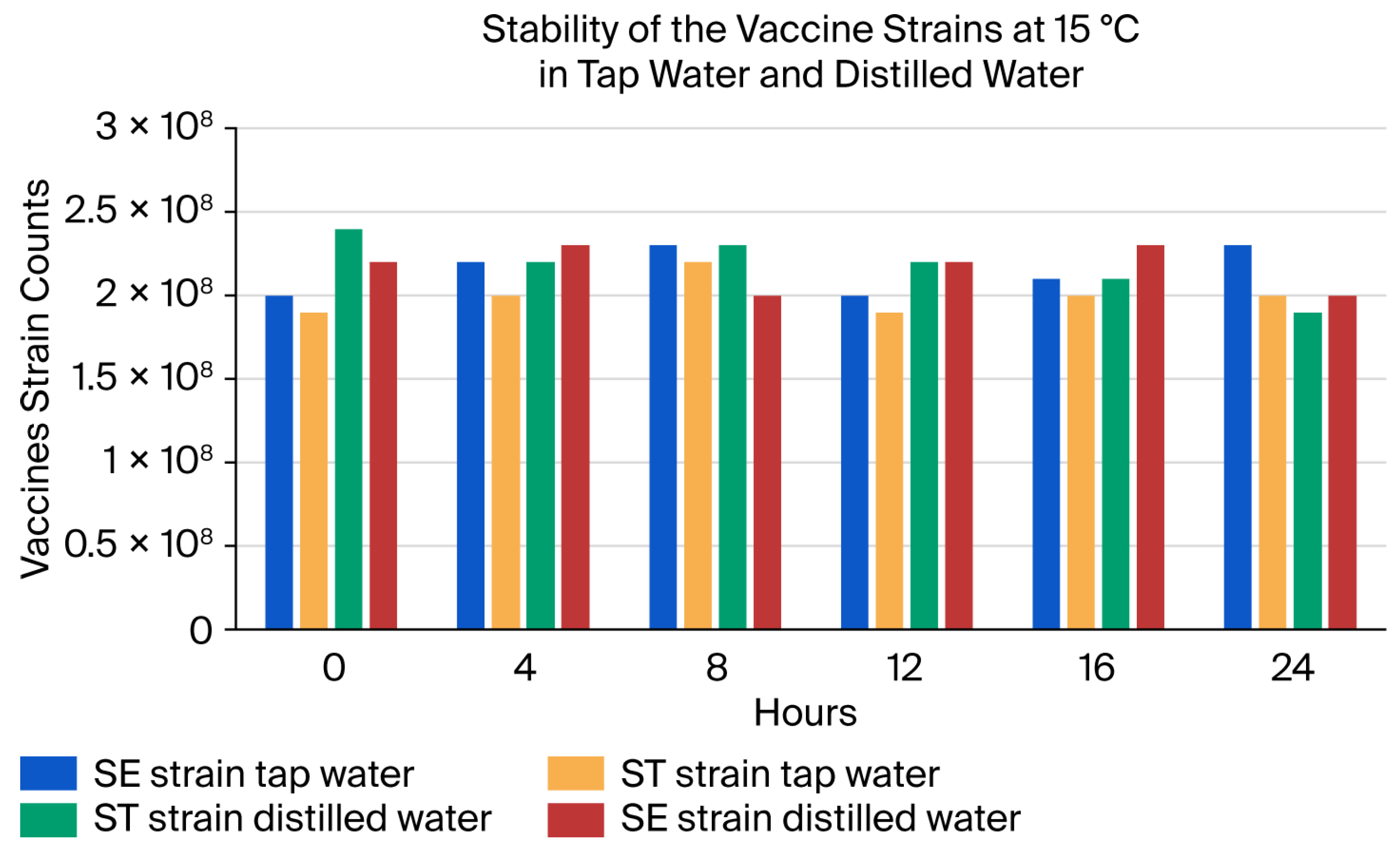
Figure 1. Stability of AviProTM SALMONELLA DUO in distilled and tap water over a 24 h period.
Poultry 05 00017 g001
Table 1. Physio-chemical parameters tested with the AviProTM SALMONELLA DUO vaccine.
ChemicalValueLevel
Temperature°C1530
pH Value 456789
ConductivityµS/cm303003000
Hardnessmg/L CaCO350100200400
Table 2. Chemical parameters tested with the AviProTM SALMONELLA DUO vaccine.
ChemicalValueLevel
Aluminiumppm0.20.536
Arsenicppm0.010.020.05
Chlorideppm1002505001000
Fluorideppm124
Ironppm0.51510
Manganeseppm1248
Nitrateppm100200300
Sulphateppm1005001000
Table 3. Free chlorine levels tested with the bivalent AviProTM SALMONELLA DUO vaccine.
ChemicalValueLevel
Chlorineppm0.2 0.40.60.81.01.52.05.010.0
Disclaimer/Publisher’s Note: The statements, opinions and data contained in all publications are solely those of the individual author(s) and contributor(s) and not of MDPI and/or the editor(s). MDPI and/or the editor(s) disclaim responsibility for any injury to people or property resulting from any ideas, methods, instructions or products referred to in the content.


