Review

Recent Advances and Future Prospects Towards CO2 Methanation Reaction

1
School of Chemistry and Chemical Engineering, Henan University of Technology, Zhengzhou 450001, China
2
(CNBM) Bengbu Design & Research Institute for Glass Industry Co., Ltd., Bengbu 233000, China
*
Author to whom correspondence should be addressed.
These authors contributed equally to this work.
Methane 2026, 5(1), 11; https://doi.org/10.3390/methane5010011
Submission received: 6 January 2026 / Revised: 3 February 2026 / Accepted: 24 February 2026 / Published: 1 March 2026

Abstract

The reaction of CO2 hydrogenation into CH4 provides an industrial-scale pathway for CO2 recycling. The controllable design of catalysts with highly active and stable performance is challenging, and investigation of the reaction mechanism is of great significance. In this paper, the reasonable regulation scheme on designing excellent performance catalysts is proposed, and all the reaction paths on the surface of catalysts are also analyzed in detail. It emphasized the fundamental factors influencing the activity of catalysts, and it proposed some practical strategies to effectively improve the performance of the catalysts in combination with the structure–activity relationship. This work has great significance for the optimal performance catalysts of heterogeneous catalytic systems. Furthermore, it provided a rationalized approach to designing catalysts with specific nanostructures and surface properties, such as catalytic reforming, dehydrogenation, hydrogenation, electric catalysis, and many other reactions. In addition, a critical perspective on the future challenges and opportunities in designing high performance catalysts is provided.

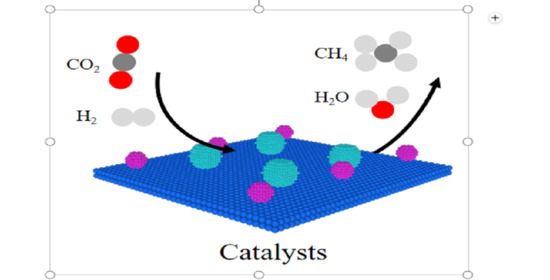
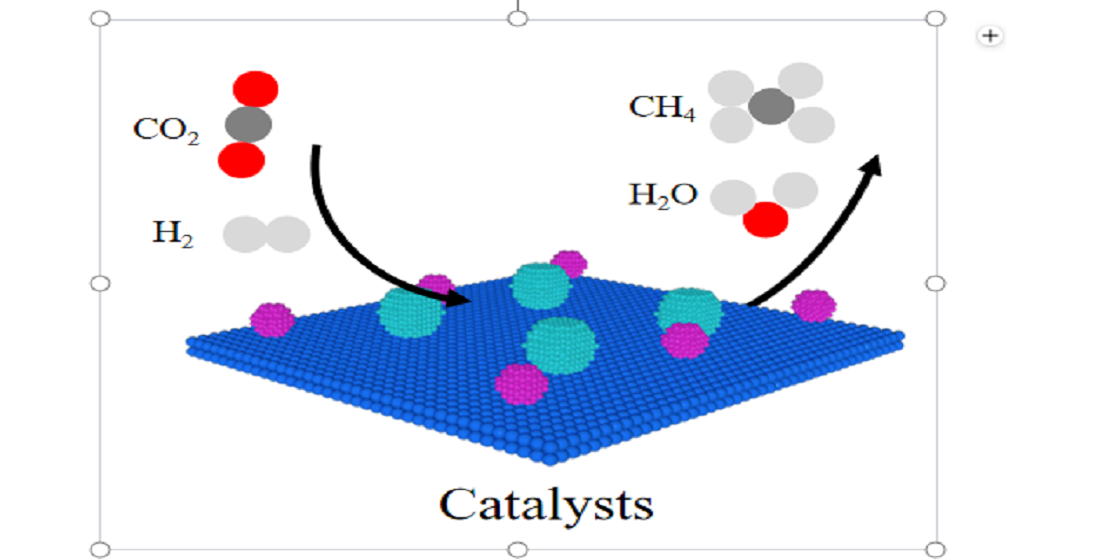
Graphical Abstract

1. Introduction

CO2 emissions have widely attracted attention in recent years due to the obvious “greenhouse effect”. Catalytic CO2 hydrogenation to useful chemical products is a promising way to gain high value chemical products, such as fuels and key C building blocks in the industry [1]. It was reported the CO2 concentration in the atmosphere has increased significantly, leading to a 77% total increase in radiative forcing caused by all long-life greenhouse gases [2,3,4]. According to the report of the Australian Department of Resources, Energy and Tourism, the world’s global energy demand in the year 2035 will be 40% higher than the current level, which arguably leads to environmental pollution and climate change [5]. In addition, it is forecasted that this trend will last for several decades because of the large amount of fossil fuels needed. Hence, curbing CO2 emissions has become a challenging problem. The method of the carbon capture and sequestration (CCS) system is considered to be one of the efficient methods for CO2 utilization [6,7,8]. Another method is recycling CO2 into organic fuels, which satisfy future energy needs. Therefore, the conversion of H2 and CO2 into various chemical products [9] is an effective approach for catalysis and industrial development [10].
At present, control of CO2 emissions, capture and storage of CO2, and transformation and utilization of CO2 are the common ways to reduce the concentration of greenhouse gasses [6,7]. Only the strategy of catalytic CO2 hydrogenation is more promising in terms of sustainability and environmental friendliness. CO2 reduction can be catalyzed in three ways: electric catalysis, photo-catalysis, and thermal catalysis. Among them, electric catalysis and photo-catalysis have the fatal flaw of low energy efficiency; the last method has an advantage over others due to its quick reaction kinetics. Hence, CO2 catalytic hydrogenation producing renewable energy sources is a promising research, which could reduce greenhouse gas emissions and resolve the lack of fossil fuels [11,12,13]. In particular, catalytic CO2 hydrogenation to CH4 is the effective pathway for CO2 recycling [14], which requires good activity catalysts to achieve high CO2 conversion and high CH4 selectivity. Furthermore, compared with electrocatalytic and photocatalytic CO2 reduction [15], we believe that thermal catalysis has lower costs, simpler operation, and is more conducive to industrialization.
Various homogeneous and heterogeneous catalysts are commonly used in CO2 hydrogenation reactions. Homogeneous catalysts show satisfactory catalytic performance; however, the recovery and regeneration of catalysts are still difficult [16]. The development of alternative heterogeneous catalysts with high stability and activity for large-scale production is a grand challenge. The CO2 methanation reaction is shown in Equation (1):
CO 2   ( g )   +   4 H 2   ( g )       catalysts   CH 4   ( g )   +     2 H 2 O   ( g )  
△H298K° = −165.4 kJ/moL
△G298K° = −27 kcal/moL
According to the thermodynamics of the reaction, it is exothermic, and the negative value of Gibbs free energy indicates the favorability of the reaction. It is known that an 8-electron process is required to reduce the fully oxidized carbon to CH4, which is a significant kinetic limitation. In recent years, extensive studies have been conducted on several catalyst systems in the CO2 hydrogenation to CH4. Noble metals, such as Ru and Rh, and common metals, such as Ni, Co, and so forth, on various supports have been reported to be effective catalysts [17,18]. Among various metal catalysts, noble metal-based catalysts are known to possess good activity at low-temperature range CO2 methanation [19,20], but their price is too expensive [21]. Nickel-based catalysts not only possess high activity and selectivity toward CO2 methanation, but they are also of low cost and high abundance, so they are widely used in the practice of industrial catalytic processes [22].
In this paper, the fundamental factors influencing the activity of noble metal catalysts are presented, and recent advances in Ni-based catalysts are added to provide a rationalized approach. In Section 3, the reaction mechanism aspects of the metal-based catalysts involved in CO2 hydrogenation to CH4 are presented. It advances in-depth understanding of complex heterogeneous catalytic systems. Conclusions and perspectives are summarized in Section 4. According to the market analysis report, it is projected that the global methanation revenue will reach 249 million US dollars by 2030. Therefore, the carbon dioxide methanation process has a very promising market potential. Exploring more efficient, low-cost, and long-lasting catalysts for the methanation of carbon dioxide holds significant practical importance.

2. Catalysts for CO2 Methanation

2.1. Noble Metal Catalysts for Low-Temperature Methanation of CO2

Noble metals, such as Rh, Ru, and Pd, are the most widely used catalysts for CO2 methanation. Noble metals are highly active in the process of CO2 methanation at lower temperature and more resistant to carbon formation than other transition metals. However, the characteristics of high cost limit their application in industry. The noble metal catalytic systems for the synthesis of CH4 by CO2 hydrogenation are summarized in Table 1.

2.1.1. Effect of the Support on Catalyst Activity

The support material could obviously influence the activity of catalysts. It is found that CO2 adsorption properties, metal–support interactions, mild- or medium-strength basic sites, and the number of active phases can be regulated by support. Hence, selecting the right support is very important for CO2 methanation [27,28]. CO2 methanation has been studied on many supported noble metals (Pt, Pd, Rh) according to ever-growing research [29,30]. The non-noble supports of Al2O3, TiO2, and CeO2 have also been investigated. Solymosi et al. compared the catalyst of Rh/TiO2 and Rh/SiO2 and Rh/Al2O3; the result shows that Rh/TiO2 is the most active catalyst in this reaction, with up to one order of magnitude higher activity than other catalysts [31]. The TiO2 support increased the dispersion of metals and thus improved catalyst activity.
Jaroslaw et al. [32] tested the catalytic performance of Ni-supported Ru nanoparticles in silica at ca. 200 °C. The nano-Ru/Ni catalyst with an oxide passivation layer on the surface is highly productive and efficient, achieving conversion of 100% and TOF of 940 h−1. By comparing the activities of CO2 methanation on Re, Ru, Rh, Ir nanoparticles deposited on nickel carrier, the highest methane productivity ca. 13,855 h−1 (TOF) at 460 °C was observed for the nano-Re/Ni catalyst, which means a four- to ten-fold greater improvement than other systems. The detailed comparison of noble metal nanoparticles (Re, Ru, Rh, Ir) deposited on nickel carrier in various laboratories are presented in Table 2.

2.1.2. Effect of Metal Loading

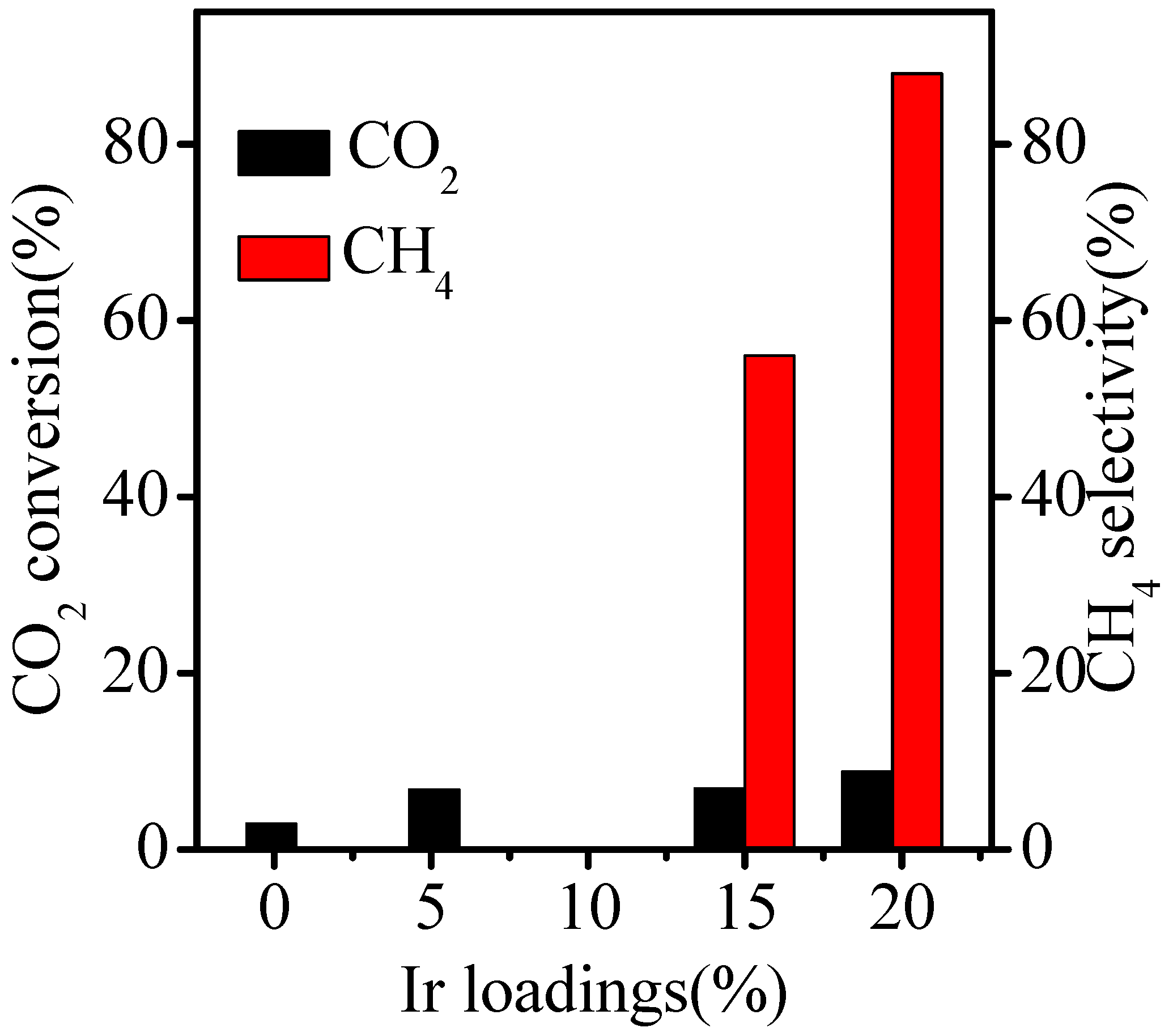
It is known that the active phase with low metal content tends to be highly dispersed on the carrier. Increasing the metal-loading amount could improve the metal particle size and metal active sites. Li et al. found that Ir species at 20% loading were highly dispersed over the surface of CeO2 and that the maximal CH4 selectivity is 88% [24], as shown in Figure 1:
Kusama et al. studied the impact of Rh loading amount on the product selectivity in CO2 methanation over Rh/SiO2 catalysts [33]. The concentration of surface Rh particles was low over 1 wt% Rh/SiO2 catalyst, and the Rh species were surrounded by the hydroxyl groups of SiO2. While the Rh loading amount is 10 wt%, the surface Rh particles are 5.8 times more than that of 1 wt% Rh/SiO2. For the CO2 methanation reaction over Ru/Al2O3 catalysts, the CH4 selectivity increased with the increase in the Ru loadings from 0.1% to 5% [34]. In the 0.1% Ru/Al2O3 catalyst, Ru is mostly present in the atomic dispersion, and we could observe the agglomeration of small metal particles in the 3D clusters, indicating a decrease in CH4 selectivity. Kester et al. [35] used TPR to study the effect of Ni loading (1.8–15%) on Al2O3 for CO and CO2 hydrogenation by H2-TPR. They found that the reaction occurs on two types of sites: (i) sites associated with Ni crystallites formed from the reduction of NiO on the support surface and (ii) sites from the reduction of NiAl2O4. The former showed higher intrinsic activity than the latter. Increasing Ni loading leads to an increased proportion of NiAl2O4 species, which are difficult to reduce. From the above results, it can be concluded that Ni dispersion is affected by Ni loadings.

2.1.3. Effect of Second Metal

When we added alkaline salts to Ru/Al2O3 catalysts, the electron donation of an alkaline promoter modified the local electron density of the Ru metal, the formation of alkaline chlorides to neutralize the residual chlorine ions, and the removal of the depositional inactive carbon, which was formed on the catalyst surface during CO2 hydrogenation [36]. From tests on the effects of Li, K, Cs, and Na on 0.5% Ru/TiO2 and 5% Ru/TiO2 catalysts’ reaction towards CO2 methanation, both CO2 conversion and CH4 selectivity are obviously enhanced with the addition of small amounts (0.2 wt%) of alkali. The catalysts’ performance follows the order of Li < K < Cs < Na. Table 3 illustrates the effect of alkali additives on the catalytic performance of 0.5% Ru/TiO2 catalysts. When the content of precious metals is low (0.5%), adding a small amount of additives (0.2%) can play the role of replacing some precious metals and reduce the activation energy, thereby significantly improving the performance of the catalyst. Athanasia gained the results that the specific activity of 5% Ru/TiO2 catalyst is about 3 times higher than that of the un-promoted sample [37]. Tests of the promoter (with Ba and K) Rh/Al2O3 and the bare Rh/Al2O3 in the range of 300–700 °C revealed remarkable differences in catalytic behavior. The pure Rh/Al2O3 catalyst showed high CH4 selectivity below 500 °C, and the maximum CH4 yield is 60% at 400 °C. When the temperature is increased, the CO formation is vastly affected. In comparison, K-containing Rh/Al2O3 only converted CO2 to CO at 300–700 °C without CH4. It revealed a significantly different adsorption effect of the Ba- and K-containing catalysts on the Rh(0)/Rh(I) ratio [38].

2.1.4. Effect of Synthesis Technique

The methods of synthesis catalysts is another crucial issue influencing the particle size and morphology of the catalyst, tuning metal dispersion and controlling interactions between the components, thus ultimately tuning the catalytic activity [39]. Therefore, the synthesis technique is of the greatest importance. Many different techniques are employed for the preparation of a noble metal-based nano-catalyst with superior properties. One of the most widely utilized approaches for preparation of a supported metal catalyst is impregnation using a metal salt solution precursor [40]. It is known that the calcination process of this method is long, which results in the formation of large particles due to aggregation of particles. Kim et al. [41] reported that the Pd-MgO/SiO2 catalyst in a reverse micro-emulsion method showed perfect activity and selectivity for CO2 methanation. It was found that the Pd-MgO/SiO2 catalyst had more than 95% selectivity to CH4, while the CO2 conversion was 59% at 450 °C, flow rate 10.2 mL/min, n (H2)/n (CO2) = 4. And they claim that Pd-MgO/SiO2 catalyst follows a bi-functional mechanism. Firstly, MgO initiates the reaction by binding a CO2 molecule, forming a magnesium carbonate species on the surface, and Pd supplies atomic H for further hydrogenation of magnesium carbonate to methane. However, it is difficult to obtain highly dispersed metal particles on support by the conventional impregnation method, and metal particles are mainly located on the support outer surface. Hence, other various synthesis methods of catalysts have been studied. The deposition precipitation method is another effective approach to synthesizing catalysts. Yu et al. [42] prepared Pt-based catalysts supported on TiO2 scroll multiwall nanotubes (Pt/Tnt) with hydrothermal process (187 m2/g) and applied them in CO2 catalytic methanation reaction. As indicated by TPR and XPS, the 1~3 nm Pt nanoparticles were uniformly dispersed in Tnt. From the CO2-TPD results, a large amount of CO2 was adsorbed on the Pt/Tnt catalyst, demonstrating that the Pt/Tnt catalyst’s good adsorption ability of CO2 is related to the large-surface nanotube. In situ infrared spectroscopy confirmed that Pt/Tnt possessed high catalytic activity of CO2 hydrogenation at low temperature (450 K).
Sharma et al. [43] used the combustion method to prepare the Ce0.95Ru0.05O2 crystalline catalyst. This catalyst converted 55% of CO2 with 99% selectivity for methane, at a temperature of 450 °C. He found that the CO2 methanation reaction takes place on the reduced Ce0.95Ru0.05O2, and the role of the dopant Ce is to make the reduction possible at lower temperature than on pure ceria. The advantage of using this method is its simplicity and cost-effectiveness, enabling synthesis in one step. Therefore, the method of preparation is of the greatest scientific and industrial importance. The different synthesis methods tailor phase composition and morphology for different applications, so synthesis technique also plays an important role in CO2 hydrogenation to methane. The effect of synthesis technique on the catalytic performance is highlighted in Table 4.

2.2. Recent Advances in Ni-Based Catalysts

The reaction of CO2 methanation requires a catalyst to be active at relatively low temperatures and high selectivity towards CH4. Ni-based catalysts are the most widely investigated and promising catalysts for this reaction due to their good catalytic performance, relatively low price, and ease of availability. Supported nickel catalysts have been widely investigated in industrial production [44,45,46]. The most commonly used oxides supporters are Al2O3, TiO2, ZrO2, and CeO2. Many studies have shown that the activity/selectivity of the catalysts can be regulated by the role of structural variables (the size of the supported metal particles, oxidation state, nature of the metal–support interface, etc.). Focusing on catalyst development for carbon dioxide methanation, some useful strategies in tuning selectivity and controlling the activity of catalysts could be provided. Then, we will analyze its regulatory effect based on various parameters such as support modification, the effect of nickel loading, promoter addition, the preparation method including particle size [47], as well as utilizing new classes of materials such as hydrotalcite-derived catalysts.

2.2.1. Regulation by the Support

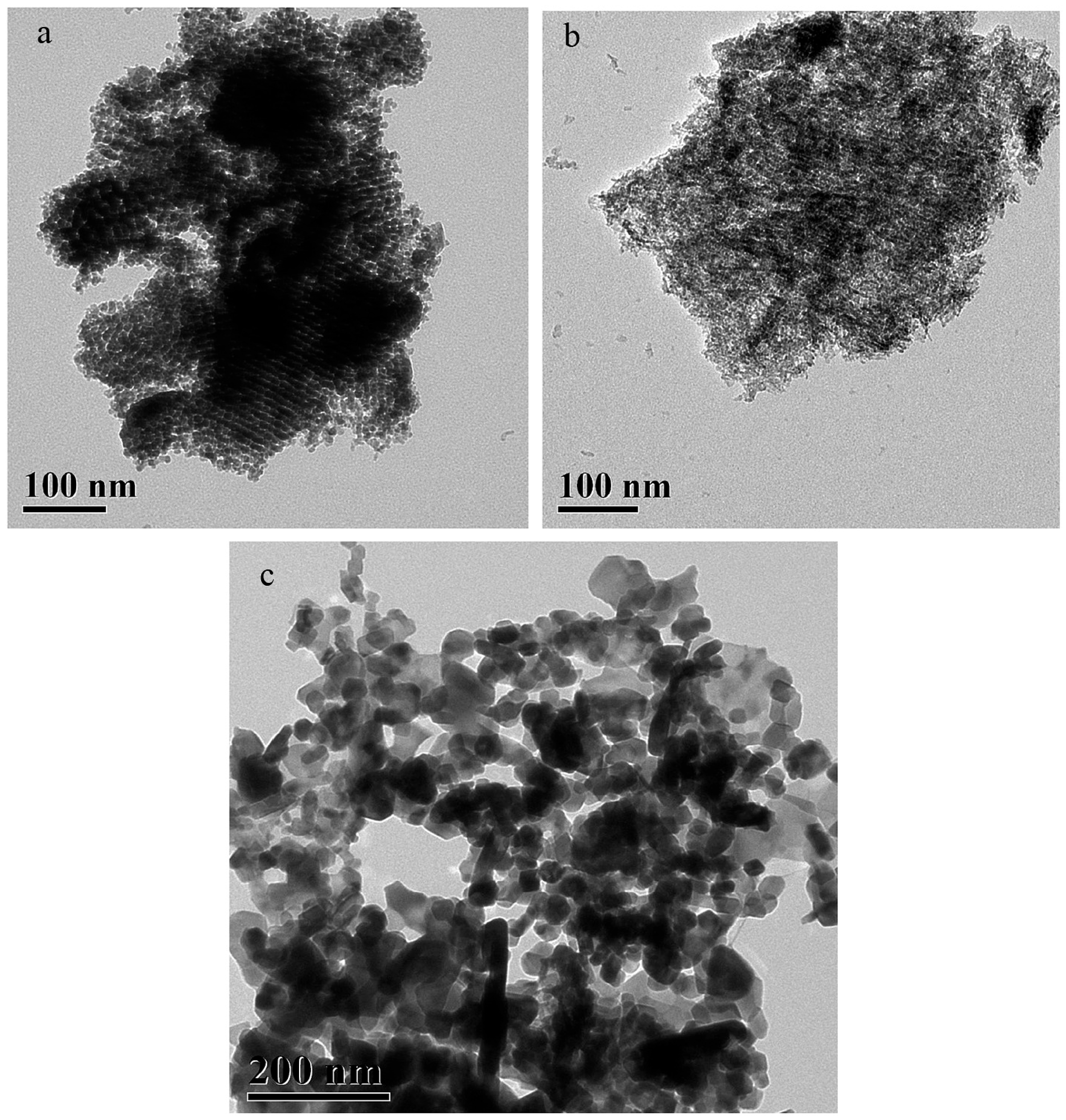
The support could significantly influence the morphology of the active phase, adsorption of reacted product, and catalytic properties [48], especially the different interactions between the metal and support and their effect on the catalytic properties of the active metal sites, so it plays a significant role on the activity, selectivity, and stability of catalysts [49]. The structure and properties of the support could affect the dispersion of active metals and their stability, hence enhancing the activity of catalysts. Therefore, preparation of highly dispersed supported metal catalysts has been the focus for researchers. Currently, high-surface area supports, like metal oxide materials, are often used as the supports for nickel catalysts, such as γ-Al2O3 [50], SiO2 [18], and TiO2 [51]. Azia et al. [52] has studied the effect of various supports on Ni-Al catalysts. From their report, Ni/MSN showed high CO2 conversion and good CH4 selectivity. By comparing with other supports, the order of CO2 methanation activity is as follows: Ni/MSN > Ni/MCM-41 > Ni/HY > Ni/SiO2 > Ni/γ-Al2O3. The high catalytic activity of Ni–Al/HTC is due to the support constituted by mixed hydroxides of divalent/trivalent metals made up of poly-cations, and they have a layered structure that have a high surface area (189 m2/gcat) with acidic and basic sites [53]. Abate et al. [54] investigated the γ-Al2O3-ZrO2-TiO2-CeO2 support, which was a multi-composite support. Through activity tests, the composite support containing the highest fraction of TiO2, ZrO2, and CeO2 showed superior activity. Zhou et al. [55] synthesized a series of CeO2-supported Ni-based catalysts with different methods (shown in Figure 2), including a hard-template method (NCT), soft-template method (NCS), and precipitation method (NCP). According to the TEM results, it can be seen that different carriers will significantly affect the particle size and morphology of the nickel-based catalyst after loading, thereby influencing its catalytic activity. The experimental results indicate that preparing with the hard-template method exhibited a higher CO2 methanation activity, which was attributed to its superior mesoporous structure and high surface area. Through the exploration of its mechanism, it illustrates that the surface oxygen vacancies on the CeO2 support were capable of activating the chemisorbed CO2, followed by *CO2 dissociating the CO intermediate by in situ FT-IR and in situ XPS characterization.
Recently, metal–organic frameworks (MOFs) that have very high specific surface area (>1000 m2/g) have attracted much interest as catalysts in heterogeneous catalysts [56]. Zhen et al. [57] reported that CO2 methanation over Ni/MIL-101 (3297 m2/g) achieved 42.3% metal dispersion, which showed unexpected activity at low temperature and excellent stabilities for as long as 100 h for CO2 methanation. Above all, the highly dispersed Ni nanoparticles, confined in metal–organic frameworks of MIL-101, improved the low-temperature catalytic activities [57]. Zhen et al. [56] tested the performance of a MOF support for heterogeneous CO2 methanation. He found that Ni@MOF-5 (2961 m2/g) achieved a very high dispersion of Ni (41.8%) in the metananation of carbon dioxide. The catalyst was found to be highly active and stable for methanation of carbon dioxide with hydrogen at low temperature. The MOF-5 support, which dispersed Ni particles, maintains high activity in ca. 100 h lifetime tests. Jantarang et al. [58] prepared a series of Ni/CexTiyO2 catalysts to examine photothermal CO2 methanation. The Ni/CexTiyO2 catalysts are found to promote nickel dispersion relative to Ni/TiO2, because the latter catalyst was limited by metal–support interactions. As a result of the batch photothermic reactor system, Ni/CeO2 achieved the highest conversion rate and reached a conversion of 93% in approximately 60–90 min.
Over the past several years, some researchers have paid attention to natural clays, because natural clays have the advantage of environmental compatibility, low cost, high selectivity, reusability, and operational simplicity. Generally, the surface area of raw clays is so small that they are not suitable for catalyst supports. However, forming a pillared structure or employing acid treatment [59,60] could lead to a much larger specific surface because, after proper modification, macro-mesoporous are formed. Then, it can be used further to confine Ni species or fix them at specific sites to prevent the activation phase from sintering in this reaction. Lu et al. [61] has studied the usage of a mesoporous zirconia-supported Ni catalyst. The results showed that the zirconia-modified clays have a typical bimodal pore size distribution. The Ni catalysts supported on mesoporous zirconia are beneficial for the dispersion of Ni on the layers of the zirconia-modified clays, which lead to higher activity. The effect of support on the catalytic performance is given in Table 5. Therefore, proper modification of the zirconia support promoted the dispersion of Ni species, which is important for the high activity of CO2 methanation.
In general, the support usually plays a very important role in the interaction between the active species and the support. The different compounds on different support surfaces result in different performance toward activity and selectivity for a given reaction. Above all, metal oxides, mesoporous materials, and clays possessed different characteristics, and they showed superior use as supports over Ni catalysts.

2.2.2. Regulation by the Nickel Loading

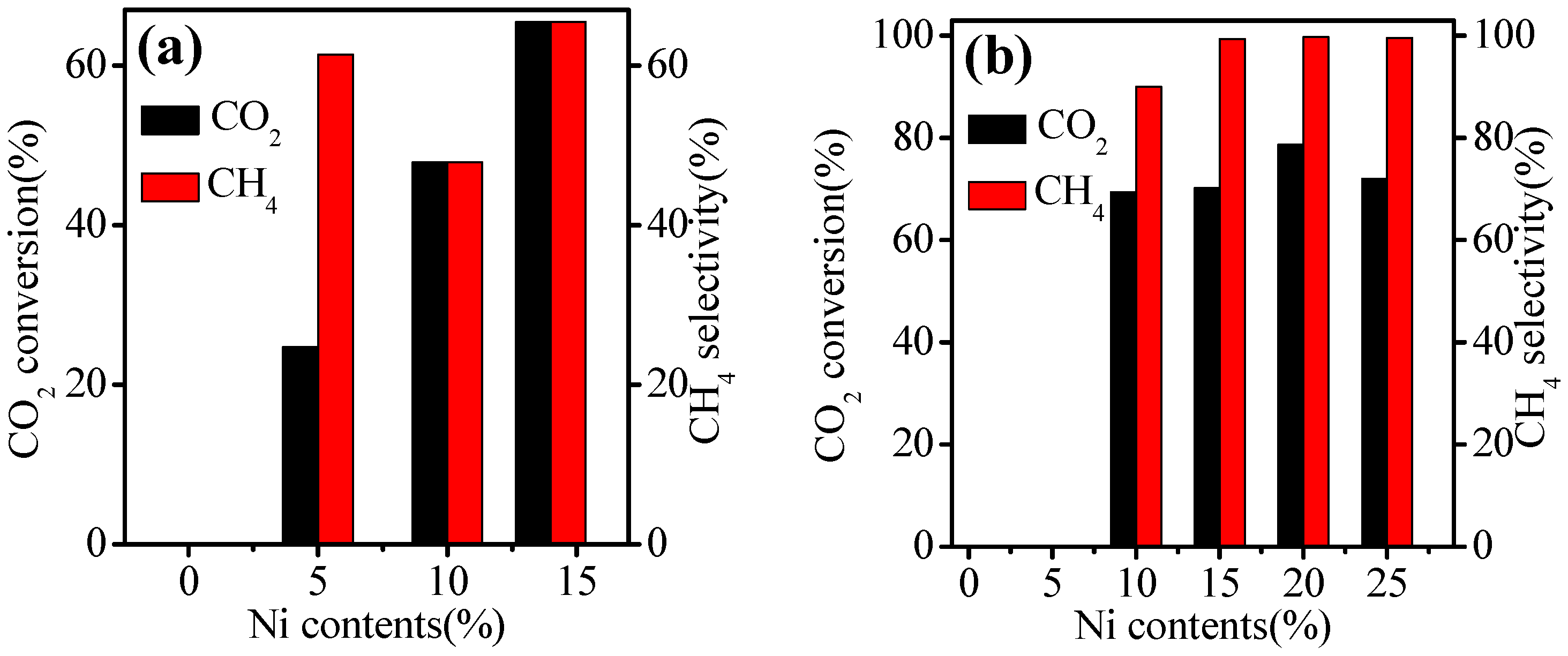
The nickel loading on the support affected catalytic behavior during CO2 hydrogenation to methane by promoting both the interaction of the active phase with the support and the nickel dispersion on the support. In general, the activated-phase metal species with low metal content tend to be highly dispersed on the carrier. However, the metal particles tend to aggregate when the metal loadings are high. The effect of nickel loadings on the USY [62] and γ-Al2O3 [63] support during CO2 methanation was studied by Graca et al. In light of this, when the Ni content is 13%, Ni/USY catalyst demonstrated the highest yield of CH4. The effect of Ni NPs loading on γ-Al2O3 shows that 20 wt% of Ni exhibits excellent activity (CH4 yield: 78%) and stability towards methanation. The high catalytic performance of catalysts is due to the higher amount of Ni0 species after reduction. The effect of Ni loadings on the conversion of CO2 and selectivity of CH4 over Ni/USY and Ni/-Al2O3 are shown in Figure 3. In summary, the amount of Ni content supported on the carrier will determine its crystallite size and dispersion over the catalysts.

2.2.3. Regulation by the Second Metal

Non-noble metal catalysts are vulnerable to sintering and coking, because they quickly suffer from severe catalyst deactivation during the exothermic methanation reaction. We have attempted to add a second metal as a promoter to enhance the catalytic activity and stability, such as Ce, Zr, La, Mg, V, and Co [64,65]. Mebrahtu et al. tailored Fe content for improved CO dissociation, basicity, and particle size, which increases the small crystal size and improves thermal stability of Ni-Fe/(Mg, Al) Ox catalyst. This catalyst was initiated at 225 °C and reached 82.5% CO2 conversion with 99.5% CH4 selectivity at 350 °C, which significantly outperformed the comparable composition prepared via impregnation [66]. Furthermore, the presence of La2O3 oxides as a second metal by modification with Ni/SiC promoted the catalytic activity and enhanced the catalyst stability [67]. The results showed that the methane yield of Ni-La/SiC is higher than Ni/SiC at the same temperature. The superiority of Ni-La/SiC catalyst is becauseLa2O3 can effectively restrain the growth of NiO NPs, thus improving the dispersion of NiO particles and strengthening the interaction between the active phase and support. Meanwhile, La2O3 can change the electron environment surrounding the Ni atoms, allowing the CO2 to be easily activated [67]. The second metal plays an important role in lowering metallic particle sizes and generating oxygen vacancies to activate CO2. Nie et al. [68] draw similar conclusions, preparing Ni-Ce oxides (NiO-xCeO2/c-Al2O3) supported on mesoporous γ-Al2O3 by co-impregnation with citric acid. The addition of CeO2 could obtain small metallic Ni particle sizes and cause oxygen vacancies. The result of catalyst performance exhibited excellent CO2 conversion at low temperature from 150 °C to 350 °C. Equilibrium conversion of CO2 was gained at 300 °C when the CeO2 content was 3 wt%.
As discussed above, the presence of a second metal over the Ni-based catalyst showed a significant effect on the CO2 methanation reaction. Unlike noble metal catalysts, adding additives to Ni-based catalysts can optimize the CO dissociation on the catalyst surface and weaken the interaction between the metal and the support, thereby significantly enhancing the catalytic activity of catalyst.

2.2.4. Regulation by the Preparation Method

Different preparation methods for the catalyst showed different catalytic performance by affecting dispersion of active sites. Ashok et al. [69] reported that Ni/CexZr1-xO2 (CZ) catalysts were prepared by ammonia evaporation (AE), impregnation (IMP), and deposition–precipitation (DP) methods. The results showed the Ni/CZ (Ni/CZ-AE) catalyst prepared via AE method gave superior catalytic performance (CO2 conversion: 55% and CH4 selectivity 99.8%) at 275 °C. The AE method produces oxygen vacancies, which allowed for adsorption of oxygen species on these vacancies. The superior catalytic performance of Ni/CZ-AE catalyst over other catalysts is mainly due to enhanced metal–support interactions between Ni and Ce species. Antonio et al. [40] (Activity and stability of powder and monolith-coated Ni/GDC catalysts for CO2 methanation) has reported a well-dispersed Ni/GDC (gadolinium-doped ceria) with different content (15–50%) prepared by the solution combustion synthesis (SCS) method. With the SCS method, the catalytic performance increased by increasing the Ni content due to enhanced metal-to-support interaction, basicity, and oxygen vacancies. The highest CH4 productivity increased with increased NiO loading, regardless of the preparation method. Wang et al. [70] compared Ni-CeO2/SBA-15-V catalyst (the impregnation method with thermal treatment in vacuum) with Ni-CeO2/SBA-15-air (the impregnation method with thermal treatment in air) for CO2 methanation reaction. The CO2 conversion and CH4 selectivity at 400 °C were 68.8% and 99.0% for Ni-CeO2/SBA-15-V, respectively, which exhibits excellent catalytic performance due to gain higher Ni dispersion and smaller Ni particle size.
Besides the second metal effect in the preparation of high-performance Ni catalysts, the interface design between Ni and support is also one of the most critical factors in developing excellent catalysts. There are many studies on the fabrication of the interface between metals and supports. The presence of the Ni–support interface could be obtained by some modification of the preparation method or by novel techniques. Meanwhile, the supports with oxygen vacancies (ZrO2, TiO2, CeO2) are developed for tuning the interface structure of Ni and support [71]. Romero-Sáez et al. [72] tuned the interface between Ni and ZrO2 by co-impregnation and sequential impregnation. Two different structures of the interface were acquired, especially the catalyst prepared by sequential impregnation, which exhibits NiO nanoparticles on the surface of ZrO2. The increasing interfaces of Ni with ZrO2 lead to high activity and selectivity in CO2 methanation. The catalytic performance can be improved by increasing the Ni-ZrO2 interface, so the interface between metal and support provides a strategy to achieve high-performance catalysts.
Therefore, it is concluded that the method of catalyst preparation can be a vital factor in improving catalytic activity. On the basis of the reports above, the current catalysts in the CO2 methanation reaction are summarized in Table 6:

2.2.5. Regulaion by the Particle Size

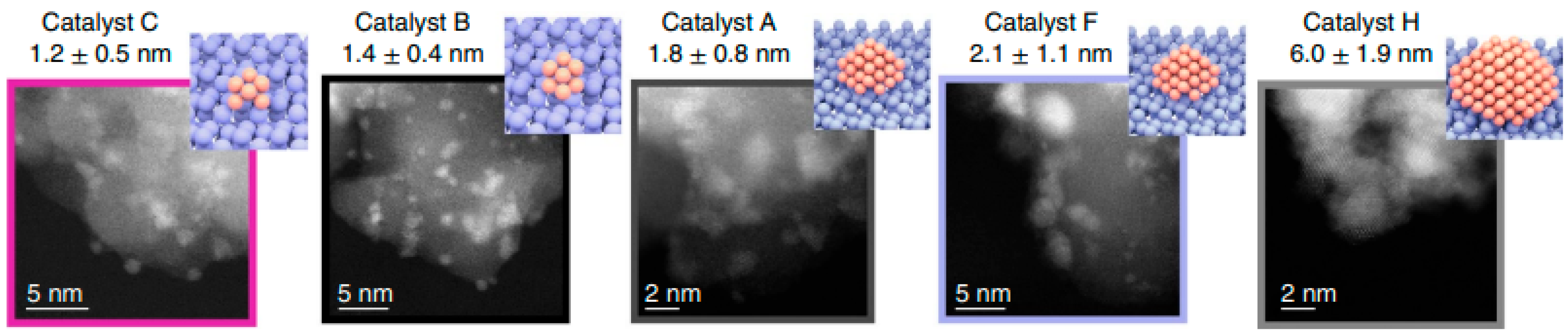
In addition to the preparation method, metal particle size is also one of the key factors in determining the Ni-based catalyst performance through altering its surface and structural properties. It is known from the literature that a nickel-based catalyst with smaller active metal particle size and high degree of dispersion exhibits higher catalytic performance [75,76,77]. Nanoparticle catalyst is widely used in CO2 hydrogenation to methane, which can be either unsupported or supported on support, such as silicon dioxide, alumina, carbon nanotubes [75,76], and other types of materials. Vogt et al. [78] studied the effect of metal particle size on the performance of CO2 methanation over silica-supported Ni nanoclusters (show in Figure 4). Catalysts with varying precursor solutions gave rise to different Ni particle sizes (between 1 and 7 nm). He observed a maximum activity at around 2.5 nm for CO2 hydrogenation over Ni/SiO2 at 400 °C and at atmospheric pressure. Note that with increased pressure, the decrease in TOF for the smaller Ni nanoparticles is less evident. FT-IR was used to perform the analyses of the role of particle sizes. The intermediate species showed very different adsorption properties for the different particle sizes, so they have different reaction mechanisms.
A similar phenomenon was also evidenced on the Ni/SiO2 catalyst by Wu et al. [18], where the particle size strongly affects the kinetic parameters of CO2 hydrogenation. They tested the reaction of Ni/SiO2 catalysts with different metal loadings towards CO2 methanation, which corresponded to small Ni clusters and large Ni particles, respectively. When metal loading is 0.5 wt%, CO formation was more favorable on the small Ni clusters, while increasing metal loading resulted in more CH4 being produced on the large Ni particle. Understanding the role of structure sensitivity can assist in the rational design of catalysts, allowing for control of the catalyst performance and hence even the viability of a catalytic reaction. Yu et al. [79] studied the influence of calcination temperature (500–800 °C) of two kinds of catalysts, including Ni/CeO2 and Ni/Ce0.8Zr0.2O2 catalysts, on the CH4 production rate in CO2 methanation using the sol–gel method. It showed that the Ni0 species decrease while the reducibility of the NiO species, which had stronger interactions with the support, increases with the calcination temperature and the lattice parameter variation. This means more nickel species are incorporated into the lattice of Ce0.8Zr0.2O2, leading to the decline in the reducibility of Ni species.

2.2.6. Regulation by the Interaction Between Metal and Support

The strong metal–support interaction (SMSI) between the support and the active species has a crucial influence on the catalytic performance, especially for supported catalysts. It is known that both metal and support centers were involved in the hydrogenation of CO2 to methane reaction mechanism, so it is necessary for a catalyst to have intimate interaction between these two centers to fasten the hydrogenation process. Wierzbick et al. [80] also proved the role of metal and support, synthesizing a series of hydrotalcite-derived catalysts that contained Ni/Mg/La/Al. The characterization by H2-TPR showed weakened interaction between Ni species and the hydrotalcites structure, while the interactions between MgO and NiO are very strong compared to Ni-impregnated materials where nickel is mostly deposited on the support surface. This result is in good agreement with the literature reports [81].
Jia et al. [82] studied the structural effect of Ni/ZrO2 prepared via the DBD plasma decomposition. The stronger Ni-ZrO2 interaction over Ni/ZrO2-P enhances the hydrogen spillover and further decreases the ZrO2 reduction temperature compared to Ni/ZrO2-C. The structural properties of Ni/ZrO2-P lead to a superior activity of the catalyst (almost 100% CH4 selectivity) in CO2 methanation.

2.3. Deactivation of CO2 Methanation Catalysts

Deactivation of metal catalysts is a big challenge in CO2 methanation. The stability of a catalyst is closely related to the structural destruction, coking, and metal sintering during CO2 methanation [83]. The deactivation of catalysts could be divided into two types: (a) chemical deactivation and (b) physical deactivation.
The chemical deactivation of CO2 methanation catalysts is mainly directed toward the decrease in active sites caused by the formation of a spinel structure. Jang et al. [84] research the Ni/Al2O3 catalysts by using a simple metal–organic framework (MOF)-based strategy. They found that the presence of inactive and bulk NiAl2O4 would decrease the access to Ni sites, which is detrimental to the catalytic activity and stability. Owing to the formation of amorphous Al2O3 with its inherited framework from MOFs, only 78% Ni can be reduced on Ni/Al2O3, and 60% Ni is able to participate in the CO methanation reaction.
Physical deactivation is caused by carbon deposition and active metal sintering. For Ni-based catalysts, the thermal sintering of the metallic Ni active sites during the CO2 methanation usually caused the rapid deactivation of the catalysts due to its exothermic feature. Liu et al. [9] investigated the catalytic stability of ordered mesoporous NiRu-doped CaO-Al2O3 nanocomposites Ni/H-Al2O3. In a 550 °C 109 h lifetime test, no obvious aggregation or sintering of Ni nanoparticles was observed for the ordered mesoporous 10N1R2C-OMA catalyst. It showed high stability and superior anti-sintering property due to the confinement effect of the ordered mesostructured. In order to investigate the catalytic stability of OMA-10Ni3Ca, OMA-10Ni8Ca, and OMA-10Ni catalysts, 50 h stability tests were conducted by Xu et al. at 400 °C, 1 atm [85]. The results showed that these catalysts did not suffer serious deactivation after 50 h stability tests. This could be attributable to the outstanding anti-sintering properties of the me tallic Ni active sites via the confinement effect of the mesoporous framework. The stability of different Ni-supported catalysts was studied, and the CH4 formation over four support catalysts (Ni/MCM-41, Ni/HY, Ni/SiO2, and Ni/γ-Al2O3) [86] decreases slightly with time. But the rate formation of CH4 on the Ni/MSN catalyst shows no obvious decrease, the Ni/MCM-41 shows a minimum percent decrease in the CH4 formation (3.4%) while the rate formation of CH4 on Ni/HY, Ni/SiO2, and Ni/γ-Al2O3 is 9.0, 10.6 and 26.6%, respectively. From the TGA result, no coke content was observed on the Ni/MSN which indicated that the Ni/MSN catalyst did not deactivation up to 200 h of time-on-stream. Therefore, the Ni/MSN catalyst presented good stabilities under the reaction conditions. Kesavana et al. [87] prepared Ni/YSZ catalysts by different methods. On the Ni/YSZ catalyst obtained by the impregnation method, thin layers of carbon are formed on Ni0 particles with spherical shape. However, while the Ni/YSZ (EDTA) catalyst showed remarkable stability, the result of operando XAS showed that Ni/YSZ (EDTA) catalyst did not undergo deactivation by Ni0/Ni2+ oxidation when the CO2: H2 ratio is bigger. Avoiding carbon deposition of the catalyst may be achieved by adding steam or increasing the H2/CO2 ratio, as hydrogen reacts with the carbon deposits preventing catalyst deactivation. In CO2 methanation, common strategies are to increase metal dispersion to mitigate metal sintering, such as improving strong metal–support interaction [84], add promoters [88], and develop different preparation methods [89]. Li et al. [90] synthesized NiO-MgO@SiO2 catalysts with core–shell structure which reserved activity performance after 100 h on stream. In short, particles with the appropriate size are beneficial for CO2 methanation.
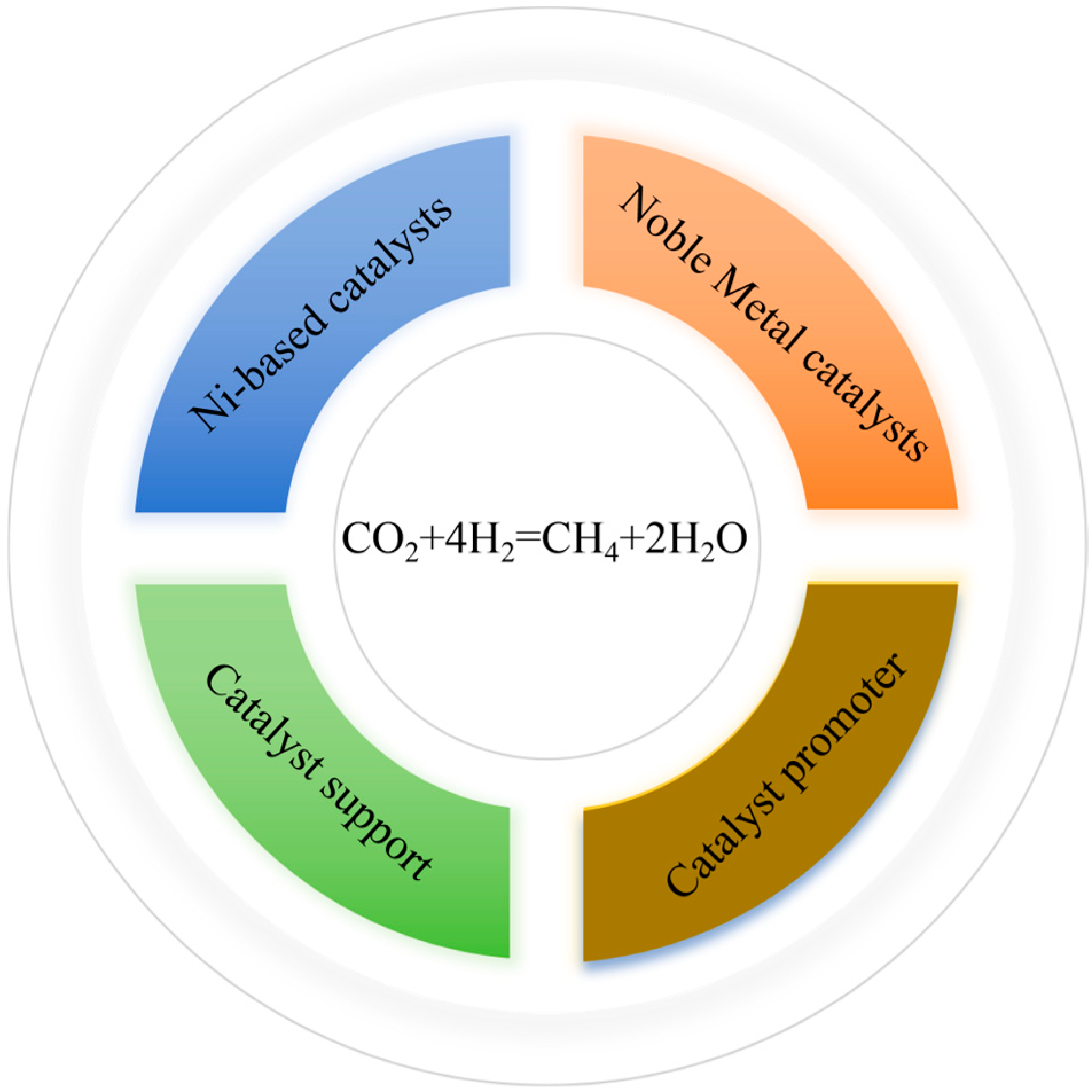
From the above content, it can be seen that the core components of the CO2 methanation catalyst mainly include the active component (Ni-based catalysts and noble metal catalysts), the support, and the additive (Figure 5). It has high activity but also high cost, and it is mainly applicable to laboratory, basic, and applied research. Therefore, it is necessary to further enhance its anti-carbon deposition property, low-temperature activity, and service life, which holds great potential for industrial application. Meanwhile, developing a variety of multi-component, low-cost, and easily prepared and molded carrier types is conducive to the industrial production of Ni-based catalysts. In addition, additives are also indispensable. We explore the action mechanisms of different additives and select those most suitable for enhancing the performance of the catalyst and reducing the dosage of the promoters.

3. Mechanistic Aspects of CO2 Hydrogenation to Methane

3.1. DFT Theory

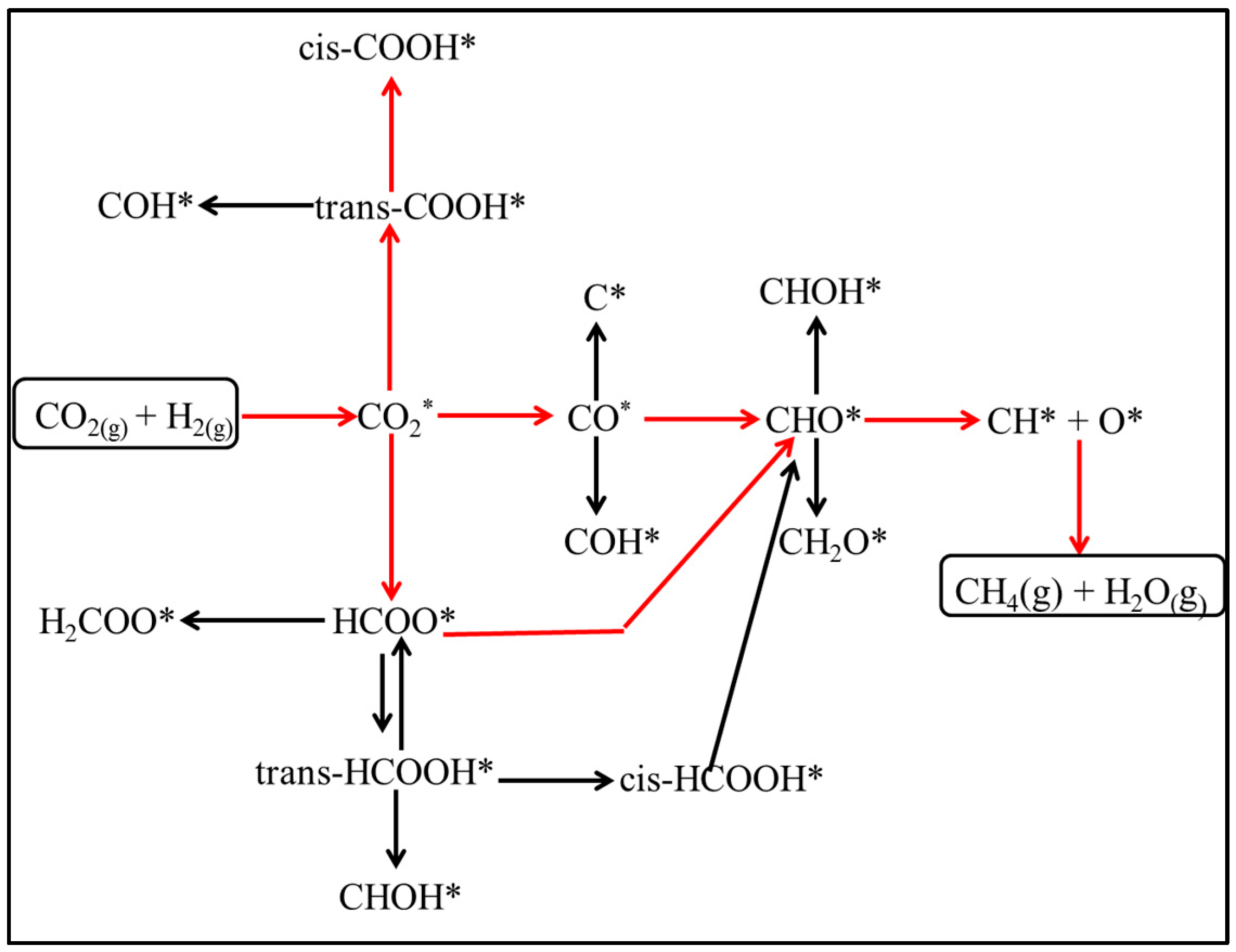
At present, possible pathways for CO2 conversion are put forward primarily based on DFT calculations. It is an effective theoretical basis to guide the reaction mechanism by DFT. It could conclude the possible pathways for CO2 hydrogenation to CH4. Kattel et al. [91] summarized the possible pathways for CO2 hydrogenation to CH4 at the metal/oxide interface. The CH4 formation can occur via three pathways: the first is the direct C-O bond cleavage, the second is RWGS + CO-Hydro, and the last is the formate pathway. In the direct C-O bond cleavage pathway, *CO2 dissociates to *CO and *O, then the produced *CO undergoes dissociation reaction to form *O and *C, before *C hydrogenated to finally form CH4. Alternatively, *CO could be hydrogenated to *HCO or *COH. However, the energy barrier forming *HCO required is low. So, *HCO dissociated to *CH + *O and *CH is hydrogenated to CH4. Along the RWGS + CO-Hydro pathway, the C-O bond scission of *HCOH, *H2COH, or *H3CO leads to the formation of CHx species that undergo subsequent hydrogenation reactions to form CH4. Along the formate pathway, CH4 formation occurs via the C-O bond cleavage in H2COH or H3CO. The CH4 selectivity is therefore ultimately determined by the competition between C-O bond scission in HxCO species and their hydrogenation reactions. Thus, along all three pathways, the C-O bond scission of the HxCO species is a critical step and likely determines the overall CH4 selectivity in CO2 hydrogenation. Peng et al. [92] investigate the mechanism of CO2 methanation on the Ni/Ce0.75Zr0.25O2 interface based on the DFT + U method. He found that the methanation of CO2 consists of the direct dissociation of CO2 and formate formation, while decomposition of CO2 plays a dominant role. Methane originates from the further hydrogenation of the *CH group on the Ni surface. More specifically, with the synergistic effect between the support and Ni metal in the system, the deoxygenation and hydrogenation of carbonic oxide occur on the Ce0.75Zr0.25O2 (110) surface, and the hydrogenation of hydrocarbons proceeds on metallic Ni. He also deduced elementary reactions, and the reaction step is summarized in Table 7.
Yuan et al. [93] investigate the effect of Re on the selectivity of CO2 methanation on a Ni-based catalyst. Three pathways, referring to CO2 dissociation into CO* followed by CO* hydrogenation and CO2 reduction (through the HCOO* and COOH* intermediates), were analyzed based on density functional theory calculations. He determined the adsorption energy and energy of the reaction intermediates, then constructed a reaction network for CO2 methanation on the Re@Ni (111) surface, which is shown in Figure 6.

3.2. Reaction Mechanism in Realistic Reaction

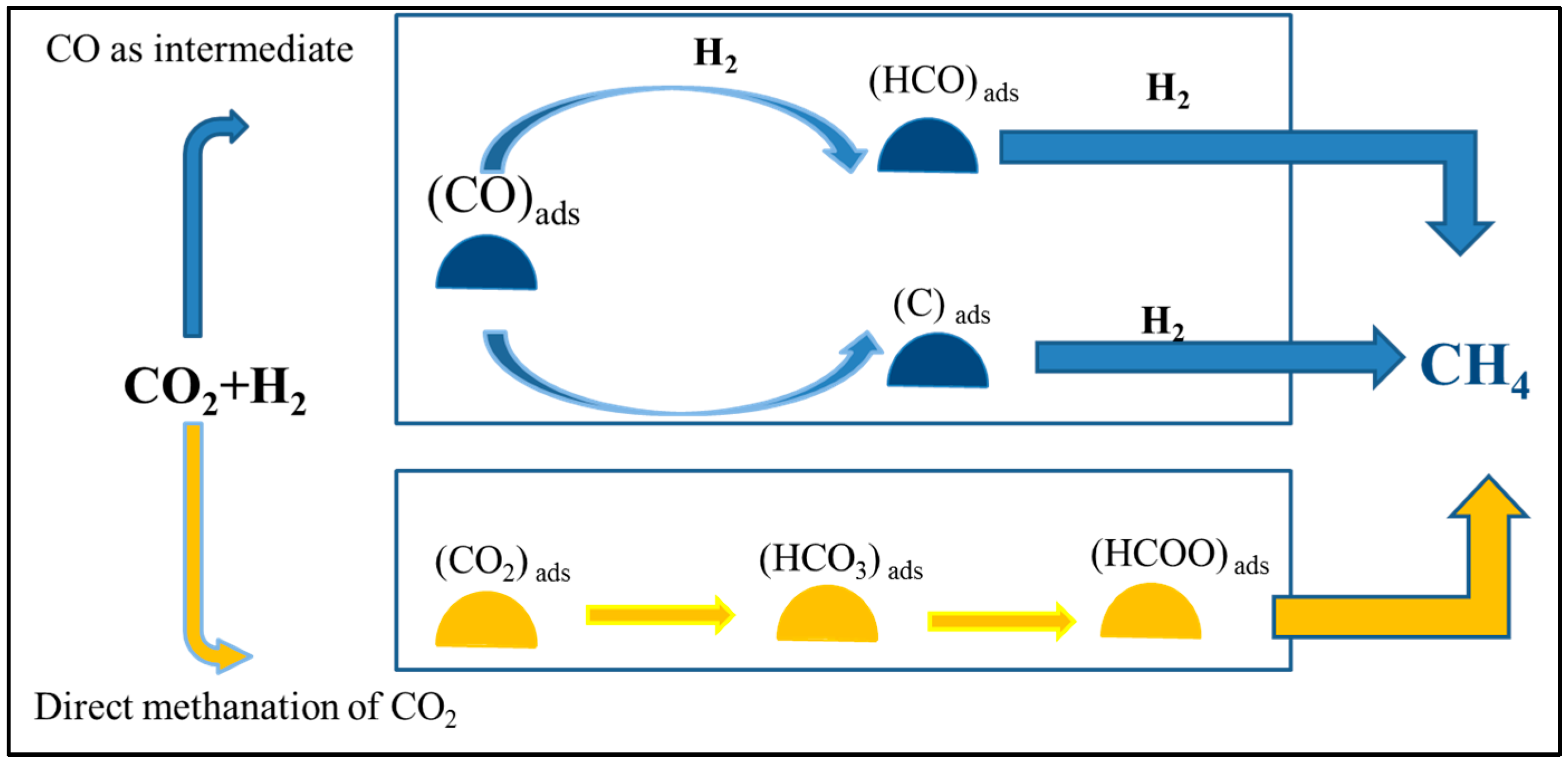
Although we could obtain a theoretical mechanism from DFT, there are still some differences between the kinetic mechanism and the theory in the realistic reaction. The reaction mechanism in the realistic reaction of CO2 hydrogenation was used successfully to facilitate the in-depth understanding of the reactions, reactants, intermediates, and the surface chemistry of the catalysts under reaction conditions. CO2 methanation, depending on the type of catalysts and reaction conditions, can proceed through different mechanisms or pathways. The mechanisms of different catalysts in the experiment were summarized. Metal-based catalysts are commonly used in the direct methanation of CO2; however, no integrated and detailed reaction mechanism of CO2 hydrogenation to methane has been established, because the structure of the active catalysts, the mechanism of the reaction, and the surface intermediates are hardly investigated under reaction conditions in CO2 hydrogenation. From a mechanistic point of view, the catalytic hydrogenation of CO2 to methane can occur directly or indirectly with participation of CO formed through the RWGS reaction. Two feasible reaction mechanisms were raised for CO2 methanation according to the previous research. Some researchers thought CO2 converted to CO prior to methanation, which follows a CO methanation mechanism [94]. The other mechanism involves direct CO2 hydrogenation to methane without forming CO as an intermediate, with the considered reaction networks of methane formation shown in Figure 7 [95]. In view of all of the catalysts reported to date, both mechanisms are prevalent in this reaction. However, which reaction mechanism relative dominates one pathway depends on different catalysis systems and is still under investigation.

3.2.1. CO as Intermediate

The CO2 molecule is most favorably physically adsorbed on the surface of a catalyst. For this process, two alternative mechanistic schemes that differ in the key reaction intermediates, which are CHO or C species, are suggested. CO hydrogenated to CHO or CO dissociated to C and O species. To identify possible elementary reaction pathways of indirect hydrogenation of CO2 to methane, experimental on surface intermediates or independent DFT calculations are highly desired. Finally, the CHO or C species hydrogenated to CH4. Minh et al. came to the conclusion, by adding Ce-Zr to the Ni/AC catalyst at low temperature, that the first step of the mechanism in the methanation reaction could be the chemisorption of CO2 on the catalyst of Ni/AC, followed by the dissociation of CO2 into CO and O adsorbed on the surface. This is followed by the intermediate of CO hydrogenated to methane [96].
Panagiotopoulou et al. [97] studied the mechanism of CO2 methanation over 5% Ru/TiO2 combing in situ FTIR spectroscopy (DRIFTS) with transient mass spectrometry techniques. It is shown that Ru-bonded carbonyl species on reduced and partially oxidized sites depend strongly on the composition of the reaction product and temperature. The reaction dominates surface carbon produced by CO hydrogenated at the metal–support interface if the temperature is lower. At 250 °C, dissociation of CO results in accumulation of adsorbed oxygen species, which render it inactive. But partially oxidized sites are reduced efficiently by adsorbing hydrogen atoms at higher temperatures. The reaction includes intermediate carbonyl species at the metal–support interface, which are produced by the RWGS reaction.
Density functional theory could help understand the mechanistic aspects of the CO2 methanation reactions. Ren et al. investigated the different mechanisms of CO2 methanation on Ni (111) surfaces. They acquired the energy barrier of dissociation of CO into C and O species, which is 237.4 kJ·mol−1, supporting the argument that CO2 is converted to CO and subsequently to carbon before hydrogenation [98].

3.2.2. Direct CO2 Methanation

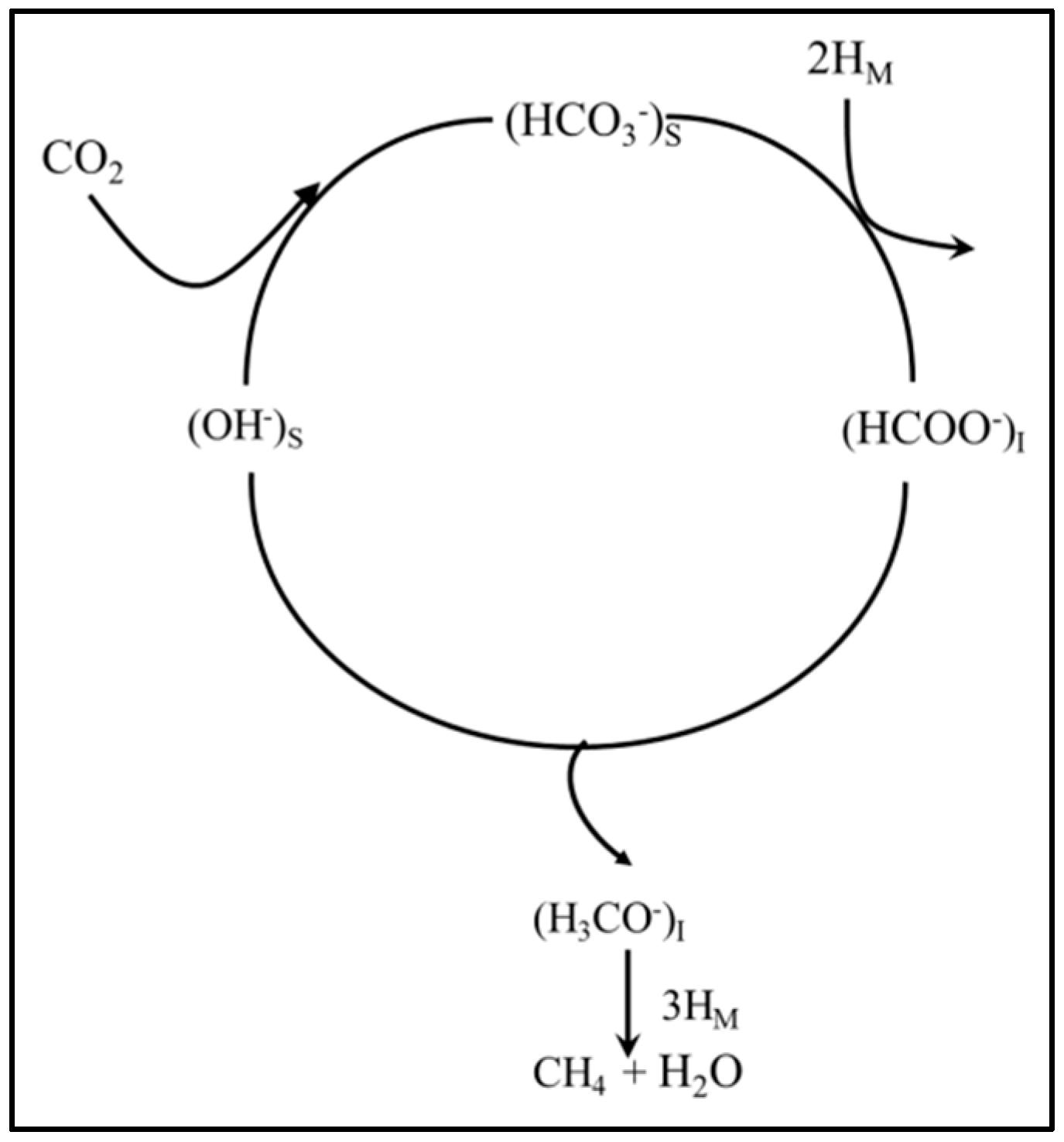
In the latter mechanism, the hydrogenation of CO2 starts with the non-dissociative adsorption of CO2 and H2. Subsequently, the adsorbed CO2 species are hydrogenated step-wise to adsorbed HCOO. Owing to the very weak adsorption of CO2, it was suggested to react directly from the gas phase with adsorbed H species to yield mono-HCOO- or trans-COOH-adsorbed species [99]. The latter species were not considered by Behrens et al. [100] and Grabow et al. [101]. Irrespective of the exposed face of the Cu surface and of the co-existence of Zn, formate species can be preferably hydrogenated to HCOOH. Takano et al. [102] also studied the mechanism of CO2 methanation with a Ni/Y-doped ZrO2 catalyst. The main conclusion by operando DRIFT is the incorporation of Y3+ and Ni2+ into ZrO2 produces oxygen vacancies, which may be associated with the formation of the carbonate adsorption species on the ZrO2. Then, the carbonate species reacted with hydrogen formate intermediates, the formate species, and finally to gaseous CH4. Ashok et al. investigated a possible mechanism for CO2 hydrogenation to methane over the Ni/CZ-AE catalyst, which is based on the DRIFT observations [103]. He speculated the main reaction pathway also followed the mechanism of direct methanation of CO2. Firstly, CO2 can be linearly adsorbed onto CZ as mono- or bi-dentate carbonate. Then, metal Ni dissociated hydrogen to dissociation hydrogen, spilling over to nearby Cex+ species on the surface of the support, where these species reacted with dissociated hydrogen to form hydrogenated carbonates, mono-dentate formats, and formaldehyde-like species. Finally, methoxy species dissociated to release CH4 from the surface. The reaction mechanism (Figure 8) was proposed as follows:

4. Conclusions, Challenges, and Future Prospects

The present study has analyzed the current status of the CO2 hydrogenation to CH4, providing an overview of the designing catalysts with excellent performance. In addition, different reaction mechanisms of CO2 methanation are summarized. The basic research could advance the in-depth understanding of the reaction paths in complex heterogeneous catalytic systems.
The variety of mechanistic proposals for the CO2 methanation are inconsistent with the relatively low reactivity of the CO2, as one would not expect multiple reaction routes involving an apparently stable compound. The majority of the investigations with supported catalysts (noble metal) suggest a reaction route via CO2 dissociation to CO* on the metal, whereas in the presence of Ni catalysts, most research propose that CO2 is activated on the support and that the main intermediates are formate species. It has shown that the binding strengths of key reaction intermediates determine the reaction pathways and selectivity in CO2 hydrogenation reactions. Furthermore, the addition of promoters, such as a secondary oxide or metal component, as well as the variations in active phase or oxide particle size also demonstrate the potential in tuning the binding strengths of key reaction intermediates and, consequently, the selectivity for CO2 hydrogenation.
In all investigations, the surface species comes from IR spectra recorded under in situ reaction conditions, with measurements of mass spectra in the effluent gasses from the reactor serving as a complement. However, there are very limited comprehensive studies utilizing in situ/operando experimental techniques and theoretical simulations under relevant experimental reaction conditions on the reaction mechanisms and key elemental steps that control the activity and selectivity, so not only are detailed explanations on the origin for the apparent contradictions between the various proposals still missing, but there also is a lack of information regarding the specific identity of the active sites on the catalysts. In particular, the following fundamental questions have not been fully solved:
(1)
Does the reaction really take place at the metal–support interface?
(2)
How are surface species transferred across the metal–support interface? Are spillover processes always present? If the support is a non-reducible metal oxide, are there alternative routes?
(3)
Are structural variables, such as metal particle size, strong support–metal interactions, and oxidation state, relevant for the activity of the catalysts ? If so, what is the evidence?
Only by using the complementary spectroscopic techniques, such as X-ray absorption and X-ray photoelectron spectroscopies, can we gain structural information under reaction conditions. However, as most techniques have the same limitation, they mostly provide only average information. Thus, getting the actual reaction path is not easy due to the structural complexity of typical supported metal catalysts. There is a motivation to prepare sufficiently simple and uniform samples, so that the structural information that is obtained from spectroscopic techniques provides more insight into the way in which the CO2 methanation occurs. Meanwhile, theoretical simulations should be performed under experimental reaction conditions using more realistic models, where the combination of KMC or micro-kinetic simulations with DFT calculations is necessary.
In general, future research directions for CO2 hydrogenation are proposed as follows:
  • To improve the support basicity and oxygen vacancies, thereby increasing CO2 adsorption and activation.
  • To explore more novel catalytic support materials, and improve the catalyst stability.
  • To explore more highly active catalysts at low temperature and obtain useful fuels/chemicals.

Author Contributions

Conceptualization, F.Z. and B.L.; Data curation, F.Z. and B.L.; Formal analysis, F.Z. and B.L.; Investigation, F.Z. and B.L.; Methodology, F.Z. and B.L.; Resources, F.Z. and J.Z.; Supervision, F.Z.; Validation, F.Z. and B.L.; Writing—original draft, F.Z. and B.L.; Writing—review and editing, F.Z., J.Z. and B.L. All authors have read and agreed to the published version of the manuscript.

Funding

This research received no external funding.

Data Availability Statement

The original contributions presented in this study are included in the article. Further inquiries can be directed to the corresponding author.

Conflicts of Interest

Author Bin Lu was employed by the company (CNBM) Bengbu Design & Research Institute for Glass Industry Co., Ltd. The remaining authors declare that the research was conducted in the absence of any commercial or financial relationships that could be construed as a potential conflict of interest.

References

  1. Cheng, H.; Li, Y.L.; Tarlet, D.; Luo, L.A.; Fan, Y.L. Microreactor technology for CO2 methanation: A review on process intensification and system integration. Chem. Eng. Process.-Process Intensif. 2026, 221, 110690. [Google Scholar]
  2. Yang, J.; Wu, X.S.; Li, L.; Zhu, J.S.; Da Costa, P.; Hu, C.W. Insights into low-temperature CO2 methanation over Ni/molecular sieve catalysts. Ind. Eng. Chem. Res. 2026, 65, 2135–2145. [Google Scholar]
  3. Yang, X.; Zhang, J.B.; Liu, L.; Zhang, D.Y.; Chen, H.Y.; Xu, L.; Hao, Q.Q.; Ma, X.X.; Tian, B. One-pot synthesis of Ni/biochar catalysts for efficient CO2 methanation. Int. J. Hydrog. Energy 2026, 203, 153186. [Google Scholar]
  4. Nabila, R.; Rudly, C.; Kim, S.; Im, H.; Choi, H.; Chun, D.; Kim, S.; Lim, J.; Yoo, J. Ni-Mg catalyst supported on cellulose nanofiber derived carbon for CO2 methanation. Korean J. Chem. Eng. 2026. [Google Scholar] [CrossRef]
  5. Borowitz, M. US National Oceanic and Atmospheric Administration. 2017. Available online: https://api.semanticscholar.org/CorpusID:134835106 (accessed on 5 January 2026).
  6. Lu, L.; Chen, H.; Qian, X.; Hong, K.; Ye, M.; Wang, M.; Wu, T.; Zuo, C. Multi-dimensional analysis of carbon dioxide sequestration technologies in China in the context of carbon neutrality: Current status. Dev. Potential Costs Sustain. 2025, 17, 5758. [Google Scholar]
  7. Crîstiu, D.; d’Amore, F.; Mocellin, P.; Bezzo, F. Multi-objective optimization of a carbon capture and sequestration supply chain under seismic risk constraints: A case study considering industrial emissions in Italy. Int. J. Greenh. Gas Control 2023, 129, 103993. [Google Scholar] [CrossRef]
  8. Yadav, S.; Mondal, S.S. A review on the progress and prospects of oxy-fuel carbon capture and sequestration (CCS) technology. Fuel 2022, 308, 122057. [Google Scholar] [CrossRef]
  9. Liu, Y.; Li, Y.W.; Chen, Y.Z.; Qu, T.; Shu, C.; Yang, X.; Zhu, H.; Guo, S.; Zhao, S.; Asefa, T.; et al. A CO2/H2 fuel cell: Reducing CO2 while generating electricity. J. Mater. Chem. A 2020, 8, 8329–8336. [Google Scholar] [CrossRef]
  10. Miao, D.Y.; Pan, X.L.; Jiao, F.; Ji, Y.; Hou, G.J.; Xu, L.; Bao, X.H. Selective synthesis of para-xylene and light olefins from CO2/H2 in the presence of toluene. Catal. Sci. Technol. 2021, 11, 4521–4528. [Google Scholar]
  11. Mafokoane, M.A.; Ou, X.X.; Musyoka, N.M.; Chang, F. Carbon dioxide activation and hydrogenation into value-added C1 chemicals over metal hydride catalysts. Catalysts 2025, 15, 424. [Google Scholar] [CrossRef]
  12. Xue, Z.Y.; Yan, W.F. The development of zeolite-based catalysts for CO2 hydrogenation to dimethyl ether. Carbon Hydrog. 2025, 27, 43–51. [Google Scholar] [CrossRef]
  13. Liao, X.M.; Wei, X.L.; Wang, Y.Y.; Gou, H.Q.; Yang, Y.; Luo, X.; Wang, S.; Li, X.; Ni, J.; Pham-Huu, C. An effective way to produce fatty alcohol through coupling fatty acid with CO2 hydrogenation over CuZnZrOx/C-N catalyst. J. Catal. 2025, 452, 116455. [Google Scholar] [CrossRef]
  14. Han, G.Q.; Han, R.; Wei, L.F.; Yan, H.; Ba, Y.H.; Song, C.; Liu, Q. Unveiling the filter effect of CaCO3 hydrogenation in integrated CO2 capture and methanation. Small 2025, 22, e09821. [Google Scholar] [CrossRef] [PubMed]
  15. Ahmed, S.; Khan, M.K.; Kim, J. Revolutionary advancements in carbon dioxide valorization via metal–organic framework-based strategies. Carbon Capture Sci. Technol. 2025, 15, 100405. [Google Scholar]
  16. Cañada-Barcala, A.; Pinzolas-Rubio, A.; Larriba, M.; Maté, V.; Dobladez, J. Sorption enhanced CO2 methanation via two-step reaction-regeneration process at atmospheric pressure using Ni-based catalysts and zeolite 3A. Fuel 2026, 405, 136509. [Google Scholar] [CrossRef]
  17. Larghi, C.; Porta, A.; Etzi, M.; Fiori, G.; Visconti, C.G.; Szanyi, J.; Lietti, L. Reactivity and characterization of S-poisoning on Ru/Al2O3 catalysts for CO2 methanation. Appl. Catal. B Environ. Energy 2026, 385, 126336. [Google Scholar] [CrossRef]
  18. Hongmanorom, P.; Smeets, V.; Neraud, A.; Styskalik, A.; Praserthdam, P.; Coperet, C.; Debecker, D.P. Promotional effect of Ti on mesoporous silica-supported Ru catalysts for CO2 methanation. Mater. Today Chem. 2025, 49, 103026. [Google Scholar] [CrossRef]
  19. Rizzetto, A.; Mezzapesa, M.P.; Celoria, F.; Salomone, F.; Sartoretti, E.; Piumetti, M.; Pirone, R.; Bensaid, S. Low-content Ru catalysts for efficient CO2 methanation. ChemCatChem 2025, 2, e01275. [Google Scholar] [CrossRef]
  20. Musig, B.; Biset-Peirób, M.; Graçac, I.; Guilerab, J.; Moranteb, J.; Lopesa, J.M.; Andreub, T.; Henriquesa, C. Enhanced plasma-assisted CO2 methanation on Ru/CeO2 catalysts. J. CO2 Util. 2025, 102, 103240. [Google Scholar] [CrossRef]
  21. Dong, J.S.; Yang, H.L.; Li, S.T.; Chang, P.P.; Yang, J.Q. Insights into Rh size-dependent reactivity of CO2 methanation over Rh-Al2O3 catalysts. RSC Adv. 2025, 15, 24930–24941. [Google Scholar] [CrossRef]
  22. Italiano, C.; Pino, L.; Maccarrone, D.; Vita, A. Enhanced low-temperature activity of CO2 methanation: Effect of metal oxide support on the performance of Ni-based catalysts. Appl. Catal. A Gen. 2025, 707, 120529. [Google Scholar]
  23. Li, N.; Zou, X.Y.; Liu, M.; Wei, L.F.; Shen, Q.H.; Bibi, R.; Xu, C.; Ma, Q.; Zhou, J. Enhanced visible light photocatalytic hydrogenation of CO2 into methane over Pd/Ce-TiO2 nanocomposition. J. Phys. Chem. C 2017, 121, 25795–25804. [Google Scholar]
  24. Ma, D. Tuning the selectivity of the catalytic CO2 hydrogenation reaction by strong meta-support interaction. Angew. Chem. 2017, 129, 10901–10905. [Google Scholar]
  25. Karelovic, A.; Ruiz, P. Mechanistic study of low temperature CO2 methanation over Rh/TiO2 catalysts. J. Catal. 2013, 301, 141–153. [Google Scholar]
  26. Karelovic, A.; Ruiz, P. Improving the hydrogenation function of Pd/γ-Al2O3 catalyst by Rh/γ-Al2O3 addition in CO2 methanation at low temperature. ACS Catal. 2013, 3, 2799–2812. [Google Scholar]
  27. Lu, B.W.; Zhang, J.H.; Chen, J.Y.; Han, Z.H.; Liu, Y.; Diao, Y.; Li, X.; Wang, Z.; Wang, Z.-J.; Cui, C. Low-temperature CO2 activation and methanation promoted by a hydroxyl-bearing Ni/complex-support catalyst. Fuel 2026, 413, 138275. [Google Scholar] [CrossRef]
  28. Tsiotsias, A.I.; Charisiou, N.D.; Dabbawala, A.A.; Hussien, A.G.S.; Sebastian, V.; Hinder, S.J.; Baker, M.A.; Mao, S.; Polychronopoulou, K.; Goula, M.A. CO2 methanation over Ni catalysts supported on Pr-doped CeO2 nanostructures synthesized via hydrothermal and Co-precipitation methods. Nanomaterials 2025, 15, 1022. [Google Scholar] [PubMed]
  29. Wang, F.; Li, C.; Zhang, X.; Wei, M.; Evans, D.G.; Duan, X. Catalytic behavior of supported Ru nanoparticles on the {100}, {110}, and {111} facet of CeO2. J. Catal. 2015, 329, 177–186. [Google Scholar]
  30. Scirè, S.; Crisafulli, C.; Maggiore, R.; Minicò, S.; Galvagno, S. Influence of the support on CO2 methanation over Ru catalysts: An FT-IR study. Catal. Lett. 1998, 51, 41–45. [Google Scholar] [CrossRef]
  31. Solymosi, F.; Erdöhelyi, A.; Bánsági, T. Methanation of CO2 on supported rhodium catalyst. J. Catal. 1981, 12, 371–382. [Google Scholar] [CrossRef]
  32. Polanski, J.; Siudyga, T.; Bartczak, P.; Kapkowski, M.; Ambrozkiewicz, W.; Nobis, A.; Sitko, R.; Klimontko, J.; Szade, J.; Lelątko, J. Oxide passivated Ni-supported Ru nanoparticles in silica: A new catalyst for low-temperature carbon dioxide methanation. Appl. Catal. B Environ. 2017, 206, 16–23. [Google Scholar]
  33. Kusama, H.; Bando, K.; Okabe, K.; Arakawa, H. Effect of metal loading on CO2 hydrogenation reactivity over Rh/SiO2 catalysts. Appl. Catal. A Gen. 2000, 197, 255–268. [Google Scholar]
  34. Kwak, J.H.; Kovarik, L.; Szanyi, J. CO2 Reduction on supported Ru/Al2O3 catalysts: Cluster size dependence of product selectivity. ACS Catal. 2013, 3, 2449–2455. [Google Scholar]
  35. Kester, K.B.; Zagli, E.; Falconer, J.L. Methanation of carbon monoxide and carbon dioxide on Ni/Al2O3 catalysts: Effects of nickel loading. Appl. Catal. 1986, 22, 311–319. [Google Scholar] [CrossRef]
  36. Cimino, S.; Cepollaro, E.M.; Lisi, L. On the effect of Li or Na doping on Ru/TiO2 catalyst for CO2 methanation. Catal. Today 2025, 452, 115245. [Google Scholar]
  37. Petala, A.; Panagiotopoulou, P. Methanation of CO2 over alkali-promoted Ru/TiO2 catalysts: I. effect of alkali additives on catalytic activity and selectivity. Appl. Catal. B Environ. 2017, 224, 919–927. [Google Scholar]
  38. Büchel, R.; Baiker, A.; Pratsinis, S.E. Effect of Ba and K addition and controlled spatial deposition of Rh in Rh/Al2O3 catalysts for CO2 hydrogenation. Appl. Catal. A Gen. 2014, 477, 93–101. [Google Scholar]
  39. Sun, H.F.; Choudhary, N.; Krafft, J.M.; Da Costa, P.; Launay, F. Tailoring upsalite-derived Ni-MgO catalysts: Impact of synthesis method on CO2 methanation performance. Int. J. Hydrog. Energy 2026, 203, 153173. [Google Scholar]
  40. Munnik, P.; de Jongh, P.E.; de Jong, K.P. Recent developments in the synthesis of supported catalysts. Chem. Rev. 2015, 46, 6687. [Google Scholar] [CrossRef]
  41. Park, J.-N.; McFarland, E.W. A highly dispersed Pd–Mg/SiO2 catalyst active for methanation of CO2. J. Catal. 2009, 266, 92–97. [Google Scholar]
  42. Yu, K.P.; Yu, W.Y.; Kuo, M.C.; Liou, Y.C.; Chien, S.H. Pt/titania-nanotube: A potential catalyst for CO2 adsorption and hydrogenation. Appl. Catal. B Environ. 2008, 84, 112–118. [Google Scholar]
  43. Sharma, S.; Hu, Z.; Zhang, P.; McFarland, E.; Metiu, H. CO2 methanation on Ru-doped ceria. J. Catal. 2011, 278, 297–309. [Google Scholar] [CrossRef]
  44. Bailera, M.; Bacariza, C.; Teixeira, P.; Legaz, J.; García-Mariaca, A.; Peña, B.; Lisbona, P. Testing Ni-based catalysts for the methanation of industrial gases at different levels of sulfur poisoning: From catalysts formulation optimization to kinetics. J. Environ. Chem. Eng. 2025, 13, 115645. [Google Scholar] [CrossRef]
  45. Ma, J.; Li, S.Y.; Xu, B.; Chu, W.; Jiang, Q.; Liu, Y.F. Promotion of low-temperature Ni-based CO2 methanation catalysts by LaOx confined in mesoporous silica channels. Mol. Catal. 2025, 574, 114883. [Google Scholar] [CrossRef]
  46. Varvoutis, G.; Lampropoulos, A.; Oikonomou, P.; Andreouli, C.-D.; Stathopoulos, V.; Lykaki, M.; Marnellos, G.E.; Konsolakis, M. Fabrication of highly active and stable Ni/CeO2 nanorods wash-coated on ceramic NZP structured catalysts for scaled-up CO2 methanation. J. CO2 Util. 2023, 70, 102425. [Google Scholar] [CrossRef]
  47. Fang, X.H.; Qin, F.C.; Peng, L.; Lv, M.Y.; Zeng, H. Synergistic promotion strategies for Ni-based catalysts in methane dry reforming: Suppressing sintering and carbon deposition. Processes 2025, 13, 3322. [Google Scholar] [CrossRef]
  48. Luo, X.; Wen, X.; Yang, H.; Lu, T.; Lian, L.; Wu, C.E.; Cao, Z.; Wang, S.; Xu, L.; Chen, M. Development of efficient Ni-based catalysts for CO2 methanation: Unraveling the impact of support properties on catalytic performance. J. Environ. Chem. Eng. 2025, 13, 117117. [Google Scholar] [CrossRef]
  49. Feng, C.; Jiang, H.X.; Gong, H.; Wang, L.T.; Yang, G.C. Enhancing low-temperature CO2 methanation via a dual anchoring impregnation strategy for highly dispersed Ni-Ce/SBA-15 catalysts. J. Taiwan Inst. Chem. Eng. 2026, 183, 106640. [Google Scholar] [CrossRef]
  50. Liu, J.; Li, C.; Wang, F.; He, S.; Chen, H.; Zhao, Y.; Wei, M.; Evans, D.G.; Duan, X. Enhanced low-temperature activity of CO2 methanation over highly-dispersed Ni/TiO2 catalyst. Catal. Sci. Technol. 2013, 3, 2627–2633. [Google Scholar] [CrossRef]
  51. Bhalothia, D.; Beniwal, A.; Chen, T.Y. Local Synergy Between Ni Single Atoms, Adjacent NiO Nanoparticles, and Oxygen-Deficient TiO2 Facilitates Highly Efficient CO2 Methanation. ChemCatChem 2026, 18, e00938. [Google Scholar]
  52. Abate, S.; Barbera, K.; Giglio, E.; Deorsola, F.; Bensaid, S.; Perathoner, S.; Pirone, R.; Centi, G. Synthesis, characterization, and activity pattern of Ni–Al hydrotalcite catalysts in CO2 methanation. Ind. Eng. Chem. Res. 2016, 55, 8299–8308. [Google Scholar] [CrossRef]
  53. Abate, S.; Mebrahtu, C.; Giglio, E.; Deorsola, F.; Bensaid, S.; Perathoner, S.; Pirone, R.; Centi, G. Catalytic performance of γ-Al2O3-ZrO2-TiO2-CeO2 composite oxide supported Ni-based catalysts for CO2 methanation. Ind. Eng. Chem. Res. 2016, 55, 4451–4460. [Google Scholar] [CrossRef]
  54. Zhou, G.; Liu, H.; Cui, K.; Xie, H.; Jiao, Z.; Zhang, G.; Xiong, K.; Zheng, X. Methanation of carbon dioxide over Ni/CeO2 catalysts: Effects of support CeO2 structure. Int. J. Hydrog. Energy 2017, 42, 16108–16117. [Google Scholar] [CrossRef]
  55. Zhen, W.; Li, B.; Lu, G.; Ma, J. Enhancing catalytic activity and stability for CO2 methanation on Ni@MOF-5 via control of active species dispersion. Chem. Commun. 2015, 51, 1728–1731. [Google Scholar] [CrossRef] [PubMed]
  56. Zhen, W.; Gao, F.; Tian, B.; Ding, P.; Deng, Y.; Li, Z.; Gao, H.; Lu, G. Enhancing activity for carbon dioxide methanation by encapsulating (111) facet Ni particle in metal–organic frameworks at low temperature. J. Catal. 2017, 348, 200–211. [Google Scholar] [CrossRef]
  57. Jantarang, S.; Lovell, E.C.; Tan, T.H.; Scott, J.; Amal, R. Role of support in photothermal carbon dioxide hydrogenation catalyzed by Ni/CexTiyO2. Prog. Nat. Sci. Mater. Int. 2018, 28, 168–177. [Google Scholar]
  58. Swalus, C.; Jacquemin, M.; Poleunis, C.; Bertrand, P.; Ruiz, P. CO2 methanation on Rh/γ-Al2O3 catalyst at low temperature: “In situ” supply of hydrogen by Ni/activated carbon catalyst. Appl. Catal. B Environ. 2012, 125, 41–50. [Google Scholar]
  59. Razzaq, R.; Zhu, H.; Jiang, L.; Muhammad, U.; Li, C.; Zhang, S. Catalytic methanation of CO and CO2 in coke oven gas over Ni–Co/ZrO2–CeO2. Ind. Eng. Chem. Res. 2013, 52, 2247–2256. [Google Scholar] [CrossRef]
  60. Yang, X.; Wang, X.; Gao, G.; Liu, E.; Shi, Q.; Zhang, J.; Han, C.; Wang, J.; Lu, H.; Liu, J.; et al. Nickel on a macro-mesoporous Al2O3@ZrO2 core/shell nanocomposite as a novel catalyst for CO methanation. Int. J. Hydrog. Energy 2013, 38, 13926–13937. [Google Scholar] [CrossRef]
  61. Graçça, I.; Gonzáález, L.V.; Bacariza, M.C.; Fernandes, A.; Henriques, C.; Lopes, J.M.; Ribeiro, M.F. CO2 hydrogenation into CH4 on NiHNaUSY zeolites. Appl. Catal. B Environ. 2014, 147, 101–110. [Google Scholar] [CrossRef]
  62. Rahmani, S.; Rezaei, M.; Meshkani, F. Preparation of highly active nickel catalysts supported on mesoporous nanocrystalline γ-Al2O3 for CO2 methanation. J. Ind. Eng. Chem. 2014, 20, 1346–1352. [Google Scholar] [CrossRef]
  63. Hwang, S.; Hong, U.G.; Lee, J.; Baik, J.H.; Koh, D.J.; Lim, H.; Song, I.K. Methanation of carbon dioxide over mesoporous nickel–M–alumina (M = Fe, Zr, Ni, Y, and Mg) xerogel catalysts: Effect of second metal. Catal. Lett. 2012, 142, 860–868. [Google Scholar] [CrossRef]
  64. Athira, P.; Ray, K. Effect of iron, cobalt and copper in nickel-based bimetal catalysts for CO2 activation-Insights from DFT and DRIFTS. Mol. Catal. 2026, 588, 115537. [Google Scholar]
  65. Mebrahtu, C.; Krebs, F.; Perathoner, S.; Abate, S.; Centi, G.; Palkovits, R. Hydrotalcite based Ni-Fe/(Mg, Al)Ox catalysts for CO2 methanation-tailoring Fe content for improved CO dissociation, basicity, and particle size. Catal. Sci. Technol. 2018, 8, 1016–1027. [Google Scholar] [CrossRef]
  66. Zhi, G.; Guo, X.; Wang, Y.; Jin, G.; Guo, X. Effect of La2O3 modification on the catalytic performance of Ni/SiC for methanation of carbon dioxide. Catal. Commun. 2011, 16, 56–59. [Google Scholar] [CrossRef]
  67. Nie, W.; Zou, X.; Shang, X.; Wang, X.; Ding, W.; Lu, X. CeO2-assisted Ni nanocatalysts supported on mesoporous γ-Al2O3 for the production of synthetic natural gas. Fuel 2017, 202, 135–143. [Google Scholar] [CrossRef]
  68. Ashok, J.; Ang, M.L.; Kawi, S. Enhanced activity of CO2 methanation over Ni/CeO2-ZrO2 catalysts: Influence of preparation methods. Catal. Today 2016, 281, 304–311. [Google Scholar] [CrossRef]
  69. Wang, L.; Liu, H.; Ye, H.; Hu, R.; Yang, S.; Tang, G.; Li, K.; Yang, Y. Vacuum thermal treated Ni-CeO2/SBA-15 catalyst for CO2 methanation. Nanomaterials 2018, 8, 759. [Google Scholar]
  70. Zhang, B.; Qin, Y. Interface tailoring of heterogeneous catalysts by atomic layer deposition. ACS Catal. 2018, 8, 10064–10081. [Google Scholar] [CrossRef]
  71. Cao, Y.; Lu, M.; Fang, J.; Shi, L.; Zhang, D. Hexagonal boron nitride supported meso SiO2-confined Ni catalysts for dry reforming of methane. Chem. Commun. 2017, 53, 7549–7552. [Google Scholar]
  72. Ocampo, F.; Louis, B.; Kiwi-Minsker, L.; Roger, A.C. Effect of Ce/Zr composition and noble metal promotion on nickel based CexZr1−xO2 catalysts for carbon dioxide methanation. Appl. Catal. A Gen. 2011, 392, 36–44. [Google Scholar]
  73. Wei, C.; Qin, Z.; Zhao, Y. Fractional-hydrolysis-driven formation of non-uniform dopant concentration catalyst nanoparticles of Ni/Cex Zr1−xO2 and its catalysis in methanation of CO2. Chem. Eng. J. 2013, 39, 30–34. [Google Scholar]
  74. Li, J.F.; Bo, X.; Rong, Y.; Li, J. Development of a nano-Ni-La-Fe/Al2O3 catalyst to be used for syn-gas production and tar removal after biomass gasification. BioResources 2009, 4, 1520–1535. [Google Scholar] [CrossRef]
  75. Zhang, W.H.; Shen, L.; Zhou, F.Y.; Cao, X.Y.; Chen, J.; Dai, S.; Xu, J.; Zhu, M. Revealing the support effect of nickel-based catalysts toward CO2 methanation. ChemCatChem 2026, 18, e01032. [Google Scholar] [CrossRef]
  76. Manzoni, F.; Strübbe, S.; Rohrbach, L.; Boniface, M.; Lunkenbein, T.; Schoch, R.; Kleist, W.; Bauer, M.; Zobel, M. Role of gas dropouts in CO2 methanation over MOF-derived Ni3Fe@C catalysts: An in situ XAS and PDF study. ChemCatChem 2025, 17, e00859. [Google Scholar] [CrossRef]
  77. Zhang, F.Y.; Lu, B.; Xu, L.L. Outstanding low-temperature activity and stability of NiCo alloy catalysts derived from NiCoAl-LDHs for CO2 methanation. J. Energy Inst. 2025, 120, 102070. [Google Scholar]
  78. Vogt, C.; Groeneveld, E.; Kamsma, G.; Nachtegaal, M.; Lu, L.; Kiely, C.J.; Berben, P.H.; Meirer, F.; Weckhuysen, B.M. Unravelling structure sensitivity in CO2 hydrogenation over nickel. Nat. Catal. 2018, 1, 127–134. [Google Scholar] [CrossRef]
  79. Yu, Y.; Bian, Z.; Song, F.; Wang, J.; Zhong, Q.; Kawi, S. Influence of calcination temperature on activity and selectivity of Ni-CeO2 and Ni-Ce0.8Zr0.2O2 Catalysts for CO2 methanation. Top. Catal. 2018, 61, 1514–1527. [Google Scholar] [CrossRef]
  80. Wierzbicki, D.; Motak, M.; Grzybek, T.; Gálvez, M.E.; Da Costa, P. The influence of lanthanum incorporation method on the performance of nickel-containing hydrotalcite-derived catalysts in CO2 methanation reaction. Catal. Today 2018, 307, 205–211. [Google Scholar] [CrossRef]
  81. He, L.; Lin, Q.; Liu, Y.; Huang, Y. Unique catalysis of Ni-Al hydrotalcite derived catalyst in CO2 methanation: Cooperative effect between Ni nanoparticles and a basic support. J. Energy Chem. 2014, 23, 587. [Google Scholar] [CrossRef]
  82. Jia, X.; Zhang, X.; Rui, N.; Hu, X.; Liu, C.-J. Structural effect of Ni/ZrO2 catalyst on CO2 methanation with enhanced activity. Appl. Catal. B Environ. 2019, 244, 159–169. [Google Scholar] [CrossRef]
  83. He, S.; Li, C.; Chen, H.; Su, D.; Zhang, B.; Cao, X.; Wang, B.; Wei, M.; Evans, D.G.; Duan, X. A surface defect-promoted Ni nanocatalyst with simultaneously enhanced activity and stability. Chem. Mater. 2013, 25, 1040–1046. [Google Scholar] [CrossRef]
  84. Yan, X.; Yuan, C.; Bao, J.; Li, S.; Qi, D.; Wang, Q.; Zhao, B.; Hu, T.; Fan, L.; Fan, B.; et al. A Ni-based catalyst with enhanced Ni-support interaction for highly efficient CO methanation. Catal. Sci. Technol. 2018, 8, 3474–3483. [Google Scholar] [CrossRef]
  85. Xu, L.; Yang, H.; Chen, M.; Wang, F.; Nie, D.; Qi, L.; Lian, X.; Chen, H.; Wu, M. CO2 methanation over Ca doped ordered mesoporous Ni-Al composite oxide catalysts: The promoting effect of basic modifier. J. CO2 Util. 2017, 21, 200–210. [Google Scholar] [CrossRef]
  86. Aziz, M.A.A.; Jalil, A.A.; Triwahyono, S.; Mukti, R.R.; Taufiq-Yap, Y.; Sazegar, M. Highly active Ni-promoted mesostructured silica nanoparticles for CO2 methanation. Appl. Catal. B Environ. 2014, 147, 359–368. [Google Scholar] [CrossRef]
  87. Kesavan, J.K.; Luisetto, I.; Tuti, S.; Meneghini, C.; Iucci, G.; Battocchio, C.; Mobilio, S.; Casciardi, S.; Sisto, R. Nickel supported on YSZ: The effect of Ni particle size on the catalytic activity for CO2 methanation. J. CO2 Util. 2018, 23, 200–211. [Google Scholar] [CrossRef]
  88. Li, H.; Ren, J.; Xiang, Q.; Qin, Z.F.; Lin, J.; Li, Z. Ni/SBA-15 catalysts for CO methanation: Effects of V, Ce, and Zr promoters. RSC Adv. 2015, 5, 96504–96517. [Google Scholar] [CrossRef]
  89. Schubert, M.; Pokhrel, S.; Thome, A.; Zielasek, V.; Gesing, T.M.; Roessner, F.; Mädler, L.; Bäumer, M. Highly active Co-Al2O3-based catalysts for CO2 methanation with very low platinum promotion prepared by double flame spray pyrolysis. Catal. Sci. Technol. 2016, 6, 7449–7460. [Google Scholar] [CrossRef]
  90. Li, Y.R.; Lu, G.X.; Ma, J.T. Highly active and stable nano NiO-MgO catalyst encapsulated by silica with a core-shell structure for CO2 methanation. RSC Adv. 2014, 4, 17420–17428. [Google Scholar] [CrossRef]
  91. Kattel, S.; Liu, P.; Chen, J.G. Tuning selectivity of CO2 hydrogenation reactions at the metal/oxide interface. J. Am. Chem. Soc. 2017, 139, 9739–9754. [Google Scholar] [CrossRef]
  92. Chao, P.; Chen, J.F.; Wang, H.F.; Hu, P.J. Density functional theory study of catalytic methanation of CO2 at the Ni/Ce0.75Zr0.25O2 interface. Sci. Sin. Chim. 2015, 45, 1291. [Google Scholar]
  93. Yuan, H.; Zhu, X.; Han, J.; Wang, H.; Ge, Q. Rhenium-promoted selective CO2 methanation on Ni-based catalyst. J. CO2 Util. 2018, 26, 8–18. [Google Scholar] [CrossRef]
  94. Lapidus, A.L.; Gaidai, N.A.; Nekrasov, N.V.; Tishkova, L.A.; Agafonov, Y.A.; Myshenkova, T.N. The mechanism of carbon dioxide hydrogenation on copper and nickel catalysts. Pet. Chem. 2007, 47, 75–82. [Google Scholar] [CrossRef]
  95. Schild, C.; Wokaun, A.; Baiker, A. On the mechanism of CO and CO2 hydrogenation reactions on zirconia-supported catalysts: A diffuse reflectance FTIR study: Part II. Surface species on copper/zirconia catalysts: Implications for methano synthesis selectivity. J. Mol. Catal. 1990, 63, 243–254. [Google Scholar]
  96. Le, M.C.; Van, K.L.; Nguyen, T.H.; Nguyen, N.H. The impact of Ce-Zr addition on nickel dispersion and catalytic behavior for CO2 methanation of Ni/AC catalyst at low temperature. J. Chem. 2017, 2017, 4361056. [Google Scholar]
  97. Panagiotopoulou, P.; Kondarides, D.I.; Verykios, X.E. Mechanistic aspects of the selective methanation of CO over Ru/TiO2 catalyst. Catal. Today 2012, 181, 138–147. [Google Scholar]
  98. Ren, J.; Guo, H.; Yang, J.; Qin, Z.; Lin, J.; Li, Z. Insights into the mechanisms of CO2 methanation on Ni(111) surfaces by density functional theory. Appl. Surf. Sci. 2015, 351, 504–516. [Google Scholar] [CrossRef]
  99. Zhao, Y.-F.; Yang, Y.; Mims, C.; Peden, C.H.; Li, J.; Mei, D. Insight into methanol synthesis from CO2 hydrogenation on Cu(111): Complex reaction network and the effects of H2O. J. Catal. 2011, 281, 199–211. [Google Scholar] [CrossRef]
  100. Lu, C.; Liu, C.; Chen, R.; Fang, X.; Xu, K.; Meng, D. Synthesis and characterization of ZnO/ZnS/CuS ternary nanocomposites as high efficient photocatalyst in visible light. J. Mater. Sci. Mater. Electron. 2016, 27, 6947–6954. [Google Scholar]
  101. Grabow, L.C.; Mavrikakis, M. Mechanism of methanol synthesis on Cu through CO2 and CO hydrogenation. ACS Catal. 2011, 1, 365–384. [Google Scholar]
  102. Takano, H.; Kirihata, Y.; Izumiya, K.; Kumagai, N.; Habazaki, H.; Hashimoto, K. Highly active Ni/Y-doped ZrO2 catalysts for CO2 methanation. Appl. Surf. Sci. 2016, 388, 653–663. [Google Scholar] [CrossRef]
  103. Westermann, A.; Azambre, B.; Bacariza, M.C.; Graça, I.; Ribeiro, M.F.; Lopes, J.M.; Henriques, C. Insight into CO2 methanation mechanism over NiUSY zeolites: An operando IR study. Appl. Catal. B Environ. 2015, 174–175, 120–125. [Google Scholar] [CrossRef]
Figure 1. Effect of Ir loading on the activity of the catalyst. Reaction conditions: 300 °C, catalyst (100 mg), H2/CO2/Ar = 76/19/5, 1.0 MPa.
Methane 05 00011 g001
Figure 2. TEM images of the catalysts: (a)-NCT, (b)-NCS, (c)-NCP.
Methane 05 00011 g002
Figure 3. Effect of Ni content on the conversion of CO2 and selectivity of CH4 over Ni/USY (a) and Ni/γ-Al2O3 (b).
Methane 05 00011 g003
Figure 4. Ni/SiO2 catalysts with different mean Ni particle sizes.
Methane 05 00011 g004
Figure 5. Effects of active components, promoters, and supports on the performance of CO2 methanation catalysts.
Methane 05 00011 g005
Figure 6. Reaction pathways for CO2 methanation (the red line and arrows represent the preferable steps, and micro-kinetic analysis was performed on these steps).
Methane 05 00011 g006
Figure 7. The simplified reaction mechanisms of CO2 methanation.
Methane 05 00011 g007
Figure 8. Proposed mechanism of CO2 methanation: S is the support; M is the metal; I is the metal-support interface.
Methane 05 00011 g008
Table 1. Summary of catalytic performance on noble metal catalysts.
CatalystsPreparation MethodsT (°C)TOF (s−1)Ref.
1% Pd/0.5%Ce-TiO2hydrothermal706.52[23]
0.7Ir/CeAdsorption–precipitation3002.25 × 10−2[24]
3 wt% Rh/TiO2wet impregnation1502.266[25]
Pd/γ-Al2O3 and Rh/γ-Al2O3mechanical mixtures2000.318 × 10−2[26]
Table 2. Comparison of activities of CO2 methanation on Re, Ru, Rh, and Ir nanoparticles deposited on silica or nickel carrier.
NumberCatalystsTemperature (°C)TOF (h−1)
10.3 Ru/Ni2454320.0
21.5 Ru/Ni4101804.6
31.5 Ru/Ni204940.0
41.9 Ru/Ni370731.7
51.0% RuRe/Ni2231592.5
62.0% RuRe/Ni431650.8
71.0 RhNi4771158.2
81.0% Ir/Ni4022993.4
90.5% Pd/Ni5052423.0
10Ni300/5000/7.8
Table 3. Effect of alkali additives on the catalytic performance of 0.5% Ru/TiO2 catalysts.
CatalystsTemperature
(°C)
CO2 Conversion
(%)
CH4 Selectivity
(%)
Ea
(kJ/mol)
0.5% Ru/TiO23008.012.155.6
0.5% Ru/0.2% Li-TiO230010.795.162.8
0.5% Ru/0.2% K-TiO230010.898.059.8
0.5% Ru/0.2% Cs-TiO230015.198.260.7
0.5% Ru/0.2% Na-TiO230018.298.756.9
Table 4. The effect of preparation methods of various noble metal catalysts on the catalytic performance.
CatalystsPreparation MethodsTemperature
(°C)
CO2 Conversion
(%)
CH4 Selectivity
(%)
Metal Size
(nm)
Pd-MgO/SiO2Reverse micro-emulsion45059955–10
Pt/TntHydrothermal---1–3
Ce0.95Ru0.05O2Combustion450559930–40
Table 5. The effects of support on the catalytic performance.
CatalystTemperature
(°C)
CO2 Conversion
(%)
CH4 Selectivity
(%)
TOF
(s−1)
MSN3000.40-
Ni/MSN30064.199.91.61
Ni/MSM-4130056.598.31.41
Ni/HY30048.596.41.21
Ni/SiO230042.496.61.06
Ni/γ-Al2O330048.095.20.69
Ni/HTLCS30086.098.0-
Ni/MIL-100300--1.63 × 10−3
Ni/MOF-532075.1100-
Ni/Al2O3@ZrO240093.192.0-
Table 6. Summary on preparation methods of various Ni-based catalysts.
CatalystsTemperature
(K)
Preparation MethodsCO2 Conversion
(%)
CH4 Selectivity
(%)
Ni
(nm)
Ref
Ni-CexZr1−XO2623sol–gel80.0>98.020.8[73]
15 wt% Ni-La/SiC633Impregnation85.0100.08.3[67]
35 wt% Ni/5 wt% Fe
Alumina xerogel
493sol–gel63.499.57.4[64]
5 wt%Ni/CexZr1−XO2693impregnation75.6>80.0-[74]
Table 7. The elementary reactions at the Ni/Ce0.75Zr0.25O2 interface in CO2 hydrogenation to methane.
Elementary ReactionsActive SiteActivation Energy
(eV)
Enthalpy Change
(eV)
H2 (g) + * ↔ H2*Ni−0.72
H2* + * ↔ H* + H*Ni0.01−0.56
CO2 (g) + * ↔ CO2*Ni−0.74
OV1−0.34
OV2−0.39
CO2* + * ↔ CO* + O*OV10.26−0.94
OV20.54−1.29
CO* + H* ↔ CHO* + *OV20.390.23
CO* → CO (g) + *Ni1.99
OV11.89
OV21.64
CO2* + H* ↔ HCOO* + *OV20.390.13
HCOO* + *↔ CHO* + O*OV20.52−0.79
CHO* + * ↔ CH* + O*OV20.62−0.09
CH* + H* ↔ CH2* + * NiNi0.780.27
CH2* + H* ↔ CH3* + *Ni0.470.06
CH3* + H* ↔ CH4* + *Ni0.490.02
CH4* ↔ CH4 (g) + *Ni0.14
O* + H* ↔ OH* + *OV11.52−0.21
OV21.600.18
OH* + H* ↔ H2O* + *Ni1.620.93
H2O* ↔ H2O(g) + *Ni0.54
* indicates the adsorbed state of the substance.
Disclaimer/Publisher’s Note: The statements, opinions and data contained in all publications are solely those of the individual author(s) and contributor(s) and not of MDPI and/or the editor(s). MDPI and/or the editor(s) disclaim responsibility for any injury to people or property resulting from any ideas, methods, instructions or products referred to in the content.