Article

Morphology-Controlled WO3 for the Photocatalytic Oxidation of Methane to Methanol in Mild Conditions


by
Dumindu Premachandra
1,2 and
Michael D. Heagy
2,*
1
Department of Chemistry, New Mexico Institute of Mining and Technology 801, Leroy Pl, Socorro, NM 87801, USA
2
School of Chemistry and Materials Science, Rochester Institute of Technology, One Lomb Memorial Drive, Rochester, NY 14623, USA
*
Author to whom correspondence should be addressed.
Methane 2023, 2(1), 103-112; https://doi.org/10.3390/methane2010008

Submission received: 12 January 2023 / Revised: 9 February 2023 / Accepted: 15 February 2023 / Published: 17 February 2023
(This article belongs to the Special Issue Methane Oxidation Catalysis)

Abstract

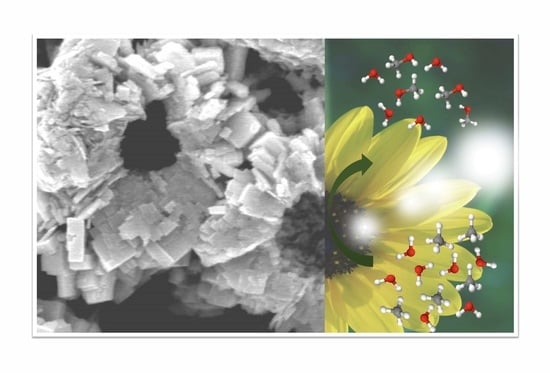
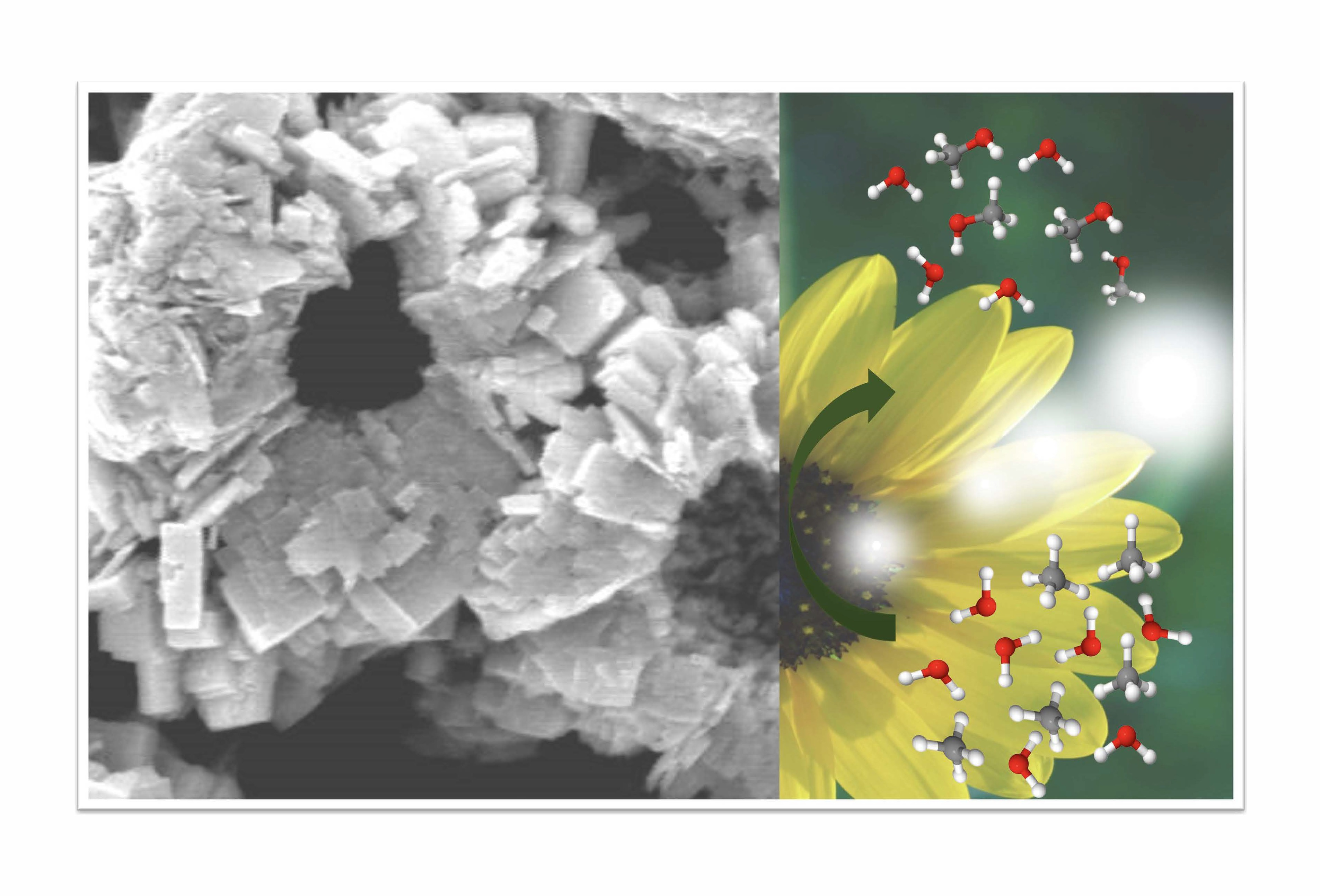
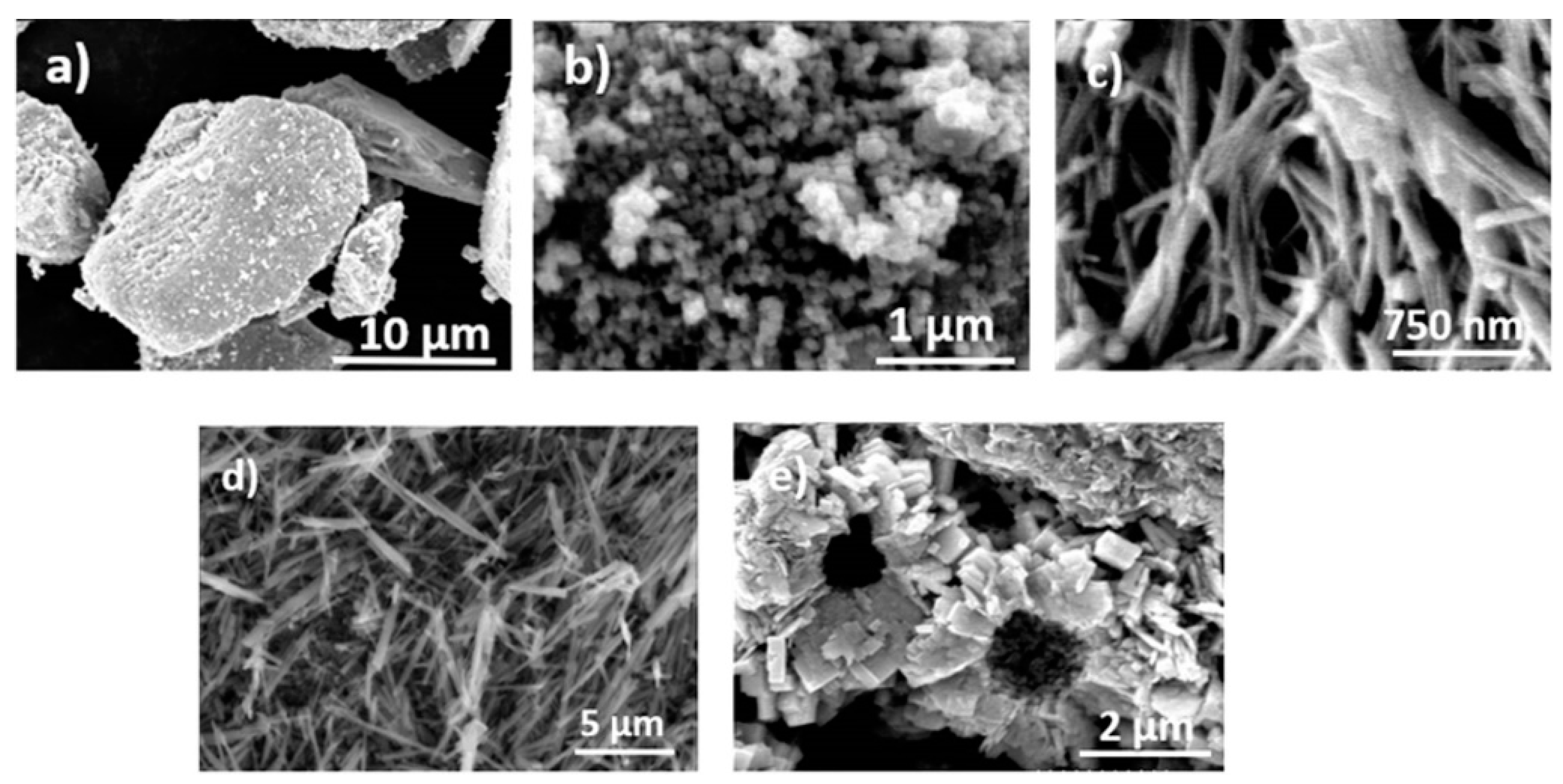
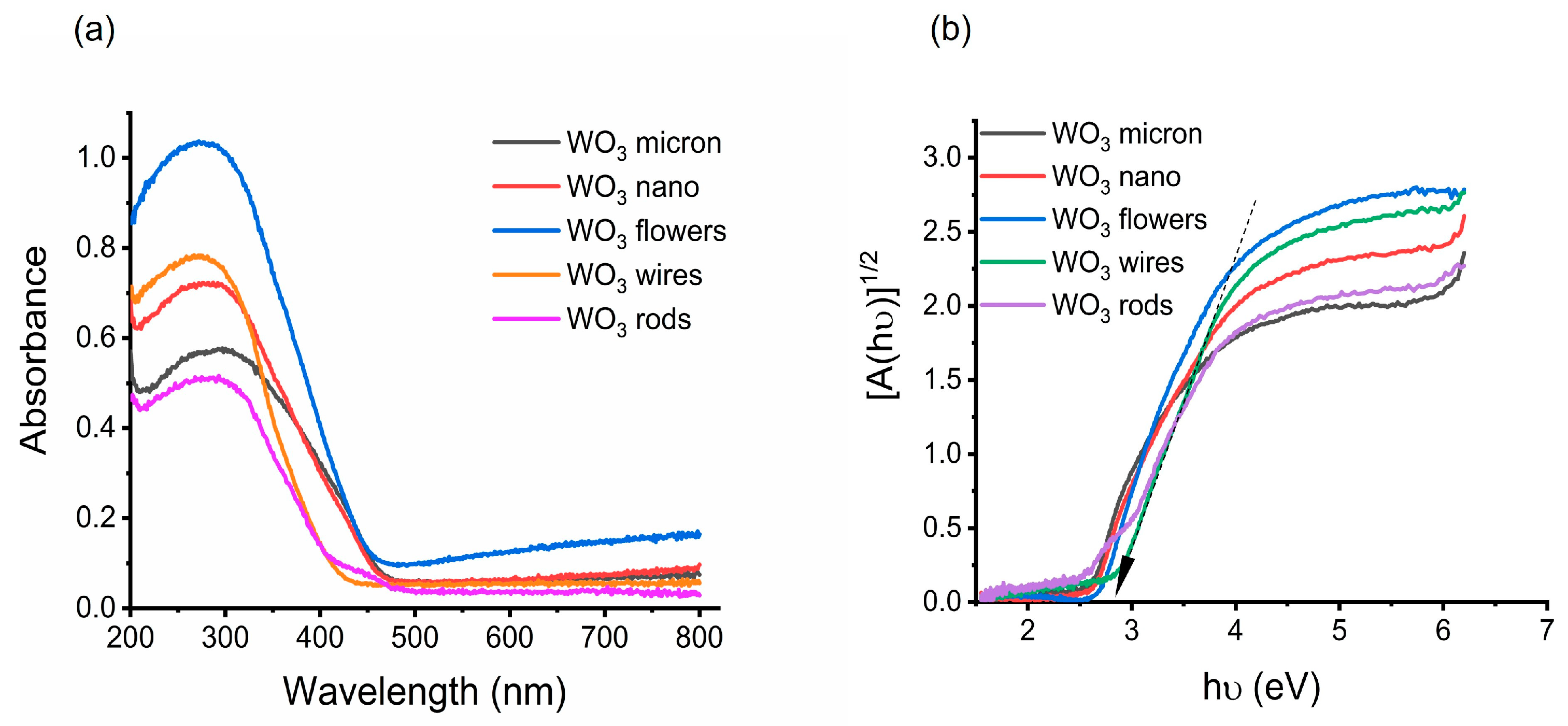
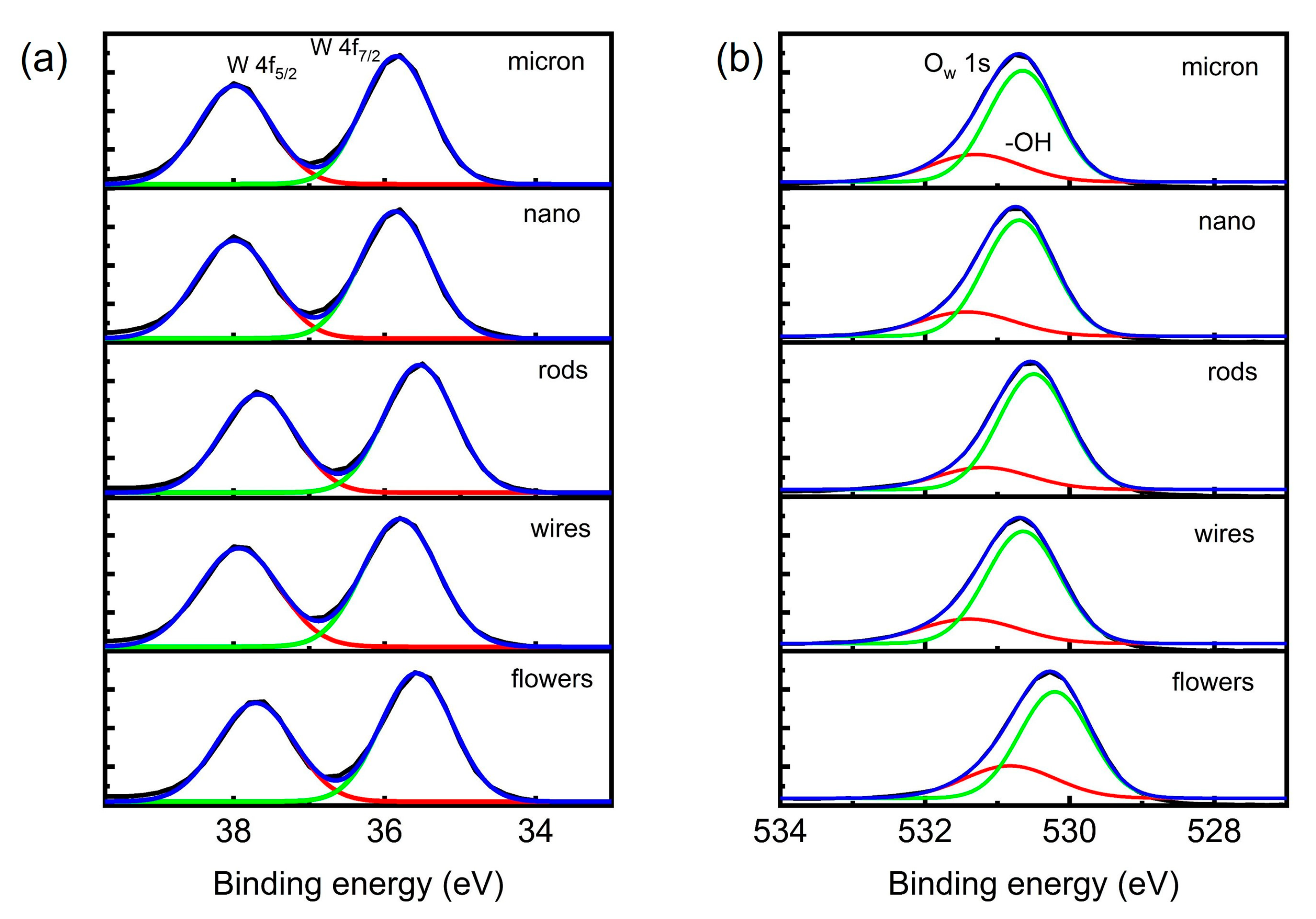
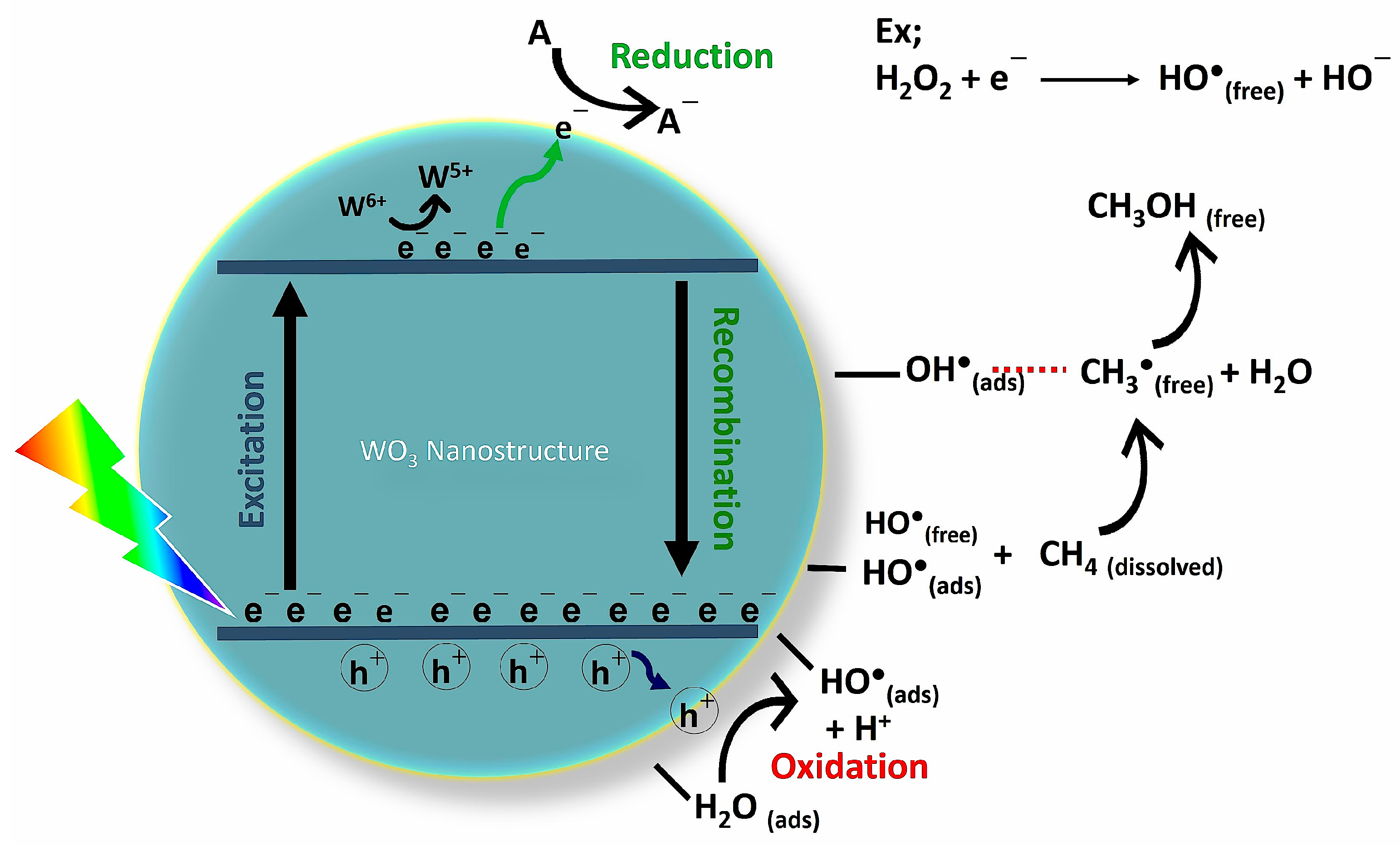
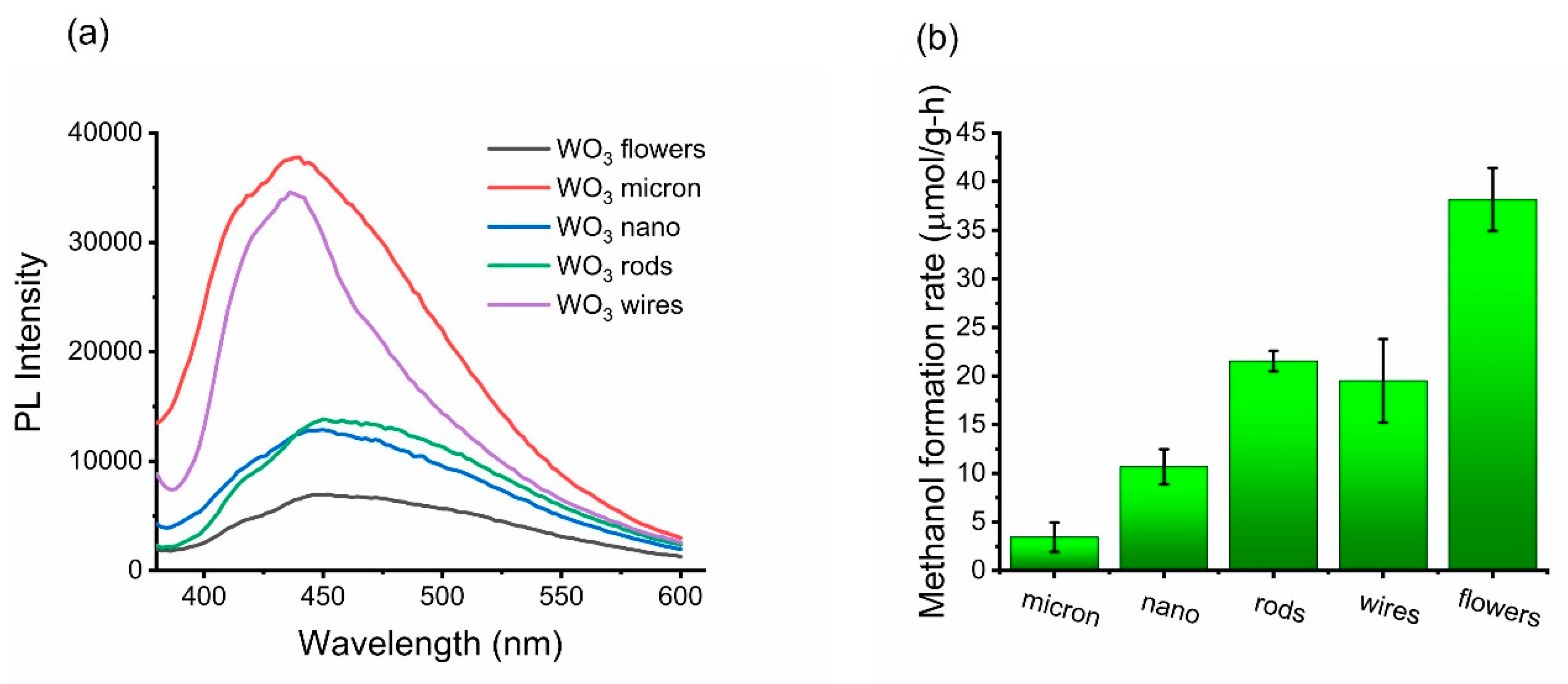
Since WO3 is a relatively abundant metal oxide and features the ability to absorb in the visible spectrum, this non-toxic semiconductor is a promising photocatalyst among sustainable materials. These properties have delivered intriguing catalytic results in the conversion of methane to methanol; however, initial investigations indicate low photocatalytic efficiency resulting from fast recombination of photogenerated charges. To explore this aspect of inefficiency, five different morphologies of WO3 consisting of micron, nanopowder, rods, wires, and flowers were obtained and characterized. In addition, several electron capture agents/oxidizers were investigated as a means of improving the separation of photogenerated charges. The photocatalytic activity of different morphologies was assessed via CH3OH formation rates. Based on our results, WO3 flowers produced the highest methanol productivity (38.17 ± 3.24 µmol/g-h) when 2 mM H2O2 was present, which is approximately four times higher in the absence of H2O2. This higher methanol production has been attributed to the unique structure-related properties of the flower-like structure. Photoluminescence emission spectra and diffuse reflectance data reveal that flower structures are highly catalytic due to their reduced electron/hole recombination and multiple light reflections via petal-like hollow chambers.
Keywords: Methane oxidation; photochemical; methanol; hierarchical nanostructures; nanoflowers Methane oxidation; photochemical; methanol; hierarchical nanostructures; nanoflowers
Graphical Abstract