
Motivations for Cannabis Use Among LGBTQ+ Youth: A Participatory Photovoice Study

 , , ,
, , ,
Abstract
1. Introduction
2. Materials and Methods
2.1. Recruitment and Participants
2.2. Data Collection
2.3. Data Analysis
3. Results
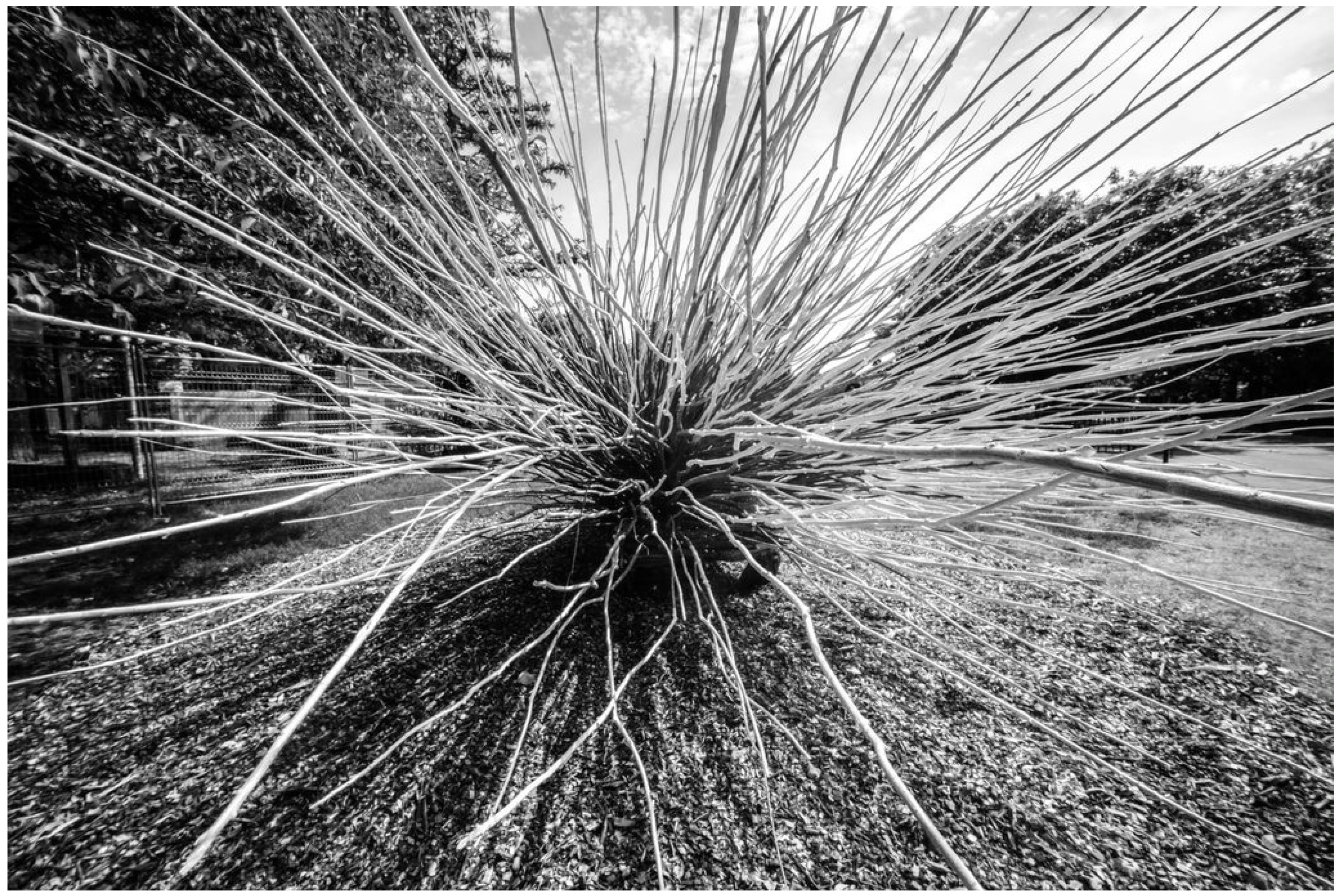
3.1. Reconfiguring Thought
“Cannabis is a very opening drug for me. It’s secured my sense of self and it helps me kind of iron out these intersections between these identities… it was almost like therapy. It was like it opened my mind to the possibility… Honestly, I stopped caring so much about like things that didn’t matter and just accepted me for the way that I am.”
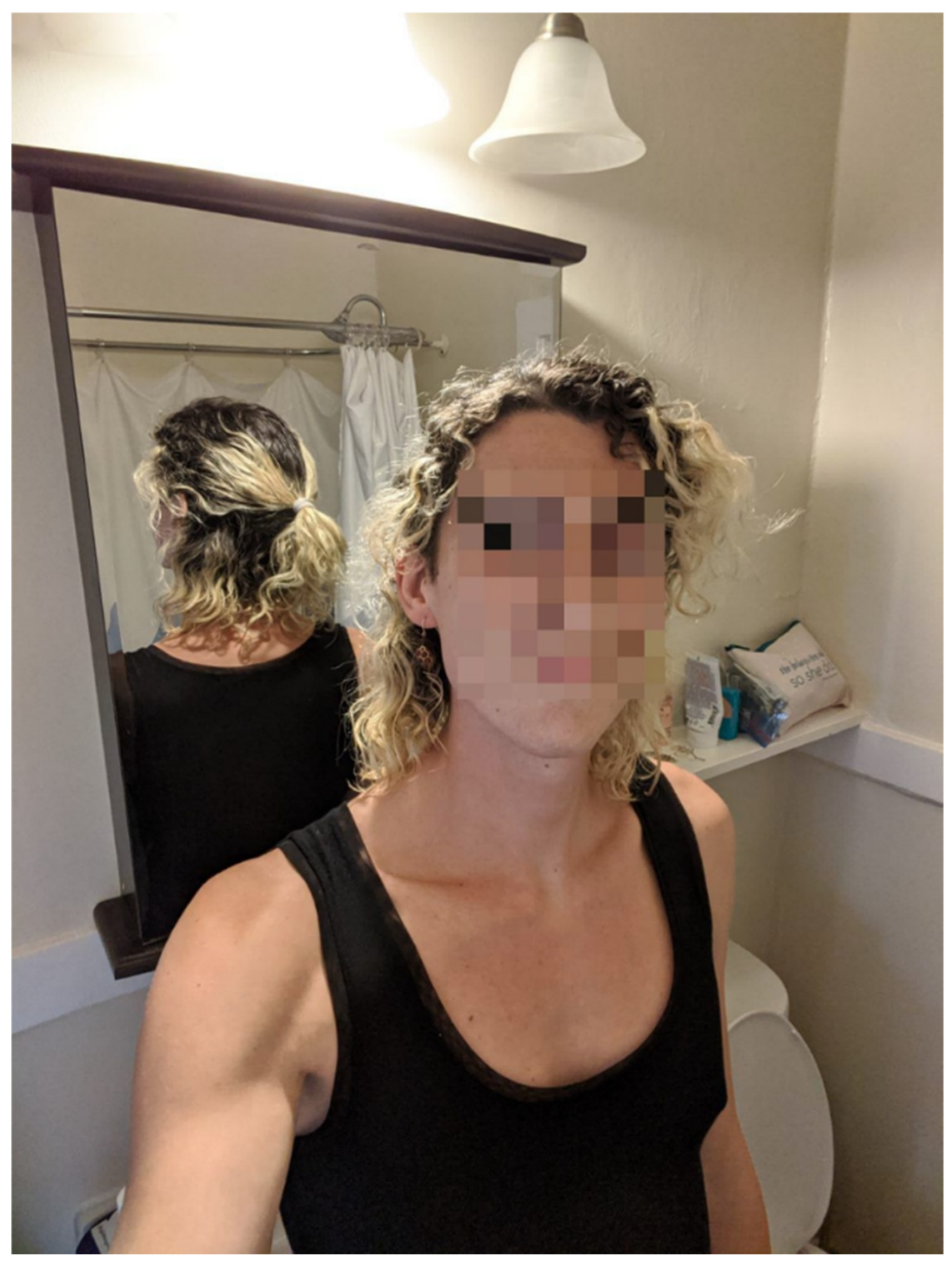
“I think that most of the mental illness issues I have would be much more mitigated if it weren’t for my sexuality. Like a lot of it was a direct chain in reaction and induction to do with like my family’s acceptance of my sexuality. It has obviously impacted the way that I use cannabis because sometimes I use to work through these emotions that I have.”
“I think that honestly, everything in my life led up to where I am now, and I think weed definitely served a big part in that. I think weed was an introduction to a different world. And I think it was the start of the reclaiming of myself. I definitely see marijuana being a huge part in my journey to the woman that I am today. And especially the trans woman I am today.”
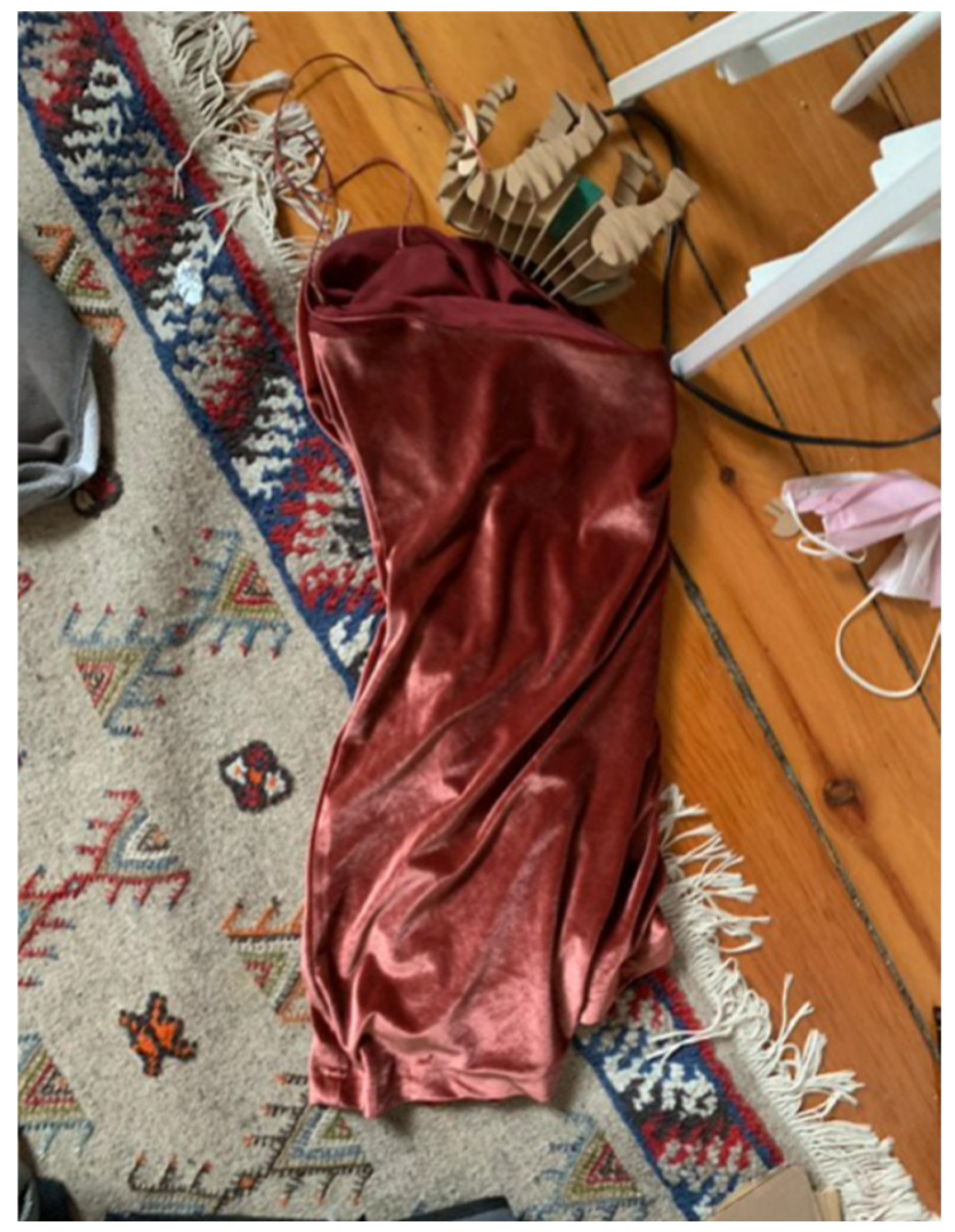
3.2. Enacting Identity
“In the realm of gender identity, Cannabis helped me… it’s definitely been a strong influence in my gender identity as I’m rebuilding the way I identify in the world and see myself. Cannabis helped me so much through role-play, through different sexual shadow work, to understand how to allow these personalities—parts of me to come through… and dialogue with them.”
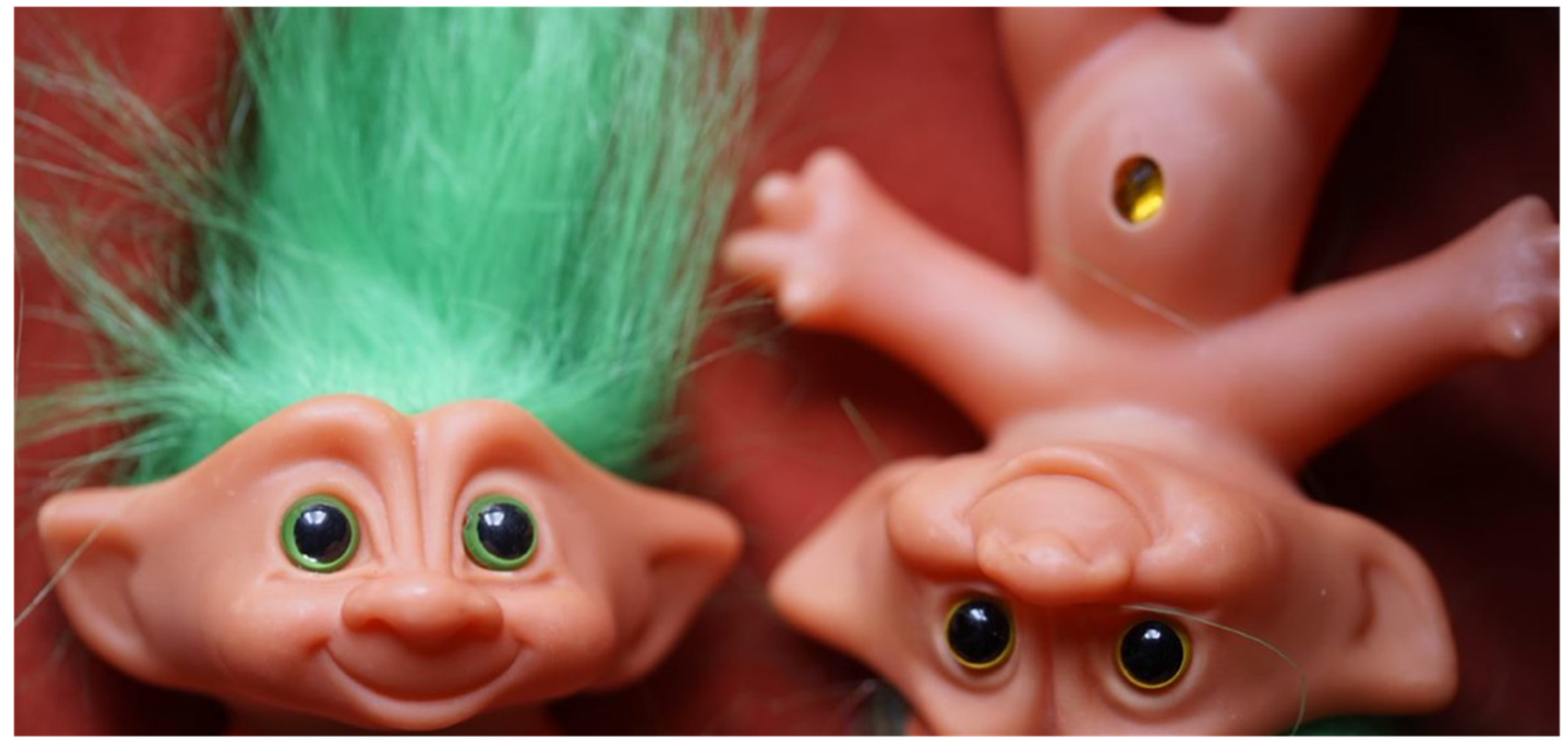
3.3. Practicing Care
“I went to the psychologist a lot and she would rephrase my thoughts or like repeat back to me what I had just told her, and then she would analyze my stuff out loud. It’s like the same situation [when consuming cannabis], but you know in a different way. It just makes you realize a lot of things.”
“I think what my favorite thing about weed is that while consuming weed, I have the patience to work on myself, I have the patience to sit down and do nothing, or go on a walk, and really be with myself and try to understand myself and putting the time and effort. And then, when I’m sober, the connections and maybe the realizations that I came to, or the language I was able to use to articulate my emotions, I still retained them when I was sober. And it was really helpful, not just internally, but the way I communicated to my friends, about the way I was feeling or the way I communicated to my partner about what I needed in that time.”
“I was smoking with a lot of queer people who were also coming to terms with their identity and their queerness, and I think that marijuana allowed for spaces for us to congregate together but also share with each other. I’ve met a lot of queer people through smoking weed and I’ve been able to learn a lot from these people, and a lot about myself too through that. And we found our connection through smoking weed together.”
4. Discussion
4.1. Methodological Reflection
4.2. Limitations
5. Conclusions
Author Contributions
Funding
Institutional Review Board Statement
Informed Consent Statement
Data Availability Statement
Acknowledgments
Conflicts of Interest
Abbreviation
| LGBTQ+ | Lesbian, Gay, Bisexual, Trans, Queer and other sexual and gender minorities |
References
- Ali, F., Russell, C., Nafeh, F., Chaufan, C., Imtiaz, S., Rehm, J., Spafford, A., & Elton-Marshall, T. (2022). Youth substance use service provider’s perspectives on use and service access in ontario: Time to reframe the discourse. Substance Abuse Treatment, Prevention, and Policy, 17(1), 9. [Google Scholar] [CrossRef] [Scilit] [PubMed]
- Augsberger, A., Young, A., Toraif, N., Morris, M., & Barnett, K. G. (2023). Youth engagement to achieve health equity: Are healthcare organizations and leaders prepared? American Journal of Community Psychology, 71(3–4), 410–422. [Google Scholar] [CrossRef] [Scilit] [PubMed]
- Bailey, K., Allemang, B., Vandermorris, A., Munce, S., Cleverley, K., Chisholm, C., Cohen, E., Davidson, C., El Galad, A., Leibovich, D., Lowthian, T., Pillainayagam, J., Ramesh, H., Samson, A., Senthilnathan, V., Siska, P., Snider, M., & Toulany, A. (2024). Benefits, barriers and recommendations for youth engagement in health research: Combining evidence-based and youth perspectives. Research Involvement and Engagement, 10(1), 92. [Google Scholar] [CrossRef] [Scilit] [PubMed]
- Baker, T. A., & Wang, C. C. (2006). Photovoice: Use of a participatory action research method to explore the chronic pain experience in older adults. Qualitative Health Research, 16(10), 1405–1413. [Google Scholar] [CrossRef] [Scilit] [PubMed]
- Barborini, C., Goodyear, T., Kia, H., Gilbert, M., Ferlatte, O., & Knight, R. (2024). “To smoke feels gender”: Exploring the transformative and emancipatory capacities of cannabis among transgender, non-binary and gender non-conforming (TGNC) youth. International Journal of Drug Policy, 131, 104536. [Google Scholar] [CrossRef] [Scilit] [PubMed]
- Bilgrei, O. R., Buvik, K., Tokle, R., & Scheffels, J. (2022). Cannabis, youth and social identity: The evolving meaning of cannabis use in adolescence. Journal of Youth Studies, 25(9), 1199–1214. [Google Scholar] [CrossRef] [Scilit]
- Bottorff, J. L., Bissell, L. J., Balneaves, L. G., Oliffe, J. L., Capler, N. R., & Buxton, J. (2013). Perceptions of cannabis as a stigmatized medicine: A qualitative descriptive study. Harm Reduction Journal, 10, 2. [Google Scholar] [CrossRef] [Scilit] [PubMed]
- Boyd, C. J., Veliz, P. T., & McCabe, S. E. (2020). Severity of DSM-5 cannabis use disorders in a nationally representative sample of sexual minorities. Substance Abuse, 41(2), 191–195. [Google Scholar] [CrossRef] [Scilit] [PubMed]
- Braun, V., & Clarke, V. (2006). Using thematic analysis in psychology. Qualitative Research in Psychology, 3(2), 77–101. [Google Scholar] [CrossRef] [Scilit]
- Braun, V., & Clarke, V. (2019). Reflecting on reflexive thematic analysis. Qualitative Research in Sport, Exercise and Health, 11(4), 589–597. [Google Scholar] [CrossRef] [Scilit]
- Browne, K., & Nash, C. J. (2010). Queer methods and methodologies: An introduction. In K. Browne (Ed.), Queer methods and methodologies: Intersecting queer theories and social science research (1st ed.). Routledge. [Google Scholar]
- Butler, J. (2004). Undoing gender (1st ed.). Routledge. [Google Scholar] [CrossRef] [Scilit]
- Capous-Desyllas, M., & Mountz, S. (2019). Using photovoice methodology to illuminate the experiences of LGBTQ former foster youth. Child & Youth Services, 40(3), 267–307. [Google Scholar] [CrossRef] [Scilit]
- Catalani, C., & Minkler, M. (2010). Photovoice: A review of the literature in health and public health. Health Education & Behavior, 37(3), 424–451. [Google Scholar] [CrossRef] [Scilit] [PubMed]
- Creighton, G., Oliffe, J. L., Ferlatte, O., Bottorff, J., Broom, A., & Jenkins, E. K. (2018). Photovoice ethics: Critical reflections from men’s mental health research. Qualitative Health Research, 28(3), 446–455. [Google Scholar] [CrossRef] [Scilit] [PubMed]
- Davis, A. K., Arterberry, B. J., Bonar, E. E., Bohnert, K. M., & Walton, M. A. (2018). Why do young people consume marijuana? Extending motivational theory via the dualistic model of passion. Translational Issues in Psychological Science, 4(1), 54. [Google Scholar] [CrossRef] [Scilit] [PubMed]
- Dennis, F., Rhodes, T., & Harris, M. (2020). More-than-harm reduction: Engaging with alternative ontologies of ‘movement’ in UK drug services. International Journal of Drug Policy, 82, 102771. [Google Scholar] [CrossRef] [Scilit] [PubMed]
- Duff, C. (2015). Governing drug use otherwise: For an ethics of care. Journal of Sociology, 51(1), 81–96. [Google Scholar] [CrossRef] [Scilit]
- Felner, J. K., Wisdom, J. P., Williams, T., Katuska, L., Haley, S. J., Jun, H. J., & Corliss, H. L. (2020). Stress, coping, and context: Examining substance use among LGBTQ young adults with probable substance use disorders. Psychiatric Services, 71(2), 112–120. [Google Scholar] [CrossRef] [Scilit] [PubMed]
- Ferlatte, O., Karmann, J., Gariépy, G., Frohlich, K. L., Moullec, G., Lemieux, V., & Hébert, R. (2022). Virtual photovoice with older adults: Methodological reflections during the COVID-19 pandemic. International Journal of Qualitative Methods, 21, 16094069221095656. [Google Scholar] [CrossRef] [Scilit] [PubMed]
- Ferlatte, O., & Oliffe, J. L. (2019). Picturing intersectionality in men’s suicidality research. In D. M. Griffith, M. A. Bruce, & R. J. Thorpe (Eds.), Men’s health equity. Routledge. [Google Scholar]
- Ferlatte, O., Oliffe, J. L., Salway, T., Broom, A., Bungay, V., & Rice, S. (2019). Using photovoice to understand suicidality among gay, bisexual, and two-spirit men. Archives of Sexual Behavior, 48(5), 1529–1541. [Google Scholar] [CrossRef] [Scilit] [PubMed]
- Fischer, B., Jutras-Aswad, D., & Hall, W. (2023). Outcomes associated with nonmedical cannabis legalization policy in Canada: Taking stock at the 5-year mark. Canadian Medical Association Journal, 195(39), E1351. [Google Scholar] [CrossRef] [Scilit] [PubMed]
- Fountain, S., Hale, R., Spencer, N., Morgan, J., James, L., & Stewart, M. K. (2021). A 10-year systematic review of photovoice projects with youth in the United States. Health Promotion Practice, 22(6), 767–777. [Google Scholar] [CrossRef] [Scilit] [PubMed]
- Ghaziani, A., & Brim, M. (2019). Imagining queer methods. NYU Press. [Google Scholar]
- Ghvanidze, S., Ščasný, M., Kang, S. K., & Hanf, J. H. (2025). Exploring motivations for cannabis use in casual leisure: A german perspective. International Journal of the Sociology of Leisure, 8(2), 149–186. [Google Scholar] [CrossRef] [Scilit]
- Goodyear, T., Ferlatte, O., Fast, D., Salway, T., Jenkins, E., Robinson, S., & Knight, R. (2023). Using photovoice to understand experiences of opioid use among sexual and gender minority youth in Vancouver, Canada. Culture, Health & Sexuality, 25(5), 599–616. [Google Scholar] [CrossRef] [Scilit] [PubMed]
- Hall, W., Stjepanović, D., Dawson, D., & Leung, J. (2023). The implementation and public health impacts of cannabis legalization in Canada: A systematic review. Addiction, 118(11), 2062–2072. [Google Scholar] [CrossRef] [Scilit] [PubMed]
- Han, B., Compton, W. M., Blanco, C., & Jones, C. M. (2019). Time since first cannabis use and 12-month prevalence of cannabis use disorder among youth and emerging adults in the United States. Addiction, 114(4), 698–707. [Google Scholar] [CrossRef] [Scilit] [PubMed]
- Han, C. S., & Oliffe, J. L. (2016). Photovoice in mental illness research: A review and recommendations. Health, 20(2), 110–126. [Google Scholar] [CrossRef] [Scilit] [PubMed]
- Hannes, K., & Parylo, O. (2014). Let’s play it safe: Ethical considerations from participants in a photovoice research project. International Journal of Qualitative Methods, 13(1), 255–274. [Google Scholar] [CrossRef] [Scilit]
- Hatzenbuehler, M. L., & Pachankis, J. E. (2016). Stigma and minority stress as social determinants of health among lesbian, gay, bisexual, and transgender youth: Research evidence and clinical implications. Pediatric Clinics, 63(6), 985–997. [Google Scholar] [CrossRef] [Scilit] [PubMed]
- Hendricks, M. L., & Testa, R. J. (2012). A conceptual framework for clinical work with transgender and gender nonconforming clients: An adaptation of the minority stress model. Professional Psychology: Research and Practice, 43(5), 460. [Google Scholar] [CrossRef] [Scilit]
- Jenkins, E. K., Knight, R., Ferlatte, O., & Haines-Saah, R. J. (2025). Youth and young adult cannabis research—Critical approaches to advancing the field. International Journal of Drug Policy, 138, 104752. [Google Scholar] [CrossRef] [Scilit] [PubMed]
- Jenkins, E. K., Slemon, A., & Haines-Saah, R. J. (2017). Developing harm reduction in the context of youth substance use: Insights from a multi-site qualitative analysis of young people’s harm minimization strategies. Harm Reduction Journal, 14(1), 53. [Google Scholar] [CrossRef] [Scilit] [PubMed]
- Lefebvre, M., Goyette, M., Morvannou, A., London-Nadeau, K., Saint-Jacques, M., & Ferlatte, O. (2026). “It’s a beautiful feeling”: Exploring embodied, psychological, and gendered motivations for sex under the influence of cannabis among young adults. The Journal of Sex Research, 1–17. [Google Scholar] [CrossRef] [Scilit] [PubMed]
- Levine, A., Clemenza, K., Rynn, M., & Lieberman, J. (2017). Evidence for the risks and consequences of adolescent cannabis exposure. Journal of the American Academy of Child & Adolescent Psychiatry, 56(3), 214–225. [Google Scholar] [CrossRef] [Scilit] [PubMed]
- Liebenberg, L. (2022). Photovoice and being intentional about empowerment. Health Promotion Practice, 23(2), 267–273. [Google Scholar] [CrossRef] [Scilit] [PubMed]
- London-Nadeau, K., Lafortune, C., Gorka, C., Lemay-Gaulin, M., Séguin, J., Haines-Saah, R., Ferlatte, O., Chadi, N., Juster, R.-P., Bristowe, S., D’Alessio, H., Bernal, L., Ellis-Durity, K., Barbosa, J., Da Costa De Carlos, L. A. A. C., & Castellanos Ryan, N. (2025). Beyond struggle: A strengths-based qualitative study of cannabis use among queer and trans youth in Québec. International Journal of Drug Policy, 138, 104512. [Google Scholar] [CrossRef] [Scilit] [PubMed]
- London-Nadeau, K., Pocuca, N., Rioux, C., Chadi, N., Côté, S. M., Fallu, J.-S., Geoffroy, M.-C., Huynh, C., Juster, R.-P., Séguin, J. R., & Castellanos-Ryan, N. (2026). Sexual diversity, adolescent mental health, and adult cannabis use: Longitudinal associations through cannabis use motives. Addictive Behaviors, 173, 108530. [Google Scholar] [CrossRef] [Scilit] [PubMed]
- Lucassen, M. F. G., Stasiak, K., Samra, R., Frampton, C. M. A., & Merry, S. N. (2017). Sexual minority youth and depressive symptoms or depressive disorder: A systematic review and meta-analysis of population-based studies. Australian & New Zealand Journal of Psychiatry, 51(8), 774–787. [Google Scholar] [CrossRef] [Scilit] [PubMed]
- Magyarlaki, A. P., & Pipkin, A. (2025). “I got given all these keys”: A photovoice study examining master and alternative narratives and nonbinary identity formation in London’s queer communities. International Journal of Transgender Health, 26(2), 428–446. [Google Scholar] [CrossRef] [Scilit]
- Mawn, L., Welsh, P., Stain, H. J., & Windebank, P. (2015). Youth speak: Increasing engagement of young people in mental health research. Journal of Mental Health, 24(5), 271–275. [Google Scholar] [CrossRef] [Scilit] [PubMed]
- Meyer, I. H. (2003). Prejudice, social stress, and mental health in lesbian, gay, and bisexual populations: Conceptual issues and research evidence. Psychological Bulletin, 129(5), 674–697. [Google Scholar] [CrossRef] [Scilit] [PubMed]
- Minkler, M. (2005). Community-based research partnerships: Challenges and opportunities. Journal of Urban Health, 82(2), ii3–ii12. [Google Scholar] [CrossRef] [Scilit] [PubMed]
- Minkler, M., & Wallerstein, N. (2003). Community based participatory research for health. Jossey-Bass/Wiley. [Google Scholar]
- Nash, C. J. (2010). Queer methods and methodologies: Intersecting queer theories and social science research (K. Browne, Ed.; 1st ed.). Routledge. [Google Scholar] [CrossRef] [Scilit]
- Nicole-Berva, O., & Ušča, A. (2026). Resisting epistemic injustice: The potential of vulnerability in research ethics. Qualitative Research, 26(3), 643–664. [Google Scholar] [CrossRef] [Scilit]
- Nwaozuru, U. C., Haines, E. R., Shato, T., Obiezu-Umeh, C., & Iwelunmor, J. (2025). Editorial: Moving beyond tokenism: Toward sustainable youth engagement to improve the implementation of public health programs and interventions. Frontiers in Public Health, 13, 1576788. [Google Scholar] [CrossRef] [Scilit] [PubMed]
- Oliffe, J. L., & Bottorff, J. L. (2007). Further than the eye can see? Photo elicitation and research with men. Qualitative Health Research, 17(6), 850–858. [Google Scholar] [CrossRef] [Scilit] [PubMed]
- Oliffe, J. L., Kelly, M. T., Gonzalez Montaner, G., & Yu Ko, W. F. (2021). Zoom interviews: Benefits and concessions. International Journal of Qualitative Methods, 20, 16094069211053522. [Google Scholar] [CrossRef] [Scilit]
- Ortiz-Paredes, D., Chanady, T., Wassef, K., Knight, R., & Ferlatte, O. (2024). ‘I created my own access:’ Understanding mental healthcare access experiences among LGTBQ + youth who use cannabis in Canada. Culture, Health & Sexuality, 26(11), 1475–1494. [Google Scholar] [CrossRef] [Scilit] [PubMed]
- Ortiz-Paredes, D., Knight, R., London-Nadeau, K., Goyette, M., Sylvestre, M.-P., Flores-Aranda, J., Cotton, J.-C., & Ferlatte, O. (2026). Establishing research priorities on cannabis harm reduction among LGBTQ+ youth: Insights from a World Café. International Journal of Drug Policy, 155, 105366. [Google Scholar] [CrossRef] [Scilit] [PubMed]
- O’Shea, J., Jenkins, R., Nicholls, D., Downs, J., & Hudson, L. D. (2025). Prevalence, severity and risk factors for mental disorders among sexual and gender minority young people: A systematic review of systematic reviews and meta-analyses. European Child & Adolescent Psychiatry, 34(3), 959–982. [Google Scholar] [CrossRef] [Scilit] [PubMed]
- Parent, N., Coulaud, P.-j., Amirie, M., Ferlatte, O., & Knight, R. (2021). Cannabis use and mental health among young sexual and gender minority men: A qualitative study. International Journal of Drug Policy, 91, 102980. [Google Scholar] [CrossRef] [Scilit] [PubMed]
- Paul, F. A., Singh, A., Ali, A., Lone, Z. A., Dangroo, A. A., & George, A. (2026). Cannabis use and sexual identity exploration in emerging adulthood: A call for inclusive, trauma-informed campus mental health strategies. Substance Use & Misuse, 61(8), 1295–1300. [Google Scholar] [CrossRef] [Scilit] [PubMed]
- Perrin, P. B., Sutter, M. E., Trujillo, M. A., Henry, R. S., & Pugh, M., Jr. (2020). The minority strengths model: Development and initial path analytic validation in racially/ethnically diverse LGBTQ individuals. Journal of Clinical Psychology, 76(1), 118–136. [Google Scholar] [CrossRef] [Scilit] [PubMed]
- Pienaar, K., Murphy, D., Race, K., & Lea, T. (2020). Sexualities and intoxication: “To be intoxicated is to still be me, just a little blurry”—Drugs, enhancement and transformation in lesbian, gay, bisexual, transgender and queer cultures. In F. Hutton (Ed.), Cultures of intoxication: Key issues and debates (pp. 139–163). Springer International Publishing. [Google Scholar] [CrossRef] [Scilit]
- Pillainayagam, J., Petta, A., & Allemang, B. (2025). Championing ethical engagement of youth in healthcare: A reflective commentary. Journal of Patient Experience, 12, 23743735251399981. [Google Scholar] [CrossRef] [Scilit] [PubMed]
- Pinheiro, D., Araújo, L., & Sousa, L. (2024). The use of photovoice with the LGBTQIA+ community: A systematic review. Journal of LGBTQ Issues in Counseling, 18(1), 3–25. [Google Scholar] [CrossRef] [Scilit]
- Plöderl, M., & Tremblay, P. (2015). Mental health of sexual minorities. A systematic review. International Review of Psychiatry, 27(5), 367–385. [Google Scholar] [CrossRef] [Scilit] [PubMed]
- Qollab. (n.d.). Virtual exhibit—Cannapix. Available online: https://qollab.ca/en/expo-cannapix/ (accessed on 21 July 2026).
- Race, K., Murphy, D., & Pienaar, K. (2026). Undoing minority stress: Rethinking queer and gender-diverse substance use. Contemporary Drug Problems, 53(1), 3–22. [Google Scholar] [CrossRef] [Scilit]
- Reid, M. (2020). A qualitative review of cannabis stigmas at the twilight of prohibition. Journal of Cannabis Research, 2(1), 46. [Google Scholar] [CrossRef] [Scilit] [PubMed]
- Romm, K. F., Cohn, A. M., Beebe, L. A., & Berg, C. J. (2023). Disparities in cannabis use outcomes, perceived risks and social norms across sexual orientation groups of US young adult women and men. Health Education Research, 38(6), 513–526. [Google Scholar] [CrossRef] [Scilit] [PubMed]
- Rukus, J., Stogner, J., & Miller, B. (2017). LGBT novel drug use as contextualized through control, strain, and learning theories. Social Science Quarterly, 98(5), 1711–1730. [Google Scholar] [CrossRef] [Scilit]
- Rup, J., Freeman, T. P., Perlman, C., & Hammond, D. (2022). Cannabis and mental health: Adverse outcomes and self-reported impact of cannabis use by mental health status. Substance Use & Misuse, 57(5), 719–729. [Google Scholar] [CrossRef] [Scilit] [PubMed]
- Scheier, L. M., & Griffin, K. W. (2021). Youth marijuana use: A review of causes and consequences. Current Opinion in Psychology, 38, 11–18. [Google Scholar] [CrossRef] [Scilit] [PubMed]
- Schuler, M. S., Rice, C. E., Evans-Polce, R. J., & Collins, R. L. (2018). Disparities in substance use behaviors and disorders among adult sexual minorities by age, gender, and sexual identity. Drug and Alcohol Dependence, 189, 139–146. [Google Scholar] [CrossRef] [Scilit] [PubMed]
- Shah, K., Farwa, U. E., Vanaparti, A., Patel, S., Kanumuri, M., Vashishth, O., Hossain, N., Dahiya, R., Banala, M., Enamorado, F. R. P., Patel, A. S., Nadeem, H., Kanani, R., Desai, H. D., Sharma, K. H., & Tripathi, S. (2024). Global epidemiology of cannabis use disorders and its trend from 1990 to 2019: Benchmarking analysis of the global burden of disease study. Journal of Family Medicine and Primary Care, 13(3), 881–889. Available online: https://journals.lww.com/jfmpc/fulltext/2024/13030/global_epidemiology_of_cannabis_use_disorders_and.14.aspx (accessed on 20 April 2026). [CrossRef] [Scilit] [PubMed]
- Shaw, P. A. (2021). Photo-elicitation and photo-voice: Using visual methodological tools to engage with younger children’s voices about inclusion in education. International Journal of Research & Method in Education, 44(4), 337–351. [Google Scholar] [CrossRef] [Scilit]
- Smith, E., Carter, M., Walklet, E., & Hazell, P. (2024). Exploring the methodological benefits and challenges of utilising a photovoice methodology with individuals in recovery from problem substance use. Qualitative Health Research, 34(10), 883–894. [Google Scholar] [CrossRef] [Scilit] [PubMed]
- Smith-Carrier, T., & Tuyl, R. V. (2024). The merits and pitfalls of participatory action research: Navigating tokenism and inclusion with lived experience members. International Review of Public Policy, 6(1), 46–62. [Google Scholar] [CrossRef] [Scilit]
- Souleymanov, R., & Pino, F. (2023). Understanding substance use and addiction from a queer perspective: Towards mobilizing a queer-oriented harm reduction approach. In R. Csiernik, W. S. Rowe, & G. Novotna (Eds.), Responding to the oppression of addiction: Canadian social work perspectives (4th ed., pp. 327–339). Canadian Scholars. [Google Scholar]
- Stephens, M., Keiller, E., Conneely, M., Heritage, P., Steffen, M., & Bird, V. J. (2023). A systematic scoping review of photovoice within mental health research involving adolescents. International Journal of Adolescence and Youth, 28(1), 2244043. [Google Scholar] [CrossRef] [Scilit]
- Tippin, G. K., & Maranzan, K. A. (2022). Photovoice as a method to reduce the stigma of mental illness among health care students. Health Promotion Practice, 23(2), 331–337. [Google Scholar] [CrossRef] [Scilit] [PubMed]
- Wadsworth, E., Craft, S., Calder, R., & Hammond, D. (2022). Prevalence and use of cannabis products and routes of administration among youth and young adults in Canada and the United States: A systematic review. Addictive Behaviors, 129, 107258. [Google Scholar] [CrossRef] [Scilit] [PubMed]
- Wang, C., & Burris, M. A. (1997). Photovoice: Concept, methodology, and use for participatory needs assessment. Health Education & Behavior, 24(3), 369–387. [Google Scholar] [CrossRef] [Scilit] [PubMed]
- Wilson, J., Freeman, T. P., & Mackie, C. J. (2019). Effects of increasing cannabis potency on adolescent health. The Lancet Child & Adolescent Health, 3(2), 121–128. [Google Scholar] [CrossRef] [Scilit] [PubMed]



| N = 46 | |
|---|---|
| Mean age (range) | 21.6 (15–25) |
| Gender | n (%) |
| Trans women | 1 (2.2) |
| Trans men | 1 (2.2) |
| Trans non-binary | 8 (17.4) |
| Cisgender women | 17 (37) |
| Cisgender men | 6 (13) |
| Genderfluid | 1 (2.2) |
| Non-binary | 11 (23.9) |
| Queer | 1 (2.2) |
| Sexual orientation 1 | n (%) |
| Lesbian | 3 (6.5) |
| Gay | 5 (10.9) |
| Bisexual | 8 (17.4) |
| Queer | 27 (58.7) |
| Pansexual | 10 (21.7) |
| Questioning | 1 (2.8) |
| Country of origin | n (%) |
| Canada | 30 (65.2) |
| France | 9 (19.6) |
| Lebanon | 3 (6.5) |
| United States | 2 (4.3) |
| Malaysia | 1 (2.2) |
| Morocco | 1 (2.2) |
| Frequency of cannabis consumption | n (%) |
| Every day | 14 (30.4) |
| Few times a week | 16 (34.8) |
| Once a week | 3 (6.5) |
| Few times a month | 3 (6.5) |
| Once a month | 1 (2.2) |
| Occasionally | 5 (10.9) |
| Variable | 4 (8.7) |
| Mental health diagnosis by health professional 1 | n (%) |
| Depression | 9 (19.6) |
| Anxiety | 17 (37.0) |
| Personality disorder | 4 (8.7) |
| Other | 6 (13.0) |
| None | 19 (41.3) |
| Mental health management ever received 1 | n (%) |
| Psychotherapy | 22 (47.8) |
| Mental health medication | 23 (50.0) |
| Social worker counselling | 2 (4.3) |
| None | 11 (23.9) |
Disclaimer/Publisher’s Note: The statements, opinions and data contained in all publications are solely those of the individual author(s) and contributor(s) and not of MDPI and/or the editor(s). MDPI and/or the editor(s) disclaim responsibility for any injury to people or property resulting from any ideas, methods, instructions or products referred to in the content. |
© 2026 by the authors. Licensee MDPI, Basel, Switzerland. This article is an open access article distributed under the terms and conditions of the Creative Commons Attribution (CC BY) license.
Share and Cite
Ferlatte, O.; Chanady, T.; Ortiz-Paredes, D.; Wassef, K.; Kia, H.; Haines-Saah, R.; Bourne, A.; Knight, R. Motivations for Cannabis Use Among LGBTQ+ Youth: A Participatory Photovoice Study. Youth 2026, 6, 101. https://doi.org/10.3390/youth6030101
Ferlatte O, Chanady T, Ortiz-Paredes D, Wassef K, Kia H, Haines-Saah R, Bourne A, Knight R. Motivations for Cannabis Use Among LGBTQ+ Youth: A Participatory Photovoice Study. Youth. 2026; 6(3):101. https://doi.org/10.3390/youth6030101
Chicago/Turabian StyleFerlatte, Olivier, Tara Chanady, David Ortiz-Paredes, Kinda Wassef, Hannah Kia, Rebecca Haines-Saah, Adam Bourne, and Rod Knight. 2026. "Motivations for Cannabis Use Among LGBTQ+ Youth: A Participatory Photovoice Study" Youth 6, no. 3: 101. https://doi.org/10.3390/youth6030101
APA StyleFerlatte, O., Chanady, T., Ortiz-Paredes, D., Wassef, K., Kia, H., Haines-Saah, R., Bourne, A., & Knight, R. (2026). Motivations for Cannabis Use Among LGBTQ+ Youth: A Participatory Photovoice Study. Youth, 6(3), 101. https://doi.org/10.3390/youth6030101