Article

LGBTQ2S+ Youth Perspectives on Mental Healthcare Provider Bias, Standards of Care, and Accountability


1
Institute for Mental Health Policy Research, Centre for Addictions and Mental Health, Toronto, ON M6J 1H4, Canada
2
Dalla Lana School of Public Health, University of Toronto, Toronto, ON M5T 3M7, Canada
3
Ontario Institute for Studies in Education, University of Toronto, Toronto, ON M5S 1V6, Canada
4
Schulich School of Medicine & Dentistry, Western University, London, ON N6A 3K7, Canada
5
Strategic Foresight and Innovation Program, OCAD University, Toronto, ON M5T 1W1, Canada
*
Author to whom correspondence should be addressed.
Youth 2023, 3(1), 93-106; https://doi.org/10.3390/youth3010006
Submission received: 1 December 2022 / Revised: 30 December 2022 / Accepted: 9 January 2023 / Published: 12 January 2023
(This article belongs to the Special Issue LGBTIQ+ Youth: Experiences, Needs, and Aspirations)

Abstract

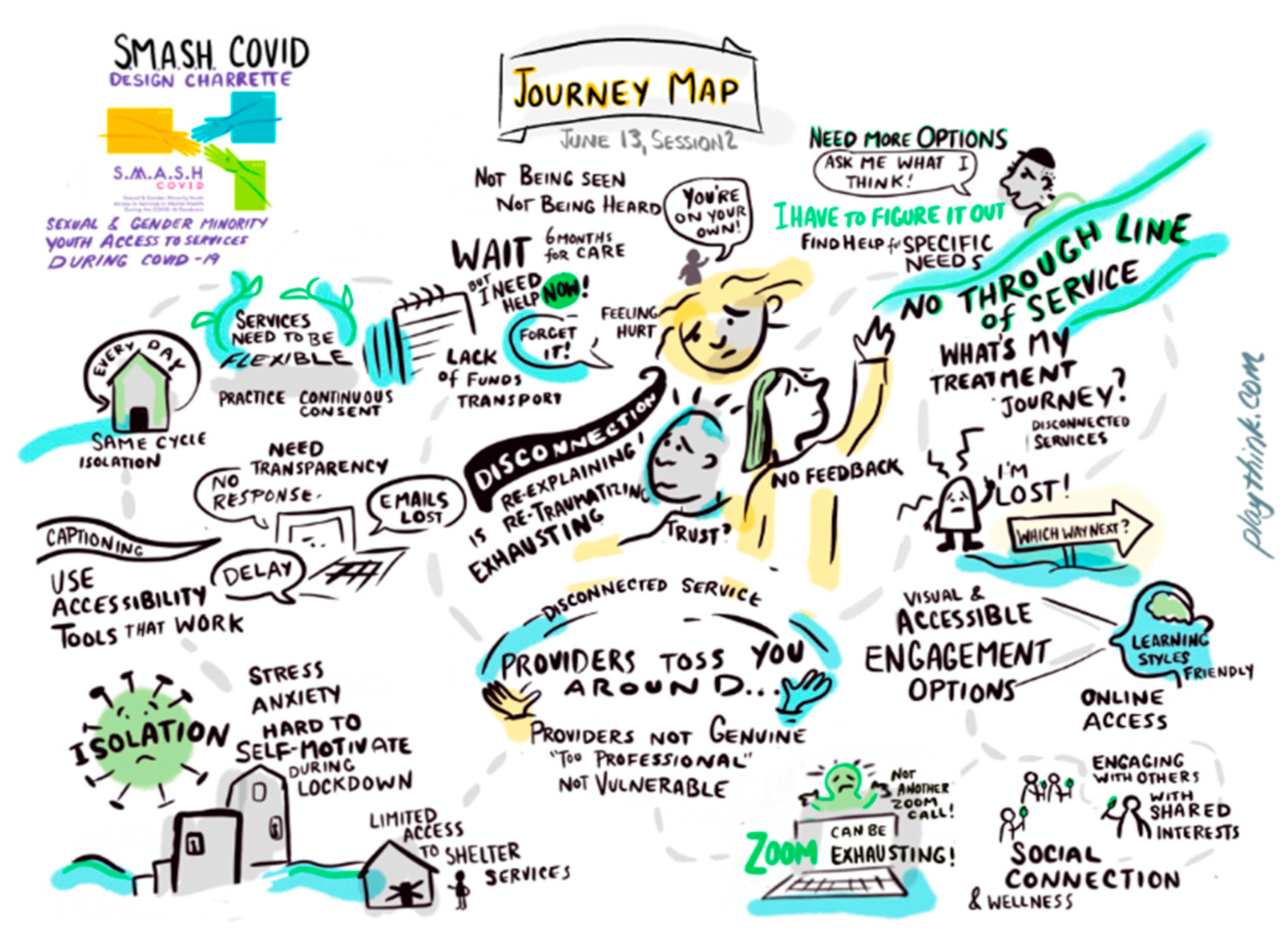
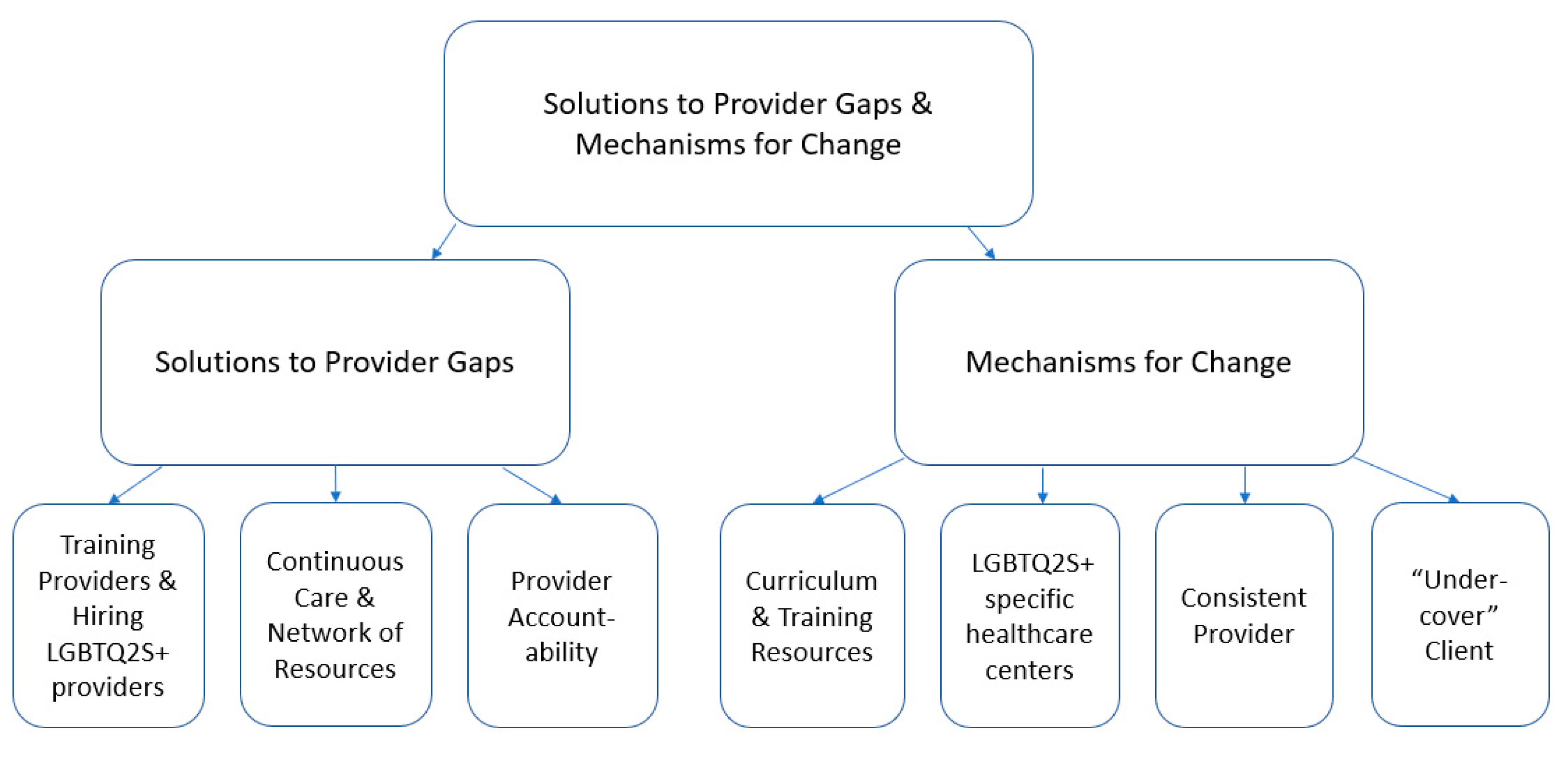
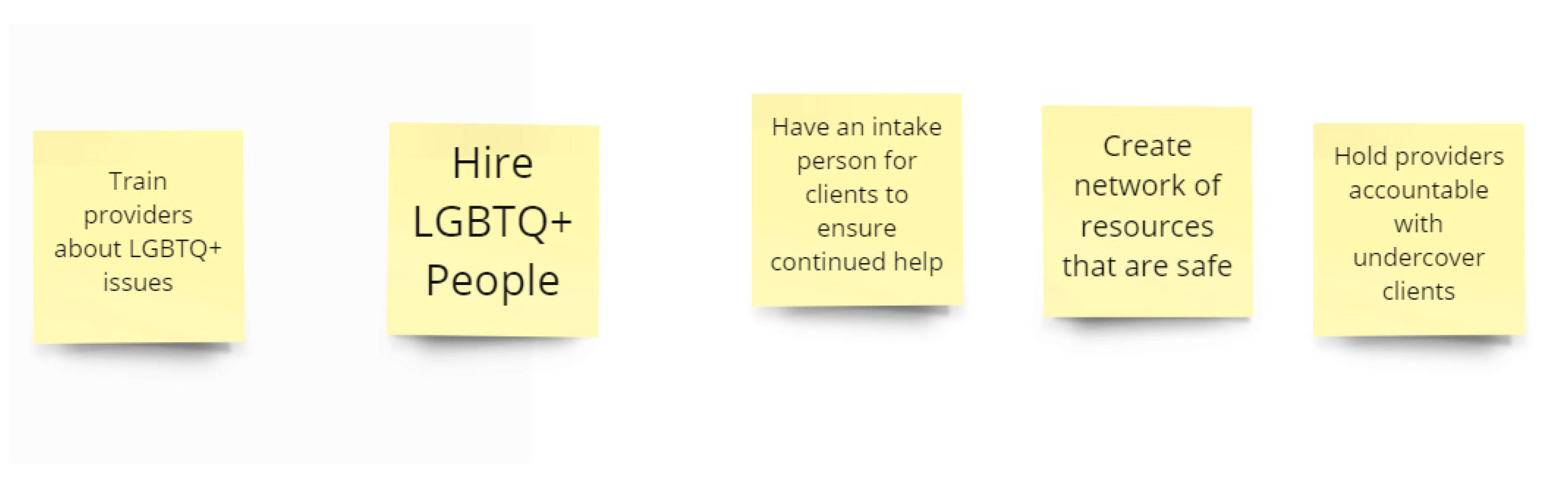
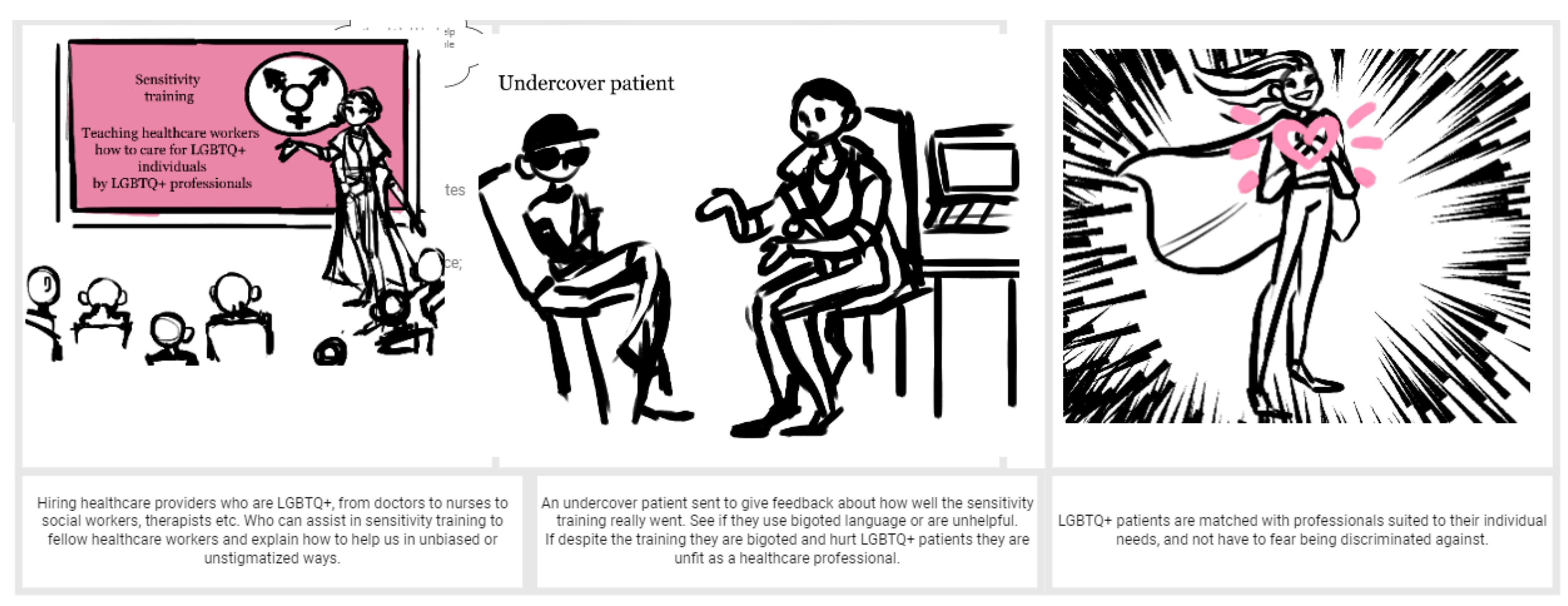
This study explores the experiences of LGBTQ2S+ youth while accessing mental health and substance use care services during the COVID-19 pandemic. Through a series of facilitated virtual meetings, 33 LGBTQ2S+ youth from across Ontario participated in collaborative activities to identify barriers they have experienced when accessing mental health services, as well as potential solutions to these barriers. Discussions were recorded, transcribed, and analyzed using thematic analysis. The study revealed that LGBTQ2S+ youth disproportionately experience bias, discrimination, and heteronormative assumptions when accessing mental health services, resulting in negative care experiences. Youth also reported insufficient availability of quality care, little continuity in care, and a lack of educated providers capable of effectively addressing the needs of the community. Potential solutions proposed by youth include training resources for providers, LGBTQ2S+ specific care centers, better continuity of care, and assessments to ensure care providers are culturally competent. These results show the COVID-19 pandemic has exacerbated the disparities LGBTQ2S+ youth experience when accessing mental health services and highlight the urgent need to implement policies and programs that will advance the standards of care for LGBTQ2S+ youth.
Keywords: youth; LGBTQ2S+; COVID-19; mental health; substance use; accessibility youth; LGBTQ2S+; COVID-19; mental health; substance use; accessibility