Communication

Complex Network Analysis for Characterizing River Networks: A Case Study of Leyte Island, Philippines


by
Hannah Rissah Abad
1,2,*,
Marissa Liponhay
3 and
Marie Anne Eurie Forio
4
1
Complex Systems Research Group, Department of Physics, Visayas State University, Baybay 6521, Leyte, Philippines
2
Department of Physics, University of San Carlos, Nasipit, Talamban, Cebu City 6000, Philippines
3
Rizal Commercial Banking Corporation, A.T. Yuchengco Centre 26th St., Bonifacio Global City (BGC), Taguig City 1634, Metro Manila, Philippines
4
Aquatic Ecology Research Unit, Department of Animal Sciences and Aquatic Ecology, Faculty of Bioscience Engineering, Ghent University, 9000 Ghent, Belgium
*
Author to whom correspondence should be addressed.
AppliedMath 2026, 6(9), 159; https://doi.org/10.3390/appliedmath6090159 (registering DOI)

Submission received: 8 July 2026 / Revised: 7 September 2026 / Accepted: 9 September 2026 / Published: 17 September 2026

Abstract

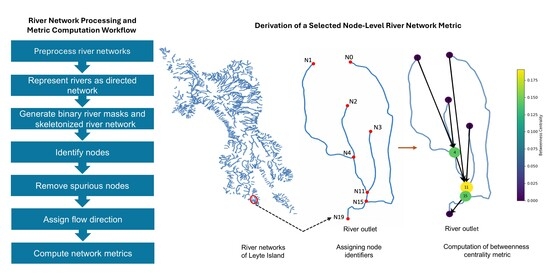
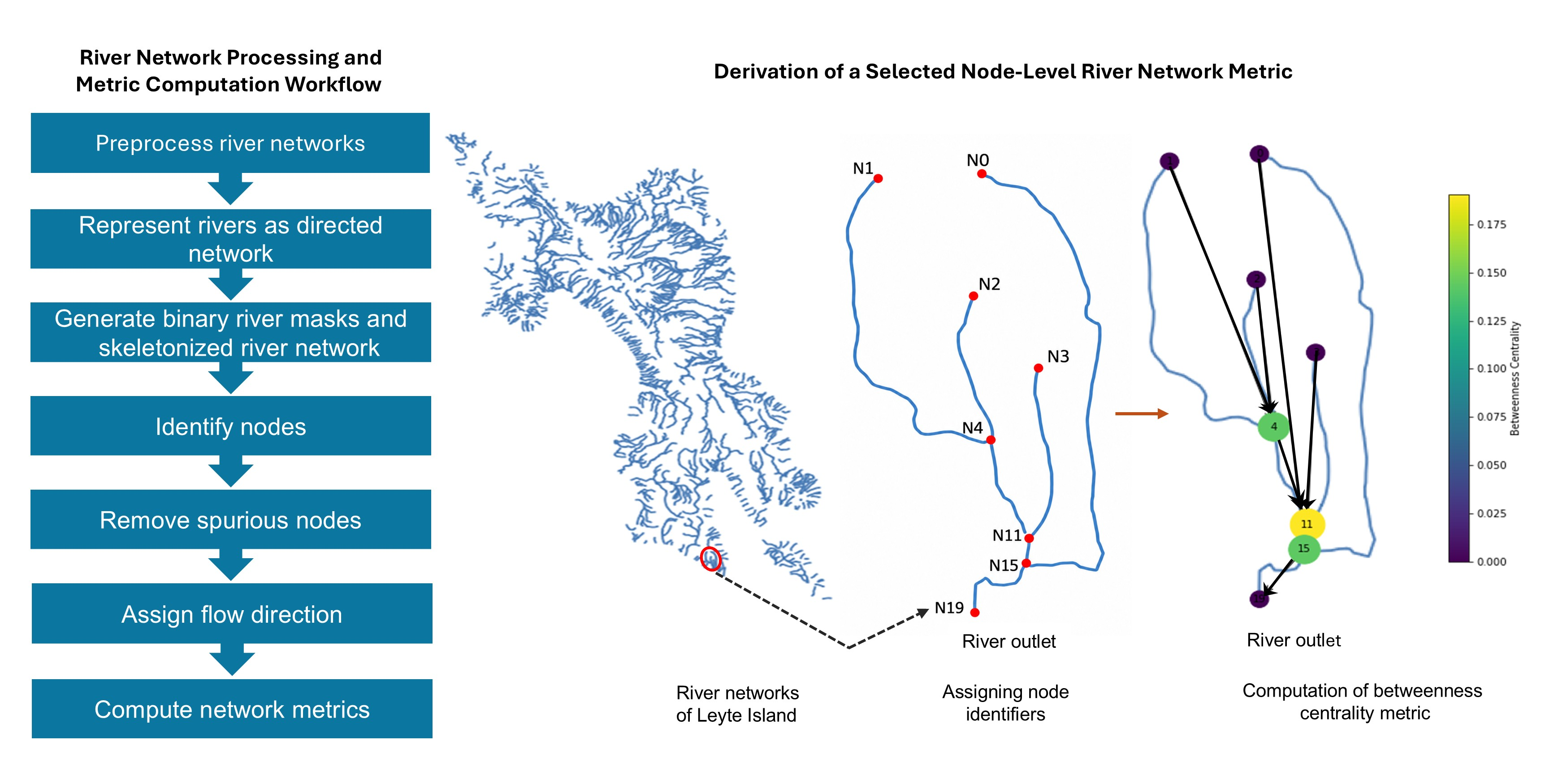
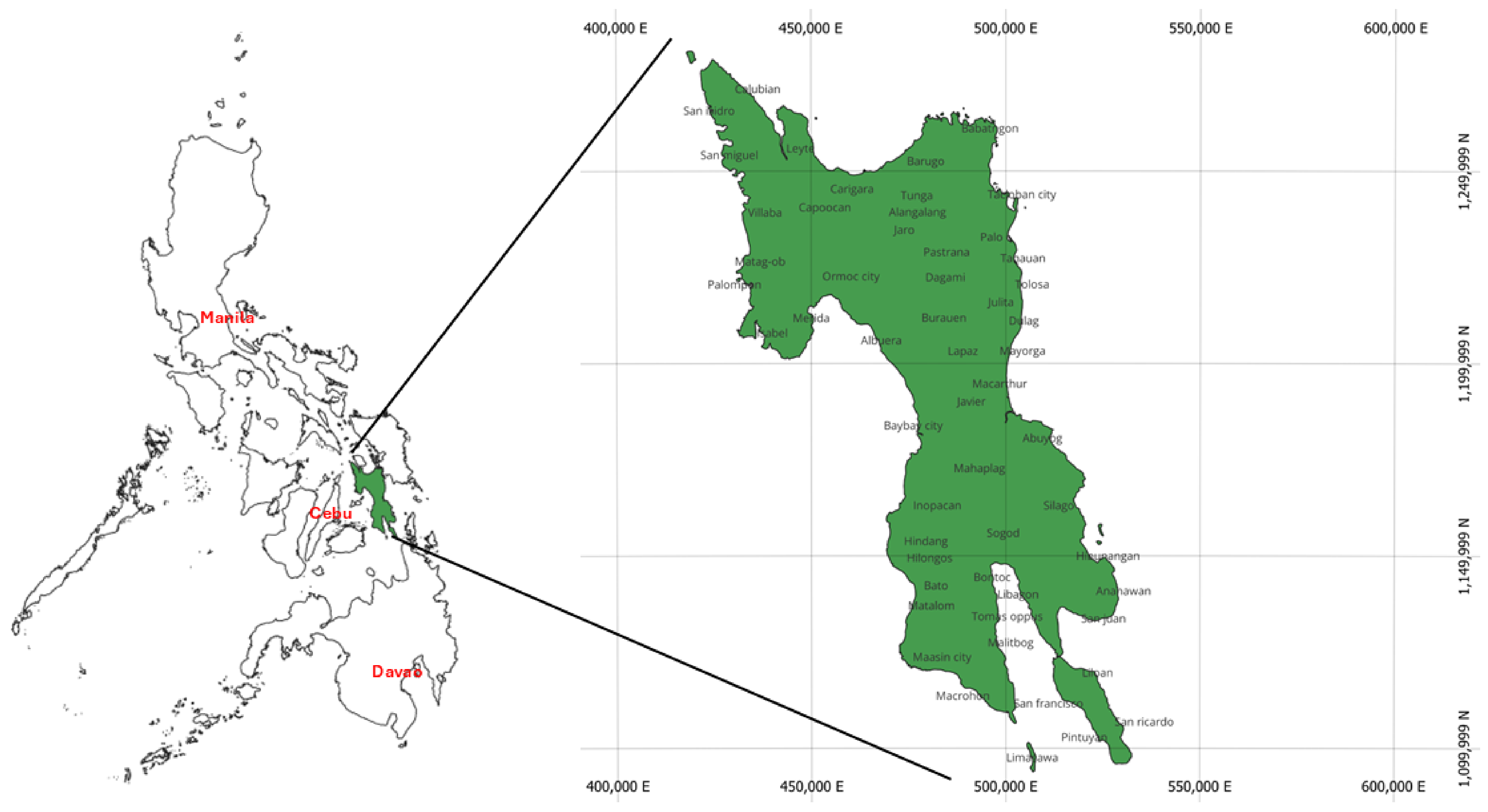
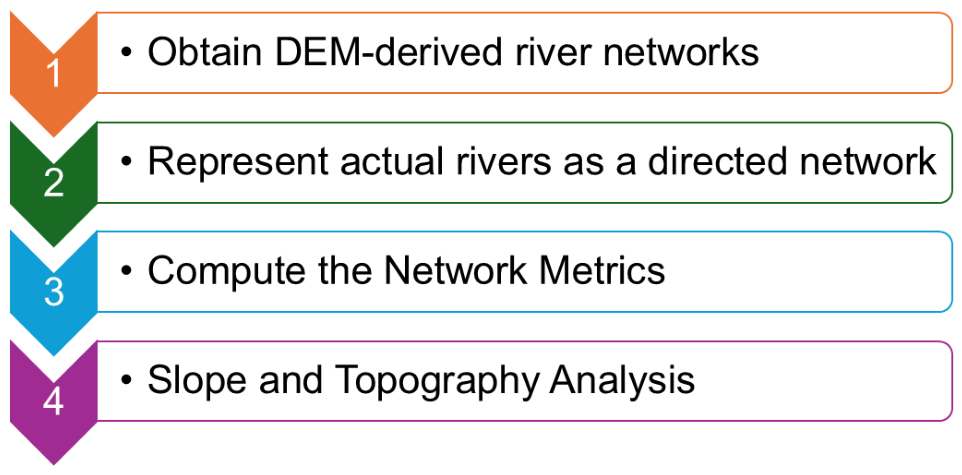
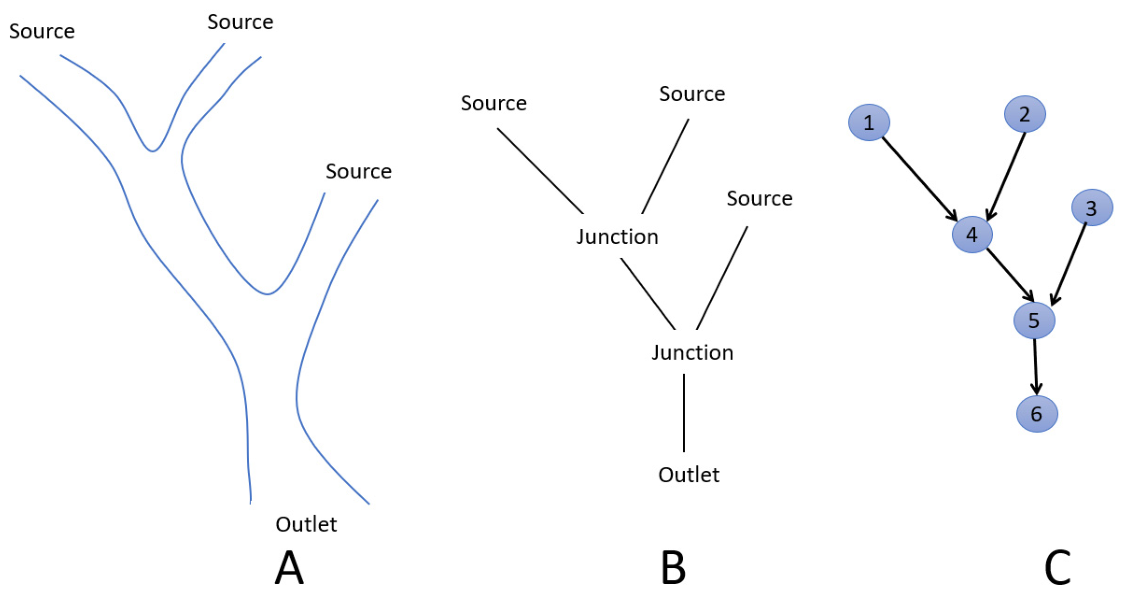
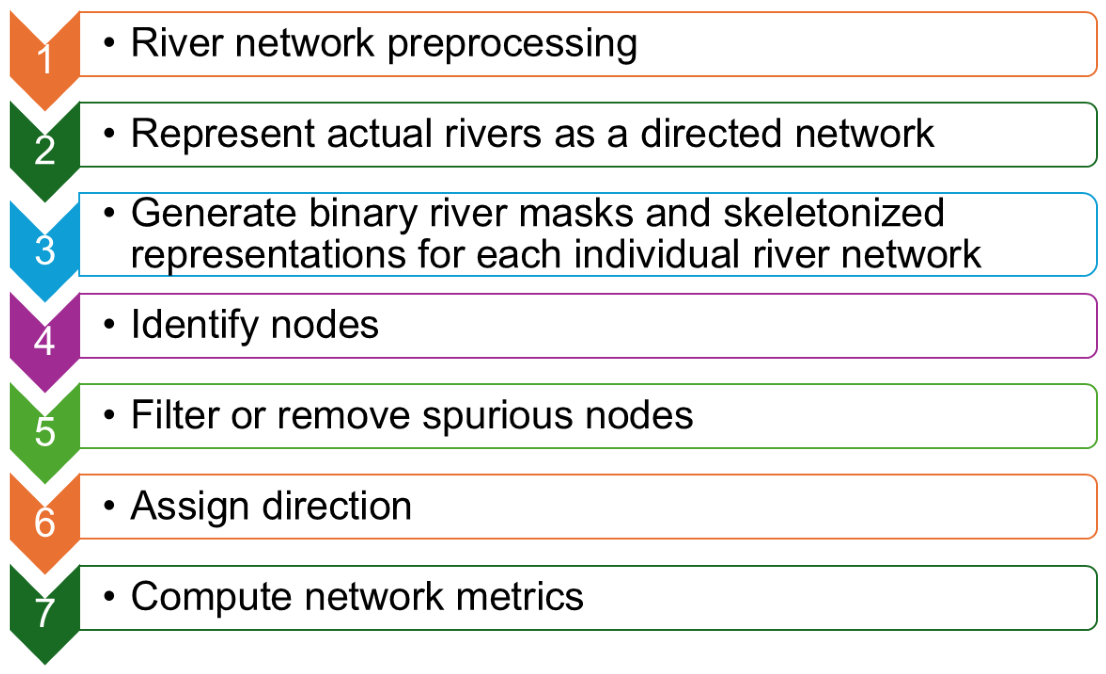
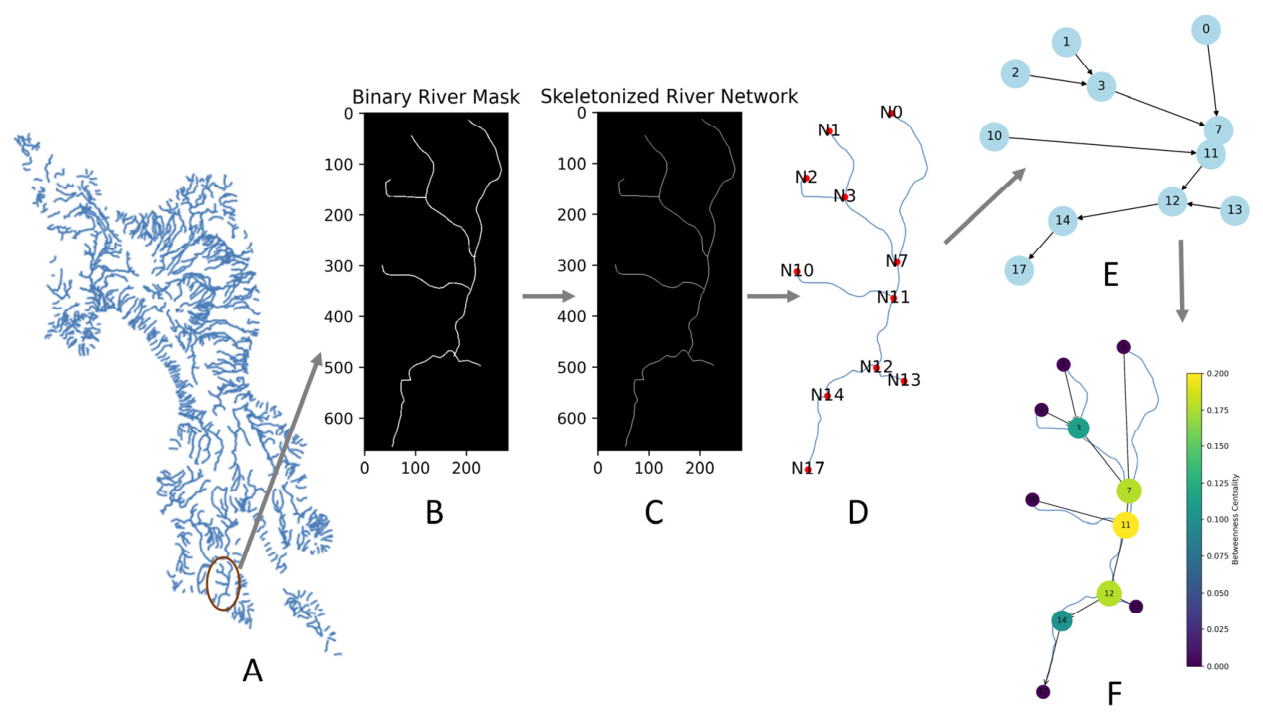
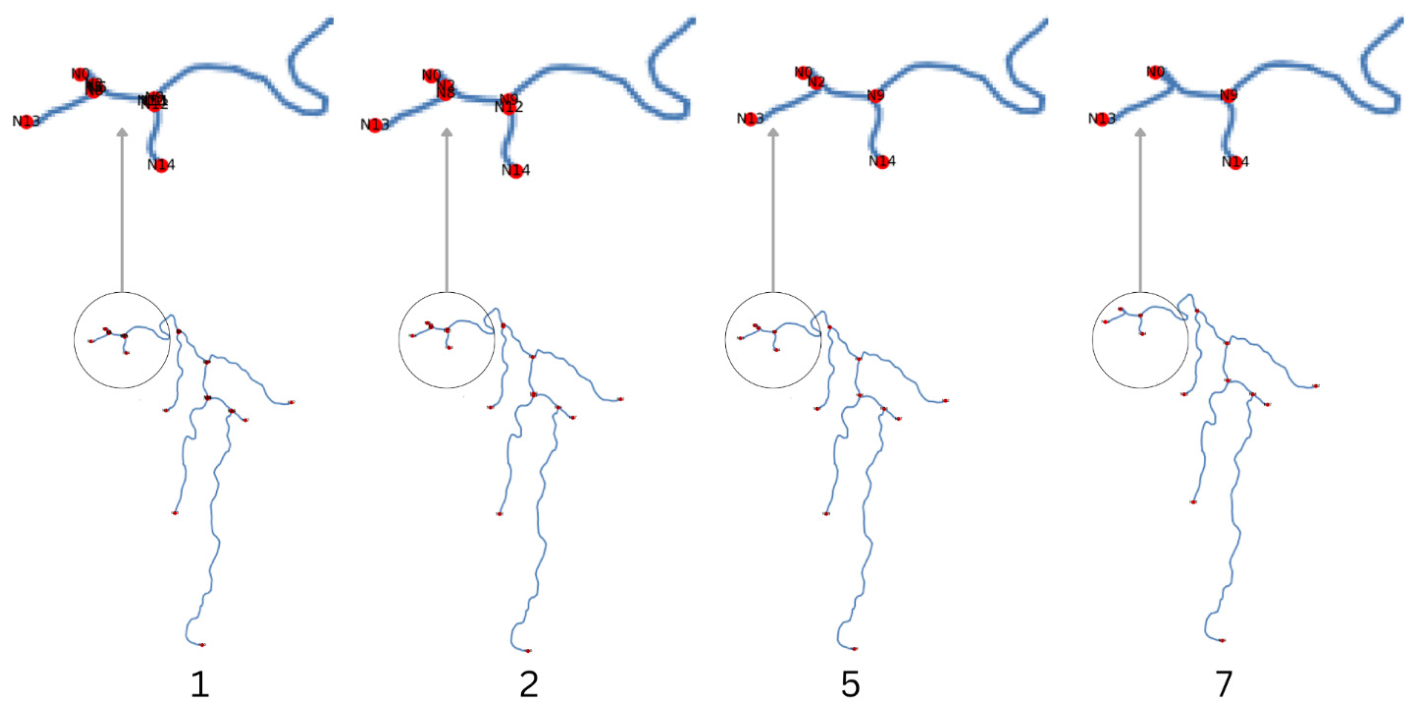
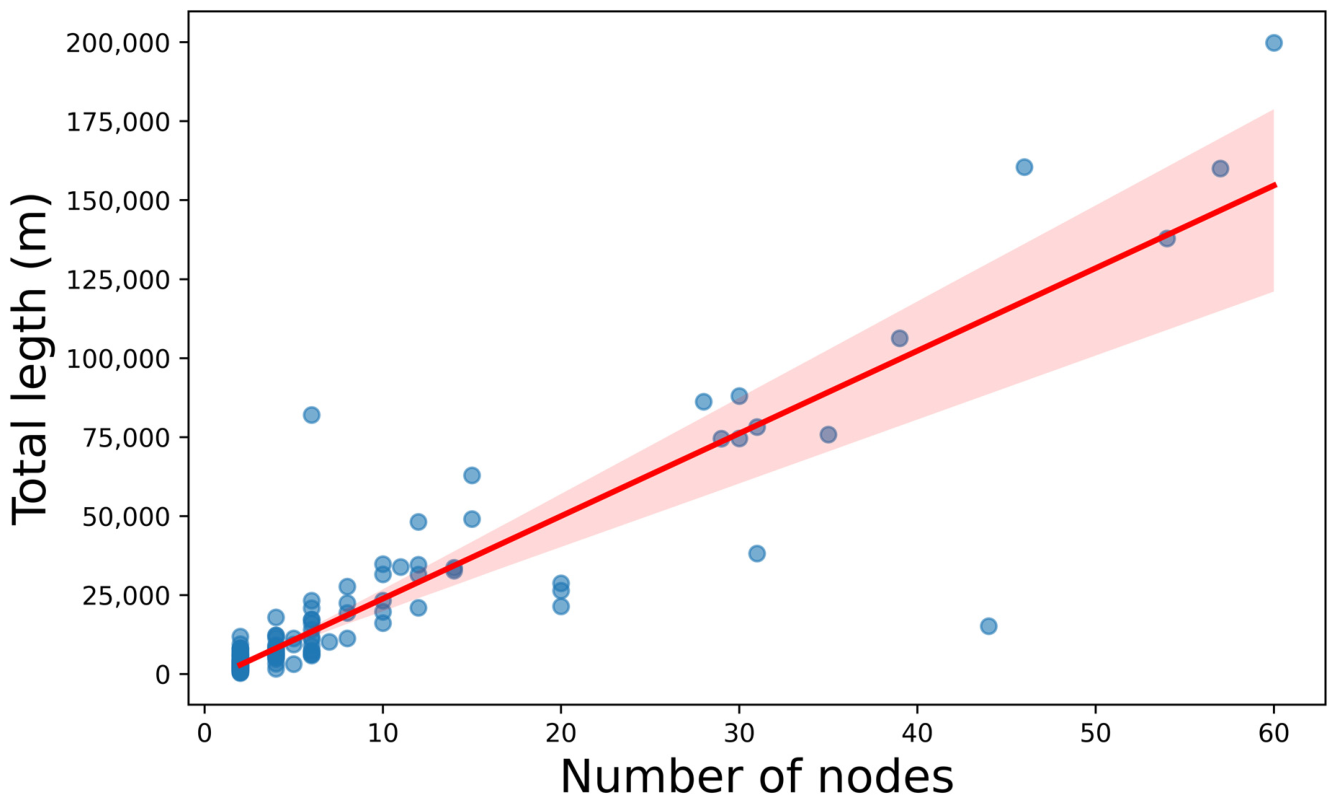
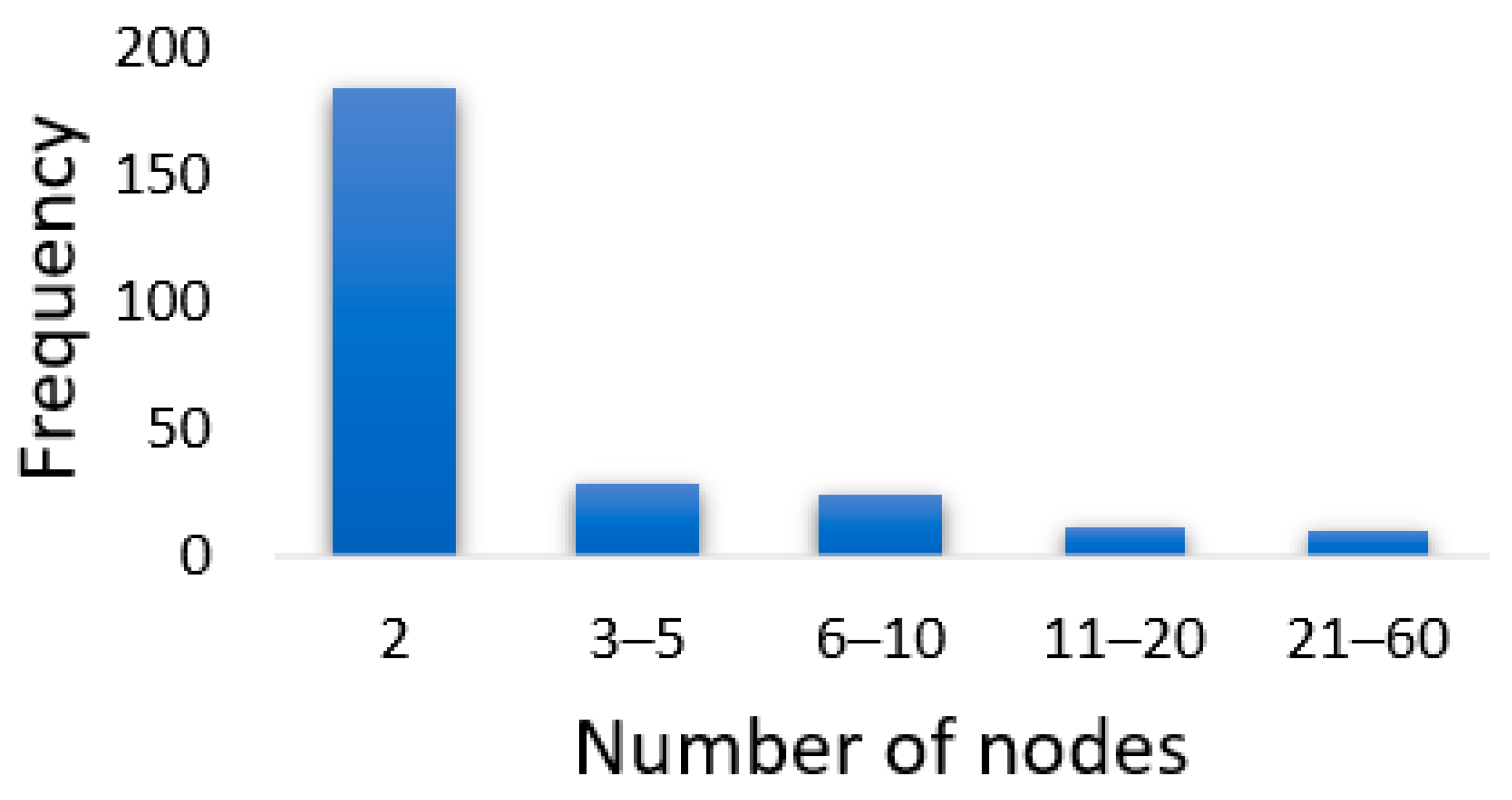
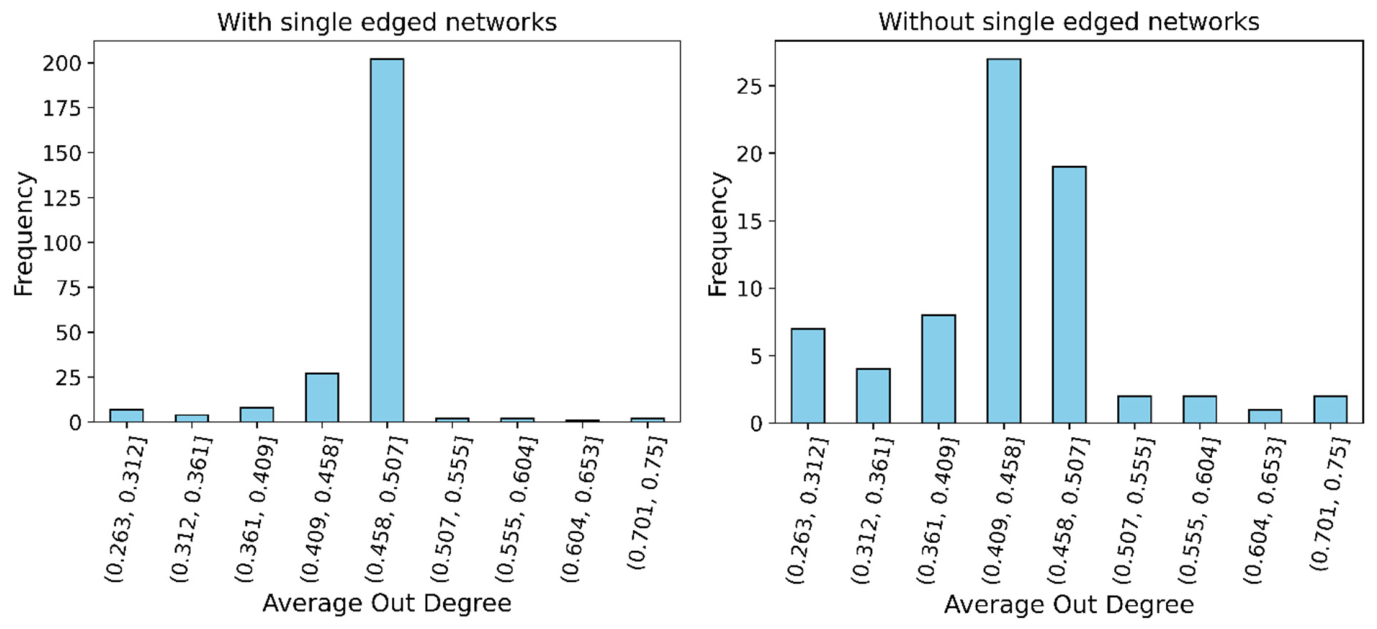
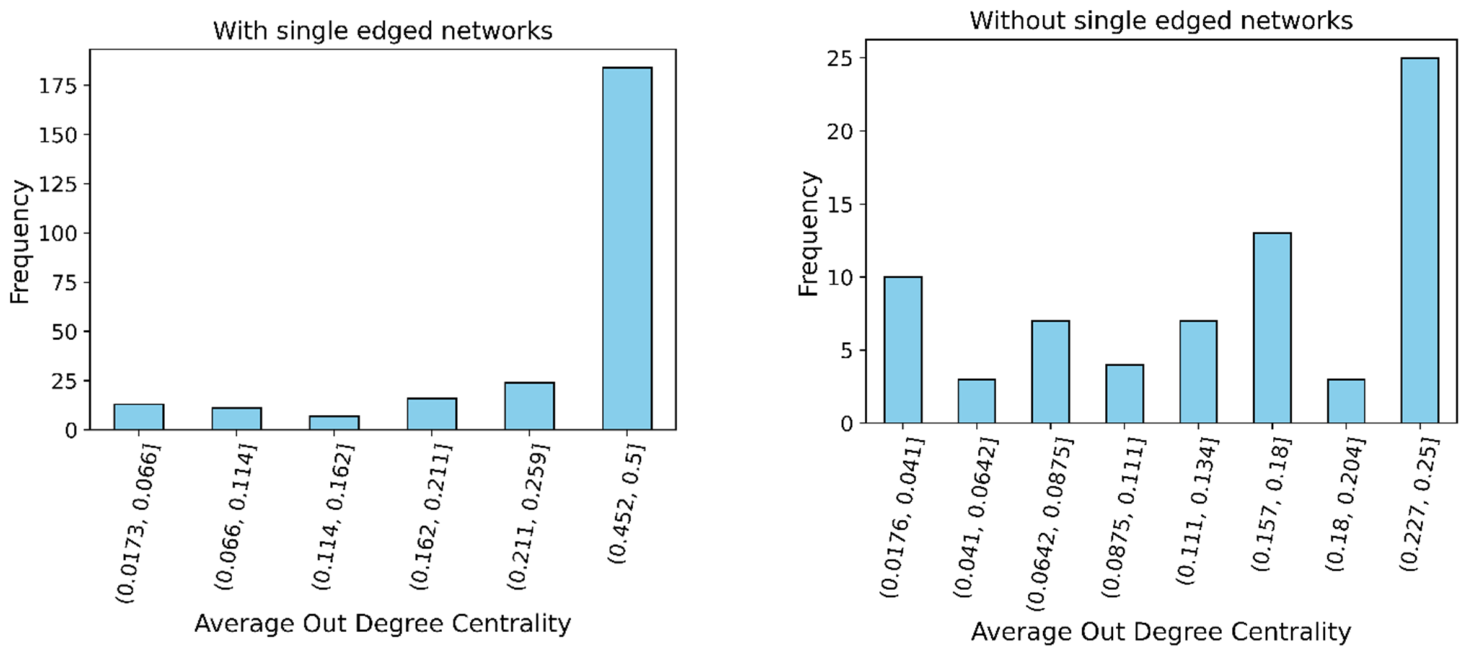
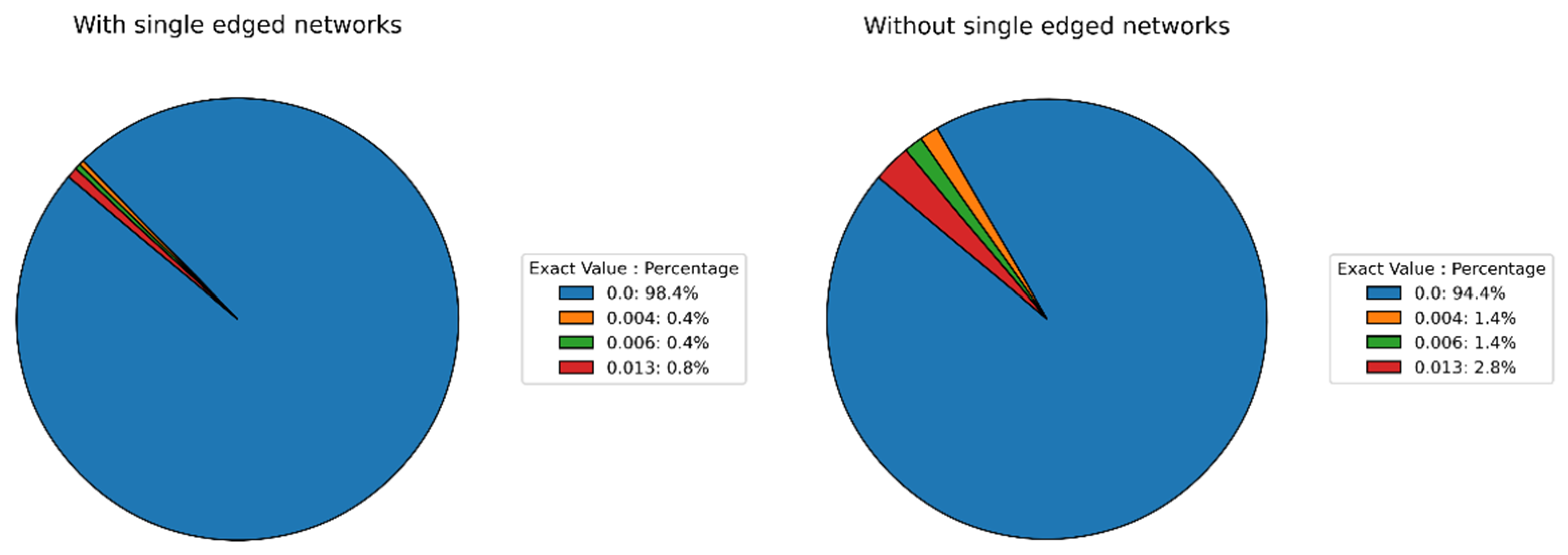
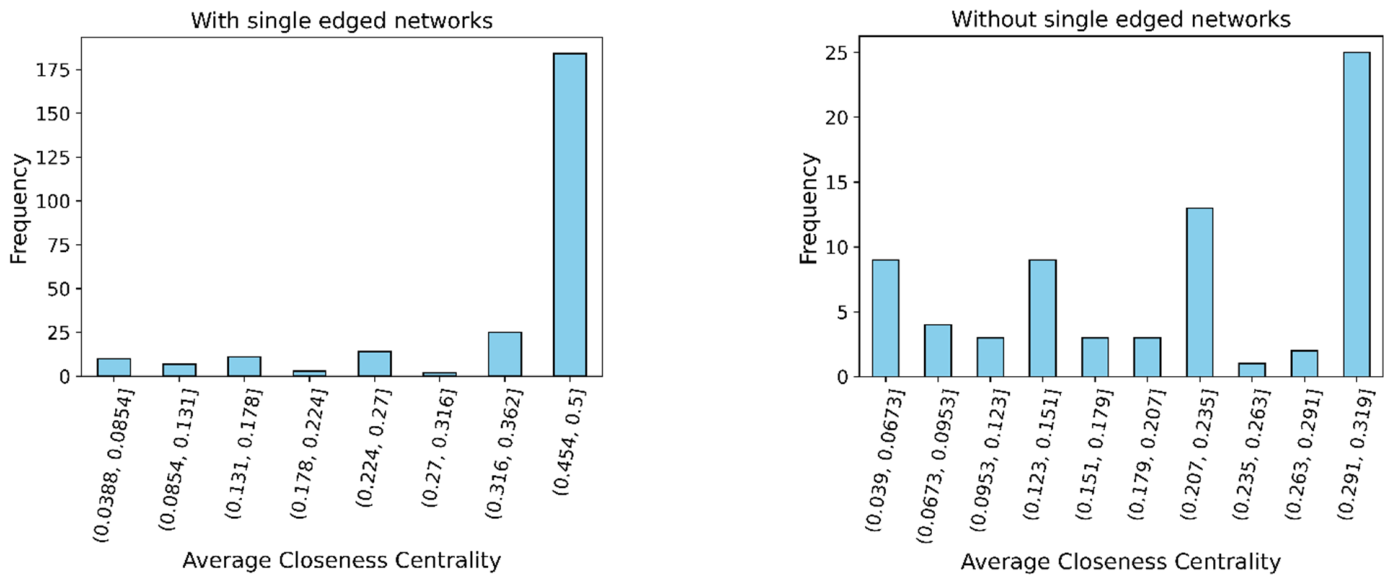
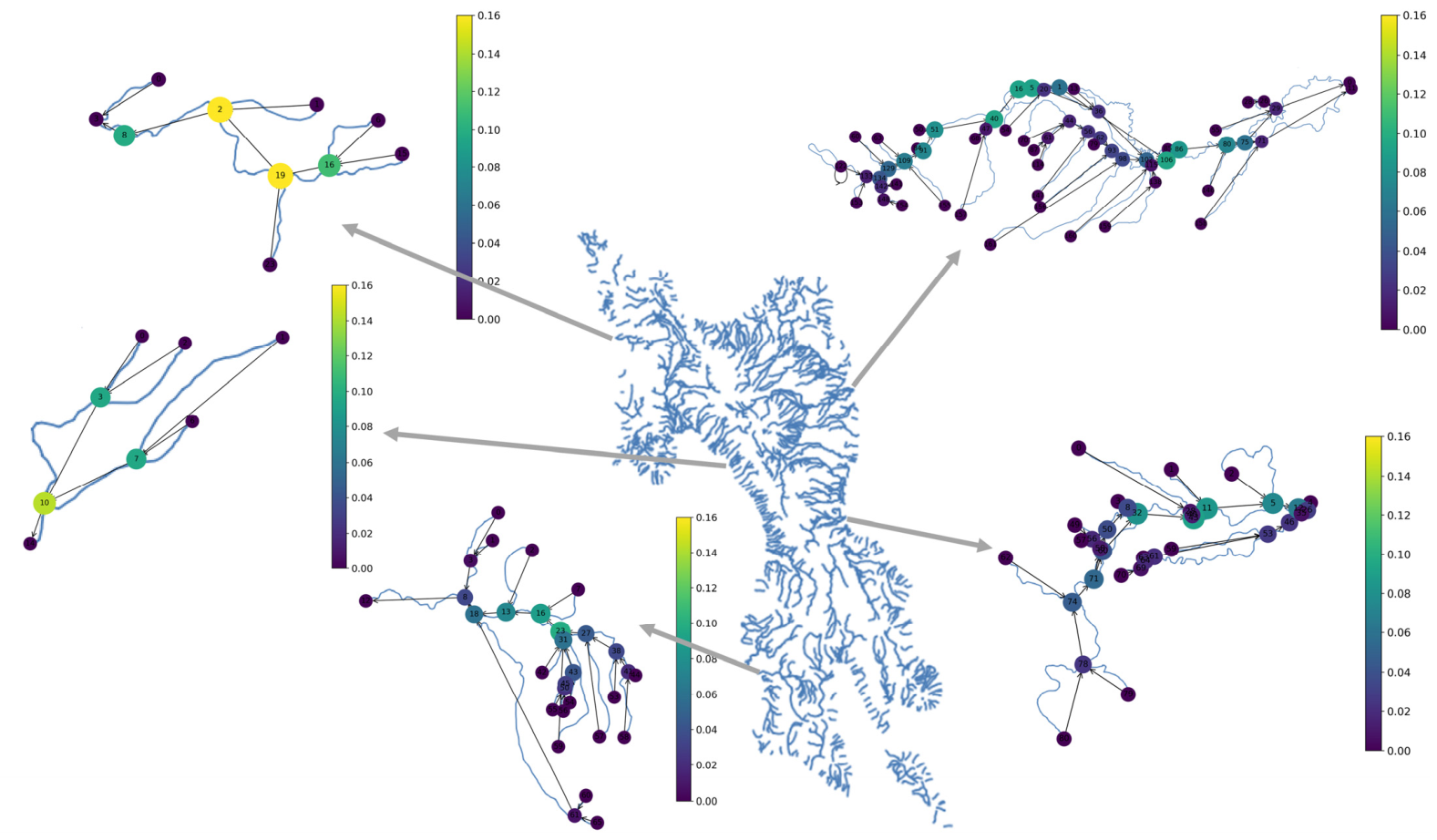
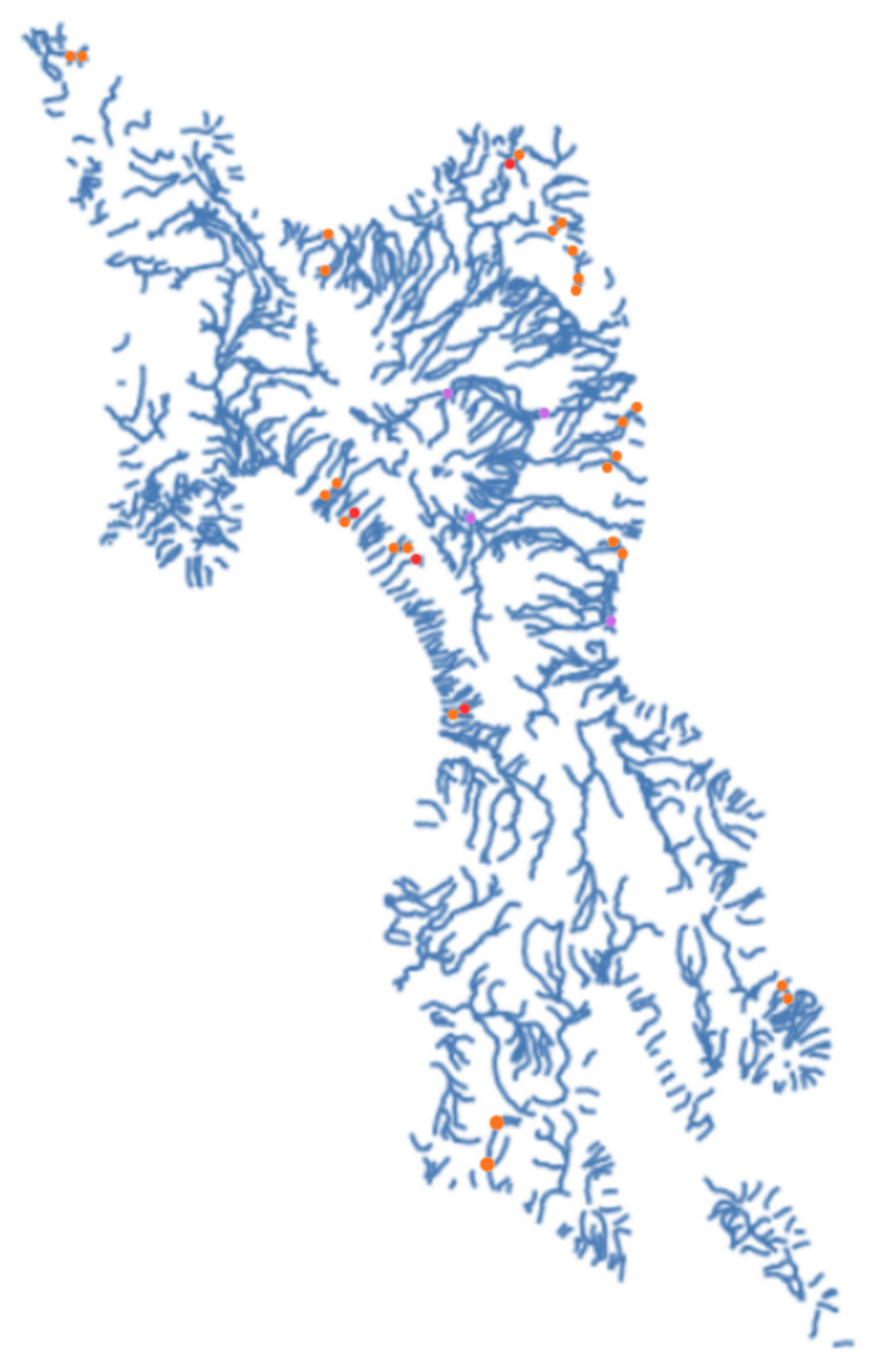
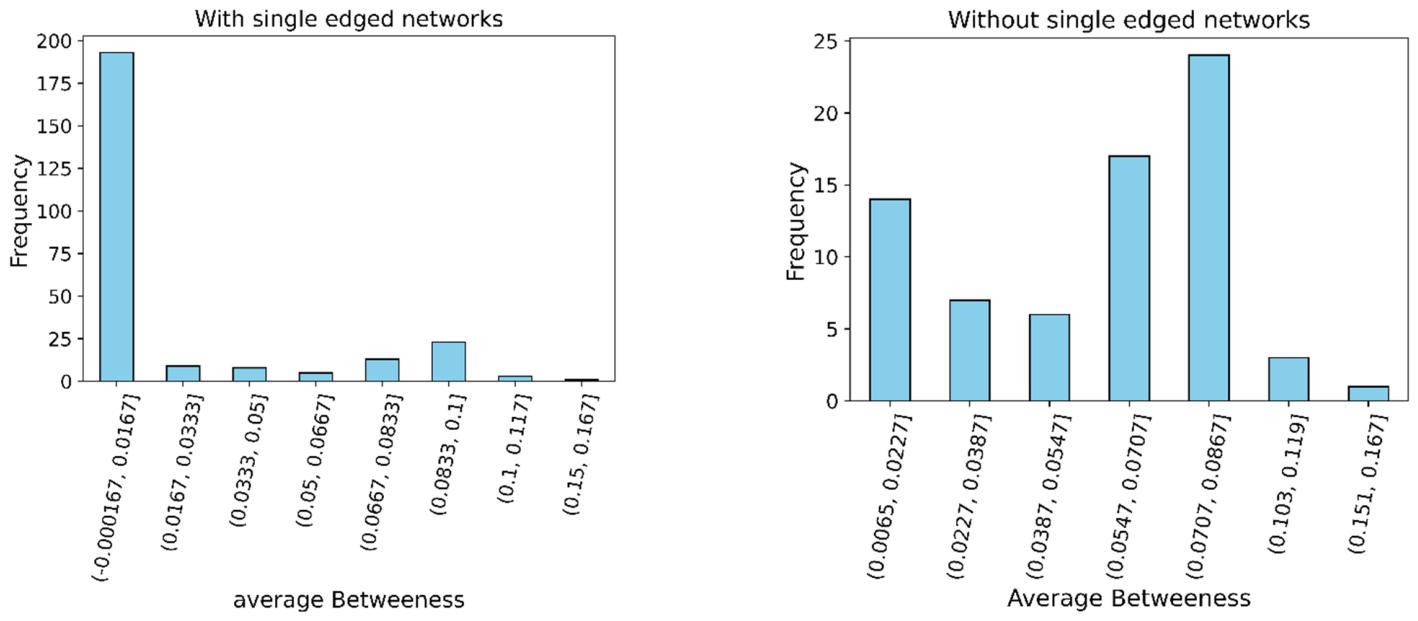
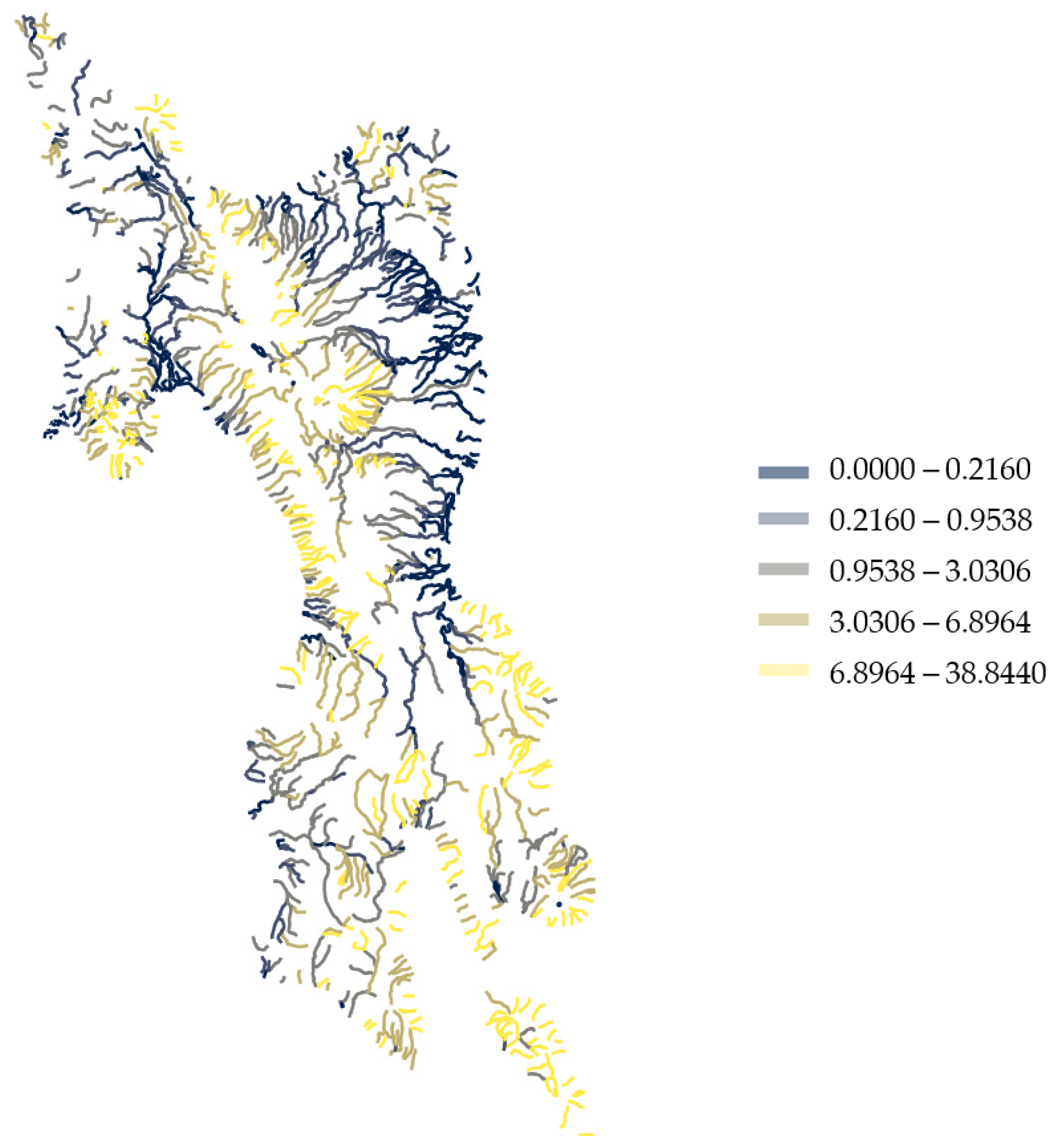
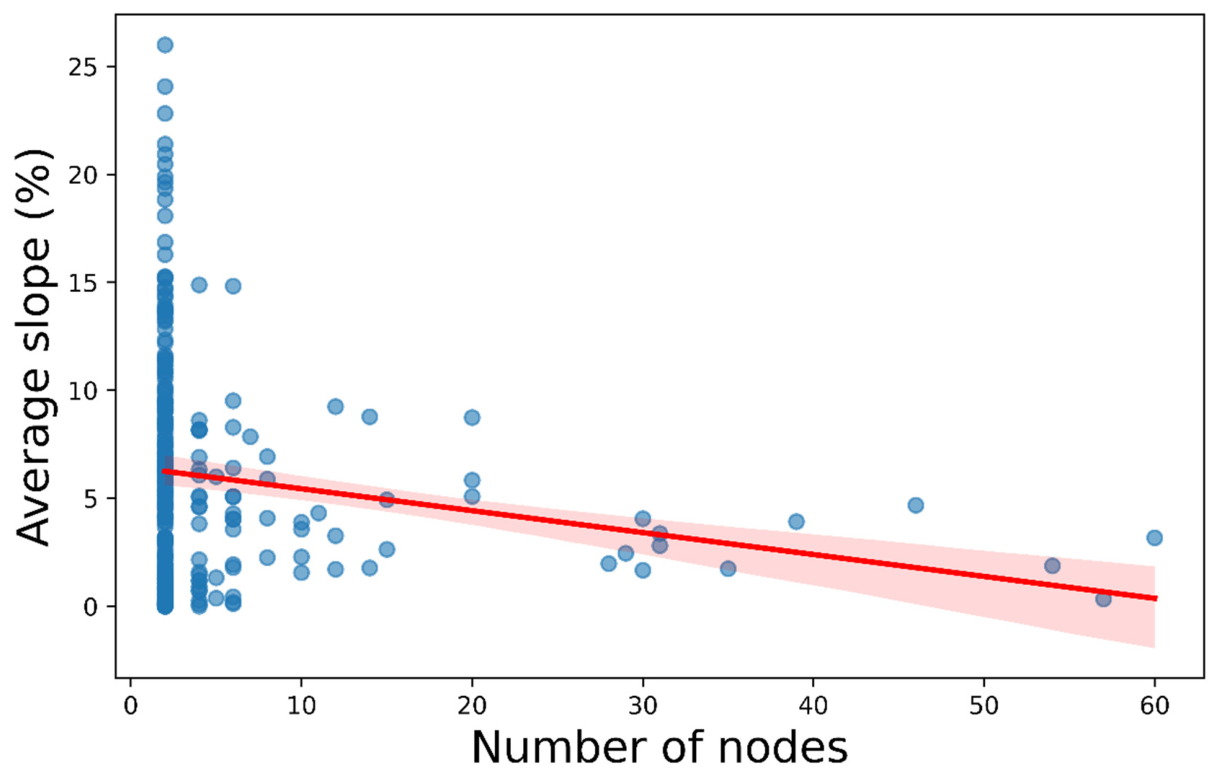
Complex Network Analysis (CNA) models river systems as networks of nodes (junctions) and edges (channels) to quantify structure and potential transport pathways. Unlike conventional river-network characterization, which often relies on multiple metric-specific analyses of stream hierarchy, branching, drainage density, and topographic characteristics, a graph-based approach provides a unified mathematical framework to assess the entire structural topology and connectivity of the basin simultaneously. In this study, the river networks of Leyte Island were analyzed using 5 m-resolution Interferometric Synthetic Aperture Radar (IfSAR)-derived Digital Terrain Model (DTM) data. River networks were represented as upstream-to-downstream direction graphs, with flow direction assigned based on elevation, and key network parameters, including the number of nodes, average degree centrality, closeness centrality, clustering coefficient, and betweenness centrality, were computed. Simple river networks consisting of two nodes were dominant across Leyte Island, while relatively few large and structurally complex networks were identified. The network metrics generally indicated tree-like or dendritic topologies. Comparison with randomly generated tree networks revealed both similarities and differences in several network metrics across different network sizes. Although both network types exhibit tree-like structures and consequently have zero average clustering coefficients, the differences in other metrics suggest that river networks may exhibit structural characteristics that are not fully represented by randomly generated tree networks. Slope analysis revealed a significant but weak negative correlation between river-network slope and the number of nodes. A key strength of CNA is its data-driven integration of topographic information into the network design, such as slope and elevation, enabling consistent and reproducible characterization of river networks. Future work could further enhance the accuracy of river-network representation through additional spatial validation using higher-resolution geospatial data.
Keywords: river networks; complex network analysis; Leyte Island; graph-metric; hydraulic connectivity river networks; complex network analysis; Leyte Island; graph-metric; hydraulic connectivity
Graphical Abstract