Article

Displacement-Constrained Continuum Structure Topology Optimization Based on an Improved Movable Morphable Smooth-Boundary Method

School of Mathematics, Statistics and Mechanics, Beijing University of Technology, Beijing 100124, China
*
Author to whom correspondence should be addressed.
AppliedMath 2026, 6(7), 110; https://doi.org/10.3390/appliedmath6070110

Submission received: 1 June 2026 / Revised: 1 July 2026 / Accepted: 2 July 2026 / Published: 9 July 2026
(This article belongs to the Special Issue Advanced Mathematical Modeling, Dynamics and Applications)

Abstract

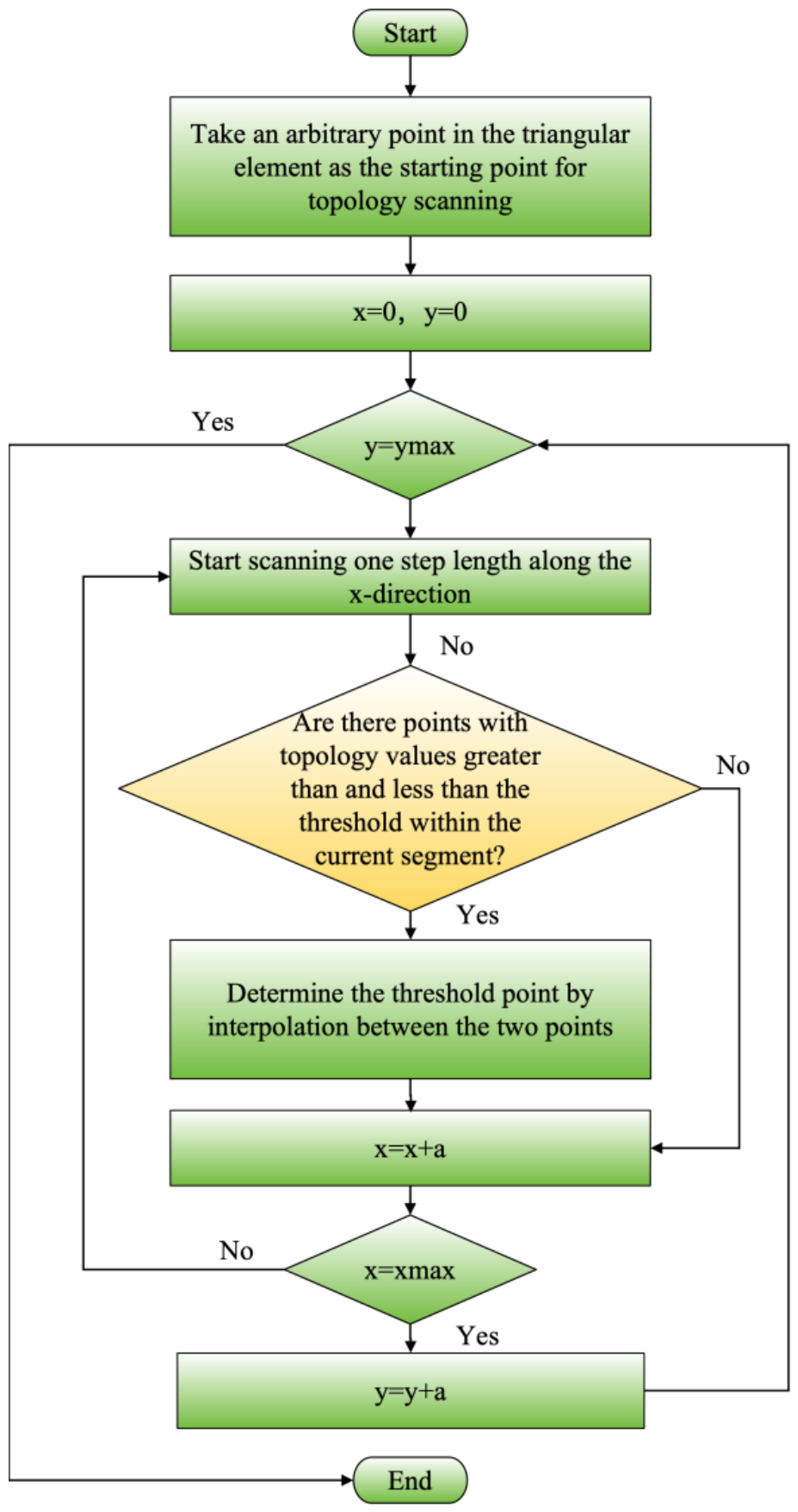
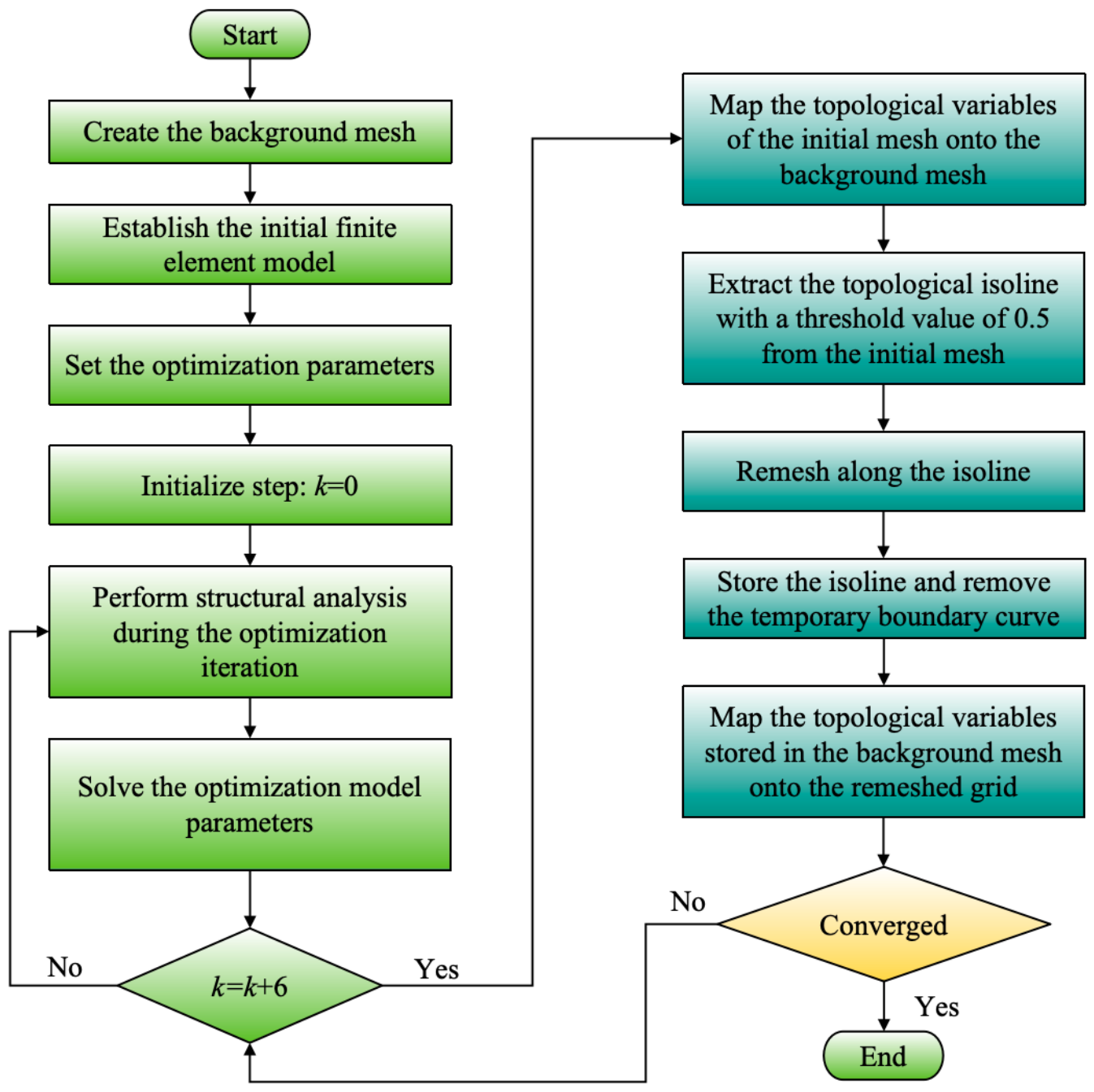
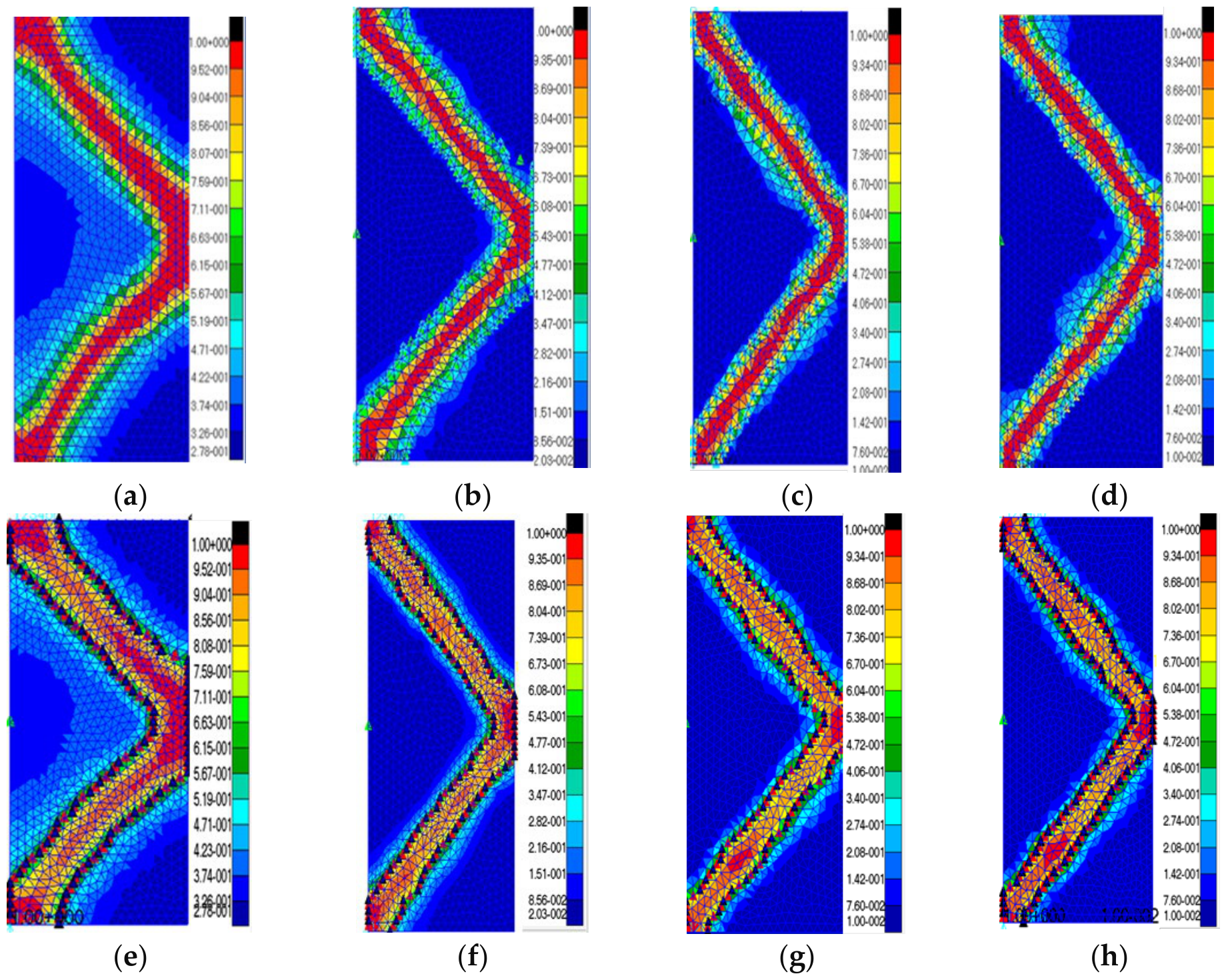
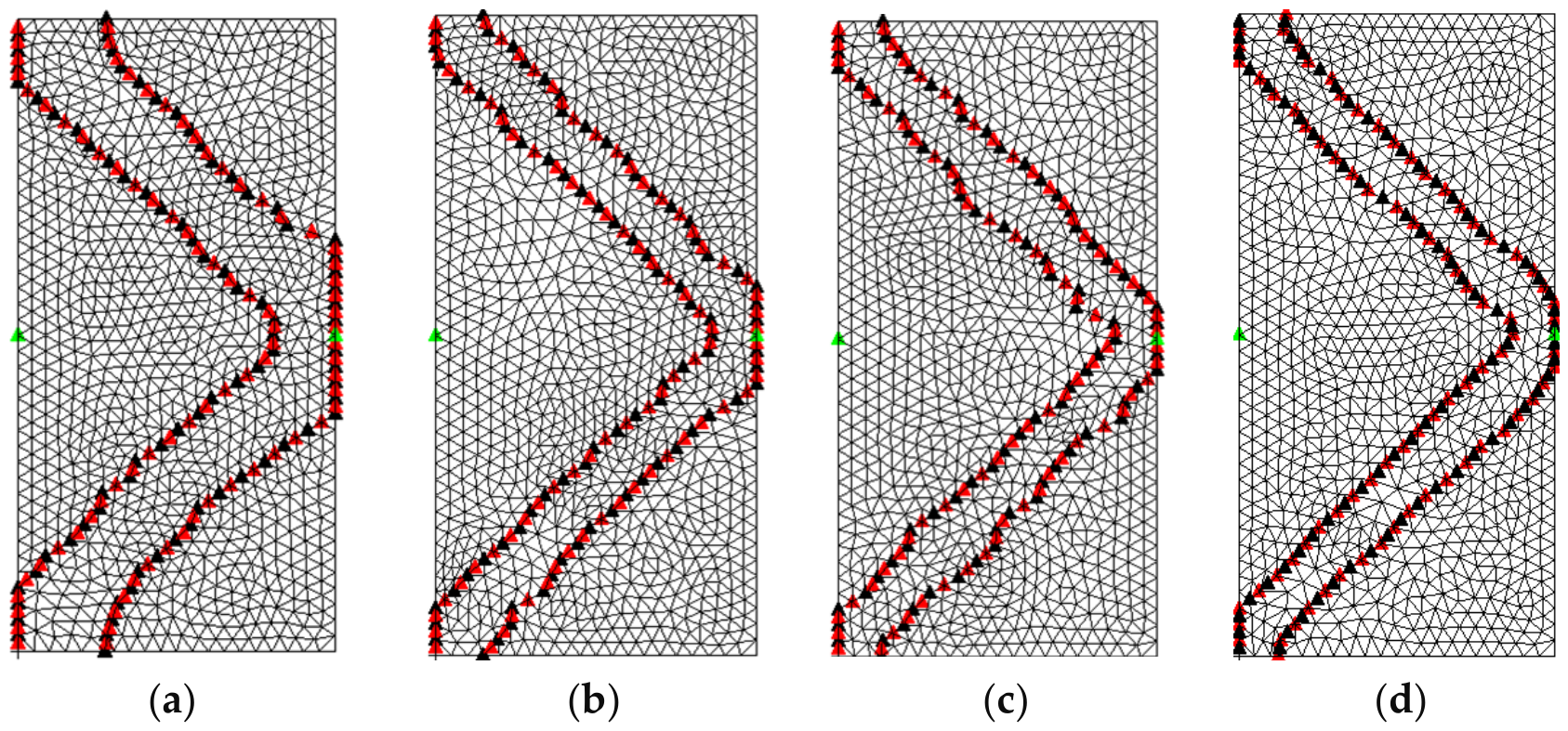
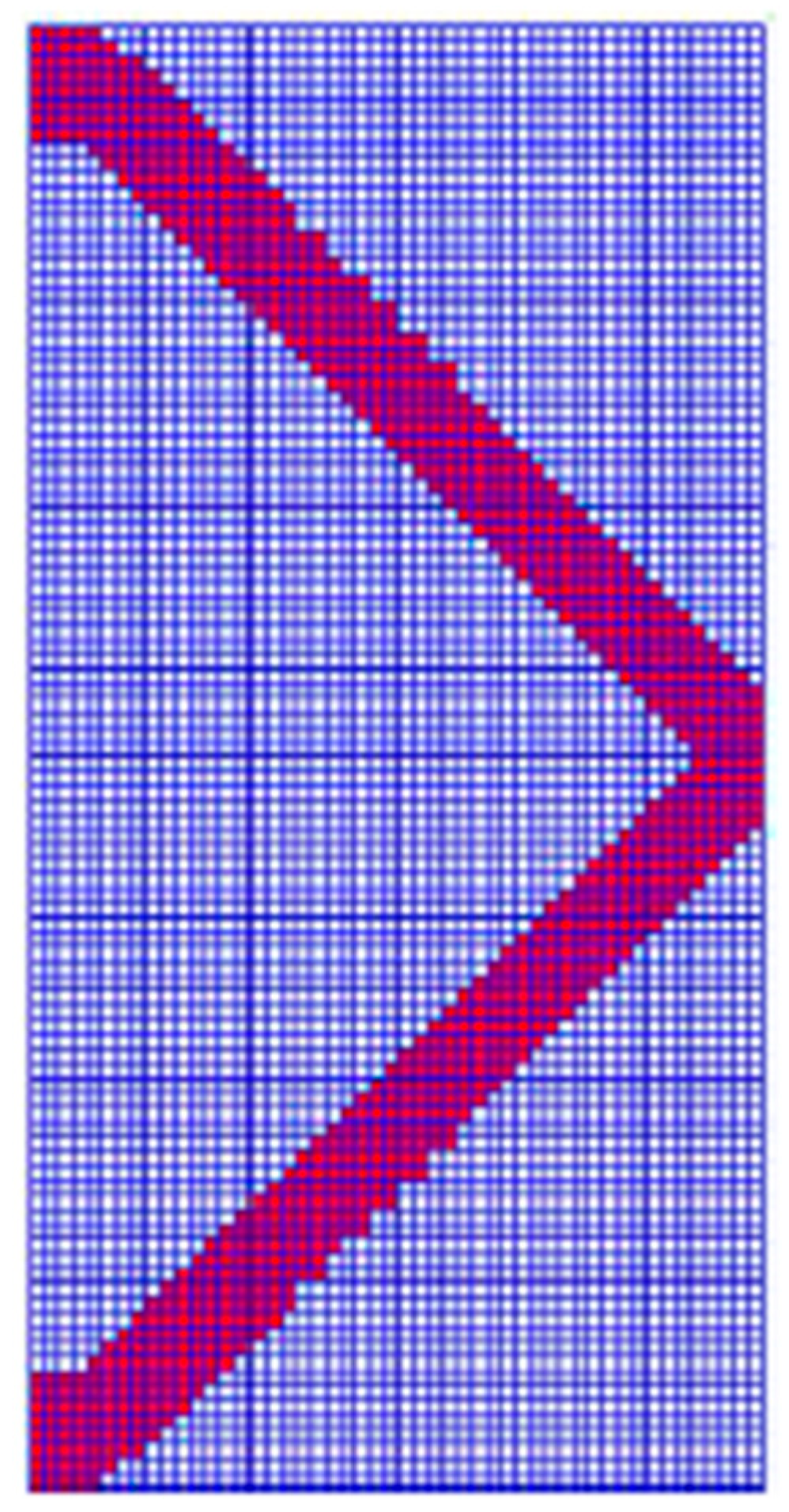
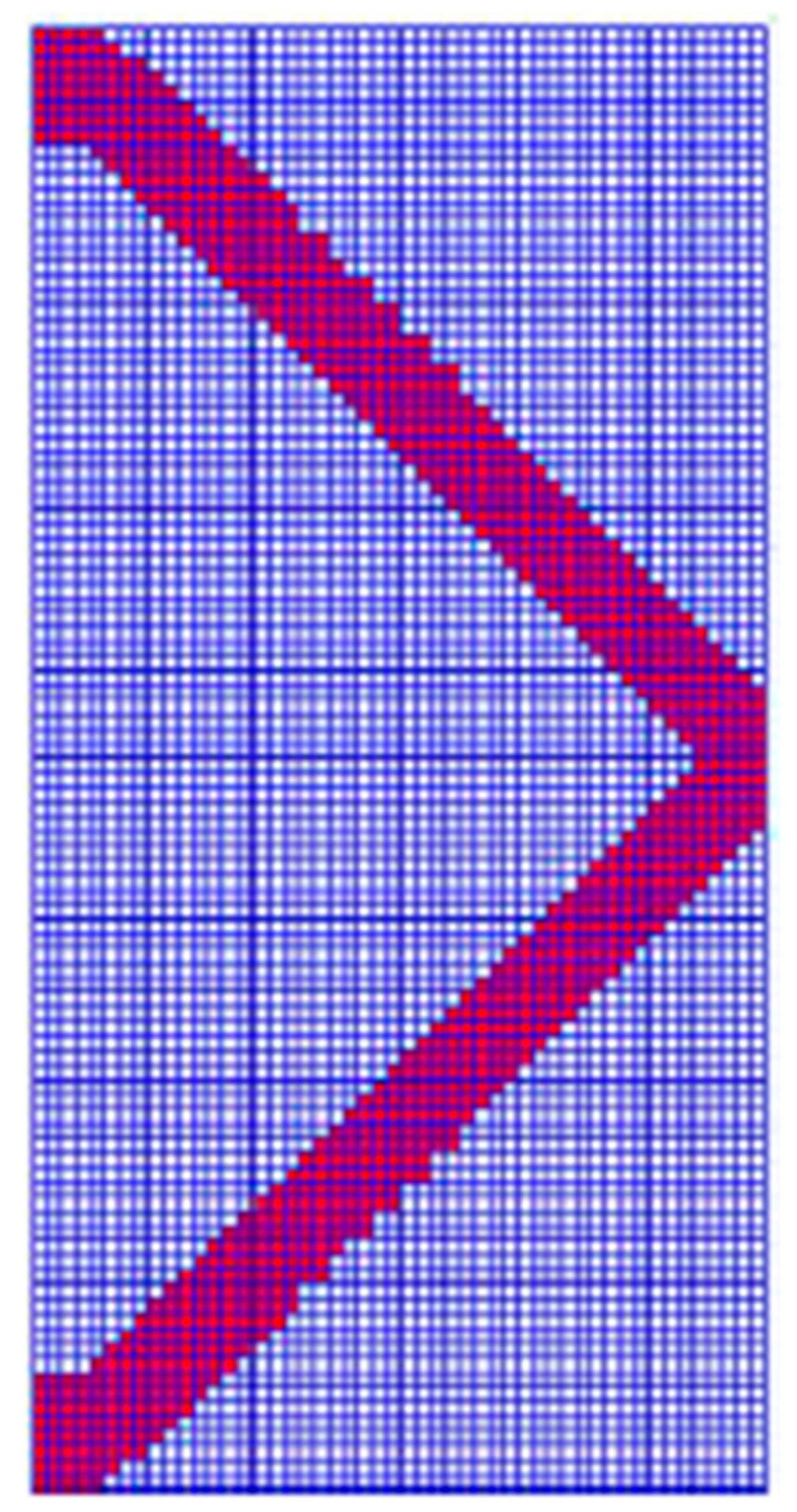
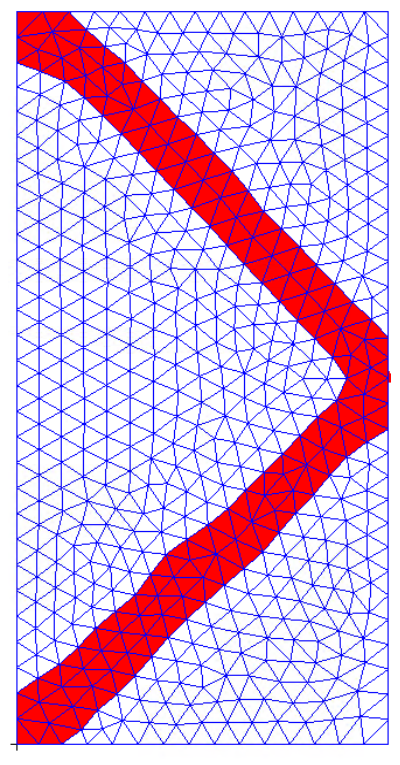
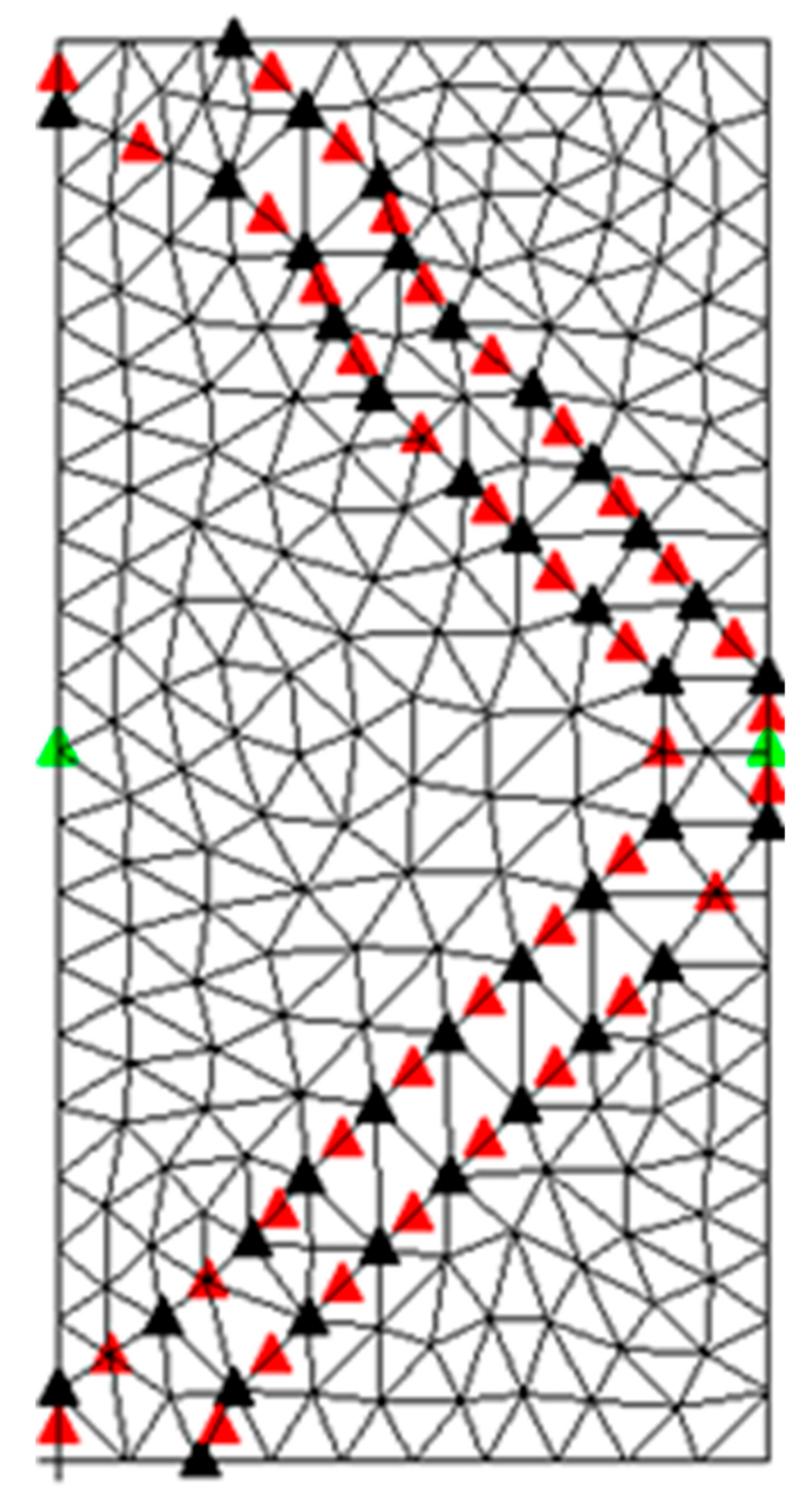
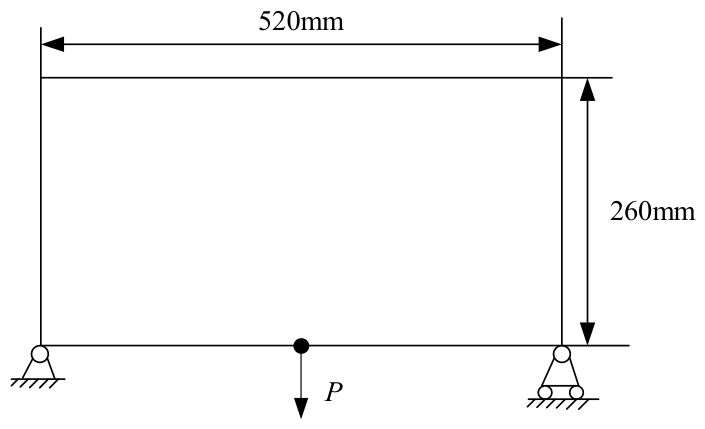
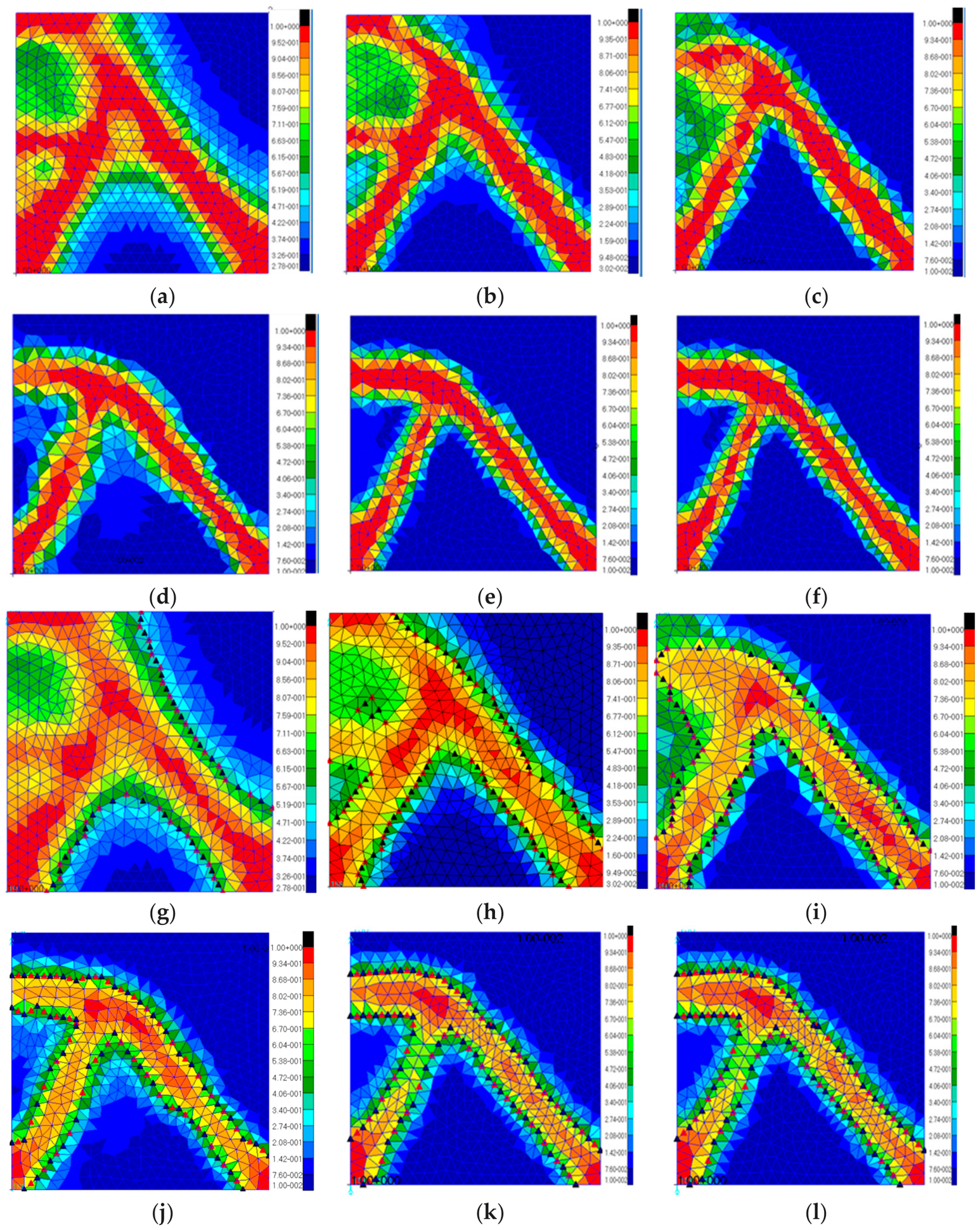
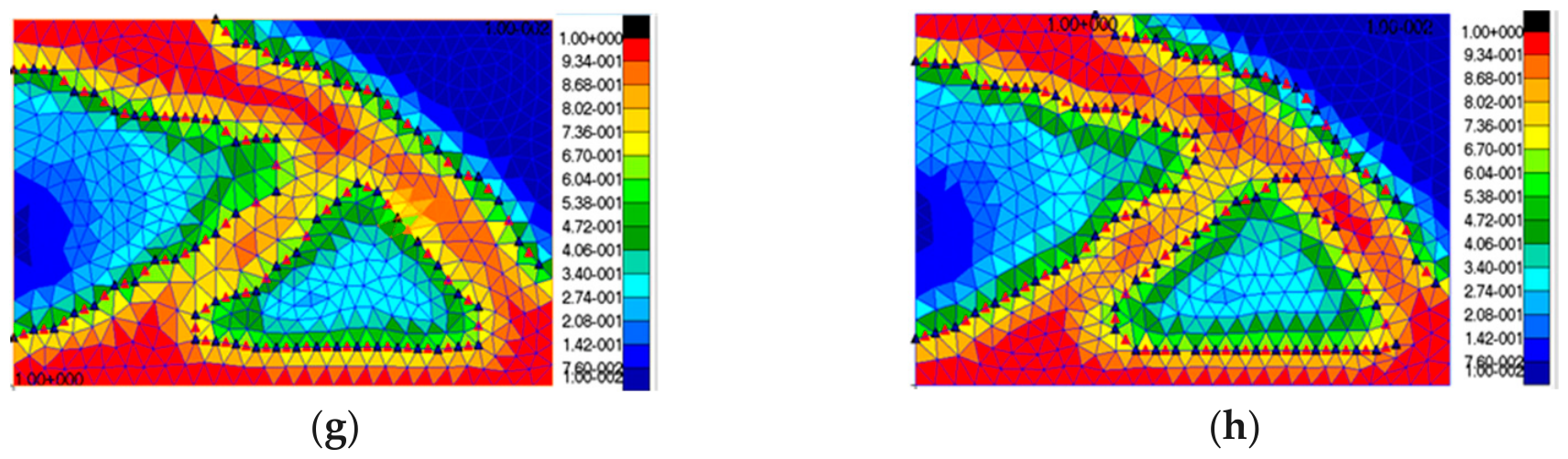
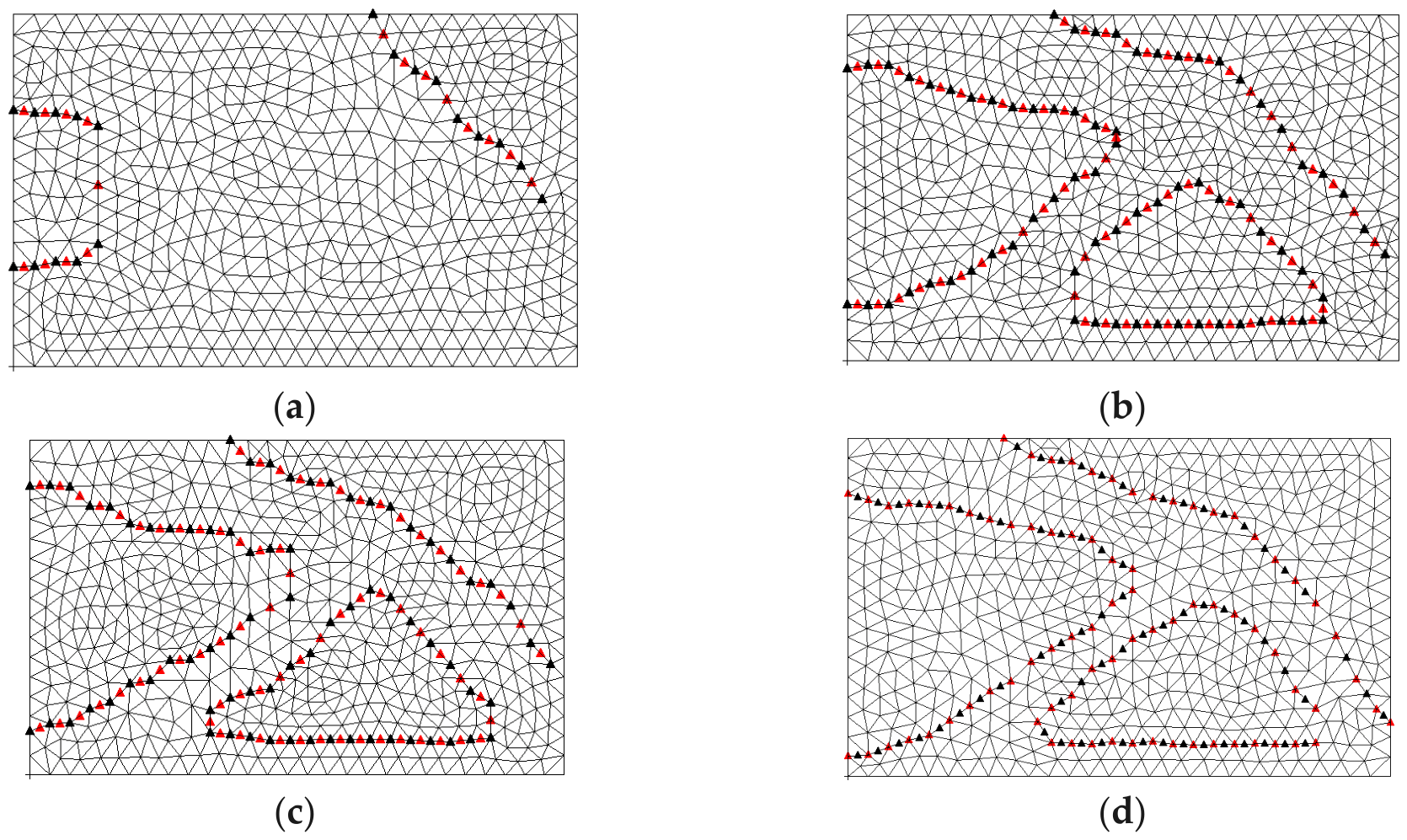
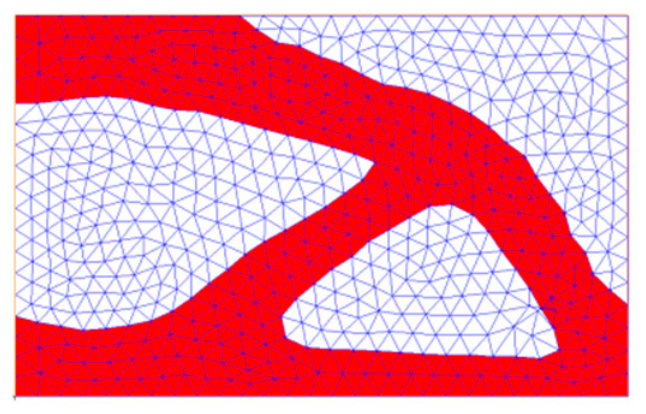
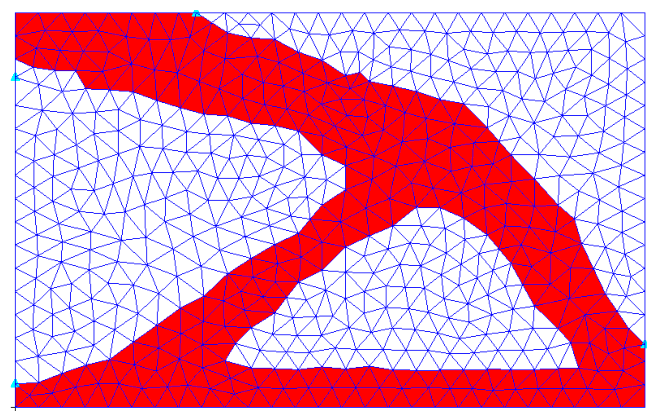
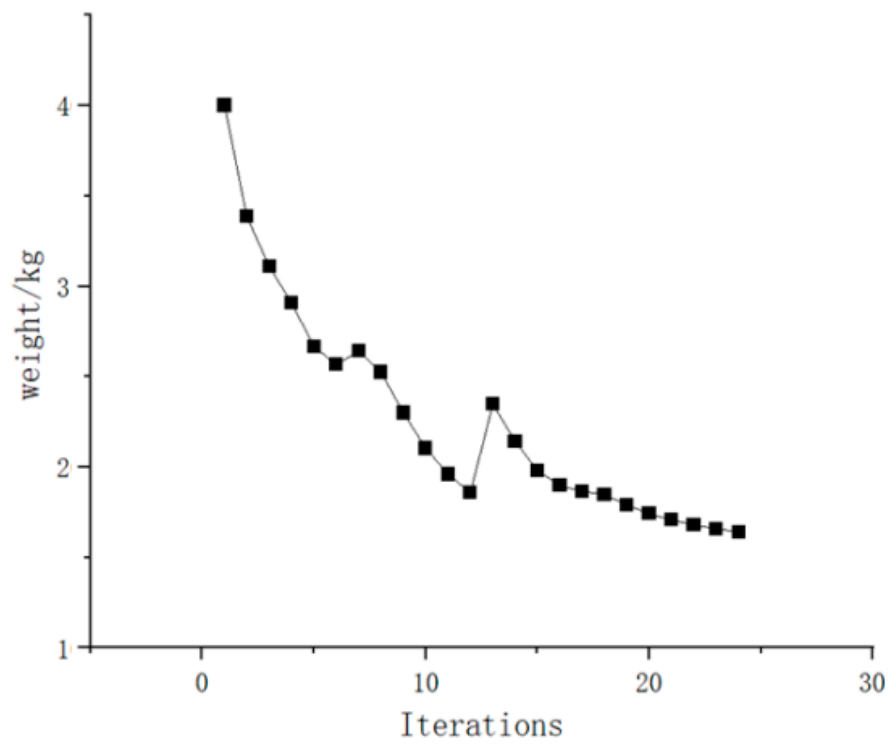
To address jagged boundaries in conventional fixed-mesh topology optimization and the discontinuous transfer of topology information after remeshing, this study proposes an improved Movable Morphable Smooth-Boundary (MMSB) method for displacement-constrained continuum topology optimization. A topology optimization model is established using the Independent Continuous Mapping (ICM) method, with structural weight minimization as the objective and displacement as the constraint. In the proposed framework, a triangular mesh is adopted as the current analysis mesh, threshold boundary points are identified using a holographic scanning strategy, and a fixed background mesh is introduced as an intermediate carrier for topology-variable transfer before and after remeshing. Three numerical examples are used to validate the proposed method and to compare it with the original MMSB method. The results show that the proposed method produces clearer boundary representations and more distinct load-transfer paths. In Examples 1–3, the number of result analyses is reduced from 60 to 24, from 144 to 36, and from 112 to 24, respectively. The number of boundary movements is also reduced from 5 to 4, from 8 to 6, and from 7 to 4, respectively. Meanwhile, the final structural weights are 22.0 kg, 101.4 kg, and 1.64 kg, which are close to or slightly lower than those obtained by the original MMSB method. These results indicate that the proposed method improves topology-information continuity and boundary representation while maintaining structural performance.
Keywords: movable morphable smooth boundary; continuum structure; topology optimization; jagged boundary; ICM method movable morphable smooth boundary; continuum structure; topology optimization; jagged boundary; ICM method