
Article

Assessing the Effects of Erastin in Exploring the Role of Ferroptosis in the Erythroid Maturation Program of Murine Erythroleukemia Cells

by
Aliki Papadimitriou-Tsantarliotou
1,
Chrysostomos Avgeros
1 and
Ioannis S. Vizirianakis
1,2,*
1
Laboratory of Pharmacology, School of Pharmacy, Aristotle University of Thessaloniki, 54124 Thessaloniki, Greece
2
Department of Health Sciences, School of Life and Health Sciences, University of Nicosia, Nicosia CY-1700, Cyprus
*
Author to whom correspondence should be addressed.
Future Pharmacol. 2026, 6(2), 17; https://doi.org/10.3390/futurepharmacol6020017
Submission received: 5 February 2026 / Revised: 17 March 2026 / Accepted: 20 March 2026 / Published: 24 March 2026

Abstract

Background/Objectives: Ferroptosis, an iron-dependent form of regulated cell death defined by lipid peroxidation, has been extensively studied in cancer and neurodegeneration, but its contribution to erythropoiesis remains poorly understood. Methods: In this study, we investigated the expression of ferroptosis-related genes during HMBA-induced differentiation of murine erythroleukemia (MEL) cells and further assessed the effects of the ferroptosis inducer erastin in this model system. Results: HMBA treatment was accompanied by upregulation of ferroptosis-inducing genes (Atf3, Por, Tfrc, Slc11a2) and downregulation of inhibitory genes (Dhfr, Aifm2, Flvcr1, Nfe2l2, Slc3a2, Slc7a11), while Gpx4 levels increased. Erastin exposure identified 5 μM as the optimal concentration, which resulted in a significant reduction of Steap3 transcripts, an increase in Hbb expression, and an increased accumulation of differentiated cells in culture, along with mild cytotoxicity. To be noted that at the protein level, erastin induced a ~10% decrease in STEAP3 and a 1.5-fold increase in β-globin homo- or hetero-dimers. Ferroptosis markers confirmed erastin activity, with Fsp1 to be downregulated and Slc7a11, ferroportin, and the transferrin receptor upregulated. Importantly, erastin also enhanced apoptotic responses, as indicated by increased levels of active caspase-3 (~40%) and reduced cellular proliferation rate (Ki-67, ~35%), suggesting overlap between ferroptotic and apoptotic pathways. Conclusions: Collectively, these findings indicate that erastin modulates erythroid maturation by repressing Steap3 (Six-transmembrane epithelial antigen of prostate 3) and enhancing Hbb expression, yet its differentiation inducing potential is counterbalanced by concurrent apoptosis activation. Overall, our results support a role of ferroptosis in erythroid maturation by linking iron metabolism, regulated cell death, and erythropoiesis, a fact of pharmacological and therapeutic relevance too.

1. Introduction

Erythropoiesis, the process by which hematopoietic progenitors differentiate into mature red blood cells, is essential for maintaining tissue oxygenation and overall homeostasis. This multistep program involves profound transcriptional, metabolic, and structural changes, including globin gene expression, enucleation, and remodeling of iron and heme metabolism. Tight regulation of iron handling and oxidative balance is required, as disturbances in these pathways can lead to impaired red blood cell production and contribute to anemias as well as other hematological disorders [1,2,3].
Among the cellular mechanisms that control redox balance, ferroptosis has recently attracted significant attention. Ferroptosis is a distinct form of regulated cell death characterized by iron-dependent lipid peroxidation and accumulation of reactive oxygen species [4]. Unlike apoptosis or necroptosis, ferroptosis is primarily defined by metabolic constraints, particularly the availability of glutathione and the activity of glutathione peroxidase 4 (GPX4) [5]. The SLC7A11–GSH–GPX4 axis plays a central role in maintaining cellular resistance to ferroptosis, while iron import, storage, and export proteins such as transferrin receptor (TfR1) and ferroportin (FPN1) modulate susceptibility by regulating intracellular iron pools [6,7,8]. Other regulators, including AIFM2/FSP1 and antioxidant enzymes, further contribute to ferroptosis control [5,9].
Although ferroptosis has been extensively studied in cancer biology, neurodegeneration, and immunity, its role in hematopoiesis and erythroid differentiation remains largely unexplored. This is noteworthy, as erythropoiesis is intrinsically linked to iron metabolism and redox balance. Recent evidence suggests that ferroptosis-related pathways may intersect with erythropoiesis due to the central role of iron metabolism and redox balance during erythroid maturation. Developing erythroid cells require large amounts of iron for heme synthesis and hemoglobin production, processes that increase intracellular iron flux and oxidative stress. These conditions are closely linked to ferroptosis susceptibility, suggesting that ferroptosis-regulatory pathways may influence erythroid differentiation, however the specific mechanisms and their contribution to the differentiation process are still unclear [10,11,12]. Moreover, there is limited understanding of how ferroptosis might interact with other forms of cell death, particularly apoptosis, during red blood cell development.
The murine erythroleukemia (MEL) cell line provides a well-established experimental model for studying erythroid differentiation. When exposed to chemical inducers such as hexamethylene bisacetamide (HMBA), MEL cells undergo terminal maturation, characterized by globin gene expression and hemoglobinization [13,14]. This model offers an opportunity to explore how ferroptosis-related pathways are modulated during erythroid differentiation and whether perturbation of these pathways can influence the process.
In this study, we first analyzed the expression dynamics of ferroptosis-related genes during HMBA-induced MEL cell differentiation, using RNA-seq and validation by qPCR. We observed transcriptional changes affecting both ferroptosis inducers and inhibitors, with notable alterations in the SLC7A11–GSH–GPX4 axis. To further probe the role of ferroptosis, we employed erastin, a classical ferroptosis inducer that blocks cystine uptake through inhibition of system Xc (SLC7A11). Erastin has been widely used to study ferroptosis in cancer and neuronal models, but its effects on erythroid differentiation are unknown [15]. To this end, by integrating transcriptomic analysis, protein expression studies, and functional assays of survival, differentiation, and cell death markers, we aimed to elucidate whether ferroptosis contributes to erythroid maturation in MEL cells. Furthermore, we examined the potential overlap between ferroptotic and apoptotic pathways, given the evidence that erastin can sometimes trigger apoptosis alongside ferroptosis. Understanding this crosstalk is crucial, as it may reveal novel mechanisms linking iron metabolism, regulated cell death, and erythropoiesis.

2. Materials and Methods

2.1. MEL Cell Cultures

The murine erythroleukemia cell line MEL-745 (clone FLC 745), originally established by Dr. C. Friend (Sloan–Kettering Institute for Cancer Research, New York, NY, USA), was used as the main experimental model. Cells were cultured in Dulbecco’s Modified Eagle Medium (DMEM, high glucose, 4.5%; Biowest 102-500, Biowest, Nuaillé, France or Gibco™ 11965092, Thermo Fisher Scientific, Waltham, MA, USA), supplemented with 10% (v/v) fetal bovine serum (FBS; Biowest or Gibco™, 16000044) and 1% penicillin–streptomycin (100 U/mL and 100 μg/mL, respectively; Biowest L0022). Cultures were maintained in a humidified incubator at 37 °C with 5% v/v CO2 and high humidity, and were regularly passaged to preserve exponential growth, at densities between 5 × 10⁴ and 5 × 10⁵ cells/mL.

2.2. Cell Proliferation and Viability Assays

2.2.1. Cell Growth Kinetics

Cell proliferation was monitored microscopically using a Neubauer hemocytometer (Paul Marienfeld GmbH & Co., KG, Lauda-Königshofen, Germany). MEL cells were counted at each time point for 48 h (6, 12, 24, 48 h) to determine growth rates in the presence or absence of the tested compounds, as described previously [16].

2.2.2. Trypan Blue Exclusion Assay

Cell viability was additionally evaluated by the Trypan Blue exclusion method, which distinguishes the live from dead cells based on membrane integrity. Staining was performed following the protocol of Strober (2015) [17] and the manufacturer’s guidelines (Gibco™) [18]. Viable (unstained) and non-viable (blue-stained) cells were counted manually using a Neubauer chamber under a Zeiss Primostar 1 microscope (Carl Zeiss AG, Oberkochen, Germany).

2.2.3. Cell Counting Kit-8 (CCK-8) Assay

Metabolically active cells were quantified using the CCK-8 assay (ab228554; Abcam, Cambridge, UK), according to the manufacturer’s instructions. Briefly, MEL cells were seeded in 96-well plates at a density of 2 × 10³ cells/well. At the indicated time points, 10 μL of CCK-8 reagent was added to each well and incubated for 4 h at 37 °C, according to the standard curve for MEL cells. Absorbance was then measured at 450 nm using a microplate reader. Growth curves were generated from optical density values obtained across different time points.

2.2.4. Cell Differentiation Assay

The percentage of differentiated cells treated with each substance was evaluated by benzidine–H2O2 staining directly in culture, as described previously [19] by scoring at least 300 cells per sample. HMBA was used as a positive control (5 mM).

2.3. RNA Extraction, cDNA Synthesis, and Quantitative PCR

Total RNA was isolated using Tritidy-G™ reagent (Applichem, Darmstadt, Germany), following the manufacturer’s instructions and the guanidinium thiocyanate–phenol–chloroform method described by Chomczynski (1987) [20]. RNA quantity and purity were determined with a NanoDrop 2000 spectrophotometer (Thermo Fisher Scientific), and RNA integrity was assessed by agarose gel electrophoresis with ethidium bromide staining [21].
Reverse transcription was performed using the QuantiTect Reverse Transcription Kit (Qiagen Inc., Hilden, Germany). Quantitative PCR was carried out with the KAPA SYBR FAST qPCR Kit (KK4602; Kapa Biosystems, Wilmington, MA, USA) on Applied Biosystems Fast 7500 (Thermo Fisher Scientific) following the manufacturer’s protocol. Relative gene expression was calculated using the ΔΔCt method, with β-actin as internal control. The primers used in each case are reported in Supplementary Table S1.

2.4. Western Blot Analysis

Total protein was extracted from MEL cells using RIPA buffer on ice, followed by centrifugation at 12,000 rpm for 15 min at 4 °C. Protein concentration was determined with the BCA Protein Assay Kit (Thermo Fisher Scientific, Cat. No. 23225). Equal amounts of protein (15 µg per sample) were resolved by SDS-PAGE and transferred onto PVDF membrane [22]. The membrane was subsequently blocked in 5% non-fat milk and probed with primary antibodies for 1.5 h at room temperature: STEAP3 (17186-1-AP; Proteintech, Rosemont, IL, USA; 1:1000), Hbb (16216-1-AP; Proteintech; 1:1000), P53 (sc-126; Santa Cruz Biotechnology, Dallas, TX, USA; 1:500), SLC3A2 (15193-1-AP; Proteintech; 1:3000), and β-Actin (sc-47778; Santa Cruz; 1:500). After washing, the membrane was incubated with HRP-conjugated secondary antibodies for 1 h: anti-rabbit IgG (SA00001-2; Proteintech; 1:7500) or anti-mouse IgGκ BP (sc-516102; Santa Cruz; 1:10,000). The protein bands were detected using enhanced chemiluminescence (ECL) and visualized on X-ray films.

2.5. Apoptosis Assay (Annexin V/PI Staining)

Apoptosis and necrosis were evaluated using the FITC Annexin V Detection Kit with propidium iodide (PI) (BioLegend, Cat. No. 640914, San Diego, CA, USA), following the manufacturer’s protocol. Annexin V binds phosphatidylserine residues externalized on the plasma membrane during early apoptosis, whereas PI penetrates cells with compromised membranes, marking late apoptotic or necrotic cells. Samples were analyzed by flow cytometry with excitation at 488 nm; Annexin V–FITC fluorescence was detected in the FL1 channel (520 nm) and PI in the FL2 channel (575 nm). Four distinct subpopulations were identified: viable (Annexin V/PI), early apoptotic (Annexin V+/PI), late apoptotic (Annexin V+/PI+), and necrotic cells (Annexin V/PI+).

2.6. Statistical Analysis

Statistical analyses were performed using IBM SPSS Statistics v. 10.5 (IBM Corp., Armonk, NY, USA) and GraphPad Prism v. 11.0.0; (GraphPad Software, San Diego, CA, USA). For comparisons among more than two groups, one-way ANOVA followed by Tukey’s post hoc test was applied. Pairwise comparisons were assessed using Student’s t-test where appropriate. All experiments were performed in triplicate, and data were derived from at least three independent biological replicates. A p-value < 0.05 was considered statistically significant.

3. Results

3.1. Analysis of the Expression Pattern of Ferroptosis-Related Genes upon HMBA-Induced Differentiation of MEL Cells

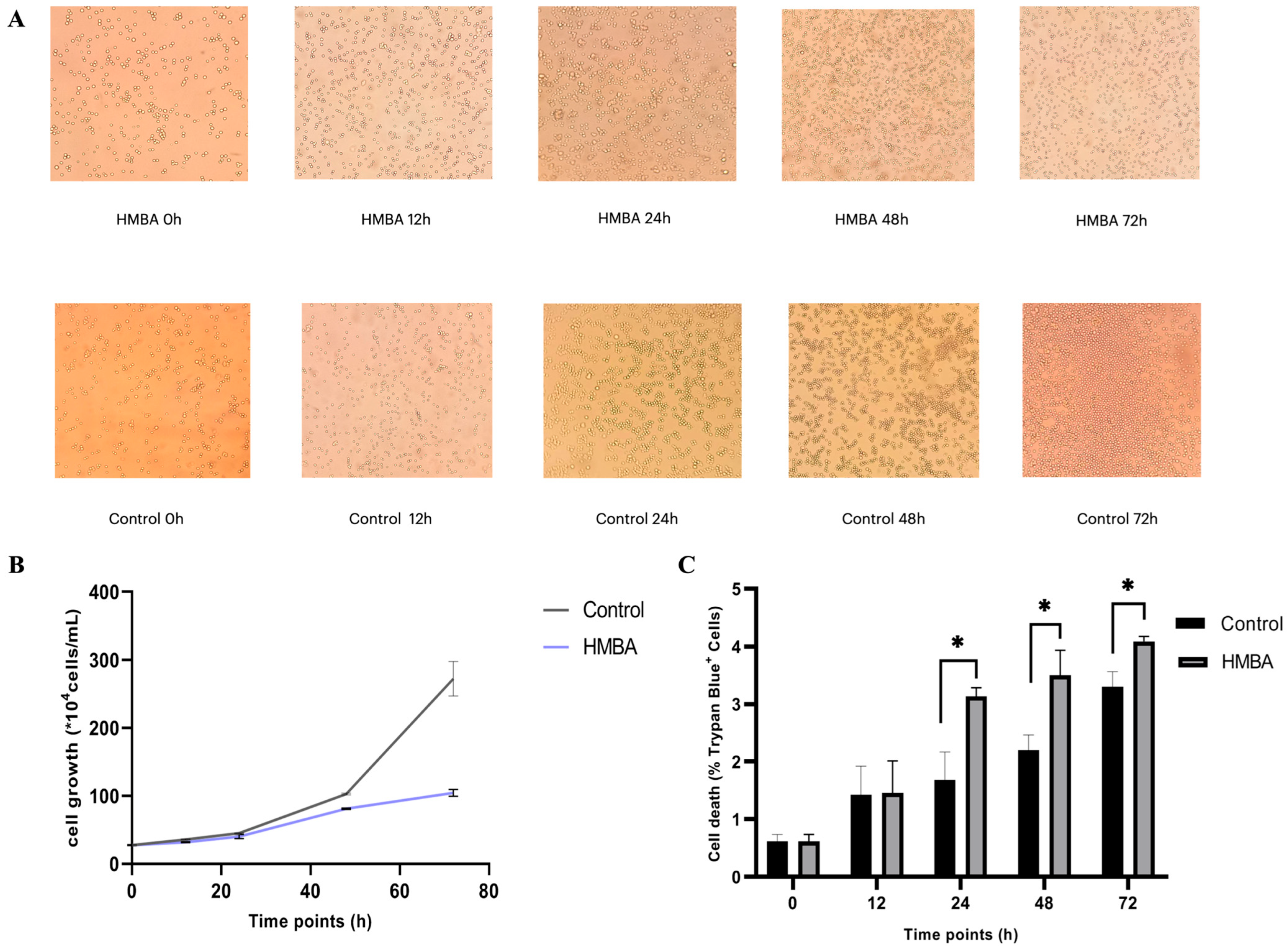
The commitment of MEL cells to erythroid maturation was achieved via exposure of cultures to the well-known chemical inducer HMBA, as previously described [14]. As shown in Figure 1A, the HMBA-induced MEL cell terminal erythroid maturation resulted over time in a progressive reduction in cell size accompanied with nuclei condensation (Figure 1A) and limited proliferation capacity (Figure 1B).
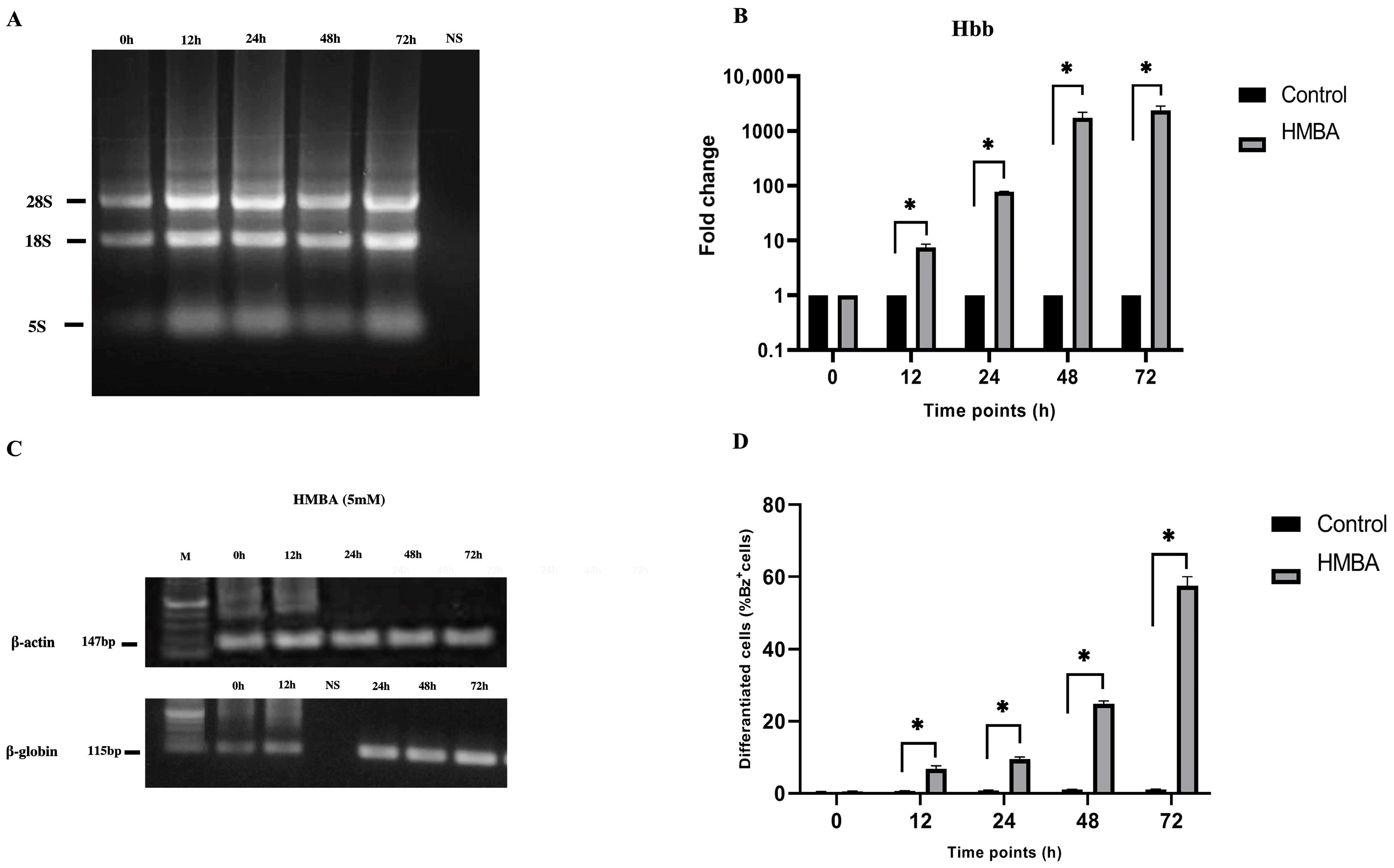
Moreover, although the number of dead cells seen did not exceed 4% after 72 h, the accumulation of hemoglobin-producing cells (Bz+ cells) increased in culture (Figure 2D) by following the increased cellular levels of beta-globin mRNA transcripts measured by qPCR analysis (Figure 2B). These changes are consistent with the well-established erythroid maturation program of MEL cells, in which differentiation is associated with decreased cellular volume and increased hemoglobinization [14]. These morphological observations therefore provided us with additional experimental support for the MEL cell differentiation process induced by HMBA under our experimental conditions, further strengthening the biological context in which specific gene transcriptional changes were analyzed.
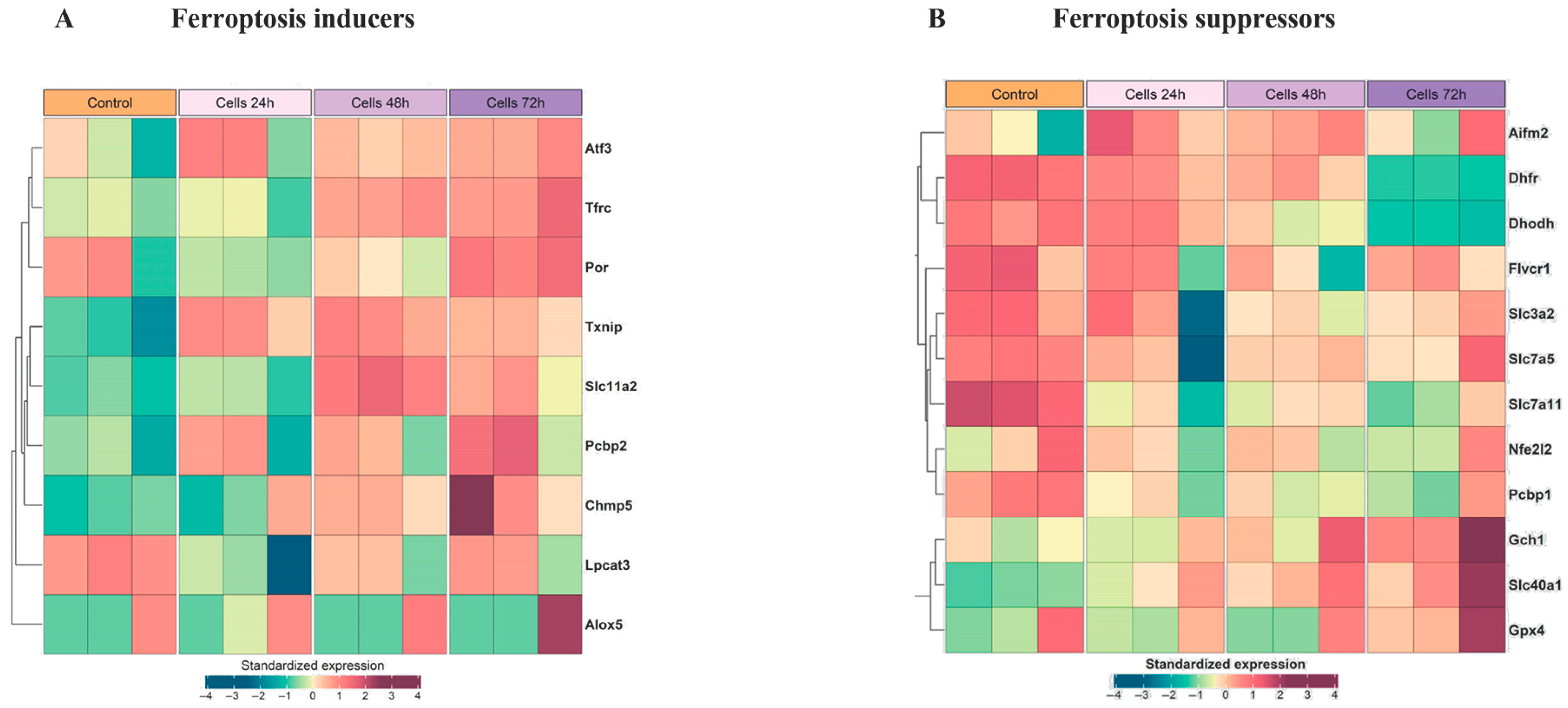
Since ferroptosis may be linked to erythrocyte differentiation, we analyzed our RNA-seq data from HMBA-induced MEL cells undergoing erythroid differentiation (Papadimitriou-Tsantarliotou et al., manuscript submitted) to assess the gene expression level of the main ferroptosis-involved pathways. As shown in Figure 3, the construction of two heatmaps was generated: one containing genes that promote ferroptosis and another containing genes that inhibit it, in order to evaluate their expression dynamics during erythrocyte maturation. As shown in Figure 3A, the main ferroptosis-inducing genes reported in the literature are represented, whereas Figure 3B highlights the key ferroptosis-inhibitory genes. The results indicated that the expression of ferroptosis-inducing genes tends to increase (Atf3, Por, Tfrc, Slc11a2), while most inhibitory genes decrease (Dhfr, Aifm2, Flvcr1, Nfe2l2, Slc3a2, Slc7a11). Notably, the transcript levels of the major cellular antioxidant enzyme against ferroptosis, Gpx4, as well as the regulators Slc40a1/FPN1 and Gch1, were also elevated.
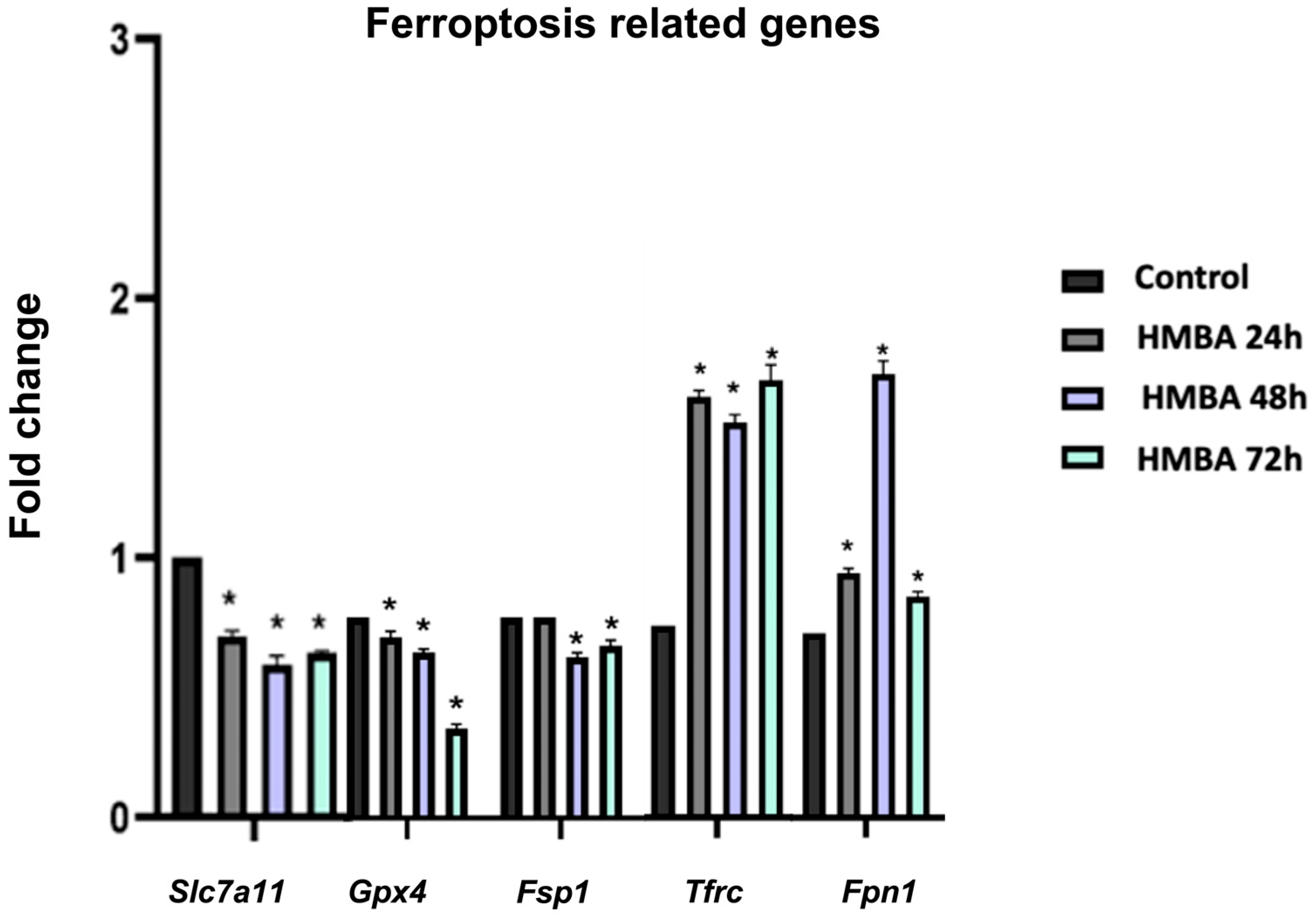
Following the data presented in Figure 3, validation of gene expression of selected markers was performed using qPCR analysis (Figure 4). The results showed that, overall, the expression patterns observed in the heatmaps were confirmed, with the exception of Gpx4, which appeared to decrease after 72 h of exposure to the differentiation inducer HMBA.

3.2. Assessment of the Erastin Effects on the MEL Cell Line

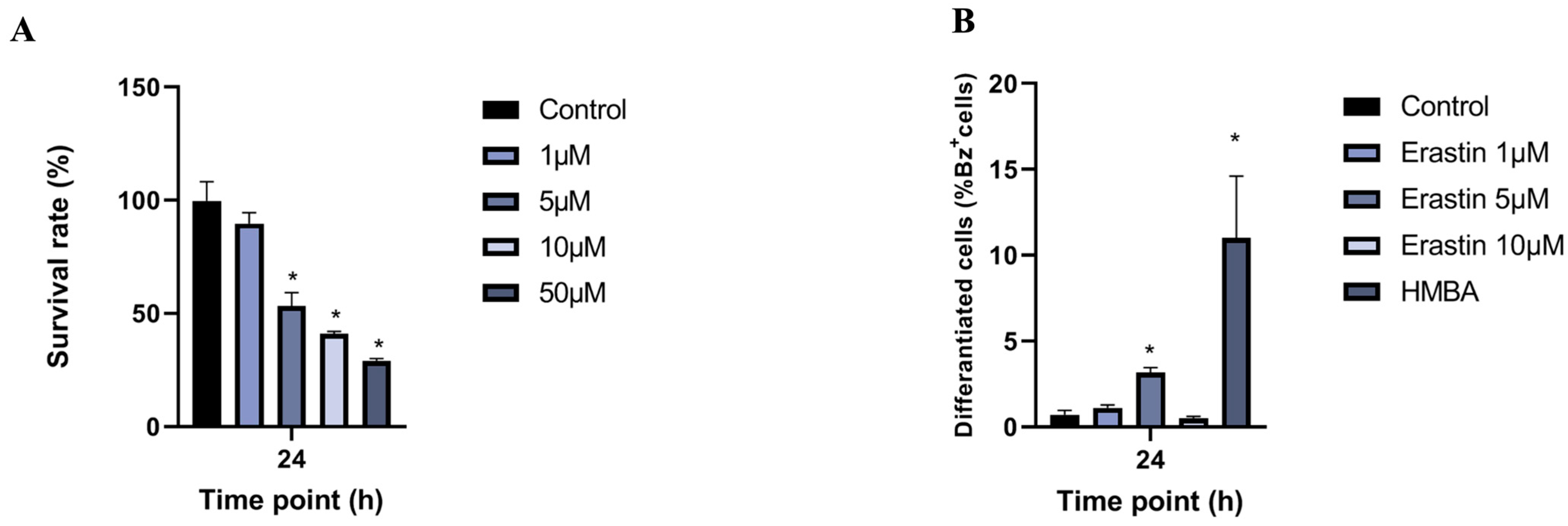
The results presented in Figure 3 indicate that, in the presence of the differentiation inducer HMBA, the expression of genes associated with ferroptosis is altered, with the SLC7A11–GSH–GPX4 axis appearing particularly affected. For this reason, erastin, a well-known ferroptosis inducer that specifically targets this axis, was selected to investigate a potential association between ferroptosis and erythroid differentiation in MEL cells. We first examined the 24-h effect of erastin at different concentrations to assess its effects in a concentration-dependent manner. As shown in Supplementary Figure S1, MEL cell morphology, exhibited a slight reduction in cell size accompanied by a decrease in overall cell population at concentrations ranging from 1 to 50 μM. This reduction was further confirmed by the analysis of cell survival rate (Figure 5A), which revealed a statistically significant decline in cell viability, with 10 μM and 50 μM capable of reducing viability by more than 50%. Subsequently, the proportion of differentiated cells was assessed in each culture (Figure 5B), showing a statistically significant increase only at 5 μM.
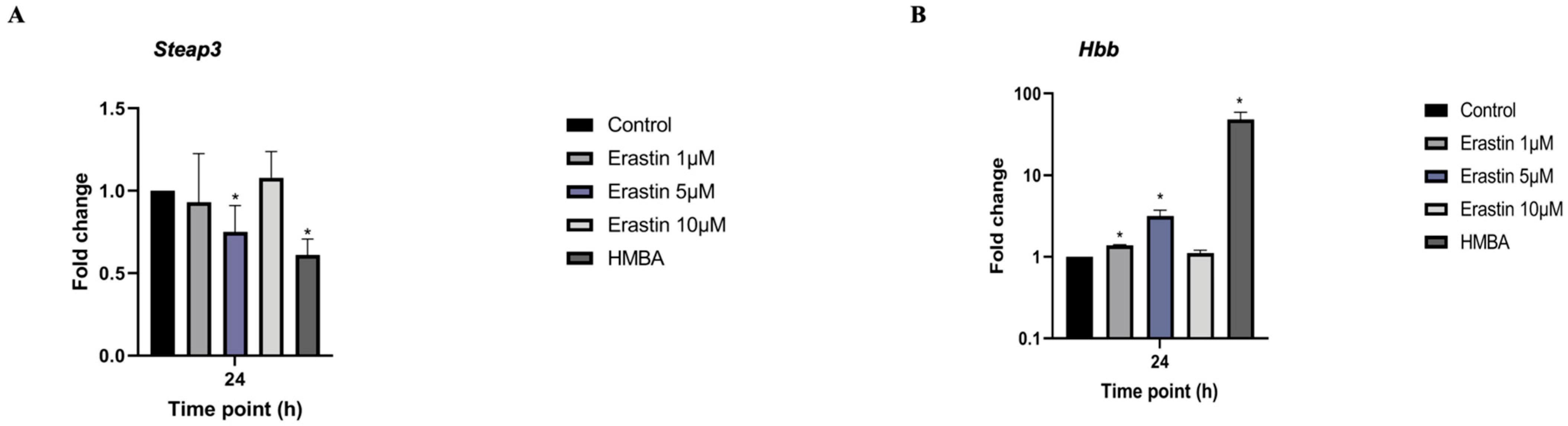
Further, the RNA transcript levels of Steap3 and Hbb was assessed in erastin-treated MEL cell cultures. A statistically significant decrease in Steap3 expression was observed only at the 5 μM concentration, whereas Hbb expression increased at both 1 μM and 5 μM (Figure 6). The differentiation inducer HMBA was also used as a positive control in the course of this experiment. Based on these findings, the 5 μM concentration was selected for additional experimentation.

3.3. Effect of Erastin on STEAP3 and HBB Expression at the Protein Level

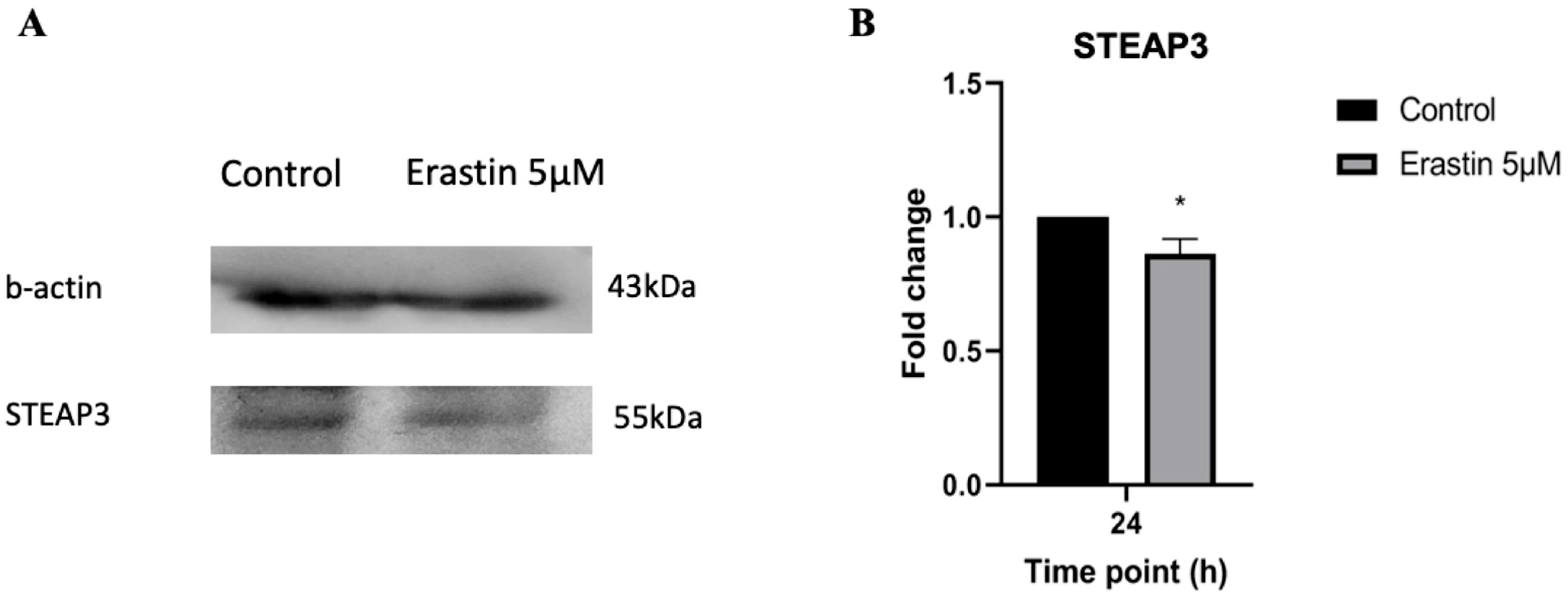
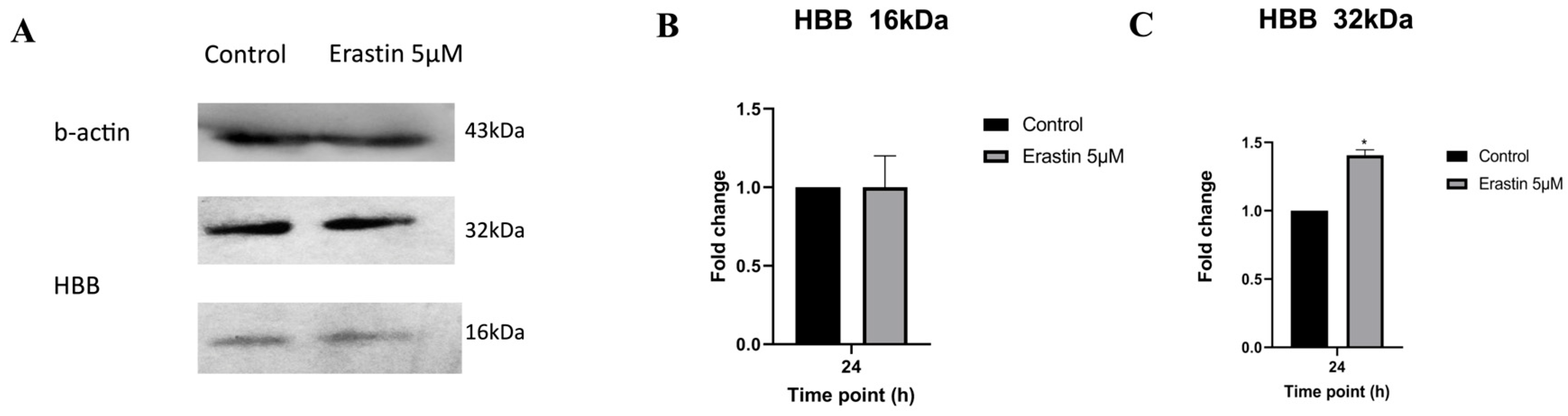
In order to gain more insights on the effects of erastin in the erythroid maturation program of MEL cells, the protein level of STEAP3 and β-globin was evaluated. As shown in Figure 7A, a small but statistically-significant reduction in the protein level of STEAP3 was observed after 24 h of exposure of MEL cells to erastin (5 μM). This reduction was approximately 10%, as also illustrated in the quantification graph in Figure 7B. More importantly as indicated in Figure 8A, a mild increase (~1.5-fold) in the homo- or heterodimeric form of β-globin was observed compared to the control culture, whereas the monomeric form of β -globin did not show any statistically significant change relative to the control sample.

3.4. Assessment of the Expression Level of Ferroptosis-Related Genes as Well as of Cell Cycle and Apoptosis upon the Exposure of MEL Cells to Erastin

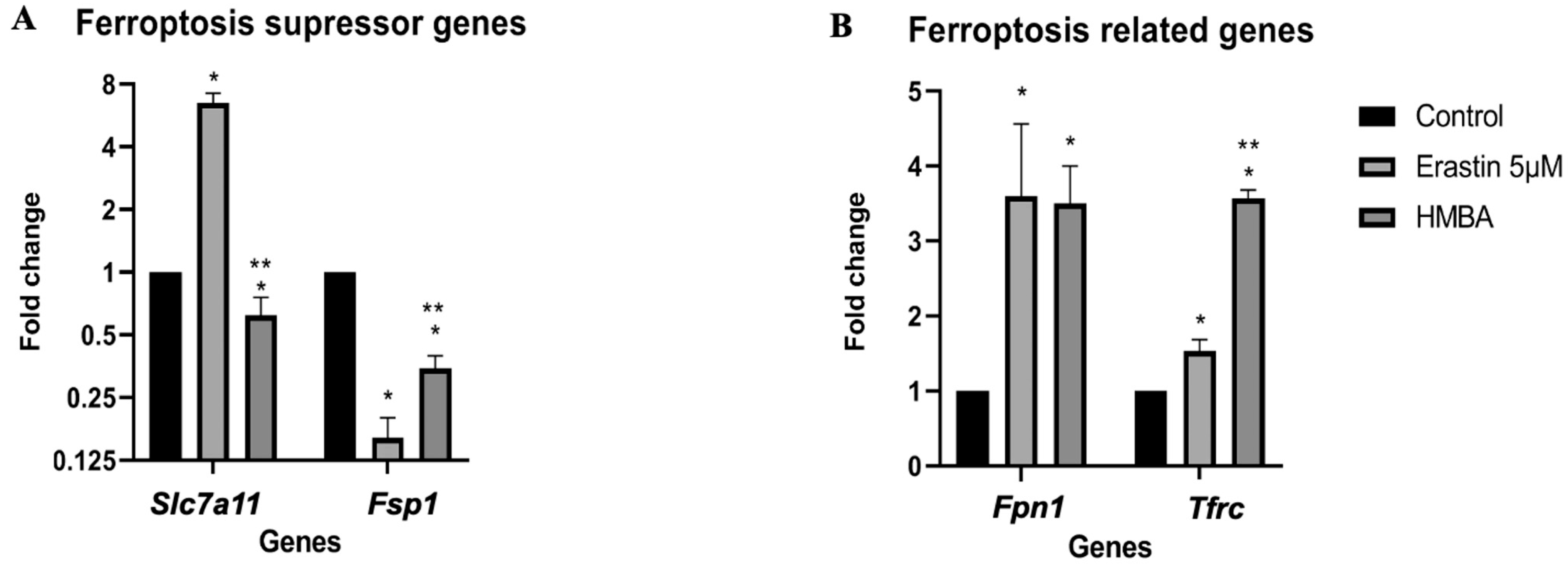
In order to ensure the capacity of erastin to act as an inducer of ferroptosis in MEL cells, the selection of specific markers from ferroptosis-related genes was applied to assess their expression level in erastin-treated cultures. The genes included in this analysis were selected based on published literature describing their established roles in ferroptosis regulation. In particular, the selected markers represent key components of the SLC7A11–GSH–GPX4 antioxidant axis, regulators of cellular iron metabolism, and known ferroptosis suppressors or promoters, which collectively determine cellular susceptibility to ferroptotic cell death. These molecular pathways have been extensively characterized as central regulators of ferroptosis in multiple cellular systems [4,5,7,9]. After 24 h of incubation of MEL cells with erastin (5 μM), a pronounced reduction (~90%) in the level of Fsp1 RNA transcripts was observed, along with an increase in Slc7a11, a well-documented effect of erastin exposure (Figure 9A). In addition, elevated levels of ferroportin and the transferrin receptor were detected compared to control cultures (Figure 9B).

3.5. Assessment of Cell Proliferation and Apoptosis in MEL Cells Exposed to Erastin

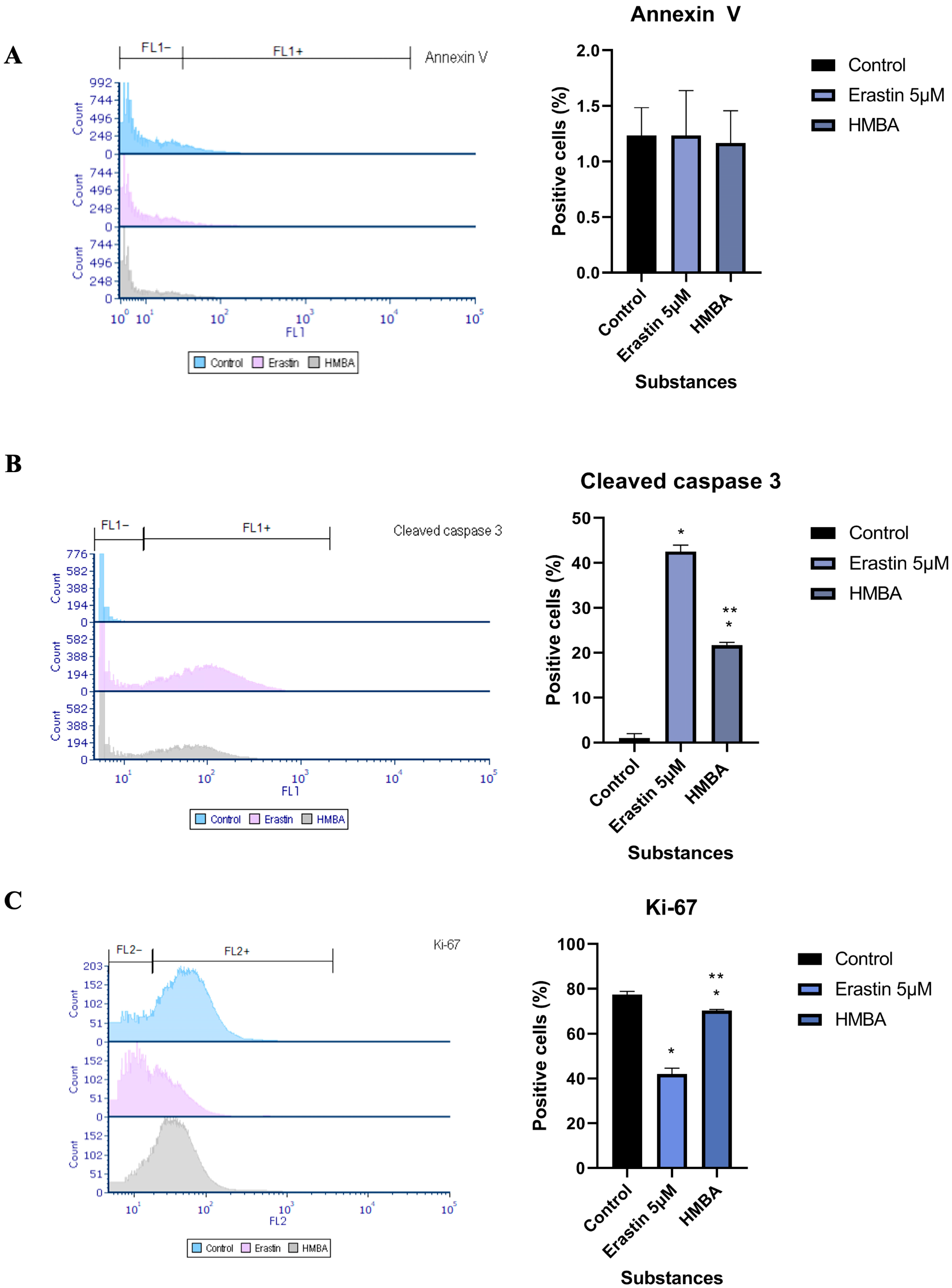
In order to more thoroughly evaluate the molecular effects of erastin in MEL cells, the application of specific assays (annexin V/PI, active caspase-3, Ki-67) to assess processes related to cell cycle and apoptosis was carried out. In particular, using annexin V/PI staining (Figure 9) no statistically significant changes were observed in erastin-treated MEL cultures as compared to control-untreated ones. In contrast, the measurement of active caspase-3 levels in erastin-treated MEL cells exhibited an increase by approximately 40% after 24 h of exposure, while the cellular proliferation rate was reduced by about 35%, as determined by Ki-67 analysis (Figure 10).

4. Discussion

The results presented above indicate that in the presence of the differentiation inducer, the expression of genes related to ferroptosis is affected, with particular impact on the SLC7A11–GSH–GPX4 axis. For this reason, erastin, which targets this pathway and is one of the best-known inducers of ferroptosis, was selected to explore a possible link between ferroptosis and erythroid differentiation in MEL cells. At the optimal concentration of 5 μM, exposure of erastin caused an increase in the proportion of differentiated cells, accompanied by a statistically significant reduction of Steap3 at the transcript level, a significant increase in Hbb, and a moderate degree of cytotoxicity. At the protein level, erastin induced a small but statistically-significant decrease (~10%) in STEAP3, alongside a mild increase (~1.5-fold) in the homo- or heterodimeric form of β-globin relative to control cultures. Importantly, after 24 h of exposure of MEL cells to erastin, the ferroptosis gene marker Fsp1 exhibited downregulation (reduction in transcription by ~90%), while the Slc7a11 was upregulated, an observation consistently reported in the presence of erastin in other cell cultures [23]. Similarly, an increased transcription was seen for ferroportin and the transferrin receptor compared to control-untreated cultures. These findings coincide with the effects of erastin as a typical inducer of ferroptosis.
As far as the effects of erastin on cell cycle and apoptosis markers is concerned, an increase by (~40% after 24 h) of active caspase-3 was observed, and the cell proliferation rate was reduced by ~35% according to Ki-67 measurements. The increase in caspase-3 activity and the reduction in cell growth suggest that erastin may also activate apoptotic pathways in addition to ferroptosis. This phenomenon has also been documented in other studies, since although erastin is considered a typical ferroptosis inducer, its effects can also intersect with apoptotic pathways under specific conditions [24]. Indeed, the proximity of the regulatory pathways of ferroptosis and apoptosis has been recently supported in a recent study indicating that erastin-induced ferroptosis in human erythroleukemia K-562 cells is associated with nuclear condensation, a process so far exclusively related to apoptosis [25]. Ferroptosis and apoptosis may coexist under conditions of oxidative stress. The increase in active caspase-3 observed in our experiments suggests that erastin may activate both apoptotic and ferroptotic responses, highlighting the interplay between regulated cell death pathways during erythroid maturation.
Furthermore, the inhibition of proliferation may facilitate differentiation, as cell cycle arrest is often required for lineage commitment [14,26]. It is worth noting that two complementary studies from our group provide additional context for these findings. The first one uncovers STEAP3 as a potential ribosome-associated protein with implications for the translational control in the initiation of MEL cell differentiation. The second one proposes that modulation of ferroptosis-related pathways may support erythropoiesis by identifying STEAP3 as a regulator of erythroid maturation in MEL cells. Overall, these results provide new insights into redox–iron cross-talk and highlighting STEAP3 as a potential pharmacological target for the therapy of hematopoiesis disorders. To this end, it is also important to mention the fact that recent data support the notion that a potential molecular connection between ferroptosis and inherited bone marrow failure (IBMF) in individuals with ribosomopathies may exist, thus leading to potential therapeutic and pharmacological intervention of ribosome-related hematopoietic disorders [27].

5. Conclusions

Taken together the data presented, it is evident that erastin affects the erythroid maturation program of MEL cells and appears to make alterations in the gene expression of STEAP3 (downregulation) and HBB (upregulation), an effect accompanied by a small increase in differentiated cells accumulated in culture. These findings suggest that, at low concentrations, erastin may contribute to the induction of erythroid cell differentiation. A similar observation has been reported in other cellular systems; for example, Wang et al. described differentiation of peripheral mononuclear cells into B lymphocytes and dendritic cells under erastin exposure [15]. On the other hand, in erastin-exposed MEL cell cultures, the observed concurrent increase in the level of active caspase-3 and the reduction in cell proliferation strongly indicate that apoptotic pathways are activated alongside ferroptosis, pointing to substantial cellular stress. This observation aligns with previous reports that erastin, as a canonical ferroptosis inducer, may overlap with apoptotic processes in certain cellular contexts [24]. It is therefore likely that the stress-inducing effect of erastin overrides its potential differentiative capacity, leading to only mild and limited induction of erythropoiesis. Although additional studies are required to more thoroughly clarify the precise mechanism of erastin in erythropoiesis, understanding this crosstalk is crucial, as it may reveal novel mechanisms linking iron metabolism, regulated cell death, and erythropoiesis. Overall, however, the results of this work support a role of ferroptosis in erythroid maturation by linking iron metabolism, regulated cell death, and erythropoiesis, a fact of pharmacological and therapeutic relevance too.

Supplementary Materials

The following supporting information can be downloaded at: https://www.mdpi.com/article/10.3390/futurepharmacol6020017/s1, Figure S1: Effect of different concentrations of erastin (1–50 μM) on MEL cell morphology after 24 h of incubation; Table S1: Primer sequences used for qPCR analysis.

Author Contributions

Conceptualization: I.S.V. and A.P.-T.; Data curation: A.P.-T. and C.A.; Formal analysis: I.S.V., A.P.-T. and C.A.; Funding acquisition: I.S.V.; Investigation: I.S.V. and A.P.-T.; Methodology: A.P.-T. and C.A.; Project administration: I.S.V.; Resources: I.S.V.; Supervision: I.S.V.; Validation: I.S.V. and A.P.-T.; Visualization: A.P.-T. and C.A.; Writing—original draft: A.P.-T. and C.A.; Writing—review and editing: A.P.-T. and I.S.V. All authors have read and agreed to the published version of the manuscript.

Funding

This work was funded by public resources of interdepartmental financing procedures of Aristotle University of Thessaloniki (AUTh) via its Research Committee of “Special Account for Research Grants” (SARG; ELKE-AUTh).

Institutional Review Board Statement

Not applicable.

Informed Consent Statement

Not applicable.

Data Availability Statement

Data of this work is available at reasonable request from the corresponding author.

Conflicts of Interest

The authors declare no conflict of interest.

References

  1. Dzierzak, E.; Philipsen, S. Erythropoiesis: Development and differentiation. Cold Spring Harb. Perspect. Med. 2013, 3, a011601. [Google Scholar] [CrossRef]
  2. Zhang, Y.; Huang, Y.; Hu, L.; Cheng, T. New insights into Human Hematopoietic Stem and Progenitor Cells via Single-Cell Omics. Stem Cell Rev. Rep. 2022, 18, 1322–1336. [Google Scholar] [CrossRef]
  3. Zhu, L.; He, C.; Guo, Y.; Liu, H.; Zhang, S. Molecular regulatory mechanisms of erythropoiesis and related diseases. Eur. J. Haematol. 2023, 111, 337–344. [Google Scholar] [CrossRef]
  4. Chen, X.; Li, J.; Kang, R.; Klionsky, D.J.; Tang, D. Ferroptosis: Machinery and regulation. Autophagy 2021, 17, 2054–2081. [Google Scholar] [CrossRef]
  5. Bersuker, K.; Hendricks, J.M.; Li, Z.; Magtanong, L.; Ford, B.; Tang, P.H.; Roberts, M.A.; Tong, B.; Maimone, T.J.; Zoncu, R.; et al. The CoQ oxidoreductase FSP1 acts parallel to GPX4 to inhibit ferroptosis. Nature 2019, 575, 688–692. [Google Scholar] [CrossRef]
  6. Dixon, S.J.; Lemberg, K.M.; Lamprecht, M.R.; Skouta, R.; Zaitsev, E.M.; Gleason, C.E.; Patel, D.N.; Bauer, A.J.; Cantley, A.M.; Yang, W.S.; et al. Ferroptosis: An iron-dependent form of nonapoptotic cell death. Cell 2012, 149, 1060–1072. [Google Scholar] [CrossRef] [PubMed]
  7. Chen, X.; Comish, P.B.; Tang, D.; Kang, R. Characteristics and Biomarkers of Ferroptosis. Front. Cell Dev. Biol. 2021, 9, 637162. [Google Scholar] [CrossRef] [PubMed]
  8. Gao, M.; Monian, P.; Quadri, N.; Ramasamy, R.; Jiang, X. Glutaminolysis and Transferrin Regulate Ferroptosis. Mol. Cell 2015, 59, 298–308. [Google Scholar] [CrossRef]
  9. Li, W.; Liang, L.; Liu, S.; Yi, H.; Zhou, Y. FSP1: A key regulator of ferroptosis. Trends Mol. Med. 2023, 29, 753–764. [Google Scholar] [CrossRef]
  10. Zheng, H.; Jiang, L.; Tsuduki, T.; Conrad, M.; Toyokuni, S. Embryonal erythropoiesis and aging exploit ferroptosis. Redox Biol. 2021, 48, 102175. [Google Scholar] [CrossRef] [PubMed]
  11. Liu, Q.; Lin, Z.; Yue, M.; Wu, J.; Li, L.; Huang, D.; Fang, Y.; Zhang, X.; Hao, T. Identification and validation of ferroptosis related markers in erythrocyte differentiation of umbilical cord blood-derived CD34+ cell by bioinformatic analysis. Front. Genet. 2024, 15, 1365232. [Google Scholar] [CrossRef]
  12. Tkachenko, A.; Havranek, O. Cell death signaling in human erythron: Erythrocytes lose the complexity of cell death machinery upon maturation. Apoptosis 2025, 30, 652–673. [Google Scholar] [CrossRef]
  13. Levenson, R.; Housman, D. Memory of MEL cells to a previous exposure to inducer. Cell 1979, 17, 485–490. [Google Scholar] [CrossRef] [PubMed]
  14. Tsiftsoglou, A.S.; Vizirianakis, I.S.; Strouboulis, J. Erythropoiesis: Model systems, molecular regulators, and developmental programs. IUBMB Life 2009, 61, 800–830. [Google Scholar] [CrossRef]
  15. Wang, D.; Xie, N.; Gao, W.; Kang, R.; Tang, D. The ferroptosis inducer erastin promotes proliferation and differentiation in human peripheral blood mononuclear cells. Biochem. Biophys. Res. Commun. 2018, 503, 1689–1695. [Google Scholar] [CrossRef] [PubMed]
  16. Counting Cells in a Hemocytometer. Available online: https://www.thermofisher.com/gr/en/home/references/gibco-cell-culture-basics/cell-culture-protocols/counting-cells-in-a-hemacytometer.html (accessed on 19 March 2026).
  17. Strober, W. Trypan Blue Exclusion Test of Cell Viability. Curr. Protoc. Immunol. 2015, 111, A3.B.1–A3.B.3. [Google Scholar] [CrossRef] [PubMed]
  18. Trypan Blue Staining Protocol. Available online: https://www.thermofisher.com/gr/en/home/references/gibco-cell-culture-basics/cell-culture-protocols/trypan-blue-exclusion.html (accessed on 19 March 2026).
  19. Vizirianakis, I.S.; Papachristou, E.T.; Andreadis, P.; Zopounidou, E.; Matragkou, C.N.; Tsiftsoglou, A.S. Genetic manipulation of RPS5 gene expression modulates the initiation of commitment of MEL cells to erythroid maturation: Implications in understanding ribosomopathies. Int. J. Oncol. 2015, 47, 303–314. [Google Scholar] [CrossRef][Green Version]
  20. Chomczynski, P.; Sacchi, N. Single-step method of RNA isolation by acid guanidinium thiocyanate-phenol-chloroform extraction. Anal. Biochem. 1987, 162, 156–159. [Google Scholar] [CrossRef]
  21. Smith, D.R. Agarose gel electrophoresis. Methods Mol. Biol. 1993, 18, 433–438. [Google Scholar] [CrossRef]
  22. Papagiannopoulos, C.I.; Kyritsis, K.A.; Psatha, K.; Mavridou, D.; Chatzopoulou, F.; Orfanoudaki, G.; Aivaliotis, M.; Vizirianakis, I.S. Invariable Ribosome Stoichiometry During Murine Erythroid Differentiation: Implications for Understanding Ribosomopathies. Front. Mol. Biosci. 2022, 9, 805541. [Google Scholar] [CrossRef]
  23. Koppula, P.; Zhuang, L.; Gan, B. Cystine transporter SLC7A11/xCT in cancer: Ferroptosis, nutrient dependency, and cancer therapy. Protein Cell 2021, 12, 599–620. [Google Scholar] [CrossRef] [PubMed]
  24. Wu, P.; Zhang, X.; Duan, D.; Zhao, L. Organelle-Specific Mechanisms in Crosstalk between Apoptosis and Ferroptosis. Oxid. Med. Cell Longev. 2023, 2023, 3400147. [Google Scholar] [CrossRef] [PubMed]
  25. Mlejnek, P.; Kikalova, K.; Jakubec, P.; Kartusakova, H.; Dolezel, P. Some New Aspects of Erastin-induced Ferroptosis in Cancer Cells. Chem. Biol. Interact. 2025, 419, 111632. [Google Scholar] [CrossRef]
  26. Hsieh, F.F.; Barnett, L.A.; Green, W.F.; Freedman, K.; Matushansky, I.; Skoultchi, A.I.; Kelley, L.L. Cell cycle exit during terminal erythroid differentiation is associated with accumulation of p27Kip1 and inactivation of cdk2 kinase. Blood 2000, 96, 2746–2754. [Google Scholar] [CrossRef]
  27. Papadimitriou-Tsantarliotou, A.; Avgeros, C.; Konstantinidou, M.; Vizirianakis, I.S. Analyzing the Role of Ferroptosis in Ribosome-related Bone Marrow Failure Disorders: From Pathophysiology to Potential Pharmacological Exploitation. IUBMB Life 2024, 76, 1011–1034. [Google Scholar] [CrossRef] [PubMed]
Figure 1. Analysis of MEL cell growth in the presence or absence of HMBA at different time points (0–72 h). (A) Representative images of cell morphology observed under a light microscope. (B) Graphical representation of cell growth kinetics based on cell concentration in culture. (C) Percentage of cell death determined by Trypan Blue staining at the indicated time points. Data are presented as mean ± SD from three independent experiments. The symbol (*) indicates statistically significant differences between control cultures and HMBA-treated samples at each time point (p < 0.05).
Futurepharmacol 06 00017 g001
Figure 2. HMBA-induced differentiation of MEL cells over time (0–72 h). (A) RNA integrity assessment by 1% agarose gel electrophoresis, showing the characteristic 28S, 18S, and 5S rRNA bands. (B) Relative transcript levels of the β-globin gene (Hbb) determined by qPCR in control and HMBA-treated MEL cells at the indicated time points. (C) RT-PCR analysis confirming Hbb expression, followed by electrophoresis on a 1.5% w/v agarose gel. M: molecular weight marker; NS: no sample. β-actin was used as an internal control. (D) Percentage of differentiated cells determined by benzidine staining at the indicated time points. Data are presented as mean ± SD from three independent experiments. * p < 0.05 compared with control cultures.
Futurepharmacol 06 00017 g002
Figure 3. Heatmaps of key genes involved in ferroptosis during differentiation in the presence of HMBA. (A) Major genes acting as inducers of ferroptosis. (B) Major genes acting as inhibitors of ferroptosis.
Futurepharmacol 06 00017 g003
Figure 4. Expression levels of ferroptosis-related genes (qPCR) following exposure to HMBA at different time points (24–72 h) of three independent experiments ± SD. Shown are the expression levels of Slc7a11, Gpx4, Fsp1/Aifm2, Tfrc, and Fpn1. The symbol * indicates statistically significant differences between control cultures and HMBA-treated samples at each time point (p < 0.05).
Futurepharmacol 06 00017 g004
Figure 5. Effect of different concentrations of erastin (1–50 μM) on survival, and differentiation after 24 h of incubation from three independent experiments ± SD. (A) Cell survival rate. (B) Percentage of differentiated cells assessed by benzidine staining. HMBA was used as a positive control for differentiation. The symbol * indicates statistically significant differences between control cultures and erastin-treated samples at each concentration (p < 0.05).
Futurepharmacol 06 00017 g005
Figure 6. Transcript levels of Steap3 (A) and β-globin (Hbb) (B) assessed by qPCR after 24-h exposure to different concentrations of erastin (1–50 μM) and to HMBA from three independent experiments. The asterisk (*) indicates statistically significant differences between control cultures and treated samples at each condition (p < 0.05).
Futurepharmacol 06 00017 g006
Figure 7. STEAP3 expression after 24-h exposure to erastin (5 μM). (A) Representative western blot results from three independent experiments ± SD. (B) Quantitative analysis of STEAP3 protein levels at 24 h. The asterisk (*) indicates statistically significant differences between control cultures and erastin-treated samples (p < 0.05).
Futurepharmacol 06 00017 g007
Figure 8. HBB protein expression after 24-h exposure to erastin (5 μM). (A) Representative western blot results from three independent experiments ± SD. (B) Quantitative analysis of the β-globin monomer (16 kDa). (C) Quantitative analysis of the β-globin dimer (32 kDa). The asterisk (*) indicates statistically significant differences between control cultures and erastin-treated samples (p < 0.05).
Futurepharmacol 06 00017 g008
Figure 9. Transcript levels of ferroptosis-related genes assessed by qPCR after 24-h exposure to erastin (5 μM) and HMBA from three independent experiments ± SD. (A) Inhibitors of ferroptosis. (B) Key biomarkers of ferroptosis. The asterisk (*) indicates statistically significant differences between control cultures and treated samples at each condition (p < 0.05), whereas the double asterisk (**) indicates statistically significant differences between erastin-treated and HMBA-treated cultures.
Futurepharmacol 06 00017 g009
Figure 10. Effects of 24-h exposure to erastin (5 μM) and HMBA on cell cycle and apoptosis markers. (A) Quantification and graphical representation of annexin levels. (B) Quantification and graphical representation of active caspase-3 levels. (C) Quantification and graphical representation of Ki-67 levels from three independent experiments ± SD. The asterisk (*) indicates statistically significant differences between control cultures and erastin-treated samples (p < 0.05), whereas the double asterisk (**) indicates statistically significant differences between erastin-treated and HMBA-treated cultures.
Futurepharmacol 06 00017 g010
Disclaimer/Publisher’s Note: The statements, opinions and data contained in all publications are solely those of the individual author(s) and contributor(s) and not of MDPI and/or the editor(s). MDPI and/or the editor(s) disclaim responsibility for any injury to people or property resulting from any ideas, methods, instructions or products referred to in the content.