Article

Toxicity Mechanism of 2,3,7,8-Tetrachlorodibenzo-p-dioxin (TCDD) as Opportunity for Development of New Targeted Therapies Targeting Aryl Hydrocarbon Receptors (AhR)—Molecular Docking Simulation Study


by
Andrej Vuckovski
and
Darinka Gjorgieva Ackova
*
Division of Pharmacy, Faculty of Medical Sciences, Goce Delcev University, Str. “Krste Misirkov” No. 10-A, P.O. Box 201, 2000 Stip, North Macedonia
*
Author to whom correspondence should be addressed.
Future Pharmacol. 2026, 6(1), 15; https://doi.org/10.3390/futurepharmacol6010015

Submission received: 14 February 2026 / Revised: 11 March 2026 / Accepted: 13 March 2026 / Published: 17 March 2026

Abstract

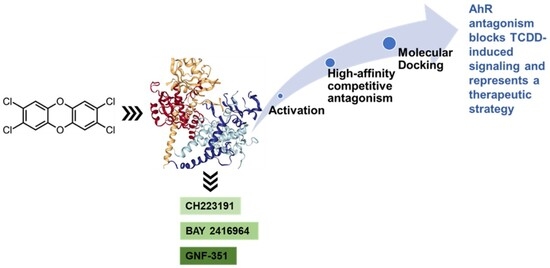
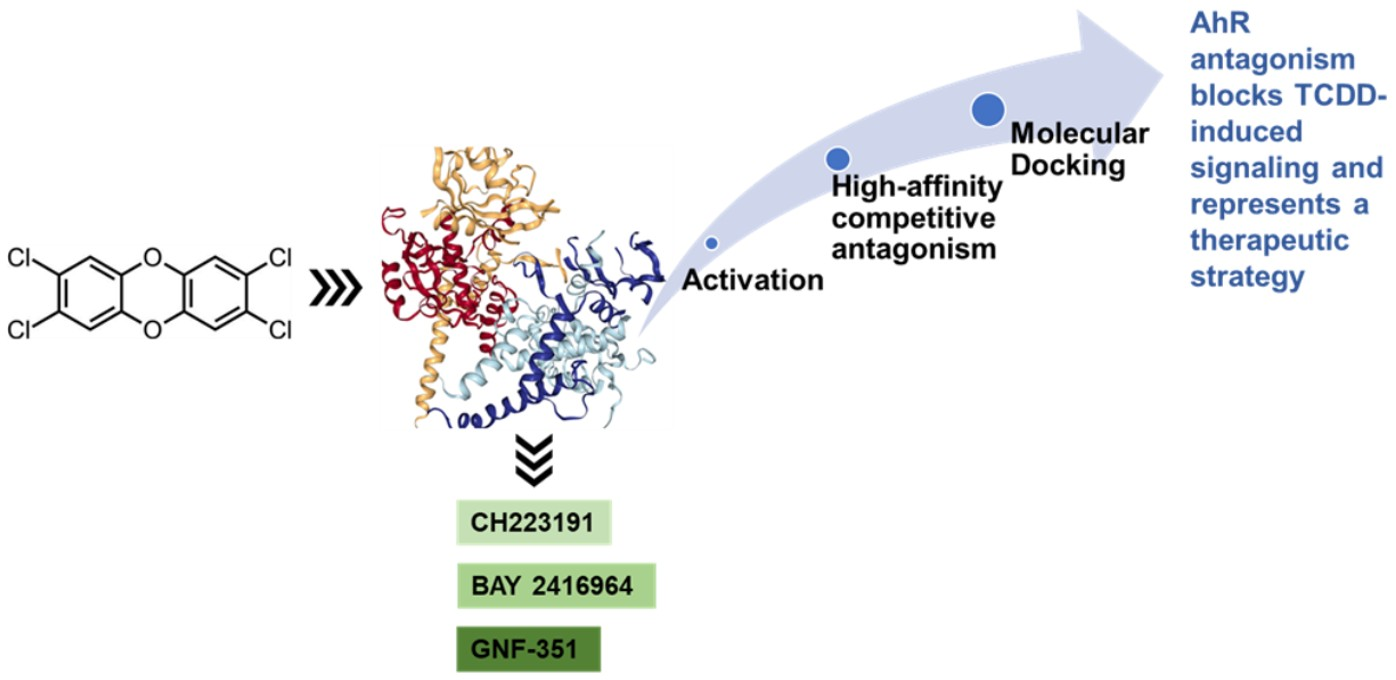
Background/Objectives: 2,3,7,8-Tetrachlorodibenzo-p-dioxin (TCDD) is a highly toxic environmental contaminant whose adverse biological effects are primarily mediated through activation of the aryl hydrocarbon receptor (AhR). Upon ligand binding, AhR undergoes conformational changes that initiate nuclear translocation and transcriptional activation of xenobiotic-responsive genes, contributing to toxicity, carcinogenesis, and dysregulated immune and metabolic responses. Understanding the molecular basis of AhR activation by TCDD is therefore critical for the rational development of targeted therapeutic strategies. Methods: In this study, molecular docking simulations were employed to characterize the interaction of TCDD and selected AhR antagonists (CH223191, BAY 2416964, GNF-351) with the ligand-binding domain of AhR, with particular emphasis on the canonical PAS-B domain. Results: Docking analyses identified the PAS-B cavity (pocket C1) as the most biologically relevant binding site for high-affinity ligands, consistent with experimental evidence. Comparative docking of known AhR antagonists revealed stable binding poses characterized by hydrophobic packing, π–π interactions, and hydrogen-bonding networks that competitively block agonist access and prevent receptor activation. These findings support a competitive antagonism mechanism as a viable approach to counteract TCDD-induced AhR signaling. Conclusions: Collectively, this in silico study provides mechanistic insight into TCDD toxicity at the molecular level and highlights AhR antagonism as a promising strategy for the development of targeted therapies against dioxin-related pathologies.

Graphical Abstract

1. Introduction

Dioxins are highly resistant to degradation across various environmental media [1,2], known as a persistent organic pollutant (POPs) that bioaccumulates in the food and feed chain. Halogenated compounds, such as 2,3,7,8-tetrachlorodibenzo-p-dioxin (TCDD), exhibit particularly slow degradation due to their stable chemical structure. It is a byproduct of industrial processes and combustion, posing significant health risks due to its long biological half-life and high lipid solubility. Dioxins and related pollutants, including dibenzofurans, represent serious biological and ecological hazards. These risks stem primarily from their adverse effects on human and animal health, as both acute [3,4] and long-term exposure [5] have been shown to impact populations globally. Classified as a Group 1 carcinogen by the International Agency for Research on Cancer (IARC) [6], TCDD’s high toxicity is largely mediated through activation of the aryl hydrocarbon receptor (AhR), a ligand-activated transcription factor. The AhR protein consists of 848 amino acids organized into four distinct domains: an N-terminal basic helix–loop–helix (bHLH) domain spanning residues 27–80; two Per-ARNT-Sim (PAS) domains, PAS-A (residues 111–181) and PAS-B (residues 275–342); and a C-terminal transactivation domain (TAD) extending from residues 490 to 805 [7]. Located at the N-terminal region, the bHLH domain mediates both DNA binding and dimerization with AhR-nuclear translocator protein (ARNT). The basic region recognizes the DNA consensus motif, while the helix-loop-helix component enables dimerization with other PAS proteins. This domain contains: a nuclear localization sequence (NLS) exposed upon ligand binding, allowing nuclear entry, and a nuclear export signal (NES), supporting cytoplasmic shuttling and recycling of AhR [8]. Following the bHLH domain, there are two homologous PAS domains: PAS-A contributes to dimerization specificity and ARNT interaction, and PAS-B serves as the ligand-binding domain (without direct involvement in the dimerization) and a high-affinity site for Heat Shock Protein 90 (HSP90), other structurally diverse ligands such as polycyclic aromatic hydrocarbons (PAHs), and kynurenine [7,9]. The TAD contains glutamine-rich motifs that recruit transcriptional co-activators like metazoan-specific acetyltransferase (p300/CBP) and steroid receptor coactivator-1 (SRC-1), essential for chromatin remodelling and transcription. It is relatively unstructured and species-variable [10]. This tripartite structure—bHLH, PAS-A/PAS-B, TAD—makes AhR a versatile environmental sensor and transcriptional effector [11,12].
AhR resides in the cytoplasm as part of a heterodimeric complex with two HSP90 family proteins, p23 and co-chaperone XAP2. HSP90 associates with the bHLH and PAS-B domains and likely conceals the receptor’s NLS. Upon ligand binding, AhR undergoes a conformational change that exposes the NLS, enabling the complex to translocate into the nucleus. There, ARNT replaces the proteins bound to AhR, forming an AhR/ARNT heterodimer. This complex binds to xenobiotic-responsive elements (XRE) in the enhancer regions of target genes, such as CYP1A1, recruits transcriptional coactivators via the transactivation domains (TADs) of both AhR and ARNT, and initiates gene transcription [13] (Denison et al., 2011).
Beyond its classical role in xenobiotic metabolism, AhR has emerged as a critical regulator of metabolic, immune, and developmental pathways [14]. For the integration of endogenous and external small molecules into transcriptional responses, it serves as a cellular hub [15]. TCDD-AhR interactions are implicated in a wide range of toxic effects, particularly carcinogenicity and metabolic dysfunctions such as hepatotoxicity, glucose intolerance, and energy imbalance [16,17,18]. Apart from AhR, receptor-targeted drug development has been a major focus of the pharmaceutical industry for treating numerous diseases [19]. By contrast, the development of AhR-targeted therapies has lagged considerably. This delay largely stems from AhR’s original identification as the receptor responsible for binding TCDD and mediating the toxic effects of TCDD and related halogenated aromatic (HA) environmental pollutants [20]. Its association with severe toxicity, documented in environmental exposure incidents and human poisonings [21,22], created a long-standing perception that impeded unbiased drug development efforts targeting AhR. This negative perception has begun to shift only with more recent findings demonstrating the essential involvement of AhR in numerous disease pathways, and with the discovery of a wide array of structurally diverse AhR ligands, encompassing industrial chemicals, plant bioactive components, microbial metabolites, and pharmaceutical agents [14,18,23,24,25].
Two classes of AhR ligands with notable immunomodulatory properties are selective AhR modulators (SAhRMs) and rapidly metabolized AhR ligands (RMAhRLs). SAhRMs selectively and often tissue-specifically modulate AhR activity with reduced dioxin-like toxicity, while RMAhRLs activate AhR transiently due to rapid metabolic clearance, limiting systemic toxicity. The two groups mainly differ in transcriptional selectivity and pharmacokinetics: SAhRMs elicit sustained, targeted responses, whereas RMAhRLs produce short-lived yet effective activation. Examples of SAhRMs include SGA360, galangin, and indole-3-carbinol–derived metabolites such as indolo [3,2-b]carbazole (ICZ) and 3,3′-diindolylmethane (DIM) [25].
Building on these principles, this study aims to identify binding pockets involved in AhR-ARNT heterodimer formation and to assess, through molecular docking simulations, the inhibitory/modulatory potential of selected compounds. By moving beyond the traditionally characterized interaction sites, this work seeks to provide new structural insights into the mechanisms governing AhR signaling, highlighting a novel strategy for modulating AhR-ARNT interactions and expanding the current landscape of AhR-focused drug discovery.

2. Materials and Methods

2.1. AhR Model Preparation

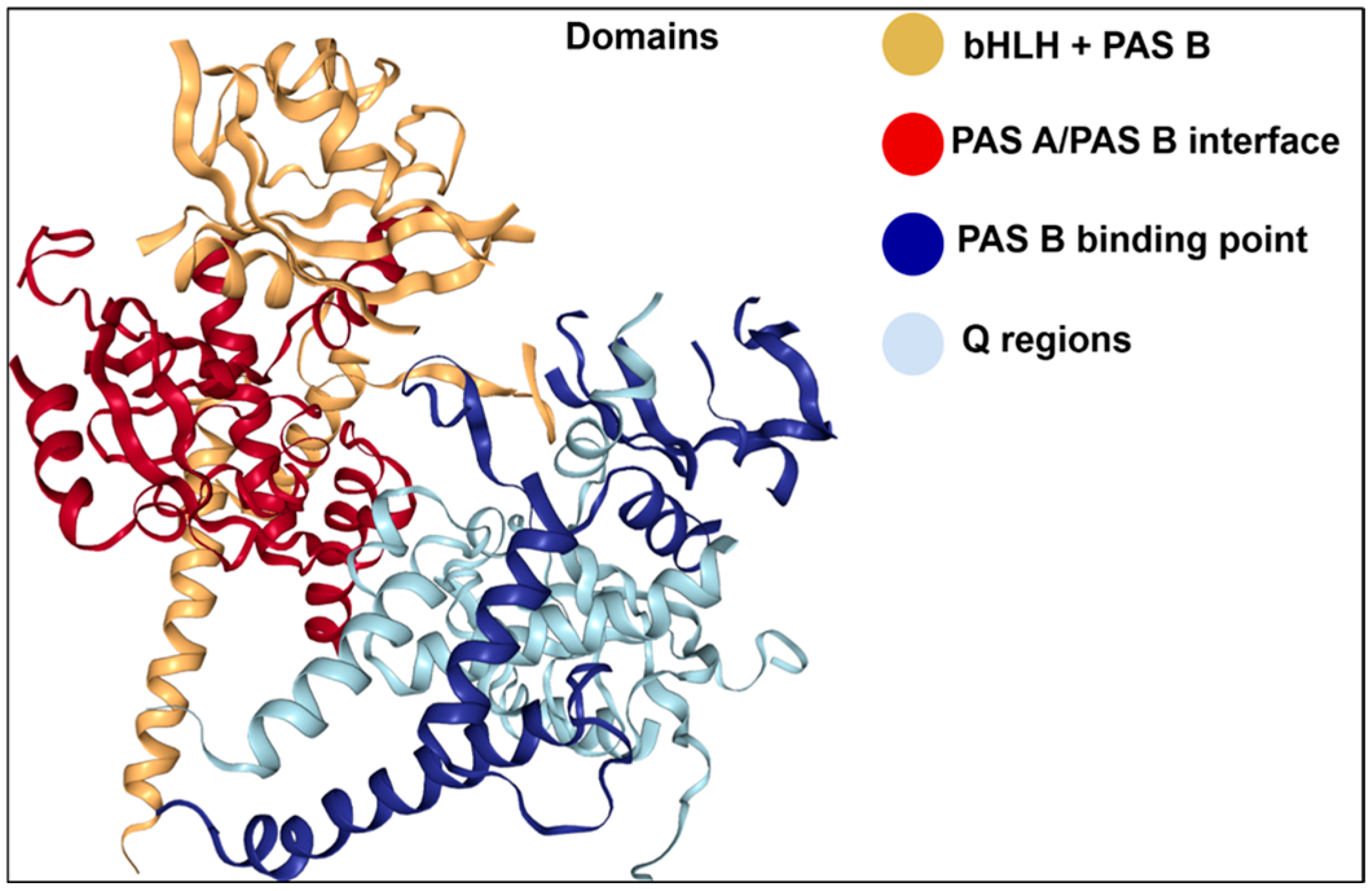
A previously reported receptor model was obtained from the Protein Data Bank (RCSB PDB (RCSB.org), the US data center for the global Protein Data Bank (PDB) archive). This receptor model (PDB ID: 5NJ8) (https://www.rcsb.org/structure/5NJ8) (accessed on 20 August 2025) was used in complex with the synthetic AhR inhibitor CH-223191. Co-crystallization of the PAS-B domain of AhR with the synthetic inhibitor CH-223191 was performed in the original study to stabilize the receptor in its ligand-bound conformation, enabling X-ray structural analysis and identification of key amino acid residues involved in ligand recognition, which are critical for the rational design of novel inhibitors [7]. The resulting model exhibited acceptable structural quality, as indicated by z-score, Q-mean, and Ramachandran plot analyses. The receptor comprises four canonical domains—bHLH, PAS-A, PAS-B, and the Q-rich region—each contributing to signal transduction, with ligand binding occurring specifically within the PAS-B domain.

2.2. Ligand Model Preparation and Docking Analysis

Selected ligand structures were retrieved in MOL format from the MolView database (https://molview.org/) (© 2025 MolView). Both ligands and receptor structures were prepared and optimized for docking using AutoDock Tools [26]. Docking simulations were carried out with the CB-Dock2 web server (BioLip2 database (version of 2025.04.23)) (https://cadd.labshare.cn/cb-dock2/index.php) (accessed on 20 August 2025), which employs AutoDock Vina (the latest version (1.2.0) of AutoDock Vina). Blind docking was performed to identify ligand-binding domains and pockets, and binding affinities were evaluated based on Vina scores, which were used for ligand ranking. In the present study, the Vina score was used primarily as a relative metric to compare ligand poses and identify potential binding pockets within the AhR structure. The scoring function represents an approximate estimate of binding affinity rather than a precise thermodynamic free binding energy.

3. Results and Discussions

3.1. AhR Model

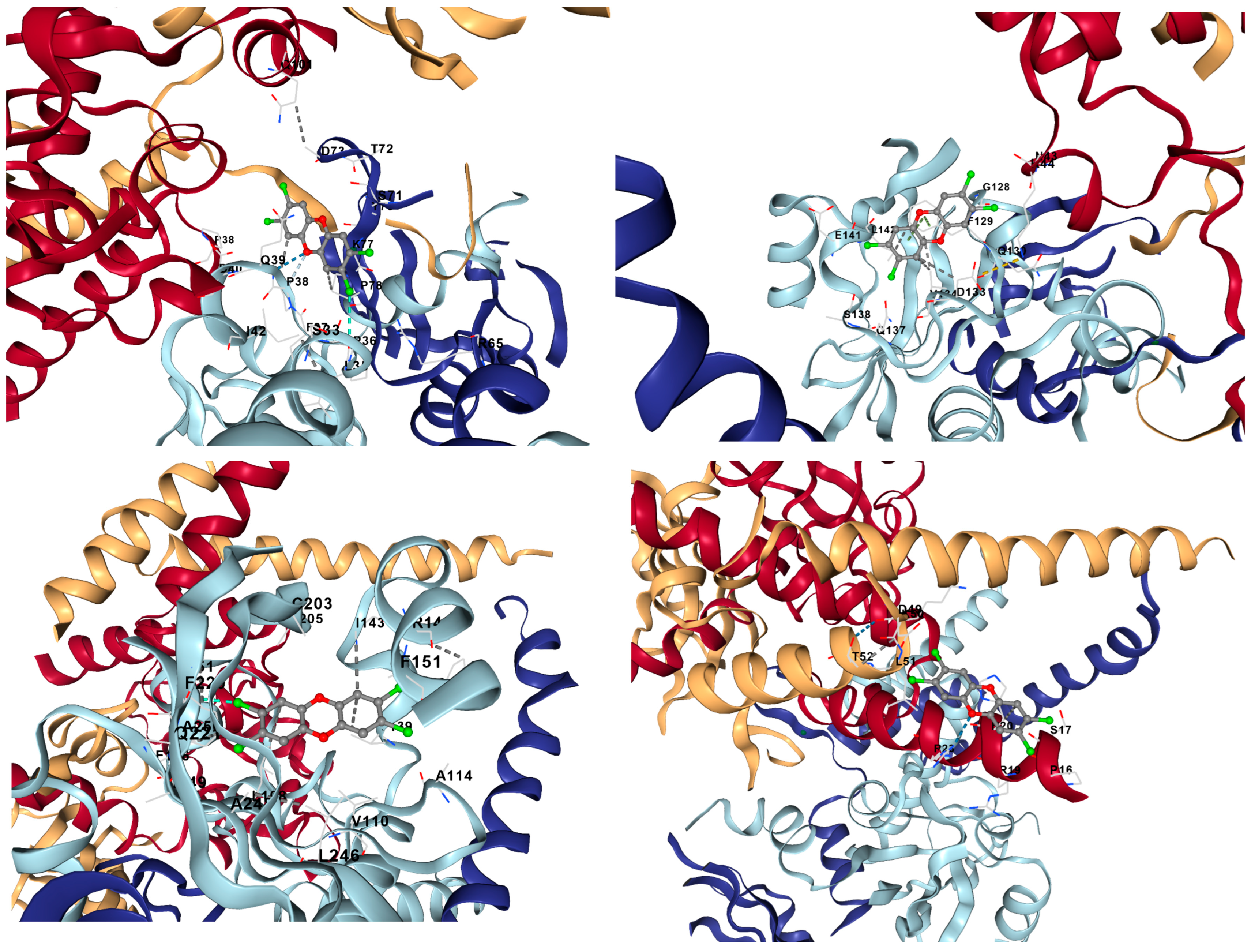
AhR model used, which represents four domains of the receptor, is shown in Figure 1. To identify potential binding pockets on AhR, blind docking was performed using TCDD, a known high-affinity AhR ligand. Analysing all the docking simulation results, in concordance with previously published in the literature [27], we detected five cavities on the AhR structure potentially relevant for its inhibition, with different mechanisms, shown in Table 1. It should be noted that the aryl hydrocarbon receptor (AhR) is a cytosolic ligand-activated transcription factor rather than a transmembrane receptor; therefore, all predicted cavities are located within the cytosolic PAS-A and PAS-B domains and are accessible to ligands present in the cytoplasmic environment. Predicted binding cavities in the AhR identified by CB-Dock2 are shown in Figure 2 and Figure 3.
Cavity 1, with the second-highest Vina score (−7.4) and the largest volume (6499 Å3, center ≈ 29, 34, 207), is located in the PAS-B domain near the Q-rich region. PAS-B serves as the primary ligand-binding domain (LBD) of AhR, accommodating TCDD, PAHs, indoles, and flavonoids. The key residues lining Cavity 1 include F117, Y118, F172, I176, H177, F181, F188, I190, and D191, forming mainly van der Waals and hydrophobic interactions (F117, F172, F181, F188) along with specific polar contacts (Y118, H177, D191). The pocket is accessible to small hydrophobic ligands in the cytosol and is directly involved in ligand recognition, dissociation from chaperones (HSP90, XAP2, p23), and subsequent heterodimerization with ARNT, consistent with established AhR-ligand binding data [28,29].
Cavity 2 has a Vina score of −6.7, a volume of 3981 Å3, and is centered at (14, 41, 218). It is located at the interface between PAS-A and PAS-B, corresponding to the surface involved in interactions with cytosolic chaperone proteins such as HSP90 and p23. This region contributes to the stabilization of AhR and maintains PAS-B in a ligand-accessible conformation. Although partially solvent-accessible, the pocket primarily represents a protein–protein interaction surface, and its accessibility to small ligands may depend on conformational dynamics of the receptor–chaperone complex. Due to this transient nature, it is often considered a pseudo-pocket in docking analyses [30].
The next pocket, Cavity 3, has a Vina score of −6.5, a volume of 3416 Å3, and is centered at (1, 20, 216). Located at the distal region of PAS-A near the hinge connecting the DNA-binding domain (DBD) and PAS-A, Cavity 3 forms part of the AhR–ARNT dimerization interface. Because this interface becomes occupied upon heterodimer formation with ARNT, it is largely inaccessible in the active dimeric state. The appearance of this pocket in docking simulations likely reflects the monomeric receptor conformation prior to ARNT binding, where transient accessibility may exist. Consequently, this site represents a protein–protein interaction surface rather than a canonical ligand-binding pocket [31].
Cavity 4 with a Vina score of −7.5, a volume of 1867 Å3, and center at (28, 16, 207), is located on the solvent-exposed surface of PAS-A domain, formed mainly by flexible loops and terminal helices. Although docking simulations produced a relatively high score, this pocket is shallow and open to the solvent, suggesting that it does not represent a physiologically relevant ligand-binding site. Instead, its appearance likely results from local conformational flexibility of surface residues, indicating a pseudo-pocket rather than a functional binding cavity [29].
Cavity 5, with a Vina score of −4.8, a volume of 1720 Å3, and center at (−7, 13, 193), represents a small surface depression with limited structural depth and poor enclosure for ligand stabilization. Due to its small size and lack of functional residues involved in ligand recognition, this cavity is unlikely to support stable ligand binding and is therefore considered structurally non-relevant for AhR activation or inhibition.

3.2. Ligand Models

3.2.1. CH223191—AhR Inhibitor with Antidote Potential Against TCDD Poisoning

CH-223191 (Figure 4) is a synthetic AhR antagonist designed to selectively inhibit the toxic effects of dioxin-like compounds. Its IUPAC name is 2-methyl-2H-pyrazole-3-carboxylic acid [2-methyl-4-oxo-3-(3-trifluoromethylphenyl)-3,4-dihydroquinazolin-6-yl]amide, with a molecular formula of C18H14F3N5O2 and a molecular weight of 389.33 g/mol. The compound features a quinazoline core substituted with a trifluoromethyl-phenyl group, along with polar pyrazole and amide moieties essential for AhR binding. CH-223191 functions as a potent and selective antagonist, effectively blocking ligand-induced AhR activation by TCDD without displaying agonist activity [32].
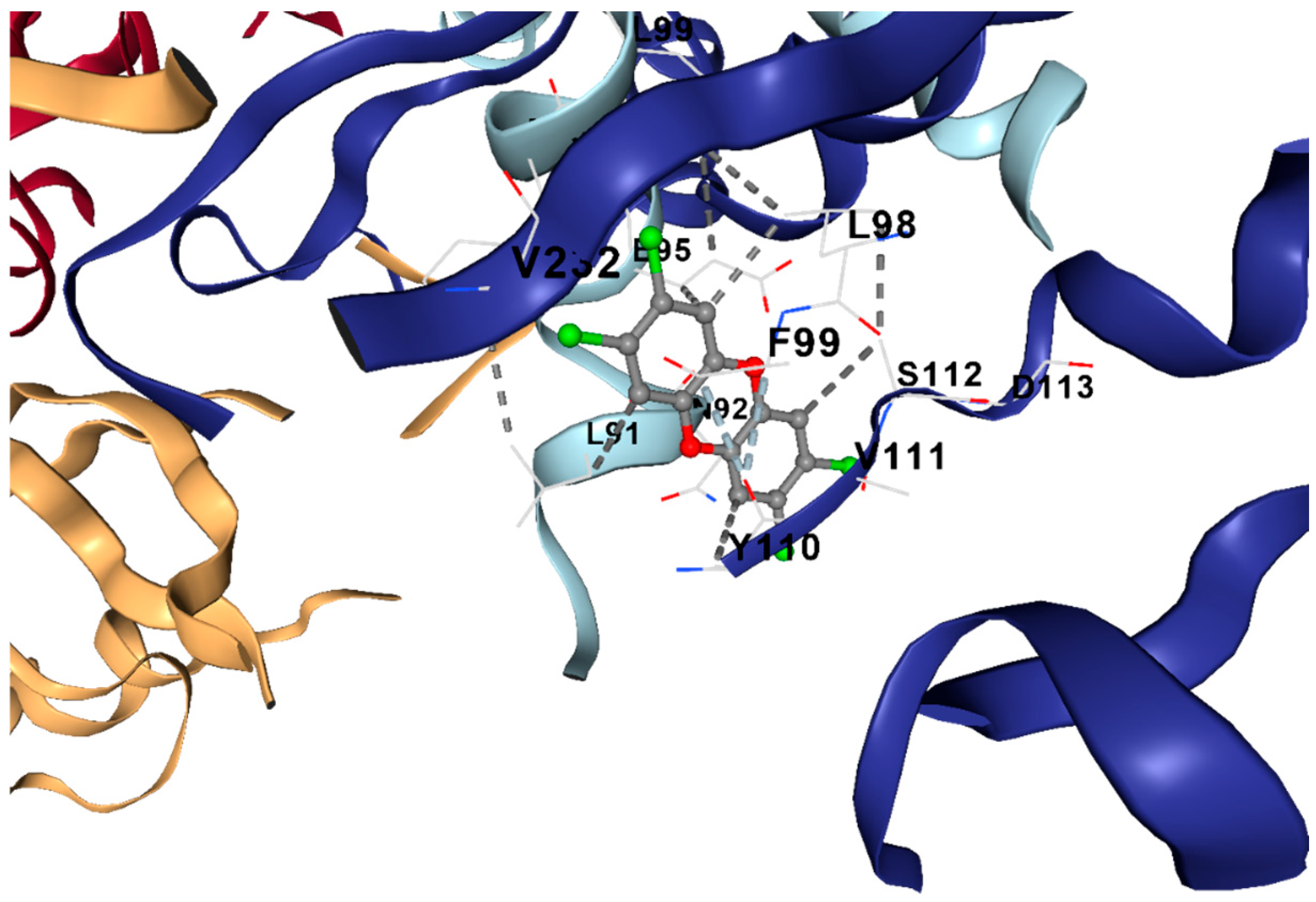
Docking analysis indicates that CH223191 preferentially occupies the canonical ligand-binding region of the AhR, localized within the PAS-B domain (pocket C1). The PAS-B domain is well established as the primary binding site for high-affinity AhR agonists, including TCDD [28,33]. The predicted binding pose shows strong complementarity between CH223191 and the hydrophobic–polar microenvironment of the PAS-B cavity. Multiple non-covalent interactions are observed, including π–π stacking between the quinazoline scaffold of CH223191 and aromatic residues within the PAS-B domain (e.g., Tyr and Phe), as well as van der Waals contacts with hydrophobic residues such as Val, Leu, and Ala. In addition, putative hydrogen bonds involving the amide and pyrazole moieties of CH223191 and polar side chains likely contribute to binding stability.
Although several potential binding pockets were identified, functional inhibition of AhR is most effectively achieved through ligand occupancy of the PAS-B domain, specifically pocket C1, which represents the canonical ligand-binding site (Table 2). While pocket C4 exhibited the highest Vina score, it corresponds to a small cavity within the PAS-A domain and is interpreted as a surface-associated pseudo-pocket. The elevated docking score for this site likely reflects scoring-function bias rather than true biological relevance [31]. The inhibitory activity of CH223191 can be explained by a competitive antagonism mechanism at the PAS-B ligand-binding pocket (C1) (Figure 5). Docking results indicate a high affinity of CH223191 for the ligand-binding domain (LBD) within the PAS-B region of AhR, suggesting that the antagonist occupies this site and thereby prevents binding of the agonist TCDD. This interpretation is further supported by experimental evidence showing that CH223191 selectively inhibits ligand-induced AhR activation, particularly TCDD-mediated signaling, without exhibiting intrinsic agonist activity [34].
By preventing agonist binding within the PAS-B domain, CH223191 disrupts AhR signaling upstream of nuclear translocation and transcriptional activation. As a result, AhR remains in an inactive cytosolic complex with chaperone proteins, and the conformational changes required for ARNT heterodimerization do not occur. This blockade suppresses downstream target gene expression (e.g., CYP1A1) by preventing AhR–ARNT binding to XREs. This mechanism distinguishes CH223191 from SAhRMs, which may permit partial or context-dependent activation. Instead, CH223191 functions as a pure antagonist, supporting its potential utility as an antidotal agent against TCDD or related dioxins that act as AhR agonists.

3.2.2. BAY 2416964—A Selective AhR Antagonist

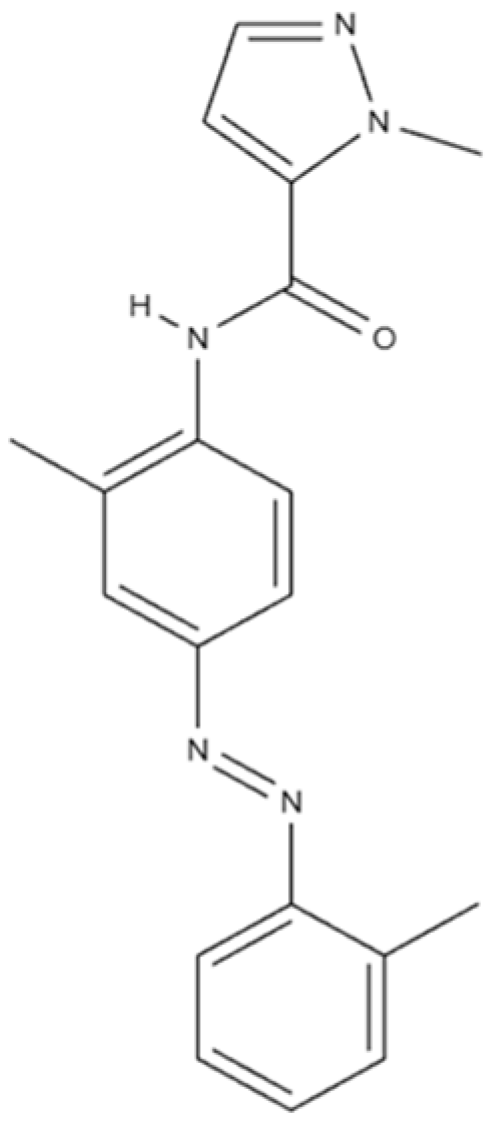
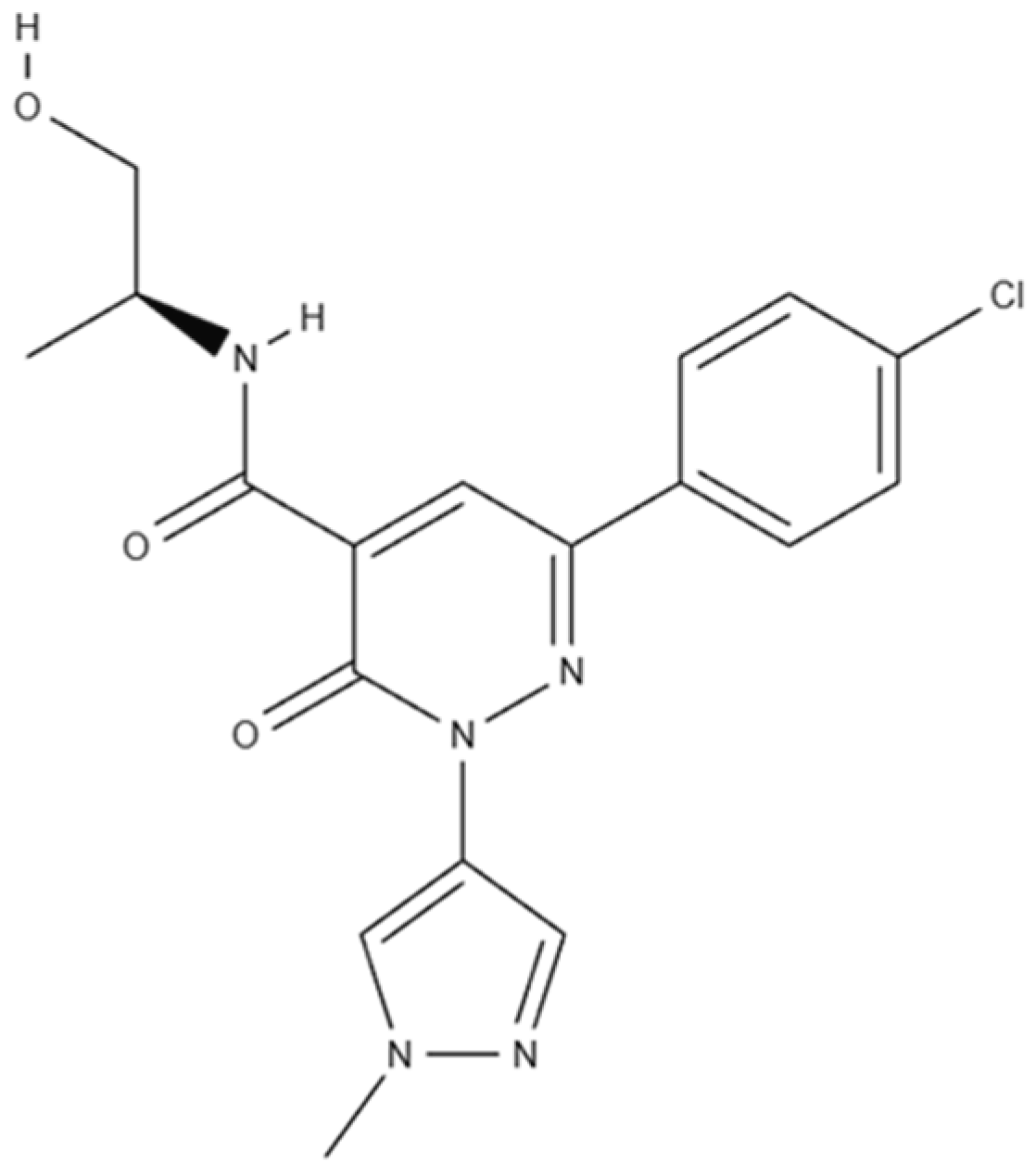
BAY 2416964 (Figure 6) is a selective small-molecule antagonist of the AhR, developed by Bayer and currently under preclinical [25,35,36] and clinical investigation (NCT04999202, Phase 1) [37] as a modulator of AhR signaling and cancer immunotherapy candidate. Structurally, it features a quinazolinone-based aromatic core with a chlorophenyl substituent, a polar amide-linked side chain, and a heteroaromatic pyrazole moiety, conferring a balance of hydrophobic and hydrogen-bonding interactions. BAY 2416964 is considered a competitive antagonist, as it can directly occupy the AhR ligand-binding pocket and thereby prevent activation by agonists such as TCDD.
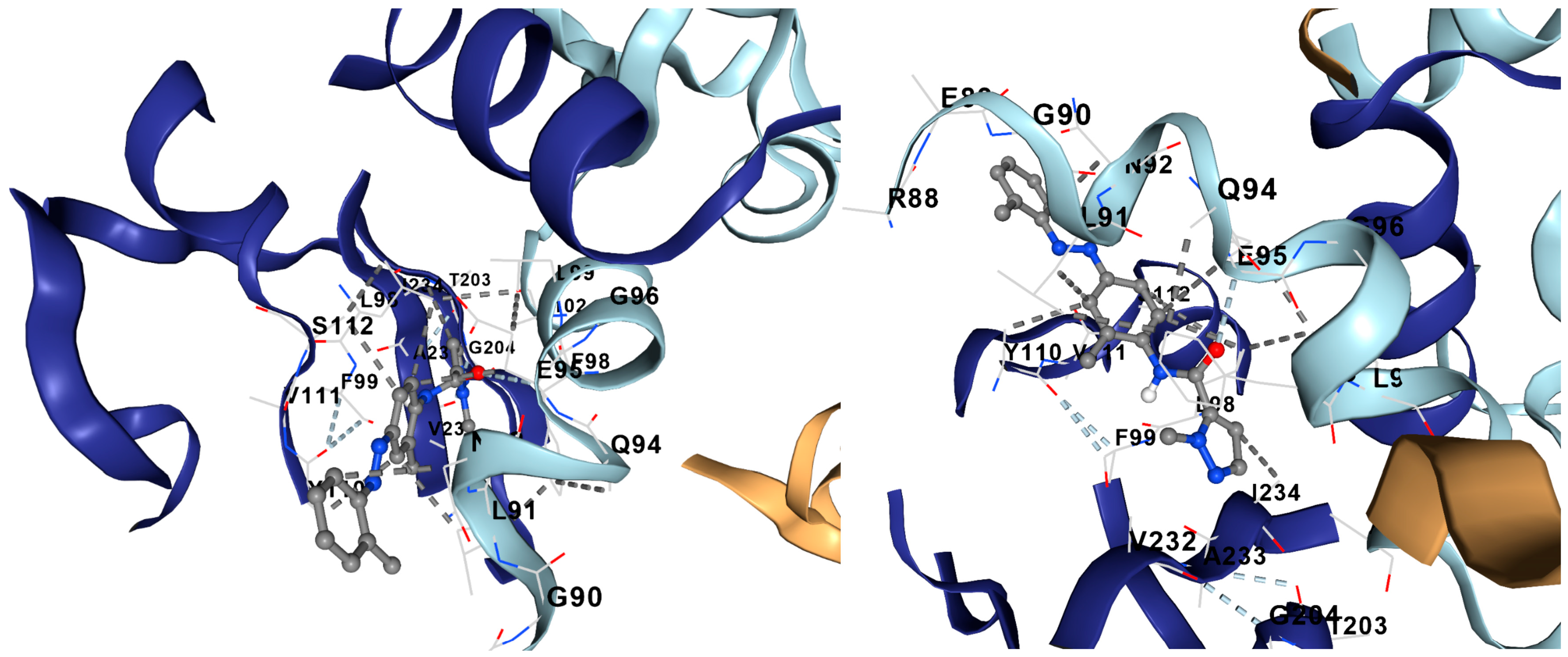
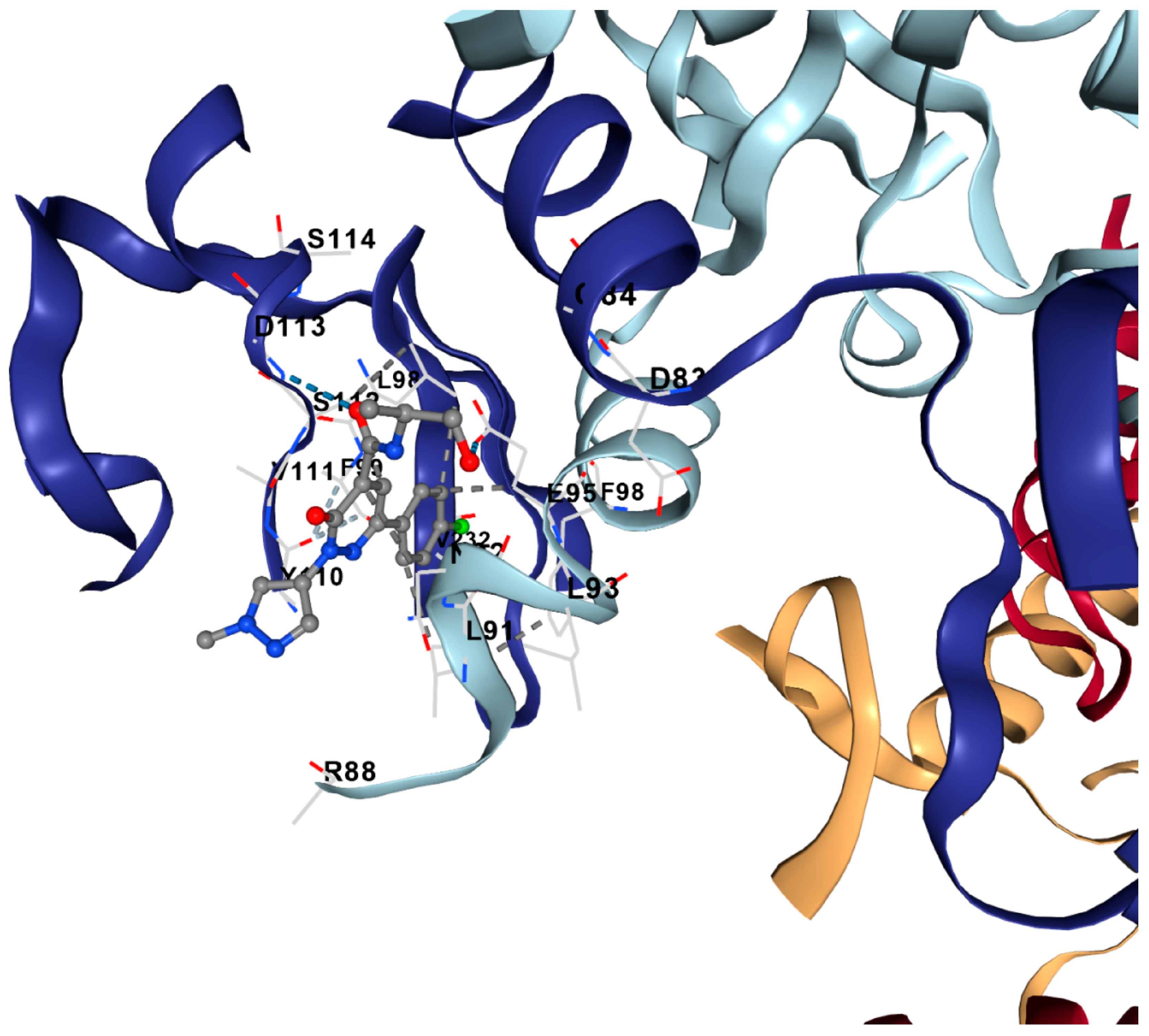
Molecular docking results (Table 2) indicate that although pocket C4 exhibits the highest predicted binding affinity (Vina score −8.4 kcal/mol), its small size and surface-exposed location suggest limited biological relevance. In contrast, pocket C1, despite a slightly lower affinity (−7.5 kcal/mol), represents the largest internal cavity (6499 Å3) and corresponds to the canonical PAS-B ligand-binding domain (Figure 7). The binding pose within PAS-B shows stable accommodation of the ligand within a mixed hydrophobic–polar environment, consistent with the balanced physicochemical properties of the molecule. Binding stabilization is primarily mediated by π–π interactions involving the aromatic scaffold, van der Waals contacts with hydrophobic residues, and hydrogen-bond interactions with nearby polar side chains. This interaction profile supports a competitive antagonism mechanism, in which ligand occupancy of the PAS-B cavity prevents binding of agonists such as TCDD and thereby blocks the initial step of AhR activation [38].

3.2.3. GNF-351—A Selective AhR Antagonist

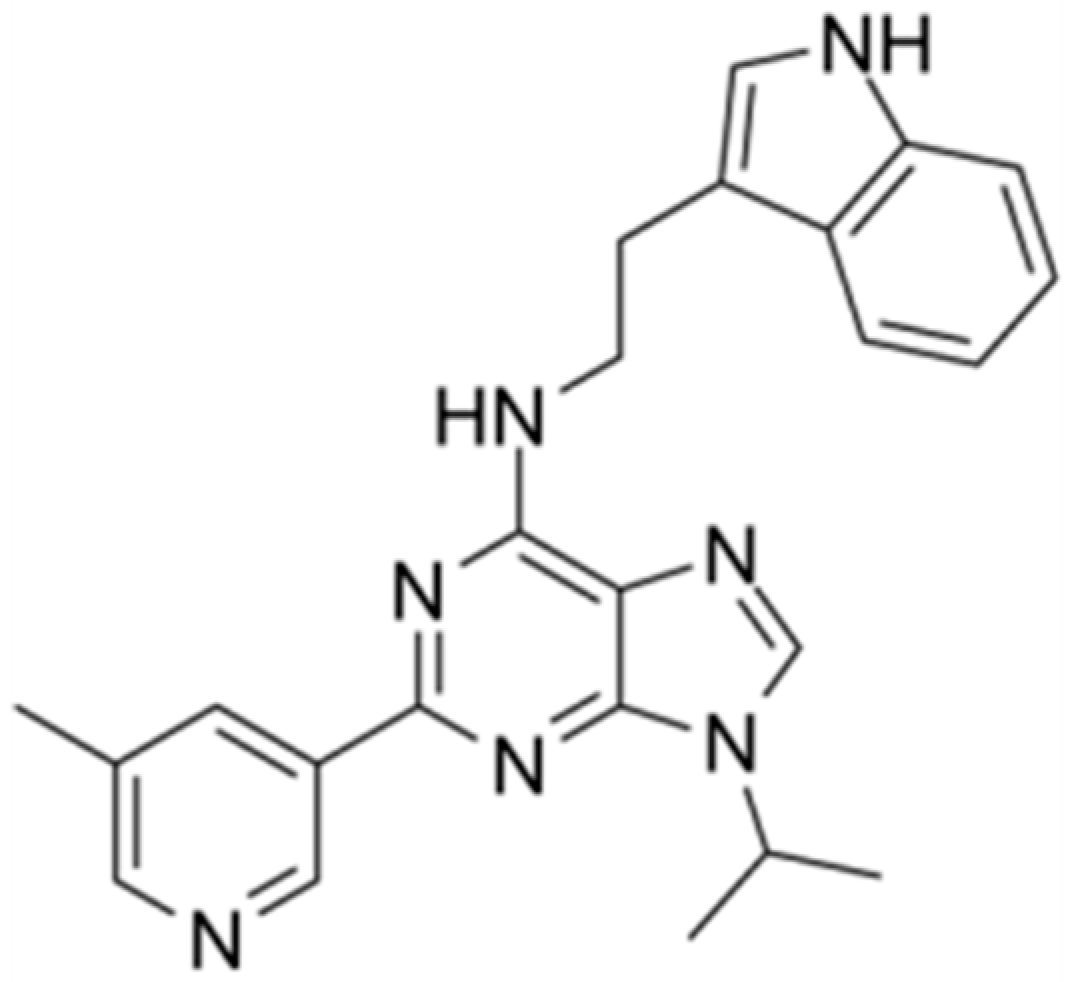
GNF 351 (Figure 8) is a highly selective and potent aryl hydrocarbon receptor (AhR) antagonist. It contains a rigid, nitrogen-rich tricyclic aromatic core that enables strong receptor binding without intrinsic agonist activity, even at high concentrations. The compound is highly lipophilic (logP ≈ 4.5), exhibits excellent solubility in organic solvents (≥125 mg/mL in DMSO), and has very poor aqueous solubility, resulting in minimal systemic absorption. In animal models, oral administration leads to negligible plasma and urinary exposure, with predominant fecal excretion and extensive Phase I metabolism mediated by cytochrome P450 enzymes [39]. Despite limited systemic distribution, these properties make GNF 351 well-suited for localized AhR inhibition, particularly in the gastrointestinal tract. Its low in vitro cytotoxicity further supports its potential for continued preclinical development [40].
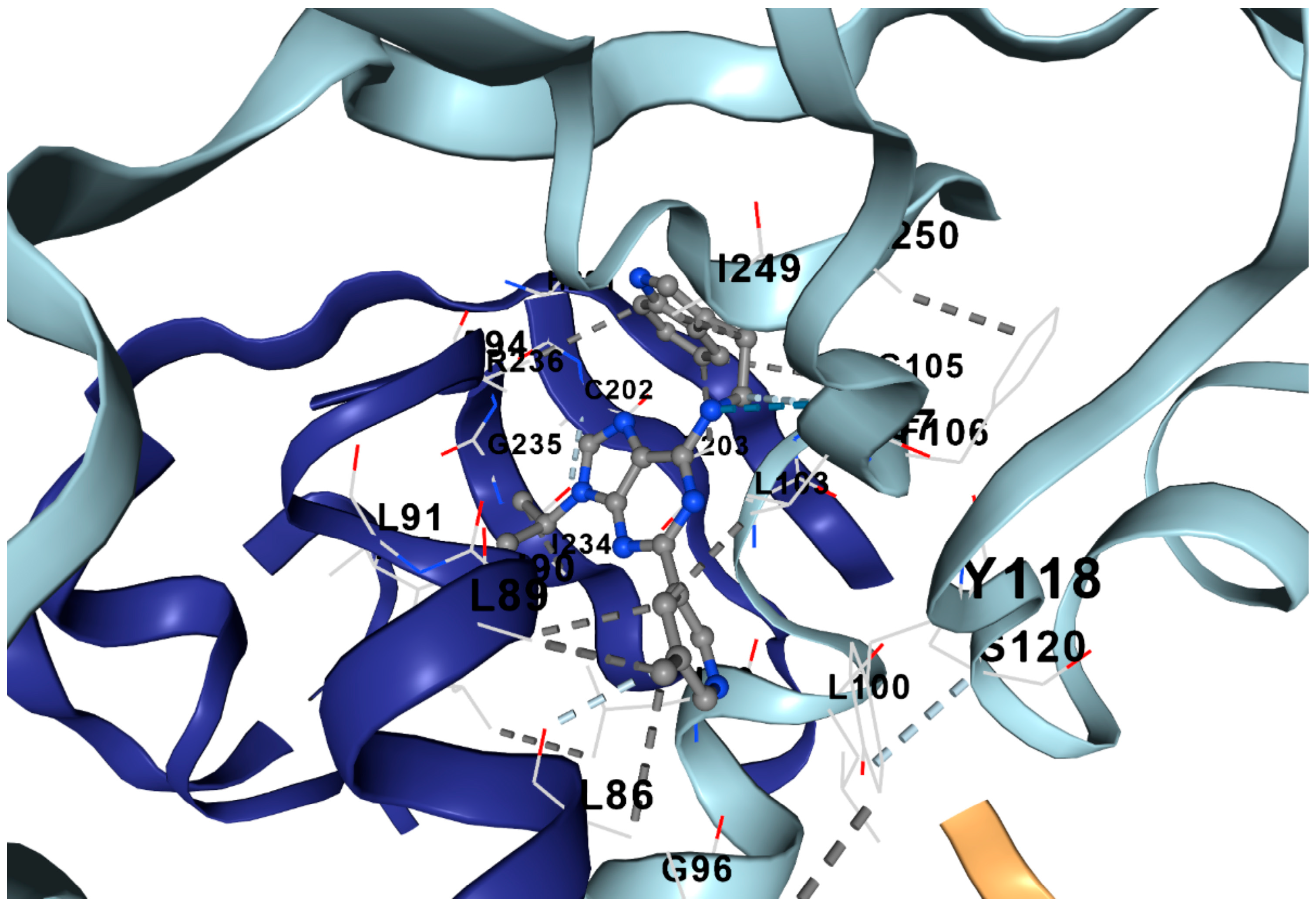
The molecular docking model (Table 2, Figure 9) demonstrates high-affinity binding of GNF-351, a potent and selective AhR antagonist, within the PAS-B ligand-binding domain of the AhR. Consistent with experimental evidence, GNF-351 effectively blocks ligand-induced receptor activation without triggering downstream gene transcription [41]. Blind docking identified additional cavities, including pockets C4 (Vina score −10.0 kcal/mol) and C2 (−9.1 kcal/mol), with favorable predicted binding energies. However, these elevated scores likely reflect structural and algorithmic biases inherent to docking simulations rather than true functional relevance. In contrast, ligand binding within the canonical PAS-B pocket (C1) is experimentally established as the primary determinant of AhR activation and, thus, represents the most biologically relevant site for functional inhibition. The predicted binding pose indicates that stabilization is primarily mediated by hydrophobic packing and π–π interactions with aromatic residues, complemented by polar interactions involving heteroatoms within the ligand scaffold. Occupation of the PAS-B cavity is therefore expected to competitively block binding of high-affinity agonists such as TCDD, preventing the conformational changes required for AhR activation, nuclear translocation, and downstream signaling. Collectively, these findings support the classification of GNF 351 as a potent AhR antagonist.
Docking analyses consistently identified the canonical PAS-B cavity (pocket C1) as the most favorable and biologically relevant binding site for TCDD. This finding aligns well with experimental mutagenesis and ligand-binding studies that have established PAS-B as the critical domain responsible for high-affinity recognition of planar aromatic hydrocarbons [42,43]. The predominance of hydrophobic interactions observed in the docking poses reflects the highly lipophilic nature of TCDD and the nonpolar character of the PAS-B cavity. Such hydrophobic packing likely contributes to the remarkable stability and persistence of the TCDD–AhR complex, which is a defining feature of dioxin toxicity. In addition, π–π interactions between the aromatic rings of TCDD and key residues within the binding pocket further stabilize the complex and may help explain the receptor’s selectivity for planar, polyhalogenated ligands.
The comparative docking of known AhR antagonists revealed that chemically diverse molecules can effectively target the same PAS-B cavity while adopting distinct yet stable binding orientations. Despite differences in size and functional groups, CH223191, BAY 2416964, and GNF-351 exhibited overlapping interaction patterns within pocket C1, suggesting that competitive occupation of this cavity is sufficient to block agonist-induced receptor activation. The presence of hydrogen-bonding interactions in antagonist-bound complexes, which were less prominent in the TCDD-bound poses, may contribute to differences in binding kinetics or reversibility and could partially explain the antagonists’ ability to prevent sustained AhR activation. These findings are consistent with experimental observations showing that such antagonists suppress AhR nuclear translocation and transcriptional activity without acting as partial agonists [44].
From a toxicological perspective, the results reinforce the concept that TCDD toxicity is fundamentally linked to its structural compatibility with the PAS-B domain rather than to covalent modification or irreversible receptor engagement. This distinction is important, as it implies that TCDD-induced signaling may be pharmacologically counteracted through rationally designed competitive inhibitors. The docking data support a model in which effective AhR antagonists must combine strong hydrophobic complementarity with specific polar interactions to achieve sufficient affinity while preventing the conformational rearrangements required for receptor activation.
Methodologically, this study highlights the strengths and limitations of molecular docking in investigating AhR–ligand interactions. While docking provides valuable hypotheses regarding binding modes and key interaction residues, it represents a static approximation of a dynamic system. The AhR PAS-B domain is known to exhibit conformational flexibility, which may influence ligand accommodation and binding stability. The docking energies (Vina scores) should be interpreted qualitatively, and more rigorous binding free energy calculations would be required for quantitative thermodynamic evaluation. Therefore, future work incorporating molecular dynamics simulations would be valuable for assessing binding persistence, conformational adaptability, and solvent effects. Computational docking studies are widely used in early-stage receptor–ligand investigations to prioritize potential binding sites and guide experimental design, particularly for receptors such as AhR, where structural and mechanistic information is still emerging. Additionally, experimental validation through binding assays, reporter gene studies, or structural techniques will be necessary to confirm the predicted interactions and biological relevance of the identified cavities.
Overall, the findings contribute to a growing body of evidence supporting AhR antagonism as a viable strategy for mitigating dioxin-induced toxicity. By clarifying how TCDD and structurally distinct antagonists engage the same ligand-binding domain, this study provides a structural framework for the rational design of new AhR inhibitors. Such compounds may have therapeutic potential not only in the context of accidental or occupational dioxin exposure but also in diseases characterized by aberrant AhR activation, including certain cancers, inflammatory disorders, and metabolic dysfunctions.

4. Conclusions

This study provides a detailed molecular-level perspective on the interaction between TCDD and the AhR, reinforcing the central role of the AhR PAS-B domain as the primary determinant of high-affinity ligand recognition and receptor activation.
Beyond elucidating the molecular basis of TCDD-induced AhR activation, this work highlights the utility of structure-based in silico approaches for dissecting receptor–ligand interactions in toxicology-relevant pathways. The insights gained here may inform the rational design and optimization of next-generation AhR antagonists with improved selectivity and efficacy. Nevertheless, the conclusions drawn from docking simulations require further validation through molecular dynamics simulations and experimental studies, including binding affinity measurements and functional assays. Overall, this study strengthens the case for AhR antagonism as a viable therapeutic strategy for mitigating dioxin-associated toxicity and related pathological outcomes.
Future investigations will extend these results by exploring the broader implications of AhR modulation across diverse biological contexts. Given the wide range of AhR functions, spanning environmental toxicology to pathophysiological and oncogenic processes, strategies aimed at counteracting canonical AhR signaling are of considerable interest. While the development of selective AhR modulators (SAhRMs) represents a promising approach to achieve tissue- and context-dependent modulation of AhR activity, predicting agonistic versus antagonistic outcomes remains a major challenge. Comprehensive evaluation through multiple bioassays, accounting for tissue-, organ-, and species-specific responses, is therefore required to identify ligands with optimal therapeutic potential. In this context, the AhR model developed in the present study provides a valuable framework for the rational design and evaluation of AhR-targeting compounds.

Author Contributions

D.G.A. contributed to the study conception and design. Material preparation, data collection and analysis were performed by A.V. The first draft of the manuscript was written by D.G.A., and all authors commented on previous versions of the manuscript. All authors have read and agreed to the published version of the manuscript.

Funding

This research received no external funding.

Institutional Review Board Statement

Not applicable.

Informed Consent Statement

Not applicable.

Data Availability Statement

The original contributions presented in this study are included in the article material. The raw data supporting the conclusions of this article will be made available by the authors upon reasonable request.

Acknowledgments

During the preparation of this work, the authors used ChatGPT (GPT-5.1 model (OpenAI, version 2025)) in order to improve the readability of the written text generated by the authors. After using this tool, the authors reviewed and edited the content as needed and take full responsibility for the content of the published article.

Conflicts of Interest

The authors declare no conflicts of interest.

References

  1. Cintron-Rivera, L.G.; Oulette, G.; Prakki, A.; Burns, N.M.; Patel, R.; Cyr, R.; Plavicki, J. Exposure to the persistent organic pollutant 2,3,7,8-tetrachlorodibenzo-pdioxin (TCDD, dioxin) disrupts development of the zebrafish inner ear. Aquat. Toxicol. 2023, 259, 106539. [Google Scholar] [CrossRef] [PubMed]
  2. Kanan, S.; Samara, F.; Dronjak, L.; Mahasneh, A.; Moyet, M.; Obeideen, K.; Gopal, V. Recent advances on dioxin and furan (dibenzofuran) based pollutants from analytical, environmental, and health perspectives. Chemosphere 2025, 372, 144120. [Google Scholar] [CrossRef] [PubMed]
  3. Simões, A.M.; Duarte, F.V.; Teodoro, J.S.; Rolo, A.P.; Palmeira, C.M. Exposure to 2, 3, 7, 8-tetrachlorodibenzo-p-dioxin and tetraethyl lead affects lung mitochondria bioenergetics. Toxicol. Mech. Methods 2010, 20, 1–6. [Google Scholar] [CrossRef] [PubMed]
  4. Oh, S.J.; Im, S.; Kang, S.; Lee, A.G.; Lee, B.C.; Pak, Y.K. Hepatic AhR Activation by TCDD Induces Obesity and Steatosis via Hepatic Plasminogen Activator Inhibitor-1 (PAI-1). Int. J. Mol. Sci. 2025, 26, 8452. [Google Scholar] [CrossRef]
  5. Gang, N.; Van Allen, K.; Villeneuve, P.J.; MacDonald, H.; Bruin, J.E. Sex-specific associations between type 2 diabetes incidence and exposure to dioxin and dioxin-like pollutants: A meta-analysis. Front. Toxicol. 2022, 3, 685840. [Google Scholar] [CrossRef]
  6. IARC. IARC Monographs on the Evaluation of Carcinogenic Risks to Humans, Volume 100, a Review of Human Carcinogens; International Agency for Research on Cancer: Lyon, France, 2011; Available online: https://monographs.iarc.who.int/monographs-available/ (accessed on 5 January 2026).
  7. Schulte, K.W.; Green, E.; Wilz, A.; Platten, M.; Daumke, O. Structural Basis for Aryl Hydrocarbon Receptor-Mediated Gene Activation. Structure 2017, 25, 1025–1033.e3. [Google Scholar] [CrossRef]
  8. Kudo, I.; Hosaka, M.; Haga, A.; Tsuji, N.; Nagata, Y.; Okada, H.; Fukuda, K.; Kakizaki, Y.; Okamoto, T.; Grave, E.; et al. The regulation mechanisms of AhR by molecular chaperone complex. J. Biochem. 2018, 163, 223–232. [Google Scholar] [CrossRef]
  9. Wu, D.; Potluri, N.; Kim, Y.; Rastinejad, F. Structure and dimerization properties of the aryl hydrocarbon receptor PAS-A domain. Mol. Cell. Biol. 2013, 33, 4346–4356. [Google Scholar] [CrossRef]
  10. Beischlag, T.V.; Luis Morales, J.; Hollingshead, B.D.; Perdew, G.H. The aryl hydrocarbon receptor complex and the control of gene expression. Crit. Rev. Eukaryot Gene Expr. 2008, 18, 207–250. [Google Scholar] [CrossRef]
  11. Wu, D.; Rastinejad, F. Structural characterization of mammalian bHLH-PAS transcription factors. Curr. Opin. Struct. Biol. 2016, 43, 1–9. [Google Scholar] [CrossRef]
  12. Diao, X.; Shang, Q.; Guo, M.; Huang, Y.; Zhang, M.; Chen, X.; Liang, Y.; Sun, X.; Zhou, F.; Zhuang, J.; et al. Structural basis for the ligand-dependent activation of heterodimeric AHR-ARNT complex. Nat. Commun. 2025, 16, 1282. [Google Scholar] [CrossRef]
  13. Denison, M.S.; Soshilov, A.A.; He, G.; DeGroot, D.E.; Zhao, B. Exactly the same but different: Promiscuity and diversity in the molecular mechanisms of action of the aryl hydrocarbon (dioxin) receptor. Toxicol. Sci. 2011, 124, 1–22. [Google Scholar] [CrossRef]
  14. Giordano, D.; Facchiano, A.; Moccia, S.; Meola, A.M.I.; Russo, G.L.; Spagnuolo, C. Molecular Docking of Natural Compounds for Potential Inhibition of AhR. Foods 2023, 12, 1953. [Google Scholar] [CrossRef] [PubMed]
  15. Gutiérrez-Vázquez, C.; Quintana, F.J. Regulation of the immune response by the aryl hydrocarbon receptor. Immunity 2018, 48, 19–33. [Google Scholar] [CrossRef] [PubMed]
  16. Gao, J.; Xu, Y.; Zhong, T.; Yu, X.; Wang, L.; Xiao, Y.; Peng, Y.; Sun, Q. A review of food contaminant 2,3,7,8 tetrachlorodibenzo-p-dioxin and its toxicity associated with metabolic disorders. Curr. Res. Food Sci. 2023, 7, 100617. [Google Scholar] [CrossRef] [PubMed]
  17. Mohsenzadeh, M.S.; Zanjani, B.R.; Karimi, G. Mechanisms of 2,3,7,8-tetrachlorodibenzo-p-dioxin- induced cardiovascular toxicity: An overview. Chem. Biol. Interact. 2018, 282, 1–6. [Google Scholar] [CrossRef]
  18. Safe, S.; Cheng, Y.; Jin, U.H. The Aryl Hydrocarbon Receptor (AhR) as a Drug Target for Cancer Chemotherapy. Curr. Opin. Toxicol. 2017, 2, 24–29. [Google Scholar] [CrossRef]
  19. Imming, P.; Sinning, C.; Meyer, A. Drugs, their targets and the nature and number of drug targets. Nat. Rev. Drug Discov. 2006, 5, 821–834. [Google Scholar] [CrossRef]
  20. Poland, A.; Knutson, J.C. 2,3,7,8-Tetrachlorodibenzo-p-dioxin and related halogenated aromatic hydrocarbons. Examinations of the mechanism of toxicity. Annu. Rev. Pharmacol. Toxicol. 1982, 22, 517–554. [Google Scholar] [CrossRef]
  21. Aoki, Y. Polychlorinated biphenyls, polychlorinated dibenzo-p-dioxins, and polychlorinated dibenzofurans as endocrine disrupters–what we have learned from Yusho disease. Environ. Res. 2001, 86, 2–11. [Google Scholar] [CrossRef] [PubMed]
  22. Bertazzi, P.A.; Bernucci, I.; Brambilla, G.; Consonni, D.; Pesatori, A.C. The Seveso studies on early and long-term effects of dioxin exposure: A review. Environ. Health Perspect. 1998, 106, 625–633. [Google Scholar] [CrossRef]
  23. Soshilov, A.A.; Denison, M.S. Ligand promiscuity of aryl hydrocarbon receptor agonists and antagonists revealed by site-directed mutagenesis. Mol. Cell. Biol. 2014, 34, 1707–1719. [Google Scholar] [CrossRef] [PubMed]
  24. Safe, S.; Jin, U.-H.; Park, H.; Chapkin, R.S.; Jayaraman, A. Aryl Hydrocarbon Receptor (AHR) Ligands as Selective AHR Modulators (SAhRMs). Int. J. Mol. Sci. 2020, 21, 6654. [Google Scholar] [CrossRef]
  25. Dolciami, D.; Ballarotto, M.; Gargaro, M.; López-Cara, L.C.; Fallarino, F.; Macchiarulo, A. Targeting Aryl hydrocarbon receptor for next-generation immunotherapies: Selective modulators (SAhRMs) versus rapidly metabolized ligands (RMAhRLs). Eur. J. Med. Chem. 2020, 185, 111842. [Google Scholar] [CrossRef]
  26. Morris, G.M.; Huey, R.; Olson, A.J. Using AutoDock for ligand-receptor docking. Curr. Protoc. Bioinform. 2008, 8, 8.14. [Google Scholar] [CrossRef]
  27. Liu, Y.; Yang, X.; Gan, J.; Chen, S.; Xiao, Z.-X.; Cao, Y. CB-Dock2: Improved protein–ligand blind docking by integrating cavity detection, docking and homologous template fitting. Nucleic Acids Res. 2022, 50, W159–W164. [Google Scholar] [CrossRef] [PubMed]
  28. Pandini, A.; Denison, M.S.; Song, Y.; Soshilov, A.A.; Bonati, L. Structural and functional characterization of the aryl hydrocarbon receptor ligand binding domain by homology modeling and mutational analysis. Biochemistry 2007, 46, 696–708. [Google Scholar] [CrossRef] [PubMed]
  29. Bisson, W.H.; Koch, D.C.; O’Donnell, E.F.; Khalil, S.M.; Kerkvliet, N.I.; Tanguay, R.L.; Abagyan, R.; Kumar Kolluri, S. Modeling of the aryl hydrocarbon receptor (AhR) ligand binding domain and its utility in virtual ligand screening to predict new AhR ligands. J. Med. Chem. 2009, 52, 5635–5641. [Google Scholar] [CrossRef]
  30. Petrulis, J.R.; Perdew, G.H. The role of chaperone proteins in the aryl hydrocarbon receptor core complex. Chem. Biol. Interact. 2002, 141, 25–40. [Google Scholar] [CrossRef]
  31. Chapman-Smith, A.; Whitelaw, M.L. Novel DNA binding by a basic helix-loop-helix protein. The role of the dioxin receptor PAS domain. J. Biol. Chem. 2006, 281, 12535–12545. [Google Scholar] [CrossRef]
  32. National Center for Biotechnology Information. CH223191. PubChem. 2024. Available online: https://pubchem.ncbi.nlm.nih.gov/compound/CH223191 (accessed on 5 January 2026).
  33. Denison, M.S.; Nagy, S.R. Activation of the aryl hydrocarbon receptor by structurally diverse exogenous and endogenous chemicals. Annu. Rev. Pharmacol. Toxicol. 2003, 43, 309–334. [Google Scholar] [CrossRef]
  34. Zhao, B.; Degroot, D.E.; Hayashi, A.; He, G.; Denison, M.S. CH223191 is a ligand-selective antagonist of the Ah (Dioxin) receptor. Toxicol. Sci. 2010, 117, 393–403. [Google Scholar] [CrossRef]
  35. Kober, C.; Roewe, J.; Schmees, N.; Roese, L.; Roehn, U.; Bader, B.; Stoeckigt, D.; Prinz, F.; Gorjánácz, M.; Roider, H.G.; et al. Targeting the aryl hydrocarbon receptor (AhR) with BAY 2416964: A selective small molecule inhibitor for cancer immunotherapy. J. Immunother. Cancer 2023, 11, e007495. [Google Scholar] [CrossRef] [PubMed]
  36. Chaudhry, K.A.; Bianchi-Smiraglia, A. The aryl hydrocarbon receptor as a tumor modulator: Mechanisms to therapy. Front. Oncol. 2024, 14, 1375905. [Google Scholar] [CrossRef] [PubMed]
  37. NCT04999202. A Study to Learn How Safe the Study Drug BAY 2416964 (AhR Inhibitor) in Combination with the Treatment Pembrolizumab Is, How This Combination Affects the Body, the Maximum Amount That Can Be Given, How It Moves into, Through and out of the Body and Its Action Against Advanced Solid Cancers in Adults. Available online: https://clinicaltrials.gov/study/NCT04999202 (accessed on 15 September 2025).
  38. Denison, M.S.; Faber, S.C. And Now for Something Completely Different: Diversity in Ligand-Dependent Activation of Ah Receptor Responses. Curr. Opin. Toxicol. 2017, 2, 124–131. [Google Scholar] [CrossRef]
  39. Fang, Z.-Z.; Krausz, K.W.; Nagaoka, K.; Tanaka, N.; Gowda, K.; Amin, S.G.; Perdew, G.H.; Gonzalez, F.J. In vivo effects of the pure aryl hydrocarbon receptor antagonist GNF-351 after oral administration are limited to the gastrointestinal tract. Br. J. Pharmacol. 2014, 171, 1735–1746. [Google Scholar] [CrossRef]
  40. Rikken, G.; Smith, K.J.; van den Brink, N.J.M.; Smits, J.P.H.; Gowda, K.; Alnemri, A.; Kuzu, G.E.; Murray, I.A.; Lin, J.-M.; Smits, J.G.A.; et al. Lead optimization of aryl hydrocarbon receptor ligands for treatment of inflammatory skin disorders. Biochem. Pharmacol. 2023, 208, 115400. [Google Scholar] [CrossRef]
  41. Smith, K.J.; Murray, I.A.; Tanos, R.; Tellew, J.; Boitano, A.E.; Bisson, W.H.; Kolluri, S.K.; Cooke, M.P.; Perdew, G.H. Identification of a high-affinity ligand that exhibits complete aryl hydrocarbon receptor antagonism. J. Pharmacol. Exp. Ther. 2011, 338, 318–327. [Google Scholar] [CrossRef] [PubMed]
  42. Casalegno, M.; Raos, G.; Sello, G. Identification of viable TCDD access pathways to human AhR PAS-B ligand binding domain. J. Mol. Graph. Model. 2021, 105, 107886. [Google Scholar] [CrossRef]
  43. Rejano-Gordillo, C.M.; Marín-Díaz, B.; Ordiales-Talavero, A.; Merino, J.M.; González-Rico, F.J.; Fernández-Salguero, P.M. From Nucleus to Organs: Insights of Aryl Hydrocarbon Receptor Molecular Mechanisms. Int. J. Mol. Sci. 2022, 23, 14919. [Google Scholar] [CrossRef]
  44. Gargaro, M.; Scalisi, G.; Manni, G.; Mondanelli, G.; Grohmann, U.; Fallarino, F. The Landscape of AhR Regulators and Coregulators to Fine-Tune AhR Functions. Int. J. Mol. Sci. 2021, 22, 757. [Google Scholar] [CrossRef]
Figure 1. AhR model with all four domains of the receptor.
Futurepharmacol 06 00015 g001
Figure 2. Docking pose of the ligand within Cavity C1, corresponding to the PAS-B domain of AhR (canonical ligand-binding domain).
Futurepharmacol 06 00015 g002
Figure 3. Predicted binding cavities in the AhR identified by CB-Dock2. The ligand docking poses are shown within distinct cavities (C2—top left; C3 top right; C4 bottom left and C5 bottom right). These cavities are primarily located on PAS-A or inter-domain surfaces and are interpreted as protein–protein interaction interfaces or pseudo-pockets rather than functional ligand-binding domains.
Futurepharmacol 06 00015 g003
Figure 4. Chemical structure of CH223191 generated using MolView (© 2025 MolView) (https://molview.org).
Futurepharmacol 06 00015 g004
Figure 5. Docking pose of the ligand within Pocket C1 (place where inhibition of receptor occurs).
Futurepharmacol 06 00015 g005
Figure 6. Chemical structure of BAY 2416964 generated using MolView (© 2025 MolView) (https://molview.org).
Futurepharmacol 06 00015 g006
Figure 7. Docking pose of the ligand BAY 2416964 within Pocket C1.
Futurepharmacol 06 00015 g007
Figure 8. Chemical structure of GNF-351 generated using MolView (© 2025 MolView).
Futurepharmacol 06 00015 g008
Figure 9. Docking pose of the ligand GNF-351 within Pocket C1.
Futurepharmacol 06 00015 g009
Table 1. Summary of binding cavities detected in the AhR structure using CB-Dock2 (Docking scores were calculated using AutoDock Vina).
CurPocket IDVina ScoreCavity Volume (Ǻ3)Center (x, y, z)Docking Size (x, y, z)
C4−7.5186728, 16, 20720, 20, 20
C1−7.4649929, 34, 20735, 30, 28
C2−6.7398114, 41, 21831, 27, 20
C3−6.534161, 20, 21635, 29, 20
C5−4.81720−7, 13, 19327, 20, 26
Table 2. Summary of blind docking analysis of CH223191, BAY 2416964, and GNF-351 against the AhR using CB-Dock2.
CurPocket IDCavity Volume (Ǻ3)Center (x, y, z)CH223191BAY 2416964GNF-351
Vina ScoreDocking Size (x, y, z)Vina ScoreDocking Size (x, y, z)Vina ScoreDocking Size (x, y, z)
C4186728, 16, 207−9.124, 24, 24−8.423, 23, 23−10.024, 24, 24
C1649929, 34, 207−8.035, 30, 24−7.535, 30, 23−9.131, 24, 24
C2398114, 41, 218−8.031, 24, 24−7.331, 23, 23−8.235, 30, 24
C334161, 20, 216−7.135, 24, 24−6.635, 29, 23−7.935, 24, 24
C51720−7, 13, 193−6.224, 24, 24−6.223, 23, 23−6.224, 24, 24
Disclaimer/Publisher’s Note: The statements, opinions and data contained in all publications are solely those of the individual author(s) and contributor(s) and not of MDPI and/or the editor(s). MDPI and/or the editor(s) disclaim responsibility for any injury to people or property resulting from any ideas, methods, instructions or products referred to in the content.