
Article

An Exploration of Aquatic Food Production and Marketing Mix in the Coastal States of Nigeria

by
Shehu L. Akintola
1,*,
Lateef A. Badmos
1,
Akinkunmi S. Ojo
1,
Gbenga R. Ajepe
1,
Matthew A. Ajibade
1,
Mary A. Gbadamosi
1,
Victor T. Okomoda
2,
Idowu J. Fasakin
2,
Sunil Siriwardena
2,
Charles Iyangbe
2,
Esther W. Magondu
3 and
Rodrigue Yossa
4
1
Department of Fisheries, Faculty of Science, Lagos State University, Badagry Expressway, Ojo, Lagos 102101, Lagos State, Nigeria
2
WorldFish, International Institute of Tropical Agriculture (IITA), Oyo Road, P.O. Box 5320, Ibadan 200001, Oyo State, Nigeria
3
WorldFish, International Livestock Research Institute (ILRI), Mazingira Centre, Old Naivasha Road, Uthiru, Nairobi 00605, Kenya
4
WorldFish, Jalan Batu Maung, Batu Maung, Bayan Lepas 11960, Penang, Malaysia
*
Author to whom correspondence should be addressed.
Aquac. J. 2026, 6(2), 18; https://doi.org/10.3390/aquacj6020018
Submission received: 12 November 2025 / Revised: 13 January 2026 / Accepted: 23 January 2026 / Published: 25 May 2026

Abstract

This field study examined extant aquatic food production and marketing in the three coastal states of Lagos, Ogun, and Ondo before IMTA across 15 Local Government Areas (LGAs)/Local Council Development Areas (LCDAs). Marketing mix practices in coastal aquatic food systems were explored through a structured, qualitative assessment using a multi-value chain perspective. Monthly sales volumes most frequently fell within the range of 1–5 tonnes. The local market was dominant, with some sales in the international markets. Respondents asserted that post-harvest processing was diverse, and some were satisfied with the technology available to preserve their products. Cold storage practices across coastal states were hindered by unreliable power supply. Zero-level channel distribution dominated among traders, with over 90% relying on word-of-mouth (WOM) to promote their products. Consumers showed a strong preference for the quality of local products and expressed openness to incorporating seaweed into their purchases. Health benefits, taste, and other reasons for purchase decisions varied significantly across the state χ2 (df = 8, n = 300) = 92.39, p < 0.001. These findings provide a baseline for IMTA in Nigeria, highlighting existing strengths, market dynamics, and infrastructure gaps that must be addressed to support sustainable integration.

1. Introduction

Since 2000, research on aquatic food value chains has expanded significantly. However, fisheries and aquaculture are often analyzed separately, reinforcing the misconception that they are unrelated. Refs. [1,2] argued against the common tendency to treat the aquatic food value chain as a distinct field within fisheries and aquaculture, instead of as integrated, despite their obviously interlinked nature. Recognizing their interconnectedness is essential for effective policy and sustainable sector development. This study forms part of the Asia–Africa BlueTech Superhighway (AABS) initiative that seeks to sustainably transform aquatic food systems in Asia and Africa, leveraging South–South collaboration to deliver a triple win for nature, people, and climate. IMTA is featured as the second implementation package. This study was designed to offer a detailed assessment of Nigeria’s aquatic food sector and provide valuable insights into the industry’s current state. An integrated approach to aquatic food from fisheries and aquaculture was taken, given that in Nigeria, capture fisheries remain dominant, accounting for 75% of fish production [3], though aquaculture is rapidly developing. Cage aquaculture is still largely traditional, with pen culture being more common. Production systems rely on low-technology infrastructure and practices such as wooden or bamboo cages, simple net pens, and locally available materials, rather than engineered or commercially manufactured cage units. Species selection is typically limited to fish such as tilapia or catfish, often cultured in monoculture or simple polyculture combinations. Feeding practices rely largely on farm-made feeds, household or agricultural by-products, or available natural food, with limited use of formulated commercial diets. Production is generally small-scale and family-operated, with minimal mechanization, monitoring tools, or modern husbandry technologies. This contrasts with more intensive, technology-enhanced cage systems that use standardized cage designs, optimized species combinations, and nutritionally balanced feeds.
The IMTA project is a bold initiative aimed at transforming the scope and practices of aquaculture in Nigeria. IMTA’s success holds strategic importance for Nigeria, offering gains in food security, diversification beyond catfish monoculture, enhanced farmer livelihoods, increased investment potential, and expanded export opportunities [4]. Ref. [5] noted that economically, IMTA systems are more effective than mono and polyculture farming, as they improve animal growth and water quality, hence, influencing all aspects of aquaculture [5]. In a similar vein, positive attitudes were expressed towards IMTA by farmers, consumers, and merchants in European countries in relation to its contributions to food security and its potential to enhance farm livelihoods through diversified production and improved economic resilience, thereby acting as a driver of social sustainability in shrimp farming. Refs. [6,7] mentioned that challenges of IMTA in Hawaii and beyond include low financial returns, high startup costs, low profitability, and limitations to commercial expansion [6]. According to [8], integrating Atlantic salmon into IMTA has been limited by the huge extractive species scale-up required to achieve effective environmental mitigation, high capital and maintenance costs that are compounded by insufficient governmental support and a lack of commitment to innovation, and low policy execution. Ref. [9] mentioned that despite recent growth in fish production, demand for fish far exceeds domestic supply, and imported frozen fish account for about 45% of the fish consumed in Nigeria, thus justifying the search for options to increase production sustainably.
The practice of IMTA has been conducted for thousands of years, despite gaining recognition in recent decades. Refs. [10,11] traced the concept of IMTA to ancient civilizations in China and Egypt, while [12] reported that the modern recognition of the IMTA system was pioneered in the 1970s, when a combined tertiary sewage treatment and marine aquaculture system was developed. The modern concept of IMTA has been traced to the early 2000s, and various studies fitting the modern concept have been reported in the literature [9,13].
The literature on IMTA can be situated within the domain of upstream analyses within the aquatic food value chain, given that it remains innovative in many countries as an aquatic system. A production model was examined in Peru [14,15], which argued that IMTA is reformative as a balanced system for sustainable aquaculture, and, as reported by [16], it is an environmentally friendly production system. Ref. [10] reported the impact of IMTA production across different habitats using life cycle assessment. Ref. [17] proposed downstream-related marketing issues, such as promoting the eco-certification of IMTA products. Despite their observations, studies on the aquatic food value-chain market mix are rare. Although studies on aquatic food systems in Nigeria have examined issues such as consumer perceptions of sustainable products [18], willingness to pay (WTP) [19,20], and market access [21], studies are lacking that are based on consumers’ reactions and attitudes towards transformations in the aquatic food chain through innovation in the production technology, as may be the case with IMTA in Nigeria. These studies are centred on healthiness and sustainability, with [22] further incorporating the dimensions of taste and nutritional quality. There remains a notable gap in the application of structured marketing frameworks to the aquatic food value chain. In particular, previous research has not analyzed the sector using the 4Ps of marketing product diversification, pricing strategies, distribution channels, and promotional approaches, such as social media engagement. This gap limits understanding of how marketing dynamics shape production and consumption patterns within coastal communities. By integrating these marketing dimensions, the present study complements existing work and provides a more comprehensive assessment of the structure, practices, and challenges of aquatic food production and marketing in Nigeria.
Researchers have also reported on a single value-chain node in Bangladesh [23] and Nigeria [24], which focuses on gender. In Nigeria, the literature on fisheries’ aquatic food chains includes [25,26,27], which dealt with fish processing methods, notably smoking and drying. For aquaculture aquatic food value chains, studies such as [28] have worked on profitability, while [29] examined the economic impacts of diseases. Refs. [1,29,30] reported on the transformation of the aquatic food system in Nigeria.
The aim of this study was to examine the structure, practices, and challenges of aquatic food production and marketing in selected coastal states in Nigeria that could inform strategies for the broader objective of implementation of IMTA in Nigeria. Specific objectives were to document the types and volumes of aquatic food produced (including finfish, shellfish, and seaweeds) and assess the dominance of various species in coastal production systems; identify the prevailing production practices and assess the extent and limitations of post-harvest preservation methods such as smoking, sun-drying, and cold storage; analyze the marketing mix strategies employed by aquatic food traders, particularly distribution channels and promotional methods (e.g., word-of-mouth); evaluate consumer preferences, motivations, and openness toward new aquatic food products such as seaweeds; examine the challenges facing producers and traders in marketing aquatic foods, especially related to infrastructure, power supply, and storage technologies; and assess the extent of local consumption versus export orientation in aquatic food sales, and the factors influencing market targeting and product distributions.

2. Materials and Methods

2.1. Conceptual Framework

In this study, ref. [31]’s marketing mix (4Ps) concept was adopted as a conceptual framework to examine aquatic food production and marketing in three coastal states in Nigeria, Lagos, Ogun, and Ondo, with IMTA positioned as a potential innovation within the Nigerian aquaculture space. The framework views aquatic food markets as being shaped by the interactions of product, price, place, and promotion decisions made by producers, traders (retailers and wholesalers), and consumers. These dimensions were used to interpret current practices and challenges and identify opportunities to strengthen local capacity and future IMTA implementation.
Product refers to the range and characteristics of aquatic foods available in Lagos, Ogun, and Ondo States, including species type, processing, quality attributes, and preservation. Recent studies on agri-food and seafood marketing emphasize that product diversification and differentiation are central to meeting heterogeneous consumer preferences and enhancing market competitiveness, as well as helping to promote export competitiveness in developing-country seafood markets [32,33]. In this study, IMTA is conceptualized as a production approach that can expand the product portfolio by generating multiple complementary species and value-added products, thereby enriching the aquatic food product mix available to consumers while promoting a sustainable environment.
Price captures the strategies and dynamics surrounding how consumers value aquatic food products, bargaining practices, and consumer willingness to pay for quality, freshness, or sustainability. Marketing- and seafood-related economics literature has shown that premiums can be placed on viable products under demand surges despite macroeconomic pressure [34], and in this study, we project that IMTA products could have similar impacts within the context of the Nigerian economic environment. Within this study, the current pricing realities in Lagos, Ogun, and Ondo are interpreted as both constraints and opportunities; IMTA is envisaged as a potential pathway to reduce unit production costs through better resource use, or alternatively, to support premium pricing where sustainability or quality can be credibly signalled.
Place refers to the distribution and logistics of aquatic food, including the structure of marketing channels (e.g., direct sales, middlemen, wholesalers, retailers), and climate-smart processing. Prior work on aquatic food value chains has focused particularly on Nigerian catfish chains, where inadequate cold storage and logistics force vertical integration (e.g., farm-to-smoking), limiting fresh product reach and causing quality degradation at retail, which is exacerbated by power shortages [1]. Also, analyses of global seafood chains, especially infrastructure gaps, amplify trade tensions’ effects, reducing point-of-sale quality via spoilage in multi-stage logistics amid volatile demand [35]. In this study, differences in distribution structures in the study areas are central to understanding how aquatic food moves from producers to consumers, and how future IMTA-based production could be integrated into existing or new channels to improve market coverage and efficiency.
Promotion encompasses the mechanisms through which information about aquatic food products is communicated to consumers, including word-of-mouth (WOM), social networks, and the emerging use of digital and social media. Prior studies show that aquatic food promotion largely depends on informal means of promotion in West Africa, including Nigeria, and that in international seafood trade, informal exporter–importer relationships based on reputation sustain seafood trade from developing nations in spite of limited standards [1,33,35]. The dominance of WOM that was observed in this study is therefore interpreted as a key promotional pathway, with significant implications for the potential scaling and acceptance of IMTA products; any future commercialization strategy for IMTA will need to leverage these interpersonal networks and, where feasible, complement them with social media and other low-cost promotional tools.
Within this framework, IMTA is not treated as an outcome currently measured by the study but as a strategic possibility positioned within the marketing mix. The empirical findings on existing product forms, price patterns, distribution channels, and promotional practices provide an evidence base for assessing the potential entry points for IMTA in the coastal states of Nigeria when scaled up.

2.2. Ethical Approval

This report centres on three previously selected states: Lagos, Ogun, and Ondo States. These states were identified at a stakeholder meeting and by donor travel advisory guidance as suitable locations out of the nine coastal states of Nigeria for the implementation of the IMTA project. The study was conducted in accordance with the Declaration of Helsinki and approved by the Research Ethics Committee of the Lagos State University (approval No. LASU/24/REC/096 and 6 January 2025).

2.3. Study Areas

The map of the study area was developed using digital cartography techniques within the ArcGIS (version 10.8.2) environment. The data presented in this study on the coordinates of the fish farmers are available upon request from the corresponding author due to privacy, legal, and ethical reasons.

2.3.1. Lagos State

Lagos State, located in southwestern Nigeria, is a coastal and maritime hub with a significant portion of its land area covered by water bodies, including lagoons, rivers, and swamps. This geographical advantage makes it a prime location for fishing and aquaculture activities. The state yields around 174,553 tons of fish annually, with artisanal fisheries accounting for approximately 80% of total production. Aquaculture contributes 35,524 tonnes per year [36]. Open-water fish farming systems, such as innovative fish cage culture, are being utilized to enhance production and generate employment opportunities for women and youth in artisanal fishing communities [36].
Fish remains in high demand due to its affordability and nutritional benefits, positioning fish marketing as a crucial pillar of Lagos State’s economy. The fresh fish market operates under a monopolistic competition structure, where individual farmers independently determine pricing [37]. According to [37], the market is challenged by limited access to credit and operational inefficiencies; however, efforts are being made to improve market performance through capacity building and policy support. Fisheries and aquaculture play a crucial role in ensuring food security and driving socioeconomic development in the state. Efforts focused on production, promoting economic growth, and advancing sustainability within the sector are ongoing [36,37].

2.3.2. Ogun State

Ogun State is endowed with diverse water resources, rivers, streams, and wetlands that provide a supportive environment for fishing and aquaculture activities. Artisanal fishing is the dominant practice, with local communities relying on traditional methods to harvest fish, and there is a growing aquaculture sector, contributing to food security and income generation [38]. Socioeconomic studies of this state highlighted in [38] stated that fish farming in the state is profitable, with farmers achieving a return on investment of approximately 55% despite being confronted with challenges such as the high costs of inputs like feed and fingerlings, and limited access to credit, which affect the profitability of fish farming. Fish marketing in the state is largely driven by small-scale operations, with women playing a leading role in the trade, but it faces challenges such as limited storage infrastructure and unstable pricing. Nevertheless, the sector remains a vital contributor to the state’s economy, and efforts are being made to improve market efficiency and support fish farmers through government initiatives and capacity-building programmes [39]. Overall, the fisheries and aquaculture sector in Ogun State contributes to food security, poverty alleviation, and economic development [39].

2.3.3. Ondo State

The state has a diverse population, and fishing communities play a vital role in its local economy. Fish marketing in areas such as Igbokoda is both efficient and profitable, with women dominating the trade and earning an average monthly income of NGN 60,000. Despite facing challenges like insufficient storage, fluctuating prices, and restricted access to credit, the sector continues to thrive [40]. One study noted that efforts are being made to address these issues through agricultural policies and infrastructure improvements.
Fish farming in the state faces factors like the cost of land and the number of ponds owned, which impact profitability. Despite these challenges, the sector remains a significant source of revenue and employment for rural communities. Refs. [41,42] reported that the fishing industry in Ondo State contributes to poverty alleviation, protein supply, and economic development, with artisanal fisheries being a key component.

2.4. Questionnaire Design and Data Collection

The questionnaire was developed and subsequently piloted across the three states. A pilot test was conducted with 30 respondents. Feedback was used to refine ambiguous items, and a preliminary reliability analysis yielded a Cronbach’s alpha of 0.80, indicating high internal consistency. The content validity of the instrument was ensured through expert review by three subject-matter experts at the team from the WorldFish Ibadan and the Federal University of Technology, Akure, thus ensuring significant correlations (p < 0.05) with established scales measuring similar constructs, such as Chi-square and Spearman’s rho.
The instrument was uploaded into the Kobo Toolbox software (v2025.3.3), and four enumerators were recruited and received specialized training in data collection using tablet computers. The questionnaire has been provided as a Supplementary Materials. To ensure data quality, enumerators were selected based on their professional qualifications, holding at least a BA/BSc and having prior hands-on experience in data collection, particularly with WorldFish projects. Each enumerator was assigned an average of ten surveys per day over a six-day period in each of the three states. The final number of completed surveys differed slightly from the projected total, as some responses were removed during data cleaning to maintain data quality.

2.5. Sampling Techniques

The research employed a multi-stage sampling approach. The primary stage (first stage) involved selecting the three coastal states (Lagos, Ogun, and Ondo), which arose from a multi-stakeholder workshop travel advisory from the project’s donor, based on the security situation of Nigeria and the recommendations from the inception and Theory of Change workshops held for the project under which the study was conducted. The secondary stage (second stage) involved the selection of local government areas that were prominent in their fishing activities in each of the previously selected three states. The tertiary stage (third stage) involved the selection of fishing communities, and the final stage (fourth stage) involved the sampling of fishers, traders, and consumers at a household level.
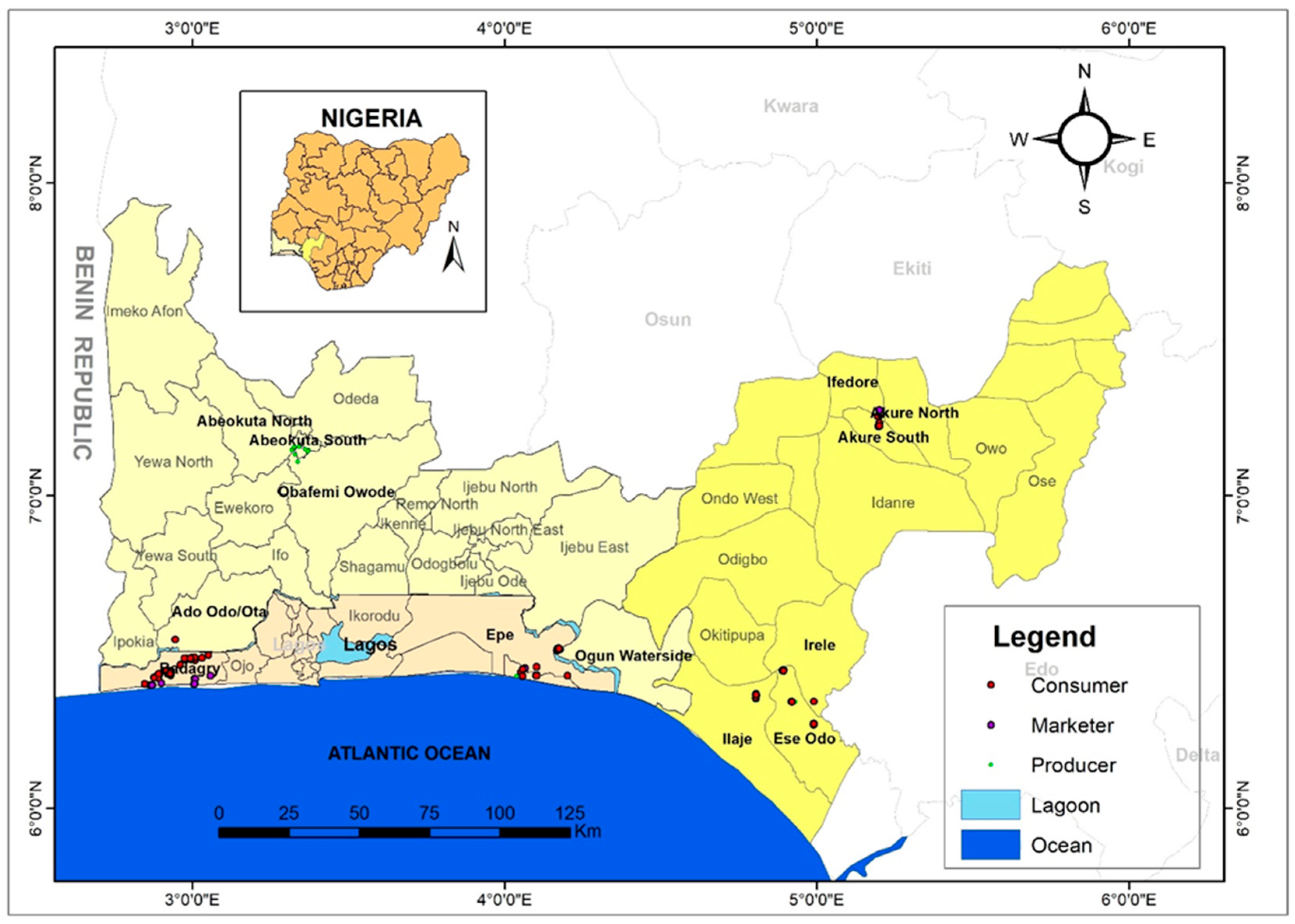
In each state, respondents were selected from key nodes along the fish value chain, including producers (fishers and fish farmers), traders and sellers (wholesalers and retailers), as well as consumers of both fresh and dried fish. The team interviewed around 239 respondents in each of the three states. Respondents in each state included women and men of different ages from sub-ethnic and religious communities. The spread of respondents across the LGAS and LCDAs is shown in Figure 1 for each value chain node across the states.
The choice of respondents interviewed was based on their willingness to participate in the survey for the producer and trader nodes. The purposive selection of fishing-intensive LGAs and communities may have introduced some degree of non-random sampling bias; however, this approach was necessary to ensure that respondents were directly engaged in aquatic food production and trading.
The justification for sampling more LGAs in Ogun state than Lagos state is that Lagos has five agricultural zones commonly known as IBILE (Ikeja, Badagry, Ikorodu, Lagos Island, and Epe). Ikeja and Lagos Island were omitted because they are not water-based coastal areas. Ikorodu was excluded as it functions primarily as an inland administrative agricultural zone in Lagos State without a significant coastal aquaculture presence. Lekki represents a geographically and administratively defined area within the Epe Agricultural Zone; therefore, Epe was not sampled to prevent duplicate responses. Water-based aquaculture is commonly practised in the Ikorodu, Epe, and Badagry divisions; thus, we sampled two of these divisions, which are largely coastal. Table 1 summarizes the number of respondents interviewed in each state by value chain nodes (115 producers, 236 traders, and 362 consumers). Data were analyzed using frequencies and percentages.

2.6. Data Analysis

Descriptive statistics were used to describe and summarize respondents’ perspectives across nodes, states, and elements of the aquatic food production marketing mix. A chi-square test was conducted to explore the variability in responses across the coastal states.

3. Results

3.1. Interpretation and Visualization

The locations of value chain actors, oceanic features, and administrative boundaries are presented in a well-labelled and visually engaging spatial distribution map (Figure 1).

3.2. Aquatic Foods by Coastal and Marine

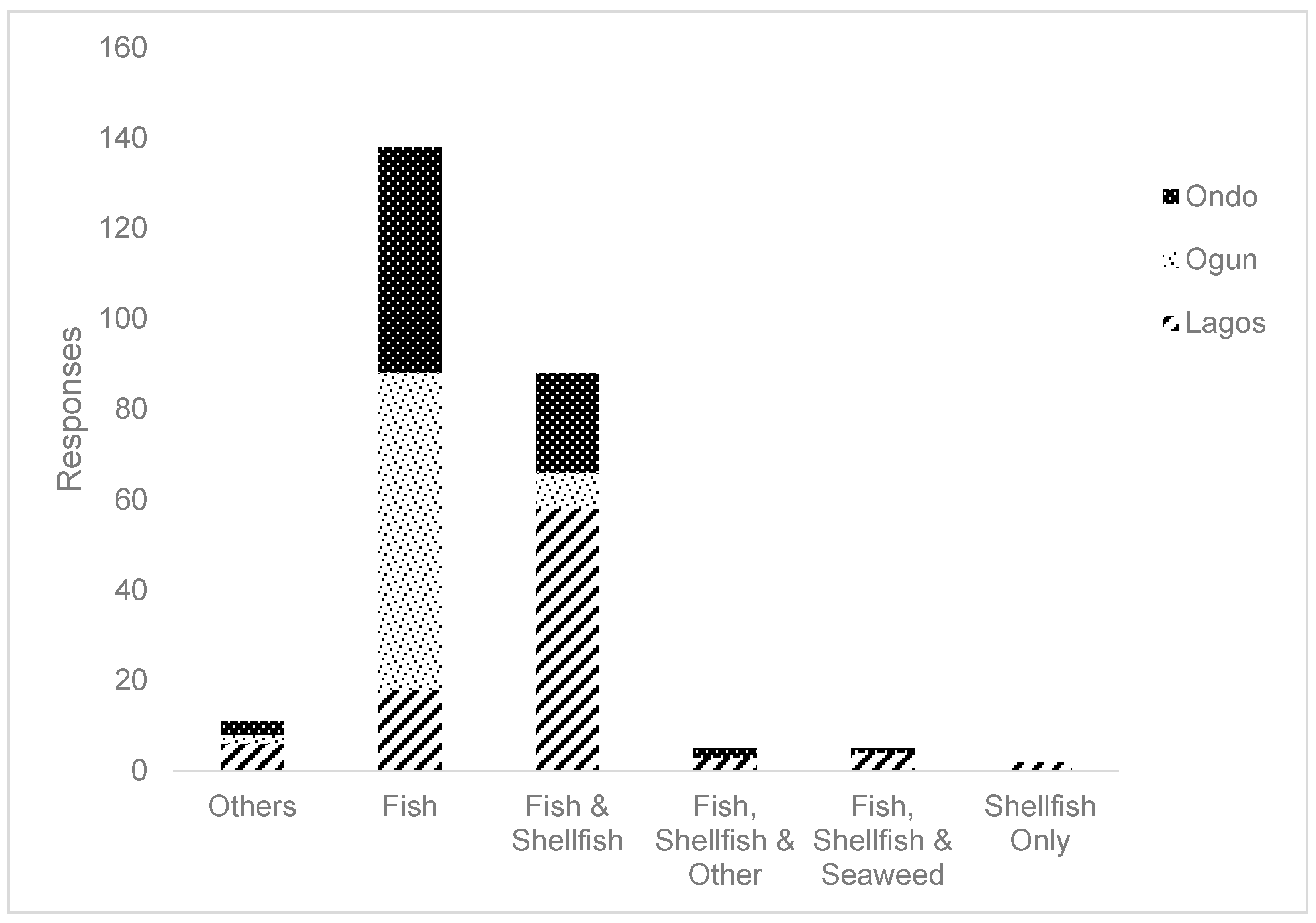
The varieties of aquatic foods produced and sold across the coastal states are shown in Figure 2. Fish is the most commonly sold aquatic food across all states, with 74 responding farmers from Ogun State reporting that they mainly farm or harvest fish. In Lagos State, 57 responding farmers (n = 115) indicated that their aquatic food production consists of both fish and shellfish, while only 23 and 5 farmers from Ondo and Ogun States, respectively, reported harvesting shellfish. This indicates that shellfish are less popular in Ogun State. Alternative aquatic foods such as seaweed or shellfish alone are rarely sold, suggesting that the market is heavily dominated by fish, with minimal diversification into other aquatic food categories. Aquatic food product types differ significantly across the states χ2 (10, n = 249) = 115.98, p < 0.001.

3.3. Information on Marketing Channels of Aquatic Food Across the Coastal States

The marketing channels across the three coastal states showed that data distribution nodes are location dependent (Table 2). Zero-level channels (direct-to-consumer channels) are the highest, with consumers having access to the aquatic foods directly, especially in Ondo State, where 64 of respondents (approximately 82.5%) sell directly to consumers. In Lagos State, the zero-market channels are not as common; one or two channels are popular means of distributing aquatic foods. There is a statistically significant difference among the states and channels of sales used: zero channels or a blend of retail/wholesale, χ2 (2, n = 236) = 33.09, p < 0.001. Daily sales of aquatic foods are the most significant—χ2 (4, 236) = 22.19, p < 0.001—sales method across the three states in terms of frequency of sales. A total of 82.7% in Lagos State, 75.00% in Ogun State, and 62.5% in Ondo State responded that they have aquatic foods to sell daily. Weekly sales are more common in Ogun State than in the three other states, with about 25% of respondents claiming they sell weekly. Traders playing more than one role, combining roles as retailers and wholesalers, is more common in Lagos State (50.0% of respondents) and differs significantly χ2 (4, n = 236) = 18.04, p = 0.001 across the state, whereas distributors in Ondo State practice the least role switching, with 54.9% playing only the role of a retailer.

3.4. Aquatic Food Market Types in the Three Coastal States

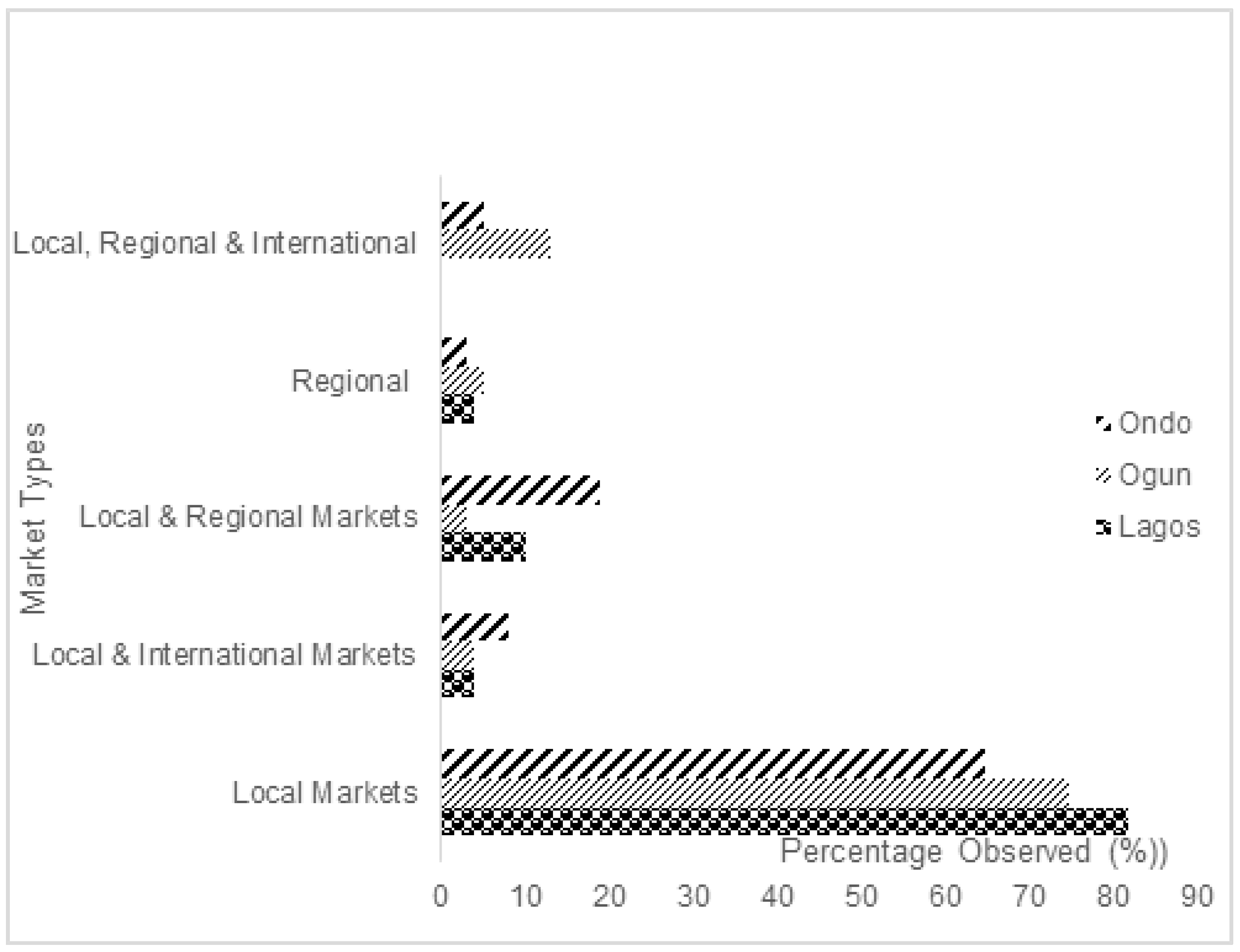
Local markets are the predominant sales channel, as shown in Figure 3, with 81.3% in Lagos, 72.5% in Ogun, and 56.3% in Ondo relying solely on them. This substantial difference between Lagos (81.3%) and Ondo (56.3%) suggests that traders in Lagos State rely far more heavily on local markets as their primary sales outlet, likely reflecting the state’s larger urban consumer base and higher market density. Export-related channels are minimal across the board, noted only in Lagos and Ogun at 1.3%, while Ondo shows no export activity. Ondo, however, exhibits a higher inclination toward combining local and regional markets (21.3%), compared to 12.5% in Lagos and 10.0% in Ogun. A mixed channel encompassing local, regional, and export markets is also more notable in Ogun (12.5%) than in Ondo (3.8%), and regional-only sales remain low in all three states. Responses were significantly different among traders across the three coastal states χ2 (8, n = 300) = 30.87, p < 0.001.

3.5. Estimated Quantity of Aquatic Food Sales

Out of 236 respondents, the majority, 123 individuals (52 percent), reported estimated monthly aquatic food sales ranging from 0.001 to 1 tonne across the three coastal states, indicating that this volume is the most dominant in the market (see Table 3). Additionally, 106 respondents in the three coastal states indicated monthly sales between 1 and 10 tonnes, while a smaller group of 5 respondents reported sales volumes in the range of 11 to 20 tonnes per month in Ogun State only. Only one respondent indicated 21 to 30 tonnes per month in Ogun State.

3.6. Promotion Methods by Traders

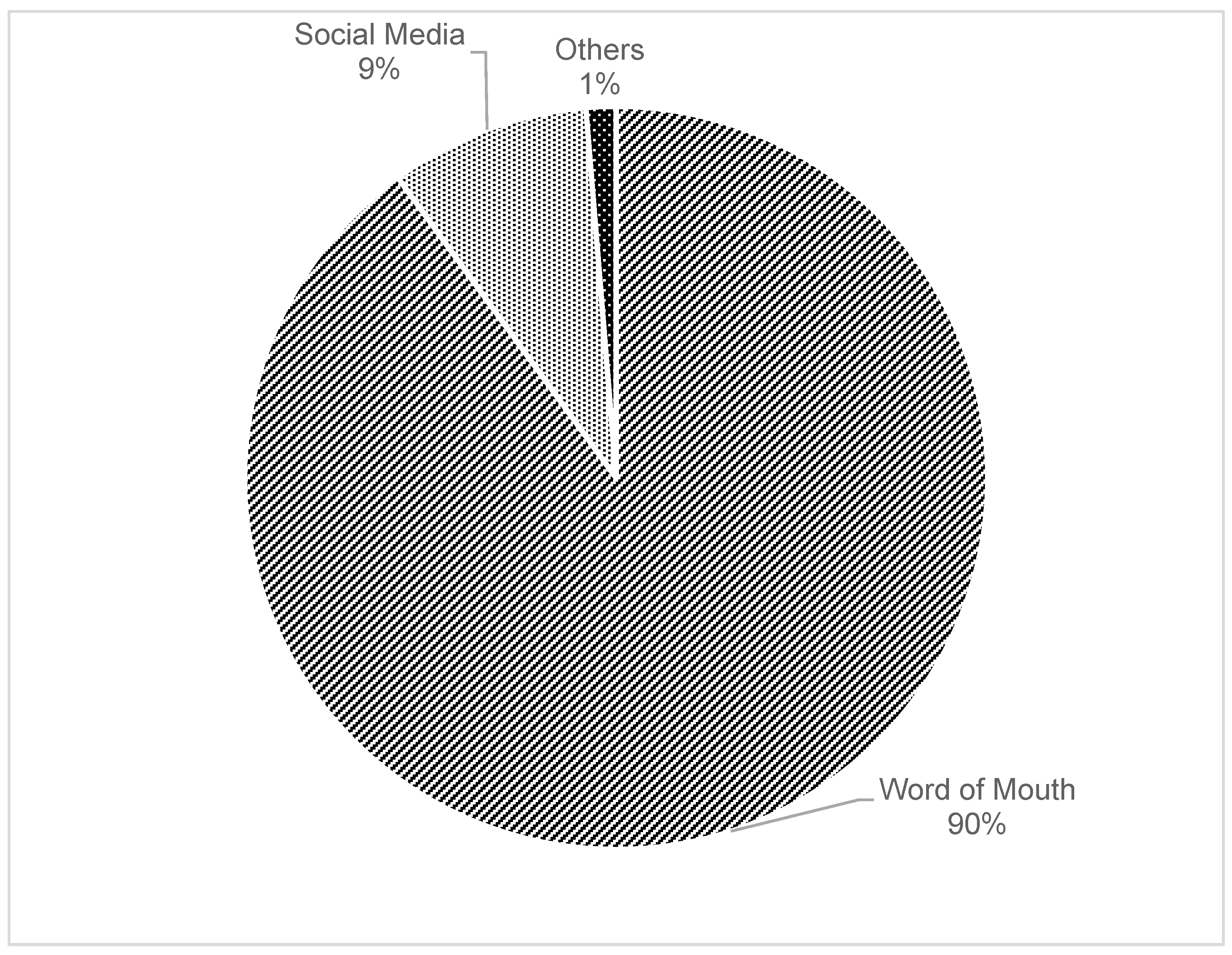
Word of Mouth (WOM) was the most dominant method of promotion at 90% (pooled responses, n = 236) as seen in Figure 4. Only 8.8% of the respondents were in favour of using social media (WhatsApp, Facebook, etc.), suggesting that businesses in this context rely less on digital platforms. The other category, accounting for only 1.3% (one response), indicated the use of alternative marketing strategies, such as encore, to promote the product through advocacy and referrals, typically for distant regional and export markets. Community meetings also provided opportunities to promote sales of products.

3.7. Postharvest Practices Across the Three Coastal States

Aquatic food marketers/traders employed different postharvest methods and value-addition strategies to prevent the loss and wastage of their products, as shown in Table 4. The respondents believe that the technique employed is sufficient to achieve their objective of preserving the goods. This view is supported by subsequent data indicating that a majority report minimal spoilage and satisfactory product quality during storage. In Lagos State, 90% (n = 79) believe that they do have access to adequate storage. In Ogun State, 50% (n = 80) answered Yes to the question of whether they have satisfactory storage methods. However, in Ondo, 60% opposed the view that their storage practice was adequate.
Responses to the strategies were different across the three states. In Lagos State, 90% of respondents adopted open-air storage, and 10% used the smoking method. In Ogun State, the two most frequently used strategies were the open-air and cold room methods, according to 30% and 36% of respondents, while 9.1% of the respondents, separately, used the icebox and smoking methods. In Ondo State, 80% of respondents used open-air storage. In Ondo State, 90% of respondents mentioned power outages as a major challenge affecting their aquatic food preservation activities.
Value addition and postharvest practices being practised included adding salt and pepper, sun-drying, cleaning with red oil, sun-drying with salt and pepper, unique packaging, smoking, and processing. Fish smoking and processing techniques were the most common methods in Lagos State; individually, the responses were 30% in both cases. Fish smoking, likewise, was common among traders in Ogun State, with 38% adopting it among the respondents. Sun-drying was the most common method of preserving aquatic foods in Ondo State, as 30% reported using this method.

3.8. Aquatic Food Consumption Across the Three Coastal States

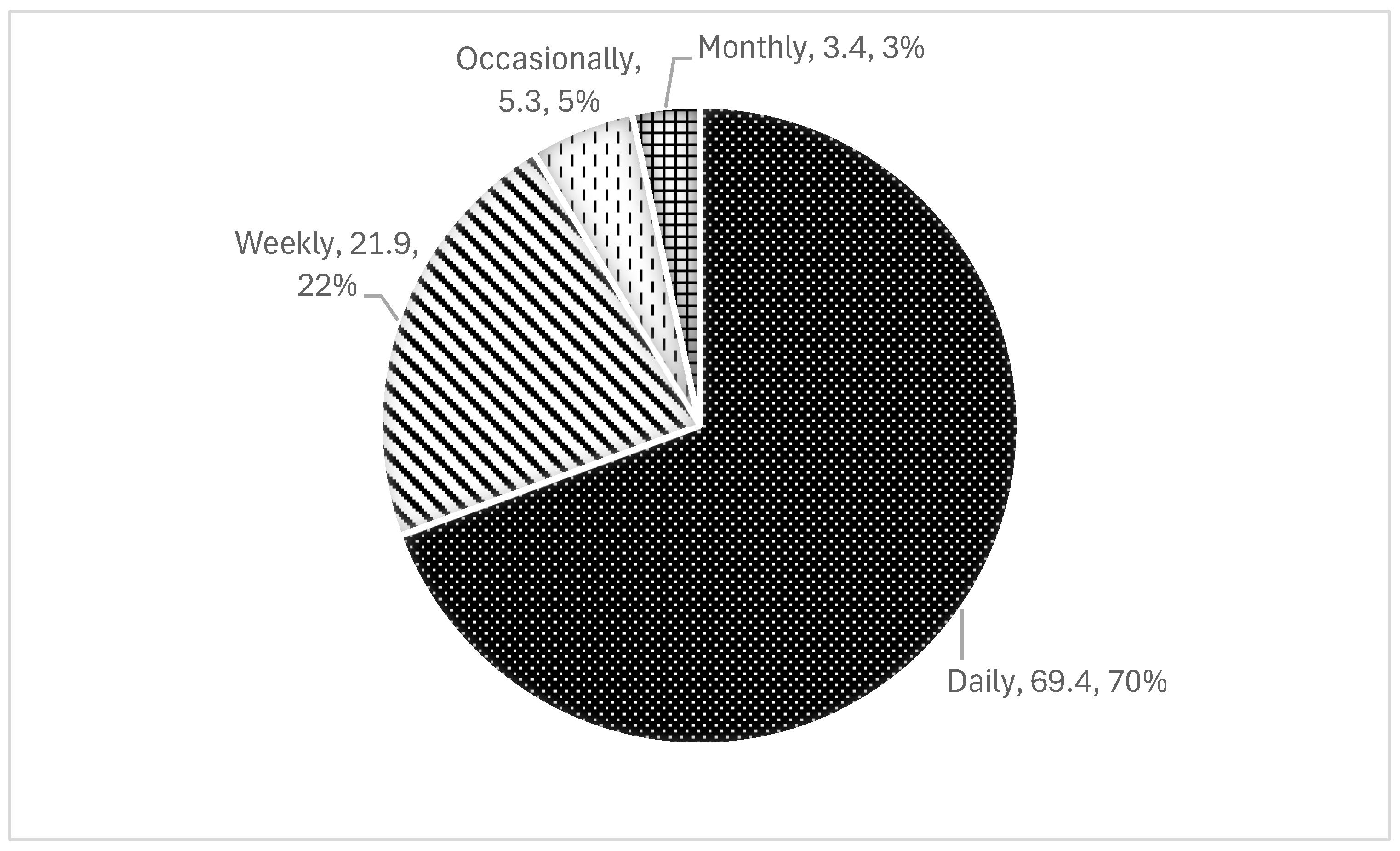
The pooled responses from consumers across the three states showed daily consumption was highest (Figure 5), with 69.4% (n = 362) stating that they consumed aquatic foods daily. The number of consumers mentioning that they consumed aquatic foods every week was estimated at 80 persons (21.9%). The respondents expressing that they consumed aquatic foods occasionally and monthly were low, representing 5.3% and 2.3%.

3.9. Consumers’ Perception of the Quality of Local Aquatic Food

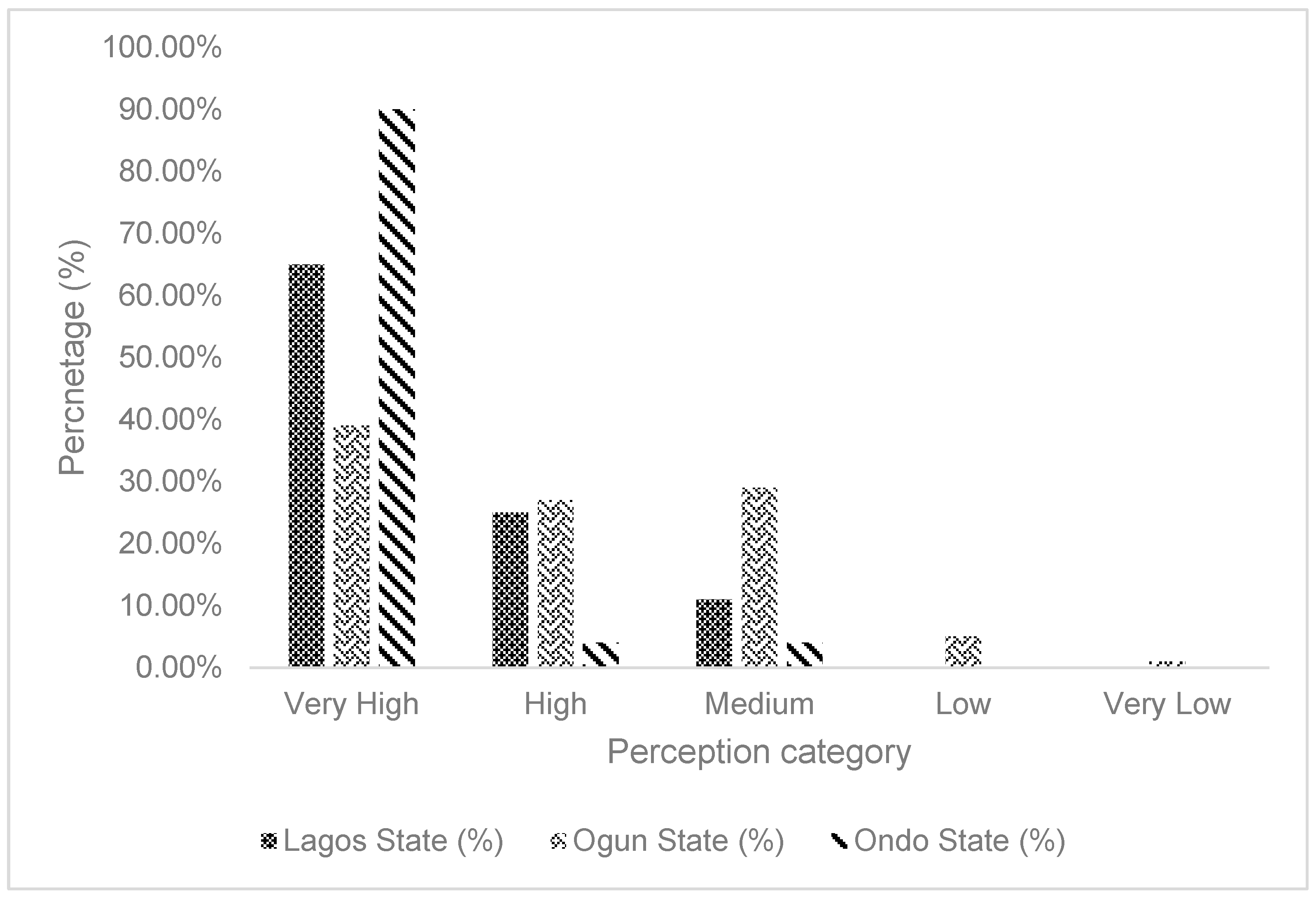
Consumers in Lagos, Ogun, and Ondo demonstrated significantly differing quality perceptions of locally produced aquatic foods across the three coastal states, χ2 (8, n = 300) = 276.85, p < 0.001, as shown in Figure 6. Very High-quality ratings encompassed approximately 90% in Ondo, 65% in Lagos, and 40% in Ogun. High quality ratings were moderately present in Lagos and Ogun (around 25%), but minimal in Ondo, where Very High ratings were strongly preferred. Ogun showed the most varied responses across the response variables. In Ogun State, 25% of consumers perceived the quality of the local aquatic food as Medium, while in Lagos State, 10% of the respondents categorized the product quality as Medium, and in Ondo State, only 4% of the respondents mentioned that the quality of the aquatic food was Medium. Negative perceptions (Low and Very Low) were rare, with Ogun showing a small share, and Lagos and Ondo reporting almost no concerns.

3.10. Consumers’ Perception of Imported Aquatic Foods, New Products (Seaweeds), and Willingness to Pay for Sustainable Aquatic Foods

Ondo shows the most High-quality ratings (43.3%) for imports of aquatic foods, while Lagos expresses the most scepticism, with 35.8% rating the quality as Low. Responses highlighting consumers’ perception of the quality of imported aquatic food in Lagos, Ogun, and Ondo States are shown in Table 5. Ogun demonstrates the most balanced views, with 48.3% rating the quality as Medium, reflecting mixed opinions. Despite these differences, over 89% of consumers across all states are willing to try new aquatic food products, though Ondo has the highest percentage (10.4%) unwilling to do so, indicating a possible preference for traditional options. Support for sustainable aquatic foods is strong, with Ondo leading (85.0%), followed by Lagos (82.5%) and Ogun (79.2%). However, a small share, especially in Ogun (20.8%), remains unwilling to pay extra for a product’s sustainability.

3.11. Factors Influencing Consumers’ Decisions on Aquatic Foods Across Coastal States

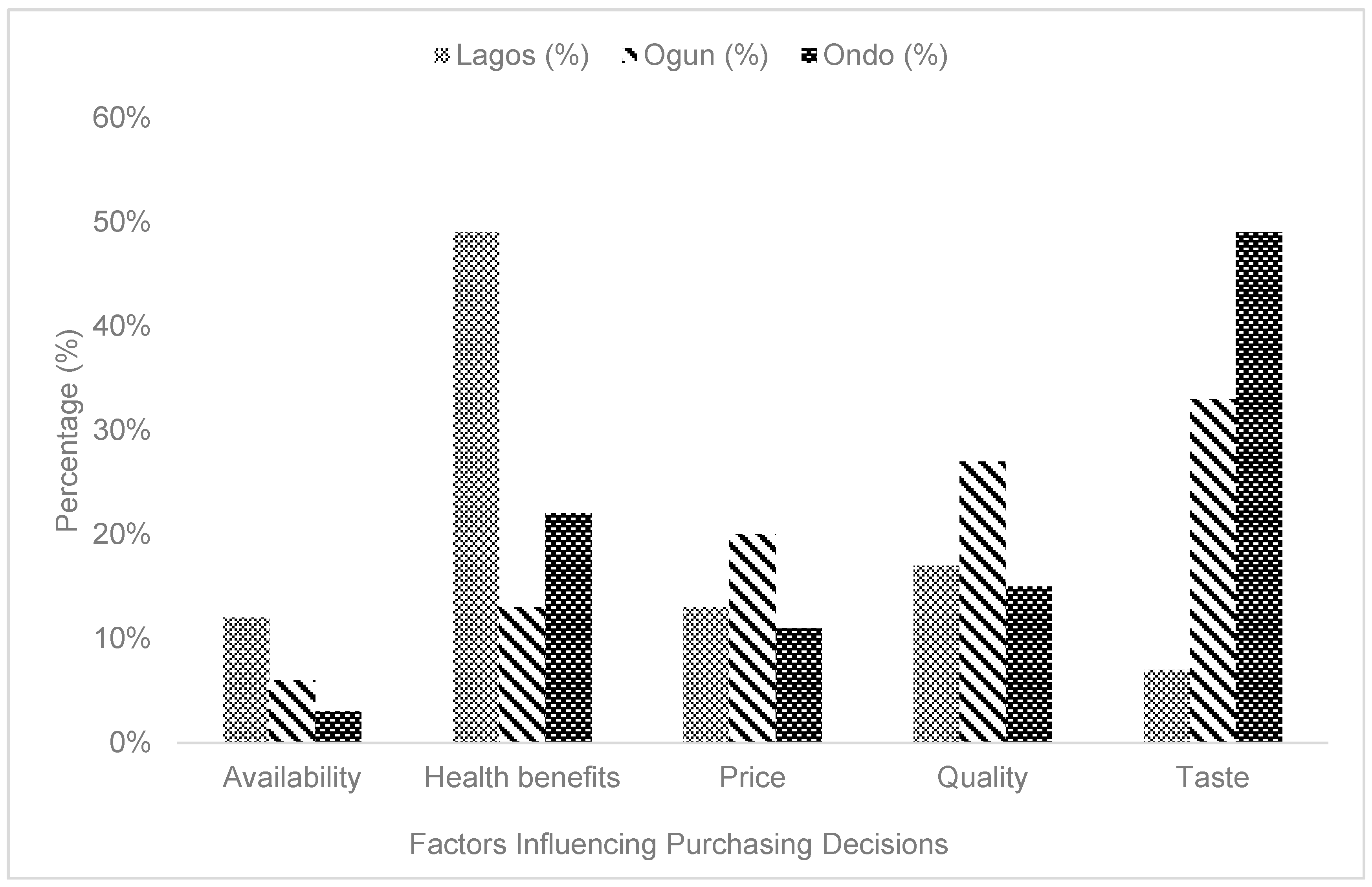
The factors guiding consumers’ purchase decisions on the consumption of aquatic foods are presented in Figure 7. Responses to the following factors, availability, health benefits, price, quality, and taste, were different across the three coastal states, as revealed in the Chi-square test, χ2 (8, n = 297) = 92.39 p < 0.001. For instance, 49.2% of the respondents in Lagos considered health benefits the most important consideration in their decision to consume aquatic food, compared to 49.2% of respondents from Ondo, who reported that the taste consideration is the most important factor that drives their purchase decisions. In Ondo State, taste is the most important factor influencing their choice of aquatic food consumption. In both Ondo and Ogun States, availability is the least important factor that would encourage their consumption, unlike in Lagos State, where taste is the least important factor that would sway their choice of consumption of aquatic foods.

4. Discussion

Various types of aquatic food are produced and sold in Nigeria, with finfish being the most prevalent, while aquatic plants remain relatively uncommon. A key limitation in this exploratory study is the reliance on respondent willingness, introducing self-selection bias typical of convenience sampling; motivated participants (farmers and traders) may overstate benefits, constraining generalizability to broader fishery communities. Future work should prioritize multi-stage probability sampling for robust inference. The analysis does not distinguish between specific types of aquatic plants and fauna because the survey instrument did not capture detailed information on individual plant categories. It is noted from research in the field that aquatic plants referred to as being new consist of seaweed, which is the general term used for aquatic plants that are used as ingredients in fish feed formulation [43]. Lagos State has a high production of shellfish, confirming previous observations [44]. Finfish constitute the dominant aquatic food source in Nigeria, accounting for 94% of total production by volume, and crustaceans contribute 5%, while mollusks represent the remaining 1% [45]. This aligns with the diversity of fish produced in the coastal states in this report. Ref. [45] reported that despite high seaweed biodiversity in Nigeria’s coastal waters, they are a largely unexplored area for marine resources. Ref. [46] reported that the domestic seafood market for shrimp and prawn is a mix of the modern and the traditional.
The distribution channels for aquatic foods vary according to the specific economic and logistical dynamics of each state. Lagos State stands out in terms of the daily frequency of aquatic food sales, reflecting its strategic economic role, extensive distribution networks, and status as a major market hub [47]. The presence of major seaports such as Apapa and Tin Can Island further reinforces this position, enhancing Lagos State’s role as a central hub for aquatic food distribution and trade [48]. Role switching as reported in this study refers to a flexible, adaptive approach where individuals, teams, or organizations alternate between different roles, tasks, or operational modes to optimize resilience, efficiency, and responsiveness to changing conditions, which is common in Lagos; this is a marketing strategy adopted by smaller distributors who may not have sufficient capital to stay or act only as wholesalers. In a similar view, wholesaler/retailer role switching is indicated in [49]. Wholesalers are independent traders who purchase fresh fish in bulk directly from farm gates and subsequently supply it to various retailers, including market women, fish processors, retail shops, and smaller-scale distributors.
This report highlights that, while the aquatic food value chain may appear fragmented at the upstream level, it converges at the midstream stage, where markets in Nigeria are inherently interconnected rather than distinct. In open markets, niche segments where consumers specifically seek either wild-caught or farmed fish are relatively uncommon. Sales to domestic markets are dominant across all three coastal states reported in this study, which is consistent with [1], demonstrating that Nigeria is a high fish-consuming nation, and the aquatic food chain is an important economic activity. Ref. [1] averred that aquatic food value chains have emerged spontaneously as clusters of economic activity in response to the pull of domestic demand and favourable conditions for fish production and distribution, in terms of environment and geography. The rising cost of imported fish products since 2015, coupled with the devaluation of the Naira in 2019, has created a more favourable environment for domestic fish producers to compete effectively in the local market [50].
Another finding in this study on aquatic food market types is similar to what was suggested in [51], that farmed fish production in Africa may be primarily for (a) home and/or village consumption; (b) supplying a nearby consumer centre; (c) supplying distant consumer centres; or (d) export markets. With a vibrant domestic fish market and promising export prospects, the aquatic food value chain presents significant investment opportunities, particularly as government efforts to diversify the economy increasingly prioritize agriculture-related sectors. There is also a government policy to reduce dependence on fish importation. In a similar vein, Ref. [52] averred in the first regional workshop on aquaculture planning in Africa that an effective international information system on fishery commodity markets that would help export-oriented aquaculture ventures should be based on a thorough appraisal of export potential, which would cover the selection of products and markets.
The findings of this study highlight strong consumer demand for aquatic foods and the need to reduce Nigeria’s dependence on seafood imports through increased domestic aquaculture production. While these market conditions create a favourable environment for exploring innovative production models, it is important to note that Integrated Multi-Trophic Aquaculture (IMTA) remains a relatively new and economically untested system within the Nigerian context. Therefore, the results of this study do not provide direct evidence for the immediate promotion or large-scale adoption of IMTA. Rather, they suggest that the broader pressures on the aquatic food system, rising demand, sustainability concerns, and the search for more efficient production strategies may offer a potential entry point for future research, pilot initiatives, and policy interest in IMTA. As such, IMTA should be viewed as a promising long-term option whose viability will depend on further economic, ecological, and operational validation.
Traditional means of communication between traders and consumers were dominant in the coastal states, with WOM being the most prevalent. The WOM marketing process is one of the main means by which consumers obtain information in economically developing countries. WOM may contribute to the development of the food market [53], suggesting that consumer decisions in the study area are strongly shaped by interpersonal networks, and this makes WOM a critical pathway for the awareness creation, trust building, and market acceptance factors that are essential for the successful scale-up and commercialization of IMTA in Nigeria. Ref. [54] stated that WOM has been one of the most influential channels of consumer information globally for the past half-century. WOM is defined in another way as non-commercial, informal, and person-to-person communication between a sender and receiver about a product, service, brand, or organization [55]. Although the survey did not generate IMTA-specific findings, the results clearly show that word-of-mouth (WOM) is a dominant and trusted communication channel within the aquatic food sector. This pattern suggests that when new aquaculture innovations such as IMTA are eventually introduced, they are likely to diffuse through the same established social networks and interpersonal communication pathways. Therefore, while our data does not provide direct evidence about IMTA adoption, the prominence of WOM in the sector indicates that it would play an important role in shaping awareness and acceptance of any future IMTA initiatives.
Marketers in coastal communities employ a range of innovative strategies to reduce losses and wastage, supporting their sustainable livelihoods. Nonetheless, sun-drying and smoking remain the most widely practiced and well-documented methods in the existing literature [27,51]. Farmers noted that a poor electric power supply hinders cold storage, which is quite important for aquatic food, given high spoilage tendencies. Climate-smart fish production (fisheries and aquaculture) remains largely restricted to the production of the aquatic food value chain, as there is less attention in the narrative in relation to post-harvest loss. An extensive review of existing literature revealed that information on climate-smart postharvest practices, as well as strategies for mitigating and adapting to climate change, remains relatively scarce. Nigeria’s aquatic food, like most countries in the African and Asian sectors, is vulnerable to climate-related disruptions due to inadequate cold chain infrastructure and high adoption of traditional techniques, which have low provisions to deal with the production of climate change-related gases, especially carbon dioxide [51]. The scarcity of Nigeria-specific guidance on climate-smart postharvest strategies, therefore, represents a significant barrier to building resilience against post-harvest loss and improving food security in coastal communities. In the context of the AABS project, Nigeria should be prioritized during the exchange in work package 3.
For coastal communities, fish is even more important as a source of nutrition in comparison to other sources of protein, as well as being a base of the coastal economy [56], which supports the daily frequency of aquatic food consumption in this study. Ref. [46] indicated that shrimp consumption in the Degema Local Government Area of Rivers State, Nigeria, is relatively high, as the community is familiar with the shrimps, and this aids their consumption. In their study, they identified several key factors influencing the consumption of shrimp and prawn, including their availability, appealing taste, rich nutrient profile, ease of chewing, low fat, and notable health benefits. These findings align closely with the observations made in the present study.

5. Conclusions

Production nodes of the aquatic food value chain consist of different aquatic food types, largely dominated by finfishes, while seaweed, despite its diversity and availability, is rare in production. The market is primarily targeted at local consumption and a developing niche export market, regionally and outside the region. For most traders in the coastal state examined, annual sales volumes typically fall within the range of 1 to 5000 tons. The marketing mix showed that traditional WOM is the most effective channel of communication between traders and consumers. Sun-drying and smoking are the most common strategies to reduce postharvest loss and wastage. Consumers are influenced by factors such as perceived health benefits and availability. This study demonstrates that the marketing mix, particularly product quality, distribution efficiency, and promotional activities, plays a central role in shaping consumer demand for aquatic foods in coastal communities. Strengthening these marketing mix components can enhance market access, improve consumer trust, and increase the frequency of aquatic food consumption. While IMTA is not yet widely implemented in the study area, its future scale-up has the potential to benefit from these insights. Effective marketing strategies will be essential for positioning IMTA-derived products, differentiating them in the marketplace, and ensuring that the economic and nutritional advantages of IMTA systems translate into real consumer uptake. Thus, the marketing mix provides a practical pathway for supporting the successful commercialization of IMTA products as the technology expands. It is recognized that this paper presents findings from a rapid reconnaissance survey reflecting the practical needs of the IMTA sector in Nigeria from the point of view of the marketing mix, and it adopted a non-probabilistic survey with a purposive sampling approach. Future research directions should include adopting a probabilistic sampling approach. Also, given that this study looked at IMTA at the introductory stage, longitudinal studies are needed to track how aquatic food systems evolve over time, particularly in response to climate variability, economic shocks, and policy reforms that shape consumers’ market behaviour as the project matures to the commercialisation stage. A deeper investigation into consumer behaviour, especially the willingness to pay for IMTA-derived products and the role of digital promotion, would strengthen the understanding of market readiness for sustainable aquaculture innovations. Finally, comparative studies involving additional Nigerian coastal states or other West African countries would broaden the regional relevance of the findings and support the development of scalable strategies for strengthening aquatic food value chains.

6. Recommendations

The following recommendations are proposed to improve the effectiveness, sustainability, and economic viability of the aquatic food value chain in relation to the aspiration of IMTA:
  • Strengthen Cold Chain Infrastructure: Post-harvest losses are a concern, and Nigeria could benefit from activities and outcomes related to climate-smart technologies for reducing aquatic food loss and waste.
  • Promote and Scale Up Aquatic Plants: Aquatic plants need to be promoted for their use, especially for phytoremediation, as reported in the earlier study. Local variants suitable for each study location should be adopted in the second phase of the IMTA project in Nigeria.
  • Facilitate Access to New and Broader Markets: With existing sales largely focused on local markets, policy and infrastructural support are needed to develop niche regional and international markets. This can be achieved through branding, certification, and standardization of aquatic food products to meet export requirements. IMTA would be expected to broaden cultured species diversity.
  • Leverage Digital Marketing and E-commerce: The dominance of word-of-mouth (WOM) communication in the marketing mix should be augmented with digital platforms such as mobile applications, social media, and e-commerce channels to reach a broader consumer base, especially among younger and tech-savvy demographics. It is expected that innovative strategies would be included in the WOM by investors in IMTA.
  • Consumer Awareness and Nutrition Education: Given the strong influence of perceived health benefits and taste on consumer preferences, public awareness campaigns should be intensified to promote the nutritional advantages of diverse aquatic foods, including lesser-known products like aquatic plants, which are a major feature of IMTA.
  • Support Local Traders and Producers through Policy Interventions: Government policies that provide financial assistance, input subsidies, and cooperative frameworks for existing small-scale fishers, farmers, and traders should be maintained to safeguard community support for investors in IMTA. These measures are vital for boosting productivity and strengthening resilience against environmental and economic pressures.
  • Encourage Value Addition and Product Diversification: Investments in value-added processing, such as ready-to-cook or ready-to-eat aquatic food products, should be promoted to improve profitability and attract diverse consumer segments.

Supplementary Materials

The following supporting information can be downloaded at: https://www.mdpi.com/article/10.3390/aquacj6020018/s1.

Author Contributions

Conceptualization, S.L.A., S.S., C.I., E.W.M. and R.Y. Methodology, S.L.A., L.A.B., A.S.O., G.R.A. and M.A.A.; Validation, V.T.O., I.J.F. and S.S.; Formal Analysis, S.L.A., L.A.B. and A.S.O.; Investigation, S.L.A., L.A.B., A.S.O., G.R.A. and M.A.A.; Resources, S.L.A., L.A.B., A.S.O., G.R.A. and M.A.A.; Data Curation, S.L.A., L.A.B., A.S.O., G.R.A. and M.A.A. Writing—Original Draft Preparation, S.L.A., L.A.B., A.S.O., G.R.A. and M.A.A.; Writing—Review and Editing, S.L.A., L.A.B., A.S.O., G.R.A., M.A.A., M.A.G., V.T.O., I.J.F., S.S., C.I., E.W.M. and R.Y.; Visualization, S.L.A.; Supervision, E.W.M. and R.Y.; Project Administration, S.L.A., S.S., C.I., E.W.M. and R.Y.; Funding Acquisition, R.Y. All authors have read and agreed to the published version of the manuscript.

Funding

Funding support for this project was provided by the UK International Development from the UK government (FCDO Project Number: 301203—Asia-Africa BlueTech Superhighway). The APC was funded by [FCDO].

Data Availability Statement

The data presented in this study are available on request from the corresponding author due to privacy, legal, and ethical reasons.

Acknowledgments

This work was undertaken as part of the Asia–Africa BlueTech Superhighway (AABS), led by WorldFish and Lagos State University (LASU), which is the partnering institution. Funding support for this project was provided by the UK International Development from the UK government; however, the views expressed do not necessarily reflect the UK government’s official policies. The contributions of respondents are well appreciated.

Conflicts of Interest

The authors declare that they have no known competing financial interests or personal relationships that could have appeared to influence the work reported in this paper.

Abbreviations

AABSAsia–Africa BlueTech Superhighway—WorldFish
IMTAIntegrated multi-trophic aquaculture
LGAsLocal Government Areas
LCDAsLocal Council Development Areas
WOMWord of Mouth

References

  1. Liverpool-Tasie, L.S.O.; Wineman, A.; Amadi, M.U.; Gona, A.; Emenekwe, C.C.; Fang, M.; Olunuga, O.; Onyeneke, R.U.; Norbert, S.; Adenike, T.M.; et al. Rapid transformation in aquatic food value chains in three Nigerian states. Front. Aquac. 2024, 3, 1302100. [Google Scholar] [CrossRef]
  2. Tezzo, X.; Bush, S.R.; Oosterveer, P.; Belton, B. Food system perspective on fisheries and aquaculture development in Asia. Agric. Hum. Values 2021, 38, 73–90. [Google Scholar] [CrossRef]
  3. Food and Agriculture Organisation of the United Nations. FAOStat Fisheries and Aquaculture Database, 2023. Available online: https://www.fao.org/fishery/en/information (accessed on 9 April 2025).
  4. Chopin, T.; Buschmann, A.H.; Halling, C.; Troell, M.; Kautsky, N.; Neori, A.; Kraemer, G.P.; Zertuche-González, J.A.; Yarish, C.; Neefus, C. Integrating seaweeds into marine aquaculture systems: A key toward sustainability. J. Phycol. 2001, 37, 975–986. [Google Scholar] [CrossRef]
  5. Ghosh, A.K.; Hasanuzzaman, A.F.M.; Islam, S.S.; Sarower, M.G.; Mistry, S.K.; Arafat, S.T.; Huq, K.A. Integrated multi-trophic aquaculture (IMTA): Enhancing growth, production, immunological responses, and environmental management in aquaculture. Aquac. Int. 2025, 33, 336. [Google Scholar] [CrossRef]
  6. Lee, C.S. Challenges and opportunities of IMTA in Hawaii and beyond. Bull. Jpn. Fish. Res. Educ. Agency 2019, 49, 129–134. [Google Scholar]
  7. Alexander, K.A.; Angel, D.; Freeman, S.; Israel, D.; Johansen, J.; Kletou, D.; Meland, M.; Pecorino, D.; Rebours, C.; Rousou, M.; et al. Improving sustainability of aquaculture in Europe: Stakeholder dialogues on Integrated Multi-trophic Aquaculture (IMTA). Environ. Sci. Policy 2016, 55, 96–106. [Google Scholar] [CrossRef]
  8. Sickander, O.; Filgueira, R. Factors affecting IMTA (integrated multi-trophic aquaculture) implementation on Atlantic salmon (Salmo salar) farms. Aquaculture 2022, 557, 738716. [Google Scholar] [CrossRef]
  9. Subasinghe, R.P.; Siriwardena, S.N.; Byrd, K.A.; Chan, C.; Dizyee, K.; Shikuku, K.M.; Tran, N.; Adegoke, A.; Adeleke, M.; Anastasiou, K.; et al. Nigeria Fish Futures: Aquaculture in Nigeria—Increasing Income, Diversifying Diets and Empowering Women; WorldFish: Penang, Malaysia, 2021. [Google Scholar]
  10. Hala, A.F.; Chougule, K.; Cunha, M.E.; Mendes, M.C.; Oliveira, I.; Bradley, T.; Forbes, J.; Speranza, L.G. Life cycle assessment of integrated multi-trophic aquaculture: A review on methodology and challenges for its sustainability evaluation. Aquaculture 2024, 590, 741035. [Google Scholar] [CrossRef]
  11. Kodama, M. Overview and History of IMTA, from Ancient to Modern Times; The Southeast Asian Fisheries Development Center: Bangkok, Thailand, 2022; pp. 2–5. [Google Scholar]
  12. Ryther, J.H.; Goldman, J.C.; Gifford, C.E.; Huguenin, J.E.; Wing, A.S.; Clarner, J.P.; Williams, L.D.; Lapointe, B.E. Physical models of integrated waste recycling marine polyculture systems. Aquaculture 1975, 5, 163–177. [Google Scholar] [CrossRef]
  13. Troell, M.; Halling, C.; Neori, A.; Chopin, T.; Buschmann, A.H.; Kautsky, N.; Yarish, C. Integrated mariculture: Asking the right questions. Aquaculture 2003, 226, 69–90. [Google Scholar] [CrossRef]
  14. Loayza-Aguilar, R.E.; Huamancondor-Paz, Y.P.; Saldaña-Rojas, G.B.; Olivos-Ramirez, G.E. Integrated Multi-Trophic Aquaculture (IMTA): Strategic model for sustainable mariculture in Samanco Bay, Peru. Front. Mar. Sci. 2023, 10, 1151810. [Google Scholar] [CrossRef]
  15. Radhakrishnan, K.; Dheeran, P.; Rajeshkannan, R.; Seenivasan, P.; Raghuvaran, N.; Naveenkumar, R.; Thapa, A.; Anantharaja, K. Integrated Multi-Trophic Aquaculture: A balanced system for sustainable aquaculture. In Fisheries Biology, Aquaculture and Post-Harvest Management; NIPA® GENX Electronic Resources & Solutions, P. Ltd.: New Delhi, India, 2023; Volume 1. [Google Scholar]
  16. Khanjani, M.H.; Zahedi, S.; Mohammadi, A. Integrated multitrophic aquaculture (IMTA) as an environmentally friendly system for sustainable aquaculture: Functionality, species, and application of biofloc technology (BFT). Environ. Sci. Pollut. Res. 2022, 29, 67513–67531. [Google Scholar] [CrossRef]
  17. Knowler, D.; Chopin, T.; Martínez-Espiñeira, R.; Neori, A.; Nobre, A.; Noce, A.; Noce, A.; Reid, G. The economics of Integrated Multi-Trophic Aquaculture: Where are we now and where do we need to go? Rev. Aquac. 2020, 12, 1579–1594. [Google Scholar] [CrossRef]
  18. Camilleri, M.A.; Cricelli, L.; Mauriello, R.; Strazzullo, S. Consumer perceptions of sustainable products: A systematic literature review. Sustainability 2023, 15, 8923. [Google Scholar] [CrossRef]
  19. Mouchtaropoulou, E.; Mallidis, I.; Giannaki, M.; Koukaras, K.; Früh, S.; Ettinger, T.; Benmehaia, A.M.; Kacem, A.; Achour, L.; Detzel, A.; et al. Consumer willingness to pay for fair and sustainable foods: Who profits in the agri-food chain? Front. Sustain. Food Syst. 2024, 8, 1504985. [Google Scholar] [CrossRef]
  20. Tran, N.; Shikuku, K.M.; Hoffmann, V.; Lagerkvist, C.J.; Pincus, L.; Akintola, S.L.; Fakoya, K.A.; Olagunju, O.F.; Bailey, C. Are consumers in developing countries willing to pay for aquaculture food safety certification? Evidence from a field experiment in Nigeria. Aquaculture 2022, 550, 737829. [Google Scholar] [CrossRef]
  21. Ababouch, L.; Nguyen, K.A.T.; de Souza, M.C.; Fernandez-Polanco, J. Value chains and market access for aquaculture products. J. World Aquac. Soc. 2023, 54, 527–553. [Google Scholar] [CrossRef]
  22. Lu, J.; Xiao, Y.; Zhang, W. Taste, sustainability, and nutrition: Consumers’ attitude toward innovations in aquaculture products. Aquaculture 2024, 587, 740834. [Google Scholar] [CrossRef]
  23. Ali, H.; Belton, B.; Haque, M.M.; Murshed-e-Jahan, K. Transformation of the feed supply segment of the aquaculture value chain in Bangladesh. Aquaculture 2023, 576, 739897. [Google Scholar] [CrossRef]
  24. Adam, R.; Njogu, L. A review of gender inequality and women’s empowerment in aquaculture using the reach-benefit-empower-transform framework approach: A case study of Nigeria. Front. Aquac. 2023, 1, 1052097. [Google Scholar] [CrossRef]
  25. Chilaka, Q.M.; Nwabeze, G.O.; Odili, O.E. Challenges of inland artisanal fish production in Nigeria: Economic perspective. J. Fish. Aquat. Sci. 2014, 9, 501–505. [Google Scholar] [CrossRef][Green Version]
  26. Nwokedi, T.C.; Odumodu, C.U.; Anyanwu, J.O.; Ndikom, O.C. Gap analysis evaluation of Nigeria’s fish demand and production: Empirical evidences for investment in and policy development for offshore mariculture practices. Int. J. Fish. Aquat. Stud. 2020, 8, 384–894. [Google Scholar]
  27. Akintola, S.L.; Fakoya, K.A. Small-scale fisheries in the context of traditional post-harvest practice and the quest for food and nutritional security in Nigeria. Agric. Food Secur. 2017, 6, 34. [Google Scholar] [CrossRef]
  28. Olagunju, O.F.; Kristófersson, D.; Tómasson, T.; Kristjánsson, T. Profitability assessment of catfish farming in the Federal Capital Territory of Nigeria. Aquaculture 2022, 555, 738192. [Google Scholar] [CrossRef]
  29. Mukaila, R.; Ukwuaba, I.C.; Umaru, I.I. Economic impact of disease on small-scale catfish farms in Nigeria. Aquaculture 2023, 575, 739773. [Google Scholar] [CrossRef]
  30. Gona, A.; Woji, G.; Norbert, S.; Muhammad, H.; Liverpool-Tasie, L.S.; Reardon, T.; Belton, B. The Rapid Transformation of the Fish Value Chain in Nigeria: Evidence from Kebbi State; Feed the Future Innovation Lab for Food Security Policy Research Paper: East Lansing, MI, USA, 2018; Volume 118. [Google Scholar]
  31. Kotler, P.; Keller, K.L. Marketing Management, 16th ed.; Pearson: London, UK, 2022. [Google Scholar]
  32. Chan, H.L.; Cai, J.; Leung, P. Aquaculture production and diversification: What causes what? Aquaculture 2024, 570, 740487. [Google Scholar] [CrossRef]
  33. Tanrattanaphong, B. Value chain upgrading and seafood exports: Lessons from developing countries. Humanit. Soc. Sci. Commun. 2025, 12, 4790. [Google Scholar] [CrossRef]
  34. Sun, L.; Kumar, G.; Engle, C. Factors influencing seafood sales in US retail markets. J. World Aquac. Soc. 2025, 56, e70000. [Google Scholar] [CrossRef]
  35. Adam, R.; Njogu, L.G.; Ouko, K.O.; Rajaratnam, S.; Adeleke, L.; Ogunya, L.; Akuwa, E.I.; Farnworth, C.R.; Fregene, B. Unveiling gender dynamics and disparities in the aquaculture value chain: Evidence from Ogun and Delta States, Nigeria. Aquac. Int. 2025, 33, 343. [Google Scholar] [CrossRef]
  36. Lagos State Ministry of Agriculture and Food Systems. Lagos Fisheries Programme. 2025. Available online: https://lagosagric.com/lagos-fisheries-programme/ (accessed on 25 May 2025).
  37. Yesufu, O.A.; Adejobi, A.O.; Ekpo-Ufot, U.; Adeogun, O.I. Economics of fresh fish marketing among fish farmers in Lagos State, Nigeria. Ife J. Agric. 2014, 27, 81–93. [Google Scholar]
  38. Adewuyi, S.A.; Phillip, B.B.; Ayinde, I.A.; Akerele, D. Analysis of profitability of fish farming in Ogun State, Nigeria. J. Hum. Ecol. 2010, 31, 179–184. [Google Scholar] [CrossRef]
  39. Agbeja, Y.; Oluyede, E.; Oyedepo, V. Socio-economic characteristics assessment and livelihood coping strategies of small-scale fisheries in Ogun Waterside Local Government Area, Nigeria. Int. J. Fish. Aquat. Stud. 2021, 9, 266–276. [Google Scholar] [CrossRef]
  40. Agbebi, F.O.; Adetuwo, K.I. Analysis of socio-economic factors affecting fish marketing in Igbokoda fish market, Ondo State, Nigeria. Int. J. Environ. Agric. Biotechnol. 2018, 3, 239094. [Google Scholar] [CrossRef]
  41. Abbas, A.M.; Aiyedun, E.A.; Ebukiba, E.S.; Otitoju, M.A.; Iduseri, E.O.; Olutumise, A.I.; Adole, S.; Agbonika, D. Technical efficiency and profitability analysis of catfish farming in Ondo State, Nigeria. J. Agric. Sci. Environ. 2025, 25, 39–56. [Google Scholar]
  42. Akingba, O.; Afolabi, A.; Ayodele, P. A study of the socio-economic indices of the fisher folks in five fishing communities in Ondo State, Nigeria. Afr. J. Fish. Sci. 2017, 5, 222–228. [Google Scholar]
  43. Mwendwa, R.; Wawire, M.; Kahenya, P. Potential for use of seaweed as a fish feed ingredient: A review. J. Agric. Sci. 2023, 15, 96–106. [Google Scholar] [CrossRef]
  44. Ajana, A.M. Fishery of the mangrove oyster, Crassostrea gasar, Adanson (1757), in the Lagos area, Nigeria. Aquaculture 1980, 21, 129–137. [Google Scholar] [CrossRef]
  45. GlobeFish. Nigeria Market Profile, Food and Agriculture Organization of the United Nations, 2020. Available online: https://openknowledge.fao.org/server/api/core/bitstreams/8abfe048-7709-4ba7-a710-19256147af11/content (accessed on 19 April 2025).
  46. Kalio, G.A.; Amadi, E.E.; Feniobu, F.T. Preliminary studies on the factors influencing consumers’ preference for shrimp and prawn in Degema Local Government Area of Rivers State, Nigeria. Direct. Res. J. Agric. Food Sci. 2020, 8, 303–310. [Google Scholar]
  47. Kadiene, E.U.; Biaoku, D.O.; Bolaji, D.A.; Ekele, S.; Adewunmi, E.K.; Oluwatobi, A.; Akerele, O. Exploration of the seaweed resources in Nigeria: A case study of Lagos coastal waters. Open J. Mar. Sci. 2025, 15, 13–34. [Google Scholar] [CrossRef]
  48. US International Trade Administration. Distribution and Sales Channels, 2025. Available online: https://www.trade.gov/country-commercial-guides/nigeria-distribution-and-sales-channels (accessed on 19 April 2025).
  49. Business Innovation Facility, Nigeria Market Analysis and Strategy: Aquaculture, 2014. Available online: https://www.nipc.gov.ng/wp-content/uploads/2020/07/Market-Analysis-and-Strategy-Aquaculture-1.pdf (accessed on 20 April 2025).
  50. Liverpool-Tasie, L.S.O.; Sanou, A.; Reardon, T.; Belton, B. Demand for imported versus domestic fish in Nigeria. J. Agric. Econ. 2021, 72, 782–804. [Google Scholar] [CrossRef]
  51. Akintola, S.L.; Fakoya, K.A.; Elegbede, I.O.; Odunsi, E.; Jolaosho, T. Postharvest practices in small-scale fisheries. In Sustainable Fish Production and Processing; Galanakis, C., Ed.; Academic Press: Cambridge, MA, USA, 2022; pp. 79–110. [Google Scholar] [CrossRef]
  52. Food and Agriculture Organization of the United Nations. Report of the First Regional Workshop on Aquaculture Planning in Africa, Accra, Ghana, 30 June–11 July 1975 (ADCP/REP/75/1); United Nations Development Programme: New York, NY, USA; Food and Agriculture Organization of the United Nations: Rome, Italy, 1975. [Google Scholar]
  53. Boccia, F.; Tohidi, A. Analysis of green word-of-mouth advertising behavior of organic food consumers. Appetite 2024, 198, 107324. [Google Scholar] [CrossRef] [PubMed]
  54. Chang, S.H.; Chang, C.W. Tie strength, green expertise, and interpersonal influences on the purchase of organic food in an emerging market. Br. Food J. 2017, 119, 284–300. [Google Scholar] [CrossRef]
  55. Li, S.; Jaharuddin, N.S. Influences of background factors on consumers’ purchase intention in China’s organic food market: Assessing the moderating role of word-of-mouth (WOM). Cogent Bus. Manag. 2021, 8, 1876296. [Google Scholar] [CrossRef]
  56. CGIAR Research Program on Aquatic Agricultural Systems. Resilient Livelihoods and Food Security in Coastal Aquatic Agricultural Systems: Investing in Transformational Change; Project Report: AAS-2012-28; CGIAR: Penang, Malaysia, 2012. [Google Scholar]
Figure 1. Map indicating sampling locations across producers, traders, and consumers.
Aquacj 06 00018 g001
Figure 2. Types of aquatic foods sold by coastal and marine food producers across the states.
Aquacj 06 00018 g002
Figure 3. Aquatic Food Market Types in the three coastal States.
Aquacj 06 00018 g003
Figure 4. Methods used by traders to promote sales of aquatic foods.
Aquacj 06 00018 g004
Figure 5. Frequency of aquatic food consumption across the three coastal states.
Aquacj 06 00018 g005
Figure 6. Perception from consumers of the quality of local aquatic foods.
Aquacj 06 00018 g006
Figure 7. Factors influencing consumers’ purchasing decisions on aquatic food.
Aquacj 06 00018 g007
Table 1. Distribution of respondents across value chain nodes in Ogun, Ondo, and Lagos.
S/NStateLGA/LCDAProducersTradersConsumersTotal
1LagosLekki40242387
2 Badagry 4986135
3 Olorunda LCDA 61016
Sub-Total 4079119238
1OgunOgun Waterside 384039117
2 Odeda 56
3 Abeokuta North 191837
4 Obafemi Owode 2223
5 Abeokuta South 193049
Sub-Total 3878114230
1OndoEse Odo263760123
2 Ilaje9314888
3 Akure South291627
Sub-Total 3777124238
115236362713
Table 2. Information on marketing channels of aquatic food across the coastal states.
LagosOgunOndo
Frequency (n = 79)Percentage (%)Frequency (n = 78)Percentage (%)Frequency (n = 77)Percentage (%)
How do you sell your product?
Direct sales to consumers3037.54557.56482.5
Sales to wholesalers/retailers4962.53342.51317.5
How frequently do you sell your product?
Daily6582.759754862.5
Monthly33.8001316.2
Weekly1113.519251621.3
What scale of marketing operations are you involved with
Wholesale121533.711.3
Both wholesale and retail40503241.33443.8
Retail273543554254.9
Table 3. Estimated quantity of aquatic products traded across Lagos, Ogun, and Ondo States.
Quantity CategoryLagos (n = 79)Lagos (%)Ogun (n = 78)Ogun (%)Ondo (n = 77)Ondo (%)
0.001–1 tonne4253.131620.516482.86
1–10 tonnes3746.875671.801317.14
11–20 tonnes00.0056.4100.00
21–30 tonnes00.0011.2800.00
Total791007810077100
Table 4. Postharvest practices and value addition in across the coastal states.
QuestionsLagos StateOgun StateOndo State
n = 79%n = 78%n = 77%
Do you have access to proper storage facilities?
Yes719039503140
No81039504660
If no, what storage methods do you use?
Cold room facility0 3038.579
Ice boxes0 78.90
Open-air storage71903544.96280
Smoking method81067.7810
Do you face any power outages that affect your business operations?
Yes32406887.26990
No47601012.8810
How do you add value to the fish you market/sell?
Adding salt and pepper8101519.21519
Sun-drying151978.92330
Clean with red oil0067.700
Sun-drying with salt and pepper81078.900
Unique packaging 0056.41722
Smoking24303848.71216
Processing2430001013
Table 5. Consumers’ perception of imported aquatic foods, new products (seaweeds), and willingness to pay for sustainable aquatic foods.
QuestionsLagos StateOgun StateOndo State
n = 79%n = 78%n = 77%
How do you perceive the quality of imported aquatic foods?
Very High55.8810.345.0
High1721.72532.13343.3
Medium2329.23848.71215
Low2835.878.979.2
Very low067.5002127.5
Would you be interested in trying new types of aquatic foods?
No55.833.8810.4
Yes7494.27596.26989.2
Are you willing to pay more for sustainable aquatic foods?
No1417.51620.51215
Yes6582.56279.56585
Disclaimer/Publisher’s Note: The statements, opinions and data contained in all publications are solely those of the individual author(s) and contributor(s) and not of MDPI and/or the editor(s). MDPI and/or the editor(s) disclaim responsibility for any injury to people or property resulting from any ideas, methods, instructions or products referred to in the content.