


Abstract
The process of ensuring the safety of the food supply is dynamic. Both the possibility of contamination and the effectiveness of safety precautions are impacted by changes in the kinds of food consumed, the geographical origins of food products, and the methods by which these foods are processed. For instance, compared to earlier generations, consumers’ general understanding of safe food preparation and handling techniques has decreased due to a higher reliance on prepackaged convenience foods. Nowadays, consumers depend increasingly on other people to make sure the food they eat is safe. Growing consumption of minimally processed foods and growing imports of fresh products from other nations have resulted from changes in consumer tastes and food processing technologies. This review aims to critically synthesize existing knowledge on microbial risks in food, focusing on their sources, mechanisms of contamination, risk evaluation methodologies, and implementation of food safety measures. Major foodborne pathogens, including Salmonella, Escherichia coli, Listeria monocytogenes, and Norovirus, are discussed alongside factors influencing their survival and transmission. Today Clostridium botulinum, Staphylococcus aureus, and Salmonella spp. remain among the major foodborne pathogens, but during the last two decades food-borne diseases such as shigellosis, listeriosis, campylobacteriosis, and diseases caused by pathogenic strains of Escherichia coli have become increasingly salient. These new concerns necessitate continued investment in research and technology development to improve the safety of the food supply. The review highlights current approaches to microbiological risk assessment, regulatory frameworks, and control strategies, while also addressing emerging challenges such as antimicrobial resistance, biofilms, and ready-to-eat foods. By integrating risk evaluation with practical implementation strategies, this review provides valuable insights for researchers, regulators, and food industry stakeholders seeking to strengthen food safety systems and reduce the burden of foodborne diseases.
1. Introduction
The safety of the food people eat has a major impact on communities’ health and well-being. Consumers can be safeguarded from potential harm, and safe, nutritious food may be provided to them, if only we adhere to strict food safety practices. To begin with, one must ensure that one’s food is safe to consume in order to avoid getting sick from eating it [1]. Serious health problems may result from eating contaminated food because of the presence of dangerous pathogens including harmful bacteria, viruses, and parasites. The number of cases of foodborne illness may be reduced by establishing safe practices for handling, storing, and preparing food. Secondly, protecting the integrity of the food supply inspires trust among buyers [2], which in turn proves to be a strong incentive for them to support local businesses, favorite brands, and government agencies involved in food safety. This faith helps people form favorable opinions of the food industry, which is beneficial to the sector’s image and long-term success [3]. Furthermore, economic security is intrinsically related to food safety. Businesses might suffer substantial financial losses in the event of a foodborne illness epidemic due to factors such as medical costs, product recalls, legal liability, and compromised brand reputation. Hence, by prioritizing food safety procedures, companies may successfully win and sustain their customers’ trust in themselves. In this context, ‘microbiological risks’ refers to the dangers arising from ingesting food tainted by microorganisms that might render its consumers diseased [4]. A plethora of factors contribute to this danger, such as the food quality or the conditions in which they are processed or handled and even a compromise in appropriate storage conditions. It is crucial and urgent for food experts to comprehend these factors as well as to rectify them in the public interest [5].
Food can get contaminated at any point in the food supply chain due to presence of microorganisms such bacteria, viruses, parasites, and fungi. Food poisoning is typically caused by harmful bacteria like Salmonella, E. coli, Campylobacter, and Listeria monocytogenes. Contaminated food can potentially spread viruses like Norovirus and Hepatitis A. Parasites such as Cryptosporidium and Trichinella can infect both land and sea-based protein sources [2]. Microbiological risks can be reduced through diligent monitoring, careful risk assessment, and strict adherence to food safety laws [6]. Key measures aimed at reducing these risks and guaranteeing the supply of safe and nutritious food encompass implementation of strong food safety measures as much as educating food handlers and consumers on safe food practices [7].
So as to protect public health and guarantee the safety of food products, it is necessary to evaluate microbiological risk factors in foods in order to assess and comprehend the potential hazards associated with microbial contamination. This assessment is vital for a variety of reasons. Pathogenic bacteria, viruses, parasites, and fungus, among others, can be isolated and identified by following this approach [7]. The impact of these microorganisms on food safety can be reduced through the use of suitable control methods, which in turn requires an understanding of their presence and activity. Effective preventative and control measures can be designed and implemented with the use of risk assessments of microbiological hazards [8]. By determining the different sources of contamination, hazard analysis, critical control points in the production and distribution process, are appropriate measures that can be taken to prevent, eliminate, or reduce the microbial hazards [9]. Several review studies published between 2000 and 2025 have addressed various aspects of food safety and microbial risks, including pathogen prevalence, regulatory frameworks, and risk assessment methodologies. However, most of these reviews focus on isolated components such as detection techniques, outbreak surveillance, or regulatory policies, with limited integration between microbial risk evaluation and implementation of food safety measures across the food chain [10]. The overview of recent reviews in Table 1 reveals that while a diverse range of topics has been addressed within the food safety literature, existing syntheses often focus on specific aspects or contexts of microbial risks rather than providing a comprehensive integration of hazard identification, risk evaluation, and implementation of effective food safety measures. For example, several reviews emphasise antimicrobial resistance (AMR) within food systems highlighting its role as a dual threat to food safety and public health.
Table 1.
Summary of recent review articles on food safety involving microbial risks.
The primary objective of this review is to critically synthesize current knowledge on microbial risks in food, from hazard identification and risk evaluation to the implementation of food safety measures. The review addresses key questions related to major microbial hazards, their sources and mechanisms of contamination, approaches used in microbiological risk assessment, and the effectiveness of regulatory and control frameworks. The scope of this review encompasses foodborne microbial hazards across diverse food categories, with a global perspective on food safety governance. While several reviews focus on isolated aspects of food safety, an integrated synthesis linking microbial risk evaluation with practical implementation of control measures remains limited. This review aims to bridge this gap by providing a comprehensive and application-oriented perspective.
2. Methodology
This manuscript is designed as a narrative review with a structured literature synthesis approach, aiming to integrate existing knowledge on microbial risks in food with evaluation and implementation of food safety measures. A comprehensive literature search was conducted using major scientific databases including Scopus, Web of Science, PubMed, and Google Scholar. The search strategy employed combinations of keywords such as food safety, microbial risk, foodborne pathogens, risk assessment, food safety management systems, and regulatory frameworks using Boolean operators.
Peer-reviewed articles, review papers, reports from international organizations, and regulatory documents published between 2000 and 2025 were considered. Studies were included if they addressed microbial hazards in food, risk evaluation methodologies, outbreak case studies, or food safety implementation strategies. Articles focusing solely on chemical or physical hazards without microbial relevance were excluded. Literature screening was performed in two stages: title and abstract screening followed by full-text assessment. Selected studies were thematically synthesized to provide an integrated perspective on microbial risks, risk assessment approaches, regulatory frameworks, and control strategies across the food supply chain.
To enhance methodological transparency and strengthen the evidence-based nature of this review, a structured literature synthesis framework was applied. The review process was guided by predefined eligibility criteria focusing on microbiological hazards in food, quantitative and qualitative risk assessment approaches, outbreak investigations with epidemiological linkage, surveillance reports, and validated control strategies. Studies addressing only chemical or physical hazards without microbiological relevance were excluded. Following database searches, records were screened at the title and abstract level, and full texts of potentially relevant studies were evaluated for inclusion.
The synthesis was organized according to the microbiological risk-analysis paradigm, encompassing hazard identification, exposure assessment, hazard characterization, and risk characterization. This framework enabled integration of microbiological data with epidemiological evidence and risk-management outcomes, ensuring that the discussion moves beyond descriptive reporting toward analytical evaluation. Greater emphasis was placed on studies providing quantitative data, including prevalence estimates, dose–response relationships, predictive growth models, and burden-of-disease metrics. Surveillance reports and outbreak investigations were prioritized to establish causal linkages between contamination events, control failures, and public health outcomes. This structured approach improves reproducibility, reduces selection bias, and supports the development of risk-based conclusions relevant to food safety management.
3. Understanding Microbiological Risks
The safety of the food supply rests on our understanding of threats posed by food-contaminating microorganisms, including bacterial, viral and fungal pathogens, posing a danger termed “microbiological risks.” Exploring the sources of these threats and their mode of action is a prerequisite for successfully mitigating them [18]. Raw food materials, such as contaminated water, unhygienic conditions, and working food processing areas are a few routes from which the microorganisms can enter into the food supply chain. Food, being nutritious, provides conducive environment wherein they can survive and multiply, empowering them to potentially infect humans through consuming such a contaminated food. There is a wide range of dangers associated with certain bacteria. Common bacteria that cause food poisoning include Salmonella, E. coli, Campylobacter, and Listeria monocytogenes [12]. Contaminated food can be instrumental in spreading viruses like Norovirus and Hepatitis A. Meat and seafood can be infected with parasites like Cryptosporidium and Trichinella. Quality and safety can also be affected by fungi, such as molds and yeasts. In order to follow the required precautions, it is essential to find the conducive conditions needed for their growth, and the pathways they utilize to spread [2]. Microbial contamination can occur at any stage of the food supply chain, from primary production to consumption. Factors such as temperature abuse, poor hygiene practices, cross-contamination, and inadequate processing contribute to pathogen persistence and proliferation [19]. Understanding microbial ecology, growth kinetics, and stress adaptation mechanisms is therefore essential for predicting risk and designing effective control measures. From a public health perspective, foodborne microbial hazards contribute substantially to morbidity and mortality worldwide, placing a significant burden on healthcare systems [20]. Economically, outbreaks lead to product recalls, trade restrictions, loss of consumer confidence, and financial losses for food businesses. Consequently, microbial risks are not only a scientific concern but also a socio-economic challenge requiring coordinated risk-based food safety strategies [21].
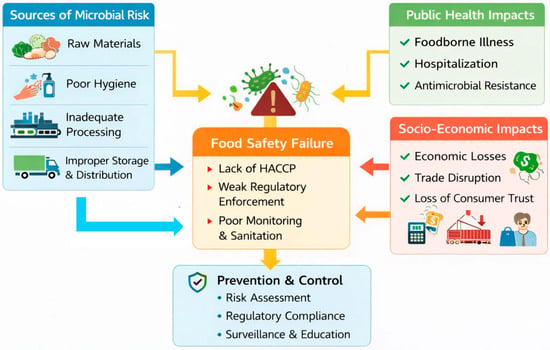
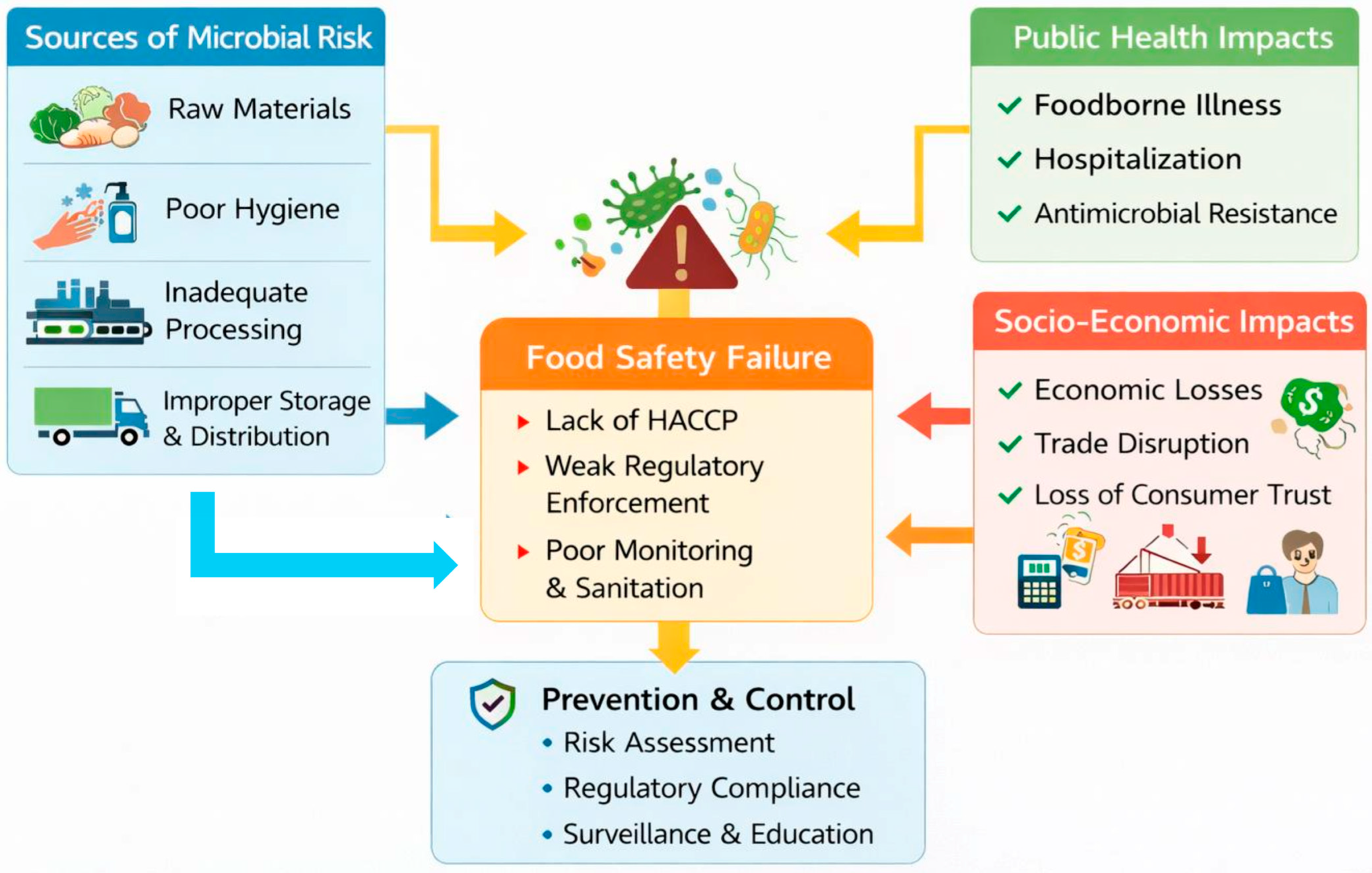
Understanding the ideal conditions for their growth and development requires an understanding of their optimum parameters like temperature, pH, and humidity, which support their growth. In addition, the knowledge of vectors assisting their spread is of immense help in formulating their control measures. Maintenance of high standards of hygiene, and the widespread application of effective food safety management systems across the whole food supply chain, are the primary ways of triumphing food-based infections [22]. From a public health perspective, microbial contamination of food significantly increases morbidity and mortality worldwide. Pathogenic microorganisms such as Salmonella, Escherichia coli, Listeria monocytogenes, and Norovirus disproportionately affect vulnerable populations, including infants, elderly individuals, pregnant women, and immunocompromised patients. Recurrent exposure to contaminated food contributes to chronic health complications, antimicrobial resistance, and increased hospitalization rates [23]. Figure 1 represented link among microbial risks, food safety failure, socio-economic and public health.
Figure 1.
This figure illustrated the interrelationship between microbial hazards, food safety lapses, and their cascading impacts on public health and socio-economic systems. It highlights how contamination sources and poor hygiene practices lead to foodborne diseases, economic losses, and societal burdens, emphasizing the importance of preventive food safety interventions.
In order to avoid a purely descriptive treatment of microbial hazards, the discussion is framed within a risk-based context that links contamination sources, microbial ecology, and environmental persistence to exposure pathways and health outcomes [24]. Microbial presence alone does not determine risk; rather, risk is a function of pathogen concentration, survival during processing and storage, consumption patterns, and host susceptibility [25]. Therefore, the evaluation of microbiological hazards in food systems requires integration of growth kinetics, stress adaptation mechanisms, and food matrix effects with exposure assessment and dose–response relationships. This approach facilitates identification of high-risk food–pathogen combinations and supports prioritization of control measures at critical points along the farm-to-fork continuum [26].
4. Common Sources of Microbial Contamination in Food
There are a number of common routes via which food can get contaminated with microorganisms, thereby increasing consumer risks. Animal products, fruits, vegetables, and grains are all examples of raw ingredients that could potentially harbor harmful bacteria. Another common source of cross-contamination is the use of dirty utensils, cutting boards, and other kitchen appliances [27]. Raw agricultural commodities, including meat, milk, fruits, vegetables, and grains, frequently harbor microorganisms originating from soil, animal feces, and irrigation water. Without adequate control measures, these contaminants can persist into final products [10].
Water used for irrigation, washing, and processing is a critical contamination source, particularly when untreated or inadequately monitored. Food handlers represent another major route, as improper hand hygiene, illness, or poor training can introduce pathogens during preparation and processing [28].
Processing environments and equipment, such as cutting boards, conveyors, and storage containers, can act as reservoirs for microorganisms, especially when biofilms form on surfaces. Inadequate cleaning and sanitation exacerbate this risk. Additionally, storage and transportation conditions, including temperature fluctuations and poor packaging, allow microbial growth and cross-contamination. Understanding these sources is essential for designing targeted preventive and control strategies [29].
Inadequate hand washing or handling of food during sickness are most common examples of poor personal hygiene that introduce hazardous germs into food. Crop irrigation, processing, and cleaning with contaminated water also cause a threat. Pest infestation, insufficient cooking temperatures, poor preservation methods, air, dust, and soil contamination, and other environmental variables are all contributors to food spoilage. Maintaining food safety is a function of understanding followed by taking suitable action against all of these factors of microbial contamination [8]. Beyond health implications, microbial risks exert profound socio-economic impacts. Foodborne disease outbreaks result in substantial economic losses due to healthcare expenditures, product recalls, trade disruptions, and loss of consumer confidence [30]. Small- and medium-scale food enterprises are particularly vulnerable, as outbreaks can threaten business continuity and livelihoods [5]. From a public health perspective, microbial food safety failures disproportionately affect vulnerable populations, including children, the elderly, pregnant women, and immunocompromised individuals. The persistent burden of foodborne illness underscores the necessity for preventive, risk-based food safety systems that prioritize early detection, control at critical points, and continuous monitoring across the food supply chain [31].
5. Types of Microorganisms and Their Potential Harm
Microbiological risks constitute the core of food safety concerns due to the ability of microorganisms to contaminate food, survive processing conditions, and cause disease upon consumption. Unlike chemical hazards, microbial hazards can multiply under favorable conditions, increasing exposure risk during storage, transportation, and handling. Bacteria, viruses, parasites, and fungi differ in their survival strategies, virulence factors, and resistance to environmental stresses, making microbial risk control particularly complex [32]. Different types of microorganisms pose different risks when they contaminate food, of which the following are some commonly encountered microorganisms and the dangers they pose:
Bacteria: A plethora of bacteria pose serious threats to food safety, including Salmonella, E. coli, Campylobacter, and Listeria monocytogenes. Infections in the digestive tract, high body temperature, nausea and vomiting, and even death can result from bacterial contamination of foodstuff [33].
Viruses: The contamination of food with viruses like Norovirus and Hepatitis A has been known to cause widespread epidemics. Gastroenteritis, manifesting as episodes of vomiting, nausea, and diarrhea is the most common symptom among these [34].
Parasites: Meat and shellfish are especially susceptible to contamination from parasitic microbes like Cryptosporidium and Trichinella. Parasites like these can cause serious health problems after being ingested, including nausea, vomiting, diarrhea, and muscle aches [35].
Fungi: Mycotoxins are poisons of fungal origin which can intoxicate food. Aflatoxin is the most reported mycotoxin, synthesized by Aspergillus flavus, that can have devastating effects on human health, including liver damage, carcinogenic effects, and more [36].
Effective control of microbial contamination requires a holistic understanding of these diverse sources and their interactions. Preventive strategies must integrate good agricultural practices, hygienic design of processing facilities, effective sanitation protocols, and strict temperature control during storage and distribution. Addressing contamination at its source remains one of the most effective approaches to reducing overall microbial risk in food systems.
6. Evaluating Microbial Risks
Microbial risk evaluation is a multidisciplinary process that integrates microbiology, epidemiology, and exposure science. Beyond identifying pathogens, it involves understanding dose–response relationships, host susceptibility, and the influence of food matrices on microbial behavior [37]. Advances in quantitative microbiological risk assessment (QMRA) have enabled more precise estimation of risk by incorporating variability and uncertainty associated with microbial growth, processing conditions, and consumption patterns. These approaches support evidence-based decision-making and prioritization of control measures [23].
Systematically assessing the risks associated with microorganisms is necessary for ensuring food safety when evaluating microbial concerns in food. The steps building up this process include determining the types of microorganisms present, analyzing their behavior, estimating the likelihood and severity of their influence on human health, followed by an evaluation of the efficacy of existing management strategies [38]. Microbiological testing, risk assessments, and critical control point monitoring are among some powerful evaluation methods. Food manufacturers, processors, regulators, and researchers may all make better judgments and take more precautions against contamination and the spread of disease-causing microorganisms in the food supply by assessing the hazards posed by these organisms [39].
7. Risk Assessment Methods and Approaches
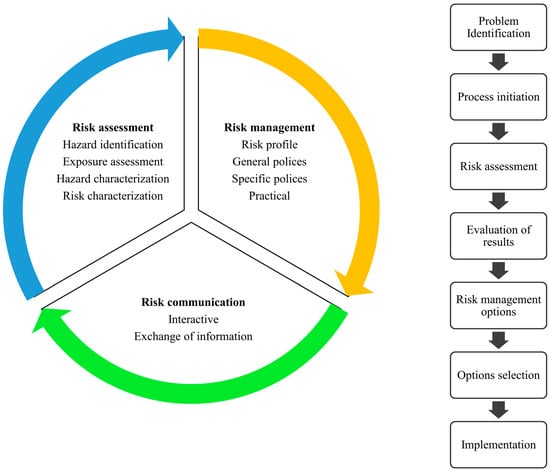
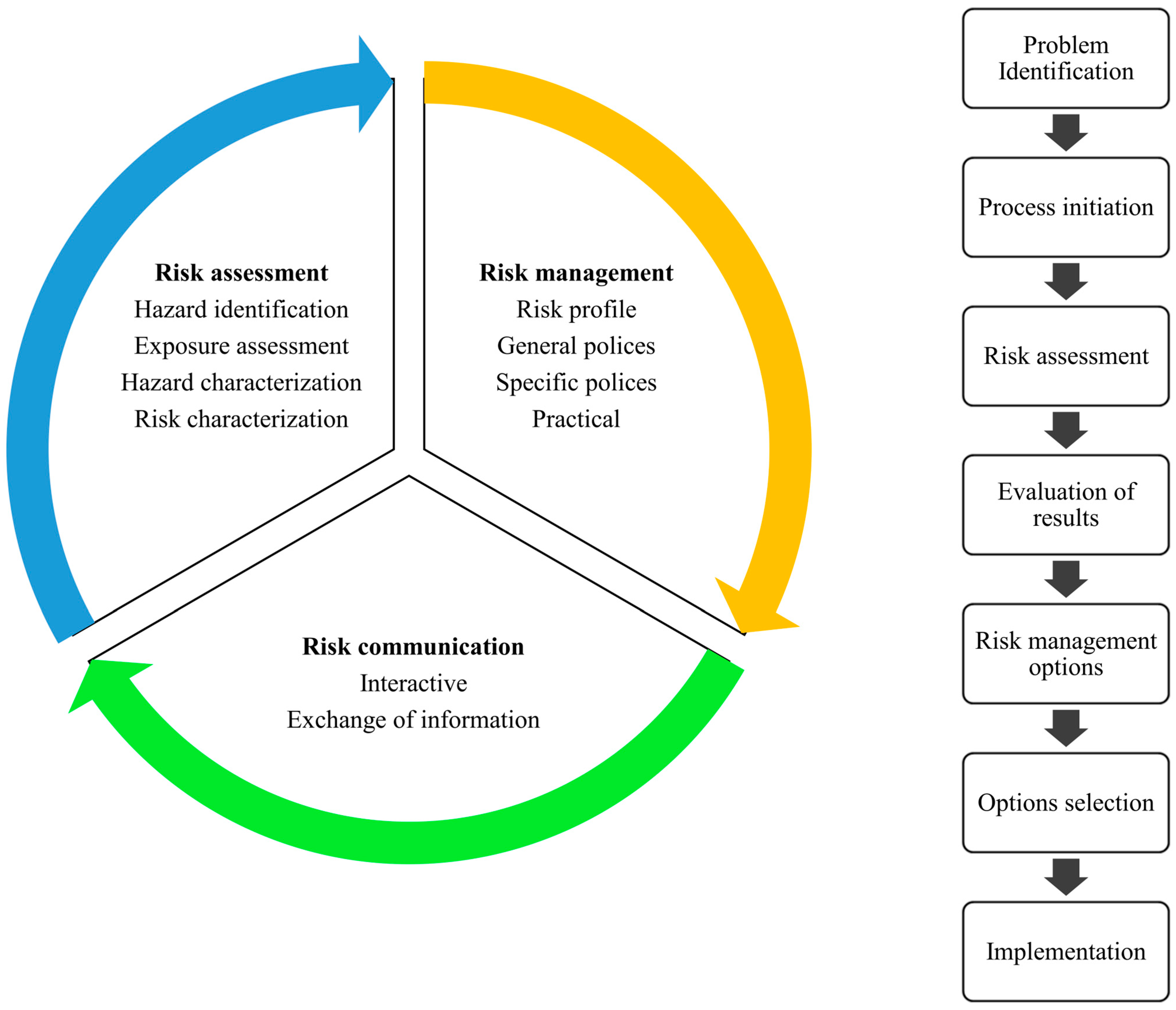
Methods and techniques used for risk assessment play a critical role for ensuring microbiological hazards in foods and its safety (Figure 2). These techniques rely on existing methodologies, principles, scientific approaches to evaluate the risks, different ways of exposure, and outcomes associated with the consumption of contaminated food. Some common techniques for measuring the dangers caused by microorganisms are as follows:
Figure 2.
Risk assessment methods and approaches framework.
7.1. Hazard Identification
Hazard identification is primarily a qualitative process that describes the association of hazards to foods. The main hazards of concern are microorganisms or chemicals [40].
7.2. Exposure Assessment
An exposure assessment is defined as the qualitative and/or quantitative evaluation of the likely intake of biological, chemical, or physical agents via food, as well as exposure from other relevant sources [41].
7.3. Toxicological Assessment
The assessment of food toxicity involves the identification, quantification, and characterization of toxicants present in food products. Analytical techniques, including chromatography, mass spectrometry, and immunoassays, enable the detection of low levels of contaminants and residues in complex food matrices [42].
7.4. Risk Characterization
Risk assessment is a structured process for determining the risk associated with any type of hazard—biological, chemical, or physical—in a food. It has as its objective a characterization of the nature and likelihood of harm resulting from human exposure to agents in food [9].
There are four very distinct steps in the risk assessment process. The first step is hazard identification, which involves the collection, organization, and evaluation of all information pertaining to a pathogen or a nutrient. Second is hazard characterization, which determines the relationship between a pathogen and any adverse effects. Third is exposure assessment, which involves determining how much of a pathogen might be ingested in a serving of food. The fourth, and last step, is risk characterization, which involves evaluating the risk and related information [43]. The characterization of risk typically contains both qualitative and quantitative information and is associated with a certain degree of scientific uncertainty [38].
8. Factors Influencing the Microbial Growth in Food
Microbial growth refers to the increase in the number of microorganisms, including bacteria, yeast, and molds. In food, this growth depends on environmental conditions such as temperature, pH, moisture content, and oxygen availability. When these factors are favorable, microbes multiply rapidly, potentially leading to spoilage or foodborne illnesses. While some microorganisms are beneficial, such as those used in fermentation, others pose risks by producing toxins or deteriorating food quality. Controlling these factors is a cornerstone of food safety practices [44]. Understanding the factors influencing microbial growth in food is essential for maintaining safety, quality, and shelf life. By controlling temperature, pH, moisture content, and oxygen levels, can effectively manage microbial activity and reduce foodborne risks. These principles are the foundation of modern food preservation techniques and safety practices [45].
Biofilm formation on food-contact surfaces enhances resistance to cleaning agents and environmental stresses, allowing pathogens to persist in processing environments. Stress response mechanisms, such as acid tolerance and heat shock responses, enable microorganisms to survive adverse processing conditions. These adaptive traits underscore the need for robust sanitation protocols and advanced monitoring strategies to effectively control microbial risks [28].
9. Data Collection and Analysis for Risk Evaluation
The assessment and management of microbial risks in food include collecting data and evaluating the associated risks. These actions involve collecting and assessing data pertinent to the problem at hand, in this case the possible dangers and risks posed by microbial contamination. Collecting data entails gathering information from a wide range of sources, such as the frequency and characteristics of microorganisms, the processes used in food production, handling, processing, and storage, and the habits of consumers [46]. Surveillance programs, microbiological testing, inspections, and analyses of the relevant literature are all viable options for obtaining this data. The obtained information is used in risk evaluation to determine the potential for and degree of adverse effects on human health [47]. Examining the routes of exposure, microorganism concentrations, dietary habits, and potential adverse health impacts is part of this. To provide a numerical estimate of the risk, quantitative risk assessment techniques may be used [28]. Critical control points, preventative measures, and resource prioritization can all be achieved with the assistance of the data gathered and the results of the risk evaluation. In order to limit microbiological risks and assure the safety of food products, this data is crucial for making educated decisions, establishing food safety standards, applying control measures, and measuring the efficacy of interventions [48].
10. Case Studies: Notable Microbiological Risks in Food
Outbreak investigations constitute a primary source of empirical data for microbiological risk assessment because they enable reconstruction of contamination pathways, identification of control failures, and evaluation of intervention effectiveness under real-world conditions. In this review, outbreak examples are analyzed using a standardized framework that includes: (i) characterization of the hazard and implicated food vehicle, (ii) description of detection and surveillance approaches, (iii) mapping of contamination routes across the food supply chain, (iv) identification of contributing factors and control breakdowns, (v) corrective actions implemented by industry and regulatory authorities, and (vi) risk-management lessons applicable to prevention. This structured format allows comparison across incidents and facilitates translation of epidemiological findings into improvements in HACCP implementation, sanitation validation, temperature control, and traceability systems.
In order to better understand the exact circumstances under which microbial contamination of food led to serious public health issues and outbreaks, case studies of major microbiological dangers in food are quite helpful. These incidents are sobering reminders of the dangers posed by food-borne diseases, and they emphasize the need for rigorous food-safety policies. The 2011 Listeria monocytogenes epidemic in ready-to-eat deli meats and cheeses in the United States is a prominent case in point [44]. Pregnant women, the elderly, and those with compromised immune systems were disproportionately impacted by this outbreak’s many hospitalizations and fatalities. It triggered in-depth probes, product recalls, and a heightened consciousness of the dangers posed by this bacteria [49]. The 2011 Escherichia coli O104:H4 outbreak in Germany is another notable example. The consumption of tainted sprouts has been connected to a large number of cases of serious disease, including hemolytic-uremic syndrome (HUS), and even deaths. Case studies of foodborne outbreaks provide valuable insights into the real-world consequences of microbial contamination and failures in food safety systems. These incidents highlight how pathogens such as Listeria monocytogenes, Escherichia coli, and Salmonella can persist in food environments and cause widespread illness [50].
Several outbreaks have demonstrated that ready-to-eat foods, fresh produce, and processed meat products are particularly vulnerable when control measures are insufficient. Investigations of these events reveal recurring issues, including inadequate sanitation, temperature abuse, cross-contamination, and delayed detection. Lessons from outbreak analyses emphasize the importance of surveillance, traceability, rapid response systems, and science-based risk management in preventing recurrence [51].
The outbreak demonstrated the need for stricter control measures in the cultivation and distribution of sprouts, as well as for enhanced surveillance and response techniques [52]. Another recent example is the 2018-Listeria epidemic in packaged salads across Europe, which affected a large number of people in several countries [53] and some other examples are mentioned in Table 2.
Table 2.
Selected foodborne disease outbreaks associated with both animal-based and plant-based food products.
Prevention measures such as complete sanitation, temperature regulation, testing, and traceability systems are emphasized by these case studies. They also stress the need for effective risk communication and cooperation between public health organizations, food manufacturers, and regulatory agencies in order to identify, analyze, and lessen the impact of microbial threats to the food supply [64].
The analytical evaluation of outbreaks demonstrates recurring causal pathways, including primary production contamination, cross-contamination during processing, persistence of pathogens in biofilms on food-contact surfaces, and temperature abuse during storage and distribution [65]. Surveillance tools such as molecular subtyping and whole genome sequencing enable high-resolution source attribution and support rapid trace-back investigations, thereby reducing the duration and impact of outbreaks [66]. Identification of specific control failures, including inadequate sanitation, insufficient lethality treatments, and delayed detection, provides evidence for refining critical limits and monitoring procedures within food safety management systems [67]. The incorporation of outbreak-derived data into risk assessment enhances hazard prioritization, improves predictive modeling, and supports development of targeted risk-management strategies aimed at high-risk food categories such as ready-to-eat and minimally processed products [68].
11. Regulatory Framework and Control Measures
National legal frameworks governing food control and food safety vary widely in their complexity and their coverage. Some countries have no food legislation whatsoever, relying solely on international instruments such as Codex standards. Other countries may have comprehensive food legislation but it may be outdated, having been in place for decades. Still others may have religious codes operating in tandem with statutory rules, or may have written policies that are only partially reflected in enforceable and enacted legislation [64]. Typically, the legal framework governing food in a particular country reflects a mix of political, societal, economic and scientific forces. Laws and regulations may not have been updated or may have constantly been amended, creating a maze of rules which regulators, industry and consumers find difficult to understand. Changes may have been influenced by the need to develop a regulatory framework for the domestic market or to promote exports. In such cases the legislative instruments may have addressed only specific products or specific food-related activities, and the whole system can therefore lack coherence and be quite complex [69]. The goal of Hazard Analysis and Critical Control Points (HACCP) is to “protect against, eliminate, or control” potential risks at each stage of production. Compliance with safety standards can be maintained through the use of microbiological testing systems that monitor and detect microbial contamination [9]. Food handler training and education programs, standards for sanitation, and routine inspections of restaurants are also effective preventative measures. Also essential for the speedy detection and removal of tainted products from circulation are traceability systems and recall procedures [8].
Authorities can enforce compliance, eliminate risks, and boost consumer confidence in the safety of the food supply chain by developing a comprehensive regulatory framework and effective control methods. For these frameworks to successfully handle developing microbiological concerns, it is essential that regulatory authorities, industry stakeholders, and scientific communities work together to improve and update them on a regular basis [70].
International and National Regulations for Food Safety
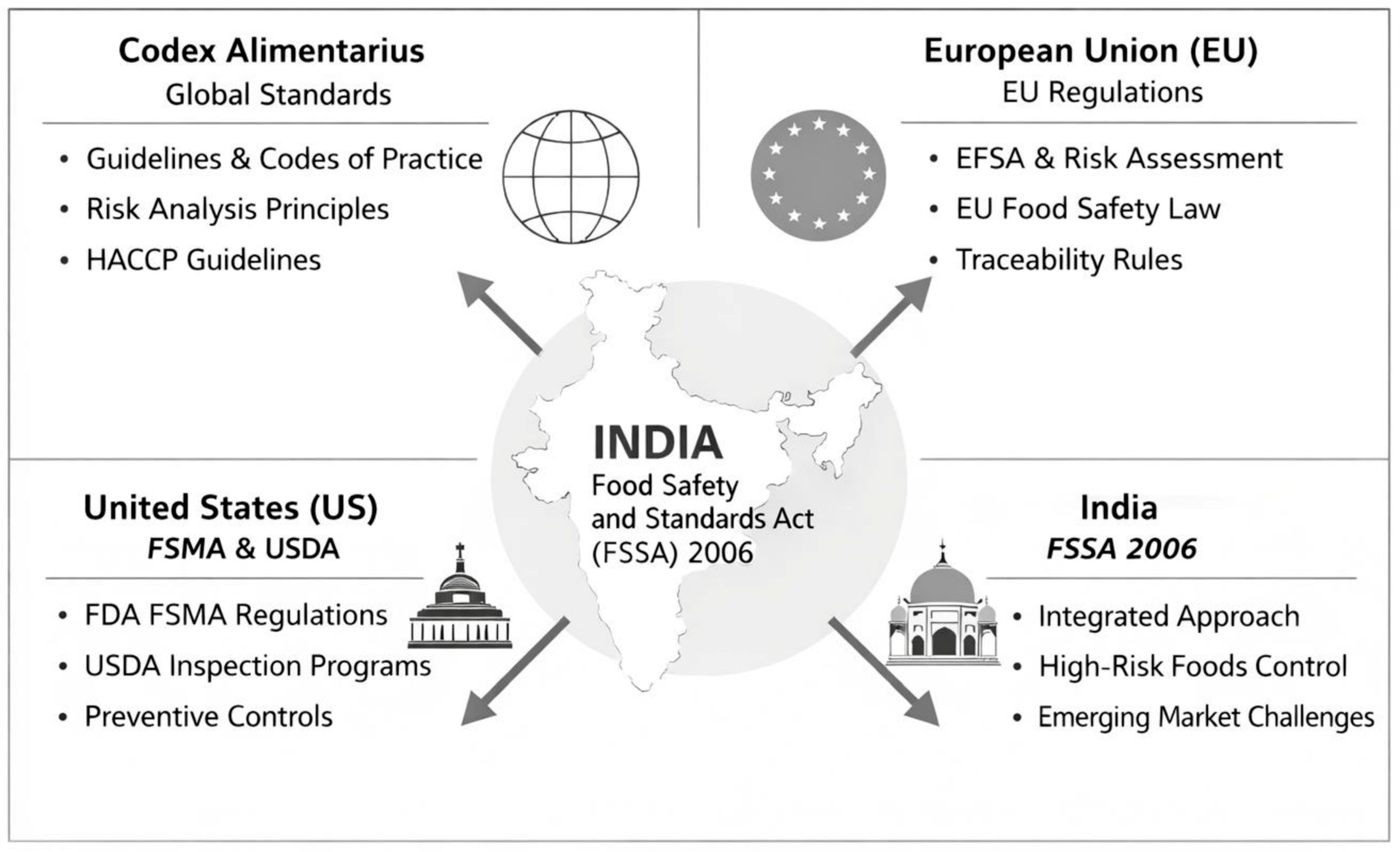
Over the past few years, there has been a significant amount of food-related regulatory activity on a global scale. The WTO was founded in January 1995 as a result of the Uruguay Round of Multilateral Trade Negotiations in 1994. For the first time, agriculture was heavily involved in trade negotiations, and it was decided to lower tariffs on a number of agricultural goods in order to promote free trade. Within the framework of the WTO, two agreements pertinent to food were reached: the SPS Agreement and the Agreement on Technical Barriers to Trade (TBT Agreement). These agreements establish crucial guidelines for the adoption and application of food safety and quality regulations [38]. The Uruguay Round transformed the TBT accord, which had existed as a voluntary accord (the “Standards Code”) since the Tokyo Round (1973–1979), into a legally enforceable multilateral pact. It addresses all technical specifications and guidelines (applied to all commodities), like labelling, that are not covered by the SPS Agreement [71]. As noted, Codex Alimentarius is the main instrument for the harmonization of food standards, and constitutes a collection of internationally adopted food standards, codes of practice and maximum residue limits of pesticides and veterinary drugs in food. Codex’s goals are to safeguard consumer health, guarantee fair food trade procedures, and encourage national governments to coordinate all food standards initiatives. Codex standards, guidelines, and recommendations have been designated as a reference point for worldwide harmonisation under the SPS Agreement [72]. As many nations join the WTO and are thus subject to its agreements, there is a surge in interest in amending laws to fulfil international commitments and to incorporate the principles of these accords, such as non-discrimination, harmonisation, and equivalency [73]. The European Union (EU) has been tasked with bringing national laws on a variety of topics into compliance with EU regulations. Among others, the North American Free Trade Agreement (NAFTA) and the Caribbean Community (CARICOM) have had an impact on their members’ laws, particularly but not just on trade-related issues [46]. The Food Safety and Standards Act (FSSA) of 2006 is a significant piece of Indian legislation that seeks to ensure the safety and quality of food products consumed by its citizens. The comparative framework for food safety regulations is represented in Figure 3.
Figure 3.
Comparative frameworks for food safety regulation.
The Food Safety and Standards Authority of India (FSSAI; https://fssai.gov.in/, accessed on 30 January 2026) oversees food safety standards and regulates by overseeing food safety standards and regulating the production storage, distribution, sale, and importation of food products. It stipulates penalties for non-compliance and promotes consumer awareness regarding food safety.
12. Standards and Guidelines for Microbiological Safety
Controlling and preventing microbiological dangers that can result in foodborne illness is an essential part of food safety standards. There are numerous sets of national and international regulations and guidelines in place to deal with this issue. The Codex Alimentarius Commission creates universal standards for the safe levels of bacteria and other microorganisms in various foods [70]. These standards establish maximum allowable concentrations of microbiological contaminants in several food types, including bacteria, yeasts, molds, and viruses. They help governments, food companies, and regulators determine how to evaluate and control food safety. Guidelines for the prevention and treatment of Salmonella, Escherichia coli, Campylobacter, Listeria monocytogenes, and Clostridium botulinum, to name a few, are also included in the Codex [74]. Preventative approaches, sampling programs, and testing procedures are outlined here to reduce the prevalence of certain diseases in food. The Food and Drug Administration (FDA) in the United States and the European Food Safety Authority (EFSA) in the European Union are two examples of national regulatory agencies that regularly adopt and modify international standards [73]. Microbiological safety criteria, such as clean production facilities, careful handling, and the prevention of cross-contamination, are strictly enforced and inspected by these authorities. Overall, strict adherence to microbiological safety standards and recommendations is essential for stopping the spread of disease through food. To protect the public health and reduce the frequency of foodborne illnesses, they offer a structure for evaluating and controlling potential microbial threats [6].
13. Implementation of Control Measures in Food Production and Handling
The implementation of control measures throughout the food chain, from primary production to processing to consumption, is usually necessary to mitigate potential food-related risks. Validation of these control measures becomes more crucial in the current context of systems-based food safety controls that offer flexibility in the selection of control measures. The validation procedure is used to show that the chosen control measures can, in fact, consistently provide the desired degree of hazard control [8]. It is crucial to distinguish clearly between the responsible authority’s and industry’s roles when it comes to validating control measures. While the competent authority makes sure that industry has efficient processes for validation and that control measures are suitably validated, industry is in charge of validating control measures [75]. Governments may advise businesses on how to carry out validation studies and how to apply validated control measures. In order to support risk management decisions, governments or international organisations may also carry out validation studies or offer information on control measures deemed validated, particularly in situations where the necessary resources are unavailable (such as small and less developed businesses) [9]. The concept and nature of validation, pre-validation tasks, the validation process, and the necessity of re-validation are all covered in these guidelines. These guidelines also discuss the distinction between verification, monitoring, and validation. However, they are merely meant to serve as illustrations and do not actually validate control measures or have worldwide applicability [76].
In many cases, the scientific or technical data required to verify control measures might be obtained from a variety of sources. These include scientific literature, government guidelines, international standards or guidelines (such as Codex Alimentarius), validation studies from industry and/or equipment manufacturers, and guidelines on GHP and HACCP control measures with a proven track record of good performance validated by competent authorities or independent scientific authorities. The conditions of application in a food safety control system should, however, be in line with those found in the scientific data reviewed if such knowledge is to be relied upon. Acquiring information on the conditions or characteristics unique to the operation in issue may be adequate for some well-established procedures (e.g., time and temperature combinations for milk pasteurisation) [77].
14. Consumer Education and Empowerment
Food safety and the encouragement of educated food choices rely heavily on consumer education and empowerment. Consumers may make better choices about the food they buy, prepare, and eat if they have access to the information they need to do so. Food safety procedures, such as correct handling, storage, and cooking methods, are the focus of many consumer education campaigns [78]. Food safety and hygiene awareness initiatives may take the form of public campaigns, teaching materials, workshops, and digital tools. To truly empower consumers, they must be given the resources they need to stand up for their rights and make educated decisions. Allergen and dietary information, as well as nutritional values, must be easily accessible [46]. Consumers who have more information at their disposal are better able to make informed judgments, comprehend product claims, and select foods that are both safe and nutritious. Food fraud, counterfeit products, and deceptive marketing techniques are just some of the issues that can benefit from consumer education and empowerment initiatives. Consumers can better safeguard themselves against fraudulent or misleading food goods if they are made aware of these risks [79].
15. Role of Public Health Agencies and Food Industry in Educating Consumers
Both public health organizations and the food business have an obligation to enlighten the customers about food safety issues, thereby enabling them to make well-informed decisions. Government departments and non-profits with a focus on public health have a civic duty to safeguard and improve public health. They are instrumental in the creation and rollout of food safety awareness campaigns and programs [80]. These organizations are reliable resources for advice on how to prevent food poisoning and how to store and prepare food safely. They also keep the public informed on matters like food recalls, disease outbreaks, or other likely health threats. There is a shared obligation between customers and the food sector, which includes farmers, manufacturers, and merchants [10]. Since they work in direct conjunction with the product, they are the best source of authentic data regarding its ingredients, allergies, nutritional content, expiry date estimate and safe handling guidelines. The food sector can help educate consumers by adopting transparent and health-focused marketing strategies, requiring clear and informative labeling, and offering instructional materials at the point of sale [77].
Effective consumer education requires mutually concerted efforts of public health agencies and the food business management. In order to impart the necessary awareness to public, the food sector can benefit from the guidelines and resources provided by public health institutions. Expertise, best practices, and consumer inputs also play a critical role in accomplishing this role [10]. These factors in collaboration along with suitable educational programs are indeed helpful to people for making more educated decisions about the food they buy, prepare, and consume.
The effectiveness of food safety systems depends on continuous evaluation, adaptation, and integration of scientific advances with regulatory and operational practices. Strengthening these systems requires collaboration among regulatory authorities, the food industry, scientific communities, and consumers to ensure sustainable risk reduction and long-term food safety [81].
16. Emerging Approaches in Microbial Risk Management
Advances in analytical and computational tools have expanded the capacity to perform microbiological risk assessment across the food supply chain. Whole genome sequencing enhances hazard identification and source attribution by enabling differentiation of outbreak strains and detection of virulence and antimicrobial resistance determinants [82]. Predictive microbiology models improve exposure assessment by quantifying microbial growth, survival, and inactivation under dynamic processing and storage conditions. Quantitative burden-of-disease metrics, such as disability-adjusted life years, strengthen risk characterization by enabling comparison of public health impacts across pathogens and food vehicles [83]. Collectively, these tools provide a quantitative basis for prioritizing hazards and evaluating the effectiveness of control measures.
Recent advances in food safety have emphasized the use of whole genome sequencing (WGS) for outbreak detection and source tracking, enabling high-resolution surveillance of foodborne pathogens [84]. Predictive microbiology models are increasingly applied to estimate microbial growth and survival under varying storage and processing conditions [83]. Quantitative risk metrics, such as disability-adjusted life years (DALYs), provide a more comprehensive assessment of disease burden [26].
Emerging challenges include antimicrobial resistance in the food chain, biofilm formation on food-contact surfaces, viable but non-culturable (VBNC) cells, and risks associated with minimally processed and ready-to-eat foods. Addressing these issues requires integration of advanced analytical tools, risk-based regulatory frameworks, and continuous monitoring systems [85].
Emerging microbiological challenges, including antimicrobial resistance, biofilm formation, and viable but non-culturable states, have direct implications for risk management because they reduce the effectiveness of conventional detection and sanitation strategies. Biofilms facilitate long-term persistence of pathogens in processing environments and contribute to recurrent contamination of ready-to-eat foods [86]. The VBNC state complicates culture-based monitoring and may lead to underestimation of contamination levels, thereby increasing exposure risk. Antimicrobial resistance within foodborne pathogens not only affects clinical outcomes but also reflects selective pressures within food production systems, necessitating integrated surveillance across human, animal, and environmental sectors [87]. Addressing these challenges requires validation of sanitation protocols against biofilm-associated cells, incorporation of molecular detection methods capable of identifying VBNC populations, and implementation of antimicrobial stewardship practices within food chains [88].
Emerging food preservation and monitoring technologies are increasingly being adopted to enhance microbial risk control. These include rapid molecular detection methods, advanced sanitation technologies, and intelligent packaging systems capable of monitoring microbial growth in real time [89]. The integration of these technologies with conventional food safety management systems offers promising opportunities for improving early detection, traceability, and overall food safety performance [90].
The integration of genomic surveillance, predictive modeling, and quantitative burden metrics within the microbiological risk-analysis framework enables a transition from reactive outbreak response to proactive risk prevention. These approaches support dynamic risk assessment, real-time monitoring of high-risk foods, and validation of control measures under commercial conditions [91]. Their application is particularly relevant for ready-to-eat and minimally processed foods, where the absence of a final lethality step increases reliance on preventive controls. By linking advanced analytical tools with HACCP-based management systems, food safety programs can achieve more precise hazard prioritization, improved traceability, and enhanced protection of public health [92].
17. Future Perspective and Challenges
Current and future challenges include emerging microorganisms and their toxins in food products; food allergens; co-optimization between safety and quality; improved nutrient availability for certain ages, characteristics, and lifestyles; alternative protein sources; processes that consume less water and energy; environmental, social, and economic concerns; and global warming. Climate change, greenhouse gas emissions, water–energy–food connections, and the need to protect limited natural resources are the most important obstacles to ensuring food security and a sustainable agriculture–food system [93]. New production methods and emerging foodborne diseases also complicate risk assessment and management [94].
New safety frameworks and regulatory adjustments are needed in light of shifting customer tastes and the proliferation of novel, nontraditional food sources like plant-based proteins and cell-based meats. Furthermore, the need for strong food defense tactics and systems to maintain the integrity of the food supply is emphasized by the persistent risk of food fraud and intentional contamination by food adulteration [3]. In order to address these issues, governments, international organizations, business leaders, and academics need to team up in a well-orchestrated manner. The future of food safety can be better protected by being proactive in perceiving and acting upon ideas, making use of technology, increasing global cooperation, and continually improving food safety legislation and procedures [48].
18. Conclusions
Understanding and evaluating microbiological risks of foodstuff is of paramount importance from the society perspective, keeping in mind the likely microorganisms which are expected depending on the nature of food items. National and international surveillance has been designed so as to ensure the safety of the food supply in this light. National regulatory bodies bring into force the legislation to protect the safety and quality of food products, while international organizations such as the Codex Alimentarius Commission set worldwide standards and recommendations. Maintaining food safety relies heavily on microbiological security, control mechanisms in production and handling, consumer education, and consumer agency. Risks can be diminished and foodborne illnesses avoided by following Good Manufacturing Practices (GMP), Hazard Analysis and Critical Control Points (HACCP), the prescribed sanitation techniques, optimum temperature control, allergy management, and traceability systems. A well-informed and alert consumer base can be fostered through step-by-step consumer awareness and empowerment programs. Food campaigns, factual food labeling, and transparent information sharing are some of the many ways in which the food business and public health organizations influence the customers about food safety in a positive manner. Future technological developments may allow for greater traceability, detection of impurities, and enhancement of general safety protocols.
Author Contributions
Conceptualization, Data curation, Formal analysis, Writing—original draft, K.R., V.K. and B.S.; Writing—review & editing, N.D., A.A., D.N.C. and J.J.A. All authors have read and agreed to the published version of the manuscript.
Funding
This research received no external funding.
Institutional Review Board Statement
Not applicable.
Informed Consent Statement
Not applicable.
Data Availability Statement
No new data were created or analyzed in this study. Data sharing is not applicable to this article.
Acknowledgments
A.A. and V.K. are sincerely grateful to University of Delhi for infrastructural and logistics support.
Conflicts of Interest
Author Jayesh J. Ahire was employed by the company Dr. Reddy’s Laboratories Limited. The remaining authors declare that the research was conducted in the absence of any commercial or financial relationships that could be construed as a potential conflict of interest.
References
- Garcia, S.N.; Osburn, B.I.; Jay-Russell, M.T. One Health for Food Safety, Food Security, and Sustainable Food Production. Front. Sustain. Food Syst. 2020, 4, 1. [Google Scholar] [CrossRef] [Scilit]
- Bintsis, T. Foodborne Pathogens. AIMS Microbiol. 2017, 3, 529–563. [Google Scholar] [CrossRef] [Scilit]
- Vågsholm, I.; Arzoomand, N.S.; Boqvist, S. Food Security, Safety, and Sustainability—Getting the Trade-Offs Right. Front. Sustain. Food Syst. 2020, 4, 16. [Google Scholar] [CrossRef] [Scilit]
- Hussain, M.A.; Dawson, C.O. Economic Impact of Food Safety Outbreaks on Food Businesses. Foods 2013, 2, 585–589. [Google Scholar] [CrossRef] [Scilit] [PubMed]
- Lorenzo, J.M.; Munekata, P.E.; Dominguez, R.; Pateiro, M.; Saraiva, J.A.; Franco, D. Main Groups of Microorganisms of Relevance for Food Safety and Stability: General Aspects and Overall Description; Elsevier Inc.: Amsterdam, The Netherlands, 2018; ISBN 9780128110324. [Google Scholar]
- Help Protection Agency, H. Guidelines for Assessing the Microbiological Safety of Ready-to-Eat Foods Placed on the Market; Health Protection Agency: London, UK, 2009; p. 33.
- Bosch, A.; Gkogka, E.; Le Guyader, F.S.; Loisy-Hamon, F.; Lee, A.; van Lieshout, L.; Marthi, B.; Myrmel, M.; Sansom, A.; Schultz, A.C.; et al. Foodborne Viruses: Detection, Risk Assessment, and Control Options in Food Processing. Int. J. Food Microbiol. 2018, 285, 110–128. [Google Scholar] [CrossRef] [Scilit]
- Uçar, A.; Yilmaz, M.V.; Çakiroglu, F.P. Food Safety—Problems and Solutions. In Significance, Prevention and Control of Food Related Diseases; IntechOpen: London, UK, 2016; pp. 1–26. [Google Scholar] [CrossRef] [Scilit]
- US EPA. Hazard Analysis Critical Control Point (HACCP) Strategies for Distribution System Monitoring, Hazard Assessment and Control; U.S. EPA Office of Groundwater and Drinking Water: Washington, DC, USA, 2006.
- Fung, F.; Wang, H.S.; Menon, S. Food Safety in the 21st Century. Biomed. J. 2018, 41, 88–95. [Google Scholar] [CrossRef] [Scilit]
- Elbehiry, A.; Alajaji, A.I. Next-Generation Strategies for Controlling Foodborne Pathogens: Precision Antimicrobials, Biofilm Disruption, and Emerging Molecular Interventions. Foods 2026, 15, 194. [Google Scholar] [CrossRef] [Scilit]
- Lavilla, M.; Amárita, F. Advances and Future Challenges in Microbial Food Safety: Volume I. Foods 2025, 14, 2231. [Google Scholar] [CrossRef] [Scilit]
- Abubaker, K.; Eilu, E.; Akinola, S.A.; Kafeero, H.M.; Danladi, M.; Adebayo, I.A.; Nakavuma, J. Global Research Trends on Bacterial Contamination and Microbiological Quality of Ready-to-Eat Foods: A Bibliometric Analysis. Front. Res. Metrics Anal. 2026, 10, 1719169. [Google Scholar] [CrossRef] [Scilit]
- Tang, J.J. Correction: Psychological Capital and Entrepreneurship Sustainability. Front. Psychol. 2025, 16, 1693510. [Google Scholar] [CrossRef] [Scilit] [PubMed]
- Sharan, R.; Ganatra, S.R.; Bucsan, A.N.; Cole, J.; Singh, D.K.; Alvarez, X.; Gough, M.; Alvarez, C.; Blakley, A.; Ferdin, J.; et al. Antiretroviral Therapy Timing Impacts Latent Tuberculosis Infection Reactivation in a Mycobacterium tuberculosis/SIV Coinfection Model. J. Clin. Investig. 2022, 132, e153090. [Google Scholar] [CrossRef] [Scilit] [PubMed]
- Ze, Y.; van Asselt, E.D.; Focker, M.; van der Fels-Klerx, H.J. A Comparative Analysis of Risk-Based Food Safety Inspection Methods Across EU Countries and Canada. J. Food Sci. 2025, 90, e70592. [Google Scholar] [CrossRef] [Scilit]
- Abbasi, E. The Role of Insects in Environmental Crisis Management: Implications of Climate Change and Environmental Pollution. J. Urban Ecol. 2025, 11, juaf019. [Google Scholar] [CrossRef] [Scilit]
- Schlundt, J.; Tay, M.Y.F.; Chengcheng, H.; Liwei, C. Food Security: Microbiological and Chemical Risks; Springer: Cham, Switzerland, 2020; ISBN 9783030234911. [Google Scholar]
- Seyoum, E.T.; Woldetsadik, D.A.; Mekonen, T.K.; Gezahegn, H.A.; Gebreyes, W.A. Prevalence of Listeria monocytogenes in Raw Bovine Milk and Milk Products from Central Highlands of Ethiopia. J. Infect. Dev. Ctries. 2015, 9, 1204–1209. [Google Scholar] [CrossRef] [Scilit]
- Bevilacqua, A.; De Santis, A.; Sollazzo, G.; Speranza, B.; Racioppo, A.; Sinigaglia, M.; Corbo, M.R. Microbiological Risk Assessment in Foods: Background and Tools, with a Focus on Risk Ranger. Foods 2023, 12, 1483. [Google Scholar] [CrossRef] [Scilit]
- Houlihan, C.F.; Whitworth, J.A.G. Outbreak Science: Recent Progress in the Detection and Response to Outbreaks of Infectious Diseases. Clin. Med. 2019, 19, 140–144. [Google Scholar] [CrossRef] [Scilit] [PubMed]
- Rather, I.A.; Koh, W.Y.; Paek, W.K.; Lim, J. The Sources of Chemical Contaminants in Food and Their Health Implications. Front. Pharmacol. 2017, 8, 830. [Google Scholar] [CrossRef] [Scilit]
- Haas, C.N. Quantitative Microbial Risk Assessment and Molecular Biology: Paths to Integration. Environ. Sci. Technol. 2020, 54, 8539–8546. [Google Scholar] [CrossRef] [Scilit]
- Feliciano, R.J.; Guzmán-Luna, P.; Boué, G.; Mauricio-Iglesias, M.; Hospido, A.; Membré, J.M. Strategies to Mitigate Food Safety Risk While Minimizing Environmental Impacts in the Era of Climate Change. Trends Food Sci. Technol. 2022, 126, 180–191. [Google Scholar] [CrossRef] [Scilit]
- Fang, S.; Liu, S.; Song, J.; Huang, Q.; Xiang, Z. Recognition of Pathogens in Food Matrixes Based on the Untargeted in Vivo Microbial Metabolite Profiling via a Novel SPME/GC × GC-QTOFMS Approach. Food Res. Int. 2021, 142, 110213. [Google Scholar] [CrossRef] [Scilit] [PubMed]
- Kundu, A.; Wuertz, S.; Smith, W.A. Quantitative Microbial Risk Assessment to Estimate the Risk of Diarrheal Diseases from Fresh Produce Consumption in India. Food Microbiol. 2018, 75, 95–102. [Google Scholar] [CrossRef] [Scilit]
- Alegbeleye, O.O.; Singleton, I.; Sant’Ana, A.S. Sources and Contamination Routes of Microbial Pathogens to Fresh Produce during Field Cultivation: A Review. Food Microbiol. 2018, 73, 177–208. [Google Scholar] [CrossRef] [Scilit]
- Maury, M.M.; Bracq-Dieye, H.; Huang, L.; Vales, G.; Lavina, M.; Thouvenot, P.; Disson, O.; Leclercq, A.; Brisse, S.; Lecuit, M. Hypervirulent Listeria monocytogenes Clones’ Adaption to Mammalian Gut Accounts for Their Association with Dairy Products. Nat. Commun. 2019, 10, 2488. [Google Scholar] [CrossRef] [Scilit]
- Sridhar, A.; Ponnuchamy, M.; Kumar, P.S.; Kapoor, A. Food Preservation Techniques and Nanotechnology for Increased Shelf Life of Fruits, Vegetables, Beverages and Spices: A Review. Environ. Chem. Lett. 2021, 19, 1715–1735. [Google Scholar] [CrossRef] [Scilit]
- Okpala, C.O.R.; Korzeniowska, M. Understanding the Relevance of Quality Management in Agro-Food Product Industry: From Ethical Considerations to Assuring Food Hygiene Quality Safety Standards and Its Associated Processes. Food Rev. Int. 2021, 39, 1879–1952. [Google Scholar] [CrossRef] [Scilit]
- Esposito, L.; Mastrocola, D.; Martuscelli, M. Approaching to Biogenic Amines as Quality Markers in Packaged Chicken Meat. Front. Nutr. 2022, 9, 966790. [Google Scholar] [CrossRef] [Scilit]
- Kuenne, C.; Billion, A.; Mraheil, M.A.; Strittmatter, A.; Daniel, R.; Goesmann, A.; Barbuddhe, S.; Hain, T.; Chakraborty, T. Reassessment of the Listeria monocytogenes Pan-Genome Reveals Dynamic Integration Hotspots and Mobile Genetic Elements as Major Components of the Accessory Genome. BMC Genom. 2013, 14, 47. [Google Scholar] [CrossRef] [Scilit] [PubMed]
- Chlebicz, A.; Śliżewska, K. Campylobacteriosis, Salmonellosis, Yersiniosis, and Listeriosis as Zoonotic Foodborne Diseases: A Review. Int. J. Environ. Res. Public Health 2018, 15, 863. [Google Scholar] [CrossRef] [Scilit] [PubMed]
- O’Shea, H.; Blacklaws, B.A.; Collins, P.J.; McKillen, J.; Fitzgerald, R. Viruses Associated with Foodborne Infections; Elsevier Ltd.: Amsterdam, The Netherlands, 2019; Volume 2, ISBN 9780128096338. [Google Scholar]
- Todd, E.C.D. Foodborne Diseases: Overview of Biological Hazards and Foodborne Diseases; Elsevier Ltd.: Amsterdam, The Netherlands, 2014; Volume 1, ISBN 9780123786128. [Google Scholar]
- Kumar, A.; Pathak, H.; Bhadauria, S.; Sudan, J. Aflatoxin Contamination in Food Crops: Causes, Detection, and Management: A Review. Food Prod. Process. Nutr. 2021, 3, 17. [Google Scholar] [CrossRef] [Scilit]
- Tarlak, F. The Use of Predictive Microbiology for the Prediction of the Shelf Life of Food Products. Foods 2023, 12, 4461. [Google Scholar] [CrossRef] [Scilit]
- FAO; WHO. Microbiological Risk Assessment—Guidance for Food; Guidance; Microbiological Risk Assessment Series No. 36; FAO: Rome, Italy, 2021. [Google Scholar] [CrossRef] [Scilit]
- Forghani, F.; Wei, S.; Oh, D.H. A Rapid Multiplex Real-Time PCR High-Resolution Melt Curve Assay for the Simultaneous Detection of Bacillus cereus, Listeria monocytogenes, and Staphylococcus aureus in Food. J. Food Prot. 2016, 79, 810–815. [Google Scholar] [CrossRef] [Scilit]
- van Seventer, J.M.; Hochberg, N.S. Principles of Infectious Diseases: Transmission, Diagnosis, Prevention, and Control, 2nd ed.; Elsevier: Amsterdam, The Netherlands, 2016; Volume 6, ISBN 9780128037089. [Google Scholar]
- Valero, A.; Rodríguez, M.-Y.; Posada-Izquierdo, G.D.; Pérez-Rodríguez, F.; Carrasco, E.; García-Gimeno, R.M. Risk Factors Influencing Microbial Contamination in Food Service Centers. In Significance, Prevention and Control of Food Related Diseases; IntechOpen: London, UK, 2016. [Google Scholar] [CrossRef] [Scilit]
- Kim, K.H.; Kabir, E.; Jahan, S.A. Airborne Bioaerosols and Their Impact on Human Health. J. Environ. Sci. 2018, 67, 23–35. [Google Scholar] [CrossRef] [Scilit]
- Koutsoumanis, K.; Tsaloumi, S.; Aspridou, Z.; Tassou, C.; Gougouli, M. Application of Quantitative Microbiological Risk Assessment (QMRA) to Food Spoilage: Principles and Methodology. Trends Food Sci. Technol. 2021, 114, 189–197. [Google Scholar] [CrossRef] [Scilit]
- Tropea, A. Microbial Contamination and Public Health: An Overview. Int. J. Environ. Res. Public Health 2022, 19, 7441. [Google Scholar] [CrossRef] [Scilit]
- Bhagwat, V.R. Safety of Water Used in Food Production; Elsevier Inc.: Amsterdam, The Netherlands, 2019; ISBN 9780128163337. [Google Scholar]
- Risk, M.; Series, A.; Risk, M.; Series, A. Microbiological Risk Assessment—Guidelines for Food; FAO: Rome, Italy, 2021; ISBN 9789251345184. [Google Scholar]
- Gul, M. A Review of Occupational Health and Safety Risk Assessment Approaches Based on Multi-Criteria Decision-Making Methods and Their Fuzzy Versions. Hum. Ecol. Risk Assess. Int. J. 2018, 24, 1723–1760. [Google Scholar] [CrossRef] [Scilit]
- World Health Organization Publications. World Health Organization Hazard Analysis Critical Control Point Evaluations a Guide to Identifying Hazards and Assessing Risks Associated with Food Preparation and Storage Corrigenda; World Health Organization Publications: Geneva, Switzerland, 1992; Volume 9, p. 80. [Google Scholar]
- Vale, A.J.M.; Fernandes, A.C.L.; Guzen, F.P.; Pinheiro, F.I.; de Azevedo, E.P.; Cobucci, R.N. Susceptibility to COVID-19 in Pregnancy, Labor, and Postpartum Period: Immune System, Vertical Transmission, and Breastfeeding. Front. Glob. Women’s Health 2021, 2, 602572. [Google Scholar] [CrossRef] [Scilit]
- Rohilla, A.; Kumar, V.; Ahire, J.J. Unveiling the Persistent Threat: Recent Insights into Listeria monocytogenes Adaptation, Biofilm Formation, and Pathogenicity in Foodborne Infections. J. Food Sci. Technol. 2024, 61, 1428–1438. [Google Scholar] [CrossRef] [Scilit] [PubMed]
- Henry, M.; Fouladkhah, A. Outbreak History, Biofilm Formation, and Preventive Measures for Control of Cronobacter sakazakii in Infant Formula and Infant Care Settings. Microorganisms 2019, 7, 77. [Google Scholar] [CrossRef] [Scilit] [PubMed]
- Foley, C.; Harvey, E.; Bidol, S.A.; Henderson, T.; Njord, R.; DeSalvo, T.; Haupt, T.; Mba-Jonas, A.; Bailey, C.; Bopp, C.; et al. Outbreak of Escherichia coli O104:H4 Infections Associated with Sprout Consumption—Europe and North America, May–July 2011. MMWR Morb. Mortal. Wkly. Rep. 2013, 62, 1029–1031. [Google Scholar]
- Sarno, E.; Pezzutto, D.; Rossi, M.; Liebana, E.; Rizzi, V. A Review of Significant European Foodborne Outbreaks in the Last Decade. J. Food Prot. 2021, 84, 2059–2070. [Google Scholar] [CrossRef] [Scilit] [PubMed]
- FDA. Investigation Report: Factors Potentially Contributing to the Contamination of Leafy Greens Implicated in the Fall 2020 Outbreak of E. coli O157:H7; FDA: Silver Spring, MD, USA, 2020; pp. 1–18.
- Guzman-Herrador, B.; Vold, L.; Comelli, H.; MacDonald, E.; Heier, B.T.; Wester, A.L.; Stavnes, T.L.; Jensvoll, L.; Aanstad, A.L.; Severinsen, G.; et al. Outbreak of Shigella sonnei Infection in Norway Linked to Consumption of Fresh Basil, October 2011. Eurosurveillance 2011, 16, 20007. [Google Scholar] [CrossRef] [Scilit]
- European Centre for Disease Prevention and Control and European Food Safety Authority. Multi-country outbreak of Salmonella Stanley infections Update. EFSA J. 2012, 10, 2893. [Google Scholar] [CrossRef] [Scilit]
- Harker, K.S.; Lane, C.; Gormley, F.J.; Adak, G.K. National Outbreaks of Salmonella Infection in the UK, 2000–2011. Epidemiol. Infect. 2014, 142, 601–607. [Google Scholar] [CrossRef] [Scilit] [PubMed]
- Hassan, R.; Buuck, S.; Noveroske, D.; Medus, C.; Sorenson, A.; Laurent, J.; Rotstein, D.; Schlater, L.; Freiman, J.; Douris, A.; et al. Multistate Outbreak of Salmonella Infections Linked to Raw Turkey Products—United States, 2017–2019. MMWR Morb. Mortal. Wkly. Rep. 2019, 68, 1045–1049. [Google Scholar] [CrossRef] [Scilit] [PubMed]
- Garner, D.; Kathariou, S. Fresh Produce-Associated Listeriosis Outbreaks, Sources of Concern, Teachable Moments, and Insights. J. Food Prot. 2016, 79, 337–344. [Google Scholar] [CrossRef] [Scilit]
- Sekse, C.; O’Sullivan, K.; Granum, P.E.; Rørvik, L.M.; Wasteson, Y.; Jørgensen, H.J. An Outbreak of Escherichia coli O103: H25—Bacteriological Investigations and Genotyping of Isolates from Food. Int. J. Food Microbiol. 2009, 133, 259–264. [Google Scholar] [CrossRef] [Scilit]
- Pork, P.; Grahek-ogden, D.; Schimmer, B.; Kapperud, G. Outbreak of Yersinia enterocolitica Serogroup O: 9 Infection and Norway. Emerg. Infect. Dis. 2007, 13, 754–756. [Google Scholar]
- Meldrum, R.J.; Mannion, P.T.; Garside, J.; on behalf of The Welsh Food Microbiological Forum. Microbiological Quality of Ready-to-Eat Food Served in Schools in Wales, United Kingdom. J. Food Prot. 2009, 72, 197–201. [Google Scholar] [CrossRef] [Scilit]
- Kapperud, G.; Rørvik, L.M.; Hasseltvedt, V.; Høiby, E.A.; Iversen, B.G.; Staveland, K.; Johnsen, G.; Leitao, J.; Herikstad, H.; Andersson, Y. Outbreak of Shigella sonnei Infection Traced to Imported Iceberg Lettuce. J. Clin. Microbiol. 1995, 33, 609–614. [Google Scholar] [CrossRef] [Scilit]
- FAO Food and Agriculture Organization. Assuring Food Safety and Quality: Guidelines for Strengthening National Food Control Systems; Food and Nutrition Paper 76; FAO: Rome, Italy, 2003. [Google Scholar]
- EFSA Panel on Biological Hazards (BIOHAZ); Koutsoumanis, K.; Allende, A.; Bolton, D.; Bover-Cid, S.; Chemaly, M.; De Cesare, A.; Herman, L.; Hilbert, F.; Lindqvist, R.; et al. Persistence of Microbiological Hazards in Food and Feed Production and Processing Environments. EFSA J. 2024, 22, e8521. [Google Scholar] [CrossRef] [Scilit]
- Gilchrist, C.A.; Turner, S.D.; Riley, M.F.; Petri, W.A.; Hewlett, E.L. Whole-Genome Sequencing in Outbreak Analysis. Clin. Microbiol. Rev. 2015, 28, 541–563. [Google Scholar] [CrossRef] [Scilit]
- Bourdichon, F.; Betts, R.; Dufour, C.; Fanning, S.; Farber, J.; Mcclure, P.; Stavropoulou, D.A.; Wemmenhove, E.; Zwietering, M.H.; Winkler, A. Processing Environment Monitoring in Low Moisture Food Production Facilities: Are We Looking for the Right Microorganisms ? Int. J. Food Microbiol. 2021, 356, 109351. [Google Scholar] [CrossRef] [Scilit]
- Yu, J.; Ma, X.; Zhang, X.; Cui, X.; Chen, S.; Zhao, Z. A Food Safety Targeted Sampling Decision-Making Method Based on Association Rule Mining and GNNs. npj Sci. Food 2025, 9, 132. [Google Scholar] [CrossRef] [Scilit]
- Food Safety and Standards Authority of India. Guidance Document Food Safety Management Systems; Food Safety and Standards Authority of India: New Dehli, India, 2018; pp. 1–103. [Google Scholar]
- Barnes, J.; Whiley, H.; Ross, K.; Smith, J. Defining Food Safety Inspection. Int. J. Environ. Res. Public Health 2022, 19, 789. [Google Scholar] [CrossRef] [Scilit] [PubMed]
- World Health Organization. WHO Global Strategy for Food Safety 2022–2030—Towards Stronger Food Safety Systems and Global Cooperation; World Health Organization: Geneva, Switzerland, 2022; ISBN 9789240057685. [Google Scholar]
- Keenan, S.; Spice, S.; Cole, J.; Banfi, P. Food Safety Policy and Regulation in the United States; Policy Department Economic Scientific Policy: Brussels, Belgium, 2015. [Google Scholar]
- EFSA. EFSA—A Science-Based Organisation That Protects and Informs Consumers, 2012. Available online: https://www.efsa.europa.eu/en/corporate/pub/corporatebrochure (accessed on 30 January 2026).
- Centre for Food Safety, Food and Environmental Hygiene Department. Microbiological Guidelines for Food; Centre for Food Safety, Food and Environmental Hygiene Department: Hong Kong, China, 2014; Volume 2014, pp. 1–38.
- Meghwal, M.; Heddurshetti, U.; Biradar, R. Good Manufacturing Practices for Food Processing Industries: Principles and Practical Applications. In Food Technology Applied Research and Production Techniques; Apple Academic Press: Palm Bay, FL, USA, 2017; pp. 4–28. [Google Scholar] [CrossRef] [Scilit]
- Lee, J.C.; Daraba, A.; Voidarou, C.; Rozos, G.; El Enshasy, H.A.; Varzakas, T. Implementation of Food Safety Management Systems along with Other Management Tools (Hazop, Fmea, Ishikawa, Pareto). the Case Study of Listeria monocytogenes and Correlation with Microbiological Criteria. Foods 2021, 10, 2169. [Google Scholar] [CrossRef] [Scilit] [PubMed]
- CAC. Code of Practice on Food Allergen Management. International Food Standards. 2020, pp. 1–20. Available online: https://www.fao.org/fao-who-codexalimentarius/codex-texts/all-standards/en/ (accessed on 30 January 2026).
- Zorba, N.N.D.; Kaptan, M. Consumer Food Safety Perceptions and Practices in a Turkish Community. J. Food Prot. 2011, 74, 1922–1929. [Google Scholar] [CrossRef] [Scilit]
- Moreira, M.J.; García-Díez, J.; de Almeida, J.M.M.M.; Saraiva, C. Consumer Knowledge about Food Labeling and Fraud. Foods 2021, 10, 1095. [Google Scholar] [CrossRef] [Scilit] [PubMed]
- Lakshminarayanan, S. Role of Government in Public Health: Current Scenario in India and Future Scope. J. Fam. Community Med. 2011, 18, 26–30. [Google Scholar] [CrossRef] [Scilit]
- Dahlén, A.D.; Dashi, G.; Maslov, I.; Attwood, M.M.; Jonsson, J.; Trukhan, V.; Schiöth, H.B. Trends in Antidiabetic Drug Discovery: FDA Approved Drugs, New Drugs in Clinical Trials and Global Sales. Front. Pharmacol. 2022, 12, 807548. [Google Scholar] [CrossRef] [Scilit]
- Gomes, E.; Araújo, D.; Nogueira, T.; Oliveira, R.; Silva, S.; Oliveira, L.V.N.; Azevedo, N.F.; Almeida, C.; Castro, J. Advances in Whole Genome Sequencing for Foodborne Pathogens: Implications for Clinical Infectious Disease Surveillance and Public Health. Front. Cell. Infect. Microbiol. 2025, 15, 1593219. [Google Scholar] [CrossRef] [Scilit]
- Kumar, V.; Ahire, J.J.; Taneja, N.K. Advancing Microbial Food Safety and Hazard Analysis through Predictive Mathematical Modeling. Microbe 2024, 2, 100049. [Google Scholar] [CrossRef] [Scilit]
- Brown, E.; Dessai, U.; Mcgarry, S.; Gerner-Smidt, P. Use of Whole-Genome Sequencing for Food Safety and Public Health in the United States. Foodborne Pathog. Dis. 2019, 16, 441–450. [Google Scholar] [CrossRef] [Scilit]
- Wessels, K.; Rip, D.; Gouws, P. Salmonella in Chicken Meat: Consumption, Outbreaks, Characteristics, Current Control Methods and the Potential of Bacteriophage Use. Foods 2021, 10, 1742. [Google Scholar] [CrossRef] [Scilit]
- Dutt, Y.; Dhiman, R.; Singh, T.; Vibhuti, A.; Gupta, A.; Pandey, R.P.; Raj, V.S.; Chang, C.M.; Priyadarshini, A. The Association between Biofilm Formation and Antimicrobial Resistance with Possible Ingenious Bio-Remedial Approaches. Antibiotics 2022, 11, 930. [Google Scholar] [CrossRef] [Scilit]
- Fan, Z.; Zhu, H.; Tao, C.; Deng, N.; Huang, X. Quantitative Detection of VBNC State Pseudomonas Aeruginosa Contributing to Accurate Assessment of Microbial Inactivation in Drinking Water Disinfection. Water 2024, 16, 236. [Google Scholar] [CrossRef] [Scilit]
- Ban-cucerzan, A.; Imre, K.; Morar, A.; Marcu, A.; Hotea, I.; Popa, S.-A.; Pătrînjan, R.-T.; Bucur, I.-M.; Gașpar, C.; Plotuna, A.-M.; et al. Persistent Threats: A Comprehensive Review of Biofilm Formation, Control, and Economic Implications in Food Processing Environments. Microorganisms 2025, 13, 1805. [Google Scholar] [CrossRef] [Scilit] [PubMed]
- Wu, Y.; Liu, P.; Chen, J. Food Safety Risk Assessment in China: Past, Present and Future. Food Control 2018, 90, 212–221. [Google Scholar] [CrossRef] [Scilit]
- Zeng, D.; Chen, Z.; Jiang, Y.; Xue, F.; Li, B. Advances and Challenges in Viability Detection of Foodborne Pathogens. Front. Microbiol. 2016, 7, 1833. [Google Scholar] [CrossRef] [Scilit] [PubMed]
- Aminu, S.; Ascandari, A.; Mokhtar, M.M.; El Allali, A.; Benhida, R.; Daoud, R. Genome—Resolved Surveillance and Predictive Ecological Risk Modeling of Urban Microbiomes. Microbiome 2026, 14, 45. [Google Scholar] [CrossRef] [Scilit]
- Focker, M.; van Asselt, E.D.; van der Fels-Klerx, H.J. Designing a Risk-Based Monitoring Plan for Pathogens in Food: A Review. Food Control 2023, 143, 109319. [Google Scholar] [CrossRef] [Scilit]
- Chains, F.S. Blockchain-Based Traceability System That Ensures Food Safety Measures to Protect Consumer Safety and COVID-19. Foods 2021, 10, 1289. [Google Scholar] [CrossRef] [Scilit] [PubMed]
- Priyanka, B.; Patil, R.K.; Dwarakanath, S. A Review on Detection Methods Used for Foodborne Pathogens. Indian J. Med. Res. 2016, 144, 327–338. [Google Scholar] [CrossRef] [Scilit] [PubMed]

Disclaimer/Publisher’s Note: The statements, opinions and data contained in all publications are solely those of the individual author(s) and contributor(s) and not of MDPI and/or the editor(s). MDPI and/or the editor(s) disclaim responsibility for any injury to people or property resulting from any ideas, methods, instructions or products referred to in the content. |
© 2026 by the authors. Licensee MDPI, Basel, Switzerland. This article is an open access article distributed under the terms and conditions of the Creative Commons Attribution (CC BY) license.