Review

Potentials and Applications of Microalgae and Spirulina (Cyanobacterium) in Pet Nutrition and Health: A Comprehensive Review with a Special Focus on Euglena gracilis

1
Shenzhen Engineering Laboratory for Marine Algal Biotechnology, College of Life Sciences and Oceanography, Shenzhen University, Shenzhen 518060, China
2
Shenzhen Bay Laboratory, Shenzhen 518055, China
*
Author to whom correspondence should be addressed.
Phycology 2026, 6(3), 87; https://doi.org/10.3390/phycology6030087
Submission received: 7 July 2026 / Revised: 30 July 2026 / Accepted: 1 August 2026 / Published: 6 August 2026
(This article belongs to the Special Issue Advances in Algal Molecular Biology and Biotechnology)

Abstract

The pet food industry is undergoing a significant transformation, driven by the growing trend of companion animal humanization and increasing concerns over the environmental sustainability of conventional protein and lipid sources. Consumers now seek diets that not only meet basic nutritional requirements but also offer preventive health benefits. Microalgae, including Arthrospira (Spirulina, a kind of cyanobacterium), Chlorella, Schizochytrium, and Euglena gracilis, have emerged as versatile biological platforms capable of addressing both functional and sustainability challenges. These microorganisms produce high-quality proteins, omega-3 long-chain polyunsaturated fatty acids (particularly docosahexaenoic acid, DHA), natural pigments, and immunomodulatory polysaccharides. This review synthesizes findings from peer-reviewed studies on the application of microalgae in pet nutrition, covering dogs, cats, and aquatic companion animals. We examine how algal ingredients influence gut microbiota, for instance, by enriching beneficial genera such as Turicibacter and Peptococcus, enhance vaccine responses and mucosal immunity, support cognitive function in aging pets, and contribute to weight management. Particular attention is given to Euglena gracilis and its paramylon (β-1,3-glucan), a pathogen-associated molecular pattern that engages the Dectin-1 pathway to train innate immunity and has demonstrated antiviral activity through host defense mechanisms. The review also surveys the patent landscape, highlighting trends in palatability enhancement, hypoallergenic formulations, and novel delivery formats. Key challenges remain, including ingredient standardization, safety validation, palatability optimization, and consumer acceptance. We outline a translational roadmap that prioritizes well-designed clinical trials in target species and processing methods that preserve bioactivity. Collectively, the evidence positions microalgae, and Euglena gracilis in particular, as promising candidates for next-generation functional pet foods that deliver health benefits alongside ecological sustainability.

1. Introduction

Over the past decade, the global pet care market has undergone a profound shift in consumer attitudes. Companion animals are increasingly regarded as family members, a cultural change often described as the humanization of pet ownership. This shift has redefined expectations for pet food: owners now look for products that go beyond basic nutrition to support preventive health and manage chronic conditions such as obesity, cognitive decline, allergies, and dermatological issues. A recent survey of Chinese consumers found that perceived health benefits and safety assurances are the strongest predictors of purchase intentions for pet nutritional products [1].
At the same time, the pet food industry faces mounting pressure to improve the sustainability of its supply chains. Traditional sources of key nutrients, particularly fishmeal and fish oil, are under severe ecological strain. Roughly 90% of global fisheries are now classified as overexploited or fully depleted, yet aquaculture, which is projected to supply 60% of global fish consumption by 2030, remains heavily dependent on these same marine ingredients [2]. This paradox has driven researchers and manufacturers to explore alternative, low-footprint sources of high-quality protein and essential fatty acids [3].
Microalgae have re-emerged as highly promising candidates in this context. Unlike conventional terrestrial crops or animal-based ingredients, microalgae can be cultivated on non-arable land using brackish water or even wastewater, with rapid growth rates and a favorable carbon footprint [4]. Different species offer distinct nutritional profiles: Arthrospira provides protein concentrations up to 70% dry weight along with phycobiliproteins; Schizochytrium (Labyrinthulomycetes) is an industrial source of docosahexaenoic acid (DHA); and green microalgae such as Chlorella and Tetradesmus deliver balanced amino acid profiles and dietary fiber [5,6]. Beyond macronutrients, microalgae synthesize a range of bioactive compounds, including carotenoids with antioxidant properties and β-glucans that can modulate innate immune responses.
Industry interest has accelerated in recent years, reflected in a surge of patent filings covering algal ingredients for pet food applications. Innovations now span palatability enhancement, hypoallergenic formulations, life-stage-specific diets, and novel processing methods such as cold-pressing to preserve heat-sensitive bioactives [7,8]. Circular economy models are also emerging: one study showed that poultry and fish processing by-products could be upcycled with Spirulina (cyanobacterium) into nutritious pet biscuits with significant antimicrobial properties and low water activity for extended shelf life [9]. These developments suggest that microalgae are transitioning from niche ingredients toward mainstream components of sustainable pet nutrition.
Among the diverse microalgae under investigation, Euglena gracilis occupies a distinctive position. This eukaryotic microalga lacks a rigid cellulosic wall, which may enhance nutrient digestibility relative to many other algae. More importantly, it accumulates paramylon, a crystalline β-1,3-glucan that functions as a pathogen-associated molecular pattern capable of training innate immunity via the Dectin-1 receptor pathway [10]. These features position E. gracilis as a candidate ingredient for next-generation functional pet foods, particularly for immune support, antiviral defense, and metabolic recovery.
This review synthesizes evidence from the peer-reviewed literature and recent patent filings on the use of microalgae in pet nutrition. We cover applications in dogs, cats, and aquatic companion animals, with special emphasis on Euglena gracilis and its paramylon-based mechanisms. We also discuss the translational gap between scientific findings and commercial products, identify key barriers to adoption, and propose priorities for future research.

2. Nutritional Profiles and Functional Ingredients

Microalgae are not a single nutritional entity. Different taxonomic groups produce markedly different compositions of protein, lipid, fiber, and bioactive metabolites, which directly influences their suitability for specific pet applications. Understanding these differences is essential for rational formulation.
Protein is one of the most frequently cited reasons for including microalgae in pet foods. Some species, particularly Arthrospira platensis (Spirulina, cyanobacterium) and Chlorella vulgaris, contain protein levels exceeding 50% of dry weight, with amino acid profiles comparable to conventional animal proteins [5]. A detailed metabolomic analysis of three microalgae grown in industrial photobioreactors—Tetradesmus obliquus, Chlorella vulgaris, and Nannochloropsis oceanica—found that all three exceeded the essential amino acid requirements for dogs at all life stages, with the exception of methionine and cysteine. This suggests that while these microalgae can serve as valuable protein sources, they are best combined with other ingredients to achieve a complete amino acid balance [5].
Fatty acid profiles vary even more dramatically across species. Schizochytrium sp. is cultivated commercially for its high DHA content. In aged beagle dogs, supplementation with whole-cell Schizochytrium significantly improved plasma DHA status and enhanced performance in visual discrimination learning tasks, indicating that algal DHA is bioavailable and functionally effective in the canine brain [11]. By contrast, N. oceanica is richer in eicosapentaenoic acid (EPA), while T. obliquus contains linolenic acid but lacks arachidonic acid as a fatty acid that cats cannot synthesize endogenously and must obtain from their diet. Microalgal blends for feline nutrition therefore require careful design to avoid deficiencies [12].
Beyond protein and fatty acids, microalgae contribute important micronutrients and bioactive compounds. Taurine is an essential amino acid for cats; its deficiency causes dilated cardiomyopathy and retinal degeneration. Traditionally obtained from animal tissues, taurine has now been quantified in several red and green macroalgae as well as in microalgae-enriched food products. An analysis of 26 commercial algae species found that some algae-based pastas contained levels of taurine and its derivatives (hypotaurine and homotaurine) comparable to those found in foods of animal origin, suggesting that microalgae could help support taurine requirements in plant-forward pet diets [6].
Microalgae also contribute a range of vitamins that support companion animal health. Spirulina and Chlorella are rich sources of B-complex vitamins, including B1 (thiamine), B2 (riboflavin), B6, and B12, as well as provitamin A (β-carotene), vitamin E (tocopherols), and vitamin K [13]. The vitamin B12 content of certain microalgae is of particular interest for plant-forward pet diets, as this vitamin is naturally absent from most plant ingredients [14]. However, it should be noted that the bioactivity of algal vitamin B12 in mammals remains a subject of ongoing investigation, as some algal forms may include inactive analogs [13].
Digestibility is a critical practical consideration. Algal cell walls differ in composition and rigidity, affecting the release of intracellular nutrients during digestion. Chlorella possesses a tough cellulose-rich wall that may limit nutrient availability unless the biomass is processed (e.g., by mechanical disruption or enzymatic treatment). Euglena gracilis, by contrast, lacks a cell wall entirely, which may enhance digestibility and palatability. A feeding trial in adult Beagle dogs evaluated an algal blend containing two macroalgae (Ulva rigida and Fucus vesiculosus) and one microalga (Chlorella vulgaris) at inclusion levels of 0.5%, 1.0%, and 1.5%. The highest inclusion level increased the digestibility of organic matter, fiber, and energy, and raised fecal total short-chain fatty acids and acetate content, indicating improved colonic fermentation. Dogs showed no reduction in food intake, although they preferred the control diet when given a direct choice [15].
However, not all products deliver what their labels promise. A survey of European dog foods conducted between 2020 and 2024 revealed that plant-based and hybrid diets often contained higher fiber and ash but lower protein and fat than animal-based diets [16]. More concerning, a study on commercial puppy foods found that none of the tested diets fully met their label claims for EPA and DHA levels, pointing to significant gaps in quality control and ingredient specification [17]. For microalgae-enriched products, this issue may be particularly acute because algal oils are prone to oxidation and because analytical methods for quantifying DHA in complex feed matrices are not always standardized.
A final point concerns sulfonic acid derivatives. In addition to taurine, microalgae contain hypotaurine and homotaurine, compounds with antioxidant and neuroprotective properties. The green alga Ulva lactuca (macrophyte), for example, showed relatively high concentrations of homotaurine, while Chlorella vulgaris and Nannochloropsis species were among the richest in total protein [6]. These findings suggest that microalgae could contribute not only to basic nutrition but also to functional outcomes related to oxidative stress and neural health, though direct evidence in pets remains limited. Table 1 summarizes the nutritional components and functional positioning of major microalgae used in pet foods and supplements.
The processing of microalgal biomass for pet food applications significantly influences nutrient bioavailability, palatability, and functional efficacy [18,19]. Commercially, microalgae are most commonly supplied as dried biomass, achieved via spray-drying or drum-drying, which preserves protein and lipid content while extending shelf life [19]. Freeze-drying is occasionally used for high-value bioactive ingredients (e.g., phycocyanin, astaxanthin) to minimize thermal degradation, though its higher cost limits widespread adoption [19]. Live microalgae are rarely used in companion animal diets due to storage and consistency challenges, except in aquaculture settings where live feeds remain standard for larval stages [20]. Extrusion cooking—the predominant manufacturing process for dry kibble—exposes algal biomass to high temperature and pressure, which may reduce the bioactivity of heat-labile compounds such as DHA and certain pigments [21,22]. Cold-pressing and low-temperature extrusion represent emerging alternatives to preserve thermosensitive bioactives. For Euglena gracilis, the absence of a rigid cell wall may reduce the need for mechanical disruption, potentially preserving paramylon integrity during processing [20].
Table 1. Nutritional components and functional positioning of major microalgae and Spirulina (cyanobacterium) used in pet foods and supplements.
MicroalgaPrimary Nutrients/ActivesFunctional Positioning in PetsTypical Inclusion/Dose RangeKey Measurable EndpointsEvidence LevelReferences
Euglena gracilis
(Euglena)
Paramylon (β-1,3-glucan); wall-less biomass; micronutrientsImmune modulation (innate training/antiviral defense); recovery support; gut-immune axisThe concentration of Euglena powder is 2–5% and the extract is 0.11 mg/mL and for 12 h.Immune markers (cytokines/IgA); infection outcomes; GI tolerance; palatabilityE3, E4[10,23]
Arthrospira platensis
(Spirulina, cyanobacterium)
High protein; phycocyanin; carotenoids; antioxidantsImmune support; antioxidant/anti-inflammatory; skin/coat; palatabilityThe daily amount (g/kg BW) of Spirulina ranged from 0.08 to 0.25 for cats, from 0.06 to 0.19 for small-sized dogs, from 0.05 to 0.15 for medium-sized dogs, and from 0.04 to 0.12 for large-sized dogsFood intake/palatability; fecal quality; inflammatory/oxidative biomarkersE1, E4[24,25,26]
Chlorella vulgaris
(Chlorella)
Protein; cell-wall components/fiber; pigments; micronutrientsGI health (microbiota/SCFA); digestibility; antioxidant supportThree algal blend supplementation levels (0.5, 1.0, and 1.5%)Apparent digestibility; fecal SCFA; microbiota profiles; fecal qualityE1[15,27]
Schizochytrium sp.
(DHA microalga, Labyrinthulomycetes)
DHA-rich oil; omega-3 lipidsCognition/aging; skin/coat; anti-inflammatory lipid supportTwo diets containing 0 and 0.4% of Schizochytrium sp. were evaluated in three experimentsSerum/plasma DHA; inflammatory markers; cognitive endpoints; coat scoresE1[28]
Haematococcus pluvialisAstaxanthin; carotenoidsAntioxidant; skin/coat pigmentation; aging supportH. pluvialis biomass (BHP; 450 mg/kg; o.p.), its polar fraction (PHP; 30 mg/kg; p.o.)Oxidative stress markers; coat color; immune parametersE2[29,30]
Tetradesmus obliquusProtein; essential amino acids; fiberProtein supplementation; gut health0.5–1.5% in dog dietsAmino acid digestibility; fecal microbiotaE1[5,27]
Nannochloropsis oceanicaEPA; protein; carotenoidsOmega-3 support; antioxidant0.5–1.5% in dog dietsEPA status; oxidative stress markersE1[5,27]
Evidence levels: E1 = in vivo in target pets (dog/cat/fish); E2 = in vivo in non-pet animal models; E3 = in vitro/ex vivo (including canine/feline gut models); E4 = patent/industrial disclosure; E5 = narrative review or general background. Abbreviations: SCFA, short-chain fatty acids; bw, body weight; GI, gastrointestinal.

3. Canine Health Applications

Dogs represent the largest market segment for functional pet foods, and most published research on microalgae in companion animals has been conducted in canines. The evidence base has matured from simple ingredient characterization to controlled feeding trials measuring physiological outcomes such as immune markers, gut microbiota composition, cognitive performance, and serum lipid profiles.
The relationship between microalgae consumption and immune function has been investigated in both in vitro and in vivo settings. In an in vitro canine gut model using four microalgae species—Arthrospira platensis, Haematococcus pluvialis, Phaeodactylum tricornutum, and Chlorella vulgaris—researchers observed species-specific effects on fermentation and microbial populations. P. tricornutum increased propionate by 36% and butyrate by 24% after six hours of incubation, while reducing branched-chain fatty acids. Chlorella vulgaris decreased the abundance of Clostridium coccoides and Enterococcus spp. after 24 h [31]. These findings suggest that certain microalgae can shift canine gut fermentation toward a more saccharolytic profile, generally considered beneficial for colon health.
In vivo evidence comes from a 42-week feeding study in adult dogs. Animals receiving a diet supplemented with dried Arthrospira platensis showed significantly higher antibody responses to rabies vaccination and elevated fecal immunoglobulin A levels—a marker of mucosal immune competence—compared to controls. Gut microbiota stability was also improved in the supplemented dogs [32]. These results align with earlier frameworks positioning Spirulina as an immunomodulator in canine and feline health [33].
More recent work extended these observations to other species. A digestibility and palatability study in Beagle dogs compared diets supplemented with 0.5%, 1.0%, and 1.5% of Chlorella vulgaris, Nannochloropsis oceanica, or Tetradesmus obliquus. Microalgae inclusion did not negatively affect food intake or overall digestibility; C. vulgaris actually increased protein digestibility. Fecal microbiota analysis revealed enrichment of Turicibacter and Peptococcus in dogs fed algae-supplemented diets. Both genera have been associated with gut health and immune activation in other species, suggesting prebiotic-like effects [27]. Similar findings were reported with an algal blend containing macroalgae and C. vulgaris, where increased fecal short-chain fatty acids and acetate were observed without major shifts in overall microbial diversity [15].
Cognitive decline in aging dogs shares pathological features with human Alzheimer’s disease, including oxidative stress, inflammation, and neuronal membrane deterioration. DHA is a structural component of neuronal membranes, and its dietary supply declines with age. In a controlled trial using aged Beagle dogs, supplementation with whole-cell Schizochytrium sp. for 25 weeks significantly improved plasma DHA status and enhanced initial learning of visual object discrimination tasks. The animals performed better on shape discrimination and variable contrast discrimination protocols compared to controls, although long-term memory consolidation was not significantly affected [11]. These results indicate that algal DHA can support specific domains of cognitive function in senior dogs.
Safety is a prerequisite for any long-term nutritional intervention. A nine-month toxicity study in Beagle dogs administered DHA ethyl ester (90% concentrate from microalgal oil) at doses of 150, 1000, and 2000 mg/kg body weight per day via oral gavage. The treatment was well tolerated at all doses. Dry, flaky skin occurred only at the two highest doses and reversed completely during a two-month recovery period, with no microscopic correlates. Dose-related decreases in serum cholesterol and triglycerides were noted, reflecting the known lipid-lowering effects of DHA. No other adverse findings were attributed to the test article, establishing a no-observable-adverse-effect level of 2000 mg/kg body weight per day for both sexes [34]. This safety window is substantially wider than typical inclusion levels in commercial pet foods.
Canine obesity has reached epidemic proportions in many countries. A double-blind, placebo-controlled trial in overweight dogs compared a high-protein, high-fiber weight-loss diet with or without Spirulina supplementation over 12 weeks. Both groups lost approximately 11% of initial body weight and showed significant improvements in serum total cholesterol, glucose, alkaline phosphatase, and paraoxonase-1. However, dogs receiving Spirulina exhibited a more rapid reduction in serum triglycerides: by week 6, the Spirulina group had a significant decrease from baseline while the placebo group did not. A significantly higher percentage of dogs in the Spirulina group achieved a triglyceride reduction exceeding 15% at week 6 and 30% at week 12. Bilirubin decreased only in the Spirulina group, hinting at possible hepatoprotective effects [35].
Palatability remains a potential hurdle at higher inclusion levels. A study evaluating increasing amounts of Spirulina tablets in healthy dogs and cats found that most animals accepted the tablets either alone or mixed with food, with no significant changes in fecal score, defecation frequency, vomiting, scratching, or general health over six weeks. Inclusion levels ranged from 0.04 to 0.19 g/kg body weight per day [25]. These data suggest moderate supplementation is well tolerated, but higher levels intended for therapeutic effects may require palatability masking strategies such as microencapsulation or flavor coating [7]. Table 2 summarizes in vivo studies of microalgae and Spirulina used in dogs and cats.

4. Feline Health Applications

Compared to dogs, published research on microalgae in cats is more limited but growing in specific therapeutic directions. Cats are obligate carnivores with unique nutritional requirements, including a dietary need for preformed arachidonic acid and taurine, and a lower capacity for synthesizing certain long-chain polyunsaturated fatty acids from plant-based precursors. These metabolic particularities mean that microalgae cannot simply be transferred from canine formulations without careful consideration.
The anti-inflammatory potential of microalgal DHA has been evaluated in domestic cats using Schizochytrium spp. biomass. In a study involving 37 young cats (approximately 11.5 months of age), animals were fed diets containing algal biomass at 4.0, 8.0, 12.0, or 16.0 g/kg, replacing poultry fat as the primary omega-6 source. After 62 days, the cats were neutered, and inflammatory markers were measured before and after surgery. Prostaglandin E2 concentrations after surgery decreased linearly with increasing microalgal inclusion (R2 = 0.8706), indicating that DHA from Schizochytrium can modulate the acute inflammatory response to surgical trauma. The study also documented DHA deposition in gonadal tissues—both testes and ovaries—following supplementation [36].
Viral infections pose significant health challenges in multi-cat environments. Monogalactosyl diacylglyceride isolated from the green microalga Coccomyxa sp. KJ demonstrated virucidal activity against feline calicivirus, a common cause of upper respiratory disease in cats that also serves as a surrogate for human norovirus. At 100 μg/mL, the compound reduced viral infectivity to approximately 10% after 60 min of incubation. In animal experiments, intraoral administration at 1 mg per day suppressed viral shedding in feces and produced higher neutralizing antibody titers compared to controls [37]. While this work was conducted in mice rather than cats, the specific testing against feline calicivirus makes the findings directly relevant to feline health.
Palatability is often cited as a barrier to microalgal use in cats. However, a study providing increasing amounts of Spirulina tablets to healthy cats over six weeks found that most cats accepted the tablets either alone or mixed with food. Daily amounts ranged from 0.08 to 0.25 g/kg body weight. Owners reported no significant adverse effects on fecal score, defecation frequency, vomiting, scratching, lacrimation, general health status, or behavioral attitudes [25]. These findings suggest that at moderate inclusion levels, Spirulina is palatable and well tolerated in cats.
Feline research clearly lags behind canine research in gut microbiota modulation. While several well-controlled trials have examined microalgae effects on the canine intestinal ecosystem, comparable studies in cats are scarce. Given the importance of the gut microbiome for feline health—particularly in managing inflammatory bowel disease and chronic diarrhea—this is a priority for future research. Similarly, the potential for microalgae to contribute to taurine nutrition in cats has been suggested by compositional analyses, but direct feeding studies measuring taurine status are lacking [6].

5. Aquatic Companion Animals and Ornamental Fish

Although the primary focus is on dogs and cats, microalgae have a long history of use in aquatic animal nutrition, including ornamental fish and other aquatic pets. This body of work provides valuable proof-of-concept data for immune enhancement, pigmentation, stress resistance, and detoxification.
One of the most visible applications is pigmentation enhancement. Consumers of ornamental fish place high value on bright, stable body colors, and natural pigments from microalgae are preferred over synthetic alternatives. Studies in goldfish (Carassius auratus) found that dietary Spirulina significantly improves skin pigmentation and growth performance [38]. For the ornamental shrimp industry, astaxanthin-rich Haematococcus pluvialis is a standard ingredient for enhancing red coloration; recent work in Pacific white shrimp (Litopenaeus vannamei) confirmed that dietary inclusion at 1.2 g/kg feed optimizes growth, pigmentation, and disease resistance [29].
Growth promotion is another well-established effect. In Nile tilapia, dietary Spirulina at 1% inclusion significantly improved growth performance, feed utilization, and immune responses while reducing oxidative stress following challenge with Pseudomonas fluorescens [39]. A mixture of Dunaliella salina and Spirulina (1:1) at 1.0–1.5 g/kg diet in broiler chicks—a model for small pet birds—improved body weight gain, feed conversion ratio, lipid profiles, and immune parameters [40]. In hybrid yellow catfish, 1% Arthrospira platensis increased food intake, growth performance, and antioxidant capacity while reducing whole-body lipid content [41].
Disease resistance has been tested against a range of aquatic pathogens. In Nile tilapia, dietary Amphora coffeaeformis at 2–3% significantly improved survival following challenge with Aeromonas hydrophila [42]. Dietary Pediastrum boryanum extract at 1.5 mg/kg increased IgM levels, lysozyme activity, and expression of immune-related genes while improving intestinal villus height and surface area [43]. In rainbow trout, a combination of Chlorella sp. and Schizochytrium sp. extracts upregulated genes for growth hormone, digestive enzymes, antioxidant enzymes, and immune mediators [44]. In Pacific white shrimp, a microalgal meal containing Phaeodactylum tricornutum and Tetraselmis sp. reduced mortality after Vibrio parahaemolyticus challenge to one-sixth of that in controls [45].
A particularly important function is protection against environmental toxins. Fish and ornamental aquatic animals are often exposed to heavy metals and pesticides in captive environments. Dietary Chlorella vulgaris at 15 g/kg effectively alleviated cadmium-induced oxidative stress and immunosuppression in Nile tilapia [46]. In common carp exposed to imidacloprid, 10% Chlorella vulgaris dry powder improved growth, reduced serum cortisol and liver enzymes, enhanced immune parameters, and increased antioxidant enzyme activities [47]. Mercury toxicity in Nile tilapia was mitigated by Nannochloropsis oculata at 5–10% of the diet [48]. For ornamental species kept in small water volumes, these detoxification effects may be particularly valuable.

6. Euglena gracilis and Paramylon: A Distinctive Functional Platform

Among the diverse microalgae being developed for pet nutrition, Euglena gracilis occupies an unusual and potentially valuable position. This freshwater eukaryotic microalga has several features that set it apart from more commonly used species such as Chlorella or Spirulina [23]. Most notably, E. gracilis lacks a rigid cellulosic cell wall. Instead, it is surrounded by a proteinaceous pellicle that allows flexibility and motility. From a nutritional perspective, the absence of a tough cell wall means that cellular contents—including proteins, lipids, and the characteristic storage polysaccharide—may be more readily accessible to digestive enzymes, potentially translating into higher digestibility and improved bioavailability.
What truly distinguishes E. gracilis is its accumulation of paramylon, a high-molecular-weight linear β-1,3-glucan. Paramylon is synthesized in the cytoplasm and stored as semicrystalline granules ranging from 0.2 to 20 μm. Structurally, paramylon differs from yeast or cereal β-glucans: yeast β-glucans typically contain β-1,3 linkages with β-1,6 branches, while paramylon is unbranched. This structural simplicity may influence receptor binding specificity and downstream immune effects.
As shown in Figure 1, the immunological relevance of paramylon stems from its recognition as a pathogen-associated molecular pattern. β-glucans bind to the Dectin-1 receptor on macrophages and dendritic cells, leading to NF-κB activation and cytokine production [33]. Studies using Euglena extracts have demonstrated antiviral activity against influenza virus, mediated through host cell defense mechanisms rather than direct virucidal action [10]. In the context of gut health, microalgae including Euglena have been shown to modulate short-chain fatty acid production and beneficial bacterial populations in canine gut models [31].
The translational potential of Euglena has not gone unnoticed by the pet food industry. A nutritional formulation combining Euglena powder, Spirulina powder, glucose, functional oligosaccharides, and L-glutamine has been proposed to confer multiple health benefits: reducing disease susceptibility, alleviating gastrointestinal distress, promoting recovery following surgical intervention or antibiotic therapy, and enhancing immunocompetence [4]. The pairing of Euglena with Spirulina reflects a market hypothesis that paramylon’s immune-training effect may synergize with phycocyanin- and antioxidant-mediated effects of Spirulina.
It is worth comparing Euglena paramylon with β-glucans from other sources already established in pet nutrition. Yeast-derived β-glucans have been used for decades as immune modulators, with substantial evidence supporting their safety and efficacy. Paramylon offers potential advantages: the unbranched β-1,3 structure may present a different epitope to Dectin-1, potentially altering the cytokine profile of the immune response. Moreover, because paramylon is produced intracellularly in crystalline form, it may be protected from degradation during feed processing and gastrointestinal transit. However, direct comparative studies in pets have not been conducted.

7. Broader Evidence from Non-Target Animal Models

Substantial research on microalgae has been conducted in rabbits, birds, and rodents, providing supporting evidence for safety, antioxidant activity, immune modulation, and tissue protection that is mechanistically relevant to companion animals.
Rabbits, kept as companion animals in many households, have been used in several feeding trials. In New Zealand White rabbits, dietary Chlorella vulgaris at 300–500 mg/kg improved body weight gain and feed conversion while increasing serum total protein and decreasing total cholesterol. Antioxidant enzyme activities were enhanced, and intestinal morphology remained normal [49]. Another study found that Chlorella vulgaris at 500 mg per animal per day increased final body weight and carcass yield, reduced malondialdehyde, and upregulated SOD1 and GPX1 expression in liver and ovaries [50]. In dwarf rabbits, a diet containing 3% Spirulina was well tolerated over 14 weeks [51].
While the majority of microalgae feeding studies have been conducted in rats, a smaller but significant body of evidence exists for the golden Syrian hamster (Mesocricetus auratus), a species widely used as a model for human lipid metabolism. Cherng and Shih demonstrated that dietary supplementation with Chlorella pyrenoidosa significantly decreased serum triglycerides, total cholesterol, and LDL cholesterol in hamsters fed a high-fat diet for up to eight weeks, while also reducing the total cholesterol/HDL ratio, an indicator of coronary heart disease risk [52]. In hypercholesterolemic hamsters, red algal biomass from Porphyridium cruentum was found to dose-dependently lower circulating cholesterol, highlighting its potential as a functional ingredient for blood cholesterol management [52,53]. Furthermore, a Spirulina liquid extract (SLE) enriched in phycocyanin was shown to protect against high-fat diet-induced metabolic disturbances in hamsters, lowering glycemia and reducing lipid accumulation (cholesterol and glucosylceramide) in the liver and aorta, alongside decreased hepatic expression of HMGCoA reductase and TGF-β1 [54]. Another study reported that dietary Spirulina inhibited oxidative stress and increased antioxidant status in hypercholesterolemic hamsters, with combination therapy of fish oil and Spirulina also proving beneficial [55]. Collectively, these findings in hamsters corroborate the lipid-lowering, antioxidant, and metabolic benefits observed in rat studies, reinforcing the translational potential of microalgae as functional feed additives.
In avian species, a mixture of Dunaliella salina and Spirulina (1:1) at 1.0–1.5 g/kg diet in broiler chicks improved body weight gain, feed conversion ratio, lipid profile, and immune markers [40]. Laying hens fed 2% Chlorella vulgaris or Spirulina platensis showed increased egg yolk pigmentation, antioxidant capacity, and beta-carotene content [56].
Rodent models have provided the deepest mechanistic insights. In a rat model of D-galactosamine-induced hepatotoxicity, Spirulina aqueous extract (9% in diet) reversed liver enzyme elevations, reduced TNF-α, IL-6, and IL-1β, and restored antioxidant enzyme activities [57]. Spirulina also protected against aflatoxin B1-induced hepatic oxidative stress and DNA damage [58], and against methotrexate-induced neurotoxicity [59]. Astaxanthin-rich Haematococcus pluvialis ameliorated age-related hepatic changes in D-galactose-treated rats via the Nrf2/Keap1 pathway [30]. In mice, Spirulina phycobiliproteins protected against cadmium-induced reproductive toxicity [60]. In dogs themselves, Spirulina polysaccharide showed chemo- and radioprotective effects on the hematopoietic system [61].

8. Industrial Translation and Patent Landscape

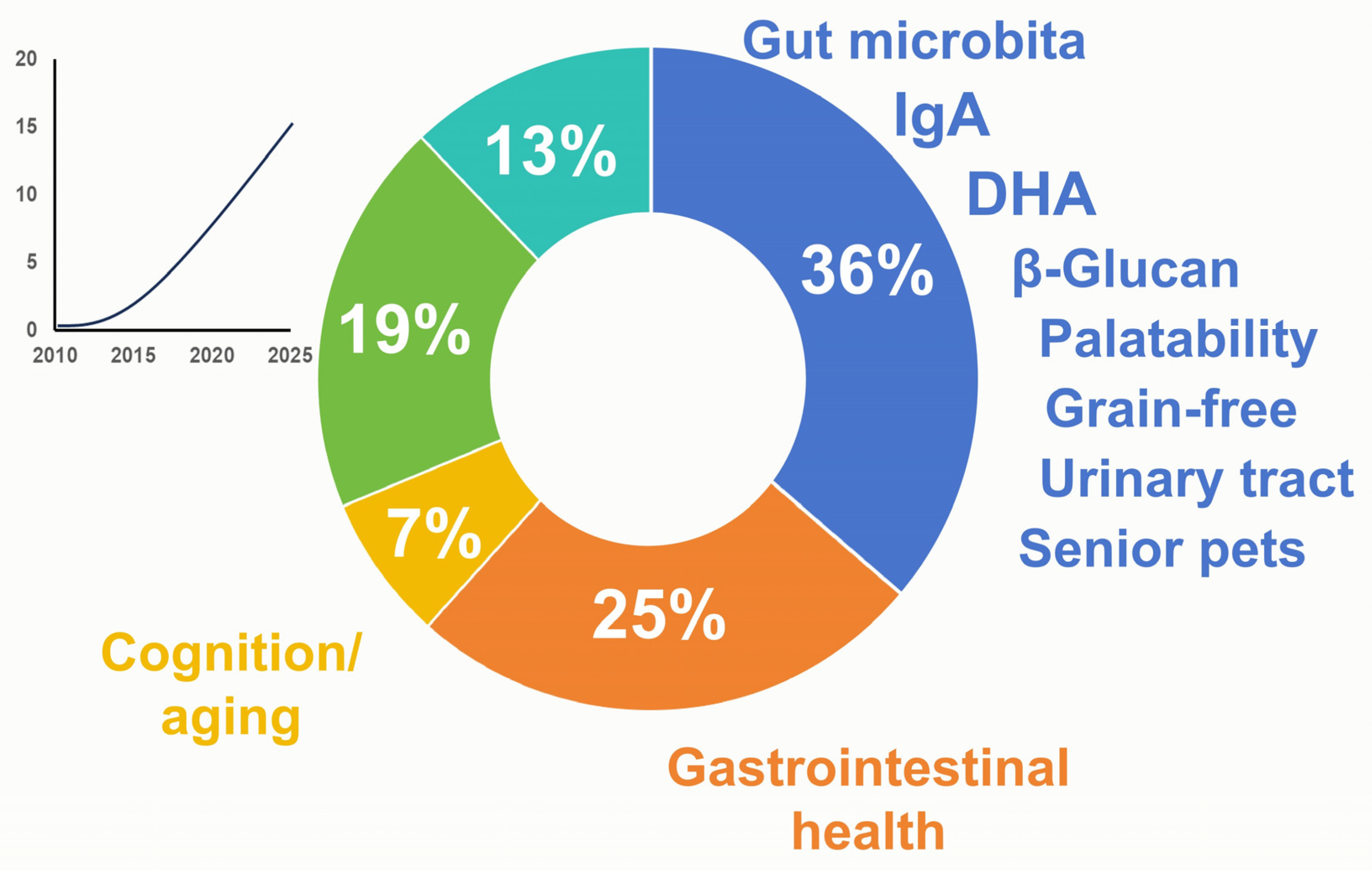
The growing scientific interest in microalgae for pet nutrition is matched by intense commercial activity documented in the patent literature (shown in Figure 2). Patents provide a window into near-term product strategies, formulation technologies, and claimed health benefits that have not yet appeared in peer-reviewed journals.
A substantial number of Chinese patents describe dog and cat foods containing Spirulina in multi-ingredient formulas, often combined with traditional Chinese medicine ingredients such as hawthorn, medlar, or Astragalus. However, clinical evidence supporting these combinations is generally not provided in the patent documents.
Palatability remains a central challenge. One early innovation described a palatability-enhancing composition using delipidated microbial biomeal, a by-product of DHA extraction from microalgae, as a flavor substrate [63]. More recent work has focused on microencapsulation and Maillard reaction enhancement to mask off-notes and improve aromatic compound retention [7].
Beyond palatability, patents cover weight management [64,65], gastrointestinal health [66], hypoallergenic formulations [67], and urinary tract health [68]. Notably, several recent patents explicitly mention Euglena gracilis alongside Spirulina in multi-ingredient formulations for immune support and gastrointestinal recovery [23,65].
From a regulatory perspective, patent claims must be viewed with caution. Many patents use language implying therapeutic effects—”treating obesity,” “preventing allergy,” “protecting intestine”—which may not be permissible for pet foods under regulatory frameworks such as the European Union’s nutritional claims regulation or The Association of American Feed Control Officials (AAFCO) guidelines. Patent examiners do not enforce pet food labeling regulations, so the existence of a patent claim does not guarantee it can be lawfully used on a product label. The patent landscape and translational innovations of microalgae-based pet foods/treats/supplements was summarized in Table 3.

9. Challenges and Future Perspectives

Despite considerable promise, several barriers must be overcome before microalgae can achieve their full potential in pet nutrition.
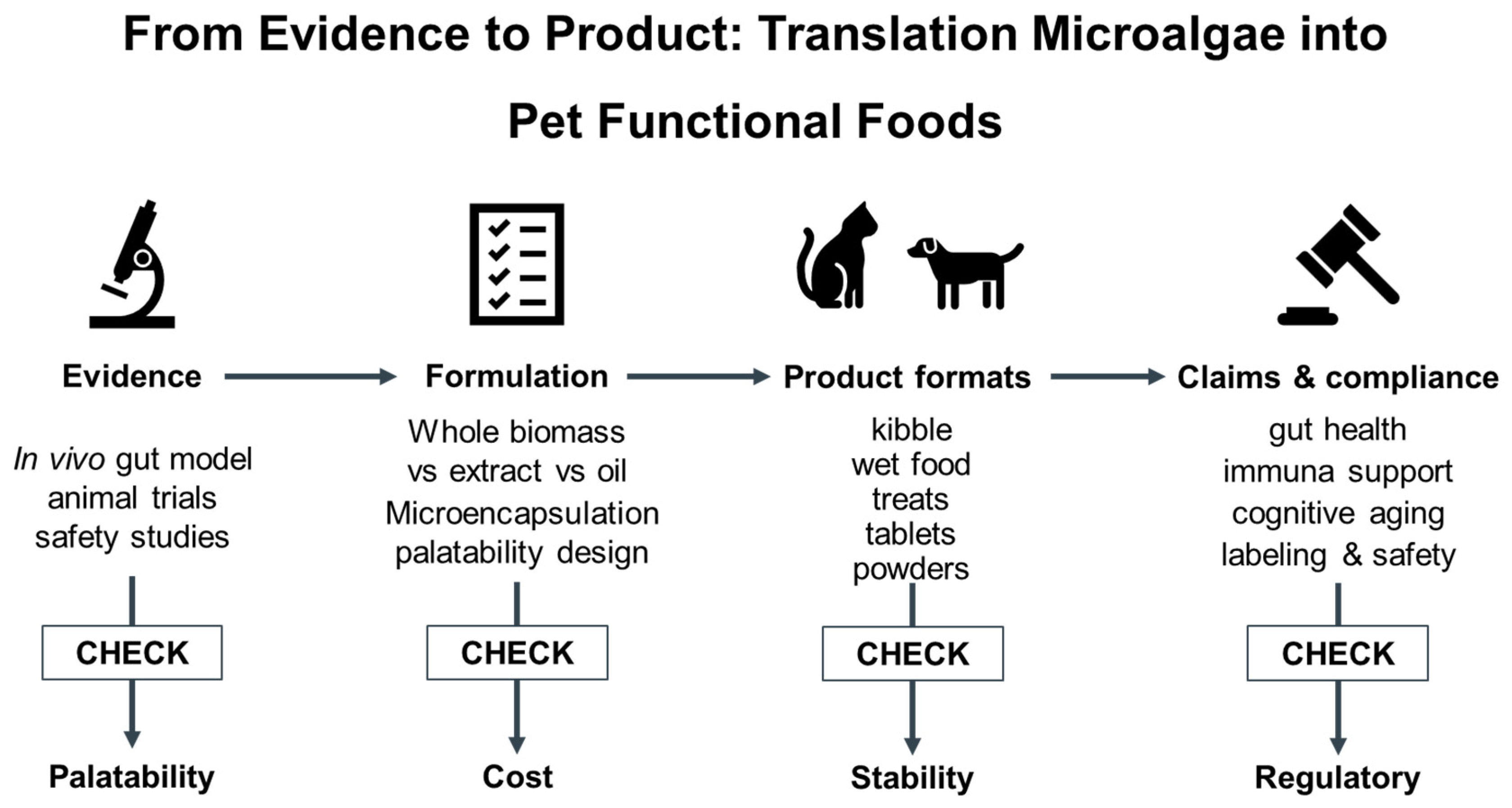
Standardization and quality control are immediate technical hurdles. Microalgal biomass composition varies with species, strain, cultivation conditions, harvesting methods, and post-harvest processing. Without robust specifications and validated analytical methods, consistent nutritional and functional performance is difficult to ensure. A survey of commercial puppy foods found that none met their label claims for EPA and DHA [17]. For microalgae-enriched products, manufacturers should specify species, protein and lipid content, fatty acid profile, pigment levels, and contaminant limits. Third-party certification and batch-specific certificates of analysis are becoming industry norms. Figure 3 summarizes key points, against which the practical hurdles of specification and analytical validation will be discussed next.
Safety monitoring requires ongoing attention. Microalgae can accumulate heavy metals if not properly controlled. Some cyanobacteria produce cyanotoxins, though commercial strains are generally non-toxigenic. Microalgal oils are highly unsaturated and prone to oxidation, generating off-flavors and potentially harmful lipid peroxides. The nine-month toxicity study on DHA ethyl ester established a broad safety margin [34], but less refined whole biomass products may have different profiles.
Palatability remains a practical constraint. While dogs and cats accept moderate levels, higher inclusions can reduce food intake due to grassy or fishy off-notes. Dogs preferred the control diet over diets containing 1.5% Chlorella vulgaris or Nannochloropsis oceanica, though they accepted Tetradesmus obliquus at the same level without preference difference [15]. Palatant technologies including microencapsulation, flavor coating, and Maillard reaction enhancement are under development [7].
Cost is a perennial barrier. Microalgal production in closed photobioreactors is more expensive than conventional ingredients. However, costs are declining as production scales up and lower-cost cultivation methods improve. Circular economy approaches, using distillery co-products as feedstock or upcycling processing by-products with Spirulina, offer promising strategies [2,9]. For pet foods, microalgae are most likely positioned as functional ingredients at 0.5–2% inclusion, where cost impact is manageable.
Consumer acceptance and regulatory compliance are closely linked. Pet owners may be unfamiliar with microalgae or associate them with pond scum. Educational marketing emphasizing species, cultivation method, and evidence-based benefits can overcome skepticism. Regulatory frameworks vary: the EU requires novel food authorizations; the US uses GRAS notifications; China approved Euglena gracilis as a new resource food ingredient in 2013. Manufacturers must ensure claims comply with local regulations.
Research priorities include: (1) large-scale randomized controlled trials in dogs and cats measuring vaccine antibody titers, fecal IgA, gut microbiota composition, cognitive performance, and coat scoring; (2) dose–response studies to establish optimal inclusion levels; (3) comparative studies between Euglena paramylon and other β-glucan sources; (4) processing studies examining extrusion, retorting, and cold-pressing effects on bioactivity; and (5) long-term safety studies including reproductive and multigenerational assessments.

10. Conclusions

Microalgae have moved beyond their traditional role as alternative protein sources and are now recognized as multifunctional ingredients capable of supporting companion animal health across the entire life cycle. The evidence synthesized in this review demonstrates that microalgae such as Spirulina, Chlorella, Schizochytrium, and Euglena gracilis can deliver high-quality proteins, omega-3 DHA, natural pigments, and immunomodulatory polysaccharides in forms that are digestible, safe, and increasingly palatable to dogs, cats, and aquatic pets.
Among these, Euglena gracilis stands out as a particularly distinctive functional platform. Its wall-less cell structure may enhance nutrient bioavailability, while its paramylon β-1,3-glucan offers a mechanism for training innate immunity through the Dectin-1 pathway. Emerging evidence of antiviral activity via host–cell defense mechanisms, coupled with explicit industrial interest in combining Euglena with Spirulina in patented supplements, positions this microalga as a promising candidate for next-generation functional pet foods aimed at immune resilience, recovery support, and metabolic health.
However, the gap between scientific evidence and commercial claims remains substantial. Rigorous, well-powered clinical trials in target species are needed to confirm functional benefits. Dose–response relationships, long-term safety, and the effects of food processing on bioactivity require systematic investigation. Standardization of algal biomass and transparent quality control are essential for building consumer trust and meeting regulatory expectations.
The convergence of nutritional functionality, sustainability advantages, and industrial innovation suggests that microalgae will play an increasingly important role in the future of pet food. For E. gracilis in particular, the path forward is clear: move from mechanistic plausibility and patent claims to published, peer-reviewed evidence in dogs and cats.

Author Contributions

Conceptualization, J.W.; methodology, J.L. and L.L.; investigation, J.L., L.L. and Y.Y.; resources, J.W.; data curation, J.L. and M.D.; writing—original draft preparation, J.L., L.L. and Y.Y.; writing—review and editing, J.W.; visualization, J.L.; supervision, J.W.; project administration, J.W.; funding acquisition, J.W. All authors have read and agreed to the published version of the manuscript.

Funding

This work was partially supported by China’s National Key R&D Programs (2021YFA0910800) and the National Natural Science Foundation of China (41876188).

Informed Consent Statement

Not applicable.

Data Availability Statement

No new data were created or analyzed in this study. Data sharing is not applicable to this article.

Acknowledgments

We thank the Instrument Analysis Center of Shenzhen University and Shenzhen Bay Laboratory.

Conflicts of Interest

The authors declare no conflicts of interest. The funders had no role in the design of the study; in the collection, analyses, or interpretation of data; in the writing of the manuscript; or in the decision to publish the results.

Abbreviations

The following abbreviations are used in this manuscript:
DHAdocosahexaenoic acid
EPAeicosapentaenoic acid
SCFAshort-chain fatty acids
bwbody weight
GIgastrointestinal
NOAEL no-observed-adverse-effect level
PGE2prostaglandin E2
SCFAshort-chain fatty acids.
AAFCOAssociation of American Feed Control Officials
FLUTDFeline lower urinary tract diseases

References

  1. Jiexiang, J.; Binbin, Y. Exploring Chinese Consumers’ Attitudes Towards Pet Nutritional Products and Their Continuous Purchase Intentions: A Dual-Phase Analysis Using Sem and Ann. Behav. Sci. 2025, 15, 255. [Google Scholar] [CrossRef] [Scilit] [PubMed]
  2. de Sousa, D.B.; Vázquez-Rowe, I.; Kahhat, R. Main Challenges for Measuring the Sustainability of the Marine Ingredients Industry: A Systematic and Critical Review. Aquaculture 2026, 613, 743287. [Google Scholar] [CrossRef] [Scilit]
  3. Bosch, G. Alternative Protein Supplies for Pet Food. J. Anim. Sci. 2016, 94, 209–210. [Google Scholar] [CrossRef] [Scilit]
  4. Vasconcellos, R.S.; Volpato, J.A.; Komarcheuski, A.S.; Costa, J.L.G. Microalgae in Pet Foods. In Handbook of Food and Feed from Microalgae; Jacob-Lopes, E., Queiroz, M.I., Maroneze, M.M., Zepka, L.Q., Eds.; Academic Press: Cambridge, MA, USA, 2023; pp. 471–485. [Google Scholar] [CrossRef] [Scilit]
  5. Cabrita, A.R.J.; Guilherme-Fernandes, J.; Valente, I.M.; Almeida, A.; Lima, S.A.C.; Fonseca, A.J.M.; Maia, M.R.G. Nutritional Composition and Untargeted Metabolomics Reveal the Potential of Tetradesmus obliquus, Chlorella vulgaris and Nannochloropsis oceanica as Valuable Nutrient Sources for Dogs. Animals 2022, 12, 2643. [Google Scholar] [CrossRef] [Scilit] [PubMed]
  6. Terriente-Palacios, C.; Castellari, M. Levels of Taurine, Hypotaurine and Homotaurine, and Amino Acids Profiles in Selected Commercial Seaweeds, Microalgae, and Algae-Enriched Food Products. Food Chem. 2022, 368, 130770. [Google Scholar] [CrossRef] [Scilit] [PubMed]
  7. Klinmalai, P.; Kamonpatana, P.; Sodsai, J.; Promhuad, K.; Srisa, A.; Laorenza, Y.; Kovitvadhi, A.; Areerat, S.; Seubsai, A.; Harnkarnsujarit, N. Modern Palatant Strategies in Dry and Wet Pet Food: Formulation Technologies, Patent Innovations, and Market Evolution. Foods 2025, 14, 2824. [Google Scholar] [CrossRef] [Scilit] [PubMed]
  8. Klinmalai, P.; Kamonpatana, P.; Thongpech, A.; Sodsai, J.; Promhuad, K.; Srisa, A.; Laorenza, Y.; Kovitvadhi, A.; Areerat, S.; Seubsai, A.; et al. Comprehensive Review of Alternative Proteins in Pet Food: Research Publications, Patents, and Product Trends in Plant, Aquatic, Insect, and Cell-Based Sources. Foods 2025, 14, 2640. [Google Scholar] [CrossRef] [Scilit] [PubMed]
  9. Rithani, K.; Abhijith, K.; Varthan, V.T.; Nagarethinam, B.; Sivanandham, V. Upcycling Poultry and Fish Waste into Nutritious Pet Food: Advancing the No-Waste Vision. Waste Biomass Valorization 2025, 17, 4369–4383. [Google Scholar] [CrossRef] [Scilit]
  10. Nakashima, A.; Horio, Y.; Suzuki, K.; Isegawa, Y. Antiviral Activity and Underlying Action Mechanism of Euglena Extract against Influenza Virus. Nutrients 2021, 13, 3911. [Google Scholar] [CrossRef] [Scilit] [PubMed]
  11. Hadley, K.B.; Bauer, J.; Milgram, N.W. The Oil-Rich Alga Schizochytrium sp. As a Dietary Source of Docosahexaenoic Acid Improves Shape Discrimination Learning Associated with Visual Processing in a Canine Model of Senescence. Prostaglandins Leukot Essent Fat. Acids 2017, 118, 10–18. [Google Scholar] [CrossRef] [Scilit] [PubMed]
  12. Delarue, J.; Guriec, N. Opportunities to Enhance Alternative Sources of Long-Chain N-3 Fatty Acids within the Diet. Proc. Nutr. Soc. 2014, 73, 376–384. [Google Scholar] [CrossRef] [Scilit] [PubMed]
  13. Del Mondo, A.; Smerilli, A.; Sané, E.; Sansone, C.; Brunet, C. Challenging Microalgal Vitamins for Human Health. Microb. Cell Fact. 2020, 19, 201. [Google Scholar] [CrossRef] [Scilit] [PubMed]
  14. Watanabe, F.; Yabuta, Y.; Tanioka, Y.; Bito, T. Biologically Active Vitamin B12 Compounds in Foods for Preventing Deficiency among Vegetarians and Elderly Subjects. J. Agric. Food Chem. 2013, 61, 6769–6775. [Google Scholar] [CrossRef] [Scilit] [PubMed]
  15. Mota, C.S.C.; Cabrita, A.R.J.; Yergaliyev, T.; Camarinha-Silva, A.; Almeida, A.; Abreu, H.; Silva, J.; Fonseca, A.J.M.; Maia, M.R.G. Macroalgae and Microalga Blend in Dogs’ Food: Effects on Palatability, Digestibility, and Fecal Metabolites and Microbiota. Algal Res. 2024, 84, 103775. [Google Scholar] [CrossRef] [Scilit]
  16. Boukid, F.; Rosentrater, K.A. Nutritional Profiling and Labeling Practices of Plant-Based, Hybrid, and Animal-Based Dog Foods: A Study of European Pack Labels (2020–2024). Animals 2025, 15, 1883. [Google Scholar] [CrossRef] [Scilit] [PubMed]
  17. Jacunska, W.; Biel, W.; Witkowicz, R.; Maciejewska-Markiewicz, D.; Piatkowska, E. Comparison of Key Nutrient Content of Commercial Puppy Foods with Canine Dietary Requirements. Appl. Sci. 2023, 13, 11791. [Google Scholar] [CrossRef] [Scilit]
  18. Hosseinizand, H.; Sokhansanj, S.; Lim, C.J. Studying the Drying Mechanism of Microalgae Chlorella vulgaris and the Optimum Drying Temperature to Preserve Quality Characteristics. Dry Technol. 2018, 36, 1049–1060. [Google Scholar] [CrossRef] [Scilit]
  19. Tekniske, U.D. An Algae Drier and a System for Drying Algae Paste and/or Liquid Algae Biomass. WIPO Patent 2018099534, 7 June 2018. [Google Scholar] [CrossRef] [Scilit]
  20. Jack, A.; Adegbeye, M.; Ekanem, D.; Faniyi, T.; Fajemisin, A.N.; Elghandour, M.M.M.Y.; Salem, A.Z.M.; Rivas-Caceres, R.R.; Adewumi, K.; Edoh, O. Chapter 31-Microalgae Application in Feed for Ruminants. In Handbook of Food and Feed from Microalgae; Jacob-Lopes, E., Queiroz, M.I., Maroneze, M.M., Zepka, L.Q., Eds.; Academic Press: Cambridge, MA, USA, 2023; pp. 397–409. [Google Scholar] [CrossRef] [Scilit]
  21. Peng, Z.; Zhong, L.; Li, Y.; Feng, S.; Mou, J.; Miao, Y.; Lin, C.S.K.; Wang, Z.; Li, X. Harnessing Oleaginous Protist Schizochytrium for Docosahexaenoic Acid: Current Technologies in Sustainable Production and Food Applications. Food Res. Int. 2025, 205, 115996. [Google Scholar] [CrossRef] [Scilit] [PubMed]
  22. Samuelsen, T.; Oterhals, Å.; Kousoulaki, K. High Lipid Microalgae (Schizochytrium sp.) Inclusion as a Sustainable Source of N-3 Long-Chain Pufa in Fish Feed—Effects on the Extrusion Process and Physical Pellet Quality. Anim. Feed. Sci. Technol. 2018, 236, 14–28. [Google Scholar] [CrossRef] [Scilit]
  23. Xu, Y.; Cao, T.; Wang, P. Pet Nutritional Supplement Used E.G. For Dog or Cat Food for Reducing Incidence of Pet Disease, Comprises Probiotic Powder Composition, Maltodextrin, Spirulina Powder, Glucose, Euglena Powder, Functional Oligosaccharide, and L-Glutamine. CN Patent 109527208-A, 29 March 2019. [Google Scholar]
  24. I Ghamry, H.; Shukry, M.; A Kassab, M.; A Farrag, F.; El-Shafai, N.M.; Elgendy, E.; Ibrahim, A.N.; A Elgendy, S.; Behairy, A.; Ibrahim, S.F.; et al. Arthrospira Platensis Nanoparticles Mitigate Aging-Related Oxidative Injured Brain Induced by D-Galactose In rats through Antioxidants, Anti-Inflammatory, and Mapk Pathways. Int. J. Nanomed. 2023, 18, 5591–5606. [Google Scholar] [CrossRef] [Scilit] [PubMed]
  25. Stefanutti, D.; Tonin, G.; Morelli, G.; Zampieri, R.M.; La Rocca, N.; Ricci, R. Oral Palatability and Owners’ Perception of the Effect of Increasing Amounts of Spirulina (Arthrospira platensis) in the Diet of a Cohort of Healthy Dogs and Cats. Animals 2023, 13, 1275. [Google Scholar] [CrossRef] [Scilit] [PubMed]
  26. Taalab, H.A.; Mohammady, E.Y.; Hassan, T.M.M.; Abdella, M.M.; Hassaan, M.S. B-Carotene of Arthrospira platensis Versus Vitamin C and Vitamin E as a Feed Supplement: Effects on Growth, Haemato-Biochemical, Immune-Oxidative Stress and Related Gene Expression of Nile tilapia Fingerlings. Aquac. Res. 2022, 53, 4832–4846. [Google Scholar] [CrossRef] [Scilit]
  27. Cabrita, A.R.J.; Guilherme-Fernandes, J.; Spínola, M.; Maia, M.R.G.; Yergaliyev, T.; Camarinha-Silva, A.; Fonseca, A.J.M. Effects of Microalgae as Dietary Supplement on Palatability, Digestibility, Fecal Metabolites, and Microbiota in Healthy Dogs. Front. Vet. Sci. 2023, 10, 1245790. [Google Scholar] [CrossRef] [Scilit] [PubMed]
  28. Souza, C.M.M.; de Lima, D.C.; Bastos, T.S.; de Oliveira, S.G.; Beirão, B.C.B.; Félix, A.P. Microalgae Schizochytrium sp. As a Source of Docosahexaenoic Acid (Dha): Effects on Diet Digestibility, Oxidation and Palatability and on Immunity and Inflammatory Indices in Dogs. Anim. Sci. J. 2019, 90, 1567–1574. [Google Scholar] [CrossRef] [Scilit] [PubMed]
  29. Eissa, E.-S.H.; Hendam, B.M.; Dighiesh, H.S.; Elnabi, H.E.A.; Sakr, S.E.-S.; Kabary, H.; Rahman, A.N.A.; Eissa, M.E.; Ahmed, N.H. The Benefits of Astaxanthin-Rich Microalgal Powder on Growth, Health, and Disease Resistance against Fusarium solani in Pacific White Shrimp. Fish Shellfish Immunol. 2025, 156, 110059. [Google Scholar] [CrossRef] [Scilit] [PubMed]
  30. El-Baz, F.K.; Hussein, R.A.; Jaleel, G.A.R.A.; Saleh, D.O. Astaxanthin-Rich Haematococcus pluvialis Algal Hepatic Modulation in D-Galactose-Induced Aging in Rats: Role of Nrf2. Adv. Pharm. Bull. 2018, 8, 523–528. [Google Scholar] [CrossRef] [Scilit] [PubMed]
  31. Delsante, C.; Pinna, C.; Sportelli, F.; Dalmonte, T.; Stefanelli, C.; Vecchiato, C.G.; Biagi, G. Assessment of the Effects of Edible Microalgae in a Canine Gut Model. Animals 2022, 12, 2100. [Google Scholar] [CrossRef] [Scilit] [PubMed]
  32. Satyaraj, E.; Reynolds, A.; Engler, R.; Labuda, J.; Sun, P. Supplementation of Diets with Spirulina Influences Immune and Gut Function in Dogs. Front. Nutr. 2021, 8, 667072. [Google Scholar] [CrossRef] [Scilit] [PubMed]
  33. Hayek, M.G.; Massimino, S.P.; Ceddia, M.A. Modulation of Immune Response through Nutraceutical Interventions: Implications for Canine and Feline Health. Vet. Clin. N. Am. Small Anim. Pract. 2004, 34, 229–247. [Google Scholar] [CrossRef] [Scilit] [PubMed]
  34. Dahms, I.; Beilstein, P.; Bonnette, K.; Salem, N., Jr. Safety of Docosahexaenoic Acid (Dha) Administered as Dha Ethyl Ester in a 9-Month Toxicity Study in Dogs. Food Chem. Toxicol. 2016, 92, 50–57. [Google Scholar] [CrossRef] [Scilit] [PubMed]
  35. Stefanutti, D.; Serva, L.; Berlanda, M.; Bonsembiante, F.; Gabai, G.; Franceschinis, E.; Cavazzoni, M.; Morelli, G.; Ricci, R. Effect of a Weight Loss Diet with or without Spirulina Supplementation on Serum Lipids and Antioxidant Capacity of Overweight Dogs. Sci. Rep. 2024, 14, 29293. [Google Scholar] [CrossRef] [Scilit] [PubMed]
  36. Scheibel, S.; de Oliveira, C.A.L.; Boyd, M.d.A.; Pereira, L.C.; Rodrigues, D.M.; Barion, M.R.L.; Carbonera, F.; Visentainer, J.V.; Huppes, R.R.; Ribeiro, L.B.; et al. Dha from Microalgae Schizochytrium spp. (Thraustochytriaceae) Modifies the Inflammatory Response and Gonadal Lipid Profile in Domestic Cats. Br. J. Nutr. 2021, 126, 172–182. [Google Scholar] [CrossRef] [Scilit] [PubMed]
  37. Hayashi, K.; Komatsu, S.; Kuno, H.; Asai, S.; Matsuura, I.; Kudkyal, V.R.; Kawahara, T. Virucidal and Immunostimulating Activities of Monogalactosyl Diacylglyceride from Coccomyxa sp. Kj, a Green Microalga, against Murine norovirus and Feline calicivirus. Mar. Drugs 2022, 20, 131. [Google Scholar] [CrossRef] [Scilit] [PubMed]
  38. Yousefi, M.; Ahmadifar, M.; Mohammadzadeh, S.; Kalhor, N.; Esfahani, D.E.; Bagheri, A.; Mashhadizadeh, N.; Moghadam, M.S.; Ahmadifar, E. Individual and Combined Effects of the Dietary Spirulina platensis and Bacillus licheniformis Supplementation on Growth Performance, Antioxidant Capacity, Innate Immunity, Relative Gene Expression and Resistance of Goldfish, Carassius auratus to Aeromonas hydrophila. Fish Shellfish Immunol. 2022, 127, 1070–1078. [Google Scholar] [CrossRef] [Scilit] [PubMed]
  39. Mahmoud, M.M.; El-Lamie, M.M.; Kilany, O.E.; Dessouki, A.A. Spirulina (Arthrospira platensis) Supplementation Improves Growth Performance, Feed Utilization, Immune Response, and Relieves Oxidative Stress in Nile tilapia (Oreochromis niloticus) Challenged with Pseudomonas Fluorescens. Fish Shellfish Immunol. 2018, 72, 291–300. [Google Scholar] [CrossRef] [Scilit] [PubMed]
  40. Alghamdi, M.A.; Elbaz, M.I.; Ismail, I.E.; Reda, F.M.; Alagawany, M.; El-Tarabily, K.A.; Abdelgeliel, A.S. Dietary Supplementation with a Mixture of Dunaliella salina and Spirulina Enhances Broiler Performance by Improving Growth, Immunity, Digestive Enzymes and Gut Microbiota. Poult. Sci. 2024, 103, 103337. [Google Scholar] [CrossRef] [Scilit] [PubMed]
  41. Xia, Y.; Liu, C.; Fei, S.; Liu, H.; Han, D.; Jin, J.; Yang, Y.; Zhu, X.; Xie, S. Arthrospira platensis Additive Enhances the Growth Performance and Antioxidant Response in Hybrid Yellow Catfish (Pelteobagrus fulvidraco♀ × Pelteobagrus vachelli♂). Aquac. Rep. 2021, 20, 100721. [Google Scholar] [CrossRef] [Scilit]
  42. Ayoub, H.F.; Abdelghany, M.F.; Alsaiad, S.M.; El Asely, A.M. Amphora coffeaeformis Diatom Involved in Reducing the Susceptibility of Nile Tilapia (Oreochromis niloticus) Fingerlings to Aeromonas hydrophila Infection by Boosting Immune and Antioxidant Responses and Improving Growth Performance Indicators. Aquac. Res. 2022, 53, 3626–3636. [Google Scholar] [CrossRef] [Scilit]
  43. Al-Wakeel, A.H.; Elbahnaswy, S.; Risha, E.; Zahran, E. Dietary Pediastrum boryanum Microalgal Extract Improves Growth, Enhances Immunity, and Regulates Immune-Related Genes in Nile tilapia. BMC Vet. Res. 2024, 20, 321. [Google Scholar] [CrossRef] [Scilit] [PubMed]
  44. Karataş, B. Effects of Chlorella sp. And Schizochytrium sp. Extracts on Growth Indices, Body Composition, and Gene Expression Profiles in Rainbow Trout (Oncorhynchus mykiss). Comp. Biochem. Physiol. B Biochem. Mol. Biol. 2025, 276, 111047. [Google Scholar] [CrossRef] [Scilit] [PubMed]
  45. Zhang, L.; Liao, K.; Shi, P.; Guo, J.; Xie, F.; Xu, J. Dietary Inclusion of Microalgae Meal for Pacific White Shrimp (Litopenaeus vannamei): Effects on Growth Performance, Flesh Quality, and Immunity. Anim. Feed. Sci. Technol. 2025, 320, 116205. [Google Scholar] [CrossRef] [Scilit]
  46. Abdel-Tawwab, M.; Khalil, R.H.; Selema, T.A.A.; Elsamanooudy, S.I.; El-Werwary, S.O.; Shady, S.H.; Monier, M.N.; Ismaiel, M.M.S. Dietary Chlorella vulgaris Effectively Alleviates Oxidative Stress, Immunosuppression, and Enhances the Resistance to Streptococcus agalactiae Infection in Cadmium-Intoxicated Nile tilapia Fingerlings. Fish Shellfish Immunol. 2023, 136, 108717. [Google Scholar] [CrossRef] [Scilit] [PubMed]
  47. Ramírez-Coronel, A.A.; Jasim, S.A.; Zadeh, A.H.A.; Jawad, M.A.; Al-Awsi, G.R.L.; Adhab, A.H.; Kodirov, G.; Soltanifar, Z.; Mustafa, Y.F.; Norbakhsh, M. Dietary Chlorella Vulgaris Mitigated the Adverse Effects of Imidacloprid on the Growth Performance, Antioxidant, and Immune Responses of Common Carp (Cyprinus carpio). Ann. Anim. Sci. 2023, 23, 845–857. [Google Scholar] [CrossRef] [Scilit]
  48. Mamdouh, A.-Z.; Zahran, E.; Mohamed, F.; Zaki, V. Nannochloropsis oculata Feed Additive Alleviates Mercuric Chloride-Induced Toxicity in Nile Tilapia (Oreochromis niloticus). Aquat. Toxicol. 2021, 238, 105936. [Google Scholar] [CrossRef] [Scilit] [PubMed]
  49. El Basuini, M.F.; Khattab, A.A.A.; Abu Hafsa, S.H.; Teiba, I.I.; Elkassas, N.E.M.; El-Bilawy, E.H.; Dawood, M.A.O.; Atia, S.E.S. Impacts of Algae Supplements (Arthrospira & Chlorella) on Growth, Nutrient Variables, Intestinal Efficacy, and Antioxidants in New Zealand White Rabbits. Sci. Rep. 2023, 13, 7891. [Google Scholar] [CrossRef] [Scilit] [PubMed]
  50. Sikiru, A.; Arangasamy, A.; Alemede, I.; Guvvala, P.; Egena, S.; Ippala, J.; Bhatta, R. Chlorella vulgaris Supplementation Effects on Performances, Oxidative Stress and Antioxidant Genes Expression in Liver and Ovaries of New Zealand White Rabbits. Heliyon 2019, 5, e02470. [Google Scholar] [CrossRef] [Scilit] [PubMed]
  51. Zotte, A.D.; Sartori, A.; Bohatir, P.; Remignon, H.; Ricci, R. Effect of Dietary Supplementation of Spirulina (Arthrospira platensis) and Thyme (Thymus vulgaris) on Growth Performance, Apparent Digestibility and Health Status of Companion Dwarf Rabbits. Livest. Sci. 2013, 152, 182–191. [Google Scholar] [CrossRef] [Scilit]
  52. Cherng, J.-Y.; Shih, M.-F. Preventing Dyslipidemia by Chlorella pyrenoidosa in Rats and Hamsters after Chronic High Fat Diet Treatment. Life Sci. 2005, 76, 3001–3013. [Google Scholar] [CrossRef] [Scilit] [PubMed]
  53. Harding, S.V.; Zhao, H.L.; Marinangeli, C.P.F.; Day, A.G.; Dillon, H.F.; Jain, D.; Jones, P.J.H. Red Algal Cellular Biomass Lowers Circulating Cholesterol Concentrations in Syrian Golden Hamsters Consuming Hypercholesterolaemic Diets. Br. J. Nutr. 2009, 102, 842–847. [Google Scholar] [CrossRef] [Scilit] [PubMed]
  54. Kasbi-Chadli, F.; Coué, M.; Aguesse, A.; Grit, I.; Souque, T.; Ferchaud-Roucher, V.; Ouguerram, K. Spirulina Liquid Extract Prevents Metabolic Disturbances and Improves Liver Sphingolipids Profile in Hamster Fed a High-Fat Diet. Eur. J. Nutr. 2021, 60, 4483–4494. [Google Scholar] [CrossRef] [Scilit] [PubMed]
  55. Muga, M.A.; Chao, J.C.-J. Effects of Fish Oil and Spirulina on Oxidative Stress and Inflammation in Hypercholesterolemic Hamsters. BMC Complement. Altern. Med. 2014, 14, 470. [Google Scholar] [CrossRef] [Scilit] [PubMed]
  56. Panaite, T.D.; Cornescu, G.M.; Predescu, N.C.; Cismileanu, A.; Turcu, R.P.; Saracila, M.; Soica, C. Microalgae (Chlorella vulgaris and Spirulina platensis) as a Protein Alternative and Their Effects on Productive Performances, Blood Parameters, Protein Digestibility, and Nutritional Value of Laying Hens’ Egg. Appl. Sci. 2023, 13, 10451. [Google Scholar] [CrossRef] [Scilit]
  57. Al-Qahtani, W.H.; Binobead, M.A. Anti-Inflammatory, Antioxidant and Antihepatotoxic Effects of Spirulina platensis against D-Galactosamine Induced Hepatotoxicity in Rats. Saudi. J. Biol. Sci. 2019, 26, 647–652. [Google Scholar] [CrossRef] [Scilit] [PubMed]
  58. Altyar, A.E.; Kensara, O.A.; Noreldin, A.E.; Albadrani, G.M.; El-Demerdash, F.M.; Sayed, A.A.; Piscopo, M.; Mohammedsaleh, Z.M.; Al-Ghadi, M.Q.; Ghaboura, N.; et al. Spirulina platensis Ameliorates Hepatic Oxidative Stress and DNA Damage Induced by Aflatoxin B1 in Rats. Toxicon 2024, 237, 107553. [Google Scholar] [CrossRef] [Scilit] [PubMed]
  59. Behairy, A.; Elkomy, A.; Elsayed, F.; Gaballa, M.M.S.; Soliman, A.; Aboubakr, M. Antioxidant and Anti-Inflammatory Potential of Spirulina and Thymoquinone Mitigate the Methotrexate-Induced Neurotoxicity. Naunyn-Schmiedebergs Arch. Pharmacol. 2024, 397, 1875–1888. [Google Scholar] [CrossRef] [Scilit] [PubMed]
  60. Montaño-González, R.I.; Gutiérrez-Salmeán, G.; Mojica-Villegas, M.A.; Cristóbal-Luna, J.M.; Briseño-Bugarín, J.; Chamorro-Cevallos, G. Phycobiliproteins Extract from Spirulina Protects against Single-Dose Cadmium-Induced Reproductive Toxicity in Male Mice. Environ. Sci. Pollut. Res. Int. 2022, 29, 17441–17455. [Google Scholar] [CrossRef] [Scilit] [PubMed]
  61. Zhang, H.Q.; Lin, A.P.; Sun, Y.; Deng, Y.M. Chemo- and Radio-Protective Effects of Polysaccharide of Spirulina platensis on Hemopoietic System of Mice and Dogs. Acta Pharmacol. Sin. 2001, 22, 1121–1124. [Google Scholar] [PubMed]
  62. Hou, J. Producing High-Protein Dog Food Useful for Reducing Blood Fat, Comprises Drying Giant African Snail and Spirulina, Crushing, Cooking the Giant African Snail Shell and Animal Liver, Sterilizing the Meat and Liver, Drying, and Mincing. CN Patent 105211553-A, 6 January 2016. [Google Scholar]
  63. Lo, Y.M.; Scalettar, P.G. Animal Food Palatability Enhancing Composition Contains Manufactured Edible Substrate Comprising Texture, and Delipidated Microbial Biomeal Comprising Docosahexanoic Acid. WIPO Patent 2008039911-A1, 3 April 2008. [Google Scholar]
  64. Hou, J. High-Protein Low-Calorie Dog Food Used for E.G. Reducing Blood Fat Includes Achatina Fulica, Fresh Pomacea Canaliculata, Coix Seed Powder, Dehydrated Vegetable, Animal Liver, Composite Vitamin, Pawpaw, Wheat Flour, Olive Oil and Spirulina. CN Patent 105211554-A, 6 January 2016. [Google Scholar]
  65. Hou, J. Dog Food for Obesity, Comprises Carp, Barley Flour, Medlar, Compound Vitamins, Hawthorn, Whole Wheat Flour, Olive Oil, Spirulina, Salt, Conjugated Linoleic Acid Sodium Salt or Potassium Salt. CN Patent 107865237-A, 3 April 2018. [Google Scholar]
  66. Hou, J. Dog Food Useful for Protecting Intestine and Stomach Comprises Carassius Auratus, Beef, Kelp, Cabbage, Tomato, Complex Vitamins, Pawpaw, Wheat Flour, Olive Oil, Spirulina, Salt and Conjugated Linoleic Acid Sodium Salt or Potassium Salt. CN Patent 105192421-A, 30 December 2015. [Google Scholar]
  67. He, Z. Grain-Free Cat Food Used for E.G. Preventing Allergy, Comprises Potato, Pea Protein Powder, Pumpkin, Spirulina, Spinach, Chinese Mustard, Carrot, Beef, Chicken, Mussel Meat, Fructooligosaccharides, Olive Oil and Lactobacillus Paracasei. CN Patent 109315626-A, 12 February 2019. [Google Scholar]
  68. Xiao, Q. Urinary Tract Care Cat Food Comprises Basic Diet and Urinary Tract Care Additives, Where Urinary Tract Care Additives Are Plantain, Chicory, Yam and Licorice, and Basic Diet Contains Chicken, Duck, Lamb, Butter and Spirulina. CN Patent 112273534-A, 29 January 2021. [Google Scholar]
  69. Xu, Y.; Cao, T.; Gao, F.; Zheng, Z. Pet Soft Capsule Useful for E.G. Promoting Gastrointestinal Effect, Comprises Chinese Medicinal Insect Repellent, Conditioning Agent, Lure Food Composition, Probiotic, Microalgae Powder, Carrier, Emulsifier and Antioxidant. CN Patent 111202164-A, 29 May 2020. [Google Scholar]
  70. Vester-Boler, B.M.; Spears, J.K.; Vester, B.B.M.; Spirs, D.K. Treating, Preventing or Minimizing Bad Breath Comprises Orally Administering a Composition Comprising Honey and Spirulina. U.S. Patent 2019307822, 10 October 2019. [Google Scholar]
  71. Kim, Y.J.; Ha, I.S. Anti-Obesity Agent for Pet Food Additive Comprises Microalgae Extract E.G. Isochrysis, Phaeodactylum, and Odontella aurita as an Active Ingredient. KR Patent 2020079460-A, 3 July 2020. [Google Scholar]
  72. Ha, I.S.; Kim, Y.J. Agent Useful as Pet Food Additive for Treating Obesity and Diabetes in Companion Cats, Comprises Microalgae Extract. KR Patent 2020066535-A, 10 June 2020. [Google Scholar]
  73. Kong, L. Preparing Cold-Pressed Dog Food Comprises E.G. Selecting Chicken Powder, Frozen Tuna, Frozen Beef, Duck Powder, Beef Powder, Fish Meal, Fish Oil, Chicken Oil, Fresh Liver, Egg Powder, Carrot and Spirulina Powder, and Crushing and Sorting. CN Patent 113367245-A, 10 September 2021. [Google Scholar]
  74. Xiao, C.; Wang, Y.; Lu, Y.; Cai, X. Elderly Cat Food Used E.G. For Enhancing Immunity, Comprises Basic Daily Ration, and Functional Additive E.G. Probiotic, Yeast Powder, Dietary Fiber, Spirulina, Radix Astragali Powder, Pseudoginseng Powder and Clerodendranthus spicatus. CN Patent 108936031-A, 7 December 2018. [Google Scholar]
  75. Zhou, J.; Liu, X.; Tang, C.; Zhao, S. Nutrient Particle Useful for Improving Immunity of Pet, Comprises Spirulina Powder, Spinach Powder, Apple Powder and Carrot Powder. CN Patent 108783002-A, 7 December 2018. [Google Scholar]
  76. Hou, J. Dog Food Useful for E.G. Brightening Fur Comprises Salmon, Barley Flour, Dehydrated Vegetables, Composite Vitamin, Lecithin, Wheat Flour, Fish Oil, Seaweed Spirulina, Salt, Conjugated Linoleic Acid Sodium Salt or Potassium Salt. CN Patent 105394329-A, 16 March 2016. [Google Scholar]
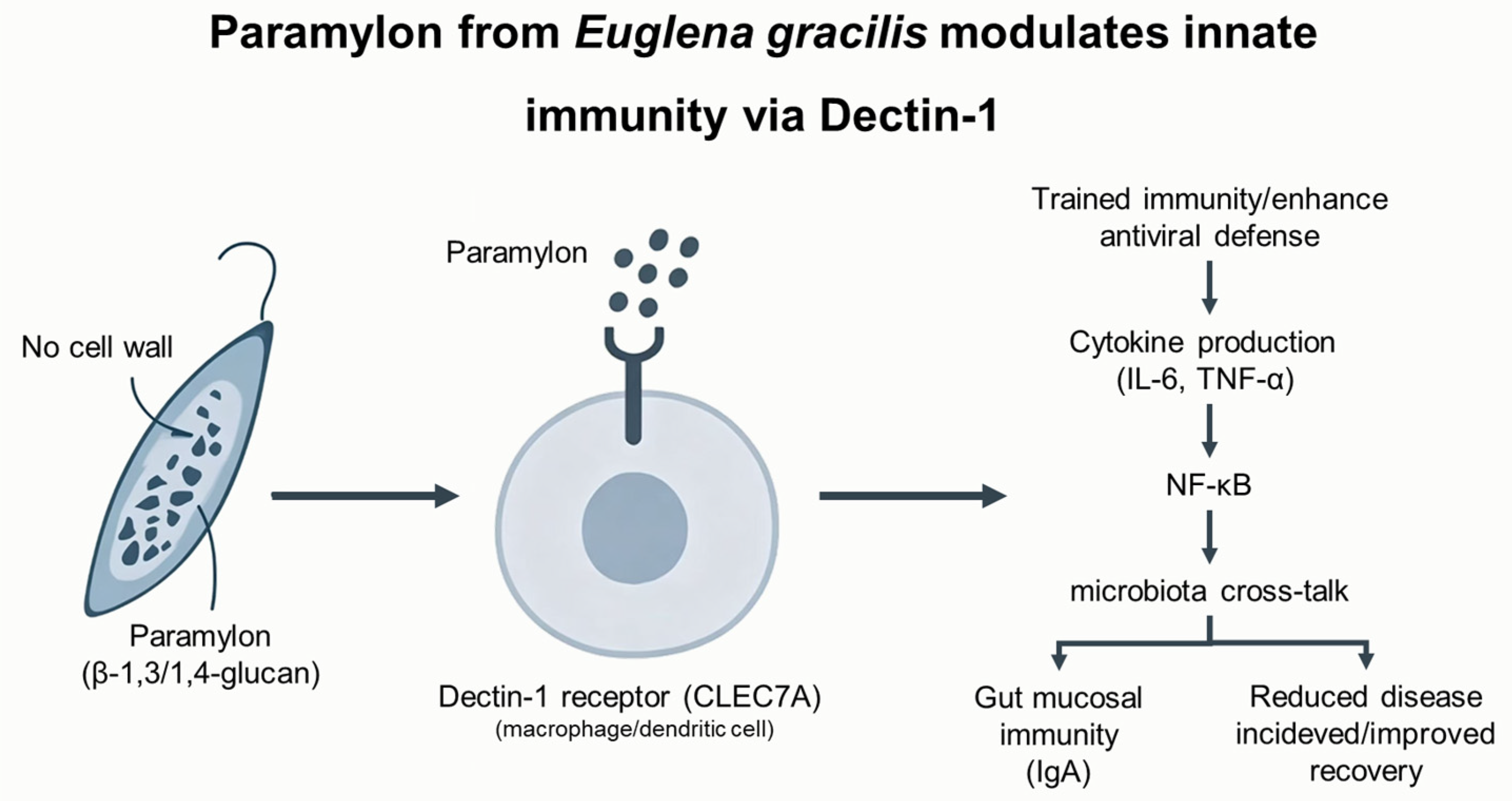
Figure 1. Mechanistic pathway of paramylon-induced innate immune training.
Phycology 06 00087 g001
Figure 2. Patent landscape of algal ingredients for pet health. The donut chart shows the distribution of patent application categories (weight management, gastrointestinal health, skin/coat, immunity, palatability, processing). The line graph on the left displays the cumulative annual trend of patent publications from 2010 to 2025, showing a steady increase in patenting activity over this period, with a notable acceleration after 2020. The word cloud displays frequently occurring claim keywords extracted from the patent corpus. The data are from [3,62].
Phycology 06 00087 g002
Figure 3. Translational roadmap from evidence to product for microalgae-based pet functional foods.
Phycology 06 00087 g003
Table 2. Summary of in vivo evidence for microalgae (or algal-derived ingredients) and Spirulina in dogs and cats.
Ingredient/MicroalgaTarget AnimalStudy Design (n; Duration)Dose/InclusionPrimary Outcomes (Quantitative Where Available)Safety/TolerabilityEvidence LevelReferences
Schizochytrium sp. (DHA source, Labyrinthulomycetes)Dogs (aged Beagle)Randomized controlled; n = 12; 25 weeksThe dehydrated single-cell algal (DHA) biomass comprised 0.4% of the experimental dietImproved shape discrimination learning (p < 0.05); ↑ plasma DHA (p < 0.001)No adverse effects reportedE1[11]
DHA ethyl ester (microalgal oil)Dogs (Beagle)9-month toxicity + 2-month recovery; n = not specified150, 1000, 2000 mg/kg bw/dayDry flaky skin at ≥1000 mg/kg (reversible); ↓ cholesterol & triglycerides; NOAEL 2000 mg/kgWell tolerated; no histopathology findingsE1[34]
Arthrospira platensis (Spirulina, cyanobacterium)Dogs (adult, mixed breed)42-week feeding + vaccine response; n = 30Pre-test diet supplemented with 0.2% spray-dried Spirulina↑ rabies vaccine titers; ↑ fecal IgA; ↑ gut microbiota stability (p < 0.05)No adverse effects reportedE1[32]
Arthrospira platensis (Spirulina tablets)Dogs and cats (healthy cohort)Owner-perceived palatability; 6 weeksEscalating: cats 0.08–0.25; small dogs 0.06–0.19; medium 0.05–0.15; large 0.04–0.12 g/kg bw/dayPalatable; no change in fecal score, vomiting, scratching, behaviorWell toleratedE1[25]
Spirulina (cyanobacterium) (in weight loss diet)Overweight dogsDouble-blind, placebo-controlled; 12 weeks; n = 32The amount ranging between 0.06 g/kg/day and 0.08 g/kg/day was established for the study. (Dose dependent on body weight)Triglycerides ↓ more rapidly in Spirulina group; bilirubin ↓ only in Spirulina groupNo safety concernsE1[35]
Chlorella vulgaris
N. oceanica
T. obliquus
Healthy Beagle dogsPalatability + digestibility (Latin square); 10 d periods; n = 6 per trial0.5%, 1.0%, 1.5% of diet↑ protein digestibility (C. vulgaris); ↑ Turicibacter & Peptococcus; no negative intake effectsWell toleratedE1[27]
Macroalgae + microalga blend (Ulva, Fucus, Chlorella)Adult Beagle dogsPalatability + digestibility (replicated Latin square); 10 d periods; n = 60.5%, 1.0%, 1.5% of diet1.5% ↑ OM/fiber/energy digestibility; ↑ fecal total SCFA & acetate; ↓ propionate; improved fecal qualityNo intake impact; dogs preferred control dietE1[15]
Schizochytrium spp. (DHA, Labyrinthulomycetes)Domestic cats62 d feeding + neutering; n = 374.0, 8.0, 12.0, 16.0 g/kg dietPost-surgery PGE2 ↓ linearly (R2 = 0.8706); DHA deposited in gonadsNo adverse effects reportedE1[36]
Notes: Standardize dosing as % of complete diet (w/w) for food-format interventions and as mg/kg bw/day for extracts/oils. NOAEL: no-observed-adverse-effect level; PGE2: prostaglandin E2; SCFA: short-chain fatty acids; n denotes the number of samples; ↑ means increase and ↓ means decrease.
Table 3. Patent landscape and translational innovations of microalgae-based pet foods/treats/supplements.
Patent IDCore Technical ConceptFormat/Dosage FormClaim CategoryRegulatory/Scientific Risk NotesReferences
CN109527208-APet nutritional supplement combining Euglena powder with Spirulina powder, probiotics, oligosaccharides; positioned for disease prevention and recoverySupplement (powder/treat)Immune support; GI healthClaims imply therapeutic effects (“reduce disease incidence”); reframe as “supports immune function” for pet food compliance[23]
CN111202164-ASoft capsule containing microalgae powder (Euglena, Haematococcus, Chlorella, Spirulina) with insect repellent herbsSoft capsuleGI health; insect repellentNovel delivery format; requires stability and efficacy data[69]
US2019307822-A1Oral composition of honey + Spirulina for reducing bad breath (halitosis)Treat/oral-care supplementOral healthHalitosis claims may be regulated as therapeutic; need microbiome/odor metrics[70]
WO2008039911-A1Palatability enhancer using delipidated microbial biomeal (DHA extraction by-product)Palatant/flavor coatingPalatabilityLow risk; process innovation[63]
CN109315626-AGrain-free cat food with Spirulina, potato, pea protein, pumpkin, probiotics; positioned for allergy preventionCat food (kibble/wet)Allergy/sensitive digestion“Prevent allergy” is high-risk wording; reframe as “hypoallergenic support”[67]
CN107865237-ADog food for obesity containing Spirulina, carp, barley, hawthornDog food (kibble/wet)Weight management/lipid metabolismWeight claims require controlled trials; avoid “anti-obesity” wording[65]
CN105211554-AHigh-protein low-calorie dog food with Spirulina, snail, coix seedDog food (kibble/wet)Weight managementSame as above[64]
KR2020079460-AAnti-obesity agent for pet food comprising microalgae extracts (Isochrysis, Phaeodactylum, Odontella)Additive/extractWeight managementStrongly evidence-dependent; avoid “anti-obesity agent” phrasing[71]
KR2020066535-AAgent for treating obesity and diabetes in companion cats using microalgae extractAdditive/extractWeight management/metabolicHigh regulatory risk; would need veterinary drug pathway[72]
CN113367245-ACold-pressed dog food manufacturing with Spirulina and fresh meatsCold-pressed kibbleGeneral functional nutritionProcessing claim; need validation of microbial safety and shelf life[73]
CN108936031-AElderly cat food with Spirulina, probiotics, yeast, herbs (Astragalus, Pseudoginseng)Cat food (kibble/wet)Immune support; anti-aging“Delay senescence” is strong claim; reframe as “supports healthy aging”[74]
CN112273534-AUrinary tract care cat food with Spirulina, plantain, chicory, yam, licoriceCat food (kibble/wet)Urinary healthClaims require clinical data; avoid “treat FLUTD (Feline lower urinary tract diseases)” wording[68]
CN108783002-ANutrient particle (premix) with Spirulina, spinach, apple, carrot powders; positioned for immunityPremix/granuleImmune supportImmune claims require careful wording and biomarker evidence[75]
CN105394329-ADog food for brightening fur with salmon, lecithin, fish oil, Spirulina.Dog food (kibble/wet)Skin & coatCoat claims feasible with objective scoring (e.g., coat score, fatty acid profile)[76]
Disclaimer/Publisher’s Note: The statements, opinions and data contained in all publications are solely those of the individual author(s) and contributor(s) and not of MDPI and/or the editor(s). MDPI and/or the editor(s) disclaim responsibility for any injury to people or property resulting from any ideas, methods, instructions or products referred to in the content.