
Article

Parametric BIM and Machine Learning for Solar Radiation Prediction in Smart Growth Urban Developments

1
School of Engineering and Technology, Western Illinois University, Macomb, IL 61455, USA
2
Department of Architectural Studies, University of Missouri, Columbia, MO 65211, USA
*
Author to whom correspondence should be addressed.
Architecture 2025, 5(1), 4; https://doi.org/10.3390/architecture5010004

Submission received: 14 November 2024 / Revised: 12 December 2024 / Accepted: 23 December 2024 / Published: 27 December 2024

Abstract

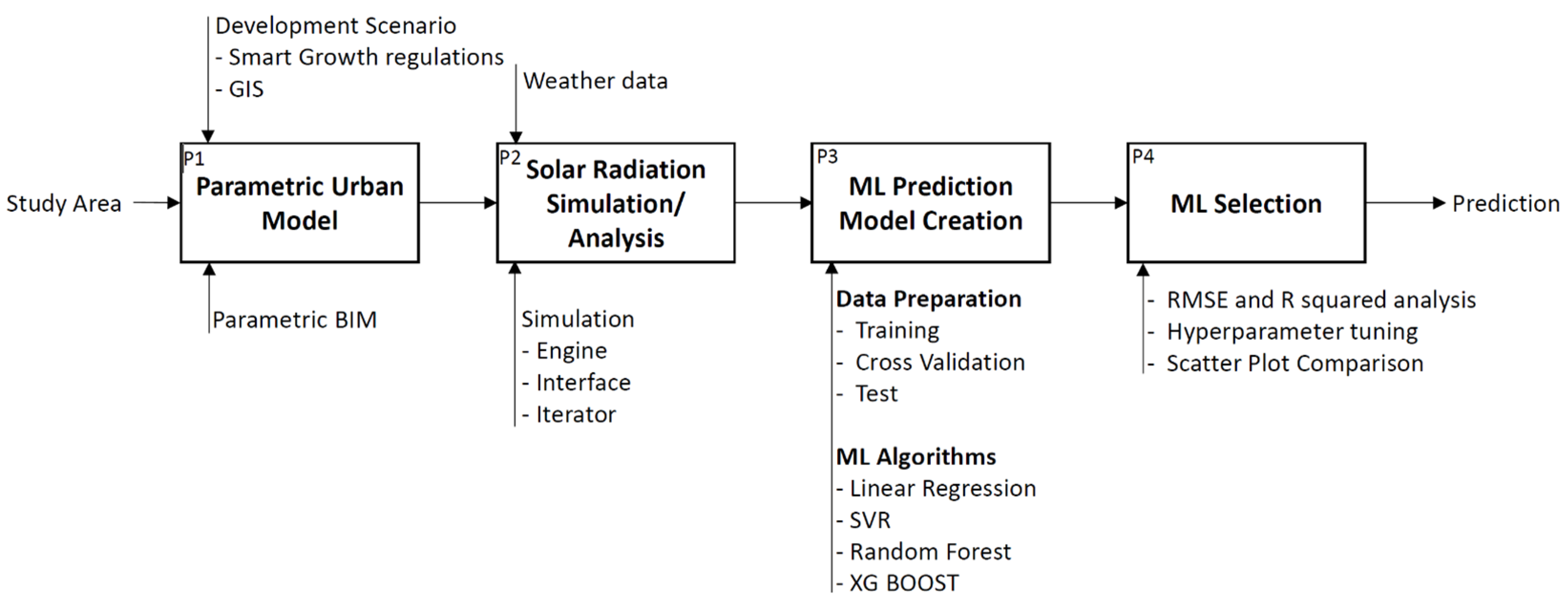
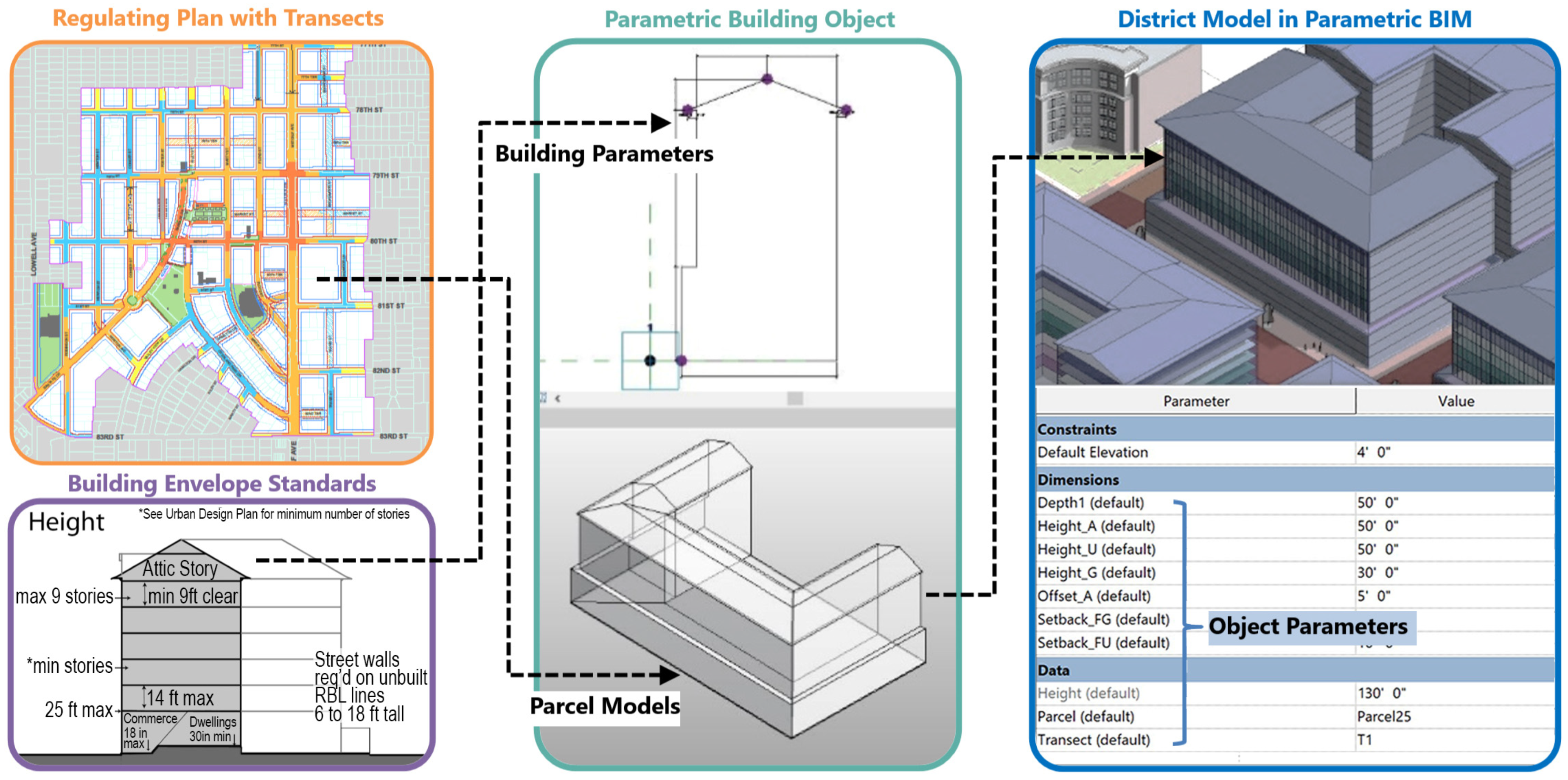
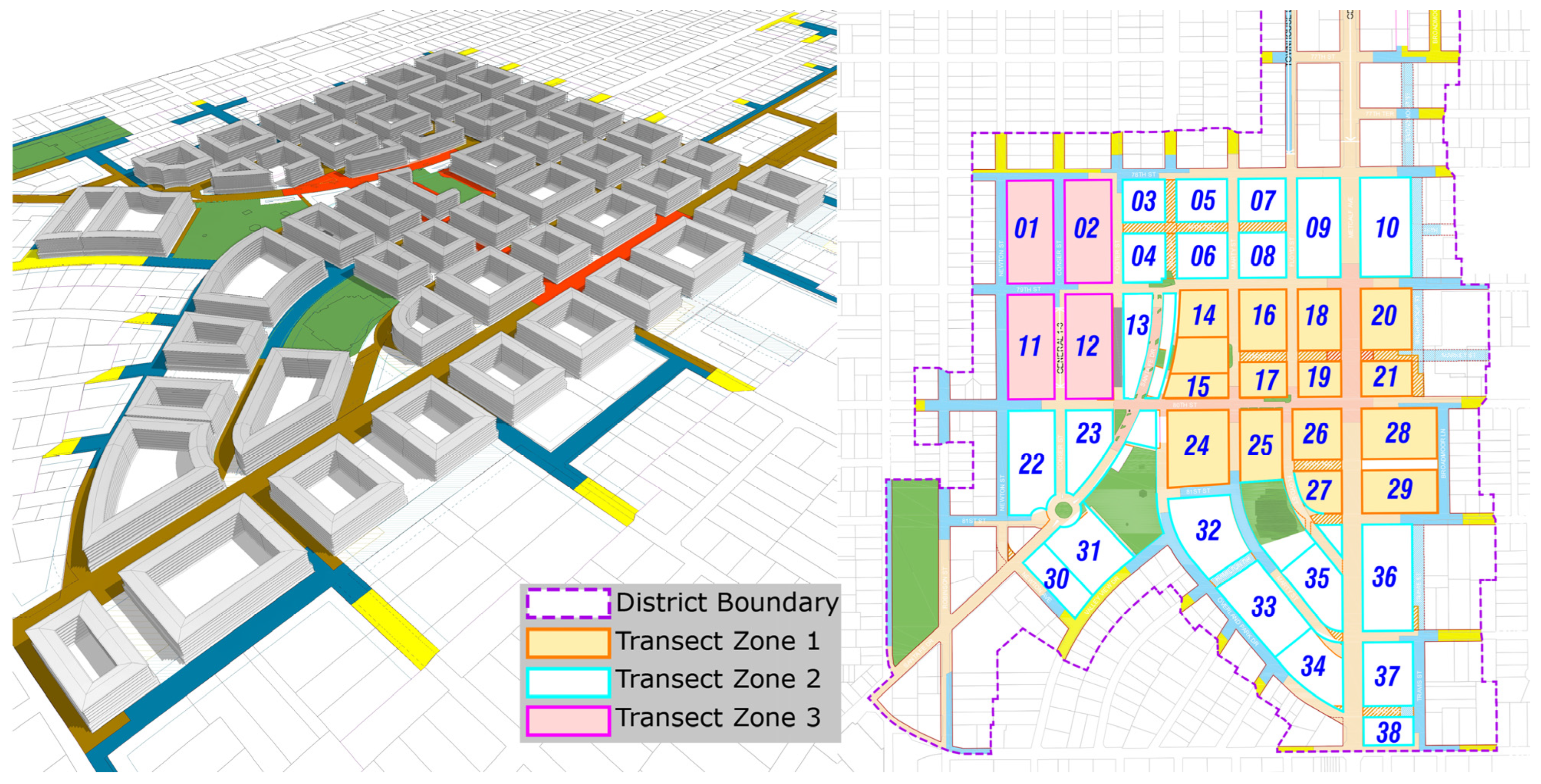
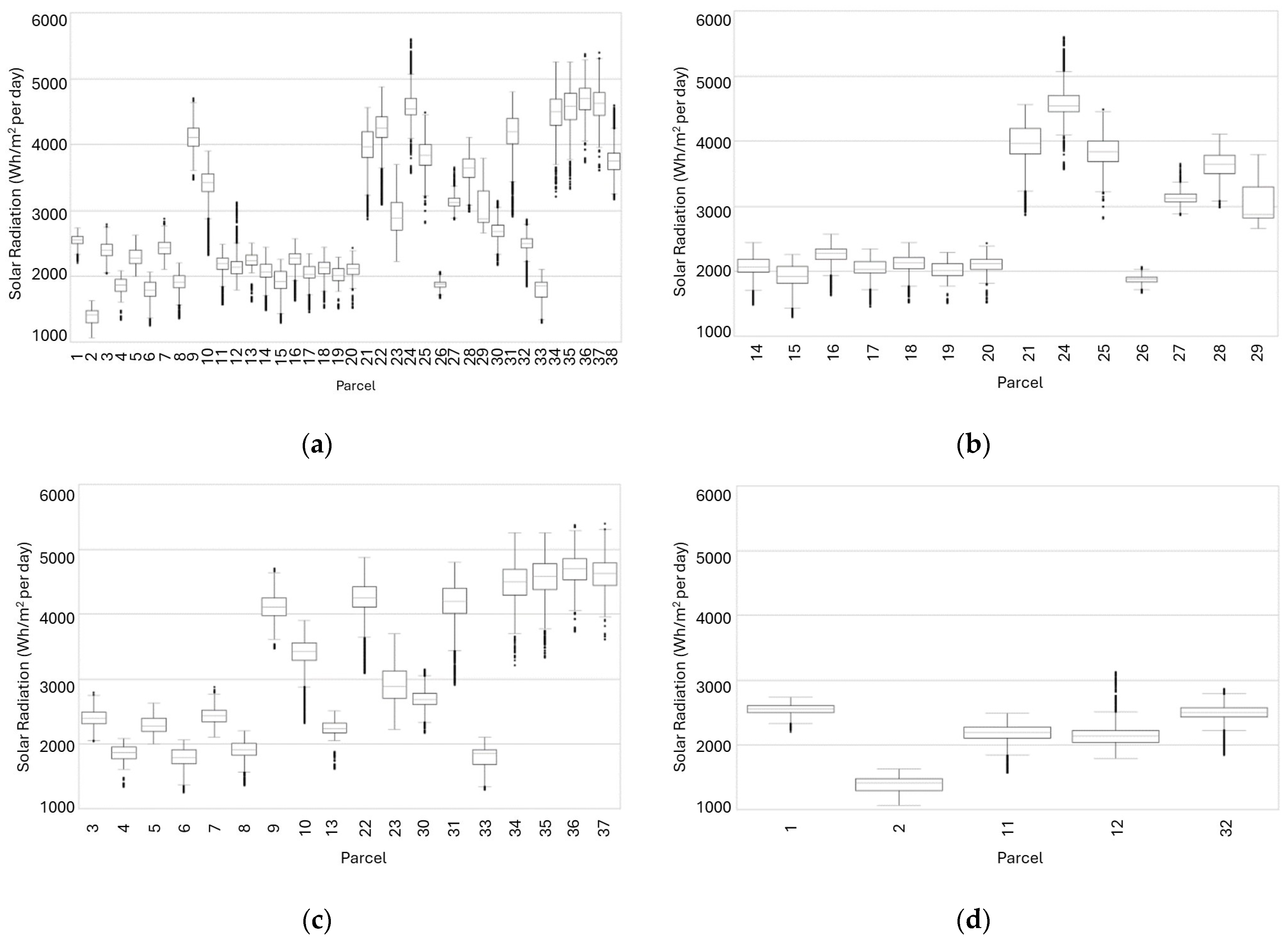
Urban energy simulation research has been explored to forecast the impact of urban developments on energy footprints. However, the achievement of accuracy, scalability, and applicability is still unfulfilled in addressing site-specific conditions and unbuilt development scenarios. This research aims to investigate the integration method of urban modeling, simulation, and machine learning (ML) predictions for the forecasting of the solar radiation of urban development plans in the United States. The research consisted of a case study of Smart Growth development in the southern Kansas City metropolitan area. First, this study analyzed Smart Growth regulations and created urban models using parametric Building Information Modeling (BIM). Then, a simulation interface was created to perform simulation iterations. The simulation results were then used to create ML models for context-specific solar radiation prediction. For ML model creation, four algorithms were compared and tested with several data diagnosis techniques. The simulation results indicated that solar radiation levels are associated with block and building configurations, which are specified in the Smart Growth regulations. Among the four ML models, XGBoost had higher predictability for multiple urban blocks. The results also showed that the performance of ML algorithms is sensitive to data diagnosis and model selection techniques.
Keywords: urban building energy simulation; machine learning; solar radiation; parametric BIM; smart growth regulations urban building energy simulation; machine learning; solar radiation; parametric BIM; smart growth regulations