Article

GAS2 Upregulation Is a Targetable Vulnerability in Chronic Myeloid Leukemia

by
Lizbeth A. Ramirez-Guzman
1,2,†,
Wenjing Huang
1,†,
John J. Cole
3 and
Heather G. Jørgensen
1,*
1
Paul O’Gorman Leukemia Research Centre, School of Cancer Sciences, College of Medical, Veterinary and Life Sciences, University of Glasgow, 21 Shelley Road, Glasgow G12 0ZD, UK
2
Division of Inflammatory Stress in Stem Cells, Heidelberg Institute for Stem Cell Technology and Experimental Medicine, German Cancer Research Center (DKFZ), 69120 Heidelberg, Germany
3
School of Infection and Immunity, College of Medical, Veterinary and Life Sciences, University of Glasgow, Sir Graeme Davies Building, 120 University Place, Glasgow G12 8TA, UK
*
Author to whom correspondence should be addressed.
These authors contributed equally to this work.
Int. J. Transl. Med. 2024, 4(2), 354-368; https://doi.org/10.3390/ijtm4020023
Submission received: 11 March 2024 / Revised: 22 April 2024 / Accepted: 12 June 2024 / Published: 15 June 2024

Abstract

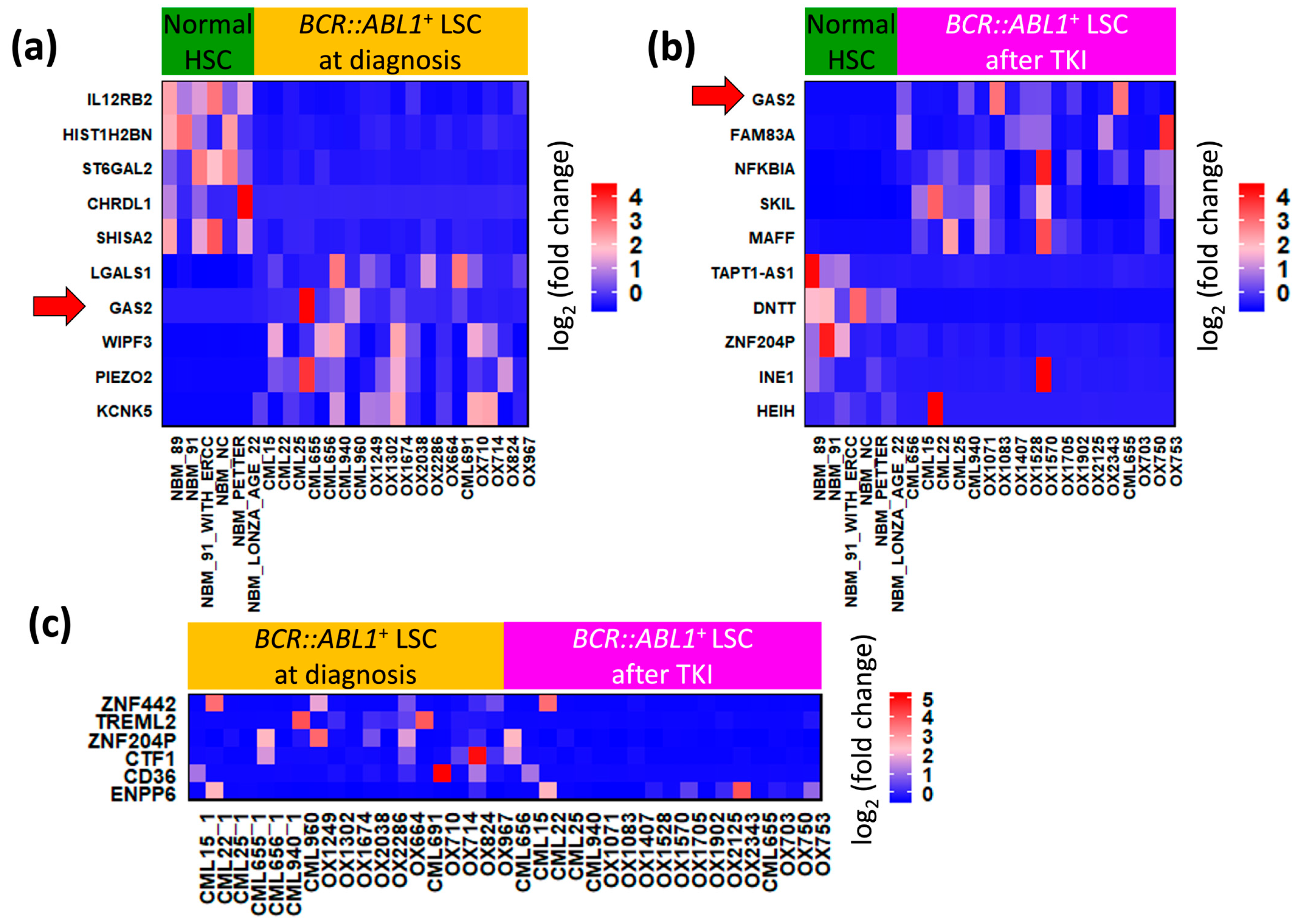
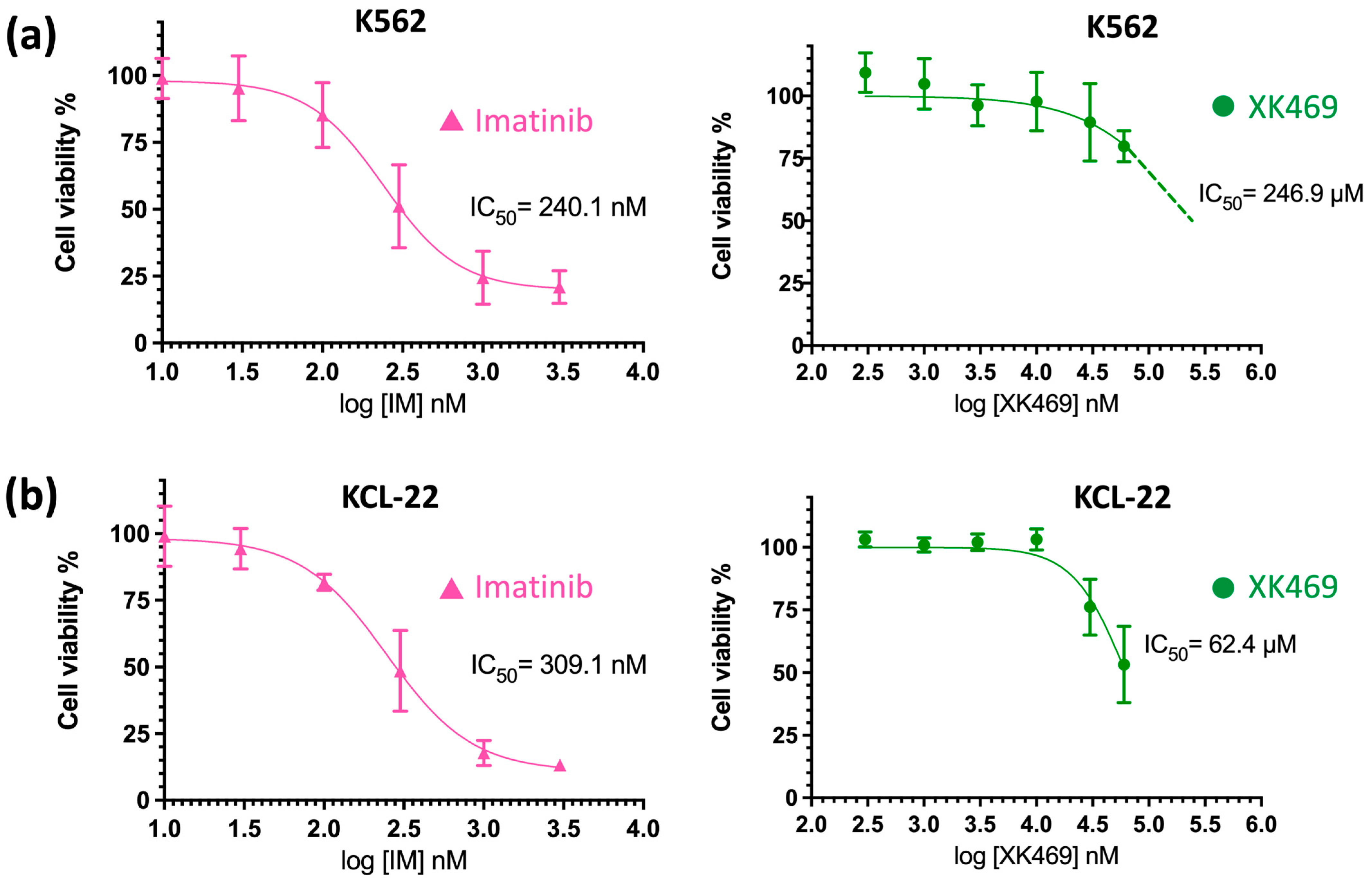
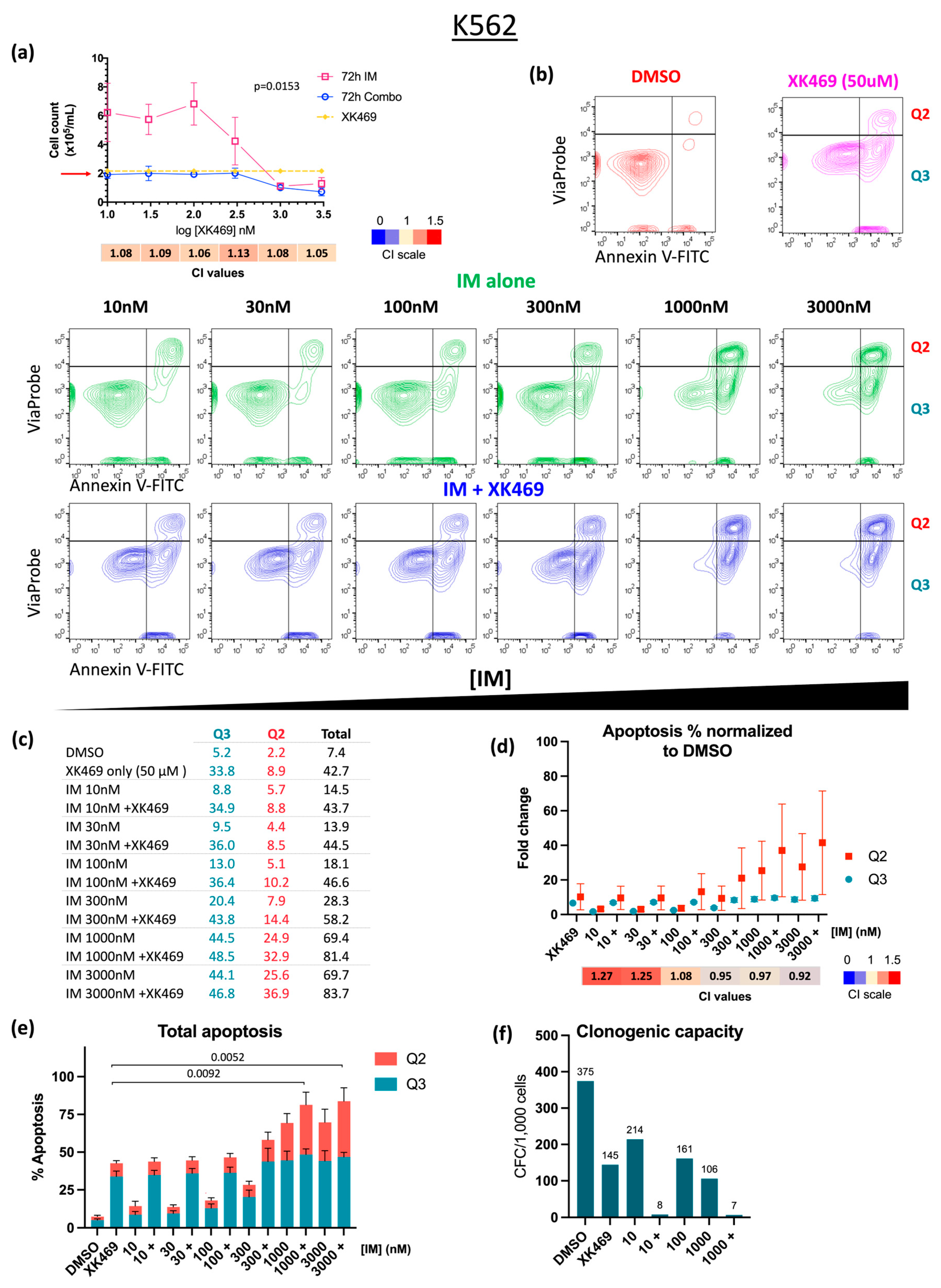
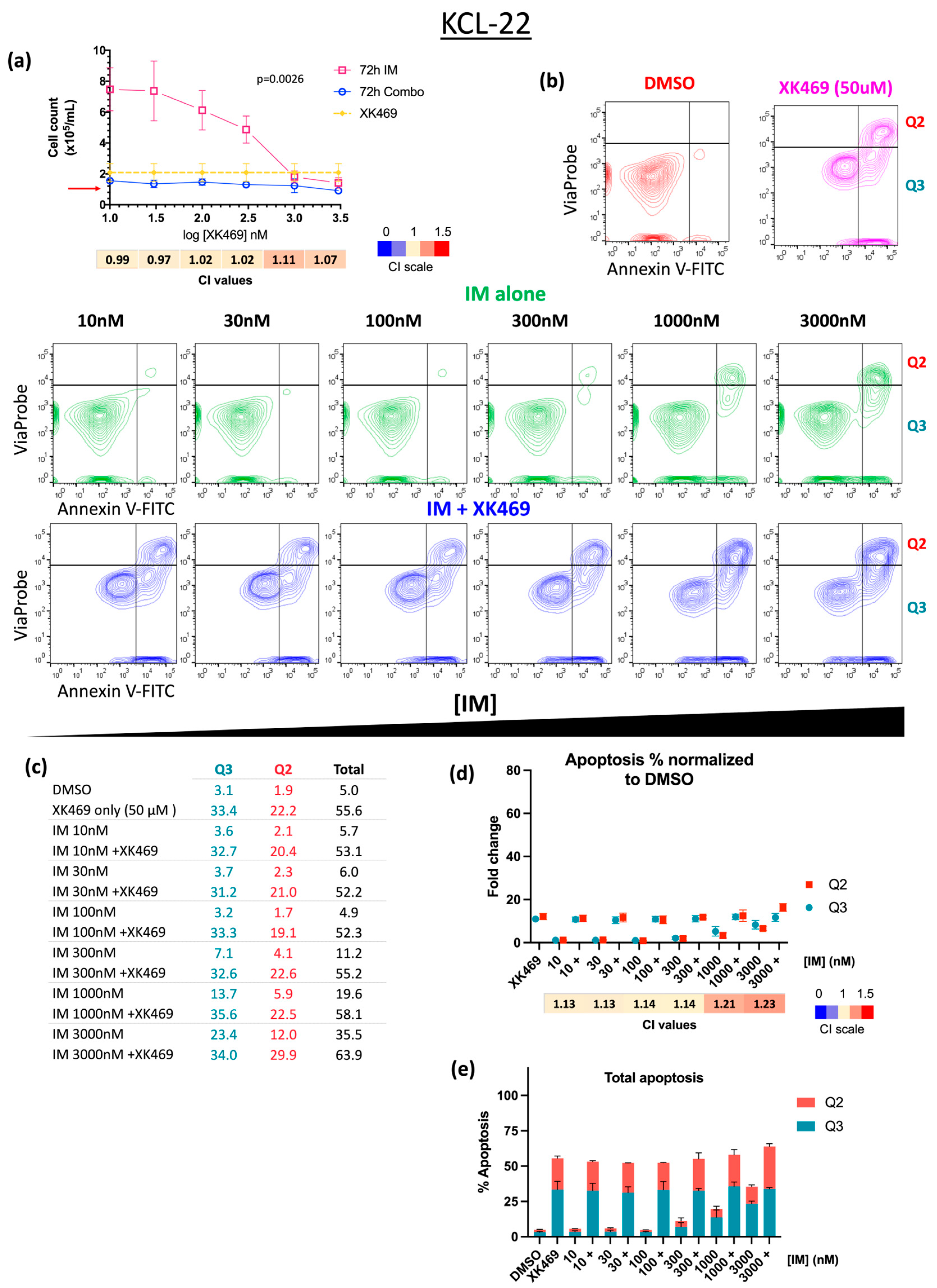
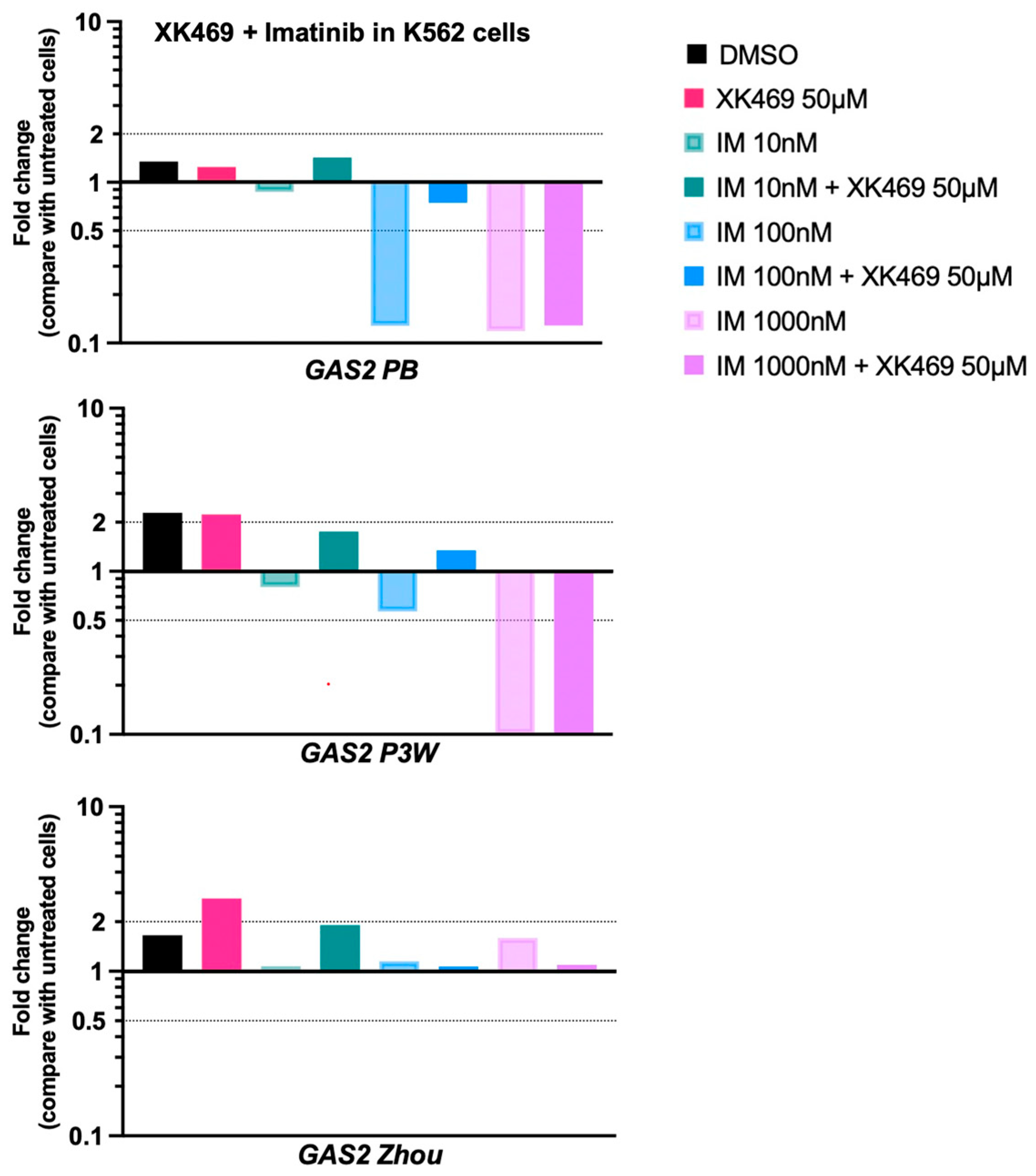
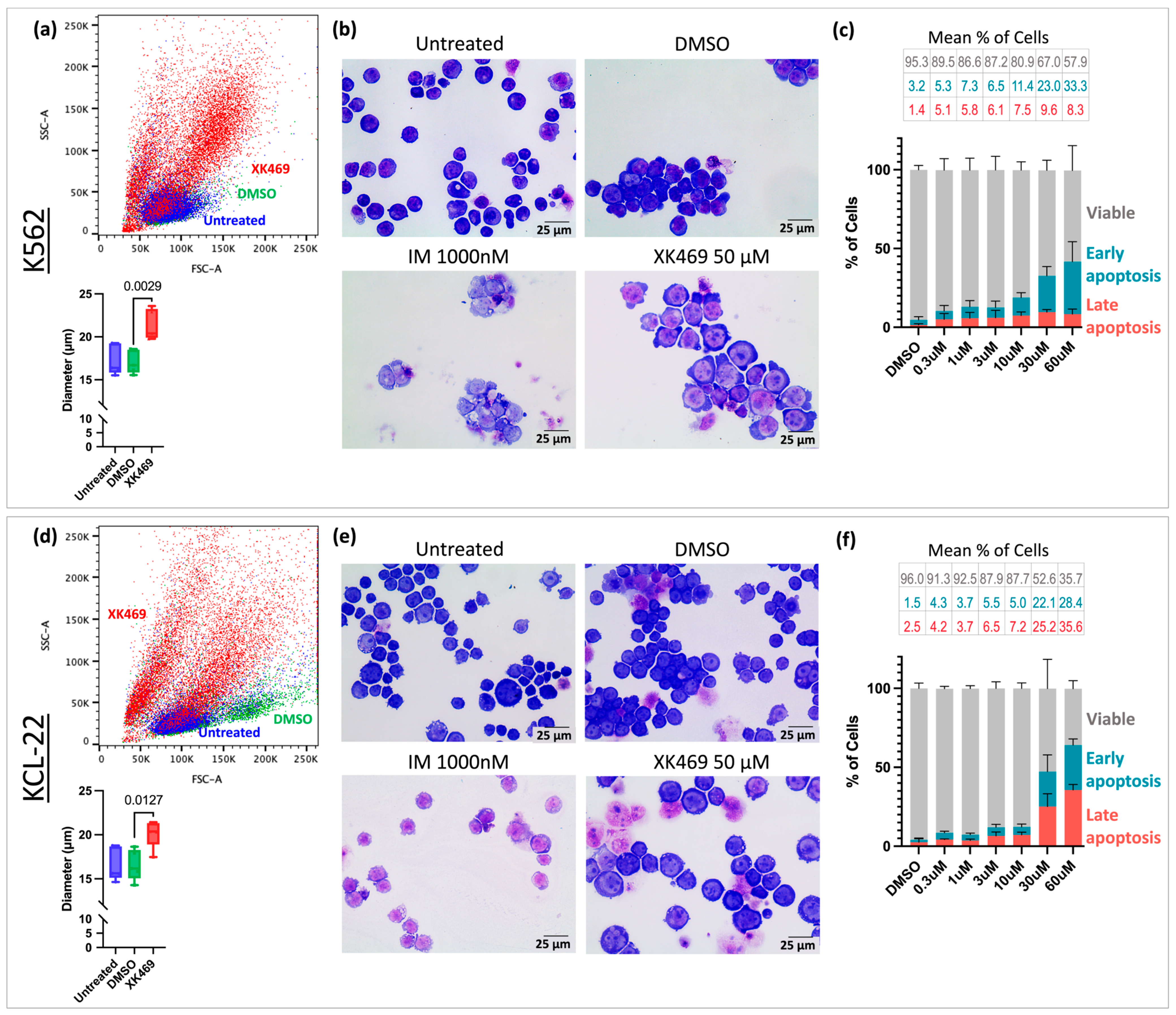
Tyrosine kinase inhibitors (TKIs), such as imatinib (IM), increase the survival of chronic myeloid leukemia (CML) patients but do not eradicate the disease as leukemia stem cells (LSCs) with primitive and quiescent signatures persist after TKI monotherapy, driving disease relapse. Using single-cell publicly available transcriptomic data, we investigated potentially tractable vulnerabilities in this persistent CML LSC population. GAS2 is significantly upregulated when comparing LSCs from CML patients in remission to normal hematopoietic stem cells (HSCs). A topoisomerase IIβ inhibitor, XK469, was proposed to be repurposed as a candidate small-molecule inhibitor of GAS2, and its effect was investigated in cell line models in combination with IM in vitro. Alone, XK469 could induce cell cycle arrest/differentiation in CML cells and reduce cell viability. In combination with IM, XK469 significantly increased CML cell apoptosis and reduced CML cell clonogenic capacity. These results suggest that GAS2 is a targetable vulnerability in CML LSCs and that using XK469 in combination with TKI potentiates the sensitivity of CML cells to IM.
Keywords: leukemic stem cells; TKI insensitivity; imatinib; combination therapy leukemic stem cells; TKI insensitivity; imatinib; combination therapy