Review

Unraveling the Magnetic Properties of NiO Nanoparticles: From Synthesis to Nanostructure

1
Departament de Química Inorgànica i Orgànica, Universitat de Barcelona, Martí i Franquès, 1-11, 08028 Barcelona, Spain
2
Institut de Nanociència i Nanotecnologia (IN2UB), Universitat de Barcelona, 08028 Barcelona, Spain
3
Departament de Física de la Matèria Condensada, Martí i Franquès 1, 08028 Barcelona, Spain
*
Author to whom correspondence should be addressed.
Magnetism 2024, 4(3), 252-280; https://doi.org/10.3390/magnetism4030017

Submission received: 29 June 2024 / Revised: 31 July 2024 / Accepted: 12 August 2024 / Published: 28 August 2024

Abstract

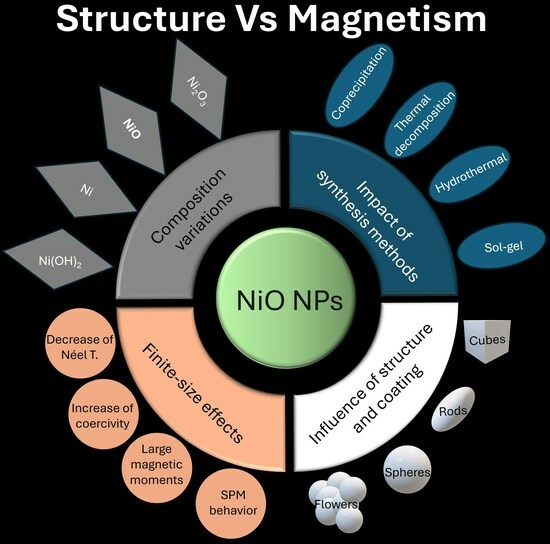
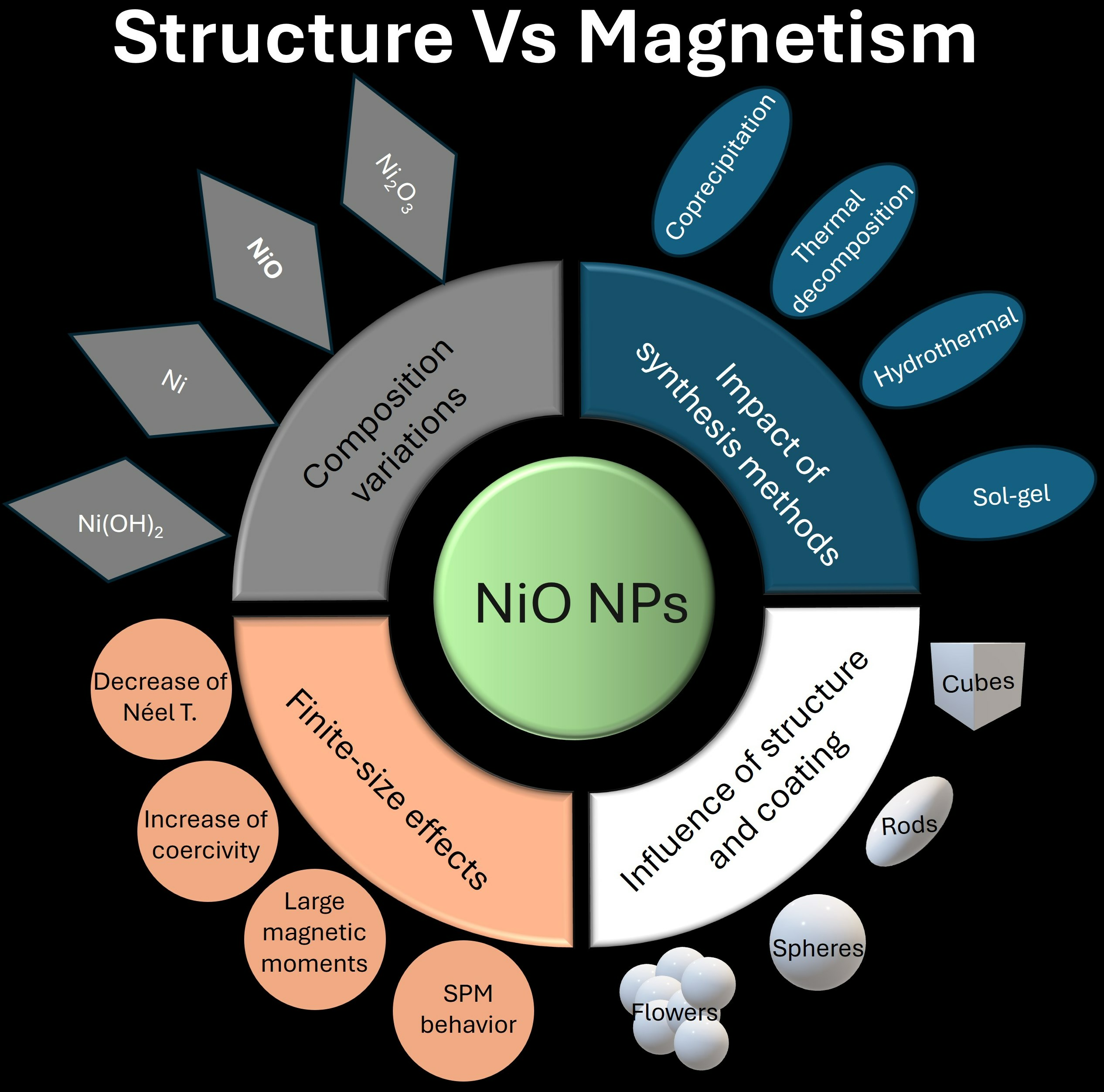
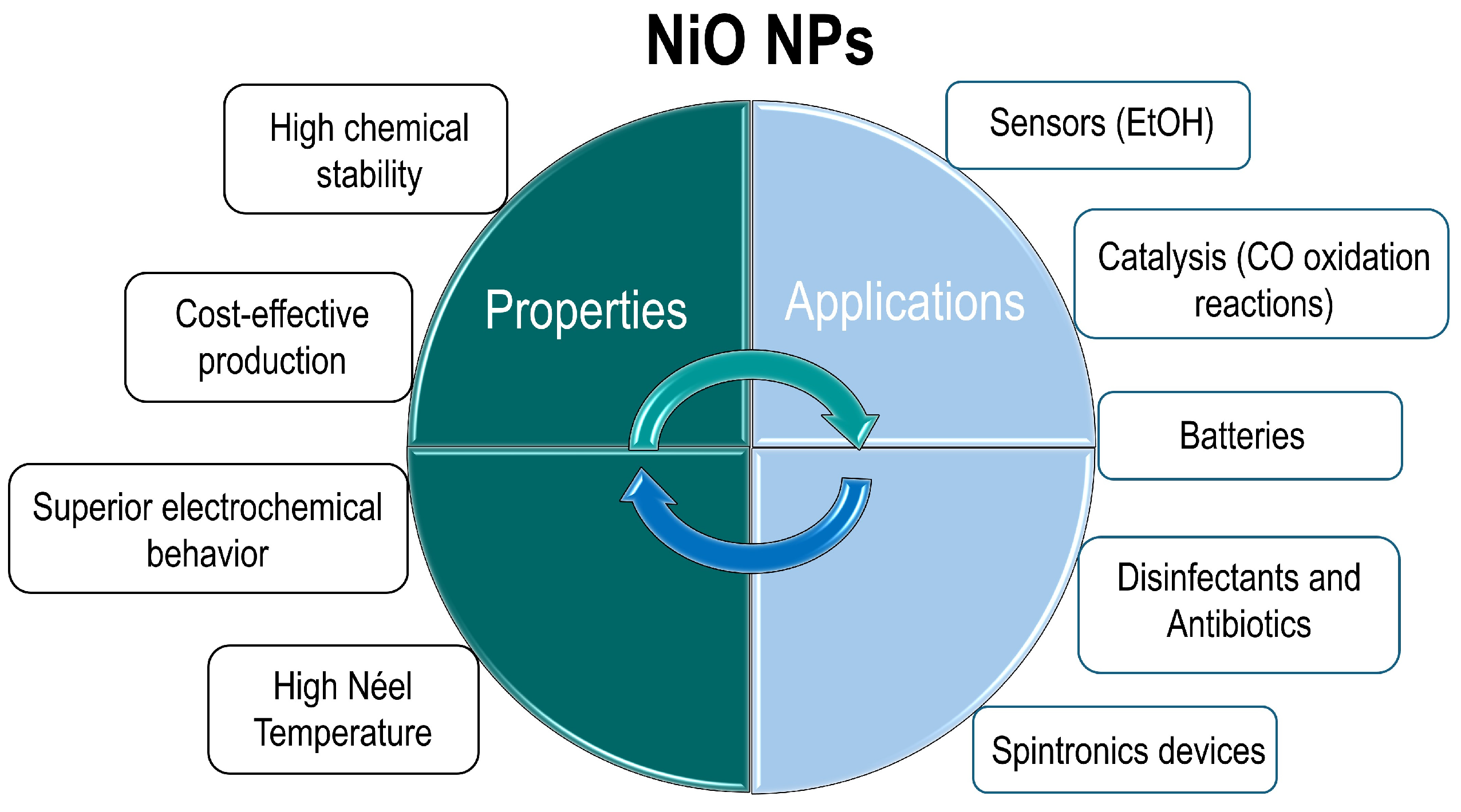
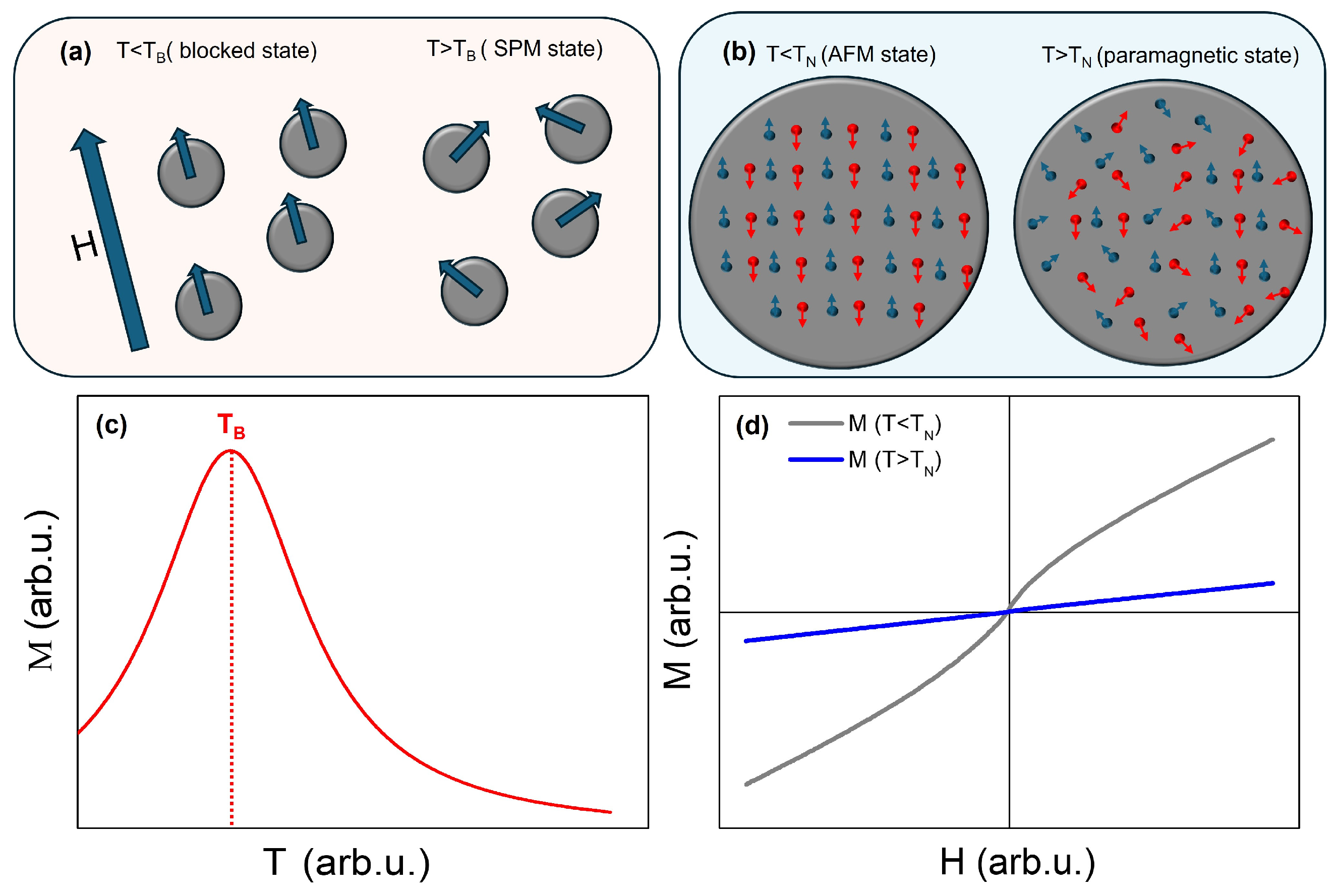
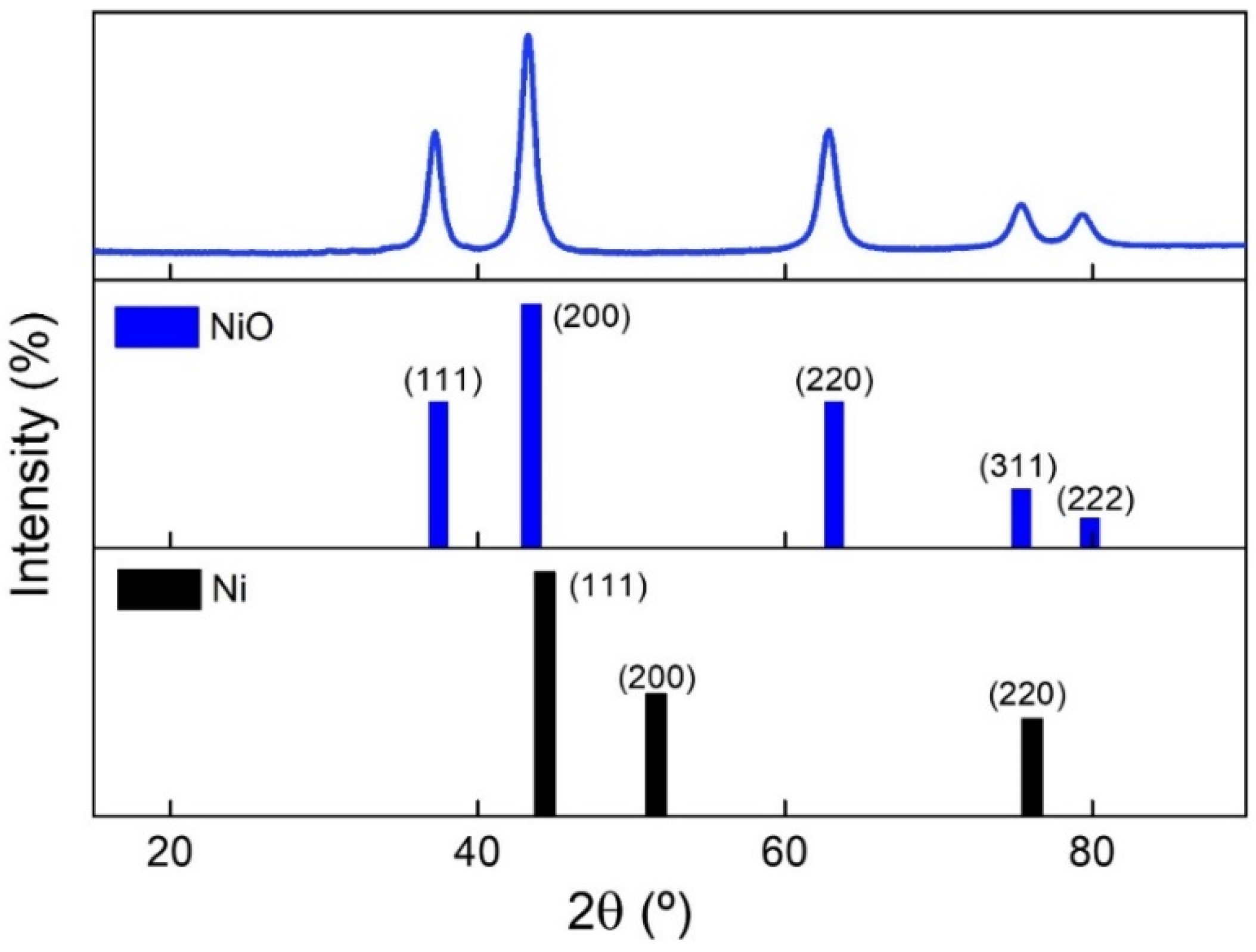
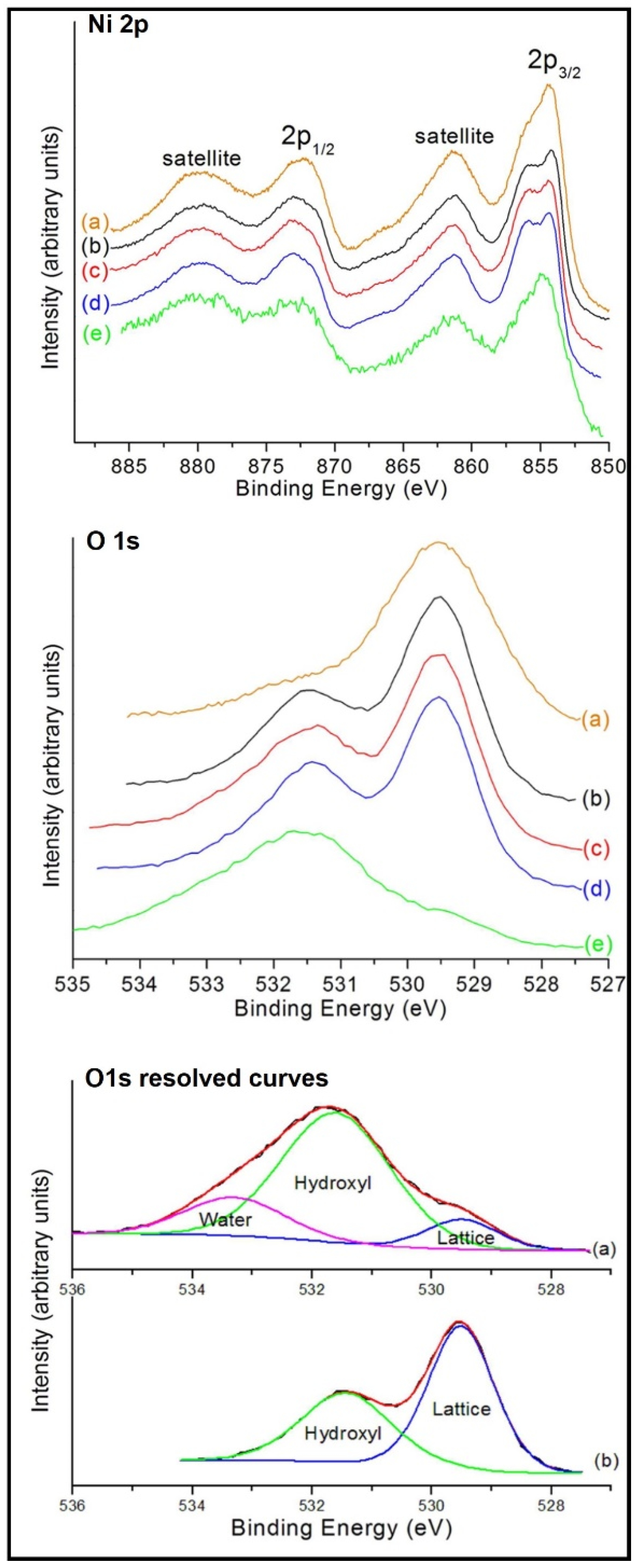
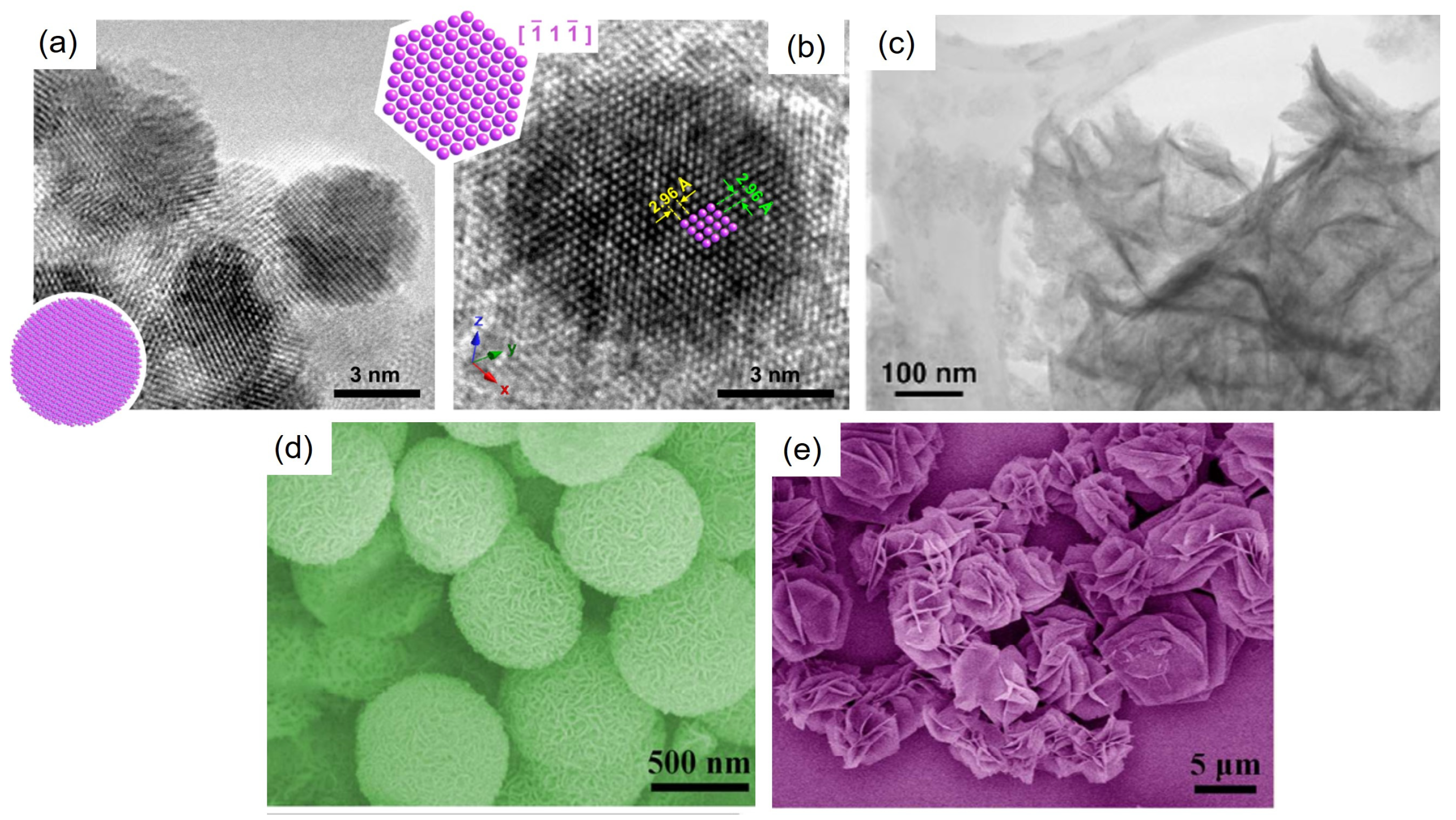
NiO nanoparticles have garnered significant interest due to their diverse applications and unique properties, which differ markedly from their bulk counterparts. NiO nanoparticles are p-type semiconductors with a wide bandgap, high discharge capacity, and high carrier density, making them ideal for use in batteries, sensors, and catalysts. Their ability to generate reactive oxygen species also imparts disinfectant and antibiotic properties. Additionally, the higher Néel temperature of NiO compared with other antiferromagnetic materials makes it suitable for high-temperature applications in spintronic devices and industrial settings. This review focuses on the critical role of structure and composition in determining the magnetic properties of NiO nanoparticles. It examines how finite-size surface effects, morphology, crystallinity, and nickel distribution influence these properties. Fundamental physical properties and characterization techniques are discussed first. Various synthesis methods and their impact on NiO nanoparticle properties are then explored. Their magnetic phenomenology is examined in detail, highlighting the effects of finite size, particle composition and surface, and crystal quality. The review concludes with a summary of key insights and future research directions for optimizing NiO nanoparticles in technological applications.
Keywords: antiferromagnetic nanoparticles; nickel oxide nanoparticles; finite-size effects; surface effects; crystallographic properties; magnetic anisotropy; Néel temperature; chemical synthesis methods antiferromagnetic nanoparticles; nickel oxide nanoparticles; finite-size effects; surface effects; crystallographic properties; magnetic anisotropy; Néel temperature; chemical synthesis methods
Graphical Abstract