
Systematic Review

From Growth Factors to an Immune-Centric Approach: A Systematic Review of the Biological and Clinical Evidence for Platelet-Rich Plasma in Erectile Dysfunction

by
Laura Rehak
1,*,
Giada Manti
2 and
Giuseppe Massimo Sangiorgi
3
1
Independent Researcher, 50126 Florence, Italy
2
Athena Cells Therapies Technologies, 50126 Florence, Italy
3
Cardiac Cath Lab, Division of Cardiology, Department of Biomedicine and Prevention, University of Tor Vergata, 00133 Rome, Italy
*
Author to whom correspondence should be addressed.
Biologics 2026, 6(2), 12; https://doi.org/10.3390/biologics6020012
Submission received: 12 February 2026 / Revised: 9 April 2026 / Accepted: 14 April 2026 / Published: 20 April 2026
(This article belongs to the Section Blood Products)

Abstract

Background: Intracavernosal platelet-rich plasma (PRP) is increasingly used for erectile dysfunction (ED), despite the absence of standardized biological characterization and clear dose definitions. This systematic review evaluates the clinical efficacy of PRP in ED while integrating emerging immune-centric mechanistic evidence. Methods: Following PRISMA 2020 guidelines, randomized controlled trials (RCTs) and prospective studies (2020–2025) investigating intracavernosal PRP in adult men with ED were identified across major databases. Validated outcomes included International Index of Erectile Function (IIEF-EF or IIEF-5), Erection Hardness Score (EHS), Sexual Encounter Profile (SEP), and penile Doppler parameters. Preclinical data were narratively integrated to contextualize biological plausibility. Results: Fourteen clinical studies met the inclusion criteria (six RCTs, eight prospective cohorts). Across most studies, PRP produced clinically relevant within-patient improvements, and three RCTs demonstrated minimal clinically important difference (MCID) responder rates compared with placebo. However, other trials showed comparable improvements in placebo arms, underscoring substantial contextual effects. Safety was consistently favourable. Marked heterogeneity in blood volume processed (10–120 mL), injected PRP volume (3–12 mL), preparation systems, and session protocols precluded cross-study comparability. Critically, no study reported platelet dose, leukocyte subsets, peripheral blood mononuclear cell (PBMNC) content, or red blood cell contamination. Preclinical models consistently demonstrate that PRP restores erectile function through angiogenic, neuroprotective, and immunomodulatory mechanisms, including CXCL5-mediated monocyte recruitment and M1-to-M2 macrophage polarization. Conclusions: Intracavernosal PRP shows promising short-term efficacy signals and a favourable short-term safety profile in mild-to-moderate vasculogenic ED, but current evidence is limited by profound biological and methodological heterogeneity. PRP should be reconsidered as an immune-regenerative intervention requiring dose-defined, composition-defined, and mechanistically informed randomized trials. Interpretation of these findings is constrained by the absence of formal risk-of-bias assessment for non-randomized studies, substantial clinical and biological heterogeneity across trials, and the lack of standardized PRP characterization.

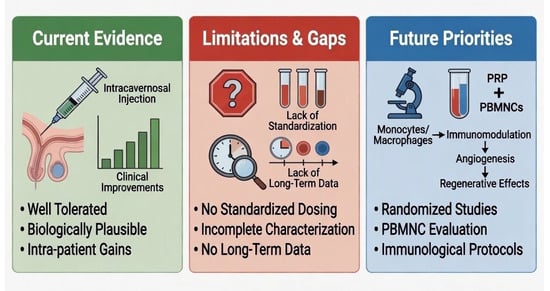
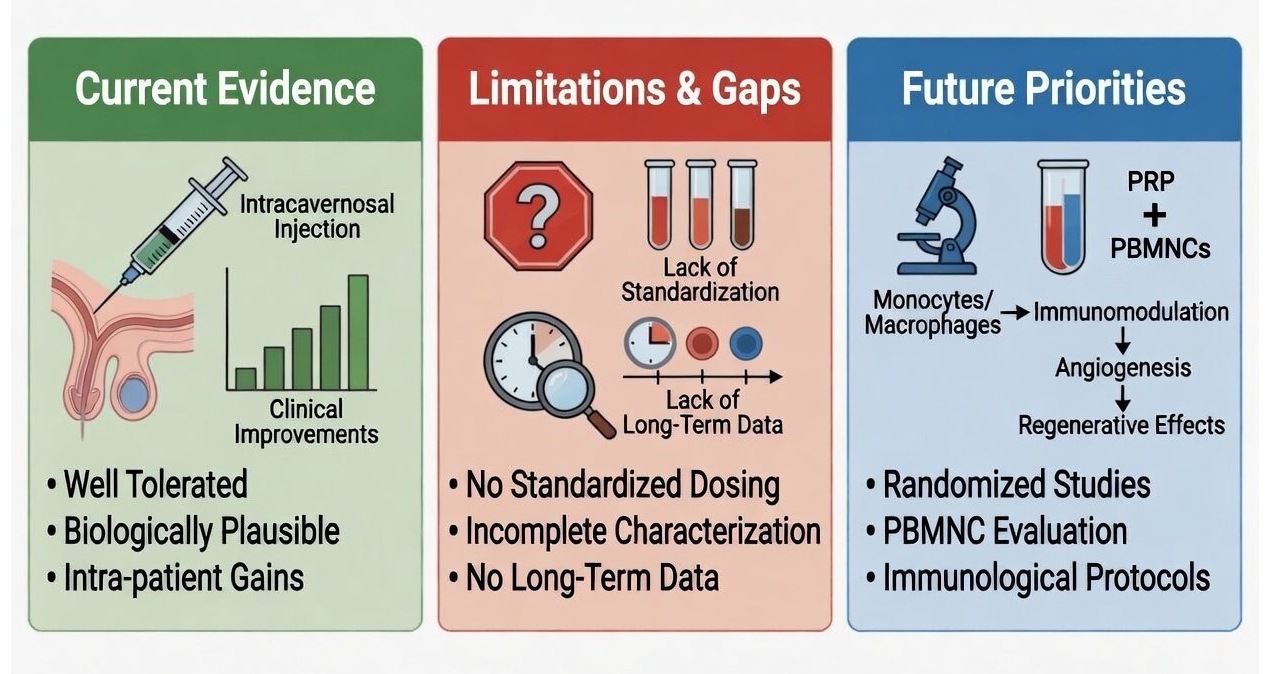
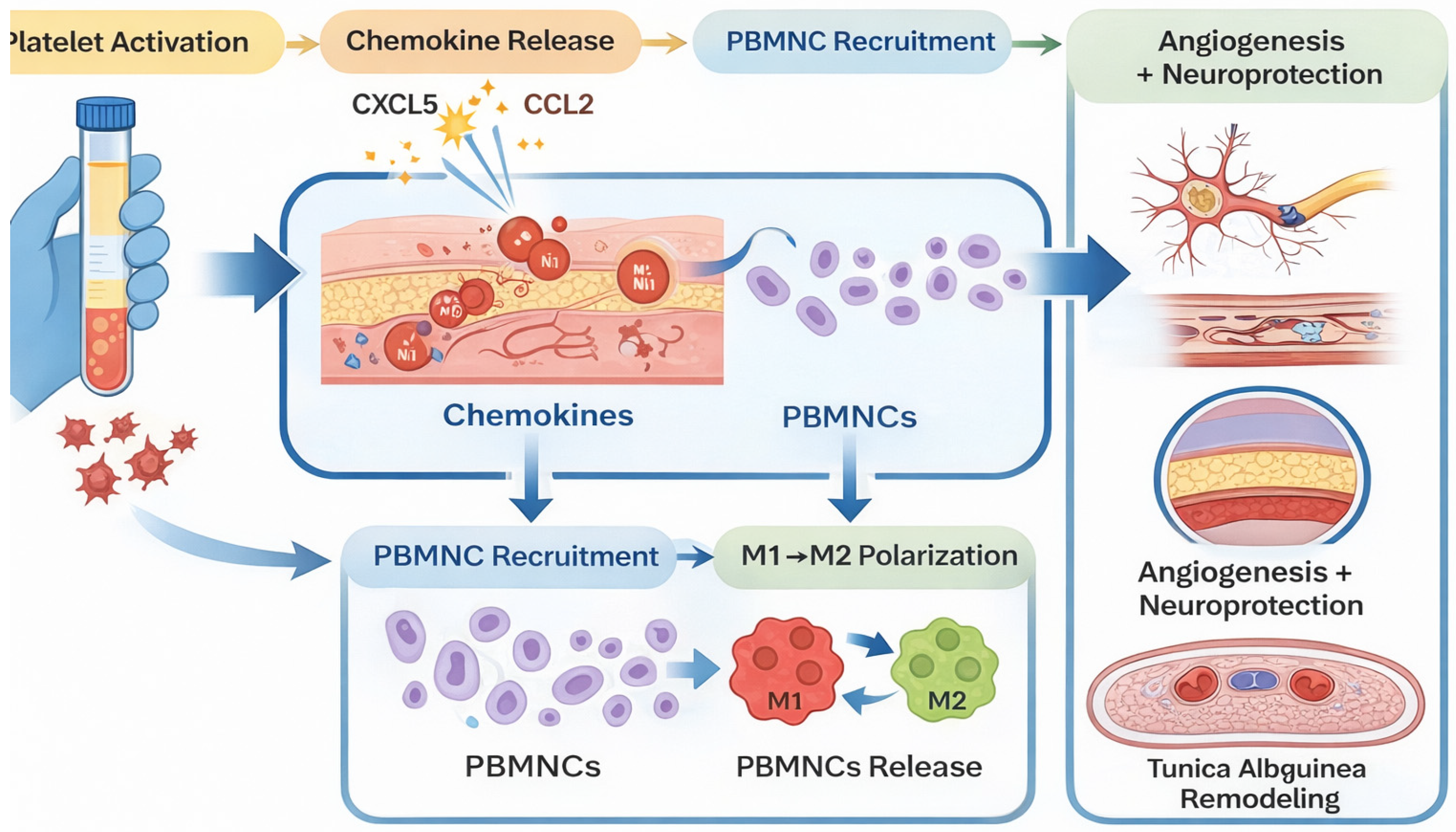
Graphical Abstract

1. Introduction

Erectile dysfunction (ED) is one of the most prevalent conditions affecting men worldwide, with up to 71% of men experiencing it at some point in their life [1] and now represents a major public-health concern with substantial impact on quality of life. Conventional therapies, including phosphodiesterase type-5 inhibitors (PDE5is), vacuum devices and prostheses, primarily provide symptomatic relief but do not directly reverse endothelial, neurovascular or stromal dysfunction. In this context, regenerative strategies targeting vascular and neural repair have attracted increasing interest. Autologous regenerative treatments, which aim to address underlying pathophysiological mechanisms rather than merely alleviating symptoms, such as platelet-rich plasma (PRP), have gained attention based on a plausible immunoregenerative mechanism (chemotaxis and endothelial and neurovascular repair).
PRP is rich in growth factors that may promote angiogenesis, neuroregeneration, and tissue repair, potentially offering a curative approach for ED, particularly in cases with vasculogenic or organic etiologies.
PRP is not a single product but rather a category of autologous biologic preparations derived from the patient’s own whole blood, whose composition is profoundly influenced by the preparation system used, the volume of blood processed, the centrifugation protocol, and the leukocyte and red blood cell content of the final product [2]. With over 50 commercially available preparation systems, each yielding widely different platelet doses, leukocyte profiles, and red blood cell contamination levels, the final PRP product may range from a leukocyte-poor, RBC-free preparation to a leukocyte-rich formulation containing neutrophils, monocytes, and significant RBC contamination [2]. Upon activation, platelets release a broad spectrum of bioactive molecules from their α-granules, including growth factors (PDGF, TGF-β, VEGF, IGF-1), cytokines, and chemokines such as CCL2/MCP-1, CCL5/RANTES, and SDF-1/CXCL12, which serve a dual biological function: directly supporting angiogenesis, cell proliferation, and matrix remodelling, while simultaneously establishing chemotactic gradients that recruit peripheral blood mononuclear cells (PBMNCs) to the site of injury [2,3]. This dual mechanism of action—growth factor release coupled with immune cell recruitment and macrophage M1-to-M2 polarization—underpins the emerging immune-centric paradigm of PRP-mediated tissue regeneration [3]. All studies included in this systematic review employed autologous PRP; to date, no clinical studies using heterologous PRP for ED have been reported in the literature. Recent preclinical data support an immune-centric mechanism whereby PRP acts not only through direct growth factor delivery, but also by recruiting peripheral blood mononuclear cells (PBMNCs) into the corpora cavernosa, triggering a coordinated pro-regenerative response [4,5,6].
Despite expanding clinical use, the evidence base for PRP in ED remains limited and heterogeneous. Recent systematic reviews and meta-analyses consistently indicate that intracavernosal PRP produces short-term improvements in IIEF scores, with a favourable safety profile and only mild, transient local adverse events, supporting a promising but still limited evidence base [7,8,9,10,11,12,13,14,15,16,17,18,19].
Other reviews adopted a broader scope, either combining ED and Peyronie’s disease [18] or comparing PRP with other regenerative strategies [19] and reached similar conclusions: PRP appears biologically plausible and clinically promising, but current data are constrained by small sample sizes, short follow-up and high heterogeneity [18,19].
To date, six randomized trials have investigated intracavernosal PRP for erectile dysfunction: three de novo studies reported a clinically meaningful benefit over placebo [20,21,22], two found neutral results [23,24], and one maintenance-only trial suggested a role in sustaining prior response [25], collectively underscoring both the therapeutic potential of PRP and the persistent uncertainty of the current evidence base.
Clinical trials vary widely in patient selection, PRP preparation systems, injection protocols, and outcome measures, and most studies do not report critical biological parameters such as platelet dose, leukocyte profile or red blood cell contamination.
This systematic review synthesizes current clinical data on intracavernosal PRP for ED, focusing on efficacy, safety, mechanisms of action, and research gaps. This review specifically integrates clinical data with emerging immunocentric evidence on PBMNC-driven macrophage modulation, aiming to define PRP as an immune regenerative rather than purely growth factor-based therapy in ED.

2. Materials and Methods

2.1. Study Design and Reporting

This systematic review was conducted in accordance with the Preferred Reporting Items for Systematic Reviews and Meta-Analyses (PRISMA) 2020 statement [26]. The protocol was defined a priori, specifying the clinical question, eligibility criteria, search strategy, and data extraction plan before screening commenced. The completed PRISMA 2020 checklist is provided as Table S1 in Supplementary Material. This review was not prospectively registered in PROSPERO or any other systematic review registry. The review protocol, including the clinical question (PICO), eligibility criteria, search strategy, and data extraction plan, was defined a priori before screening commenced, but was not formalized as a separate protocol document. No deviations from the a priori plan occurred during the conducting of the review, with the exception of the post hoc addition of the secondary mechanistic synthesis (Section 3.4), which was incorporated to contextualize the immune-centric biological rationale for PRP in ED. This addition did not affect the primary clinical synthesis or study selection. The absence of prospective registration is acknowledged as a limitation, as it reduces transparency regarding potential selective reporting.

2.2. Data Sources and Search Strategy

A comprehensive literature search was performed in the following databases: PubMed/MEDLINE, Embase, Scopus, Cochrane Central Register of Controlled Trials (CENTRAL). The search covered the period from 1 January 2020 to 15 November 2025.
Search strings combined controlled vocabulary (e.g., MeSH terms) and free-text terms related to platelet-rich plasma and erectile dysfunction. The core strategy included variations of:
(“platelet-rich plasma” OR “PRP”) AND (“erectile dysfunction” OR “ED” OR “vasculogenic erectile dysfunction”) AND (“intracavernosal” OR “cavernous” OR “penile injection” OR “injection”) (see Appendix A for details).
The search was adapted to the syntax of each database. Reference lists of eligible articles, relevant reviews, and meta-analyses were screened to identify additional studies. No language restrictions were applied during the initial search; full-text inclusion was limited to articles published in English (see Appendix A for details).

2.3. Eligibility Criteria

Studies were eligible if they met all the following criteria:
  • Population: Adult men (≥18 years) with a diagnosis of erectile dysfunction of any etiology (vasculogenic, mixed, or refractory to PDE5 inhibitors).
  • Intervention: Intracavernosal injection of autologous platelet-rich plasma (PRP), regardless of preparation system.
  • Design: Randomized controlled trial (RCT) or prospective non-randomized clinical study (single-arm or cohort).
  • Outcomes: Reporting at least one validated erectile function outcome, such as the International Index of Erectile Function (IIEF-EF or IIEF-5), Erection Hardness Score (EHS), Sexual Encounter Profile (SEP), and/or penile Doppler ultrasound parameters.
  • Follow-up: Minimum follow-up of 1 month after PRP treatment. This threshold was selected because the biological response to intracavernosal PRP—including platelet degranulation, growth factor release, chemokine-mediated immune cell recruitment, and the initiation of tissue remodelling cascades—requires at least several weeks before measurable clinical effects can be detected. A 1-month minimum is consistent with the earliest assessment time point used in the majority of published PRP trials in ED and ensures exclusion of studies reporting only immediate post-procedural observations.
  • Reporting: Availability of sufficient clinical data on efficacy and safety.
The following were excluded: animal or preclinical studies; narrative reviews, editorials, and conference abstracts without full data; case reports or small case series with <10 patients; studies using non-intracavernosal routes (e.g., topical, intravenous, intraurethral); and studies in which the effect of PRP could not be separated at all from unrelated interventions and no erectile outcomes were reported.
The decision to include ED of any etiology was made a priori to provide a comprehensive overview of the available clinical evidence on intracavernosal PRP, which remains limited in volume. Restricting inclusion to a single etiology (e.g., vasculogenic only) would have excluded several eligible trials and yielded an incomplete representation of the existing literature. Moreover, PRP’s proposed mechanisms of action, including angiogenesis, neuroregeneration, and immunomodulation, are not inherently etiology-specific, supporting the biological plausibility of a broad inclusion criterion. The resulting etiological heterogeneity is acknowledged as a source of clinical variability and is addressed through stratified reporting and comparative synthesis within each Results subsection.
In addition to the primary clinical objectives, this review prospectively incorporated a secondary aim of synthesizing preclinical immunological data on PRP in ED, which are presented in a dedicated section (New mechanistic evidence and translational gap) to contextualize immune-centric mechanisms and translational implications.

2.4. Study Selection

Two reviewers independently screened titles and abstracts for potential eligibility. Full-text versions of potentially relevant articles were then assessed in detail against the inclusion and exclusion criteria. Disagreements were resolved by discussion and, when necessary, by consultation with a third reviewer.
Case series with fewer than 10 patients were excluded to minimize the risk of anecdotal or underpowered results influencing the qualitative synthesis. Conference abstracts without accompanying full-text publications were excluded because they typically lack sufficient methodological detail for structured data extraction and risk-of-bias evaluation. Preprints were not systematically searched; however, no language or publication-status restrictions were applied to the initial database search, and any preprint subsequently published in a peer-reviewed journal during the search window would have been captured.
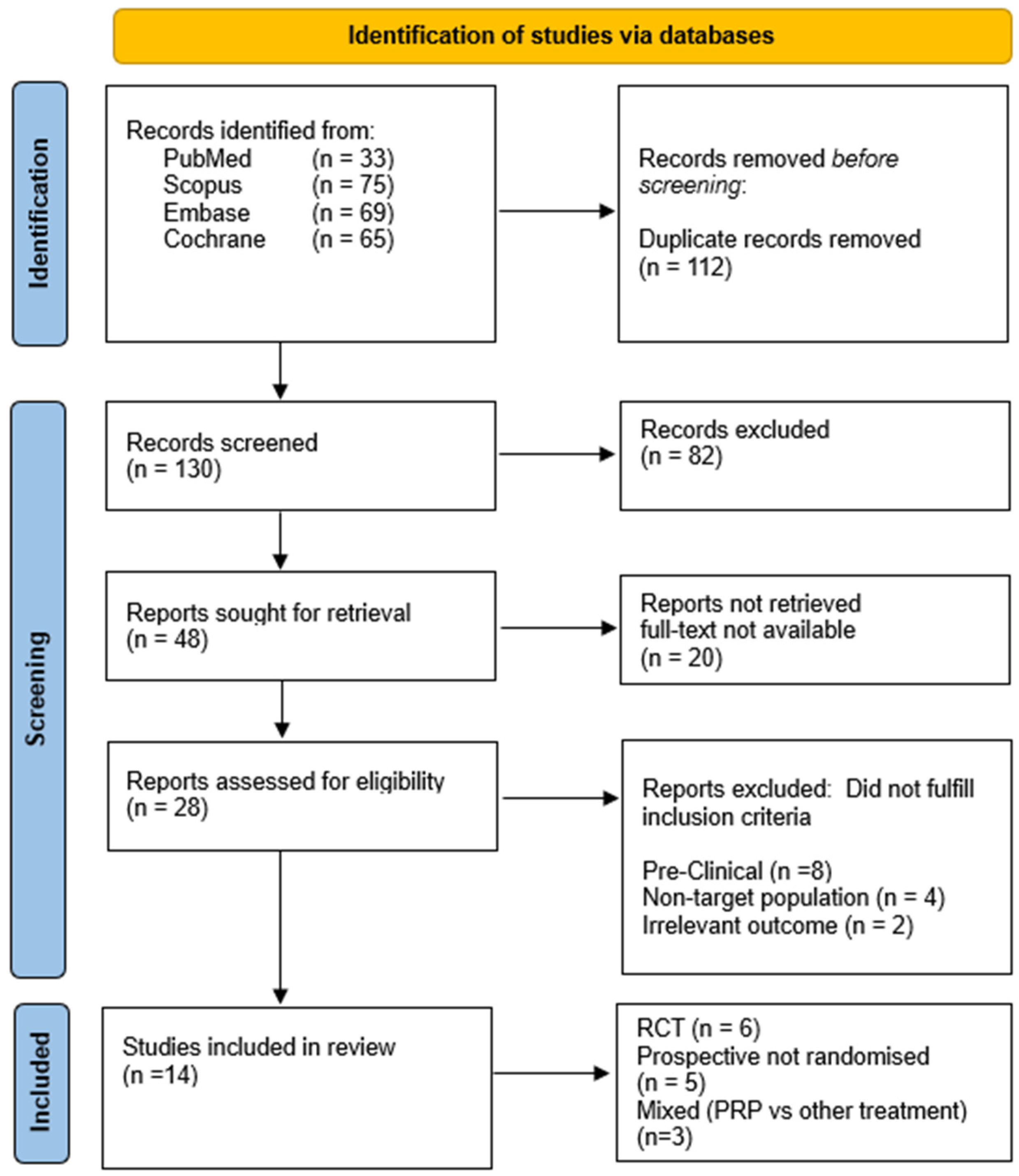
The selection process is summarized in the PRISMA 2020 flow diagram (Figure 1). A total of 242 records were identified (PubMed n = 33, Scopus n = 75, Embase n = 69, Cochrane n = 65). After removing 112 duplicates, 130 records were screened. Of the 48 reports sought for retrieval, 20 were not retrieved due to full-text unavailability. Of the 28 reports assessed for eligibility, 14 were excluded because they did not fulfil inclusion criteria (preclinical studies n = 8; non-target population n = 4; irrelevant outcomes n = 2).

2.5. Study Stratification: PRP-Only vs. Mixed-Modality Cohorts

In accordance with PRISMA 2020 in Figure 1, all eligible prospective clinical studies were included in the qualitative synthesis. A total of 14 studies were included, stratified as follows:
  • PRP-only cohorts (n = 11): Studies where PRP was the sole active intervention, including 6 RCTs and 5 non-RCTs reported in Table 1 and Table 2
  • Mixed-modality cohorts (n = 3): Studies where PRP was administered in combination with other therapies (e.g., low-intensity shockwave therapy (Li-ESWT), daily tadalafil or other pharmacologic/regenerative interventions (PDE5i)), preventing isolation of the PRP-specific effect. Mixed-modality studies are summarized separately in the Results (Table 3) to avoid over-attributing combined treatment effects to PRP alone.

2.6. Data Extraction

For each study included, the following data were extracted using a standardized form:
  • Study characteristics: First author, year of publication, country, study design (RCT or prospective cohort), sample size, and setting.
  • Patient characteristics: Age, ED etiology (vasculogenic, mixed, diabetic, post-surgical, PDE5i non-responders), baseline erectile function scores, and key comorbidities when available.
  • PRP preparation and administration: Type of preparation system/kit; volume of whole blood drawn; centrifugation protocol if reported; final PRP volume; number of PRP sessions; interval between sessions; and route and sites of intracavernosal injection.
  • Comparator: Placebo (e.g., saline), sham injection, active control (e.g., Li-ESWT or PDE5 inhibitor), or absence of a comparator.
  • Outcomes: Changes in IIEF-EF, IIEF-5, EHS, SEP responses, penile Doppler parameters (peak systolic velocity, end-diastolic velocity, resistive index), responder definitions (e.g., MCID in IIEF-EF), and patient satisfaction measures.
  • Safety: Treatment-emergent adverse events, serious adverse events, pain or discomfort at injection, priapism, fibrosis, or any other reported complications.
When necessary, numeric data were approximated from graphs or summary statistics. Authors were not contacted for additional details. The decision not to contact study authors was made a priori, given the scope of this qualitative systematic review and the anticipated uniformity of the reporting gap: because no included study reported any biological characterization of the injected PRP (platelet dose, leukocyte subsets, PBMNCs content, or RBC contamination), contacting individual authors was unlikely to yield standardized data that had not been collected at the source. This limitation is acknowledged and its impact on the completeness of the biological characterization is discussed in the Results synthesis paragraphs and in the Discussion.

2.7. Outcomes and Data Synthesis

The primary outcome of interest was change in erectile function as measured by IIEF-EF or IIEF-5 from baseline to the latest available follow-up. Secondary outcomes included changes in EHS, penile Doppler parameters, responder rates based on MCID thresholds, patient satisfaction, and safety outcomes.
Given the substantial clinical and methodological heterogeneity between studies (differences in PRP preparation systems, blood draw volumes, injected PRP volumes, number and timing of sessions, concomitant therapies, and outcome measures), and the almost universal absence of standardized biological characterization (platelet dose, leukocyte profile, red blood cell contamination), a formal meta-analysis was not performed. Instead, a qualitative synthesis was undertaken, with RCTs and PRP-only non-randomized cohorts presented first, followed by a descriptive summary of mixed-modality studies.

Risk of Bias Assessment

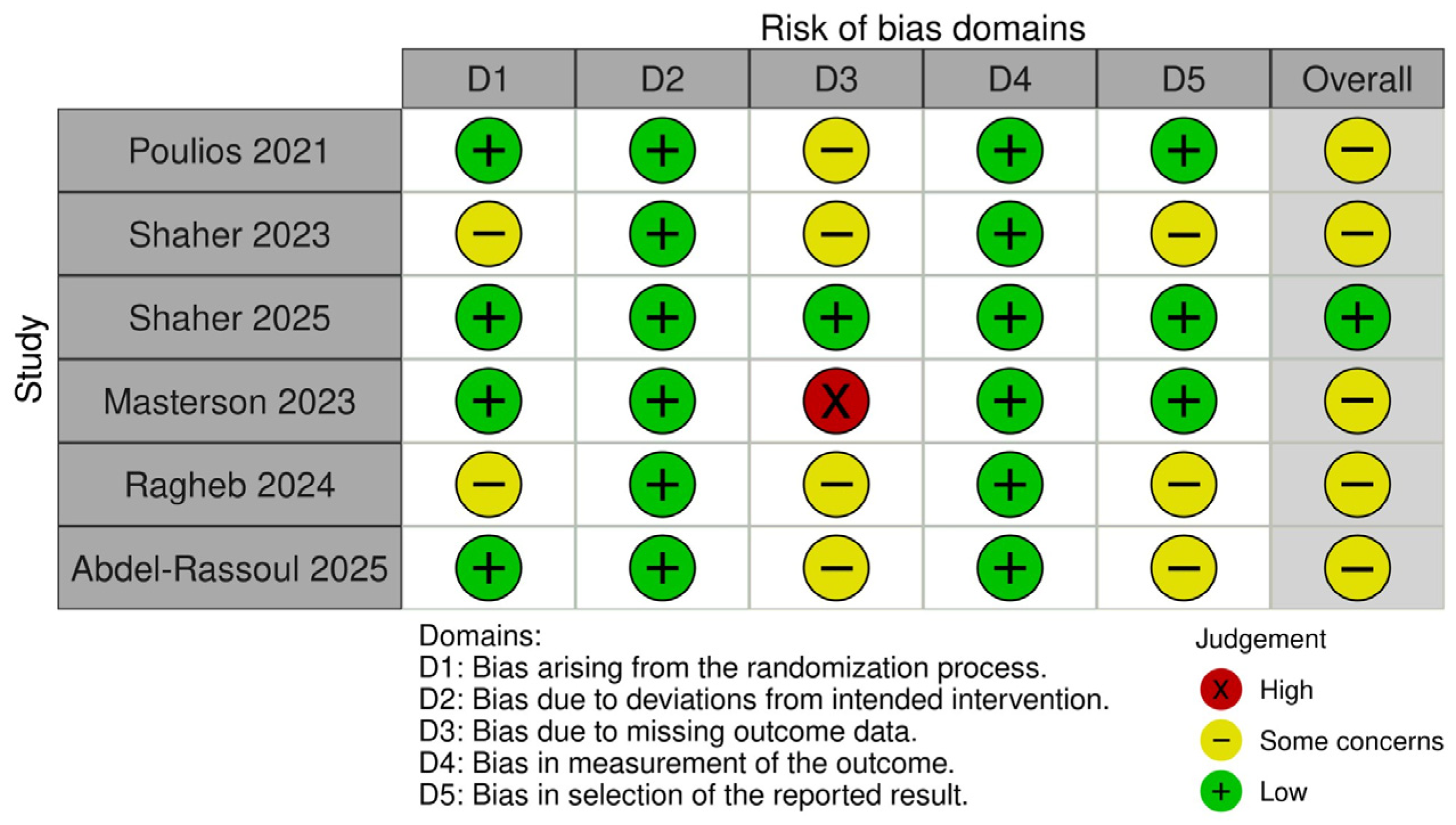
The risk of bias of the six included randomized controlled trials was assessed independently by two reviewers (L.R. and G.M.) using the Cochrane Risk of Bias 2 (RoB 2) tool for individually randomized parallel-group trials [35]. Each trial was evaluated across five domains: (D1) bias arising from the randomization process, (D2) bias due to deviations from intended interventions, (D3) bias due to missing outcome data, (D4) bias in measurement of the outcome, and (D5) bias in selection of the reported result. For each domain, signalling questions were answered and a judgement of “Low risk of bias”, “Some concerns”, or “High risk of bias” was assigned. An overall risk-of-bias judgement was then derived for each trial. Disagreements were resolved by discussion and, when necessary, by consultation with the third reviewer (G.S.). Results are presented in Figure 2 (traffic-light plot) and detailed justifications are provided in Table S3. For the five non-randomized prospective studies, a formal risk-of-bias tool was not applied; instead, methodological limitations are discussed narratively within the comparative synthesis paragraphs of each Results subsection.
Mechanistic preclinical studies were not part of the systematic review and were therefore not included in the PRISMA flow or study count. These studies were integrated narratively in a separate subsection of the Results to contextualize the biological rationale for PRP and to support the translation gap analysis.

3. Results

In this immune-centric framework, converging preclinical data indicate that PRP exerts its regenerative effects through three key axes: recruitment of peripheral blood mononuclear cells via chemokines such as CXCL5, CCL2 and CXCL12; promotion of macrophage polarization from an M1 to an M2 phenotype; and modulation of endothelial cells and cavernous smooth muscle to restore neurovascular homeostasis.
Regarding clinical trials, a total of 14 clinical studies met the inclusion criteria, comprising six randomized controlled trials and eight prospective non-randomized studies. Among the latter, five were PRP-only cohorts and three were mixed-modality cohorts. In accordance with the predefined stratification, non-randomized studies were divided into: (i) PRP-only cohorts, where intracavernosal PRP represented the sole intervention; and (ii) mixed-modality cohorts, where PRP was combined with other therapies (e.g., Li-ESWT, tadalafil), precluding isolation of PRP-specific effects.

3.1. Randomized Trials

Six randomized controlled trials evaluated intracavernosal PRP versus placebo in men with mild–moderate erectile dysfunction (Table 1).
Poulios et al. [20] randomized 60 men with mild-to-moderate vasculogenic ED to receive two intracavernosal PRP injections or a saline placebo, 4 weeks apart. PRP was prepared from 60 mL of autologous whole blood processed with the Magellan system, yielding 10 mL of PRP per session, of which 5 mL were injected into each corpus cavernosum. This protocol achieved a significantly higher proportion of patients reaching MCID in IIEF-EF (an MCID was achieved by 69% patients in the PRP group vs. 27% in the placebo group) at 6 months. Greater improvements in IIEF-EF scores were observed at 1, 3 and 6 months compared with placebo. This study demonstrates that two PRP intracavernosal injections within a one-month interval were safe and effective for the improvement of erectile function in patients with mild and moderate ED.
Shaher et al. [22] evaluated a three-session PRP protocol in 100 men with mild-to-moderate ED, randomized to PRP or saline. In this study, 30 mL of autologous blood was processed by a two-step centrifugation to obtain 6 mL of PRP per session, injected as 3 mL into each corpus cavernosum across three injection sites, with sessions repeated every 15 days. PRP led to higher IIEF-EF scores and improved penile Doppler parameters (increased cavernous artery diameter, peak systolic velocity and end-diastolic velocity) at 1 and 3 months compared to placebo, with partial decline by 6 months. No reports of plaque formation, subcutaneous bruising, or any other major side effects among participants. A second randomized study [25] by the same authors enrolled the same cohort of patients, who had previously achieved satisfactory outcomes after receiving three doses of PRP in their earlier study [22], and randomized them into two groups: the PRP group (18 patients) and the saline group (17 patients). The PRP group received a single maintenance dose of PRP at 6, 12, 18, and 24 months. During the first 6 months after the initial three injections, outcomes did not differ significantly between groups. Beyond this point, however, patients in the PRP arm showed a progressive improvement in all evaluated parameters—including cavernous artery diameter, peak systolic and end-diastolic velocities, IIEF-EF, SEP Q3, IIEF intercourse satisfaction items, and overall satisfaction items, which was maintained up to 24 months, whereas the saline group displayed a gradual decline in these measures, although values remained above baseline. No other relevant adverse events were reported.
Masterson et al. [23] conducted a double-blind RCT in men with vasculogenic ED using the Arthrex Angel system. A total of 120 mL of autologous blood was drawn to generate approximately 5 mL of PRP per treatment, which was divided into two 2.5 mL syringes and injected intracavernosally in two sessions 1 month apart. Both the PRP and placebo groups showed improvements in IIEF-EF over time, but there was no significant between-group difference in mean IIEF-EF change or in the proportion of men achieving MCID, although overall tolerability and safety were good.
Ragheb et al. [24] studied 52 men with mild-to-moderate ED randomized to PRP versus saline. In the PRP arm, 10 mL of whole blood (5 mL in each of two tubes) was processed. Activated PRP (5 mL) with calcium chloride was injected into each corpus cavernosum (total 10 mL) in three sessions at 15 ± 3-day intervals. Both groups showed modest IIEF-5 improvements at 1, 3 and 6 months, but no significant difference was observed between PRP and placebo in mean IIEF-5 change or responder rates, and no major adverse events occurred.
The most recent trial by Abdel-Rassoul et al. [21] enrolled 50 men with vasculogenic ED randomized to three weekly sessions of PRP or saline. Each session delivered 6–8 mL of PRP (drawn into a 10 mL syringe and split into multiple insulin syringes for bilateral intracavernosal injection). This study reported significantly higher MCID rates, greater improvements in IIEF-EF, and higher treatment satisfaction in the PRP arm at both 3 and 24 months, in terms of changes from baseline in the erectile function domain of the International Index of Erectile Function (IIEF-EF) questionnaire score in each subgroup, with a favourable safety profile.
The six RCTs converge on three points: all enrolled men with mild-to-moderate vasculogenic ED, all reported favourable short-term safety, and all documented within-group IIEF improvements from baseline in both treatment and placebo arms. Beyond these agreements, however, the trials diverge substantially in both methodology and outcome. Three de novo trials reported statistically significant between-group benefits favouring PRP—Poulios et al. [20] (MCID 69% vs. 27%, adjusted mean IIEF-EF difference +3.9; p < 0.001 at 6 months), Shaher et al. [22] (higher IIEF-EF and improved Doppler parameters at 1 and 3 months, with partial decline by 6 months), and Abdel-Rassoul et al. [21] (higher MCID rates and greater IIEF-EF improvement sustained to 24 months)—while two trials found no significant between-group differences: Masterson et al. [23] (MCID 58% vs. 54%, p = 0.73) and Ragheb et al. [24] (IIEF-5 16.1 vs. 16.0, p = 0.68). The sixth trial [25], a maintenance-dose extension of Shaher et al. [22], showed progressive divergence favouring PRP only beyond 6 months, suggesting a potential role for repeated dosing in sustaining response. Several methodological differences may account for these conflicting results. First, the blood processed volume ranged from 10 mL [24] to 120 mL [23], a 12-fold difference, while the injected PRP volume varied from 5 mL [23] to 10 mL [20,24], and the number of sessions ranged from two [20,23] to three [21,22,24]. Second, different preparation systems were used: an automated separator (Magellan, Poulios), a high-volume closed system (Angel/Arthrex, Masterson), commercial kits (Ycellbio, Abdel-Rassoul), and manual double-spin ACD protocols (Shaher, Ragheb), each yielding potentially different platelet concentrations, leukocyte content, and red blood cell contamination. Third, both neutral trials exhibited marked placebo responses: in Masterson et al. [23] the placebo arm showed a mean IIEF-EF gain of +3.1 points at 1 month; in Ragheb et al. [24], both arms improved modestly but similarly. Crucially, no trial reported platelet dose, leukocyte subsets, PBMNCs content, or red blood cell contamination levels, making it impossible to determine whether the discrepant outcomes reflect genuine differences in biological potency, differences in patient selection, or the influence of contextual and placebo effects. Across all RCTs, no major treatment-related adverse events were reported, but none provided detailed concentration, dose or biological characterization of the injected PRP.
The risk-of-bias assessment of the six RCTs is summarized in Figure 2; detailed domain-level justifications are provided in Table S3.

3.2. Prospective Non-Randomized Studies

Five prospective non-randomized studies evaluated intracavernosal PRP in diverse ED populations (Table 2).
Most prospective cohorts enrolled between 20 and 60 patients and implemented one to three PRP sessions. Wong et al. [27] reported a statistically significant gain in erectile function, with mean increases of 4.56 points in IIEF-5 and 0.72 points in EHS (both p < 0.001). After treatment, 4 participants (13.3%) shifted from “no” to “yes” on SEP2 and 15 participants (50%) did so on SEP3, and overall, 82.8% of men stated that the study intervention had improved their erections.
Taş et al. [28] reported a mean IIEF-EF increased from 18 at baseline to 20 at 1, 3, and 6 months after treatment (p < 0.001); however, despite this numerical improvement, the median score remained within the mild–moderate range (17–21). Post-procedural sexual satisfaction also rose significantly compared with baseline (8 vs. 6; p = 0.002). At the first follow-up visit after the third injection in one patient, a 4 mm fibrotic plaque was detected on the ventral aspect of the mid penile shaft.
In another single-arm study by Zaghloul et al. [29] all patients received PDE5Is for one month after PRP, and penile haemodynamics were evaluated with 20 µg prostaglandin E1 (PGE1) before and 3 months after starting treatment. A significant improvement in IIEF-5 was observed after PRP (mean change −5.5 ± 5.2; p < 0.001), and in multivariable analysis only smoking status and baseline IIEF-5 emerged as independent predictors of response (p = 0.040 and p = 0.023, respectively).
Schirmann et al. [30] showed in a pilot trial on 15 patients that IIEF-EF scores improved significantly after treatment (overall p < 0.001), with mean gains of 5, 4 and 3 points at 1, 3 and 6 months (p = 0.001, 0.003 and 0.022, respectively), while the other questionnaires remained unchanged. The proportion of patients reporting erections long enough for intercourse (SEP) increased only modestly, from 20% at baseline to 26.7% after PRP.
Francomano et al. [31] investigated 150 PDE5i non-responders who underwent intracavernosal PRP followed by PDE5i re-challenge. Most patients (80%) showed marked improvement in ED symptoms (IIEF-5 from 12 ± 2.6 to 19 ± 3.0; p < 0.0001) and peak systolic velocity (PSV) (32 ± 3.5 to 42 ± 7.6 cm/s; p < 0.0001). ROC analysis demonstrated good accuracy of mean platelet volume (MPV) in identifying clinical responders with MCID ≥ 5 at 1 month (p ≤ 0.0001), with MPV < 8.95 fL as the best cut-off. Overall, the study suggests that PRP is a safe and effective option in patients who are poorly responsive to PDE5is, and that higher MPV (>8.95 fL) may flag individuals at greater risk of suboptimal response and who might require repeated PRP treatment.
All five prospective cohorts consistently demonstrated statistically significant within-group IIEF improvements after intracavernosal PRP, with mean gains ranging from approximately 2 points (Taş et al. [28], IIEF-EF 18 to 20) to 7 points (Francomano et al. [31], IIEF-5 from 12 to 19). Safety was uniformly favourable, with only one case of a small fibrotic plaque reported by Taş et al. [28]. However, these results must be interpreted with caution, as the absence of control groups in all five studies precludes any distinction between a genuine treatment effect and the combined influence of placebo response, regression to the mean, and natural fluctuation of ED severity. Several additional observations emerge from cross-study comparison. First, the therapeutic effect appears to attenuate over time: Schirmann et al. [30] documented a progressive decline in IIEF-EF gains from +5 points at 1 month to +4 at 3 months and +3 at 6 months, suggesting that the biological stimulus may be time-limited. Second, protocol heterogeneity was at least as marked as in the RCTs: the number of sessions ranged from a single injection [31] to eight weekly sessions [29], injected PRP volumes from 1 to 2 mL [27] to 12 mL [30], and blood draw volumes from unreported [29] to 30 mL [27]. Third, patient populations differed considerably: two cohorts specifically enrolled PDE5i non-responders [30,31], while others included broader vasculogenic or mixed ED populations. Notably, Francomano et al. [31] is the only study in this review, randomized or not, to identify a potential biological predictor of response (mean platelet volume), offering a preliminary step toward patient stratification. As with the RCTs, no study reported platelet dose, leukocyte differential, or PBMNCs content, reinforcing the fundamental gap in biological characterization across the entire clinical evidence base.

3.3. Mixed-Modality Studies (PRP + Li-ESWT, PRP + Tadalafil, etc.)

Three prospective clinical studies evaluated intracavernosal PRP administered in combination with other therapeutic modalities, most commonly low-intensity shockwave therapy (Li-ESWT) or daily tadalafil. Because these designs do not allow isolation of PRP’s independent effect, they were analyzed separately (Table 3).
Geyik et al. [32] conducted a prospective cohort study comparing Li-ESWT alone and a combination of PRP + Li-ESWT in men with mild-to-moderate ED. The combination group received six shockwave sessions plus three PRP injections 15 days apart. IIEF-EF scores improved significantly in both groups (from 14.3 ± 4.4 to 23.8 ± 4.4 in Group 1 and from 17.8 ± 3.4 to 26.3 ± 2.6 in Group 2; both p = 0.001), with no significant between-group difference in the magnitude of IIEF-EF change across ED grades. In contrast, intravaginal ejaculatory latency time (IELT) was unchanged in successfully treated patients receiving Li-ESWT alone (Group 1), whereas men treated with Li-ESWT plus PRP (Group 2) experienced a 1.5–3.5-fold prolongation. Overall, the combination of Li-ESWT and PRP appeared safe and effective both for improving erectile function and for increasing IELT.
Sajjad et al. [33] compared Li-ESWT vs. PRP showing that both groups showed comparable improvements at 3-month follow-up: the Li-ESWT arm had response rates of 80.4% (IIEF-5), 78.3% (EHS) and 71.7% (SEAR), while the PRP arm showed similarly high responses (81.3%, 78.1% and 62.5%, respectively). Baseline IIEF-5 scores were identical, and by week 12 mean IIEF-5 values were 20.2 in the Li-ESWT group and 21.3 in the PRP group, with no statistically significant difference (p > 0.05). EHS and SEAR findings followed the same pattern, with both treatments demonstrating comparable improvements and no between-group differences.
Zaghloul et al. [34] showed that after PRP injections, 33–50% of men reported satisfactory erections with on-demand PDE5 inhibitors, and 41–66% showed improved EHS responses. Mean IIEF-5 scores increased significantly in both diabetic and non-diabetic ED, in parallel with favourable changes in penile duplex parameters. Patients with well- or moderately controlled diabetes responded better than those with poorly controlled disease, with greater IIEF-5 gains (86.7% and 126% vs. 16.1%), improved EHS and superior haemodynamic findings. Baseline HbA1c correlated negatively with IIEF-5 both before (p = 0.019) and after PRP (p = 0.002), supporting intracavernosal PRP as a potentially effective option for PDE5i non-responders, particularly when glycaemic control is adequate.
Across all mixed-modality studies, safety outcomes were favourable, with no major PRP-related adverse events reported. Nevertheless, significant methodological heterogeneity and incomplete reporting of PRP characteristics prevent conclusions regarding PRP’s independent efficacy.
The three mixed-modality studies share a common limitation: because PRP was co-administered with Li-ESWT [32,33] or combined with PDE5i rechallenge in a diabetic versus non-diabetic comparison [34], none allows isolation of the PRP-specific contribution. Geyik et al. [32] and Sajjad et al. [33] both compared Li-ESWT alone with PRP plus Li-ESWT and reported comparable IIEF-EF improvements in both arms, with no significant between-group difference in erectile function outcomes—although Geyik et al. [32] observed a selective prolongation of intravaginal ejaculatory latency time only in the combination arm. Zaghloul et al. [34] demonstrated that glycaemic control (baseline HbA1c) was the strongest independent determinant of PRP response, with well-controlled diabetic patients achieving IIEF-5 gains comparable to non-diabetic men, while poorly controlled patients showed markedly attenuated benefit. Across these studies, the heterogeneity in concomitant therapies, patient populations, and PRP protocols—coupled with the absence of PRP-only and placebo-only arms—prevents any attribution of efficacy specifically to PRP. These findings do, however, suggest that PRP may be safely combined with existing therapies and that host factors such as metabolic status may modulate treatment response.
To summarize the clinical results, Table 4 reports key claims and supporting evidence identified on intracavernosal PRP for erectile dysfunction.

3.4. New Mechanistic Evidence and Translational Gap

Preclinical studies across diabetic, hyperlipidemic, neurogenic and ageing-induced models of erectile dysfunction consistently demonstrate that intracavernosal PRP enhances erectile function through multifactorial regenerative pathways. In rodent models, PRP increases angiogenesis, restores endothelial integrity, promotes cavernous nerve regeneration, preserves corporal smooth muscle, and attenuates fibrosis, apoptosis and oxidative stress response [4,5,6].
Beyond these structural effects, emerging data supports an explicitly immune-centric mechanism of action. In preclinical models, intracavernosal PRP shows a remarkably consistent pattern of neurovascular and tissue-protective effects across different etiologies of ED. Tai et al. [4] using an ageing-induced ED model with chronic cavernous nerve degeneration and prostate hyperplasia, demonstrated that repeated intracavernosal PRP not only restored erectile responses (improved ICP/MAP), but also reduced prostate hyperplasia, reinforced the tunica of the dorsal penile artery, decreased vacuolization of the dorsal penile nerve, and increased alpha-smooth muscle actin (α-SMA)-positive corporal smooth muscle, indicating combined neuroprotective, anti-fibrotic and vascular-remodelling actions. Liao et al. [5] in streptozotocin-induced diabetic rats, showed that PRP significantly improved erectile function, enhanced survival, promoted regeneration of myelinated cavernous nerves, preserved corporal smooth muscle and endothelial architecture, and reduced oxidative stress and apoptotic damage in penile tissue, supporting multifactorial protection against diabetic neurovascular injury. Similarly, Huang et al. [6] reported in a hyperlipidaemia-associated ED model that PRP increased intracavernosal pressure/mean arterial pressure (ICP/MAP) and area under the curve/mean arterial pressure (AUC/MAP) ratios; upregulated circulating and local IGF-1, BDNF and VEGF; restored eNOS/nNOS expression and endothelial cell density; and lowered intracavernosal oxidative stress and apoptosis. Taken together, these studies by response [4,5,6] suggest that PRP improves erectile function by simultaneously supporting endothelial and smooth-muscle integrity, providing neurotrophic and pro-angiogenic cues, and attenuating oxidative and apoptotic damage within the corpora, rather than acting as a mere passive depot of platelet-derived growth factors.
Moreover, in a bilateral cavernous nerve injury model, CXCL5 was identified as a major cytokine mediating PRP’s protective effect, linking PRP to chemotactic recruitment and functional modulation of monocytes/macrophages in penile tissue [36]. Across both vasculogenic and neurogenic models of erectile dysfunction, macrophages act as central regulators of tissue injury and repair: an early predominance of pro-inflammatory M1 macrophages drives neuroinflammation, oxidative stress, and fibrosis, whereas a subsequent shift toward the reparative M2 phenotype is essential for neuronal protection, anti-fibrotic remodelling, and functional recovery [37].
Human translational data highlights substantial biological heterogeneity in PRP preparations. Biochemical profiling of PRP from men with ED has revealed wide inter-individual variation in growth factor concentrations, including both pro-angiogenic (VEGF) and immunomodulatory factors (GM-CSF, TGF-β); notably, GM-CSF and TGF-β were reduced by ≥1.5-fold compared with controls, while VEGF correlated negatively with age, suggesting that individual biological profiles may influence therapeutic response and supporting the need for personalized dosing strategies [38,39]. Recent narrative and systematic reviews summarize this landscape and emphasize that most clinical trials do not report platelet dose, leukocyte profile, concentration/dose of PBMNCs, including monocyte and lymphocyte content, or red blood cell contamination, thereby preventing direct linkage between mechanistic insights and clinical outcomes [40]. The convergence of preclinical evidence on macrophage-mediated repair and chemotactic PBMNCs recruitment suggests that PRP acts as an immune-centric biotherapy rather than a simple platelet concentrate. These converging preclinical and translational findings support an immune-centric model of PRP action in erectile dysfunction, summarized schematically in Figure 3.
The immune-centric cascade provides a unifying biological framework that links preclinical mechanisms to the observed clinical effects of PRP in erectile dysfunction.
Overall, these preclinical and translational findings suggest that PRP acts not merely as a depot of platelet-derived growth factors, but as an immunoregenerative activator that reshapes the penile microenvironment through PBMNCs recruitment and macrophage-driven repair.
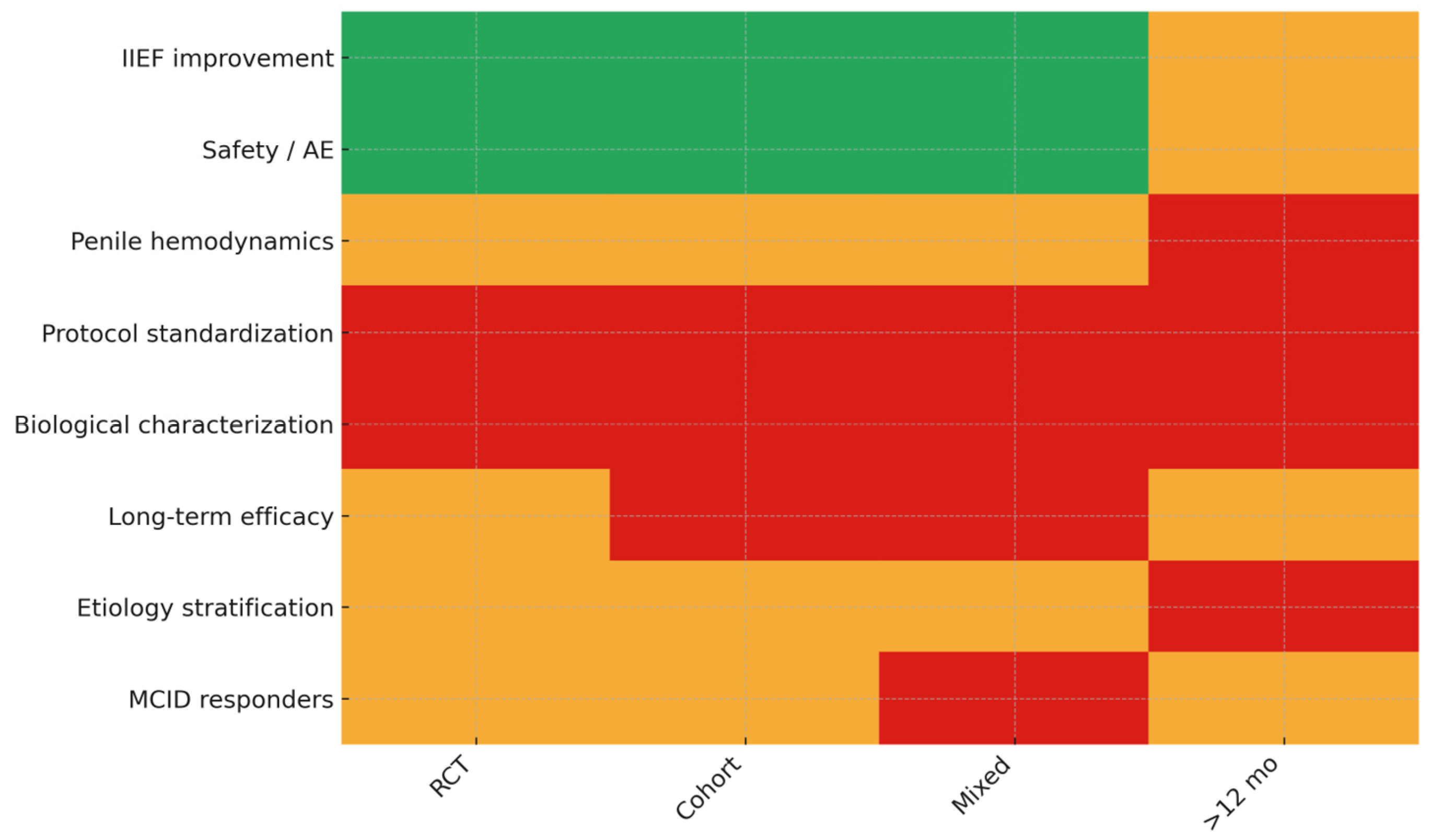
The lack of standardized biological characterization in clinical studies, summarized in Table 5, Figure 4 and Table S2 in Supplementary Material, represents a major translational gap between mechanistic evidence and trial design. It should be noted that all mechanistic evidence discussed in this section derives exclusively from preclinical rodent models of erectile dysfunction (ageing-induced, diabetic, hyperlipidaemic, and neurogenic). While these models consistently demonstrate PRP-mediated improvements in neurovascular integrity, macrophage polarization, and erectile responses, direct extrapolation to human cavernosal physiology requires caution. Species-specific differences in immune cell phenotypes, tissue architecture, and regenerative capacity may limit the translatability of these findings. Critically, no clinical trial has yet measured the immune-centric endpoints identified in preclinical studies—such as macrophage polarization markers, CXCL5 expression, or PBMNC recruitment—in human penile tissue after PRP injection. Until mechanistic biomarkers are incorporated into clinical trial design, the immune-centric model of PRP action remains a biologically plausible hypothesis supported by animal data, not a clinically validated mechanism.

4. Discussion

Across the six randomized trials [20,21,22,23,24,25] and eight prospective cohort studies [27,28,29,30,31,32,33,34] included in this review, intracavernosal PRP showed consistent within-patient improvements in erectile function, with nearly all studies reporting meaningful gains in IIEF-EF or IIEF-5.
Two well-designed RCTs demonstrated higher MCID responder rates compared with placebo, particularly in mild–moderate vasculogenic ED [20,21]. However, other RCTs demonstrated similar improvements in both PRP and placebo arms, highlighting the substantial contextual and placebo effects known to influence ED trials [23,24]. These mixed between-group results underscore the need for rigorous sham-controlled methodology and standardized endpoints.
PRP injections appeared to be well tolerated across all included studies, with no major treatment-related adverse events reported. Mild, transient penile discomfort was the most frequent adverse effect [27,28,30]. Some studies documented improvements in penile Doppler haemodynamics, although these findings were inconsistent and limited by heterogeneous Doppler protocols [31,34]. Only two studies extended follow-up beyond 12 months—showing maintained improvements at 24 months [21,25], leaving long-term durability insufficiently characterized.
Mixed-modality studies suggested that PRP combined with Li-ESWT or tadalafil may amplify clinical response [32,33,34], but the absence of PRP-only comparators and limited methodological quality prevent firm conclusions regarding synergy.
Across all available trials, a consistent limitation undermines the interpretability and comparability of PRP’s clinical effects: none of the studies reports the platelet concentration, total platelet dose, leukocyte composition, or red blood cell contamination of the injected product. Although each trial specifies the volume of whole blood drawn and the volume of PRP injected, these parameters provide no information on the actual biological dose delivered. The use of systemically divergent preparation methods—ranging from closed automated devices (e.g., Arthrex Angel, Magellan) to simple ACD tubes with double-spin centrifugation—strongly suggests that patients in different trials received PRP products with substantially different platelet yields, leukocyte content, and growth-factor profiles, despite being described under the same label “PRP”. This heterogeneity is further magnified by the wide variation in whole-blood volumes processed (from 10 mL to 120 mL), which necessarily generates very different concentration factors and absolute platelet doses, yet none of the studies quantify these critical parameters. Consequently, it is impossible to determine whether the divergent outcomes across trials, ranging from clearly positive results, in Poulios et al. [20], Shaher et al. [22,25], Abdel-Rassoul et al. [21] to entirely neutral findings, such as in Masterson et al. [23] and Ragheb et al. [41], reflect true biological differences, underpowered designs, or simply the administration of biologically non-equivalent PRP formulations.
Beyond platelets, no RCT characterizes the leukocyte profile Leukocyte Poor PRP versus Leukocyte Rich PRP (LP-PRP vs. LR-PRP), even though neutrophil-rich preparations may promote inflammation and fibrosis in delicate vascular tissues, while monocyte-rich products may confer regenerative or angiogenic benefits. Likewise, RBC contamination, known to induce oxidative stress and endothelial injury, is never reported. Without this information, any interpretation of safety and efficacy is inherently limited. Finally, reported adverse events were generally mild, although the absence of standardized biological characterization prevents definitive safety conclusions, as immunological reactions to biologically variable preparations cannot be fully excluded. Without standardized reporting on PRP biology, meaningful assessment of whether specific formulations are safer or more effective for ED remains impossible. PRP composition varies significantly among individuals, with wide differences in growth-factor concentrations and platelet activation profiles [38]. Importantly, a prospective clinical study found that higher mean platelet volume (MPV)—a marker of platelet functional competence—was associated with greater response to PRP therapy in vasculogenic ED, while lower MPV predicted non-response [38]. This suggests that platelet quality, rather than quantity alone, may influence therapeutic outcomes. Yet no clinical study has established a dose–response link between total platelet dose (billions injected) and erectile outcomes. Systematic reviews consistently emphasize that the absence of standardized PRP reporting prevents meaningful dose–response modelling [40]. Similarly, no trial compares leukocyte-rich versus leukocyte-poor PRP in ED, despite the cavernosal tissue’s vulnerability to neutrophil-driven oxidative damage and fibrosis.
While clinical results remain heterogeneous, preclinical and translational studies now provide a coherent biological explanation that complements these findings. Classical PRP theory—centred exclusively on platelet-derived growth factors—has progressively been replaced by an immune-centric paradigm, in which PRP acts primarily as a chemotactic and immunomodulatory stimulus [42,43]. Platelets are known to release a wide range of chemotactic signals—such as CCL2 (MCP-1), C-C motif chemokine ligand 5 (CCL5), CXCL12, and C-X-C motif chemokine ligand 4 (CXCL4), which attract circulating monocytes and lymphocytes to the site of injury [42,43]. Once recruited, macrophages clear bacteria or apoptotic cells through efferocytosis and subsequently polarize from a pro-inflammatory M1 phenotype to a reparative M2 phenotype, thereby promoting the resolution of inflammation and tissue repair [44].
ED-specific animal models strongly support this immune-regenerative mechanism. In bilateral cavernous nerve injury, PRP preserves erectile function through a CXCL5–CXCR2 axis, facilitates cavernous nerve regeneration, and limits corporal smooth-muscle apoptosis and fibrosis [36]. In diabetic and hyperlipidemic models, PRP restores endothelial and smooth-muscle integrity and improves erectile responses [5,6]. PRP also improves endothelial and smooth-muscle integrity and erectile responses in metabolic injury [5]. These findings align with the broader mechanistic literature implicating macrophage polarization (M1→M2) as a central driver of penile tissue repair, endothelial homeostasis, and response to injury [37]. In keeping with this, immune cell-based therapy with PBMNCs shows pro-angiogenic activity and clinical signals specifically in diabetic vasculogenic ED—summarized in a focused review proposing PBMNCs as an immune-centric regenerative option for ED, grounded in their angiogenic paracrine profile [45]. Moreover, a diabetic case report combining pudendal revascularization with intracavernous autologous PBMNCs injections documented improved penile perfusion and durable functional recovery at 12 months, supporting PBMNCs-driven therapeutic angiogenesis in this setting [46]. On this biological basis, PRP preparations enriched with PBMNCs could provide a superior clinical effect by coupling the trophic and chemotactic actions of platelet-derived factors with the angiogenic and immunoreparative functions of monocytes and lymphocytes, thereby enhancing vascular regeneration and functional recovery in vasculogenic erectile dysfunction.
In the context of erectile dysfunction, the leukocyte content of PRP remains a critical variable: while leukocyte-rich formulations may amplify inflammation and fibrosis within the delicate cavernous tissue, leukocyte-poor PRP appears more suitable for neurovascular and endothelial repair, minimizing pro-inflammatory mediators and favouring a balanced regenerative response. Given cavernosal vulnerability to inflammation and fibrosis, a leukocyte-poor, RBC-poor PRP remains the prudential choice, pending standardized reporting; no LR-vs-LP RCTs exist in ED or Peyronie’s disease
Collectively, these gaps highlight a critical need for dose-defined, composition-defined PRP protocols in future trials to clarify the platelet thresholds, leukocyte subsets, and product characteristics required to achieve consistent therapeutic benefit in erectile dysfunction (Figure 1).
Consistent with this uncertainty, the 2025 European Association of Urology Guidelines on Male Sexual and Reproductive Health classify PRP as investigational, provide no dosing or composition recommendations, and restrict its use to clinical trials [47].
To bridge the gap between biological rationale and clinical application, future trials should prioritize: comprehensive PRP characterization (platelet dose, PBMNCS subsets, neutrophils, RBC, cytokines), protocol standardization (centrifugation, injected volume, number of sessions, activation status), mechanistic endpoints (macrophage phenotyping, endothelial biomarkers, PBMNCS recruitment signals), etiology-based stratification (diabetic vs. vasculogenic vs. neurogenic ED), and long-term follow-up (≥24 months) including MCID responder analysis and Doppler parameters.
PRP remains a promising and biologically plausible regenerative therapy with a favourable short-term safety profile for mild–moderate vasculogenic ED.

Limitations

This review is limited by the heterogeneity and incomplete biological reporting of included trials, the absence of quantitative meta-analysis due to methodological diversity, and potential publication bias. Although PRISMA standards were followed, the search cut-off (November 2025) may have excluded late-2025 studies pending indexing.

5. Conclusions

Intracavernosal PRP appears to be a well-tolerated and biologically plausible regenerative option for mild-to-moderate vasculogenic ED, with consistent within-patient improvements across clinical studies. However, the absence of standardized dosing, biological characterization and long-term controlled data prevents definitive conclusions, making robust, dose-defined, mechanistically informed randomized trials an urgent priority. In parallel, future research should explicitly evaluate PBMNCS-based therapies and PRP formulations enriched with PBMNCS, given the central role of monocyte/macrophage-driven immunomodulation and angiogenesis in mediating the regenerative effects observed in preclinical models.
Collectively, these findings support PRP as a potentially safe and biologically plausible regenerative option, pending comprehensive biological characterization and long-term safety data, while highlighting the urgent need for immunologically informed protocols integrating PBMNCs, platelet concentration, and dose to bridge preclinical–clinical translation.

Supplementary Materials

The following supporting information can be downloaded at https://www.mdpi.com/article/10.3390/biologics6020012/s1, Table S1: PRISMA 2020 checklist; Table S2: Biological characterization and preparation parameters of PRP across included studies. Table S3: Risk of Bias Assessment (RoB 2)—6 RCTs.

Author Contributions

Conceptualization, L.R.; methodology, L.R., G.M. and G.M.S.; formal analysis, L.R.; investigation, L.R.; data curation, L.R.; writing—original draft preparation, L.R.; writing—review and editing, L.R., G.M. and G.M.S.; visualization, L.R.; supervision, G.M. and G.M.S. All authors have read and agreed to the published version of the manuscript.

Funding

This research received no external funding.

Institutional Review Board Statement

Not applicable.

Informed Consent Statement

Not applicable.

Data Availability Statement

No new data were created or analyzed in this study. Data sharing is not applicable to this article.

Acknowledgments

During the preparation of this manuscript/study, the author(s) used ChatGPT 4 for the purpose of generating figures. The authors have reviewed and edited the output and take full responsibility for the content of this publication.

Conflicts of Interest

Author Laura Rehak was formerly employed by the company Athena Cell Therapy Technologies. Author Giada Manti is employed by the company Athena Cell Therapy Technologies. The remaining author declares that the research was conducted in the absence of any commercial or financial relationships that could be construed as a potential conflict of interest.

Abbreviations

ACDacid citrate dextrose
BDNFbrain-derived neurotrophic factor
CCL2C-C motif chemokine ligand 2 (MCP-1)
CCL5C-C motif chemokine ligand 5
CXCL12C-X-C motif chemokine ligand 12
CXCR2C-X-C motif chemokine receptor 2
EDerectile dysfunction
EHSErection Hardness Score
eNOSendothelial nitric oxide synthase
FUfollow-up
HbA1cglycated haemoglobin
IELTintravaginal ejaculatory latency time
IGF-1insulin-like growth factor 1
IIEFInternational Index of Erectile Function
IIEF-5International Index of Erectile Function-5
IIEF-EFInternational Index of Erectile Function-Erectile Function domain
Li-ESWTlow-intensity extracorporeal shockwave therapy
Li-SWTlow-intensity shockwave therapy
MCIDminimal clinically important difference
MPVmean platelet volume
nNOSneuronal nitric oxide synthase
PBMNCsperipheral blood mononuclear cells
PDE5iphosphodiesterase type-5 inhibitor
PRISMAPreferred Reporting Items for Systematic Reviews and Meta-Analyses
PRPplatelet-rich plasma
RBCred blood cell
RCTrandomized controlled trial
SEARSelf-Esteem and Relationship questionnaire
SEPSexual Encounter Profile
VEGFvascular endothelial growth factor

Appendix A

Full database-specific search strategies
Search period: 1 January 2020 to 15 November 2025. No language restrictions were applied.
Table A1. PubMed/MEDLINE search strategy.
SearchPubMed/MEDLINE
#1Erectile Dysfunction [MeSH]
#2(((((((Erectile Dysfunction) OR (Dysfunction, Erectile)) OR (Male Impotence)) OR (Impotence, Male)) OR (Male Sexual Impotence)) OR (Impotence, Male Sexual)) OR (Sexual Impotence, Male)) OR (Impotence)
#3#1 OR #2
#4Platelet-Rich Plasma [MeSH]
#5((Platelet Rich Plasma) OR (Plasma, Platelet-Rich)) OR (Platelet Rich Plasma)
#6#4 OR #5
#7#3 AND #6
Table A2. Embase search strategy.
SearchEmbase
#1‘erectile dysfunction’/exp
#2‘erectile dysfunction’ OR ‘male impotence’ OR ‘sexual impotence’ OR ‘impotence’
#3#1 OR #2
#4‘platelet rich plasma’/exp
#5‘platelet rich plasma’ OR ‘PRP’ OR ‘platelet-rich plasma’
#6#4 OR #5
#7#3 AND #6 AND [2020–2025]/py
Table A3. Scopus search strategy.
SearchScopus
#1TITLE-ABS-KEY(“erectile dysfunction” OR “male impotence” OR “sexual impotence” OR “impotence”)
#2TITLE-ABS-KEY(“platelet rich plasma” OR “platelet-rich plasma” OR “PRP”)
#3#1 AND #2 AND PUBYEAR > 2019
Table A4. Cochrane CENTRAL search strategy.
SearchCochrane CENTRAL
#1MeSH descriptor: [Erectile Dysfunction] explode all trees
#2(“erectile dysfunction” OR “male impotence” OR “sexual impotence” OR “impotence”):ti,ab,kw
#3#1 OR #2
#4MeSH descriptor: [Platelet-Rich Plasma] explode all trees
#5(“platelet rich plasma” OR “platelet-rich plasma” OR “PRP”):ti,ab,kw
#6#4 OR #5
#7#3 AND #6 with Cochrane Library publication date Between Jan 2020 and Nov 2025
Reference lists of eligible articles, relevant reviews, and meta-analyses were additionally screened to identify further studies.

References

  1. Capogrosso, P.; Albersen, M.; Burnett, A.L.; Cakir, O.O.; Dehó, F.; Morgado, L.A.; Mulhall, J.; Salonia, A.; Sarikaya, A.F.; Satchi, M.; et al. Erectile Dysfunction: Update on Clinical Management. Eur. Urol. 2025, 88, 388–399. [Google Scholar] [CrossRef] [PubMed]
  2. Corsini, A.; Perticarini, L.; Palermi, S.; Bettinsoli, P.; Marchini, A. Re-Evaluating Platelet-Rich Plasma Dosing Strategies in Sports Medicine: The Role of the “10 Billion Platelet Dose” in Optimizing Therapeutic Outcomes—A Narrative Review. J. Clin. Med. 2025, 14, 2714. [Google Scholar] [CrossRef] [PubMed]
  3. Matthaeis, A.D.E.; Rehak, L.; Bianchi, M.; Putzulu, R.; Piccirillo, N.; Maccauro, G. The Immune-Centric Revolution in the Treatment of Musculoskeletal Disease: Autologous PBMNC and PRP-PBMNC Enriched—A Narrative Review. BIOCELL 2026, 4, 14. [Google Scholar] [CrossRef]
  4. Tai, H.C.; Tsai, W.K.; Chang, M.L.; Praveen Rajneesh, C.; Tseng, X.W.; Hsu, W.C.; Wu, Y.N.; Chiang, H.S. Intracavernous Injection of Platelet-Rich Plasma Reverses Erectile Dysfunction of Chronic Cavernous Nerve Degeneration through Reduction of Prostate Hyperplasia Evidence from an Aging-Induced Erectile Dysfunction Rat Model. FASEB J. 2023, 37, e22826. [Google Scholar] [CrossRef]
  5. Liao, C.H.; Lee, K.H.; Chung, S.D.; Chen, K.C.; Rajneesh, C.P.; Chen, B.H.; Cheng, J.H.; Lin, W.I.; Chiang, H.S.; Wu, Y.N. Intracavernous Injection of Platelet-Rich Plasma Therapy Enhances Erectile Function and Decreases the Mortality Rate in Streptozotocin-Induced Diabetic Rats. Int. J. Mol. Sci. 2022, 23, 3017. [Google Scholar] [CrossRef]
  6. Huang, Y.C.; Wu, C.T.; Chen, M.F.; Kuo, Y.H.; Li, J.M.; Shi, C.S. Intracavernous Injection of Autologous Platelet-Rich Plasma Ameliorates Hyperlipidemia-Associated Erectile Dysfunction in a Rat Model. Sex. Med. 2021, 9, 100317. [Google Scholar] [CrossRef]
  7. Mao, Q.; Yang, Y.; Liu, Y.; Liu, H.; Tang, G.; Wang, X.; Cui, Y.; Wu, J. The Efficacy of Platelet Rich Plasma in the Treatment of Erectile Dysfunction: A Systematic Review and Meta-Analysis of Randomized Controlled Trials. Aging Male 2024, 27, 2358944. [Google Scholar] [CrossRef]
  8. Huang, H.; Qin, J.; Wen, Z.; Liu, Y.; Chen, C.; Wang, C.; Li, H.; Yang, X. Efficacy and Safety of Platelet-Rich Plasma (PRP) in Erectile Dysfunction (ED): A Systematic Review and Meta-Analysis. Transl. Androl. Urol. 2024, 13, 970–982. [Google Scholar] [CrossRef]
  9. Falcone, M.; Preto, M.; Keskin, H.; Vazquez, J.F.S.; Banthia, R.; Mahendran, T.; Deger, M.D.; Vinod, K.V.; Putra, R.; Sethupathy, T.; et al. Clinical Effects and Safety Outcomes of Platelet-Rich Plasma Therapy in Patients with Vasculogenic Erectile Dysfunction: A Systematic Review and Meta-Analysis. World J. Mens Health 2026, 44, 23–35. [Google Scholar] [CrossRef]
  10. Poulios, E.; Mykoniatis, I.; Pyrgidis, N.; Kalyvianakis, D.; Hatzichristou, D. Platelet-Rich Plasma for the Treatment of Erectile Dysfunction: A Systematic Review of Preclinical and Clinical Studies. Sex. Med. Rev. 2023, 11, 359–368. [Google Scholar] [CrossRef]
  11. Deabes, M.; Deameh, M.; Irshid, B.; Darraji, A.H.A.; Serag, I.; Almosilhy, N.; Dwidar, A.; Aldemerdash, M.; Shahin, H. Evaluating the Efficacy and Safety of Platelet-Rich Plasma Injection for Erectile Dysfunction: A Systematic Review and Meta-Analysis of Randomized Controlled Trials. Sex. Med. Rev. 2024, 12, 739–746. [Google Scholar] [CrossRef]
  12. Panunzio, A.; Labate, C.; Zacheo, F.; Orlando, R.; Rizzo, F.L.; Porcaro, A.B.; Migliorini, F.; Pagliarulo, V.; Tafuri, A. Platelet-Rich Plasma Intracavernosal Injections for the Treatment of Primary Organic Erectile Dysfunction: A Systematic Review and Meta-Analysis of Contemporary Controlled Studies. Int. J. Impot. Res. 2023, 36, 562–571. [Google Scholar] [CrossRef] [PubMed]
  13. Vincent, V.; Deswanto, I.A. The Potency and Safety of Platelet-Rich Plasma and Its Therapy Protocol for Erectile Dysfunction: A Systematic Review and Meta-Analysis of Randomized Controlled Trials. F1000Research 2024, 13, 941. [Google Scholar] [CrossRef]
  14. Du, S.; Sun, S.; Guo, F.; Liu, H. Efficacy of Platelet-Rich Plasma in the Treatment of Erectile Dysfunction: A Meta-Analysis of Controlled and Single-Arm Trials. PLoS ONE 2024, 19, e0313074. [Google Scholar] [CrossRef] [PubMed]
  15. Zhou, Z.; Wang, Y.; Chai, Y.; Wang, T.; Yan, P.; Zhang, Y.; Yang, X. The Efficacy of Platelet-Rich Plasma (PRP) Alone or in Combination with Low Intensity Shock Wave Therapy (Li-SWT) in Treating Erectile Dysfunction: A Systematic Review and Meta-Analysis of Seven Randomized Controlled Trials. Aging Male 2025, 28, 2472786. [Google Scholar] [CrossRef]
  16. Atmoko, W.; Savira, M. (028) Intracavernosal Injection of Platelet-Rich Plasma for the Treatment of Erectile Dysfunction: A Meta-Analysis of Randomized Placebo-Controlled Trials. J. Sex. Med. 2024, 21, qdae002-028. [Google Scholar] [CrossRef]
  17. Savira, M.; Atmoko, W. (117) Is Platelet-Rich Plasma Effective and Safe for Managing Erectile Dysfunction? A Meta-Analysis of Before-After Data from Clinical Studies. J. Sex. Med. 2024, 21, qdae002-106. [Google Scholar] [CrossRef]
  18. Asmundo, M.G.; Durukan, E.; von Rohden, E.; Thy, S.A.; Jensen, C.F.S.; Fode, M. Platelet-Rich Plasma Therapy in Erectile Dysfunction and Peyronie’s Disease: A Systematic Review of the Literature. World J. Urol. 2024, 42, 359. [Google Scholar] [CrossRef]
  19. Hinojosa-Gonzalez, D.E.; Saffati, G.; Rendon, D.O.; La, T.; Kronstedt, S.; Muthigi, A.; Khera, M. Regenerative Therapies for Erectile Dysfunction: A Systematic Review, Bayesian Network Meta-Analysis, and Meta-Regression. J. Sex. Med. 2024, 21, 1152–1158. [Google Scholar] [CrossRef]
  20. Poulios, E.; Mykoniatis, I.; Pyrgidis, N.; Zilotis, F.; Kapoteli, P.; Kotsiris, D.; Kalyvianakis, D.; Hatzichristou, D. Platelet-Rich Plasma (PRP) Improves Erectile Function: A Double-Blind, Randomized, Placebo-Controlled Clinical Trial. J. Sex. Med. 2021, 18, 926–935. [Google Scholar] [CrossRef]
  21. Abdel-Rassoul, M.A.; Ragab, A.A.M.; Ibrahim, A.M.; Abdelwahab, M.; Hammoud, K.M.; El Shorbagy, G.M. Safety and Efficacy Evaluation of Intracavernosal Injection of Platelets Rich Plasma in Treatment of Vasculogenic Erectile Dysfunction. Arab J. Urol. 2025, 23, 160–166. [Google Scholar] [CrossRef] [PubMed]
  22. Shaher, H.; Fathi, A.; Elbashir, S.; Abdelbaki, S.; Soliman, T. Is Platelet Rich Plasma Safe And Effective In Treatment Of Erectile Dysfunction? Randomized Controlled Study. Urology 2023, 175, 114–119. [Google Scholar] [CrossRef] [PubMed]
  23. Masterson, T.; Molina, M.; Ledesma, B.; Zucker, I.; Saltzman, R.; Ibrahim, E.; Han, S.; Reis, I.; Ramasamy, R. Platelet-Rich Plasma for the Treatment of Erectile Dysfunction: A Prospective, Randomized, Double-Blind, Placebo-Controlled Clinical Trial. J. Urol. 2023, 210, 154–161. [Google Scholar] [CrossRef] [PubMed]
  24. Ragheb, A.; Fahmy, M.; Lotfy, A.; Elmarakby, A. (014) Safety and Efficacy of Platelet-Rich Plasma Injection for the Treatment of Erectile Dysfunction; A Randomized Prospective Study. J. Sex. Med. 2024, 21, qdae002-014. [Google Scholar] [CrossRef]
  25. Shaher, H.; Diab, T.; Farag, M.; Noah, K. Is Platelet Rich Plasma a Promising Treatment for Erectile Dysfunction? The First 2-Year Follow up Randomized Controlled Study. Continence 2025, 16, 102294. [Google Scholar] [CrossRef]
  26. Page, M.J.; McKenzie, J.E.; Bossuyt, P.M.; Boutron, I.; Hoffmann, T.C.; Mulrow, C.D.; Shamseer, L.; Tetzlaff, J.M.; Akl, E.A.; Brennan, S.E.; et al. The PRISMA 2020 statement: An updated guideline for reporting systematic reviews. BMJ 2021, 372, n71. [Google Scholar] [CrossRef]
  27. Wong, S.-M.; Chiang, B.; Chen, H.-C.; Wu, Y.-N.; Lin, Y.; Liao, C. A Short Term Follow up for Intracavernosal Injection of Platelet Rich Plasma for the Treatment of Erectile Dysfunction. Urol. Sci. 2021, 32, 171–176. [Google Scholar] [CrossRef]
  28. Taş, T.; Çakıroğlu, B.; Arda, E.; Onuk, Ö.; Nuhoğlu, B. Early Clinical Results of the Tolerability, Safety, and Efficacy of Autologous Platelet-Rich Plasma Administration in Erectile Dysfunction. Sex. Med. 2021, 9, 100313. [Google Scholar] [CrossRef]
  29. Zaghloul, A.S.; ElNashar, A.E.R.M.; Din, S.G.; Said, S.Z.; Saad, H.; Eldebs, H.R.; Osman, I.A.L. Smoking Status and the Baseline International Index of Erectile Function Score Can Predict Satisfactory Response to Platelet-rich Plasma in Patients with Erectile Dysfunction: A Prospective Pilot Study. Andrologia 2021, 53, e14162. [Google Scholar] [CrossRef]
  30. Schirmann, A.; Boutin, E.; Faix, A.; Yiou, R. Pilot Study of Intra-Cavernous Injections of Platelet-Rich Plasma (P-Shot®) in the Treatment of Vascular Erectile Dysfunction. Prog. Urol. 2022, 32, 1440–1445. [Google Scholar] [CrossRef]
  31. Francomano, D.; Iuliano, S.; Dehò, F.; Capogrosso, P.; Tuzzolo, P.; La Vignera, S.; Antonini, G.; Aversa, A. Regenerative Treatment with Platelet-Rich Plasma in Patients with Refractory Erectile Dysfunction: Short-Term Outcomes and Predictive Value of Mean Platelet Volume. Minerva Endocrinol. 2023, 50, 267–275. [Google Scholar] [CrossRef] [PubMed]
  32. Geyik, S. Comparison of the Efficacy of Low-intensity Shock Wave Therapy and Its Combination with Platelet-rich Plasma in Patients with Erectile Dysfunction. Andrologia 2021, 53, e14197. [Google Scholar] [CrossRef]
  33. Sajjad, K.; Sohail, M.; Momin, H.; Shafique, R.A.; Nazir, M.; Ahmad, S.; Bashir, A.; Rana, M.; Ali, Q.; Hafeez, M. Effect of Low-Energy Shockwave Therapy Versus Platelets Rich Plasma Therapy in Patients with Erectile Dysfunction. J. Pharm. Res. Int. 2021, 33, 168–172. [Google Scholar] [CrossRef]
  34. Zaghloul, A.; El-Nashaar, A.; Said, S.; Osman, I.; Mostafa, T. Assessment of the Intracavernosal Injection Platelet-rich Plasma in Addition to Daily Oral Tadalafil Intake in Diabetic Patients with Erectile Dysfunction Non-responding to On-demand Oral PDE5 Inhibitors. Andrologia 2022, 54, e14421. [Google Scholar] [CrossRef] [PubMed]
  35. Sterne, J.A.C.; Savović, J.; Page, M.J.; Elbers, R.G.; Blencowe, N.S.; Boutron, I.; Cates, C.J.; Cheng, H.Y.; Corbett, M.S.; Eldridge, S.M.; et al. RoB 2: A revised tool for assessing risk of bias in randomised trials. BMJ 2019, 366, l4898. [Google Scholar] [CrossRef]
  36. Wu, Y.N.; Liao, C.H.; Chen, K.C.; Chiang, H.S. CXCL5 Cytokine Is a Major Factor in Platelet-Rich Plasma’s Preservation of Erectile Function in Rats After Bilateral Cavernous Nerve Injury. J. Sex. Med. 2021, 18, 698–710. [Google Scholar] [CrossRef]
  37. Miyata, Y.; Sakai, H.; Matsuo, T.; Nakamura, Y.; Mitsunari, K.; Ohba, K. Pathological Significance of Macrophages in Erectile Dysfunction Including Peyronie’s Disease. Biomedicines 2021, 9, 1658. [Google Scholar] [CrossRef]
  38. Khodamoradi, K.; Dullea, A.; Golan, R.; Molina, M.; Arora, H.; Masterson, T.; Ramasamy, R. Platelet Rich Plasma (PRP) Growth Factor Concentration Varies in Men With Erectile Dysfunction. J. Sex. Med. 2022, 19, 1488–1493. [Google Scholar] [CrossRef]
  39. Khodamoradi, K.; Dullea, A.; Golan, R.; Molina, L.; Masterson, T.; Arora, H.; Ramasamy, R. (131) Platelet Rich Plasma: Evaluation of Growth Factor Concentration in Men with ED. J. Sex. Med. 2023, 20, qdad060-126. [Google Scholar] [CrossRef]
  40. Fazekas, D.; Campbell, K.; Ledesma, B.; Masterson, T. Platelet-Rich Plasma for Erectile Dysfunction: A Review of the Current Research Landscape. Sex. Med. Rev. 2023, 11, 369–374. [Google Scholar] [CrossRef]
  41. Ragheb, A.; Lotfy, A.; Fahmy, M.; Elmarakbi, A. Safety and Efficacy of Platelet-Rich Plasma Injection for Treatment of Erectile Dysfunction: A Prospective Randomized Controlled Study. Basic Clin. Androl. 2024, 34, 16. [Google Scholar] [CrossRef]
  42. Sprugel, K.H.; McPherson, J.M.; Clowes, A.W.; Ross, R. Effects of Growth Factors in Vivo. I. Cell Ingrowth into Porous Subcutaneous Chambers. Am. J. Pathol. 1987, 129, 601. [Google Scholar]
  43. Zarubova, J.; Hasani-Sadrabadi, M.M.; Ardehali, R.; Li, S. Immunoengineering Strategies to Enhance Vascularization and Tissue Regeneration. Adv. Drug Deliv. Rev. 2022, 184, 114233. [Google Scholar] [CrossRef]
  44. Uchiyama, R.; Toyoda, E.; Maehara, M.; Wasai, S.; Omura, H.; Watanabe, M.; Sato, M. Effect of Platelet-Rich Plasma on M1/M2 Macrophage Polarization. Int. J. Mol. Sci. 2021, 22, 2336. [Google Scholar] [CrossRef]
  45. Bonanni, M.; Rehak, L.; Massaro, G.; Benedetto, D.; Matteucci, A.; Russo, G.; Esperto, F.; Federici, M.; Mauriello, A.; Sangiorgi, G.M. Autologous Immune Cell-Based Regenerative Therapies to Treat Vasculogenic Erectile Dysfunction: Is the Immuno-Centric Revolution Ready for the Prime Time? Biomedicines 2022, 10, 1091. [Google Scholar] [CrossRef]
  46. Terlizzese, G.; Stubinski, R.; Casini, A.; Clerici, G.; Sangiorgi, G. A Case Report of Pudendal Arteries Angioplasty with Sirolimus Drug-Coated Balloon and Drug-Eluting Stent Associated with Intracavernous Autologous Peripheral Blood Mononuclear Cells Injection for Untreatable Vasculogenic Erectile Dysfunction. Eur. Heart J. Case Rep. 2021, 5, ytab244. [Google Scholar] [CrossRef]
  47. Salonia, A.; Capogrosso, P.; Boeri, L.; Cocci, A.; Corona, G.; Dinkelman-Smit, M.; Falcone, M.; Jensen, C.F.; Gül, M.; Kalkanli, A.; et al. European Association of Urology Guidelines on Male Sexual and Reproductive Health: 2025 Update on Male Hypogonadism, Erectile Dysfunction, Premature Ejaculation, and Peyronie’s Disease. Eur. Urol. 2025, 88, 76–102. [Google Scholar] [CrossRef]
Figure 1. PRISMA flowchart summarizing the literature search and article selection. RCT: Randomized controlled trial.
Biologics 06 00012 g001
Figure 2. Risk of bias assessment of the six included randomized controlled trials using the Cochrane RoB 2 tool. Green (+) = low risk of bias; yellow (−) = some concerns; red (×) = high risk of bias [20,21,22,23,24,25].
Biologics 06 00012 g002
Figure 3. Mechanistic map of immune-centric PRP-mediated regeneration in erectile dysfunction.: Intracavernosal PRP injection leads to platelet activation and release of chemokines, including CXCL5 and CCL2, which promote recruitment of PBMNCs into penile tissue. Recruited monocytes/macrophages undergo polarization from a pro-inflammatory M1 phenotype toward a reparative M2 phenotype, fostering resolution of inflammation, angiogenesis, neuroprotection, smooth-muscle preservation and tunica albuginea remodelling.
Biologics 06 00012 g003
Figure 4. Traffic-light evidence maps for PRP in erectile dysfunction: Green indicates outcomes assessed by ≥2 studies (strong evidence), yellow indicates outcomes assessed by 1 study (limited evidence), and red indicates outcomes not assessed by any study (evidence gap). Rows represent key clinical outcomes; columns represent study design categories (randomized controlled trials, PRP-only cohorts, mixed-modality studies) and long-term follow-up (>12 months).
Biologics 06 00012 g004
Table 1. Six randomized controlled trials of intracavernosal platelet-rich plasma for erectile dysfunction.
StudyNPopulationPRP
Protocol
Follow-UpBlood (mL)PRP
(mL)
PRP System
Placebo-controlled RCT
Poulios 2021
[20]
60
(30 PRP vs. 30 saline)
Mild–moderate Vasculogenic ED2 injections, 4 weeks apart6 months60 mL10 mLMagellan Autologous Platelet Separator (Isto Biologics, USA)
Placebo-controlled RCT
Abdel-Rassoul 2025 [21]
50
(25 PRP vs. 25 saline)
Vasculogenic ED (mild–moderate)3 Weekly sessions, 6–8 mL PRP3 and 24 months15 mL6–8 mL
(preactivated 10% calcium
chloride)
Ycellbio PRP kit (Cellie Medical Co., Korea)
Placebo-controlled RCT
Shaher 2023
[22]
100
(50 PRP vs. 50 saline)
Mild–moderate ED3 injections, 15 days apart6 months30 mL6 mLACD tubes, Double spin
Placebo-controlled RCT
Shaher 2025
[25]
35
(18 PRP vs. 17 saline)
Mild–moderate ED (patients pretreated with PRP with positive outcome)1 PRP maintenance dose every 6 months6, 12, 18, 24 months30 mL6 mLACD tubes, Double spin
Double-blind RCT
Masterson 2023
[23]
61
(28 PRP vs. 33 saline)
Mild–moderate vasculogenic ED2 injections, 1 month apart6 months120 mL5 mLAngel system
(Arthrex, USA)
Placebo-controlled RCT
Ragheb 2024 [24]
52
(26 PRP vs. 26 saline)
ED refractory to medical therapy3 sessions, 15 days apart6 months10 mL10 mL PRFM (activated 10% calcium
chloride)
ACD tubes
Table 2. Prospective non-randomized clinical studies of intracavernosal platelet-rich plasma for erectile dysfunction.
StudyNPopulationPRP ProtocolFUBlood
mL
PRP
mL
PRP
System
Prospective single-arm
Wong 2021 [27]
30Vasculogenic ED3 PRP injections once a week1–3 months30 mL1–2 mLACD tubes
Double Spin
Prospective cohort
Taş 2021 [28]
31Mild–moderate ED3 PRP injections every 15 days1, 3, 6 months15 mL3 mL
1 milion plt/ul
ACD tubes
Double spin
Prospective pilot
Zaghloul 2021 [29]
34ED1 PRP injection once per week for 2 months (8 injections)3–6 monthsNot reportedNot reportedACD tubes
Pilot safety study
Schirmann 2022 [30]
15Vascular ED PDE5i non-responder3 PRP injections 15 days apart1, 3, 6 months23 mL12 mLWorld PRP® kit (HL Production SA, Switzerland)
Open-label, single-arm, multicentre, prospective, interventional, non-randomized study.
Francomano 2023 [31]
150PDE5i non-responder1 intracavernosal PRP followed by PDE5i re-challenge3–6 months20 mL8 mLRegenLab (Regen Lab SA, Switzerland)
Table 3. Prospective clinical studies evaluating intracavernosal PRP administered in combination with other therapeutic modalities.
StudyNPopulationPRP
Protocol
FUBlood
mL
PRP
mL
PRP
System
Prospective comparative; two arms: Li-ESWT vs. PRP + Li-ESWT
Geyik 2021 [32]
218
(93 vs. 91)
Men with mild–moderate ED not responding to PDE5i3 PRP injections every 15 days6 months30 mL12 mLYcellbio PRP kit (Ycellbio Medical Co., Korea)
Prospective comparative PRP vs. Li-ESWT
Sajjad 2021 [33]
60
(30 vs. 30)
Men with ED (mixed severities)1 PRP once a week for 6 weeks (6 implants)3 months9 mL3.5 mLACD tubes (9 mL)
Double spin
Diabetic vs. non diabetic comparison
Zaghloul 2022 [34]
48
(24 vs. 24)
Diabetic vs. non-Diabetic patients with vasculogenic ED non-responders to on-demand PDE5i3 intracavernosal PRP
4 weeks apart
3–6 months8 mLNot reportedRegenKit® Regen Lab SA, Switzerland)
PRP administered in combination with other therapeutic modalities.
Table 4. Claims and evidence table—Key claims and supporting evidence identified on intracavernosal PRP for erectile dysfunction.
ClaimEvidence StrengthResultsEvidence Base
Studies
PRP may improve erectile function in mild-to-moderate vasculogenic EDLow–moderate (limited by risk of bias and heterogeneity)Consistent IIEF improvements in all RCTs and PRP-only cohorts; two RCTs show higher MCID/responder rates vs. placebo, while others are limited by strong placebo effects and small sample sizes.6 RCTs; 5 PRP-only prospective cohorts.
Intracavernosal PRP appeared well tolerated across included studies, with no major treatment-related adverse events reportedModerate (no major AEs reported, but standardized reporting absent)All clinical studies report absence of major treatment-related adverse events; local pain and transient discomfort are the most common side effects.6 RCTs; 8 prospective non-randomized studies.
Placebo and contextual effects account for a substantial proportion of observed benefit.ModerateIn several RCTs, both PRP and placebo arms show significant within-group IIEF gains, with no or limited between-group differences in mean change.3 RCTs with active placebo/sham comparators.
Combination protocols (PRP + Li-ESWT or PRP + tadalafil) may enhance short-term response.Low–moderateMixed-modality cohorts report larger IIEF improvements in combination arms, but study quality is limited and PRP-specific effects cannot be isolated.3 mixed-modality prospective studies.
Lack of protocol standardization and biological characterization limits generalizability and dose–response interpretation.Strong (for the gap)No trial reports full details on platelet dose, PBMNCs content, leukocyte subsets or RBC contamination; PRP volume and number of sessions vary widely.All clinical studies; supported by mechanistic and translational reviews.
Preclinical data supports an immune-centric, PBMNCS-driven mechanism of action for PRP in ED.Moderate–strong (preclinical only)Multiple animal models show PRP-driven neurovascular repair, macrophage modulation and CXCL5-mediated recruitment of immune–stromal cells, but these parameters are not captured in clinical trials.5+ preclinical studies; 1 translational study; 1 narrative review.
Evidence for long-term durability of PRP effects beyond 12 months is limited.LowOnly one RCT reports outcomes at 24 months; most cohorts have ≤6 months follow-up.1 long-term RCT; short- to mid-term cohort data.
Table 5. Critical methodological and translational gaps in clinical studies of intracavernosal platelet-rich plasma for erectile dysfunction.
Critical GapConsequencesFuture Trial Implications
PRP Biological Characterization (dose, leukocytes, RBCs, preparation systems)Preclude dose–response analysis, biological comparability and inflammation risk assessment.Report absolute platelet dose, leukocyte subsets (monocytes), RBC reduction, kit details (g-force, spin times).
Clinical Protocol (injections, patient phenotypes, controls)Heterogeneity limits outcome synthesis; placebo effects unaccounted.Standardize core regimen; stratify vasculogenic/PDE5i non-responders; prioritize double-blind RCTs.
Outcomes & Follow-Up (measures, duration)Inconsistent endpoints; unknown durability.Core set: IIEF-EF/IIEF-5 + EHS; ≥12 months follow-up with predefined timepoints.
Mechanistic & Reporting Gaps (biomarkers, CONSORT/PRISMA, safety)Disconnect between biology and efficacy; poor reproducibility.Immune-centric biomarkers (macrophage polarization, chemokines); CONSORT/PRISMA adherence; structured AE reporting.
Disclaimer/Publisher’s Note: The statements, opinions and data contained in all publications are solely those of the individual author(s) and contributor(s) and not of MDPI and/or the editor(s). MDPI and/or the editor(s) disclaim responsibility for any injury to people or property resulting from any ideas, methods, instructions or products referred to in the content.