Article

Impact of Compound Disasters on Surgical Interventions for Infective Endocarditis: Insights from COVID-19 and the 2024 Noto Earthquake


1
Department of Cardiovascular Surgery, Kanazawa Medical University, Uchinada, Kahoku 920-0293, Ishikawa, Japan
2
Medical Research Institute, Kanazawa Medical University, Uchinada, Kahoku 920-0293, Ishikawa, Japan
3
Department of Pharmacy, Kanazawa Medical University Hospital, Uchinada, Kahoku 920-0293, Ishikawa, Japan
4
Department of General Medicine, Kanazawa Medical University Himi Municipal Hospital, 31-9 Saiwai-cho, Himi-City 935-8531, Toyama, Japan
*
Author to whom correspondence should be addressed.
These authors contributed equally to this work.
COVID 2026, 6(4), 64; https://doi.org/10.3390/covid6040064
Submission received: 1 March 2026 / Revised: 2 April 2026 / Accepted: 8 April 2026 / Published: 11 April 2026
(This article belongs to the Section COVID Clinical Manifestations and Management)

Abstract

The concurrent occurrence of COVID-19 and the 2024 Noto Peninsula earthquake resulted in a “compound disaster” in Japan. This retrospective study, spanning 11 years (2015–2025), examines the impact of these crises on trends in cardiovascular surgery, focusing on infective endocarditis (IE). A total of 2444 surgical cases were analyzed across three distinct periods: pre-pandemic (2015–2019), pandemic (2020–2023), and compound disasters (2024). While overall surgical volumes exhibited fluctuations, there was a notable increase in the number of interventions for IE and renal failure in 2024. Additionally, the 2024 IE cohort revealed a significant epidemiological shift, characterized by a younger median age (56 years compared to 70 years pre-pandemic), absence of pre-existing valvular disease, and a marked rise in blood culture-negative endocarditis (BCNE), which accounted for 83.3% of IE cases. In 2025, the number of surgical IE cases decreased to zero, highlighting the acute nature of the peak in 2024. These findings illustrate that compound disasters can disrupt cardiovascular surgical trends and underscore the susceptibility of IE to compromised healthcare access and environmental stress. The development of resilient diagnostic pathways is essential for managing complex public health emergencies.

1. Introduction

Cardiovascular diseases (CVDs) remain a leading cause of death worldwide, with their prevention and treatment regarded as significant public health challenges [1]. Their incidence and prevalence fluctuate due to multiple factors, including population aging, Westernization-related lifestyle changes, advances in diagnostic technologies, and newly established therapies [2,3]. The coronavirus disease 2019 (COVID-19) pandemic, which spread globally from the end of 2019, has directly and indirectly influenced the risk factors, onset, and exacerbation patterns of CVDs. Direct impacts include public reluctance to seek medical care resulting from fear of infection, limitations on outpatient services and elective surgeries in medical institutions, and the strain on healthcare resources. Indirect consequences involve decreased physical activity caused by stay-at-home orders and widespread remote work, changes in dietary habits, and increased psychological stress [4,5]. COVID-19 itself has caused cardiovascular complications such as myocarditis and thrombosis [6,7], further complicating the epidemiology of CVD.
Japan frequently experiences natural disasters that severely affect regional healthcare infrastructure [8]. On 1 January 2024, a large-scale earthquake centered in the Noto Peninsula of Ishikawa Prefecture occurred, causing severe damage to the living environment of residents. Such damages included collapsed houses, lifeline disruption, and prolonged stays in evacuation shelters, drastically changing people’s daily lives [8,9,10]. These conditions could affect the epidemiological patterns of CVDs through various pathways, including an increased risk of worsening CVD conditions, acute stress-induced new CVD onset, unhygienic environments and malnutrition in evacuation centers, and treatment interruption or delay resulting from difficult access to medical institutions [11,12].
Previously, we evaluated the trends of COVID-19 infection and the number of patients with infectious diseases in a regional hospital for two weeks following the earthquake; the results revealed that the compound disaster, combining COVID-19 and the earthquake, impacted public health [13,14]. Considering this situation, a comprehensive understanding of trends in surgical interventions for CVDs over an extended period, including the pandemic and earthquake periods, is crucial for optimizing healthcare delivery systems, formulating effective prevention strategies, and enhancing preparedness for future crises in the region. During the pandemic, CVDs such as angina pectoris, atrial fibrillation (AF), infective endocarditis (IE), aneurysms, varicose veins, arteriosclerosis, aortic valve stenosis, and renal failure were particularly vulnerable to the impacts of medical access, surgical scheduling, and oral hygiene [15,16,17]. Among these diseases, IE warrants particular attention. The onset and progression of IE are influenced by infection control measures, oral and skin hygiene, disruption of dental care, empirical antibiotic use, and access to diagnostic and specialized surgical interventions. Consequently, IE may be particularly vulnerable to the cascading effects of compound disasters.
The 2021 Global Burden of Disease (GBD) report showed an increase in IE [18]; however, this report primarily focused on long-term trends under stable conditions. Currently, no studies have investigated how IE epidemiology and surgical interventions change during compound disasters, particularly in cases where public health emergencies and natural disasters occur simultaneously. Clarifying these points is essential if we are to understand the vulnerability of IE during periods of complex social disruption and to prepare healthcare systems for future crises.
Japan is undergoing rapid population aging, leading to a growing number of community-dwelling older adults with multiple chronic conditions. Its policy responses, therefore, may serve as a model for other aging societies [19]. In Ishikawa Prefecture, the proportion of residents aged ≥65 years was 30.0% in 2020 and is projected to reach 37.5% by 2045 [20]. In parallel, the number of patients receiving dialysis for chronic renal failure rose to approximately 350,000 nationwide in 2021, a record high likely driven by population aging and potentially exacerbated by the COVID-19 pandemic [21]. Therefore, we included patients with renal failure in this analysis.
We investigated the impact of a compound disaster comprising the COVID-19 pandemic and the 2024 Noto Earthquake on cardiovascular surgical procedures using a single-center retrospective study. To this end, we initially assessed overall trends across eight major categories of cardiovascular surgery. This enabled us to obtain a comprehensive understanding of cardiovascular surgical volumes and determine whether the compound disaster uniformly affected all conditions or if its impact was confined to specific diseases. Within this extensive overview, we focused specifically on IE, given its potential to exhibit highly distinctive behavioral patterns during compound crises. By structuring our analysis from this broad baseline to a focused examination, we aimed to elucidate the unique epidemiological and histopathological shifts of IE, thereby underscoring its specific vulnerability during unprecedented disasters.

2. Materials and Methods

2.1. Study Design and Population

This retrospective study used data from the medical record database of Kanazawa Medical University Hospital, located in Uchinada, Ishikawa Prefecture, Japan, focusing on patients who underwent cardiovascular surgical interventions. The study period spanned 11 years, from 1 January 2015 to 31 December 2025. This region was significantly affected by the Noto Peninsula Earthquake in early 2024. Patients who did not undergo surgical interventions, including those managed conservatively and followed up through observation alone, were excluded from this analysis. To ensure data reliability, we excluded patients with unclear diagnostic information or missing essential data from the study. Because IE primarily manifests in adulthood, and pediatric congenital heart diseases differ significantly in pathology and clinical context, we excluded patients aged <20 years at the start of the study period to enhance the homogeneity of the analysis. Personal information, such as patient identification numbers and names, was collected anonymously. This study included only surgical cases; thus, it does not reflect the overall IE incidence but rather the trend of cases requiring surgical intervention.

2.2. Data Collection and Disease Definitions

Data was extracted from the medical record database for individuals who underwent surgical interventions for the following diagnoses within the study period: aneurysm, varicose veins, renal failure, angina pectoris, aortic stenosis, AF, arteriosclerosis, and IE. For the annual patient count, each patient who underwent surgery with an annual medical record of the respective disease was counted as one surgical case. In this study, the term “cardiovascular surgical interventions” refers to a wide range of procedures, including open cardiac and aortic surgeries typically conducted under general anesthesia, as well as specific endovascular treatments, peripheral vascular surgeries, and device implantations. For angina pectoris analysis, we included coronary artery bypass grafting (CABG) alone and CABG combined with aortic surgery. None of the included patients underwent percutaneous coronary intervention (PCI). For aortic stenosis, we selected surgical aortic valve replacement and valve repair procedures, including those combined with multivalvular surgeries. Aneurysm cases included patients who had undergone prosthetic graft replacement and stent graft implantation for thoracic, thoracoabdominal, and abdominal aortic aneurysms. For varicose veins, we included surgical or endovascular treatments for lower extremity varicosities, specifically vein stripping, endovenous thermal ablation, and endovascular embolization. For atrial fibrillation, we considered device-related procedures (e.g., new implantation or replacement of pacemakers and implantable cardioverter–defibrillators [ICDs]) and surgical ablation procedures (e.g., thoracoscopic arrhythmia surgery [Wolf–Otsuka procedure], pulmonary vein isolation, and left atrial appendage resection), with a few Maze procedures. For renal failure, surgeries related to hemodialysis vascular access, such as arteriovenous fistula creation or revision and Tesio catheter insertion, were included. For arteriosclerosis, surgeries included surgical and endovascular revascularization procedures for peripheral arterial disease (e.g., femoral endarterectomy, peripheral arterial stent placement, and bypass grafting). For the IE cohort, we included patients newly diagnosed with active IE who required valve replacement or repair surgery as their primary definitive treatment during the specified periods.
In addition, we assessed in-hospital mortality, which is defined as death occurring between the time of hospital admission and discharge. As this study specifically focused on trends in surgical interventions during hospital admissions, the examination of long-term post-discharge mortality was outside the scope of our database. The overall in-hospital mortality rate for the IE was 0% across all observation periods.

2.3. Histopathological Evaluation

To corroborate the clinical findings, excised valve specimens from patients diagnosed with IE were subjected to histopathological examination. Tissue sections were prepared, and Hematoxylin and Eosin (H&E) staining was conducted by the Department of Clinical Pathology at Kanazawa Medical University. Pathological findings, including the extent of inflammation, fibrosis, and necrosis, were assessed semi-quantitatively by an experienced clinical pathologist based on the proportion of the affected area relative to the entire specimen area. Severity was categorized into three levels: mild (involving <25% of the specimen), moderate (involving 25–50% of the specimen), and severe (involving >50% of the specimen).

2.4. Statistical Analysis

The study period (2015–2025) was divided into three phases: pre-pandemic (2015–2019), pandemic (2020–2023), and compound disaster (2024), which was characterized by the concurrent effects of COVID-19 and the Noto Peninsula Earthquake. A Poisson regression model was used to assess the variations in the incidence of surgical interventions across the study periods (Table 1). The dependent variable was the annual number of surgical cases. Dummy variables were created for the COVID-19 pandemic period (2020–2023) and the compound disaster period (2024), with the pre-pandemic period (2015–2019) as the reference. Results were expressed as Incidence Rate Ratios (IRRs) with 95% confidence intervals (CIs) and p-values. To address zero-event count instability, IRRs were computed for 2015–2024. Data for 2025, with zero surgical IE cases, were subjected to descriptive analysis to evaluate the effects of compound disasters. Continuous variables are presented as medians and interquartile ranges (IQR). Differences in age distribution across the three study periods were evaluated using the Kruskal–Wallis test, followed by Dunn’s multiple comparison test (Table 2). Categorical variables, including pre-existing valvular disease (Table 3), are presented as counts and percentages. The distribution of causative pathogens (Table 4) was analyzed descriptively owing to the limited number of surgical cases. Additionally, blood culture-negative endocarditis (BCNE) (Table 5) is also presented as counts and percentages. Period associations were evaluated using Pearson’s χ2 test, with Fisher’s exact test used for pairwise comparisons with the Holm adjustment. Analyses were performed using GraphPad Prism (version 9.4.1; GraphPad Software, San Francisco, CA, USA), with significance set at p < 0.05. The study primarily aimed to identify clinical trends rather than statistical significance because of the low case numbers in the sub-analyses.

3. Results

3.1. Annual Trends of Surgical Interventions

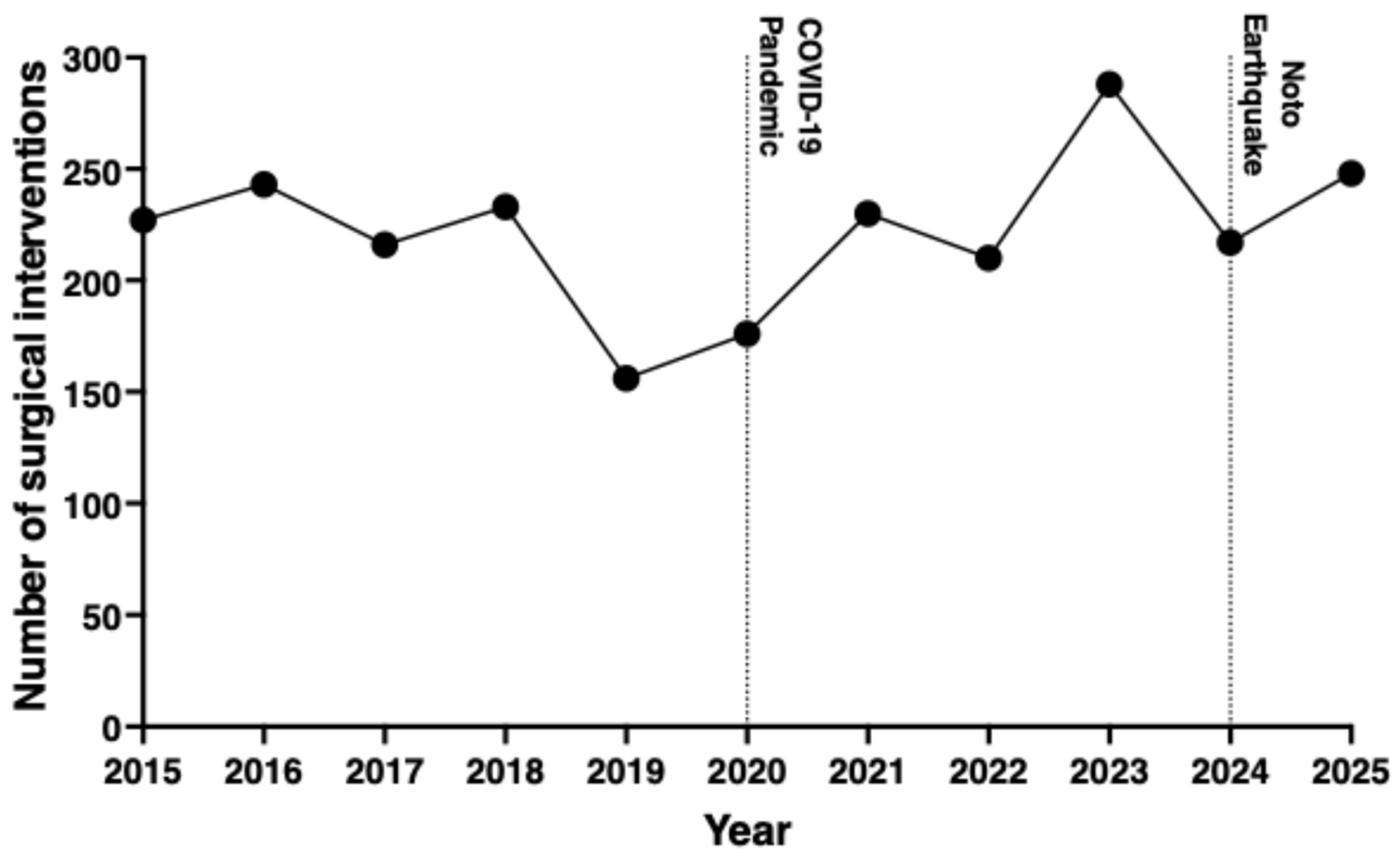
This study retrospectively analyzed 2444 patients who underwent surgical procedures for cardiovascular disease (CVD) or blood access for chronic renal failure at a specified institution between 2015 and 2025. As illustrated in Figure 1, the total number of surgical interventions declined in 2019, preceding the COVID-19 pandemic. During the pandemic period (2020–2023), the volume of surgeries fluctuated, initially showing partial recovery, followed by another decrease in 2022, before ultimately reaching its highest peak in 2023 within the 11-year observation period.
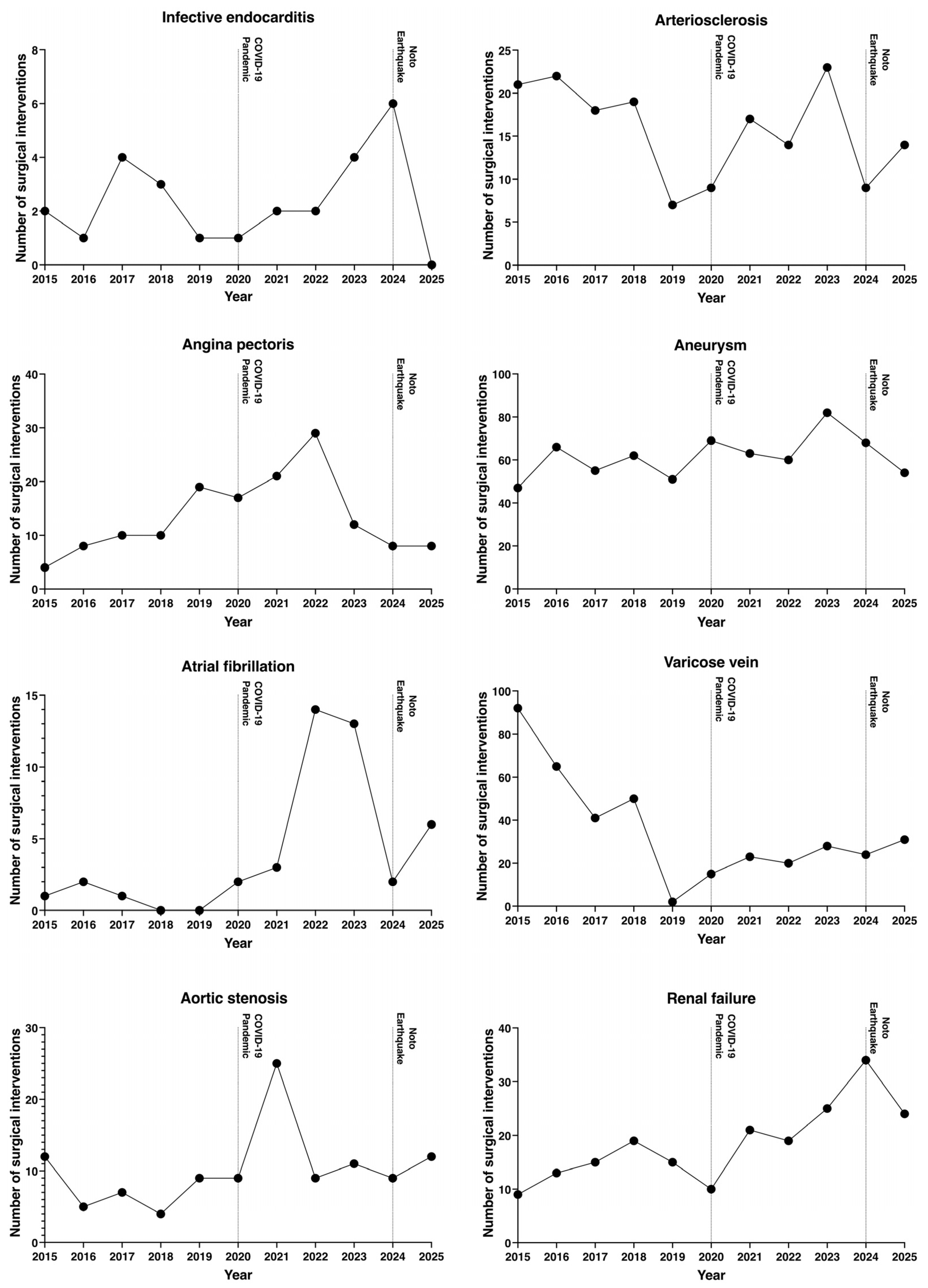
In this study, we evaluated the impact of the COVID-19 pandemic and earthquake-related compound disasters on cardiovascular care. Our focus was on eight major cardiovascular diseases and chronic renal failure, which are particularly susceptible to both indirect effects, such as delayed medical consultations and prolonged surgical waiting times due to societal and healthcare system disruptions, and direct effects of the COVID-19 virus, including inflammatory and thrombotic complications [15,16,17]. Figure 2 presents the annual trends in the number of surgical interventions for each disease category, while a Poisson regression model was employed to assess the incidence rate ratio (IRR) across the defined periods (Table 1).
During the COVID-19 pandemic (2020–2023), surgical interventions for angina pectoris (IRR 1.71, p = 0.002), atrial fibrillation (IRR 9.50, p < 0.0001), and aortic stenosis (IRR 1.78, p = 0.004) significantly increased compared to the pre-pandemic baseline. Conversely, interventions for varicose veins significantly decreased (IRR 0.47, p < 0.0001) and persisted at lower levels. In contrast, the compound disaster period (2024) exhibited a distinctly different pattern from the other periods. Notably, there was a statistically significant surge in interventions for IE (IRR 3.33, p = 0.03) and a continuous and significant rise in renal failure cases (IRR 1.72, p = 0.0095). Interestingly, the number of surgical interventions for IE decreased to zero in 2025, the year after the disaster. Although this observation is based on a limited number of cases, the fluctuation suggests that the increase observed in 2024 may be closely associated with temporary disruptions in the environment and healthcare systems caused by the compound disaster. Meanwhile, interventions for angina pectoris and atrial fibrillation sharply declined (IRR 0.46, p = 0.019; IRR 0.26, p = 0.023). The number of aneurysm and arteriosclerosis cases remained relatively stable across all periods without significant statistical fluctuations.

3.2. Shifts in Patient Age Distribution Across the Three Periods

Table 2 presents a summary of the median age and interquartile range (IQR) of patients who underwent surgical interventions for various CVDs in three distinct periods of time. A general trend of decreasing median age was observed during the COVID-19 pandemic period (2020–2023) and the subsequent compound disaster period (2024) compared with the pre-pandemic period (2015–2019). The median age of patients with angina pectoris decreased from 74 years (IQR 64–79) in 2015–2019 to 66 years (IQR 60–70) in 2024. A similar pattern was observed for IE, with a marked decrease from 70 years (IQR 66–75) to 56 years (IQR 51–71) of age. Furthermore, during the pandemic, the median age of patients with atrial fibrillation decreased from 83 years (IQR 82–83) in 2015–2019 to 78 years (IQR 77–79) in 2024. Conversely, the median ages of patients with certain conditions, such as aneurysms, aortic stenosis, and arteriosclerosis, exhibited relatively stable or slightly increasing trends in later periods. These findings indicate that the age distribution of patients requiring cardiovascular surgery varies among disease types, with some conditions showing a younger patient population in the post-pandemic and post-disaster phases.

3.3. Prevalence of Pre-Existing Valvular Disease in Infective Endocarditis

Following the delineation of the overall trends across all disease categories, a marked increase in the surgical intervention for IE was identified in 2024. This was accompanied by a significant shift in the age distribution compared to that in previous periods (Table 2 and Figure 2). Considering these distinct changes observed during the compound disaster period, we undertook a comprehensive analysis of IE to investigate the potential factors contributing to its epidemiological variations. Table 3 presents a summary of the prevalence of pre-existing valvular disease at the onset of IE during the three study periods. The proportion of patients with pre-existing valvular disease significantly declined over time, with no cases reported in 2024 (χ2 = 8.38, p = 0.015).

3.4. Changes in the Causative Pathogens of Infective Endocarditis

Table 4 shows the distribution of causative pathogens of IE in the patients. During the pre-pandemic period (2015–2019), Staphylococcus species were predominant, whereas Streptococcus species became more prevalent during the COVID-19 pandemic (2020–2023). In contrast, the compound disaster period (2024) was characterized by a notable increase in culture-negative cases, with unknown pathogens accounting for most cases. Supplementary Table S1 provides a detailed classification of the pathogen subtypes.

3.5. Increase in Culture-Negative Cases and Distinctive Histopathological Features

Table 5 compares the frequencies of culture-negative IE during the three periods. A significant increase was observed in 2024, with culture-negative cases comprising 83.3% of all IE cases (χ2 = 8.22, p = 0.016). Among these surgical cases of blood culture-negative endocarditis (BCNE), the majority of patients presented with significant comorbidities, including chronic renal failure, rheumatoid arthritis, and sepsis (Table S2). In the surgical treatment of IE, single-valve replacement emerged as the most prevalent procedure across all three time periods (2015–2019: 45.5%, 2020–2023: 55.6%, and 2024: 33.3%). Additionally, two-valve replacement procedures were notably common, particularly between 2015 and 2019 (Table S3).
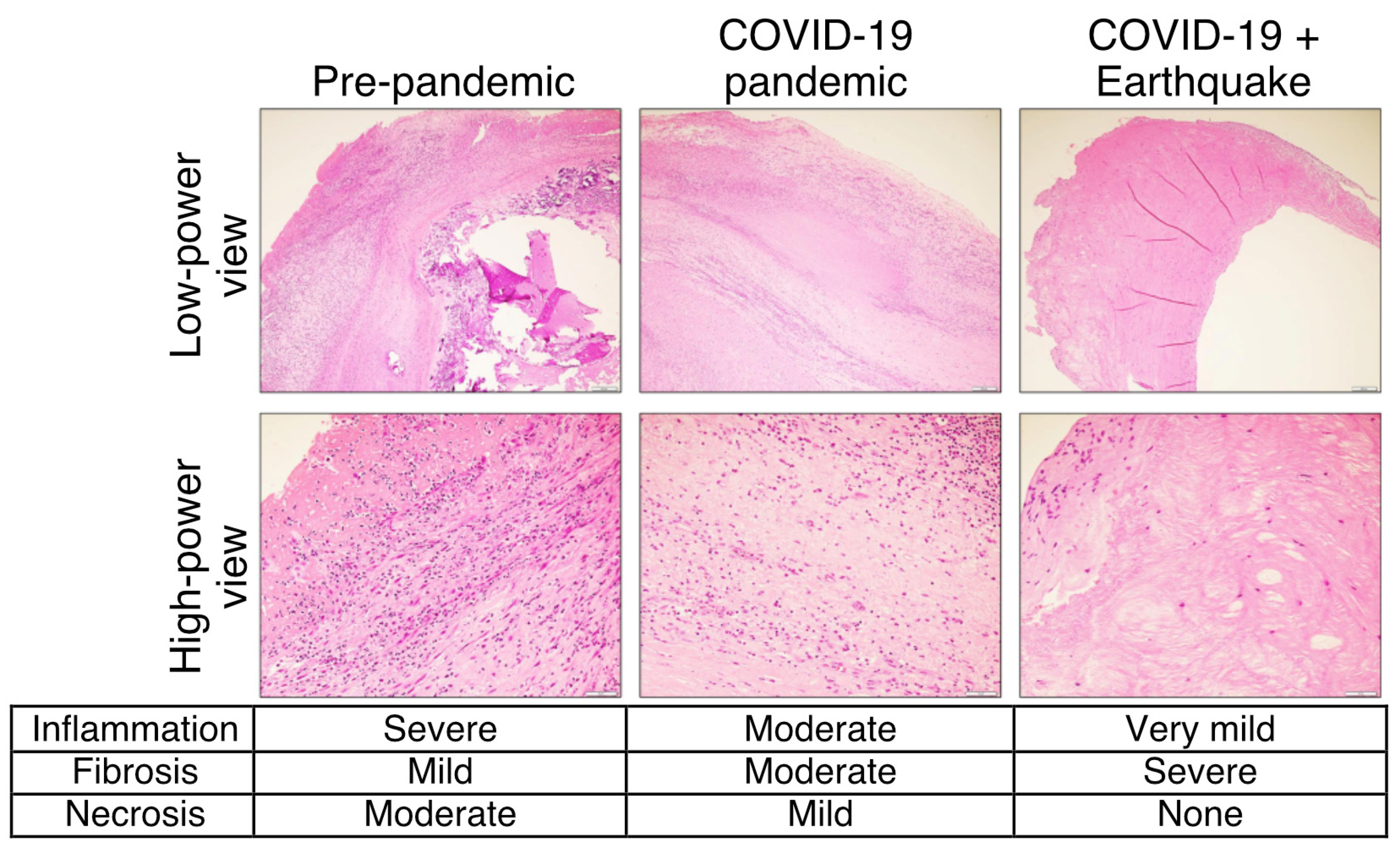
To substantiate the observed microbiological trends, we conducted a histopathological assessment of inflamed and degenerated valves. Representative specimens from each period were analyzed by a pathologist with extensive experience (Figure 3). Thickened valves from the pre-pandemic period exhibited severe acute and chronic inflammation, characterized by calcification, infiltration of neutrophils and lymphocytes, and fibrinopurulent exudate. During the COVID-19 pandemic, the valves exhibited moderate chronic inflammation and hyalinized fibrosis. In contrast, the valves from the compound disaster period (2024) displayed a distinct pattern of slight inflammation and severe hyalinized fibrosis.

3.6. Geographic Distribution and Environmental Factors

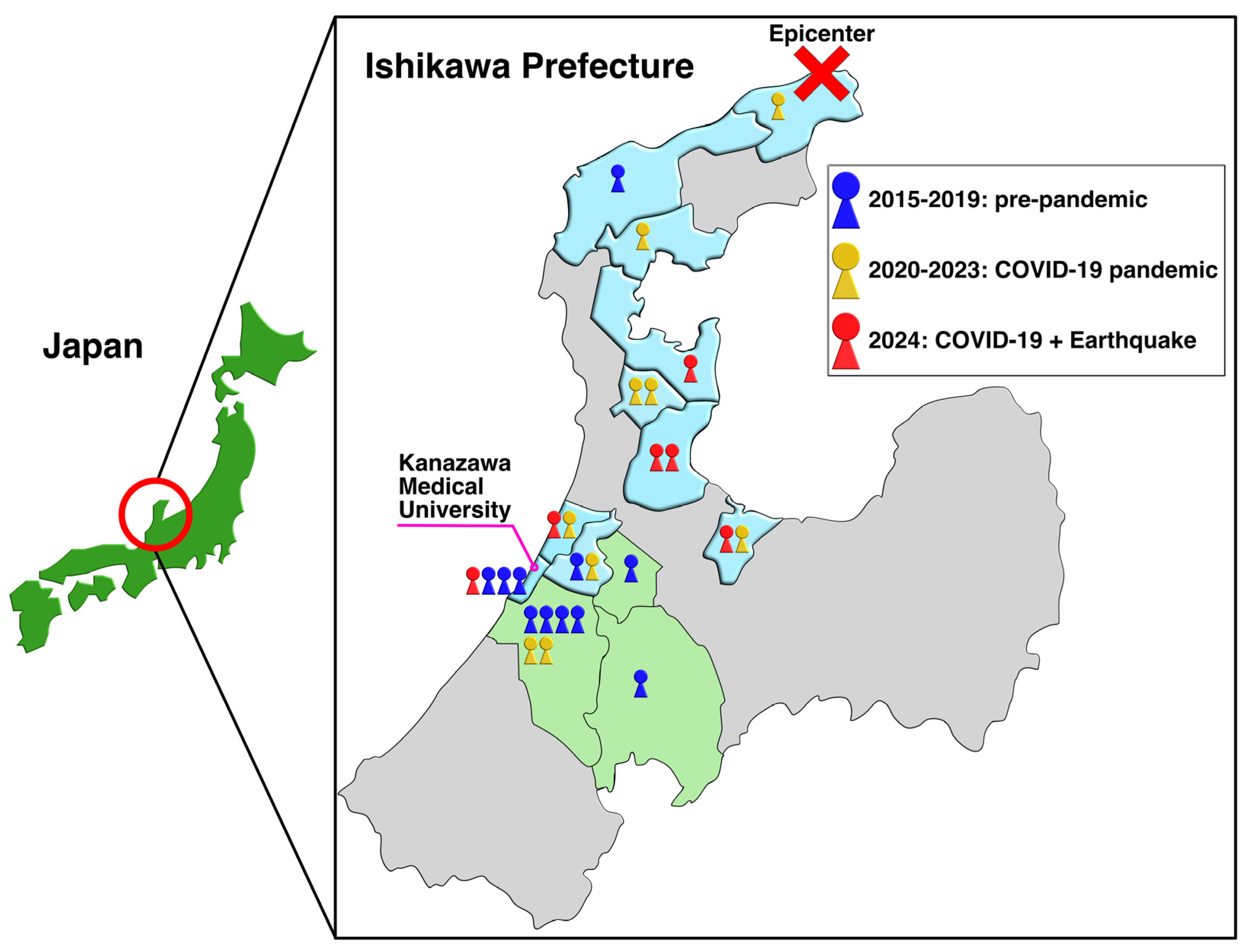
The residential locations of patients who underwent surgical treatment for IE were mapped across three distinct periods, and the geographical characteristics during the complex disaster of 2024 were analyzed (Figure 4). Notably, in 2024, no patients who developed IE and required surgical intervention resided in proximity to the epicenter, such as Wajima or Suzu City. Instead, all surgical cases that year were concentrated in specific coastal municipalities with geographic vulnerabilities, including Nanao, Uchinada, Kahoku, Himi, and Imizu Cities. According to disaster investigation reports, these areas experienced severe liquefaction and widespread, prolonged collapse of water infrastructure.

4. Discussion

This study analyzed changes in surgical intervention trends and age composition in patients who underwent major CVD interventions and renal failure over 2015–2025, considering the COVID-19 pandemic and the compound disaster period of the pandemic and the 2024 Noto Peninsula Earthquake. While surgical interventions fluctuated throughout the study period, each disease showed unique variations during the pandemic and compound disaster periods. We analyzed overall trends across cardiovascular surgeries to establish context. This analysis revealed that while most cardiovascular diseases showed moderate fluctuations or stable age distributions, IE demonstrated dramatic epidemiological shifts (Figure 1 and Figure 2). By contrasting IE with other conditions, we aimed to highlight its susceptibility to compound crises. During the 2024 compound disaster period, surgical interventions for IE and renal failure reached peak levels, with a shift toward younger age groups for IE cases. Further analysis of IE revealed reduced pre-existing valvular disease, changes in causative pathogens, and increased culture-negative cases during the compound disaster period. The combined impact of a pandemic and natural disaster may significantly affect the epidemiology of CVD and healthcare needs.
During the COVID-19 pandemic (2020–2023), cardiovascular interventions initially declined but showed an upward trend by 2023 (Figure 1). This increase aligns with earlier studies [22,23,24] and likely resulted from reduced chronic disease management due to healthcare avoidance, lifestyle changes, and pandemic-related stress.
The number of AF patients requiring devices or surgical interventions increased across a broad age range during this period, contrary to studies reporting reduced AF diagnoses and hospital admissions early in the pandemic [25,26]. The median patient age decreased to 72 years (IQR 66–75) during the pandemic compared to pre-pandemic, showing a shift toward younger elderly patients (Table 2). This discrepancy likely stems from variations in the study design, including the assessment criteria, populations, and observation periods. While prior studies have focused on short-term changes in diagnoses within the general population, our investigation examined long-term trends (2020–2024) in AF cases at a university hospital. This approach may better capture the pandemic-related impacts, including lifestyle changes, stress, and COVID-19 infection, on AF onset and exacerbation. However, it is also crucial to consider that these trends may be partially influenced by institutional factors, such as alterations in referral patterns or hospital treatment strategies during the pandemic, given the single-center nature of this study.
Surgical interventions for angina pectoris peaked in 2022, whereas aortic stenosis cases surged in 2021. These parallel increases likely reflect changes in healthcare systems and patient behaviors during the pandemic [27,28,29]. Conversely, surgical interventions for varicose veins decreased significantly during the pandemic, likely due to lifestyle changes such as surgery postponements and telework [30]. For aneurysm and arteriosclerosis, patient numbers remained stable, likely because these chronic conditions did not significantly alter healthcare-seeking behavior; however, reduced screening may have caused some patients to be overlooked [31].
A notable shift in age composition occurred in IE patients, with both the median age and IQR decreasing during the COVID-19 pandemic compared to the pre-pandemic period (Table 2). This indicates that younger patients increasingly accounted for IE surgical cases during the pandemic, unlike other cardiovascular diseases with stable age distributions. While the number of surgical interventions remained steady, the change in age composition was significant. Although definitive conclusions are limited by small case numbers, changes in risk factors or healthcare-seeking behaviors among young adults remain possible [32].
Surgical intervention trends during the compound disaster period (2024), which combined the COVID-19 pandemic and the earthquake, were complex because of the addition of acute and severe stress and drastic changes in living environments to the ongoing pandemic trends. Surgical interventions for angina pectoris and AF decreased in 2024 compared to pandemic levels because of barriers to accessing medical facilities and healthcare avoidance following the earthquake. The potential for overlooking critical cardiovascular events and delaying treatment remains a concern. For aneurysms, the frequency of surgical intervention remained constant, likely due to the urgency and specific management requirements of the condition. Surgical interventions for renal failure peaked in 2024 (Figure 2 and Table 1). Factors including disruption of lifelines, difficulties managing diet during evacuation, medication delays, and strain on dialysis systems may have worsened renal dysfunction [33,34,35]. The aging population and rising number of dialysis patients in Ishikawa Prefecture underscore the significance of this finding [20,21].
The actual number of surgical interventions for IE also peaked in 2024 (Figure 2 and Table 1). Although limited by the small sample size, this pattern raises the possibility that the increase in 2024 was an acute response to the compound crises. Temporary vulnerabilities caused by disrupted living conditions, compromised hygiene, and restricted medical access in 2024 may have contributed to this peak, with the subsequent lack of cases in 2025 potentially reflecting the gradual stabilization of the healthcare and social environment. The observed increase in the proportion of patients aged 51–71 years with this condition warrants further attention in 2024 (Table 2). Based on these distinctive trends, we focused on IE, the cardiovascular disease that showed clear changes in both the number of surgical interventions and age composition during the pandemic and compound disaster periods.
The evaluation of patient age distribution revealed that the median age and IQR of patients with IE markedly decreased during the compound disaster period compared to the pre-pandemic period (Table 2). This suggests a demographic shift toward a younger patient population. In the aftermath of the compound disaster, numerous working-age individuals were compelled to reside in evacuation shelters for extended periods. Within these shelters, the limited availability of water, restricted access to oral care products, and postponement of routine dental appointments may have contributed to a decline in oral hygiene and the advancement of dental caries and periodontal disease. These conditions are likely to elevate the risk of transient bacteremia originating from the oral cavity during routine activities, such as tooth brushing and mastication. Furthermore, repeated minor injuries and skin infections associated with debris removal and reconstruction efforts following the earthquake may have provided additional entry points for pathogens in younger, physically active individuals. Furthermore, the prevalence of pre-existing valvular disease declined, suggesting an increase in new-onset cases unrelated to chronic valvular pathologies (Table 3). A concurrent shift in the predominant causative pathogens from Staphylococcus species before the pandemic to Streptococcus species during the pandemic was observed, along with a marked increase in culture-negative cases in 2024 (Table 4 and Table 5). Notably, the complete absence of concomitant COVID-19 infections within the 2020–2023 cohort suggests that the observed shift towards Streptococcus during the pandemic era was likely attributable to indirect societal disruptions, such as postponed dental care, rather than direct viral pathogenesis. Double-valve replacement was also more frequent in 2015–2019 (Table S3), when Staphylococcus species were more prevalent, consistent with the more destructive multivalvular nature of Staphylococcus IE and the resulting need for complex surgeries.
As highlighted by McHugh and Saleh, BCNE frequently arises from prior empirical antibiotic administration, infections caused by fastidious or intracellular organisms, or suboptimal sampling conditions in emergency care settings [36]. These factors are particularly relevant in pandemic and post-disaster healthcare settings, where empirical antibiotic use and delayed consultation are common. Febrile patients are initially evaluated at temporary clinics or aid stations, where the ability to obtain blood cultures and conduct timely echocardiography is limited. Empirical antibiotics are often given before referral to tertiary hospitals and before adequate blood cultures are collected. Logistical disruptions may delay sample transport and limit culture sets, reduce microbiological yield, and increase culture-negative cases. The increase in culture-negative cases observed in 2024 may reflect altered clinical management patterns and environmental exposure risks during the compound disaster period. Beyond these diagnostic factors, disrupted access to routine dental care, overcrowded evacuation shelters with compromised sanitation, and minor trauma-related infections may have further increased the susceptibility of younger individuals.
Among cases of BCNE, nonbacterial thrombotic endocarditis (NBTE) is associated with hypercoagulable states, including malignancy and autoimmune disorders. Recent research has identified instances of NBTE without pre-existing comorbidities during the COVID-19 pandemic, indicating a correlation between COVID-19 and NBTE development [37]. During the compound disaster period (2024), a considerable number of patients diagnosed with BCNE who underwent surgical intervention exhibited comorbidities associated with chronic inflammation. These include autoimmune diseases such as rheumatoid arthritis, pulmonary tumors, chronic renal failure, and sepsis (Table S2) [38,39,40,41].
As shown in Figure 3, histopathological assessment of excised valves offers additional insights into the nature of culture-negative cases observed in 2024. In contrast to the pre-pandemic specimens, which exhibited severe acute inflammation indicative of active bacterial infection, the valves from the compound disaster period were marked by pronounced hyalinized fibrosis with minimal inflammatory cell infiltration. Asopa et al. described NBTE vegetations as sterile lesions composed of degenerating platelets and fibrin, typically lacking significant inflammation [42]. The limited inflammation observed in our 2024 cases aligns with the pathological characteristics documented in the existing literature. Although this does not definitively rule out healed bacterial endocarditis following antibiotic treatment, the histological pattern—particularly the absence of active inflammation—supports the hypothesis that nonbacterial thrombotic mechanisms contributed to an increase in culture-negative cases during the COVID-19 pandemic and the earthquake. We hypothesize that the rise in these atypical cases was driven by two intersecting factors. First, the disruption of healthcare infrastructure following the earthquake limited prompt access to tertiary care centers. Many patients received prolonged empirical antibiotic therapy at primary clinics or evacuation shelters, leading to “sterilization” and fibrotic organization of infected valves before surgical intervention. Second, the physiological and psychological stress from the two major crises prolonged societal exhaustion from the pandemic, and acute earthquake trauma exacerbated underlying chronic conditions, as shown in Table S2. None of the patients in the 2024 cohort had active COVID-19 at presentation; three had a vaccination history, and one had a documented infection two years prior. Rather than direct viral-induced injury, we postulate that extreme compounded environmental stress promoted NBTE development.
As shown in Figure 4, the 2024 surgical IE cases were dispersed across vulnerable coastal regions such as Uchinada and Himi, rather than being concentrated near the earthquake epicenter in Wajima and Suzu Cities. Severe soil liquefaction damaged underground pipelines, causing prolonged water shortages in the affected areas. The water supply for 14,000 households in Himi City was disrupted for two weeks after the earthquake [13]. These conditions forced residents into crowded evacuation shelters, where bacterial infections could spread [13]. Limited access to water compromises hygiene, thereby increasing the risk of oral-derived bacteremia, and restricted medical access delays hospital transfers. Collectively, these observations indicate that the elevated BCNE rate in 2024 is multifactorial. This is likely attributable to the empirical use of antibiotics prior to blood culture sampling, which obscures true bacterial infections and a concurrent increase in NBTE. The compounded effects of the COVID-19 pandemic and large-scale disasters, such as earthquakes, may have intensified physical and psychological stress, disrupted medical care, and exacerbated chronic inflammatory conditions, thereby contributing to the development of NBTE.
Collectively, these results suggest that the epidemiology of IE has undergone structural changes influenced by pandemic- and disaster-related factors. The observed decline in age, shift in pathogen profile, and surge in culture-negative cases collectively imply that the pathophysiology of IE during such crises may extend beyond classical risk factors, encompassing altered microbial exposure, antibiotic use, and diagnostic limitations—findings consistent with contemporary reviews of BCNE [36,43,44,45]. However, given that these findings are based on a relatively small number of surgically treated IE cases (n = 26 over 11 years), the estimates should be considered hypothesis-generating rather than definitive evidence of population-level epidemiological changes.
In 2025, the incidence of surgical cases of IE declined abruptly to zero. While this observation may partially reflect stochastic variation due to the small absolute number of cases in our cohort, we propose that it is more plausibly attributable to the convergence of environmental, demographic and psychosocial factors. In 2024, extreme physical and psychological stress, compounded by prolonged water outages, may have precipitated IE among the most vulnerable individuals in affected communities, potentially depleting this high-risk pool by the following year, a phenomenon consistent with a ‘harvest effect.’ The subsequent restoration of municipal lifelines may have improved sanitary and living conditions by 2025, possibly eliminating several acute environmental triggers of transient bacteremia and NBTE. Beyond these structural improvements, the experience of surviving a compound disaster of this magnitude may have fostered posttraumatic growth (PTG) among the remaining population in the affected areas. As reported in survivors of both the COVID-19 pandemic and major earthquakes, PTG may facilitate the adoption of more proactive healthy behaviors [46,47]. Such behavioral changes, potentially including improved oral hygiene practices and earlier consultation for minor symptoms, could have contributed to a reduction in severe IE cases requiring surgical intervention. Finally, approximately 7900 residents relocated from disaster-affected areas within one year of the earthquake [48]. This out-migration included working-age and early elderly populations whose age profile overlapped with the median age (56 years) of the 2024 IE cohort (Table 2) [48]. The departure of these potentially high-risk individuals from our catchment area may have further diminished the number of susceptible patients who presented to our institution.
This study has several limitations that should be acknowledged. First, although Ishikawa Prefecture has three facilities that perform CVD surgeries, the data were obtained from a single university hospital. While this limits the generalizability of the findings, it also allowed for consistent data collection and long-term follow-up within a well-defined population. However, to comprehensively evaluate the broader impact resulting from the compound disaster on the regional medical infrastructure, future multicenter collaborative studies involving other facilities in Ishikawa Prefecture are essential. Second, as a retrospective observational study, the available clinical information was limited to existing records, and residual confounding from factors such as socioeconomic background could not be completely excluded. Third, because of the study design, the observed fluctuations in surgical interventions may reflect not only true changes in incidence or prevalence but also variations in healthcare-seeking behavior and institutional capacity [22]. Fourth, the sub-analyses focusing on IE included a limited number of surgical cases in each period (11, 9, and 6 cases, respectively). Consequently, the confidence intervals for proportions such as BCNE prevalence are broad, and the statistical power to detect modest differences is limited. Therefore, the observed temporal variations in age distribution, pathogen profiles, and BCNE should be considered exploratory findings that generate hypotheses. Fifth, our study population was restricted to adult patients aged ≥20 years, as no pediatric patients required surgical intervention for IE at our institution during the 11-year observation period. Therefore, these findings should not be extrapolated to the pediatric population. Pediatric IE is often associated with underlying congenital heart disease and exhibits clinical courses that differ significantly from those in adults [49]. To elucidate the impact of compound disasters on IE risk and surgical management in children, further research utilizing large-scale, multicenter pediatric registries is necessary. These findings require validation in larger, multicenter cohorts and should not be regarded as definitive evidence of causal relationships. Despite the limited sample size, the present cohort represents a unique real-world dataset arising from an extreme compound disaster setting, providing valuable hypothesis-generating insights.

5. Conclusions

This 11-year retrospective study elucidated the complex and disease-specific impacts of Japan’s unique compound disaster conditions, characterized by the prolonged COVID-19 pandemic and the 2024 Noto Peninsula Earthquake, on cardiovascular surgery trends and patient demographics in Ishikawa Prefecture. The findings highlight how disruptions in healthcare access and shifts in healthcare-seeking behavior during crises differentially influence the management of various cardiovascular diseases. Among these conditions, IE exhibits particularly distinct changes. A significant increase in culture-negative cases and a noticeable shift toward younger patients were observed, suggesting that altered diagnostic opportunities, limited medical access, and broader changes in infection epidemiology contributed to these trends. These results imply that IE is especially vulnerable to disruptions in healthcare systems and environmental stressors during such disasters. To mitigate these risks, it is essential to establish robust diagnostic continuity and enhance interfacility collaboration. Future multicenter and prospective studies are warranted to further elucidate the mechanisms underlying these epidemiological shifts and develop adaptive strategies for the early detection and management of IE in disaster-prone settings.

Supplementary Materials

The following supporting information can be downloaded at: https://www.mdpi.com/article/10.3390/covid6040064/s1, Supplementary Tables. This file contains supplementary tables supporting the results. Table S1: Detailed distribution of causative pathogen subcategories in infective endocarditis across three periods. Table S2: Comorbidities associated with surgical cases of blood culture-negative endocarditis (BCNE). Table S3: Types of surgical treatment in endocarditis across three periods.

Author Contributions

K.M. and T.S.: conception and design; K.M. and T.S.: analysis and interpretation of the data; T.S., D.S. and T.K.: collection and assembly of data; D.S. and T.K.: statistical expertise; T.K. and T.T.: provision of study materials; T.K. and T.T.: supervision; K.M. and T.S.: drafting of the article; T.K., K.M. and T.T.: final approval of the article. All authors: critical revision of the article for important intellectual content. All authors have read and agreed to the published version of the manuscript.

Funding

This work was supported by JSPS KAKENHI [grant number 23K14363].

Institutional Review Board Statement

This study conformed to the Personal Information Protection Act and the principles of the Declaration of Helsinki and obtained approval from the Kanazawa Medical University Ethics Committee (Approval Number: C176; 21 May 2025).

Informed Consent Statement

Patient consent was waived due to the retrospective nature of this study and the use of anonymized medical records.

Data Availability Statement

The datasets generated and analyzed during the present study are not publicly available due to institutional regulations regarding patient data confidentiality. However, anonymized data may be made available by the corresponding author upon reasonable request and with approval from the Ethics Committee of Kanazawa Medical University.

Acknowledgments

We gratefully acknowledge the staff of Kanazawa Medical University Hospital for their invaluable assistance in the collection and organization of clinical data. We also thank the Department of Medical Information for their support in providing access to anonymized datasets. We are grateful to Sohsuke Yamada (Department of Pathology, Kanazawa Medical University Hospital) for his assistance in preparing Figure 3.

Conflicts of Interest

The authors declare no conflicts of interest.

Abbreviations

CVDsCardiovascular diseases
COVID-19Coronavirus disease 2019
AFAtrial fibrillation
IEInfective endocarditis
BCNEBlood culture-negative endocarditis
IQRInterquartile range
NBTENonbacterial thrombotic endocarditis

References

  1. Romero, T.; Nazzal Nazal, C.; Lanas, F. (Eds.) Global Challenges in Cardiovascular Prevention in Populations with Low Socioeconomic Status; Springer: Cham, Switzerland, 2025. [Google Scholar]
  2. Kingsley, J. Challenges and Opportunities in Cardiovascular Disease Prevention. ResearchGate. Available online: https://www.researchgate.net/publication/388414393 (accessed on 19 November 2025).
  3. Teo, K.; Lear, S.; Islam, S.; Mony, P.; Dehghan, M.; Li, W.; Rosengren, A.; Lopez-Jaramillo, P.; Diaz, R.; Oliveira, G.; et al. Prevalence of a healthy lifestyle among individuals with cardiovascular disease in high-, middle- and low-income countries: The Prospective Urban Rural Epidemiology (PURE) Study. JAMA 2013, 309, 1613–1621. [Google Scholar] [CrossRef] [Scilit] [PubMed]
  4. Khera, A.; Baum, S.J.; Gluckman, T.J.; Gulati, M.; Martin, S.S.; Michos, E.D.; Navar, A.M.; Taub, P.R.; Toth, P.P.; Virani, S.S.; et al. Continuity of care and outpatient management for patients with and at high risk for cardiovascular disease during the COVID-19 pandemic: A scientific statement from the American Society for Preventive Cardiology. Am. J. Prev. Cardiol. 2020, 1, 100009. [Google Scholar] [CrossRef] [Scilit] [PubMed]
  5. Pepera, G.; Tribali, M.-S.; Batalik, L.; Petrov, I.; Papathanasiou, J. Epidemiology, risk factors and prognosis of cardiovascular disease in the Coronavirus Disease 2019 (COVID-19) pandemic era: A systematic review. Rev. Cardiovasc. Med. 2022, 23, 028. [Google Scholar] [CrossRef] [Scilit] [PubMed]
  6. Hatmi, Z.N.; Mahboobian, F. Long-term effects of COVID-19 on cardiovascular system and the risk markers: A systematic review. SN Compr. Clin. Med. 2025, 7, 44. [Google Scholar] [CrossRef] [Scilit]
  7. Birtolo, L.I.; Di Pietro, G.; Ciuffreda, A.; Improta, R.; Monosilio, S.; Prosperi, S.; Cimino, S.; Galea, N.; Severino, P.; Galardo, G.; et al. The impact of vaccination status on post-acute sequelae in hospitalized COVID-19 survivors using a multi-disciplinary approach: An observational single center study. Heliyon 2024, 10, e40409. [Google Scholar] [CrossRef] [Scilit]
  8. Yasui, A.; Kinoshita, S.; Endo, M.; Kaneda, Y.; Ikeguchi, R.; Yamamoto, C.; Abe, T.; Zhao, T.; Sawano, T.; Gonda, K.; et al. Disaster response and older adult cancer care in super-aged societies: Insights from the 2024 Noto Peninsula Earthquake in Oku-Noto, Japan. Front. Public Health 2024, 12, 1427987. [Google Scholar] [CrossRef] [Scilit]
  9. nippon.com. Japan: The Top News Stories of 2024. Available online: https://www.nippon.com/en/news/l00355/japan-the-top-news-stories-of-2024.html (accessed on 19 November 2025).
  10. Inaba, M.; Hagihara, A.; Nagata, T. Effective utilization of medical containers in disaster response: Insights from the 2024 Noto Peninsula Earthquake. Disaster Med. Public Health Prep. 2025, 19, e56. [Google Scholar] [CrossRef] [Scilit]
  11. Inaba, M.; Hagihara, A.; Nagata, T. Association between psychological factors and evacuation status and the incidence of cardiovascular diseases after the Great East Japan Earthquake: A prospective study of the Fukushima Health Management Survey. Int. J. Environ. Res. Public Health 2020, 17, 7832. [Google Scholar]
  12. Tokumaru, O.; Fujita, M.; Nagai, S.; Minamikawa, Y.; Kumatani, J. Medical problems and concerns with temporary evacuation shelters after great earthquake disasters in Japan: A systematic review. Disaster Med. Public Health Prep. 2022, 16, 1645–1652. [Google Scholar] [CrossRef] [Scilit]
  13. Tanihata, Y.; Takebayashi, K.; Kitagawa, H.; Iguchi, M.; Iinuma, Y.; Sakamoto, T.; Ushimoto, T.; Kasamaki, Y.; Kanda, T.; Takuya, S. Analysis of infectious diseases in Himi City, Japan, during the Noto Earthquake in 2024 amid the ongoing COVID-19 Pandemic. Cureus 2024, 16, e76689. [Google Scholar] [CrossRef] [Scilit]
  14. Sakamoto, T.; Ushimoto, T.; Moriya, J.; Takikawa, H.; Akitomi, S.; Kanda, T.; Kasamaki, Y.; Takuya, S. A 10-year retrospective study of bacterial infections in a Japanese regional hospital: The impact of COVID-19 and an earthquake. Cureus 2025, 17, e82737. [Google Scholar] [CrossRef] [Scilit]
  15. Nishiga, M.; Wang, D.W.; Han, Y.; Lewis, D.B.; Wu, J.C. COVID-19 and cardiovascular disease: From basic mechanisms to clinical perspectives. Nat. Rev. Cardiol. 2020, 17, 543–558. [Google Scholar] [CrossRef] [Scilit]
  16. Giacca, M.; Shah, A.M. The pathological maelstrom of COVID-19 and cardiovascular disease. Nat. Cardiovasc. Res. 2022, 1, 200–210. [Google Scholar] [CrossRef] [Scilit]
  17. Patel, V.; Jimenez, E.; Cornwell, L.; Tran, T.; Paniagua, D.; Denktas, A.E.; Chou, A.; Hankins, S.J.; Bozkurt, B.; Rosengart, T.K.; et al. Cardiac Surgery During the Coronavirus Disease 2019 Pandemic: Perioperative Considerations and Triage Recommendations. J. Am. Heart Assoc. 2020, 9, e017042. [Google Scholar] [CrossRef] [Scilit] [PubMed]
  18. Feng, J.; Liu, P.; Li, H.; Chen, H.; Shen, Q.; Liu, H.; Hu, J. Global, regional, and national burden of endocarditis, 1990–2021: A systematic analysis of the GBD 2021 study. BMC Cardiovasc. Disord. 2025, 25, 561. [Google Scholar] [CrossRef] [Scilit] [PubMed]
  19. World Health Organization. World Report on Ageing and Health; World Health Organization: Geneva, Switzerland, 2015; Available online: https://www.who.int/publications/i/item/9789241565042 (accessed on 19 November 2025).
  20. Ishikawa Prefecture. Chapter 2: Current Situation Surrounding Housing and Living in Ishikawa. In Housing Policy Report (Ishikawa Prefecture, 2023). Available online: https://www.pref.ishikawa.lg.jp/kenju/documents/02_juutakutokusei.pdf (accessed on 19 November 2025).
  21. Hanafusa, N.; Abe, M.; Joki, N.; Hoshino, J.; Wada, A.; Kikuchi, K.; Goto, S.; Ogawa, T.; Kanda, E.; Taniguchi, M.; et al. Annual dialysis data report 2021, Japanese Society for Dialysis Therapy (JSDT) renal data registry. Ren. Replace Ther. 2024, 10, 78. [Google Scholar] [CrossRef] [Scilit]
  22. Yoshimura, N.; Sato, Y.; Takeuchi, H.; Abe, T.; Doi, T.; Yoshikawa, T.F.; Hirata, Y.; Ishida, M.; Iwata, H.; Kamei, T. Thoracic and cardiovascular surgeries in Japan during 2023: Annual report by the Japanese Association for Thoracic Surgery. Gen. Thorac. Cardiovasc. Surg. 2025, 73, 526–565. [Google Scholar]
  23. Maehl, N.; Bleckwenn, M.; Riedel-Heller, S.G.; Mehlhorn, S.; Lippmann, S.; Deutsch, T.; Schrimpf, A. The impact of the COVID-19 pandemic on avoidance of health care, symptom severity, and mental well-being in patients with coronary artery disease. Front. Med. 2021, 8, 760265. [Google Scholar] [CrossRef] [Scilit]
  24. Laddu, D.R.; Biggs, E.; Kaar, J.; Khadanga, S.; Alman, R.; Arena, R. The impact of the COVID-19 pandemic on cardiovascular health behaviors and risk factors: A new troubling normal that may be here to stay. Prog. Cardiovasc. Dis. 2023, 76, 38–43. [Google Scholar] [CrossRef] [Scilit]
  25. Ueberham, L.; König, S.; Pellissier, V.; Hohenstein, S.; Meier-Hellmann, A.; Kuhlen, R.; Hindricks, G.; Bollmann, A. Admission rates and care pathways in patients with atrial fibrillation during the COVID-19 pandemic-insights from the German-wide Helios hospital network. Eur. Heart J. Qual. Care Clin. Outcomes 2021, 7, 257–264. [Google Scholar] [CrossRef] [Scilit]
  26. Holt, A.; Gislason, G.H.; Schou, M.; Zareini, B.; Biering-Sørensen, T.; Phelps, M.; Kragholm, K.; Andersson, C.; Fosbøl, E.L.; Hansen, M.L.; et al. New-onset atrial fibrillation: Incidence, characteristics, and related events following a national COVID-19 lockdown of 5.6 million people. Eur. Heart J. 2020, 41, 3072–3079. [Google Scholar] [CrossRef] [Scilit]
  27. Agho, A.V.; Disu, F.; Figueroa, A.S.; Wiredu, B.; Okorigba, E.M.; Olanite, M.; Okobi, O.E.; Noman, T. Prevalence of angina pectoris: A NHIS database analysis. Cureus 2024, 16, e58130. [Google Scholar]
  28. Raisi-Estabragh, Z.; Mamas, M.A. Cardiovascular health care implications of the COVID-19 pandemic. Heart Fail. Clin. 2023, 19, 265–272. [Google Scholar] [CrossRef] [Scilit] [PubMed]
  29. Shaikh, A.; Khan, S.D.; Baloch, F.; Virani, S.S.; Samad, Z. The COVID-19 pandemic and coronary heart disease: The next surge. Curr. Atheroscler. Rep. 2023, 25, 559–569. [Google Scholar] [CrossRef] [Scilit] [PubMed]
  30. Moore, E.; Wohlauer, M.V.; Dorosh, J.; Kabeil, M.; Malgor, R.D.; O’BAnion, L.A.; Lopez-Pena, G.; Gillette, R.; Colborn, K.; Cuff, R.F.; et al. Impact of COVID-19 on patients undergoing scheduled procedures for chronic venous disease. Vascular 2025, 33, 367–375. [Google Scholar] [CrossRef] [Scilit] [PubMed]
  31. Huang, W.-L.; Liao, S.-L.; Huang, H.-L.; Tsai, P.-J.; Huang, H.-H.; Lu, C.-Y.; Ho, W.-S. Impact of post-COVID-19 changes in outpatient chronic patients’ healthcare-seeking behaviors on medical utilization and health outcomes. Health Econ. Rev. 2024, 14, 71. [Google Scholar] [CrossRef] [Scilit]
  32. Abdul Jabbar, A.B.; Khan, D.A.; Li-Jedras, M.; Kabach, A.; Aboeata, A. Trends of infective endocarditis mortality in young adult population of US: A concerning rise and its association with substance abuse. Int. J. Cardiol. Cardiovasc. Risk Prev. 2025, 25, 200404. [Google Scholar] [CrossRef] [Scilit]
  33. Sever, M.S.; Lameire, N.; Van Biesen, W.; Vanholder, R. Disaster nephrology: A new concept for an old problem. Clin. Kidney J. 2015, 8, 300–309. [Google Scholar] [CrossRef] [Scilit]
  34. Hayashi, Y.; Nagai, M.; Ohira, T.; Satoh, H.; Sakai, A.; Ohtsuru, A.; Hosoya, M.; Kawasaki, Y.; Suzuki, H.; Takahashi, A.; et al. The impact of evacuation on the incidence of chronic kidney disease after the Great East Japan Earthquake: The Fukushima Health Management Survey. Clin. Exp. Nephrol. 2017, 21, 995–1002. [Google Scholar] [CrossRef] [Scilit]
  35. Murakami, A.; Sasaki, H.; Pascapurnama, D.N.; Egawa, S. Noncommunicable diseases after the Great East Japan Earthquake: Systematic review, 2011–2016. Disaster Med. Public Health Prep. 2018, 12, 396–407. [Google Scholar] [CrossRef] [Scilit]
  36. McHugh, J.; Saleh, O.A. Updates in Culture-Negative Endocarditis. Pathogens 2023, 12, 1027. [Google Scholar] [CrossRef] [Scilit]
  37. Lefter, C.L.; Poddi, S.; Rungatscher, A. Endocarditis: Rising Incidence in the Post-COVID-19 Pandemic Era: A Narrative Review. J. Clin. Med. 2025, 14, 7274. [Google Scholar] [CrossRef] [Scilit]
  38. Ahmed, O.; King, N.E.; Qureshi, M.A.; Choudhry, A.A.; Osama, M.; Zehner, C.; Ali, A.; Hamzeh, I.R.; Palaskas, N.L.; Thompson, K.A.; et al. Non-bacterial thrombotic endocarditis: A clinical and pathophysiological reappraisal. Eur. Heart J. 2025, 46, 236–249. [Google Scholar] [CrossRef] [Scilit]
  39. Garcia, R.A.; Guragai, N.; Vasudev, R.; Randhawa, P.; Habib, M.G. Rare Association of Non-Bacterial Thrombotic Endocarditis, Myocardial Infarction, and Acute Limb Ischemia Secondary to Rheumatoid Arthritis: Comprehensive Case Series with Literature Review. Cureus 2021, 13, e13319. [Google Scholar] [CrossRef] [Scilit]
  40. Rahouma, M.; Khairallah, S.; Dabsha, A.; Elkharbotly, I.A.M.H.; Baudo, M.; Ismail, A.; Korani, O.M.; Hossny, M.; Dimagli, A.; Girardi, L.N.; et al. Lung Cancer as a Leading Cause among Paraneoplastic Non-Bacterial Thrombotic Endocarditis: A Meta-Analysis of Individual Patients’ Data. Cancers 2023, 15, 1848. [Google Scholar] [CrossRef] [Scilit]
  41. Tonutti, A.; Scarfò, I.; La Canna, G.; Selmi, C.; De Santis, M. Diagnostic Work-Up in Patients with Nonbacterial Thrombotic Endocarditis. J. Clin. Med. 2023, 12, 5819. [Google Scholar] [CrossRef] [Scilit]
  42. Asopa, S.; Patel, A.; Khan, O.A.; Sharma, R.; Ohri, S.K. non-bacterial thrombotic endocarditis. Eur. J. Cardio-Thorac. Surg. 2007, 32, 696–701. [Google Scholar] [CrossRef] [Scilit] [PubMed]
  43. Yamazoe, J.; Naito, H. Roles of dental care in disaster medicine in Japan. Curr. Oral Health Rep. 2022, 9, 111–118. [Google Scholar] [CrossRef] [Scilit] [PubMed]
  44. Itoh, T.; Toda, N.; Yoshizawa, M.; Osaki, T.; Maegawa, Y.; Yoshizawa, R.; Ishikawa, Y.; Nishiyama, O.; Nakajima, S.; Nakamura, M.; et al. Impact of the Great East Japan Earthquake and Tsunami on the incidence of takotsubo syndrome using a multicenter, long-term regional registry. Circ. J. 2021, 85, 1834–1839. [Google Scholar] [CrossRef] [Scilit]
  45. Aoki, T.; Takahashi, J.; Fukumoto, Y.; Yasuda, S.; Ito, K.; Miyata, S.; Shinozaki, T.; Inoue, K.; Yagi, T.; Komaru, T.; et al. Effect of the Great East Japan Earthquake on cardiovascular diseases: Report from the 10 hospitals in the disaster area. Circ. J. 2013, 77, 490–493. [Google Scholar] [CrossRef] [Scilit]
  46. Tamiolaki, A.; Kalaitzaki, A.E. “That which does not kill us, makes us stronger”: COVID-19 and Posttraumatic Growth. Psychiatry Res. 2020, 289, 113044. [Google Scholar] [CrossRef] [Scilit] [PubMed]
  47. Jung, H.O.; Han, S.W. Post-traumatic growth in people who have experienced earthquakes: A systematic literature review of qualitative research. Front. Psychiatry 2023, 13, 1070681. [Google Scholar] [CrossRef] [Scilit] [PubMed]
  48. Takeda, K.; Sagae, M.; Harada, K. Kanazawa University Faculty of Economics and Management Discussion Paper Series 2025, No. 96. Available online: https://keikei.w3.kanazawa-u.ac.jp/research_dp.html (accessed on 23 March 2026). (In Japanese)
  49. Baltimore, R.S.; Gewitz, M.; Baddour, L.M.; Beerman, L.B.; Jackson, M.A.; Lockhart, P.B.; Pahl, E.; Schutze, G.E.; Shulman, S.T.; Willoughby, R., Jr. Infective Endocarditis in Childhood: 2015 Update: A Scientific Statement from the American Heart Association. Circulation 2015, 132, 1487–1515. [Google Scholar] [CrossRef] [Scilit] [PubMed]
Figure 1. Annual patient number of surgical interventions trends at Kanazawa Medical University. Line graphs show the annual number of surgical interventions. The pre-pandemic (2015–2019), COVID-19 pandemic (2020–2023), and compound disaster (2024: COVID-19 and Noto Peninsula Earthquake) periods shown in the graph are divided by vertical dotted lines.
Covid 06 00064 g001
Figure 2. Annual trends in surgical intervention numbers by disease (2015–2025). The actual annual numbers of surgical interventions with major cardiovascular disease (CVD) and renal failure treated at Kanazawa Medical University Hospital change across the three periods. The target diseases are angina pectoris, atrial fibrillation, aortic stenosis, arteriosclerosis, infective endocarditis, aneurysm, varicose veins, and renal failure.
Covid 06 00064 g002
Figure 3. Histopathological changes in inflamed and degenerated valves across the three periods. Histological analysis was performed by an experienced pathologist using Hematoxylin and Eosin (H&E) staining. The panels display representative images from each group (upper row: low-power view; lower row: high-power view). (Left) Pre-pandemic: The tissue shows severe acute and chronic inflammation, characterized by calcification, neutrophil and lymphocyte infiltration, and fibrinopurulent exudates. (Middle) Pandemic (COVID-19): The tissue exhibits moderate chronic inflammation accompanied by hyalinized fibrosis. (Right) Compound disaster (2024): The tissue reveals a distinct pattern of severely hyalinized fibrosis.
Covid 06 00064 g003
Figure 4. Geographic distribution of patients with IE across three observational periods. This map examines the geographical distribution of the residential areas of patients who underwent surgical intervention for infective endocarditis across three distinct observation periods. The map identifies the residential locations of patients with IE treated at Kanazawa Medical University Hospital during the pre-pandemic period (2015–2019, represented by blue pins), the COVID-19 pandemic period (2020–2023, represented by yellow pins), and the compound disaster period involving COVID-19 and an earthquake (2024, represented by red pins). Notably, the 2024 cohort, particularly those requiring surgical intervention, was predominantly located in municipalities situated at a considerable distance from the earthquake’s epicenter (denoted by the red cross). However, these specific regions—Uchinada, Kahoku, Nanao, Himi, and Imizu—experienced significant impacts from severe soil liquefaction and prolonged disruptions to the municipal water supply following the 2024 Noto Peninsula Earthquake (indicated by the blue area). The green areas represent municipalities that experienced relatively minor damage and were not affected by soil liquefaction. The map was created by the authors using Affinity Designer (Serif Ltd., Nottingham, UK).
Covid 06 00064 g004
Table 1. Poisson regression analysis of period-wise changes in annual surgical intervention counts.
PeriodCoefficient
(β)
Incidence Rate Ratio IRR (95% CI)p-Value
Infective endocarditis
Pre-pandemic0 (reference)1.00 (reference)
COVID-19 pandemic−0.200.818 (0.33–1.98)0.66
COVID-19 + Earthquake1.203.33 (1.12–9.24)0.03 *
Arteriosclerosis
Pre-pandemic0 (reference)1.00 (reference)
COVID-19 pandemic−0.120.89 (0.65–1.20)0.44
COVID-19 + Earthquake−0.540.58 (0.27–1.10)0.10
Angina pectoris
Pre-pandemic0 (reference)1.00 (reference)
COVID-19 pandemic0.5341.71 (1.21–2.43)0.002 *
COVID-19 + Earthquake−0.7770.46 (0.21–0.89)0.019 *
Aneurysm
Pre-pandemic0 (reference)1.00 (reference)
COVID-19 pandemic0.151.17 (1.00–1.37)0.057
COVID-19 + Earthquake0.041.04 (0.79–1.34)0.79
Atrial fibrillation
Pre-pandemic0 (reference)1.00 (reference)
COVID-19 pandemic2.2519.50 (3.82–31.69)<0.0001 *
COVID-19 + Earthquake−1.3350.26 (0.04–0.86)0.023
Varicose vein
Pre-pandemic0 (reference)1.00 (reference)
COVID-19 pandemic−0.760.47 (0.37–0.58)<0.0001 *
COVID-19 + Earthquake0.031.03 (0.65–1.56)0.91
Aortic stenosis
Pre-pandemic0 (reference)1.00 (reference)
COVID-19 pandemic0.581.78 (1.20–2.69)0.004 *
COVID-19 + Earthquake−0.380.68 (0.32–1.30)0.26
Renal failure
Pre-pandemic0 (reference)1.00 (reference)
COVID-19 pandemic0.331.39 (1.03–1.90)0.031 *
COVID-19 + Earthquake0.541.72 (1.15–2.51)0.0095 *
CI, Confidence Interval. IRR, Incidence Rate Ratio. Rate Ratios were calculated by exponentiating the Poisson regression coefficients (β). * Statistically significant (p < 0.05).
Table 2. Median age and interquartile range of patients undergoing surgical interventions by disease across the study periods.
Age
PeriodMedianIQR
[Q1–Q3]
Angina pectoris2015–20197464–79
2020–20237064–75
20246660–70
20257673–77
Atrial fibrillation2015–201983 a82–83
2020–202372 b66–75
202478 a,b77–79
202569 b61–74
Infective endocarditis2015–20197066–75
2020–20236231–76
20245651–71
2025
Aneurysm2015–20197569–81
2020–20237469–80
20247773–81
20257669–79
Varicose vein2015–201966 a57–73
2020–202371 b65–78
202472 a,b63–81
202568 a,b56–74
Arteriosclerosis2015–20197166–78
2020–20237369–78
20247467–78
20257570–78
Aortic stenosis2015–20197774–83
2020–20237772–80
20247571–78
20257971–81
Renal failure2015–201973 a,b66–82
2020–202369 a58–77
202477 b72–82
202574 a,b65–80
IQR, Interquartile Range. Lowercase superscript letters (a, b) indicate statistically significant differences among periods for each disease, as determined by the Kruskal–Wallis test followed by Dunn’s multiple comparison test (p < 0.05). Medians sharing at least one common letter do not differ significantly.
Table 3. Comparison of the prevalence of pre-existing valvular disease at the onset of infective endocarditis across the three periods.
PeriodPresentAbsentTotal NNotep (vs. 2024)
2015–20198 (72.7%)3 (27.3%)11a0.027 *
2020–20235 (55.6%)4 (44.4%)9a,b0.088
20240 (0%)6 (100%)6b-
Lowercase letters denote statistically significant differences among the periods, as determined by pairwise Fisher’s exact tests with Holm-adjusted * p-values < 0.05. Groups that shared at least one letter did not exhibit significant differences. The overall association between the periods was assessed using Pearson’s chi-square test (χ2 = 8.38, p = 0.015).
Table 4. Distribution of causative pathogen categories in infective endocarditis across three periods.
PeriodTotal
N
n (%)
Staphylococcus
Species
Streptococcus
Species
Enterococcus
Species
Other
GPC
Unknown
2015–2019116 (54.5%)2 (18.2%)2 (18.2%)1 (9.1%)0 (0%)
2020–202391 (11.1%)6 (66.7%)0 (0%)1 (11.1%)1 (11.1%)
202460 (0%)1 (16.7%)0 (0%)0 (0%)5 (83.3%)
GPC, Gram-positive cocci.
Table 5. Comparison of Blood Culture-Negative Endocarditis (BCNE) across three periods.
PeriodBCNETotal NNotep (vs. 2024)
PresentAbsent
2015–20192 (18.2%)9 (81.8%)11a0.035 *
2020–20232 (22.2%)7 (77.8%)9a0.041 *
20245 (83.3%)1 (16.7%)6b-
Lowercase letters denote statistically significant differences among the periods, as determined by pairwise Fisher’s exact tests with Holm-adjusted * p-values < 0.05.
Disclaimer/Publisher’s Note: The statements, opinions and data contained in all publications are solely those of the individual author(s) and contributor(s) and not of MDPI and/or the editor(s). MDPI and/or the editor(s) disclaim responsibility for any injury to people or property resulting from any ideas, methods, instructions or products referred to in the content.