1. Introduction
The COVID-19 pandemic disrupted the global construction and engineering sector, exposing systemic vulnerabilities while simultaneously prompting adaptive responses. While prior research has documented a range of impacts including project delays, supply chain disruptions, financial strain, and workforce challenges recent scholarship increasingly emphasizes the importance of interpreting these effects through broader theoretical perspectives such as organizational resilience and adaptive capacity [
1]. These frameworks shift the focus from short-term disruption to the ability of systems to absorb shocks, adapt to changing conditions, and transform practices in response to uncertainty.
From a resilience perspective, project delays and operational disruptions represent not only immediate performance challenges but also indicators of limited adaptive capacity within existing project management structures. Multiple studies report that lockdowns, workforce shortages, and regulatory changes caused schedule overruns [
2,
3,
4,
5,
6,
7,
8]. However, the literature presents differing views on the long-term implications of these disruptions. While some researchers argue that firms developed more flexible scheduling and contingency planning strategies [
7], others highlight ongoing uncertainty that continues to hinder effective project forecasting [
9]. These contrasting findings suggest a need for further investigation into whether the industry’s adaptations reflect temporary coping mechanisms or lasting improvements in resilience.
Supply chain disruptions further illustrate the complex relationship between vulnerability and adaptation. Studies consistently report material shortages, cost escalation, and logistical challenges during the pandemic [
6,
10,
11]. In response, many firms explored supplier diversification and localized sourcing strategies, which some scholars interpret as evidence of increased adaptive capacity [
7]. However, other research points to persistent challenges in collaboration and coordination, particularly in regions with less developed infrastructure [
12]. This divergence in findings highlights a gap in understanding the effectiveness and sustainability of these adaptive strategies across different contexts.
Financial impacts provide another dimension through which resilience can be evaluated. Research indicates that payment delays, cost overruns, and reduced investment affected construction firms [
2,
3,
9,
10]. Government interventions, such as economic support programs and regulatory relaxations, played a critical role in stabilizing the sector in some regions [
4]. Nevertheless, evidence from countries such as Slovakia suggests that the long-term financial consequences may not yet be fully visible [
13]. These mixed outcomes raise important questions about the extent to which external support mechanisms contribute to systemic resilience versus temporary recovery.
The pandemic also brought renewed attention to workforce resilience, particularly regarding health, safety, and well-being. Studies emphasize the rapid implementation of biohazard control measures and the growing recognition of mental health challenges among construction workers [
9,
14]. While these developments demonstrate increased awareness of human-centered risk management, the literature offers limited analysis of how such measures influence long-term organizational learning and preparedness for future crises.
Employment trends further underscore uneven adaptive outcomes. Significant job losses were reported in both developed and developing countries, including the United States and Turkey [
15,
16]. These patterns suggest that while some firms demonstrated operational resilience, broader labor market vulnerabilities remain insufficiently addressed in existing research.
Collectively, prior studies provide valuable insights into the immediate impacts of the pandemic but often remain descriptive and fragmented, with limited integration into broader theoretical frameworks. Few studies systematically evaluate how different adaptive strategies interact to enhance organizational resilience over time. Moreover, inconsistencies in reported outcomes across regions and sectors highlight the need for empirical research that connects observed practices to resilience theory.
This study addresses these gaps by applying principles of risk management and organizational resilience to analyze how private-sector construction and engineering organizations responded to pandemic-related disruptions. Unlike earlier research conducted during the initial stages of the pandemic, this study captures more mature industry responses, enabling an assessment of both immediate impacts and longer-term strategic adjustments. By linking empirical findings to resilience theory, this research provides a more comprehensive understanding of how construction systems adapt to large-scale disruptions and identifies opportunities for strengthening preparedness for future crises.
2. Materials and Methods
While the patterns and trends presented offer valuable insights, they do not establish definitive cause-and-effect relationships. Future studies using longitudinal designs or triangulated data sources need be conducted to validate and expand upon these findings.
While job titles and firm affiliations provide some context, the survey did not explicitly classify respondents by project type or by project phase (ex. design vs. construction). This limits the specificity of interpretation, particularly for the open-ended qualitative responses. To minimize potential bias in the survey responses, the questionnaire was structured so only the original recipients could complete it. To further ensure the integrity of the data, each respondent’s name and email address were verified against the original contact list.
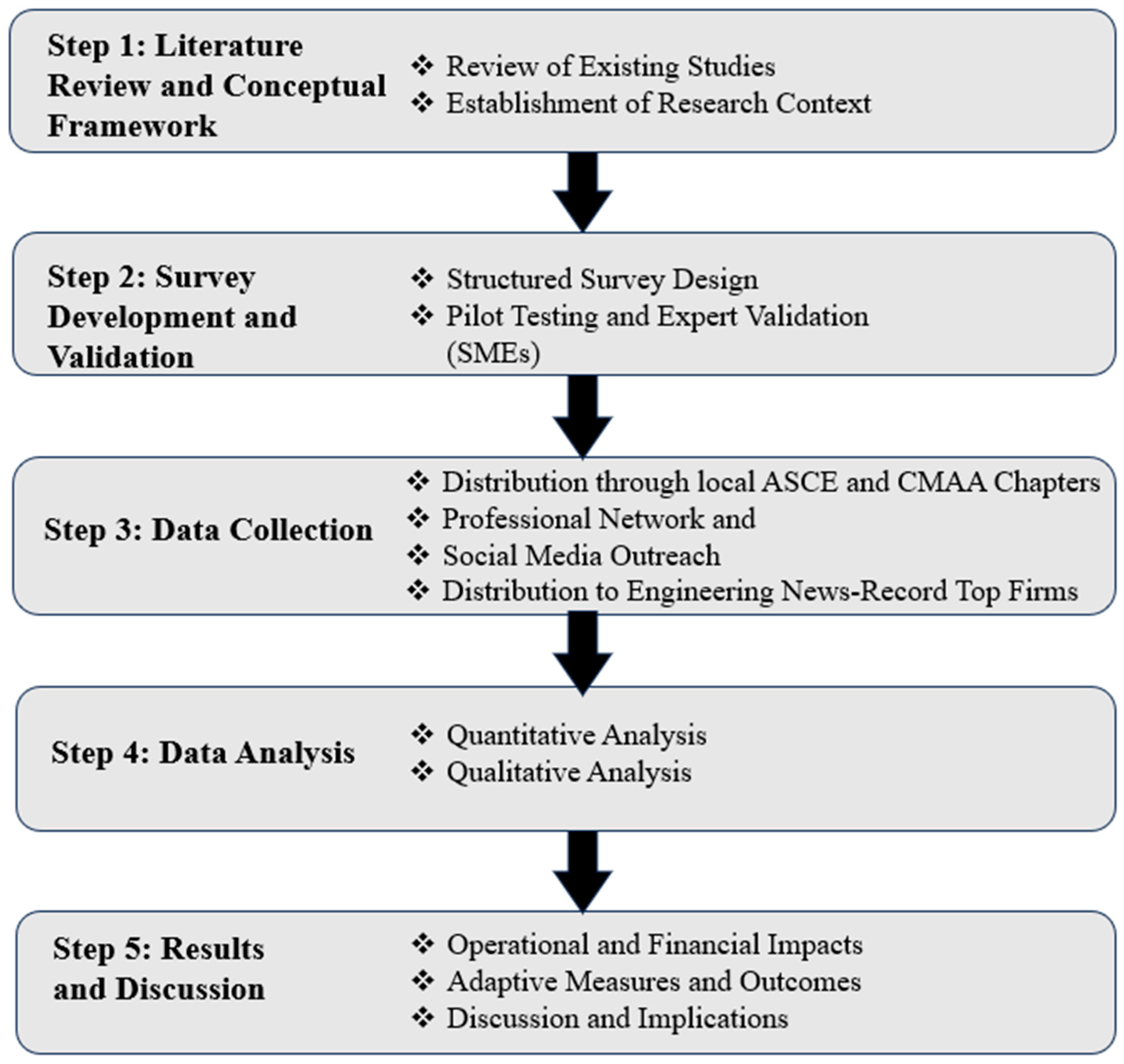
To integrate the literature and guide this study, a conceptual framework was developed (
Figure 1). The framework positions the COVID-19 pandemic as an external shock resulting in a sequence of impacts such as delays, supply disruptions, financial pressures, and workforce challenges, within private engineering and construction companies. These impacts prompted a series of adaptive responses, including technology adoption, flexible work arrangements, and revised health and safety measures. The effectiveness of these responses determined each firm’s resilience and vulnerability. The framework therefore links pandemic-driven disruptions to organizational adaptation and long-term resilience, providing a theoretical lens for interpreting survey results.
2.1. Survey Design
A pilot study was conducted to validate the survey questions prior to full deployment. A total of 15 Subject Matter Experts (SMEs) from the construction and engineering industry participated in this phase. These experts were selected based on their professional experience in project management, risk assessment, and construction operations.
The SMEs reviewed the survey questions to evaluate their clarity, relevance, and comprehensiveness. Based on their feedback, several revisions were made, including rewording ambiguous items, improving the logical sequence of questions, and removing redundant or overlapping content. These refinements helped ensure that the final survey instrument was clear, reliable, and aligned with the study objectives.
The survey was conducted between November 2024 and March 2025, a period following the acute phase of the COVID-19 pandemic. This timing was selected to enable respondents to provide both retrospective evaluations of pandemic-related disruptions and informed perspectives on longer-term organizational adaptations.
By this stage, many construction and engineering firms had moved beyond immediate crisis responses and begun implementing sustained changes in project management practices, supply chain strategies, and workforce policies. Collecting data during this period allowed participants to reflect on which measures were temporary coping strategies versus those that evolved into permanent operational adjustments. This approach supports a more comprehensive assessment of organizational resilience by capturing not only the initial impacts of the pandemic but also the lessons learned and adaptive mechanisms developed over time.
The primary goal of the survey was to collect insights on how the private sector responded to the pandemic. The authors intentionally avoided focusing on specific project types, as doing so would have broadened the scope and increased the survey’s length. It has been recognized respondents are less likely to complete surveys lasting more than 10 min, the authors designed this survey to take approximately 7–10 min, based on feedback and trial runs conducted with industry experts.
After the literature review, the survey questions were organized into six sections. The survey also included a section requesting general information about participants, including whether their company was classified as a Disadvantaged Business Enterprise (DBE), Small Business Enterprise (SBE), Minority Business Enterprise (MBE), Woman-Owned Business Enterprise (WBE), or held another designation. However, the authors chose not to include this information in the paper, as it did not show any direct relevance to the strategies used during the pandemic and could involve sensitive personal or organizational details inappropriate for public disclosure.
Section 1 of the survey focused on workforce-related actions and included seven questions. These questions explored work shift flexibility, the transition to remote work, additional benefits provided by employers, and any salary or incentive increases during the pandemic.
Section 2 consisted of six questions about the technological adaptations made by private sector Engineering and Construction firms during the pandemic. Respondents were asked about the technological changes necessitated by telework, the extent of these changes, and the number of training sessions provided to employees to accommodate the new technologies.
Section 3 aimed to gather information on the safety and health measures implemented by private Engineering and Construction companies. It sought to determine respondents’ satisfaction with these measures and included specific inquiries about practices such as social distancing, mask-wearing, and health protocols.
Section 4 focused on management and recruitment efforts during the pandemic. There were five questions addressing flexibility of working hours, the appeal of telework opportunities in attracting new hires, and the challenges faced in recruiting new employees during this period.
Section 5 was critical to the survey, containing nine questions these sought detailed information on the execution of design and construction projects during the pandemic. It inquired about the average number of projects canceled or delayed, cost overruns, the impact of the pandemic on project quality, and changes in communication methods.
Section 6 addressed the post-pandemic outlook of the companies and consisted of three questions.
Following completion of the pilot surveys, the finalized survey was distributed to private Engineering and Construction companies. This was an online Qualtrics survey designed to gather their input on the following questions:
What were the measures taken by private engineering and construction companies to minimize the pandemic impacts?
Which of these modifications/changes should be maintained beyond the pandemic?
What were the lessons learned from this pandemic which should be put in place for such pandemics in the future?
2.2. Data Collection and Analysis
The Qualtrics surveys were distributed via emails to private engineering and construction companies. Different methods were used to gather the point of contact information of the private sector, these included social media, local American Society of Civil Engineers [
17], Construction Management Association of America, [
18] chapters, the Engineering News-Record (ENR) top 400 contractors [
19] and top 500 design firms [
20]. Complete points of contact were not available for all identified firms; therefore, the sampling frame was limited to companies for which valid contact information could be obtained. A total of 87 usable responses were received, corresponding to an estimated response rate of approximately 40% based on successfully contacted firms and individuals.
A mixed qualitative and quantitative methodology was adopted to achieve the research goals. According to Evans et al. [
21], the best studies involve analyzing both qualitative and quantitative data. Researchers used inferential statistics to analyze the collected data. This process involves drawing conclusions and making predictions about a population based on a sample [
22]. Additionally, inferential statistics employs various techniques, such as hypothesis testing and estimation [
23]. These techniques enabled the researchers to determine the likelihood of specific outcomes, assess the significance of relationships between variables, and make reliable predictions about future events or trends.
2.3. Quantitative Analysis
After receiving the survey responses, reliability tests were conducted to ensure accurate results, assess the homogeneity of the extracted data, and measure the stability of the questionnaire. Next, the data was analyzed to identify the key factors affecting construction projects due to COVID-19.
2.3.1. Reliability Analysis
Reliability tests were conducted to verify accurate results and verify the homogeneity of the extracted factors. We used Cronbach’s alpha (α) to assess internal consistency. This alpha value indicates the reliability and consistency of the survey questions. The consistency factor (α) ranges from 0 to 1, with higher values signifying greater reliability. Acceptable alpha values range from 0.70 to 0.95 [
24].
Table 1 presents the acceptable reliability levels for the Cronbach alpha coefficient, while
Table 2 displays the results of Cronbach’s alpha.
The alpha value is obtained using the following equation;
where
k is the number of items (changes)
S2Y is the sum of items variances (calculated separately in Microsoft Excel), and
S2X is the sum of variances of the total score (calculated separately in Microsoft Excel)
The alpha value of 0.710 demonstrates the data are internally consistent and reliable. This is a good level of coherence among the responses, suggesting the measurements are dependable for further analysis and interpretation.
2.3.2. The Relative Importance Index (RII)
Using the survey response data, the RII indicates the most important factors affecting the private sector operations. The relevance of each factor is rated according to the respondents’ opinions. The RII is calculated using Equations (2) and (3) [
25]. The RII is based on respondents’ perceptions and reflects subjective opinions rather than objective effectiveness. Therefore, it is useful for prioritizing perceived challenges and strategies but should not be equated with empirically proven impact. The Relative Importance Index (RII) is widely recognized as a dependable method for ranking factors based on responses collected through a structured Likert-scale questionnaire [
26,
27].
where,
W: is the weight given to each question by the respondents, according to a Likert scale of one to five. A: is the highest weight for each item (5 on a 5-point Likert scale). N: is the total number of respondents, n
1: number of respondents for very low impact, n
2: number of respondents for low impact, n
3: number of respondents for medium impact, n
4: number of respondents for high impact, n
5: number of respondents for very high impact. The RII value has a range from 0 to 1 and has been categorized into five levels of importance as shown in
Table 3. The results for RII are shown in
Table 4.
The top three changes identified by the private sector differed in their order of importance, as determined by the Relative Importance Index (RII). The private sector ranked changes in communication first (RII = 0.846), followed by technological changes (RII = 0.830), and safety measures third (RII = 0.798).
Table 4 present all 13 changes assessed in the survey along with their corresponding RII values and rankings.
Table 4 presents 13 specific operational shifts, referred to as ‘Pandemic-Driven Changes,’ identified from the survey. These represent organizational and procedural adaptations made in response to pandemic conditions, and are listed with their corresponding Relative Importance Index (RII) values and rankings.
Taken together, the high rankings of communication restructuring, digital coordination, and workforce flexibility reveal a broader pattern of information-centered and relational resilience. Rather than relying primarily on technical or procedural controls, private-sector firms prioritized maintaining alignment among distributed stakeholders through enhanced information sharing, virtual collaboration, and adaptive work arrangements. This pattern reflects a form of resilience grounded in coordination capacity and organizational sensemaking, which enables project teams to respond effectively under conditions of uncertainty and disruption.
2.4. Qualitative Analysis
The qualitative analysis process involves transcribing, reviewing, and systematically coding key themes from the survey data. After organizing the survey questions, the coding phase begins with a thorough reading and analysis of the survey responses to uncover the primary ideas and topics, following the inductive methodology outlined by Saldana [
28].
As the main ideas and topics identified, they were highlighted. These topics are then categorized into broader categories and more specific subcategories. The coding process requires continuous refinement and reevaluation as patterns and relationships between topics become clearer.
In the qualitative analysis, each main category and its subcategories, were systematically coded as shown in
Table 5. This coding structure was developed based on the survey’s six sections (from Sections 1 to 6). Each code begins with the first letter of the section, followed by a unique number assigned to each subcategory. This method effectively organizes the data and enhances our understanding of patterns across categories, revealing the depth and structure of the analysis.
2.5. Respondents Profiles
The survey collected responses from professionals across various job categories within private engineering and construction companies, providing a comprehensive view of the industry’s workforce composition and perspectives.
In the private engineering and construction sector, the survey included 87 respondents, categorized as follows: Engineering and Construction, Project and Program Management, Owners, and Others roles. Among these, 36 respondents (42%) worked in engineering and construction, 31 (36%) held positions in Project and Program Management, and 3 respondents (3%) were company owners. The remaining 17 respondents (20%) came from diverse job categories, including Director, Cost Analyst, Marketing Assistant, Executive, and other specialized or administrative roles. This variation highlights the multifaceted nature of the private sector workforce and emphasizes the inclusion of both technical and non-technical perspectives in the survey findings.
Table 6 provides a breakdown of the categories, including the number of individuals and their corresponding percentages. The qualitative responses reflect a mix of perspectives from design professionals, construction managers, and firm leaders. However, specific project types (e.g., residential vs. infrastructure, design-heavy vs. field-heavy) were not captured in the open-ended responses. Therefore, findings should be interpreted as generalized themes rather than context-specific conclusions.
Overall, the data presents a well-distributed sample of professionals from the private sector, capturing a broad spectrum of responsibilities and expertise. This inclusive approach ensures the survey results reflect the nuanced realities of workforce roles across the infrastructure industry, supporting more informed analysis and decision-making.
3. Results and Discussion
Table 5 shows the frequencies with which each subcategory was analyzed. After reviewing the current literature discussing changes and strategies in response to the pandemic, our initial twenty-one subcategories were organized into six categories. This iterative approach resulted in a comprehensive coding dictionary formalized the categories and subcategories identified during the analysis.
3.1. Workforce Related Changes/Response Strategies
The first section of the survey examined workforce-related changes directly affecting the private sector. Respondents provided insights across four key areas: the transition to telework, criteria for permitting remote work, the provision of additional benefits, and the use of salary increases and other incentives to retain employees. This approach sought to capture a comprehensive understanding of how organizations adapted their workforce management strategies in response to recent changes.
Another strategy involved implementing effective risk management practices, such as identifying and assessing potential risks, developing contingency plans, and regularly monitoring and updating these plans as situations evolve. Furthermore, construction project management can enhance resilience by adopting flexible project schedules which are robust, adaptable, and responsive [
29]. Empowering contractors to improve efficiency, enhance safety measures, elevate quality standards, boost productivity, cut costs, and expedite schedules equips them to confront unprecedented challenges with resilience [
30].
The COVID-19 pandemic forced a shift to remote work across various industries [
31], including construction [
32,
33,
34]. While this transition led to positive changes, such as time savings and improved work–life balance [
35], it has also created challenges, including blurred boundaries between personal and professional life and the need for new skills and knowledge [
36]. Despite these challenges, there is a growing willingness to continue remote work post-pandemic [
35]. During the COVID-19 lockdown, various remote working practices were adopted, some willingly and others not so willingly. Many respondents found the transition to remote work surprisingly intuitive, resulting in a notable shift in worker attitudes toward this mode of work [
30].
Telework was not the primary mitigation strategy for private sector engineering/construction organizations, largely due to the nature of their work, which often required physical presence on project sites. In the survey, 56 private sector respondents (66%) reported a partial shift to remote work, while 16 (19%) fully adopted telework. However, 13 respondents (15%) reported no transition to telework at all, primarily because they were essential workers engaged in field-based assignments such as project implementation and site management. Among the 87 private sector participants, only 22% indicated telework had become a permanent feature of their company’s operations. A majority (63%) viewed telework as a temporary measure, uncertain about when or under what conditions in-person work would fully resume. Additionally, 14% of private sector respondents never transitioned to telework.
The distinction between essential and non-essential roles influenced telework eligibility, with 20 respondents (24%) citing non-essential status as the primary factor. However, responses also highlighted a wider range of influences. For example, nine respondents (11%) identified employee seniority as a consideration. Furthermore, about 33% referenced other factors, including the type of work performed, the availability of reliable internet at home, the need for on-site presence during project implementation, individual performance and productivity, personal circumstances, and safety concerns.
A greater portion of respondents, 40 individuals (46%), reported receiving additional benefits, while 35 (40%) indicated they did not receive such benefits. Another 12 respondents (14%) were unsure whether their company had provided any support. Unlike the public sector, where discussions about the long-term continuation of these benefits were more prevalent, private sector feedback focused on their immediate availability. This may reflect the fast-paced and adaptable nature of private industry, where policies often shift quickly in response to operational demands or financial pressures.
Salary increases and financial incentives were not primary retention tools during the pandemic. Only 14 respondents (16%) confirmed they had received salary adjustments or additional incentives, while the overwhelming majority (84%) indicated they had not received any extra pay or were unsure if such benefits were available from their employers. This reflects a broader trend where companies, faced with economic uncertainty and fluctuating workloads, may have prioritized job stability over financial rewards.
3.2. Technological Changes/Response Strategies
The adoption of Construction 4.0 technologies aims to enhance the resilience of the construction supply chain [
37]. Construction 4.0 integrates digital technologies, data analytics, and automation into construction activities to improve efficiency and increase productivity throughout the process [
38].
The second part of the survey focused on gathering insights into the technological changes and improvements organizations implemented during the transition to telework. It also examined whether additional training was necessary and whether these changes were perceived as temporary or long-term. A total of 87 private sector respondents participated in this section.
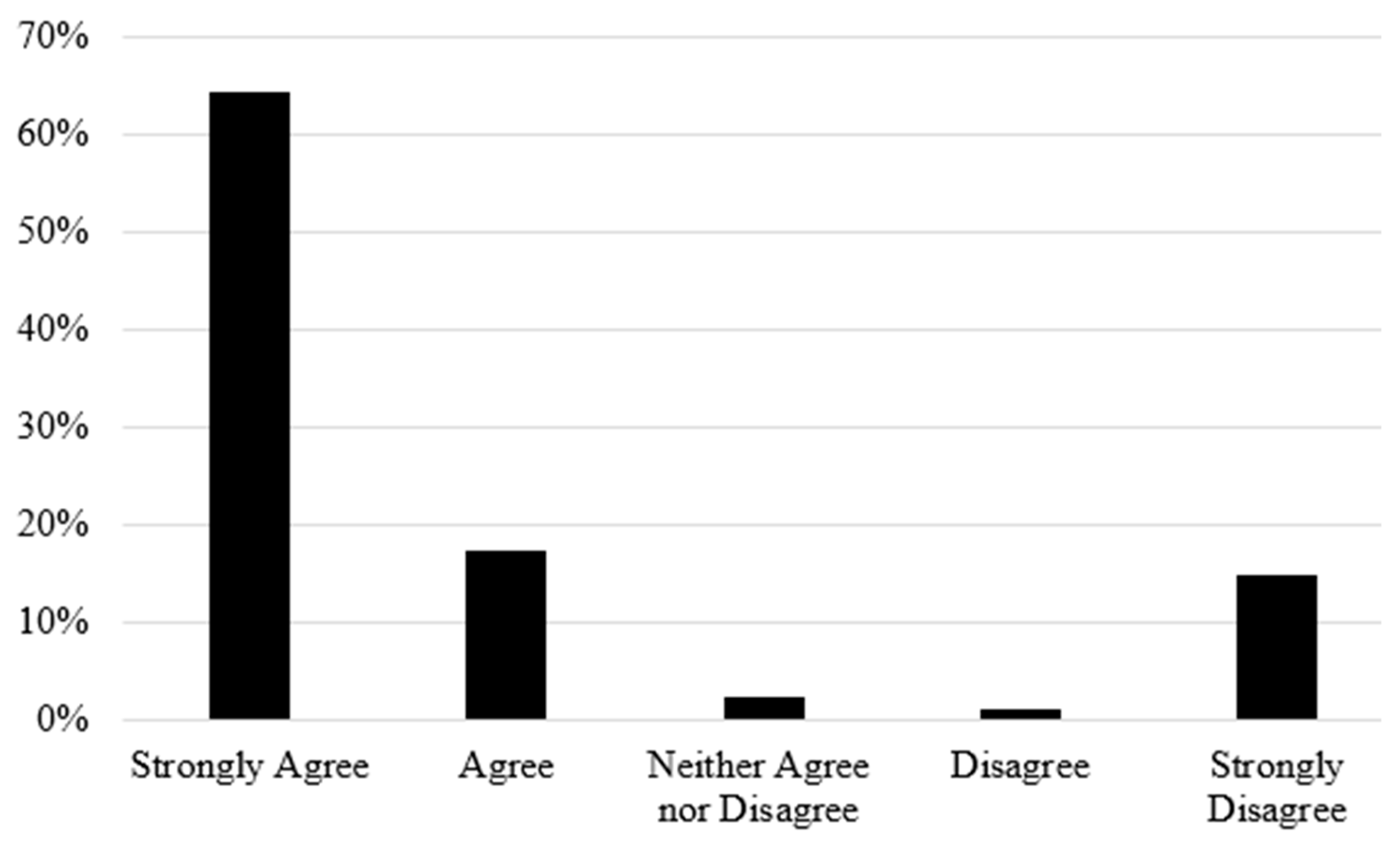
Figure 2 illustrates their perspectives on the technological adaptations their companies made during the pandemic.
Among the private sector respondents, 82% agreed their companies had made great technological upgrades to support telework and adapt to new working conditions. In contrast, 16% disagreed or felt the changes were minimal, while a small portion, 2%, reported not noticing any major changes at all.
One key focus of the survey was to determine the perceived permanence of technological shifts. Of the 87 respondents, 55 believed these changes would remain permanent. The technological adaptations were not merely short-term adjustments; they represented long-term enhancements to current systems and practices.
In this section of the survey, respondents shared their thoughts on which group, office staff or field staff, made the most use of the new technological changes and enhancements. The tools in question included platforms and processes like Microsoft Teams, Zoom for virtual meetings, and document digitization, all of which have become critical for modernizing communication and operations. These tools reflect the growing trend of businesses transitioning to more digital and remote-friendly systems.
Among the survey respondents, 60 (69%) indicated both office and field staff relied equally on these technological advancements. The implementation of such tools was not limited to one segment of the workforce; instead, it fostered a unified approach to how teams, regardless of their physical location, could communicate, collaborate, and manage tasks. The widespread adoption by both office and field staff demonstrates how organizations have adapted to a hybrid work model, allowing both remote and on-site employees to leverage the same technologies for enhanced productivity.
Twenty-nine percent of respondents noted how technological advancements are primarily utilized by office staff. This highlights an opportunity to expand the use of these tools in the field, supporting a gradual shift from traditional methods and helping field staff integrate technology into their daily work. The disparity may also reflect differences in the nature of work between office and field environments, where office staff, often in administrative or coordination roles, have a greater need for tools like video conferencing and document digitization than those in more hands-on field positions.
The survey also explored the need for training to effectively use the new technologies. A majority of respondents, 64%, believe training is essential for ensuring the effective use of these enhanced technologies. This underscores the idea while these tools can offer substantial benefits in terms of productivity and communication, their full potential can only be realized when employees receive proper training. The need for training spans various areas, including navigating the new features of Microsoft Teams, organizing and conducting Zoom calls, and learning how to digitize and manage documents electronically.
3.3. Safety and Health
Integrating COVID-19 protocols with existing safety measures can enhance the effectiveness of precautions implemented by companies in their projects [
39]. These measures should include preventive actions to protect the health and safety of construction workers, as well as providing COVID-19 education to keep all informed and safe throughout the pandemic.
Health and safety were critical concerns addressed in the survey questionnaire (
Appendix A). Companies took various precautionary measures to prevent the spread of COVID-19, including mandatory mask-wearing, maintaining social distancing, advising employees to stay home if they exhibited symptoms, promoting vaccination, and providing testing options for those hesitant to receive a vaccinated. Among the respondents, 74% supported the changes implemented by their respective firms, while 14% opposed them, and 13% were either uncertain or lacked sufficient information to form an opinion on the measures.
3.4. Management and Recruitment
This section of the survey explored the challenges the private sector faced in managing its existing workforce and recruiting new employees. The focus included offering flexibility in working hours, attracting new talent, and adapting firm work models post-pandemic.
Providing employees with flexible working hours was a key strategy, enabling companies to better manage the responsibilities of personal, such as attending medical appointments, running essential errands, or taking COVID-19 tests and vaccinations. For example, at the Connecticut Department of Transportation (CTDOT), employees working remotely could complete their 8 h workday anytime between 7 a.m. and 11 p.m., offering flexibility [
40]. According to the survey results, 62% of respondents indicated they had access to flexible scheduling, while 33% reported they did not.
This flexibility proved particularly beneficial during the pandemic, allowing employees to maintain a healthier work–life balance and manage pandemic-related health concerns without the rigid constraints of traditional working hours. In addition to supporting current employees, offering flexible working arrangements could also attract new talent, especially in a competitive job market where remote work and adaptability are increasingly valued. Out of the 87 respondents, 48 stated offering flexible working hours positively impacted their ability to recruit new employees, believing this flexibility made their companies more appealing to potential hires.
The survey also examined the post-pandemic work models adopted by various companies. Among the 87 respondents, 47 reported their employer had transitioned to a hybrid model, allowing employees to alternate between remote work and in-office attendance. However, 35 respondents stated their organizations had returned to a fully in-person work model.
3.5. Execution of Projects Design and Construction
The COVID-19 pandemic impacted project design and construction, causing delays and substantial cost overruns. In addition to construction projects, the pandemic led to a 13% decline in research publications by state DOTs [
41]. The survey addressed these challenges, focusing on whether the pandemic affected the design, bidding phases, and construction processes of projects.
Survey results from the private sector companies revealed how the pandemic notably impacted project timelines in both the design and construction phases of project delivery. Among respondents, 69% reported delays during the design phase, while 15% disagreed, stating their designs were not affected. Regarding construction, 70% acknowledged delays, while another 15% reported no disruptions.
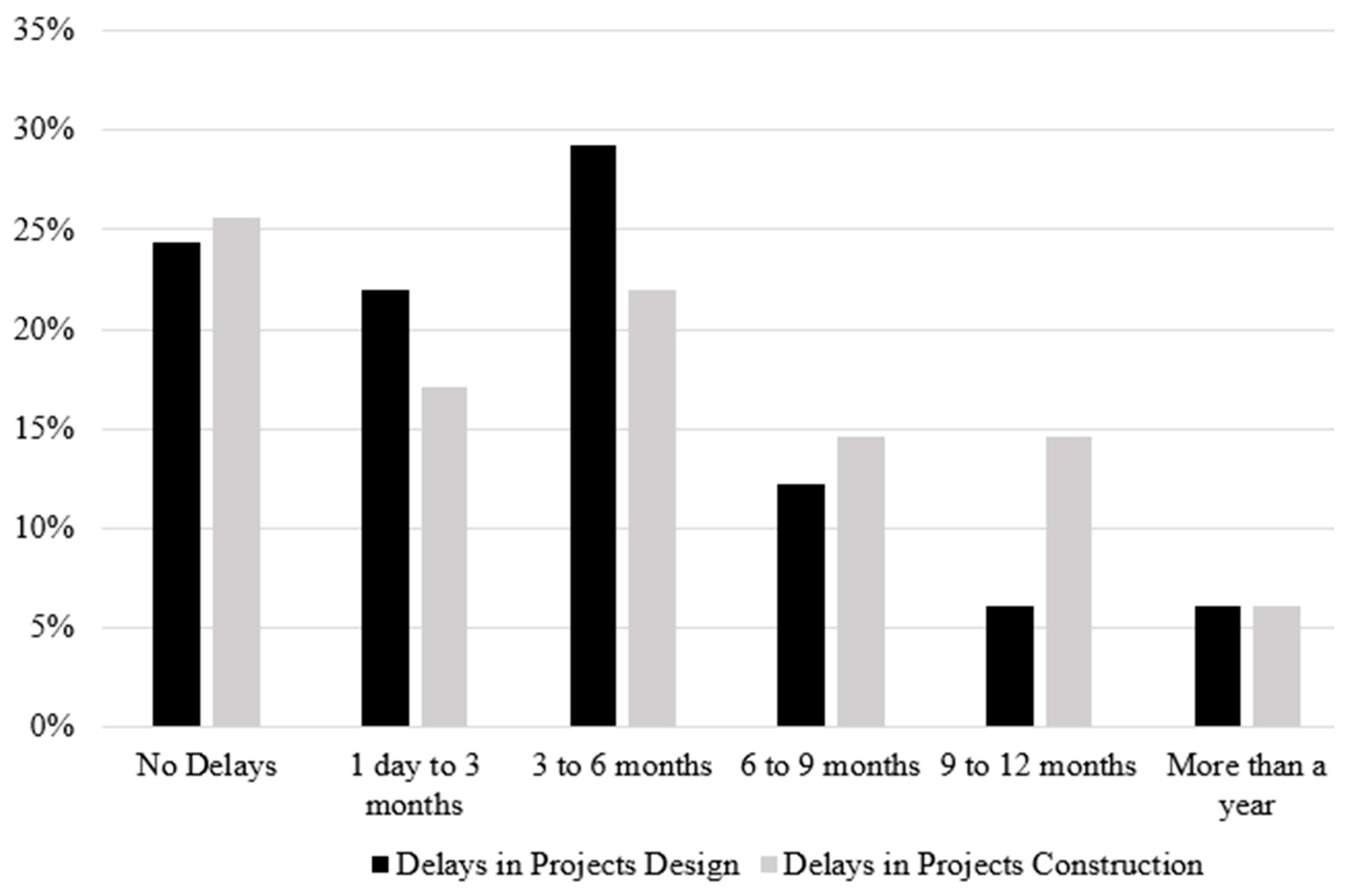
The extent of project design delays varied widely among respondents. About 22% experienced delays ranging from 1 day to 3 months, 29% faced delays of 3 to 6 months, and 12% reported setbacks of 6 to 9 months. Additionally, 6% cited delays of 9 to 12 months, another 6% experienced delays exceeding a year, and 24% reported no delays in their design work.
In terms of construction delays, responses indicated a broad range of impacts, with private sector responses showing a wider distribution of delay durations. About 17% experienced short delays of 1 day to 3 months, 22% reported delays of 3 to 6 months, 15% faced setbacks of 6 to 9 months, and another 15% experienced delays of 9 to 12 months. Additionally, 6% reported delays lasting over a year, while 26% indicated they faced no delays in their construction activities.
These findings highlight the more severe and widespread impact of the pandemic on the construction phase compared to design, as a higher percentage of respondents experienced delays during the project building process.
Figure 3 illustrates the range of delays in both project design and construction phases for the private sector, from minor disruptions to delays lasting more than a year.
The survey also explored whether the pandemic influenced the quality of project designs. Among respondents, 30% reported design quality had been affected, 37% believed there was no impact, and another 30% were unsure whether the pandemic influenced the quality of their design work.
Regarding construction quality, only 17% acknowledged a possible effect on construction quality, while 57% believed there was no impact, and 25% were unsure. These findings suggest most professionals across both sectors perceived construction quality to be largely resilient during the pandemic, although a notable portion remained uncertain.
The survey gathered information on cost overruns experienced during the actual construction phased of a project during the pandemic. Sixty Seven percent of respondents confirmed experiencing cost overruns ranging from 1% to 75%. In contrast, 23% reported no issues, while 6% were unsure whether their projects had exceeded the budget. These results highlight a common challenge in the private sector regarding project cost management during the pandemic, although the extent of the overruns varied based on project scope and individual roles.
The pandemic heightened awareness of offsite construction technologies, prompting companies to enhance their capabilities in this area [
42]. Offsite construction methods, such as modular building, have proven effective in reducing onsite labor and improving safety, which is crucial during health crises [
43]. The survey examined the adoption of offsite construction methods in the private sector. It sought to determine whether contractors had increased their use of offsite construction methods during the pandemic. Among the respondents, 32% acknowledged contractors had adopted more offsite methods, 15% reported no changes, and 46% were uncertain.
The pandemic necessitated safer communication methods, revealing challenges and driving improvements in areas such as site review meetings, team discussions, and project reporting within the construction industry [
44]. An overwhelming 98% of survey respondents agreed there was a notable increase in communication methods at project sites. These methods primarily included virtual platforms like Zoom and Microsoft Teams, as well as more traditional means such as phone calls and emails. This shift toward digital and remote communication became essential during the pandemic to ensure ongoing collaboration and coordination while adhering to safety protocols.
These findings can be further contextualized through comparison with our prior studies on public-sector construction organizations and U.S. state DOT responses to the COVID-19 pandemic [
40,
41,
45]. While both public and private organizations emphasized enhanced communication and digital coordination, public agencies relied more heavily on formal procedures, centralized decision-making, and regulatory compliance mechanisms. In contrast, private firms demonstrated greater flexibility in reorganizing workflows, adopting digital tools, and decentralizing operational decisions. This contrast highlights how institutional context and governance structures shape resilience strategies, with private-sector firms relying more heavily on informal coordination and rapid adaptation to sustain project performance under crisis conditions.
4. Conclusions
This study examined how private engineering and construction firms in the United States responded to disruptions caused by the COVID-19 pandemic, with emphasis on communication practices, workforce management, technological adaptation, safety measures, and project execution. The findings provide empirical and conceptual insights into organizational resilience in project-based industries under conditions of systemic disruption.
Changes in communication ranked highest among pandemic-related impacts (RII = 0.846), indicating that communication served as the primary mechanism through which adaptive capacity was exercised. In project-based settings characterized by fragmented responsibilities and sequential workflows, communication functions as the central coordination infrastructure linking owners, designers, contractors, and suppliers. When conventional face-to-face interaction was constrained, firms reconfigured their communication structures to maintain alignment and decision-making continuity. From an organizational resilience perspective, this demonstrates that resilience is enacted through the rapid reorganization of information flows, enabling organizations to identify emerging risks, reallocate resources, and sustain stakeholder trust during periods of uncertainty [
46].
The extensive adoption of digital communication platforms and real-time information-sharing tools further illustrates how flexible coordination structures supported operational continuity. The persistence of these tools beyond the acute phase of the pandemic suggests that crisis-driven adaptations can become embedded organizational capabilities rather than temporary responses. This finding extends resilience frameworks by showing that adaptive practices in construction evolve from short-term operational adjustments into structural features of organizational systems.
Survey results indicate that private-sector firms prioritized modifications in communication and work organization as primary mitigation strategies. Flexible work arrangements were widely implemented and were associated with perceived benefits for workforce retention and recruitment. Telework eligibility was typically determined by essential versus nonessential role classifications. Similar patterns were observed in the public sector, where telework likewise emerged as the dominant mitigation strategy for reducing pandemic-related risks [
45]. Technological upgrades represented one of the most enduring changes, with respondents reporting the permanent integration of platforms such as Microsoft Teams and Zoom into routine operations. These tools, together with expanded digitization of workflows, reshaped both office-based and field-level coordination, although their effectiveness was contingent on adequate training and user competence.
From a theoretical perspective, this study extends organizational resilience research in project-based industries by demonstrating how adaptive capacity is enacted through information flows, coordination mechanisms, and flexible work structures. The findings suggest that resilience in private construction firms is less dependent on formalized contingency planning and more strongly associated with relational and digital infrastructures that support rapid sensemaking and collective action under disruption. This contributes to resilience theory by emphasizing the central role of communication-centered adaptation in sustaining organizational performance.
Health and safety measures, including mask mandates and vaccination encouragement, received strong support among private-sector employees, reflecting an organizational commitment to workforce protection. At the same time, the pandemic produced lasting effects on management and recruitment practices, as flexible scheduling and hybrid work models became increasingly valued by employees and prospective hires. These findings indicate that pandemic responses extended beyond immediate risk mitigation and contributed to longer-term changes in organizational structure and employment relations.
The pandemic had its most significant effects on project design and construction activities. Respondents reported extensive schedule disruptions, with some projects delayed by more than one year. These delays were accompanied by substantial cost increases, as 67% of respondents indicated experiencing cost overruns, although the magnitude was not quantified from this study. In the public sector, pandemic-related cost overruns were estimated at approximately 25% [
40]. In response, firms expanded the use of offsite construction methods and strengthened digital coordination practices, reflecting a shift toward more modular, adaptable, and risk-aware project delivery approaches. These adaptive strategies demonstrate how crisis response can catalyze innovation in construction production systems.
Although this study is limited by sample size and reliance on self-reported survey data, it provides empirical evidence linking communication adaptability, digital integration, and organizational resilience in a project-based industry context. Future research should employ longitudinal designs and comparative case studies to examine how these adaptive practices evolve over time and how they influence project performance, contractual arrangements, and interorganizational coordination. By identifying communication restructuring and digital adaptability as central mechanisms of resilience, this study contributes to a more systematic understanding of how engineering and construction organizations can transform crisis-driven responses into durable organizational capabilities applicable to future disruptions, including pandemics, cyber incidents, and climate-related hazards.