
Article

Polymeric Micelles Co-Loaded with Cannabidiol, Celecoxib, and Temozolomide—Early-Stage Assessment of Anti-Glioma Properties
by
Ewelina Musielak
1,*,†,
Agnieszka Feliczak-Guzik
2,
Aleksandra Majchrzak-Celińska
1,†,
Anna Rybarczyk
1,3,† and
Violetta Krajka-Kuźniak
1,*,†
1
Poznan University of Medical Sciences, Department of Pharmaceutical Biochemistry, Rokietnicka 3, 60-806 Poznań, Poland
2
Adam Mickiewicz University in Poznań, Faculty of Chemistry, Uniwersytetu Poznanskiego 8, 61-614 Poznań, Poland
3
Poznan University of Medical Sciences, Doctoral School, Bukowska 70, 60-812 Poznań, Poland
*
Authors to whom correspondence should be addressed.
Poznań University of Medical Sciences (https://ror.org/02zbb2597, accessed on 22 January 2026).
Micro 2026, 6(1), 11; https://doi.org/10.3390/micro6010011
Submission received: 31 December 2025 / Revised: 23 January 2026 / Accepted: 26 January 2026 / Published: 4 February 2026

Abstract

Malignant gliomas, including glioblastoma multiforme (GBM) and grade 4 astrocytoma, are the most common types of brain tumors in adults. Standard treatment for gliomas includes adjuvant chemotherapy, typically based on temozolomide, combined with radiotherapy. However, its effectiveness is severely hindered by the limited ability of drugs to cross the blood–brain barrier and by the hyperactivation of the canonical Wnt signaling pathway, which drives tumor cell survival. Therefore, innovative drug combinations and novel delivery strategies are crucial for overcoming these barriers. Polymeric micelles represent a promising approach for enhancing drug delivery to brain tumors. This study aimed to obtain micelles containing cannabidiol (CBD), celecoxib (CELE), and temozolomide (TMZ), as well as their combinations, and to verify their anti-glioma properties. The study involved optimizing the micelle composition, incorporating active ingredients, and assessing the temporal stability of the resulting nanocarriers under varying temperature conditions. The GBM cell line U-138 MG and astrocytoma cell line U-87 MG were used to evaluate the biologic effects of the tested micelles. Cytotoxicity was assessed using the MTT assay, and flow cytometry was used to analyze the effect of the micelles on apoptosis. Western blot analysis was employed to assess the impact of the tested nanoformulations on the Wnt/β-catenin signaling pathway. The optimized micelles demonstrated strong cytotoxic and proapoptotic effects, accompanied by attenuation of the Wnt/β-catenin pathway. These preliminary findings support the therapeutic potential of polymeric micelles for treating malignant gliomas; however, further in vitro and in vivo studies are required to confirm their clinical applicability.

Graphical Abstract

1. Introduction

Malignant gliomas, including glioblastoma multiforme (GBM), are the most common and the most aggressive primary brain tumors in adults [1,2]. Despite advances in neurosurgery, radiotherapy, and chemotherapy, median patient survival remains below 15 months, and recurrence is inevitable [3,4]. The poor prognosis is largely attributed to the highly infiltrative nature of GBM, extensive intratumoral heterogeneity, and rapid acquisition of resistance to standard therapy. In addition, the blood–brain barrier (BBB)—referred to as the blood–tumor barrier (BTB) during gliomagenesis—constitutes a major obstacle, limiting the penetration of many chemotherapeutics and thereby reducing their therapeutic efficacy [5,6].
Temozolomide (TMZ), the standard-of-care alkylating agent, provides modest survival benefits. Its use is restricted by intrinsic and acquired resistance mechanisms, including O6-methylguanine-DNA methyltransferase (MGMT) activity and activation of prosurvival signaling [7,8]. In particular, TMZ can induce hyperactivation of the canonical Wnt/β-catenin pathway—via PI3K/Akt/GSK-3β signaling or HMGB1-mediated TLR2/NEAT1 signaling—thereby enhancing tumor stemness, survival, and resistance to therapy [9,10]. Celecoxib (CELE), a selective COX-2 inhibitor, and cannabidiol (CBD), a non-psychoactive cannabinoid, have demonstrated antitumor effects in GBM, including the induction of apoptosis, modulation of the inflammatory response, and inhibition of the Wnt/β-catenin pathway [11,12]. However, all three compounds—TMZ, CELE, and CBD—share substantial limitations that restrict their bioavailability, stability, and therapeutic potency in the brain, mainly due to poor solubility and restricted BBB permeability [13,14,15].
Nanoparticle (NP)-based delivery can help overcome BTB limitations that restrict drug exposure in gliomas. Although BTB is more permeable as compared to BBB, allowing better drug penetration, its heterogeneity across different tumor regions remains a challenge. Infiltrative tumor margins often retain an intact BBB—leading to poor and uneven drug penetration. NPs increase the likelihood of reaching brain microvessels and tumor sites. Moreover, they can enhance the solubility and stability of hydrophobic drugs, prolong circulation, and reduce premature clearance, thus improving the pharmacokinetic and pharmacodynamic properties of anticancer agents [16,17]. Functionalization with targeting ligands (e.g., transferrin or LDLR-based) enables adsorptive or receptor-mediated transcytosis across the BTB, while optimized size and surface properties (such as PEGylation) further improve tumor accumulation. Additionally, stimuli-responsive polymeric NPs can trigger controlled drug release in response to acidic pH, ROS, tumor-associated enzymes, or external stimuli, improving local drug availability and reducing off-target effects. Thus, recent evidence on targeted lipid nanoparticles and stimuli-responsive polymeric systems support the rationale for using nanoscale carriers in therapy of gliomas [18,19].
Among the NP-based delivery systems, polymeric micelles have gained particular interest due to their nanoscale size, biocompatibility, and ability to encapsulate hydrophobic molecules within a stable core–shell structure. These characteristics enhance drug solubility, prolong systemic circulation, and promote selective accumulation of therapeutics within tumor tissue [20,21]. Clinically approved micellar formulations, such as paclitaxel-loaded Genexol®-PM (Samyang Co., Seoul, Republic of Korea), highlight the translational potential of micelles as drug carriers. Several studies have demonstrated the ability of polymeric micelles to improve the delivery of chemotherapeutic agents, nucleic acids, and other therapeutic molecules across the BBB and into glioma cells [22,23,24,25,26].
CBD, CELE, and TMZ each exert antitumor effects in GBM through distinct mechanisms and may complement one another when used in combination [27]. CBD has been shown to induce apoptosis, oxidative stress, and autophagy in glioma cells, as well as to sensitize them to chemotherapeutic agents [28,29]. CELE inhibits COX-2-mediated inflammatory signaling and may reduce tumor invasiveness [30]. TMZ induces DNA damage and apoptosis but suffers from poor solubility and rapid systemic clearance [31]. Encapsulation of these hydrophobic drugs into micellar structures may therefore improve their solubility, stability, targeted delivery, and antitumor activity [32,33].
Despite increasing interest in NPs for GBM, no studies to date have investigated polymeric micelles co-encapsulating CBD, CELE, and TMZ, nor have they examined the combined effects of these agents on cytotoxicity, apoptosis, cell cycle distribution, and Wnt/β-catenin signaling in glioma cells. The Wnt/β-catenin pathway is a key regulator of GBM proliferation, stemness, and therapy resistance; thus, its inhibition may represent a promising therapeutic approach [34,35]. However, the potential of micellar formulations of CBD, CELE and TMZ to modulate this pathway remains largely unexplored.
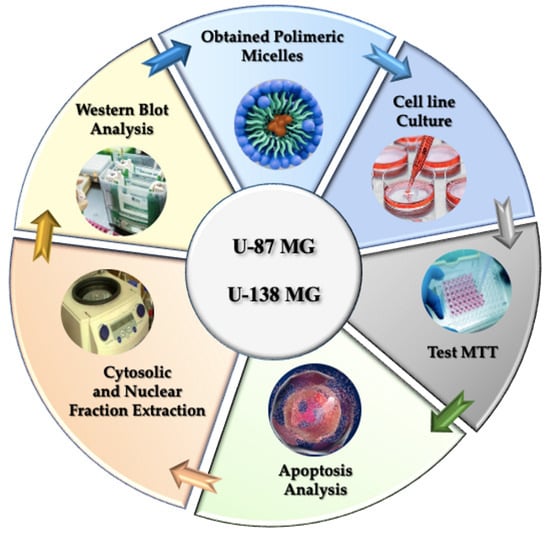
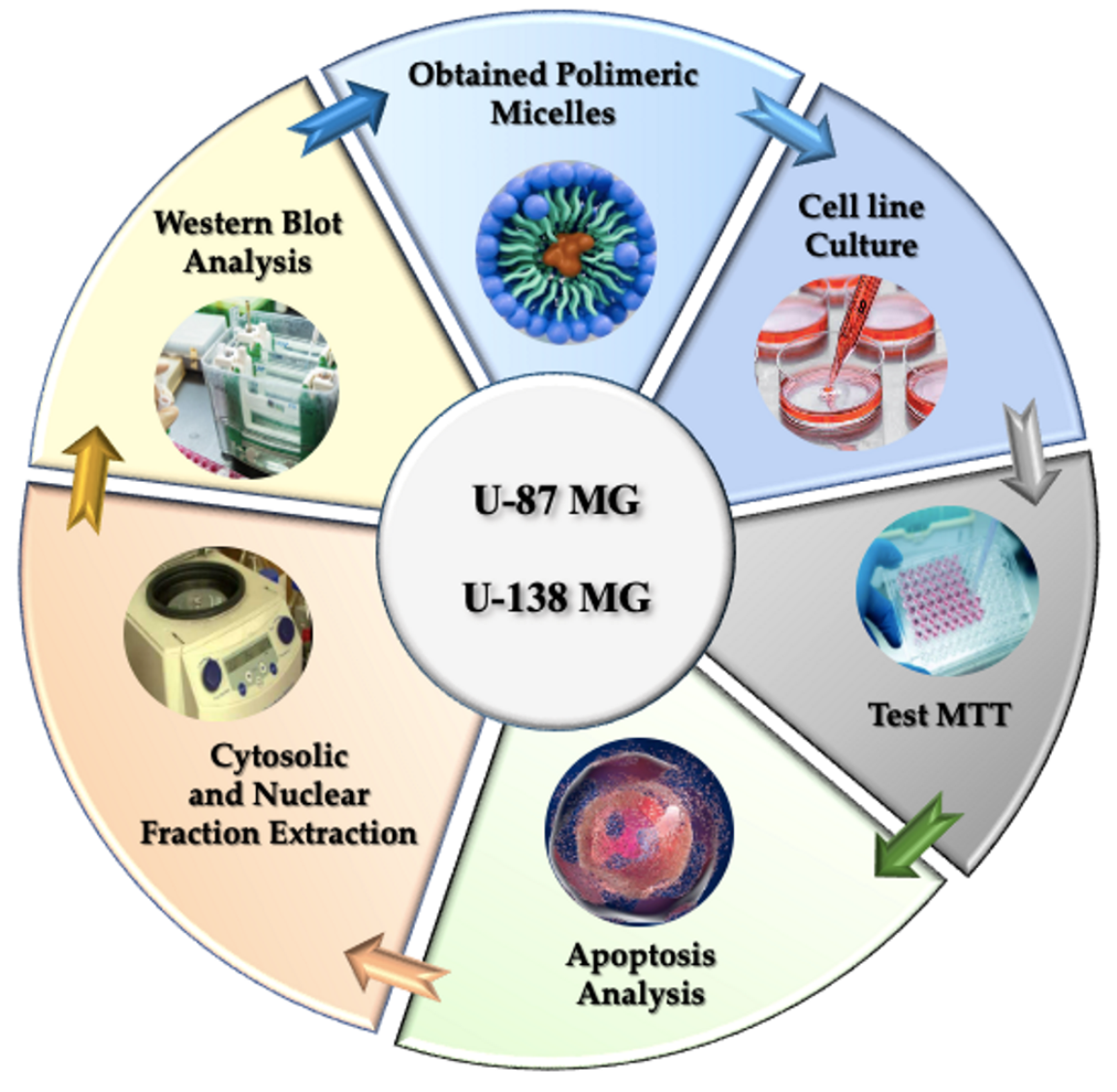
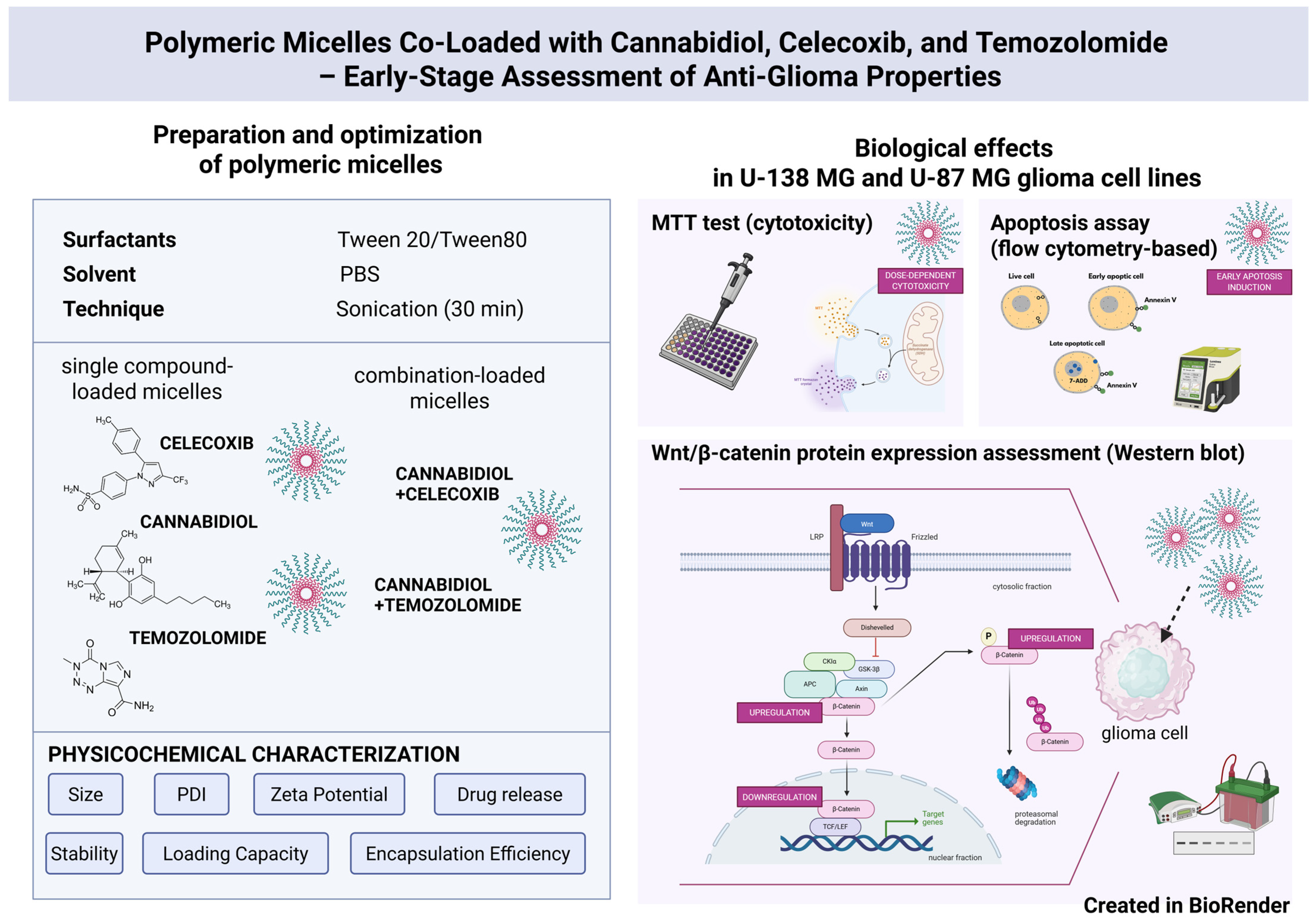
Therefore, the present study aimed to develop and optimize polymeric micelles encapsulating CBD, CELE, and TMZ—individually and in combination—and to evaluate their physicochemical properties and anticancer activity in U-87 MG malignant astrocytoma and U-138 MG GBM cell lines. Specifically, we assessed their effects on cell viability, apoptosis, and the Wnt/β-catenin signaling pathway. Collectively, this work provides the first evidence supporting micellar co-delivery of CBD, CELE, and TMZ as a potential therapeutic strategy against glioma. For clarity, a graphical overview of the study workflow is presented in Figure 1.

2. Materials and Methods

2.1. Chemicals and Reagents

Polyethylene glycol sorbitan monolaurate (Tween 20) and polyethylene glycol sorbitan monooleate (Tween 80) were obtained from POL-AURA (Zawroty, Poland). Poloxamer 188 and Poloxamer 407 were purchased from Merck KGaA (Darmstadt, Germany). Cannabidiol (CBD) was purchased from Medcolcanna Organics Inc., (Distrito Especial, Colombia); celecoxib (CELE) and temozolomide (TMZ) were obtained from Merck KGaA (Darmstadt, Germany). Deionized water was prepared using a Milli-Q® Plus purification system (Darmstadt, Germany). All other components were of analytical grade.

2.2. Preparation of Polymeric Micelles

2.2.1. Surfactant Selection

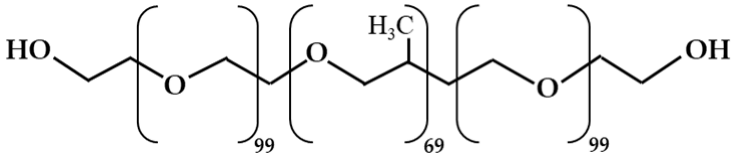
Four surfactants commonly used for micelle synthesis were evaluated in this study (Table 1). Tween-type surfactants such as polysorbates Tween 20 and 80 are nonionic, water-soluble emulsifiers used to disperse oily substances in water, stabilize formulations, and reduce protein adhesion. They are characterized by low toxicity and biodegradability. They are used in cosmetics, pharmacy, and biotechnology due to their ability to bridge hydrophilic and hydrophobic environments [36]. Poloxamers, on the other hand, are synthetic, nonionic copolymer surfactants (PEO-PPO-PEO) used as emulsifiers, drug carriers, and thickeners in the medical and cosmetic industries. Poloxamers 188 and 407 form polymeric micelles in water; Poloxamer 188 is more hydrophilic, while Poloxamer 407 is more amphiphilic and forms thermoreversible gels. Micelles composed of both Poloxamer 188 and Poloxamer 407 combine their properties, offering improved stabilization and controlled drug release. They are used in pharmacy as drug carriers (e.g., diazepam, eugenol) and in cosmetics [37].

2.2.2. Optimization of Micelle Preparation Methods

Various parameters, including surfactant type, solvent, micelle preparation method, and ultrasound duration, were optimized to obtain the most stable and homogeneous formulations (Table 2). The impact of each variable on micelle characteristics—hydrodynamic diameter (Z-average), polydispersity index (PDI), and zeta potential (ZP)—was assessed (Table 3).
Samples designated MIC1-MIC8 represent the initial stage of the study, focused on surfactant selection. Thus, eight formulations were prepared using different surfactants, and MIC5, containing the most effective surfactant system, was selected as the target formulation for further studies. Next, MIC5 and MIC9 were compared to identify the most suitable solvent. In the following stage, the appropriate micelle synthesis technique was selected by comparing MIC5, MIC10, and MIC11. Finally, four approaches were evaluated in terms of ultrasound time exposure, comparing MIC5, MIC12, MIC13, and MIC14.
Based on the experimental results, the MIC5 preparation method was identified as the best one. Thus, the optimal formulation was obtained using a mixture of Tween 20 and Tween 80 (1:9 molar ratio) with phosphate-buffered saline (PBS, pH 7.4) as the solvent, via an ultrasonic dispersion method. The mixture was magnetically stirred for 30 min at 37 °C and sonicated at 100% power for 30 min in a DIGITAL PRO+ ultrasonic bath (VEVOR, Shanghai, China). The dispersions were filtered through 0.22 µm syringe filters (Millex®-GV, Millipore, MA, USA) prior to analysis.

2.2.3. Incorporation of Active Substances

Micelles were loaded with CBD, CELE, or TMZ individually, as well as with CBD + CELE and CBD + TMZ combinations. The molar ratio was 0.1:1:9 (CBD/CELE/TMZ: Tween 20: Tween 80) for single-component formulations, and 0.05:0.05:1:9 for two-component combinations. After mixing and sonication, the samples were filtered using a syringe filter (Millex®-GV 0.22 µm, Millipore, MA, USA), and the resulting micellar dispersions were used directly for physicochemical and biological analyses.

2.3. Characterization of Micelles

2.3.1. Particle Size, Polydispersity Index

Dynamic light scattering (DLS) using a Zetasizer Nano ZS analyzer (Malvern, Worcestershire, UK) was used to determine particle size, expressed as hydrodynamic diameter (Z-average), and size distribution uniformity, indicated by the PDI. Samples were diluted 100-fold with deionized water (Darmstadt, Germany) prior to measurement. Each sample was analyzed in triplicate, and the results are presented as mean ± SD.

2.3.2. Zeta Potential

The ZP, which indicates the surface charge and colloidal stability of micelles, was measured using a Zetasizer Nano ZS analyzer (Malvern, Worcestershire, UK). Micellar suspensions were diluted 100-fold with deionized water and loaded into U-shaped capillary cells (DTS1060) (Malvern, Worcestershire, UK) for measurement. ZP values were calculated by the system software using the Helmholtz–Smoluchowski equation.

2.3.3. Stability Study

Micellar dispersions were stored in glass vials at 2 ± 2 °C and 25 ± 2 °C for 14 days. Z-average, PDI, and ZP were analyzed on days 1 and 14 according to the ICH Q1A (R2) stability guidelines.

2.3.4. Encapsulation Efficiency and Loading Capacity

The encapsulation efficiency (EE%) and loading capacity (LC%) of active substances in the obtained micelles were determined using a high-performance liquid chromatograph (Varian 920-LC, Agilent Technologies, Santa Clara, CA, USA) coupled with a UV–Vis detector. Chromatographic determination of CBD, CELE, TMZ, and their combinations in micelles included quantification of the unincorporated active component present within the micelle structure. The encapsulation efficiency (EE%) and loading capacity (LC%) were calculated according to Equations (1) and (2) [38]:
EE   ( % )   =   A c t u a l   w e i g h t   o f   l o a d e d   d r u g T h e o r e t i c a l   w e i g h t   o f   d r u g   a d d e d   ×   100
DL   ( % ) = A c t u a l   w e i g h t   o f   l o a d e d   d r u g W e i g h t   o f   m i c e l l e s × 100
Samples were prepared by dispensing 1 mL of the micelles to be tested into Eppendorf Tubes® (Eppendorf, Warsaw, Poland), placing the tubes in an MPW-350R laboratory centrifuge, and centrifuging at 3000 rpm for 30 min. A 9 mL aliquot of distilled water was then added to the aqueous external phase solution, separated by centrifugation, and the sample was vigorously shaken for approximately 5 min. The resulting solution was passed through a 0.45 µm syringe filter, and a 1.5 mL aliquot was transferred to a glass vial for HPLC analysis. Chromatographic analysis included the determination of CBD, CELE, TMZ, and their combinations in the research samples using the external standard method, with calibration curves generated by a validated HPLC method. All experiments were repeated as three independent replicates.

2.3.5. In Vitro Drug Release Tests from Loaded Micelles

A temperature-controlled magnetic stirrer and a Varian Cary 50 Bio UV-vis spectrophotometer (Agilent Technologies, Santa Clara, CA, USA) were used to evaluate the release kinetics of selected drugs from micelles. Next, 2.00 mg of micelles containing the selected drugs was weighed into a glass bottle, and 20.00 mL of PBS, pH 7.4, was added. A permeation promoter, in our case 1% glycerol, was also added. The process temperature was maintained at 37 °C, and the release process was conducted for 14 h, with measurements taken every 5 min for the first 30 min, then every 30 min for 2.5 h, and then every hour for 9 h. The release rate of the selected drugs was determined using UV-vis spectroscopy in the range of 200 to 800 nm. Each experiment was repeated three times. At the designated time, approximately 3.00 mL of the reaction mixture was removed and centrifuged for 1 min. The centrifuged mixture was transferred to a measuring vessel, which was then placed in a UV–Vis spectrophotometer.

2.4. Biological Activities

2.4.1. Cell Line Culture

Human U-138 MG GBM and U-87 MG grade 4 astrocytoma cell lines were obtained from the American Type Culture Collection (ATCC) and cultured in Minimum Essential Medium Eagle (EMEM) (Gibco, ThermoFisher Scientific, Waltham, MA, USA) supplemented with 10% Fetal Bovine Serum (FBS) and 1% penicillin/streptomycin solution (Gibco, ThermoFisher Scientific, Waltham, MA, USA). Cells were cultured at 37 °C in a humidified atmosphere containing 5% CO2.

2.4.2. MTT Viability Assay

The cytotoxicity exerted by the prepared micelles was assessed using the MTT (3-(4,5)dimethylthiazol-2-yl)-2,5-diphenyltetrazolium bromide) assay. A total of 10,000 cells/well were seeded in uncoated 96-well plates. The next day, cells were exposed to both empty micelles and those loaded with active substances at concentrations ranging from 1 to 50 µM for 24 h. The assay was performed by adding 200 µL of diluted MTT solution to cells washed with PBS, followed by incubation for 3 h. Using an Infinite M200 microplate reader (TECAN, Grödig, Austria), the absorbance at 570 nm and 690 nm of formazan dissolved in acidic propanol was used to quantify cell metabolic activity, which reflects cell viability. Percent values are presented relative to untreated control cells (100%).

2.4.3. Cytosolic and Nuclear Fraction Extraction

U-138 MG and U-87 MG cells were seeded at 5 × 10⁵ cells/well in 6-well plates and treated with micellar formulations at concentrations of 10 µM for 24 h. Fractionation was performed using the Nuclear/Cytosol Fractionation Kit (Abcam, Cambridge, UK) according to the manufacturer’s instructions. Protein concentrations were determined using the Lowry assay.

2.4.4. Apoptosis Analysis

U-138 MG and U-87 MG (2.5 × 10⁵ cells/well) were incubated with micelles containing single or combined drugs (10 µM) for 24 h. After harvesting, apoptosis was assessed using the Annexin V/7-AAD assay (Merck KGaA, Darmstadt, Germany) according to the manufacturer’s protocol. Samples were analyzed using the Muse® Cell Analyzer (Merck KGaA, Darmstadt, Germany), and the data were processed with Muse® 1.4 software. Early and late apoptotic populations were quantified. All experiments were repeated as two independent replicates.

2.4.5. Western Blot Analysis

The obtained cytosolic and nuclear protein fractions were denatured by adding denaturing buffer at a 1:5 volume ratio and then heated. Proteins (100 µg) were loaded onto Mini-PROTEAN® TGX Stain-Free™ Protein Gels (BioRad Labs, Hercules, CA, USA). After transferring the proteins to the gels, they were separated electrophoretically at a constant voltage of 200 V for 37 min. After transferring the gel to an Immobilon P membrane (Sigma-Aldrich, St. Louis, MO, USA), nonspecific regions were blocked with 10% nonfat milk in DPBS buffer for 2 h at room temperature. Proteins of interest, namely β-catenin and phospho-β-catenin, were conjugated to primary antibodies (Santa Cruz, CA, USA) by overnight incubation. Membranes were then washed three times with DPBS and incubated with the appropriate secondary antibodies conjugated with alkaline phosphatase (AP) or horseradish peroxidase (HRP). Protein-antibody complexes were visualized using the AP Conjugate Substrate Kit NBT/BCIP and the chemiluminescent HRP substrate Clarity ECL Kit (BioRad Laboratories, Hercules, CA, USA) and the BioRad ChemiDoc™ imaging system (BioRad Laboratories, Hercules, CA, USA). Bands were normalized to total protein concentration using stain-free imaging technology (BioRad Laboratories, Hercules, CA, USA). For loading/transfer control, band intensities were normalized to the lane-specific total protein signal obtained using TGX Stain-Free™ imaging (total protein normalization, TPN), as recommended for quantitative immunoblotting. Housekeeping proteins (e.g., β-actin/GAPDH) were not used as universal loading controls because of subcellular fractionation (cytosolic vs. nuclear extracts); therefore, TPN was used for all quantitative analyses [39]. Quantitative densitometric analysis of bands was performed using ImageLab 6.1.0 software (Bio-Rad Laboratories, Hercules, CA, USA).

2.4.6. Statistical Analysis

Statistical analysis was performed using GraphPad Prism 9.2.0 (GraphPad Software, San Diego, CA, USA) using one-way analysis of variance (ANOVA) with Dunnett’s post hoc test. Results were considered statistically significant at p < 0.05 and p < 0.01 compared to the untreated group.

3. Results

3.1. Optimization of Micellar Formulations and Selection of the Final System

A series of preliminary experiments was performed to optimize the composition and preparation technique of micellar formulations intended for subsequent loading with CBD, CELE, and TMZ. Eight initial formulations (MIC1–MIC8) were prepared using different nonionic surfactants. Among these, the formulation designated MIC5, containing a Tween 20/Tween 80 mixture, displayed the most favorable physicochemical properties, including the smallest particle size (Z-average), the lowest PDI, and the lowest negative ZP (Table 3).
To further refine the system, different aqueous media (MIC5 vs. MIC9), preparation techniques (MIC10–MIC11), and sonication exposure times (MIC12–MIC14) were evaluated. PBS (MIC5) produced smaller and more uniform droplets than distilled water (MIC9), and the results for Z-Ave, PDI, and ZP measured on day 1, day 7, and day 14 after micelle synthesis are summarized in Table S1 in the Supplementary Materials.
High-shear homogenization (MIC10) and the combined homogenization and sonication method (MIC11) resulted in larger particles and higher PDI values than sonication alone (Table S2). Similarly, extending the ultrasonic exposure beyond 30 min (MIC12–MIC14) resulted in an increased droplet size, a higher PDI, and a less favorable ZP (Table S3).

3.2. Physicochemical Characterization and Stability Testing of Micelles Containing Active Substances

Taken together, these optimization experiments identified the MIC5 formulation (Tween 20/Tween 80 in PBS, ultrasonication for 30 min) as the most stable and homogeneous micellar system; therefore, MIC5 was selected as the base formulation for loading CBD, CELE, and TMZ. The average micelle size was below 200 nm, indicating a narrow particle-size distribution. The PDI values for micelles containing active substances were below 0.25. According to the literature, micelles with PDI values ≤ 0.3 are considered to have a homogeneous particle size distribution [40]. The ZP value reflects the nanoparticles’ surface charge, which can be cationic, anionic, or neutral. Generally, values greater than +30 mV or less than −30 mV are considered to indicate sufficient colloidal stability [41]. The obtained micelles had a ZP in a range of −30 to −40 mV, indicating negative charge and sufficient colloidal stability. The effect of different temperatures on micelle properties was investigated. A series of samples was prepared and stored at different temperatures: 2 ± 2 °C and 25 ± 2 °C for 14 days. Samples were analyzed at fixed time intervals, i.e., 1 day after synthesis and 14 days after micelle synthesis. The obtained results were compared to identify trends in degradation or destabilization, such as changes in particle size. Observations regarding long-term storage conditions are presented in Table 4. The obtained results indicate no significant changes in the tested parameters. When the micelle formulations were tested under long-term storage conditions, only slight changes in particle size, PDI, and ZP were observed. This indicates that the tested micelles are relatively resistant to temperature variations.

3.3. Assessment of Encapsulation Efficiency (EE%) and Loading Capacity (DL%) of Selected Drugs

Deposition is more effective if the tested drug exhibits a higher affinity for the micellar core and vice versa [42]. The EE% and DL% of micelles loaded with single drugs and their combinations are presented in Table 5.
The EE% and DL% of CBD, CELE, and TMZ in individually loaded micelles were evaluated in three independent preparation runs. The mean EE% ranged from 72.62 ± 4.32% to 79.42 ± 4.43%, while DL% values ranged from 8.25 ± 0.31% to 10.51 ± 0.24%. For micelles containing combined active ingredients, higher EE% values were obtained (82.12 ± 1.68% for CBD + CELE and 81.55 ± 2.25% for CBD + TMZ), with DL% values of 12.32 ± 0.12% and 10.02 ± 0.14%, respectively. These results confirm the effective incorporation of the tested drugs into polymeric micelles and support their further development as carriers for gliomas therapy.

3.4. In Vitro Release Profile of Active Substances from Polymeric Micelles

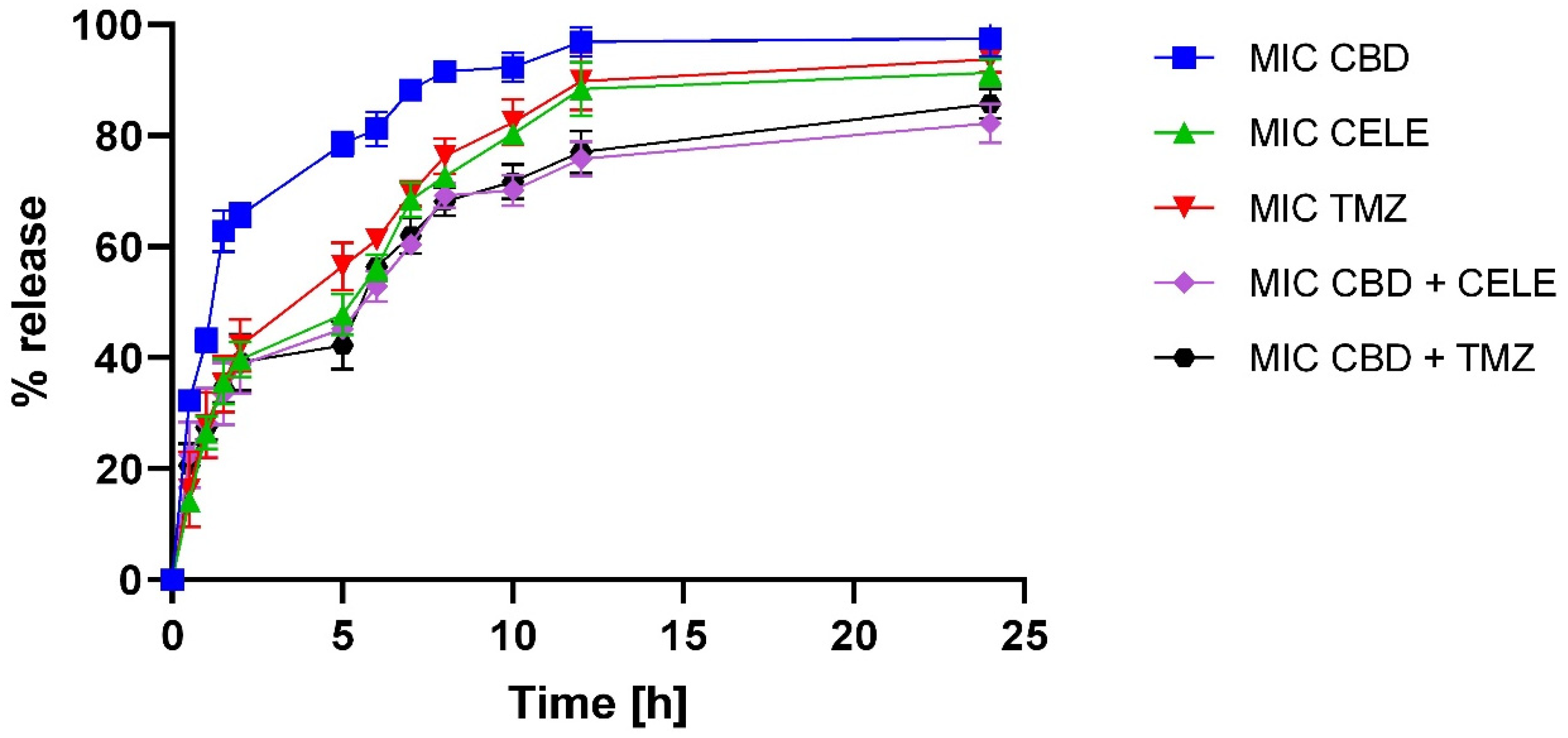
In vitro release experiments from micelles of single and mixed compounds were conducted at pH 7.4. Figure 2 shows the in vitro release profile of the tested active substances individually and in combination. The obtained data are expressed as a percentage of cumulative API release as a function of time.
The shapes of the obtained release profiles were similar. The active substances released from the tested micelles showed rapid release within the first 2 h, which can be explained by the rapid release of the drug incorporated on the micelles’ surfaces. This was followed by a slower release phase (until reaching a plateau of approximately 100%), related to the release of the API incorporated into the micellar core [43]. A similar release profile has been observed by other authors, for example, during the release of brigatinib from polymeric micelles in a PBS environment [44]. However, it should be noted that for MIC CBD, MIC CELE, and MIC TMZ, the percentages of individual compounds released were significantly higher than those observed for formulations containing both active compounds. The fastest and highest percentage release was observed for MIC CBD after approximately 8 h (78.45 ± 2.20%). For MIC CELE and MIC TMZ, near-complete release was observed after 12 h, amounting to 88.34 ± 4.87% and 89.77 ± 5.17%, respectively. In the case of the mixed formulations, complete release was observed after 24 h; MIC CBD + CELE reached 82.21 ± 3.54%, while MIC CBD + TMZ reached 85.74 ± 2.73%.

3.5. MTT Cytotoxicity Assay on Optimized Micelles

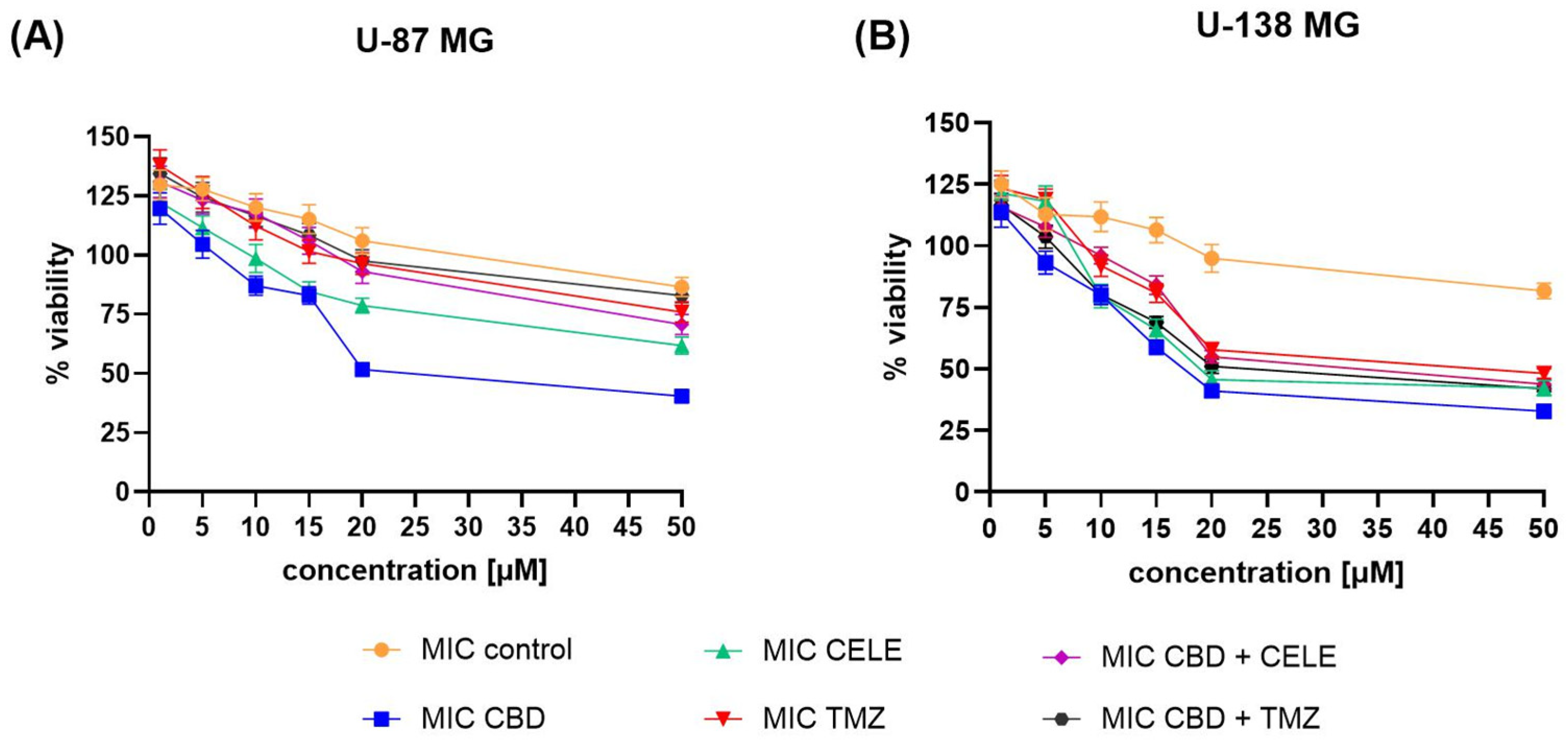
The cytotoxicity of the formulated carriers was evaluated using the MTT assay on GBM U-138 MG and grade 4 astrocytoma U-87 MG cell lines. Each cell line was exposed to single-loaded carriers (CBD, CELE, or TMZ) at concentrations ranging from 1 to 50 µM, as well as to mixed-loaded carriers corresponding to the same total compound concentration, for 24 h. Additionally, empty micelles were tested as controls to compare their effects with those of drug-loaded micelles. Figure 3 shows the assay results, indicating a concentration-dependent reduction in cell viability after exposure to the tested micelles. MTT assays showed similar responses of both cell lines to the tested micelles at 1–10 µM, with a trend toward greater cytotoxicity of micelle-encapsulated compounds in U-138 MG cells than in U-87 MG cells at concentrations > 10 µM. However, in both cell lines, the most potent cytotoxic effect was observed for the CBD-loaded nanoformulation, which significantly reduced the number of viable cells after 24 h of incubation. A decrease in cell viability to ~50% was observed at a CBD concentration of 20 µM.
Data obtained from the MTT assay were used to calculate the half-maximal inhibitory concentration (IC50) of the micellar formulations using linear interpolation. As shown in Table 6, compounds encapsulated in the test vehicle exhibited greater cytotoxicity against the U-138 MG cell line than against the U-87 MG cell line.
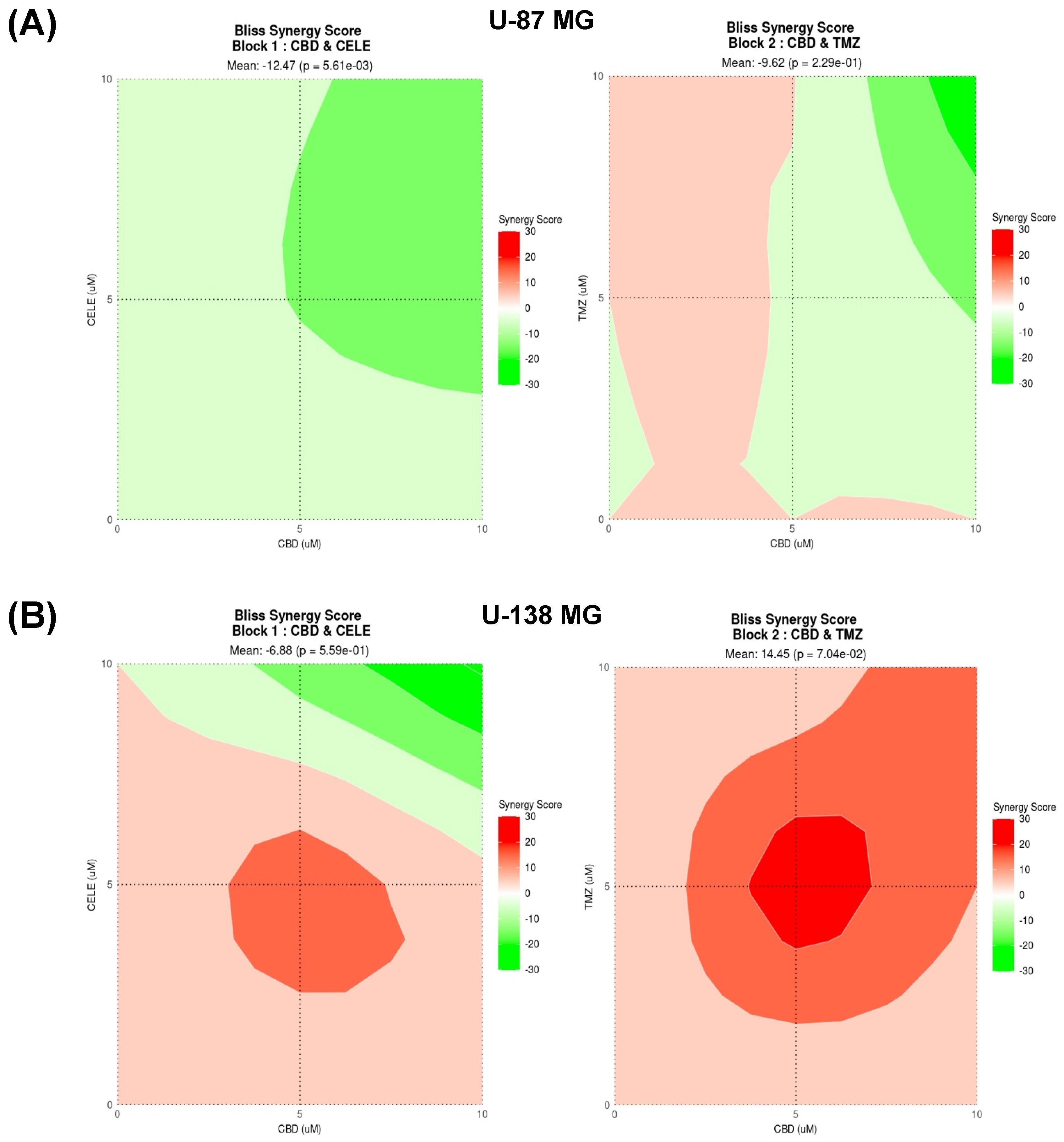
To obtain dose–response data for the drug combinations, we performed computational analysis using SynergyFinderPlus (Figure 4). The results showed that both drug combinations, i.e., CBD and CELE, as well as CBD and TMZ, exhibited a similar pattern of synergism in the U-138 MG line. Regarding drug combinations, both exhibited synergistic activity at concentrations up to 10 µM. Combinations with higher concentrations of CBD and CELE/TMZ showed predominantly additive effects. As shown in Figure 4, the combinations exhibited antagonistic effects at specific concentrations. In the U-87 MG line, neither combination showed synergism; only antagonism was observed.

3.6. Apoptosis Assessment in U-87 MG and U-138 MG Cells

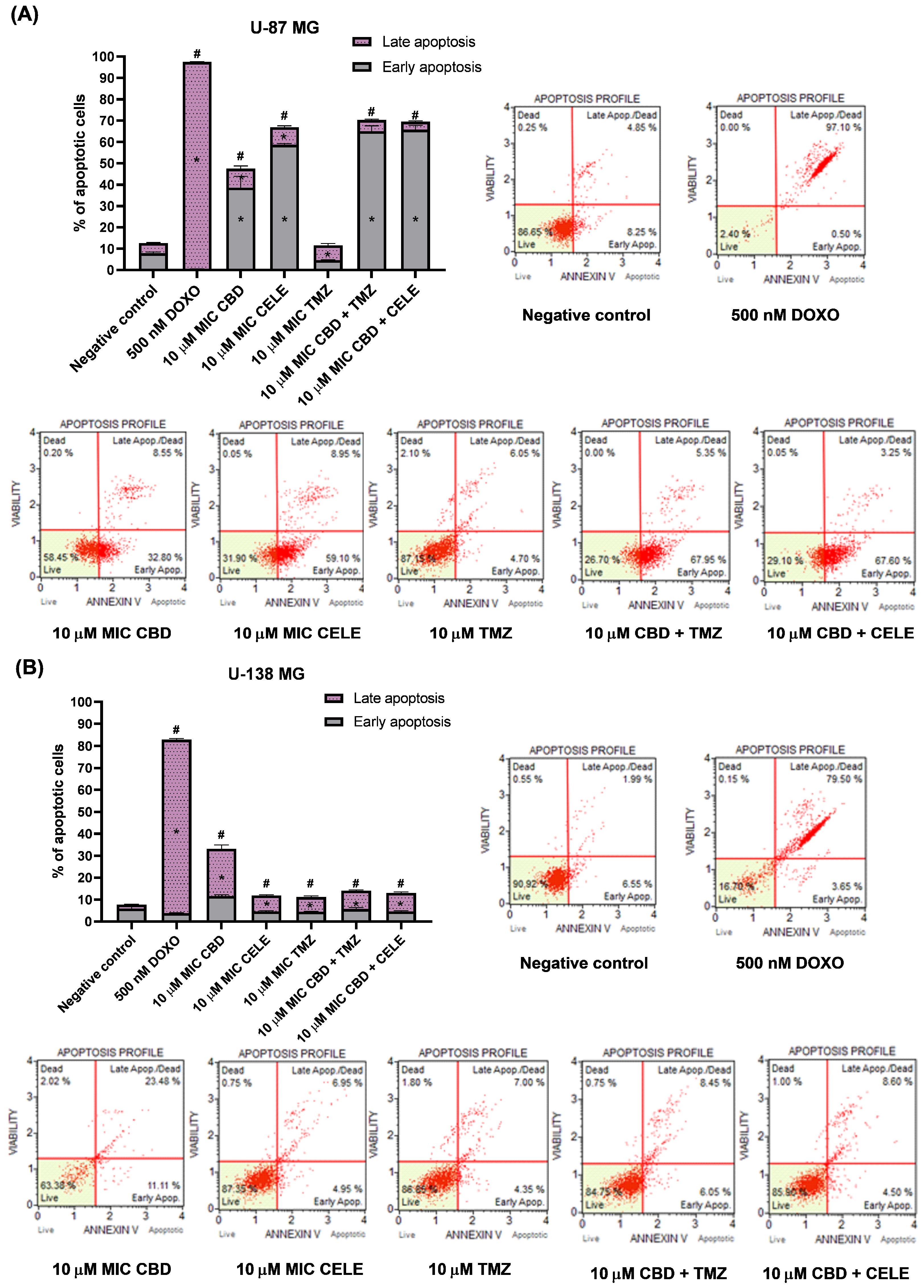
Our next step was to determine whether the cytotoxic effects of micelles were associated with apoptosis induction. After 24 h of treatment with micelles containing the active substances at 10 µM, we assessed phosphatidylserine externalization using annexin V and evaluated cell membrane integrity with 7-AAD staining by flow cytometry. The results are presented in Figure 5. In both cancer cell lines, the percentage of apoptotic cells significantly increased after treatment with the analyzed micelles, except for cells treated with 10 µM MIC TMZ in the U-87 MG cell line, which resembled those used as a negative control.
Overall, in U-87 MG cells, for MICs loaded with active substances at a concentration of 10 µM, despite the low decrease in metabolic activity as reflected by the MTT assay, we observed that the majority of analyzed glioma cells expressed signs of an ongoing early apoptotic process. In this cell line, the most pronounced pro-apoptotic effect was observed after treatment with MIC CBD + TMZ, MIC CBD + CELE, and MIC CELE; in these cases, ~70% of the total apoptotic cells were observed in the studied population. As far as the U-138 MG cell line is concerned, MIC CBD exerted the strongest proapoptotic effect, with 35 ± 3.0% of total apoptotic cells. The remaining micelles doubled the proportion of apoptotic cells in this cell line compared with the negative control, and most apoptotic cells showed features of late-stage apoptosis.

3.7. CBD + TMZ Co-Loaded Micelles Attenuate Wnt/β-Catenin Signaling in Malignant Glioma Cells

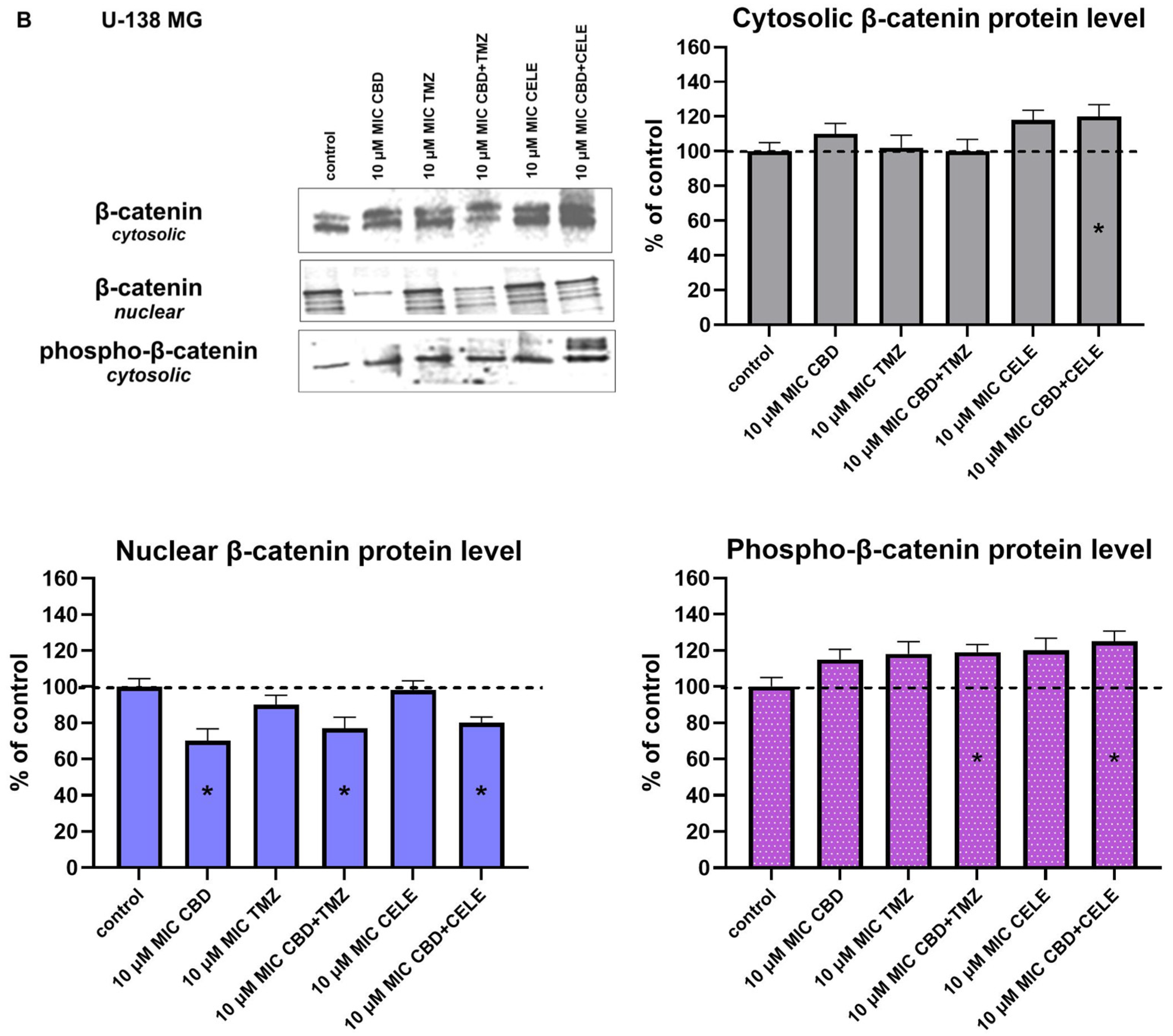
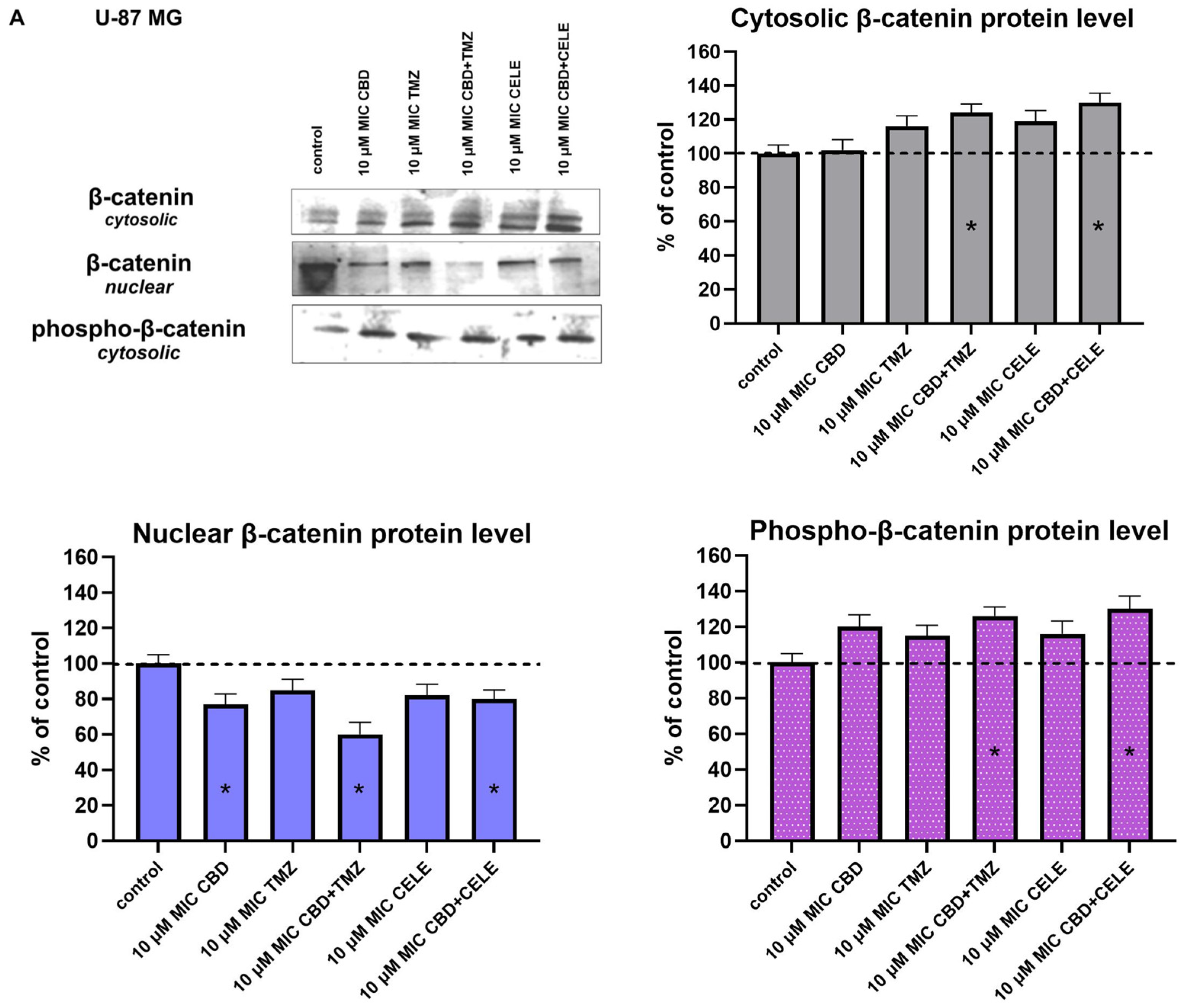
The effects of the tested micellar formulations on Wnt/β-catenin signaling were assessed by Western blot analysis of β-catenin distribution in cytosolic and nuclear fractions, together with phospho-β-catenin levels (Figure 6A,B). The results indicate that MIC CBD + TMZ and MIC CBD + CELE attenuate Wnt/β-catenin signaling in U-87 MG cells. Treatment with these micelles led to reduced β-catenin translocation from the cytosol to the nucleus and increased β-catenin phosphorylation. In U-138 MG cells, the same micelles induced only an elevation in phospho-β-catenin levels.

4. Discussion

The present study provides an early-stage but comprehensive evaluation of polymeric micelles as nanocarriers for the co-delivery of CBD, CELE, and TMZ in malignant glioma models. To the best of our knowledge, this is the first report to demonstrate the successful encapsulation of these agents—both individually and in dual combinations—within a single, optimized micellar platform, followed by a parallel assessment of cytotoxicity, apoptosis induction, and modulation of the Wnt/β-catenin signaling axis in human glioma cell lines. Given that TMZ-based chemoradiotherapy remains the standard-of-care systemic approach for GBM and grade 4 astrocytoma, and yet resistance is common, there is a strong need for rational combination therapies and innovative delivery strategies [9,10,11,12]. Moreover, the limitations of the BTB and tumor heterogeneity have driven substantial interest in NP-based drug delivery and co-delivery concepts for malignant gliomas [6,7,8].
A key strength of this work is the systematic optimization of the micellar composition and preparation conditions. Among the tested surfactant systems, the Tween 20/Tween 80 mixture (MIC5) offered the most favorable physicochemical profile, including particle sizes below 200 nm, low PDI values indicative of a narrow size distribution, and a sufficiently negative ZP consistent with colloidal stability. Particle size, PDI, and surface charge are widely used as critical quality attributes because they affect colloidal stability, reproducibility, and biological performance of nanosystems [39]. Importantly, the selected formulation remained stable under different storage conditions, with only minor changes in size, PDI, and ZP over the tested period. Such parameters are particularly relevant for the further development of brain-directed nanocarriers, as nanosystems in this size range are commonly considered advantageous for cellular uptake and for strategies aimed at improving drug accumulation in tumors protected by the BBB [45,46].
MTT viability assays showed a concentration-dependent reduction in cell viability in both U-87 MG and U-138 MG cells, with CBD-loaded micelles displaying the most pronounced cytotoxicity. Interestingly, we observed a higher cytotoxicity of single-agent CBD than CBD co-formulated with CELE or TMZ, which may seem unexpected. However, it is important to note that the co-encapsulated combination delivers each agent at half the concentration used in the respective monotherapy, and despite this, the observed effects were comparable, thereby arguing for a favorable benefit profile of the single CBD treatment. Moreover, the stronger short-term MTT drop with single-agent CBD likely reflects higher early CBD exposure from single-loaded micelles. Our drug-release experiments confirmed that compounds from the mixed-loaded micelles are released more slowly, potentially affecting the readout of metabolic reduction parameters without excluding their engagement in cell-death pathways.
Another interesting phenomenon observed in our study was that in the MTT assay, the combination treatments (CBD with CELE/TMZ) demonstrated lower cytotoxicity as compared to MIC CBD, yet the apoptosis data suggest the opposite trend. While a mild MTT signal reduction concomitant with a strong early-apoptosis readout may seem paradoxical, we would like to emphasize that the two assays interrogate different stages of the response. MTT mainly reflects cellular reducing capacity and therefore tracks the loss of metabolic competence, which typically occurs relatively late during apoptosis. In contrast, annexin V detects early apoptotic events, as indicated by phosphatidylserine (PS) externalization, which is fluorescently labelled annexin V binding to PS exposed on the outer leaflet of the plasma membrane. Thus, a strong annexin V signal can precede a marked decline in MTT, particularly when treatments predominantly initiate early apoptosis. Under these conditions, cells may be growth-arrested and apoptosis-primed while remaining metabolically competent during the measurement period, resulting in a comparatively preserved MTT readout.
Apoptosis analysis further indicated that the magnitude of apoptosis induction differed between U-87 MG and U-138 MG cells, likely reflecting variations in apoptotic priming, inflammatory status, drug uptake, or adaptive signaling. In line with this, U-87 MG cells were more prone to the pro-apoptotic properties of the analyzed micelles. Regarding CBD, Nabissi et al. [47] reported that CBD increases TRPV1 expression in U-87 MG cells within 24 h, a response that may enhance drug uptake and chemosensitivity and thereby potentiate apoptosis-related effects—consistent with our observations. Also, in U-87 MG cells CBD may function as a chemosensitizing modulator, thereby enhancing the susceptibility to co-administered compounds and ultimately contributing to increased apoptosis. In contrast, despite similar levels of cytotoxicity at 10 µM, in U-138 MG line CBD alone produced the most prominent late pro-apoptotic response, potentially reflecting a broader, non-targeted promotion of cellular stress that augments membrane permeability. Notably, the concentrations in the combinations were reduced by 50% relative to monotherapies and may therefore be suboptimal for a chemo-resistant glioma line at 24 h.
In order to evaluate the interactions between the tested drug pairs, we applied the SynergyFinder platform, which enabled systematic assessment of synergistic, additive, or antagonistic effects across the studied glioma cell lines. These divergent interaction profiles across two glioma cell lines, showing synergy in one line but antagonism in another can result from underlying genetic and molecular heterogeneity, including differences in oncogenic drivers, DNA-repair capacity, or pathway activation. Additionally, distinct levels of drug uptake, metabolism, and efflux can further alter effective intracellular drug concentrations between cell lines. Al-Husein et al. have reported that the combination of sorafenib and imatinib does not necessarily produce synergistic cytotoxicity, while still demonstrating enhanced proapoptotic effects [48]. Similarly, CBD encapsulated in liposomes suppressed activation of the Wnt/β-catenin and NF-κB signaling axes, but did not demonstrate clear cytotoxic synergism [11]. Furthermore, co-encapsulation of the two agents and their concentration ratio appear to influence release kinetics and subsequent cellular internalization, potentially contributing to divergent biological outcomes [44].
Moreover, micelle-encapsulated combinations—especially CBD + CELE and CBD + TMZ—tended to produce more potent effects than single-agent systems at the same total concentrations, supporting the rationale for combination-based interventions in glioma, particularly in the context of TMZ resistance mechanisms [49,50,51].
Mechanistically, one of the most important observations in this study is the modulation of the Wnt/β-catenin pathway by the analyzed micelles. Aberrant Wnt/β-catenin activity is widely implicated in malignant glioma progression, supporting proliferation, invasiveness, stem-like phenotypes, and therapy resistance. It can also be hyperactivated in response to TMZ treatment [9]. In U-87 MG cells, treatment with micellar formulations containing CBD + TMZ and CBD + CELE was associated with decreased nuclear β-catenin levels, accompanied by changes in the cytosolic fraction and increased phosphorylation of β-catenin. This pattern is consistent with reduced nuclear signaling output of canonical Wnt, potentially reflecting enhanced targeting of β-catenin for degradation and attenuation of downstream transcriptional programs. Importantly, CBD-based combinations showed the greatest decrease in nuclear β-catenin, suggesting that co-delivery in a single nanocarrier may be more effective than single agents in targeting complex oncogenic signaling [35].
Notably, Wnt/β-catenin signaling has been implicated in TMZ resistance, and its inhibition has been associated with decreased MGMT expression and restoration of chemosensitivity in resistant glioma models. Thus, the attenuation of Wnt/β-catenin observed here may be mechanistically relevant to TMZ responsiveness, particularly in resistant settings. This hypothesis should be directly tested in TMZ-resistant models with MGMT assessment in future work [52].
The observed reduction in Wnt/β-catenin signaling is consistent with earlier reports indicating that both CBD and CELE can impact this pathway and related survival mechanisms in cancer cells. CBD has been reported to increase the sensitivity of GBM to TMZ in orthotopic models, at least partly by inhibiting RAD51-dependent DNA repair, which supports the rationale for CBD + TMZ combinations [53]. COX-2/PGE2 signaling has been linked to Wnt activity, and crosstalk between these pathways may help maintain the features of cancer stem cells. Moreover, COXIBs (including CELE and related analogs) have been shown to reduce hyperactivated Wnt/β-catenin signaling and COX-2/PGE2/EP4 axis activity in GBM cells, which is consistent with our observations of changes in β-catenin localization and phosphorylation [54]. CELE has also been reported to suppress NF-κB/TNFα-related signaling in GBM models, supporting its use as a partner compound targeting resistance-associated survival pathways [18]. Overall, Wnt pathway inhibition has been repeatedly proposed as a rational approach to reduce invasiveness and overcome resistance, including resistance associated with TMZ therapy [33]. Taken together, our findings suggest that the micellar co-delivery of CBD with CELE or TMZ may simultaneously dampen pro-tumorigenic Wnt/β-catenin signaling and enhance cytotoxic and proapoptotic effects [49,55].
The contribution of the nanocarrier itself should also be emphasized. Polymeric micelles can substantially enhance the apparent solubility and dispersion of hydrophobic compounds such as CBD and CELE, thereby increasing their effective cellular availability and potentially enabling more consistent intracellular exposure than free-drug formulations. Consequently, nanocarrier-mediated delivery may amplify the biological impact of repurposed or poorly soluble agents and support combination strategies by harmonizing intracellular delivery kinetics. In line with this, the enhanced activity observed for CBD-containing micellar combinations in the current study is plausibly attributable to improved uptake and coordinated intracellular action of co-loaded agents rather than to simple additive effects alone [13].
Importantly, the present study evaluated the biological activity of micellar formulations using empty micelles as the primary formulation control. A direct head-to-head comparison with the corresponding free CBD, CELE, and TMZ was not performed at this early stage. Nevertheless, micellar encapsulation is expected to affect efficacy through several mechanisms. First, micelles can markedly improve the apparent solubility and dispersion of hydrophobic compounds such as CBD and CELE, increasing the fraction of drug available for cellular interaction and reducing variability linked to precipitation or adsorption. Second, nanoscale carriers may be internalized via endocytosis, potentially enhancing intracellular drug delivery and modulating subcellular distribution relative to free compounds. Third, co-loading within one carrier may harmonize intracellular exposure kinetics and increase the likelihood of simultaneous target engagement, which is particularly relevant for combination strategies. Finally, micellar association may protect labile molecules and support a more sustained release profile, potentially increasing effective exposure during the incubation period. These considerations provide a plausible rationale for the biological activity observed for CBD-containing micellar formulations in our models. Future studies will include systematic “free drug vs. micellar drug” comparisons at matched molar concentrations, with standardized solvent/vehicle controls, to quantify the added value of micellar encapsulation for uptake and efficacy.
Future studies should also include TMZ-resistant glioma models (with defined MGMT status) to directly evaluate whether Wnt/β-catenin modulation by the micellar formulations reduces MGMT expression and enhances TMZ sensitivity.
In conclusion, the present findings indicate that polymeric micelles based on an optimized Tween 20/Tween 80 system constitute a stable nanocarrier platform capable of delivering CBD, CELE, and TMZ and enhancing their anticancer activity in glioma models. CBD-based micellar formulations, particularly in combination with CELE or TMZ, displayed notable cytotoxic and proapoptotic effects and were associated with nuclear β-catenin suppression, supporting Wnt/β-catenin inhibition as a plausible mechanistic component. Collectively, these findings suggest a promising basis for further exploration of rational drug combinations delivered via polymeric micelles as a potential multifaceted strategy against malignant gliomas.

Supplementary Materials

The following supporting information can be downloaded at https://www.mdpi.com/article/10.3390/micro6010011/s1, Table S1: Summary of results for the two selected solvents used in the study; Table S2: Comparison of the average particle size, polydispersity index (PDI) and zeta potential (ZP) of micelles synthesized by selected method; Table S3: Comparison of the average particle size, polydispersity index (PDI), and zeta potential (ZP) of micelles synthesized using ultrasound in different time variants.

Author Contributions

Conceptualization, V.K.-K., A.M.-C. and E.M.; methodology, V.K.-K., A.M.-C., E.M. and A.F.-G.; software, E.M.; validation, A.F.-G. and A.R.; formal analysis, V.K.-K., E.M., A.R. and A.M.-C.; investigation, V.K.-K., A.M.-C., E.M. and A.R.; data curation, E.M.; writing—original draft preparation, V.K.-K., A.M.-C. and E.M.; writing—review and editing, V.K.-K., A.M.-C. and E.M.; visualization, E.M. and A.R.; supervision, V.K.-K.; project administration, E.M.; funding acquisition E.M. All authors have read and agreed to the published version of the manuscript.

Funding

This research was supported by the Polish National Science Centre project No. 2024/08/X/NZ7/00601.

Institutional Review Board Statement

Not applicable.

Informed Consent Statement

Not applicable.

Data Availability Statement

The data will be made available upon request.

Conflicts of Interest

The authors declare that they have no conflicts of interest.

References

  1. Gilard, V.; Tebani, A.; Dabaj, I.; Laquerrière, A.; Fontanilles, M.; Derrey, S.; Marret, S.; Bekri, S. Diagnosis and Management of Glioblastoma: A Comprehensive Perspective. J. Pers. Med. 2021, 11, 258. [Google Scholar] [CrossRef]
  2. Pouyan, A.; Ghorbanlo, M.; Eslami, M.; Jahanshahi, M.; Ziaei, E.; Salami, A.; Mokhtari, K.; Shahpasand, K.; Farahani, N.; Meybodi, T.E.; et al. Glioblastoma multiforme: Insights into pathogenesis, key signaling pathways, and therapeutic strategies. Mol. Cancer 2025, 24, 58. [Google Scholar] [CrossRef]
  3. Louis, D.N.; Perry, A.; Wesseling, P.; Brat, D.J.; Cree, I.A.; Figarella-Branger, D.; Hawkins, C.; Ng, H.K.; Pfister, S.M.; Reifenberger, G.; et al. The 2021 WHO Classification of Tumors of the Central Nervous System: A Summary. Neuro-Oncol. 2021, 23, 1231–1251. [Google Scholar] [PubMed]
  4. Boylan, J.; Byers, E.; Kelly, D.F. The Glioblastoma Landscape: Hallmarks of Disease, Therapeutic Resistance, and Treatment Opportunities. Med. Res. Arch. 2023, 11, 10. [Google Scholar] [CrossRef]
  5. Wiwatchaitawee, K.; Quarterman, J.C.; Geary, S.M.; Salem, A.K. Enhancement of Therapies for Glioblastoma (GBM) Using Nanoparticle-Based Delivery Systems. AAPS PharmSciTech 2021, 22, 71. [Google Scholar] [CrossRef]
  6. Janjua, T.I.; Rewatkar, P.; Ahmed-Cox, A.; Saeed, I.; Mansfeld, F.M.; Kulshreshtha, R.; Kumeria, T.; Ziegler, D.S.; Kavallaris, M.; Mazzieri, R.; et al. Frontiers in the Treatment of Glioblastoma: Past, Present and Emerging. Adv. Drug Deliv. Rev. 2021, 171, 108–138. [Google Scholar] [CrossRef]
  7. Norollahi, S.E.; Yousefi, B.; Nejatifar, F.; Yousefzadeh-Chabok, S.; Rashidy-Pour, A.; Samadani, A.A. Practical immunomodulatory landscape of glioblastoma multiforme (GBM) therapy. J. Egypt. Natl. Cancer Inst. 2024, 36, 33. [Google Scholar] [CrossRef] [PubMed]
  8. Di Filippo, L.D.; Duarte, J.L.; Luiz, M.T.; de Araújo, J.T.C.; Chorilli, M. Drug Delivery Nanosystems in Glioblastoma Multiforme Treatment: Current State of the Art. Curr. Neuropharmacol. 2021, 19, 787–812. [Google Scholar] [CrossRef]
  9. Tomar, V.S.; Patil, V.; Somasundaram, K. Temozolomide induces activation of Wnt/β-catenin signaling in glioma cells via PI3K/Akt pathway: Implications in glioma therapy. Cell Biol. Toxicol. 2020, 36, 273–278. [Google Scholar]
  10. Gao, X.Y.; Zang, J.; Zheng, M.H.; Zhang, Y.F.; Yue, K.Y.; Cao, X.L.; Cao, Y.; Li, X.X.; Han, H.; Jiang, X.F.; et al. Temozolomide Treatment Induces HMGB1 to Promote the Formation of Glioma Stem Cells via the TLR2/NEAT1/Wnt Pathway in Glioblastoma. Front. Cell Dev. Biol. 2021, 9, 620883. [Google Scholar] [CrossRef]
  11. Rybarczyk, A.; Majchrzak-Celińska, A.; Krajka-Kuźniak, V. Synergistic combination of cannabidiol and celecoxib or 2,5-dimethylcelecoxib exerts oxidative stress-mediated cytotoxicity and mitigates glioblastoma invasiveness. Acta Biochim. Pol. 2025, 72, 15062. [Google Scholar] [CrossRef]
  12. Majchrzak-Celińska, A.; Misiorek, J.O.; Kruhlenia, N.; Przybyl, L.; Kleszcz, R.; Rolle, K.; Krajka-Kuźniak, V. COXIBs and 2,5-dimethylcelecoxib counteract the hyperactivated Wnt/β-catenin pathway and COX-2/PGE2/EP4 signaling in glioblastoma cells. BMC Cancer 2021, 21, 493. [Google Scholar] [CrossRef]
  13. Rybarczyk, A.; Majchrzak-Celińska, A.; Piwowarczyk, L.; Krajka-Kuźniak, V. The Anti-Glioblastoma Effects of Novel Liposomal Formulations Loaded with Cannabidiol, Celecoxib, and 2,5-Dimethylcelecoxib. Pharmaceutics 2025, 17, 1031. [Google Scholar] [CrossRef]
  14. Mendes, M.; Branco, F.; Vitorino, R.; Sousa, J.; Pais, A.; Vitorino, C. A Two-Pronged Approach against Glioblastoma: Drug Repurposing and Nanoformulation Design for in Situ-Controlled Release. Drug Deliv. Transl. Res. 2023, 13, 3169–3191. [Google Scholar] [CrossRef]
  15. Dinur, E.; Goldenberg, H.; Robinson, E.; Naggan, L.; Kozela, E.; Yirmiya, R. A Novel Anti-Inflammatory Formulation Comprising Celecoxib and Cannabidiol Exerts Antidepressant and Anxiolytic Effects. Cannabis Cannabinoid Res. 2022, 9, 561–580. [Google Scholar] [CrossRef] [PubMed]
  16. Perumal, S.; Atchudan, R.; Lee, W. A Review of Polymeric Micelles and Their Applications. Polymers 2022, 14, 2510. [Google Scholar] [CrossRef]
  17. Grzegorzewski, J.; Michalak, M.; Wołoszczuk, M.; Bulicz, M.; Majchrzak-Celińska, A. Nanotherapy of Glioblastoma—Where Hope Grows. Int. J. Mol. Sci. 2025, 26, 1814. [Google Scholar] [CrossRef]
  18. Wang, N.; Qing, Q.; Xue, Y.; Cai, S.; Zheng, M.; Zhang, D.; Ismail, M. Enhancing lipid nanoparticles-mediated RNA delivery to glioblastoma via targeted strategies. J. Control. Release 2025, 389, 114472. [Google Scholar] [CrossRef] [PubMed]
  19. Ismail, M.; Wang, Y.; Li, Y.; Liu, J.; Zheng, M.; Zou, Y. Stimuli-Responsive Polymeric Nanocarriers Accelerate On-Demand Drug Release to Combat Glioblastoma. Biomacromolecules 2024, 25, 6250–6282. [Google Scholar] [PubMed]
  20. Ghezzi, M.; Pescina, S.; Padula, C.; Santi, P.; Del Favero, E.; Cantù, L.; Nicoli, S. Polymeric micelles in drug delivery: An insight of the techniques for their characterization and assessment in biorelevant conditions. J. Control. Release 2021, 332, 312–336. [Google Scholar] [CrossRef]
  21. Lin, S.; Yu, Y.; Wu, E.; Ding, T.; Chu, Y.; Pan, F.; Yang, Y.; Zhan, C. Reexamining in vivo fate of paclitaxel-loaded polymeric micelles. Nano Today 2024, 56, 102255. [Google Scholar] [CrossRef]
  22. Hwang, D.; Ramsey, J.D.; Kabanov, A.V. Polymeric micelles for the delivery of poorly soluble drugs: From nanoformulation to clinical approval. Adv. Drug Deliv. Rev. 2020, 156, 80–118. [Google Scholar] [CrossRef]
  23. Sofias, A.M.; Dunne, M.; Storm, G.; Allen, C. The battle of “nano” paclitaxel. Adv. Drug Deliv. Rev. 2017, 122, 20–30. [Google Scholar] [CrossRef] [PubMed]
  24. Raval, N.; Maheshwari, R.; Shukla, H.; Kalia, K.; Torchilin, V.P.; Tekade, R.K. Multifunctional polymeric micellar nanomedicine in the diagnosis and treatment of cancer. Mater. Sci. Eng. C Mater. Biol. Appl. 2021, 126, 112186. [Google Scholar] [PubMed]
  25. Smith, A.; Taylor, M.; In-Young, C.; Lee, P.; Kelly, E.; Aroa, T.; Waitsman, F. 450 Eight weeks of creatine monohydrate supplementation is feasible and associated with increased brain creatine in patients with AD. J. Clin. Transl. Sci. 2025, 9, 133. [Google Scholar] [CrossRef]
  26. Dasgupta, A.; May, J.N.; Klinkenberg, G.; Besse, H.C.; Buhl, E.M.; Moeckel, D.; Mihyar, R.; Peña, Q.; Shalmani, A.A.; Hark, C.; et al. Multidrug micelles and sonopermeation for chemotherapy co-delivery to brain tumors. J. Control. Release 2025, 380, 818–828. [Google Scholar] [CrossRef]
  27. Zhang, H.; Wang, R.; Yu, Y.; Liu, J.; Luo, T.; Fan, F. Glioblastoma treatment modalities besides surgery. J. Cancer 2019, 10, 4793–4806. [Google Scholar] [CrossRef]
  28. Desprez, P.Y.; Murase, R.; Limbad, C.; Woo, R.W.L.; Adrados, I.; Weitenthaler, K.; Soroceanu, L.; Salomonis, N.; McAllister, S.D. Cannabidiol treatment results in a common gene expression response across aggressive cancer cells from various origins. Cannabis Cannabinoid Res. 2021, 6, 148–155. [Google Scholar] [CrossRef]
  29. Cásedas, G.; Yarza-Sancho, M.d.; López, V. Cannabidiol (CBD): A Systematic Review of Clinical and Preclinical Evidence in the Treatment of Pain. Pharmaceuticals 2024, 17, 1438. [Google Scholar] [CrossRef]
  30. Ahsan, H.; Malik, S.I.; Shah, F.A.; El-Serehy, H.A.; Ullah, A.; Shah, Z.A. Celecoxib Suppresses NF-κB p65 (RelA) and TNFα Expression Signaling in Glioblastoma. J. Clin. Med. 2023, 12, 6683. [Google Scholar]
  31. Inggas, M.A.M.; Patel, U.; Wijaya, J.H.; Otinashvili, N.; Menon, V.R.; Iyer, A.K.; Turjman, T.; Dadwal, S.; Gadaevi, M.; Ismayilova, A.; et al. The role of temozolomide as adjuvant therapy in glioblastoma management: A systematic review and meta-analysis. BMC Cancer 2025, 25, 399. [Google Scholar]
  32. Román-Vargas, Y.; Porras-Arguello, J.D.; Blandón-Naranjo, L.; Pérez-Pérez, L.D.; Benjumea, D.M. Evaluation of the Analgesic Effect of High-Cannabidiol-Content Cannabis Extracts in Different Pain Models by Using Polymeric Micelles as Vehicles. Molecules 2023, 28, 4299. [Google Scholar] [CrossRef]
  33. Aslan, T.N. Cationic Micelle-like Nanoparticles as the Carrier of Methotrexate for Glioblastoma Treatment. Molecules 2024, 29, 5977. [Google Scholar] [CrossRef]
  34. Krishnan, S.; Lee, S.; Amoozgar, Z.; Subudhi, S.; Kumar, A.S.S.; Posada, J.M.; Lindeman, N.; Lei, P.; Duquette, M.; Steinbuch, S.; et al. Wnt inhibition alleviates resistance to anti-PD1 therapy and improves antitumor immunity in glioblastoma. Proc. Natl. Acad. Sci. USA 2025, 122, 2414941122. [Google Scholar]
  35. Latour, M.; Her, N.-G.; Kesari, S.; Nurmemmedov, E. WNT Signaling as a Therapeutic Target for Glioblastoma. Int. J. Mol. Sci. 2021, 22, 8428. [Google Scholar] [CrossRef] [PubMed]
  36. Zhan, P.; Tan, Y.; Wang, H.; Liu, J.; Shao, L.; Wu, Z. Effects of Non-Ionic Surfactant Tween 80 on Enzymatic Saccharification of Avicel and Steam-Exploded Poplar at High Solid Loading. Processes 2025, 13, 2960. [Google Scholar] [CrossRef]
  37. Hirun, N.; Kraisit, P.; Tantishaiyakul, V. Thermosensitive Polymer Blend Composed of Poloxamer 407, Poloxamer 188 and Polycarbophil for the Use as Mucoadhesive In Situ Gel. Polymers 2022, 14, 1836. [Google Scholar] [CrossRef] [PubMed]
  38. Wong, C.N.; Liew, K.B.; Lim, Y.M.; Chew, Y.-L.; Chua, A.-L.; Yang, S.-B.; Lee, S.-K. Development and Characterization of EGCG-Loaded TPGS/Poloxamer 407 Micelles with Evaluation of In Vitro Drug Release and In Vivo Pharmacokinetics and Tolerability Observations Following Oral Administration. Pharmaceutics 2025, 17, 1441. [Google Scholar] [CrossRef]
  39. Rivero-Gutiérrez, B.; Anzola, A.; Martínez-Augustin, O.; de Medina, F.S. Stain-Free Detection as Loading Control Alternative to Ponceau and Housekeeping Protein Immunodetection in Western Blotting. Anal. Biochem. 2014, 467, 1–3. [Google Scholar] [CrossRef] [PubMed]
  40. Danaei, M.; Dehghankhold, M.; Ataei, S.; Hasanzadeh Davarani, F.; Javanmard, R.; Dokhani, A.; Khorasani, S.; Mozafari, M.R. Impact of Particle Size and Polydispersity Index on the Clinical Applications of Lipidic Nanocarrier Systems. Pharmaceutics 2018, 10, 57. [Google Scholar] [CrossRef]
  41. Larsson, M.; Hill, A.; Duffy, J. Suspension Stability; Why Particle Size, Zeta Potential and Rheology Are Important. Ann. Trans. Nord. Rheol. Soc. 2012, 20, 209–214. [Google Scholar]
  42. Sunoqrot, S.; Alsadi, A.; Tarawneh, O.; Hamed, R. Polymer type and molecular weight dictate the encapsulation efficiency and release of Quercetin from polymeric micelles. Colloid Polym. Sci. 2017, 295, 2051–2059. [Google Scholar] [CrossRef]
  43. Peeri, H.; Koltai, H. Cannabis Biomolecule Effects on Cancer Cells and Cancer Stem Cells: Cytotoxic, Anti-Proliferative, and Anti-Migratory Activities. Biomolecules 2022, 12, 491. [Google Scholar] [CrossRef] [PubMed]
  44. Ali, R.; Qamar, W.; Kalam, M.A.; Binkhathlan, Z. Soluplus-TPGS Mixed Micelles as a Delivery System for Brigatinib: Characterization and In Vitro Evaluation. ACS Omega 2024, 9, 41830–41840. [Google Scholar] [CrossRef]
  45. Polat, H.; Eren, M.C.; Polat, M.; Koss, K.M.; Polat, O.K. Comparative Stability of Synthetic and Natural Polymeric Micelles in Physiological Environments: Implications for Drug Delivery. Pharmaceutics 2025, 17, 1439. [Google Scholar] [CrossRef]
  46. Pereira-Silva, M.; Diaz-Gomez, L.; Blanco-Fernandez, B.; Ferreirós, A.; Veiga, F.; Concheiro, A.; Paiva-Santos, A.C.; Alvarez-Lorenzo, C. Cancer cell membrane-modified Soluplus® micelles for gemcitabine delivery to pancreatic cancer using a prodrug approach. Int. J. Pharm. 2024, 662, 124529. [Google Scholar] [CrossRef] [PubMed]
  47. Nabissi, M.; Morelli, M.B.; Santoni, M.; Santoni, G. Triggering of the TRPV2 channel by cannabidiol sensitizes glioblastoma cells to cytotoxic chemotherapeutic agents. Carcinogenesis 2013, 34, 48–57. [Google Scholar] [CrossRef] [PubMed]
  48. Al-Husein, B.A.; Al-Azayzih, A.; Redh, F.S. Sorafenib combination with imatinib enhances apoptotic and cell cycle arrest effects with no effect on viability and BCR-ABL expression of K-562 cells. J. Appl. Pharm. Sci. 2024, 14, 190–195. [Google Scholar] [CrossRef]
  49. Pu, J.; Yuan, K.; Tao, J.; Qin, Y.; Li, Y.; Fu, J.; Li, Z.; Zhou, H.; Tang, Z.; Li, L.; et al. Glioblastoma multiforme: An updated overview of temozolomide resistance mechanisms and strategies to overcome resistance. Discov. Oncol. 2025, 16, 731. [Google Scholar] [CrossRef]
  50. Smerdi, D.; Moutafi, M.; Kotsantis, I.; Stavrinou, L.C.; Psyrri, A. Overcoming Resistance to Temozolomide in Glioblastoma: A Scoping Review of Preclinical and Clinical Data. Life 2024, 14, 673. [Google Scholar] [CrossRef]
  51. Soroceanu, L.; Singer, E.; Dighe, P.; Sidorov, M.; Limbad, C.; Rodriquez-Brotons, A.; Rix, P.; Woo, R.W.L.; Dickinson, L.; Desprez, P.Y.; et al. Cannabidiol inhibits RAD51 and sensitizes glioblastoma to temozolomide in multiple orthotopic tumor models. Neuro-Oncol. Adv. 2022, 4, vdac019. [Google Scholar] [CrossRef]
  52. Ismail, M.; Yang, W.; Li, Y.; Chai, T.; Zhang, D.; Du, Q.; Muhammad, P.; Hanif, S.; Zheng, M.; Shi, B. Targeted liposomes for combined delivery of artesunate and temozolomide to resistant glioblastoma. Biomaterials 2022, 287, 121608. [Google Scholar] [CrossRef]
  53. Sen, P.; Sadat, S.; Ebisumoto, K.; Al-Msari, R.; Miyauchi, S.; Roy, S.; Mohammadzadeh, P.; Lips, K.; Nakagawa, T.; Saddawi-Konefka, R.; et al. CBD promotes antitumor activity by modulating tumor immune microenvironment in HPV associated head and neck squamous cell carcinoma. Front. Immunol. 2025, 16, 1528520. [Google Scholar] [CrossRef] [PubMed]
  54. Wen, B.; Wei, Y.T.; Mu, L.L.; Wen, G.R.; Zhao, K. The molecular mechanisms of celecoxib in tumor development. Medicine 2020, 99, 22544. [Google Scholar] [CrossRef] [PubMed]
  55. Twelves, C.; Sabel, M.; Checketts, D.; Miller, S.; Tayo, B.; Jove, M.; Brazil, L.; Short, S.C. A Phase1b Randomised, Placebo-Controlled Trial of Nabiximols Cannabinoid Oromucosal Spray with Temozolomide in Patients with Recurrent Glioblastoma. Br. J. Cancer 2021, 124, 1379–1387. [Google Scholar] [CrossRef] [PubMed]
Figure 1. Graphical overview of the study workflow: preparation and optimization of Tween 20/Tween 80 polymeric micelles (PBS, sonication), physicochemical characterization (size, PDI, zeta potential, stability, loading/encapsulation, release), and biological evaluation in U-138 MG and U-87 MG glioma cell lines (MTT, apoptosis by flow cytometry, and Wnt/β-catenin pathway assessment by Western blot).
Micro 06 00011 g001
Figure 2. Release profile of CBD, CELE, TMZ, and their combinations, CBD + CELE and CBD + TMZ, from micelles. Data are presented as means ± SEM from three independent experiments.
Micro 06 00011 g002
Figure 3. MTT assay results after 24 h exposure of (A) U-87 MG and (B) U-138 MG cell lines to empty micelles (MIC control) and micelles loaded with CBD, CELE, TMZ, and their combinations. Control cells represent untreated cells. Data are presented as means ± SEM from three independent experiments.
Micro 06 00011 g003
Figure 4. Dose–response data for drug combinations obtained using SynergyFinder Plus (version 3.10.3) for the CBD + CELE and CBD + TMZ combinations for the U-87 MG line (A) and the U-138 MG line (B). Drug combinations with synergy scores above 10 demonstrate synergy (indicated by intense red color), a score between −10 and 10 suggests an additive relationship (indicated by pale red and green colors or white), while antagonistic interactions appear when the score falls below −10 (indicated by intense green color).
Micro 06 00011 g004
Figure 5. Apoptosis of U-87 MG (A) and U-138 MG (B) cells treated for 24 h with micelles loaded with CBD, TMZ, and CELE and their combinations. Doxorubicin (DOXO) was used as a positive control, and untreated cells as a negative control. Representative histograms are also shown. Values are expressed as mean ± SEM of two independent experiments. An asterisk (*) denotes values significantly different from the untreated control (p < 0.05). A hashtag (#) above the bar indicates statistically significant differences in the total number of apoptotic cells compared with the untreated control (p < 0.05).
Micro 06 00011 g005
Figure 6. The effect of micelles loaded with CBD, CELE, TMZ, and their combinations on β-catenin translocation from the cytosol to the nucleus and cytosolic phospho-β-catenin levels in U-87 MG cells (A) and U-138 MG cells (B) after 24 h incubation. Band intensities were quantified by densitometry and normalized to the lane-specific total-protein signal obtained by TGX Stain-Free™ (Bio-Rad, Hercules, CA, USA) imaging (total protein normalization). Data (mean ± SEM) from two separate experiments are presented as fold control, defined as 100% for protein expression. Representative immunoblots for the analysis of cytosolic and nuclear β-catenin and cytosolic phospho-β-catenin protein levels are shown. Bars are presented in the same order as the corresponding bars in the graph. An asterisk (*) denotes statistical significance compared to untreated control cells at p < 0.05.
Micro 06 00011 g006aMicro 06 00011 g006b
Table 1. Surfactants used in this study to optimize micelles.
SurfactantType of CompoundStructure
Tween 20Alkyl estersMicro 06 00011 i001
Tween 80Alkyl estersMicro 06 00011 i002
Poloxamer 188Block copolymersMicro 06 00011 i003
Poloxamer 407Block copolymersMicro 06 00011 i004
Table 2. Optimization of key parameters for micelle formation.
NameSurfactantSolventTechnique of ObtainingUltrasound Time
Type of Surfactant
MIC1Tween 20PBSSonication30 min
MIC2Tween 80
MIC3Poloxamer 188
MIC4Poloxamer 407
MIC5Tween 20/Tween 80
MIC6Poloxamer 188/Pluronic F127
MIC7Tween 20/Poloxamer 188
MIC8Tween 20/Pluronic F127
Type of solvent
MIC5Tween 20/Tween 80PBSSonication30 min
MIC9Water
Technique of obtaining
MIC5Tween 20/Tween 80PBSSonication30 min
MIC10High-shear homogenization
MIC11Sonication/High-shear homogenization
Ultrasound time
MIC5Tween 20/Tween 80PBSSonication30 min
MIC1245 min
MIC1360 min
MIC1490 min
Table 3. Particle size, polydispersity index (PDI), and zeta potential (ZP) of the obtained micelles.
NameMeasurement DateZ-Ave [nm] ± SDPDI [%] ± SDZP [mV] ± SD
MIC11 day210.8 ± 1.60.25 ± 0.003−22.16 ± 0.46
7 days227.2 ± 2.10.26 ± 0.005−22.92 ± 0.84
14 days234.6 ± 0.90.26 ± 0.004−21.54 ± 0.16
MIC21 day324.3 ± 2.60.317 ± 0.002−26.99 ± 0.34
7 days352.2 ± 1.50.337 ± 0.004−26.60 ± 0.12
14 days331.5 ± 0.80.388 ± 0.05−25.88 ± 0.12
MIC31 day374.2 ± 1.40.437 ± 0.02−23.28 ± 0.29
7 days380.8 ± 3.50.446 ± 0.06−22.48 ± 0.53
14 days385.8 ± 1.50.470 ± 0.04−22.15 ± 0.39
MIC41 day385.8 ± 2.50.375 ± 0.05−20.73 ± 0.60
7 days351.8 ± 2.20.383 ± 0.06−19.38 ± 0.11
14 days364.8 ± 1.30.437 ± 0.05−20.17 ± 0.50
MIC51 day152.8 ± 0.30.186 ± 0.002−31.31 ± 0.11
7 days155.6 ± 0.10.204 ± 0.002−32.02 ± 0.47
14 days162.7 ± 0.30.221 ± 0.01−30.96 ± 0.36
MIC61 day264.7 ± 3.30.326 ± 0.005−17.80 ± 0.59
7 days271.8 ± 2.50.354 ± 0.03−16.88 ± 0.28
14 days276.8 ± 2.30.427 ± 0.01−15.96 ± 0.41
MIC71 day202.8 ± 1.50.323 ± 0.005−24.57 ± 0.20
7 days315.0 ± 1.30.343 ± 0.03−23.60 ± 0.40
14 days325.0 ± 1.70.357 ± 0.01−23.17 ± 0.44
MIC81 day365.8 ± 1.40.320 ± 0.004−26.48 ± 0.14
7 days372.8 ± 1.50.372 ± 0.02−25.60 ± 0.20
14 days387.9 ± 2.10.388 ± 0.02−23.30 ± 0.41
Table 4. Comparison of the Z-average, PDI, and ZP of micelles.
NameStability ConditionSampling Interval
(Day)
Z-Ave [nm] ± SDPDI [%] ± SDZP [mV] ± SD
MIC control2 ± 2 °C1154.2 ± 1.20.197 ± 0.021−29.55 ± 0.42
14166.8 ± 1.80.247 ± 0.024−28.87 ± 0.38
25 ± 2 °C1152.2 ± 0.30.186 ± 0.002−31.31 ± 0.11
14162.7 ± 0.30.211 ± 0.01−30.96 ± 0.36
MIC CBD2 ± 2 °C1159.1 ± 1.40.254 ± 0.022−33.54 ± 1.11
14165.4 ± 1.80.267 ± 0.031−31.54 ± 1.06
25 ± 2 °C1157.6 ± 0.70.214 ± 0.002−37.29 ± 0.14
14163.1 ± 0.50.218 ± 0.002−36.59 ± 0.31
MIC CELE2 ± 2 °C1160.1 ± 1.50.246 ± 0.051−31.62 ± 0.41
14165.8 ± 1.60.254 ± 0.067−30.11 ± 1.62
25 ± 2 °C1155.7 ± 0.20.209 ± 0.005−33.28 ± 0.29
14161.3 ± 0.30.217 ± 0.007−32.48 ± 0.24
MIC TMZ2 ± 2 °C1157.4 ± 1.30.277 ± 0.031−35.44 ± 1.74
14160.1 ± 1.40.279 ± 0.110−34.89 ± 1.63
25 ± 2 °C1150.8 ± 0.70.207 ± 0.004−39.39 ± 0.15
14154.3 ± 0.40.208 ± 0.005−39.50 ± 0.22
MIC CBD + CELE2 ± 2 °C1154.3 ± 0.50.210 ± 0.022−35.34 ± 0.15
14158.7 ± 0.60.223 ± 0.032−34.33 ± 0.52
25 ± 2 °C1149.2 ± 0.060.206 ± 0.004−38.31 ± 0.11
14152.7 ± 0.30.204 ± 0.003−37.96 ± 0.46
MIC CBD + TMZ2 ± 2 °C1151.21 ± 0.20.199 ± 0.01538.17 ± 1.72
14159.1 ± 0.30.223 ± 0.01737.76 ± 1.34
25 ± 2 °C1147.8 ± 0.70.187 ± 0.005−41.82 ± 0.61
14153.8 ± 0.40.215 ± 0.004−41.29 ± 0.49
Table 5. Encapsulation Efficiency (EE%) and Percentage Drug Loading (DL%) for the obtained micelles.
Formulation%EE (% ± SD)%DL (% ± SD)
MIC CBD79.42 ± 4.4310.51 ± 0.24
MIC CELE76.21 ± 2.118.25 ± 0.31
MIC TMZ72.62 ± 4.3210.23 ± 0.12
MIC CBD + CELE82.12 ± 1.6812.32 ± 0.12
MIC CBD + TMZ81.55 ± 2.2510.02 ± 0.14
Table 6. Half-maximal inhibitory concentration (IC50) for U-87 MG and U-138 MG cell lines exposed to micelles containing CBD, CELE, and TMZ and their combination for 24 h.
IC50 ± SEM [µM]
U-87 MGU-138 MG
MIC control>50>50
MIC CBD24.5 ± 0.717.5 ± 1.0
MIC CELE>5018.9 ± 0.6
MIC TMZ>5044.5 ± 2.9
MIC CBD + CELE>5033.3 ± 0.9
MIC CBD + TMZ>5023.5 ± 1.4
Disclaimer/Publisher’s Note: The statements, opinions and data contained in all publications are solely those of the individual author(s) and contributor(s) and not of MDPI and/or the editor(s). MDPI and/or the editor(s) disclaim responsibility for any injury to people or property resulting from any ideas, methods, instructions or products referred to in the content.