


Abstract
A recent umbrella review evaluated evidence-based interventions for children with developmental central hypotonia, including those with Down syndrome. Motor, sensorimotor, orthotics, positioning, mobility, and infant massage interventions are supported by positive but low- or very-low-quality evidence. Using a retrospective case report format, these interventions are described, and their proposed mechanism of action is examined through the F-words lens tool and from the perspective of the parent. Tummy time, compression garments, early supported sitting for grasp and reach, ON-Time use of a supported stepping device, and orthotics are all used in the context of coaching in natural environments and family-centered care.
1. Introduction
Down syndrome is a genetic condition that results in a duplication of chromosome 21. The prevalence of Down syndrome in the USA has been reported as 8.27 per 10,000 population [1]. Children with Down syndrome commonly exhibit hypotonia (low muscle tone). Developmental central hypotonia describes children with genetic and other developmental disabilities in whom hypotonia is secondary to non-progressive damage to the brain or brainstem [2]. The majority of children with Down syndrome will walk independently by 40 months. The mean age for taking two independent steps is 22.9 months, and the mean age for walking 15 feet independently is 26 months [3].
The American Academy of Cerebral Palsy and Developmental Medicine (AACPDM) Hypotonia Care Pathway outlines a systematic approach for managing hypotonia in children with developmental disabilities [4]. It recommends early intervention strategies that emphasize motor development, child-initiated and active interventions, as well as family-centered care. Key recommendations include: early active motor interventions such as tummy time and early sitting; infant massage to promote parent/caregiver–child bonding; locomotor training (including treadmill and overground training); use of assistive devices such as adaptive seating, supported standing and stepping devices, as well as power mobility interventions to promote early exploratory behaviors; orthotics and compression garments to promote alignment and functioning; consideration of postural management strategies and devices; and hip surveillance.
The purpose of this manuscript is to illustrate the use of evidence-based interventions for a child diagnosed with Down syndrome. The case report, family goals, and selected interventions will be examined through the lens of a contemporary clinical reasoning framework: the F-words Lens Tool [5,6].
Evidence supporting occupational therapy (OT) and physical therapy (PT) interventions for young children with developmental central hypotonia was recently updated with an overview of intervention systematic reviews [7]. Active motor interventions are the mainstay of early intervention therapy recommendations, although research specific to developmental central hypotonia is limited. One small prospective cohort study with a retrospective control group [8] found that infants with Down syndrome who began tummy time before 11 weeks (about 2 and a half months) achieved motor milestones earlier than infants who did not engage in structured tummy time or who started after 11 weeks of age. Tummy time is recommended from as early as possible, during awake, monitored play time. Active motor interventions, including tummy time, are supported by low-quality evidence for children with Down syndrome, and by higher-quality evidence for other populations, resulting in a conditional recommendation in favor [7,9].
Infant massage has been suggested for infants with a wide range of developmental delays or diagnoses to enhance caregiver–child bonding and increase infant awareness of body segments. A small randomized controlled trial (RCT) compared a group of infants with Down syndrome whose parents were coached to provide massage daily at home and were supported via a weekly group session with the therapist. Infants (aged between 4 and 8 months) demonstrated statistically significantly greater developmental gains over the five-week intervention than the waitlist control group [10]. This recent study provides moderate-quality evidence in favor of infant massage to promote development [7].
Compression garments, also referred to as suit therapy or fabric trunk splints, may be helpful for supporting the trunk and improving postural control in infants with truncal hypotonia. The evidence on the effectiveness of compression garments in infants with Down syndrome is very limited, with no published studies specific to this population to date. Recent reviews related to children with cerebral palsy (who predominantly present with hypertonia), however, found no functional-gain benefits for suit or garment therapy (compression garments) [11,12].
A single case report describes the use of a trunk compression garment in a child with hypotonic CP. Although no changes in gross motor function were measured on the Gross Motor Function Measure (GMFM), improved trunk and head control were observed when he wore the compression garment. This child was also able to spend more time in supported standing and to take more steps in his supported stepping device [13]. This represents very-low-quality evidence in favor of trunk compression garments [7].
Adaptive seating devices include specialized chairs; adaptive seats that can be used on the floor, on a specialized base, or attached to a regular chair; specialized high chairs; and typical high chairs with additional supports. Adaptive seating devices allow infants with disabilities to be positioned at a more upright angle than can be achieved without support, thereby increasing their visual access to the environment and promoting interaction with objects, toys, and people. This is especially important for infants with Down syndrome, who may experience delayed visual attention or processing.
A high-quality single-subject alternating treatments research design demonstrated improved postural alignment and hand use in infants with both high and low muscle tone following the provision of a customized foam insert inside their typical high chair, when compared with the high chair alone. Children depended less on using their hands for support and were more able to engage in play and self-feeding [14]. Improved fine motor skills have also been measured in young children with Down syndrome who used a correctly fitting adaptive chair, as opposed to those using a standard child’s chair [15]. Early upright positioning in seated and standing positions provides opportunities for the development of head and trunk control and promotes reach, grasp, and eye–hand coordination. Upright positioning also facilitates social interaction with caregivers and peers, promoting social and cognitive development [16].
Low- to moderate-quality evidence supports the use of supported-standing and supported-stepping devices with young children with cerebral palsy [17,18]. To date, however, only single case reports have been published regarding the use of these devices with children with developmental central hypotonia [7,13]. All children with disabilities, however, need opportunities to be in upright positions and to engage in exploratory behaviors within the first year of life [19]. A case report describes the use of a switch-adapted ride-on toy car to promote socialization and independent mobility in an infant with Down syndrome [20]. Recently, switch-adapted ride-on toy cars were used in a developmentally progressive manner to promote seated mobility, then standing mobility, and finally stepping behind the toy, to promote motor development in a small group of pre-ambulant infants with Down syndrome [21]. Overall, evidence in favor of adaptive seating, standing, and stepping devices is rated as very-low quality for children with Down syndrome and other causes of developmental central hypotonia [7].
Orthotics have been shown to improve foot alignment in children with developmental central hypotonia [22], although the impact on gait and gross motor skills is mixed. One low-quality experimental study that combined treadmill training with the use of supra-malleolar orthoses (SMOs) measured a negative effect on gross motor development from full-time use of orthoses prior to the onset of walking [23]. In contrast, a recent pre-post single-group study measured improved gross motor function, gait pattern, and running speed in children with Down syndrome when using orthotics in comparison to shoes alone [24].
It is commonly recommended that children who are actively pulling to stand and exploring may be limited by full-time use of orthotics, and should only use them during standing and walking activities. Children who are more impaired, however, may be unable to stand or step without the support of an orthotic [7]. Very low-quality evidence suggests a negative effect on gross motor development from orthotic use during treadmill training and prior to independent walking [7,25,26]. Moderate-quality evidence supports the use of orthotics to improve foot alignment in ambulant children with hypotonia [7], and very-low-quality evidence supports a positive impact on gross motor skills, gait pattern, and running speed for ambulant children with Down syndrome [7].
Treadmill training has been investigated as an intervention for improving walking and gait patterns in children with Down syndrome. The seminal work of Dale Ulrich and colleagues (2001) suggests that treadmill training encourages the development of stepping patterns and helps children with Down syndrome achieve independent walking around 4 months earlier than controls [27]. High-intensity training may be more effective than low-intensity training [28,29], and treadmill training has been recommended as the ‘standard-of-care’ for infants with Down syndrome [30]. However, evidence is still considered low- or very-low-quality due to risk-of-bias, small numbers included in studies, and lack of replication [25,31].
No studies have compared treadmill training with overground training in children with Down syndrome. Recently, a small randomized crossover trial compared the effect of structured play within an enriched environment, with and without the use of a suspension harness. This pilot study suggests greater gross motor development benefits from the use of the suspension harness within the enriched environment [32]. When treadmill training was compared with overground training in teenagers with cerebral palsy in an educational setting, no difference was found when the dose was matched [33].
The combined approaches of postural management and hip surveillance are recommended for children with cerebral palsy [34]. A recent scoping review identified that children with Down syndrome are also at increased risk of hip problems and merit inclusion in hip surveillance programs [35]. Viewing Down syndrome as a childhood-onset condition that falls under the developmental central hypotonia umbrella enables therapists to apply evidence-based ingredients for children with Down syndrome that may not have been considered previously, including hip surveillance, postural management, and assisted mobility interventions.
2. Materials and Methods
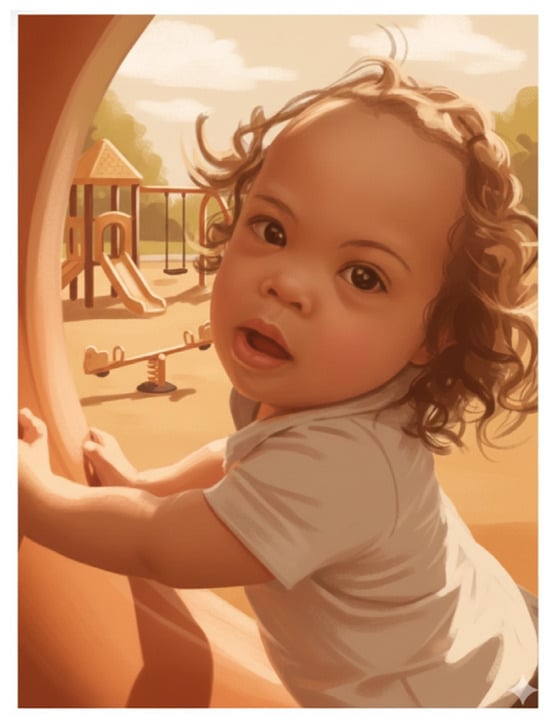
This retrospective case report follows a young boy diagnosed with Down syndrome and his developmental trajectory from 3 months to 36 months (about 3 years). See Figure 1. We describe his progress using two different standardized assessments. The Hammersmith Infant Neurological Examination (HINE) is a widely used clinical neurological examination, and its cut-off scores have been used to predict the probability of cerebral palsy [36], walking ability at age 2 years [37], and cognitive disability [38]. Although the HINE is not typically used with children who have Down syndrome, we report a hypotonia sub-score that has been proposed to quantify hypotonia [2]. Items within this sub-score assess both hypotonia (decreased muscle tone) and hypermobility, examining aspects like range of motion, the scarf sign, and head lag. While the overall HINE total score is the primary predictor for developmental disorders like cerebral palsy, changes in the tone sub-score over time can provide valuable information about the severity and progression of muscle tone abnormalities. The hypotonia sub-score is currently being evaluated for reliability and validity.
Figure 1.
Illustration of EJ at age 2 ½ years old at an accessible playground.
The Gross Motor Function Measure (GMFM-88) [39] is a criterion-referenced measure, originally developed for children with cerebral palsy. In 2001, Palisano and colleagues identified two common motor trajectory curves for children with Down syndrome: mild and moderate/severe [40].
The child’s intervention plan followed the Hypotonia Care Pathway from the American Academy of Cerebral Palsy and Developmental Medicine (AACPDM) and included multiple therapeutic interventions, such as tummy time, compression garments, early supported sitting, a standing device, and a supported stepping device [4]. This case study also presents his transition from early intervention to school-based services, with a family-centered, routines-based approach that emphasizes caregiver-delivered therapy.
Campos [41], Longo [42], and colleagues previously explored the application of the F-words for Child Development—a conceptual framework originally proposed by Rosenbaum and Gorter [43]—in the context of children with significant motor limitations, specifically those classified within Levels IV and V of the Gross Motor Function Classification System (GMFCS) [44]. These levels describe children with limited self-mobility who typically rely on wheeled mobility and other assistive devices with or without caregiver support for most physical activities. Longo and colleagues’ protocol describes how the outcomes in a study should be linked to the actual tool (outcome measure) used, and how to assign proposed use to the different F-words [42]. Two research groups applied Longo’s methodology to scoping reviews on intervention ingredients for ambulant (GMFCS I–III) [5] and non-ambulant children (GMFCS IV–V) [41]. Leite and colleagues complemented this methodology with the F-words Lens Tool in their review [5].
The F-words Lens Tool [5,6] is a clinical reasoning framework developed to help clinicians and families better understand intervention components. This tool is grounded in the F-words for Child Development [43,45] and the Rehabilitation Treatment Specification System (RTSS) [6,46]. It is designed to foster collaboration between therapists and families in identifying the child’s F-word goal (Functioning, Fitness, Family, Fun, Future, Friendship). The tool includes a set of questions that guide the dyad (family and therapists) to reflect on the intervention ingredients (what the therapist or family does), how each ingredient is expected to work (mechanism of action), the direct and indirect outcomes when the goal is achieved, and, finally, to uncover potential intervention names and their appropriate dose/dosage required to reach the goal, considering the best available scientific evidence. It also explores how to implement these ingredients in the family’s daily routine. The training manual for the tool is available in multiple languages on the CanChild website: www.canchild.ca.
3. Results
Case report details were drawn from medical records and chart review with the informed consent of the parents and the child’s verbal assent. Some data was gathered from family records, videos, and memories. Ethics approval for publication of this case report was waived by the institutional research ethics board.
3.1. Case Description and Background
The child in this case study was diagnosed with Down syndrome in utero at 17 weeks of gestational age. He will be referred to as EJ at the request of the child and family. The mother was over 35 when she became pregnant, and various genetic tests were performed. Results indicated there was a high chance the child had Down syndrome. An amniocentesis was performed, and the Down syndrome diagnosis was confirmed. He was born healthy without any cardiac concerns. EJ was the second child born to parents with no family history of Down syndrome. His mother was at home with him while she worked from home, while his father worked outside the home. As he grew older, he was cared for by his maternal grandparents two days a week. The family lived in a two-bedroom condominium on an upper level of a high-rise building.
EJ was referred to his local early intervention program at age 3 months. He received physical therapy four times a month for 60 min, and by nine months, he was also seen by a special educator (teacher) twice a month for 60 min. Coaching and routines-based sessions occurred in the home, with the family delivering the strategies. Goals and services were assessed and modified every 6 months. Services continued until age 3 years, when he transitioned to school-based services.
3.2. Developmental Assessments and Milestones
The HINE sub-score was used to quantify EJ’s hypotonia, and his early developmental milestones, including motor skills, were measured using the GMFM-88. The HINE hypotonia sub-scores (Table 1) illustrate that his hypotonia appears to be interfering less with his functioning over time. The initial score at 3 months falls into the severe range and is in the moderate range by 9–24 months (about 2 years), reflecting maturation over time.
Table 1.
Hammersmith Infant Neurological Examination (HINE) and hypotonia sub-scores.
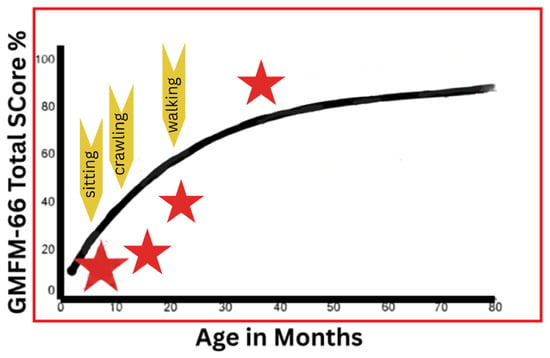
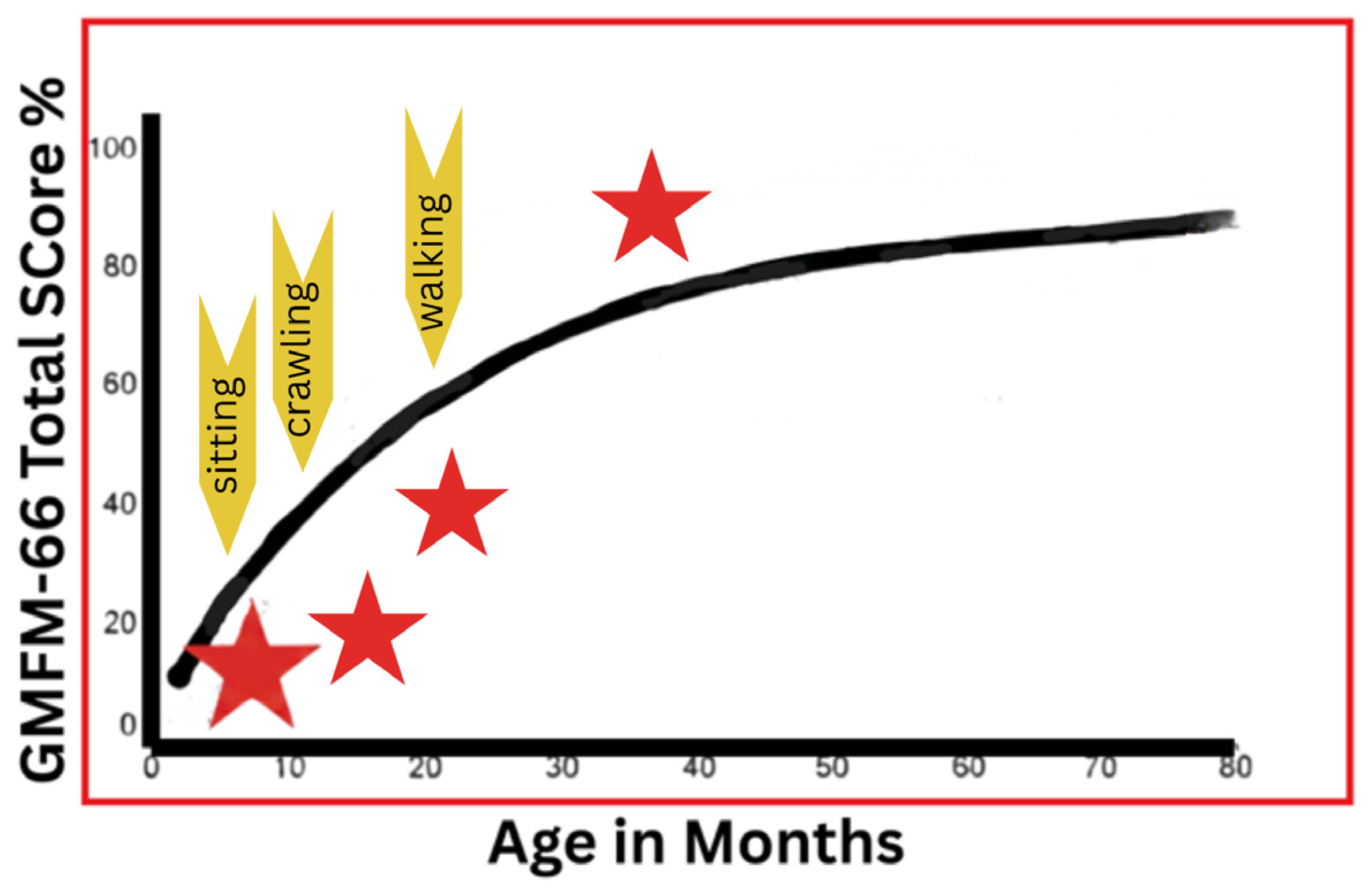
The GMFM-88 scores show him beginning well below both the mild and the moderate/severe motor impairment Down syndrome curves [40] and ending well above the mild motor impairment curve, showing a better-than-expected motor outcome. EJ’s GMFM-88 scores were as follows: 9 months (10); 16 months (17); 21 months (27); 36 months (87.6), as illustrated in Figure 2. Overall, EJ met his gross motor milestones in a sequential manner, rolling at 5 months, sitting at 8 months, crawling at 12 months, and walking independently, taking ten steps consistently in his home (without the stepping device) by 20 months. By age 3 years, EJ was 25% delayed in gross motor skills only, but not in activities of daily living, cognition, receptive language, expressive language, or fine motor skills.
Figure 2.
GMFM-88 scores at 9, 16, 21, and 36 months (red stars) and major milestones (yellow arrows) plotted on a graphic modeled on the Down syndrome curve for mild motor impairment.
3.3. Interventions
3.3.1. Early Active Motor Interventions
Tummy Time: EJ engaged in tummy time from age 3 months for a total of 20–60 min/day in 5–10 bouts per day, to help strengthen the muscles needed for postural control and coordination, and to prevent flattening of the skull (plagiocephaly), which can occur when infants spend too much time lying on their backs. EJ had severe hypotonia (according to his HINE hypotonia sub-score), making it challenging for him to engage in tummy time. His family used strategies such as a towel roll, their legs, and motivating toys to make the experience more engaging and manageable. They started with a few minutes a day and slowly increased to ten 3–5-min sessions daily. Mendres-Smith and colleagues suggest motivating activities to increase tolerance of tummy time [47]. EJ was able to tolerate more minutes of tummy time when using a neoprene trunk compression garment.
Massage training was provided by a certified social worker, consisting of gentle effleurage strokes and focused on bonding, reading cues, reducing constipation, and promoting relaxation for sleep. The social worker trained EJ’s mother over four sessions lasting one hour each, during which the provider demonstrated on a doll and the mother applied the massage to EJ. His mother found this strategy useful for promoting sleep and reducing constipation. She used this strategy 3–5 times each week, 5–10 min each session.
3.3.2. Postural Management (Including Use of Assistive Devices and Hip Surveillance)
His family was encouraged to have EJ sleep in a neutral position of the head, neck, spine, pelvis, hips, and legs (and avoid frog-leg lying positions). They were encouraged to carry him with his legs together rather than straddling a parent’s hip. It was recommended that he receive a single AP hip X-ray at one year of age and be enrolled in a hip surveillance program [35].
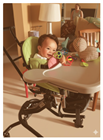
EJ’s family did not have a high chair or other infant seating device, so a commercially available system (Sunrise Medical Leckey Squiggles) was trialed and obtained from a local non-profit lending organization. While this seat was originally too large, it afforded adequate postural control to facilitate early grasp, reach, vision, and positioning for participation during play and mealtimes. He used this seat for 20–40 min sessions, 2–4 times a day, 5–7 days a week.
Weight-bearing was limited by the instability and hypermobility of EJ’s ankles. The family investigated and was informed that orthotics were not covered by their health insurance. We trialed recycled off-the-shelf orthotics (Cascade PattyBobs, no longer available) and high-top shoes. EJ’s family and physical therapist read the literature together and decided to use orthotics only during supported standing sessions. Orthotics were used from age 9 to 12 months, followed by high-top shoes alone. A stander was recommended initially for bone and hip development, but the family chose to use a supported-stepping device for both standing (with the addition of bilateral knee immobilizers) and stepping. Later, after age two, the family incorporated jumping into their home play routine using a small trampoline with a handle to increase activity and strengthening. EJ was placed in this device 1–3 times a day for 20–30 min, 5–7 days each week.
3.3.3. Locomotor Training
After reviewing the published literature, the family decided to try treadmill training according to the original Ulrich protocol [27] to accelerate the onset of walking. They had access to a treadmill in the gym in their apartment building. The grandmother would come to watch EJ’s sister so his mother could take him to the gym. EJ’s mother found it difficult to support him and get him to take steps, and the neighbors stared and questioned her. She was uncomfortable, and EJ was not responding, so this was discontinued.
At the same time period, the family trialed a supported stepping device (Rifton mini-Pacer) as a short-term loan from their early intervention program. This device was very small and manageable. Once the family determined that they wanted this for a longer period, the PT consulted a local durable medical equipment (DME) provider and the family’s health insurance. Since only minimal coverage was available, a unit was obtained from a local non-profit lending program.
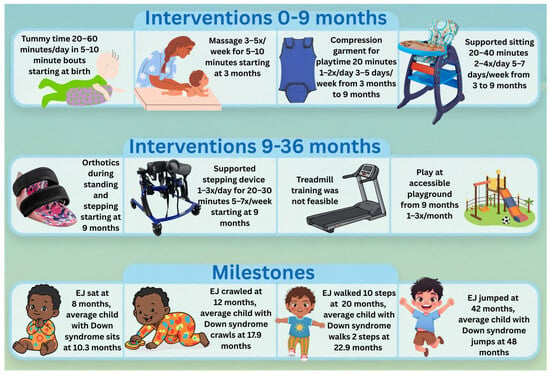
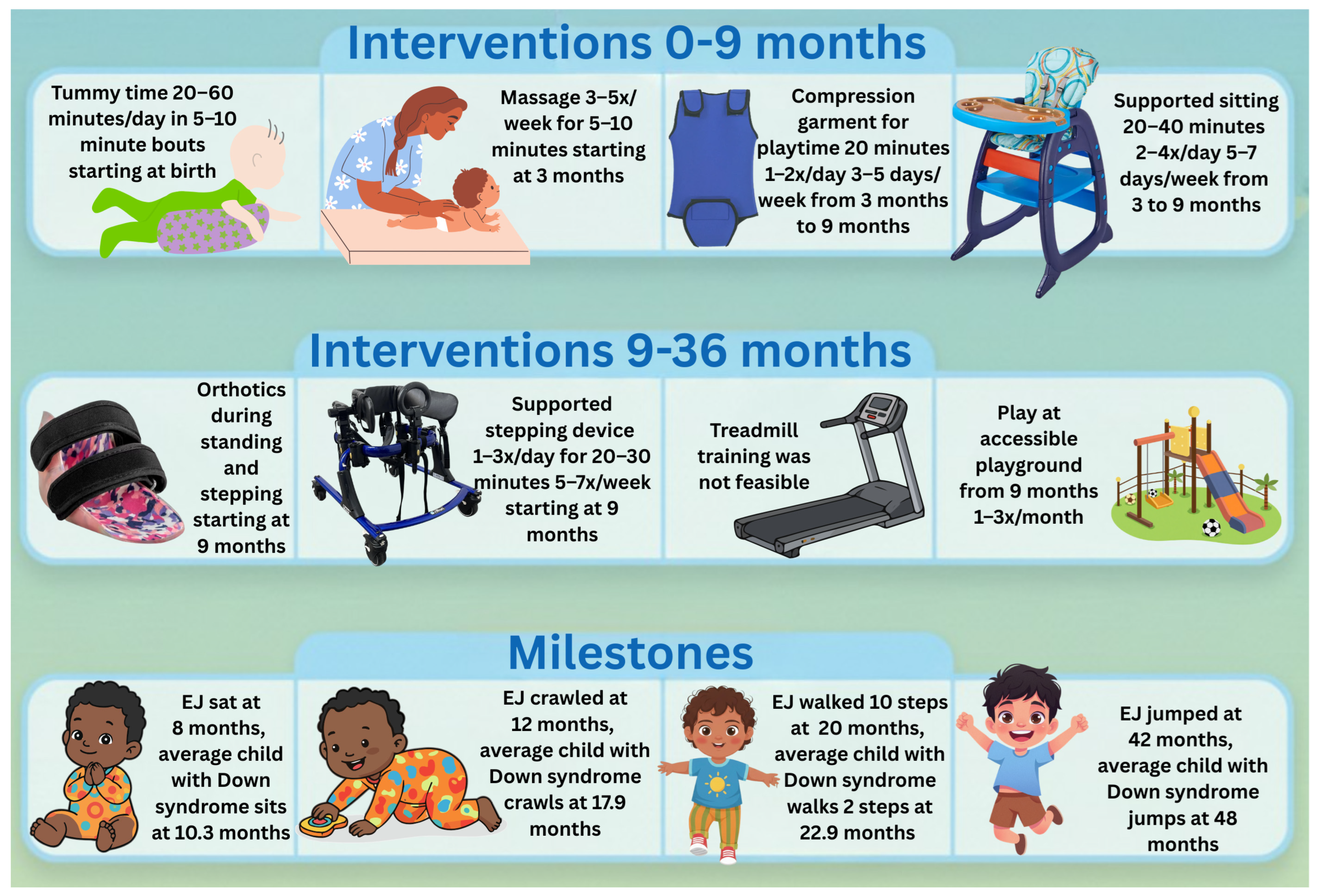
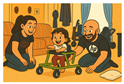
For this family, the routines-based approach with the supported stepping device, which emphasized walking in natural environments (e.g., hallways), was more practical than using the treadmill and aligned with their goals. They were able to use the device daily in the home and hallways to get the mail, do laundry, and ride the elevator. See Figure 3 for an illustration of the timeline of different interventions, dosages for each intervention, and achievement of gross motor milestones in relation to published mean ages for children with Down syndrome [3].
Figure 3.
Map of interventions and milestones over time.
3.4. Application of the F-Words Lens Framework
The family’s and therapist’s goals, intervention components, and opportunities for exploration in the child’s natural environment were compiled using the F-words Lens Tool, as illustrated in Table 2.
Table 2.
F-words Lens Tool analysis.
3.4.1. Fitness
Initially, EJ had poor endurance and tolerance for activities [48]. With daily play sessions focused on activities that EJ was interested in, and with sessions stopping whenever he became tired, uncomfortable, or cried (child-directed), EJ increased his endurance and activity. All family-centered, strength-based goals were addressed through whole-task practice, ensuring that EJ initiated and completed movements on his own (hands-off) while participating in a natural routine. A stepping device was used for strengthening, and later a small trampoline with a handle.
3.4.2. Functioning
The family and early intervention team applied ingredients such as environmental modification and selected toys to target EJ’s just-right level of challenge for motor, cognition, and language. To ensure the approach was strength-based and expectations remained high, the ON-Time approach [19], including the introduction of play and mobility at typical ages, was used.
3.4.3. Friendships
EJ’s sister often conducted the play sessions and delivered intervention ingredients, choosing the activity and motivating EJ to move and learn. Friends are profoundly important for infants and toddlers with Down syndrome, as early social interactions serve as a vital ingredient for holistic development that often complements formal therapy. Ingredients that provide opportunities for engaging in reciprocal play and shared activities with peers, both with and without disabilities, directly and indirectly help young children with Down syndrome improve essential social-emotional skills. These include learning to share, take turns, understand non-verbal cues, and manage emotions, which are foundational for school readiness and successful later relationships. Furthermore, peer-interaction ingredients (particularly those involving children who are typically developing, and who often model more complex communication and play schemes), can provide powerful motivation and context for enhancing direct/indirect language acquisition, imitation skills, and cognitive flexibility, creating a natural, engaging environment where learning is driven by a desire to connect and belong, fostering a strong sense of self-worth and inclusion.
3.4.4. Family
EJ spent time with his grandparents and cousins. His family modified his environment as an ingredient to optimize participation. One favorite opportunity in their daily routine was a nearby inclusive playground with ramps and activities that were accessible to EJ while he was in his stepping device. He was free to explore and roam in a safe environment.
3.4.5. Fun
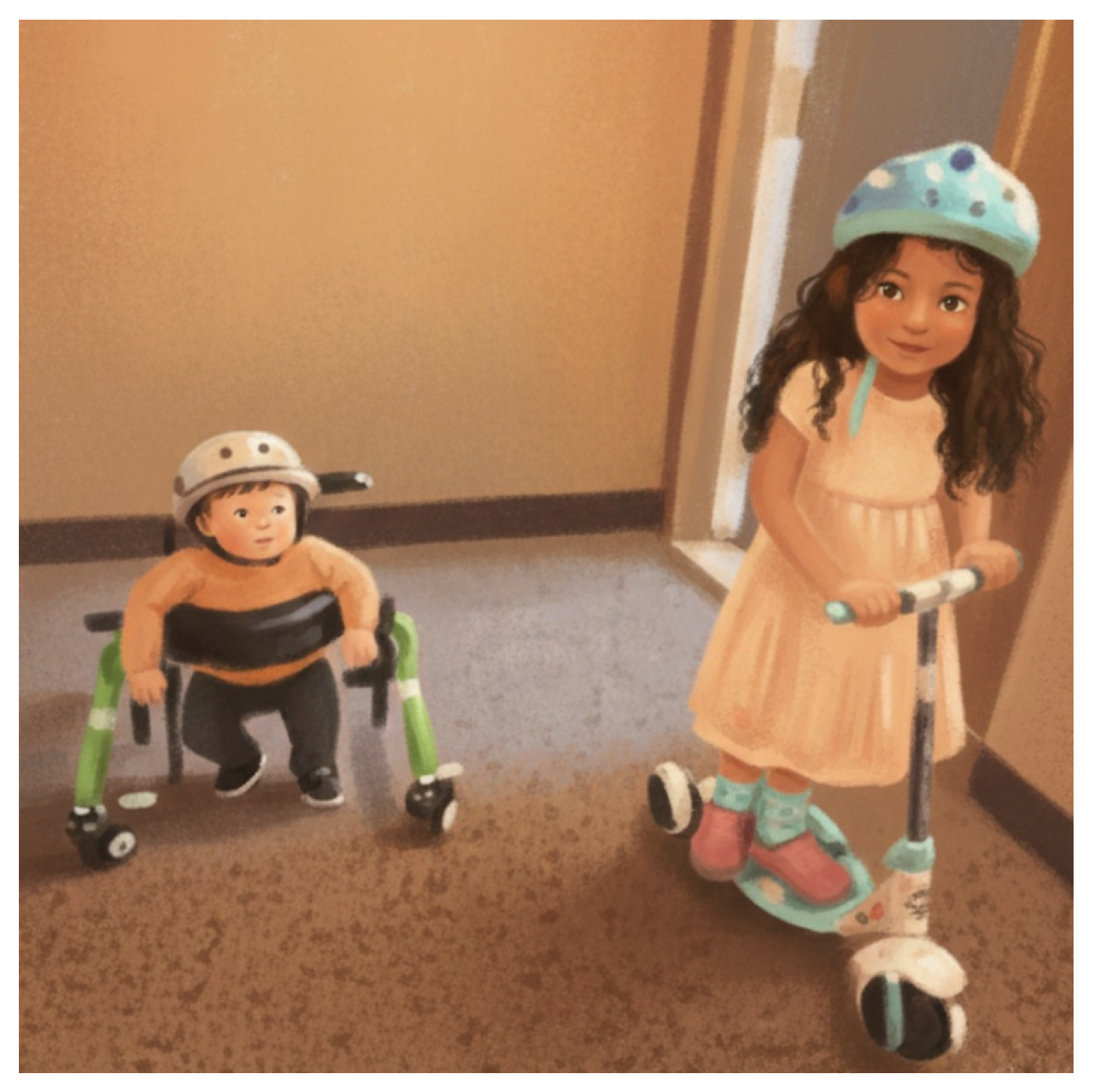
A favorite activity was exploring the hallways, elevator, and laundry room. EJ would use his stepping device while his sister rode her scooter. Together they ran and danced while their laughter filled the hallways, resulting in meeting many new neighbors.
3.4.6. Future
Orthotics are intended to work by protecting EJ’s joints from stress and his soft tissue from overstretching [49]. Hip surveillance aims to identify hip issues before they become painful or limit mobility [35]. Early mobility has been shown to bring direct/indirect positive impact on a developmental cascade of language and cognitive development gains [50,51] to ensure EJ’s future is bright. Early and continued activity ingredients afford opportunities to promote participation in physical activity opportunities [52], which can protect against obesity, metabolic dysregulation, and cognitive decline in later years.
3.4.7. Future—What’s Next? Transition to School-Based Services
As EJ aged, he transitioned out of early intervention services and into school-based therapies. His family maintained their commitment to a routine-based approach. The parents were trained to deliver therapy at home using a coaching model to increase their confidence and skills in supporting their child’s motor and overall development.
4. Discussion
This retrospective case report illustrates how evidence-based ingredients for developmental central hypotonia can be integrated into a child’s daily routines using a family-centered approach aligned with contemporary frameworks, including the AACPDM Hypotonia Care Pathway [4] and the F-words Lens Tool [5,6]. The interventions implemented for this child with Down syndrome—tummy time, infant massage, compression garments, adaptive seating, supported standing and stepping, and episodic use of orthotics—reflect current best-practice recommendations, despite the limited quality of evidence supporting many of these strategies for this population [7]. The case highlights how clinical reasoning, caregiver coaching, and contextualized implementation can optimize outcomes even when empirical evidence remains weak or is still emerging.
Consistent with previous findings, early active motor interventions appeared to play a foundational role in supporting EJ’s acquisition of motor milestones. The literature suggests that infants with Down syndrome who begin structured tummy time before approximately 11 weeks achieve gross motor milestones earlier than those who begin later or inconsistently [8]. EJ’s experience is congruent with these findings, although his severe hypotonia initially limited participation and tolerance. EJ’s tone was so low initially (with no head control) that he required additional supports to tolerate the early active motor ingredients recommended within the care pathway. The family’s use of varied tummy time strategies and motivational play aligns with recommendations emphasizing child-initiated, active motor engagement within naturalistic routines. Notably, EJ demonstrated increased tolerance and improved head/trunk activation when using a neoprene compression garment, supporting the concept that external trunk support may enhance postural stability, even though research regarding compression garments in infants with Down syndrome remains sparse.
A total HINE cut-off score of 59 by age 9 months indicates the probability of walking by age 2 years in pre-term infants [37]. In contrast, EJ’s scores, likely influenced by his hypotonia, remained below this level at 24 months, when he was already walking. While the HINE hypotonia sub-scores and their meaning have not yet been established, they are presented as an example of how they could influence clinical reasoning. After age 6 months, EJ’s hypotonia sub-score remained in the moderate range; however, the active motor interventions may have helped promote strength and endurance, allowing him to make functional gains despite his hypotonia.
The addition of infant massage, provided through coaching by a social worker, may have supported regulatory functions such as sleep and gastrointestinal comfort while also enhancing caregiver engagement. Although evidence for massage in developmental central hypotonia is limited, this case aligns with RCT findings suggesting positive developmental or regulatory benefits in young infants with Down syndrome [10]. Importantly, massage represented an intervention that was fully embedded in family routines and is therefore consistent with best-practice coaching models.
Postural management strategies, such as the use of adaptive seating, attention to hip positioning, and provision of opportunities for upright play, were essential components of the child’s program. The decision to trial orthotics only during upright play reflects current nuanced recommendations, which caution against full-time orthotic use in pre-ambulatory infants unless necessary for stability. This individualized approach balanced the theoretical benefits of improved alignment with the risks of limiting spontaneous exploration. Similarly, hip surveillance—rarely emphasized in Down syndrome despite emerging data showing elevated risk of hip issues [35]—was incorporated to support early detection and prevention.
Locomotor training represented another key intervention area. Although treadmill-based protocols have demonstrated earlier onset of walking in infants with Down syndrome [27], the family found treadmill training impractical and uncomfortable due to space, attention, and social barriers. Instead, they used the supported stepping device from age 9 months for standing and stepping. EJ was able to step efficiently in the device by 15 months and achieved independent walking without the device (taking 10 steps) by 20 months. This is much earlier than the mean age reported for two independent steps (22.9 months) in a large cohort study [3], and similar to the age reported by Ulrich and colleagues [27] for taking three independent steps following treadmill training (19.9 months).
This case underscores an important point: even interventions with relatively stronger evidence may be less effective if they are not feasible or acceptable to the family. In contrast, use of the supported stepping device (mini-Pacer) fits seamlessly into daily routines, allowing EJ to practice upright mobility during naturally occurring activities such as hallway play, errands, and sibling interactions. The consistent and meaningful use of this device likely contributed to gains in endurance, exploration, and engagement—consistent with research highlighting the developmental significance of ON-Time [19], and self-initiated mobility for cognitive, language, and social development.
The F-words Lens clinical reasoning tool [5,6] provides a valuable framework for analyzing the ingredients and mechanisms of action behind each intervention and for aligning therapeutic priorities with family goals and opportunities to apply these ingredients in their routine. Using the F-words Lens facilitated a broader, participation-focused understanding of EJ’s development, shifting emphasis from impairment-level concerns to strength-based functional outcomes, enjoyment, family routines, and long-term health. For example, improvements in Fitness were observed through increased endurance and tolerance for upright activities; Functioning was supported by targeted opportunities for grasp, reach, mobility, and exploration; Family and Friendship were strengthened through sibling-led play and time with grandparents; Fun was evident in EJ’s joy during hallway exploration and outdoor activities; and Future considerations guided decisions around orthotic use, hip surveillance, and maintenance of healthy activity patterns.
Finally, the family’s transition from early intervention to school-based services demonstrated sustained adherence to a routine-based, caregiver-implemented model. Their strong engagement, emerging expertise, and confidence in delivering therapeutic strategies likely played a major role in EJ’s progress. This reinforces a central tenet of early intervention: the dosage and quality of caregiver-implemented activities far exceed what can be achieved through direct professional services alone.
Overall, this case demonstrates that applying the Hypotonia Care Pathway and the F-words Lens Tool can support individualized, evidence-informed, and context-sensitive intervention planning for children with Down syndrome. Despite the limited quantity and quality of empirical research on specific modalities, especially compression garments, supported stepping devices, and adaptive seating in Down syndrome, the integrated, family-centered approach used in this case appears to have supported meaningful developmental gains. Future research should aim to build higher-quality evidence on these intervention ingredients, examine mechanisms of action, and evaluate outcomes in diverse family contexts.
Limitations
This case report used data from multiple sources, including photographs, videos, and memories from the family, as well as retrospective chart review, raising concerns about the potential for recall bias. In addition, the family in this case was responsive to the coaching, routines-based, caregiver-delivered model, while some other families may prefer a direct service medical model. Although this family did not have access to adequate insurance funding, they were able to access loan programs that may not be available to all families.
5. Conclusions
This case study illustrates the importance of a comprehensive, individualized approach to early intervention for children with Down syndrome. By following the AACPDM Hypotonia Care Pathway, using evidence-based interventions such as tummy time, early seating, orthotics, compression garments, and a supported stepping device, as well as employing a family-centered, routines-based approach, this child made significant progress in all areas of his development. The combination of professional therapy and caregiver-delivered interventions, such as walking with the stepping device, enabled the child to participate fully. This case underscores the value of incorporating practical, everyday activities into therapy to promote motor development in a meaningful and sustainable way.
Reflections from the Mother
As a mother of a child with Down syndrome, early intervention quickly became one of the most important parts of our journey. From the beginning, I learned that Down syndrome often comes with low muscle tone, or hypotonia, which can affect how babies move, sit, crawl, and eventually walk. Our early intervention team explained that starting support as early as possible could help my son build the strength and coordination he needed for everyday activities. They guided us using the AACPDM Hypotonia Care Pathway, an approach that focuses on active motor play, family involvement, and simple strategies we could weave naturally into our daily routines. Being strength-based and family-centered was very important to us.
One of the first things we worked on was encouraging active movement, especially tummy time. Because my son’s hypotonia made tummy time difficult, our therapist demonstrated how to use rolled towels, our legs, a compression garment, and motivating toys to make it more enjoyable and successful. She explained that research shows that starting tummy time early can support earlier motor milestone achievement. We also learned infant massage techniques, which helped calm him, improved his sleep and digestion, and strengthened our bond as we learned how to read his cues and comfort him.
As he grew, we added tools to support posture and exploration. Adaptive seating helped him sit upright so he could use his hands to play and interact with his environment. We learned how to position his hips and legs in ways that protected his joints and promoted healthy development. Standing practice was another major part of our routine, first with simple supports and eventually with a small stepping device that allowed him to explore our home upright. These activities helped him develop strength, endurance, and confidence in moving through his world and allowed him to play with his sister.
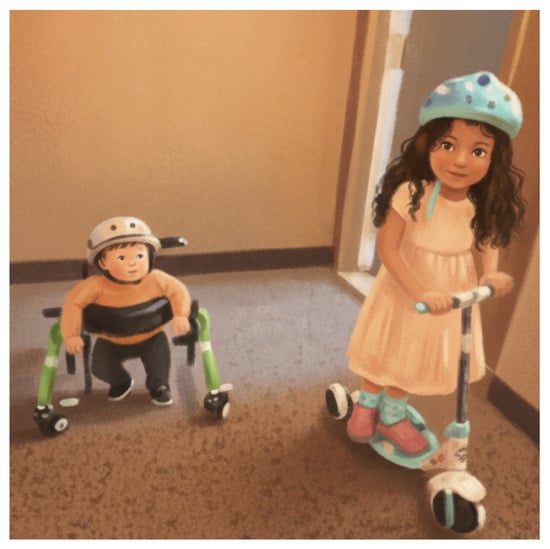
Mobility became one of the most meaningful parts of early intervention. Although we tried treadmill training, it wasn’t practical for our family, so we shifted to using a lightweight supported-stepping device that fit our space and daily routines. With this device, my son could “walk” down the hall to get the mail, join his sister in play, or explore our building’s common areas (see Figure 4). These everyday experiences—laughing with his sister, greeting neighbors, reaching for new toys—were just as developmental as any formal therapy session. They reflected what our therapists taught us: meaningful practice happens best during real-life activities that are fun and motivating.
Figure 4.
Fun and participation in the hallway.
The strategies and therapies introduced to us by our early intervention team were key to EJ’s development. They were practical and replicable so that we could teach them to our daughter and other family and friends to use while engaging with our son. EJ’s sister loved learning these strategies and using them while playing with her brother. Her engagement with her brother and use of these therapies were instrumental in his progress. I really appreciated the team working with us and showing us how we could adapt the strategies to fit our particular situation.
Looking back, early intervention was not just a set of therapies—it was a partnership that helped us understand how to support our son in ways that fit our family. Using the F-words Lens Tool (Functioning, Fitness, Family, Fun, Friendship, and Future) helped us focus on what mattered: giving him opportunities to move, play, explore, and connect with others. Early intervention empowered us to make small but powerful changes to our daily routines, and those changes helped lay the foundation for his growth in motor skills, communication, social interaction, and independence. It gave us confidence as parents, and it gave our son a joyful start filled with movement, discovery, and belonging. I hope that by sharing our story, other families find hope and possibility for their child.
Author Contributions
Conceptualization, G.S.P. and R.W.L.; writing—original draft preparation, G.S.P., P.A. and R.W.L.; writing—review and editing, all authors; references and bibliography, P.G. and R.W.L.; visualization, G.S.P., R.S., H.R.L. and Á.H.-R. All authors have read and agreed to the published version of the manuscript.
Funding
This research received no external funding for conduct or for writing of the manuscript. Part of the APC was supported by UKZN research funds (P.G.).
Institutional Review Board Statement
Ethical review and approval were waived for this study by the University of British Columbia and the Children’s and Women’s Health Centre of British Columbia Research Ethics Board because single case reports are not considered research according to the second edition of the Tri Council Policy Statement (TCPS 2) on ethical conduct for research involving humans.
Informed Consent Statement
Informed consent and assent were obtained from the family and the teen involved in the study. Written informed consent has been obtained from the participant to publish this paper, and for any included graphics, illustrations, or charts.
Data Availability Statement
The data used in this study can be found within the published paper. Graphics were created by G.S.P. with help from currently online versions of Gemini (www.gemini.google.com), Nano Banana (www.nanobananaimg.com), ChatGPT (www.chatgpt.com), Canva (www.canva.com ), and Clip2Comic (version7.4.4).
Acknowledgments
The authors would like to thank EJ and his family for participating in the project. AI was not used in the writing or editing of this manuscript, but AI graphic tools were used to assist in the creation of figures within the manuscript.
Conflicts of Interest
G.S.P. has worked as an educational consultant for Prime Engineering, a manufacturer of supported standing and supported stepping devices. This study was unfunded, and this relationship with the manufacturer did not influence the manuscript in any way. The remaining authors declare no conflicts of interest.
Disability Language/Terminology Positionality Statement
The authorship team includes researchers, clinicians and clinical researchers as well as the parent of the child described in the case report. In line with family preference, and our work in collaboration with families and individuals with a wide range of childhood-onset disabilities, we chose to use person-first language in this case report.
References
- Presson, A.P.; Partyka, G.; Jensen, K.M.; Devine, O.J.; Rasmussen, S.A.; McCabe, L.L.; McCabe, E.R.B. Current Estimate of Down Syndrome Prevalence in the United States. J. Pediatr. 2013, 163, 1163–1168. [Google Scholar] [CrossRef] [Scilit]
- Hidalgo Robles, Á.; Paleg, G.S.; Livingstone, R.W. Identifying and Evaluating Young Children with Developmental Central Hypotonia: An Overview of Systematic Reviews and Tools. Healthcare 2024, 12, 493. [Google Scholar] [CrossRef] [Scilit] [PubMed]
- Winders, P.; Wolter-Warmerdam, K.; Hickey, F. A schedule of gross motor development for children with Down syndrome. J. Intellect. Disabil. Res. 2019, 63, 346–356. [Google Scholar] [CrossRef] [Scilit]
- Paleg, G.; Livingstone, R.; Rodby-Bousquet, E.; Story, M.; Maitre, N. Central Hypotonia. AACPDM Care Pathway. 2019. Available online: https://www.aacpdm.org/publications/care-pathways/central-hypotonia (accessed on 2 January 2024).
- Leite, H.R.; de Sousa Junior, R.R.; Souto, D.O.; Medeiros e Silva, J.M.; de Lima, A.F.B.; de Miranda Drumond, C.; Policiano, E.B.C.; Marques, A.C.; de Carvalho Chagas, P.S.; Longo, E. F-Words Ingredients of Non-Invasive Interventions for Young Ambulant Children with Cerebral Palsy: A Scoping Review. Dev. Med. Child. Neurol. 2025, 67, 150–164. [Google Scholar] [CrossRef] [Scilit]
- Rodrigues de Sousa Junior, R.; Oliveira Souto, D.; Paleg, G.; Teplicky, R.; Hidalgo-Robles, A.; de Campos, A.C.; Chagas, P.; Longo, E.; Leite, H.R. Promoting Clinical Reasoning: Clinical Application of the “F-words Lens Tool” for Children With Disabilities. Pediatr. Phys. Ther. 2026, 38, 144–149. [Google Scholar] [CrossRef] [Scilit]
- Paleg, G.S.; Hidalgo Robles, Á.; Govender, P.; Livingstone, R.W. Occupational and Physical Therapy Interventions for Young Children with Developmental Central Hypotonia: An Overview of Systematic Reviews. Disabilities 2025, 5, 14. [Google Scholar] [CrossRef] [Scilit]
- Wentz, E.E. Importance of Initiating a “Tummy Time” Intervention Early in Infants with Down Syndrome. Pediatr. Phys. Ther. 2017, 29, 68–75. [Google Scholar] [CrossRef] [Scilit] [PubMed]
- Dumuids-Vernet, M.V.; Provasi, J.; Anderson, D.I.; Barbu-Roth, M. Effects of early motor interventions on gross motor and locomotor development for infants at-risk of motor delay: A systematic review. Front. Pediatr. 2022, 10, 877345. [Google Scholar] [CrossRef] [Scilit]
- Pinero-Pinto, E.; Benítez-Lugo, M.L.; Chillón-Martínez, R.; Rebollo-Salas, M.; Bellido-Fernández, L.M.; Jiménez-Rejano, J.J. Effects of Massage Therapy on the Development of Babies Born with Down Syndrome. Evid. Based Complement. Alternat. Med. 2020, 2020, 4912625. [Google Scholar] [CrossRef] [Scilit]
- Toohey, M.; Blatch-Williams, R.; Budini, K.; Ferreira, A.; Griffin, A.; Hines, A.; Jackman, M.; Lind, K.; Massey, J.; Mc Namara, M.; et al. Effectiveness of Postural Interventions in Cerebral Palsy: Umbrella Systematic Review. Paediatr. Child Health 2024, 34, 257–278. [Google Scholar] [CrossRef] [Scilit]
- Wells, H.; Marquez, J.; Wakely, L. Garment Therapy Does Not Improve Function in Children with Cerebral Palsy: A Systematic Review. Phys. Occup. Ther. Pediatr. 2018, 38, 395–416. [Google Scholar] [CrossRef] [Scilit] [PubMed]
- Paleg, G.; Hubbard, S.; Brite, E.; O’Donnell, K. Dynamic Trunk Splints and Hypotonia. Phys. Ther. Case Rep. 1999, 2, 122–124. [Google Scholar]
- Washington, K.; Deitz, J.C.; White, O.R.; Schwartz, I.S. The Effects of a Contoured Foam Seat on Postural Alignment and Upper-Extremity Function in Infants with Neuromotor Impairments. Phys. Ther. 2002, 82, 1064–1076. [Google Scholar] [CrossRef] [Scilit]
- Gawand, N.; Nandagonkar, H. To study the effectiveness of “D” chair on fine motor skills in children with Down’s syndrome—A comparative study. Ind. J. Occup. Ther. 2014, 46, 77–82. [Google Scholar]
- Lobo, M.A.; Harbourne, R.T.; Dusing, S.C.; McCoy, S.W. Grounding Early Intervention: Physical Therapy Cannot Just Be About Motor Skills Anymore. Phys. Ther. 2013, 93, 94–103. [Google Scholar] [CrossRef] [Scilit]
- McLean, L.; Paleg, G.; Livingstone, R. Supported-Standing Interventions for Children and Young Adults with Non-Ambulant Cerebral Palsy: A Scoping Review. Dev. Med. Child Neurol. 2023, 65, 754–772. [Google Scholar] [CrossRef] [Scilit]
- Livingstone, R.W.; Paleg, G.S. Use of Overground Supported-Stepping Devices for Non-Ambulant Children, Adolescents, and Adults with Cerebral Palsy: A Scoping Review. Disabilities 2023, 3, 165–195. [Google Scholar] [CrossRef] [Scilit]
- Sabet, A.; Feldner, H.; Tucker, J.; Logan, S.W.; Galloway, J.C. ON Time Mobility: Advocating for Mobility Equity. Pediatr. Phys. Ther. 2022, 34, 546–550. [Google Scholar] [CrossRef] [Scilit] [PubMed]
- Logan, S.W.; Huang, H.H.; Stahlin, K.; Galloway, J.C. Modified Ride-on Car for Mobility and Socialization: Single-Case Study of an Infant With Down Syndrome. Pediatr. Phys. Ther. 2014, 26, 418–426. [Google Scholar] [CrossRef] [Scilit]
- Hospodar, C.M.; Sabet, A.; Logan, S.W.; Catena, M.A.; Galloway, J.C. Exploratory Analysis of a Developmentally Progressive Modified Ride-on Car Intervention for Young Children with Down Syndrome. Disabil. Rehabil. Assist. Technol. 2021, 16, 749–757. [Google Scholar] [CrossRef] [Scilit]
- Ross, C.G.; Shore, S. The Effect of Gross Motor Therapy and Orthotic Intervention in Children With Hypotonia and Flexible Flatfeet. J. Prosthet. Orthot. 2011, 23, 149–154. [Google Scholar] [CrossRef] [Scilit]
- Looper, J.; Ulrich, D.A. Effect of Treadmill Training and Supramalleolar Orthosis Use on Motor Skill Development in Infants with Down Syndrome: A Randomized Clinical Trial. Phys. Ther. 2010, 90, 382–390. [Google Scholar] [CrossRef] [Scilit]
- Looper, J.; Martin, K. The effect of supramalleolar orthotic use on activity and participation skills in children with Down syndrome. J. Prosthet. Orthot. 2020, 32, 222–228. [Google Scholar] [CrossRef] [Scilit]
- Valentín-Gudiol, M.; Mattern-Baxter, K.; Girabent-Farrés, M.; Bagur-Calafat, C.; Hadders-Algra, M.; Angulo-Barroso, R.M. Treadmill Interventions in Children Under Six Years of Age at Risk of Neuromotor Delay. Cochrane Database Syst. Rev. 2017, CD009242. [Google Scholar] [CrossRef] [Scilit]
- Weber, A.; Martin, K. Efficacy of orthoses for children with hypotonia: A systematic review. Pediatr. Phys. Ther. 2014, 26, 38–47. [Google Scholar] [CrossRef] [Scilit]
- Ulrich, D.A.; Ulrich, B.D.; Angulo-Kinzler, R.M.; Yun, J. Treadmill Training of Infants with Down Syndrome: Evidence-Based Developmental Outcomes. Pediatrics 2001, 108, e84. [Google Scholar] [CrossRef] [Scilit]
- Ulrich, D.A.; Lloyd, M.C.; Tiernan, C.W.; Looper, J.E.; Angulo-Barroso, R.M. Effects of intensity of treadmill training on developmental outcomes and stepping in infants with Down syndrome: A randomized trial. Phys. Ther. 2008, 88, 114–122. [Google Scholar] [CrossRef] [Scilit]
- Wu, J.; Looper, J.; Ulrich, B.D.; Ulrich, D.A.; Angulo-Barroso, R.M. Exploring effects of different treadmill interventions on walking onset and gait patterns in infants with Down syndrome. Dev. Med. Child Neurol. 2007, 49, 839–845. [Google Scholar] [CrossRef] [Scilit] [PubMed]
- Damiano, D.L.; DeJong, S.L. A Systematic Review of the Effectiveness of Treadmill Training and Body Weight Support in Pediatric Rehabilitation. J. Neurol. Phys. Ther. 2009, 33, 27–44. [Google Scholar] [CrossRef] [Scilit] [PubMed]
- Zwicker, J.G.; Mayson, T.A. Effectiveness of Treadmill Training in Children with Motor Impairments: An Overview of Systematic Reviews. Pediatr. Phys. Ther. 2010, 22, 361–377. [Google Scholar] [CrossRef] [Scilit]
- Abuatiq, R.A.; Hoffman, M.E.; Laforme Fiss, A.; Looper, J.; Feldner, H.A. Exploring the Efficacy of a Dynamic Harness System on Gross Motor Development and Motivation for Infants with Down Syndrome: A Pilot Study. Pediatr. Phys. Ther. 2024, 36, 468–476. [Google Scholar] [CrossRef] [Scilit]
- Willoughby, K.L.; Dodd, K.J.; Shields, N.; Foley, S. Efficacy of Partial Body Weight-Supported Treadmill Training Compared with Overground Walking Practice for Children with Cerebral Palsy: A Randomized Controlled Trial. Arch. Phys. Med. Rehabil. 2010, 91, 333–339. [Google Scholar] [CrossRef] [Scilit]
- Novak, I.; Morgan, C.; Fahey, M.; Finch-Edmondson, M.; Galea, C.; Hines, A.; Langdon, K.; Namara, M.M.; Paton, M.C.; Popat, H.; et al. State of the Evidence Traffic Lights 2019: Systematic Review of Interventions for Preventing and Treating Children with Cerebral Palsy. Curr. Neurol. Neurosci. Rep. 2020, 20, 3. [Google Scholar] [CrossRef] [Scilit]
- Koehler, R.; Pathy, R.; Gregory, D.; Mooney, J.F.; Gannotti, M.E. Hip dysplasia and dislocation in Down syndrome: Is there evidence to support consideration of routine hip surveillance? J. Pediatr. Orthop. Soc. N. Am. 2004, 8, 10074. [Google Scholar] [CrossRef] [Scilit] [PubMed]
- Romeo, D.M.; Ricci, D.; Grogna, C.; Mercuri, E. Use of the Hammersmith Infant Neurological Examination in infants with cerebral palsy: A critical review of the literature. Dev. Med. Child Neurol. 2016, 58, 240–245. [Google Scholar] [CrossRef] [Scilit]
- Romeo, D.M.M.; Cioni, M.; Scoto, M.; Pizzardi, A.; Romeo, M.G.; Guzzetta, A. Prognostic value of a scorable neurological examination from 3 to 12 months post-term age in very preterm infants: A longitudinal study. Early Hum. Dev. 2009, 85, 405–408. [Google Scholar] [CrossRef] [Scilit]
- Romeo, D.M.; Cowan, F.M.; Haataja, L.; Ricci, D.; Pede, E.; Gallini, F.; Cota, F.; Brogna, C.; Romeo, M.G.; Vento, G.; et al. Hammersmith Infant Neurological Examination in infants born at term: Predicting outcomes other than cerebral palsy. Dev. Med. Child Neurol. 2022, 64, 871–880. [Google Scholar] [CrossRef] [Scilit]
- Russell, D.; Rosenbaum, P.; Avery, L.; Lane, M. The Gross Motor Function Measure (GMFM-66 and GMFM-88) User’s Manual; Cambridge University Press: Cambridge, UK, 2002. [Google Scholar]
- Palisano, R.J.; Walter, S.D.; Russell, D.J.; Rosenbaum, P.L.; Gémus, M.; Galuppi, B.E.; Cunningham, L. Gross motor function of children with Down syndrome: Creation of motor growth curves. Arch. Phys. Med. Rehabil. 2001, 82, 494–500. [Google Scholar] [CrossRef] [Scilit] [PubMed]
- De Campos, A.C.; Hidalgo-Robles, Á.; Longo, E.; Shrader, C.; Paleg, G. F-Words and Early Intervention Ingredients for Non-Ambulant Children with Cerebral Palsy: A Scoping Review. Dev. Med. Child Neurol. 2024, 66, 41–51. [Google Scholar] [CrossRef] [Scilit]
- Longo, E.; Monteiro, R.; Hidalgo-Robles, A.; Paleg, G.; Shrader, C.; De Campos, A.C. Intervention Ingredients and F-Words in Early Intervention for Children with Cerebral Palsy Functioning at GMFCS IV and V: A Scoping Review Protocol. Front. Rehabil. Sci. 2023, 4, 1110552. [Google Scholar] [CrossRef] [Scilit] [PubMed]
- Rosenbaum, P.; Gorter, J.W. The “F-Words” in Childhood Disability: I Swear This Is How We Should Think! Child Care Health Dev. 2012, 38, 457–463. [Google Scholar] [CrossRef] [Scilit]
- Palisano, R.; Rosenbaum, P.; Walter, S.; Russell, D.; Wood, E.; Galuppi, B. Development and Reliability of a System to Classify Gross Motor Function in Children with Cerebral Palsy. Dev. Med. Child Neurol. 1997, 39, 214–223. [Google Scholar] [CrossRef] [Scilit]
- Rosenbaum, P. The F-Words for Child Development: Functioning, Family, Fitness, Fun, Friends and Future. Dev. Med. Child Neurol. 2022, 64, 141–142. [Google Scholar] [CrossRef] [Scilit]
- Forsyth, R.; Whyte, J. Defining Paediatric Neurorehabilitation: You Cannot Improve What You Cannot Characterize. Dev. Med. Child Neurol. 2024, 66, 1123–1132. [Google Scholar] [CrossRef] [Scilit]
- Mendres-Smith, A.E.; Borrero, J.C.; Castillo, M.I.; Davis, B.J.; Becraft, J.L.; Hussey-Gardner, B. Tummy Time Without the Tears: The Impact of Parent Positioning and Play. J. Appl. Behav. Anal. 2020, 53, 2090–2107. [Google Scholar] [CrossRef] [Scilit]
- Martin, K.; Kaltenmark, T.; Lewallen, A.; Smith, C.; Yoshida, A. Clinical Characteristics of Hypotonia: A Survey of Pediatric Physical and Occupational Therapists. Pediatr. Phys. Ther. 2007, 19, 217–226. [Google Scholar] [CrossRef] [Scilit] [PubMed]
- Fish, D.; Crussemeyer, J.; Kosta, C. Lower extremity orthoses and applications for rehabilitation populations. Foot Ankle Clin. 2001, 6, 341–369. [Google Scholar] [CrossRef] [Scilit] [PubMed]
- Campos, J.; Anderson, D.; Barbu-Roth, M.; Hubbard, E.; Hertenstein, M.; Witherington, D. Travel broadens the mind. Infancy 2000, 1, 149–369. [Google Scholar] [CrossRef] [Scilit] [PubMed]
- Anderson, D.I.; Campos, J.J.; Witherington, D.C.; Dahl, A.; Rivera, M.; He, M.; Uchiyama, I.; Barbu-Roth, M. The role of locomotion in psychological development. Front. Psychol. 2013, 4, 440. [Google Scholar] [CrossRef] [Scilit]
- Wentz, E.E.; Looper, J.; Menear, K.S.; Rohadia, D.; Shields, N. Promoting participation in physical activity in children and adolescents with Down syndrome. Phys. Ther. 2021, 101, pzab032. [Google Scholar] [CrossRef] [Scilit]







Disclaimer/Publisher’s Note: The statements, opinions and data contained in all publications are solely those of the individual author(s) and contributor(s) and not of MDPI and/or the editor(s). MDPI and/or the editor(s) disclaim responsibility for any injury to people or property resulting from any ideas, methods, instructions or products referred to in the content. |
© 2026 by the authors. Licensee MDPI, Basel, Switzerland. This article is an open access article distributed under the terms and conditions of the Creative Commons Attribution (CC BY) license.