

Functionalized Metal Oxide Nanoparticles to Reduce Polyester Microfiber Release During Laundry Washing
Abstract
1. Introduction
2. Materials and Methods
2.1. Materials
2.2. Nanoparticle Functionalization Reaction with Fatty Acids
2.3. Experimental Techniques
3. Results
3.1. Zeta Potential and pH Measurements During Functionalization Reactions
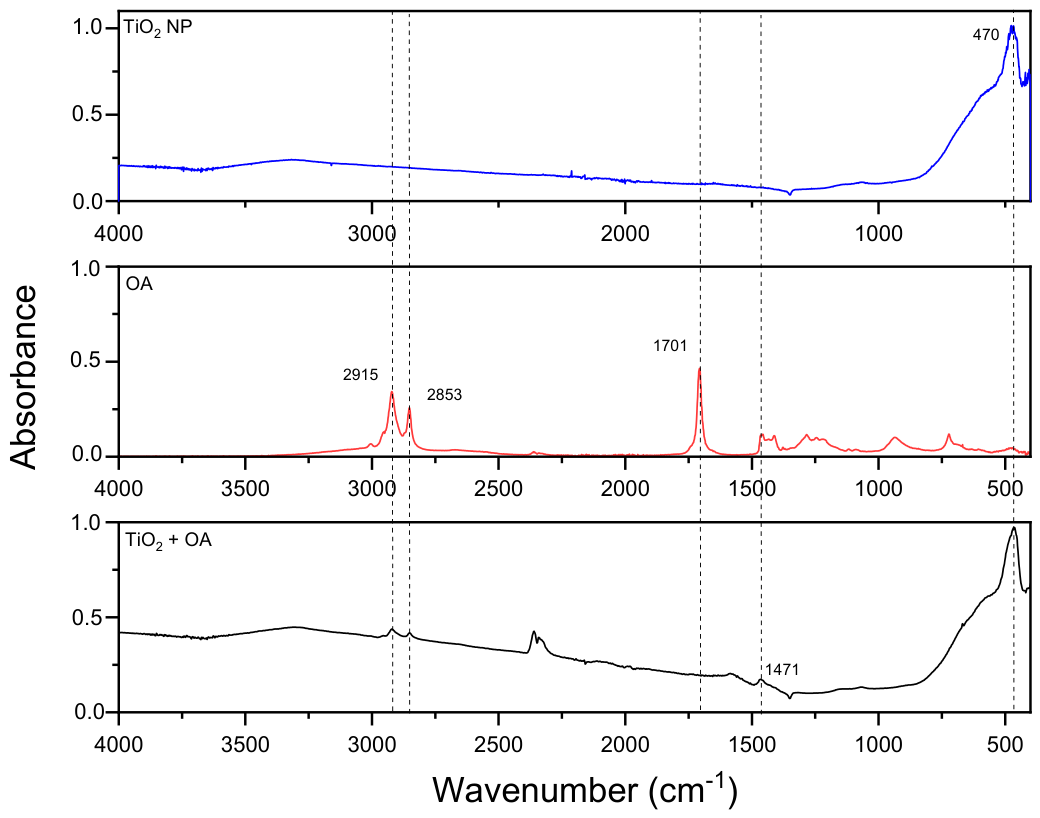
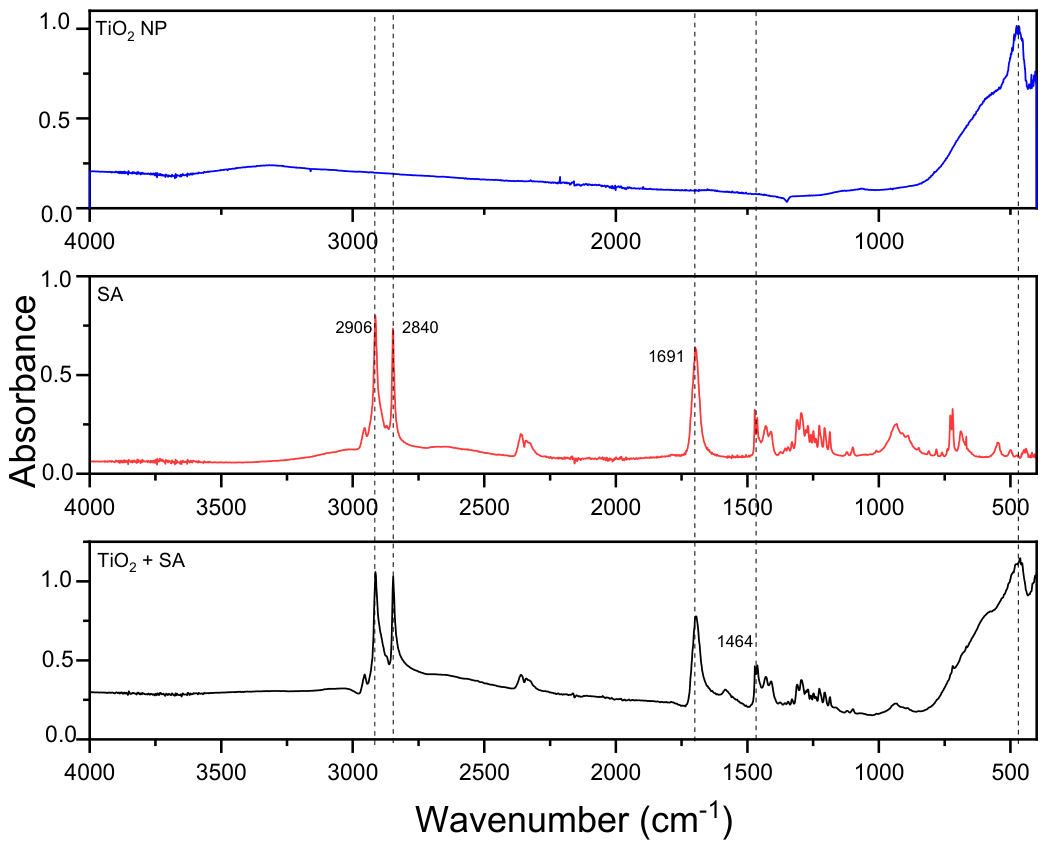
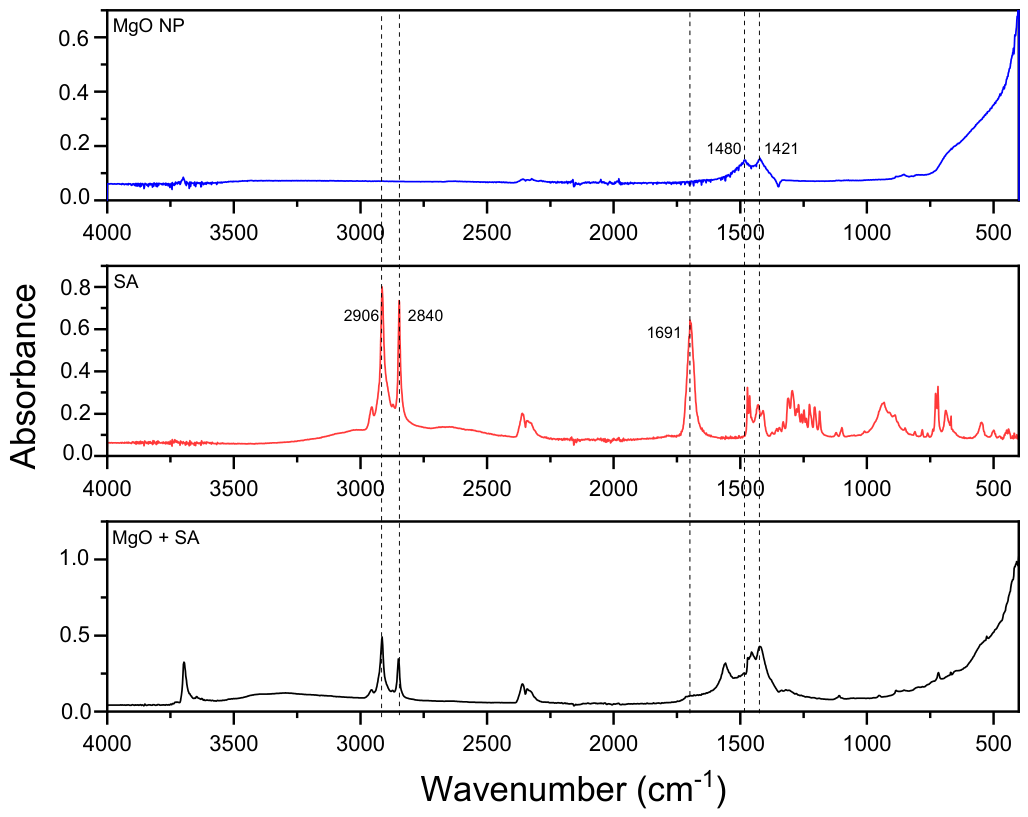
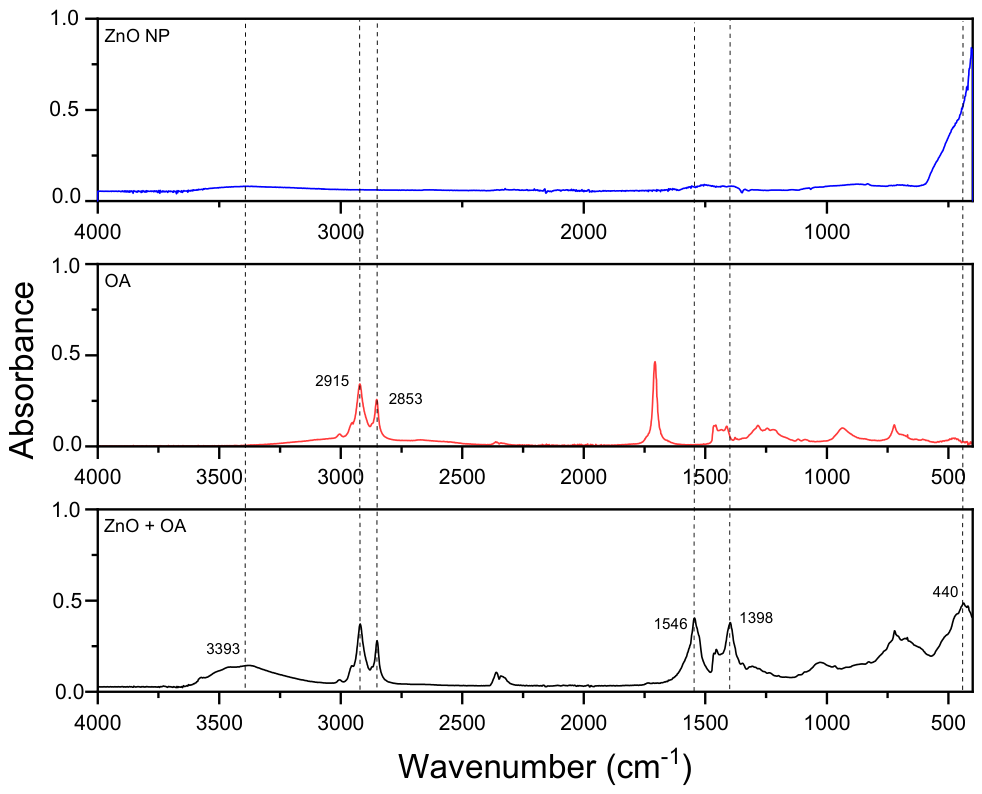
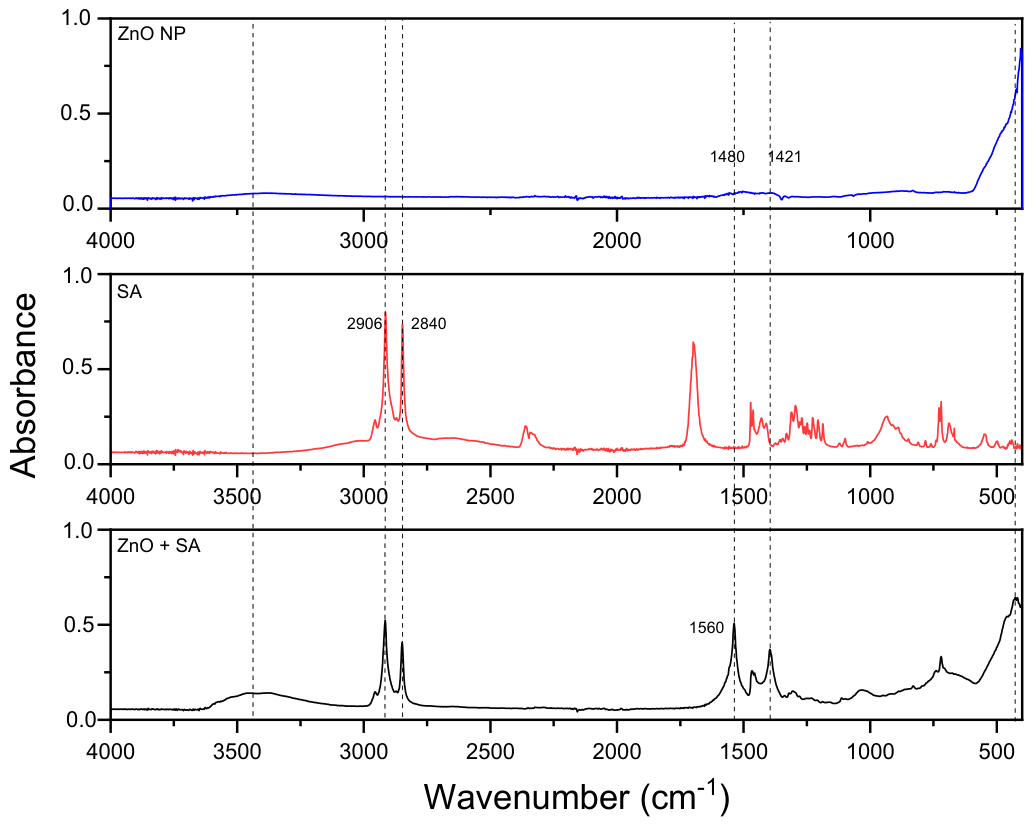
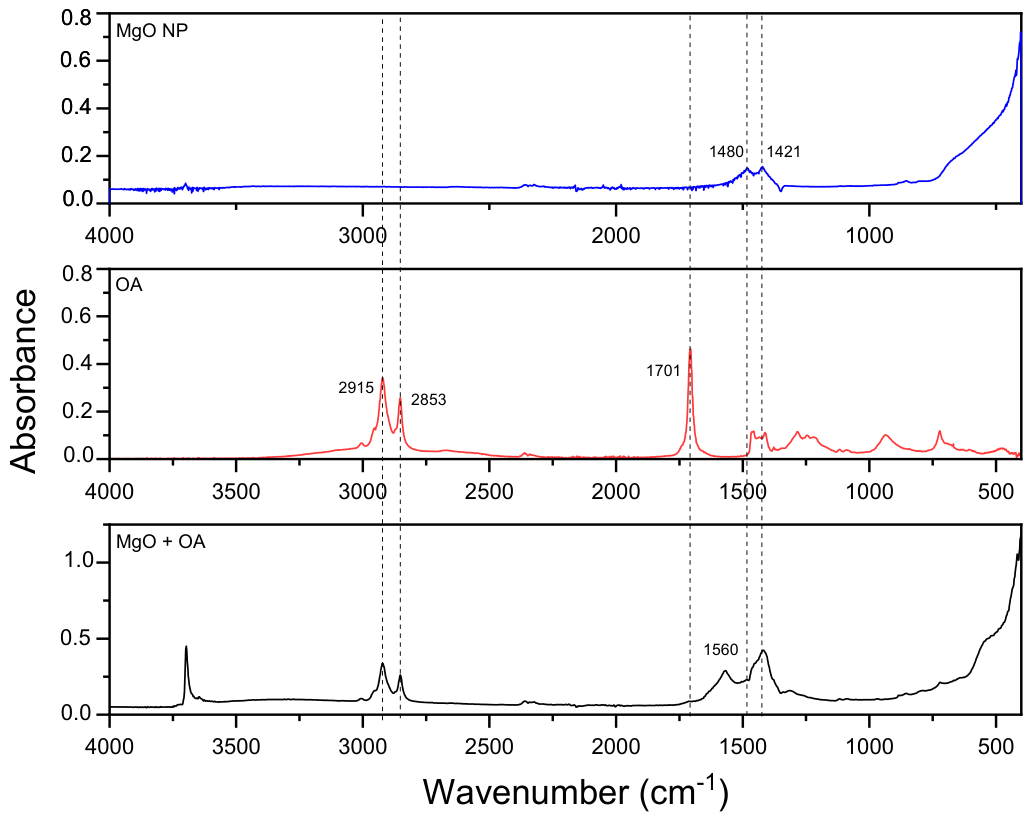
3.2. FTIR-ATR Analysis of Functionalized Nanoparticles
3.3. Simultaneous Thermal Analysis (STA) of the Functionalized Nanoparticles
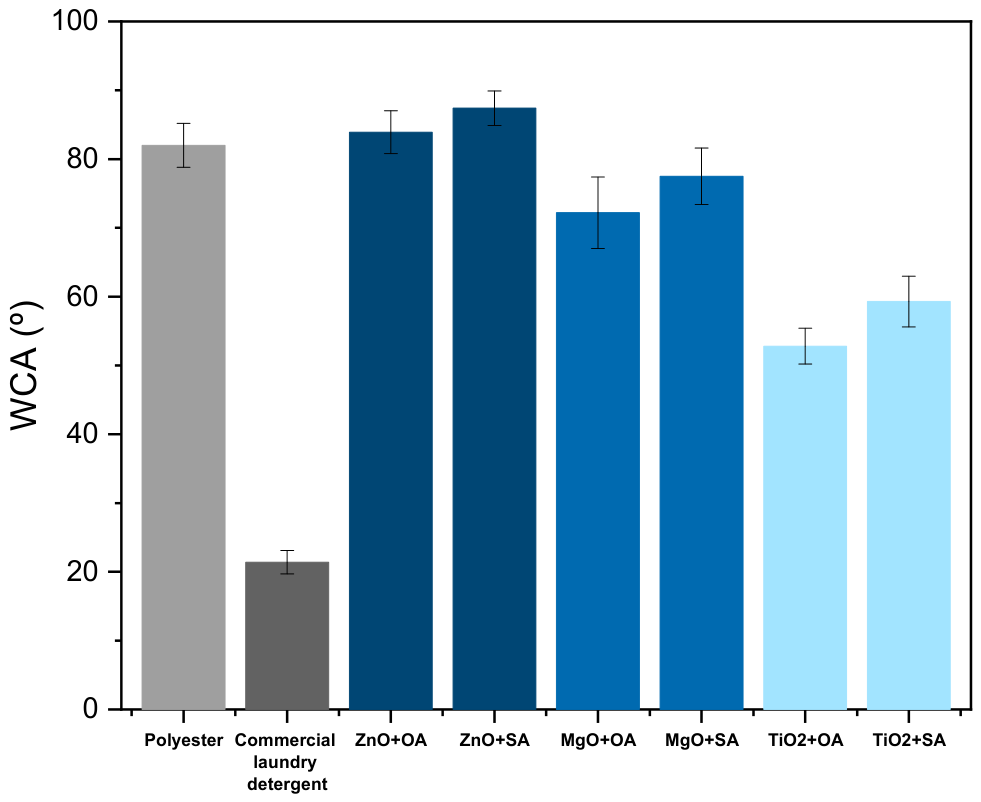
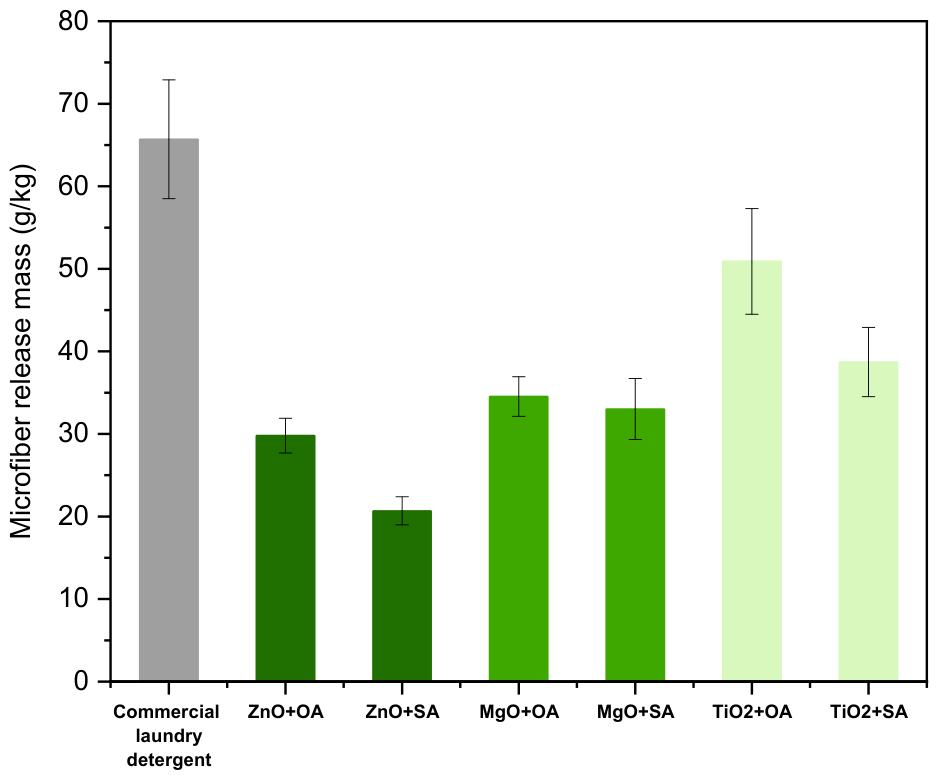
3.4. Effect of Functionalized Metallic Nanoparticles on Polyester Microfiber Release
4. Conclusions
Author Contributions
Funding
Data Availability Statement
Acknowledgments
Conflicts of Interest
Abbreviations
| DSC | Differential scanning calorimetry |
| FTIR-ATR | Fourier transform infrared spectroscopy–attenuated total reflectance |
| OA | Oleic acid |
| PET | Polyethylene terephthalate |
| SA | Stearic acid |
| STA | Simultaneous thermal analysis |
| TGA | Thermogravimetric analysis |
| WCA | Water contact angle |
References
- Lamichhane, G.; Acharya, A.; Marahatha, R.; Modi, B.; Paudel, R.; Adhikari, A.; Raut, B.; Aryal, S.; Parajuli, N. Microplastics in environment: Global concern, challenges, and controlling measures. Int. J. Environ. Sci. Technol. 2023, 20, 4673–4694. [Google Scholar]
- Gao, X.; Hassan, I.; Peng, Y.; Huo, S.; Ling, L. Behaviors and influencing factors of the heavy metals adsorption onto microplastics: A review. J. Clean. Prod. 2021, 319, 128777. [Google Scholar] [CrossRef]
- Yang, W.; Li, Y.; Boraschi, D. Association between microorganisms and microplastics: How does it change the host–pathogen interaction and subsequent immune response? Int. J. Mol. Sci. 2023, 24, 4065. [Google Scholar] [CrossRef] [PubMed]
- Strokal, M.; Vriend, P.; Bak, M.P.; Kroeze, C.; van Wijnen, J.; van Emmerik, T. River export of macro-and microplastics to seas by sources worldwide. Nat. Commun. 2023, 14, 4842. [Google Scholar] [PubMed]
- Lant, N.J.; Hayward, A.S.; Peththawadu, M.M.; Sheridan, K.J.; Dean, J.R. Microfiber release from real soiled consumer laundry and the impact of fabric care products and washing conditions. PLoS ONE 2020, 15, e0233332. [Google Scholar] [CrossRef] [PubMed]
- Akyildiz, S.H.; Fiore, S.; Bruno, M.; Sezgin, H.; Yalcin-Enis, I.; Yalcin, B.; Bellopede, R. Release of microplastic fibers from synthetic textiles during household washing. Environ. Pollut. 2024, 357, 124455. [Google Scholar] [CrossRef] [PubMed]
- Abourich, M.; Bellamy, A.; Ajji, A.; Claveau-Mallet, D. Washing machine filters to mitigate microplastics release: Citizen science study to estimate microfibers capture potential and assess their social acceptability. Environ. Chall. 2024, 16, 100984. [Google Scholar] [CrossRef]
- Sheikhi, M.; Bianco, C.; Tiraferri, A.; Sethi, R. Evaluating microfiber emissions and point-of-use filtration efficiency in household washing and drying cycles. J. Hazard. Mater. 2025, 489, 137646. [Google Scholar] [PubMed]
- Luzi, B.; Miino, M.C.; Rada, E.C.; Zullo, R.; Baltrocchi, A.P.D.; Torretta, V.; Galafassi, S. Critical review of microfiber release from textiles: Results, comparative challenges, mitigation strategies, and legislative perspectives. Chemosphere 2025, 378, 144394. [Google Scholar] [CrossRef] [PubMed]
- Allen, E.; Henninger, C.E.; Garforth, A.; Asuquo, E. Microfiber pollution: A systematic literature review to overcome the complexities in knit design to create solutions for knit fabrics. Environ. Sci. Technol. 2024, 58, 4031–4045. [Google Scholar] [CrossRef] [PubMed]
- Stanton, T.; Stanes, E.; Gwinnett, C.; Lei, X.; Cauilan-Cureg, M.; Ramos, M.; Sallach, J.B.; Harrison, E.; Osborne, A.; Sanders, C.H. Shedding off-the-grid: The role of garment manufacturing and textile care in global microfibre pollution. J. Clean. Prod. 2023, 428, 139391. [Google Scholar] [CrossRef]
- Cui, H.; Xu, C. Study on the relationship between textile microplastics shedding and fabric structure. Polymers 2022, 14, 5309. [Google Scholar] [CrossRef] [PubMed]
- Akyıldız, S.H.; Sezgin, H.; Yalçın Eniş, İ.; Balestra, V.; Marini, P.; Bellopede, R. From production to pollution: A review of microfiber release mechanisms and mitigation strategies in the textile industry. J. Text. Inst. 2025, 117, 974–994. [Google Scholar] [CrossRef]
- Babaeipour, S.; Nousiainen, P.; Kimiaei, E.; Tienaho, J.; Kohlhuber, N.; Korpinen, R.; Kaipanen, K.; Österberg, M. Thin multifunctional coatings for textiles based on the layer-by-layer application of polyaromatic hybrid nanoparticles. Mater. Adv. 2024, 5, 6114–6131. [Google Scholar]
- Ali, A.; Qamer, S.; Shahid, M.; Tomkova, B.; Khan, M.Z.; Militky, J.; Wiener, J.; Venkataraman, M. Micro-and nanoplastics produced from textile finishes: A review. Langmuir 2024, 40, 17849–17867. [Google Scholar] [PubMed]
- Lawrynowicz, A.; Palo, E.; Nizamov, R.; Miettunen, K. Self-cleaning and UV-blocking cotton–Fabricating effective ZnO structures for photocatalysis. J. Photochem. Photobiol. A Chem. 2024, 450, 115420. [Google Scholar]
- Permyakova, E.S.; Makarets, Y.A.; Kotyakova, K.Y.; Matveev, A.T.; Kutzhanov, M.K.; Bondarev, A.V.; Konopatsky, A.S.; Verkhovnikova, E.N.; Erofeev, A.S.; Slukin, P.V. Self-cleaning, UV-protective, water-and dirt-repellent, yet antibacterial cotton fabric coated with diethylenetriamine-surface-functionalized BN_ZnO nanoparticles. Appl. Surf. Sci. 2025, 716, 164704. [Google Scholar]
- Kong, X.; Zhu, C.; Lv, J.; Zhang, J.; Feng, J. Robust fluorine-free superhydrophobic coating on polyester fabrics by spraying commercial adhesive and hydrophobic fumed SiO2 nanoparticles. Prog. Org. Coat. 2020, 138, 105342. [Google Scholar]
- Tarannum, N.; Pooja, K.; Singh, A.; Jain, P.; Raghav, S.; Lahari, V. The evolution of antimicrobial fabrics: Nanoparticles as key agents in textiles innovation. J. Ind. Text. 2025, 55, 15280837251322535. [Google Scholar] [CrossRef]
- Corredor, L.M.; Husein, M.M.; Maini, B.B. Effect of hydrophobic and hydrophilic metal oxide nanoparticles on the performance of xanthan gum solutions for heavy oil recovery. Nanomaterials 2019, 9, 94. [Google Scholar] [CrossRef] [PubMed]
- Wieszczycka, K.; Staszak, K.; Woźniak-Budych, M.J.; Litowczenko, J.; Maciejewska, B.M.; Jurga, S. Surface functionalization–The way for advanced applications of smart materials. Coord. Chem. Rev. 2021, 436, 213846. [Google Scholar]
- Deghiche, A.; Haddaoui, N.; Zerriouh, A.; Fenni, S.E.; Cavallo, D.; Erto, A.; Benguerba, Y. Effect of the stearic acid-modified TiO2 on PLA nanocomposites: Morphological and thermal properties at the microscopic scale. J. Environ. Chem. Eng. 2021, 9, 106541. [Google Scholar]
- Creutzburg, M.; Konuk, M.; Tober, S.; Chung, S.; Arndt, B.; Noei, H.; Meißner, R.H.; Stierle, A. Adsorption of oleic acid on magnetite facets. Commun. Chem. 2022, 5, 134. [Google Scholar] [CrossRef] [PubMed]
- Liu, P.; Su, Z. Preparation and characterization of PMMA/ZnO nanocomposites via in-situ polymerization method. J. Macromol. Sci. Part B Phys. 2006, 45, 131–138. [Google Scholar]
- Hong, R.; Pan, T.; Qian, J.; Li, H. Synthesis and surface modification of ZnO nanoparticles. Chem. Eng. J. 2006, 119, 71–81. [Google Scholar] [CrossRef]
- Deblock, L.; Goossens, E.; Pokratath, R.; De Buysser, K.; De Roo, J. Mapping out the aqueous surface chemistry of metal oxide nanocrystals: Carboxylate, phosphonate, and catecholate ligands. JACS Au 2022, 2, 711–722. [Google Scholar] [CrossRef] [PubMed]
- Serrano-Lotina, A.; Portela, R.; Baeza, P.; Alcolea-Rodriguez, V.; Villarroel, M.; Ávila, P. Zeta potential as a tool for functional materials development. Catal. Today 2023, 423, 113862. [Google Scholar]
- Suttiponparnit, K.; Jiang, J.; Sahu, M.; Suvachittanont, S.; Charinpanitkul, T.; Biswas, P. Role of surface area, primary particle size, and crystal phase on titanium dioxide nanoparticle dispersion properties. Nanoscale Res. Lett. 2010, 6, 27. [Google Scholar] [CrossRef] [PubMed]
- Khan, R.; Inam, M.A.; Park, D.R.; Zam Zam, S.; Shin, S.; Khan, S.; Akram, M.; Yeom, I.T. Influence of organic ligands on the colloidal stability and removal of ZnO nanoparticles from synthetic waters by coagulation. Processes 2018, 6, 170. [Google Scholar] [CrossRef]
- Sienkiewicz, P.; Darowna, D.; Jose, M.; Zgrzebnicki, M.; Markowska-Szczupak, A.; Mozia, S. Influence of MgO nanoparticles on the physiochemical, transport, and antimicrobial properties of polyethersulfone membranes. Desalination Water Treat. 2018, 128, 199–206. [Google Scholar] [CrossRef]
- Ojamäe, L.; Aulin, C.; Pedersen, H.; Käll, P.O. IR and quantum-chemical studies of carboxylic acid and glycine adsorption on rutile TiO2 nanoparticles. J. Colloid Interface Sci. 2006, 296, 71–78. [Google Scholar] [PubMed]
- Jalili, M.M.; Davoudi, K.; Sedigh, E.Z.; Farrokhpay, S. Surface treatment of TiO2 nanoparticles to improve dispersion in non-polar solvents. Adv. Powder Technol. 2016, 27, 2168–2174. [Google Scholar]
- Cho, K.; Kang, Y.; Chae, S.; Kim, C. Forced mineral carbonation of MgO nanoparticles synthesized by aerosol methods at room temperature. Nanomaterials 2023, 13, 281. [Google Scholar] [CrossRef] [PubMed]
- Boyatzis, S.C.; Fragkos-Livanios, L.; Giannoulaki, M.; Filopoulou, A. Infrared spectroscopy reveals the reactivity of fatty acids on copper surfaces and its implications for cultural heritage objects. Herit. Sci. 2023, 11, 196. [Google Scholar] [CrossRef]
- Huang, J.; Liang, G.; Lu, G.; Zhang, J. Conservation of acidic papers using a dispersion of oleic acid-modified MgO nanoparticles in a non-polar solvent. J. Cult. Herit. 2018, 34, 61–68. [Google Scholar]
- Huang, H.; Tian, M.; Yang, J.; Li, H.; Liang, W.; Zhang, L.; Li, X. Stearic acid surface modifying Mg(OH)2: Mechanism and its effect on properties of ethylene vinyl acetate/Mg(OH)2 composites. J. Appl. Polym. Sci. 2008, 107, 3325–3331. [Google Scholar]
- Ramike, M.P.; Ndungu, P.G.; Mamo, M.A. Exploration of the different dimensions of wurtzite ZnO structure nanomaterials as gas sensors at room temperature. Nanomaterials 2023, 13, 2810. [Google Scholar] [CrossRef] [PubMed]
- Filopoulou, A.; Vlachou, S.; Boyatzis, S.C. Fatty acids and their metal salts: A review of their infrared spectra in light of their presence in cultural heritage. Molecules 2021, 26, 6005. [Google Scholar] [CrossRef] [PubMed]
- Matei, A.; Stoian, M.; Crăciun, G.; Țucureanu, V. Chemical synthesis and characterization of fatty acid-capped ZnO nanoparticles. J. Compos. Sci. 2024, 8, 429. [Google Scholar]
- Costa, T.; Sanchez-Vicente, Y.; Yang, Z.; Stevens, L.A.; Dias, F.d.S.; Pereira, S.-C.C. Thermophysical properties of tetrabutylammonium chloride, paraffin and fatty acids for thermal energy applications. RSC Adv. 2024, 14, 26246–26258. [Google Scholar] [CrossRef] [PubMed]
- Cedeño, F.O.; Prieto, M.M.; Espina, A.; García, J.R. Measurements of temperature and melting heat of some pure fatty acids and their binary and ternary mixtures by differential scanning calorimetry. Thermochim. Acta 2001, 369, 39–50. [Google Scholar] [CrossRef]
- Zhang, L.; Chen, L.; Wan, H.; Chen, J.; Zhou, H. Synthesis and tribological properties of stearic acid-modified anatase (TiO2) nanoparticles. Tribol. Lett. 2011, 41, 409–416. [Google Scholar]
- Haware, R.V.; Vinjamuri, B.P.; Sarkar, A.; Stefik, M.; Stagner, W.C. Deciphering magnesium stearate thermotropic behavior. Int. J. Pharm. 2018, 548, 314–324. [Google Scholar] [CrossRef] [PubMed]
- Bracconi, P.; Andrès, C.; N’diaye, A.; Pourcelot, Y. Thermal analyses of commercial magnesium stearate pseudopolymorphs. Thermochim. Acta 2005, 429, 43–51. [Google Scholar] [CrossRef]
- Chiu, W.S.; Yaghoubi, A.; Chia, M.Y.; Khanis, N.H.; Rahman, S.A.; Khiew, P.S.; Chueh, Y.-L. Self-assembly and secondary nucleation in ZnO nanostructures derived from a lipophilic precursor. CrystEngComm 2014, 16, 6003–6009. [Google Scholar]
- Barman, S.; Vasudevan, S. Contrasting Melting Behavior of Zinc Stearate and Zinc Oleate. J. Phys. Chem. B 2006, 110, 651–654. [Google Scholar] [CrossRef]
- Mohammadi, R.; Wassink, J.; Amirfazli, A. Effect of Surfactants on Wetting of Super-Hydrophobic Surfaces. Langmuir 2004, 20, 9657–9662. [Google Scholar] [CrossRef] [PubMed]
- Parvate, S.; Dixit, P.; Chattopadhyay, S. Superhydrophobic Surfaces: Insights from Theory and Experiment. J. Phys. Chem. B 2020, 124, 1323–1360. [Google Scholar] [CrossRef] [PubMed]
- Thennakoon, C.A.; Rajapakshe, R.B.S.D.; Malikaramage, A.U.; Gamini Rajapakse, R.M. Factors Affecting the Hydrophobic Property of Stearic Acid Self-Assembled on the TiO2 Substrate. ACS Omega 2022, 7, 48184–48191. [Google Scholar] [PubMed]
- Wang, N.; Hsu, C.; Zhu, L.; Tseng, S.; Hsu, J.-P. Influence of metal oxide nanoparticles concentration on their zeta potential. J. Colloid Interface Sci. 2013, 407, 22–28. [Google Scholar] [CrossRef] [PubMed]
- Kosmulski, M. The pH dependent surface charging and points of zero charge. VI. Update. J. Colloid Interface Sci. 2014, 426, 209–212. [Google Scholar] [CrossRef] [PubMed]
- Ramasamy, R.; Subramanian, R.B. Microfiber mitigation from synthetic textiles—Impact of combined surface modification and finishing process. Environ. Sci. Pollut. Res. 2023, 30, 49136–49149. [Google Scholar]
- Vrinceanu, N.; Bucur, S.; Rimbu, C.M.; Neculai-Valeanu, S.; Ferrandiz Bou, S.; Suchea, M.P. Nanoparticle/biopolymer-based coatings for functionalization of textiles: Recent developments (a minireview). Text. Res. J. 2022, 92, 3889–3902. [Google Scholar]





| TiO2 Nanoparticles | Reaction Time (h) | Zeta Potential (mV) | pH |
|---|---|---|---|
| Oleic acid | 0 | −7.93 ± 1.2 | 7.9 |
| 3 | −12.3 ± 2.4 | 5.7 | |
| 96 | −30.5 ± 0.6 | 6.0 | |
| Stearic acid | 0 | −7.93 ± 1.2 | 7.9 |
| 3 | −11.4 ± 0.4 | 6.2 | |
| 96 | −21.1 ± 2.8 | 6.0 |
| MgO Nanoparticles | Reaction Time (h) | Zeta Potential (mV) | pH |
|---|---|---|---|
| Oleic acid | 0 | −0.7 ± 0.1 | 10.8 |
| 3 | −5.7 ± 0.9 | 10.7 | |
| 96 | −25.6 ± 1.0 | 10.4 | |
| Stearic acid | 0 | −0.7 ± 0.1 | 10.8 |
| 3 | −3.7 ± 0.3 | 9.7 | |
| 96 | −12.4 ± 0.9 | 10.6 |
| ZnO Nanoparticles | Reaction Time (h) | Zeta Potential (mV) | pH |
|---|---|---|---|
| Oleic acid | 0 | 0.8 ± 0.2 | 7.8 |
| 3 | 2.1 ± 0.3 | 7.2 | |
| 96 | −36.7 ± 4.2 | 7.1 | |
| Stearic acid | 0 | 0.8 ± 0.2 | 7.8 |
| 3 | −1.7 ± 0.3 | 7.3 | |
| 96 | −27.8 ± 2.6 | 8.6 |
| System | Td (5%) | Td (10%) | Td (20%) | Tmax DTG (°C) | Residue at 600 °C (%) |
|---|---|---|---|---|---|
| NP TiO2 | − | − | − | − | 100.0 |
| NP TiO2 + OA | − | − | − | − | 97.3 |
| NP TiO2 + SA | 224 | 239 | 317 | 247 | 74.9 |
| NP MgO | 385 | − | − | − | 93.1 |
| NP MgO + OA | 274 | 289 | 334 | 434 | 48.8 |
| NP MgO + SA | 255 | 292 | 325 | 300 | 39.7 |
| NP ZnO | − | − | − | − | 100.0 |
| NP ZnO + OA | 127 | 330 | 347 | 352 | 53.5 |
| NP ZnO + SA | 359 | 376 | 394 | 409 | 49.2 |
| OA | 218 | 231 | 246 | 273 | 3.7 |
| SA | 214 | 227 | 242 | 274 | 0.8 |
| System | Peak 1 (°C) | Heat Flow 1 (mW/mg) | Peak 2 (°C) | Heat Flow 2 (mW/mg) |
|---|---|---|---|---|
| NP TiO2 | − | − | − | − |
| NP TiO2 + OA | − | − | − | − |
| NP TiO2 + SA | 59.1 | −0.8 | 234.1 | −0.3 |
| NP MgO | 322.8 | −0.9 | 392.8 | −0.8 |
| NP MgO + OA | 291.9 | −3.4 | 424.4 | −2.6 |
| NP MgO + SA | 297.2 | −3.9 | 432.4 | −2.8 |
| NP ZnO | − | − | − | − |
| NP ZnO + OA | 124.9 | −2.7 | 347.4 | −1.5 |
| NP ZnO + SA | 128.6 | −1.9 | 416.1 | −3.0 |
| OA | 278 | −1.6 | − | − |
| SA | 61.8 | −3.1 | 271.8 | −1.4 |
Disclaimer/Publisher’s Note: The statements, opinions and data contained in all publications are solely those of the individual author(s) and contributor(s) and not of MDPI and/or the editor(s). MDPI and/or the editor(s) disclaim responsibility for any injury to people or property resulting from any ideas, methods, instructions or products referred to in the content. |
© 2026 by the authors. Licensee MDPI, Basel, Switzerland. This article is an open access article distributed under the terms and conditions of the Creative Commons Attribution (CC BY) license.
Share and Cite
Alves, A.A.S.; Carvalho, D.; Melro, E.; Sebastião, M.; Santos, R.; Antunes, F.E. Functionalized Metal Oxide Nanoparticles to Reduce Polyester Microfiber Release During Laundry Washing. Textiles 2026, 6, 81. https://doi.org/10.3390/textiles6030081
Alves AAS, Carvalho D, Melro E, Sebastião M, Santos R, Antunes FE. Functionalized Metal Oxide Nanoparticles to Reduce Polyester Microfiber Release During Laundry Washing. Textiles. 2026; 6(3):81. https://doi.org/10.3390/textiles6030081
Chicago/Turabian StyleAlves, Andreia A. S., Diogo Carvalho, Elodie Melro, Marco Sebastião, Ricardo Santos, and Filipe E. Antunes. 2026. "Functionalized Metal Oxide Nanoparticles to Reduce Polyester Microfiber Release During Laundry Washing" Textiles 6, no. 3: 81. https://doi.org/10.3390/textiles6030081
APA StyleAlves, A. A. S., Carvalho, D., Melro, E., Sebastião, M., Santos, R., & Antunes, F. E. (2026). Functionalized Metal Oxide Nanoparticles to Reduce Polyester Microfiber Release During Laundry Washing. Textiles, 6(3), 81. https://doi.org/10.3390/textiles6030081