


Abstract
Algae extracts have emerged as a sustainable and eco-friendly alternative to synthetic dyes and functional additives in the textile industry, particularly for dyeing and functionalizing of cotton fabrics. Herein, two types of water-soluble algae extracts from Arthrospira platensis and Porphyridium cruentum were characterized in terms of thermal, structural, and functional properties and used as dye and/or functional agents. Cotton samples were pre-treated with chitosan and alum mordants and compared with commercially treated cationic cotton. The algae extracts were applied through the exhaust method, with variations in temperature, pH, liquor ratio, temperature rise gradient, and extract percentages. The resulting colours, assessed through CIE L*a*b* coordinates and K/S values using UV–Vis spectroscopy, displayed green and pink coloration, with commercial cationic cotton exhibiting more intense colours. Colour fastness measurements were also performed on functionalized cotton fabrics. The water-based algae extracts and functionalized samples were additionally characterized for functional features, displaying an antioxidant activity exceeding 60% (68.13 ± 3.60 and 60.76 ± 1.18, for A. platensis and P. cruentum, respectively). This work highlights their dual role in providing both aesthetic dyeing and functional enhancement of cotton. By using renewable marine resources and eco-friendly water-based processes, this approach supports the development of greener, more sustainable textile technologies.
1. Introduction
The increasing demand for alternative solutions in the textile industry has driven extensive research into natural dyes and bio-based functional finishes. Conventional synthetic dyes, while offering a wide colour palette and high performance, are associated with significant environmental concerns, including toxic effluents, low biodegradability, and potential risks to human health [1]. As a result, interest has grown in renewable sources of natural pigments that can provide both coloration and added functionality to textiles.
Natural dyes derived from renewable biological sources have re-emerged as viable alternatives due to their biodegradability and lower environmental impact [2,3]. Beyond coloration, many natural colourants also exhibit bioactive properties, including antioxidant, antimicrobial, and UV-protective functions, enabling simultaneously aesthetic and functional enhancement of textiles. However, their commercial application remains limited due to challenges such as low dye uptake, poor reproducibility, and limited fastness to washing and light [2,4,5,6]. Addressing these limitations requires careful optimization of extraction, mordanting, and dyeing parameters, as well as exploring new biological dye sources with richer pigment composition and higher functional potential.
Among these sources, algae have gained particular interest as promising natural pigments and bioactive compounds [6,7,8,9,10]. Algae encompass a diverse group of photosynthetic organisms, including microalgae and macroalgae, that can be cultivated sustainably. As they are a rich source of bio-pigments—including chlorophylls, carotenoids, and phycobiliproteins [6,7], as well as in phenolic compounds and polysaccharides—algae can provide not only vibrant colours but also functionalities [6,7,11,12]. These characteristics make algae extracts appealing not only as natural dyes but also as functional agents capable of adding value to the textile substrates.
Nevertheless, the practical application of algae-derived pigments in textile dyeing is still limited by several challenges. The pigment molecules are often sensitive to temperature, pH, and light exposure, which can lead to degradation or colour shifts during processing [7,9,10,13,14]. Their water solubility and molecular charge also affect dye–fibre interactions, resulting in limited affinity towards natural fibres such as cotton. To overcome these limitations, pre-treatments such as mordanting with metal salts, natural polymers, or chemical fibre modifications (cationization) have been investigated to improve dye uptake and fixation [2,11,14]. Moreover, the optimization of dyeing parameters—including temperature, pH, liquor ratio, and temperature rise gradient—is crucial in achieving a balance between pigment stability, bath exhaustion, and colour strength [13].
Among the diverse species of microalgae, Arthrospira platensis and Porphyridium cruentum stand out for their rich protein and pigment composition, bright colours, biochemical diversity, and multifunctional potential [15,16,17,18]. Arthrospira platensis, a spiral-shaped, filamentous photosynthetic cyanobacteria belonging to the group of blue-green microalgae, is one of the most researched microalgae. This species, commonly known as Spirulina platensis and the source of many studies, has been widely recognized for centuries as a natural source of nutrition and, more recently, for its cosmeceutical potential due to its functional properties, including antioxidant, anti-inflammatory, anti-ageing, anti-wrinkle, and UV-protective effects [16,19]. Arthrospira platensis is particularly rich in proteins [20]—phycobiliproteins, particularly phycocyanin, essential vitamins such as B12 and provitamin A, minerals, and other bioactive compounds [17,19]. Porphyridium cruentum, on the other hand, is a spherical, unicellular red microalga from the rhodophyta phylum [17], characterized for its intense red pigmentation derived from phycoerythrin, a major phycobiliprotein that significantly contributes to its total protein content. It also contains considerable amounts of sulphated polysaccharides, carotenoids, and lipids–mostly unsaturated fatty acids beneficial for cardiovascular health–which provide it with strong antioxidant, antimicrobial, and anti-inflammatory properties [17,21]. Together, the biochemical richness and bioactivity of these two species make them attractive for applications across various sectors, including pharmaceutical, cosmetic, food industries, natural pigment production, and textile natural dyeing and/or functionalization [7,8,13,17,20,22].
Herein, aqueous extracts from Arthrospira platensis and Porphyridium cruentum were explored as dual-purpose agents for the dyeing and functionalization of cotton fabrics. This research investigated how pre-treatments (mordanting with alum and chitosan, with commercial cationization), dyeing parameters (temperature, pH, liquor ratio, temperature rise gradient, extract concentration), and extract composition influence the colour strength, fastness, and antioxidant functionality of the dyed textiles. The functional performance was assessed through antioxidant assays (ABTS and DPPH) and by evaluating colour fastness to washing, water, and perspiration.
By integrating colour performance with bio-functional properties, this work aimed to contribute to the development of more sustainable textile processing approaches while adding value through natural functionalization.
2. Materials and Methods
2.1. Materials and Reagents
Bleached jersey cotton and cationized jersey cotton fabrics (both 150 g/m2) were obtained from Tintex Textiles S.A. (Vila Nova de Cerveira, Viana do Castelo, Portugal); alum (aluminium-potassium sulphate dodecahydrate, 99.5%, AlK(SO4)2·12H2O) and chitosan (MW: 100,000 to 300,000) were acquired from Fisher Scientific, part of Thermo Scientific Chemicals (Porto Salvo, Lisboa, Portugal); Arthrospira platensis (A. platensis) and Porphyiridum cruentum (P. cruentum) microalgae extracts were provided from CeNTI, Portugal. In this work, the term “algae extract” refers to the crude water-soluble extract obtained directly from the algal biomass, which contains a mixture of naturally occurring pigments and other soluble compounds, and was used without further purification.
2.2. Methods
2.2.1. Extracts Characterization
Powder algae extracts were characterized for structural, thermal, and functional properties. Absorbance scans were collected between 190–1100 nm (resolution of 1 nm) using the Shimadzu UV-1800 equipment and high precision quartz cuvettes of type 100-QS (Hellma Analyticals, Hellma GmbH & Co. KG, Müllheim, Germany) for each one of the extracts’ aqueous solutions. Results were plotted as absorbance vs. wavenumber. The chemical composition of extracts was analysed by ATR-FTIR using an IRAffinity-1S, Shimadzu spectrophotometer (Shimadzu Corporation, Kyoto, Japan), coupled with an ATR accessory (diamond crystal). For each sample, a total of 45 scans were performed at a spectral resolution of 2 cm−1, over the wavenumber range of 400–4000 cm−1.
Detection and identification of the compounds was performed using a Thermo Scientific™ Vanquish™ Flex UHPLC system coupled to a Thermo Scientific™ Orbitrap Exploris™ 120 high resolution accurate mass spectrometer (Thermo Fisher Scientific, Bremen, Germany). The method was adapted from a previously reported protocol [23] with modifications. The mobile phases consisted of (A) water containing 0.1% formic acid and (B) acetonitrile containing 0.1% formic acid. The flow rate was set at 0.35 mL/min, and the following linear gradient was applied (t in min; %A): 0.0, 95%; 5.4, 85%; 7.9, 80%; 9.0, 80%; 12.6, 70%; 16.2, 50%; 18.0, 5%; 19.8, 95%; 22.0, 95%. The total run time was 27 min. All qualitative data were acquired in data-dependent scanning (DDS) mode. In this mode, the most intense ions detected in the full-scan mass spectrum are automatically selected for subsequent fragmentation, allowing the acquisition of MS/MS spectra and enabling structural elucidation of the compounds. Data were processed using Compound Discoverer™ software (version 3.3, Thermo Scientific™, Waltham, MA, USA), following the workflow previously described by Santos et al. [24]. A final compound list was compiled for critical evaluation.
Thermal gravimetric analysis (TGA) measurements were conducted on an STA 7200 equipment (Hitachi, Ibaraki, Japan). The TGA trace was obtained in the range of 30–600 °C under a nitrogen atmosphere, a flow rate of 200 mL/min, and a temperature rise of 10 °C/min. Results were plotted as the percentage of weight loss vs. temperature. Differential scanning calorimeter (DSC) data were acquired on a Power Compensation Diamond DSC 6000 (PerkinElmer, Waltham, MA, USA). Tests were conducted under a nitrogen atmosphere with a flow rate of 200 mL/min and a heating rate of 10 °C/min. The thermogram was obtained in the range of 0–400 °C. Results were plotted as heat flow vs. temperature.
Finally, the algae extracts were also tested for antioxidant activity (AA) following the ABTS and DPPH methods. The ABTS radical solution was generated by mixing 7.4 mM ABTS with 2.6 mM potassium persulfate (1:1, v/v) and allowing the mixture to stand in a dark at room temperature for 12–16 h. The resulting solution was then diluted with ethanol to obtain an absorbance of 0.70 ± 0.10 at 734 nm. For the DPPH assay, a 0.2 mM solution of DPPH in ethanol was prepared and diluted with ethanol to obtain an absorbance of approximately 0.90 at 515 nm. Briefly, different concentrations of the extracts (0.1–2.5 mg/mL) were prepared to construct inhibition curves. Then, 3000 μL samples of ABTS or DPPH working solution were mixed with 300 μL of algae extract and incubated in the dark for 6 min (ABTS) and 60 min (DPPH). The decrease in absorbance of the samples was measured at 734 (ABTS) and 515 (DPPH) nm using a UV–Vis spectrometer. Radical inhibition was calculated as the reduced percentage, according to Equation (1), where Acontrol is the absorbance of the control reaction (containing all reagents except for the test sample) and Asample is the absorbance of the samples at each concentration after the stipulated time. Experiments were performed in triplicate and results are plotted as inhibition percentage vs. extract concentration.
2.2.2. Pre-Treatment
Two mordants were used: a commercial (alum) and a natural (chitosan). Mordant baths were prepared by using 5.0% wof (weight of fibre) of mordant in water with a liquor ratio of 1:10. Cotton samples were then immersed in the mordant solutions, and the temperature was raised at a rate of 1 °C/min up to 40 °C using the exhaustion machine (AHIBA IR, DataColor, Lucerne, Switzerland). Mordanting process was kept for 40 min before rinsing the samples with tap water and drying at room temperature, as reported by Rahman et al. [5]. The following abbreviations were used: CO—untreated samples; CO_Al—samples mordanted with alum; CO_CS—samples mordanted with chitosan; and CO_cat—cationized samples. The cotton fabric before any process was used as the reference for all performed measurements.
2.2.3. Dyeing
Untreated, pre-mordanted and cationized samples were immersed in the dyeing solution and the dyeing was performed using the exhaustion method over 60 min under different conditions with the previously used exhaustion equipment. After dyeing, the samples were rinsed with tap water and dried at room temperature without being exposed to light. In this research, dyeing variables including temperature, pH, liquid ratio, and temperature rise gradient were optimised through experimental tests. The optimization of the dyeing variables was carried out sequentially in the following order: first the dyeing temperature, followed by pH, then liquid ratio, and finally the temperature rise gradient. Each parameter was individually optimised while keeping the others constant. The optimum temperature for dyeing was determined by testing different bath temperatures ranging from 40 to 70 °C. The optimum pH was found by testing different pH levels from 3 to 11. The optimum material-to-liquid ratio (MLR) was decided by testing different ratios from 1:10 to 1:50. The optimum temperature rise gradient was found by experimenting with different gradients from 1 to 4 °C/min. The optimal conditions were chosen based on bath exhaustion, and the colour strength and intensity of the dyed fabrics. In addition to the process conditions, different amounts of algae extracts were studied (2–5% wof). For clarity, samples were coded according to both the pre-mordanting treatment and the dyeing parameters in the following order: dyeing temperature, pH, liquor ratio, temperature rise gradient, and algae extract concentration.
2.2.4. Exhausting Curves
In addition to the dyeing evaluation, exhaustion curves were also performed and analysed to better understand the kinetics of dyeing and functionalization. For this purpose, calibration curves of each algae extract were first determined by preparing a series of solutions with different concentrations (0.1, 0.2, 0.4, 0.6, 0.8, 1.0 g/L) and measuring their peak absorbance. Dyeing experiments were then carried out under the optimal conditions defined in this study. During the dyeing process, 1 mL aliquots were collected at regular intervals between 0 and 100 min to construct the exhaustion curves. All experiments were conducted using the beaker dyeing machine (Tingiomat, Werner Mathis AG, Oberhasli, Switzerland).
The absorbance values were determined between 190–1100 nm (resolution of 1 nm) using the Shimadzu UV-1800 equipment (Shimadzu Corporation, Kyoto, Japan) and high precision quartz cuvettes of type 100-QS (Hellma Analyticals, Hellma GmbH & Co. KG, Müllheim, Germany) for each one of the extracts’ collected aliquots. The exhaust percentage using the following equation:
2.2.5. Fabrics Structural Characterization
Cotton fabrics before and after the mordanting process alongside the cationized knit and the functionalized fabrics were characterized. Fabrics’ morphology was assessed through optical microscopy using a Leica DM500 microscope (Leica Microsystems, Wetzlar, Germany) equipped with a Flexacam_15C digital camera (Leica Microsystems, Wetzlar, Germany). Fabrics were also analysed through UV–Vis spectroscopy using the Shimadzu UV–Vis-2600 equipment (Shimadzu Corporation, Kyoto, Japan) with the solids measurement system through all the spectrum range (220–1900 nm). In their turn, the fabrics’ chemical structures were verified through FTIR spectroscopy using the Alpha II spectrophotometer (Bruker Corporation, Billerica, MA, USA). For each sample, a total of 200 scans were performed at a spectral resolution of 1 cm−1 over the wavenumber range of 4000–400 cm−1.
2.2.6. Colour Assessment
The reflectance spectra of the mordanted and dyed samples were measured using a spectrophotometer (DataColor, Lucerne, Switzerland) in the visible light range of 400 to 700 with 10 nm steps. The colour strength (K/S) of the dyed samples was obtained performing three measurements at different positions on the knitted fabrics according to Kubelka–Munk [25]:
where R is the reflectance value at each wavelength, K the absorbance coefficient, and S is the scattering coefficient. Also, CIE L*a*b* coordinates of the samples were measured according to ISO/CIE 11664-4 [26], where “L*” represents the darkness–lightness (0–100), “a*” represents the redness (positive value) and greenness (negative value), and “b*” represents the yellowness (positive value) and blueness (negative value). Total colour difference value () was calculated using the following equation, as reported by the same standard:
2.2.7. Colour Fastness
In this study, the colour fastness of the dyed samples was assessed using three different approaches: resistance to water (EN ISO 105-E01 [27]), domestic laundering (EN ISO 105-C06 [28]), and perspiration (EN ISO 105-E04 [29]). In addition, light fastness was evaluated using a QUV accelerated ageing chamber under continuous UV radiation for 4 h at controlled temperatures of 45 and 60 °C, with an irradiance of 0.89 W/(m2/nm) (adapted from ASTM G154, cycle 1 [30]). Colour changes were evaluated by measuring CIE L*a*b* coordinates and by comparison against the standard grey scale. To ensure consistency and relevance, fastness testing was conducted only on the optimised functionalized fabrics.
2.2.8. Antioxidant Properties
The AA of the optimised functionalized knitted samples was evaluated using the ABTS and DPPH radical cation decolourisation assay. In addition to the untreated functionalized samples, antioxidant activity (ABTS) was also assessed after one standardized washing cycle in order to evaluate the retention of functionality after laundering. Both radical solutions were prepared as previously reported. Functionalized samples were prepared by cutting 0.125 g of each fabric into small pieces. Briefly, 5000 μL samples of ABTS or DPPH working solution were added to each fabric sample and incubated in the dark for 30 min (ABTS) and 120 min (DPPH) under the same conditions. Absorbance was measured at 734 nm (ABTS) and 515 nm (DPPH) using the Shimadzu UV-1800 equipment (Shimadzu Corporation, Kyoto, Japan), and the antioxidant activity was expressed as the percentage inhibition of the radical solution relative to the control, as reported in Equation (1).
3. Results and Discussion
3.1. Extract Characterization
Both extracts were first characterized for their structural and thermal properties.
Both aqueous extracts exhibited distinct UV–Vis absorbance profiles, reflecting differences in their pigment composition and suggesting the presence of both protein-based (phycobiliproteins) and non-protein pigments (Figure 1), as reported by the literature [17,31,32]. A. platensis displayed strong absorbance bands around 350–450 nm and 600–700 nm, which can be attributed to chlorophyll a (with peaks near 400 and 660 nm) [22,33,34,35] and phycocyanin (around 620 nm) [22,36,37,38]. The region around 450–500 nm can also indicate the presence of carotenoids in smaller proportion [35,39,40]. In contrast, P. cruentum showed a sharp and intense peak centred around 550 nm, associated with phycoerythrin [22,41,42], a pigment typical of red microalgae. A secondary, smaller peak near 620 nm also suggested the presence of phycocyanin in this extract.
Figure 1.
UV–Vis spectra of A. platensis and P. cruentum.
The FTIR spectra of A. platensis and P. cruentum revealed characteristic absorption bands typically found in natural compounds and algae biomasses, refs. [43,44,45,46,47,48] which can provide information on the functional groups present in these extracts (Figure 2). The overall similarity between the spectra reflects the structural resemblance of the predominant phycobiliproteins–phycocyanin in A. platensis and phycoerythrin in P. cruentum [32].
Figure 2.
FTIR spectra of A. platensis and P. cruentum.
In line with previous FTIR studies on algae, the extracts exhibited prominent features associated with proteins, lipids, and carbohydrates [8,49,50,51,52,53]. The wide and noticeable band located at 3280 cm−1 exhibited in both species revealed the presence of O–H and N–H stretching vibrations, indicating hydroxyl groups and protein-related amide structures [52,54]. The small peaks shown between 2960 and 2850 cm−1 and at ~1450 cm−1 can be associated with symmetric and asymmetric C–H stretching and bending in aliphatic chains (CH2/CH3 bending vibrations) characteristic of lipids components [53,55]. The intense bands between 1700 and 1500 cm−1, corresponding to the amide I and amide II bands, are due to the C=O and C=N stretching and N–H bending, confirming protein structures [52,54] while the band at 1240 cm−1 (amide III) can be associated with C–N stretching and N–H bending and may also reflect the asymmetric O=S=O stretching vibration from sulphate esters. A distinct band observed at approximately 1398 cm−1 is attributable to C–O–O symmetric stretching vibration of carboxylate (–COO−) groups. The intense band at 1039 cm−1 further confirms the presence of C–O, C–O–C, and C–C stretching possibly associated with carbohydrate-derived polysaccharides [50,51,56]. Finally, signals in the low-frequency fingerprint region (900–500 cm−1) can be attributed to S–O and P–O bending vibrations as well as aromatic C–H groups from sulphated polysaccharides, commonly reported in both green [57,58,59] and red [60,61,62] algae species. Compared to P. cruentum, A. platensis appears to display more prominent amide bands, suggesting higher protein content, while both species showed similar carboxylate signals and slight differences in carbohydrate regions. Small peaks at 1120 and 923 cm−1 were observed exclusively in A. platensis extract, likely reflecting C–O and C–O–C stretching of polysaccharides and possibly contributions from chlorophyll a and carotenoids consistent with UV–Vis data. Peaks around 2360 cm−1 are characteristic of the CO2 present in the surrounded air and so were excluded from this analysis. These results are consistent with previous literature on A. platensis [12,63,64,65,66,67] and P. cruentum [68,69] extracts.
The LC-MS analysis revealed that the extracts of A. platensis and P. cruentum present a diverse molecular composition, dominated by amino acids, organic acids, and aromatic metabolites (Supplementary Materials—Tables S1 and S2). LC-MS mainly allowed the characterization of the low-molecular-weight fraction of the extracts, which is known to play a key role in the biological and functional properties of algae [70].
In the case of A. platensis, the identification of several free amino acids indicates the presence of multiple polar and ionizable functional groups in the extract, such as amine and carboxyl groups. From a textile perspective, this composition is particularly relevant, as these groups can establish hydrogen bonds and, depending on the medium conditions, electrostatic interactions with cellulose, favouring the adsorption of the extract onto cotton fibres.
Similarly, the P. cruentum extract exhibited a chemically diverse composition, also dominated by polar metabolites. As observed for A. platensis, the presence of carboxyl and hydroxyl groups may promote intermolecular interactions, contributing to the retention of the extract on the fibre. The presence of compounds such as taurine, carnitine, and coumarin indicates a matrix rich in bioactive metabolites, which may exert antioxidant and protective effects. These compounds can add value to the natural dyeing process.
These extracts should be regarded as multifunctional chemical systems rather than simple natural colorants. Their molecular complexity enables multiple modes of interaction with cotton fibres, arising from the combined presence of chromophoric species and a wide range of polar and ionizable metabolites. This chemical richness not only contributes to colour expression but also introduces additional interaction pathways that can influence dye uptake, retention, and the overall behaviour of the fabric. As a result, the dyeing process becomes more than a mere coloration step, evolving into a chemically active system in which both aesthetic and functional attributes can emerge simultaneously. The thermal behaviour of A. platensis and P. cruentum extracts was evaluated through TGA and DSC analyses (Figure 3), enabling a detailed identification of their decomposition steps and comparison of thermal stability. Both extracts exhibited an initial mass loss below 100 °C of less than 10% (Figure 3a,b), corresponding to moisture evaporation and release of physically adsorbed water or residual solvents. This behaviour is typical of microalgae and other polysaccharide-rich biomaterials.
Figure 3.
Thermal properties of algae extracts: TGA of (a) A. platensis and (b) P. cruentum, and DSC of (c) A. platensis and (d) P. cruentum.
Following the dehydration step, both extracts displayed a major degradation region between 100 and 400 °C, consistent with the decomposition of thermolabile organic constituents such as pigments (phycobiliproteins, chlorophylls, carotenoids), polysaccharides, amino acids, and other protein fractions, in agreement with previously reported data for algae biomass and extracts [65,66,71,72,73,74,75,76]. Within this region, marked differences were observed between species. A. platensis presented two distinct DTG peaks at approximately 225 °C and 322 °C, resulting in a total mass loss of ~36%, indicating rapid degradation events characteristic of protein-rich cyanobacterial biomass. These peaks are compatible with the breakdown of phycocyanin and thermolabile peptide structures, aligning with literature reports of decomposition maxima in the 250–310 °C range for A. platensis. In contrast, P. cruentum exhibited a smoother and more gradual thermal degradation, with a slight peak at 229 °C and two greater DTG peaks at ~290 °C and ~314 °C, together corresponding to a weight loss of ~22%. This behaviour reflects the higher abundance of sulphated polysaccharides and the structural stability of phycoerythrin, whose denaturation typically occurs over a broader temperature interval. Red microalgae are indeed reported to undergo more progressive thermal decay due to their dense polysaccharide matrices. Above 400 °C, both extracts displayed residual decomposition associated with carbonisation and breakdown of recalcitrant aromatic structures, with final mass losses of ~59% for A. platensis and ~50% for P. cruentum. Overall, the thermal profile indicates that P. cruentum possesses greater thermal resistance, as reflected by its smoother DTG curve and lower mass-loss rate.
DSC analysis (Figure 3c,d) further supported the differences observed in TGA. In both extracts, a first endothermic peak near 100 °C was detected, assigned to moisture evaporation and disruption of weakly bound water molecules. Beyond 150 °C, both samples exhibited broad endothermic events associated with denaturation of proteins, cleavage of pigment–protein complexes, and decomposition of polysaccharides. A. platensis presented a more pronounced endothermic peak (onset at 88.6 °C, peak at 126.7 °C, ΔH = 216.94 J/g), while a second transition occurred at higher temperature (onset at 193.6 °C, peak at 220.1 °C, ΔH = 17.61 J/g). These sharper thermal events are in line with the DTG maxima and reflect the presence of more thermolabile protein fractions. Conversely, P. cruentum exhibited two endothermic transitions of lower intensity and broader shape, occurring at 101.8 °C (ΔH = 32.40 J/g, onset at 67.8 °C) and 213.4 °C (ΔH = 10.99 J/g, onset at 184.1 °C), which aligns with its more gradual mass-loss behaviour in TGA. These smoother thermal phenomena suggest that the structural organisation of sulphated polysaccharides and the stability of phycoerythrin confer enhanced resistance to abrupt thermal breakdown. Overall, DSC analysis corroborates TGA data, confirming that P. cruentum exhibits slightly higher thermal resistance, while A. platensis possesses more thermolabile constituents.
The AA of A. platensis and P. cruentum was evaluated using the ABTS and DPPH radical cation decolourisation assays (Figure 4). The results demonstrate a dose-dependent increase in ABTS radical scavenging activity for both microalgal extracts, with A. platensis consistently exhibiting higher inhibitory percentages across all tested concentrations when compared to P. cruentum. Conversely to the ABTS results, both A. platensis and P. cruentum extracts exhibited very low AA when tested with the DPPH assay. At the maximum concentration (2.5 mg/mL), A. platensis reached 92.06 ± 4.60% inhibition, while P. cruentum achieved a significantly lower but still notable value of 76.54 ± 2.27%. In contrast, the DPPH assay revealed very limited radical-scavenging activity for both species. Even at the highest concentration (2.5 mg/mL), inhibition values remained below 15%, reaching only 9.80 ± 0.51% for A. platensis and 14.83 ± 0.73% for P. cruentum. These results confirm that, although both extracts respond effectively in the ABTS assay, their antioxidant performance is markedly reduced when evaluated using the DPPH radical.
Figure 4.
Antioxidant properties of A. platensis and P. cruentum through (a) ABTS and (b) DPPH methods.
The stronger AA observed in the ABTS assay compared with DPPH can be explained by multiple factors:
- Solubility and radical accessibility—ABTS•+ is soluble in both aqueous and organic solvents, while DPPH• is lipophilic. This makes ABTS more suitable for detecting hydrophilic antioxidants. Also, ABTS•+ is relatively small and more accessible to a wide range of antioxidants, while DPPH• has a bulky structure that limits its reactivity with large or polar compounds [77].
- Reaction mechanism—Both ABTS•+ and DPPH• can react via electron transfer (ET) and hydrogen atom transfer (HAT); however, the kinetics differ. ET generally occurs faster than HAT in both assays, but reactions with DPPH• are slower overall, and HAT in particular proceeds very slowly. In contrast, ABTS•+ reaches equilibrium more rapidly, with both ET and HAT contributing comparably. This versatility allows ABTS assay to detect a broader range of antioxidant compounds and often results in higher measured activity values than DPPH [78,79].
- Method sensibility—ABTS is generally considered more sensitive to both low- and high-molecular-weight antioxidants, providing a more reliable representation of total antioxidant capacity in complex matrices.
- Extract methodology—The solvent system, extraction method, and conditions strongly influence the profile and concentration of antioxidant compounds present in the microalgae [80]. For instance, aqueous extractions favour hydrophilic constituents such as phycobiliproteins, phenolics, and polysaccharides, contributing to higher ABTS response. Conversely, DPPH activity tends to increase when organic solvents extract a greater proportion of lipophilic antioxidants such as carotenoids and certain fatty acids. The method of extraction (maceration, Soxhlet, reflux, supercritical CO2, and ultrasound assisted) also influences the AA, as it can extract different amounts of antioxidant compounds [81].
- Complexity of algae extracts—Algae extracts contain mixtures of hydrophilic and lipophilic compounds. While ABTS•+ interacts with both, DPPH• mainly responds to lipophilic antioxidants, underestimating the overall antioxidant potential [77,82]. Considering that the extracts explored in this study were obtained through aqueous extraction, which favours the recovery of hydrophilic antioxidant compounds, and that the UV–Vis scan (Figure 1) confirmed the presence of hydrophilic pigments, the observed results are consistent with what is reported in the literature, where ABTS is expected to yield higher antioxidant values than DPPH for water-based extracts.
These results suggest that A. platentis is richer in different types of hydrophilic antioxidant compounds (chlorophylls, carotenoids, and phycobiliproteins), which explains its superior performance in the ABTS assay, while P. cruentum has phycoerythrin as the main constituent, which may lead to a lower antioxidant activity. In addition to hydrophilic compounds, P. cruentum may also contain higher lipophilic antioxidants than A. platensis, accounting for its slightly higher activity in the DPPH assay. This highlights the complementary nature of both assays and the importance of considering extract composition when evaluating antioxidant potential.
3.2. Fabric Functionalization
3.2.1. Pre-Treatment
After the mordanting process, the samples did not exhibit any significant change in colour, as confirmed by the CIE L*a*b* coordinates and whiteness degree. The whiteness loss was only 6.16% for the chitosan-treated samples and 1.50% for the alum-treated samples when compared with untreated cotton. Both remained noticeably higher in whiteness than the cationized sample, as shown in Table 1.
Table 1.
CIE L*a*b* coordinates and whiteness degree of cotton samples.
Microscopic analysis did not reveal significant morphological differences between unmordanted and mordanted fabrics. However, slight differences in surface appearance (Supplementary Materials—Figure S1) were observed in the commercial cationized samples, which exhibited a smoother surface with fewer loose fibres. This can be attributed to the unspecified cationic pre-treatment. The FTIR spectra of different samples are dominated by the characteristic absorption bands of cotton, namely at ≈3300 cm−1 (O–H stretching), ≈2900 cm−1 (C–H stretching), 1428 cm−1 (C–H bending), 1315 cm−1 (C–O–H bending) and strong C–O–C and C–O peaks in the 1200–900 cm−1 region [83,84], as presented in Supplementary Materials—Figure S2a. No significant differences were observed between the FTIR spectra of untreated and functionalized fabrics. In particular, no new distinct absorption bands attributable to chitosan were clearly detectable. This may be explained by the relatively low add-on levels and by the fact that the functionalization is predominantly confined to the fibre surface. Additionally, characteristic chitosan bands may overlap with the strong cellulose absorption bands of cotton, limiting their detection by FTIR. Therefore, the overall spectra remain largely dominated by the characteristic cellulose framework. From UV–Vis absorbance scan (Supplementary Materials—Figure S2b) analysis, it is possible to infer that all samples display a gradual decrease in absorbance with increasing wavelength, a typical behaviour of cellulosic substrates in the UV region [85,86]. Although slight variations in absorbance were observed between untreated and modified fabrics, statistical analysis confirmed that these differences were not significant, indicating that the surface treatments did not substantially alter the overall optical response of the cotton substrates.
3.2.2. Dyeing
Table 2 presents the K/S values and the CIE L*a*b* colour coordinates of all functionalized fabric samples.
Table 2.
K/S and CIE L*a*b* coordinates of the functionalized samples.
Both algae extracts demonstrated comparable interactions with untreated cotton, mordanted cotton, and cationized cotton substrates under all tested conditions. No visible coloration was observed on the untreated cotton samples, indicating minimal affinity of the dyes for the unmodified fibres. Cotton pre-treated with alum and chitosan exhibited light coloration suggesting some improvement in dye fixation. Among all treatments, cationized cotton fabrics showed the highest colour strength and resulted in more vivid and visually appealing colours for both algae extracts. This enhanced dye uptake can be attributed to the introduction of cationic sites on the fibre surface—although not detected in FTIR analysis—facilitating electrostatic interactions with the anionic or polar functional groups present in the algae dyes. While the mordanting process with alum and chitosan also introduces cationic sites on the cotton fibre surface, these sites were not sufficient to yield visually interesting or vibrant colours, as observed in the cationized fabric. Although the surface charge of the algae extracts was not experimentally measured in this work, literature reports indicate that Arthrospira platensis (also referred to as Spirulina platensis) typically exhibits a negative zeta potential at neutral pH [87,88]. Considering that the dyeing process was performed under near-neutral conditions, the enhanced colour strength observed for cationized cotton is therefore consistent with electrostatic attraction between negatively charged extract components and positively charged sites introduced on the fibre surface. While zeta potential data were not available for Porphyridium cruentum, the comparable dyeing behaviour observed for both algal systems under identical conditions suggests that similar electrostatic contributions may be involved. Even though direct surface charge measurements would provide further confirmation, the dyeing behaviour observed strongly supports the relevance of electrostatic contributions in the interaction mechanism.
Given these observations, the subsequent subsections focus exclusively on the cationized cotton samples, enabling a detailed evaluation of the influence of dyeing parameters such as temperature, pH, liquor ratio, temperature rise gradient, and extract concentration. Also, further experiments were performed only using cationized cotton fabric.
- 1.
- Effect of Temperature
Higher temperatures led to increased colour strength; however, they also promoted degradation of the extracts, as indicated by a shift in hue toward browner tones, likely due to thermal breakdown of sensitive pigment compounds, even if such changes were not fully perceptible in the previous thermal analyses. In contrast, dyeing at 40 °C resulted in more vivid and brilliant colours, suggesting a balance between dye–fibre interaction efficiency and pigment stability. This behaviour was expected, since phycobiliproteins exhibit limited thermal stability. In fact, Hsieh-Lo et al. identified 45 °C as the maximum temperature at which these compounds remain stable [89]. To date, no studies have reported cotton dyeing specifically using A. platensis or P. cruentum extracts. Nevertheless, some works on cotton dyeing with isolated phycocyanin or phycoerythrin from other algal sources describe dyeing temperatures ≤ 65 °C, although without assessing the effect of temperature on the colour properties [9,49,90]. Additionally, a patent on phycocyanin-based dyeing recommends operating between 20 and 40 °C to avoid pigment decomposition, which further corroborates the results obtained in this study [91]. Therefore, 40 °C was selected as the optimum temperature for exhaust dyeing with these algae extracts.
- 2.
- Effect of pH
Natural dyeing often requires controlled pH conditions since many natural pigments are sensitive to changes in acidity or alkalinity; neutral pH or slightly acidic/alkaline baths are frequently reported as optimal to preserve pigment stability and achieve consistent dye uptake [6]. The stability of phycobiliprotein pigments from algal extract, such as phycocyanin and phycoerythrin, has been shown to depend strongly on pH: neutral to slightly acidic/basic conditions favour pigment stability and colour retention [92]. In this work, as expected, neutral pH conditions resulted in the most consistent and visually appealing dyeing outcomes.
Across the tested pH range (3 to 11), clear visual changes in pigment appearance were observed (Figure 5), with both extracts, A. platensis (Figure 5a) and P. cruentum (Figure 5b), showing progressive colour alteration from pH 3 to pH 11 (1–5). These changes illustrate the sensitivity of phycobiliproteins to pH and support the dyeing behaviour observed. At low pH values (pH 3–5), the resulting shades were duller and often accompanied by unevenness in colour distribution. This may be attributed to the partial degradation or altered solubility of pigment components under acidic conditions as suggested by the literature [92] and as seen in Figure 5 (1),(2). On the other hand, alkaline conditions (pH > 9) caused visible fading and browning of the dyed fabrics, indicating possible degradation of the algal pigments, particularly those sensitive to high pH levels, as observed in Figure 5a,b (5). Neutral conditions (pH ~ 7) provided the best balance, ensuring pigment stability and effective interaction with cationized fibres, leading to brighter and more uniform coloration. The previously identified works involving phycocyanin or phycoerythrin extracts did not explicitly control pH, but the reported methodologies suggest that dyeing was generally performed under near-neutral conditions [9,49,90]. Therefore, pH 7 was selected as the optimal condition for preserving pigment integrity and enhancing dye–fibre interaction. These findings also suggest that both algae extracts possess a negative surface charge under neutral pH. This assumption can be confirmed by the literature on these extracts showing that the isoelectric point of phycobiliproteins is close to 6 [22], which confirms that, in fact, under neutral pH, the extracts exhibit a negative charge.
Figure 5.
Extracts behaviour under pH variations: (a) A. platensis and (b) P. cruentum at (1) pH 3; (2) pH 5; (3) pH 7; (4) pH 9; (5) pH 11.
- 3.
- Effect of Liquor Ratio
In natural dyeing, the liquor ratio strongly influences dye–fibre interaction because it affects dye concentration, diffusion behaviour, and bath exhaustion kinetics. High MLR is commonly used for dyeing with natural extracts because it leads to lower staining and greater colour evenness [93,94]. Among the tested ratios (1:10 to 1:50), the MLR of 1:20 was identified as the optimal condition, providing the best balance between colour strength and bath efficiency. At 1:10, although the dye bath was more concentrated, the samples showed noticeable staining and uneven dyeing, likely due to the rapid and uncontrolled exhaustion of the dye, as reported by multiple works on both natural and synthetic dyeing [93,95,96]. Increasing the MLR to 1:30 produced results very similar to 1:20 in terms of colour quality, but required more dye solution, making it less economical. Further increasing the MLR to 1:40 and 1:50 led to weaker coloration, as the dye became too diluted to ensure effective fibre interaction [94,95,96]. Given that the previously reported articles used MLR ≥ 1:40 [9,49,90], the present results indicate that 1:20 provides the best compromise between colour strength, evenness, and bath efficiency, making it the most suitable MLR for exhaust dyeing with these extracts, offering a more efficient and resource-saving alternative for exhaust dyeing with these algae extracts.
- 4.
- Effect of Temperature Gradient
Although the effect of temperature rise gradient has not been specifically studied in the scientific literature for algae pigments, references on natural dyeing emphasise that a gradual increase in temperature is preferred to ensure proper diffusion and avoid uneven dyeing [97]. At higher gradients (≥3 °C/min), rapid heating resulted in uneven dye distribution, with visible patchiness on the fabrics, suggesting insufficient time for the pigments to migrate and properly interact with fibre sites during the heating phase. The intermediate gradient of 2 °C/min produced more consistent coloration; however, the slowest gradient (1 °C/min) provided the best combination of uniformity and colour depth, yielding K/S values of 0.1524 and 0.2175 for A. platensis and P. cruentum, respectively. Therefore, 1 °C/min was selected as the preferred gradient for exhaust dyeing with these algal extracts.
- 5.
- Effect of Algae Extract Percentage
Natural dyeing frequently relies on high extract concentrations to achieve intense colour and good fixation; however, excessive amounts can cause surface deposition, poor penetration, and uneven dyeing, particularly when the fibre cannot fully absorb the pigment [97]. In this work, concentrations above 2% wof resulted in staining and uneven dyeing, without a corresponding improvement in colour intensity. This suggests that excess pigment may exceed the fibre’s absorption capacity, leading to surface deposition rather than effective fixation. In contrast, 2% wof yielded the most uniform and visually consistent results, with clean and homogeneous appearance across all substrates. Additionally, this concentration enabled a relatively high bath exhaustion, indicating efficient dye uptake and minimal waste of the extract. Therefore, 2% wof was selected as the optimal extract concentration, ensuring balanced dyeing performance without inducing blotching or oversaturation.
Taking all these findings into account, the optimal dyeing conditions for the functionalization of cotton fabrics with algae extracts were established as follows: dyeing temperature of 40 °C, pH 7, liquor ratio of 1:20, temperature rise gradient of 1 °C/min, and extract concentration of 2% wof. These conditions provided the best balance between the colour strength and uniformity with the process efficiency, while minimising pigment degradation and ensuring reproducibility. Notably, these results were achieved at a lower temperature and with a more concentrated bath than those reported in the literature for similar algae extracts [9,49,90], where slightly higher temperatures and larger liquor ratios were used. This demonstrates that efficient and uniform dyeing can be obtained under milder and more resource-efficient conditions.
3.2.3. Dyeing and Functionalization Exhaustion Curves
Figure 6 presents the calibration curves of the algae extracts (Figure 6a) and the corresponding dye exhaustion profiles on cationized cotton fabrics (Figure 6b). As shown in Figure 6a, both A. platensis and P. cruentum displayed strong linear relationships between absorbance and concentration (R2 > 0.99), confirming the reliability of the calibration method for quantifying dye uptake. The exhaustion curves in Figure 6b reveal a rapid initial increase in dye absorption during the first 40 min, which can be attributed to the high concentration gradient between the dye bath and the fibre, together with strong electrostatic interactions between the algal pigments and the cationized cotton substrate. This initial stage is followed by a gradual decrease in the exhaustion rate, leading to a plateau after approximately 80–100 min, indicating that equilibrium is reached as available binding sites become progressively saturated and diffusion limitations increase. Both extracts exhibited comparable exhaustion behaviour, although P. cruentum showed slightly higher exhaustion percentages than A. platensis throughout the dyeing process, which may be related to differences in pigment composition and dye–fibre affinity. Although complete equilibrium is attained at longer dyeing times, a substantial proportion of dye uptake occurs within the first 60 min, supporting the effectiveness of the selected processing time and confirming that the main conclusions drawn from the dyeing experiments remain valid.
Figure 6.
(a) Calibration curves and (b) dyeing exhaustion curves of both algae extracts (40 °C, pH 7, 1:20, 1 °C/min, 2% wof).
3.2.4. Fabric Characterization
- 1.
- Structural
Functionalized fabrics were examined by optical microscopy to assess the distribution of algal extracts within the fibre structure. Microscopy images revealed that the colouration was not limited to the fabric surface but also penetrated the interior of the yarns, indicating effective dye exhaustion from the bath and diffusion of the dye molecules into the fibre structure, as exhibited in Figure 7. This observation supports the effectiveness of the optimised dyeing conditions in promoting not only surface adsorption but also deeper penetration, which is essential for improved colour fastness and durability of the functionalization. Additionally, the functionalized fabrics were analysed using FTIR and UV–Vis spectroscopy and compared with the original cationized cotton fabric (CO_cat) (Supplementary Materials—Figure S3). Similar to the mordanted samples, no significant structural changes were detected in the FTIR spectra, suggesting that the functionalization process did not alter the fundamental chemical structure of the cotton fibres. In contrast, the UV–Vis spectra of the functionalized fabrics exhibited characteristic absorption bands consistent with those observed in the aqueous extract solutions (reported in Figure 1), confirming the presence and successful fixation of algal pigments on the fibre surface while maintaining their optical features after the dyeing process.
Figure 7.
Microscopic images of functionalized samples. A. platensis: (a) cotton knitted fabric and (b) cotton yarns. P. cruentum: (c) cotton knitted fabrics and (d) cotton yarns.
- 2.
- Colour Fastness
Table 3 provides the colour fastness results of the functionalized cationized cotton fabrics under different testing conditions, namely washing, water, perspiration in both acidic and alkaline media, and UV radiation (under 45 and 60 °C). The results are expressed in terms of CIE L*a*b* colour differences (ΔE) and the corresponding grey scale ratings.
Table 3.
Colour fastness results of cationized cotton fabric with A. platensis and P. cruentum.
The colour fastness assessment of functionalized cationized cotton fabrics indicates that both A. platensis and P. cruentum retained good stability under different testing conditions. In general, no staining was observed on adjacent multifibre fabrics, confirming fixation of the natural colourants to the cationized cotton substrate. The CIE L*a*b* colour difference (ΔE) values suggest that domestic laundering induced the most pronounced changes among the wet treatments, while water exposure resulted in minimal colour alteration, particularly for A. platensis, with colour differences of only 0.84. Perspiration tests in both acidic and alkaline media produced moderate colour changes, with slightly lower performance for P. cruentum.
In contrast, exposure to UV radiation resulted in significantly higher ΔE values compared to the other testing conditions, indicating that light was the most critical factor affecting colour stability. A slightly greater colour change was observed at 60 °C compared to 45 °C under constant irradiance, suggesting that temperature contributes to the degradation process in combination with UV exposure. This behaviour is consistent with the known photosensitivity of phycobiliprotein-based pigments, which are susceptible to photodegradation and structural alteration under UV irradiation.
Overall, these results demonstrate that cationization is an effective strategy to improve dye–fibre interactions and improve wet fastness performance. However, light exposure remains a key limitation for these natural pigment systems, highlighting the need for further optimisation (e.g., use of mordants, crosslinkers, or finishing agents) to enhance both wash and light durability.
- 3.
- Antioxidant Properties
The AA of the functionalized cotton fabrics was also assessed using both ABTS and DPPH assays (Table 4). The untreated cationized control showed only residual inhibition (<10% in ABTS and <2% in DPPH), confirming that the textile substrate itself did not contribute to radical scavenging. In contrast, fabrics functionalized with A. platensis and P. cruentum displayed clearly higher activity, with ABTS inhibition exceeding 60% for both extracts. The DPPH assay yielded considerably lower values, remaining below 20%, with A. platensis showing slightly stronger activity than P. cruentum. These results are consistent with the trends observed for the pure extracts, confirming the successful transfer of bioactive compounds to the cotton substrate and highlighting the dependence of measured activity on the radical system employed. In addition, the AA of the functionalized fabrics was evaluated after one standardized washing cycle to assess the retention of functionality after laundering. After one washing cycle, ABTS inhibition decreased to 42.40 ± 1.85% for A. platensis and 32.65 ± 2.31% for P. cruentum. Although a reduction in antioxidant activity was observed, the fabrics retained measurable radical scavenging capacity, indicating that a fraction of the bioactive compounds remained associated with the textile substrate. This decrease in AA is consistent with the colour changes observed after laundering in the fastness tests, suggesting that partial pigment removal contributes to the reduction in antioxidant performance. The comparatively higher retained activity for A. platensis correlates with its slightly better colour stability, supporting the relationship between dye fixation and functional durability.
Table 4.
Antioxidant activity of functionalized cotton samples through ABTS and DPPH methods.
4. Conclusions
This study demonstrated the potential of Arthropsira Platensis and Porphyridium Cruentum algae extracts as natural colourants and functional agents for cotton knit fabrics. Through systematic optimisation of dyeing parameters—including temperature, pH, liquor ratio, temperature rise gradient, and extract concentration—efficient dye exhaustion and uniform colouration were achieved under mild conditions (40 °C, pH 7, M:L 1:20, 1 °C/min, 2% wof). Among the tested pre-treatments, the cationized cotton substrate exhibited the highest dye affinity, resulting in brighter and more saturated shades, confirming the role of surface charge in promoting dye–fibre interactions.
Microscopic analysis revealed that the dye was distributed not only on the surface but also inside the fibres within the yarn, confirming deep penetration. This indicates effective bath exhaustion and uniform dyeing throughout the yarn structure, which is important for colourfastness and consistency. Spectroscopic analysis (FTIR and UV–Vis) corroborated the successful deposition of algae pigments without structural damage to the cellulose substrate. The dyed fabrics displayed acceptable fastness to washing, water, and perspiration, particularly under neutral pH conditions, although exposure to UV radiation resulted in more pronounced colour changes, highlighting light sensitivity as a key limitation of these natural pigment systems. Antioxidant evaluation revealed that both algae extracts retained their bioactivity after the dyeing process, with higher radical scavenging activity observed in the ABTS assay compared to DPPH, reflecting the predominance of hydrophilic antioxidant compounds in the extracts and confirming their effective transfer to the textile substrate. After one standardized washing cycle, a reduction in antioxidant activity was observed; however, measurable radical scavenging capacity was maintained, indicating partial retention of bioactive compounds and supporting the relationship between dye fixation and functional durability
Overall, these findings demonstrate that algae-derived extracts can serve as dual-purpose natural dyes and bio-functional agents for cotton textiles. The combination of natural coloration and antioxidant functionality highlights their potential for multifunctional textile applications.
Beyond their capacity to confer colour to textile materials, the antioxidant properties of A. platensis and P. cruentum extracts add functional relevance to potential applications. Antioxidant activity is particularly advantageous in biomedical textiles such as wound dressings, where oxidative stress contributes to delayed healing, cellular damage, and inflammation. By scavenging reactive oxygen species, antioxidant-enriched materials may help promote a more favourable healing environment, while improving the stability of embedded pigments, lipids, and other bioactive compounds prone to oxidation. Moreover, natural extracts with antioxidant potential generally align well with biocompatibility requirements, supporting safe skin contact and reducing the risk of irritation associated with conventional synthetic additives.
Future research should focus on improving the colour fastness, particularly to washing and light, of naturally dyed textiles, which remain the key limitations of bio-based colourants. These enhancements can be pursued through advanced pre-treatment, post-treatment strategies, or by incorporating natural or bio-based auxiliaries that strengthen dye–fibre interactions and enhance pigment stability. The use of green crosslinkers, natural mordants, chelating compounds, or encapsulation techniques could further mitigate colour fading and enhance the durability of natural dyed fabrics. Beyond colour stability, future studies should also evaluate the long-term performance activity after laundering and exposure, as well as extend these approaches to other natural fibres and blends. Collectively, these strategies can pave the way for durable, multifunctional, and environmentally responsible textile systems.
Supplementary Materials
The following supporting information can be downloaded at https://www.mdpi.com/article/10.3390/textiles6010035/s1. Table S1: Identification of compounds present in Arthrospira platensis extract using the Compound Discoverer software. Table S2: Identification of compounds present in Porphyridium cruentum extract using the Compound Discoverer software. Figure S1: Fabrics’ microscopic images—(a) CO, (b) CO_Al, (c) CO_CS, (d) CO_cat. Figure S2: Cotton samples analysed through (a) FTIR and (b) UV–Vis spectroscopy. Figure S3: Functionalized cotton samples through (a) FTIR and (b) UV–Vis spectroscopy.
Author Contributions
Conceptualization, H.S.O., J.S., T.F., C.S., A.R. and J.C.A.; methodology, H.S.O., J.S., T.F., C.S., A.R. and J.C.A.; software, H.S.O.; validation, J.B., L.M.O. and R.F.; formal analysis, H.S.O.; writing—original draft preparation, H.S.O. and J.S.; writing—review and editing, H.S.O. and J.C.A.; supervision, J.C.A., J.B., L.M.O. and R.F.; project administration, J.B.; funding acquisition, L.M.O. and R.F. All authors have read and agreed to the published version of the manuscript.
Funding
This research was funded by the project “Blue Bioeconomy Pact” (Project No. C644915664-00000026) within the WP3 Textiles Vertical, cofounded by Next Generation EU European Fund, under the incentive line “Agendas for Business Innovation” within Component Funding Capitalization and Business Innovation of the Portuguese Recovery and Resilience Plan (RRP); by the Portuguese Foundation for Science and Technology (FCT) under the scope of the strategic funding of UIDB/04469/2020 unit, with DOI 10.54499/UIDB/04469/2020 and by LABBELS—Associate Laboratory in Biotechnology, Bioengineering and Microelectromechanical Systems, LA/P/0029/2020. Joana Santos also acknowledges FCT for funding (UI/BD/152286/2021). The authors acknowledge the support of the MIRRI-PT–Polo Norte (PINFRA04/84445/2020).
Data Availability Statement
The original contributions presented in this study are included in the article. Further inquiries can be directed to the corresponding author.
Conflicts of Interest
The authors declare no conflicts of interest.
References
- Vieira Rubio, F.T.; Maciel, G.M.; Bortolini, D.G.; de Andrade Arruda Fernandes, I.; Pedro, A.C.; Ribeiro, I.S.; Fávaro-Trindade, C.S.; Peralta, R.M.; Isidoro Haminiuk, C.W. Artificial Dyes: Health Risks, Environmental Concerns, and the Rise of Natural Alternatives. Trends Food Sci. Technol. 2025, 162, 105085. [Google Scholar] [CrossRef] [Scilit]
- Pizzicato, B.; Pacifico, S.; Cayuela, D.; Mijas, G.; Riba-Moliner, M. Advancements in Sustainable Natural Dyes for Textile Applications: A Review. Molecules 2023, 28, 5954. [Google Scholar] [CrossRef] [Scilit]
- Alegbe, E.O.; Uthman, T.O. A Review of History, Properties, Classification, Applications and Challenges of Natural and Synthetic Dyes. Heliyon 2024, 10, e33646. [Google Scholar] [CrossRef] [Scilit]
- Hossain, T.; Das, S.C.; Akhtarujjaman, M.; Uddin, M.A.; Bedoura, S. Eco-Friendly Dyeing of Cotton Fabric Using Used Tea Bag Extracts: A Comprehensive Study on PH, Fabric Cationisation, and Computational Analysis. Curr. Res. Green Sustain. Chem. 2023, 7, 100387. [Google Scholar] [CrossRef] [Scilit]
- Rahman, M.M.; Kim, M.; Youm, K.; Kumar, S.; Koh, J.; Hong, K.H. Sustainable One-Bath Natural Dyeing of Cotton Fabric Using Turmeric Root Extract and Chitosan Biomordant. J. Clean. Prod. 2023, 382, 135303. [Google Scholar] [CrossRef] [Scilit]
- Jones, M.; Negi, A. Natural Dyes and Pigments: Sustainable Applications and Future Scope. Sustain. Chem. 2025, 6, 23. [Google Scholar] [CrossRef] [Scilit]
- Mutaf-Kılıc, T.; Demir, A.; Elibol, M.; Oncel, S.S. Microalgae Pigments as a Sustainable Approach to Textile Dyeing: A Critical Review. Algal Res. 2023, 76, 103291. [Google Scholar] [CrossRef] [Scilit]
- Rocha, V.; Pontes, V.; Costa, S.M.; Fangueiro, R.; Ferreira, D.P. Algae-Powered Innovation: A Critical Review of Sustainable Textile Dyeing and Functionalization Strategies. Mater. Today Sustain. 2025, 31, 101209. [Google Scholar] [CrossRef] [Scilit]
- Shaukat, F.P.; Sekarenthiran, C.S. Extraction of Algal Pigments and Their Suitability as Natural Dyes. J. Algal Biomass Util. 2019, 10, 1–8. [Google Scholar]
- Salman, M.; Adeel, S.; Naseer, M.; Haider, M.Z.; Anjum, F. Modern Approach Toward Algal-Based Natural Pigments for Textiles. In Plant Biomass Derived Materials: Sources, Extractions, and Applications; Wiley: Hoboken, NJ, USA, 2024; pp. 213–241. [Google Scholar]
- Gnanadhas, F.; Sundaramoorthy, S.; Natarajan, S.; Gnanamanickam, M.S.; Amesho, K.T.T.; Sharma, B. Assessing the Bioactive Potential of Low-Cost Textile Dyes Extracted from Brown Seaweeds and Their Dyeing Properties. Environ. Sci. Pollut. Res. Int. 2023, 30, 125165–125175. [Google Scholar] [CrossRef] [Scilit]
- Abdelgawad, A.M.; Shaban, E.; Elsherbiny, D.A.; El-Sherbiny, R.A.; Farouk, H.; El-Sayed, I.E.T. Acquiring Sustainable Coloration and Antimicrobial Properties to Natural Fabrics via Spirulina Algae/Silver Nanocomposite. Fibers Polym. 2025, 26, 1223–1236. [Google Scholar] [CrossRef] [Scilit]
- Blanckart, L.; Munasinghe, E.A.; Bendt, E.; Rahaman, A.; Abomohra, A.; Mahltig, B. Algae-Based Coatings for Fully Bio-Based and Colored Textile Products. Textiles 2025, 5, 3. [Google Scholar] [CrossRef] [Scilit]
- Almoulki, T.; Akkaya, E. Using Chlorella Vulgaris as a Natural-Textile Dye. Environ. Res. Technol. 2023, 6, 326–331. [Google Scholar] [CrossRef] [Scilit]
- Borowitzka, M.A. Biology of Microalgae. In Microalgae in Health and Disease Prevention; Academic Press: Cambridge, MA, USA, 2018; pp. 23–72. [Google Scholar]
- Pallela, R.; Kim, S.K. Impact of Marine Micro- and Macroalgal Consumption on Photoprotection. In Advances in Food and Nutrition Research; Academic Press: Cambridge, MA, USA, 2011; Volume 64, pp. 287–295. [Google Scholar]
- Matos, Â.P. Microalgae as a Potential Source of Proteins. In Proteins: Sustainable Source, Processing and Applications; Academic Press: Cambridge, MA, USA, 2019; pp. 63–96. [Google Scholar]
- Lauceri, R.; Chini Zittelli, G.; Torzillo, G. A Simple Method for Rapid Purification of Phycobiliproteins from Arthrospira Platensis and Porphyridium Cruentum Biomass. Algal Res. 2019, 44, 101685. [Google Scholar] [CrossRef] [Scilit]
- Borowitzka, M.A. Microalgae in Medicine and Human Health: A Historical Perspective. In Microalgae in Health and Disease Prevention; Academic Press: Cambridge, MA, USA, 2018; pp. 195–210. [Google Scholar]
- Morais Junior, W.G.; Gorgich, M.; Corrêa, P.S.; Martins, A.A.; Mata, T.M.; Caetano, N.S. Microalgae for Biotechnological Applications: Cultivation, Harvesting and Biomass Processing. Aquaculture 2020, 528, 735562. [Google Scholar] [CrossRef] [Scilit]
- Torky, A.; Saad, S.; Eltanahy, E. Microalgae as Dietary Supplements in Tablets, Capsules, and Powder. In Handbook of Food and Feed from Microalgae: Production, Application, Regulation, and Sustainability; Academic Press: Cambridge, MA, USA, 2023; pp. 357–369. [Google Scholar]
- Dagnino-Leone, J.; Figueroa, C.P.; Castañeda, M.L.; Youlton, A.D.; Vallejos-Almirall, A.; Agurto-Muñoz, A.; Pavón Pérez, J.; Agurto-Muñoz, C. Phycobiliproteins: Structural Aspects, Functional Characteristics, and Biotechnological Perspectives. Comput. Struct. Biotechnol. J. 2022, 20, 1506–1527. [Google Scholar] [CrossRef] [Scilit]
- Santos, J.; Oliveira, C.; Teixeira, F.; Venâncio, A.; Silva, C. Enzymatic Degradation of Ochratoxin A: The Role of Ultra-Pure Water. Foods 2025, 14, 397. [Google Scholar] [CrossRef] [Scilit] [PubMed]
- Santos, J.; Rocha, D.; Venâncio, A.; Silva, C. Glycerol-Based Deep Eutectic Mixtures for Grape Pomace Waste Valorization and Ochratoxin A Degradation. ACS Sustain. Resour. Manag. 2025, 2, 2274–2282. [Google Scholar] [CrossRef] [Scilit]
- Dichter, D.W. Kubelka-Munk Model of Full-Gamut Oil Colour Mixing. J. Int. Colour. Assoc. 2023, 32, 70–78. [Google Scholar]
- ISO/CIE 11664-4:2019; Colorimetry—Part 4: CIE 1976 L*a*b* Colour Space. ISO: Geneva, Switzerland, 2019.
- ISO 105-E01:2013; Textiles—Tests for Colour Fastness—Part E01: Colour Fastness to Water. ISO: Geneva, Switzerland, 2013.
- ISO 105-C06:2010; Textiles—Tests for Colour Fastness—Part C06: Colour Fastness to Domestic and Commercial Laundering. ISO: Geneva, Switzerland, 2010.
- ISO 105-E04:2013; Textiles—Tests for Colour Fastness—Part E04: Colour Fastness to Perspiration. ISO: Geneva, Switzerland, 2013.
- ASTM G154-23; Standard Practice for Operating Fluorescent Ultraviolet (UV) Lamp Apparatus for Exposure of Materials. ASTM International: West Conshohocken, PA, USA, 2023.
- Nikolova, K.; Petkova, N.; Mihaylova, D.; Gentscheva, G.; Gavrailov, G.; Pehlivanov, I.; Andonova, V. Extraction of Phycocyanin and Chlorophyll from Spirulina by “Green Methods”. Separations 2024, 11, 57. [Google Scholar] [CrossRef] [Scilit]
- Gomes, L.; Monteiro, P.; Cotas, J.; Gonçalves, A.M.M.; Fernandes, C.; Gonçalves, T.; Pereira, L. Seaweeds’ Pigments and Phenolic Compounds with Antimicrobial Potential. Biomol. Concepts 2022, 13, 89–102. [Google Scholar] [CrossRef] [Scilit]
- Orona-Navar, A.; Aguilar-Hernández, I.; López-Luke, T.; Pacheco, A.; Ornelas-Soto, N. Dye Sensitized Solar Cell (DSSC) by Using a Natural Pigment from Microalgae. Int. J. Chem. Eng. Appl. 2020, 11, 14–17. [Google Scholar] [CrossRef] [Scilit]
- Yusprianto, M.; Zaharah, T.A.; Silalahi, I.H. Bandgap Energy of TiO2/M-Chlorophyll Material (M=Cu2+, Fe3+). J. Kim. Sains Dan Apl. 2021, 24, 126–135. [Google Scholar] [CrossRef] [Scilit]
- Guidi, L.; Tattini, M.; Landi, M. How Does Chloroplast Protect Chlorophyll Against Excessive Light? Chlorophyll 2017, 21, 21–36. [Google Scholar] [CrossRef] [Scilit]
- El-Naggar, N.E.A.; Hussein, M.H.; El-Sawah, A.A. Bio-Fabrication of Silver Nanoparticles by Phycocyanin, Characterization, in Vitro Anticancer Activity against Breast Cancer Cell Line and in Vivo Cytotxicity. Sci. Rep. 2017, 7, 10844. [Google Scholar] [CrossRef] [Scilit]
- Parshina, E.Y.; Liu, W.; Yusipovich, A.I.; Gvozdev, D.A.; He, Y.; Pirutin, S.K.; Klimanova, E.A.; Maksimov, E.G.; Maksimov, G.V. Spectral and Conformational Characteristics of Phycocyanin Associated with Changes of Medium PH. Photosynth. Res. 2024, 161, 93–103. [Google Scholar] [CrossRef] [Scilit] [PubMed]
- Lemos, P.V.F.; Opretzka, L.C.F.; Almeida, L.S.; Cardoso, L.G.; da Silva, J.B.A.; de Souza, C.O.; Villarreal, C.F.; Druzian, J.I. Preparation and Characterization of C-Phycocyanin Coated with STMP/STPP Cross-Linked Starches from Different Botanical Sources. Int. J. Biol. Macromol. 2020, 159, 739–750. [Google Scholar] [CrossRef] [Scilit] [PubMed]
- Atobe, S.; Saga, K.; Maeyama, H.; Fujiwara, K.; Okada, S.; Imou, K. Culture of the Green Microalga Botryococcus Braunii Showa with LED Irradiation Eliminating Violet Light Enhances Hydrocarbon Production and Recovery. Biosci. Biotechnol. Biochem. 2014, 78, 1765–1771. [Google Scholar] [CrossRef] [Scilit]
- Verma, D.K.; Chaudhary, C.; Singh, L.; Sidhu, C.; Siddhardha, B.; Prasad, S.E.; Thakur, K.G. Isolation and Taxonomic Characterization of Novel Haloarchaeal Isolates From Indian Solar Saltern: A Brief Review on Distribution of Bacteriorhodopsins and V-Type ATPases in Haloarchaea. Front. Microbiol. 2020, 11, 554927. [Google Scholar] [CrossRef] [Scilit]
- El-Naggar, N.E.A.; Hussein, M.H.; El-Sawah, A.A. Phycobiliprotein-Mediated Synthesis of Biogenic Silver Nanoparticles, Characterization, in Vitro and in Vivo Assessment of Anticancer Activities. Sci. Rep. 2018, 8, 8925. [Google Scholar] [CrossRef] [Scilit]
- Ganesan, A.R.; Shanmugam, M. Isolation of Phycoerythrin from Kappaphycus Alvarezii: A Potential Natural Colourant in Ice Cream. J. Appl. Phycol. 2020, 32, 4221–4233. [Google Scholar] [CrossRef] [Scilit]
- Bouzikri, S.; Ouasfi, N.; Bentiss, F.; Jama, C.; Khamliche, L. The Brown Marine Algae “Laminaria Digitata” for the Outstanding Biosorption of Methylene Blue and Reactive Blue 19 Dyes: Kinetics, Equilibrium, Thermodynamics, Regeneration, and Mechanism Studies. Nanotechnol. Environ. Eng. 2023, 8, 317–332. [Google Scholar] [CrossRef] [Scilit]
- SS, M.; ST, G. Characterization of Microalgal Biomass through Fourier Transforms Infrared (FT-IR) Spectroscopy. Int. J. Bot. Stud. 2020, 6, 57–60. [Google Scholar]
- Rabie, A.M.; Abukhadra, M.R.; Rady, A.M.; Ahmed, S.A.; Labena, A.; Mohamed, H.S.H.; Betiha, M.A.; Shim, J.J. Instantaneous Photocatalytic Degradation of Malachite Green Dye under Visible Light Using Novel Green Co–ZnO/Algae Composites. Res. Chem. Intermed. 2020, 46, 1955–1973. [Google Scholar] [CrossRef] [Scilit]
- Arif, M.; Li, Y.; El-Dalatony, M.M.; Zhang, C.; Li, X.; Salama, E.S. A Complete Characterization of Microalgal Biomass through FTIR/TGA/CHNS Analysis: An Approach for Biofuel Generation and Nutrients Removal. Renew. Energy 2021, 163, 1973–1982. [Google Scholar] [CrossRef] [Scilit]
- Arulkumar, A.; Paramasivam, S.; Miranda, J.M. Combined Effect of Icing Medium and Red Alga Gracilaria Verrucosa on Shelf Life Extension of Indian Mackerel (Rastrelliger Kanagurta). Food Bioprocess Technol. 2018, 11, 1911–1922. [Google Scholar] [CrossRef] [Scilit]
- Khan, T.A.; Mukhlif, A.A.; Khan, E.A.; Sharma, D.K. Isotherm and Kinetics Modeling of Pb(II) and Cd(II) Adsorptive Uptake from Aqueous Solution by Chemically Modified Green Algal Biomass. Model. Earth Syst. Environ. 2016, 2, 117. [Google Scholar] [CrossRef] [Scilit]
- Ferrándiz, M.; Moldovan, S.; Mira, E.; Pinchetti, J.L.G.; Rodriguez, T.; Abreu, H.; Rego, A.M.; Palomo, B.; Caro, P. Phycobiliproteins—New Natural Dyes from Algae as a Sustainable Method. In Proceedings of the XXIV International Congress IFATCC, Pardubice, Czech Republic, 13–16 June 2016; pp. 56–61. [Google Scholar]
- Vandanjon, L.; Burlot, A.S.; Zamanileha, E.F.; Douzenel, P.; Ravelonandro, P.H.; Bourgougnon, N.; Bedoux, G. The Use of FTIR Spectroscopy as a Tool for the Seasonal Variation Analysis and for the Quality Control of Polysaccharides from Seaweeds. Mar. Drugs 2023, 21, 482. [Google Scholar] [CrossRef] [Scilit]
- Soto-Vásquez, M.R.; Alvarado-García, P.A.A.; Youssef, F.S.; Ashour, M.L.; Bogari, H.A.; Elhady, S.S. FTIR Characterization of Sulfated Polysaccharides Obtained from Macrocystis Integrifolia Algae and Verification of Their Antiangiogenic and Immunomodulatory Potency In Vitro and In Vivo. Mar. Drugs 2023, 21, 36. [Google Scholar] [CrossRef] [Scilit]
- Jebsen, C.; Norici, A.; Wagner, H.; Palmucci, M.; Giordano, M.; Wilhelm, C. FTIR Spectra of Algal Species Can Be Used as Physiological Fingerprints to Assess Their Actual Growth Potential. Physiol. Plant. 2012, 146, 427–438. [Google Scholar] [CrossRef] [Scilit]
- Yasir Al-Shikaili, T.; Alex Thomasson, J.; Ge, Y.; Brown, L.; Brown, J. FTIR Transmission Spectroscopy for Measurement of Algae Neutral Lipids. AgricEngInt CIGR J. 2022, 24, 111–118. [Google Scholar]
- Bunaciu, A.A.; Fleschin, Ş.; Aboul-Enein, H.Y. Evaluation of the Protein Secondary Structures Using Fourier Transform Infrared Spectroscopy. Gazi Univ. J. Sci. 2014, 27, 637–644. [Google Scholar]
- Difusa, A.; Mohanty, K.; Goud, V.V. The Chemometric Approach Applied to FTIR Spectral Data for the Analysis of Lipid Content in Microalgae Cultivated in Different Nitrogen Sources. Biomass Convers. Biorefin. 2016, 6, 427–433. [Google Scholar] [CrossRef] [Scilit]
- Abdala Díaz, R.T.; Casas Arrojo, V.; Arrojo Agudo, M.A.; Cárdenas, C.; Dobretsov, S.; Figueroa, F.L. Immunomodulatory and Antioxidant Activities of Sulfated Polysaccharides from Laminaria Ochroleuca, Porphyra Umbilicalis, and Gelidium Corneum. Mar. Biotechnol. 2019, 21, 577–587. [Google Scholar] [CrossRef] [Scilit]
- Figueroa, F.A.; Abdala-Díaz, R.T.; Pérez, C.; Casas-Arrojo, V.; Nesic, A.; Tapia, C.; Durán, C.; Valdes, O.; Parra, C.; Bravo-Arrepol, G.; et al. Sulfated Polysaccharide Extracted from the Green Algae Codium Bernabei: Physicochemical Characterization and Antioxidant, Anticoagulant and Antitumor Activity. Mar. Drugs 2022, 20, 458. [Google Scholar] [CrossRef] [Scilit] [PubMed]
- Mao, W.; Zang, X.; Li, Y.; Zhang, H. Sulfated Polysaccharides from Marine Green Algae Ulva Conglobata and Their Anticoagulant Activity. J. Appl. Phycol. 2006, 18, 9–14. [Google Scholar] [CrossRef] [Scilit]
- Arata, P.X.; Alberghina, J.; Confalonieri, V.; Errea, M.I.; Estevez, J.M.; Ciancia, M. Sulfated Polysaccharides in the Freshwater Green Macroalga Cladophora Surera Not Linked to Salinity Adaptation. Front. Plant Sci. 2017, 8, 303410. [Google Scholar] [CrossRef] [Scilit]
- Aluta, U.P.; Aderolu, A.Z.; Ishola, I.O.; Alyassin, M.; Morris, G.A.; Olajide, O.A. Chemical Characterisation of Sulfated Polysaccharides from the Red Seaweed Centroceras Clavulatum and Their in Vitro Immunostimulatory and Antioxidant Properties. Food Hydrocoll. Health 2023, 3, 100135. [Google Scholar] [CrossRef] [Scilit]
- Sokolova, E.V.; Kravchenko, A.O.; Sergeeva, N.V.; Kalinovsky, A.I.; Glazunov, V.P.; Bogdanovich, L.N.; Yermak, I.M. Effect of Red Seaweed Sulfated Galactans on Initial Steps of Complement Activation in Vitro. Carbohydr. Polym. 2020, 254, 117251. [Google Scholar] [CrossRef] [Scilit]
- de Castro, J.P.L.; Costa, L.E.C.; Pinheiro, M.P.; Francisco, T.d.S.; de Vasconcelos, P.H.M.; Funari, L.M.; Daudt, R.M.; dos Santos, G.R.C.; Cardozo, N.S.M.; Freitas, A.L.P. Polysaccharides of Red Alga Gracilaria Intermedia: Structure, Antioxidant Activity and Rheological Behavior. Polímeros 2018, 28, 178–186. [Google Scholar] [CrossRef] [Scilit]
- Anwar, B.; Khairunnisa, T.; Sunarya, Y. Corrosion Inhibition of A516 Carbon Steel in 0.5 m Hcl Solution Using Arthrospira Platensis Extract as Green Inhibitor. Int. J. Corros. Scale Inhib. 2020, 9, 244–256. [Google Scholar] [CrossRef] [Scilit]
- Michalak, I.; Mironiuk, M.; Godlewska, K.; Trynda, J.; Marycz, K. Arthrospira (Spirulina) Platensis: An Effective Biosorbent for Nutrients. Process Biochem. 2020, 88, 129–137. [Google Scholar] [CrossRef] [Scilit]
- Navikaitė-Šnipaitienė, V.; Liudvinavičiūtė, D.; Rutkaitė, R.; Kitrytė-Syrpa, V.; Syrpas, M. Antioxidant Capacity and Thermal Stability of Arthrospira Platensis Extract Encapsulated in Starch Sodium Octenyl Succinate with Freeze-, Spray-, and Nanospray-Drying. Molecules 2025, 30, 1303. [Google Scholar] [CrossRef] [Scilit]
- Díaz, S.; Romero, F.; Suárez, L.; Ríos, R.; Alemán, M.; Venuleo, M.; Ortega, Z. Characterization of Microalgae Biomass-Based Composites Obtained through Rotational Molding. Polymers 2024, 16, 1807. [Google Scholar] [CrossRef] [Scilit] [PubMed]
- Yushin, N.; Zinicovscaia, I.; Cepoi, L.; Chiriac, T.; Rudi, L.; Grozdov, D. Application of Cyanobacteria Arthospira Platensis for Bioremediation of Erbium-Contaminated Wastewater. Materials 2022, 15, 6101. [Google Scholar] [CrossRef] [Scilit]
- Wang, W.N.; Li, Y.; Zhang, Y.; Xiang, W.Z.; Li, A.F.; Li, T. Comparison on Characterization and Antioxidant Activity of Exopolysaccharides from Two Porphyridium Strains. J. Appl. Phycol. 2021, 33, 2983–2994. [Google Scholar] [CrossRef] [Scilit]
- Casas-Arrojo, V.; Decara, J.; Arrojo-Agudo, M.d.l.Á.; Pérez-Manríquez, C.; Abdala-Díaz, R.T. Immunomodulatory, Antioxidant Activity and Cytotoxic Effect of Sulfated Polysaccharides from Porphyridium Cruentum. (S.F.Gray) Nägeli. Biomolecules 2021, 11, 488. [Google Scholar] [CrossRef] [Scilit]
- Begum, N.; Qi, F.; Yang, F.; Khan, Q.U.; Faizan; Fu, Q.; Li, J.; Wang, X.; Wang, X.; Wang, J.; et al. Nutritional Composition and Functional Properties of A. Platensis-Derived Peptides: A Green and Sustainable Protein-Rich Supplement. Processes 2024, 12, 2608. [Google Scholar] [CrossRef] [Scilit]
- Mahapatra, D.M.; Chanakya, H.N.; Ramachandra, T.V. Bioenergy Generation from Components of a Continuous Algal Bioreactor: Analysis of Lipids, Spectroscopic and Thermal Properties. In 2013 Annual IEEE India Conference, INDICON 2013; IEEE: Piscataway, NJ, USA, 2013. [Google Scholar] [CrossRef] [Scilit]
- Sankaranarayanan, S.; Hariram, M.; Vivekanandhan, S.; Navia, R. Sustainable Biocarbon Materials Derived from Lessonia Trabeculata Macroalgae Biomass Residue for Supercapacitor Applications. Energy Storage 2021, 3, e222. [Google Scholar] [CrossRef] [Scilit]
- López-Aguilar, H.A.; Quiroz-Cardoza, D.; Pérez-Hernández, A. Volatile Compounds of Algal Biomass Pyrolysis. J. Mar. Sci. Eng. 2022, 10, 928. [Google Scholar] [CrossRef] [Scilit]
- Phusunti, N.; Phetwarotai, W.; Tirapanampai, C.; Tekasakul, S. Subcritical Water Hydrolysis of Microalgal Biomass for Protein and Pyrolytic Bio-Oil Recovery. Bioenergy Res. 2017, 10, 1005–1017. [Google Scholar] [CrossRef] [Scilit]
- Chen, C.; Zhao, Z.; Ma, S.; Rasool, M.A.; Wang, L.; Zhang, J. Optimization of Ultrasonic-Assisted Extraction, Refinement and Characterization of Water-Soluble Polysaccharide from Dictyosphaerium Sp. and Evaluation of Antioxidant Activity in Vitro. J. Food Meas. Charact. 2020, 14, 963–977. [Google Scholar] [CrossRef] [Scilit]
- Ziyue, T.; Chen, W.; Chen, X.; Xia, M.; Chen, Y.; Yang, H.; Chen, H.; Xiaorui, L. Thermal Behavior and Kinetic Mechanism of Microalgae and Model Compounds. Fuel 2023, 344, 128037. [Google Scholar] [CrossRef] [Scilit]
- Munteanu, I.G.; Apetrei, C. Analytical Methods Used in Determining Antioxidant Activity: A Review. Int. J. Mol. Sci. 2021, 22, 3380. [Google Scholar] [CrossRef] [Scilit] [PubMed]
- Schaich, K.M.; Tian, X.; Xie, J. Hurdles and Pitfalls in Measuring Antioxidant Efficacy: A Critical Evaluation of ABTS, DPPH, and ORAC Assays. J. Funct. Foods 2015, 14, 111–125, Reprint in J. Funct. Foods 2015, 18, 782–796. https://doi.org/10.1016/j.jff.2015.05.024. [Google Scholar] [CrossRef] [Scilit]
- Platzer, M.; Kiese, S.; Herfellner, T.; Schweiggert-Weisz, U.; Miesbauer, O.; Eisner, P. Common Trends and Differences in Antioxidant Activity Analysis of Phenolic Substances Using Single Electron Transfer Based Assays. Molecules 2021, 26, 1244. [Google Scholar] [CrossRef] [Scilit]
- Ruzi, I.I.; Shahpudin, S.N.M.; Mohamad, S.; Kassim, M.A. Influence of Extraction Method and Solvent System on the Antioxidant Activity of Scenedesmus Parvus Extract. Res. Sq. 2024. [Google Scholar] [CrossRef] [Scilit]
- Ghaisani, A.D.; Setyaningsih, I.; Hardiningtyas, S.D. The Effect of Extraction Methods on Phenolic Content, Antioxidant Activity, and Compound Identification of Spirulina Platensis. J. Pengolah. Has. Perikan. Indones. 2025, 28, 618–632. [Google Scholar] [CrossRef] [Scilit]
- Floegel, A.; Kim, D.O.; Chung, S.J.; Koo, S.I.; Chun, O.K. Comparison of ABTS/DPPH Assays to Measure Antioxidant Capacity in Popular Antioxidant-Rich US Foods. J. Food Compos. Anal. 2011, 24, 1043–1048. [Google Scholar] [CrossRef] [Scilit]
- Portella, E.H.; Romanzini, D.; Angrizani, C.C.; Amico, S.C.; Zattera, A.J. Influence of Stacking Sequence on the Mechanical and Dynamic Mechanical Properties of Cotton/Glass Fiber Reinforced Polyester Composites. Mater. Res. 2016, 19, 542–547. [Google Scholar] [CrossRef] [Scilit]
- Hong, K.H. Sustainable Functional Finishing for Cotton Fabrics Using Screen-Printing Process and Gallotannin. Fash. Text. 2021, 8, 41. [Google Scholar] [CrossRef] [Scilit]
- Krishnamoorthy, K.; Navaneethaiyer, U.; Mohan, R.; Lee, J.; Kim, S.J. Graphene Oxide Nanostructures Modified Multifunctional Cotton Fabrics. Appl. Nanosci. 2012, 2, 119–126. [Google Scholar] [CrossRef] [Scilit]
- Liu, Y.; Gamble, G.; Thibodeaux, D. UV/Visible/near-Infrared Reflectance Models for the Rapid and Non-Destructive Prediction and Classification of Cotton Color and Physical Indices. Trans. ASABE 2010, 53, 1341–1348. [Google Scholar] [CrossRef] [Scilit]
- Rong, Y.; Chen, J.; Zhang, M.; Wu, T.; Jiang, Y.; Lin, X.; Dai, M. Self-Assembled Metal Organic Frameworks Enhance Carbon Fixation in Spirulina. Commun. Mater. 2025, 6, 259. [Google Scholar] [CrossRef] [Scilit]
- Böcker, L.; Bertsch, P.; Wenner, D.; Teixeira, S.; Bergfreund, J.; Eder, S.; Fischer, P.; Mathys, A. Effect of Arthrospira Platensis Microalgae Protein Purification on Emulsification Mechanism and Efficiency. J. Colloid Interface Sci. 2021, 584, 344–353. [Google Scholar] [CrossRef] [Scilit]
- Hsieh-Lo, M.; Castillo, G.; Ochoa-Becerra, M.A.; Mojica, L. Phycocyanin and Phycoerythrin: Strategies to Improve Production Yield and Chemical Stability. Algal Res. 2019, 42, 101600. [Google Scholar] [CrossRef] [Scilit]
- Baek, N.W.; Zhang, X.; Lou, J.F.; Fan, X.R. Dyeing Fabrics with a Colorant Extracted from Blue-Green Algae. AATCC J. Res. 2022, 9, 223–230. [Google Scholar] [CrossRef] [Scilit]
- Kimura, M. Dyeing with Phycocyanin. JPH07166480A, 15 December 1993. [Google Scholar]
- Ashley Goyudianto, B.; Meliana, C.; Muliani, D.; Elma Sadeli, Y.; Rizqia Pradana Ratnasari, N. The Stability of Phycocyanin, Phycoerythrin, and Astaxanthin from Algae Towards Temperature, PH, Light, and Oxygen as a Commercial Natural Food Colorant. Indones. J. Life Sci. 2021, 3, 28–42. [Google Scholar] [CrossRef] [Scilit]
- Rahayuningsih, E.; Marfitania, T.; Pamungkas, M.S.; Fatimah, W.S. Optimization of Cotton Fabrics Dyeing Process Using Various Natural Dye Extracts. J. Rekayasa Proses 2022, 16, 58–65. [Google Scholar] [CrossRef] [Scilit]
- Chakraborty, R.; Samanta, A.K.; Vankar, P.S. Statistical Optimization of Process Variables for the Dyeing of Jute with Marigold Petals Using a Dual Mordant System. AATCC J. Res. 2024, 11, 20–36. [Google Scholar] [CrossRef] [Scilit]
- Hossain, I.; Moniruzzaman, M.; Maniruzzaman, M.; Jalil, M.A. Investigation of the Effect of Different Process Variables on Color and Physical Properties of Viscose and Cotton Knitted Fabrics. Heliyon 2021, 7, e07735. [Google Scholar] [CrossRef] [Scilit] [PubMed]
- Farooq, A.; Ali, S.; Abbas, N.; Zahoor, N.; Ashraf, M.A. Optimization of Extraction and Dyeing Parameters for Natural of Cotton Fabric Using Marigold (Tagetes Erecta). Asian J. Chem. 2013, 25, 5955–5959. [Google Scholar] [CrossRef] [Scilit]
- Mussak, R.; Bechtold, T. Handbook of Natural Colorants; Bechtold, T., Mussak, R., Eds.; Wiley: Hoboken, NJ, USA, 2009. [Google Scholar]
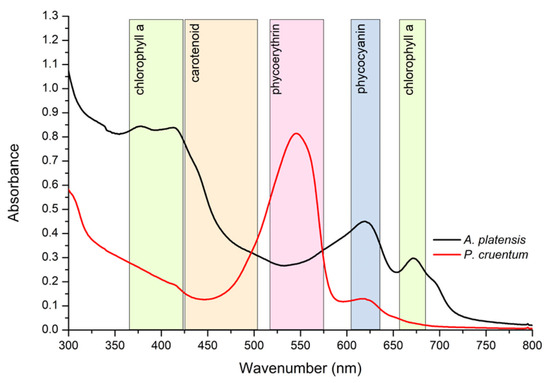
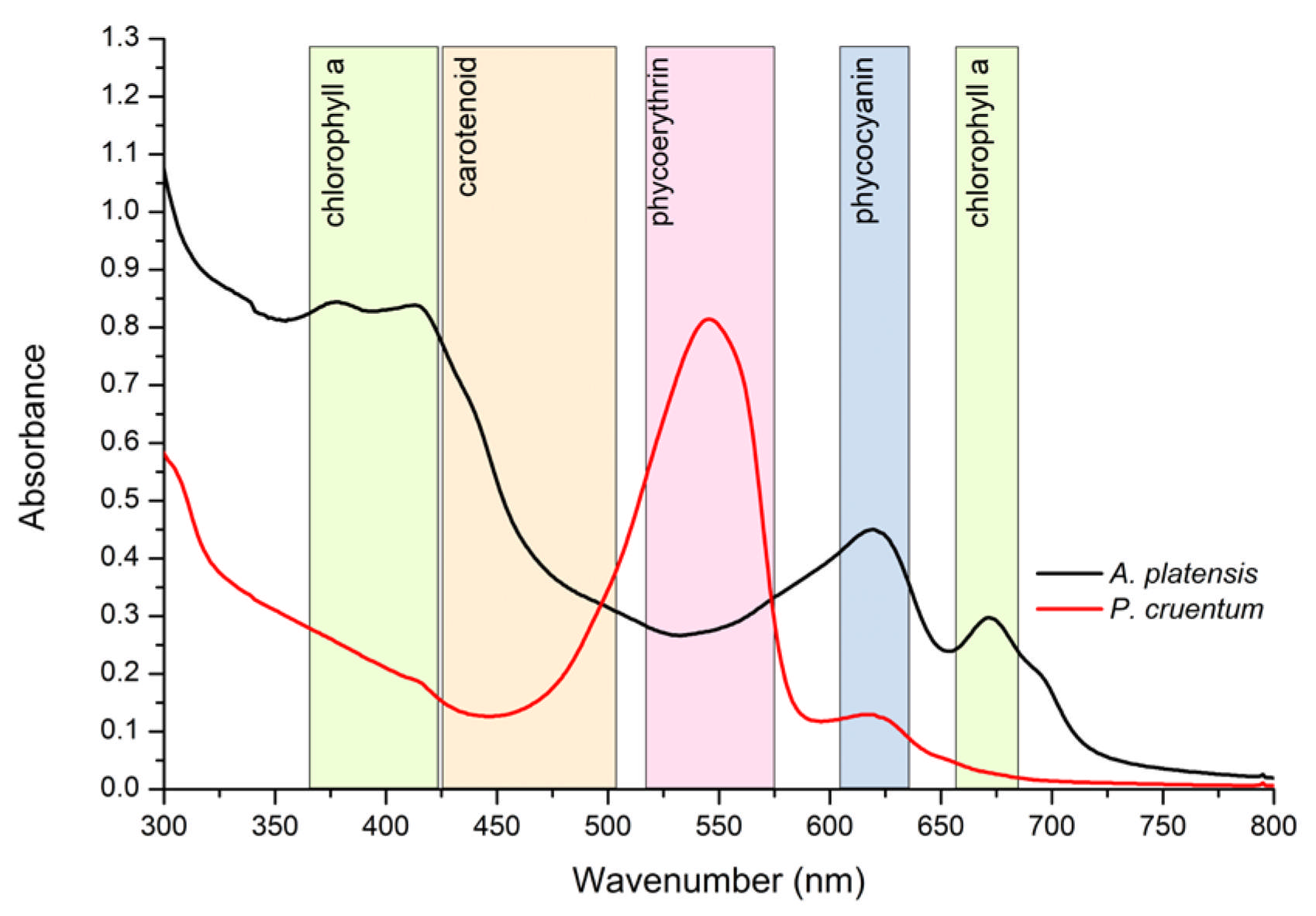
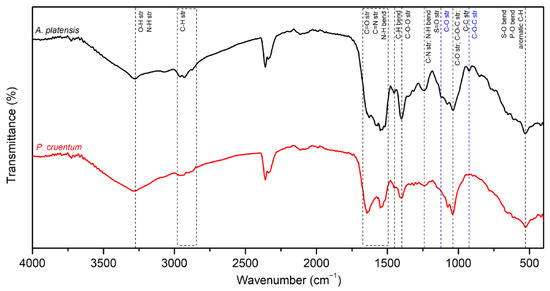
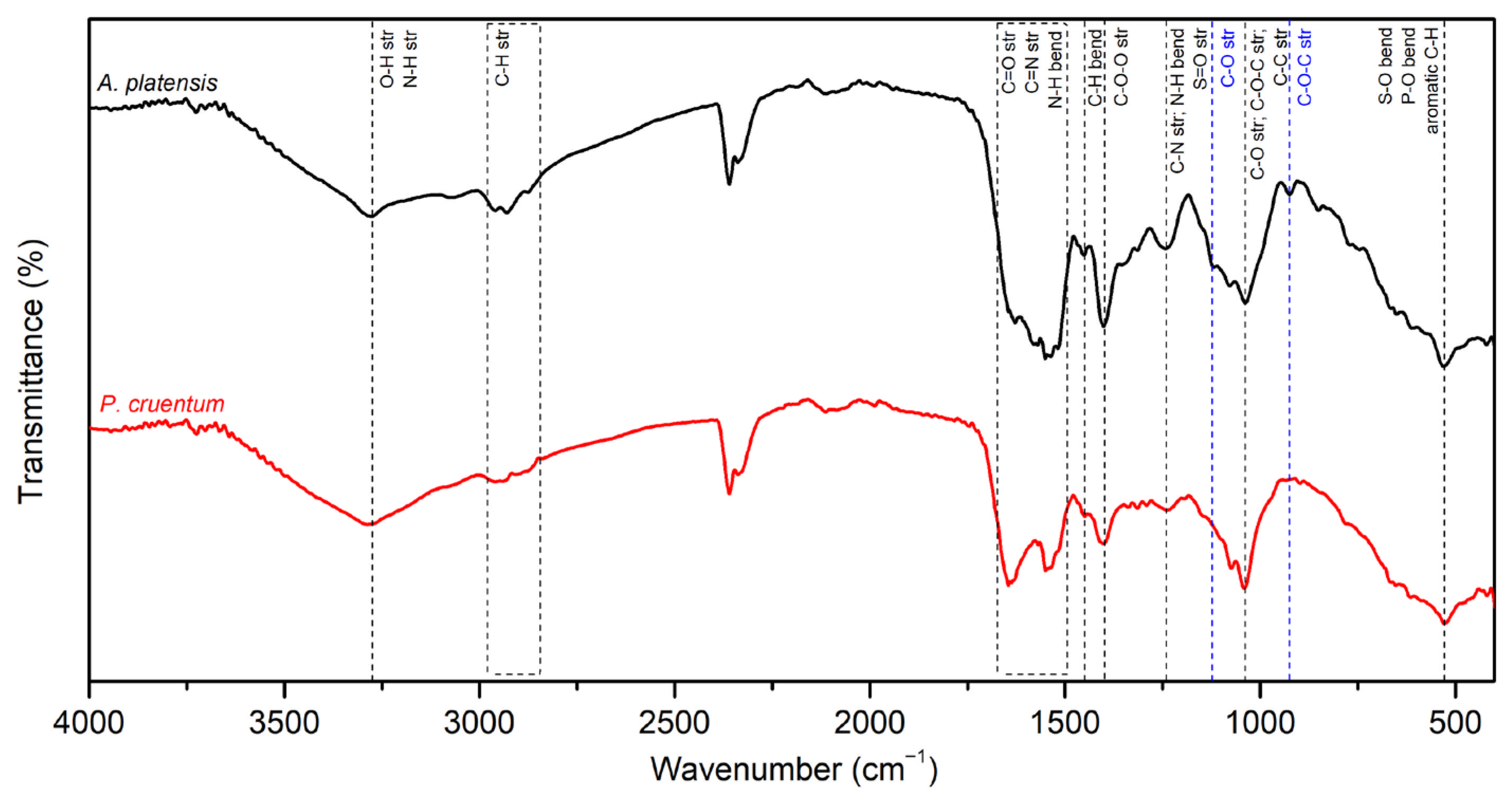
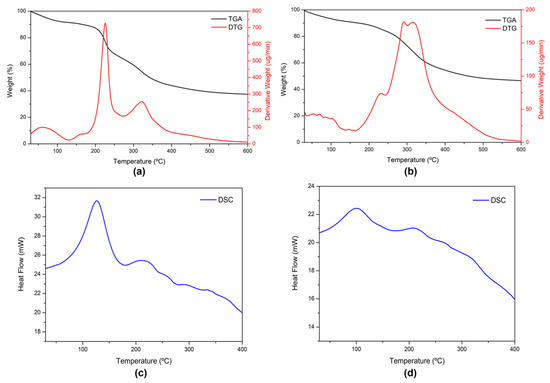
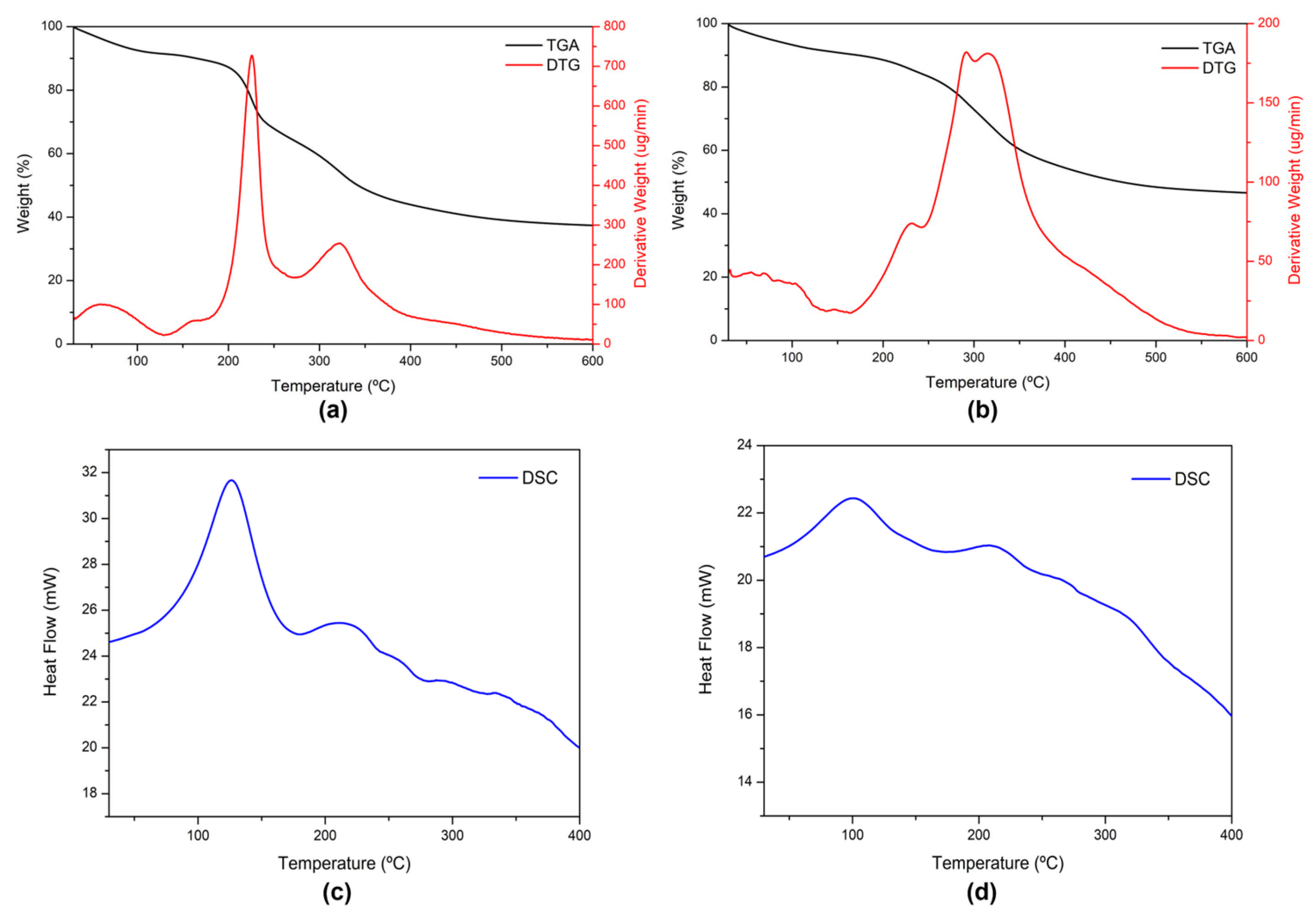
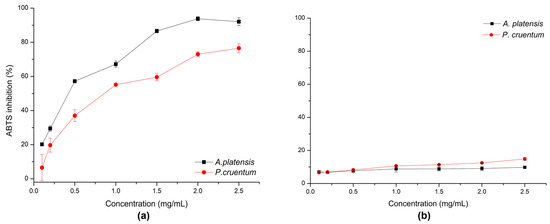
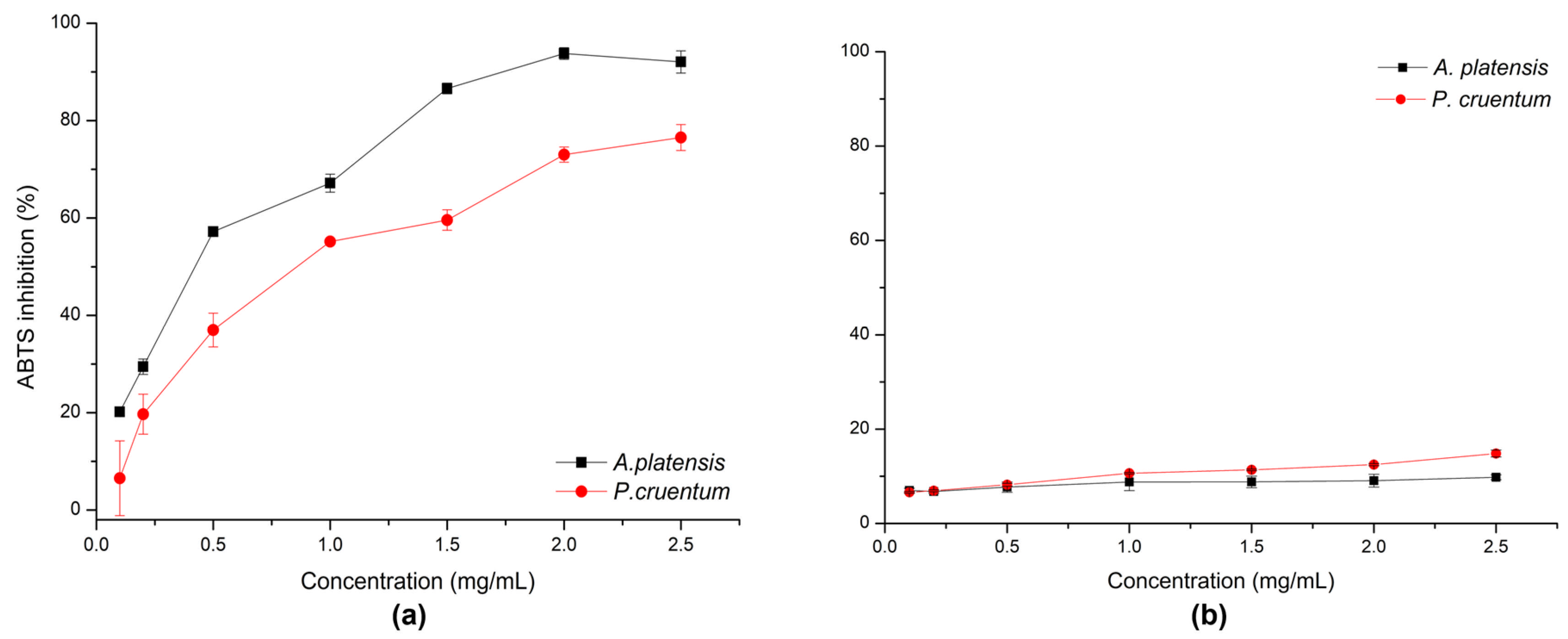
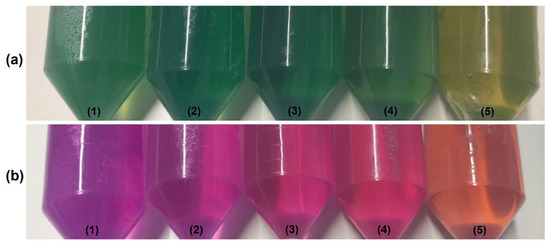
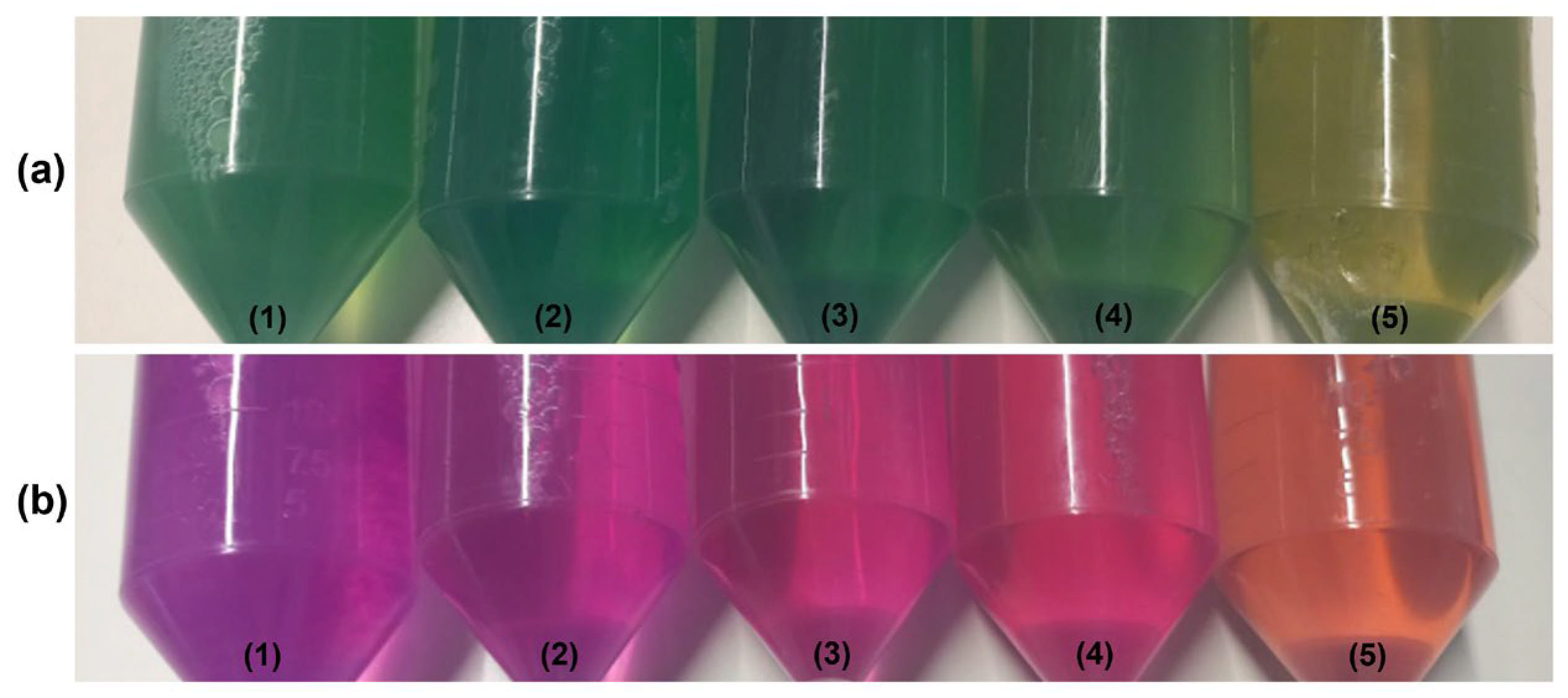
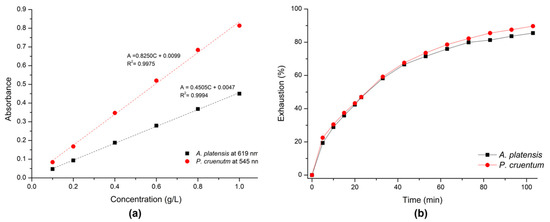
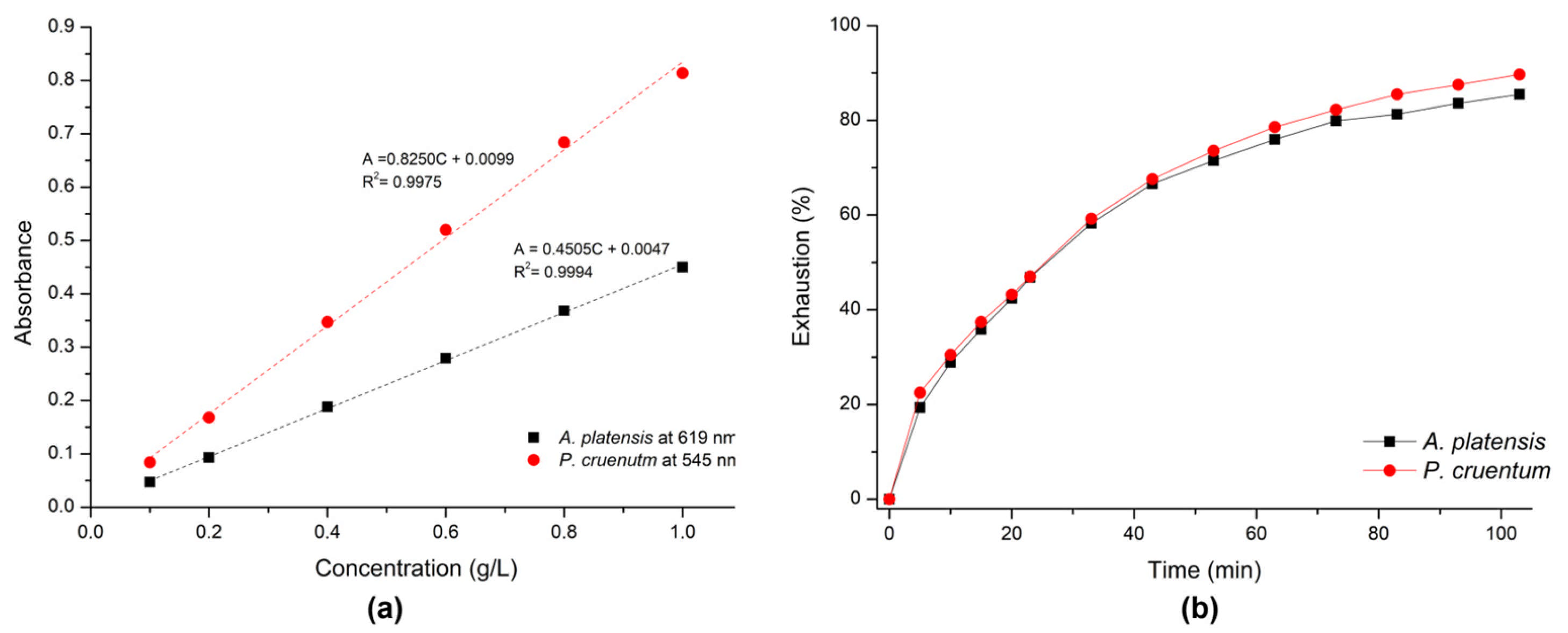
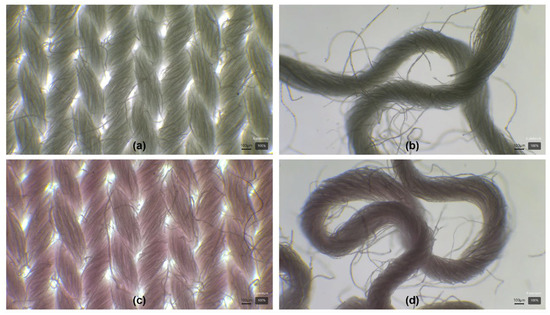
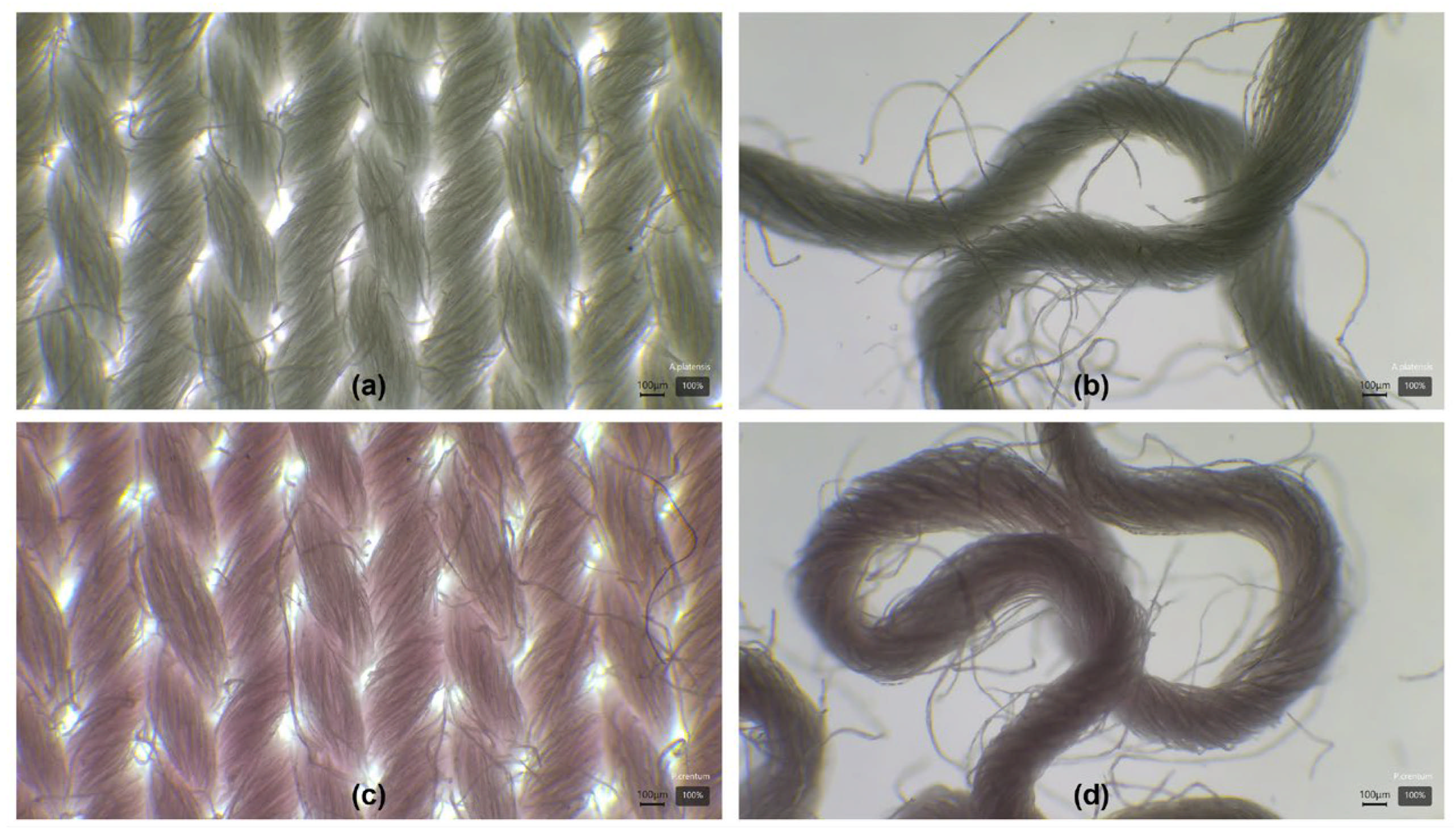

Disclaimer/Publisher’s Note: The statements, opinions and data contained in all publications are solely those of the individual author(s) and contributor(s) and not of MDPI and/or the editor(s). MDPI and/or the editor(s) disclaim responsibility for any injury to people or property resulting from any ideas, methods, instructions or products referred to in the content. |
© 2026 by the authors. Licensee MDPI, Basel, Switzerland. This article is an open access article distributed under the terms and conditions of the Creative Commons Attribution (CC BY) license.