


Abstract
In response to flood risks, nature-based solutions are increasingly recommended as resilience strategies. Wetlands are proposed as natural levers given their regulatory properties. This represents another way of promoting wetlands and, consequently, a call for their conservation. However, for nature-based solutions to be implemented effectively, residents’ perceptions and practices must be taken into account. To this end, in the flood-prone Greater-Nokoué region, this study highlighted residents’ perceptions and practices on the issue. Questionnaire surveys were conducted among 430 wetland residents with diverse socio-demographic profiles, who were either new or long-term residents living near wetlands (swamp formations and water bodies). The main results show that nearly half of the residents recognise the usefulness of wetlands in flood management. Both positive and negative perceptions are influenced by socio-demographic factors (gender, age, level of education) and residential factors (duration of residence near wetlands). Despite this fairly positive perception, wetlands are underused in flood management. Similarly, nature-based solutions are not exploited in alternative flood management approaches.
1. Introduction
Cities around the world are prone to natural disasters, including floods. This phenomenon is exacerbated by climate change, which is leading to an increase in the strength and intensity of rainfall. In fact, in 2024, globally, months with historically low rainfall were 38% more frequent than in the period from 1995 to 2005, while record extreme rainfall over 24 h was 52% more frequent. In the same year, the global toll of flooding amounted to 8700 deaths, 40 million displaced people, and more than $550 billion in damage [1]. No region of the world is spared [2] and, according to forecasts, this phenomenon is set to intensify. This calls for innovative solutions.
Internationally, nature-based solutions are increasingly recommended as alternatives for mitigating the effects of climate change [3,4,5]. They are defined by the IUCN as “actions to protect, sustainably manage and restore natural or modified ecosystems to directly address societal challenges effectively and adaptively, while providing human well-being and biodiversity benefits” [6]. For example, the World Bank’s portfolio of actions for the 2012–2021 financial year included an investment of approximately US$5.53 billion in projects promoting nature-based solutions for climate resilience [7]. For the 2024 fiscal year, of the funds allocated to climate, the World Bank noted an investment of US$1.308 billion in the environment and natural resources [8].
Recommended for mitigating climate change in general [3,4,5], nature-based solutions represent an alternative for limiting water-related risks, particularly flood and runoff risks [9]. They are also recognised for their ability to prevent and limit the impact of flooding, specifically river overflow, groundwater rise, rainwater runoff, etc. [10]. The definition of nature-based solutions adopted in March 2022 by the United Nations Environment Assembly specifies the natural levers around which they can be developed. Natural levers are considered to be terrestrial, freshwater, coastal, and marine ecosystems, whether natural or modified, that address social, economic, and environmental challenges effectively and adaptively, while simultaneously providing benefits to human well-being, ecosystem services, resilience, and biodiversity [6,11]. In the context of this study, nature-based solutions are considered to be any flood management solutions developed around natural levers.
As such, wetlands can be considered as potential tools for flood management due to their ecosystem properties. According to the Ramsar Convention, wetlands are capable of providing “water storage; storm protection and flood control; coastal stabilisation and erosion control; … and stabilisation of local climatic conditions, particularly precipitation and temperature patterns” [12]. Several studies have examined the value of wetland biodiversity, demonstrating that wetlands can be proposed as green infrastructure for water management [13] and particularly for limiting flood risks, especially in urban areas [14]. They can increase rainwater retention capacity [15], reduce runoff, improve rainwater quality, and even ensure water depollution [14]. This ecosystem property is classified as a regulatory ecosystem service [12]. The exploitation of these ecosystem services is therefore a significant asset for flood risk management.
However, the exploitation of ecosystem services, in general, should begin with a social approach based on taking into account the perceptions of local stakeholders [16]. The perceptions and relationships that local populations have towards ecosystem services play a crucial role in their decisions regarding the management, preservation, and conservation of natural resources and biodiversity [17,18]. Insufficient recognition would lead to destructive practices, while a better understanding would encourage their conservation, promotion, and more environmentally friendly practices [17]. By analogy, recognising the usefulness of wetlands for flood risk management would encourage another form of valorisation of these ecosystems. Greater appreciation of these sensitive ecosystems could have a positive influence on their conservation.
The issue of flooding is particularly relevant in West Africa, where the overall potential for flooding has increased over the historical period and where maximum flood potentials are set to increase [19]. These floods can be amplified by other contributing factors, such as topography and population dynamics [20,21]. This calls for exploring all possible adaptation measures, including the contribution of wetlands to flood management in West Africa. The Greater-Nokoué territory, Benin’s main urban area around the economic capital, is part of a vast wetland ecosystem and is home to a large population with diverse profiles.
Thus, by focusing on Greater-Nokoué, this research aims to study local residents’ knowledge of wetland conservation and utilisation for flood management. More specifically, it aims to do the following:
- a.
- Analyse residents’ knowledge of wetland valorisation in relation to socio-demographic and residential factors;
- b.
- Identify local flood management practices in wetlands;
- c.
- Identify, based on the sociological profile of users, the factors that influence the use of wetlands in flood management.
2. Materials and Methods
This section comprises two components. The first describes the study area—Greater-Nokoué in Benin. The second outlines the data collection, analysis, and visualisation procedures. The study employed multiple methods, including exploratory surveys, structured questionnaires, field photography, and statistical and spatial analyses.
2.1. Study Area
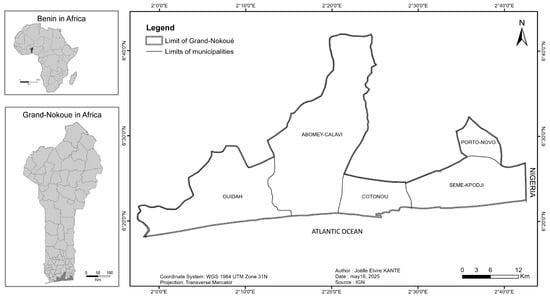
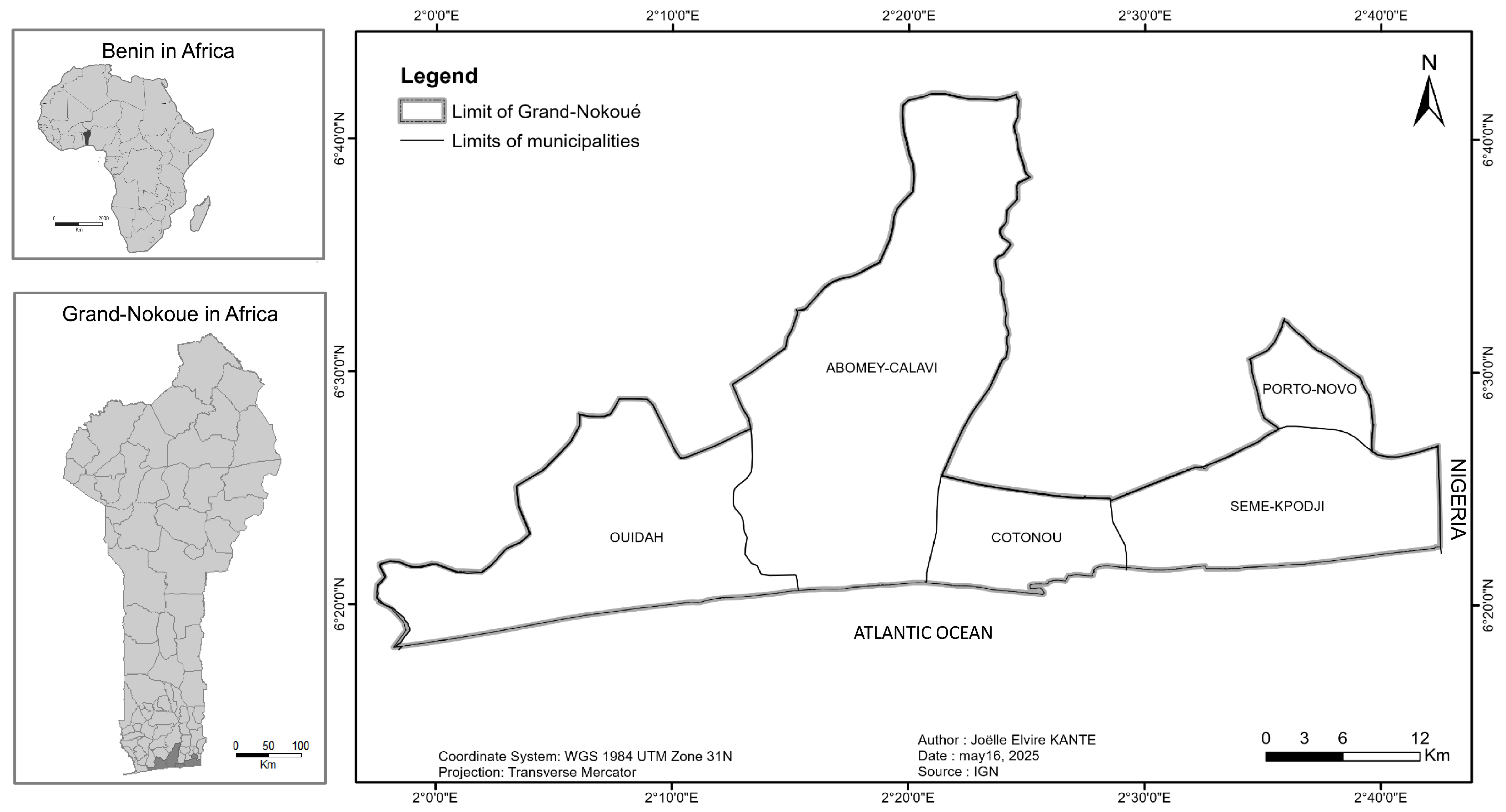
Greater-Nokoué is the main urban area in Benin, a West African country. It is an entity comprising the municipality of Cotonou (economic capital) and four other municipalities forming a ring around a lake (Lake Nokoué). It covers an area of 1453 km2 between 6°18′ and 6°30′ north latitude and 2°02′ and 2°40′ east longitude, along the country’s coastline. From east to west, this conurbation comprises the municipalities of Porto-Novo (political capital), Sèmè-kpodji, Cotonou, Abomey-Calavi, and Ouidah (Figure 1). Greater-Nokoué’s location on the coast means it benefits from a dense hydrographic network consisting of various wetlands, including lakes and marshes.
Figure 1.
Location of Greater-Nokoué.
Over the past decade, Greater-Nokoué has experienced an increase in extreme rainfall, leading to severe flooding [22]. The years 2010 and 2019 saw the worst flooding in the country and, consequently, in the metropolitan area [23,24]. The second-largest natural disaster in the country, the floods caused considerable loss and damage. The economic losses caused by the floods were estimated at nearly US$91.10 million in Benin in 2019 [24,25]. Due to climate change, demographic shifts, and urbanisation, the impact of flooding continues to grow in the metropolitan area. Greater-Nokoué has seen a significant increase in the length of periods of extreme rainfall, indicating an increased risk of flooding in the future [22].
Alarming prospects for a region that is home to nearly 25% of the national population, with a projected population of 3,141,482 inhabitants for the year 2025 [26].
In view of the climate outlook and the availability of wetlands, it is important to study the adaptation solutions implemented by the population of the conurbation.
2.2. Data Collection
The study of local populations’ perceptions and interactions with green spaces requires integrated, mixed, and multidisciplinary methodological approaches [27,28,29]. Therefore, for this study, data were collected using a mixed approach involving focus groups and open-ended questions during a preliminary survey, closed questions during the actual survey, and photographs of the practices developed by residents living in wetland areas.
2.2.1. Questionnaire Survey
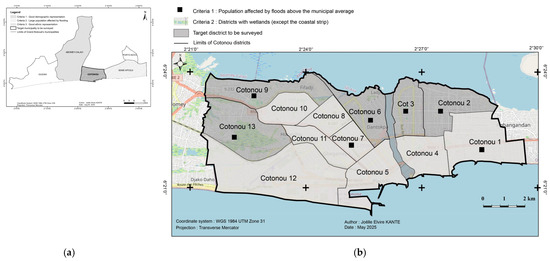
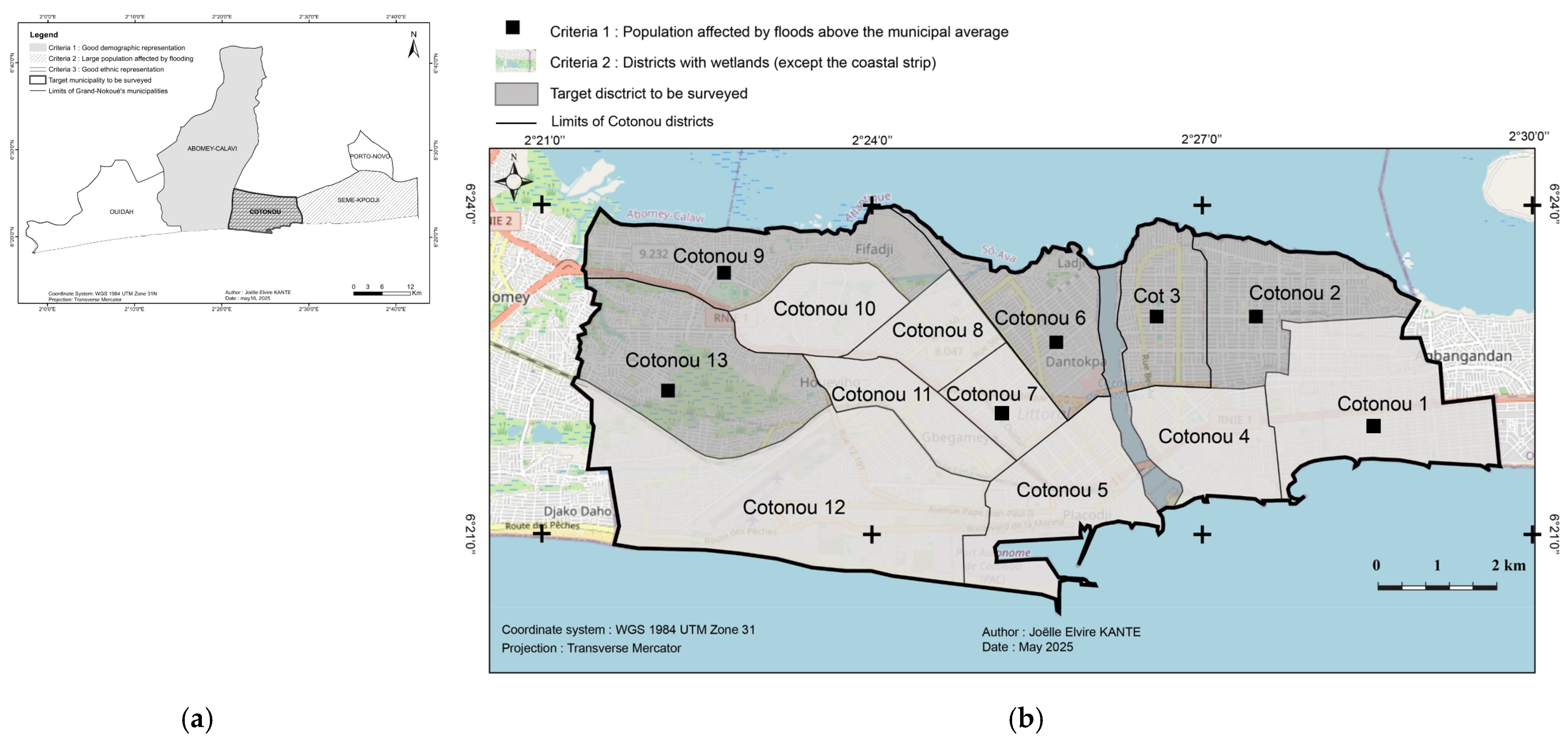
The study’s observation unit consists of residents living near the Greater-Nokoué wetlands. Due to time constraints, the municipality of Cotonou was chosen to host the surveys. This choice was based on the parameters of “good demographic representation” [26], “largest population affected by flooding” [23], and “good ethnic representation” [26] (Table 1, Figure 2a). As proof, Cotonou is a strip of low-lying land ranging from 3 to 7 metres in altitude, wedged between the Atlantic Ocean and two large bodies of water, and consisting of large marshy depressions (2013 Urban Master Plan Diagnostic Report cited by [30]).
Table 1.
Selection of the municipality to be surveyed in Greater-Nokoué according to the three criteria selected.
Figure 2.
(a) Municipality and (b) districts to be investigated.
Within the municipality of Cotonou, districts meeting the criteria of “districts with populations affected by flooding above the municipal average” and “districts with wetlands (except the coastal strip)” were selected as survey sites (Table 2, Figure 2b).
Table 2.
Selection of districts to be surveyed in the municipality of Cotonou according to the criteria adopted.
A preliminary survey was conducted in vulnerable neighbourhoods bordering wetlands. Distributed in the form of open-ended questions, this preliminary survey responded to residents’ perceptions and practices regarding the subject of the study. A total of 43 people (33 men and 10 women) were surveyed using a Google Forms questionnaire. The data collected was used to refine the final questionnaire.
The questionnaire addressed several topics, including perceptions of the usefulness or otherwise of wetlands in flood management, the uses developed by local residents in flood management in relation to wetlands, and alternative uses. For key constructs (perceived usefulness, negative/positive reasons, actual use), we used these questionnaire items: “Do you think wetlands can help reduce flooding?”, “If so, how?”, “If not, why not?”, “Does your household use wetlands to combat the threat of rainwater?”, “If so, how?”, and “If not, what other solutions are you implementing to combat the threat of rainwater?” In addition, socio-demographic and residential information was collected from respondents in order to analyse variations according to their profiles. Sociological variables included gender (male, female), age (<18 years, 18–30 years, 31–50 years, >50 years), and level of education (uneducated, primary level, secondary level, university level, no opinion). Additional socio-demographic data, including occupation and place of birth, were also collected to provide a comprehensive profile of the respondents. Physical data collected included length of residence near wetlands (<1 year, 5–10 years, 10–15 years, >15 years, no opinion), type of housing (precarious, traditional, semi-modern, and modern), and average time of vulnerability of housing to flooding. The questionnaire was administered at the end of the week (Friday to Sunday) and during the dry season to ensure the availability of as many residents as possible. Finally, the sample size required for the study was determined using the 2024 projection of official data from the latest census using Cochran’s formula [31] (Equation (1)) as described in Table 3.
Table 3.
Study sampling.
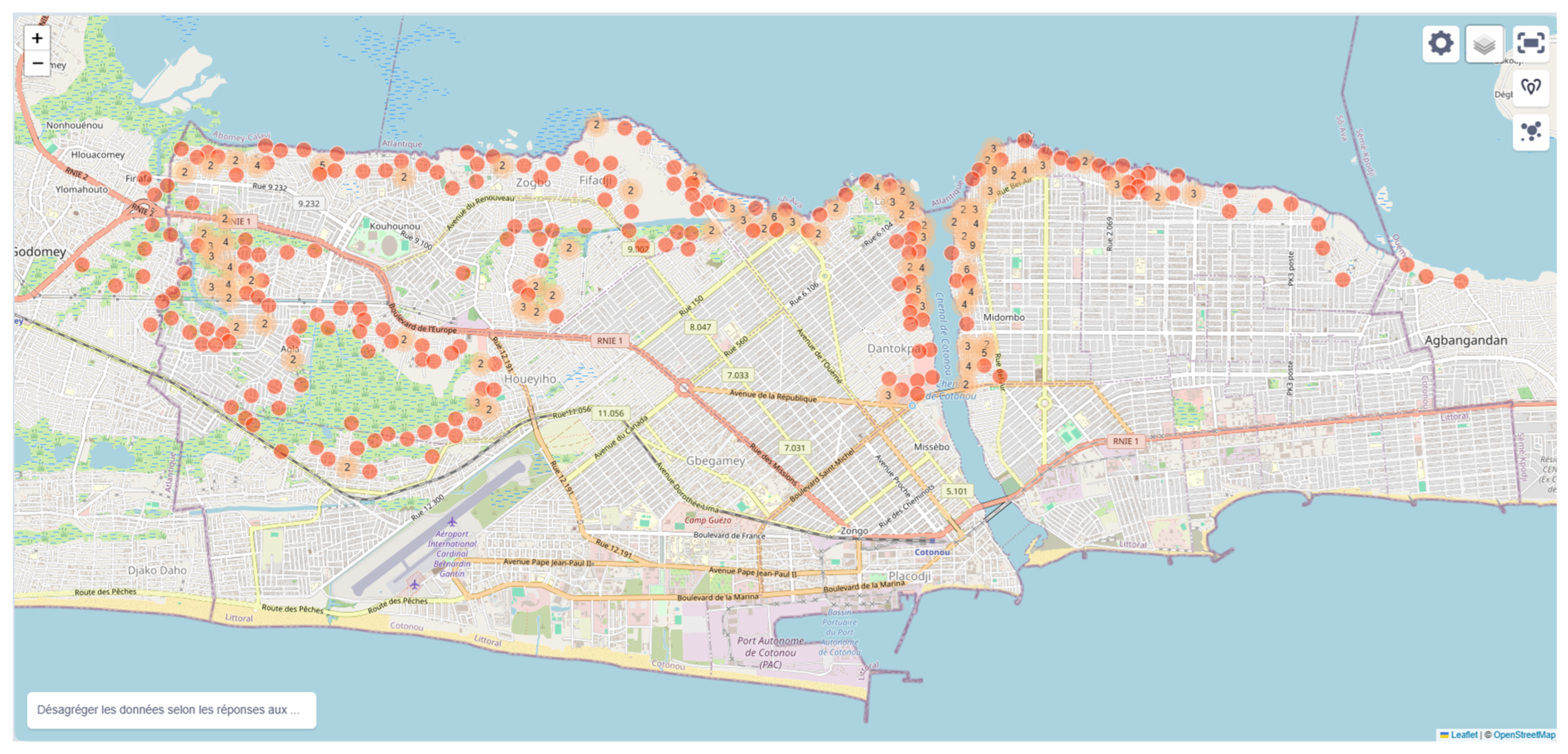
A total population of 384 people was obtained as the minimum threshold of participants deemed acceptable for the survey. Ultimately, 430 participants were randomly surveyed inside, around, and near wetlands (“swamp formations” and “water bodies”) within a radius of 300 m. Figure 3 shows the spatial distribution of respondents in relation to the wetlands of the study site. The digital form on the KoboCollect platform was used to collect the data. For each participant, regular checks were carried out using KoboToolbox to ensure the validity and reliability of the responses.
Figure 3.
Location of the individuals surveyed in relation to the different wetland (swamp formations and water bodies). Source: Image captured on KoboToolbox, Open Street Map basemap, 15 April 2025.
2.2.2. Photographs
Field observations were used to characterise and photograph residents’ flood management practices at the study site. These photographs were taken at various locations in the city and within a 300 m radius of wetlands such as “swamp formations” and “water bodies”. This observation phase was conducted during the rainy season in May.
2.3. Statistical Data Analysis
The database in XLS format obtained via KoboToolbox was analysed using SPSS V.25 software, where univariate and bivariate analyses were performed using the “Descriptive Statistics” parameter of the “Analysis” function. In addition, Pearson’s chi-square test of independence was performed to confirm or refute the hypothesis of independence between the observed variables. Thus, two hypotheses were formulated for the test: a null hypothesis (H0), indicating no relationship between the variables, and an alternative hypothesis (H1), indicating a link between them. The significance level was set at α = 0.05. “Compiled 100% histogram” and “bar chart graphs” were also used to interpret and visualise the data collected from Microsoft Excel.
2.4. Spatial Data Analysis
During the questionnaire survey, respondents were geolocated using the KoboCollect “location” function. This geolocation was used as the basis for disaggregating certain data collected on a 2025 “Open Street Map” basemap using the “map” function of the Kobo Toolbox platform. This enabled analysis of the spatial distribution of residents according to variables such as perceptions and use or non-use of wetland-based flood management solutions.
3. Results
3.1. Socio-Demographic and Residential Profile of Respondents
The sociological profile of the respondents is listed in Table 4. The respondents were almost equally divided between male (52.7%) and female (47.2%). People aged 18 to 30 and 30 to 50 were the most represented, accounting for 81.1% of the total. Educational attainment varied across the sample, with secondary education representing the largest proportion (31%), followed by respondents with no formal education (27.4%), and university-educated individuals comprising 17% of the sample. Furthermore, respondents worked in all fields of activity, with a predominance of individuals in the tertiary sector (39.3%). The study reveals that the vast majority of respondents (88.4%) were nationals, compared to 6% who were foreign nationals.
Table 4.
Sociological profiles of respondents.
With regard to residential profiles, the majority of residents surveyed (34.7%) had lived near the wetlands for more than a decade. In terms of their type of housing, the majority lived in modern (44.2%) and semi-modern (33.3%) dwellings. Most residents, 31.2%, experienced flooding over a period of one to three months (Table 5).
Table 5.
Residential characteristics of respondents.
3.2. Respondents’ General Perception of the Usefulness of Wetlands in Limiting Flooding
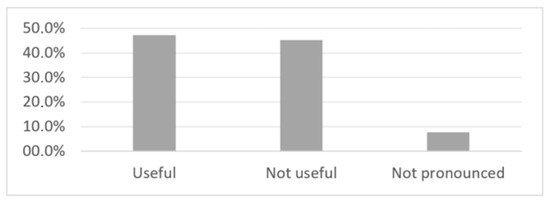
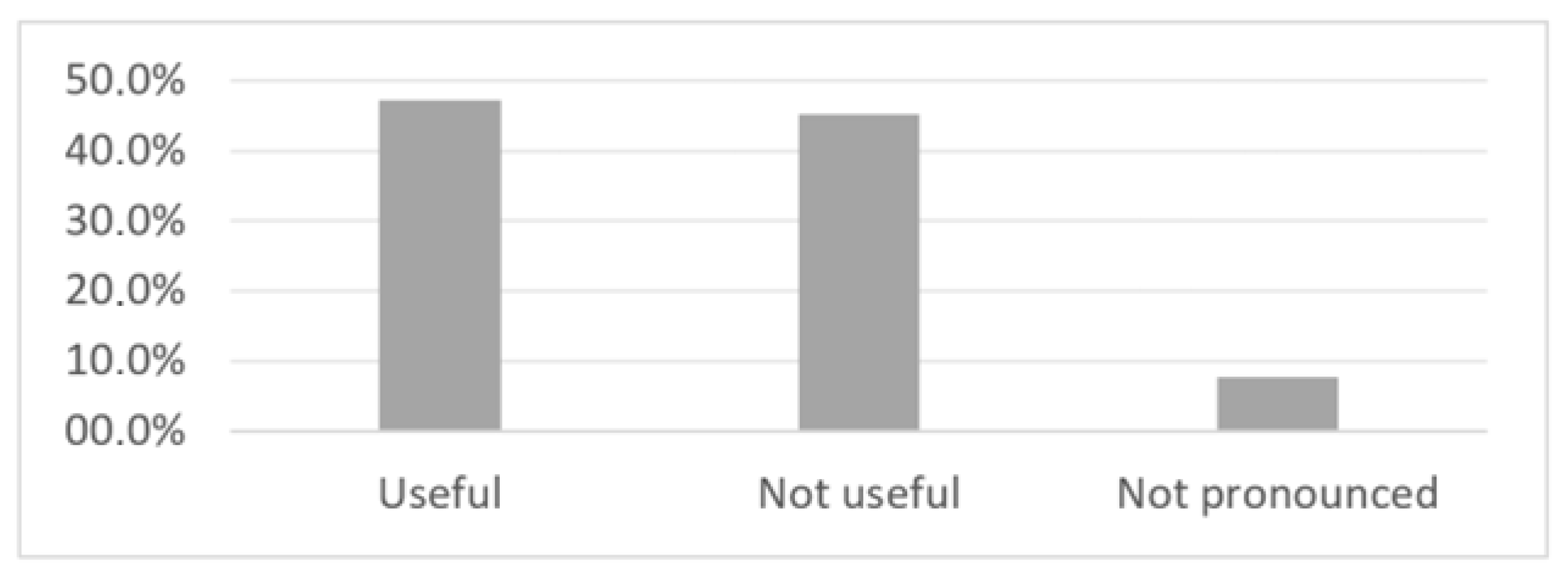
When local residents were asked about their general perception of wetlands, these environments were perceived as a source of flooding. However, when asked specifically about the possible role of wetlands in flood management, nearly half of local residents (47.2%) believed that they could be used to limit flooding (Figure 4). For every person who thinks wetlands are useless in flood management, there is another who thinks they are quite useful. However, 7.7% of the population had no opinion on the matter.
Figure 4.
Respondents’ perceptions of the usefulness of wetlands in limiting flood risks.
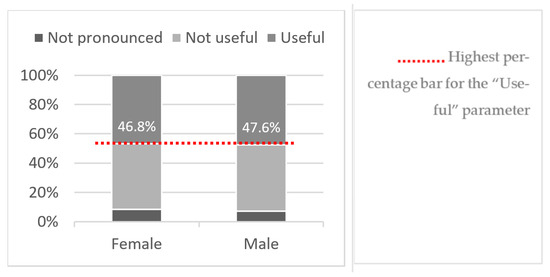
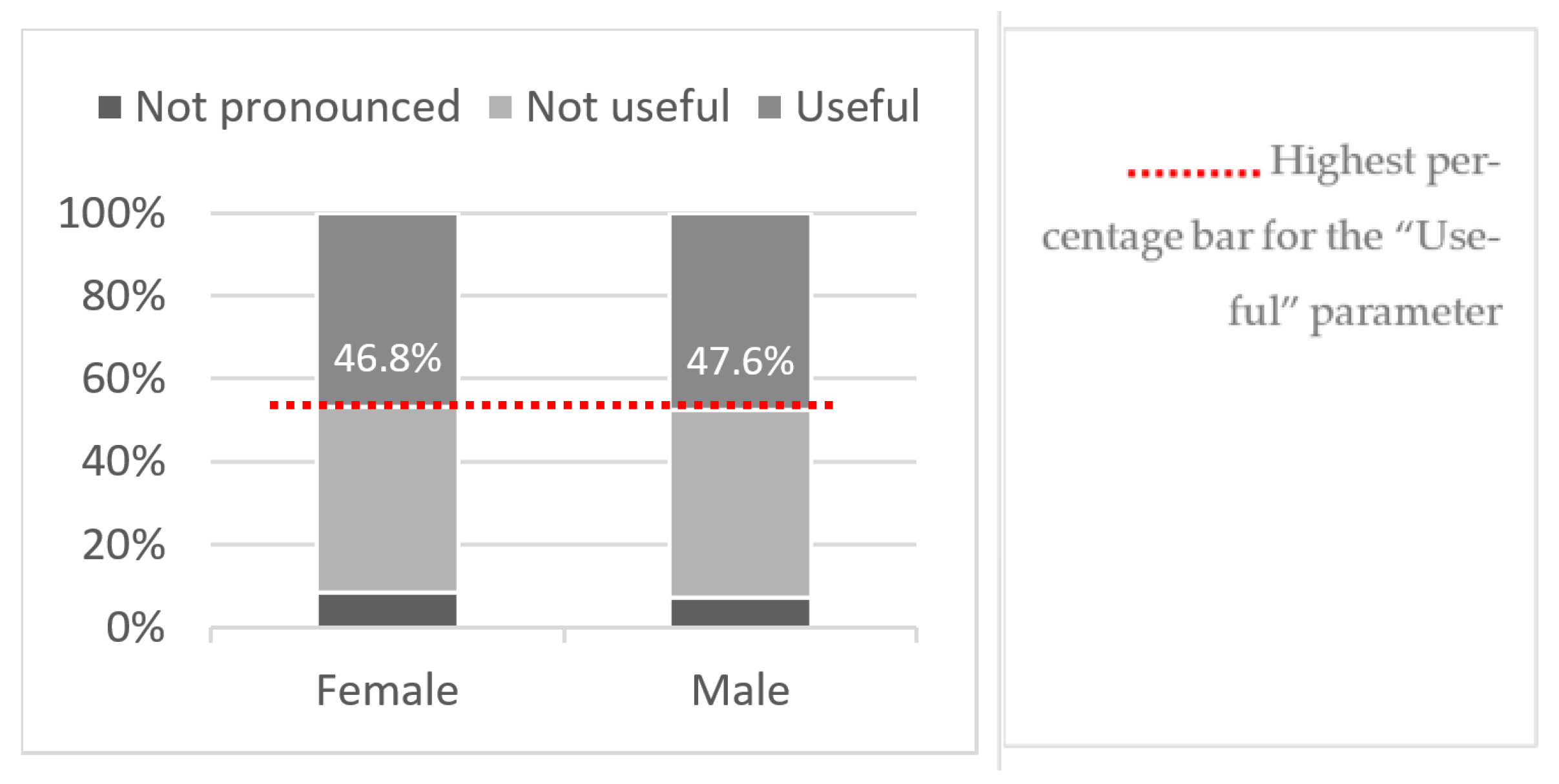
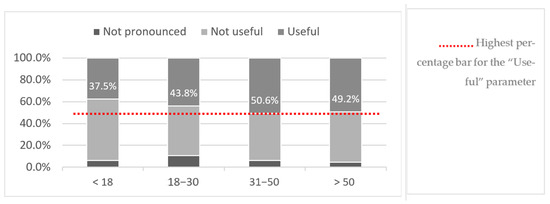
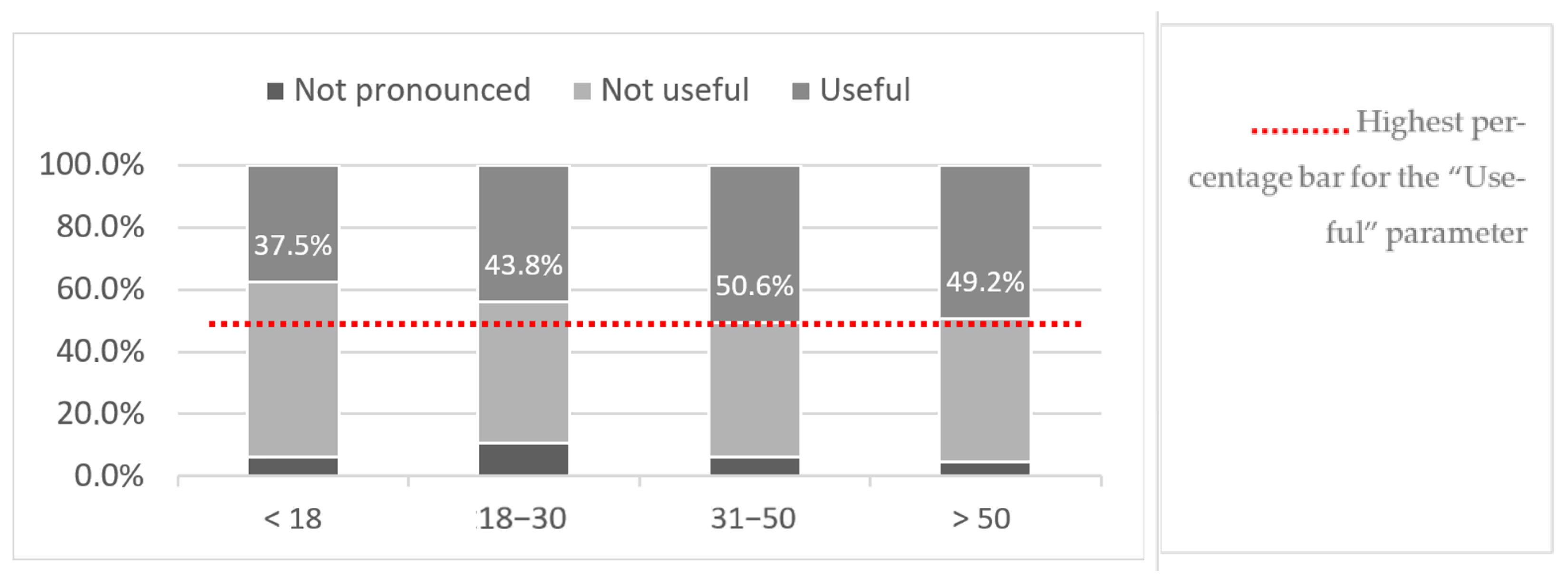
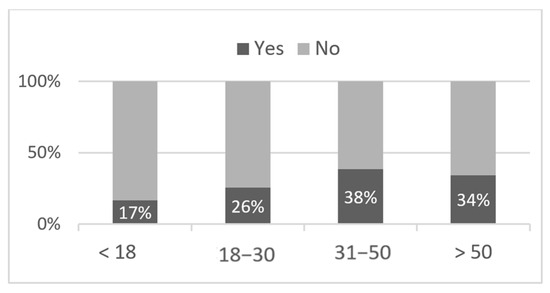
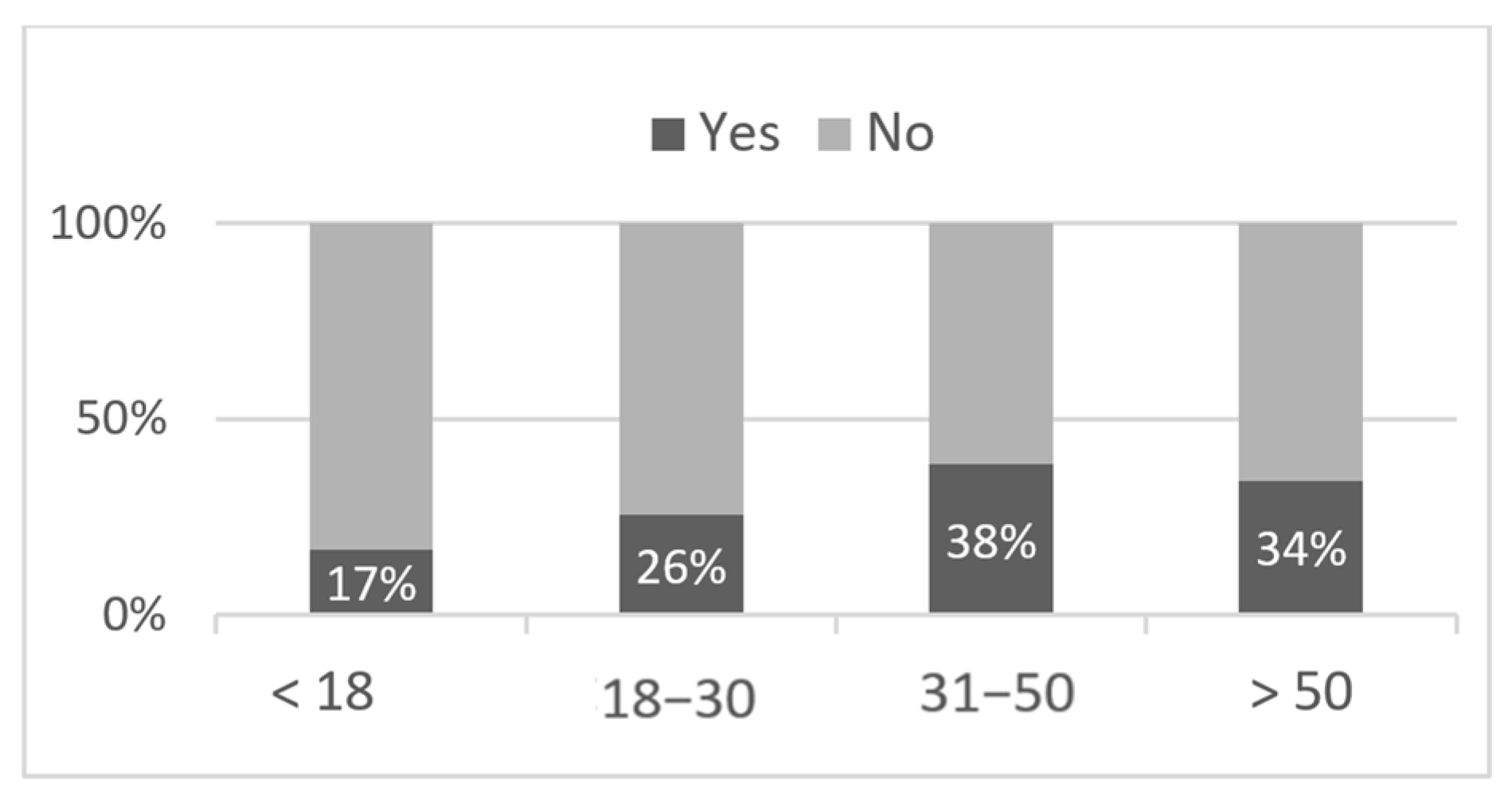
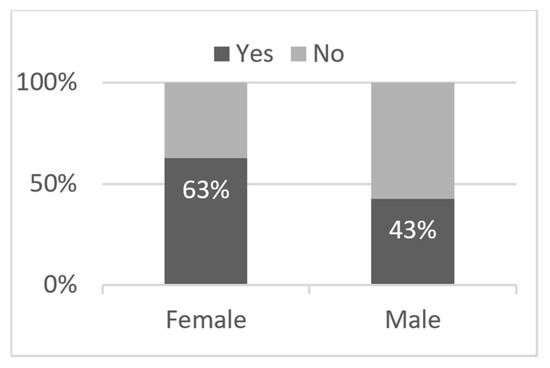
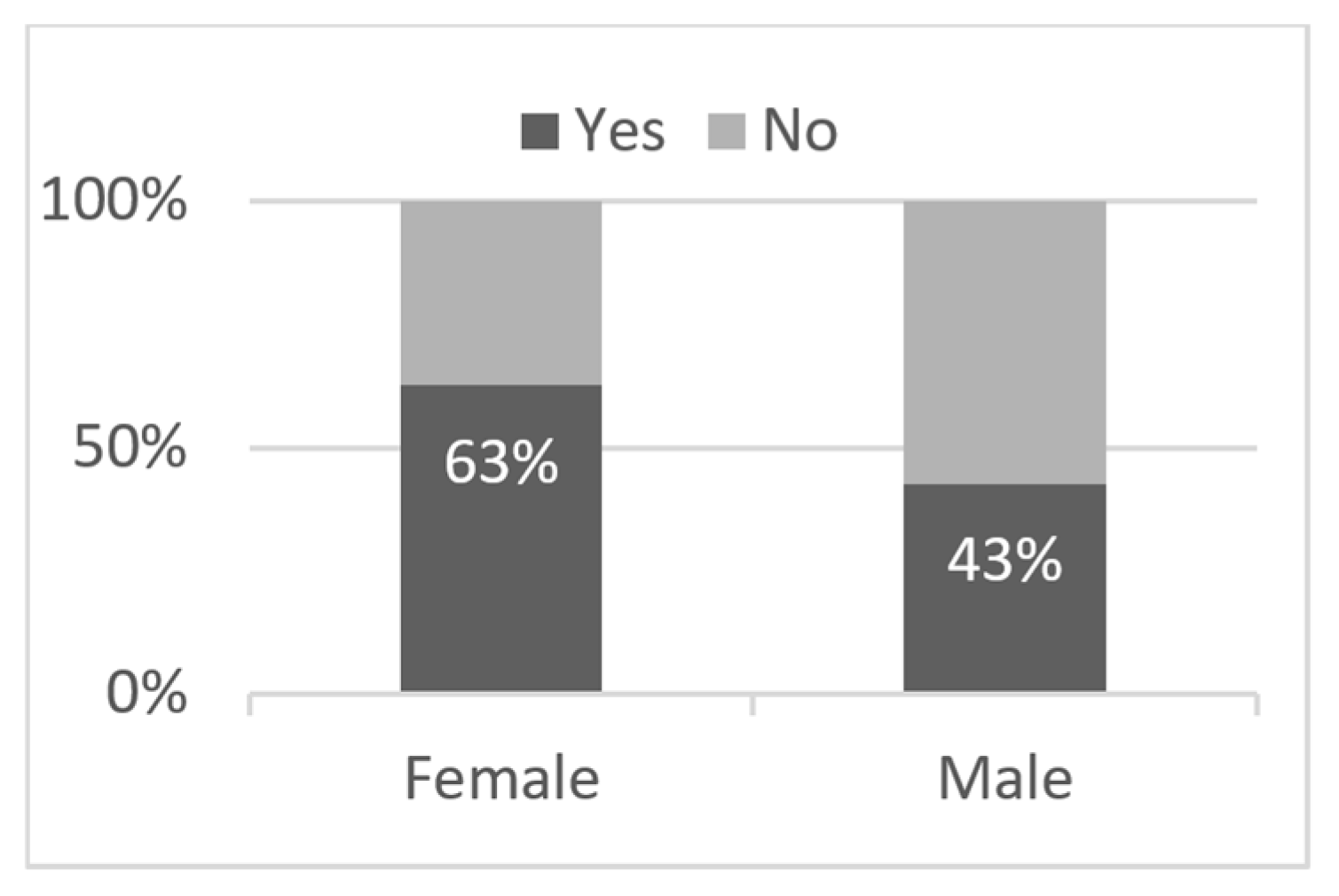
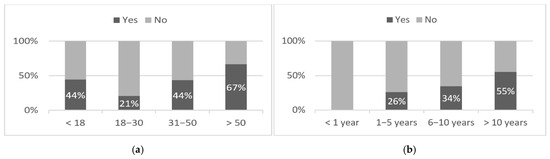
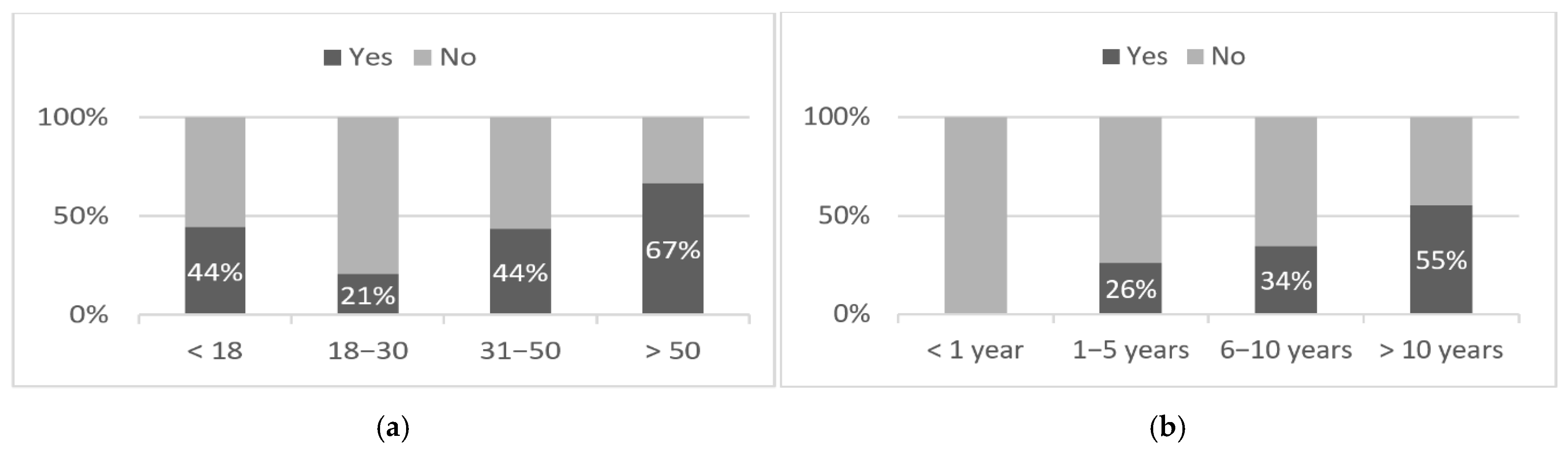
When analysing the perceptions of respondents within the social category of “gender”, men and women had the same perceptions (Figure 5). When looking at the age of respondents, perceptions did not vary greatly within the age groups. However, it should be noted that the oldest respondents in the “31–50” and “>50” age groups were most likely to believe that wetlands could be useful in limiting flooding (Figure 6).
Figure 5.
Perceptions by gender.
Figure 6.
Perceptions by age.
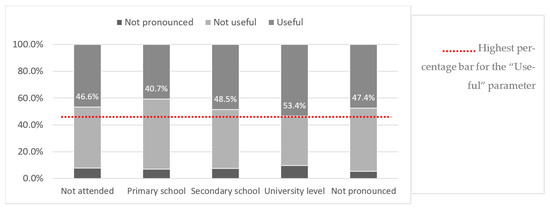
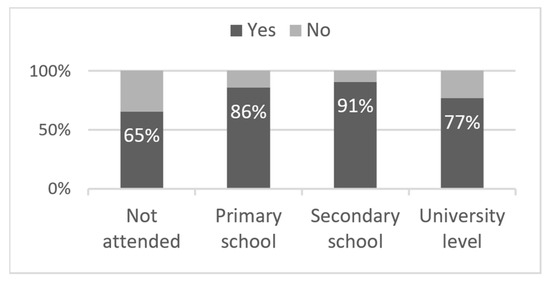
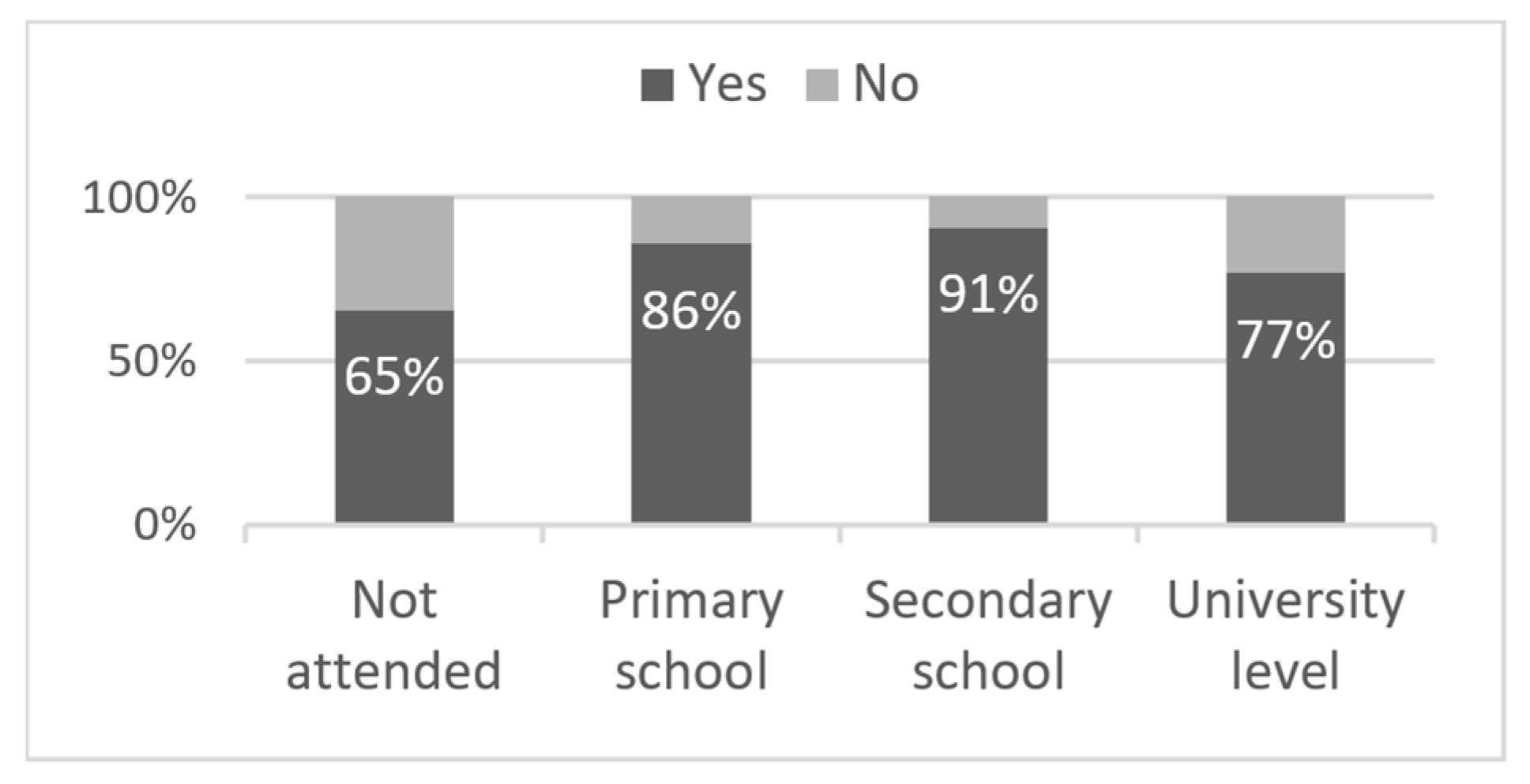
In terms of education level, respondents with university and secondary education levels were the most who believed that wetlands could help limit flooding (Figure 7).
Figure 7.
Perceptions according to level of education.
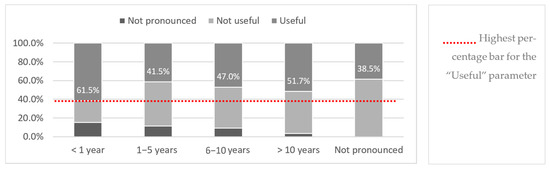
Local perceptions were also analysed in relation to residential factors, including duration of residence near the wetland type. The study found that half of the respondents who had spent more time (6–10 years and >10 years) near wetlands believed that wetlands were useful in limiting flooding. However, residents who had spent less than one year (<1 year) near wetlands were much more likely to recognise this benefit of wetlands (Figure 8).
Figure 8.
Perceptions according to the duration of residence near wetlands.
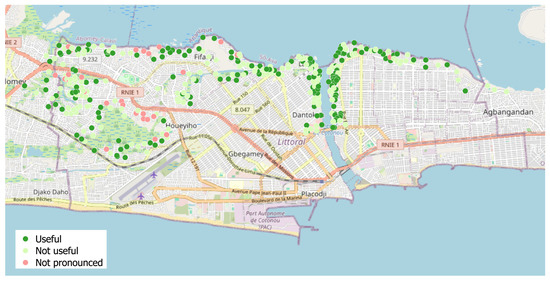
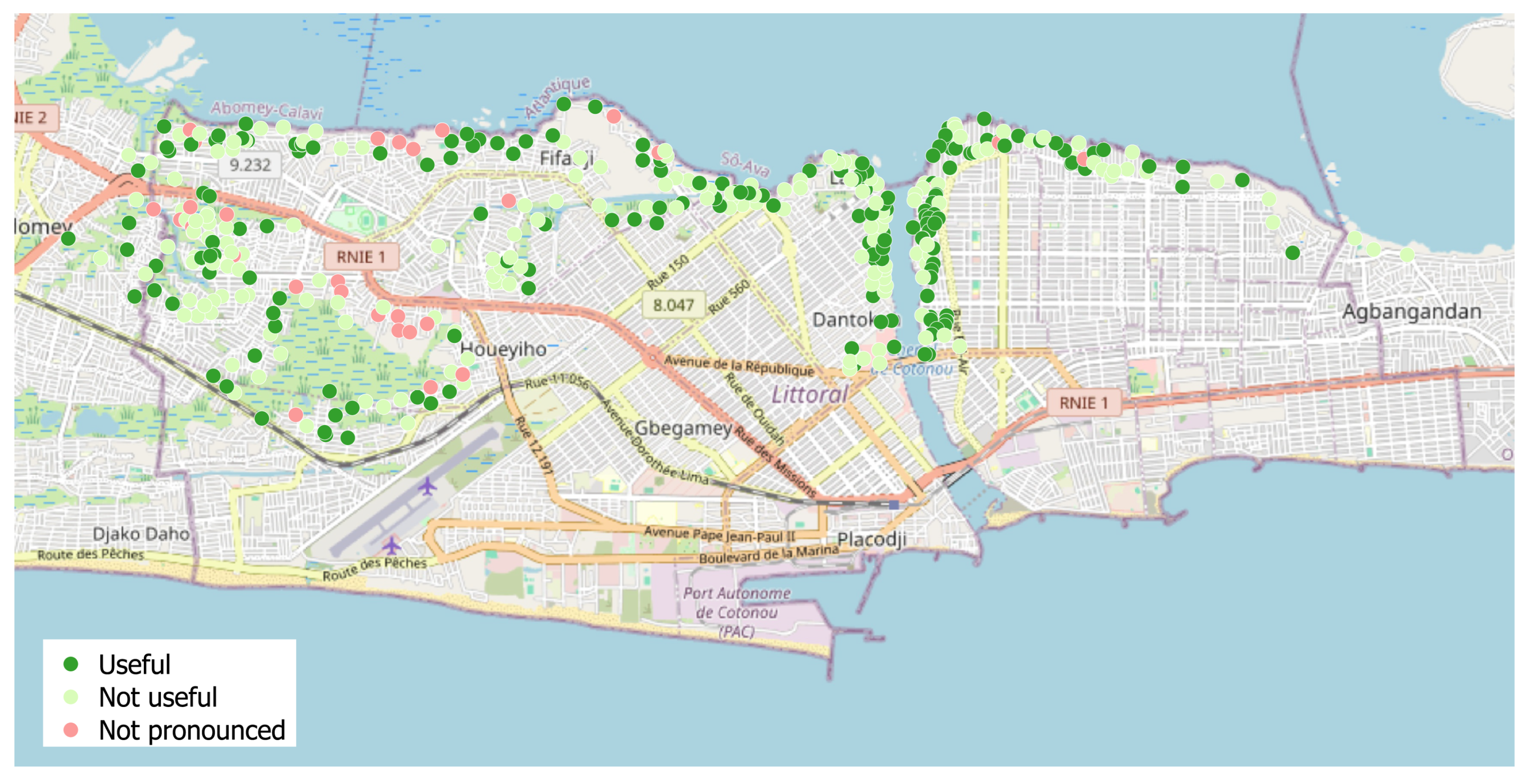
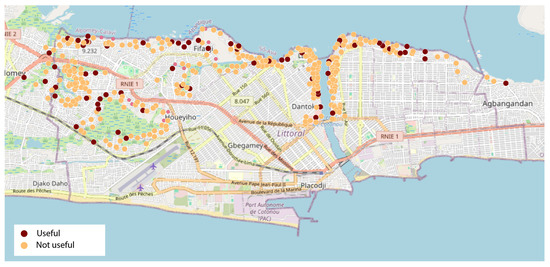
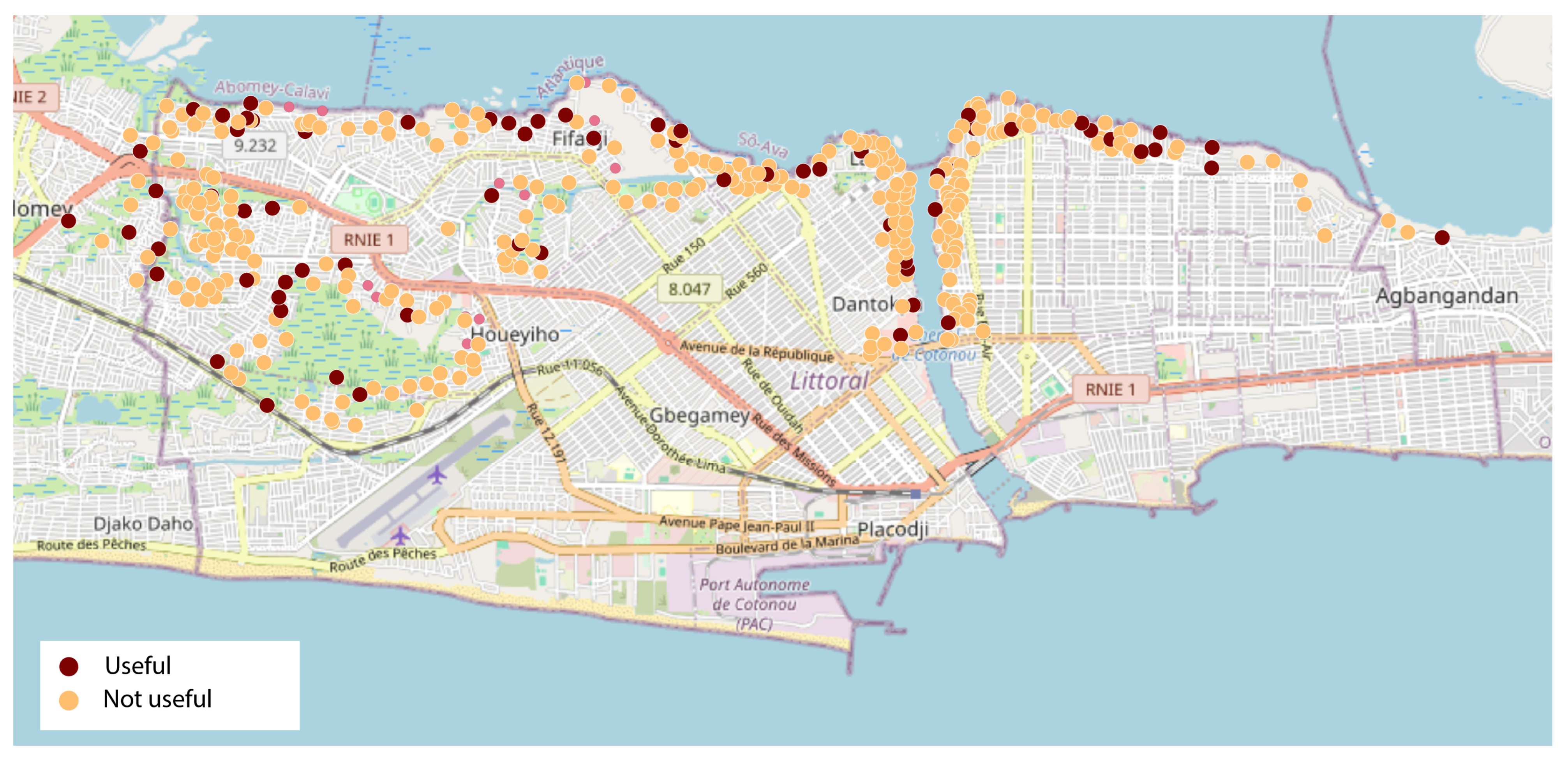
With regard to the factor “type of riparian wetland”, spatial analysis of the data shows that residents who consider wetlands to be useful in limiting flooding are just as likely to live near lakes as they are to live near swamps (Figure 9). Therefore, perceptions do not depend on the type of riparian wetland, as was the case with general perceptions of wetlands.
Figure 9.
Spatial distribution of respondents according to their perception of the usefulness of wetlands in flood management. Source: Image captured on KoboToolbox, Open Street Map basemap, 15 April 2025.
3.3. Nature of Positive and Negative Perceptions of the Usefulness of Wetlands in Flood Control
Local residents who believe that wetlands are useful for flood control cite as their main reasons the fact that they can be integrated into the rainwater drainage (42.0%), serve as retention basins (17.0%), and even retain excess rainwater (16.8%). Secondly, local residents recognise that wetlands can prevent flooding caused by high tides and marine submersion (9.8%) and regulate these floods (7.7%). Finally, some residents emphasise that wetlands are useful in dealing with flooding if and only if they are preserved from occupation (16.8%), treated with appropriate construction (1.0%), and safeguarded and well managed (0.3%) (Table 6).
Table 6.
Asymptotic significance obtained from the chi-square test combining positive perceptions and variables.
By associating each positive perception with sociological profiles, the chi-square test reveals that there is a statistically significant relationship between perceptions and the variables of age, level of education, and duration of residence near wetlands. Table 6, present the asymptotic significance (p-value) obtained in the chi-square test by associating positive perceptions with sociological variables.
Indeed, the perception that “can be integrated into the rainwater drainage system” is influenced by the level of education, with an asymptotic significance of p = 0.009. Educated people develop this perception more than those with less education (Figure 10).
Figure 10.
Perception of wetlands to “be integrated into the rainwater drainage system” according to the level of education.
With regard to the perception of the capacity of wetlands to serve as “agro-piscicultural filter strips”, this depends on age, with an asymptotic significance of 0.032. The older the residents are, the more they believe that wetlands are capable of serving as agro-piscicultural filter strips (Figure 11). The other perceptions did not depend on sociological variables, as the null hypothesis is verified with p > 0.05, with values ranging from 0.051 to 0.849.
Figure 11.
Perception of the capacity of wetlands to serve as “agro-piscicultural filter strips” according to age.
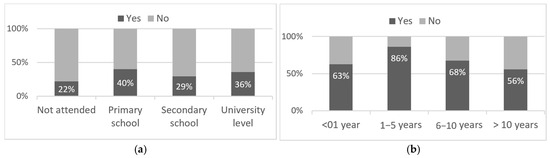
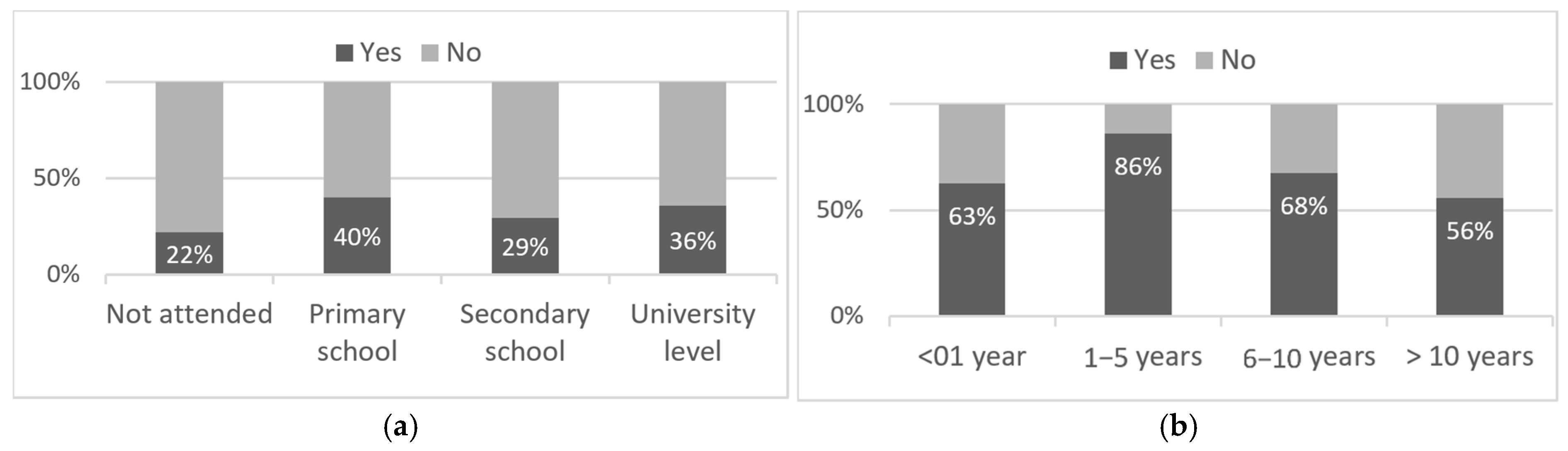
The perception of wetlands’capacity to serve as “rainwater receptacles” depends on the level of education (p = 0.013) and the duration of residence near wetlands (p = 0.010). Indeed, this perception is more developed among educated people and those who have lived near wetlands for less than 10 years (Figure 12).
Figure 12.
Perception of the capacity of wetlands to serve as “rainwater receptacles” based on (a) the level of education and (b) duration of residence near wetlands.
As for residents who disagree, the main reasons given are that they believe wetlands are prone to flooding (28.9%) precisely because of their hydromorphic nature, where rainwater infiltration is difficult (22.9%) and therefore unsuitable for habitation (21.2%). As secondary reasons, these residents also emphasise the occupation of wetlands, which could increase the risk of flooding tenfold, and the alternative of resilient construction, which they consider to be a very expensive option (Table 7).
Table 7.
Asymptotic meanings obtained from the chi-square test combining negative perceptions and variables.
Chi-square tests were employed to examine associations between negative perceptions of wetlands and respondent demographic profiles. The analysis revealed statistically significant relationships between negative perceptions and three key variables: gender, age, and duration of residence near wetlands. These findings suggest that perceptions of wetlands are not uniformly distributed across the local population but rather vary systematically according to demographic characteristics. Table 7 summarises the asymptotic significance values (p-values) derived from the chi-square tests, indicating the statistical strength of each association between demographic variables and specific negative perceptions.
This independence of variables is reflected in the perception of “areas prone to flooding”, which is strongly linked to gender, with an asymptotic significance of p = 0.004. This perception is much more prevalent among women than men (Figure 13).
Figure 13.
Perception of “areas prone to flooding” according to gender.
The variables “age” and “duration of residence near wetlands” influence the perception that wetlands are “unfit for habitation due to their dampness,” with asymptotic significance of p< 0.001 and p = 0.008, respectively. In fact, the older the residents are, the more they support this perception, especially those over the age of 50. Similarly, the longer the duration of residence, the less prevalent this perception is among the local population (Figure 14).
Figure 14.
Perception that “the environment unfit for habitation due to its dampness” based on (a) age and (b) duration of residence near wetlands.
3.4. Local Practices for Wetlands’ Utilisation in Flood Control
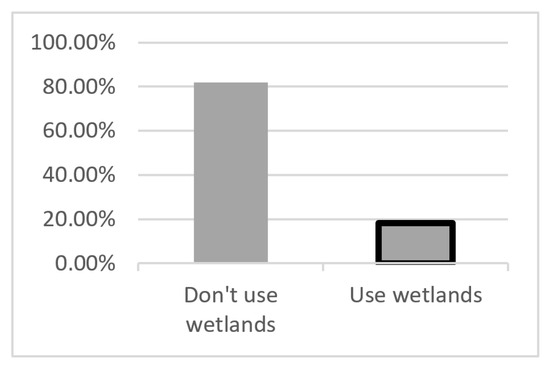
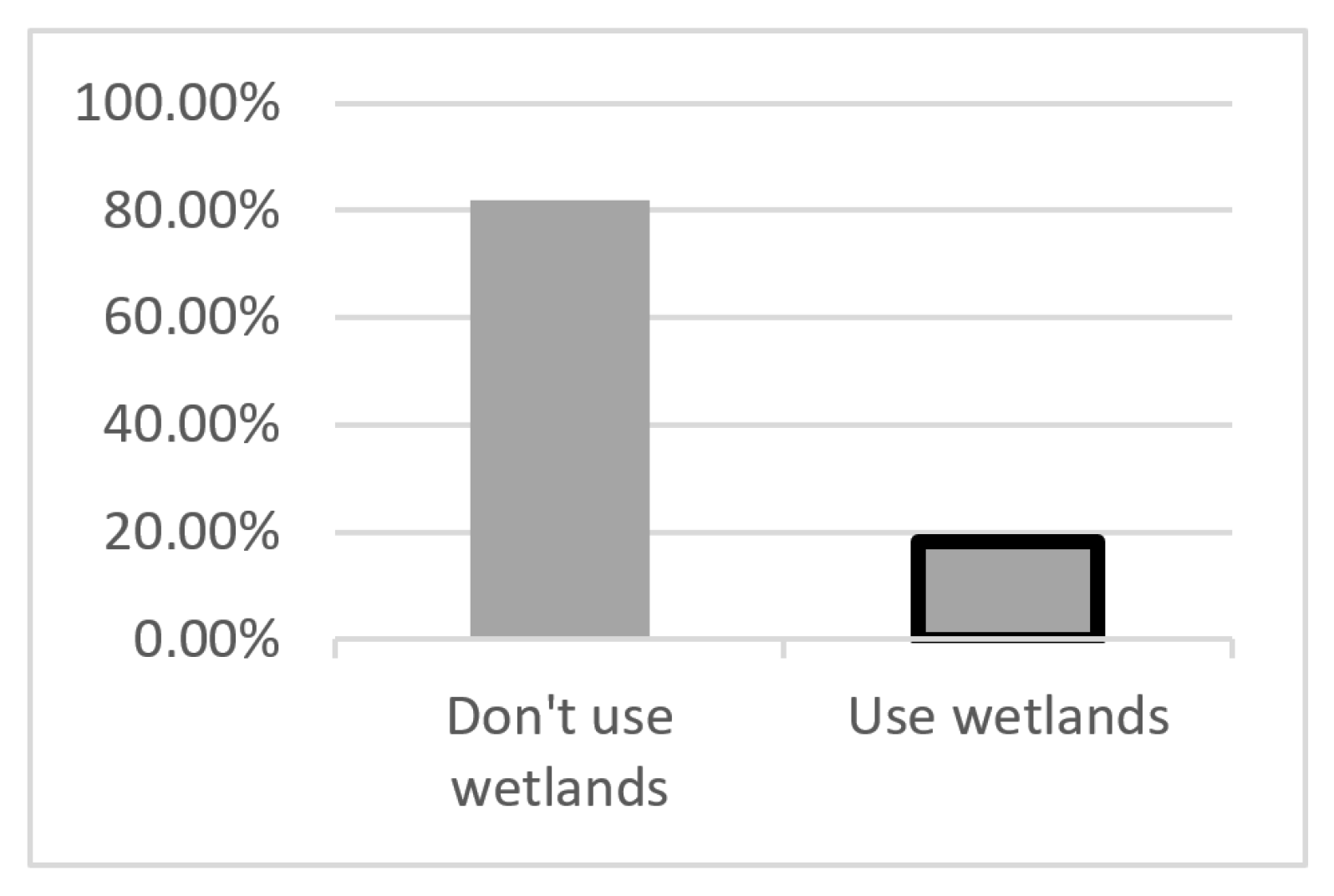
Previous analyses show that nearly half of local residents believe that wetlands are useful in limiting flooding. Regarding the effective use of these wetlands in flood management practices, our survey reveals that less than a quarter of local residents (18.1%) use wetlands in flood management (Figure 15). By cross-referencing uses and perceptions in the chi-square test, the analysis reveals there is a statistically significant interdependence between perception and usage, with an asymptotic significance of 0.002.
Figure 15.
Distribution of local residents according to their use of wetlands.
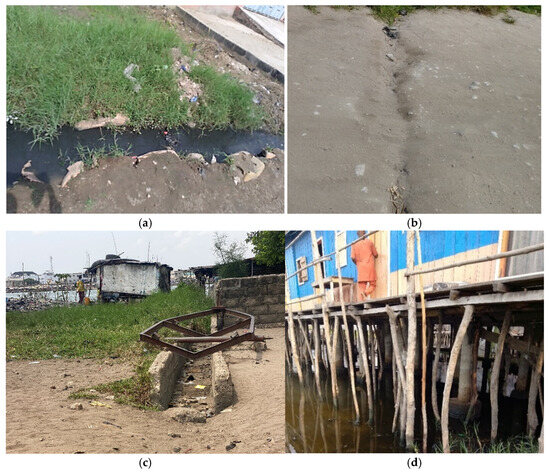
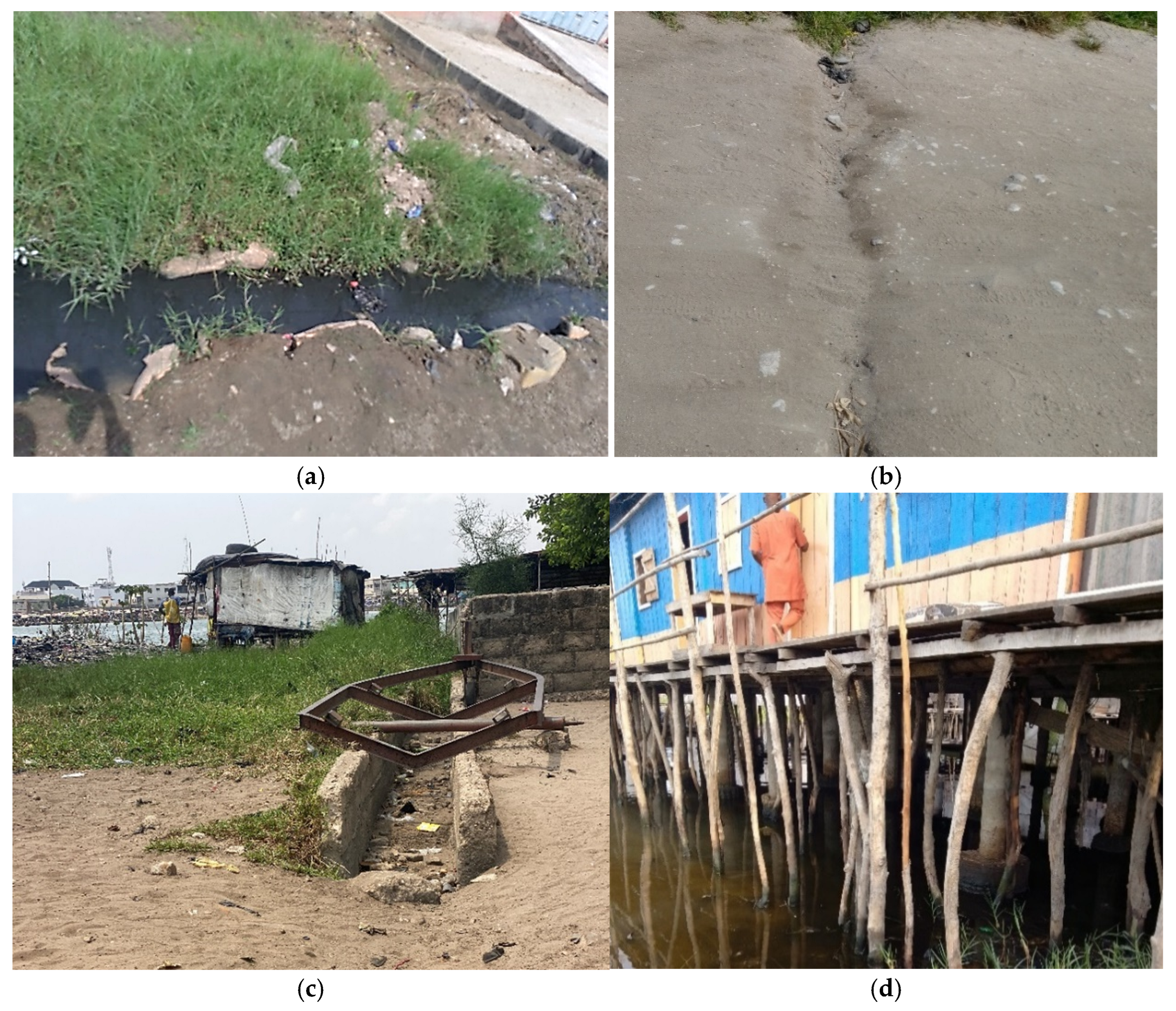
Even though some local residents value wetlands in their flood management approaches, the solutions developed are very limited in variety. They mainly involve the construction of channels and trenches leading to wetlands (Figure 16a–c) and the adoption of a construction model that does not impede the retention capacity of wetlands (construction on stilts) (Figure 16d).
Figure 16.
(a) A ditch leading to wetlands (in front of a modern dwelling), (b) a ditch leading to a swamp area (crossing a street), (c) a trench leading to a body of water, (d) a stilted structure built on a body of water. Photos taken by the author in May 2025.
Local residents are also implementing other solutions that do not involve wetlands. These include building their homes on high foundations, reinforcing walls (20.2%), filling courtyards and access roads with sand or rubble (28.3%), building access paths to homes using rubble/bricks (0.6%), pumping runoff water away from homes to streets or gutters using motor-pumps (0.6%), and directly draining water into gutters (13.9%). The rest of the residents are not developing any solutions (36.4%). Analysis of these various other solutions reveals that residents of wetland areas do not utilise nature-based solutions in their flood management approaches.
By analysing the spatial distribution of local residents who use wetlands for flood management, the study shows that these users are found in equal numbers around both lakes and swamps (Figure 17).
Figure 17.
Spatial distribution of respondents according to their use of wetlands in flood management. Source: Image captured on KoboToolbox, Open Street Map basemap, 15 April 2025.
4. Discussion
Based on the specific context of Greater-Nokoué, an urban agglomeration in West Africa, various findings were obtained on local perceptions of the usefulness of wetlands in flood management.
4.1. Recognition of the Usefulness of Wetlands in Flood Management by Local Populations
Far from being a quasi-institutional concept [6], local populations have a good understanding of the ecosystem service provided by wetlands in terms of regulation. In the Greater-Nokoué area, nearly half of the local population recognises the usefulness of wetlands in flood management. These results are in agreement with a study on the positive externalities of Lake Nokoue, a body of water in Greater-Nokoué. This study shows that the majority of the population (more than 80%) believes that this wetland helps to reduce vulnerability to flooding hazards [32].
In Africa, these findings are aligned with studies that have found that, in terms of regulating services, the local climate and flood regulation are the wetland ecosystem services most valued by communities, particularly due to the increase in recurrent flooding in this region [33,34]. In addition to flood protection, wetland regulation services, particularly erosion control and carbon sequestration, were also well regarded, with high appreciation scores [35]. The same applies to climate regulation [34]. In the Chinese context, in terms of ecosystems linked to wetlands, regulatory services (and provisioning services) are the most highly valued [36]. Artificial wetlands are also perceived as contributing to flood protection [37].
Generally speaking, across all types of ecosystems, regulatory ecosystem services are among the ecosystem services most highly valued by ordinary citizens, alongside cultural and supporting ecosystem services [38]. However, more specifically, in terms of flood control and climate regulation services, in general [34]. Perceptions were certainly well received, but with significant disagreement among the population (a score of 0.10) [38].
However, when considering the services provided by nature-based solutions in relation to climate change mitigation in general, one study shows that respondents attached little importance to the rainwater regulation service provided by nature-based solutions [39]. Services related to temperature control, air purification, carbon dioxide absorption, and positive effects on biodiversity were perceived more favourably. Ajijola et al. [40], by assessing people’s willingness to consider certain nature-based solutions for flood mitigation, found that most of the population (nearly 80%) considers nature-based solutions to apply to flood risk management.
4.2. Nature of Local People’s Perceptions of the Usefulness or Otherwise of Wetlands in Flood Management
The benefits recognised by the local population of Greater-Nokoué include (i) the ability of wetlands to be integrated into the rainwater drainage system, (ii) serving as a rainwater retention basin, (iii) retaining excess rainwater, (iv) preventing flooding by (v) regulating floodwaters. In order to benefit from wetlands in flood management, the population of Greater-Nokoué emphasises that they must be preserved from occupation, treated with appropriate construction, and safeguarded.
The preservation and protection of wetlands have also influenced negative perceptions. The local population points to the susceptibility of wetlands to flooding (hydromorphic, difficult infiltration), their non-edificandi status, and the high cost of resilient construction. These findings corroborate those of Houessinon et al. [41], which emphasised that local populations perceived the construction of human settlements in wetlands or floodplains as one of the factors contributing to the vulnerability of Greater-Nokoué. As such, according to the legislation in force in the territory, the wetlands have been declared sensitive areas and must be protected within a radius of 200 metres from their shoreline and excluded from any housing development projects [42].
4.3. Factors Influencing Local Perceptions
Furthermore, the results also report on the analysis of perceptions in relation to socio-demographic and residential profiles. Looking at positive perceptions, these depend on the level of education, age, and duration of residence in the areas. Formal education was significantly associated with recognition of wetlands as rainwater drainage systems (p = 0.009) and retention basins (p = 0.013), consistent with findings by [33,37] that regulatory wetlands services are better appreciated by more educated populations. The level of education influences perceptions of complex ecosystem services, such as regulatory services (based on coastal ecosystems) [43]. Tilbury et al. [44] justified this state of affairs by the fact that respondents with a higher level of formal education are likely to perceive a flow of ecosystem services that is more complex to visualise. However, it should be noted that the relatively high proportion of respondents with “no formal education” (27.4%) may affect the interpretation of the “education level” variable.
In addition, residents who had lived near wetlands for less than 10 years were more likely to view them as rainwater retention basins (p = 0.010). However, this perception was less prevalent among residents who had lived there for more than 10 years. This may be explained by the fact that the latter had experienced the major floods of 2010, when heavier rainfall would have hampered the retention capacity of the wetlands. Studies of Zhang et al. [36] showed that the water retention capacity of wetlands was better understood by people with a higher level of education.
The older the residents, the more they perceive the capacity of wetlands to serve as rainwater infiltration strips with a dual agro-piscicultural function (p = 0.05). This can be explained by the fact that they have had time to appreciate the agro-fisheries function of wetlands in recent decades, when land availability allowed local residents to develop activities of this nature. Studies of Zhang et al. [36] also showed that older people and those with longer periods of residence have a higher preference for wetland regulation services (water purification), due to their direct experience of witnessing regional environmental change.
It should also be noted that the type of wetland did not influence positive perceptions of this function of wetlands in Greater-Nokoué. These results differ from those of Mandishona and Knight [34] for whom the type of wetland influences perceptions and the use of ecosystem services provided, particularly in Africa. For Githiora-Murimi et al. [35], the type of wetland component can also influence perceptions.
In terms of negative perceptions, gender, age, and duration of residence influenced these perceptions. Women were more likely to view wetlands as areas prone to flooding. In contrast, men were more aware of the flood control properties of wetlands. Previous studies have also shown that men tend to be more aware than women of regulatory services and consider them relevant to the mitigation of extreme weather events, such as flood protection [45,46].
Older people (p < 0.001) and those who had lived closest to the wetlands for the longest time (p = 0.008) supported the view that the wetlands were unsuitable for habitation, probably because of their long experience of the site.
4.4. Community-Based Flood Management Practices Based on Wetlands
Although awareness is generally quite good, experience is more limited. Less than a quarter of the population uses wetlands in their flood management solutions. Studies of Ajijola et al. [40] have shown that although most of the population recognises the usefulness of nature-based solutions in flood management, only slightly more than a third of the population considers wetlands to be solutions such as tree planting, permeable paving, rainwater harvesting, rain gardens, and green roofs. However, their study largely focused on those involved in city construction.
Faced with increasingly frequent extreme weather events, communities are expressing the need to activate appropriate adaptation measures based on natural approaches [39]. However, it should be noted that in the context of Greater-Nokoué, certain wetlands (swamps) are currently subject to development policies (development into retention basins). This could also contribute to the low use of wetlands in the territory. The results subsequently report on local flood management practices based on wetlands. The solutions developed are not very varied and revolve around draining rainwater into wetlands using channels. These practices are in line with perceptions in that the capacity of wetlands to serve as retention basins and part of the rainwater drainage network was quite high among local residents.
However, it should be noted that alternative flood management practices are not nature-based solutions, as also demonstrated by the findings of Houessinon et al. [47]. However, based on the reflections of Rey-Valette et al. [18] who believe that perceptions of ecosystem services influence behaviour towards them, emphasising awareness-raising, nearly half of the local population of Greater-Nokoué could gradually begin to value wetlands in their flood management strategies.
4.5. Limitations of the Research and Avenues for Promoting Wetlands as Flood Mitigation Solutions in Greater Nokoué
The conservation and utilisation of wetlands as a flood mitigation solution in Greater-Nokoué must take into account the perceptions and individual experiences of residents living near wetlands in the area. On a social level, initiatives are needed to increase acceptance of wetlands as an alternative flood mitigation measure by emphasising the positive perceptions that residents already have. The authors suggest that this be done through clear communication about the short-, medium-, and long-term benefits of wetlands in this area. Because socio-demographic and residential factors influence perceptions, communications can be targeted to increase positive perceptions among older people, those with higher levels of education, and long-term residents. They could even be designated as focal points through whom communications could be disseminated to the population. To bridge the perception–practice gap, the authors suggest that technicians in charge of urbanisation and stormwater management offer local populations a variety of simplified uses to increase the exploitation of wetlands for flood mitigation. And, more broadly, other nature-based solutions could also be proposed. Policy interventions could even encourage technicians to engage in a community co-design of these solutions. Furthermore, as the population has emphasised, wetlands can only be effective if efforts are made to protect them from urbanisation (particularly land use), using appropriate construction techniques, and even promoting them. In this sense, policy interventions could encourage the gradual renovation of habitats on the edge of wetlands to more suitable construction models. In less urbanised municipalities, public policies could strictly control the zoning and occupation of wetland easements.
The selection criteria led to the study focusing solely on the municipality of Cotonou. The results could have been more conclusive if the analysis of local perceptions and practices had incorporated the specific characteristics of each municipality and rural locality within the conurbation. So, the authors caution against overgeneralising the results. Similarly, the willingness to provide funding for the utilisation of wetlands in flood management could have been explored.
5. Conclusions
This research aimed to study residents’ knowledge and practices regarding the wetland conservation and utilisation for flood management in the context of Greater-Nokoué, Benin’s main urban agglomeration. The study was conducted in relation to socio-demographic and residential factors using a mixed methodology (quantitative and qualitative). The results show that socio-demographic factors (level of education, age, gender) and residential factors (duration of residence) influence perceptions and uses of dwellings (generally 0.001 > p ≥ 0.013). Contrary to the results of similar research, in Greater-Nokoué, the type of wetland (swamp or body of water) did not promote a more positive perception of wetlands as flood mitigation solutions. In terms of flood mitigation, the local population recognises the capacity of wetlands to be integrated into the storm drainage system (42.0%), to serve as rainwater retention basins (17.0%), to retain excess rainwater (16.8%), and to prevent flooding associated with high water levels (9.8%). However, the issues of respecting the non-aedificandi nature of wetlands, appropriate construction, the conservation and valorisation of wetlands were also highlighted by the population surveyed. These issues will need to be taken into account when developing flood management solutions and in urban planning in general.
The research suggests that a participatory approach and awareness-raising are needed to increase acceptance of wetlands as an alternative flood mitigation measure, emphasising the positive perceptions that local populations already have. At the same time, the research proposes that local communities be offered a range of simplified options for using wetlands to mitigate flooding and, more broadly, other nature-based solutions for resilience.
This study contributes to documenting local perceptions and practices regarding the role of wetlands in flood management in the West African urban context. This provides a significant basis for exploring and integrating wetlands as flood mitigation solutions into planning documents. The authors encourage an approach that integrates these perceptions and practices into the resilience and sustainability process of Greater-Nokoué, while enriching the debate in West African urban contexts.
Author Contributions
Conceptualization, J.E.K.; methodology, J.E.K., K.Z.H., and T.B.D.; software, J.E.K.; validation, K.Z.H. and T.B.D.; formal analysis, J.E.K.; investigation, J.E.K.; data curation, J.E.K.; writing—original draft preparation, J.E.K.; writing—review and editing, J.E.K., K.Z.H., and T.B.D.; visualisation, J.E.K., K.Z.H., and T.B.D.; supervision, K.Z.H. and T.B.D.; project administration, J.E.K.; funding acquisition, J.E.K. All authors have read and agreed to the published version of the manuscript.
Funding
The authors declare that this study received funding from the World Bank grant IDA 5360 TG through the Regional Excellence Center for Sustainable Cities in Africa (CERViDA-DOUNEDON) hosted by the University of Lome (TOGO). The funder was not involved in the study design, collection, analysis, interpretation of data, the writing of this article, or the decision to submit it for publication.
Institutional Review Board Statement
Ethical review and approval were waived for this study by Institution Committee due to Legal Regulations (Article 58 of Law No. 2022-07 of 27 June 2022 governing statistical activities in the Republic of Benin).
Informed Consent Statement
Informed consent for participation was obtained from all subjects involved in the study.
Data Availability Statement
All data presented in this study can be obtained upon request.
Acknowledgments
The authors are deeply grateful to the Association of African Universities (AAU).
Conflicts of Interest
The authors declare no conflicts of interest. Funders had no role in study design; in the collection, analysis, or interpretation of data; in the writing of the manuscript; or in the decision to publish the results.
References
- Van Dijk, A.I.J.M.; Beck, H.E.; Boergens, E.; de Jeu, R.A.M.; Dorigo, W.A.; Edirisinghe, C.; Forootan, E.; Guo, E.; Güntner, A.; Hou, J.; et al. Global Water Monitor 2024, Summary Report; Global Water Monitor Consortium; Australian National University: Canberra, Australia, 2025; p. 58. [Google Scholar]
- Dijk, A.V. Relentless Warming Is Driving the Water Cycle to New Extremes, the 2024 Global Water Report Shows. Available online: http://theconversation.com/relentless-warming-is-driving-the-water-cycle-to-new-extremes-the-2024-global-water-report-shows-246131 (accessed on 25 April 2025).
- World Bank Group. Nature-Based Solutions for Climate Resilience and Adaptation; CLIMATE AND DEVELOPMENT BRIEF; World Bank Group: Washington, DC, USA, 2022; p. 7. [Google Scholar]
- United Nations Environment Program. Décision Adoptée par la Conférence des Parties à la Convention sur la Diversité Biologique; United Nations Environment Program: Nairobi, Kenya, 2022; Volume CBD/COP/DEC/15/4, p. 16. [Google Scholar]
- Drapier, L.; Pelet, J.; Guerrin, J. La biodiversité comme solution au changement climatique ? Énoncés et coalitions autour des solutions fondées sur la nature au congrès mondial de l’UICN. Dév. Durable Territ. Écon. Géogr. Polit. Droit Sociol. 2023, 14. [Google Scholar] [CrossRef] [Scilit]
- Frascaria-Lacoste, N.; Versini, P.-A.; Duffaut, C.; Fernández-Manjarrés, J. La restauration socio-écologique, une transposition concrète du concept normatif des solutions fondées sur la nature ? C. R. Biol. 2025, 348, 55–69. [Google Scholar] [CrossRef] [Scilit] [PubMed]
- World Bank. Nature-Based Solutions for Climate Resilience in the World Bank Portfolio; World Bank: Washington, DC, USA, 2023. [Google Scholar]
- World-Bank. World-Bank-Climate-Finance-FY24; World Bank: Washington, DC, USA, 2024; p. 15. [Google Scholar]
- Drapier, L.; Guerrin, J.; Pelet, J.; Brochet, A.; Fournier, M.; Fernandez, S.; Barbier, R.; Serra-Llobet, A.; Bonnefond, M.; Heitz, C.; et al. Les Solutions fondées sur la Nature (SfN) pour la gestion des risques liés à l’eau: Quelle institutionnalisation du concept en France ? LHB 2024, 110, 2341030. [Google Scholar] [CrossRef] [Scilit]
- Keesstra, S.; Nunes, J.; Novara, A.; Finger, D.; Avelar, D.; Kalantari, Z.; Cerdà, A. The superior effect of nature based solutions in land management for enhancing ecosystem services. Sci. Total Environ. 2018, 610–611, 997–1009. [Google Scholar] [CrossRef] [Scilit] [PubMed]
- United Nations Environment Program. Resolution Adoped by the United Nations Environment Assembly on 2 March 2022; United Nations Environment Program: Nairobi, Kenya, 2022; Volume UNEP/EA.5/Res.5, p. 3. [Google Scholar]
- Secrétariat de la Convention de Ramsar. Le Manuel de la Convention de Ramsar: Guide de la Convention sur les Zones Humides (Ramsar, Iran, 1971), 6th ed.; Secrétariat de la Convention de Ramsar: Gland, Switzerland, 2013; Available online: https://base-documentaire.pole-tropical.org/documents/Docs_lies/2017/03/10/A1489151925SD_manual6-2013-fr.pdf (accessed on 30 November 2025).
- Stefanakis, A.I. Le rôle des zones humides artificielles en tant qu’infrastructure verte pour la gestion durable de l’eau en milieu urbain. Sustainability 2019, 11, 6981. [Google Scholar] [CrossRef] [Scilit]
- Zhang, Y.; You, X.; Huang, S.; Wang, M.; Dong, J. Knowledge Atlas on the Relationship between Water Management and Constructed Wetlands—A Bibliometric Analysis Based on CiteSpace. Sustainability 2022, 14, 8288. [Google Scholar] [CrossRef] [Scilit]
- Moore, T.L.C.; Hunt, W.F. Ecosystem service provision by stormwater wetlands and ponds—A means for evaluation? Water Res. 2012, 46, 6811–6823. [Google Scholar] [CrossRef] [Scilit]
- Cuni-Sanchez, A.; Pfeifer, M.; Marchant, R.; Burgess, N.D. Ethnic and locational differences in ecosystem service values: Insights from the communities in forest islands in the desert. Ecosyst. Serv. 2016, 19, 42–50. [Google Scholar] [CrossRef] [Scilit]
- Alohou, A.J.; Hougni, A.; Afouda, A.P.; Yabi, J.A. Diversité des services écosystémiques fournies par les forêts tropicales et perception des parties prenantes: Cas de la forêt communautaire de Babazaouré dans la Commune de Copargo au Bénin. Rev. Afr. Environ. Agric. 2025, 8, 20–32. [Google Scholar] [CrossRef] [Scilit]
- Rey-Valette, H.; Blayac, T.; Salles, J.-M. Evaluating the contribution of nature to well-being: The case of ecosystem services related to fish-farming ponds in France. Ecol. Econ. 2022, 191, 107217. [Google Scholar] [CrossRef] [Scilit]
- Aryee, J.N.A.; Afrifa, F.O.T.; Agyapong, K.-H.; Gyau Frimpong, N.A.; Quagraine, K.T.; Davies, P. Quantifying climatic heavy-precipitation-induced floods in West Africa using multiple precipitation indices. Sci. Afr. 2024, 25, e02309. [Google Scholar] [CrossRef] [Scilit]
- Sacré Regis, M.D.; Mouhamed, L.; Kouakou, K.; Adeline, B.; Arona, D.; Houebagnon Saint, J.C.; Koffi Claude, A.K.; Talnan Jean, H.C.; Salomon, O.; Issiaka, S. Using the CHIRPS Dataset to Investigate Historical Changes in Precipitation Extremes in West Africa. Climate 2020, 8, 84. [Google Scholar] [CrossRef] [Scilit]
- Dada, O.A.; Almar, R.; Morand, P. Coastal vulnerability assessment of the West African coast to flooding and erosion. Sci. Rep. 2024, 14, 890. [Google Scholar] [CrossRef] [Scilit] [PubMed]
- Azagoun, V.V.A.; Komi, K.; Vissin, E.W.; Klassou, K.S. Analysis of the Dynamics of Hydroclimatic Extremes in Urban Areas: The Case of Grand-Nokoué in Benin, West Africa. Climate 2025, 13, 39. [Google Scholar] [CrossRef] [Scilit]
- Gouvernement de la République du Bénin. INONDATIONS AU BENIN-Rapport D’évaluation des Besoins Post-Catastrophes; Gouvernement de la République du Bénin: Cotonou, Benin, 2011; p. 84.
- Agence Nationale de la Protection Civile. INONDATIONS DE 2019 AU BENIN-Rapport D’évaluation des Besoins Post-Catastrophes; Gouvernement de la République du Bénin: Cotonou, Benin, 2020; p. 133.
- Direction Générale de L’Environnement et du Climat. Communication Relative à L’Adaptation du Bénin au Titre de la Convention-Cadre des Nations Unies sur les Changements Climatiques (CCNUCC); Ministère du Cadre de Vie et du Développement Durable: Cotonou, Benin, 2022; p. 131.
- INSAE. RGPH 4: Que Retenir des Effectifs de 2013? Institut Nationale de la Statistique et de L’Analyse Economique: Cotonou, Benin, 2015; p. 33.
- Farahani, L.M.; Maller, C.J. Perceptions and Preferences of Urban Greenspaces: A Literature Review and Framework for Policy and Practice. Landsc. Online 2018, 61, 1–12. [Google Scholar] [CrossRef] [Scilit]
- Combary, Y.E.F.; Atchrimi, B.T. Residents’ perceptions of urban nature and nature-based solutions in Ouagadougou. Front. Sustain. Cities 2024, 6, 1487272. [Google Scholar] [CrossRef] [Scilit]
- Haq, S.M.A. Urban Green Spaces and an Integrative Approach to Sustainable Environment. J. Environ. Prot. 2011, 2, 601–608. [Google Scholar] [CrossRef]
- Boughedada, T. La gouvernance urbaine « les pieds dans l’eau »: Le foncier urbain cotonois à l’épreuve des matérialités environnementales au Bénin. Rev. Int. Études Dév. 2021, 247, 175–198. [Google Scholar] [CrossRef] [Scilit]
- Sandelowski, M. Combining Qualitative and Quantitative Sampling, Data Collection, and Analysis Techniques in Mixed-Method Studies. Res. Nurs. Health 2000, 23, 246–255. [Google Scholar] [CrossRef]
- Séraphin, M. Externalités positives des zones humides: Cas du Lac Nokoué au Bénin. Ann. FASHS 2023, 1, 99–109. [Google Scholar]
- Dingha, C.B.; Biber-Freudenberger, L.; Mbanga, L.A.; Kometa, S.S. Community-based valuation of wetland ecosystem services: Insights from Bamenda, Cameroon. Wetl. Ecol. Manag. 2025, 33, 14. [Google Scholar] [CrossRef] [Scilit]
- Mandishona, E.; Knight, J. Users’ perceptions and understanding of two urban wetlands in Harare, Zimbabwe. S. Afr. Geogr. J. 2019, 101, 326–348. [Google Scholar] [CrossRef] [Scilit]
- Githiora-Murimi, Y.W.; Owuor, M.A.; Abila, R.; Olago, D.; Oriaso, S. Integrating stakeholder preferences into ecosystem services mapping in Yala wetland, Kenya. Ecosyst. People 2022, 18, 146–163. [Google Scholar] [CrossRef] [Scilit]
- Zhang, H.; Pang, Q.; Long, H.; Zhu, H.; Gao, X.; Li, X.; Jiang, X.; Liu, K. Local Residents’ Perceptions for Ecosystem Services: A Case Study of Fenghe River Watershed. Int. J. Environ. Res. Public Health 2019, 16, 3602. [Google Scholar] [CrossRef] [Scilit]
- Zafeiriou, E.; Andrea, V.; Tampakis, S.; Karanikola, P. Gestion des zones humides dans le nord de la Grèce: Une enquête empirique. Water 2020, 12, 3181. [Google Scholar] [CrossRef] [Scilit]
- Thiemann, M.; Riebl, R.; Haensel, M.; Schmitt, T.M.; Steinbauer, M.J.; Landwehr, T.; Fricke, U.; Redlich, S.; Koellner, T. Perceptions of ecosystem services: Comparing socio-cultural and environmental influences. PLoS ONE 2022, 17, e0276432. [Google Scholar] [CrossRef] [Scilit]
- Sturiale, L.; Scuderi, A.; Timpanaro, G. Citizens’ perception of the role of urban nature-based solutions and green infrastructures towards climate change in Italy. Front. Environ. Sci. 2023, 11, 446. [Google Scholar] [CrossRef] [Scilit]
- Ajijola, S.; Obaleye, O.J.; Ajijola, O.; Arayela, O. Exploring Public Perceptions Of Nature Based Solutions To Flood Risk Management In Lagos, Nigeria. IJIAM 2022, 4, 736–747. [Google Scholar]
- Houessinon, D.R.B.; Tchibozo, E.A.M.; Yabi, I. Perception du risque d’inondation par les populations de l’agglomeration du Grand Nokoue (Sud Benin). Cah. ACAREF 2022, 19, 333–351. [Google Scholar]
- Loi N° 2018-10. Available online: https://sgg.gouv.bj/doc/loi-2018-10/ (accessed on 13 May 2025).
- Nyangweso Ochieng, C.; Thenya, T.; Mwaura, F.; Owuor, M.A. Gender perspectives on coastal and marine ecosystems services flow in Kwale County, Kenya. Front. Sustain. Food Syst. 2023, 6, 787476. [Google Scholar] [CrossRef] [Scilit]
- Tilbury, D.; Stevenson, R.B.; Fien, J.; Schreuder, D. Education and Sustainability: Responding to the Global Challenge. Int. J. Sustain. High. Educ. 2003, 4, 204. [Google Scholar] [CrossRef] [Scilit]
- Allendorf, T.D.; Yang, J.M. The role of gender in local residents’ relationships with Gaoligongshan Nature Reserve, Yunnan, China. Environ. Dev. Sustain. 2017, 19, 185–198. [Google Scholar] [CrossRef] [Scilit]
- Yang, Y.C.E.; Passarelli, S.; Lovell, R.J.; Ringler, C. Gendered perspectives of ecosystem services: A systematic review. Ecosyst. Serv. 2018, 31, 58–67. [Google Scholar] [CrossRef] [Scilit]
- Houessinon, D.R.B.; Ognondoun, A.; Tchibozo, A.M.; Yabi, I. Stratégie d’adaptation et de réduction du risque d’inondation dans l’agglomération du Grand-Nokoué (Sud-Bénin). Espace Géogr. Soc. Maroc. 2023, 1, 167–184. [Google Scholar]

Disclaimer/Publisher’s Note: The statements, opinions and data contained in all publications are solely those of the individual author(s) and contributor(s) and not of MDPI and/or the editor(s). MDPI and/or the editor(s) disclaim responsibility for any injury to people or property resulting from any ideas, methods, instructions or products referred to in the content. |
© 2026 by the authors. Licensee MDPI, Basel, Switzerland. This article is an open access article distributed under the terms and conditions of the Creative Commons Attribution (CC BY) license.