


Abstract
Zinc processing generates large volumes of tailings enriched with potentially toxic elements such as zinc, lead, arsenic, and antimony, creating environmental challenges. Conventional disposal in tailings dams is associated with land occupation, contamination risks, and geotechnical concerns, reinforcing the need for more sustainable management strategies. This study presents a bibliometric and semi-systematic review of alkali-activated binders for the stabilization and solidification of zinc mine tailings, based on nine studies published between 2019 and 2026. The results indicate that this is a recent and expanding research field, with a marked concentration of studies in China. Current research mainly focuses on the links between microstructure, heavy metal immobilization, and mechanical performance. Alkali-activated systems, commonly based on blast furnace slag, fly ash, and coal gangue, can produce dense matrices with compressive strengths of up to 100.77 MPa and high immobilization efficiency. Their performance is largely governed by the type of reaction products formed, particularly calcium silicate hydrate, calcium aluminosilicate hydrate, and sodium aluminosilicate hydrate gels, which control microstructural development and stabilization mechanisms such as encapsulation, structural incorporation, and secondary phase formation. Overall, the reviewed studies suggest that alkali-activated binders have potential as alternative binders to Portland cement for the management and valorization of zinc mine tailings.
1. Introduction
Global zinc reserves are estimated at 240 million tons and are concentrated mainly in Australia, China, Russia, and Peru. In 2025, worldwide zinc production was estimated at 13 million tons, with China standing out as the leading producer [1]. Zinc has a wide range of applications, including galvanizing, civil construction, and the automotive industry, among many others. Owing to its economic importance and the limited availability of primary sources, zinc is considered a critical metal and is currently the fourth most used metal worldwide, after iron, aluminum, and copper [2,3].
Primary zinc ores can be classified into two main types: sulfide ores, such as sphalerite, and nonsulfide ores, such as smithsonite and hemimorphite [4]. At present, more than 85% of global zinc production is derived from sphalerite [5]. The beneficiation of lead and zinc ores involves the separation of lead and zinc sulfides from gangue minerals such as silicates and carbonates [6]. However, the resulting waste may promote sulfate formation, contribute to acid mine drainage, alter the physicochemical characteristics of the residue, and intensify the leaching of potentially toxic elements [7]. In addition, these tailings may contain hazardous elements such as lead, zinc, arsenic, and antimony, posing environmental and public health risks due to their toxicity [6,8].
The waste generated during zinc processing is commonly disposed of in tailings dams [9,10] or, more recently, in dry stack systems [11]. Conventional dam disposal requires large areas and is associated with a greater potential for catastrophic failure, with consequent environmental, economic, and social impacts [12,13]. By contrast, dry stacking has emerged as an alternative that reduces the risk of large-scale failures and may also support decommissioning strategies or new tailings disposal approaches [14]. In this context, stabilization and solidification have become important techniques for mitigating and controlling the environmental impacts of contaminated waste [15], since they can reduce leachability [16,17] while also improving mechanical performance [18,19].
More recently, alkali-activated binders have emerged as a sustainable alternative to conventional binders in the stabilization and solidification of mine tailings [20,21]. Alkali activation consists of the chemical reaction of a solid aluminosilicate precursor under alkaline conditions, induced by an activator, leading to the formation of a hardened binder [22]. These binders, often referred to as geopolymers, have been successfully applied to the stabilization and solidification of mining tailing [23,24,25], promoting both contaminant immobilization and improved mechanical properties. In addition, when produced from industrial or agroindustrial byproducts, these binders may further enhance the sustainability of waste management strategies [26,27,28,29].
Although previous studies have addressed the application of alkali-activated binders to industrial residues and mining tailings in general [17,24,26,30,31], relatively little attention has been given to zinc mine tailings as a distinct class of waste. As a result, the current body of knowledge remains dispersed, and no clear synthesis is available regarding the materials employed, the main immobilization mechanisms involved, the achieved mechanical performance, and the extent to which environmental and engineering criteria have been assessed together. In particular, there is still a lack of review studies that consolidate bibliometric trends, precursor and activator systems, reaction products, and the relationships among microstructure, contaminant immobilization, and strength development in zinc mine tailings treated with alkali-activated binders. This lack of a focused review limits a broader understanding of the potential of these materials for zinc tailings management. Therefore, the present study conducts a bibliometric review of zinc mine tailings stabilization using alkali-activated binders, aiming to organize the existing knowledge and support the development of more sustainable waste treatment and disposal strategies.
2. Methodology
A bibliometric and semi-systematic review was conducted to identify the scientific literature on the use of alkali-activated binders for the stabilization of zinc mine tailings. Relevant publications were retrieved from the Scopus and Web of Science databases, which are widely used in bibliographic studies across different research fields. Searches were performed separately in each database using the same set of keywords combined with the Boolean operators “AND” and “OR”. The operator “AND” was used to ensure the simultaneous presence of selected terms in each record, whereas “OR” allowed the retrieval of publications containing at least one of the alternative keywords. Record identification was based on title, abstract, and keywords, using the command “TITLE ABS KEY” in Scopus and “TS” in Web of Science. The search strategy and Boolean combinations adopted are presented in Figure 1. In addition, the use of the asterisk symbol (*) allowed the inclusion of different variations of the search terms, as illustrated in Table 1.
Figure 1.
Set of keywords and Boolean operators used in the search.
Table 1.
Keywords and their possible variations.
The study selection process followed four stages: identification, duplicate removal, screening, and eligibility assessment. To ensure consistency and transparency, explicit inclusion and exclusion criteria were adopted. The inclusion criteria were: (i) research articles published in journals; (ii) studies focusing on the stabilization, solidification, or valorization of zinc mine tailings using alkali-activated binders or geopolymers; (iii) studies reporting experimental investigations and results related to the performance of the stabilized material; and (iv) full-text articles available for consultation. The exclusion criteria were: (i) review papers, conference abstracts, editorials, and any document that was not classified as a research article; (ii) studies not involving zinc mine tailings; (iii) studies not employing alkali-activated binders or geopolymeric systems; and (iv) records for which the full text could not be accessed.
The searches performed using the keywords presented in Figure 1 retrieved a total of 46 records, with no time restriction, including 25 from Scopus and 21 from Web of Science. All data processing and bibliometric analyses were carried out in the R environment (version 4.5.1) using the “bibliometrix 5.1.1” package. First, duplicate records were identified and removed, reducing the dataset to 26 documents. Next, the studies were screened based on title and abstract. At this stage, review papers and studies that did not directly address the stabilization of zinc mine tailings using alkali-activated binders were excluded. After this screening step, 12 studies remained. A full-text assessment was then conducted, and 3 studies were excluded due to lack of access to the complete manuscript. Consequently, the final dataset consisted of 9 articles. A flow diagram summarizing the study selection process is presented in Figure 2.
Figure 2.
Flow diagram of the study selection process.
The selected records were then imported into the “biblioshiny 5.0” interface, which is integrated with the R environment, for the generation of graphs, diagrams, and bibliometric maps. The analyses included annual scientific production, the countries with the highest number of publications, and the most recurrent terms in the dataset. Finally, a qualitative analysis was performed considering the type of binder, methodological procedures, characterization techniques, and main findings reported in each study. This systematization made it possible to identify the main recurring themes in the literature and to discuss the corresponding scientific contributions, as presented in the following section.
It is important to note that the final dataset comprised only 9 studies. This limited number of publications reflects the emerging nature of research on the stabilization of zinc mine tailings using alkali-activated binders and the scarcity of investigations specifically addressing this topic, rather than restrictions imposed by the search strategy. Consequently, the bibliometric indicators, publication trends, and keyword associations identified in this study should be interpreted as indicative of current research directions rather than as statistically robust patterns representative of a mature scientific field. Nevertheless, despite the limited dataset, the review provides a structured overview of the available evidence, summarizes the main methodological approaches adopted in the literature, and contributes to a better understanding of the current state of research on the use of alkali-activated binders for zinc mine tailing stabilization.
3. Scientific Production About Zinc Mine Tailings and Alkali Activation
Figure 3 presents the annual scientific production on the stabilization of zinc mine tailings using alkali-activated binders. As shown, research in this field is recent, with the first studies appearing only in 2019. Although the total number of publications remains limited, the topic has shown continuity, with at least one study published per year except in 2020.
Figure 3.
Annual scientific production on the stabilization of zinc mine tailings with alkali-activated binders.
The recent interest in this subject can be associated with several factors. First, the tailings dam disasters in Mariana in 2015 and Brumadinho in 2019, both in Brazil, intensified the search for safer and more sustainable tailings management strategies. In this regard, Pacheco et al. [32] discuss the environmental and social impacts of these failures and highlight the need for more innovative approaches to mine waste management. At the same time, the growing search for alternatives to Portland cement, driven by the need to reduce carbon dioxide emissions, has also contributed to the expansion of this research field. Provis [22], for example, discusses the advantages of alkali-activated materials and emphasizes their potential to mitigate the environmental impacts associated with conventional construction materials. In addition, the increasing emphasis on circular economy principles has encouraged the valorization of industrial residues, including mine tailings.
Figure 4 shows the geographic distribution of scientific production on the stabilization of zinc mine tailings with alkali-activated binders, considering the country of the corresponding author. Under this criterion, the total number of authors exceeds the number of studies. The results indicate a clear dominance of China, which accounts for almost 87% of the identified publications. This prominence is consistent with the country’s leading role in global zinc production, exceeding 4 million tons in 2025 [1]. The large volume of extraction is naturally accompanied by the generation of substantial quantities of tailings, which helps explain the search for alternative treatment and disposal strategies. In addition, China’s strong investment in research and development, combined with its infrastructure for sustainable materials and public policies focused on circular economy and carbon neutrality, further supports its leading position in this area [33,34]. Mexico and India, which are also among the world’s major zinc producers [1], have likewise shown growing interest in tailings stabilization, motivated by both the availability of mining waste and the need for environmentally safer and economically viable solutions.
Figure 4.
Number of publications by country according to the corresponding author on zinc mine tailings stabilized with alkali-activated binders.
Figure 5 presents the word cloud generated from the titles, abstracts, and keywords of the selected studies. This graphical representation allows a rapid visualization of the most recurrent terms in the literature and, consequently, of the main research trends in the field. The prominence of terms such as “microstructure”, “immobilization”, and “fly ash” indicates that the literature is largely focused on the immobilization of contaminants in zinc mine tailings through alternative binder systems, especially those based on fly ash. The central role of “microstructure” highlights the importance attributed to understanding the internal organization of the treated materials, including the formation of cementitious gels and crystalline phases. This emphasis reflects the recognition that chemical and microstructural features directly influence both mechanical performance and the capacity of the matrix to encapsulate contaminants effectively.
Figure 5.
Word cloud of studies on zinc mining tailings stabilized with alkali-activated binders.
The recurrence of terms such as “strength”, “compressive strength”, “durability”, and “drying shrinkage” further indicates that the mechanical behavior and long-term performance of stabilized materials are central concerns in this body of literature. Likewise, the presence of terms such as “heat exposure”, “acid attack”, and “freeze thaw cycles” suggests that some studies have expanded their analysis to aggressive service conditions, evaluating the durability of alkali-activated systems under adverse environmental scenarios.
Similarly, the recurrence of terms such as “solidification” and “solidification/stabilization” reflects the environmental concern associated with the presence of heavy metals in zinc mine tailings. In this context, the objective is not only to improve the engineering performance of the material, but also to reduce contaminant mobility and minimize leaching-related risks. Along the same line, the appearance of terms such as “geopolymer”, “alkali-activated materials”, “alkali activated slag”, and “ash based geopolymer” reinforces the relevance of alkali-activated binders as alternatives to ordinary Portland cement. Many of these systems are produced from industrial byproducts, such as fly ash, blast furnace slag, copper slag, and coal gangue, which demonstrates a research direction aligned with circular economy principles and environmental sustainability. In addition, terms such as “cemented paste backfill” and “bricks” indicate interest in the potential reuse of treated tailings in underground backfilling and in the production of construction materials. This tendency is further reinforced by the recurrence of the term “environmental sustainability”.
Figure 6 presents the keyword co-occurrence map of the analyzed studies, represented as a network of associated terms. In this type of analysis, nodes correspond to the most frequent keywords, while the connecting lines indicate how often these terms appear together within the same study. The size of each node reflects its frequency of occurrence, whereas the thickness of the links expresses the strength of the association between terms. The term “microstructure” stands out as the central node of the network, indicating that microstructural analysis constitutes the main axis of investigation in studies on the stabilization and solidification of zinc mine tailings with alkali-activated binders. It is directly connected to terms such as “immobilization”, “unconfined compressive strength”, and “cemented paste backfill”, showing that understanding the internal structure of the material is essential for explaining both contaminant retention mechanisms and the mechanical behavior and potential applications of the resulting matrices.
Figure 6.
Co-occurrence map of keywords from studies on zinc mining tailings stabilized with alkali-activated binders.
Around this central core, a strong association can be observed between “microstructure” and “immobilization”, suggesting that the studies seek to correlate the formation of cementitious phases with the capacity to retain heavy metals. The connection with “fly ash” reinforces the role of this byproduct as one of the main precursors used in the synthesis of alkali-activated binders, which have been widely applied in the treatment of zinc mine tailings. The correlation between “immobilization” and “solidification”, which is in turn associated with terms such as “strength” and “durability”, indicates that the literature is concerned not only with immobilization efficiency, but also with the mechanical performance of the treated materials.
The network reveals three main clusters. The green cluster, centered on “microstructure”, includes terms related to mechanical performance and the possible applications of zinc tailings stabilized with geopolymeric materials. The red cluster, centered on “solidification” and “strength”, is associated with the strength and durability of the resulting matrices. In contrast, the blue cluster, centered on “immobilization”, reflects the environmental perspective, with emphasis on contaminant stabilization using residue-based materials.
Overall, the co-occurrence map highlights not only the main themes investigated in the literature, but also the strong interrelationship among microstructure, mechanical performance, and immobilization efficiency. These results reinforce the current trend toward integrating environmental and technological aspects in the development of sustainable solutions for the management of zinc mine tailings.
4. Environmental Concerns Associated with Zinc Tailings
Mining activities generate billions of tons of tailings every year. At the global scale, annual tailings production is estimated at 5 to 7 billion tons [35]. Among these residues, zinc mine tailings rank as the third most generated worldwide, totaling approximately 47 million tons [36].
These materials are characterized by high concentrations of metals and metalloids, including zinc, lead, aluminum, arsenic, iron, and copper [19,36,37,38,39]. As a result, their storage represents a major environmental concern, since tailings deposits may contaminate soil and water resources through seepage and leaching. In arid and semiarid regions, dried tailings may also be dispersed as dust, contributing to atmospheric contamination and extending the area affected by pollutants [40,41,42]. In China, tailings from nonferrous metal mining, including zinc mining, are regarded as one of the most significant and hazardous sources of environmental pollution [37].
Beyond their chemical hazards, zinc mine tailings are commonly stored in large impoundments or tailings dams because this approach is generally considered practical and cost effective. However, such a disposal strategy presents important limitations. First, it requires extensive land occupation, which conflicts with both environmental protection principles and increasing land use demands. Second, tailings dams remain vulnerable to failure, often due to deficiencies in water balance control, construction quality, monitoring, and operational management. This concern is reinforced by the record of 117 tailings dam failures reported between 1960 and 2018 [43]. These failures have demonstrated that the environmental problem associated with tailings is not restricted to long-term contamination, but also involves the possibility of acute disasters with severe human, social, economic, and ecological consequences.
In response to these challenges, recent studies have increasingly explored alternatives for tailings reuse and safer waste management, with the aim of reducing reliance on conventional impoundments and mitigating associated environmental impacts. These alternatives include stabilization and solidification technologies, filtered tailings stacks, the production of construction materials, and cemented paste backfill systems, in which ordinary Portland cement has traditionally been used as the main binder [44,45,46,47]. Nevertheless, although Portland cement has been widely adopted because of its availability and established performance, its use also raises important environmental concerns related to energy consumption, carbon dioxide emissions, and the overall sustainability of waste treatment practices. Therefore, while the stabilization of zinc mine tailings represents a promising route to reduce contaminant mobility and improve material reuse, the choice of binder becomes a central issue in the search for truly sustainable solutions.
5. Limitations of Ordinary Portland Cement
Ordinary Portland cement is widely used in civil construction and in several engineering applications because of its availability, versatility, and satisfactory mechanical performance under conventional service conditions. However, important limitations arise when this material is applied to the stabilization of wastes and mine tailings. Its chemical resistance under aggressive conditions, particularly in the presence of acidic contaminants and sulfate rich environments, may be insufficient, and its long-term durability can be significantly affected by the exposure conditions and by the nature of the incorporated materials [48,49].
Among the main deterioration mechanisms affecting cement-based systems, sulfate attack deserves particular attention. In this process, sulfate ions react with hydrated cement phases such as calcium hydroxide, calcium silicate hydrate, and calcium monosulfate. These reactions lead to the formation of products such as gypsum, ettringite, and thaumasite, which may cause expansion, cracking, internal damage, and consequent strength loss [50,51]. In the case of mining residues, this issue becomes especially relevant because the chemical composition of the waste may intensify degradation processes and compromise the long-term stability of the solidified matrix.
Another major limitation of ordinary Portland cement is its environmental burden. Cement production is highly intensive in both natural resource consumption and energy demand, and it remains one of the largest industrial sources of greenhouse gas emissions worldwide. It is estimated that the cement production chain accounts for approximately 8% of global carbon dioxide emissions [52]. In addition to its environmental impact, cost also represents a significant challenge. In applications such as cemented paste backfill, ordinary Portland cement may account for up to 75% of the total process cost [53].
Therefore, although ordinary Portland cement has long been adopted as the conventional binder for waste stabilization and mining applications, its durability limitations under aggressive chemical conditions, together with its high environmental and economic costs, restrict its suitability as a truly sustainable long-term solution. In this context, the search for alternative binders has gained increasing importance, particularly those capable of combining satisfactory mechanical performance, contaminant immobilization, and reduced environmental impact. Among these alternatives, alkali-activated binders have emerged as one of the most promising approaches for the stabilization of zinc mine tailings.
6. Alkali-Activated Binders in the Stabilization of Zinc Tailings
Alkali-activated binders have been increasingly investigated as alternative binders to ordinary Portland cement for the treatment and valorization of mine tailings, owing to their potential environmental benefits. These inorganic materials are produced through the reaction between an aluminosilicate source, referred to as the precursor, and an alkaline activating solution [22]. This process leads to the formation of cementitious gels, especially calcium aluminosilicate hydrate and sodium aluminosilicate hydrate, which are responsible for the development of mechanical strength, reduced permeability, and improved resistance under aggressive exposure conditions, including acidic media, seawater, and high temperatures [38].
From an environmental perspective, alkali-activated binders offer important advantages. Their production may reduce carbon dioxide emissions by up to 80% compared with ordinary Portland cement, since they eliminate the clinker production stage and allow the incorporation of industrial and agroindustrial residues, such as ashes and slags, as precursor materials [54]. In the context of zinc mine tailings, this approach is particularly attractive because it combines two complementary objectives: the immobilization of potentially toxic elements and the valorization of multiple waste streams within the same material system.
Recent studies consistently indicate that the alkali activation of zinc mine tailings can generate dense and stable matrices capable of encapsulating metallic contaminants while also developing sufficient mechanical strength for engineering applications. The studies summarized in Table 2 show that the performance of these systems depends strongly on the type of precursor, the activator chemistry, the tailings incorporation ratio, and the resulting reaction products. Overall, the literature suggests that the most successful formulations are those in which the tailings are combined with more reactive precursor phases, rather than being used alone as the sole solid source.
Table 2.
Summary of the studies on zinc mine tailings stabilized with alkali-activated binders.
Among the available precursors, metakaolin has shown a particularly relevant role because of its high reactivity and its contribution to geopolymeric network formation. Wan et al. [19] demonstrated that the incorporation of metakaolin substantially improved both compressive strength and contaminant immobilization, with strength increasing from 1.1 MPa in the mixture without metakaolin to 30.1 MPa when 50% metakaolin was added. This result highlights an important aspect repeatedly observed in the literature: zinc mine tailings often present limited intrinsic reactivity, and therefore benefit from combination with highly reactive aluminosilicate sources.
A similar trend was reported by Li et al. [56], who investigated the valorization of lead–zinc tailings through geopolymerization and identified pure fly ash activated with 10 M sodium hydroxide as the most effective precursor system, reaching 24.1 MPa. This performance was associated with the formation of calcium silicate hydrate and calcium aluminosilicate hydrate gels. However, the progressive incorporation of tailings reduced the mechanical performance of the mixtures, again indicating that the tailings themselves do not always contribute effectively to binder formation and may act mainly as a less reactive filler phase unless supported by suitable precursor and activator combinations.
The highest performances reported in the literature are generally associated with blended precursor systems, especially those combining calcium-rich and aluminosilicate-rich materials. Zhao et al. [38], for example, used a 1:1 mixture of coal gangue and blast furnace slag and obtained compressive strength values of up to 91.13 MPa under optimized conditions. Even with 70% tailings incorporation, the system still achieved 21.68 MPa, while maintaining immobilization efficiencies above 97.8% for zinc, lead, and cadmium. According to the authors, this behavior was related to the formation of a dense matrix composed of calcium silicate hydrate, calcium aluminosilicate hydrate, and sodium aluminosilicate hydrate gels, which promoted both physical encapsulation and chemical stabilization of contaminants. The durability of this type of matrix was further supported by Zhao et al. [39], who evaluated the long-term performance of carbon nanotube-reinforced geopolymer-stabilized lead–zinc tailings under severe thermal and acidic environments. The stabilized materials exhibited remarkable resistance to degradation, maintaining structural integrity after exposure to temperatures ranging from 300 to 1100 °C and after 90 days of immersion in simulated acid rain solutions with pH values between 3 and 5. Although compressive strength gradually decreased with increasing temperature due to dehydration and decomposition of C–S–H, C–A–S–H, and N–A–S–H gels, specimens containing 70 wt.% tailings still retained compressive strengths of approximately 18.6 MPa after exposure to 1100 °C. Under acidic conditions, mass losses remained below 1.5%, while strength reductions ranged from approximately 9 to 21%, depending on tailings content and solution pH. Importantly, despite the microstructural degradation associated with acid attack, including ion exchange reactions, gel depolymerization, and gypsum formation, the concentrations of Zn, Pb, and Cd released during leaching tests remained below regulatory limits. The authors attributed this performance to the dense geopolymeric gel network and to the pore-refining and crack-bridging effects of carbon nanotubes, which enhanced resistance to thermal degradation and acid-induced deterioration.
More recent developments have also demonstrated the feasibility of systems with high contents of industrial byproducts. Li et al. [57] developed a binder composed of 60% steel slag, 30% fly ash, and 10% flue gas desulfurization gypsum, activated by an alkali sulfate system. The material reached 12.85 MPa at 28 days, with satisfactory volumetric stability and water resistance. When applied to the solidification of lead–zinc tailings, the system achieved strengths of up to 10.08 MPa at a 1:1 ratio and exceeded the minimum strength requirement of 3 MPa commonly adopted for mine backfilling applications. In addition, metal immobilization efficiencies above 80% were reported for lead, zinc, cadmium, and arsenic, demonstrating the technical viability of highly residue-based binder systems.
Within the specific context of cemented paste backfill, the literature has focused on technical performance while frequently citing potential economic and environmental advantages as a primary motivation for replacing ordinary Portland cement. Chen et al. [55] evaluated modified copper slag with calcium oxide as a partial substitute for Portland cement. Although the isolated material showed limited performance, activation with sodium sulfate promoted ettringite formation, microstructural refinement, and overall improvement in the behavior of the paste. Likewise, Wang and co-workers [37] developed a sodium carbonate-activated slag-based binder modified with calcined hydrotalcite and hydromagnesite. This system is particularly relevant because sodium carbonate is less corrosive than conventional alkaline activators, which may facilitate practical application. The material exhibited strengths comparable to those of Portland cement-based systems while maintaining excellent metal immobilization capacity.
The transition toward alternative binders is further reinforced by the findings of Singh and co-workers [36], who investigated alkali-activated mortars for mine backfilling. The addition of ground granulated blast furnace slag to zinc tailings increased the strength by up to 340%, owing to the formation of a denser matrix containing calcium aluminosilicate hydrate and calcium silicate hydrate gels in addition to sodium aluminosilicate hydrate phases. The resulting material showed improved mechanical performance, effective metal encapsulation, reduced drying shrinkage, shorter setting times, and a substantially lower environmental footprint, with carbon dioxide emission reductions of 46% to 82% compared with conventional Portland cement paste. These findings suggest that the replacement of ordinary Portland cement is not only environmentally desirable but also technically advantageous in certain mining applications.
Another important contribution was provided by Xiang et al. [58], who showed that the performance of geopolymeric systems containing lead–zinc tailings depends strongly on tailings dosage and microstructural integrity. Although mixtures with lower tailings contents reached compressive strengths of up to 100.77 MPa, the formulation containing 40% tailings was considered the most balanced when freeze–thaw resistance and tailings utilization rate were evaluated together. Under this condition, the material reached 47.69 MPa at 3 days, 83.23 MPa at 7 days, and 90.62 MPa at 14 days, followed by a reduction to 71.69 MPa at 28 days, which was attributed to the interference of unreacted alkaline ions with the continuity of the geopolymeric network. Even so, the matrix showed high durability, with a strength loss of only 14.84% after 125 freeze–thaw cycles, which the authors estimate to represent 3 to 6 years of outdoor exposure. The strength variation followed a unique three-stage trend, including a temporary strength recovery observed at 75 cycles. Microstructural analysis indicated that moderate freeze–thaw damage exposed previously unreacted particles, promoting further hydration and depolymerization-polycondensation reactions that partially offset the degradation. In contrast, mixtures exceeding 60% tailings dosage showed continuous deterioration, losing up to 79.35% of their initial strength. Leaching tests also confirmed a substantial reduction in the mobility of heavy metals, with chromium, cadmium, lead, zinc, nickel, and copper remaining below regulatory limits.
A comparison of the studies summarized in Table 2 indicates that the highest compressive strengths were generally reported in systems containing highly reactive aluminosilicate and calcium-rich precursors, particularly metakaolin, blast furnace slag, and coal gangue [19,38,39,58], whereas lower strengths were observed in formulations based on cemented paste backfill applications. This difference is partly associated with the higher tailings-to-binder ratios commonly employed in backfill systems, as well as with the use of less aggressive activator strategies designed to reduce costs and facilitate large-scale implementation [36,37,55,57]. The reviewed studies also consistently showed that increasing the proportion of zinc or lead–zinc tailings reduced compressive strength, while the incorporation of reactive precursors such as metakaolin, fly ash, blast furnace slag, and coal gangue improved mechanical performance [19,38,39,56].
Differences were also observed regarding activator systems. Studies employing sodium hydroxide combined with sodium silicate generally reported the highest strength values [38,39,56,58], whereas systems activated with sodium sulfate [55] or sodium carbonate [37] achieved more moderate performances. Activator dosage was likewise shown to be important, as excessive alkali contents could negatively affect strength development [55,57].
The curing conditions varied considerably among the studies and influenced the rate of strength development. Thermal curing regimes were adopted during the initial stages of curing in some studies, such as Wan et al. [19] who applied 60 °C for 6 h followed by 7 days of ambient curing, and Zhao et al. [39], who employed 30 °C for 24 h before curing the specimens at room temperature up to 28 days. These initial thermal treatments likely promoted faster precursor dissolution and geopolymerization, contributing to accelerated early strength development. In contrast, several systems cured under ambient conditions exhibited a more gradual evolution of compressive strength over time [37,55,56,57,58]. The effect of curing time, however, was not always positive. While several studies reported progressive strength gains between 7 and 28 days [55,57], Xiang et al. [58] observed a decrease in compressive strength from 90.62 MPa at 14 days to 71.69 MPa at 28 days. Overall, the results suggest that suitable curing conditions can accelerate strength development, but the final mechanical performance cannot be attributed to curing alone, as it also depends strongly on precursor composition, activator chemistry, and the resulting reaction products.
Taken together, these studies indicate that alkali-activated binders have potential for the stabilization of zinc mine tailings, but their performance is not controlled by a single factor. Instead, it results from the interaction among precursor reactivity, activator type, tailings content, gel formation, and microstructural development. In this sense, the mineralogical and chemical composition of the precursor materials becomes a key aspect in determining reaction pathways, contaminant immobilization mechanisms, and the final engineering performance of the stabilized matrix. For this reason, the influence of precursor mineralogy is discussed in the following section.
7. Influence of Precursor Mineralogical Composition
The performance of alkali-activated binders used in the stabilization of zinc mine tailings is strongly governed by the mineralogical and chemical characteristics of the precursor materials. In these systems, precursor composition controls dissolution behavior, reaction kinetics, gel formation, microstructural development, and, consequently, both mechanical performance and contaminant immobilization. This aspect is particularly important for zinc mine tailings, since they generally show low intrinsic reactivity and marked mineralogical heterogeneity. Therefore, understanding how precursor mineralogy affects the behavior of alkali-activated systems is essential for designing mixtures that are not only reactive enough to form stable binding phases, but also capable of ensuring durable environmental stabilization.
7.1. Amorphous Versus Crystalline Phase
The amorphous content of precursor materials is a critical factor controlling both chemical reactivity and the properties of the final alkali-activated products. The transformation of mineral phases from a crystalline to an amorphous state significantly increases the availability of reactive silicon and aluminum, thereby enhancing dissolution in alkaline media and promoting binder formation [59]. In contrast, materials with low amorphous contents tend to exhibit limited dissolution, which results in more porous structures and lower mechanical performance. As the amorphous fraction increases, the formation of a denser and more homogeneous gel matrix becomes more favorable, with direct benefits for strength and durability [60].
For this reason, residues with high amorphous contents, such as fly ash and granulated blast furnace slag, are widely used in the production of alkali-activated binders and geopolymers. Fly ash is a powdered byproduct generated in coal-fired power plants and, when activated under highly alkaline conditions, can achieve strengths above 60 MPa, typically associated with the formation of sodium aluminosilicate hydrate gels. Blast furnace slag, in turn, is rich in calcium, aluminum, and silicon, and during alkali activation it tends to form calcium aluminosilicate hydrate gels, which promote faster setting and higher mechanical strength [61]. In practical terms, the contrast between amorphous and crystalline phases helps explain why zinc tailings are rarely effective as the sole precursor and why their combination with more reactive materials is usually necessary.
7.2. Role of the Main Oxides: Calcium Oxide, Silicon Dioxide, and Aluminum Oxide
The formation of alkali-activated binders involves the dissolution of aluminosilicate precursors in a highly alkaline environment, followed by rearrangement, condensation, and resolidification into a hardened structure [62]. The chemistry and nanostructure of the resulting gel are determined primarily by the composition of the precursor, especially by the amount of available calcium oxide [63,64].
Calcium-rich precursors, typically containing between 20% and 40% calcium oxide, such as blast furnace slag, favor the formation of calcium aluminosilicate hydrate gels [63,64]. These gels exhibit an organized two-dimensional chain structure related to tobermorite, with aluminum substitution in tetrahedral sites. Compared with conventional calcium silicate hydrate, calcium aluminosilicate hydrate gels generally show lower calcium to silicon ratios and a higher degree of polymerization and crosslinking [62,63]. High calcium contents also tend to depolymerize the glassy network of the precursor, increasing its solubility and accelerating the reaction, which is reflected in faster early strength development [64].
In low calcium systems, generally with less than 10% calcium oxide and richer in silicon and aluminum, such as metakaolin and fly ash, the main reaction product is sodium aluminosilicate hydrate gel [63,64]. This gel has a highly crosslinked three-dimensional structure with pseudo zeolitic characteristics [63,65]. Systems dominated by sodium aluminosilicate hydrate usually show slower reaction kinetics and may require thermal curing to reach satisfactory strength levels. However, they are particularly attractive because of their high resistance to acid and sulfate attack, which is largely related to their low calcium contents and the reduced tendency to form expansive compounds such as gypsum and ettringite [66,67].
Thus, the relative proportions of calcium oxide, silicon dioxide, and aluminum oxide do not simply influence strength development, but define the dominant reaction pathway and the type of gel formed. In turn, this affects not only early age performance, but also permeability, chemical stability, and heavy metal immobilization capacity.
7.3. Mineralogical Variability of Zinc Tailings
Zinc ores can be divided into two main groups: sulfide ores, such as sphalerite, which are the dominant source worldwide, and silicate ores, such as smithsonite, hemimorphite, and willemite [68]. The gangue associated with these ores varies according to deposit geology. In sulfide ores, gangue minerals commonly include pyrite, galena, and chalcopyrite, whereas silicate ores are more often associated with quartz and dolomite [68,69]. As a result, differences in ore mineralogy, combined with variations in beneficiation processes, lead to considerable variability in the resulting tailings.
In general, zinc mine tailings consist of a fine grained solid residue with an earthy appearance and ochre color, often associated with the presence of jarosite and other sulfate rich phases [70]. These phases are linked to sulfide oxidation, which promotes sulfate generation and alters the physicochemical behavior of the residue, including its interaction with alkaline activating systems [7].
From the perspective of alkali activation, this mineralogical variability governs at least three key aspects: activator demand, reaction kinetics, and secondary phase formation. Tailings rich in crystalline phases, such as quartz and carbonates, generally show limited dissolution capacity and therefore require higher activator concentrations to release sufficient reactive species [22,56]. In contrast, finer fractions or the presence of partially reactive phases may facilitate dissolution, reduce activator demand, and improve reaction efficiency [53].
Mineralogical variability also affects reaction kinetics. Because of their predominantly crystalline nature and the possible presence of inhibiting species, zinc tailings tend to retard geopolymerization, leading to delayed setting and lower early strength when compared with conventional precursors [19,38]. To overcome this limitation, calcium-rich materials such as blast furnace slag are often incorporated to accelerate reaction rates and promote the rapid formation of binding gels [38,53].
In addition, mineralogical composition strongly influences the formation of secondary phases. Sulfate-bearing minerals present in the tailings or introduced during activation may lead to the formation of products such as ettringite or gypsum, especially in calcium-rich systems [55]. Under controlled conditions, these phases may contribute to matrix densification, but excessive formation can cause expansion and compromise durability [50,51]. Carbonate phases may also affect the chemical equilibrium of the system and modify reaction pathways in alkaline environments [37]. Therefore, the mineralogical heterogeneity of zinc mine tailings plays a decisive role in controlling the efficiency of alkali activation and must be carefully considered in mixture design.
7.4. Role of Precursors in Heavy Metal Immobilization
The efficiency of heavy metal immobilization in alkali-activated systems is strongly controlled by the type and combination of precursors used. In zinc mine tailings systems, which are usually characterized by low reactivity and a predominance of crystalline phases, the incorporation of reactive aluminosilicate materials such as fly ash, metakaolin, and blast furnace slag becomes essential for promoting geopolymerization and binding gel formation [19,38,56].
Calcium-rich precursors, such as blast furnace slag and steel slag, favor the formation of calcium aluminosilicate hydrate-type gels, which are associated with rapid reaction kinetics, early strength development, and efficient physical encapsulation of heavy metals [36,38]. These systems tend to generate denser matrices with refined pore structures, thereby limiting contaminant mobility. By contrast, low calcium precursors such as metakaolin and fly ash promote the formation of sodium aluminosilicate hydrate gels, which develop more slowly but form highly polymerized three-dimensional networks capable of long-term chemical stabilization through ion exchange and adsorption processes [19,56].
Importantly, heavy metal immobilization is not controlled only by the high alkalinity of the system, even though alkaline conditions do favor the initial precipitation of metal hydroxides. The type of gel formed plays a decisive role in long-term stabilization because it governs the availability of binding sites, the potential for structural incorporation, and the overall integrity of the microstructure [19,22]. Since gel chemistry is directly determined by precursor composition, precursor selection and proportioning become critical design variables for controlling immobilization mechanisms.
This distinction is especially relevant when long-term stability is considered. Although high pH conditions may initially reduce metal solubility through precipitation, such precipitated phases may become unstable under carbonation or acidic exposure. In contrast, metals incorporated into geopolymeric gels or strongly bound to their structure tend to show greater resistance to remobilization [39,56]. For this reason, precursor optimization is essential not only to improve strength, but also to tailor the chemical environment required for durable immobilization.
The literature consistently indicates that the synergistic use of multiple precursors is one of the most effective strategies for simultaneously enhancing mechanical performance and immobilization efficiency. Systems combining slag, fly ash, and tailings favor the coexistence of calcium aluminosilicate hydrate, sodium aluminosilicate hydrate, and hybrid gel structures, resulting in denser and more complex matrices with improved contaminant retention [37,38,39]. This trend is also consistent with the high strength values and immobilization efficiencies reported in Table 2.
7.5. Immobilization Mechanisms
Heavy metal immobilization in alkali-activated systems is intrinsically linked to microstructural evolution, as reflected by the strong association between the terms “microstructure” and “immobilization” identified in the bibliometric analysis discussed earlier. In systems containing zinc mine tailings, immobilization generally occurs through three complementary mechanisms: physical encapsulation, structural incorporation into geopolymeric gels, and precipitation of secondary phases [36,38].
The first mechanism is physical encapsulation, which results from the formation of a dense, continuous, and low-permeability matrix during geopolymerization. This effect is especially pronounced in systems containing calcium-rich precursors such as blast furnace slag, where the rapid formation of calcium aluminosilicate hydrate gels promotes pore refinement and reduces pore network connectivity [36,38]. Lower effective porosity limits fluid transport and diffusion, thereby decreasing the mobility and leachability of heavy metals. Contaminant immobilization in geopolymeric systems is strongly influenced by the development of compact microstructures that physically restrict the migration of hazardous species [71]. This mechanism is commonly supported by scanning electron microscopy observations of compact matrices and by mercury intrusion porosimetry results showing pore size refinement.
The second mechanism is structural incorporation into geopolymeric gels. In this case, metal ions such as zinc and lead are chemically stabilized within the structure of calcium aluminosilicate hydrate and sodium aluminosilicate hydrate gels through ion exchange, surface complexation, or partial substitution within the aluminosilicate framework [19,38]. The high specific surface area and negative charge of these gels favor the retention of cationic species, while ongoing polymerization enhances long-term stability [72,73]. Evidence for this mechanism is often obtained through spectroscopic analyses such as Fourier transform infrared spectroscopy, nuclear magnetic resonance, and X-ray photoelectron spectroscopy, in addition to indirect confirmation by reduced leaching concentrations in TCLP tests.
The third mechanism involves the precipitation of secondary phases, which depends strongly on the chemical environment of the system, especially on the availability of calcium, carbonate, and sulfate species. Under such conditions, heavy metals may be immobilized through coprecipitation or incorporation into newly formed hydroxides, carbonates, silicates, and sulfate-bearing phases such as ettringite [37,55]. These phases contribute to chemical stabilization by lowering metal solubility, although their long-term stability depends on the exposure conditions. Their formation is typically identified by X-ray diffraction and thermal analyses, and their effectiveness is usually confirmed through leaching tests.
These mechanisms do not operate independently. On the contrary, they act synergistically and are controlled by the extent of reaction and by the resulting microstructure. Systems with more advanced gel formation and more refined pore structures tend to exhibit more effective encapsulation, greater incorporation of metals into gel networks, and more stable secondary phases [56,58]. This integrated behavior explains the high immobilization efficiencies reported in the studies summarized in Table 2 and reinforces the importance of microstructural design in optimizing the environmental performance of alkali-activated binders for zinc mine tailings.
7.6. Influence of the Gel Type
The type of gel formed during alkali activation is one of the main factors controlling both microstructural development and heavy metal immobilization, because it defines not only the structural framework of the matrix but also the dominant stabilization pathways. The formation of calcium aluminosilicate hydrate, sodium aluminosilicate hydrate, or hybrid gels is mainly governed by precursor chemistry, particularly by the calcium-to-silicon and silicon-to-aluminum ratios, which control dissolution behavior, polymerization mechanisms, and microstructural organization [22,38].
In calcium-rich systems, the predominance of calcium aluminosilicate hydrate gels promotes rapid nucleation and precipitation, leading to early densification of the matrix. This behavior is associated with refined pore structures and reduced permeability, which are beneficial for limiting the transport of aggressive agents and enhancing physical encapsulation of contaminants. However, rapid precipitation may also generate a less homogeneous gel network, with local heterogeneities that may affect long-term durability. In addition, the lower degree of polymerization of calcium aluminosilicate hydrate relative to sodium aluminosilicate hydrate may reduce its capacity for structural incorporation of metal ions, making immobilization more dependent on encapsulation and secondary phase formation [36,37].
By contrast, sodium aluminosilicate hydrate gels, formed in low calcium systems, develop through a dissolution and repolymerization process that generates a highly crosslinked three-dimensional aluminosilicate framework [71,72]. This structure provides a greater density of negatively charged sites, enabling more effective ion exchange and chemical incorporation of heavy metals into the gel network. As a result, sodium aluminosilicate hydrate-dominated systems tend to provide superior long-term stabilization, especially under variable environmental conditions. However, their slower kinetics and lower early strength may limit practical applications, particularly in systems with high tailings contents, where reactivity is already constrained [19,56].
Hybrid systems containing both calcium-rich and aluminosilicate precursors promote the coexistence and interaction of different gel types, often resulting in structures with intermediate characteristics. These systems benefit from synergistic effects, because rapid densification can be combined with improved chemical stability and greater capacity for metal incorporation. The coexistence of multiple gel types also leads to more complex pore structures, which may further enhance immobilization by combining physical and chemical mechanisms. This interpretation is consistent with the superior mechanical and environmental performance reported for blended systems in Table 1 [38,39].
From a materials design perspective, controlling the gel type is essential for optimizing alkali-activated systems. Mixtures designed only to maximize early strength may not provide the best long-term immobilization, whereas mixtures focused exclusively on chemical stabilization may show limited engineering performance. Therefore, balancing gel types through appropriate precursor selection is fundamental to ensuring both structural integrity and durable heavy metal immobilization.
7.7. Effect of Tailings as a Source of Metals
Zinc mine tailings exert a complex and dual influence on alkali-activated systems, since they act both as a low-reactivity solid component and as a source of heavy metals that directly affect reaction pathways and immobilization mechanisms. The presence of elements such as zinc, lead, and cadmium introduces additional chemical interactions during geopolymerization, affecting dissolution, gel formation, and phase stability [19,56].
From a kinetic perspective, dissolved metal ions may interfere with geopolymerization by competing with alkali cations for charge-balancing roles or by forming complexes with silicate and aluminate species in solution. These interactions may reduce the availability of reactive species and delay gel formation, especially in systems with high tailings contents. As a consequence, such systems often show slower reaction rates, delayed setting, and lower early strength, which may compromise both mechanical performance and early-stage immobilization efficiency [36,38].
Mineralogical characteristics further intensify this effect. The predominance of crystalline phases such as quartz limits dissolution and reduces the formation of binding gels, leading to more porous and less homogeneous microstructures if not compensated by highly reactive precursors. This structural limitation may increase permeability and facilitate contaminant transport, thereby reducing immobilization efficiency [56].
Despite these challenges, zinc mine tailings can be effectively stabilized when incorporated into properly designed systems. During alkali activation, heavy metals released into solution may be progressively immobilized through multiple pathways, including incorporation into gel structures, adsorption onto reaction products, and coprecipitation with secondary phases. This transformation depends strongly on the extent of reaction and on microstructural development, which again highlights the importance of precursor selection and activator design. The high immobilization efficiencies and low leaching values reported in Table 1 confirm that, under suitable conditions, zinc tailings can be converted from a potential contamination source into a stable component of the binding matrix [38,57].
From an engineering perspective, the incorporation level of tailings must be carefully optimized to balance reactivity and waste valorization. Increasing tailings content improves sustainability by maximizing waste use, but excessive incorporation may compromise gel formation, microstructural refinement, and long-term immobilization performance. Therefore, the design of alkali-activated systems for zinc mine tailings should consider not only the chemical composition of the waste, but also its interaction with the other precursors used in the mixture.
Overall, the mineralogical composition of the precursors plays a central role in determining the behavior of alkali-activated systems applied to zinc mine tailings. Amorphous content, oxide composition, gel chemistry, and tailings mineralogy collectively control dissolution, reaction kinetics, microstructural development, and heavy metal immobilization. The literature therefore indicates that precursor selection should not be based solely on availability or waste reuse potential, but on the ability to generate a chemically stable and mechanically competent matrix under the specific conditions imposed by zinc tailings. In this sense, optimizing precursor blends is a key step toward achieving both engineering performance and long-term environmental safety in alkali-activated stabilization systems.
8. Discussion
The literature reviewed indicates that the performance of alkali-activated binders in zinc mine tailings stabilization is governed by the interaction among precursor composition, activator chemistry, gel formation, and microstructural development. In general, the results show that zinc mine tailings rarely behave as highly reactive precursors by themselves, which explains the better performance usually achieved in blended systems containing materials such as blast furnace slag, fly ash, or metakaolin. These combinations promote denser matrices, improved strength, and greater heavy metal immobilization, highlighting that the efficiency of stabilization depends not only on alkaline conditions, but also on the nature and continuity of the binding phases formed.
Another relevant aspect is that the literature consistently points to a close relationship between environmental performance and engineering behavior. Systems with better microstructural refinement tend to show not only higher strength, but also lower leachability and greater stability of immobilized metals. At the same time, the results suggest that hybrid systems are particularly promising because they combine the rapid reaction kinetics associated with calcium-rich precursors with the higher chemical stability provided by aluminosilicate networks. This balance appears to be essential for the development of matrices that are both mechanically competent and environmentally durable.
Despite these advances, the available studies remain limited in number and are still strongly concentrated on laboratory scale investigations. Important gaps persist regarding long-term durability, performance under variable exposure conditions, sensitivity to tailings mineralogical variability, and large-scale implementation. Therefore, further progress in this field will depend not only on the development of new formulations, but also on the translation of current laboratory knowledge into robust and scalable solutions for real mining applications.
In this context, practical engineering application requires that alkali-activated systems for zinc mine tailings be evaluated beyond compressive strength and short-term leaching performance. For field implementation, relevant aspects include mixture workability, setting time, activator handling, curing requirements, tailings variability, quality control during production, and compatibility with the intended application, such as cemented paste backfill, solidified matrices for safer tailings disposal, or construction materials. These factors are particularly important because formulations that perform well at laboratory scale may present operational limitations when applied under variable field conditions.
Long-term durability also remains a central requirement for engineering use. Although some reviewed studies addressed aggressive exposure conditions, including acid attack, high-temperature exposure, water resistance, drying shrinkage, and freeze–thaw cycles, direct evidence regarding carbonation resistance and sulfate exposure is still limited for zinc mine tailings stabilized with alkali-activated binders. Carbonation may reduce pore solution alkalinity and affect the stability of some immobilization mechanisms, whereas sulfate-rich environments may promote secondary mineral formation, expansion, microcracking, or changes in long-term strength retention. Therefore, carbonation resistance, sulfate exposure, and other site-specific durability conditions should be considered key topics for future validation.
Scale-up feasibility should also be addressed through pilot-scale testing and long-term monitoring under representative field conditions. Such studies are needed to confirm whether the microstructural refinement and contaminant immobilization observed in laboratory specimens can be maintained in larger volumes, under realistic curing conditions, and in contact with site-specific drainage, seepage, and atmospheric exposure. Thus, the practical significance of alkali-activated binders for zinc mine tailings depends on integrating mechanical performance, immobilization efficiency, durability, constructability, and field quality control.
9. Concluding Remarks
This review shows that the use of alkali-activated binders for the stabilization and solidification of zinc mine tailings is an emerging and rapidly developing research field, driven by the search for safer and more sustainable tailings management strategies. Although the number of available studies is still limited, the steady increase in publications, particularly in China, reflects growing scientific and industrial interest that is consistent with circular economy principles and carbon emission reduction goals.
The analyzed studies indicate that alkali-activated systems can simultaneously provide satisfactory mechanical performance and effective heavy metal immobilization. This behavior is strongly associated with the formation of dense and stable matrices, especially in systems based on blended precursors such as blast furnace slag, fly ash, and coal gangue. More importantly, this review highlights that immobilization is not controlled only by the alkaline environment, but mainly by microstructural development and by the type of gel formed. In this sense, the predominance and interaction of calcium aluminosilicate hydrate, sodium aluminosilicate hydrate, and hybrid gels govern the main stabilization mechanisms, including physical encapsulation, structural incorporation, and secondary phase formation.
Another key finding of this review is the central role of precursor selection and mixture design in controlling reaction kinetics, gel chemistry, and long-term stability. Zinc mine tailings play a dual role in these systems, acting both as a low reactivity solid component and as a source of contaminants. As a result, mixture design must be carefully optimized to balance reactivity, microstructural refinement, tailings incorporation, and immobilization efficiency. In this context, hybrid precursor systems appear particularly promising, since they combine rapid matrix densification with improved chemical stabilization.
Despite these advances, important knowledge gaps remain. Limited information is available on long-term durability, behavior under variable environmental conditions such as carbonation and acid exposure, and large-scale applicability. In addition, the influence of tailings variability and the practical challenges associated with industrial implementation still require further investigation.
Overall, the reviewed studies suggest that alkali-activated binders have potential as alternative binders to ordinary Portland cement for the management of zinc mine tailings, particularly due to their ability to promote contaminant immobilization and satisfactory mechanical performance. In addition, some studies indicate the possibility of reducing carbon dioxide emissions and mitigating environmental risks associated with conventional disposal practices. Future research should focus on bridging laboratory results and field applications, optimizing mixture design, and ensuring long-term performance, thereby supporting the transition toward more sustainable and circular mining practices.
Author Contributions
Conceptualization, M.A.P., G.J.B. and E.P.K.; methodology, M.A.P., G.J.B. and E.P.K.; software, M.A.P.; validation, M.A.P., G.J.B., W.M.K.L., F.F. and E.P.K.; formal analysis, M.A.P.,W.M.K.L. and F.F.; investigation, M.A.P.,W.M.K.L. and F.F.; resources, E.P.K.; data curation, M.A.P.; writing—original draft preparation, M.A.P., W.M.K.L. and F.F.; writing—review and editing, G.J.B. and E.P.K.; visualization, M.A.P.; supervision, E.P.K. and G.J.B.; project administration, E.P.K.; funding acquisition, M.A.P., W.M.K.L. and E.P.K. All authors have read and agreed to the published version of the manuscript.
Funding
This research was funded by the Coordenação de Aperfeiçoamento Pessoal de Nível Superior (CAPES), the Conselho Nacional de Desenvolvimento Científico e Tecnológico (CNPq; grant numbers 305910/2023-0 and 409624/2024-1), the Fundação de Amparo à Pesquisa do Estado do Rio Grande do Sul (FAPERGS; grant number 24/2551-0001474-8) and the Universidade Federal da Fronteira Sul (UFFS; PES-2024-0510).
Data Availability Statement
No new data were created or analyzed in this study. Data sharing is not applicable to this article.
Acknowledgments
The authors acknowledge the Coordenação de Aperfeiçoamento Pessoal de Nível Superior (CAPES), the Conselho Nacional de Desenvolvimento Científico e Tecnológico (CNPq), the Fundação de Amparo à Pesquisa do Estado do Rio Grande do Sul (FAPERGS) and the Universidade Federal da Fronteira Sul (UFFS) for the fellowships and financial support provided.
Conflicts of Interest
The authors declare no conflicts of interest.
Abbreviations
The following abbreviations are used in this manuscript:
| DSC | Differential Scanning Calorimetry |
| DTG | Derivative Thermogravimetry |
| EDS | Energy Dispersive Spectroscopy |
| FESEM | Field Emission Scanning Electron Microscopy |
| FTIR | Fourier Transform Infrared Spectroscopy |
| ILZSH | International Lead and Zinc Study Group |
| MIP | Mercury Intrusion Porosimetry |
| NMR | Nuclear Magnetic Resonance |
| SEM | Scanning Electron Microscopy |
| TCLP | Toxicity Characteristic Leaching Procedure |
| TG | Thermogravimetry |
| USGS | United States Geological Survey |
| XPS | X-Ray Photoelectron Spectroscopy |
| XRD | X-Ray Diffraction |
References
- United States Geological Survey. Mineral Commodity Summaries 2026; U.S. Geological Survey: Reston, VA, USA, 2026.
- Anik Hasan, M.; Hossain, R.; Sahajwalla, V. Critical Metals (Lithium and Zinc) Recovery from Battery Waste, Ores, Brine, and Steel Dust: A Review. Process Saf. Environ. Prot. 2023, 178, 976–994. [Google Scholar] [CrossRef] [Scilit]
- International Lead and Zinc Study Group. The World Zinc Factbook 2024; International Lead and Zinc Study Group: Lisbon, Portugal, 2024. [Google Scholar]
- Xiao, Y.; Mo, L.; Chen, J.; Zhou, W.; Liu, S. Distilling Zinc with Zinc Sulfide Ores: The Technology of Qing Dynasty Zinc Production in Guiyang, Central South China. J. Archaeol. Sci. Rep. 2020, 32, 13. [Google Scholar] [CrossRef] [Scilit]
- Kania, H.; Saternus, M. Evaluation and Current State of Primary and Secondary Zinc Production—A Review. Appl. Sci. 2023, 13, 2003. [Google Scholar] [CrossRef] [Scilit]
- Burke, I.T.; Courtney, R.; Mayes, W.M. Antimony and Arsenic Behaviour in Lead/Zinc Mine Tailings during Storage under Vegetation Cover. Appl. Geochem. 2023, 158, 7. [Google Scholar] [CrossRef] [Scilit]
- Chen, T.; Wen, X.; Zhou, J.; Lu, Z.; Li, X.; Yan, B. A Critical Review on the Migration and Transformation Processes of Heavy Metal Contamination in Lead-Zinc Tailings of China. Environ. Pollut. 2023, 338, 122667. [Google Scholar] [CrossRef] [Scilit] [PubMed]
- Dong, Y.; Gao, Z.; Di, J.; Wang, D.; Yang, Z.; Wang, Y.; Guo, X.; Li, K. Experimental Study on Solidification and Remediation of Lead–Zinc Tailings Based on Microbially Induced Calcium Carbonate Precipitation (MICP). Constr. Build. Mater. 2023, 369, 130611. [Google Scholar] [CrossRef] [Scilit]
- Mudd, G.M.; Boger, D.V. The Ever Growing Case for Paste and Thickened Tailings—Towards More Sustainable Mine Waste Management. Geotech. Eng. 2013, 2, 56–59. [Google Scholar]
- Zhang, X.; Zhang, S.; Liu, H.; Zhao, Y. Disposal of Mine Tailings via Geopolymerization. J. Clean. Prod. 2021, 284, 124756. [Google Scholar] [CrossRef] [Scilit]
- Consoli, N.C.; Vogt, J.C.; Silva, J.P.S.; Chaves, H.M.; Scheuermann Filho, H.C.; Moreira, E.B.; Lotero, A. Behaviour of Compacted Filtered Iron Ore Tailings–Portland Cement Blends: New Brazilian Trend for Tailings Disposal by Stacking. Appl. Sci. 2022, 12, 836. [Google Scholar] [CrossRef] [Scilit]
- Guimarães, R.N.; Moreira, V.R.; Cruz, J.R.A.; Saliba, A.P.M.; Amaral, M.C.S. History of Tailings Dam Failure: Impacts on Access to Safe Water and in Fl Uence on the Legislative Framework. Sci. Total Environ. 2022, 852, 158536. [Google Scholar] [CrossRef] [Scilit] [PubMed]
- Pizarro Barraza, F.; Thiyagarajan, D.; Ramadoss, A.; Manikandan, V.S.; Dhanabalan, S.S.; Abarzúa, C.V.; Sotomayor Soloaga, P.; Campos Nazer, J.; Morel, M.J.; Thirumurugan, A. Unlocking the Potential: Mining Tailings as a Source of Sustainable Nanomaterials. Renew. Sustain. Energy Rev. 2024, 202, 114665. [Google Scholar] [CrossRef] [Scilit]
- Mafessoli, M.; Marques, S.F.V.; Scheuermann Filho, H.C.; Consoli, N.C. Response of Artificially Cemented Iron Ore Tailings for Dry Stacking Disposal over a Wide Range of Stresses. Indian Geotech. J. 2023, 53, 904–915. [Google Scholar] [CrossRef] [Scilit]
- García, M.A.; Chimenos, J.M.; Fernández, A.I.; Miralles, L.; Segarra, M.; Espiell, F. Low-Grade MgO Used to Stabilize Heavy Metals in Highly Contaminated Soils. Chemos 2004, 56, 481–491. [Google Scholar] [CrossRef] [Scilit] [PubMed]
- Choi, W.; Lee, S.; Park, J. Cement Based Solidification/Stabilization of Arsenic-Contaminated Mine Tailings. Waste Manag. 2009, 29, 1766–1771. [Google Scholar] [CrossRef] [Scilit] [PubMed]
- Bruschi, G.J.; dos Santos, C.P.; Levandoski, W.M.K.; Ferrazzo, S.T.; Korf, E.P.; Saldanha, R.B.; Consoli, N.C. Leaching Assessment of Cemented Bauxite Tailings through Wetting and Drying Cycles of Durability Test. Environ. Sci. Pollut. Res. 2022, 29, 59247–59262. [Google Scholar] [CrossRef] [Scilit] [PubMed]
- Kiventerä, J.; Piekkari, K.; Isteri, V.; Ohenoja, K.; Tanskanen, P.; Illikainen, M. Solidification/Stabilization of Gold Mine Tailings Using Calcium Sulfoaluminate-Belite Cement. J. Clean. Prod. 2019, 239, 118008. [Google Scholar] [CrossRef] [Scilit]
- Wan, Q.; Rao, F.; Song, S.; Zhang, Y. Immobilization Forms of ZnO in the Solidification/Stabilization (S/S) of a Zinc Mine Tailing through Geopolymerization. J. Mater. Res. Technol. 2019, 8, 5728–5735. [Google Scholar] [CrossRef] [Scilit]
- Bruschi, G.J.; dos Santos, C.P.; Tonini de Araújo, M.; Ferrazzo, S.T.; Marques, S.F.V.; Consoli, N.C. Green Stabilization of Bauxite Tailings: Mechanical Study on Alkali-Activated Materials. J. Mater. Civ. Eng. 2021, 33, 06021007. [Google Scholar] [CrossRef] [Scilit]
- Zhang, L.; Ahmari, S.; Zhang, J. Synthesis and Characterization of Fly Ash Modified Mine Tailings-Based Geopolymers. Constr. Build. Mater. 2011, 25, 3773–3781. [Google Scholar] [CrossRef] [Scilit]
- Provis, J.L. Alkali-Activated Materials. Cem. Concr. Res. 2018, 114, 40–48. [Google Scholar] [CrossRef] [Scilit]
- Portela Farenzena, H.; Bruschi, G.J.; Schmitt Medina, G.; de Sousa Silva, J.P.; Lotero, A.; Consoli, N.C. Iron Ore Tailings Stabilization with Alternative Alkali-Activated Cement for Dry Stacking: Mechanical and Microstructural Insights. Can. Geotech. J. 2024, 61, 649–667. [Google Scholar] [CrossRef] [Scilit]
- Levandoski, W.M.K.; Ferrazzo, S.T.; Bruschi, G.J.; Consoli, N.C.; Korf, E.P. Mechanical and Microstructural Properties of Iron Mining Tailings Stabilized with Alkali-Activated Binder Produced from Agro-Industrial Wastes. Sci. Rep. 2023, 13, 15754. [Google Scholar] [CrossRef] [Scilit] [PubMed]
- Wang, F.; Zhou, M.; Chen, C.; Yuan, Z.; Geng, X.; Yang, S. Solidification of Uranium Tailings Using Alkali-Activated Slag Mixed with Natural Zeolite. Nucl. Eng. Technol. 2023, 55, 523–529. [Google Scholar] [CrossRef] [Scilit]
- Servi, S.; Lotero, A.; Silva, J.P.S.; Bastos, C.; Consoli, N.C. Mechanical Response of Filtered and Compacted Iron Ore Tailings with Different Cementing Agents: Focus on Tailings-Binder Mixtures Disposal by Stacking. Constr. Build. Mater. 2022, 349, 128770. [Google Scholar] [CrossRef] [Scilit]
- Párraga Morales, D.; Saldanha, R.B.; Aguada, J.M.; Consoli, N.C. Alkali-Activation of Agro-Industrial Waste for Stabilization of Lateritic Soils. Transp. Geotech. 2024, 45, 101187. [Google Scholar] [CrossRef] [Scilit]
- Sheshadri, A.; Marathe, S.; Sadowski, Ł. Development of Sustainable, High Strength Slag Based Alkali Activated Pavement Quality Concrete Using Agro-Industrial Wastes: Properties and Life Cycle Analysis. Int. J. Pavement Eng. 2024, 25, 2410953. [Google Scholar] [CrossRef] [Scilit]
- Blesson, S.; Rao, A.U. Agro—Industrial—Based Wastes as Supplementary Cementitious or Alkali—Activated Binder Material: A Comprehensive Review. Innov. Infrastruct. Solut. 2023, 8, 125. [Google Scholar] [CrossRef] [Scilit]
- Pompermaier, C.L.; Ferrazzo, S.T.; Levandoski, W.M.K.; Bruschi, G.J.; Prietto, P.D.M.; Korf, E.P. Stabilization of Waste Foundry Sand with Alkali-Activated Binder: Mechanical Behavior, Microstructure and Leaching. Constr. Build. Mater. 2024, 444, 137772. [Google Scholar] [CrossRef] [Scilit]
- Pereira dos Santos, C.; Bruschi, G.J.; Ferrazzo, S.T.; Levandoski, W.M.K.; Korf, E.P.; Consoli, N.C. Leaching Behavior of Alkali—Activated Gold Tailings over Wetting—Drying Cycles. Indian Geotech. J. 2025, 55, 176–190. [Google Scholar] [CrossRef] [Scilit]
- Pacheco, F.A.L.; Cristina, T.; Pissarra, T.; Valera, C.A.; De Melo, M.C.; Filipe, L.; Fernandes, S. Tailings Dam Failures in Brazil: River Contamination, Ecosystem Recovery, and Institutional Responses to the Mariana and Brumadinho Disasters. Curr. Opin. Environ. Sci. Health 2025, 47, 100654. [Google Scholar] [CrossRef] [Scilit]
- Bleischwitz, R.; Yang, M.; Huang, B.; Xu, X.; Zhou, J.; Mcdowall, W.; Andrews-speed, P.; Liu, Z.; Yong, G. The Circular Economy in China: Achievements, Challenges and Potential Implications for Decarbonisation. Resour. Conserv. Recycl. 2022, 183, 106350. [Google Scholar] [CrossRef] [Scilit]
- Hang, L.; Lu, W.; Ge, X.; Ye, B.; Zhao, Z.; Cheng, F. R & D Innovation, Industrial Evolution and the Labor Skill Structure in China Manufacturing. Technol. Forecast. Soc. Change 2024, 204, 123434. [Google Scholar] [CrossRef] [Scilit]
- Jiang, H.; Ren, L.; Gu, X.; Zheng, J.; Cui, L. Synergistic Effect of Activator Nature and Curing Temperature on Time—Dependent Rheological Behavior of Cemented Paste Backfill Containing Alkali—Activated Slag. Environ. Sci. Pollut. Res. 2023, 30, 12857–12871. [Google Scholar] [CrossRef] [Scilit] [PubMed]
- Singh, S.; Kumar, A.; Sitharam, T.G. Alkali-Activated Paste Backfills for Underground Mine Cavities: Insights into Strength, Shrinkage, Flow, Setting, and Environmental Sustainability Perspectives. J. Mater. Civ. Eng. 2025, 37, 04025261. [Google Scholar] [CrossRef] [Scilit]
- Wang, X.; Wang, X.; Shi, X. Modification of Carbonate-Activated Binder for Lead-Zinc Mine Tailings Based Cemented Paste Backfill. Constr. Build. Mater. 2022, 326, 3–11. [Google Scholar] [CrossRef] [Scilit]
- Zhao, S.; Xia, M.; Yu, L.; Huang, X.; Jiao, B.; Li, D. Optimization for the Preparation of Composite Geopolymer Using Response Surface Methodology and Its Application in Lead-Zinc Tailings Solidification. Constr. Build. Mater. 2021, 266, 120969. [Google Scholar] [CrossRef] [Scilit]
- Zhao, S.; Lu, W.; Li, D.; Xia, M. Study on Acid Resistance and High Temperature Resistance of Composite Geopolymer-Stabilized Lead—Zinc Tailing. Constr. Build. Mater. 2023, 407, 133554. [Google Scholar] [CrossRef] [Scilit]
- Gentes, M.; Waldner, C.; Papp, Z.; Smits, J.E.G. Effects of Oil Sands Tailings Compounds and Harsh Weather on Mortality Rates, Growth and Detoxification Efforts in Nestling Tree Swallows (Tachycineta bicolor). Environ. Pollut. 2006, 142, 24–33. [Google Scholar] [CrossRef] [Scilit] [PubMed]
- Lee, M.R.; Correa, J.A. Effects of Copper Mine Tailings Disposal on Littoral Meiofaunal Assemblages in the Atacama Region of Northern Chile. Mar. Environ. Res. 2005, 59, 1–18. [Google Scholar] [CrossRef] [Scilit] [PubMed]
- Mendez, M.O.; Maier, R.M. Review Phytostabilization of Mine Tailings in Arid and Semiarid Environments—An Emerging Remediation Technology. Environ. Health Perspect. 2008, 116, 278–283. [Google Scholar] [CrossRef] [Scilit] [PubMed]
- Qi, C.; Fourie, A. Cemented Paste Back Fi Ll for Mineral Tailings Management: Review and Future Perspectives. Miner. Eng. 2019, 144, 106025. [Google Scholar] [CrossRef] [Scilit]
- Consoli, N.C.; Pedroso de Oliveira, J.; Lotero, A.; Scheuermann Filho, H.C.; Nuñéz, V. One-Part Alkali-Activated GGBFS as a Cement for Enhancing Compacted Filtered Iron Ore Tailings Disposal by Stacking. Transp. Geotech. 2024, 48, 101306. [Google Scholar] [CrossRef] [Scilit]
- Chen, Y.; Zhang, Y.; Chen, T.; Zhao, Y.; Bao, S. Preparation of Eco-Friendly Construction Bricks from Hematite Tailings. Constr. Build. Mater. 2011, 25, 2107–2111. [Google Scholar] [CrossRef] [Scilit]
- Fall, M.; Benzaazoua, M.; Ouellet, S. Experimental Characterization of the Influence of Tailings Fineness and Density on the Quality of Cemented Paste Backfill. Miner. Eng. 2005, 18, 41–44. [Google Scholar] [CrossRef] [Scilit]
- Lu, G.; Fall, M.; Cui, L. A Multiphysics-Viscoplastic Cap Model for Simulating Blast Response of Cemented Tailings Back Fi Ll. J. Rock Mech. Geotech. Eng. 2017, 9, 551–564. [Google Scholar] [CrossRef] [Scilit]
- Chang, S.; Gao, F.; Wang, L.; Jin, Q.; Liu, S.; Wan, L. Deterioration Mechanism of Supersulfated Cement Paste Exposed to Sulfate Attack and Combined Acid-Sulfate Attack. Constr. Build. Mater. 2024, 414, 134978. [Google Scholar] [CrossRef] [Scilit]
- Pereira, E.; Pereira, E.; Pianaro, S.A.; Farias, M.M.; Bragança, M.D.O.G.P.; Oliveira, I.C. Combined Effect of Alkali-Aggregate Reaction (AAR) and Internal Sulfate Attack (ISA): Microstructural and Porous Structure Modifications of Portland Cement Mortars. Constr. Build. Mater. 2023, 362, 129676. [Google Scholar] [CrossRef] [Scilit]
- Guo, Z.; Wang, Y.; Hou, P.; Shao, Y.; Zuo, X. Comparison Study on the Sulfate Attack Resistivity of Cement-Based Materials Modified with NanoSiO2 and Conventional SCMs: Mechanical Strength and Volume Stability. Constr. Build. Mater. 2019, 211, 556–570. [Google Scholar] [CrossRef] [Scilit]
- Qin, L.; Gao, X.; Su, A.; Li, Q. Effect of Carbonation Curing on Sulfate Resistance of Cement-Coal Gangue Paste. J. Clean. Prod. 2021, 278, 123897. [Google Scholar] [CrossRef] [Scilit]
- Andrew, R.M. Global CO2 Emissions from Cement Production, 1928–2018. Earth Syst. Sci. Data 2019, 11, 1675–1710. [Google Scholar] [CrossRef] [Scilit]
- Jiang, H.; Ren, L.; Zhang, Q.; Zheng, J.; Cui, L. Strength and Microstructural Evolution of Alkali-Activated Slag-Based Cemented Paste Back Fi Ll: Coupled Effects of Activator Composition and Temperature. Powder Technol. 2022, 401, 117322. [Google Scholar] [CrossRef] [Scilit]
- Duxson, P.; Provis, J.L.; Lukey, G.C.; Deventer, J.S.J. Van The Role of Inorganic Polymer Technology in the Development of ‘Green Concrete’. Cem. Concr. Res. 2007, 37, 1590–1597. [Google Scholar] [CrossRef] [Scilit]
- Chen, Q.; Tao, Y.; Feng, Y.; Zhang, Q.; Liu, Y. Utilization of Modified Copper Slag Activated by Na2SO4 and CaO for Unclassified Lead/Zinc Mine Tailings Based Cemented Paste Backfill. J. Environ. Manag. 2021, 290, 112608. [Google Scholar] [CrossRef] [Scilit] [PubMed]
- Li, D.; Ramos, A.O.; Bah, A.; Li, F. Valorization of Lead-Zinc Mine Tailing Waste through Geopolymerization: Synthesis, Mechanical, and Microstructural Properties. J. Environ. Manag. 2024, 349, 119501. [Google Scholar] [CrossRef] [Scilit] [PubMed]
- Li, Z.; Yao, J.; Hua, S.; Li, S.; Li, K.; Ma, B. An Innovative High-Content Steel Slag Alkali-Sulfate Composite Activated Binder: Hydration Behavior and Application. Materials 2026, 19, 936. [Google Scholar] [CrossRef] [Scilit] [PubMed]
- Xiang, F.; Ran, F.; Liu, Q.; Zhao, C.; Zhao, G. Preparation and Frost Resistance of Lead—Zinc Tailings Geopolymer Slurry. Mater. Lett. 2026, 406, 139908. [Google Scholar] [CrossRef] [Scilit]
- Gong, K.; White, C.E. Cement and Concrete Research Development of Physics-Based Compositional Parameters for Predicting the Reactivity of Amorphous Aluminosilicates in Alkaline Environments. Cem. Concr. Res. 2023, 174, 107296. [Google Scholar] [CrossRef] [Scilit]
- Chen, W.; Dong, B.; Peng, K.; Yang, Q.; Wang, Y.; Hong, S. Optimization of Microstructure and Mechanical Performance of Clay-Rich Sand-Washing Slurry-Based Geopolymers. Appl. Clay Sci. 2024, 260, 107551. [Google Scholar] [CrossRef] [Scilit]
- Vázquez-Rodríguez, F.; Elizondo, N.; Montes-González, M.; Gómez-Rodríguez, C.; González-Carranza, Y.; Guzmán, A.M.; Rodríguez, E.A. Microstructural and Mechanical Characteristics of Alkali-Activated Binders Composed of Milled Fly Ash and Granulated Blast Furnace Slag with µ-Limestone Addition. Materials 2023, 16, 3818. [Google Scholar] [CrossRef] [Scilit] [PubMed]
- Provis, J.L. Geopolymers and Other Alkali Activated Materials: Why, How, and What? Mater. Struct. 2014, 47, 11–25. [Google Scholar] [CrossRef] [Scilit]
- Provis, J.L.; Palomo, A.; Shi, C. Advances in Understanding Alkali-Activated Materials. Cem. Concr. Res. 2015, 78, 110–125. [Google Scholar] [CrossRef] [Scilit]
- Martín-Rodríguez, P.; García-Lodeiro, I.; Fernández-Carrasco, L.; Blanco-Varela, M.T.; Palomo, A.; Fernández-Jiménez, A. Artificial Precursor for Alkaline Cements. Compos. Part B 2025, 296, 112216. [Google Scholar] [CrossRef] [Scilit]
- Yang, M.; Zheng, Y.; Li, X.; Yang, X.; Rao, F. Durability of Alkali-Activated Materials with Different C e S e H and N-A-S-H Gels in Acid and Alkaline Environment. J. Mater. Res. Technol. 2022, 16, 619–630. [Google Scholar] [CrossRef] [Scilit]
- Mohammed, T.O.; Ul Haq, A.; Bin Harun, M.Z.; Fanijo, E.O. Recent Advances in Fly Ash- and Slag-Based Geopolymer Cements. Sustainability 2025, 17, 11167. [Google Scholar] [CrossRef] [Scilit]
- Wang, G.; Chen, S.; Xia, M.; Zhong, W.; Han, X.; Luo, B.; Sabri, M.M.S.; Huang, J. Experimental Study on Durability Degradation of Geopolymer-Stabilized Soil under Sulfate Erosion. Materials 2022, 15, 5114. [Google Scholar] [CrossRef] [Scilit] [PubMed]
- Russo, M.L.C. Beneficiamento de Rejeito de Minério de Zinco. Master’s Thesis, Programa de Pós-Graduação em Engen-haria de Minas, Universidade Federal de Ouro Preto, Ouro Preto, Brazil, 2007. [Google Scholar]
- Fante, F. Estabilização/Solidificação de Rejeitos de Mineração de Zinco Filtrados e Compactados com a Adição de Agentes Cimentantes. Ph.D. Thesis, Programa de Pós-Graduação em Engenharia Civil, Universidade Federal do Rio Grande do Sul, Porto Alegre, Brazil, 2024. [Google Scholar]
- Hlenka, L. Estudo Dos Efeitos Da Velocidade de Carregamento Na Estimativa de Parâmetros Geotécnicos Em Resíduos de Mineração de Zinco. Master’s Thesis, Programa de Pós Graduação em Engenharia Civil, Universidade Federal do Rio Grande do Sul, Porto Alegre, Brazil, 2012. [Google Scholar]
- Komnitsas, K.; Zaharaki, D. Geopolymerisation: A Review and Prospects for the Minerals Industry. Miner. Eng. 2007, 20, 1261–1277. [Google Scholar] [CrossRef] [Scilit]
- Davidovits, J. Geopolymers: Inorganic Polymeric New Materials. J. Therm. Anal. 1991, 37, 1633–1656. [Google Scholar]
- Van Jaarsveld, J.G.S.; Van Deventer, J.S.J.; Lorenzeni, L. The Potencial Use of Geopolymeric Materials to Immobilise Toxic Metals: Part I. Theory and Applications. Miner. Eng. 1997, 10, 659–669. [Google Scholar]


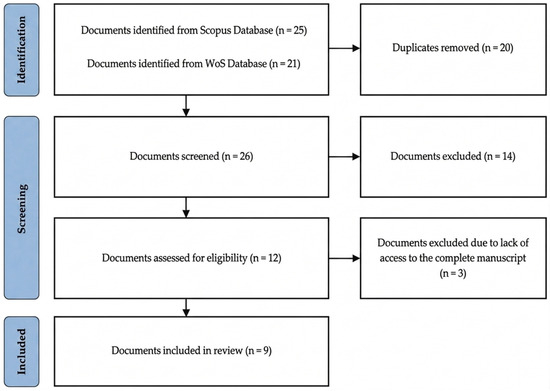
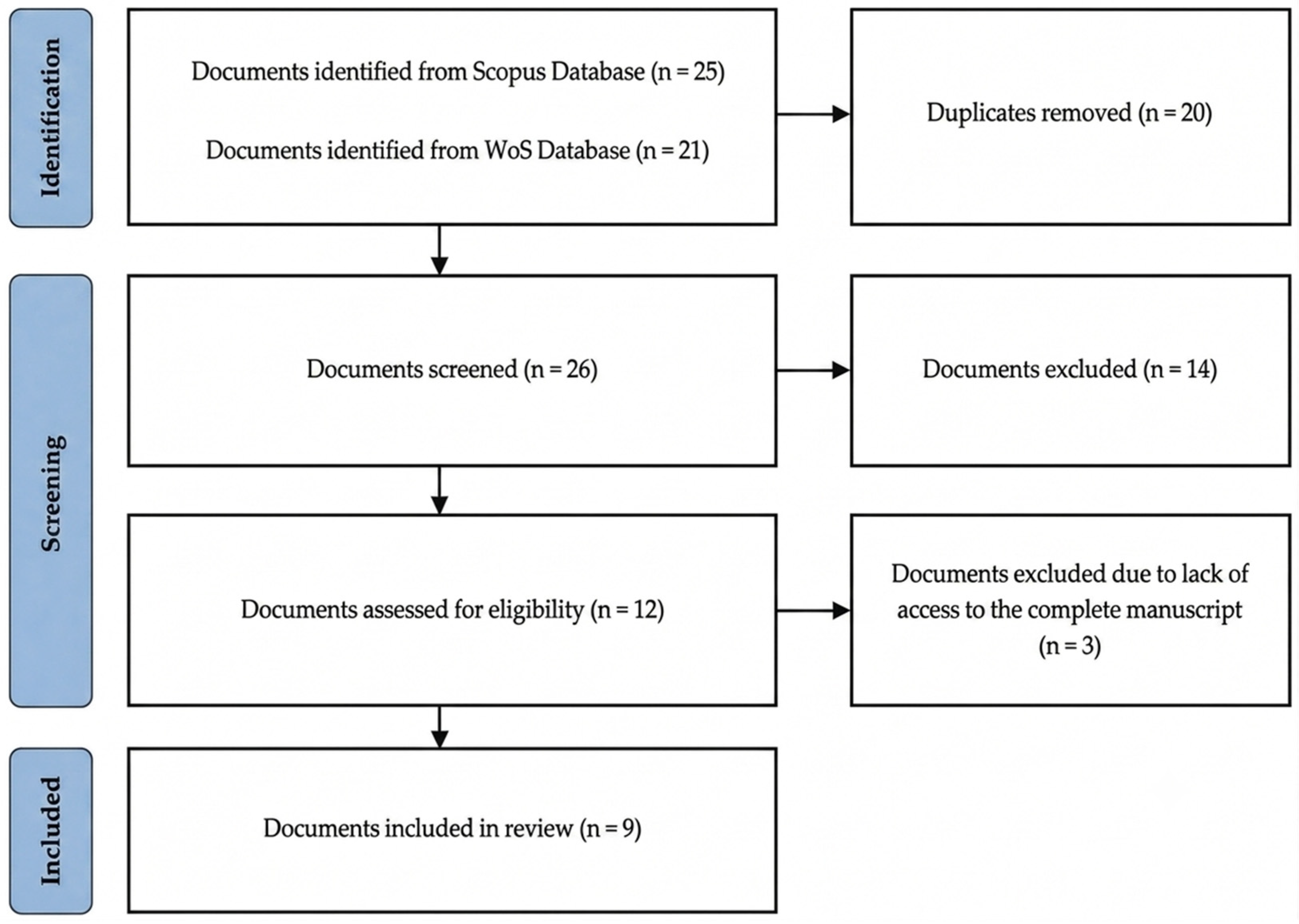
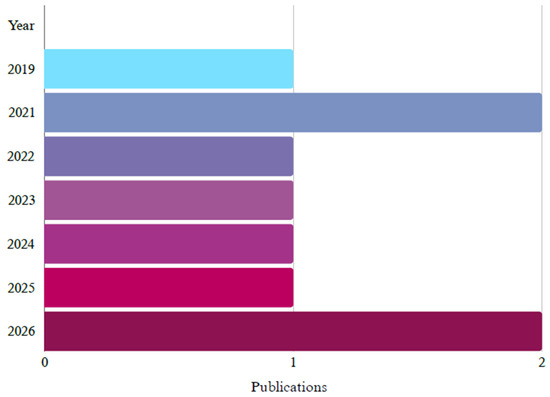
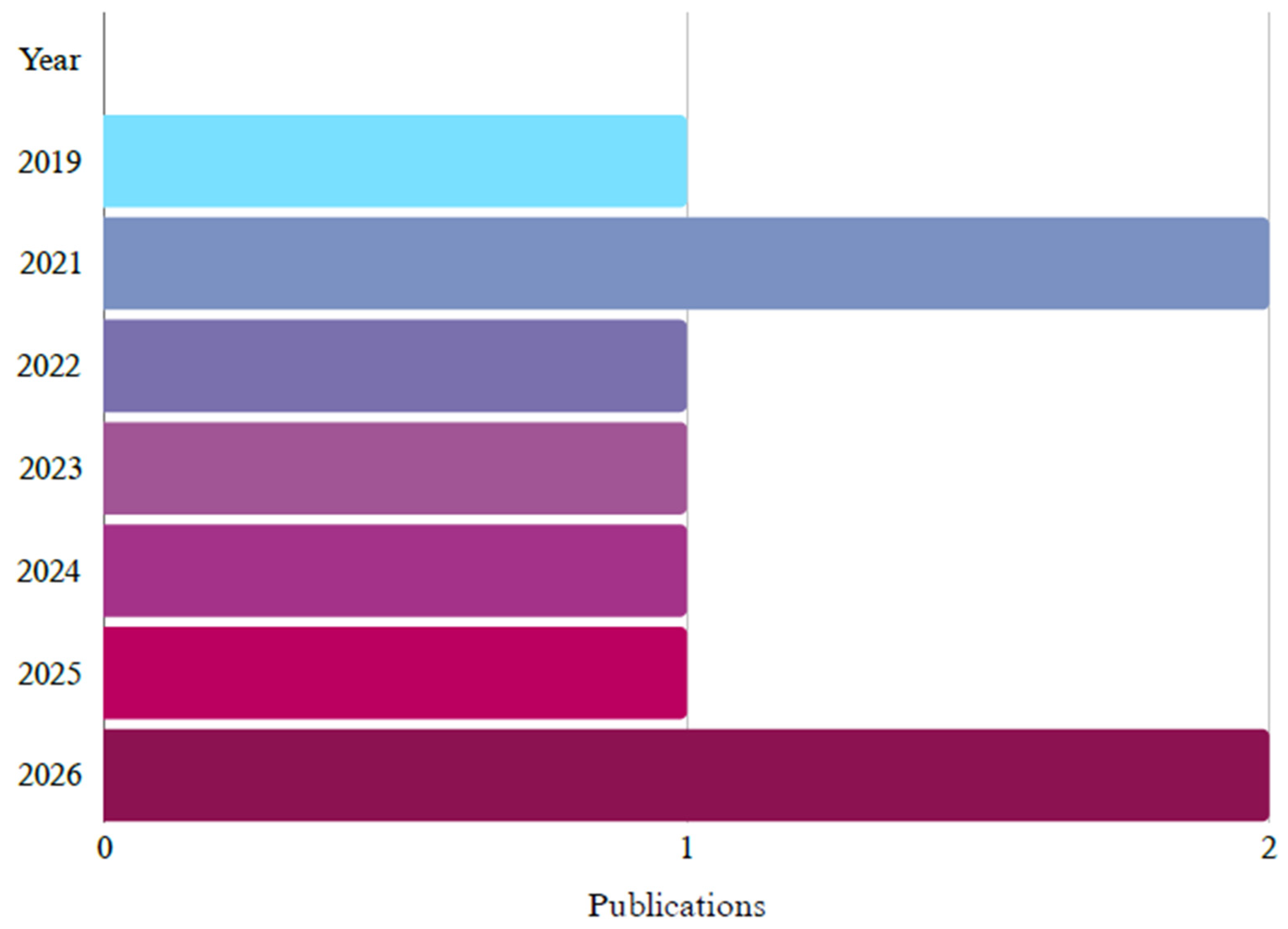
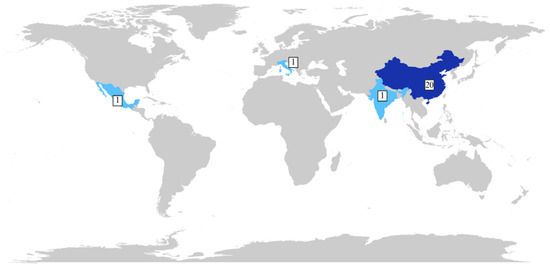
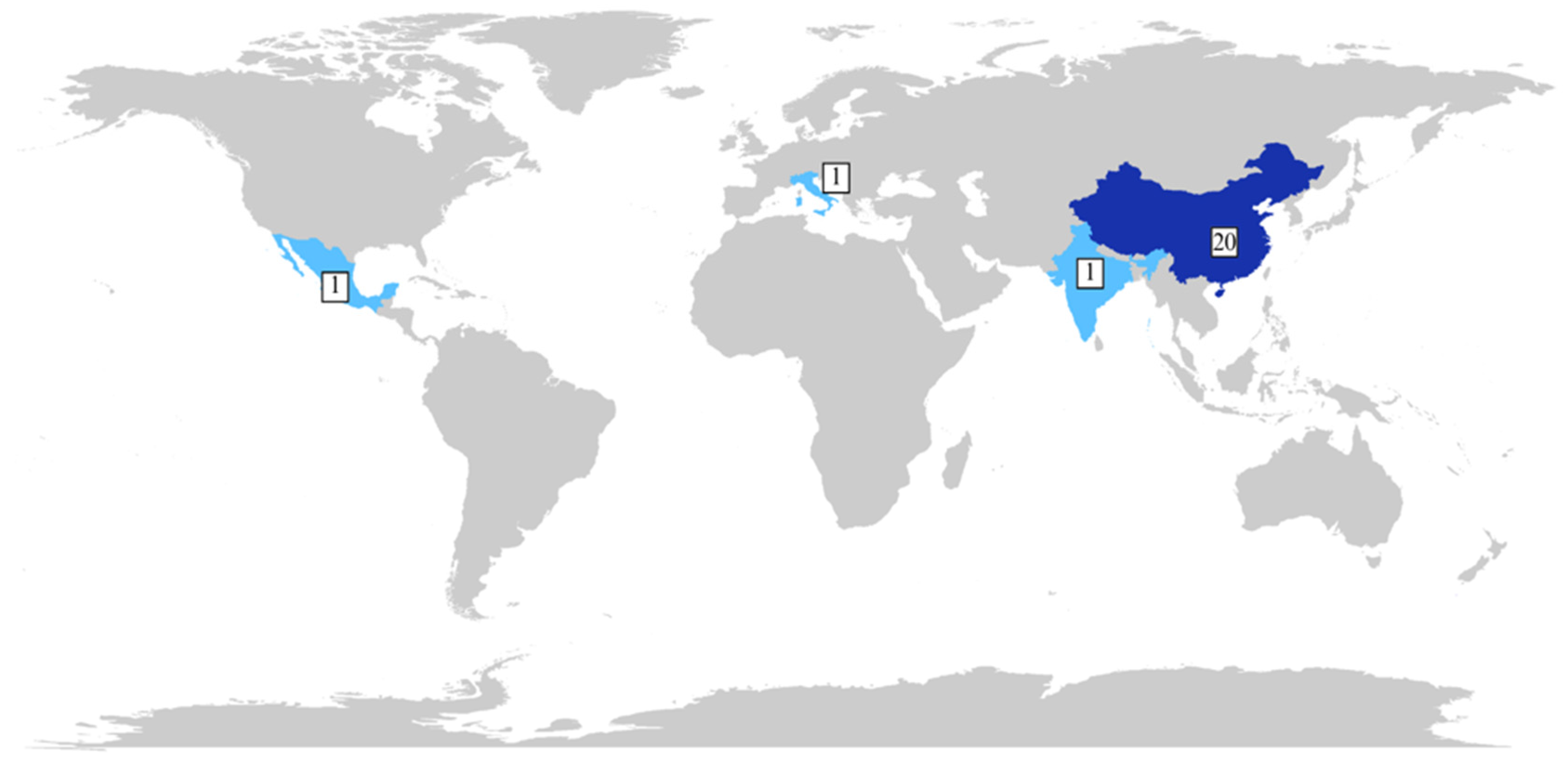
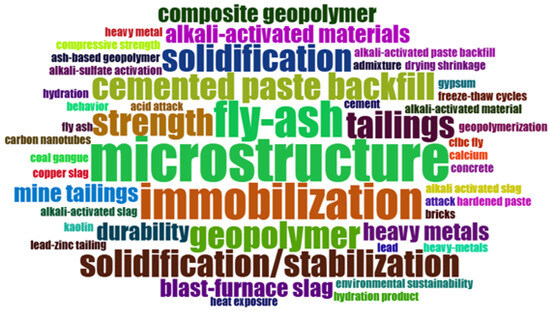
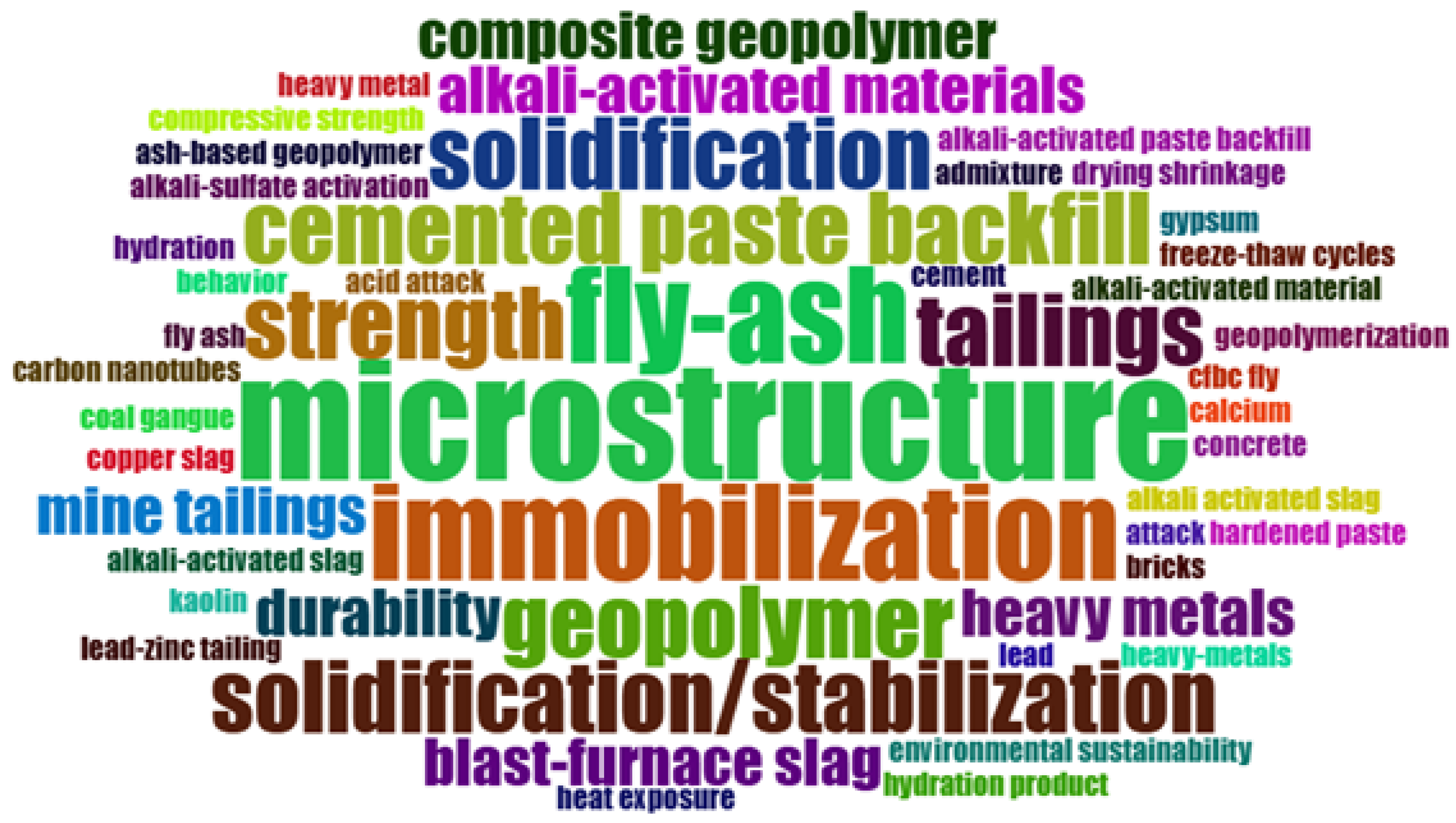
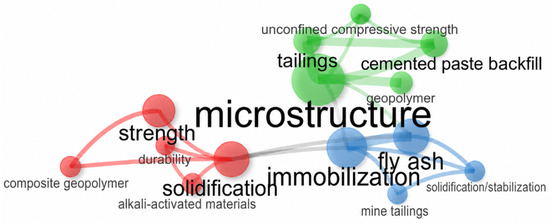
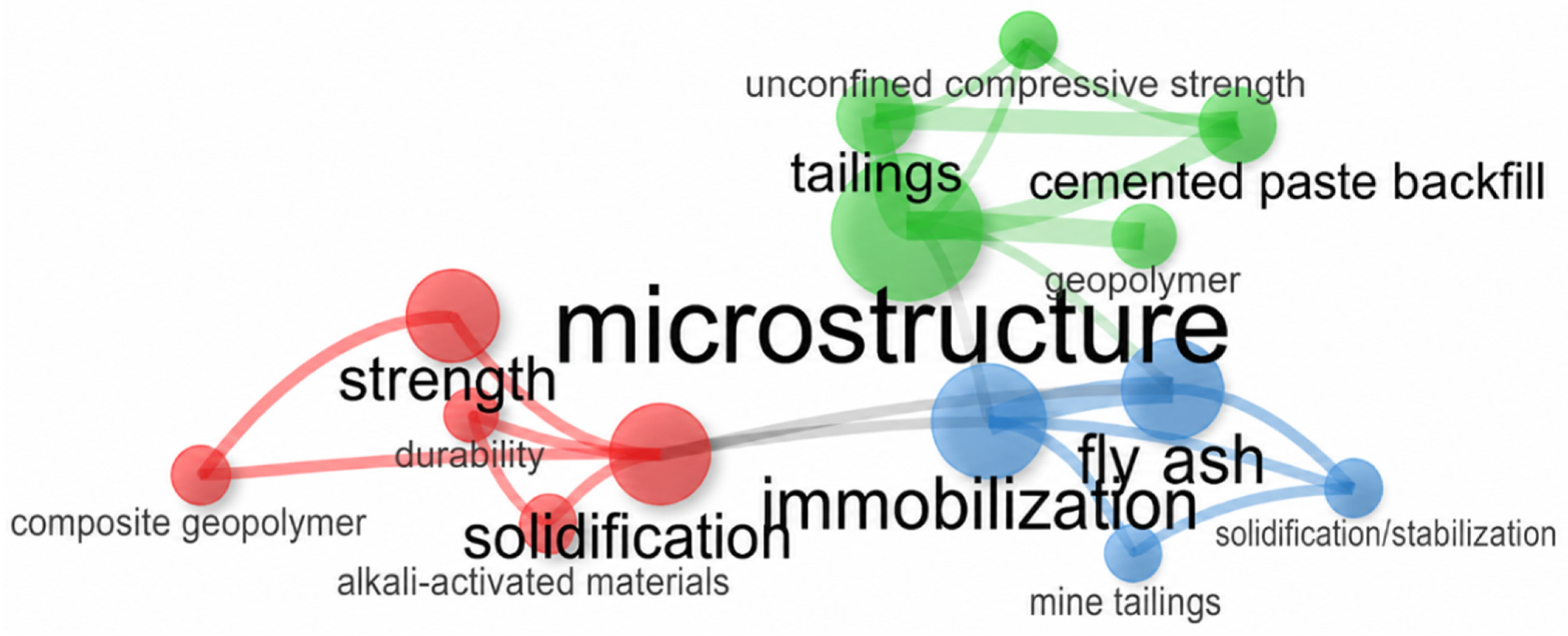

Disclaimer/Publisher’s Note: The statements, opinions and data contained in all publications are solely those of the individual author(s) and contributor(s) and not of MDPI and/or the editor(s). MDPI and/or the editor(s) disclaim responsibility for any injury to people or property resulting from any ideas, methods, instructions or products referred to in the content. |
© 2026 by the authors. Licensee MDPI, Basel, Switzerland. This article is an open access article distributed under the terms and conditions of the Creative Commons Attribution (CC BY) license.