


Abstract
Background: Foam rolling has become an increasingly popular self-myofascial release (SMR) technique among athletes to prevent injuries, improve recovery, and increase athletic performance. This study investigated how SMR improves mechanical and movement efficiency in recreational road cyclists. Methods: We conducted an exploratory randomized controlled trial (RCT) to investigate the effects of SMR using a foam roller on biomechanical and physiological performance parameters over a six-month period. A total of 32 male participants, aged 26–57 years, with a mean Body Mass Index (BMI) of 24.0 kg/m2 (SD = 2.2), were randomly assigned to either an intervention group (n = 16), which incorporated a standardized SMR program into their post-exercise recovery, or a control group (n = 16), which followed the same cycling protocol without SMR. The training program included heart rate-controlled strength endurance intervals. As the primary target, the variables we investigated included torque effectiveness, leg force symmetry, and pedal smoothness. Secondary measurements included submaximal oxygen uptake (VO2) as well as bioelectrical variables, which we analyzed using classic, repeated-measures ANOVA models and descriptive statistical methods. Results: The analysis revealed significant interaction effects in favor of the intervention group for torque effectiveness (η2p = 0.434), leg strength symmetry (η2p = 0.303), and pedal smoothness (η2p = 0.993). No significant group × time interactions were found for submaximal VO2 or bioelectrical parameters. Conclusions: Our findings indicate that foam rolling may serve as an effective adjunct to endurance training by enhancing functional neuromuscular performance in cyclists, particularly in torque control and pedal coordination. Its impact on aerobic efficiency and muscle composition appears to be minimal. The results support theoretical models that attribute SMR benefits to proprioceptive, circulatory, and neuromuscular mechanisms rather than structural tissue adaptations.
1. Introduction
In recent years, the use of foam rollers has become increasingly popular among physiotherapists and athletes as a self-myofascial release (SMR) technique [1,2]. With their growing popularity, foam rollers also attracted the attention of researchers exploring the effects of SMR on various aspects of athletic performance. Repetitive exercise can cause microtrauma and muscle damage, resulting in inflammatory responses, scar tissue formation, and long-term muscular dysfunction, which may negatively affect injury risk, overuse syndromes, and overall athletic performance [3]. Evidence suggests that foam rollers alleviate the negative impact of muscle soreness, reduce delayed onset muscle soreness (DOMS), or mitigate post-exercise fatigue. Foam rollers are also commonly considered to be an effective tool to improve the range of motion (ROM), the recovery process, or muscle performance [4,5,6].
Current studies primarily focus on the acute effects of SMR, which manifest in neuromuscular function, coordination, and proprioception. A central effect is the significant short-term increase in joint range of motion (ROM) without negatively affecting muscle performance (strength or jump height) [4,7]. The effects are the result of neuromodulation, leading to a short-term reduction in muscle stiffness and improved muscular efficiency [2]. Furthermore, foam rolling supports recovery by reducing pain sensitivity associated with delayed-onset muscle soreness (DOMS) [8]. Studies also show that SMR does not lead to impairment but sometimes leads to short-term improvement in joint position sense [9] and can contribute to static balance [10].
Foam rolling may also play a relevant role in cycling by potentially supporting injury prevention, post-exercise recovery, and aspects of performance such as flexibility or range of motion (ROM). For instance, chronic overuse injuries such as knee pain have been associated with reduced flexibility and restricted ROM during repetitive pedal-pushing motions [11]. Park et al. [12] found evidence that SMR proved to be effective for relieving pain by reducing Visual Analog Scale (VAS) scores and improving iliotibial band (ITB) flexibility among cyclists diagnosed with iliotibial band friction syndrome (ITBFS).
Theoretically, foam rollers are used to apply targeted pressure to the fascia, therefore stimulating histological changes in the tissue. Several theories have been proposed to explain the effects of SMR, one of which is that SMR alters tissue elasticity due to the soft tissues’ thixotropic properties [13]. The hypothesis of thixotropy represents an important theoretical explanatory approach. Other mechanisms include piezoelectric responses, cellular adaptations, the release of fascial adhesions, improved fluid dynamics in the tissue, or the deactivation of trigger points—effects that are often considered to be interlinked. For example, it is theorized that increased tissue temperature through muscle stimulation promotes thixotropic changes, thereby facilitating the release of adhesions. Another integrative theory suggests that SMR enhances blood flow, leading to greater oxygenation and the resolution of energy crises responsible for the formation of trigger points [14].
In addition to questions related to injuries, overuse syndromes, or muscle fatigue, SMR is also frequently examined within the context of athletic performance. While injury and overuse syndromes are closely linked to performance, researchers have also isolated specific metrics, such as ROM, muscle and joint flexibility, torque effectiveness, muscle activation, or the hamstring-to-quadriceps ratio, to analyze the impact of SMR [15]. Several studies have shown some evidence that SMR using foam rollers increases ROM without compromising muscular strength [2,4,16,17]. However, the evidence is not consistent, as other studies have reported no significant effects of foam rolling on ROM [12,18,19].
A recent study by Kurt et al. [20], which compared foam rolling with dynamic and static stretching, concluded that foam rolling was less effective than dynamic stretching for improving hamstring flexibility and vertical jump height. However, it outperformed static stretching in enhancing left knee muscle strength. Foam rolling also demonstrated some benefits in knee muscle strength at 60°/s and improved left knee torque at 180°/s, though it did not improve muscular endurance ratios. Nevertheless, these results are not universally supported by other studies. For instance, Nehring et al. [21], who analyzed the impact of SMR rollers on different parameters related to athletic performance, concluded that foam rollers were not effective in improving isometric peak torque, indicating a wide variability in outcomes depending on the performance measure and study design.
As Müller and Schleip [22] point out, the underlying mechanism of self-myofascial release involves an initial phase of increased collagen breakdown by fibroblasts within the first 24 to 48 h, followed by a longer phase characterized by enhanced collagen synthesis and tissue remodeling. While most existing studies, such as [7,12,18,20,23], focused primarily on the short-term effects of foam rolling, much less is known about its potential long-term adaptations. To address this gap and in line with the theoretical considerations of Müller and Schleip [22], the present study extended the observation period to six months to capture potential long-term or cumulative effects of foam rolling.
Since research findings are inconsistent, this study aims to contribute to a better understanding of the benefits of SMR. Furthermore, most studies have been conducted in sports other than cycling [3,7,16,18], whereas cycling, which is characterized by specific motions and movements, has received comparatively little attention, especially cycling-specific performance parameters such as torque effectiveness, leg force symmetry, and pedal smoothness. To fill these knowledge gaps, the following study examines the potential effects of foam rolling within a cycling context, focusing on both biomechanical and physiological outcomes, including the mechanical efficiencies and torque effectiveness (H1), leg-strength ratio (H2), pedal smoothness (H3), movement efficiency (H4) as well as bioelectrical impedance parameters such as resistance, reactance and phase angle (H5).
Torque effectiveness (TE) is a central concept in cycling and describes the proportion of total pedal force that effectively contributes to crank rotation and forward propulsion. As Dorel [24] notes, much of the variability in torque effectiveness is linked to differences in muscle coordination. Intermuscular coordination is a key factor in limiting overall performance in cycling. Effective pedaling depends in particular on the ability to apply pedaling force in a targeted manner and to optimally activate the muscles involved, especially during the critical phases of the cycling cycle (top dead center and bottom dead center).
The second parameter, leg-strength ratio (LSR) or bilateral asymmetry, reflects the balance of force output between the left and right leg and is closely tied to cycling economy, particularly at higher intensities [25]. Pronounced muscular imbalances have been associated with injury risk and impaired performance [26], which makes this variable especially relevant in evaluating potential benefits of self-myofascial release. Pedal smoothness (PS) (H3) captures how evenly force is applied throughout the pedal stroke; greater smoothness indicates better neuromuscular control and reduced wasted energy, outcomes that may also be influenced by foam rolling. Beyond mechanical efficiency, foam rolling and other myofascial techniques are believed to improve blood flow and muscle oxygenation [23], providing a rationale for examining movement efficiency (H4) through measures of oxygen uptake. Finally, hypothesis H5 extends the analysis to bioelectrical impedance parameters, which offer indirect markers of muscle quality and cellular health. Resistance (R) reflects tissue hydration, reactance (Xc) relates to cell membrane integrity, and the phase angle (PA) combines both, serving as a global indicator of muscular function and recovery capacity [27]. These measures, although less commonly investigated in cycling, may provide additional insights into how foam rolling influences muscle composition and physiological readiness.
2. Materials and Methods
2.1. Research Methodology
To analyze the effects of foam rolling on performance-related parameters, our study employed a longitudinal, exploratory randomized controlled trial (RCT), which is a widely used approach to examine causal relationships [28].
The study used a non-probabilistic sampling procedure (consecutive random sampling) to select recreational road cyclists. Participants were selected based on the researchers’ expertise. It was assumed that amateur road cyclists who train several times a week in a cycling club have similar characteristics and performance profiles, significantly above the general population average, but below professionals. Injury patterns (spine and knee) were also assumed to be similar to support representativeness. All cycling clubs registered in Tyrol, Austria, were chosen as the target population. A robust study design, including a six-month training program, spiroergometry tests, BIA, and nutritional analysis free of charge, maximized the response rate and ensured systematic reachability of the participants.
Generally, RCTs involve experiments, in which data are tracked through repeated measurements, and participants are randomly assigned either to an intervention group or a control group [29]. In our case, randomization was carried out by using a 4 × 4 block randomization procedure based on their submaximal oxygen uptake (subVO2max) to balance aerobic capacity across groups. The intervention can be defined as a structured program of myofascial self-massage targeting the lower limbs and the thoracolumbar fascia. Both the intervention and the control group were required to follow a strict protocol that determined their cycling sessions, which were performed twice a week. Participants in the intervention group were instructed to apply the Blackroll® (BLACKROLL AG, Bottighofen, Switzerland) as a foam roller immediately after their cycling training sessions, while those in the control group maintained the same training routine, but without using the foam roller or any other additional SMR techniques.
One of the characteristics of the RCT design is that the data are tracked over time through repeated measurement points [29]. Since fascial tissue exhibits gradual adaptation processes, it can be argued that consistent stimulation is considered necessary to induce an effect, which is why the literature recommends a training frequency of one to two sessions per week, sustained over a period ranging from six months to two years, with each session involving a few minutes of exercises.
2.2. Timeline of the Study
Recruitment was taking place between mid-March and mid-September (weeks 12–38), followed by training instructions, and pretesting occurred in September (weeks 39–40). The data collection process began with a pretest, which was conducted by the study authors with twelve recreational cyclists in a seminar setting, which helped us verify the procedural integrity and data reliability. The baseline tests were conducted in early October (weeks 41–42) before the trial started in mid-October (week 43). The post-test was conducted six months after the intervention had started and occurred in April (week 13 for the intervention group, weeks 13–14 for the control group). We also conducted a post-test three months after the start of the intervention; however, we did not measure the data for performance-related parameters, which we only assessed at the baseline test and the final test at the end of the trial. The first post-test after three months only measured Bioelectrical Impedance Analysis (BIA) parameters and bioelectric values, as well as the anthropometric data, while key dependent variables such as torque effectiveness, leg-strength ratio, pedal smoothness or physiological energy tests and work efficiency were measured only at the start and end of the trial. Figure 1 provides a detailed overview of the timeline and milestones of the intervention.
Figure 1.
Timeline of the trial (Source: own illustration).
2.3. Recruitment and Selection Criteria
Our study targeted adult male recreational cyclists as the primary population by cooperating with local cycling clubs in Tyrol, Austria, using a non-probabilistic sampling procedure in the form of consecutive sampling. To reach cyclists, we distributed a recruitment email to all 35 registered cycling clubs in Tyrol, Austria, with enrollment taking place between mid-March and mid-September. Originally, we wanted to include female cyclists as well, but due to the low number of female respondents (3 cyclists), we decided to exclude them from the study. In total, we recruited 36 participants, of whom four were excluded because they missed the final test, resulting in a total number of 32 individuals. Of these, 16 were randomly assigned to the intervention group and 16 to the control group.
The selection of the participants was based on predefined inclusion and exclusion criteria, with randomization using a 4 × 4 block randomization method. Group assignment was based on the results of the VO2max measured during the baseline test. The participants were sorted into blocks of four according to descending VO2max and then randomly assigned to the groups. This randomization approach ensured that the cycling-specific baseline levels were as homogeneous as possible across groups.
To be eligible to participate, cyclists had to be active recreational athletes aged between 25 and 59. Participants also needed to have an average weekly training volume of eight to ten hours, as well as a minimum of three years’ experience of structured, cycling-specific training with no interruptions exceeding six weeks in the past three years. Other inclusion criteria included having undergone a spiroergometric test within the past two years and having received medical clearance confirming fitness for maximal exertion within two months prior to the trial. Other important participation criteria were at least 6 months of training experience with bilateral power measuring pedals and no previous use of myofascial massage with a foam roller.
In addition to the above inclusion criteria, we established several exclusion criteria. These included possessing a competitive cycling license, having received a diagnosis of osteoporosis, thrombosis, fibromyalgia, disk damage, soft tissue rheumatism, uncontrolled hypertension, or having a joint implant in the hip or knee. Cyclists who developed any acute or chronic medical condition during the study were also excluded. Furthermore, participants were excluded if they voluntarily withdrew, experienced intervention-related events such as adverse effects, illness, or non-compliance, or if they withdrew their consent or were found to have met the exclusion criteria after enrolment.
2.4. Measurement
Anthropometric assessments were recorded at the beginning of each testing session. A certified person (ISAK) helped with taking these measurements. Body mass was determined to the nearest 0.1 kg using a portable scale TBF-531 (Tanita, Sindelfingen, Germany). Body weight was measured using a digital scale (SOEMER, Lennestadt, Germany), and body height was measured to the nearest 0.1 cm using a portable stadiometer Seca 220 (Seca, Hamburg, Germany).
For physiological energy and performance tests, we used spiroergometry with a CYCLUS 2 ergometry system (RBM, Leipzig, Germany), which equipped the personal race road cycle using an incremental step test, starting at 100 watts with 3 min intervals and 50 watt increases until maximal exertion (defined as cadence falling below 70 RPM). The measurements were taken using the CORTEX® system and associated software MetaSoft® Version 3.9.9 SR5 (CORTEX Biophysik, Leipzig, Germany). Lactate concentrations from capillary blood samples taken from the earlobe were measured during the final 10 s of each level and 3 min after test termination with Super GL Ambulance (Dr. Müller Gerätebau, Freital, Germany). To identify aerobic and anaerobic thresholds at 2 and 4 mmol/L, we applied the Mader method [30,31].
As measurement and testing equipment for torque effectiveness, leg strength symmetry, and pedal smoothness, we used the Garmin® Vector™ 2 power meter pedals (GARMIN GmbH, Würzburg, Germany) in combination with the Garmin® Edge® 1000 bike computer on the own bicycle, which recorded these parameters as well as the watt values on both sides including heart rate during all tests and trainings. The scientific literature generally confirms that the Garmin Vector 2 pedals show a high correlation with gold standard devices such as the SRM, especially during steady submaximal effort or performance. The actual deviation of the power output was generally in the range of 2% to 3%, which is very close to the manufacturer’s specifications (±2%) [32,33]. Nimmerichter et al. [34] found no significant difference (p > 0.05) between the devices in power measurement under laboratory conditions (p = 0.245) and field conditions (p = 0.312) when comparing the Garmin Vector 2 Powermeter with an SRM Powermeter during submaximal loading. The Typical Error (TE) was 2.9%. The reliability of the Garmin system was slightly lower, with a coefficient of variation (CV) of ≈3.0%, than that of the SRM (≈1.0%). A study by Hutchison et al. [35] found that the Garmin Vector 2 Powermeter tended to underestimate the power output compared to the SRM during a submaximal test with constant power. The authors rated the Vector as less valid and reliable compared to the SRM, suggesting higher variability. These findings suggest that the Garmin Vector 2 represents a valid alternative for training, which also allows for independent measurement of both the right and left sides.
For the performance of Localized Bioelectrical Impedance Analysis (L-BIA) on the anterior thigh (quadriceps), protocols from sports science were strictly standardized and applied. This measurement requires a strictly standardized and relaxed posture, as even slight muscle contractions or fluid shifts can falsify the measurement results, particularly resistance (R) and reactance (Xc) [4]. The subjects lay in a relaxed supine position on a non-conductive surface (a thick exercise mat) to avoid influencing the current path. Care was taken to ensure that the legs, arms, and torso did not touch each other (no conductive connection). The extended thigh muscles had to be completely relaxed. To ensure an even distribution of body fluids, a five-minute resting period in this position was maintained before the measurement began. A tetrapolar protocol was used for the electrode-specific placement, involving four electrodes (two current and two sensing electrodes) positioned in a line (sagittal) along the long axis of the thigh. The proximal current injection electrode was placed over the muscle belly of the quadriceps, at the level of the groin crease/thigh insertion. The first (proximal) voltage-sensing electrode was placed 10 cm distal to it. The second (distal) voltage-sensing electrode was positioned 20 cm distal to the first one (30 cm from the proximal injection electrode). Finally, the distal current injection electrode was placed at the level of, or immediately proximal (above) to, the upper border of the Patella (kneecap). This specific arrangement ensures that the electrical current flows directly through the target area, namely the muscle belly of the quadriceps, and not through adjacent tissue or bone, which enables a precise local analysis of tissue composition.
2.5. Training
Participants in both groups engaged in a standardized, pulse-controlled cycling program based on a strictly monitored protocol. The overall training plan followed a block periodization model, consisting of six consecutive 4-week training blocks. After each block, training intensity was increased by 5%, based on individual performance levels determined during the baseline test (at 2 mmol/L lactate). Extensive strength endurance intervals (KA intervals) increased in difficulty over time, starting in the lower basic endurance 2 (GA2) range and gradually increasing in intensity throughout the six-month intervention, ending in the upper GA2 range.
Twice a week, the cyclists completed an 80 min session structured within the basic endurance 1 (GA1) and aerobic–anaerobic transition zone (GA1/GA2 heart rate zones), according to the aerobic–anaerobic threshold, with lactate concentrations between 2 and 4 mmol/L. During these sessions, we incorporated strength endurance intervals. The cycling training as well as the performance diagnostics were conducted on each participant’s personal racing bicycle. The sessions took place indoors on the cyclists’ own road racing bicycles, which were mounted on a CYCLUS 2 ergometry system with a fixed rear wheel. The training intensity was regulated via heart rate zones determined through spiroergometry during the baseline test.
Both groups trained consistently within the basic endurance zones (GA1 and GA2) at a cadence of 90–100 revolutions per minute (RPM). Each session began with a 10 min warm-up at lower GA1 intensity, followed by a series of 3 to 5 min strength endurance intervals (KA intervals) in the GA2 range, performed at a reduced cadence of 60–70 RPM. These intervals were structured with a 1:1 work–recovery ratio, where recovery segments were conducted at GA1 intensity at 90–100 RPM. Each training session was closely monitored and digitally recorded, including heart rate, power outputs (watts), and cadence, to ensure strict adherence to the protocol. Perceived exercise intensity was also assessed using the 10-point version of the RPE scale [36]. Additionally, participants were required to maintain a detailed training diary, in which all endurance-related activities were documented, as well as a nutrition diary. Figure 2 provides an overview of the basic structure of the cycling training program.
Figure 2.
Structure of the cycling training (Source: own illustration).
2.6. Intervention
The intervention group performed a structured myofascial self-massage targeting the lower and upper extremities as well as the thoracolumbar fascia, using the Blackroll® immediately after each training session. The control group, by contrast, followed the same cycling protocol in terms of session frequency, duration, intensity, cadence, and strength-endurance intervals, but without using the Blackroll® or performing any other myofascial release technique. To ensure the integrity of the intervention, participants in both groups were instructed not to engage in any additional manual therapies or self-massage techniques outside the prescribed protocol.
The Blackroll® is a foam roller commonly used in self-myofascial release techniques aimed at enhancing muscle flexibility and improving the function of fascial structures. We used the “standard 30 cm” model as it is, according to the manufacturer, especially suitable for beginners and for use after physical exertion [37]. During the preparatory phase of the study, participants received comprehensive instructions on the correct use of the Blackroll®. At the start of the intervention phase, they were instructed to adhere to a standardized intervention protocol. The intervention protocol consisted of twelve targeted exercises, as outlined by the manufacturer, focusing on specific muscle groups and fascial regions, including the plantar fascia, calves, tibialis anterior, quadriceps, hamstrings, adductors, iliotibial band, psoas, gluteal muscles, and both the lower and upper back [38,39].
The exercises with the foam roller were performed on a gym mat to ensure sufficient space and stability. Participants were instructed to roll slowly and in a controlled manner to promote recovery and relaxation, pausing for several seconds on particularly tense or painful points to apply targeted pressure. On these trigger points, they carried out small rolling movements of about three to five centimeters ten times until the tension eased [14]. Each exercise consisted of 20 repetitions across the target muscle, followed by a 30 s pause before repeating the sequence a second time. The pressure could be adjusted by supporting the arms or the non-active leg, with the aim to produce a tolerable or “pleasant” pain rather than an excessive, sharp discomfort. Although the exercises were expected to be uncomfortable at the beginning, like a deep tissue massage, repeated treatments reduced discomfort and resulted in a beneficial sensation.
In addition to this, participants were also advised on a variety of safety precautions. First, the foam roller should be cleaned with a damp cloth or, in the case of heavier dirt, with soap and water before being completely dried. Moreover, the training area needed to be free of sharp-edged objects with a stable, non-slippery surface to prevent accidents and injuries, which is why we instructed participants to use a gym mat. The photo sequence in Figure 3 illustrates the initial and final phases of the exercise with the Blackroll® for the calf muscles.
Figure 3.
Initial and final phase of the exercise with the Blackroll® for the calf muscles. (Source: own illustration).
2.7. Operationalization
For H1, which examines the impact of the intervention on torque effectiveness (TE) during cycling, we operationalized the variable as the average balance of left and right torque effectiveness in %. The formula we used is
H2 analyzes the impact of the intervention on the leg strength ratio, which will be operationalized based on a symmetry score. To operationalize leg strength symmetry, we calculated a bilateral asymmetry index based on the relative difference between left and right leg strength values. This method quantifies the absolute percentage difference between limbs relative to their average, which provides a normalized measure of asymmetry. Higher values indicate greater imbalance, with 0% representing perfect bilateral symmetry. One of the disadvantages of this method is that it does not give us any information about the direction (left or right) of the asymmetry. The formula we used for the asymmetry index (leg strength ratio/LSR) is
Pedal smoothness (PS), which will be tested in H3, represents the average evenness between left and right pedaling in %. The following formula was used here.
In addition to this, we measured the movement efficiency for H4, using a physiological energy assessment based on submaximal oxygen uptake (VO2) at workloads of 100, 150, and 200 watts (measurements were taken during the final 60 s of each level and measured in l/min). For the statistical analysis, these values were adjusted for body weight (mL/min/kg).
Additional variables, which we measured and analyzed, included BIA and anthropometric data. For the BIA data, we measured local left and right upper leg and bioelectrical parameters: resistance (R, in Ohms), reactance (Xc, in Ohms), and phase angle (PA, in degrees). The anthropometric data included body height, body weight, BMI, and other variables such as calf circumference, thigh circumference, and weight distribution.
2.8. Statistical Analysis
The statistical analysis of this study was divided into two parts, with the primary focus on whether foam rolling influences performance-related variables. The first part comprised a descriptive analysis to summarize the key characteristics of the dataset and to provide an overview of the sample population. This included measures of central tendency and dispersion (means, standard deviations, and ranges) for demographic, anthropometric, and baseline physiological variables. In the second part, means and standard deviations were calculated for torque effectiveness, left/right leg force ratio, pedal smoothness, movement efficiency, and L-BIA parameters, while inferential statistical analysis was performed using repeated-measures fixed-effects ANOVA to evaluate the effects of the intervention across two time points: the baseline test (pre-intervention) and the post-test (after six months). The repeated-measures design allowed for the assessment of both within-subject changes over time and between-group differences (intervention vs. control group). Participant ID was included as a random effect in the model to account for within-subject repeated measures, which essentially tells the statistical model which values are repeated measures from the same person. For variables involving multiple intensities, such as the submaximal VO2 at 100, 150, and 200 watts, we used a 3 × 2 × 2 mixed-design ANOVA to assess interactions between watt level (3 levels), group (2 levels), and time (2 levels). This allowed us to evaluate not only the main effects but also the interaction effects between intensity, intervention, and time. As part of the ANOVA analysis, we focused on both the p-values to assess the significance levels of the estimates and on the effect sizes, including the partial eta squared (η2), which indicates the proportion of variance explained by the factor. The thresholds for partial eta squared have been defined at η2p ≈ 0.01 for a small effect, η2p ≈ 0.06 for a medium effect, and η2p ≈ 0.14 for a large effect [40]. To ensure the validity of the ANOVA results, all underlying assumptions were checked, including the normality of residuals, which we assessed using the Shapiro–Wilk test, as well as the homogeneity of variance, which we verified by a Levene’s test. For statistical analysis, we used the statistical software Python 3.10.
3. Results
3.1. Descriptive Analysis
The final dataset includes 32 participants and a total of 61 recorded variables. At the time of the baseline test, the average age of the participants was 43.2 years (SD = 7.8), ranging from 26 to 57 years. The mean body height at baseline was 178.2 cm (SD = 6.8) with values spanning from 160 to 190 cm. Participants had an average baseline body weight of 76.1 kg (SD = 8.2) with a minimum of 64.2 kg and a maximum of 91.7 kg. The mean Body Mass Index (BMI) at baseline was 24.0 kg/m2 (SD = 2.2), indicating that the sample consisted predominantly of individuals within a normal weight range. BMI values ranged from 20.4 to 29.7 kg/m2, with 25% of individuals having a BMI below 22 and 25% exceeding 25.
Participants in the control group were a little older on average (mean = 46.1 years, SD = 7.6) compared to those in the intervention group (mean = 40.3 years, SD = 7.0). Regarding baseline anthropometric measures, the control group had a mean body weight of 73.2 kg (SD = 7.0) and a mean height of 175.2 cm (SD = 5.8), whereas the intervention group showed a slightly higher mean body weight of 79.1 kg (SD = 8.4) and a taller average height of 181.3 cm (SD = 6.6). BMI values at the time of the baseline test were relatively similar between groups, with the control group averaging 23.8 kg/m2 (SD = 1.6) and the intervention group slightly higher at 24.1 kg/m2 (SD = 2.7). In summary, there were no statistically significant differences in anthropometric parameters between the groups at baseline. As can be seen in Table 1, neither the body weight nor the BMI values were subject to significant changes over the course of the trial. During the final post-test, we observed an average body weight of 75.8 (SD = 7.6), ranging from 63.1 kg to 92.5 kg, whereas the mean BMI was 24.0 kg/m2 (SD = 2.1), indicating only very minor changes from the baseline test to the final post-test. Calf and thigh circumference measurements, as well as weight distribution, showed almost identical values for both groups, with only very slight changes over time. This stability suggests that the training program did not substantially change body composition and that both groups maintained a comparable training capacity over the course of the study, which could strengthen the validity of performance-related outcomes.
Table 1.
Descriptive statistics of the main characteristics of the sample and trial participants (Source: own illustration/Python 3).
3.2. Analysis of the Hypotheses
3.2.1. Impact on Torque Effectiveness (H1)
To assess the impact of the foam roller intervention on torque effectiveness, a two-way mixed ANOVA was conducted with time (baseline vs. post-test) as the within-subject factor and group (intervention vs. control) as the between-subject factor. The dependent variable was the average torque effectiveness, which we calculated as the mean of the left and right leg values. The analysis revealed statistically significant main effects for both time (F(1, 30) = 32.85; p < 0.001) and group (F(1, 30) = 7.92; p = 0.0085), as well as a significant group × time interaction (F(1, 30) = 22.97, p < 0.001).
These findings, shown in Table 2, suggest that torque effectiveness improved over time overall and that this improvement differed between groups. Effect size estimates using partial eta squared (η2p) showed a large effect for time (η2p = 0.523), a moderate effect for group (η2p = 0.209), and a large interaction effect (η2p = 0.434), which indicates that the intervention group experienced greater improvements in torque effectiveness compared to the control group, providing evidence that the use of foam rollers contributed to enhancing neuromuscular performance during pedaling.
Table 2.
Mixed-effects ANOVA of torque effectiveness in H1 (Source: own illustration/Python 3).
The descriptive analysis of torque effectiveness provides the context for interpreting the significant interaction effect found in the ANOVA. At the start of the study, the control group showed a slightly higher mean of 70.6 (SD = 8.3) compared to the intervention group (SD = 7.6). This initial difference supports the significant main effect of group established in the ANOVA. The two groups demonstrated significantly different responses across the study period. The control group recorded only a minimal increase of just +0.60% (from 70.6% to 71.2%). Conversely, the intervention group achieved a clear and substantial improvement of +6.7% (from 68.1% to 74.8%) after six months.
Following the intervention, the intervention group not only recorded the highest mean value (74.8%) but also exhibited the greatest reduction in variability. The standard deviation in this group decreased from 7.6 to the lowest value across all conditions (SD = 5.03), suggesting a strong homogenizing effect of the intervention.
In summary, the descriptive data clearly illustrate that the intervention produced a superior and highly effective outcome on torque effectiveness compared to the control group. The eleven-fold greater increase in the mean value within the intervention group strongly validates the highly significant group x time interaction found in the ANOVA (Figure 4).
Figure 4.
Descriptive statistics (means and SD) of the torque effectiveness in % for both groups and both time points (BT = baseline test; PT = post-test after 6 months) (Source: own illustration/Python).
3.2.2. Impact on Left/Right Leg Strength Ratio (H2)
The leg strength ratio reflects the relative asymmetry between the left and right leg strength, independent of direction, where 0% represents perfect symmetry and higher values indicate greater imbalance. As the ANOVA Table 3 below reveals, the effects for group are significant with F(1, 30) = 6.02 and p = 0.020, for time with F(1, 30) = 14.81 and p = 0.0006, as well as a significant group × time interaction with F(1, 30) = 13.07 and p = 0.0011. These findings indicate that not only did symmetry improve over time, but the intervention group experienced significantly greater improvements in leg strength balance compared to the control group. The effect size for the group was moderate with a partial eta squared of approximately 0.167, while the effects of time and the interaction term were large with values of 0.331 and 0.303. These results suggest that the foam roller intervention had an effect on enhancing bilateral leg strength symmetry.
Table 3.
Mixed-effects ANOVA of left/right leg strength ratio in H2 (Source: own illustration/Python 3).
The descriptive data strongly support the highly significant interaction result from the ANOVA. At the start of the study, the mean values of both groups were close, the control group with average values of 10.5% (SD = 6.5), and the intervention group with 11.0% (SD = 8.1). Over the study period, the mean of the control group decreased minimally to 10.3% (SD = 4.6), which corresponds to a small change of −0.2%. In contrast, the intervention group showed a significantly and highly relevant reduction in the strength ratio. The mean decreased from 11.0% before the intervention to just 3.00% (SD = 2.7) afterwards, representing an improvement of 8.0%. This significant improvement was also accompanied by a strong reduction in inter-individual variability, as the standard deviation dropped from 8.1 to 2.7, the lowest value across all conditions.
In sum, the control group remained largely unchanged; the intervention led to a massive improvement in the left/right leg strength ratio. The results confirm a clearly superior effect of the intervention, both in terms of the mean value and the homogeneity of the results (Figure 5).
Figure 5.
Descriptive statistics (means and SD) of the leg strength ratio in % for both groups and both time points (Source: own illustration/Python).
3.2.3. Impact on Pedal Smoothness (H3)
To evaluate the impact of the foam roller intervention on pedal smoothness, an ANOVA was conducted using the average of left and right pedal smoothness scores at baseline and post-test. The results revealed statistically significant main effects for group (F(1, 30) = 9.87, p = 0.00376), time (F(1, 30) = 271.38, p < 0.00001) and a highly significant group × time interaction (F(1, 30) = 104.36, p < 0.00001). These findings indicate that not only did pedal smoothness significantly change over time, but that this change differed between the intervention and control groups, which suggests an effect of the foam roller intervention.
Effect size estimates further support the practical relevance of these findings. The partial eta squared values showed a very large effect of time (η2 = 0.90), indicating substantial improvements across sessions and a large interaction effect (η2 = 0.78), emphasizing that the intervention group improved more than the control group. The main effect of group (η2 = 0.25) also showed a moderate-to-large difference in overall pedal smoothness between groups, independent of time. These results, shown in Table 4, suggest that the foam roller intervention had a meaningful and statistically robust impact on improving pedal smoothness compared to no intervention.
Table 4.
Mixed-effects ANOVA for pedal smoothness in H3 (Source: own illustration/Python 3).
The descriptive data strongly support the extremely high significance of the interaction effect found in the ANOVA. At the start of the study, the mean values of both groups were close; the control group started with a mean of 21.38% (SD = 3.2), and the intervention group with 21.9% (SD = 2.9). This small initial difference accounts for the significant main effect of group. Over the study period, the control group showed only a minimal increase of +1.0% (from 21.4% to 22.4%). The variability remained nearly constant during this time (SD changed from 3.15 to 3.2). In stark contrast to the control group, the intervention group demonstrated a massive improvement in pedal smoothness. The mean value rose from 21.9% before the intervention to 26.4% afterwards, which corresponds to an increase of +4.5%. This increase is more than four times greater than the increase of 1.0% observed in the control group. The variability remained stable in the intervention group (SD = 2.9 to 3.2), demonstrating that the entire group strongly benefited without a necessary reduction in the spread of results.
In sum, the findings of the descriptive statistics support that the intervention led to a clearly superior and substantial increase in pedal smoothness compared to the control group. The difference in the magnitude of change between the groups is so massive that it explains the extremely large effect size of the group × time interaction found in the ANOVA (Figure 6).
Figure 6.
Descriptive statistics (means and SD) of the pedal smoothness in % for both groups and both time points (Source: own illustration/Python).
3.2.4. Impact on Movement Efficiency (H4)
To analyze the movement efficiency, we applied a three-way ANOVA examining the impact of foam roller intervention on submaximal oxygen uptake (mL/min/kg) across different watt levels (100 W, 150 W, 200 W). There was a significant main effect of time with F(1, 149) = 7.55 and a significance of p = 0.007, indicating that oxygen uptake changed significantly from baseline to post-test across all groups and watt levels. Similarly, a highly significant main effect of watt level was found with F(2, 149) = 754.77 and a significance of p < 0.001, which we expected due to the physiological increases in oxygen uptake with higher workload. The partial eta squared of 0.9102 is extremely large, indicating that the watt factor accounts for the vast majority of the variance in movement efficiency. The effect of group was not statistically significant (F(1, 149) = 2.01, p = 0.158), suggesting no overall difference in oxygen uptake between the intervention and control groups, regardless of time or watt level. There was no significant interaction between group and time (F(1, 149) = 0.50, p = 0.481), nor between time and watt (F(2, 149) = 0.24, p = 0.786) or the three-way interaction among group, time, and watt (F(2, 149) = 0.80, p = 0.449). As can be seen in Table 5, a significant interaction was observed between group and watt (F(2, 149) = 3.14, p = 0.046); however, a partial eta squared of 0.0405 indicates an effect size with only a small explanatory power. The analysis shows that watt is the dominant factor influencing movement efficiency, followed by time. Crucially, the non-significant main effect for group must be considered alongside the significant Group × Watt interaction; while groups do not differ overall, their movement efficiency likely diverges significantly at specific watt levels.
Table 5.
Mixed-effects ANOVA for movement efficiency in H4 (Source: own illustration/Python 3).
The descriptive data for the submaximal oxygen uptake values (mL/min/kg) at these watt levels show clear patterns with respect to the influencing factors: watt, time, and group. The overall mean values indicate that the intervention group was, on average, more efficient with a mean of 27.7 than the control group (28.8), as they required less oxygen to perform the same work. As strongly suggested by the ANOVA, the watt level is the dominant factor determining oxygen consumption. The VO2 value increases massively with intensity from an average of 21.7 at 100 W to 28.2 at 150 W and finally 34.8 at 200 W. The overall mean shows a slight increase in VO2 consumption from the baseline measurement point (27.5) to the post measurement point (28.3). This minor but significant overall increase suggests a tendency towards higher oxygen uptake after the intervention period, regardless of group and load.
The statistically significant interaction between group and watt is evident in the descriptive data, as the efficiency differences between the groups are not constant. The control group recorded higher VO2 consumption in almost all conditions, indicating lower movement efficiency than the intervention group. It is particularly noteworthy that the efficiency advantage of the intervention group is the largest at higher watt levels. For example, the difference between the groups (averaged across both time points) was the smallest at 100 W, but increased at 150 W, and reached its maximum at 200 W. This suggests that the intervention primarily influences movement efficiency under high load. Although the group × time interaction was not significant, a descriptive look at the change shows small differences, as the mean VO2 of the control group increased from 28.6 to 29.2 (+0.59), and that of the intervention group increased from 27.1 to 28.1 (+1.0).
In sum, the intervention group showed a greater absolute increase in VO2 consumption (lower efficiency) than the control group; they were superior in efficiency to the control group at both time points. The fact that the intervention group was, on average, more efficient at both measurement points and that this difference grew larger at higher watt levels is the main finding regarding movement efficiency. Figure 7, Figure 8 and Figure 9 illustrate the changes at the three different watt levels; Figure 10 shows the overall oxygen uptake for all three watt levels.
Figure 7.
Descriptive statistics (means and SD) of the oxygen uptake at 100 W in mL/min/kg for both groups and both time points (Source: own illustration/Python).
Figure 8.
Descriptive statistics (means and SD) of the oxygen uptake at 150 W in mL/min/kg for both groups and both time points (Source: own illustration/Python).
Figure 9.
Descriptive statistics (means and SD) of the oxygen uptake at 200 W and mean overall oxygen uptake for all three watt levels (right site) in mL/min/kg for both groups and both time points (Source: own illustration/Python).
Figure 10.
Descriptive statistics (means and SD) of the mean overall oxygen uptake for all three watt levels in mL/min/kg for both groups and both time points (Source: own illustration/Python).
3.2.5. Impact on BIA Parameters Resistance, Reactance, and Phase Angle (H5)
The mixed-effects ANOVA for resistance showed a highly significant main effect of the factor group (F(1, 30) = 55.95, p = 0.001) with a very large effect size (η2p = 0.651), indicating significantly different baseline levels. In contrast, the effect of time did not reach significance (F(1, 30) = 0.03, p = 0.858) and showed a very low effect size (η2p = 0.001). The interaction between group and time was also non-significant (F(1, 30) = 0.01, p = 0.918), with a very small effect size (η2p = 0.0004). In sum, these results suggest that neither the intervention nor the passage of time significantly influenced resistance values, while the groups demonstrated significant differences in baseline values. The ANOVA analysis for reactance revealed no significant effects either. The group effect was not significant (F(1, 30) = 0.53, p = 0.4712) and the effect size was very small (η2p = 0.0136). Similarly, time had no significant influence on reactance either (F(1, 30) = 0.02, p = 0.8971, η2p = 0.0303). The interaction between group and time was also non-significant with F(1, 30) = 0.15 and a significance of p = 0.7039 and a practically non-relevant effect size (η2p = 0.0326), which indicates that the intervention did not lead to measurable changes in muscle reactance. Our last model, which analyzed the impact of the intervention on the phase angle, the interaction between group and time, did not reveal any significant effect of the use of the foam roller on the phase angle, with no significance (F(1, 30) = 0.12, p = 0.7341) and with a negligible effect (η2p = 0.0039). In contrast, the analysis yielded a highly significant main effect for the factor group (F(1, 30) =45.42, p = 0.001). This effect was associated with a very large effect size (η2p = 0.6022), demonstrating that the groups exhibited significant differences in their mean phase angle measurements starting at baseline (Table 6).
Table 6.
Mixed-effects ANOVA for resistance, reactance, and phase angle in H5 (Source: own illustration/Python 3).
The descriptive analysis of resistance, reactance, and phase angle reflects the key findings of the mixed-effects ANOVA. For resistance, the means (in Ohms) confirm a highly significant difference between the groups. The intervention group consistently showed higher resistance values (baseline 74.3 (SD = 17.6), post-test 73.8 (SD = 14.2)) than the control group (baseline =72.0 (SD = 19.1), post-test = 71.9 (SD = 18.2)). This difference represents the dominant main effect in the ANOVA. A similar pattern emerged for the phase angle. A highly significant group main effect was present. The control group had higher means (in degrees) (baseline 14.3 (SD = 3.6), post-test 14.1 (SD = 3.3)) than the intervention group (baseline 14.1 (SD = 3.1), post-test 14.1 (SD = 3.0)). For reactance, the group means at baseline (control group 17.3 (SD = 1.7), intervention group 17.9 (SD = 1.9)) and their changes over time (control group 17.1 (SD = 1.7), intervention group 17.9 (SD = 2.0)) were similar.
In sum, the groups were significantly different in their initial values for resistance and phase angle, as confirmed by the ANOVA. However, for all three variables, there was no evidence that the intervention caused a measurable change over time, as all time-related effects were non-significant. Figure 11, Figure 12 and Figure 13 illustrate the changes for the three different variables over time.
Figure 11.
Descriptive statistics (means and SD) of resistance in Ohms for both groups and both time points (Source: own illustration/Python).
Figure 12.
Descriptive statistics (means and SD) of reactance in Ohms for both groups and both time points (Source: own illustration/Python).
Figure 13.
Descriptive statistics (means and SD) of the phase angle in degrees, for both groups and both time points (Source: own illustration/Python).
3.3. Shapiro–Wilk and Levene Test
Out of the seven models evaluated, four models met both the assumptions of normality of residuals and homogeneity of variance, making them suitable for ANOVA without reservations. These include models for torque effectiveness, movement efficiency (oxygen uptake), reactance, and phase angle. Among them, the work efficiency and BIA-related models demonstrated particularly strong adherence to both assumptions, with high p-values in the Shapiro–Wilk and Levene tests, indicating a robust statistical foundation.
In contrast to these models, three other models require a more cautious interpretation. The leg strength ratio model violated both assumptions, showing a significant deviation from normality (Shapiro–Wilk p = 0.0281) and a notable variance inequality (Levene’s p = 0.0026). This combination increases the likelihood of biased F-test results and inflated Type I error rates, which means that the statistical significance reported for this parameter may not be fully reliable. Similarly, the model, which analyzed pedal smoothness, violated the assumption of normality of residuals (p = 0.0122) despite meeting the homogeneity of variance assumption. Although this violation alone may be less severe, it still reduces confidence in the robustness of the corresponding ANOVA results and suggests that alternative, non-parametric methods might be considered in future studies to confirm these findings. Finally, the resistance model showed a strong violation of normality (Shapiro–Wilk p < 0.0001), while maintaining variance homogeneity, which also means that the result should be viewed with caution. Table 7 gives an overview of the Shapiro–Wilk and Levene Test for all ANOVA models.
Table 7.
Shapiro–Wilk and Levene Test for all ANOVA models (Source: own illustration/Python 3).
4. Discussion
The findings of this randomized controlled trial provide evidence that self-myofascial release (SMR) using a foam roller can positively influence specific biomechanical parameters in recreational cyclists, most notably torque effectiveness (H1), leg strength symmetry (H2), and pedal smoothness (H3). The strongest and most robust statistical effects were observed in torque effectiveness, where a significant interaction between group and time with a relatively large effect size (η2p = 0.434) was found. The descriptive data support the positive statistical findings and underscore the effectiveness of the SMR intervention on these specific biomechanical parameters. This suggests that participants in the intervention group, who incorporated foam rolling into their training routine, exhibited greater improvements in neuromuscular coordination during pedaling compared to the control group.
These results support the theoretical framework stating that SMR can enhance muscle performance by increasing tissue temperature, improving blood flow, and reducing fascial adhesions [1,7,14]. The findings also align with the results of Bradbury-Squires et al. [16], who investigated recreationally active men from various sports (defined as exercising approximately three times per week), and Yoshimura et al. [17], who studied university students without a specified sports background. Both studies reported improvements in performance-related parameters, such as range of motion and morphological changes, without compromising muscular strength.
Studies by Schleip and Bayer [6] as well as Müller and Schleip [22] unanimously showed effects of myofascial self-massage with foam rollers on increased mobility, improved movement sequences and coordination, more efficiently working muscles, improved body awareness, and increased performance. Myofascial self-massage during cycling can counteract the typical, posture-related shortening of leg muscles, loosen cross-connections and adhesions in the muscle fascia, and thus increase mobility. This allows for better utilization of the pull and push phases. The heels remain continuously on the pedals during the push phase, while they can be lifted more strongly during the pull phase [41]. This results in a better power flow, which increases both torque effectiveness and performance. In line with these theoretical and experimental findings, our study specifically tested whether such improvements in mobility and neuromuscular coordination would result in measurable changes in cycling-related parameters such as torque effectiveness. In addition to its high significance and relatively large effect size of the interaction term, the model seems robust, with no assumptions being violated according to the Shapiro–Wilk and Levene tests.
A similar pattern was observed for leg strength symmetry, including a statistically significant interaction term and its relatively large effect size (η2p = 0.303), which provides some evidence for an improvement in bilateral leg balance as a result of the foam roller intervention. Improved muscular symmetry could be clinically relevant, as imbalances can contribute to overuse injuries and reduced performance efficiency over time [3]. In order to achieve the maximum possible performance, a nearly identical leg strength ratio should be achieved [42,43]. However, the ANOVA model’s assumptions were violated, which limits the robustness of the model.
According to our statistical analysis, pedal smoothness also improved in the intervention group, as evidenced by its high statistical significance and a large interaction effect size (η2p = 0.993). This parameter reflects the fluidity of force application during the pedal stroke and can be interpreted as an indicator of improved neuromuscular control. The substantial effect size for time (η2p = 0.900) suggests general training-related improvement, while the group difference emphasizes the added value of SMR in enhancing biomechanical efficiency. These results support claims in the literature that SMR may influence muscle activation patterns and coordination [15]. Schleip and Bayer [6] also found an improvement in movement sequences and coordination through fascia training, which would also explain an improved round pedal stroke when cycling. In this context, it is important to note that throughout the intervention period, the subjects had access to this measurement during each training session. Theurel et al. [44] demonstrated an improvement in pedaling efficiency when cycling with visual force feedback compared to the preferred technique. Thus, it cannot be completely ruled out that improvements in technique also occurred due to the constant feedback from the measuring device, as determined by Schleip and Bayer [6]. However, the model violated the assumption of normally distributed residuals, which means the result should be interpreted with caution.
About the movement efficiency, which was operationalized by submaximal oxygen uptake and tested in H4, our analysis did not find a significant group × time interaction, although the intervention group showed a greater absolute increase in VO2 consumption than the control group, suggesting that foam rolling did not significantly influence movement economy. This finding is consistent with prior studies such as Nehring et al. [21], which also failed to demonstrate performance gains in isometric or aerobic efficiency metrics following foam rolling. It seems that while SMR may improve neuromuscular function and coordination, its impact on physiological efficiency during submaximal exercise is limited.
Finally, the analysis of bioelectrical impedance parameters (H5) revealed no significant changes in resistance or reactance and only a main group effect for phase angle, independent of time. While the higher phase angle in the intervention group may reflect underlying differences in cellular integrity or hydration status, which are often associated with muscle quality, the absence of a time-dependent effect suggests that the foam roller intervention did not produce long-term measurable changes in muscle tissue composition or electrical properties over the study period. It should be noted that short-term effects were not recorded because the last MSR was not performed immediately before the last test. Several studies emphasize short-term thixotropic, circulatory, neuromuscular, and proprioceptive mechanisms over long-term structural changes. Cheatham et al. [4] investigated the effects of foam rolling on the quadriceps, specifically focusing on pain perception using Localized Bioelectrical Impedance Analysis (L-BIA). The results showed a significant increase in the Pressure Pain Threshold (PPT) in both the ipsilateral antagonist (the hamstring muscle on the same side) and the contralateral quadriceps (the untreated muscle on the opposite side). The authors concluded that foam rolling has not only local but also systemic (neurophysiological) effects, which can increase pain tolerance in distant and even untreated muscle groups of the lower extremity. Krause et al. [45] investigated the acute effects of SMR (self-myofascial release) on passive tissue stiffness and fascial gliding. The focus here was on the mechanistic aspects of foam rolling that could potentially influence Bioelectrical Impedance Analysis (BIA) parameters (specifically, tissue hydration and stiffness). The study concluded that SMR significantly improved joint range of motion (passive knee flexion), similarly to static stretching. However, this improvement was not based on an acute reduction in passive tissue stiffness (muscle/fascia), which remained unchanged. Rather, the effect was primarily explained by increased stretch tolerance (sensory adaptation, shift in the perception of stretch) and improved mobility of the fascia lata (fascial gliding). Thomas et al. [46] conducted a study using bioimpedance and phase angle to investigate whether foam rolling alters cell membrane integrity or water distribution in the tissue (extracellular/intracellular), which might lead to improved viscoelastic gliding of the fascia. Acute changes in fluid distribution were observed, suggesting that a mechanical/hydraulic component could also contribute to the effect. Another study from Mohammed and Alshaher [47] utilized whole–body BIA to monitor long-term body composition (fat mass, muscle mass) as part of a multi-week foam rolling training intervention. It showed a reduction in body fat percentage and an increase in lean muscle mass. Furthermore, the exercises led to an improvement in flexibility and muscle strength.
There is limited evidence regarding the effects on anthropometric factors. SMR delivers targeted stimuli that affect both the ground substance and the fiber structure. The resulting reaction activates collagen, rehydrates the fascial tissue, and improves viscoelasticity. Additionally, deposits in the extracellular matrix, cytokines, and other free radicals are removed. New hyaluronic acid production is stimulated, leading to an improvement in the quality of the ground substance. In addition to its mechanical and biochemical effects, SMR has a positive effect on neurovegetative pain processing. However, SMR has no direct effect on muscle hypertrophy [22,48,49,50,51]. This may explain only very minor changes in the calf and thigh circumference measurements. In contrast, some studies have investigated the effects of myofascial techniques on fascia structure using powerful imaging techniques such as ultrasound or sonoelastography. Reported structural effects include a reduction in fascia thickness of the neck muscles [52,53]. A study by Devantéry et al. [54] showed a significant reduction in the thickness of the left spinal cord fin through the application of myofascial techniques compared to the simulated group. Langevin et al. [55,56] have brought morphological changes in fibroblasts caused by stretching or manual therapy, such as SMR, into the focus of modern fascia research. They showed that fibroblasts in subcutaneous mouse tissue respond to mechanical stretching within minutes by changing their morphology and elongating [55]. They further demonstrated that stretching even leads to nuclear remodeling of the fibroblasts [56]. These basic scientific findings demonstrate the biological plausibility of the idea that mechanical stimuli can actively influence connective tissue. This could indicate minor effects on circumference measurements, such as changes in muscle tone or reduced fluid retention.
4.1. Limitations of the Study
This study is subject to several limitations that should be acknowledged. First of all, our sample included only male cyclists because only three women expressed willingness to participate. Due to this very small number of female respondents, we decided to exclude them from the study to avoid any gender-related variability. However, the decision to exclude women limits the generalizability of the findings to male cyclists only. This is particularly relevant since studies and meta-analyses point to gender differences in the response to SMR [4]. The question of gender differences is highly topical, but the results are not consistent [57]. Another limitation related to our sample and the generalizability of our findings was that our sample mainly consisted of trained recreational cyclists aged between 26 and 57 years, which is why our findings cannot be generalized to other populations, including younger athletes, older adults, elite professionals, or untrained individuals. One important limitation regarding sample size was that no formal power analysis was conducted to determine the optimal sample size. The main reason for this was that it was difficult to estimate the total number of road cyclists at this performance level, which is why our study remains exploratory in nature.
Another limitation that should be mentioned is that, in regard to some variables, we cannot rule out minor measurement errors. For instance, the use of commercially available measurement devices, such as Garmin Vector pedals, offers practical measurement tools, but they may not provide the same biomechanical precision as gold-standard laboratory systems. It should also be noted that real-time feedback from these devices might have influenced pedaling technique, potentially acting as a confounding factor in the observed improvements. Finally, our study focused on post-exercise foam rolling, which means that potential effects of pre-exercise foam rolling, such as its influence on warm-up, muscle activation, or injury prevention, were not examined.
4.2. Future Prospects and Practical Applications
To account for these limitations, future studies should include larger and more diverse samples and incorporate both male and female participants. We also recommend that future research compare pre- and post-exercise foam rolling and use laboratory-grade measurement systems to improve biomechanical accuracy.
Future practical applications for the fascia roller in cycling could involve specifically developed training programs for male and female cyclists across various age groups, performance levels, and disciplines. These programs would incorporate the fascia roller before and/or after training, potentially alongside alternative endurance methods. Another key application would be to integrate the fascia roller into recovery protocols during multi-day races (like stage races) to enhance muscle regeneration between competition days. Additionally, the roller could be used as a diagnostic tool to identify muscle imbalances and areas of increased tension before an injury occurs. Furthermore, its use could be increased and targeted for cyclists experiencing specific complaints.
5. Conclusions
This study aimed to verify the long-term effects of using the Blackroll®-based myofascial self-massage during training on the mechanical and movement efficiency of recreational cyclists over a six-month period. In summary, these findings suggest that self-myofascial release (SMR) using a foam roller primarily improves parameters associated with mechanical efficiency and neuromuscular performance, such as torque effectiveness and pedal smoothness, rather than factors directly related to movement efficiency or muscle composition. These results support theoretical models that emphasize thixotropic, circulatory, neuromuscular, and proprioceptive mechanisms over structural tissue changes and adaptations. While the literature remains divided, this study provided robust statistical evidence of the functional benefits of foam rolling for cyclists when incorporated into a regular training routine. At the same time, it should be noted that for some variables the statistical assumptions of ANOVA were not fully met, which limits the strength of the corresponding conclusions and warrants cautious interpretation. Further investigation of these findings and their long-term implications for mechanical and movement efficiency in cycling is needed. Such studies should have larger sample sizes and longer follow-up periods.
Author Contributions
Conceptualization, M.B., M.F., and D.P.; methodology, M.A., M.B., M.F., and D.P.; software, M.A. and D.P.; validation, D.P.; formal analysis, M.A., S.F., L.I., and D.P.; investigation, S.F., M.F., L.I., and D.P.; resources, M.B., M.F., and D.P.; data curation, D.P.; writing—original draft preparation, D.P.; writing—review and editing, M.A., M.B., and D.P.; visualization, D.P.; supervision, M.B. and M.F.; project administration, D.P.; funding acquisition, M.B. and M.F. All authors have read and agreed to the published version of the manuscript.
Funding
This research received no external funding.
Institutional Review Board Statement
The study was conducted in accordance with the Declaration of Helsinki and approved by the Institutional Review Board of Ethical Questions in Science of the University of Innsbruck, 39/2015, 30 October 2015.
Informed Consent Statement
Informed consent was obtained from all subjects involved in the study.
Data Availability Statement
The data are available on request to the corresponding author.
Acknowledgments
The authors would like to thank all the participants who dedicated their time and effort to conduct this study.
Conflicts of Interest
The authors declare no conflicts of interest.
References
- Schleip, R.; Findley, T.W.; Chaitow, L.; Huijing, P.A. Lehrbuch Faszien. Grundlagen-Forschung-Behandlung, 1st ed.; Urban & Fischer Verlag: München, Germany, 2014. [Google Scholar]
- Wiewelhove, T.; Döweling, A.; Wernicke, J.; Stoll, O.; Strüder, H.K.; Platen, P. A meta-analysis of the effects of foam rolling on performance and recovery. Front. Physiol. 2019, 10, 376. [Google Scholar] [CrossRef] [Scilit]
- Healey, K.C.; Hatfield, D.L.; Blanpied, P.; Dorfman, L.R.; Riebe, D. The effects of myofascial release with foam rolling on performance. J. Strength Cond. Res. 2014, 28, 61–68. [Google Scholar] [CrossRef] [Scilit]
- Cheatham, S.W.; Kolber, M.J.; Cain, M.; Lee, M. The effects of self-myofascial release using a foam roller or roller massager on joint range of motion, muscle recovery, and performance: A systematic review. Int. J. Sports Phys. Ther. 2015, 10, 827–838. [Google Scholar]
- Schleip, R.; Müller, D.G. Training principles for fascial connective tissues: Scientific foundation and suggested practical applications. J. Bodyw. Mov. Ther. 2013, 17, 103–115. [Google Scholar] [CrossRef] [Scilit] [PubMed]
- Schleip, R.; Bayer, J. Faszien Fitness—Vital, Elastisch, Dynamisch in Alltag und Sport, 1st ed.; Riva Verlag: München, Germany, 2015. [Google Scholar]
- MacDonald, G.Z.; Penney, M.D.H.; Mullaley, M.E.; Cuconato, A.L.; Drake, C.D.J.; Behm, D.G.; Button, D.C. An acute bout of self-myofascial release increases range of motion without a subsequent decrease in muscle activation or force. J. Strength Cond. Res. 2013, 27, 812–821. [Google Scholar] [CrossRef] [Scilit] [PubMed]
- Pearcey, G.E.P.; Bradbury-Squires, D.J.; Kawamoto, J.E.; Drinkwater, N.J.; Behm, D.G.; Button, D.C. Foam Rolling for Delayed-Onset Muscle Soreness and Range-of-Motion. J. Athl. Train. 2015, 50, 5–13. [Google Scholar] [CrossRef] [Scilit] [PubMed]
- David, E.; Amasay, T.; Miller, M.L.; Stutz, M.M.; Vossen, J.F. Acute effects of foam rolling on ankle and hip joint position sense. Int. J. Exerc. Sci. 2019, 12, 343–354. [Google Scholar] [CrossRef] [Scilit]
- Chaudhary, S.; Desai, J. Acute effect of foam roller, static and dynamic stretching on agility, balance and anaerobic performance of university level Taekwondo players. J. Popul. Ther. Clin. Pharmacol. 2022, 29, 4211–4218. [Google Scholar] [CrossRef] [Scilit]
- Asplund, C.; St Pierre, P. Knee Pain and Bicycling: Fitting Concepts for Clinicians. Phys. Sportsmed. 2004, 32, 23–30. [Google Scholar] [CrossRef] [Scilit]
- Park, J.J.; Lee, H.S.; Kim, J.-H. Effect of Acute Self-Myofascial Release on Pain and Exercise Performance for Cycling Club Members with Iliotibial Band Friction Syndrome. Int. J. Environ. Res. Public Health 2022, 19, 15993. [Google Scholar] [CrossRef] [Scilit]
- Schleip, R. Fascial plasticity—A new neurobiological explanation: Part 1. J. Bodyw. Mov. Ther. 2003, 7, 11–19. [Google Scholar] [CrossRef] [Scilit]
- Debski, P.; Bialas, E.; Gnat, R. The parameters of foam rolling, self-myofascial release treatment: A review of the literature. Biomed. Hum. Kinet. 2019, 11, 36–46. [Google Scholar] [CrossRef] [Scilit]
- Madoni, S.N.; Costa, P.B.; Coburn, J.W.; Galpin, A.J. Effects of foam rolling on range of motion, peak torque, muscle activation, and the hamstring-to-quadriceps strength ratios. J. Strength Cond. Res. 2018, 32, 1821–1830. [Google Scholar] [CrossRef] [Scilit]
- Bradbury-Squires, D.J.; Noftall, J.C.; Sullivan, K.M.; Behm, D.G.; Power, K.E.; Button, D.C. Roller-massager application to the quadriceps and knee-joint range of motion and neuromuscular efficiency during a lunge. Int. J. Toxicol. 2015, 50, 133–140. [Google Scholar] [CrossRef] [Scilit]
- Yoshimura, A.; Inami, T.; Schleip, R.; Mineta, S.; Shudo, K.; Hirose, N. Effects of self-myofascial release using a foam roller on range of motion and morphological changes in muscle: A crossover study. J. Strength. Cond. Res. 2021, 35, 2444–2450. [Google Scholar] [CrossRef] [Scilit]
- Peacock, C.A.; Krein, D.D.; Silver, T.A.; Sanders, G.J.; Carlowitz, K.-P. An acute bout of self-myofascial release in the form of foam rolling improves performance testing. Int. J. Exerc. Sci. 2014, 7, 202–211. [Google Scholar] [CrossRef] [Scilit]
- Wilke, J.; Niemeyer, P.; Niederer, D.; Schleip, R.; Banzer, W. Influence of foam rolling velocity on knee range of motion and tissue stiffness: A randomized, controlled crossover trial. J. Sport Rehabil. 2018, 28, 711–715. [Google Scholar] [CrossRef] [Scilit]
- Kurt, C.; Gürol, B.; Nebioglu, I.Ö. Effects of traditional stretching versus self-myofascial release warm-up on physical performance in well-trained female athletes. J. Musculoskelet. Neuronal. Interact. 2023, 23, 61–71. [Google Scholar] [PubMed]
- Nehring, A.; Serafim, T.T.; Silva, E.R.; de Menezes, F.S.; Maffulli, N.; Sanada, L.S.; Okubo, R. Effects of myofascial self-release on range of motion, pressure pain threshold, and hamstring strength in asymptomatic individuals: A randomized, controlled, blind clinical trial. J. Sport Rehabil. 2021, 30, 920–925. [Google Scholar] [CrossRef] [Scilit] [PubMed]
- Müller, D.G.; Schleip, R. Fascia oriented training for bodywork and movement therapies. Terra Rosa E-Mag. 2011, 7, 1–11. [Google Scholar]
- Soares, R.N.; Inglis, E.C.; Khoshreza, R.; Murias, J.M.; Aboodarda, S.J. Rolling massage acutely improves skeletal muscle oxygenation and parameters associated with microvascular reactivity: The first evidence-based study. Microvasc. Res. 2020, 132, 104063. [Google Scholar] [CrossRef] [Scilit] [PubMed]
- Dorel, S. Mechanical effectiveness and coordination: New insights into sprint cycling performance. In Biomechanics of Training and Testing—Innovative Concepts and Simple Field Methods, 1st ed.; Morin, J.-B., Samozino, P., Eds.; Springer Nature: Cham, Switzerland, 2018; pp. 33–64. [Google Scholar] [CrossRef] [Scilit]
- Carpes, F.P.; Mota, C.B.; Faria, I.E. On the bilateral asymmetry during running and cycling—A review considering leg preference. Phys. Ther. Sport. 2010, 11, 136–142. [Google Scholar] [CrossRef] [Scilit] [PubMed]
- Yanci, J.; Arcos, A.L. Muscle strength and leg asymmetries in elite runners and cyclists. Int. SportMed J. 2014, 15, 285–297. [Google Scholar]
- Bouchaala, D.; Nouri, H.; Atitallah, B.B.; Derbel, N.; Kanoun, O. Potential of Impedance Spectroscopy as a Manifold Non-Invasive Method for Medical Applications. In Advanced Systems for Biomedical Applications, 1st ed.; Kanoun, O., Derbel, N., Eds.; Springer Nature: Cham, Switzerland, 2021; pp. 1–24. [Google Scholar]
- Li, J.; Liu, L.; Le, T.D. Practical Approaches to Causal Relationship Exploration, 1st ed.; Springer: Cham, Switzerland, 2015. [Google Scholar] [CrossRef] [Scilit]
- Twisk, J.W.R. Analysis of Data from Randomized Controlled Trials—A Practical Guide, 1st ed.; Springer: Cham, Switzerland, 2021; p. 1. [Google Scholar]
- Mader, A.; Liesen, H.; Heck, H.; Philippi, H.; Rost, R.; Schürch, P.; Hollmann, W. Zur Beurteilung der sportartspezifischen Ausdauerleistungsfähigkeit im Labor. Sportarzt Und Sportmed. 1976, 27, 80–88, 109–112. [Google Scholar]
- Heck, H.; Beneke, R. 30 Jahre Laktatschwellenwerte—Was bleibt zu tun? Ger. J. Sprots Med. 2008, 59, 297–302. [Google Scholar]
- Garmin VECTOR 2/VECTOR 2S Wattmess-Systeme. Available online: http://www.downloads.cardiozone.de/garmin/Datenblatt-Garmin-Vector2-praesentiert-von-CardioZone.pdf (accessed on 2 September 2025).
- Garmin Vector. Available online: https://bikeboard.at/magazin/garmin-vector-th4999 (accessed on 8 September 2025).
- Nimmerichter, A.; Schnitzer, L.; Prinz, B.; Simon, D.; Wirth, K. Validity and Reliability of the Garmin Vector Power Meter in Laboratory and Field Cycling. Int. J. Sports Med. 2017, 38, 439–446. [Google Scholar] [CrossRef] [Scilit]
- Hutchison, R.; Klapthor, G.; Edwards, K.; Bruneau, K.; Mocko, G.; Vahidi, A. Validity and Reproducibility of the Garmin Vector Power Meter When Compared to the SRM Device. J. Sports Sci. 2017, 5, 235–241. [Google Scholar] [CrossRef] [Scilit]
- Ritchie, C. Rating of Perceived Exertion (RPE). J. Physiother. 2012, 58, 62. [Google Scholar] [CrossRef] [Scilit]
- Blackroll. Available online: https://blackroll.com/products/blackroll-standard (accessed on 28 June 2025).
- Lukas, C. Faszienbehandlung Mit der Blackroll, 1st ed.; Books on Demand Verlag: Norderstedt, Germany, 2012. [Google Scholar]
- Schwind, P. Praxishandbuch Faszientraining—Muskelfaszien, Membranen, Organhüllen, 4th ed.; Urban & Fischer/Elsevier: München, Germany, 2018. [Google Scholar]
- Cohen, J. Statistical Power Analysis for the Behavioral Sciences, 2nd ed.; Routledge Academic: New York, NY, USA, 1988; p. 368. [Google Scholar]
- Cycling Analytics. Available online: https://www.cyclinganalytics.com/blog/2014/04/torque-effectiveness-and-pedal-smoothness (accessed on 23 June 2025).
- Gressmann, M. Fahrradphysik und Biomechanik. Technik—Formeln—Gesetze, 9th ed.; Delius Klasing: Bielefeld, Germany, 2005. [Google Scholar]
- Hillebrecht, M.; Schwirtz, A.; Stapelfeldt, B.; Stockhausen, W.; Bührle, M. Tritttechnik im Radsport. Der “runde Tritt”—Mythos oder Realität? Leistungssport 1998, 6, 58–62. [Google Scholar]
- Theurel, J.; Crepin, M.; Foissac, M.; Temprado, J.J. Effects of different pedalling techniques on muscle fatigue and mechanical efficiency during prolonged cycling. Scand. J. Med. Sci. Sports 2012, 22, 714–721. [Google Scholar] [CrossRef] [Scilit]
- Krause, F.; Wilke, J.; Niederer, D.; Vogt, L.; Banzer, W. Acute effects of foam rolling on passive stiffness, stretch sensation and fascial sliding: A randomized controlled trial. Hum. Mov. Sci. 2019, 67, 102514. [Google Scholar] [CrossRef] [Scilit]
- Thomas, E.; Scardina, A.; Pinto, G.; Serafini, S.; Nakamura, M.; Konrad, A.; Campa, F.; Bellafiore, M.; Bianco, A. Determinants of acute effects of stretching vs. foam rolling: Morphological, sensory and fluid responses. J. Bodyw. Mov. Ther. 2025, 43, 130–136. [Google Scholar] [CrossRef] [Scilit] [PubMed]
- Mohammed, M.B.J.; Alshaher, I.S.A. The effect of exercises accompanied by foam rollers on some body composition components and health-related fitness indicators in women aged 30–35 years. Int. J. Sports Exercise Phys. Educ. 2025, 7, 124–132. [Google Scholar] [CrossRef] [Scilit]
- Kwakman, R. Mikro- und makroskopische Betrachtung der Faszienfunktion. Dtsch. Z. Osteopath. 2010, 8, 14–16. [Google Scholar] [CrossRef] [Scilit]
- Liem, T.; Dobler, T.K. Leitfaden Osteopathie, 3rd ed.; Elsevier GmbH, Urban & Fischer: Munich, Germany, 2010. [Google Scholar]
- Dennenmoser, S. Therapie bei Verletzungen der Faszien. Z. Komplementärmed 2014, 6, 54–59. [Google Scholar] [CrossRef] [Scilit]
- Igel, R. Die Bedeutung der Faszie im Hochleistungssport. Dtsch. Z. Osteopath. 2014, 12, 12–14. [Google Scholar] [CrossRef] [Scilit]
- Stecco, A.; Meneghini, A.; Stern, R.; Stecco, C.; Imamura, M. Ultrasonography in Myofascial Neck Pain: Randomized Clinical Trial for Diagnosis and Follow-Up. Surg. Radiol. Anat. 2014, 36, 243–253. [Google Scholar] [CrossRef] [Scilit]
- Wong, K.-K.; Chai, H.-M.; Chen, Y.-J.; Wang, C.-L.; Shau, Y.-W.; Wang, S.-F. Mechanical Deformation of Posterior Thoracolumbar Fascia After Myofascial Release in Healthy Men: A Study of Dynamic Ultrasound Imaging. Musculoskelet. Sci. Pract. 2017, 27, 124–130. [Google Scholar] [CrossRef] [Scilit]
- Devantéry, K.; Morin, M.; Grimard, J.; Gaudreault, N. Effects of a Myofascial Technique on the Stiffness and Thickness of the Thoracolumbar Fascia and Lumbar Erector Spinae Muscles in Adults with Chronic Low Back Pain: A Randomized Before-and-After Experimental Study. Bioengineering 2023, 10, 332. [Google Scholar] [CrossRef] [Scilit]
- Langevin, H.M.; Bouffard, N.A.; Badger, G.J.; Iatridis, J.C.; Howe, A.K. Dynamic fibroblast cytoskeletal response to subcutaneous tissue stretch ex vivo and in vivo. Am. J. Physiol. Cell Physiol. 2005, 288, C747–C756. [Google Scholar] [CrossRef] [Scilit]
- Langevin, H.M.; Storch, K.N.; Snapp, R.R.; Bouffard, N.A.; Howe, A.K.; Taatjes, D.J. Tissue stretch induces nuclear remodeling in connective tissue fibroblasts. Histochem. Cell Biol. 2010, 133, 405–415. [Google Scholar] [CrossRef] [Scilit] [PubMed]
- Nakamura, M.; Hiraoka, S.; Kudo, S.; Aizawa, K.; Konrad, A. Sex Differences in the Mechanical and Neurophysiological Response to Roller Massage of the Plantar Flexors. J. Sports Sci. Med. 2021, 20, 665–671. [Google Scholar] [CrossRef] [Scilit] [PubMed]
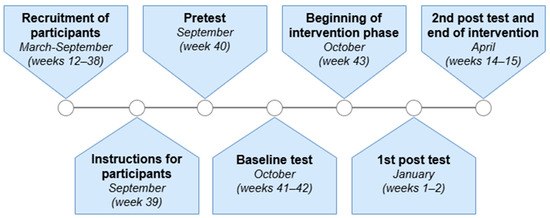
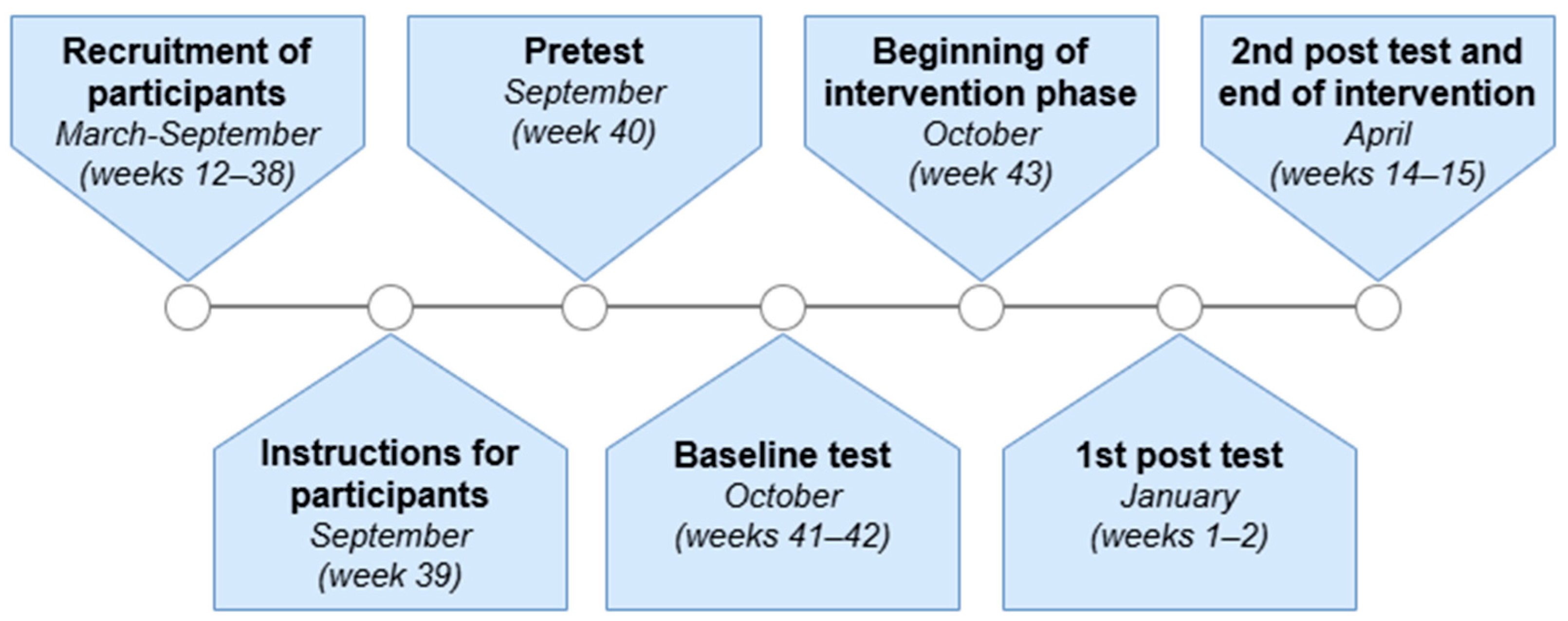
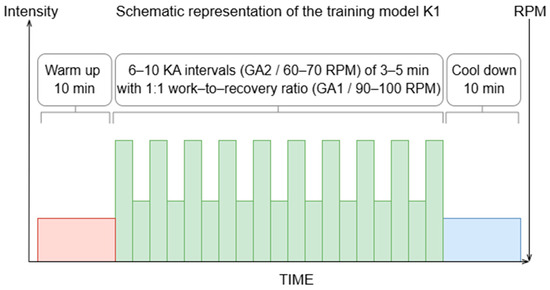
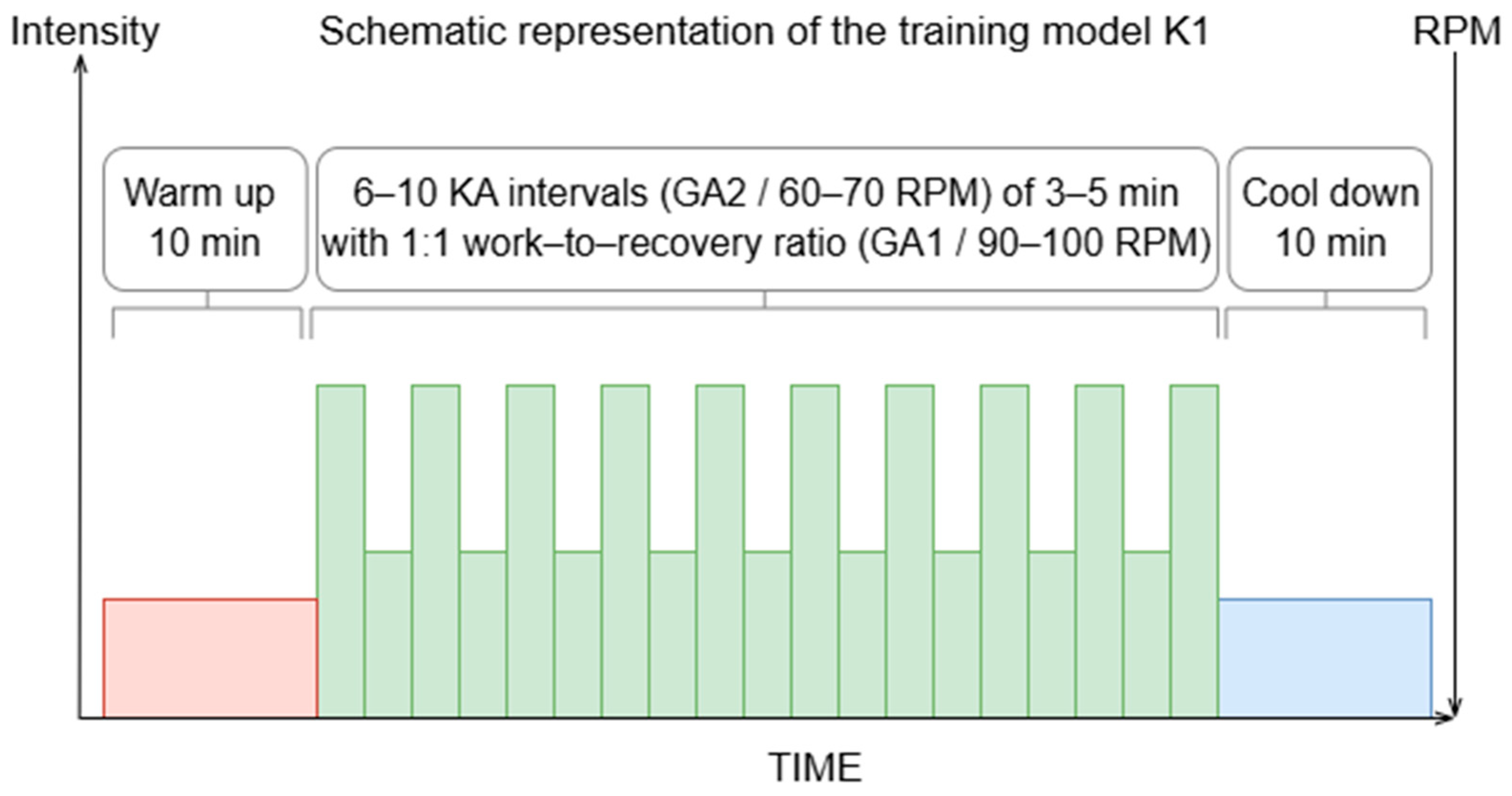
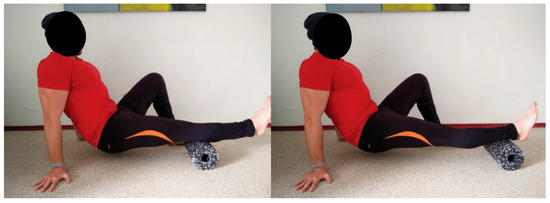
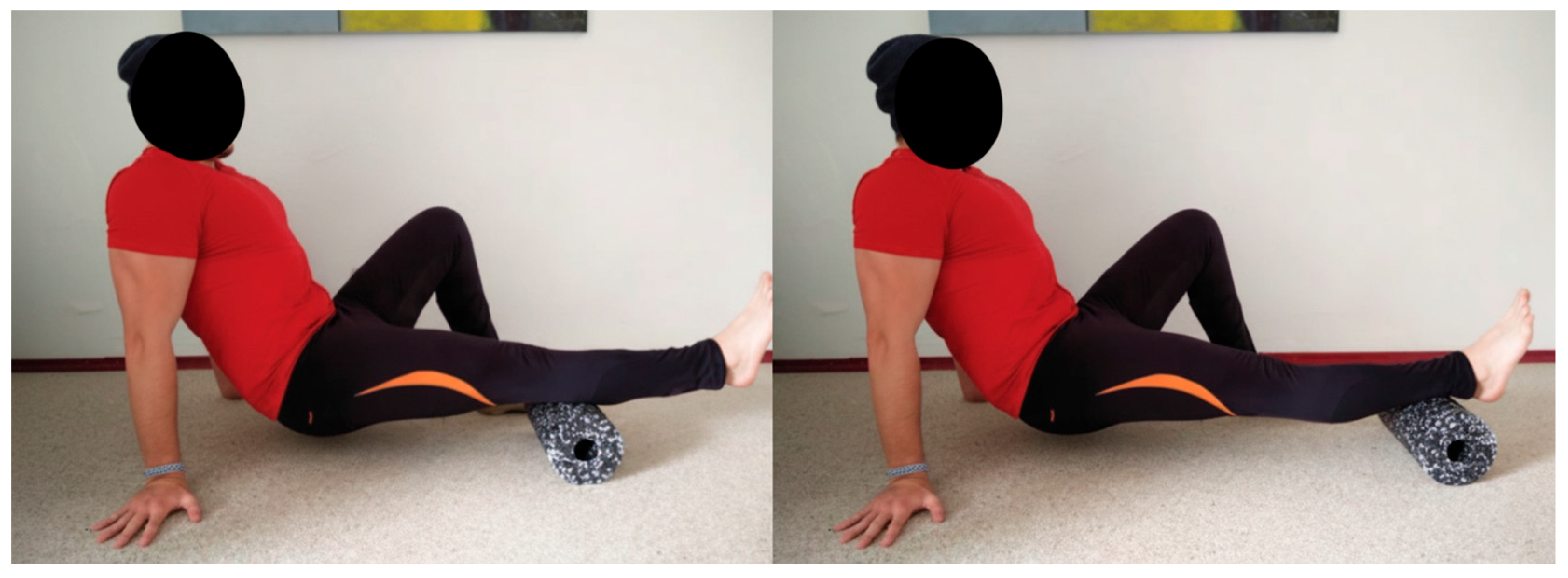
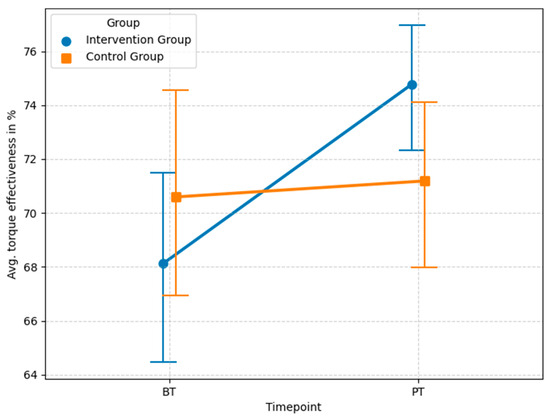
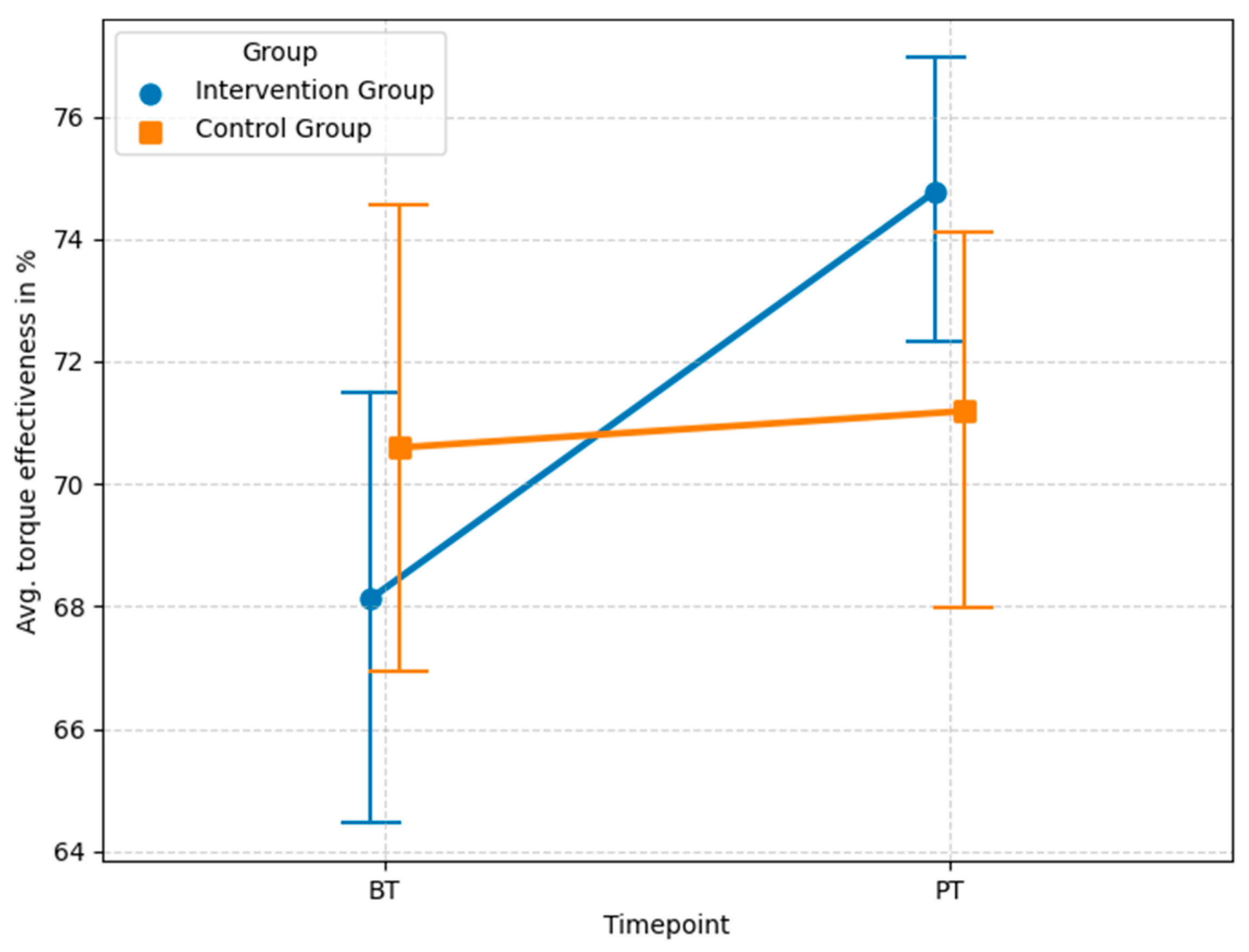
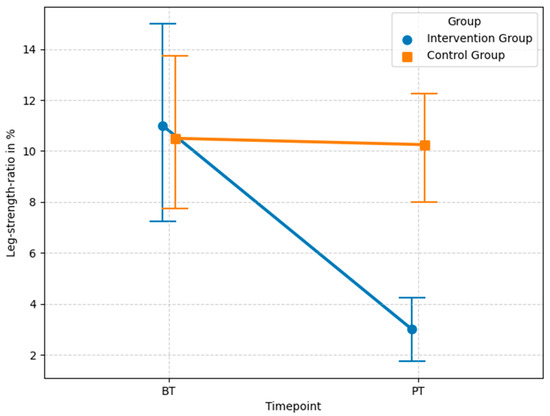
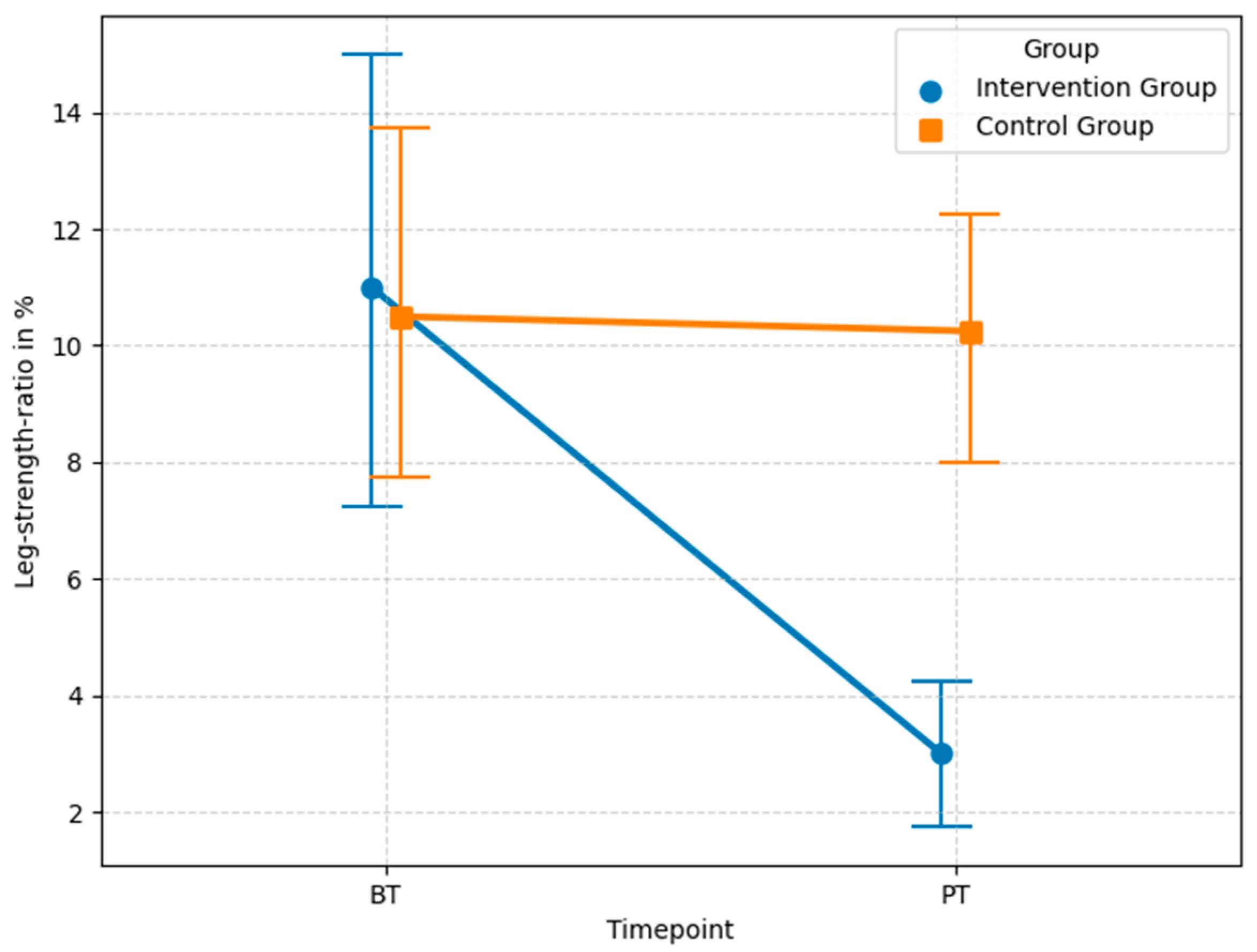
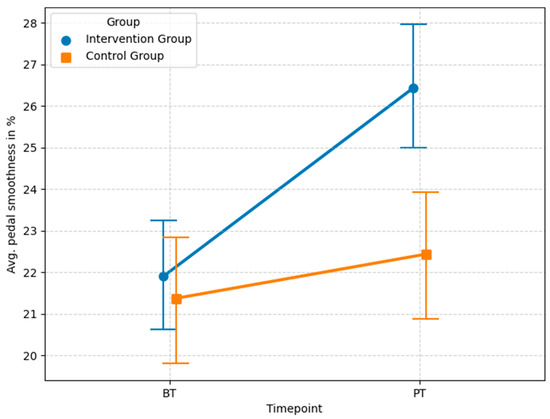
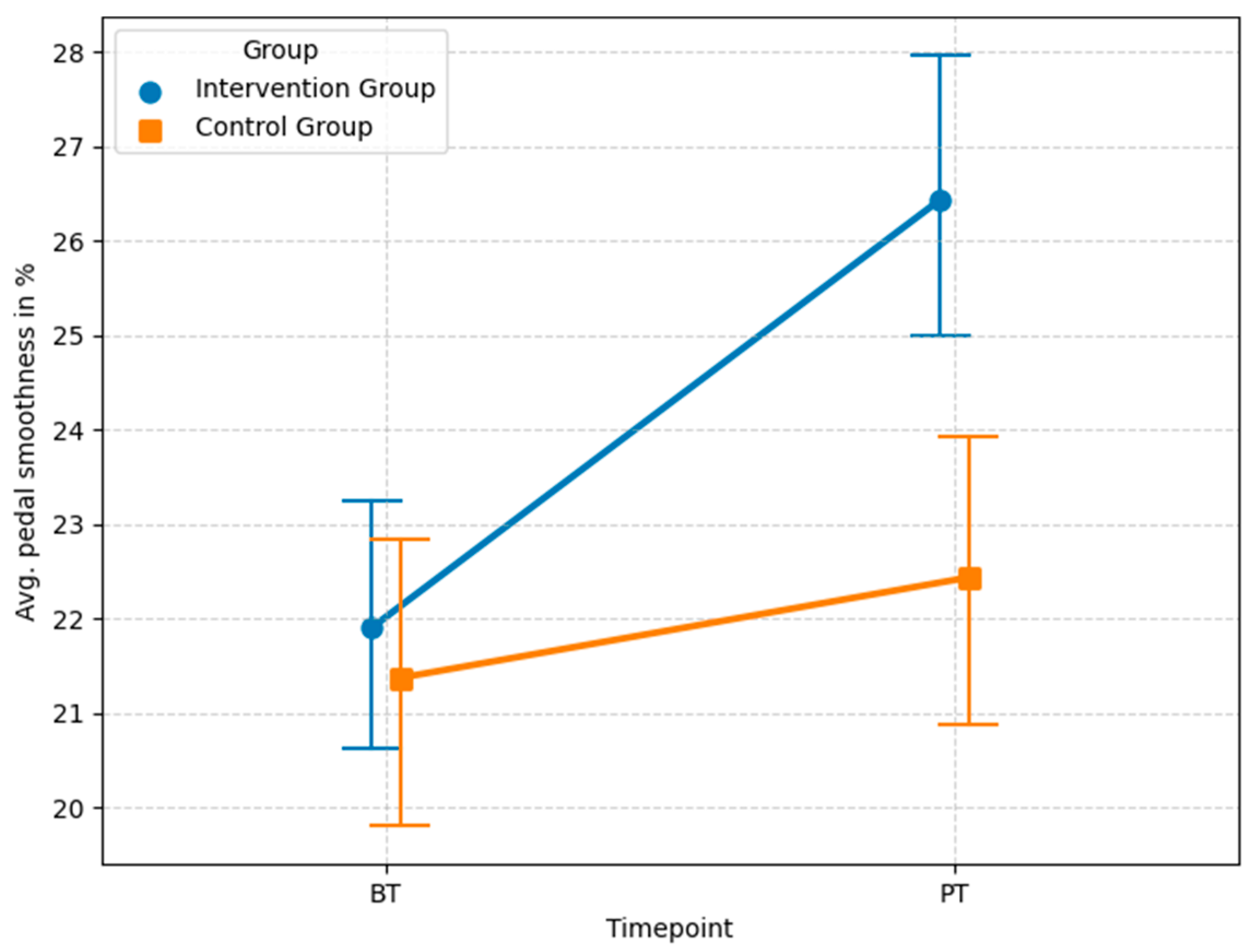
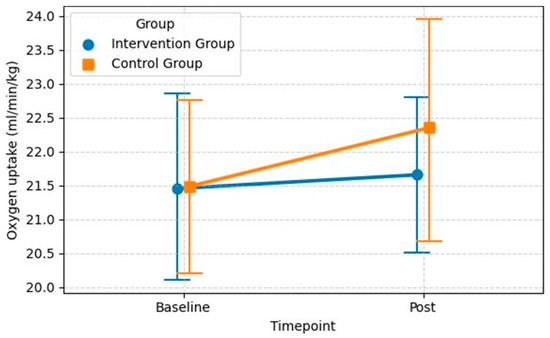
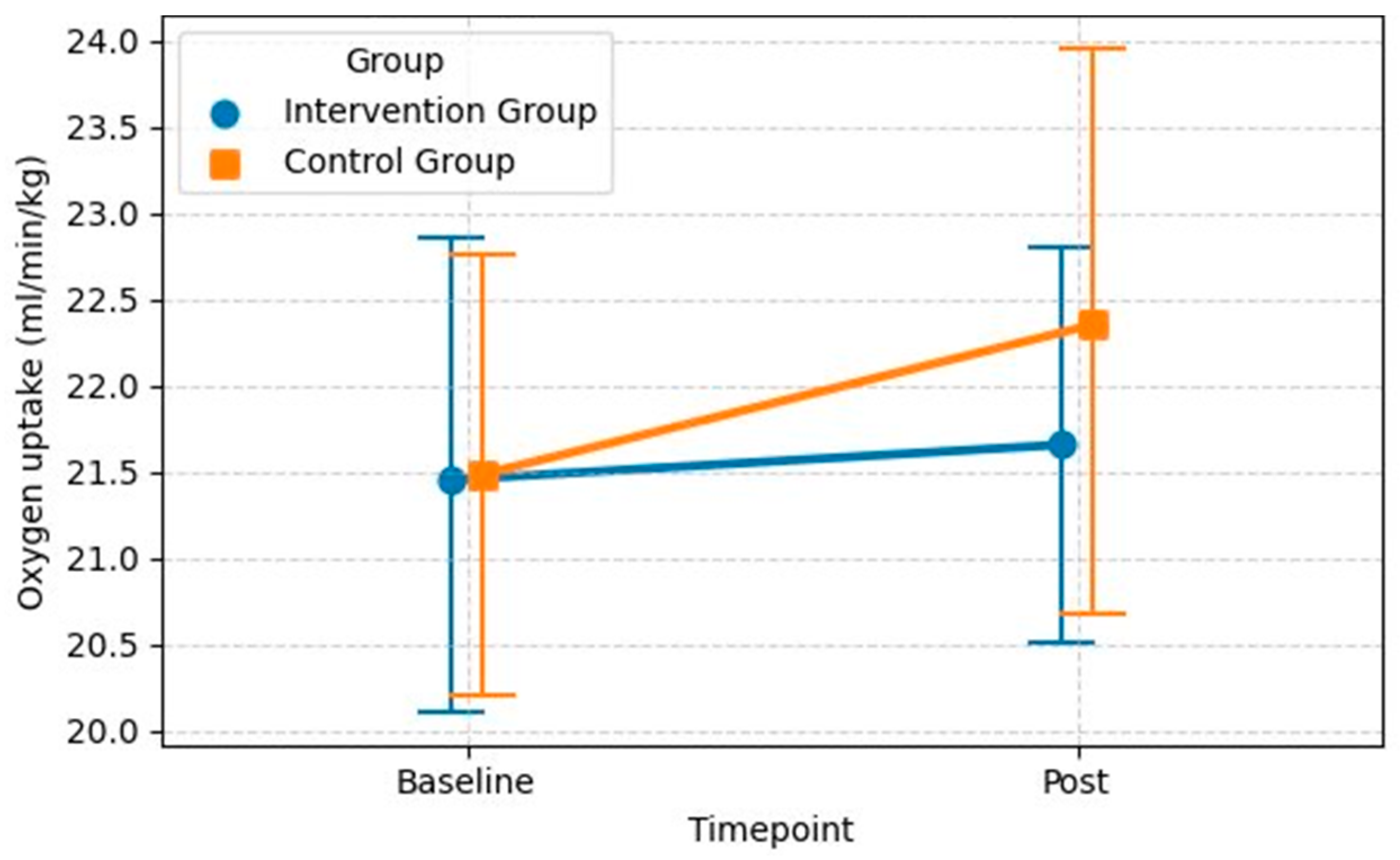
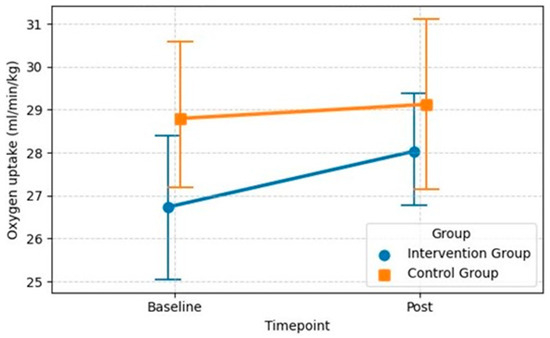
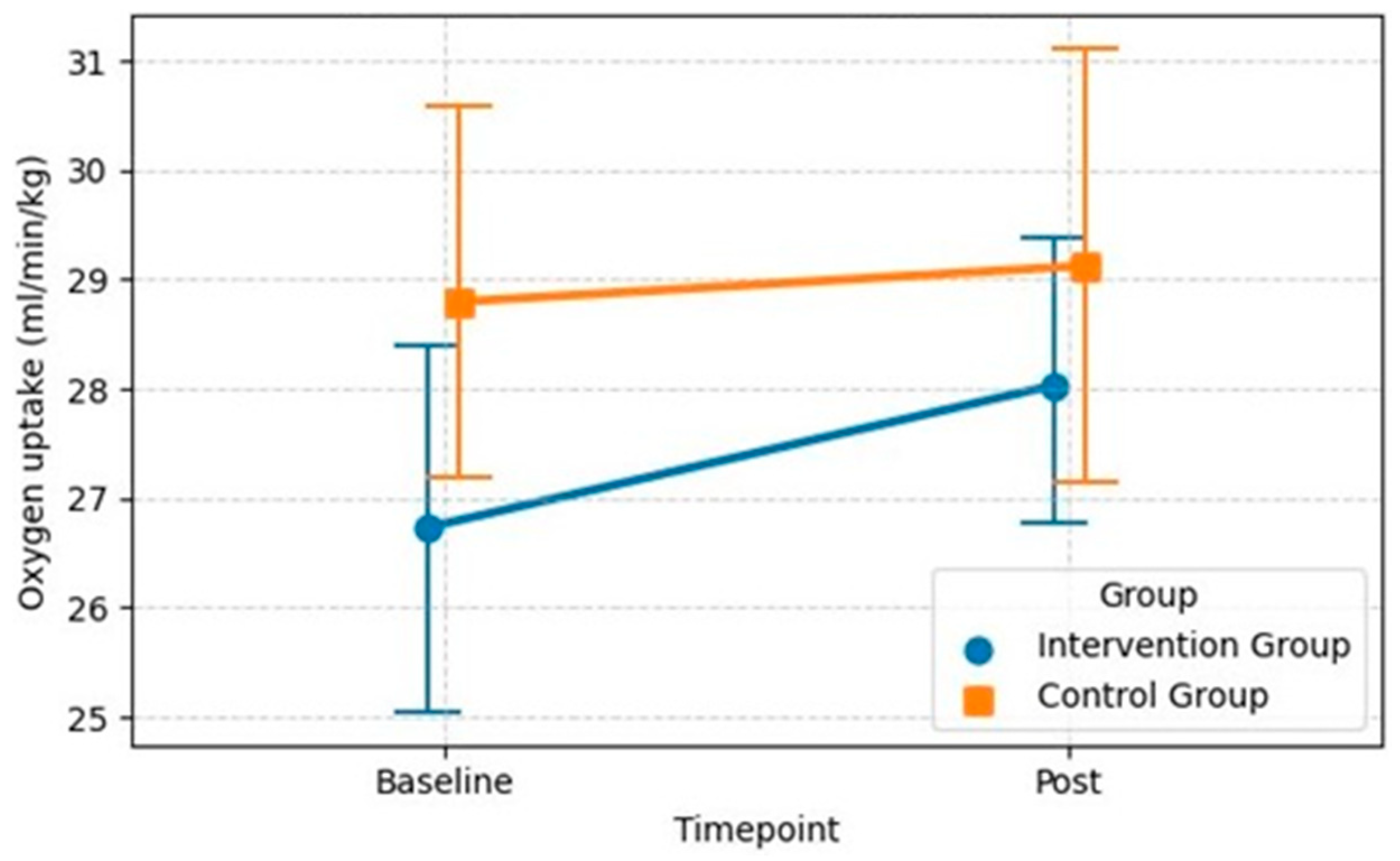
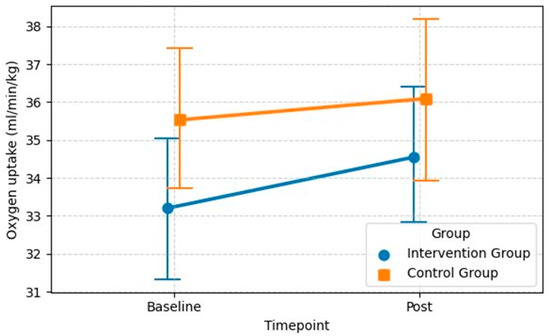
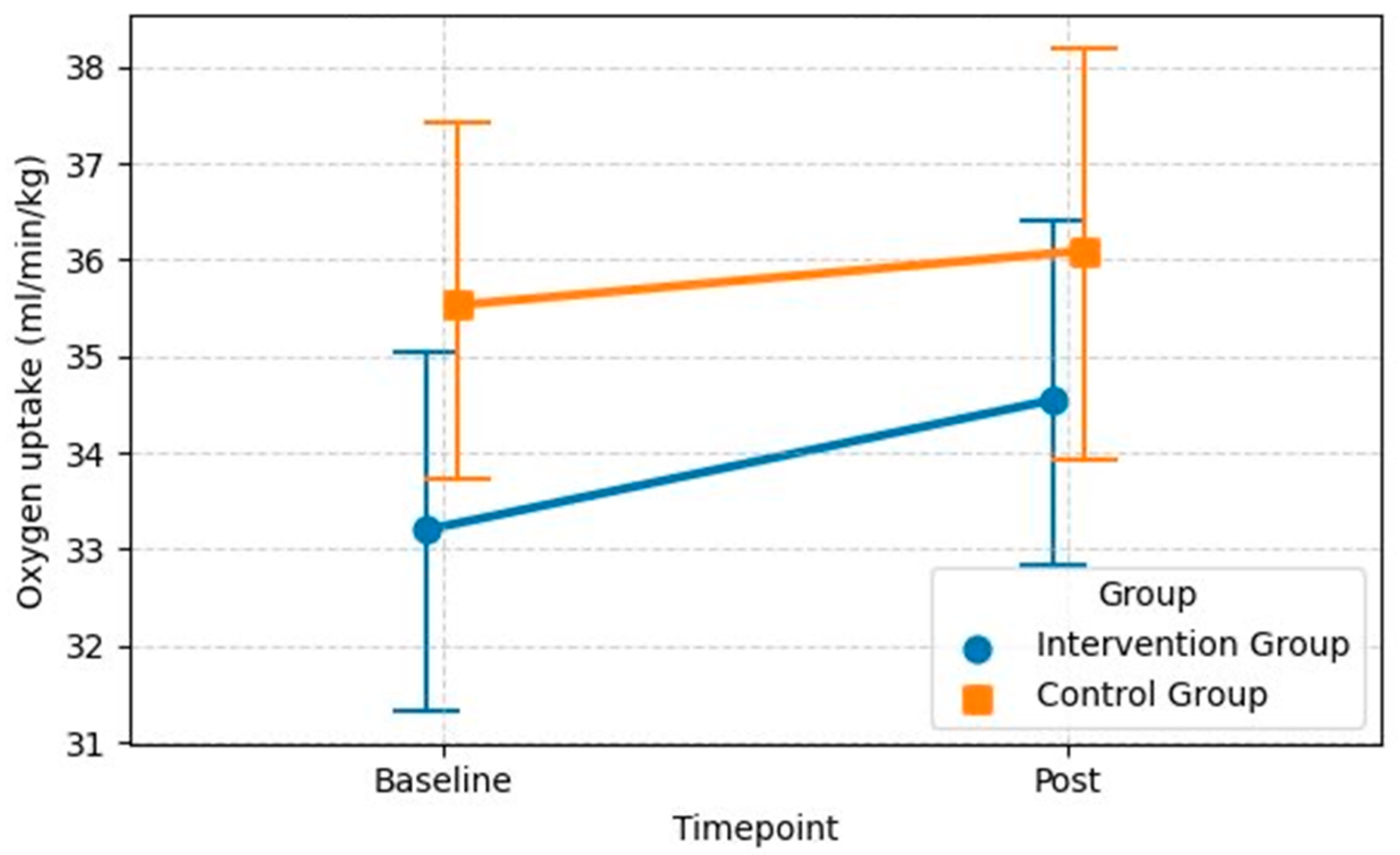
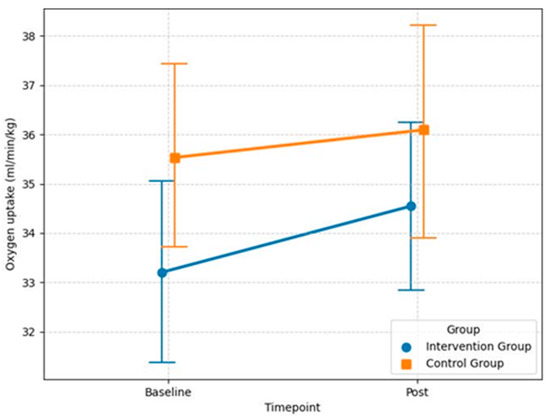
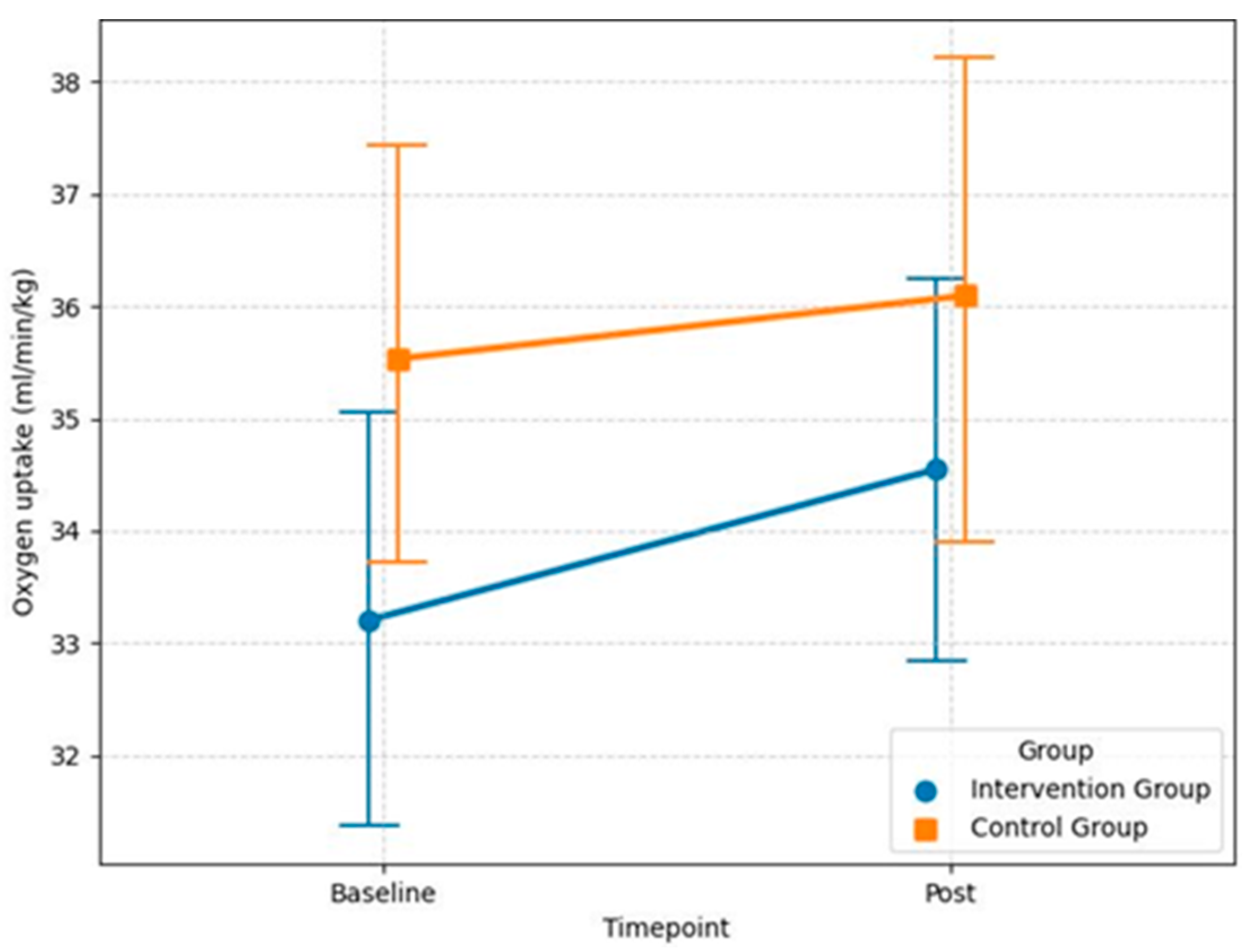
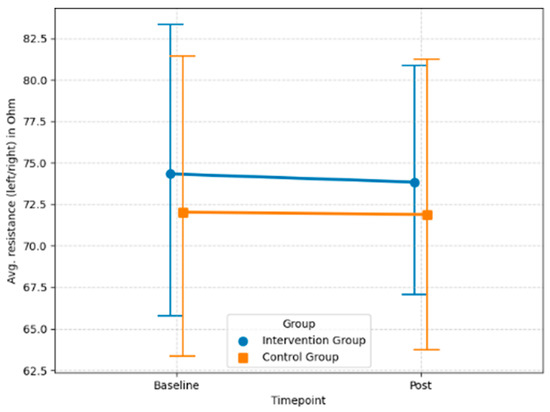
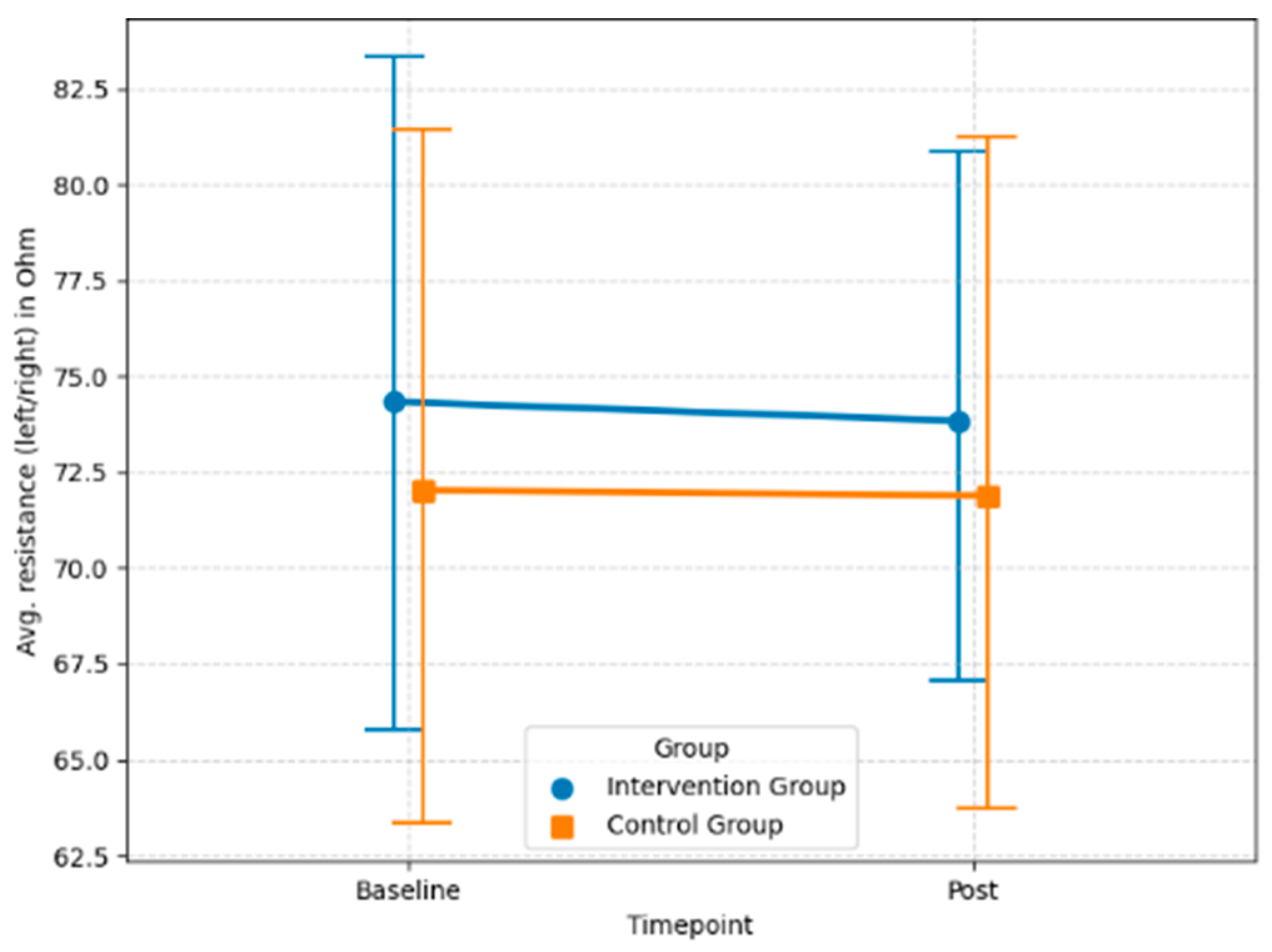
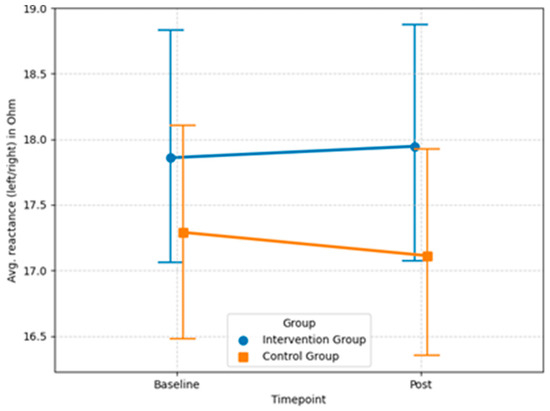
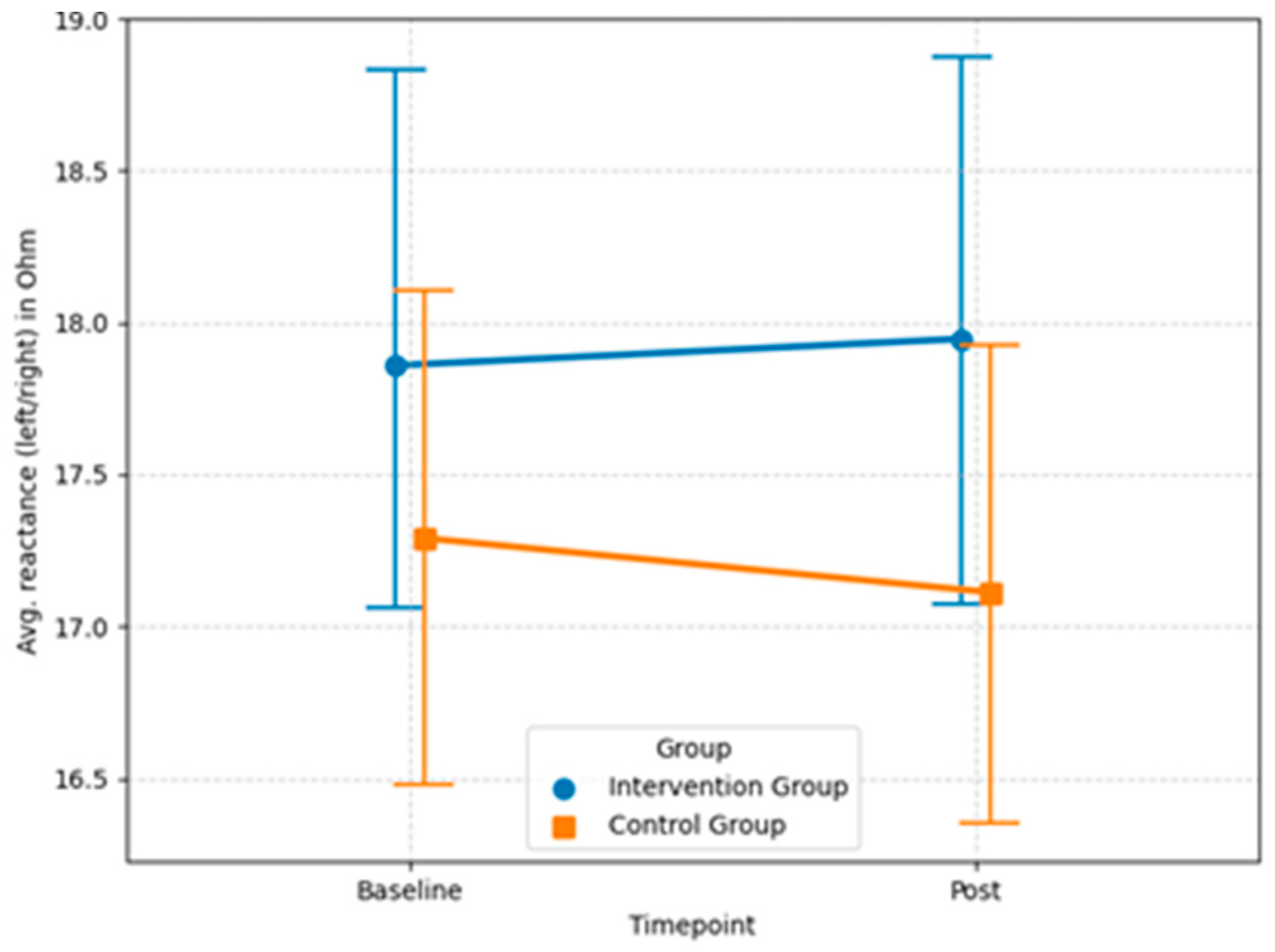
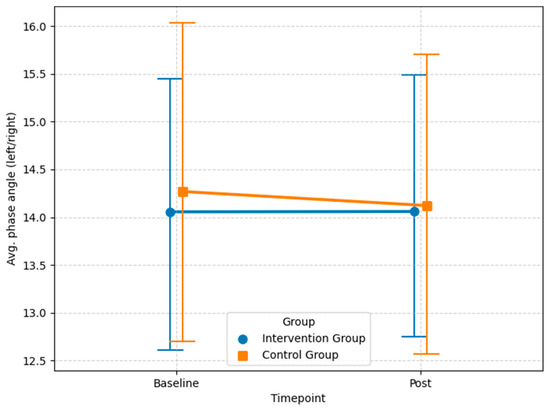
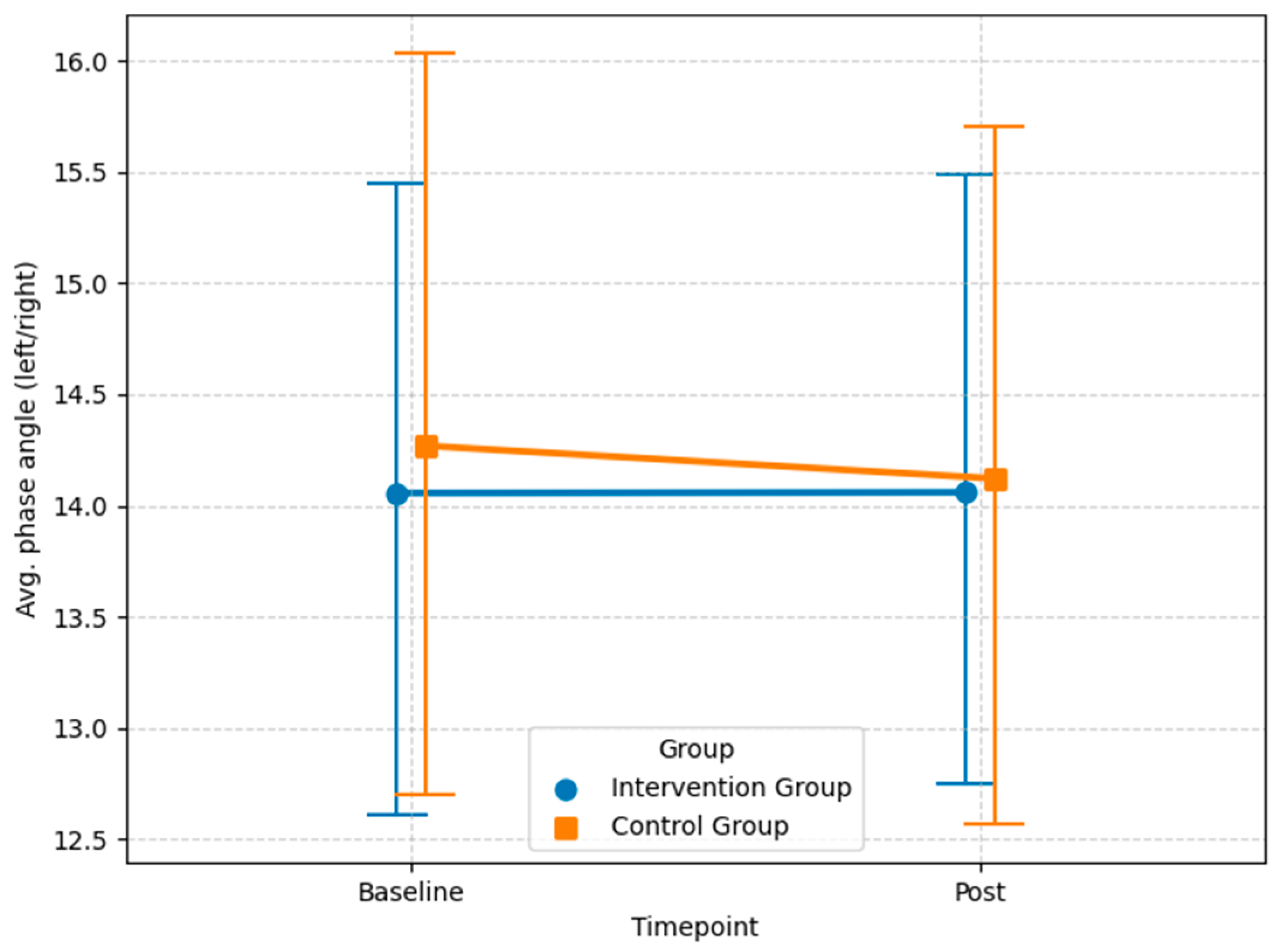

Disclaimer/Publisher’s Note: The statements, opinions and data contained in all publications are solely those of the individual author(s) and contributor(s) and not of MDPI and/or the editor(s). MDPI and/or the editor(s) disclaim responsibility for any injury to people or property resulting from any ideas, methods, instructions or products referred to in the content. |
© 2025 by the authors. Licensee MDPI, Basel, Switzerland. This article is an open access article distributed under the terms and conditions of the Creative Commons Attribution (CC BY) license (https://creativecommons.org/licenses/by/4.0/).