Article

Development and Characterization of Gellan Gum Microspheres for the Controlled Release of Antioxidants from Vaccinium myrtillus Extract

1
Institute of Chemistry of Organometallic Compounds, ICCOM, National Research Council of Italy (CNR), via Giuseppe Moruzzi 1, 56122 Pisa, Italy
2
Institute for Chemical and Physical Processes, IPCF, National Research Council of Italy (CNR), via Giuseppe Moruzzi 1, 56122 Pisa, Italy
3
Department of Civil and Industrial Engineering, University of Pisa, Largo Lucio Lazzarino 1, 56122 Pisa, Italy
4
Department of Pharmacy, University of Pisa, Via Bonanno 33, 56126 Pisa, Italy
5
Interdepartmental Research Center Nutrafood “Nutraceuticals and Food for Health”, University of Pisa, Via del Borghetto 80, 56126 Pisa, Italy
*
Authors to whom correspondence should be addressed.
Compounds 2026, 6(1), 16; https://doi.org/10.3390/compounds6010016
Submission received: 1 December 2025 / Revised: 19 January 2026 / Accepted: 29 January 2026 / Published: 5 February 2026
(This article belongs to the Special Issue Compounds–Derived from Nature)

Abstract

In this work, gellan gum microspheres (G–MPs) were developed as delivery systems for blueberry extract (Vaccinium myrtillus) (BEX), a source of natural antioxidants rich in anthocyanins (ATCs) and phenolic compounds (PHCs). Gellan gum, an anionic polysaccharide produced via fermentation by Sphingomonas elodea, was selected for its biocompatibility and gelling properties. BEX was obtained using a mild citric acid–based extraction method to preserve antioxidant capacity and was characterized for its total polyphenol, flavonoid, and anthocyanin content before loading. The extract was loaded into gellan gum microspheres via absorption (G–MPs–BEX). The resulting microspheres exhibited a spherical and porous morphology that favoured both encapsulation and controlled release. FT–IR analysis confirmed the absorption of the extract within the polymer network and revealed hydrogen bonding interactions between the matrix and active compounds. Despite these interactions, microspheres retained a high swelling capacity and enabled rapid release, with maximum release of polyphenols and anthocyanins within 30 min at pH 5.5. The antioxidant activity of BEX, assessed via DPPH assay, remained stable during storage (up to 60 days) and after incorporation into the microspheres. Overall, this study demonstrates that G–MPs can efficiently absorb, stabilize, and release natural antioxidant compounds, supporting their potential use in biomedical, nutraceutical, and cosmetic applications.

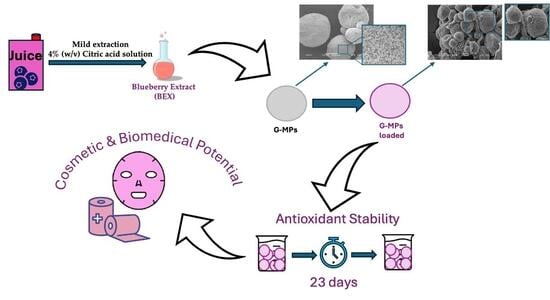
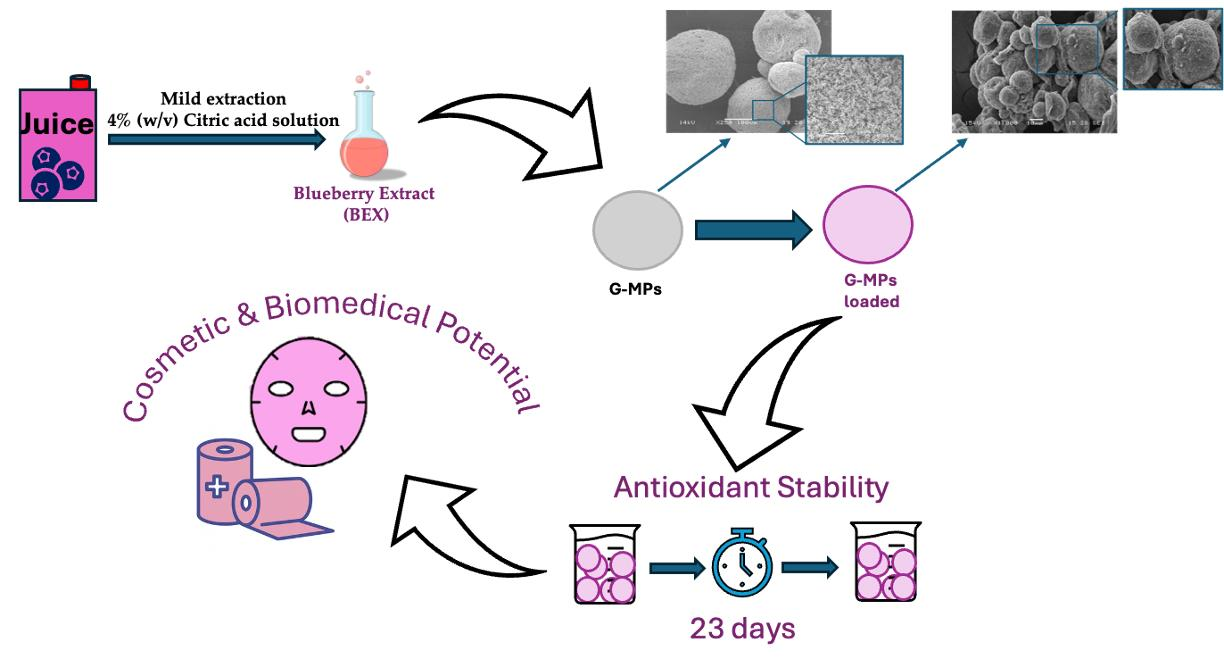
Graphical Abstract

1. Introduction

Blueberries (Vaccinium spp.) are widely recognized for their exceptional nutritional and functional value and have recently been classified by the FAO as a ‘superfruit,’ ranking them among the five most health–promoting fruits worldwide. Botanically, blueberries belong to the family Ericaceae, subfamily Vaccinoideae, and genus Vaccinium [1].
Due to their antioxidant capacity and documented beneficial health effects, blueberries have garnered increasing scientific and commercial interest, particularly in North America and Europe [2]. As a result, global blueberry production has increased by 526% over the past two decades, reaching 1113 M tons in 2021 [3].
Blueberries are a natural source of valuable bioactive compounds, including phenolic compounds, sugars, vitamins, minerals, dietary fibre, pectin, and organic acids (e.g., citric acid, ascorbic acid, phenolic acids, and tannins) [4]. Among these components, phenolic compounds, including stilbenoids, tannins, and flavonoids, such as flavanones, flavanols, quercetin, and anthocyanins, represent 50–80% of the blueberry’s total phenolic content (around 3000 mg/kg), with anthocyanins accounting for up to 60% (16 to 160 mg per 100 g) [5].
Anthocyanins, primarily cyanidin–derived glycosides, are responsible for the characteristic dark blue pigmentation and are widely considered the primary contributors to the antioxidant, anti–inflammatory, and protective biological effects attributed to blueberry consumption [6,7].
Anthocyanins are commonly extracted from blueberries using organic solvents, such as methanol, ethanol, or acetone, often acidified, to facilitate the breakdown of cell structures and enhance pigment solubility. Although effective, these solvents are not classified as GRAS substances, limiting their applicability in food, cosmetic, biomedical, and nutraceutical formulations [8].
In recent years, in response to increasing regulatory constraints and sustainability considerations, alternative extraction strategies have emerged, including microwave–assisted extraction (MAE) [9], ultrasound–assisted extraction (UAE) [10], and protocols using food–grade acids such as citric acid [10,11]. Beyond acting as a safe and efficient extraction medium, citric acid also plays an active role in stabilizing anthocyanins through metal chelation. Blueberries naturally contain trace amounts of transition metals such as Fe2+ and Cu2+, which can catalyze oxidative reactions (e.g., Fenton–type processes). By binding these ions, citric acid inhibits metal–mediated radical formation, thereby reducing pigment degradation and helping preserve the antioxidant properties of the extract.
Despite their biological value, anthocyanins, as well as polyphenols in general, are chemically unstable and highly sensitive to environmental factors, including temperature, light exposure, pH, oxygen, enzymatic degradation, and the presence of metal ions [12]. This limited stability significantly affects bioavailability and restricts the direct incorporation of the compound into formulations intended for controlled release or long–term storage.
To address these limitations, encapsulation strategies such as micelles, dendrimers, complex condensates, cyclodextrins, solid lipid nanoparticles, cellulose nanocrystals, polyelectrolyte complexes, nanoliposomes, and various polymer–based delivery systems have been investigated [2,13]. However, many of these systems still present drawbacks related to regulatory approval, production costs, scalability, or safety. Among biocompatible polymers already approved for food and biomedical applications, gellan gum (GG) emerges as a promising candidate. GG is a microbial polysaccharide produced by species of Sphingomonas, such as S. pseudosanguinis and S. yabuuchiae [14], and is composed of repeating tetrasaccharide units [15].
GG is widely used in the food industry, for example, in the production of juices, confectionery, powdered beverages, jellies, jams, margarine, and yoghurt [16], and was authorized by the European Union’s Scientific Committee for Food in 1990 for use at concentrations ranging from 0.1 to 1.0%, under the code E418 [17]. One of the key advantages of GG is its ability to form hydrogel beads in the presence of divalent or trivalent cations. This property enables pH–responsive behaviour: under acidic conditions (e.g., stomach pH), protonation of carboxylic groups limits swelling and release, whereas at higher pH (e.g., intestinal conditions), deprotonation increases swelling and facilitates controlled release [18].
Unlike cyclodextrin inclusion complexes, which are mainly suitable for low–molecular–weight compounds and often exhibit limited loading capacity, and liposomal systems, which are prone to aggregation and structural instability during storage and under gastrointestinal conditions, gellan gum hydrogels can accommodate complex multicomponent systems, such as plant extracts, within their porous three–dimensional network [14,19]. Taken together, these characteristics make gellan gum microspheres particularly attractive for the development of cost–effective, scalable, and stimuli–responsive delivery systems for natural antioxidants [20,21].
This study focuses on the development and characterization of gellan gum–based microspheres for the incorporation of blueberry extract (BEX), to obtain a dry, rehydratable delivery system suitable for use at the time of application.

2. Materials and Methods

2.1. Materials

Pure blueberry juice was purchased from Baule Volante Srl (Castel Maggiore, BO, Italy). Bidistilled water was obtained from Millipore (Molsheim, France). Citric acid, methanol, ethanol, acetylsalicylic acid, and potassium acetate were purchased from Carlo Erba (Milan, Italy). Isopropanol, DPPH (2,2–diphenyl–1–picrylhydrazyl), quercetin, and dichloromethane were supplied by Sigma–Aldrich (Saint–Quentin–Fallavier, France). The Folin–Ciocalteu reagent was obtained from Sigma–Aldrich (Buchs, Switzerland), while phosphatidylcholine and cyanidin chloride were purchased from Sigma–Aldrich (Shangai, China and St. Louis, MO, USA, respectively). Sodium carbonate and sodium hydroxide were purchased from Baker Analyzed Reagents (Deventer, The Netherlands). Aluminum chloride (reagent grade certified) was obtained from Chimica Strola (Turin, Italy). Gellan gum (GG) was purchased from Fluka (St. Louis, MO, USA).

2.2. Preparation of Blueberry Extract (BEX)

The preparation of blueberry extract (BEX) from blueberry juice was carried out using a mild aqueous medium consisting of a 4% (w/v) citric acid solution, aimed at preserving and stabilizing the antioxidant activity of the final dried extract. In particular, this procedure was optimized to enhance the stability and preserve the bioactivity of functional compounds such as anthocyanins. Citric acid was selected not only as a mild and food–grade acidifying agent but also as a natural chelating and stabilizing compound, limiting metal–mediated oxidative degradation. The use of low–temperature treatment conditions further contributed to preserving the native structure of anthocyanins and maintaining antioxidant integrity. To prepare BEX, pure blueberry juice was first filtered using a Büchner funnel fitted with a 0.8 µm nylon membrane filter (Whatman Schleicher & Schuell, Dassel, Germany) connected to a water vacuum pump, in order to remove coarse particulates and pulp residues. The clarified liquid fraction was then diluted 1:1 (v/v) with a 4% (w/v) citric acid solution. The resulting filtrate was subsequently freeze–dried (T = −40 °C) for 48 h using a freeze–dryer (Christ Alpha 1–4). The yield of solid residue was determined to be approximately 40 mg/mL of filtrate. The lyophilized material was sealed and stored at −20 °C until further use.

2.3. Characterization of Blueberry Extract (BEX)

The compositional analysis of BEX was carried out by determining total polyphenols (PHCs), total flavonoids, and anthocyanins by UV–Vis spectroscopy.
The total polyphenol content (PHCs) was measured using the Folin–Ciocalteu method. The lyophilized filtrate was rehydrated with a 4% (w/v) citric acid solution to obtain a final concentration of 40 mg/mL. An aliquot of 0.5 mL of this solution was mixed with 1.5 mL of methanol and 2.5 mL of Folin–Ciocalteu reagent (diluted 1:10 with bidistilled water). After 5 min, 2.5 mL of a 7.5% sodium carbonate solution was added. The test tubes were then incubated at room temperature for 2 h. Absorbance was measured at 765 nm by UV–Vis spectroscopy. As a blank, a solution containing 0.5 mL of 4% (w/v) citric acid solution, 1.5 mL of methanol, 2.5 mL of Folin–Ciocalteu reagent, and 2.5 mL of 7.5% sodium carbonate solution was used. Quercetin served as the reference standard, and the calibration curve (Figure S1) was prepared with concentrations of 50.0, 25, and 12.5, 6.25 and 3.125 µg/mL [22].
The total flavonoid content (FLA) was determined using an AlCl3–based colorimetric method by UV–Vis spectroscopy [19,20,21,22,23]. The same rehydrated lyophilized extract solution (40 mg/mL) described above was used. An aliquot of 0.5 mL of this solution was mixed with 1.5 mL of methanol, 0.1 mL of 10% AlCl3 solution, 0.1 mL of 1 M potassium acetate solution, and 2.8 mL of bidistilled water. After incubation at room temperature for 30 min, the absorbance was measured at a wavelength of 415 nm. The blank solution was prepared following the same procedure, replacing the 0.1 mL of AlCl3 solution with the same volume of bidistilled water. The total flavonoid content was calculated using quercetin as the reference standard. The calibration curve (Figure S2) was prepared using quercetin standard solutions at concentrations of 50, 25, 12.5, and 6.25 and 3.125 µg/mL [24].
Anthocyanin content of the lyophilized blueberry extract was determined by UV–Vis spectrophotometric analysis at 515 nm using cyanidin as a reference standard. A citric acid solution (2.5 mg/mL) was prepared, and its pH was adjusted to 5.5 by dropwise addition of 0.01 M NaOH using a calibrated pH metre (pH–Meter Basic 20+, Crison). The pH value (5.5) was chosen to mimic the physiological pH of the skin, in view of potential cosmetic and dermatological applications. A quantity of 10 mg of lyophilized extract was dissolved in 5 mL of the citric acid solution (pH 5.5), yielding a final extract concentration of 2.0 mg/mL. Absorbance was measured at 515 nm. As blank, citric acid solution at the respective pH value was used. The calibration curve (Figure S3) was prepared by dissolving 1 mg of cyanidin in 500 µL of ethanol. From this stock solution, 100 µL were diluted to 5 mL with citric acid solution (pH = 5.5), yielding a cyanidin concentration of 40 µg/mL [25]. This solution was further diluted to obtain cyanidin concentrations of 40, 30, 20, 10, and 5 µg/mL for the calibration curve (Figure S3). The antioxidant activity of the freshly prepared extract was assessed by DPPH assay as described in Section 2.6.5. All UV–Vis analyses were carried out at room temperature using a Shimadzu UV–2100 UV–Vis spectrophotometer (Shimadzu Corporation, Kyoto, Japan) at room temperature.

2.4. Microsphere Preparation

For the preparation of the microspheres (G–MPs), the dispersed phase of the emulsion was first prepared by formulating a 1.5% (w/v) aqueous dispersion of GG. This was obtained by adding 0.3 g of gellan powder to 20 mL of bidistilled water under continuous stirring at 70 °C until a homogeneous dispersion was achieved. Subsequently, the continuous (dispersant) phase was prepared by dissolving phosphatidylcholine in dichloromethane to obtain a 1% (w/v) solution. Specifically, 2.0 g of phosphatidylcholine was solubilized in 200 mL of dichloromethane under continuous stirring at room temperature for 30 min, until the phospholipid was completely dissolved. The process was carried out at ambient temperature to prevent the rapid evaporation of dichloromethane. The emulsion system required for G–MPs formation was then assembled using a three–neck round–bottom flask with a bubble condenser (Sigma Aldrich, St. Louis, MO, USA). A mechanical stirrer (Heidolph RZR 2020, 50 W, Heidolph Instruments GmbH, Schwabach, Germany) equipped with a speed controller (operating range: 40–2000 rpm) was used to ensure controlled agitation throughout the microsphere fabrication process. 200 mL of the phosphatidylcholine (PC) solution in dichloromethane was introduced into a round–bottom flask. Once the temperature reached 50 °C, mild stirring was applied at 300 rpm. Subsequently, 20 mL of the gellan aqueous solution, preheated to 50 °C, was added slowly to the flask. After the complete addition of the dispersed phase, the stirring speed was increased to 800 rpm, and the emulsion was maintained under these conditions for 30 min to allow proper microsphere formation. At the end of the first stage, the heating source was stopped, and the system was maintained under constant stirring at 800 rpm for an additional 2 h. A bubble condenser was kept in place throughout the whole process to prevent evaporation of the solution within the flask. The three–neck round–bottom flask containing the emulsion was then immersed in an ice bath, and the stirring speed was adjusted to 400 rpm for 30 min. This cooling step was performed to lower the system temperature and promote the final formation of G–MPs. The reduction in temperature inhibits particle coalescence and favours gelation of the gellan, leading to the stabilization of the microspheres. The emulsion was stored for 12 h at 4 °C. After this resting period, the contents of the flask were transferred to a separatory funnel and subjected to several washing steps using pure isopropanol. These washes were carried out to remove residual phosphatidylcholine adsorbed onto the surface of the microspheres during the production process. Subsequently, the microspheres were dried overnight in an oven at 30 °C. After the drying process, the microspheres were weighed to determine the production yield, which was calculated to be 93.5% (calculated with respect to the starting GG amount).

2.5. Loading of Microspheres with BEX

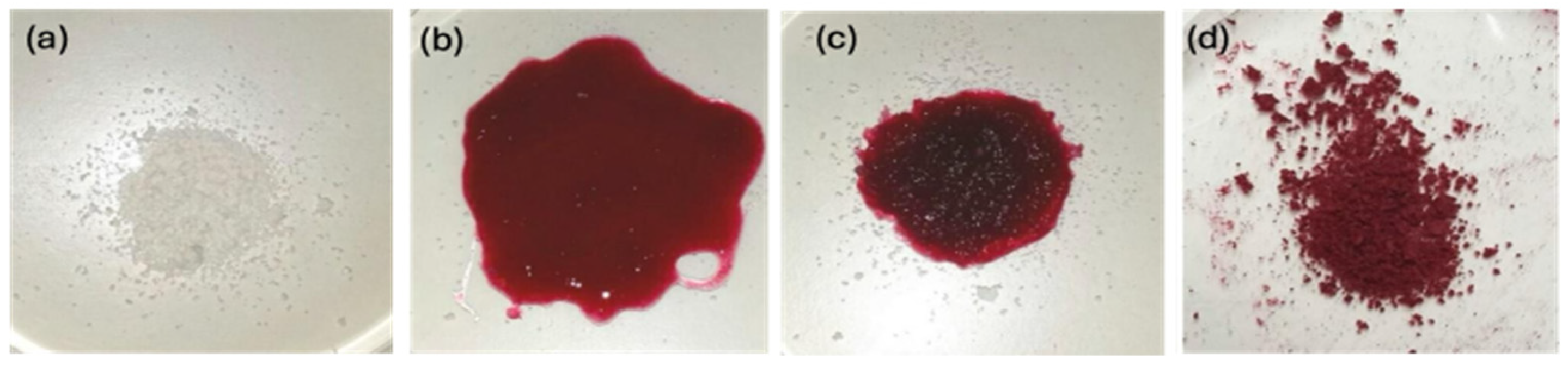
BEX was loaded into the G–MPs via absorption (Figure 1), a method preferred over incorporation during the microsphere formation phase, since the solvents used in the microsphere post–formation washing steps could extract part of the incorporated extract, leading to losses and reduced reproducibility. Specifically, 200 mg of lyophilized extract was dissolved in 2 mL of an aqueous citric acid solution (4% w/v, pH 2.5) and subsequently placed in direct contact with 200 mg of G–MPs, and kept in direct contact for 1 h at room temperature, until complete absorption of the liquid phase was observed. After the absorption process, the microspheres (G–MPs–BEX) were dried overnight in an oven at 30 °C. The loading capacity was calculated for each main bioactive fraction by relating the amount of bioactive compounds contained in BEX used for loading to the total mass of the microspheres (200 mg). Based on the compositional analysis of BEX, the loading capacity of G–MPs was 1.38% for total polyphenols, 0.165% for flavonoids, and 0.243% for anthocyanins.

2.6. Loaded Microspheres Characterization

2.6.1. Morphological Characterization

The microspheres, both unloaded and loaded with BEX (G–MPs and G–MPs–BEX), were analyzed using scanning electron microscopy (SEM, JEOL JSM 5600, JEOL Ltd., Tokyo, Japan), after being gold–coated by sputtering, and were also observed under optical microscopy (OM), Leica S9i, (Wetzlar, Germany) at 300× magnification.

2.6.2. Swelling Degree

The OM images were used to determine the average diameter of the microspheres, both G–MPs and G–MPs–BEX, in the dry state and after subsequent hydration with distilled water. Measurements were performed on representative samples comprising at least 35 microspheres. Only isolated microspheres were considered for diameter measurements, while aggregated or overlapping microspheres were excluded from the analysis. The swelling degree was also assessed for G–MPs–BEX after a few minutes and after two days of immersion in an aqueous medium. The degree of swelling (Sw) was calculated using the equation below (Equation (1)) to quantify the water absorption capacity of the matrix.
%   S w = D s w D i D i × 100
where % S w indicates the percentage swelling, D s w is the average diameter of the swollen microspheres, and D i is the average diameter of the dry microspheres.

2.6.3. FTIR–ATR and Imaging Analysis

The G–MPs were further characterized by Fourier–Transform Infrared (FTIR) spectroscopy using the Spectrum Spotlight system (PerkinElmer) in ATR mode, within the wavenumber range of 4000–500 cm−1, at a spectral resolution of 4 cm−1 and by using 36 scans per spectrum. FTIR chemical imaging analyses were performed using a PerkinElmer Spectrum One FT–IR spectrometer (Waltham, MA, USA) equipped with a Universal ATR sampling accessory and a Spectrum Spotlight 300 FT–IR imaging system operated in ‘image’ mode (PerkinElmer Spotlight 300, Shelton, CT, USA). Spectral images were acquired in micro–ATR mode over a 1 mm × 1 mm area at a spatial resolution of 25 μm per pixel, using a liquid nitrogen–cooled 16–pixel mercury cadmium telluride (MCT–A) line detector (InfraTec, Dresden, Germany). Each absorbance spectrum composing the IR images was the result of 16 scans and was recorded for each pixel in the wavenumber range of 4000–752 cm−1, with a spectral resolution of 4 cm−1. Background scans were collected from a region free of the sample. Specific areas of interest were first identified using an optical microscope, and the ATR objective was brought into contact with the sample surface. Spectra generated from the surface layers were collected, and IR spectral images were produced. The obtained spectra were pre–processed using Spotlight software, applying a 9–point Savitzky–Golay smoothing filter (PerkinElmer, MA, USA). Full spectral maps were then analyzed to generate chemical maps, correlation maps, and band absorbance ratios, allowing assessment of the chemical homogeneity of the sample. The chemical map provided an average spectrum representative of the sample, which served as a reference spectrum. Spectra within the spectral images were compared to this reference spectrum to produce correlation maps, highlighting areas of the sample with the highest spectral similarity. Finally, Principal Component Analysis (PCA) was employed as a statistical tool to evaluate variations across the spectral data, enabling the identification and differentiation of distinct spectral groups. All stages of generation, pre–processing, and interpretation of chemical and correlation maps were carried out using Spotlight software 1.3.

2.6.4. Release Kinetics of Polyphenols

The release kinetics of the extract loaded into the microspheres were investigated through two complementary studies.
1st study
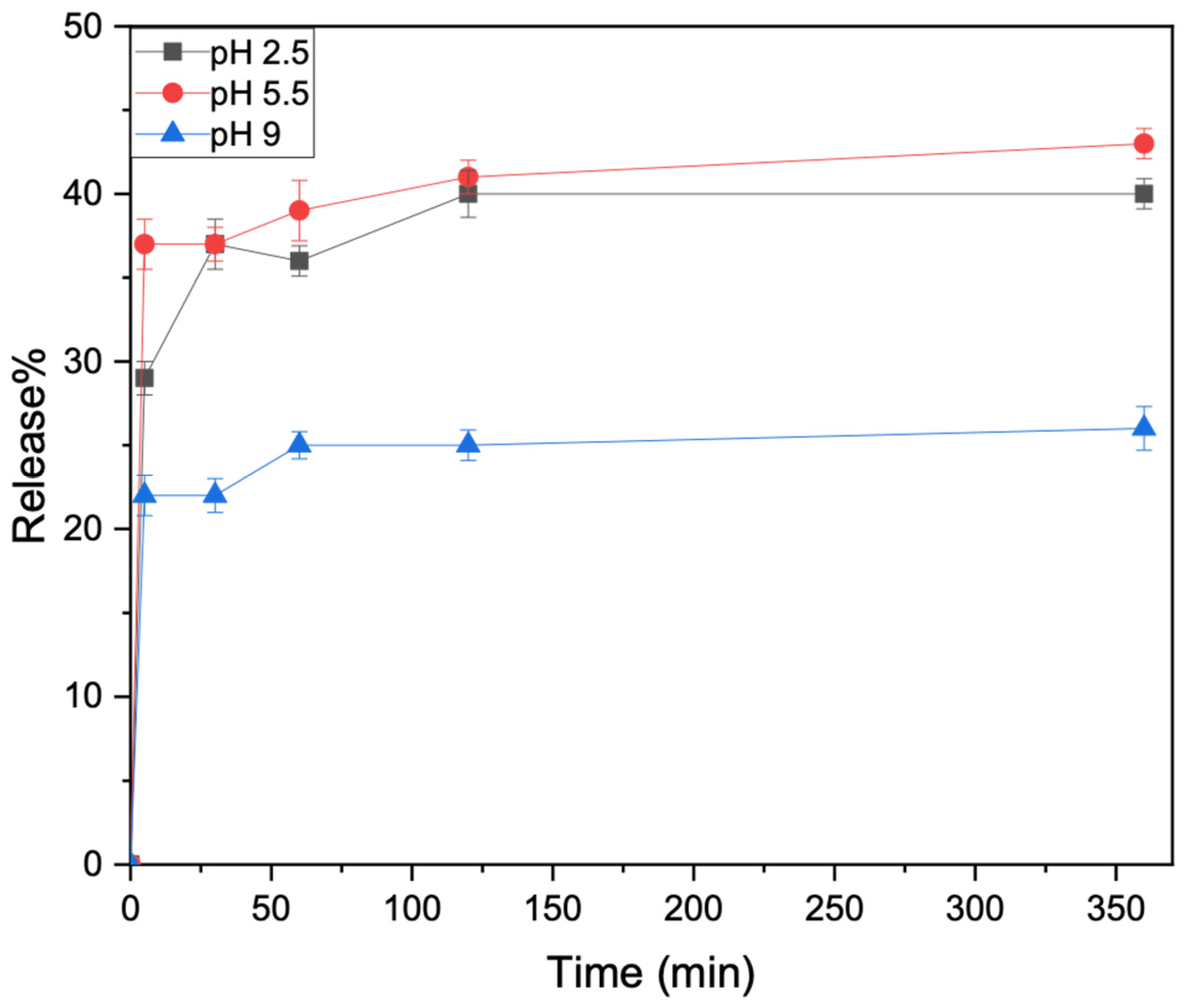
In the first study, the overall release of polyphenolic compounds was evaluated under different pH conditions (pH 2.5, 5.5, and 9) in order to assess the pH–dependent behaviour of the system, simulating acidic environments, physiological skin pH, and basic conditions typical of cutaneous infections. For each pH condition, six independent tubes (sacrificial samples) were prepared, each tube containing 10 mg of G–MPs–BEX, dispersed in 5 mL of citric acid solution (2.5 mg/mL) at pH 2.5 or 5.5, or in a NaOH solution adjusted to pH 9 (starting from a 0.01 M NaOH solution). The release study was carried out over a time interval ranging from 0 to 360 min, with samples collected at 0, 5, 30, 60, 120, and 360 min. Each tube was assigned to a single sampling time point. In each tube, 10 mg of loaded microspheres were immersed in the corresponding release medium and kept in contact without agitation. At each sampling time, a 0.5 mL aliquot of the release medium was withdrawn and analyzed after incubation at room temperature for 2 h, as described in Section 2.3. The amount of released polyphenols was quantified using the Folin–Ciocalteu method at 765 nm, as described in Section 2.3. The blank consisted of 0.5 mL of the corresponding release medium (citric acid solution at pH 2.5 or 5.5, or NaOH solution at pH 9) without microspheres, 1.5 mL of methanol, 2.5 mL of Folin–Ciocalteu reagent (diluted 1:10 with bidistilled water), and 2.5 mL of a 7.5% sodium carbonate solution.
2nd study
In the second release study, flavonoids were further investigated at pH 5.5, (simulating the physiological environments of the skin). G–MPs–BEX (10 mg) were dispersed in 2.5 mL of citric acid solution at pH 5.5, and six independent tubes (sacrificial samples) were prepared. Samples were collected at 0, 15, and 30 min, and 1, 2, and 4 h. The amount of released flavonoids was quantified using the AlCl3–based colorimetric method by UV–Vis spectroscopy at 415 nm, following the procedure described in Section 2.3. The blank was prepared following the same procedure, replacing the AlCl3 solution with the same volume of bidistilled water.
In the same experimental set–up, anthocyanin release kinetics were evaluated at pH 5.5, using the same conditions and sampling time points (0, 15, and 30 min, 1, 2, and 4 h). Anthocyanins were quantified by direct UV–Vis spectrophotometric analysis at 515 nm, following the procedure described in Section 2.3. The analysis was performed directly on the release medium without additional reagents, using citric acid solution at pH 5.5 without microspheres as blank.

2.6.5. Evaluation of Antioxidant Activity

Antioxidant activity was evaluated using the DPPH assay. A total of 2 mg of lyophilized extract was dissolved in 20 mL of citric acid solution (2.5 mg/mL and pH = 5.5), obtaining a stock solution of 100 µg/mL, which was further diluted with the same citric acid solution (pH 5.5) to concentrations of 50.0, 25.0, 12.5, 6.25, and 3.125 µg/mL. The 0.004% (w/v) DPPH solution was prepared by dissolving 4 mg of DPPH in 100 mL of ethanol. To 1 mL of each dilution, 3 mL of the DPPH solution was added, and the tubes were incubated in the dark at room temperature for 30 min. Absorbance was measured at 517 nm using a water/ethanol solution (1:3) acidified by adding an appropriate volume of citric acid solution (2.5 mg/mL) to reach pH 5.5 used as a blank. Antioxidant activity was calculated using the following Equation (2).
%   S c a v e n g i n g = A 0 A s A 0 × 100
where A 0 is the absorbance of the DPPH solution prepared as described above and containing no extract, and A s is the absorbance of the sample containing the extract [26]. Acetylsalicylic acid was used as a positive control to verify the responsiveness and consistency of the DPPH assay under the applied experimental conditions. The test was conducted on freshly lyophilized blueberry extract, and after 23 and 60 days of storage at −18 °C in sealed containers. Antioxidant activity was determined at pH 5.5. Finally, the antioxidant activity was assessed on the release samples obtained from microspheres after 5 and 120 min, using both freshly prepared and 23–day stored microspheres. In this study, the DPPH assay was applied to monitor variations in the antioxidant activity of BEX under different conditions, including fresh extract, storage, encapsulation into gellan gum microspheres, and release, enabling a direct comparison within the same experimental framework.
All experiments were performed at least in triplicate, and the results are expressed as mean ± standard deviation (SD). Statistical analysis and graphical representations were carried out using Origin(Pro)® software (version 2018, OriginLab Corporation, Northampton, MA, USA). The statistical significance of the differences in antioxidant activity among different experimental conditions (storage times, concentration and release conditions) was evaluated using one–way analysis of variance (ANOVA, Origin(Pro)® software version 2018, OriginLab Corporation, Northampton, MA, USA). When significant differences were detected, Tukey’s post–test was applied. A p–value < 0.05 was considered statistically significant.

2.6.6. Rheological Analysis

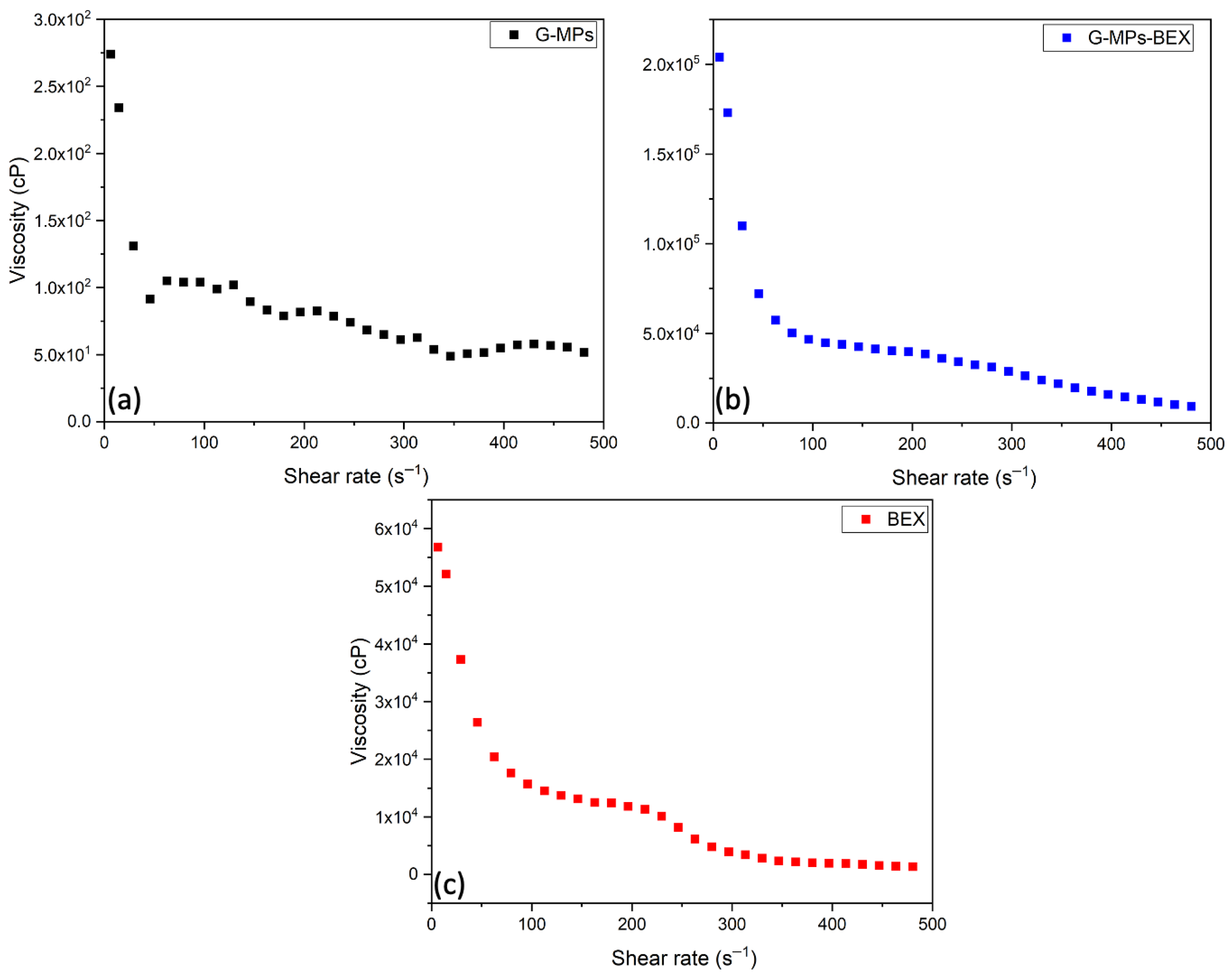
The rheological behaviour of an aqueous dispersion of microspheres, both G–MPs and G–MPs–BEX, was investigated using a rotational rheometer (Kinexus, Malvern Panalytical, Malvern, UK) with acone geometry used for viscometric test. Measurements were performed at room temperature on bubble–free samples. Flow curves were recorded over a shear rate range from 0.1 s−1 to 500 s−1. The aqueous dispersion was prepared by dispersing 10 mg of microspheres in 100 µL of an aqueous citric acid solution at pH 5.5.

3. Results

3.1. Extract Characterization

The citric acid–based treatment process yielded a stable lyophilized blueberry extract (BEX). Since the method was specifically selected to preserve the native bioactive profile of blueberry juice, the first step of the analysis focused on determining whether the phenolic fraction was effectively retained [27]. For this purpose, total polyphenols (PHC), flavonoids (FLA), and anthocyanins (ATC) were quantified, as these compounds are considered key biochemical markers of extract quality and antioxidant potential. The obtained BEX was comprehensively characterized for its total phenolic, flavonoid, and anthocyanin content. Quantitative analysis of the lyophilized blueberry extract revealed contents of 13.83 mg/g of polyphenolic compounds (PHC), 1.65 mg/g of flavonoids (FLA), and 2.4 mg/g of anthocyanins (ATC). The results also indicated that a significant portion of the extract consisted of other components, such as vitamins and sugars, which is consistent with the mild extraction method applied to the blueberry juice. The presence of these components did not compromise the desired properties of the formulation; on the contrary, it could be considered an added value, as it enhanced and/or stabilized the antioxidant effect of the polyphenolic fraction [28,29]. The anthocyanin content (2.4 mg/g) aligns with the range values reported in the literature for blueberry extracts obtained via sustainable extraction methods such as MAE and microwave–assisted water extraction (MAWE) [3], where anthocyanins represent a significant fraction of the total phenolics. These results demonstrate that our extraction protocol effectively preserves the main bioactive compounds, while avoiding degradation associated with more aggressive extraction methods.

3.2. Microspheres Characterization

3.2.1. Morphology of Microspheres

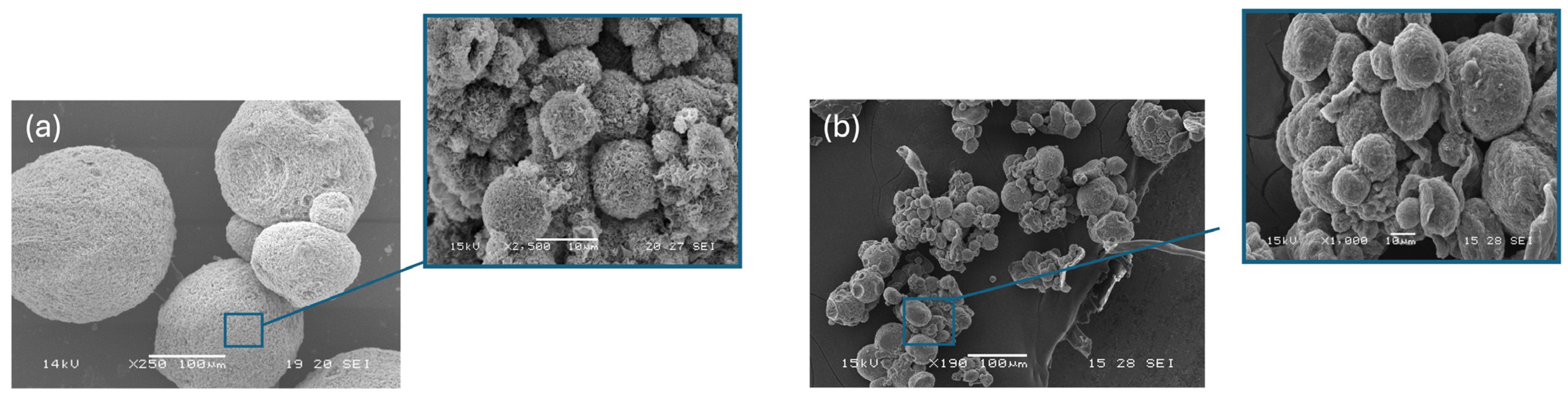
SEM images were acquired for G–MPs and the G–MPs–BEX to assess surface features and structural differences after BEX incorporation. As shown in Figure 2a, G–MPs exhibited a predominantly spherical morphology with a uniformly distributed porous surface. This porosity is a key feature to ensure effective absorption and subsequent release of BEX [30,31]. After loading, clear morphological changes were observed (Figure 2b). The characteristic porosity visible in G–MPs disappeared, and the surface became smoother and uniformly coated, indicating successful extract incorporation within the polymeric matrix.
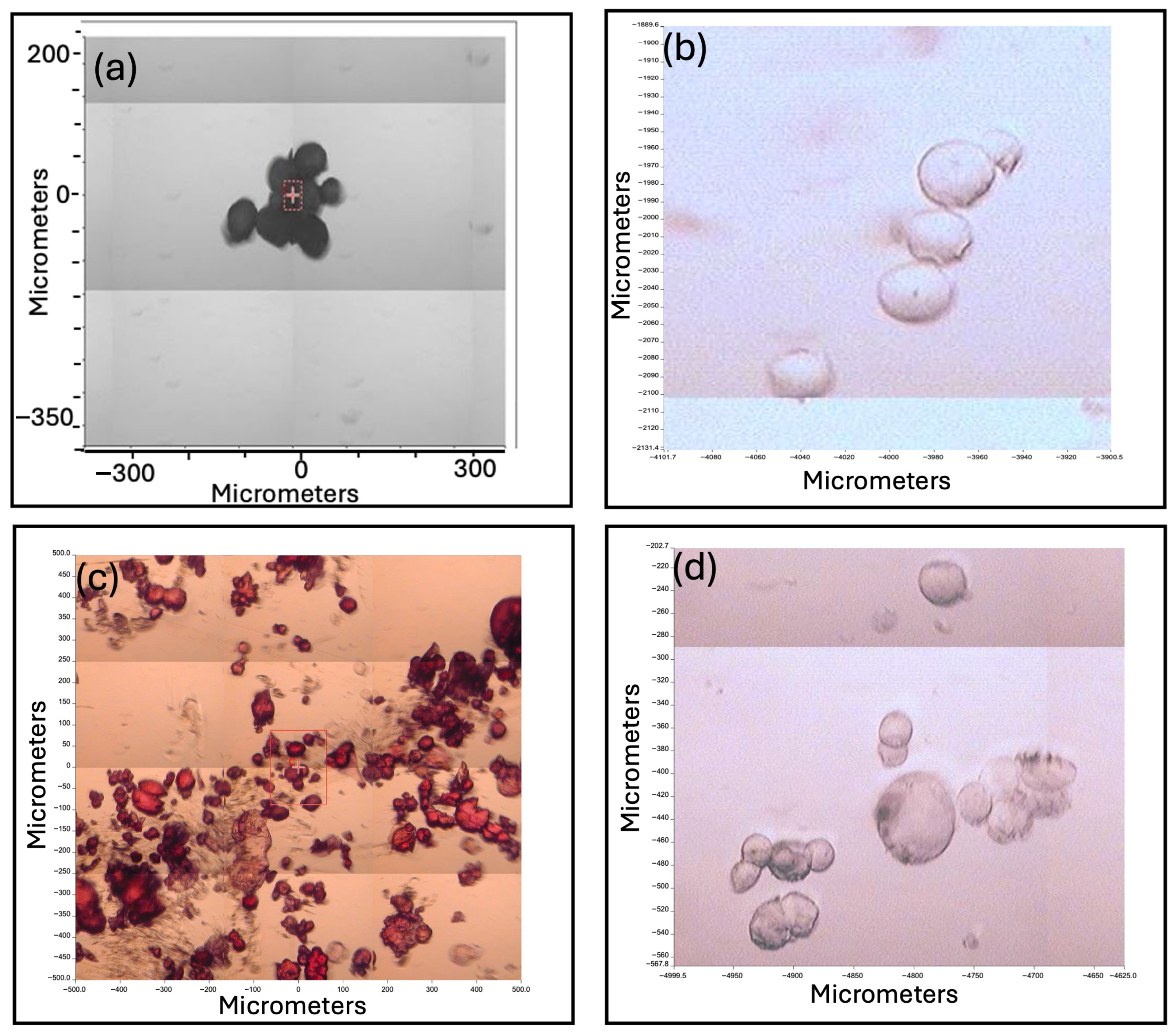
Microspheres size measurements were carried out using OM on dry and hydrated microspheres (n ≥ 35) (Figure 3). For G–MPs, average diameters were 22 ± 7 µm (dry) and 46 ± 13 µm (hydrated), corresponding to a swelling degree of 109%. G–MPs–BEX showed instead a larger diameter in the dry state (30 ± 9 µm), likely due to partial pore filling and extract incorporation, and after hydration, their size reached 45 ± 11 µm, with a swelling degree of 50%. The resulting distribution histograms are reported in the Supporting Information (Figures S4–S7). The significantly lower swelling degree observed in the G–MPs–BEX compared to the G–MPs ones suggests that the presence of BEX reduces the water uptake capacity of the matrix. SEM analysis revealed a marked reduction in surface porosity after loading, indicating a partial occlusion of the pores, which likely limits the availability of diffusion pathways for water penetration within the polymeric network.
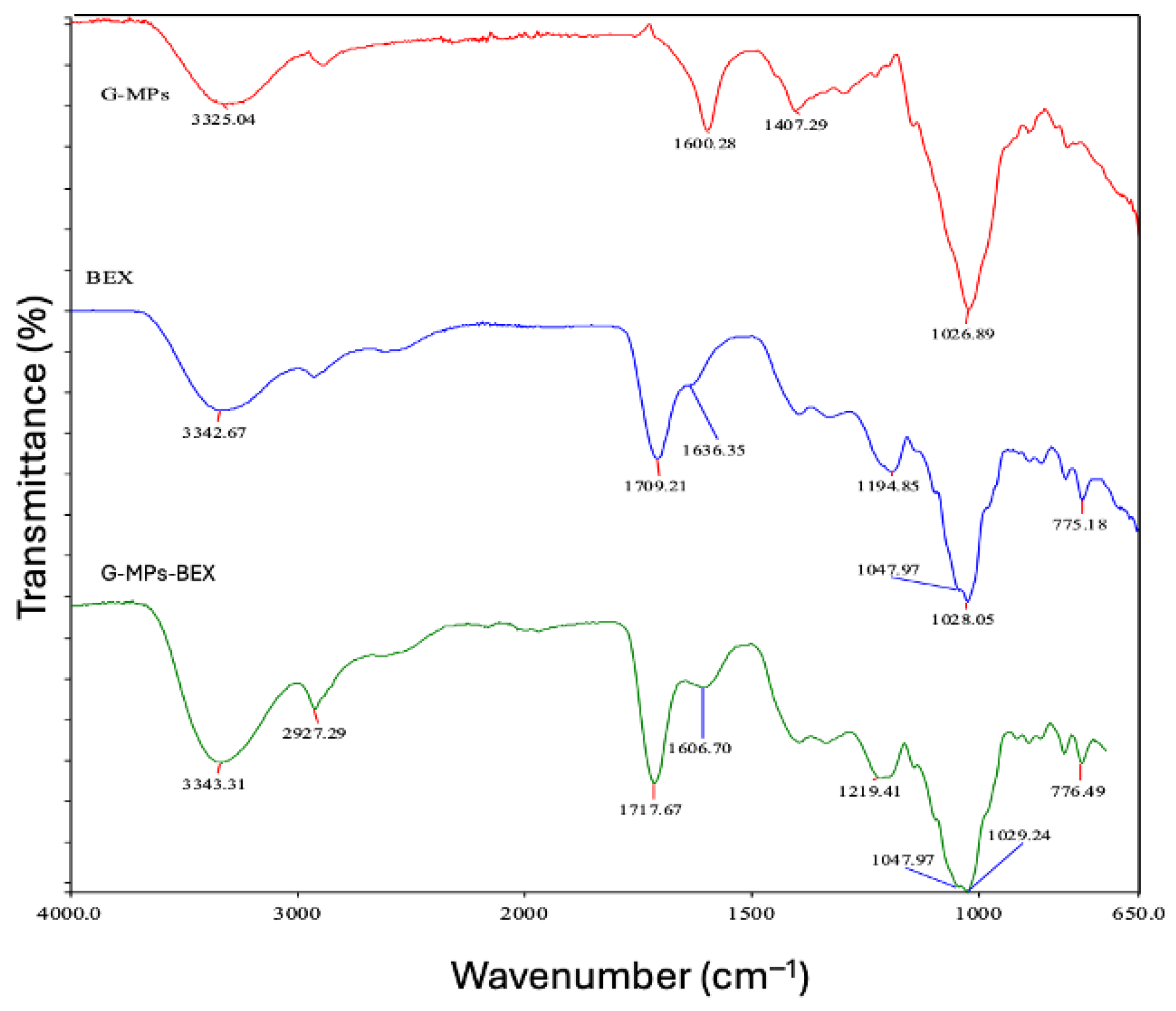
In addition to this structural effect, molecular interactions between the phenolic components of the extract and GG may also contribute to the reduced swelling behaviour. In particular, the phenolic –OH groups of anthocyanins, which would normally participate in hydrogen bonding with water, may establish intermolecular hydrogen bonds with the polysaccharide chains, thereby decreasing the number of functional groups available for interaction with water. This reduces the number of functional groups available for hydration and further limits water absorption [32,33]. The swelling degree was also calculated for G–MPs–BEX after two days in an aqueous medium, yielding a value of 63%, only slightly higher than the value obtained after just a few minutes in water. This result confirms that water uptake occurs rapidly and reaches equilibrium in a short time.

3.2.2. Fourier Transform Infrared Spectroscopy (FTIR) Analysis and Chemical Imaging

FTIR–ATR spectra were collected to characterize both G–MPs and G–MPs–BEX (Figure 4), as well as BEX. The absorption spectrum of the G–MPs showed the typical features of a natural polysaccharide. Specifically, the broad band between 3600 and 3400 cm−1 could be attributed to the stretching vibrations of hydroxyl groups (–OH), while the peaks at 1600 cm−1 and 1407 cm−1 corresponded to the asymmetric and symmetric stretching vibrations of carboxylate groups (COO), as reported by Wu et al. [34]. Additional peaks at 2932 cm−1 and 1026 cm−1 were associated with the stretching vibrations of methylene groups (CH2) and C–O stretching of the hydroxyl groups, respectively [20]. Similar FTIR spectra have been reported for GG [35]. The FTIR spectrum of BEX displayed a broad and intense band at 3342 cm−1, attributed to the stretching vibrations of –OH groups. Aliphatic C–H stretching bands appeared in the range of 2900–3000 cm−1 [15]. The band at 1709 cm−1, corresponding to C=O stretching, and the band at 1636 cm−1, assigned to C=C stretching vibrations typical of aromatic systems, confirmed the presence of polyphenolic compounds in the extract [4]. In addition, a strong absorption band with a maximum at 1028 cm−1 was attributed to the aromatic ring C–H deformation and to the coupled C–O and C–C stretching vibrations. These signals overlapped with sugar–associated absorption bands typically reported in the 1220–968 cm−1 region and could be attributed to fructose, glucose, and sucrose [36]. The spectrum of the G–MPs–BEX was recorded to assess potential interactions between the polysaccharide matrix and the active compounds. The spectra of the G–MPs and G–MPs–BEX were very similar, with some notable differences. The absorption band at 1718 cm−1 was attributed to the C=O stretching vibration of carboxylic acid groups naturally present in blueberry extract, such as citric and malic acids [35].
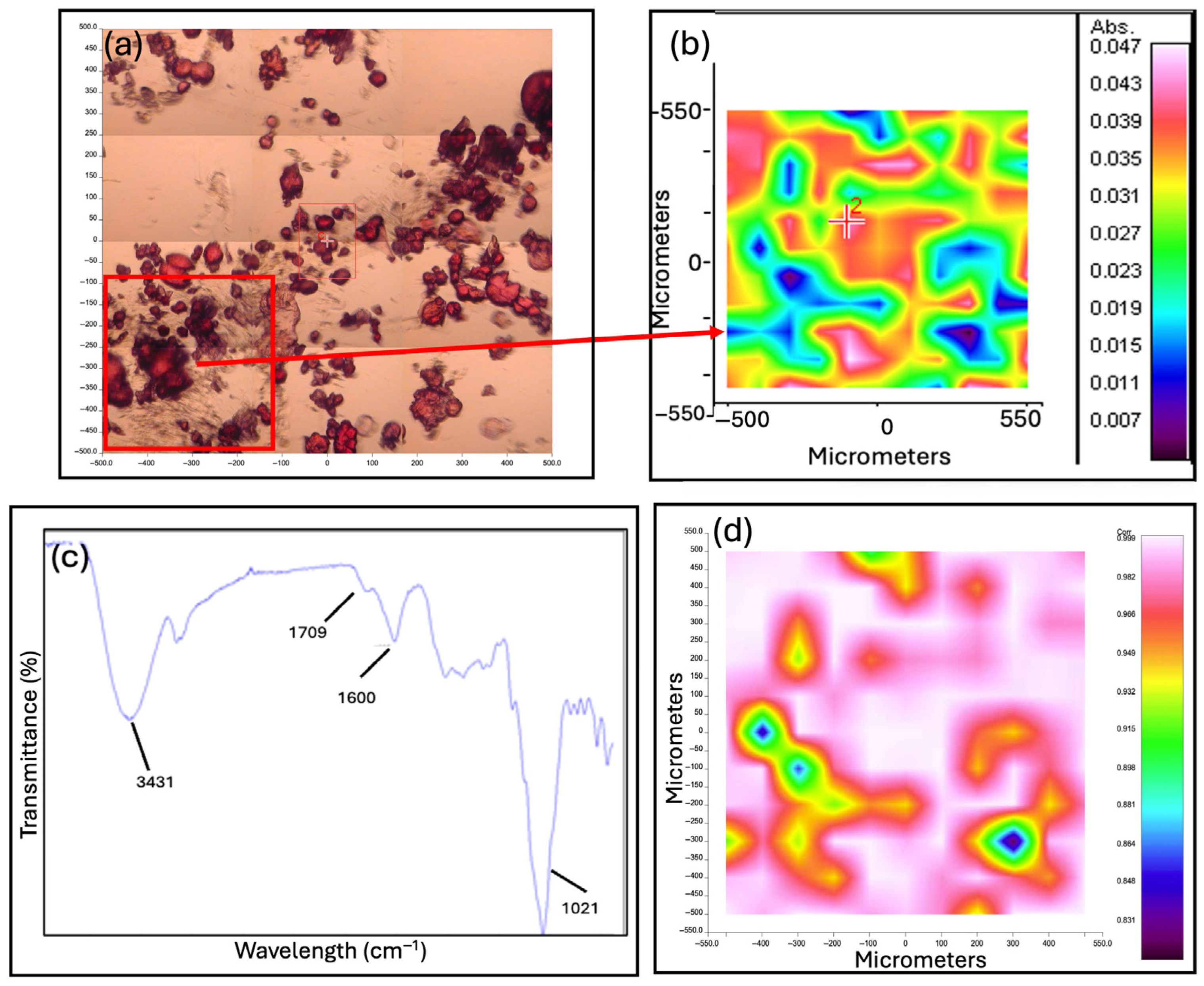
A signal around 1607 cm−1, assigned to the stretching of C=C double bonds, indicated the presence of aromatic compounds superimposed on the asymmetric stretching of carboxylate groups. Notably, the shift of the characteristic bands at 1709 cm−1 (in the BEX spectrum) and 1600 cm−1 (in the G–MPs) toward higher wavenumbers suggested the occurrence of interactions between the blueberry extract and the gellan matrix. These spectral shifts indicated that polyphenols and organic acids from the extract interacted with the gellan matrix, confirming that the bioactive compounds were successfully incorporated and stabilized within the polymeric microspheres. The spectra obtained from the chemical composition of microspheres G–MPs–BEX are shown in Figure 5.
Chemical imaging confirmed these findings. As shown in Figure 5b, the chemical map acquired in the selected region revealed an average spectrum (Figure 5c) characterized by absorption bands attributed to both the extract and the polysaccharide matrix. For instance, the broad and intense –OH stretching band at 3431 cm−1 and the aliphatic C–H bands in the 2900–3000 cm−1 region were clearly detected [15]. The C=O stretching band at 1709 cm−1 [4] and the strong absorption band at 1021 cm−1 associated with aromatic ring C–H deformation was also present. The peaks at 1600 cm−1 and 1407 cm−1, corresponding to the asymmetric and symmetric stretching vibrations of carboxylate groups typical of the polysaccharide backbone, were also observed, consistent with the spectral features reported by Wu et al. [34]. The corresponding correlation map (Figure 5d), which compares the average spectrum with the chemical map, showed correlation values close to 1 for all G–MPs–BEX, indicating excellent chemical homogeneity of the analyzed sample.
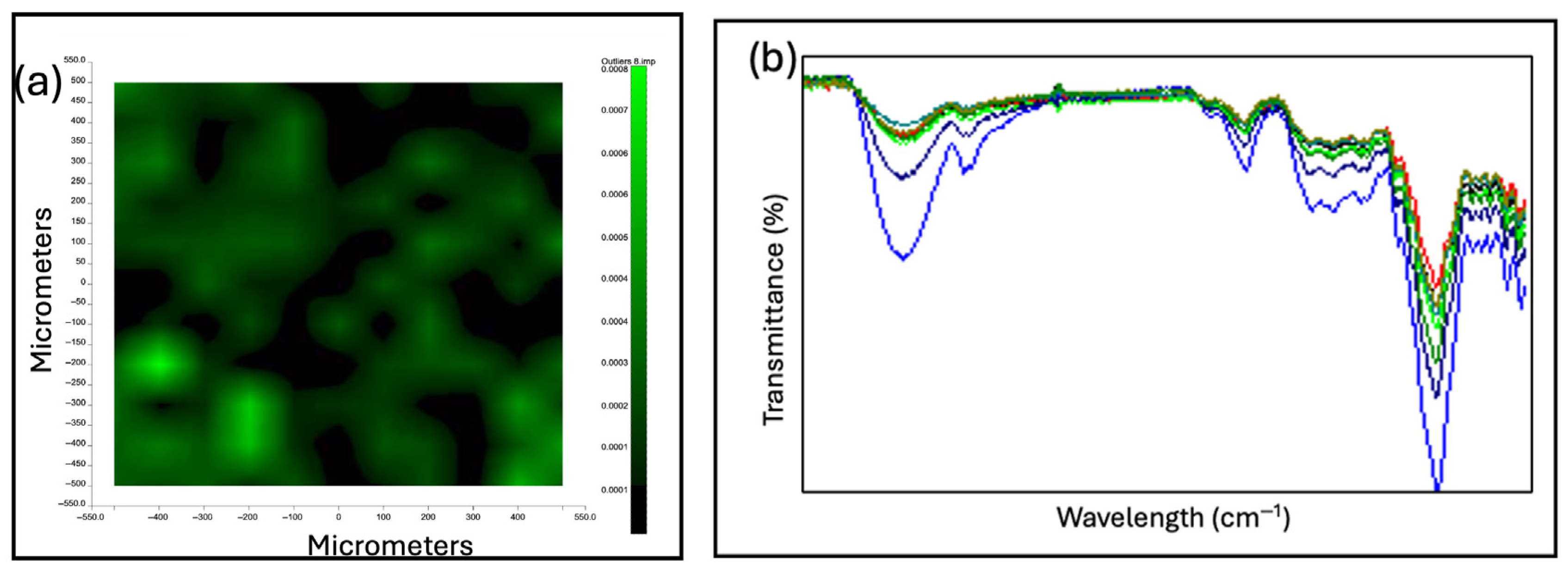
PCA, shown in Figure 6, further confirmed the presence of globular structures corresponding to G–MPs–BEX, exhibiting uniform spectral variability. Collectively, these results demonstrate homogeneous incorporation of the BEX within the microspheres.

3.2.3. Release Kinetics

Based on the compositional analysis of BEX and the amount used for the loading process, the loading capacity of the GG microspheres was calculated for the main bioactive fractions. The loading capacity was 1.38% for total polyphenols, 0.165% for flavonoids, and 0.243% for anthocyanins.
The release kinetics of Folin–Ciocalteu–reactive compounds, expressed as total polyphenols, from BEX–loaded microspheres were monitored by UV–Vis spectroscopy at 765 nm, according to the Folin–Ciocalteu method For each experiment, 10 mg of G–MPs–BEX were suspended in 5 mL of release medium. The release profiles were evaluated at pH 2.5, 5.5, and 9 (Figure 7), representing highly acidic, physiological skin pH, and strongly alkaline conditions, (typical of skin infections). The release curves demonstrated a clear pH–dependent behaviour. Aliquots were collected at predefined time intervals (0, 5, 30, 60, 120, and 360 min). At pH 2.5 and 5.5, a rapid initial burst release was observed, with about 20% of the Folin–responsive fraction released within the first 5 min, likely due to compounds adsorbed on the microsphere surface. or loosely trapped in the outer portion of the matrix. Subsequently, the release rate decreased and reached a plateau after around 120 min. After 360 min, cumulative release values of 43% and 41% were observed at pH 5.5 and pH 2.5, respectively. The similarity between these two profiles suggested that, under acidic or slightly acidic conditions, the physicochemical properties of the matrix (e.g., swelling and porosity) were only minimally affected by pH.
In contrast, the release profile at pH 9 shows markedly different kinetics: the initial burst release is less pronounced, and the release proceeds more gradually, reaching approximately 28% after 360 min. These results are consistent with Cassanelli et al. [36], who reported that at very acidic pH, GG gels assume a porous, sponge–like structure, facilitating water exchange and consequently favouring solute diffusion. In contrast, at basic pH, the gel becomes more fragile but compact, retaining water more effectively than the sponge–like form. As previously reported, a second release study was carried out to specifically quantify flavonoids and anthocyanins under physiologically relevant conditions (pH 5.5), simulating a skin–like environment. While polyphenol release at pH 5.5 was already included in the pH–dependent study, this second release experiment was designed to quantify flavonoids and anthocyanins.
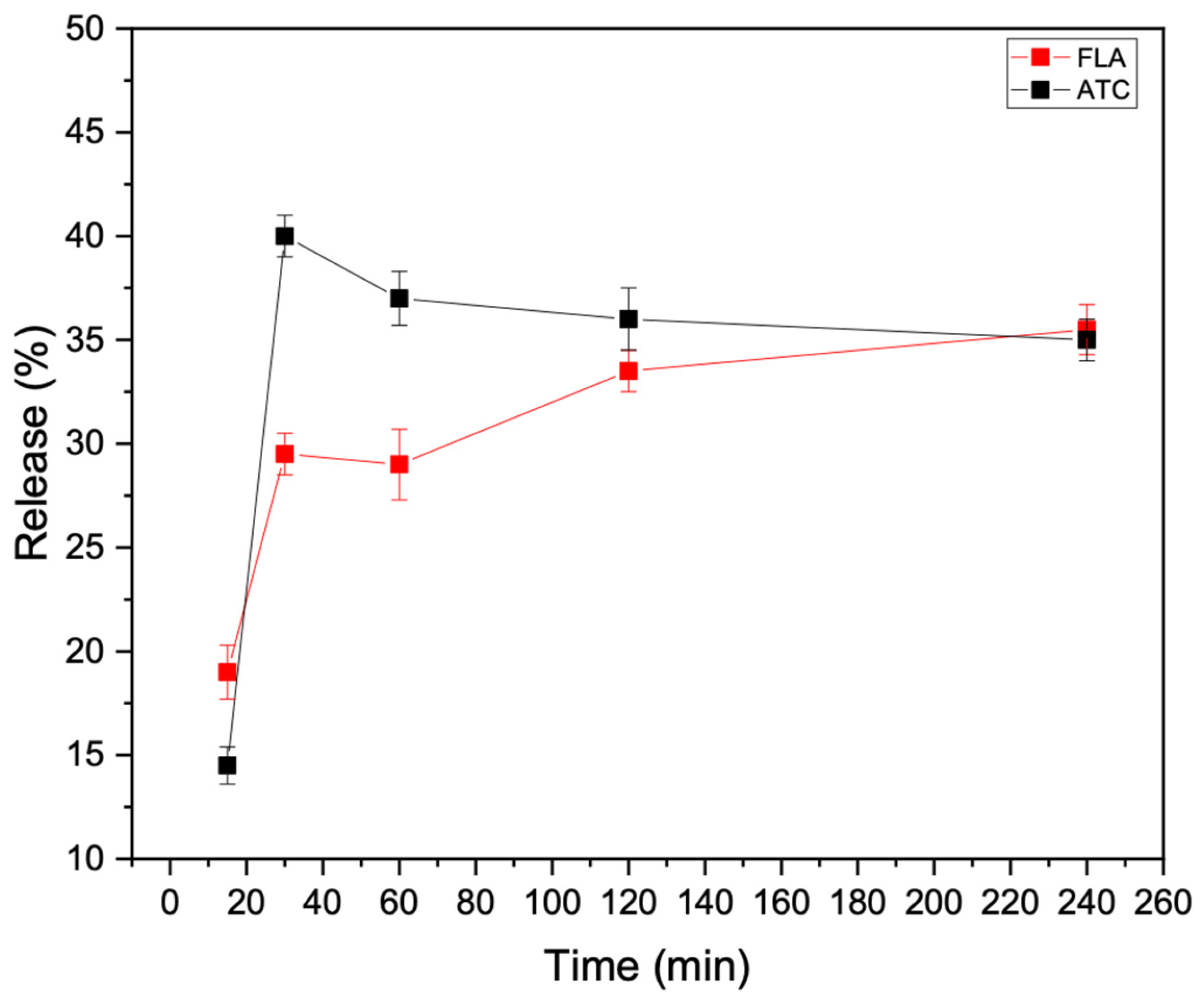
The release study was carried out at predefined sampling intervals of 15, 30 min, and 1, 2, and 4 h, and the resulting profiles are reported (Figure 8). The release kinetics of the flavonoids were expressed as a percentage of the total flavonoids content, corresponding to 8.25 µg contained in 10 mg of G–MPs–BEX, as calculated from (Section 2.3).
The release study revealed a rapid initial release of the bioactive compounds. After 15 min, approximately 20% of the total flavonoids content had already been released, and after 4 h, the percentage reached around 35%. A similar trend was observed for anthocyanins, whose release was expressed as a percentage relative to their total amount of 12 µg, as determined from the total anthocyanin calculated in (Section 2.3). In this case, the release peaked at 40% within the first 30 min and then stabilized at a plateau of around 36%. In both cases, the maximum release remained below 40%. This behaviour may be attributed to hydrogen bonding interactions between the polyphenolic compounds and the polysaccharide chains of the microspheres, as previously suggested by FT–IR data. These interactions, however, did not prevent diffusion of the bioactive compounds, but likely contributed to the observed partial retention within the matrix. Both flavonoids and anthocyanins exhibited fast release kinetics, with the highest release values reached within the first 30 min. Such a release profile is particularly suitable for biomedical or cosmetic formulations, where rapid availability of antioxidant activity is often desirable. Additionally, it is also possible that the static conditions (without magnetic stirring) in the test may have contributed to the saturation of the release medium, thereby limiting further diffusion of the active compounds beyond the observed plateau. The “total extract release” refers to the overall amount of extract released from the microspheres, as quantified by the Folin–Ciocalteu assay, whereas flavonoids and anthocyanins represent specific bioactive fractions of the extract quantified using distinct analytical methods.
The total extract release reached approximately 37% after 30 min and increased to about 43% after 360 min. Anthocyanins and flavonoids showed a comparable release trend, with release values of approximately 40% and 30% after 30 min, respectively, followed by plateaus around 35% and 35.5% after 240 min.

3.2.4. Antioxidant Activity

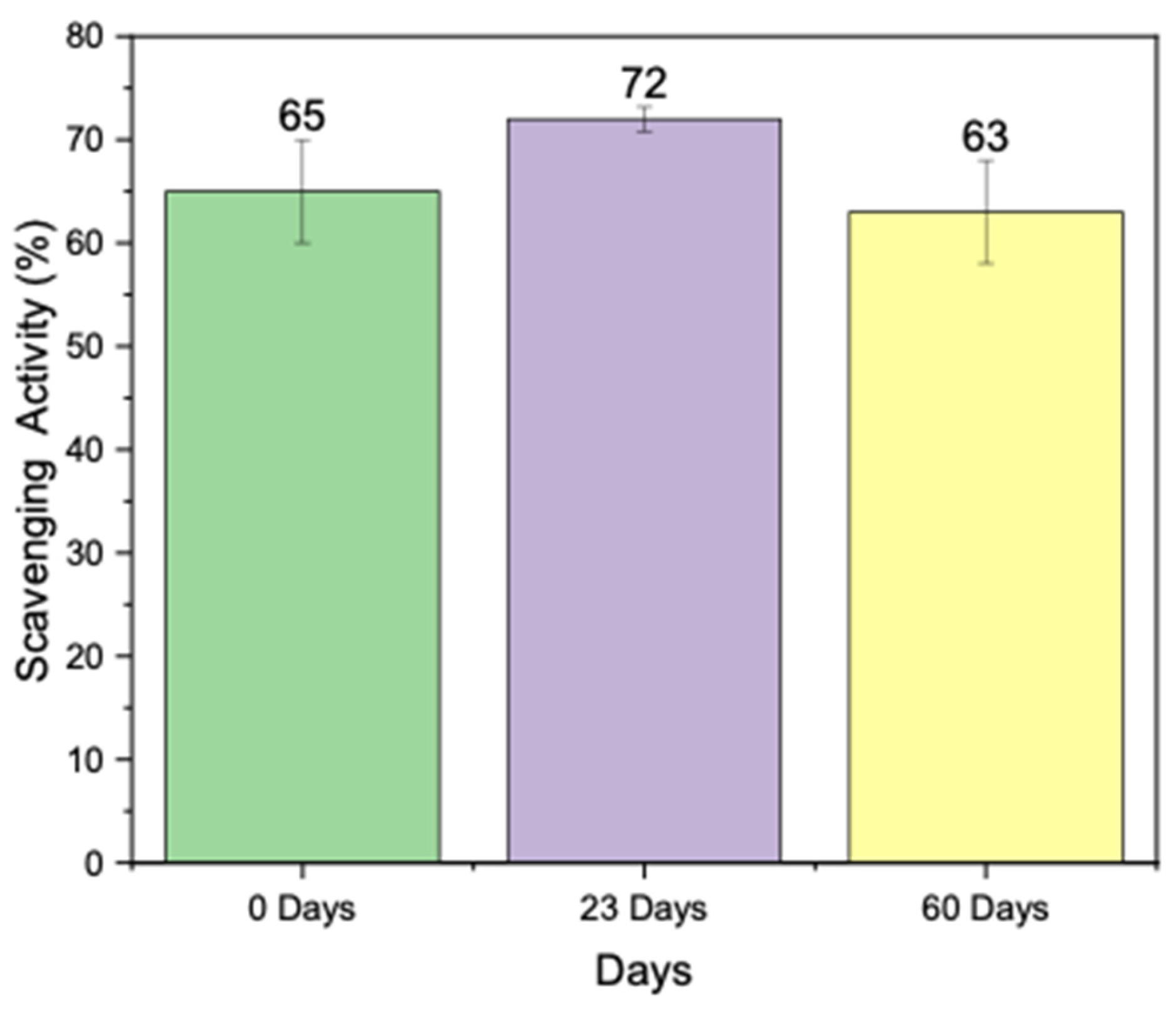
The antioxidant capacity, expressed as the percentage of DPPH scavenging activity, was evaluated under different experimental conditions to monitor the stability of BEX throughout the entire process, from preparation and storage to release from the gellan microspheres. To assess whether storage affected the antioxidant performance of BEX, the DPPH assay was performed on BEX at a concentration of 1 mg/mL, immediately after lyophilization (day 0), and after 23 and 60 days of storage at −18 °C (Figure 9). All tests were conducted at room temperature. The DPPH scavenging activity values were 65% at day 0, 72% after 23 days, and 63% after 60 days. These results do not show significant variations over time, indicating that the adopted storage conditions were effective in preserving the antioxidant activity of BEX.
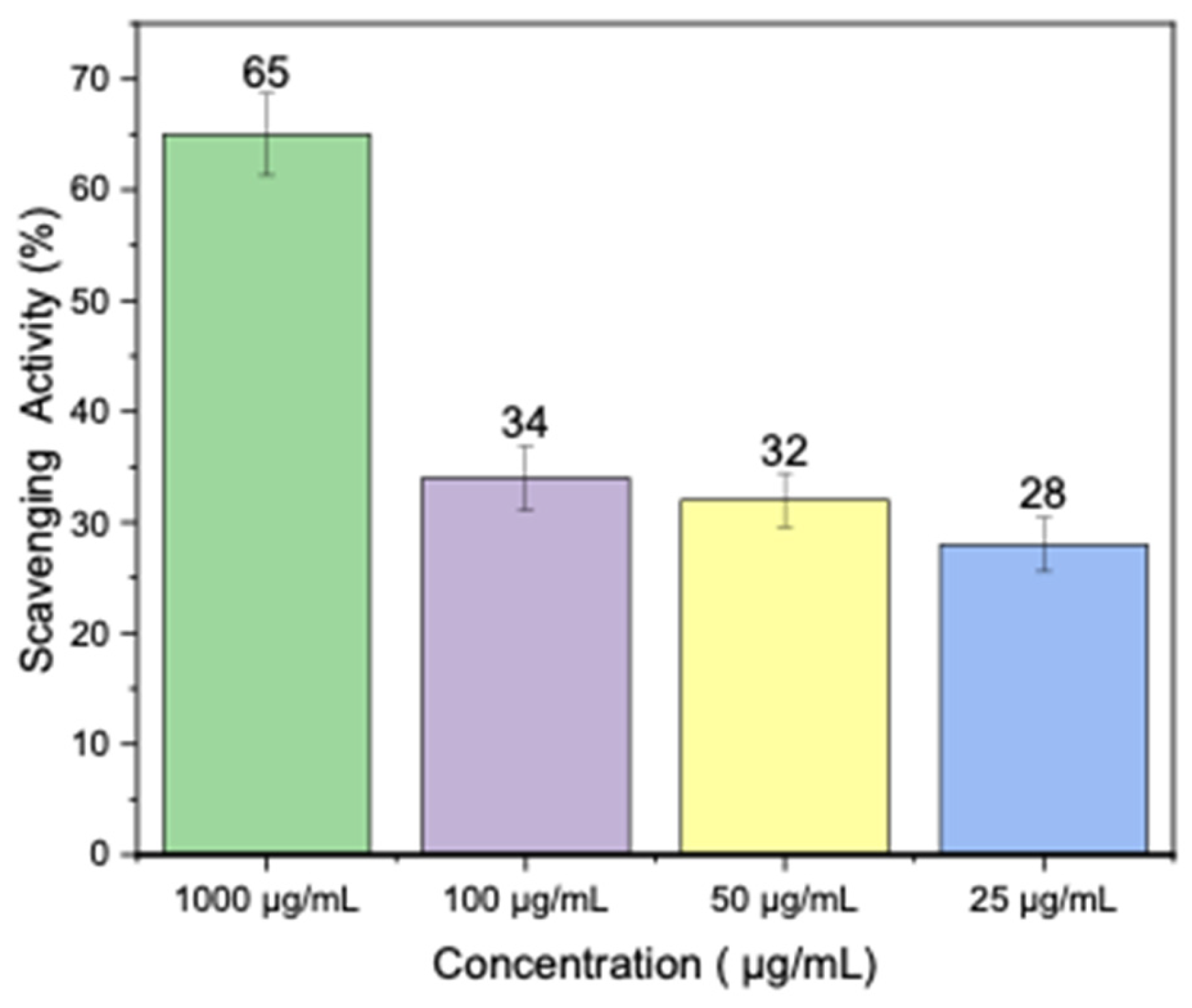
The antioxidant capacity of BEX was also assessed at various concentrations (1000, 100, 50, and 25 µg/mL) in aqueous medium at pH 5.5 (Figure 10). The DPPH assay was performed on BEX at day 0 after 30 min of incubation in the dark at room temperature. The results indicated a concentration–dependent increase in DPPH radical scavenging activity, with inhibition values of 65% at 1000 µg/mL, 34% at 100 µg/mL, 32% at 50 µg/mL, and 28% at 25 µg/mL. A clear dose–response trend was observed, the relationship was not linear when considering the entire concentration range investigated. In particular, linearity was observed at higher concentrations (100–1000 µg/mL), whereas deviations from linearity became evident at lower concentrations, likely due to reduced assay sensitivity and changes in reaction kinetics at low antioxidant levels. For comparative purposes, the antioxidant activity of BEX was also expressed as Trolox Equivalent Antioxidant Capacity (TEAC). The antioxidant capacity of BEX was estimated to be approximately 0.25 TEAC, using a literature–reported Trolox reference value corresponding to 23 µM [37]. The reference value and calculation approach are reported in the Experimental section.
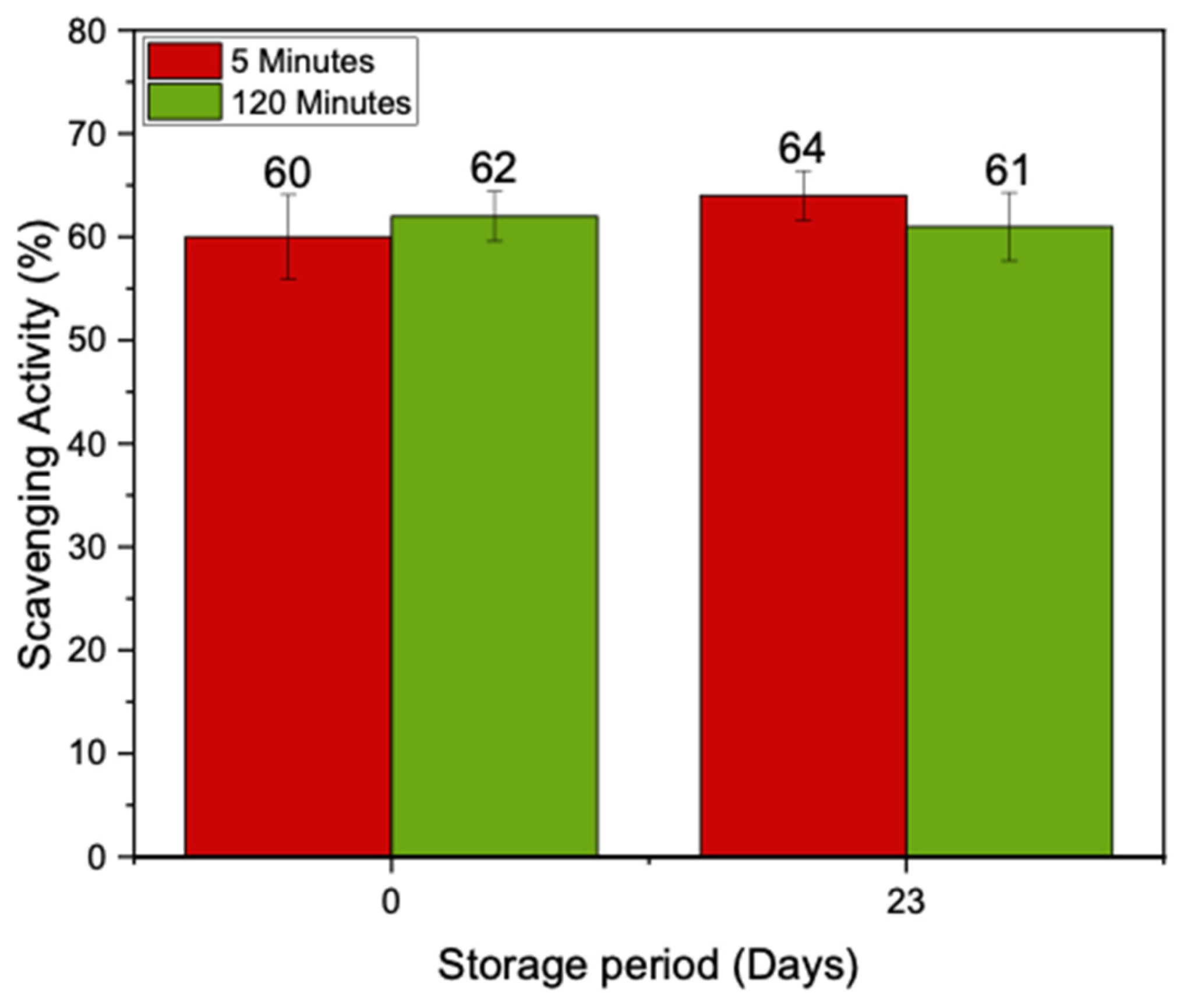
To assess the effect of encapsulation on the antioxidant activity of BEX, a DPPH assay was also performed on the G–MPs–BEX immediately after preparation, on day 0, and after 23 days of storage at room temperature in a sealed container (Figure 11) [38].
Antioxidant activity was tested on day 0 after 5 and 120 min, recording inhibition values of 60% and 62%. These results show that antioxidant compounds remained within the microspheres immediately after encapsulation. After 23 days of storage, the same test was repeated at the same time intervals to evaluate the stability of the encapsulated extract over time. The values obtained were 64% and 61% after 5 and 120 min, respectively. The antioxidant activity remained virtually unchanged, confirming the good stability of the formulation. These data suggest that G–MPs effectively preserve the antioxidant potential of BEX during storage.
According to one–way ANOVA, no statistically significant differences in scavenging activity were observed among storage times or release conditions (p > 0.05), whereas BEX concentration significantly affected antioxidant activity (p < 0.05). The corresponding statistical analysis is summarized in Table S1.

3.2.5. Rheological Behaviour

The developed microspheres are potentially suitable for cosmetic, pharmaceutical, and nutraceutical applications; therefore, evaluating their rheological response in aqueous dispersions is essential to predict their behaviour during application, handling, and storage. For this purpose, aqueous dispersions of G–MPs, G–MPs–BEX, and blueberry extract (BEX) were characterized. As shown in Figure 12, all analyzed systems exhibited pseudoplastic (shear–thinning) behaviour, characterized by a progressive decrease in viscosity as the applied shear rate increased. For the dispersion of G–MPs, the observed behaviour can be explained by the intrinsic structuring capability of GG. Indeed, in aqueous environments and in the presence of ions, GG can form stable and elastic gel networks, whose properties derive from the ordered association of double–helical structures of gellan chains, generating a robust yet flexible three–dimensional network. Such rheological behaviour, characterized by shear–thinning and rapid structural recovery after shear removal, is particularly advantageous in topical formulations, as it ensures good spreadability, a pleasant sensory profile (“soft feeling”), and uniform film formation upon application [39].
The incorporation of BEX into G–MPs resulted in a clear increase in viscosity of the dispersion compared to the G–MPs across the entire shear–rate range. Although the characteristic pseudoplastic behaviour was maintained, G–MPs–BEX showed consistently higher viscosity values. This effect can be ascribed to the interaction between polyphenolic compounds present in the extract and the gellan matrix, which may strengthen the polymeric network and increase intermolecular interactions. The reduced swelling capacity of the microspheres results in less water being absorbed within the polymer network; this decrease in water absorption may further contribute to the increased viscosity observed, as a more concentrated system typically exhibits higher viscosity values. Consequently, the G–MPs–BEX provides a more structured system, potentially enhancing the stability and consistency of the formulation. In contrast, blueberry extract alone displayed lower viscosity values, confirming that the increase observed in the G–MPs–BEX arises from the synergistic combination of the biopolymer and bioactive compounds. Overall, the incorporation of the extract preserves the desired pseudoplastic behaviour while enhancing the stability and consistency of the formulation. This rheological profile is advantageous for topical applications. The pseudoplastic behaviour favours the formation of a homogeneous film on the skin [40], ensuring adequate protection, which makes the formulations particularly suitable for topical use, as it facilitates application and requires a certain pressure to initiate flow, thereby preventing any leakage from the container and making them promise for pharmaceutical and food applications [41].

4. Conclusions

The aim of this work was the development and characterization of a formulation based on gellan gum microspheres loaded with blueberry extract (BEX), designed to be stored in a dry state and hydrated at the time of use. The selected polymeric matrix, gellan gum, is a biocompatible and safe polysaccharide, widely used in the food sector. Owing to its high water absorption capacity, it enables the formation of a highly hydrated gel. The blueberry extract, known for its antioxidant and anti–inflammatory properties, was selected as the active ingredient due to its high content of polyphenols and anthocyanins. An important feature of this work is the use of a mild citric acid–based extraction method, replacing conventional organic solvent approaches. This strategy was selected to better preserve the integrity of the bioactive compounds and ensure compatibility with cosmetic, nutraceutical, and biomedical applications. Analyses performed on the extract confirmed a good concentration of polyphenolic compounds, thus demonstrating the effectiveness of the extraction method used. The gellan gum microspheres obtained were morphologically suitable for release applications, presenting a spherical shape and porous surface features that are favourable for the absorption and diffusion of active compounds. Swelling tests showed that the hydration capacity of the microspheres was not compromised by the loading with the extract, indicating that the moisturizing properties of the polysaccharide matrix remained unchanged. FT–IR analyses performed on the G–MPs–BEX confirmed the successful absorption of the extract, revealing hydrogen bonding interactions between the matrix and the active compounds. These interactions did not hinder the release, which proved to be rapid for both classes of compounds detected (polyphenols and anthocyanins), reaching maximum release levels within 30 min. The dry storage procedure for the extract was effective in preserving its antioxidant properties for at least 60 days. Moreover, even after loading into the microspheres and under simulated storage conditions (sealed container at room temperature), the antioxidant activity remained stable for at least 23 days. From a rheological point of view, both the gellan gum gel and the BEX–containing formulation exhibited pseudoplastic behaviour, characterized by a decrease in viscosity with increasing shear rate. The addition of the extract resulted in an overall increase in gel viscosity, suggesting a possible structural interaction between the matrix and the active ingredient. The study of the release kinetics of the extract from the microspheres showed a trend similar to that of the anthocyanins and polyphenols, confirming that the therapeutic components are released efficiently. Although further studies, including cytotoxicity testing, more comprehensive rheological characterization, skin permeation studies, and microbiological stability evaluations are required to confirm safety, efficacy, and suitability for practical applications, the results demonstrate the feasibility of using gellan gum microspheres as carriers for blueberry extract, and more generally for natural bioactive compounds, in the development of cosmetic and biomedical products or delivery systems.


Supplementary Materials

The following supporting information can be downloaded at: https://www.mdpi.com/article/10.3390/compounds6010016/s1. Figure S1: Calibration Curve with Quercetin for Total Polyphenol Content (λ = 765 nm); Figure S2: Calibration Curve with Quercetin for Total Flavonoid Content (λ = 415 nm); Figure S3: Calibration Curve with Cyanidin for Total Anthocyanin Content; Figure S4: Microspheres size distribution histogram of dry G–MPs (n = 35), obtained from optical microscopy measurements; Figure S5: Microspheres size distribution histogram of hydrated G–MPs (n = 35), obtained from optical microscopy measurements; Figure S6: Microspheres size distribution histogram of dry G–MPs–BEX (n = 35); Figure S7: Microspheres size distribution histogram of hydrated G–MPs–BEX (n = 35); Table S1: ANOVA Results related to DPPH radical scavenging activity (%) measured under different experimental conditions, including different incubation times, BEX concentrations, and storage times of G–MPs–BEX.

Author Contributions

Conceptualization N.B. and C.C., methodology N.B., C.C., N.M. and S.T., investigation C.S., formal analysis C.S., M.C. and N.B., validation C.S., N.B. and S.T. software N.M., N.B., C.S. and S.C. data curation N.B., C.S., S.T., N.M., M.C. and E.P., resources N.B. and C.C., funding acquisition C.C., supervision N.B. and C.C., writing–original draft preparation N.M. and N.B., writing, review, editing N.M., N.B., C.C., S.C., E.P., M.C., S.T. and C.S. All authors have read and agreed to the published version of the manuscript.

Funding

This study was partially carried out within the MICS (Made in Italy–Circular and Sustainable) Extended Partnership and received partial funding from the European Union Next–GenerationEU (PIANO NAZIONALE DI RIPRESA E RESILIENZA (PNRR)–MISSIONE 4 COMPONENTE 2, INVESTIMENTO 1.3–D.D. 1551.11–10–2022, PE00000004). This manuscript reflects only the authors’ views and opinions; neither the European Union nor the European Commission can be considered responsible.

Data Availability Statement

The original contributions presented in this study are included in the article/Supplementary Material. Further inquiries can be directed to the corresponding authors.

Conflicts of Interest

The authors declare no conflicts of interest.

Abbreviations

The following abbreviations are used in this manuscript:
G–MPsGellan gum microspheres
BEXBlueberry extract
ATCsAnthocyanins
PHCPhenolic compounds
DPPH2,2–diphenyl–1–picrylhydrazyl
SEMScanning Electron Microscopy
G–MPs–BEXGellan gum microspheres loaded with blueberry extract
FAOFood and Agriculture Organization
GRASGenerally Recognized As Safe
GGGellan gum
OMOptical Microscopy
FTIRFourier Transform Infrared Spectroscopy
PCAPrincipal Component Analysis
PCPhosphatidylcholine
MAEMicrowave–Assisted Extraction
UAEUltrasound–Assisted Extraction
MAWEMicrowave–Assisted Water Extraction
UV–VisUltraviolet–Visible Spectroscopy
MCT–AMercury Cadmium Telluride (detector)

References

  1. Reque, P.M.; Steffens, R.S.; Da Silva, A.M.; Jablonski, A.; Flôres, S.H.; Rios, A.d.O.; De Jong, E.V. Characterization of blueberry fruits (Vaccinium spp.) and derived products. Food Sci. Technol. 2015, 34, 773–779. [Google Scholar] [CrossRef]
  2. Huang, W.Y.; Zhang, H.C.; Liu, W.X.; Li, C.Y. Survey of antioxidant capacity and phenolic composition of blueberry, blackberry, and strawberry in Nanjing. J. Zhejiang Univ. B 2012, 13, 94–102. [Google Scholar] [CrossRef] [PubMed]
  3. Capaldi, G.; Aimone, C.; Gaudino, E.C.; Radošević, K.; Bagović, M.; Grillo, G.; Cravotto, G. The Green Extraction of Blueberry By–Products: An Evaluation of the Bioactive Potential of the Anthocyanin/Polyphenol Fraction. Int. J. Mol. Sci. 2024, 25, 11032. [Google Scholar] [CrossRef] [PubMed]
  4. Duan, Y.; Tarafdar, A.; Chaurasia, D.; Singh, A.; Bhargava, P.C.; Yang, J.; Li, Z.; Ni, X.; Tian, Y.; Li, H.; et al. Blueberry fruit valorization and valuable constituents: A review. Int. J. Food Microbiol. 2022, 381, 109890. [Google Scholar] [CrossRef]
  5. Shi, M.; Loftus, H.; McAinch, A.J.; Su, X.Q. Blueberry as a Source of Bioactive Compounds for the Treatment of Obesity, Type 2 Diabetes and Chronic Inflammation. J. Funct. Foods 2017, 30, 16–29. [Google Scholar] [CrossRef]
  6. Castañeda–Ovando, A.; Pacheco–Hernández, M.d.L.; Páez–Hernández, M.E.; Rodríguez, J.A.; Galán–Vidal, C.A. Chemical studies of anthocyanins: A review. Food Chem. 2009, 113, 859–871. [Google Scholar] [CrossRef]
  7. Kostka, T.; Ostberg–Potthoff, J.J.; Stärke, J.; Guigas, C.; Matsugo, S.; Mirčeski, V.; Stojanov, L.; Veličkovska, S.K.; Winterhalter, P.; Esatbeyoglu, T. Bioactive Phenolic Compounds from Lingonberry (Vaccinium vitis-idaea L.): Extraction, Chemical Characterization, Fractionation and Cellular Antioxidant Activity. Antioxidants 2022, 11, 467. [Google Scholar] [CrossRef]
  8. Ferreira, L.F.; Minuzzi, N.M.; Rodrigues, R.F.; Pauletto, R.; Rodrigues, E.; Emanuelli, T.; Bochi, V.C. Citric acid water–based solution for blueberry bagasse anthocyanins recovery: Optimization and comparisons with microwave–assisted extraction (MAE). LWT 2020, 133, 110064. [Google Scholar] [CrossRef]
  9. Zheng, X.; Xu, X.; Liu, C.; Sun, Y.; Lin, Z.; Liu, H. Extraction characteristics and optimal parameters of anthocyanin from blueberry powder under microwaveassisted extraction conditions. Sep. Purif. Technol. 2013, 104, 17–25. [Google Scholar] [CrossRef]
  10. Liu, M.; Su, Y.; Lin, Y.; Wang, Z.; Gao, H.; Li, F.; Wei, X.; Jiang, H. Optimization of green extraction of anthocyanins from purple passion fruit peels by response surface methodology. J. Food Process Preserv. 2018, 42, e13756. [Google Scholar] [CrossRef]
  11. Lee, J.; Wrolstad, R.E. Extraction of Anthocyanins and Polyphenolics from Blueberry Processing Waste. J. Food Sci. 2004, 69, 564–573. [Google Scholar] [CrossRef]
  12. Koh, J.; Xu, Z.; Wicker, L. Blueberry Pectin Extraction Methods Influence Physico–Chemical Properties. J. Food Sci. 2018, 83, 2954–2962. [Google Scholar] [CrossRef] [PubMed]
  13. Gowd, V.; Karim, N.; Xie, L.; Shishir, M.R.I.; Xu, Y.; Chen, W. In vitro study of bioaccessibility, antioxidant, and α–glucosidase inhibitory effect of pelargonidin–3–O–glucoside after interacting with beta–lactoglobulin and chitosan/pectin. Int. J. Biol. Macromol. 2020, 154, 380–389. [Google Scholar] [CrossRef] [PubMed]
  14. Wang, L.; Wang, L.; Wang, X.; Lu, B.; Zhang, J. Preparation of blueberry anthocyanin liposomes and changes of vesicle properties, physicochemical properties, in vitro release, and antioxidant activity before and after chitosan modification. Food Sci. Nutr. 2022, 10, 75–87. [Google Scholar] [CrossRef]
  15. Raghunandan, K.; Kumar, A.; Kumar, S.; Permaul, K.; Singh, S. Production of gellan gum, an exopolysaccharide, from biodiesel–derived waste glycerol by Sphingomonas spp. 3 Biotech 2018, 8, 71. [Google Scholar] [CrossRef]
  16. Mohammed, A.S.A.; Naveed, M.; Jost, N. Polysaccharides; Classification, Chemical Properties, and Future Perspective Applications in Fields of Pharmacology and Biological Medicine (A Review of Current Applications and Upcoming Potentialities). J. Polym. Environ. 2021, 29, 2359–2371. [Google Scholar] [CrossRef]
  17. Bagheri, L.; Mousavi, M.E.; Madadlou, A. Stability and Rheological Properties of Suspended Pulp Particles Containing Orange Juice Stabilized by Gellan Gum. J. Dispers. Sci. Technol. 2014, 35, 1222–1229. [Google Scholar] [CrossRef]
  18. Froelich, A.; Jakubowska, E.; Jadach, B.; Gadzinski, P.; Osmalek, T. Naturl Gums in Drug–Loaded Micro– and Nanogels. Pharmaceutics 2023, 15, 759. [Google Scholar] [CrossRef]
  19. Klimaviciute, R.; Navikaite, V.; Jakstas, V.; Ivanauskas, L. Complexes of dextran sulfate and anthocyanins from Vaccinium myrtillus: Formation and stability. Carbohydr. Polym. 2015, 129, 70–78. [Google Scholar] [CrossRef]
  20. Dey, M.; Ghosh, B.; Giri, T.K. Enhanced intestinal stability and pH sensitive release of quercetin in GIT through gellan gum hydrogels. Colloids Surf. B Biointerfaces 2020, 196, 111341. [Google Scholar] [CrossRef]
  21. Saralidze, K.; Koole, L.H.; Knetsch, M.L.W. Polymeric microspheres for medical applications. Materials 2010, 3, 3537–3564. [Google Scholar] [CrossRef]
  22. Boeing, J.S.; Barizão, É.O.; Silva, B.C.E.; Montanher, P.F.; de Cinque Almeida, V.; Visentainer, J.V. Evaluation of solvent effect on the extraction of phenolic compounds and antioxidant capacities from the berries: Application of principal component analysis. Chem. Cent. J. 2014, 8, 48. [Google Scholar] [CrossRef] [PubMed]
  23. Cravero, M.C. Metodi per lo Studio dei Polifenoli. 1989. Available online: https://www.researchgate.net/publication/254864043 (accessed on 12 April 2023).
  24. Landi, N.; Scognamiglio, M.; Woodrow, P.; Ciarmiello, L.F.; Ragucci, S.; Clemente, A.; Hussain, H.Z.F.; Fiorentino, A.; Di Maro, A. Biochemical Traits, 1H NMR Profile and Residual DNA Content of ‘Asprinio’, White Wine from Campania Region (Southern Italy). Foods 2022, 11, 2322. [Google Scholar] [CrossRef] [PubMed]
  25. Zahoor, M.; Shah, A.B. Determination of Antioxidants and Antibacterial Activities, Total Phenolic, Polyphenol and Pigment Contents in Nasturtium officinale. 2018. Available online: https://www.researchgate.net/publication/317754219 (accessed on 12 April 2023).
  26. Hosseini, S.; Gharachorloo, M.; Ghiassi–Tarzi, B.; Ghavami, M. Evaluation of the organic acids ability for extraction of anthocyanins and phenolic compounds from different sources and their degradation kinetics during cold storage. Pol. J. Food Nutr. Sci. 2016, 66, 261–269. [Google Scholar] [CrossRef]
  27. Gulcin, İ.; Alwasel, S.H. DPPH Radical Scavenging Assay. Processes 2023, 11, 2248. [Google Scholar] [CrossRef]
  28. Barba–Ostria, C.; Gonzalez–Pastor, R.; Castillo–Solís, F.; Carrera–Pacheco, S.E.; Lopez, O.; Zúñiga–Miranda, J.; Debut, A.; Guamán, L.P. Bioactive Properties of Microencapsulated Anthocyanins from Vaccinium floribundum and Rubus glaucus. Molecules 2024, 29, 5504. [Google Scholar] [CrossRef]
  29. Liang, L.; Lin, X.; Sun, S.; Chen, Y.; Shang, R.; Luo, X. Stereoscopic porous gellan gum–based microspheres as high performance adsorbents for U(VI) removal. J. Radioanal. Nucl. Chem. 2019, 319, 213–225. [Google Scholar] [CrossRef]
  30. Cai, Y.; Chen, Y.; Hong, X.; Liu, Z.; Yuan, W. Porous microsphere and its applications. Int. J. Nanomed. 2013, 8, 1111–1120. [Google Scholar] [CrossRef]
  31. Zhou, X.; Guo, N.; Zhang, F.; Zhuo, K.; Zhu, G. Improving stability and bioavailability of ACNs based on Gellan gum–whey protein 2 isolate nanocomplexes. Food Chem. X 2024, 24, 102050. [Google Scholar] [CrossRef]
  32. Zhang, F.; Wang, X.; Guo, N.; Dai, H.; Wang, Y.; Sun, Y.; Zhu, G. Influence of Different pH Values on Gels Produced from Tea Polyphenols and Low Acyl Gellan Gum. Gels 2023, 9, 368. [Google Scholar] [CrossRef]
  33. Wu, T.; Cheng, J.; Zhang, J.; Zhao, H.; Sui, W.; Zhu, Q.; Jin, Y.; Zhang, M. Hypoglycemic Activity of Self–Assembled Gellan Gum–Soybean Isolate Composite Hydrogel–Embedded Active Substance–Saponin. Foods 2022, 11, 3729. [Google Scholar] [CrossRef] [PubMed]
  34. Chen, W.; Ma, X.; Wang, W.; Lv, R.; Guo, M.; Ding, T.; Ye, X.; Miao, S.; Liu, D. Preparation of modified whey protein isolate with gum acacia by ultrasound maillard reaction. Food Hydrocoll. 2019, 95, 298–307. [Google Scholar] [CrossRef]
  35. Medhat, A.I.; Mousa, A.A.; Hanan, E.; de Leon, A. Analysis of the structure and vibrational spectra of glucose and fructose. Eclética Quim. 2006, 31, 15–21. [Google Scholar]
  36. Cassanelli, M.; Prosapio, V.; Norton, I.; Mills, T. Acidified/basified gellan gum gels: The role of the structure in drying/rehydration mechanisms. Food Hydrocoll. 2018, 82, 346–354. [Google Scholar] [CrossRef]
  37. Falagán, N.; Miclo, T.; Terry, L.A. Graduated Controlled Atmosphere: A Novel Approach to Increase ‘Duke’ Blueberry Storage Life. Front. Plant Sci. 2020, 11, 221. [Google Scholar] [CrossRef]
  38. Lee, C.N.; Lee, O.S.; Kang, H.H.; Park, D.S. Matrix-Double Encapsulation Method and a Cosmetic Composition Containing Matrix-Double Capsules. U.S. Patent US5855826A, 18 December 1996. [Google Scholar]
  39. Munteanu, I.G.; Apetrei, C. Analytical Methods Used in Determining Antioxidant Activity: A review. Int. J. Molecilar Sci. 2021, 22, 3389. [Google Scholar] [CrossRef]
  40. Schiavon, D.; Martini, D.N.; Brocco, G.; Santos, J.S.; Anzolin, A.P.; Rossato–Grando, L.G.; Omidian, H.; Bertol, C.D. Multifunctional cosmetic containing blueberry and tinosorb M®–loaded microparticles improves sunscreen performance. Adv. Pharm. Bull. 2019, 9, 241–248. [Google Scholar] [CrossRef]
  41. Heberlé, G.; Dos Santos, M.A.; Magri, S. Cosmetic Formulations Containing Blueberry Extracts (Vaccinium myrtillus L.). Available online: https://www.tojsat.net (accessed on 2 September 2025).
Figure 1. Loading of the extract into G–MPs via absorption: (a) G–MPs; (b) BEX; (c) absorption step; (d) dried G–MPs–BEX. Images were acquired as macroscopic photographs using a digital camera and are intended for qualitative visualization of the loading process.
Compounds 06 00016 g001
Figure 2. SEM micrographs of (a) G–MPs and (b) G–MPs–BEX.
Compounds 06 00016 g002
Figure 3. Swelling of dry and hydrated microspheres observed under an optical microscope: (a) G–MPs dry microspheres; (b) G–MPs hydrated microspheres (c) G–MPs–BEX dry microspheres (d) G–MPs–BEX hydrated microspheres.
Compounds 06 00016 g003
Figure 4. FT–IR spectra of BEX, G–MPs, and G–MPs–BEX.
Compounds 06 00016 g004
Figure 5. (a) Optical image of dry G–MPs–BEX (b) Chemical map; (c) Average spectrum; (d) Correlation map.
Compounds 06 00016 g005
Figure 6. (a) PCA map color distribution reflects minor spectral variations and indicates a homogeneous chemical composition of the microspheres. (b) FT–IR Spectra.
Compounds 06 00016 g006
Figure 7. Cumulative release (%) of Folin–Ciocalteu–reactive compounds from G–MPs–BEX at different pH values (2.5, 5.5, and 9), quantified by UV–Vis spectroscopy at 765 nm.
Compounds 06 00016 g007
Figure 8. Release % of FLA and ATC from G–MPs–BEX at pH 5.5.
Compounds 06 00016 g008
Figure 9. Scavenging Activity of BEX (1 mg/mL) measured by DPPH assay at day 0, day 23, and day 60 of storage at −18 °C.
Compounds 06 00016 g009
Figure 10. Scavenging Activity of BEX at different concentrations.
Compounds 06 00016 g010
Figure 11. DPPH radical scavenging activity: inhibition values after 5 and 120 min of 0–day– and 23–day–stored G–MPs–BEX.
Compounds 06 00016 g011
Figure 12. Rheological profiles comparison between (a) G–MPs, (b) G–MPs–BEX, and (c) BEX.
Compounds 06 00016 g012
Disclaimer/Publisher’s Note: The statements, opinions and data contained in all publications are solely those of the individual author(s) and contributor(s) and not of MDPI and/or the editor(s). MDPI and/or the editor(s) disclaim responsibility for any injury to people or property resulting from any ideas, methods, instructions or products referred to in the content.