1. Introduction
Stockpiles and ROM pads serve a dual function in mining operations. Operationally, they decouple the variable output of the mine from the steady throughput requirements of the processing plant. Strategically, they are the primary tool for grade control: by designing, filling, and reclaiming a pile in a deliberate sequence, an operation controls the grade, quality mix, and variability of material delivered to the crusher and mill. Feed variability directly impairs plant performance. Fluctuating head grade depresses metallurgical recovery, variability in hardness indices reduces mill throughput, and swings in deleterious element concentrations (As, S, SiO
2, P) create smelter penalty costs or environmental exceedances [
1,
2].
Despite this operational significance, many mines continue to rely on manual judgement, simple weighted-average models, or fleet-management systems that track material tonnage and destination without fully optimizing blend composition. Mathematically optimized and spatially explicit stockpile models have the potential to reduce avoidable blending losses, but the published literature reveals that the component methods for doing so—physical blending design, spatial state modelling, reclaim scheduling, blending optimization, and sensor reconciliation—have developed in relative isolation from one another. The central argument of this review is that the field does not lack individual methods; it lacks validated systems that connect these methods into a reliable, spatially aware, and sensor-updated workflow for operational ROM-pad blending.
To address this gap, this review is guided by three questions. First, what methods, models, and operational frameworks have been developed for stockpile reclamation and grade blending in mining operations? Second, how well do existing studies integrate physical blending behaviour, spatial stockpile modelling, reclaim sequencing, plant-feed optimization, uncertainty handling, and sensor-driven reconciliation? Third, what research gaps currently prevent the development of validated, spatially explicit, and sensor-updated ROM-pad optimization frameworks for operational use?
The novelty of this review lies in treating these five research streams as one connected system rather than five separate literatures. Few, if any, prior reviews have organized physical blending theory, spatial stockpile modelling, reclaim sequencing, blending optimization, and sensor-driven reconciliation into a single structured coverage matrix, or used that matrix to identify and prioritize the specific integration gaps between the current state of the art and a validated, sensor-updated ROM-pad optimization system.
Scope and Structure
This review covers literature published between 1976 and 2025 on stockpile reclamation and grade blending for processing-plant feed in mining operations. The starting year corresponds to the publication of Gy’s sampling theory [
3], which established the theoretical foundation on which nearly all subsequent blending and stockpile-variance studies build. The review therefore traces the literature back to this foundational contribution rather than limiting its scope to recent decades.
The evidence base comprises peer-reviewed journal articles (21), conference papers (3), a preprint (1), and one book (1), together with one industry trade article used solely for implementation context rather than independent validation. The reviewed journal articles come from the outlets identified through the systematic database search described in
Section 2. They cover several engineering and operations-research journals rather than one single journal, including
European Journal of Operational Research,
Computers & Operations Research,
Resources Policy,
Minerals Engineering,
Journal of the Southern African Institute of Mining and Metallurgy,
Mathematical Geosciences, and
Mining Technology (see the reference list for the full set). This shows that stockpile reclamation and blending research is a cross-disciplinary topic, connected to mine planning, operations research, and mineral processing engineering.
A small number of additional studies from adjacent areas are cited as background where relevant. Twenty-seven publications were selected based on direct relevance to one or more of five research streams: (i) physical blending performance theory and design tools; (ii) stockpile internal quality modelling and state estimation; (iii) reclaim sequencing and equipment scheduling; (iv) plant-feed and stockpile blending optimization; and (v) sensor-driven reconciliation and closed-loop blending control. Peer-reviewed journal papers form the primary evidence base; vendor and project documentation are used solely for implementation context and are not treated as independent validation.
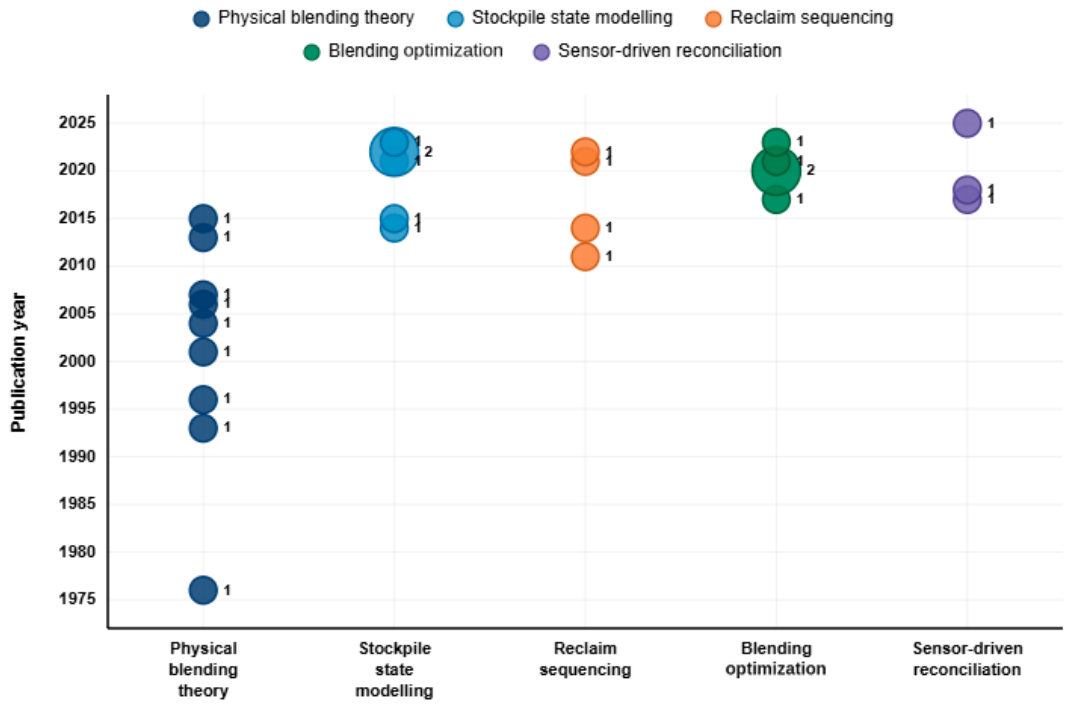
Figure 1 summarizes the temporal distribution of the reviewed publications and the number of publications per research stream.
The paper is structured as follows.
Section 3,
Section 4,
Section 5,
Section 6 and
Section 7 review each research stream in turn, drawing on primary sources to evaluate what has been established, the limitations that remain, and the key open questions.
Section 8 provides an integrated synthesis of all five streams, a structured literature coverage matrix, and a prioritized set of research gaps and development recommendations.
Section 9 presents the conclusions and outlines a roadmap for the development of integrated ROM-pad optimization frameworks.
2. Methodology
The scope of this review encompasses peer-reviewed journal articles, selected conference papers, and technical reports published during the period 1976–2025. The literature search was conducted in May 2025 using three databases: Scopus, Web of Science, and Google Scholar. This systematic review was not prospectively registered, and no formal review protocol was prepared prior to conducting the review. One additional source (Worden [
2]), identified through direct consultation of an industry organization rather than the database search itself, was incorporated during the review process to reflect a directly relevant development in AI-based blending control. The three databases were combined because they cover different parts of the literature: Scopus and Web of Science mainly overlap in their coverage of established journals, while Google Scholar also picks up older publications, conference papers, and preprints not always indexed in the other two. Combining all three therefore ensured broader coverage rather than duplicating the same records. The following Boolean search strings were applied to title, abstract, and keyword fields:
“stockpile reclamation” OR “ROM pad blending”;
“grade blending optimization” OR “blending optimization” AND “mining”;
“stockpile scheduling” OR “reclaim sequencing”;
“stockpile modelling” OR “stockpile state estimation”;
“sensor-driven reconciliation” OR “plant-feed grade control”.
The identification and selection of publications were documented using the PRISMA 2020 reporting framework [
4].
Records were screened first by title and abstract, then by full text, for direct relevance to stockpile reclamation or grade blending in a mining operational context. The screening and study-selection process was conducted jointly by the academic authors of this study (S.K., H.A., and Y.P.), consistent with the roles reported in the Author Contributions statement. Records were not screened independently in parallel; instead, eligibility decisions were made through joint review and consensus discussion. No automation tools were used for screening or eligibility decisions. Papers focused exclusively on comminution, flotation, or leaching, without a stockpile or blending component, were excluded. Papers not available in full text or not written in English were also excluded. Reference lists of retained papers were checked to identify additional relevant works not captured by the database search through citation searching and snowballing.
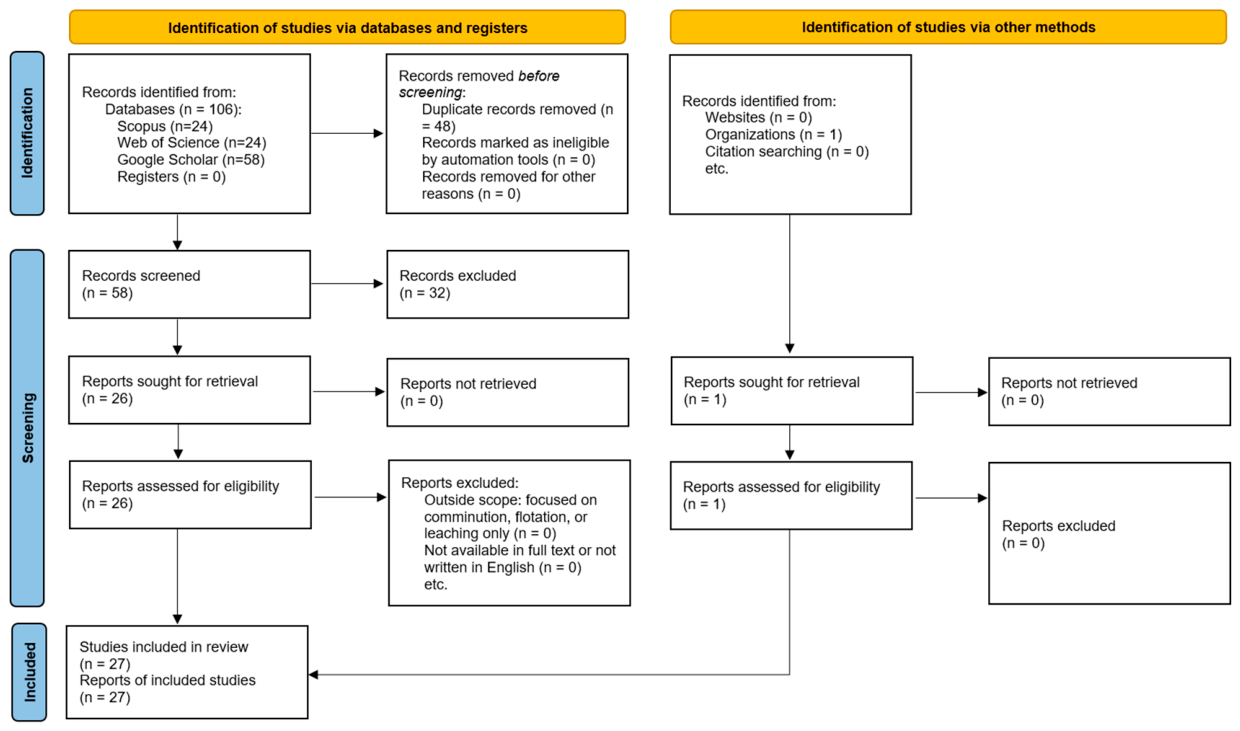
The number of records identified from each information source, duplicates removed before screening, records excluded during title and abstract screening, reports sought and retrieved for full-text assessment, reports excluded after full-text assessment and the reasons for exclusion, and publications ultimately included in the review are presented in the PRISMA 2020 flow diagram in
Figure 2. In summary, the combined database search returned 106 records; 48 duplicate records were removed before screening, leaving 58 records for title/abstract screening. Of these, 32 were excluded at this stage, leaving 26 reports sought and assessed for full-text eligibility, none of which were excluded at the full-text stage. One additional record, an industry publication identified through direct consultation of an organizational source rather than reference-list snowballing, was added through the parallel “identification via other methods” route shown in
Figure 2, giving the final total of 27 included publications.
The 27 publications retained after this process represent the complete set of eligible publications identified through the stated search and supplementary identification procedures; no arbitrary cap was applied.
The selected publications were organized into five research streams: (i) physical blending performance theory and design; (ii) stockpile internal quality modelling and state estimation; (iii) reclaim sequencing and equipment scheduling; (iv) plant-feed and stockpile blending optimization; and (v) sensor-driven reconciliation and closed-loop blending control. Peer-reviewed journal papers formed the primary evidence base. Vendor documentation and technical reports were used solely for implementation context and were not considered independent validation.
Each paper was evaluated against eight criteria: physical blending basis (C1), spatial model fidelity (C2), multi-attribute quality handling (C3), reclaim or equipment constraints (C4), uncertainty handling (C5), sensor or real-time capability (C6), industrial validation (C7), and optimization rigor (C8). Data extraction and classification were conducted jointly by the same academic authors (S.K., H.A., and Y.P.) responsible for screening. For each retained publication, information was extracted on the research stream addressed, modelling approach, stockpile representation, quality attributes considered, reclaim or equipment constraints, uncertainty treatment, sensor or real-time capability, validation evidence, and optimization rigor.
Each criterion was rated using a three-level scheme: primary coverage (✓✓), where the criterion is a central contribution of the paper; partial coverage (✓), where it is addressed but not a main focus; and not addressed (—), where the paper gives it no explicit treatment. Ratings were based on each paper’s stated objectives, methods, and reported results and were assigned through consensus discussion among the authors named above. No automation tools were used for data extraction, classification, or rating.
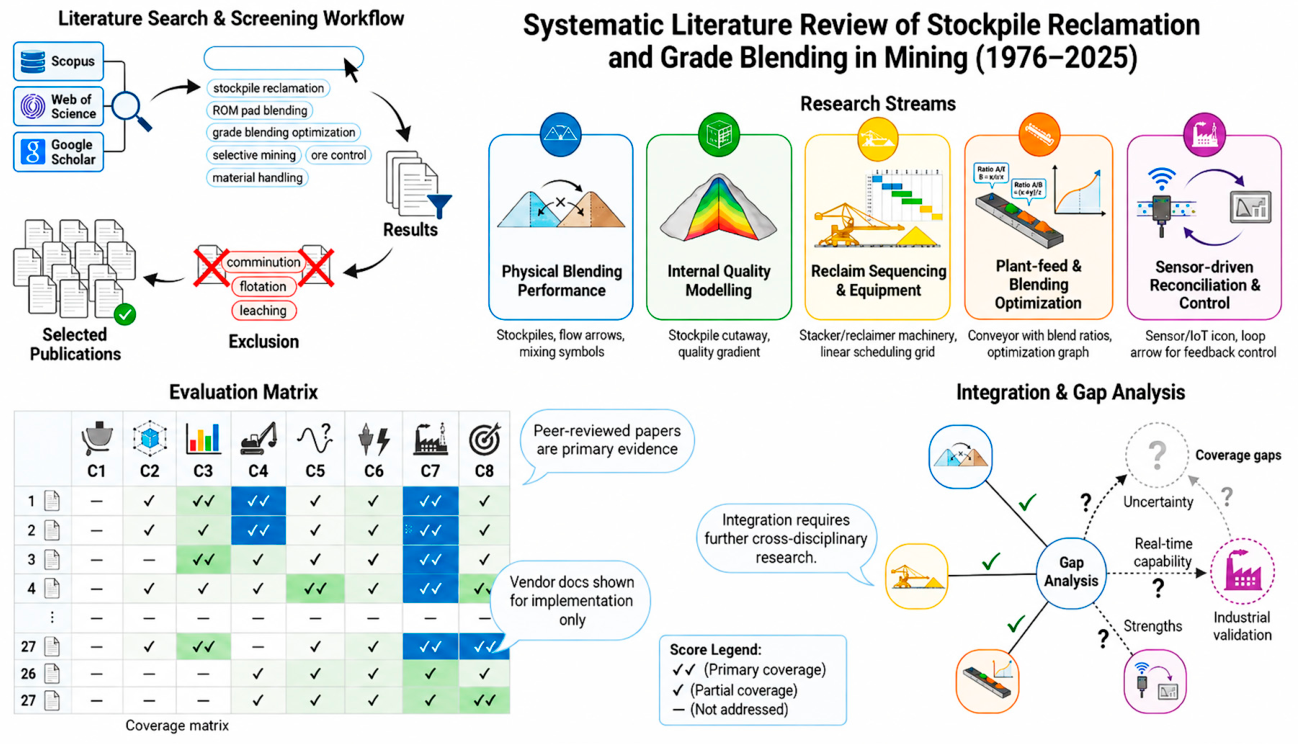
Figure 3 illustrates the broader methodological workflow used to classify and evaluate the selected literature after completion of the PRISMA identification and screening process.
3. Physical Blending Performance: Theory and Design Tools
Before any optimization layer is applied, the physical design of the stockpile determines the ceiling of achievable blending. This section reviews the theoretical foundations and practical design tools that govern the extent to which a pile can reduce grade variability.
3.1. Sampling Theory and the Variance Reduction Framework
Gy [
3] and Pitard [
5] provide the sampling-theory basis for understanding why short-range or nugget-scale variability cannot be eliminated by changing stacking geometry alone. In stockpile blending, reclaiming can be interpreted as a systematic sampling process over the input grade variogram. Equation (1) shows how the Fundamental Sampling Error is calculated.
where
is the sampling constant (a function of mineralogy and liberation),
is the particle diameter, and
is the sample mass. Equation (1) should be interpreted as a sampling-scale constraint rather than a complete model of stockpile output variability. For nugget-dominated gold ROM pads, liberation-factor calibration is required before operational use.
Robinson [
6] provides the main theoretical framework for estimating how much a blending stockpile can reduce grade variation. The Variance Reduction Ratio (VRR), defined as the ratio of output variance to input variance, quantifies blending performance: a lower VRR indicates better homogenization. Robinson distinguished ideal bed-blending, in which each reclaimed parcel contains equal proportions of all stacked layers, from realistic stockpile geometries, in which layer representation is uneven. Sampling theory defines a lower limit on achievable variation, while realistic geometry determines additional variance.
3.2. Bed-Blending Design and Circular Stockpile Efficiency
Kumral [
7] develops a bed-blending design approach combining Sequential Gaussian Simulation (SGS) of incoming ore quality with a stockpile simulator, multiple regression models, and a Genetic Algorithm (GA). The study optimizes stacking geometry for VRR across multiple quality attributes (Fe, SiO
2, Al
2O
3, lime). Key decision variables include pile length, number of layers, stacker speed, and stacking type. Results confirm that stacker speed and layer geometry strongly influence blending performance, but the best design remains site-specific.
Loubser and De Korte [
8] extend blending-performance analysis to circular stockpiles through simulation of coneshell and chevcon stacking patterns. For the investigated stockpile configurations, coneshell stacking shows limited ability to reduce VRR below approximately 0.232, while chevcon stacking achieved VRR = 0.121 under optimized parameters. These values are configuration-specific simulation results and should not be treated as universal constants.
Jupp et al. [
9] examine pre-crusher stockpiles in iron ore mining with a blended-in/blended-out (BIBO) configuration. Key findings include: (i) reclaiming across rows—rather than along rows—provides the strongest blending benefit; (ii) reclaim face width should be matched with daily crushing requirements; and (iii) row length and building in one or two layers had little effect on blending in the simulated cases. These findings are particularly relevant to ROM-pad operations reclaimed by front-end loaders.
4. Stockpile Internal Quality Modelling and State Estimation
Effective reclaim decisions require knowledge of the grade distribution within the pile, not just the pile average.
Table 1 summarizes the functional roles that stockpiles serve and their key operational levers. This section then reviews the spectrum of stockpile representation methods, from single-bin inventory models to particle-level digital twins.
Table 2 provides a comparative overview of the main stockpile state estimation methods, evaluated across three dimensions: spatial fidelity, optimization compatibility, and practical limitations. Spatial fidelity describes how completely a method represents the internal grade distribution of a pile:
Low denotes a single average grade per pile,
Medium a layered or zoned representation, and
High a full three-dimensional voxel- or cell-level description. Optimization compatibility describes how readily a representation integrates into a mathematical optimization model:
Low indicates the method is difficult to embed in a solvable formulation,
Medium requires aggregation or simplification, and
High indicates direct compatibility with linear or mixed-integer programming. The practical limitations column summarizes the principal constraint that restricts each method’s operational use.
4.1. Average-Grade Inventory and Grade-Class Bin Models
The most computationally tractable representations treat a stockpile as a homogeneous inventory node defined by total tonnage and average quality attributes. Moreno et al. [
10] and Rezakhah et al. [
11] use this abstraction in open-pit production scheduling models. While compatible with MILP solvers, this approach cannot represent internal quality gradients or the live reclaimable zone, which may differ substantially from the full-pile average.
Tabesh et al. [
12] introduce multi-range stockpiles as an intermediate level of detail within a two-stage clustering-MILP framework. In their iron ore case study, a four-bin stockpile configuration reduced the average grade deviation from 11.6% in the single-bin case to 5.1%, and yields a 10.6% NPV improvement over the no-stockpile baseline. These results should be interpreted as case-study outcomes, not universal performance benchmarks.
4.2. Layer-Based, Voxel, and Cellular Automata Models
Zhao et al. [
13] propose a near-real-time, multi-layer 3D ROM stockpile modelling framework in which pile geometry is updated using GPS/FMS dump and load locations and layers are differentiated by ore quality. The framework models front-end loader (FEL) cuts using bucket trajectory and Boolean operations against the 3D model, but the algorithm is evaluated at laboratory scale only.
Zhao et al. [
13,
15] developed 3D voxel-based stockpile models for iron ore quality control using laser-scanning measurements. By linking the voxel quality map with the cutting geometry of a real bucket-wheel reclaimer (BWR), the quality of reclaimed material can be calculated prior to execution. This is one of the most detailed peer-reviewed examples of a geometric stockpile quality model linked to reclaim-quality estimation.
A subsequent framework by Zhao et al. [
14] extends this approach to a full industrial deployment at OZ Minerals’ Prominent Hill mine, integrating GPS dump locations from the Jigsaw MineOPS fleet management system to construct near-real-time 3D ROM stockpile models without additional sensors. The framework addresses the 24–36 h assay delay inherent to current grade control workflows by separating geometric modelling—which is continuously updated from FMS data—from quality updates, which occur when laboratory results become available. A full stockyard model combining multiple ROM stockpiles is demonstrated using real operational data, representing one of the few peer-reviewed examples of this framework at an industrial scale.
Ye et al. [
16,
17] developed a 3D cellular automata model for ore stockpile formation and discharge at SMI-JKMRC, showing that particle-size segregation creates non-uniform internal stockpile structure. Where grade, hardness, or recovery correlate with particle size, this type of model is relevant for improving state estimation. Servin et al. [
18] propose a digital twin framework based on pseudo-particle simulation for mine-to-mill material tracking, providing a conceptually comprehensive but computationally intensive platform.
4.3. Stockpile Building and Stacking Control
The quality of material available for reclaim is largely determined by how the pile was built. Everett [
19,
20,
21] formalizes a multi-component target-composition framework using a stress function, where each quality component is expressed as a normalized deviation from the target, and the aggregate stress is the root-sum-square of individual component stresses. This approach allows multiple grade variables to be managed simultaneously and has been applied industrially at iron ore export facilities.
Kumral’s [
7] bed-blending design approach and Loubser and De Korte’s [
8] circular stockpile studies collectively demonstrate that stacker speed, layer count, movement increment, blending tail length, and stacking pattern all affect achievable blending performance, and these factors must be understood prior to applying any optimization layer. The physical pile design sets the ceiling; the optimizer cannot recover performance beyond what the geometry allows.
5. Reclaim Sequencing and Equipment Scheduling
5.1. Reclaim Method Comparison
Table 3 provides a qualitative comparison of the four main reclaim methods across six operational criteria. In this comparison, grade accuracy reflects how closely the grade of reclaimed material matches its target value; blending efficiency reflects the method’s ability to combine material from different stockpile zones to reduce grade variability; and real-time control reflects the extent to which reclaim can be adjusted during operation in response to feedback. For each criterion, High, Medium, and Low denote strong, moderate, and limited capability relative to the other reclaim methods compared. Bucket-wheel and stacker-reclaimer systems offer stronger blending control in designed stockyards but require higher capital investment and fixed infrastructure, whereas FEL and dozer paddock reclaiming are more flexible and lower-cost but depend heavily on stockpile construction and reclaim practice.
5.2. Voxel-Based and Multi-Reclaimer Scheduling
Lu and Myo [
22] propose an automatic reclaiming framework in which stockpiles are represented as voxels with known quality composition, and a model selects voxel combinations to satisfy target tonnage and quality while minimizing BWR movement. The study focuses on optimal voxel identification rather than trajectory execution; BWR path planning is identified as future work.
Assimi et al. [
23] formulate the ROM stockyard recovery scheduling problem for multiple reclaimers as a combinatorial optimization problem using a directed acyclic graph, where each cut corresponds to a stockpile slice carrying tonnage and mineral-composition information. A Max-Min Ant System (MMAS) with customized local search consistently outperforms deterministic greedy algorithms in computational experiments. Transfer to FEL operations would require revised accessibility rules, travel-time calculations, and traffic-management constraints.
Burdett et al. [
24] propose a bench block model for dry-bulk export terminals that represents stockpiles as heterogeneous blocks to incorporate changing stockpile geometry into scheduling. The focus is on geometry feasibility, resource allocation, and terminal performance rather than grade-composition control. Angelelli et al. [
25] study the algorithmic complexity of abstract reclaimer scheduling problems motivated by coal export terminals, characterizing the effects of travel time and no-passing constraints without a grade model.
6. Plant-Feed and Stockpile Blending Optimization
The central modelling challenge in stockpile blending is that material entering a stockpile is mixed, so the grade of reclaimed material depends on both the tonnage and the metal content stored, creating nonlinear relationships that are difficult to incorporate directly into large scheduling models.
The studies in this section work at a longer planning horizon than the reclaim and equipment scheduling methods in
Section 5, which address shift-to-daily equipment decisions. Here, stockpiles are treated as a single node within long-term (monthly-to-multi-year) production scheduling, where the decision is how much material to move to or from a stockpile over time, not which specific equipment move to make. The two are complementary: production scheduling sets target tonnage and grade flows, while reclaim scheduling (
Section 5) executes them operationally.
Table 4 summarizes the key studies in this research stream.
6.1. Deterministic and Multi-Range Formulations
Moreno et al. [
10] develop tractable linear-integer formulations for incorporating stockpiles into open-pit mine production scheduling, addressing the nonlinear blending relationship through linearization techniques that remain widely used. Rezakhah et al. [
11] extend this direction to an operational polymetallic case where stockpiling blends both metal grade and contaminant content, demonstrating that the LP relaxation of the blending objective is unimodal. Tabesh et al. [
12] introduce multi-range bin stockpiles within a two-stage clustering-MILP framework, showing that increasing bin granularity from one to four bins reduces head-grade deviation while simultaneously improving NPV in their iron ore case study.
6.2. Degradation-Aware and Chance-Constrained Models
Rezakhah and Newman [
26] develop a degradation-aware open-pit mine-planning model that accounts for changes in material value during stockpile residence. Their results—that 5% and 10% annual degradations reduce the computed value contribution of stockpiling by 37% and 69%, respectively—demonstrate that degradation kinetics cannot be ignored for long-dwell ROM pads or sulphide ore operations. However, these numerical results are site-specific and cannot be transferred directly to other operations without independent metallurgical testing and calibration.
Xie et al. [
27] formulate a chance-constrained blending problem with uncertain material grades, controlling the probability that grade constraints are violated, and solve the resulting nonlinear problem using Differential Evolution; this approach builds on earlier chance-constrained blending work by Kumral [
7]. Among the reviewed studies, it is the only one to make uncertainty handling (C5) its dominant focus, and it remains a computational benchmark study without industrial deployment.
7. Sensor-Driven Reconciliation and Closed-Loop Blending Control
7.1. Real-Time Grade-Control Model Updating
Wambeke and Benndorf [
28] develop a simulation-based geostatistical framework for updating a grade-control model using online production observations. The framework uses an application-specific forward simulator to translate grade-control realizations into predicted sensor observations, which are then compared with actual observations and used to update the model. In controlled experiments with two extraction points, unequal production rates, blended material streams, and inaccurate observations, RMSE improves by 38–45% inside the extraction zones. These results demonstrate the potential of sensor-driven reconciliation but should not be interpreted as direct proof of field-scale ROM-pad performance.
Wambeke et al. [
29] apply a related reconciliation approach using plant-performance data—including mill power draw and grindability indicators—at a gold mine operation, illustrating the potential to use downstream process measurements as indirect observations for updating upstream material models.
7.2. AI and Reinforcement Learning for Blending Control
Worden [
2] discusses artificial intelligence and reinforcement learning (RL) as emerging directions for adaptive blending control, particularly where decisions must respond dynamically to changing grade, plant performance, and operational constraints. Within the peer-reviewed literature, Feng et al. [
30] apply multi-agent deep reinforcement learning to multi-objective ore-blending scheduling in open-pit mines, allocating material from multiple production sites to multiple receiving points to minimize grade and lithology deviation in real time; although this addresses mine-to-receiving-point blending rather than stockpile reclamation directly, it demonstrates the feasibility of RL-based control for mining blending problems. Independently validated peer-reviewed evidence for RL applied specifically to stockpile blending nonetheless remains limited compared with the established literature on optimization, voxel modelling, and reconciliation reviewed here, and these methods are best regarded as emerging opportunities rather than proven industrial benchmarks.
8. Integrated Synthesis, Research Gaps, and Development Priorities
8.1. What the Literature Has Achieved
The reviewed literature spans five research streams and collectively establishes several important results. Physical blending theory demonstrates that stacking geometry, layer count, reclaim face orientation, and stacker speed set the physical ceiling on achievable grade homogenization before any optimization is applied. Stockpile state modelling shows that representing a pile as a homogeneous grade bucket is inadequate for spatially selective reclaiming, but that higher-fidelity models are increasingly difficult to embed directly into optimization solvers. Reclaim scheduling research confirms that quality-aware scheduling and operationally realistic scheduling remain largely separate: studies with grade awareness tend to be small-scale, while operationally detailed studies tend to simplify grade representation. Blending optimization provides a strong foundation for deterministic, degradation-aware, multi-range, and chance-constrained formulations, but still represents stockpiles as grade bins rather than live 3D spatial bodies. Sensor-driven reconciliation provides the theoretical machinery for closing the feedback loop, but field-scale validation in a ROM-pad context remains an open research challenge.
Table 5 summarizes the key achievements, methodological strengths, and primary limitations of each research stream. Reading across the rows reveals a consistent structural pattern: the streams that have achieved the strongest methodological advances—physical blending theory and blending optimization—are also the ones that simplified spatial representation to remain tractable. Conversely, the streams that have developed spatially realistic models have not yet produced formulations that are optimization-ready at the operational scale. This structural tension is the central challenge that the research gaps identified in
Section 8.4 are designed to address.
Table 5.
Summary of key achievements, methodological strengths, and limitations across the five research streams reviewed in this paper. This table complements the coverage matrix (
Table 6) by providing a qualitative assessment of each stream’s practical utility and remaining challenges.
Table 5.
Summary of key achievements, methodological strengths, and limitations across the five research streams reviewed in this paper. This table complements the coverage matrix (
Table 6) by providing a qualitative assessment of each stream’s practical utility and remaining challenges.
| Research Stream | Key Achievements | Methodological Strengths | Limitations | Representative References |
|---|
| Physical Blending Theory and Design | Establishes the Variance Reduction Ratio (VRR) as a blending performance measure; shows stacking geometry, layer count, and reclaim orientation set the physical ceiling on grade homogenization. | Grounded in sampling theory; supported by simulation and industrial case studies at iron ore facilities; directly applicable to stacker configuration decisions. | Findings are geometry- and site-specific; VRR benchmarks from circular or chevron piles do not transfer directly to ROM-pad FEL operations; no integration with downstream optimization. | Robinson [6]; Kumral [7]; Loubser & De Korte [8]; Jupp et al. [9]; Everett [19,20,21] |
| Stockpile State Modelling and Estimation | Demonstrates that single-bin grade representations are inadequate for spatially selective reclaiming; introduces voxel, layer-based, and cellular automata models capturing internal grade gradients and size segregation. | Increasing spatial fidelity from bin-level to voxel-level; cellular automata and digital twin frameworks capture particle-scale behaviour; GPS inputs enable near-real-time geometry updates. | Higher-fidelity models are not optimization-ready; most validated at laboratory or prototype scale only; computational cost prohibits direct embedding in scheduling solvers. | Zhao et al. [13,14,15]; Ye et al. [16,17]; Servin et al. [18] |
| Reclaim Sequencing and Equipment Scheduling | Establishes that quality-aware voxel selection and multi-reclaimer combinatorial scheduling outperform greedy benchmarks; characterizes algorithmic complexity under travel-time and no-passing constraints. | Combines operational realism (equipment travel time, traffic constraints) with grade objectives; MMAS metaheuristic and directed acyclic graph formulations are scalable to industrial problem sizes. | Studies with grade awareness tend to be small-scale; operationally detailed studies simplify grade representation; no published study integrates live 3D ROM-pad geometry with a quality-aware scheduler. | Lu & Myo [22]; Assimi et al. [23]; Burdett et al. [24]; Angelelli et al. [25] |
| Plant-Feed and Stockpile Blending Optimization | Provides tractable LP/MILP linearization for nonlinear blending relationships; quantifies the impact of stockpile degradation on mine plan value; multi-range bin stockpiles simultaneously improve NPV and reduce head-grade deviation. | Strong optimization rigor with LP relaxation analysis and MILP formulations; chance-constrained extensions handle grade uncertainty; degradation-aware models capture time-dependent value loss. | All models represent stockpiles as grade bins rather than live 3D bodies; no model handles more than two grade attributes alongside spatial accessibility constraints simultaneously. | Moreno et al. [10]; Rezakhah et al. [11,26]; Tabesh et al. [12]; Xie et al. [27] |
| Sensor-Driven Reconciliation and Closed-Loop Control | Provides the theoretical framework for updating grade-control models using online production observations; demonstrates 38–45% RMSE improvement in controlled experiments; explores plant-performance data as indirect grade observations. | Geostatistical sequential updating is principled and extensible; the framework is agnostic to sensor type, accepting belt assays, mill power draw, or grindability indicators as observations. | Field-scale validation on a ROM pad has not been published; a complete operational closed-loop (scheduling → execution → measurement → model update → reschedule) has not been demonstrated; RL-based adaptive control lacks independent peer-reviewed benchmarking. | Wambeke & Benndorf [28]; Wambeke et al. [29]; Worden [2] |
Table 6.
Literature coverage matrix of the reviewed studies. Criteria: C1 = Physical blending basis; C2 = Spatial model; C3 = Multi-attribute quality handling; C4 = Reclaim/equipment constraints; C5 = Uncertainty handling; C6 = Sensor/real-time capability; C7 = Industrial validation; C8 = Optimization rigor. ✓✓ = primary coverage; ✓ = partial coverage; — = not addressed.
Table 6.
Literature coverage matrix of the reviewed studies. Criteria: C1 = Physical blending basis; C2 = Spatial model; C3 = Multi-attribute quality handling; C4 = Reclaim/equipment constraints; C5 = Uncertainty handling; C6 = Sensor/real-time capability; C7 = Industrial validation; C8 = Optimization rigor. ✓✓ = primary coverage; ✓ = partial coverage; — = not addressed.
| Research Stream | Study | C1 | C2 | C3 | C4 | C5 | C6 | C7 | C8 |
| Physical Blending Theory | Gy [3] | ✓✓ | — | — | — | ✓ | — | — | — |
| Pitard [5] | ✓✓ | — | — | — | ✓ | — | — | — |
| Robinson [6] | ✓✓ | ✓ | — | — | ✓ | — | — | ✓ |
| Kumral [7] | ✓✓ | ✓ | ✓ | — | ✓ | — | ✓ | ✓ |
| Loubser & De Korte [8] | ✓✓ | — | ✓ | — | — | — | ✓ | — |
| Jupp et al. [9] | ✓✓ | ✓ | — | ✓ | — | — | ✓✓ | — |
| Everett [19,20,21] | ✓✓ | — | ✓✓ | — | — | — | ✓✓ | — |
| Stockpile State Modelling | Zhao et al. [13] | — | ✓✓ | ✓ | ✓ | — | — | ✓ | — |
| Zhao et al. [14] | — | ✓✓ | ✓ | — | — | ✓ | ✓✓ | — |
| Zhao et al. [15] | — | ✓✓ | ✓ | ✓ | — | — | ✓✓ | — |
| Ye et al. [16] | — | ✓✓ | — | — | — | — | ✓ | — |
| Ye et al. [17] | — | ✓✓ | — | — | — | — | ✓✓ | — |
| Servin et al. [18] | — | ✓✓ | — | — | — | — | — | — |
| Reclaim Sequencing | Lu & Myo [22] | — | ✓✓ | ✓ | ✓✓ | — | — | — | ✓ |
| Assimi et al. [23] | — | ✓ | ✓ | ✓✓ | — | — | — | ✓✓ |
| Burdett et al. [24] | — | ✓ | — | ✓✓ | — | — | ✓ | ✓ |
| Angelelli et al. [25] | — | — | — | ✓✓ | — | — | — | ✓ |
| Blending Optimization | Moreno et al. [10] | — | — | ✓ | — | — | — | ✓ | ✓✓ |
| Rezakhah et al. [11] | — | — | ✓✓ | — | — | — | ✓ | ✓✓ |
| Tabesh et al. [12] | — | — | ✓✓ | — | — | — | ✓✓ | ✓✓ |
| Rezakhah & Newman [26] | — | — | ✓ | — | ✓ | — | ✓ | ✓✓ |
| Xie et al. [27] | — | — | ✓✓ | — | ✓✓ | — | — | ✓ |
| Sensor-Driven Reconciliation | Worden [2] | — | — | — | — | — | ✓✓ | ✓ | — |
| Wambeke & Benndorf [28] | — | ✓ | ✓ | — | ✓✓ | ✓✓ | ✓✓ | ✓ |
| Wambeke et al. [29] | — | ✓ | ✓ | — | ✓✓ | ✓✓ | ✓✓ | ✓ |
8.2. Literature Coverage Matrix and Multi-Criteria Profile
Table 6 provides the full coverage matrix for the 27 reviewed publications across the eight evaluation criteria (C1–C8). Reading across the columns reveals a central structural gap in the literature: studies with the most spatially realistic models tend to exhibit limited optimization rigor, whereas studies with the strongest optimization frameworks generally rely on simplified spatial representations. This contrast is particularly clear at the highest level of coverage. Of the seven studies receiving primary coverage for spatial fidelity (C2 = ✓✓), none also received primary coverage for optimization rigor (C8 = ✓✓). Conversely, none of the five studies receiving primary coverage for optimization rigor also received primary coverage for spatial fidelity. To examine the association across all rating levels, the ordinal ratings were coded as 0, 1, and 2 for not addressed, partial coverage, and primary coverage, respectively. A two-sided Spearman rank correlation across the 25 scored entries in
Table 6—representing 27 publications, with Everett’s three related papers [
19,
20,
21] evaluated jointly—showed a modest negative association between spatial fidelity and optimization rigor (ρ
s = −0.34,
p = 0.10, n = 25). Although the association did not reach conventional statistical significance and should therefore be interpreted as exploratory, its direction is consistent with the structural trade-off observed in the coverage matrix. Uncertainty handling (C5) and sensor or real-time capability (C6) each receive primary coverage in only three of the 25 scored studies. Primary coverage of both criteria occurs in only two studies [
28,
29], highlighting the limited integration of uncertainty treatment with sensor-driven model updating. Together, these two criteria define important frontiers for future research.
These cross-cutting patterns directly inform the research gaps and development priorities developed in the remainder of this section.
8.3. Methodological Distribution and Validation Evidence
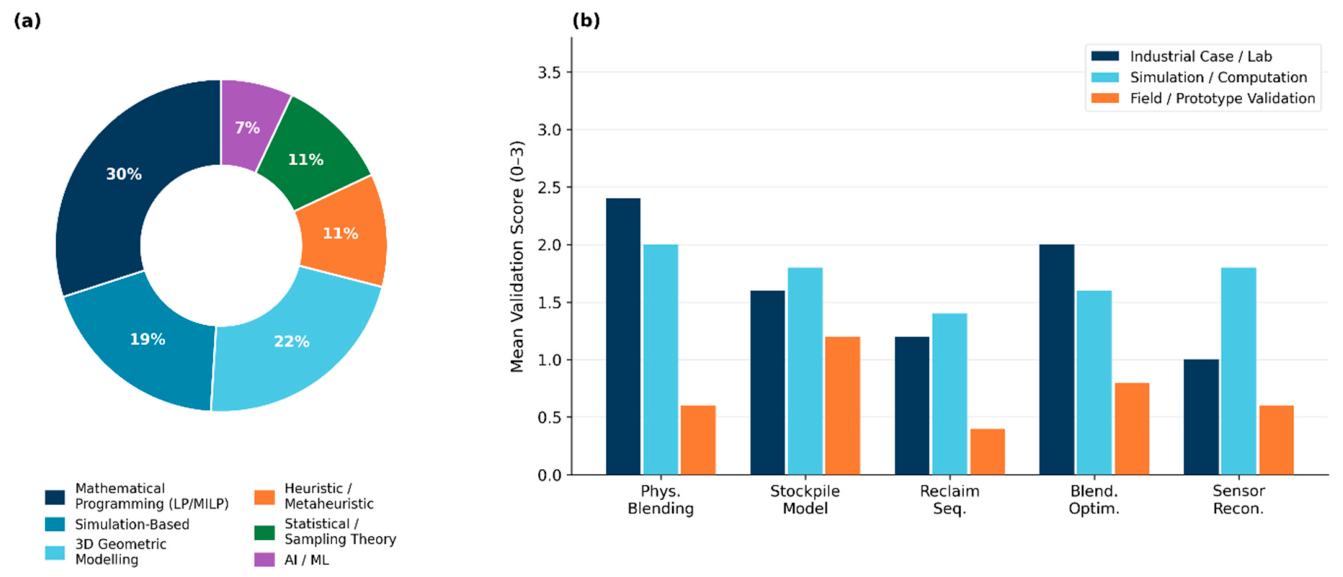
Figure 4 summarizes the distribution of methodological approaches and the average validation evidence level across the five research streams. Mathematical programming (LP/MILP) and 3D geometric modelling are the most represented methodological categories. However, field-scale or prototype-level validation (C7) is notably weaker for reclaim sequencing and sensor-driven reconciliation than for physical blending and blending optimization.
8.4. Research Gaps
Table 7 identifies six research gaps prioritized by practical significance for a ROM-pad blending optimization platform.
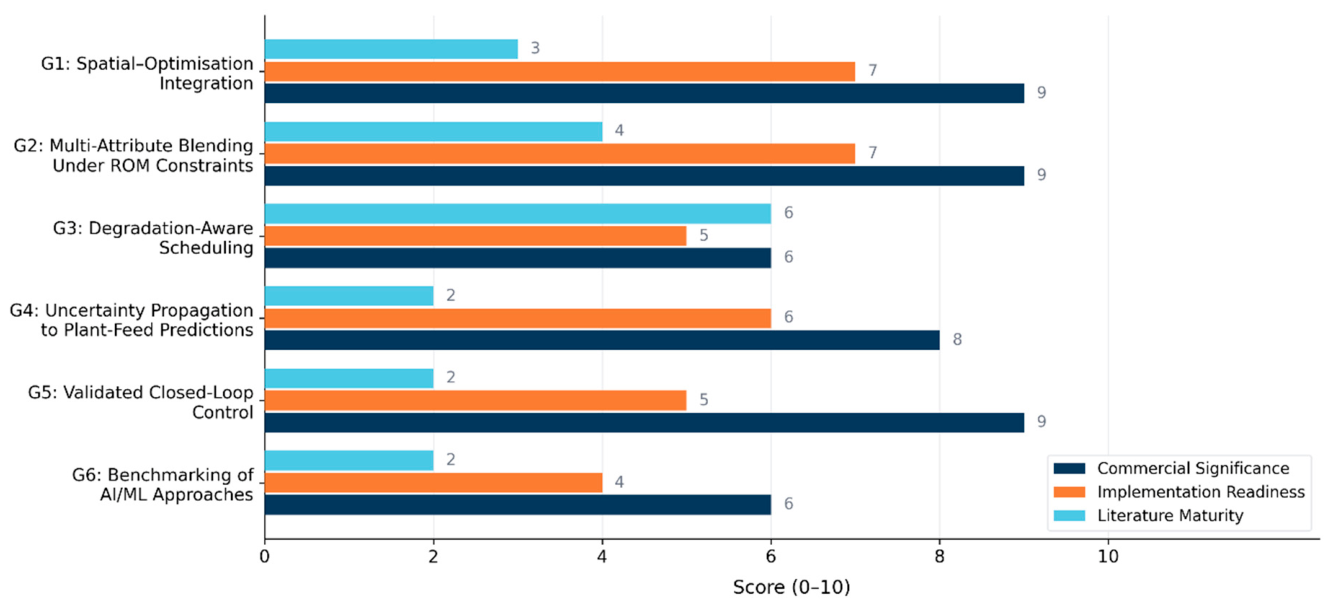
Figure 5 provides a visual assessment of each gap across three dimensions: practical significance, implementation readiness, and literature maturity.
The most fundamental missing connection is between spatially explicit ROM-pad models and operational scheduling. Voxel-based and GPS-updated 3D models [
13,
15] can represent the grade distribution and live geometry of a ROM pad with high fidelity, but converting this representation into decision variables that a scheduling solver can act upon has not been demonstrated at an operational scale. The aggregation step, from continuous 3D geometry to discrete, accessible reclaim units carrying estimated tonnage and grade, must respect physical accessibility constraints (ramp access, dozer reach, face angle) and update dynamically as pile geometry changes with each truck dump or FEL cut. Without this aggregation, the 3D model remains a monitoring and visualization tool rather than a decision-support input. The most tractable near-term approach is a rolling-horizon MILP in which the spatial model is re-aggregated at the start of each scheduling interval (e.g., every shift), generating a set of accessible reclaim units that serve as decision variables for that interval without requiring the solver to handle full voxel geometry directly.
Blending optimization models in the literature handle one or two quality attributes, with the most advanced formulations managing grade and a single contaminant [
11,
12]. Polymetallic operations routinely require simultaneous control of three or more attributes, for example, Cu grade, Mo grade, As contaminant, and hardness index for a Cu–Mo porphyry, each with different target types (hard constraint for penalty-triggering contaminants, soft target for recoverable grade, variability bound for throughput-sensitive properties). No published model handles three or more attributes simultaneously under live ROM-pad accessibility constraints. The goal-programming and weighted stress-function frameworks developed by Everett [
19,
20,
21] for iron ore export scheduling provide a practical template: a scalar objective formed as a root-sum-square of normalized deviations from target allows multiple attributes to be prioritized without combinatorial explosion. Extending this to a MILP with spatially aggregated reclaim units (Gap G1) represents the most direct path to a tractable polymetallic blending model.
Most blending optimization models treat stored material as static in terms of quality. Rezakhah and Newman [
26] demonstrate that this assumption is consequential: at 5% and 10% annual degradation rates, the computed value contribution of stockpiling is reduced by 37% and 69%, respectively. Despite this, none of the reviewed studies build site-specific degradation rates directly into a reclaim scheduling model. For long-dwell ROM pads or sulphide ore operations, ignoring degradation kinetics results in a systematic overestimation of stockpile value and suboptimal reclaim sequencing. Degradation is not a single mechanism: physical segregation during stacking and reclaiming redistributes fines and coarse fractions without any chemical change; oxidation and weathering alter mineral surface chemistry and can reduce recoverable grade over weeks to months; and moisture variation affects handling behaviour and reported grade on a much shorter, weather-driven timescale. Segregation is a spatial rather than time-dependent effect and is addressed separately through the spatial-modelling approaches discussed in Gap G1; the calibration approach below applies to the two time-dependent mechanisms. The most tractable approach is to calibrate the mechanism relevant to a given site: oxidation or leaching kinetics from standard metallurgical test data (bottle-roll, column leach, or oxygen consumption tests), or moisture effects from routine moisture-adjusted grade sampling, and express them as dwell-time penalty functions in the scheduling objective. This converts a static blending problem into a time-indexed one, where the optimizer trades the blending benefit of holding material against the quality loss accruing during residence.
Every input to a ROM-pad blending model carries uncertainty: blasthole assay values are point measurements used to estimate block grades; GPS/FMS dump locations carry positioning error; and material identity can be incorrectly assigned by dispatchers. Operational disruptions add a further layer of uncertainty that is rarely modelled explicitly: equipment breakdowns and unplanned maintenance change the timing and sequence of planned reclaim and haul cycles, and sensor drift or miscalibration introduces systematic error into any online grade or tonnage reading used to update the model. These uncertainties, geological, positional, and operational alike, propagate through the spatial model and the scheduling optimizer to the predicted plant-feed composition, but no reviewed study combines them or reports prediction intervals alongside point estimates for feed grade. Xie et al. [
27] is the only study to treat uncertainty as a primary modelling objective, and it remains a computational benchmark without industrial deployment. Wambeke & Benndorf [
28] provide the geostatistical machinery for tracking grade uncertainty through production, but their framework has not been coupled to a scheduling model that propagates uncertainty forward to predicted feed composition. A practical first step is a Monte Carlo pass over the grade distributions of spatially aggregated reclaim units, generating empirical prediction intervals for the scheduled feed composition at each horizon—requiring no new optimization machinery, only that existing uncertainty is made explicit and reported.
The theoretical framework for closing the feedback loop—using sensor observations to update the grade-control model and correct scheduling decisions—is well established by Wambeke & Benndorf [
28] and Wambeke et al. [
29]. However, no published study demonstrates a complete operational loop on a ROM pad: scheduling a reclaim sequence, executing it, measuring the resulting plant-feed composition via belt sensor, head assay, or mill performance indicator, comparing predicted against observed, detecting systematic model bias, correcting the model, and rescheduling. Each of these steps has been demonstrated individually, but their integration at the field scale remains an open challenge. The principal technical barriers are sensor-to-material alignment, quantification of observation uncertainty, computational latency of model updating relative to the scheduling horizon, and basic hardware reliability: online grade sensors carry significant capital and maintenance cost, signal quality degrades from dust and vibration in crusher and stockpile environments, and periodic recalibration is needed to control drift. Neither Wambeke and Benndorf [
28] nor Wambeke et al. [
29] report on these hardware constraints, so the 38–45% RMSE improvement achieved in their controlled experiments should be read as an upper bound on what is achievable once instrumentation cost and reliability are accounted for in a field deployment. Addressing these barriers requires a pilot deployment at a site with existing GPS/FMS infrastructure and a belt weigher or online assay instrumentation.
Vendor platforms and emerging research, including the reinforcement-learning framework described by Worden [
2], claim adaptive blending control capability, but no transparent peer-reviewed comparison against simpler deterministic or MILP-based baselines on a shared ROM-pad test case has been published. This makes it impossible to determine whether performance gains are attributable to the AI/ML methodology itself or to confounding factors such as better data infrastructure or more frequent rescheduling. A shared benchmark dataset—comprising documented stockpile geometry, grade distribution, GPS/FMS truck records, and equipment constraints—would allow fair comparison of competing methods and establish a reproducible standard for evaluating future developments. The creation or publication of such a dataset is, in itself, a high-value research contribution.
8.5. Integrated Framework and Development Priorities
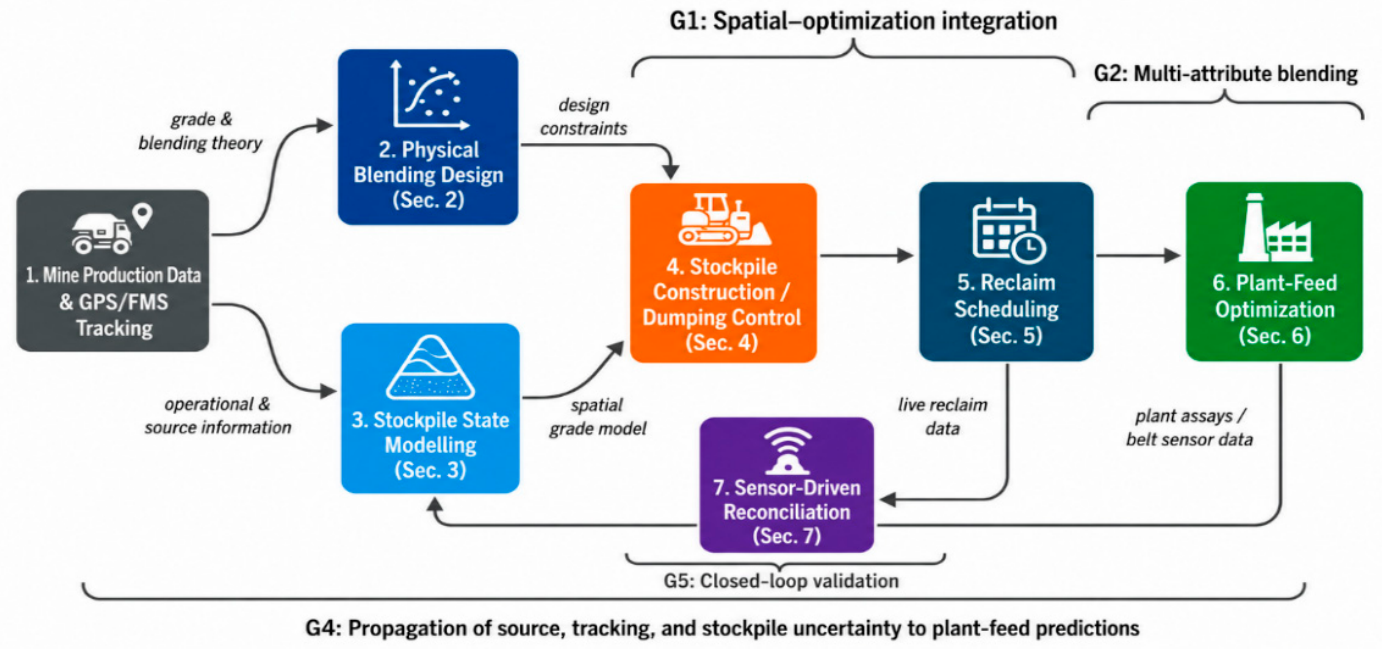
Figure 6 shows how the five research streams interact within an integrated operational workflow for ROM-pad blending. The framework makes explicit the information flows between physical pile design, spatial state models, stacking control, reclaim scheduling, plant-feed optimization, and sensor feedback. The key integration gaps (G1, G2, G5) are annotated on the diagram.
Six development priorities are proposed in order of implementation readiness.
The most tractable near-term step is to convert the 3D ROM-pad model from a monitoring tool into an optimization input. This does not require a voxel-level MILP. Instead, the spatial model can be aggregated into operationally meaningful units—accessible FEL zones, push-dozer bench slices, or GPS survey-bounded grid cells—each carrying estimated tonnage, grade distribution, and accessibility status. These units become the decision variables in a rolling-horizon scheduling model (Gap G1).
Once spatially aggregated reclaim units are available, a multi-attribute blending objective can be formulated using goal programming or a weighted stress function in the style of Everett [
19,
20,
21]. This allows plant-feed targets for multiple quality variables (Au, Cu, As, S, hardness) to be prioritized practically: hard constraints for penalty-triggering contaminants, soft targets for recoverable grade, and variability bounds for throughput-sensitive properties (Gap G2).
The 3D ROM-pad model carries spatial uncertainty from GPS/FMS tracking and blasthole-to-truck grade assignment. The scheduling output should propagate this uncertainty to the predicted plant-feed composition and report confidence intervals alongside point estimates. Even a Monte Carlo pass over reclaim-unit grade distributions is sufficient to generate prediction intervals for operator-facing outputs (Gap G4).
Belt sensor readings, plant head-grade assays, mill power data, or periodic drone or LiDAR surveys can be used to compare predicted against observed material properties. A sequential updating step—comparing the predicted feed composition from the last scheduling cycle against the plant-recorded assay—can detect systematic model biases and correct GPS/FMS tracking errors over time. The Wambeke and Benndorf [
28] framework provides the theoretical foundation; site-specific implementation requires reliable sensor-to-material alignment and quantified observation uncertainty (Gap G5).
For operations with sulphide or oxidizing ore, site-specific degradation kinetics should be calibrated from metallurgical test data and embedded as dwell-time penalty functions in the scheduling model. Even a simplified linear penalty on dwell time is substantially better than a static quality assumption and can be implemented within the same rolling-horizon MILP framework proposed in Priority 1.
Establishing a shared, documented ROM-pad benchmark dataset—comprising stockpile geometry, GPS/FMS dump records, grade distribution, and equipment constraints—would enable fair comparison of deterministic MILP, metaheuristic, and AI/ML approaches on identical problem instances. This is a prerequisite for determining whether performance gains claimed by vendor platforms represent genuine methodological advances.
8.6. Limitations of This Review
The coverage matrix and synthesis do not stratify the reviewed studies systematically by commodity type, mine scale, or stockpile configuration. Consequently, the research gaps identified in
Section 8.4 should be interpreted as field-wide priorities rather than site-specific recommendations. The primary evidence base is also limited to publicly available and citable sources, with peer-reviewed publications receiving the greatest evidentiary weight. Vendor materials and internal project documentation were used only to provide implementation context and were not independently scored in the coverage matrix.
9. Conclusions
This review synthesizes 27 publications across five research streams relevant to stockpile reclamation and grade blending for processing plant feed in mining operations. The analysis reveals a consistent structural gap: studies with the highest spatial fidelity lack robust optimization frameworks, while those with the strongest optimization foundations rely on simplified spatial representations. Six research gaps are identified. The four most operationally critical—spatially explicit reclaim scheduling under live ROM-pad constraints (G1), tractable multi-attribute blending for polymetallic operations (G2), uncertainty propagation to plant-feed predictions (G4), and field-scale closed-loop validation (G5)—define a clear development roadmap for adaptive ROM-pad optimization frameworks.
Progress toward integrated ROM-pad optimization requires coordinated advances across multiple research streams rather than isolated improvements within any one of them. The structural gap identified in this review—between spatially realistic models and optimization-ready formulations—cannot be closed by improving spatial fidelity or optimization rigor independently. The aggregation step connecting 3D ROM-pad geometry to MILP-compatible decision variables (G1), the multi-attribute blending framework that operates on those variables (G2), the uncertainty propagation that makes predictions credible (G4), and the closed-loop validation that makes the system adaptive (G5) are mutually dependent: each becomes substantially more valuable when the others are in place. The development roadmap proposed in
Section 8.5 prioritizes G1 and G2 as near-term steps that create the foundation for G4 and G5 as subsequent phases. Industry adoption will additionally require that uncertainty is reported transparently alongside scheduling outputs and that AI/ML approaches are benchmarked against interpretable baselines (G6) before operational deployment.
The literature suggests that the transition from static stockpile monitoring to closed-loop stockpile optimization requires integrating GPS/FMS-based material tracking, spatially aware reclaim scheduling, grade uncertainty propagation, and sensor-driven model correction into a single operational workflow. No published system currently achieves this integration at the field scale. Meeting this challenge would significantly improve plant-feed predictability, reduce avoidable blending losses, and provide a defensible technical foundation for industrial ROM-pad optimization frameworks.
Author Contributions
Conceptualization, S.K., R.N., H.A.-N. and Y.P.; methodology, S.K., H.A.-N. and Y.P.; investigation, S.K., H.A.-N. and Y.P.; writing—original draft preparation, S.K.; writing—review and editing, R.N., H.A.-N., and Y.P.; supervision, Y.P. All authors have read and agreed to the published version of the manuscript.
Funding
This research was supported by an NSERC Alliance Grant (ALLRP 608041) and Mitacs (IT46301) as part of a collaborative research agreement between NTWIST Inc. and the University of Alberta Mining and Rock Science Development and Innovation Laboratory.
Data Availability Statement
No new datasets were created in this review. All data sources are cited in the reference list.
Acknowledgments
During the preparation of this manuscript, the authors used Grammarly for language editing, grammar checking, and improving the clarity and readability of the text. The authors carefully reviewed and edited all generated suggestions and take full responsibility for the content of this publication.
Conflicts of Interest
Author R.N. is an employee of NTWIST Inc., which provided partial funding for this research. R.N. contributed to the conceptualization of the study and to the review and editing of the manuscript in his capacity as a co-author. The literature search, study screening, data extraction, scoring, analysis, and interpretation were conducted by the academic authors S.K., Y.P., and H.A. The remaining authors declare no conflicts of interest.
References
- Saavedra, M.; Risso, N.; Momayez, M.; Nunes, R.; Tenorio, V.; Zhang, J. Blending Characterization for Effective Management in Mining Operations. Minerals 2025, 15, 891. [Google Scholar] [CrossRef] [Scilit]
- Worden, T. How AI and Reinforcement Learning Transforms Ore Blending for Smarter Gold Processing. International Mining. 2025. Available online: https://eclipsedatainnovations.com/wp-content/uploads/2025/12/AI-backed-Ore-Blending-Opps_Nov-Dec-2025_IM-mag.pdf (accessed on 1 August 2026).
- Gy, P.M. The sampling of particulate materials—A general theory. Int. J. Miner. Process. 1976, 3, 289–312. [Google Scholar] [CrossRef] [Scilit]
- Page, M.J.; McKenzie, J.E.; Bossuyt, P.M.; Boutron, I.; Hoffmann, T.C.; Mulrow, C.D.; Shamseer, L.; Tetzlaff, J.M.; Akl, E.A.; Brennan, S.E. The PRISMA 2020 statement: An updated guideline for reporting systematic reviews. BMJ 2021, 372, 71. [Google Scholar] [CrossRef] [Scilit] [PubMed]
- Pitard, F.F. Pierre Gy’s Sampling Theory and Sampling Practice: Heterogeneity, Sampling Correctness, and Statistical Process Control; CRC press: Boca Raton, FL, USA, 1993. [Google Scholar]
- Robinson, G. How much would a blending stockpile reduce variation? Chemom. Intell. Lab. Syst. 2004, 74, 121–133. [Google Scholar] [CrossRef] [Scilit]
- Kumral, M. Bed blending design incorporating multiple regression modelling and genetic algorithms. J. S. Afr. Inst. Min. Metall. 2006, 106, 229–236. [Google Scholar]
- Loubser, Z.; De Korte, J. Investigation of factors influencing blending efficiency on circular stockpiles through modelling and simulation. J. S. Afr. Inst. Min. Metall. 2015, 115, 773–780. [Google Scholar] [CrossRef] [Scilit]
- Jupp, K.; Howard, T.; Everett, J. Role of pre-crusher stockpiling for grade control in iron ore mining. Appl. Earth Sci. 2013, 122, 242–255. [Google Scholar] [CrossRef] [Scilit]
- Moreno, E.; Rezakhah, M.; Newman, A.; Ferreira, F. Linear models for stockpiling in open-pit mine production scheduling problems. Eur. J. Oper. Res. 2017, 260, 212–221. [Google Scholar] [CrossRef] [Scilit]
- Rezakhah, M.; Moreno, E.; Newman, A. Practical performance of an open pit mine scheduling model considering blending and stockpiling. Comput. Oper. Res. 2020, 115, 104638. [Google Scholar] [CrossRef] [Scilit]
- Tabesh, M.; Afrapoli, A.M.; Askari-Nasab, H. A two-stage simultaneous optimization of NPV and throughput in production planning of open pit mines. Resour. Policy 2023, 80, 103167. [Google Scholar] [CrossRef] [Scilit]
- Zhao, S.; Lu, T.-F.; Koch, B.; Hurdsman, A. 3D stockpile modelling to improve the quality control in iron ore handling. In Proceedings of the International Conference on Mining, Material and Metallurgical Engineering, Prague, Czech Republic, 11–12 August 2014; pp. 80.81–80.89. [Google Scholar]
- Zhao, S.; Lu, T.-F.; Statsenko, L.; Koch, B.; Garcia, C. A framework for near real-time ROM stockpile modelling to improve blending efficiency. J. Eng. Des. Technol. 2022, 20, 497–515. [Google Scholar] [CrossRef] [Scilit]
- Zhao, S.; Lu, T.-F.; Koch, B.; Hurdsman, A. Automatic quality estimation in blending using a 3D stockpile management model. Adv. Eng. Inform. 2015, 29, 680–695. [Google Scholar] [CrossRef] [Scilit]
- Ye, Z.; Hilden, M.; Yahyaei, M. A 3D cellular automata ore stockpile model–Part 1: Simulation of size segregation. Miner. Eng. 2022, 187, 107816. [Google Scholar] [CrossRef] [Scilit]
- Ye, Z.; Hilden, M.; Yahyaei, M. A 3D cellular automata ore stockpile model–Part 2: Simulation and industrial validation of dynamic discharging and trajectory segregation mechanisms. Miner. Eng. 2023, 200, 108156. [Google Scholar] [CrossRef] [Scilit]
- Servin, M.; Vesterlund, F.; Wallin, E. Digital twins with distributed particle simulation for mine-to-mill material tracking. Minerals 2021, 11, 524. [Google Scholar] [CrossRef] [Scilit]
- Everett, J. Iron ore production scheduling to improve product quality. Eur. J. Oper. Res. 2001, 129, 355–361. [Google Scholar] [CrossRef] [Scilit]
- Everett, J. Computer aids for production systems management in iron ore mining. Int. J. Prod. Econ. 2007, 110, 213–223. [Google Scholar] [CrossRef] [Scilit]
- Everett, J.E. Iron ore handling procedures enhance export quality. Interfaces 1996, 26, 82–94. [Google Scholar] [CrossRef] [Scilit]
- Lu, T.-F.; Myo, M.T.R. Optimal stockpile voxel identification based on reclaimer minimum movement for target grade. Int. J. Miner. Process. 2011, 98, 74–81. [Google Scholar] [CrossRef] [Scilit]
- Assimi, H.; Koch, B.; Garcia, C.; Wagner, M.; Neumann, F. Run-of-mine stockyard recovery scheduling and optimisation for multiple reclaimers. In Proceedings of the 37th ACM/SIGAPP Symposium on Applied Computing, Virtual, 25–29 April 2022; pp. 1074–1083. [Google Scholar]
- Burdett, R.L.; Corry, P.; Eustace, C. Stockpile scheduling with geometry constraints in dry bulk terminals. Comput. Oper. Res. 2021, 130, 105224. [Google Scholar] [CrossRef] [Scilit]
- Angelelli, E.; Kalinowski, T.; Kapoor, R.; Savelsbergh, M.W. Reclaimer Scheduling: Complexity and Algorithms. arXiv 2014, arXiv:1402.4178. [Google Scholar]
- Rezakhah, M.; Newman, A. Open pit mine planning with degradation due to stockpiling. Comput. Oper. Res. 2020, 115, 104589. [Google Scholar] [CrossRef] [Scilit]
- Xie, Y.; Neumann, A.; Neumann, F. Heuristic strategies for solving complex interacting stockpile blending problem with chance constraints. In Proceedings of the Genetic and Evolutionary Computation Conference, Lille, France, 10–14 July 2021; pp. 1079–1087. [Google Scholar]
- Wambeke, T.; Benndorf, J. A simulation-based geostatistical approach to real-time reconciliation of the grade control model. Math. Geosci. 2017, 49, 1–37. [Google Scholar] [CrossRef] [Scilit]
- Wambeke, T.; Elder, D.; Miller, A.; Benndorf, J.; Peattie, R. Real-time reconciliation of a geometallurgical model based on ball mill performance measurements–a pilot study at the Tropicana gold mine. Min. Technol. 2018, 127, 115–130. [Google Scholar] [CrossRef] [Scilit]
- Feng, Z.; Liu, G.; Wang, L.; Gu, Q.; Chen, L. Research on the multiobjective and efficient ore-blending scheduling of open-pit mines based on multiagent deep reinforcement learning. Sustainability 2023, 15, 5279. [Google Scholar] [CrossRef] [Scilit]
| Disclaimer/Publisher’s Note: The statements, opinions and data contained in all publications are solely those of the individual author(s) and contributor(s) and not of MDPI and/or the editor(s). MDPI and/or the editor(s) disclaim responsibility for any injury to people or property resulting from any ideas, methods, instructions or products referred to in the content. |