

Review

Paediatric Ovarian Neoplasms: Histopathological, Molecular, and Translational Perspectives

by
Andrea Marzullo
1,* and
Cecilia Salzillo
1,2
1
Pathology Unit, Department of Precision and Regenerative Medicine and Ionian Area, University of Bari “Aldo Moro”, 70124 Bari, Italy
2
Department of Experimental Medicine, PhD Course in Public Health, University of Campania “Luigi Vanvitelli”, 80138 Naples, Italy
*
Author to whom correspondence should be addressed.
Submission received: 15 December 2025 / Revised: 2 February 2026 / Accepted: 9 February 2026 / Published: 11 February 2026

Abstract

Paediatric ovarian neoplasms are rare and histologically diverse tumours with distinct clinical behaviour and prognosis compared to their adult counterparts. This review synthesises current knowledge from an anatomical pathology perspective, emphasising diagnostic and therapeutic strategies. Paediatric ovarian tumours are classified into three main categories: germ cell tumours, sex cord-stromal tumours, and epithelial neoplasms. Germ cell tumours, the most frequent in children, include dysgerminoma, mature and immature teratoma, yolk sac tumour, and choriocarcinoma. Sex cord-stromal tumours encompass Sertoli-Leydig cell tumours, juvenile granulosa cell tumours, and adrenal-like stromal tumours, while epithelial tumours, rare in paediatric patients, include serous and mucinous adenocarcinomas or cystadenomas. Clinical presentation is often nonspecific, with abdominal pain, pelvic mass, or endocrine abnormalities. Diagnosis integrates imaging, serum tumour markers, and histopathology supported by immunohistochemistry. Treatment prioritises fertility-sparing surgery, with selective adjuvant chemotherapy based on histotype and stage. Despite generally favourable outcomes, the rarity of these tumours limits high-quality evidence, highlighting the need for referral centres and multicenter studies. Standardised diagnostic protocols and personalised therapeutic approaches are essential to optimising clinical outcomes and preserve long-term reproductive function.

1. Introduction

Paediatric ovarian neoplasms represent a heterogeneous group of tumours, characterised by a broad spectrum of clinical, histopathological and biological presentations. Unlike adult ovarian neoplasms, these lesions arise in a context of incomplete hormonal and reproductive development, making diagnostic and therapeutic management particularly complex, especially in relation to fertility preservation [1,2].
Ovarian neoplasms in paediatric patients are rare, with an incidence ranging between 2.6 and 10.7 per 100,000 girls per year [1], and they account for only approximately 1–2% of all paediatric neoplasms [2]. Despite their low frequency, their management is of considerable clinical importance; timely diagnosis and appropriate treatment are crucial to ensuring both survival and the preservation of reproductive function in young patients [3,4].
From an epidemiological and histopathological perspective, paediatric ovarian neoplasms differ markedly from those occurring in adults. In paediatric patients, germ cell-derived tumours clearly predominate, accounting for the vast majority of cases [5,6]. By contrast, in adult women, most ovarian neoplasms are represented by surface epithelial tumours [7,8,9]. Moreover, both prognosis and therapeutic strategies may differ substantially between the two groups, with paediatric patients generally exhibiting higher survival rates and greater suitability for fertility-sparing treatment options [10,11,12].
The aim of this review is to provide, from an anatomopathological perspective, a critical and comprehensive update on paediatric ovarian neoplasms, with particular attention given to histological classification, diagnostic modalities, therapeutic strategies and long-term clinical outcomes. This review also seeks to enhance understanding of the differences between paediatric and adult ovarian neoplasms and to promote a multidisciplinary approach focused on the care of young patients. This review also provides a detailed analysis of the main clinical, serological, immunohistochemical, and molecular markers that can support an early diagnosis of paediatric ovarian neoplasms, facilitating the timely identification of the disease when symptoms begin to manifest.

2. Materials and Methods

This review was conducted as a narrative review of the literature, with the aim of providing a critical and updated synthesis of ovarian neoplasms in paediatric age from a histopathological, molecular and translational point of view. The bibliographic search was carried out by consulting the main biomedical databases, such as PubMed/MEDLINE, Scopus and Web of Science.
Articles published mainly in the last 10 years were considered, with particular attention to the most recent contributions (last 3–5 years) relating to emerging molecular, diagnostic and therapeutic aspects. Keywords and MeSH terms used included “paediatric ovarian tumors,” “ovarian germ cell tumors,” “sex cord-stromal tumors,” “juvenile granulosa cell tumor,” “DICER1,” “FOXL2,” “molecular markers,” “fertility-sparing surgery,” and related combinations.
Original studies, narrative and systematic reviews, international guidelines, and consensus statements relevant to the topic were included. Non-English language articles, studies with insufficient or irrelevant data to the paediatric population, and articles focusing exclusively on adults with no paediatric implications were excluded.

3. Histopathological Classification and Key Diagnostic Features

3.1. Germ Cell Tumours

Ovarian germ cell tumours are a heterogeneous group of neoplasms arising from totipotent primitive germ cells, which, in most cases, are present at a young age [13,14,15].

3.1.1. Dysgerminoma

Dysgerminoma is one of the most common malignant germ cell tumours in children and adolescents [16,17,18].
Macroscopically, it typically presents as a solid, unilateral, often well-demarcated mass. Microscopic examination shows large cells with clear cytoplasm, a central nucleus with one or more prominent nucleoli arranged in nests, or alveoli separated by fibrovascular septa and often infiltrated by lymphocytes. Immunohistochemistry shows positivity for PLAP, OCT3/4 and D2-40, useful for differentiating from the rest of the germinal entities. Furthermore, dysgerminoma also frequently expresses SALL4, a sensitive marker of primary germ cell tumours, especially useful in the differential diagnosis with other poorly differentiated ovarian neoplasms [16,17,18].
Dysgerminoma is generally highly sensitive to chemotherapy and radiotherapy. If diagnosed in the early stages, it is often treatable with conservative surgery followed by monitoring or selective systemic therapy, with a favourable prognosis. Presurgical diagnosis and staging require integration of imaging and markers, although serum markers may be normal [16,17,18].

3.1.2. Mature Teratoma (Dermoid Cyst) and Immature Teratoma

Teratomas include a large group ranging from the benign form (mature teratoma or dermoid cyst) to the malignant or potentially malignant forms (immature teratoma) [19,20].
Mature teratoma is composed of differentiated tissues derived from the three germ layers (skin, adipose tissue, cartilage, etc.). Histologically, it is characterised by mature elements and architectural order, and clinically, it is typically benign, often being diagnosed in adolescence [19,21,22].
Immature teratoma consists of immature neuroectodermal components (clumps of immature neuronal tissue) and is graded based on the amount of immature component. It may exhibit malignant behaviour and requires more aggressive management. Accurate histological evaluation and grading are essential to guide therapy and prognosis. Immunohistochemistry can help characterise specific components; the presence of malignant somatic components (e.g., sarcomatoid or carcinoma) modifies the prognosis. Conservative surgery is frequently considered in young patients, with chemotherapy reserved for selected cases based on grade and stage [19,23,24,25].

3.1.3. Yolk Sac Tumour (Yolk Sac Tumour/Endodermal Sinus Tumour)

Yolk sac tumour is a highly malignant germ cell neoplasm that tends to affect young women and adolescents [26,27,28].
Macroscopically, it is often large and rapidly growing. Histologically, it is characterised by numerous patterns (reticular, microcystic, solid, papillary) and frequently hyaline bodies (PAS-positive). Immunohistochemically, it is characterised by strong tissue positivity for AFP (alpha-fetoprotein) and elevated serum AFP levels, which represent a very useful diagnostic and follow-up marker. Furthermore, yolk sac tumour frequently shows expression of Glypican-3, a membrane proteoglycan that represents a useful immunohistochemical marker, particularly in cases with focal or atypical AFP expression. Compared to other markers, Glypican-3 may increase diagnostic sensitivity and support the identification of yolk sac tumour components within mixed germ cell neoplasms [26,27,28].
The tumour is highly chemosensitive and, although aggressive, the combination of surgery and chemotherapy (typically a platinum-based regimen) has significantly improved outcomes. Staging, surgical removal, and monitoring of AFP are essential for management [26,27,28].

3.1.4. Ovarian Choriocarcinoma (Non-Gestational)

Non-gestational ovarian choriocarcinoma is extremely rare and, if present, it often occurs as a component of mixed germ cell tumours or as a pure lesion in young patients. Histologically, it is characterised by the presence of populations of cytotrophoblasts (mononuclear cells) and syncytiotrophoblasts (multinuclear cells), with abundant haemorrhage and necrosis. Unlike gestational choriocarcinoma, the non-gestational variant requires careful differentiation (sometimes by molecular studies) because therapeutic strategies and prognosis may differ. Measurement of beta subunit of human chorionic gonadotropin (β-hCG) is useful for diagnosis and follow-up and the tumour is aggressive but responds to multidrug chemotherapy. Differential diagnosis with gestational metastases and evaluation of the possible mixed component are important [29,30].

3.1.5. Common Practical Aspects and Diagnostic Notes

Germ cell neoplasms can present in a pure form or as mixed tumours; therefore, a complete histological examination of a surgical specimen is essential to identify all the components and for histological staging [13,14,15,31].
The integration of immunohistochemistry, such as OCT3/4, PLAP, AFP, β-hCG, SALL4, cytokeratins, etc., and serum markers, such as AFP, β-hCG, and lactate dehydrogenase (LDH), is essential for an accurate diagnosis, prognostic evaluation and post-therapeutic monitoring [13,14,15,31].
Correct identification of the histotype directly influences therapeutic choices (conservative surgery vs. radical surgery, need and type of chemotherapy) and recommendations for fertility preservation [13,14,15,31].

3.2. Sex Cor-Stromal Tumours

Sex cord-stromal tumours arise from non-germ cells of the gonad, such as granulosa cells, Sertoli, Leydig, theca, and fibroblasts, and represent a rare but relevant component of paediatric and juvenile ovarian neoplasms [32,33].

3.2.1. Granulosa Cell Tumour (Juvenile Granulosa Cell Tumour)

In the paediatric and adolescent population, the most frequent variant is the juvenile granulosa cell tumour (JGCT)—often associated with symptoms due to hormonal production—in particular estrogens, which can cause precocious puberty, menometrorrhagia, uterine bleeding, or other endocrine signs, as well as frequently manifesting as a progressive growth of a pelvic or abdominal mass [34,35].
Histologically, JGCT is characterised by cells with clear or eosinophilic cytoplasm, arranged in solid, nodular or follicular structures, sometimes with eosinophilic or basophilic secretions, also differentiating itself from the adult form by the absence or scarce presence of the typical “Call-Exner bodies” [36,37].
Call-Exner bodies are microscopic follicle-like structures, characterised by small rounded spaces containing eosinophilic material, typically seen in adult granulosa cell tumour. In the juvenile variant, these structures are generally absent or rare, representing a useful element of histopathological distinction [36,37].
Immunohistochemically, granulosa cell tumours frequently show positivity for markers such as inhibin-α, calretinin, and other stromal differentiation factors, useful for distinguishing them from epithelial lesions [37,38]. Furthermore, the transcription factor FOXL2, frequently mutated and expressed in adult granulosa cell tumour, plays a more limited role in the juvenile variant but may be useful in the differential diagnosis between the different forms of ovarian stromal tumour.
Clinically, many JGCTs are diagnosed in the early stage, according to the International Federation of Gynaecology and Obstetrics (FIGO) I, and conservative surgery may be sufficient. The prognosis tends to be favourable especially in the absence of signs of high risk or spread [32,38].

3.2.2. Sertoli-Leydig Cell Tumour

Sertoli-Leydig cell tumour (SLCT) is among the rarest stromal tumours but represents a significant proportion of ovarian stromal neoplasms in young/adolescent age [37,39].
Macroscopically, it appears as a solid or mixed ovarian mass, often associated with signs of hyperandrogenism (virilisation, amenorrhea, hirsutism, menstrual changes) due to the tumour’s ability to secrete male sex hormones [39,40,41].
Histologically, it consists of tubules or cords of Sertoli cells and interstices with Leydig cells. In cases of intermediate or low differentiation, inhomogeneous components and heterologous differentiations such as mucinous epithelial elements may be present [42,43].
Recent evidence indicates that some SLCTs are associated with germline mutations in the DICER1 gene, suggesting a potential genetic predisposition in some young patients [44].
In selected cases (bilateral tumours or recurrences), conservative surgery with monitoring can be considered, and the prognosis depends on differentiation, presence of heterologous components, and clinical stage [32].

3.2.3. Other Sex Cords Stromal Forms/Mixed Forms

In addition to granulosa cell tumours and SLCTs, the group of stromal tumours includes less common entities such as thecomas, fibrothecomas, sclerosing stromal tumours, steroid cell or Leydig cell tumours, “sex cord with annular tubules” tumours, or mixed sex stromal tumours [38,45].
Despite their rarity, these lesions require a careful differential diagnosis, with broad representativeness of the samples, detailed histological examination, and often immunohistochemical support (panel with inhibin, calretinin, CK, EMA, other markers) to distinguish from epithelial neoplasms or other stromal/mesenchymal entities [38,46].
Clinically, they may present with a pelvic mass, abdominal pain, or with endocrine manifestations (estrogenic or androgenic) depending on the degree of differentiation and the prevalent cell type [47].

3.2.4. Common Practical Aspects and Diagnostic Notes

Ovarian sex cord–stromal tumours are a heterogeneous group and, despite their rarity, represent approximately 8% of all ovarian neoplasms [48].
In paediatrics and adolescents, the most common form is JGCT, followed by SLCT; other pure or mixed stromal forms are much rarer [37].
Typical clinical manifestations, such as pelvic mass, pain, menstrual changes, or virilisation/feminisation, often guide the diagnosis. However, the histological appearance can be variable and sometimes mimic other neoplasms; therefore, a comprehensive histological examination, supported by immunohistochemistry and, if necessary, molecular studies, is essential [49].
Therapeutic choices, such as conservative surgery vs. oophorectomy, chemotherapy, or adjuvant therapy, depend strictly on the histological type, stage, and the presence of risk factors (heterologous component, low differentiation, bilateral mass). In well-differentiated and localised cases, surgery alone may be sufficient [39].

3.3. Epithelial Neoplasms

Ovarian epithelial neoplasms are extremely rare in paediatric age, constituting less than 5% of all ovarian neoplasms in this age group [50,51].

3.3.1. Serous and Mucinous Cystadenomas

Serous cystadenomas are generally benign, appearing macroscopically as unilocular or multilocular masses with clear fluid content. Microscopically, they are lined by cylindrical or cuboidal epithelium, often with mucous or ciliary differentiation. They can grow to considerable size and sometimes cause abdominal pain or pelvic distension. From an anatomopathological point of view, it is essential to distinguish benign forms from borderline or serous adenocarcinomas [52].
Mucinous cystadenomas present macroscopically with viscous, often multilocular, contents. Microscopically, the mucinous epithelium can be of the intestinal or endocervical type. Evaluation of stratification, nuclear atypia, and papillary structures is essential to distinguish benign, borderline, or malignant forms. Even in paediatrics, most mucinous cystadenomas are benign, with rare borderline forms or adenocarcinomas [52].

3.3.2. Epithelial Adenocarcinomas

Paediatric ovarian adenocarcinomas are extremely rare and may be serous, mucinous, or consist of other subtypes (endometrioid, clear cell). Microscopically, they show stromal infiltration, marked nuclear atypia, high mitotic activity, and often the formation of glandular or papillary structures. Immunohistochemistry may include CK7, PAX8, WT1, and cancer antigen 125 (CA-125) as useful markers to confirm their epithelial nature. In some rare subtypes, such as clear cell carcinomas, HNF1B expression may be useful as a diagnostic immunohistochemical marker, although these neoplasms are exceptional in paediatric age [53,54].
Clinically, paediatric adenocarcinomas often present with nonspecific symptoms such as abdominal pain, a palpable mass, and distension, but they can be aggressive. The prognosis and therapeutic strategy depend on the histological type, FIGO stage and grade, with the need to combine surgery and, in advanced cases, chemotherapy [53,54].

3.3.3. Common Practical Aspects and Diagnostic Notes

The rarity of these neoplasms in paediatric age makes a rigorous diagnostic approach essential, integrating imaging, macroscopic evaluation, histology, and immunohistochemistry [3,6,55].
The distinction between benign, borderline, and malignant lesions has immediate clinical relevance, as it influences therapeutic choices and the possibility of preserving fertility in young patients [3,6,55].
Multidisciplinary collaboration between paediatric surgeons, oncologists, and pathologists is crucial to optimise treatment, avoid excessively radical interventions, and ensure appropriate follow-up [3,6,55].
Table 1 provides a comparative summary of the main categories of ovarian neoplasms in paediatric and adolescent age, integrating macroscopic features, distinctive histopathological characteristics, immunohistochemical profile, and association with specific serum markers. This integrated approach plays a crucial role in correct diagnostic classification, prognostic stratification, and guiding therapeutic decisions.

3.4. Diagnostic Pitfalls and Current Limitations in the Classification and Management of Paediatric Ovarian Neoplasms

Despite significant progress in the histopathological and molecular definition of paediatric ovarian neoplasms, the diagnosis of these entities remains complex and burdened by numerous interpretative pitfalls. In paediatric age, in fact, the rarity of ovarian tumours and the heterogeneity of morphological pictures make it difficult to rigidly apply diagnostic criteria derived mainly from experience in adults.
The frequent presence of mixed germ cell tumours, intratumoural architectural variability, and possible morphological overlap between germ cell tumours and sex cord-stromal neoplasms can lead to diagnostic uncertainties, especially in the presence of small sample sizes.
A further critical issue is represented by the interpretation of immunohistochemical markers, whose expression pattern may be incomplete, focal, or atypical in paediatric tumours. Widely used markers, such as SALL4, AFP, inhibin-α, or calretinin, must be evaluated in relation to the morphological and clinical context, avoiding an exclusively algorithmic approach. In this scenario, the risk of overdiagnosis or underdiagnosis is not negligible and can have a direct impact on therapeutic choices.
Even the histological classifications currently in use, although updated according to the World Health Organisation criteria, present areas of uncertainty when applied to the paediatric population. Some entities, such as sex cord–stromal tumours or rare epithelial neoplasms, show significant biological and clinical differences compared to those of adults, suggesting the need for flexible interpretation and, in some cases, adaptation of the classification criteria. The lack of dedicated paediatric categories for some border lesions represents a current limitation of nosology.
From a clinical-managerial point of view, these diagnostic uncertainties are reflected in a complex decision-making process. Although many therapeutic strategies are mutually derived from adult experience, the management of paediatric patients requires a more careful balance between oncological radicality and preservation of gonadal function. Paediatric germ cell tumours show a high sensitivity to chemotherapy and a generally favourable prognosis, often making a conservative surgical approach appropriate, which is not always comparable to that adopted in adult patients.
Finally, current diagnostic and therapeutic strategies are limited by the paucity of specific prospective studies, the reliance on retrospective case series, and the heterogeneity of protocols between different centres. These critical issues are particularly evident in centres with few cases, where access to multidisciplinary teams and specialised expertise may be limited. In this context, the need for collaborative networks, multicentre registries, and an increasingly structured integration of molecular information emerges, to improve diagnostic accuracy, standardise clinical management, and reduce the risk of inappropriate treatments.

4. Clinical Presentation and Diagnosis

In paediatric patients with ovarian masses, the most reported symptoms are abdominal or pelvic pain and the presence of a palpable mass or abdominal distension. In a series of 521 patients aged under 20 years, 39.5% presented with abdominal pain, 31.1% with menstrual disturbances, and 5.4% with abdominal swelling as the primary reason for consultation [56]. In another cohort of paediatric ovarian tumours, abdominal pain or discomfort was the presenting symptom in approximately 90% of cases, with 32.9% of patients requiring urgent presentation due to tumour torsion or rupture [6,57].
Regarding diagnostic imaging, transabdominal ultrasound, or transvaginal ultrasound when appropriate, represent the first-line investigation in paediatric and adolescent patients, owing to its non-invasive nature and wide availability [56,58]. In the presence of suspicious features, such as masses with solid components, heterogeneous appearance, large size, papillary projections or septations, ascites, or suspected extra-ovarian extension, second-line imaging modalities, including magnetic resonance imaging (MRI) or computed tomography (CT), are recommended to more accurately characterise lesion morphology, margins, internal composition, and relationships with adjacent structures [6,59].
Serum tumour markers play an important role in the preoperative evaluation. In particular, alpha-fetoprotein (AFP), the beta subunit of human chorionic gonadotropin (β-hCG), lactate dehydrogenase (LDH), and, in selected cases, cancer antigen 125 (CA-125) and inhibins, are among the most commonly utilised markers [6,60,61,62]. In a cohort of 45 paediatric patients undergoing surgery for ovarian neoplasms, elevated AFP and CA-125 levels were significantly more frequent in malignant than in benign cases (p < 0.001 for AFP; p < 0.031 for CA-125) [60]. However, normal marker levels do not definitively exclude malignancy, as marker sensitivity varies, and some germ cell or epithelial tumours may not produce detectable serum markers [63,64].
Definitive diagnostic confirmation and histological classification, both of which have crucial prognostic and therapeutic implications, require histopathological examination of the surgical specimen. Macroscopic and microscopic assessment enables identification of the tumour histotype (germ cell, sex cord–stromal, or epithelial), evaluation of mixed components, degree of differentiation, and the presence of necrosis or invasive features. In many cases, integration with immunohistochemical panels, including germ cell, stromal, and epithelial markers, is necessary to achieve an accurate differential diagnosis [58,65,66,67].
This integrated diagnostic approach, encompassing clinical findings, imaging studies, serum tumour markers, and histopathological evaluation, supports the selection of the most appropriate therapeutic strategy, such as fertility-sparing surgery when feasible and adjuvant chemotherapy when indicated, while maximising preservation of reproductive function in young patients [68,69,70,71,72].
Table 2 presents a selection of representative clinical vignettes from recent literature illustrating the different clinical presentations, diagnosis, and management of major ovarian neoplasms in paediatrics. These real-world examples highlight the great clinicopathological heterogeneity of these tumours and underscore the importance of an integrated and multidisciplinary diagnostic approach [73,74,75,76,77].
Figure 1 summarises the diagnostic workflow and management algorithm for paediatric ovarian tumours.

5. Therapeutic Management

The management of ovarian neoplasms in paediatric patients requires a multidisciplinary approach aimed at achieving optimal oncological outcomes while preserving fertility whenever possible. Current guidelines and recent reviews concur on the central role of conservative surgery, the selective use of adjuvant chemotherapy according to histotype and disease stage, and the importance of structured long-term follow-up.
In non-epithelial tumours, particularly germ cell and sex cord-stromal tumours, fertility-sparing surgery (FSS) is the recommended approach. International guidelines emphasise that, even in advanced stages, the extent of surgery may be limited owing to the high chemosensitivity of many of these tumours, thereby avoiding overly aggressive procedures that could compromise future fertility. The standard surgical procedure consists of unilateral salpingo-oophorectomy with preservation of the uterus and the contralateral ovary whenever feasible. The decision to pursue fertility preservation should be discussed within a dedicated multidisciplinary team, including a gynaecological oncologist, paediatric oncologist, oncofertility specialist, and pathologist [55,78,79,80].
In malignant germ cell tumours, the standard recommended treatment consists of platinum-based chemotherapy, most commonly the 5-day BEP regimen (bleomycin, etoposide, and cisplatin). In cases of complete surgical resection (stage I disease with no macroscopic residual tumour), three cycles of chemotherapy may be sufficient, whereas in the presence of residual disease or advanced-stage disease, four or more cycles may be indicated [55,79].
In sex cord-stromal tumours and other non–germ cell neoplasms, the use of adjuvant chemotherapy should be assessed on a case-by-case basis according to individual risk factors, and it is generally reserved for patients with advanced disease, recurrent tumours, or aggressive pathological features [55,80].
Post-treatment surveillance is essential due to the risk of late relapse. Structured follow-up is recommended and includes clinical assessment, periodic imaging, and, when appropriate, serial measurement of tumour markers (AFP, β-hCG, CA-125), in accordance with paediatric and adolescent/young adult protocols [55,79].
In patients undergoing conservative surgery, fertility counselling is a crucial component of care, with consideration of fertility preservation strategies, such as oocyte or ovarian tissue cryopreservation, when clinically indicated [81,82,83,84].
Therapeutic strategies in the paediatric setting must carefully balance oncological efficacy with preservation of reproductive function, through a personalised multidisciplinary approach that favours conservative surgery whenever feasible, reserves chemotherapy for high-risk cases, and ensures prolonged, targeted follow-up.
Table 3 summarises in an operational and sequential manner the main clinical, diagnostic, and therapeutic steps recommended in the management of ovarian neoplasms in paediatric age, with particular attention to correct multidisciplinary integration and the preservation of reproductive function.

International Guidelines, Evidence Gaps, and Disparities in Access to Specialised Care

The therapeutic management of paediatric ovarian cancer is primarily based on international guidelines and consensus statements developed by cooperative groups, including the European Society of Gynaecological Oncology (ESGO), the Société Internationale d’Oncologie Pédiatrique (SIOP/SIOPE), and other multidisciplinary consortia. These recommendations emphasise a conservative approach aimed at preserving fertility, when oncologically safe, and the selective use of chemotherapy in higher-risk cases.
However, the strength of the evidence supporting many of these recommendations remains limited, especially in low-volume centres due to small case series. The lack of standardised protocols and structured multidisciplinary collaboration can lead to greater therapeutic variability, with the risk of overly aggressive or, conversely, insufficient treatments. The need to balance oncological control with the preservation of ovarian function makes the decision-making process particularly complex.
Another critical aspect is represented by the disparities in access to specialised care. The availability of referral centres with dedicated expertise in paediatric pathology, conservative surgery, oncology, and fertility preservation is uneven, either nationally or internationally. These differences may translate into inequalities in clinical outcomes and long-term quality of life for patients, highlighting the importance of collaborative networks, centralised care pathways, and expertise-sharing strategies to optimise the therapeutic management of paediatric ovarian cancer.

6. Prognosis and Predictive Factors

Paediatric ovarian cancers, particularly malignant ovarian germ cell tumours (MOGCTs) and, to a lesser extent, sex cord-stromal tumours (SCSTs), generally show a favourable prognosis. In a series of 62 patients treated with conservative surgery with or without chemotherapy, the 10-year overall survival (OS) was 91%, with a progression-free survival (PFS) of 82.4% [11]. Similarly, a study of paediatric and adolescent patients with MOGCTs reported a 5-year overall survival of 97% [85].
Nevertheless, recurrence may occur, particularly in specific histological subtypes or in the presence of high-risk features. In a recent analysis of recurrence and persistent disease in MOGCTs, 21 of 59 patients (35.6%) experienced relapse and 16 (27.1%) died; optimal salvage surgery and standardised chemotherapy regimens were identified as significant prognostic factors [86]. In addition, emerging evidence suggests that uncommon or mixed histological patterns may be associated with more aggressive behaviour and poorer outcomes, as reported in rare ovarian neoplasms with combined epithelial and mesenchymal components [87].
Furthermore, a retrospective analysis of recurrent mixed sex cord–stromal tumours demonstrated significantly worse survival after recurrence compared with “pure” granulosa cell tumours, indicating that the presence of mixed histological components represents an unfavourable prognostic factor [88].
The main recognised prognostic factors include the following:
  • Stage at diagnosis: early-stage disease, particularly FIGO stage I, is associated with substantially higher survival rates than advanced-stage disease [11,89,90].
  • Histological subtype: well-differentiated germ cell tumours generally have a better prognosis than mixed tumours, highly immature teratomas, or stromal tumours with aggressive or heterogeneous features, which may show increased biological aggressiveness [86,87,88,91].
  • Completeness of surgical resection and adherence to treatment protocols: complete surgical staging and management according to established guidelines are consistently associated with improved outcomes [11,86].
  • Response to therapy and management of recurrence: in relapsed disease, the timeliness and appropriateness of salvage surgery and chemotherapy significantly influence post-recurrence survival [86,88].
In summary, although paediatric ovarian cancers are generally associated with favourable long-term outcomes, recognising histological and clinical risk factors, particularly aggressive or mixed tumour patterns, and implementing prolonged, individualised surveillance remain essential to optimise prognosis.

7. Challenges and Prospects

Paediatric ovarian neoplasms remain markedly constrained by the limitations evident in the current literature. Most available studies are retrospective, involve small patient cohorts, and frequently rely on heterogeneous data collection, making it difficult to establish robust and universally accepted clinical guidelines. The rarity of these tumours results in a wide distribution of cases across multiple centres, some of which lack specific expertise in paediatric gynaecological oncology, thereby limiting the completeness and quality of clinical, pathological, and follow-up data.
To address these shortcomings, the establishment and maintenance of multicentre, international registries dedicated to paediatric ovarian cancer are essential, with standardised collection of clinical, histopathological, therapeutic, and outcome information. A centralised and coordinated framework would enable analysis of larger datasets, facilitating more accurate characterisation of incidence, prognosis, risk factors, recurrence patterns, and long-term outcomes, including fertility and post-treatment quality of life.
Rapid advances in molecular biology, encompassing genomics, epigenetics, microRNA profiling, and gene-expression analyses, offer new opportunities to elucidate the pathogenesis of paediatric ovarian neoplasms. For ovarian germ cell tumours, in particular, recent molecular studies have identified genetic alterations, methylation signatures, and other molecular features that may correlate with treatment resistance, recurrence risk, or distinctive clinical behaviour. Integrating such data could enable the development of personalised therapeutic strategies, tailoring treatment intensity and modality to the underlying molecular profile, with the potential to reduce toxicity and preserve reproductive function.
Strengthening multidisciplinary networks, comprising gynaecological oncologists, paediatric oncologists, pathologists, geneticists, oncofertility specialists, and psychologists, is crucial to ensure coherent, integrated management and to safeguard long-term quality of life. Recent expert commentaries underscore that a patient-centred approach for children and adolescents, together with the centralisation of care in specialist centres, represents the cornerstone for improving outcomes and elevating standards of care.
Future priorities should focus on the development of shared multicentre registries, the expansion of molecular and genomic research in paediatric ovarian cancer, the adoption of biologically informed personalised treatment strategies, and the consolidation of multidisciplinary, centralised care models, all essential to overcoming current challenges and advancing the management of young patients.

7.1. Emerging Diagnostic and Prognostic Biomarkers

In recent years, the identification of diagnostic, prognostic, and predictive biomarkers has assumed an increasingly prominent role in the management of paediatric ovarian cancer, with the objective of enhancing diagnostic precision and enabling treatment individualisation beyond conventional serum markers such as AFP, β-hCG, and LDH. Nevertheless, these traditional markers are characterised by limited specificity and prognostic accuracy, particularly across the diverse histological subtypes of paediatric ovarian tumours, thereby underscoring the need for integration with advanced molecular methodologies.
Recent clinical and translational studies have demonstrated that immunohistochemical markers, including SALL4 and OCT3/4, are consistently expressed in paediatric ovarian tumours, notably dysgerminomas and mixed germ cell tumours. Their expression has been correlated with more aggressive clinicopathological features and adverse outcomes, supporting their potential utility as diagnostic and prognostic biomarkers in paediatric clinical practice [92].
Concurrently, microRNA profiling has identified distinct expression patterns associated with specific histological subtypes of germ cell tumours, indicating that selected microRNAs may function as molecular signatures for diagnostic refinement and prognostic stratification in paediatric ovarian malignancies [93].
Within the spectrum of sex cord–stromal tumours, recurrent somatic mutations in DICER1 have been detected in a substantial proportion of paediatric cases, particularly in Sertoli–Leydig cell tumours. This finding highlights the relevance of molecular genetic testing not only for tumour classification but also for risk assessment and genetic counselling [94].
Overall, the integration of molecular biomarkers with clinical, radiological, and histopathological data has the potential to enable more precise risk stratification in paediatric patients, minimising overtreatment in low-risk disease while facilitating the early identification of individuals who may benefit from targeted or intensified therapeutic strategies.

7.2. Molecular and Translational Perspectives

Molecular alterations identified in paediatric ovarian tumours are assuming an increasingly important role not only in understanding pathogenesis but also in clinical practice. Among these, mutations in the DICER1 gene represent one of the most significant examples of integration between molecular diagnostics and clinical management. In Sertoli–Leydig cell tumours, demonstration of DICER1 alterations can support the diagnosis in morphologically ambiguous cases and has important translational implications, suggesting the need for genetic counselling and long-term surveillance programmes for patients and family members.
The transcription factor FOXL2, although typically associated with adult granulosa cell tumour, plays a relevant role in the differential diagnosis, allowing us to distinguish adult from juvenile forms. This distinction is not purely academic, but has concrete clinical implications, as the two entities present substantial differences in terms of biological behaviour, risk of recurrence, and follow-up strategies.
Another area of interest is represented by microRNAs, whose expression profiles are emerging as potential diagnostic and prognostic biomarkers. Although their use is currently limited to translational research, recent studies suggest that specific microRNA signatures may in the future contribute to risk stratification, early identification of recurrence, and distinction between histologically overlapping tumour subtypes.
From a therapeutic point of view, the direct impact of molecular biomarkers currently remains limited, as targeted therapy options in paediatric ovarian cancer are still few and not standardised. However, the increasing integration of molecular data into clinical protocols could allow, in the near future, a reduction in therapeutic intensity in low-risk cases or the identification of selected subgroups of patients eligible for precision medicine strategies, with the aim of improving long-term outcomes and reducing toxicity, particularly those that can compromise ovarian function.

7.3. Current and Emerging Drug Development

Alongside advances in molecular diagnostics, the development of novel therapeutic strategies represents an expanding area of interest in paediatric ovarian cancer, with the aim of improving therapeutic efficacy while reducing the long-term toxicities associated with conventional chemotherapy [95,96].
Although platinum-based chemotherapy remains the cornerstone of treatment for malignant germ cell tumours, the investigation of therapies targeting specific molecular pathways, such as the PI3K/AKT/mTOR axis, has demonstrated preclinical and early clinical potential across several paediatric malignancies [95,96]. These findings suggest that inhibition of such signalling pathways may represent a future therapeutic option; however, clinical experience in paediatric ovarian cancer remains limited and warrants further investigation [96,97].
In particular, inhibitors of the PI3K/AKT/mTOR pathway, along with other targeted small molecules, are currently being evaluated in preclinical studies and combination treatment strategies in various paediatric and solid tumours, with the objective of overcoming therapeutic resistance and optimising patient selection based on defined molecular profiles [97].
Furthermore, although data on immunotherapy and combination treatment approaches in paediatric ovarian cancer remain scarce, insights derived from adult studies have prompted the exploration of strategies integrating targeted therapies with immune modulation, thereby opening new avenues for future, disease-specific clinical trials [98,99].
Overall, the development of novel drugs for paediatric ovarian cancer requires coordinated, multicentre efforts to design and conduct dedicated clinical trials that integrate molecular, pharmacological, and clinical outcome data. The ultimate goal is to establish personalised therapeutic pathways capable of maximising oncological efficacy while preserving long-term quality of life and reproductive function [3,5].

8. Conclusions

In conclusion, paediatric ovarian neoplasms constitute a rare but clinically relevant group of tumours, with histopathological, biological, and clinical characteristics profoundly different from those observed in adulthood. Early diagnosis, based on the integration of clinical data, targeted imaging, serological markers and histopathological evaluation supported by immunohistochemistry and molecular analyses, is essential to optimise prognosis.
The therapeutic approach must necessarily be multidisciplinary and oriented towards preserving fertility, favouring, when possible, conservative surgery and reserving systemic treatments for high-risk cases. Despite excellent outcomes in most paediatric germ cell tumours, challenges remain related to the management of recurrences, rare histological forms, and the long-term effects of therapies.
The consolidation of multicentre registries, the integration of new molecular knowledge, and the development of personalised therapeutic strategies are key elements to further improve the clinical management and long-term quality of life of young patients.
Although precision medicine represents a promising prospect in the treatment of paediatric ovarian cancer, currently available targeted therapeutic options remain limited. Furthermore, such treatments may be associated with prolonged toxicity, with potential repercussions on ovarian function and the reproductive future of patients.

Author Contributions

Conceptualisation, C.S. and A.M.; methodology, C.S.; investigation, C.S.; resources, C.S. and A.M.; writing—original draft preparation, C.S.; writing—review and editing, A.M.; supervision, A.M. All authors have read and agreed to the published version of the manuscript.

Funding

This research received no external funding.

Data Availability Statement

Not applicable.

Acknowledgments

During the preparation of this manuscript, the authors used ChatGPT (GPT-5.2) to assist with language editing and stylistic refinement. The use of AI-based tools did not influence the scientific content, data interpretation, or conclusions of the review. The authors take full responsibility for the accuracy and integrity of the manuscript.

Conflicts of Interest

The authors declare no conflicts of interest.

References

  1. Ataikiru, U.O.; Iacob, E.R.; Heredea, E.R.; Stănciulescu, M.C.; Galinescu, M.C.; Popoiu, C.M.; Boia, E.S. A 10-year retrospective study of the risks and peculiarities in pediatric patients with (para)gonadal tumors and cysts. Rom. J. Morphol. Embryol. Rev. Roum. Morphol. Embryol. 2024, 65, 225–241. [Google Scholar] [CrossRef]
  2. Wohlmuth, C.; Wohlmuth-Wieser, I. Gynecologic Malignancies in Children and Adolescents: How Common is the Uncommon? J. Clin. Med. 2021, 10, 722. [Google Scholar] [CrossRef]
  3. Jakimovska Stefanovska, M.; Čelebić, A.; Calleja-Agius, J.; Drusany Staric, K. Ovarian cancer in children and adolescents: A unique clinical challenge. Eur. J. Surg. Oncol. J. Eur. Soc. Surg. Oncol. Br. Assoc. Surg. Oncol. 2025, 51, 108785. [Google Scholar] [CrossRef]
  4. Caro Chinchilla, G.; Martínez Faci, C.; González Cruz, M. Tumores ováricos en pediatría: Revisión de los casos en un servicio de pediatría durante 10 años [Pediatric ovarian tumors: A 10-year review in a pediatric service]. Arch. Argent. De Pediatr. 2021, 119, e149–e152. [Google Scholar]
  5. Ergun-Longmire, B.; Greydanus, D.E. Ovarian tumors in the pediatric population: An update. Dis.-A-Mon. DM 2024, 70, 101691. [Google Scholar] [CrossRef]
  6. Birbas, E.; Kanavos, T.; Gkrozou, F.; Skentou, C.; Daniilidis, A.; Vatopoulou, A. Ovarian Masses in Children and Adolescents: A Review of the Literature with Emphasis on the Diagnostic Approach. Children 2023, 10, 1114. [Google Scholar] [CrossRef]
  7. De Leo, A.; Santini, D.; Ceccarelli, C.; Santandrea, G.; Palicelli, A.; Acquaviva, G.; Chiarucci, F.; Rosini, F.; Ravegnini, G.; Pession, A.; et al. What Is New on Ovarian Carcinoma: Integrated Morphologic and Molecular Analysis Following the New 2020 World Health Organization Classification of Female Genital Tumors. Diagnostics 2021, 11, 697. [Google Scholar] [CrossRef]
  8. Caruso, G.; Weroha, S.J.; Cliby, W. Ovarian Cancer: A Review. JAMA 2025, 334, 1278–1291. [Google Scholar] [CrossRef]
  9. Burke, W.; Barkley, J.; Barrows, E.; Brooks, R.; Gecsi, K.; Huber-Keener, K.; Jeudy, M.; Mei, S.; O’Hara, J.S.; Chelmow, D. Executive Summary of the Ovarian Cancer Evidence Review Conference. Obstet. Gynecol. 2023, 142, 179–195. [Google Scholar] [CrossRef]
  10. Zamani, N.; Rezaei Poor, M.; Ghasemian Dizajmehr, S.; Alizadeh, S.; Modares Gilani, M. Fertility sparing surgery in malignant ovarian Germ cell tumor (MOGCT): 15 years experiences. BMC Women’s Health 2021, 21, 282. [Google Scholar] [CrossRef]
  11. Rungoutok, M.; Suprasert, P. Oncology and reproductive outcomes over 16 years of malignant ovarian germ cell tumors treated by fertility sparing surgery. World J. Clin. Oncol. 2022, 13, 802–812. [Google Scholar] [CrossRef]
  12. Zerdeva, E.; Karampas, G.; Petrogiannis, N.; Athanasiadou, C.R.; Diamanti, A.; Bolou, A.; Kokkinari, A.; Gourounti, K.; Sarantaki, A. Fertility preservation in rare ovarian malignancies: A decade-spanning systematic review of menstrual and reproductive outcomes. Cancer Causes Control CCC 2025, 36, 1689–1704. [Google Scholar] [CrossRef]
  13. Bode, P.K.; Blasco-Santana, L.; Colmenero, I.; Reyes-Múgica, M. Germ cell tumors in children. Virchows Arch. Int. J. Pathol. 2025, 486, 65–79. [Google Scholar] [CrossRef]
  14. Ramalingam, P. Germ Cell Tumors of the Ovary: A Review. Semin. Diagn. Pathol. 2023, 40, 22–36. [Google Scholar] [CrossRef]
  15. Euscher, E.D. Germ Cell Tumors of the Female Genital Tract. Surg. Pathol. Clin. 2019, 12, 621–649. [Google Scholar] [CrossRef]
  16. Friedrich, L.; Meyer, R.; Tamar, P.; Levin, G. Dysgerminoma of the ovary. Minerva Obstet. Gynecol. 2025, 77, 137–144. [Google Scholar] [CrossRef]
  17. Otto, K.; Ebertz, O.; Matsingou, C.; Andrikos, D.; De Wilde, R.L.; Krentel, H. Ovarian Dysgerminoma—Challenging Presurgical Diagnosis and Mini-Mally Invasive Treatment. Arch. Clin. Med. Case Rep. 2023, 7, 66–69. [Google Scholar]
  18. Amante, S.; Félix, A.; Cunha, T.M. Ovarian dysgerminoma: Clues to the radiological diagnosis. Diagn. Interv. Radiol. 2023, 29, 18–23. [Google Scholar] [CrossRef]
  19. Salzillo, C.; Imparato, A.; Fortarezza, F.; Maniglio, S.; Lucà, S.; La Verde, M.; Serio, G.; Marzullo, A. Gonadal Teratomas: A State-of-the-Art Review in Pathology. Cancers 2024, 16, 2412. [Google Scholar] [CrossRef]
  20. Salzillo, C.; Quaranta, A.; De Biasi, G.; Cazzato, G.; Serio, G.; Vimercati, A.; Nicolì, P.; Resta, L.; Marzullo, A. Mature Triphyllic Cystic Teratoma of the Posterior Mediastinum in a Fetus: A Case Report and Literature Review. Diseases 2023, 11, 144. [Google Scholar] [CrossRef]
  21. Cong, L.; Wang, S.; Yeung, S.Y.; Lee, J.H.S.; Chung, J.P.W.; Chan, D.Y.L. Mature Cystic Teratoma: An Integrated Review. Int. J. Mol. Sci. 2023, 24, 6141. [Google Scholar] [CrossRef] [PubMed]
  22. Ahmed, A.; Lotfollahzadeh, S. Cystic Teratoma; StatPearls Publishing: Treasure Island, FL, USA, 2023. [Google Scholar]
  23. Marino, G.; Negri, S.; Testa, F.; Corti, J.; Giuliani, D.; Lugotti, D.; Grassi, T.; Jaconi, M.; Casiraghi, A.; Bonazzi, C.M.; et al. Immature Teratoma of the Ovary-A Narrative Review. Cancers 2025, 17, 3041. [Google Scholar] [CrossRef] [PubMed]
  24. Moraru, L.; Mitranovici, M.I.; Chiorean, D.M.; Coroș, M.; Moraru, R.; Oală, I.E.; Turdean, S.G. Immature Teratoma: Diagnosis and Management-A Review of the Literature. Diagnostics 2023, 13, 1516. [Google Scholar] [CrossRef] [PubMed]
  25. Pashankar, F.; Hanley, K.; Lockley, M.; Stoneham, S.; Nucci, M.R.; Reyes-Múgica, M.; Elishaev, E.; Vang, R.; Veneris, J.; Rytting, H.; et al. Addressing the diagnostic and therapeutic dilemmas of ovarian immature teratoma: Report from a clinicopathologic consensus conference. Eur. J. Cancer 2022, 173, 59–70. [Google Scholar] [CrossRef]
  26. Young, R.H.; Wong, A.; Stall, J.N. Yolk Sac Tumor of the Ovary: A Report of 150 Cases and Review of the Literature. Am. J. Surg. Pathol. 2022, 46, 309–325. [Google Scholar] [CrossRef]
  27. Kattuoa, M.L.; Dunton, C.J. Yolk Sac Tumors. In StatPearls; StatPearls Publishing: Treasure Island, FL, USA, 2023. [Google Scholar]
  28. Sharma, A.; Sharma, S.; Usman, N.; Kudva, R. Pure yolk sac ovarian tumor in a young female-Case report with brief review of literature. SAGE Open Med. Case Rep. 2024, 12, 2050313X241302007. [Google Scholar] [CrossRef]
  29. Cronin, S.; Ahmed, N.; Craig, A.D.; King, S.; Huang, M.; Chu, C.S.; Mantia-Smaldone, G.M. Non-Gestational Ovarian Choriocarcinoma: A Rare Ovarian Cancer Subtype. Diagnostics 2022, 12, 560. [Google Scholar] [CrossRef]
  30. Yu, X.; Du, Q.; Zhang, X.; Liu, Y.; Shen, Y. Pure primary non-gestational choriocarcinoma originating in the ovary: A case report and literature review. Rare Tumors 2021, 13, 20363613211052506. [Google Scholar] [CrossRef]
  31. Dantkale, K.S.; Agrawal, M. A Comprehensive Review of Current Trends in the Diagnosis and Treatment of Ovarian Germ Cell Tumors. Cureus 2024, 16, e52650. [Google Scholar] [CrossRef]
  32. Cecchetto, G.; Ferrari, A.; Bernini, G.; Alaggio, R.; Collini, P.; Virgone, C.; Terenziani, M.; Dall’igna, P.; Cozza, R.; Conte, M.; et al. Sex cord stromal tumors of the ovary in children: A clinicopathological report from the Italian TREP project. Pediatr. Blood Cancer 2011, 56, 1062–1067. [Google Scholar] [CrossRef]
  33. de Campos Vieira Abib, S.; Chui, C.H.; Cox, S.; Abdelhafeez, A.H.; Fernandez-Pineda, I.; Elgendy, A.; Karpelowsky, J.; Lobos, P.; Wijnen, M.; Fuchs, J.; et al. International Society of Paediatric Surgical Oncology (IPSO) Surgical Practice Guidelines. Ecancermedicalscience 2022, 16, 1356. [Google Scholar] [CrossRef]
  34. Li, J.; Chu, R.; Chen, Z.; Meng, J.; Yao, S.; Song, K.; Kong, B. Progress in the management of ovarian granulosa cell tumor: A review. Acta Obstet. Et Gynecol. Scand. 2021, 100, 1771–1778. [Google Scholar] [CrossRef] [PubMed]
  35. Parikshaa, G.; Ariba, Z.; Pranab, D.; Nalini, G.; Manish, R.; Vanita, S.; Bhavana, R.; Devi, D.; Ram, S.; Prema, M.; et al. Juvenile granulosa cell tumor of the ovary: A comprehensive clinicopathologic analysis of 15 cases. Ann. Diagn. Pathol. 2021, 52, 151721. [Google Scholar] [CrossRef] [PubMed]
  36. da Costa, R.E.A.R.; Silva, M.C.A.; Cavalcante, E.C.X.; Branco, R.O.C.; Dos Reis, C.A.; Vieira, S.C. Granulosa cell tumor of the ovary: A series of 6 cases. Pan Afr. Med. J. 2024, 47, 58. [Google Scholar] [CrossRef] [PubMed]
  37. Schneider, D.T.; Jänig, U.; Calaminus, G.; Göbel, U.; Harms, D. Ovarian sex cord-stromal tumors—A clinicopathological study of 72 cases from the Kiel Pediatric Tumor Registry. Virchows Arch. Int. J. Pathol. 2003, 443, 549–560. [Google Scholar] [CrossRef]
  38. Schultz, K.A.; Harris, A.K.; Schneider, D.T.; Young, R.H.; Brown, J.; Gershenson, D.M.; Dehner, L.P.; Hill, D.A.; Messinger, Y.H.; Frazier, A.L. Ovarian Sex Cord-Stromal Tumors. J. Oncol. Pract. 2016, 12, 940–946. [Google Scholar] [CrossRef]
  39. Žilinskienė, G.; Bužinskienė, D.; Šidlovska, E.; Rudaitis, V. An Ovarian Sertoli–Leydig Cell Tumor with Elevated Alpha-Fetoprotein in an Adolescent: A Rare Case Report and Literature Review. Medicina 2024, 60, 1477. [Google Scholar] [CrossRef]
  40. Villegas Cruz, C.; Berlanga Narro, S.; Saltijeral, S.N.; Roman Montalvo, M.A. Sertoli-Leydig cell tumor. Int. J. Gynecol. Cancer Off. J. Int. Gynecol. Cancer Soc. 2024, 34, 1476–1478. [Google Scholar] [CrossRef]
  41. Bekker, P.; Miland-Samuelsen, A.R.; Smerdel, M.P.; Schnack, T.H.; Lauszus, F.F.; Karstensen, S.H. Sertoli-Leydig cell tumor: A clinicopathological analysis in a comprehensive, national cohort. Int. J. Gynecol. Cancer Off. J. Int. Gynecol. Cancer Soc. 2023, 33, 1921–1927. [Google Scholar] [CrossRef]
  42. Ordulu, Z.; Young, R.H. Sertoli-Leydig Cell Tumors of the Ovary with Follicular Differentiation Often Resembling Juvenile Granulosa Cell Tumor: A Report of 38 Cases Including Comments on Sex Cord-Stromal Tumors of Mixed Forms (So-called Gynandroblastoma). Am. J. Surg. Pathol. 2021, 45, 59–67. [Google Scholar] [CrossRef]
  43. Muscat, C.; Calleja-Agius, J. Review on Sertoli-Leydig Cell Tumours of the Ovary. Discov. Med. 2024, 36, 234–247. [Google Scholar] [CrossRef]
  44. Fraire, C.R.; Mallinger, P.R.; Hatton, J.N.; Kim, J.; Dickens, D.S.; Argenta, P.A.; Milanovich, S.; Hartshorne, T.; Carey, D.J.; Haley, J.S.; et al. Intronic Germline DICER1 Variants in Patients With Sertoli-Leydig Cell Tumor. JCO Precis. Oncol. 2023, 7, e2300189. [Google Scholar] [CrossRef]
  45. Hanley, K.Z.; Mosunjac, M.B. Practical Review of Ovarian Sex Cord-Stromal Tumors. Surg. Pathol. Clin. 2019, 12, 587–620. [Google Scholar] [CrossRef]
  46. Rabban, J.T.; Zaloudek, C.J. A practical approach to immunohistochemical diagnosis of ovarian germ cell tumours and sex cord-stromal tumours. Histopathology 2013, 62, 71–88. [Google Scholar] [CrossRef] [PubMed]
  47. Schneider, D.T.; Calaminus, G.; Harms, D.; Göbel, U.; German Maligne Keimzelltumoren Study Group. Ovarian sex cord-stromal tumors in children and adolescents. J. Reprod. Med. 2005, 50, 439–446. [Google Scholar] [CrossRef] [PubMed]
  48. Outwater, E.K.; Wagner, B.J.; Mannion, C.; McLarney, J.K.; Kim, B. Sex cord-stromal and steroid cell tumors of the ovary. Radiographics 1998, 18, 1523–1546. [Google Scholar] [CrossRef] [PubMed]
  49. Young, R.H. Ovarian sex cord-stromal tumours and their mimics. Pathology 2018, 50, 5–15. [Google Scholar] [CrossRef]
  50. Ordulu, Z.; Watkins, J.; Ritterhouse, L.L. Molecular Pathology of Ovarian Epithelial Neoplasms: Predictive, Prognostic, and Emerging Biomarkers. Clin. Lab. Med. 2024, 44, 199–219. [Google Scholar] [CrossRef]
  51. Webb, P.M.; Jordan, S.J. Global epidemiology of epithelial ovarian cancer. Nat. Rev. Clin. Oncol. 2024, 21, 389–400. [Google Scholar] [CrossRef]
  52. Limaiem, F.; Mlika, M. Ovarian Cystadenoma; StatPearls Publishing: Treasure Island, FL, USA, 2023. [Google Scholar]
  53. Li, Q.; Zou, C.; Xu, Y.; Liu, S.; Yan, T. Mucinous cystadenocarcinoma of the ovary in a 14-year-old girl: A case report and literature review. BMC Women’s Health 2023, 23, 382. [Google Scholar] [CrossRef]
  54. Suzuki, K.; Imada, H.; Igarashi, A.; Saitou, Y.; Takakura, S. Ovarian Mucinous Carcinoma with Mural Carcinosarcomatous Components in a Prepubertal Girl. J. Pediatr. Adolesc. Gynecol. 2019, 32, 436–439. [Google Scholar] [CrossRef] [PubMed]
  55. Margioula-Siarkou, C.; Petousis, S.; Margioula-Siarkou, G.; Mavromatidis, G.; Chatzinikolaou, F.; Hatzipantelis, E.; Guyon, F.; Dinas, K. Therapeutic Management and Prognostic Factors for Ovarian Malignant Tumours in Adolescents: A Comprehensive Review of Current Guidelines. Diagnostics 2023, 13, 1080. [Google Scholar] [CrossRef] [PubMed]
  56. Zhang, M.; Jiang, W.; Li, G.; Xu, C. Ovarian masses in children and adolescents—An analysis of 521 clinical cases. J. Pediatr. Adolesc. Gynecol. 2014, 27, e73–e77. [Google Scholar] [CrossRef]
  57. AlDakhil, L.; Aljuhaimi, A.; AlKhattabi, M.; Alobaid, S.; Mattar, R.E.; Alobaid, A. Ovarian neoplasia in adolescence: A retrospective chart review of girls with neoplastic ovarian tumors in Saudi Arabia. J. Ovarian Res. 2022, 15, 105. [Google Scholar] [CrossRef] [PubMed]
  58. Bourgioti, C.; Konidari, M.; Giantsouli, A.; Kafritsa, A.; Xydis, V.; Moulopoulos, L.A.; Argyropoulou, M.I.; Tsili, A.C. Imaging Evaluation of Ovarian Masses in a Pediatric Population: A Comprehensive Overview. Cancers 2025, 17, 2316. [Google Scholar] [CrossRef]
  59. Wang, Q.; Yu, D.; Wang, F. Clinical and Computed Tomographic Features of Ovarian Lesions in Infants, Children, and Adolescents: A Series of 222 Cases. J. Pediatr. Adolesc. Gynecol. 2021, 34, 387–393. [Google Scholar] [CrossRef]
  60. Taskinen, S.; Fagerholm, R.; Lohi, J.; Taskinen, M. Pediatric ovarian neoplastic tumors: Incidence, age at presentation, tumor markers and outcome. Acta Obstet. Et Gynecol. Scand. 2015, 94, 425–429. [Google Scholar] [CrossRef]
  61. Khai, T.D.; Viet Hung, P.N.; Hung, T.V.; Thang, N.N.; Phuong, T.T.; Vuong, N.L. Characteristics and Outcomes of Pediatric Ovarian Germ Cell Tumors: A Report of 162 Cases. Biomed. Res. Ther. 2023, 10, 6057–6064. [Google Scholar] [CrossRef]
  62. Ruttenstock, E.M.; Saxena, A.K.; Schwinger, W.; Sorantin, E.; Hoellwarth, M.E. Pediatric ovarian tumors—Dilemmas in diagnosis and management. Eur. J. Pediatr. Surg. Off. J. Austrian Assoc. Pediatr. Surgery [Et Al] = Z. Fur Kinderchir. 2010, 20, 116–120. [Google Scholar] [CrossRef]
  63. Lawrence, A.E.; Fallat, M.E.; Hewitt, G.; Hertweck, P.; Onwuka, A.; Afrazi, A.; Bence, C.; Burns, R.C.; Corkum, K.S.; Dillon, P.A.; et al. Understanding the Value of Tumor Markers in Pediatric Ovarian Neoplasms. J. Pediatr. Surg. 2020, 55, 122–125. [Google Scholar] [CrossRef]
  64. Pedrazzoli, P.; Rosti, G.; Soresini, E.; Ciani, S.; Secondino, S. Serum tumour markers in germ cell tumours: From diagnosis to cure. Crit. Rev. Oncol./Hematol. 2021, 159, 103224. [Google Scholar] [CrossRef]
  65. Wessman, S.; Nistér, M.; Kokaraki, G.; Pal, N.; Tettamanti, G.; Petta, T.B.; Carlson, J.W. A comprehensive population-based study of malignant ovarian tumors, including histologic and immunohistochemical review, in children and adolescents 0–19 years old in Sweden between 1970 and 2014. Gynecol. Oncol. 2024, 184, 206–213. [Google Scholar] [CrossRef] [PubMed]
  66. Baker, P.M.; Oliva, E. Immunohistochemistry as a tool in the differential diagnosis of ovarian tumors: An update. Int. J. Gynecol. Pathol. Off. J. Int. Soc. Gynecol. Pathol. 2005, 24, 39–55. [Google Scholar]
  67. McCluggage, W.G.; Young, R.H. Immunohistochemistry as a diagnostic aid in the evaluation of ovarian tumors. Semin. Diagn. Pathol. 2005, 22, 3–32. [Google Scholar] [CrossRef] [PubMed]
  68. Madenci, A.L.; Vandewalle, R.J.; Dieffenbach, B.V.; Laufer, M.R.; Boyd, T.K.; Voss, S.D.; Frazier, A.L.; Billmire, D.F.; Rescorla, F.J.; Weil, B.R.; et al. Multicenter pre-operative assessment of pediatric ovarian malignancy. J. Pediatr. Surg. 2019, 54, 1921–1925. [Google Scholar] [CrossRef]
  69. Pio, L.; Abu-Zaid, A.; Zaghloul, T.; Halepota, H.F.; Davidoff, A.M.; Losty, P.D.; Abdelhafeez, H.H. Ovarian-sparing surgery for ovarian tumors in children: A systematic review and meta-analysis. Eur. J. Surg. Oncol. J. Eur. Soc. Surg. Oncol. Br. Assoc. Surg. Oncol. 2023, 49, 106923. [Google Scholar] [CrossRef]
  70. Janssen, C.L.; Littooij, A.S.; Fiocco, M.; Huige, J.C.B.; de Krijger, R.R.; Hulsker, C.C.C.; Goverde, A.J.; Zsiros, J.; Mavinkurve-Groothuis, A.M.C. The diagnostic value of magnetic resonance imaging in differentiating benign and malignant pediatric ovarian tumors. Pediatr. Radiol. 2021, 51, 427–434. [Google Scholar] [CrossRef]
  71. Bayramoglu, Z.; Timur, B.; Kızmazoglu, D.; Timur, H.T.; Ulusoy, O.; Aktas, S.; Olgun, N.; Kurt, S. Pediatric and young adult ovarian masses: Clinical approach, diagnostic evaluation, and management. Front. Pediatr. 2025, 13, 1639582. [Google Scholar] [CrossRef]
  72. Gracia, M.; Alonso-Espías, M.; Zapardiel, I. Current limits of conservative treatment in ovarian cancer. Curr. Opin. Oncol. 2023, 35, 389–393. [Google Scholar] [CrossRef]
  73. Nkenguye, W.; Mremi, A.; Minja, P.; Lodhia, J. Pediatric Ovarian Yolk Sac Tumor Mimicking Appendicitis: A Case Report From a Low-Resource Setting. Clin. Case Rep. 2024, 12, e70013. [Google Scholar] [CrossRef]
  74. Junaid, A.; Yousuf, F.; Zafar, R.; Taj, J.; Yokolo, H. Rare case of ovarian Sertoli-Leydig cell tumor in an adolescent: A case report. Ann. Med. Surg. 2025, 87, 6840–6844. [Google Scholar] [CrossRef]
  75. Amara, A.; Adem, A.; Salhi, H.; El Magroud, M.; Zaari, N.; Ammor, A.; Benhaddou, H. Giant serous cystadenoma in an adolescent: A case report. SAGE Open Med. Case Rep. 2024, 12, 2050313X241296296. [Google Scholar] [CrossRef] [PubMed]
  76. Kanna, E.; Sfetsiori, A.; Batsari, E.; Lamprinou, Z.; Skondras, I. A Rare Case of Juvenile Granulosa Cell Tumor in a Premenarchal Female: Clinical Presentation, Diagnosis, and Management. Cureus 2024, 16, e76546. [Google Scholar] [CrossRef] [PubMed]
  77. Liu, S.; Zhang, H. Giant ovarian dysgerminoma in an adolescent. Asian J. Surg. 2023, 46, 5805–5806. [Google Scholar] [CrossRef] [PubMed]
  78. Sessa, C.; Schneider, D.T.; Planchamp, F.; Baust, K.; Braicu, E.I.; Concin, N.; Godzinski, J.; McCluggage, W.G.; Orbach, D.; Pautier, P.; et al. ESGO-SIOPE guidelines for the management of adolescents and young adults with non-epithelial ovarian cancers. Lancet Oncol. 2020, 21, e360–e368. [Google Scholar] [CrossRef]
  79. Saani, I.; Raj, N.; Sood, R.; Ansari, S.; Mandviwala, H.A.; Sanchez, E.; Boussios, S. Clinical Challenges in the Management of Malignant Ovarian Germ Cell Tumours. Int. J. Environ. Res. Public Health 2023, 20, 6089. [Google Scholar] [CrossRef]
  80. Morice, P.; Scambia, G.; Abu-Rustum, N.R.; Acien, M.; Arena, A.; Brucker, S.; Cheong, Y.; Collinet, P.; Fanfani, F.; Filippi, F.; et al. Fertility-sparing treatment and follow-up in patients with cervical cancer, ovarian cancer, and borderline ovarian tumours: Guidelines from ESGO, ESHRE, and ESGE. Lancet Oncol. 2024, 25, e602–e610. [Google Scholar] [CrossRef]
  81. Vasta, F.M.; Dellino, M.; Bergamini, A.; Gargano, G.; Paradiso, A.; Loizzi, V.; Bocciolone, L.; Silvestris, E.; Petrone, M.; Cormio, G.; et al. Reproductive Outcomes and Fertility Preservation Strategies in Women with Malignant Ovarian Germ Cell Tumors after Fertility Sparing Surgery. Biomedicines 2020, 8, 554. [Google Scholar] [CrossRef]
  82. Domingo, J.; Garcia-Velasco, J.A. Oocyte cryopreservation for fertility preservation in women with cancer. Curr. Opin. Endocrinol. Diabetes Obes. 2016, 23, 465–469. [Google Scholar] [CrossRef]
  83. Dolmans, M.M.; Hossay, C.; Nguyen, T.Y.T.; Poirot, C. Fertility Preservation: How to Preserve Ovarian Function in Children, Adolescents and Adults. J. Clin. Med. 2021, 10, 5247. [Google Scholar] [CrossRef]
  84. Alur-Gupta, S.; Fruchtman, H.; Paroder, V. Fertility-sparing options for cancer patients. Abdom. Radiol. 2023, 48, 1618–1628. [Google Scholar] [CrossRef]
  85. Park, J.Y.; Kim, D.Y.; Suh, D.S.; Kim, J.H.; Kim, Y.M.; Kim, Y.T.; Nam, J.H. Outcomes of pediatric and adolescent girls with malignant ovarian germ cell tumors. Gynecol. Oncol. 2015, 137, 418–422. [Google Scholar] [CrossRef]
  86. Wang, J.; Zhuo, X.; Yang, J.; Cao, D.; Shen, K.; Huang, H.; Wu, M.; Pan, L.; Xiang, Y.; Guo, L. Outcomes and prognostic factors of patients with recurrent and persistent malignant ovarian germ cell tumors. Arch. Gynecol. Obstet. 2020, 301, 1021–1026. [Google Scholar] [CrossRef]
  87. d’Amati, A.; Pezzuto, F.; Serio, G.; Marzullo, A.; Fortarezza, F.; Lettini, T.; Cazzato, G.; Cormio, G.; Resta, L. Mesonephric-Like Carcinosarcoma of the Ovary Associated with Low-Grade Serous Carcinoma: A Case Report. Diagnostics 2021, 11, 827. [Google Scholar] [CrossRef] [PubMed]
  88. Tahan, E.; Brodsky, A.L.; Gonzales, N.R.; Bercow, A.; Sood, A.K.; Ramondetta, L.M.; Gershenson, D.M.; Hillman, R.T. Survival outcomes in patients with recurrent mixed sex cord-stromal tumors of the ovary. Int. J. Gynecol. Cancer Off. J. Int. Gynecol. Cancer Soc. 2025, 35, 102018. [Google Scholar]
  89. Zhang, M.; Cheung, M.K.; Shin, J.Y.; Kapp, D.S.; Husain, A.; Teng, N.N.; Berek, J.S.; Osann, K.; Chan, J.K. Prognostic factors responsible for survival in sex cord stromal tumors of the ovary—An analysis of 376 women. Gynecol. Oncol. 2007, 104, 396–400. [Google Scholar] [CrossRef] [PubMed]
  90. Cemaloğlu, M.; Kutluk, T.; Varan, A.; Orhan, D.; Tanyel, C.; Aydın, B.; Kurucu, N.; Yalçın, B.; Akyüz, C. Primary ovarian tumors in children: A single center experience of 124 patients. Turk. J. Pediatr. 2023, 65, 245–256. [Google Scholar] [CrossRef]
  91. Lee, Y.L.; Lai, C.R.; Yen, M.S. Recurrent ovarian mixed germ cell tumor with unusual malignant transformation: A case report. J. Ovarian Res. 2019, 12, 2. [Google Scholar] [CrossRef]
  92. Bîcă, O.; Ciongradi, C.I.; Benchia, D.; Sârbu, I.; Alecsa, M.; Cristofor, A.E.; Bîcă, D.E.; Lozneanu, L. Assessment of Molecular Markers in Pediatric Ovarian Tumors: Romanian Single-Center Experience. Int. J. Mol. Sci. 2024, 25, 6752. [Google Scholar] [CrossRef]
  93. Santarosa Vieira, A.G.; da Silva, L.S.; Albino da Silva, E.C.; Laus, A.C.; Faria, T.M.V.; van Helvoort Lengert, A.; Martins, G.E.; de Oliveira, M.A.; Reis, R.M.; Lopes, L.F.; et al. Comprehensive microRNA expression analysis of pediatric gonadal germ cell tumors: Unveiling novel biomarkers and signatures. Mol. Oncol. 2024, 18, 1593–1607. [Google Scholar] [CrossRef]
  94. Yang, B.; Chour, W.; Salazar, C.G.; Zamiara, P.; Schmidt, R.J.; Raca, G.; Shillingford, N.; Zhou, S.; Warren, M.; Parham, D.M.; et al. Pediatric Sertoli-Leydig Cell Tumors of the Ovary: An Integrated Study of Clinicopathological Features, Pan-cancer-Targeted Next-generation Sequencing and Chromosomal Microarray Analysis from a Single Institution. Am. J. Surg. Pathol. 2024, 48, 194–203. [Google Scholar] [CrossRef]
  95. Šafanda, A.; Hájková, N.; Kendall Bártů, M.; Švajdler, M.; Matěj, R.; Hausnerová, J.; Zima, T.; Dundr, P.; Němejcová, K. Complex immunohistochemical and molecular study on 5 cases of ovarian juvenile granulosa cell tumors reveals a consistent alteration in the PI3K/AKT/mTOR signaling pathway. Diagn. Pathol. 2025, 20, 3. [Google Scholar] [CrossRef]
  96. Pearson, A.D.; DuBois, S.G.; Macy, M.E.; de Rojas, T.; Donoghue, M.; Weiner, S.; Knoderer, H.; Bernardi, R.; Buenger, V.; Canaud, G.; et al. Paediatric strategy forum for medicinal product development of PI3-K, mTOR, AKT and GSK3β inhibitors in children and adolescents with cancer. Eur. J. Cancer 2024, 207, 114145. [Google Scholar]
  97. Toson, B.; Fortes, I.S.; Roesler, R.; Andrade, S.F. Targeting Akt/PKB in pediatric tumors: A review from preclinical to clinical trials. Pharmacol. Res. 2022, 183, 106403. [Google Scholar] [CrossRef]
  98. Ibanez, K.R.; Huang, T.T.; Lee, J.M. Combination Therapy Approach to Overcome the Resistance to PI3K Pathway Inhibitors in Gynecological Cancers. Cells 2024, 13, 1064. [Google Scholar] [CrossRef]
  99. Silva, L.; Cardoso, I.I.V.; da Cruz, M.C.; Faria, T.M.V.; Martins, G.E.; Mançano, B.M.; Lopes, L.F.; Reis, R.M.; Moreno, D.A.; Pinto, M.T. Immune profiling of pediatric germ cell tumors identifies key cell populations and novel therapeutic targets. Front. Immunol. 2025, 16, 1579948. [Google Scholar] [CrossRef] [PubMed]
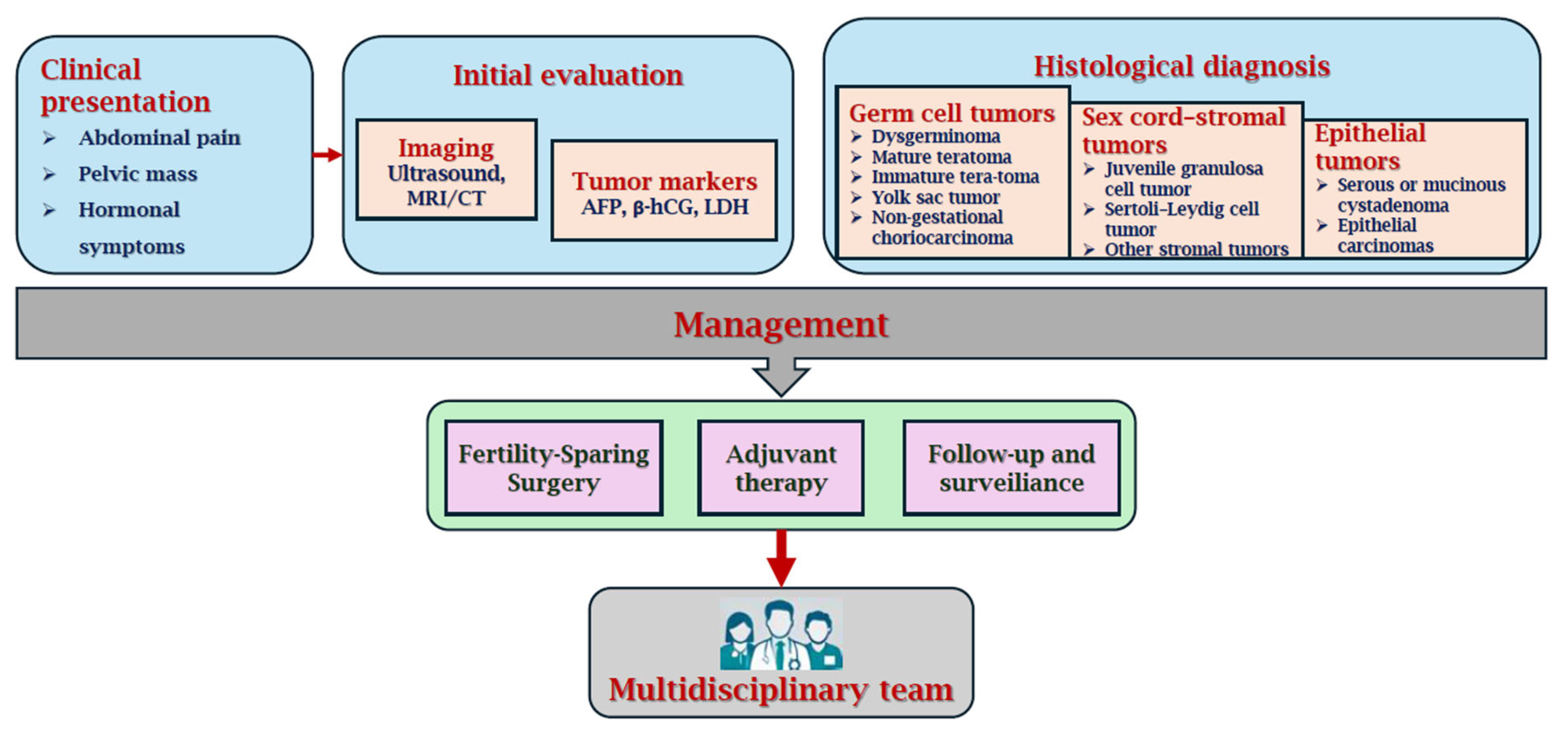
Figure 1. Diagnostic and management algorithm for paediatric ovarian tumours.
Biochem 06 00005 g001
Table 1. Summary of the main histopathological features, immunohistochemical profile, and serum markers of paediatric ovarian neoplasms.
CategoryHistotypeKey Histopathological
Features
Main Immunohistochemical MarkersTypical
Serum Markers
Germ cell
tumours
DysgerminomaLarge cells with clear cytoplasm, fibrovascular septa
with lymphocytic infiltrate.
OCT3/4, PLAP,
D2-40, SALL4
LDH (±)
Mature teratomaMature tissues derived
from all three germ layers.
Variable, depending on
tissue components.
Absent
Immature teratomaImmature neuroectodermal
tissue; World Health Organisation (WHO) grading system.
Variable, depending on
tissue components.
Variable
Yolk sac tumourReticular/microcystic patterns, hyaline bodies (PAS-positive).AFP, Glypican-3, SALL4AFP ↑
Non-gestational choriocarcinomaCytotrophoblasts and syncytiotrophoblasts, haemorrhage
and necrosis.
β-hCG, cytokeratinsβ-hCG ↑
Sex cord–stromal tumoursJuvenile granulosa cell tumourSolid or follicular structures, absence of typical Call–Exner bodies.Inhibin-α, calretinin, SF-1Estrogens ↑
Sertoli–Leydig cell tumourSertoli cell tubules/cords with Leydig cells, ±heterologous elements.Inhibin-α, calretinin, SF-1Androgens ↑
Other stromal tumours (thecoma, fibroma/fibrothecoma, sclerosing stromal tumour)Variable morphology with fibrous or steroidogenic components.Inhibin-α, calretinin, SF-1Variable
Epithelial tumoursSerous or mucinous cystadenomaBenign epithelial lining, cystic architecture.CK7, PAX8, WT1 (serous)Generally
absent
Carcinomas (serous, mucinous, endometrioid, clear cell)Stromal invasion, marked nuclear atypia, complex architecture.CK7, PAX8, WT1, Napsin A (clear cell)CA-125 (±)
↑ means increase.
Table 2. Clinical vignettes: real-world examples from the literature [73,74,75,76,77].
Clinical case 1 [73]A child with acute abdominal pain and signs of peritoneal disease; imaging revealed a solid abdominal mass; elevated serum AFP; histological diagnosis of yolk sac tumour. A paediatric case was recently published that initially mimicked appendicitis.
Clinical case 2 [74]Adolescent with progressive hirsutism, menstrual abnormalities/amenorrhea, and a solid ovarian mass; histology consistent with Sertoli–Leydig cell tumour; remission of virilising signs following removal. Numerous paediatric case reports document virilising presentations.
Clinical case 3 [75]Adolescent with a slow-growing abdominal mass discovered incidentally on imaging, laparoscopic resection with histological diagnosis of benign serous cystadenoma. Recent case reports describe large serous cystadenomas in young people.
Clinical case 4 [76]A child with early thelarche and vaginal bleeding; solid ovarian mass on ultrasound; histological diagnosis of juvenile granulosa cell tumour; conservative surgery with favourable follow-up. Similar cases have been reported.
Clinical case 5 [77]Adolescent with a large abdominal mass, elevated LDH, and histology consistent with dysgerminoma; surgical management and chemotherapy with a good response. Examples of giant dysgerminoma in adolescents are documented.
Table 3. Clinical operational checklist.
1. Initial assessment☐ Complete medical history (abdominal and endocrine symptoms, menstrual irregularities)
☐ Marker assay: AFP, β-HCG, LDH, CA-125
☐ Imaging: ultrasound → pelvic MRI (preferred) → CT only if necessary for staging
2. Surgical planning☐ Define eligibility for conservative surgery
☐ Share the case with a multidisciplinary tumour board
☐ Plan surgical staging appropriate to histotype
☐ Fertility preservation: evaluate oocytes/ovarian tissue before treatment, if indicated
3. Histopathological interpretation☐ Confirm histotype and grade
☐ Targeted immunohistochemistry (e.g., SALL4, OCT3/4, inhibin-α, FOXL2, WT1)
☐ Margin and residual evaluation
4. Indications for
adjuvant therapy
☐ Malignant germ cell tumours: consider BEP regimen
☐ Stage I: Completely resected → Possible observation or BEP × 3
☐ More advanced stages/residual → BEP × 4 or more
☐ Stromal tumours: Chemotherapy only in the presence of risk factors
5. Follow-up☐ Structured clinical and radiological follow-up
☐ Monitoring of tumour markers when appropriate
☐ Endocrine and fertility assessment
☐ Counselling for future pregnancy and risk of recurrence
Disclaimer/Publisher’s Note: The statements, opinions and data contained in all publications are solely those of the individual author(s) and contributor(s) and not of MDPI and/or the editor(s). MDPI and/or the editor(s) disclaim responsibility for any injury to people or property resulting from any ideas, methods, instructions or products referred to in the content.



