Article

Chitosan Edible Coating, Vacuum Packaging, and Their Synergistic Effects on the Refrigerated Shelf Life of Pangas Fish (Pangasianodon hypophthalmus) Fillets

1
Late Shri Punaram Nishad College of Fisheries, Dau Shri Vasudev Chandrakar Kamdhenu Vishwavidyalaya, Kawardha 491995, Chhattisgarh, India
2
College of Fisheries Science, Chaudhary Charan Singh Haryana Agricultural University, Hisar 125004, Haryana, India
3
ICAR-Central Institute of Fisheries Technology, Cochin 682029, Kerala, India
4
Acharya Panth Shri Grindh Muni Naam Saheb Government PG College, Kawardha 491995, Chhattisgarh, India
*
Authors to whom correspondence should be addressed.
Macromol 2026, 6(2), 38; https://doi.org/10.3390/macromol6020038
Submission received: 21 February 2026 / Revised: 25 April 2026 / Accepted: 2 June 2026 / Published: 3 June 2026

Abstract

Fresh fish fillets are highly perishable even under refrigerated conditions due to psychrotrophic microbial growth, enzymatic activity, and lipid oxidation. This study evaluated the individual and combined effects of chitosan edible coating and vacuum packaging on the quality and shelf life of Pangasianodon hypophthalmus fillets stored at 4 ± 1 °C for 15 days. Four treatments were applied: uncoated aerobic (U-A), uncoated vacuum (U-V), chitosan-coated aerobic (Ch-A), and chitosan-coated vacuum (Ch-V). Quality changes were assessed through chemical, physical, microbiological, and sensory analyses. Total volatile base nitrogen (TVB-N) increased rapidly in U-A (3.5–22.4 mg N/100 g), whereas lower values were observed in Ch-V (13.3 mg N/100 g). Peroxide value (PV) increased to 1.43 meq O2/kg fat in U-A but remained lowest in Ch-V (0.77 meq O2/kg fat). Total plate count (TPC) exceeded the acceptability limit in U-A by day 15, while Ch-V remained within safe limits (6.03 log CFU/g). Coated treatments maintained more stable pH, and chitosan coating reduced moisture loss under aerobic storage. Sensory quality declined rapidly in U-A but was best preserved in Ch-V. The combined application of chitosan coating and vacuum packaging exhibited a clear synergistic effect, extending the refrigerated shelf life of fillets to at least 15 days compared with 9–12 days in uncoated samples. This approach represents an effective and eco-friendly strategy for maintaining the quality and safety of fresh fish products.

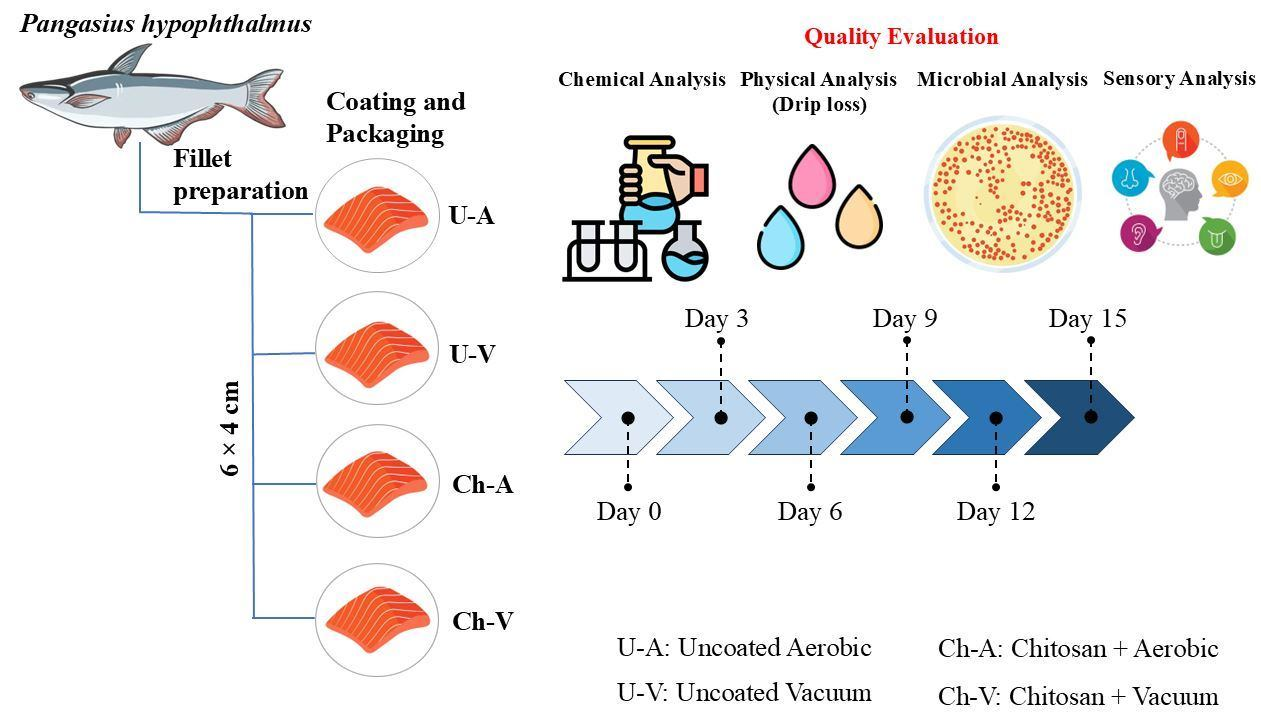
Graphical Abstract

1. Introduction

Fish and fishery products are highly valued for their high-quality proteins, essential amino acids, polyunsaturated fatty acids, vitamins, and minerals, making them an important component of a balanced human diet [1]. However, fresh fish is one of the most perishable food commodities due to its high moisture content, neutral pH, abundance of non-protein nitrogenous compounds, and the activity of endogenous enzymes and spoilage microorganisms [2]. These factors contribute to rapid quality deterioration, leading to off-odors, texture softening, lipid oxidation, and microbial spoilage during post-harvest handling and storage. As a result, extending the shelf life of fresh fish while maintaining safety and sensory quality remains a major challenge for the seafood industry.
Pangasius (Pangasianodon hypophthalmus) is a widely farmed freshwater fish in India and many parts of Southeast Asia because of its fast growth rate, high productivity, low cost, and ease of management [3,4]. Fish fillets are increasingly marketed in fresh or minimally processed forms to meet consumer demand for convenience foods. In international trade, particularly in the European market, Pangasius is predominantly commercialized as skinned, boneless frozen fillets [5,6]. However, fish fillets are particularly susceptible to quality deterioration during refrigerated storage, primarily due to microbial proliferation, lipid oxidation, protein degradation, and moisture loss [7,8]. Conventional preservation methods such as icing, refrigeration, and freezing can delay spoilage to some extent, but they may not be sufficient to ensure extended shelf life without compromising quality [2]. Therefore, there is growing interest in the use of mild and eco-friendly preservation strategies that can effectively slow spoilage mechanisms while maintaining the fresh-like characteristics of fish.
Edible coatings have emerged as a promising approach for improving the quality and shelf life of fresh and minimally processed foods [9]. Among various biopolymers, chitosan, a derivative of chitin [10,11,12], has gained considerable attention due to its biodegradability, non-toxicity, film-forming ability, and inherent antimicrobial and antioxidant properties [13]. Chitosan coatings can act as semi-permeable barriers to gases and moisture, thereby reducing oxygen diffusion, moisture loss, and lipid oxidation [14,15]. In addition, the cationic nature of chitosan enables interactions with negatively charged microbial cell membranes, resulting in inhibited microbial growth [16]. Several studies have reported the effectiveness of chitosan coatings in delaying spoilage and preserving the quality of fish fillets during refrigerated storage [17,18,19]. Beyond chitosan-based systems, a wide range of edible coating materials, including proteins [20,21], polysaccharides [22], and oil-based formulations [23], have been investigated for fish preservation under refrigerated and frozen conditions [24]. These studies have demonstrated that edible coatings can effectively modulate surface dehydration, oxidative stability, and microbial dynamics, depending on their composition and structural properties. Studies have also emphasized the development of multifunctional coatings incorporating natural bioactive compounds, which can provide enhanced preservation effects compared with conventional single-component coatings [20,21,25]. Such advancements highlight the evolving role of edible coatings as versatile and sustainable preservation tools in the seafood sector.
Vacuum packaging is another widely used preservation technique that extends shelf life by removing oxygen from the package environment, thereby inhibiting the growth of aerobic spoilage microorganisms and slowing oxidative reactions [26]. Vacuum packaging has been successfully applied to a variety of fish species, leading to reduced microbial growth, lower production of volatile spoilage compounds, and improved sensory attributes during cold storage [17,27,28]. However, vacuum packaging alone may sometimes result in undesirable textural changes, drip loss, or the growth of facultative anaerobic microorganisms, highlighting the need for complementary preservation strategies.
The combined application of edible coatings and vacuum packaging can act as an effective hurdle technology, offering synergistic benefits by simultaneously controlling microbial growth, oxidative reactions, and moisture migration, thereby improving the overall quality and extending the shelf life of fish fillets during refrigerated storage. Chitosan coatings can provide direct antimicrobial and antioxidant effects on the fish surface, while vacuum packaging can further suppress oxygen-dependent spoilage processes. Although the individual effects of chitosan coating and vacuum packaging on fish preservation have been extensively studied, information on their combined effects, particularly for freshwater species such as P. hypophthalmus, remains limited. Moreover, systematic evaluations integrating chemical, physical, microbiological, and sensory quality parameters during refrigerated storage are still required to establish the effectiveness of this combined approach.
Therefore, the objective of the present study was to investigate the individual and synergistic effects of chitosan edible coating and vacuum packaging on the refrigerated shelf life of P. hypophthalmus fillets stored at 4 ± 1 °C. Changes in key quality attributes, including total volatile base nitrogen, peroxide value, pH, drip loss, microbial load, and sensory characteristics, were monitored during storage. The findings of this study are expected to provide valuable insights into the development of sustainable and effective preservation strategies for extending the shelf life of freshwater fish fillets.

2. Materials and Methods

2.1. Materials and Reagents

Chitosan derived from shrimp shells (Molecular weight 3800–20,000 Da; CAS 9012-76-4; degree of acetylation ≥75%) was obtained from HiMedia, Mumbai, Maharashtra, India. Glycerol (approximately 98% purity) was purchased from Merck, Mumbai, Maharashtra, India. Transparent stand-up laminated pouches (5 × 8 inch) composed of a 12 µm polyethylene terephthalate (PET) outer layer and a 100 µm low-density polyethylene (LDPE) inner layer, with a total thickness of 112 µm (Brand: Reliance (RRP), manufactured by Pooja Polyplast, Hyderabad, Telangana, India), were used for packaging.

2.2. Fish Fillet Preparation

Live Pangasius (P. hypophthalmus) were procured from a local fish market in Kawardha, Chhattisgarh and transported to the laboratory of Department of Fish Harvest and Post Harvest Technology, LSPN College of Fisheries, Kawardha in aerated containers to maintain live conditions. Upon arrival, the fish were humanely slaughtered following standard ethical handling procedures. The carcasses were immediately washed with chilled potable water to remove surface mucus and debris.
The fish were then manually de-skinned using sterile stainless-steel knives prior to filleting. After de-skinning, the fish were filleted and trimmed to remove bones, red muscle, and visible connective tissue. Each fillet was cut into rectangular portions measuring approximately 6 × 4 cm, ensuring uniform size and thickness across all samples. The cut portions were rinsed again with chilled potable water and allowed to drain on sterile stainless-steel trays for 5 min. Throughout the preparation process, the temperature was maintained below 10 °C using flake ice, and sanitized equipment, sterile gloves, and hygienic work surfaces were used to minimize microbial contamination and preserve sample quality.

2.3. Preparation of Chitosan Coating Solution

A 1% (w/v) chitosan solution was prepared by dissolving chitosan in a 1% (v/v) acetic acid solution following Rezaabad et al. [17] with minor modifications. The mixture was stirred at room temperature until the chitosan was completely dispersed and fully dissolved. Glycerol, at 20% (w/w) of the chitosan content, was added as a plasticizer, and stirring was continued until a homogeneous solution was obtained.

2.4. Treatment of Fish Fillets and Packaging

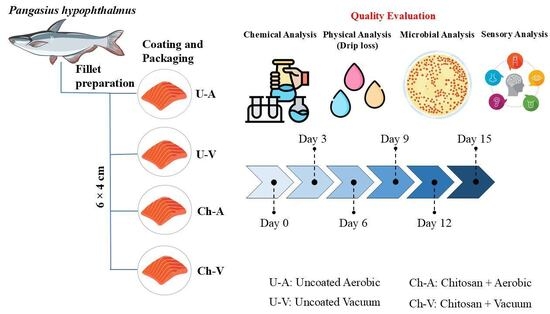
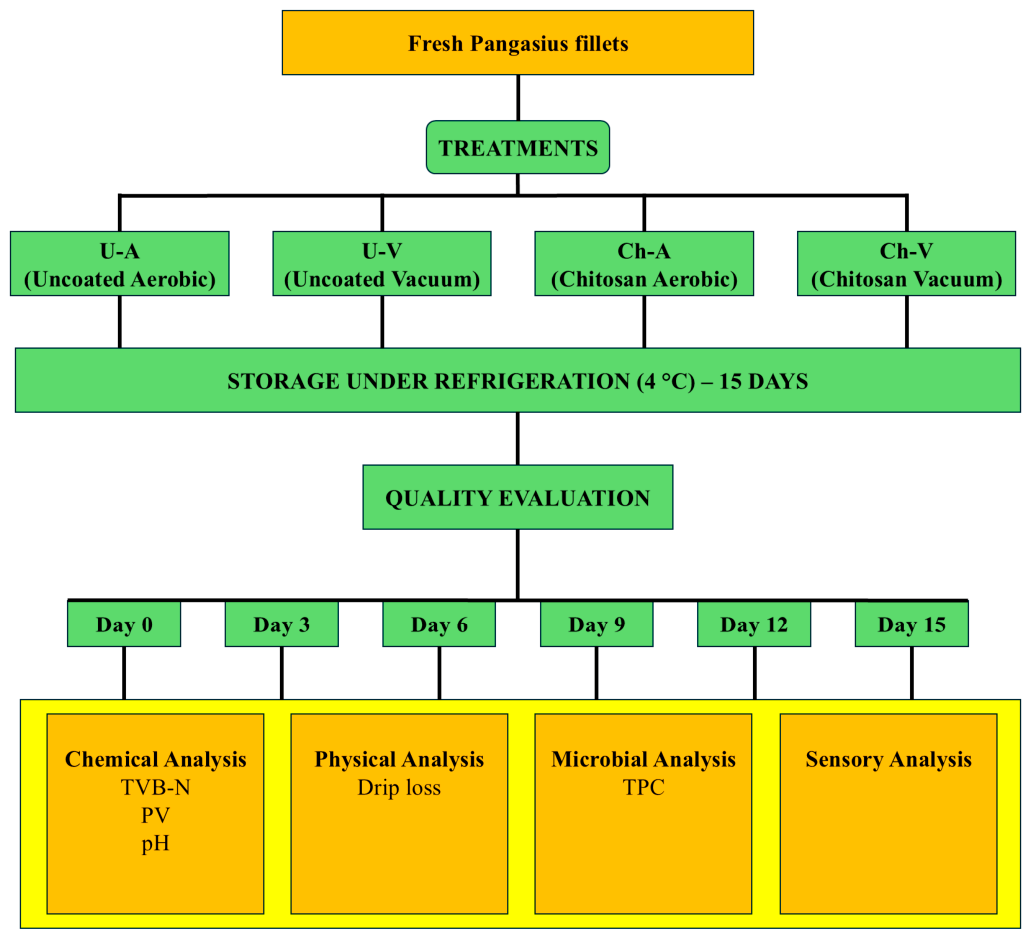
Fillets were randomly assigned to the four experimental treatments (2 × 2 factorial: Coating × Packaging) described below and labelled with a waterproof code (Table 1). All operations were performed under hygienic conditions and using sterile equipment to minimize cross-contamination.
Fillets assigned to coating treatments were dipped into the chitosan coating solution at room temperature (Dip time: 120 s). After dipping, fillets were allowed to drain on a sterile stainless-steel tray for 30 s and then air-dried under aseptic conditions in a laminar airflow cabinet at ambient laboratory temperature (approx. 22–25 °C) for 45–60 min or until the surface was visibly dry.
For aerobic packaging, individual fillets (6 × 4 cm) were placed centrally in transparent stand-up laminated pouches (5 × 8 inch; PET/LDPE, 12/100 µm; total thickness 112 µm) and sealed using a heat sealer, leaving sufficient headspace within the pouch. For vacuum packaging, fillets were packed individually in the same type of laminated pouches and vacuum sealed using a vacuum packaging machine (Table Top Commercial Vacuum Packing Machine, Winner Electronics, Mumbai, Maharashtra, India), where headspace was minimized due to air removal during sealing. The vacuum conditions were standardized with a vacuum time of 20 s, a seal time of 1 s, and a cooling time of 5 s. The same pouch material (brand and thickness) was used for all treatments to ensure consistency. The specific treatment and grouping of the fillets are shown in Figure 1.

2.5. Storage and Sampling

Packaged fillets were stored at 4 ± 1 °C in a refrigerator (LG Double Door Refrigerator, model GL-T342TPZY, LG Electronics, Noida, Uttar Pradesh, India). Samples were arranged randomly on shelves and positions were rotated between sampling days to avoid positional bias. Sampling was carried out on days 0, 3, 6, 9, 12 and 15.

2.6. Chemical Analysis

2.6.1. Total Volatile Base Nitrogen (TVB-N)

Total volatile base nitrogen (TVB-N) was quantified using the Conway micro-diffusion technique [29] with slight modification. A 10 g portion of the sample was homogenized with chilled 10% trichloroacetic acid (TCA) using a mortar and pestle to obtain the TCA extract. The extract was filtered through Whatman No. 1 filter paper, quantitatively transferred to a volumetric flask, and the volume was made up to 100 mL with 10% TCA. For the analysis, 1 mL of 0.01 N H2SO4 was pipetted into the inner chamber of the Conway unit. In the outer chamber, 1 mL of the TCA extract was added, followed by 1 mL of saturated potassium carbonate. The unit was immediately sealed with silicone grease and parafilm to prevent gas leakage. The contents were gently rotated to ensure proper mixing, and the unit was left undisturbed for 12–14 h at room temperature to allow diffusion.
After incubation, the seal was removed and one drop of Tashiro’s indicator was added to the inner chamber. The residual acid in the inner chamber was titrated against 0.01 N NaOH to determine the amount of unreacted acid. A reagent blank was prepared in the same manner using 1 mL of 10% TCA without sample in the outer chamber. TVB-N content was calculated using the following formula.
T V B N   ( mg   N / 100   g ) = B R × N × 14 × V m × 100 V p × W
where B = blank titre value (mL), R = sample titre value (mL), N = normality of H2SO4 (0.01 N), 14 = atomic weight of nitrogen, Vm = total volume of extract (mL), Vp = volume of extract pipetted for analysis (mL), and W = weight of sample (g).

2.6.2. Peroxide Value (PV)

The peroxide value (PV) of the fillet was determined using the iodometric titration method as described by the Association of Official Analytical Chemist [30], with slight modification. Briefly, 10 g of the sample was accurately weighed and homogenized with 15 g of anhydrous sodium sulfate to remove residual moisture. Lipids were extracted using 50 mL of chloroform, and the extract was filtered through Whatman No. 1 filter paper into an iodine flask.
An aliquot of 10 mL of the chloroform extract was transferred to a separate iodine flask and mixed with 15 mL of glacial acetic acid and 1 mL of saturated potassium iodide solution. The mixture was kept in the dark for 30 min to allow iodine liberation. Subsequently, 50 mL of distilled water was added, followed by 1 mL of freshly prepared 1% (w/v) starch solution as an indicator, resulting in a blue coloration.
The liberated iodine was titrated with 0.02 N sodium thiosulfate solution until the blue color disappeared. A blank determination was carried out simultaneously using chloroform in place of the sample. The peroxide value was calculated and expressed as milliequivalents of oxygen per kilogram of fat (meq O2/kg fat).
P V   m e q   O 2 kg   f a t = 1000 × V X × N W
where V (mL) = Vol. of sodium thiosulphate used for sample, X (mL) = Vol. of sodium thiosulphate used for blank, N = Normality of sodium thiosulphate solution, and W = Weight of the sample (g).

2.6.3. pH

The pH of the fillet samples was determined according to the procedure of Günlü and Koyun [27]. A 10 g portion of muscle was homogenized with 20 mL of distilled water (1:2 w/v). After allowing the mixture to stand for 5 min at room temperature, the pH was recorded using a digital pH meter equipped with a glass electrode (Eutech pH 700 meter, Eutech Instruments, Singapore).

2.7. Physical (Drip Loss)

Drip loss was determined by following a gravimetric method [31] with some modifications. Fillets of uniform size were gently blotted with tissue paper to remove surface moisture and weighed to obtain the initial weight (W0). At each sampling point, fillets were removed from storage, lightly blotted to remove surface drip, and reweighed to record the final weight (W1). Drip loss was expressed as percentage weight loss using the formula:
D r i p   l o s s   % = W 0     W 1 W 0 × 100
where W0 is the initial sample mass (g) and W1 is the final sample mass (g).

2.8. Microbial Analysis

Total viable counts (TVC), also referred to as total plate count (TPC) or aerobic plate counts (APC) of Pangasius fillets were determined following standard plate count procedures of Bacteriological Analytical Manual (BAM) [32]. Briefly, 5 g of fish muscle was aseptically homogenized with 45 mL of sterile physiological saline (0.85% NaCl) using a sterile mortar and pestle to obtain a 10−1 homogenate. Serial decimal dilutions (10−2 to 10−6) were prepared in sterile physiological saline. From each appropriate dilution, 0.1 mL aliquots were pipetted onto pre-solidified Plate Count Agar (PCA) plates. The inoculum was evenly distributed using a sterile glass spreader. Plates were incubated at 37 ± 1 °C for 24 h. After incubation, plates containing 30–300 colonies were selected for enumeration. Colony-forming units (CFU) were calculated by multiplying the counted colonies by the corresponding dilution factor and adjusting for the plated volume. Results were expressed as log10 CFU/g of sample. All samples were analyzed in duplicate.

2.9. Sensory Evaluation

The sensory quality of the fish fillets was evaluated using a 9-point hedonic scale following the method described by Kumar et al. [33]. A semi-trained panel consisting of 10 members, including students and staff from LSPN College of Fisheries, Kawardha, Chhattisgarh, participated in the assessment. All panelists were regular consumers of fish, which helped reduce potential bias and ensured more reliable judgments. Sensory evaluation was carried out for five key attributes: (i) texture, (ii) appearance, (iii) colour, (iv) odour, and (v) overall acceptability. Samples were served on clean, coded plates under controlled conditions, and panelists rated each attribute independently, with overall acceptability scored on a 9-point scale ranging from 1 = “dislike extremely” to 9 = “like extremely.”

2.10. Statistical Analysis

Statistical analysis was conducted only for pH, drip loss, and sensory data, and the results are presented as mean ± standard deviation (SD). One-way analysis of variance (ANOVA) was applied separately to assess (i) variations within the same treatment across different storage days and (ii) differences among treatments on the same storage day. Differences among means were considered statistically significant at p < 0.05, and Duncan’s Multiple Range Test (DMRT) was employed for post hoc mean separation. Statistically significant differences are denoted by different superscript letters. For sensory data at the initial stage (day 0), paired differences between uncoated (U) and chitosan-coated (Ch) samples were analyzed using a paired sample t-test, and statistical significance was determined at p < 0.05.
Statistical analysis was not performed for TVB-N, PV, and TPC data because these values were obtained by averaging replicate measurements for each sample. For TVB-N and PV, triplicate titrations were first averaged and then used to calculate a single value per sample, while for TPC, duplicate plate counts were averaged to determine microbial load. As these measurements do not represent independent observations, ANOVA was not applicable. Accordingly, variability estimates such as standard deviation and corresponding error bars are not presented for these parameters, and the results are interpreted descriptively.

3. Results and Discussion

3.1. Chemical Changes

3.1.1. Total Volatile Base Nitrogen (TVB-N)

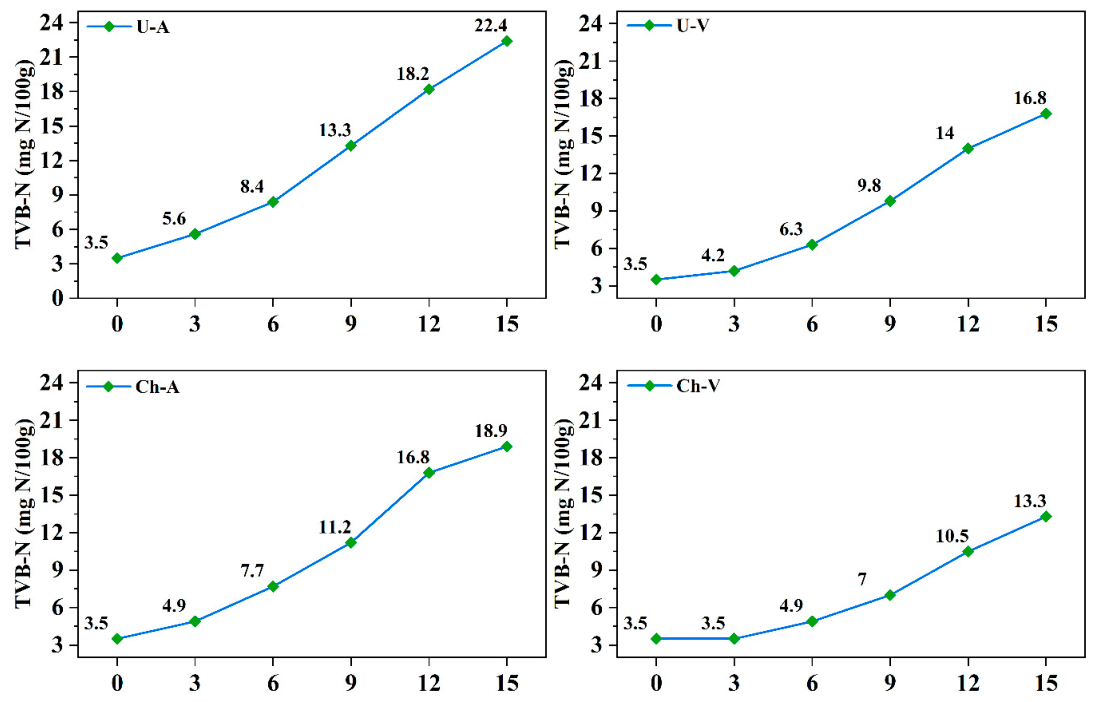
TVB-N is a widely used chemical indicator for evaluating fish freshness and spoilage, as it represents the accumulation of volatile alkaline compounds formed through microbial and enzymatic degradation of muscle proteins [34]. During storage, enzymatic autolysis and bacterial activity progressively deteriorate protein quality, leading to the generation of ammonia, trimethylamine, dimethylamine, and other volatile nitrogenous bases, which collectively contribute to the TVB-N content of fish [35,36,37]. Changes in TVB-N values of P. hypophthalmus fillets stored at refrigerated temperature under different coating and packaging treatments are shown in Figure 2. On the initial day of storage (day 0), all samples exhibited low and comparable TVB-N values (3.5 mg N/100 g), indicating good freshness of the raw fillets and uniform starting quality across treatments.
A progressive increase in TVB-N was observed in all treatments during refrigerated storage, although the rate of increase differed markedly among treatments. Uncoated aerobically stored fillets (U-A) exhibited the fastest increase in TVB-N, rising from 3.5 mg N/100 g at day 0 to 8.4 mg N/100 g by day 6 and further increasing sharply to 18.2 mg N/100 g on day 12. By day 15, TVB-N reached 22.4 mg N/100 g, approaching the generally accepted maximum limit of 25 mg N/100 g muscle for fresh fish [38]. The rapid increase under aerobic conditions can be attributed to unrestricted oxygen availability, which promotes the growth of aerobic spoilage microorganisms and accelerates proteolytic activity. However, it should be noted that TVB-N limits are not universally standardized and may vary depending on species, storage conditions, and analytical approaches. Bekhit et al. [39] highlighted that commonly used TVB-N thresholds can be inconsistent, species-specific, and sometimes arbitrary, which may introduce ambiguity in defining freshness or spoilage. Therefore, TVB-N values should be interpreted in conjunction with other quality indicators rather than as a sole criterion.
Vacuum packaging of uncoated fillets (U-V) slowed the accumulation of TVB-N compared to aerobic storage. TVB-N values increased gradually from 3.5 mg N/100 g to 6.3 mg N/100 g by day 6 and reached 14.0 mg N/100 g on day 12. At the end of storage (day 15), U-V samples recorded 16.8 mg N/100 g, remaining well below the acceptability threshold. The reduced oxygen environment under vacuum packaging likely inhibited aerobic spoilage bacteria and slowed protein degradation, although some increase was inevitable due to the activity of facultative anaerobic and psychrotrophic microorganisms.
Chitosan-coated aerobically stored fillets (Ch-A) showed a lower rate of TVB-N formation than U-A samples throughout storage. TVB-N increased from 3.5 mg N/100 g initially to 7.7 mg N/100 g by day 6 and 16.8 mg N/100 g by day 12, reaching 18.9 mg N/100 g on day 15. The reduced accumulation of volatile bases in Ch-A samples can be attributed to the antimicrobial action of chitosan, which disrupts microbial cell membranes and suppresses enzymatic protein breakdown, as well as its partial barrier effect against oxygen diffusion.
The lowest TVB-N values throughout refrigerated storage were observed in chitosan-coated vacuum-packaged fillets (Ch-V). TVB-N remained unchanged (3.5 mg N/100 g) up to day 3 and increased slowly to 4.9 mg N/100 g by day 6. Even at later stages, TVB-N values were comparatively low, reaching 10.5 mg N/100 g on day 12 and only 13.3 mg N/100 g by day 15. These values were substantially lower than those of other treatments and far below the spoilage threshold. This clearly demonstrates a synergistic effect of chitosan coating and vacuum packaging, where oxygen exclusion combined with antimicrobial activity most effectively inhibited protein degradation.
Importantly, none of the treatments exceeded the decomposition limit of 30–35 mg N/100 g muscle, beyond which fish are considered spoiled and unfit for consumption [17,40,41]. Overall, the results confirm that chitosan coating and vacuum packaging, particularly when applied together, significantly delayed TVB-N formation and effectively extended the chemical shelf life of P. hypophthalmus fillets during refrigerated storage.

3.1.2. Peroxide Value (PV)

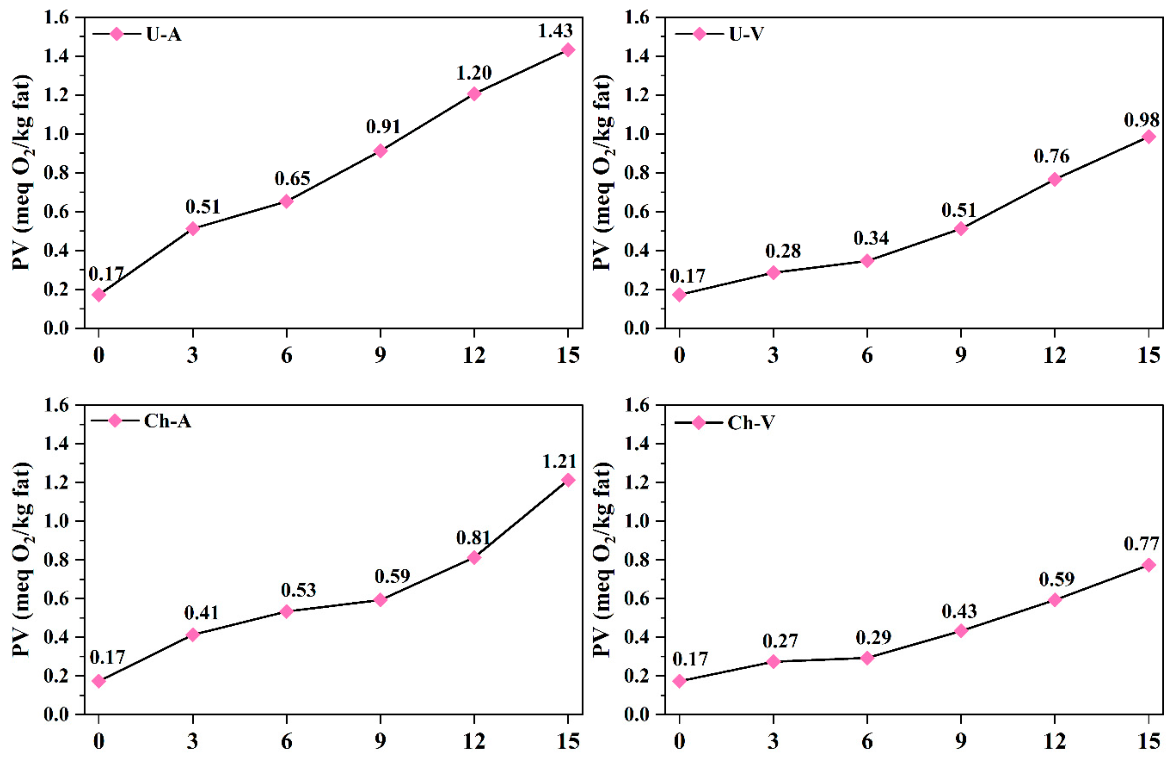
Peroxide value (PV) is a widely used indicator of primary lipid oxidation in fish and fishery products, reflecting the formation of lipid hydroperoxides during storage [19]. Changes in PV of P. hypophthalmus fillets subjected to different coating and packaging treatments during refrigerated storage are shown in Figure 3. All treatments exhibited a gradual increase in PV with storage time, indicating progressive lipid oxidation, although the rate of increase varied markedly among treatments. Importantly, the acceptable limit for PV in fish oils is reported to be 5 meq O2/kg fat [42,43]. Uncoated aerobically packed fillets (U-A) showed the highest PVs throughout storage, increasing from 0.17 meq O2/kg fat at day 0 to 1.43 meq O2/kg fat by day 15. The continuous increase in PV under aerobic conditions can be attributed to unrestricted oxygen availability, which accelerates the oxidative degradation of unsaturated fatty acids through the action of oxidative enzymes and endogenous pro-oxidants present in fish muscle [42,44]. Despite this increase, PVs in U-A samples remained well below the acceptable limit of 5 meq O2/kg fat throughout the storage period. This lower primary oxidation may be due to the relatively low polyunsaturated fatty acid content of farmed Pangasius [45,46], which makes it less prone to rancidity than many other aquaculture species.
Vacuum-packaged uncoated fillets (U-V) exhibited a slower increase in PV compared to U-A samples, reaching 0.98 meq O2/kg fat on day 15. The reduced oxygen environment under vacuum packaging effectively delayed lipid oxidation, although residual oxygen and endogenous pro-oxidants likely contributed to the gradual increase observed during extended storage [42,47]. Chitosan-coated aerobically stored fillets (Ch-A) showed lower PVs than U-A samples at all storage intervals, increasing from 0.17 to 1.21 meq O2/kg fat by day 15. The reduced oxidation in Ch-A samples may be attributed to the antioxidant activity of chitosan [48], including its metal-chelating ability and its function as a partial barrier to oxygen diffusion at the fillet surface [49]. Previous studies have likewise demonstrated that chitosan coatings effectively delay oxidative deterioration in fish fillets [49,50].
The lowest PVs throughout storage were observed in chitosan-coated vacuum-packaged fillets (Ch-V), which increased modestly from 0.17 to 0.77 meq O2/kg fat over 15 days. Although Ch-V samples showed lower PVs compared to U-V, the difference was relatively small; however, the consistently lower values observed in Ch-V indicate a combined effect of chitosan coating and vacuum packaging in limiting lipid oxidation. This suggests that the incorporation of chitosan coating may provide an additional protective effect beyond vacuum packaging alone. Overall, although PV increased in all treatments during refrigerated storage, none of the samples approached the recommended acceptability limit of 5 meq O2/kg fat [42,43]. This indicates that lipid oxidation remained within acceptable quality limits throughout the storage period, with Ch-V showing the lowest extent of oxidation among the treatments.

3.1.3. pH

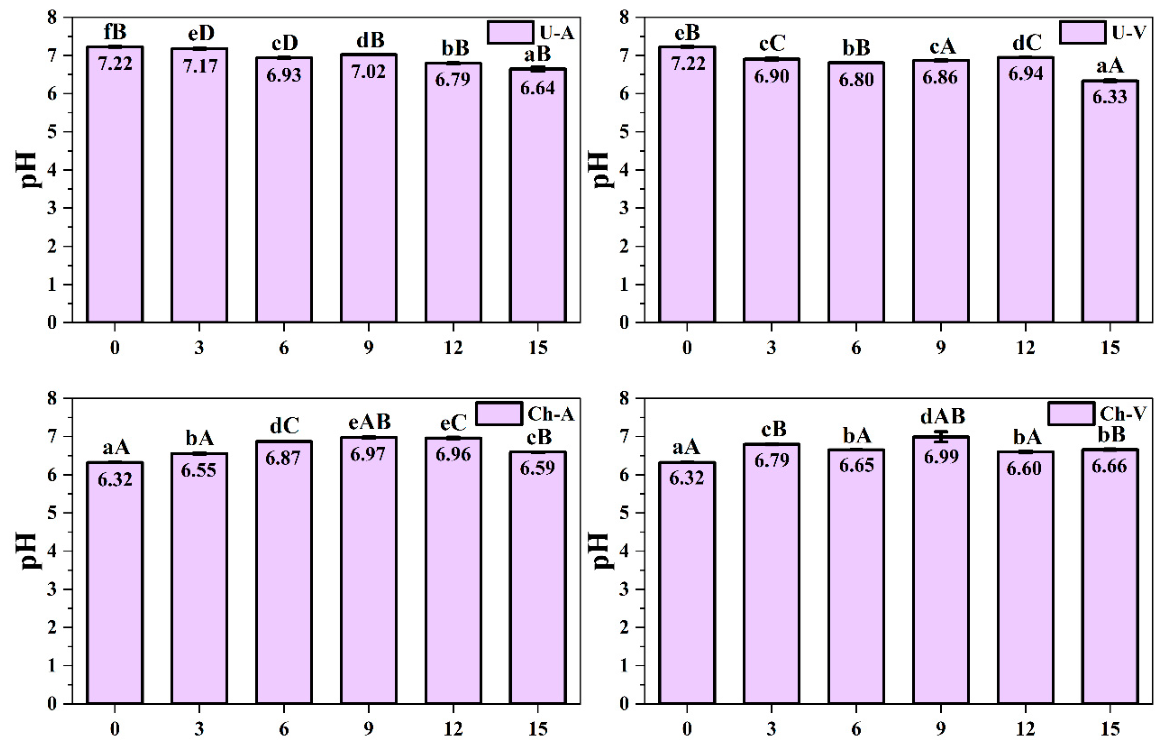
Changes in pH of P. hypophthalmus fillets under different coating and packaging conditions during refrigerated storage are presented in Figure 4. At the initial stage (day 0), uncoated samples (U-A and U-V) exhibited higher pH values (7.22) compared with chitosan-coated fillets (Ch-A and Ch-V), which recorded lower initial pH (6.32). The reduced pH in coated samples can be attributed to the acidic nature of the chitosan coating solution prepared using acetic acid [18,49,51].
During storage, uncoated aerobically stored fillets (U-A) showed a gradual decline in pH from 7.22 to 6.64 by day 15, with slight fluctuations across sampling days. A similar decreasing trend was observed in uncoated vacuum-packaged fillets (U-V), where pH decreased from 7.22 to 6.33 at the end of storage. The reduction in pH in uncoated treatments may be associated with the formation of organic acids resulting from microbial metabolism and post-mortem glycolysis during refrigerated storage [52,53]. In contrast, chitosan-coated treatments exhibited an initial increase in pH. Aerobically stored coated fillets (Ch-A) increased from 6.32 to 6.97 by day 9, followed by a slight decrease to 6.59 on day 15. Similarly, chitosan-coated vacuum-packaged fillets (Ch-V) increased to a maximum of 6.99 on day 9 and remained relatively stable thereafter (6.66 on day 15). This increase may be attributed to the gradual accumulation of alkaline nitrogenous compounds from protein breakdown [37,51,54]; however, the magnitude of change remained moderate due to the antimicrobial and barrier properties of chitosan.
Statistical analysis indicated significant differences (p < 0.05) both within treatments across storage time and among treatments at corresponding sampling days. Overall, chitosan coating contributed to maintaining pH stability, while vacuum packaging further minimized fluctuations. The combined treatment (Ch-V) demonstrated the most controlled pH variation, indicating a synergistic preservation effect. These findings suggest that integrating chitosan edible coating with vacuum packaging effectively slows biochemical deterioration and helps maintain the chemical quality of refrigerated Pangasius fillets.

3.2. Physical Changes (Drip Loss)

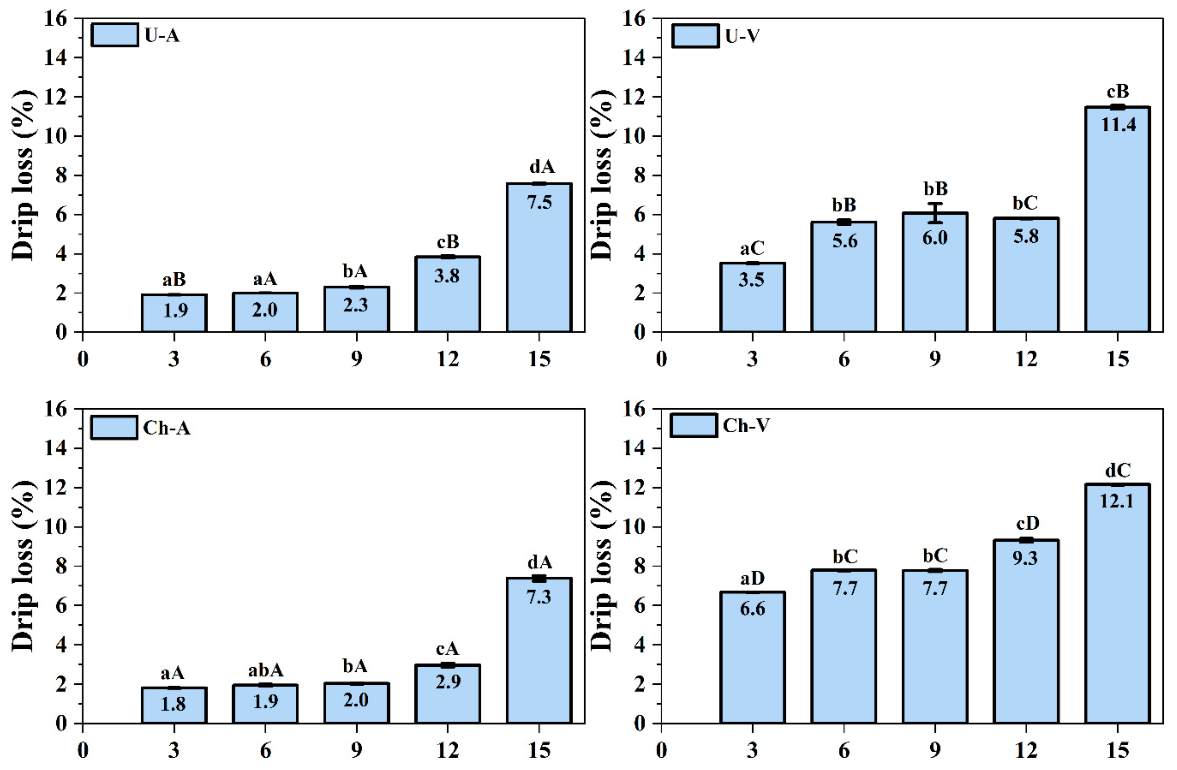
Drip loss is an important physical quality parameter of fish fillets, as it reflects water-holding capacity and structural integrity of muscle proteins during refrigerated storage [55]. Drip loss leads to nutrient loss and is commonly expressed as a percentage of the product’s initial weight. The drip primarily contains water-soluble sarcoplasmic proteins, and fish and shellfish muscle proteins are more susceptible to freeze-induced denaturation than those of terrestrial animals [56]. Changes in drip loss of P. hypophthalmus fillets subjected to different coating and packaging treatments during refrigerated storage are presented in Figure 5. Drip loss increased significantly (p < 0.05) with storage time in all treatments; however, the magnitude and pattern of increase differed markedly depending on coating and packaging conditions.
Uncoated aerobically packed fillets (U-A) exhibited a low drip loss during early storage, increasing gradually from 1.9% on day 3 to 3.8% on day 12, followed by a sharp rise to 7.5% on day 15. The delayed but pronounced increase at the later stage may be attributed to progressive protein denaturation and structural weakening of muscle tissue under aerobic conditions, resulting in reduced water-holding capacity. Chitosan-coated aerobically stored fillets (Ch-A) demonstrated the lowest drip loss among all treatments up to day 12, with values remaining below 3.0%. Even on day 15, drip loss (7.3%) was lower than U-A and significantly lower than vacuum-treated samples. This confirms the effectiveness of chitosan coating as a moisture barrier, limiting water migration and stabilizing muscle proteins by reducing oxidative and microbial degradation. Previous studies have similarly shown the chitosan coating’s ability to reduce drip loss in channel catfish fillets [18] and Indian oil sardine fillets [57].
Vacuum-packaged uncoated fillets (U-V) showed consistently higher drip loss than U-A and Ch-A throughout storage, increasing from 3.5% (day 3) to 11.4% (day 15). The elevated drip loss under vacuum conditions is likely associated with mechanical compression and pressure effects during vacuum sealing [58], which can disrupt muscle microstructure and promote exudate release despite reduced oxygen availability. Vacuum packaging generally causes higher drip loss in raw meat, as the vacuum pressure pulls moisture out of the product [58,59]. While it significantly extends shelf life, the negative pressure leads to increased exudate (purge), which can negatively affect consumer perception and meat weight. Similarly, chitosan-coated vacuum-packaged fillets (Ch-V) exhibited the highest drip loss across storage, increasing from 6.6% on day 3 to 12.1% on day 15. Although chitosan coating can reduce surface dehydration, its protective effect appeared to be outweighed by vacuum-induced pressure and prolonged storage, leading to greater fluid expulsion. Overall, the results indicate that chitosan coating under aerobic packaging (Ch-A) was most effective in minimizing drip loss and preserving muscle water-holding capacity, while vacuum packaging, particularly when combined with coating, significantly increased exudate release in P. hypophthalmus fillets during refrigerated storage.

3.3. Microbial Changes

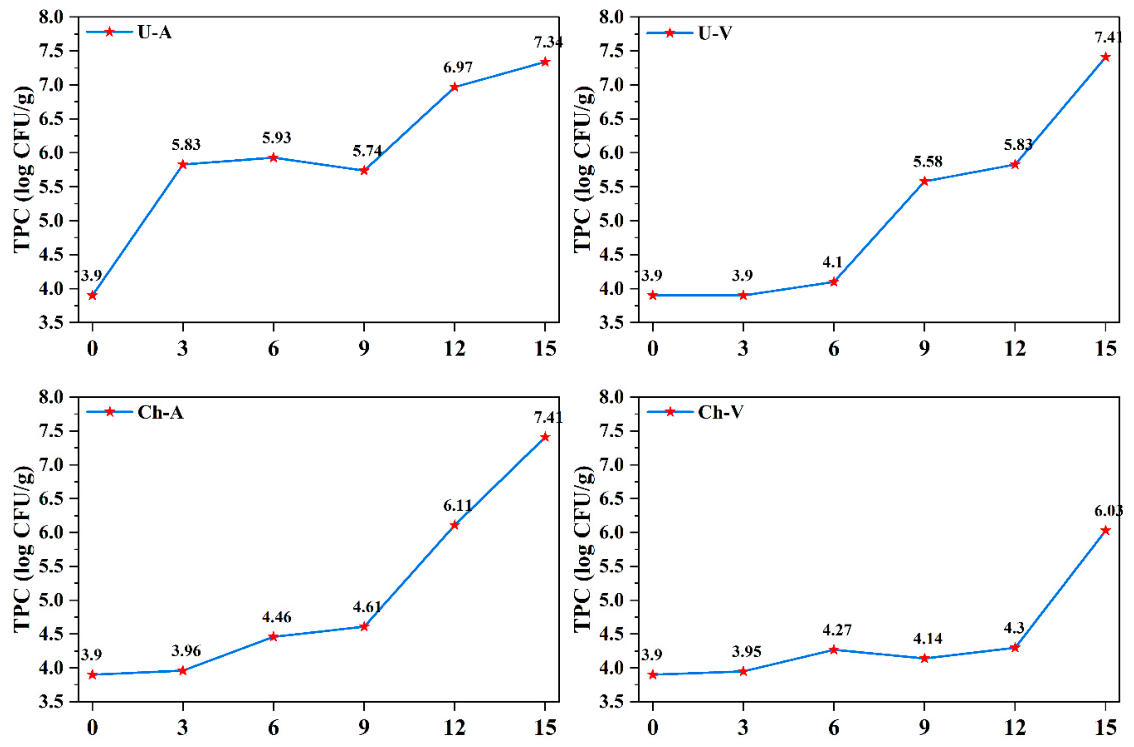
Changes in total plate count (TPC) of P. hypophthalmus fillets under different coating and packaging treatments during refrigerated storage are shown in Figure 6. All samples exhibited a similar initial (day 0) microbial load of 3.9 log CFU/g, indicating good initial quality and hygienic handling [37,60,61]. These values were well below the microbiological acceptability limit of 7 log CFU/g established by the International Commission on Microbiological Specifications for Foods for freshwater and marine fish considered fit for human consumption [62].
A progressive increase in TPC was observed in all treatments with storage time, although the rate of increase varied markedly among treatments. Uncoated aerobically packed fillets (U-A) showed a rapid rise in microbial load, increasing sharply to 5.83 log CFU/g by day 3 and reaching 6.97 log CFU/g on day 12. By day 15, TPC exceeded the acceptability limit (7.34 log CFU/g), indicating microbiological spoilage and the shortest shelf life among all treatments. The rapid microbial growth in U-A samples can be attributed to unrestricted oxygen availability, which favors aerobic spoilage microorganisms [63].
Uncoated vacuum-packaged fillets (U-V) exhibited a slower initial increase in TPC, remaining at 3.9 log CFU/g up to day 3 and rising gradually thereafter. However, microbial growth accelerated after day 6, reaching 5.58 log CFU/g on day 9 and exceeding the acceptability limit by day 15 (7.41 log CFU/g). Although vacuum packaging delayed microbial proliferation by limiting oxygen [61,64], the growth of facultative anaerobic and psychrotrophic bacteria likely contributed to spoilage at later stages [6,65].
Chitosan-coated aerobically stored fillets (Ch-A) showed lower microbial counts than U-A throughout most of the storage period. TPC increased gradually from 3.9 log CFU/g (day 0) to 4.61 log CFU/g (day 9), followed by a sharper rise to 6.11 log CFU/g on day 12. By day 15, TPC reached 7.41 log CFU/g, exceeding the acceptable limit. The delayed microbial growth in Ch-A samples highlights the antimicrobial efficacy of chitosan [66,67]; however, aerobic conditions eventually allowed microbial proliferation during extended storage.
The lowest TPC values throughout storage were observed in chitosan-coated vacuum-packaged fillets (Ch-V). Microbial counts remained below 4.3 log CFU/g up to day 12 and increased to only 6.03 log CFU/g by day 15, remaining well below the ICMSF limit. This clearly demonstrates a synergistic effect of chitosan coating and vacuum packaging, where the antimicrobial action of chitosan combined with oxygen removal most effectively suppressed microbial growth. The results confirm that microbial spoilage was strongly influenced by both coating and packaging conditions. While aerobic storage accelerated bacterial growth, vacuum packaging and chitosan coating individually delayed microbial proliferation. The combined application of chitosan coating and vacuum packaging proved to be the most effective strategy for maintaining microbial quality and extending the refrigerated shelf life of P. hypophthalmus fillets within acceptable safety limits. Consistent with these findings, earlier studies have reported negligible microbial growth under refrigerated conditions in chitosan-coated, vacuum-packaged grilled pork [64] and beef [68]. Likewise, the synergistic use of chitosan coating with modified atmosphere packaging effectively suppressed microbial proliferation in fresh in-hull pistachios [14].

3.4. Sensory Changes

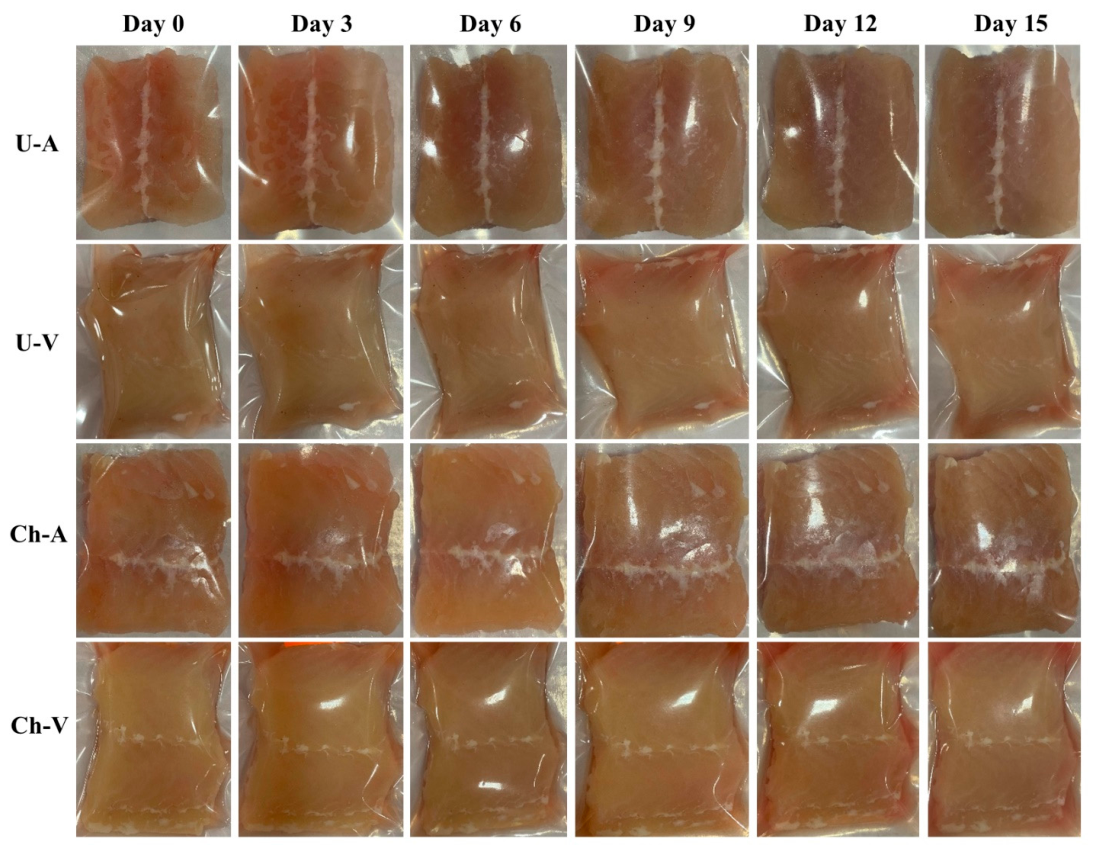
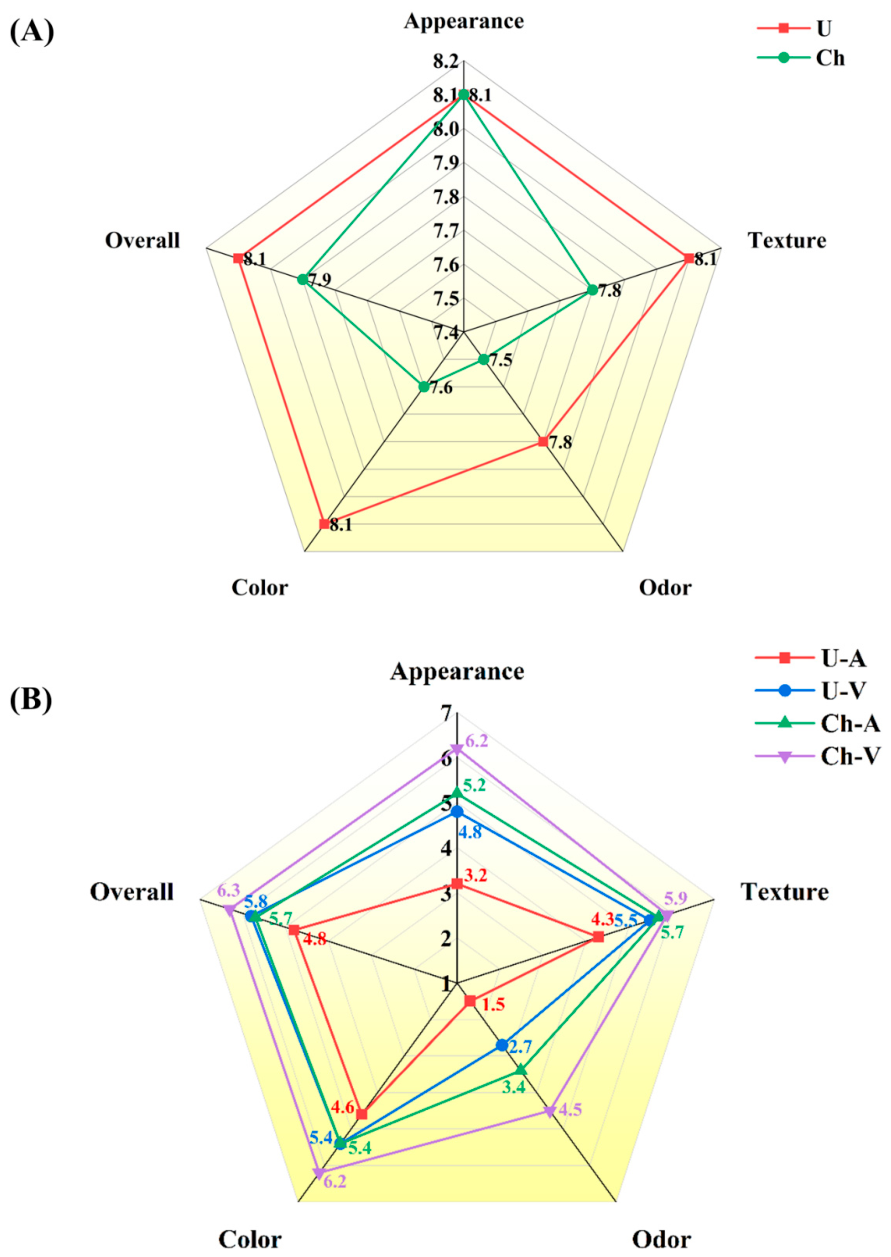
The sensory quality of P. hypophthalmus fillets was evaluated based on appearance, texture, odor, color, and overall acceptability, and the results are presented in Figure 7 and Table 2. The visual appearance of fillets subjected to different coating and packaging treatments during 15 days of refrigerated storage is presented in Figure 8.
At the initial stage (day 0), both uncoated (U) and chitosan-coated (Ch) fillets received high sensory scores, indicating good freshness and acceptable product quality. However, uncoated samples showed slightly higher scores across most attributes (≈8.0–8.1) compared with coated fillets (≈7.5–8.1); however, these differences were not statistically significant (p > 0.05). The slightly lower scores observed in coated samples may be related to the thin coating layer affecting surface perception. Mohan et al. [57] likewise reported slightly lower sensory scores in chitosan-coated Indian oil sardine fillets compared with the control samples. Similarly, Alsaggaf et al. [69] reported marginally reduced color scores in chitosan-coated Nile tilapia fillets relative to untreated controls.
At the end of refrigerated storage (day 15), significant differences among treatments were observed for certain sensory attributes (p < 0.05), particularly for appearance and odor. Uncoated aerobically stored fillets (U-A) exhibited the greatest sensory deterioration, particularly in odor (1.5) and appearance (3.2), resulting in the lowest overall acceptability (4.8). This rapid decline corresponds with increased microbial activity and biochemical spoilage under aerobic conditions. Previous studies have also reported rapid decline in odor and appearance in uncoated fish fillets under refrigerated storage [54].
Vacuum packaging alone (U-V) improved sensory retention, showing moderate scores for appearance (4.8), texture (5.5), color (5.4), and overall acceptability (5.8), although odor deterioration remained evident (2.7). Chitosan-coated aerobically stored fillets (Ch-A) demonstrated better sensory stability than uncoated treatments, with improved odor (3.4), color (5.4), and overall acceptability (5.7). The antimicrobial and antioxidant properties of chitosan likely contributed to delayed spoilage and preservation of sensory attributes. Similar results had been reported for other fish fillets coated with chitosan [54,57,69]. The highest sensory scores throughout storage were observed in chitosan-coated vacuum-packaged fillets (Ch-V), which maintained superior appearance (6.2), texture (5.9), color (6.2), odor (4.5), and overall acceptability (6.3).

4. Conclusions

The present study demonstrated that both chitosan coating and vacuum packaging significantly influenced the quality retention of P. hypophthalmus fillets during refrigerated storage. Although quality deterioration was observed in all treatments over time, the rate and extent of spoilage varied markedly depending on the preservation strategy. Uncoated aerobically stored fillets exhibited rapid microbial growth, increased spoilage indicators, and severe sensory deterioration, resulting in a short shelf life of approximately 9–12 days. Vacuum packaging alone effectively slowed oxidative and microbial changes but was associated with higher drip loss, indicating certain limitations when applied as a standalone technique. Chitosan coating improved quality stability by providing antimicrobial protection and acting as a semi-permeable barrier that reduced biochemical degradation and preserved sensory attributes. The combined application of chitosan coating and vacuum packaging showed the most effective preservation performance, demonstrating a clear synergistic effect between surface coating and oxygen removal. This integrated approach maintained acceptable chemical, microbiological, and sensory quality throughout 15 days of refrigerated storage, thereby extending shelf life compared with individual treatments. The findings highlight that the use of chitosan edible coating in combination with vacuum packaging represents a practical and sustainable strategy for improving the storage stability of fresh Pangasius fillets, reducing post-harvest losses, and enhancing commercial applicability in seafood processing.

Author Contributions

Conceptualization, S.N. and J.K.J.; methodology, J.K.J., K.B., S.N., A.J., G.S., R.D.S., V.M. and V.L.; software, K.B. and S.N.; validation, J.K.J., S.N., D.D., S.S., K.A.M.X., F.T., M.K.G. and S.J.; formal analysis, J.K.J., S.N., D.D., S.S., K.A.M.X., F.T., M.K.G. and S.J.; investigation, J.K.J., K.B., S.N., A.J., G.S., R.D.S., V.M. and V.L.; resources, K.A.M.X. and M.K.G.; data curation, S.N., D.D., S.S. and F.T.; writing—original draft preparation, K.B. and S.N.; writing—review and editing, J.K.J., S.S., K.A.M.X. and S.J.; visualization, J.K.J., S.S., K.A.M.X. and S.J.; supervision, J.K.J., S.N. and K.A.M.X.; project administration, J.K.J., S.N. and M.K.G. All authors have read and agreed to the published version of the manuscript.

Funding

This research received no external funding.

Institutional Review Board Statement

The study was conducted in accordance with the Declaration of Helsinki. Ethical approval was waived by the Ethics Committee of the Department of Fish Harvest and Post Harvest Technology, LSPN College of Fisheries, as per the institutional regulations stating that studies involving voluntary sensory evaluation of food products without human consumption, clinical intervention, or experimentation on live animals are exempt from formal ethical review. Fish were procured from a local market and processed following standard humane slaughter procedures. No experimental procedures were conducted on live animals; therefore, formal animal ethics approval was not required. Ethical approval was waived by the Ethics Committee of the Department of Fish Harvest and Post Harvest Technology, LSPN College of Fisheries.

Informed Consent Statement

Informed verbal consent was obtained from all participants prior to the sensory evaluation. Verbal consent was considered appropriate because the study involved voluntary participation in a sensory assessment of food products and did not involve eating or tasting the samples, thereby posing minimal risk to the participants. The panelists were informed about the purpose of the study and voluntarily agreed to participate.

Data Availability Statement

The raw data supporting the conclusions of this article will be made available by the authors on request.

Acknowledgments

The authors sincerely thank the Hon’ble Vice Chancellor, Dau Shri Vasudev Chandrakar Kamdhenu Vishwavidyalaya, Durg and the Dean, LSPN College of Fisheries, Kawardha, Chhattisgarh, for their invaluable support and for providing the necessary facilities to carry out this work.

Conflicts of Interest

The authors declare no conflicts of interest.

References

  1. Noreen, S.; Hashmi, B.; Aja, P.M.; Atoki, A.V. Health benefits of fish and fish by-products—A nutritional and functional perspective. Front. Nutr. 2025, 12, 1564315. [Google Scholar] [CrossRef] [Scilit]
  2. Tavares, J.; Martins, A.; Fidalgo, L.G.; Lima, V.; Amaral, R.A.; Pinto, C.A.; Silva, A.M.; Saraiva, J.A. Fresh fish degradation and advances in preservation using physical emerging technologies. Foods 2021, 10, 780. [Google Scholar] [CrossRef] [Scilit] [PubMed]
  3. Hoque, M.S.; Haque, M.M.; Nielsen, M.; Rahman, M.T.; Hossain, M.I.; Mahmud, S.; Mandal, A.K.; Frederiksen, M.; Larsen, E.P. Prospects and challenges of yellow flesh pangasius in international markets: Secondary and primary evidence from Bangladesh. Heliyon 2021, 7, e08060. [Google Scholar] [CrossRef] [Scilit]
  4. Singh, A.K. Assessing the sustainability and food security implications of introduced Pangasianodon hypophthalmus (Sauvage, 1878) and Clarias gariepinus (Burchell, 1822) into Indian aquaculture: A OneHealth perspective. Rev. Aquac. 2025, 17, e12990. [Google Scholar] [CrossRef] [Scilit]
  5. Karl, H.; Lehmann, I.; Rehbein, H.; Schubring, R. Composition and quality attributes of conventionally and organically farmed Pangasius fillets (Pangasius hypophthalmus) on the German market. Int. J. Food Sci. Technol. 2010, 45, 56–66. [Google Scholar] [CrossRef] [Scilit]
  6. Noseda, B.; Islam, M.T.; Eriksson, M.; Heyndrickx, M.; De Reu, K.; Van Langenhove, H.; Devlieghere, F. Microbiological spoilage of vacuum and modified atmosphere packaged Vietnamese Pangasius hypophthalmus fillets. Food Microbiol. 2012, 30, 408–419. [Google Scholar] [CrossRef] [Scilit]
  7. Speranza, B.; Racioppo, A.; Bevilacqua, A.; Buzzo, V.; Marigliano, P.; Mocerino, E.; Scognamiglio, R.; Corbo, M.R.; Scognamiglio, G.; Sinigaglia, M. Innovative preservation methods improving the quality and safety of fish products: Beneficial effects and limits. Foods 2021, 10, 2854. [Google Scholar] [CrossRef] [Scilit]
  8. Suárez-Medina, M.D.; Sáez-Casado, M.I.; Martínez-Moya, T.; Rincón-Cervera, M.Á. The effect of low temperature storage on the lipid quality of fish, either alone or combined with alternative preservation technologies. Foods 2024, 13, 1097. [Google Scholar] [CrossRef] [Scilit]
  9. Moradinezhad, F.; Adiba, A.; Ranjbar, A.; Dorostkar, M. Edible coatings to prolong the shelf life and improve the quality of subtropical fresh/fresh-cut fruits: A review. Hort. J. 2025, 11, 577. [Google Scholar] [CrossRef] [Scilit]
  10. Ngasotter, S.; Sampath, L.; Xavier, K.M. Nanochitin: An update review on advances in preparation methods and food applications. Carbohydr. Polym. 2022, 291, 119627. [Google Scholar] [CrossRef] [Scilit]
  11. Ngasotter, S.; Meitei, M.M.; Xavier, K.M.; Sharma, S.; Singh, S.K.; Jakhar, J.K.; Ninan, G. Global trends and perspectives in nanochitin research: A comprehensive review of types, properties, applications, and scientometric analysis. Int. J. Biol. Macromol. 2025, 315, 144438. [Google Scholar] [CrossRef] [Scilit]
  12. Ngasotter, S.; Xavier, K.M.; Porayil, L.; Balange, A.K.; Nayak, B.B.; Ninan, G. Facile green production of chitin nanomaterials from shrimp shell chitin using recyclable maleic acid and microwave irradiation. ACS Sustain. Chem. Eng. 2024, 12, 17222–17235. [Google Scholar] [CrossRef] [Scilit]
  13. Jiménez-Gómez, C.P.; Cecilia, J.A. Chitosan: A natural biopolymer with a wide and varied range of applications. Molecules 2020, 25, 3981. [Google Scholar] [CrossRef] [Scilit]
  14. Rezaiyan Attar, F.; Sedaghat, N.; Pasban, A.; Yeganehzad, S.; Hesarinejad, M.A. Modified atmosphere packaging with chitosan coating to prevent deterioration of fresh in-hull Badami’s pistachio fruit. Chem. Biol. Technol. Agric. 2023, 10, 16. [Google Scholar] [CrossRef] [Scilit]
  15. Iñiguez-Moreno, M.; Hernández-Varela, J.D.; Burelo, M.; Elizondo-Luevano, J.H.; Araújo, R.G.; Treviño-Quintanilla, C.D.; Medina, D.I. Progress in chitosan-based materials: Enhancing edible coatings and films through modifications and functionalization for food preservation. Proc. Biochem. 2025, 156, 175–190. [Google Scholar] [CrossRef] [Scilit]
  16. Nasaj, M.; Chehelgerdi, M.; Asghari, B.; Ahmadieh-Yazdi, A.; Asgari, M.; Kabiri-Samani, S.; Sharifi, E.; Arabestani, M. Factors influencing the antimicrobial mechanism of chitosan action and its derivatives: A review. Int. J. Biol. Macromol. 2024, 277, 134321. [Google Scholar] [CrossRef] [Scilit] [PubMed]
  17. Rezaabad, M.K.; Khodanazary, A.; Hosseini, S.M. Effect of chitosan treatments and vacuum packaging on the shelf life of spangled emperor Lethrinus nebulosus fillets stored in refrigerator. J. Packag. Technol. Res. 2017, 1, 157–164. [Google Scholar] [CrossRef] [Scilit]
  18. Karsli, B.; Caglak, E.; Prinyawiwatkul, W. Effect of high molecular weight chitosan coating on quality and shelf life of refrigerated channel catfish fillets. LWT 2021, 142, 111034. [Google Scholar] [CrossRef] [Scilit]
  19. Yazdani, N.; Yeganeh, S.; Esmaeili Kharyeki, M.; Naghdi, S. Chitosan-coated rainbow trout fillets with Chlorella vulgaris hydrolysate: Shelf-life extension under refrigeration. Food Sci. Nutr. 2025, 13, e70378. [Google Scholar] [CrossRef] [Scilit] [PubMed]
  20. Andevari, G.T.; Rezaei, M. Effect of gelatin coating incorporated with cinnamon oil on the quality of fresh rainbow trout in cold storage. Int. J. Food Sci. Technol. 2011, 46, 2305–2311. [Google Scholar] [CrossRef] [Scilit]
  21. Feng, X.; Ng, V.K.; Mikš-Krajnik, M.; Yang, H. Effects of fish gelatin and tea polyphenol coating on the spoilage and degradation of myofibril in fish fillet during cold storage. Food Bioproc. Technol. 2017, 10, 89–102. [Google Scholar] [CrossRef] [Scilit]
  22. Khorami, F.; Babaei, S.; Valizadeh, S.; Naseri, M.; Golmakani, M.T. Bilayer coatings for extension of the shelf life of fish fillets: Incorporating seaweed sulfated polysaccharides in chitosan-alginate LbL structures. Food Sci. Nutr. 2024, 12, 2511–2522. [Google Scholar] [CrossRef] [Scilit]
  23. Hao, R.; Shah, B.R.; Sterniša, M.; Možina, S.S.; Mráz, J. Development of essential oil-emulsion based coating and its preservative effects on common carp. LWT 2022, 154, 112582. [Google Scholar] [CrossRef] [Scilit]
  24. Kurek, M.; Pišonić, P.; Ščetar, M.; Janči, T.; Čanak, I.; Vidaček Filipec, S.; Benbettaieb, N.; Debeaufort, F.; Galić, K. Edible coatings for fish preservation: Literature data on storage temperature, product requirements, antioxidant activity, and coating performance—A review. Antioxidants 2024, 13, 1417. [Google Scholar] [CrossRef] [Scilit]
  25. Ubaidillah, N.H.N.; Hadi, N.A.; Tabatabaei, M.; Utama, G.L.; Hidayat, A.T.; Tan, J.S.; Fazel, M.F.; Jusoh, M.Y.F.; Andoyo, R.; Lani, M.N. Exploring the efficiency of chitosan-based edible coatings with essential oils in enhancing fish preservation: A systematic literature review. Food Chem. Adv. 2026, 11, 101217. [Google Scholar] [CrossRef] [Scilit]
  26. Kumar, P.; Ganguly, S. Role of vacuum packaging in increasing shelf-life in fish processing technology. Asian J. Biol. Sci. 2014, 9, 109–112. [Google Scholar]
  27. Günlü, A.; Koyun, E. Effects of vacuum packaging and wrapping with chitosan-based edible film on the extension of the shelf life of sea bass (Dicentrarchus labrax) fillets in cold storage (4 C). Food Bioprocess. Technol. 2013, 6, 1713–1719. [Google Scholar] [CrossRef] [Scilit]
  28. Aberoumand, A.; Baesi, F. Effects of vacuum packaging in freezer on oxidative spoilage indexes of fish Lethrinus atkinsoni. Food Sci. Nutr. 2020, 8, 4145–4150. [Google Scholar] [CrossRef] [Scilit] [PubMed]
  29. Conway, E.J. Micro-Diffusion Analysis and Volumetric Error, 5th ed.; Lockwood and Son Ltd.: London, UK, 1950; pp. 467–472. [Google Scholar]
  30. AOAC International. Official Methods of Analysis of AOAC International, 18th ed; AOAC International: Rockville, MD, USA, 2005. [Google Scholar]
  31. Sarah, M.; Misran, E.; Madinah, I. Analysis of drip loss and thermal destruction rate of tuna fillets during the low-temperature preservation period. Appl. Food Res. 2024, 4, 100648. [Google Scholar] [CrossRef] [Scilit]
  32. Bacteriological Analytical Manual (BAM). US Food & Drug Administration. 2025. Available online: https://www.fda.gov/food/laboratory-methods-food/bacteriological-analytical-manual-bam (accessed on 15 November 2025).
  33. Kumar, J.; Jakhar, J.K.; Kothari, Y.; Martin Xavier, K.A.; Ngasotter, S.; Dhruve, D.; Tameshwar, F.; Singh, S.B.; Verma, S.K.; Damle, D.K.; et al. Assessment of heavy metals, microbial load, nutritional value, and sensory quality of traditionally sun-dried fish (Puntius ticto) from Chhattisgarh, India. Discov. Food 2026, 6, 81. [Google Scholar] [CrossRef] [Scilit]
  34. Castro, P.; Padrón, J.C.P.; Cansino, M.J.C.; Velázquez, E.S.; De Larriva, R.M. Total volatile base nitrogen and its use to assess freshness in European sea bass stored in ice. Food Cont. 2006, 17, 245–248. [Google Scholar] [CrossRef] [Scilit]
  35. Wu, T.H.; Bechtel, P.J. Ammonia, dimethylamine, trimethylamine, and trimethylamine oxide from raw and processed fish by-products. J. Aquat. Food Prod. Technol. 2008, 17, 27–38. [Google Scholar] [CrossRef] [Scilit]
  36. Fallah, F.; Ebrahimnezhad, Y.; Maheri-Sis, N.; Ghasemi-Sadabadi, M. The effect of different levels of diet total volatile nitrogen on performance, carcass characteristics and meat total volatile nitrogen in broiler chickens. Arch. Anim. Breed. 2016, 59, 191–199. [Google Scholar] [CrossRef] [Scilit]
  37. Yang, Z.; Yan, J.; Xie, J. Effect of vacuum and modified atmosphere packaging on moisture state, quality, and microbial communities of grouper (Epinephelus coioides) fillets during cold storage. Int. Food Res. J. 2023, 173, 113340. [Google Scholar] [CrossRef] [Scilit]
  38. Kilincceker, O.; Dogan, İ.S.; Kucukoner, E. Effect of edible coatings on the quality of frozen fish fillets. LWT-Food Sci. Technol. 2009, 42, 868–873. [Google Scholar] [CrossRef] [Scilit]
  39. Bekhit, A.E.D.A.; Holman, B.W.; Giteru, S.G.; Hopkins, D.L. Total volatile basic nitrogen (TVB-N) and its role in meat spoilage: A review. Trends Food Sci. Technol. 2021, 109, 280–302. [Google Scholar] [CrossRef] [Scilit]
  40. Connell, J.J. Control of Fish Quality; Fishing News Books: London, UK, 1975; Volume 179. [Google Scholar]
  41. Huss, H.H. Fresh Fish-Quality and Quality Changes; FAO Fisheries Series; Food and Agriculture Organization: Roma, Italy, 1988. [Google Scholar]
  42. Piedrahíta Márquez, D.G.; Fuenmayor, C.A.; Suarez Mahecha, H. Effect of chitosan-propolis edible coatings on stability of refrigerated cachama (Piaractus brachypomus) vacuum-packed fish fillets. Packag. Technol. Sci. 2019, 32, 143–153. [Google Scholar] [CrossRef] [Scilit]
  43. Jairoun, A.A.; Shahwan, M.; Zyoud, S.E.H. Fish oil supplements, oxidative status, and compliance behaviour: Regulatory challenges and opportunities. PLoS ONE 2020, 15, e0244688. [Google Scholar] [CrossRef] [Scilit]
  44. Tenyang, N.; Tiencheu, B.; Womeni, H.M. Effect of smoking and refrigeration on lipid oxidation of Clupea harengus: A fish commonly consumed in Cameroon. Food Sci. Nutr. 2018, 6, 464–473. [Google Scholar] [CrossRef] [Scilit] [PubMed]
  45. Thammapat, P.; Raviyan, P.; Siriamornpun, S. Proximate and fatty acids composition of the muscles and viscera of Asian catfish (Pangasius bocourti). Food Chem. 2010, 122, 223–227. [Google Scholar] [CrossRef] [Scilit]
  46. Chakma, S.; Rahman, M.A.; Siddik, M.A.; Hoque, M.S.; Islam, S.M.; Vatsos, I.N. Nutritional profiling of wild (Pangasius pangasius) and farmed (Pangasius hypophthalmus) pangasius catfish with implications to human health. Fishes 2022, 7, 309. [Google Scholar] [CrossRef] [Scilit]
  47. Berruga, M.I.; Vergara, H.; Gallego, L. Influence of packaging conditions on microbial and lipid oxidation in lamb meat. Small Rumin. Res. 2005, 57, 257–264. [Google Scholar] [CrossRef] [Scilit]
  48. Wang, Z.; Yan, Y.; Zhang, Z.; Li, C.; Mei, L.; Hou, R.; Liu, X.; Jiang, H. Effect of chitosan and its water-soluble derivatives on antioxidant activity. Polymers 2024, 16, 867. [Google Scholar] [CrossRef] [Scilit] [PubMed]
  49. Bonilla, F.; Chouljenko, A.; Reyes, V.; Bechtel, P.J.; King, J.M.; Sathivel, S. Impact of chitosan application technique on refrigerated catfish fillet quality. LWT 2018, 90, 277–282. [Google Scholar] [CrossRef] [Scilit]
  50. Aref, S.; Habiba, R.; Morsy, N.; Abdel-Daim, M.; Zayet, F. Improvement of the shelf life of grey mullet (Mugil cephalus) fish steaks using edible coatings containing chitosan, nanochitosan, and clove oil during refrigerated storage. Food Prod. Process. Nutr. 2022, 4, 27. [Google Scholar] [CrossRef] [Scilit]
  51. Lee, J.S.; Jahurul, M.H.A.; Pua, V.C.; Shapawi, R.; Chan, P.T. Effects of chitosan and ascorbic acid coating on the chilled tilapia fish (Oreochromis niloticus) fillet. J. Phys. Conf. Ser. 2019, 1358, 012009. [Google Scholar] [CrossRef] [Scilit]
  52. Wang, X.; Zheng, Z. Mechanistic insights into fish spoilage and integrated preservation technologies. Appl. Sci. 2025, 15, 7639. [Google Scholar] [CrossRef] [Scilit]
  53. Basdeki, E.; Vasilaki, S.E.; Sensi, M.; Flemetakis, E.; Biscarini, F.; Power, D.; Tsironi, T. Reviewing the correlation of fish quality alteration and in-package headspace composition: Evidence from a pH freshness indicator case study. Int. J. Food Sci. 2025, 3576183, 21. [Google Scholar] [CrossRef] [Scilit]
  54. Yu, D.; Li, P.; Xu, Y.; Jiang, Q.; Xia, W. Physicochemical, microbiological, and sensory attributes of chitosan-coated grass carp (Ctenopharyngodon idellus) fillets stored at 4 C. Int. J. Food Prop. 2017, 20, 390–401. [Google Scholar] [CrossRef] [Scilit]
  55. Kaale, L.D.; Eikevik, T.M.; Rustad, T.; Nordtvedt, T.S. Changes in water holding capacity and drip loss of Atlantic salmon (Salmo salar) muscle during superchilled storage. LWT-Food Sci. Technol. 2024, 55, 528–535. [Google Scholar] [CrossRef] [Scilit]
  56. Benjakul, S.; Visessanguan, W. Impacts of freezing and frozen storage on quality changes of seafoods. In Physicochemical Aspects of Food Engineering and Processing; CRC Press: Boca Raton, FL, USA, 2011; Volume 20100931, pp. 283–306. [Google Scholar] [CrossRef] [Scilit]
  57. Mohan, C.O.; Ravishankar, C.N.; Lalitha, K.V.; Gopal, T.S. Effect of chitosan edible coating on the quality of double filleted Indian oil sardine (Sardinella longiceps) during chilled storage. Food Hydrocoll. 2012, 26, 167–174. [Google Scholar] [CrossRef] [Scilit]
  58. Stasiewicz, M.; Lipiński, K.; Cierach, M. Quality of meat products packaged and stored under vacuum and modified atmosphere conditions. J. Food Sci. Technol. 2014, 51, 1982–1989. [Google Scholar] [CrossRef] [Scilit]
  59. Payne, S.R.; Durham, C.J.; Scott, S.M.; Devine, C.E. The effects of non-vacuum packaging systems on drip loss from chilled beef. Meat Sci. 1998, 49, 277–287. [Google Scholar] [CrossRef] [Scilit]
  60. Sikorski, Z.E.; Kołakowska, A.; Burt, J.R. Postharvest biochemical and microbial changes. In Seafood; CRC Press: Boca Raton, FL, USA, 2020; pp. 55–75. [Google Scholar]
  61. Pellegrini, M.; Andyanto, D.; Iacumin, L.; Comi, G. Evaluation of total volatile basic nitrogen, formaldehyde, and formic acid as markers to define the acceptability of farmed sea bass and sea bream stored under vacuum (VP) or in modified-atmosphere packaging (MAP) at 4 ± 2 °C. Microorganisms 2025, 13, 2774. [Google Scholar] [CrossRef] [Scilit]
  62. ICMSF. Microorganisms in foods. In The International Commission on Microbiological Specifications for Foods of the International Union of Biological Societies; Blackwell Scientific Publications: Oxford, UK, 1986. [Google Scholar]
  63. Popelka, P.; Jevinova, P.; Marcinčák, S. Microbiological and chemical quality of fresh and frozen whole trout and trout fillets. Potravin. Sci. J. Food Ind. 2016, 10, 431–436. [Google Scholar] [CrossRef] [Scilit]
  64. Yingyuad, S.; Ruamsin, S.; Reekprkhon, D.; Douglas, S.; Pongamphai, S.; Siripatrawan, U. Effect of chitosan coating and vacuum packaging on the quality of refrigerated grilled pork. Packag. Technol. Sci. Int. J. 2006, 19, 149–157. [Google Scholar] [CrossRef] [Scilit]
  65. Dorn-In, S.; Führer, L.; Gareis, M.; Schwaiger, K. Cold-tolerant microorganisms causing spoilage of vacuum-packed beef under time-temperature abuse determined by culture and qPCR. Food Microbiol. 2023, 109, 104147. [Google Scholar] [CrossRef] [Scilit]
  66. Alvarez, M.V.; Ponce, A.G.; Moreira, M.D.R. Antimicrobial efficiency of chitosan coating enriched with bioactive compounds to improve the safety of fresh cut broccoli. LWT-Food Sci. Technol. 2013, 50, 78–87. [Google Scholar] [CrossRef] [Scilit]
  67. Kalita, S.; Kumar, S.; Mukherjee, A. Chitosan and gelatin based antimicrobial coating for ensuring microbial safety of chicken and pork meat. Food Chem. Adv. 2025, 8, 101105. [Google Scholar] [CrossRef] [Scilit]
  68. Duran, A.; Kahve, H.I. The effect of chitosan coating and vacuum packaging on the microbiological and chemical properties of beef. Meat Sci. 2020, 162, 107961. [Google Scholar] [CrossRef] [Scilit]
  69. Alsaggaf, M.S.; Moussa, S.H.; Tayel, A.A. Application of fungal chitosan incorporated with pomegranate peel extract as edible coating for microbiological, chemical and sensorial quality enhancement of Nile tilapia fillets. Int. J. Biol. Macromol. 2017, 99, 499–505. [Google Scholar] [CrossRef] [Scilit]
Figure 1. Overview of the experimental design. TVB-N: total volatile base nitrogen; PV: peroxide value; TPC: total plate count.
Macromol 06 00038 g001
Figure 2. Changes in TVB-N of P. hypophthalmus fillets subjected to different coating and packaging treatments during refrigerated storage. U-A: Uncoated–aerobic, U-V: Uncoated–vacuum, Ch-A: Chitosan-coated–aerobic, and Ch-V: Chitosan-coated–vacuum.
Macromol 06 00038 g002
Figure 3. Changes in peroxide value of P. hypophthalmus fillets subjected to different coating and packaging treatments during refrigerated storage. U-A: Uncoated–aerobic, U-V: Uncoated–vacuum, Ch-A: Chitosan-coated–aerobic, and Ch-V: Chitosan-coated–vacuum.
Macromol 06 00038 g003
Figure 4. Changes in pH of P. hypophthalmus fillets subjected to different coating and packaging treatments during refrigerated storage (4 ± 1 °C). U-A: Uncoated–aerobic, U-V: Uncoated–vacuum, Ch-A: Chitosan-coated–aerobic, and Ch-V: Chitosan-coated–vacuum. Values are expressed as mean ± SD (n = 3). Different lowercase letters indicate significant differences within the same treatment over storage time, while different uppercase letters indicate significant differences among treatments at the same storage day (p < 0.05).
Macromol 06 00038 g004
Figure 5. Changes in drip loss of P. hypophthalmus fillets subjected to different treatments during refrigerated storage. U-A: Uncoated–aerobic, U-V: Uncoated–vacuum, Ch-A: Chitosan-coated–aerobic, and Ch-V: Chitosan-coated–vacuum. Values are mean ± SD (n = 2). Different lowercase letters indicate significant differences within the same treatment across storage days, while different uppercase letters indicate significant differences among treatments at the same storage day (p < 0.05).
Macromol 06 00038 g005
Figure 6. Changes in TPC of P. hypophthalmus fillets subjected to different coating and packaging treatments during refrigerated storage. U-A: Uncoated–aerobic, U-V: Uncoated–vacuum, Ch-A: Chitosan-coated–aerobic, and Ch-V: Chitosan-coated–vacuum.
Macromol 06 00038 g006
Figure 7. Sensory profile of P. hypophthalmus fillets evaluated using a 9-point hedonic scale. (A) Comparison between uncoated (U) and chitosan-coated (Ch) fillets at the initial stage of storage (day 0). (B) Changes in sensory attributes of fillets subjected to different coating and packaging treatments: uncoated–aerobic (U-A), uncoated–vacuum (U-V), chitosan-coated–aerobic (Ch-A), and chitosan-coated–vacuum (Ch-V), at the end of refrigerated storage (day 15). Attributes assessed include appearance, texture, odor, color, and overall acceptability. Values represent mean scores of panelists (n = 10).
Macromol 06 00038 g007
Figure 8. Visual appearance of P. hypophthalmus fillets subjected to different coating and packaging treatments during refrigerated storage over 15 days. Images were captured on days 0, 3, 6, 9, 12, and 15 to illustrate changes in surface appearance and overall visual quality. U-A: Uncoated–aerobic, U-V: Uncoated–vacuum, Ch-A: Chitosan-coated–aerobic, and Ch-V: Chitosan-coated–vacuum.
Macromol 06 00038 g008
Table 1. Code, coating and packaging of four treatment groups used in this study.
Sl. No.CodeCoatingPackaging
1.U-ANoneAerobic
2.U-VNoneVacuum
3.Ch-AChitosan (1% + glycerol)Aerobic
4.Ch-VChitosan (1% + glycerol)Vacuum
Table 2. Sensory scores of P. hypophthalmus fillets under different coating and packaging treatments at the initial stage (day 0) and after 15 days of refrigerated storage (4 ± 1 °C). Values are expressed as mean ± SD (n = 10). Different lowercase letters within a row indicate significant differences among treatments (p < 0.05).
Day 0
AttributesSamples
UCh
Appearance8.1 ± 0.56 a8.1 ± 0.56 a
Texture8.1 ± 0.56 a7.8 ± 0.63 a
Odor7.8 ± 0.78 a7.5 ± 0.52 a
Color8.1 ± 0.31 a7.6 ± 0.69 a
Overall8.1 ± 0.31 a7.9 ± 0.56 a
Day 15
AttributesSamples
U-AU-VCh-ACh-V
Appearance3.2 ± 2.14 a4.8 ± 2.09 a, b5.2 ± 1.54 b6.2 ± 1.54 b
Texture4.3 ± 2.21 a5.5 ± 1.77 a5.7 ± 1.41 a5.9 ± 2.02 a
Odor1.5 ± 0.70 a2.7 ± 1.63 b3.4 ± 1.17 b4.5 ± 1.08 c
Color4.6 ± 1.83 a5.4 ± 1.89 a5.4 ± 1.71 a6.2 ± 2.04 a
Overall4.8 ± 1.98 a5.8 ± 1.87 a5.7 ± 1.82 a6.3 ± 2.00 a
U: Uncoated; Ch: Chitosan-coated; U-A: Uncoated–aerobic; U-V: Uncoated–vacuum; Ch-A: Chitosan-coated–aerobic; Ch-V: Chitosan-coated–vacuum.
Disclaimer/Publisher’s Note: The statements, opinions and data contained in all publications are solely those of the individual author(s) and contributor(s) and not of MDPI and/or the editor(s). MDPI and/or the editor(s) disclaim responsibility for any injury to people or property resulting from any ideas, methods, instructions or products referred to in the content.