Article

Folk Culture Tourism Development Strategies Based on RMP Analysis in Traditional Villages: Evidence from Xidi Village, China


1
School of Tourism, Hospitality and Event Management, Universiti Utara Malaysia, Sintok 06010, Malaysia
2
School of History, Culture and Tourism, Huaibei Normal University, Huaibei 235000, China
*
Author to whom correspondence should be addressed.
Tour. Hosp. 2026, 7(2), 29; https://doi.org/10.3390/tourhosp7020029
Submission received: 10 December 2025 / Revised: 10 January 2026 / Accepted: 16 January 2026 / Published: 23 January 2026
(This article belongs to the Special Issue Challenges and Development Opportunities for Tourism in Rural Areas)

Abstract

Folk culture is an important asset for rural tourism and is crucial for maintaining the vitality of traditional villages. However, many traditional villages face underutilized folk cultural resources, inadequate systematic analysis, and mismatches between resources and markets, which impede the sustainability of rural tourism. To address this gap, this study applies the Resource–Market–Product (RMP) framework to systematically analyze the development of folk culture tourism. The aims are to identify the gaps among resources, markets, and products in folk culture tourism in Xidi Village and propose effective development strategies. This study integrates multiple data sources, including a local chronicle, a pilot survey, and online content analysis. The results reveal that the three core dimensions are generally consistent, but significant gaps exist. Participants identify key strategies to promote folk culture tourism in Xidi Village, including developing a material product system that highlights local characteristics, innovating diversified nonmaterial folk cultural tourism experiences, designing attractive folk culture tourism routes and scenic spot tour lines, and addressing the importance of differentiated tourist demands. This study systematically identifies the challenges and opportunities associated with folk culture tourism in traditional villages in rural areas. It provides feasible insights for promoting sustainable rural tourism and revitalizing traditional culture.

1. Introduction

Rural tourism has become a cornerstone of sustainable tourism growth and plays a vital role in regional regeneration schemes (Lane et al., 2022; Ivona, 2021; Candeloro & Tartari, 2025). In 2020, the United Nations World Tourism Organization encouraged national, regional, and local governments, the private sector, and communities to integrate cultural resources into rural development while respecting local biodiversity and culture (UNWTO, 2020). Within the broader scope of rural tourism, folk culture is a unique and irreplaceable resource (C. Jiang et al., 2020; Jayalakshmi & Vijayasree, 2025; Ma et al., 2021), enhancing tourists’ experiences with greater richness and depth overall (W. Liu et al., 2025; Miao, 2023; Kastenholz et al., 2020) while shaping their preferences (Pantović et al., 2023). With rising global interest in cultural and heritage tourism, rural areas abundant in folk traditions are increasingly recognized as vital sites for preservation and tourism growth.
Traditional villages are a unique phenomenon in rural tourism, with prosperous folk cultural resources that are a crucial artistic advantage in rural construction and development (K. Zhang & Wei, 2023; F. Wang & Cheng, 2022). Preserving tradition enables traditional villages to maintain their rural character and enhance the authenticity of rural tourism (Y. Li et al., 2024; Jayalakshmi & Vijayasree, 2025; Szeidl, 2025; Crăciun et al., 2022). However, traditional villages have faced severe issues of commercialization and product homogeneity (J. Li, 2018; Su et al., 2025; Cheng et al., 2025; Zhao et al., 2024), which have triggered negative emotions among tourists (Weng et al., 2023). At the same time, the introduction of foreign culture has led to residents lacking cultural identity and pride, which is not conducive to preserving local culture (López-Sanz et al., 2021a). As a result, these rural destinations lack developmental momentum, distinctive local characteristics, and innovative product offerings.
In recent years, scholars (e.g., Kumar et al., 2025; Ruiz-Real et al., 2022; Y. Li et al., 2024) have increasingly emphasized the need to examine rural tourism development holistically, a significant gap in empirical research, particularly for traditional villages. The RMP analysis theory provides a structured approach to address this gap and solve the compatibility problem among various elements. Thus, this study uses the RMP analysis framework to conduct a comprehensive analysis of the resources, markets, and products related to folk culture tourism in traditional villages. Xidi Village is one of China’s most well-preserved traditional villages, located in Anhui Province. Its status as a World Cultural Heritage site has led Xidi Village to emphasize the protection of tangible heritage and tourism, while intangible folk cultural resources have not been fully utilized (P. Fang, 2023; Miao, 2023; S. Fang, 2023). This study chose Xidi Village as a representative case, offering a valuable empirical context for analyzing these issues.
This study aims to identify the gaps among the three dimensions (i.e., resources, markets, and products) and proposes effective development strategies for folk culture tourism in Xidi Villages. The contribution of this research lies in introducing the RMP analytical framework into the context of “folk culture tourism” in rural areas, thereby revealing structural contradictions and gaps in rural tourism development. Methodologically, this study adopts a multi-source, mixed-methods approach that integrates local chronicles, a pilot survey, and online content analysis in different analytical stages. In addition, using traditional Huizhou villages in China as a typical sample provides a comparable empirical benchmark for international research on rural tourism. Furthermore, the research findings help the local authority promote the development of rural tourism destinations from both economic and cultural perspectives, enhance tourists’ aesthetic and travel experiences, and strengthen local people’s cultural confidence.

2. Literature Review

2.1. Rural Development and Rural Tourism

Against the backdrop of agricultural decline, population shrinkage, and widening urban–rural disparities, the need for rural development is seen as necessary (Y. Li et al., 2019). Traditional agricultural livelihoods alone are no longer sufficient to support the rural economy or retain the local population (Ben Matiwane & Agnes Matiwane, 2024). Diversified development approaches are widely regarded as an effective strategy for revitalizing rural areas (Yin et al., 2022). The European Union (EU) emphasizes that agriculture and rural development are essential for alleviating poverty, and tourism could significantly improve rural development (Sauer & Seuring, 2023). Rural tourism integrates economic, social, and environmental elements of rural areas and has a unique impact on environmental and economic growth (Yang et al., 2021). Many countries value the commercial worth of natural and historical heritage in rural areas, noting that tourism revenue and the number of rural tourists can contribute to poverty alleviation and increased employment (Yang et al., 2021; Andrianady et al., 2024; Aktürk & Demir, 2021; He et al., 2021).
Research on rural tourism and rural development is growing rapidly, primarily in Spain, Romania, and China, and is an important and emerging field, especially in Romania and China (Ruiz-Real et al., 2022). Y. L. Liu et al. (2023) point out that rural tourism contributes to rural community development in economic, sociocultural, environmental, and leisure and educational aspects, with economic benefits being the most significant. Ćurčić et al. (2021) found that diversified economic activities, social cohesion, interaction with the government, activation of human and social capital, and participation of vulnerable groups are key conditions for rural tourism to promote sustainable development in Serbia. Khartishvili et al. (2019) highlight rural tourism’s potential for regional development in declining agricultural areas, while noting institutional and marketing constraints, and recommend establishing national leadership agencies and destination management organizations. Wijijayanti et al. (2023) argue that rural tourism can only become a truly sustainable development tool when dimensions such as economy, social structure, culture, environment, and local identity are aligned; otherwise, it is prone to short-term, negative, or limited effects.

2.2. Sustainable Tourism and Rural Tourism

The World Tourism Organization (1993) emphasizes that sustainable tourism should satisfy host regions and current tourists while protecting essential resources to ensure long-term viability and future opportunities worldwide equity. This is a proactive strategy aimed at mitigating tensions and frictions arising from the complex interactions between tourism, tourists, the environment, and local communities (Lane et al., 2022). Rural tourism, while moderately seasonal, still possesses the potential for sustainable development, creating stable long-term employment opportunities, supporting local economies, and having relatively small environmental and social impacts (Guaita Martínez et al., 2019). By rationally utilizing and protecting natural and cultural resources, tourist destinations can avoid overexploitation and destruction of these resources, ensuring the long-term viability of tourism activities (Stojanović et al., 2024). At the same time, Ancuța and Jucu (2023) state that cultural resources in rural areas, such as traditional dwellings, folk customs, handicrafts, and agricultural traditions, are “underutilized assets” for sustainable rural development. Widawski et al. (2023) point out that the way to protect cultural resources is not to “lock them up” but to use them rationally and disseminate them through education, which is the most effective means of sustainable utilization in rural areas.
Sustainable rural tourism practices extend beyond economic, environmental, and socio-cultural impacts, but also involve meeting the needs of quality tourism products and tourists (Chan, 2023; López-Sanz et al., 2021a). Sustainability is central to destination marketing, with research shifting from macro debates to links with satisfaction, image, experience, loyalty, and behavioral intentions (Cavalcante et al., 2021; An & Alarcón, 2020; López-Sanz et al., 2021b). Ammirato et al. (2020) identified several themes for sustainable rural tourism development, including experiential marketing based on agricultural products and activities, heritage and local culture branding, and the integration of agriculture and tourism to benefit communities and satisfy tourists. Joo et al. (2020) propose promoting sustainable rural tourism by fostering a supportive social environment and encouraging social media engagement through mechanisms such as designated check-in points and incentives for sharing activities.

2.3. Folk Culture and Folk Culture Tourism

Folk culture, also known as folklore, falls under the category of culture (Prakash, 2019). Zhong (1996) pointed out that “the research object of folklore is life culture,” and folk culture is the entire cultural tradition created, enjoyed, and inherited by the people of a country or nation. Folk culture includes literature, art, language, beliefs, clothing, traditional food, traditional houses, entertainment, festivals, marriage ceremony, ceremonies of birth and death, traditional transportation, and living ways formed by conventions, usually in the form of hobbies, fashions, traditions, and taboos (Ji, 2012).
Folk culture tourism is a type of cultural tourism that focuses on showcasing folk customs as its primary content and is characterized as high-level cultural tourism (Wu, 1998). Scholars are increasingly aware of its potential to promote community development, enhance cultural identity, and stimulate regional economies (Wasela, 2023; Stankova & Vassenska, 2015; Trisoko et al., 2024). Y. Zhang and Zhang (2021) found that folk culture tourism is not driven solely by curiosity but also by a deep-rooted sense of cultural belonging that strengthens the continuity of local traditions across generations. Ghose et al. (2025) analyze how tourism can revitalize traditional customs and performances, while also highlighting challenges such as commercialization risks and the potential loss of authenticity. Xidi Village boasts a rich folk culture and low commercialization, which have helped preserve its original charm (P. Fang, 2023); thus, this study chose Xidi Village as the case study site for traditional villages.

3. Materials and Methods

This study applied the RMP theory as its analytical framework, primarily encompassing three key aspects: R-analysis, M-analysis, and P-analysis. The R-analysis employed the Yi County Chronicle (Yi County Local History Compilation Committee, 1988) as its data source and incorporated the “Classification, Investigation and Evaluation of Tourism Resources” (GB/T 18972-2017, 2017) standard to categorize Xidi Village’s folk cultural tourism resources. M-analysis, based on R-analysis, adopted a pilot survey to administer questionnaires to tourists who have visited Xidi Village, aiming to understand differences in their perceptions of folk cultural elements. P-analysis drew on online content analysis to evaluate information published over the past two years on the official WeChat public account of the Xidi Scenic Area, “Hongcun Tourism.” Then, it categorized folk cultural tourism offerings in Xidi Village, following the previous classifications. Finally, the matching of resources, the market, and products was examined to identify gaps in the development of these three elements, and to propose strategies for the development of Xidi Village’s folk cultural tourism. The technical roadmap for this study is shown in Figure 1.

3.1. Case Study Area

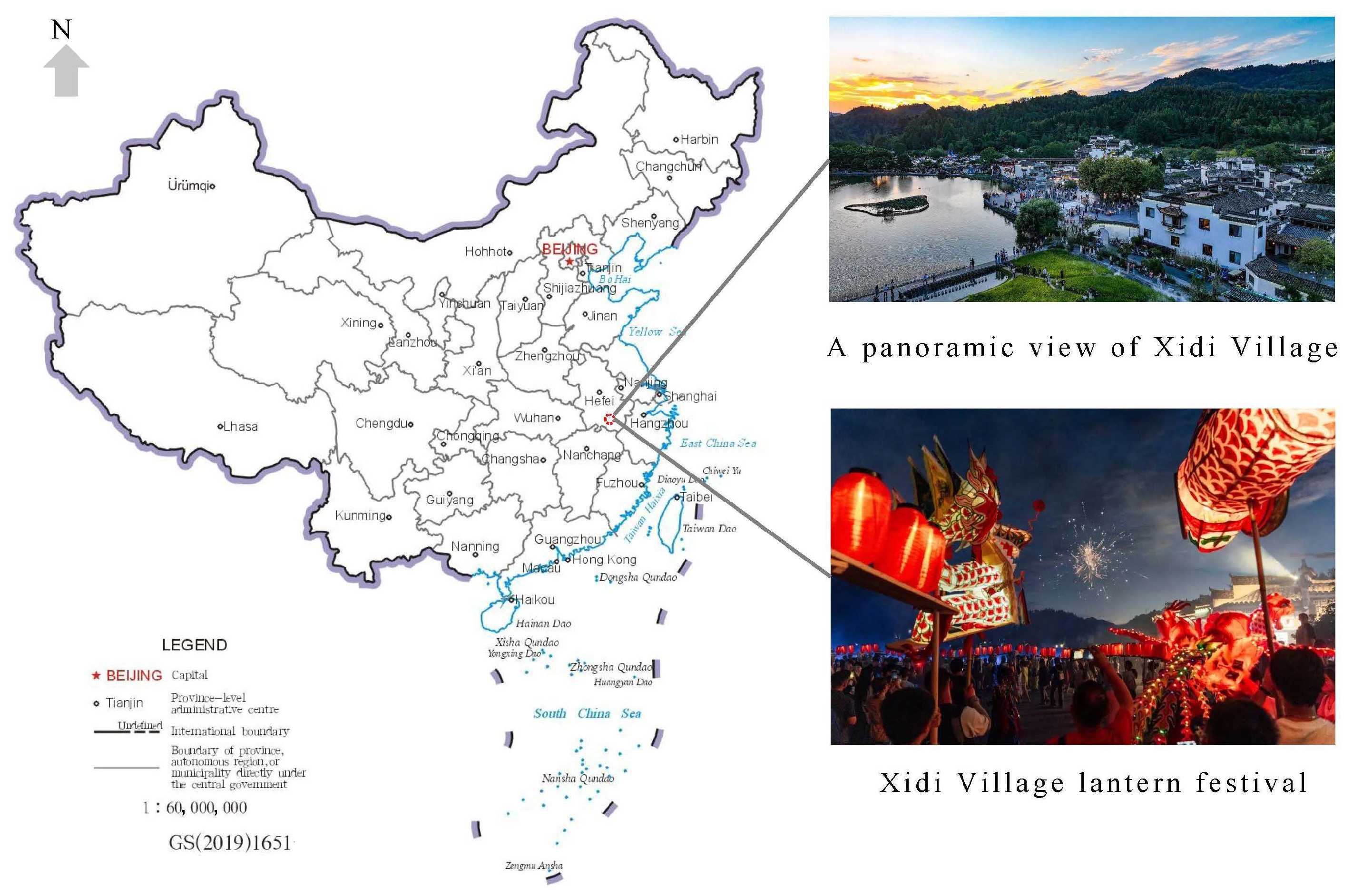
Xidi Village (Figure 2) is situated in Yi County, Huangshan City, southern Anhui Province, China. It began its tourism industry in 1987, one of the earliest areas in China to develop rural tourism. Xidi Village was among the first batch of traditional Chinese villages to gain international recognition and is hailed as “the hometown of Peach Blossom Spring.” Founded in the Northern Song Dynasty, the site has sustained its appeal to tourists through its well-preserved Hui-style architectural heritage and traditional rural scenery (P. Fang, 2023). In 2000, following review and approval by the UNESCO World Heritage Committee, Xidi was designated as one of the first traditional villages in China to be inscribed on the World Cultural Heritage List (Miao, 2023). Since then, the number of visitors to Xidi Village has grown substantially, reaching 1.2185 million in 2019. Tourist numbers were significantly affected during the COVID-19 pandemic but gradually recovered to normal levels after 2022. In 2024, Yi County received 18.905 million tourists, generating a total tourism revenue of 17.47 billion yuan, of which Xidi Village received 1.0124 million tourists. Currently, Xidi Village integrates surrounding villages to develop rural tourism centered on ancient village heritage, incorporating elements of ecotourism and agritourism (S. Fang, 2023).
The core scenic area of Xidi Village has strictly preserved the village’s historic appearance, while large-scale accommodation and catering facilities are primarily concentrated on the periphery of the scenic area and in the adjacent Xidi town. It has developed a relatively comprehensive service system, encompassing a range of accommodation options from high-end boutique and chain hotels to locally operated homestays. Catering services also blend Anhui cuisine with popular demand. The scenic area’s internal tourist roads, signage system, visitor center, and eco-friendly public restrooms are all constructed and maintained in accordance with World Heritage standards. Xidi Village’s tourism development is deeply embedded in Xidi Town, which provides most of the logistical support and basic infrastructure for the scenic area. In addition, the town’s transportation, commercial, and service functions are closely integrated with the development of tourism in the scenic area.

3.2. RMP Analysis Theory

The RMP analysis theory, proposed in 1999 by the renowned Chinese tourism scholar Wu Bihu, is a theoretical framework that emphasizes resources (R), markets (M), and products (P). R (Resources)-analysis is an evaluation method for analyzing tourism resources based on investigating the current status of tourism resources in tourist destinations; M (market)-analysis explores the demand elasticity of tourism products by understanding tourists’ choice preferences; and P (product)-analysis emphasizes the combination development of tourism products (Huang, 2024). This theory has been widely applied to regional tourism development planning and pathways research (e.g., R. Liu & Shi, 2021; Y. Wang, 2020; Huang, 2024) and has yielded positive empirical effects.
R. Liu and Shi (2021) applied RMP theory to assess the ecological sports tourism resources of the Yellow River in Shanxi, analyzing their spatial distribution, preferences, and innovative products. P. Chi (2020) applied the RMP theory to analyze the development of adventure tourism in western Sichuan and proposed specific strategies grounded in spatial resources, market demand, and theme innovation to promote its long-term development. Y. Wang (2020) applied the RMP theory to examine the connotations of marine culture, enhance the level of cultural development in tourism, create regional characteristics, and strengthen tourists’ impressions of the tourist area. Huang (2024) applied the tourism destination life cycle and RMP theories to analyze resources, markets, and products, aiming to enhance the competitiveness and appeal of provincial tea culture tourism products. Given the widespread application of this theory across various fields, especially in cultural tourism, this study adopts the RMP analysis theory to provide a theoretical framework for the development of folk culture tourism in Xidi Village.

3.3. R-Analysis: Categorize the Folk Cultural Tourism Resources

Local chronicles are a type of document in China that meticulously records history on paper. Their compilation is usually led by local government officials, with participation from professionals across various industries and detailed records. The content of Chinese local chronicles is authoritative and comprehensive, with their compilation and revision spanning over two thousand years. While retaining the original information, these chronicles are continuously updated and passed down through generations, becoming a unique cultural phenomenon in global civilization. The Yi County Chronicle (012790) is the 1988 local gazetteer of the county where Xidi Village is located, part of a series of local chronicles of Anhui Province. It records, in detail, the local geography, commerce, science and technology, culture, and other aspects of Yi County, highlighting its long history and distinct regional folk culture.
Depending on the definition of folk culture, this study manually reviewed the electronic full text of the Yi County Chronicle and ultimately selected four sections: the Culture Chronicle (pages 409 to 439), the Cultural Relics Chronicle (pages 443 to 457), the Sports Chronicle (pages 479 to 488), and the Social Chronicle (pages 491 to 516) as the primary text information sources to explore the folk cultural elements where Xidi Village is located. Based on Tyler’s (2020) categorization of culture, this study divides folk culture into two categories: material culture and nonmaterial culture, segmenting them according to the standard of “Classification, Investigation, and Evaluation of Tourism Resources” (GB/T 18972-2017, 2017). This standard, issued by the National Tourism Administration of the People’s Republic of China for use in tourism resource surveys, is highly authoritative and operational.

3.4. M-Analysis: Find the Differences in the Degree of Tourists’ Perceptions of Folk Cultural Elements (Questionnaire Design, Data Collection, and Data Analysis)

M-analyses were conducted to examine differences in tourists’ perceptions of various folk cultural elements, while also collecting basic demographic information and travel behaviors. This process was implemented through a pilot survey to understand the characteristics and demand for Xidi Village’s folk culture tourism market. A pilot survey (or study) is a preliminary investigation conducted on a small sample of respondents before carrying out the main or larger study (Njeri Muasya & Kyalo Mulwa, 2023). It is also a data collection procedure designed to conduct a practical evaluation of research methods and procedures (Dźwigoł, 2020). This study used the pilot survey to provide a quick, preliminary understanding of Xidi Village’s folk culture tourism market, which was highly operational and timely. According to established rules of thumb for pilot survey sample sizes, 60 to 100 participants are sufficient (Kunselman, 2024); therefore, 80 questionnaires were distributed to tourists in Xidi Village for the pilot survey, which was appropriate.
The questionnaire was designed as a five-point Likert scale, with “5” indicating the highest level of agreement and “1” the lowest, to assess participants’ perceptions of folk culture. The design of the questionnaire was based on the results of the R-analysis, dividing folk culture elements into two main categories: material and nonmaterial. The measurement instrument comprised 21 items assessing perceptions of folk cultural elements, with 13 focusing on material culture and 8 on nonmaterial culture. In addition, there were 6 items to capture basic demographic information and 6 items to address travel behavior. The questionnaire was administered offline using systematic random sampling, with every third person sampled at the Xidi Scenic Area. The investigators were undergraduate students majoring in tourism management, and they received field research training in advance. The survey subjects were tourists visiting Xidi Village, and participation was voluntary. Eventually, the survey was conducted on 9 April 2024. A total of 80 questionnaires were distributed, with 76 collected and 62 deemed valid, yielding a response rate of 95% and a valid response rate of 77.5%. This study used IBM SPSS Statistics version 27.0 software to process and analyze data, including descriptive statistics and mean analysis.

3.5. P-Analysis: Classify the Folk Cultural Tourism Attractions (Products)

P-analysis employed online content analysis, a systematic research approach for collecting, organizing, and examining digital materials. Researchers applied the method to sources such as websites, social media, blogs, news articles, videos, and forum posts to identify underlying patterns, themes, and social meanings (Neuendorf & Kumar, 2016). It is an extension of traditional content analysis, and methodically examines textual and non-textual data, including written text, speech, images, videos, gestures, music, and sound to interpret meaning (Pennington, 2012). Online content analysis has become an increasingly important methodological tool in tourism research, with WeChat official accounts serving as a crucial data source (Skavronskaya et al., 2020). In this study, the material came from the official WeChat public account of the Xidi Scenic Area operator, “Hongcun Tourism,” covering January 2023 to December 2024. It was manually collected, and content related to the themes of “Xidi Village” and “Folk Culture” was screened. Then, based on the previous divisions from the R analyses, the folk culture tourism attractions of Xidi Village were identified and assigned to the corresponding categories.

4. Results

4.1. R-Analysis of Folk Culture Tourism Resources in Xidi Village

Based on Tyler’s (2020) classification criteria of culture and the standard of “Classification, Investigation, and Evaluation of Tourism Resources” (GB/T 18972-2017, 2017), the results of the thematic analysis of the four parts (i.e., Culture Chronicle, the Cultural Relics Chronicle, the Sports Chronicle, and the Social Chronicle) of Yi County Chronicle (012790) are shown in Table 1 and Table 2. The material culture category includes five parts: “Buildings and Facilities,” “Traditional Medicine,” “Handicrafts,” “Life Customs,” and “Special Transportation.” The nonmaterial culture category includes seven parts: “Folk Entertainment,” “Folk Performances,” “Folk Sports Events,” “Social Customs,” “Folk Beliefs,” “Production Folklore,” and “Folk Literature and Art.” Located in Yi County, Xidi Village has a thriving folk culture with many historical and cultural relics; this conclusion is consistent with previous research (e.g., S. Fang, 2023; J. Li, 2018). The material culture has distinctive characteristics and can be quickly transformed into tangible tourism products. Simultaneously, the nonmaterial culture is fascinating and can be developed into highly experiential cultural products, such as lantern fairs, amusement activities, and various folk performance projects.

4.2. M-Analysis of Folk Culture Tourism Market in Xidi Village

Basic information for the sample is shown in Table 3. The sample consisted primarily of female respondents (59.7%), with the largest age group being 18 to 25 years (67.7%). Regarding educational background, undergraduates comprised 67.7% of respondents, indicating a relatively high overall educational level. The occupations covered were wide-ranging, and the proportion of students was relatively high (56.5%) for study tour purposes. Additionally, 37.1% of participants reported a personal income range of 1181–3000 RMB, which belongs to the low-middle income group, which is related to the high proportion of students. 91.9% of tourists were not locals of Yi County, 24.7% were from Anhui Province, 12.3% were from Jiangsu Province, and the remaining were from Zhejiang, Hebei, Henan, Hunan, Jiangxi, Guangdong, Shanxi, Shandong, Sichuan, Jilin, Inner Mongolia, and other regions. The tourist catchment area of Xidi Village is relatively extensive, which can be attributed to its proximity to the renowned Huangshan Scenic Area, enabling it to benefit from significant tourist spillover (Zheng et al., 2024; X. Wang et al., 2024).
Statistical analysis of tourists’ travel behavior is shown in Table 4. The day-trip tourists accounted for 46.8% and overnight tourists for 53.2%, revealing that Xidi Village has a strong base of tourists for developing in-depth tourism. The proportion of tourists choosing to travel with friends and family reached 45.2%, with tour group travel accounting for 37.1%, family travel accounting for 12.9%, and traveling alone accounting for only 3.2%. Regarding transportation, 35.5% of tourists traveled by self-driving, while 64.5% chose not to, indicating that most tourists relied on public transportation. Among these, 16% opted for bus travel, and 8.6% chose high-speed rail or other modes of transport, including airplanes, conventional trains, and buses. 51.6% of tourists reported having learned about Xidi Village’s folk culture prior to their visit, primarily through mobile applications such as Rednote, Baidu, and Douyin, or via tour guides. At the same time, a smaller proportion acquired this information through books or word-of-mouth. Many tourists traveled to rural areas twice a year (45.2%), while 21% traveled three or more times annually, indicating relatively extensive experience with rural tourism. 74.2% of tourists had a rural living experience lasting more than half a year, showing that the tourist group had a certain sense of the countryside.
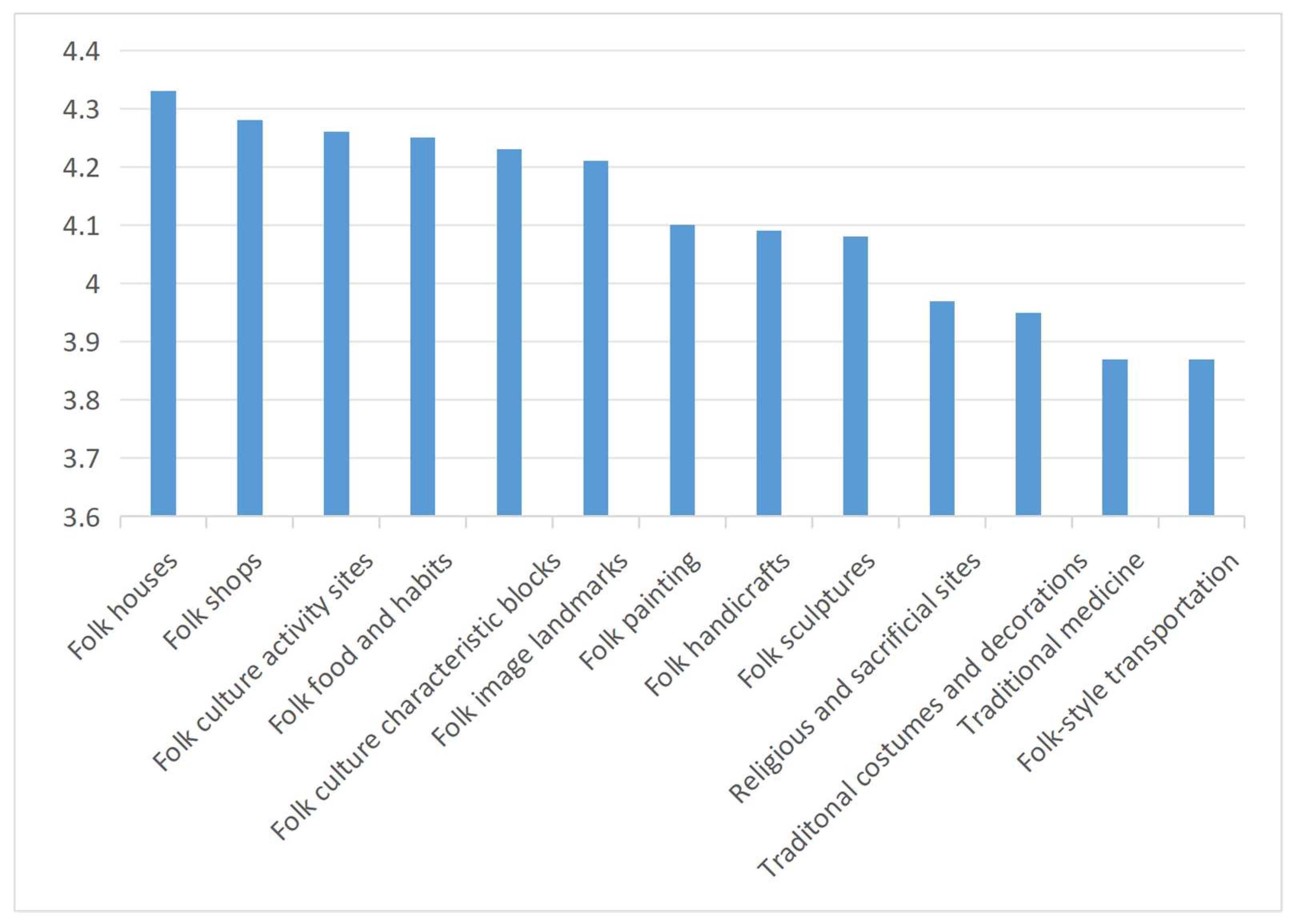
Figure 3 reflects tourists’ perceptions of folk culture elements within the material culture category of Xidi village. The figure shows that tourists have the highest perception of folk houses (4.33), followed by folk shops (4.28). This is consistent with the distinctive architectural features of Xidi Village, as highlighted in Zheng et al. (2024), which identify the architectural landscape as the defining characteristic of Xidi Village and a key element recognized by tourists. The village has lots of folk shops that can leave a deep impression on tourists, which aligns with the commercialization mentioned earlier. The perception levels of folk culture activity sites, folk culture characteristic blocks, and folk image landmarks are all above 4.2, which conforms to tourists’ regular travel routes. Folk food and habits meet tourists’ basic needs for “eating,” with a perception level of 4.25. The perception of folk sculptures and folk handicrafts is close to 4.1, which belongs to the viewing and shopping aspects and is related to tourists’ interests. Some tourists can perceive religious and sacrificial sites in relation to the design of the tourist route and their own interests. At the same time, traditional costumes and decorations are not very present, and the perception of both is close to 4.0. The lowest levels of tourists’ perception are for traditional medicine and folk-style transportation, below 3.9. The former has a weak presence in scenic spots, while the latter requires strong experience. These are directions for developing folk culture tourism products in Xidi Village in the future.
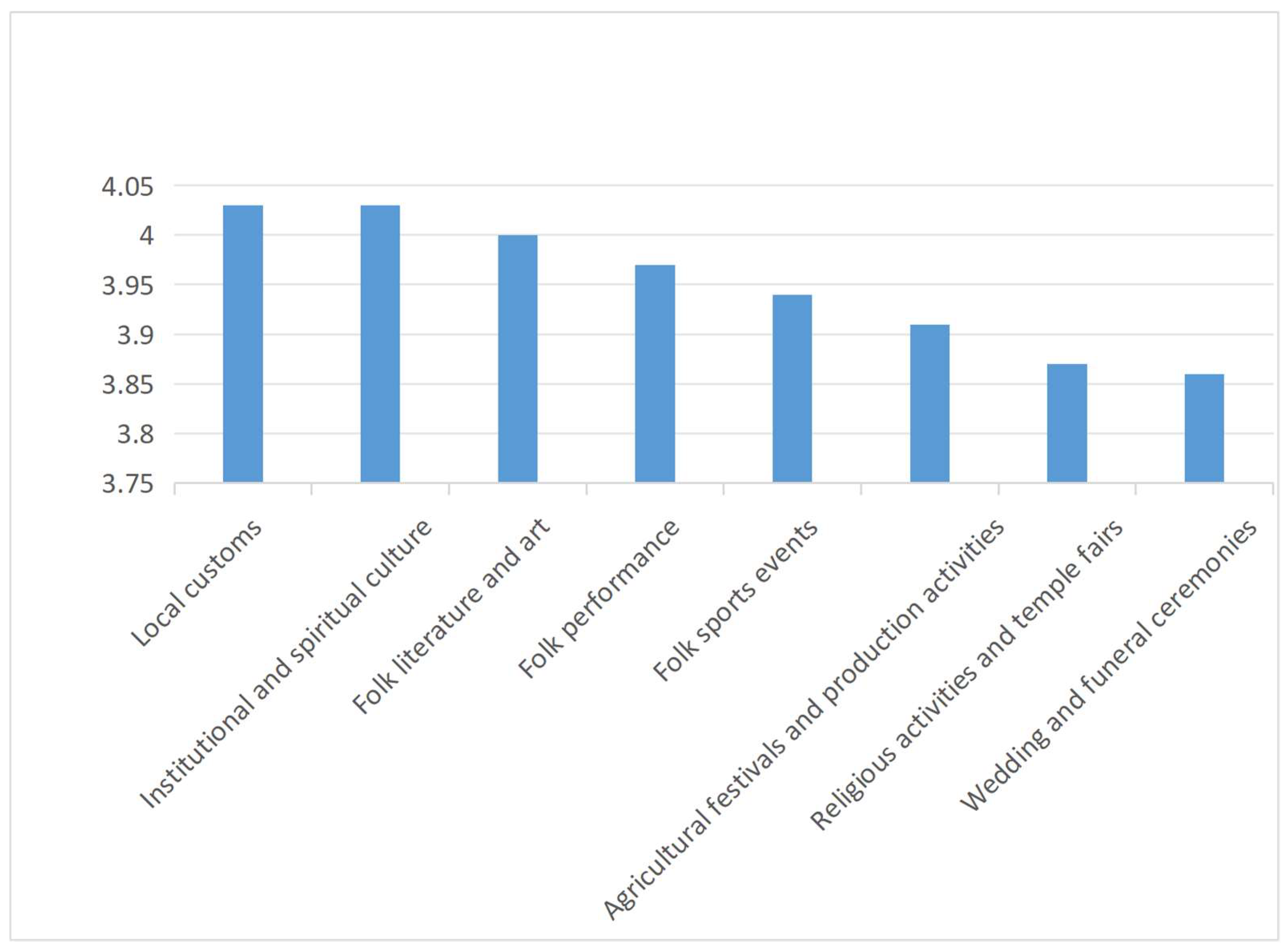
Figure 4 reflects tourists’ perceptions of the nonmaterial folk culture in Xidi Village. Tourists have the highest perception of local customs, institutions, and spiritual culture, reaching a score of 4.03. Tourists learn about local customs and spiritual culture through observation and interaction with locals, which deepens their impressions (R. Zhang & Smith, 2019). Regarding institutional culture, the village regulations of Xidi Village are prominently displayed on walls, facilitating their recognition by tourists. Their perception of folk literature and art reaches 4.0, which is related to the tour guide’s explanation and the introduction of the scenic area’s signs. The perception of folk performances, folk sports events, agricultural festivals, and production activities is above 3.9, which is related to tourists’ itineraries and the activities they participate in. Tourists have the lowest perception of “religious activities and temple fairs” and “wedding and funeral ceremonies,” which are related to the scenic spot’s project arrangements.
In general, tourists are more aware of material cultural elements than of nonmaterial ones because the tangibility of material elements is easier for them to perceive through sight and touch. These tangible aspects are usually readily apparent and easily accessible, thus standing out more in the tourist experience. In contrast, nonmaterial cultural elements require tourists to have a certain sense of experience related to the design of tourism products. Because these elements are integrated into behavior and context, they are less easily perceived directly and may not be evident to casual observers. Understanding these aspects usually requires deeper engagement, background knowledge, or guided interpretation. Effective design of tourism products plays a key role in promoting tourists’ awareness and understanding of intangible cultural heritage by creating immersive, meaningful, interactive opportunities (Vallbona, 2020; S. Jiang et al., 2023).

4.3. P-Analysis of Folk Culture Tourism Products in Xidi Village

Xidi’s overall level of commercialization is lower than that of neighboring villages (e.g., Hongcun), where residents engage in farm stays, country inns, and the production and sale of handicrafts and local specialties (P. Fang, 2023; R. Zhang & Smith, 2019). Based on content analysis of “folk culture” and “Xidi village” from the WeChat public account “Hongcun Tourism” over the past two years, folk cultural attractions of Xidi Village are presented in Table 5. Xidi centers on the Hu Clan Ancestral Hall and retains traditional sacrificial practices, especially villagers’ spontaneous ancestor worship and blessings during the Ghost Festival. This content appears very frequently in news articles in the WeChat public account. While preserving the ancient residences of the Ming and Qing dynasties, Xidi focuses on the decorative design and furnishings of the old rooms, incorporating Chinese bacon. At the same time, the couplets give the buildings a cultural atmosphere. Tourists can visit the Xidi folk customs market to appreciate local customs, such as drinking wine around the stove, having supper, cooking over an open fire, and participating in folk activities like “throwing embroidered balls” and “appreciating lanterns.”
During traditional festivals such as Chinese Valentine’s Day, the scenic area hosts folk entertainment activities, including hula-hoop spinning, hoop throwing, and lantern lighting, which are popular among tourists. Tourists can see hand-sewn traditional costumes and experience Huizhou sachet-making, couplet-writing, Huizhou rubbing, and other activities. They can also buy folk cultural creative products and taste local snacks and farm dishes. Tourists can also experience the history of the Xidi clans, their couplets, and the culture of filial piety. There are a few folk cultural tourism resources related to “traditional medicine,” “folk literature and art,” and “production of folk customs and special transportation.”

5. Discussion

5.1. Discussion on the Fit and Gaps Between Resources, Market, and Product in Xidi Village

According to the results, the development of folk culture tourism in Xidi Village has a strong resource base, and product development has reached a particular scale. Tourists have shown a strong interest in and perceptions of folk cultural elements, which further demonstrates the central role of cultural landscapes in tourism appeal (Zheng et al., 2024; Weng et al., 2023). Resources, markets, and products are aligned, but specific gaps remain. First, some folk cultural elements, such as traditional medicine, specialized transportation, and production folk customs, are invisible, resulting in low levels of perception among tourists. Although traditional medicine is a unique resource, it is virtually absent from the current cultural landscape of Xidi Village, apart from local specialty products. According to staff feedback, although special transportation options were previously available, traditional transportation methods are now seldom arranged for tourists due to safety and economic considerations. With the development of tourism, villagers rarely engage in agricultural production, so there are few production-related folk customs visible to tourists. However, these folk cultural tourism resources have excellent development potential and can be transformed into tangible souvenirs and unique tourism experiences.
Secondly, the development of nonmaterial cultural folk products is not sufficiently deep, and tourists’ overall perception of these elements remains low. While material cultural elements such as architecture and handicrafts are easily visible, nonmaterial traditions are often overlooked in mainstream tourism products (Qiu et al., 2022; G. Zhang et al., 2020; Viken et al., 2021). Despite Xidi Village’s rich folk literature and art resources, tourists’ awareness of these traditions is low, and such products are barely featured on the official WeChat account. Tourists’ experience of these resources relies on guides’ verbal descriptions, rather than tangible products; this contradicts the principle of making intangible culture tangible, a principle championed by many scholars (e.g., Cerquetti et al., 2022; Wasela, 2023; Soeswoyo et al., 2025; Hou et al., 2022). In addition, some activities, such as folk sports events and folk entertainment, are time-sensitive, limiting tourists’ experiences. Some activities, such as sacrificial rites, are rarely experienced by tourists due to their sacredness and privacy.
Thirdly, the folk culture tourism attractions of Xidi share many similarities with those in the surrounding villages (Wei et al., 2021; R. Zhang & Smith, 2019; Zheng et al., 2024). This forces tourists to make choices, such as believing that if they have visited one village, there is no need to visit Xidi, thereby reducing opportunities for meaningful cultural immersion. This homogeneity is particularly evident in traditional clothing, special snacks, and handicrafts, such as Huizhou’s three carvings (wood, brick, and stone carving). Locals do not produce these traditional clothing and handicrafts, as they are mass-produced in factories outside the region. Besides geographical proximity leading to similar dietary and clothing habits, this also reflects the lack of in-depth exploration of Xidi Village’s unique resources by tourist attractions. Therefore, it is necessary to explore the unique folk culture elements of Xidi Village and innovate tourism products based on the existing foundation.

5.2. Development Strategies of Folk Culture Tourism Products in Xidi Village

5.2.1. Develop a Material Folk Culture Tourism Product System That Highlights Local Characteristics

Xidi Village has rich material folk culture tourism resources and offers a wide range of attractions (Weng et al., 2023; Wei et al., 2021). Building a material folk culture tourism system that highlights local characteristics is necessary. Folk culture tourism attractions, such as buildings and facilities, must be maintained authentically (Qiu et al., 2022; Tian et al., 2020; Yi et al., 2024). For example, folk houses attract large numbers of tourists and make a substantial visual impact. For commercial facilities such as folk shops, attention should be paid to preserving the old, original ecology to avoid excessive commercialization and to preserve the tourist experience (T. Zhang et al., 2021; Y. Li et al., 2024). For food, clothing, and handicrafts, residents are encouraged to guide tourists through the production process and create distinctive souvenirs by hand. Scenic spots are encouraged to develop resources for traditional medicine tourism. For example, Chinese medicine experience halls can have doctors on duty so tourists can participate in processing medicinal materials and sell local Chinese herbal medicines or Chinese patent medicines. Special transportation resources are emphasized, and ancient roads and rivers are restored in scenic spots, allowing tourists to watch and experience folk transportation methods such as sedan chairs, wooden boats, mules and horses, and tractors.

5.2.2. Innovate Diversified Nonmaterial Folk Cultural Tourism Experiences

Xidi’s nonmaterial folk culture is rich in content and highly ornamental (Wei et al., 2021; Chen & Li, 2022). It has a particular foundation for development, but it is not sufficient. It attracts tourists with intangible cultural heritage performances, including Hui opera and folk ball-throwing, and pays attention to traditional festivals. It needs to continue to innovate and enrich the nonmaterial folk culture tourism experience, with a focus on developing folk performance products (Y. Qi et al., 2025; Xie & Dai, 2024). For instance, reasonably use folk music (such as folk songs), folk dance (Phoenix Dance, Jumping Children), rural opera performances, Huangmei Opera repertoire, folk literature and art, and other resources to develop new projects. To enhance tourists’ experience of the place, attention should also be paid to social customs and folk beliefs so that tourists can gradually experience local practices. To address the short-term timeliness of tourist festivals, Xidi can incorporate folk entertainment (such as lantern festivals and amusement rides) into large-scale daily park projects during the peak tourist season. This approach aims to attract tourists and enhance their experience through grand events. At the same time, Xidi can also include folk sports events in daily activities and incorporate them into tourists’ regular travel routes to enhance their experience.

5.2.3. Design Attractive Folk Culture Tourism Routes and Scenic Spot Tour Lines

The arrangements of tourist routes and scenic spot tour lines affect tourists’ perceptions of cultural atmosphere (S. Zhang et al., 2023; Liang et al., 2021). Therefore, when making good products, we must consider the design of tourist routes and scenic spot tour lines. In terms of tourist routes, routes should be arranged according to the characteristics of Xidi village, and folk cultural tourism elements should be integrated; at the same time, high-quality parent–child study tour routes should be designed, starting with experiential folk cultural tourism products, to enhance the understanding of folk culture among primary, secondary, and college students. It is necessary to pay attention to tourists’ scenic spot selection and tour route design, as well as to improve tourists’ perception of various folk cultural elements. For nonmaterial folk cultural tourist attractions, attention should be paid to signage and explanatory materials within the scenic area to improve tourists’ understanding of less familiar folk cultural elements such as “religious activities and temple fairs” and “wedding and funeral ceremonies”. At the same time, visual, auditory, and tactile experiences can be created through electronic touch screens, images, physical displays, interactive activities, and other means. Tourism projects focus on designing experiences that allow tourists to engage in hands-on activities, such as folk competitions and handicraft-making.

5.2.4. Addressing the Importance of Differentiated Demands of Tourists

Differences in tourist demographics and tourism behaviors lead to different cultural and aesthetic needs among tourists (Rasoolimanesh et al., 2021; J. Qi et al., 2022). The M-analysis revealed that women constitute a large proportion of the population, prompting us to consider the distinct cultural and aesthetic needs of the two genders, which are determined by biological and sociocultural factors (Feraco et al., 2024; Leelayudthyothin, 2024). Furthermore, undergraduate students demonstrate a substantial demand for knowledge about folk culture, providing a market foundation for study tours. Many tourists come from Anhui Province, with some from surrounding provinces, which forces us to consider their backgrounds. This view that tourists’ backgrounds influence their cultural experience has been confirmed by many scholars (e.g., Seyfi et al., 2020; Vergori & Arima, 2020; Hiamey et al., 2021). In this study, for tourists from within the province, the focus is on evoking a sense of cultural identity; for tourists from outside the province, the attraction of different cultures is even more important.
The proportion of overnight tourists is higher than that of day-trip tourists, which provides a good source of tourists for Xidi Village to carry out in-depth folk culture tourism and makes it easier to add nighttime activities. Most tourists travel in groups, with only 3.2% traveling alone, indicating that scenic spots can increase the number of projects and activities for multiple participants. Tourists’ modes of transportation have created personalized demands for parking spaces and public transportation, such as increasing parking spaces for self-driving tourists, adding public transportation routes during peak seasons, and regulating taxis. More than half of tourists have experienced rural tourism more than twice a year, which shows that they are experienced tourists who are more interested in in-depth tourism and rural characteristics (Rosalina et al., 2021; X. Chi et al., 2020). More than half of tourists will learn about folk culture through apps or tour guides before traveling. This indicates that the pre-travel promotion is also vital and will directly affect their folk culture experience.

6. Conclusions

Folk culture tourism enhances the appeal and economic returns of rural tourism by exploring and utilizing the cultural resources of traditional villages (Y. Li et al., 2024). It serves as a key driver of rural revitalization and sustainable development. Based on the RMP theory, this study conducts an in-depth analysis of the three core dimensions of folk culture tourism development in Xidi village: resource, market, and product. An R-analysis using the Yi County Chronicle (012790) as the primary source indicates that Xidi Village’s folk culture tourism resources encompass a wide range of categories and demonstrate luxurious cultural content. M-analysis, which relied on a pilot survey, shows that tourists demonstrate clear awareness of Xidi Village’s folk culture elements, with greater perception of material cultural elements than of nonmaterial ones, and exhibit specific behavioral characteristics. P-analysis, depending on online content analysis, presents that Xidi Village’s existing folk culture tourism products have reached an initial scale and are diverse in form. The research results indicate significant gaps in resources, markets, and products for folk culture tourism in Xidi Village, including low levels of tourists’ perceptions of some folk culture elements, insufficient development of nonmaterial folk cultural products, and similarities among the attractions and those in surrounding villages. Participants proposed effective strategies from the perspective of material product systems, nonmaterial folk cultural tourism experiences, folk culture tourism routes, scenic spot tour lines, and differentiated tourist demands.
This study faces challenges due to its diverse research methods, which include both qualitative and quantitative approaches. The workload is substantial, particularly in the phased collection of data and the systematic organization and classification of folk culture elements from the local chronicle. The study’s shortcomings are that local chronicles have certain historical limitations, and the development and changing trends of local folk culture need to be supplemented in the future. The pilot survey method was used in the M-analysis, but its limitations stemmed from the small sample size. It might not have captured the diversity of the target group, leading to the omission of some important issues. Future research on the folk culture tourism market in Xidi Village requires a larger sample size and more in-depth analysis. Despite its limitations, this study, which focuses on Xidi Village, still holds significant practical value for the development of folk culture tourism in similar traditional villages in rural tourism.

Author Contributions

Conceptualization, L.Z. and N.A.M.N.; methodology, L.Z., N.A.M.N. and A.R.; software, L.Z.; validation, L.Z.; formal analysis, L.Z.; investigation, L.Z.; resources, L.Z.; data curation, L.Z.; writing—original draft preparation, L.Z.; writing—review and editing, L.Z., N.A.M.N. and A.R.; visualization, L.Z. and N.A.M.N.; supervision, N.A.M.N. and A.R.; project administration, L.Z.; funding acquisition, L.Z. All authors have read and agreed to the published version of the manuscript.

Funding

This research was funded by the Huangshanshi Federation of Social Sciences (grant number 2024267).

Institutional Review Board Statement

Ethical review and approval for this study were waived due to its observational nature and the absence of any therapeutic medication, so no formal approval from the Institutional Review Board or local Ethics Committee was required. The data collection permit was issued by Universiti Utara Malaysia, and the study’s approval and funding were provided by the local government (Huangshan City, China).

Informed Consent Statement

Informed consent was obtained from all subjects involved in the study.

Data Availability Statement

The original contributions presented in the study are included in the article; further inquiries can be directed to the corresponding author.

Acknowledgments

The authors sincerely express their gratitude for the financial support provided by the Huangshanshi Federation of Social Sciences. Furthermore, Special thanks are also extended to all research participants for their generous contribution of valuable time and crucial insights.

Conflicts of Interest

The authors declare no conflicts of interest.

References

  1. Aktürk, O., & Demir, Ş. Ş. (2021). The role of cooperatives in the development of rural tourism: The example of Kuyucak. Journal of Tourism Theory and Research, 7(2), 58–69. [Google Scholar] [CrossRef]
  2. Ammirato, S., Felicetti, A. M., Raso, C., Pansera, B. A., & Violi, A. (2020). Agritourism and sustainability: What we can learn from a systematic literature review. Sustainability, 12(22), 9575. [Google Scholar] [CrossRef]
  3. An, W., & Alarcón, S. (2020). How can rural tourism be sustainable? A systematic review. Sustainability, 12(18), 7758. [Google Scholar] [CrossRef]
  4. Ancuța, C., & Jucu, I. S. (2023). Sustainable rural development through local cultural heritage capitalization—Analyzing the cultural tourism potential in rural Romanian areas: A case study of Hărman commune of Brașov region in Romania. Land, 12(7), 1297. [Google Scholar] [CrossRef]
  5. Andrianady, R. J., Jonathan, A., Alyda, C., & Randrianantenaina, S. K. (2024). Tourism’s impact on inclusive growth and Co2 emissions in the case of Madagascar. SSRN Electronic Journal. [Google Scholar] [CrossRef]
  6. Ben Matiwane, M., & Agnes Matiwane, M. (2024). Sustainable livelihood for rural areas. In Rural areas-development and transformations. IntechOpen. [Google Scholar] [CrossRef]
  7. Candeloro, G., & Tartari, M. (2025). Heritage-led sustainable development in rural areas: The case of Vivi Calascio community-based cooperative. Cities, 161(101004627), 105920. [Google Scholar] [CrossRef]
  8. Cavalcante, W. Q. d. F., Coelho, A., & Bairrada, C. M. (2021). Sustainability and tourism marketing: A bibliometric analysis of publications between 1997 and 2020 using vosviewer software. Sustainability, 13(9), 4987. [Google Scholar] [CrossRef]
  9. Cerquetti, M., Ferrara, C., Romagnoli, A., & Vagnarelli, G. (2022). Enhancing intangible cultural heritage for sustainable tourism development in rural areas: The case of the “Marche food and wine memories” project (Italy). Sustainability, 14(24), 16893. [Google Scholar] [CrossRef]
  10. Chan, J. K. L. (2023). Sustainable rural tourism practices from the local tourism stakeholders’ perspectives. Global Business and Finance Review, 28(3), 136–149. [Google Scholar] [CrossRef]
  11. Chen, X., & Li, B. (2022). Rethinking cultural creativity and tourism resilience in the post-pandemic era in Chinese traditional villages. Sustainability, 14(19), 12371. [Google Scholar] [CrossRef]
  12. Cheng, Y., Fei, X., Luo, L., Kong, X., & Zhang, J. (2025). Social network analysis of heterogeneous subjects driving spatial commercialization of traditional villages: A case study of Tanka Fishing Village in Lingshui Li Autonomous county, China. Habitat International, 155, 103235. [Google Scholar] [CrossRef]
  13. Chi, P. (2020). Research on exploration tourism resources development in Western Sichuan based on RMP analysis. Frontiers in Management Research, 4(2), 38–43. [Google Scholar] [CrossRef]
  14. Chi, X., Lee, S. K., Ahn, Y. j., & Kiatkawsin, K. (2020). Tourist-perceived quality and loyalty intentions towards rural tourism in China. Sustainability, 12(9), 3614. [Google Scholar] [CrossRef]
  15. Crăciun, A. M., Dezsi, Ș., Pop, F., & Cecilia, P. (2022). Rural tourism—Viable alternatives for preserving local specificity and sustainable socio-economic development: Case study—“Valley of the Kings” (Gurghiului Valley, Mureș County, Romania). Sustainability, 14(23), 16295. [Google Scholar] [CrossRef]
  16. Ćurčić, N., Svitlica, A. M., Brankov, J., Bjeljac, Ž., Pavlović, S., & Jandžiković, B. (2021). The role of rural tourism in strengthening the sustainability of rural areas: The case of zlakusa village. Sustainability, 13(12), 6747. [Google Scholar] [CrossRef]
  17. Dźwigoł, H. (2020). Pilot study in the research procedure. Organization & Management Scientific Quartely, 2(50), 5–13. [Google Scholar] [CrossRef]
  18. Fang, P. (2023). A study on the image of rural tourism destination based on visitor gazing-taking Xidi village as an example [Master’s thesis, Anhui Agricultural University]. [Google Scholar]
  19. Fang, S. (2023). Evaluation of rural tourism brand construction in Yixian county and enhancement strategy research [Master’s thesis, Anhui University of Finance & Economics]. [Google Scholar]
  20. Feraco, A., Armani, A., Amoah, I., Guseva, E., Camajani, E., Gorini, S., Strollo, R., Padua, E., Caprio, M., & Lombardo, M. (2024). Assessing gender differences in food preferences and physical activity: A population-based survey. Frontiers in Nutrition, 11, 1348456. [Google Scholar] [CrossRef] [PubMed]
  21. Ghose, A., Aamir Ali, S. M., Dhere, A., & Inamdar, P. (2025). Revival and preservation of folklore through tourism: Approaches for the sustainable cultural heritage management in India. In Community development insights on cultural heritage tourism (pp. 121–153). IGI Global Scientific Publishing. [Google Scholar] [CrossRef]
  22. Guaita Martínez, J. M., Martín Martín, J. M., Salinas Fernández, J. A., & Mogorrón-Guerrero, H. (2019). An analysis of the stability of rural tourism as a desired condition for sustainable tourism. Journal of Business Research, 100, 165–174. [Google Scholar] [CrossRef]
  23. He, Y., Gao, X., Wu, R., Wang, Y., & Choi, B. R. (2021). How does sustainable rural tourism cause rural community development? Sustainability, 13(24), 13516. [Google Scholar] [CrossRef]
  24. Hiamey, S. E., Amenumey, E. K., & Mensah, I. (2021). Critical success factors for food tourism destinations: A socio-cultural perspective. International Journal of Tourism Research, 23(2), 192–205. [Google Scholar] [CrossRef]
  25. Hou, Y., Kenderdine, S., Picca, D., Egloff, M., & Adamou, A. (2022). Digitizing intangible cultural heritage embodied: State of the art. Journal on Computing and Cultural Heritage, 15(3), 1–20. [Google Scholar] [CrossRef]
  26. Huang, L. (2024). Research on regional tea tourism product development strategy combined with RMP analysis. Applied Mathematics and Nonlinear Sciences, 9(1), 1–20. [Google Scholar] [CrossRef]
  27. Ivona, A. (2021). Sustainability of rural tourism and promotion of local development. Sustainability, 13(16), 8854. [Google Scholar] [CrossRef]
  28. Jayalakshmi, M., & Vijayasree, P. N. (2025). Connecting with tradition: The impact of rural tourism on India’s cultural heritage. International Journal of Latest Technology in Engineering Management & Applied Science, 14(7), 118–122. [Google Scholar] [CrossRef]
  29. Ji, X. (2012). Guizhou rural folk culture tourism industrialization. China Science and Technology, 16, 154–155. [Google Scholar]
  30. Jiang, C., Hua, M., Ren, G., & Ma, X. (2020, April 10–12). The development and protection of rural folk culture tourism resources. 2020 International Conference on Social and Human Sciences (ICSHS2020) (pp. 217–222), Hangzhou, China. [Google Scholar] [CrossRef]
  31. Jiang, S., Moyle, B., Yung, R., Tao, L., & Scott, N. (2023). Augmented reality and the enhancement of memorable tourism experiences at heritage sites. Current Issues in Tourism, 26(2), 242–257. [Google Scholar] [CrossRef]
  32. Joo, Y., Seok, H., & Nam, Y. (2020). The moderating effect of social media use on sustainable rural tourism: A theory of planned behavior model. Sustainability, 12(10), 4095. [Google Scholar] [CrossRef]
  33. Kastenholz, E., Marques, C. P., & Carneiro, M. J. (2020). Place attachment through sensory-rich, emotion-generating place experiences in rural tourism. Journal of Destination Marketing and Management, 17, 100455. [Google Scholar] [CrossRef]
  34. Khartishvili, L., Muhar, A., Dax, T., & Khelashvili, I. (2019). Rural tourism in Georgia in transition: Challenges for regional sustainability. Sustainability, 11(2), 410. [Google Scholar] [CrossRef]
  35. Kumar, V., Agarwala, T., & Kumar, S. (2025). Rural tourism as a driver of sustainable development: A systematic review and future research agenda. Tourism Review. [Google Scholar] [CrossRef]
  36. Kunselman, A. R. (2024). A brief overview of pilot studies and their sample size justification. Fertility and Sterility, 121(6), 899–901. [Google Scholar] [CrossRef]
  37. Lane, B., Kastenholz, E., & Carneiro, M. J. (2022). Rural tourism and sustainability: A special issue, review and update for the opening years of the twenty-first century. Sustainability, 14(10), 6070. [Google Scholar] [CrossRef]
  38. Leelayudthyothin, M. (2024). Are aesthetic preferences affected by gender and age differences? Asian Journal of Arts and Culture, 24(1), e259070. [Google Scholar] [CrossRef]
  39. Li, J. (2018). Study on the characteristics and protection characteristics of cultural life landscape of Huizhou traditional settlement-a case of Yixian county [Master’s thesis, Anhui Jianzhu University]. [Google Scholar]
  40. Li, Y., Ismail, M. A., & Aminuddin, A. (2024). How has rural tourism influenced the sustainable development of traditional villages? A systematic literature review. Heliyon, 10(4), e25627. [Google Scholar] [CrossRef]
  41. Li, Y., Westlund, H., & Liu, Y. (2019). Why some rural areas decline while some others not: An overview of rural evolution in the world. Journal of Rural Studies, 68, 135–143. [Google Scholar] [CrossRef]
  42. Liang, F., Pan, Y., Gu, M., Guan, W., & Tsai, F. (2021). Cultural tourism resource perceptions: Analyses based on tourists’ online travel notes. Sustainability, 13(2), 519. [Google Scholar] [CrossRef]
  43. Liu, R., & Shi, X. (2021). RMP analysis of ecological sports tourism development in Shanxi section of the Yellow River Basin. Frontiers in Sport Research, 3(5), 71–80. [Google Scholar] [CrossRef]
  44. Liu, W., Shu, R., & Ren, T. (2025). Evaluation of rural tourism attractions based on cultural value perception: A case study of Shentangyu Village, Yanqi Town, Beijing. International Journal of Tourism Research, 27(4), e70081. [Google Scholar] [CrossRef]
  45. Liu, Y. L., Chiang, J. T., & Ko, P. F. (2023). The benefits of tourism for rural community development. Humanities and Social Sciences Communications, 10(1), 137. [Google Scholar] [CrossRef]
  46. López-Sanz, J. M., Penelas-Leguía, A., Gutiérrez-Rodríguez, P., & Cuesta-Valiño, P. (2021a). Rural tourism and the sustainable development goals. A study of the variables that most influence the behavior of the tourist. Frontiers in Psychology, 12, 722973. [Google Scholar] [CrossRef]
  47. López-Sanz, J. M., Penelas-Leguía, A., Gutiérrez-Rodríguez, P., & Cuesta-Valiño, P. (2021b). Sustainable development and consumer behavior in rural tourism—The importance of image and loyalty for host communities. Sustainability, 13(9), 4763. [Google Scholar] [CrossRef]
  48. Ma, X., Wang, R., Dai, M., & Ou, Y. (2021). The influence of culture on the sustainable livelihoods of households in rural tourism destinations. Journal of Sustainable Tourism, 29(8), 1235–1252. [Google Scholar] [CrossRef]
  49. Miao, X. (2023). The development paths of village heritage in the perspective of critical heritage studies: Taking Hongcun and Xidi as examples [Master’s thesis, Shangdong University]. [Google Scholar]
  50. Ministry of Culture and Tourism. (2017). Classification, Investigation and Evaluation of Tourism Resources (GB/T 18972-2017). National Standardization Administration & General Administration of Quality Supervision, Inspection and Quarantine of the People’s Republic of China.
  51. Neuendorf, K. A., & Kumar, A. (2016, January). Content analysis. In The international encyclopedia of political communication. John Wiley & Sons, Inc. [Google Scholar] [CrossRef]
  52. Njeri Muasya, J., & Kyalo Mulwa, P. (2023). Pilot study, a neglected part of qualitative and quantitative research process: Evidence from selected PhD thesis and dissertations. Higher Education Research, 8(4), 115–123. [Google Scholar] [CrossRef]
  53. Pantović, D., Cvijanović, D., Cvijanović, G., & Šobić, L. (2023). Tradition and culture as the base for the tourism product: Case of UNESCO intangible heritage. Facta Universitatis, Series: Economics and Organization, 20(2), 103–116. [Google Scholar] [CrossRef]
  54. Pennington, D. R. (2012). Chapter 20: Coding of non-text data. In L. Sloan, & A. Q. Haase (Eds.), The Sage handbook of social media research methods (pp. 232–251). SAGE Publications. Available online: https://books.google.com.hk/books?hl=zh-CN&lr=&id=9oewDQAAQBAJ&oi=fnd&pg=PA232&dq=Chapter+20:+Coding+of+non-text+data&ots=ePNVj8rVCP&sig=VGdFbK97Iy_lEOTm-Q70fFHS-9Q&redir_esc=y#v=onepage&q&f=false (accessed on 15 January 2026).
  55. Prakash, B. (2019). Cultural labour: Conceptualizing the “folk performance” in India. Oxford University Press. [Google Scholar]
  56. Qi, J., Zhou, Y., Zeng, L., & Tang, X. (2022). Aesthetic heterogeneity on rural landscape: Pathway discrepancy between perception and cognition. Journal of Rural Studies, 92, 383–394. [Google Scholar] [CrossRef]
  57. Qi, Y., Ni, Q., Zhang, J., Han, J., & Ren, H. (2025). User-centric innovation strategies for cultural creative products in China’s rural tourism. PLoS ONE, 20(4), e0319474. [Google Scholar] [CrossRef] [PubMed]
  58. Qiu, Q., Zuo, Y., & Zhang, M. (2022). Intangible cultural heritage in tourism: Research review and investigation of future agenda. Land, 11(1), 139. [Google Scholar] [CrossRef]
  59. Rasoolimanesh, S. M., Seyfi, S., Hall, C. M., & Hatamifar, P. (2021). Understanding memorable tourism experiences and behavioural intentions of heritage tourists. Journal of Destination Marketing and Management, 21, 100621. [Google Scholar] [CrossRef]
  60. Rosalina, P. D., Dupre, K., & Wang, Y. (2021). Rural tourism: A systematic literature review on definitions and challenges. Journal of Hospitality and Tourism Management, 47, 134–149. [Google Scholar] [CrossRef]
  61. Ruiz-Real, J. L., Uribe-Toril, J., de Pablo Valenciano, J., & Gázquez-Abad, J. C. (2022). Rural tourism and development: Evolution in scientific literature and trends. Journal of Hospitality and Tourism Research, 46(7), 1322–1346. [Google Scholar] [CrossRef]
  62. Sauer, P. C., & Seuring, S. (2023). How to conduct systematic literature reviews in management research: A guide in 6 steps and 14 decisions. Review of Managerial Science, 17(5), 1899–1933. [Google Scholar] [CrossRef]
  63. Seyfi, S., Hall, C. M., & Rasoolimanesh, S. M. (2020). Exploring memorable cultural tourism experiences. Journal of Heritage Tourism, 15(3), 341–357. [Google Scholar]
  64. Skavronskaya, L., Moyle, B., Scott, N., & Schaffer, V. (2020). Collecting memorable tourism experiences: How do ‘wechat’? Journal of China Tourism Research, 16(3), 424–446. [Google Scholar] [CrossRef]
  65. Soeswoyo, D. M., Dewantara, M. H., Purwanti, D. P., Pramesti, D. S., Simanihuruk, M., & Rifai, N. (2025). Cimande’s cultural legacy: Expert insights on enhancing sustainable tourism through intangible heritage. Geojournal of Tourism and Geosites, 58(1), 376–385. [Google Scholar] [CrossRef]
  66. Stankova, M., & Vassenska, I. (2015). Raising cultural awareness of local traditions through festival tourism. Tourism & Management Studies, 11(1), 120–127. Available online: https://www.redalyc.org/pdf/3887/388743883015.pdf (accessed on 12 July 2025).
  67. Stojanović, T., Trišić, I., Brđanin, E., Štetić, S., Nechita, F., & Candrea, A. N. (2024). Natural and sociocultural values of a tourism destination in the function of sustainable tourism development—An example of a protected area. Sustainability, 16(2), 759. [Google Scholar] [CrossRef]
  68. Su, Y., Wang, Y., & Li, R. (2025). Mechanisms to overcome the homogenization of rural tourism products and improve the competitiveness of rural tourist destinations: A case study from China. Systems, 13(4), 287. [Google Scholar] [CrossRef]
  69. Szeidl, K. (2025). Rural heritage and tourism in Hungary. Worldwide Hospitality and Tourism Themes, 17, 511–524. [Google Scholar] [CrossRef]
  70. Tian, D., Wang, Q., Law, R., & Zhang, M. (2020). Influence of cultural identity on tourists’ authenticity perception, tourist satisfaction, and traveler loyalty. Sustainability, 12(16), 6344. [Google Scholar] [CrossRef]
  71. Trisoko, R. G., Yanti, R., & Andita, R. P. (2024). The power of local culture in regional tourism capital development. Indonesian Tourism Journal, 1(3), 172–185. [Google Scholar] [CrossRef]
  72. Tyler, S. (2020). Chapter 4: The elements of culture. In Human behavior and the social environment I. University of Arkansas. Available online: https://uark.pressbooks.pub/hbse1/front-matter/introduction/ (accessed on 15 January 2026).
  73. UNWTO. (2020). UNWTO recommendations on tourism and rural development. UNWTO. [Google Scholar]
  74. Vallbona, M. C. (2020). Satisfying experiences: Guided tours at cultural heritage sites. Journal of Heritage Tourism, 16, 201–217. [Google Scholar] [CrossRef]
  75. Vergori, A. S., & Arima, S. (2020). Cultural and non-cultural tourism: Evidence from Italian experience. Tourism Management, 78, 104058. [Google Scholar] [CrossRef]
  76. Viken, A., Höckert, E., & Grimwood, B. S. R. (2021). Cultural sensitivity: Engaging difference in tourism. Annals of Tourism Research, 89, 103223. [Google Scholar] [CrossRef]
  77. Wang, F., & Cheng, M. (2022). Analysis of the application of Huaihe River Basin folk culture to the construction of beautiful village culture wall from the perspective of rural revitalization. Highlights in Art and Design, 1(2), 22–24. [Google Scholar] [CrossRef]
  78. Wang, X., Lai, J., & Guo, Y. (2024). Study on Tourism responsiveness and habitat environment-influencing factors of traditional villages in Huizhou area. Sustainability, 16(8), 3424. [Google Scholar] [CrossRef]
  79. Wang, Y. (2020). The development of marine tourism art based on RMP theory. Journal of Coastal Research, 112, 66–69. [Google Scholar] [CrossRef]
  80. Wasela, K. (2023). The role of intangible cultural heritage in the development of cultural tourism. International Journal of Eco-Cultural Tourism, Hospitality Planning and Development, 6(2), 15–28. [Google Scholar] [CrossRef]
  81. Wei, Q., Li, M., Xiao, H., & Zhang, J. (2021). Study on the influence of tourists’ value on sustainable development of Huizhou traditional villages—A case of Hongcun and Xidi. E3S Web of Conferences, 236, 03007. [Google Scholar] [CrossRef]
  82. Weng, F., Li, X., Xie, Y., Xu, Z., Ding, F., Ding, Z., & Zheng, Y. (2023). Study on multidimensional perception of national forest village landscape based on digital footprint support—Anhui Xidi Village as an example. Forests, 14(12), 2345. [Google Scholar] [CrossRef]
  83. Widawski, K., Krzemińska, A., Zaręba, A., & Dzikowska, A. (2023). A sustainable approach to tourism development in rural areas: The example of Poland. Agriculture, 13(10), 2028. [Google Scholar] [CrossRef]
  84. Wijijayanti, T., Salleh, N. H. M., Hashim, N. A., Mohd Saukani, M. N., & Abu Bakar, N. (2023). The feasibility of rural tourism in fostering real sustainable development in host communities. Geojournal of Tourism and Geosites, 46(1), 336–345. [Google Scholar] [CrossRef]
  85. World Tourism Organization. (1993). Tourism the year 2000 and beyond qualitative aspects (pp. 1–4). World Tourism Organization. [Google Scholar]
  86. Wu, Z. (1998, December). Outline of folk tourism. Tourism Tribune. 75–78. [Google Scholar]
  87. Xie, Q., & Dai, H. (2024). Research on the optimization of night tourism products in Xidi and Hongcun based on tourist experience. Frontiers in Business, Economics and Management, 17(1), 84–90. [Google Scholar] [CrossRef]
  88. Yang, J., Yang, R., Chen, M. H., Su, C. H., Zhi, Y., & Xi, J. (2021). Effects of rural revitalization on rural tourism. Journal of Hospitality and Tourism Management, 47, 35–45. [Google Scholar] [CrossRef]
  89. Yi County Local History Compilation Committee. (1988). Yi county chronicle. Guangming Daily Publishing House. [Google Scholar]
  90. Yi, X., Fu, X., Lin, V. S., & Xiao, H. (2024). Integrating authenticity, well-being, and memorability in heritage tourism: A two-site investigation. Journal of Travel Research, 61(2), 378–393. [Google Scholar] [CrossRef]
  91. Yin, X., Chen, J., & Li, J. (2022). Rural innovation system: Revitalize the countryside for a sustainable development. Journal of Rural Studies, 93, 471–478. [Google Scholar] [CrossRef]
  92. Zhang, G., Chen, X., Law, R., & Zhang, M. (2020). Sustainability of heritage tourism: A structural perspective from cultural identity and consumption intention. Sustainability, 12(21), 9199. [Google Scholar] [CrossRef]
  93. Zhang, K., & Wei, M. (2023). Research on the value, current stuation and improvement measures of folk culture communication in the context of rural revitalization. Journal of Anshun University, 25(3), 46–50. [Google Scholar]
  94. Zhang, R., & Smith, L. (2019). Bonding and dissonance: Rethinking the interrelations among stakeholders in heritage tourism. Tourism Management, 74, 212–223. [Google Scholar] [CrossRef]
  95. Zhang, S., Lin, J., Feng, Z., Wu, Y., Zhao, Q., Liu, S., Ren, Y., & Li, H. (2023). Construction of cultural heritage evaluation system and personalized cultural tourism path decision model: An international historical and cultural city. Journal of Urban Management, 12(2), 96–111. [Google Scholar] [CrossRef]
  96. Zhang, T., Yin, P., & Peng, Y. (2021). Effect of commercialization on tourists’ perceived authenticity and satisfaction in the cultural heritage tourism context: Case study of Langzhong ancient city. Sustainability, 13(12), 6847. [Google Scholar] [CrossRef]
  97. Zhang, Y., & Zhang, H. (2021, June 2–3). Research on the tourist behavior characteristics of folk belief cultural tourism. 1st International Symposium on Innovative Management and Economics (ISIME 2021) (Vol. 185, pp. 571–583), Moscow, Russia. [Google Scholar] [CrossRef]
  98. Zhao, Y., Zhan, Q., Du, G., & Wei, Y. (2024). The effects of involvement, authenticity, and destination image on tourist satisfaction in the context of Chinese ancient village tourism. Journal of Hospitality and Tourism Management, 60, 51–62. [Google Scholar] [CrossRef]
  99. Zheng, S., Li, L., Fang, P., & Chen, H. (2024). Construction and evaluation of a traditional village tourism imagery element system based on Xidi Village. Sustainability, 16(9), 3679. [Google Scholar] [CrossRef]
  100. Zhong, J. (1996). Folklore culturology: Outline and rise. Zhonghua Book Company. [Google Scholar]
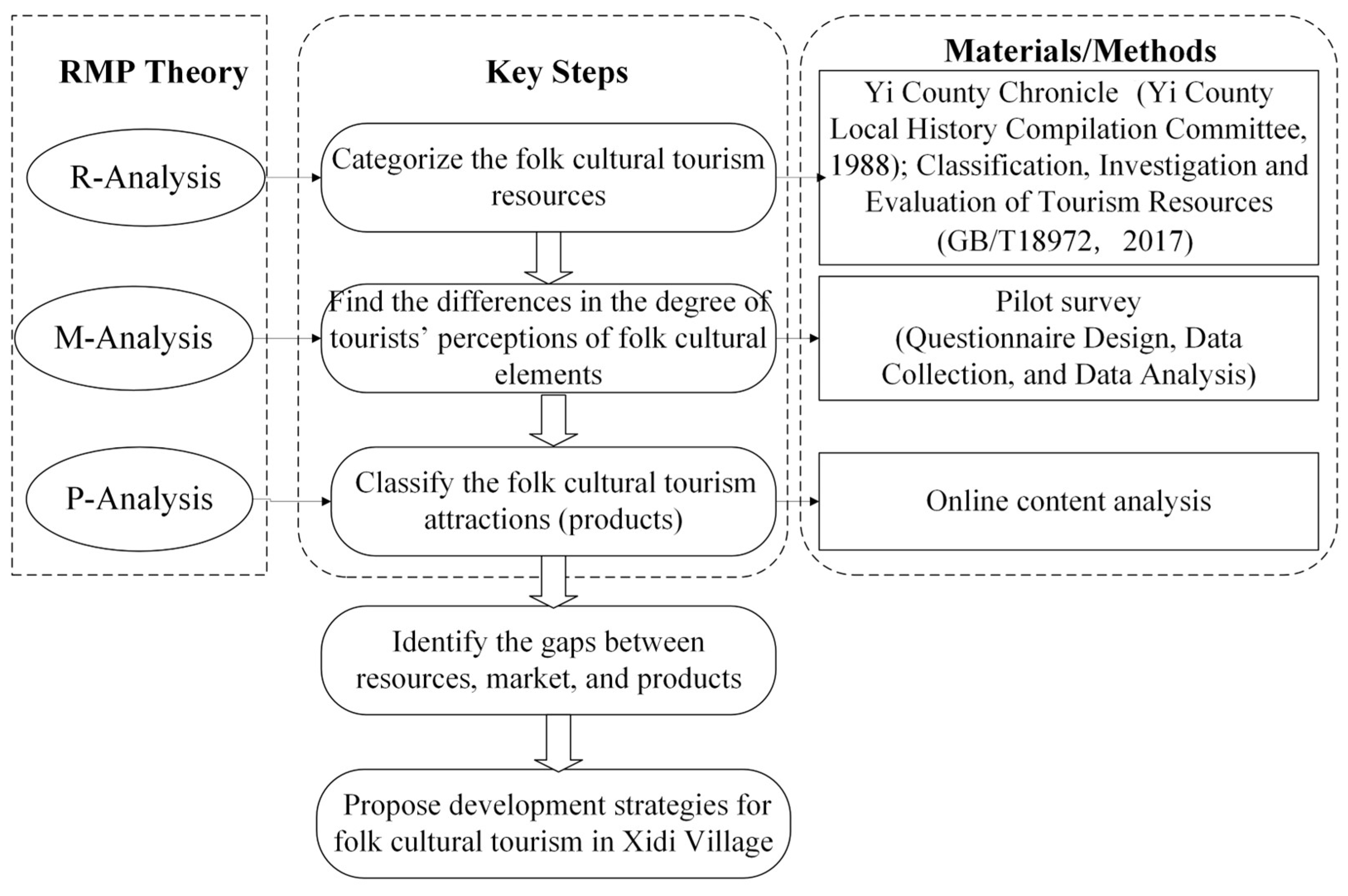
Figure 2. Location of Xidi Village in China (Source: This map of China is mainly provided by the Ministry of Natural Resources of China, and the other two pictures about Xidi Village are from the WeChat public account “Hongcun Tourism”).
Tourismhosp 07 00029 g002
Figure 3. Ranking of tourists’ perceptions of material folk culture.
Tourismhosp 07 00029 g003
Figure 4. Ranking of tourists’ perceptions of non-material folk culture.
Tourismhosp 07 00029 g004
Table 1. Folk culture tourism resources in Yi County (material culture category).
CategoryItems
Buildings and Facilities
(i)
Ancient dwellings from the Ming and Qing Dynasties: Xidi Village Qing Dynasty dwellings, Hongcun ancient dwellings, Guanlu “Eight Families,” Huang Shiling’s former residence, Xiucai’s residence, Lu’s residence, etc.
(ii)
Government offices and ancestral halls: County government main hall, Shu Yuqing Hall, Ye Kuiguang Hall, Tang clan ancestral hall, etc.
(iii)
Buddhism, Taoism: temples, nunneries, courtyards, palaces, halls; Taoist temples
(iv)
Mass cultural venues: Yi County Cultural Center, Town Cultural Center
(v)
Others: stone archways, ancient towers, ancient bridges, ancient wells, inscriptions, stone sculptures
Traditional Medicine
(i)
Medical practitioners: Traditional Chinese medicine practitioners, doctors in clinics, and traveling doctors
(ii)
Chinese herbal medicine: bulk medicinal materials (Huangshan Peucedanum, Platy codon grandiflorum, Huizhou chrysanthemum, etc.), precious medicinal materials (deer antler, bezoar, pearl, pangolin, etc.), artificially introduced medicinal materials (Rahmanian root, turmeric, etc.)
(iii)
Processing of medicinal materials: pure medicinal materials or decoction pieces
Handicrafts
(i)
Stone painting, seal cutting, painting porcelain
(ii)
Modeling exhibition: Bonsai, root carving
Life customs
(i)
Traditional dress decoration: dress, hairstyle, wear
(ii)
Folk food: Laba congee, peach, vegetarian feast, preserved meal, spiced mandarin fish, Laba tofu, soybean curd, stone duck, stinky tofu, etc.
Special Transportation
(i)
Transportation: tractor, labor, mule, wooden boat
(ii)
Channel: Ancient Road, River Road
(iii)
Stone Bridge folk transport: sedan chair, horse, mule
Source: Anhui Provincial Local Chronicles Series: Yi County Chronicle (Yi County Local History Compilation Committee, 1988).
Table 2. Folk culture tourism resources in Yi County (nonmaterial cultural category).
CategoryItems
Folk Entertainment
(i)
Lantern Festival: Zhishan Lantern Festival, Phoenix Lamp, Lion Lamp, dragon lamp
(ii)
Entertainment: Tai Ge (Mobile stage with costume performances), swing, flower boat, ground play, stilt, Nuo play
Folk Performances
(i)
Folk music: Taiping gongs and drums, folk songs
(ii)
Folk dance: Phoenix dance, Tiaotong dance (ritual trance dance)
(iii)
Rural opera performance: generally, set up a platform in the open air or use ancestral halls as performance venues
(iv)
Huangmei Opera repertoire: “Spring Tide in the Green Forest,” “Tigress on the Sedan Chair”
Folk Sports Events
(i)
Traditional sports: martial arts exercise, stone lock lifting, stone bar, tug-of-war, top bar, wrench, wrestling
(ii)
Children’s sports: shuttlecock kicking, slingshot playing, hoop rolling, rope skipping
(iii)
Performance sports: dragon and lion dance, stilt walking
(iv)
Farmer sports: basketball, table tennis, part track and field, badminton, radio exercise, Tai chi
Social Customs
(i)
Village traditional concept: live in the native land, attach importance to clan morality, pay attention to generations, wear crude clothes and vegetarian food, leaf back to the root, Confucian businessmen
(ii)
Marriage: matchmaking, approval, solicitation, dowry, wedding, Bridal party, unique marriage
(iii)
Life etiquette: etiquette, birth, family, birthday, funeral
(iv)
Living habits: hospitality, heating, living, travel
Folk Beliefs
(i)
Solar terms: Spring Festival, the beginning of spring, Lantern Festival, Lunar February Two, Flower Festival, Qingming Festival, Dragon Boat Festival, Hungry Ghost Festival, Mid-Autumn Festival, Double Ninth Festival, Laba Festival, Little New Year, New Year’s Eve
(ii)
Faith in God: Wannian Tai, welcome God (Xidi Guanyin meeting, swim the sun), out of place (walking on stilts, Taige, play play), pray for rain, worship Bodhisattvas, incense, Guan Wangye butcher knife, fairy doctor
Production Folklore
(i)
Make a house: Build a house, choose a lucky day to break ground, and worship the patriarch Luban
(ii)
Opening seedling gate: Farmers call the first transplanting of early rice every year “opening seedling gate.”
(iii)
Others: Buying cattle (“breaking the rope“), learning arts (brickwork, carpentry, ironwork, tailoring, business), industry old habits (worship “Luban Master”, set up “God of wealth”)
Folk Literature and Art
(i)
Folk oral literature: “Jiang Keai story” seven, “Chongzhen words”(divine by means of character), Huangshan north and south of the Avanti, clever daughter-in-law clever to avoid her husband’s taboo, excellent punishment of violent yamen
(ii)
Folk songs: Yi County commonly known as “singing songs,” such as the song for Seizing the Bride
(iii)
Folk stories: “Dogs cannot read,” the origin of the robber’s bridge, and the big knife stone
Source: Anhui Provincial Local Chronicles Series: Yi County Chronicle (Yi County Local History Compilation Committee, 1988).
Table 3. Descriptive statistics of basic information of the sample (n = 62).
Basic InformationCategoryFrequency
(N)
Percentage (%)Cumulative Percentage (%)
GenderFemale3759.759.7
male2540.3100.0
Age<1811.61.6
18–254267.769.3
26–441625.895.1
45–5923.298.3
≥6011.6100.0
Educational backgroundJunior high school and below11.61.6
High school (or technical secondary school)58.19.7
Junior college1219.429.1
Undergraduate4267.796.8
Postgraduate and above23.2100.0
OccupationEmployees of government agencies and institutions11.61.6
enterprise staff1219.421.0
Self-employed or freelance812.933.9
the emeritus and retired11.635.5
soldier34.840.3
Student3556.596.8
others23.2100.0
Personal monthly income<11801829.029.0
1181–30002337.166.1
3001–500046.572.6
5001–80001117.790.3
8001–12,00058.198.4
>12,00011.6100.0
Local or not (Yi County)Yes58.18.1
No5791.9100.0
Table 4. Descriptive statistics of sample tourism behavior (n = 62).
Tourism BehaviorCategoryFrequencyPercentage (%)Cumulative Percentage (%)
Destination residence timeOne-day tour2946.846.8
One night1524.271.0
Two nights1321.092.0
Three nights or more58.1100.0
Travel modesTraveling alone23.23.2
Keep company with relatives and friends2845.248.4
Family tour812.961.3
Tourist groups2337.198.4
Others11.6100.0
Drive or notYes2235.535.5
No4064.5100.0
Learn about local folk culture before travelingYes3251.651.6
No3048.4100.0
Number of rural Tours per yearOnce2133.933.9
Twice2845.279.1
More than three times1321.0100.0
Ever lived in the countryside (more than half a year)Yes4674.274.2
No1625.8100.0
Table 5. Xidi folk culture tourism attractions (products).
CategoryFolk Culture Tourism Attractions
Buildings and FacilitiesMing and Qing ancient houses, Hu ancestral hall, couplets and plaques, old room decoration, archway, Chinese bacon decoration, folk market
Life customsTraditional clothing, special snacks (hairy tofu, baked bread with dried vegetables), farmhouse dishes (Huizhou Dao Ban Xiang, local chicken soup), agricultural products (dried bamboo shoots, tea)
Folk PerformancesIntangible cultural heritage performance, Hui opera performance
Folk BeliefsSacrifice to ancestors and offer prayers during the Zhongyuan Festival, embodying “Filial piety” culture, Confucian culture, Huizhou merchant culture, clan history, and couplet culture.
HandcraftsHuizhou’s three carvings (wood carving, brick carving, stone carving), four treasures of the study (writing brush, ink stick, ink slab, and paper), a Homemade sachet, couplet writing, and Huizhou rubbing
Cultural and creative productsHuizhou fish lamp paper box, cultural flowerpot, Huizhou opera characteristic handmade model, handmade paper carved lanterns, national tide hanging decorations, She County impression mug, commemorative badge, refrigerator sticker, canvas bag
Social Customsboil wine around the stove, make watches, cook on a fire, wash with the water
Folk Sports Events and Folk EntertainmentHula hoop, hoop, display flower lamp, wedding custom (throwing hydrangea activity) interaction
Tourism festivalChinese Valentine’s Day, Zhongyuan Festival
Source: Based on information from the WeChat public account “Hongcun Tourism”.
Disclaimer/Publisher’s Note: The statements, opinions and data contained in all publications are solely those of the individual author(s) and contributor(s) and not of MDPI and/or the editor(s). MDPI and/or the editor(s) disclaim responsibility for any injury to people or property resulting from any ideas, methods, instructions or products referred to in the content.