


Abstract
Nanomaterials (NMs) are increasingly utilized in drug delivery, diagnostic imaging, and therapeutic applications. However, their widespread use raises concerns regarding potential neurotoxicity, particularly for metal and metal oxide nanoparticles. Accumulating evidence indicates that these nanoparticles induce neurotoxicity through interconnected mechanisms, including excessive reactive oxygen species generation, activation of neuroinflammatory pathways, mitochondrial dysfunction, and disruption of blood–brain barrier integrity. These molecular events collectively lead to synaptic impairment, neuronal apoptosis, and progressive cognitive and behavioral deficits, with toxicity severity influenced by dose, exposure duration, and age. Given that in vitro models often fail to capture complex systemic interactions such as nanoparticle biodistribution, blood–brain barrier dynamics, and neuroimmune responses, this review places particular emphasis on in vivo studies to provide a more physiologically relevant understanding of nanoparticle-induced neurotoxicity. Importantly, a growing body of in vivo evidence demonstrates that natural bioactive compounds can mitigate these effects by targeting key pathogenic pathways, including oxidative stress, inflammation, and mitochondrial dysfunction, while preserving neuronal integrity. These findings highlight the therapeutic potential of natural bioactives as protective agents against nanoparticle-induced neurotoxicity and as candidates for broader neuroprotective strategies. This review summarizes the mechanistic basis of metal and metal oxide nanoparticle neurotoxicity and critically evaluates the protective role of natural bioactive compounds, with a focus on evidence derived from animal models.
1. Introduction
The application of metal and metal oxide nanoparticles (MMO NPs) in the medical field has significantly risen in recent years, particularly for diagnostic and therapeutic purposes. While many NPs offer promising benefits, some may also pose potential risks, highlighting the importance of carefully weighing their beneficial and harmful effects before clinical application.
NPs, characterized by a diameter ranging from 1 to 100 nanometers (nm), have properties and effects that are highly influenced by their size and shape. These factors are crucial in determining their potential applications and interactions within biological systems. The toxic effects of MMO NPs largely rely on their physicochemical characteristics, such as composition, size, shape, surface charge, and coating material [1]. Smaller NPs, particularly those under 10 nm, have greater permeability through cell membranes, allowing deeper internalization into organelles like mitochondria and the nucleus, which heightens the risk of cellular damage [2]. Additionally, smaller NPs exhibit a higher surface area-to-volume ratio, enhancing their electrochemical reactivity and promoting cytotoxic responses, such as the generation of reactive oxygen species (ROS) [3,4]. The shape of NPs also plays a crucial role; non-spherical NPs, like rods and cylinders, tend to accumulate in greater amounts within tissues and may induce stronger inflammatory and toxic responses compared to spherical NPs [5]. Moreover, the surface charge, often measured by zeta potential, can dictate NP interactions with cellular membranes. Multiple studies indicate that NPs with a positive zeta potential tend to exhibit greater toxicity compared to those with a negative zeta potential [6,7]. This is partly due to the stronger electrostatic interactions between positively charged NPs and negatively charged cell membranes, which enhances cellular uptake and leads to greater cellular damage [8]. These characteristics are essential for understanding the mechanisms underlying NP-induced neurotoxicity and for designing safer nanomaterials for biomedical applications.
NPs can enter the human body via several routes, including transdermal, oral, nasal, retinal, and intravenous injection [1]. They can be designed to bypass the barriers that traditional drugs encounter when targeting the brain. They can be engineered to withstand stomach acid, possess the necessary size to penetrate the intestinal wall for absorption, and be modified to evade liver metabolism and enzymes in the circulatory system. Additionally, they can be tailored to cross the blood–brain barrier (BBB) with greater efficiency. However, once they reach the central nervous system (CNS), they can disrupt molecular pathways and potentially lead to neurodegeneration through mechanisms such as mitochondrial dysfunction, oxidative stress, apoptosis, autophagy, lysosomal impairment, cytoskeletal damage, and impaired vesicle trafficking. Moreover, NPs can induce neuroinflammation and activate microglia, further intensifying neurotoxic effects (Figure 1) [9]. These effects elevate the likelihood of developing neurodegenerative conditions, such as Alzheimer’s and Parkinson’s diseases [10].
Figure 1.
Schematic illustration of metal nanoparticle-induced neurotoxicity. Owing to their small size and chemical properties, metal and metal oxide nanoparticles (MMO NPs) can cross the blood–brain barrier (BBB) and enter the central nervous system (CNS), where they may induce oxidative stress, neuroinflammation, and neurodegeneration.
To address these concerns, it is crucial to conduct research focused on minimizing the potential neurotoxic effects of NPs. Although several studies have examined nanoparticle-induced toxicity, existing reviews often focus either on general toxicity mechanisms or on individual NP types, with limited integration of specific MMO NPs and their corresponding protective strategies. Moreover, the evidence from in vivo studies, which better reflects complex biological interactions such as biodistribution, BBB dynamics, and neuroinflammatory responses, has not been systematically emphasized. In this review, we assess the neurotoxic effects of metal NPs, including silver (Ag), and metal oxide NPs, including zinc oxide (ZnO), titanium dioxide (TiO2), and copper oxide (CuO). Furthermore, we emphasize the natural bioactive agents, such as Ginkgo biloba extract, quercetin, rutin, curcumin, saffron, crocin, hesperidin, and vitamin E, that have been investigated for their protective roles against NP-induced neurotoxicity in the CNS, particularly in in vivo studies conducted on rats. Based on the literature, we outline which bioactive compounds offer protection against specific MMO NPs.
2. Applications and Neurotoxic Effects of Metal and Metal Oxide Nanoparticles
Due to their unique physical and chemical properties, MMO NPs are extensively utilized in biomedicine for drug delivery, diagnostics, therapy, and imaging. However, there are growing concerns about their toxicity and safety, especially due to their interactions with immune cells and their ability to penetrate the BBB. This section will examine the applications of MMO NPs and their potential neurotoxic effects based on studies conducted on rats. Figure 2 provides a summary of the risk factors and potential harmful effects of MMO NPs.
Figure 2.
A schematic representation of the major risk factors that elevate the likelihood of neurotoxicity, the routes of nanoparticle administration, and the potential harmful effects associated with exposure to metal and metal oxide nanoparticles (MMO NPs) in the presence of these risk factors. ↑ indicates increase, ↓ indicates decrease.
2.1. Zinc Oxide Nanoparticles
2.1.1. Applications of Zinc Oxide Nanoparticles
ZnO NPs exhibit promising therapeutic potential, serving as drug carriers, biological sensors, and coatings for medical implants, where they demonstrate antibacterial and osteoconductive properties. ZnO NPs have shown cytotoxic effects against a range of cancer cell types, promoting apoptosis, and reducing cell proliferation, particularly in triple-negative breast cancer, lung adenocarcinoma, and chronic myeloid leukemia [11]. ZnO NPs also mitigate hepatic fibrosis, nephrotoxicity, and gonadal toxicity, primarily through their antioxidant and antiapoptotic actions. Their ability to induce autophagy and generate ROS further enhances their anticancer and antimicrobial activities. Additionally, ZnO NPs are recognized for their ultraviolet (UV)-absorbing properties, making them ideal for use in sunscreen and cosmetics [12]. ZnO NPs are biocompatible and relatively less toxic than compared to other MMO NPs. For this reason, they are recognized as a generally recognized as safe (GRAS) substance by the United States Food and Drug Administration (US FDA). This, along with their lower cost and superior properties, supports their use in other biomedical applications, including anti-inflammatory treatments, wound healing, and bioimaging. Beyond healthcare, ZnO NPs find utility in industries like textiles, electronics, and cosmetics due to their UV-blocking, antibacterial, and deodorant properties [13].
2.1.2. Neurotoxicity of Zinc Oxide Nanoparticles
Dadong Han and colleagues examined the effects of ZnO NPs (20–80 nm) on spatial learning, memory, and synaptic plasticity in immature Wistar rats, aged 28 days, receiving 4 mg/kg intraperitoneal injections twice a week. Their study found that treated rats showed impaired spatial learning and memory, as evidenced by the Morris Water Maze (MWM) test, which suggested altered synaptic plasticity [14]. In a related study, Huanliang Liu’s team observed that after intranasal administration of ZnO NPs (10–30 nm) in the brains of 6-week-old male Wistar rats, there was an increase in malondialdehyde (MDA) levels, a reduction in glutathione (GSH) activity, and elevated levels of tumor necrosis factor-alpha (TNF-α) and interleukin-1β (IL-1β), indicating the presence of oxidative stress and inflammation. Histological changes revealed disordered cell arrangement and degeneration in the hippocampus and cortex, particularly in the CA3 and dentate gyrus regions [15]. Similarly, Hala Attia’s group investigated spheroid-shaped ZnO NPs (30 ± 1.12 nm) in adult male Wistar rats following oral exposure to 40 and 100 mg/kg doses for 24 h and 7 days. They observed significant antioxidant depletion and increased IL-1β and TNF-α levels after 7 days, along with DNA fragmentation and elevated apoptosis markers, suggesting oxidative and nitrosative stress [16]. In another study, Dan Zhang examined the behavioral effects of ZnO NPs (40 nm) in 8-week-old C57BL/6J male mice following 30 days of gavage administration (34 mg/kg/day). The study found reduced locomotor activity, anxiety-like behavior, depressive-like behavior, and impaired spatial learning and memory, with significant Zn accumulation in the prefrontal lobe [17]. Finally, Lei Tian and colleagues explored the interaction between age and exposure to ZnO NPs (20–80 nm) on cognitive function in 6-month-old and 18-month-old male C57BL/6J mice, administering 5.6 mg/kg ZnO NPs via intraperitoneal injection. They found that older mice exhibited more pronounced pro-inflammatory cytokine and oxidative stress responses, along with greater impairments in learning, memory, and hippocampal pathology, particularly in the dentate gyrus and CA1 regions, with synapsin 1 levels significantly reduced in exposed mice [18].
2.2. Silver Nanoparticles
2.2.1. Applications of Silver Nanoparticles
Ag NPs are known for their high electrical conductivity, optical properties, and impressive antimicrobial effects, which have made them valuable as antibacterial agents in products like wound dressings, medical device coatings, textiles, and household items. Ag NPs are also employed in the pharmaceutical and food industries, as well as in diagnostics, orthopedics, and drug delivery, where they boost the tumor-killing efficacy of anticancer drugs [19]. In addition to their antibacterial properties, Ag NPs exhibit anticancer, anti-inflammatory, antiviral, and anti-angiogenic effects, making them versatile therapeutic agents [20]. Despite concerns about their toxicity and in vivo behavior, Ag NPs continue to be explored for biomedical applications due to their broad range of actions.
2.2.2. Neurotoxicity of Silver Nanoparticles
Anna Antsiferova and colleagues studied the effects of prolonged Ag NP exposure on cognitive and behavioral functions in C57Bl/6 male mice, focusing on NP accumulation in the brain. Mice were grouped and exposed to 50 μg/day of Ag NPs for 30, 60, 120, or 180 days. Early anxiety-related behaviors were observed, which diminished over time, leading to increased exploratory behavior by day 180. However, this seemingly positive behavioral shift masked significant contextual memory degradation, particularly after 180 days, due to the high accumulation of Ag NPs in the brain, impairing memory and slowing investigative behavior [21]. In a complementary study, Nuoya Yin and colleagues assessed neurobehavioral dysfunction in neonatal Sprague-Dawley rats following nasal administration of Ag NPs (0.1–1 mg/kg/day) for 14 weeks. The study revealed dose-related decreases in motor coordination and locomotor activity, with significant degeneration in both Purkinje and granular layers of the cerebellum, indicating severe neuronal damage at higher doses [22]. Khaled Greish and his team further examined the impact of low-dose Ag NP accumulation (0.1 mg/kg) on cognitive, social, and motor functions in BALB/C mice. Behavioral tests conducted three weeks after multiple intravenous injections of Ag NPs showed marked impairments in learning and memory, as evidenced by the MWM test, as well as deficits in social behavior and motor coordination. These effects were dose-dependent, with more pronounced cognitive and behavioral impairments in mice receiving multiple injections [23].
2.3. Titanium Dioxide Nanoparticles
2.3.1. Applications of Titanium Dioxide Nanoparticles
TiO2 NPs have recently garnered attention in photodynamic therapy (PDT). Their use in PDT is particularly notable, where combining TiO2 NPs with photosensitizers, such as porphyrins and phthalocyanines, enhances the effectiveness of cancer treatment and reduces chemotherapy side effects. TiO2 NPs are also used in antimicrobial PDT, showing promise against bacteria, fungi, and parasites. In addition to their role in cancer therapy, TiO2 NPs are explored for drug delivery, where they enable targeted release mechanisms that minimize side effects and improve therapeutic outcomes. These NPs are also utilized in dentistry for tooth care and implants, as well as in pharmaceutical sciences for tablet manufacturing and pollutant elimination [24].
TiO2 NPs are cost-effective, easy to synthesize, and have been approved by the FDA as safe and biocompatible. Their strong oxidizing and photocatalytic properties make them effective in various fields other than medicine, including agriculture and environmental remediation [25]. As a results, the buildup of TiO2 NPs in the air, water, soil, and other environmental media has steadily risen due to their extensive use. This increasing presence has made exposure to TiO2 NPs for both humans and animals increasingly unavoidable [26]. Despite their many benefits, the toxicological profile of TiO2 NPs remains an area of concern that requires further investigation.
2.3.2. Neurotoxicity of Titanium Dioxide Nanoparticles
Intissar Grissa’s team studied the impact of 5–10 nm anatase TiO2 NPs in male Wistar rats after 60 days of oral exposure, demonstrating a notable dose-dependent decrease in acetylcholine esterase (AChE) activity and increased IL-6 levels, along with astrocyte activation in the cerebral cortex, particularly at 100 and 200 mg/kg doses, indicating neuroinflammation and enzyme inhibition [27]. Another study by Grissa’s team, using a similar Wistar rat model, revealed a dose-dependent increase in nitric oxide (NO) and TNF-α levels, with severe neuronal damage and cerebral inflammation observed at higher doses (100 and 200 mg/kg), confirming the neurotoxic potential of TiO2 NPs after subchronic intragastric administration [28]. Yuguan Ze’s study on CD-1 female mice following nasal administration of various doses of TiO2 NPs (5–6 nm) for 90 days demonstrated significant brain tissue necrosis, apoptosis, and oxidative stress, with ultrastructural damage in the hippocampus and gene dysregulation, especially at 10 mg/kg doses [29]. Clémence Disdier and colleagues focused on the influence of aerosol inhaled TiO2 NPs on BBB integrity in young and aged Fisher F344 rats, discovering that aged rats exhibited significantly increased BBB permeability, reduced tight junction protein expression, and heightened neuroinflammation after exposure, indicating age-related vulnerability to TiO2 NP-induced neurotoxicity [30].
2.4. Copper Oxide Nanoparticles
2.4.1. Applications of Copper Oxide Nanoparticles
CuO NPs are increasingly recognized in biomedicine for their strong antimicrobial, anticancer, and wound-healing properties. These inorganic NPs are stable, cost-effective, and widely used as bactericidal agents against Gram-positive and Gram-negative bacteria, making them valuable in wound dressings and as disinfectants to combat hospital-acquired infections [31]. CuO NPs also demonstrate fungicidal activity and are utilized as biosensors for detecting glucose, dopamine, cholesterol, and other biomarkers. In cancer treatment, CuO NPs have shown potential as antitumor agents, particularly in lung, breast, prostate, kidney, and glioma cancers. Additionally, they serve as nanocarriers for drug delivery, enhancing therapeutic efficacy. Their role in cellular respiration, neurotransmitter regulation, collagen production, and nutrient metabolism further underscores their biomedical significance [31]. CuO NPs facilitate wound healing by inhibiting microbial colonization and promoting tissue regeneration. In hospitals, CuO-infused textiles, such as bed sheets and pillowcases, have been developed to reduce infections and improve skin health, offering a promising avenue for infection control and skincare [32].
2.4.2. Neurotoxicity of Copper Oxide Nanoparticles
Hongmei Zhou and colleagues explored the neurotoxic effects of intratracheal instillation of CuO NPs in 8–12 week-old C57BL/6J male mice, revealing significant inflammation and oxidative stress, particularly at higher doses (100 μg). They observed elevated inflammatory markers, such as TNF and IL-6, and increased oxidative stress markers, including heme oxygenase (Hmox-1) and thioredoxin (Txn), alongside decreased glutamate-cysteine ligase modifier (Gclm) expression, indicating heightened oxidative stress. Furthermore, mitochondrial dysfunction was identified through reduced translocase of the inner membrane 23 (Tim23), mitochondrial transcription factor A (TFAM), and mitofusin-2 (MFN2) protein levels, which contributed to impaired mitochondrial biosynthesis and dynamics, exacerbating cellular stress in the cerebral cortex [33]. In contrast, Lei An and colleagues examined the impact of CuO NPs (60.6 nm) on spatial cognition and electrophysiological changes in adult male Wistar rats, administering 0.5 mg/(kg day) of CuO NPs via intraperitoneal injection for 14 days. The MWM test demonstrated impaired spatial memory in the treated rats, with longer escape latencies and fewer platform crossings. Electrophysiological assessments showed decreased long-term potentiation (LTP) in hippocampal CA1 synapses, indicating synaptic dysfunction. Histological analysis revealed significant neuronal loss and necrosis in the hippocampus, while biochemical assays showed elevated oxidative stress markers such as MDA and 4-hydroxsynonenal (4-HNE), and decreased antioxidant enzyme activity, including superoxide dismutase (SOD) and Glutathione peroxidase (GSH-Px). Elevated caspase-3 levels indicated heightened apoptosis, further contributing to cognitive deficits and neuronal damage [34].
Metal and metal oxide nanoparticles (MMO NPs), including Ag, ZnO, TiO2, and CuO, are widely utilized in biomedical applications such as drug delivery, cancer therapy, and antimicrobial treatments due to their unique properties [35]. However, the studies discussed reveal that these NPs share common neurotoxic effects, including oxidative stress, inflammation, neuronal damage, and cognitive impairments. These effects are influenced by factors like dosage, age, exposure duration, and administration method, highlighting the importance of thoroughly assessing their safety despite their promising therapeutic potential. Table 1 summarizes in vivo research that emphasizes these neurotoxic findings. To deepen our understanding of NP neurotoxicity, it is vital to investigate the underlying mechanisms.
Table 1.
Preclinical studies investigating the neurotoxic effects of metal and metal oxide nanoparticles.
3. Mechanism of Neurotoxicity
MMO NP toxicity is driven by multiple intracellular processes, with oxidative stress being a primary factor. Oxidative stress and inflammation are key contributors to cytotoxicity and have garnered significant attention in research [36]. Oxidative stress arises from the excessive production of ROS, which disrupt the cellular redox balance [37]. Although inflammation is a natural defense mechanism against infection, injury, or stress, it can lead to adverse effects if not properly controlled. The overproduction of ROS, such as hydrogen peroxide, superoxide anion, and hydroxyl radicals, disturbs cellular redox homeostasis, leading to the oxidation of macromolecules like proteins, lipids, and DNA, which in turn results in cytotoxicity, DNA damage, disrupted signal transduction, and inflammation [38]. ROS generation is typically categorized into two types [39]: primary oxidative stress, where NPs directly increase ROS levels due to their high surface reactivity, and secondary oxidative stress, which occurs when internalized metal ions released from NPs impair mitochondrial function, leading to ROS accumulation and mitochondrial dysfunction [40]. Mitochondrial disruption, caused by depolarization of the mitochondrial membrane and impaired electron transport chain (ETC), further amplifies oxidative damage [41]. This excessive ROS production activates several key molecular pathways, including Janus kinase/signal transducers and activators of transcription (JAK-STAT), Nuclear Factor kappa B (NF-κB), phosphatidylinositol 3-kinase/Protein kinase B (PI3K/Akt), mitogen-activated protein kinase (MAPK), and Nuclear erythroid 2-related factor 2 (Nrf2), which regulate inflammatory responses, apoptosis, and autophagy (Figure 3).
Figure 3.
Schematic representation of nanoparticle-induced oxidative stress and downstream signaling pathways. Upon cellular entry, metal and metal oxide nanoparticles (MMO NPs) induce reactive oxygen species (ROS) generation through primary oxidative stress (direct surface reactivity) and secondary oxidative stress (mitochondrial dysfunction following metal ion release). Mitochondrial damage, including membrane depolarization and impaired electron transport chain activity, further amplifies ROS production. This oxidative imbalance activates key signaling pathways such as JAK/STAT, NF-κB, PI3K/Akt, MAPK, and Nrf2, which regulate inflammation, apoptosis, and autophagy.
Nrf2, a critical transcription factor, regulates antioxidant defense mechanisms by activating genes such as HMOX1 in response to elevated ROS levels caused by NPs like Au, TiO2, and Ag [42]. Nrf2 activation is vital for protecting cells from oxidative damage [43], yet prolonged NP exposure can downregulate both Nrf2 and HMOX1, reducing the protective effect [44].
The MAPK pathway is a crucial intracellular signaling system that controls various cellular functions, such as growth, proliferation, differentiation, stress response, migration, and apoptosis in reaction to external stimuli [45]. The three main subgroups of MAPKs—extracellular-signal-regulated kinase (ERK), c-Jun NH 2 -terminal kinase (JNK), and p38 MAPKs—play roles in both cell survival and death. While ERK-1 and ERK-2 are generally activated by growth factors, JNKs and p38 MAPKs respond more to stress signals [46]. Tight regulation of these pathways is essential, as prolonged activation by ROS can result in excessive gene expression, uncontrolled cell growth, or apoptosis [47].
MMO NPs also exert a significant influence on the NF-κB pathway, which plays a critical role in regulating gene transcription related to immunity and inflammation [48]. NF-κB activation occurs through two primary pathways: the canonical and noncanonical pathways [49]. The canonical pathway is triggered by various external stimuli, including inflammation, immune response, and cell survival, through phosphorylation of the IκB kinase (IKK) complex [49]. This leads to the degradation of inhibitor of kB (IκB) proteins, permitting NF-κB to translocate to the nucleus and activate its target genes. This activation is quick but short-lived, as negative regulators like IκBα are also induced to shut down the response [50]. Conversely, the noncanonical pathway is activated by specific TNF superfamily receptors and relies on the accumulation of NIK (NF-κB-inducing kinase), which activates RelB/p52 to regulate gene expression [51]. This pathway is essential for immune cell development, particularly in the thymus and secondary lymphoid organs, and plays an important role in chronic inflammatory diseases and cancers [52]. For instance, TiO2 NPs have been demonstrated to activate NF-κB in heart tissue, promoting inflammation through cytokine expression [53]. Similarly, Ag NPs increase the phosphorylation of IKK, facilitating the release of NF-κB [54], while ZnO NPs activate NF-κB through a calcium-dependent pathway [55].
Furthermore, MMO NPs can significantly affect the JAK-STAT pathway, which governs key cellular processes, similar to the MAPK pathway, such as growth, differentiation, survival, and immune responses [56]. This pathway involves cytokine and growth factor signaling through a receptor, JAK kinase, and the STAT transcription factor. For example, exposure to nickel NPs induces high levels of proinflammatory cytokines, activating STAT3 and triggering inflammatory responses, such as neutrophil inflammation [57]. Similarly, TiO2 NPs can activate JAK2 and phosphorylate STAT3, leading to IL-6 production, which contributes to myocarditis [58]. Additionally, Aluminum Oxide (Al2O3) NPs inhibit protein tyrosine phosphatase 6 (PTPN6), a negative regulator of STAT3, thereby increasing STAT3 activation and exacerbating lung inflammation [59].
Autophagy is a lysosomal degradation process crucial for maintaining cell survival, differentiation, development, and overall homeostasis. It helps protect organisms from diseases such as infections, cancer, cardiovascular disease, neurodegeneration, and aging. Nevertheless, excessive autophagy can be harmful, leading to cell damage or death [60]. MMO NPs also impact the mammalian target of rapamycin (mTOR) signaling pathway, which serves as the primary signaling pathway regulating autophagy. The mTOR pathway has two complexes: mammalian target of rapamycin complex 1 (mTORC1), which enhances cell growth and inhibits autophagy, and mTORC2, which has mixed effects on autophagy [61]. The PI3K/AKT pathway is a key upstream regulator of mTOR. For instance, Ag NPs have been shown to induce autophagy by enhancing the phosphorylation of PI3K and AKT, leading to increased mTOR activation and autophagosome accumulation in neurons [62]. However, Ag NPs also activate the AMP activated protein kinase (AMPK) pathway, which negatively regulates mTOR and promotes autophagy at low concentrations, indicating that NPs can induce both protective and toxic autophagy responses [63].
Finally, MMO NPs have a profound influence on apoptosis through the caspase signaling pathway [64]. Caspase-3, often referred to as an “effector” of apoptosis, is activated by MMO NPs such as Fe2O3 [65] and Ag NPs [66], leading to apoptosis in brain and retinal cells, respectively. Caspase-9, an initiator caspase, activates caspase-3 and initiates the apoptosis cascade, a phenomenon frequently observed in cells exposed to ZnO NPs [16]. TiO2 NPs also induce apoptosis by activating caspase-3, elevating pro-apoptotic Bcl-2-Associated X (Bax) protein levels, and reducing anti-apoptotic B-cell CLL/lymphoma 2 (Bcl-2) protein expression [67]. Other MMO-based NPs, including gold (Au), cadmium sulfate (CdS), and Nickel Oxide (NiO), have also been linked to apoptosis through caspase activation [68,69], underscoring the capacity of MMO NPs to induce apoptosis via the caspase signaling pathway.
Building on the mechanistic pathways described above, the relationship between specific NPs and their associated signaling pathways can be more clearly defined. ZnO NPs have been shown to activate NF-κB through a calcium-dependent pathway and are frequently associated with caspase-mediated apoptosis. Ag NPs promote NF-κB activation by increasing the phosphorylation of IKK and are also involved in PI3K/Akt-mTOR pathway modulation, contributing to autophagy and apoptosis. TiO2 NPs have been demonstrated to activate NF-κB and JAK/STAT signaling pathways, particularly through JAK2-mediated phosphorylation of STAT3 and increased IL-6 production, while also inducing apoptosis through caspase-3 activation and modulation of Bax and Bcl-2 expression. In contrast, CuO NPs, as with other MMO NPs, contribute to mitochondrial dysfunction and excessive ROS production, which in turn activates downstream pathways such as MAPK and caspase signaling. Although these NPs share common upstream triggers, particularly oxidative stress and mitochondrial disruption, their engagement with specific signaling pathways highlights differences in their molecular mechanisms of neurotoxicity.
4. Comparative Analysis of Neurotoxic Mechanisms Across Metal and Metal Oxide Nanoparticles
Metal and metal oxide nanoparticles (MMO NPs) exhibit both shared and distinct neurotoxic effects that are strongly influenced by their physicochemical properties, including size, surface charge, and route of exposure. Across ZnO, Ag, TiO2, and CuO NPs, oxidative stress and neuroinflammation emerge as the central common mechanisms, characterized by increased lipid peroxidation, depletion of antioxidant defenses, and elevated pro-inflammatory cytokines (Table 1). ZnO NPs (10–80 nm), administered via multiple routes, consistently induce oxidative damage and inflammatory responses, leading to synaptic dysfunction and impairments in learning, memory, and behavior, with effects often amplified by smaller size and higher surface reactivity [18].
Silver NPs (~20–30 nm) display a distinct accumulation-dependent toxicity, where chronic exposure results in progressive cognitive decline and motor dysfunction [23]. Notably, Ag NPs show marked cerebellar damage, particularly affecting Purkinje cells, which correlates with impaired coordination [22]. In contrast, TiO2 NPs (5–10 nm) are characterized by their impact on vascular and neurochemical homeostasis, including BBB disruption, increased cytokine levels, and reduced acetylcholinesterase activity [30]. These effects are more pronounced with higher doses and in aged models, highlighting increased susceptibility under these conditions.
Copper Oxide (CuO) NPs (<50–60 nm) exhibit pronounced mitochondrial and oxidative toxicity, with increased reactive oxygen species, reduced antioxidant enzyme activity, and downregulation of key mitochondrial proteins such as TFAM, MFN2, and Tim23 [33]. These changes are closely associated with impaired synaptic plasticity, particularly reduced long-term potentiation, and subsequent cognitive deficits [34].
Overall, while all NPs converge on similar functional outcomes, including cognitive impairment and behavioral alterations, their dominant mechanisms differ. ZnO and CuO primarily drive oxidative and synaptic dysfunction, Ag NPs show accumulation-related neurotoxicity with motor involvement, and TiO2 NPs uniquely affect BBB integrity and cholinergic signaling. These differences highlight the importance of a mechanism-based comparative approach for both risk assessment and the development of targeted neuroprotective strategies.
In response to concerns over the neurotoxicity of MMO NPs, researchers have investigated various methods to mitigate these toxic effects. A promising approach involves utilizing natural bioactive agents, which primarily function as anti-inflammatory and antioxidant compounds to provide protection.
5. Natural Bioactive Agents for Protection Against Metal and Metal Oxide Nanoparticle Induced Neurotoxicity
Natural bioactive compounds have a long history of use in herbal medicine, and currently, about one-third of the top-selling pharmaceuticals are derived from these substances. They have been widely researched and used in the treatment of cancer, infectious diseases, and other health conditions, particularly within complementary and alternative medicine [70]. Research into the chemical composition and potential of medicinal plants has become a key focus, as natural products have shown promise in creating innovative treatments with fewer side effects. The integration of nanotechnology with natural products is an emerging and rapidly advancing field. In light of the potential neurotoxic effects of MMO NPs, research has increasingly focused on identifying protective strategies. A promising approach involves the use of natural bioactive compounds, which also serve as antioxidants, to protect against neurotoxicity. Nanotechnology can also be utilized to improve the delivery of natural compounds in treating cancer and other chronic diseases by enhancing bioavailability, targeting, and controlled-release mechanisms [70]. This section will explore the potential neuroprotective effects of natural bioactive compounds such as Ginkgo biloba extract, quercetin, rutin, curcumin, saffron, crocin, hesperidin (HSP), and vitamin E against neurotoxicity induced by MMO NPs, with a focus on evidence from in vivo studies conducted on rats. Figure 4 illustrates the potential beneficial effects of these natural bioactive compounds on the CNS.
Figure 4.
A schematic illustration of the possible impact of orally administered natural bioactive compounds on the central nervous system (CNS) following exposure to metal and metal oxide nanoparticles (MMO NPs), which have induced oxidative stress, neurodegeneration, and inflammation. ↑ indicates increase, ↓ indicates decrease.
5.1. Overview of Ginkgo Biloba, Quercetin, and Rutin
Ginkgo biloba is a prominent medicinal plant used extensively in traditional herbal medicine for managing neurological disorders. The standardized extract EGb761, derived from the leaves of Ginkgo biloba, is particularly noted for its efficacy in treating dementia, cognitive impairment, and other neurodegenerative conditions [71]. Ginkgo biloba’s extract contains various bioactive components, such as flavonoids and terpene trilactones. The terpene trilactones, such as ginkgolides and bilobalide, play a major role in its therapeutic benefits. Ginkgolides, particularly ginkgolide B, exhibit potent anti-platelet activating factor (PAF) properties, helping to reduce inflammation and protect against ischemic damage by increasing cerebral blood flow [72]. Bilobalide is known for its neuroprotective effects, such as maintaining mitochondrial function and enhancement of neurotransmission in systems like the glutamatergic, dopaminergic, and cholinergic systems [73].
A major component of the flavonoid profile of Ginkgo biloba is quercetin, a well-known bioflavonoid. Quercetin, also found in various dietary sources such as citrus fruits, apples, and green tea, is recognized for its antioxidant, anti-inflammatory, anti-carcinogenic, and antiviral properties [74]. Quercetin also plays a crucial role in the therapeutic effects of Ginkgo biloba. It contributes to the antioxidative capacity of the extract by neutralizing ROS, which are detrimental to cellular health, particularly in neuronal tissues. Quercetin achieves this by scavenging ROS and modulating key cellular pathways, such as Nrf-2 and NF-κB, which are essential in regulating oxidative stress and inflammation, as mentioned previously. Moreover, it helps mitigate memory dysfunction related to hippocampal neuron loss and provides antidepressant activity through interaction with β2-adrenoreceptors [74].
Rutin, also known as sophorin, rutoside, or quercetin-3-rutinoside is a flavonoid that is closely related to quercetin because it is basically a modified form of quercetin. Rutin is a glycoside consisting of quercetin and the sugar rutinose [75]. In the colon, gut microbiota can break down rutin by removing the sugar component, allowing the absorption of the aglycone [76]. While rutin can be broken down into quercetin in the body, it also has its own distinct pharmacological properties. It is abundant in dietary sources such as tartary buckwheat seeds, asparagus, red pepper, cherries, aronia berries, and herbs like rosemary and green tea [77]. Rutin’s ability to cross the BBB further enhances its neuroprotective potential, helping to counteract memory dysfunction and providing antidepressant effects similar to those of quercetin [78]. Rutin has been shown to reduce oxidative stress induced by cisplatin by reducing lipid peroxidation and enhancing antioxidant activity. It has also been shown to prevent doxorubicin-induced memory deficits and demonstrate neuroprotective effects in models of diabetes and ischemic organ damage, affecting both the heart and brain [79].
Neuroprotective Role of Quercetin, Rutin, and Ginkgo Biloba Against Metal and Metal Oxide Nanoparticle Toxicity
Shaimaa A. Abdelrahman and colleagues investigated the effect of ZnO NPs on the rat cerebellum and the protective effects of Quercetin. ZnO NP-treated rats exhibited substantial increases in MDA and Total Oxidative Status (TOS), alongside reductions in antioxidant defenses such as SOD, GSH, and Total Antioxidant Capacity (TAC), as expected. Inflammation was marked by elevated levels of IL-1, IL-6, and TNF-α, as well as increased of apoptosis-related proteins expression like Bax. Exposure to ZnO NPs also prompted the upregulation of miR-21-5p, miR-122-5p, miR-155-5p, and miR-125b-5p, which are key regulators of inflammation and can modulate various biological processes by altering gene expression. miRNAs, as key epigenetic regulators, are associated with toxicity by inducing post-transcriptional modifications in gene expression. Their differential expression has also been observed in neurodegenerative diseases. Quercetin co-administration reduced oxidative stress, restored cytokine levels, normalized miRNA expression and decreased Bax expression, thereby preserving cerebellar structure and reducing apoptosis [80].
Similarly, Samar S. Elblehi’s study on Ag NPs found that AgNP exposure led to elevated MDA levels, increased TNF-α and IL-6, and reduced antioxidant defenses, like GSH, catalase (CAT), and SOD. These changes were accompanied by severe brain damage, including neuronal necrosis and gliosis. Quercetin treatment not only normalized these markers but also restored AChE activity and Gamma-Aminobutyric Acid (GABA) levels, improving neurotransmission and reducing the severity of brain lesions [81].
Nandini Nalika’s research on TiO2 NPs revealed that TiO2 NP exposure caused significant mitochondrial dysfunction and oxidative stress, as manifested by increased lipid peroxidation and decreased glutathione levels across key brain regions like the hippocampus, cortex, and striatum. TiO2 NP exposure also impaired the activity of key mitochondrial enzymes, including monoamine oxidase (MAO) and Na+/K+-ATPase, resulting in decreased neuronal function. Quercetin treatment restored mitochondrial enzyme activity and reduced lipid peroxidation, mitigating the neurotoxic effects of TiO2 NPs and improving motor coordination [82].
Mona and Mohamed’s study on AgNPs-induced neurotransmitter imbalances demonstrated significant elevations in excitatory neurotransmitters such as glutamate (Glu) and aspartate (Asp), while inhibitory neurotransmitters like glycine (Gly) and GABA were reduced. AgNPs also triggered oxidative stress, as indicated by elevated MDA levels and reduced GSH, SOD, and CAT activity. Rutin co-administration reversed these changes, restoring neurotransmitter balance, reducing oxidative stress, and preventing neuronal damage [83].
Lebda and colleagues focused on the impact of AgNPs on the BBB and the protective role of Ginkgo biloba. AgNP exposure resulted in a significant upregulation of TNF-α and IL-1β, along with the downregulation of tight junction proteins such as junctional adhesion molecule 3 (JAM-3) and junctional protein-1 (JP-1), compromising BBB integrity. Additionally, oxidative stress markers like MDA were elevated, while antioxidant enzymes (GSH-Px, CAT, and SOD) were significantly reduced. Ginkgo biloba treatment reduced TNF-α and IL-1β levels, restored the expression of tight junction proteins, and decreased oxidative stress, preserving BBB integrity and reducing neuronal apoptosis, as evidenced by reduced caspase-3 staining in brain tissues [84].
5.2. Overview of Saffron
Saffron is a spice obtained from the flower of the Crocus sativus plant. Saffron contains several potent compounds, including crocin, safranal, and crocetin. Among these, crocetin, a natural carotenoid, stands out due to its antioxidant, anti-inflammatory, antiplatelet, antidepressant, and anticancer effects. Notably, crocetin effectively crosses the BBB, making it particularly valuable in protecting the brain from oxidative stress and inflammation [85].
In addition to crocetin, saffron contains other key compounds like crocin and safranal, which contribute to its therapeutic potential. Crocin, in particular, is well-known for its neuroprotective properties. It has been shown to protect neurons from apoptosis by inhibiting TNF-induced cell death. Furthermore, crocin offers neuroprotective effects against cerebral infarction by suppressing autophagy and alleviating oxidative stress [86]. Safranal, on the other hand, has hypnotic and anxiolytic effects and has demonstrated neuroprotection in models of transient cerebral ischemia [87].
Saffron has traditionally been used as an anticonvulsant, with studies supporting its efficacy in animal models [88]. Additionally, hydro-alcoholic extracts of saffron petals and stigmas have exhibited antidepressant properties comparable to standard drugs like imipramine and fluoxetine [89].
Beyond neurological benefits, crocin and other saffron components have been linked to improvements in various conditions, such as cardiovascular, metabolic, ocular, urogenital, inflammatory, and immune-related disorders [85].
Neuroprotective Role of Saffron Against Metal and Metal Oxide Nanoparticle Toxicity
Essia Hamdi and colleagues explored the neuroprotective effects of saffron extract against ZnO-NP-induced neurotoxicity in rats. Their study showed that exposure to ZnO-NPs at 50 mg/kg and 100 mg/kg for 21 days led to a dose-dependent increase in oxidative stress, marked by elevated MDA levels. Additionally, AChE activity decreased significantly in the hippocampus, frontal cortex, and cerebellum, correlating with anxiety-like behaviors and impaired locomotion. Saffron co-treatment was found to significantly mitigate these effects in both the 50 mg/kg and 100 mg/kg ZnO-NPs groups. However, the protective effect of saffron was more pronounced in the 50 mg/kg group, where oxidative stress markers and enzyme activities were restored closer to control levels [90].
Similarly, Sarah Mohamed Mowafy and colleagues studied the neuroprotective role of crocin against Cu ONP-induced neurotoxicity in rats. Their research demonstrated that CuONP exposure (0.5 mg/kg) for 14 days resulted in decreased red blood cell (RBC) and hemoglobin (Hb) levels, increased white blood cell (WBC) counts, and heightened MDA levels, along with reduced GSH-Px and total TAC levels. Histological analysis revealed significant degeneration in the cerebellar cortex, including Purkinje cell loss and vacuolations. Co-administration of crocin reversed these adverse effects, restoring RBC, Hb, and WBC levels, reducing oxidative stress markers, and enhancing antioxidant levels. Crocin also preserved cerebellar architecture, preventing neuronal degeneration and restoring near-normal Purkinje cell numbers [91].
5.3. Overview of Curcumin
Curcumin is the principal polyphenol found in turmeric (Curcuma longa), a plant in the Zingiberaceae family [92]. Curcumin is also renowned for its ability to cross the BBB, where it acts against neuroinflammation and provides protection to neuronal cells. It reduces oxidative stress by scavenging harmful free radicals and modulates several signaling pathways involved in inflammation. Specifically, curcumin inhibits the Toll-like receptor-4 (TLR-4) pathway and the nuclear factor-kappa B (NF-κB) signaling cascade, leading to decreased levels of pro-inflammatory cytokines such as TNF-α, IL-6, and IL-1β [93].
Curcumin has proven effective in alleviating neuroinflammation within the nervous system, reduce astrocyte hypertrophy, and protect microglial cells from damage. It has shown efficacy in animal models of neurodegenerative diseases by influencing neurotrophic factors and improving cognitive function. It also modulates neurogenesis and synaptic plasticity, contributing to its potential in treating neurological disorders. Curcumin’s role in inhibiting amyloid-beta aggregation also positions it as a promising agent in managing Alzheimer’s disease [94].
Despite its therapeutic potential, curcumin faces challenges with low bioavailability due to poor solubility in water and rapid metabolism. To address this, various formulations have been developed, such as liposomal curcumin, curcumin with NPs, and solid lipid NPs (SLN), which enhance its bioavailability and therapeutic efficacy [94].
Neuroprotective Role of Curcumin Against Zinc Oxide Nanoparticle Toxicity
Amer and Karam conducted a study to evaluate the neurotoxic effects of ZnO NPs on the cerebellar cortex of rats and the neuroprotective potential of curcumin. ZnO NP exposure (5.6 mg/kg intraperitoneally) caused significant cerebellar damage, including Purkinje cell atrophy, pyknotic nuclei, and vacuolation, with a marked reduction in Purkinje cell density. Apoptosis markers, such as caspase-3, P53, and COX-2, were elevated, alongside increased glial fibrillary acidic protein (GFAP) expression, indicating astrocyte activation and neuroinflammation. Elevated oxidative stress markers, such as MDA and NO, and pro-inflammatory cytokines (TNF-α, IL-1, IL-6) further underscored the neurotoxic effects. Curcumin co-administration (200 mg/kg) significantly reduced these neurotoxic markers, improving antioxidant defenses (TAC, GSH-Px), decreasing MDA, NO, and cytokine levels, and preserving cerebellar structure. Histological and ultrastructural analyses confirmed reduced neuronal and glial damage in the Curcumin + ZnO NPs group. Overall, curcumin exhibited neuroprotective properties by reducing oxidative stress, inflammation, and apoptosis, and safeguarding the structural integrity of the cerebellum, demonstrating its therapeutic potential against ZnO NP-induced neurotoxicity [95].
5.4. Overview of Hesperidin
HSP, a flavonoid with the chemical structure 3,5,7-trihydroxyflavanone-7-rhamnoglucoside, is predominantly found in citrus fruits such as oranges, lemons, and grapefruits [96].
HSP exhibits significant antioxidant properties by scavenging free radicals and boosting cellular antioxidant defenses, which is crucial for its neuroprotective effects. These properties help combat oxidative stress and inflammation. Animal studies have demonstrated that HSP can enhance cognitive function and alleviate depressive symptoms, underscoring its potential in managing neurodegenerative conditions [97].
HSP has a favorable safety profile, with minimal side effects even at higher doses, and is well-tolerated in various therapeutic settings, including during pregnancy. However, interactions with certain drugs, such as vincristine and daunomycin, should be considered. HSP effectively inhibits inflammation by reducing pro-inflammatory cytokines and enzymes like TNF-α, IL-1β, COX-2, and iNOS, and modulates key inflammatory pathways, including ERK/Nrf2, to protect against neuroinflammation. It also shows significant anticancer potential, targeting various cancers such as gastric, colon, lung, liver, breast, and prostate by promoting cancer cell death and reducing inflammation. In cardiovascular health, HSP offers antihypertensive, antihyperlipidemic, and capillary-strengthening effects, lowering blood cholesterol and aiding in the management of edema and bleeding disorders by improving capillary resistance and reducing permeability [96].
Neuroprotective Role of Hesperidin Against Metal Oxide Nanoparticle Toxicity
Ansar and colleagues explored the neuroprotective effects of HSP against ZnO NP-induced neurotoxicity in male Wistar rats, showing that ZnO NP exposure significantly reduced antioxidant defenses, with lower levels of GSH and decreased activity of CAT, GSH-Px, and glutathione reductase (GR). ZnO NP-treated rats also exhibited elevated MDA levels, indicating lipid peroxidation, and increased pro-inflammatory markers including IL-1β, IL-6, TNF-α, and C-reactive protein (CRP). HSP pre-treatment restored antioxidant enzyme activity, reduced MDA levels, and lowered inflammatory markers, highlighting its protective effects against oxidative stress and inflammation [98]. Eid and colleagues similarly assessed the neuroprotective effects of HSP in rats exposed to TiO2 NPs. TiO2 NPs exposure disrupted neurotransmitter levels, increasing AChE activity and dopamine while reducing Glu. HSP coadministration restored neurotransmitter balance and reduced AChE and dopamine levels. Additionally, HSP significantly reduced MDA levels and restored antioxidant enzymes, including SOD and CAT, which were diminished by TiO2 NPs. Inflammatory markers such as TNF-α were elevated, and Nrf-2 was downregulated by TiO2 NPs, with HSP reversing these changes. Histopathological analysis revealed significant neuronal degeneration and necrosis in the TiO2 NPs group, while HSP co-treatment reduced these degenerative changes, demonstrating its neuroprotective potential [99].
5.5. Overview of Vitamin E
Vitamin E is a vital fat-soluble antioxidant that protects brain cells from oxidative damage by reducing lipid peroxidation and oxidative stress. It is commonly found in foods such as olive and sunflower oils, nuts, soybeans, avocados, wheat germ, and green leafy vegetables. Vitamin E consists of two main groups: tocopherols (TPs) and tocotrienols (TTs), both sharing a chromanol ring but differing in their side chains, which influences their biological activity. The most biologically active form in humans is α-tocopherol (α-TP), which binds to α-tocopherol-transfer protein (α-TTP) for efficient transport and distribution [100].
The potential of vitamin E as a treatment for neurodegenerative diseases has been extensively studied, showing promise in both in vivo and in vitro research [101]. Its ability to protect against oxidative damage and its various other health benefits underscore its importance in therapeutic strategies for neurodegenerative conditions.
Neuroprotective Role of Vitamin E Against Metal Nanoparticle Toxicity
Nuoya Yin and colleagues investigated the neurotoxic effects of Ag NPs and the neuroprotective role of vitamin E in rats. Ag NPs (2 mg/kg/day) were administered intranasally, while vitamin E (100 mg/kg/day) was given orally for 30 days. Ag NP exposure significantly elevated GFAP levels, indicating astrocyte activation and cerebellar neurotoxicity, with further evidence of neuroglial cell damage in the cerebellar granular layer. Although vitamin E did not prevent Ag NP-induced caspase-3 activation, a marker of apoptosis, vitamin E co-treatment reduced GFAP expression and mitigated cerebellar damage, as shown by immunostaining and Western blotting. These findings suggest that Ag NPs induce neurotoxicity primarily through astrocyte activation and apoptosis, while vitamin E offers partial protection by attenuating astrocyte activation and reducing cerebellar damage, indicating its potential as a therapeutic agent against NP-induced neurotoxicity [102].
In summary, natural compounds such as Ginkgo biloba extract, quercetin, rutin, curcumin, saffron, crocin, hesperidin, and vitamin E exhibit significant neuroprotective effects against MMO NP-induced neurotoxicity. A common trait among them is their dual role as anti-inflammatory agents and antioxidants, which helps to protect neuronal structure and, in turn, supports cognitive function. Table 2 presents a detailed overview of in vivo studies, outlining the key natural bioactive compounds investigated for their neuroprotective effects against MMO NP-induced neurotoxicity. These compounds reduce oxidative stress, inflammation, and neuronal damage while preserving mitochondrial function, neurotransmission, and BBB integrity, providing promising avenues for managing neurodegenerative diseases and NP-induced neurotoxicity.
Table 2.
Preclinical studies investigating the neuroprotective effects of natural bioactive compounds against metal and metal oxide nanoparticle-induced neurotoxicity.
Treating patients with these compounds after using NPs is not the best approach, as it resembles attempting to rectify the situation after the harm has already been done. It also requires extra effort. A better idea is to use these bioactive compounds during the synthesis of the NPs. This leads us to the emerging and exciting field of green-synthesized NPs.
6. Nanoparticle Synthesis
Nanoparticles can be synthesized through various methods. Green synthesis, an eco-friendly and sustainable method of NP production that avoids hazardous chemicals and toxic solvents, has garnered growing interest in recent years, particularly in biological processes. Plants and microorganisms are commonly employed in this approach, as they contain biologically active compounds such as enzymes, proteins, polyphenols, flavonoids, and terpenoids [103].
Green synthesis of MMO NPs offers several benefits compared to conventional chemical and physical synthesis methods. Conventional approaches such as chemical reduction, precipitation, and laser evaporation often involve toxic substances, are cost-ineffective, and produce harmful by-products that negatively impact both the environment and biological systems [104]. In contrast, green synthesis using plant extracts and natural compounds is emerging as a safer and more sustainable alternative.
Among the various methods used for green synthesis of MMO NPs, such as phytological, phycological, mycological, and bacteriological approaches, plant-based synthesis stands out as the preferred option due to its ability to produce stable NPs through a rapid and efficient process [105]. By employing eco-friendly metabolites and biomolecules, such as those mentioned in this review, green synthesis eliminates the need for hazardous chemicals, reducing environmental toxicity and improving the biocompatibility of NPs [106]. These natural compounds act as reducing and stabilizing agents, facilitating the formation of NPs in a simple, one-step process without the generation of dangerous by-products [107]. Furthermore, green synthesis methods are scalable, reproducible, and require fewer purification steps, making them suitable for large-scale production [108].
Importantly, green synthesis is particularly beneficial for applications in biomedicine and the CNS. The NPs produced using this method are less toxic, safer for biological tissues, and exhibit enhanced stability compared to those synthesized through conventional routes [109], making this method more suitable for clinical and therapeutic use, especially in sensitive tissues like the brain and spinal cord.
A notable limitation across the reviewed studies is the inconsistency in NP characterization parameters. Key properties such as particle size, shape, zeta potential, surface coating, and aggregation state were not uniformly reported or standardized. For instance, some studies provided detailed physicochemical profiles, including zeta potential and morphology, whereas others reported only particle size or lacked characterization data altogether. Additionally, variations in exposure routes (e.g., intranasal, oral, intraperitoneal, inhalation) and dosing regimens further complicate direct comparisons between studies. Since these parameters critically influence NP bioavailability, cellular uptake, and toxicity, such heterogeneity may contribute to differences in observed neurotoxic outcomes. Therefore, caution is warranted when interpreting and comparing results across studies, and future research would benefit from standardized reporting and characterization protocols to improve reproducibility and translational relevance [110].
7. Conclusions
The use of MMO NPs in biomedicine is rapidly expanding, but their neurotoxic effects must be carefully evaluated. The studies discussed in this review collectively highlight the significant neurotoxic risks posed by MMO NPs, including ZnO, Ag, TiO2, and CuO NPs. These NPs induce neurotoxicity through oxidative stress, inflammation, mitochondrial dysfunction, and BBB disruption. The extent of the damage depends on factors such as dosage, exposure duration, administration route, and the age of the organism.
Recently, promising therapeutic interventions have been discovered. For instance, administering natural bioactive compounds such as Ginkgo biloba extract, quercetin, rutin, curcumin, saffron, crocin, hesperidin, and vitamin E has shown significant neuroprotective effects against damage caused by MMO NPs. These compounds exert their effects through similar mechanisms, including reducing oxidative stress, normalizing pro-inflammatory cytokine levels, preserving mitochondrial function, and protecting against apoptosis. These findings highlight their promise as adjunctive strategies for mitigating NP-induced neurotoxicity.
Conventional chemical and physical methods of MMO NP synthesis often involve toxic substances, produce harmful by-products, and are not environmentally sustainable. Green synthesis, on the other hand, utilizes plant extracts and natural compounds to produce NPs through a simple, eco-friendly, one-step process. This method eliminates the need for hazardous chemicals, reduces environmental toxicity, and enhances the biocompatibility of the resulting NPs. Incorporating the bioactive compounds discussed in this review during green synthesis offers a promising approach to minimize side effects and enhance the safety of MMO NPs targeting the CNS. Such approaches may support the development of safer and more clinically applicable nanomedicine strategies.
Despite these advances, several important knowledge gaps remain. There is a lack of standardized NP characterization across studies, including inconsistencies in size, surface charge, and coating, which limits comparability and reproducibility. In addition, most available evidence is derived from in vivo animal models, with limited clinical or translational data. The long-term effects of chronic exposure and the precise interactions between NPs and bioactive compounds remain incompletely understood. Further research is required to fully elucidate the precise mechanisms of NP-induced neurotoxicity and the neuroprotective effects of natural bioactive compounds. Comparative studies are also necessary to determine the optimal compounds for use with specific MMO NPs. Additionally, more research is necessary to compare the neurotoxicity of chemically synthesized NPs with that of green-synthesized NPs.
Funding
This research received no external funding.
Institutional Review Board Statement
Not applicable.
Informed Consent Statement
Not applicable.
Data Availability Statement
All data generated or analyzed during this study are included in this published article and its referenced sources.
Conflicts of Interest
The author declares no conflicts of interest.
Abbreviations
The following abbreviations are used in this manuscript:
| 4-HNE | 4-hidroksinonenal |
| AChE | Acetylcholine esterase |
| Al2O3 | Aluminum Oxide |
| AD | Alzheimer’s disease |
| AMPK | AMP activated protein kinase |
| Asp | Aspartate |
| Bcl2 | B-cell CLL/lymphoma 2 |
| Bax | Bcl-2 Associated X |
| BBB | Blood–brain barrier |
| BDNF | Brain derived neurotrophic factor |
| JNK | c-Jun NH 2 -terminal kinase |
| CRP | C-Reactive Protein |
| CdS | Cadmium sulfate |
| CB | Calbindin D28k |
| CAT | Catalase |
| CNS | Central nervous system |
| CuO | Copper oxide |
| COX-2 | Cyclooxygenase-2 |
| DMSO | Dimethylsulfoxide |
| ETC | Electron transport chain |
| ERK/Nrf2 | Extracellular signal-regulated kinase/nuclear erythroid 2-related factor 2 |
| GABA | Gamma-aminobutyric acid |
| GRAS | Generally recognized as safe |
| GFAP | Glial fibrillary acidic protein |
| Glu | Glutamate |
| Gclm | Glutamate-cysteine ligase modifier |
| GSH | Glutathione |
| GSH-Px | Glutathione peroxidase |
| GR | Glutathione reductase |
| Gly | Glycine |
| Au | Gold |
| Hmox-1 | Heme oxygenase-1 |
| Hb | Hemoglobin |
| HSP | Hesperidin |
| iNOS | Inducible nitric oxide synthase |
| IL | Interleukin |
| IKK | IκB kinase |
| IκB | Inhibitor of kB |
| JAK/STAT | Janus kinase/signal transducers and activators of transcription |
| JP-1 | Junction protein-1 |
| JAM-3 | Junctional adhesion molecule 3 |
| JP-1 | Junctional protein-1 |
| LPO | Lipid peroxidation |
| LTP | Long term potentiation |
| MDA | Malondialdehyde |
| mTOR | Mammalian target of rapamycin |
| mTORC | Mammalian target of rapamycin complex |
| TFAM | Mitochondrial transcription factor A |
| MFN2 | Mitofusin-2 |
| MAPK | Mitogen-activated protein kinase |
| MAO | Monoamine oxidase |
| MMO | Metal and metal oxide |
| MWM | Morris water maze |
| NMDAR | N-methyl-D-aspartate receptor |
| NP | Nanoparticle |
| NIK | NF-κB-inducing kinase |
| NiO | Nickel Oxide |
| NO | Nitric oxide |
| Nrf-2 | Nuclear erythroid 2-related factor 2 |
| NF-κB | Nuclear Factor kappa B |
| PD | Parkinson’s disease |
| PI3K/Akt | Phosphatidylinositol 3-kinase/Protein kinase B |
| PDT | Photodynamic therapy |
| PAF | Platelet-activating factor |
| PTPN6 | Protein tyrosine phosphatase 6 |
| ROS | Reactive oxygen species |
| RBC | Red blood cell |
| Ag | Silver |
| SOD | Superoxide dismutase |
| Txn | Thioredoxin |
| TiO2 | Titanium dioxide |
| TLR-4 | Toll-like receptor 4 |
| TAC | Total antioxidant capacity |
| TOS | Total oxidative status |
| Tim23 | Translocase of the inner membrane 23 |
| TEM | Transmission electron microscopy |
| TNF | Tumor necrosis factor |
| UV | Ultraviolet |
| VEGF | Vascular endothelial growth factor |
| WBC | White blood cell |
| ZnO | Zinc oxide |
| α-TP | α-tocopherol |
| α-TTP | α-tocopherol-transfer protein |
References
- Bi, J.; Mo, C.; Li, S.; Huang, M.; Lin, Y.; Yuan, P.; Liu, Z.; Jia, B.; Xu, S. Immunotoxicity of metal and metal oxide nanoparticles: From toxic mechanisms to metabolism and outcomes. Biomater. Sci. 2023, 11, 4151–4183. [Google Scholar] [CrossRef] [Scilit] [PubMed]
- Huo, S.; Jin, S.; Ma, X.; Xue, X.; Yang, K.; Kumar, A.; Wang, P.C.; Zhang, J.; Hu, Z.; Liang, X.J. Ultrasmall gold nanoparticles as carriers for nucleus-based gene therapy due to size-dependent nuclear entry. ACS Nano 2014, 8, 5852–5862. [Google Scholar] [CrossRef] [Scilit] [PubMed]
- Teske, S.S.; Detweiler, C.S. The Biomechanisms of metal and metal-oxide nanoparticles’ interactions with cells. Int. J. Environ. Res. Public Health 2015, 12, 1112–1134. [Google Scholar] [CrossRef] [Scilit] [PubMed]
- Johnston, H.J.; Hutchison, G.; Christensen, F.M.; Peters, S.; Hankin, S.; Stone, V. A review of the in vivo and in vitro toxicity of silver and gold particulates: Particle attributes and biological mechanisms responsible for the observed toxicity. Crit. Rev. Toxicol. 2010, 40, 328–346. [Google Scholar] [CrossRef] [Scilit]
- Hadji, H.; Bouchemal, K. Effect of micro- and nanoparticle shape on biological processes. J. Control. Release 2022, 342, 93–110. [Google Scholar] [CrossRef] [Scilit]
- Sinclair, T.R.; Van Den Hengel, S.K.; Raza, B.G.; Rutjes, S.A.; De Roda Husman, A.M.; Peijnenburg, W.J.G.M.; Roesink, H.D.W.; De Vos, W.M. Surface chemistry-dependent antiviral activity of silver nanoparticles. Nanotechnology 2021, 32, 365101. [Google Scholar] [CrossRef] [Scilit]
- Shahbazi, M.A.; Hamidi, M.; Mäkilä, E.M.; Zhang, H.; Almeida, P.V.; Kaasalainen, M.; Salonen, J.J.; Hirvonen, J.T.; Santos, H.A. The mechanisms of surface chemistry effects of mesoporous silicon nanoparticles on immunotoxicity and biocompatibility. Biomaterials 2013, 34, 7776–7789. [Google Scholar] [CrossRef] [Scilit]
- Fröhlich, E. The role of surface charge in cellular uptake and cytotoxicity of medical nanoparticles. Int. J. Nanomed. 2012, 7, 5577–5591. [Google Scholar] [CrossRef] [Scilit]
- Migliore, L.; Uboldi, C.; Di Bucchianico, S.; Coppedè, F. Nanomaterials and neurodegeneration. Environ. Mol. Mutagen. 2015, 56, 149–170. [Google Scholar] [CrossRef] [Scilit]
- Sahin, M.Z. Midnight Awakening: Exploring Its Potential Role in Brain Health. Chronobiol. Med. 2025, 7, 1–2. [Google Scholar] [CrossRef] [Scilit]
- Mandal, A.K.; Katuwal, S.; Tettey, F.; Gupta, A.; Bhattarai, S.; Jaisi, S.; Bhandari, D.P.; Shah, A.K.; Bhattarai, N.; Parajuli, N. Current Research on Zinc Oxide Nanoparticles: Synthesis, Characterization, and Biomedical Applications. Nanomaterials 2022, 12, 3066. [Google Scholar] [CrossRef] [Scilit] [PubMed]
- Mishra, P.K.; Mishra, H.; Ekielski, A.; Talegaonkar, S.; Vaidya, B. Zinc oxide nanoparticles: A promising nanomaterial for biomedical applications. Drug Discov. Today 2017, 22, 1825–1834. [Google Scholar] [CrossRef] [Scilit] [PubMed]
- Jiang, J.; Pi, J.; Cai, J. The Advancing of Zinc Oxide Nanoparticles for Biomedical Applications. Bioinorg. Chem. Appl. 2018, 5, 1062562. [Google Scholar] [CrossRef] [Scilit] [PubMed]
- Han, D.; Tian, Y.; Zhang, T.; Ren, G.; Yang, Z. Nano-zinc oxide damages spatial cognition capability via over-enhanced long-term potentiation in hippocamus of Wistar rats. Int. J. Nanomed. 2011, 6, 1453–1461. [Google Scholar]
- Liu, H.; Yang, H.; Fang, Y.; Li, K.; Tian, L.; Liu, X.; Zhang, W.; Tan, Y.; Lai, W.; Bian, L.; et al. Neurotoxicity and biomarkers of zinc oxide nanoparticles in main functional brain regions and dopaminergic neurons. Sci. Total Environ. 2020, 705, 135809. [Google Scholar] [CrossRef] [Scilit]
- Attia, H.; Nounou, H.; Shalaby, M. Zinc oxide nanoparticles induced oxidative DNA damage, inflammation and apoptosis in rat’s brain after oral exposure. Toxics 2018, 6, 29. [Google Scholar] [CrossRef] [Scilit]
- Zhang, D.; Wang, Z.; Deng, H.; Yi, S.; Li, T.; Kang, X.; Li, J.; Li, C.; Wang, T.; Xiang, B.; et al. Zinc oxide nanoparticles damage the prefrontal lobe in mouse: Behavioral impacts and key mechanisms. Toxicol. Lett. 2024, 397, 129–140. [Google Scholar] [CrossRef] [Scilit]
- Tian, L.; Lin, B.; Wu, L.; Li, K.; Liu, H.; Yan, J.; Liu, X.; Xi, Z. Neurotoxicity induced by zinc oxide nanoparticles: Age-related differences and interaction. Sci. Rep. 2015, 5, 16117. [Google Scholar] [CrossRef] [Scilit]
- Zhang, X.F.; Liu, Z.G.; Shen, W.; Gurunathan, S. Silver nanoparticles: Synthesis, characterization, properties, applications, and therapeutic approaches. Int. J. Mol. Sci. 2016, 17, 1534. [Google Scholar] [CrossRef] [Scilit]
- Kaushal, A.; Khurana, I.; Yadav, P.; Allawadhi, P.; Banothu, A.K.; Neeradi, D.; Thalugula, S.; Barani, P.J.; Naik, R.R.; Navik, U.; et al. Advances in therapeutic applications of silver nanoparticles. Chem.-Biol. Interact. 2023, 382, 110590. [Google Scholar] [CrossRef] [Scilit]
- Antsiferova, A.; Kopaeva, M.; Kashkarov, P. Effects of prolonged silver nanoparticle exposure on the contextual cognition and behavior of mammals. Materials 2018, 11, 558. [Google Scholar] [CrossRef] [Scilit]
- Yin, N.; Zhang, Y.; Yun, Z.; Liu, Q.; Qu, G.; Zhou, Q.; Hu, L.; Jiang, G. Silver nanoparticle exposure induces rat motor dysfunction through decrease in expression of calcium channel protein in cerebellum. Toxicol. Lett. 2015, 237, 112–120. [Google Scholar] [CrossRef] [Scilit]
- Greish, K.; Alqahtani, A.A.; Alotaibi, A.F.; Abdulla, A.M.; Bukelly, A.T.; Alsobyani, F.M.; Alharbi, G.H.; Alkiyumi, I.S.; Al-dawish, M.M.; Alshahrani, T.F.; et al. The effect of silver nanoparticles on learning, memory and social interaction in balb/c mice. Int. J. Environ. Res. Public Health 2019, 16, 148. [Google Scholar] [CrossRef] [Scilit] [PubMed]
- Ziental, D.; Czarczynska-Goslinska, B.; Mlynarczyk, D.T.; Glowacka-Sobotta, A.; Stanisz, B.; Goslinski, T.; Sobotta, L. Titanium dioxide nanoparticles: Prospects and applications in medicine. Nanomaterials 2020, 10, 387. [Google Scholar] [CrossRef] [Scilit] [PubMed]
- Javed, R.; ul Ain, N.; Gul, A.; Arslan Ahmad, M.; Guo, W.; Ao, Q.; Tian, S. Diverse biotechnological applications of multifunctional titanium dioxide nanoparticles: An up-to-date review. IET Nanobiotechnol. 2022, 16, 171–189. [Google Scholar] [CrossRef] [Scilit] [PubMed]
- Zhang, X.; Song, Y.; Gong, H.; Wu, C.; Wang, B.; Chen, W.; Hu, J.; Xiang, H.; Zhang, K.; Sun, M. Neurotoxicity of Titanium Dioxide Nanoparticles: A Comprehensive Review. Int. J. Nanomed. 2023, 18, 7183–7204. [Google Scholar] [CrossRef] [Scilit]
- Grissa, I.; Guezguez, S.; Ezzi, L.; Chakroun, S.; Sallem, A.; Kerkeni, E.; Elghoul, J.; El Mir, L.; Mehdi, M.; Cheikh, H.B.; et al. The effect of titanium dioxide nanoparticles on neuroinflammation response in rat brain. Environ. Sci. Pollut. Res. 2016, 23, 20205–20213. [Google Scholar] [CrossRef] [Scilit]
- Grissa, I.; ElGhoul, J.; Mrimi, R.; El Mir, L.; Cheikh, H.B.; Horcajada, P. In deep evaluation of the neurotoxicity of orally administered TiO2 nanoparticles. Brain Res. Bull. 2020, 155, 119–128. [Google Scholar] [CrossRef] [Scilit]
- Ze, Y.; Hu, R.; Wang, X.; Sang, X.; Ze, X.; Li, B.; Su, J.; Wang, Y.; Guan, N.; Zhao, X.; et al. Neurotoxicity and gene-expressed profile in brain-injured mice caused by exposure to titanium dioxide nanoparticles. J. Biomed. Mater. Res. A 2014, 102, 470–478. [Google Scholar] [CrossRef] [Scilit]
- Disdier, C.; Chalansonnet, M.; Gagnaire, F.; Gaté, L.; Cosnier, F.; Devoy, J.; Saba, W.; Lund, A.K.; Brun, E.; Mabondzo, A. Brain Inflammation, Blood Brain Barrier dysfunction and Neuronal Synaptophysin Decrease after Inhalation Exposure to Titanium Dioxide Nano-aerosol in Aging Rats. Sci. Rep. 2017, 7, 12196. [Google Scholar] [CrossRef] [Scilit]
- Naz, S.; Gul, A.; Zia, M.; Javed, R. Synthesis, biomedical applications, and toxicity of CuO nanoparticles. Appl. Microbiol. Biotechnol. 2023, 107, 1039–1061. [Google Scholar] [CrossRef] [Scilit]
- Grigore, M.E.; Biscu, E.R.; Holban, A.M.; Gestal, M.C.; Grumezescu, A.M. Methods of synthesis, properties and biomedical applications of CuO nanoparticles. Pharmaceuticals 2016, 9, 75. [Google Scholar] [CrossRef] [Scilit] [PubMed]
- Zhou, H.; Yao, L.; Jiang, X.; Sumayyah, G.; Tu, B.; Cheng, S.; Qin, X.; Zhang, J.; Zou, Z.; Chen, C. Pulmonary Exposure to Copper Oxide Nanoparticles Leads to Neurotoxicity via Oxidative Damage and Mitochondrial Dysfunction. Neurotox Res. 2021, 39, 1160–1170. [Google Scholar] [CrossRef] [Scilit] [PubMed]
- An, L.; Liu, S.; Yang, Z.; Zhang, T. Cognitive impairment in rats induced by nano-CuO and its possible mechanisms. Toxicol. Lett. 2012, 213, 220–227. [Google Scholar] [CrossRef] [Scilit] [PubMed]
- Sahin, M.Z.; Uzun, E.; Tekeoğlu, I. Modulating Neurons via Optothermal, Magnetic, and Electrical Mechanisms Using Metal Nanoparticles. J. Biomim. Biomater. Biomed. Eng. 2025, 69, 81–91. [Google Scholar] [CrossRef] [Scilit]
- Sahin, M.Z.; Yildirim, A. Gonadal hormones and aquaporin-4: Preclinical insights into glymphatic regulation and amyloid clearance. J. Alzheimer’s Dis. 2025, 108, 461–469. [Google Scholar] [CrossRef] [Scilit]
- Touyz, R.M.; Rios, F.J.; Alves-Lopes, R.; Neves, K.B.; Camargo, L.L.; Montezano, A.C. Oxidative Stress: A Unifying Paradigm in Hypertension. Can. J. Cardiol. 2020, 36, 659–670. [Google Scholar] [CrossRef] [Scilit]
- Circu, M.L.; Aw, T.Y. Reactive oxygen species, cellular redox systems, and apoptosis. Free. Radic. Biol. Med. 2010, 48, 749–762. [Google Scholar] [CrossRef] [Scilit]
- Samrot, A.V.; Noel Richard Prakash, L.X. Nanoparticles Induced Oxidative Damage in Reproductive System and Role of Antioxidants on the Induced Toxicity. Life 2023, 13, 767. [Google Scholar] [CrossRef] [Scilit]
- Fu, P.P.; Xia, Q.; Hwang, H.M.; Ray, P.C.; Yu, H. Mechanisms of nanotoxicity: Generation of reactive oxygen species. J. Food Drug Anal. 2014, 22, 64–75. [Google Scholar] [CrossRef] [Scilit]
- Ashrafi Hafez, A.; Naserzadeh, P.; Mortazavian, A.M.; Mehravi, B.; Ashtari, K.; Seydi, E.; Salimi, A. Comparison of the effects of MnO2-NPs and MnO2-MPs on mitochondrial complexes in different organs. Toxicol. Mech. Methods 2019, 29, 86–94. [Google Scholar] [CrossRef] [Scilit] [PubMed]
- Zhang, L.; Zou, L.; Jiang, X.; Cheng, S.; Zhang, J.; Qin, X.; Qin, Z.; Chen, C.; Zou, Z. Stabilization of Nrf2 leading to HO-1 activation protects against zinc oxide nanoparticles-induced endothelial cell death. Nanotoxicology 2021, 15, 779–797. [Google Scholar] [CrossRef] [Scilit] [PubMed]
- Tekeoğlu, İ.; Şahin, M.Z.; Kamanlı, A.; Nas, K. The influence of zinc levels on osteoarthritis: A comprehensive review. Nutr. Res. Rev. 2025, 38, 282–293. [Google Scholar] [CrossRef] [Scilit] [PubMed]
- Ke, Q.; Yang, J.; Liu, H.; Huang, Z.; Bu, L.; Jin, D.; Liu, C. Dose- and time-effects responses of Nonylphenol on oxidative stress in rat through the Keap1-Nrf2 signaling pathway. Ecotoxicol. Environ. Saf. 2021, 216, 112185. [Google Scholar] [CrossRef] [Scilit]
- Soares-Silva, M.; Diniz, F.F.; Gomes, G.N.; Bahia, D. The mitogen-activated protein kinase (MAPK) pathway: Role in immune evasion by trypanosomatids. Front. Microbiol. 2016, 7, 183. [Google Scholar] [CrossRef] [Scilit]
- Kyriakis, J.M.; Avruch, J. Mammalian mapk signal transduction pathways activated by stress and inflammation: A 10-year update. Physiol. Rev. 2012, 92, 689–737. [Google Scholar] [CrossRef] [Scilit]
- Yue, J.; López, J.M. Understanding MAPK signaling pathways in apoptosis. Int. J. Mol. Sci. 2020, 21, 2346. [Google Scholar] [CrossRef] [Scilit]
- Liu, T.; Zhang, L.; Joo, D.; Sun, S.C. NF-κB signaling in inflammation. Signal Transduct. Target. Ther. 2017, 2, 17023. [Google Scholar] [CrossRef] [Scilit]
- Lawrence, T. The nuclear factor NF-kappaB pathway in inflammation. Cold Spring Harb. Perspect. Biol. 2009, 1, a001651. [Google Scholar] [CrossRef] [Scilit]
- Ruland, J. Return to homeostasis: Downregulation of NF-κB responses. Nat. Immunol. 2011, 12, 709–714. [Google Scholar] [CrossRef] [Scilit]
- Liao, G.; Zhang, M.; Harhaj, E.W.; Sun, S.C. Regulation of the NF-κB-inducing kinase by tumor necrosis factor receptor-associated factor 3-induced degradation. J. Biol. Chem. 2004, 279, 26243–26250. [Google Scholar] [CrossRef] [Scilit] [PubMed]
- Sun, S.C. The non-canonical NF-κB pathway in immunity and inflammation. Nat. Rev. Immunol. 2017, 17, 545–558. [Google Scholar] [CrossRef] [Scilit] [PubMed]
- Chun, K.-S.; Kim, D.-H.; Kundu, J.; Chae, I.G.; Lee, J.K.; Heo, J.S. Titanium dioxide nanoparticles induce COX-2 expression through ROS generation in human periodontal ligament cells. J. Toxicol. Sci. 2019, 44, 335–345. [Google Scholar] [CrossRef] [Scilit] [PubMed]
- Shi, J.; Sun, X.; Lin, Y.; Zou, X.; Li, Z.; Liao, Y.; Du, M.; Zhang, H. Endothelial cell injury and dysfunction induced by silver nanoparticles through oxidative stress via IKK/NF-κB pathways. Biomaterials 2014, 35, 6657–6666. [Google Scholar] [CrossRef] [Scilit]
- Liang, H.; Chen, A.; Lai, X.; Liu, J.; Wu, J.; Kang, Y.; Wang, X.; Shao, L. Neuroinflammation is induced by tongue-instilled ZnO nanoparticles via the Ca2+-dependent NF-κB and MAPK pathways. Part. Fibre Toxicol. 2018, 15, 39. [Google Scholar] [CrossRef] [Scilit]
- Owen, K.L.; Brockwell, N.K.; Parker, B.S. Jak-stat signaling: A double-edged sword of immune regulation and cancer progression. Cancers 2019, 11, 2002. [Google Scholar] [CrossRef] [Scilit]
- You, D.J.; Lee, H.Y.; Taylor-Just, A.J.; Linder, K.E.; Bonner, J.C. Sex differences in the acute and subchronic lung inflammatory responses of mice to nickel nanoparticles. Nanotoxicology 2020, 14, 1058–1081. [Google Scholar] [CrossRef] [Scilit]
- Hong, J.; Hong, F.; Ze, Y.; Zhang, Y.Q. The nano-TiO2 exposure can induce hepatic inflammation involving in a JAK–STAT signalling pathway. J. Nanopart. Res. 2016, 18, 162. [Google Scholar] [CrossRef] [Scilit]
- Li, X.; Yang, H.; Wu, S.; Meng, Q.; Sun, H.; Lu, R.; Cui, J.; Zheng, Y.; Chen, W.; Zhang, R.; et al. Suppression of PTPN6 exacerbates aluminum oxide nanoparticle-induced COPD-like lesions in mice through activation of STAT pathway. Part. Fibre Toxicol. 2017, 14, 53. [Google Scholar] [CrossRef] [Scilit]
- Levine, B.; Kroemer, G. Autophagy in the Pathogenesis of Disease. Cell 2008, 132, 27–42. [Google Scholar] [CrossRef] [Scilit]
- Laplante, M.; Sabatini, D.M. mTOR signaling at a glance. J. Cell Sci. 2009, 122, 3589–3594. [Google Scholar] [CrossRef] [Scilit]
- Chang, X.; Wang, X.; Li, J.; Shang, M.; Niu, S.; Zhang, W.; Li, Y.; Sun, Z.; Gan, J.; Li, W.; et al. Silver nanoparticles induced cytotoxicity in HT22 cells through autophagy and apoptosis via PI3K/AKT/mTOR signaling pathway. Ecotoxicol. Environ. Saf. 2021, 208, 111696. [Google Scholar] [CrossRef] [Scilit] [PubMed]
- Chen, Y.; Wang, M.; Zhang, T.; Du, E.; Liu, Y.; Qi, S.; Xu, Y.; Zhang, Z. Autophagic effects and mechanisms of silver nanoparticles in renal cells under low dose exposure. Ecotoxicol. Environ. Saf. 2018, 166, 71–77. [Google Scholar] [CrossRef] [Scilit] [PubMed]
- Elmore, S. Apoptosis: A Review of Programmed Cell Death. Toxicol. Pathol. 2007, 35, 495–516. [Google Scholar] [CrossRef] [Scilit] [PubMed]
- Manickam, V.; Dhakshinamoorthy, V.; Perumal, E. Iron Oxide Nanoparticles Induces Cell Cycle-Dependent Neuronal Apoptosis in Mice. J. Mol. Neurosci. 2018, 64, 352–362. [Google Scholar] [CrossRef] [Scilit]
- Quan, J.H.; Gao, F.F.; Lee, M.; Yuk, J.M.; Cha, G.H.; Chu, J.Q.; Wang, H.; Lee, Y.H. Involvement of endoplasmic reticulum stress response and IRE1-mediated ASK1/JNK/Mcl-1 pathways in silver nanoparticle-induced apoptosis of human retinal pigment epithelial cells. Toxicology 2020, 442, 152540. [Google Scholar] [CrossRef] [Scilit]
- Zhang, L.; Xie, X.; Zhou, Y.; Yu, D.; Deng, Y.; Ouyang, J.; Yang, B.; Luo, D.; Zhang, D.; Kuang, H. Gestational exposure to titanium dioxide nanoparticles impairs the placentation through dysregulation of vascularization, proliferation and apoptosis in mice. Int. J. Nanomed. 2018, 13, 777–789. [Google Scholar] [CrossRef] [Scilit]
- Enea, M.; Pereira, E.; de Almeida, M.P.; Araújo, A.M.; de Lourdes Bastos, M.; Carmo, H. Gold nanoparticles induce oxidative stress and apoptosis in human kidney cells. Nanomaterials 2020, 10, 995. [Google Scholar] [CrossRef] [Scilit]
- Wang, Z.; Sun, Y.; Yao, W.; Ba, Q.; Wang, H. Effects of Cadmium Exposure on the Immune System and Immunoregulation. Front. Immunol. 2021, 12, 695484. [Google Scholar] [CrossRef] [Scilit]
- Watkins, R.; Wu, L.; Zhang, C.; Davis, R.M.; Xu, B. Natural product-based nanomedicine: Recent advances and issues. Int. J. Nanomed. 2015, 10, 6055–6074. [Google Scholar] [CrossRef] [Scilit]
- Zuo, W.; Yan, F.; Zhang, B.; Li, J.; Mei, D. Advances in the studies of Ginkgo biloba leaves extract on aging-related diseases. Aging Dis. 2017, 8, 812–826. [Google Scholar] [CrossRef] [Scilit] [PubMed]
- Xia, S.-H.; Fang, D.-C. Pharmacological action and mechanisms of ginkgolide B. Chin. Med. J. 2007, 120, 922–928. [Google Scholar]
- Feng, Z.; Sun, Q.; Chen, W.; Bai, Y.; Hu, D.; Xie, X. The neuroprotective mechanisms of ginkgolides and bilobalide in cerebral ischemic injury: A literature review. Mol. Med. 2019, 25, 57. [Google Scholar] [CrossRef] [Scilit] [PubMed]
- Agrawal, K.; Chakraborty, P.; Dewanjee, S.; Arfin, S.; Das, S.S.; Dey, A.; Moustafa, M.; Mishra, P.C.; Jafari, S.M.; Jha, N.K.; et al. Neuropharmacological interventions of quercetin and its derivatives in neurological and psychological disorders. Neurosci. Biobehav. Rev. 2023, 144, 104955. [Google Scholar] [CrossRef] [Scilit]
- Enogieru, A.B.; Haylett, W.; Hiss, D.C.; Bardien, S.; Ekpo, O.E. Rutin as a potent antioxidant: Implications for neurodegenerative disorders. Oxidative Med. Cell. Longev. 2018, 2018, 6241017. [Google Scholar] [CrossRef] [Scilit]
- Riva, A.; Kolimár, D.; Spittler, A.; Wisgrill, L.; Herbold, C.W.; Abrankó, L.; Berry, D. Conversion of Rutin, a Prevalent Dietary Flavonol, by the Human Gut Microbiota. Front. Microbiol. 2020, 11, 585428. [Google Scholar] [CrossRef] [Scilit]
- Ganeshpurkar, A.; Saluja, A.K. The Pharmacological Potential of Rutin. Saudi Pharm. J. 2017, 25, 149–164. [Google Scholar] [CrossRef] [Scilit]
- Feng, J.; Zheng, Y.; Guo, M.; Ares, I.; Martínez, M.; Lopez-Torres, B.; Martínez-Larrañaga, M.R.; Wang, X.; Anadón, A.; Martínez, M.A. Oxidative stress, the blood–brain barrier and neurodegenerative diseases: The critical beneficial role of dietary antioxidants. Acta Pharm. Sin. B 2023, 13, 3988–4024. [Google Scholar] [CrossRef] [Scilit]
- Almutairi, M.M.; Alanazi, W.A.; Alshammari, M.A.; Alotaibi, M.R.; Alhoshani, A.R.; Al-Rejaie, S.S.; Hafez, M.M.; Al-Shabanah, O.A. Neuro-protective effect of rutin against Cisplatin-induced neurotoxic rat model. BMC Complement. Altern. Med. 2017, 17, 472. [Google Scholar] [CrossRef] [Scilit]
- Abdelrahman, S.A.; El-Shal, A.S.; Abdelrahman, A.A.; Saleh, E.Z.H.; Mahmoud, A.A. Neuroprotective effects of quercetin on the cerebellum of zinc oxide nanoparticles (ZnoNps)-exposed rats. Tissue Barriers 2023, 11, 2115273. [Google Scholar] [CrossRef] [Scilit]
- Elblehi, S.S.; Abd El-Maksoud, E.M.; Aldhahrani, A.; Alotaibi, S.S.; Ghamry, H.I.; Elgendy, S.A.; Soliman, M.M.; Shukry, M. Quercetin Abrogates Oxidative Neurotoxicity Induced by Silver Nanoparticles in Wistar Rats. Life 2022, 12, 578. [Google Scholar] [CrossRef] [Scilit] [PubMed]
- Nalika, N.; Waseem, M.; Kaushik, P.; Salman, M.; Andrabi, S.S.; Jamal, A.; Parvez, S. Role of melatonin and quercetin as countermeasures to the mitochondrial dysfunction induced by titanium dioxide nanoparticles. Life Sci. 2023, 328, 121403. [Google Scholar] [CrossRef] [Scilit] [PubMed]
- Ahmed, M.M.; Hussein, M.M.A. Neurotoxic effects of silver nanoparticles and the protective role of rutin. Biomed. Pharmacother. 2017, 90, 731–739. [Google Scholar] [CrossRef] [Scilit] [PubMed]
- Lebda, M.A.; Sadek, K.M.; Tohamy, H.G.; Abouzed, T.K.; Shukry, M.; Umezawa, M.; El-Sayed, Y.S. Potential role of α-lipoic acid and Ginkgo biloba against silver nanoparticles-induced neuronal apoptosis and blood-brain barrier impairments in rats. Life Sci. 2018, 212, 251–260. [Google Scholar] [CrossRef] [Scilit]
- Cerdá-Bernad, D.; Costa, L.; Serra, A.T.; Bronze, M.R.; Valero-Cases, E.; Pérez-Llamas, F.; Candela, M.E.; Arnao, M.B.; Barberán, F.T.; Villalba, R.G.; et al. Saffron against Neuro-Cognitive Disorders: An Overview of Its Main Bioactive Compounds, Their Metabolic Fate and Potential Mechanisms of Neurological Protection. Nutrients 2022, 14, 5368. [Google Scholar] [CrossRef] [Scilit]
- Zhao, T.; Lu, H.; Li, M.; Yan, Q.; Gu, J.; Liu, L. Neuroprotective mechanism of crocin via PI3K/Akt/mTOR signaling pathway after cerebral infarction: An in vitro study. Am. J. Transl. Res. 2022, 14, 3164. [Google Scholar]
- Rezaee, R.; Hosseinzadeh, H. Safranal: From an Aromatic Natural Product to a Rewarding Pharmacological Agent. Iran. J. Basic Med. Sci. 2013, 16, 12. [Google Scholar]
- Rajabian, A.; Hosseini, A.; Hosseini, M.; Sadeghnia, H.R. A review of potential efficacy of saffron (Crocus sativus, L.) in cognitive dysfunction and seizures. Prev. Nutr. Food Sci. 2019, 24, 363–372. [Google Scholar] [CrossRef] [Scilit]
- Khaksarian, M.; Behzadifar, M.; Behzadifar, M.; Alipour, M.; Jahanpanah, F.; Re, T.S.; Firenzuoli, F.; Zerbetto, R.; Bragazzi, N.L. The efficacy of Crocus sativus (Saffron) versus placebo and Fluoxetine in treating depression: A systematic review and meta-analysis. Psychol. Res. Behav. Manag. 2019, 12, 297–305. [Google Scholar] [CrossRef] [Scilit]
- Hamdi, E.; Muñiz-Gonzalez, A.B.; Hidouri, S.; Bermejo, A.M.; Sakly, M.; Venero, C.; Amara, S. Prevention of neurotoxicity and cognitive impairment induced by zinc nanoparticles by oral administration of saffron extract. J. Anim. Physiol. Anim. Nutr. 2023, 107, 1473–1494. [Google Scholar] [CrossRef] [Scilit]
- Mohamed Mowafy, S.; Awad Hegazy, A.; Mandour, D.A.; Salah Abd El-Fatah, S. Impact of copper oxide nanoparticles on the cerebral cortex of adult male albino rats and the potential protective role of crocin. Ultrastruct. Pathol. 2021, 45, 307–318. [Google Scholar] [CrossRef] [Scilit]
- Gagliardi, S.; Morasso, C.; Stivaktakis, P.; Pandini, C.; Tinelli, V.; Tsatsakis, A.; Prosperi, D.; Hickey, M.; Corsi, F.; Cereda, C. Curcumin Formulations and Trials: What’s New in Neurological Diseases. Molecules 2020, 25, 5389. [Google Scholar] [CrossRef] [Scilit] [PubMed]
- Ullah, F.; Gamage, R.; Sen, M.K.; Gyengesi, E. The Effects of Modified Curcumin Preparations on Glial Morphology in Aging and Neuroinflammation. Neurochem. Res. 2022, 47, 813–824. [Google Scholar] [CrossRef] [Scilit] [PubMed]
- Maiti, P.; Dunbar, G.L. Use of curcumin, a natural polyphenol for targeting molecular pathways in treating age-related neurodegenerative diseases. Int. J. Mol. Sci. 2018, 19, 1637. [Google Scholar] [CrossRef] [Scilit] [PubMed]
- Amer, M.G.; Karam, R.A. Morphological and Biochemical Features of Cerebellar Cortex After Exposure to Zinc Oxide Nanoparticles: Possible Protective Role of Curcumin. Anat. Rec. 2018, 301, 1454–1466. [Google Scholar] [CrossRef] [Scilit]
- Hajialyani, M.; Farzaei, M.H.; Echeverría, J.; Nabavi, S.M.; Uriarte, E.; Eduardo, S.S. Hesperidin as a neuroprotective agent: A review of animal and clinical evidence. Molecules 2019, 24, 648. [Google Scholar] [CrossRef] [Scilit]
- Li, X.; Huang, W.; Tan, R.; Xu, C.; Chen, X.; Li, S.; Liu, Y.; Qiu, H.; Cao, H.; Cheng, Q. The benefits of hesperidin in central nervous system disorders, based on the neuroprotective effect. Biomed. Pharmacother. 2023, 159, 114222. [Google Scholar] [CrossRef] [Scilit]
- Ansar, S.; Abudawood, M.; Hamed, S.S.; Aleem, M.M. Exposure to Zinc Oxide Nanoparticles Induces Neurotoxicity and Proinflammatory Response: Amelioration by Hesperidin. Biol. Trace Elem. Res. 2017, 175, 360–366. [Google Scholar] [CrossRef] [Scilit]
- Eid, A.; Ghaleb, S.S.; Zaki, A.; Ibrahim, M.; Farghali, A.A.; Ali, L.E.; Abdelgawad, M.A.; Ghoneim, M.M.; Al-Serwi, R.H.; Hassan, R.M.; et al. Hesperidin Attenuates Titanium Dioxide Nanoparticle-Induced Neurotoxicity in Rats by Regulating Nrf-2/TNF-α Signaling Pathway, the Suppression of Oxidative Stress, and Inflammation. ACS Omega 2023, 8, 37584–37591. [Google Scholar] [CrossRef] [Scilit]
- da Cunha Germano, B.C.; de Morais, L.C.C.; Idalina Neta, F.; Fernandes, A.C.L.; Pinheiro, F.I.; do Rego, A.C.M.; Araújo Fil-ho, I.; de Azevedo, E.P.; de Paiva Cavalcanti, J.R.L.; Guzen, F.P.; et al. Vitamin E and Its Molecular Effects in Experimental Models of Neurodegenerative Diseases. Int. J. Mol. Sci. 2023, 24, 11191. [Google Scholar] [CrossRef] [Scilit]
- Regner-Nelke, L.; Nelke, C.; Schroeter, C.B.; Dziewas, R.; Warnecke, T.; Ruck, T.; Meuth, S.G. Enjoy carefully: The multifaceted role of vitamin e in neuro-nutrition. Int. J. Mol. Sci. 2021, 22, 10087. [Google Scholar] [CrossRef] [Scilit] [PubMed]
- Yin, N.; Yao, X.; Zhou, Q.; Faiola, F.; Jiang, G. Vitamin E attenuates silver nanoparticle-induced effects on body weight and neurotoxicity in rats. Biochem. Biophys. Res. Commun. 2015, 458, 405–410. [Google Scholar] [CrossRef] [Scilit] [PubMed]
- Mustapha, T.; Misni, N.; Ithnin, N.R.; Daskum, A.M.; Unyah, N.Z. A Review on Plants and Microorganisms Mediated Synthesis of Silver Nanoparticles, Role of Plants Metabolites and Applications. Int. J. Environ. Res. Public Health 2022, 19, 674. [Google Scholar] [CrossRef] [Scilit] [PubMed]
- Paiva-Santos, A.C.; Herdade, A.M.; Guerra, C.; Peixoto, D.; Pereira-Silva, M.; Zeinali, M.; Mascarenhas-Melo, F.; Paranhos, A.; Veiga, F. Plant-mediated green synthesis of metal-based nanoparticles for dermopharmaceutical and cosmetic applications. Int. J. Pharm. 2021, 597, 120311. [Google Scholar] [CrossRef] [Scilit]
- Rehana, D.; Mahendiran, D.; Kumar, R.S.; Rahiman, A.K. Evaluation of antioxidant and anticancer activity of copper oxide nanoparticles synthesized using medicinally important plant extracts. Biomed. Pharmacother. 2017, 89, 1067–1077. [Google Scholar] [CrossRef] [Scilit]
- Mukhopadhyay, R.; Kazi, J.; Debnath, M.C. Synthesis and characterization of copper nanoparticles stabilized with Quisqualis indica extract: Evaluation of its cytotoxicity and apoptosis in B16F10 melanoma cells. Biomed. Pharmacother. 2018, 97, 1373–1385. [Google Scholar] [CrossRef] [Scilit]
- Alshameri, A.W.; Owais, M. Antibacterial and cytotoxic potency of the plant-mediated synthesis of metallic nanoparticles Ag NPs and ZnO NPs: A review. OpenNano 2022, 8, 100077. [Google Scholar] [CrossRef] [Scilit]
- Singh, J.; Dutta, T.; Kim, K.H.; Rawat, M.; Samddar, P.; Kumar, P. ‘Green’ synthesis of metals and their oxide nanoparticles: Applications for environmental remediation. J. Nanobiotechnol. 2018, 16, 84. [Google Scholar] [CrossRef] [Scilit]
- Banjara, R.A.; Kumar, A.; Aneshwari, R.K.; Satnami, M.L.; Sinha, S.K. A comparative analysis of chemical vs green synthesis of nanoparticles and their various applications. Environ. Nanotechnol. Monit. Manag. 2024, 22, 100988. [Google Scholar] [CrossRef] [Scilit]
- Sahin, M.Z.; Derdiyok, F.B.; Kilic, S.A.; Serbest, K.; Nas, K. PMR-Q&A: Development of a Bilingual Expert-Evaluated Question–Answer Dataset for Large Language Models in Physical Medicine and Rehabilitation. Bioengineering 2026, 13, 125. [Google Scholar]
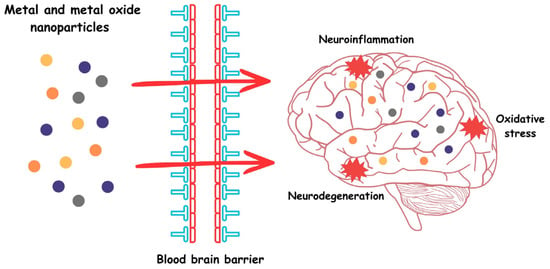
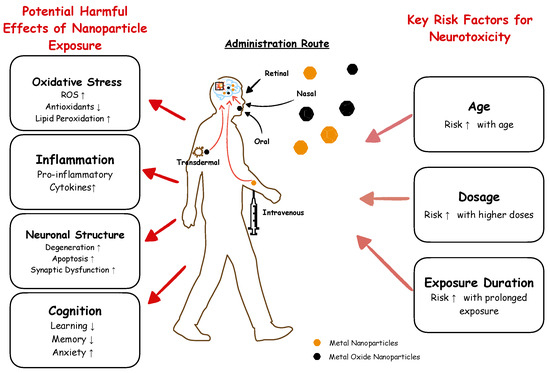
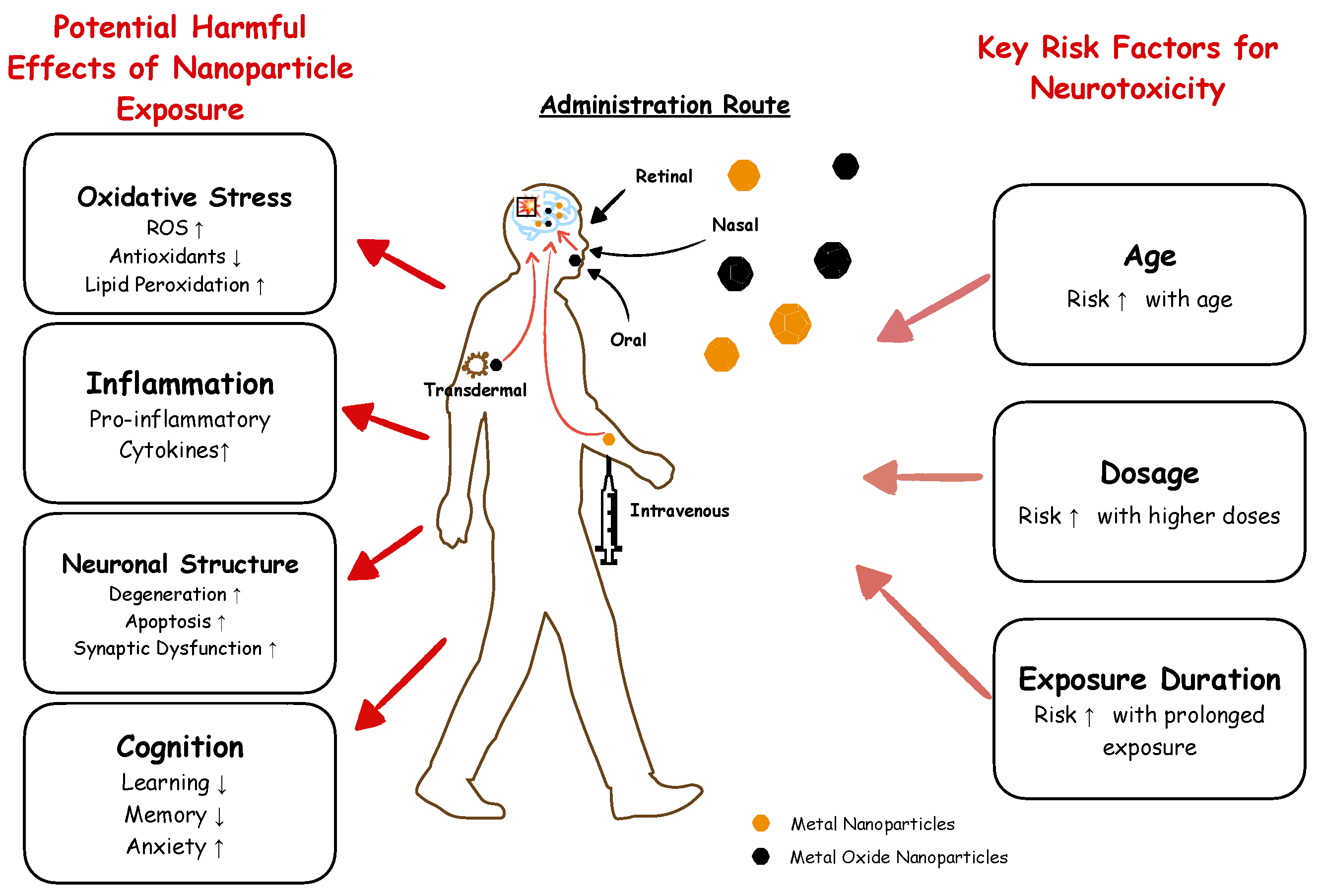
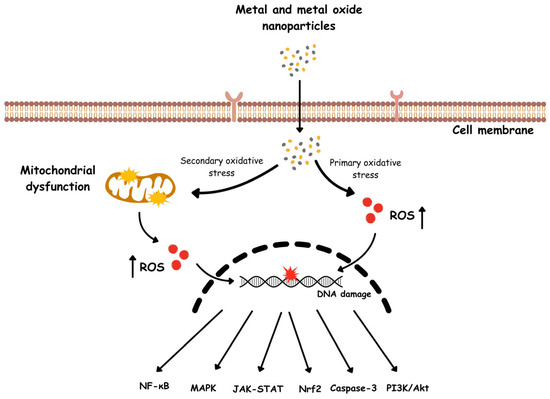
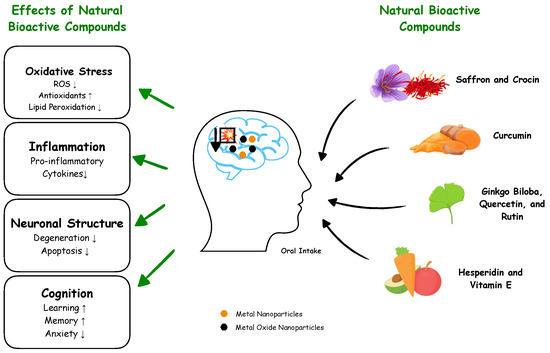
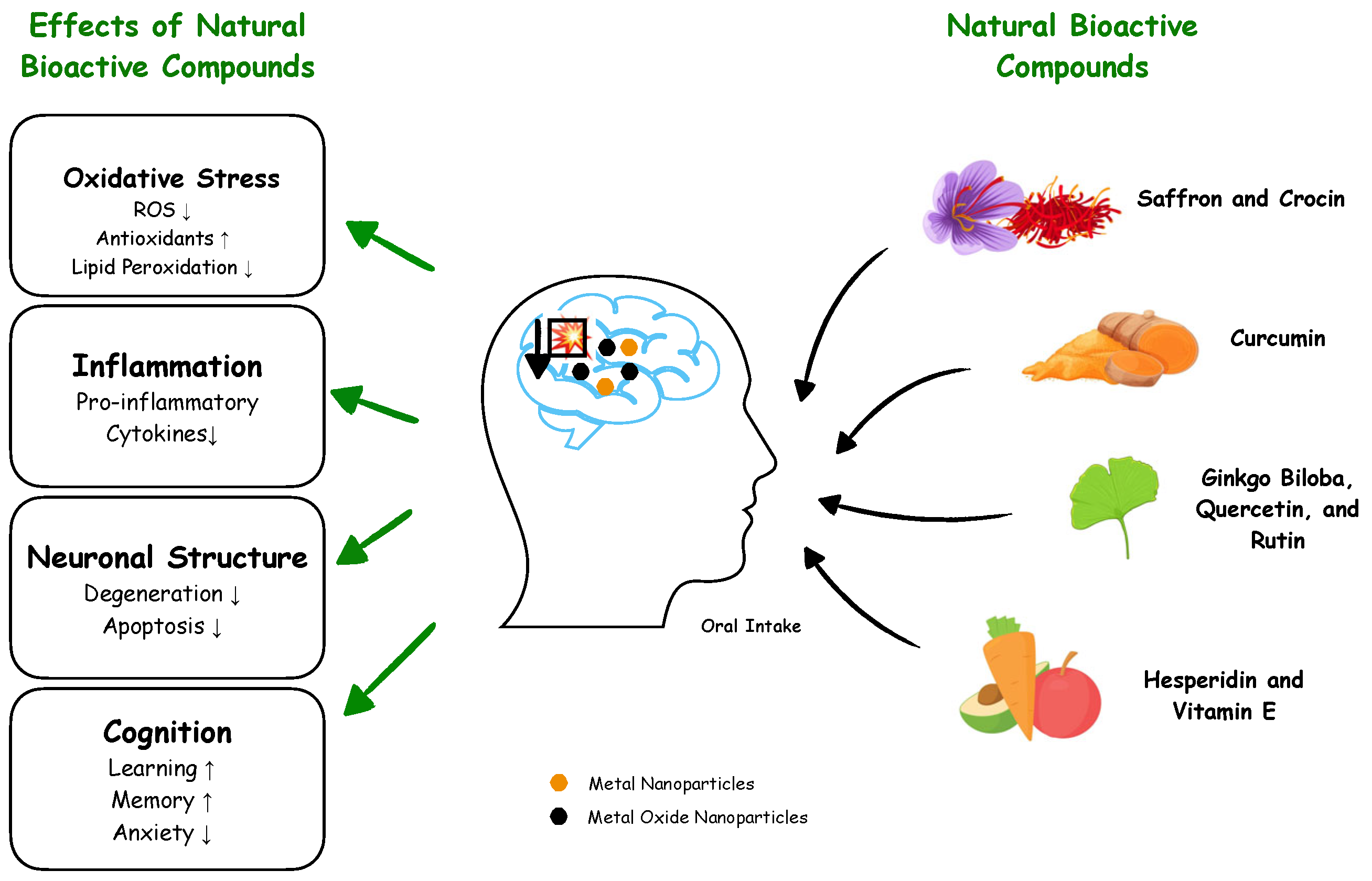

Disclaimer/Publisher’s Note: The statements, opinions and data contained in all publications are solely those of the individual author(s) and contributor(s) and not of MDPI and/or the editor(s). MDPI and/or the editor(s) disclaim responsibility for any injury to people or property resulting from any ideas, methods, instructions or products referred to in the content. |
© 2026 by the author. Licensee MDPI, Basel, Switzerland. This article is an open access article distributed under the terms and conditions of the Creative Commons Attribution (CC BY) license.