


Abstract
Extracellular vesicles (EVs) constitute a heterogeneous group of membrane-derived particles generated through distinct biogenesis pathways, each regulated by precise molecular mechanisms. They carry a diverse array of cargo that reflects the physiological or pathological state of their parent cells. Their classification continues to evolve, as advances in isolation and characterization techniques have revealed novel vesicle subpopulations beyond the traditional categories of microvesicles, and apoptotic bodies, further highlighting the complexity of the EV landscape. Within the central nervous system (CNS), neurons, microglia, astrocytes, oligodendrocytes, and endothelial cells actively release EVs that contribute to intercellular communication. Growing evidence demonstrates that these vesicles play critical roles in neuroinflammation and neurodegeneration by transporting bioactive molecules that influence disease pathways. Their ability to cross the blood–brain barrier allows CNS-derived EVs to be detected in peripheral fluids, making them promising candidates for noninvasive biomarkers. Moreover, EVs are increasingly being explored as therapeutic tools due to their stability, biocompatibility, and capacity to deliver targeted molecular cargo. In this review, we provide a comprehensive overview of EV biogenesis and release mechanisms in CNS cell types, discuss their emerging functions in neuroinflammatory and neurodegenerative disorders, and summarize current advances in EV-based diagnostics and therapeutic approaches, including ongoing clinical trials.
1. Introduction
Neuroinflammation is a complex immune response within the central nervous system (CNS), orchestrated primarily by activated microglia and astrocytes. It can be triggered by diverse stimuli, including infections, traumatic brain injury (TBI), ischemia, toxic insults, and autoimmune reactions, and serves as an essential component of CNS defense and repair [1,2,3,4]. Although acute neuroinflammation is initially a protective response that facilitates pathogen clearance and debris removal, persistent chronic or dysregulated neuroinflammation ultimately contributes to neuronal injury, impairs regenerative processes, and accelerates the progression of neurodegenerative diseases such as Alzheimer’s disease (AD), Parkinson’s disease (PD), and amyotrophic lateral sclerosis (ALS) [1,5,6,7]. However, when inflammatory signaling fails to resolve appropriately, it can shift from a protective to a pathogenic process. Microglia and astrocytes drive these processes through sustained secretion of proinflammatory cytokines, chemokines, and reactive oxygen species which, when chronically elevated, disrupt synaptic integrity and compromise neuronal survival [8,9]. Importantly, neuroinflammation is not inherently neurodegenerative; rather, its pathological impact depends on the magnitude and duration of the inflammatory response, specific glial cell types involved, and their interaction with disease-specific mechanisms and host vulnerability factors [8]. With an increase in aging global population, neurodegenerative diseases are projected to surpass cancer as the second leading cause of death by 2040 [10]. These disorders are characterized by progressive neuronal loss, synaptic dysfunction, mitochondrial impairment, oxidative stress, and protein misfolding [1,3,5]. The dual nature of neuroinflammation, transiently beneficial yet chronically destructive, poses a major challenge for therapeutic development [11,12]. Although several anti-inflammatory agents demonstrate efficacy in vitro, their translation into clinical practice remains limited, largely due to poor CNS penetration and the restrictive properties of the blood–brain barrier (BBB).
Extracellular vesicles (EVs) have emerged as promising mediators of cell–cell communication and potential vehicles for CNS-targeted therapeutics. According to the International Society for Extracellular Vesicles (ISEV), EVs are defined as heterogeneous, lipid bilayer-enclosed particles that are naturally released by all cell types, and that lack a functional nucleus and are incapable of replication [13]. These vesicles bidirectionally cross the BBB via both passive and active transport mechanisms and mediate intercellular signaling by transporting proteins, lipids, and metabolites, as well as nucleic acids [14,15,16]. Based on the Minimal Information for Studies of Extracellular Vesicles 2018 (MISEV2018) guidelines, EVs are classified using operational criteria including the following: (a) physical properties, primarily size, categorizing EVs as small (<200 nm), medium (200–400 nm), or large (>400–1000 nm), and (b) biophysical properties, such as density, which further subdivide EVs into low-, medium-, and high-density populations [13]. Exosomes originate within the endosomal system, forming as intraluminal vesicles (ILVs) inside multivesicular bodies (MVBs) that fuse with the plasma membrane to release their cargo. Microvesicles bud outward directly from the plasma membrane, while apoptotic bodies arise from cells undergoing programmed cell death (PCD).
In the CNS, EVs are released by neurons, astrocytes, microglia, oligodendrocytes, and endothelial cells. They play diverse roles in synaptic remodeling, antigen presentation, cytokine transport, debris clearance, vascular integrity, and repair processes [17,18,19]. Notably, EVs can act as double-edged swords: they can either propagate neuroinflammation and neurodegeneration by disseminating toxic proteins, inflammasome components, and proinflammatory molecules, or contribute to tissue repair by delivering neuroprotective factors, anti-inflammatory miRNAs, and trophic signals. Their ability to traverse the BBB bidirectionally also positions EVs as key mediators of communication between the CNS and peripheral tissues [20,21]. Alterations in EV size, concentration, and cargo composition reflect cellular physiological states and pathological transitions, making them attractive candidates for minimally invasive biomarkers. Furthermore, their intrinsic biocompatibility and capacity for selective cargo loading have driven growing interest in EV-based therapeutic strategies.
This review consolidates current knowledge on EV biology in the context of neuroinflammation and neurodegenerative diseases. We highlight EV biogenesis, molecular composition, and mechanisms of action; evaluate their roles as biomarkers and therapeutic platforms; and outline major challenges and future directions for advancing EV-based diagnostics and therapeutics. Understanding how EVs orchestrate neuroimmune communication will help clarify their contributions to CNS pathology and their potential as targets or tools in precision neuro-medicine.
2. Biogenesis and Release Pathways
EVs represent a heterogeneous continuum of membrane-enclosed particles released by most cell types and are operationally classified into small EVs (sEVs, enriched in endosome-derived vesicles), microvesicles or ectosomes (formed by plasma membrane budding), and apoptotic bodies (generated during PCD). Despite distinct biogenetic origins, these subclasses exhibit overlapping size ranges and molecular markers, with cargo composition strongly influenced by cellular state and membrane remodeling machinery. Accordingly, accurate interpretation of EV-mediated communication in the CNS, particularly in neuroinflammatory and neurodegenerative settings, requires a mechanistic understanding of EV biogenesis. The following subsections therefore focus on the endosomal pathway governing sEV formation and release.
2.1. Endosomal Pathway and sEV Formation
sEVs originate within the endosomal network through a multistep maturation process (Figure 1). Early sorting endosomes (ESEs) form through inward budding of the plasma membrane and progressively mature into late endosomes via fusion with vesicles originating from the trans-Golgi network, endoplasmic reticulum, and pre-existing endosomes [22,23]. During this maturation, the endosomal limiting membrane invaginates to generate ILVs, resulting in MVBs. When MVBs fuse with the plasma membrane, ILVs are released as sEVs [22,24]. This mechanism distinguishes sEVs from microvesicles, which bud outward from the plasma membrane, and from apoptotic bodies, which emerge during PCD [13].
Figure 1.
Exosomes/sEVs (left) are nano-vesicles enriched in tetraspanins (e.g., CD9, CD63, CD81) and canonical markers such as ALIX and TSG101, and they carry proteins, cytokines, and nucleic acids (miRNAs, mRNAs, DNA). In cells (right), inward budding of the endosomal membrane generates intraluminal vesicles (ILVs) within early and late endosomes, forming multivesicular bodies (MVBs). ILVs arise through ESCRT-dependent mechanisms (ESCRT-0/-I/-II/-III with ALIX, TSG101, VPS4) or ESCRT-independent pathways organized by tetraspanin-enriched microdomains and lipid rafts. MVBs are either delivered to lysosomes for degradation or, aided by ER–endosome contact sites and small Rab GTPases (RAB27a/b, RAB11, RAB7, RAB35), trafficked to the plasma membrane. Fusion of MVBs with the plasma membrane and subsequent exosome release requires SNARE proteins (VAMP7, YKT6) and additional regulators, including syntenin, syndecan, PLD2, and ARF6.
2.1.1. ESCRT-Dependent Mechanisms
The Endosomal Sorting Complex Required for Transport (ESCRT) machinery orchestrates ILV biogenesis. ESCRT-0, -I, -II, and -III act sequentially to coordinate cargo recognition, membrane deformation, and vesicle scission, aided by accessory proteins including ALIX and the ATPase VPS4 [24,25,26]. ESCRT-0 components such as hepatocyte growth factor-regulated tyrosine kinase substrate (HRS) cluster ubiquitinated proteins at the endosomal membrane [27,28]. ESCRT-I/II then recruit ESCRT-III, which drives membrane budding and fission, after which VPS4 disassembles ESCRT-III to allow recycling [29]. ESCRT components, including TSG101, ALIX, and VPS4, are widely used as canonical markers of endosomal-origin vesicles and are critical for defining sEV identity [13]. Their activity provides selective incorporation of membrane proteins, cytosolic enzymes, and RNA-binding proteins into ILVs, thereby shaping the molecular signature and functional potential of sEVs.
2.1.2. ESCRT-Independent and Lipid-Driven Mechanisms
In parallel to ESCRT-mediated processes, ESCRT-independent pathways contribute to ILV formation. Ceramide, produced by neutral sphingomyelinase (nSMase), induces negative membrane curvature and promotes budding of ILVs from ceramide-rich microdomains [22,30]. This lipid-driven mechanism influences both vesicle formation and the distinct lipid composition, characteristic of sEV membranes. Tetraspanins, such as CD9, CD63, CD81, and CD82, also regulate ESCRT-independent sEV biogenesis. These proteins organize specialized membrane microdomains, interact with integrins and signaling receptors, and contribute to receptor clustering, adhesion, and cargo sorting [28,31]. Although often used as sEV markers, tetraspanins exert functional control over vesicle assembly, tropism, and intercellular communication [13].
2.1.3. Hybrid and Accessory Pathways
Crosstalk between ESCRT-dependent and ESCRT-independent mechanisms enables redundancy and adaptability in sEV formation. The syntenin-ALIX axis exemplifies this integration: syntenin binds syndecans and recruits ALIX, bridging ESCRT machinery with tetraspanin-rich microdomains to facilitate ILV formation [22,32]. Such hybrid mechanisms allow cells to dynamically adjust vesicle production in response to developmental cues, stress, infection, and inflammation [13], ensuring sustained intercellular communication under varied physiological and pathological states.
2.2. Molecular Markers of sEVs
Because no single marker uniquely defines sEVs, characterization relies on a combination of positive and negative molecular signatures reflecting their biogenesis and cellular origin [33]. These markers also provide insight into functional specialization (Table 1).
Table 1.
Key Molecular Markers of sEVs.
2.2.1. Tetraspanins
CD9, CD63, CD81, and CD82 are widely recognized sEV markers. They regulate membrane organization, adhesion, signal transduction, and cargo sorting. CD63 is particularly associated with ESCRT-independent pathways, whereas CD9, CD81, and CD82 contribute to MVB formation and integrin trafficking [27,30]. Immune-cell-enriched tetraspanins such as CD37 and CD53 regulate antigen presentation, while CD151 modulates integrin interactions and vesicle budding [34].
2.2.2. ESCRT-Associated Proteins
TSG101 and ALIX, internal markers of ILV formation, validate endosomal vesicle origin. They are consistently detected in vesicles from cultured cells and biofluids [26,35].
2.2.3. Rab GTPases
Rab27a, Rab11, and Rab35 regulate MVB transport, docking, and secretion. Perturbation of Rab pathways alters sEV release rates and has been linked to neuroinflammatory phenotypes [33,36].
2.2.4. Heat Shock Proteins and Lipid-Raft-Associated Proteins
HSP70 and HSP90, frequently detected inside sEVs, reflect cellular stress states and may serve as danger-associated molecular patterns (DAMPs). Flotillin-1 and -2, associated with lipid rafts, contributes to vesicle stability and endocytosis [37,38].
2.2.5. Nucleic Acids
sEVs transport double-stranded (ds) DNA, mRNAs, miRNAs, and long non-coding RNAs, which are selectively packaged during ILV formation [28,33]. These nucleic acids carry substantial diagnostic and regulatory significance.
2.3. Terminology Challenges: “Exosomes” vs. “Extracellular Vesicles”
Although historically used to describe ILVs released from MVB fusion, the term “exosome” is often applied inconsistently across studies, sometimes encompassing vesicles of mixed biogenesis or overlapping size. Because current methods rarely demonstrate vesicle origin with certainty, the ISEV recommends the operational term sEVs for vesicles <200 nm, irrespective of formation pathway [13]. Adopting this terminology improves reproducibility and transparency, particularly in heterogeneous tissues such as the CNS. As isolation and characterization technologies advance, more refined distinctions may emerge to differentiate endosomal-derived exosomes from other EV subtypes.
2.4. sEVs in the CNS: Cellular Sources and Cargo Diversity
sEVs are released by all major CNS cell types, neurons, astrocytes, microglia, oligodendrocytes, and endothelial cells, forming a complex communication network that maintains neural homeostasis [22,28,33]. Their biogenesis and molecular cargo reflect the physiological state, stress exposure, or pathological activation of the parent cell, enabling sEVs to modulate synaptic connectivity, immune signaling, and metabolic support across neural circuits [39].
2.4.1. Neurons
Neuronal sEVs are enriched in synaptic proteins, including PSD-95 and synapsin-1, as well as neurotransmitter transporters and neurotrophic receptors, reflecting their role in synaptic plasticity, dendritic remodeling, and spine formation [40,41]. Under pathological conditions, neuronal sEVs can also transport misfolded or pathogenic proteins, such as phosphorylated tau, α-synuclein, and amyloid-β (Aβ), thereby facilitating the intercellular propagation of neurodegenerative pathology [42,43,44].
2.4.2. Astrocytes
Under physiological conditions, astrocyte-derived sEVs (ADEVs) reflect astrocytic roles in metabolic support, neuronal homeostasis, and maintenance of BBB integrity. Under pathological or inflammatory conditions, however, ADEVs deliver regulatory miRNAs and cytokine-associated signals that modulate neuronal vulnerability and BBB dysfunction [45]. ADEV cargoes have been reported to include miR-125b, miR-29b, miR-23a, and miR-155, consistent with a role in shaping neuroinflammatory gene programs [17,46,47].
2.4.3. Microglia
Microglia-derived sEVs (MEVs) have been reported to carry proinflammatory cytokines (IL-1β, TNF-α, IL-6), inflammasome components (ASC, caspase-1), and immune-regulatory miRNAs (miR-155, miR-146a), amplifying innate immune activation during neurodegeneration or infection [48,49,50,51].
2.4.4. Oligodendrocytes and Endothelial Cells
Oligodendrocyte-derived sEVs are enriched in myelin-associated proteins and pro-myelinating regulatory RNAs, including miR-219 and miR-338, that support myelin maintenance and repair programs [52,53,54]. Endothelial sEVs, in turn, mediate neurovascular and BBB communication and, under pathological stress, shuttle inflammatory and adhesion-related signatures across the recipient cells, consistent with their roles in barrier dysfunction and leukocyte recruitment in the context of CNS diseases [55,56].
Together, this cellular diversity shapes the functional complexity of sEVs in health and disease.
3. Molecular Cargo of sEVs and Their Functional Roles in CNS Signaling
sEVs encapsulate a diverse repertoire of proteins, lipids, metabolites, and nucleic acids that reflect the physiological state, stress exposure, or pathological activation of their cell of origin (Table 2). Cargo loading is not a random process; instead, it is governed by selective and highly regulated mechanisms during ILV formation. This molecular diversity equips sEVs with the ability to influence synaptic communication, immune signaling, redox balance, and neuroinflammatory cascades across the CNS [28,57].
Protein cargo in sEVs includes both structural components indicative of vesicle identity and functional molecules that actively participate in cell–cell communication. Structural proteins such as tetraspanins (CD9, CD63, CD81, CD82), ESCRT components (TSG101, ALIX), Rab GTPases, heat shock proteins (HSP70/90), and flotillins support vesicle formation, stability, transport, and uptake [24,27,58]. Beyond these markers, disease- and inflammation-associated proteins are enriched in sEV cargo in pathological states. sEVs also contain inflammasome-related proteins including ASC, caspase-1, and IL-1β, which can propagate inflammatory responses and pyroptotic signaling within the CNS [48,51,59]. Complement proteins such as C1q and C3 contribute to aberrant synaptic pruning in neurodegenerative diseases [60,61], while oxidative stress-related enzymes including peroxiredoxins and catalase alter redox dynamics in recipient cells [62]. Heat shock proteins transported extracellularly in sEVs could act as danger-associated molecular patterns capable of stimulating Toll-like receptor pathways, thereby amplifying neuroinflammation.
Table 2.
Classes of sEVs cargo and their functional implications in neuroinflammation.
Nucleic acids represent another major class of sEV cargo with potent regulatory capacity. Among them, miRNAs are most extensively characterized due to their ability to modulate transcriptional networks in target cells. For example, MEVs enriched in miR-155 enhance NF-κB signaling and promote M1 polarization, whereas miR-146a functions as a context-dependent modulator capable of suppressing excessive inflammatory activation [65,66,67]. Astrocyte-derived sEVs containing miR-138 and miR-23a regulate TLR7-NF-κB and PTEN-AKT pathways, influencing microglial activation and BBB integrity, respectively [46,68]. In the context of HIV infection, the transfer of miR-7 via astrocytic sEVs reduces neuronal NLGN2 expression and contributes to synaptic injury [69]. Long non-coding RNAs (lncRNAs) packaged within sEVs further expand the regulatory potential of sEVs by acting as competing endogenous RNAs – examples include lncRNA-COX2, which enhances microglial inflammatory gene expression, and lncRNA-BACE1-AS, which stabilizes BACE1 mRNA and promotes amyloidogenic processing in AD [70,71,72]. sEVs also contain mRNAs capable of supporting local protein synthesis in recipient neurons or glia, influencing processes such as synaptic remodeling and amyloid precursor protein processing [41]. Moreover, extracellular dsDNA carried within sEVs activates cGAS-STING and TLR9 pathways, driving proinflammatory cytokine production unless neutralized by DNase-loaded therapeutic sEVs [73]. Lipids and metabolites form an additional but often underappreciated layer of sEV cargo. The vesicle membrane is enriched in ceramide, sphingomyelin, cholesterol, and phosphatidylserine – lipid components that maintain membrane rigidity, govern vesicle curvature, and facilitate receptor-mediated uptake [58,74,75]. These lipids also possess intrinsic signaling properties; for example, ceramide-rich microdomains contribute to the activation of inflammatory pathways and apoptotic signaling. Early metabolomic studies indicate that sEVs also carry metabolites involved in oxidative stress regulation and energy metabolism [76], suggesting that they may reprogram metabolic states of recipient cells under conditions of neuroinflammation.
Functionally, the biological impact of sEV cargo in the CNS is highly context dependent. Under pathological conditions, such as neurodegeneration, infection, or chronic inflammation, sEVs disseminate misfolded proteins (including tau and α-synuclein), inflammasome complexes, proinflammatory miRNAs, and oxidative stress mediators, thereby spreading neurotoxicity, amplifying glial activation, and promoting synaptic dysfunction [77,78]. Conversely, during reparative or homeostatic states, sEVs can exert neuroprotective effects by delivering anti-inflammatory miRNAs such as miR-146a or miR-223, antioxidant enzymes, and growth-promoting molecules that support neuronal survival, synaptic recovery, and inflammation resolution [79,80,81]. These dual and sometimes opposing roles underscore the complexity of sEV-mediated signaling and highlight the importance of understanding cargo-specific effects when considering EVs as diagnostic biomarkers or therapeutic tools.
4. Cell-Type-Specific Roles of sEVs in Neuroinflammatory Pathways
sEVs released by microglia, astrocytes, and neurons constitute a dynamic communication network that shapes neuroimmune signaling, synaptic integrity, and disease progression within the CNS (Figure 2 and Table 3). Although all three cell types release sEVs under basal conditions, inflammatory activation, injury, infection, or neurodegeneration markedly shifts their cargo composition and functional outputs [48,51,69,82,83]. These alterations can either exacerbate neurotoxicity or promote neuroprotection depending on the physiological context. Understanding the cell-specific actions of sEVs is therefore essential to elucidate how neuroinflammation propagates across neural circuits and to identify vesicle-based biomarkers and therapeutic targets.
Figure 2.
Cell-specific EVs in neuroinflammation. Microglia, astrocytes, and neurons release distinct EVs carrying cytokines, damage signals, and regulatory miRNAs. These EVs modulate each other’s activity, promote inflammasome activation, drive synaptic pruning, and propagate neuroinflammation, creating a feed-forward cycle of CNS inflammatory signaling.
Table 3.
Cell-Specific EVs in Neuroinflammation: Cargo and Functions.
4.1. Microglia-Derived sEVs
Microglia, the resident innate immune cells of the CNS, release sEVs that strongly influence inflammatory tone and neuronal survival. Under homeostatic conditions, microglial sEVs participate in synaptic pruning, trophic support, and surveillance signaling. However, upon activation by pathogen-associated molecular patterns (PAMPs), damage-associated molecular patterns (DAMPs), misfolded proteins, or viral proteins such as HIV Tat, microglia undergo profound transcriptional and metabolic reprogramming that is reflected in the cargo of their sEVs. These activated sEVs typically contain elevated levels of IL-1β, TNF-α, IL-6, and inflammasome components such as ASC and caspase-1, all of which potentiate innate immune responses in neighboring microglia, astrocytes, and neurons [48,49,50]. The packaging of inflammasome proteins into sEVs enables microglia to disseminate pyroptotic signals beyond the initially affected region, contributing to the spatial spread of neuroinflammation.
Microglial sEVs are also enriched in miRNAs that regulate inflammatory gene expression. Among these, miR-155 promotes M1 polarization by suppressing negative regulators of NF-κB signaling, thereby amplifying proinflammatory transcriptional programs. In contrast, sEV-associated miR-146a can exert immunoregulatory functions, suppressing excessive inflammatory activation under controlled conditions but becoming dysregulated in chronic disease states [65,67]. Additionally, microglial sEVs often carry oxidative stress mediators, peroxiredoxins, and metabolic enzymes that propagate redox imbalance, further activating cGAS-STING or TLR pathways within recipient cells [73,101]. These proinflammatory and cytotoxic signals have profound consequences for neuronal health. Microglial sEVs can deliver synaptotoxic molecules such as inflammatory cytokines IL-1β and complement proteins (C1q, C3), which tag synapses for removal, thereby contributing to pathological synapse loss observed in neurodegenerative diseases [48,60]. In models of AD and PD, microglial sEVs facilitate the prion-like transmission of misfolded tau and α-synuclein, accelerating disease propagation and circuit dysfunction. Collectively, the molecular signatures of microglia-derived sEVs position them as central drivers of neuroinflammation and potent contributors to neuronal vulnerability in CNS disorders [43,102].
4.2. Astrocyte-Derived sEVs (ADEVs)
Astrocytes are key regulators of metabolic support, synaptic maintenance, and BBB integrity. Their sEVs exert multifaceted effects on CNS cells, and their functional roles shift dramatically depending on the inflammatory state. Under physiological conditions, ADEVs enhance neuronal metabolism, deliver neurotrophic factors, shuttle glutamate transporters, and modulate synaptic plasticity through transfer of proteins, miRNAs, and lipids [87]. However, upon activation by cytokines, oxidative stress, hypoxia, or viral proteins, astrocytes undergo a transition toward A1 neurotoxic phenotypes, which profoundly alters the cargo composition of their sEVs [87]. Activated astrocytic sEVs often contain increased levels of complement proteins and proinflammatory cytokines all of which stimulate microglial activation and neuronal stress responses [18]. Regulatory miRNAs, such as miR-138, miR-29b, miR-23a, miR-125b, and miR-155, that are carried by these ADEVs modulate key neuroimmune pathways, influencing TLR7-NF-κB signaling, apoptosis, and cytoskeletal organization [46,68,88,103]. These miRNAs exert context-dependent effects: while some promote inflammatory activation, others help limit damage by constraining cytokine production.
ADEVs also significantly influence BBB integrity. ADEV cargo such as miR-23a and other tight junction-regulating miRNAs downregulate critical barrier proteins, including ZO-1, occludin, and claudins, leading to increased vascular permeability during neuroinflammation [46,104,105]. In pathological conditions such as TBI, stroke, HIV-associated neurocognitive disorders, and opioid exposure, ADEVs have been shown to deliver molecules that disrupt endothelial function, promote leukocyte infiltration, and exacerbate neuroinflammation. Conversely, under reparative conditions, ADEVs may transport anti-inflammatory signals, growth factors, and metabolic enzymes that support neuronal recovery.
In neurodegeneration, ADEVs can either contribute to or mitigate disease progression. For example, astrocytes exposed to HIV Tat release ADEVs enriched in miR-7, which suppresses neuronal NLGN2 expression and leads to synaptic injury [69]. In AD models, astrocytic sEVs can carry both pathogenic amyloidogenic proteins and protective molecules depending on disease stage. This duality highlights the complexity of astrocyte sEV biology and underscores their importance in maintaining or disrupting CNS homeostasis.
4.3. Neuron-Derived sEVs
Neurons continuously release sEVs that play a roles in synaptic communication, metabolic regulation, and waste disposal. Neuronal activity, calcium influx, and synaptic firing strongly influence sEV release rates, with increased neuronal stimulation leading to enhanced MVB fusion and sEV secretion. Under healthy conditions, neuron-derived sEVs carry synaptic proteins such as PSD-95 and synapsin-1, neurotransmitter receptors, adhesion molecules, and mRNAs involved in dendritic spine remodeling. These sEVs promote synaptic maturation, coordinate long-range communication across neural circuits, and contribute to structural plasticity [106]. During stress or disease, however, neuronal sEVs undergo pathological changes that contribute to neurodegeneration. Neurons rely on sEVs to expel misfolded or aggregation-prone proteins; thus, in diseases such as AD, PD, ALS, and frontotemporal dementia, sEVs become enriched in phosphorylated tau, Aβ, α-syn, and TAR DNA-binding protein 43 (TDP-43) [42,43,107,108,109]. While this may serve as a temporary neuroprotective mechanism for the donor neuron, the transfer of these misfolded proteins to neighboring cells accelerates the spread of proteinopathies in a prion-like manner [43,110,111]. Neuronal sEVs can therefore act as vectors for disease dissemination, contributing to the characteristic propagation of neurodegenerative pathology across anatomically connected networks.
Neuron-derived sEVs also influence glial activation. Under inflammatory conditions, neuronal sEVs may contain chemokines, DAMPs, or mitochondrial fragments that activate microglia and astrocytes, perpetuating neuroimmune responses [97,112,113]. Moreover, sEV-associated lipids such as ceramide can initiate apoptotic signaling in neighboring neurons, amplifying neurotoxic cascades. Conversely, neurons may also release sEVs that carry protective molecules under certain conditions, including neurotrophic factors or synaptogenic cues that support plasticity and repair. This functional duality underscores the importance of neuron-derived sEVs as both mediators of homeostatic communication and agents of pathological spread.
5. Extracellular Vesicles in CNS Pathology
Neurodegenerative and neuroinflammatory disorders, including AD, PD, and ALS, share core features of progressive synaptic dysfunction, chronic glial activation, and eventual neuronal loss, culminating in cognitive, motor, and behavioral impairments [114]. Across these conditions, EVs, particularly sEVs, have emerged as central regulators of disease pathophysiology. Their ability to cross the BBB, carry bioactive cargo, and mediate long-range communication between neurons, glia, and infiltrating immune cells positions them as key contributors to both tissue injury and repair [115]. Depending on their cellular origin, activation state, and molecular content, sEVs can propagate pathology by disseminating misfolded proteins, proinflammatory mediators, and neurotoxic lipids, or conversely, exert neuroprotective effects by transporting trophic factors, antioxidant enzymes, and regulatory RNAs. Understanding this duality is essential for defining how EVs shape CNS homeostasis and for leveraging them as diagnostic and therapeutic tools.
5.1. Alzheimer’s Disease
AD is characterized by extracellular accumulation of Aβ peptides and intracellular neurofibrillary tangles composed of hyperphosphorylated tau [116]. sEVs actively contribute to both Aβ processing and its extracellular spread. They participate in amyloid precursor protein (APP) trafficking and β-secretase-mediated cleavage, thereby promoting Aβ formation [117,118]. Dysregulated sEV-associated miRNAs, including miR-193b, miR-101, and miR-29c, further influence APP translation and amyloidogenic pathways [118,119,120]. miR-146a-containing sEVs modulate TLR signaling and cytokine release, linking vesicular RNA cargo to hippocampal neuroinflammation [121,122]. Structural components of sEVs, such as Alix and ceramide, localize within amyloid plaques and facilitate Aβ aggregation and deposition [118,123]. Tau propagation is also similarly influenced by sEV biology. Phosphorylated tau species are enriched in sEVs derived from AD brains and cerebrospinal fluid (CSF) [124,125], and vesicular miR-200c regulates tau phosphorylation [126].
Proteomic profiling of neuronal sEVs from AD patients reveals depletion of neuroprotective proteins such as LRP6 and HSF-1 [127], whereas CSF-derived sEVs show enrichment in complement proteins and inflammatory mediators that drive glial activation [128]. Despite these detrimental effects, several studies highlight the reparative potential of sEVs. Mesenchymal stem cell (MSC)-derived sEVs attenuate Aβ-induced oxidative injury and inhibit Aβ-synapse interactions [129,130]. sEV-associated miR-223 reduces neuronal apoptosis through modulation of the PTEN-PI3K/Akt pathway [81]. Enzymes such as neprilysin and insulin-degrading enzyme, delivered by sEVs, promote extracellular Aβ degradation [131,132]. Collectively, sEVs operate at the interface of amyloid and tau pathology, neuroinflammation, and synaptic dysfunction, making them valuable as both biomarkers and therapeutic candidates.
5.2. Parkinson’s Disease
PD is characterized by degeneration of dopaminergic neurons in the substantia nigra pars compacta and accumulation of Lewy bodies containing misfolded α-syn [133]. sEVs are deeply involved in α-syn propagation and neuroinflammatory amplification. α-syn-loaded sEVs released from neurons and glia can transfer pathogenic conformers to neighboring cells, triggering cytotoxicity, inclusion formation, and synaptic dysfunction [134,135]. sEV-mediated α-syn uptake by microglia and astrocytes activates the NLRP3 inflammasome, driving IL-1β and TNF-α release and amplifying proinflammatory feedback loops [136]. Age-related reductions in microglial phagocytic clearance exacerbate this process [137]. sEV-associated miRNAs, including miR-21 and miR-146a, further potentiate NF-κB and NLRP3 activation, reinforcing chronic neuroinflammation [138]. Conversely, engineered sEVs enriched miR-7 or miR-124 suppress α-syn aggregation, reduce glial activation, and protect dopaminergic neurons in preclinical models, highlighting their therapeutic potential. Taken together, sEVs function as both pathogenic vectors and modulators of neuroprotection in PD and understanding their cargo dynamics is critical for biomarker development and targeted intervention.
5.3. Amyotrophic Lateral Sclerosis
ALS is characterized by progressive degeneration of motor neurons, with mounting evidence implicating sEVs in disease propagation. Neuronal and astrocyte-derived sEVs contain mutant superoxide dismutase 1 (mSOD1), TDP-43, fused in sarcoma (FUS), and dipeptide repeat proteins resulting from C9orf72 expansions [107,108]. These sEVs transmit pathological proteins to surrounding cells, inducing mitochondrial dysfunction, ER stress, and microglial activation. It has been reported that elevated levels of IL-1β, IL-6, and IFN-γ in sEVs from SOD1(G93A) mouse spinal cords further illustrate their role in propagating inflammatory injury [139]. ALS-associated vesicles display altered morphology and distinct proteomic signatures, suggesting disease-specific EV subtypes [140]. Defective autophagy-lysosomal pathways, hallmarks of ALS, promote excessive sEV release, accelerating extracellular spread of toxic proteins [140]. Given their involvement in both neurotoxicity and intercellular signaling, sEVs represent promising biomarkers for disease progression and therapeutic response.
5.4. Neuroinflammation and Infection: EV-Mediated Crosstalk in the CNS
Beyond classical neurodegenerative diseases, sEVs play a critical role in neuroinflammatory and neuroinfectious conditions. Microglia, astrocytes, and infected neurons release sEVs containing cytokines, chemokines, lipids, viral proteins, and noncoding RNAs that orchestrate neuroimmune communication and drive pathological inflammation [48,83]. Their ability to cross the BBB and influence both central and peripheral immune responses expand their pathogenic potential.
5.4.1. Glial-Derived sEVs Carrying Inflammatory Mediators
Activated microglia and astrocytes secrete EVs enriched with pro-inflammatory mediators, contributing to the amplification of neuroinflammatory cascades. For instance, microglia-derived EVs have been shown to carry components of the NLRP3 inflammasome, IL-1β, and TNF-α, which upon uptake by neighboring cells can induce synaptic dysfunction and neuronal injury [48]. Astrocyte-derived EVs, particularly under stress conditions such as hypoxia or oxidative stress, exhibit altered cargo profiles, including elevated levels of IL-1β and microRNAs like miR-146a [141]. The biogenesis of these EVs is often upregulated in response to lysosomal dysfunction or activation of transcription factors such as hypoxia-inducible factor 1-alpha (HIF-1α), leading to enhanced release of EVs containing inflammatory mediators [142]. Upon release, these EVs can be internalized by adjacent cells, delivering their cargo and activating intracellular signaling pathways, including NF-κB and TLR pathways, thereby perpetuating neuroinflammation and cellular injury.
5.4.2. EV-Mediated Spread of Viral Proteins
In the context of viral infections, particularly HIV-1, EVs play a crucial role in disseminating viral proteins and propagating neuroinflammatory responses. HIV-1 proteins such as Tat and gp120 can persist in the CNS even in the absence of active viral replication and may be packaged into EVs released by infected or activated glial cells. These EVs facilitate the transfer of viral components to neighboring cells, thereby contributing to sustained neuroinflammation and neuronal dysfunction [83]. For example, exposure of astrocytes to HIV-1 Tat induces the release of EVs enriched in miR-7, which, upon uptake by neurons, leads to the downregulation of neuroligin-2 (NLGN2) and subsequent synaptic alterations [69]. Similarly, microglia-derived EVs containing NLRP3 inflammasome components have been implicated in synaptodendritic injury in the presence of HIV-1 Tat [48]. The interplay between glial-derived EVs and viral protein-containing EVs highlights a complex network of intercellular communication that drives neuroinflammation and neuronal injury within the CNS. EVs not only act as vehicles for the dissemination of inflammatory mediators and viral components but also contribute to establishing a neuroinflammatory milieu that supports viral persistence and neurodegeneration [48,83]. From a clinical perspective, the detection of specific EV-associated biomarkers in biofluids such as CSF and plasma holds promise for early diagnosis and monitoring of neuroinflammatory and neuroinfectious conditions. Furthermore, targeting EV biogenesis, cargo loading, or uptake mechanisms represents a potential therapeutic strategy to mitigate the detrimental effects of EV-mediated intercellular communication in the CNS [69].
6. EVs as Biomarkers in CNS Disorders
EVs have emerged as minimally invasive, highly informative biomarkers for a broad spectrum of CNS disorders. Released by neurons, glia, endothelial cells, and infiltrating immune cells, EVs encapsulate a diverse array of proteins, lipids, and nucleic acids that reflect the molecular and cellular state of the CNS. Their ability to circulate in peripheral biofluids, including plasma, serum, and CSF, allows clinicians and researchers to access CNS-derived signatures without the need for invasive procedures. Importantly, EVs cross the BBB, preserve their cargo in circulation, and maintain remarkable biochemical stability, making them ideal candidates for early diagnosis, disease staging, prognostication, and therapeutic monitoring across neurodegenerative, neuroinflammatory, and neoplastic conditions [143].
6.1. EVs in CSF and Plasma as Indicators of CNS Pathology
Neuron-derived EVs in plasma and CSF have demonstrated strong predictive potential for AD. Elevated levels of EV-associated Aβ peptides, total tau, and phosphorylated tau correlate with brain amyloid and tangle pathology and can forecast disease onset years before symptom emergence [144]. EVs carrying synaptic proteins such as neuroligin, GAP-43, and SNAP-25 also provide early indicators of synaptic dysfunction and are emerging as powerful biomarkers for individuals at risk of AD [145]. Similarly, in multiple sclerosis (MS), EVs released by activated microglia and astrocytes contain proinflammatory cytokines, chemokines, and myelin injury markers that reflect acute inflammatory activity and correlate with relapse status and disability progression [146]. Together, these findings demonstrate that circulating CNS-derived EVs offer a reliable and dynamic window into brain pathology and may serve as next-generation biomarkers for precision neurology.
6.2. miRNAs as Biomarkers
EV-associated miRNAs are increasingly recognized as potent biomarkers due to their stability, cell-type specificity, and regulatory relevance to neurodegeneration (Table 4). In AD, several sEV-packaged miRNAs directly modulate APP processing and Aβ production. miR-193b, miR-101, and miR-29c target APP/BACE1 pathways and influence amyloid homeostasis [147]. Changes in these miRNAs within CSF- or plasma-derived EVs correlate strongly with disease severity and cognitive decline, underscoring their diagnostic value [148]. In PD, circulating EV-miRNA profiles also hold diagnostic and mechanistic significance. miR-331-5p and miR-505 distinguish PD patients from healthy controls [149]. Together, EV-miRNA signatures offer high sensitivity and specificity and are among the most promising minimally invasive biomarkers for neurodegenerative disease (Table 5).
Table 4.
Exosomal miRNA biomarkers in neurodegenerative diseases.
Table 5.
Other exosomal biomarkers in neurodegenerative diseases.
6.3. Proteins and Lipids as Biomarkers
Protein and lipid constituents of sEVs also represent highly informative biomarker classes. In AD, neuron-derived sEVs carrying Aβ1-42, total tau, and p-T181-tau predict disease nearly a decade before the onset of symptoms and correlate with amyloid PET burden [156]. Synaptic proteins such as GAP-43, neurogranin, and SNAP-25 provide early markers of synaptic dysfunction, while enzymatic regulators, including BACE-1, cathepsin D, and IGF-1, reflect APP misprocessing and impaired proteostasis [157,158]. In PD, neuron-enriched sEVs containing total α-synuclein or clusterin demonstrate superior diagnostic specificity compared to total plasma α-synuclein assays [161,162]. Lipid biomarkers are also gaining attention: ceramides and glycosphingolipids in EVs facilitate Aβ aggregation in AD, while EV-associated GM3 gangliosides promote α-syn oligomerization in PD [159,163]. In MS, EV-associated myelin proteins, including MBP, PLP, and MOG, serve as markers of demyelinating activity, whereas glial excitatory amino acid transporter 2 (EAAT2) levels correlate with neuroinflammation and clinical disability [164,165]. These protein and lipid signatures capture core disease mechanisms, including synaptic loss, myelin injury, and protein aggregation, making EV cargo profiling a powerful multimodal biomarker strategy.
7. EVs as Therapeutic Tools
EVs are increasingly recognized not only as mediators of pathological intercellular communication but also as highly versatile therapeutic tools capable of modulating neuroinflammation and promoting neural repair (Table 6). Their intrinsic stability, nanoscale size, low immunogenicity, and natural ability to cross the BBB make them uniquely suited for delivering therapeutic molecules into the CNS. Advances in EV bioengineering, stem cell-based production systems, and scalable manufacturing technologies have accelerated their development, positioning EV-based therapeutics as a rapidly advancing frontier in neurodegenerative and neuroinflammatory disease treatment.
Engineered EVs have emerged as powerful delivery vehicles for CNS drugs, largely because their membrane composition and surface protein repertoire favor cellular uptake and deep brain penetration while minimizing immune activation. Their therapeutic efficacy can be markedly enhanced through genetic engineering of donor cells or by modifying vesicle surface properties. Endogenous loading approaches, where donor cells are engineered to overexpress specific therapeutic molecules, enable the efficient packaging of miRNAs, siRNAs, or proteins into EVs during biogenesis, preserving membrane integrity and ensuring high functional cargo [66,67,116,166,167]. This strategy has demonstrated robust therapeutic potential in preclinical disease models. In AD, exosomal delivery of BACE1-targeting siRNA reduced Aβ burden and plaque deposition in vivo [168].
Table 6.
Therapeutic Applications of EVs in Neuroinflammation and Neurological Disorders.
In PD, dopamine encapsulated within blood-derived EVs exhibited improved stability and enhanced BBB penetration relative to free dopamine, resulting in more effective symptomatic modulation of dopaminergic circuitry [174]. In MS, macrophage-derived EVs loaded with resveratrol selectively targeted microglia and attenuated neuroinflammation [175]. EVs enriched with miR-124 or the miR-17-92 cluster suppressed NF-κB and STAT1 signaling in glial cells and promoted pro-repair transcriptional programs [66,166,181]. Silibinin-loaded macrophage EVs strengthened brain targeting efficiency, reduced Aβ aggregation and astrocyte reactivity, and improved cognitive outcomes in AD mouse models [182]. Collectively, these findings demonstrate the feasibility of EVs for both gene- and RNA-based disease-modifying therapy and for small-molecule CNS drug delivery.
Surface engineering approaches further refine the targeting capabilities of therapeutic EVs. Functionalizing EV membranes with targeting peptides such as the rabies virus glycoprotein (RVG), fused to Lamp2b, CD63, or CD9, significantly enhances BBB penetration [183]. RVG-Lamp2b-engineered mesenchymal stem cell (MSC) EVs carrying neurotrophin-3 promoted functional recovery following facial nerve injury [172]. Likewise, RVG-9R-Lamp2b EVs loaded with siRNA directed against BACE1 (BACE1 siRNA) selectively delivered their cargo to neurons after systemic administration in mice, minimizing peripheral off-target effects and demonstrating potential as a precision RNA therapy for AD [134]. Although clinical translation is still in its early stages, encouraging precedents from oncology [184,185,186] and emerging neurological studies, including platelet-derived EVs to treat chronic postsurgical temporal bone inflammation (NCT04281901) and intranasal adipose MSC-derived exosomes for mild-to-moderate AD (NCT04388982), support the feasibility of EV therapeutics in human patients.
Beyond engineered vesicles, stem cell-derived EVs themselves possess potent immunomodulatory and neuroprotective capabilities. MSC-derived EVs are the most extensively characterized and consistently exhibit broad anti-inflammatory and reparative effects. These vesicles modulate microglial polarization by reducing the secretion of IL-1β, TNF-α, and IL-6, suppress astrocyte activation, and attenuate neuroinflammation across multiple neurodegenerative disease models [157,187]. EVs from inflammatory-educated MSCs have been shown to suppress amyloid deposition and demyelination, demonstrating utility in chronic neurodegenerative contexts [188]. MSC-EVs promote synaptic remodeling through microglial-dependent mechanisms, support functional recovery in aging models [20], and block hippocampal “cytokine storms” when administered intranasally following status epilepticus [189]. They also mitigate brain dysfunction and inflammation after subarachnoid hemorrhage [190] and improve outcomes after traumatic brain injury when administered systemically [191,192,193]. Mechanistically, MSC-derived EVs inhibit NLRP3 inflammasome activation through FOXO3a upregulation and NF-κB/TSG-6 signaling, thereby reducing caspase-1 activation and IL-1β maturation; miR-99b-3p contained within these EVs enhances autophagy and further suppresses inflammatory cytokine release [179,194]. In AD models, MSC-EVs enriched miR-146a reduced astrocyte-mediated inflammatory signaling and improved synaptogenesis through NF-κB modulation [178].
Neural stem cell (NSC) and induced pluripotent stem cell (iPSC)-derived EVs exhibit similar neuroprotective properties. These EVs reduce astrocyte activation while lowering Aβ levels and tau phosphorylation by modulating β- and γ-secretase activity, ultimately supporting synaptic integrity and repair [180]. NSC-EVs also promote neurogenesis, enhance synaptic plasticity, improve neuronal differentiation, and restore mitochondrial bioenergetics [195]. In additional models, NSC- and iPSC-derived EVs protected against oxidative stress-induced apoptosis and regulated disease-associated microglia, thereby diminishing neuroinflammatory cascades and contributing to neuroprotection in AD and PD models [196,197,198]. These findings underscore the therapeutic value of stem cell-derived EVs as biologically active agents capable of reshaping neuroimmune interactions and restoring neural homeostasis.
8. Technical and Conceptual Challenges
Despite the remarkable promise of EVs as modulators of neuroinflammation and as vehicles for CNS drug delivery, significant technical and conceptual challenges continue to hinder their translation into clinically viable tools. EV biology is inherently complex, as these vesicles are small, heterogeneous, and ubiquitous across all biological fluids, making their isolation, characterization, and functional validation technically demanding. Even though preclinical evidence is compelling, variability in EV biogenesis, uncertain immunogenicity, and the absence of unified production and quality-control standards pose major obstacles to reproducibility and regulatory approval.
Methodological limitations begin at the level of EV detection and purification. Current isolation strategies frequently struggle with achieving high sensitivity and specificity. As emphasized in the MISEV 2023 guidelines, rigorous standardization of nomenclature, sample handling, and characterization is essential [199]. Recommended practices include integration of complementary analytical approaches, such as protein marker profiling, nanoparticle tracking, and morphological assessment, to ensure accurate identification of vesicle populations. However, contamination remains a persistent challenge. EV preparations are often confounded by soluble proteins, lipoproteins, ribonucleoprotein complexes, and cell debris, all of which can mimic EV-associated cargo or obscure vesicle-specific functions. EV yields are also highly variable, influenced by cell type, culture conditions, metabolic state, and environmental stressors, leading to poor reproducibility across laboratories [199]. The lack of universally accepted isolation protocols further amplifies inter-study variability, complicating meta-analysis and translational interpretation. To address these limitations, MISEV 2023 advocates for orthogonal validation strategies, transparent reporting of isolation methods, and inclusion of appropriate negative and positive controls to ensure rigor [199].
A particularly difficult challenge lies in defining the cellular origin of EVs in vivo. Because EVs are released by virtually all CNS cell types, including neurons, astrocytes, microglia, oligodendrocytes, and endothelial cells, accurately attributing specific functional outcomes to vesicles derived from a particular cell population is complex. Advanced lineage-tracing tools, high-resolution imaging, and the use of cell-type-specific surface markers are beginning to address these limitations but require sophisticated technology and expertise. Multi-omics approaches, including proteomics, transcriptomics, lipidomics, and spatial analyses, offer promising avenues for dissecting EV origin and function, though they remain resource-intensive and technically challenging.
Even when technical limitations are mitigated, conceptual uncertainties persist. EVs produced by the same cell type can exhibit substantial heterogeneity in size, molecular content, and bioactivity, complicating therapeutic predictability. Context-dependent effects further limit translation: EVs may exert beneficial anti-inflammatory effects under one set of conditions but promote inflammation or degeneration under another, depending on the donor cell’s physiological state and microenvironmental cues. Additionally, optimal dosing, administration routes, and pharmacokinetics for EV-based therapies remain undefined, and no standardized framework exists to evaluate safety, potency, or batch-to-batch consistency. Despite the intrinsic advantages and inherent targeting capacity, the clinical and economic translation of EV-based therapeutics remains limited by challenges in scalable manufacturing, quality control, and regulatory standardization [200,201]. In contrast to monoclonal antibody therapies and chronic immunosuppressive regimens used in neurological disorders such as MS, AD, and HAND, EVs uniquely integrate diagnostic and therapeutic functionality. Their accessibility from minimally invasive biofluids enables repeated sampling for early detection and longitudinal disease monitoring, reducing dependence on costly neuroimaging and invasive procedures. At the therapeutic level, EVs facilitate targeted CNS delivery with the potential to lower dosing frequency and cumulative toxicity. Together, these attributes support a distinct, systems-level cost advantage by mitigating late-stage disease burden, adverse events, and recurrent hospitalizations, positioning EV-based approaches as a differentiated and economically sustainable alternative to traditional single-modality biologics. These issues collectively underscore the need for stringent mechanistic studies, improved technological platforms, and harmonized regulatory standards to support the advancement of EV-based diagnostics and therapeutics.
9. Future Directions
The accelerating expansion of EV research highlights their potential to redefine the landscape of neuroinflammation, neurodegeneration, and CNS therapeutics. Yet fully realizing this potential will require deeper mechanistic resolution, improved technological capabilities, and systematic integration of multi-omics and computational approaches. One of the most immediate priorities is addressing EV heterogeneity. Emerging technologies, such as single-EV sequencing, imaging flow cytometry, high-resolution nanoparticle tracking, and cryo-electron microscopy, offer unprecedented precision in profiling individual vesicles. These methods will help categorize EV subpopulations based on size, surface markers, cargo composition, and function, enabling more targeted therapeutic applications and improved reproducibility across studies, in alignment with MISEV 2023 and ISEV standards.
A second promising area involves defining the roles of CNS-derived EVs in disease contexts that remain poorly understood, including NeuroHIV, aging-related cognitive decline, and the effects of chronic drug exposure. EVs released during HIV infection or substance misuse exhibit distinct molecular signatures that propagate neuroinflammatory cascades, disrupt synaptic integrity, and contribute to neuronal injury. Systematically characterizing EV cargo across different stages of infection, aging, or drug exposure will help identify biomarkers of disease progression and reveal druggable pathways involved in glial activation, lysosomal dysfunction, pyroptosis, and neurodegeneration.
The integration of multi-omics platforms will be essential in these efforts. By combining EV proteomics, transcriptomics, lipidomics, metabolomics, and epigenomics, researchers can construct comprehensive molecular profiles that reveal regulatory networks shaping EV function in health and disease. When paired with advanced computational tools, particularly artificial intelligence and machine learning, these datasets can generate predictive models of EV biogenesis, identify diagnostic signatures, uncover mechanisms of EV-mediated neuroinflammation, and guide the rational design of therapeutic vesicles. Such integrative approaches are particularly valuable for complex conditions like NeuroHIV and substance-induced neurotoxicity, where EV cargo reflects dynamic changes in microglial activation, neuronal stress, and inflammatory signaling.
CNS EV biology is also profoundly shaped by aging, metabolic changes, and viral or toxic exposures. Future studies will need to dissect how these factors alter EV release, composition, and bioactivity, and how these vesicles shape cell-cell communication in the aging or diseased brain. Longitudinal EV profiling in patient cohorts, combined with animal and in vitro models, will advance personalized medicine by identifying biomarkers that predict cognitive decline, therapeutic responses, or treatment toxicity.
10. Summary
In summary, sEVs are poised to play transformative roles in both diagnostics and therapeutics for neuroinflammatory and neurodegenerative disorders. Their molecular cargo, encompassing miRNAs, proteins, lipids, and metabolites, encodes rich information about cellular state and disease processes, enabling minimally invasive biomarker discovery and mechanistic insights. At the same time, engineered or stem cell-derived EVs hold promises for modulating neuroimmune pathways, promoting neural repair, and delivering targeted therapies across the BBB. However, realizing this potential will require overcoming significant challenges related to EV heterogeneity, large-scale GMP production, immunological safety, and regulatory frameworks. As advanced bioengineering converges with multi-omics and artificial intelligence-driven discovery, EVs are emerging as a powerful platform for precision diagnostics and personalized therapeutics in complex CNS disorders including NeuroHIV, AD, PD, MS, and drug-induced neuroinflammation.
Author Contributions
Conceptualization, U.M.D., S.S., F.L.M.-C., S.B. and P.P.; writing-original draft preparation, U.M.D., S.S., F.L.M.-C. and P.P.; writing-review and editing, U.M.D., S.S., F.L.M.-C., S.B. and P.P.; visualization, U.M.D., S.S., F.L.M.-C. and S.J.; supervision, S.B. and P.P.; funding acquisition, P.P. and S.B. All authors have read and agreed to the published version of the manuscript.
Funding
This research was funded by NIH-National Institute on Drug Abuse, grant number DA060755.
Institutional Review Board Statement
Not applicable.
Informed Consent Statement
Not applicable.
Data Availability Statement
No new data were created or analyzed in this study. Data sharing is not applicable to this article.
Acknowledgments
We greatly appreciate the support provided by the Nebraska Center for Substance Abuse Research (NCSAR). The authors have reviewed and edited the output and take full responsibility for the content of this publication.
Conflicts of Interest
The authors declare no conflicts of interest.
References
- Zhang, W.; Xiao, D.; Mao, Q.; Xia, H. Role of neuroinflammation in neurodegeneration development. Signal Transduct. Target. Ther. 2023, 8, 267. [Google Scholar] [CrossRef] [Scilit] [PubMed]
- Patani, R.; Hardingham, G.E.; Liddelow, S.A. Functional roles of reactive astrocytes in neuroinflammation and neurodegeneration. Nat. Rev. Neurol. 2023, 19, 395–409. [Google Scholar] [CrossRef] [Scilit]
- Kampmann, M. Molecular and cellular mechanisms of selective vulnerability in neurodegenerative diseases. Nat. Rev. Neurosci. 2024, 25, 351–371. [Google Scholar] [CrossRef] [Scilit]
- Shi, F.D.; Yong, V.W. Neuroinflammation across neurological diseases. Science 2025, 388, eadx0043. [Google Scholar] [CrossRef] [Scilit]
- Calsolaro, V.; Edison, P. Neuroinflammation in Alzheimer’s disease: Current evidence and future directions. Alzheimer’s Dement. 2016, 12, 719–732. [Google Scholar] [CrossRef] [Scilit]
- Heneka, M.T.; van der Flier, W.M.; Jessen, F.; Hoozemanns, J.; Thal, D.R.; Boche, D.; Brosseron, F.; Teunissen, C.; Zetterberg, H.; Jacobs, A.H.; et al. Neuroinflammation in Alzheimer disease. Nat. Rev. Immunol. 2025, 25, 321–352. [Google Scholar] [CrossRef] [Scilit] [PubMed]
- Marogianni, C.; Sokratous, M.; Dardiotis, E.; Hadjigeorgiou, G.M.; Bogdanos, D.; Xiromerisiou, G. Neurodegeneration and Inflammation-An Interesting Interplay in Parkinson’s Disease. Int. J. Mol. Sci. 2020, 21, 8421. [Google Scholar] [CrossRef] [Scilit]
- Garcia-Dominguez, M. Neuroinflammation: Mechanisms, Dual Roles, and Therapeutic Strategies in Neurological Disorders. Curr. Issues Mol. Biol. 2025, 47, 417. [Google Scholar] [CrossRef] [Scilit] [PubMed]
- Kwon, H.S.; Koh, S.H. Neuroinflammation in neurodegenerative disorders: The roles of microglia and astrocytes. Transl. Neurodegener. 2020, 9, 42. [Google Scholar] [CrossRef] [Scilit]
- Gitler, A.D.; Dhillon, P.; Shorter, J. Neurodegenerative disease: Models, mechanisms, and a new hope. Dis. Model. Mech. 2017, 10, 499–502. [Google Scholar] [CrossRef] [Scilit]
- Miao, G.; Fortier, T.M.; Liu, H.; Schafer, D.P.; Fitzgerald, K.A.; Mao, J.; Baehrecke, E.H. Microglia promote inflammatory cell death upon neuronal mitochondrial impairment during neurodegeneration. Nat. Struct. Mol. Biol. 2025, 32, 2046–2059. [Google Scholar] [CrossRef] [Scilit]
- Zhou, W.; Zhao, L.; Mao, Z.; Wang, Z.; Zhang, Z.; Li, M. Bidirectional Communication Between the Brain and Other Organs: The Role of Extracellular Vesicles. Cell Mol. Neurobiol. 2023, 43, 2675–2696. [Google Scholar] [CrossRef] [Scilit]
- Thery, C.; Witwer, K.W.; Aikawa, E.; Alcaraz, M.J.; Anderson, J.D.; Andriantsitohaina, R.; Antoniou, A.; Arab, T.; Archer, F.; Atkin-Smith, G.K.; et al. Minimal information for studies of extracellular vesicles 2018 (MISEV2018): A position statement of the International Society for Extracellular Vesicles and update of the MISEV2014 guidelines. J. Extracell. Vesicles 2018, 7, 1535750. [Google Scholar] [CrossRef] [Scilit]
- Elsharkasy, O.M.; Nordin, J.Z.; Hagey, D.W.; de Jong, O.G.; Schiffelers, R.M.; Andaloussi, S.E.; Vader, P. Extracellular vesicles as drug delivery systems: Why and how? Adv. Drug Deliv. Rev. 2020, 159, 332–343. [Google Scholar] [CrossRef] [Scilit]
- Yong, T.; Wang, D.; Li, X.; Yan, Y.; Hu, J.; Gan, L.; Yang, X. Extracellular vesicles for tumor targeting delivery based on five features principle. J. Control. Release 2020, 322, 555–565. [Google Scholar] [CrossRef] [Scilit]
- Wang, Z.; Mo, H.; He, Z.; Chen, A.; Cheng, P. Extracellular vesicles as an emerging drug delivery system for cancer treatment: Current strategies and recent advances. Biomed. Pharmacother. 2022, 153, 113480. [Google Scholar] [CrossRef] [Scilit] [PubMed]
- Chaudhuri, A.D.; Dastgheyb, R.M.; Yoo, S.-W.; Trout, A.; Talbot, C.C., Jr.; Hao, H.; Witwer, K.W.; Haughey, N.J. TNFα and IL-1β modify the miRNA cargo of astrocyte shed extracellular vesicles to regulate neurotrophic signaling in neurons. Cell Death Dis. 2018, 9, 363. [Google Scholar] [CrossRef] [Scilit] [PubMed]
- D’Egidio, F.; Castelli, V.; d’Angelo, M.; Ammannito, F.; Quintiliani, M.; Cimini, A. Brain incoming call from glia during neuroinflammation: Roles of extracellular vesicles. Neurobiol. Dis. 2024, 201, 106663. [Google Scholar] [CrossRef] [Scilit] [PubMed]
- Dong, Q.; Fu, H.; Jiang, H. The role of exosome-shuttled miRNAs in heavy metal-induced peripheral tissues and neuroinflammation in Alzheimer’s disease. Biomed. Pharmacother. 2024, 176, 116880. [Google Scholar] [CrossRef] [Scilit]
- Zhou, Y.; Bhatt, H.; Mojica, C.A.; Xin, H.; Pessina, M.A.; Rosene, D.L.; Moore, T.L.; Medalla, M. Mesenchymal-derived extracellular vesicles enhance microglia-mediated synapse remodeling after cortical injury in aging Rhesus monkeys. J. Neuroinflamm. 2023, 20, 201. [Google Scholar] [CrossRef] [Scilit]
- Kramer-Albers, E.M. Extracellular Vesicles at CNS barriers: Mode of action. Curr. Opin. Neurobiol. 2022, 75, 102569. [Google Scholar] [CrossRef] [Scilit] [PubMed]
- Teng, F.; Fussenegger, M. Shedding Light on Extracellular Vesicle Biogenesis and Bioengineering. Adv. Sci. 2020, 8, 2003505. [Google Scholar] [CrossRef] [Scilit]
- Yanez-Mo, M.; Siljander, P.R.; Andreu, Z.; Zavec, A.B.; Borras, F.E.; Buzas, E.I.; Buzas, K.; Casal, E.; Cappello, F.; Carvalho, J.; et al. Biological properties of extracellular vesicles and their physiological functions. J. Extracell. Vesicles 2015, 4, 27066. [Google Scholar] [CrossRef] [Scilit] [PubMed]
- Yu, J.; Sane, S.; Kim, J.E.; Yun, S.; Kim, H.J.; Jo, K.B.; Wright, J.P.; Khoshdoozmasouleh, N.; Lee, K.; Oh, H.T.; et al. Biogenesis and delivery of extracellular vesicles: Harnessing the power of EVs for diagnostics and therapeutics. Front. Mol. Biosci. 2023, 10, 1330400. [Google Scholar] [CrossRef] [Scilit]
- Liu, Q.; Li, D.; Pan, X.; Liang, Y. Targeted therapy using engineered extracellular vesicles: Principles and strategies for membrane modification. J. Nanobiotechnology 2023, 21, 334. [Google Scholar] [CrossRef] [Scilit] [PubMed]
- Woodman, P.G.; Futter, C.E. Multivesicular bodies: Co-ordinated progression to maturity. Curr. Opin. Cell Biol. 2008, 20, 408–414. [Google Scholar] [CrossRef] [Scilit]
- Radler, J.; Gupta, D.; Zickler, A.; Andaloussi, S.E. Exploiting the biogenesis of extracellular vesicles for bioengineering and therapeutic cargo loading. Mol. Ther. 2023, 31, 1231–1250. [Google Scholar] [CrossRef] [Scilit]
- Lee, Y.J.; Shin, K.J.; Chae, Y.C. Regulation of cargo selection in exosome biogenesis and its biomedical applications in cancer. Exp. Mol. Med. 2024, 56, 877–889. [Google Scholar] [CrossRef] [Scilit]
- Li, X.; Corbett, A.L.; Taatizadeh, E.; Tasnim, N.; Little, J.P.; Garnis, C.; Daugaard, M.; Guns, E.; Hoorfar, M.; Li, I.T.S. Challenges and opportunities in exosome research-Perspectives from biology, engineering, and cancer therapy. APL Bioeng. 2019, 3, 011503. [Google Scholar] [CrossRef] [Scilit]
- Jankovicova, J.; Secova, P.; Michalkova, K.; Antalikova, J. Tetraspanins, More than Markers of Extracellular Vesicles in Reproduction. Int. J. Mol. Sci. 2020, 21, 7568. [Google Scholar] [CrossRef] [Scilit]
- Jadli, A.S.; Ballasy, N.; Edalat, P.; Patel, V.B. Inside(sight) of tiny communicator: Exosome biogenesis, secretion, and uptake. Mol. Cell Biochem. 2020, 467, 77–94. [Google Scholar] [CrossRef] [Scilit]
- Babst, M. MVB vesicle formation: ESCRT-dependent, ESCRT-independent and everything in between. Curr. Opin. Cell Biol. 2011, 23, 452–457. [Google Scholar] [CrossRef] [Scilit] [PubMed]
- Kim, J.; Song, Y.; Park, C.H.; Choi, C. Platform technologies and human cell lines for the production of therapeutic exosomes. Extracell. Vesicles Circ. Nucl. Acids 2021, 2, 3–17. [Google Scholar] [CrossRef] [Scilit]
- Andreu, Z.; Yanez-Mo, M. Tetraspanins in extracellular vesicle formation and function. Front. Immunol. 2014, 5, 442. [Google Scholar] [CrossRef] [Scilit] [PubMed]
- Henne, W.M.; Stenmark, H.; Emr, S.D. Molecular mechanisms of the membrane sculpting ESCRT pathway. Cold Spring Harb. Perspect. Biol. 2013, 5, a016766. [Google Scholar] [CrossRef] [Scilit] [PubMed]
- Kim, J.; Lee, H.; Park, K.; Shin, S. Rapid and Efficient Isolation of Exosomes by Clustering and Scattering. J. Clin. Med. 2020, 9, 650. [Google Scholar] [CrossRef] [Scilit]
- Shimizu, H.; Hosseini-Alghaderi, S.; Woodcock, S.A.; Baron, M. Alternative mechanisms of Notch activation by partitioning into distinct endosomal domains. J. Cell Biol. 2024, 223, e202211041. [Google Scholar] [CrossRef] [Scilit]
- El-Sayed, A.; Harashima, H. Endocytosis of gene delivery vectors: From clathrin-dependent to lipid raft-mediated endocytosis. Mol. Ther. 2013, 21, 1118–1130. [Google Scholar] [CrossRef] [Scilit]
- Zhang, J.; Shi, W.; Qu, D.; Yu, T.; Qi, C.; Fu, H. Extracellular vesicle therapy for traumatic central nervous system disorders. Stem Cell Res. Ther. 2022, 13, 442. [Google Scholar] [CrossRef] [Scilit]
- Di Giaimo, R.; Penna, E.; Pizzella, A.; Cirillo, R.; Perrone-Capano, C.; Crispino, M. Cross Talk at the Cytoskeleton-Plasma Membrane Interface: Impact on Neuronal Morphology and Functions. Int. J. Mol. Sci. 2020, 21, 9133. [Google Scholar] [CrossRef] [Scilit]
- Solana-Balaguer, J.; Campoy-Campos, G.; Martin-Flores, N.; Perez-Sisques, L.; Sitja-Roqueta, L.; Kucukerden, M.; Gamez-Valero, A.; Coll-Manzano, A.; Marti, E.; Perez-Navarro, E.; et al. Neuron-derived extracellular vesicles contain synaptic proteins, promote spine formation, activate TrkB-mediated signalling and preserve neuronal complexity. J. Extracell. Vesicles 2023, 12, e12355. [Google Scholar] [CrossRef] [Scilit]
- Vandendriessche, C.; Bruggeman, A.; Van Cauwenberghe, C.; Vandenbroucke, R.E. Extracellular Vesicles in Alzheimer’s and Parkinson’s Disease: Small Entities with Large Consequences. Cells 2020, 9, 2485. [Google Scholar] [CrossRef] [Scilit]
- Siew, J.J.; Chen, H.M.; Chiu, F.L.; Lee, C.W.; Chang, Y.M.; Chen, H.L.; Nguyen, T.N.A.; Liao, H.T.; Liu, M.; Hagar, H.T.; et al. Galectin-3 aggravates microglial activation and tau transmission in tauopathy. J. Clin. Investig. 2024, 134, e165523. [Google Scholar] [CrossRef] [Scilit]
- Eitan, E.; Thornton-Wells, T.; Elgart, K.; Erden, E.; Gershun, E.; Levine, A.; Volpert, O.; Azadeh, M.; Smith, D.G.; Kapogiannis, D. Synaptic proteins in neuron-derived extracellular vesicles as biomarkers for Alzheimer’s disease: Novel methodology and clinical proof of concept. Extracell. Vesicles Circ. Nucl. Acids 2023, 4, 133–150. [Google Scholar] [CrossRef] [Scilit]
- Xu, H.; Li, H.; Zhang, P.; Gao, Y.; Ma, H.; Gao, T.; Liu, H.; Hua, W.; Zhang, L.; Zhang, X.; et al. The functions of exosomes targeting astrocytes and astrocyte-derived exosomes targeting other cell types. Neural Regen. Res. 2024, 19, 1947–1953. [Google Scholar] [CrossRef] [Scilit] [PubMed]
- Liao, K.; Niu, F.; Hu, G.; Buch, S. Morphine-mediated release of astrocyte-derived extracellular vesicle miR-23a induces loss of pericyte coverage at the blood-brain barrier: Implications for neuroinflammation. Front. Cell Dev. Biol. 2022, 10, 984375. [Google Scholar] [CrossRef] [Scilit] [PubMed]
- Chu, A.J.; Williams, J.M. Astrocytic MicroRNA in Ageing, Inflammation, and Neurodegenerative Disease. Front. Physiol. 2021, 12, 826697. [Google Scholar] [CrossRef] [Scilit]
- Kannan, M.; Singh, S.; Chemparathy, D.T.; Oladapo, A.A.; Gawande, D.Y.; Dravid, S.M.; Buch, S.; Sil, S. HIV-1 Tat induced microglial EVs leads to neuronal synaptodendritic injury: Microglia-neuron cross-talk in NeuroHIV. Extracell. Vesicles Circ. Nucl. Acids 2022, 3, 133–149. [Google Scholar] [CrossRef] [Scilit] [PubMed]
- Sarkar, S.; Rokad, D.; Malovic, E.; Luo, J.; Harischandra, D.S.; Jin, H.; Anantharam, V.; Huang, X.; Lewis, M.; Kanthasamy, A.; et al. Manganese activates NLRP3 inflammasome signaling and propagates exosomal release of ASC in microglial cells. Sci. Signal 2019, 12, eaat9900. [Google Scholar] [CrossRef] [Scilit]
- Zhou, Z.; Li, C.; Bao, T.; Zhao, X.; Xiong, W.; Luo, C.; Yin, G.; Fan, J. Exosome-Shuttled miR-672-5p from Anti-Inflammatory Microglia Repair Traumatic Spinal Cord Injury by Inhibiting AIM2/ASC/Caspase-1 Signaling Pathway Mediated Neuronal Pyroptosis. J. Neurotrauma 2022, 39, 1057–1074. [Google Scholar] [CrossRef] [Scilit]
- Ghosh, M.; Pearse, D.D. The Yin and Yang of Microglia-Derived Extracellular Vesicles in CNS Injury and Diseases. Cells 2024, 13, 1834. [Google Scholar] [CrossRef] [Scilit]
- Wang, H.; Moyano, A.L.; Ma, Z.; Deng, Y.; Lin, Y.; Zhao, C.; Zhang, L.; Jiang, M.; He, X.; Ma, Z.; et al. miR-219 Cooperates with miR-338 in Myelination and Promotes Myelin Repair in the CNS. Dev. Cell 2017, 40, 566–582 e565. [Google Scholar] [CrossRef] [Scilit] [PubMed]
- Pascua-Maestro, R.; Gonzalez, E.; Lillo, C.; Ganfornina, M.D.; Falcon-Perez, J.M.; Sanchez, D. Extracellular Vesicles Secreted by Astroglial Cells Transport Apolipoprotein D to Neurons and Mediate Neuronal Survival Upon Oxidative Stress. Front. Cell Neurosci. 2018, 12, 526. [Google Scholar] [CrossRef] [Scilit]
- Chinnathambi, S.; Kumarappan, M.; Malik, S.; Velmurugan, G.; Chandrashekar, M. Neuron-derived extracellular vesicle-based diagnostics for Tau and Alzheimer’s disease. Brain Netw. Disord. 2025, 1, 150–166. [Google Scholar] [CrossRef] [Scilit]
- Iannotta, D.; Amruta, A.; Kijas, A.W.; Rowan, A.E.; Wolfram, J. Entry and exit of extracellular vesicles to and from the blood circulation. Nat. Nanotechnol. 2024, 19, 13–20. [Google Scholar] [CrossRef] [Scilit]
- Yu, S.; Chen, X.; Yang, T.; Cheng, J.; Liu, E.; Jiang, L.; Song, M.; Shu, H.; Ma, Y. Revealing the mechanisms of blood-brain barrier in chronic neurodegenerative disease: An opportunity for therapeutic intervention. Rev. Neurosci. 2024, 35, 895–916. [Google Scholar] [CrossRef] [Scilit]
- Malkin, E.Z.; Bratman, S.V. Bioactive DNA from extracellular vesicles and particles. Cell Death Dis. 2020, 11, 584. [Google Scholar] [CrossRef] [Scilit]
- Peruzzi, J.A.; Gunnels, T.F.; Edelstein, H.I.; Lu, P.; Baker, D.; Leonard, J.N.; Kamat, N.P. Enhancing extracellular vesicle cargo loading and functional delivery by engineering protein-lipid interactions. Nat. Commun. 2024, 15, 5618. [Google Scholar] [CrossRef] [Scilit] [PubMed]
- Hanamsagar, R.; Torres, V.; Kielian, T. Inflammasome activation and IL-1beta/IL-18 processing are influenced by distinct pathways in microglia. J. Neurochem. 2011, 119, 736–748. [Google Scholar] [CrossRef] [Scilit]
- Gomez-Arboledas, A.; Acharya, M.M.; Tenner, A.J. The Role of Complement in Synaptic Pruning and Neurodegeneration. Immunotargets Ther. 2021, 10, 373–386. [Google Scholar] [CrossRef] [Scilit] [PubMed]
- Gu, X.; Chen, A.; Su, Y.; You, M.; Guo, H.; Tan, S.; He, Q.; Hu, B. Extracellular vesicles: A new communication paradigm of complement in neurological diseases. Brain Res. Bull. 2023, 199, 110667. [Google Scholar] [CrossRef] [Scilit]
- Chiaradia, E.; Tancini, B.; Emiliani, C.; Delo, F.; Pellegrino, R.M.; Tognoloni, A.; Urbanelli, L.; Buratta, S. Extracellular Vesicles under Oxidative Stress Conditions: Biological Properties and Physiological Roles. Cells 2021, 10, 1763. [Google Scholar] [CrossRef] [Scilit] [PubMed]
- Gomes, A.R.; Sangani, N.B.; Fernandes, T.G.; Diogo, M.M.; Curfs, L.M.G.; Reutelingsperger, C.P. Extracellular Vesicles in CNS Developmental Disorders. Int. J. Mol. Sci. 2020, 21, 9428. [Google Scholar] [CrossRef] [Scilit]
- Barman, B.; Ping, J.; Krystofiak, E.; Allen, R.; Prasad, N.; Vickers, K.; Patton, J.G.; Liu, Q.; Weaver, A.M. Biogenesis of RNA-containing extracellular vesicles at endoplasmic reticulum membrane contact sites. bioRxiv 2020. [Google Scholar] [CrossRef] [Scilit]
- Chen, X.; Wang, X.; Cui, Z.; Luo, Q.; Jiang, Z.; Huang, Y.; Jiang, J.; Qiu, J.; Li, Y.; Yu, K.; et al. M1 Microglia-derived Exosomes Promote Activation of Resting Microglia and Amplifies Proangiogenic Effects through Irf1/miR-155-5p/Socs1 Axis in the Retina. Int. J. Biol. Sci. 2023, 19, 1791–1812. [Google Scholar] [CrossRef] [Scilit]
- Zhang, Y.; Zhang, Y.; Chopp, M.; Pang, H.; Zhang, Z.G.; Mahmood, A.; Xiong, Y. MiR-17-92 Cluster-Enriched Exosomes Derived from Human Bone Marrow Mesenchymal Stromal Cells Improve Tissue and Functional Recovery in Rats after Traumatic Brain Injury. J. Neurotrauma 2021, 38, 1535–1550. [Google Scholar] [CrossRef] [Scilit]
- Zhang, Z.; Zou, X.; Zhang, R.; Xie, Y.; Feng, Z.; Li, F.; Han, J.; Sun, H.; Ouyang, Q.; Hua, S.; et al. Human umbilical cord mesenchymal stem cell-derived exosomal miR-146a-5p reduces microglial-mediated neuroinflammation via suppression of the IRAK1/TRAF6 signaling pathway after ischemic stroke. Aging 2021, 13, 3060–3079. [Google Scholar] [CrossRef] [Scilit]
- Liao, K.; Niu, F.; Hu, G.; Yang, L.; Dallon, B.; Villarreal, D.; Buch, S. Morphine-mediated release of miR-138 in astrocyte-derived extracellular vesicles promotes microglial activation. J. Extracell. Vesicles 2020, 10, e12027. [Google Scholar] [CrossRef] [Scilit]
- Hu, G.; Niu, F.; Liao, K.; Periyasamy, P.; Sil, S.; Liu, J.; Dravid, S.M.; Buch, S. HIV-1 Tat-Induced Astrocytic Extracellular Vesicle miR-7 Impairs Synaptic Architecture. J. Neuroimmune Pharmacol. 2020, 15, 538–553. [Google Scholar] [CrossRef] [Scilit] [PubMed]
- Liao, K.; Niu, F.; Dagur, R.S.; He, M.; Tian, C.; Hu, G. Intranasal Delivery of lincRNA-Cox2 siRNA Loaded Extracellular Vesicles Decreases Lipopolysaccharide-Induced Microglial Proliferation in Mice. J. Neuroimmune Pharmacol. 2020, 15, 390–399. [Google Scholar] [CrossRef] [Scilit] [PubMed]
- Sil, S.; Hu, G.; Liao, K.; Niu, F.; Callen, S.; Periyasamy, P.; Fox, H.S.; Buch, S. HIV-1 Tat-mediated astrocytic amyloidosis involves the HIF-1alpha/lncRNA BACE1-AS axis. PLoS Biol. 2020, 18, e3000660. [Google Scholar] [CrossRef] [Scilit]
- Hu, G.; Liao, K.; Niu, F.; Yang, L.; Dallon, B.W.; Callen, S.; Tian, C.; Shu, J.; Cui, J.; Sun, Z.; et al. Astrocyte EV-Induced lincRNA-Cox2 Regulates Microglial Phagocytosis: Implications for Morphine-Mediated Neurodegeneration. Mol. Ther. Nucleic Acids 2018, 13, 450–463. [Google Scholar] [CrossRef] [Scilit]
- Amadio, R.; Piperno, G.M.; Benvenuti, F. Self-DNA Sensing by cGAS-STING and TLR9 in Autoimmunity: Is the Cytoskeleton in Control? Front. Immunol. 2021, 12, 657344. [Google Scholar] [CrossRef] [Scilit] [PubMed]
- Papadakos, S.P.; Arvanitakis, K.; Stergiou, I.E.; Vallilas, C.; Sougioultzis, S.; Germanidis, G.; Theocharis, S. Interplay of Extracellular Vesicles and TLR4 Signaling in Hepatocellular Carcinoma Pathophysiology and Therapeutics. Pharmaceutics 2023, 15, 2460. [Google Scholar] [CrossRef] [Scilit] [PubMed]
- Donoso-Quezada, J.; Ayala-Mar, S.; Gonzalez-Valdez, J. The role of lipids in exosome biology and intercellular communication: Function, analytics and applications. Traffic 2021, 22, 204–220. [Google Scholar] [CrossRef] [Scilit] [PubMed]
- Harmati, M.; Bukva, M.; Boroczky, T.; Buzas, K.; Gyukity-Sebestyen, E. The role of the metabolite cargo of extracellular vesicles in tumor progression. Cancer Metastasis Rev. 2021, 40, 1203–1221. [Google Scholar] [CrossRef] [Scilit]
- Ghosh, M.; Bayat, A.H.; Pearse, D.D. Small Extracellular Vesicles in Neurodegenerative Disease: Emerging Roles in Pathogenesis, Biomarker Discovery, and Therapy. Int. J. Mol. Sci. 2025, 26, 7246. [Google Scholar] [CrossRef] [Scilit]
- Li, K.L.; Huang, H.Y.; Ren, H.; Yang, X.L. Role of exosomes in the pathogenesis of inflammation in Parkinson’s disease. Neural Regen. Res. 2022, 17, 1898–1906. [Google Scholar] [CrossRef] [Scilit]
- Rigg, E.; Wang, J.; Xue, Z.; Lunavat, T.R.; Liu, G.; Hoang, T.; Parajuli, H.; Han, M.; Bjerkvig, R.; Nazarov, P.V.; et al. Inhibition of extracellular vesicle-derived miR-146a-5p decreases progression of melanoma brain metastasis via Notch pathway dysregulation in astrocytes. J. Extracell. Vesicles 2023, 12, e12363. [Google Scholar] [CrossRef] [Scilit]
- Xie, X.; Zhou, X.; Chen, W.; Deng, X.; Jiang, J.; Wen, Z.; Chen, C.; Chen, X.; Chen, C. Hybrid Exosome-Liposome Nanoparticles for Dual Modulation of Neuroinflammation and Lipid Metabolism in Ischemic Stroke. ACS Nano 2025, 19, 33567–33586. [Google Scholar] [CrossRef] [Scilit]
- Wei, H.; Xu, Y.; Chen, Q.; Chen, H.; Zhu, X.; Li, Y. Mesenchymal stem cell-derived exosomal miR-223 regulates neuronal cell apoptosis. Cell Death Dis. 2020, 11, 290. [Google Scholar] [CrossRef] [Scilit]
- Ruan, J.; Miao, X.; Schluter, D.; Lin, L.; Wang, X. Extracellular vesicles in neuroinflammation: Pathogenesis, diagnosis, and therapy. Mol. Ther. 2021, 29, 1946–1957. [Google Scholar] [CrossRef] [Scilit] [PubMed]
- Yang, L.; Niu, F.; Yao, H.; Liao, K.; Chen, X.; Kook, Y.; Ma, R.; Hu, G.; Buch, S. Exosomal miR-9 Released from HIV Tat Stimulated Astrocytes Mediates Microglial Migration. J. Neuroimmune Pharmacol. 2018, 13, 330–344. [Google Scholar] [CrossRef] [Scilit]
- Arvanitaki, E.S.; Goulielmaki, E.; Gkirtzimanaki, K.; Niotis, G.; Tsakani, E.; Nenedaki, E.; Rouska, I.; Kefalogianni, M.; Xydias, D.; Kalafatakis, I.; et al. Microglia-derived extracellular vesicles trigger age-related neurodegeneration upon DNA damage. Proc. Natl. Acad. Sci. USA 2024, 121, e2317402121. [Google Scholar] [CrossRef] [Scilit]
- La Torre, M.E.; Panaro, M.A.; Ruggiero, M.; Polito, R.; Cianciulli, A.; Filannino, F.M.; Lofrumento, D.D.; Antonucci, L.; Benameur, T.; Monda, V.; et al. Extracellular Vesicles Cargo in Modulating Microglia Functional Responses. Biology 2022, 11, 1426. [Google Scholar] [CrossRef] [Scilit] [PubMed]
- Qi, Z.; Yu, Y.; Su, Y.; Cao, B.; Shao, H.; Yang, J.J. M1-Type Microglia-Derived Extracellular Vesicles Overexpressing IL-1R1 Promote Postoperative Cognitive Dysfunction by Regulating Neuronal Inflammation. Inflammation 2023, 46, 2254–2269. [Google Scholar] [CrossRef] [Scilit] [PubMed]
- Dozio, V.; Sanchez, J.C. Profiling the proteomic inflammatory state of human astrocytes using DIA mass spectrometry. J. Neuroinflamm. 2018, 15, 331. [Google Scholar] [CrossRef] [Scilit]
- Hu, G.; Yao, H.; Chaudhuri, A.D.; Duan, M.; Yelamanchili, S.V.; Wen, H.; Cheney, P.D.; Fox, H.S.; Buch, S. Exosome-mediated shuttling of microRNA-29 regulates HIV Tat and morphine-mediated neuronal dysfunction. Cell Death Dis. 2012, 3, e381. [Google Scholar] [CrossRef] [Scilit]
- Bhargava, P.; Nogueras-Ortiz, C.; Kim, S.; Delgado-Peraza, F.; Calabresi, P.A.; Kapogiannis, D. Synaptic and complement markers in extracellular vesicles in multiple sclerosis. Mult. Scler. 2021, 27, 509–518. [Google Scholar] [CrossRef] [Scilit]
- Ma, C.; Chen, H.; Zhang, S.; Yan, Y.; Wu, R.; Wang, Y.; Liu, Y.; Yang, L.; Liu, M. Exosomal and extracellular HMGB1 have opposite effects on SASH1 expression in rat astrocytes and glioma C6 cells. Biochem. Biophys. Res. Commun. 2019, 518, 325–330. [Google Scholar] [CrossRef] [Scilit]
- Paudel, Y.N.; Angelopoulou, E.; Piperi, C.; Othman, I.; Aamir, K.; Shaikh, M.F. Impact of HMGB1, RAGE, and TLR4 in Alzheimer’s Disease (AD): From Risk Factors to Therapeutic Targeting. Cells 2020, 9, 383. [Google Scholar] [CrossRef] [Scilit]
- Taylor, A.R.; Robinson, M.B.; Gifondorwa, D.J.; Tytell, M.; Milligan, C.E. Regulation of heat shock protein 70 release in astrocytes: Role of signaling kinases. Dev. Neurobiol. 2007, 67, 1815–1829. [Google Scholar] [CrossRef] [Scilit]
- Seifert, T.; Bauer, J.; Weissert, R.; Fazekas, F.; Storch, M.K. Notch1 and its ligand Jagged1 are present in remyelination in a T-cell- and antibody-mediated model of inflammatory demyelination. Acta Neuropathol. 2007, 113, 195–203. [Google Scholar] [CrossRef] [Scilit]
- Mora, P.; Laisne, M.; Bourguignon, C.; Rouault, P.; Jaspard-Vinassa, B.; Maitre, M.; Gadeau, A.P.; Renault, M.A.; Horng, S.; Couffinhal, T.; et al. Astrocytic DLL4-NOTCH1 signaling pathway promotes neuroinflammation via the IL-6-STAT3 axis. J. Neuroinflamm. 2024, 21, 258. [Google Scholar] [CrossRef] [Scilit]
- Men, Y.; Yelick, J.; Jin, S.; Tian, Y.; Chiang, M.S.R.; Higashimori, H.; Brown, E.; Jarvis, R.; Yang, Y. Exosome reporter mice reveal the involvement of exosomes in mediating neuron to astroglia communication in the CNS. Nat. Commun. 2019, 10, 4136. [Google Scholar] [CrossRef] [Scilit]
- Xian, X.; Cai, L.L.; Li, Y.; Wang, R.C.; Xu, Y.H.; Chen, Y.J.; Xie, Y.H.; Zhu, X.L.; Li, Y.F. Neuron secrete exosomes containing miR-9-5p to promote polarization of M1 microglia in depression. J. Nanobiotechnol. 2022, 20, 122. [Google Scholar] [CrossRef] [Scilit]
- Chen, P.C.; Wu, D.; Hu, C.J.; Chen, H.Y.; Hsieh, Y.C.; Huang, C.C. Exosomal TAR DNA-binding protein-43 and neurofilaments in plasma of amyotrophic lateral sclerosis patients: A longitudinal follow-up study. J. Neurol. Sci. 2020, 418, 117070. [Google Scholar] [CrossRef] [Scilit] [PubMed]
- Saquel, C.; Catalan, R.J.; Lopez-Leal, R.; Ramirez, R.A.; Necunir, D.; Wyneken, U.; Lamaze, C.; Court, F.A. Neuronal activity-dependent ATP enhances the pro-growth effect of repair Schwann cell extracellular vesicles by increasing their miRNA-21 loading. Front. Cell Neurosci. 2022, 16, 943506. [Google Scholar] [CrossRef] [Scilit]
- Gonul, C.P.; Karacicek, B.; Genc, S. Neuron-Derived Extracellular Vesicles: Emerging Biomarkers and Functional Mediators in Alzheimer’s Disease, With Comparative Insights Into Neurodevelopment and Aging. Dev. Neurobiol. 2025, 85, e22984. [Google Scholar] [CrossRef] [Scilit] [PubMed]
- You, Y.; Zhang, Z.; Sultana, N.; Ericsson, M.; Martens, Y.A.; Sun, M.; Kanekiyo, T.; Ikezu, S.; Shaffer, S.A.; Ikezu, T. ATP1A3 as a target for isolating neuron-specific extracellular vesicles from human brain and biofluids. Sci. Adv. 2023, 9, eadi3647. [Google Scholar] [CrossRef] [Scilit] [PubMed]
- Zhou, Y.; Ji, H.; Zhang, Y.; Liu, Y.; Ning, Y.; Li, P. Mechanisms of fungal pathogenic DNA-activated STING pathway in biofilms and its implication in dental caries onset. Front. Cell Infect. Microbiol. 2025, 15, 1666965. [Google Scholar] [CrossRef] [Scilit]
- Clayton, K.; Delpech, J.C.; Herron, S.; Iwahara, N.; Ericsson, M.; Saito, T.; Saido, T.C.; Ikezu, S.; Ikezu, T. Plaque associated microglia hyper-secrete extracellular vesicles and accelerate tau propagation in a humanized APP mouse model. Mol. Neurodegener. 2021, 16, 18. [Google Scholar] [CrossRef] [Scilit] [PubMed]
- Wu, W.; Liu, J.; Yang, C.; Xu, Z.; Huang, J.; Lin, J. Astrocyte-derived exosome-transported microRNA-34c is neuroprotective against cerebral ischemia/reperfusion injury via TLR7 and the NF-kappaB/MAPK pathways. Brain Res. Bull. 2020, 163, 84–94. [Google Scholar] [CrossRef] [Scilit]
- Pan, J.J.; Qi, L.; Wang, L.; Liu, C.; Song, Y.; Mamtilahun, M.; Hu, X.; Li, Y.; Chen, X.; Khan, H.; et al. M2 Microglial Extracellular Vesicles Attenuated Blood-brain Barrier Disruption via MiR-23a-5p in Cerebral Ischemic Mice. Aging Dis. 2024, 15, 1344–1356. [Google Scholar] [CrossRef] [Scilit]
- Dai, Q.; Sun, J.; Dai, T.; Xu, Q.; Ding, Y. miR-29c-5p knockdown reduces inflammation and blood-brain barrier disruption by upregulating LRP6. Open Med. (Wars) 2022, 17, 353–364. [Google Scholar] [CrossRef] [Scilit] [PubMed]
- Antoniou, A.; Auderset, L.; Kaurani, L.; Sebastian, E.; Zeng, Y.; Allahham, M.; Cases-Cunillera, S.; Schoch, S.; Grundemann, J.; Fischer, A.; et al. Neuronal extracellular vesicles and associated microRNAs induce circuit connectivity downstream BDNF. Cell Rep. 2023, 42, 112063. [Google Scholar] [CrossRef] [Scilit] [PubMed]
- Westergard, T.; Jensen, B.K.; Wen, X.; Cai, J.; Kropf, E.; Iacovitti, L.; Pasinelli, P.; Trotti, D. Cell-to-Cell Transmission of Dipeptide Repeat Proteins Linked to C9orf72-ALS/FTD. Cell Rep. 2016, 17, 645–652. [Google Scholar] [CrossRef] [Scilit]
- Sproviero, D.; La Salvia, S.; Giannini, M.; Crippa, V.; Gagliardi, S.; Bernuzzi, S.; Diamanti, L.; Ceroni, M.; Pansarasa, O.; Poletti, A.; et al. Pathological Proteins Are Transported by Extracellular Vesicles of Sporadic Amyotrophic Lateral Sclerosis Patients. Front. Neurosci. 2018, 12, 487. [Google Scholar] [CrossRef] [Scilit]
- Chen, J.; Chen, T.; Zhou, J.; Zhao, X.; Sheng, Q.; Lv, Z. MiR-146a-5p Mimic Inhibits NLRP3 Inflammasome Downstream Inflammatory Factors and CLIC4 in Neonatal Necrotizing Enterocolitis. Front. Cell Dev. Biol. 2020, 8, 594143. [Google Scholar] [CrossRef] [Scilit]
- Wiersema, A.F.; Rennenberg, A.; Smith, G.; Varderidou-Minasian, S.; Pasterkamp, R.J. Shared and distinct changes in the molecular cargo of extracellular vesicles in different neurodegenerative diseases. Cell Mol. Life Sci. 2024, 81, 479. [Google Scholar] [CrossRef] [Scilit]
- Ishiguro, Y.; Tsunemi, T.; Shimada, T.; Yoroisaka, A.; Ueno, S.I.; Takeshige-Amano, H.; Hatano, T.; Inoue, Y.; Saiki, S.; Hattori, N. Extracellular vesicles contain filamentous alpha-synuclein and facilitate the propagation of Parkinson’s pathology. Biochem. Biophys. Res. Commun. 2024, 703, 149620. [Google Scholar] [CrossRef] [Scilit]
- Peruzzotti-Jametti, L.; Bernstock, J.D.; Willis, C.M.; Manferrari, G.; Rogall, R.; Fernandez-Vizarra, E.; Williamson, J.C.; Braga, A.; van den Bosch, A.; Leonardi, T.; et al. Neural stem cells traffic functional mitochondria via extracellular vesicles. PLoS Biol. 2021, 19, e3001166. [Google Scholar] [CrossRef] [Scilit]
- Ikezu, T.; Yang, Y.; Verderio, C.; Kramer-Albers, E.M. Extracellular Vesicle-Mediated Neuron-Glia Communications in the Central Nervous System. J. Neurosci. 2024, 44, e1170242024. [Google Scholar] [CrossRef] [Scilit]
- Xiao, Y.; Wang, S.K.; Zhang, Y.; Rostami, A.; Kenkare, A.; Casella, G.; Yuan, Z.Q.; Li, X. Role of extracellular vesicles in neurodegenerative diseases. Prog. Neurobiol. 2021, 201, 102022. [Google Scholar] [CrossRef] [Scilit]
- Li, J.; Song, J.; Jia, L.; Wang, M.; Ji, X.; Meng, R.; Zhou, D. Exosomes in Central Nervous System Diseases: A Comprehensive Review of Emerging Research and Clinical Frontiers. Biomolecules 2024, 14, 1519. [Google Scholar] [CrossRef] [Scilit]
- Zhang, T.; Ma, S.; Lv, J.; Wang, X.; Afewerky, H.K.; Li, H.; Lu, Y. The emerging role of exosomes in Alzheimer’s disease. Ageing Res. Rev. 2021, 68, 101321. [Google Scholar] [CrossRef] [Scilit] [PubMed]
- Sardar Sinha, M.; Ansell-Schultz, A.; Civitelli, L.; Hildesjo, C.; Larsson, M.; Lannfelt, L.; Ingelsson, M.; Hallbeck, M. Alzheimer’s disease pathology propagation by exosomes containing toxic amyloid-beta oligomers. Acta Neuropathol. 2018, 136, 41–56. [Google Scholar] [CrossRef] [Scilit]
- Rajendran, L.; Honsho, M.; Zahn, T.R.; Keller, P.; Geiger, K.D.; Verkade, P.; Simons, K. Alzheimer’s disease beta-amyloid peptides are released in association with exosomes. Proc. Natl. Acad. Sci. USA 2006, 103, 11172–11177. [Google Scholar] [CrossRef] [Scilit]
- Bryniarski, K.; Ptak, W.; Martin, E.; Nazimek, K.; Szczepanik, M.; Sanak, M.; Askenase, P.W. Free Extracellular miRNA Functionally Targets Cells by Transfecting Exosomes from Their Companion Cells. PLoS ONE 2015, 10, e0122991. [Google Scholar] [CrossRef] [Scilit] [PubMed]
- Perez-Gonzalez, R.; Kim, Y.; Miller, C.; Pacheco-Quinto, J.; Eckman, E.A.; Levy, E. Extracellular vesicles: Where the amyloid precursor protein carboxyl-terminal fragments accumulate and amyloid-beta oligomerizes. FASEB J. 2020, 34, 12922–12931. [Google Scholar] [CrossRef] [Scilit] [PubMed]
- Lukiw, W.J.; Dua, P.; Pogue, A.I.; Eicken, C.; Hill, J.M. Upregulation of micro RNA-146a (miRNA-146a), a marker for inflammatory neurodegeneration, in sporadic Creutzfeldt-Jakob disease (sCJD) and Gerstmann-Straussler-Scheinker (GSS) syndrome. J. Toxicol. Environ. Health A 2011, 74, 1460–1468. [Google Scholar] [CrossRef] [Scilit]
- Weng, S.; Lai, Q.L.; Wang, J.; Zhuang, L.; Cheng, L.; Mo, Y.; Liu, L.; Zhao, Z.; Zhang, Y.; Qiao, S. The Role of Exosomes as Mediators of Neuroinflammation in the Pathogenesis and Treatment of Alzheimer’s Disease. Front. Aging Neurosci. 2022, 14, 899944. [Google Scholar] [CrossRef] [Scilit]
- Mowry, F.E.; Espejo-Porras, F.; Jin, S.; Quadri, Z.; Wu, L.; Bertolio, M.; Jarvis, R.; Reynolds, C.; Alananzeh, R.; Bieberich, E.; et al. Chronic nSMase inhibition suppresses neuronal exosome spreading and sex-specifically attenuates amyloid pathology in APP knock-in Alzheimer’s disease mice. Neurobiol. Dis. 2023, 184, 106213. [Google Scholar] [CrossRef] [Scilit]
- Ruan, Z. Extracellular vesicles drive tau spreading in Alzheimer’s disease. Neural Regen. Res. 2022, 17, 328–329. [Google Scholar] [CrossRef] [Scilit] [PubMed]
- Ruan, Z.; Delpech, J.C.; Venkatesan Kalavai, S.; Van Enoo, A.A.; Hu, J.; Ikezu, S.; Ikezu, T. P2RX7 inhibitor suppresses exosome secretion and disease phenotype in P301S tau transgenic mice. Mol. Neurodegener. 2020, 15, 47. [Google Scholar] [CrossRef] [Scilit] [PubMed]
- Park, H.; Lee, Y.B.; Chang, K.A. miR-200c suppression increases tau hyperphosphorylation by targeting 14-3-3gamma in early stage of 5xFAD mouse model of Alzheimer’s disease. Int. J. Biol. Sci. 2022, 18, 2220–2234. [Google Scholar] [CrossRef] [Scilit]
- Goetzl, E.J.; Boxer, A.; Schwartz, J.B.; Abner, E.L.; Petersen, R.C.; Miller, B.L.; Carlson, O.D.; Mustapic, M.; Kapogiannis, D. Low neural exosomal levels of cellular survival factors in Alzheimer’s disease. Ann. Clin. Transl. Neurol. 2015, 2, 769–773. [Google Scholar] [CrossRef] [Scilit] [PubMed]
- Goetzl, E.J.; Schwartz, J.B.; Abner, E.L.; Jicha, G.A.; Kapogiannis, D. High complement levels in astrocyte-derived exosomes of Alzheimer disease. Ann. Neurol. 2018, 83, 544–552. [Google Scholar] [CrossRef] [Scilit]
- de Godoy, M.A.; Saraiva, L.M.; de Carvalho, L.R.P.; Vasconcelos-Dos-Santos, A.; Beiral, H.J.V.; Ramos, A.B.; Silva, L.R.P.; Leal, R.B.; Monteiro, V.H.S.; Braga, C.V.; et al. Mesenchymal stem cells and cell-derived extracellular vesicles protect hippocampal neurons from oxidative stress and synapse damage induced by amyloid-beta oligomers. J. Biol. Chem. 2018, 293, 1957–1975. [Google Scholar] [CrossRef] [Scilit]
- Micci, M.A.; Krishnan, B.; Bishop, E.; Zhang, W.R.; Guptarak, J.; Grant, A.; Zolochevska, O.; Tumurbaatar, B.; Franklin, W.; Marino, C.; et al. Hippocampal stem cells promotes synaptic resistance to the dysfunctional impact of amyloid beta oligomers via secreted exosomes. Mol. Neurodegener. 2019, 14, 25. [Google Scholar] [CrossRef] [Scilit]
- Yu, Y.; Li, W.; Mao, L.; Peng, W.; Long, D.; Li, D.; Zhou, R.; Dang, X. Genetically engineered exosomes display RVG peptide and selectively enrich a neprilysin variant: A potential formulation for the treatment of Alzheimer’s disease. J. Drug Target. 2021, 29, 1128–1138. [Google Scholar] [CrossRef] [Scilit]
- Mett, J.; Lauer, A.A.; Janitschke, D.; Griebsch, L.V.; Theiss, E.L.; Grimm, H.S.; Koivisto, H.; Tanila, H.; Hartmann, T.; Grimm, M.O.W. Medium-Chain Length Fatty Acids Enhance Abeta Degradation by Affecting Insulin-Degrading Enzyme. Cells 2021, 10, 2941. [Google Scholar] [CrossRef] [Scilit] [PubMed]
- Khoo, T.K.; Yarnall, A.J.; Duncan, G.W.; Coleman, S.; O’Brien, J.T.; Brooks, D.J.; Barker, R.A.; Burn, D.J. The spectrum of nonmotor symptoms in early Parkinson disease. Neurology 2013, 80, 276–281. [Google Scholar] [CrossRef] [Scilit]
- Alvarez-Erviti, L.; Seow, Y.; Yin, H.; Betts, C.; Lakhal, S.; Wood, M.J. Delivery of siRNA to the mouse brain by systemic injection of targeted exosomes. Nat. Biotechnol. 2011, 29, 341–345. [Google Scholar] [CrossRef] [Scilit]
- Emmanouilidou, E.; Melachroinou, K.; Roumeliotis, T.; Garbis, S.D.; Ntzouni, M.; Margaritis, L.H.; Stefanis, L.; Vekrellis, K. Cell-produced alpha-synuclein is secreted in a calcium-dependent manner by exosomes and impacts neuronal survival. J. Neurosci. 2010, 30, 6838–6851. [Google Scholar] [CrossRef] [Scilit]
- Chang, C.; Lang, H.; Geng, N.; Wang, J.; Li, N.; Wang, X. Exosomes of BV-2 cells induced by alpha-synuclein: Important mediator of neurodegeneration in PD. Neurosci. Lett. 2013, 548, 190–195. [Google Scholar] [CrossRef] [Scilit] [PubMed]
- Bliederhaeuser, C.; Grozdanov, V.; Speidel, A.; Zondler, L.; Ruf, W.P.; Bayer, H.; Kiechle, M.; Feiler, M.S.; Freischmidt, A.; Brenner, D.; et al. Age-dependent defects of alpha-synuclein oligomer uptake in microglia and monocytes. Acta Neuropathol. 2016, 131, 379–391. [Google Scholar] [CrossRef] [Scilit] [PubMed]
- Olivieri, F.; Prattichizzo, F.; Giuliani, A.; Matacchione, G.; Rippo, M.R.; Sabbatinelli, J.; Bonafe, M. miR-21 and miR-146a: The microRNAs of inflammaging and age-related diseases. Ageing Res. Rev. 2021, 70, 101374. [Google Scholar] [CrossRef] [Scilit]
- Thome, A.D.; Thonhoff, J.R.; Zhao, W.; Faridar, A.; Wang, J.; Beers, D.R.; Appel, S.H. Extracellular Vesicles Derived From Ex Vivo Expanded Regulatory T Cells Modulate In Vitro and In Vivo Inflammation. Front. Immunol. 2022, 13, 875825. [Google Scholar] [CrossRef] [Scilit]
- Afonso, G.J.M.; Cavaleiro, C.; Valero, J.; Mota, S.I.; Ferreiro, E. Recent Advances in Extracellular Vesicles in Amyotrophic Lateral Sclerosis and Emergent Perspectives. Cells 2023, 12, 1763. [Google Scholar] [CrossRef] [Scilit]
- Sison, S.L.; Patitucci, T.N.; Seminary, E.R.; Villalon, E.; Lorson, C.L.; Ebert, A.D. Astrocyte-produced miR-146a as a mediator of motor neuron loss in spinal muscular atrophy. Hum. Mol. Genet. 2017, 26, 3409–3420. [Google Scholar] [CrossRef] [Scilit]
- Wang, X.; Wu, R.; Zhai, P.; Liu, Z.; Xia, R.; Zhang, Z.; Qin, X.; Li, C.; Chen, W.; Li, J.; et al. Hypoxia promotes EV secretion by impairing lysosomal homeostasis in HNSCC through negative regulation of ATP6V1A by HIF-1alpha. J. Extracell. Vesicles 2023, 12, e12310. [Google Scholar] [CrossRef] [Scilit]
- Delpech, J.C.; Herron, S.; Botros, M.B.; Ikezu, T. Neuroimmune Crosstalk through Extracellular Vesicles in Health and Disease. Trends Neurosci. 2019, 42, 361–372. [Google Scholar] [CrossRef] [Scilit]
- Fiandaca, M.S.; Kapogiannis, D.; Mapstone, M.; Boxer, A.; Eitan, E.; Schwartz, J.B.; Abner, E.L.; Petersen, R.C.; Federoff, H.J.; Miller, B.L.; et al. Identification of preclinical Alzheimer’s disease by a profile of pathogenic proteins in neurally derived blood exosomes: A case-control study. Alzheimer’s Dement. 2015, 11, 600–607 e601. [Google Scholar] [CrossRef] [Scilit] [PubMed]
- Pulliam, L.; Sun, B.; Mustapic, M.; Chawla, S.; Kapogiannis, D. Plasma neuronal exosomes serve as biomarkers of cognitive impairment in HIV infection and Alzheimer’s disease. J. Neurovirol. 2019, 25, 702–709. [Google Scholar] [CrossRef] [Scilit]
- Ponikowski, P.; Kirwan, B.A.; Anker, S.D.; McDonagh, T.; Dorobantu, M.; Drozdz, J.; Fabien, V.; Filippatos, G.; Gohring, U.M.; Keren, A.; et al. Ferric carboxymaltose for iron deficiency at discharge after acute heart failure: A multicentre, double-blind, randomised, controlled trial. Lancet 2020, 396, 1895–1904. [Google Scholar] [CrossRef] [Scilit]
- Liu, C.G.; Song, J.; Zhang, Y.Q.; Wang, P.C. MicroRNA-193b is a regulator of amyloid precursor protein in the blood and cerebrospinal fluid derived exosomal microRNA-193b is a biomarker of Alzheimer’s disease. Mol. Med. Rep. 2014, 10, 2395–2400. [Google Scholar] [CrossRef] [Scilit]
- Lusardi, T.A.; Phillips, J.I.; Wiedrick, J.T.; Harrington, C.A.; Lind, B.; Lapidus, J.A.; Quinn, J.F.; Saugstad, J.A. MicroRNAs in Human Cerebrospinal Fluid as Biomarkers for Alzheimer’s Disease. J. Alzheimer’s Dis. 2017, 55, 1223–1233. [Google Scholar] [CrossRef] [Scilit] [PubMed]
- Yao, Y.F.; Qu, M.W.; Li, G.C.; Zhang, F.B.; Rui, H.C. Circulating exosomal miRNAs as diagnostic biomarkers in Parkinson’s disease. Eur. Rev. Med. Pharmacol. Sci. 2018, 22, 5278–5283. [Google Scholar] [CrossRef] [PubMed]
- Lugli, G.; Cohen, A.M.; Bennett, D.A.; Shah, R.C.; Fields, C.J.; Hernandez, A.G.; Smalheiser, N.R. Plasma Exosomal miRNAs in Persons with and without Alzheimer Disease: Altered Expression and Prospects for Biomarkers. PLoS ONE 2015, 10, e0139233. [Google Scholar] [CrossRef] [Scilit]
- Yang, T.T.; Liu, C.G.; Gao, S.C.; Zhang, Y.; Wang, P.C. The Serum Exosome Derived MicroRNA-135a, -193b, and -384 Were Potential Alzheimer’s Disease Biomarkers. Biomed. Environ. Sci. 2018, 31, 87–96. [Google Scholar] [CrossRef] [Scilit] [PubMed]
- Duan, X.; Zheng, Q.; Liang, L.; Zhou, L. Serum Exosomal miRNA-125b and miRNA-451a are Potential Diagnostic Biomarker for Alzheimer’s Diseases. Degener. Neurol. Neuromuscul. Dis. 2024, 14, 21–31. [Google Scholar] [CrossRef] [Scilit]
- Wei, H.; Xu, Y.; Xu, W.; Zhou, Q.; Chen, Q.; Yang, M.; Feng, F.; Liu, Y.; Zhu, X.; Yu, M.; et al. Serum Exosomal miR-223 Serves as a Potential Diagnostic and Prognostic Biomarker for Dementia. Neuroscience 2018, 379, 167–176. [Google Scholar] [CrossRef] [Scilit]
- Zheng, K.; Hu, F.; Zhou, Y.; Zhang, J.; Zheng, J.; Lai, C.; Xiong, W.; Cui, K.; Hu, Y.Z.; Han, Z.T.; et al. miR-135a-5p mediates memory and synaptic impairments via the Rock2/Adducin1 signaling pathway in a mouse model of Alzheimer’s disease. Nat. Commun. 2021, 12, 1903. [Google Scholar] [CrossRef] [Scilit]
- Cao, X.Y.; Lu, J.M.; Zhao, Z.Q.; Li, M.C.; Lu, T.; An, X.S.; Xue, L.J. MicroRNA biomarkers of Parkinson’s disease in serum exosome-like microvesicles. Neurosci. Lett. 2017, 644, 94–99. [Google Scholar] [CrossRef] [Scilit]
- Jia, L.; Zhu, M.; Kong, C.; Pang, Y.; Zhang, H.; Qiu, Q.; Wei, C.; Tang, Y.; Wang, Q.; Li, Y.; et al. Blood neuro-exosomal synaptic proteins predict Alzheimer’s disease at the asymptomatic stage. Alzheimer’s Dement. 2021, 17, 49–60. [Google Scholar] [CrossRef] [Scilit]
- Kim, J.W.; Jung, S.Y.; Kim, Y.; Heo, H.; Hong, C.H.; Seo, S.W.; Choi, S.H.; Son, S.J.; Lee, S.; Chang, J. Identification of Cathepsin D as a Plasma Biomarker for Alzheimer’s Disease. Cells 2021, 10, 138. [Google Scholar] [CrossRef] [Scilit]
- Wang, D.; Wang, P.; Bian, X.; Xu, S.; Zhou, Q.; Zhang, Y.; Ding, M.; Han, M.; Huang, L.; Bi, J.; et al. Elevated plasma levels of exosomal BACE1-AS combined with the volume and thickness of the right entorhinal cortex may serve as a biomarker for the detection of Alzheimer’s disease. Mol. Med. Rep. 2020, 22, 227–238. [Google Scholar] [CrossRef] [Scilit] [PubMed]
- Krokidis, M.G.; Pucha, K.A.; Mustapic, M.; Exarchos, T.P.; Vlamos, P.; Kapogiannis, D. Lipidomic Analysis of Plasma Extracellular Vesicles Derived from Alzheimer’s Disease Patients. Cells 2024, 13, 702. [Google Scholar] [CrossRef] [Scilit]
- Wang, G.; Dinkins, M.; He, Q.; Zhu, G.; Poirier, C.; Campbell, A.; Mayer-Proschel, M.; Bieberich, E. Astrocytes secrete exosomes enriched with proapoptotic ceramide and prostate apoptosis response 4 (PAR-4): Potential mechanism of apoptosis induction in Alzheimer disease (AD). J. Biol. Chem. 2012, 287, 21384–21395. [Google Scholar] [CrossRef] [Scilit] [PubMed]
- Gilboa, T.; Ter-Ovanesyan, D.; Wang, S.C.; Whiteman, S.; Kannarkat, G.T.; Church, G.M.; Chen-Plotkin, A.S.; Walt, D.R. Measurement of alpha-synuclein as protein cargo in plasma extracellular vesicles. Proc. Natl. Acad. Sci. USA 2024, 121, e2408949121. [Google Scholar] [CrossRef] [Scilit]
- Kitamura, Y.; Kojima, M.; Kurosawa, T.; Sasaki, R.; Ichihara, S.; Hiraku, Y.; Tomimoto, H.; Murata, M.; Oikawa, S. Proteomic Profiling of Exosomal Proteins for Blood-based Biomarkers in Parkinson’s Disease. Neuroscience 2018, 392, 121–128. [Google Scholar] [CrossRef] [Scilit]
- Grey, M.; Dunning, C.J.; Gaspar, R.; Grey, C.; Brundin, P.; Sparr, E.; Linse, S. Acceleration of alpha-synuclein aggregation by exosomes. J. Biol. Chem. 2015, 290, 2969–2982. [Google Scholar] [CrossRef] [Scilit]
- Galazka, G.; Mycko, M.P.; Selmaj, I.; Raine, C.S.; Selmaj, K.W. Multiple sclerosis: Serum-derived exosomes express myelin proteins. Mult. Scler. 2018, 24, 449–458. [Google Scholar] [CrossRef] [Scilit] [PubMed]
- D’Ambrosio, A.; Zamboni, S.; Camerini, S.; Casella, M.; Sanchez, M.; Pietraforte, D.; Vanacore, N.; Diociauti, M.; Altieri, M.; Di Piero, V.; et al. Proteomic profile of extracellular vesicles from plasma and CSF of multiple sclerosis patients reveals disease activity-associated EAAT2. J. Neuroinflamm. 2024, 21, 217. [Google Scholar] [CrossRef] [Scilit] [PubMed]
- Evora, A.; Garcia, G.; Rubi, A.; De Vitis, E.; Matos, A.T.; Vaz, A.R.; Gervaso, F.; Gigli, G.; Polini, A.; Brites, D. Exosomes enriched with miR-124-3p show therapeutic potential in a new microfluidic triculture model that recapitulates neuron-glia crosstalk in Alzheimer’s disease. Front. Pharmacol. 2025, 16, 1474012. [Google Scholar] [CrossRef] [Scilit]
- Filannino, F.M.; Soleti, R.; Ruggiero, M.; de Stefano, M.I.; Panaro, M.A.; Lofrumento, D.D.; Trotta, T.; Maffione, A.B.; Benameur, T.; Cianciulli, A.; et al. Chrysin-Loaded Extracellular Vesicles Attenuate LPS-Induced Neuroinflammation in BV2 Microglial Cells In Vitro: A Novel Neuroprotective Strategy. Molecules 2025, 30, 3131. [Google Scholar] [CrossRef] [Scilit] [PubMed]
- Sun, C.; Sha, S.; Shan, Y.; Gao, X.; Li, L.; Xing, C.; Guo, Z.; Du, H. Intranasal Delivery of BACE1 siRNA and Berberine via Engineered Stem Cell Exosomes for the Treatment of Alzheimer’s Disease. Int. J. Nanomed. 2025, 20, 5873–5891. [Google Scholar] [CrossRef] [Scilit]
- Han, M.; Cao, Y.; Guo, X.; Chu, X.; Li, T.; Xue, H.; Xin, D.; Yuan, L.; Ke, H.; Li, G.; et al. Mesenchymal stem cell-derived extracellular vesicles promote microglial M2 polarization after subarachnoid hemorrhage in rats and involve the AMPK/NF-kappaB signaling pathway. Biomed. Pharmacother. 2021, 133, 111048. [Google Scholar] [CrossRef] [Scilit]
- Zhu, Z.H.; Jia, F.; Ahmed, W.; Zhang, G.L.; Wang, H.; Lin, C.Q.; Chen, W.H.; Chen, L.K. Neural stem cell-derived exosome as a nano-sized carrier for BDNF delivery to a rat model of ischemic stroke. Neural Regen. Res. 2023, 18, 404–409. [Google Scholar] [CrossRef] [Scilit]
- Dos Santos Rodrigues, B.; Arora, S.; Kanekiyo, T.; Singh, J. Efficient neuronal targeting and transfection using RVG and transferrin-conjugated liposomes. Brain Res. 2020, 1734, 146738. [Google Scholar] [CrossRef] [Scilit]
- Bi, W.; Mu, X.; Li, Y.; Sun, Q.; Xiang, L.; Hu, M.; Liu, H. Delivery of neurotrophin-3 by RVG-Lamp2b-modified mesenchymal stem cell-derived exosomes alleviates facial nerve injury. Hum. Cell 2024, 37, 1378–1393. [Google Scholar] [CrossRef] [Scilit]
- Zhao, X.; He, J.; Chen, Y.; Zheng, J.; Li, X.; Fu, T.; Xie, S.; Liu, X.; Tan, W. Transferrin Receptor-Targeted Aptamer-Drug Conjugate Overcomes Blood-Brain Barrier for Potent Glioblastoma Therapy. Bioconjug. Chem. 2025, 36, 1288–1298. [Google Scholar] [CrossRef] [Scilit]
- Qu, M.; Lin, Q.; Huang, L.; Fu, Y.; Wang, L.; He, S.; Fu, Y.; Yang, S.; Zhang, Z.; Zhang, L.; et al. Dopamine-loaded blood exosomes targeted to brain for better treatment of Parkinson’s disease. J. Control. Release 2018, 287, 156–166. [Google Scholar] [CrossRef] [Scilit]
- Zheng, X.; Sun, K.; Liu, Y.; Yin, X.; Zhu, H.; Yu, F.; Zhao, W. Resveratrol-loaded macrophage exosomes alleviate multiple sclerosis through targeting microglia. J. Control. Release 2023, 353, 675–684. [Google Scholar] [CrossRef] [Scilit] [PubMed]
- Zhao, X.; Ge, P.; Lei, S.; Guo, S.; Zhou, P.; Zhao, L.; Qi, Y.; Wei, X.; Wu, W.; Wang, N.; et al. An Exosome-Based Therapeutic Strategy Targeting Neuroinflammation in Alzheimer’s Disease with Berberine and Palmatine. Drug Des. Devel Ther. 2023, 17, 2401–2420. [Google Scholar] [CrossRef] [Scilit] [PubMed]
- Zhang, X.; Zhang, Y.; Peng, X.; Yang, L.; Miao, J.; Yue, Y.; Wang, Y.; Wang, X.; Zhu, C.; Song, J. Targeting Neuroinflammation in Preterm White Matter Injury: Therapeutic Potential of Mesenchymal Stem Cell-Derived Exosomes. Cell Mol. Neurobiol. 2025, 45, 23. [Google Scholar] [CrossRef] [Scilit]
- Nakano, M.; Kubota, K.; Kobayashi, E.; Chikenji, T.S.; Saito, Y.; Konari, N.; Fujimiya, M. Bone marrow-derived mesenchymal stem cells improve cognitive impairment in an Alzheimer’s disease model by increasing the expression of microRNA-146a in hippocampus. Sci. Rep. 2020, 10, 10772. [Google Scholar] [CrossRef] [Scilit] [PubMed]
- Gao, X.; Gao, L.F.; Kong, X.Q.; Zhang, Y.N.; Jia, S.; Meng, C.Y. Mesenchymal stem cell-derived extracellular vesicles carrying miR-99b-3p restrain microglial activation and neuropathic pain by stimulating autophagy. Int. Immunopharmacol. 2023, 115, 109695. [Google Scholar] [CrossRef] [Scilit]
- Khan, M.I.; Jeong, E.S.; Khan, M.Z.; Shin, J.H.; Kim, J.D. Stem cells-derived exosomes alleviate neurodegeneration and Alzheimer’s pathogenesis by ameliorating neuroinflamation, and regulating the associated molecular pathways. Sci. Rep. 2023, 13, 15731. [Google Scholar] [CrossRef] [Scilit]
- Chivero, E.T.; Liao, K.; Niu, F.; Tripathi, A.; Tian, C.; Buch, S.; Hu, G. Engineered Extracellular Vesicles Loaded With miR-124 Attenuate Cocaine-Mediated Activation of Microglia. Front. Cell Dev. Biol. 2020, 8, 573. [Google Scholar] [CrossRef] [Scilit]
- Huo, Q.; Shi, Y.; Qi, Y.; Huang, L.; Sui, H.; Zhao, L. Biomimetic silibinin-loaded macrophage-derived exosomes induce dual inhibition of Abeta aggregation and astrocyte activation to alleviate cognitive impairment in a model of Alzheimer’s disease. Mater. Sci. Eng. C Mater. Biol. Appl. 2021, 129, 112365. [Google Scholar] [CrossRef] [Scilit]
- El Andaloussi, S.; Mager, I.; Breakefield, X.O.; Wood, M.J. Extracellular vesicles: Biology and emerging therapeutic opportunities. Nat. Rev. Drug Discov. 2013, 12, 347–357. [Google Scholar] [CrossRef] [Scilit]
- Villa, F.; Quarto, R.; Tasso, R. Extracellular Vesicles as Natural, Safe and Efficient Drug Delivery Systems. Pharmaceutics 2019, 11, 557. [Google Scholar] [CrossRef] [Scilit] [PubMed]
- Hernandez-Oller, L.; Seras-Franzoso, J.; Andrade, F.; Rafael, D.; Abasolo, I.; Gener, P.; Schwartz, S., Jr. Extracellular Vesicles as Drug Delivery Systems in Cancer. Pharmaceutics 2020, 12, 1146. [Google Scholar] [CrossRef] [Scilit] [PubMed]
- Li, S.; Xu, J.; Qian, J.; Gao, X. Engineering extracellular vesicles for cancer therapy: Recent advances and challenges in clinical translation. Biomater. Sci. 2020, 8, 6978–6991. [Google Scholar] [CrossRef] [Scilit] [PubMed]
- Ye, Y.; Gao, M.; Shi, W.; Gao, Y.; Li, Y.; Yang, W.; Zheng, X.; Lu, X. The immunomodulatory effects of mesenchymal stem cell-derived extracellular vesicles in Alzheimer’s disease. Front. Immunol. 2023, 14, 1325530. [Google Scholar] [CrossRef] [Scilit]
- Markoutsa, E.; Mayilsamy, K.; Gulick, D.; Mohapatra, S.S.; Mohapatra, S. Extracellular vesicles derived from inflammatory-educated stem cells reverse brain inflammation-implication of miRNAs. Mol. Ther. 2022, 30, 816–830. [Google Scholar] [CrossRef] [Scilit]
- Long, Q.; Upadhya, D.; Hattiangady, B.; Kim, D.K.; An, S.Y.; Shuai, B.; Prockop, D.J.; Shetty, A.K. Intranasal MSC-derived A1-exosomes ease inflammation, and prevent abnormal neurogenesis and memory dysfunction after status epilepticus. Proc. Natl. Acad. Sci. USA 2017, 114, E3536–E3545. [Google Scholar] [CrossRef] [Scilit]
- Sankarappan, K.; Shetty, A.K. Promise of mesenchymal stem cell-derived extracellular vesicles for alleviating subarachnoid hemorrhage-induced brain dysfunction by neuroprotective and antiinflammatory effects. Brain Behav. Immun. Health 2024, 40, 100835. [Google Scholar] [CrossRef] [Scilit]
- Yang, Y.; Ye, Y.; Su, X.; He, J.; Bai, W.; He, X. MSCs-Derived Exosomes and Neuroinflammation, Neurogenesis and Therapy of Traumatic Brain Injury. Front. Cell Neurosci. 2017, 11, 55. [Google Scholar] [CrossRef] [Scilit]
- Zhang, Y.; Chopp, M.; Meng, Y.; Katakowski, M.; Xin, H.; Mahmood, A.; Xiong, Y. Effect of exosomes derived from multipluripotent mesenchymal stromal cells on functional recovery and neurovascular plasticity in rats after traumatic brain injury. J. Neurosurg. 2015, 122, 856–867. [Google Scholar] [CrossRef] [Scilit]
- Zhang, Y.; Chopp, M.; Zhang, Z.G.; Katakowski, M.; Xin, H.; Qu, C.; Ali, M.; Mahmood, A.; Xiong, Y. Systemic administration of cell-free exosomes generated by human bone marrow derived mesenchymal stem cells cultured under 2D and 3D conditions improves functional recovery in rats after traumatic brain injury. Neurochem. Int. 2017, 111, 69–81. [Google Scholar] [CrossRef] [Scilit]
- Zhang, C.; Huang, Y.; Ouyang, F.; Su, M.; Li, W.; Chen, J.; Xiao, H.; Zhou, X.; Liu, B. Extracellular vesicles derived from mesenchymal stem cells alleviate neuroinflammation and mechanical allodynia in interstitial cystitis rats by inhibiting NLRP3 inflammasome activation. J. Neuroinflamm. 2022, 19, 80. [Google Scholar] [CrossRef] [Scilit] [PubMed]
- Ocana, S.D.; Magaquian, D.; Banchio, C. Neural stem cell-derived extracellular vesicles favour neuronal differentiation and plasticity under stress conditions. Front. Mol. Neurosci. 2023, 16, 1146592. [Google Scholar] [CrossRef] [Scilit]
- Madhu, L.N.; Kodali, M.; Upadhya, R.; Rao, S.; Somayaji, Y.; Attaluri, S.; Shuai, B.; Kirmani, M.; Gupta, S.; Maness, N.; et al. Extracellular vesicles from human-induced pluripotent stem cell-derived neural stem cells alleviate proinflammatory cascades within disease-associated microglia in Alzheimer’s disease. J. Extracell. Vesicles 2024, 13, e12519. [Google Scholar] [CrossRef] [Scilit] [PubMed]
- Lee, E.J.; Choi, Y.; Lee, H.J.; Hwang, D.W.; Lee, D.S. Human neural stem cell-derived extracellular vesicles protect against Parkinson’s disease pathologies. J. Nanobiotechnol. 2022, 20, 198. [Google Scholar] [CrossRef] [Scilit] [PubMed]
- Rong, Y.; Liu, W.; Wang, J.; Fan, J.; Luo, Y.; Li, L.; Kong, F.; Chen, J.; Tang, P.; Cai, W. Neural stem cell-derived small extracellular vesicles attenuate apoptosis and neuroinflammation after traumatic spinal cord injury by activating autophagy. Cell Death Dis. 2019, 10, 340. [Google Scholar] [CrossRef] [Scilit]
- Welsh, J.A.; Goberdhan, D.C.I.; O’Driscoll, L.; Buzas, E.I.; Blenkiron, C.; Bussolati, B.; Cai, H.; Di Vizio, D.; Driedonks, T.A.P.; Erdbrugger, U.; et al. Minimal information for studies of extracellular vesicles (MISEV2023): From basic to advanced approaches. J. Extracell. Vesicles 2024, 13, e12404. [Google Scholar] [CrossRef] [Scilit]
- Ha, D.; Yang, N.; Nadithe, V. Exosomes as therapeutic drug carriers and delivery vehicles across biological membranes: Current perspectives and future challenges. Acta Pharm. Sin. B 2016, 6, 287–296. [Google Scholar] [CrossRef] [Scilit]
- Grangier, A.; Branchu, J.; Volatron, J.; Piffoux, M.; Gazeau, F.; Wilhelm, C.; Silva, A.K.A. Technological advances towards extracellular vesicles mass production. Adv. Drug Deliv. Rev. 2021, 176, 113843. [Google Scholar] [CrossRef] [Scilit] [PubMed]
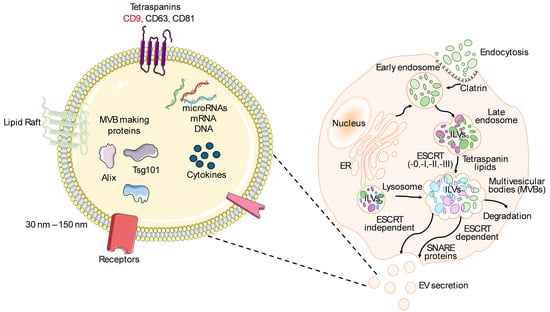
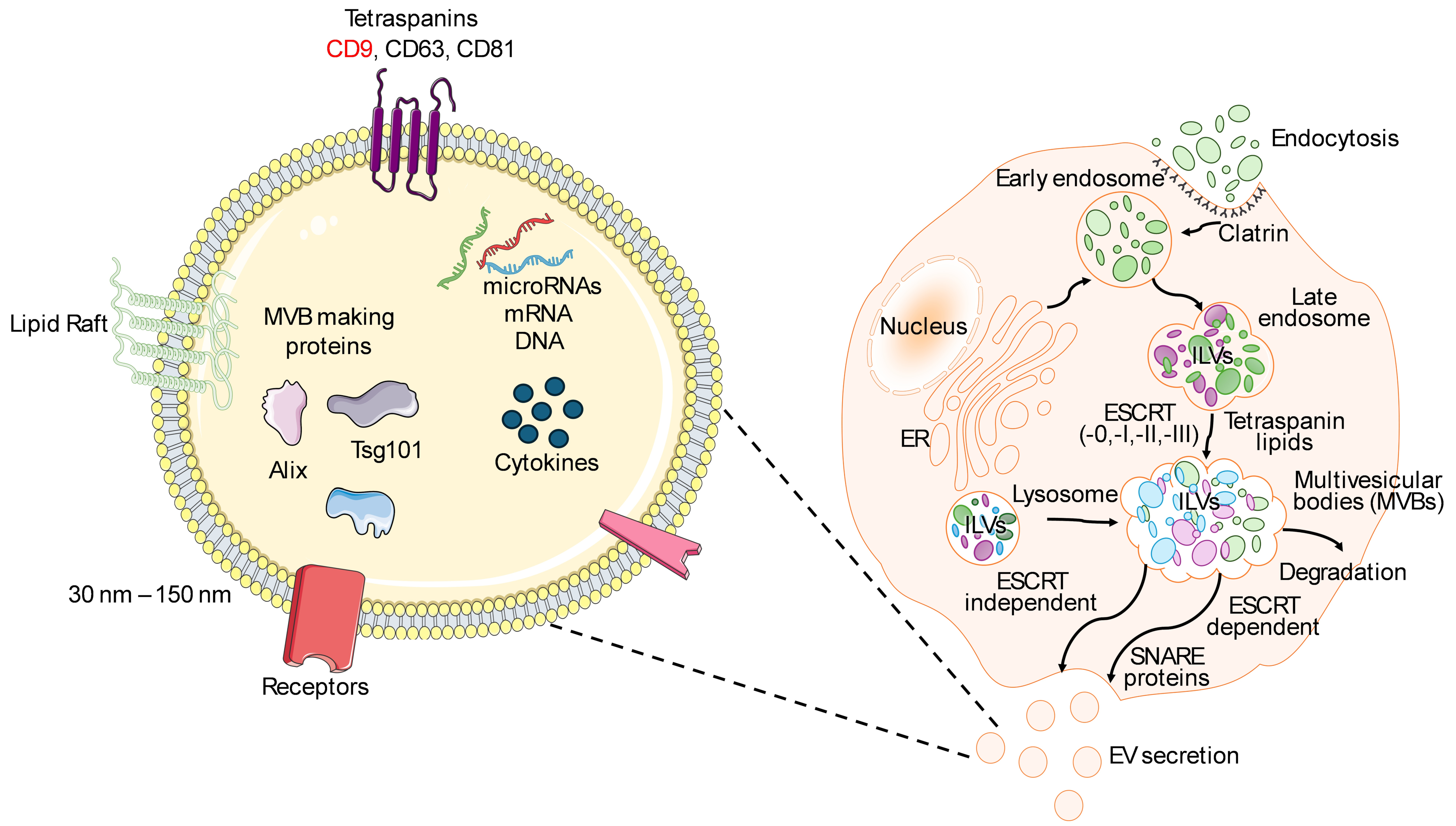
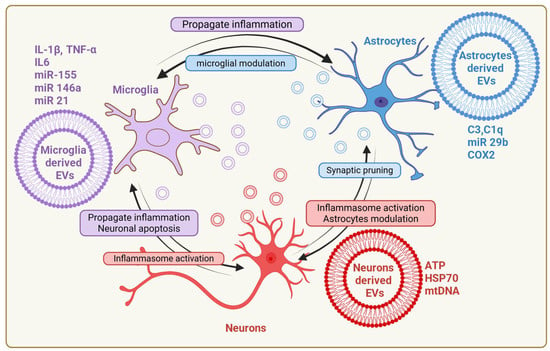
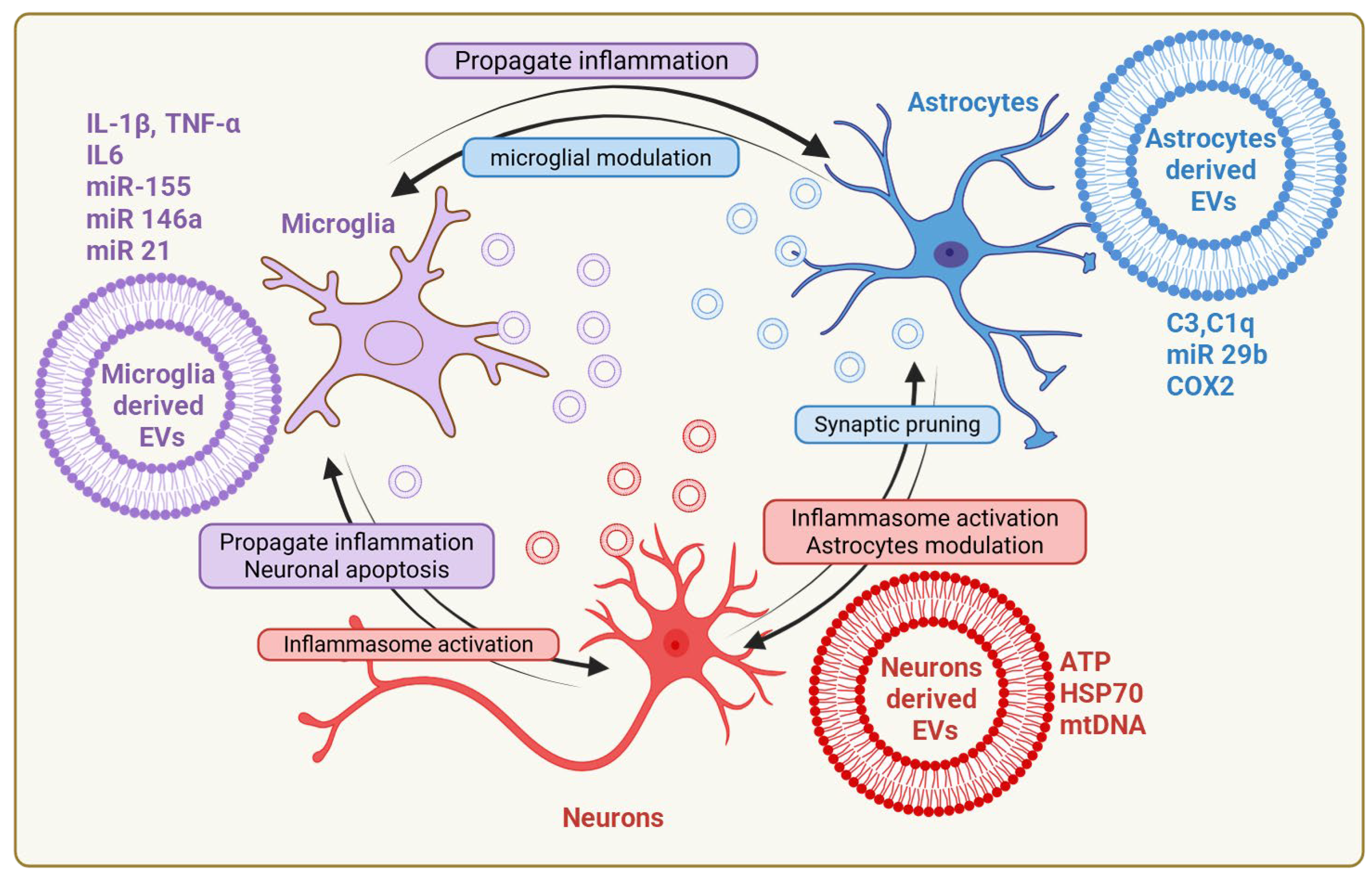

Disclaimer/Publisher’s Note: The statements, opinions and data contained in all publications are solely those of the individual author(s) and contributor(s) and not of MDPI and/or the editor(s). MDPI and/or the editor(s) disclaim responsibility for any injury to people or property resulting from any ideas, methods, instructions or products referred to in the content. |
© 2026 by the authors. Licensee MDPI, Basel, Switzerland. This article is an open access article distributed under the terms and conditions of the Creative Commons Attribution (CC BY) license.