1. Introduction
The ontological status of journalism has long been characterized by ambiguity and contestation, reflecting its position at the intersection of public service, commercial imperatives, and creative expression. Despite its progressive institutionalization within higher education since the mid-twentieth century, journalism has not achieved a universally accepted epistemological foundation. On the contrary, the expansion of journalism education has intensified debates regarding the nature of the field and the legitimacy of academic training.
As
Tumber (
2019) notes, journalism education and journalism studies are shaped by three overlapping yet often competing communities: professional practitioners, vocational educators, and academic researchers. Each group advances distinct claims regarding what journalism is and how it should be taught. Practitioners tend to privilege experiential knowledge, arguing that the complexities of journalistic work can only be fully understood within the newsroom. From this perspective, academic approaches are frequently regarded with scepticism, reinforcing what
Zelizer (
2009) describes as a divide between practical immersion and theoretical abstraction. Conversely, academic scholars emphasize the importance of analytical, ethical, and sociological frameworks, arguing that without theoretical grounding journalism risks being reduced to a purely technical activity devoid of democratic purpose.
These tensions are further exacerbated by the interdisciplinary origins of journalism studies. Historically, journalism programs emerged not from an autonomous scientific core but as extensions of established disciplines such as sociology, political science, and psychology. While this cross-disciplinary foundation enabled the development of influential theoretical frameworks—such as gatekeeping (
White, 1950) and agenda-setting (
McCombs & Shaw, 1972)—it also hindered journalism’s ability to establish epistemological autonomy. As
Zelizer (
2009) argues, journalism studies as an academic field has often been ‘housed’ within other disciplines, adapting to external methodological frameworks rather than developing a fully autonomous epistemological identity.
Within this context, journalism education occupies a particularly contested position. While some practitioners continue to view journalism primarily as a craft acquired through professional experience, scholars have emphasized that university education contributes to the development of analytical skills, ethical awareness, and a broader understanding of journalism’s democratic responsibilities (
Richards & Self, 2017). Consequently, journalism education should not be understood solely as vocational preparation, but also as a process through which professional knowledge, values, and journalistic identities are constructed.
The relationship between education and professional identity is particularly significant in fields such as journalism, where professional boundaries remain relatively open and where formal mechanisms of entry are limited compared with other professions. As a result, universities may play an important role in legitimizing journalistic knowledge and contributing to the formation of shared professional norms.
Building upon this institutional role in norm formation, contemporary scholarly discourse underscores the necessity of establishing precise conceptual boundaries when delineating the pedagogical and analytical frameworks that govern the media field. Specifically, a critical debate persists regarding whether “academic education,” “university journalism education,” and “journalism studies” represent distinct epistemological paradigms or mere terminological equivalents. Viewed through the lens of the sociology of professional groups, entry mechanisms and normative boundaries are continuously renegotiated as traditional occupational structures shift toward market-driven environments (
Evetts, 2006). Within this broader sociology, “academic education” functions as a macro-level foundation, prioritizing abstract theoretical literacy and critical methodological inquiry over industry-specific competencies. Conversely, “university journalism education” operates as a specialized institutional mechanism explicitly designed to bridge scholarly critique with professional practice. It serves as a primary locus for occupational socialization, constructing resilient professional identities capable of navigating systemic industry disruptions, such as the rise of digital networks (
Heinonen, 1999). This targeted educational tier directly interfaces with operational newsroom cultures, where gendered dynamics and institutionalized power structures heavily mediate how professional values are internalised by nascent practitioners (
De Bruin & Ross, 2004). Furthermore, as contemporary media ecosystems increasingly demand heightened occupational agility, university-level training faces the complex mandate of producing what macro-labour frameworks define as the ‘flexible employee’—individuals who must constantly balance multi-skilling imperatives with professional autonomy (
Kirpal & Brown, 2007). This intense institutional focus on versatility, however, often complicates the continuity of a stable professional identity during subsequent career transitions and market fluctuations (
Raeder & Grote, 2007). Distinct from both the macro-foundations of general education and the vocational socialization of university training, “journalism studies” functions not as a pedagogical tool for practitioners, but as an autonomous, reflexive research paradigm that treats journalism itself as an object of socio-political and empirical critique. Consequently, these terms cannot be treated as equivalent; “academic education” provides the overarching epistemological framework, “university journalism education” manages the complex, professional socialization of flexible actors within specific newsroom cultures, while “journalism studies” maintains the analytical distance required to critically evaluate the institutional field as a whole.
Within this broader context, the Greek media landscape provides a particularly relevant case for examining the relationship between academic education and professional identity. The persistent tension between journalism as an “innate craft” and as an “academic discipline” remains deeply embedded in professional culture. Moreover, the Greek media system presents distinctive characteristics that make it a valuable case study, including the historical relationship between media and political actors, debates regarding journalistic autonomy, limited institutional regulation of the profession, and ongoing concerns regarding professional standards and press freedom. In contrast to media systems where journalism education has become more firmly integrated into professional recruitment processes, the connection between universities and the journalistic labour market in Greece remains contested. Against this background, the Greek case offers an opportunity to examine how journalists themselves perceive the role of university education in shaping professional legitimacy, journalistic competence, and the formation of professional identity.
This study seeks to investigate how Greek journalists perceive the value of university-level education and how these perceptions relate to broader concerns regarding professional standards, press freedom, and the democratic role of journalism.
3. Materials and Methods
3.1. Methodology and Sampling
This study adopts a quantitative research design to investigate journalists’ perceptions of academic education and its role in shaping professional identity within the Greek media context. The exploratory nature of the study reflects its aim to identify patterns in journalists’ perceptions and attitudes rather than to produce statistically representative estimates of the entire journalistic population in Greece.
The target population consisted of professional journalists registered as members of the Journalists’ Union of Macedonia and Thrace (ESIEMTH). Membership in the union was used as an inclusion criterion because it provided access to professionally recognized journalists who were actively engaged in journalistic practice.
The main research question of this study examines the extent to which professional journalists in Greece perceive journalism education as a meaningful component of their professional identity formation, and how these perceptions relate to broader understandings of journalism as either a practice grounded in experience and craft or as an academically structured discipline. In this study, professional identity is understood not as a fixed characteristic of journalists, but as a dynamic process through which professionals construct meanings regarding their role, competencies, values, and legitimacy within the field. Accordingly, the study examines journalists’ perceptions of the relationship between formal education, professional experience, and journalistic practice as dimensions contributing to professional identity formation (
Gioltzidou & Gioltzidou, 2022).
Greece was selected as the empirical setting because the relationship between journalism education and professional practice remains particularly contested. Although journalism has become increasingly institutionalized within higher education, professional traditions continue to emphasize experiential learning and newsroom socialization. This tension provides an appropriate context for examining how journalists negotiate different understandings of professional knowledge, competence, and legitimacy.
To address this research question, the empirical analysis is based on a structured, self-administered survey distributed electronically among professional journalists in Greece between 24 April 2026 and 8 May 2026. Data were collected through a questionnaire composed primarily of closed-ended items measured on Likert-type scales, specifically designed to capture attitudes toward journalism education, the perceived relationship between theory and practice, the value of university-level education, the relationship between journalism as craft and journalism as a profession, professional autonomy, press freedom, and broader ethical challenges within the contemporary Greek media environment. Participation was entirely voluntary and anonymous, following established principles of research ethics, including informed consent and strict confidentiality.
A purposive non-probability sampling approach was employed due to practical limitations regarding access to the target population. Given the exploratory aim of the research and its explicit focus on professional perceptions within a specific journalistic community, this approach was considered methodologically appropriate.
Participants were recruited through the Journalists’ Union of Macedonia and Thrace (ESIEMTH), an officially recognized professional organization. To ensure strict ethical compliance and protect participant anonymity, the questionnaire was distributed directly by the union administration to all 931 registered members via their official mailing list; consequently, no personal contact or identifying information was disclosed to the researchers. All registered members who were considered active professionals at the time of data collection were eligible to participate. Within a designated five-day data collection window, a final sample of 115 completed questionnaires was retrieved from this active pool of professionals working across print, broadcast, and digital media, yielding a response rate of 12.35%. Although only 6.1% of respondents held a university degree in Journalism and/or Media Studies, their evaluations of journalism education extend beyond personal formal backgrounds. Given the importance of internships and newsroom-based practical training in the transition from journalism education to professional practice in Greece, established practitioners are frequently exposed to the skills, preparedness, and working practices of students and recent graduates. Such professional interactions may provide respondents with a practical basis for evaluating the skills, preparedness, and workplace adaptation of new entrants to journalism. While a response rate of 12.35% requires cautious interpretation regarding demographic generalizability, the sample provides valuable insights into the perceptions of unionized journalists within a clearly defined professional community. Given the specific institutional context of ESIEMTH membership, the findings should be interpreted as reflecting the experiences and perceptions of this professional group rather than the broader population of journalists in Greece.
The questionnaire consisted primarily of closed-ended questions organized around four main thematic areas: (1) perceptions of journalism education and its usefulness, (2) orientations toward journalism as craft or profession, (3) evaluations of the relationship between theory and practice in journalism training, and (4) perceptions of press freedom and ethical standards within the Greek media system. The development of the questionnaire was informed by relevant literature in journalism studies and professional identity research. The instrument was designed to operationalize key theoretical dimensions discussed in the literature, including the relationship between formal education and professional legitimacy, the role of practical experience, and journalists’ perceptions of normative aspects of the profession. Additional items addressed perceptions of press freedom and journalistic ethics in Greece.
Following data collection, responses were coded and analyzed using quantitative methods. Descriptive statistics, including frequencies, percentages, means, and standard deviations, were used to identify general response patterns. Cross-tabulation analysis was additionally conducted to explore relationships between key variables, particularly those related to journalism education and professional identity orientations along the craft–profession continuum.
The analytical framework was guided by theoretical distinctions in journalism studies, particularly the conceptual separation between craft-based and institutionally professionalized understandings of journalism. In this study, journalists are not treated as a uniform group, but as professionals whose perceptions may be shaped by factors such as experience, organizational context, and exposure to academic training. The selection and grouping of variables were guided by the theoretical framework and research objectives, allowing the analysis to examine recurring patterns in respondents’ evaluations of journalism education, professional identity, and newsroom practice.
6. Conclusions
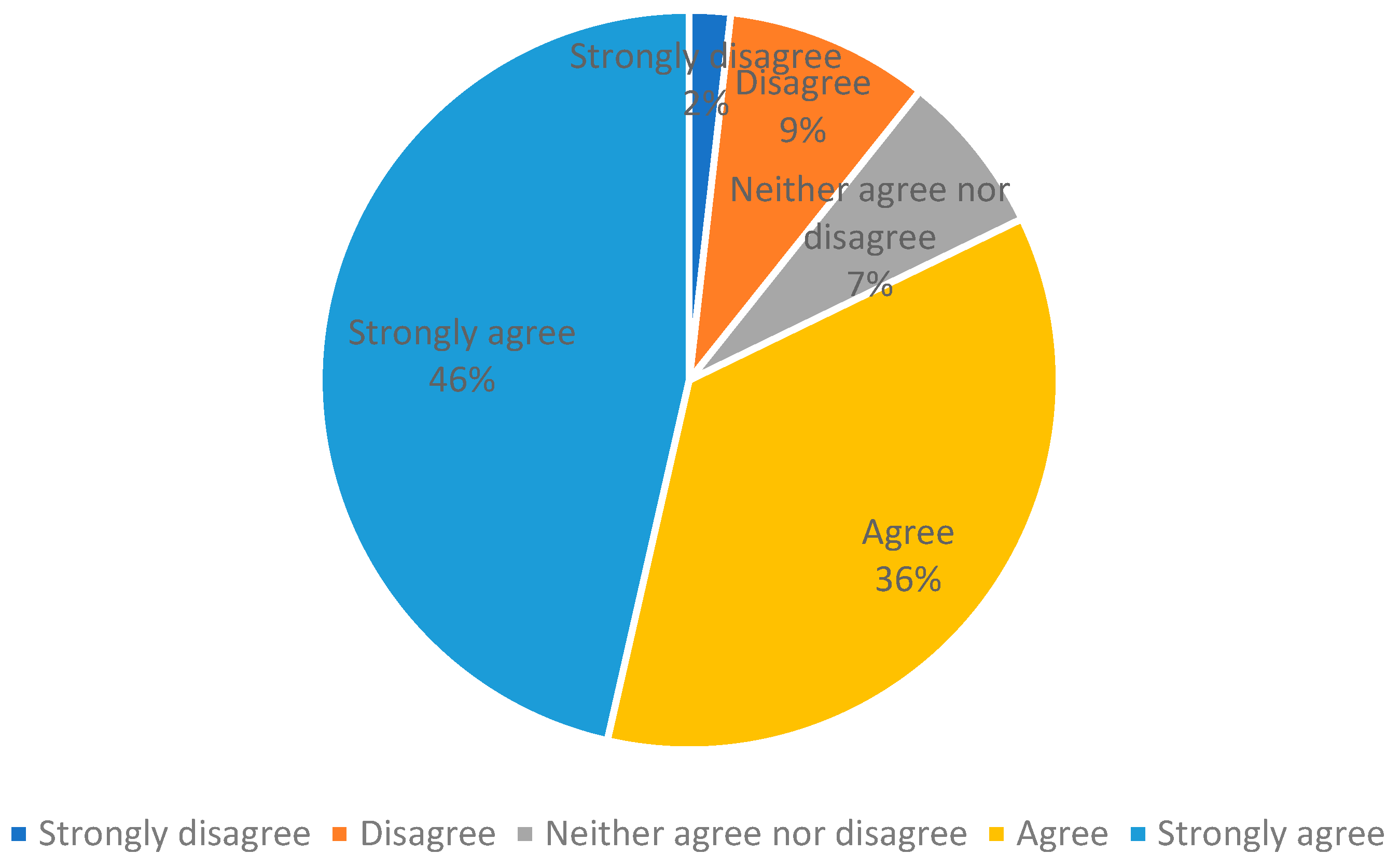
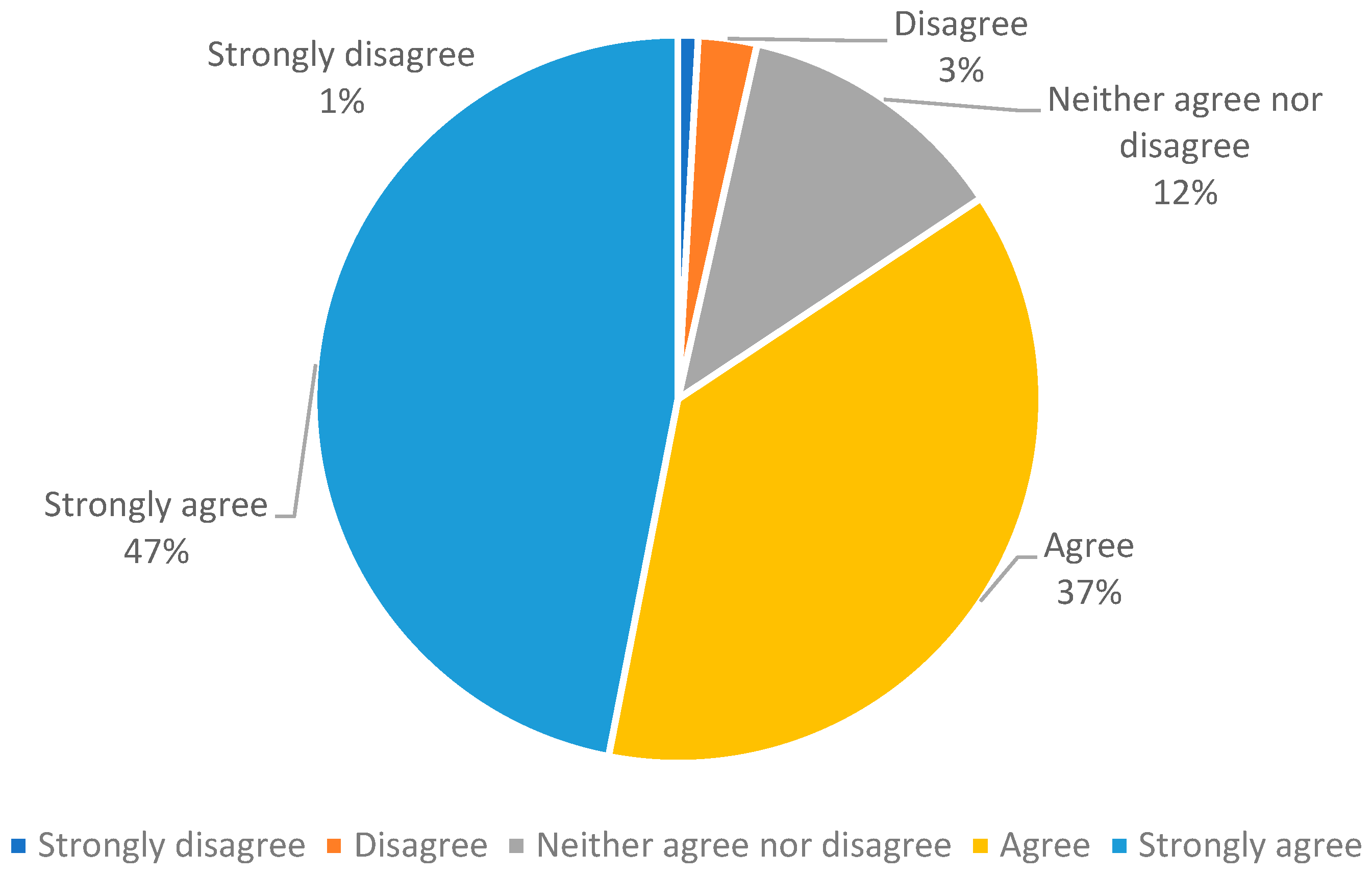
The present study explored the perceptions of participating professional journalists regarding the role of university education in shaping professional competence, ethical awareness, and professional identity within the contemporary Greek media environment. The findings indicate that respondents generally attribute substantial value to journalism education, recognizing its contribution to the development of professional skills, ethical understanding, and awareness of journalistic responsibilities. In this respect, university education is perceived not merely as a formal academic qualification, but also as an important element in the ongoing process of professionalization and identity formation within journalism.
At the same time, the findings reveal nuanced and sometimes conflicting perceptions among respondents. Although participants strongly supported the value of journalism education, they expressed greater hesitation when considering journalism as a career path for younger generations. This tension appears to reflect broader concerns reported by participants regarding employment insecurity, working conditions, economic pressures, and uncertainty surrounding the future sustainability of journalism in Greece.
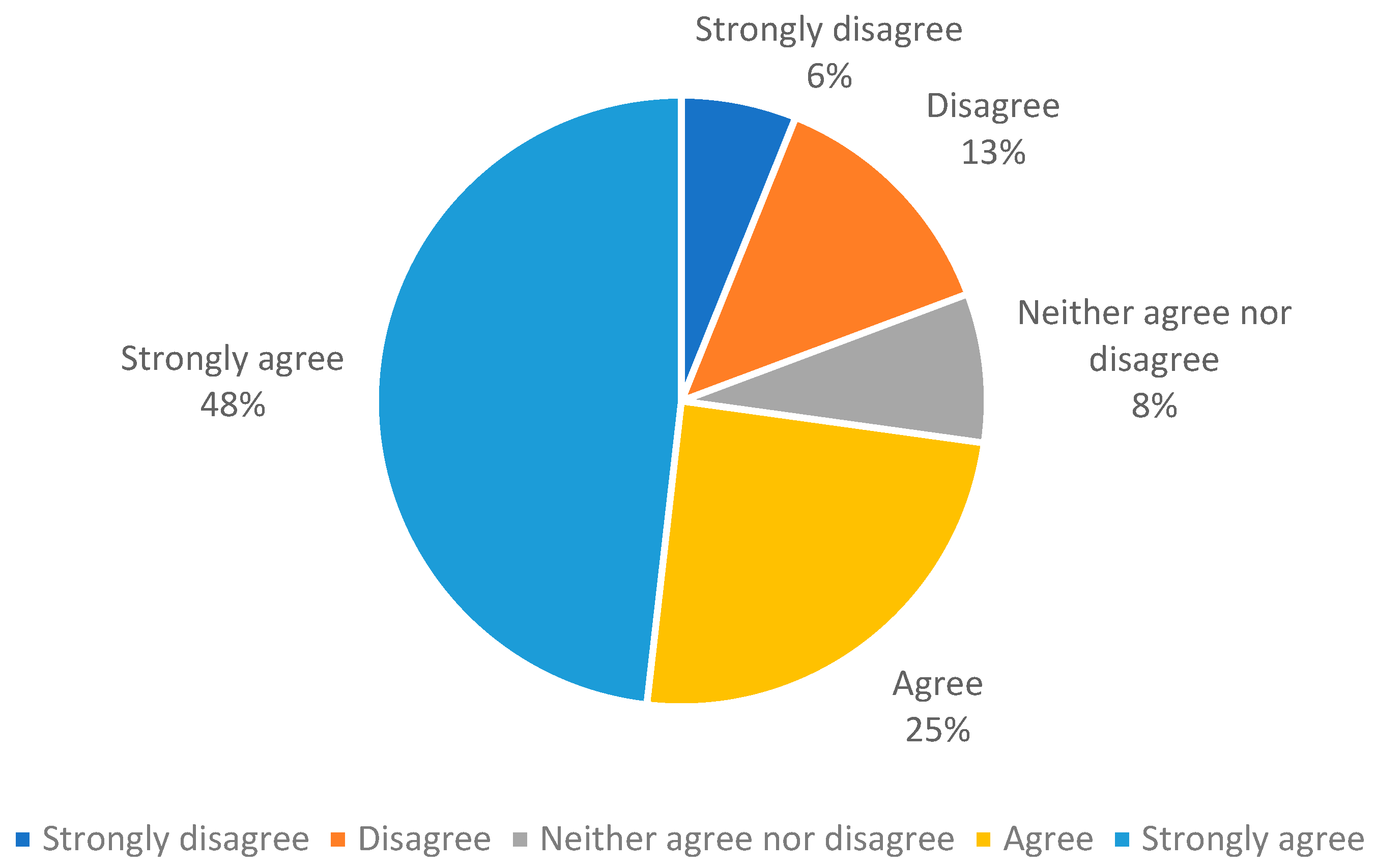
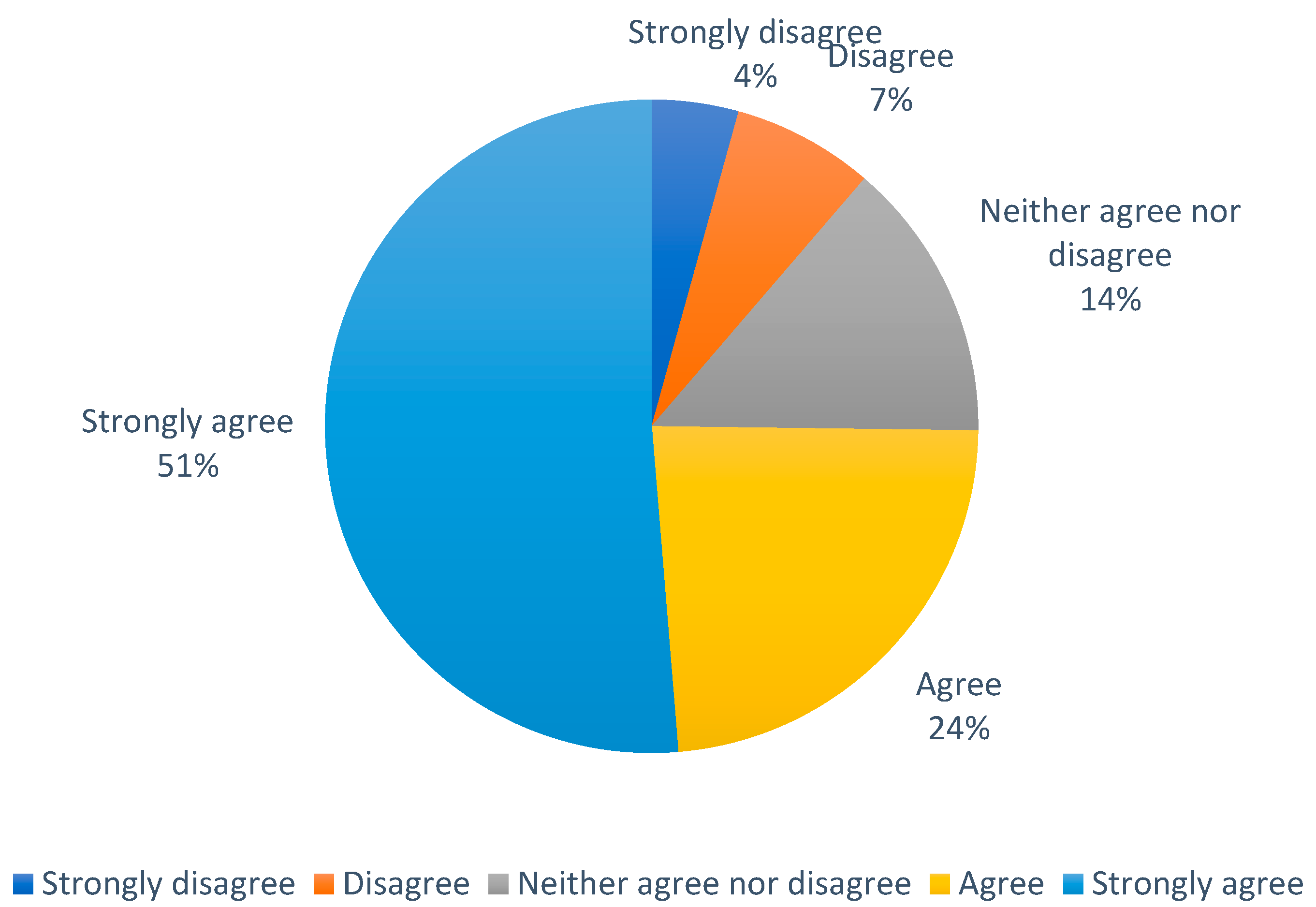
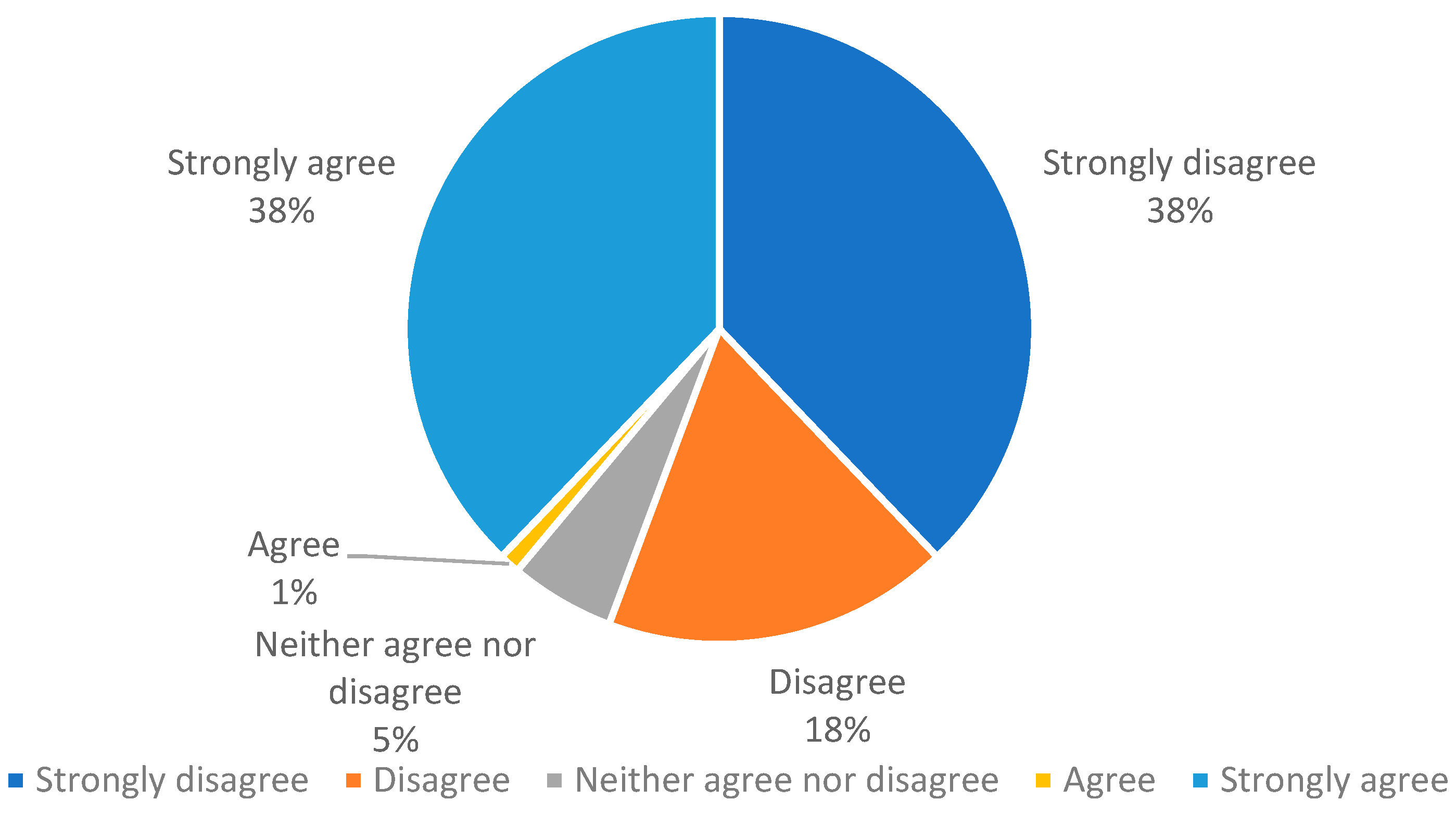
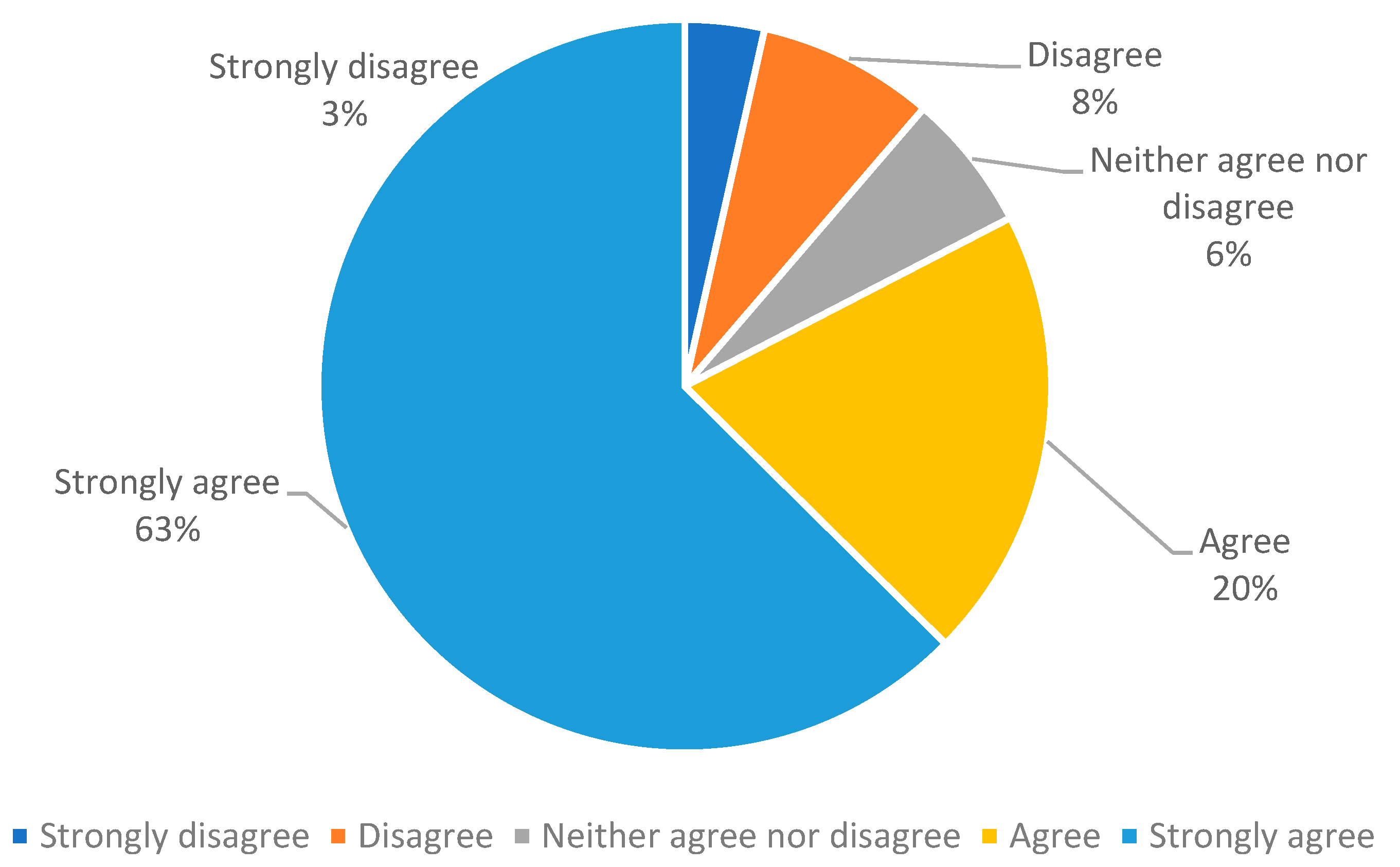
The study also suggests that respondents do not perceive theoretical education and practical training as mutually exclusive dimensions. On the contrary, participants strongly emphasized the need for journalism curricula that combine academic knowledge with applied newsroom experience. The widespread dissatisfaction regarding the limited simulation of professional conditions within university programs suggests that the perceived theory–practice gap remains an important challenge identified by the participating journalists regarding the relationship between university education and professional practice. In this context, the strong support for the participation of active media professionals in university teaching reflects respondents’ preference for closer collaboration between academia and the journalism industry.
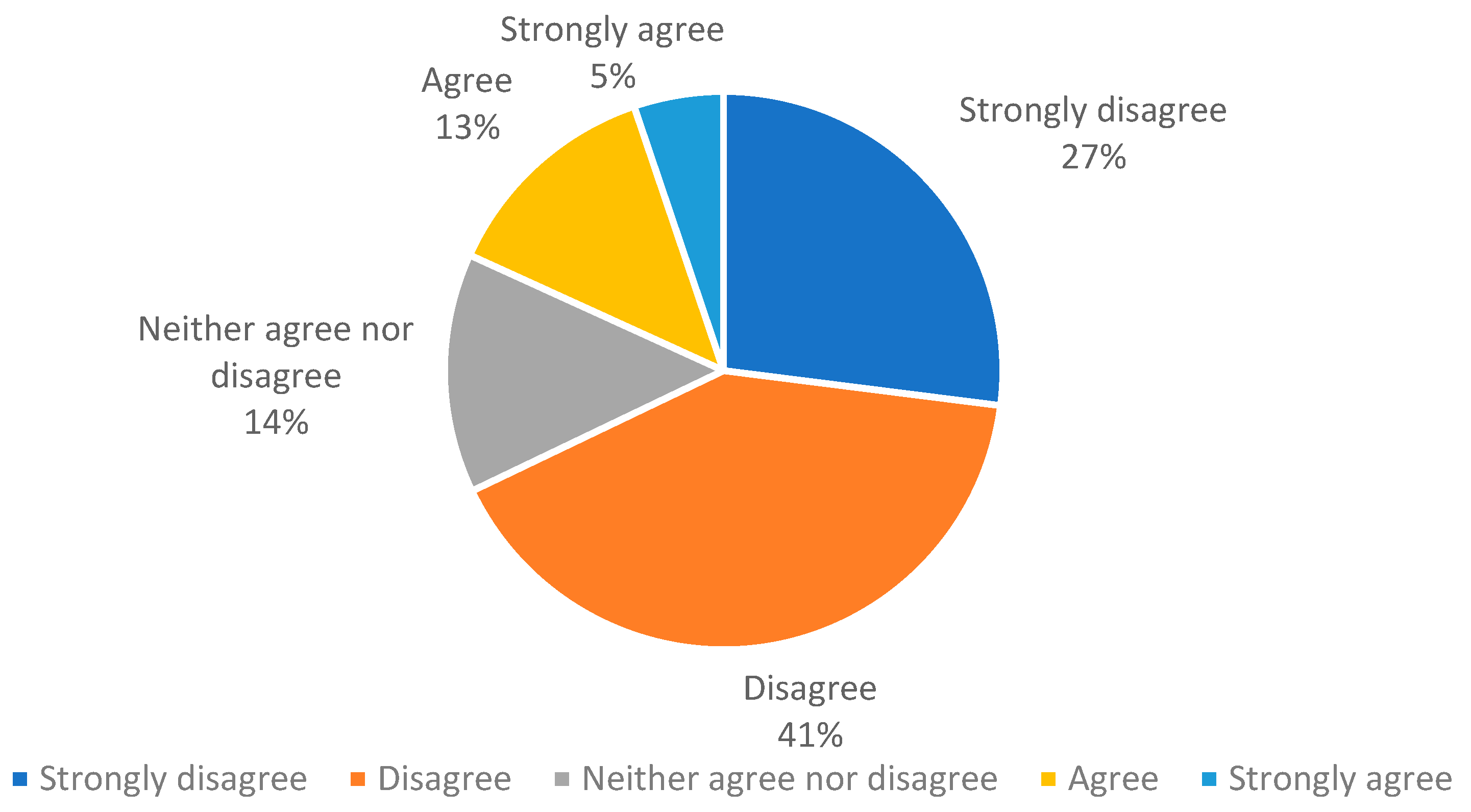
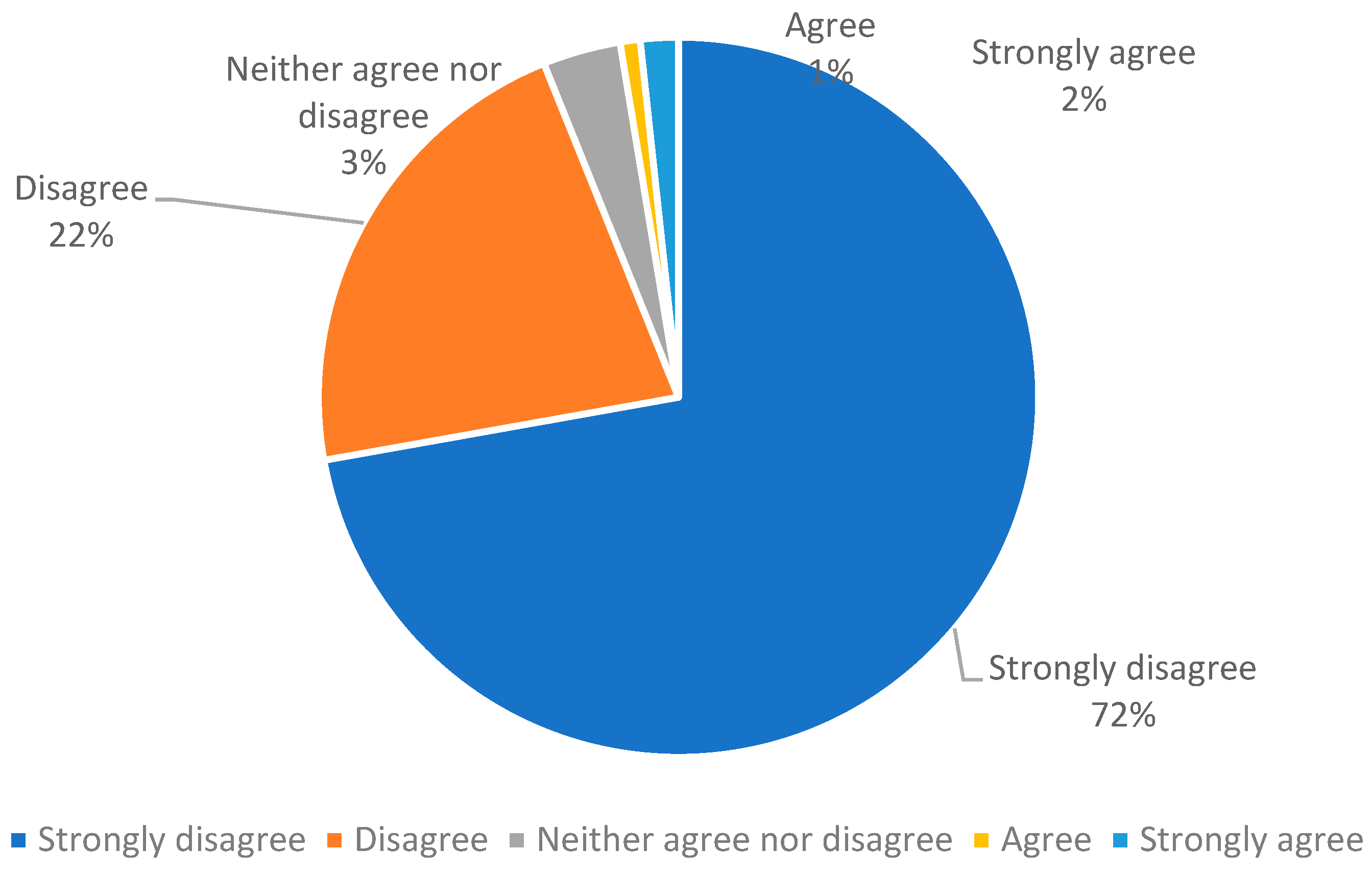
Equally important are the findings concerning perceptions of press freedom and journalistic ethics in Greece. Respondents perceived higher education as contributing to greater preparedness in addressing challenges related to manipulation and external influence. Nevertheless, the overwhelmingly negative evaluations regarding the state of press freedom in Greece indicate significant concerns among participants regarding the institutional and political conditions under which journalism currently operates in Greece. Concerns regarding close relationships between journalists and political actors further underline the perception that structural factors continue to affect journalistic credibility and autonomy.
Overall, the findings suggest that journalism education holds substantial symbolic and professional value among the journalists participating in this study. However, they also indicate that strengthening the practical dimension of journalism training and improving the broader professional environment are perceived by respondents as necessary conditions for reinforcing the quality and social legitimacy of journalism in Greece.
Future research should further investigate the relationship between journalism education and professional practice through larger samples, comparative approaches, and qualitative methods. In particular, interviews with journalists, educators, and journalism students could provide deeper insights into how professional identity is constructed and negotiated across different stages of journalistic socialization.
Author Contributions
Conceptualization, F.G., G.G. and T.C.; Methodology, F.G. and G.G.; Software, T.C.; Validation, F.G., G.G. and T.C.; Formal analysis, F.G., G.G. and T.C.; Investigation, F.G. and G.G.; Resources, F.G., G.G. and T.C.; Data curation, F.G., G.G. and T.C.; Writing—original draft, F.G. and G.G.; Writing—review & editing, F.G. and G.G.; Visualization, F.G., G.G. and T.C.; Supervision, F.G. and G.G.; Project administration, F.G. and G.G.; Funding acquisition, F.G., G.G. and T.C. All authors have read and agreed to the published version of the manuscript.
Funding
This research received no external funding.
Institutional Review Board Statement
The study described in the manuscript involved qualitative research conducted through semi-structured interviews with professional journalists. It was a non-interventional, low-risk study and did not involve vulnerable populations, medical procedures, or the collection of sensitive personal data. According to Articles 277–282 of Law 4957/2022 (A’ 141), Research Ethics and Deontology Committees (REDCs) in Greece are responsible for ensuring that research projects conducted within Higher Education Institutions (HEIs) or research centers comply with applicable legislation and accepted ethical standards. As this study was conducted independently and not within or funded by any HEI or research institution, it does not fall under the jurisdiction of any REDC. Also, currently, there is no competent national authority in Greece responsible for granting ethical approval for such independent research projects. Thus, Ethics Committee or Institutional Review Board approval is not required. Nevertheless, the research was conducted in full compliance with the principles of the Declaration of Helsinki (2013 revision), including: Informed consent obtained from all participants prior to their involvement; Voluntary participation; Full anonymity and confidentiality; No collection or processing of sensitive personal data.
Informed Consent Statement
Informed consent was obtained from all subjects involved in the study.
Data Availability Statement
The data presented in this study are available on request from the corresponding author due to privacy and ethical restrictions.
Conflicts of Interest
The authors declare no conflicts of interest.
References
- Adam, G. S. (1993). Notes toward a definition of journalism. Poynter Institute. [Google Scholar]
- Asp, K. (2007). Journalism and democracy. In E. Lauk (Ed.), Journalism at the crossroads. Tartu University Press. [Google Scholar]
- Atwood, R. A., & Beer, A. S. D. (2001). The roots of academic news research: Tobias Peucer’s De relationibus novellis (1690). Journalism Studies, 2(4), 485–496. [Google Scholar] [CrossRef]
- Bardoel, J. (1996). Beyond journalism: A profession between information society and civil society. European Journal of Communication, 11(3), 283–302. [Google Scholar]
- Barnhurst, K. G., & Nerone, J. (2009). Journalism history. In K. Wahl-Jorgensen, & T. Hanitzsch (Eds.), The handbook of journalism studies. Routledge. [Google Scholar]
- Blom, R., Hansen, G. J., & Kanigel, R. (2019). Data journalism education. Journalism & Mass Communication Educator, 74(4), 1460–1475. [Google Scholar]
- Carey, J. W. (2000). Some personal notes on journalism education. Journalism, 1(1), 12–23. [Google Scholar] [CrossRef] [Scilit]
- Chalaby, J. K. (1996). Journalism as an Anglo-American invention: A comparison of the development of French and Anglo-American journalism, 1830s–1920s. European Journal of Communication, 11(3), 302–326. [Google Scholar]
- Chalaby, J. K. (1998). The invention of journalism. Springer. [Google Scholar]
- Christians, C. G. (2009). Normative theories of the media: Journalism in democratic societies. University of Illinois Press. [Google Scholar]
- Cronin, M. M. (1993). Trade press roles in promoting journalistic professionalism, 1884–1917. Journal of Mass Media Ethics, 8(4), 227–238. [Google Scholar] [CrossRef] [Scilit] [PubMed]
- Cunha, P. (1941). O jornalismo em Portugal. Livraria Civilização. [Google Scholar]
- De Beer, A. S., van Ryneveld, L. F., & Schreiner, W. N. (2000). Leipzig: From Tobias Peucer’s De relationibus novellis (1690) to ecquid novi (2000). Ecquid Novi: African Journalism Studies, 21(1), 6–61. [Google Scholar] [CrossRef] [Scilit]
- De Bruin, M., & Ross, K. (Eds.). (2004). Gender and newsroom cultures: Identities at work. Hampton Press. [Google Scholar]
- Deuze, M. (2006). Global journalism education. Journalism Studies, 7(1), 19–34. [Google Scholar] [CrossRef] [Scilit]
- Drok, N. (2013). Beacons of reliability: European journalism students and professionals on future qualifications for journalists. Journalism Practice, 7(2), 145–162. [Google Scholar] [CrossRef] [Scilit]
- El-Nawawy, M., & Iskandar, A. (2002). Al-Jazeera. Westview. [Google Scholar]
- Evetts, J. (2006). Short note: The sociology of professional groups: New directions. Current Sociology, 54(1), 133–143. [Google Scholar] [CrossRef] [Scilit]
- Evetts, J. (2013). Professionalism: Value and ideology. Current Sociology, 61(5–6), 778–796. [Google Scholar] [CrossRef] [Scilit]
- Flexner, A. (2001). Is social work a profession? Research on Social Work Practice, 11(2), 152–159. [Google Scholar] [CrossRef] [Scilit]
- Foote, J., & Wao, F. (2017). How good are we? Toward a global refinement of learning outcomes assessment in journalism education. In Global journalism education in the 21st century: Challenges and innovations (pp. 281–306). Knight Center for Journalism in the Americas. [Google Scholar]
- Freidson, E. (2001). Professionalism, the third logic. University of Chicago Press. [Google Scholar]
- Frost, C. (2019). Five challenges facing journalism education in the UK. Asia Pacific Media Educator, 28(2), 153–163. [Google Scholar]
- Gaunt, P. (1992). Making the news. Greenwood Press. [Google Scholar]
- Gioltzidou, G., & Gioltzidou, F. (2022). Generation as a key factor in the diversity of journalistic cultures in Greece. In SHS web of conferences (Vol. 139, p. 04001). EDP Sciences. [Google Scholar]
- Gioltzidou, G., Mitka, D., Gioltzidou, F., Chrysafis, T., Mylona, I., & Amanatidis, D. (2024). Adapting traditional media to the social media culture: A case study of Greece. Journalism and Media, 5(2), 485–499. [Google Scholar] [CrossRef] [Scilit]
- Habermas, J. (1989). The public sphere: An inquiry into a category of bourgeois society. Polity. [Google Scholar]
- Hallin, D. C. (2000). Commercialism and professionalism in the American news media. In J. Curran, & M. Gurevitch (Eds.), Mass media and society. Arnold. [Google Scholar]
- Hampton, M. (2008). The “objectivity” ideal and its limitations in 20th-century British journalism. Journalism Studies, 9(4), 477–493. [Google Scholar] [CrossRef] [Scilit]
- Heinonen, A. (1999). Journalism in the age of the net: Changing society, changing profession. Tampere University Press. [Google Scholar]
- Kirpal, S., & Brown, A. (2007). The much vaunted ‘flexible employee’—What does it take? In A. Brown, S. Kirpal, & S. Raeder (Eds.), Identities at work (pp. 211–238). Springer. [Google Scholar]
- Kovach, B., & Rosenstiel, T. (2001). The elements of journalism. Three Rivers Press. [Google Scholar]
- Martin, J. D., Trammell, K. D., Landers, D., Valois, J. M., & Bailey, T. (2006). Journalism and the debate over origins: Newspaper coverage of intelligent design. Journal of Media and Religion, 5(1), 49–61. [Google Scholar] [CrossRef] [Scilit] [PubMed]
- McCombs, M. E., & Shaw, D. L. (1972). The agenda-setting function of mass media. Public Opinion Quarterly, 36(2), 176–187. [Google Scholar] [CrossRef] [Scilit]
- McLeod, J. M., & Hawley, S. E., Jr. (1964). Professionalization among newsmen. Journalism Quarterly, 41(4), 529–577. [Google Scholar] [CrossRef] [Scilit]
- Mensing, D. (2010). Realigning journalism education. In Journalism education, training and employment (pp. 27–44). Routledge. [Google Scholar]
- Mensing, D. (2017). The curious case of US journalism education: Shrinking newsrooms, expanding classrooms. In Global journalism education in the 21st century: Challenges & innovations (pp. 219–242). Knight Center for Journalism in the Americas, University of Texas at Austin. [Google Scholar]
- Mensing, D. (2019). Journalism education. In Oxford research encyclopedia of communication. Oxford University Press. [Google Scholar]
- Nolan, D. (2008). Journalism, education and the formation of ‘public subjects’. Journalism, 9(6), 733–749. [Google Scholar] [CrossRef] [Scilit]
- Örnebring, H. (2009). Reassessing journalism as a profession. In The Routledge companion to news and journalism (pp. 568–577). Routledge. [Google Scholar]
- Papathanassopoulos, S. (2010). Journalism training in Southern Europe. Journalism Practice, 4(2), 220–232. [Google Scholar]
- Peucer, T. (1690). De relationibus novellis [Unpublished doctoral dissertation]. University of Leipzig.
- Purdey, H. (2000). Radio journalism training and the future of radio news in the UK. Journalism, 1(3), 329–352. [Google Scholar] [CrossRef] [Scilit]
- Raeder, S., & Grote, G. (2007). Career changes and identity continuities—A contradiction? In A. Brown, S. Kirpal, & S. Raeder (Eds.), Identities at work (pp. 147–182). Springer. [Google Scholar]
- Raudsepp, E. (1989). Reinventing journalism education. Canadian Journal of Communication, 14(2), 1–14. [Google Scholar]
- Reardon, S. (2018). Natural selection: Empiricist discourse in the talk of broadcast journalists. Discourse & Communication, 12(1), 80–98. [Google Scholar] [CrossRef] [Scilit]
- Reporters Without Borders. (2026). 2026 world press freedom index. Available online: https://rsf.org/en/index (accessed on 28 May 2026).
- Richards, I., & Self, C. C. (2017). Going global: Journalism education gets its act together. In R. S. Goodman, & E. Steyn (Eds.), Global journalism education in the 21st century: Challenges and innovations (pp. 267–280). Knight Center for Journalism in the Americas. Available online: https://journalismcourses.org/wp-content/uploads/2020/06/GlobalJournalism.pdf (accessed on 28 May 2026).
- Scholl, A., & Weischenberg, S. (1999). Autonomy in journalism: How it is related to attitudes and behavior of media professionals. Web Journal of Mass Communication Research, 2(4). [Google Scholar]
- Schudson, M. (1978). Discovering the news. Basic Books. [Google Scholar]
- Schudson, M. (2001). The objectivity norm in American journalism. Journalism, 2(2), 149–170. [Google Scholar] [CrossRef] [Scilit]
- Skinner, D., Gasher, M., & Compton, J. (2001). Putting theory into practice: A critical approach to journalism studies. Journalism, 2(3), 314–360. [Google Scholar]
- Szot, L. (2009). Journalism education in Poland. Journalism Practice, 3(4), 470–482. [Google Scholar]
- Tuchman, G. (1972). Objectivity as strategic ritual: An examination of newsmen’s notions of objectivity. American Journal of Sociology, 77(4), 660–679. [Google Scholar] [CrossRef] [Scilit]
- Tumber, H. (2019). The study of journalism. In The handbook of journalism studies. Routledge. [Google Scholar]
- UNESCO. (2007). Model curricula for journalism education. UNESCO. [Google Scholar]
- Wahl-Jorgensen, K., & Hanitzsch, T. (2009). The handbook of journalism studies. Routledge. [Google Scholar]
- Waisbord, S. (2013). Reinventing professionalism: Journalism and news in global perspective. Polity Press. [Google Scholar]
- Wall, M. (2015). Change the space, change the practice? Re-imagining journalism education with the Pop-Up Newsroom. Journalism Practice, 9(2), 123–137. [Google Scholar]
- White, D. M. (1950). The “Gate Keeper”: A case study in the selection of news. Journalism Quarterly, 27(4), 383–390. [Google Scholar] [CrossRef] [Scilit]
- Zelizer, B. (2009). The changing faces of journalism study. In The handbook of journalism studies. Routledge. [Google Scholar]
| Disclaimer/Publisher’s Note: The statements, opinions and data contained in all publications are solely those of the individual author(s) and contributor(s) and not of MDPI and/or the editor(s). MDPI and/or the editor(s) disclaim responsibility for any injury to people or property resulting from any ideas, methods, instructions or products referred to in the content. |